Travel Planning Hub
Start here to plan your trip, compare options, and explore every TLGA planning guide.
Packing & Gear Guide
What to pack, what to skip, and how to build a lighter travel setup that works.
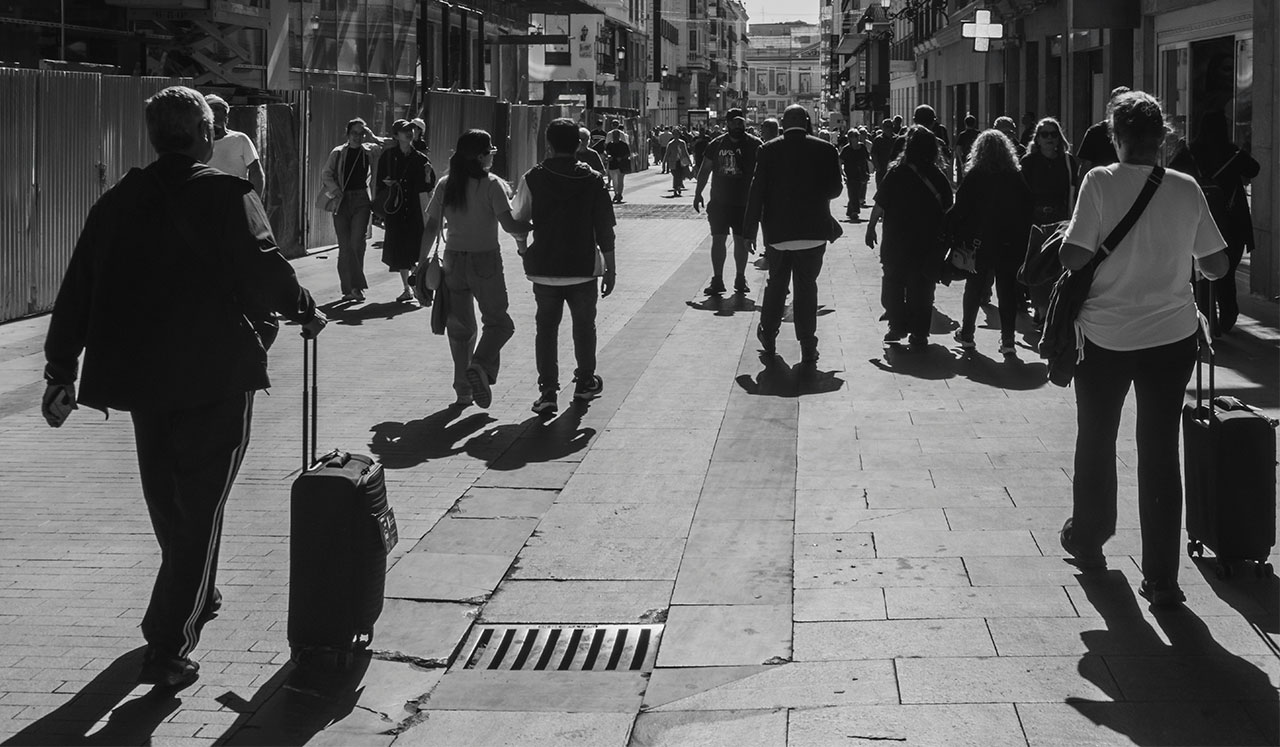

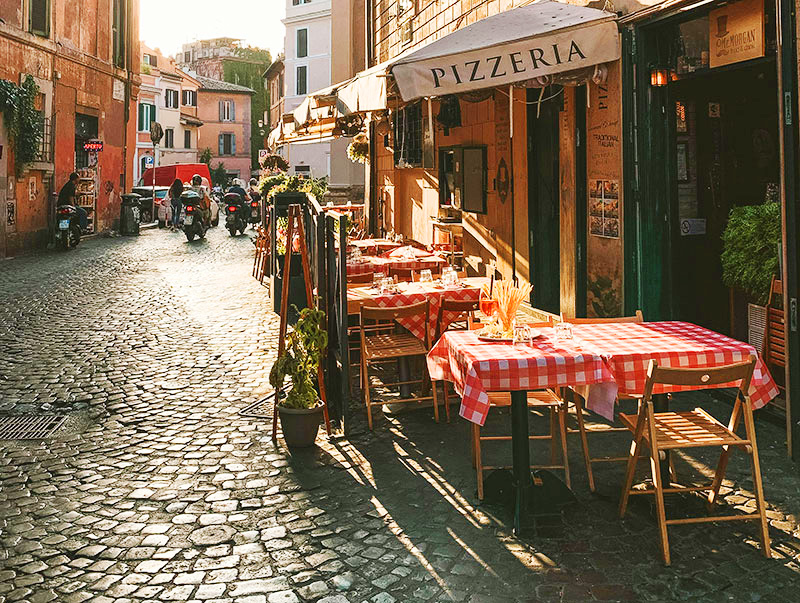
The Trastevere vibe: Roman evenings are best spent dining al fresco on narrow cobblestone streets, surrounded by ivy and the smell of wood-fired pizza.
Last updated: January 2026 by Corey Gasman
From the Editor:
Picking the right hotel in Italy is not just about the thread count. It is about the daily reality of the trip. In Venice, the wrong location means hauling luggage over bridges. In Rome, it can mean sleeping above a wine bar that stays open until 3:00 AM before your early Vatican tour.
I have learned this the hard way. I have stayed in “central” Rome locations that still required long bus rides, and I have booked “romantic” Venetian lofts that turned out to be damp ground-floor problem zones.
This guide breaks down the best neighborhoods to stay in Italy’s big cities, starting with Rome, Florence, and Venice, then covering Milan and Naples. Whether you want atmosphere, walkability, quiet sleep, or easier arrival logistics, here is where to base yourself.
In Italy, neighborhood choice shapes the whole trip. A great location can save you time, reduce transit stress, improve sleep, and make the city feel easier from the moment you check in.
The best question is not “What is most central?” It is “What kind of trip do I want to have each day?” Do you want nightlife outside your door, a quiet sleep, easier taxi access, or a base that feels more local than tourist-heavy?
Local Guide Tip: The “Centro Storico” trap
“Centro Storico” just means “historic center.” In cities like Rome or Naples, that can cover a huge area. Do not book based on “center” alone. Check the exact neighborhood name so you know whether you are getting a quiet side street or a noisy main corridor.
Planning your Italy trip? Before you book hotels, make sure your logistics are sorted. Start with these guides:
⭐ Best booking rule: Choose the neighborhood first, then the hotel. A good room in the wrong area is still the wrong stay.
Rome accommodation will stay under pressure because of Jubilee travel demand. Book earlier than you think, especially near the Vatican and central historic areas.
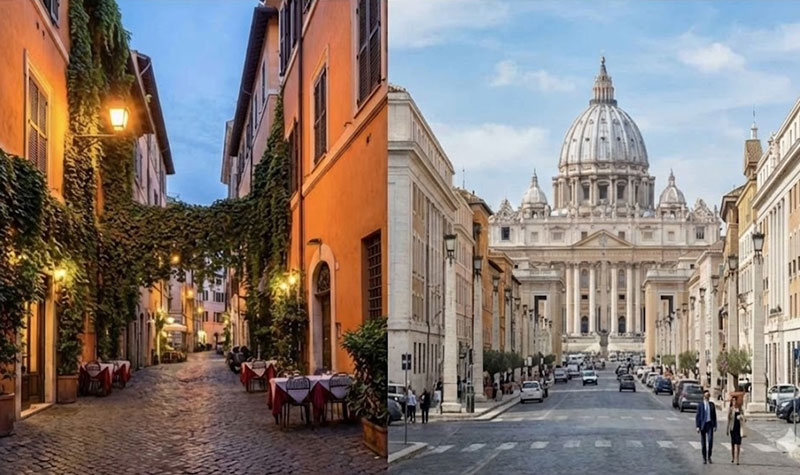
The Roman dilemma: the ivy-covered charm of Trastevere is beautiful but noisy, while the more orderly streets of Prati offer a quieter stay near the Vatican.
Rome is massive, and where you stay directly affects how easy the city feels. You are going to walk a lot no matter what, so the real question is what kind of atmosphere you want around you when you are not sightseeing.
Local Guide Tip: Why we loved Trastevere for a longer stay
Last October, we spent a full week in Trastevere near one of the old fountains, and it completely changed how we experienced Rome. At night, we could walk 5 to 10 minutes in almost any direction and choose from dozens of strong bars and restaurants. The people-watching alone was worth it. It felt like a neighborhood, not just a tourism zone.
Yes, Trastevere is technically across the river from the main historic core, but if you are comfortable walking, many major sights are still reachable on foot. We loved walking along the Tiber, and when it felt too far, we used transit or grabbed a taxi.
Bottom line: If you want nightlife, atmosphere, and a more local feel and you do not mind walking, Trastevere is an excellent choice for a slower, more immersive stay.
The postcard version of Rome. Cobblestones, ivy, laundry overhead, and streets that come alive at night.
Right behind the Colosseum, Monti mixes central location with wine bars, vintage shops, and a younger local feel.
North of the Vatican, Prati is more polished, more residential, and much calmer at night.
Local Guide Tip: Avoid Termini late at night
Hotels near Roma Termini are convenient and often cheaper, but the immediate area can feel gritty late at night. If you want station access without the worst of the atmosphere, look toward Esquilino or Castro Pretorio.
In many Italian city centers, traffic is restricted by ZTL zones, or limited-traffic areas. That means your taxi may not be able to drop you at the exact front door of your hotel, especially if you are staying deep inside the historic core.
If you are a light sleeper, your exact street matters almost as much as the neighborhood. In older buildings, sound carries farther than many travelers expect.
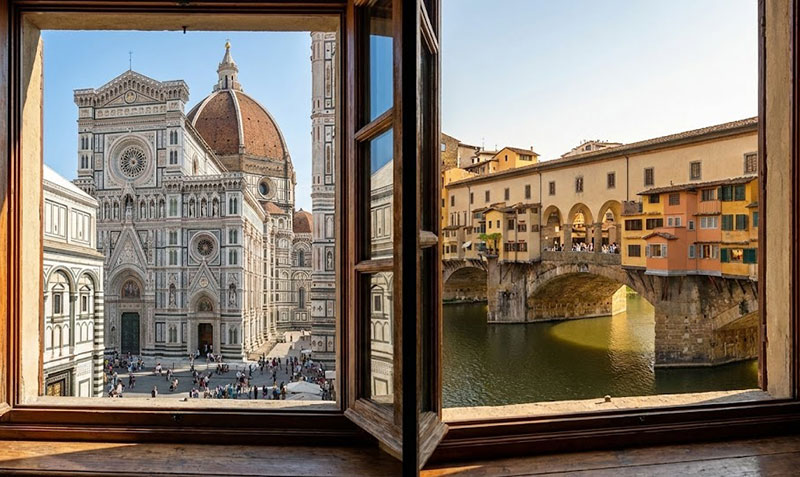
Florence divided: stay near the Duomo for maximum convenience, or cross the Ponte Vecchio to Oltrarno for artisan workshops and a cooler local feel.
Florence is compact and walkable, but the city changes fast once you cross the river. The best area depends on whether you want museum convenience or a more local neighborhood feel.
If you stay here, you are in the middle of everything.
Cross the Ponte Vecchio toward Santo Spirito and San Frediano for a side of Florence that feels more lived-in and less staged.
Local Guide Tip: Florence with a car
When we arrived in Florence, we were coming from Levanto after Cinque Terre, which meant we had a rental car. I knew immediately that I did not want to drive into Florence’s historic center. Between narrow streets, one-ways, ZTL zones, and limited overnight parking, it is stressful and expensive.
Instead, we searched specifically for hotels with parking and ended up at Art Hotel Villa Agape on the hills near Piazzale Michelangelo. It was a splurge for us, but it was worth it. The setting felt peaceful, green, and historic, and it gave us a calm break from the crowds.
The biggest perk was the complimentary shuttle, which dropped us near one of Florence’s main gates so we could explore on foot, then brought us back later. As a bonus, Piazzale Michelangelo is nearby and gives you one of the best sunset views in Florence.
Bottom line: If you are ending a road trip in Florence or need parking without sacrificing access, staying just outside the center with a shuttle can be a much better experience.
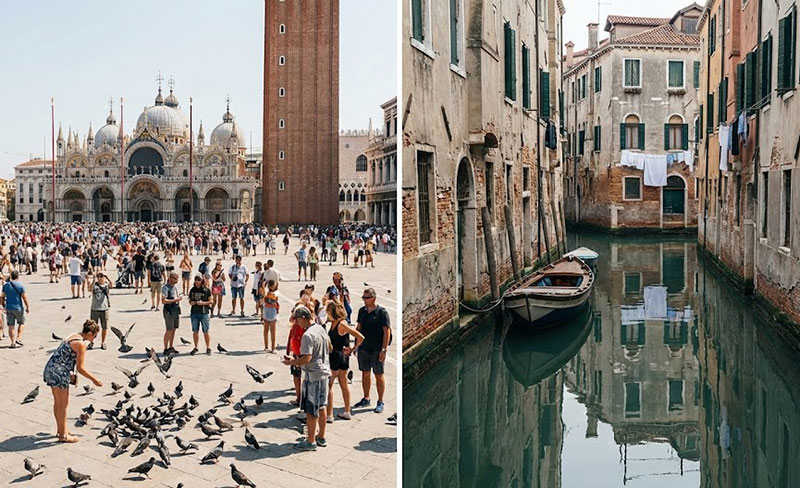
Venice logistics: San Marco is magical but crowded. For a more peaceful stay, look toward the quieter canals of Cannaregio or Dorsoduro.
Venice has no cars, so location becomes a luggage question fast. The best neighborhood is often the one that makes arrival easiest without sacrificing the experience you want.
In the north of Venice near the station, Cannaregio feels more residential and more practical.
Dorsoduro feels more open, more relaxed, and less overwhelmed by day-trippers.
Local Guide Tip: The water-taxi math
If you stay deep in a neighborhood with no Vaporetto stop nearby, you may end up needing a private water taxi on arrival with luggage. That can cost a lot. Booking near a major Vaporetto stop can save money and hassle immediately.
That romantic ground-floor Venetian apartment can become a problem quickly in wetter months. Even when the city is not dramatically flooded, lower-level spaces can feel damp or musty.
Local Guide Tip: In fall through early spring, prioritize a place near a Vaporetto stop and above ground level. Your legs and your luggage will thank you.
Save this chart: a quick breakdown of the best neighborhoods by city and travel style.
Still undecided? Use this cheat sheet to match your travel style with the right neighborhood.
| City | Neighborhood | Best for | Vibe |
|---|---|---|---|
| Rome | Trastevere | Nightlife and food | Bohemian, ivy-covered, lively |
| Rome | Monti | Couples and trend-focused stays | Vintage shops, wine bars, central |
| Florence | Oltrarno | More local feel | Artisan workshops, cooler café scene |
| Venice | Cannaregio | Quiet and value | Peaceful canals, more everyday life |
| Naples | Chiaia | Luxury and calmer stays | Upscale, promenade, polished |
| Milan | Navigli | Younger nightlife trips | Canal-side aperitivo, buzzing |
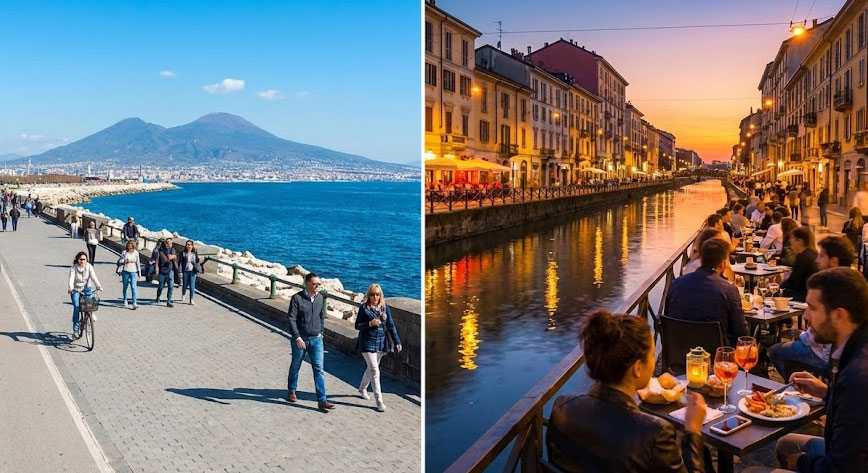
City contrasts: the upscale waterfront of Chiaia in Naples versus the lively canal nightlife of Navigli in Milan.
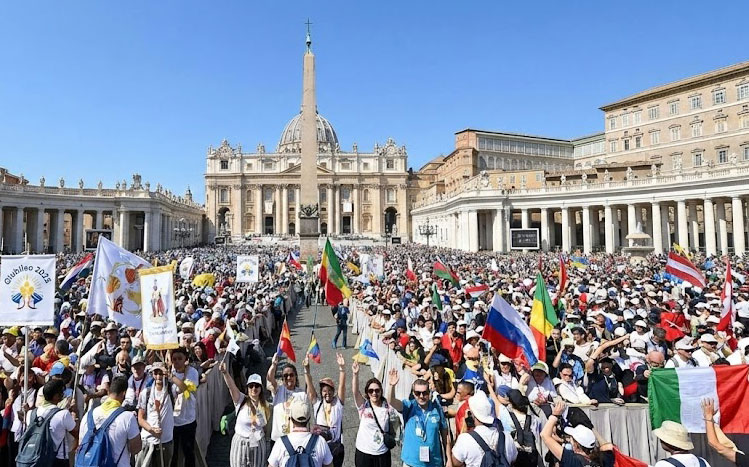
2026 warning: with Rome still feeling Jubilee demand and the Winter Olympics affecting the north, early booking is no longer optional.
2026 remains a high-pressure year for parts of Italy, especially Rome and northern cities connected to major event demand.
Even when the biggest headline dates pass, elevated travel patterns can linger. Rome especially can stay more competitive than travelers expect.
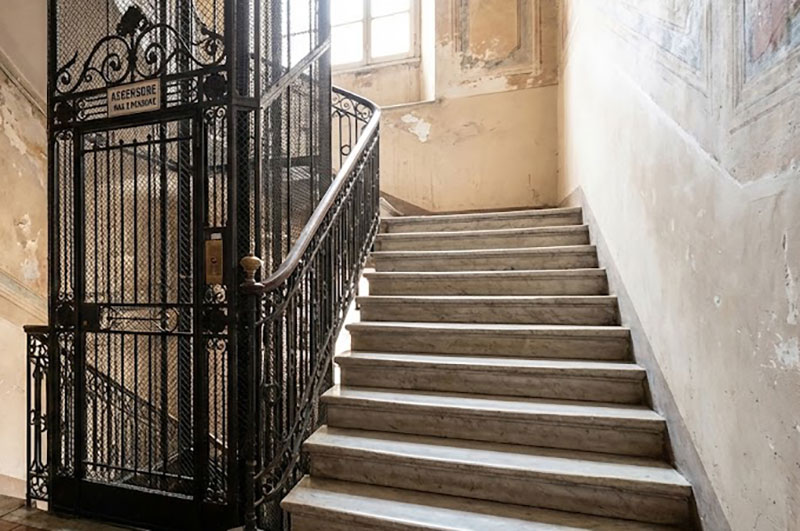
Reality check: historic buildings often mean tiny elevators, or none at all. Always check the amenities list before booking that fourth-floor apartment.
Staying in a seventeenth-century palazzo sounds romantic until you are carrying a heavy suitcase up four flights of stairs in July.
In major Italian cities, short-term rental supply and enforcement have tightened, especially in historic centers. That usually means fewer great-value apartments and more competition for the good ones.
Monti is one of the strongest first-timer choices because it feels central without being as intense as some other areas. The area near the Pantheon is also excellent if your budget allows it.
It is convenient, but not usually the most atmospheric choice. Station areas are often noisier and grittier. Staying 15 to 20 minutes away usually improves the trip unless you have a very early train.
Yes. Italy commonly charges a city tax per person, per night. It is not always included in your prepaid rate, so check the booking details carefully.
Yes, Venice is generally very safe. The bigger issue is navigation. Poor lighting, canal turns, and dead ends can make late arrivals feel more confusing than dangerous.
If you want a calmer base city with excellent food and easy rail connections, Bologna is a smart alternative. It is often better value than Florence and works well as a rail hub.
Final Thought: Timing matters in Italy
When we visited Rome last October, several famous fountains and landmarks were wrapped in scaffolding and partly drained. At first, it felt disappointing, until it became obvious the city was preparing for the influx of Jubilee-related travel. Rome felt easier to walk, quieter in places, and less crowded, but some iconic sights were temporarily hidden.
That is Italy in a nutshell. Every trip comes with tradeoffs. Fewer crowds can mean more restoration work. Peak season can mean everything looks perfect, but you are sharing it with millions of people.
The takeaway: Pick the neighborhood, timing, and pace that match how you actually want to travel. Italy rewards slow travelers who adjust expectations and lean into the version of the trip they are getting.