Travel Planning Hub
Start here to plan your trip, compare options, and explore every TLGA planning guide.
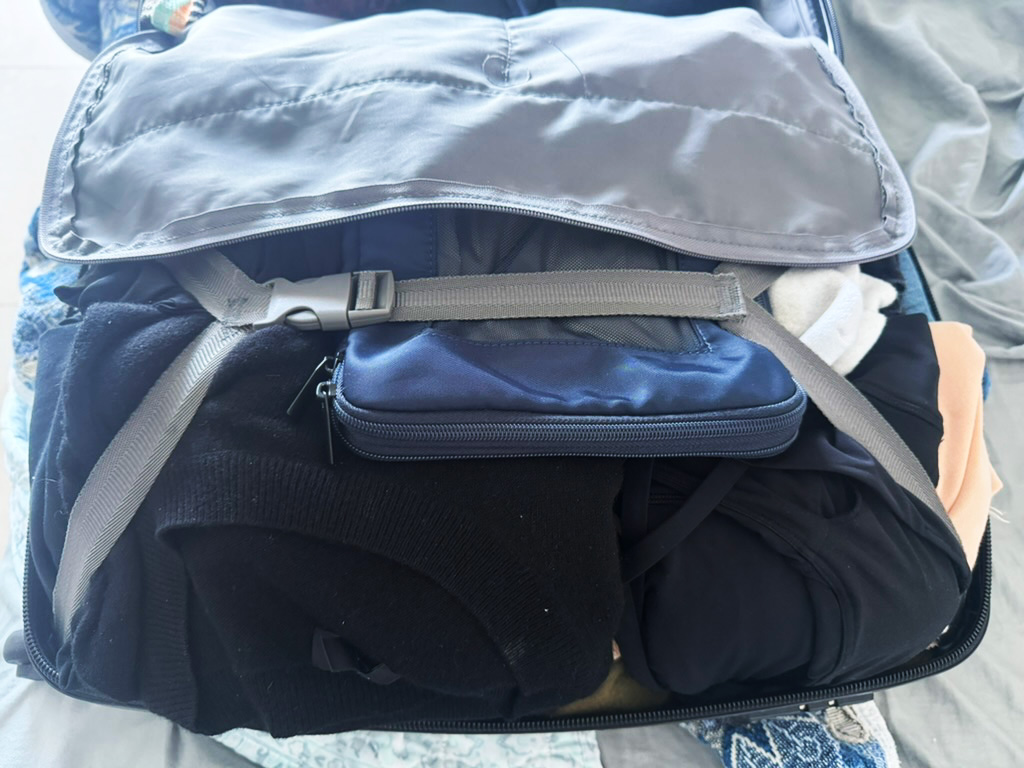
Packing & Gear Guide
What to pack, what to skip, and how to build a lighter travel setup that works.

Last updated: March 2026 by Corey Gasman
From the Editor:
Europe is not one trip. It is dozens of completely different trips. This guide helps you choose the right country (or country pair) based on how you actually travel: food-first, museums, beaches, mountains, nightlife, slow mornings, or maximum highlights.
I do not just research these routes. I stress-test them. My wife and I have been to Europe twice in the last two years alone, including a slow week in Ireland, four nights in London, and a week in Tenerife. The year before that, we did Italy plus Croatia and Montenegro. One truth has held across every itinerary: traveling slower is always better.
For most Americans, the hard part is not choosing Europe. It is choosing the right version of Europe. The fastest way to ruin the trip is stacking too many cities and too many transfers. Your itinerary becomes airport runs, check-ins, and dragging bags through train stations.
Book your first base and your must-do timed-entry sights, then keep the rest flexible.
TLGA Rule: Pick your travel style first, then pick the country that matches it.
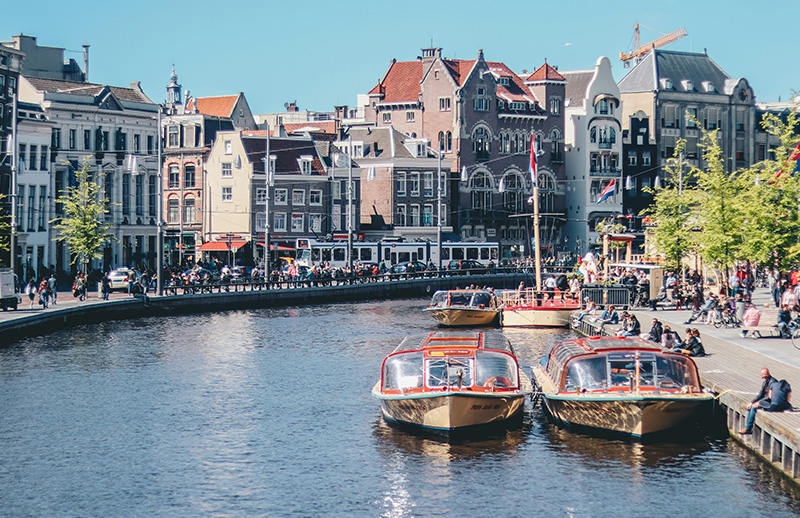
Classic gabled architecture reflected in the still waters of an Amsterdam canal, where private boats remain the preferred way to navigate the city.
Border logistics are changing across Europe. The takeaway is simple: build a buffer into arrival day, and double-check entry requirements when you book flights and again a few weeks before departure.
2026 reality check:
Important: applications are not open yet. Do not pay any third-party website claiming to sell ETIAS approval.
Official site: EU ETIAS information
Pick your vibe first. Then choose the country that supports your best days.
| Your vibe | Best matches | Why it works |
|---|---|---|
| Food-first cities | Italy, Spain, Portugal | Markets, casual dining culture, regional specialties that feel different city to city |
| Museums and iconic sights | France, UK, Italy | Dense “bucket list” days with easy day trips |
| Summer coolcation | Norway, Denmark, Switzerland | Better peak-summer temps with reliable infrastructure |
| Beach plus culture | Spain, Portugal, Greece | City days plus coast days without complex routing |
| Nature and road trips | Ireland, Scotland, Switzerland | Scenery-forward travel with rewarding drives and shorter daily plans |
| Easy logistics and low friction | Netherlands, UK, Spain, Switzerland | Walkable bases, strong transit, high tourism comfort |
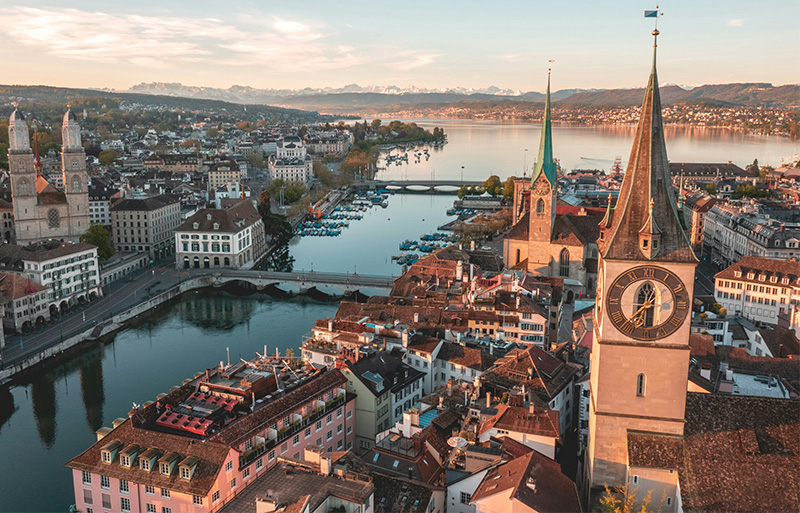
Looking out over the Limmat River toward the twin towers of Grossmünster, one of the most recognizable views in Zürich’s Altstadt.
These are reliable choices for first-timers and repeat travelers. Each one has a clear identity, easy routing, and enough depth for a week or two.
| Country | Best for | Difficulty | Typical daily budget (per person) | Ideal trip length |
|---|---|---|---|---|
| Italy | Food, history, cities | Medium | Mid to High ($200–$350+) | 10 to 14 days |
| France | Paris, wine, culture | Easy | Mid to High ($200–$350+) | 7 to 10 days |
| Spain | Tapas, architecture, energy | Easy | Mid ($150–$250) | 10 to 14 days |
| United Kingdom | History, cities, pubs | Very easy | High ($250–$400) | 7 to 10 days |
| Ireland | Scenery, road trips, pubs | Easy | Mid to High ($200–$300) | 7 to 10 days |
| Portugal | Value, coast, food | Easy | Low to Mid ($100–$200) | 7 to 10 days |
| Greece | Islands, ruins, sunsets | Medium | Mid ($150–$250) | 10 to 14 days |
| Switzerland | Alps, trains, scenery | Easy | Very High ($300–$500+) | 7 to 10 days |
| Netherlands | Compact cities, canals | Very easy | Mid to High ($200–$300) | 5 to 7 days |
| Germany | History, markets, beer | Easy | Mid ($150–$250) | 7 to 10 days |
This is not a scientific ranking. It is a practical filter based on what typically creates calmer trips: walkable bases, reliable transit, clear routing, and fewer headaches.
Low-stress is mostly logistics:
Fewer hotel changes, shorter transfers, and one clear base improves almost any country.
| If you want this feeling | Pick this country | Why it tends to work |
|---|---|---|
| Food joy and classic Europe | Italy | Easy to build around 2 bases, huge reward per day |
| Scenery-first and slower days | Ireland | Road trips are simple to design, days are not schedule-heavy |
| Effortless city flow | Netherlands | Compact routes, easy trains, walkable cities |
| Comfort travel days | Switzerland | Trains do the work, scenery is the attraction |
| Great value, easy rhythm | Portugal | Lisbon and Porto is a low-friction classic |
| Friendly energy and simple routing | Spain | Great trains, strong base cities, easy day trips |
Timing changes prices, crowds, and how hard the trip feels. Shoulder season wins for most travelers.
| Season | Best for | Watch-outs | TLGA take |
|---|---|---|---|
| Spring (Apr to May) | Cities, shoulder-season value | Some mountain spots still cool | Best overall window |
| Summer (Jun to Aug) | Islands, festivals, long days | Heatwaves, peak crowds, peak prices | Do coasts or coolcations |
| Fall (Sep to Oct) | Food, wine regions, cities | Shorter days later in Oct | Best overall window |
| Winter (Nov to Mar) | Markets, cozy city trips | Weather and reduced hours | Pick 1 city and go deep |
Most budgets get blown up by hotels in peak season and last-minute transport. Meals are rarely the problem if you mix markets, casual spots, and one nice dinner.
| Category | Save money by doing this | Worth the splurge |
|---|---|---|
| Lodging | Shoulder season, smaller hotels, 1 great base | Walkable location and quiet room |
| Food | Markets, bakeries, lunch specials | One signature meal in each city |
| Transport | Trains booked earlier, fewer hops | Fast train over cheap flight stress |
| Sights | Pick 1 paid anchor daily | Timed entry for must-do attractions |
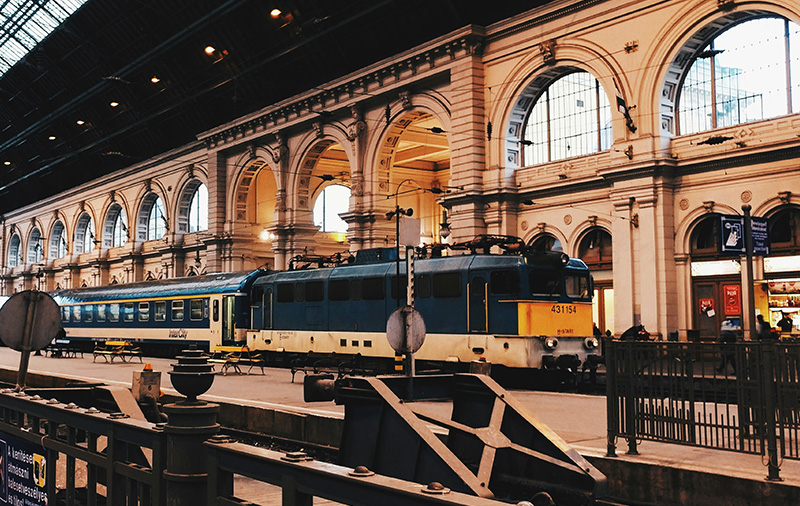
The striking ironwork and glass roof of a Budapest railway terminus, a central hub for navigating Central Europe by rail.
Transport is where Europe trips either feel effortless or exhausting.
My rule: if the journey is under 4 to 5 hours, the train usually wins.
Budget flights are best when you are crossing big distances, heading to islands, or the train would burn a full day.
If you only have a week, choose one country or one major city plus one easy add-on. These combos minimize transit and maximize “this feels like Europe” moments.
Two weeks is the sweet spot. You can go deep in one country, or pair two countries that are close and simple.
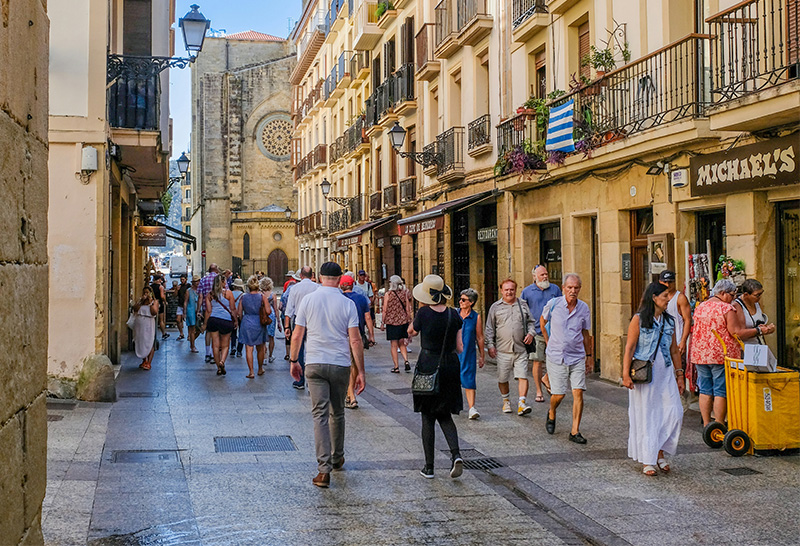
A sun-drenched walking street in San Sebastián’s Parte Vieja, where the city’s famous pintxos bars and historic architecture meet.
Hidden gems still exist. The trick is choosing places that are one step off the standard route, where crowds drop and the experience gets better, but logistics stay simple.
If you want two countries, keep them close. Pair a big city anchor with a calmer second base.
| If you want | Do this pairing | Why it works |
|---|---|---|
| Classic first-timer Europe | France + Netherlands | Paris + Amsterdam is iconic and easy |
| Value plus variety | Portugal + Spain | Great food, easy routing, strong bases |
| City plus mountains | France + Switzerland | Big city days, then scenery and comfort travel |
| English-friendly and simple | UK + Ireland | Low friction and great day-trip options |
| Adriatic summer | Croatia + Montenegro | Island hopping, then a slower bay base |
This is the system that keeps your trip fun. Simple, repeatable, and it works in any European country.
One country is the best move for most travelers. If you do two, keep it tight geographically and limit hotel changes. A good rule is two bases total.
Countries with compact routes and strong infrastructure tend to feel easiest. The UK, Netherlands, Spain, and Portugal are common low-friction picks.
Book your first hotel in a walkable area, limit transfers, and plan one anchor per day. The goal is fewer logistics and more time in neighborhoods.
Yes, but they are rarely secret. The best hidden gems are places one step off the classic route. They still have trains, good hotels, and enough to do for 2 to 4 nights.
If the journey is under 4 to 5 hours, trains usually win. Budget flights make more sense for long distances, islands, or when the train would burn a full day.