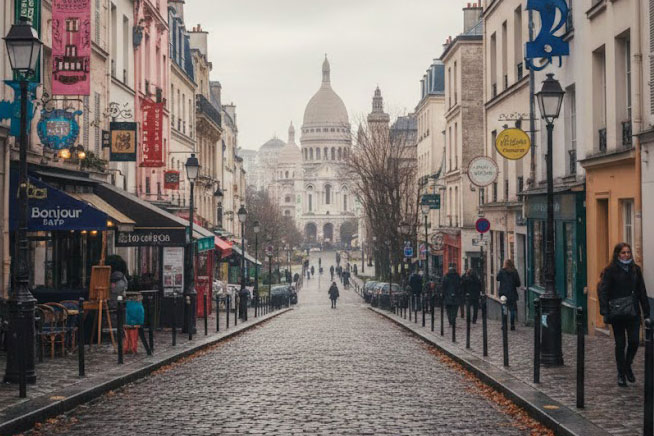
Travel Planning Hub
Start here to plan your trip, compare options, and explore every TLGA planning guide.
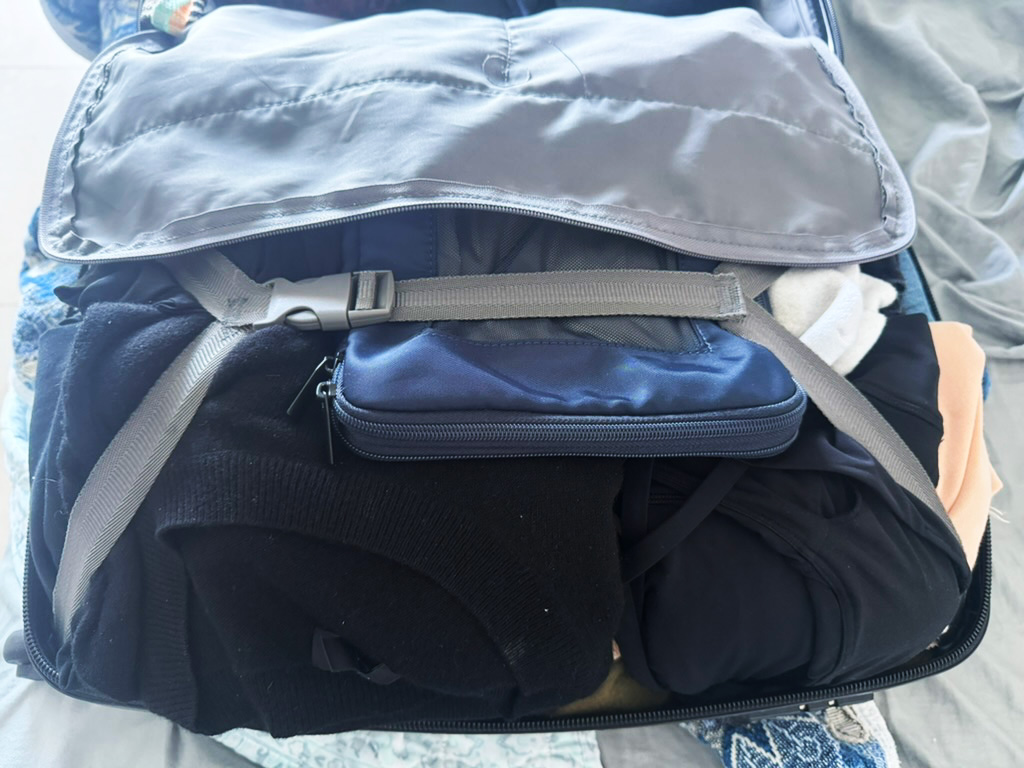
Packing & Gear Guide
What to pack, what to skip, and how to build a lighter travel setup that works.
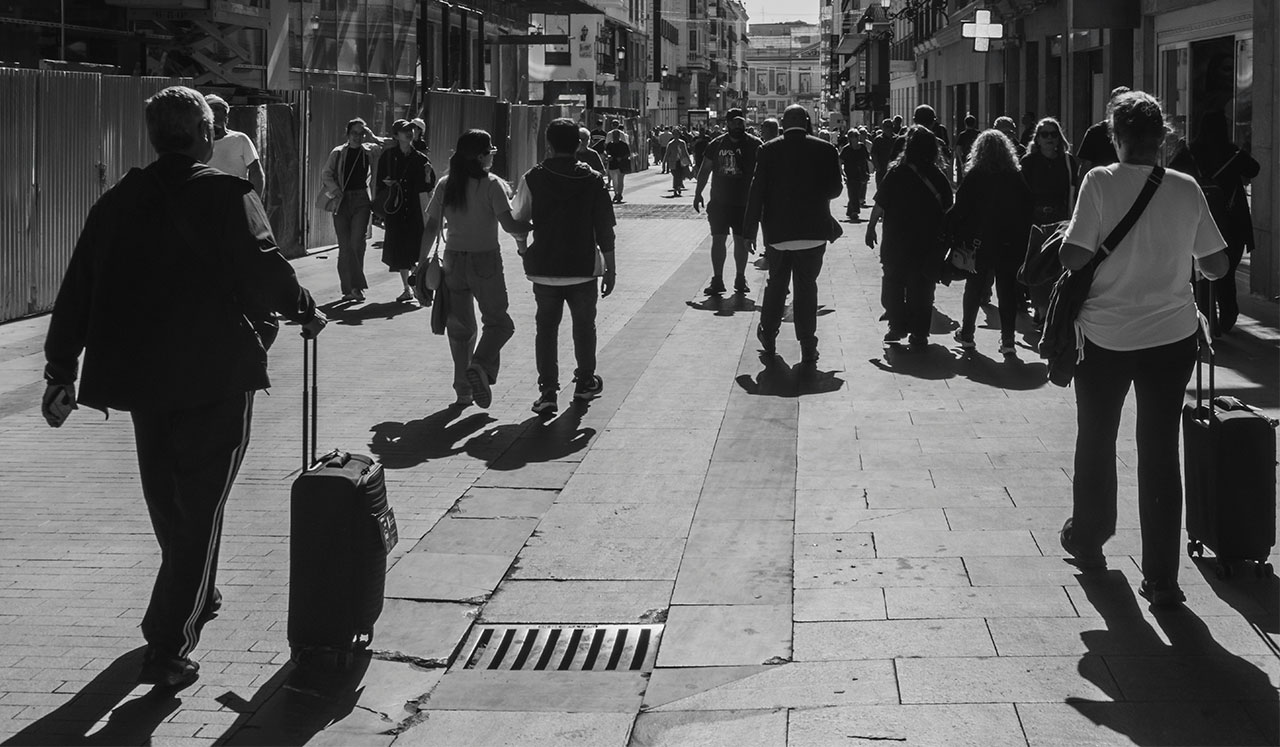

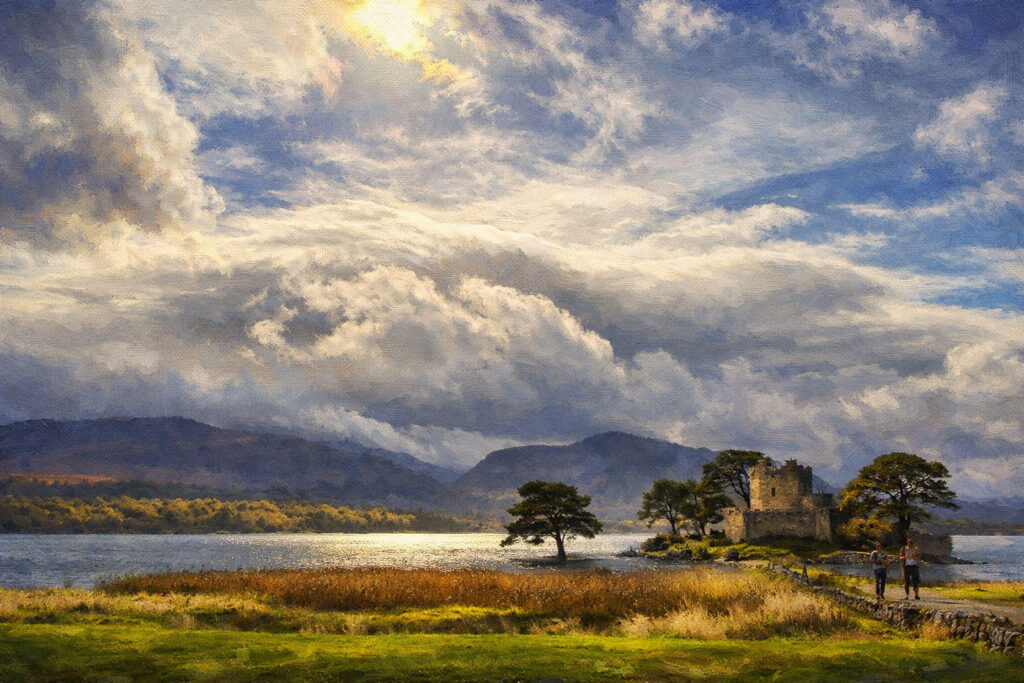
The Lake Hotel in Killarney sits on the shores of Lough Leane (the Lower Lake) with the floodlit ruins of a 12th-century castle on the grounds.
©All Artwork and Photos by Corey Gasman
People travel to Ireland because it feels like a place you already know, even if you have never been. Green landscapes that look aggressively beautiful. Castles just sitting there like it’s normal. Pubs that feel more like living rooms. And somehow the weather, the history, and the people all team up to make everything feel a little bit emotional.
Ireland is also wildly popular. Each year, roughly 11 million international visitors make their way to the island, which is more than double the country’s population. A huge number of those travelers come from places like the United States, Canada, and Australia, many of them chasing a family connection instead of just a vacation.
If that sounds familiar, same. Like many Americans, I have Irish roots. I am about 15 percent Irish, and my mom grew up Irish Catholic. Later, we learned more about how Irish Catholics historically had a pretty rough go under English Protestant rule. Land taken. Rights limited. A lot of “keep your head down and survive” energy passed through generations.
You may not know every detail of the history, but you can feel it lingering in stories, traditions, and that deep sense of identity people carry with them.
So for a lot of travelers, Ireland is not just about scenery. It is about curiosity. It is about ancestry. It is about standing somewhere and thinking, “Oh. This explains some things.”
And yes, it is also about the friendly, proud people, the cozy pubs, and the “dark stuff” Guinness.
FYI: This is a longer article, so grab a drink and enjoy. This post serves as the main guide to our Ireland itinerary in October, with a London side trip and links to deeper guides along the way.
If you want the quick backstory on why so many people left Ireland, I wrote a short companion post:
The Great Hunger: The History That Still Echoes
Want to skip ahead to our week in Tenerife on the same trip to escape the bad weather? Read:
Why We Added Tenerife in October | Warm Weather, Teide & Canary Islands Guide
At a glance: 3 nights Killarney, 1 day Ring of Kerry tour, 3 nights London, 2 nights Galway, 2 nights Dublin.
We live in Minneapolis, and Delta adding a direct flight from MSP to Dublin finally made Ireland feel easy. Then the Minnesota Vikings announced an international game weekend. We started watching flight prices, stayed flexible on dates, and found a deal that felt like a sign.
We booked with miles and only used 40,000 Delta SkyMiles, roughly the equivalent of about $400 in value.
This was our first time in Ireland, so the plan was simple: rent a car and explore the Irish countryside and the Ring of Kerry.
Helpful link: Find direct flights from MSP to Dublin on Delta
Driving on the left takes a minute to adjust to, but Ireland’s highways are solid, signage is clear, and Google Maps does the heavy lifting. If you’re comfortable driving at home, you can absolutely handle Ireland.
Recommendation: Rent a car if you want freedom to stop, detour, and explore beyond major towns. Trains and buses can work better for larger groups or city-only trips.
We checked into The Lake Hotel and immediately knew we picked a great base. Lake views, comfortable rooms, and live music in the evenings made it a perfect home base after day trips.
Nestled directly on the shores of Lough Leane, The Lake Hotel is a family-run gem that perfectly captures the “old-world” charm of 19th-century Ireland. With the floodlit ruins of a 12th-century castle right on its grounds, and if you’re lucky you might see wild red deer grazing on the lawn, it offers an enchanting stay just minutes from Killarney National Park.
We had breathtaking views right from our hotel room overlooking serene lakes and mountains.
Hotel link: The Lake Hotel, Killarney (our stay)
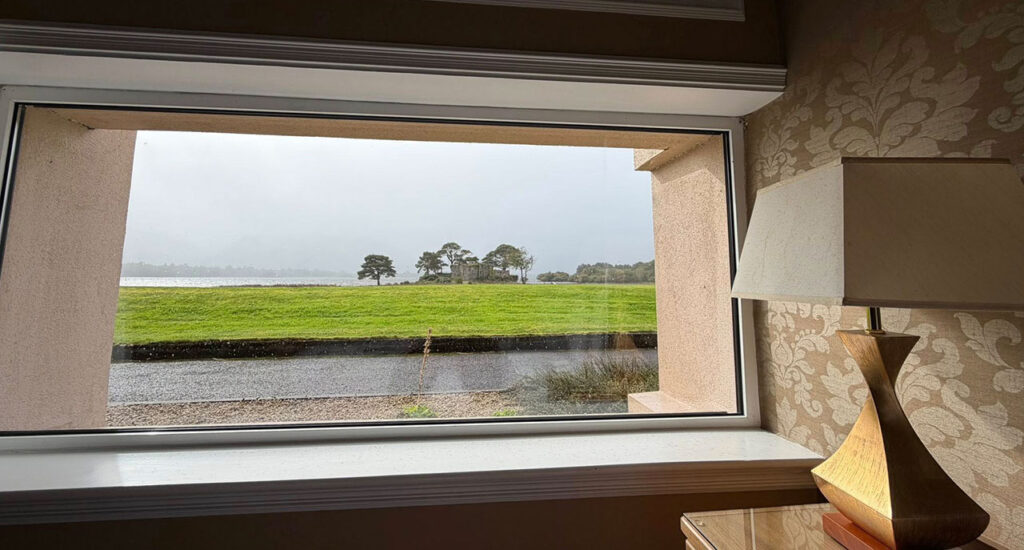
After lunch, we stopped at Ross Castle around sunset. Even if you only have 15 minutes, it’s worth the quick visit. It’s one of those “this is why we came to Europe” moments.
That night we ate at The Tan Yard for modern Irish food. We also tried to get into Bricín Boxty House, but it was booked solid. If boxty is on your list, make a reservation.
Links:
The Tan Yard (Killarney)
Bricín Boxty House (reserve ahead)
Quick tip: In Ireland, popular restaurants book out fast, especially on weekends. Reserve ahead when you can.
We woke up to classic Ireland weather: rain and more rain. We toured Muckross House, which is worth it if you enjoy historic mansions. The real highlight, though, was the grounds and hiking.
From the property we hiked to Torc Waterfall, and with all the rain it was absolutely roaring. That was our favorite part of the day.
After walking in the wind and rain, we hit the wellness center at our hotel. Guests can soak in an outdoor hot tub or an infinity pool with hydrotherapy jets while taking in the lakeside scenery.
Trip length: 17 nights (October). Style: road trip + city break + beach reset.
Best for: travelers who want Ireland scenery, a quick London highlight reel, and guaranteed warmth in the Canary Islands.
Countries Visited: Ireland, England, Spain
Jump to:
Ring of Kerry
London Side Trip
Water of Life
Back to Dublin & Galway
Cliffs of Moher
Drinking in Ireland
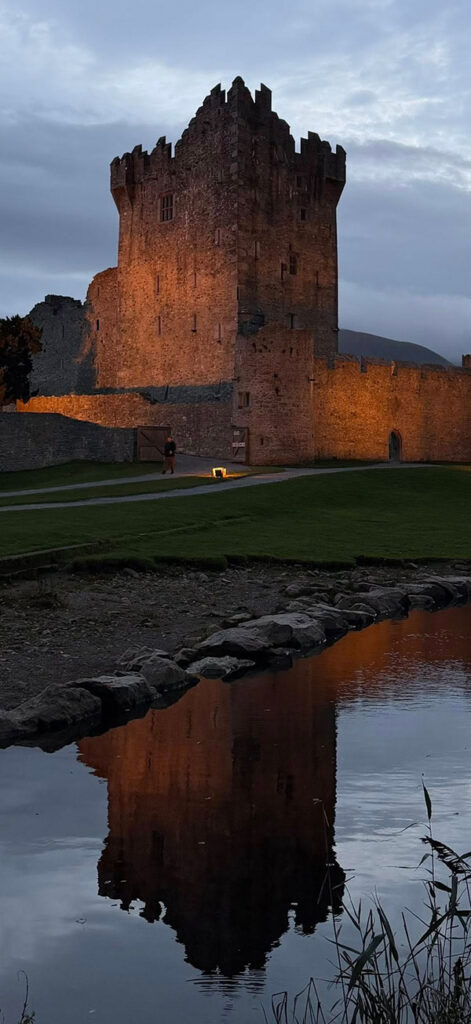
Rising from the edge of Lough Leane, Ross Castle stands as a 15th-century stronghold in Killarney National Park. It was once the ancestral seat of the Chiefs of the Clan O’Donoghue, later associated with the Brownes of Killarney, where mist, water, and history quietly converge.
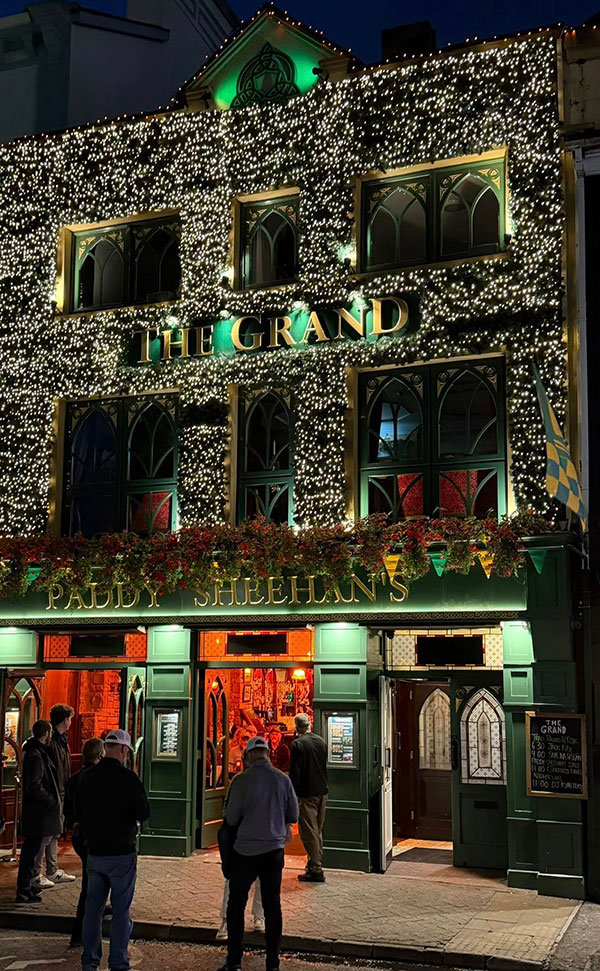
Welcome to The Killarney Grand. One roof, endless energy, and one of the best nights out in The Kingdom. From live Sliabh Luachra traditional music to late night atmosphere, this is where Killarney comes alive after dark.
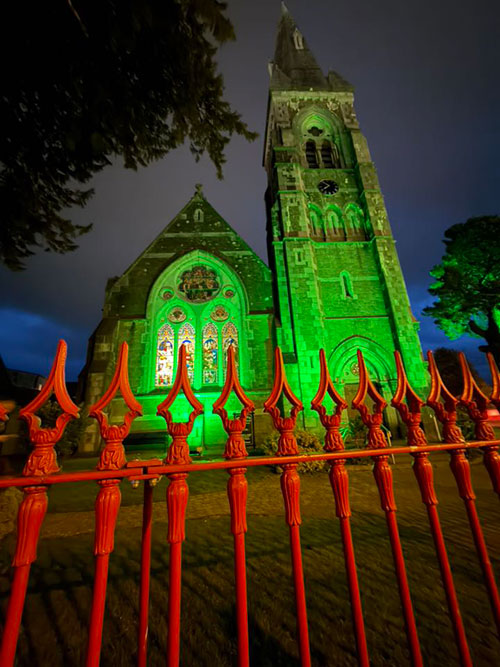
St. Mary’s Church of Ireland, glowing green in Killarney.
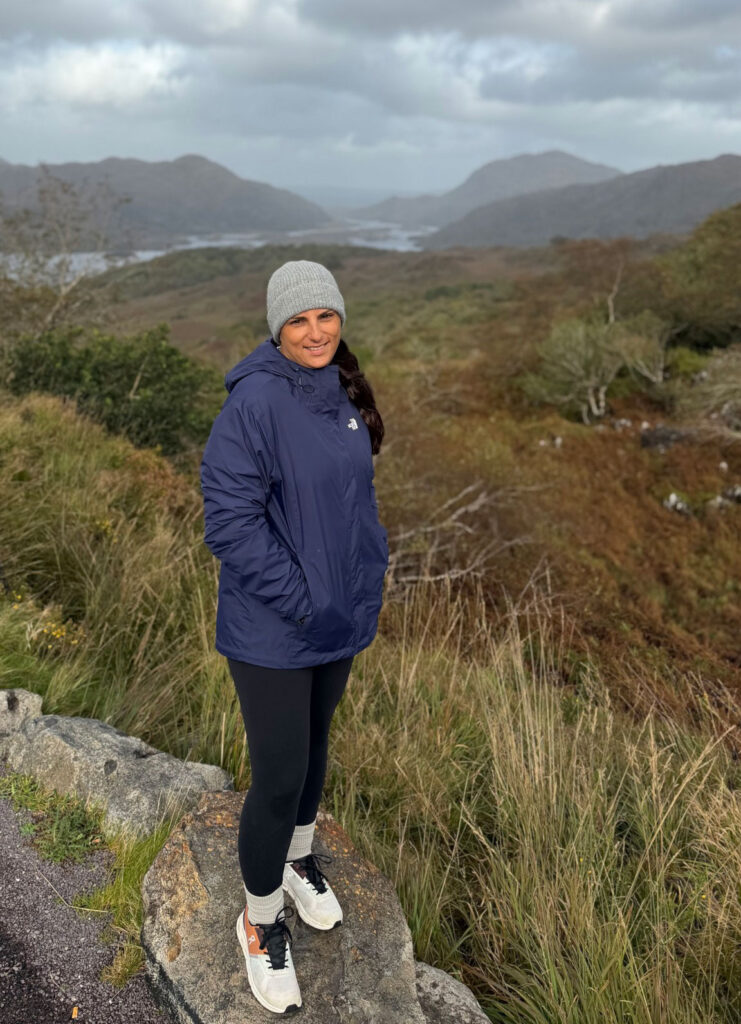
Ladies View: Ring of Kerry at its most dramatic.
Wind-swept, moody, and impossibly green, this iconic overlook serves up layered mountains, glacial lakes, and the kind of scenery that makes you pull over without hesitation. Ireland showing off, once again.
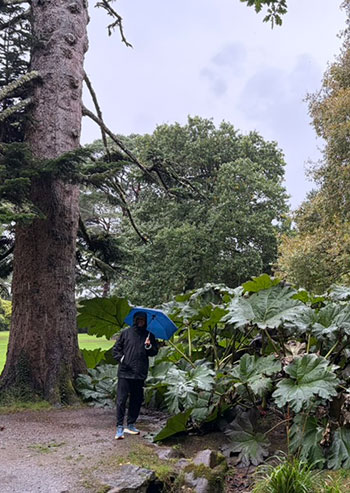
Muckross Gardens. Located within Killarney National Park.
©Photos by Corey Gasman
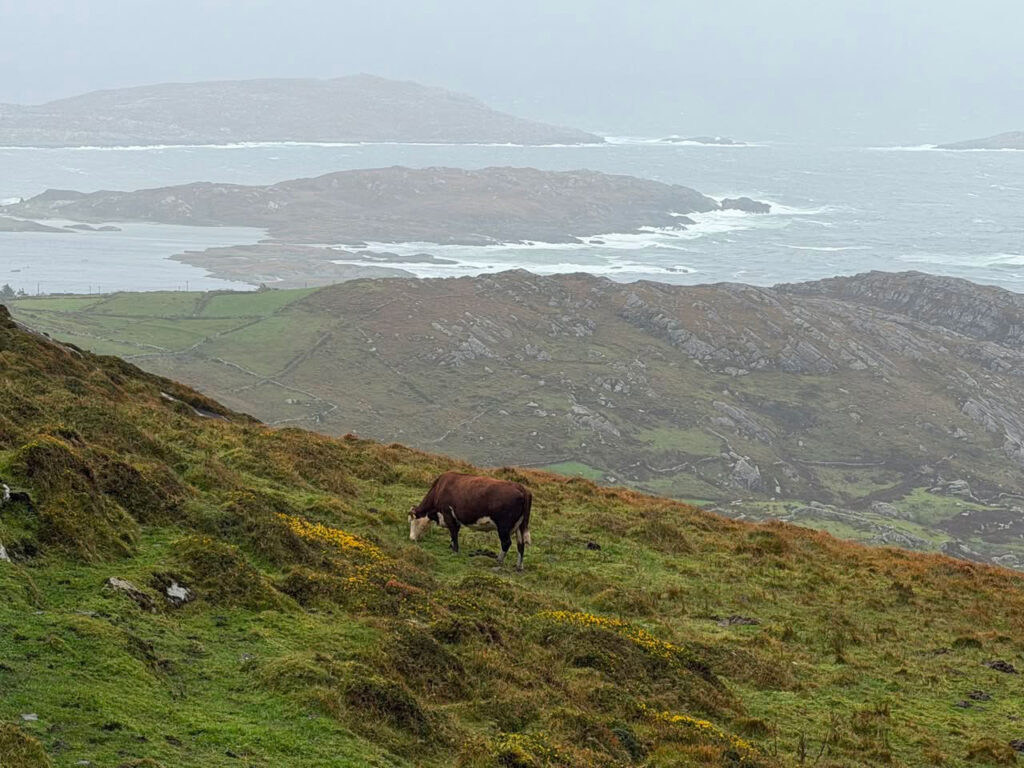
Fun fact you do not expect on a scenic Irish drive. Those jagged islands offshore are the Skelligs, aka Luke Skywalker’s dramatic retirement location in Star Wars. Apparently when you want to disappear from the galaxy, Ireland is the place to do it.
Just when we thought we understood Irish weather…
That night we saw a critical wind warning (never heard of this) with gusts up to 50 to 70 mph forecasted. We had planned to self-drive the Dingle Peninsula and Slea Head, but after talking with hotel staff we pivoted.
We booked a guided Ring of Kerry day tour instead. It was a great decision. The weather was intense, and being on a bus with a local driver made the day far less stressful. The hotel staff was surprised our tour was on because a lot had been canceled due to the high winds.
Tour link:
Ring of Kerry Day Tour from Killarney (Tripadvisor)
Continue reading for Dublin and Galway.
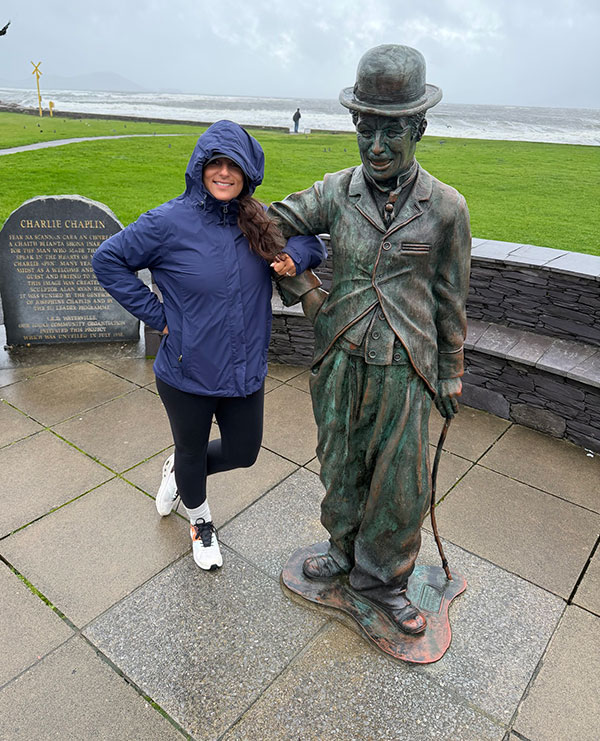
Wind swept and slightly sideways with Charlie Chaplin in Waterville. Proof that Irish coastal weather does not care about your plans or your dignity, but it does make for a great photo.
Irish whiskey has been around for a very long time, long before distilleries were polished and bottles came with tasting notes. The word itself comes from the Irish phrase uisce beatha, meaning “water of life,” and originally whiskey was used as medicine, warmth, and a morale booster in a cold, hard-working world. Monks were distilling it as far back as the Middle Ages, and over time it became a staple of everyday life.
Grain was plentiful, clean drinking water was not always guaranteed, and whiskey was safer to drink, easier to store, and frankly more enjoyable than whatever was coming out of the well. It showed up at weddings, wakes, celebrations, and quiet nights alike. Hundreds of years later, not much has changed. It is still about gathering, storytelling, and passing time together, just with better barrels and fewer monks. That is the water of life for you, best enjoyed with good company and good craic.
One more for the itinerary: If Irish whiskey is calling, grab a spot at the Jameson Distillery Bow St. for a fun, interactive tour and a well-earned tasting.
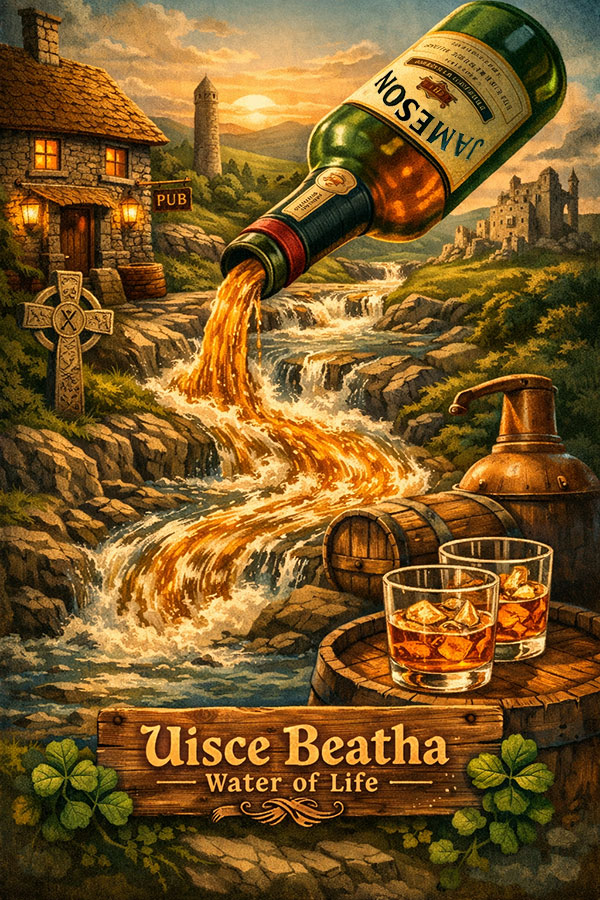
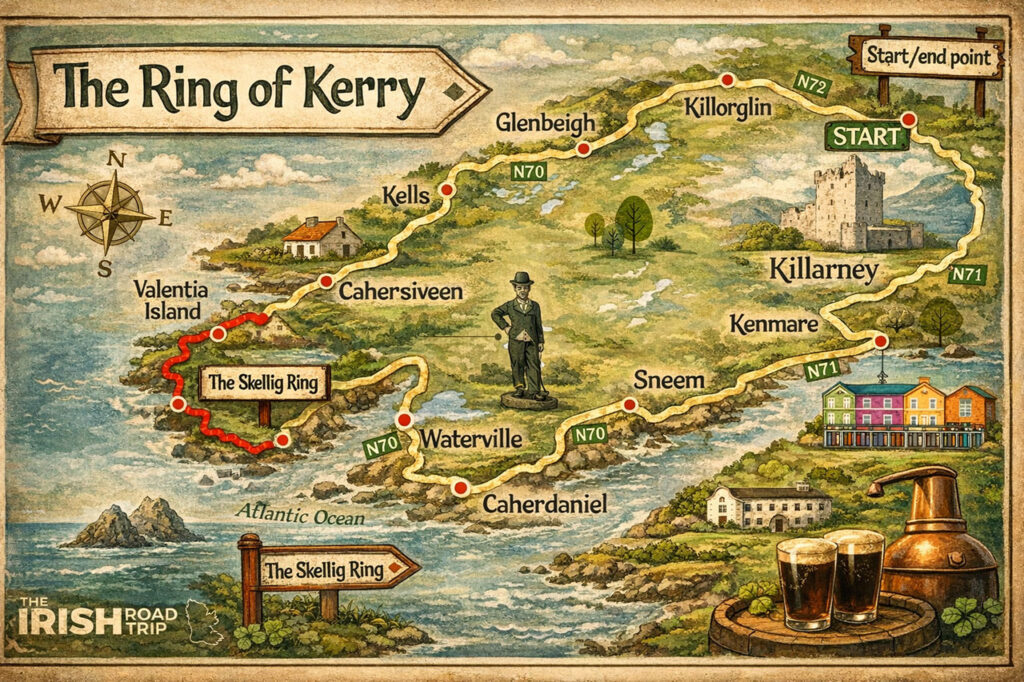
©Artwork by Corey Gasman
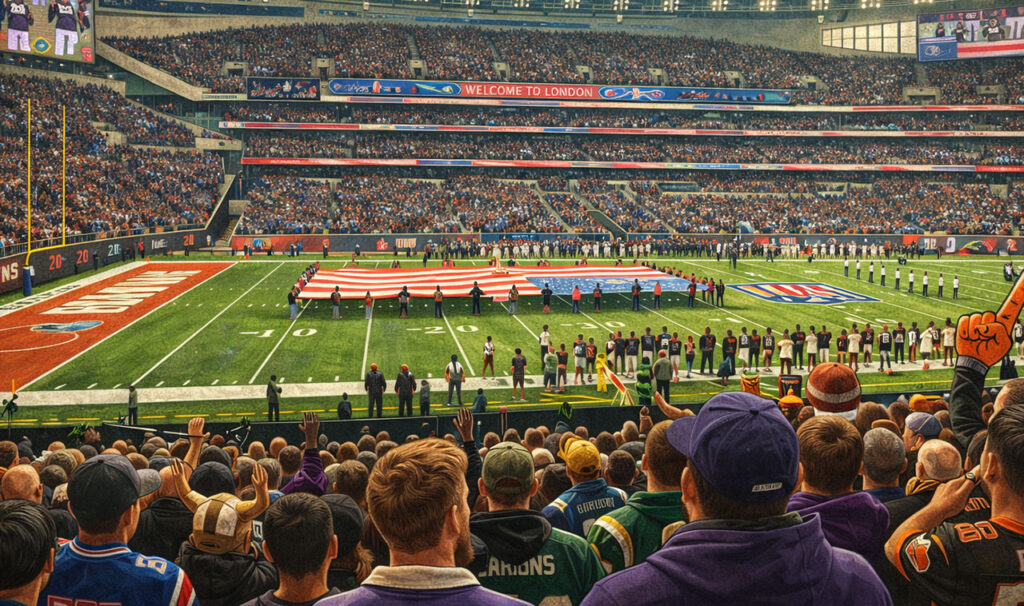
We stayed in Shoreditch: in London’s East End, a dynamic, trendy neighborhood known as a cultural hub for art (especially street art), fashion, tech, and food.
We chose Shoreditch because it’s great for food, walkable, and close to Liverpool Street Station. That made everything easy, including getting to the Vikings game at Tottenham.
Hotel link: One Hundred Shoreditch (where we stayed)
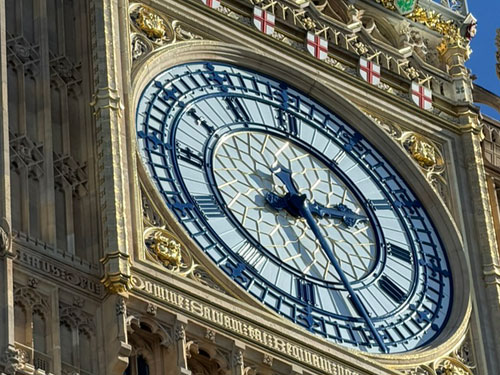
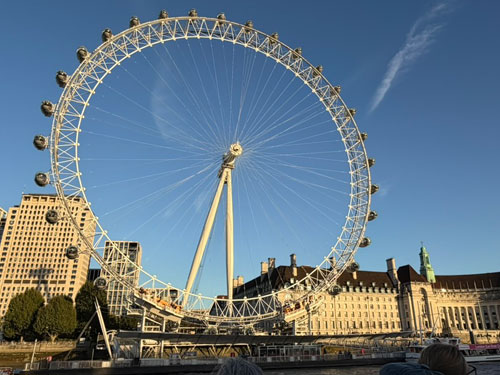
We leaned into tourist mode. Hop-on hop-off bus to see the big highlights, plus a Thames river cruise with a funny guide and great views. We got a sunny 70 degree London day, which felt like the opposite of Ireland.
Links:
Hop-on hop-off bus tours (BIG BUS Tours)
Thames river cruise options
Dishoom Shoreditch was busy for Saturday lunch and absolutely lived up to the hype. Smoking Goat was a standout dinner. We sat by the open kitchen and the fish sauce chili wings were a ridiculous umami flavor bomb.
Links:
Dishoom Shoreditch
Smoking Goat
BAO Noodle Shop
From Shoreditch we walked about 10 minutes to Liverpool Street Station and took an overground train to Tottenham. The train was full of Vikings and Browns fans, which made it impossible to miss the right route.
The NFL set this up like an international festival. Several blocks near the stadium were closed, with food stalls, drinks, and a fan zone vibe. We met friends at a pub patio for a little “London tailgate” before heading in.
Tickets: We paid £220 per ticket (just over $300 each). Seats were excellent: midway up the lower level near the 40-yard line. We found them only a couple of days before kickoff, even though it looked close to a sellout.
And yes, the Vikings won on a last-minute drive. Worth it.
Helpful link: NFL London Games info and schedules
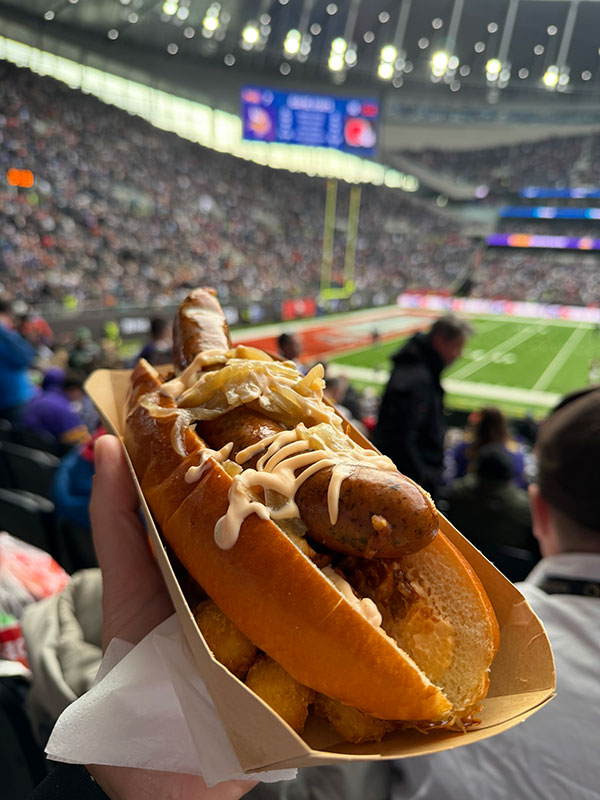
Specialty Hot Dogs: Options like the Smoked Londoner (with fried onions) or even pulled pork hot dogs have been spotted. This one came with tater tots inside the bun.
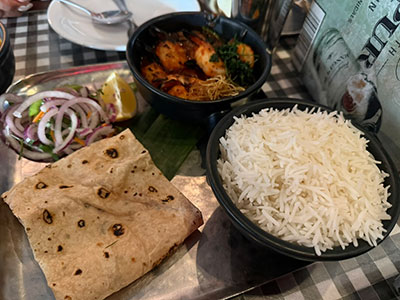
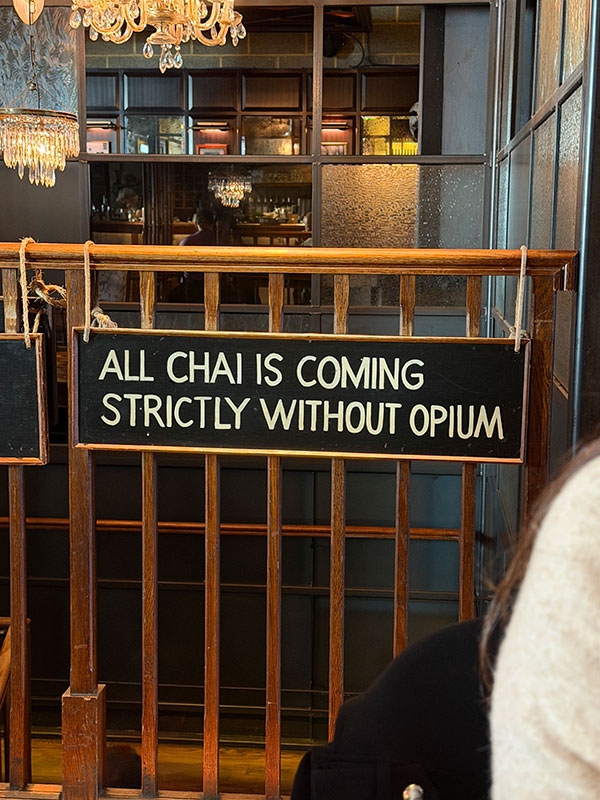
Dishoom offers delicious grilled prawns, often featured in specials like their Prawn Pathia (a fiery-sweet-tangy tomato masala) or Prawn Koliwada (chilli-ginger batter fried), perfect for lunch.

After a week in the sunshine, we flew one-way from South Tenerife back to Dublin. It felt like a full-circle moment.
We originally planned to spend our last four days in Dublin, but three different friends said the same thing: that might be too much. The advice was simple. Go see Galway.
The other big reason? We wanted to see the Cliffs of Moher.
I debated renting a car again versus taking the train, but the bus won for one reason: convenience.
There is a direct coach from Dublin Airport to Galway, and you can catch it right at the airport without heading into the city first. We landed, followed the signs, and realized the bus station was basically a parking ramp. Easy.
Travel time: About 2.5 to 3 hours, depending on traffic.
Helpful links:
Dublin Airport to Galway (Citylink Bus)
Our Galway hotel – The Galmont Hotel & Spa
We had two nights in Galway and started with a city walking tour. I love walking tours and recommend them whenever you can. You learn the history fast, get your bearings, and usually spot places you would have walked right past on your own.
If you like tip-based tours, GuruWalk is a solid option.
Walking tour link:
GuruWalk Galway tours
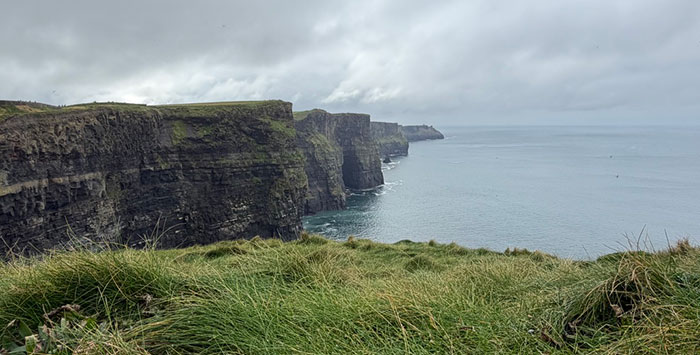
The Cliffs of Moher are one of those places that almost feel mandatory on a first trip to Ireland. They are iconic, heavily visited, and firmly planted on most itineraries.
We visited on a very on-brand Irish day: rain, mist, wind, and limited visibility. Honestly, it felt appropriate.
Here’s the funny part. Earlier in the trip, we stood at Playa de los Guíos in Tenerife, with Los Gigantes towering above the beach. Same ocean. Same drama. Same waves crashing into rock. And in terms of sheer scale and impact, the Tenerife cliffs were every bit as impressive.
So why are the Cliffs of Moher more famous? Location, history, and reputation. When dramatic cliffs meet Irish myth, centuries of storytelling, and a well-worn tourist path, legend tends to follow.
That said, standing at Moher still delivers. The cliffs stretch for miles, the Atlantic churns below, and the sense of exposure is real. Is it the most jaw-dropping seascape in the world? Maybe not. But as an Irish rite of passage, it earns its place.
If you want to check the Cliffs of Moher off your Ireland bucket list, go. Just expect crowds qnd the great Irish weather!
Optional alternative for future travelers: If you want something wilder and far less touristy, look into the Slieve League Cliffs in County Donegal. Often called the highest accessible sea cliffs in Europe, they rise nearly three times higher than the Cliffs of Moher and offer a much more raw experience. Fewer crowds, bigger scale, and a feeling that nature did not get the memo about guardrails or gift shops.
Back in Galway, nightlife was a blast. Live music everywhere, packed pubs, and great energy downtown.
One thing to know: Galway is a college town. After about 10 p.m., the pubs fill fast with students. If that’s not your scene, go earlier or do a little research to find a spot that skews a bit older.
Overall, I was really glad we added Galway. It offered a different side of Ireland than Dublin and balanced the trip perfectly with city life, culture, and one very famous stretch of coastline.
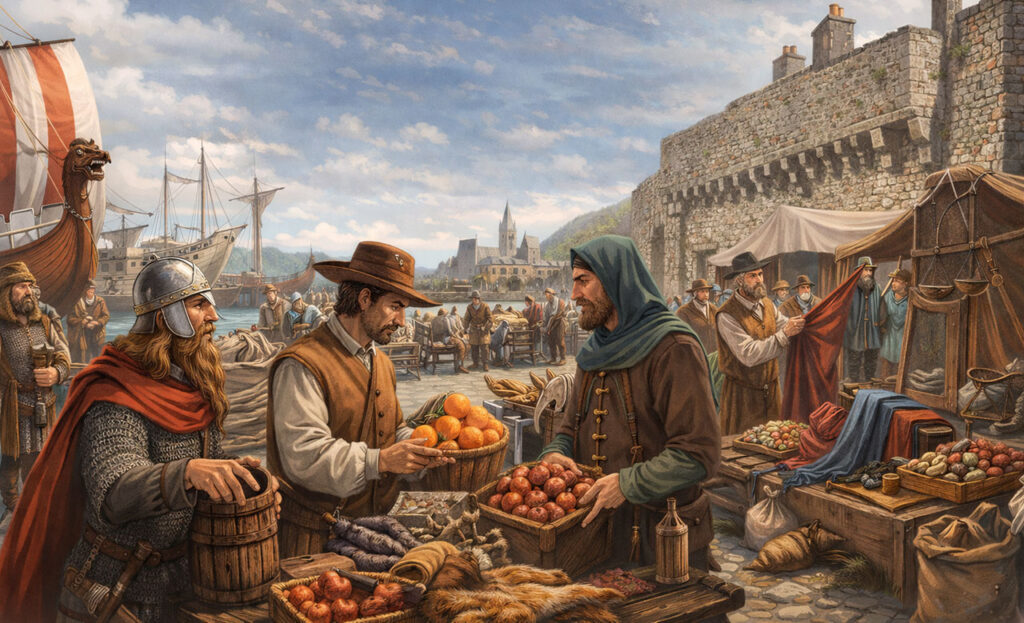
Once a small fishing village, Galway grew into one of Ireland’s most important medieval trading hubs. By the 13th century, Galway had become a major gateway for trade between Ireland, Spain, and France, exporting goods like wool, hides, and fish while importing wine, salt, and luxury items. The city was famously shaped by the “Tribes of Galway,” fourteen merchant families who influenced its commerce, architecture, and politics for centuries.
With the Atlantic at its doorstep, Galway developed a reputation as one of Ireland’s most outward-looking cities. Today, that trading spirit lives on through its lively streets, music-filled pubs, colorful shopfronts, and creative energy, making Galway feel both historic and effortlessly alive.
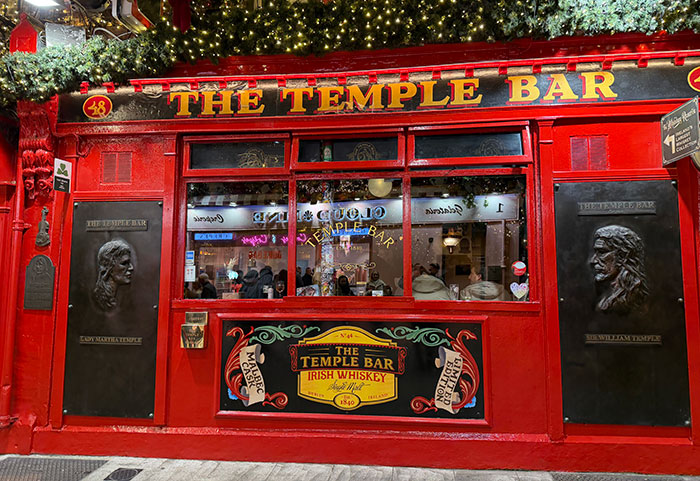
©Photos by Corey Gasman
Bright red, endlessly photographed, and always buzzing. A classic Dublin stop that is equal parts tradition, music, and pure Temple Bar energy.
After Galway, we took the train back to Dublin for our final two nights. The rail trip is roughly 2 hours and 20 minutes, give or take, and it was an easy way to reset before the flight home.
Train link: Galway to Dublin train options (Irish Rail)
In Dublin, we stayed in the Docklands area near Grand Canal Dock, which is basically Dublin’s tech hub. A lot of big companies are based around here, and the neighborhood is often nicknamed Silicon Docks.
We stayed at The Mayson in that area, and it was a great location for walking, grabbing meals, and getting around the city without feeling stuck in the loudest tourist zone.
Hotel link: Our Dublin boutique hotel (The Mayson Dublin)
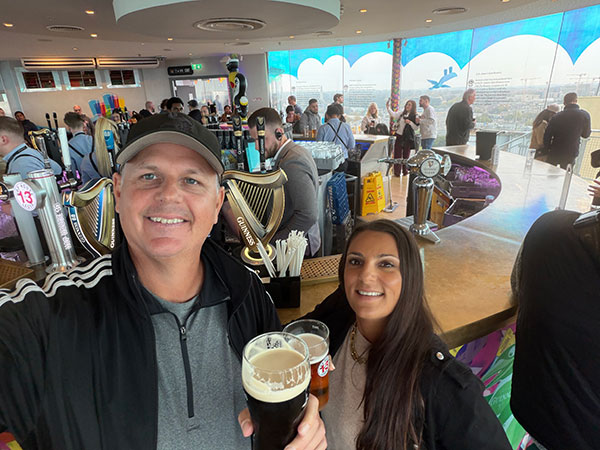
The Guinness Storehouse tour blends Irish history, iconic advertising, and a perfect pint at the Gravity Bar.
We did another walking tour in Dublin, explored the city, had a couple of great meals, and then wrapped the whole trip with a flight home. After Ireland, London, Tenerife, and then Galway plus Dublin, it felt like the perfect full loop.
Founded as a Viking settlement in the 9th century, Dublin began as a strategic trading port along the River Liffey, connecting Ireland to Britain and the wider Norse world. Over time, the city grew under Norman and later British rule, becoming Ireland’s political, economic, and cultural center. Georgian streets, medieval lanes, and literary landmarks reflect centuries of layered history shaped by rebellion, resilience, and reinvention.
Today, modern Dublin balances that past with a youthful, international energy, fueled by technology companies, universities, and a thriving food and arts scene. Walk its streets now and you move easily between centuries, where historic pubs sit beside contemporary cafés, and ancient stories continue to shape a city that feels both rooted and forward-looking.
Dublin link:
Dublin Highlights and Hidden Gems Guided Walking Tour
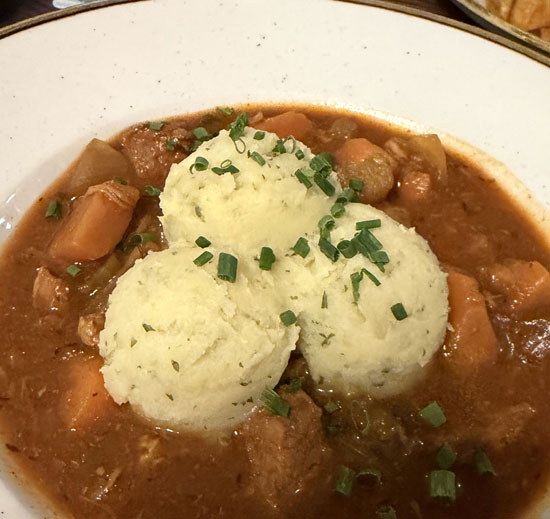
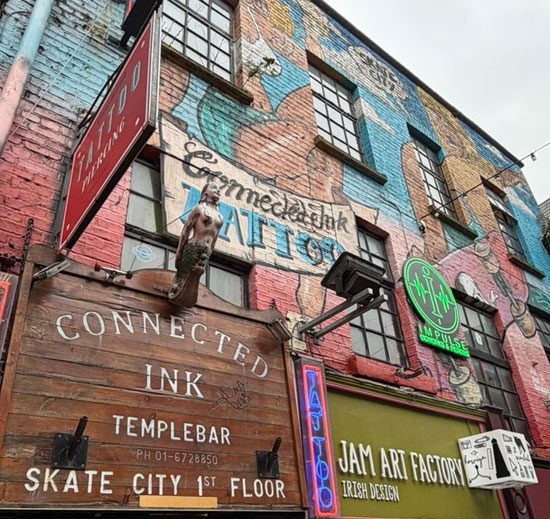
Yes. Ireland gave us castles, countryside, and cozy pub nights. London gave us a bucket-list NFL experience. Tenerife delivered sunshine, ocean time, and a national park that felt like another planet.
If you are flying into Ireland from Minneapolis, consider hopping south afterward on a budget airline. The contrast is the whole point, rain jacket to beach towel in one trip.
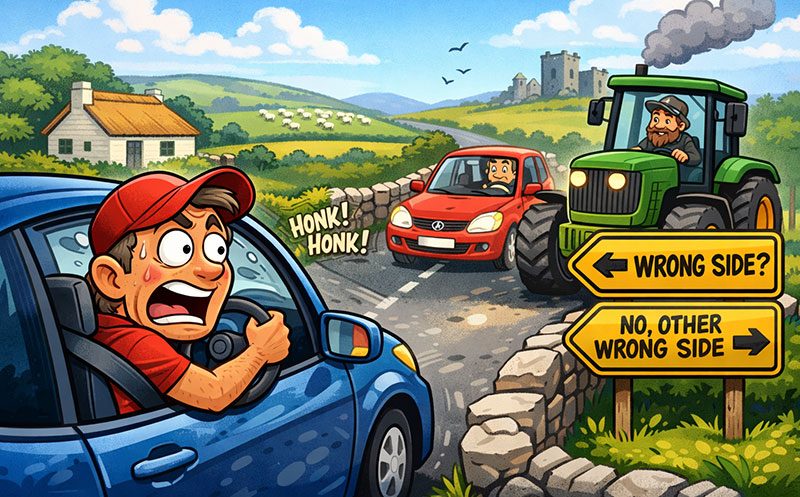
Is it hard to drive in Ireland as an American?
Not really. There’s a short adjustment period, but signage is clear, highways are easy, and Google Maps does the heavy lifting. The narrow country roads are where you slow down, stay focused, and occasionally whisper, “please don’t be a tractor.”
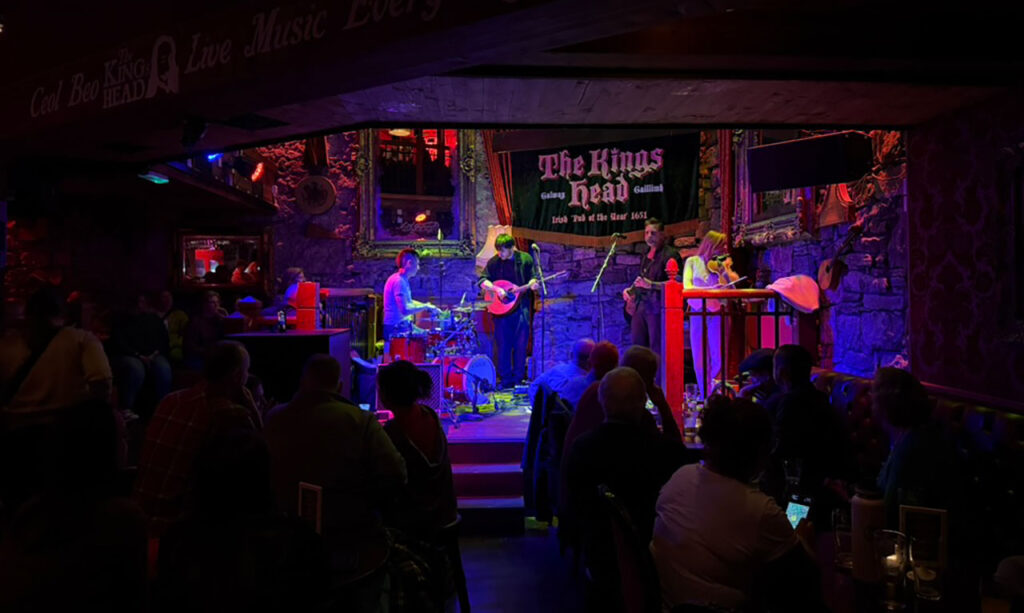
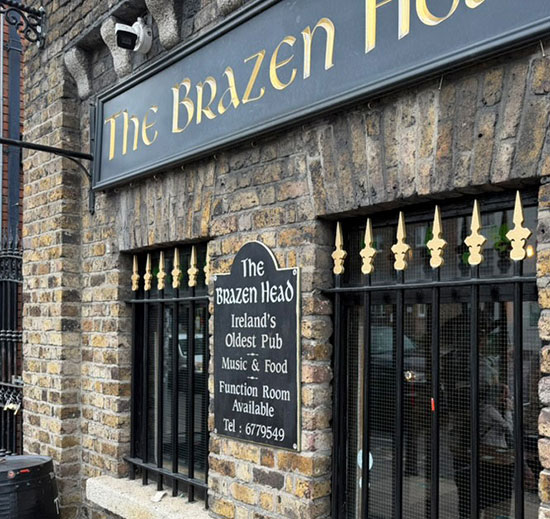
Live music, low ceilings, and a few hundred years of stories packed into one room. The King’s Head has been pouring pints since the 1600s, and somehow still feels exactly like where you’re supposed to be tonight. The lights are low, the crowd leans in, and once the music starts, time does what it always does in Ireland. It politely steps aside.
If Ireland has a secret talent, it is not drinking. It is drinking with purpose, which mostly means talking. The pint is an invitation, not the event. You sit down, order something dark or something strong, and before you know it you are deep in a conversation with someone who was a stranger moments ago.
Irish pubs are built for lingering. Low ceilings, worn wood, and corners that feel like they were designed for storytelling. Guinness arrives slowly and asks for patience. Irish whiskey arrives warmer and more convincing. Even Irish coffee feels less like a drink and more like encouragement to stay a little longer.
Oscar Wilde, who understood indulgence better than most, once said, “Everything in moderation, including moderation.” It fits Ireland perfectly. No one rushes you. No one counts your drinks. You stay until the story finishes, and the story always takes longer than expected.
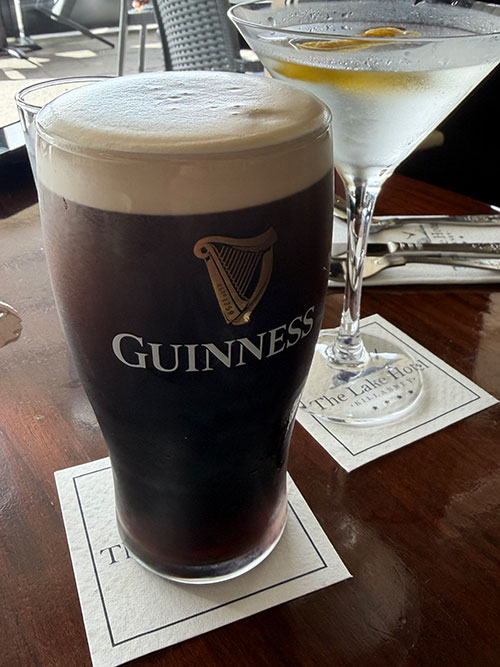
My first pint of Guinness in Ireland.
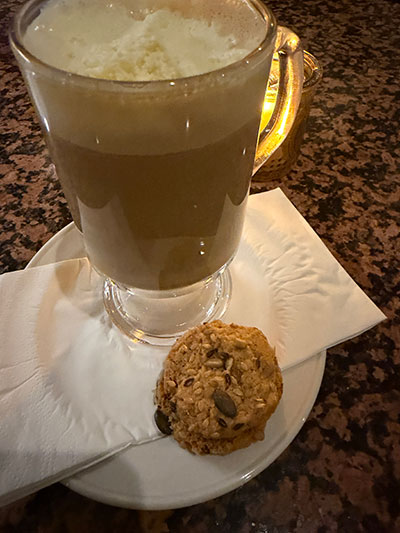
An Irish coffee with Baileys, whipped cream, and zero plans to go back outside.
Then there is the music. Live music in an Irish pub is not a performance, it is a shared moment. A fiddle starts. A bodhrán follows. The room leans in. The music does not ask for silence and the conversation does not stop the music. They exist together, overlapping in the most natural way.
George Bernard Shaw wrote, “Alcohol is the anesthesia by which we endure the operation of life.” In Ireland, it feels more like company for the journey. By the end of the night, you may forget the drinks you ordered, but you will remember the people, the laughter, and the feeling that for a few hours, you belonged.
“There are only two things people want in Ireland. To drink, and to talk about drinking.”
— Irish saying