Travel Planning Hub
Start here to plan your trip, compare options, and explore every TLGA planning guide.
Packing & Gear Guide
What to pack, what to skip, and how to build a lighter travel setup that works.

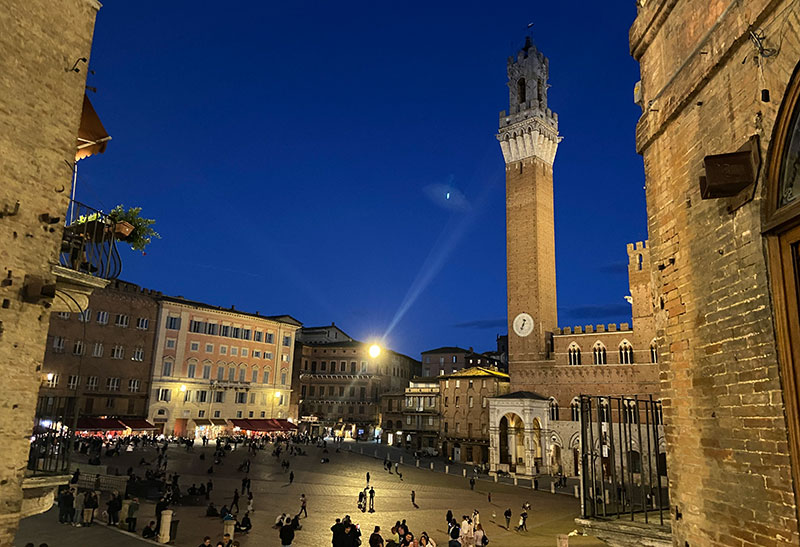
Dusk at Piazza del Campo. No filters, no crowds, just one of the best medieval squares in Italy doing its thing.
Last updated: January 2026 by Corey Gasman
From the Editor:
Italy is one of those places where “hidden gem” is a tricky phrase. Almost everywhere worth seeing has already been seen. But the experience can still feel undiscovered when you slow down, choose your bases well, and spend time outside the major headline cities.
If this is your first trip to Italy and you only have a week or two, focusing on Rome, Florence, and Venice makes perfect sense. They are world-class for a reason. But if this is your second trip, or you built in extra time, the real magic begins when you leave the big hubs behind.
For me, that shift happened the moment we drove out of Rome and into the Tuscan hills. Small towns. Quiet mornings. Wine tastings that did not feel rushed. That is when Italy started to feel personal.
The goal is not to rack up more stops. It is to build a trip with better rhythm. In Italy, that usually means fewer bases, slower mornings, and more time in one region instead of trying to stitch together too many iconic places.
If you have 7 to 10 days, choose one region and do it well. If you have closer to two weeks, you can combine two regions without rushing and still keep the trip feeling calm.
The TLGA rule: One region done well beats five rushed highlights every time.
If you only have 7 to 10 days, choose one region and do it well. If you have closer to two weeks, you can combine two regions without rushing.
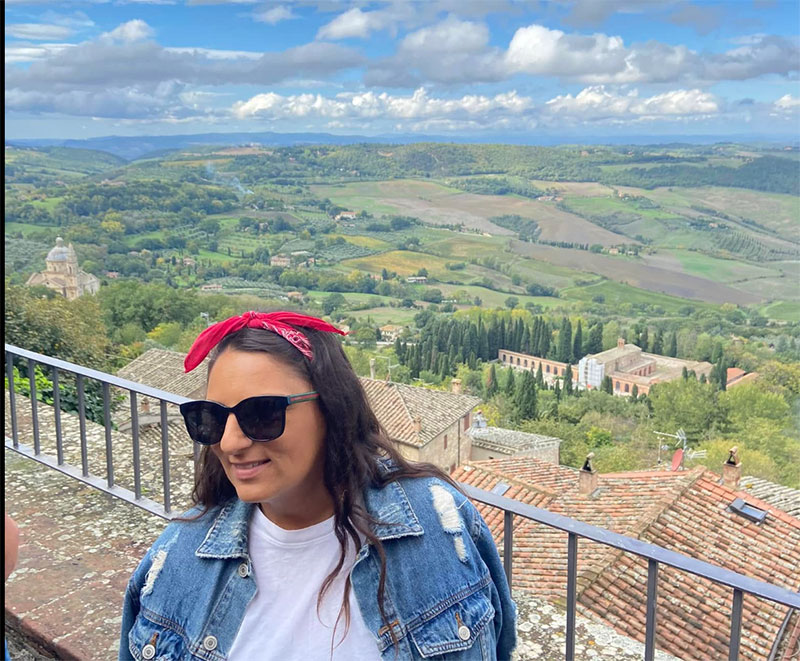
Our view in Montecchio. It was the perfect peaceful spot to come back to after a day of wine tasting in nearby Montepulciano.
If you want to understand Tuscany beyond postcards, you need a base that lets you move easily without feeling like you are living out of the car. For us, that was Montecchio, a small wine-town base within easy driving distance of Montepulciano and Siena.
We stayed at AgriHotel Villa Ambra. Quiet, comfortable, and surrounded by vineyard views, it made day trips effortless and gave us a calm place to return to after winery visits.
One standout tasting was at De’Ricci Cantine in Montepulciano. The underground cellars feel historic, not staged, and the structured tastings are informative without feeling rushed.
Avignonesi Winery was one of the highlights. The cypress-lined drive alone sets the tone. They are known for biodynamic farming, exceptional Vino Nobile di Montepulciano, and classic Tuscan views that feel exactly like what people hope Tuscany will be.
We booked the tour and lunch experience, which combines a winery visit with a multi-course, wine-paired lunch. It felt polished without being stiff and easily qualifies as a main-event afternoon.
Icario Winery offered a great contrast. It is modern, beautifully designed, highly rated, and just outside town. If you do De’Ricci for underground historic cellars, Icario balances the trip with a more contemporary tasting experience.
Read Next: Tuscan Wine Explained: The Ultimate Guide to the Region & Super Tuscans
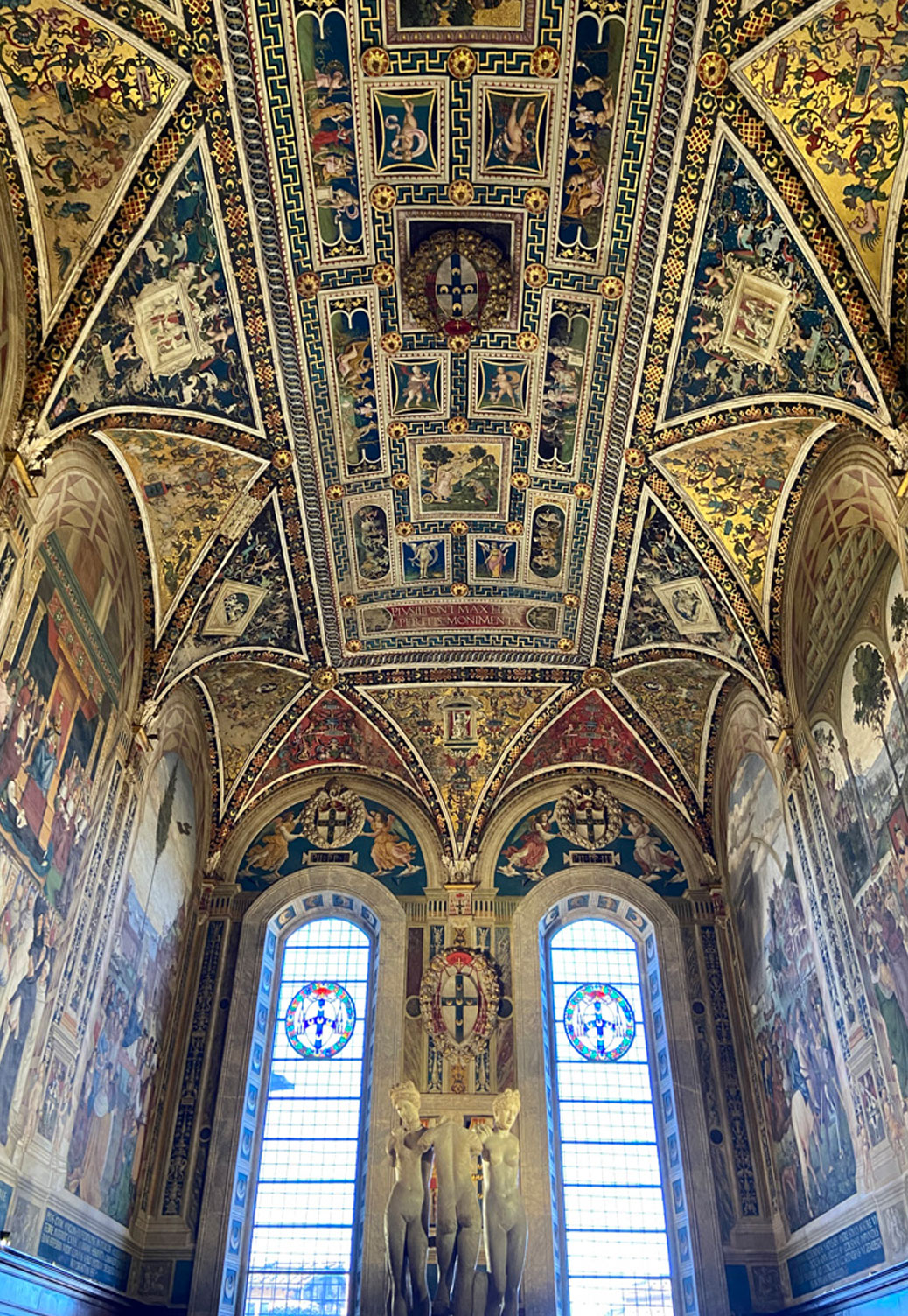
Unpopular opinion: the inside of Siena’s cathedral is more impressive than Florence’s. The black-and-white marble details are overwhelming in the best possible way.
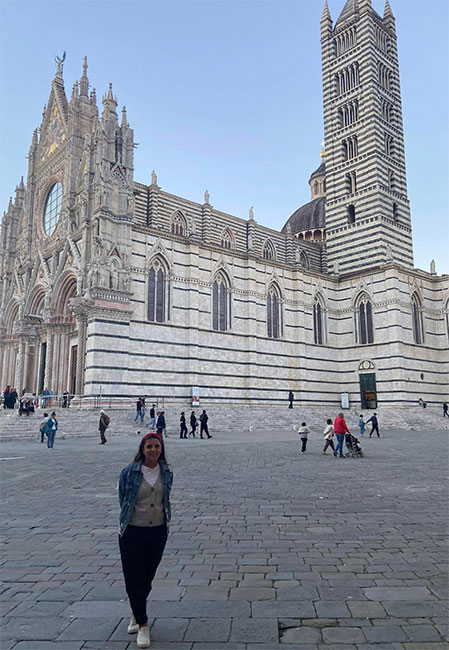
Siena feels calmer and more lived-in than Florence, especially in the mornings. And in my opinion, its cathedral is the most impressive in Italy.
The Siena Cathedral is dramatic without being chaotic. The black-and-white marble, striped columns, and layered interior details make it feel rich without crossing into visual overload.
We stayed at Hotel Athena, just outside the historic center. That location made arrival and departure much easier while keeping the old city fully walkable.
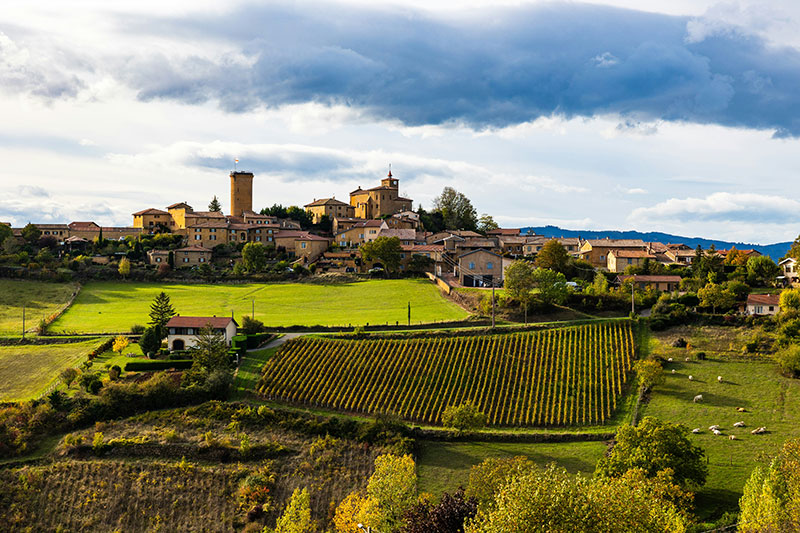
Hill-town hopping works best when you limit the itinerary. Visiting just one or two towns per day leaves time to appreciate vineyard views like this along the drive.
One of the best parts of Tuscany is the drive itself. The mistake is trying to turn that drive into a checklist. We focused on fewer towns and better experiences instead of trying to see everything.
Pisa works well as a short stop rather than a multi-day destination. Seen that way, it adds interest without disrupting the flow of the trip.
The bigger win is picking one or two meaningful stops per day, then leaving room for a long lunch, a scenic detour, or an afternoon tasting that ends up becoming the highlight.
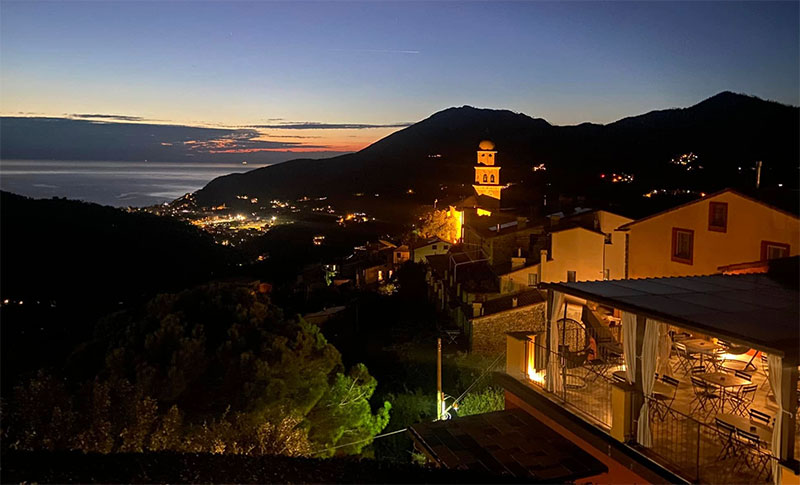
View from Hotel Angiolina’s Farm. We traded the chaos of the main villages for this peaceful spot in Levanto, and it ended up being one of the best decisions of the trip.
Cinque Terre is beautiful, but staying inside the famous villages can be overwhelming. We based ourselves in Levanto instead and it completely changed the experience for the better.
We stayed at Hotel Angiolina’s Farm. The views were better, the mornings were quieter, and we still had easy train access into the villages whenever we wanted it.
That meant we could enjoy Cinque Terre early, step away when the crowds peaked, and come back to a place that felt calm instead of saturated with tourism.
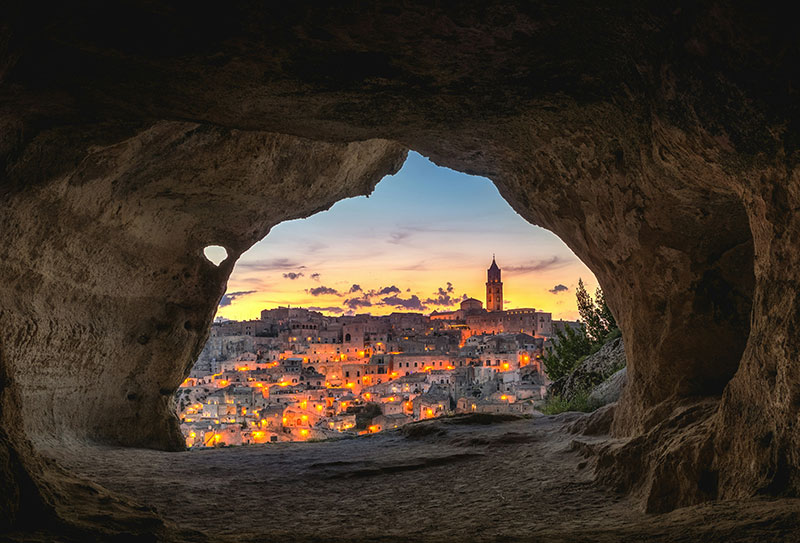
The view from a cave in Matera. At night, the ancient city glows rather than sparkles.
Matera is one of the most unique overnight experiences in Italy. Staying in a converted cave dwelling is quiet, atmospheric, and unlike anywhere else in the country.
At night, the city glows instead of sparkles. It feels ancient and grounded rather than polished for visitors, which is exactly why it stands out.
If you want a stay that feels genuinely different from the standard Italy circuit, Matera earns its place.
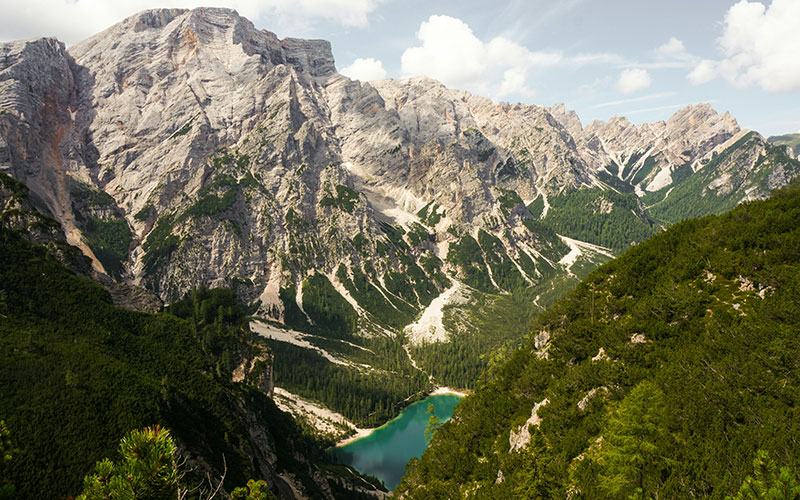
The dramatic peaks of the Dolomites reflected in Lago di Braies. This alpine region offers some of the most striking scenery in Italy.
The Dolomites feel completely different from the rest of Italy. They are sharper, quieter, and more nature-driven.
You do not need to be an advanced hiker to enjoy this region. There are accessible walks, cable cars, scenic drives, and longer hikes if you want a bigger day in the mountains.
The key is not defaulting to the most obvious base. Smaller villages often give you a calmer stay, easier parking, and a more local-feeling version of the region.
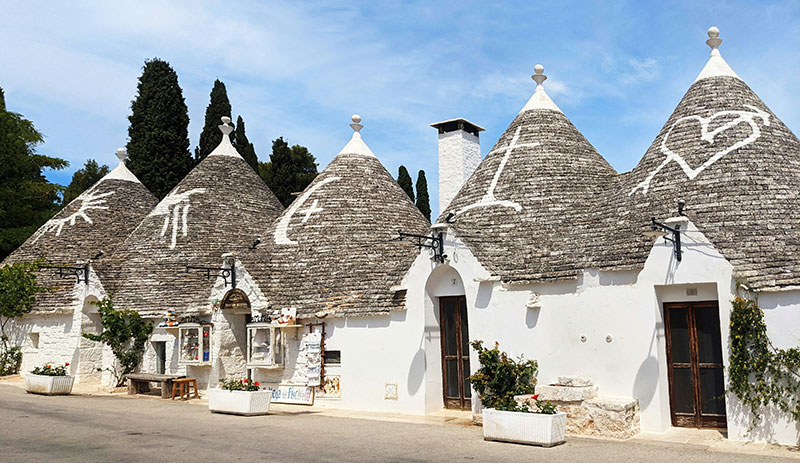
Iconic trulli houses in Puglia. This southern region is defined by distinctive architecture, countryside stays, and a slower pace.
Puglia moves at its own pace. Days revolve around meals, countryside drives, coastal stops, and being outside.
Staying in a masseria is one of the best ways to experience the region. It feels rooted, calm, and much less tourist-driven than a lot of northern Italy.
This is the kind of place where leaving space in the schedule actually improves the trip. A long lunch, a quiet pool afternoon, and a slow dinner can be the entire point.
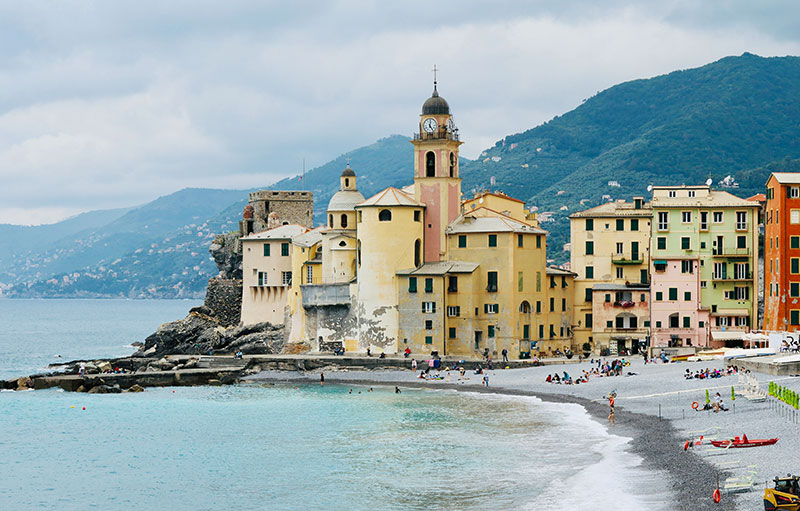
While nearby Cinque Terre draws the crowds, Camogli remains a calmer Riviera escape with the classic colorful waterfront and beach-town feel.
If Cinque Terre feels too crowded, Camogli and Portovenere offer a calmer coastal experience. Both towns feel lived-in rather than staged and still deliver the classic Riviera atmosphere.
They are the kind of places that shine in the evening, when the waterfront slows down, dinner starts, and the day-trippers are gone.
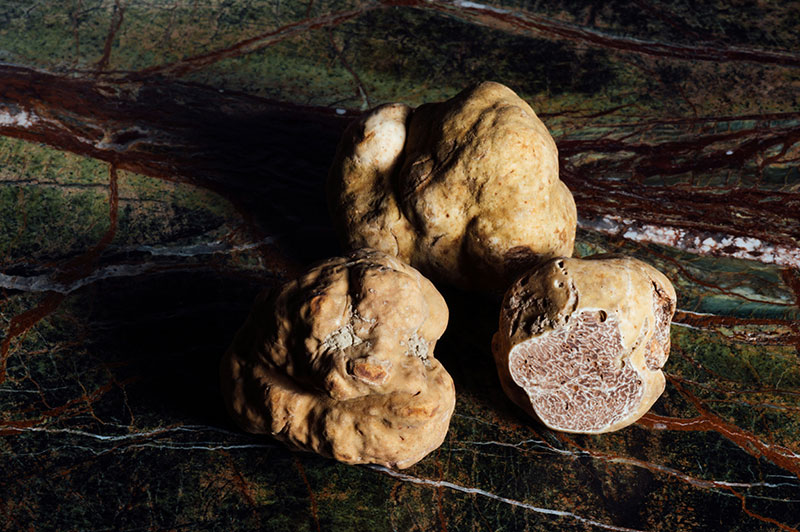
The gold of the Italian forest. Going out with a local hunter and their dogs reveals the work and history behind one of Italy’s most prized ingredients.
Truffle hunting and olive-oil harvest experiences connect you to Italian food culture in a way restaurants alone cannot. These are slower, more traditional, and often far more personal than headline dining experiences.
They also work because they are rooted in place. You are not just tasting something good. You are seeing where it comes from, how people talk about it, and why it matters locally.
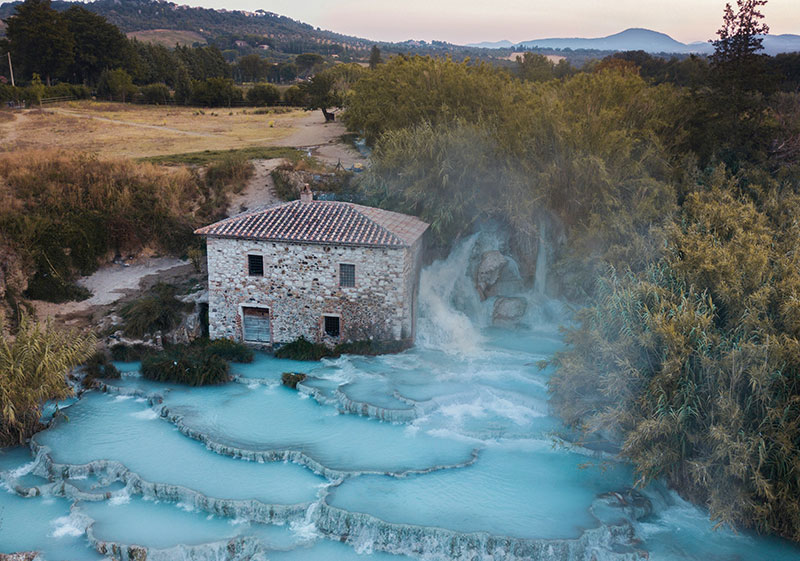
The Cascate del Mulino in Saturnia are completely free to visit. For the quietest experience, arrive at sunrise before the day-trippers show up.
Italy also does rest well. Saturnia feels raw, natural, and elemental. Ischia leans more refined and spa-oriented. Both are worth building time around if you want a slower and more restorative side of the country.
These places work best when you are not trying to squeeze them into an overloaded itinerary. They reward slowness.
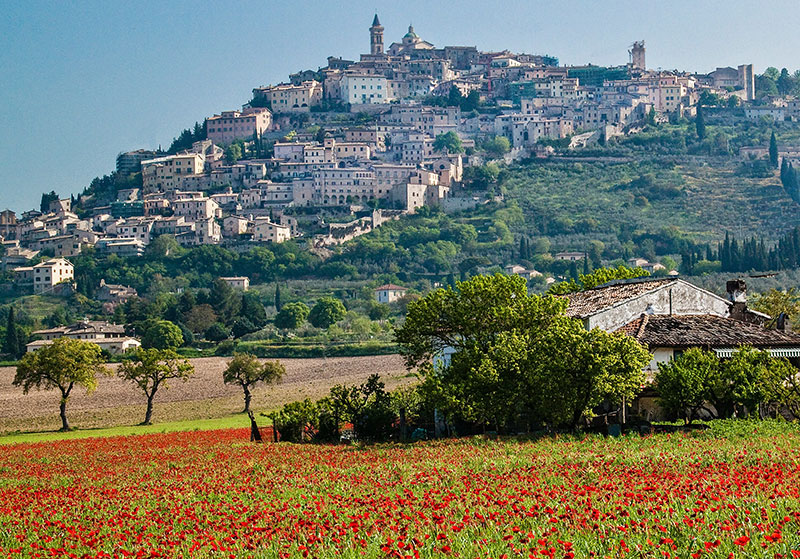
While most travelers focus on Tuscany, nearby regions like Umbria offer beautiful towns, more personal tastings, and wines that feel far less overexposed.
Some of Italy’s most interesting wines come from regions that many travelers skip. Friuli, Umbria, and Etna all offer tastings that feel more personal and wines that feel more distinctive than the obvious big-name routes.
These are excellent places to slow down, let the winemaker guide the experience, and discover styles you probably would not have ordered on your own.
This map highlights the bases and regions that shaped a slower, more intentional way to experience Italy.
Zoom out to see how the regions relate. Zoom in to understand why fewer bases make better trips.
These experiences work best for a second trip, or for travelers with more than 10 days who want to move at a slower pace.
Yes for Tuscany, Puglia, and the Dolomites. Coastal Liguria works much better by train.
Two bases is ideal for most trips. Three can work if your transitions are efficient and you are not trying to do too many long transfer days.