Travel Planning Hub
Start here to plan your trip, compare options, and explore every TLGA planning guide.
Packing & Gear Guide
What to pack, what to skip, and how to build a lighter travel setup that works.

Last updated: February 2026 by Corey Gasman
Corey’s note (9M+ views on Google):
Most travelers think tequila and mezcal when they think Mexico. Meanwhile, just 90 minutes south of San Diego, the Valle de Guadalupe quietly became a real wine destination with bold reds, serious tasting rooms, and a food scene that now shows up in the MICHELIN Guide.
Yes, grapes grow in multiple Mexican states. But if you want a true wine trip with tastings, design hotels, and dining you will actually plan around, you are heading to Baja California. Think of the rest of Mexico as “bonus regions” that make great side trips from bigger cities.
⭐️ Golden Rule: Valle de Guadalupe is not walkable like a European wine village. Wineries are spread out across ranch roads. If you plan to drink, hire a driver.
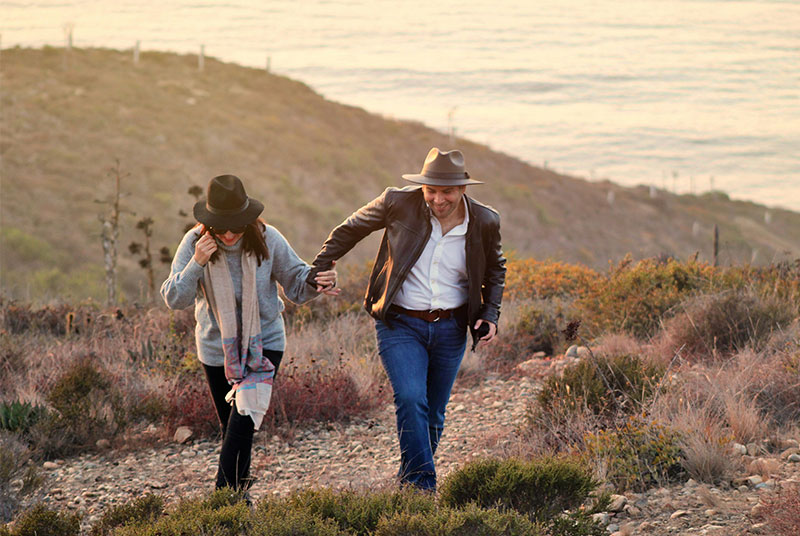
The Valle is rugged, dusty, and beautiful. It feels like desert wine country because it is.
Mexico is one of the oldest wine producing regions in the Americas. Vines arrived early in the colonial era, and commercial winemaking grew fast enough that Spain eventually cracked down to protect its own exports. The modern Mexican wine boom really accelerates in the late 20th century, with Baja California becoming the center of gravity for serious production and wine tourism.
If you want to explore vineyards in Mexico, these are the regions that matter most for travelers.
| Region | State | Signature Style | The Vibe |
|---|---|---|---|
| Valle de Guadalupe | Baja California | Bold reds, blends, big flavor | Design hotels, destination dining, tasting-room hopping |
| Querétaro Wine Route | Querétaro | Sparkling wine and crisp whites | Easy weekend from CDMX, vineyard tours, charming towns |
| Valle de Parras | Coahuila | Historic producers + structured reds | Desert oasis, old-school wineries, history-heavy |
| Guanajuato Wine Country | Guanajuato | Boutique reds and experimental blends | Pair with San Miguel de Allende and Dolores Hidalgo |
If you are used to Napa, you are going to notice two things fast: Mexico loves blends, and Baja reds tend to go bold and expressive. This is a “trust the winemaker” region. Order flights, ask questions, and lean into whatever is pouring best that day.
| What to order | Why it works | Ask for this |
|---|---|---|
| Red blends | Many Valle producers shine most in blends, not single varietals | “Your flagship blend” or “winemaker’s blend” |
| Cabernet-based wines | Big fruit, structure, great with grilled Baja food | Cabernet Sauvignon or Cabernet blends |
| Nebbiolo-style reds | Baja has its own famous take on Nebbiolo-labeled wines | “Your Nebbiolo” and “your most structured red” |
| Chenin Blanc | One of the most rewarding whites in Baja when done right | Chenin or aromatic whites |
| Pet-nat / sparkling | Great daytime option when you do not want heavy reds | Pet-nat, sparkling, or “something crisp” |
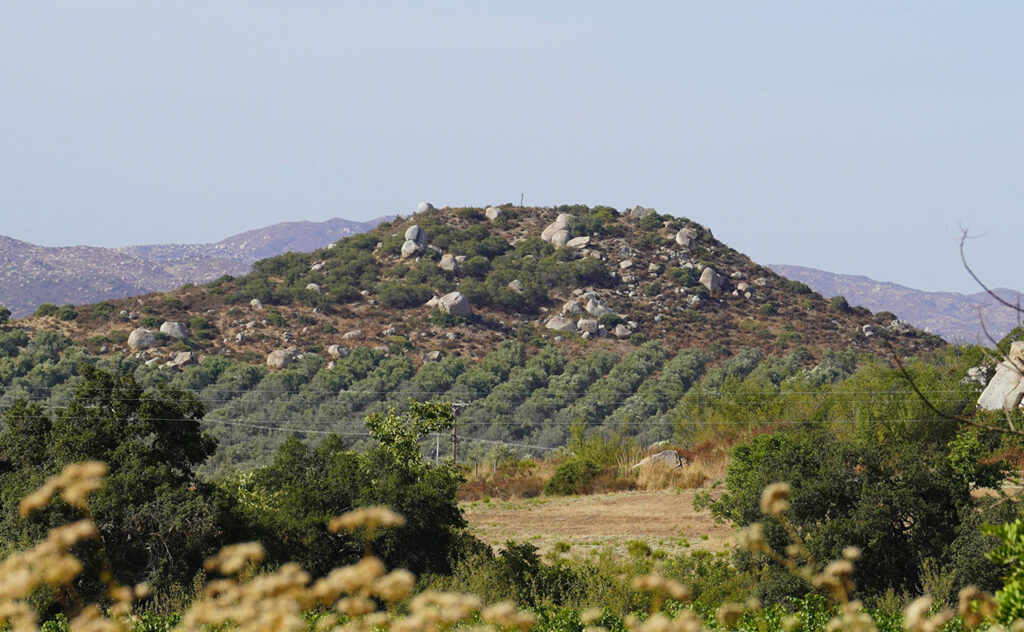
The Valle de Guadalupe sits inland from Ensenada and pulls in ocean influence from the Pacific. That mix of sun, elevation pockets, and coastal air is a big part of why the wines can go bold without tasting cooked.
In general: expect New World energy. Bold reds, generous fruit, and a lot of blends. Whites can be surprisingly good, especially when you lean crisp and aromatic for daytime drinking.
This is the part most people mess up. Valle is spread out, reservations matter, and tasting days need a little structure.
Here is a simple structure that works every time. Adjust the wineries based on what you can book, but keep the rhythm.
| Day | Morning | Midday | Afternoon | Night |
|---|---|---|---|---|
| Day 1 | Tasting #1 (crisp whites or bubbles) | Long lunch on property (do not skip) | Tasting #2 + one “architecture winery” stop | Reservation dinner (book early) |
| Day 2 | Tasting #1 (flagship reds) | Lazy hotel reset, pool, nap | Tasting #2 (small producer or cellar) | Fire pit, stars, and the bottle you bought |
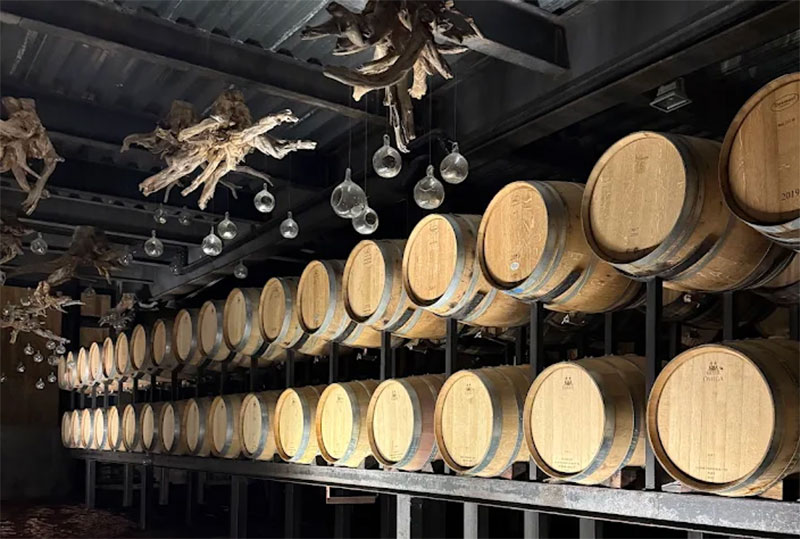
Inside the cellar at Decantos Vinícola, where traditional winemaking meets modern architecture in Valle de Guadalupe.
There are a lot of wineries now. These are reliable anchors for a first trip. Aim for a mix of “classic Valle” plus one smaller producer to keep it interesting.
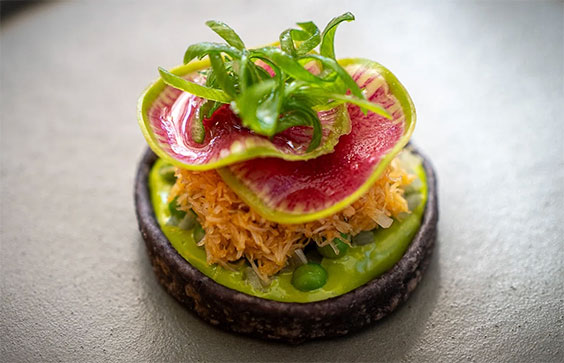
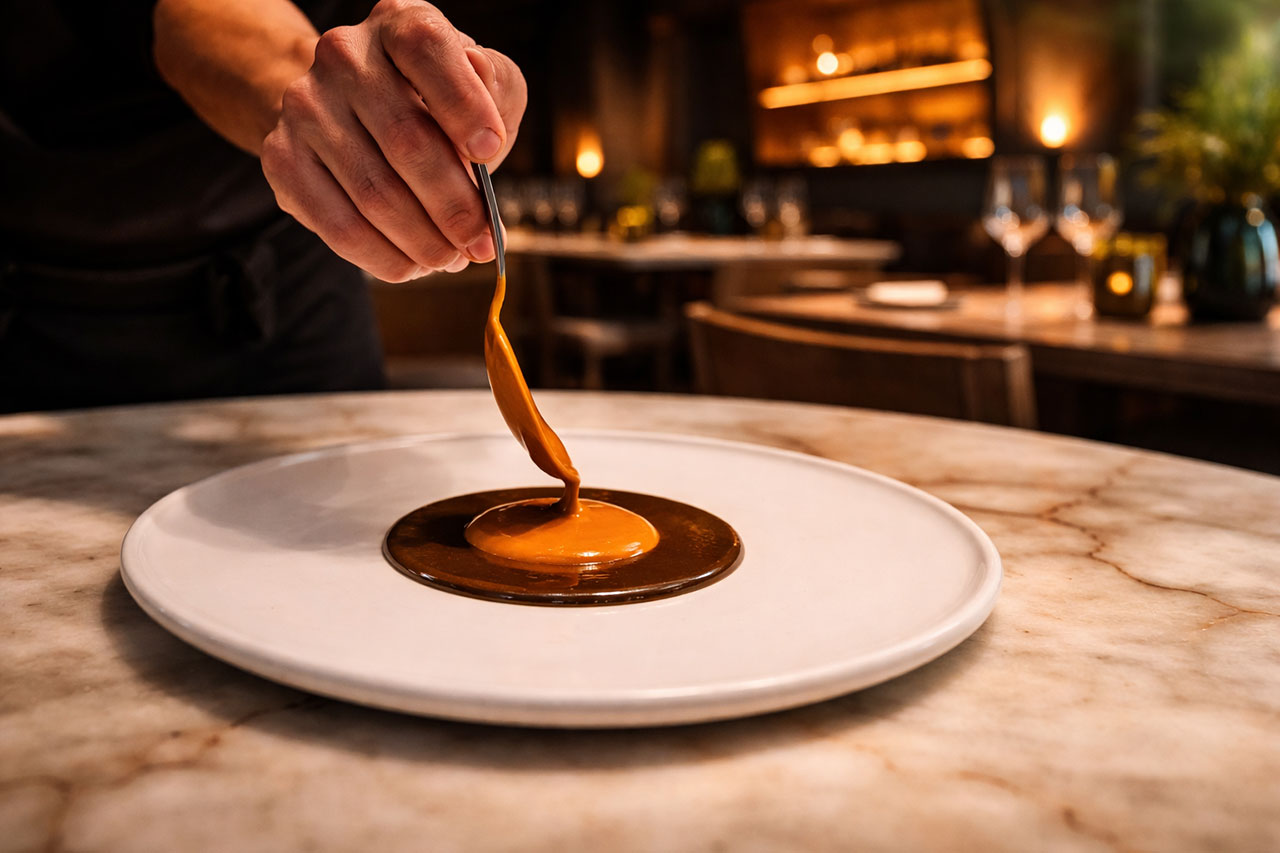
Exceptional farm-to-table presentation at Lunario, one of the MICHELIN-starred culinary gems in Valle de Guadalupe.
The Valle’s food scene is part of the reason you come. A quick reality check: “MICHELIN-listed” can mean starred or recommended, so here is the simple breakdown you can plan around.
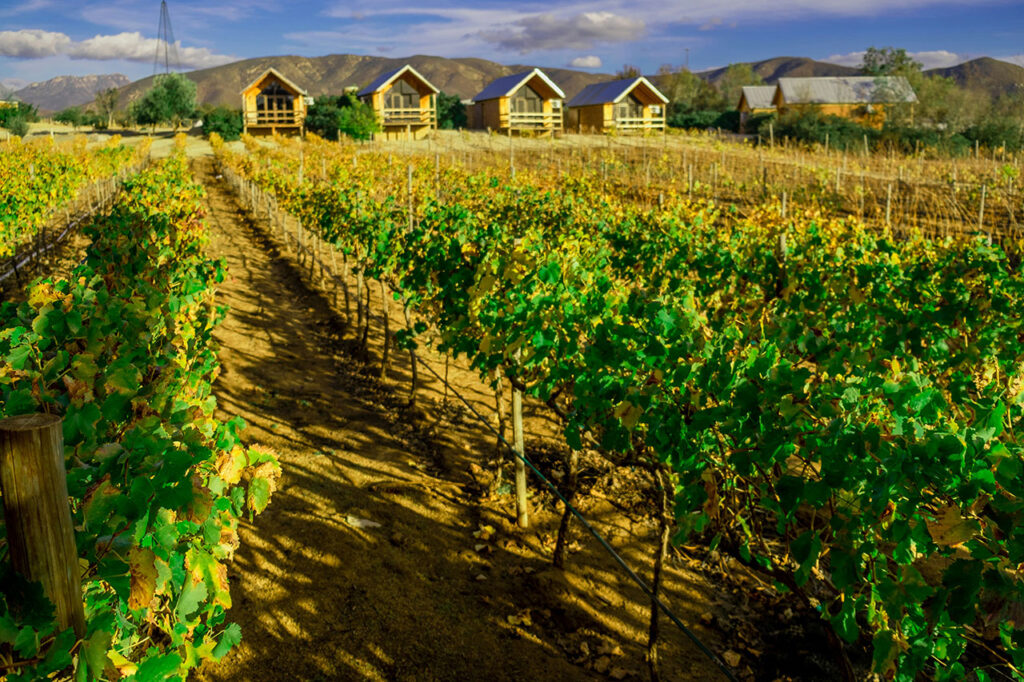
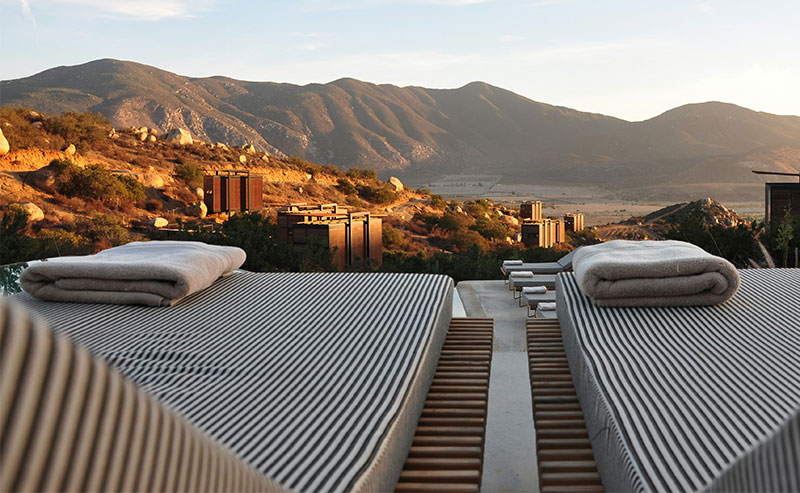
Vineyard views and modern eco-lofts at Encuentro Guadalupe in the heart of Mexico’s wine country.
The Valle has shifted hard into design-forward boutique stays. Translation: your hotel is part of the trip, not just a place to sleep.
The Valle is one of the easiest international wine destinations for Americans. You have two main approaches:
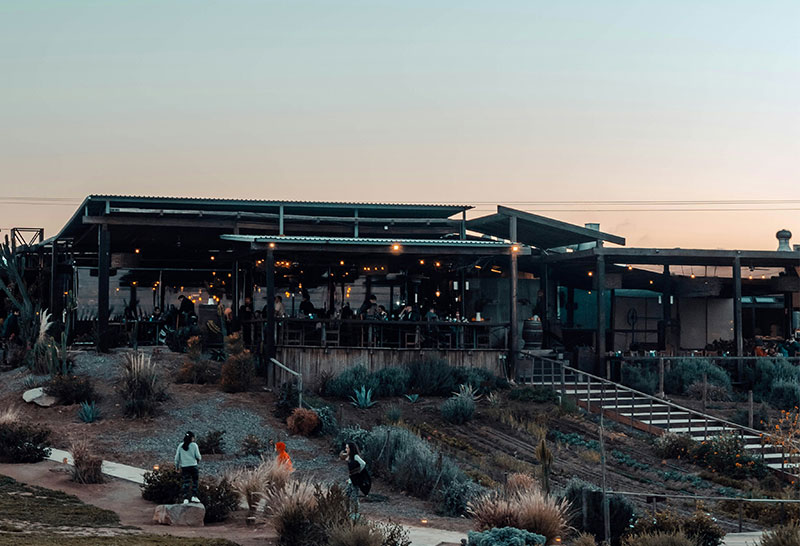
Al fresco dining with a view: enjoying the farm-to-table experience at Finca Altozano in the heart of Baja’s wine country.
The Valle has distinct seasons, and your experience changes a lot depending on when you go.
| Season | Weather and Vibe | Reality Check |
|---|---|---|
| Late July to October | Harvest energy, events, peak buzz | The most expensive and busiest stretch. Book far ahead. |
| March to June | Mild days, cool nights, best balance | My favorite window for weather + reservations. |
| December to February | Quiet, cozy nights, slower pace | Some outdoor spots reduce hours in winter evenings. |
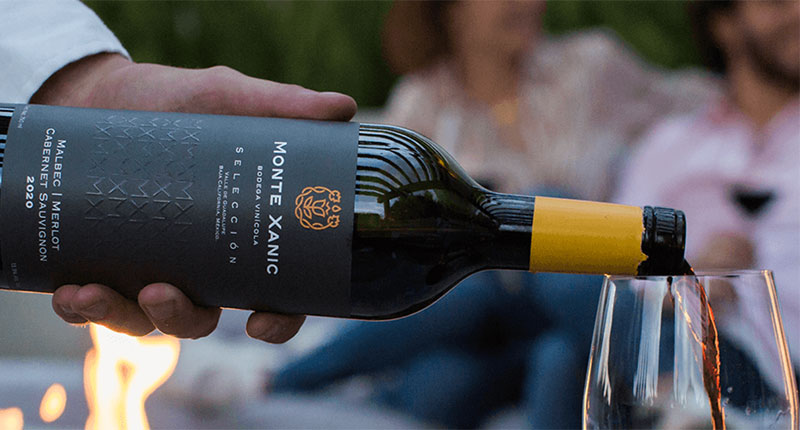
Tasting the premium blends at Monte Xanic, one of the pioneering wineries in Valle de Guadalupe.
If you are crossing back into the US, you can bring wine for personal use. The simple baseline guidance from US Customs is that travelers 21+ can generally bring back one liter duty-free, and amounts beyond that may be assessed duty or handled differently depending on state rules and quantity.
Yes, many people drive down from California. Plan on Mexican auto insurance, expect some unpaved roads in the Valle, and build extra time for border waits.
For top wineries and weekends, yes. Book at least a few key tastings ahead so your day has structure.
Some larger properties are family-friendly, but much of Valle wine tourism is built for adults. Always check the winery policy before you go.
Two days is the sweet spot for most travelers. Three days is perfect if you want slow mornings, long lunches, and time to really enjoy your hotel.
Stick to bottled or filtered water. Most reputable restaurants use purified ice, but for drinking water, keep it simple.
Destinations, food deep dives, and practical planning for Mexico trips.