Travel Planning Hub
Start here to plan your trip, compare options, and explore every TLGA planning guide.
Packing & Gear Guide
What to pack, what to skip, and how to build a lighter travel setup that works.


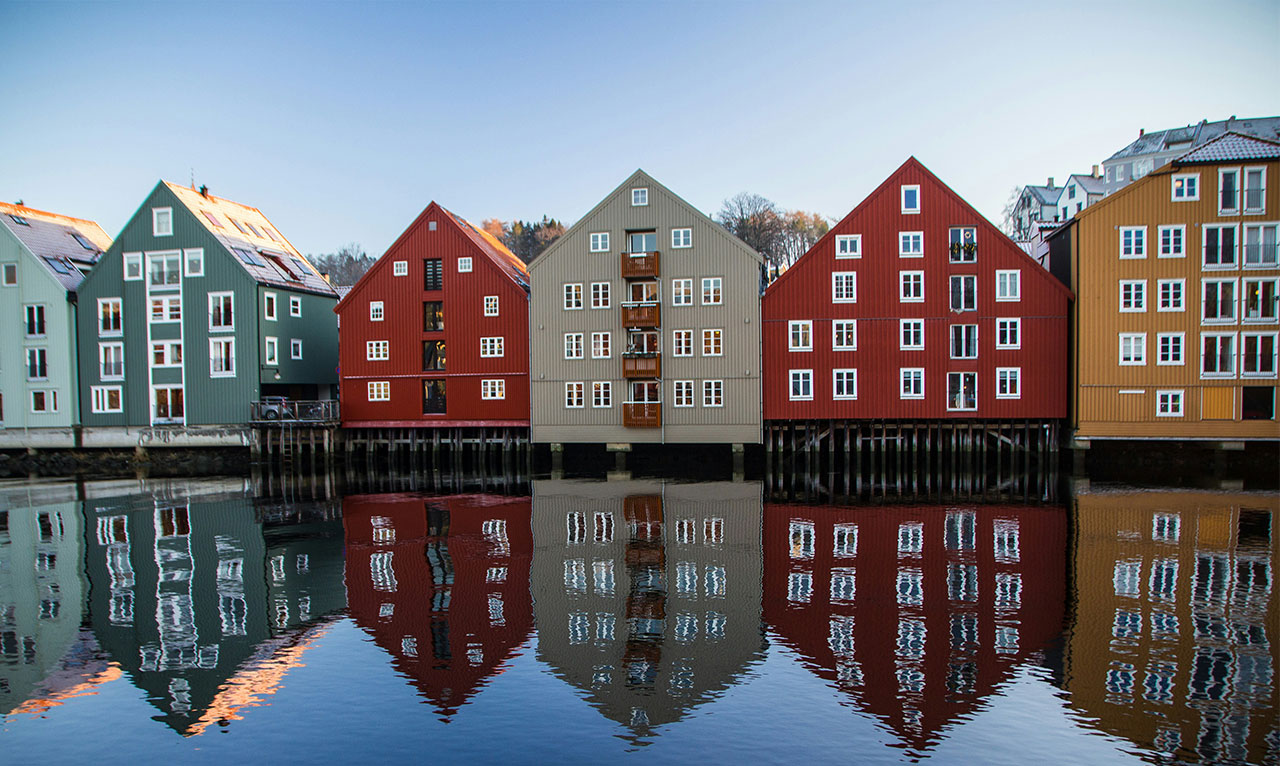
Scandinavia rewards quiet mornings, long daylight, and trips built around nature and neighborhoods, not frantic hotel changes.
Last updated: March 2026 by Corey Gasman
From the Editor
Growing up in Minnesota, Scandinavia always felt like more than a travel destination. It was part of the family story. On my dad’s Norwegian side, every Christmas and Thanksgiving included the Norwegian table prayer my grandmother taught us. In a state that cheers for the Minnesota Vikings and traces so many roots back to the north, the connection to Scandinavia is always quietly present.
Seeing the region in person changes the picture. This guide follows my own heritage loop through Scandinavia. It started with the music and canal culture of Denmark, then a stay in a boat hostel in Stockholm. From there the trip moved north by rail toward Narvik, followed by a drive through the dramatic coastlines of the Lofoten Islands. The route eventually wound south through Trondheim, Bergen, and Oslo, including the famous Norway in a Nutshell journey.
What surprised me most was how familiar parts of Scandinavia felt. The lakes and forests often reminded me of northern Minnesota. One evening in Sweden, I stood beside a perfectly still lake at sunset, and the scene looked almost identical to the lake by our cabin in Hovland. The same calm water. The same pine-lined shoreline. The same soft evening light that stretches long into summer.
Build your trip around a few strong bases, leave room for the landscape to surprise you, and Scandinavia begins to feel less like a destination and more like a place that somehow already feels familiar.
TLGA Rule: Build the trip around two great bases. In Scandinavia, fewer moves means more fjords, more waterfront walks, and more energy for the parts of the trip you will actually remember.
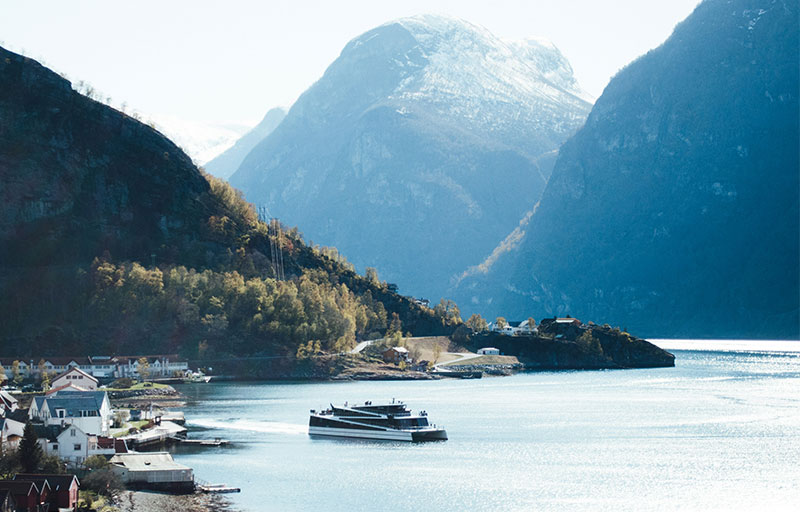
Smooth sailing through the Norwegian fjords. Scandinavia is at its best when the journey itself becomes part of the experience.
There is a reason so many Scandinavians settled in the American Midwest. The landscapes feel familiar, and many of the social rhythms do too. Lakes, forests, practical cities, and a culture that values humility and community all feel recognizable to anyone who grew up in places like Minnesota or Wisconsin.
Understanding a few cultural ideas also helps explain how Scandinavia works.
Scandinavia is not about racing between landmarks. The region shines when you lean into space, light, and rhythm. The best trips usually revolve around two or three strong bases with day trips and one meaningful outdoor activity each day. When you simplify the structure, the landscapes and cities have room to breathe.
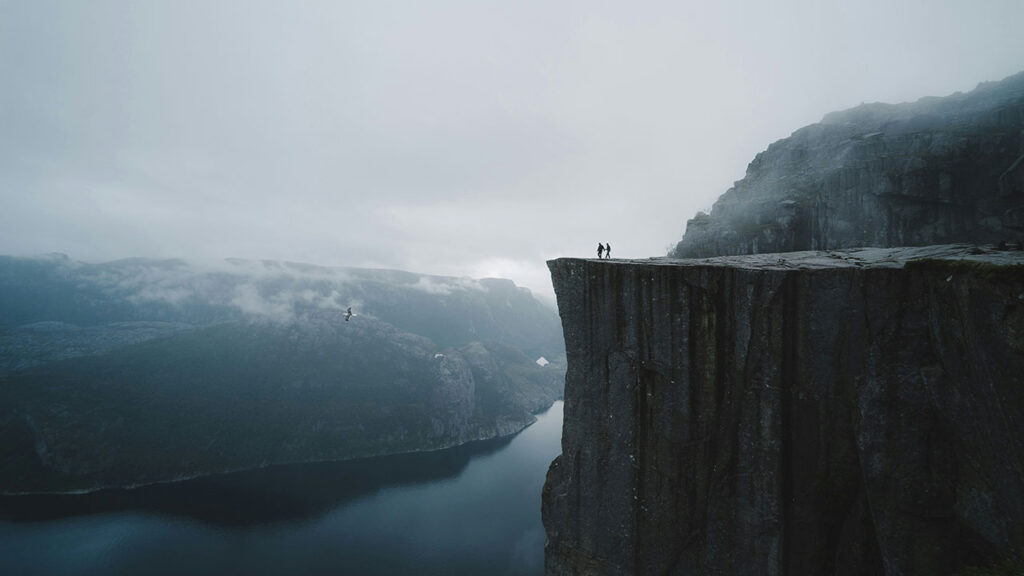
Preikestolen is one of Norway’s most famous hikes, but it works best as a separate southern Norway add-on, not a casual detour from Lofoten.
For most travelers, the best overall window is late May through early September. If you want long daylight and the best chance to experience the midnight sun in Northern Norway, aim for mid-June through mid-July.
| Season | Best For | Watch Outs | TLGA Take |
|---|---|---|---|
| Late May to June | Long days, greener landscapes, lighter crowds | Some coastal areas still feel cool | Best overall value |
| July | Maximum daylight, festivals, classic summer energy | Peak prices and busier cities | Great, but do fewer bases |
| August to early September | Road trips, hiking, city breaks | Daylight starts shortening | Excellent balance |
| Winter | Aurora trips, Christmas markets, cozy city stays | Short days and more weather risk | Best treated as a separate trip style |
The biggest planning mistake is trying to do too much. Scandinavia is expensive, spread out, and far more rewarding when you leave room for weather, waterfront time, and unplanned detours.
| Trip Length | Best Approach | TLGA Recommendation |
|---|---|---|
| 5 to 7 days | One country, two bases max | Copenhagen + Stockholm or Oslo + Bergen |
| 8 to 10 days | Two countries, one major scenic leg | Denmark + Sweden or southern Norway focus |
| 11 to 14 days | Two to three countries with one epic transit day | Best sweet spot for first-timers |
| 2+ weeks | Add Northern Norway or a deeper road trip | Best for a heritage-style route |
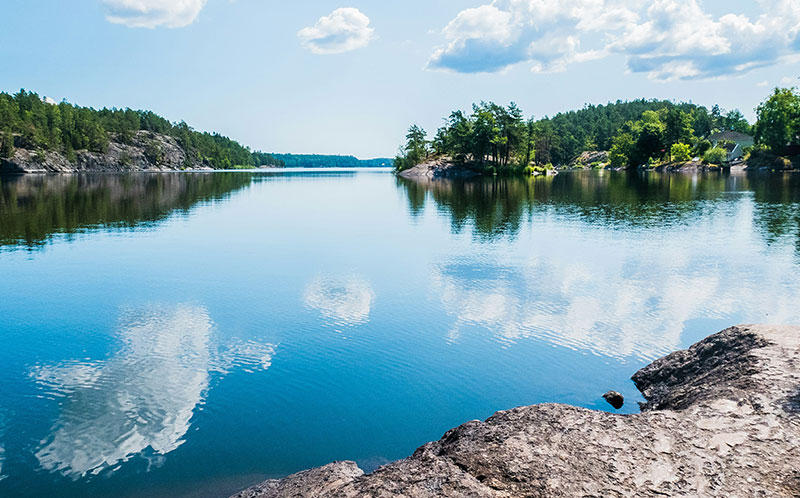
Still water, soft light, and that same peaceful summer feeling I know from our cabin lake in Hovland, Minnesota. This stretch of Sweden felt instantly familiar.
This is the routing I used to connect the cities with the wild north. It is high reward, but it works best if you are willing to let the train, ferry, and long daylight become part of the trip.
| Stop | Transport | Why It Works |
|---|---|---|
| Copenhagen | Arrival city, walking, metro, canal zones | An easy, stylish entry point with great food and summer energy |
| Stockholm | Train from Copenhagen | A calm city break with islands, viewpoints, and boat-stay appeal |
| Narvik | Long rail journey north | The dramatic Arctic transition is part of the adventure |
| Lofoten Islands | Rental car | One of Europe’s great slow-travel landscapes |
| Trondheim | Southbound continuation | A softer urban reset after the wild north |
| Bergen | Rail and fjord routing | Historic waterfront, mountain views, and a perfect fjord base |
| Oslo | Bergen line or Norway in a Nutshell routing | A clean, easy finish with museums, neighborhoods, and green space |
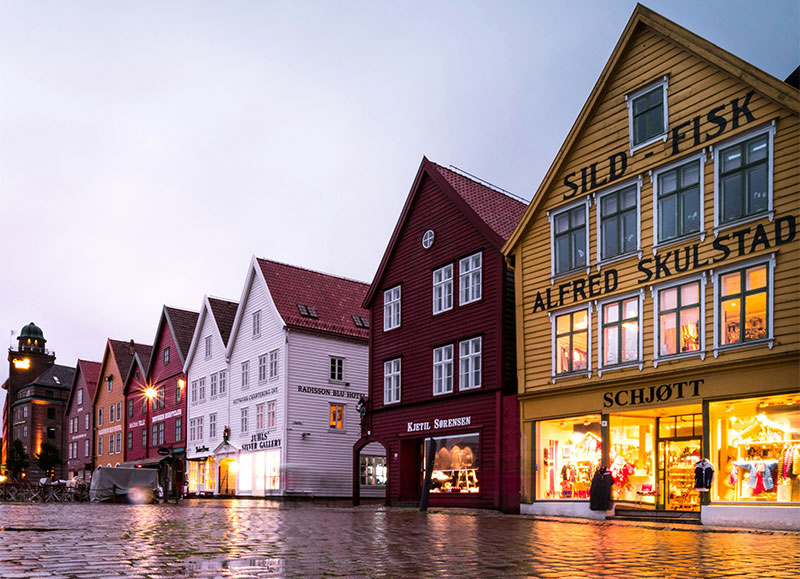
Bergen’s historic waterfront is one of those places that looks good in any weather.
Norway is where the family stories came to life for me. It is cinematic, rugged, and deeply rewarding for slower travelers. Whether you are driving through the Lofoten Islands or riding one of the classic fjord routes, Norway works best when you leave room to stop, stare, and let the landscape do the heavy lifting.
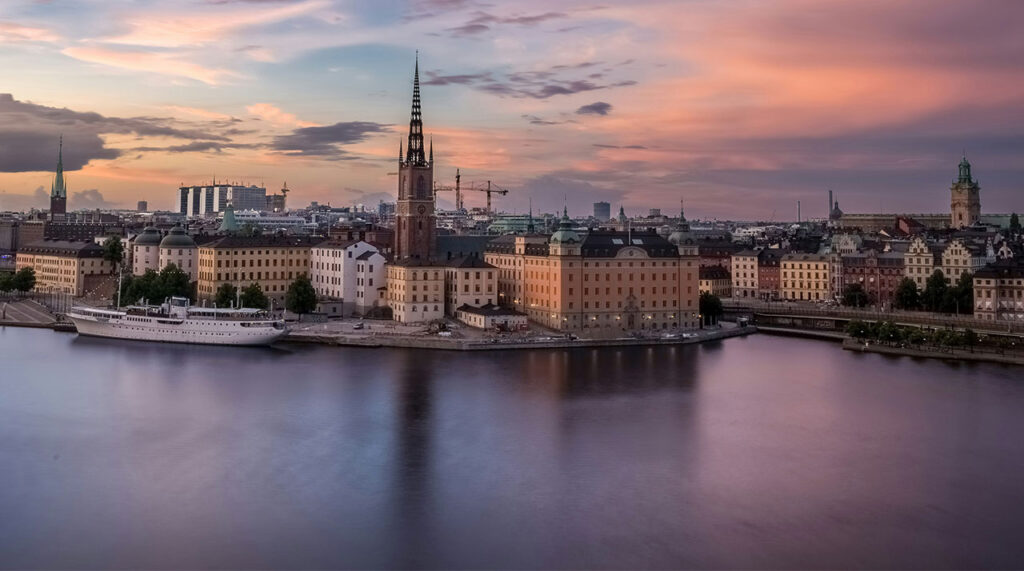
Stockholm at golden hour. Sweden has a way of making even ordinary evenings feel polished.
Sweden feels effortless. The cities are walkable, the design is sharp without being loud, and nature is built into daily life. Staying on a boat in Stockholm was one of the highlights of the whole trip. It felt equal parts city break and waterside escape.

In Sweden, fika is not an extra. It is part of the day. Get the bun and take the break.
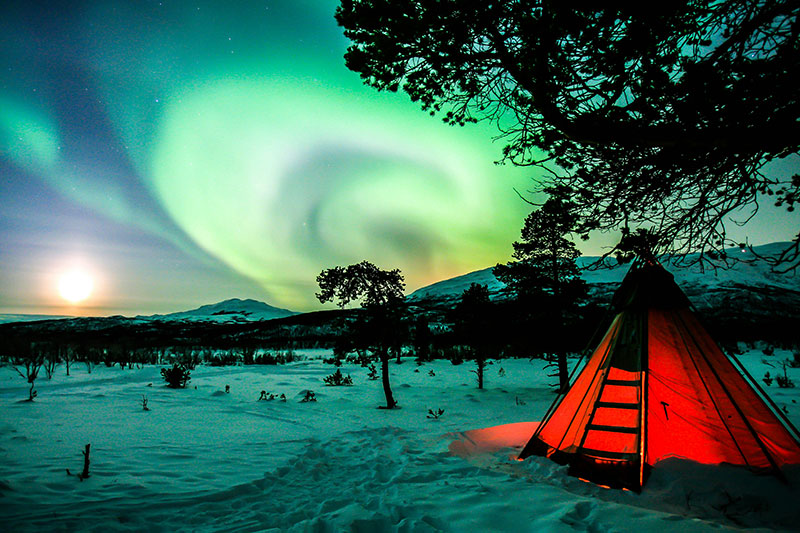
Abisko shows Sweden at its wildest, where dark skies and big northern landscapes feel a world away from Stockholm.
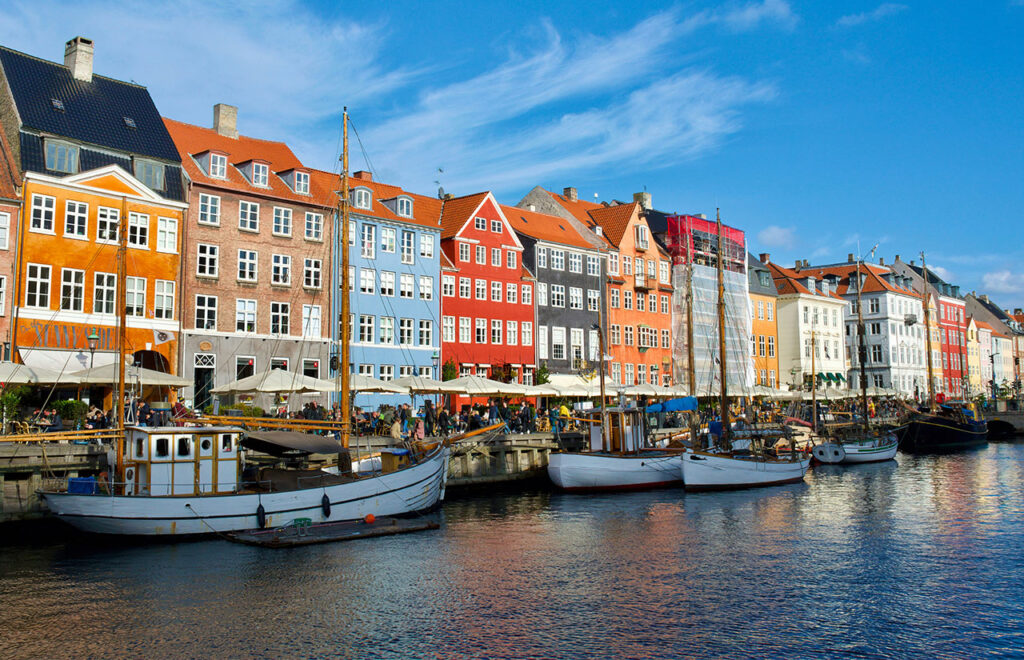
Nyhavn is colorful, touristy, and still worth it. Copenhagen knows how to make everyday city life feel good.
Denmark is one of the easiest entries into Scandinavia. Copenhagen is polished but never stiff, bike-friendly without feeling overwhelming, and packed with neighborhoods that make you want to linger. My visit lined up with jazz season, which made the whole city feel even more alive.
If you only have one week and want a gentle first taste of the region, Copenhagen paired with Stockholm is one of the best combinations in Europe.
Scandinavia is manageable, but it rewards travelers who prioritize well. Spend on location, scenic transport, and one or two memorable meals. Save on giant hotel breakfasts, constant taxis, and overstuffed itineraries.
| Category | What to Expect | TLGA Move |
|---|---|---|
| Hotels | Usually the biggest expense | Pay for location, not square footage |
| Food | Restaurant prices add up fast | Use bakeries, food halls, and grocery stops |
| Alcohol | Often surprisingly expensive | Treat drinks as a splurge, not a default |
| Trains and ferries | Worth the spend for scenery and ease | Book key legs early |
| Rental cars | Helpful in remote Norway, unnecessary in cities | Only rent when the route truly needs it |
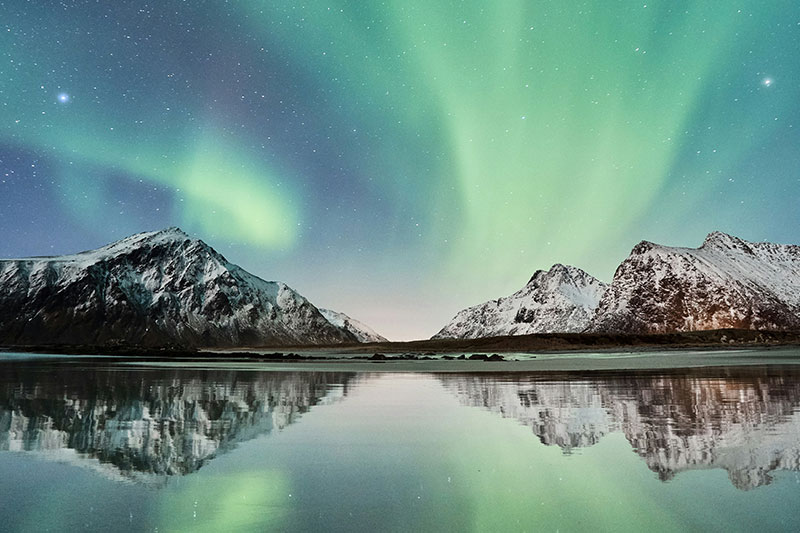
In the far north, the light becomes part of the trip. It changes how you plan, sleep, and move through the day.
The midnight sun changes your sense of time. In Northern Norway, summer light stretches so long that evenings stop feeling like evenings at all. It is magical, but it can also wreck your pacing if you do not plan for it.
Midnight sun reality check
Transport is part of the adventure here. The smartest itineraries usually use trains for major city jumps, ferries for scenic water legs, and rental cars only where they truly unlock the landscape. The rail journey north toward Narvik is one of the great travel experiences in the region, especially if you enjoy letting the transition in scenery unfold in real time.
My rule: if the route is under about five hours and it connects well city-center to city-center, rail or ferry usually beats flying.
It is not cheap, but it is predictable. Sleep in central locations, book important train legs early, use bakeries and food halls for lighter meals, and save your splurges for the scenery-driven experiences.
No. English proficiency is very high across the region. A simple thank you and a little effort with local etiquette still goes a long way.
Yes in Copenhagen, Stockholm, Oslo, and Bergen. It also works well on major rail routes and structured fjord journeys. A rental car becomes much more useful in places like the Lofoten Islands, where the scenery is the main point.
For most first-timers, I would start with Copenhagen and Stockholm, or Oslo and Bergen. Both combinations are scenic, manageable, and give you a strong feel for the region without trying to do too much.