Travel Planning Hub
Start here to plan your trip, compare options, and explore every TLGA planning guide.
Packing & Gear Guide
What to pack, what to skip, and how to build a lighter travel setup that works.


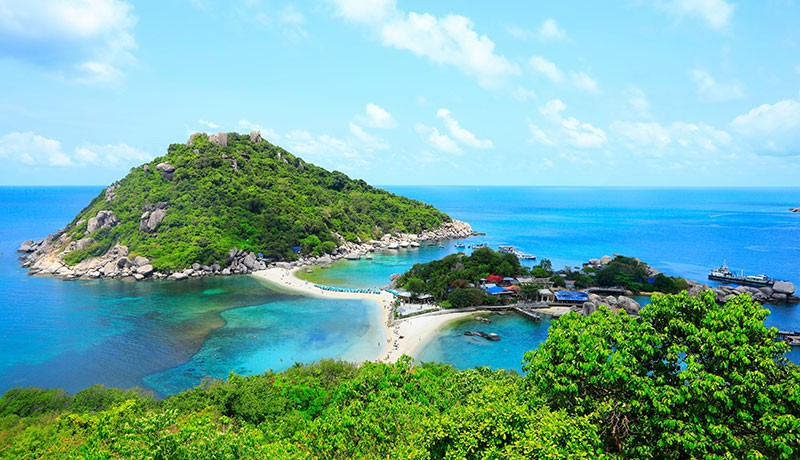
Thailand’s island “best time” is not one answer. The Andaman and Gulf coasts take turns being at their best. Koh Nang Yuan is famous for its sandbar linking three islands into one iconic, walkable strip.
By Corey Gasman
Picking Thai islands is easy until you hit the calendar. You can book the “right” island and still land in the wrong season. That is why travelers leave Thailand saying two completely opposite things: “The water was unreal” and “It rained every day.”
This is a secondary spoke designed to support the Thailand Travel Guide. The goal is not to list every beach. It is to help you match your trip dates to the right coast fast, so your weather and your itinerary stop fighting you.
Andaman Sea (Phuket, Krabi, Phi Phi, Lanta, Lipe) is usually best November to April for calmer seas and clearer days.
Gulf of Thailand (Koh Samui, Koh Phangan, Koh Tao) often holds nicer stretches when the Andaman is rough, especially during parts of summer. The shortcut is simple: decide your dates, then choose the coast that is in its “good window.”
Best Thai Islands by Season

The easiest way to win Thailand’s islands is to match your travel dates to the coast that’s in its calm-water window.
| If you are traveling in… | Start with this coast | Then consider |
|---|---|---|
| Late Nov to Feb | Andaman | Phuket, Krabi, Phi Phi, Koh Lanta (best “first trip” odds) |
| March to April | Andaman | Lanta for a calmer base, Phuket for variety, Krabi for scenery |
| July to August | Gulf | Koh Samui / Koh Phangan / Koh Tao for better “beach week” odds |
| September to October | Flexible | Choose value, plan indoor backups, pick islands with easy logistics |
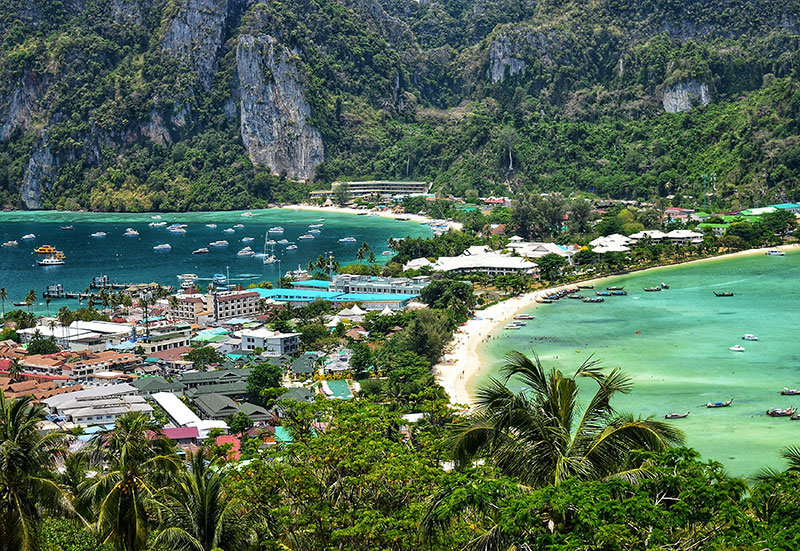
Thailand’s islands split into two zones: the Andaman Sea (west) and the Gulf of Thailand (east), each peaking at different times. Pictured: Koh Phi Phi Don, a classic stop between Phuket and Krabi.
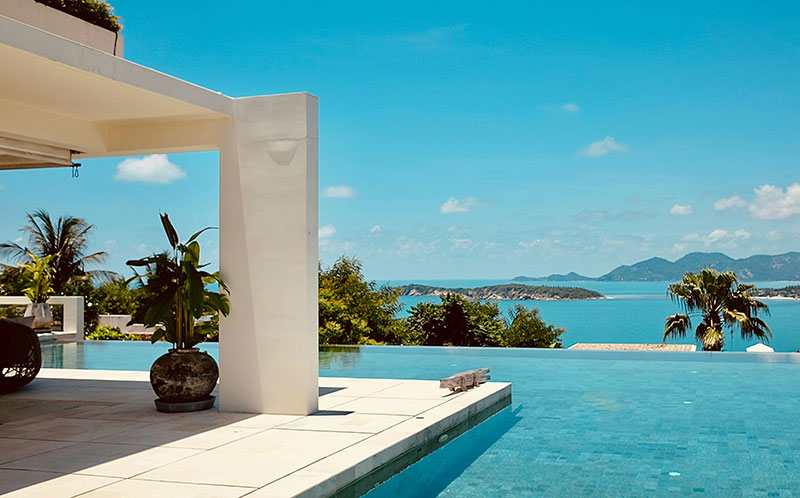
Cool season is the easiest entry point to Thailand’s islands: lower humidity, calmer seas, and reliable beach days. This is peak season for villas, resorts, and postcard views.
This is peak Thailand for a reason. Days are generally more comfortable, and the odds of smooth, easy beach logistics are higher.
| Best picks | Why they win | Best for |
|---|---|---|
| Phuket | Maximum variety, easy flights, big “choose your vibe” island | First-timers, families, mixed groups |
| Krabi | More dramatic scenery and easy day trips | Couples, scenery lovers, slower pace |
| Koh Lanta | Calmer rhythm and long-beach days without the chaos | Relaxing, remote work vibes, mellow travelers |
| Koh Tao | Compact, snorkeling and diving energy, easy social scene | Diving, budget travelers, solo travelers |
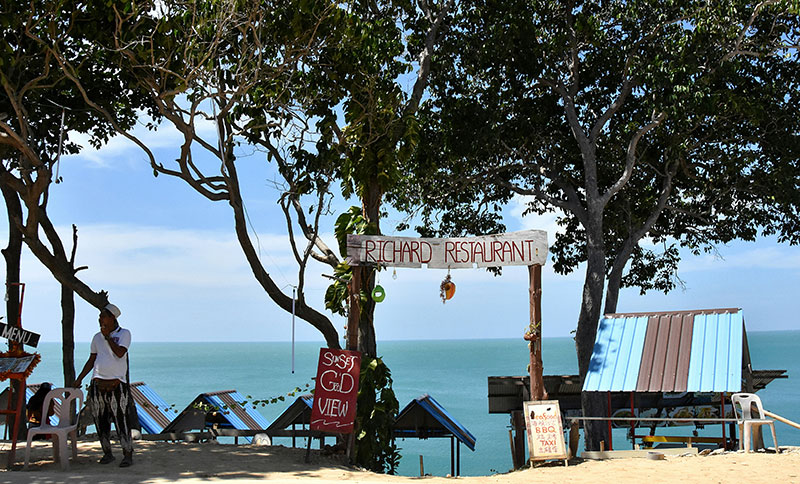
Hot season is pure “swim, shade, repeat” energy. Early mornings and sunset swims matter most. Koh Lanta offers quiet beaches, natural shade, and space to slow the pace.
It is hot. Like “two iced coffees before noon” hot. The upside is long daylight, warm water, and strong beach rhythm if you plan it right.
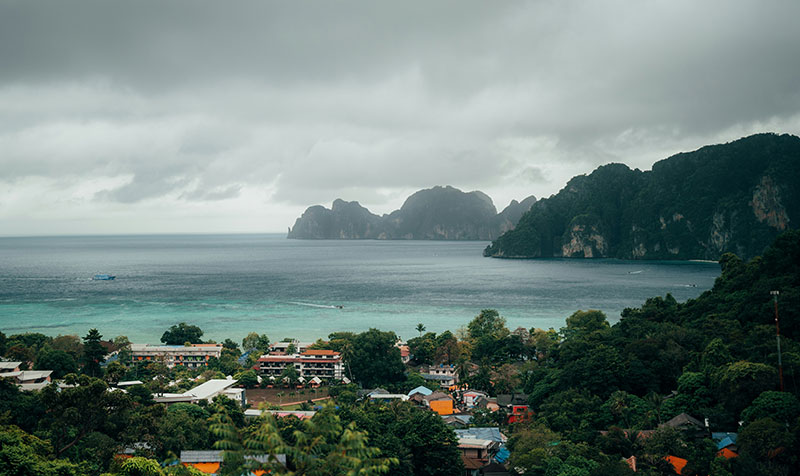
Rainy season doesn’t mean a ruined trip. It means planning smarter: flexible boat days, shorter outings, and strong food or town backups.
This is the season most people misunderstand. You can still have an amazing islands trip, but you need to accept the trade: fewer perfect-boat days, more flexibility, and occasional rain that actually feels refreshing.
| If you want… | Better odds | How to plan it |
|---|---|---|
| Summer beach week | Gulf islands | Keep boat days flexible, book a base with good food nearby |
| Value | Both coasts | Go shoulder weeks, grab nicer hotels for less |
| Epic scenery | Krabi / Lanta | Accept some rain, prioritize viewpoints and shorter trips |
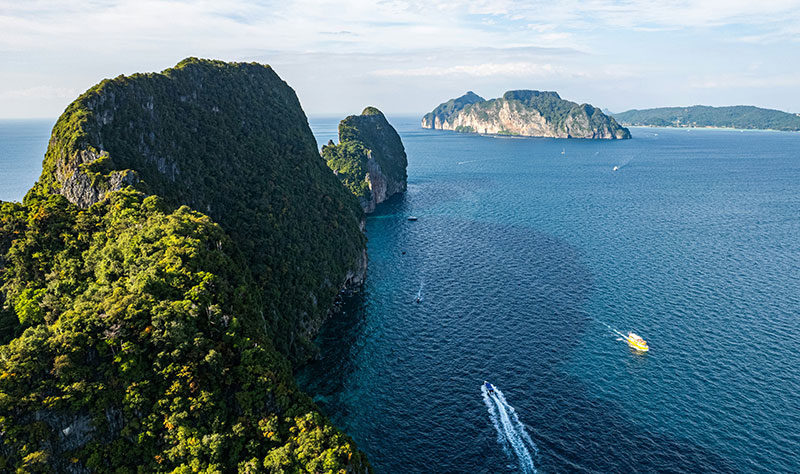
Shoulder weeks are the cheat code: fewer crowds, better prices, and enough good weather to still feel like Thailand. Pictured: the limestone cliffs of Koh Phi Phi Leh.
If you want the best balance of value and beach time, look at shoulder weeks when crowds drop but conditions are still strong. This is where you can upgrade your hotel without upgrading your budget.
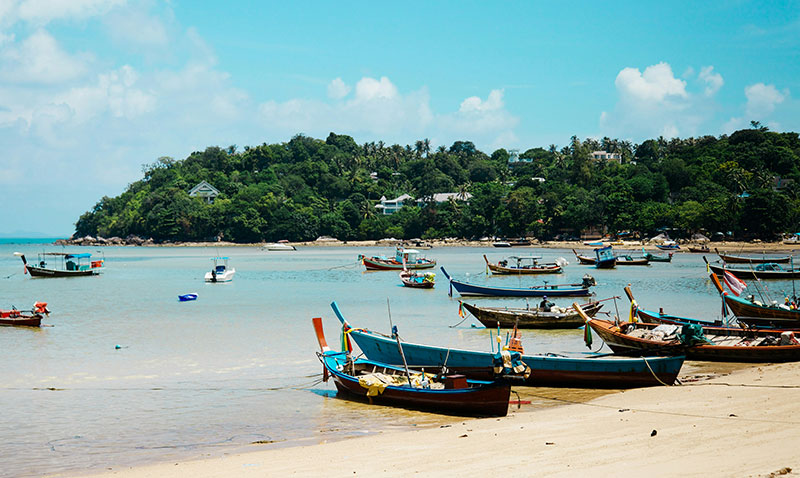
The best island choice isn’t about looks, it’s about fit. Koh Samui delivers easy beaches, calm water, and simple day trips when conditions line up.
| Traveler Type | Best Picks | Why |
|---|---|---|
| First-time Thailand | Phuket or Krabi (in Andaman season) | Easy logistics, great variety, strong “first trip” odds |
| Couples / slower pace | Krabi, Koh Lanta | Calmer evenings and scenic days without trying |
| Budget + social | Koh Tao, Koh Phangan | Easy community vibe, lots of affordable stays and food |
| Families | Phuket | Infrastructure, bigger hotel range, easier backup plans |
| Snorkeling / diving focus | Koh Tao (Gulf), plus Andaman options in peak season | Compact dive culture and easy water days when seas cooperate |
| Item | Typical Range (THB) | Notes |
|---|---|---|
| Street meal | 60–150 | Tourist beachfront zones trend higher |
| Casual restaurant meal | 150–350 | Seafood and sunset-view tables cost more |
| Short ride (Grab/Bolt) | 120–400 | Distances vary a lot by island |
| Boat day tour | 1,200–3,500 | Price swings by route, group size, and season |
| Mid-range hotel | 1,500–4,000 | Peak season (Dec–Feb) pushes prices up fast |
Note: Islands price up faster than cities. Shoulder weeks are the best “upgrade without regret” play.
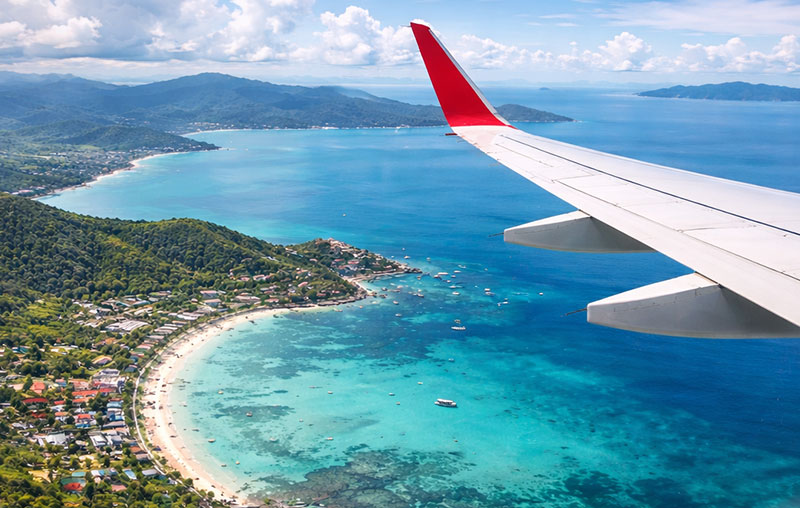
Thailand’s islands are easy if you plan the hops correctly. Flying into Koh Samui reveals palm-covered hills, curved beaches, and the shallow turquoise water of the Gulf islands.
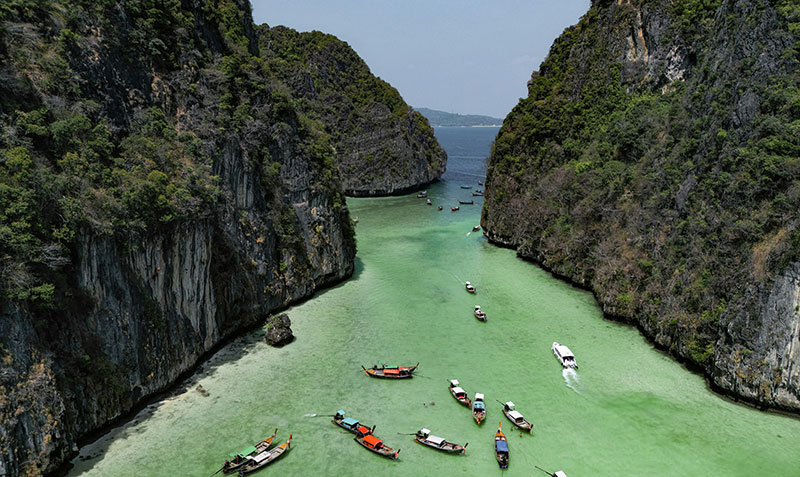
The best island itineraries leave slack: one anchor plan per day, then let weather and appetite fill the rest. Longtail boats drift through the emerald channel at Phi Phi Lay.
For the highest odds of classic beach days, late November through February is the easiest bet. It is not the only good window, but it is the most consistent for many travelers.
Yes, if you plan flexibly. Expect bursts of rain and occasional rough seas. Pick a base with great food and easy non-boat days so your trip stays fun even when the water is not cooperating.
Pick based on your dates. If your dates line up with the Andaman’s calmer window, Phuket is the easiest “variety” island. If you are traveling when the Andaman is rougher, Samui can be the smoother beach-week play.
Five nights is enough to settle into one base without feeling rushed. Eight to ten nights is where two bases starts to feel easy and worth it.
Choosing the island first and the season second. Calm seas and good logistics matter more than the island name.