Travel Planning Hub
Start here to plan your trip, compare options, and explore every TLGA planning guide.
Packing & Gear Guide
What to pack, what to skip, and how to build a lighter travel setup that works.
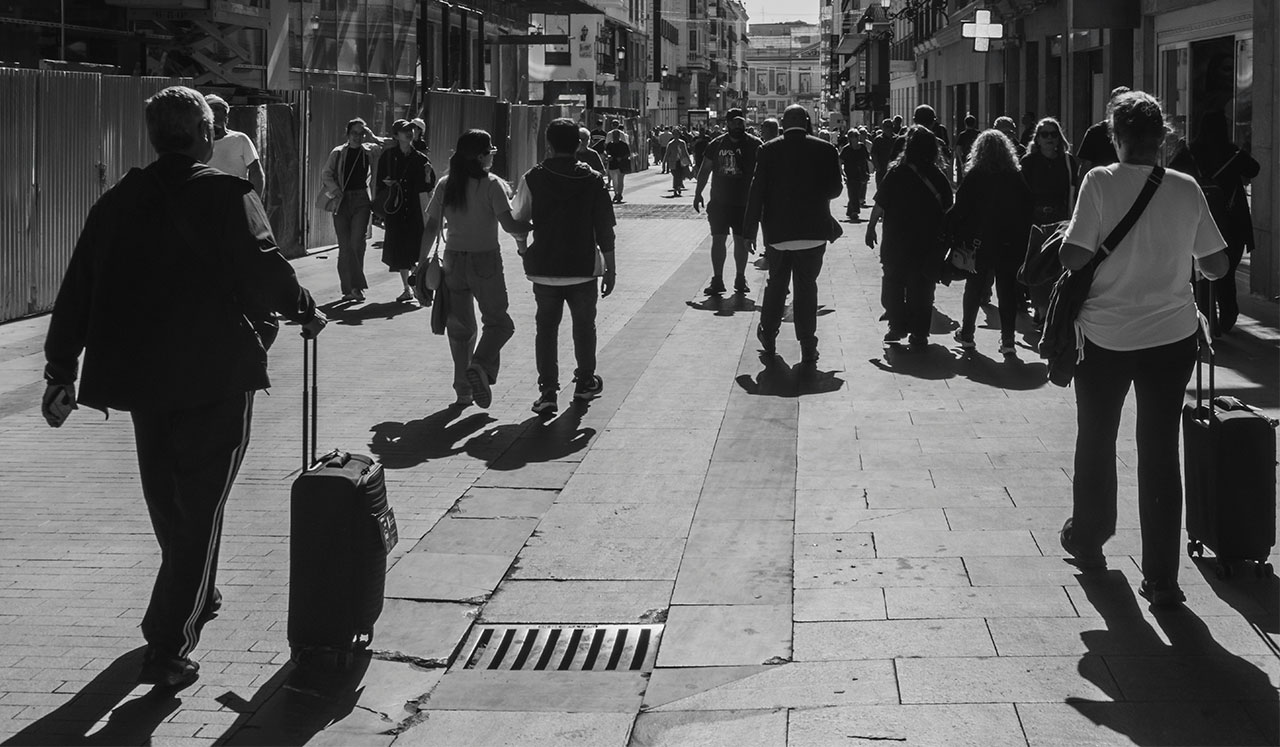

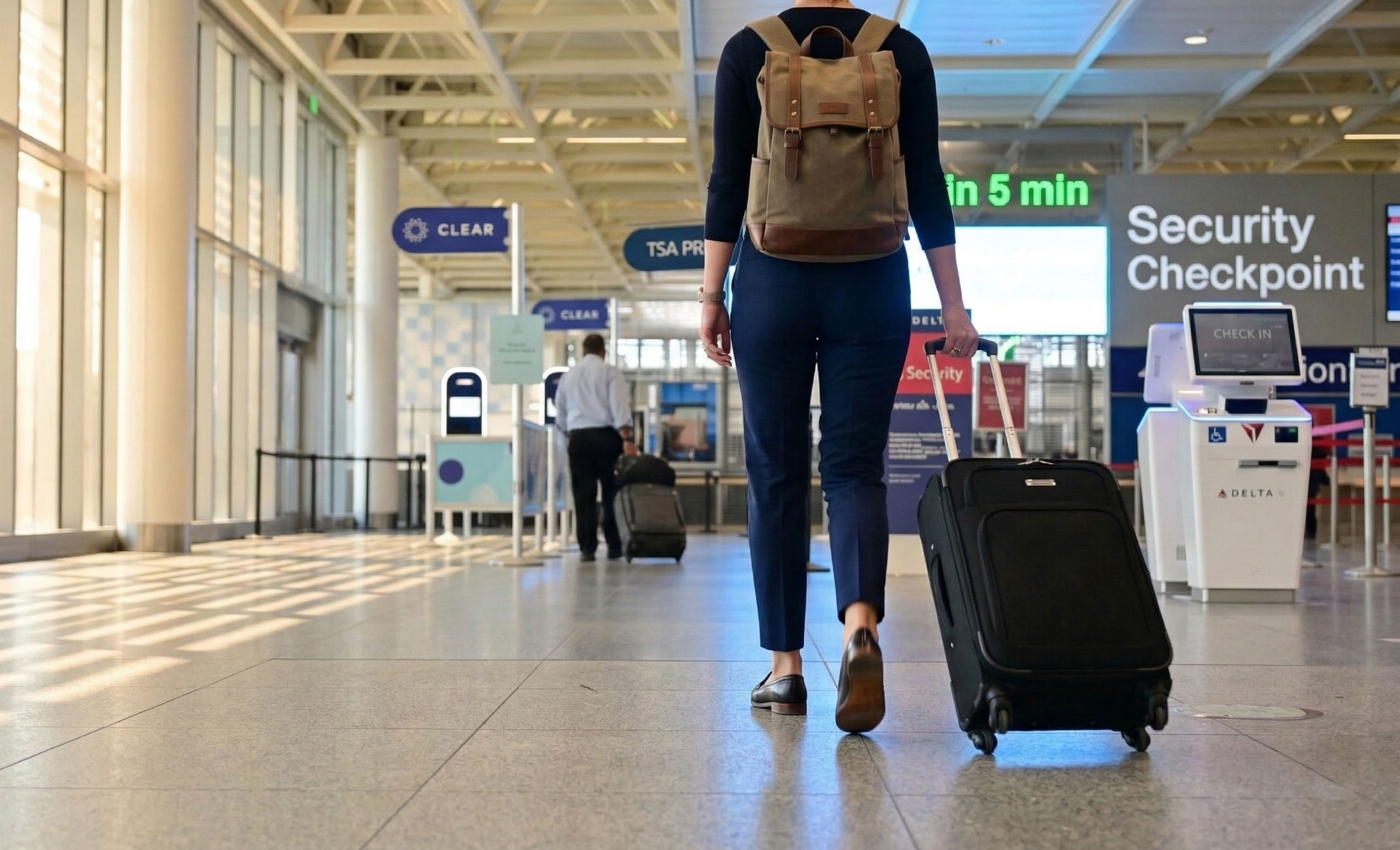
Airport security feels a lot easier when you build a system before you fly: the right ID, the right lane, the right bag setup, and a few small habits that remove friction.
Last updated: March 2026 by Corey Gasman
From the Editor:
Airport stress usually starts before the trip even begins. You arrive at the terminal, the lines look long, people are digging through bags, shoes are coming off, laptops are out, someone forgot their ID, and the whole process suddenly feels chaotic.
I travel internationally several times a year and take frequent domestic flights, so I spend a lot of time moving through airports. Over time I’ve learned that the easiest way to fly is not rushing the checkpoint. It is reducing friction before you ever get there.
I have Global Entry and TSA PreCheck, which are massive time savers for anyone who flies regularly. But the biggest improvements usually come from small habits: packing your bag with screening in mind, knowing what stays in your pockets, and even skipping things like belts that slow you down at security.
Airport security is rarely won with one big trick. It is won with small choices that make the process smoother from the moment you leave home.
This guide walks through the systems, programs, and simple habits that make getting through TSA and immigration easier, faster, and far less stressful.
The biggest airport security mistake is treating screening like a surprise. Smooth travelers are not lucky; they are prepared for the checkpoint before they get there.
Your job is simple: bring the right ID, choose the right lane, pack your bag so it is easy to screen, wear clothing that does not slow you down, and leave more buffer than your most optimistic self wants to leave. For more planning tips, also read Getting Around Abroad for the bigger airport and transportation planning picture.
The airport security rule that saves trips:
Every extra point of friction multiplies stress. A belt, loose coins, a half-full water bottle, a buried laptop, the wrong ID, boots with laces, or showing up late all make the line feel longer than it really is.
The takeaway: build a repeatable airport routine and security gets dramatically easier.
TLGA Rule: Airport security gets easier when you remove variables before you ever step in line.
Also read: Getting Around Abroad for the bigger airport and transportation planning picture.
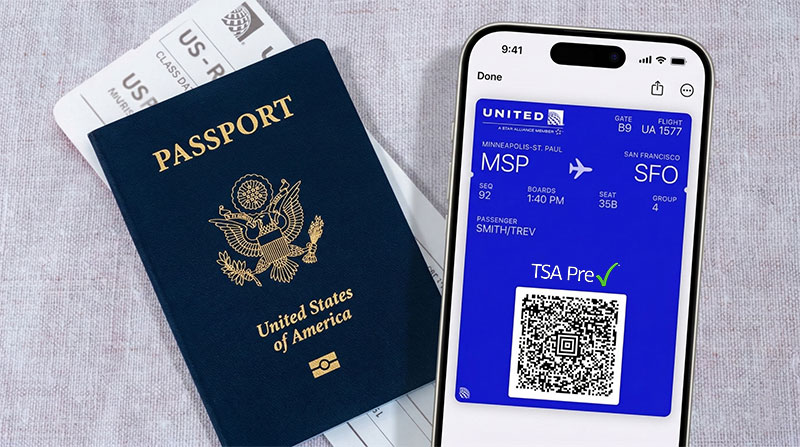
Being calm in the security line is not about moving fast. It is about being prepared. Travelers who have their passport and boarding pass ready move through screening with far less stress.
If you fly even a handful of times per year, TSA PreCheck is usually the best first upgrade. It does not eliminate security, but it makes the checkpoint process much smoother.
In most PreCheck lanes, you can usually keep your shoes on, leave compliant liquids and your laptop in your bag, and skip the full unpacking ritual that slows down standard screening. That alone removes a lot of airport stress.
TSA PreCheck makes the most sense for:
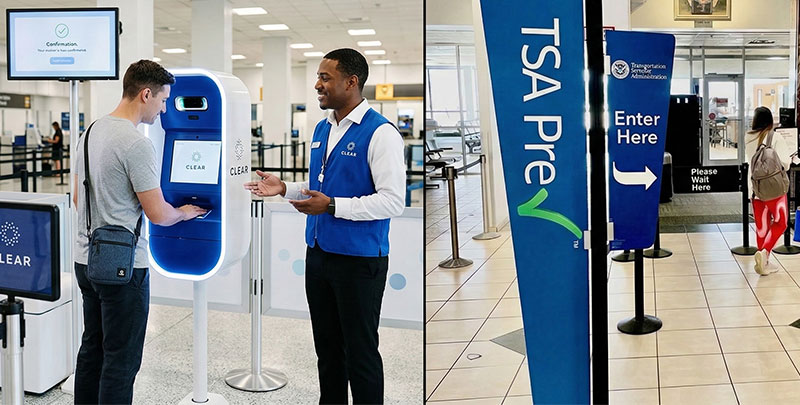
Airport shortcuts work best when you understand what each program actually does. They solve different parts of the airport experience.
CLEAR helps with the identity-check part before screening. It is not the same thing as TSA PreCheck, and it does not replace it. Think of CLEAR as a front-of-line identity shortcut, while PreCheck changes the actual screening experience.
That is why many frequent travelers who really value speed use CLEAR + TSA PreCheck together. CLEAR can help you get to the front faster, and PreCheck keeps the screening part easier once you get there.
| Program | What it helps with | Best for |
|---|---|---|
| TSA PreCheck | The actual screening process | Most frequent domestic flyers |
| CLEAR | The ID check before screening | Travelers at airports where CLEAR is consistently useful |
| CLEAR + PreCheck | Both identity and screening speed | Heavy travelers who want the fastest airport routine |
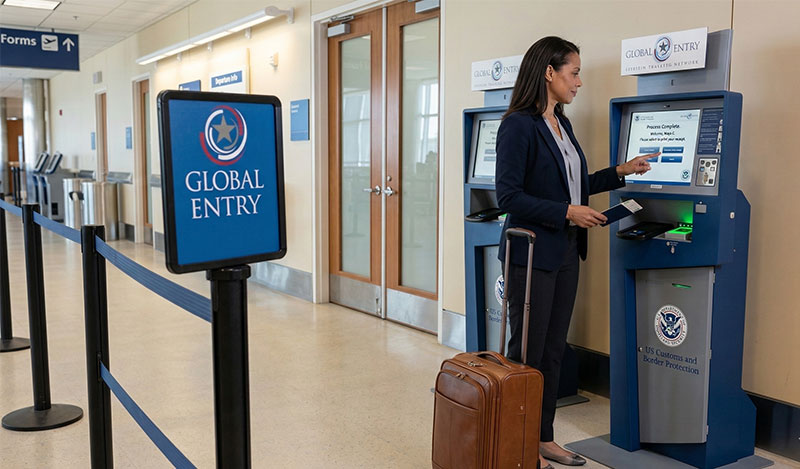
For international travelers, Global Entry can turn the return-home immigration line from a headache into a much smoother finish to the trip.
If you travel abroad with any regularity, Global Entry is one of the best travel investments you can make. It includes TSA PreCheck benefits for eligible members and helps speed up your re-entry into the United States.
This is the program frequent international travelers feel the most. After a long-haul flight, immigration is the last place you want to stand in a slow line while tired and jet-lagged.
If you are trying to decide which airport program is actually worth the money, this is the quick reality check. The best choice depends less on marketing and more on how often you fly, where you fly, and whether your trips are mostly domestic or international.
| Program | Typical cost | Length | Best for |
|---|---|---|---|
| TSA PreCheck | About $70 to $85 depending on provider | 5 years | Frequent domestic travelers who want easier screening |
| Global Entry | $120 (often reimbursed by travel credit cards) | 5 years | International travelers who want faster U.S. re-entry and PreCheck benefits |
| CLEAR+ | $199 to $209 per year | Annual membership | Heavy travelers at airports where CLEAR consistently saves time |
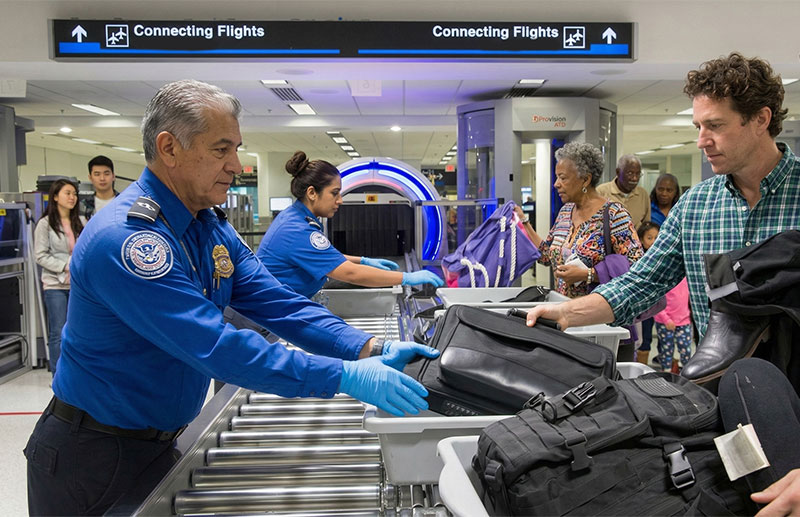
The best airport hacks are rarely flashy. They are small habits that remove friction, save minutes, and keep you out of that stressed travel spiral.
Forget the viral gimmicks. The best airport security hacks are the boring ones that consistently save time.
Most bad airport experiences are not caused by one huge problem. They come from five small ones stacked together: late arrival, wrong shoes, buried electronics, overloaded pockets, and uncertainty about the rules.
Take away those variables, and airports instantly feel easier.
Traveling with kids?
Family tip: Let kids empty their pockets and put small items into their backpack before reaching the scanner. It keeps the process smoother.
The rules for what gets you through security changed permanently in 2025, and many travelers are still getting caught off guard.
As of May 7, 2025, a standard driver’s license that is not REAL ID-compliant is no longer accepted as regular identification for domestic flights at TSA checkpoints. You now need a REAL ID-compliant license, a valid U.S. passport, or another federally accepted form of ID. The TSA provides the official list of accepted IDs on its website.
If your license is not REAL ID-compliant, do not assume you will be waved through. Starting February 1, 2026, some travelers without acceptable ID may still be able to use TSA ConfirmID for a fee, but this is a last resort that can add time and uncertainty and is not something you want to rely on for a smooth travel day.
TSA now accepts mobile driver’s licenses and state IDs at select participating airports and checkpoints. If your state supports it, you may be able to present your ID through Apple Wallet, Google Wallet, or another approved mobile ID system. Still, always carry your physical ID as a backup, since not every checkpoint has the right reader and additional screening can still happen.
One of the more overlooked airport tools right now is the virtual queue. You do not always have to pay for CLEAR or TSA PreCheck to get a faster security experience.
Programs like Reserve powered by CLEAR, along with airport-specific versions such as SEA Spot Saver or MCO Reserve, let travelers book a free time slot for standard security at participating airports. You show up during your reservation window, scan your code if required, and use a dedicated entry point into the standard screening area. If your airport offers it, check a few days ahead, since popular morning slots can fill quickly.
If you are frustrated because TSA told you to take your laptop out in one airport, but leave it in your bag at another, you are not imagining things. The instructions can vary depending on the equipment and the checkpoint.
The takeaway: do not memorize one universal rule. Watch the signage, listen to the TSA officers, and pack your electronics so they are easy to remove if needed.
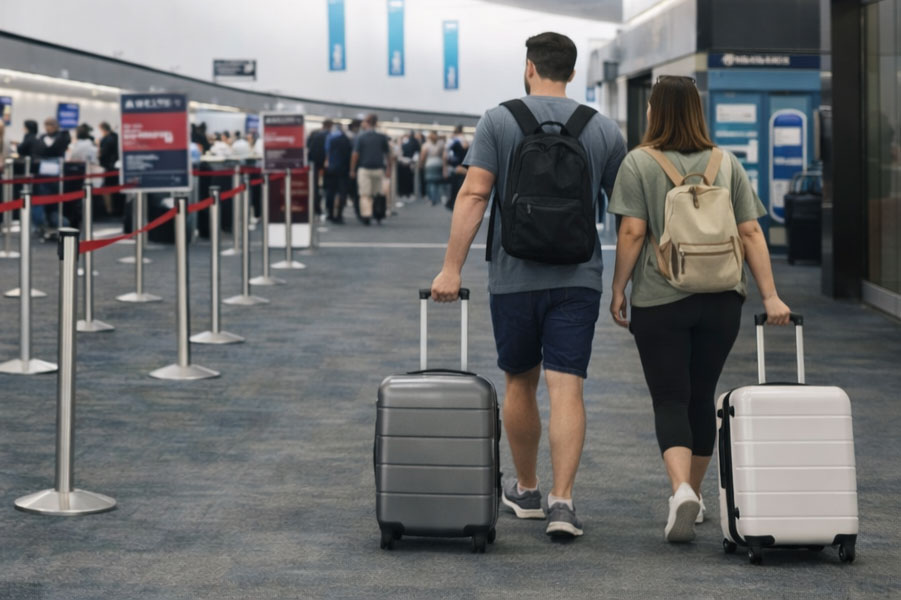
A smarter airport day starts before you leave for the terminal. The less you guess about the line, the calmer the trip feels.
This is one of the most useful habits travelers ignore. At major airports, the difference between a slow and fast checkpoint can easily be 30 to 45 minutes. On your flight day, do not just guess how busy the airport will be. Check it.
I check my airline app first, then MyTSA, then I leave with enough buffer so I am not trying to win back time in the security line.
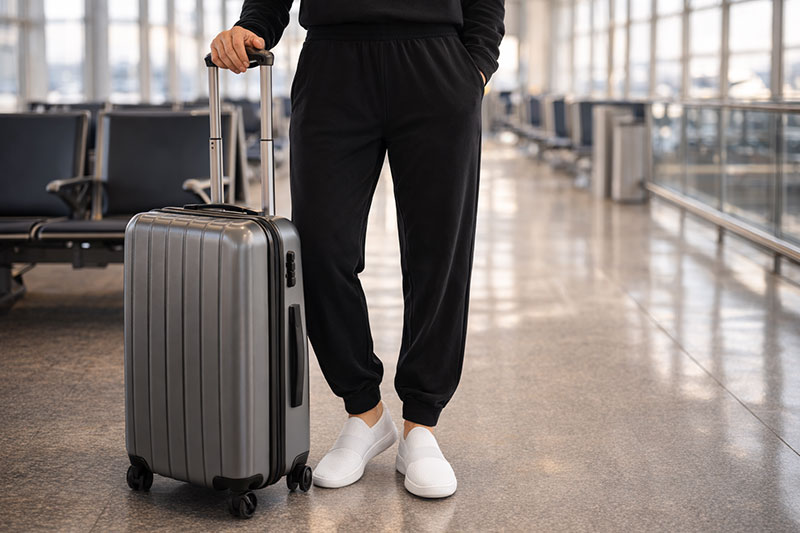
What you wear to the airport matters more than people think. Good airport clothing reduces friction, not style.
Your airport outfit should be built for comfort, movement, and fewer complications at screening.
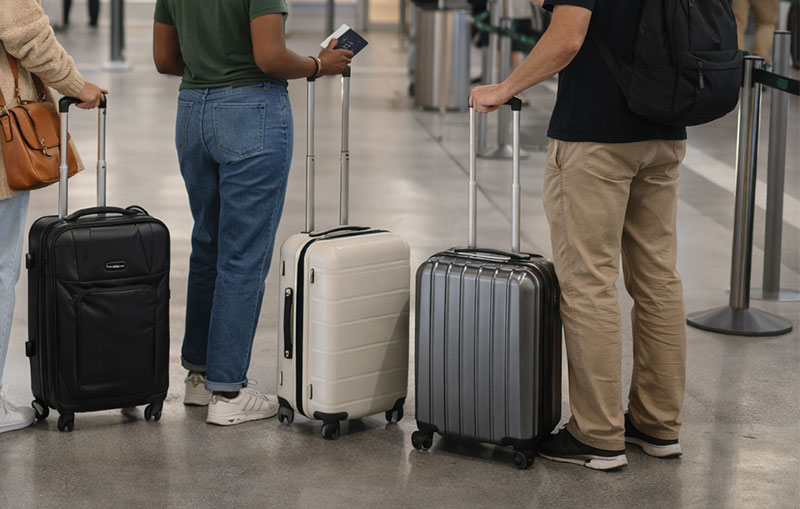
A good carry-on setup is not about fitting more in the bag. It is about making screening and the first hour of travel easier.
Your bag should be checkpoint-friendly, not just space-efficient.
Carry-on reality check:
Most airport stress comes from disorganized bags. The goal is not to pack tighter. The goal is to pack smarter for the checkpoint and the first few hours of the trip.
Check out my complete Travel Packing Guide to build a smarter bag for your next trip.
The TSA liquids rule for carry-on bags is often called the 3-1-1 rule. It applies to most liquids, gels, and aerosols going through standard security screening. While some new CT scanners allow you to leave liquids in your bag, the 3.4-ounce volume limit still applies unless otherwise posted.
Anything larger usually needs to go in checked luggage. Medications, baby formula, and some medically necessary liquids can exceed the limit but may require additional screening.
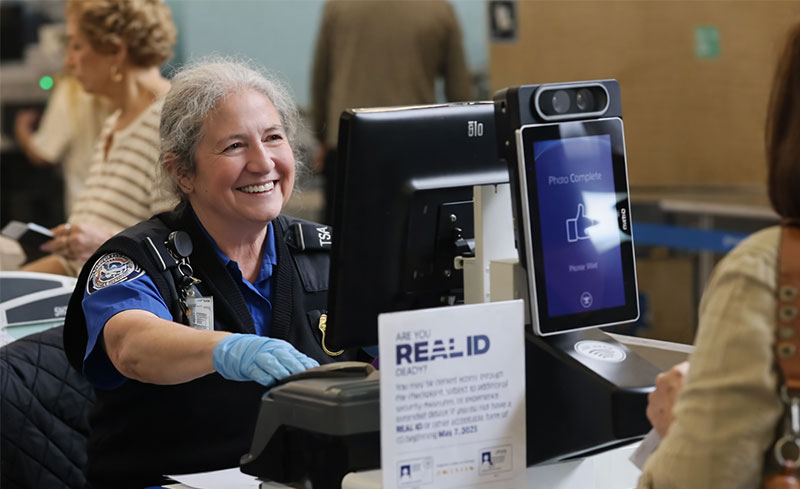
Facial recognition is becoming a bigger part of the airport experience, both at security and when returning to the United States from abroad.
Facial recognition is increasingly part of the airport experience in the U.S., especially for identity verification and border processing. Travelers are starting to notice it more, so it is worth understanding what it actually means in practice.
TSA has been expanding facial comparison technology and touchless identity options at some airports, especially for eligible travelers in programs like PreCheck. The basic idea is simple: your face is used as another way to verify that you are the person tied to the ID and travel record.
For travelers, the experience is usually faster and more seamless than a manual ID check, but some people are understandably cautious about it.
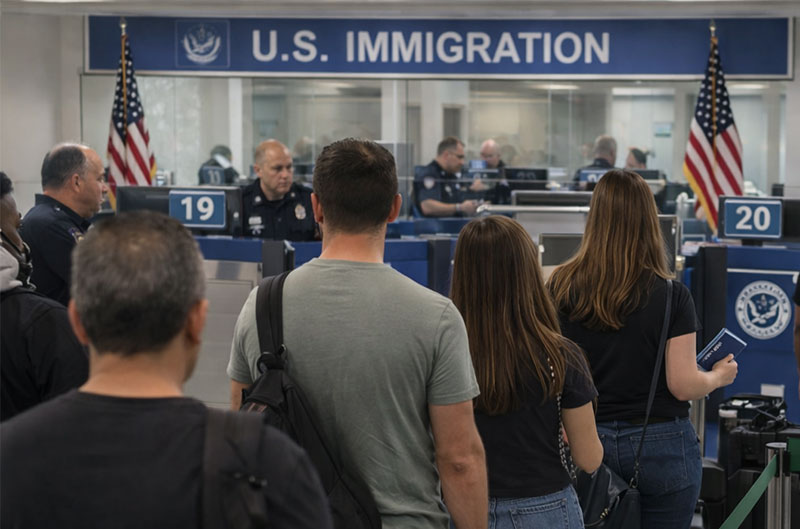
After a long international flight, the last thing you want is a confusing arrival process. A little prep on the return side matters just as much as departure day.
For many travelers, returning to the U.S. is the more stressful airport moment. You are tired, possibly jet-lagged, often carrying more stuff than when you left, and just want to get home.
CBP continues to expand biometric facial comparison at airports for entry processing. In plain English, that means more travelers will see camera-based identity verification as part of arriving in the United States.
For most travelers, the experience is designed to be faster and more touchless. The bigger lesson is simple: the airport of the next few years will involve more identity tech, not less.
Packing, safety, budgets, gear, airport strategy, and food advice to make travel easier from day one.
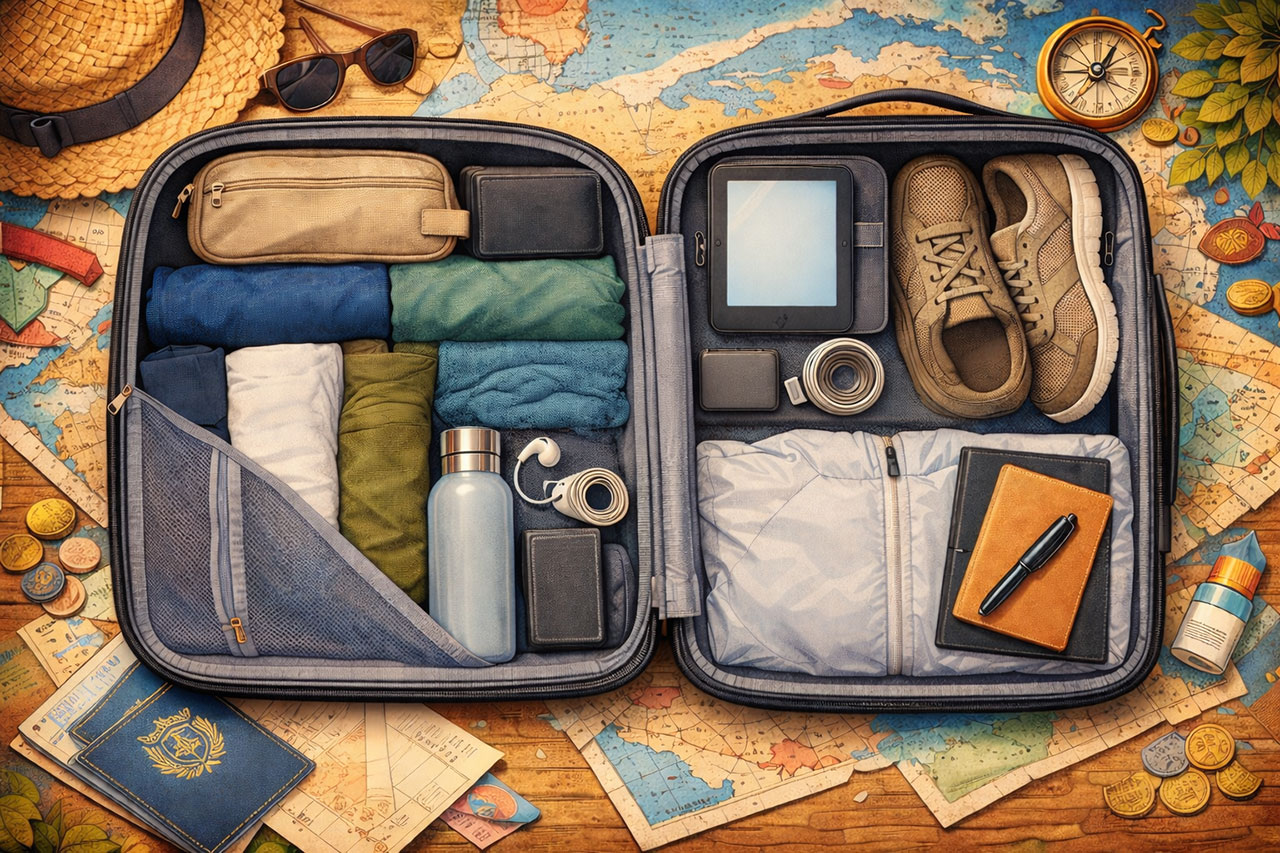
PACKING GUIDE
A lighter, smarter approach to packing without bringing things you will not use.
Read More SAFETY GUIDE
Practical habits that help you stay aware, prepared, and more confident on the road.
Read More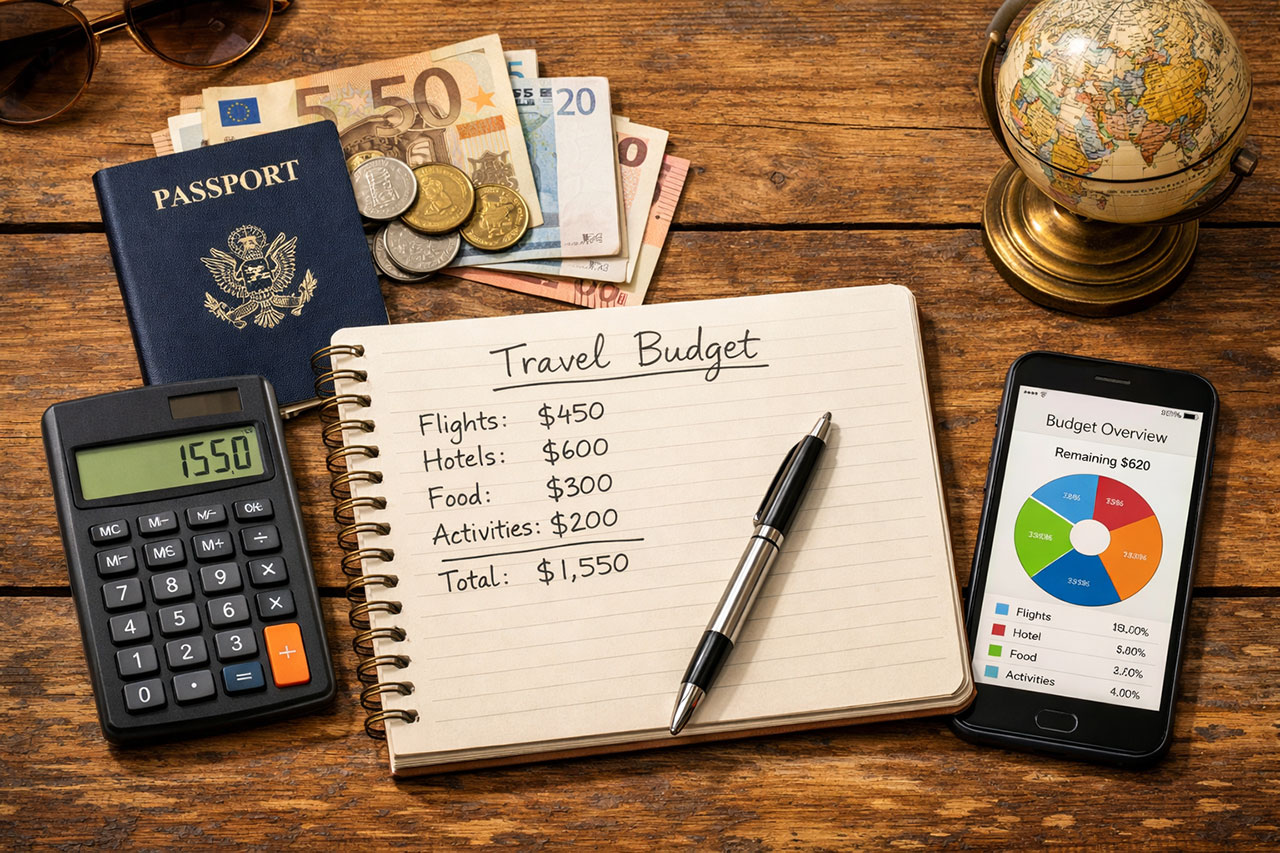
BUDGET GUIDE
How to plan expenses, avoid common money mistakes, and travel well without overspending.
Read More
GEAR GUIDE
The travel gear that actually improves comfort, organization, and the first day of the trip.
Read More
BEGINNER GUIDE
A clear starting point for passports, planning, money, and arriving with less stress.
Read More
FOOD GUIDE
How to eat well, skip tourist-trap patterns, and enjoy local food with more confidence.
Read MoreYes, for most people who fly regularly, TSA PreCheck is the best first airport upgrade. It usually makes the checkpoint faster, easier, and far less annoying.
Not exactly. They do different things. CLEAR helps with identity verification before screening, while TSA PreCheck improves the actual screening experience. Most travelers get more day-to-day value from PreCheck first.
If you travel internationally even a few times, yes. It speeds up your return to the U.S. and includes TSA PreCheck benefits for eligible members.
You need a REAL ID-compliant license, a valid U.S. passport, or another federally accepted ID for normal domestic screening. Since May 7, 2025, standard non-REAL-ID driver’s licenses are no longer accepted as regular TSA identification.
At some participating airports, yes. TSA accepts mobile driver’s licenses and state IDs at select checkpoints, but availability still varies. Always carry your physical ID as a backup in case the reader is unavailable or additional screening is required.
Check whether your departure airport offers a free virtual queue system, often powered by Reserve. These programs let you book a security time slot online and use a dedicated entry point without paying for a membership.
Use the MyTSA app, your airport website, and your airline app on the day you fly. Together they give a much clearer picture than guessing.
Wear simple shoes, skip the belt, keep jewelry minimal, and avoid stuffing your pockets with loose items. The easiest airport outfit is usually the smartest one.
For most carry-on liquids, gels, and aerosols, TSA uses the 3-1-1 rule: containers of 3.4 ounces or less, all fitting into one quart-sized bag, with one bag allowed per traveler.
The best hack is not one trick. It is a system: the right ID, the right lane, a clean carry-on setup, and arriving with enough buffer that you are not rushed.
It is becoming more common at both TSA identity checks and U.S. immigration processing. The goal is usually faster identity verification, and travelers who want the latest details should review current TSA and CBP guidance before flying.