
Travel Planning Hub
Start here to plan your trip, compare options, and explore every TLGA planning guide.
Packing & Gear Guide
What to pack, what to skip, and how to build a lighter travel setup that works.

Last updated: March 2026 by Corey Gasman
From the Editor:
It has been 20 years since my round-the-world trip where I lived out of a backpack for a full year, and I have not checked a bag since. Melissa and I do not even own checked luggage anymore.
That works because we use a simple packing list, repeat outfits on purpose, and stop packing for every possible “what if.” Whether we are heading to the cabin for a weekend, taking a one-week beach trip, or traveling abroad for a month, the goal is the same: bring what we actually use and leave the rest behind.
This guide walks through exactly what to pack, what to skip, and how to fit it into a carry-on without feeling like you are sacrificing anything once you arrive.
A quick thought on why checklists matter:
The main clothes are usually easy. What people forget are the small, trip-specific items that make travel smoother, like towel clips for a beach trip, earplugs for a noisy hotel, or the charger that only works with one device.
Use a master list, check things off as they actually go into the bag, and your trip starts with a lot less scrambling.
TLGA Rule: Never pack for “what ifs.” Pack for the trip you are actually taking, and trust that you can buy basic forgotten items at your destination.
Use the same packing checklist we rely on for every trip. Download PDF.
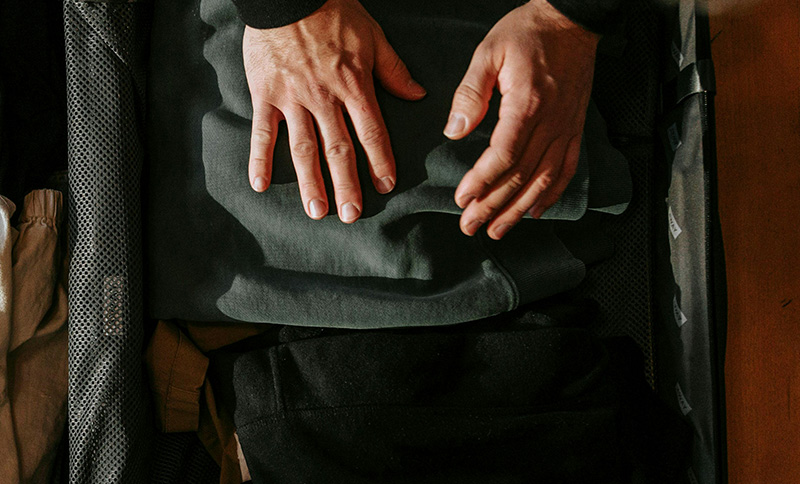
A reliable master packing list prevents the panic of forgetting essential items and keeps you from throwing random clothing into your bag at the last minute.
Overpacking is the single biggest reason travel days feel like a chore. Most travelers pack twice what they actually need, resulting in heavy bags, gate-check fees, and unnecessary stress. When you stare at an empty suitcase, it is incredibly easy to panic and start throwing in items you might need. This guide cuts through the noise. It is a straightforward look at what to actually put in your bag for a standard trip so you stay comfortable, mobile, and organized.
This is my baseline list for a standard one-week trip. It fits comfortably in a standard carry-on and covers the vast majority of travel scenarios. Use this as your foundation and adjust slightly based on your specific destination.
| Category | Items to Pack |
|---|---|
| Clothing | 5 t-shirts, 2 pairs of bottoms, 1 mid-layer, 1 outer jacket, 7 pairs of underwear, 5 pairs of socks, 1 swimsuit. |
| Toiletries | Toothbrush, travel toothpaste, solid deodorant, travel sunscreen, basic medications, lip balm. |
| Tech | Smartphone, multi-port wall charger, power bank, universal adapter, charging cables, headphones. |
| Essentials | Passport/ID, wallet, physical backup of bookings, sunglasses, reusable water bottle. |
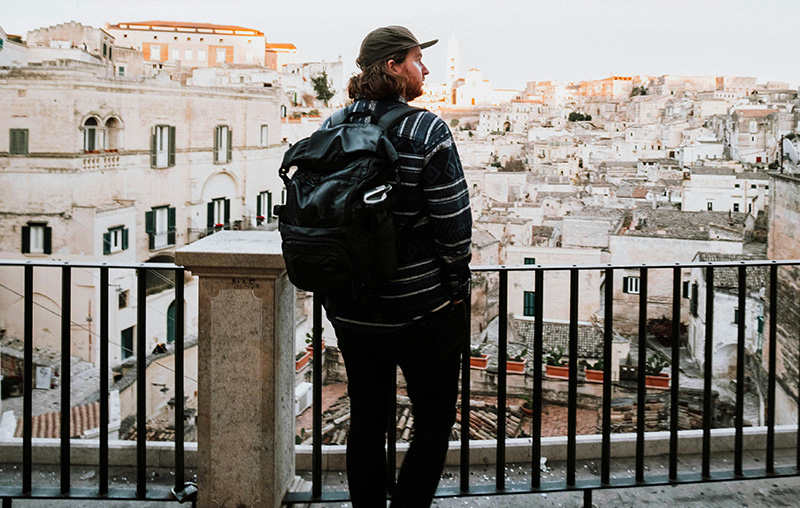
A solid travel wardrobe relies on a few core pieces that mix well together rather than a totally different outfit for every day of the trip.
The fastest way to overpack is believing you need a fresh, distinct outfit for every single day of your trip. You have to break that habit. If you are going on a seven-day vacation, you absolutely do not need seven different bottoms.
A much smarter approach is building a travel capsule wardrobe. By focusing on how your items work together, you unlock more outfit combinations with far less clothing in your suitcase.
Local Guide Tip: I usually pack just two pairs of shorts and five t-shirts for an entire week. By sticking to neutral colors and doing a quick load of laundry if needed, you never feel like you are wearing the exact same thing twice.
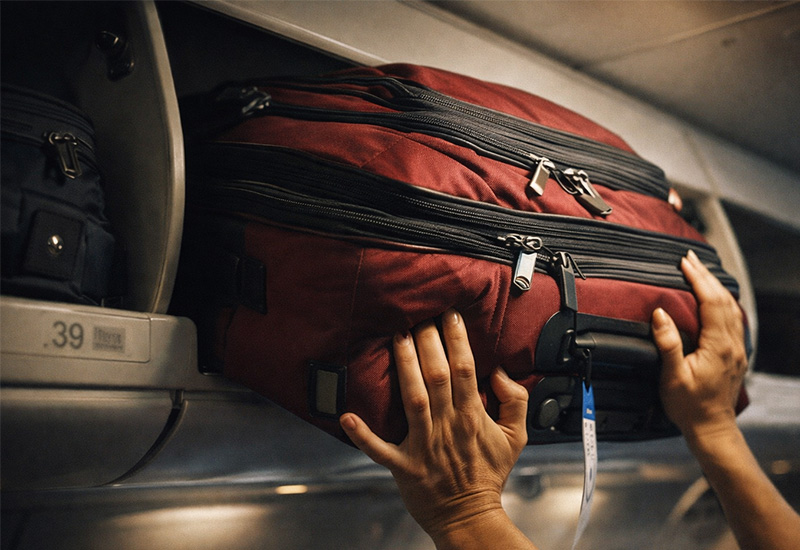
The benefits of traveling with only a carry-on disappear immediately if your bag is so overstuffed that it has to be gate-checked anyway.
The entire point of traveling carry-on-only is speed. It gets you in and out of airports faster, makes jumping into an Uber effortless, and turns hotel check-ins into a breeze. But all those advantages vanish if you cheat the luggage limits by overpacking.
A common mistake is using a soft-sided carry-on, unzipping the expander, and stuffing it until it looks like a boulder. If your bag does not pass the eye test, it is not going to fit smoothly into the overhead bin, and it certainly will not fit in the airport sizer. When that happens, you end up wrestling with your luggage in the aisle or being forced to check it at the gate.
Be realistic about what fits naturally inside the bag’s footprint. If you have to sit on your suitcase to zip it, you need to size down your packing list, not force the zippers.
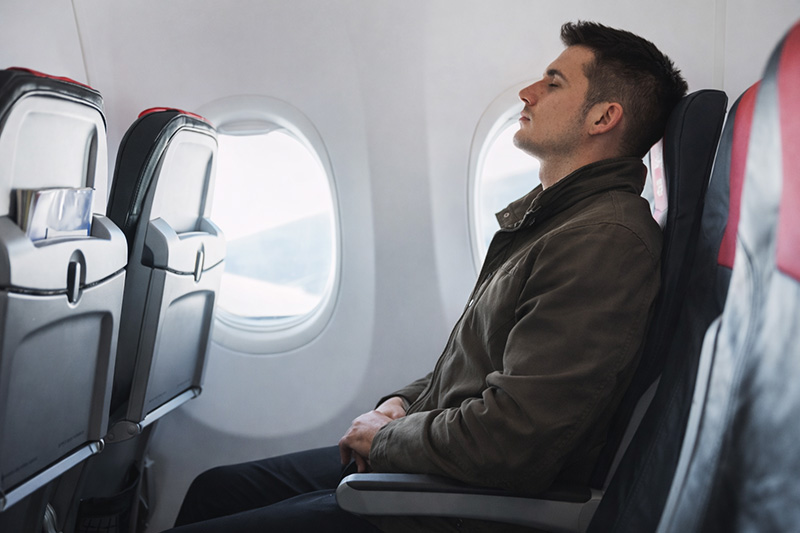
Wearing your bulkiest layers on the flight saves massive amounts of space in your luggage and keeps you prepared for drastic temperature changes.
Instead of guessing what the weather might do, check the forecast for your destination about a week before you leave, and adjust your wardrobe accordingly. If the forecast shifts, you adapt your layers, not your entire suitcase.
Most people pack for comfort in a single moment instead of thinking about the full trip. That is how bulky items sneak into your bag. A better approach is building an essential layering kit. You get more flexibility, more temperature control, and far less bulk in your luggage.
If you are flying out of a cold climate to a destination that is 80 degrees, do not pack your jacket and long sleeves inside your carry-on. Airports and airplane cabins are notoriously cold anyway. Wear your jacket and long sleeves onto the flight, take them off if you get warm, and simply carry them when you step off the plane into the heat. This simple habit keeps your luggage light and leaves room for the things you actually need to pack.
Pro Tip: I always wear my primary walking shoes, my heaviest pants, and my outer jacket on the plane. It is the easiest way to travel with a smaller bag without sacrificing the layers you might need for cool evenings.
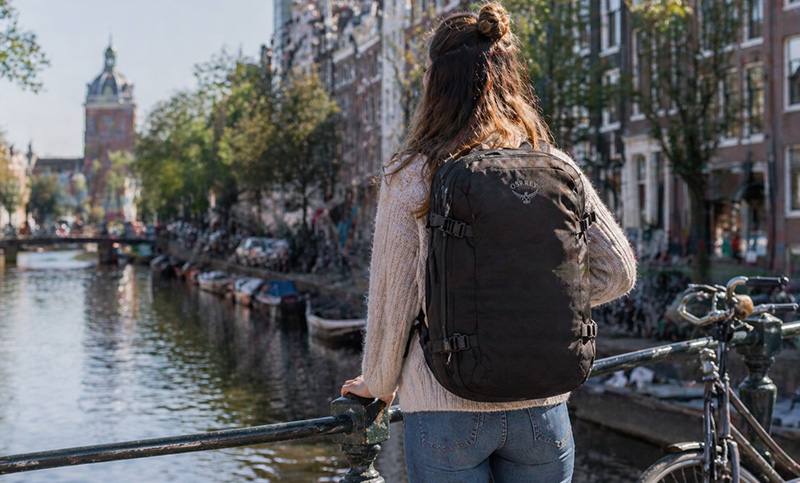
Traveling with just one main bag forces you to prioritize mobility over having endless outfit choices.
There is a massive psychological difference between dragging a heavy suitcase behind you and walking onto a plane with just a well-packed travel backpack. One-bag travel is not a restriction; it is freedom.
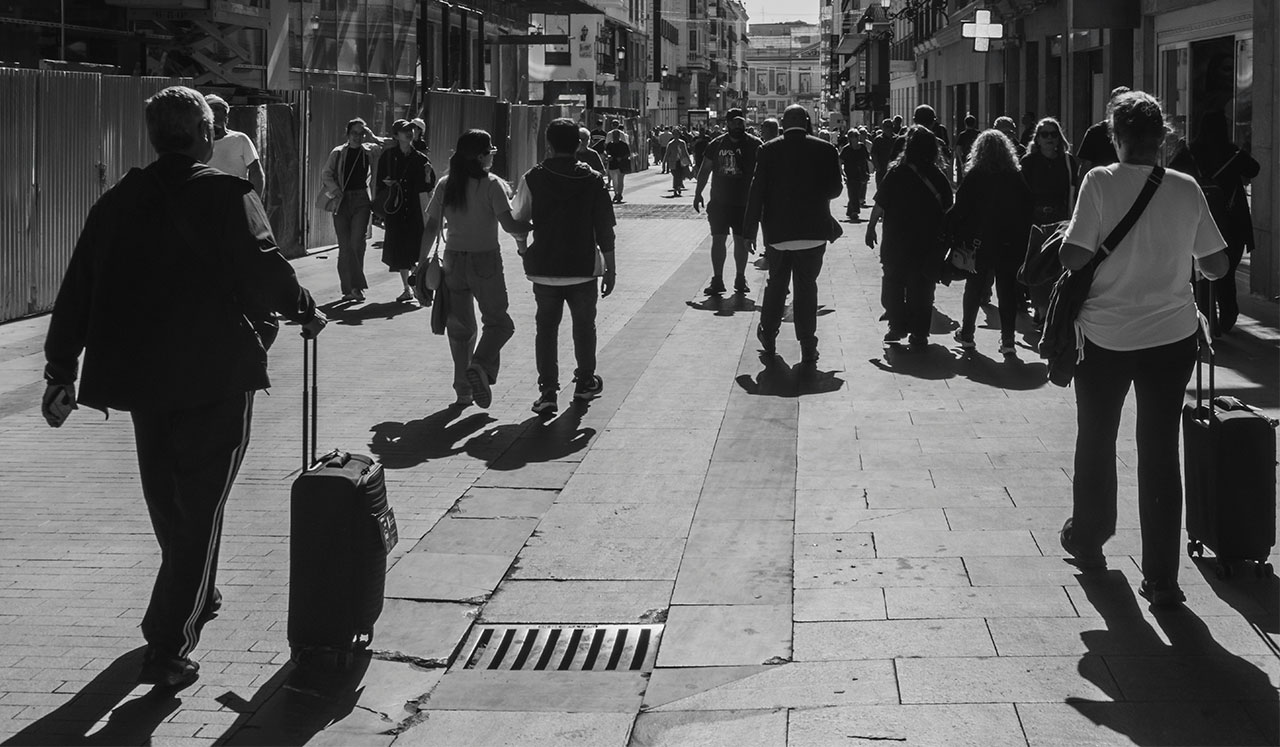
When you commit to a single carry-on, you eliminate the anxiety of lost luggage. You skip the baggage claim carousel entirely. You can navigate cobblestone streets, jump on crowded trains, and walk up narrow hotel stairs without breaking a sweat. It forces you to pack only what you truly need, which almost always results in a better travel experience.
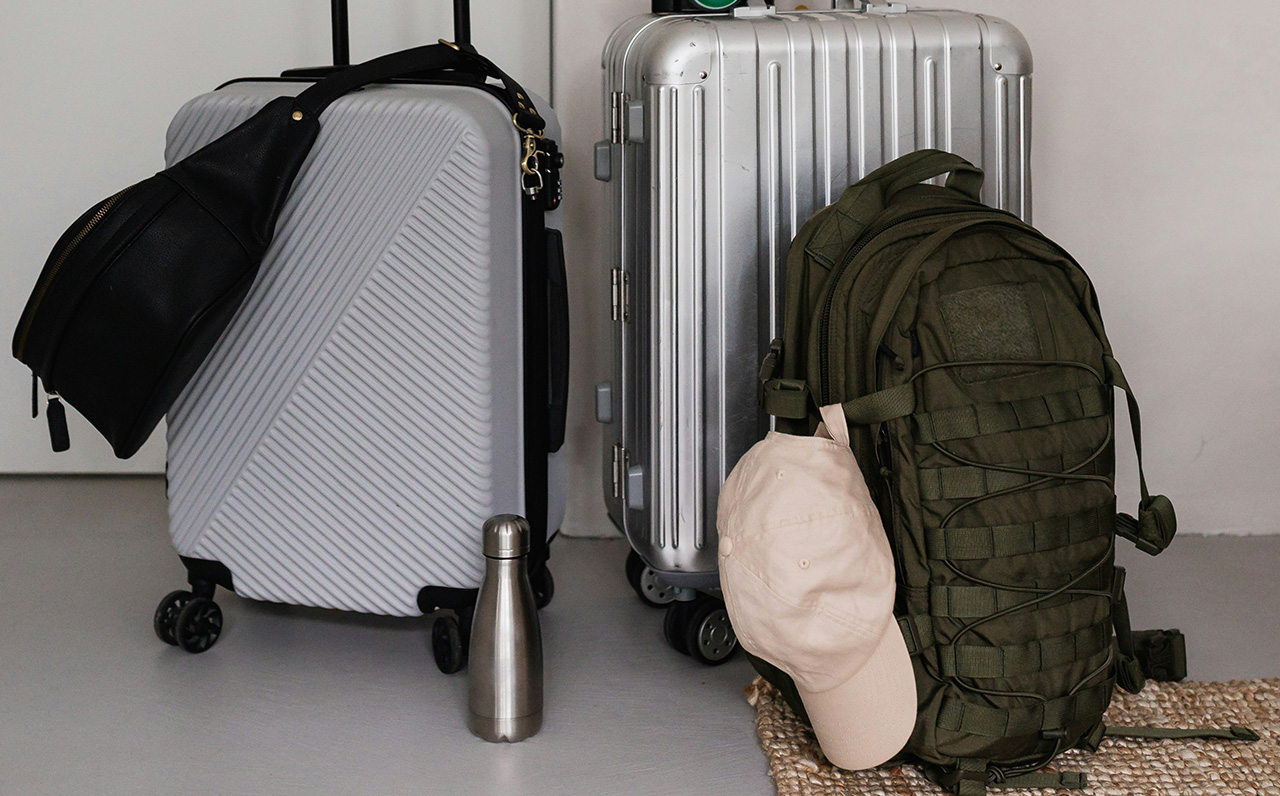
In the real world, “one-bag travel” actually means a main carry-on for the overhead bin, paired with a small personal item for under the seat.
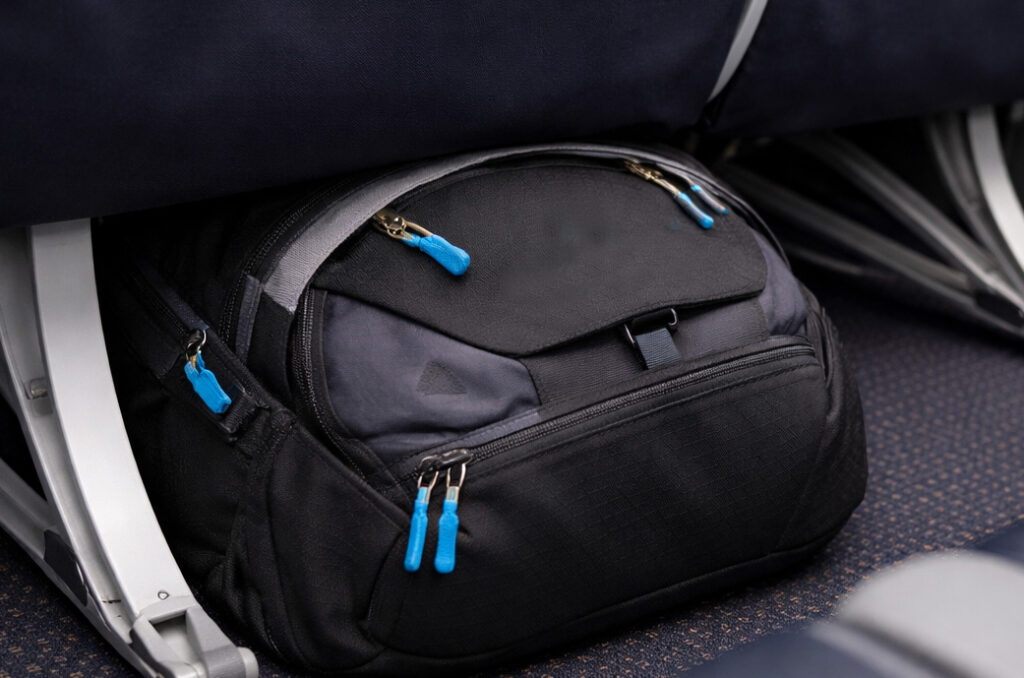
A smart carry-on routine relies on a strict divide between your main overhead luggage and your under-seat personal item. A properly sized personal item should slide under the seat and stay easily accessible mid-flight.
To really make carry-on travel work smoothly, you need a strict boundary between your two bags. It is not just about making things fit. It is about accessibility. You have your main overhead bag, which is usually a roller or a larger travel backpack, and your smaller personal item, like a day pack or tote bag.
Your main bag holds your destination items. Your personal item is your transit survival kit. You never want to be the person blocking the boarding line because your headphones and book are buried under a pile of shirts in your overhead roller.
| The Bag | Where It Goes | What Goes Inside |
|---|---|---|
| Main Carry-On | Overhead bin | Clothing, shoes, toiletry bag, and anything you do not need until you reach the hotel. |
| Personal Item | Under the seat | Laptop, headphones, chargers, book, snacks, medications, passport, and wallet. |
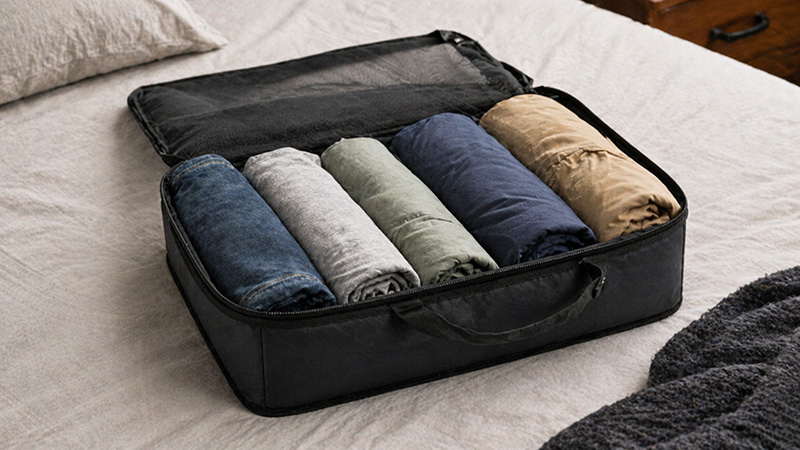
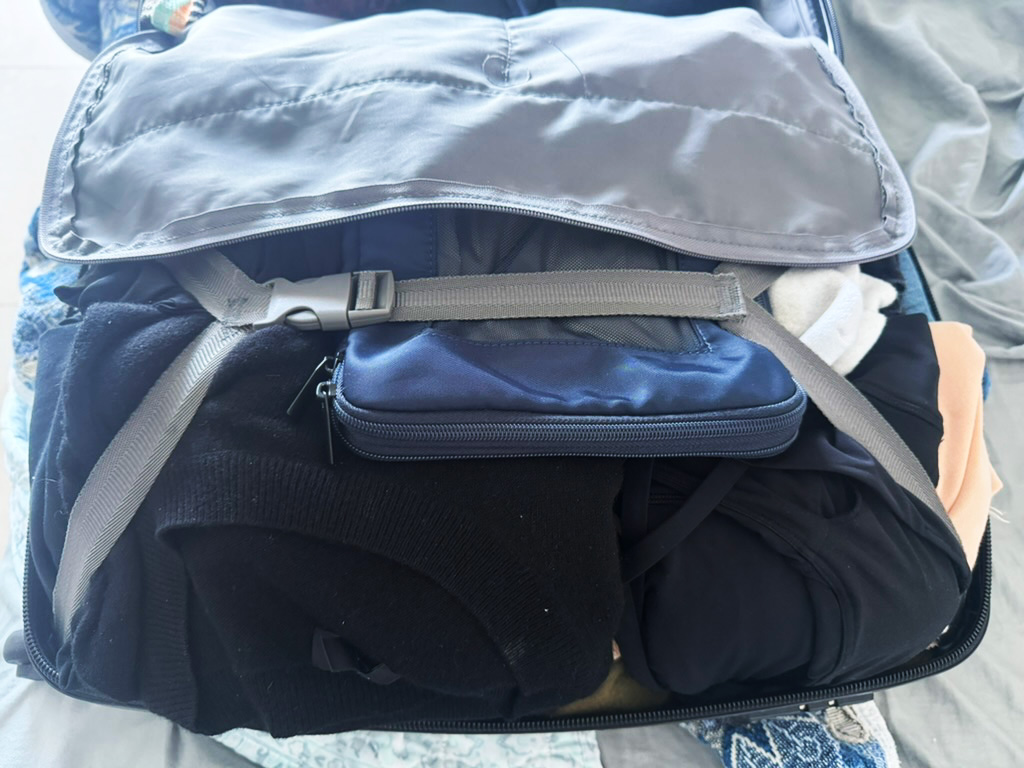
Packing well is not just about bringing less. It is about using the space you have in a smarter way. Rolling your clothes and using compression cubes helps you fit more while keeping everything organized and easy to find.
When it comes down to physically putting things in your carry-on, you need a strategy. Throwing clothes in randomly wastes up to a third of your usable space. The goal is to build a solid foundation, fill the awkward gaps, and use compression to your advantage.
If you are using a wheeled carry-on, start by filling the grooves between the handle tubes at the bottom of the bag. Roll small items like swimsuits or extra socks and lay them in those channels to create a flat base. Next, place your heaviest items closest to the wheels so the bag does not tip over when you stand it up.
This is where packing cubes change the game. I use a couple of compression cubes to seriously maximize space. I will roll up all of my t-shirts tightly and pack them into one compression cube, and then roll all of my underwear and socks into another. Rolling prevents deep wrinkles and fits perfectly into cubes, while the compression zipper squeezes the excess air out, shrinking your clothes down to half their size.
Pro Tip: Compression cubes are incredible for space, but they do not reduce weight. If you are flying an international airline with a strict carry-on weight limit, be careful not to pack your bag so dense that you trigger a heavy bag fee at the gate.
See the specific cubes, organizers, and bags that make packing light easy in my Essential Travel Gear breakdown.
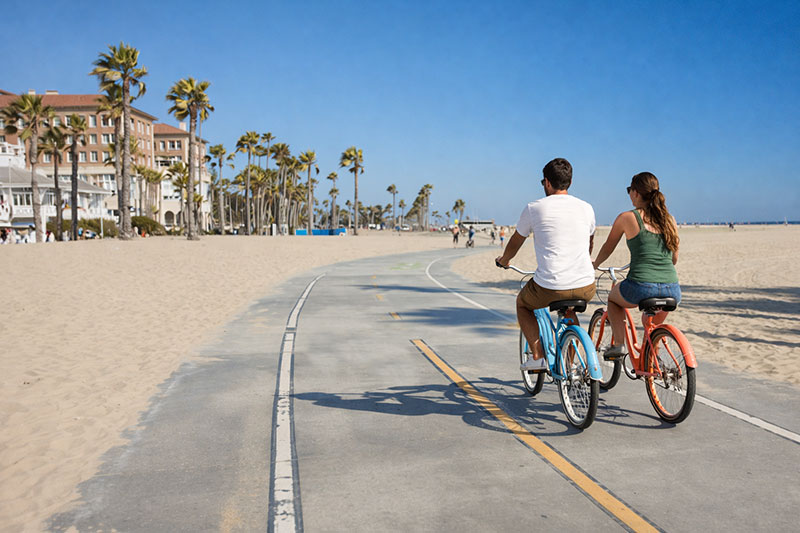
Your destination dictates the specific gear you swap into your core packing list.
The master list covers the basics, but you need to tweak your gear based on where you are going. You do not need a completely different strategy, just smart substitutions.
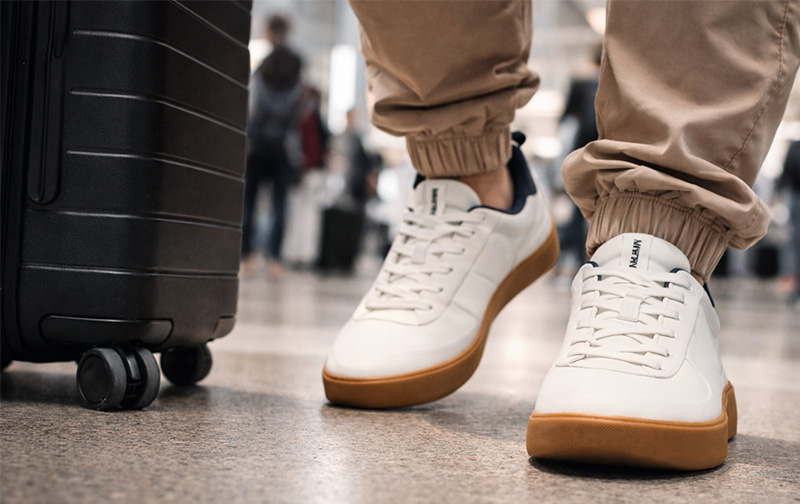
Shoes take up more room than anything else in your luggage. Limiting yourself to two functional pairs is the fastest way to lighten your load.
Shoes are the biggest space killers in any packing setup. You rarely need more than two pairs for a standard trip. The secret is finding one primary shoe that can handle heavy walking days without looking entirely out of place in a nice restaurant.
Your second pair should be lightweight and pack flat. This gives your feet a break from your primary shoes and provides a casual option for moving around your hotel or heading to a nearby cafe.
Local Guide Tip: Never pack brand-new shoes for a trip. Always break them in for at least a week at home first. Blisters will ruin a travel itinerary faster than bad weather.
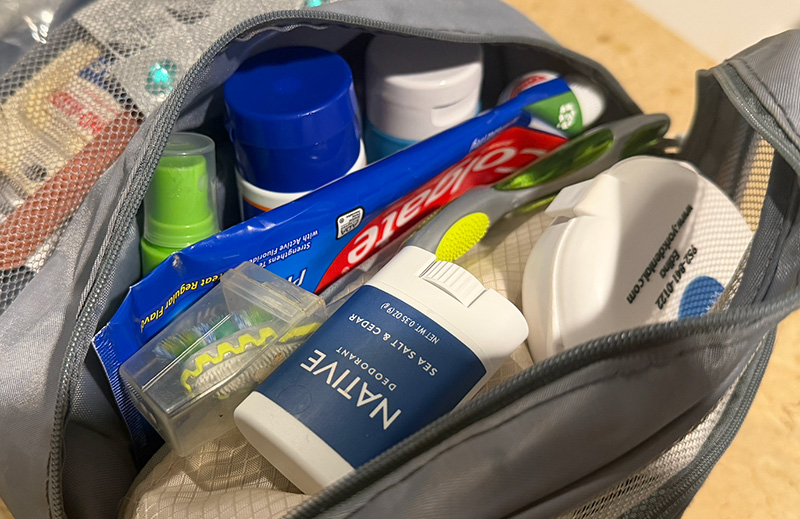
Bring just enough personal care items to get through your first few days. You can easily purchase full-size replacements at your destination if needed.
Toiletries are incredibly easy to overpack. The reality is that pharmacies exist all over the world. You do not need to bring a massive bottle of shampoo or a two-month supply of body wash for a ten-day vacation.
Pack a small clear bag with just the essentials. Bring solid versions of products like soap or deodorant when possible since they do not count against your airport liquid limits and they will never leak in your bag.
TLGA Rule: If you are flying, liquids are strictly regulated. Always follow the TSA 3-1-1 liquids rule so you do not have expensive items thrown away at the security checkpoint.
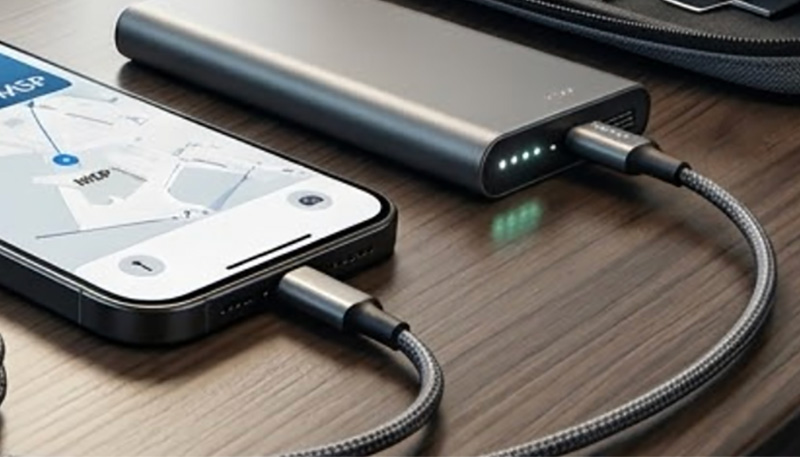
A streamlined tech kit prevents cables from tangling in your bag and ensures your devices stay powered during long transit days.
Keep your electronics extremely simple. Unless you are traveling for work, you do not need a laptop, a tablet, an e-reader, and a secondary camera. A smartphone can handle navigation, photography, and entertainment for most modern travelers.
The most important part of your tech kit is how you power it. A dead phone in a new city creates instant stress. Focus on packing reliable chargers and using travel tech organizers to keep cables tidy, rather than packing extra devices. A good multi-port wall charger, a universal adapter if traveling internationally, and a reliable power bank are the only three things most people truly need.
That bulky sweatshirt feels like a travel essential, but it is usually the first thing to take over your carry-on.
Even experienced travelers fall into bad habits. These are the mistakes that quietly lead to overstuffed bags and stressful travel days.
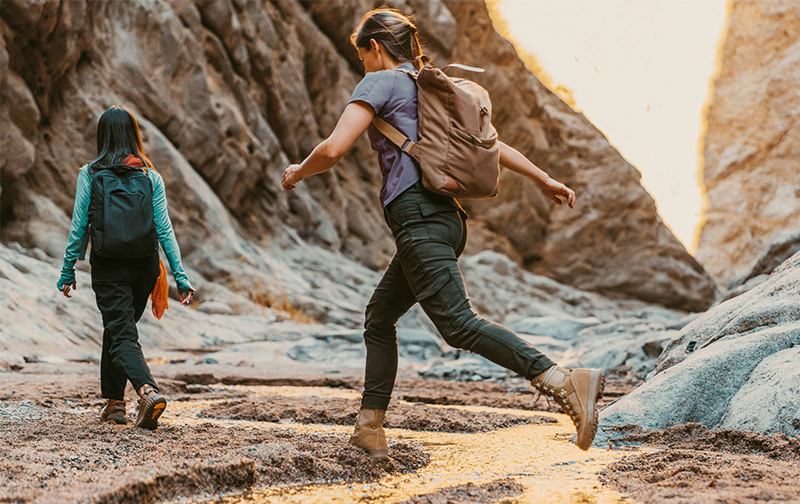
Pack for the environment you are actually visiting to ensure you stay mobile and comfortable during outdoor adventures.
A smart packing list is defined just as much by what you leave out. Many travelers ruin their mobility by packing for highly unlikely scenarios. Trust that you are traveling to a place where people live normal lives. If an unexpected event happens, you can almost certainly buy a cheap umbrella, a fresh t-shirt, or a bottle of aloe vera locally.
For a standard 7-day trip, pack 5 t-shirts, 2 pairs of bottoms, 1 mid-layer, 7 pairs of underwear, and 5 pairs of socks. Stick to neutral colors so you can mix and match outfits, and use packing cubes to maximize space.
The only foolproof method is to use a master packing list and check items off as they actually go into your suitcase. Do not rely on your memory while throwing things into a bag the night before.
If your carry-on does not pass the “eye test” or fit into the airline sizer at the gate, the gate agent will force you to check it. You will usually have to pay a checked bag fee on the spot, and you will have to wait at baggage claim when you land.
For almost every trip, yes. It makes moving days easier, cuts down on baggage claim time, eliminates the risk of lost luggage, and naturally forces you to pack only the clothing you will actually wear.
Usually two pairs is enough for most trips: one primary walking shoe that you wear on the plane, and one lighter secondary option packed flat in your bag. More than that adds bulk incredibly fast.
Your personal item (the bag under the seat in front of you) should hold your transit essentials. This includes your passport, wallet, medications, phone, power bank, headphones, and a light snack. Never put these in your overhead roller.
The luggage, tech, and clothing strategies that actually hold up on the road.
GEAR GUIDE
The core items that actually earn their spot in your bag for real travel days.
Read More
LUGGAGE
Carry-on backpacks that work in the real world, not just in product photos.
Read More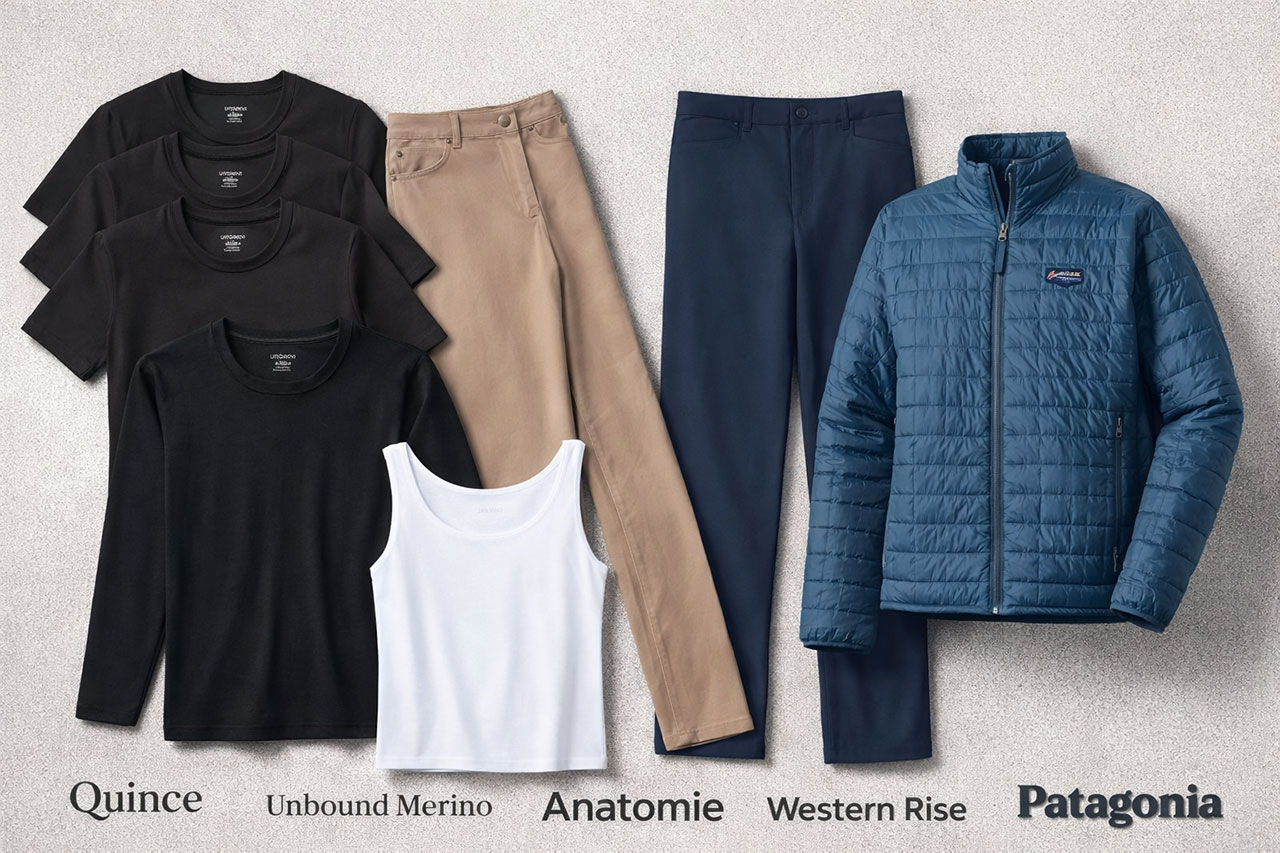
CLOTHING
How to pack clothes that mix well, rewear well, and save space.
Read More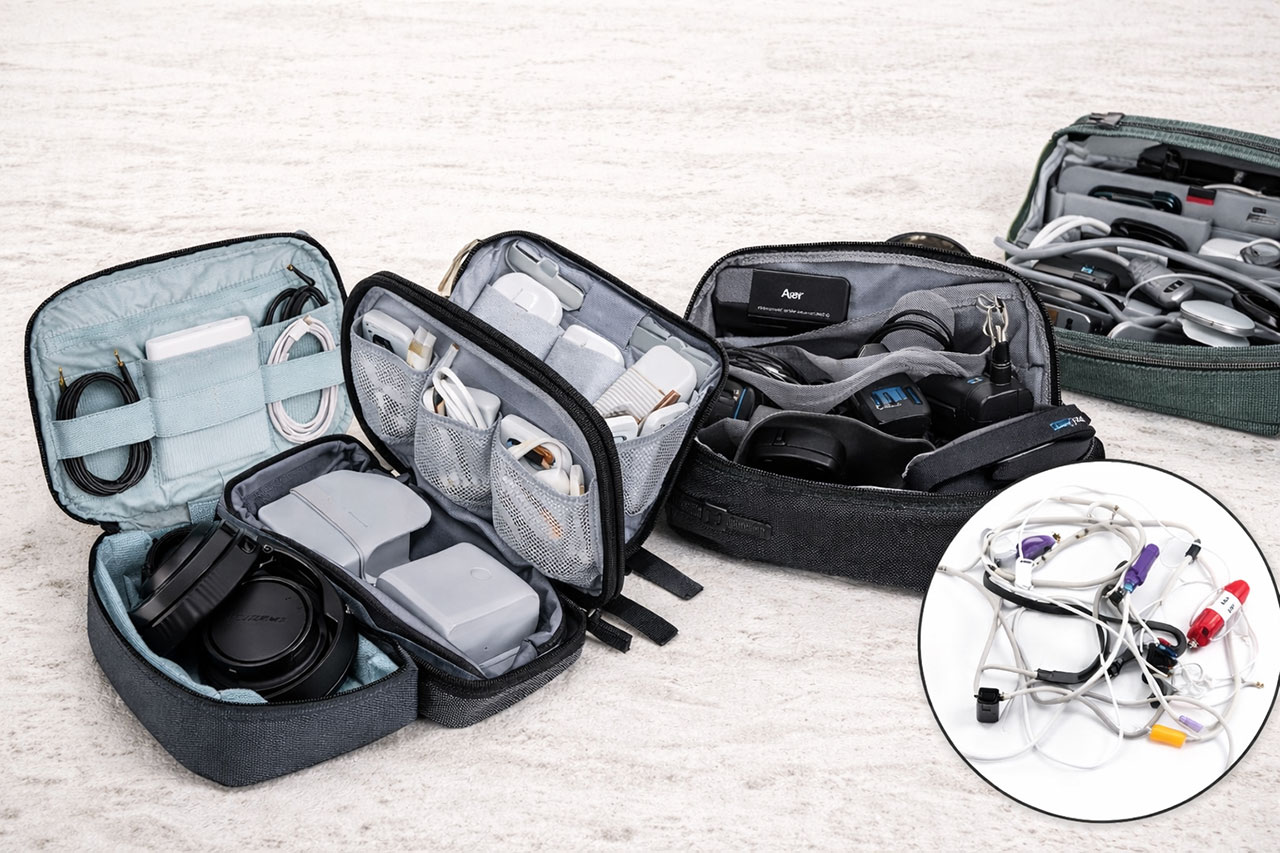
ORGANIZATION
Keep cables, chargers, and adapters from turning into a tangled mess.
Read More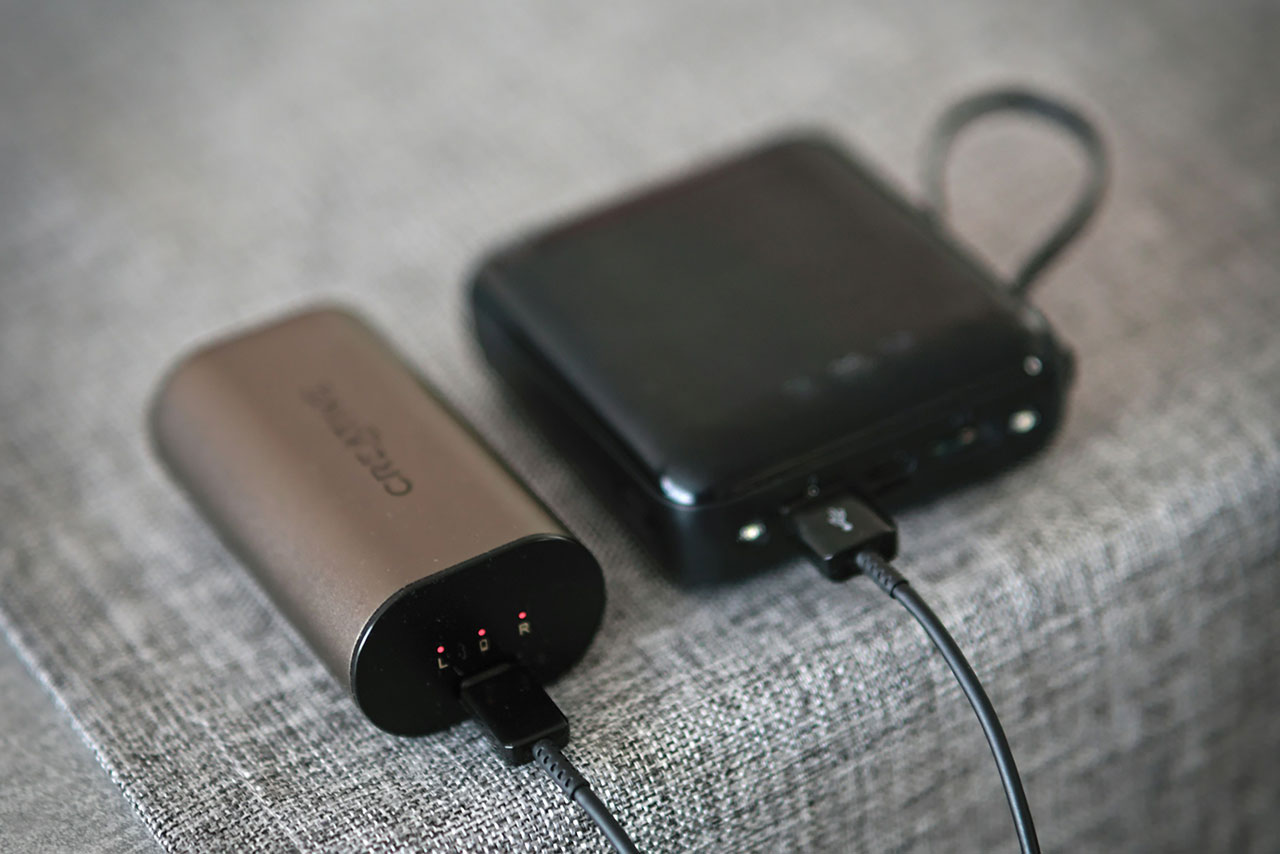
POWER
The wall blocks and power banks that make long transit days easier.
Read More
GEAR GUIDE
The low-profile gear that quietly makes the biggest difference.
Read More