Travel Planning Hub
Start here to plan your trip, compare options, and explore every TLGA planning guide.
Packing & Gear Guide
What to pack, what to skip, and how to build a lighter travel setup that works.
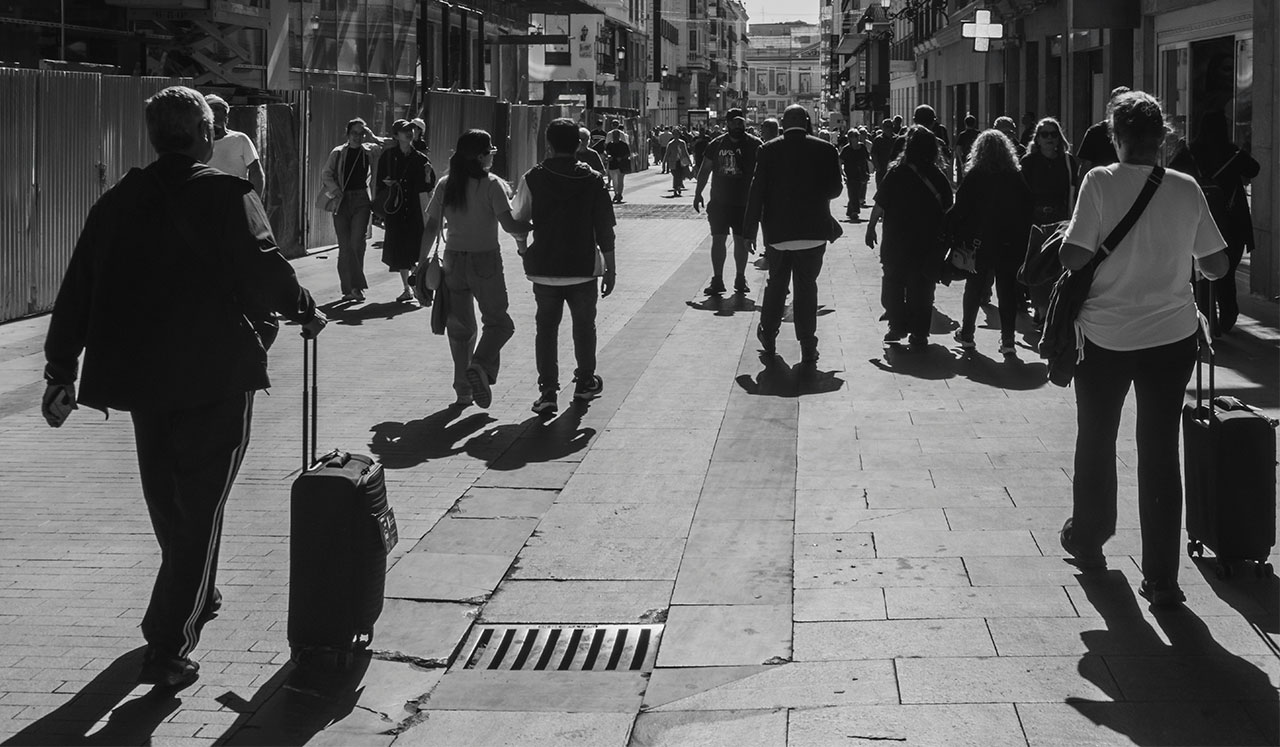
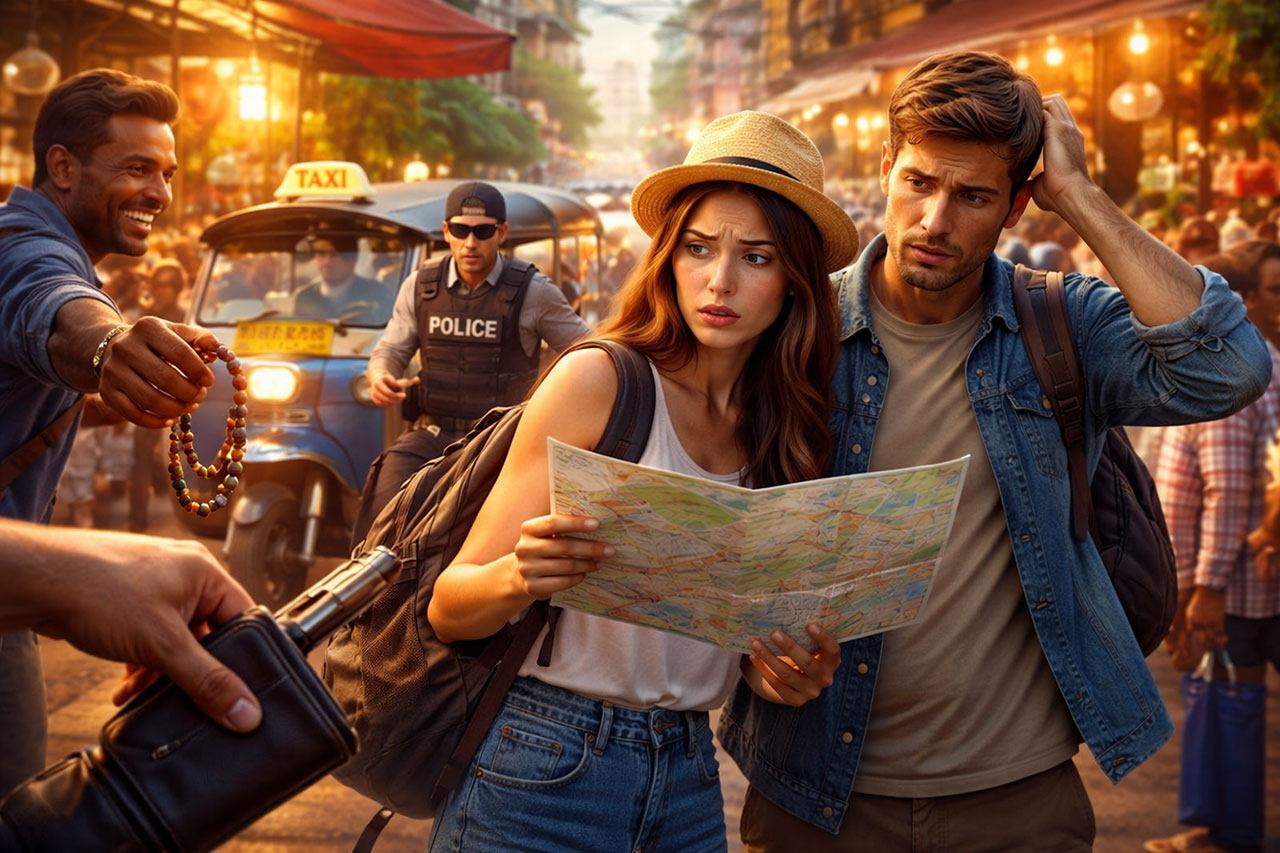
Most travel scams are not dramatic. They are small pressure plays built on urgency, distraction, confusion, and timing. The travelers who avoid them best usually stay calm, slow things down, and keep control of the interaction.
Last updated: March 2026 by Corey Gasman
From the Editor
Travel scams usually are not dangerous. Most are designed to catch you when you are tired, distracted, newly arrived, or not quite sure what is normal yet. That is why they tend to show up around airports, transit hubs, crowded landmarks, taxis, and tourist-heavy restaurant zones.
I have run into versions of the same scam scripts all over the world. The details change, but the pattern usually does not. Someone tries to rush you, redirect you, confuse the price, insert themselves into your plans, or create a problem they conveniently solve for a fee.
The good news is that avoiding most of this is less about memorizing every scam and more about keeping a few steady habits. Slow the interaction down. Do not make decisions while moving. Do not let strangers create urgency for you. And if something feels off, step away and reset.
This guide walks through the most common travel scams, the tourist traps that feel normal at first, and the simple habits that prevent most problems before they start.
Most travel scams are not built on genius. They work because they catch people at the wrong moment. You are rushed, distracted, jet-lagged, carrying bags, unsure of the area, or trying to be polite when someone pushes into your space.
The goal is not to spot every scam in the world. The goal is to remove urgency, keep control of the interaction, and avoid turning a normal travel day into an expensive or annoying detour.
Start Here
The Mindset
Common Scams Worldwide
Digital & Financial Traps
My Take
Tourist Traps
Simple Rules
If Something Feels Off
Travel Planning Guides
FAQs
TLGA Rule: Calm, boring confidence beats overreacting every time.
Also read: Travel Safety Abroad for the bigger picture on awareness, habits, and staying prepared on the road.
Scams usually work for three reasons: you are rushed, you are distracted, or you do not know what normal looks like yet. The fix is simple. Slow the interaction down and keep decisions on your terms.
One of the easiest ways to protect yourself is to stop making decisions while moving. The moment someone tries to redirect you, sell you, pressure you, or insert themselves into your plans, pause and reset. A lot of bad travel decisions happen while people are walking, carrying bags, or trying to stay polite.
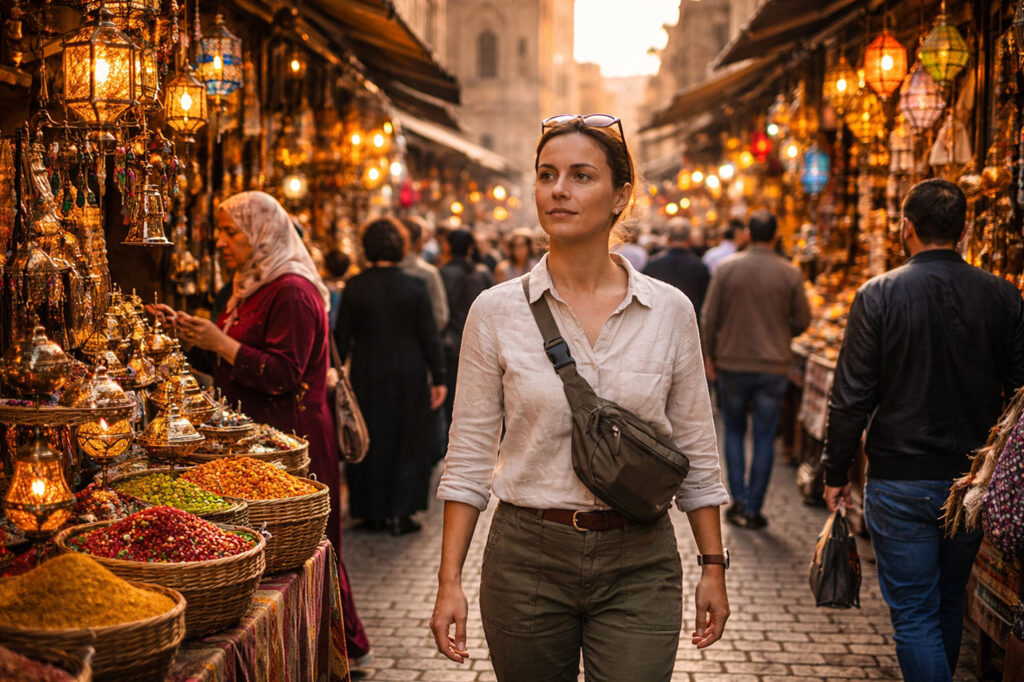
The most common travel scams do not look dramatic. They often begin with a small interruption, a fake favor, a redirect, or someone trying to speed up your decision-making before you have time to think.
These show up all over the world. Different countries, same playbook.
Someone offers help you did not ask for: directions, tickets, bags, photos, or “local advice.” The price shows up after the favor.
Some scams lean on uniforms, badges, or inspection language to create panic. The goal is usually cash on the spot.
A bump, spill, argument, performance, or sudden commotion gives someone else a chance to work your pockets or bag.
Someone aggressively puts a bracelet on your wrist, hands you a rose, or pushes a “free” item into your hands. Once you touch it, they demand payment and create a scene.
This usually happens in taxis, markets, or tourist-heavy shops. You hand over a bill and they claim it was smaller.
A friendly local approaches you to practice English or hang out, then leads you to a bar, club, or teahouse where the bill becomes outrageous.
A driver or helpful stranger tells you the museum, temple, or palace is closed and offers to take you somewhere better instead, usually a shop or commission stop.
In 2026, you are often just as likely to lose money to a banking fee, fake QR code, or rental dispute as you are to a street scam. These problems are easier to miss because they look more official.
When you pay by card or use an ATM, the machine asks if you want to pay in your home currency instead of the local one.
Scammers place fake QR stickers over real ones on parking meters, restaurant signs, rental bikes, or ticket machines.
You return a scooter, bike, or car, and they suddenly point out damage that was already there.
You book a ride, the driver does not move, and then messages you asking you to cancel or pay cash off-app.
You arrive, and the host says there is a plumbing issue or another problem, then offers you a different unit nearby that is clearly worse.
I have seen enough versions of this over the years to know that the first scam you avoid on a trip often happens before the vacation really starts. It is usually right after landing, right outside a station, or in that first stretch where you are tired, carrying bags, and not fully oriented yet.
A classic example is landing somewhere like Cabo San Lucas and walking into that airport exit funnel where people act like transportation staff or tourism helpers. In reality, many are trying to pull you into a timeshare pitch, private transfer detour, or commission-based stop before your trip has even started.
There is a big difference between you asking a local for help and a stranger approaching you fast with a full conversation starter. “Hey guys, what are you doing today?” can sound harmless, but it is often the setup for a tourist restaurant, bar, tour, or shop where somebody gets paid for steering you there.
Most scams are just the same script with a different accent. Before landing, I like to check what the common setup is in that destination. In some places it is tuk-tuks and fake closures. In others it is taxis, beach clubs, fake police, or airport transfers. Knowing the local version makes it much easier to spot quickly.
Taxis can hit hardest on day one because you do not know the normal pricing yet. That is when people accept inflated rates or weird explanations because they just want to get moving.
These are not always scams, but they are the places where inflated pricing, weak value, and low-quality experiences get normalized fast.
Better move: agree on the price first, use ride-hailing when possible, or pre-book your airport transfer.
Better move: walk a few blocks off the main strip and look for places where people are eating normal lunch, not just taking photos.
Better move: book through your hotel, established operators, or platforms with review history and refund policies.
Scammers rely on isolation and momentum. Your job is to break both.
Go next: Getting Around Abroad | Money, Costs & Budgeting
Safety, budgeting, packing, and practical planning advice that helps trips go smoother from day one.
SAFETY GUIDE
Practical habits that help you stay aware, prepared, and more confident while traveling.
Read More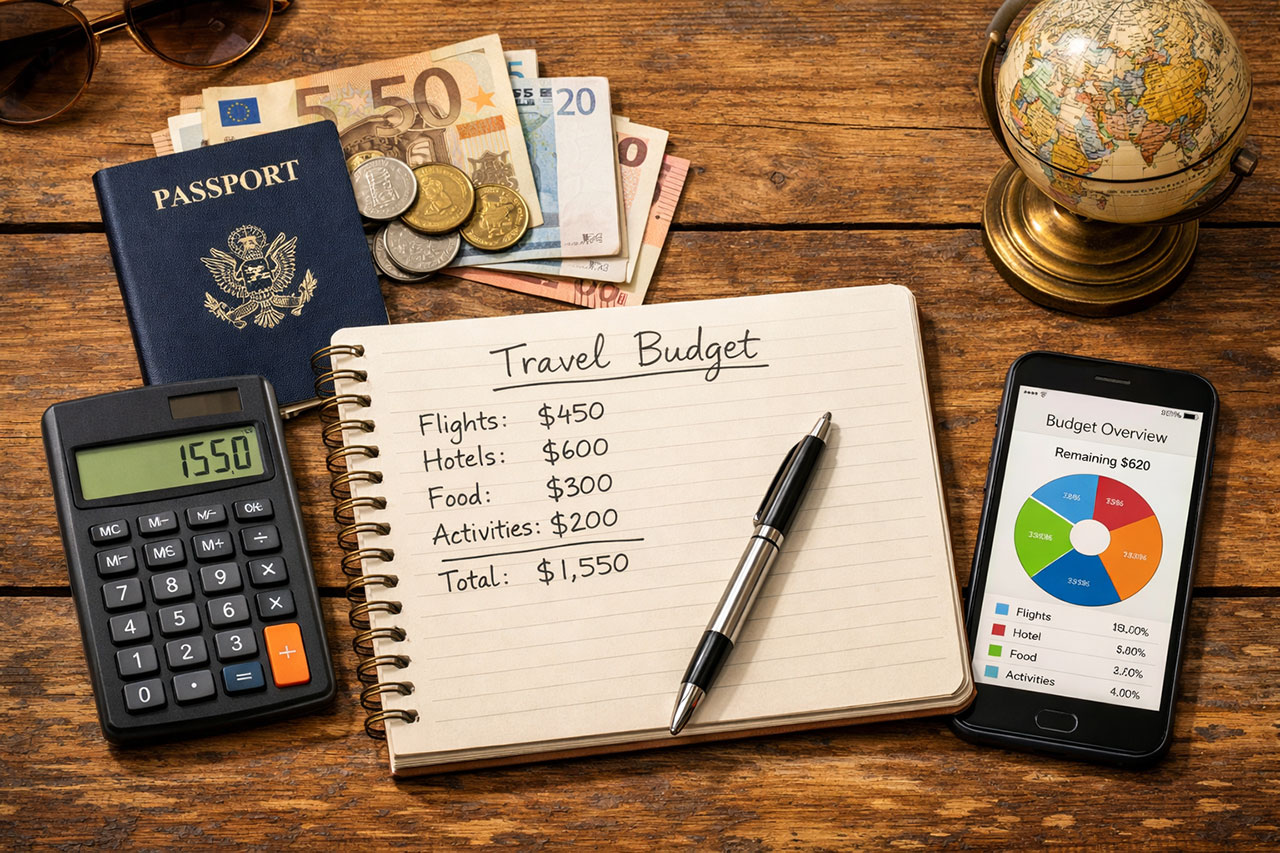
BUDGET GUIDE
How to avoid common money mistakes, plan costs better, and travel well without overspending.
Read More
FOOD GUIDE
How to eat better, avoid tourist-trap patterns, and enjoy local food with more confidence.
Read MoreUrgency. The moment you feel rushed, pause. Scams depend on speed. When you slow the interaction down, a lot of them fall apart fast.
No. Just separate normal friendliness from unsolicited help, pressure, or redirecting behavior. If money, urgency, or a forced interaction shows up quickly, exit politely.
Use ride-hailing where available, or agree on the fare before getting in. If the driver resists the meter, avoids a clear price, or starts changing the story, take the next option.
It is when an ATM or card terminal asks if you want to be charged in your home currency instead of the local one. It sounds convenient, but the exchange rate is usually worse. Choose the local currency instead.