Travel Planning Hub
Start here to plan your trip, compare options, and explore every TLGA planning guide.
Packing & Gear Guide
What to pack, what to skip, and how to build a lighter travel setup that works.

By Corey Gasman
If this is your first time planning a trip to Italy, let me guess: you are vibrating with excitement about the pasta, but also secretly terrified of the logistics. Will you get pickpocketed on the Metro? Do you really need to pay to use the bathroom? And what is the deal with that “coperto” charge on your bill?
I have been there. My first trip was a comedy of errors involving a validated train ticket (or lack thereof), a very angry bus driver, and a suitcase that lost a wheel on Venetian cobblestones.
This guide is the cheat sheet I wish I had back then. It is the “2026 Edition,” meaning I’ve updated it with the latest entry rules (EES is finally here) and the modern realities of travel in Italy today.
If Italy is your first time traveling abroad, I highly recommend starting here. This guide walks you through passports, flights, money, phones, safety, and all the basics so you feel confident before you even book your flight. Read More: Getting Started With International Travel
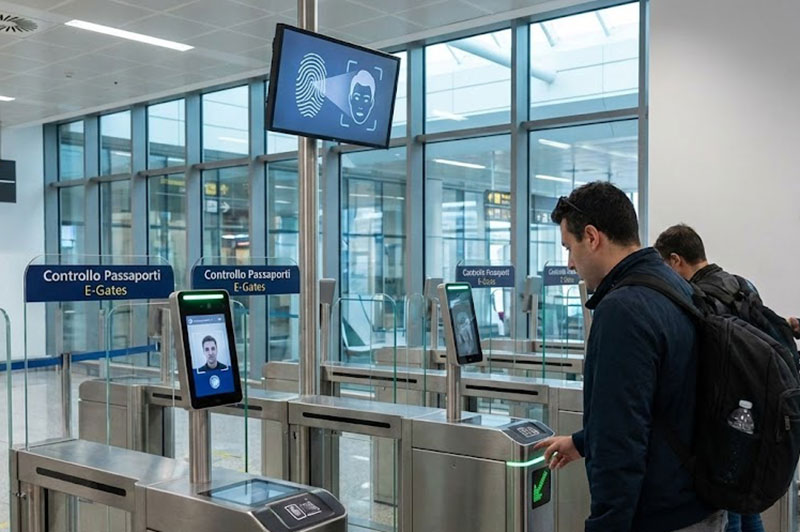
The new reality at Fiumicino Airport: Expect automated gates and biometric scans instead of the old-school passport stamp.
If you are used to just breezing through customs with a US or UK passport, listen up. The “open border” days are getting a digital upgrade.
Local Guide Tip: Check Your Passport Expiration
For Italy (Schengen), your passport should be valid for at least 3 months beyond your planned departure date and must have been issued within the last 10 years. Do not cut it close. Airlines can deny boarding if your passport does not meet the rules.
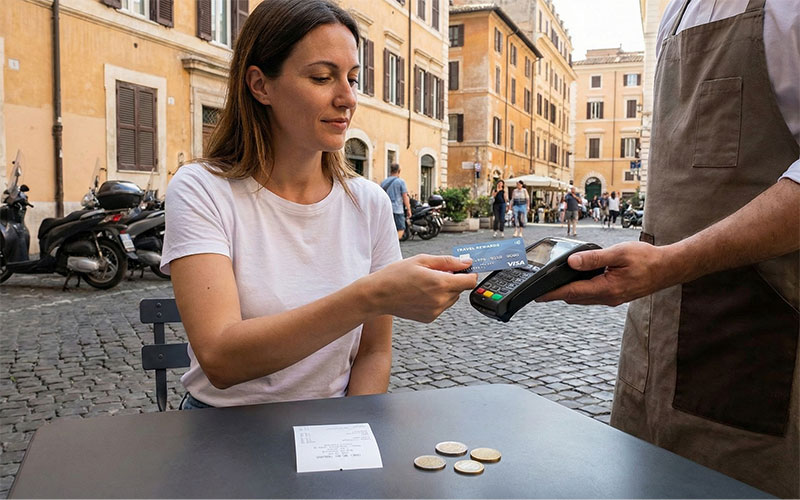
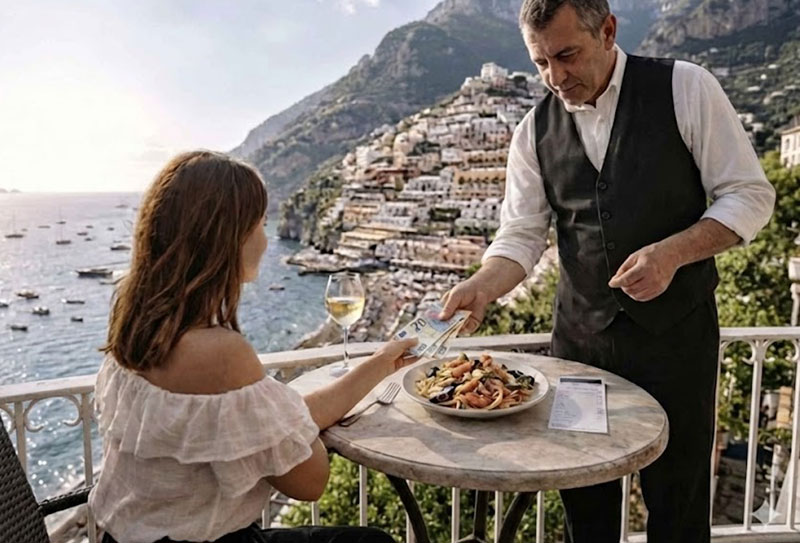
While tap-to-pay is the standard for the bill, it is still customary to leave a few Euro coins on the table as a gesture of appreciation for the service.
Italy is firmly in the digital age. You can use Apple Pay or Google Pay for almost everything, from museum tickets to a €1.50 espresso. However, cash is not dead. You still need euros for:
Americans, please stop tipping 20%. In Italy, servers are paid a living wage.
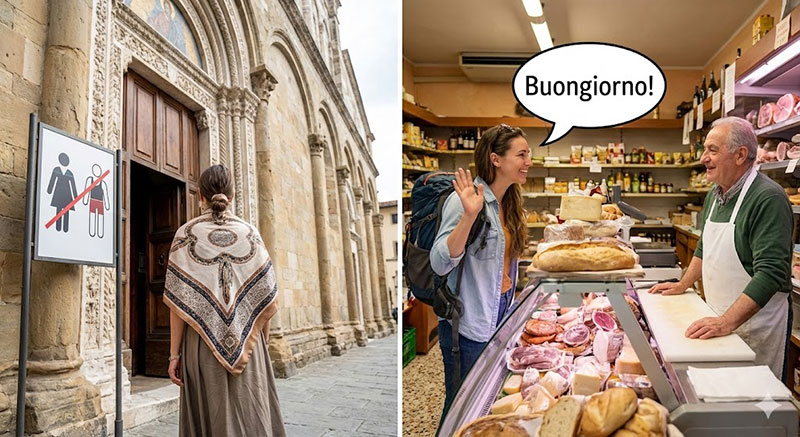
Cultural cues: Cover shoulders and knees for churches, and always greet shopkeepers with a polite “Buongiorno” or “Buonasera”.
This is non-negotiable. If you want to enter St. Peter’s Basilica, the Pantheon, or the Duomo in Florence, your shoulders and knees must be covered.
Coffee rules are just the beginning. From finding the best gelatin to navigating restaurant menus without falling for tourist traps, learn how to eat well in Italy. Read More: Eat Like a Local in Italy
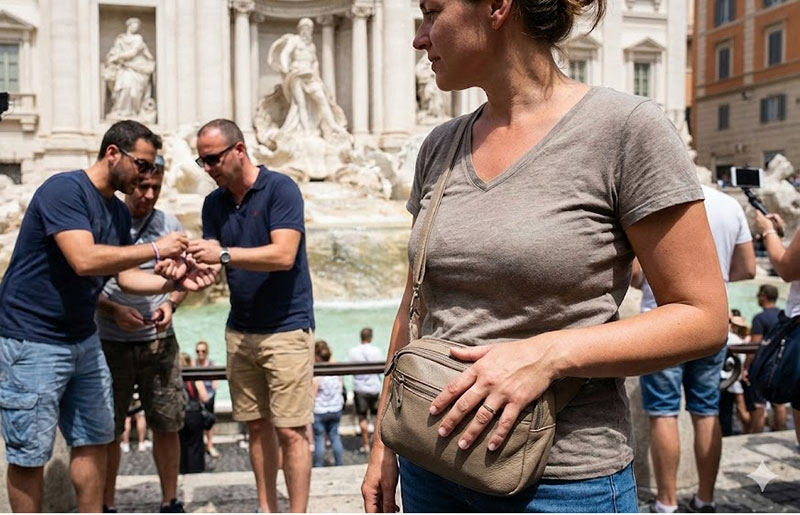
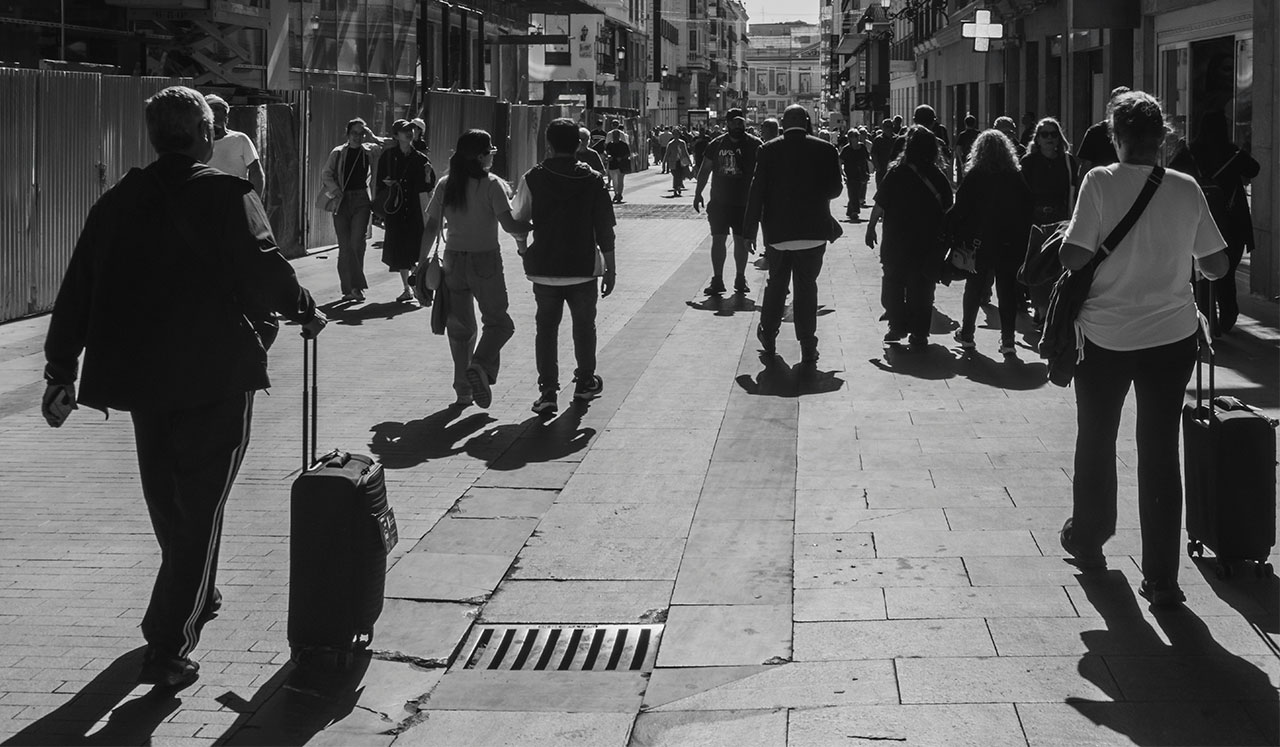
Stay alert in crowds: The Trevi Fountain is beautiful, but it’s also a workspace for pickpockets. Keep your bag in front of you.
Italy is physically very safe, but petty theft in major tourist hubs is very real. Most issues happen in crowded areas where tourists are distracted.
In Milan (Duomo Square) and Rome, friendly guys will approach you trying to give you a “free” friendship bracelet.
Be extra alert on the Rome Metro (especially Line A), the Circumvesuviana train to Sorrento, busy train platforms, and around the Trevi Fountain.
From validating tickets to avoiding the “fine” traps at the station, I’ve broken down everything you need to know about navigating the rail system stress-free. Read More: The Complete Italy Train Travel Guide
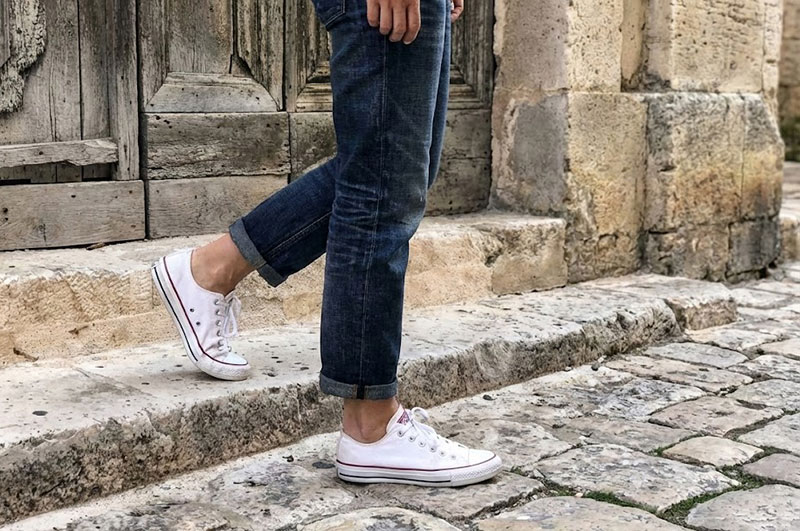
Cobblestone reality check: Leave the stilettos at home. Stylish sneakers or block heels are the only way to survive these streets.
I average 15,000–20,000 steps a day in Italy. The streets are ancient, uneven, and unforgiving.
People forget this, but Italian mosquitoes (zanzare) are vicious in the summer, especially in Florence and Venice. Pack a small bug spray or buy “Autan” at a local pharmacy.
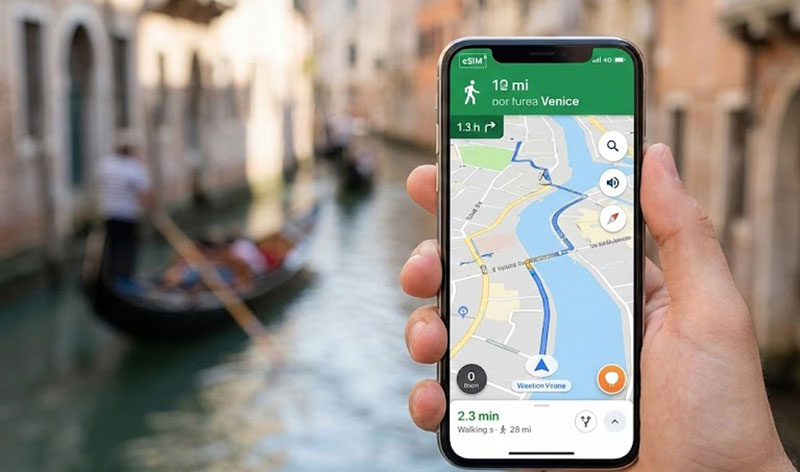
Stay connected: Download an eSIM before you fly so you have maps and translation ready the moment you land.
Do not pay your home carrier $10/day for international roaming. It is a rip-off.
Security note: When using public Wi-Fi at cafés, hotels, or tourist areas, always turn on a VPN. Public networks are an easy target for scammers looking to steal personal or login information. Many VPN services offer free trials or short-term plans for around $10–$15, which is a small price for added security while traveling.
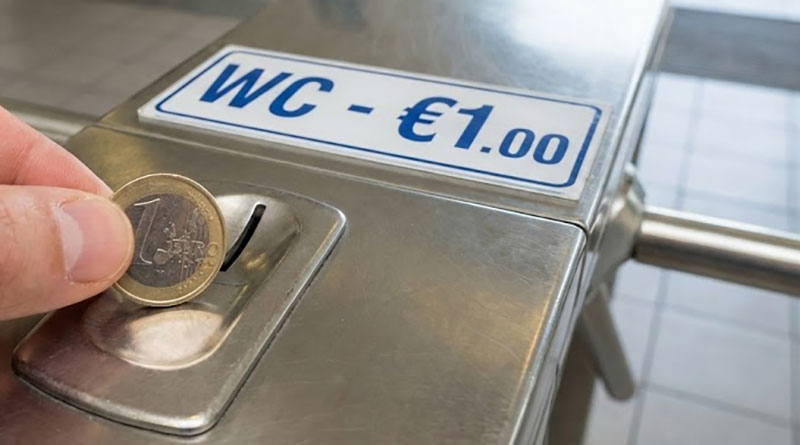
The golden rule of Italian restrooms: Always keep a 1 Euro coin in your pocket.
Public restrooms exist, but they are rarely free.
Yes. The tap water in Italy is safe and good quality. In Rome, you will see small public fountains called nasoni flowing constantly on street corners. Bring a reusable bottle and fill up for free.
Going to Rome? Learn how to spot these fountains (and drink from them without getting wet) in my full guide: Hydrating in Rome: How to Find and Use the Historic Nasoni.
Yes, especially in major cities and tourist areas. Most hotel staff, tour guides, and restaurant servers speak at least basic English. In smaller towns, English may be limited, but people are generally patient and helpful.
Learning a few phrases like Buongiorno (good morning), Per favore (please), and Grazie (thank you) goes a long way and is always appreciated.
Italy can be as affordable or as expensive as you make it. Major cities like Rome, Florence, and Venice cost more than smaller towns, but everyday expenses are reasonable.
You can still get a great espresso for €1.20, a pizza slice for under €5, and excellent regional wine for less than you would pay back home. Accommodation and transportation will likely be your biggest costs.
Mostly, yes. Credit cards and tap-to-pay are widely accepted in cities, restaurants, hotels, and shops. That said, you should always carry some cash for small cafés, markets, taxis, public restrooms, and city taxes at smaller accommodations.
Do not rely entirely on cards, especially outside major tourist areas.
If you have a paper ticket for a regional train (Regionale), YES. You must stamp it in the green or yellow machines before boarding, or you risk a €50+ fine. If you have a digital ticket or a reserved seat on a high-speed train (Frecciarossa), you do not need to validate.
Only in major cities like Rome and Milan, and it is usually limited to Uber Black, which is expensive. In most places, Uber does not exist.
Download the FreeNow or It Taxi app to call standard licensed taxis.
Late. Restaurants usually open around 7:30 PM, but locals rarely arrive before 8:30 PM or 9:00 PM. If you eat earlier, expect quieter dining rooms and mostly tourists.
Technically, yes. Non-EU visitors are required to carry an International Driving Permit along with their regular driver’s license when renting or driving a car in Italy.
Rental agencies do not always check, but if you are pulled over by police, you can be fined if you do not have one.