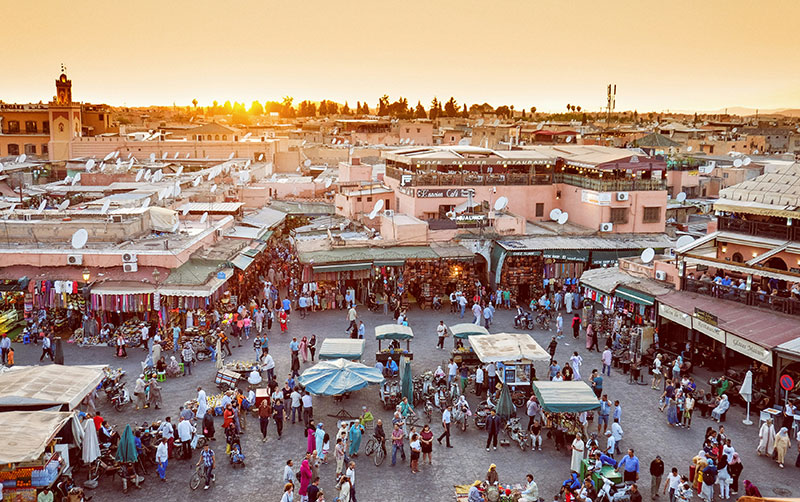
The bustling Jemaa el-Fnaa square in Marrakech at sunset with crowds and stalls.

As the sun dips, the energy of Marrakech’s Jemaa el-Fnaa square truly comes to life.


Home » Destinations » Morocco Travel Guide

Last updated: January 2026 by Corey Gasman

From the Editor:

Morocco is sensory travel. It is color, call to prayer, tiled courtyards, mint tea, markets that feel like movies, and landscapes that flip from ocean to mountains to desert in a single trip.

The secret to loving Morocco is not doing more. It is doing it clean: fewer bases, calmer pacing, and a plan for the two big friction points that surprise first-timers: medina logistics and desert distances.

Start Here: Planning for 2026

Morocco rewards travelers who plan around rhythm instead of highlights. Pick 2 to 3 bases, add day-trip loops, and give yourself enough nights in each place to stop feeling like you are in transit.

For 2026, the biggest travel wins come from simple strategy: booking the high-demand pieces early (especially the best riads and any desert leg), and designing arrival days like transition days, not like tour days.

The Morocco rule that saves the first day:

Medina arrivals can be disorienting. Streets are narrow, addresses are weird, and maps can be imperfect. Do not plan a timed tour right after check-in.

The takeaway: protect arrival energy. Check in, eat, get oriented, then do the big sights on day two.

TLGA Rule: Morocco is not a country you “zip through.” Fewer bases, deeper days, better trip.

Before you book anything

Start here: Getting Around Abroad (how to plan transportation like a system)
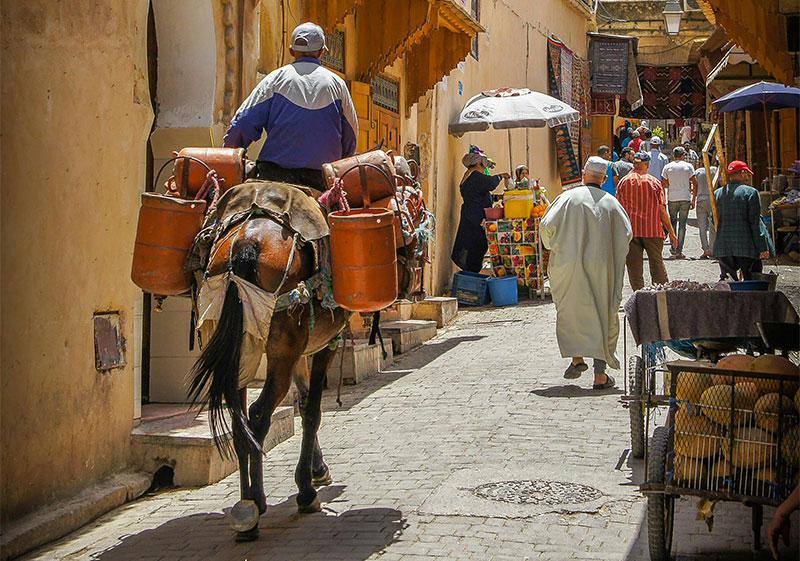
A man leading a working donkey carrying orange gas canisters through a narrow, crowded street in the Fes medina.

Donkeys remain a vital mode of transport for navigating the labyrinthine, car-free alleys of the Fes Medina.


The Reality Check: First-Timer Basics

Morocco is incredibly rewarding, but first-timers run into the same friction points. If you understand them up front, your trip becomes smooth fast.

Local Guide Tip: In medinas, a good base is not just “central.” It is “easy to find at night” and “close to a gate.” Those two things make the whole stay easier.

Medina logistics (the real learning curve)

  • Navigation: alleys can be confusing and GPS can be imperfect
  • Arrival: arrange pickup or clear directions, especially for night arrivals
  • Rolling luggage: cobblestones and steps can be real, pack accordingly

Desert distances are bigger than they look on a map

If you are doing the Sahara, treat it as a major trip leg. Do not try to squeeze it between busy city days.

  • Best strategy: give the desert 2 to 3 nights total depending on route
  • Reality note: many “desert tours” involve long drives, plan buffer and comfort

Haggling and tourist pricing

In busy tourist zones, pricing can be fluid. Stay calm, be polite, and do not feel obligated.

  • Markets: browsing is normal, negotiating is normal
  • Guides: agree on pricing before you start
  • Quick exit line: a polite no plus walking solves most moments
Pro Tip: Morocco gets easier when you pick your “yes lanes.” Say yes to one guided food tour or one local guide day, then free-wander the rest.

Start with my Morocco trip story

Morocco First-Time Travel Experience (route, lessons learned, what I would do differently)
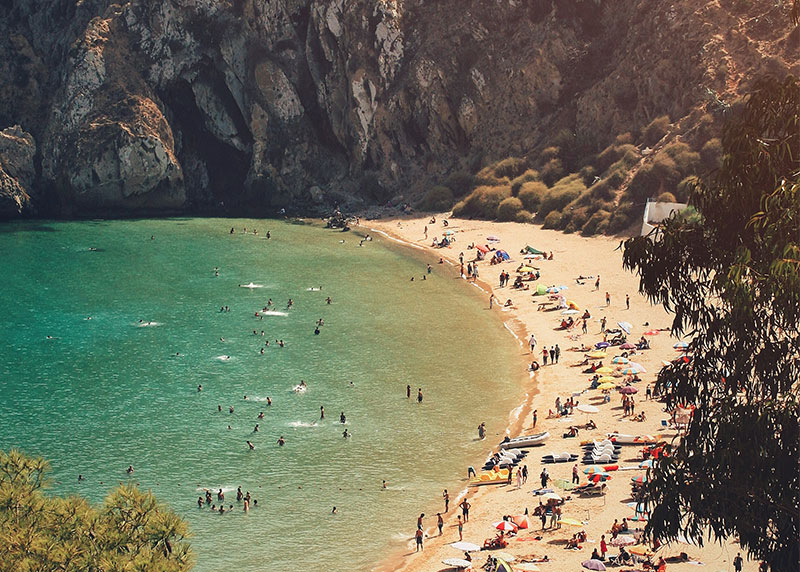
High-angle view of Quemado Beach in Al Hoceima, Morocco with turquoise water and cliffs.

The Mediterranean meets the Rif Mountains at the stunning, crystal-clear shores of Al Hoceima.


Best time to visit Morocco

Morocco is a climate map, not a single weather story. The coast, mountains, and desert behave differently, so month choice matters a lot.

Shoulder season (best overall)

March, April, May, September, October, November are the sweet spot for most travelers. Better walking weather and a more comfortable desert experience.

Summer (only if you plan for heat)

June through August can be extremely hot inland, especially in cities like Marrakesh and in desert regions. Coastal towns can still be great in summer.

Winter (quiet, but with temperature swings)

December through February can be excellent for cities and the coast, but nights can be cold in the desert and mountains. Pack layers.
Pro Tip: If your trip includes the Sahara, shoulder season is the comfort win. If your trip is mostly coast, summer can be great.
Local Guide Tip: In hot months, Morocco becomes a morning and evening country. Do big walking blocks early, rest midday, then come back out at night.
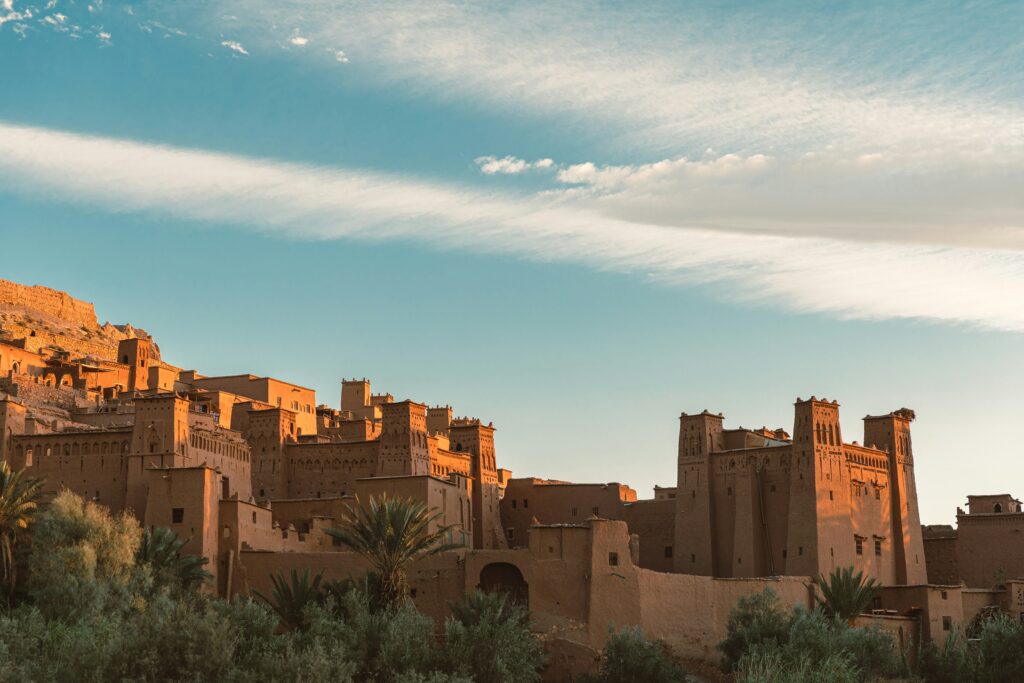
The ancient fortified village of Ait Ben Haddou made of red earthen clay at sunset.

The sun sets over the towering red earthen walls of the historic Ait Ben Haddou kasbah.


Best fit by travel style

Decide what your best days look like, then pick bases that support those days. Morocco can be a city trip, a nature trip, a surf trip, or a desert trip, but it is better when you pick your lane.

First trip, classic Morocco

If this is your first Morocco trip, keep it clean: Marrakesh + one add-on plus optional desert if you have enough time.

  • Best bases: Marrakesh + Essaouira (easy pairing)
  • Optional add-ons: Atlas day trips, a short desert leg if you have 10+ days
Pro Tip: If you only have 7 to 8 days, do two bases. Adding the desert usually means you need more days or you will rush.

Food and medina wandering

If your priority is eating and exploring on foot, pick cities that reward wandering and slow days.
  • Best bases: Marrakesh, Fes
  • Best for: markets, street food, spice lanes, night energy
Local Guide Tip: One guided food tour early in the trip makes the rest of your meals better. You learn what to order and what to skip.
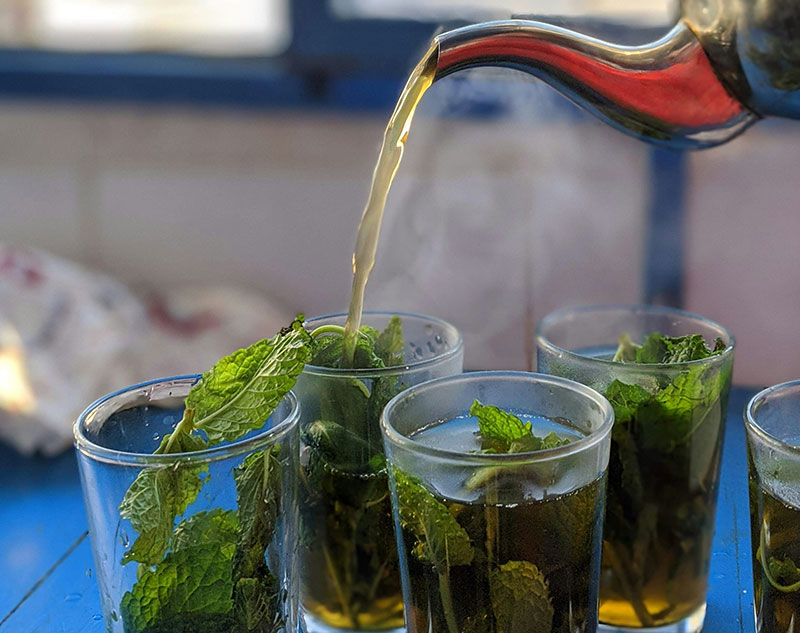
Steaming hot tea being poured from a silver teapot into small glass cups generously filled with fresh green mint leaves.

In Morocco, the best moments are often the quiet ones: a rooftop tea, a tiled courtyard, a sunset walk on the edge of the medina.

Desert and big landscapes

If you want the Sahara, give it the time it deserves. Build it as a full trip leg, not a rushed checkbox.
  • Best bases: Marrakesh + desert route + Fes (classic arc)
  • Best for: sunrise landscapes, dunes, night skies, road-trip scenery
Pro Tip: Pick comfort on long drive days. A slightly higher quality tour or private transfer can be worth it when distances are real.
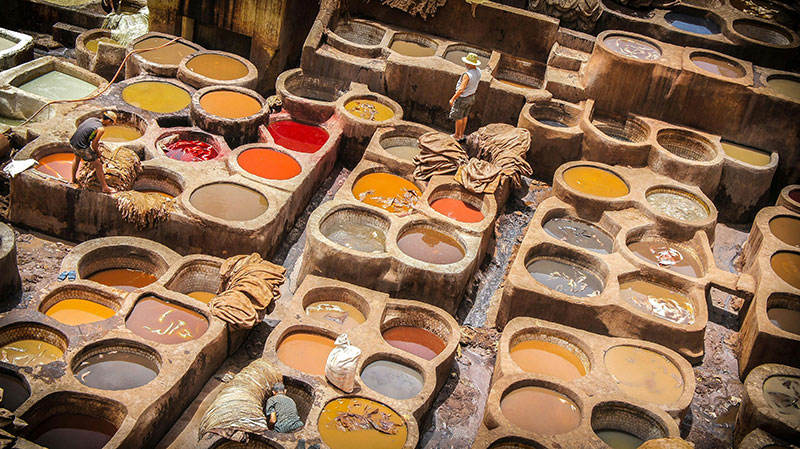
rows of circular stone vats filled with colorful dyes at the leather tannery in Fez.

A bird’s-eye view of the world-famous Chouara Tannery, where leather is dyed using ancient methods.


Regions & Best Bases

Morocco is not one trip. It is multiple trips. Use this section to pick bases that match your pace and keep transfers reasonable.

Marrakesh (the iconic hub)

Marrakesh is energy, markets, rooftop dining, and classic first-time Morocco. It is best when you plan one anchor sight per day and let the rest be wandering.

  • Best for: medina life, food, day trips
  • Base strategy: 3 to 4 nights minimum
  • Day trips: Atlas Mountains, desert edge experiences, Essaouira (overnight is better)

Fes (history and craft capital)

Fes is intense and historic. It is a deep-medina city with craft lanes and old-world texture.

  • Best for: history, craftsmanship, medina immersion
  • Base strategy: 2 to 3 nights

Chefchaouen (the mountain reset)

Chefchaouen is a mood shift. Slower pace, mountain air, and a great place to breathe for a night or two.

  • Best for: slow travel, photography, reset days
  • Base strategy: 1 to 2 nights

Tangier (gateway city)

Tangier is a useful entry point and a good short base if you are crossing from Spain. It is best as a 1 to 2 night stop or a connector.

  • Best for: quick intro, coastal vibe, transit gateway
  • Base strategy: 1 to 2 nights

Essaouira (coast and calm)

Essaouira is the calm counterbalance to Marrakesh: ocean air, relaxed pacing, and easy days.

  • Best for: beach walks, seafood, low-stress days
  • Base strategy: 2 to 3 nights

The Sahara (Merzouga and dune regions)

The desert is a full leg, not a day trip. If you want dunes and night skies, give it enough time to feel real.
  • Best for: dunes, sunrise, night skies, landscape travel
  • Base strategy: build a route leg with 2 to 3 nights total depending on your arc
Pro Tip: When building an itinerary, count your hotel changes. Two bases in 10 days is calm. Three is workable. Four is chaos.

Simple first-timer route options

  • 7 to 9 days: Marrakesh + Essaouira (plus Atlas day trip)
  • 10 to 14 days: Add a desert leg or add Fes, but do not stack everything
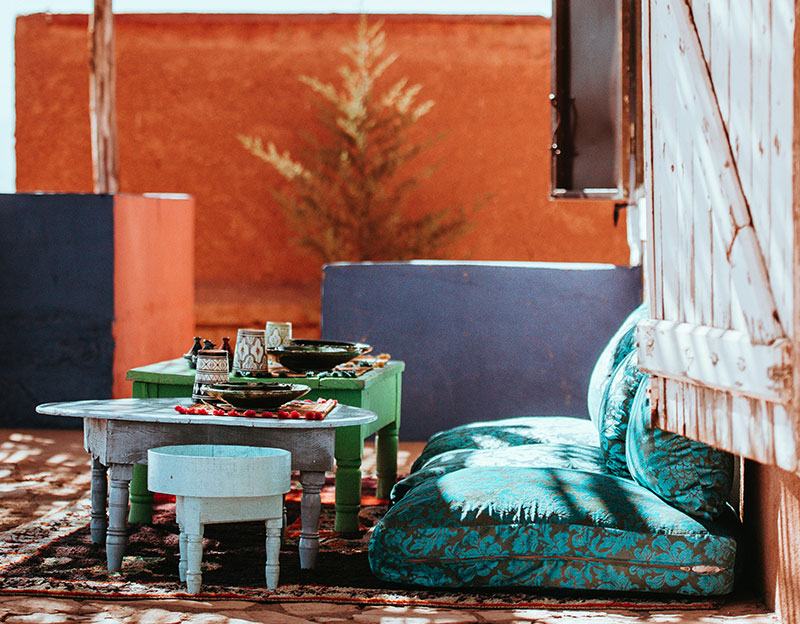
Low-seating outdoor dining area with teal cushions and colorful Moroccan tables.

Al fresco dining doesn’t get more authentic than this traditional “majlis” style setup.


Where to stay (areas that make trips easier)

In Morocco, the “right” base is the one that reduces friction: walkable loops, calmer streets at night, and an easier path to taxis or transfers.

Marrakesh areas

Area Vibe Stay Here If…
Medina (near a main gate) Classic, immersive You want rooftop life and walking access
Gueliz Modern, easier logistics You want calmer streets and easy taxis
Hivernage Upscale, resort-style You want hotel comfort and a quieter base
Local Guide Tip: If you stay in the medina, pick a place that provides clear directions and help with arrival. It matters more than you think.

Fes and coastal base logic

City Best base Why it works
Fes Medina edge or near an accessible entrance Easier arrivals, faster taxi access, less stress
Essaouira Medina or near the waterfront Walkable loops, easy beach access
Tangier Near the medina or a central modern base Easy transit connections and daily wandering
Pro Tip: In any medina city, do not pick lodging that requires a 20-minute maze walk with luggage. Convenience matters.
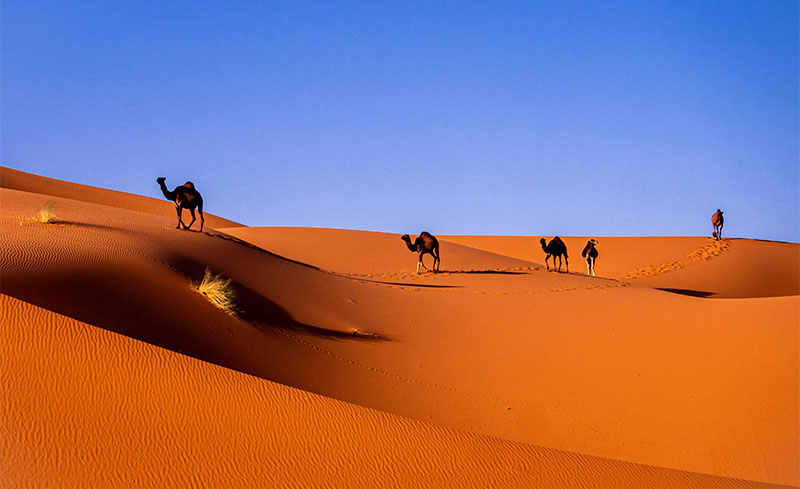
A caravan of camels walking across the rolling orange sand dunes of the Sahara Desert.

Golden hour in the Sahara: the timeless silhouette of a camel trek across the dunes.


Transportation

Morocco transportation comes down to this: use the tool that fits the leg. Trains can be great on certain routes, buses are common for value, and private drivers can be worth it when you want comfort or are linking remote areas.

Build the route like a system

Getting Around Abroad

Trains (best for select city corridors)

  • Best for: major city-to-city lanes where train service is frequent
  • Planning: build buffer around station transfers and check-in times

Buses and shared transport

  • Best for: value travel and some routes not served well by rail
  • Planning: comfort varies, consider upgrading when the ride is long

Private drivers and tours

  • Best for: Atlas day trips, desert routes, linking remote areas
  • Planning: agree on full price and timing before you start

Medina taxis and short rides

In many places, you will taxi to the edge of the medina, then walk in. That is normal.
Pro Tip: Treat transfer days like transfer days. Do not stack a long drive plus a major tour plus a late dinner and expect it to feel good.
Local Guide Tip: For medina arrivals at night, arrange pickup or detailed directions. It turns a stressful moment into a smooth one.
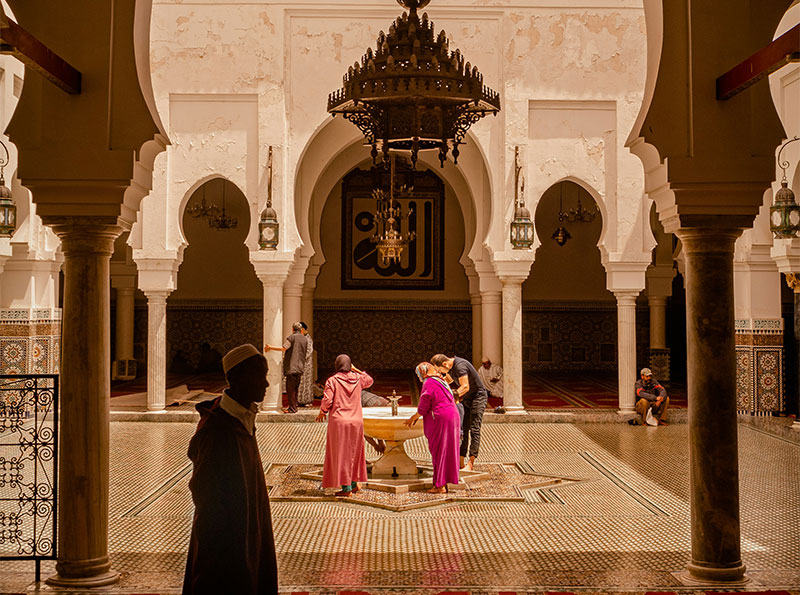
Worshippers at a star-shaped fountain inside an ornate Moroccan courtyard featuring white pillars, archways, and a large chandelier.

A serene moment in a beautiful courtyard, where stunning Islamic architecture surrounds the central ablution fountain.


Respectful Travel & Safety

Morocco is welcoming, but it is also a real place with real daily life. Travel with good guest energy: dress appropriately in religious spaces, ask before close-up photos, and keep awareness up in crowded zones.

How to be a “Good Guest” in Morocco:
  • Dress respectfully: modest is easier, especially in smaller towns
  • Photo awareness: ask before photographing people closely
  • Support local: riads, small shops, local guides, and neighborhood cafés

Safety and scams (what is actually common)

  • Tourist zones: inflated pricing and hard-sell moments
  • Crowds: keep an eye on your phone and wallet in dense market lanes
  • “Helpful guide” moments: confirm if help is free or paid before following
Local Guide Tip: The best strategy is calm confidence. If you do not want something, smile, say no, and keep walking.
Pro Tip: Your phone is the real target in crowded zones. Use a crossbody bag and do not put it in easy pockets.
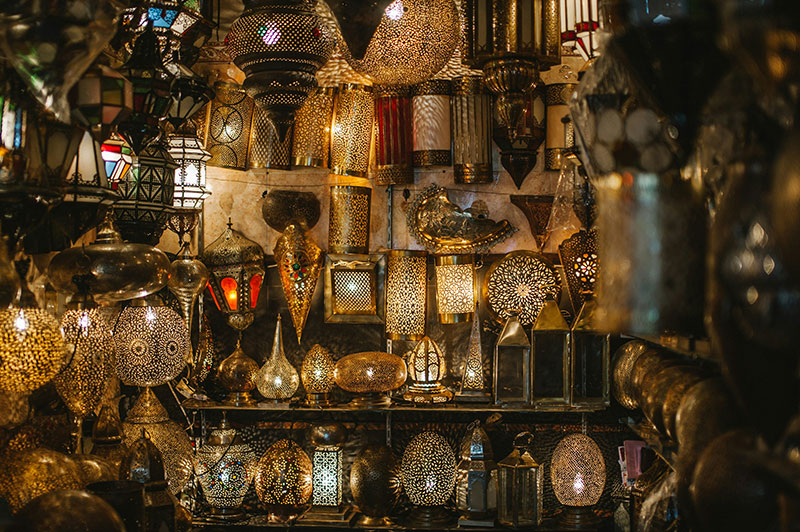
A dark shop stall filled with glowing, intricately pierced metal Moroccan lanterns of various shapes and sizes.

The warm, intricate glow of traditional pierced metal lanterns illuminates a bustling market stall.


Riads, hotels, and desert camps

Morocco lodging is one of the best parts of the trip. Riads are beautiful, but the best stay is the one that fits your travel leg and reduces friction.
What to book, by trip style

  • City medina stay: riad near an accessible area or near a main gate
  • Modern comfort: hotels in modern districts for easier taxis and quieter nights
  • Coastal reset: a walkable base near the waterfront
  • Desert leg: choose a camp level that matches your comfort expectations

Morocco lodging reality checks

  • Medina stays can be quiet and magical, but arrivals can be tricky
  • Some riads have stairs and narrow passages, pack with that in mind
  • Desert camps vary a lot, read details carefully before booking
Pro Tip: Pay for comfort on high-friction days: arrival nights, long drive days, and desert legs. Those are the moments that define your trip mood.
Local Guide Tip: Message your riad ahead for the easiest arrival route. That one message can save 30 minutes of confusion.
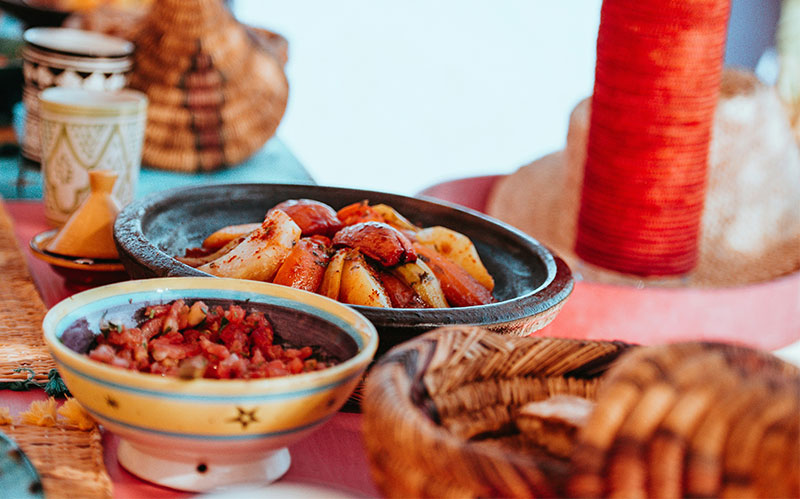
Traditional Moroccan vegetable tagine served in a clay pot on a colorful table.

A slow-cooked vegetable tagine, the heart and soul of Moroccan comfort food.


Eat Like a Local

Moroccan food is about warmth and rhythm. Eat where locals eat, keep it simple, and do not overthink it.

The daily rhythm

Breakfast Often breads, honey, olives, eggs, and tea. A slow start fits Morocco.
Lunch Great for tagines and value meals, especially off the busiest tourist lanes.
Dinner Rooftop dining and slow meals. Reservations help in popular spots.

Must-try staples

  • Tagine: the classic, endless variations
  • Couscous: often a weekly tradition in many places
  • Harira: a comforting soup, especially in cooler months
  • Pastilla: sweet-salty layered pastry, a signature dish
  • Mint tea: hospitality in a glass
Local Guide Tip: One guided food tour early makes the rest of the trip easier. You learn what to order and what to skip.

How to avoid tourist-trap meals

  • Location: one to two blocks off the main square is usually the reset
  • Menus: avoid hard-sell hosts pulling you in
  • Signal: if locals are eating there, you are in a better lane
  • Timing: lunch can be a value win
Pro Tip: If you feel pressured at the door, you probably will not love the meal. Walk five minutes and try again.
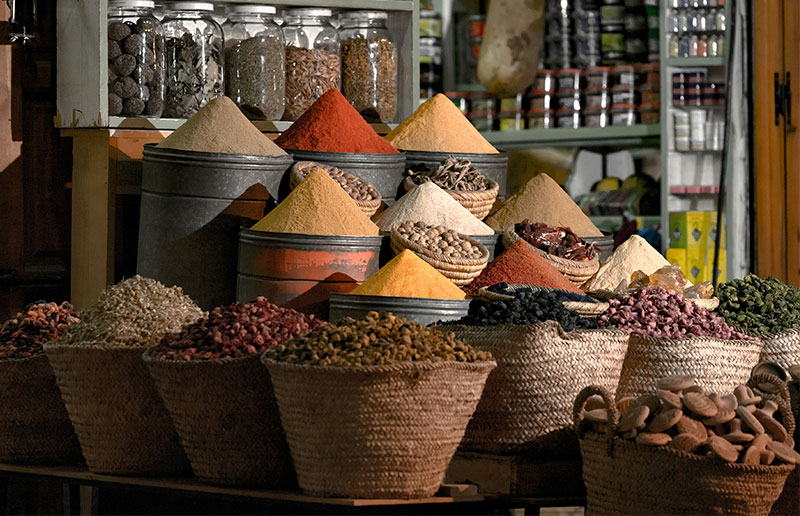
Large mounds of vibrant spices in baskets at a traditional Moroccan souk.

The aromatic heart of the Medina: pyramids of saffron, paprika, and turmeric at the local market.


Trip Cost & Budgeting

Morocco is controllable if you plan around the big levers: lodging comfort level, transportation choices, and how many times you change bases.

Payment methods

  • Cash: useful for markets, small purchases, and many local situations
  • Cards: common in many hotels, nicer restaurants, and larger businesses
  • ATM strategy: withdraw in cities, do not assume small towns have easy access

Cost reality checks

  • Lodging: riads range widely, location and comfort matter
  • Transfers: private drivers add cost but reduce stress
  • Desert leg: pricing varies by comfort and route length
Pro Tip: The biggest money leak is last-minute planning: last-minute riads in peak season and last-minute desert legs.

Money basics

Read: Travel Finance Guide

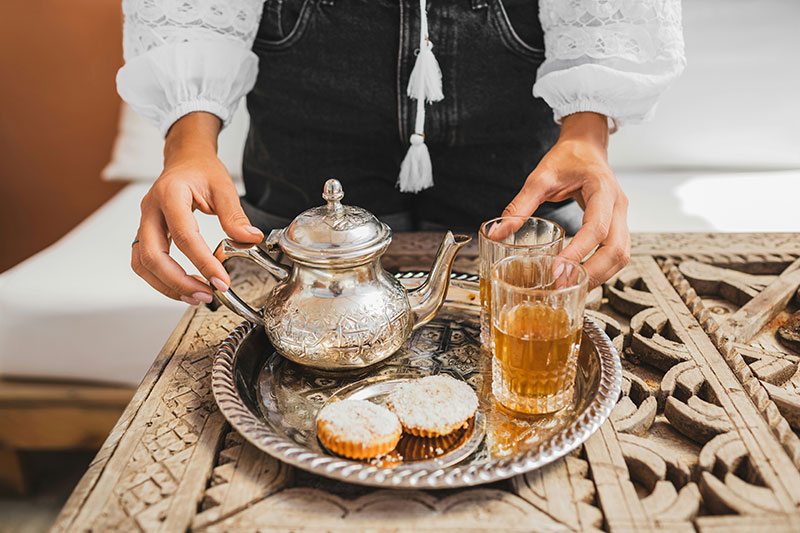
Traditional Moroccan mint tea being served from a silver teapot with almond pastries.

Moroccan hospitality in a cup: the art of pouring the perfect glass of fresh mint tea.


Culture & etiquette that makes Morocco easier

Morocco is welcoming and social, but there are a few cultural rhythms that help you travel more smoothly.

Religious sites and modesty, done simply:

Carry a light layer in your day bag and dress modestly in more traditional areas. It solves most moments and shows respect.
Culture rules that matter

  • Modesty: more modest clothing is an easy win in many places
  • Hospitality: tea is a welcome signal, not always pressure
  • Markets: negotiation is normal, keep it friendly
  • Friday rhythm: some schedules shift, especially around prayer times
Local Guide Tip: Build a daily loop. One anchor sight, one long meal, then wander without a checklist.

Timing and comfort basics

  • Start medina walking early for calmer streets
  • Rest midday in hot months
  • Use evenings for your best wandering and meals
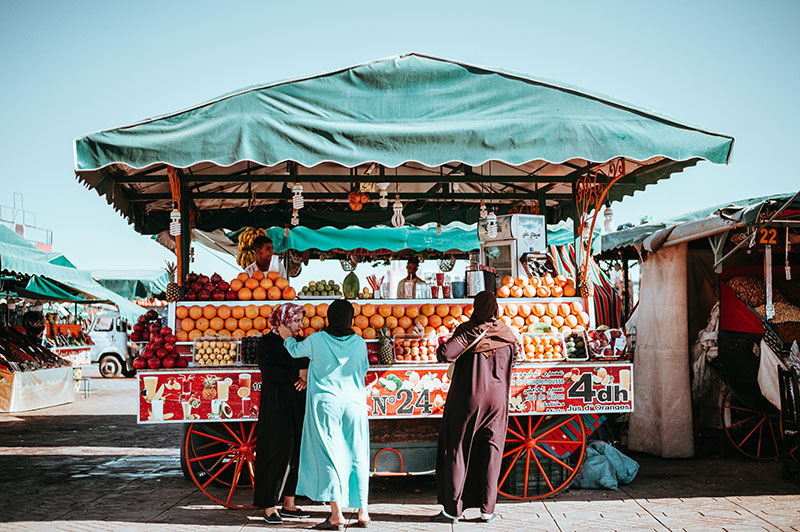
A vibrant street cart loaded with fresh oranges under a green awning, with local women ordering freshly squeezed juice.

Stopping for a refreshing glass of freshly squeezed orange juice at a colorful street cart is a daily staple for locals and visitors alike.


Essential Apps for 2026

Download these before you travel. They make Morocco dramatically easier.

Google Maps

Download offline maps for medinas and day trips.

WhatsApp

Standard for riads, drivers, and tour coordination.

Google Translate

Download French and Arabic offline. Camera translate helps fast.

Currency Converter

Helps with market pricing and quick mental math.

Interactive Morocco Travel Map

To help you visualize your route through the Kingdom, I have created this interactive map featuring all the key bases and sights mentioned in this guide. From the winding alleys of the Marrakesh and Fes medinas to the dunes of the Sahara and the blue streets of Chefchaouen, every major stop is pinned and categorized. You can open this map on your phone to use as a quick reference while you are on the ground.
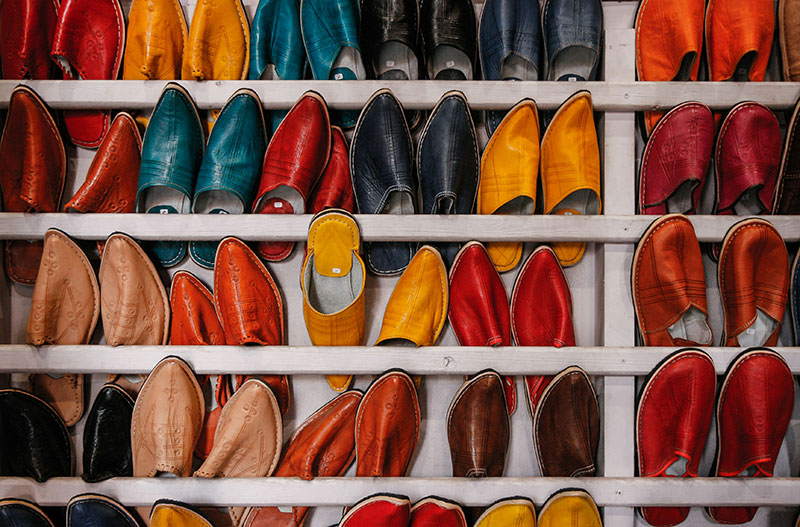

Rows of brightly colored traditional Moroccan leather slippers called babouches displayed on wooden shelves.

Vibrant rows of handcrafted leather babouches showcase the incredible local craftsmanship found in the souks.


Frequently Asked Questions

How many days do I need for Morocco?

For most first-timers, 7 to 9 days is great for a two-base trip (example: Marrakesh + Essaouira). 10 to 14 days is better if you want a desert leg or to add a second major city like Fes without rushing.

Yes, as long as you plan for medina logistics and do not over-pack your itinerary. A great riad, calm pacing, and a few guided moments make it very smooth.

If you want the classic Morocco feel, a medina riad is worth it. Pick one near an accessible entrance for easier arrivals and taxis. If you want simpler logistics and quieter nights, a modern district hotel can be a great choice.

You do not need a guide every day. One guided food tour or one local guide day early can be a huge win, then free-wander the rest.

Over-moving and underestimating transfer days. Morocco gets dramatically better when you pick fewer bases and build day trips as loops.