Travel Planning Hub
Start here to plan your trip, compare options, and explore every TLGA planning guide.
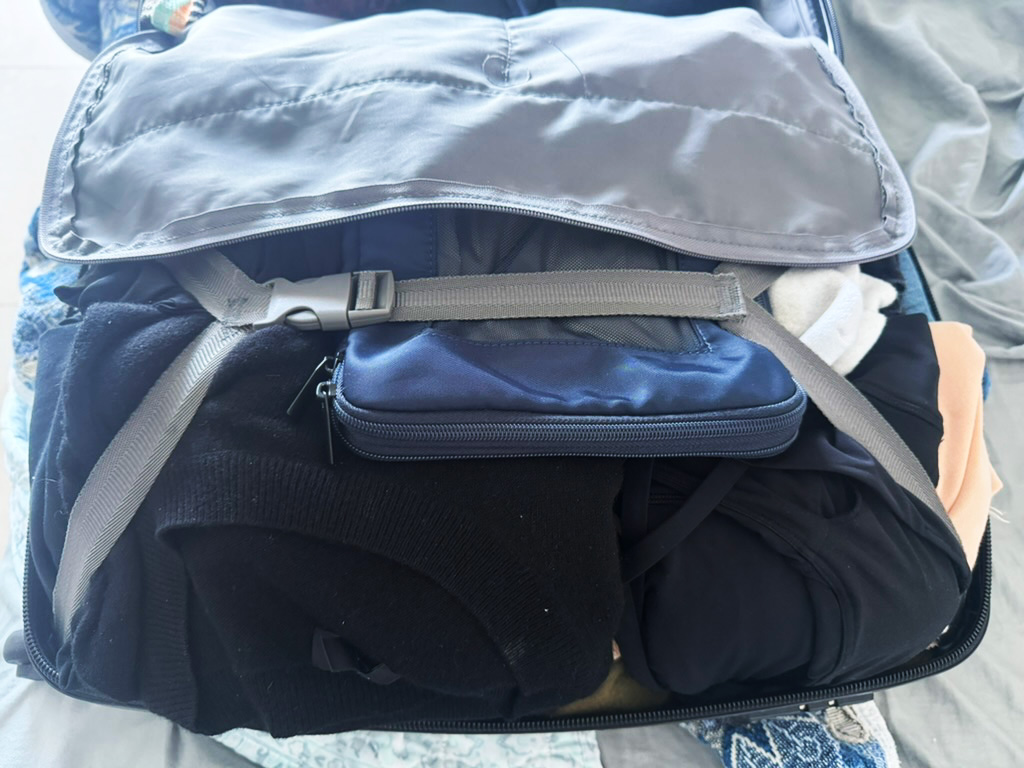
Packing & Gear Guide
What to pack, what to skip, and how to build a lighter travel setup that works.

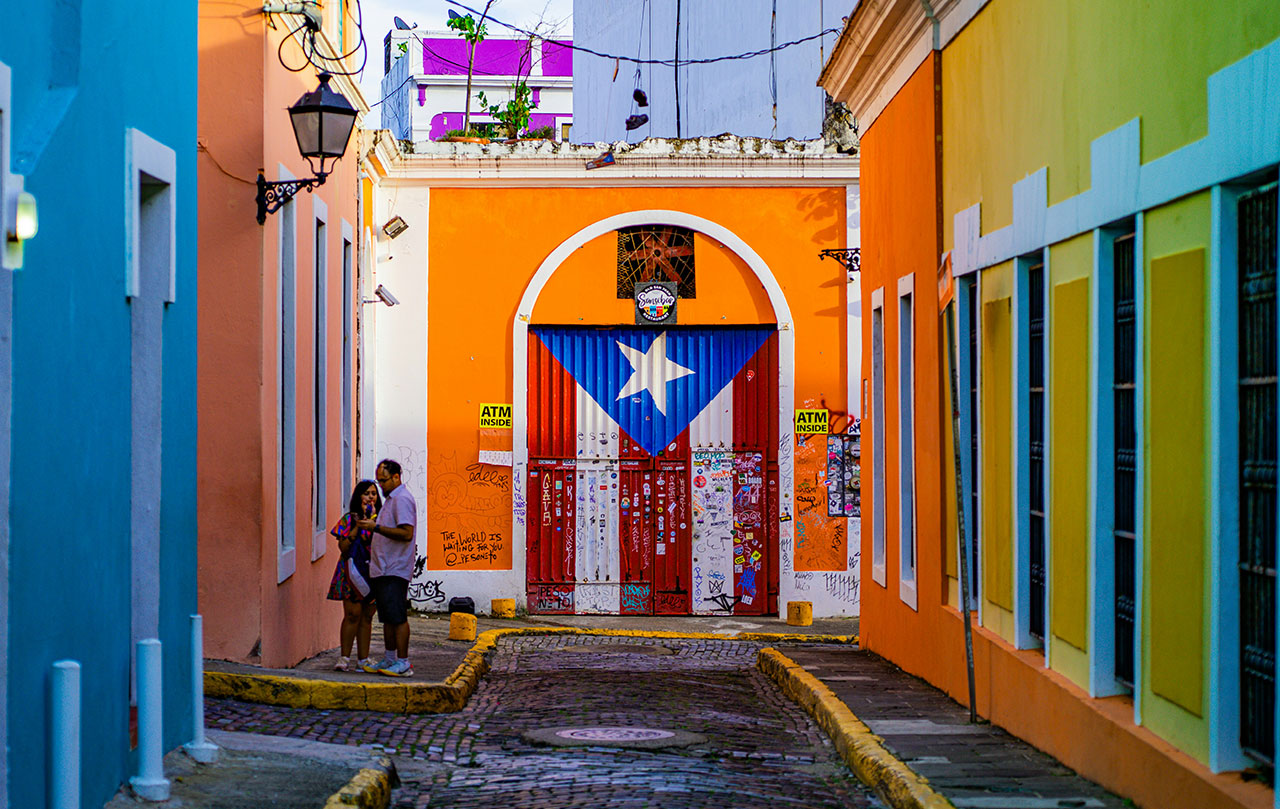
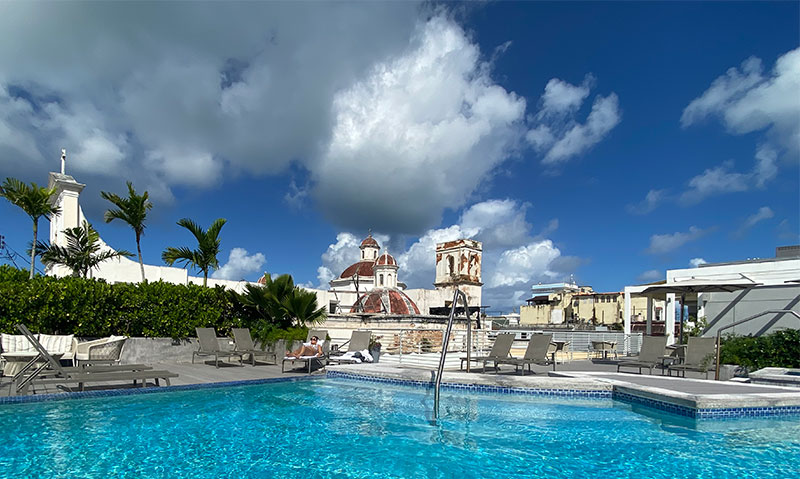
Basing yourself in a hotel with a rooftop pool in Old San Juan offers the perfect midday escape from the city heat.
Last updated: March 2026 by Corey Gasman
From the Editor:
Puerto Rico is one of the best “easy wins” trips in the Caribbean. You get beach time, culture, and day trips that feel adventurous without needing a full-blown logistics machine.
The key is pacing. Plan around heat, build short driving loops, and use Puerto Rico’s strongest rhythm: mornings outside, midday shade, and nights in Old San Juan or wherever you are staying.
Puerto Rico can be as simple or as deep as you want. The most common mistake is trying to do everything in one short trip and spending half your vacation in transit.
A split trip is often the sweet spot. On a recent trip with my wife, we spent our first four nights at a historic base like Hotel El Convento in Old San Juan, then spent the rest of the week on the north and east side of the island. We split that second leg between an Airbnb right on Luquillo Beach and a few nights at the Wyndham Grand Rio Mar Rainforest Beach and Golf Resort to explore El Yunque and the beaches in the area. It created a great balance of city culture and coastal downtime.
For 2026, the biggest planning wins are still timeless: lock in your lodging early for peak season, plan your beach days around sun and wind, and build your itinerary with a little weather buffer.
If you are planning your first visit, the easiest way to build a great Puerto Rico trip is to choose a simple structure and work outward from there. The island rewards travelers who pick one strong base and add just a few well-chosen day trips.
| Trip Length | How to Structure It | Best For |
|---|---|---|
| 4 to 5 Days | One base only: San Juan or Luquillo area | First trips, easy long weekends |
| 7 Days | Split trip: Old San Juan + east coast beaches | The classic Puerto Rico trip |
| 8 to 10 Days | San Juan + one outside lane, like the west coast or islands | Travelers who want variety without rushing |
| 10+ Days | Island loop or split trip + Vieques/Culebra | Slow travel and repeat visitors |
TLGA Rule: Pick 2 lanes, not 5. Old San Juan plus one “outside lane” like the rainforest, west coast, or islands is a great trip.
Start here: Getting Around Abroad (plan transportation like a system)
A quick island rule that saves trips:
On islands, the weather writes the schedule. When the sky is clear, go do the outside plan first: beach, rainforest, boat day, or hike. When rain rolls in, pivot to food, museums, or a slower afternoon.
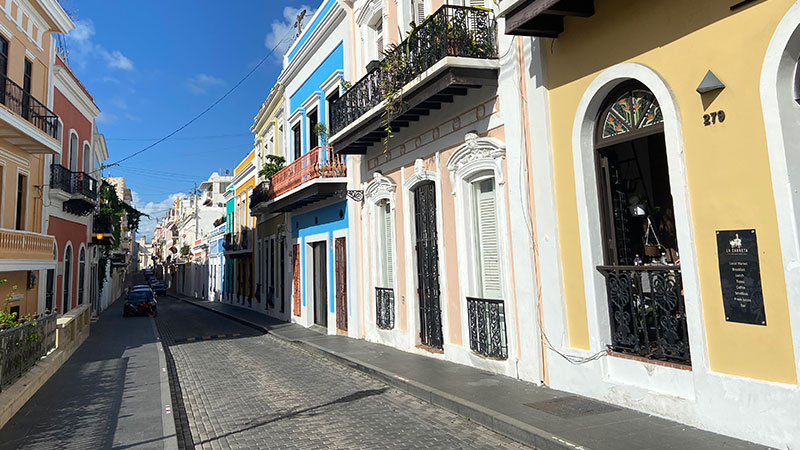
Old San Juan’s colorful streets are best enjoyed early, before the heat settles in and the sidewalks get busy.
Puerto Rico is easy to travel, but it has a few practical realities that will make or break your trip: heat, driving time, and limited inventory in peak season, especially in Old San Juan and on the smaller islands.
El Yunque is a highlight, but it is weather-dependent. Most visitors enter from the north side via the main Río Grande corridor. Access rules can change from time to time, so check current park information before you go. The south side offers a different feel, with swimming holes and less of the classic first-timer setup.
These can be amazing, but they add transit friction. If you only have a short trip, choose one: either a day trip or one overnight, not both islands plus the west coast.
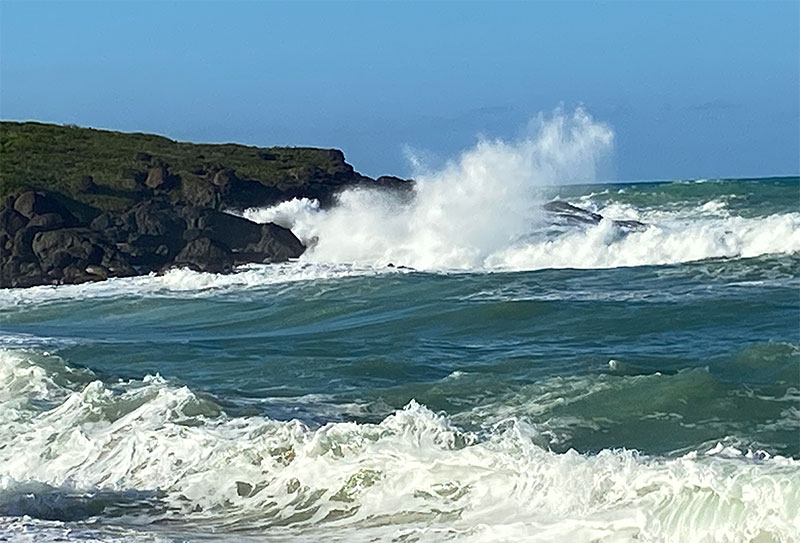
Trade winds and crashing waves provide natural cooling, especially if you venture out to the island’s wilder coastal spots.
Puerto Rico is warm year-round. Your real variables are rainfall, humidity, and crowd levels.
December through April is the classic sweet spot for many travelers: drier, breezier, and popular for a reason. It is also the highest-demand season for hotels and rentals.
May and early June can be a great balance of good weather and better pricing if you plan around afternoon showers.
August through October can be cheaper and quieter, but it comes with higher storm risk and heavier humidity. If you travel during this window, build flexibility into your plans and buy travel insurance you actually understand.
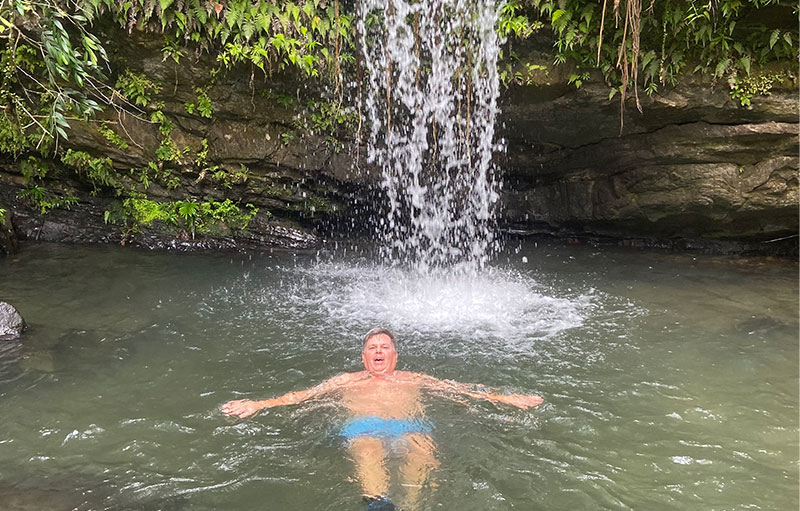
A morning plunge in El Yunque’s natural pools feels even better when you get there before the afternoon crowds and heat.
Pick the trip you want, then choose bases that support it. Puerto Rico is best when you stop moving and start living.
Keep it clean: base in or near San Juan, do one rainforest day, one beach day, and one “nothing day.” A split trip is usually the sweet spot. Spend 3 to 4 nights in Old San Juan for the history and food, then move to a base like Luquillo Beach or the Wyndham Grand Rio Mar for the rest of the week to enjoy the beaches and El Yunque.
If you want to see the whole island and do not mind driving, rent a car and do the loop. Start with a couple of nights in Old San Juan, then head west toward Rincón. From there, cut south toward Cabo Rojo and Ponce, then loop back east and north toward San Juan.
If your priority is beach time and slow travel, choose a base where you can walk to water and food, then keep excursions minimal.
Not every Puerto Rico trip should look the same. Some travelers want culture and restaurants, others want beaches and slow mornings. Start with the version that fits you best.
Best for: couples, first-time visitors, easy vacations
Spend the first half of your trip exploring Old San Juan’s historic streets, forts, bakeries, and restaurants. Then move east to Luquillo or Río Grande for beach time and rainforest access.
Best for: city lovers, restaurant travelers
Base yourself in San Juan and spend your days between Old San Juan, Santurce, and Condado. This is the trip for bakeries, long lunches, bars, museums, and nights you can do on foot.
Best for: relaxed travelers, winter sun escapes
Choose a beach base like Luquillo, Isla Verde, or Rincón and build the trip around swimming, snorkeling, beach walks, and a few well-timed outdoor adventures.
Best for: adventurous travelers and longer stays
Start in San Juan, drive west toward Rincón, continue south toward Cabo Rojo and Ponce, then loop back east before returning to the capital.
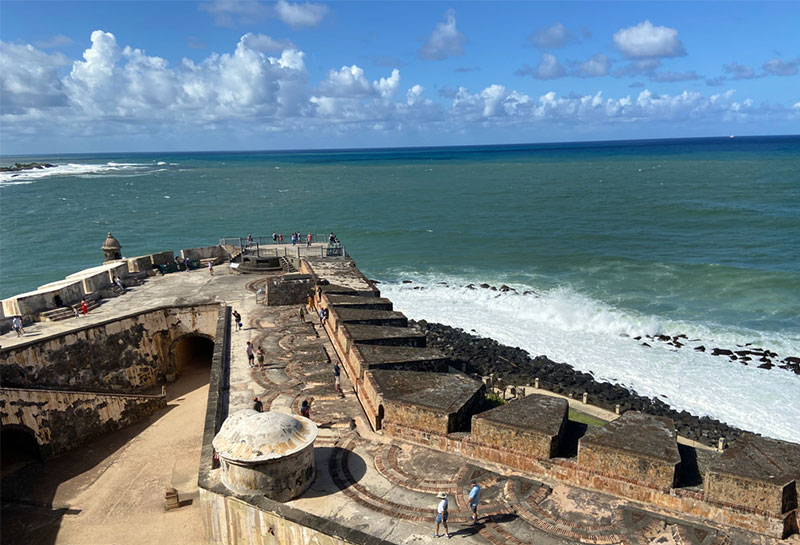
The massive stone fortifications in San Juan show exactly why the city was such a strategic stronghold for centuries.
Think of Puerto Rico as a few distinct lanes. Choose a lane, pick a base, then day trip in short loops.
This is the best first base. You get history, food, walkability, nightlife, and quick access to day trips. A walking tour is a great way to learn the deeper story behind the forts, plazas, and old streets while also finding bars, bakeries, and smaller spots you might otherwise miss.
This lane is for eastern beaches, easier rainforest access, and boat or island add-ons. It is a smart second base after a few days in San Juan.
This is the surf-and-sunset lane: beach towns, slower pace, and a more local feel.
Drier landscapes, historic architecture, and dramatic coastline make the south coast feel noticeably different from San Juan and the east side.
Pick a base where you can walk to food and coffee. Then build one day trip every other day.
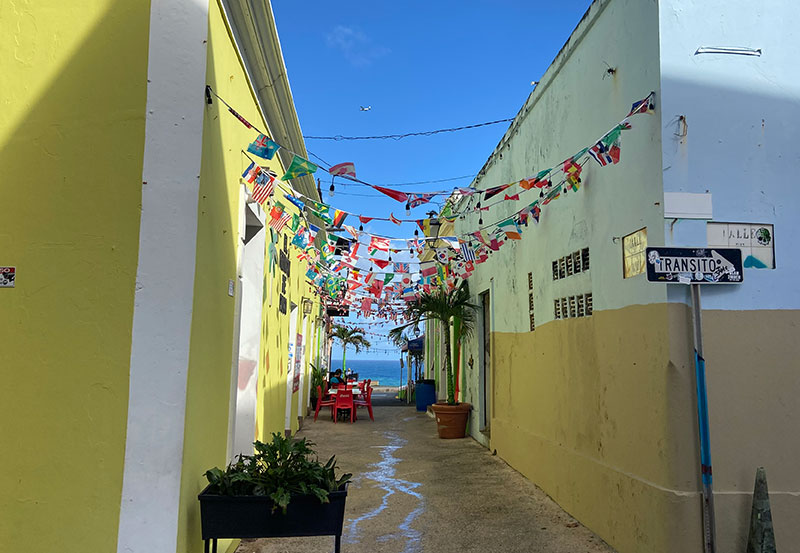
These narrow streets just off Calle San Sebastián are one of the best places in Old San Juan to ease into the evening with a drink and a little people-watching.
Choose neighborhoods like you are designing a daily loop: coffee, shade options, easy beach access, and dinner you can walk to.
| Area | Vibe | Stay Here If… |
|---|---|---|
| Old San Juan | Historic, walkable | You want culture, bakeries, bars, and nights on foot |
| Condado | Beach-city, convenient | You want resorts, easy beach time, and dining |
| Isla Verde | Beach-first, modern | You want a beach base and airport convenience |
| Santurce | Local, artsy | You want a more local vibe and good food lanes |
| Area | Vibe | Stay Here If… |
|---|---|---|
| Near town core | Easy, walkable | You want food access and less driving at night |
| Beachfront areas | Relaxed, scenic | You want beach time and sunsets as the main event |
| Quieter edges | Calm, local | You want a peaceful stay and do not mind driving |
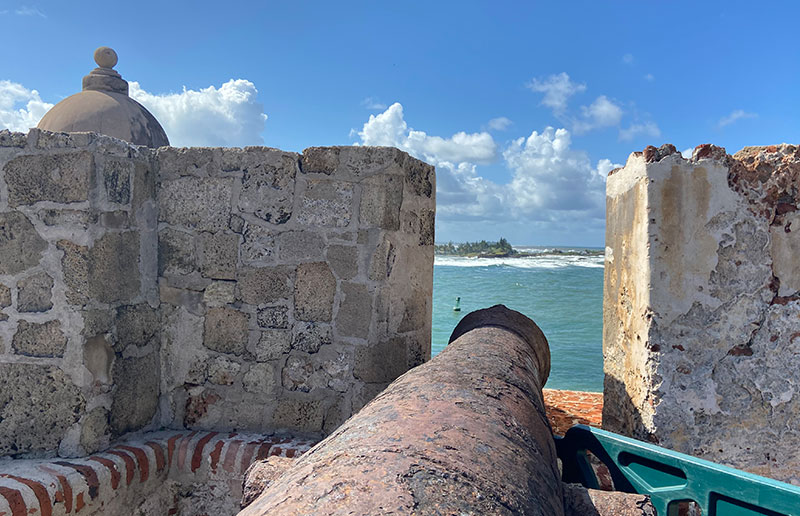
Renting a car opens up the coast and makes it much easier to reach smaller towns, beaches, and historic corners of the island.
Puerto Rico is not a train trip. Your tools are walking, ride shares in the metro area, and a rental car for anything outside the main city lane.
If you are doing Vieques or Culebra, plan the transit leg like a travel day. The ferry is cheaper but requires getting to Ceiba and dealing with schedules. Flights are faster but cost more.
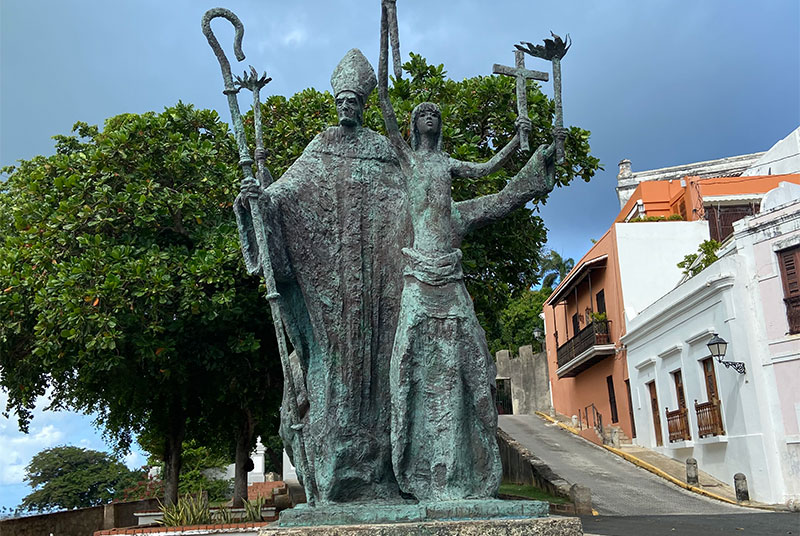
Take time to appreciate the monuments and details, like La Rogativa, that help tell Puerto Rico’s deeper story.
Puerto Rico is welcoming, but it is still a real place with real neighborhoods. Travel with good guest energy: respect locals, keep beaches clean, and do not treat every street like a tourist stage.
How to be a good guest in Puerto Rico:
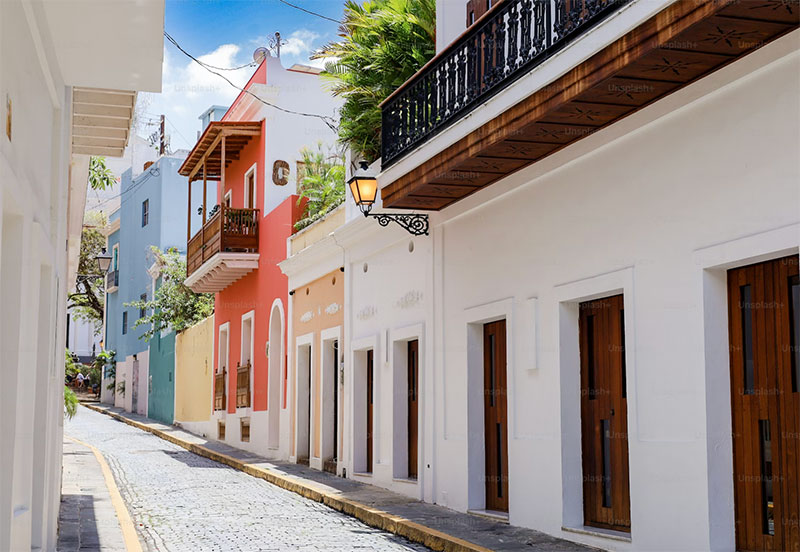
The blue streets and balconies of Old San Juan are at their best in the softer morning light, before the day gets hot.
Puerto Rico stays range from resorts to small guesthouses to apartments. Choose the option that reduces friction for your lane.
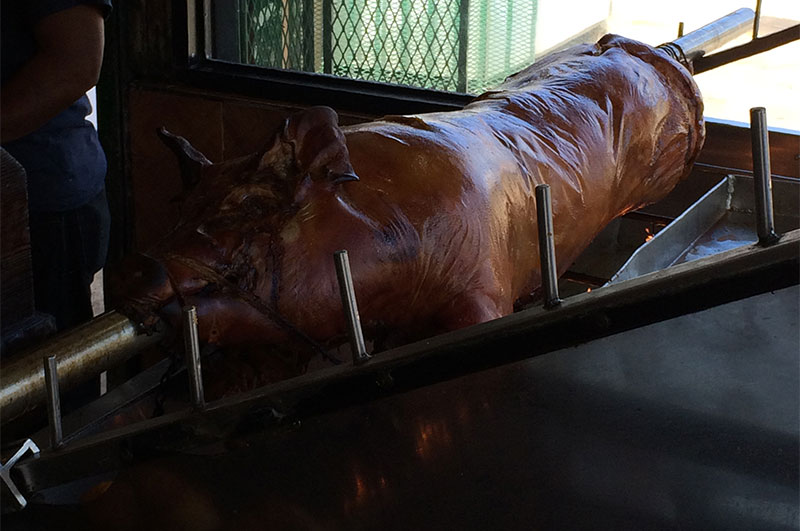
A drive down the Pork Highway in Guavate is one of the most fun and most flavorful detours you can make on the island.
Puerto Rico is a food destination. Your best meals often come from simple places done well: classic Puerto Rican plates, fresh seafood, and neighborhood cafés.
| Breakfast | Coffee and a light bite at a bakery, or go bigger if you are doing a full outdoor day. |
| Lunch | Often the best value meal. Great time for local plates and beach-adjacent spots. |
| Dinner | Earlier than Spain. Book popular San Juan spots ahead on weekends. |

Budget for at least one unforgettable meal. Puerto Rico rewards travelers who know when to splurge and when to keep it simple.
Puerto Rico spending is controllable when you choose fewer bases and plan your big-ticket days, like tours, boat trips, and island transfers, intelligently.
Read: Travel Finance Guide
Puerto Rico runs on a more relaxed rhythm, but that is not a free pass for bad service or bad planning. It simply means adjusting your own clock a little. Slow down, do not rush the waiter, and enjoy the conversation.
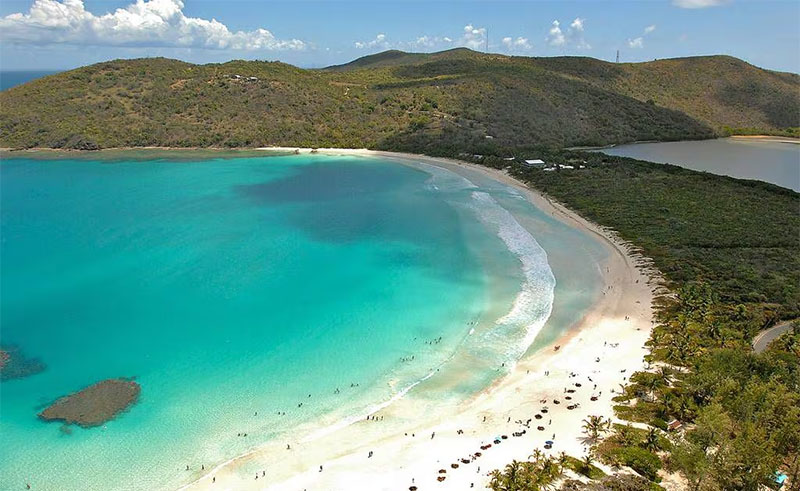
If you are willing to deal with the extra transit, Flamenco Beach on Culebra still lives up to the hype.
If you have a full week or more, adding one of Puerto Rico’s smaller islands can completely change the feel of your trip. The reward is huge, but it needs a logistics strategy.
You have two choices for reaching the islands: save money or save time. If your trip already includes the east side, such as Luquillo, Fajardo, or Río Grande, getting to the transit hubs becomes much easier.
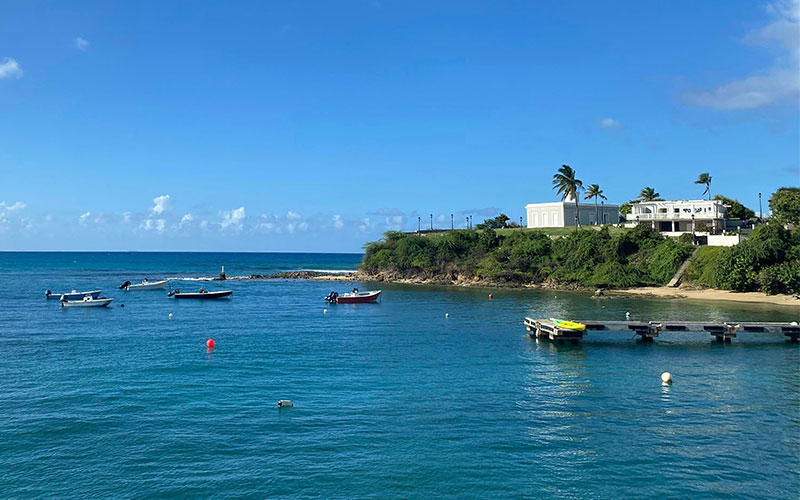
Catching the ferry from Ceiba takes planning, but the payoff is that you land in a much quieter, more remote version of Puerto Rico.
Vieques is larger, quieter, and more untamed. It is the better fit if you want a few nights of slower beach time and nature.
Culebra is smaller, sleepier, and all about the water. It works well as a day trip or quick overnight if your main goal is beach beauty and snorkeling.
Puerto Rico is easy to enjoy, but a few bad planning choices can make the trip feel more rushed and more expensive than it needs to be.
Puerto Rico looks small on the map, but driving between regions still takes time. For shorter trips, San Juan plus one outside lane is usually enough.
The Caribbean sun is intense. Early mornings and late afternoons are the best windows for walking, hiking, and beach time.
Historic hotels and boutique stays in Old San Juan have limited inventory. During peak weeks, the best ones can disappear quickly.
Ferries, rental cars, and flights all take longer than people expect. Treat travel days as logistics days instead of trying to stack sightseeing on top of them.
Both islands are fantastic, but doing both on a short trip usually creates unnecessary friction. Pick one and enjoy it fully.
To make your planning even easier, I have put together a custom interactive map featuring all of the best bases, beaches, restaurants, and historical sites mentioned in this guide. From the streets of Old San Juan to the Pork Highway and the natural pools of El Yunque, everything is pinned and color-coded. You can save this map directly to your phone to use while you are exploring the island.
Not if you are a US citizen. Puerto Rico is a US territory, so it is a domestic flight. No customs, no passport needed.
Usually, yes. Tap water is generally treated and safe to drink in Puerto Rico, but after storms or in more remote situations, many travelers still prefer bottled or filtered water.
In San Juan? No. Outside? Usually yes. Ride shares work well in the metro area, but if you want to explore the rainforest, west coast, or smaller beaches, a car gives you much more freedom.
The US dollar. Your credit cards work, your cash works, and there is no exchange-rate math needed for US travelers.
It can be affordable or expensive depending on your travel style. Lodging and tours are the biggest variables, while local food, beach days, and simpler bases can keep costs very reasonable.