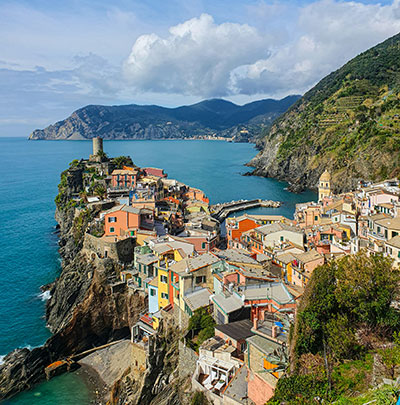
Travel Planning Hub
Start here to plan your trip, compare options, and explore every TLGA planning guide.
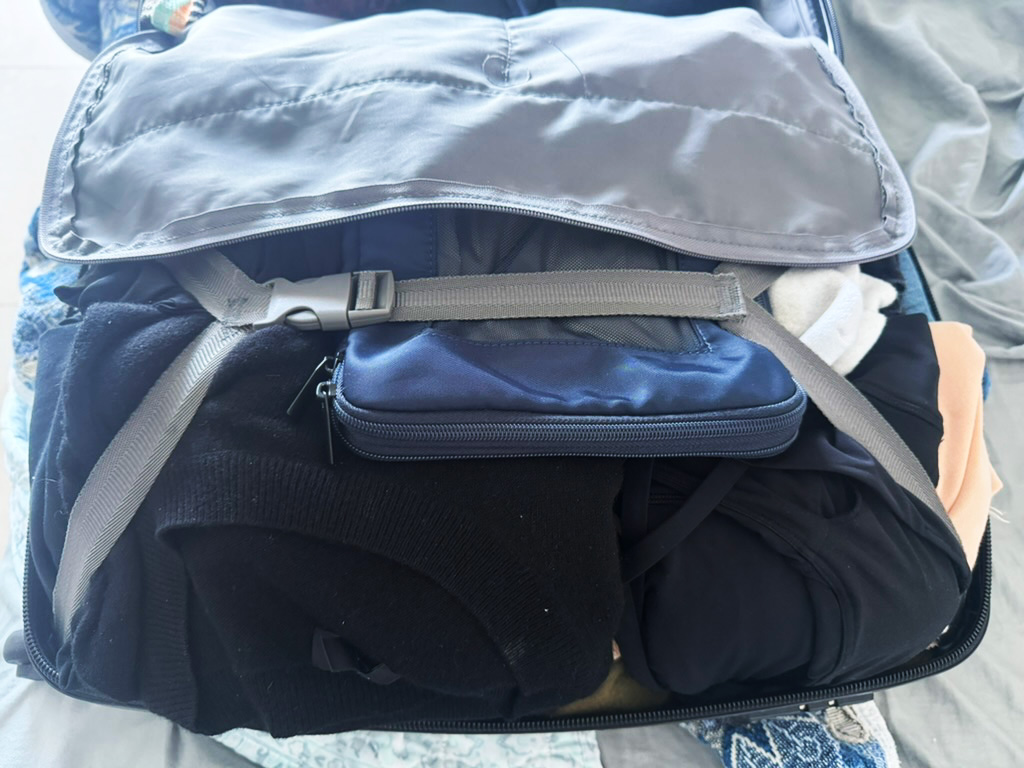
Packing & Gear Guide
What to pack, what to skip, and how to build a lighter travel setup that works.
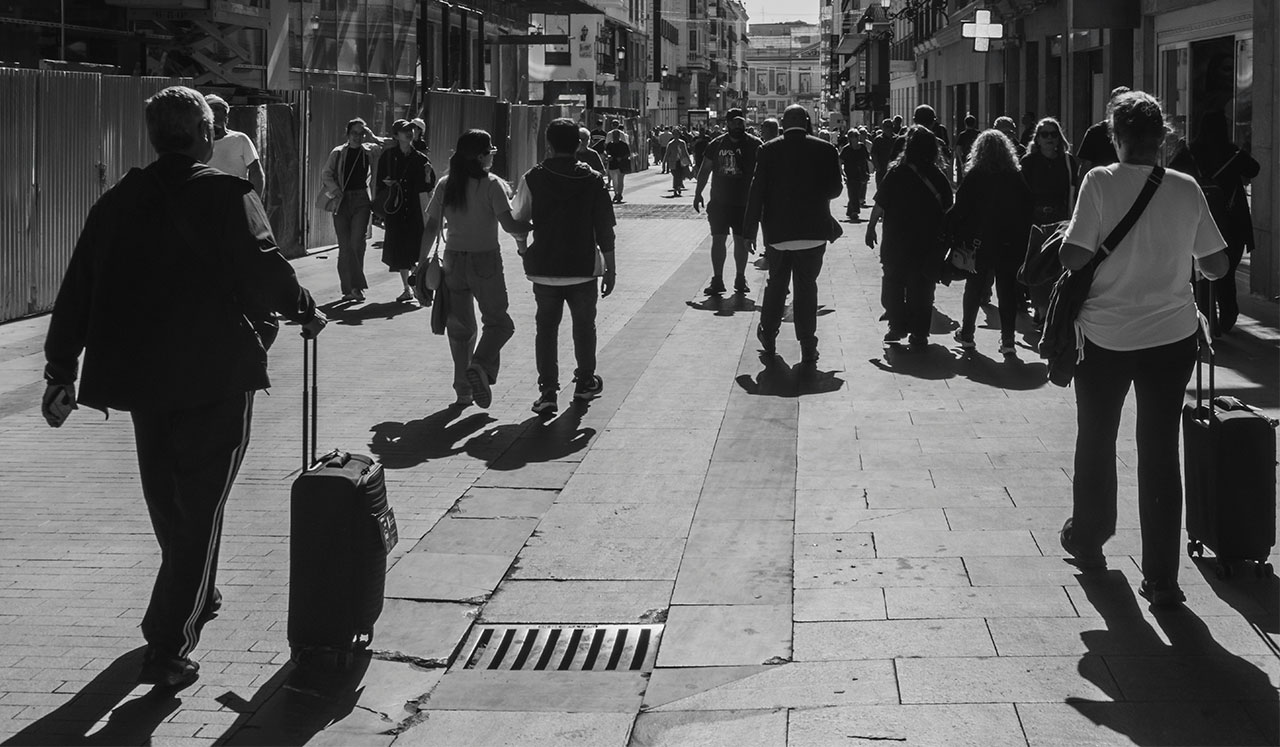


By Corey Gasman • Last edited March 2026
From the Editor:
Most travel stress does not come from the planning phase. It comes from moving between places. It is easy to build a perfect itinerary from your couch, but the reality of dragging luggage through a crowded station, finding the right airport train, or figuring out a foreign transit map at night is where trips actually start to break down.
Even if you love travel, these are often the toughest parts of a trip. The movement days can be draining, which is why having a paln and being prepared matters.
Transit days carry the highest friction of any trip. You are dealing with delays, unfamiliar layouts, heavy bags, language barriers, and strict timelines all at once.
This guide focuses on travel logistics and real-world execution. If you already have your trip mapped out, this is how you move through it smoothly. The goal is to build simple, repeatable systems that keep you moving when plans inevitably change.
The Connectivity Mandate:
Modern transit systems, ride apps, mobile tickets, and live map routing usually require data. Trying to navigate a new transit hub on public Wi-Fi is a recipe for getting lost or making expensive decisions when you are tired.
Set up a regional eSIM plan before your departure flight takes off so you have immediate cellular data when you land. It is one of the highest-return upgrades for daily travel logistics.
Perfect planning does not matter if your execution breaks down on travel days. If you are still building the overall trip, start with the Travel Planning Playbook or the First International Trip Guide, then come back here when you are ready to book transportation and build your movement plan.
The secret to getting around abroad is not speed. It is removing friction before you step into the terminal, station, or ferry port. That means knowing how you are getting from the arrivals hall to your neighborhood before the plane lands, how your luggage will move with you, and which apps or tickets need to be ready before you lose patience.
Dial in your bag first: Travel Packing & Gear Guide
Start here: The Planning Playbook
Before getting into trains, taxis, ferries, rental cars, and flights, a few fundamentals remove most of the friction almost anywhere in the world.
We will break down the most useful apps and tools in more detail later in this guide.

The right home base can make every airport run, train connection, and daily outing much easier.
The biggest transportation upgrade most travelers miss has nothing to do with apps, passes, or tickets. It starts with choosing the right neighborhood before you book your stay.
Before locking in a hotel or apartment, work backward from your actual movement:
On a recent trip to London, we were flying into the city, using public transit every day, and heading to an NFL game at Tottenham Hotspur Stadium. Instead of picking lodging first, I triangulated the airport arrival, daily Tube access, and the easiest game-day route.
Staying in Shoreditch within walking distance of Liverpool Street Station solved almost everything at once. We avoided extra transfers, minimized walking with bags, and never had to troubleshoot a complicated route in the middle of the trip.

The efficiency of a transport method changes drastically depending on the region, distance, and where each station or airport is located.
The best way to move depends heavily on where you are traveling. A method that works perfectly in one region can be a logistical headache in another.
| Scenario / Region | Best Option | Why It Works |
|---|---|---|
| Europe, city to city | Train | Avoids airport transfer time, security lines, and distant airports. Often drops you directly downtown. |
| Japan and South Korea | High-speed rail | Fast, punctual, and easier than most short-haul domestic flights. |
| Southeast Asia, cross-country | Budget flight | Regional low-cost carriers can be faster and cheaper than long overland routes. |
| Americas, long distance | Flight | Large distances and limited rail infrastructure make flying the practical choice for many routes. |
| Scenic or relaxed travel | Train or ferry | The journey becomes part of the experience instead of just a transfer. |
If you want a quick way to compare routes globally, Rome2Rio is one of the simplest tools for seeing transport options between two destinations.

Navigating the arrivals hall after a long flight is easier when your airport exit plan is already decided.
Arriving in a new city after a long flight is when travelers are most vulnerable to bad decisions. The logistics of getting from the terminal to your accommodation often cause the most friction. Currency, language barriers, ride apps, taxi queues, and fatigue all hit at the same time.
Planning the exact transfer method before departure eliminates most of that stress. Know whether you are looking for a specific train line, opening a local ride app, walking to a bus bay, or finding a pre-booked driver.
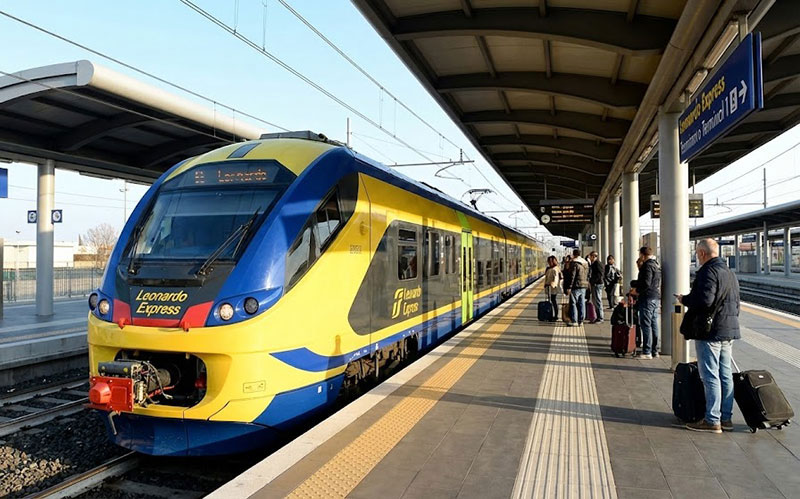
In many countries, trains are the smoothest way to move between cities without the time drain of airport transfers.
In Europe and parts of Asia, trains are often the best way to travel between cities. They usually run city center to city center, which cuts out much of the airport hassle.
Do not assume a rail pass is automatically the cheaper move. If you are only taking two or three longer train rides, individual tickets can easily come out ahead. Run the numbers before buying a pass just because it sounds convenient.
If you want a deeper breakdown of routes, booking strategies, and how rail systems actually work across different countries, the Seat61 rail guide is one of the most detailed and reliable resources available.
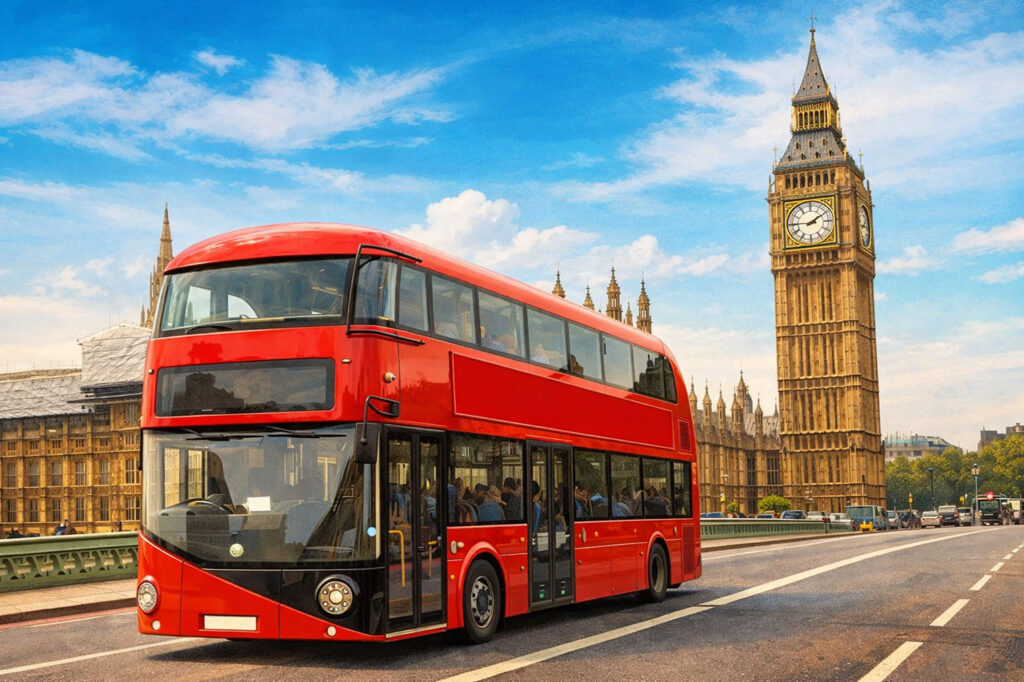
Metro systems, trams, and city buses are often the cheapest and most efficient way to move around daily.
This is the daily backbone of most trips. It is usually the cheapest way to move around and often the fastest once you understand the system.
In cities with open-loop payments, you may not need to buy a transit ticket at all. You can often tap your credit card or phone at the gate or validator. Always check this before standing in line at a machine.
In many cities, buying a ticket is not enough. You also need to validate it by stamping or scanning it before boarding. Miss that step and you can still be fined, even if you already paid.
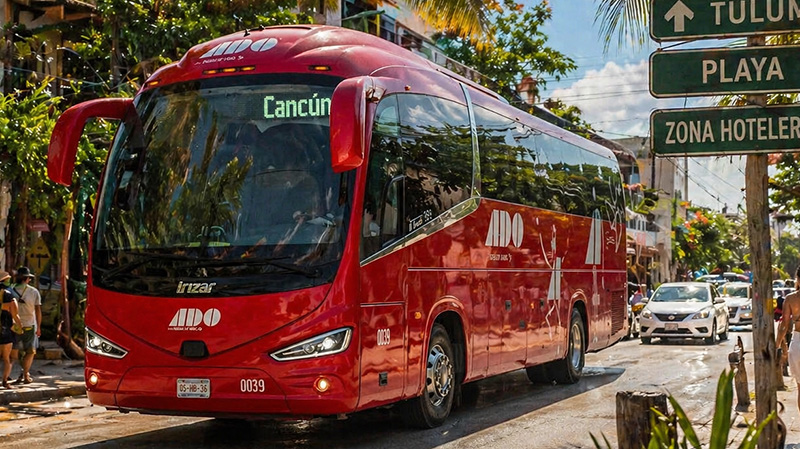
Buses and coaches can save money and reach smaller towns, but the comfort trade-off is real on longer routes. In regions like Mexico and Southeast Asia, premium intercity bus lines offer a comfortable and highly affordable alternative to regional flights.
If trains are too expensive or do not go where you need, the bus is usually the backup plan.

Taxis and rideshare apps can be convenient abroad, but the right local app matters as much as price.
The big rule here is simple: Uber is not everywhere. In some places it is dominant. In others, a local app is far more useful.
If you take a street taxi, ask about the meter before you get in. If the driver refuses, quotes an inflated flat rate, or gives you a bad feeling, move on. At airports, ignore random people offering rides inside the terminal and follow signs to the official taxi stand or pre-booked pickup area.

Scooters and bikes can be great for short hops, but they are one of the easiest ways for travelers to get hurt.
Electric scooters, shared bikes, and local rentals can be excellent for last-mile movement. They are also one of the easiest ways for travelers to get hurt abroad, especially when tired, distracted, or overconfident.
Renting a scooter can be cheap and convenient, but the setting matters. In a dense city with aggressive traffic, it may be more stress than freedom. One detail many travelers miss is the hot muffler. Check for a proper shield before riding. Burns happen more often than people think.
Road-tripping by motorcycle can be incredible, but it is not the place to learn how to ride. If you are inexperienced, do not make a chaotic traffic environment your training ground.
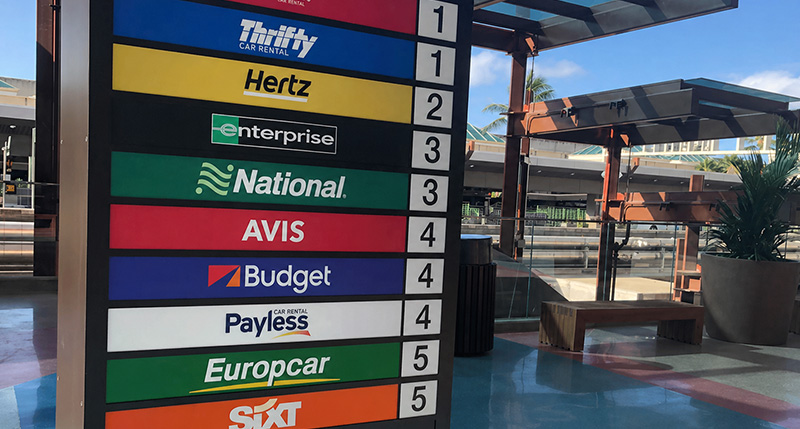
Rental cars make the most sense once you leave big cities and start exploring smaller towns, coastlines, or countryside routes.
Renting a car usually makes the most sense once you are leaving major cities behind. In places like Rome, Paris, or Bangkok, driving can be more stressful and expensive than helpful.
Where rentals shine is on mixed trips. Use transit in the city first, then pick up a car when you are ready to explore smaller towns, wine regions, coastlines, or countryside routes.
On a trip to the Champagne region for a friend’s 40th birthday, two things made the drive much easier: an automatic transmission and a newer car with a strong built-in navigation setup. Apple CarPlay or Android Auto makes a huge difference when road signs, highway exits, and roundabouts start coming quickly.
In many countries, manual cars are standard and automatics cost more. If you need an automatic, reserve early and expect to pay a premium.
If you decline the agency’s insurance because your credit card covers it, be ready for a large hold on your card. Make sure your available credit can absorb it without creating problems for the rest of the trip.
An International Driving Permit is inexpensive and worth having when required. Even when a rental counter seems relaxed about it, roadside checks can be another story.
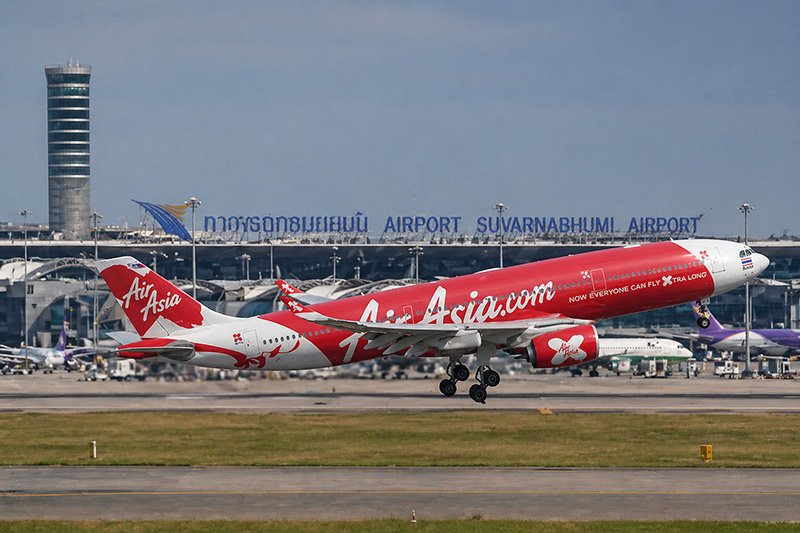
While budget carriers offer incredibly low base fares, the final cost often depends on how well you navigate their strict luggage and check-in requirements.
Budget airlines can make international travel surprisingly cheap, but the base fare is often only the beginning.
Read the luggage rules carefully. Budget airlines are stricter than many US travelers expect, and bags that feel like a normal carry-on at home may not qualify abroad.
Some carriers are aggressive about online check-in deadlines, document checks, and airport fees. Always read your airline’s instructions the day before departure and do not assume the process works the same way everywhere.
If this is your first major international trip, pair this section with the First International Trip Guide so your flight, arrival, documents, and money setup all work together.
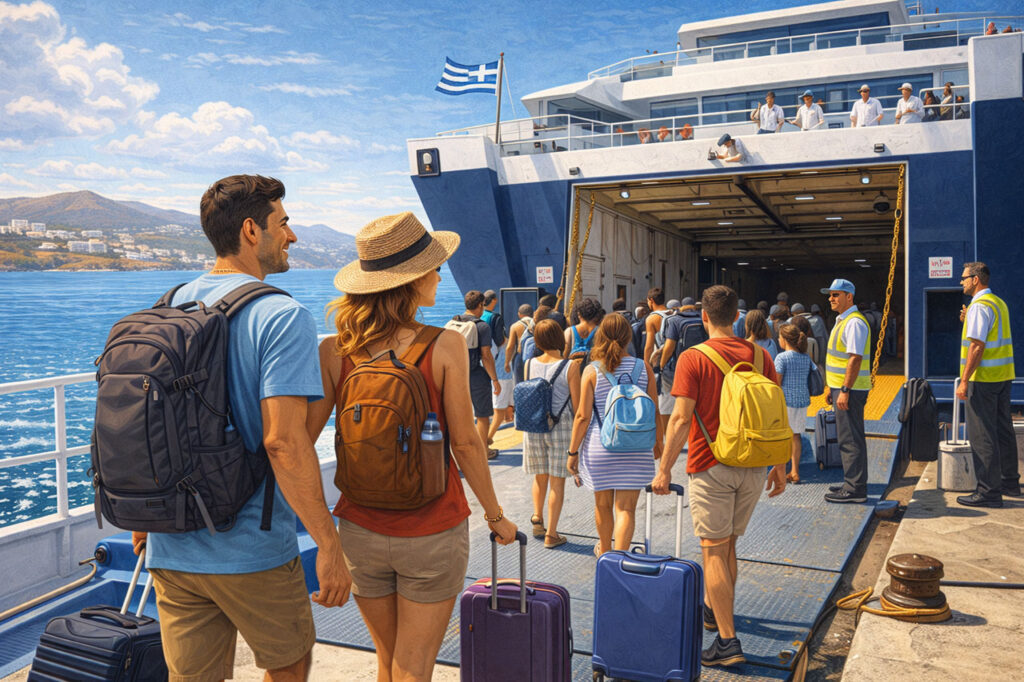
In island and coastal destinations, ferries are often part of the transport system, not just a scenic add-on.
In some destinations, ferries are not a side activity. They are part of the transportation system. Think of them like regional buses with waves.
Ferries cancel more often than trains. If a ferry is part of your route back before a major international flight, leave yourself extra time rather than trying to connect on the same day.
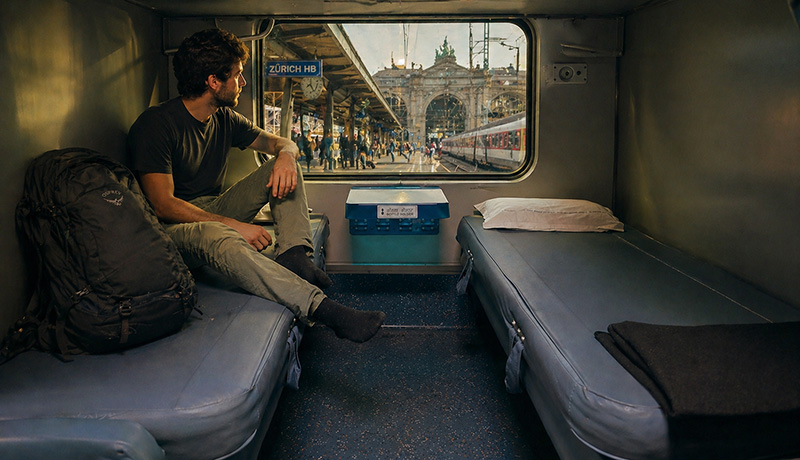
Sleeper cars turn a long transit day into a restful overnight experience, allowing you to wake up in a new city without losing a day to travel logistics.
Overnight trains and buses can save daylight hours and reduce hotel nights, but they are not always the smarter option once sleep quality and security are factored in.
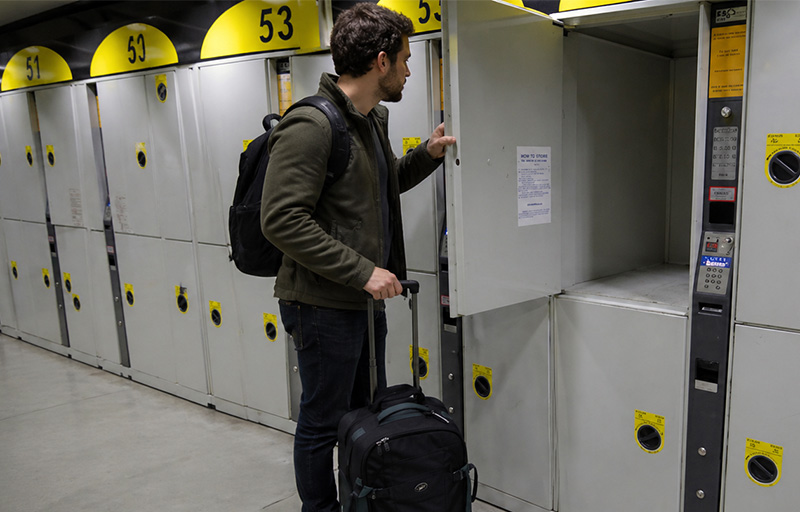
Luggage storage can turn an awkward checkout gap into a useful final travel day.
The gap between a morning hotel checkout and an evening flight home often results in wasted travel days. Dragging a suitcase over cobblestones or sitting in a lobby for hours ruins the momentum of a trip.
The solution is to identify secure luggage storage early in the itinerary planning phase. Many cities have dedicated locker networks, and transit hubs frequently offer baggage holds that let you explore freely.
If your hotel cannot hold your bags or you are moving neighborhoods, services like Bounce luggage storage let you securely store your luggage at local shops, hotels, and cafes so you can keep exploring without dragging your bag around.
| Storage Option | Best For | Cost |
|---|---|---|
| Hotel Front Desk | Returning to the same neighborhood before departure. | Often free, plus tip where appropriate. |
| Transit Hub Lockers | Direct airport train connections later in the day. | Moderate. |
| App Storage Networks | Exploring a different part of the city after checkout. | Usually low to moderate. |
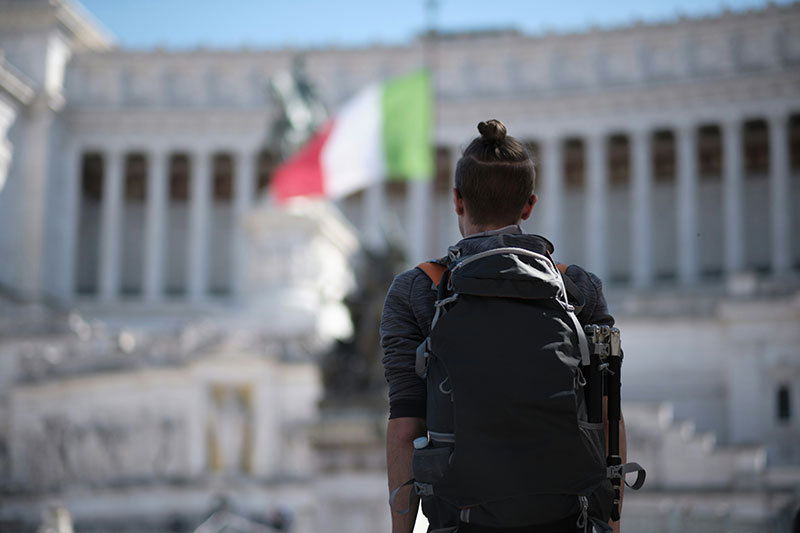
Mobility matters more than capacity on travel days. The easier your bag is to carry, the easier everything becomes.
Your luggage determines how easily you move. This is where a one-bag setup becomes a real advantage.
Rolling suitcases work well in airports but struggle on stairs, uneven sidewalks, narrow train aisles, and crowded transit systems. A travel backpack keeps your hands free and lets you move naturally through any environment.
For a full gear breakdown, use the Travel Packing & Gear Guide. For the little things that make travel days easier, see the Small Travel Items Guide.
Packing lighter is not just about saving space. It is about moving through airports, train stations, ferries, stairs, and city streets without fighting your bag.
The most common mistake is stacking tight connections. One delay can disrupt your entire day.
Build margin into everything. Add 30 to 60 minutes more than you think you need, especially when switching between airports, trains, ferries, buses, or accommodations. Morning travel is generally more reliable than late-day departures.
The first few hours after arrival set the tone for your trip. Do not overplan this window. Focus on the basics. Check in, drop your bags, get a simple meal nearby, and reset. Find a local cafe or bar and sit for 30 to 60 minutes. It helps you absorb the neighborhood and recover from transit fatigue.
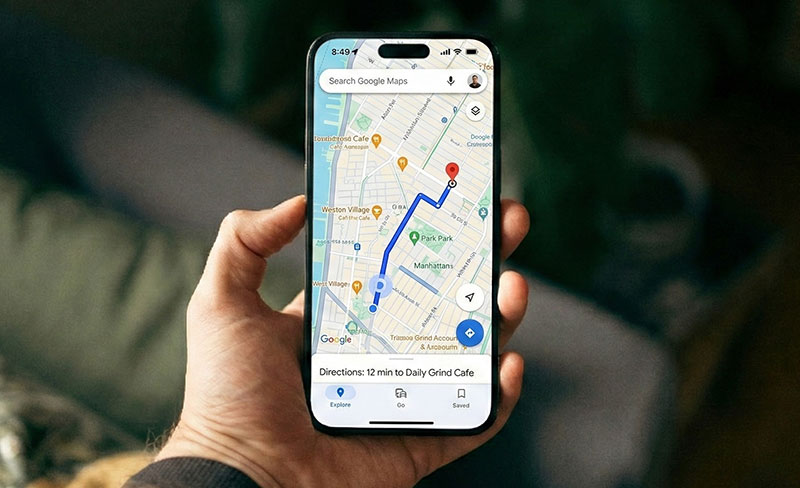
You do not need a folder full of apps. A few reliable tools for mapping, transit, and communication solve almost every logistical problem.
You do not need an app for everything. The goal is simplicity, not over-optimization. These are the core tools that solve real logistical problems.
Do not download 20 tools and then forget which one matters. Download the few that match your actual itinerary.

Most travel scams rely on confusion and rushing. Taking a moment to verify a route or a meter is the easiest way to avoid overpaying.
Most transportation scams work because travelers are tired, rushed, or in an unfamiliar setting. Slow the moment down and many bad situations disappear.
If a taxi driver says the meter is broken, that conversation should happen before you get in, not after.
If someone jumps in to help with a kiosk, card reader, or ticket machine, politely decline. It is one of the easiest moments for confusion, bad tickets, or card issues.
Airports are where travelers often overspend. Pause, connect to data, confirm the route, and choose the option you already planned.
For broader travel awareness, read the Travel Safety Guide before your trip.
Practical guides on planning, packing, safety, budgeting, and travel lifestyle so your trip runs smoother from the start.

START HERE
Build a smarter trip from the start with a practical framework for timing, logistics, and decision-making.
Read More
FIRST TIME ABROAD
A practical starting point for passports, logistics, money, and landing abroad with less stress.
Read More PACKING & GEAR
Pack lighter, bring what actually matters, and avoid the gear and clothing mistakes that slow trips down.
Read More
MONEY & COSTS
Plan real costs, avoid budget-killing mistakes, and make smarter money decisions before and during your trip.
Read More STAYING SAFE
Practical habits that help you stay alert, organized, and more confident when navigating unfamiliar places.
Read More
TRAVEL LIFESTYLE
Explore different ways to travel, from retirement and slow travel to nomad life and long-term living abroad.
Read MoreIt depends on the region and distance. In Europe and Japan, trains are usually better for trips under four hours because they connect city centers directly. Flights are better for longer distances, island hops, or regions with limited rail infrastructure.
For most standard train trips, 15 to 30 minutes is enough. Large stations, international trains, sleeper trains, and unfamiliar ticket systems may require more time.
Airport express trains are usually the fastest and most predictable option when available. Rideshare services are often the next best choice. Taxis can work well in regulated cities, but they are not always the cheapest or easiest option.
In many countries, yes. Even where it is not checked at the rental counter, it may still matter if you are stopped while driving. If you plan to rent a car abroad, check the destination requirements before leaving home.
Ask your hotel to hold it, use luggage lockers at major transit hubs, or use app-based storage networks when available. Do not waste your final day dragging a suitcase around town.
Stacking tight connections and not leaving a buffer. A delayed flight, missed train, ferry cancellation, or slow airport exit can create a domino effect. Build 30 to 60 extra minutes into major transitions.