Travel Planning Hub
Start here to plan your trip, compare options, and explore every TLGA planning guide.
Packing & Gear Guide
What to pack, what to skip, and how to build a lighter travel setup that works.

Updated regularly • Built for quick screenshots, fast reference, and smarter arrivals
When you land in a new country, you do not need a giant database of risk scores or generic advice. You need the essentials: the local emergency number, the most likely friction point, and a quick reminder of how to stay one step ahead.
This cheat sheet covers twenty of the most popular international destinations for American travelers. The goal is simple: give you the most useful local heads-up fast, so you can stay calm, avoid predictable mistakes, and enjoy the trip.
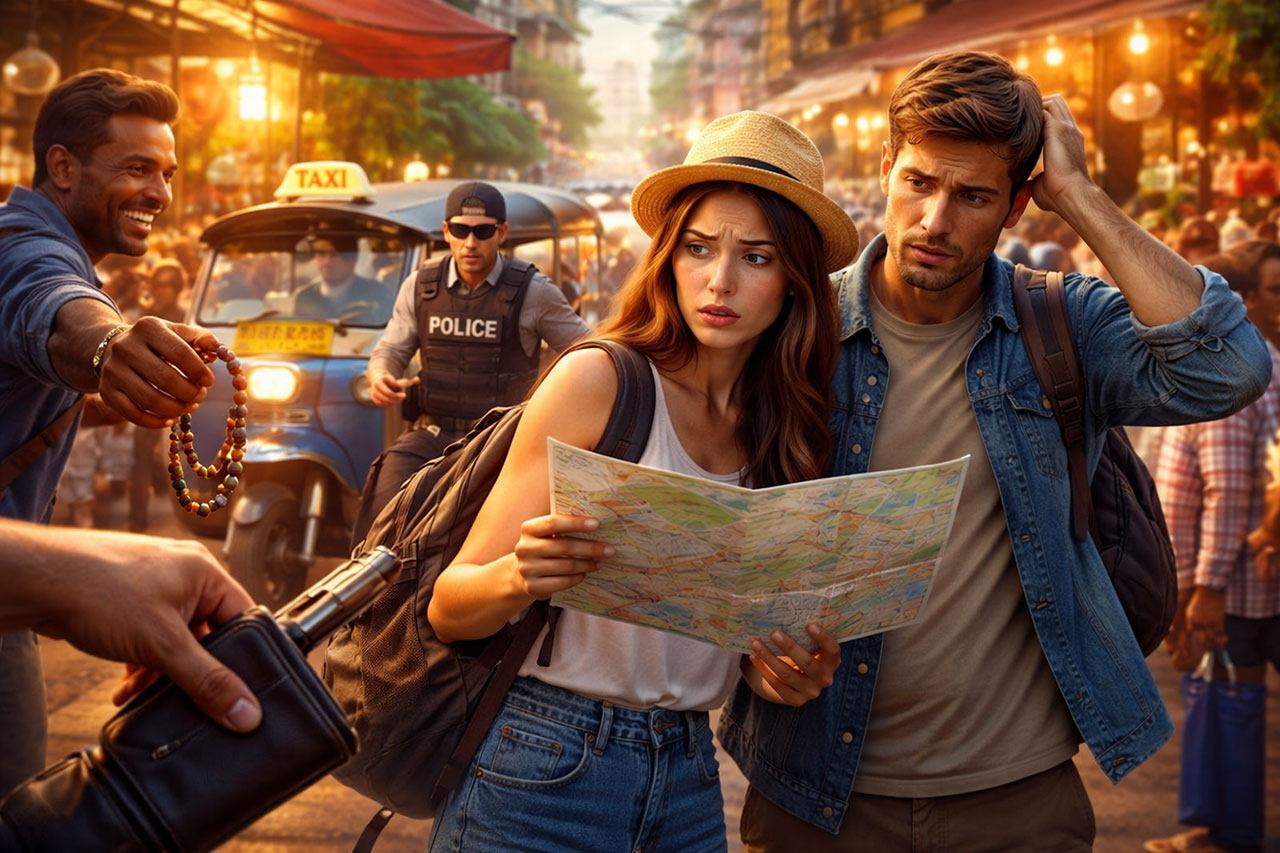
Most travel issues are predictable. They usually fall into a few patterns: distraction theft, transportation confusion, overcharging, poor situational awareness, or not knowing who to call when something goes sideways.
This is not something to memorize. It is something to use.
Before your trip, find your destination in the table, take a quick screenshot, and save the emergency number in your phone. That alone removes a huge amount of friction if something goes wrong.
Once you are on the ground, your goal is simple: stay aware of the common patterns. Most issues travelers run into are predictable.
Want this in a simple format you can save to your phone or print before a trip?
For the full safety framework, read the complete Travel Safety: A Smarter Guide to Safer Trips. For deeper scam breakdowns, see Travel Scams & Tourist Traps. For device and account protection, read Digital Travel Security.
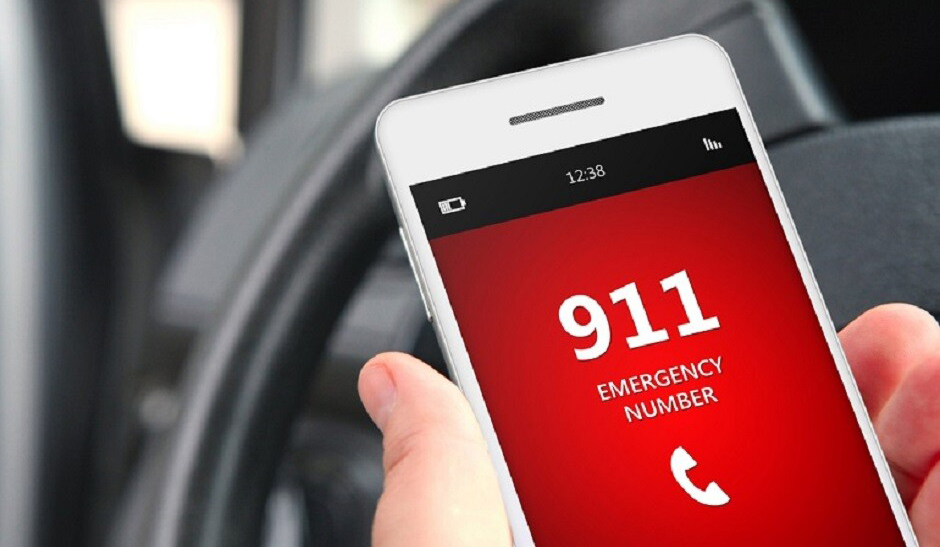
Knowing the local emergency numbers and common distraction patterns before you land turns stressful moments into solvable ones.
These twenty destinations represent some of the most popular international routes for TLGA readers. This is the quick-reference version you can actually use in the real world.
| Country | What to Watch For | Emergency # |
|---|---|---|
| Aruba | Sun exposure, dehydration, and minor beach theft | 911 |
| Bahamas | Jet ski rental disputes and resort-area touts | 911 or 919 |
| Canada | Winter driving hazards and remote cellular gaps | 911 |
| Colombia | Nightlife drink spiking and street robbery patterns | 123 |
| Costa Rica | Rental car smash-and-grabs at tourist stops | 911 |
| Dominican Republic | Resort-area “local” excursion scams | 911 |
| France | Metro pickpockets and the “found ring” trick | 112 |
| Germany | Petty theft at major transit stations | 112 |
| Greece | Menu overcharging in heavy tourist zones | 112 |
| Ireland | Narrow rural driving and fast-changing weather | 112 or 999 |
| Italy | Transit pickpockets and “helpful” station guides | 112 |
| Jamaica | Aggressive vendor touts and unlicensed taxis | 119 or 110 |
| Japan | Nightlife touts and bar overcharges | 110 or 119 |
| Mexico | ATM skimming and unlicensed taxis | 911 |
| Netherlands | Phone snatches and “fake police” tricks | 112 |
| Portugal | Tourist-zone petty theft and distraction scams | 112 |
| Spain | Street distraction scams and bag snatching | 112 |
| Switzerland | High-altitude weather swings and mountain safety | 112 |
| Thailand | Tuk-tuk misdirection and gem scams | 191 or 1669 |
| United Kingdom | Moped phone snatches in central areas | 999 |
Having the right number is step one. Knowing how to prevent problems before they happen is step two. Read the full guide:
Travel Safety: A Smarter Guide to Safer Trips.
In many countries, 112 works as a universal emergency number, especially across Europe. However, it is not global. The United States and several other countries use 911, while others have their own systems. Always confirm the number for your destination before you arrive.
In many cases, yes. Most smartphones can connect to any available network to place an emergency call, even without an active plan. However, this is not guaranteed in every country or remote area, which is why saving the number and having a backup plan matters.
Do both. Save the number in your contacts so you can call quickly, and take a screenshot so you can access it without signal. Screenshots are often faster in real-world situations when your connection is unstable.
Start with the basics: get to a safe, well-lit area, assess the situation, and call the local emergency number if needed. If it is not urgent, contact your hotel or host for help navigating local services. Staying calm and having your key information saved ahead of time makes a big difference.
Build real-world awareness, avoid common mistakes, and handle travel days with confidence.