Travel Planning Hub
Start here to plan your trip, compare options, and explore every TLGA planning guide.
Packing & Gear Guide
What to pack, what to skip, and how to build a lighter travel setup that works.


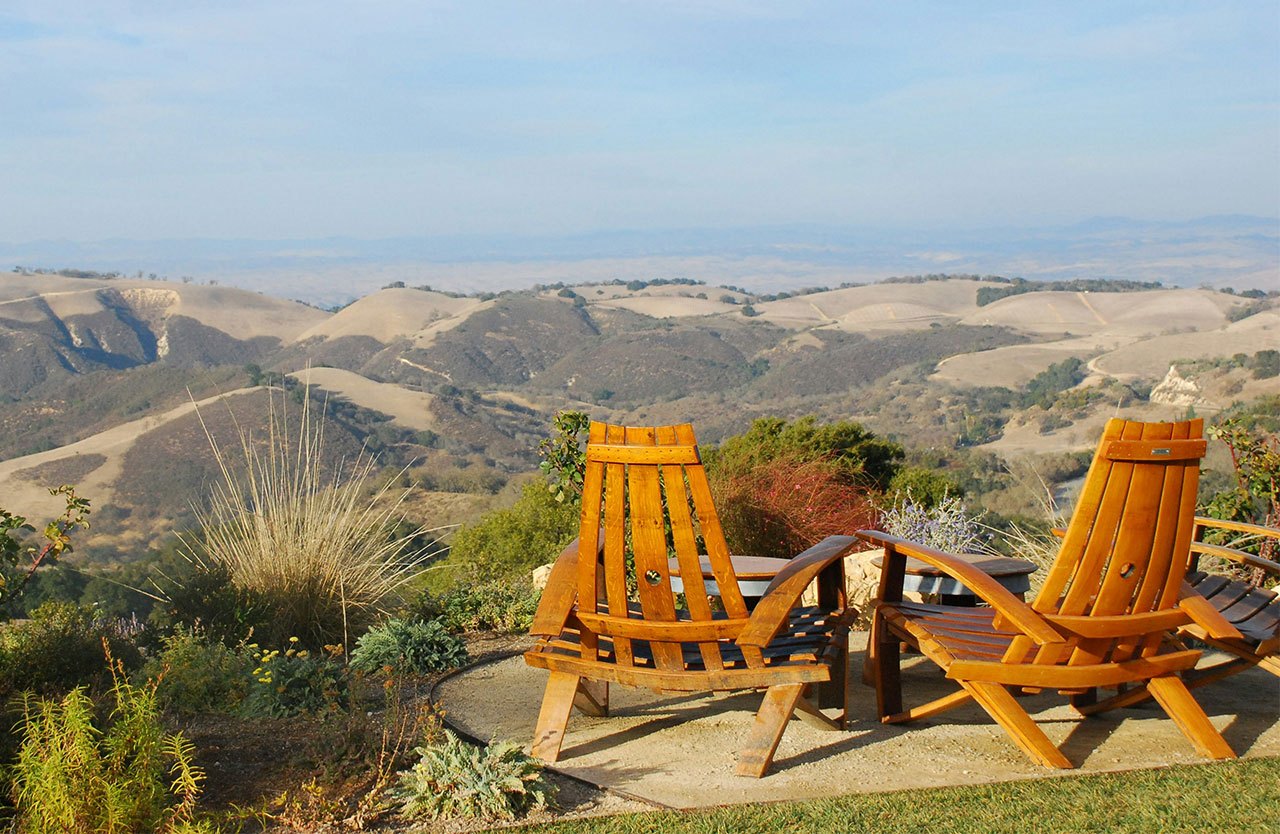
Taking in the sweeping vineyard views from the terrace at DAOU Vineyards, one of the most iconic vistas in Paso Robles.
Last updated: March 2026 by Corey Gasman
From the Editor:
Paso Robles is one of the best wine destinations in California if you want serious bottles without the polished pressure of Napa. The region is broader, warmer, and more relaxed, but that does not mean you can approach it casually. Paso is spread out, winery styles vary wildly, and it is easy to build a day that looks good on paper but turns into too much driving, too much heat, and too many heavy reds by 3:00 PM.
Full disclosure before the wine nerds revoke my card: I have been a JUSTIN wine club member for years. And while bottles like Isosceles get most of the attention, the regular JUSTIN Cabernet is honestly one of the bottles I open most at home. The price-to-quality just works for me. It hits the notes I want in a Cabernet without feeling like I need a special occasion to justify it.
The best Paso winery days are built on contrast. One dramatic estate. One producer that serious wine people care about. One easier stop, market, or lunch that lets the whole trip breathe. This guide is built to help you prioritize the right tasting rooms, understand what each one does best, and leave room for the food and scenery that make the Central Coast work.
Paso Robles is not a one-road wine region where you casually drift from winery to winery. It is large, sunny, and full of winding backroads. The wineries that look close together on a map often take much longer to connect once you are navigating steep vineyard terrain.
The best strategy is to choose one side or one cluster for the day, stick to two wineries, and maybe add a third stop only if it is completely casual. That is especially true if you are booking places known for bigger red wines, long seated tastings, or full food pairings.
Paso Golden Rule: One scenic estate, one serious producer, and one food stop is a much better day than racing through a long list of big names.
Pair this with the LA to Paso Robles Road Trip Guide for the full Central Coast route.
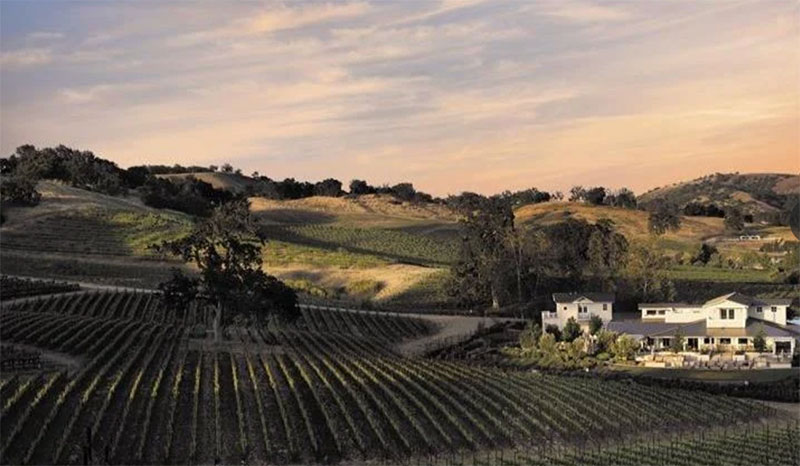
The flagship estate at JUSTIN Vineyards & Winery, where the distinct microclimate of the Adelaida District helps produce some of Paso Robles’ most recognizable Bordeaux-style reds.
Paso Robles works because it has incredible range. You can spend one day tasting mountain-top Cabernet and Rhône-style blends at high-design estates, then follow it with a more casual day built around cave tours, Tin City, and an unpretentious downtown dinner. The region can feel highly ambitious without feeling overly choreographed.
It is also one of the rare California wine destinations where scenic estates, serious winemaking, and relaxed food stops all coexist in a way that feels natural. That is why Paso is such a strong fit for travelers who care about both what is in the glass and the overall hospitality experience.
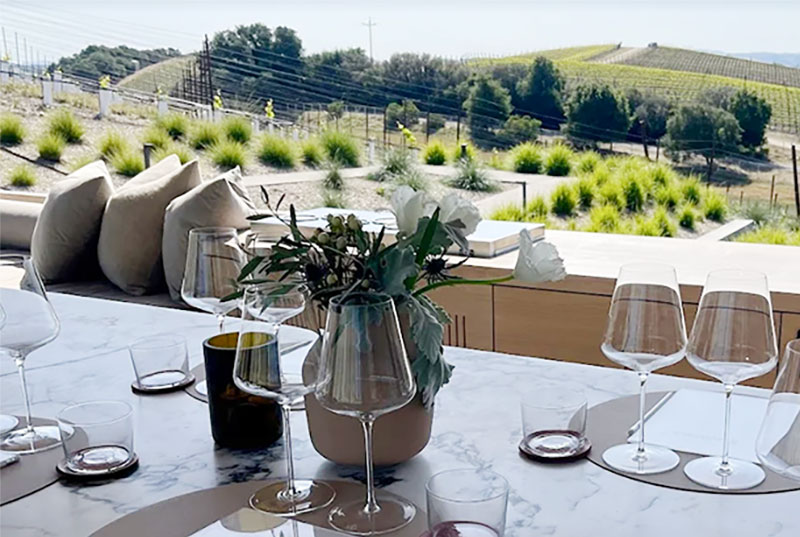
A modern estate lunch at Booker Wines, where the sleek terrace views of the Westside hills pair with their acclaimed Rhône-style blends.
The top Paso wineries are not all trying to do the same thing, which is exactly why the region stays interesting. Some rely on sweeping views, some aim to produce benchmark bottles, and others excel at architecture and hospitality. If you only have one or two tasting days, these are the heavy hitters I would build around first.
| Winery | The Vibe | Why It Belongs |
|---|---|---|
| DAOU Family Estates | Dramatic, elevated, panoramic | The obvious high-view Paso play. This is where you go when you want one estate that feels big, polished, and unforgettable. |
| JUSTIN Vineyards & Winery | Classic, destination, polished | A cornerstone Paso name with flagship reds and one of the strongest estate-dining pairings in the region. |
| L’Aventure | Boutique, serious, cave-driven | A strong pick for travelers who want Paso to feel more intimate, guided, and collector-friendly. |
| Booker Wines | Modern, premium, sleek | One of the best fits for readers who want a stylish tasting with serious Rhône credibility. |
| Epoch Estate Wines | Architectural, historic, relaxed-premium | A beautiful estate with a strong sense of place and a more layered story than many newer luxury stops. |
| Tablas Creek Vineyard | Thoughtful, vineyard-driven, Rhône-focused | One of the smartest wineries to include if you care about Paso wine history and not just flashy settings. |
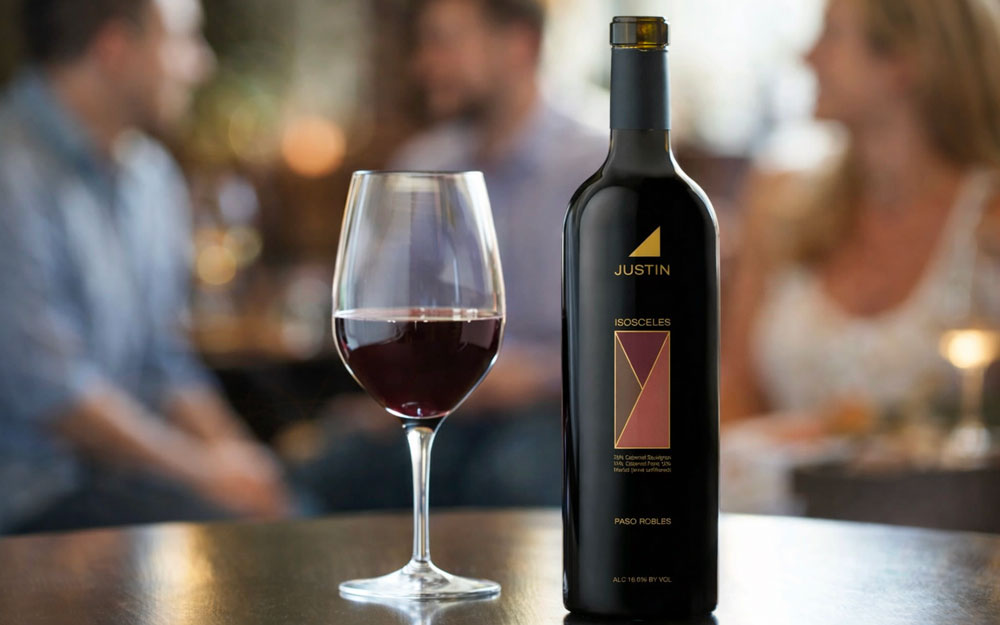
JUSTIN Isosceles is one of the most recognizable bottles in Paso Robles and a benchmark Bordeaux-style blend that helped define the region’s reputation for powerful Central Coast reds.
A strong winery trip gets better when you understand what bottles actually matter. Paso Robles is no longer just a generic red wine region. It has signature producers, benchmark blends, and wines that serious drinkers specifically travel here to acquire.
| Wine | Why It Matters | Best For |
|---|---|---|
| JUSTIN Isosceles | One of the most recognizable flagship wines in Paso and still one of the region’s signature Bordeaux-style blends. | Readers who want the classic Paso icon bottle. |
| DAOU Soul of a Lion | A prestige Cabernet that shows how ambitious Paso can be at the high end. | Travelers comparing Paso’s top reds to Napa’s heavy hitters. |
| Esprit de Tablas | A benchmark Rhône-style blend and one of the most important wines in Paso’s broader identity. | Readers who care about vineyard philosophy and Paso’s Rhône story. |
| L’Aventure Estate Cuvée | A bold, modern blend that captures Paso’s more rebellious and expressive side. | Wine travelers looking for something powerful and distinctive. |
| Booker Fracture | A flagship Syrah that helps explain why Paso’s Rhône reputation matters. | Serious red wine drinkers who want a Paso bottle beyond Cabernet. |
| Epoch Estate Blend | A strong example of Paso structure, depth, and estate-level ambition. | Readers who want one more bottle that feels rooted in place. |
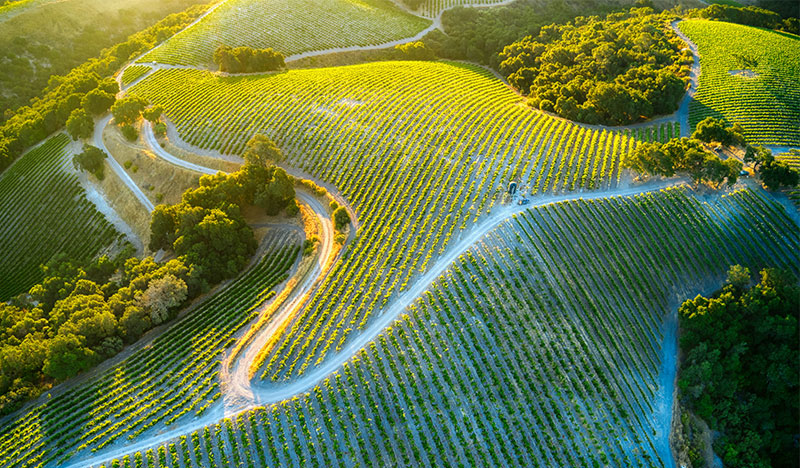
The flatter vineyards east of Highway 101 produce many of Paso Robles’ historic Zinfandel wines, while the Westside tends to feel hillier, cooler, and more dramatic.
Paso works in more than one season, but the trip feels very different depending on when you go. Spring is green and scenic, summer is hot and dry, harvest brings the most classic wine-country energy, and winter can be quiet in a very appealing way if you care more about tasting than pool weather.
For most travelers, the sweet spots are spring and fall. Spring gives you vibrant hills, wildflowers, and comfortable daytime weather. Fall brings harvest buzz, fuller vineyard activity, and that feeling that wine country is fully in motion. Summer can still be great, but you need to respect the heat and keep midday plans lighter.
| Season | What It Feels Like | Best For |
|---|---|---|
| Spring | Green hills, cooler mornings, beautiful vineyard scenery | Scenic first trips, patio tastings, and balanced weather |
| Summer | Hot afternoons, long daylight, dry golden hills | Pool-and-wine weekends and early-start tasting days |
| Harvest / Fall | Most classic wine-country energy and active vineyard season | Wine lovers who want Paso at its most alive |
| Winter | Quieter pace, easier reservations, more relaxed tasting rooms | Low-key trips and travelers who care more about the wine than the scene |
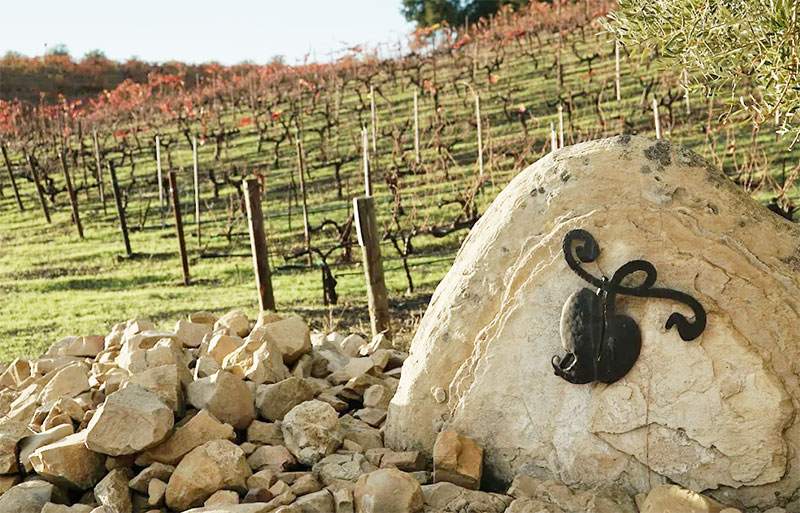
The historic vineyard approach at Tablas Creek helps illustrate how soils, exposure, and vineyard philosophy vary across Paso Robles’ sub-AVAs.
Paso Robles is not one uniform wine zone. The region is broken into multiple sub-AVAs, and while most casual travelers do not need to memorize all of them, understanding the basics makes the tasting experience much easier to decode.
The short version is this: the farther west you go, the more marine influence, limestone, elevation, and dramatic terrain start to shape the wines. That usually means more structure, more freshness, and a more elevated estate experience. Move east and the climate gets warmer, flatter, and more agricultural, which often translates into riper fruit, easier logistics, and a more old-school Paso feel.
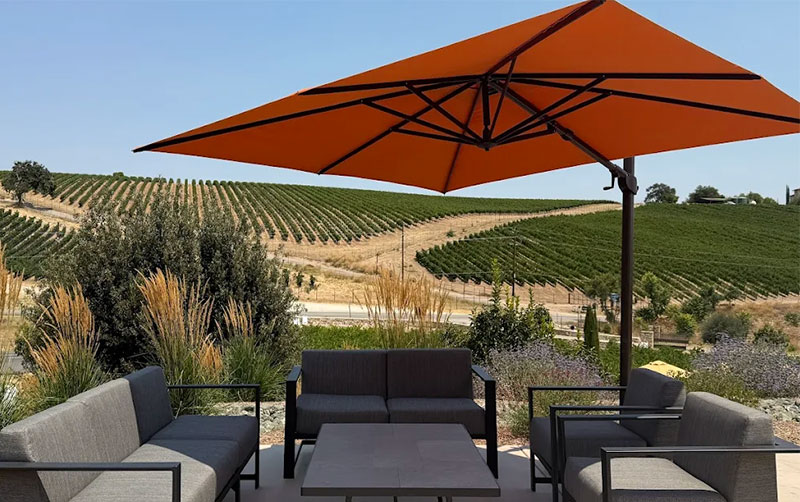
The elevated patio at McPrice Myers, a Westside staple recommended by a wine-loving friend for its focused tastings and sweeping views of the Adelaida District.
The biggest itinerary mistake in Paso is planning with winery names instead of geography. On paper, a day might look efficient because all the stops are in the same broad region, but Paso roads are not always fast, flat, or direct. A smarter route is usually built around one tight cluster, not one long wishlist.
If you are doing a big scenic estate in the hills, keep the rest of the day nearby or head back toward one simple lunch base. If you want a more casual tasting day, Tin City and downtown Paso make far more sense than trying to wedge in a mountain estate just because it sounded famous. The goal is not to check boxes. The goal is to still feel excited about the second tasting.
| Route Style | Best For | How to Use It |
|---|---|---|
| Westside estate day | Views, flagship wineries, premium tastings | Pick one major estate, one nearby second stop, then end with dinner in town. |
| Tin City and downtown day | Walkability, boutique producers, lower-stress pacing | Park once, taste lighter, and let food shape the day. |
| Eastside value day | Historic producers, bigger-fruited reds, easier driving | Build a relaxed route with shorter drives and less formal structure. |
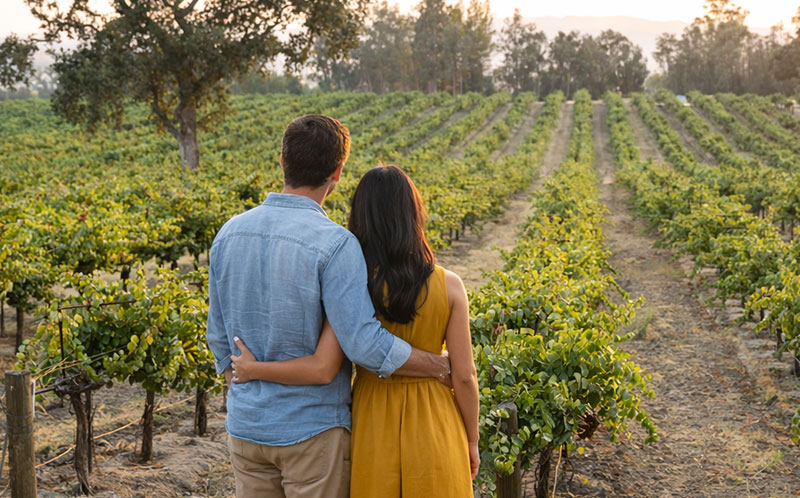
The flatter vineyards east of Highway 101 produce many of Paso Robles’ historic Zinfandel wines. The Eastside tends to feel more agricultural and open compared with the dramatic hillside estates on the Westside.
You cannot effectively plan a trip to Paso Robles without understanding the geographical divide. Highway 101 essentially splits the region in half, creating two distinct tasting experiences dictated by climate, soil, and terrain.
The Westside is characterized by cooler ocean breezes pulling through the Templeton Gap, steep hillsides, and calcareous limestone soils. This is where you find the dramatic estate views, highly structured Rhône blends, and winding, narrow roads. The Eastside is flatter, significantly hotter, and features rolling plains. It is famous for producing massive, fruit-forward Zinfandels and Cabernets in a more rustic, old-school farming setting.
| Region | The Terrain | What to Expect |
|---|---|---|
| Paso Robles Westside | Steep hills, oak forests, narrow roads | Premium pricing, modern architecture, sweeping views, and complex Rhône and Bordeaux blends. |
| Paso Robles Eastside | Flat plains, warmer temperatures, open sky | Laid-back hospitality, great value, historic Zinfandel vines, and less driving time between stops. |
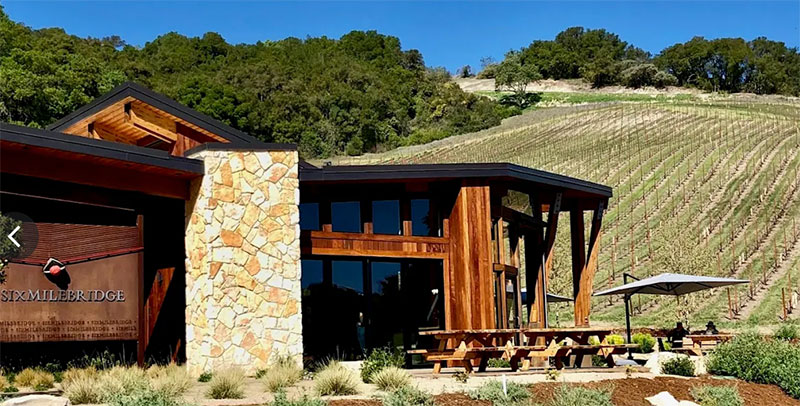
The modern, limestone-inspired tasting room at Sixmilebridge, where the high-elevation slopes of the Peachy Canyon area produce some of Paso Robles’ most precise Bordeaux-style reds.
One of the best things about Paso is that the second-tier list is still incredibly strong. Once you get beyond the region’s best-known estate names, you can find quiet tasting rooms, smaller production wines, and places that feel deeply personal.
These wineries work exceptionally well as a second stop after a dramatic morning estate tasting.
| Winery | The Vibe | Why It Works |
|---|---|---|
| Clos Solène | Romantic, private, boutique | A strong reservation-only style pick for couples or travelers who want intimacy over scale. |
| Sixmilebridge | Quiet, vineyard-immersed, Bordeaux-driven | A beautiful under-the-radar stop when the goal is estate-grown reds in a calmer setting. |
| Thacher Winery | Rustic, relaxed, old Paso | A useful contrast to the sleek premium estates and a great fit for visitors who like character over polish. |
| Herman Story Wines | Loud, fun, downtown, unstuffy | A smart final stop before dinner when you want Paso to feel lively instead of precious. |
| Torrin | Minimalist, collector-friendly, low-key | A great insider-feeling stop for serious wine drinkers who want something harder to find. |
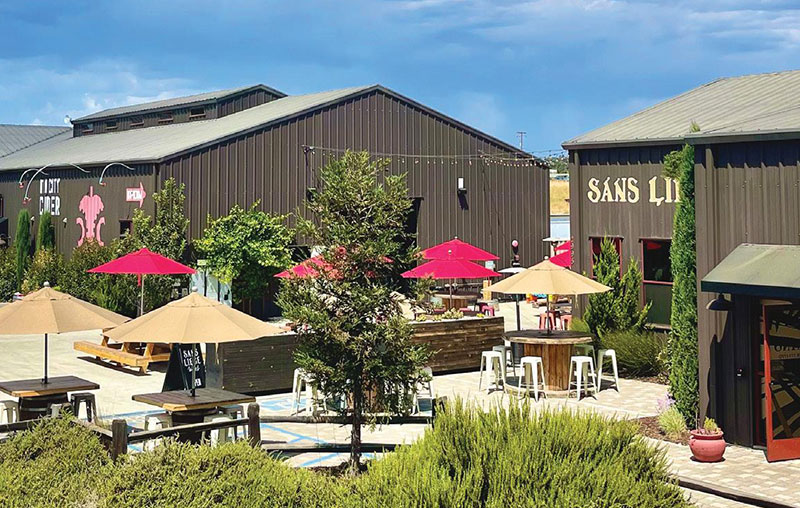
An industrial-chic tasting room at Tin City, where the high concentration of boutique producers and modern warehouse spaces creates a unique, walkable wine experience in Paso Robles.
If you are tired of driving or want a high concentration of excellent boutique producers without the formal estate atmosphere, you need to spend an afternoon in Tin City. Located in an industrial park just south of downtown Paso, it has become the creative hub of the region.
Tin City allows you to park your car once and walk between micro-wineries, breweries, and cider houses. The winemakers here are often pouring the wines themselves, experimenting with unique varietals, and fostering a collaborative environment that feels completely different from the quiet Westside hills.
One of the biggest mistakes first-time visitors make is assuming they can easily call an Uber or Lyft from any tasting room in Paso Robles. While rideshares are more realistic around downtown and Tin City, cell service drops off once you venture into the deeper Westside hills.
If you plan to visit estates like DAOU, JUSTIN, or L’Aventure, you need a reliable transportation plan. Trying to hail a ride from a remote mountain vineyard with zero bars of service is an easy way to derail your afternoon.
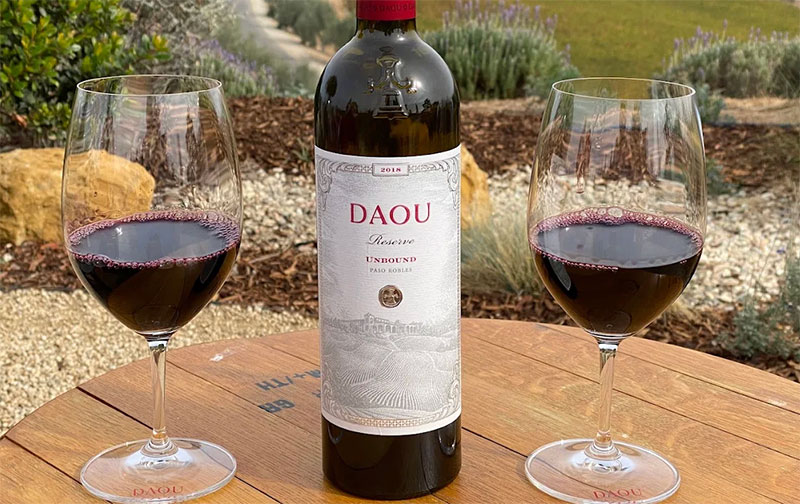
A signature tasting experience at DAOU Family Estates, where high-elevation vineyards and panoramic views of the Adelaida District provide the backdrop for their acclaimed Bordeaux-style reds.
The easiest way to ruin a Paso trip is to build a day around prestige alone. The smarter move is to structure the day around energy and contrast. Start with one major appointment, follow it with a food stop or break, then choose one smaller or different-feeling winery in the afternoon.
If you are doing DAOU, JUSTIN, or another large estate, do not make your second stop another giant formal tasting unless you truly want a very heavy schedule. Pair your estate stop with something like Tablas Creek, Sixmilebridge, or even Herman Story if you want a stronger ending before dinner.
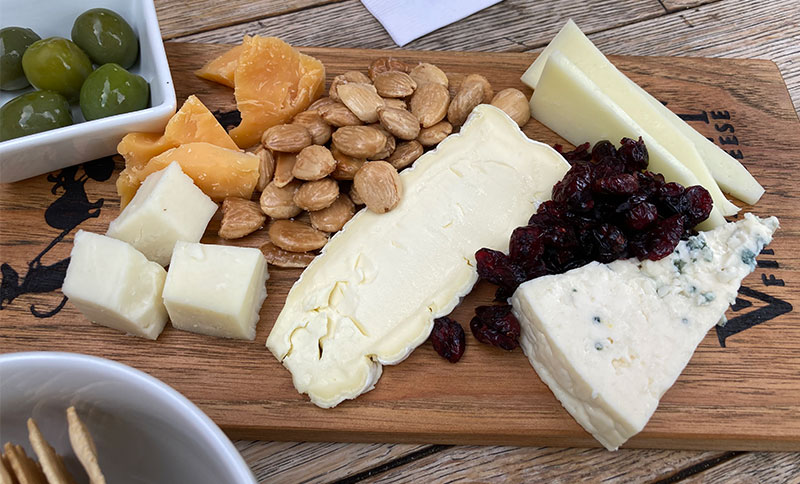
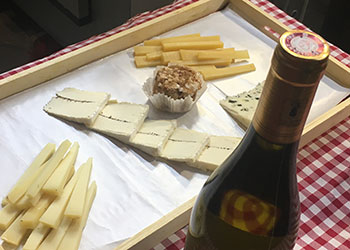
Vivant Fine Cheese in Paso Robles offers a curated selection of local and imported cheeses, making it a smart stop for building a custom picnic spread before heading into the vineyards.
One of the easiest upgrades for a Paso trip is relying less on full formal lunches and more on smart market stops. A good picnic board or deli lunch gives you flexibility, saves your appetite for dinner, and fits the rhythm of the region much better than forcing a big midday meal.
Paso is vastly better when you know where to grab a sandwich, where to build a cheese and charcuterie spread, and where to stop for a casual graze between tastings.
| Stop | Area | Best For |
|---|---|---|
| Etto Market | Tin City | Cheese, pantry snacks, and one of the smartest casual food stops in Paso. |
| Central Coast Creamery | Tin City | A cheese-focused stop for building a better grazing board. |
| Di Raimondo’s Italian Market | Paso Robles | Old-school market energy, cheese, charcuterie, and easy picnic pickup. |
| Downtown Paso lunch spots | Downtown | An easy midday reset before heading back out to the vineyards. |
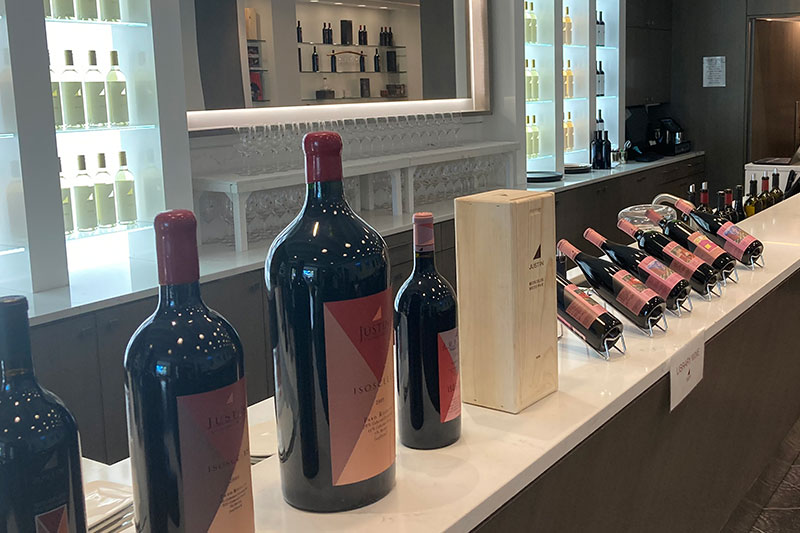
The JUSTIN Downtown Tasting Room offers a sophisticated alternative to the estate, providing a central location to sample their signature Bordeaux-style blends in the heart of Paso Robles.
The best base depends on whether you care more about waking up to vineyard scenery or having easy access to dinner. For most first-time visitors, downtown Paso is the strongest move because it keeps evenings simple. You can spend the day driving vineyard roads, then walk to dinner or take a very short ride back after drinks.
Staying out in wine country makes sense when the lodging itself is part of the trip, but it can make nights slightly more cumbersome. For a practical trip, downtown is usually the easiest recommendation.
| Base | Best For | Overall Feel |
|---|---|---|
| Downtown Paso Robles | First-timers, easy dinners, and low-stress evenings | Walkable and practical |
| Tin City area | Travelers who want a slightly trendier food and drink angle | Creative and casual |
| Paso wine country | Scenic stays and those who want the vineyard feel all day | Quiet and immersive |
Two is ideal. Three is possible if one stop is shorter, more casual, or closer to downtown. More than that and the day usually starts to blur together.
DAOU, JUSTIN, Tablas Creek, Booker, and Epoch make a very strong first-timer list because they give you a good mix of views, flagship wines, and regional range.
DAOU is the obvious answer if views are a major part of the experience you want. The hilltop panorama is unmatched in the region.
Tablas Creek, L’Aventure, Booker, Sixmilebridge, and Torrin are all strong names if the wine itself matters as much as the scenery.
Yes, especially if you want one classic marquee Paso estate experience. Just build the day carefully and do not stack it with too many other heavy appointments.
The best answer is both. One major estate plus one smaller boutique stop is often the ideal Paso combination.