Travel Planning Hub
Start here to plan your trip, compare options, and explore every TLGA planning guide.

Packing & Gear Guide
What to pack, what to skip, and how to build a lighter travel setup that works.


Last updated: March 2026 by Corey Gasman
From the Editor:
California is one of those places that never really fits into a simple summary. I have been here for city trips, sports trips, wine weekends, national park drives, and visits with friends in both the Bay Area and Southern California. I have stayed with friends in Alameda, spent time around the Oakland Hills and San Francisco, visited Los Angeles multiple times, stayed around Hermosa Beach, explored San Diego, crossed down toward Tijuana, and returned more than once for Napa, Sonoma, Yosemite, and Lake Tahoe.
What makes California special is not one headline attraction. It is the range. This guide is here to help you understand where each region shines and how to build a trip that actually makes sense. Think of it as the statewide playbook before you choose your city, your road trip, or your wine-country weekend.
Start here: Getting Around Abroad for smarter regional trip planning

The Los Angeles skyline glows at night, where downtown’s towers rise above the endless sprawl of city lights below.
California works best when you stop treating it like one trip. The winning move is to choose a lane: city-focused, coast-focused, wine-focused, or nature-focused. Then build around one region at a time instead of trying to force San Francisco, Los Angeles, Yosemite, and Napa into one rushed itinerary.
For most travelers, the smartest formula is simple: pick one anchor region, keep hotel changes limited, and let geography do the work. Northern California, Southern California, and the Central Coast each deliver a very different kind of trip. The more focused your plan, the better California gets.
| If You Want… | Best California Region | Best For |
|---|---|---|
| Big-city energy, neighborhoods, and iconic views | San Francisco Bay Area | First-timers, food, walkable city trips |
| Beaches, entertainment, and variety | Southern California | Los Angeles, San Diego, coast-focused trips |
| Wine weekends and scenic tastings | Napa, Sonoma, or Paso Robles | Couples trips, food-and-wine travelers |
| Mountains, parks, and dramatic nature | Yosemite, Tahoe, and the Sierra | Road trips, hiking, scenery |
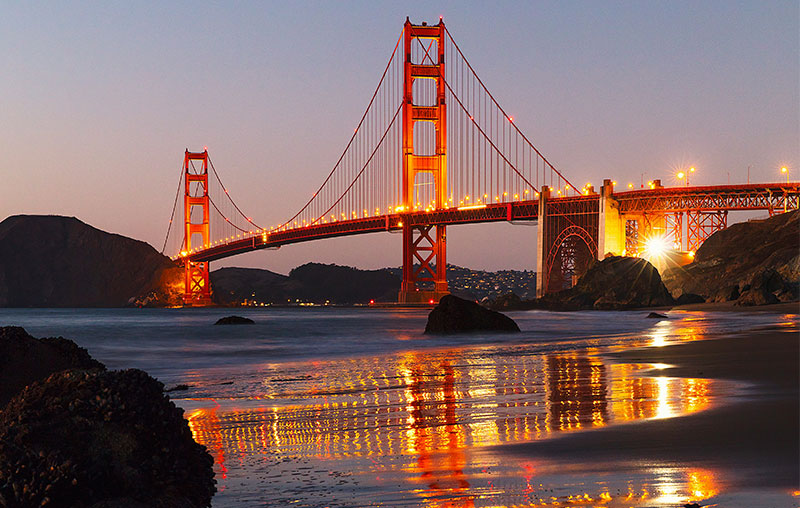
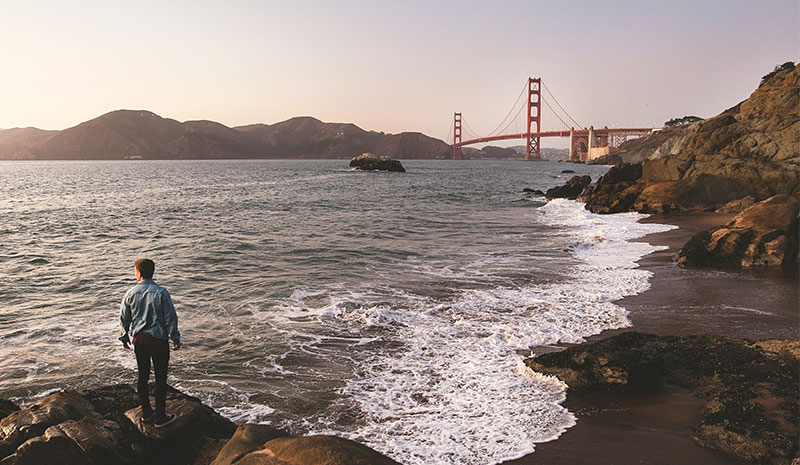
Watching the Golden Gate Bridge lights glow at twilight from Baker Beach is one of San Francisco’s most memorable viewpoints.
Some destinations are easy to define. California is not one of them. That is part of the appeal. A trip here can mean seafood and neighborhoods in San Francisco, beach days in Southern California, vineyard lunches in Napa, sunrise in Yosemite, or a long drive where the coastline keeps trying to steal your attention.
It is also a state where travel style matters. If you love cities, food, sports, and neighborhoods, California is excellent. If you want wine, scenery, and slower drives, it works for that too. If you want national parks and outdoor drama, California can easily carry an entire trip on nature alone.
That flexibility is exactly why it deserves a strong TLGA hub page. It is not about seeing everything. It is about matching the right region to the kind of trip you actually want.
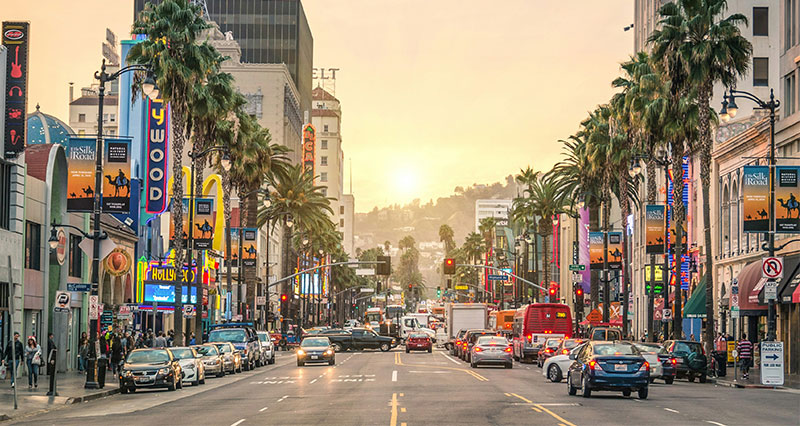
Hollywood Boulevard mixes old movie history with modern chaos, especially once the theaters and neon lights come alive in the evening.
The best California city for your trip depends on what you care about most. San Francisco wins on visual identity and walkable neighborhoods. Los Angeles offers scale, entertainment, beaches, and endless food. San Diego feels easier and more relaxed. Santa Barbara delivers one of the prettiest small-city settings on the coast.
San Francisco is still one of the most distinctive city trips in the United States. The hills, bay views, neighborhoods, and food scene make it rewarding even if you have visited before. I have spent time in the city itself and also with friends living across the Bay in Alameda and the Oakland Hills, which gives you a better sense of how connected the region really is.
Read the San Francisco Travel Guide
Los Angeles works best when you stop thinking of it as one city and start thinking of it as a collection of zones. I have been there for Vikings games, Timberwolves travel, and stays with friends around La Brea and the beach areas. The city gets better when you give each day a smaller focus instead of trying to cross town nonstop.
Read the Los Angeles Travel Guide
San Diego brings together easy beach access, strong Mexican food, and a more relaxed pace than LA. It is one of the best choices for travelers who want California weather without so much logistical friction. It also works well as a starting or ending point for a Southern California loop.
Santa Barbara feels polished without feeling overly formal. The red-tile architecture, coastal setting, and access to wine country make it one of the easiest places in California to recommend for a slower trip.
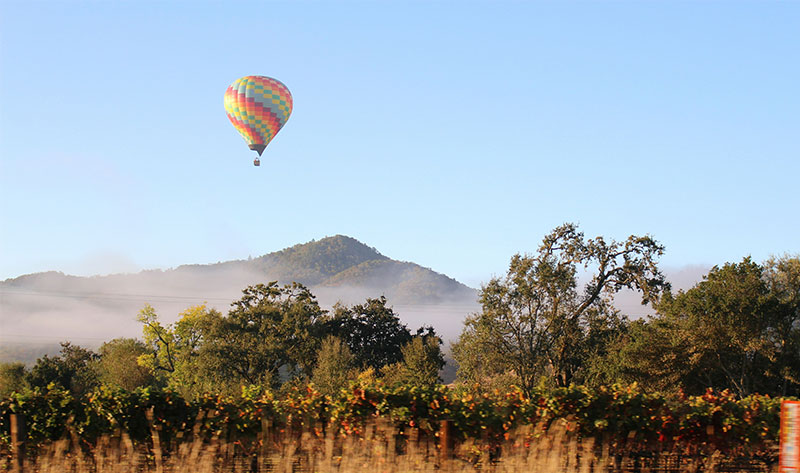
Sunrise balloon flights over Napa Valley reveal the vineyard grid and rolling valley floor from a completely different perspective.
Wine country is one of the strongest reasons to build a California trip around a region instead of a checklist. Napa, Sonoma, and Paso Robles are all worth visiting, but they do not feel interchangeable.
Napa is the most polished and high-design version of California wine country. It is ideal for a special-occasion trip, a first splurge tasting weekend, or anyone who wants strong winery infrastructure with a more upscale feel. I have been back multiple times because it is one of the easiest places in the state to pair scenery, food, and wine in a single weekend.
Sonoma feels broader and a little more relaxed. The geography is more spread out, the pace is easier, and the experience often feels less concentrated around one main valley. It is a great fit for travelers who want wine country without the most polished version of it.
Paso Robles adds a more Central Coast rhythm to the experience. It works especially well if you are linking wine country with a road trip between Los Angeles and Northern California. It feels less formal, more laid-back, and easier to pair with coastal stops.
Local Guide Tip: If wine country is the main purpose of the trip, stay nearby and keep your driving days short. California winery days are usually better when they are built around two or three strong stops, not a rushed tasting marathon.
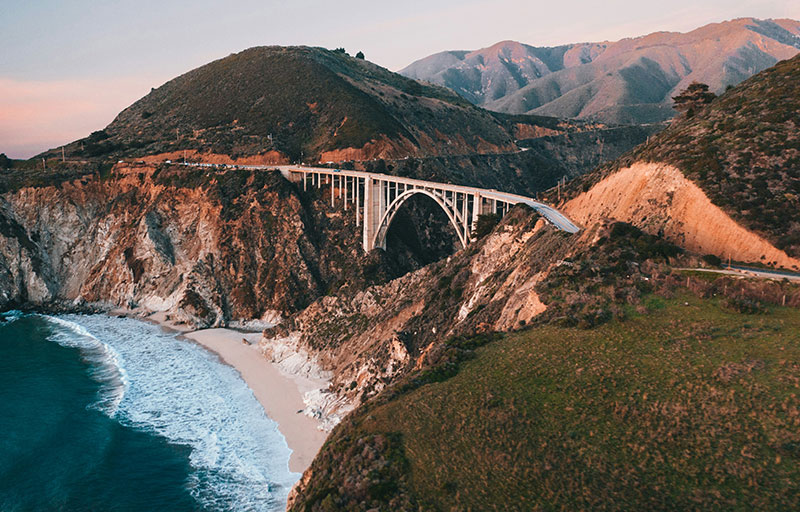
California is one of the best road trip states in America, especially when you let the route shape the trip instead of trying to collect too many stops.
In California, the drive is often part of the destination. Coastal routes, mountain transitions, and wine country detours all create very different versions of the state.
The classic route is the coastal drive between Los Angeles and San Francisco, with stops that can include Santa Barbara, Big Sur, Monterey, and Carmel. It is one of the most famous drives in the country for good reason. The scenery is strong enough that even a short section feels memorable.
This is one of the smartest California road trip choices if you want beauty without trying to cover too much ground. Santa Barbara, nearby wine areas, and a continued push north toward Paso Robles or Monterey create a trip that feels scenic and manageable.
Read the Santa Barbara Road Trip Guide
Pairing San Francisco with Yosemite gives you one of California’s best city-to-nature contrasts. It is a strong route if you want neighborhoods, food, and iconic urban scenery first, followed by a dramatic shift into the Sierra.
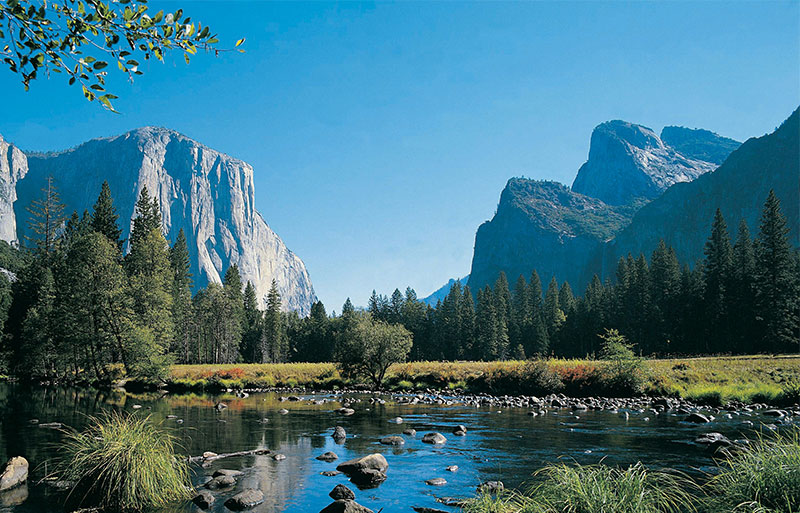
California’s national parks shift the state into a different scale, from granite valleys and giant trees to desert terrain and coastal forest.
California has enough major landscapes to support an entirely different kind of trip from its cities and wine regions. Yosemite is the most iconic, but it is far from the only option.
Yosemite is the California park that tends to stay with people. The cliffs, valley views, waterfalls, and granite scale are hard to overstate. I have been there a couple of times, and it still feels like the kind of place that resets your sense of proportion.
If giant trees and Sierra landscapes are high on your list, these parks are a natural fit. They work especially well for travelers building a more nature-heavy California route.
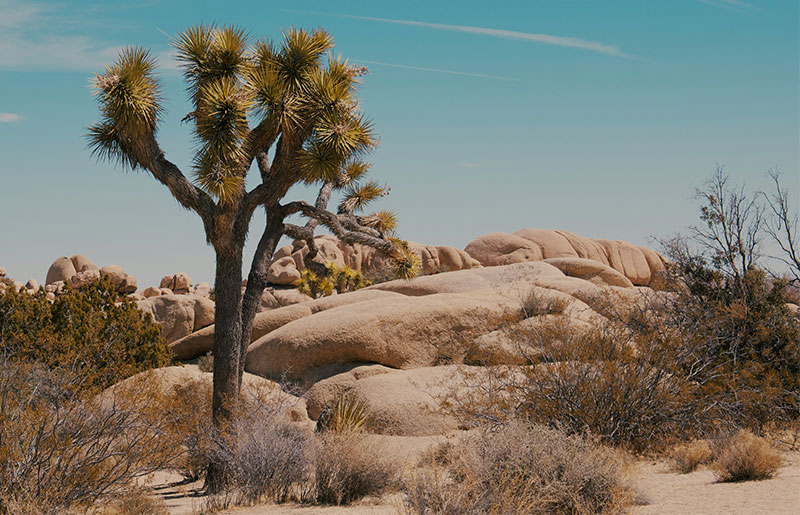
Joshua Tree gives California a totally different mood. It is spare, wide, and visually clean in a way that feels almost opposite from the coast or the Bay Area.
Northern California’s redwood landscapes are another reminder that California is not just one look or one climate. If giant coastal forest is your thing, this part of the state deserves its own future trip.
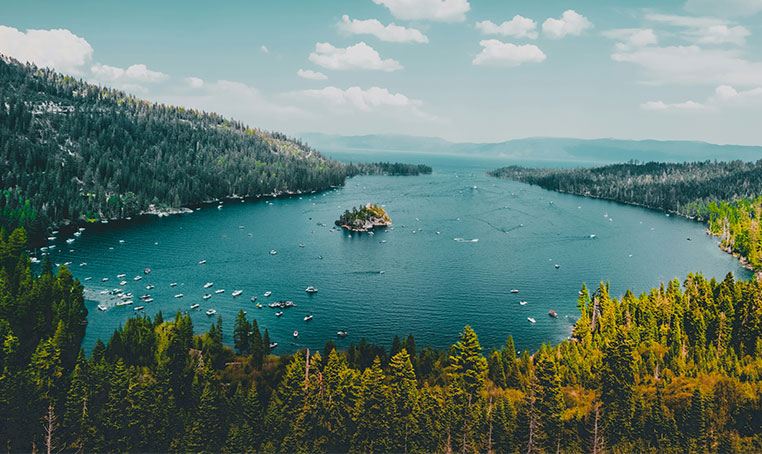
Lake Tahoe adds alpine California to the mix, with deep blue water, mountain scenery, and a completely different pace from the coast.
Lake Tahoe is one of the clearest examples of how varied California can be. After time on the coast or in the cities, the Sierra landscape feels like a different state entirely. The California side of Tahoe is especially beautiful in summer, when the lake color, mountain air, and shoreline views all do exactly what people hope they will.
I have spent time on the California side, and it is one of the easiest places in the state to recommend if you want mountain scenery without giving up comfort. In warmer months it works for hiking, lake time, and scenic drives. In winter it shifts into a ski destination. Tahoe also works especially well as an add-on to a Northern California trip, particularly if you are pairing San Francisco with Yosemite or other Sierra stops.

Huntington Beach sits at the center of Southern California surf culture, where consistent waves and long beaches attract surfers year round.
You cannot talk about California without talking about the coast. However, the beach experience is completely different depending on where you are in the state. Southern California is where you go for classic beach days, while the northern coast is better for scenic drives, hiking, and dramatic landscapes.
If you want to swim, surf, or spend all day on the sand, head south of Santa Barbara. Orange County towns like Laguna Beach and Huntington Beach offer wide sands and active surf cultures. Malibu provides a narrower, more dramatic shoreline tucked against the hills just north of Los Angeles.
North of Santa Cruz, the coastline gets colder, rockier, and often fog-covered. Towns like Mendocino and Point Reyes are incredibly beautiful, but they are destinations for hiking, eating local oysters, and watching the Pacific crash against cliffs rather than sunbathing.
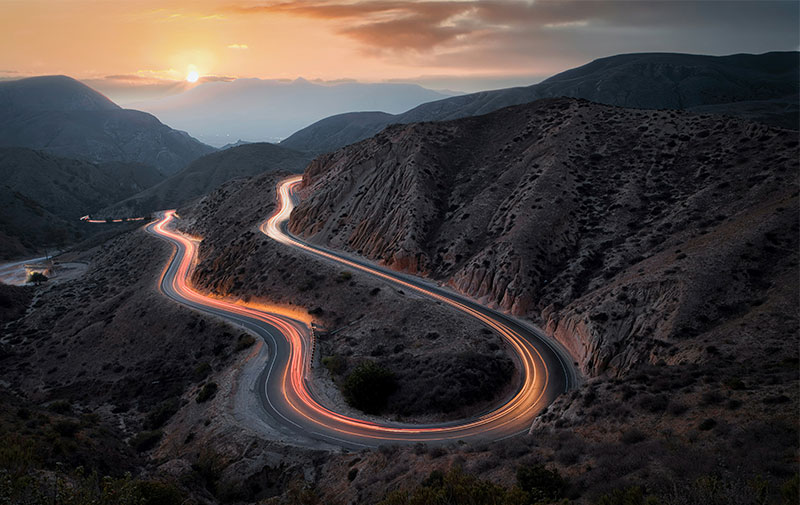
Getting around California works best when you match the transportation to the region, whether that means a rental car, a short flight, or a scenic rail stretch along the coast.
California is massive. Treating it like a compact European country or a dense East Coast corridor usually leads to a rushed itinerary. You have to plan transportation based on the specific regions you want to link together.
If your trip involves road trips, wine country, national parks, or extensive time in Los Angeles, you need a rental car. Public transit outside of the immediate Bay Area core is not robust enough to rely on for a seamless vacation.
If you are simply trying to get from San Francisco to Los Angeles or San Diego, a short domestic flight is often the smartest use of your time. If you want scenery without driving, the Pacific Surfliner route in Southern California is one of the most relaxed ways to see the coastline.
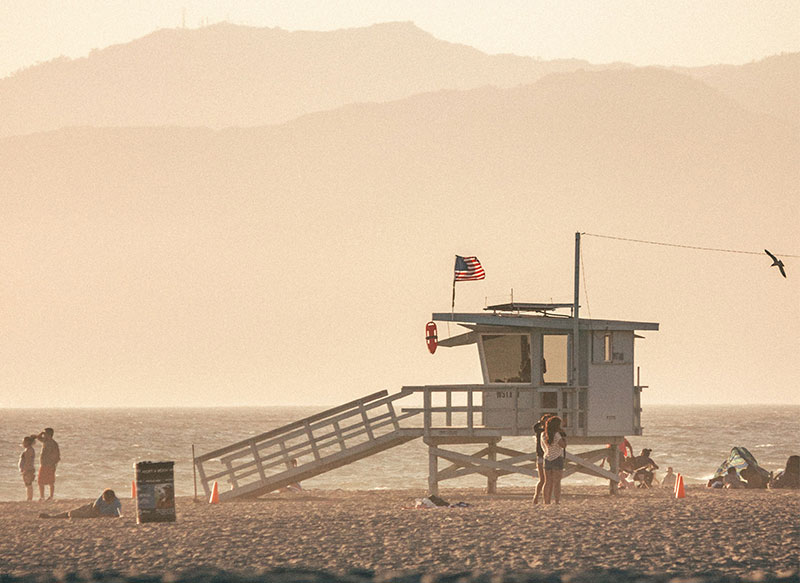
California’s travel seasons vary by region, which is why spring and fall often work best for travelers trying to combine coast, wine country, and city stops in one trip.
California is large enough that season depends on where you are going. Coastal cities, desert areas, mountain destinations, and wine country all behave differently. In general, spring and fall are the easiest seasons for a broader California trip because the weather is usually more balanced and the trip can combine multiple regions without quite as many extremes.
| Season | Why It Works | What to Watch For |
|---|---|---|
| Spring | Good mix of mild weather, greener landscapes, and fewer crowds than summer in many areas | Mountain weather can still be variable |
| Summer | Best for beaches, school-break travel, and classic coastal energy | Higher prices, more crowds, and fog along some coastal areas |
| Fall | Excellent for wine country, road trips, and balanced statewide weather | Wildfire season can affect some regions |
| Winter | Great for ski trips, quieter city breaks, and lower demand in some destinations | Storms and snow can change mountain access |
The smartest California trips are built around one region, one route, or one travel style instead of trying to cover the entire state in one shot.
California planning is mostly about restraint. Distances are bigger than many travelers expect, and traffic can easily change what looks reasonable on a map. The best itineraries usually have one clear center of gravity.
If you want cities and food, focus on San Francisco, Los Angeles, or San Diego. If you want scenery and a slower pace, build around wine country or the coast. If nature is the priority, do not force too many city stops into the same trip.
A California trip can look simple on paper and still become draining if every day turns into a repositioning day. One scenic drive is great. Three consecutive long drives usually start to flatten the trip.
For many itineraries, fewer hotels is better. Staying longer in one place often gives you a better trip than chasing coverage.
Pro Tip: For a first California trip, choose one of these structures: Bay Area plus wine country, Southern California cities plus beaches, or a coast-and-scenery road trip. That usually produces a much better experience than trying to stitch together San Francisco, LA, Yosemite, Napa, and San Diego in one week.

A few smart California route ideas can make planning easier, especially if this is your first trip to the state.
This is one of the easiest first California combinations. You get a major city, strong food, classic Bay views, and a wine-country contrast without trying to drive all over the state.
This version works well if you want beaches, neighborhoods, food, and a more scenic road-trip rhythm. It gives Southern and Central California without forcing the Bay Area into the same week.
This is the classic California first-timer route. Build around LA, Santa Barbara, the Central Coast, Big Sur, Monterey, and San Francisco, and let the coast carry the trip.
This is a strong California mix for travelers who want cities, mountain scenery, and a bigger landscape shift during one trip.
For most first-timers, the easiest win is choosing one lane: Northern California with San Francisco and wine country, Southern California with Los Angeles and San Diego, or a coastal road trip between LA and San Francisco. Trying to do the whole state in one week usually makes the trip feel rushed.
There is no one perfect answer because California is so large. A focused regional trip works well in 5 to 7 days. A broader road trip usually needs 8 to 10 days to feel enjoyable instead of nonstop.
If your trip includes wine country, national parks, coastal drives, or extensive time in Los Angeles, yes. If you are only doing a city trip in San Francisco or a short urban stay in San Diego, you can sometimes skip it.
Spring and fall are usually the easiest statewide seasons because weather is more balanced across multiple regions. Summer is best for classic beach energy, while winter is strongest for ski trips and quieter city breaks.
Yes. California is one of the best road trip states in America. The key is choosing one route and giving it enough time to breathe instead of trying to connect too many regions at once.
Napa is the easiest first wine-country trip if you want a polished and classic experience. Sonoma feels broader and more relaxed. Paso Robles is great if you want a laid-back Central Coast wine trip.
If you just want the fastest TLGA version, start here. These are the California picks I would make first based on trip style, scenery, and how easy each region is to enjoy without overcomplicating the route.
| Best city for first-timers | San Francisco |
| Best city for food and variety | Los Angeles |
| Best wine weekend | Napa Valley |
| Best scenic road trip | California coast between LA and San Francisco |
| Best nature stop | Yosemite |
| Best relaxed beach-city option | San Diego |
| Best mountain add-on | Lake Tahoe |
California is one of the easiest places in America to revisit because no single trip really covers it. That is a good problem to have. Start with the version that matches your style, give yourself enough time in each stop, and let the next California trip reveal itself from there.
From iconic cities to vineyard backroads, these California reads help readers plan smarter and go deeper.
CITY GUIDE
Hills, waterfront views, standout food, and neighborhoods worth exploring.
Read More
CITY GUIDE
Beach culture, famous districts, great eating, and classic LA energy.
Read More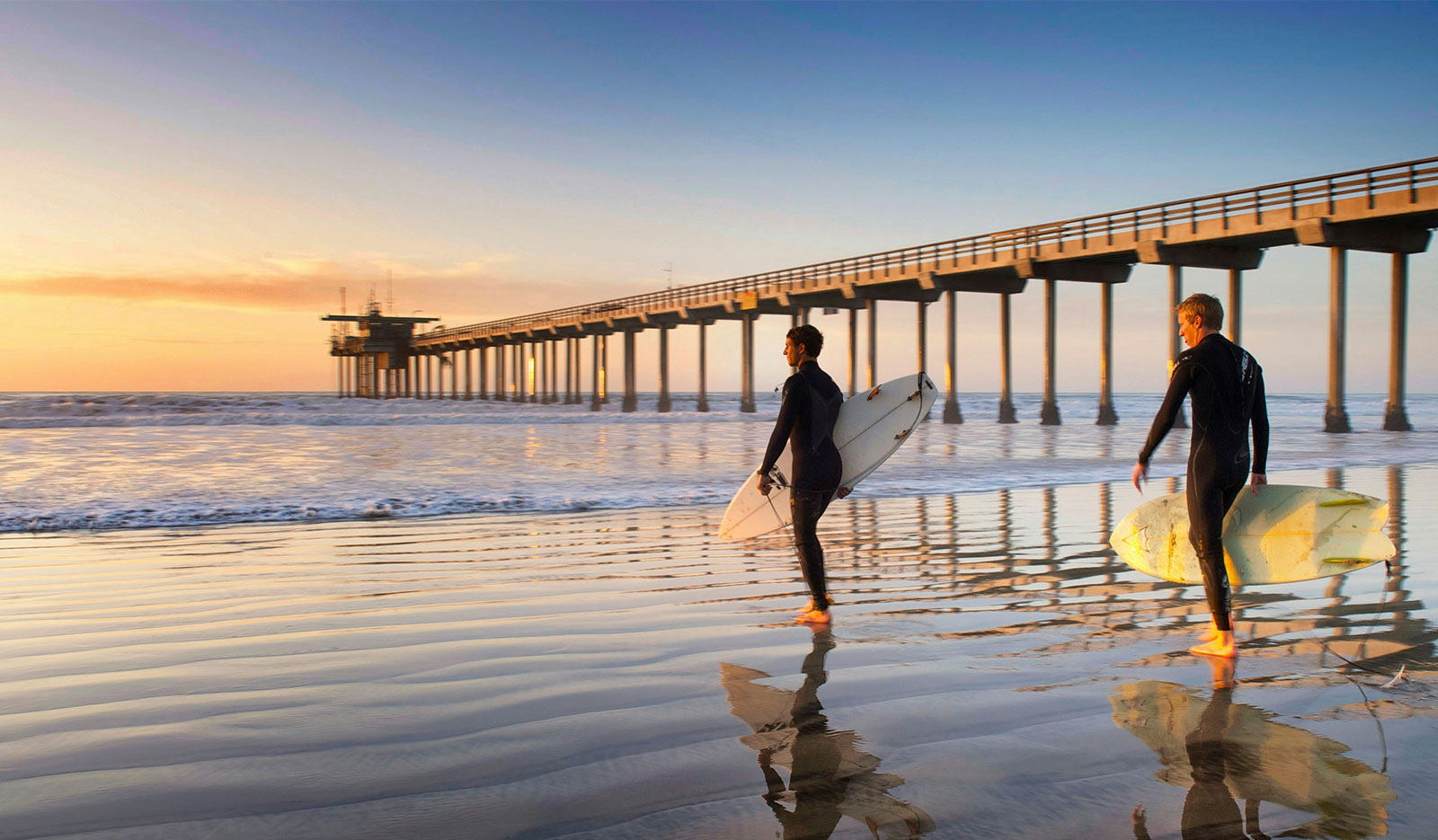
CITY GUIDE
Sunny beaches, taco stops, easygoing neighborhoods, and day-trip potential.
Read More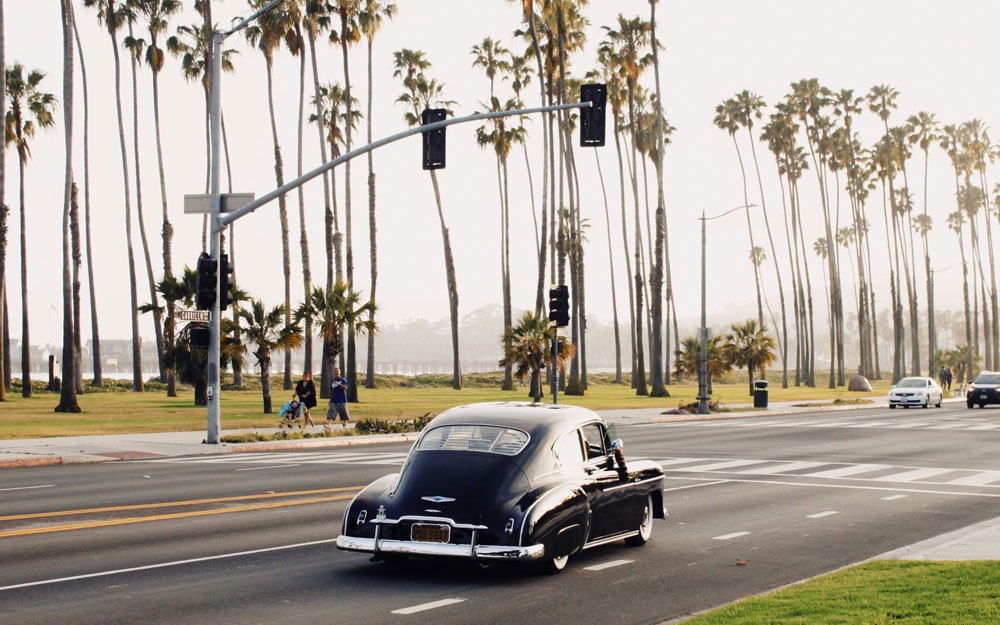
ROAD TRIP
A scenic route with Santa Barbara stops, coastal stretches, and vineyard detours.
Read More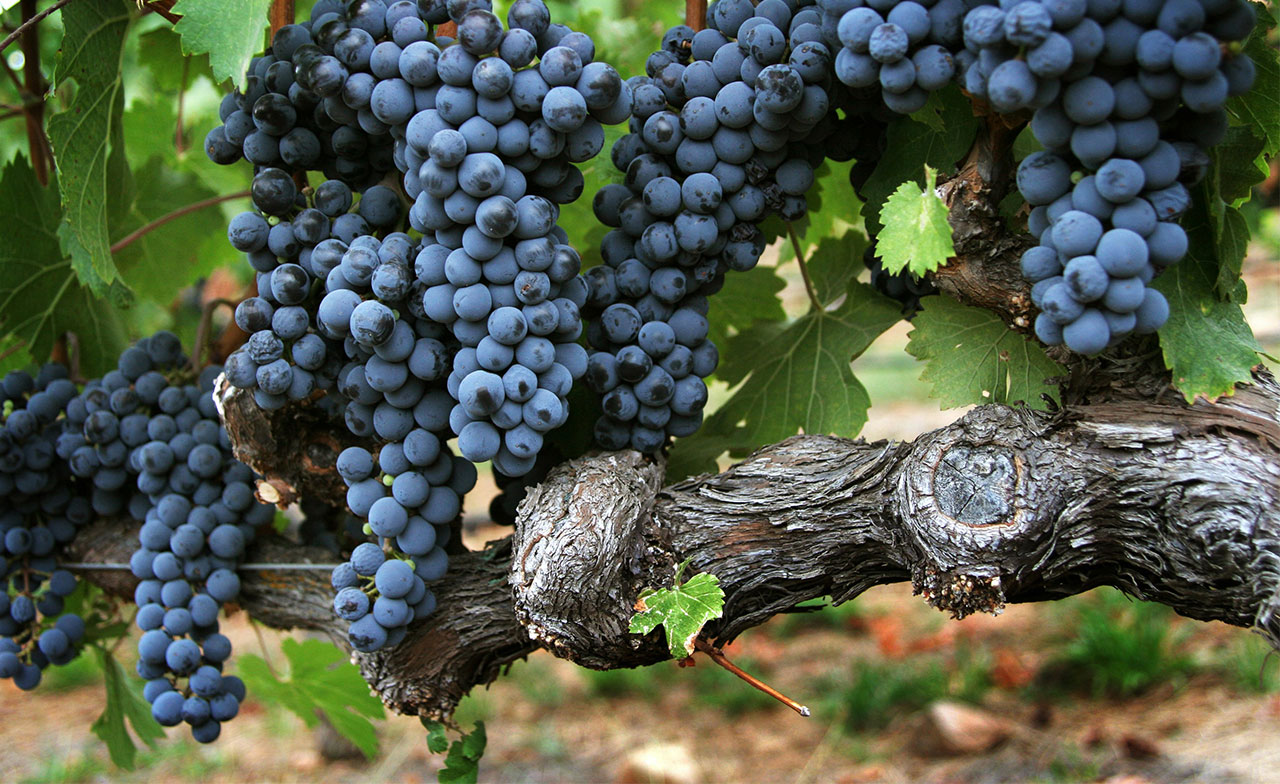
WINE COUNTRY
Polished tasting experiences, beautiful estates, and one of California’s signature escapes.
Read More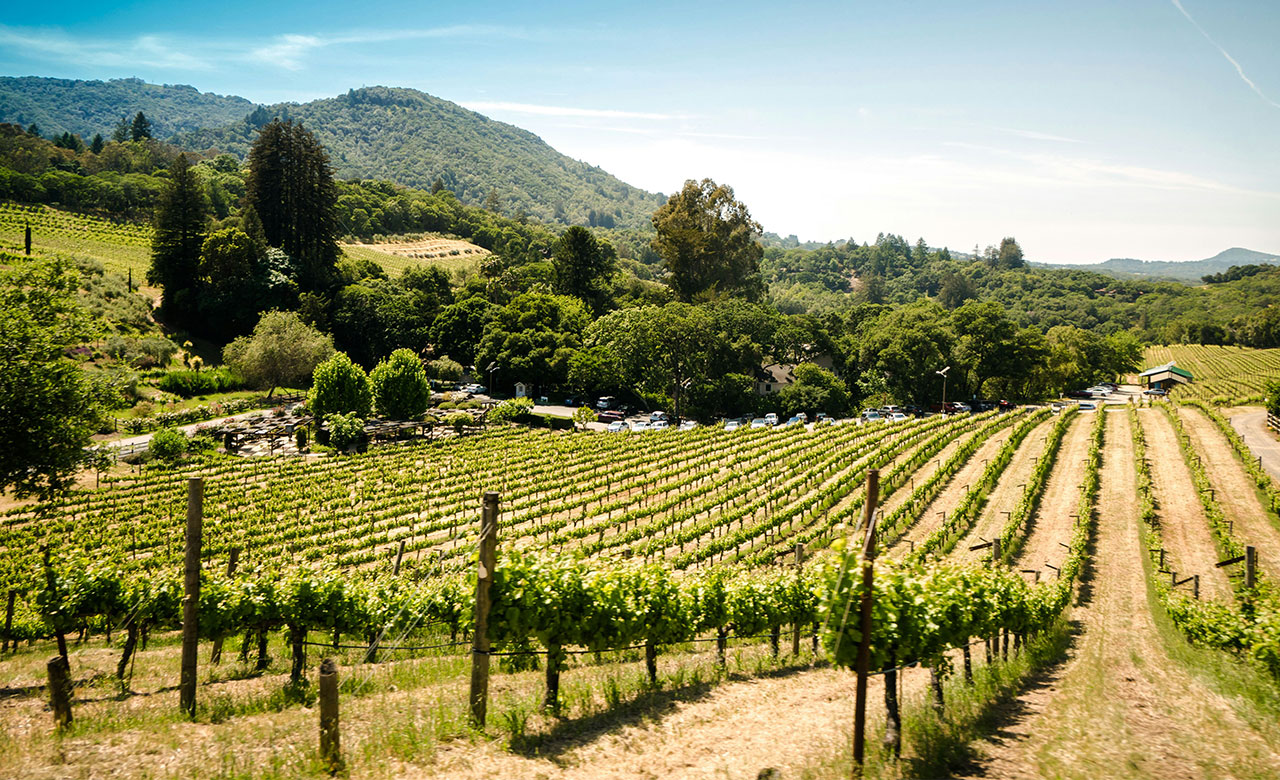
WINE COUNTRY
A more relaxed pace with scenic roads, tasting stops, and small-town charm.
Read More