Travel Planning Hub
Start here to plan your trip, compare options, and explore every TLGA planning guide.
Packing & Gear Guide
What to pack, what to skip, and how to build a lighter travel setup that works.
Last updated: March 2026 by Corey Gasman
From the Editor:
Napa Valley is one of those destinations that can absolutely live up to the hype if you approach it the right way. It is polished, expensive, beautiful, and full of genuinely memorable food and wine experiences. It is also a place where bad planning leads to traffic, rushed tastings, palate fatigue, and bills that feel a lot less charming by the end of the weekend.
I have visited Napa multiple times with different groups and budgets, and the pattern is always the same: the best trips are not the ones that cram in the most wineries. They are the ones that pace the day, mix serious tastings with easier food moments, and leave enough room to actually enjoy where you are. This guide is for travelers who care as much about the lunch reservation and bakery stop as they do the bottle they are bringing home.
Napa Valley runs on two main north-south roads: Highway 29 and the Silverado Trail. If you zigzag across the valley all day, you will lose huge chunks of your trip to traffic and transitions. The smartest Napa itinerary groups winery visits by area and gives each day one clear lane.
Most travelers also overbook tastings. Two wineries in a day is ideal. Three is the absolute maximum, and only if the pacing is relaxed. Anything beyond that starts to feel like a checklist instead of a trip.
Napa Golden Rule: Limit yourself to a maximum of three wineries per day, and always group them by location so you are tasting wine instead of sitting in valley traffic.
Flying in? Read the San Francisco Travel Guide before heading north.
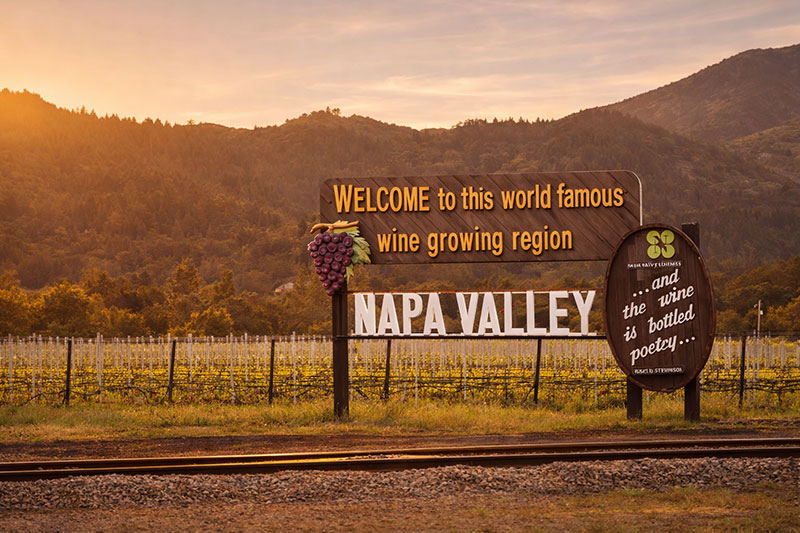
The iconic Napa Valley welcome sign glowing at sunset, marking the entrance to one of the world’s most famous wine regions.
Napa Valley is compact compared to many wine destinations, but each part of the valley gives the trip a different feel. Where you stay matters. Where you book tastings matters even more.
Downtown Napa is the easiest base if you want restaurants, bars, and more hotel variety. Yountville feels polished and food-forward. St. Helena is classic wine country. Calistoga is more relaxed and makes sense if you want a slower pace, spa time, and an up-valley base.
| Area | What It Feels Like | Why It Works |
|---|---|---|
| Downtown Napa | Lively, walkable, easiest at night | Best mix of hotels, tasting rooms, restaurants, and casual evening options. |
| Yountville | Upscale, culinary, boutique | Best for food lovers who want top restaurants and a polished stay. |
| Oakville + Rutherford | Iconic Cabernet country | Great for serious wine drinkers focused on classic Napa reds. |
| St. Helena | Historic, refined, central up-valley | Beautiful base for winery-heavy days with strong lunch and dinner options. |
| Calistoga | Relaxed, rustic, spa-friendly | Great for couples or travelers who want wine plus hot springs and slower mornings. |
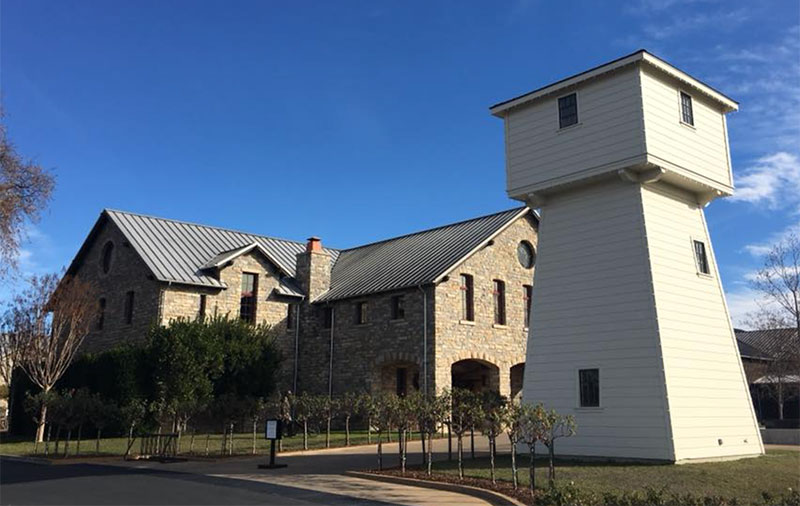
The historic stone water tower at Silver Oak Cellars, a landmark of Napa Valley’s Cabernet Sauvignon heritage.
There are hundreds of winery options in Napa, which is exactly why so many first-time visitors end up booking the wrong ones. The goal is not just to taste wine. It is to choose experiences that feel distinct from one another.
A strong Napa winery day usually mixes one estate with visual drama, one tasting with broad appeal, and one food or picnic stop that gives your palate a reset. That is how the trip keeps its shape.
If you want crowd-pleasers for a first Napa visit, these wineries work well because each one shows a different side of the valley.
| Winery | The Vibe | Why You Should Go |
|---|---|---|
| Sterling Vineyards | Scenic, elevated, memorable | The gondola arrival makes this one of the most visually distinctive winery experiences in Napa. |
| CHANDON | Fresh, social, celebratory | A strong opening stop for sparkling wine and a lighter start to the day. |
| Hess Persson Estates | Mountain estate, art-forward, refined | You get mountain views, stronger reds, and one of the valley’s best art add-ons. |
| Frog’s Leap | Garden setting, relaxed, thoughtful | A beautiful Rutherford property that feels grounded and less performative than many Napa estates. |
| Schramsberg | Historic, cave-driven, classic | One of Napa’s signature sparkling experiences and a very smart alternative to an all-Cabernet itinerary. |
| Silver Oak | Modern, polished, high-end | A classic stop for travelers who want a polished Napa Cabernet experience. |
| Stag’s Leap Wine Cellars | Historic, polished, iconic | A strong first-trip stop if you want a recognizable Napa name with real Cabernet history. |
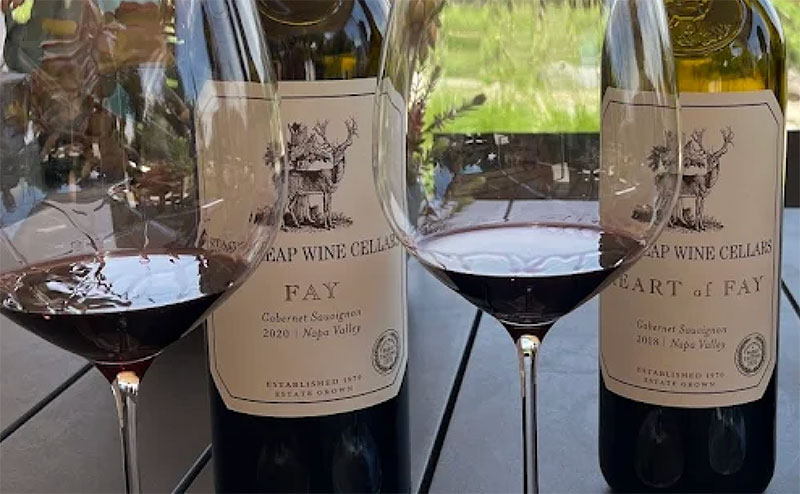
A seated tasting at Stag’s Leap Wine Cellars, featuring their legendary FAY Vineyard Cabernet Sauvignon.
If you want to understand why Napa matters, not just see the polished version of it, this is the list that deserves extra weight. These are the wineries I would prioritize for travelers who care about terroir, structure, age-worthiness, and experiences that feel more rooted in the wine than the staging.
This is also where Napa gets much stronger if you balance sparkling, classic Rutherford and Oakville reds, and one or two producers that feel less corporate and more cellar-driven.
| Winery | Why Serious Drinkers Care | Best Fit For |
|---|---|---|
| Corison | Elegant, age-worthy Cabernet that leans more restrained than many Napa peers. | Travelers who want nuance over flash. |
| Schramsberg | Historic cave tastings and one of Napa’s benchmark sparkling houses. | Anyone building a smarter, more balanced tasting lineup. |
| Frog’s Leap | A more grounded estate feel and wines that often drink with freshness and ease. | People who want serious wine in a less stiff setting. |
| Hess Persson Estates | Mount Veeder fruit and a stronger sense of place than many valley-floor stops. | Drinkers who like mountain wines and deeper reds. |
| Silver Oak | A Napa icon that still matters if Cabernet is your main reason for coming. | Classic Napa luxury red wine drinkers. |
| Stag’s Leap Wine Cellars | A foundational name in Napa Cabernet history and one of the valley’s most recognizable benchmarks. | Travelers who want a sense of Napa’s bigger wine story. |
| Inglenook | Historic estate prestige, strong sense of legacy, and a more old-school aura than many newer luxury properties. | Wine travelers who like heritage and classic estate atmosphere. |
For a first serious Napa trip, I would build one day around Schramsberg plus a Cabernet producer, then another around Rutherford or St. Helena. That creates contrast and gives your palate a much better run than stacking three heavy red tastings back to back.
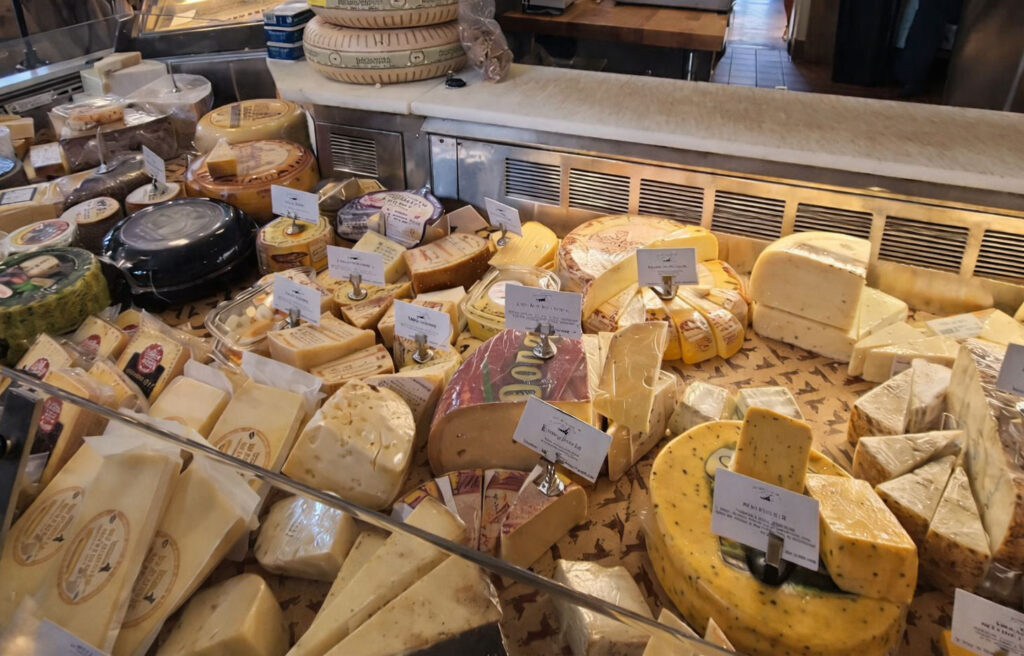
The cheese counter at Oakville Grocery in Napa Valley is a perfect stop to build a picnic before heading to the vineyards.
Napa is not just a winery destination with a few good restaurants attached. For food-forward travelers, the eating can be just as important as the tasting. That is especially true in Yountville, where you can build an entire trip around bakery mornings, long lunches, and one splurge dinner.
The famous names pull the headlines, but the real Napa food move is variety. One big dinner. One picnic lunch. One bakery stop. One market stop. One easier night where nobody needs a tasting menu after a full day of wine.
That balance is what makes Napa feel luxurious instead of exhausting.
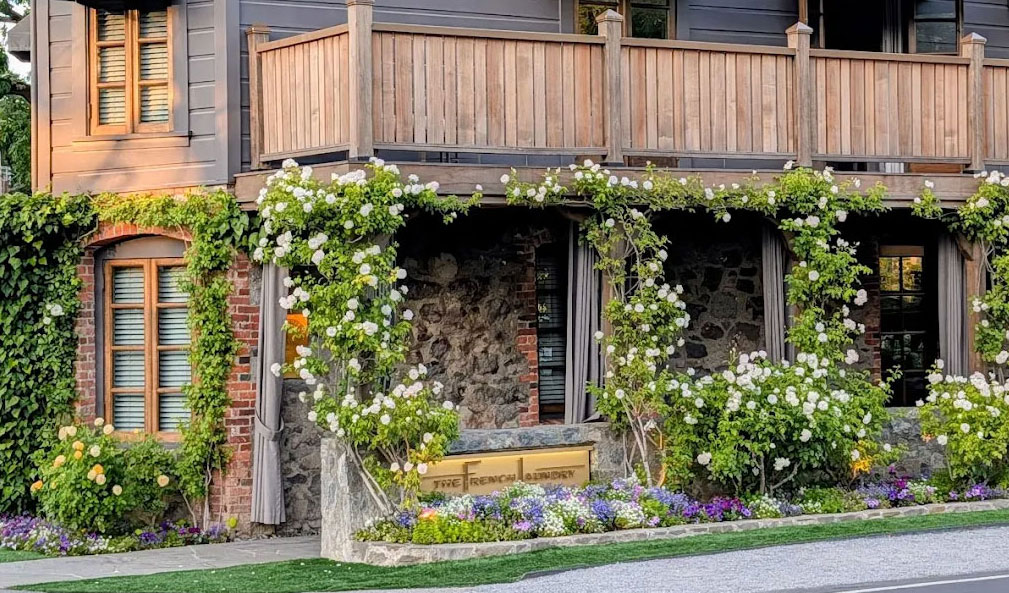
The French Laundry in Yountville is one of Napa Valley’s most famous restaurants, where Thomas Keller’s legendary tasting menu draws food lovers from around the world.
If your blog leans food and drink first, this section matters almost as much as the winery picks. A lot of Napa guides over-focus on The French Laundry and stop there, but the better strategy is to help readers build a realistic dining plan around one dream meal and several smarter supporting stops.
That usually means one headline reservation, one casual but excellent lunch, and one market or picnic option that saves both money and stamina.
| Restaurant | Location | Why It Belongs in the Guide |
|---|---|---|
| The French Laundry | Yountville | The bucket-list reservation if your readers want Napa’s biggest dining trophy. |
| Bouchon Bistro | Yountville | A much more attainable way to tap into the Thomas Keller world. |
| Bouchon Bakery | Yountville | Perfect for a pastry-and-coffee start before the first tasting of the day. |
| Press | St. Helena | One of the best picks for travelers who want a serious Napa steak-and-Cabernet dinner. |
| The Charter Oak | St. Helena | Excellent for a stylish but more relaxed dinner with big flavor and strong produce. |
| Oxbow Public Market | Napa | An easy casual stop for oysters, snacks, coffee, cheese, picnic supplies, or a low-key lunch. |
| Oakville Grocery | Oakville | One of the smartest picnic and sandwich stops in the valley between winery reservations. |
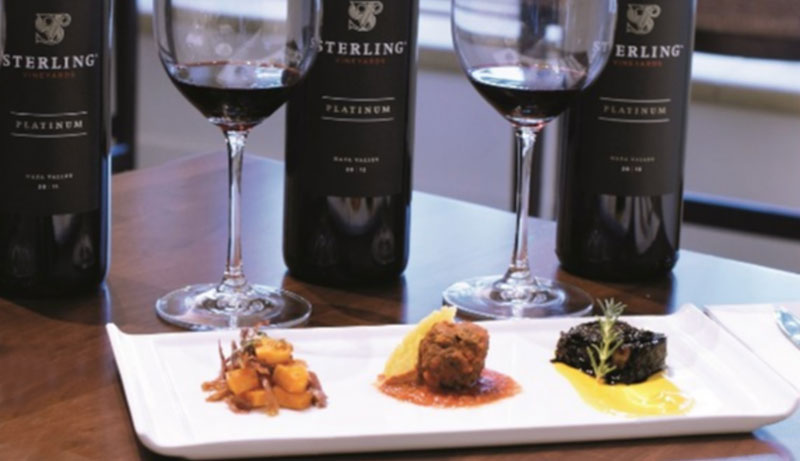
A curated wine and food pairing at Sterling Vineyards, where estate wines are served with small bites designed to highlight specific flavor profiles.
Napa Valley is still most famous for Cabernet Sauvignon, and that is usually the main event for wine-focused travelers. The valley’s name is tied to rich, structured reds that often feel powerful and polished, especially in classic areas like Oakville and Rutherford.
But the smartest Napa trip is not Cabernet-only. Adding sparkling wine, Chardonnay, Sauvignon Blanc, or a more restrained producer keeps the trip from flattening into one long parade of expensive reds.
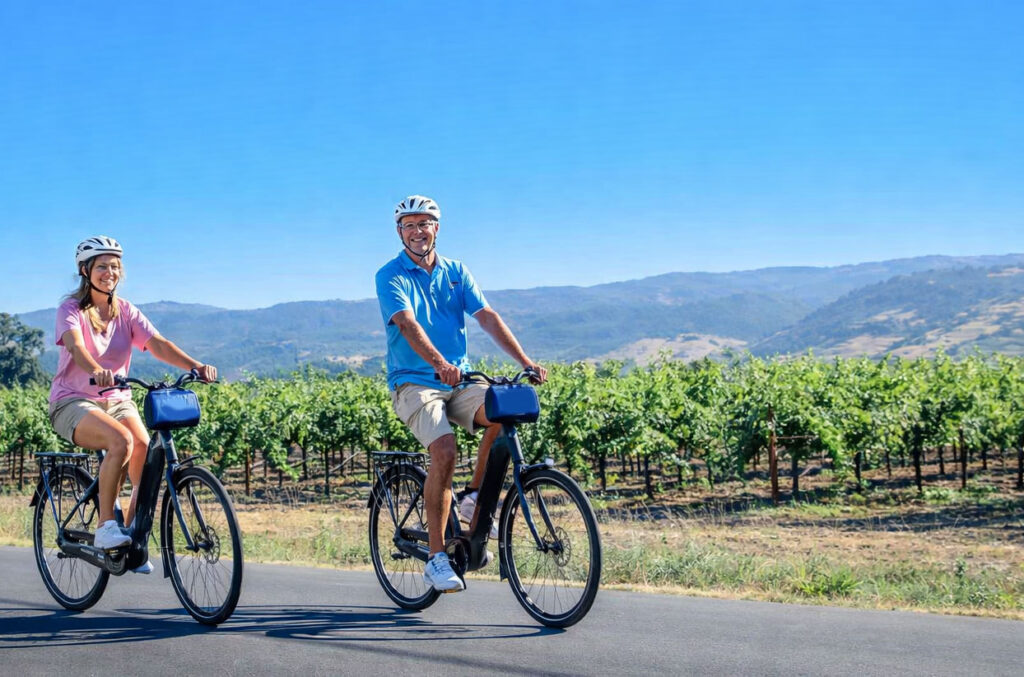
Cycling through Napa Valley vineyards is one of the most relaxed ways to experience wine country between tastings, with quiet roads, rolling vines, and beautiful valley views along the way.
Most travelers reach Napa from San Francisco, Oakland, or Sacramento. Driving from San Francisco can be quick in ideal conditions, but weekend traffic can shift the whole equation. That matters because timing mistakes on arrival day often ripple into missed reservations or rushed first tastings.
Once you are in the valley, the transportation question gets more important. If more than one person is tasting, a private driver is usually the best move. Rideshares are fine for shorter hops around town, but they are not something I would build an entire winery day around.
The Napa Valley Wine Train is worth thinking of as an experience, not as a transportation solution. It can be a fun luxury add-on, but it does not replace the need for a clear winery plan.
| Transport Method | Best Used For | The Reality |
|---|---|---|
| Rental Car | Arrival, flexibility, dinner outings | Helpful for independence, but only works during tasting hours if one person stays fully sober. |
| Private Driver | Serious winery days | Usually the smoothest and safest option if everyone in the group is tasting. |
| Rideshare | Town-to-town hops, dinner, downtown Napa | Useful in the easier zones, less reliable if you build your whole day around it. |
| Wine Train | A special meal or half-day experience | A fun splurge, but not a practical substitute for a winery itinerary. |
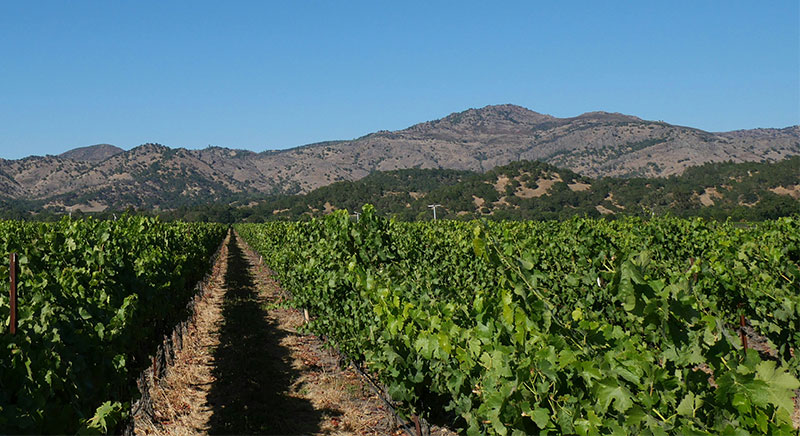
Walking through the perfectly manicured rows of a Yountville vineyard, where the valley’s unique microclimate produces some of Napa’s most celebrated grapes.
Three days is the sweet spot for Napa. It gives you enough time for standout winery visits, one or two excellent dinners, and some breathing room so the whole trip does not feel like a blur of reservations.
The best three-day Napa itinerary also alternates intensity. Do not stack your most serious, expensive, or tannic tastings back to back without some lighter moments around them.
| Day | Theme | Morning | Afternoon | Night |
|---|---|---|---|---|
| Day 1 | Ease into Napa | Bouchon Bakery or downtown Napa coffee, then CHANDON or Schramsberg | Relaxed lunch, one polished winery stop, early hotel reset | Dinner in Yountville or downtown Napa |
| Day 2 | Serious wine day | Corison, Frog’s Leap, or another producer-led tasting | Cabernet-focused tasting in Rutherford, Oakville, or St. Helena | Big dinner at Press, The Charter Oak, or your splurge reservation |
| Day 3 | Views and one final memorable stop | Late breakfast or market stop | Sterling, Hess, or a final scenic estate before departure | Casual final meal or drive back toward San Francisco |
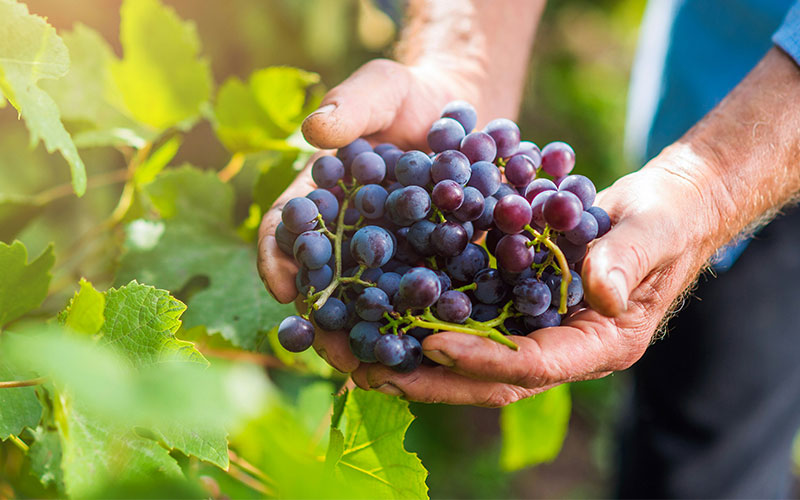
Hands holding a fresh cluster of wine grapes during the peak of the Napa Valley harvest season.
Napa works year-round, but the mood shifts by season. Spring is fresh and green. Summer is busy and polished. Fall is the classic harvest window and brings the strongest wine-country energy. Winter is quieter and can be a great choice if your readers care more about easier reservations than vineyard buzz.
If someone wants the classic Napa atmosphere, early fall is the obvious draw. If they want a more relaxed version of the valley, spring and winter can be smarter value plays.
| Season | Why Go | Watch Out For |
|---|---|---|
| Spring | Green vineyards, pretty scenery, pleasant weather | Popular weekends still fill up quickly. |
| Summer | Long days, patio dining, easy outdoor tasting weather | Higher demand and a more crowded feel. |
| Fall harvest | Peak wine-country energy and the classic Napa atmosphere | Most expensive and most competitive for reservations. |
| Winter | Quieter, moodier, easier to book top spots | Less vineyard drama and fewer warm patio moments. |
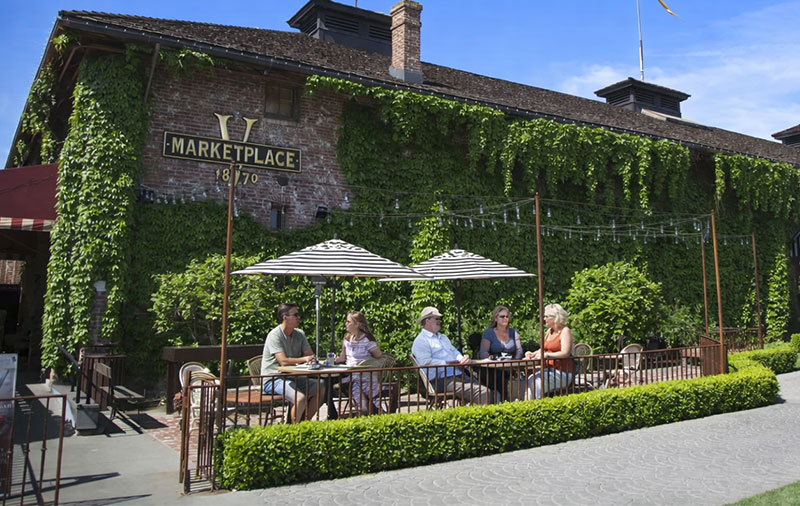
Staying in Yountville places you in the heart of Napa Valley wine country, where spots like V Marketplace offer relaxed patios, great food, and easy access to nearby wineries.
Choosing the right base is one of the biggest quality-of-life decisions in Napa. Stay too far from your dinner plans or daily tasting zones, and the trip starts to feel more logistical than luxurious.
For most first-time visitors, Yountville is the strongest overall choice if the budget allows. Downtown Napa is usually the best value and easiest for nightlife. St. Helena is excellent for travelers who want a more wine-country feel. Calistoga works well if spa time and a quieter pace matter as much as restaurant access.
| Base | Best For | Overall Feel |
|---|---|---|
| Downtown Napa | More hotel choice and easier nights out | Lively and practical |
| Yountville | Food lovers and polished first-time trips | Boutique and upscale |
| St. Helena | Winery-heavy itineraries and classic Napa atmosphere | Refined and scenic |
| Calistoga | Spa trips, couples, and slower pacing | Relaxed and rustic |
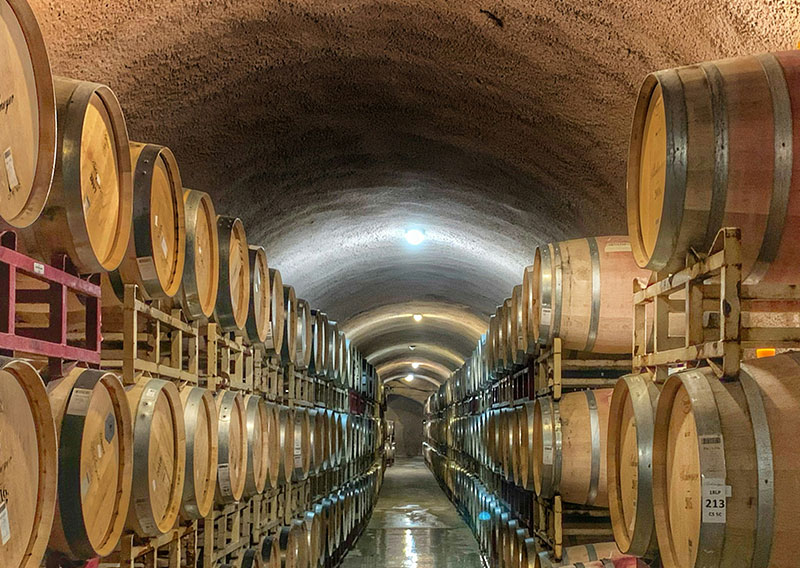
The cool, quiet barrel room of a Napa Valley wine cave, where estate wines age in French oak to develop the depth and structure the region is known for.
Napa and Sonoma sit next to each other, but they do not feel the same. Napa is denser, more polished, and generally easier to build around headline food and wine stops. Sonoma is broader, more spread out, and often feels more rural and relaxed.
If your readers are food-and-drink travelers looking for a first big wine-country trip, Napa is usually the better base. If they want a slightly looser, less polished, more varied-feeling escape, Sonoma may be the better fit.
You can absolutely do both on the same trip, but not on the same day. Crossing between the two is where people often ruin an otherwise smooth itinerary.
Three days is the sweet spot for most travelers. It gives you time for standout winery visits, a few strong meals, and enough breathing room that the trip still feels fun by the final day.
Yes. Napa is heavily reservation-driven now, especially at the wineries most travelers actually want to visit. The better your target list, the earlier you should book.
Two is ideal. Three is the absolute maximum. More than that and the day usually starts to feel rushed, repetitive, and a little wasteful.
It can be, as long as you think of it as a special dining and sightseeing experience rather than practical transportation. It works best as a splurge moment, not as the backbone of a winery itinerary.
Yountville is the strongest first-time base if you want a polished food-and-wine trip. Downtown Napa is a great option for value and convenience. St. Helena and Calistoga make sense if you want a more up-valley feel.
Fall gives you the classic harvest atmosphere, but it is also the busiest. Spring is one of the prettiest and easiest all-around times to go. Winter can be great for travelers who want easier reservations and a quieter mood.
Yes, but give each valley its own day. Trying to bounce between Napa and Sonoma during the same tasting day is one of the easiest ways to make the trip feel scattered.