Travel Planning Hub
Start here to plan your trip, compare options, and explore every TLGA planning guide.
Packing & Gear Guide
What to pack, what to skip, and how to build a lighter travel setup that works.
Last updated: March 2026 by Corey Gasman
From the Editor:
San Francisco is one of the few U.S. cities that can feel world-class and messy in the same hour. The difference between an amazing SF trip and a why-did-we-do-this trip is rarely luck. It comes down to where you stay, how you move through the city, and how quickly you pivot when a plan stops making sense.
I have been to San Francisco a handful of times over the last 20 years. I have done Alcatraz twice, visited over Christmas, eaten fresh Dungeness crab with sourdough, taken BART from SFO, rented a car for escapes, and stayed in everything from polished hotels to a Chinatown spot that was basically a dressed-up old motel. This guide is the playbook that keeps SF fun and keeps the friction low.
San Francisco works best as a loop city. Do one neighborhood loop per day, add one major sight at most, then leave room for views, coffee, and pivots. The goal is not to see it all. The goal is to feel the city without wasting energy.
For most travelers, the winning formula is simple: stay in a neighborhood with good day-to-night flow, lock in Alcatraz early if it is on your list, and build each day around one part of the city instead of zigzagging everywhere. The more you simplify San Francisco, the better it gets.
SF Golden Rule: Stay one step removed from the loudest tourist corridor, then walk into the energy when you want it.
Start here: Getting Around Abroad for loop-based travel planning
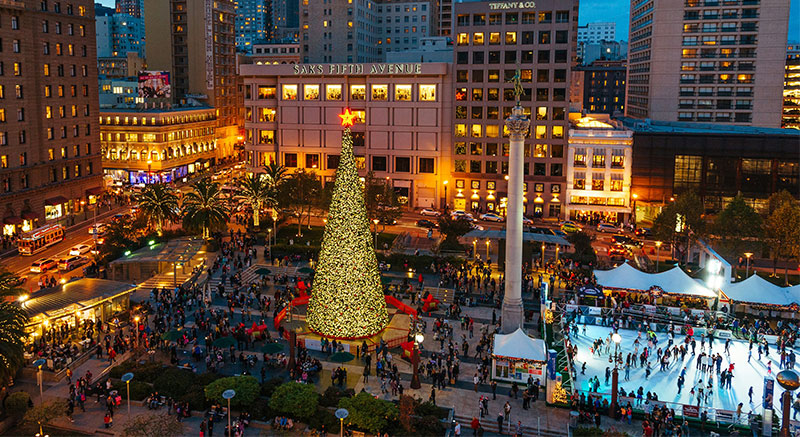
San Francisco rewards travelers who stay flexible, pack layers, and let neighborhoods shape the day instead of forcing a rigid checklist.
Most first-time San Francisco trips work best with three full days. Two days is enough to hit the highlights if you stay disciplined. Four days gives you room to slow down, spend real time in neighborhoods, and stop treating the city like a list of errands.
The first thing to decide is your base. The second is whether Alcatraz matters to you. After that, the trip gets much easier. San Francisco is a city where strong sequencing saves time, money, and hill-climbing energy.
San Francisco microclimates are real. It can be bright by the bay, windy at a viewpoint, and chilly in the shade all in the same afternoon. Late summer and early fall are often best for clearer views, but winter can still be excellent if you lean into food, neighborhoods, and flexible timing.
| Question | TLGA Answer | Why It Matters |
|---|---|---|
| How many days? | 3 days is ideal for a first trip | Enough time for Alcatraz, neighborhoods, waterfront, and one scenic window without rushing. |
| What should I book early? | Alcatraz, your hotel area, and any must-have dinner | Those are the pieces most likely to shape the whole trip. |
| Best time to visit? | Late summer and fall for clearer views, winter for cozy city energy | You are choosing between scenic reliability and mood. |
| Big first-timer mistake? | Doing too much across too many neighborhoods in one day | San Francisco gets tiring fast when the plan ignores terrain and transit reality. |
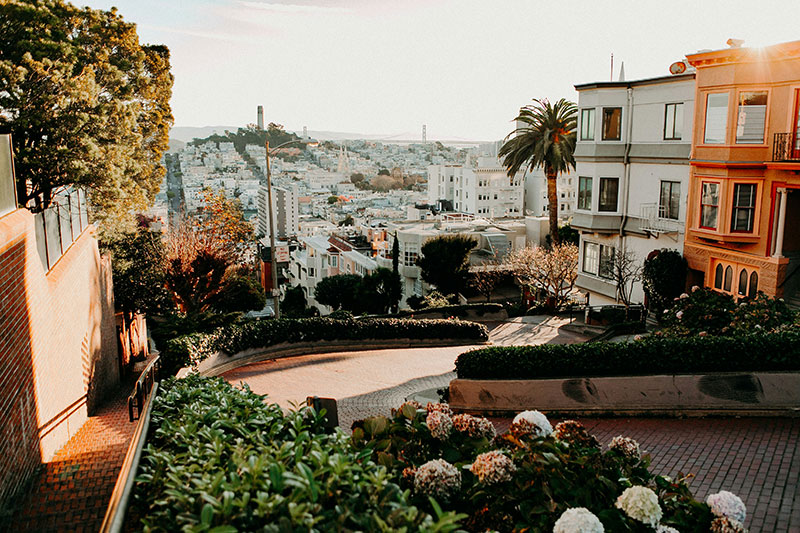
Lombard Street is classic San Francisco: dramatic hills, postcard views, and a reminder that the city works best as a series of neighborhood loops.
San Francisco is a neighborhood city. Where you stay affects your mornings, your nights, your walking routes, and how often you end up saying, “let’s just go back to the hotel.” A smart base does more than give you a bed. It makes the whole trip feel smoother.
The best San Francisco stays create an easy day-to-night rhythm. You want coffee close by, a neighborhood worth walking in, and a dinner zone that does not require a complicated reset. The wrong base makes the city feel scattered. The right one makes it feel surprisingly manageable.
If you are deciding between several areas, think less about the perfect hotel and more about the kind of trip you want once you step outside.
| Neighborhood | Vibe | Best For | Avoid If… |
|---|---|---|---|
| Union Square / Downtown | Central, busy, practical | Short stays, transit access, convenience | You want quiet nights and more local neighborhood energy. |
| SOMA (near Moscone) | Modern, efficient, conference-friendly | Work trips, short business stays, easy logistics | You want charm the second you walk outside. |
| North Beach | Classic SF, lively, food-forward | Walkable nights, bars, Italian energy, easy loops | You are a very light sleeper on weekends. |
| Chinatown | Dense, energetic, memorable | Culture, food, and a totally different city feel | You want wide sidewalks and quiet mornings. |
| Hayes Valley | Stylish, boutique, calmer | Coffee, dining, shopping, a polished home base | You want immediate waterfront access. |
| Mission | Creative, energetic, food-heavy | Murals, tacos, bars, neighborhood personality | You want a polished hotel district. |
| Marina / Cow Hollow | Scenic, brighter, cleaner-feeling | Views, easy strolls, photogenic SF | You want transit-first logistics. |
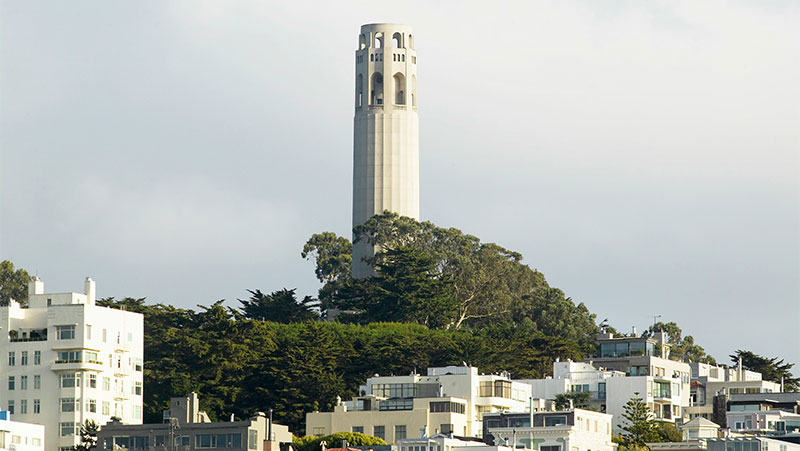
Basing yourself near classic landmarks like Coit Tower puts you steps away from North Beach’s unbeatable food and evening energy.
If you do not want to spiral into hotel-tab overload, start with your trip type instead of the hotel itself. This section is the fastest way to match your trip style to the right part of the city.
For shorter stays, paying more for a better base is usually worth it. For longer trips, you can save by staying just outside the hottest zones, as long as your nighttime return still feels easy.
| Traveler Type | Best Base Area | Why It Works | One Tip |
|---|---|---|---|
| First-timer | North Beach or Hayes Valley | Easy walking loops, memorable streets, strong SF feel | Pay for location. It improves every part of the trip. |
| Conference trip | SOMA or Downtown | Shorter work logistics, easier daytime efficiency | Build one evening loop so the trip does not become hotel-lobby life. |
| Food and nightlife | North Beach or Mission edge | Better nights, better dinner options, fewer rideshares | Stay on a quieter side street if sleep matters. |
| Scenic, calmer vibe | Marina / Cow Hollow | Views, pleasant walking, less chaos out the door | Budget for a few rideshares to reach other neighborhoods. |
| Budget-focused | Outer neighborhoods with transit access | Lower room rates, more space, longer stays | Make sure your nighttime return route feels comfortable. |
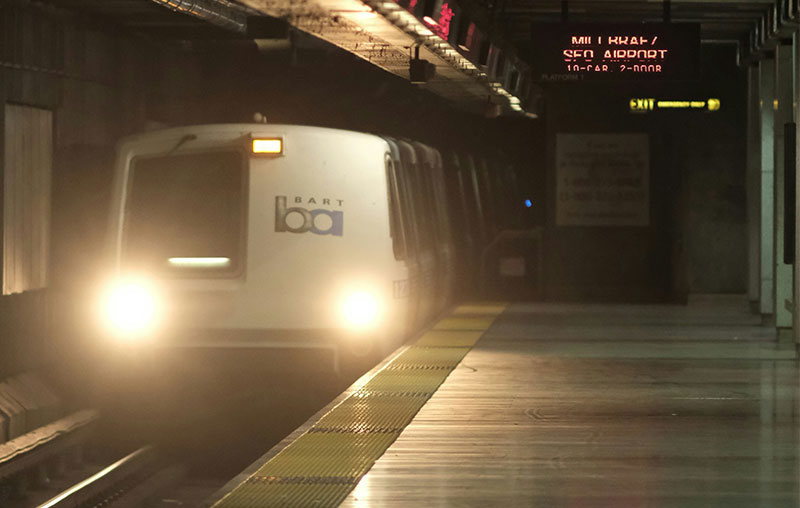
BART from SFO is one of the cleanest moves if your trip is city-focused and you do not need a car.
I have done San Francisco both ways: BART from SFO when the plan was to stay urban, and a rental car when the trip stretched beyond the city. If San Francisco is the main event, going car-free is usually the smarter play. Once parking, hills, and break-in risk enter the picture, the romance of having a car fades fast.
Walking is still the best way to feel the city, but not as one giant all-day haul. Walk neighborhoods, not the entire city. Use BART, rideshare, or the occasional shortcut when the terrain starts eating into the fun.
The smartest move is usually a hybrid: rail or rideshare in from the airport, neighborhood walking during the day, and rideshare for late returns or hill fatigue.
| Mode | Best For | Reality |
|---|---|---|
| BART | SFO to city, cross-bay connections | Efficient if you stay near a station, but not perfect for every neighborhood. Check routes on the official BART website. |
| Walking | Neighborhood loops | San Francisco is highly walkable, but the hills are real. |
| Rideshare | Night returns, shortcuts, hill fatigue | Worth the cost when you want speed, comfort, or an easier finish. |
| Car rental | Trips beyond the city | Only rent if you are leaving San Francisco. Inside the city it adds friction fast. |
Read: Getting Around Abroad for loop-based travel planning
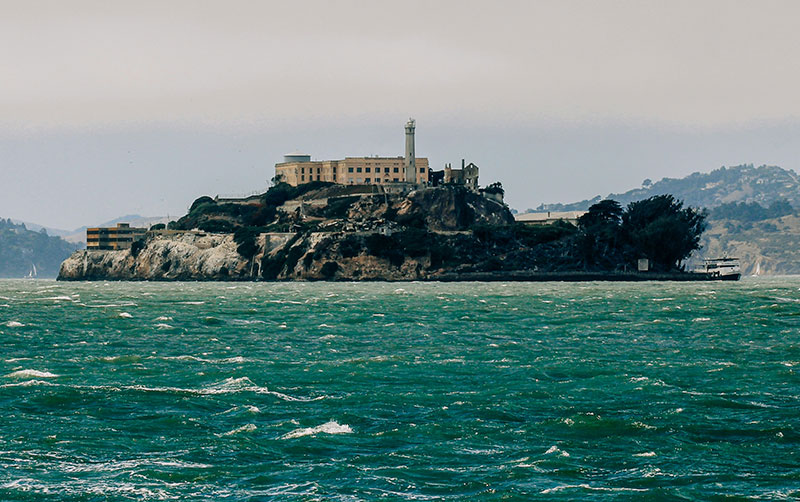
Alcatraz is one of the rare major tourist sights in San Francisco that genuinely earns its reputation.
San Francisco has no shortage of things to do, but not all of them deserve prime time in a short trip. The best approach is to prioritize what feels uniquely San Francisco: history on the bay, waterfront food, neighborhood texture, steep-street drama, and one or two scenic moments that make the whole city click.
You do not need a hundred stops. You need a few high-value ones arranged in the right order. That is what turns San Francisco from a tiring city into a very good one.
I have done Alcatraz twice and would still send first-timers. The setting is iconic, the history lands, and the audio tour is genuinely well done. Buy tickets only from City Experiences, the official vendor.
The Ferry Building is a food stop, a walk, and a mood shift in under two hours. If the weather cooperates, oysters by the water are one of the easiest high-payoff San Francisco moves.
Give one real block of time to Chinatown, North Beach, the Mission, or Hayes Valley instead of grazing five neighborhoods badly.
That might be the bridge, Alamo Square, a waterfront stretch, or the Marin side. San Francisco gets much better when you stop forcing viewpoints in bad weather and go when the window opens.
A Giants game, dinner in North Beach, a Mission food-and-bar loop, or a long waterfront walk after dinner. Protect one evening that feels like the city instead of another night of logistics.
Riding a cable car is still fun, but waiting forever at the Powell turnaround is not. If you want the classic experience without burning half your day, the California Street line is usually the smarter play.
Coit Tower is fine, but the walk up is the real payoff. The Filbert Steps give you one of the quietest and most interesting hidden-side moments in the city.

Fresh Dungeness crab is one of those classic San Francisco food moves that still feels worth doing when you time it right.
San Francisco is a serious food city, but the best meals here usually come from restraint. Mix one classic San Francisco meal with one neighborhood food crawl and one strong dinner street. If you try to do everything, you will spend the trip in transit, lines, and over-ordering.
The best food days have rhythm. Start early, build the main sight or walk before lunch, then use the afternoon and evening to eat where the city already wants you to be. That could mean oysters near the water, dim sum in Chinatown, a North Beach dinner, or tacos and bars in the Mission.
The biggest win is usually sequencing, not volume. Two or three smart stops beat a dozen average ones every time.
| Move | Where It Fits Best | Why It Works |
|---|---|---|
| Dungeness crab + sourdough | Cool-weather lunch or dinner | Classic, satisfying, and still one of the most iconic San Francisco food experiences. |
| Oysters by the water | Ferry Building or waterfront day | Easy high-payoff meal that fits naturally into a sightseeing loop. |
| Chinatown crawl | Lunch or late afternoon | Great for dim sum, bakeries, noodle stops, and quick small wins. |
| Mission food night | Dinner into bars | One of the best neighborhoods in the city for building a full evening. |
| North Beach dinner | Classic city night | Great day-to-night flow with strong restaurant density. |
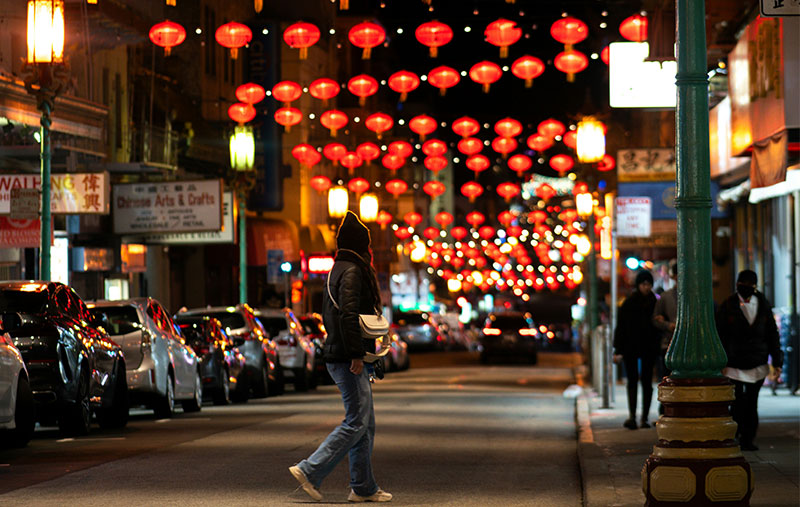
Chinatown at night is one of the easiest ways to turn a daytime sightseeing plan into a memorable San Francisco evening loop.
Use these as flexible frameworks, not rigid schedules. Swap neighborhoods based on your base, your energy, and the weather window. The goal is to keep San Francisco feeling memorable, not over-programmed.
If you only have two days, keep the magic inside the city. If you have four, you can finally slow down and let San Francisco breathe a little.
| Day | Anchor Neighborhood | Morning | Afternoon | Night |
|---|---|---|---|---|
| Day 1: Waterfront + Icons | Embarcadero / North Beach | Ferry Building loop + coffee | Alcatraz or waterfront museums | North Beach dinner + one great bar |
| Day 2: Views + Neighborhoods | Chinatown or Mission | Bridge or waterfront viewpoint window | Chinatown or Mission loop | Giants game or one classic SF night out |
| Day | Anchor Neighborhood | Morning | Afternoon | Night |
|---|---|---|---|---|
| Day 1: Arrival Loop | Embarcadero | Settle in and find coffee | Ferry Building and waterfront walk | Easy dinner near your hotel |
| Day 2: The Classics | North Beach | Alcatraz early ferry | North Beach or Embarcadero walk | Classic dinner in North Beach |
| Day 3: Culture + Views | Mission or Chinatown | Neighborhood deep dive | A well-timed scenic stop | Food crawl and drinks |
| Day 4: Slower San Francisco | Your favorite zone | Coffee and a final walk | Museum, park, or waterfront flex time | Final celebratory SF dinner |
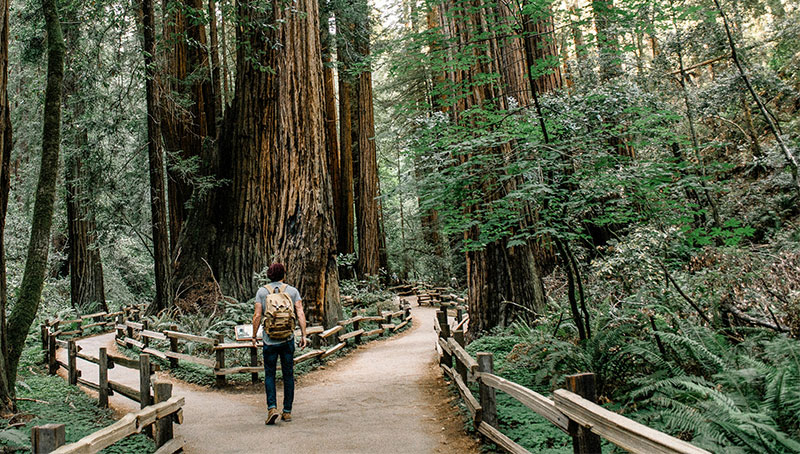
Muir Woods is a premier day trip from San Francisco, providing a quick but powerful immersion into California’s ancient redwood coast.
San Francisco is an excellent base for broader Northern California travel, but most of the major add-ons deserve their own pace. If your main trip is San Francisco, keep these as ideas rather than trying to cram them into a short city itinerary.
For TLGA structure, this is where your spokes will work better later. Napa, Yosemite, and Lake Tahoe all deserve dedicated planning pages instead of oversized sidebars inside the city guide.
Keep the San Francisco guide city-focused, then spin off Napa, Yosemite, Tahoe, and Marin into dedicated spoke guides later.
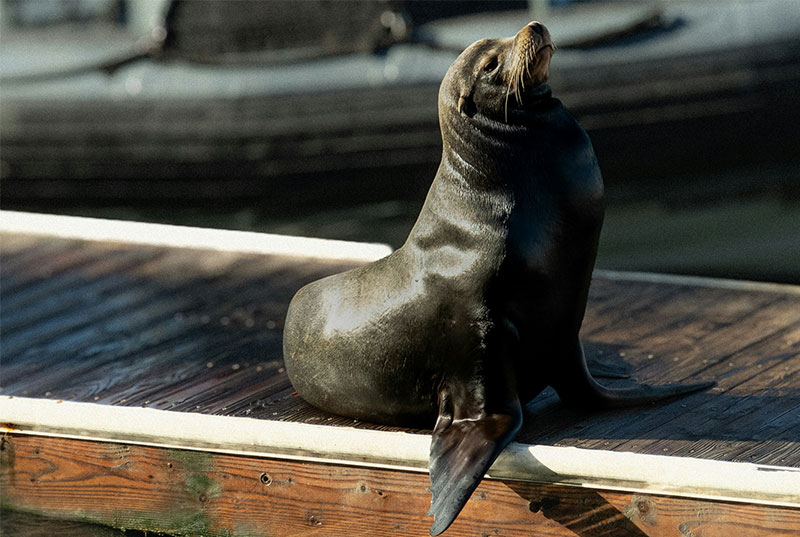
In crowded areas like Pier 39, basic city awareness matters more than paranoia, especially when you are distracted by the barking and sunbathing sea lions.
San Francisco is a major U.S. city. Most visitors have a great trip with zero issues. The goal is habits, not paranoia. Stay aware, stay flexible, and do not let one rough block define your whole read on the city.
The two biggest realities for visitors are car break-ins and block-by-block street variation. That means staying sharp with valuables, pivoting when a street feels wrong, and using rideshare when the easiest safe choice is also the smartest one.
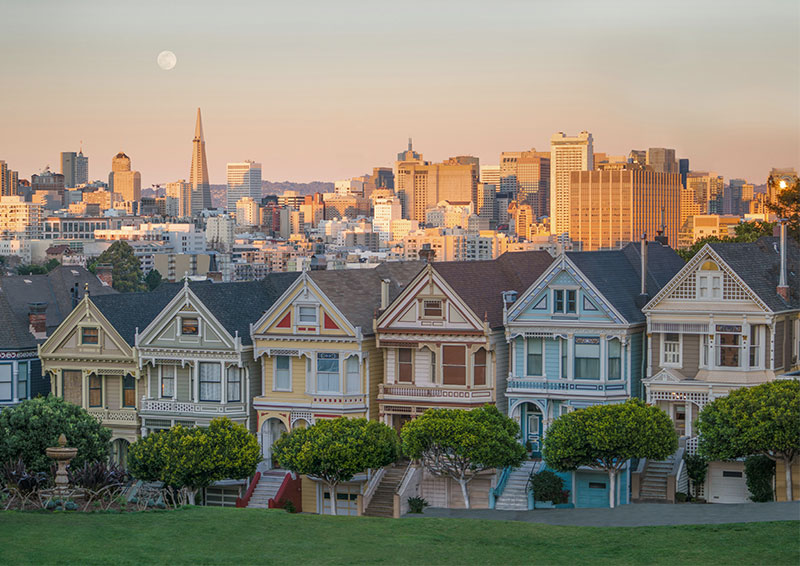
The Painted Ladies at Alamo Square provide a perfect sunset viewpoint and a great anchor for a Hayes Valley walking loop.
San Francisco is expensive, but it is controllable if you spend on the right things. The best money usually goes to location, one or two high-value sights, and a couple of memorable meals. The worst money goes to bad sequencing, constant cross-town rides, and eating only in the loudest tourist corridors.
The best budget move is often paying more upfront for a better neighborhood base. That reduces transportation costs, saves time, and makes the trip feel easier. In San Francisco, convenience is not just a luxury add-on. It often decides whether the trip feels smooth or draining.
| Spend On | Save On | Reality Check |
|---|---|---|
| Better location | Constant rideshares | A strong base improves every day of the trip. |
| Alcatraz or one priority sight | Overscheduled paid tours | One great sight beats three average ones. |
| One memorable dinner | Tourist-corridor meals | San Francisco rewards a few smart food choices, not endless reservations. |
Read: Travel Finance Guide
Three full days is the sweet spot for a first trip. Two days works if you stay focused. Four days gives you room to slow down and enjoy neighborhoods without turning the trip into a sprint.
Yes. It is one of the rare major tourist sights that still holds up. If you are traveling with first-timers, it is still an easy yes.
Only if you are leaving the city for places like Marin, Napa, Tahoe, or Yosemite. If San Francisco is the main trip, skip the car and protect your time, money, and stress level.
Fresh Dungeness crab with sourdough is still the classic. Oysters by the water are the other simple San Francisco win.
Build one walking loop per day by neighborhood, then add one major sight at most. Protect your mornings and leave room to pivot when weather or energy changes.
Yes. If you lean into food, neighborhoods, and flexible viewpoints, winter can be a great time to visit. Just pack layers and expect conditions to shift throughout the day.