Travel Planning Hub
Start here to plan your trip, compare options, and explore every TLGA planning guide.
Packing & Gear Guide
What to pack, what to skip, and how to build a lighter travel setup that works.
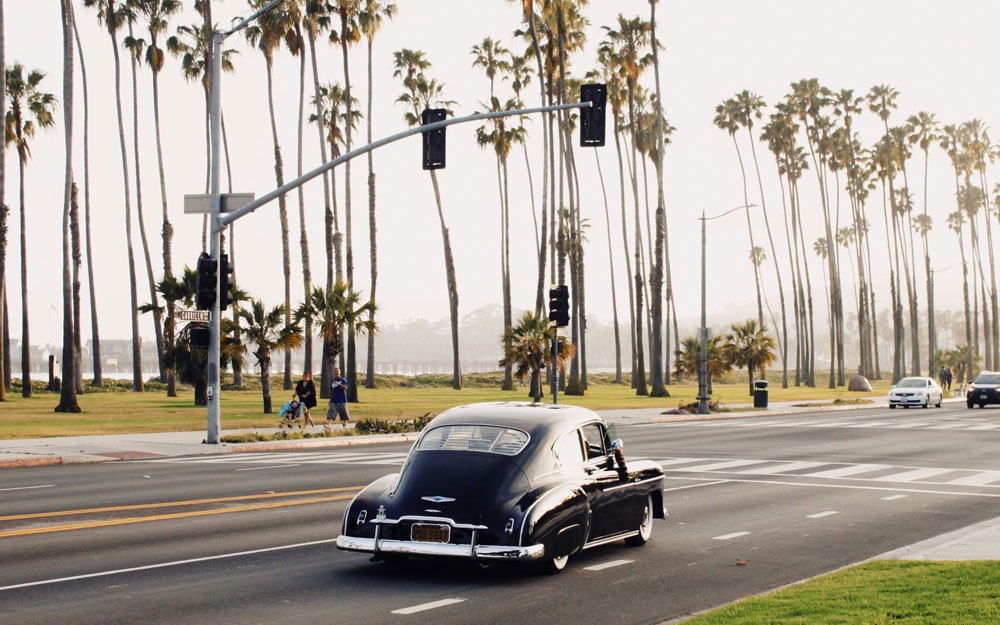
The transition from Los Angeles traffic to Santa Barbara’s palm-lined coastal roads is where the road trip truly begins.
Last updated: March 2026 by Corey Gasman
From the Editor:
This is one of the best California wine road trips if you care as much about lunch, cheese stops, and where to sleep as you do about the tasting itself. The route gives you two distinct versions of wine country in one trip. Santa Barbara brings coastal beauty, walkable tasting rooms, seafood, and polished hotel energy. Paso Robles brings wider vineyard landscapes, bigger reds, more room to breathe, and a slightly more rugged feel.
My wife and I followed this exact route ourselves, starting near Los Angeles, spending a few days in Santa Barbara, tasting through the Funk Zone, and then continuing on to Paso Robles for three nights. That trip reinforced the biggest lesson on this drive: do not treat it like a race. It works best when Santa Barbara handles the elegant coastal chapter and Paso Robles takes over as the vineyard-heavy chapter. This guide is built to help you pace both parts well, eat memorably along the way, and avoid the mistake of overbooking wineries just because the map makes everything look closer than it feels.
Driving from Los Angeles to Paso Robles in one straight shot is doable, but it wastes one of the best food-and-wine corridors in California. The real magic of this route is the progression. You leave behind LA traffic, settle into Santa Barbara’s coastal rhythm, and then keep heading north until the ocean influence starts fading and Paso’s oak-covered hills take over.
The smartest version of this trip breaks into two chapters. Spend one or two nights in Santa Barbara so you can taste in the Funk Zone without worrying about winery driving. Then move north and base yourself in Paso Robles for two or three nights so you can properly tackle the region’s wineries, Tin City, and downtown dining scene.
TLGA Road Trip Rule: Book your best wineries and best dinners in advance, then leave breathing room around them. This route gets much better when every day has some open space in the middle.
Read the Napa Valley Travel Guide
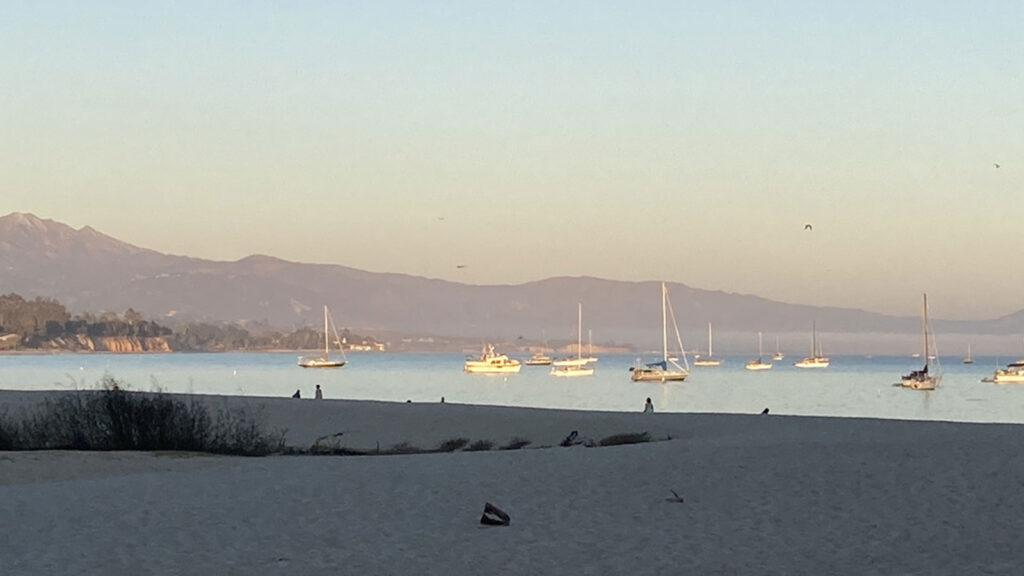
Base yourself near the waterfront so you can easily enjoy the ocean air before shifting your focus to the local tasting rooms.
What makes this road trip better than a lot of California wine getaways is contrast. Santa Barbara gives you a first chapter that is elegant, easy, and very walkable. You can check into a nice hotel, get a real lunch, stroll the Funk Zone, taste wine without a designated driver, and wake up to the ocean before ever heading into vineyard country.
Paso Robles then takes over as the deeper Central Coast wine chapter. The tasting rooms spread out, the vineyards get broader, and the wine leans bolder. It feels less compressed and less performative than some of the more famous wine destinations, which is exactly why a lot of food-and-wine travelers end up loving it.
As a hub page, this route also naturally opens into spokes. Santa Barbara can become its own city-and-wine guide. Santa Ynez can become a separate inland wine-country guide. Paso Robles can split into downtown, Tin City, or best wineries. That gives you a very clean content structure if you want to build this out over time.
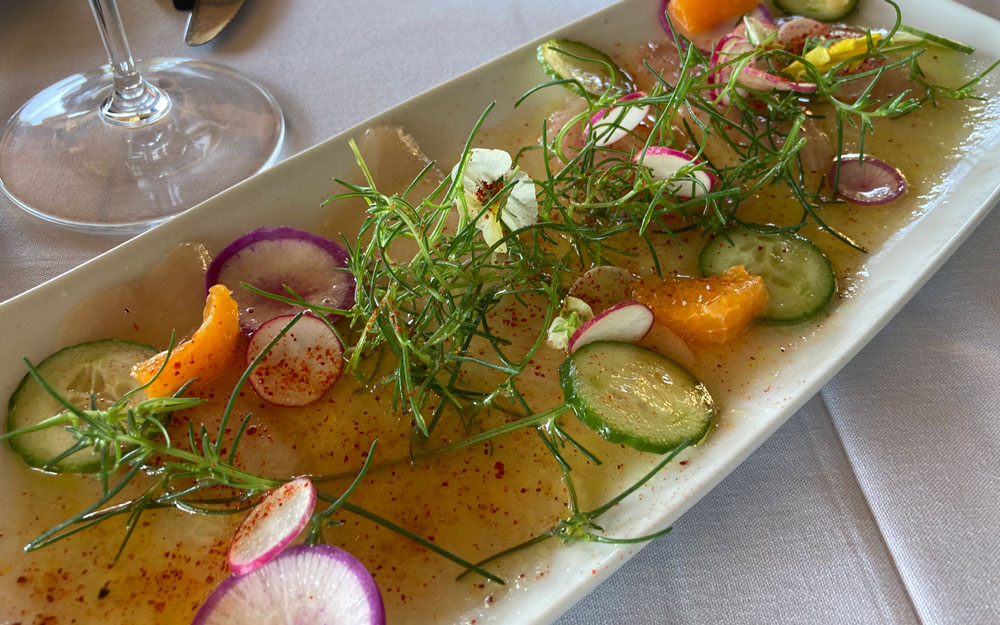
A lunch stop in Montecito is a strategic reset that makes the drive feel like a real vacation rather than just a transit day.
As you approach Santa Barbara, Montecito is where the drive should slow down and the trip should officially begin. The Stonehouse at San Ysidro Ranch is one of the best opening lunch moves on the entire route. The setting is exceptional, the food feels appropriately luxurious for a first-day splurge, and the stop gives the trip an instant sense of occasion.
Set in a former citrus packing house, The Stonehouse has the kind of old-California beauty that makes people linger. This is not a rushed roadside lunch. It is a strategic reset after leaving Los Angeles and the best way to shift into Central Coast mode before the short drive into Santa Barbara.
If you want to keep the first day feeling elevated, this is the place to do it. Just do not overbook the rest of the afternoon. Lunch here deserves room to breathe.
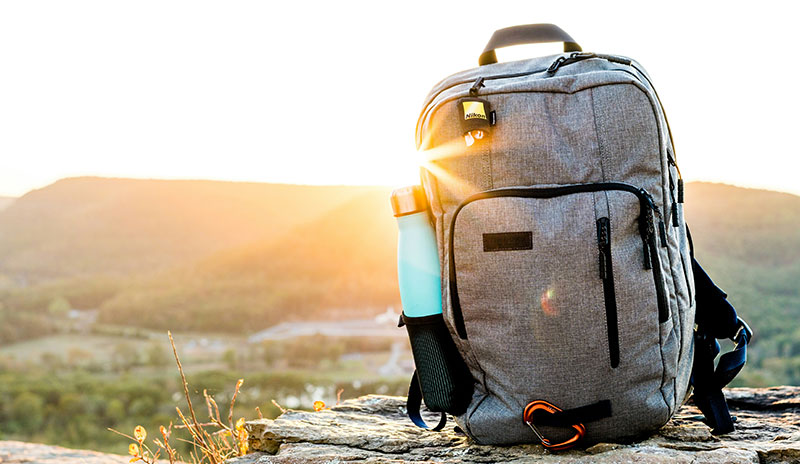
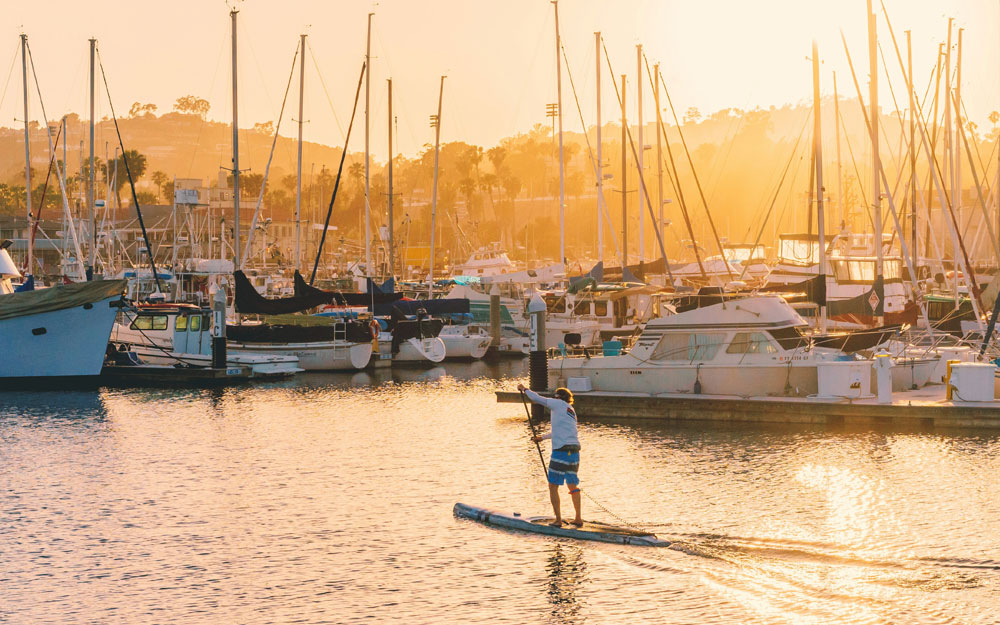
A paddleboarder navigates past anchored sailboats in the Santa Barbara harbor during golden hour.
Santa Barbara should be your soft landing on this route. It gives you ocean air, walkable streets, strong hotel options, and one of the best urban tasting setups in California. If your readers only know Santa Barbara as a pretty beach city, this is where the guide can show them that it also solves a major wine-country problem: how to taste well without constantly getting back in the car.
The Funk Zone is the key. It is the best no-driving wine move on this trip and the perfect first tasting chapter before Paso Robles. You can check in, park the car, wander tasting rooms, grab a seafood dinner, and ease into the trip without trying to do too much on day one.
If you have two nights here, that is even better. Santa Barbara rewards slower pacing and gives you flexibility to choose between a pure coastal stay or a small inland detour before heading north.
| Move | Why It Works |
|---|---|
| Tasting in the Funk Zone | You can taste regional wines on foot and save your serious driving energy for Paso Robles. |
| Dinner near State Street or the waterfront | You get a much easier first night with strong dining options close to hotels. |
| A beach or waterfront walk the next morning | It resets the whole trip before you move inland and north. |
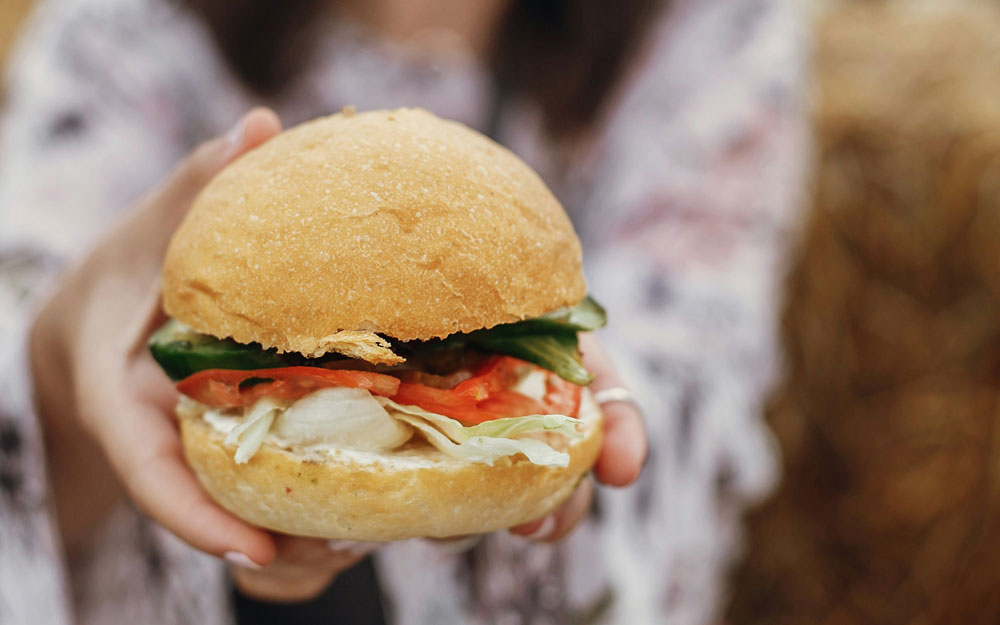
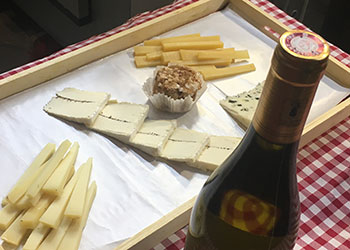
A market counter, stacked sandwiches, or picnic setup works best here. This section should visually feel useful and edible, not overly polished.
This route gets dramatically better when you stop relying on formal lunches every day. Some of the best Central Coast food moments are the simpler ones: a great sandwich, good cheese, a bottle you pick up later, and a patio or vineyard table where the whole trip slows down.
Near Montecito and Santa Barbara, Panino at Montecito Country Mart is a very smart grab-and-go move if you want a polished but easy sandwich stop. Santa Barbara Public Market is a strong option if your readers want variety and a little more browsing. South Coast Deli is a practical, dependable sandwich play when you want something easy before the next leg of the drive.
Once you get to Paso, Etto Market and Central Coast Creamery in Tin City are great names to know, especially for readers who like building their own little wine-country lunch. Di Raimondo’s Italian Market is another useful Paso stop if the goal is cheese, charcuterie, pantry items, and a more old-school market feel.
| Stop | Area | Best Use |
|---|---|---|
| Panino | Montecito Country Mart | Elegant grab-and-go sandwiches before Santa Barbara check-in or a coastal picnic. |
| Santa Barbara Public Market | Santa Barbara | A flexible food-hall stop when different people want different things. |
| South Coast Deli | Santa Barbara | Quick sandwich and salad pickup before getting back on the road. |
| Etto Market | Tin City, Paso Robles | Cheese-and-charcuterie style grazing, pantry shopping, and a strong casual food stop. |
| Central Coast Creamery | Tin City, Paso Robles | A cheese-forward stop for readers who want to build a better picnic board. |
| Di Raimondo’s Italian Market | Paso Robles | Italian market goods, cheese, and charcuterie for an easy wine-country lunch. |
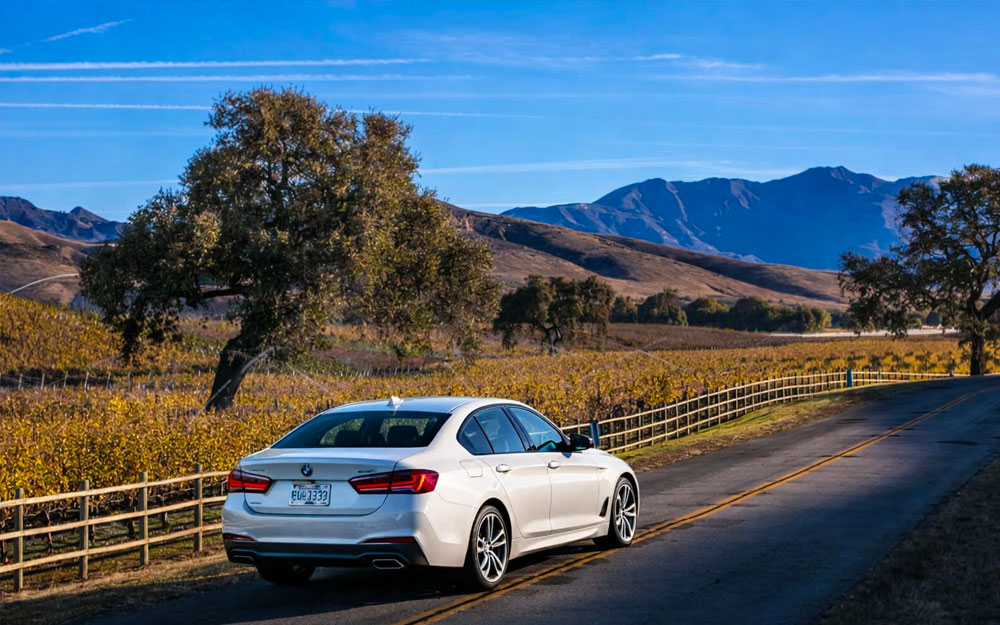
A quiet vineyard road in Santa Ynez Valley shows the inland side of Santa Barbara County wine country, where rolling hills, oak trees, and warmer vineyards create a very different feel from the coast.
This is the fork in the road that deserves its own planning section. If the trip is only four or five days and Paso Robles is your true destination, Santa Ynez Valley should usually stay optional. Santa Barbara plus Paso is already a very strong pairing, and overcomplicating the middle can make the route feel more rushed than luxurious.
That said, Santa Ynez Valley is a very smart detour for readers who want one true vineyard-country day before Paso. It gives you rolling hills, little wine towns, and a very different feel from coastal Santa Barbara. It also helps explain how Santa Barbara County wine changes as you move inland, from cooler western pockets toward warmer, more red-friendly zones.
The best use of Santa Ynez is as its own dedicated guide or detour, rather than cramming it too heavily into this one.
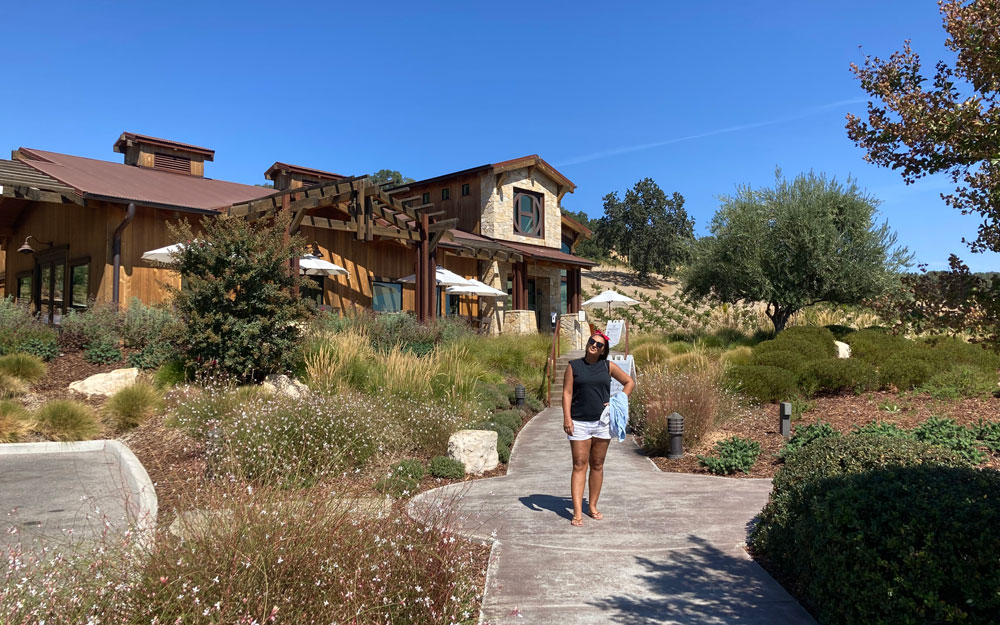
Paso Robles is where the trip opens up into bigger vineyard landscapes, warmer weather, wider roads, and a more relaxed version of California wine country.
Paso Robles is the deeper wine chapter of this road trip. It feels less coastal, less compressed, and more spread out than Santa Barbara, which is exactly why you want to switch your pace once you arrive. This is the part of the trip for winery views, broad tasting patios, and bigger red wines that make sense with a slower lunch and a casual downtown dinner.
Paso also rewards stronger geography. The west side tends to be where readers will find some of the most scenic and destination-level winery experiences. Downtown gives the trip an easy nighttime anchor. Tin City adds a more playful and slightly more modern food-and-drink layer. Those three pieces together make Paso feel much more complete than just a list of tasting rooms.
If Santa Barbara is the elegant coastal chapter, Paso is the open-country chapter where you start choosing one or two memorable winery experiences instead of trying to check off too many.
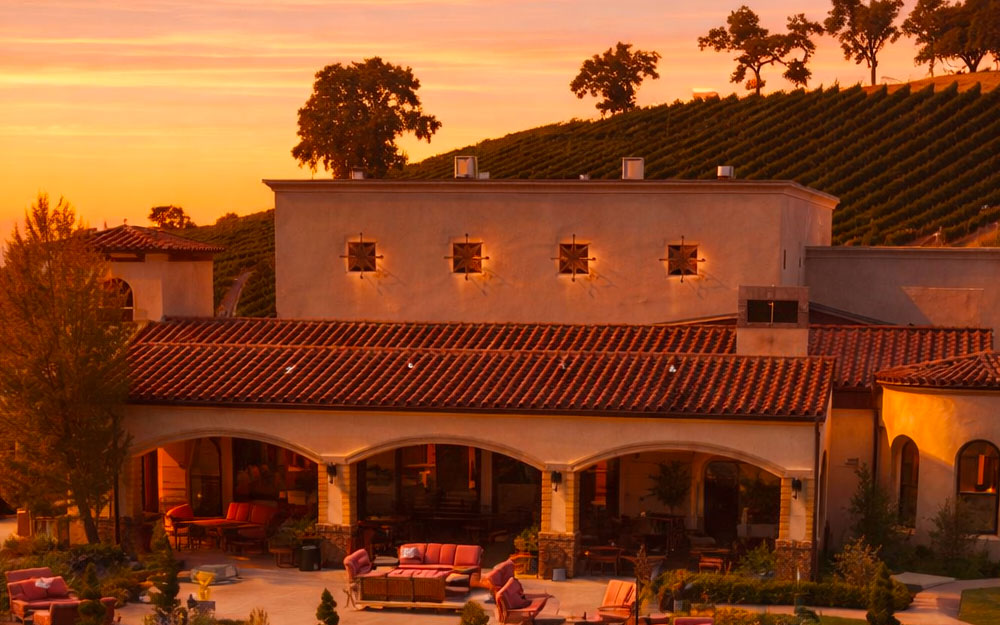
DAOU Vineyards sits high above Paso Robles with sweeping vineyard views. It is one of the most dramatic tasting rooms in the region and the kind of estate that instantly sells people on why Paso wine country is worth the trip.
You could easily overdo Paso if you book every famous tasting you recognize. The better strategy is to choose a few wineries that each bring something different. One dramatic view. One serious producer-led tasting. One more relaxed or classic stop. That is how the region keeps its shape.
DAOU is the obvious views-and-impact play. JUSTIN remains one of the most recognizable names and makes sense when readers want a marquee estate. Booker is a strong modern premium stop. Tablas Creek is one of the smartest names to include if you want the guide to appeal to readers who care about Rhône varieties and vineyard philosophy, not just brand prestige. Eberle gives you an easier, more classic Paso contrast and is useful when you want one stop that feels less like a luxury production.
If you want one more boutique angle, L’Aventure is still one of the strongest aspirational names to include for serious wine travelers.
| Winery | The Vibe | Why It Belongs |
|---|---|---|
| DAOU Vineyards | Dramatic, elevated, scenic | The views are part of the experience, and it gives the trip one very high-impact estate stop. |
| JUSTIN Vineyards & Winery | Classic, polished, destination estate | A flagship Paso name that pairs naturally with a splurge meal or one deeper estate experience. |
| Booker | Modern, premium, sleek | A strong pick for readers who want Paso to feel contemporary and serious. |
| Tablas Creek | Thoughtful, Rhône-focused, vineyard-driven | One of the smartest names in Paso if your audience actually cares about wine, not just scenery. |
| Eberle | Classic, approachable, historic Paso | A useful counterweight to the region’s more expensive estate experiences. |
| L’Aventure | Boutique, coveted, high-end | A strong aspirational name for readers building a more serious Paso tasting day. |
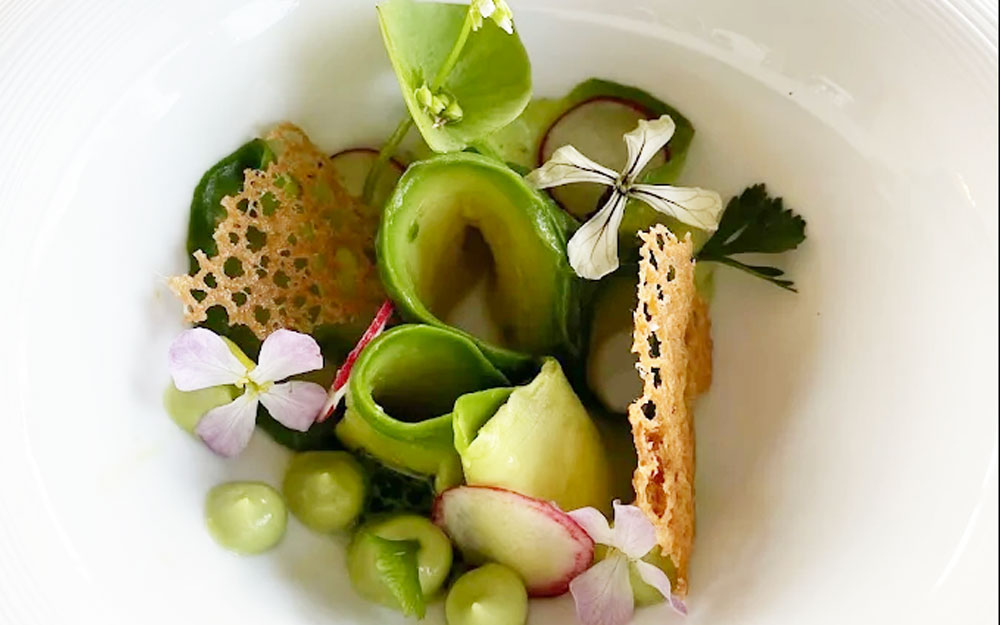
The Michelin-starred experience at The Restaurant at JUSTIN focuses on precise plating and seasonal estate-grown ingredients.
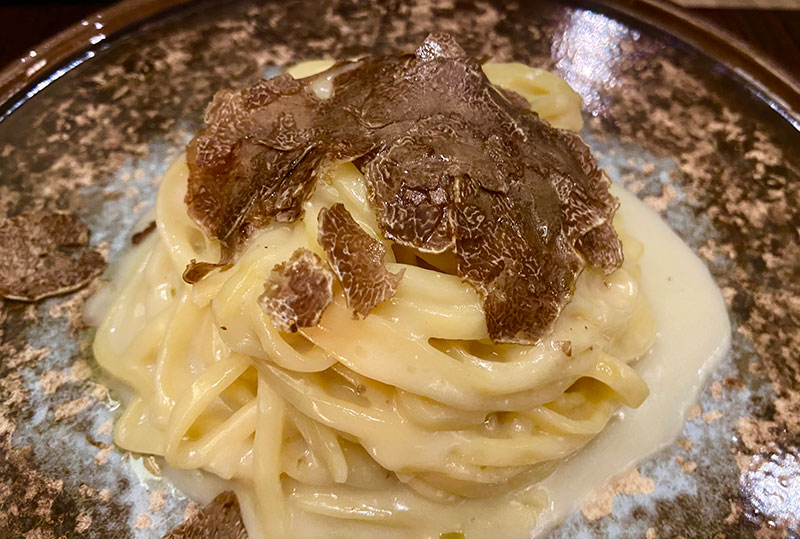
For a food-and-wine-first guide, Paso needs more than one fancy winery lunch mention. The town now has enough going on that readers can build a proper food trip around downtown, Tin City, and one or two destination meals. The trick is not stacking too much richness on top of a heavy tasting day.
The Restaurant at JUSTIN is the obvious splurge if someone wants a destination meal attached to a winery estate. Six Test Kitchen is the sharpest special-occasion play in Tin City if the goal is a serious dining reservation. Fish Gaucho is a good downtown move when readers want something lively and flavorful. The Hatch is a very useful casual-smart dinner option near the square. Tin City itself is perfect for a looser afternoon of wine, snacks, cheese, pasta, and one more drink without committing to another formal tasting.
The best Paso version of this trip usually includes one major dinner, one easier downtown dinner, and one daytime graze where the food is part of the wine-country rhythm rather than a full sit-down event.
| Spot | Area | Best For |
|---|---|---|
| The Restaurant at JUSTIN | Paso wine country | A destination splurge dinner tied to a marquee estate. |
| Six Test Kitchen | Tin City | A serious reservation night when the food is the event. |
| Fish Gaucho | Downtown Paso | A lively downtown dinner with strong flavor and easier energy. |
| The Hatch | Downtown Paso | Wood-fired comfort food and a very good casual-smart Paso night. |
| Tin City | South of downtown | A flexible afternoon of smaller producers, snacks, cheese, and a more relaxed scene. |
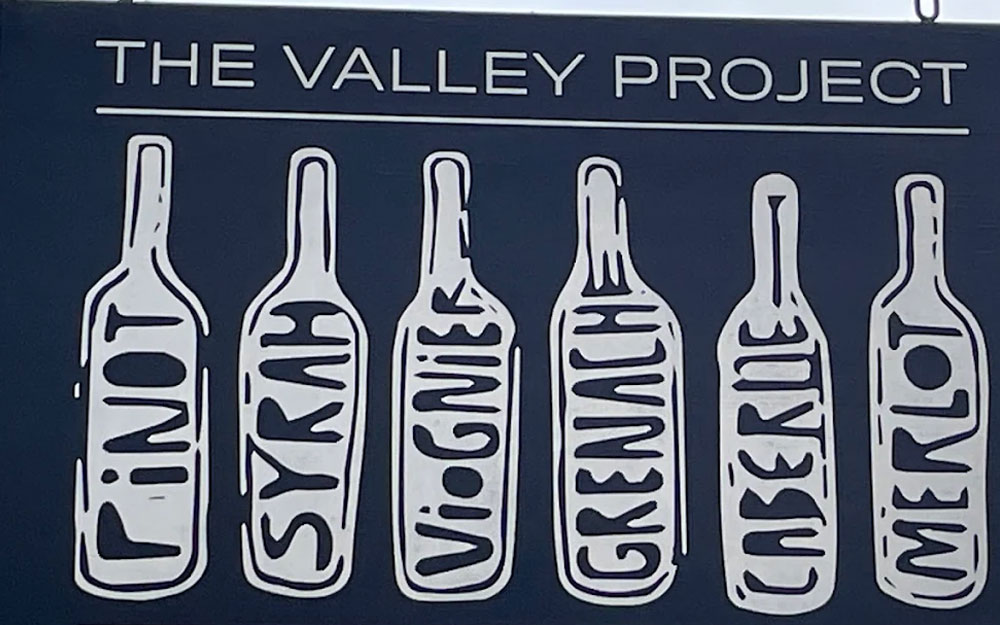
The Valley Project’s signature soil-and-vine mural in the Funk Zone provides a visual roadmap of how Santa Barbara’s diverse microclimates shape each bottle.
The smartest way to plan this route is around two hotel bases. In Santa Barbara, the ideal setup is somewhere walkable enough that the Funk Zone, waterfront, or dinner scene feels easy once you park. In Paso Robles, the best base is usually somewhere close enough to downtown that dinner and evening drinks do not require a whole second transportation plan.
Santa Barbara is where you can justify the nicer coastal hotel because it shapes the first chapter of the trip. Paso is where practicality starts to matter more. A stylish hotel near downtown or a well-placed rental with easy access back into town can be the difference between a smooth wine weekend and one that feels logistically annoying at night.
| Base | Best For | Overall Feel |
|---|---|---|
| Santa Barbara waterfront or Funk Zone area | Walkable first-night tasting and dinner plans | Coastal, polished, easy |
| Santa Barbara downtown | State Street dining and a more urban-feeling stay | Convenient and lively |
| Downtown Paso Robles | Easy dinners, tasting rooms, and low-stress evenings | Practical, walkable, food-forward |
| Paso wine country | Readers who want vineyard immersion over dinner convenience | Quiet, scenic, more remote |
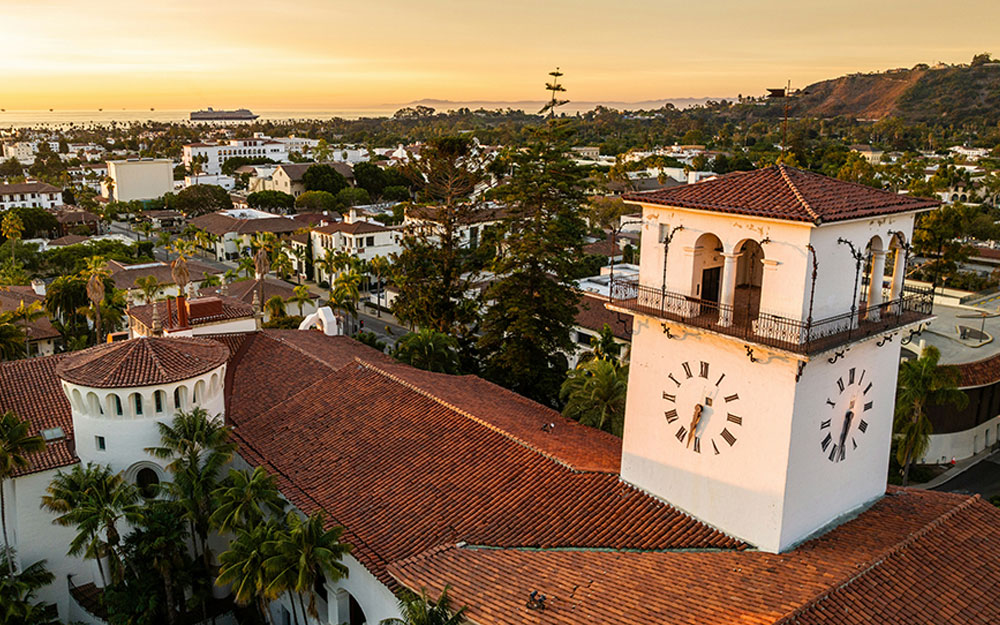
The view from the top of the Santa Barbara County Courthouse clock tower offers a perfect introduction to the city’s red-tiled Mediterranean architecture and coastal horizon.
This version keeps the route ambitious enough to feel special without making it so packed that every day turns into reservation management. It also protects one of the biggest strengths of the trip, which is that Santa Barbara and Paso Robles feel genuinely different from each other.
| Day | Location | The Plan |
|---|---|---|
| Day 1 | LA to Santa Barbara | Leave LA in the morning, stop for lunch at The Stonehouse in Montecito, check into Santa Barbara, then take an easy walk through the Funk Zone or waterfront. |
| Day 2 | Santa Barbara | Slow morning by the beach, a light food stop, then an afternoon tasting sequence in the Funk Zone. Keep dinner easy and coastal. |
| Day 3 | Santa Barbara to Paso Robles | Optional Santa Ynez detour if you want one inland vineyard chapter, then continue north to Paso. Check in, walk downtown, and keep dinner relaxed. |
| Day 4 | Paso Robles | Build one serious winery day around a scenic estate like DAOU or JUSTIN, one good lunch or grazing stop, and one second tasting that contrasts the first. |
| Day 5 | Paso Robles to LA | Breakfast in Paso, one light final stop if desired, then drive back south without overcommitting the morning. Save the return day from becoming rushed. |
Five days is the sweet spot if you want Santa Barbara and Paso Robles both to feel worthwhile. Four can still work, but only if you keep the pacing tight and avoid overbuilding the middle of the route.
Stop in Santa Barbara. It gives the trip a much better opening chapter and lets you taste in town before the more driving-heavy Paso portion begins.
Yes, but only if you have enough time to give it a real half day or full day. It is better as an optional inland wine-country detour than as a rushed stop between Santa Barbara and Paso.
Yes. Santa Barbara’s Funk Zone is walkable once you are there, but the route overall absolutely works best with your own vehicle.
Two is ideal. Three is the maximum if one of them is more casual or shorter. Paso gets much better when you leave room for food and downtime.
It often feels more relaxed and can be more flexible on budget, but premium wineries and top dining reservations in Paso can still add up quickly. The better value is usually in the overall feel and space, not necessarily in every single tasting fee.
Absolutely. It naturally opens into spokes for Santa Barbara, Santa Ynez Valley, Paso Robles wineries, Tin City, and even best food stops on the Central Coast.