Travel Planning Hub
Start here to plan your trip, compare options, and explore every TLGA planning guide.
Packing & Gear Guide
What to pack, what to skip, and how to build a lighter travel setup that works.

Last updated: March 2026 by Corey Gasman
From the Editor:
Florida has been a repeat trip for me, but never the same trip twice. I’ve stayed in Brickell with my wife, taken the classic Miami-to-Florida-Keys road trip with friends, stayed in Key Largo, flown into Fort Lauderdale for a Vikings game at Hard Rock Stadium, spent time around Hollywood Beach, worked a PGA convention weekend in Orlando, and made it over to Tampa too.
That is why I think the biggest mistake travelers make with Florida is treating it like one cohesive destination. A weekend in a Brickell high-rise has almost nothing in common with a family week at Walt Disney World, a golf-heavy Orlando work trip, a Gulf Coast beach escape, or a slow drive down the Overseas Highway.
And coming from Minnesota, Florida has always felt like more than just another warm-weather state. It is the winter escape route. Minnesotans head south for spring training in Fort Myers, beach time on Marco Island, retirement dreams in places like The Villages, family theme park trips, golf weekends, and anything that does not involve scraping ice off a windshield.
To do Florida right, you have to pick your lane. Choose the region first, understand the seasonal weather reality, and build the trip around the logistics of that specific version of Florida.
Florida is one of the most visited places on earth, which means winging it rarely works. Whether it is securing a dinner reservation in Miami, buying theme park tickets in Orlando, or booking a fishing charter in Islamorada, the best experiences go to those who plan ahead.
A quick lesson on distance:
Looking at a map can be deceiving. Driving from the Panhandle (Pensacola) to Key West takes over 12 hours without traffic. Even driving from Orlando down to Miami is a solid 3.5 to 4 hours. Do not plan a trip that requires driving the length of the state unless the road trip itself is the entire goal.
The TLGA Rule: Sunscreen and hydration are non-negotiable. The Florida sun hits differently, especially from May through October. Plan your major outdoor activities for the early morning.
Start here: Miami & The Keys Itinerary
Florida works best when you choose a specific travel style. Most trips fall into one of these lanes. Pick one, then plan around the logistics of that region.
| Lane | Best For | Best Bases | Do Not Do This |
|---|---|---|---|
| City + Food | Restaurants, nightlife, design hotels, beach mornings | Miami, Fort Lauderdale, St. Pete | Try to add Orlando and the Keys in the same short trip |
| Theme Parks | Families, roller coasters, Harry Potter, Disney planning | Orlando, Lake Buena Vista | Underestimate planning. Park days are not casual |
| Island Road Trip | Snorkeling, boat days, sunsets, slow travel | Key Largo, Islamorada, Marathon, Key West | Drive down and back in 2 days. It is exhausting |
| Beach Reset | Powdery sand, calm water, sunsets, relaxed pace | Sarasota, Anna Maria, Clearwater, Naples | Expect Miami energy. Gulf towns are slower |
| Nature + Springs | Clear-water swimming, kayaking, manatees, trails | Ocala area, Crystal River, Gainesville | Assume you can wing it on weekends in peak season |
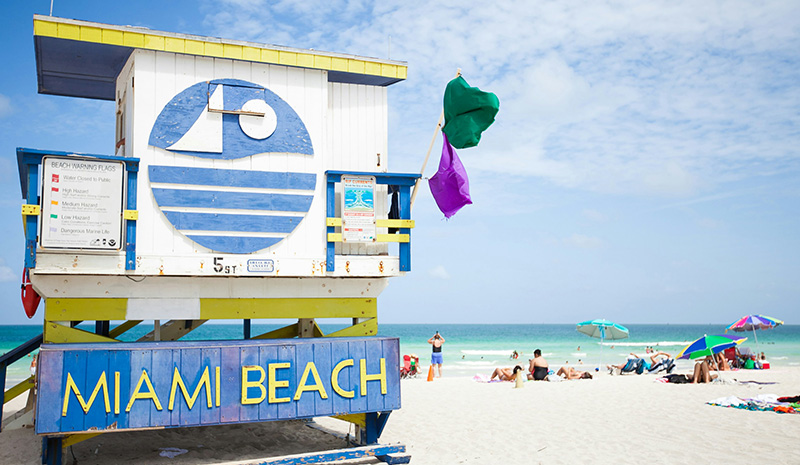
Florida weather is seasonal. Winter brings warm beach days to the south, while summer brings intense heat, humidity, and daily afternoon thunderstorms. Miami Beach’s colorful lifeguard towers add historic character to the shoreline.
Florida does not have four traditional seasons. It has a dry season and a wet season. Your experience depends entirely on when you cross the state line.
December to April. The weather is spectacular. Low humidity, clear skies, and daytime temperatures in the 70s and 80s. This is the most expensive time to visit, especially in South Florida and the Keys.
June to October. It is hot, sticky, and hurricane season is active. However, this is when you find the best hotel deals. Expect a heavy, predictable thunderstorm every afternoon around 3:00 PM. Set your schedule to be indoors or resting during this window.
These are the highest-success trip templates for first-timers. Pick one and build outward.
Use this breakdown to decide which part of the state fits your travel style.
High energy, incredible culinary scenes, and international flair. Miami is an urban playground built right on the water. Stay in Brickell for incredible skyline views and high-end dining, or stay in South Beach for iconic neon and late nights. For art, murals, galleries, and nightlife, add Wynwood to your Miami plan.
A 120-mile island chain stretching off the southern tip of the state. This is for road trippers, boaters, and anyone looking to slow down. The culture here is deeply tied to the water, fishing, and Key West’s historic eccentricities.
The theme park capital of the world. Walt Disney World and Universal Studios require almost military-level planning to execute perfectly. This region is hyper-focused on family travel, massive resorts, and entertainment logistics.
Tampa, St. Petersburg, Clearwater, and Sarasota. If you want powdery white sand beaches and calm, warm water, this is your coast. It is generally more relaxed than Miami and heavily features incredible sunset views over the Gulf of Mexico.
Destin, Pensacola, and the famous Highway 30A. Known for blindingly white quartz sand and emerald green waters. This area has a distinct Southern charm and is a massive drive-to destination for the surrounding Southern states during the summer.
Florida food is regional. These are the order-this staples that make your trip feel local fast. If Miami is your main base, pair this section with the full Miami Dining Guide before locking in reservations.

Brightline has changed travel in South and Central Florida, connecting Miami to Orlando with modern intercity rail service.
Florida is overwhelmingly a driving state, but new transit options are changing how you can move between major hubs.
Florida relies heavily on toll roads, particularly around Orlando (the Turnpike and 417) and Miami. Almost all of them are cashless. If you rent a car, you will usually be billed through toll-by-plate or the rental company’s toll program. Check the official SunPass rental vehicle guidance before your trip, and if you are flying roundtrip through Orlando International Airport, compare that with the Visitor Toll Pass.
This is the best transportation upgrade in Florida in decades. The Brightline train connects Miami, Aventura, Fort Lauderdale, Boca Raton, West Palm Beach, and Orlando. It is clean, offers food and drinks, and completely bypasses the unpredictable traffic on I-95.
Florida rewards basic planning. In peak season, these sell out first.
Florida is safe when you follow the simple rules locals already live by.
Explore Florida through Miami neighborhoods, theme park strategy, food guides, art districts, island road trips, and coastal planning.
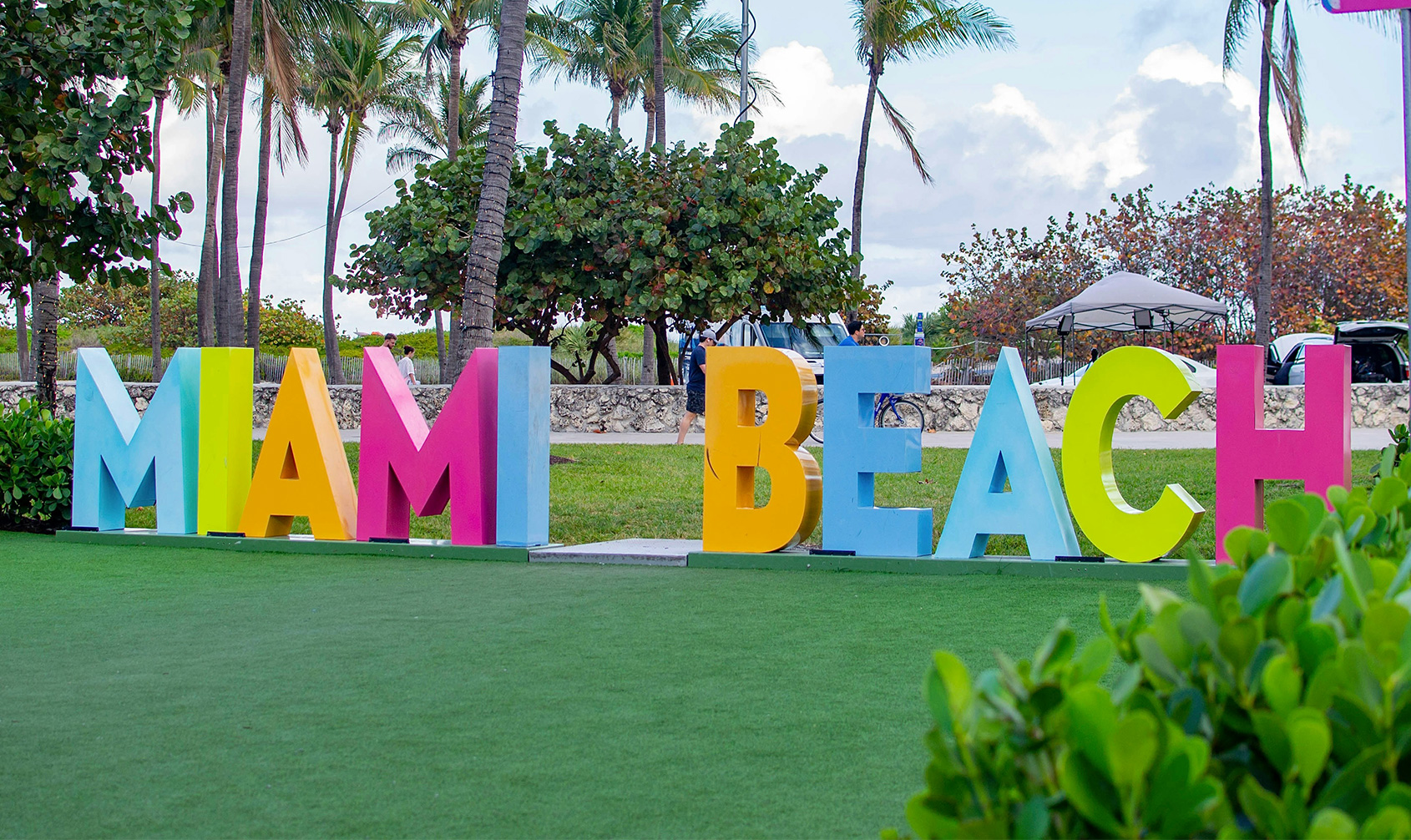
MIAMI BASE
Plan your Miami stay around the right neighborhoods, beach time, food stops, day trips, and city energy.
Read More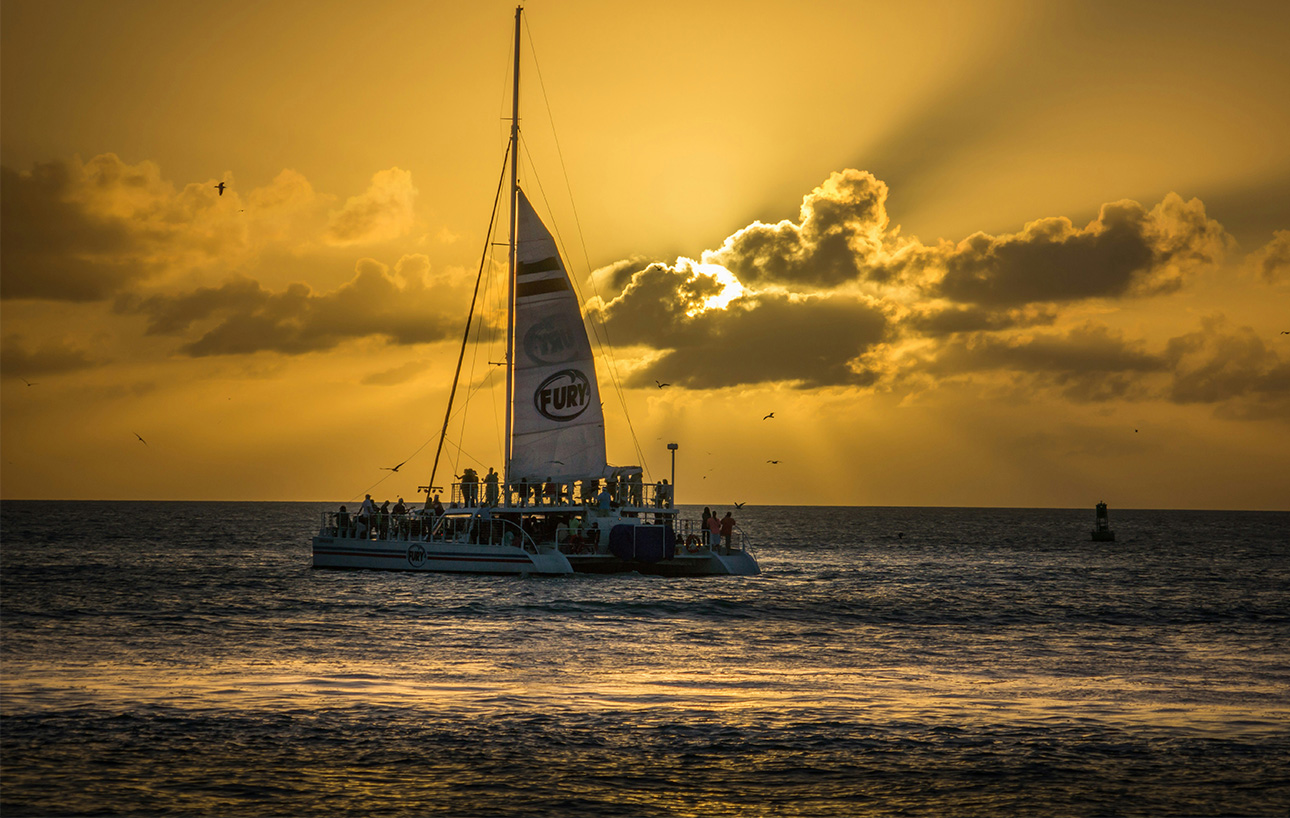
ROAD TRIP
Plan the drive from South Florida into the Keys with island pacing, Key Largo stops, Key West tips, and road trip logistics.
Read More
PARK STRATEGY
Compare Disney, Universal, Epic Universe, and other Orlando parks before you commit your time, budget, and energy.
Read More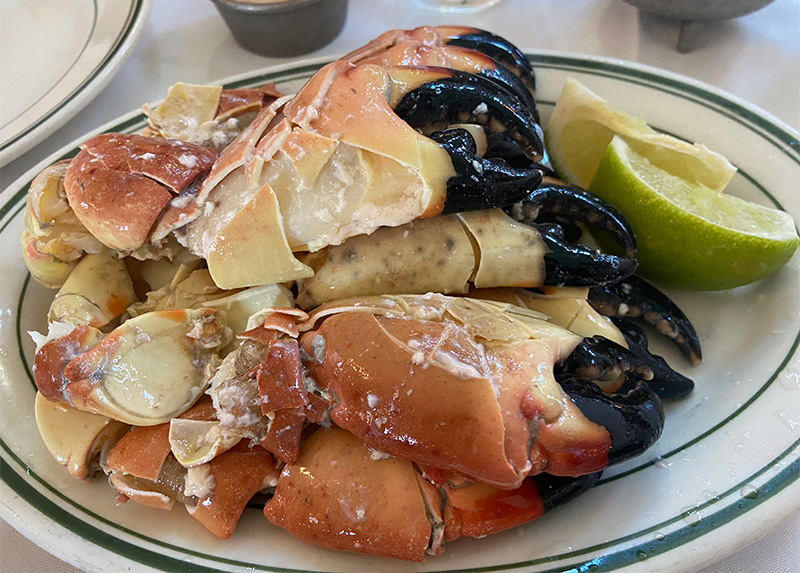
MIAMI FOOD
Use this citywide food guide to plan where to eat across Miami, from neighborhood staples to trip-worthy meals.
Read More
ART DISTRICT
Explore Miami’s mural-filled creative district with galleries, nightlife, Art Basel energy, and practical neighborhood tips.
Read More
BRICKELL EATS
Find restaurants, bars, coffee stops, and neighborhood dining tips that make Brickell a strong Miami base.
Read MoreIn Florida, the assumption is that any body of fresh water has an alligator in it. Do not swim in lakes, ponds, or canals. Keep small pets away from the edges of fresh water. If you follow those two rules, you will be completely fine.
Hurricane season officially runs from June 1 to November 30, with the peak historically occurring in August and September. Storms are tracked days in advance, so you will never be surprised by one. Always check the National Hurricane Center before and during a Florida trip in hurricane season, and buy travel insurance if you book during these months.
It depends on what you want. The Atlantic Coast (East) generally has rougher water and more waves, making it better for surfing and active water sports. The Gulf Coast (West) has calmer, warmer water and powdery white sand, making it ideal for relaxing and watching sunsets.
In warm months, yes. Mosquitoes can be intense near water, mangroves, and after rain. Pack bug spray for sunrise and dusk, especially for the Keys and nature-focused areas.
It can be, if you plan around the weather. Expect high humidity and a predictable afternoon storm window. The upside is lower prices and fewer crowds in some areas. Build mornings for outdoor plans and keep afternoons flexible.