Travel Planning Hub
Start here to plan your trip, compare options, and explore every TLGA planning guide.
Packing & Gear Guide
What to pack, what to skip, and how to build a lighter travel setup that works.
Last updated: March 2026 by Corey Gasman
From the Editor:
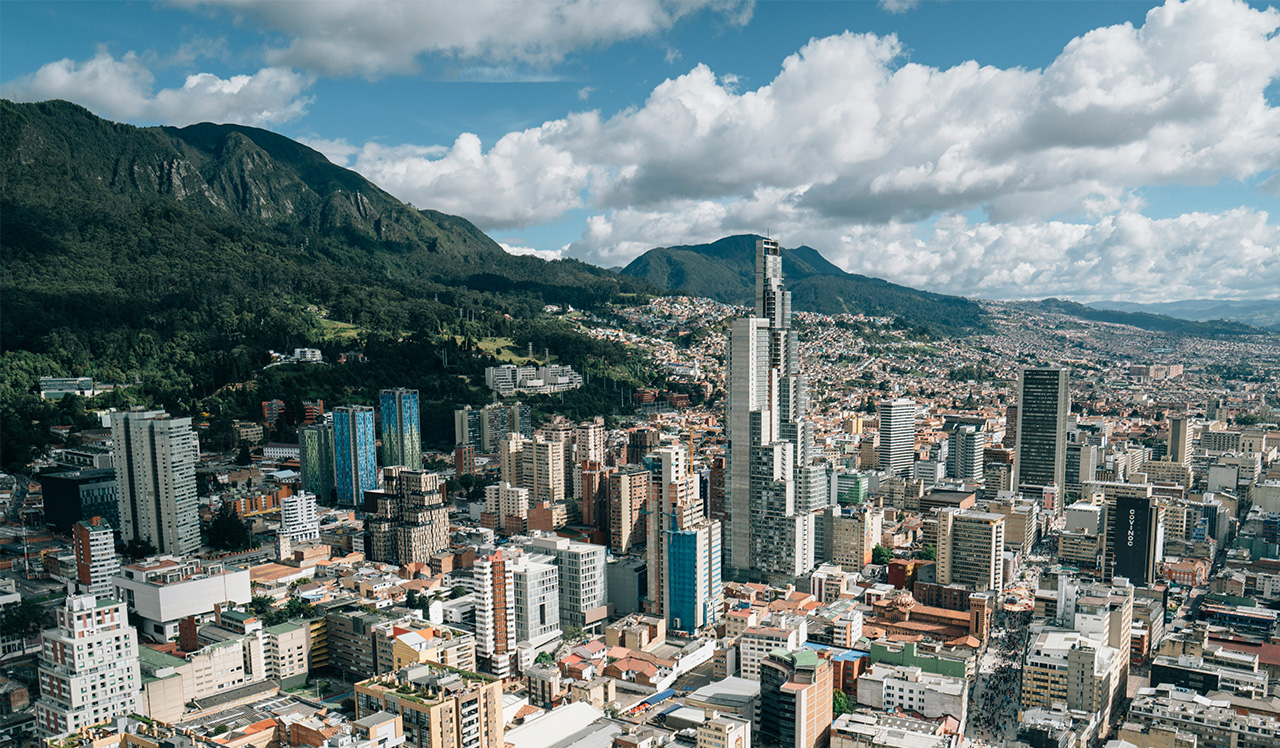
Bogota is a massive, sprawling, high-altitude capital that intimidates a lot of travelers. Many just skip it and fly straight to the coast. That is a mistake.
This city has a gritty, layered culture, an unbelievable food scene, and world-class street art. It forces you to slow down, adjust to the altitude, and eat incredibly well before you head to the Caribbean heat of Cartagena. Do not rush through it.
A quick altitude and packing note:
Bogota sits at over 8,600 feet above sea level. You will feel the altitude when you walk up stairs, and it gets surprisingly cold at night. Pack a good jacket and comfortable walking shoes.
Starting your trip here is actually a strategic move. It gives your body time to acclimate before you take on the intense heat and humidity of the coast.
TLGA Rule: Traffic here is unforgiving. Book your hotel in the neighborhood where you plan to eat dinner so you can walk instead of sitting in a cab for an hour.
Start here: Colombia Travel Hub
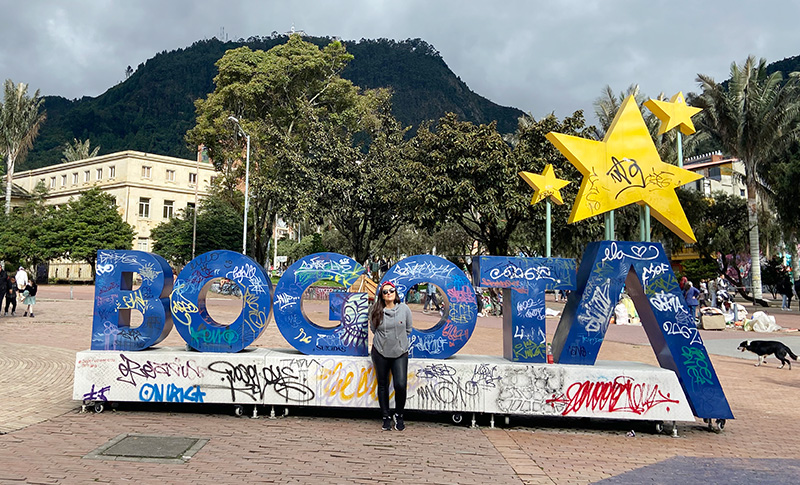
The Bogota sign with Monserrate rising in the background is one of the most iconic photo spots in the city.
We did not originally plan to spend time in Bogota.
Like most travelers escaping a Minnesota winter, Melissa and I were focused on the sun and our stay in Cartagena. But flying Delta from Minneapolis with a connection through Atlanta, Bogota was right there on the route.
Instead of rushing straight to the coast, we turned a simple transit stop into a layover. It ended up being a fantastic decision.
What we found was a city that is vibrant, cultural, walkable in the right neighborhoods, and seriously underrated when it comes to food. At over 8,600 feet above sea level, Bogota feels completely different from the rest of Colombia. It is cooler, more urban, and packed with culture.
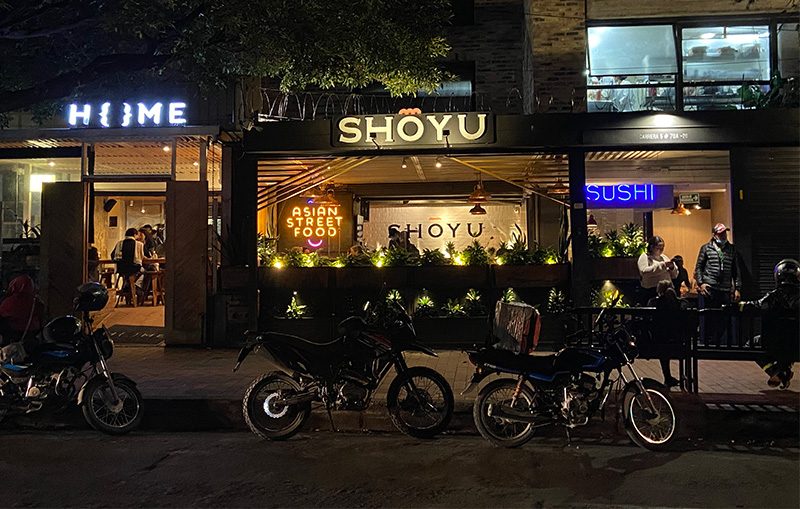
Zona G at night, where some of Bogota’s best restaurants line the streets and the energy carries well past dinner.
We stayed in Zona G, known as the gastronomic neighborhood, and it was easily one of the smartest choices we made. It is highly walkable, feels safe, and puts you steps from some of the best restaurants in the city.
Bogota is a massive city, and traffic can easily eat up an hour or more. Where you stay matters more here than almost anywhere else.
| Neighborhood | Vibe | Best For |
|---|---|---|
| Zona G | Upscale, quiet, walkable | Food lovers and fine dining |
| Chapinero | Trendy, local feel | Coffee shops and nightlife |
| Zona T | Bustling, commercial | Shopping and bars |
| La Candelaria | Historic, tourist heavy | Daytime exploring, not staying |
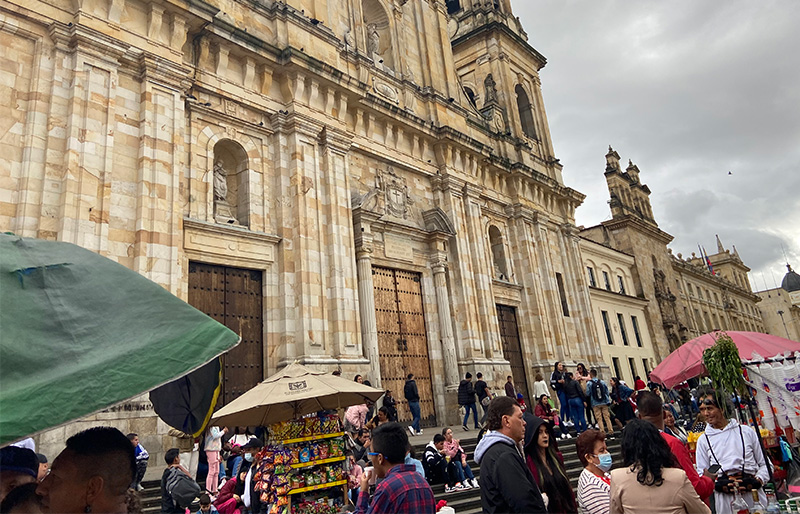
Plaza de Bolivar is always active, with vendors, locals, and tourists gathering around Bogota’s historic cathedral.
La Candelaria is Bogota’s historic center and the best place to start understanding the city. The neighborhood is a dense grid of colonial architecture, incredible street art, and steep cobblestone sidewalks.
We highly recommend booking a guided walking tour to get your bearings and learn the layers of history surrounding Plaza de Bolivar.
Bogota also has a world class street art scene. Many walking tours focus specifically on the graffiti in La Candelaria, explaining the political and social meanings behind the massive murals you will see everywhere.
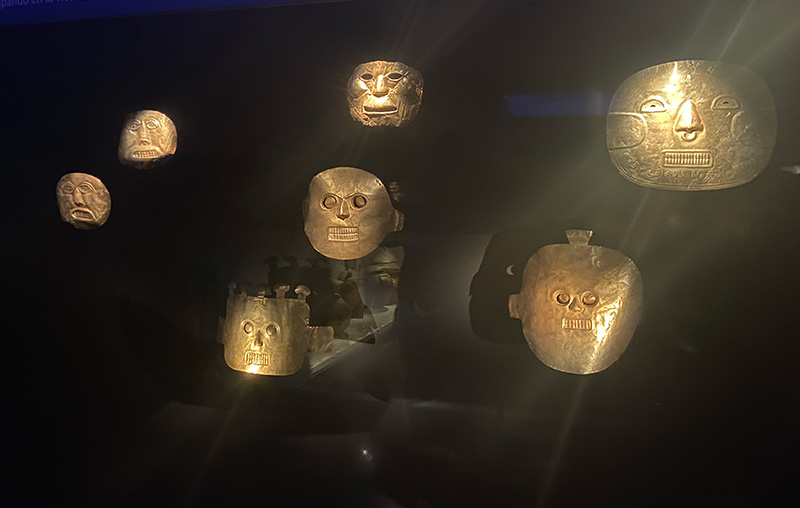
Intricate gold masks at the Gold Museum, part of one of the most impressive collections of pre-Hispanic artifacts in the world.
Bogota has two standout museums within a short walk of each other in La Candelaria.
We started at the Museo Botero, exploring the extensive collection of Fernando Botero’s paintings and sculptures. His fascination with exaggerated, voluminous figures gives his work a captivating presence.
Afterward, we spent hours inside the Museo del Oro, the famous Gold Museum. The sheer volume of pre-Hispanic gold artifacts is staggering. It is widely considered one of the best museums in South America and is an absolute must do.
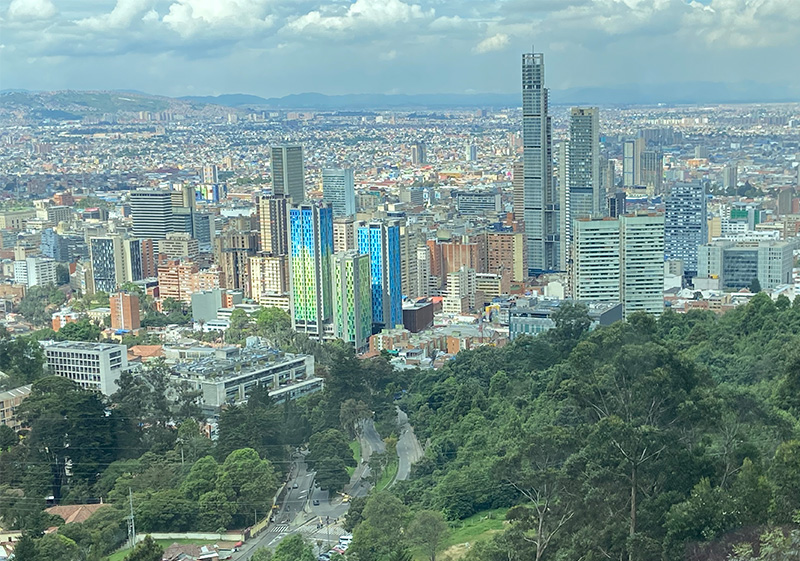
The Monserrate funicular is one of the easiest ways to reach the top for panoramic views of Bogota.
To truly understand the sprawling scale of Bogota, you have to see it from above.
You can take a funicular or a gondola up Cerro de Monserrate, the mountain that towers over the city center. The ride up is incredibly steep, but the panoramic views from the summit are unmatched.
Standing at over 10,000 feet at the peak puts the sheer density of the capital into perspective. There is also a beautiful church and a few restaurants at the top.
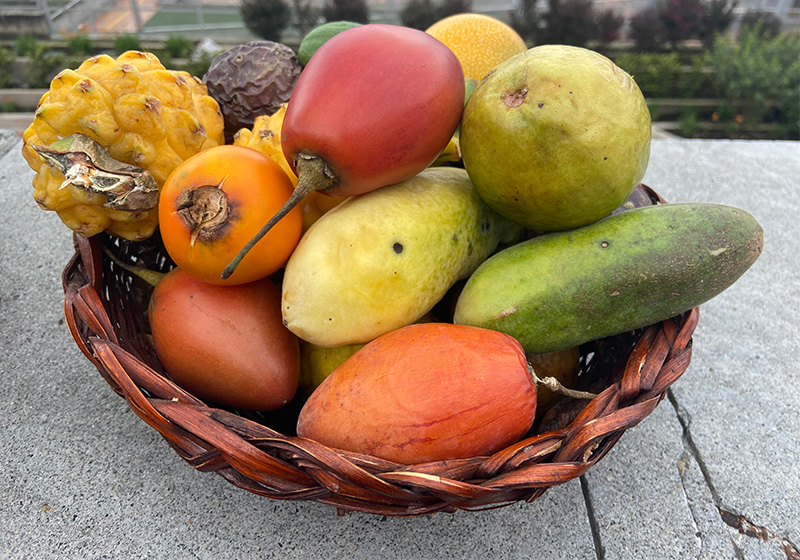
Bright and exotic Colombian fruits piled high at local markets.
If you love food as much as we do, you need to visit the Paloquemao Fruit Market. Colombia has some of the most diverse produce in the world, and this bustling traditional market is the best place to taste it.
You can wander the aisles sampling exotic fruits like lulo, maracuya, and guanabana straight from the vendors.
During our walking tour, we also stopped at La Puerta Falsa, one of the oldest restaurants in the city. This is where you try ajiaco, a traditional chicken and potato soup garnished with corn, capers, and thick cream. It was exactly what we needed in the cool Andean weather.
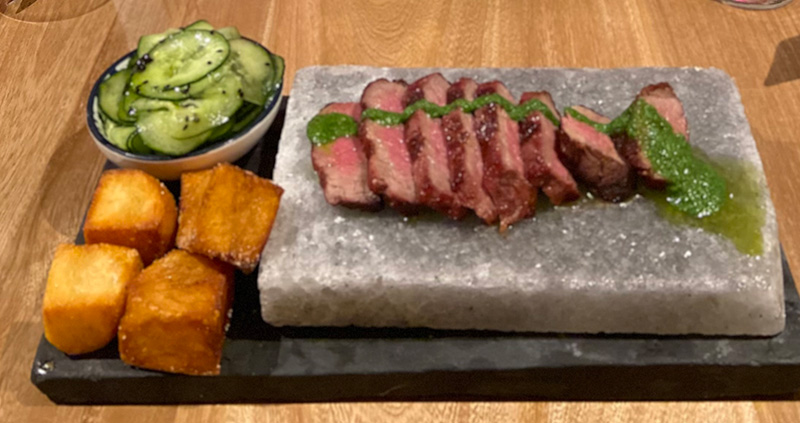
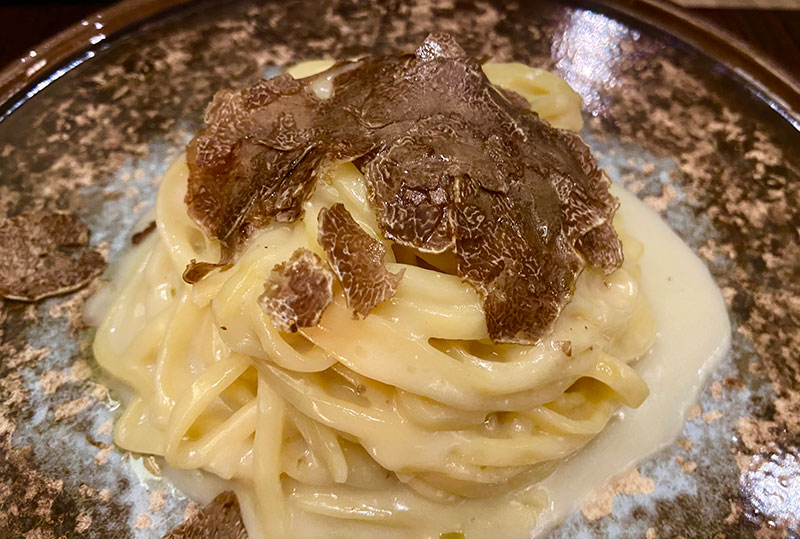
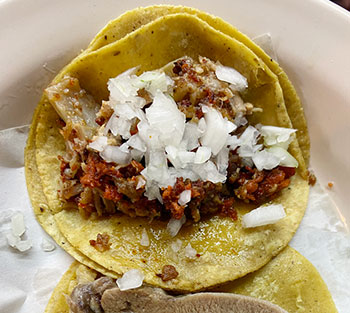
Bogota’s food scene ranges from casual street eats to beautifully plated modern dishes.
Bogota is an incredible place to dive into Colombian coffee culture.
We stopped at a small local coffee shop during our tour and got a proper introduction to the country’s famous export. This is not just something you drink here. It is an art form.
You will find independent cafes all over Zona G and Chapinero pulling flawless espresso and carefully brewing pour overs with beans sourced from different regions across Colombia.
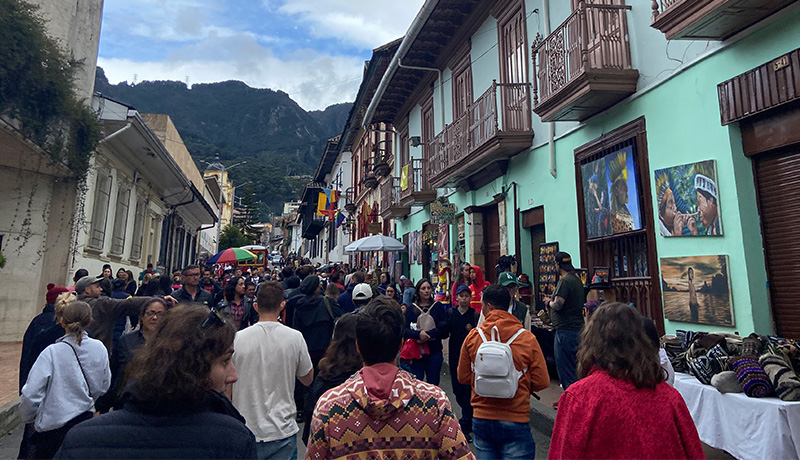
The streets of Bogota are full of movement, culture, and everyday life.
If you are in Bogota on a Sunday, head north to the Usaquen neighborhood for the Mercado de las Pulgas.
The streets fill with local artisans selling handmade crafts, jewelry, and incredible street food. It is a fantastic place to pick up souvenirs and enjoy a lively, local atmosphere.
Bogota is also a great base for a few incredible day trips. The most popular is the Zipaquira Salt Cathedral, an awe inspiring church carved entirely out of an active salt mine about an hour outside the city.
We spent about a week here, but for most travelers, 3 to 4 days is the sweet spot.
Explore more of Colombia with city guides, Cartagena deep dives, and real on-the-ground experiences.
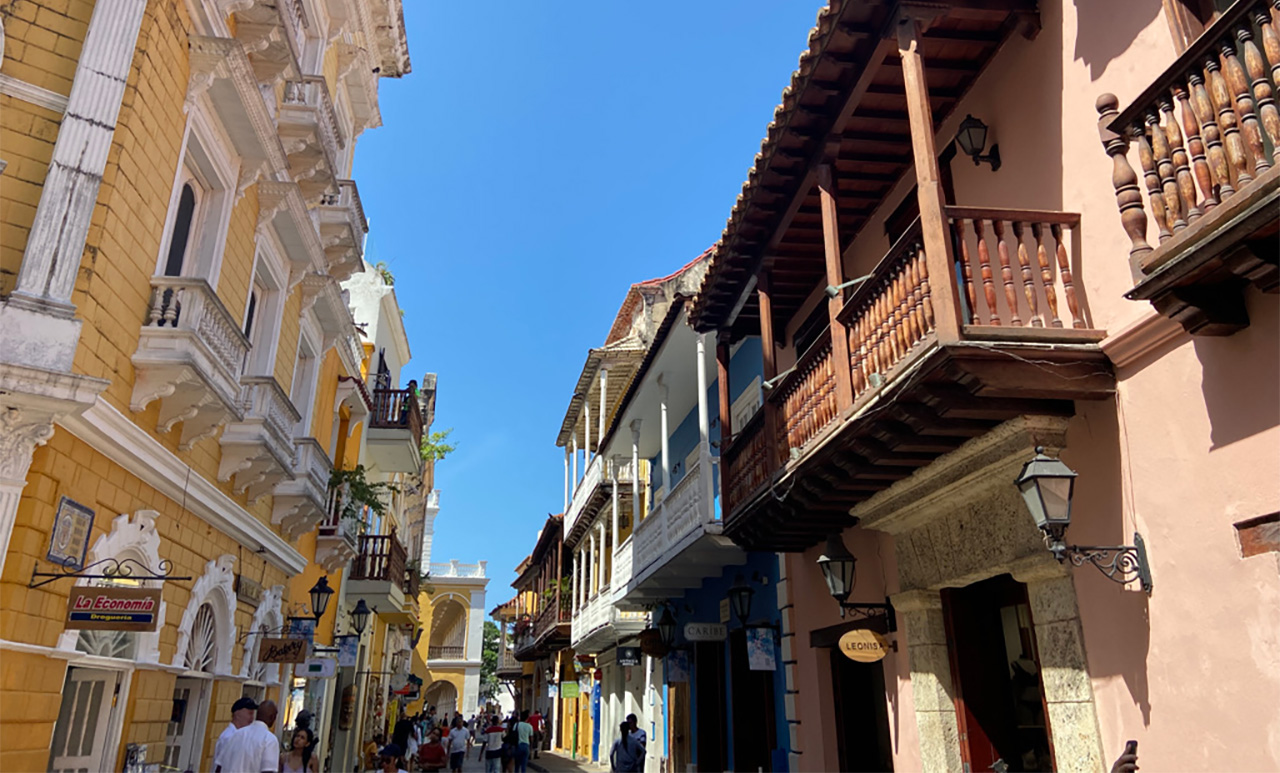
CARIBBEAN COAST
A complete guide to where to stay, what to do, and how to experience Cartagena beyond the basics.
Read More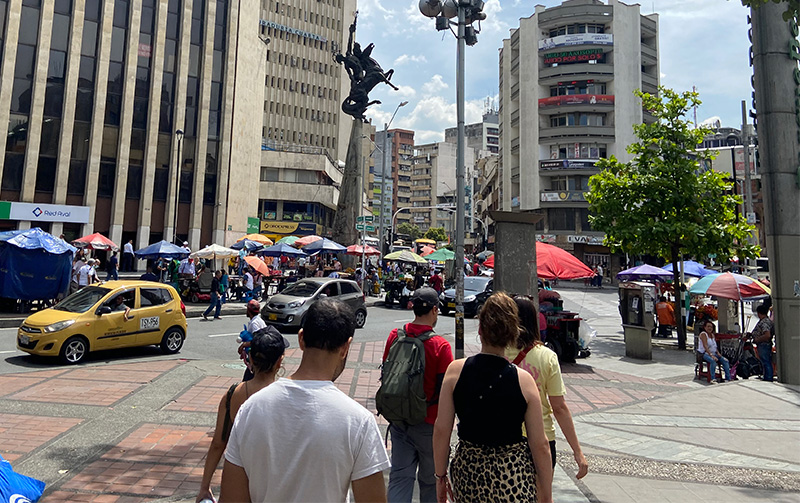
LOCAL EXPERIENCES
Plan your Medellín stay with neighborhood advice, local experiences, and a better sense of daily life.
Read More ONE WEEK PLAN
A real breakdown of neighborhoods, restaurants, and costs from a week in Colombia’s capital.
Read More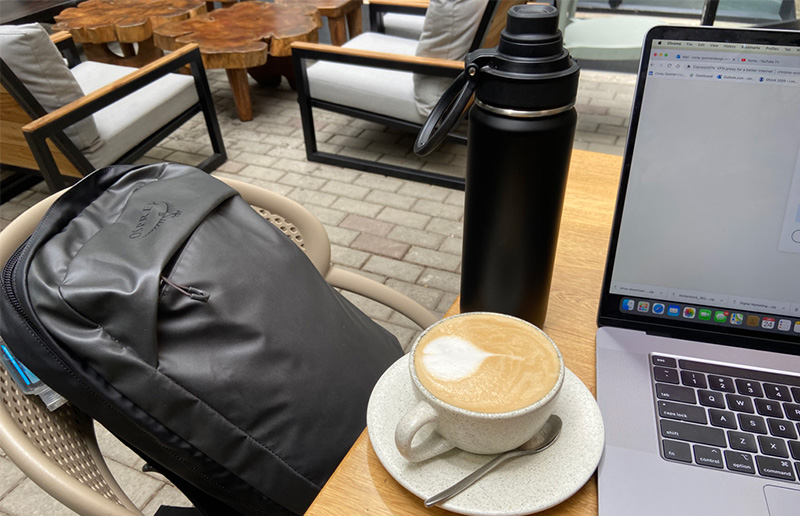
REMOTE LIFE
Where to live, work, and build a routine if you are staying longer or working remotely.
Read More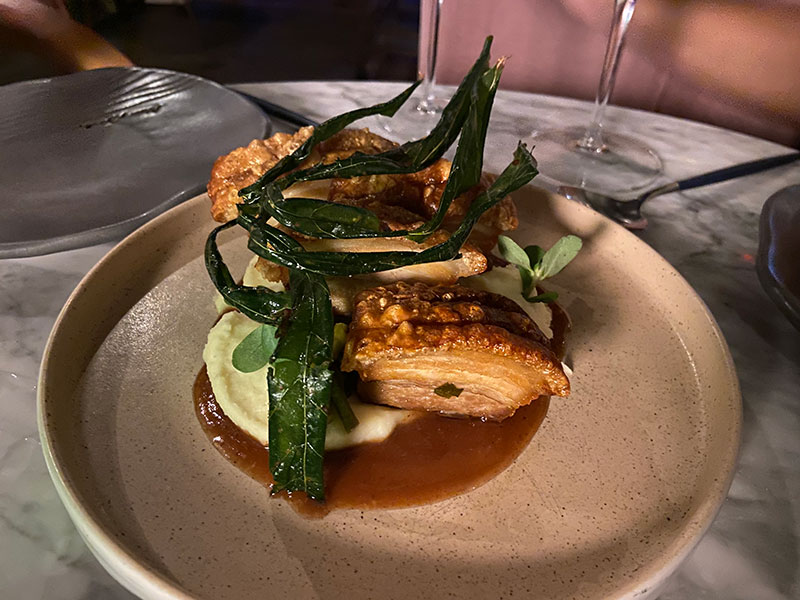
FOOD PICKS
The restaurants and dishes actually worth your time across the city.
Read More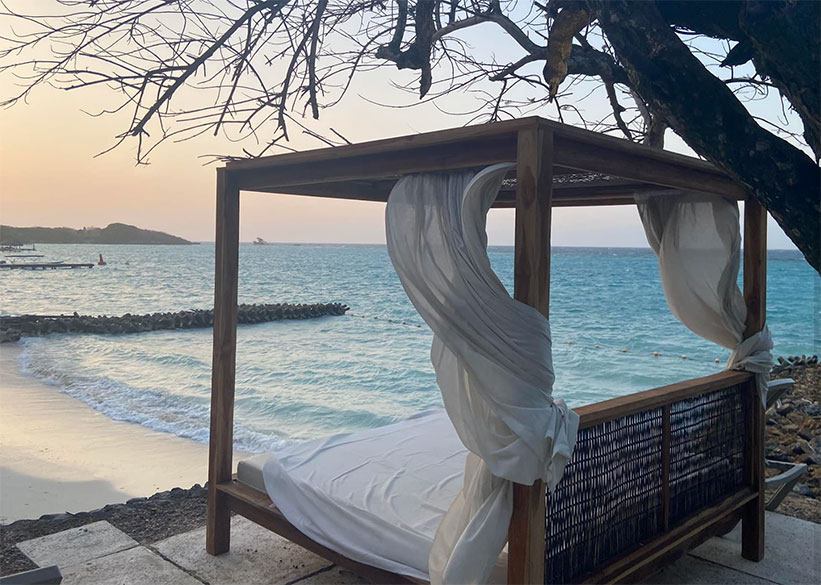
ISLAND ESCAPE
Slow things down with a stay on Isla Grande and a closer look at island life.
Read MoreA few practical guides to help you plan smarter, pack better, and avoid common travel mistakes.
START HERE
Build a smarter trip with a simple framework for timing, logistics, and decision-making.
Read More
MONEY & COSTS
Plan real costs, avoid budget mistakes, and make smarter money decisions before and during your trip.
Read More STAYING SAFE
Practical habits to stay alert, organized, and more confident when navigating unfamiliar places.
Read MoreAbsolutely. It offers a rich, urban cultural experience, incredible dining in neighborhoods like Zona G, and serves as a perfect starting point to acclimate before heading to the coast.
3 to 4 days is ideal. This gives you time to see Monserrate, explore La Candelaria, visit the Gold Museum, and take a day trip to the Salt Cathedral without feeling rushed.
Zona G and Chapinero are highly recommended. They are safe, very walkable, and put you right next to some of the best coffee shops and restaurants in the city.
Bogota is over 8,600 feet above sea level. You will likely feel it. Drink plenty of water, pace yourself on the first day, and avoid heavy drinking until you adjust.