Travel Planning Hub
Start here to plan your trip, compare options, and explore every TLGA planning guide.
Packing & Gear Guide
What to pack, what to skip, and how to build a lighter travel setup that works.
Last updated: March 2026 by Corey Gasman
From the Editor:
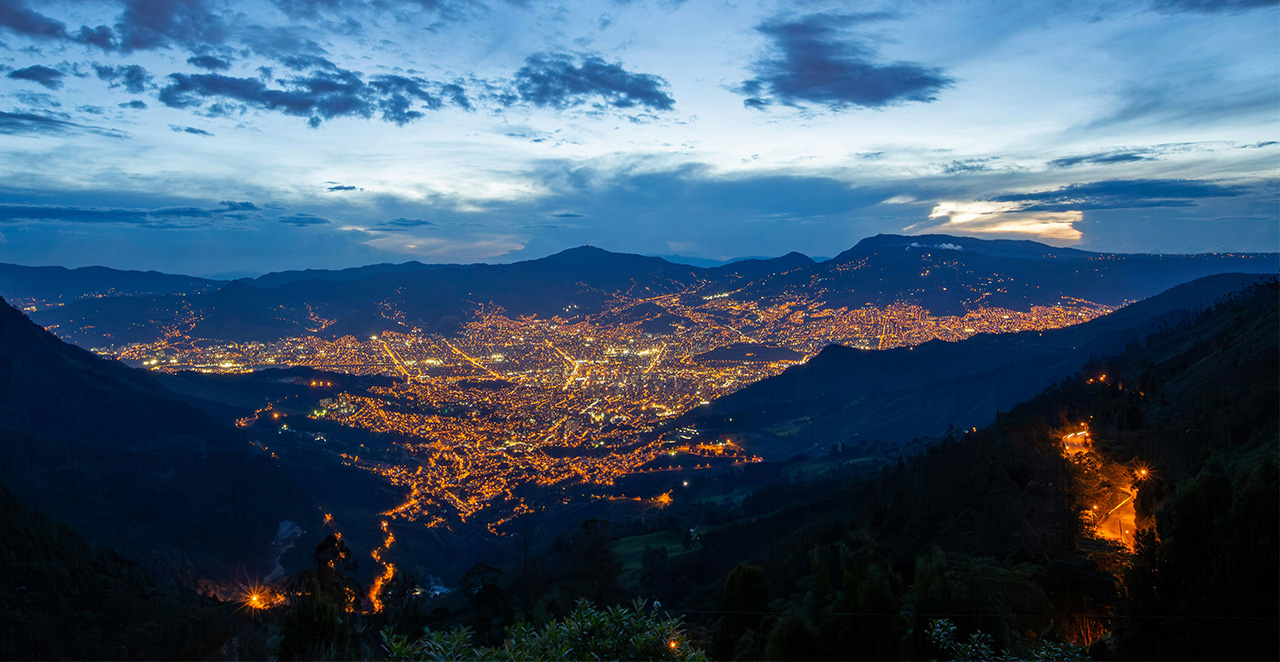
Medellin works best when you stop thinking about it as a checklist city and start treating it like a place you move through in layers. The city sits in a valley, neighborhoods climb the hillsides, and some of the best experiences come from understanding how all of that connects together.
For most travelers, the easiest formula is simple: stay in El Poblado or Laureles, take a walking tour early in the trip, use the metro and cable cars to understand the layout, spend one day diving into Comuna 13, and add Guatape if you have an extra full day.
A quick packing note for Medellin:
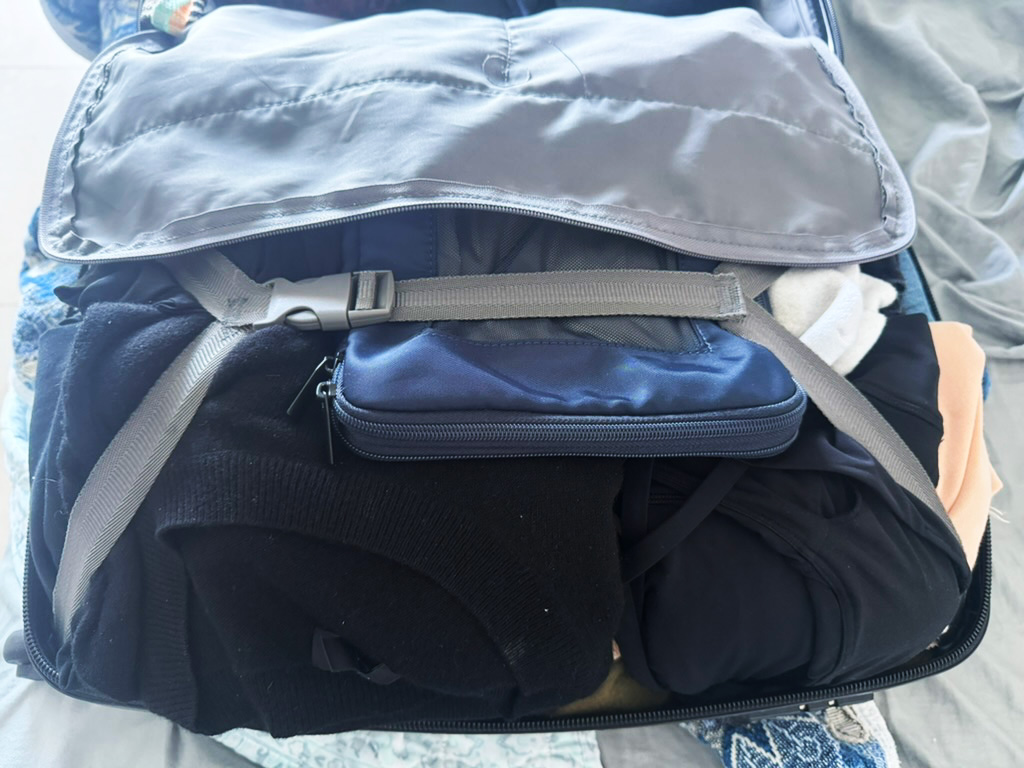
After Bogota and Cartagena, Medellin felt completely different. We only had a few nights here, and instead of packing heavy, I tried something different. I brought just a small daypack with a couple T-shirts, a few essentials, and my laptop. That was it.
It ended up being one of the best travel decisions of the trip. Medellin is a city that works really well when you keep things simple. Traveling lighter made navigating the city feel much easier.
TLGA Rule: Take the cable car even if you do not have a destination in mind. The views alone are worth it, and it helps you understand the scale of the city.
Start here: Colombia Travel Hub
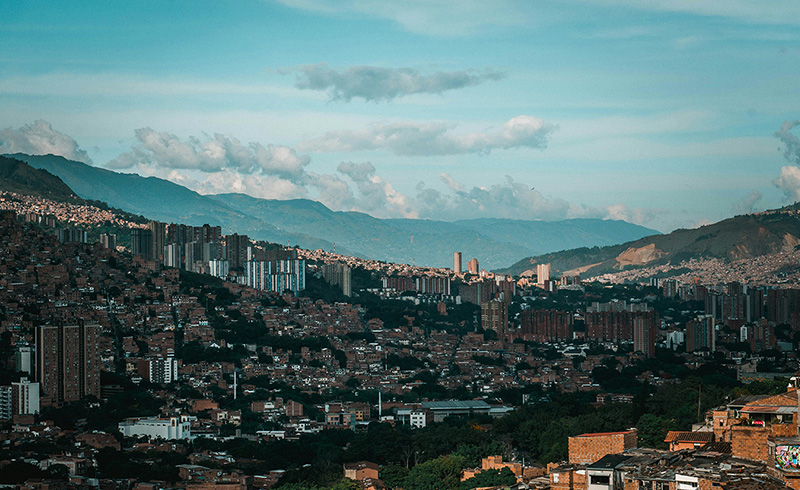
Medellin spreads across a lush valley, surrounded by steep green mountains in every direction.
What we found was a place that feels modern, energetic, and incredibly alive. The weather is warmer, the city is greener, and everything seems to flow up and down the hills around you.
Medellin also has something that a lot of big cities do not: a very strong sense of reinvention. You feel the history here, but you also feel how much the city has changed. That tension between past and present is part of what makes it so interesting to visit.
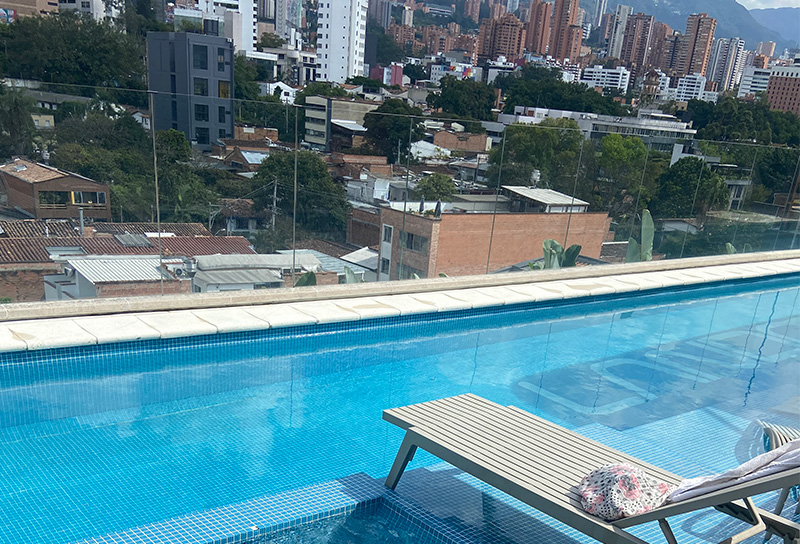
Rooftop pools and mountain views are part of the Medellin experience, especially in El Poblado.
We stayed at Landmark Hotel Medellin, a boutique hotel in El Poblado with a rooftop pool, and it was the perfect home base.
If this is your first time in Medellin, El Poblado is the easy choice. It has the highest concentration of hotels, bars, coffee shops, and nicer restaurants, and it feels the most intuitive for travelers. Laureles is the stronger option if you want a flatter, greener, more local, and slightly less polished version of Medellin. Envigado works well if you want a quieter residential base with easy access to local dining.
| Neighborhood | Vibe | Best For |
|---|---|---|
| El Poblado | Trendy, modern, hilly | Hotels, nightlife, restaurants, first-timers |
| Laureles | Local, relaxed, flat | More authentic feel, tree-lined streets, walkability |
| Envigado | Residential, traditional | Local food scene, quieter stay |
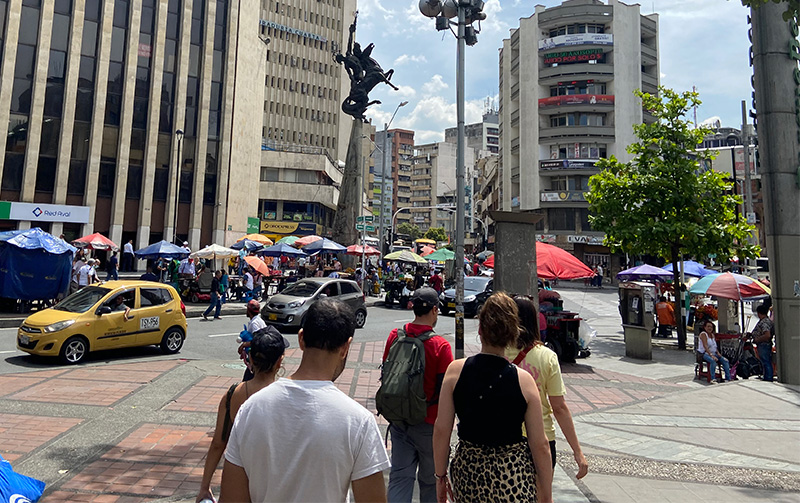
Downtown Medellin is busy, chaotic, and full of real everyday energy.
One of the most impressive parts of Medellin is how easy it is to get around.
The metro system is clean, safe, and efficient, and it connects seamlessly with the city’s cable cars, which take you up into the hills for incredible views. We used a mix of metro, cable cars, and Uber, and never felt like we needed anything else.
That is one of Medellin’s biggest strengths. The transit system is not just functional; it is part of the experience. Riding the metro gives you a sense of the city’s rhythm, and the cable cars show you how Medellin is built into the valley and the hillsides around it.
If you are arriving through Jose Maria Cordova International Airport, just know the airport is outside the city. The drive into Medellin can take 45 minutes to an hour depending on traffic, so do not underestimate transfer time on arrival or departure day.
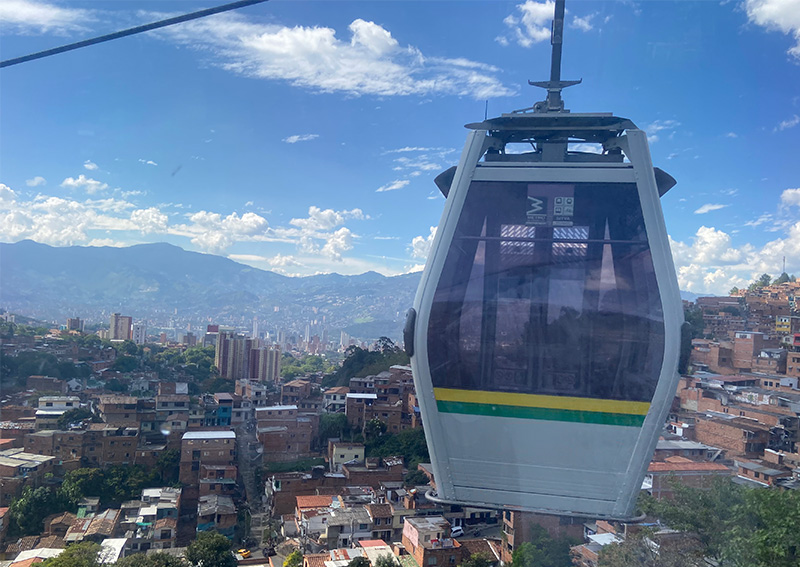
The cable cars are not just scenic. They are part of how Medellin moves, linking the city center to neighborhoods built into the mountains.
This is one of the defining Medellin experiences and something you should absolutely make time for.
The gondola ride gives you a completely different understanding of the city. From above, you can see how dense the neighborhoods are, how steep the hillsides get, and how the city has expanded across the valley over time.
If you want a true destination at the top, ride the K and L lines all the way up to Parque Arvi. It is a massive ecological nature reserve sitting on the mountains high above the city. The moment you step off the final gondola, the temperature drops and you are suddenly surrounded by dense pine forests and hiking trails. It is a surreal escape from the concrete and noise of the city below.
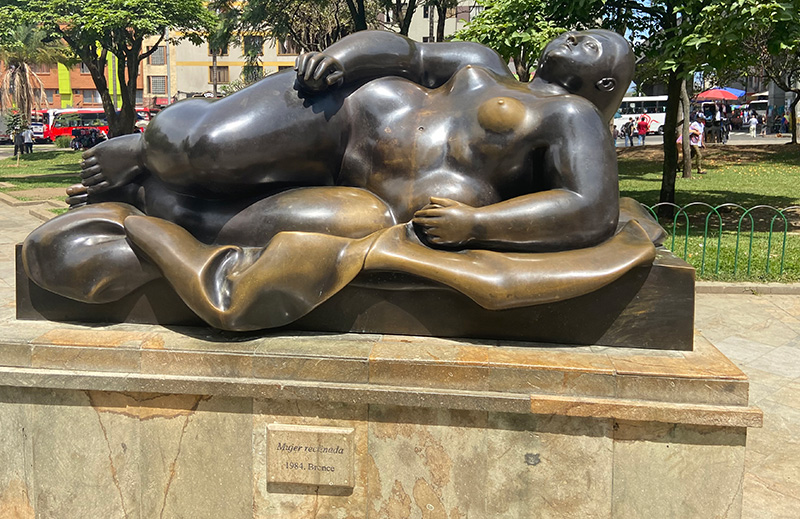
Botero’s oversized sculptures are one of Medellin’s most recognizable cultural landmarks.
We did two different walking tours in Medellin, including one with Real City Tours Medellin, and both were highlights of the trip.
The first was a historical walking tour through the city center, where we learned about Medellin’s past, its transformation, and how the city operates today. Having a guide provides crucial context that you simply will not get by wandering around on your own.
If you visited the Museo Botero in Bogota, you have to see Plaza Botero in Medellin. Fernando Botero is originally from this city, and he donated 23 of his massive bronze sculptures to sit right in the middle of this busy downtown plaza.
It is chaotic, loud, and vibrant, filled with street vendors and locals moving through the square. It sits right in front of the Museo de Antioquia, which holds even more of his artwork.
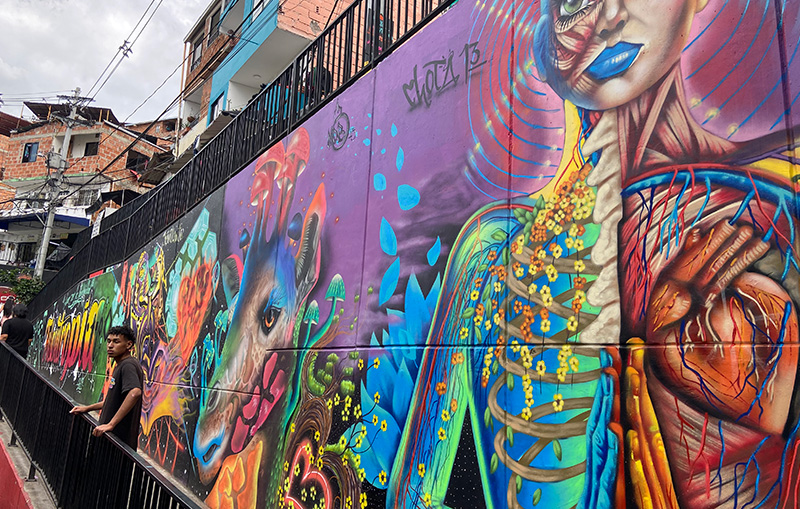
Comuna 13 is one of Medellin’s most powerful transformations, filled with street art, music, and local energy.
Comuna 13 deserves its own spotlight because it ended up being one of the most memorable parts of our trip.
You are not just looking at murals. You are moving through one of Medellin’s most visible stories of change. The neighborhood is built entirely into the steep hills, connected by outdoor escalators that changed the lives of the residents. Street art, music, rooftop stops, local vendors, and guides who can explain the history all come together in one experience.
[Image Placeholder: USE YOUR PASSION FRUIT POPSICLE IMAGE ID HERE]Fresh passion fruit popsicles sold by local vendors along the outdoor escalators in Comuna 13.
We walked the escalators, grabbed beers along the way, and stopped for fresh passion fruit popsicles at one of the local stands. It is vibrant and packed with visitors, but it never feels like a tourist trap because the community is so heavily invested in the local economy.
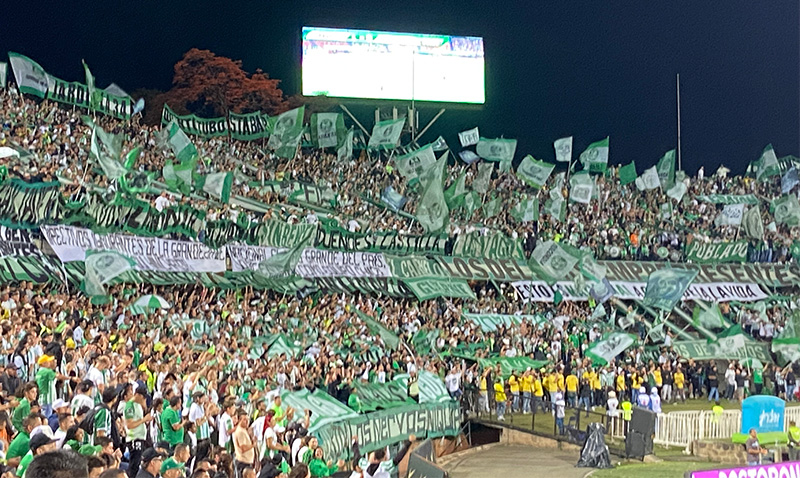
A soccer match in Medellin is loud, fast, and unforgettable, with nonstop energy from the crowd from the first whistle to the last.
One of the most underrated things we did in Medellin was going to a soccer match at Estadio Atanasio Girardot.
We booked it through a tour group, met near a local church, and went in together. That made the entire experience feel easier and more relaxed, especially for a first game in the city.
The atmosphere inside the stadium was electric. Non-stop singing, movement, color, and intensity in a way that feels very different from most US sporting events. Even if you are not a huge soccer fan, it is worth doing just for the experience.
If Atletico Nacional or Independiente Medellin are playing while you are in town, it is a very strong add to your itinerary.
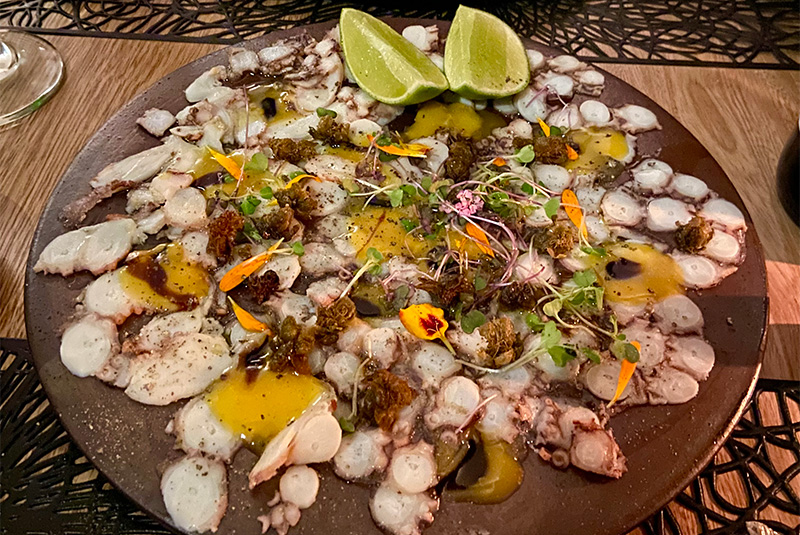
Octopus carpaccio with saffron and passion fruit vinaigrette at Restaurante La Provincia in Medellin.
We had a couple standout dinners here, and Medellin’s food scene feels more modern compared to Bogota.
What stood out to me is that Medellin gives you range. You can eat very well in polished restaurants, but you can also have memorable meals in much more casual local spots. It is a city where you should absolutely try the traditional dishes like bandeja paisa, but also leave room for modern dining and coffee culture.
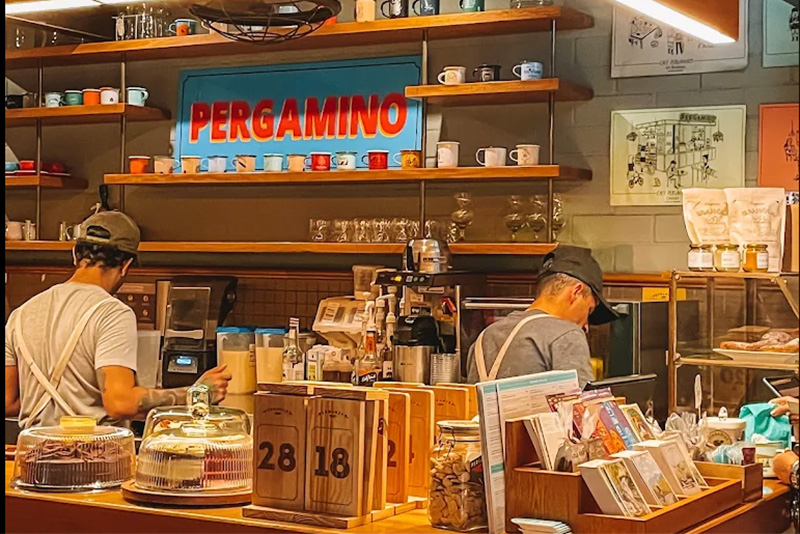
Medellin rewards travelers who mix polished restaurants with more local, everyday spots around Laureles, Envigado, and El Poblado.
If you want a better Medellin food experience, do not just stay inside the obvious tourist orbit every night.
El Poblado is the easiest place to start and has plenty of strong options, but neighborhoods like Laureles, Envigado, and Belen are where the city starts to feel more local.
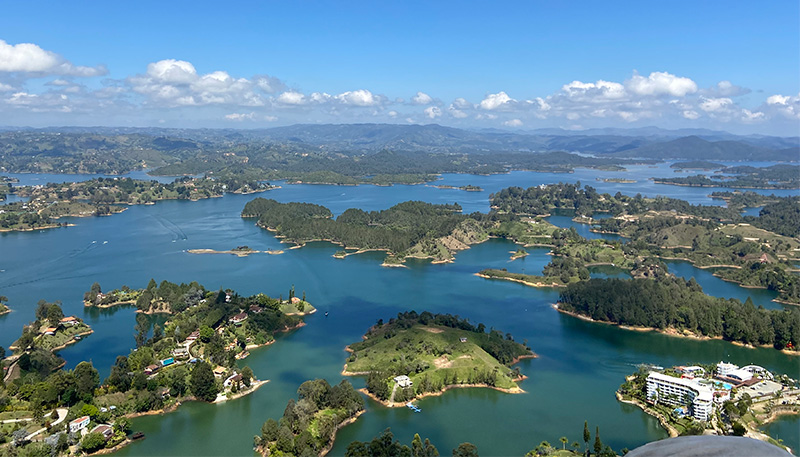
The view from El Penol overlooking Guatape is one of the most iconic landscapes in Colombia.
If you have more than three days in Medellin, a day trip to Guatape is one of the most popular things to do.
The town is about two hours away and is known for its colorful buildings and detailed artwork painted along the base of nearly every structure.
Most people combine it with a climb up El Penol, a massive monolithic rock that rises straight out of the landscape. The climb is about 700 steps, but the views at the top overlooking the artificial lakes and islands are some of the best in Colombia.
We did a guided Guatape tour that included a boat ride, breakfast, and lunch, and it ended up being one of the most memorable days of the trip. The boat ride was especially interesting because it gave a preview of the lake homes around the reservoir and passed the ruins of a former cartel-owned property that had been bombed out.
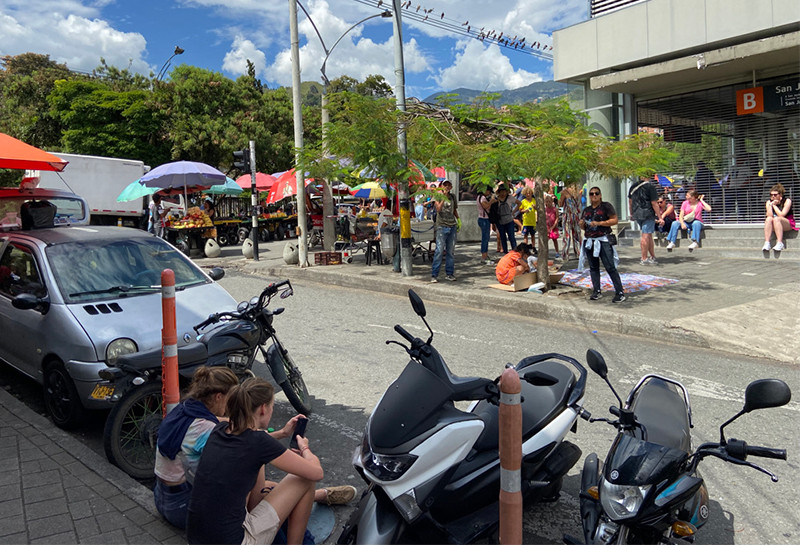
Medellin’s weather is famously comfortable year round, but brief, heavy rainstorms are common during the wet seasons.
Medellin sits at an elevation of about 4,900 feet and is universally known as the City of Eternal Spring. The temperature hovers in the 70s and 80s Fahrenheit almost every single day of the year, making it an incredibly easy city to pack for.
However, it does have distinct rainy seasons. April to May and October to November see the heaviest rainfall. Even during the wet season, the rain usually comes in short, heavy afternoon bursts rather than all day washouts. December through February is generally the driest and most popular time to visit.
If you are flying into Colombia, you must fill out the online Check-MIG form within 72 hours of your flight. Airlines will check this before you are allowed to board your plane in the US, and immigration will check it again when you land. Do not leave this until you are at the departure gate.
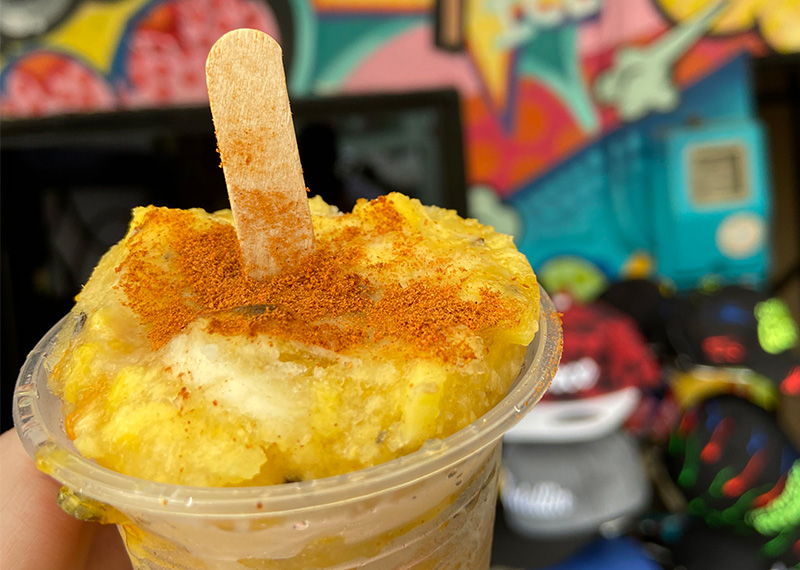
Locally known as cremas de maracuya, these creamy passion fruit popsicles are the ultimate Comuna 13 refresher. Topped with fresh pulp and a pinch of cinnamon, they offer a perfect hit of tart tropical flavor to fuel your climb up the escalators. Cost $.0.75 to $1.25 USD.
One of the nice things about Medellin is that it works across a lot of budgets. You can keep it affordable by using the metro, eating local lunches, and staying in simpler accommodations, but it is also easy to upgrade into boutique hotels, rooftop bars, and better restaurants without the city feeling wildly expensive.
| Category | Budget Range | What to Expect |
|---|---|---|
| Hotel | $35–70 | Simple hotel or guesthouse in a good area |
| Boutique Hotel | $90–180 | Better design, pool, rooftop, stronger location |
| Lunch | $5–12 | Menu del Dia, casual local spot, simple cafe meal |
| Dinner | $15–40+ | Modern restaurant, cocktails, nicer dining in El Poblado |
| Metro / Cable Car | Low cost | Very good value and easy for most travelers |
| Guided Tours | $10–60+ | Walking tours on the low end, Guatape day trips higher |
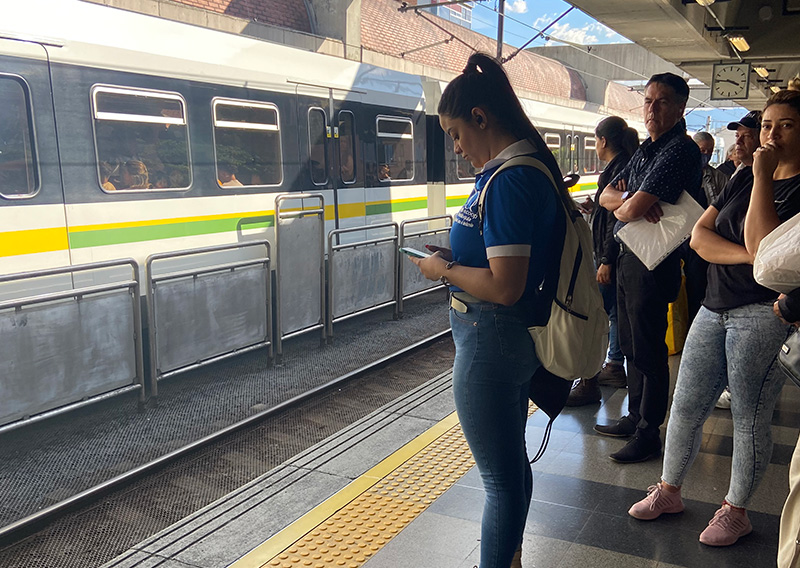
The Medellin Metro is more than just transportation. It is a point of local pride and remains the cleanest and safest way to navigate the city, though standard travel street smarts like keeping your phone secure while waiting on the platform still apply.
Medellin has one of the most talked-about transformations in South America.
In the 1990s, the city was known for cartel violence and instability. Today, it is a completely different place. Locals are proud of how far the city has come, and you feel that energy when you visit.
That said, this is still a major Latin American city, and common sense matters. One of the most useful phrases to know is no dar papaya, which basically means do not make yourself an easy target.
That means staying aware in crowded areas, not flashing valuables, and being more intentional about how you move around at night.
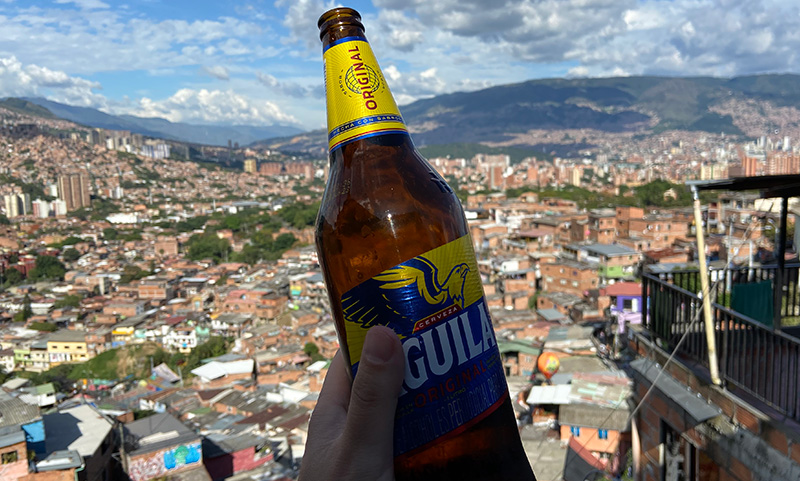
Grabbing a cold beer at a hillside spot like Cerveceria El Parche is the best way to soak in the views of Comuna 13 while supporting the local entrepreneurs who have transformed this neighborhood.
We spent around 3 to 4 nights here, which felt about right.
If Medellin is just one stop on a broader Colombia trip, 3 to 4 nights is a very solid amount of time. It lets you experience the city without making the visit feel rushed.
Explore more of Colombia with city guides, Cartagena deep dives, and real on-the-ground experiences.
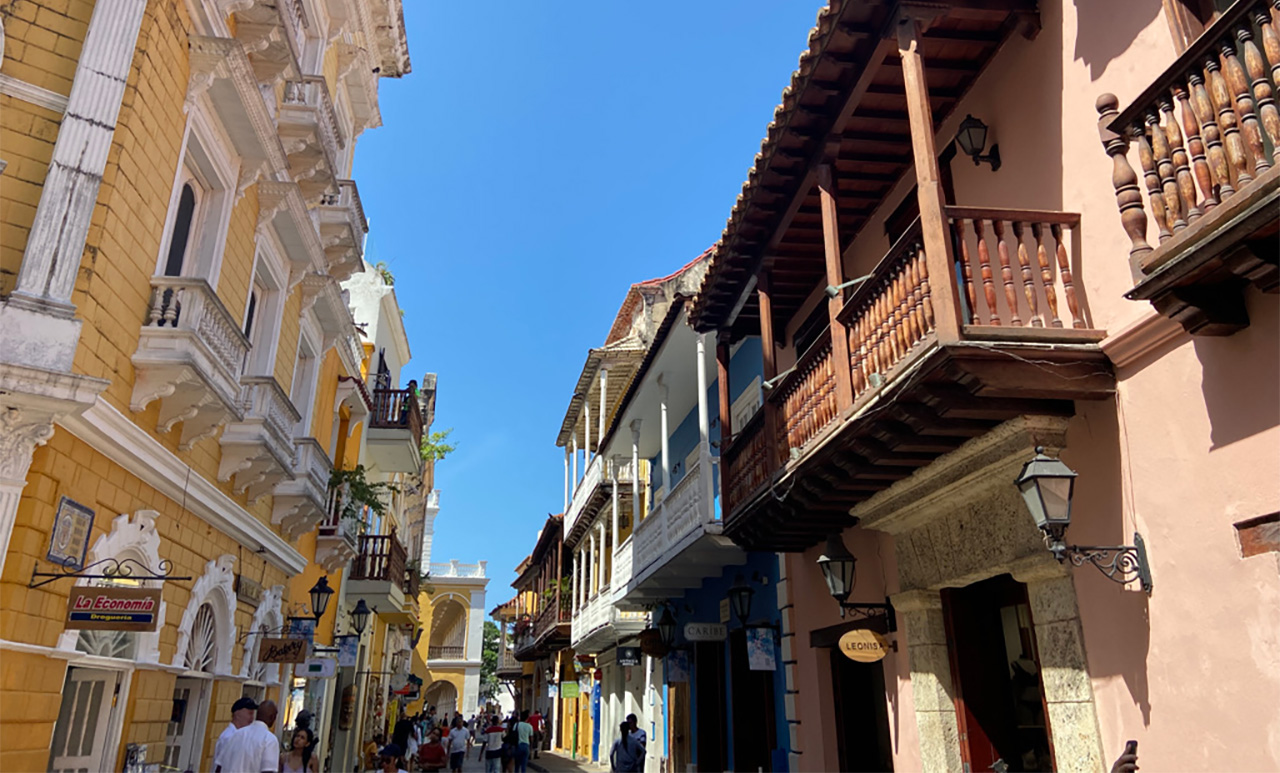
CARIBBEAN COAST
A complete guide to where to stay, what to do, and how to experience Cartagena beyond the basics.
Read More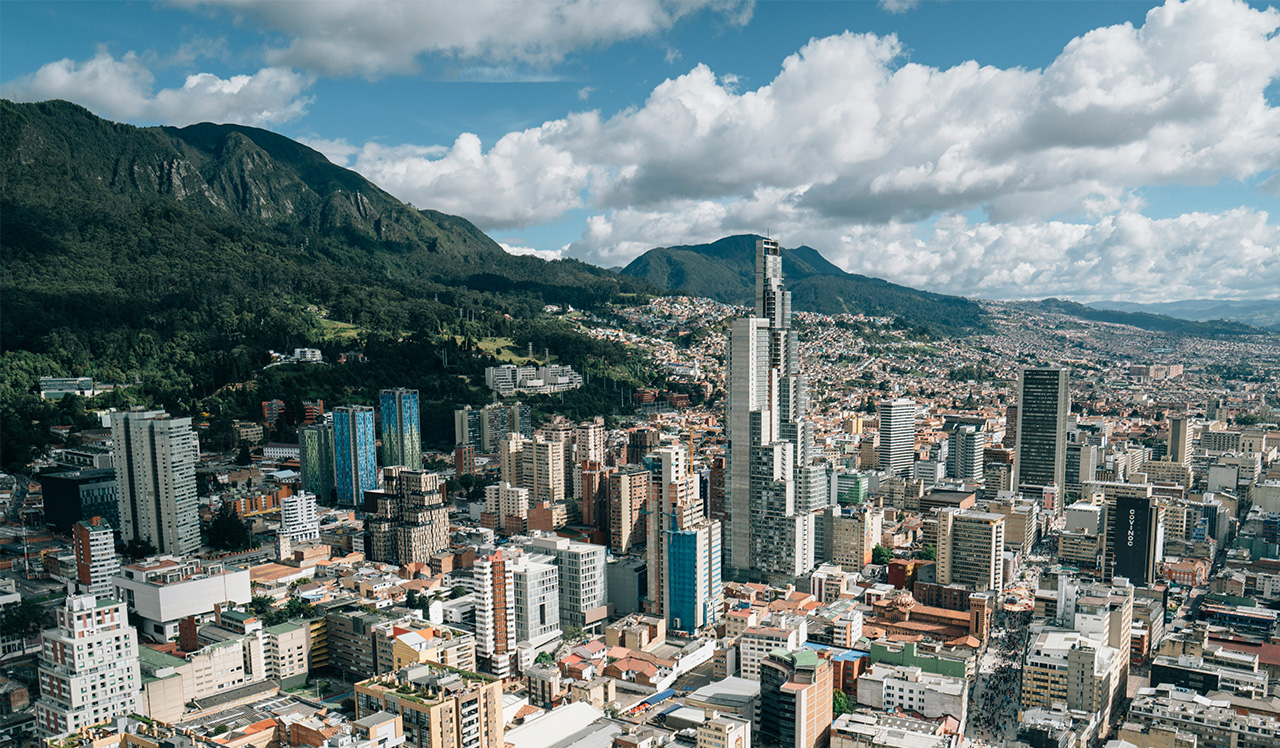
BIG CITY BASE
Get a practical feel for Colombia’s capital with tips on where to stay, what to do, and where to eat.
Read More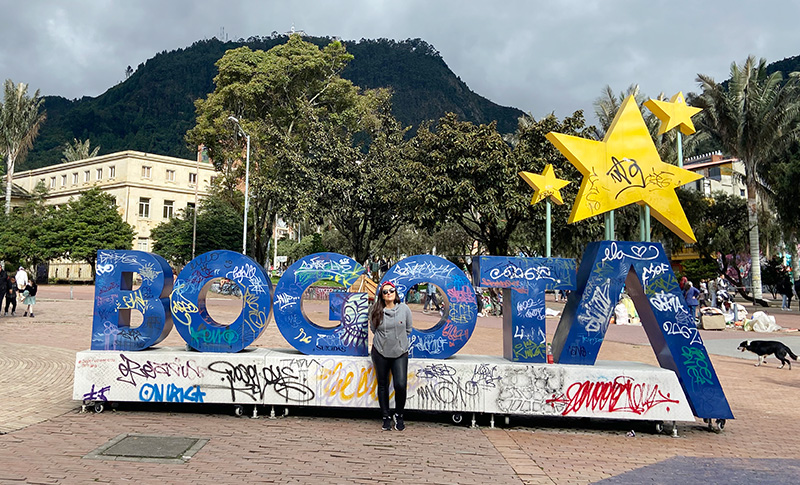
ONE WEEK PLAN
A real breakdown of neighborhoods, restaurants, and costs from a week in Colombia’s capital.
Read More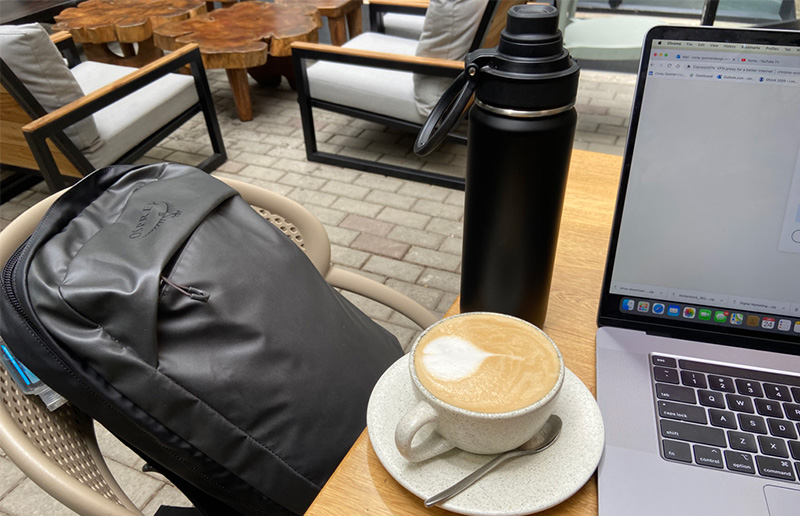
REMOTE LIFE
Where to live, work, and build a routine if you are staying longer or working remotely.
Read More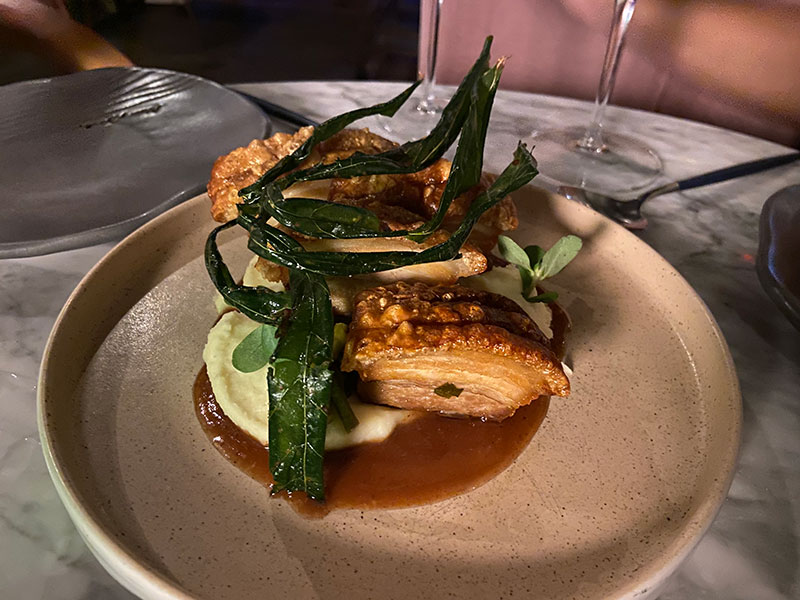
FOOD PICKS
The restaurants and dishes actually worth your time across the city.
Read More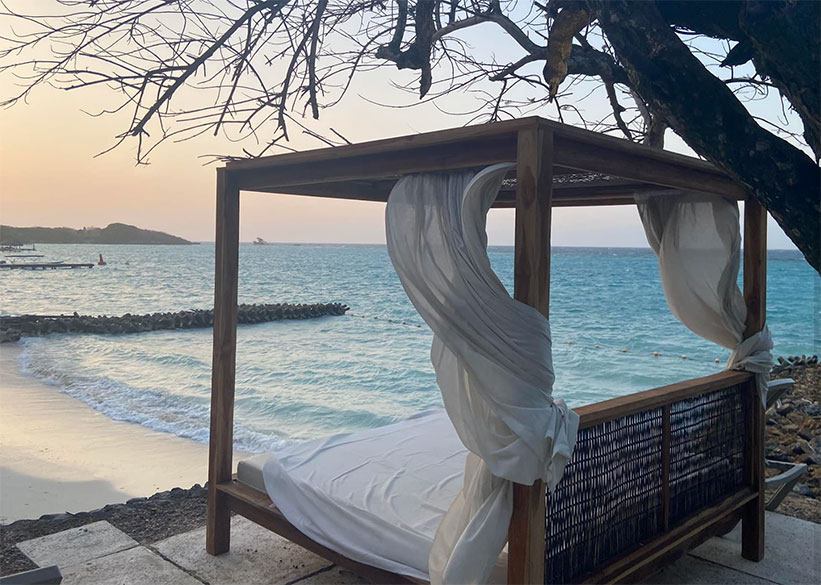
ISLAND ESCAPE
Slow things down with a stay on Isla Grande and a closer look at island life.
Read MoreA few practical guides to help you plan smarter, pack better, and avoid common travel mistakes.
START HERE
Build a smarter trip with a simple framework for timing, logistics, and decision-making.
Read More
MONEY & COSTS
Plan real costs, avoid budget mistakes, and make smarter money decisions before and during your trip.
Read More STAYING SAFE
Practical habits to stay alert, organized, and more confident when navigating unfamiliar places.
Read MoreYes. Medellin offers a completely different experience from Bogota or Cartagena, with warmer weather, modern infrastructure, and a strong local culture.
Most travelers should plan for 3 to 4 days to experience the highlights and enjoy the city at a relaxed pace.
El Poblado is the most popular area for travelers, while Laureles offers a more local and relaxed alternative.
Medellin is much safer than it was in the past, but travelers should still use common sense, stay aware, avoid risky situations, and follow the rule of no dar papaya.
Top experiences include Comuna 13, riding the cable cars to Parque Arvi, historic walking tours, exploring Plaza Botero, and day trips like Guatape.