
Travel Planning Hub
Start here to plan your trip, compare options, and explore every TLGA planning guide.
Packing & Gear Guide
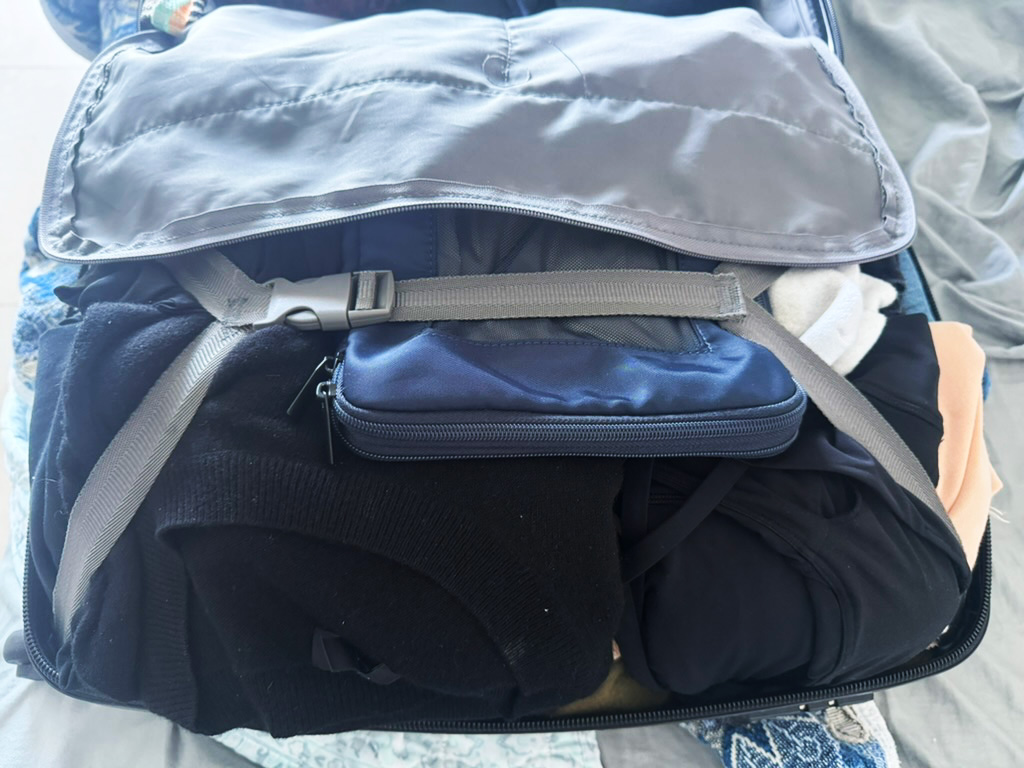
What to pack, what to skip, and how to build a lighter travel setup that works.
Last updated: October 2026 by Corey Gasman • For solo travelers, couples, families, and long-term travelers
From the Editor:
Most travel safety advice is either fear-based or so basic it is useless. This guide is the middle ground: a simple, repeatable system that lowers risk without turning travel into a stress hobby.
Safety is preparation plus awareness plus a few smart defaults.
You are not trying to control every variable. You are trying to avoid being the easiest target, protect your essentials, and have a calm plan for the things that actually happen: lost phones, sketchy ATMs, weird taxis, stomach bugs, and last-minute route changes.
Travel should feel exciting and memorable, not stressful or fearful. The goal is not to move through the world suspicious of everything. The goal is to move through it prepared.
A little awareness goes a long way. When you plan ahead, protect your essentials, and stay alert in transition points like airports, transit stations, rides, and crowded tourist areas, most problems never happen in the first place.
Safety Without Paranoia
The 30-Second Safety Check
Before You Go
On the Ground
Money, Documents & Phones
Transportation Safety
Health & Medical
Solo Travel & Personal Needs
Accommodation Safety
When Things Go Wrong
Digital Safety
Common Scams
Night Before Check
Wellness in Motion
I’ve Been There
FAQs
Official Resources
Emergency Numbers & Local Risks

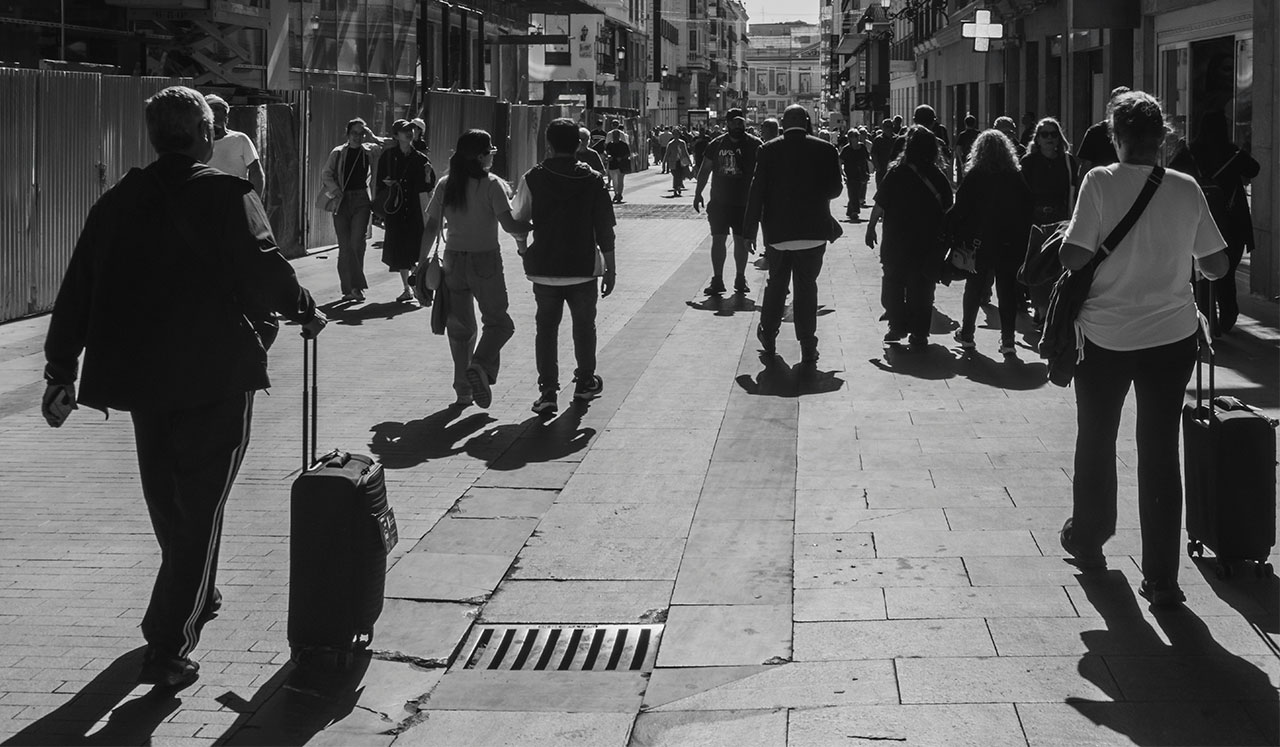
The confident-and-boring strategy: knowing your route before you step onto the platform reduces stress and makes you a much smaller target for distractions.
Any time you step out in a new city, new neighborhood, or new station, run this quick scan:
That is it. You are not looking for danger around every corner. You are simply making sure you are not distracted, trapped in a crowd, or walking with no clue where you are headed.
A little setup before departure goes a long way. Your best travel safety habits usually start before the plane leaves the ground.
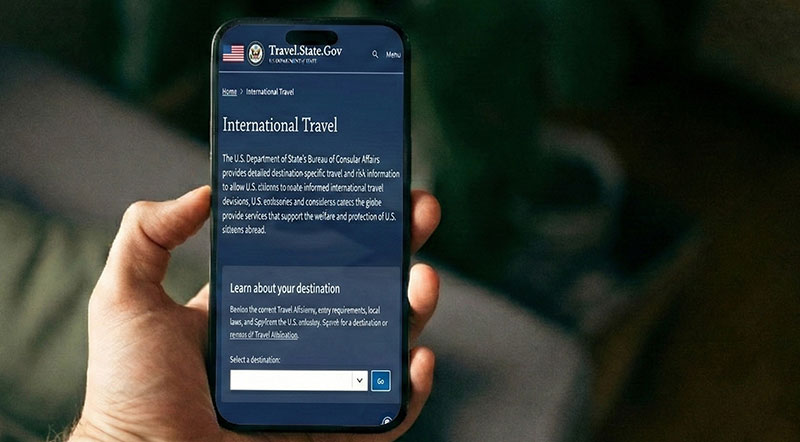
Start with the U.S. Department of State Travel Advisories, then read the destination-specific details, not just the advisory level. Pay attention to the reason for the advisory, regions to avoid, local laws, entry requirements, and the contact information for the nearest embassy or consulate.
U.S. citizens should also enroll in STEP. It is free and sends updates from the local U.S. embassy or consulate. For a useful second opinion, check the UK’s Foreign Travel Advice or Australia’s Smartraveller.
A lot of travel problems are not dramatic safety issues. They are preventable misunderstandings. Learn the basics before you go: dress expectations, religious-site etiquette, photography rules, local laws, common social norms, and whether a place has areas or times of day that require more caution.
This is partly respect and partly risk reduction. The more you understand how a place works, the easier it is to move through it calmly and avoid awkward or unnecessary situations.
Travel insurance is not one thing. Medical coverage, trip cancellation, baggage coverage, and medical evacuation can all be separate limits or exclusions. The State Department notes that U.S. health coverage, including Medicare and Medicaid, usually does not cover care abroad. Read the official travel-insurance guidance, then read the actual policy before you buy.
A copy is a backup, not a substitute for an original passport when a country or airline requires the original. Check the local expectation before you decide what to carry.
Make offline access your default: Save your hotel address, booking details, insurer-assistance number, and a screenshot of your route before you head out. Dead battery and bad service happen at the worst times.
Couples and families should pick a default meetup spot, like the front desk, a specific cafe, or the main entrance. Save your lodging address offline. Agree on the “if I do not hear from you in X hours, I do Y” rule.
Local Guide Tip
My default: if there is confusion, I stop moving. The fastest way to get lost is to keep walking while you are figuring it out.

Keep a lower profile and make your valuables harder to grab. The goal is not to look scared. It is to avoid looking distracted or easy to steal from.
You do not need to cosplay as a local. You just want to avoid standing out as the easiest mark. Keep it simple: aware, prepared, and not flashing the obvious stuff.
Thieves like fast and easy. Your goal is to make theft annoying.
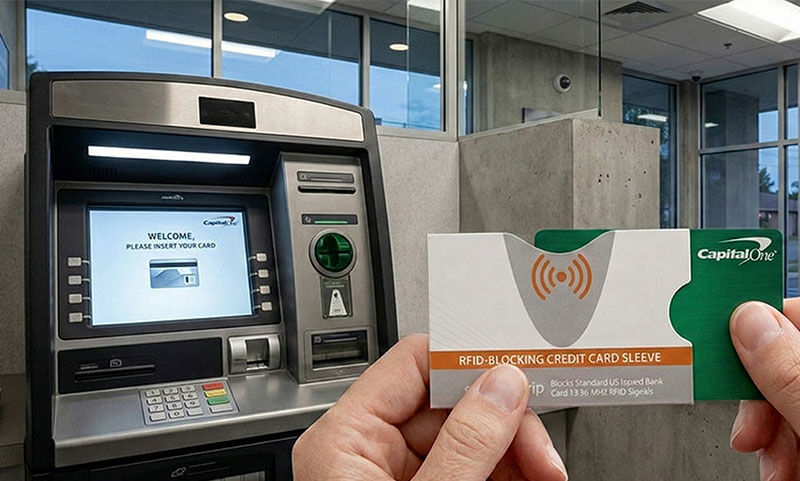
A secure wallet and card alerts do more real-world work than a pile of gimmicks. Keep the essentials separated, know how to freeze a card, and pay attention at the ATM.
The goal is not to make your money invisible. It is to make one bad moment manageable.
Skimming and card traps are real, but the basic defense is simple. Use ATMs inside or attached to banks when practical, shield your PIN, and walk away from anything that looks loose, tampered with, or oddly distracting.
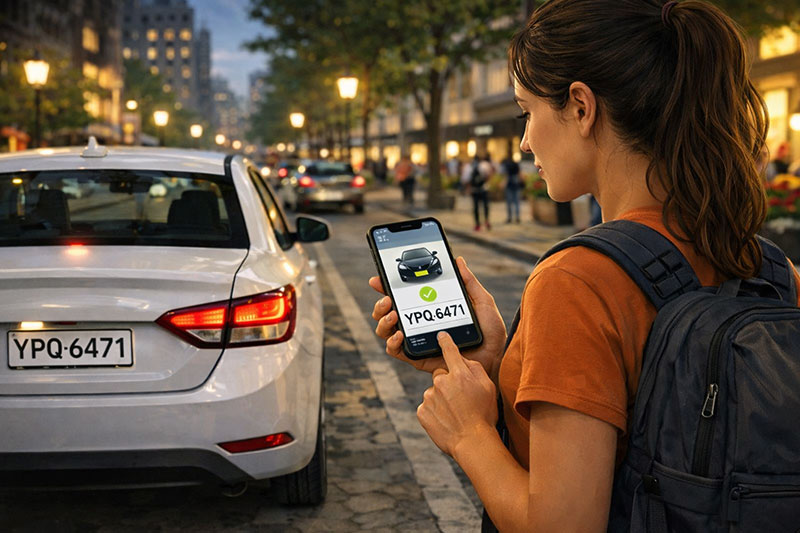
Verify your ride: check the license plate and driver identity in a safe, well-lit area before getting in. For taxis, prioritize official companies or stands.
Before you get in, match the license plate, make and model, and driver photo with the information in the app. If anything does not match, do not get in.
New roads, local driving habits, jet lag, and unfamiliar scooters are a bad combination. Confirm local license and insurance requirements, photograph the vehicle condition, and do not learn to ride a scooter in a city you do not understand. A helmet and a slower first day are never a bad idea.
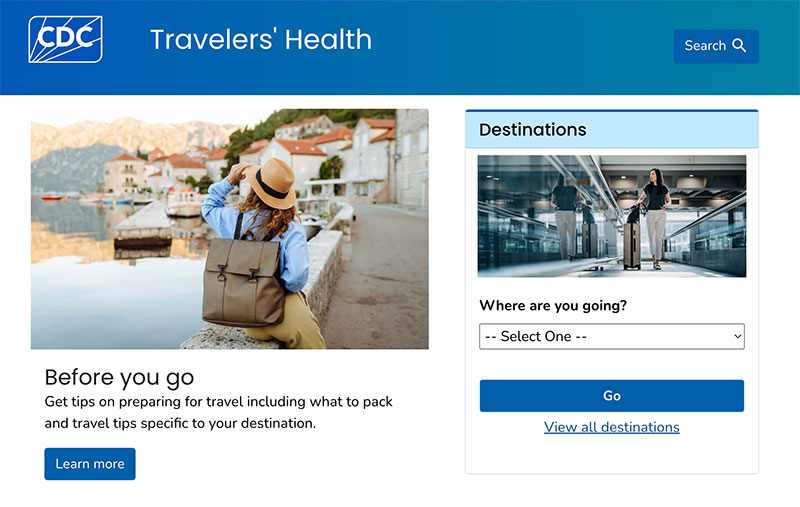
Use real sources. Before you leave, check CDC Travelers’ Health and Department of State resources for destination-specific health notices, vaccines, medicines, and safety information.
For destination health information, start with CDC Travelers’ Health and its destination pages. They cover recommended vaccines, medicines, disease outbreaks, food and water issues, and practical planning. For more complex trips, arrange a travel-health visit early enough to act on the advice.
Before departure, save your insurer’s assistance number and understand how it handles a clinic visit, hospital admission, or medical evacuation. If you have a chronic condition, pregnancy, serious allergy, or a complicated itinerary, get destination-specific guidance from a qualified clinician instead of relying on a generic packing list.

A solo traveler stays calm and prepared at a busy transit hub, embodying the confident-and-boring safety superpower.
Solo travel is amazing, and it rewards people who plan just enough. The key is reducing isolation. Do not stack risky choices like late night plus unfamiliar area plus intoxication plus dead phone.
Different travelers can face different risks, laws, and access issues. Women, LGBTQ+ travelers, travelers with disabilities, people with medical needs, and people from racial or religious minorities should look beyond generic advice and read the destination-specific official information that applies to them. Local law, social norms, accessibility, and emergency care can vary dramatically from one place to another.
Local Guide Tip
If you are solo and someone’s energy shifts, you do not owe them politeness. Create distance first. Explanations are optional.
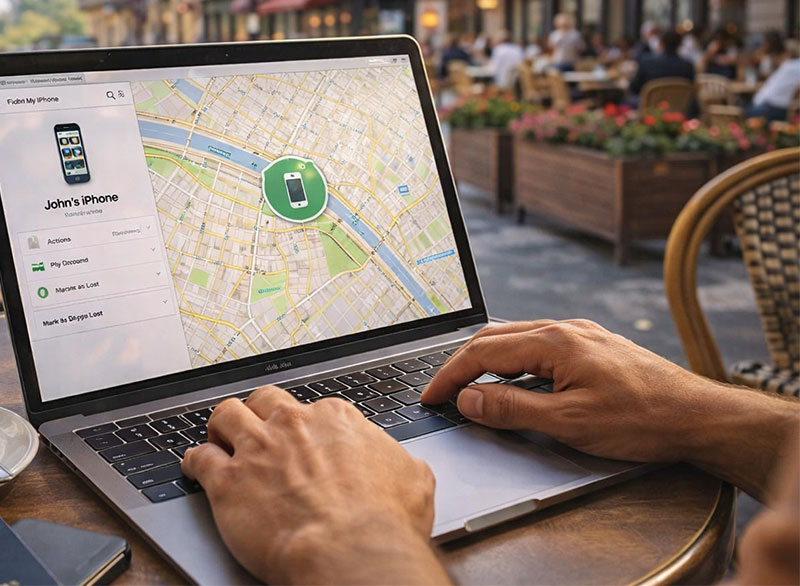
Lost does not always mean gone. From another trusted device, you can use Find My or Find Device to locate and secure your phone while you get a calm plan in motion.
Save your embassy or consulate details, local emergency number, insurer-assistance line, and lodging contact offline. Share your itinerary with someone you trust. If you are traveling with a partner, family, or group, agree on a default meetup point and a check-in rule before you separate.
Contact the nearest embassy or consulate as soon as possible and follow its current replacement instructions. A local police report may be helpful or required depending on the location and your insurance claim, but procedures vary. Your document copies and entry details will make the process much easier.
Start with local emergency services, official government updates, your airline or tour operator, your lodging, and your insurer. Check travel advisories and STEP messages before you make a move. Social posts can be useful for situational color, but not as your only emergency source.

The Rule of Three is not just for families. Pick your landmark, set a check-in time, and have a plan for those moments when “Where are you?” texts will not go through.
If communication fails or your group gets separated in a crowd, use the Rule of Three:
This is the stuff that prevents the “my phone is gone and now I cannot access anything” spiral.
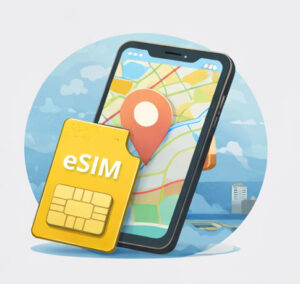
An eSIM can give you maps, ride access, and a working way to contact people after landing. Install it early, confirm it is active, and keep your carrier details or backup plan offline.

Use cellular data for banking and sensitive logins when you can. If you use public Wi-Fi, keep your device updated and use a reputable VPN as an extra layer, not as a magic shield.
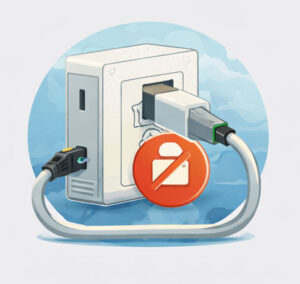
Bring a small power bank and wall plug. Do not approve unexpected data-access prompts when you only meant to charge.
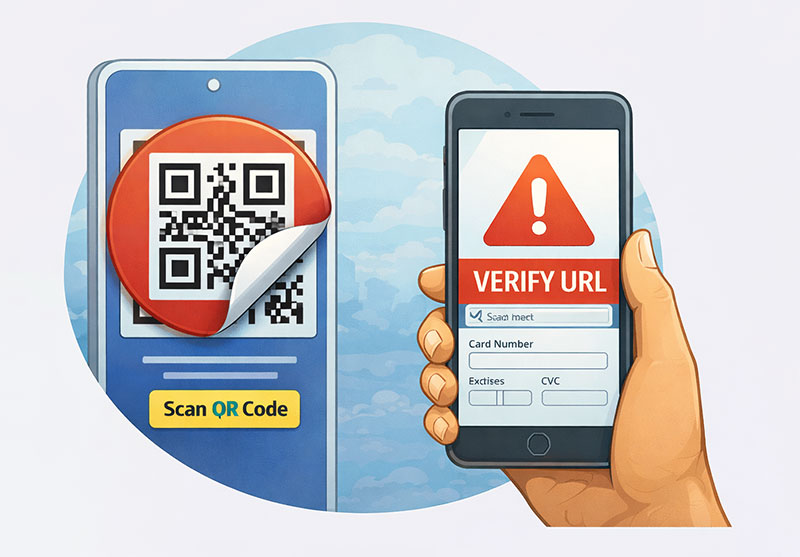
Digital safety is about the details. Verify a URL before you enter information, never act under pressure, and use a source you already know is real to confirm a request.
Scams evolve, but the mechanics stay the same: distraction, urgency, and confusion. The move is not to know every scam. It is to slow the interaction down and verify it independently.
Scammers can use clips from social media and other recordings to imitate a familiar voice. If a family member calls from an unknown number sounding panicked and asking for emergency money, hang up and call their known saved number directly. Never wire money or send crypto based on a frantic, unverified call.
Scammers can paste fake QR codes over real ones on menus, parking meters, and tourist signs. Before you enter payment information, inspect the URL. Watch for misspellings, a strange domain, or anything that does not match the business. The FTC has specifically warned about fake parking-payment QR codes.
A caller may know enough details to sound real and tell you there is fraud on your account. Their goal is usually a one-time verification code, remote access to your device, or a transfer. Hang up, open the official bank app, or call the number on the back of your card. No legitimate fraud team needs the code that is meant for you.
If a driver says the meter is broken and you did not agree to a fixed price, do not negotiate while the car is already moving. Confirm the price or meter before the ride starts. If the route looks strange, calmly follow along on maps and ask to stop somewhere public if you need to leave.
One person points out a stain, offers a bracelet, says an attraction is closed, or insists that they know a better place. Another person may be working your bag or steering you to a shop, taxi, or tour you did not ask for. The rule: create distance, secure your valuables, and keep moving.
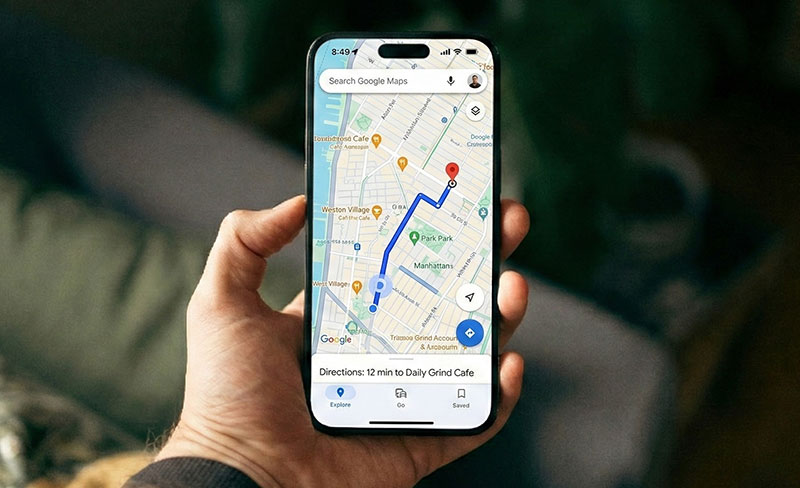
Do not wait for a signal to find your way. Downloading offline maps while on Wi-Fi is your digital insurance policy against dead zones and expensive roaming fees.
This is my quick reset before a big travel day. Not paranoid. Just prepared.
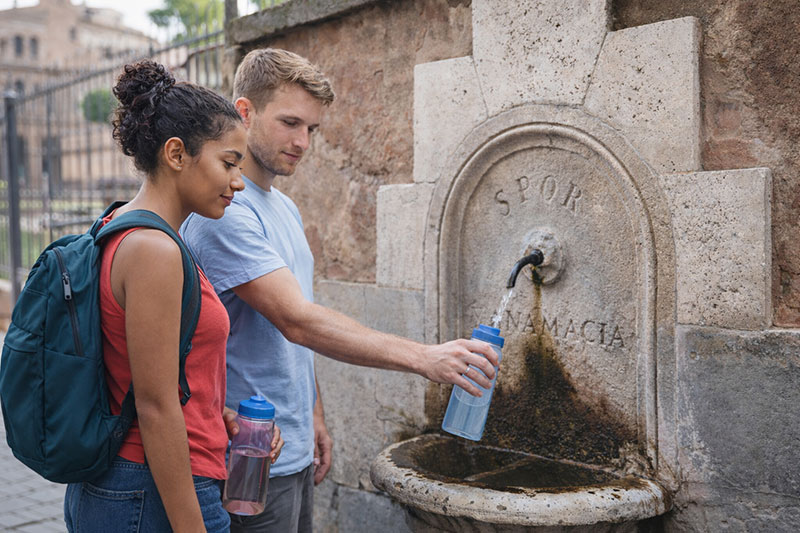
Hydration without the waste. Refill, do not rebuy. When water safety is uncertain, follow local guidance and make sure any bottle filter is actually rated for the problem you are trying to solve.
Travel makes the basic stuff easy to miss. Jet lag, alcohol, climate, long transit days, and a new routine can all add up. A little intention keeps minor issues from stealing the fun out of a trip.
If tap water is a question mark, do not assume every filter bottle makes it safe. Use local guidance, know what your particular filter is rated to remove, and carry a reliable backup plan.
Wash or sanitize your hands after transit and before eating. It is ordinary advice, but easy to forget after a long flight, train ride, or packed sightseeing day.
There is no universal “safest floor” rule. Prioritize current reviews that mention the entrance, lighting, check-in process, and room security. Once inside, read the exit diagram, identify two ways out, and know where the stairs are.
Check the lock, deadbolt, and any secondary latch when you arrive. Do not announce your room number in public, and do not open the door to an unexpected visitor. Call the front desk first if someone claims they need access.
A Do Not Disturb sign may discourage casual entry, but it is not security. Use the room’s locks when you are inside, keep valuables out of sight, and report a broken lock or uneasy situation immediately.
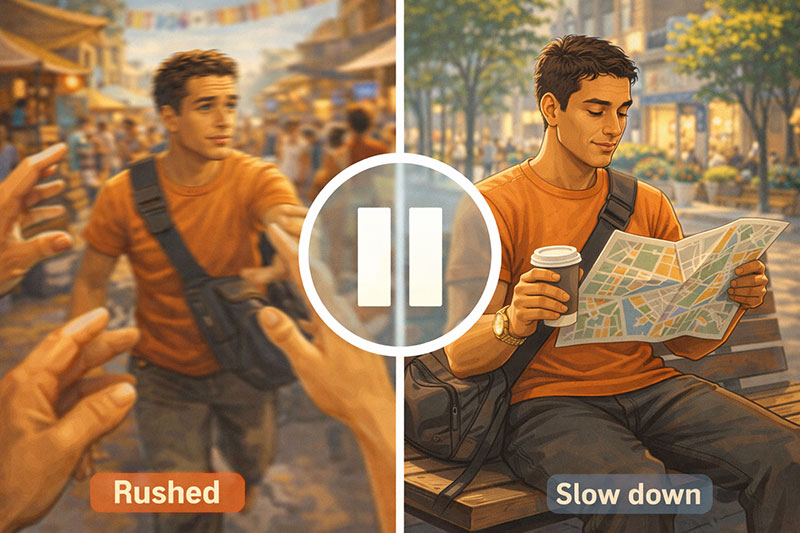
Urgency is a red flag. Scammers use pressure to cloud your judgment. Stepping back to reset the situation is one of your strongest safety habits.
The only times travel has really gone sideways for me were not dramatic movie moments. It was the boring stuff: a weird pickup, an ATM that felt off, a “helpful” stranger with a little too much energy, or a decision made when I was tired and rushing.
The lesson I keep relearning is simple: most problems happen when you are rushed.
Now I have a rule. If a situation feels weirdly urgent, I step back, reset, and slow the whole moment down. That ten-second pause has saved me money, stress, and a few calls to the bank.
Local Guide Tip
My rule: if someone is rushing you, you are allowed to say “No thanks” and move. You do not need to win an argument. You just need to exit the situation.
I’m big on systems because systems do not rely on perfect judgment in the exact moment you are distracted, jet-lagged, or hungry. They work even when your brain is running on low battery.
On my first big trip around the world, I used a hidden travel wallet because I was worried about pickpockets. It was not stylish, but it worked for one reason: it made my important stuff hard to access.
These days, I get the same friction using travel pants with zipper pockets. My critical items go into a zipped pocket that is hard to lift in a crowd.
Once I’m settled, I also follow a rule that keeps trips from turning into disasters: I never go out with everything. Passport, extra cards, and backup cash stay back at the hotel. If something happens, I want it to be annoying, not catastrophic.
When moving between cities, sticking to a single carry-on like my Cotopaxi Allpa 35L means my gear stays physically with me and greatly reduces the risk of an airline losing it. We keep it low-key on the ground too. No flashy jewelry, no nice watch. My wife Melissa often leaves her engagement ring at home and travels with a smaller ring. Less attention is a form of safety, and if something did go sideways, it is less heartbreak.
Another lesson I learned the hard way: be cautious with the person who walks up to you and tries to be your best friend when you did not ask for anything.
I’m not talking about normal kindness. I’m talking about the overly friendly, fast-talking stranger who is trying to steer your day. Most of the time, they have a goal: get you into a shop where they earn a commission, move you into a taxi or tour you did not ask for, or guide you somewhere that benefits them.
Classic example in Bangkok: you may hear “the palace is closed today” and suddenly you are in a tuk-tuk headed to a gem shop. Another time in Istanbul, someone approached us, acted like a buddy, and offered to “show us around.” We made the mistake of saying, “Sure, just take us somewhere for a couple beers.” That turned into a place we absolutely did not want to be.
One of my biggest pet peeves back home is hearing a whole country written off as “unsafe” based on cable news and zero firsthand research. The better question is: what are the actual risks in the neighborhoods, season, and activities I am planning?
There is no single safety label for a country. A destination can be manageable and enjoyable while still having neighborhoods to skip, times when a taxi makes more sense, driving risks, health concerns, or a government warning that deserves your attention. That is true in cities in Mexico, the United States, Europe, and anywhere else.
Safety is about neighborhoods, timing, behavior, and current information.
Start with official advice, read the regional details, ask your lodging about practical local realities, and travel the way you would in a major U.S. city: use good areas, smart timing, and an exit plan. That gives you a much more useful answer than a country-level stereotype.
“Safe” depends on where, when, and how you travel. Start with official advisories, then look at specifics: regions to avoid, common scams, transportation risks, health issues, and what is happening right now.
If you are a U.S. citizen traveling internationally, enroll in STEP. It is free and sends messages from the local embassy or consulate. Travelers from other countries should look for their own foreign ministry’s registration or travel-alert service.
For international trips, I strongly recommend understanding your options for emergency medical care and medical evacuation. Trip cancellation and baggage coverage can be useful too, but they are different benefits. Read the limits, exclusions, and assistance process before you pay.
A VPN is an extra privacy layer, not a replacement for good account security. Use cellular data for sensitive financial tasks when practical, keep your device updated, use strong passwords and multifactor authentication, and treat public Wi-Fi as a lower-trust network.
In pickpocket-heavy cities, it is worth it. You are not trying to look cool. You are trying to make theft inconvenient. Zipper pockets and a secure cross-body bag can serve the same goal for many travelers.
Contact your country’s nearest embassy or consulate right away and follow the current instructions. A digital copy, printed backup, and separate record of your entry details can make the replacement process much faster.
112 is the free emergency number throughout the European Union. It may also connect in some other countries, but it is not universal. Before you land, save the destination’s official emergency number and your embassy or consulate contact.
Situational awareness, especially in crowds and transition points like stations, boarding areas, and curbside pickups. That is where distraction, theft, and wrong-turn stress tend to pile up.
I am not a fan of safety-score charts as the only truth. They get outdated, hide the real story, and can create false confidence. What actually helps is having current official information and the right numbers saved offline.
Safety is not a static number. It is a combination of local infrastructure, current events, neighborhood-level context, and knowing who to call when things go sideways. A ranking can be a starting point, but it should never replace current official advice.
Use the directory below to find emergency numbers, common risk patterns, and practical destination context before you land. Then double-check current official resources for the country and region you are actually visiting.
Get quick destination-level safety reminders, common risks, and emergency contacts for popular travel destinations.
Local Guide Tip
Before you land, save your hotel address, local emergency number, insurer-assistance line, and your embassy or consulate contact in your Notes app. Offline access beats “I’ll look it up later.”
Actionable plans to protect your money, gear, and documents on the road.
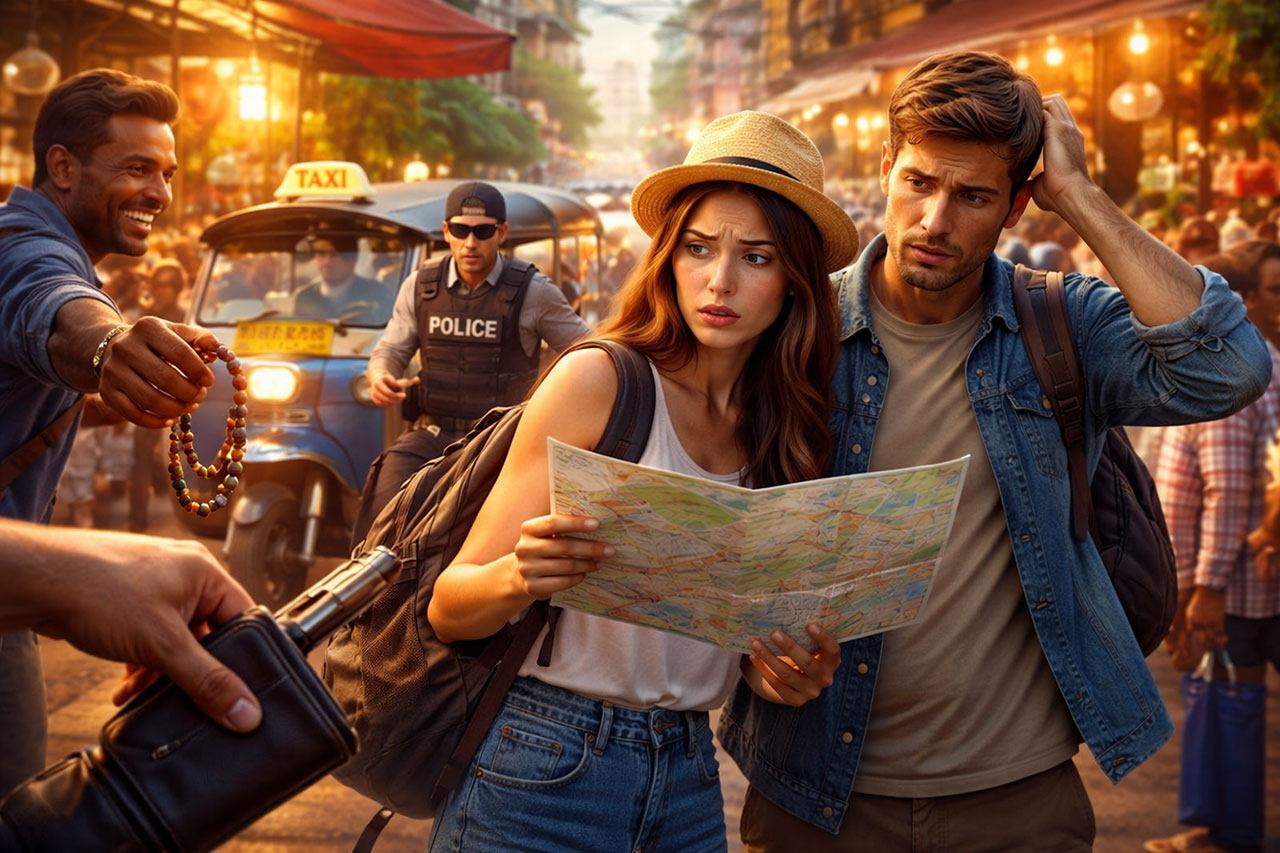
AVOID TRAPS
How to spot the friction points and exit high-pressure situations.
Read More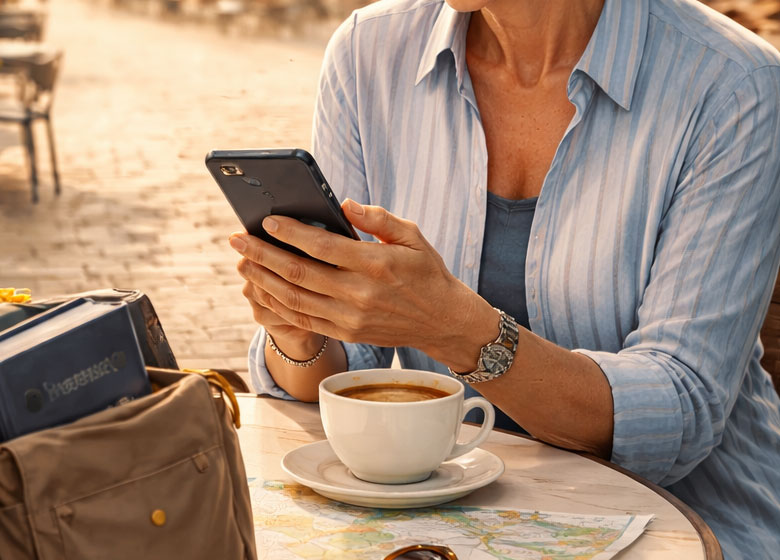
DIGITAL SECURITY
Simple tech safety tips to prevent account lockouts and card fraud abroad.
Read More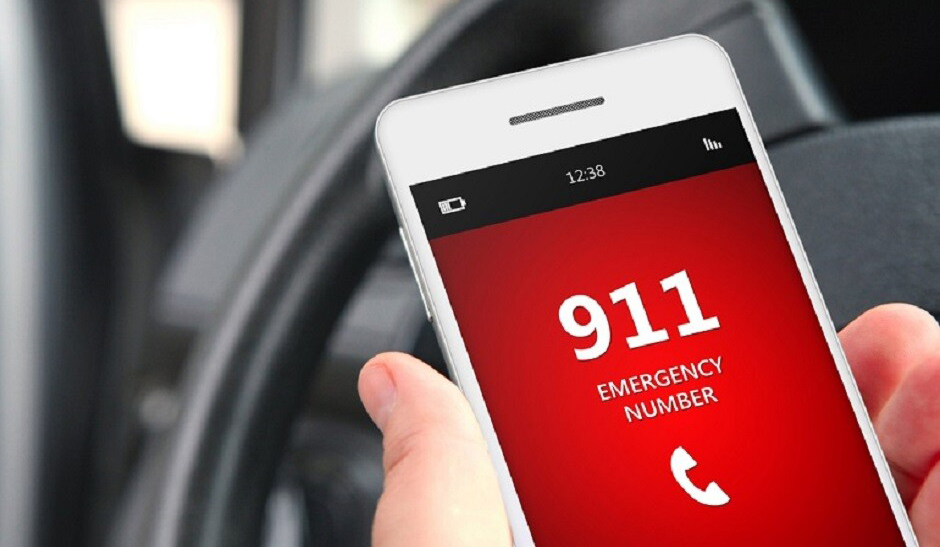
EMERGENCY CONTACTS
Destination-level safety reminders, common risks, and emergency contacts.
Read More