Travel Planning Hub
Start here to plan your trip, compare options, and explore every TLGA planning guide.

Packing & Gear Guide
What to pack, what to skip, and how to build a lighter travel setup that works.


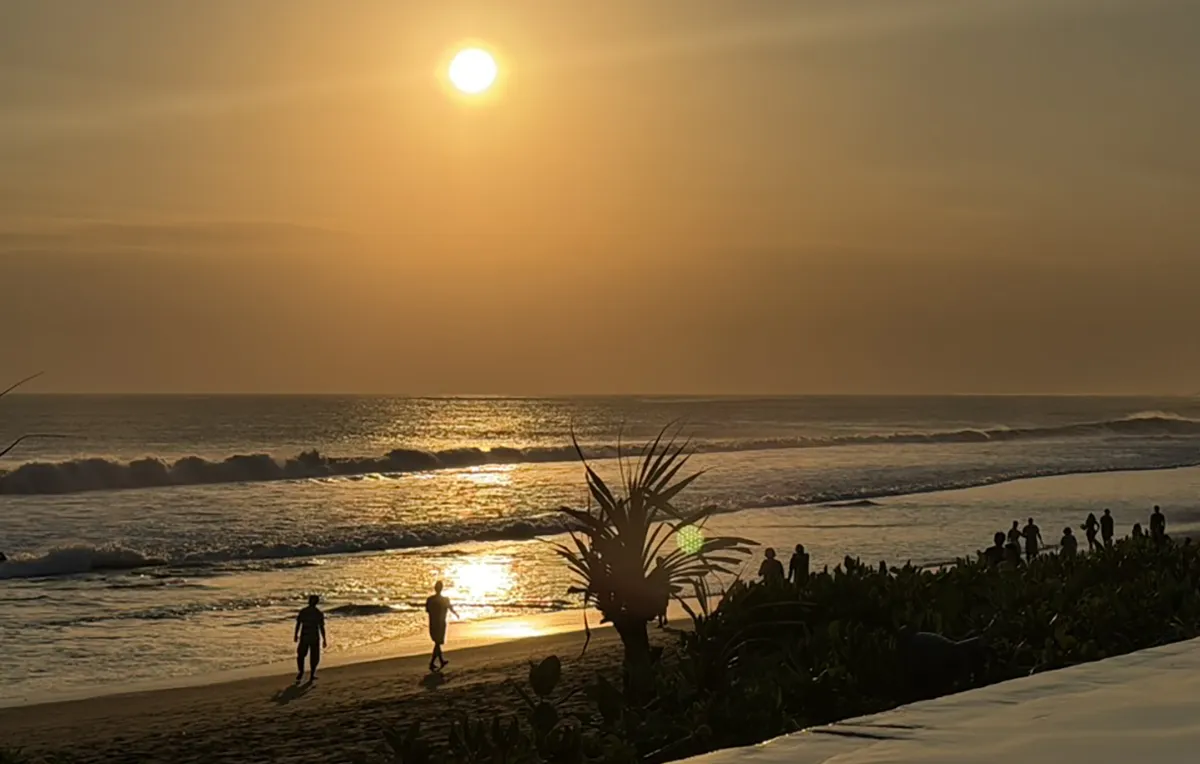
Golden hour along the beach during our trip to Bali, catching the evening tide and sunset on the wet sand.
Last updated: October 2026 by Corey Gasman
From the Editor:
In 2004, I spent a year living out of a backpack and traveling the world with two outfits to rotate through. These days, traveling with my wife, Melissa, my priorities look a little different.
I still love figuring out a trip, finding good local food, and getting to know a place. But as I move through my 50s, a comfortable seat on a long flight, a quiet room, and a good bed mean a lot more to me than they used to.
Our travels in 2026 brought that into perspective. Between spending the winter in Mazatlán and traveling through Singapore, Bali, and the Komodo Islands, we made plenty of decisions about where to spend, where to save, and how much to fit into a trip. Whether you are working around limited vacation days or starting to think about longer trips in retirement, the question heading into 2027 is the same: what will make this trip better for you?
Check out my Start Here page to see how we approach travel planning, packing, and finding the best local spots around the world.
Decide your comfort priorities before you book, and put them in the budget from the very beginning.

A comfortable upgrade on a long-haul flight can fundamentally change how you feel on the first two days of your itinerary.
Our United flight to Singapore was the most expensive flight I have ever paid for. Melissa wanted to upgrade, and we ended up with two bigger seats next to each other, more legroom, and more room to recline. It was not business or first class, but it was definitely a more comfortable way to make that long trip.
The guy carrying two outfits around the world in 2004 might have had a few questions about that purchase. These days, I understand it.
A few creature comforts have become more important to us. I do not need luxury at every stop, but I am willing to pay more for something that makes a real difference: a better bed, a quieter room, or a flight that feels a little less exhausting.
Travel felt expensive to us this year, and that makes those choices worth thinking through. Having more money to spend does not mean I want to spend it on everything. I want to decide where we will actually appreciate it. Before paying for an upgrade, I ask what changes. Is the room larger but still facing a noisy street? Does the flight upgrade include a different seat, or just a little more legroom? Will we spend enough time at the hotel to enjoy what we are paying for?
Pro Tip: Pick the comforts that matter to you and put them in the budget from the beginning. A quiet room might be worth more to you than a view. For someone else, that view is part of the reason for the trip.

We went to Cabo eight years in a row, and I always loved starting the vacation with a private airport transfer. A driver holding a sign with our name, cold beverages, and a smooth ride into Cabo San Lucas, sometimes that extra comfort is worth paying for.
I like saving money. But sometimes the cheapest choice makes the rest of the day harder than it needs to be.
If you have limited vacation time, think about what you are giving up to save a few dollars. A private driver might make sense when the alternative involves several connections and a lot of waiting. In another city, a train might be faster and easier than sitting in a taxi in traffic.
I try to compare the whole journey: getting to the station, waiting, changing services, carrying luggage, and getting from the final stop to the hotel. A short ride on paper can turn into a much bigger part of the day. That does not mean you should take a taxi everywhere. It means convenience belongs in the decision alongside cost. The right choice can change depending on whether you have just landed after a long flight or you are heading out for a relaxed afternoon.
Local Guide Tip: Before you book transit, compare the total cost for everyone traveling against the door-to-door time. Then decide whether the time or effort saved is worth the price difference.
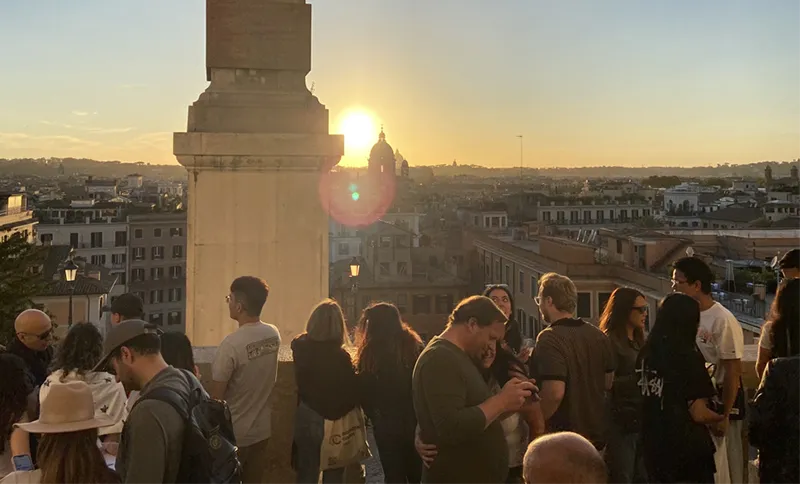
Sunset from the top of the Spanish Steps during our October 2024 trip to Rome. Moments like this are why I put so much thought into where we stay, the right neighborhood makes it easy to get out, wander, and enjoy the city on foot.
One of the things I appreciated most about our winter in Mazatlán was staying on the beach with restaurants within walking distance. Being able to walk across the street for a meal made everyday life easy.
That matters a lot when you are staying somewhere for more than a few nights. You are thinking about breakfast, groceries, shopping, and where you will go when you do not feel like making a big plan.
A rental can look amazing in the photos and cost half as much as another place. But if you need a bus, taxi, or Uber every time you leave, it might not be the deal it first appeared to be. Those rides cost money, and they change how freely you can come and go.
Before I get too attached to a hotel, Airbnb, or VRBO, I want to understand its neighborhood:

Sunset from our Airbnb in Mazatlán, where we stayed for a month to escape the Minnesota winter. Staying put gave us time to get to know the neighborhood, find our favorite places to eat, and settle into a routine. A longer stay can also stretch your travel budget, with fewer transfers and the chance to save on accommodation and cook some meals at home.
Our Singapore, Bali, and Komodo trip was a little aggressive. We generally stayed three or four nights in each place because we wanted time to settle in and get to know where we were.
Even with those stays, moving between destinations takes a chunk out of the trip. You pack, check out, get to the airport or transfer, travel, check in again, and find your bearings. That is more than the flight time you see when you are booking.
We had a family party in Singapore, so that gave us a fixed point to build around. From there, we put together the rest of the route. Having that anchor helped, but it still took thought to make the different stops fit. We also upgraded a couple of our stays, including a luxury place in the Komodo area. It gave us a comfortable base for exploring the islands, seeing the dragons, and scuba diving. That was somewhere we wanted to enjoy coming back to.
For the next trip, I want to look carefully at each extra stop. Is it somewhere we really want to spend time, or are we adding it because it is nearby? Another night in a place we are enjoying can be worth more than squeezing in one more destination.
Pro Tip: Count usable days as well as nights. Three nights with a late arrival and an early departure can leave you with only two full days. Put transfers on the calendar before filling it with activities.
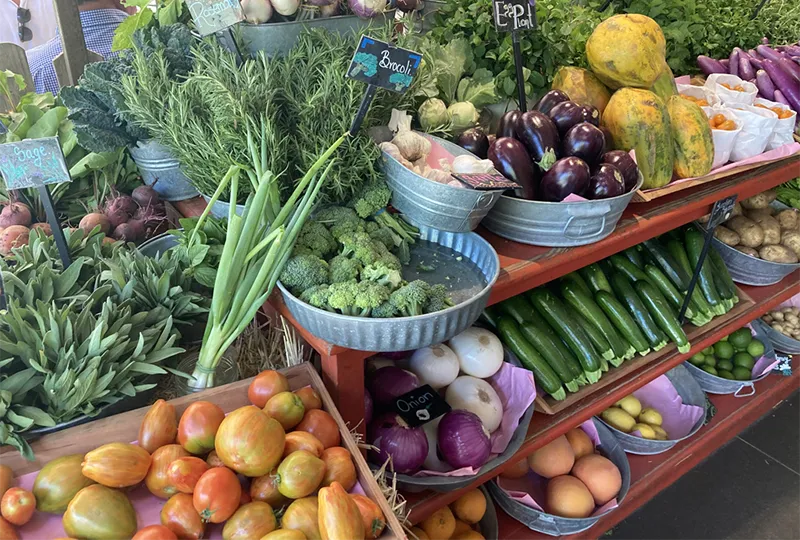
AI is great for outlining a daily calendar, but human conversations are still the best way to find out what is fresh at the local market.
ChatGPT helped me with the itinerary and calendar for our Southeast Asia trip. It helped organize the days and think through where to go during the month of June.
With Singapore already on the calendar, I used it to explore the options around that fixed stop. Indonesia came up as a possibility for the time of year, and we had great weather during our visit. I would still check regional seasonal information separately when planning another trip. Our experience is one trip, not a weather guarantee.
That is where I find AI useful: getting ideas out of my head, organizing them, and giving me something to work from. I still check the details that affect a booking, including actual schedules, prices, locations, and entry requirements. For hotels, I look at Google reviews, Tripadvisor, firsthand travel blogs, and the hotel’s own information. That research led us to Desa Potato Head in Seminyak, which became one of our favorite stays. Reading why people liked it was more useful than simply seeing it on a list.
Read the full breakdown of the prompts I use and the details I verify myself: AI Travel Planning: How I Use It & What I Check Myself
As a Level 7 Google Local Guide who has reviewed hundreds of places across the world, I can tell you nothing beats a good local recommendation. If an Airbnb host leaves a booklet with walkable restaurants and bars, I take a look. I ask hotel staff where they like to eat, and I ask people we meet for their suggestions.
Be specific. “Where do you like to eat around here?” is a good start. “Where would you go for a casual dinner within walking distance, and what would you order?” gives someone a lot more to work with.
We did multiple food tours during our travels, including time in Mazatlán and Southeast Asia. I always recommend considering one if you are a foodie. You get food and history together, and you can ask questions as you go.
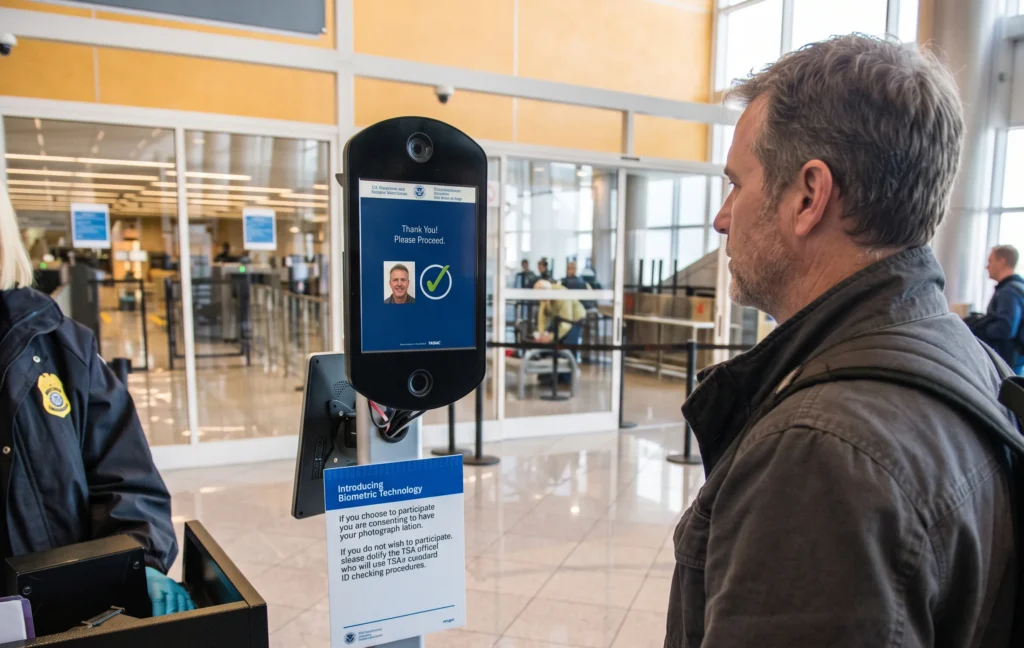
Completing your digital arrival cards and biometric forms online before departure is the fastest way through modern immigration checkpoints.
One thing that made our travels easier was having our online paperwork organized and ready to go. After a long flight, the last thing I want to do is hunt through email or work out which form I still need to fill in.
For your own trip, check the official entry requirements for your passport, destination, and any transit points well before departure. Then complete the required applications and arrival forms within their stated windows. Some things need advance processing, while others can only be submitted close to arrival.
Do not treat a visa, an arrival declaration, and a tourist levy as interchangeable. Check what applies to your trip and use the official government sources for the current instructions. Keep your confirmations easy to find, with offline copies where possible. Check names, passport details, dates, and accommodation information before submitting anything. It is much easier to catch a mistake at home than when you are tired and trying to get through an airport.
Local Guide Tip: Having everything ready will not guarantee a short immigration line, but it does mean you have handled the part you can control so you can get on with reaching the hotel.

Before booking our Southeast Asia trip, I checked seasonal rainfall and wet seasons for the places we were considering. That helped us narrow down where to go in June. A little research upfront can make a big difference, even if the weather never comes with a guarantee.
This is the checklist I work through for our next trip. Start with the decisions that affect everything else, then fill in the details.
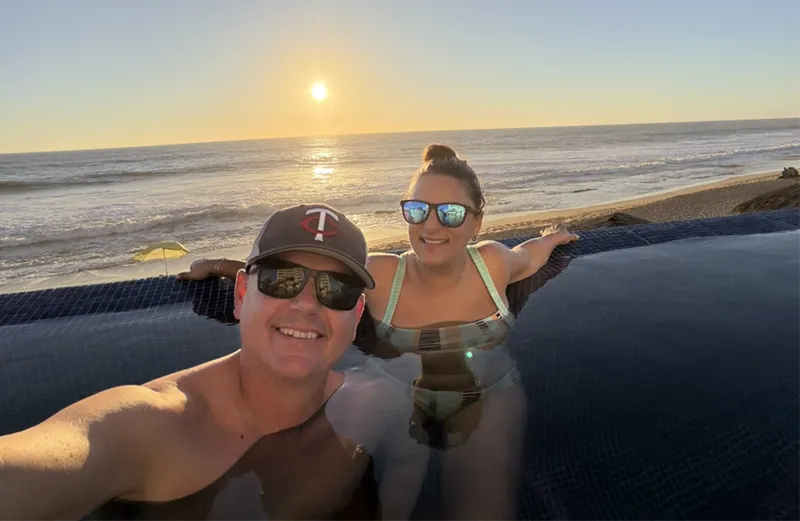
Every travel choice you make should lead to spending more time actually enjoying the destination.
As this blog approaches its first anniversary, it has been good to look back at what we have been building. The destination guides, food recommendations, itineraries, and planning advice all come together when they help someone make a decision about their own trip.
For 2027, I want to keep improving those guides and making them more useful. Our 2026 experiences are still part of that. A stay or a meal does not stop being worth talking about when the calendar changes, but prices, schedules, and entry instructions need a fresh check.
My own priorities are pretty clear: a comfortable place to sleep, a location that makes the day easy, good food, and enough time to enjoy where we are. I still want the adventure. I am just more willing to pay for a few things that make it easier to enjoy.
If that sounds like your kind of travel, I hope these guides help you put together a trip that fits the way you want to travel now.
See exactly how we put these 2027 planning rules into action on the road.

FULL ITINERARY
See how we connected the stops, then adjust the route to your own pace.
Read More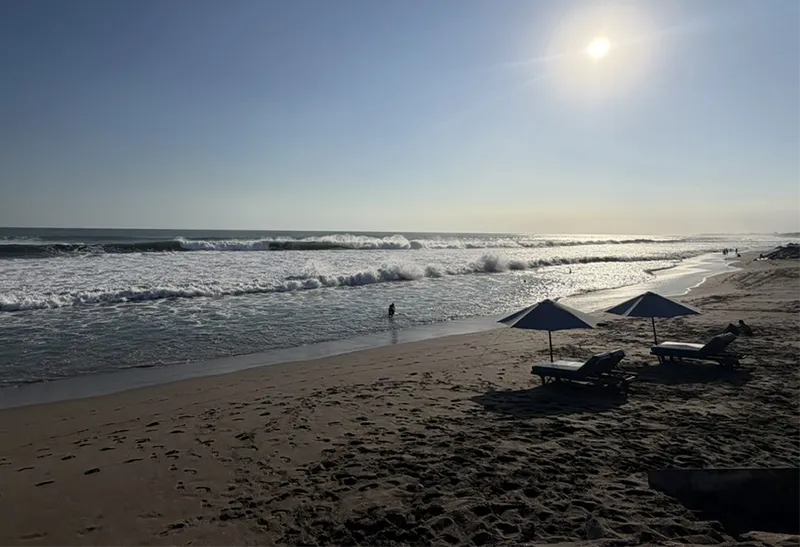
BALI GUIDE
Explore the Bali side of the trip, including where to base yourself and how to get around.
Read More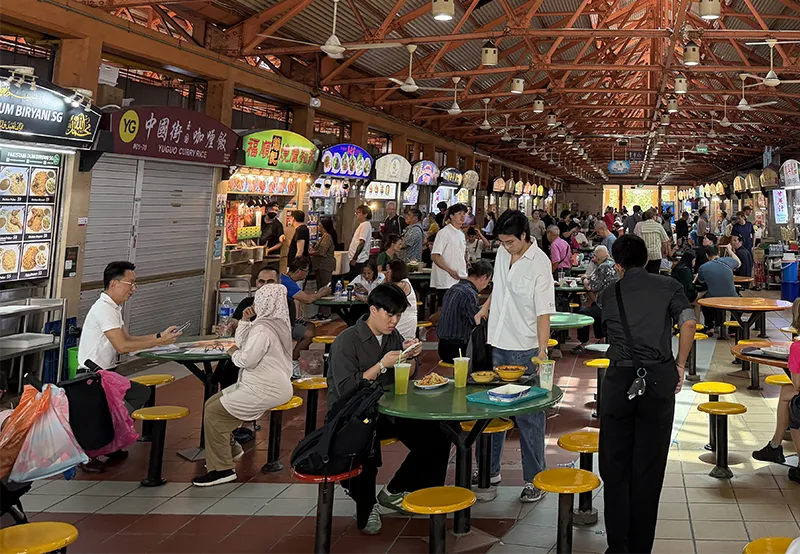
MAZATLÁN EATS
A breakdown of the walkable dining spots that made our winter stay so easy.
Read MoreStart with the things that determine whether the trip works: fixed dates, entry requirements, your budget, and availability for anything you really want to do. I would give a complicated trip or a trip built around an event more lead time. There is not one booking deadline that suits every destination and traveler.
For me, it depends on what changes. More room on a long flight, a quiet room, or a better bed can make a real difference. Check the exact seat or room details, compare the price difference, and decide whether you will appreciate that upgrade enough to pay for it.
Compare the full cost and how you will spend your days. Add the likely transportation cost and time, and check whether you can walk to the things you will use regularly. A quieter location outside the center may suit you perfectly, but I would not book it on price alone.
We generally stayed three or four nights at each stop on our Southeast Asia trip, and the overall route still felt ambitious. Count full days after arrival and before departure. If you are spending too much of the trip transferring, consider dropping a stop or extending a stay.
I use AI to help organize ideas and the calendar, then check booking details against current sources. Once we arrive, I ask hosts, hotel staff, and tour guides for recommendations. They help us find things that fit what we feel like doing that day.
Yes, as a starting point. Firsthand observations can still help you choose an area or understand a route. Recheck prices, opening hours, transport schedules, entry rules, and anything else that might have changed before you rely on it for a booking.