




By Corey Gasman
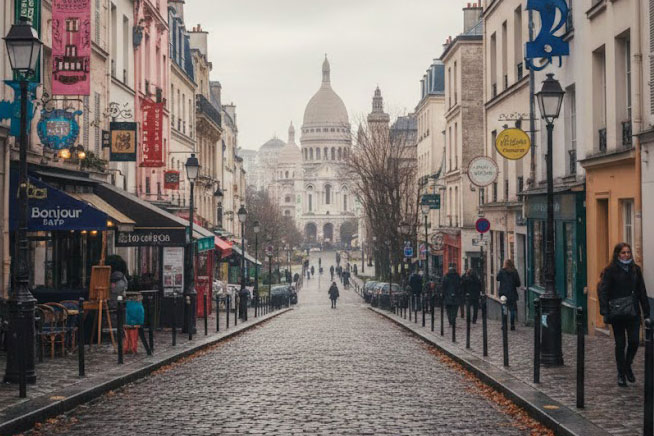
Dispatch: Paris, France
I have a degree in graphic design with a minor in art history. I consider myself an artist, and I have traveled to Paris twice.
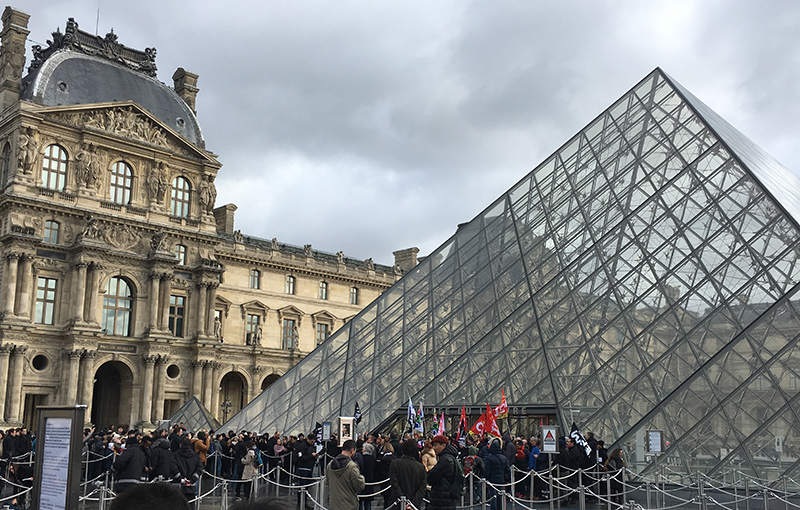
I have also never been inside the Louvre. Both times I visited the city, the museum was completely shut down by strikes. I missed the greatest art collection in the world simply because I never had enough buffer time built into my itinerary to rebook my tickets when the doors locked.
This is the reality of traveling in France. Strikes and closures are not rare anomalies. They are a deeply ingrained part of the culture. If you do not plan for them, they will break your itinerary.
Les Grèves: The National Pastime
In the United States, a strike is usually a last resort. In France, a strike (une grève) is an active, standard negotiating tactic. It is a fundamental right that the French exercise frequently and effectively.
When transit workers, museum staff, or air traffic controllers decide to strike, things shut down fast. Trains get canceled. The Eiffel Tower closes its elevators. The Louvre turns away thousands of ticket holders at the glass pyramid.

Protests and strikes are woven into the fabric of French society. They are effective precisely because they are disruptive.
The worst thing you can do when this happens is complain to the local service workers. The hotel clerk cannot fix the metro. The waiter does not care that your museum tour was canceled. Getting angry marks you as a tourist who does not understand how the country operates.
Les Grandes Vacances: The August Shutdown
Strikes are unpredictable, but the August shutdown is entirely scheduled. It is called Les Grandes Vacances.
Every August, a massive portion of the French population leaves the cities and heads for the coast or the countryside for weeks at a time. If you travel to Paris in August, you will notice signs taped to the doors of incredible bakeries, neighborhood bistros, and small boutiques reading Fermeture Annuelle (Annual Closure).
You will still find places to eat, but you are often left choosing between international chains or the overpriced tourist traps that stay open specifically to catch the summer crowds. The authentic, local rhythm of the city disappears until September.
The “Buffer Day” Strategy
You cannot control the transit unions or the bakery schedules, but you can control your itinerary. The only defense against French closures is structural flexibility.
TLGA Rule: Never put your most important, bucket-list attraction on the last day of your trip. Schedule it for day one or day two. If a strike hits, you still have time to rebook later in the week.
Always build at least one “wander day” into your Paris trip. This is a day with zero tickets, zero hard reservations, and zero pressure. If a strike forces you to shuffle your schedule, this empty day becomes your safety net to absorb the changes.
If the strike never happens, you get to spend the day doing exactly what you are supposed to do in Paris anyway. Sit at a cafe, drink wine, and watch the city move.
Ready to build a smarter itinerary?
Read the full guide: The Travel Planning Playbook