



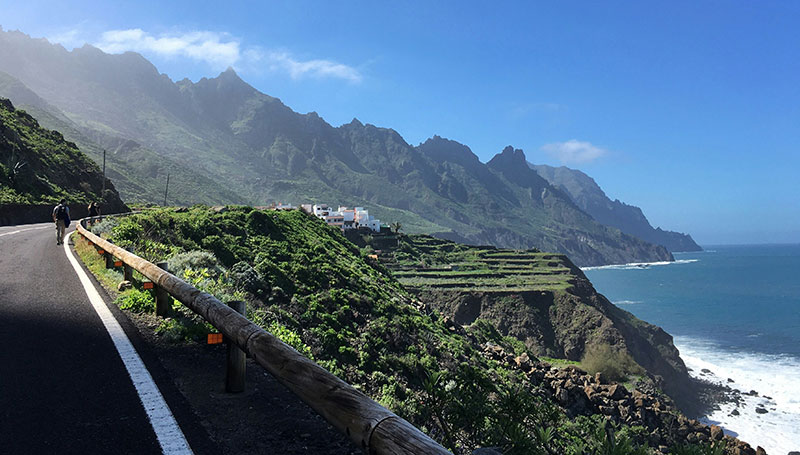
Canary Islands Travel Guide

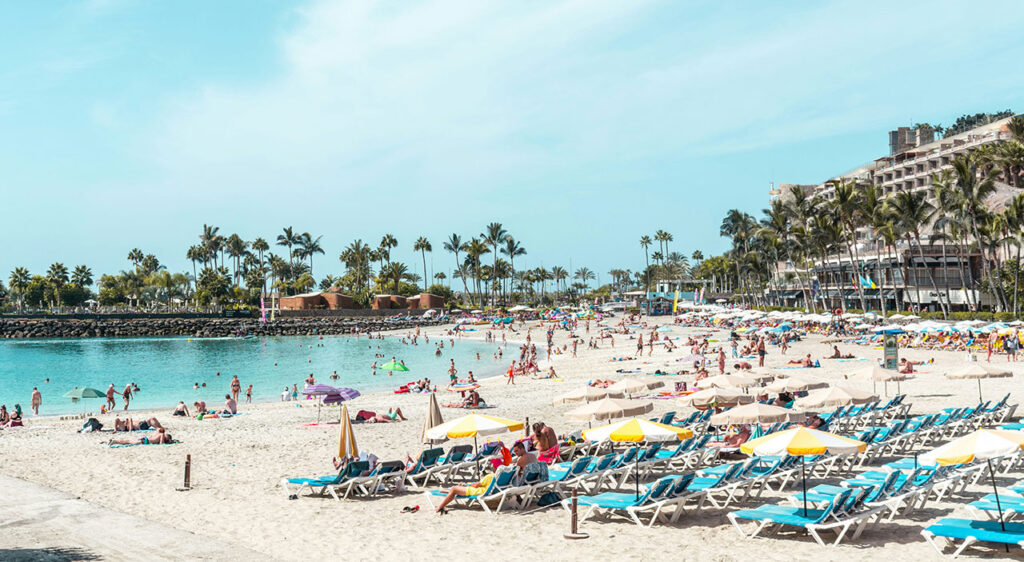
Crowded sunny beach with turquoise water and white sand under a clear blue sky.
Home » Canary Islands

Last updated: January 2026 by Corey Gasman

From the Editor:

The Canary Islands are what I book when I want Spain’s food and friendliness, but with island rhythm and volcanic scenery that makes everything feel cinematic. It’s not “just beaches.” It’s black sand coves, cliff towns, pine forests above the clouds, and dinners that somehow taste better after a day outside.

The big planning win is simple: pick fewer islands, choose one great base per island, and build your days around micro-adventures instead of long transfers.

Start Here: Planning Your Canary Islands Trip

The Canaries reward travelers who plan around wind, microclimates, and logistics. Two beaches can feel like two different seasons on the same day. Your best trip comes from choosing the right island for your style, then staying long enough to settle into a loop.

Pro Tip: If you only have 7 to 10 days, do one island well or two islands max. Island hopping is fun, but it adds airport days and friction fast.

Already on Tenerife?

⭐️ The Golden Rule: Do not chase “all the islands.” Pick the island that matches your trip, then stay long enough to feel the rhythm.

Before you book anything

Start here: Getting Around Abroad (how to plan transportation like a system)
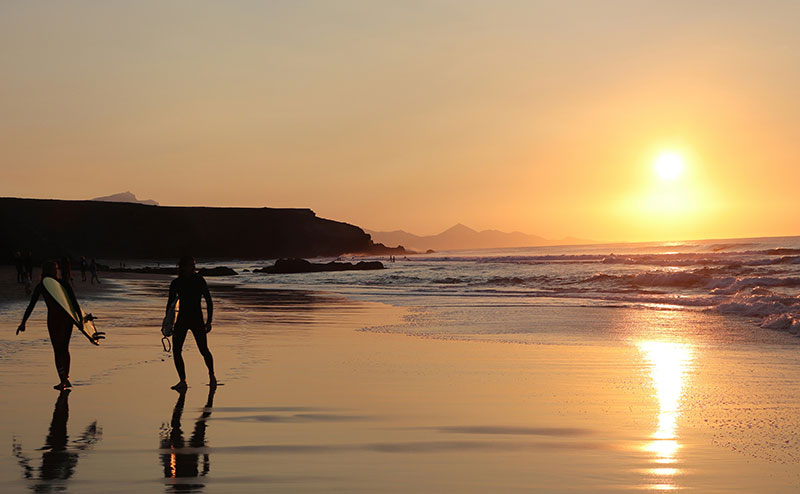
Two surfers with surfboards walk towards the ocean on a Canary Islands beach during a beautiful sunset.

The Canary Islands are Spain’s “eternal spring” playground: volcano views, cliff drives, surf beaches, and slow meals that stretch into the night.


The Reality Check: 2026 Specifics

The Canaries are easy, but 2026 travel is more structured. The friction points are predictable: border systems, national park reservations, and a few high-demand hikes that now require booking.

Border updates (EES and ETIAS)

If you are arriving from visa-exempt countries (US, Canada, UK, Australia), Schengen entry has added layers. The practical takeaway stays the same: treat arrival day like a logistics day and build buffer time.

  • EES (Entry/Exit System): passport scans plus biometric capture at first entry. Expect longer queues at major entry airports.
  • ETIAS (Travel Authorization): an online pre-authorization that becomes mandatory once active. Verify status before your trip.
Pro Tip: Do not book a timed tour for the afternoon you land. Arrival days are for landing, groceries, and getting your bearings.

Tenerife trail reservations and new fees

If Teide is on your list, plan it like a “booked” experience, not a casual drive. Some trails now require authorizations and time slots, and access rules can change by season.

  • Teide summit route: the final summit trail has long required a permit. In 2026, Tenerife has also introduced additional controls and fees for certain high-demand Teide routes and time slots.
  • Masca Gorge: the hike requires a reservation and ID checks. Do not show up assuming you can just walk in.
Local Guide Tip: Your best Teide day is a loop: early drive, volcano views, simple lunch, then back down to the coast for sunset and dinner. The mountain is the anchor, not the whole day.

Microclimates are the real Canary Islands “gotcha”

Most planning mistakes come from assuming one forecast equals one island. Tenerife and Gran Canaria can be sunny in the south and cloudy in the north on the same day. Pack light layers and plan “north days” and “south days.”

Read next: Tenerife’s sweet spot month

Tenerife in October (weather, food, beaches, and why it works)
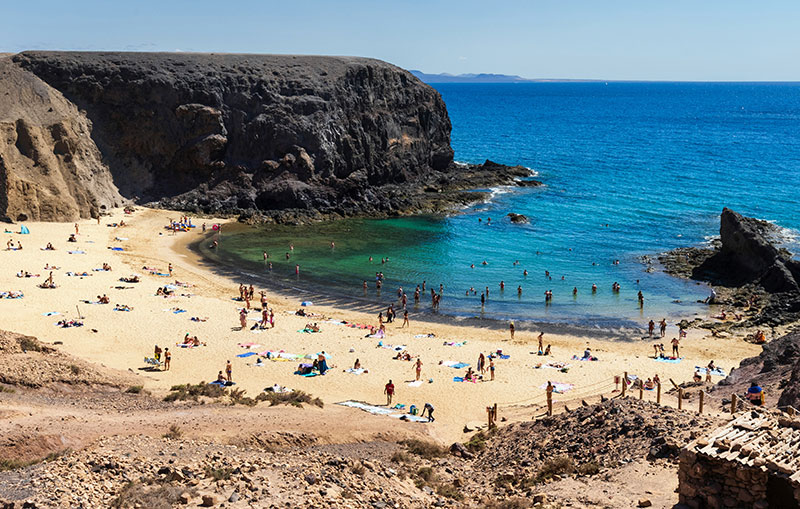
Playa del Papagayo

The Canaries are one of the most month-friendly destinations in Europe. The big difference is wind, water temps, and where you base.


Best time to visit the Canary Islands

The Canaries work year-round. Your “best month” depends on your goal: beach lounging, hiking, surf, diving, or winter sun while Europe is cold.

Best overall (easy mode)

April, May, September, October are the comfort winners for most travelers: warm days, fewer peak crowds, and great conditions for both beaches and volcano drives.

Winter sun (the classic Canary Islands flex)

December through March is why the Canaries exist in so many European winter flight searches. You will not get tropical heat every day, but you will get outdoor weather, patio dinners, and a reset.

Summer (best for water time)

June through August is great for long days and beach time. Expect more families, higher rates, and stronger wind on certain coasts (which is either annoying or perfect if you kiteboard).
Pro Tip: If beaches are the priority, pick your island based on wind and water, not just Instagram photos. Some beaches are made for swimming, others are made for surf and watching waves.
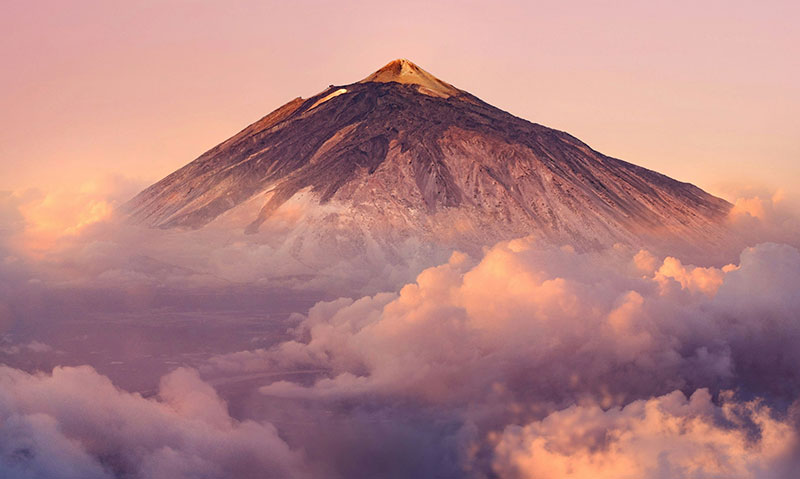
The snow-capped peak of El Teide volcano in the Canary Islands, rising above a layer of clouds with a rocky foreground.

Canary Islands planning gets dramatically easier when you match the island to your travel style instead of trying to do everything. Witness the majestic El Teide, Spain’s highest peak, towering above the clouds – a truly breathtaking sight.


Best fit by travel style

Pick your “best day” first, then choose the island that makes that day easy. The Canaries are not one trip, they are multiple trips.

Hiking, elevation, and dramatic landscapes

Tenerife, La Gomera, La Palma. If you want big viewpoints, laurel forests, and terrain that feels wild, these are your islands. La Gomera is the easiest “day trip that turns into an obsession” in the chain.

Beaches, dunes, and wind sports

Fuerteventura, Gran Canaria (South). Fuerteventura is beach-first and wide open. It is raw, windy, and perfect for long drives and long sand days.

Volcano aesthetics and design-forward vibes

Lanzarote. Thanks to César Manrique’s influence, the island feels cohesive: white buildings, black lava, and a landscape that looks like another planet.


Islands & Best Bases

Do not try to see all 7 (or 8). Pick one major island as a hub, then add a second only if it adds a truly different experience.

Tenerife (The all-rounder)

  • The vibe: “Continent in miniature.” Green north, sunny south, and Teide in the middle.
  • Best bases: Puerto de la Cruz (North) for character and food; Costa Adeje (South) for reliable sun and comfort.
  • Don’t miss: Teide National Park (sunset is the move) and Anaga Rural Park.

Gran Canaria (The diverse one)

  • The vibe: dunes in the south, a real city (Las Palmas) in the north, and mountain villages in the center.
  • Best bases: Las Palmas for food and city life; Maspalomas for sun, dunes, and resort ease.

Lanzarote (The volcanic design island)

  • The vibe: quiet, stylish, and volcanic. It feels different than anywhere else in Spain.
  • Best bases: Playa Blanca (South) for calm and beaches; Famara (North) for surf vibes.
  • Don’t miss: Timanfaya National Park and a drive through the lava landscapes.
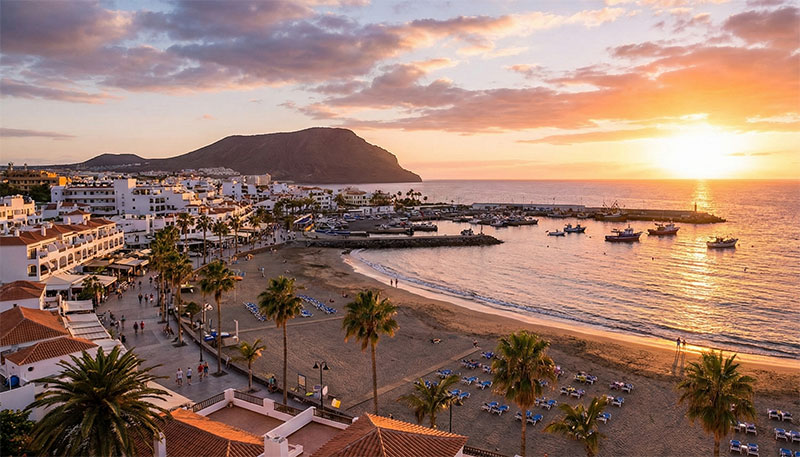
Local Guide Tip: If you are visiting Tenerife, consider a ferry day trip to La Gomera. It is close, but it feels like a different era.

Golden hour casts a warm glow over Los Cristianos. This former fishing village in Tenerife’s south is now a bustling hub, famous for its accessible beaches, long promenade, and ferry connections to La Gomera.

Where to Stay & Self-Catering

Hotels are easy, but aparthotels and apartments unlock the real Canary Islands rhythm: slower mornings, local groceries, and terrace dinners that feel like a win.

The self-catering advantage

If you book a place with a kitchen, you are not just saving money. You are upgrading your trip.

Local supermarkets like Mercadona and HiperDino are genuinely good. Grab fresh seafood, fruit, bread, and a local bottle of wine, then make one “home dinner” on your trip. It becomes one of those nights you remember.

Pro Tip: Pick a base where you can walk to dinner. Even if you rent a car, having a no-driving night makes the trip feel more like a vacation.

Transportation: The Rental Car Rule

Unless you are staying strictly in a resort zone and do not care about day trips, a rental car is the best upgrade. The magic of the Canaries is up the side roads: viewpoints, cliff towns, and beaches that are not on the main loop.

Pro Tip: In the Canaries, local agencies like Cicar and AutoReisen are popular because their pricing is often simpler (insurance terms and extra-driver policies tend to be more straightforward than the big chains). Always read current terms when you book.

Island hopping

  • Binter and Canaryfly: the inter-island airlines. Flights are short and efficient.
  • Fred Olsen and Naviera Armas: ferries for scenic transfers and certain island pairs. If you plan to take a car, confirm ferry rules and your rental agreement first.
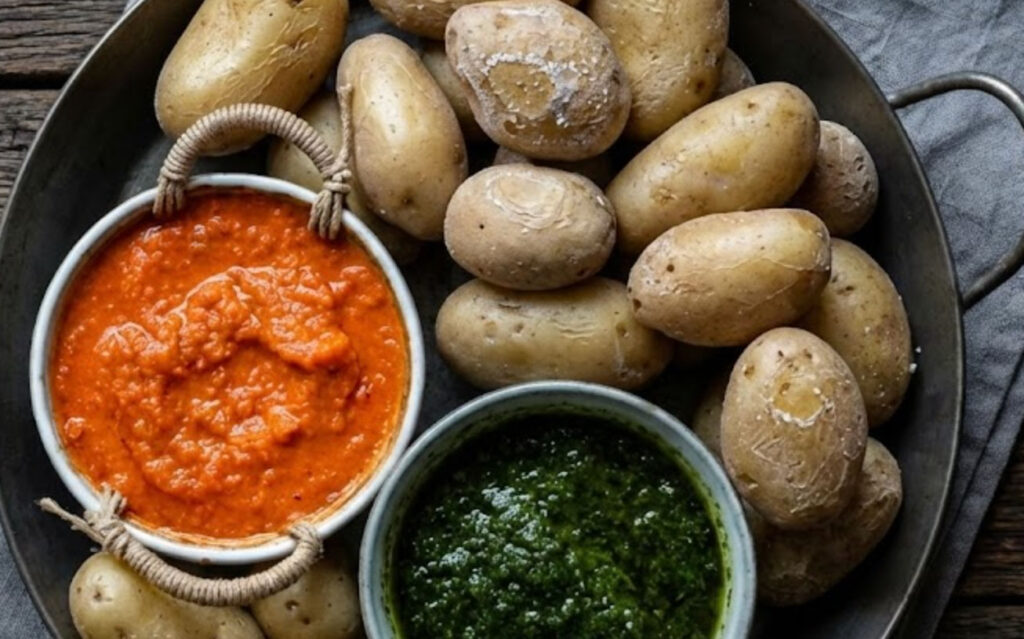
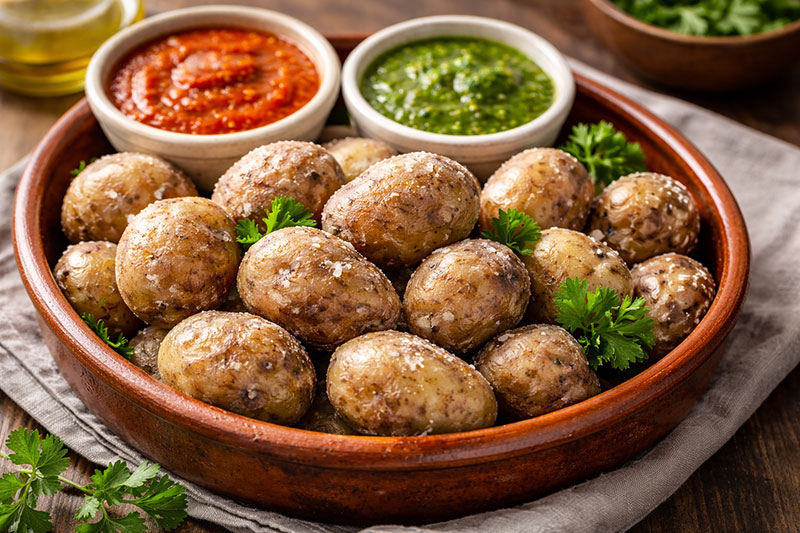
Rustic metal platter serving Papas Arrugadas (Canarian wrinkled potatoes) with bowls of red mojo picón and green cilantro mojo sauce.

The undeniable staple of Canarian cuisine: Papas Arrugadas. These small potatoes are boiled in sea salt until the skin wrinkles, then dipped in spicy red or coriander-green mojo sauces.


Eat Like a Local

Canarian food is simple ingredients, executed well. It overlaps with mainland Spain, but the islands have their own identity and a handful of must-order classics.

  • Papas arrugadas con mojo: “wrinkled potatoes” boiled in salty water, served with red and green sauces. You will eat this more than once.
  • Fresh fish (pescado del día): order what is local and grilled. Vieja (parrotfish) is a Tenerife classic: delicate, white, and clean.
  • Guachinches (Tenerife): informal family-run spots (sometimes literally garages or vineyard outbuildings) serving house wine and a short menu. Authentic, cheap, and usually loud in the best way.
  • Barraquito: the layered Tenerife coffee drink: condensed milk, Licor 43, espresso, milk, cinnamon, and a citrus peel.
Local Guide Tip: If a place is full of Spanish families and the menu looks “simple,” that is often the best meal. Order the fish, the potatoes, and one local wine, then stop overthinking it.

Budget & Payments

The Canaries remain one of the best value destinations in Western Europe, especially if you build your trip around one strong base and a rental car.

  • Currency: Euro (€)
  • Cards: accepted almost everywhere (contactless is common)
  • Cash: keep some coins for parking meters and small rural cafés
  • Tipping: rounding up is common; 5 to 10% for great service is plenty (this is not a 20% culture)

Culture & Simple Rules

The vibe is relaxed, but respectful. Think “island pace,” not “island chaos.”

  • Dress basics: beachwear is for the beach. Toss on a shirt when you go into town or restaurants.
  • Siesta hours: in smaller towns, some shops close mid-afternoon.
  • Greetings: “Hola, buenos días” when entering a shop or elevator goes a long way.
  • Driving reality: mountain roads and switchbacks reward patience. Do not rush the turns.

Essential Apps for the Canaries

Download these before you fly. They make island logistics dramatically easier.

WhatsApp icon for phones

WhatsApp

The default for hosts, tours, and reservations.

Google maps icon for phones

Google Maps

Download offline maps. Signal drops in ravines and mountains.

Wind icon

Windy

Check wind before beach days, especially on Fuerteventura.

112 Call Icon

112 (Emergency)

The EU emergency number (good to know, even if you never use it).

Frequently Asked Questions

Can I drink the tap water?

It is generally safe, but it is often desalinated and can taste off. Many locals and travelers buy bottled water (agua sin gas) or use a filter for taste.

It is not the US. Rounding up is common, and 5 to 10% for great service is plenty.

In tourist areas, yes. In mountain villages and guachinches, a little Spanish goes a long way. Download Spanish offline in Google Translate.

If you want viewpoints, beach-hopping, and the “real” island drives, yes, a car is the best upgrade. If you are staying in one resort zone and plan mostly beach time, you can get by without it.
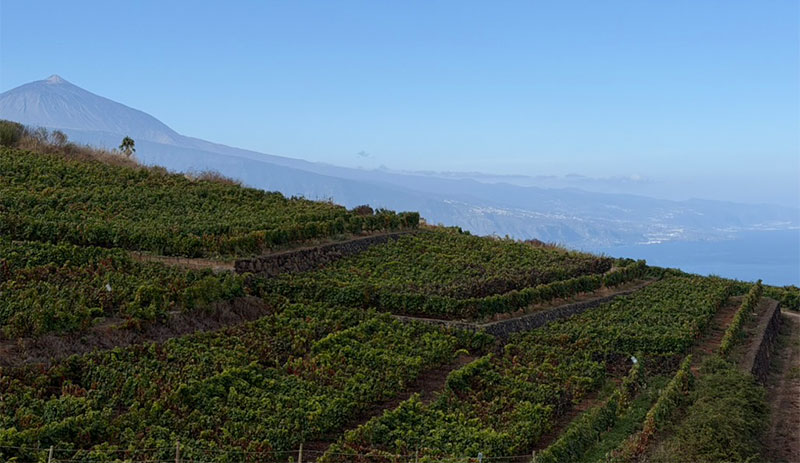
A Perfect Day at Bodegas Monje: Tenerife’s Most Memorable Wine Experience

From Bodegas Monje, you often get a clear view of Teide rising above the vineyards, especially on crisp days when the clouds stay low. It’s one of those rare winery views where volcanic history is literally part of the backdrop.

A Perfect Day at Bodegas Monje: Tenerife’s Most Memorable Wine Experience

From Bodegas Monje, you often get a clear view of Teide rising above the vineyards, especially on crisp days when the clouds stay low. It’s one of those rare winery views where volcanic history is literally part of the backdrop.

Volcanic vineyards, Atlantic views, and Mount Teide rising in the distance. Bodegas Monje is Tenerife wine done right.


Home » Canary Islands


Last updated: February 2026 by Corey Gasman

TLGA Travel Truth
Tenerife is more than resorts and beaches. Head inland and you find volcanic vineyards, family-run wineries, and some of the island’s most memorable views.

On clear days at Bodegas Monje, you get a direct view of Mount Teide rising above the vineyards. When the clouds sit low, the volcano becomes part of the backdrop. It is one of those rare winery settings where the landscape is not subtle. It is towering behind your glass.

Set on the hills above the coast, this family-run winery blends history, craftsmanship, and Atlantic views in a way that feels authentic and refreshingly unpolished. It was one of the most rewarding experiences of our time in Tenerife and an easy escape from the resort-heavy atmosphere of the south.

The wine tour: volcanic tradition without the lecture

The guided tour strikes the right balance between education and enjoyment. You learn about Tenerife’s volcanic soil, the Monje family’s history, and the growing conditions that shape their wines without feeling overloaded with detail.

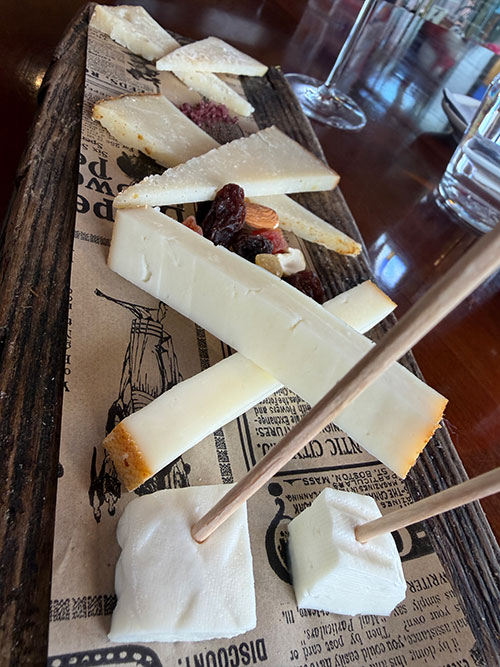
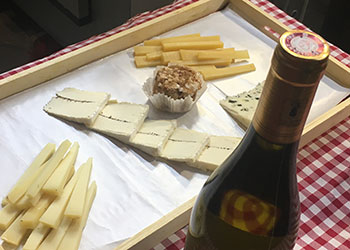
The tasting includes four local wines paired with four aged cheeses, each combination designed to highlight the wine’s character. It works for casual drinkers and still keeps things interesting if you know your wine.

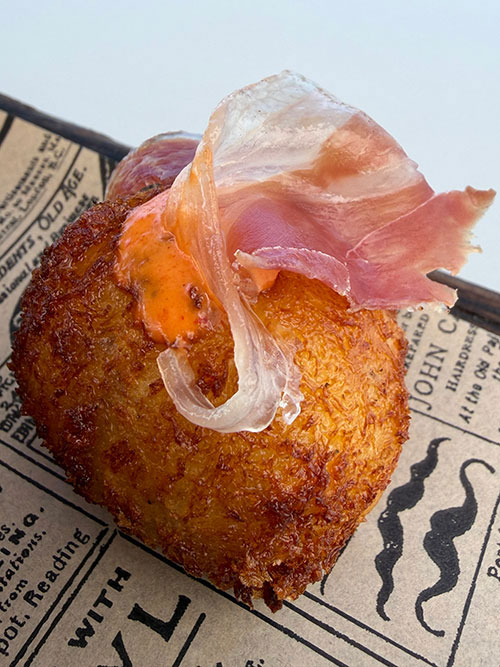
Spanish Croquetas with Jamón Ibérico.

Historic wine cellar at Bodegas Monje in Tenerife.

Stay for lunch on the terrace

After the tasting, we stayed for lunch on the outdoor terrace, which ended up being just as memorable as the wine.

The croquetas de jamón were rich and perfectly crisp. The fire-roasted suckling pig was tender, flavorful, and clearly prepared with care.

Add vineyard views and the Atlantic in the distance, and it becomes the kind of lunch that quietly stretches into the afternoon.

Fire-roasted suckling pig served at Bodegas Monje.


Why Bodegas Monje works so well

Between the setting, the food, and the hospitality, Bodegas Monje delivers what many travelers are looking for in Tenerife but often miss. A slower pace. A real sense of place. An experience that feels genuinely local.

Pro Tip: Pair your winery visit with a Mount Teide drive. Wine tasting in the morning, volcanic landscapes in the afternoon, and coastal views on the way back is one of Tenerife’s strongest day combinations.

Planning a trip to Tenerife? Pair Bodegas Monje with a Mount Teide drive for one of the most well-rounded days on the island.

Tenerife in October: Why We Added the Canary Islands to Our Trip

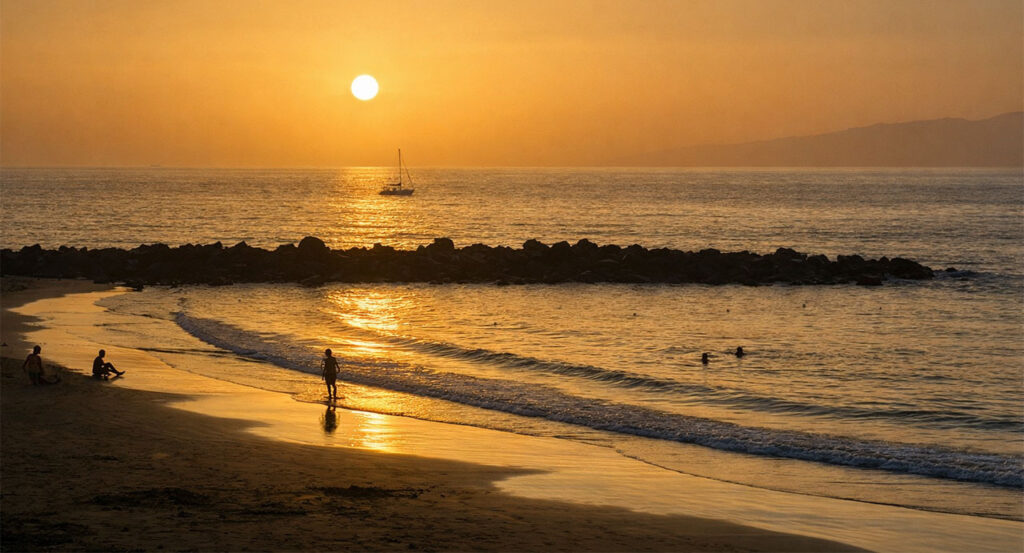
Playa de las Américas beach at sunset
[ux_breadcrumbs]

Playa de las Américas: By October, the Canary Islands trade summer crowds for golden light and an eternal spring that still feels like a secret.
© All artwork and photos by Corey Gasman

Why We Added Tenerife in October (And Why It Was the Perfect Call)

At some point during planning, I typed a very specific question into Google: “Where do people from Dublin go on vacation in October?”

The same destinations kept popping up: Malta, Greece, and the Canary Islands. Then I saw Tenerife’s October weather hovering around 80°F (27°C), and the decision was basically made.

For travelers from Great Britain and Ireland, Tenerife feels a lot like Mexico does for Midwesterners. Short flights, reliable infrastructure, warm water, and solid value. After weeks of Irish rain and moody skies, a few days of beach sunshine felt less like indulgence and more like balance.

First Impressions of South Tenerife (Yes, Our First Breakfast Was McDonald’s)

We landed, hadn’t grocery shopped yet, and the Golden Arches were right there.

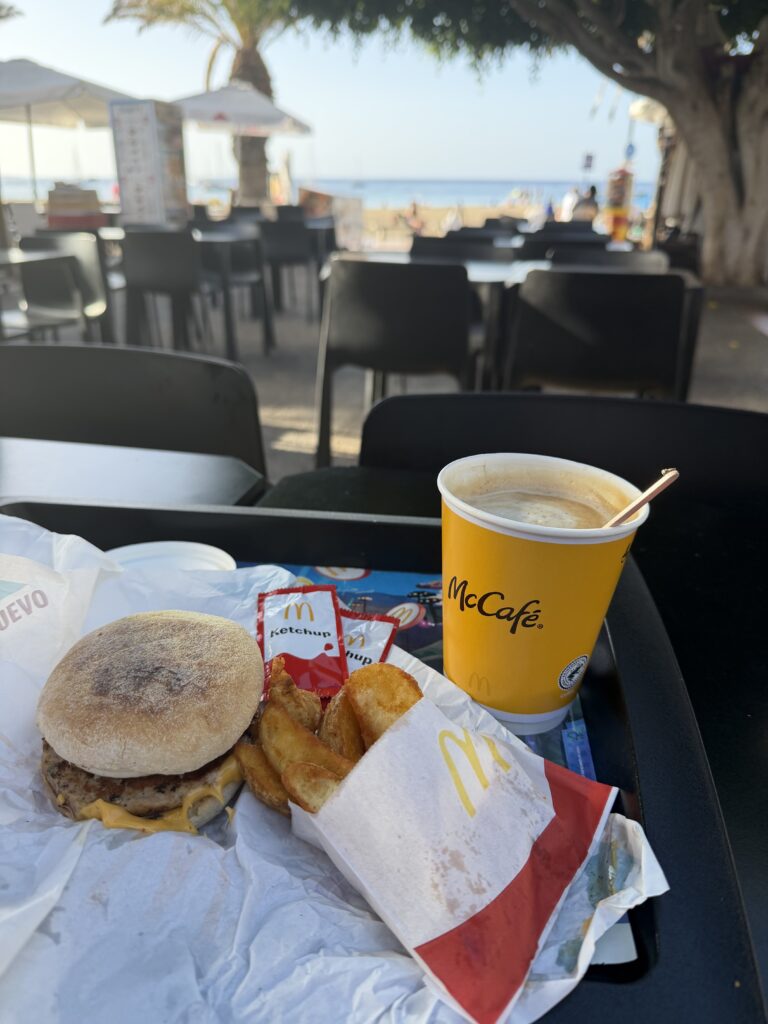
Not just any McDonald’s. This one was literally on the beach, with ocean views and an outdoor patio. I ordered a cappuccino, a sausage and egg McMuffin, and thick-cut breakfast fries for about €4.

It was oddly perfect.

That moment set the tone for Tenerife: casual, affordable, and refreshingly unpretentious. High-end resorts exist, but everyday life still feels approachable.

Beachfront McDonald's breakfast in South Tenerife

Beachfront McDonald’s in South Tenerife: somehow the perfect “we just landed” breakfast.


Our Favorite Daily Routine: Walking the Malecón

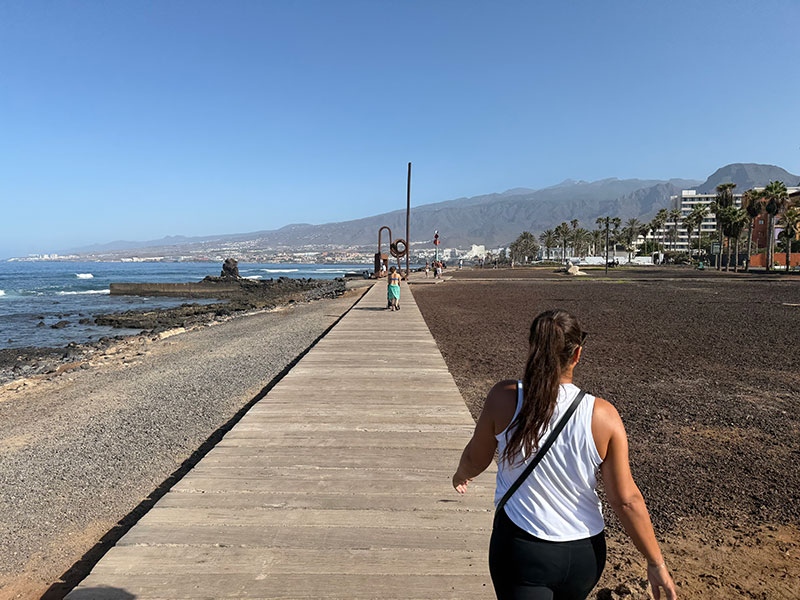
Walking the malecón became our daily ritual. No plans. No destination. Just walking the oceanfront for an hour or two, turning around, and walking straight back.

In between walks, we discovered how shockingly affordable grocery shopping is in Tenerife. Wine bottles with security tags for under ten euros. Jamón shaved to order. Fresh baguettes, olives, and excellent canned fish.

Most evenings ended with simple tapas on our balcony at sunset, followed by Aperol spritzes with ocean views. It felt indulgent without ever feeling expensive.

Walking the Malecón in South Tenerife along the oceanfront promenade

The malecón loop: our daily ritual in South Tenerife, no plan required.

Whale and Dolphin Watching in Tenerife (One of the Best Values on the Island)

One of the most memorable experiences of the trip was a whale and dolphin watching catamaran tour.

For about $50 per couple, it included drinks, a light sandwich, and something far more important: respect for the animals. Engines were cut. No chasing. No feeding.

A pod swam right up to the boat. At one point, the crew dropped an underwater microphone so we could hear them communicating.

Calm, ethical, and unexpectedly moving. Easily one of the best value experiences in Tenerife.

Whale Watching & Listening Eco-Catamaran Tour


Some of the Best Seafood Restaurants in Tenerife

If you’re hunting for the best seafood in Tenerife, here’s the short version: skip the glossy tourist menus and follow the fish. These are the spots we’d recommend again in a heartbeat, from casual beach-town seafood to a proper date-night splurge and a market-style experience in Santa Cruz.


Best Casual Seafood Dinner in South Tenerife: Restaurante Agua Marina (Los Cristianos)

One of our favorite meals in South Tenerife was at Restaurante Agua Marina, a laid-back seafood spot that gets everything right without trying too hard.

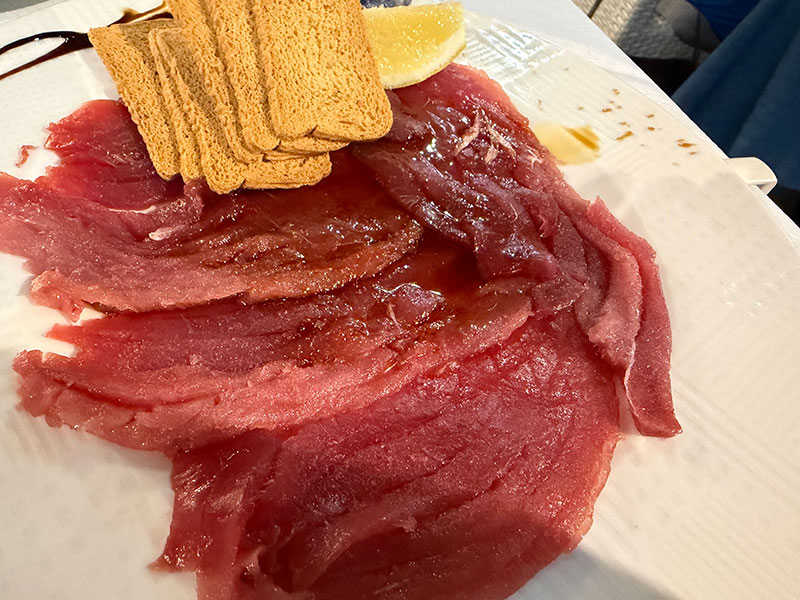
We started with tuna carpaccio (about €10), then split sesame-crusted tuna, papas arrugadas, and a simple salad. Nothing fancy. Nothing overworked. Just great ingredients handled well.

Restaurante Agua Marina (official site)


High-End Date Night Upgrade: Almar Tenerife (Costa Adeje, Puerto Colón area)

If you want a more polished “date night” upgrade from Agua Marina, Almar Tenerife is the move. It leans into a Mediterranean base with Japanese influence, and the setting feels like an occasion.

  • The vibe: Elegant terrace, ocean air, creative plating.
  • What to order: Go for a tasting menu if you want the full experience.

Almar Tenerife (official site)
View menus


The Local Classic: Restaurante El Cine (Los Cristianos)

El Cine is the perfect companion recommendation to Agua Marina. It’s tucked into a small alley near the harbor, it’s usually busy, and it’s beloved for a reason: fresh seafood, fast service, zero nonsense.

  • The vibe: Casual, loud, and unpretentious. Expect a wait.
  • What to order: Fried hake, octopus, sardines, and (obviously) papas arrugadas.

Restaurante El Cine (official site)


Best Budget Seafood Near Las Teresitas: Los Pinchitos (San Andrés)

Yes, it’s a drive from the south, but if you’re doing a day in Santa Cruz or heading to Playa de Las Teresitas, Los Pinchitos is a local favorite for fresh fish and seafood without the “tourist tax.” This is a plastic-tablecloth-in-the-best-way kind of place.

  • The vibe: Local, cozy, and relaxed.
  • What to order: Ask what’s freshest and go with their seafood plates (and anything involving prawns or shellfish).

Los Pinchitos (official site)


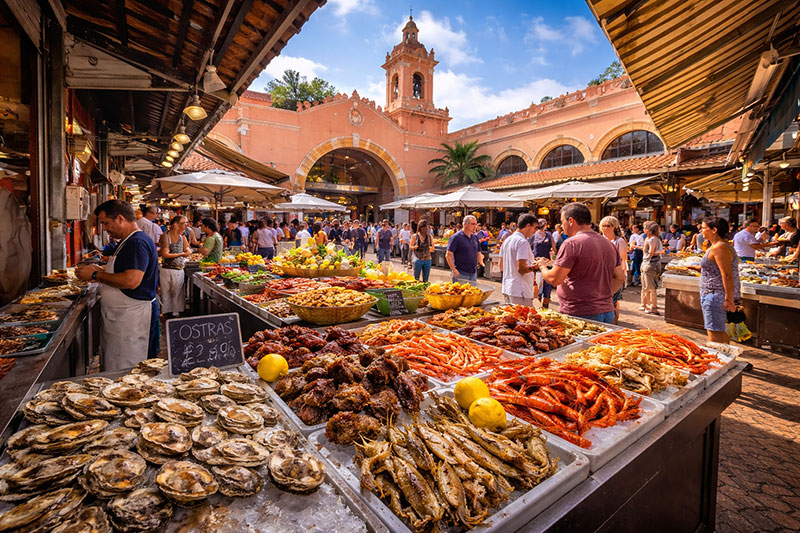
The Fish Market Experience: Mercado Nuestra Señora de África (La Recova), Santa Cruz

Mercado Nuestra Señora de África (La Recova) in Santa Cruz, Tenerife

The Santa Cruz market morning that accidentally turns into a full morning.

If you want a true Tenerife food experience, spend a morning at La Recova (Mercado Nuestra Señora de África). It’s busy, historic, and packed with local life. Come hungry and wander slowly.

  • The vibe: Vibrant, old-school, and very Santa Cruz.
  • What to do: Browse the seafood stalls, then grab a bite nearby. It’s the kind of place where you accidentally turn “quick stop” into a full morning.

La Recova (official site)

Raw tuna dish at Restaurante Agua Marina in South Tenerife

Silky slices of raw tuna that remind you why Canary Islands seafood doesn’t need much help.


Mount Teide & Masca Valley: Why We Did It Twice

First Visit: Guided Bus Tour

Our first introduction to Mount Teide was a guided bus tour that also included Masca Valley and Garachico. Even if you never get off the bus, the drive alone is worth it.

Pine forests give way to volcanic highlands, and suddenly you’re above the clouds in terrain that feels almost lunar.

Second Visit: Rental Car, Winery Stop & Cable Car

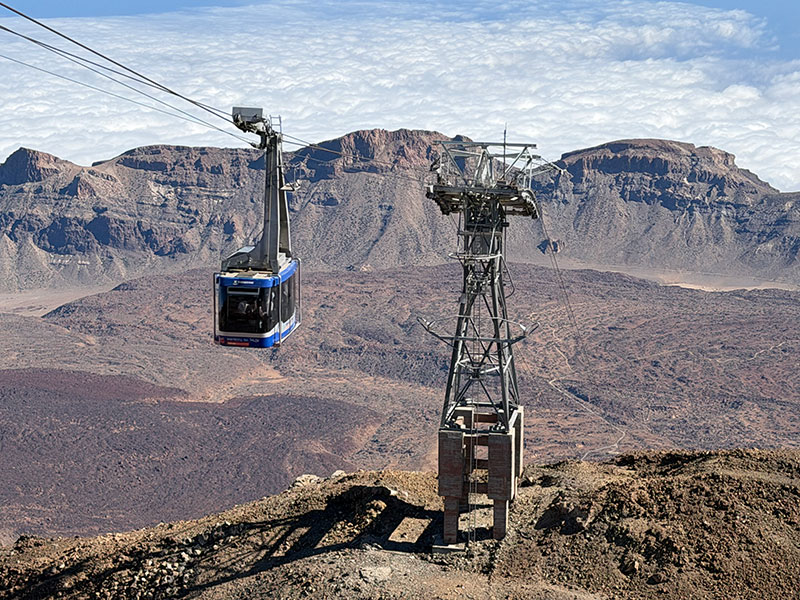
Mount Teide cable car in Tenerife

The Teide cable car: ten minutes of waiting for a view that feels like a different planet.

On our second visit, we rented a car and explored independently. Before heading up, we stopped at Bodegas Monje for a wine and cheese tasting with ocean views.

Don’t skip this stop: We paired our Mount Teide drive with a wine tour and long lunch at Bodegas Monje (read more), one of the most rewarding and genuinely local experiences we had in Tenerife.

Because we booked cable car tickets online in advance, the wait was under ten minutes. Even without hiking the summit, the views alone make the experience worthwhile.


Tenerife FAQs

Do you need to book Teide cable car tickets in advance?

Yes. Time slots sell out quickly, and booking ahead makes the day smoother.

Is South Tenerife worth it even though it’s touristy?

Absolutely. It’s touristy because it’s sunny, easy, and good value. Stay just outside the main resort strips for quieter nights.

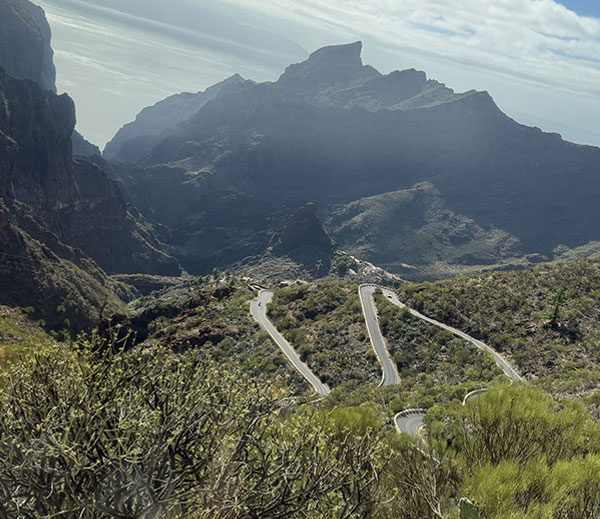
Drive to Masca
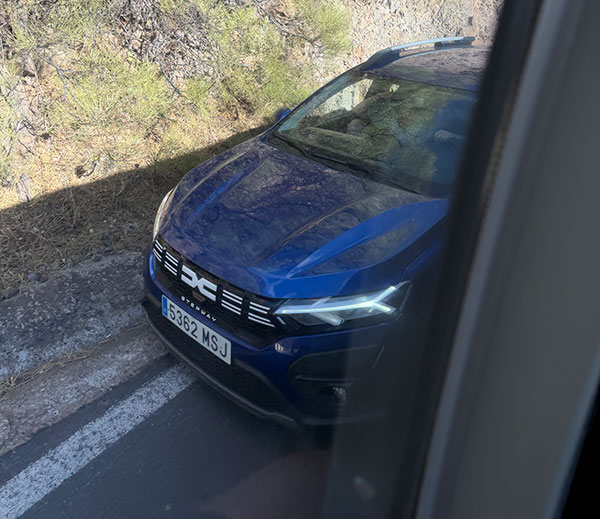
Drive to Masca very tight roads
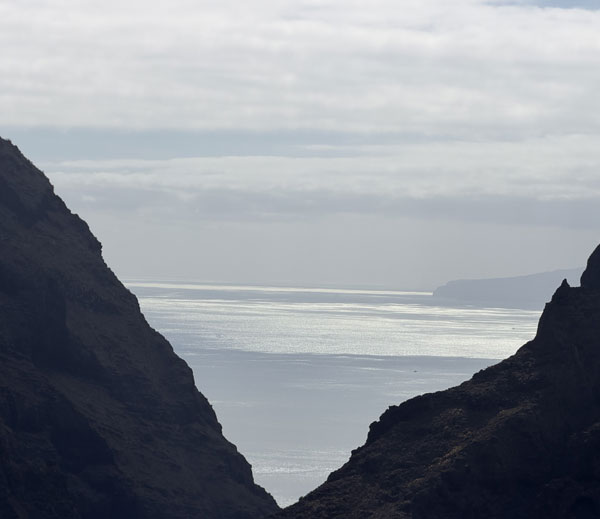
Masca ocean views

Masca: A Mountain Village That Feels Almost Unreal

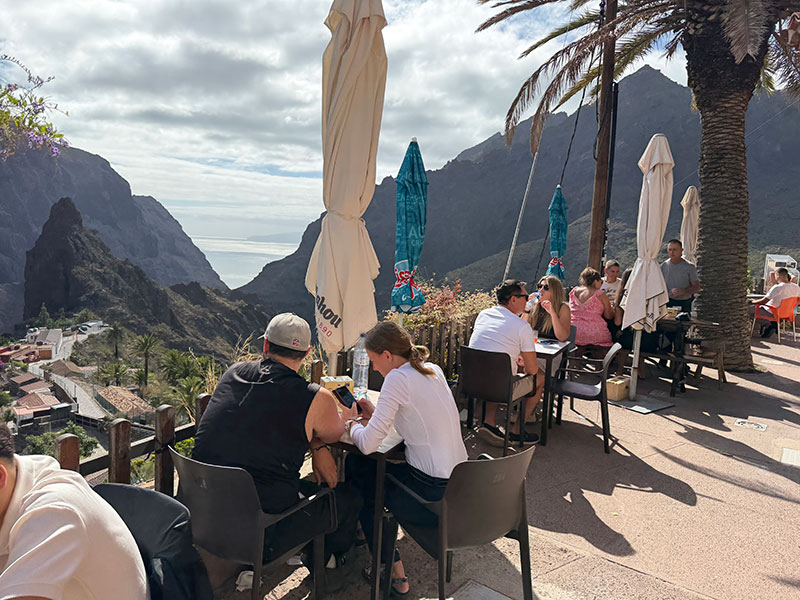
Beautiful terrace in the village of Masca, Tenerife

Masca’s layered ravine views feel like Tenerife unplugged.

Masca is a small, historic mountain village set deep inside a volcanic ravine in northwest Tenerife. Surrounded by steep cliffs and dramatic rock formations, it feels completely removed from the busy beach towns of the south. People come for the panoramic views of layered mountains, palm-filled valleys, and the quiet atmosphere that still hints at what Tenerife looked like before modern resort strips took over.

The Drive to Masca (Yes, It’s as Intense as People Say)

The drive to Masca along the TF-436 is narrow, steep, and demands your full attention. Tight switchbacks, blind corners, and sections barely wide enough for one vehicle make this one of the most nerve-wracking drives in Tenerife. The scenery is incredible, but it’s also the kind of road where you quietly hope you don’t meet a tour bus coming the opposite direction.

Read more: Teno Rural Park: The Road That Tried To End Me (In A Beautiful Way)

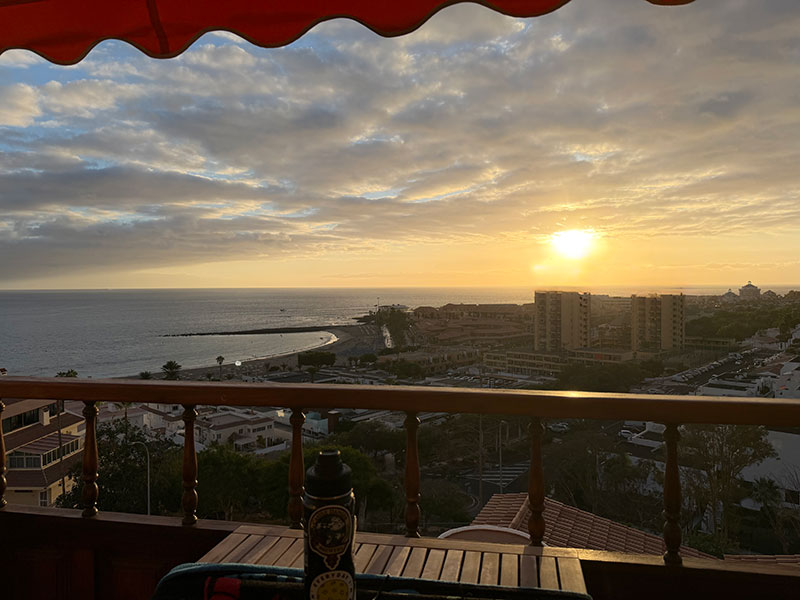
Airbnb view by Playa de Los Cristianos

Golden hour from our Airbnb above Playa de Los Cristianos: sunset drinks, palm-lined curves of the bay, and the kind of calm that makes you cancel dinner plans without regret.

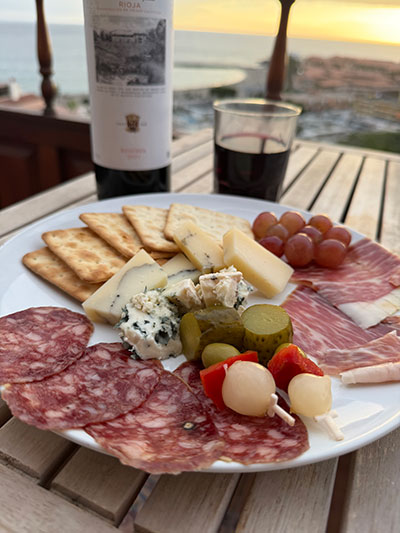
Built our own food adventure straight from the market

Cheap wine, local cheese, cured meats, random pickles, and a sunset that somehow made it all taste better. Sometimes the best meals aren’t reservations, they’re whatever you carry home and put on a plate.

Mixta Plate

Best Local Restaurants in South Tenerife (Where Locals Actually Eat)

If you want to eat well in South Tenerife, skip the glossy promenades and follow the locals into villages, alleyways, and no-frills spots that don’t care about Instagram. These are the places with plastic chairs, loud dining rooms, and food that shows up fast because it’s been perfected over decades.


Top Local Spots in South Tenerife

  • Restaurante El Cine (Los Cristianos) A Tenerife classic hiding in a tiny alley behind a pharmacy. Small menu, fresh seafood, and it’s usually packed with locals, which is the only review you need. Order this: fried octopus and papas arrugadas. Website
  • Mesón Era Las Mozas (Valle de San Lorenzo) Drive a bit uphill from the coast and you’ll find the kind of loud, lively Canarian place where portions are huge, wine is local, and nobody is counting calories. Google Maps
  • Guachinche La Fuente (Arona) One of the rare spots in the south that still feels like a real guachinche: rural setting, homegrown wine, and a short list of traditional dishes. Order this: carne fiesta and garbanzas. Instagram
  • Otelo (Adeje Town) Famous for one thing: pollo al ajillo (garlic chicken). Simple, affordable, and set near Barranco del Infierno with views that make it feel like a secret. Website
  • El Secreto de Chimiche (Chimiche / Granadilla) A legit hidden gem in a former tomato packing plant. A little more refined, but still relaxed and local, especially if you’re craving charcoal-grilled meats. Website

Inside Tips for Eating Like a Local (South Tenerife)

  • Tajao for seafood: Want the freshest fish without the tourist markup? Head to the fishing village of San Miguel de Tajao (north of the airport). You pick your fish at the counter, and they grill it on the spot.
  • The guachinche “rule”: Real guachinches are seasonal and simple, typically open around October to March, serving their own wine and a short list of traditional dishes. If you see “Guachinche” on the sign but the place is open year-round with a 20-page menu, you know what’s happening.
  • Bring cash: Some of the most authentic spots are old-school and may not take cards. If it feels local, assume cash-friendly.

More South Tenerife Cheap Eats & Local Guides

Traditional Canary Islands Food You Have to Try

Beyond the world-famous salted little potatoes, traditional Canary Islands cuisine is all about simple ingredients, bold flavor, and recipes shaped by island life. Many local dishes feature gofio, a roasted grain flour that shows up everywhere, and comforting stews like ropa vieja that tell a story of practicality and tradition.

Papas arrugadas with mojo rojo and mojo verde, Canary Islands potatoes served with two classic mojo sauces

Papas arrugadas with mojo rojo and mojo verde: the Canary Islands starter you end up ordering again.

Papas Arrugadas (Wrinkly Potatoes)

If there’s one dish that defines Canary Islands food, this is it. Papas arrugadas are the iconic “salted little potatoes” you’ll see on nearly every menu, from beach bars to family-run restaurants.

  • What they are: Small, unpeeled new potatoes, often the prized papa negra, boiled until tender.
  • The salted secret: Traditionally boiled in seawater. Today they’re cooked in heavily salted water, then drained and left on the heat to steam-dry, creating that wrinkled skin and thin salt crust.
  • The sauce: Almost always served with mojo. The two classics are mojo rojo (garlic + paprika + gentle heat) and mojo verde (herb-forward, often cilantro or parsley).

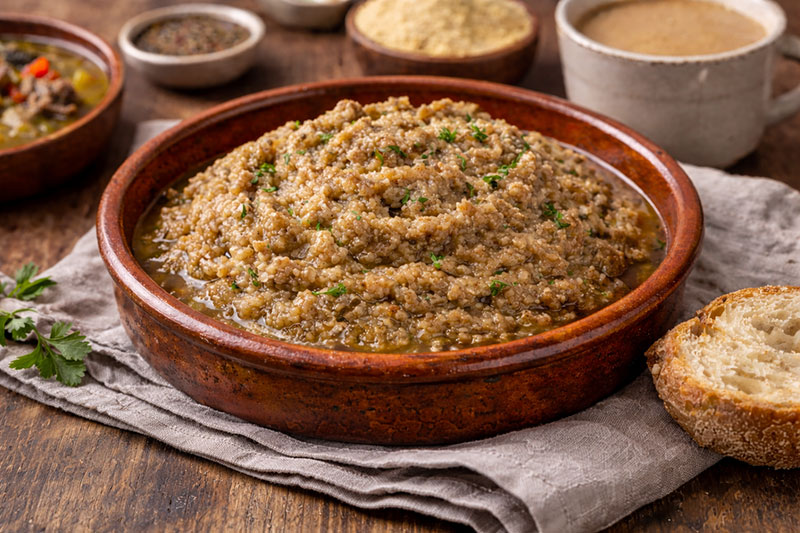
Gofio

Escaldón de gofio, a traditional Canary Islands dish made by mixing gofio into hot broth

Escaldón de gofio: toasted flour turned into a thick, savory comfort bowl.

Gofio is one of the oldest foods in the Canary Islands, dating back to the indigenous Guanche people. It’s toasted grain flour (often corn or wheat) and it’s still a daily staple.

  • Stirred into coffee or milk at breakfast
  • Used to thicken soups and stews
  • Served as escaldón, mixed with hot fish broth into a dense, savory paste
  • Even shows up in desserts like mousse or ice cream

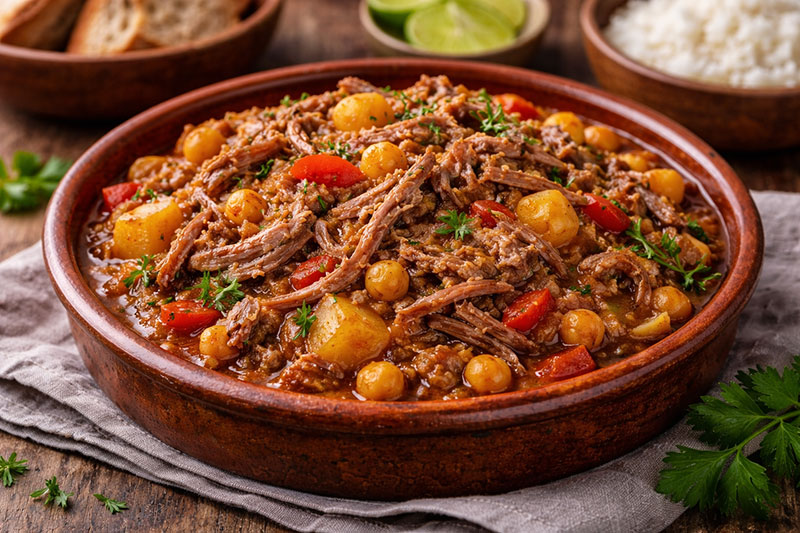
Ropa Vieja

Ropa vieja stew, a traditional Canary Islands dish of shredded meat, chickpeas, and vegetables

Ropa vieja: hearty, practical, and way more Canarian than most people realize.

Many travelers associate ropa vieja with Cuba, but the dish traces back to the Canary Islands. It’s a hearty shredded meat stew (the name translates to “old clothes”) that historically used leftovers from a larger stew called puchero. Today you’ll usually see shredded beef or chicken with chickpeas, potatoes, peppers, and onions in a tomato-rich sauce.

Other Canary Islands Dishes Worth Trying

  • Queso Asado: Grilled local goat cheese, usually served with mojo.
  • Conejo en Salmorejo: Rabbit marinated in garlic, spices, and wine, then cooked until tender.

Why Visit the Canary Islands in October?

October is one of the best months to visit the Canary Islands. Summer crowds fade, prices soften, and the islands settle into their famous “eternal spring.” Expect daytime temperatures around 24–26°C (75–79°F), ideal for beaches, hiking, and long outdoor meals while much of Europe cools down.

Weather & Atmosphere

  • Warm, sunny days with lower humidity
  • Quiet beaches and uncrowded towns
  • Great conditions for Mount Teide drives, hikes, and coastal walks
  • Golden sunsets and calmer Atlantic water

Cultural Events Around Late October

  • La Noche de Finaos (October 31) A Canarian All Saints tradition marked by roasted chestnuts, local drinks, and storytelling. (It’s more “remembering” than “Halloween.”)
  • Fiestas de La Naval (Las Palmas, typically October into November) A maritime celebration that varies by year, with events spread over multiple weeks.

Outdoor & Active Adventures

  • Gran Canaria Walking Festival (October, dates vary) A standout hiking event that shows off volcanic terrain and Biosphere Reserve landscapes. Check dates for the year you’re visiting.
  • Diving in El Hierro October often brings calmer seas and excellent visibility.
  • Surfing (Maspalomas and beyond) Early autumn swells start showing up, with options for both beginners and experienced surfers.

Music Festival Spotlight

This was going on when we were in Tenerife: Afrotronic Tenerife, held October 3–5, 2025, with events at the Hard Rock Hotel Tenerife and a night at Papagayo. If they run it again, it’s the kind of weekend that sells itself: sun, ocean, and a very specific soundtrack.


October Weather in Tenerife (What It Actually Feels Like)

October in Tenerife is what people mean when they talk about the Canary Islands’ “eternal spring.” Days are warm without being sticky, evenings cool off just enough, and rain is rare, especially in the south.

  • Average daytime highs: 24–26°C (75–79°F)
  • Evening temperatures: 19–21°C (mid-60s to low-70s °F)
  • Sea temperature: ~23–24°C (mid-70s °F), still very swimmable
  • Rain: Possible, but infrequent and usually brief

In short: beach weather during the day, comfortable patio dinners at night, and ideal conditions for Mount Teide drives and hikes.


What to Pack for Tenerife in October

Tenerife in October is all about light layers and versatility. You don’t need to overthink it, but a few smart additions will make the trip smoother.

Clothing Essentials

  • Lightweight daytime clothes (shorts, breathable dresses, linen shirts)
  • A light sweater or jacket for evenings and higher elevations
  • Comfortable walking shoes for promenades, towns, and markets
  • Swimsuit (or two) for beaches, hotel pools, and spontaneous dips

For Mount Teide & Exploring

  • Closed-toe shoes or light hikers (volcanic terrain is no joke)
  • A light jacket or windbreaker for cooler temperatures at altitude
  • Sunglasses and sun protection (the sun is strong year-round)

Good-to-Have Extras

  • Reusable water bottle (especially for Teide and coastal walks)
  • Small daypack for drives, hikes, and market stops
  • A compact umbrella or packable rain shell (just in case)

If you’re packing like it’s summer in Southern Europe, but with one extra layer you’re doing it right.

Final Take

If you want the Canary Islands at their best, October is the cheat code. It’s warm but not chaotic, easy to get around, and the island feels like it’s exhaling after peak summer. We came for the sunshine, but what stuck was the rhythm: long walks, simple meals, and a volcano in the background reminding you this place is not just a beach destination.

Bonus Beach Spot: Playa de Los Guíos: Black Sand, Giant Cliffs, and a Seriously Underrated Beach

Bodegas Monje Review: Is This Tenerife’s Best Winery Experience?

From Bodegas Monje, you often get a clear view of Teide rising above the vineyards, especially on crisp days when the clouds stay low. It’s one of those rare winery views where volcanic history is literally part of the backdrop.
Home » Canary Islands

Quick Take

My Rating: 5/5
Price: $$ (Approx €40-60 pp)
Date visited: October 18, 2025
Location: El Sauzal, Tenerife, Spain
Best for: Wine lovers, scenic tastings, relaxed lunches
Time needed: 2 to 3 hours
Vibe: Educational, relaxed, scenic

What Bodegas Monje Is

Bodegas Monje is a winery experience in El Sauzal on Tenerife that combines a guided tour, a thoughtful tasting, and an optional patio lunch with sweeping vineyard and ocean views. It is the kind of place that feels both polished and welcoming, with just enough history and craft to make the visit feel meaningful, not touristy.

My Experience

The tour and tasting: We had a perfect day here and enjoyed every part of the experience. The wine tasting and tour offered a fascinating look into their winemaking process and historic cellar, striking the right balance between education, history, and craftsmanship. It never felt rushed and it never felt like a sales pitch.

The tasting format: We sampled four different wines, each paired with four cheeses aged to different stages. That pairing detail mattered, because it gave the tasting a purpose. It was not just “try four wines,” it was more like a guided lesson in how flavor changes with age and pairing.

The setting: The views are the kind that make you slow down on purpose. Panoramic vineyards, open sky, and the Atlantic in the distance. It is easy to linger here, especially if you time it right and sit outside.

Lunch on the patio: After the tour, we stayed for lunch and it was just as enjoyable as the tasting. The croquetas de jamón made with Ibérico ham and cheese were excellent. The fire-roasted suckling pig was perfectly prepared and full of flavor. Both dishes paired beautifully with the wines we had just sampled, which made the whole experience feel cohesive rather than separate “activities.”

Logistics & Need to Know

  • Getting There: Located in El Sauzal, about 20 minutes from Puerto de la Cruz. The final road up to the winery is steep and narrow (typical for Tenerife), so drive carefully.
  • Parking: There is a dedicated free parking lot on-site, but it fills up by midday.
  • Booking: Reservations are essential for the tour and highly recommended for the restaurant. We booked about 2 weeks in advance via their website.
  • Accessibility: The main areas are accessible, but some parts of the historic cellar have steps.

What I’d Order Again

  • Croquetas de jamón: Rich, salty, and exactly what you want with a glass of wine.
  • Fire-roasted suckling pig: The main event. Worth building your visit around if it is on the menu.
  • Cheese-paired tasting: The pairing format is the highlight because it makes the tasting memorable.

Is It Worth It?

Yes. Bodegas Monje delivered the ideal combination of great food, well-crafted wine, and warm hospitality. If you are traveling to Tenerife and want something that feels local, scenic, and genuinely well-run, this is a must-do.

It is also a great escape from the tourist-heavy and overbuilt areas in the south. If you only do one winery-style experience on the island, this is an easy pick.

Local Guide Tip

  • Go if: You want a wine experience that includes education, scenery, and a real meal, not just a quick tasting.
  • Skip if: You are trying to do Tenerife in hyper-speed mode and do not have a few hours to relax.
  • Best time of day: Late morning into lunch is the sweet spot if you want the full tour and a long patio meal.