

Sonoma Travel Guide: Best Wineries, Glen Ellen & 3-Day Itinerary

Home » Wine Tasting

Last updated: March 2026 by Corey Gasman

From the Editor:

If Napa is the polished executive of wine country, Sonoma is the relaxed artisan with dirt on its boots. The appeal here is not one single town or one famous road. It is the scale, the contrast between valleys, the picnic culture, and the feeling that you can still find deeply memorable wine experiences without every stop feeling staged for a luxury brochure.

The biggest Sonoma mistake is treating the county like one compact destination. It is not. Sonoma County is broad, and the trip only works if you choose the right zone for the right day. This guide is built to help you do that, with a food-and-wine-first strategy that prioritizes geography, pacing, deli stops, and wineries that feel worth the reservation.

Start Here: The Sonoma Game Plan

Sonoma County is much bigger and more spread out than first-time visitors expect. You cannot casually pair a Sonoma Plaza lunch, a Russian River tasting, and a Healdsburg dinner without spending too much of the day in the car. The smartest Sonoma trips stay disciplined by valley.

Choose one micro-region per day. Keep Sonoma Plaza, Glen Ellen, and Carneros together. Keep Healdsburg, Dry Creek, and Russian River together. Once you stop trying to do everything, Sonoma starts to feel like the easygoing wine-country trip people imagine.

  • Pacing: Book no more than two or three tastings per day, with one real food stop in the middle.
  • Tasting strategy: Sonoma rewards producer-led, smaller-scale tasting experiences. It is usually worth upgrading at one stop per day.
  • Food: Sonoma is picnic-friendly and market-driven. A strong sandwich, cheese, and patio lunch often beats a heavy sit-down meal between tastings.
Pro Tip: The quality jump in Sonoma often comes from choosing the right valley, not just the most expensive reservation. A well-grouped day with two strong wineries and a deli lunch will usually outperform a scattered luxury itinerary.

Sonoma Golden Rule: Group your stops by valley. Crossing the county between tastings is the fastest way to ruin the laid-back pace that makes Sonoma special.

Cross-valley pairing

Heading next door? Read the Napa Valley Travel Guide

A Sonoma County map image works well here, especially one that helps readers understand the difference between Sonoma Valley, Glen Ellen, Healdsburg, Dry Creek, and Russian River Valley.


Understanding Sonoma’s Main Wine Regions

One reason Sonoma is harder to summarize than Napa is that it behaves more like a collection of mini-destinations than one single wine valley. That is exactly what makes it interesting. It also means your trip gets much better once you stop thinking county-wide and start thinking region by region.

The south around Sonoma Plaza and Glen Ellen is great for first-timers, picnic stops, and easier historic wine-country energy. Healdsburg is the premium northern base, with fast access to Dry Creek, Alexander Valley, and Russian River Valley. Russian River is where Pinot Noir and Chardonnay become the main story. Dry Creek leans more rustic and relaxed, with a strong Zinfandel reputation.

Region What It Feels Like Best For
Sonoma Plaza + Sonoma Valley Historic, walkable, approachable First-timers, casual tasting-room hopping, and easy dinners.
Glen Ellen Woodsy, quiet, boutique Relaxed winery days and more intimate tasting experiences.
Healdsburg Upscale, food-forward, polished Travelers who want great restaurants and easy access to multiple valleys.
Russian River Valley Cool-climate, scenic, laid-back Pinot Noir, Chardonnay, and slower tasting days.
Dry Creek Valley Rustic, sunny, vineyard-road classic Zinfandel, deli lunches, and a more old-school wine-country feel.
Local Guide Tip: If this is your first Sonoma trip, pick either Sonoma Plaza plus Glen Ellen or Healdsburg plus Russian River. Trying to force both into a short visit spreads the trip too thin.

Boutique wineries in Glen Ellen and Sonoma Valley offer the kind of intimate tasting experiences that make Sonoma feel more personal than many larger wine destinations.


The Best Sonoma Wineries to Actually Visit

Sonoma shines when you lean into wineries that feel distinct from one another. That can mean history, biodynamic farming, rare varietals, a beautiful picnic setting, or simply a tasting that feels like it is still about the wine and not just the production value.

For a first Sonoma trip, Glen Ellen and southern Sonoma Valley are strong places to start. Buena Vista brings California wine history. Benziger adds a more educational farming angle. Imagery gives you a more playful, small-batch, varietal-curious experience. Scribe delivers one of the most in-demand reservations in the region, especially for travelers who want a stylish, highly curated afternoon.

Winery Location Why You Should Go
Imagery Estate Winery Glen Ellen A relaxed tasting environment and an interesting lineup that goes beyond the most predictable Sonoma pours.
Benziger Family Winery Glen Ellen One of the best educational stops in the area if you want to understand biodynamic farming and vineyard practices.
Buena Vista Winery Sonoma A strong history play with stone cellars, dramatic atmosphere, and serious old-California wine-country energy.
Scribe Winery Sonoma A stylish, sought-after reservation for travelers who want a more curated, contemporary Sonoma experience.
Jordan Vineyard & Winery Healdsburg A classic Healdsburg-area pick if you want beautiful grounds and a more elevated northern Sonoma feel.
Ridge Lytton Springs Dry Creek Valley A great stop for travelers who care more about the wine itself than winery theatrics.
Local Guide Tip: When a Sonoma winery offers a reserve flight, library pour, or estate tour upgrade, that is often where the experience becomes truly memorable. Pick one daily splurge instead of upgrading everywhere.

A barrel room, vineyard walk, or more intimate seated tasting image works well here. This section should feel aimed at readers who care deeply about the wine itself.


Sonoma for Serious Wine Lovers

Sonoma is often described as more relaxed than Napa, but that should not be confused with less serious. If anything, Sonoma can be more rewarding for wine-focused travelers because the county gives you much more stylistic range. Pinot Noir, Chardonnay, Zinfandel, Rhône varieties, Cabernet, sparkling wine, and cool-climate bottlings all fit somewhere in the Sonoma story.

The move for serious wine drinkers is not to chase the most famous names only. It is to build contrast into the trip. One day around Russian River Valley for Pinot and Chardonnay. Another day around Dry Creek or Healdsburg for structure, sunshine, and broader reds. That is how Sonoma starts to feel layered instead of random.

How to build a smarter Sonoma tasting lineup

  • Put Russian River Valley on the schedule if Pinot Noir and Chardonnay matter to you.
  • Use Dry Creek Valley when you want warmer-weather reds and a more classic backroad wine-country feel.
  • Keep one day focused on Sonoma Valley and Glen Ellen if you want boutique wineries and easier picnic culture.
Pro Tip: Sonoma gets much better when you treat it like a wine region with multiple identities instead of one long tasting list. Build the day around style, not just popularity.

The historic Sonoma Plaza is one of the best places in the county to build a low-stress food-and-wine day around tasting rooms, markets, and an easy dinner.


The Sonoma Food Scene: Plazas, Markets, and Picnics

Sonoma is less formal than Napa, and that is part of the appeal. Yes, there are polished restaurants and big dinners worth planning around, but Sonoma’s real advantage is that it often feels easier to eat well without turning every meal into an event.

The Sonoma Plaza is a perfect example. It gives you a historic center, tasting rooms, relaxed lunch options, bakeries, and a simple way to gather provisions for the rest of the day. Up north, Healdsburg gives you a stronger high-end food scene without losing that small-town wine-country rhythm.

The best Sonoma lunch is often not a multi-course meal. It is a market stop, a great sandwich, good cheese, maybe something fresh and crunchy, and a winery patio where the whole day slows down a notch.

What makes Sonoma food days work

  • Use the Sonoma Plaza or Healdsburg as your reset zone between tastings.
  • Save one night for a stronger dinner and keep at least one lunch deliberately simple.
  • Build a picnic when the weather is good. Sonoma is one of the few major wine destinations where that can feel like the main event.

Use a plaza café, deli counter, picnic spread, or restaurant patio image here. This section should look like the kind of food day Sonoma does best.


Best Restaurants and Picnic Stops in Sonoma

If your blog leans food and drink first, this section deserves more than a generic list of nice restaurants. In Sonoma, the real strategy is mixing one excellent dinner with smart daytime food stops that fit the way wine-country days actually unfold.

That means one strong plaza reservation, one or two deli or market plays, and maybe one more polished Healdsburg dinner if you are staying up north.

Spot Location Why It Works
The Girl & The Fig Sonoma Plaza One of the classic Sonoma Plaza restaurants and still a strong pick for a polished but not stuffy dinner.
Sonoma Cheese Factory Sonoma Plaza An easy place to assemble a cheese-and-picnic stop in the heart of town.
Glen Ellen Village Market Glen Ellen A very practical picnic stop before heading into Glen Ellen winery country.
Dry Creek General Store Dry Creek Valley An ideal deli move for travelers spending the day around Healdsburg and Dry Creek.
Healdsburg Plaza restaurants Healdsburg A great evening base if you want a more food-forward northern Sonoma trip.
Local Guide Tip: If you are doing two tastings in one day, make lunch simple and high quality. Sonoma is built for that rhythm, and the trip feels much better when you lean into it.
A traveler seen from behind, wearing a black winter parka and carrying a white document.

Staying near Sonoma Plaza or Healdsburg gives you the easiest version of Sonoma, where dinner is walkable and winery driving stays more focused during the day.


Where to Base Yourself in Sonoma County

Because Sonoma County is so spread out, your hotel decision shapes the entire trip more than people realize. The goal is not just a nice room. It is picking the right base for the valley style you actually want.

The town of Sonoma is the best first-timer base for many travelers because it is historic, relaxed, and anchored by the plaza. Healdsburg is the premium move if your trip leans more culinary and you want easier access to Russian River, Dry Creek, and Alexander Valley. Glen Ellen works well for travelers who want something quieter and more secluded.

Area The Vibe Best For
Town of Sonoma Historic, walkable, relaxed First-timers and easy access to Sonoma Valley and Glen Ellen.
Glen Ellen Quiet, wooded, boutique A slower trip with a retreat-like feel.
Healdsburg Upscale, polished, restaurant-forward Food lovers and travelers exploring the northern valleys.
Russian River area Casual, scenic, cool-climate country Pinot-focused trips and a more low-key stay.

A tasting flight with Pinot Noir, Chardonnay, and Zinfandel works well here. This image should suggest Sonoma’s range rather than one single grape story.


What Sonoma Is Famous For

One of Sonoma’s biggest advantages is range. Unlike Napa, which is often defined first by Cabernet Sauvignon, Sonoma can feel more open-ended. Depending on where you are, the county can be about Pinot Noir, Chardonnay, Zinfandel, Rhône blends, or more structured reds from warmer inland pockets.

That is good news for travelers who want variety. It also means Sonoma can be a better destination for mixed groups where not everyone wants the same kind of wine all day.

  • Pinot Noir: One of the region’s signature categories, especially in cooler zones.
  • Chardonnay: Often a major draw in Russian River Valley and nearby areas.
  • Zinfandel: A strong Sonoma move, especially if you spend time in Dry Creek Valley.
  • Mixed-varietal days: Easier to build here than in many wine regions because the county supports so many styles.

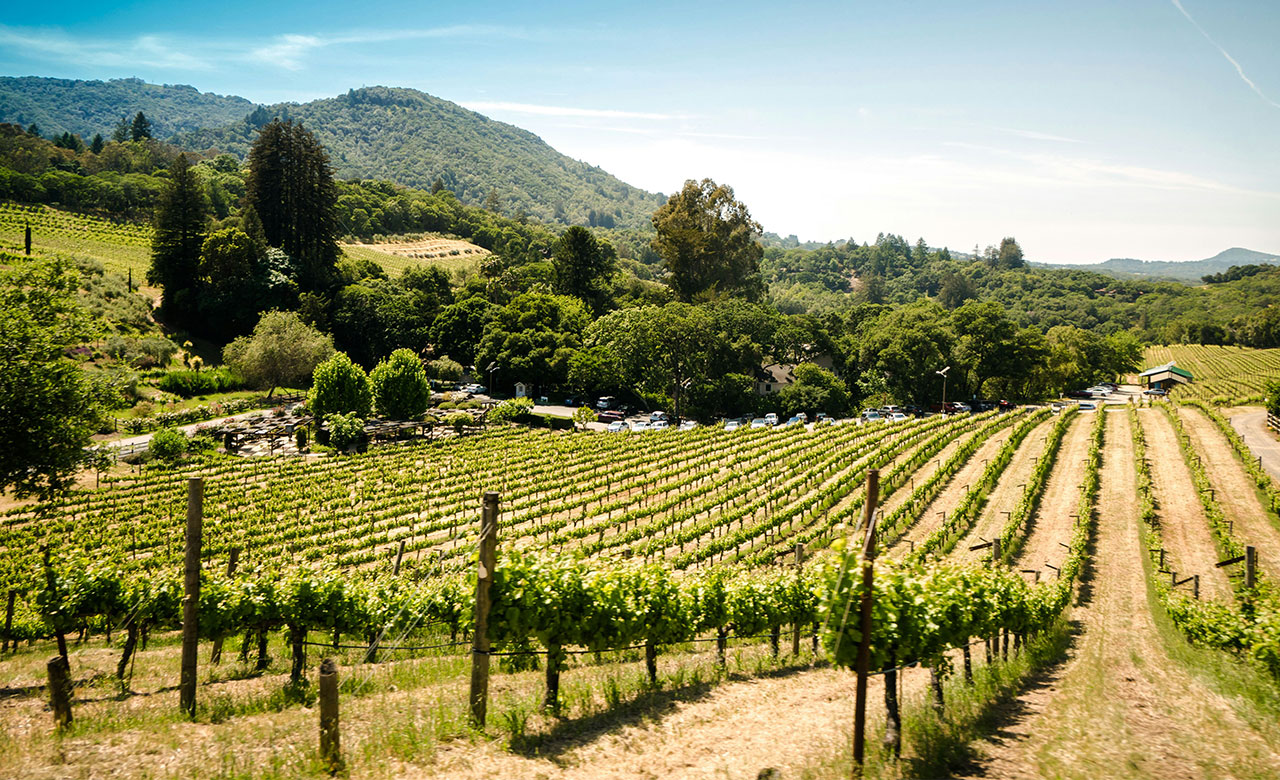
A strong Sonoma itinerary image should show an easy backroad vineyard scene rather than a formal estate, reinforcing the slower pace that makes the county work.


The Perfect 3-Day Sonoma Itinerary

This three-day plan is built around geography, not wishful thinking. It gives you one southern Sonoma day, one Glen Ellen or Sonoma Valley day, and one northern Sonoma day if you want the trip to feel complete.

Day Theme Morning Afternoon Night
Day 1 Plaza and history Start around Sonoma Plaza, then visit Buena Vista Easy tasting-room or market time around town Dinner at The Girl & The Fig or another Sonoma Plaza favorite
Day 2 Glen Ellen and relaxed tasting Benziger tour or another educational estate visit Picnic stop and a slower, elevated tasting at Imagery or another boutique winery Quiet dinner and an early finish
Day 3 Northern Sonoma Head to Healdsburg or Russian River Valley One winery plus one deli or plaza stop up north Dinner in Healdsburg or a casual return to your base
Pro Tip: If you only have two full days, skip northern Sonoma or skip southern Sonoma. Do not force the whole county into a short trip just because it looks close on a map.

A rental car, backroad vineyard lane, or Sonoma County airport image works well here. This section should visually reinforce that Sonoma requires a transportation plan.


Getting Around Sonoma County

Sonoma is a car destination. You can absolutely use rideshares around the main towns, but once you get into rural wine roads and multi-stop days, you want a firmer plan. If everyone in your group is tasting, a private driver is the easiest and safest move.

For flights, San Francisco and Oakland still work, but the easiest airport option if schedules line up is often Charles M. Schulz Sonoma County Airport in Santa Rosa. It cuts down on the usual Bay Area arrival drag and can make the trip feel smoother from the start.

Whatever your transportation setup, add buffer time. Sonoma’s relaxed image fools people into thinking timing does not matter. It does, especially when you are stacking a market stop, a reservation, and a dinner in different parts of the county.

Pro Tip: Before you finalize the day, map the hotel-to-winery drive and the winery-to-lunch drive. That five-minute optimism gap is how Sonoma days quietly unravel.

A cinematic vineyard image, a retro tasting room, or a Coppola-themed image would work well here. This section should feel like a fun cultural detour, not the core of the guide.


Wine Movies and Sonoma Pop Culture

A movie section can absolutely work here, but it should be framed carefully so the guide stays credible. Sideways is the most famous modern wine movie, but it is tied to Santa Ynez Valley, not Sonoma. Noma is not a film at all. It is the famous restaurant in Copenhagen.

For a Sonoma-adjacent or Northern California wine-country angle, the smarter references are Bottle Shock for Napa’s Judgment of Paris story, Wine Country for a Napa girls-trip comedy, and SOMM if your readers want something more wine-nerd friendly. Sonoma’s strongest direct film-world tie is Francis Ford Coppola Winery, which blends wine tourism with movie memorabilia and a more cinematic brand identity.

Best way to use this section

  • Sideways: Mention it as a wine-movie reference point, but do not frame it as Sonoma.
  • Bottle Shock: Good for Northern California wine-country history and the Judgment of Paris angle.
  • Wine Country: A lighter pop-culture add for readers planning a fun weekend with friends.
  • SOMM: Best for readers who care more about wine obsession than destination scenery.
  • Coppola connection: A legit Sonoma-specific cultural tie if you want one film-and-wine crossover paragraph.
Local Guide Tip: Keep this as a short fun section, not a core planning section. It works best as personality, not as the main reason someone chooses Sonoma.

Sonoma Travel FAQs

Is Sonoma cheaper than Napa?

Often, yes, but not always. Sonoma can be more flexible on budget, especially outside the most premium hotels and reserve tastings, but top Healdsburg restaurants and high-end winery experiences can still get expensive fast.

The town of Sonoma is usually the easiest first-time base because it is historic, walkable, and gives you straightforward access to Sonoma Valley and Glen Ellen.

Sometimes, and Sonoma is more picnic-friendly than many wine regions, but you still need to check each winery’s rules before arriving.

Yes. Sonoma may feel more relaxed than Napa, but many of the wineries worth prioritizing still run on reservations, especially on weekends.

Two is ideal. Three is fine if the geography is tight and the pacing is relaxed. More than that and the day usually starts to blur together.

Only if you have enough time. For a shorter trip, choosing one zone usually creates a much stronger overall experience than trying to sample the whole county.
Napa Valley Travel Guide: Best Wineries, Food & 3-Day Itinerary

Home » Wine Tasting

Last updated: March 2026 by Corey Gasman

From the Editor:

Napa Valley is one of those destinations that can absolutely live up to the hype if you approach it the right way. It is polished, expensive, beautiful, and full of genuinely memorable food and wine experiences. It is also a place where bad planning leads to traffic, rushed tastings, palate fatigue, and bills that feel a lot less charming by the end of the weekend.

I have visited Napa multiple times with different groups and budgets, and the pattern is always the same: the best trips are not the ones that cram in the most wineries. They are the ones that pace the day, mix serious tastings with easier food moments, and leave enough room to actually enjoy where you are. This guide is for travelers who care as much about the lunch reservation and bakery stop as they do the bottle they are bringing home.

Start Here: The Napa Valley Game Plan

Napa Valley runs on two main north-south roads: Highway 29 and the Silverado Trail. If you zigzag across the valley all day, you will lose huge chunks of your trip to traffic and transitions. The smartest Napa itinerary groups winery visits by area and gives each day one clear lane.

Most travelers also overbook tastings. Two wineries in a day is ideal. Three is the absolute maximum, and only if the pacing is relaxed. Anything beyond that starts to feel like a checklist instead of a trip.

  • Pacing: Plan one morning tasting and one afternoon tasting, with lunch or downtime between them.
  • Quality over quantity: Upgrade one or two experiences instead of booking the cheapest standard flight everywhere.
  • Reservations: Book wineries, top restaurants, and any special experiences well ahead, especially for weekends and harvest season.
Pro Tip: Napa rewards restraint. One standout tasting, one great lunch, and one memorable dinner is a better day than sprinting through five wineries you barely remember by sunset.

Napa Golden Rule: Limit yourself to a maximum of three wineries per day, and always group them by location so you are tasting wine instead of sitting in valley traffic.

City pairing

Flying in? Read the San Francisco Travel Guide before heading north.

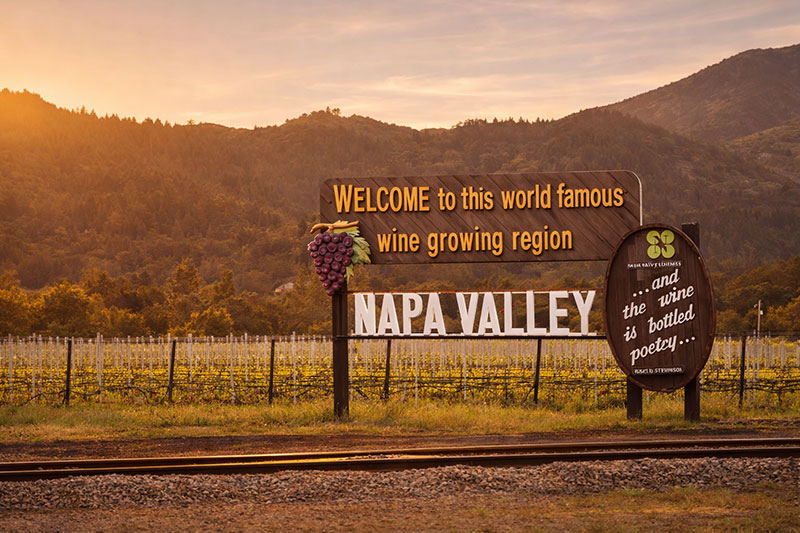
The iconic "Welcome to this world famous wine growing region Napa Valley" wooden sign standing at the edge of a vineyard, captured at sunset with the hills in the background under a warm, golden sky.

The iconic Napa Valley welcome sign glowing at sunset, marking the entrance to one of the world’s most famous wine regions.


Understanding Napa Valley’s Main Regions

Napa Valley is compact compared to many wine destinations, but each part of the valley gives the trip a different feel. Where you stay matters. Where you book tastings matters even more.

Downtown Napa is the easiest base if you want restaurants, bars, and more hotel variety. Yountville feels polished and food-forward. St. Helena is classic wine country. Calistoga is more relaxed and makes sense if you want a slower pace, spa time, and an up-valley base.

Area What It Feels Like Why It Works
Downtown Napa Lively, walkable, easiest at night Best mix of hotels, tasting rooms, restaurants, and casual evening options.
Yountville Upscale, culinary, boutique Best for food lovers who want top restaurants and a polished stay.
Oakville + Rutherford Iconic Cabernet country Great for serious wine drinkers focused on classic Napa reds.
St. Helena Historic, refined, central up-valley Beautiful base for winery-heavy days with strong lunch and dinner options.
Calistoga Relaxed, rustic, spa-friendly Great for couples or travelers who want wine plus hot springs and slower mornings.
Local Guide Tip: First-time visitors usually do best staying in Yountville, St. Helena, or downtown Napa. Those bases make it much easier to build days that feel smooth instead of scattered.
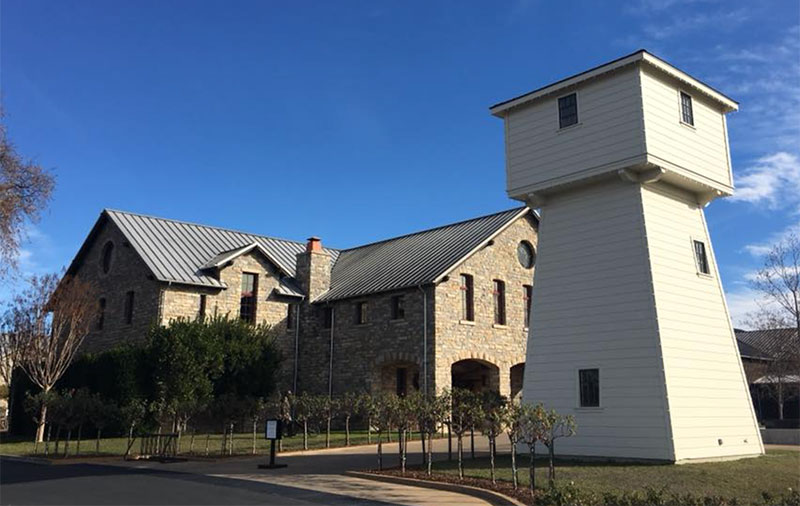
The exterior of Silver Oak Cellars in Napa Valley, featuring the iconic stone water tower and rustic stone winery buildings set against a backdrop of green vineyards and a bright blue sky.

The historic stone water tower at Silver Oak Cellars, a landmark of Napa Valley’s Cabernet Sauvignon heritage.


The Best Napa Valley Wineries to Actually Visit

There are hundreds of winery options in Napa, which is exactly why so many first-time visitors end up booking the wrong ones. The goal is not just to taste wine. It is to choose experiences that feel distinct from one another.

A strong Napa winery day usually mixes one estate with visual drama, one tasting with broad appeal, and one food or picnic stop that gives your palate a reset. That is how the trip keeps its shape.

If you want crowd-pleasers for a first Napa visit, these wineries work well because each one shows a different side of the valley.

Winery The Vibe Why You Should Go
Sterling Vineyards Scenic, elevated, memorable The gondola arrival makes this one of the most visually distinctive winery experiences in Napa.
CHANDON Fresh, social, celebratory A strong opening stop for sparkling wine and a lighter start to the day.
Hess Persson Estates Mountain estate, art-forward, refined You get mountain views, stronger reds, and one of the valley’s best art add-ons.
Frog’s Leap Garden setting, relaxed, thoughtful A beautiful Rutherford property that feels grounded and less performative than many Napa estates.
Schramsberg Historic, cave-driven, classic One of Napa’s signature sparkling experiences and a very smart alternative to an all-Cabernet itinerary.
Silver Oak Modern, polished, high-end A classic stop for travelers who want a polished Napa Cabernet experience.
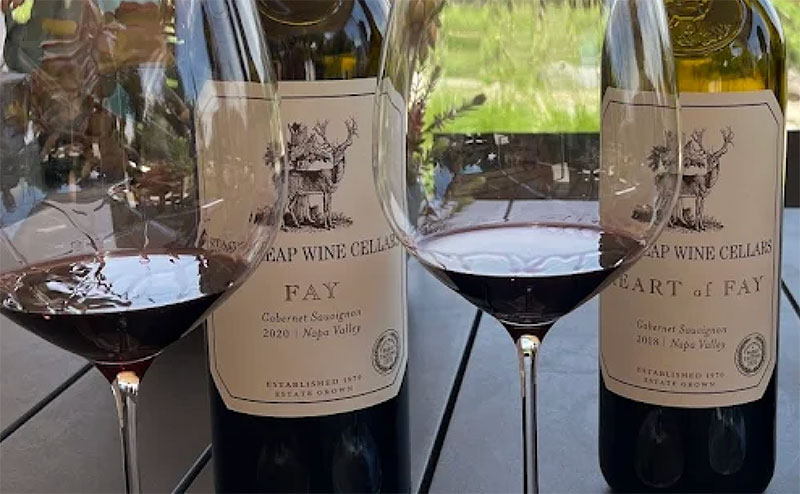
Stag’s Leap Wine Cellars Historic, polished, iconic A strong first-trip stop if you want a recognizable Napa name with real Cabernet history.
A close-up of a wine tasting at Stag’s Leap Wine Cellars, featuring two glasses of deep red Cabernet Sauvignon on a wooden table next to an open bottle of FAY Vineyard estate wine.

A seated tasting at Stag’s Leap Wine Cellars, featuring their legendary FAY Vineyard Cabernet Sauvignon.


7 Napa Wineries for Serious Wine Lovers

If you want to understand why Napa matters, not just see the polished version of it, this is the list that deserves extra weight. These are the wineries I would prioritize for travelers who care about terroir, structure, age-worthiness, and experiences that feel more rooted in the wine than the staging.

This is also where Napa gets much stronger if you balance sparkling, classic Rutherford and Oakville reds, and one or two producers that feel less corporate and more cellar-driven.

Priority bottles and tastings

Winery Why Serious Drinkers Care Best Fit For
Corison Elegant, age-worthy Cabernet that leans more restrained than many Napa peers. Travelers who want nuance over flash.
Schramsberg Historic cave tastings and one of Napa’s benchmark sparkling houses. Anyone building a smarter, more balanced tasting lineup.
Frog’s Leap A more grounded estate feel and wines that often drink with freshness and ease. People who want serious wine in a less stiff setting.
Hess Persson Estates Mount Veeder fruit and a stronger sense of place than many valley-floor stops. Drinkers who like mountain wines and deeper reds.
Silver Oak A Napa icon that still matters if Cabernet is your main reason for coming. Classic Napa luxury red wine drinkers.
Stag’s Leap Wine Cellars A foundational name in Napa Cabernet history and one of the valley’s most recognizable benchmarks. Travelers who want a sense of Napa’s bigger wine story.
Inglenook Historic estate prestige, strong sense of legacy, and a more old-school aura than many newer luxury properties. Wine travelers who like heritage and classic estate atmosphere.

For a first serious Napa trip, I would build one day around Schramsberg plus a Cabernet producer, then another around Rutherford or St. Helena. That creates contrast and gives your palate a much better run than stacking three heavy red tastings back to back.

Pro Tip: Do not make every reservation a Cabernet-heavy flight. Start one day with sparkling or whites, save the biggest reds for the afternoon, and leave room for a real lunch in between.
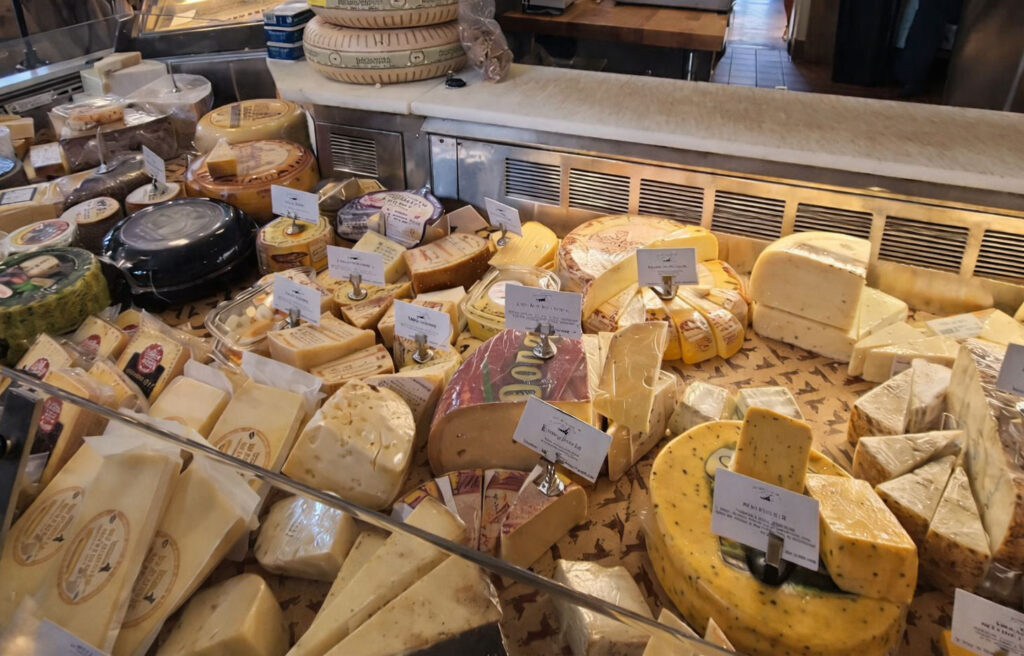
Artisan cheese selection at Oakville Grocery in Napa Valley perfect for building a wine country picnic

The cheese counter at Oakville Grocery in Napa Valley is a perfect stop to build a picnic before heading to the vineyards.


Where to Eat: Yountville and the Napa Food Scene

Napa is not just a winery destination with a few good restaurants attached. For food-forward travelers, the eating can be just as important as the tasting. That is especially true in Yountville, where you can build an entire trip around bakery mornings, long lunches, and one splurge dinner.

The famous names pull the headlines, but the real Napa food move is variety. One big dinner. One picnic lunch. One bakery stop. One market stop. One easier night where nobody needs a tasting menu after a full day of wine.

That balance is what makes Napa feel luxurious instead of exhausting.

The food rhythm that works best

  • One major dinner reservation in Yountville, St. Helena, or downtown Napa.
  • One deli or market lunch with cheese, sandwiches, and something fresh between tastings.
  • One pastry-and-coffee morning that starts the day gently before the first pour.
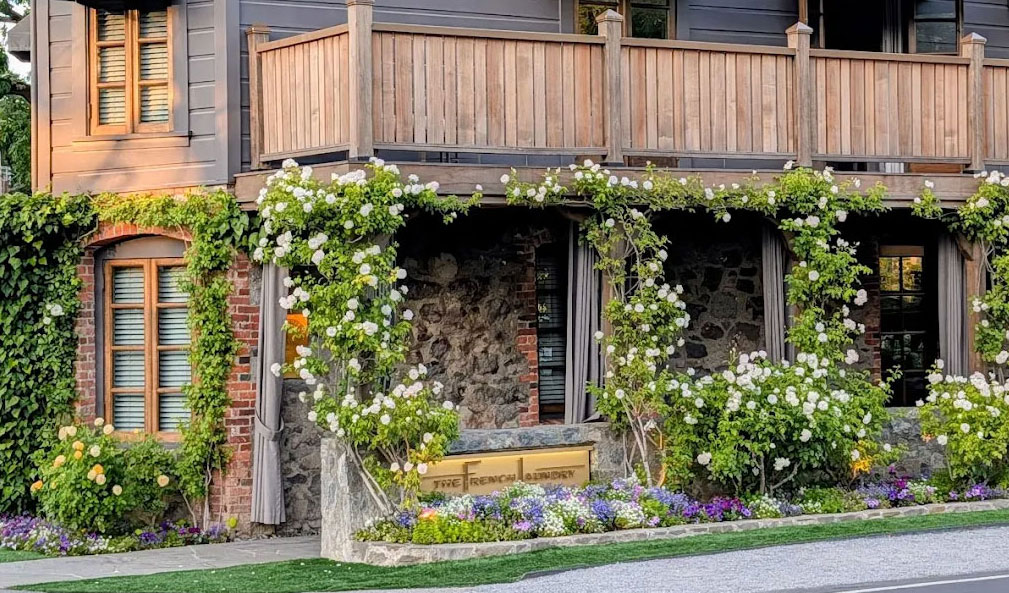
The French Laundry restaurant exterio in Yountville Napa Valley a stone and wood building.

The French Laundry in Yountville is one of Napa Valley’s most famous restaurants, where Thomas Keller’s legendary tasting menu draws food lovers from around the world.


Best Restaurants in Napa Valley

If your blog leans food and drink first, this section matters almost as much as the winery picks. A lot of Napa guides over-focus on The French Laundry and stop there, but the better strategy is to help readers build a realistic dining plan around one dream meal and several smarter supporting stops.

That usually means one headline reservation, one casual but excellent lunch, and one market or picnic option that saves both money and stamina.

Restaurant Location Why It Belongs in the Guide
The French Laundry Yountville The bucket-list reservation if your readers want Napa’s biggest dining trophy.
Bouchon Bistro Yountville A much more attainable way to tap into the Thomas Keller world.
Bouchon Bakery Yountville Perfect for a pastry-and-coffee start before the first tasting of the day.
Press St. Helena One of the best picks for travelers who want a serious Napa steak-and-Cabernet dinner.
The Charter Oak St. Helena Excellent for a stylish but more relaxed dinner with big flavor and strong produce.
Oxbow Public Market Napa An easy casual stop for oysters, snacks, coffee, cheese, picnic supplies, or a low-key lunch.
Oakville Grocery Oakville One of the smartest picnic and sandwich stops in the valley between winery reservations.
Local Guide Tip: Your best Napa meal might not be the most expensive one. A market lunch or vineyard picnic between tastings often becomes the reset that saves the whole day.
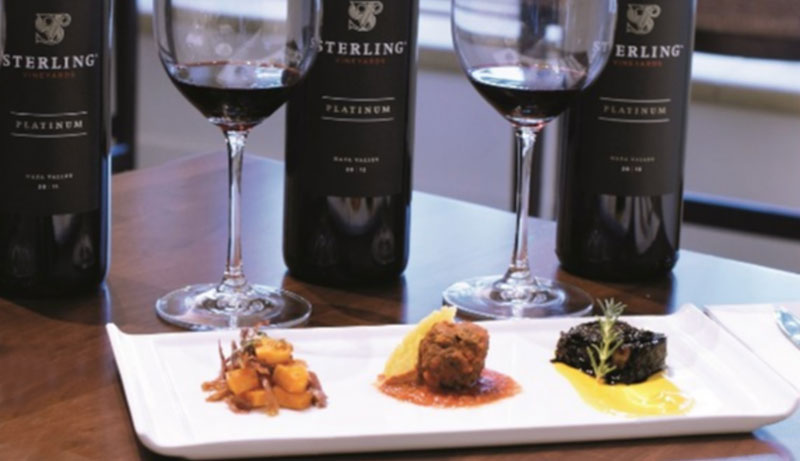
A close-up of a wine pairing experience at Sterling Vineyards, featuring two glasses of red wine on a white rectangular plate alongside small gourmet food pairings

A curated wine and food pairing at Sterling Vineyards, where estate wines are served with small bites designed to highlight specific flavor profiles.


What Napa Valley Is Famous For

Napa Valley is still most famous for Cabernet Sauvignon, and that is usually the main event for wine-focused travelers. The valley’s name is tied to rich, structured reds that often feel powerful and polished, especially in classic areas like Oakville and Rutherford.

But the smartest Napa trip is not Cabernet-only. Adding sparkling wine, Chardonnay, Sauvignon Blanc, or a more restrained producer keeps the trip from flattening into one long parade of expensive reds.

  • Cabernet Sauvignon: Napa’s flagship and the main draw for many serious wine travelers.
  • Sparkling wine: One of the easiest ways to create contrast in your tasting lineup.
  • Chardonnay: Worth booking if your readers like richer white wines with texture.
  • Sauvignon Blanc and lighter whites: Very useful for pacing early-day tastings and warm weather visits.
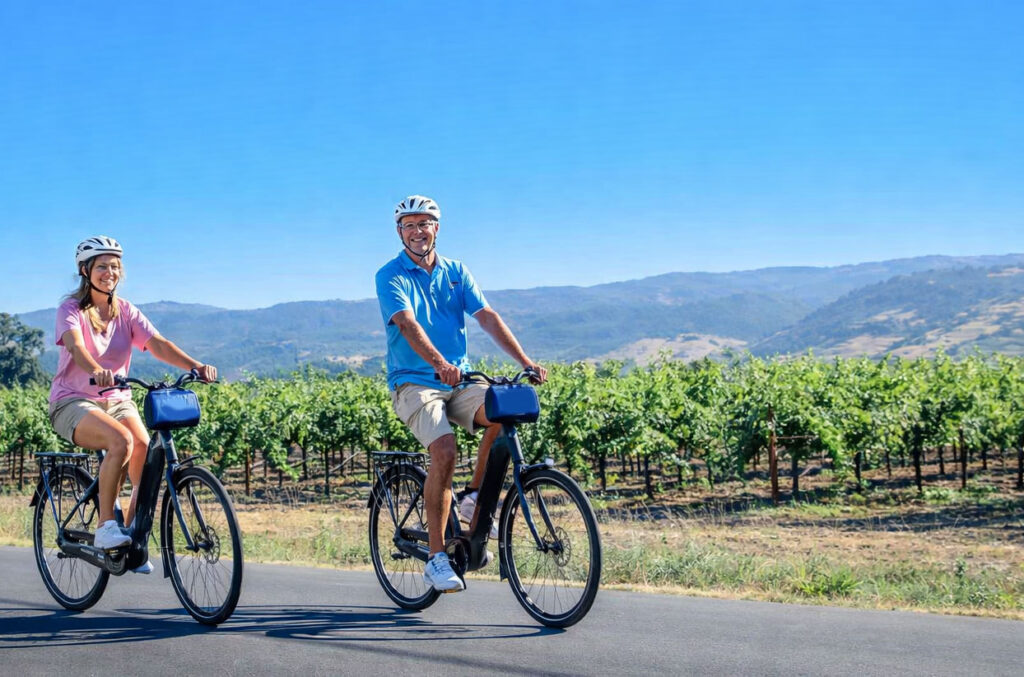
Older couple biking past green vineyards in Napa Valley under a clear blue sky

Cycling through Napa Valley vineyards is one of the most relaxed ways to experience wine country between tastings, with quiet roads, rolling vines, and beautiful valley views along the way.


Getting to Napa and Getting Around

Most travelers reach Napa from San Francisco, Oakland, or Sacramento. Driving from San Francisco can be quick in ideal conditions, but weekend traffic can shift the whole equation. That matters because timing mistakes on arrival day often ripple into missed reservations or rushed first tastings.

Once you are in the valley, the transportation question gets more important. If more than one person is tasting, a private driver is usually the best move. Rideshares are fine for shorter hops around town, but they are not something I would build an entire winery day around.

The Napa Valley Wine Train is worth thinking of as an experience, not as a transportation solution. It can be a fun luxury add-on, but it does not replace the need for a clear winery plan.

Transport Method Best Used For The Reality
Rental Car Arrival, flexibility, dinner outings Helpful for independence, but only works during tasting hours if one person stays fully sober.
Private Driver Serious winery days Usually the smoothest and safest option if everyone in the group is tasting.
Rideshare Town-to-town hops, dinner, downtown Napa Useful in the easier zones, less reliable if you build your whole day around it.
Wine Train A special meal or half-day experience A fun splurge, but not a practical substitute for a winery itinerary.
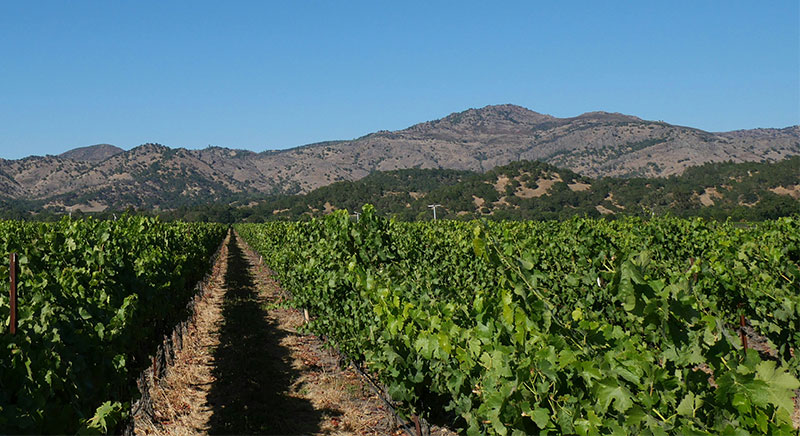
A perspective shot looking down a long, narrow row of a lush green vineyard in Yountville, with the vine leaves vibrant and the dirt path receding toward distant rolling hills under a soft sky.

Walking through the perfectly manicured rows of a Yountville vineyard, where the valley’s unique microclimate produces some of Napa’s most celebrated grapes.


The Perfect 3-Day Napa Valley Itinerary

Three days is the sweet spot for Napa. It gives you enough time for standout winery visits, one or two excellent dinners, and some breathing room so the whole trip does not feel like a blur of reservations.

The best three-day Napa itinerary also alternates intensity. Do not stack your most serious, expensive, or tannic tastings back to back without some lighter moments around them.

Day Theme Morning Afternoon Night
Day 1 Ease into Napa Bouchon Bakery or downtown Napa coffee, then CHANDON or Schramsberg Relaxed lunch, one polished winery stop, early hotel reset Dinner in Yountville or downtown Napa
Day 2 Serious wine day Corison, Frog’s Leap, or another producer-led tasting Cabernet-focused tasting in Rutherford, Oakville, or St. Helena Big dinner at Press, The Charter Oak, or your splurge reservation
Day 3 Views and one final memorable stop Late breakfast or market stop Sterling, Hess, or a final scenic estate before departure Casual final meal or drive back toward San Francisco
Pro Tip: Put your most expensive dinner after your lighter tasting day, not after your heaviest red wine lineup. Your palate and your energy level will thank you.
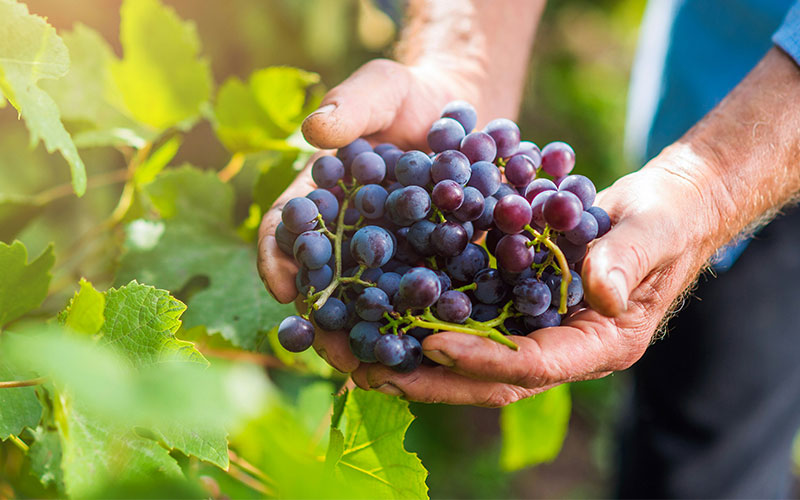
A close-up of a person's hands holding a large, ripe cluster of purple grapes in a vineyard during the autumn harvest season.

Hands holding a fresh cluster of wine grapes during the peak of the Napa Valley harvest season.


Best Time to Visit Napa Valley

Napa works year-round, but the mood shifts by season. Spring is fresh and green. Summer is busy and polished. Fall is the classic harvest window and brings the strongest wine-country energy. Winter is quieter and can be a great choice if your readers care more about easier reservations than vineyard buzz.

If someone wants the classic Napa atmosphere, early fall is the obvious draw. If they want a more relaxed version of the valley, spring and winter can be smarter value plays.

Season Why Go Watch Out For
Spring Green vineyards, pretty scenery, pleasant weather Popular weekends still fill up quickly.
Summer Long days, patio dining, easy outdoor tasting weather Higher demand and a more crowded feel.
Fall harvest Peak wine-country energy and the classic Napa atmosphere Most expensive and most competitive for reservations.
Winter Quieter, moodier, easier to book top spots Less vineyard drama and fewer warm patio moments.
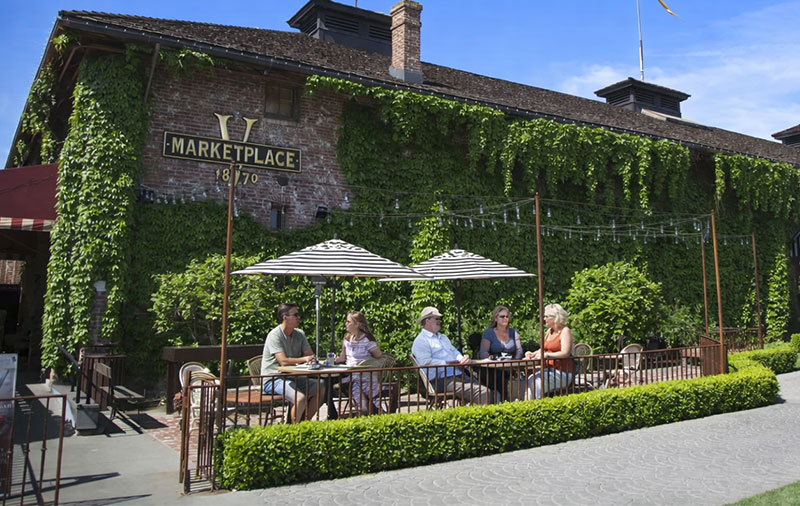
Outdoor patio at V Marketplace in Yountville Napa Valley with ivy covered historic building and people dining

Staying in Yountville places you in the heart of Napa Valley wine country, where spots like V Marketplace offer relaxed patios, great food, and easy access to nearby wineries.


Where to Stay in Napa Valley

Choosing the right base is one of the biggest quality-of-life decisions in Napa. Stay too far from your dinner plans or daily tasting zones, and the trip starts to feel more logistical than luxurious.

For most first-time visitors, Yountville is the strongest overall choice if the budget allows. Downtown Napa is usually the best value and easiest for nightlife. St. Helena is excellent for travelers who want a more wine-country feel. Calistoga works well if spa time and a quieter pace matter as much as restaurant access.

Base Best For Overall Feel
Downtown Napa More hotel choice and easier nights out Lively and practical
Yountville Food lovers and polished first-time trips Boutique and upscale
St. Helena Winery-heavy itineraries and classic Napa atmosphere Refined and scenic
Calistoga Spa trips, couples, and slower pacing Relaxed and rustic
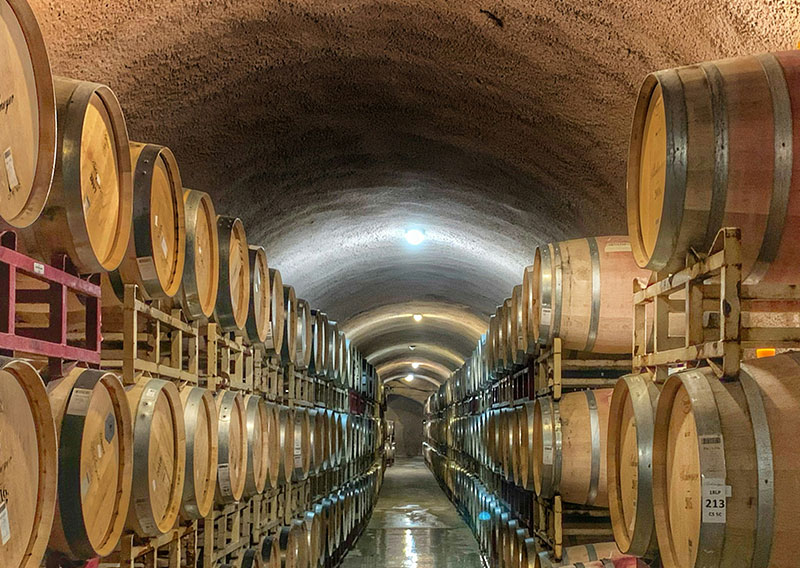
A long, symmetrical view down a dimly lit underground wine cave in Napa Valley, with rows of oak wine barrels stacked on wooden racks lining both sides of a stone-arched corridor.

The cool, quiet barrel room of a Napa Valley wine cave, where estate wines age in French oak to develop the depth and structure the region is known for.


Napa vs. Sonoma: Where Should You Spend Your Time?

Napa and Sonoma sit next to each other, but they do not feel the same. Napa is denser, more polished, and generally easier to build around headline food and wine stops. Sonoma is broader, more spread out, and often feels more rural and relaxed.

If your readers are food-and-drink travelers looking for a first big wine-country trip, Napa is usually the better base. If they want a slightly looser, less polished, more varied-feeling escape, Sonoma may be the better fit.

You can absolutely do both on the same trip, but not on the same day. Crossing between the two is where people often ruin an otherwise smooth itinerary.

Pro Tip: Base yourself in one valley and give the other a dedicated day only if the trip is long enough. Napa and Sonoma are neighbors, but they are not quick little side trips from each other once winery timing and traffic enter the picture.

Napa Valley Travel FAQs

How many days do I need in Napa Valley?

Three days is the sweet spot for most travelers. It gives you time for standout winery visits, a few strong meals, and enough breathing room that the trip still feels fun by the final day.

Yes. Napa is heavily reservation-driven now, especially at the wineries most travelers actually want to visit. The better your target list, the earlier you should book.

Two is ideal. Three is the absolute maximum. More than that and the day usually starts to feel rushed, repetitive, and a little wasteful.

It can be, as long as you think of it as a special dining and sightseeing experience rather than practical transportation. It works best as a splurge moment, not as the backbone of a winery itinerary.

Yountville is the strongest first-time base if you want a polished food-and-wine trip. Downtown Napa is a great option for value and convenience. St. Helena and Calistoga make sense if you want a more up-valley feel.

Fall gives you the classic harvest atmosphere, but it is also the busiest. Spring is one of the prettiest and easiest all-around times to go. Winter can be great for travelers who want easier reservations and a quieter mood.

Yes, but give each valley its own day. Trying to bounce between Napa and Sonoma during the same tasting day is one of the easiest ways to make the trip feel scattered.

Italy’s Best Hidden Gems & Unique Experiences

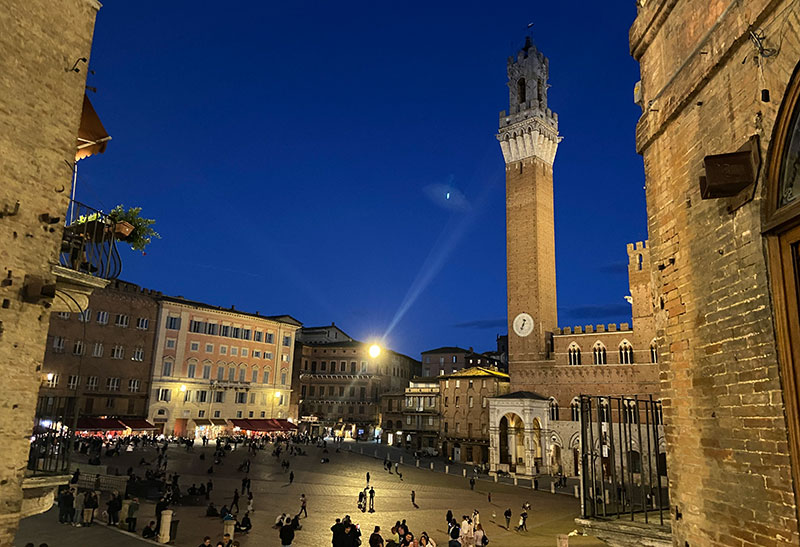
Siena historic center at night, a quieter hidden gem alternative to Florence in Tuscany

Dusk at Piazza del Campo. No filters, no crowds, just one of the best medieval squares in Italy doing its thing.


Home » Wine Tasting

Last updated: January 2026 by Corey Gasman

From the Editor:

Italy is one of those places where “hidden gem” is a tricky phrase. Almost everywhere worth seeing has already been seen. But the experience can still feel undiscovered when you slow down, choose your bases well, and spend time outside the major headline cities.

If this is your first trip to Italy and you only have a week or two, focusing on Rome, Florence, and Venice makes perfect sense. They are world-class for a reason. But if this is your second trip, or you built in extra time, the real magic begins when you leave the big hubs behind.

For me, that shift happened the moment we drove out of Rome and into the Tuscan hills. Small towns. Quiet mornings. Wine tastings that did not feel rushed. That is when Italy started to feel personal.

Start Here: How to Find the Best Version of Italy

The goal is not to rack up more stops. It is to build a trip with better rhythm. In Italy, that usually means fewer bases, slower mornings, and more time in one region instead of trying to stitch together too many iconic places.

If you have 7 to 10 days, choose one region and do it well. If you have closer to two weeks, you can combine two regions without rushing and still keep the trip feeling calm.

Planning note

If you only have 7 to 10 days, choose one region and do it well. If you have closer to two weeks, you can combine two regions without rushing.

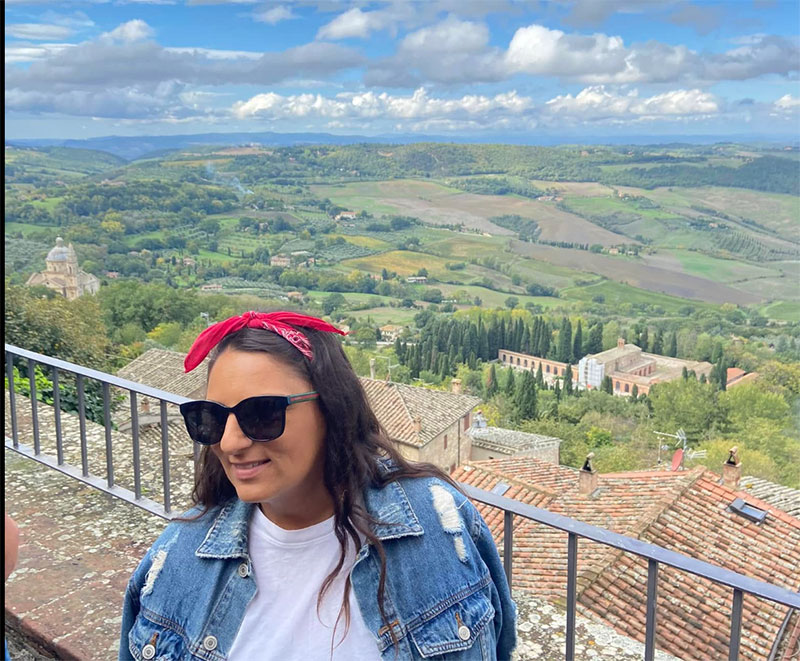
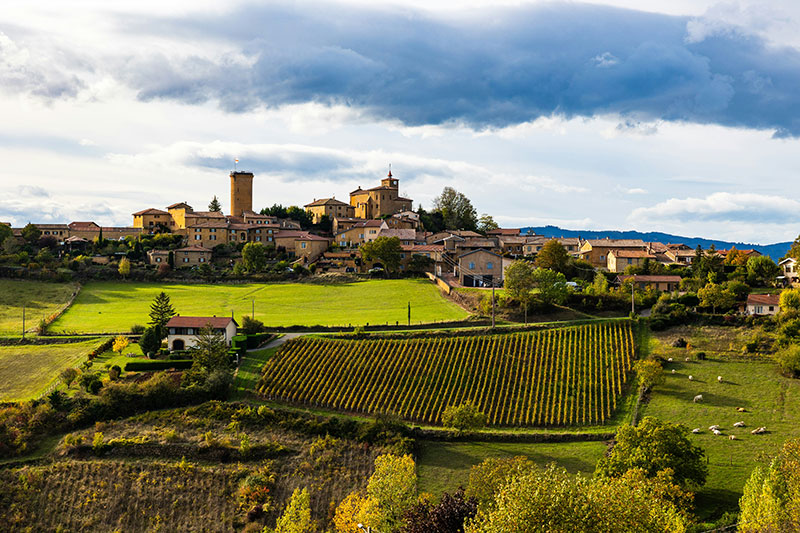
Scenic countryside views near Montecchio, a quiet hidden gem base for exploring Tuscan hill towns.

Our view in Montecchio. It was the perfect peaceful spot to come back to after a day of wine tasting in nearby Montepulciano.


Montecchio & Montepulciano: A Tuscan Wine Base That Actually Works

If you want to understand Tuscany beyond postcards, you need a base that lets you move easily without feeling like you are living out of the car. For us, that was Montecchio, a small wine-town base within easy driving distance of Montepulciano and Siena.

We stayed at AgriHotel Villa Ambra. Quiet, comfortable, and surrounded by vineyard views, it made day trips effortless and gave us a calm place to return to after winery visits.

One standout tasting was at De’Ricci Cantine in Montepulciano. The underground cellars feel historic, not staged, and the structured tastings are informative without feeling rushed.

Guide Tip: Wineries worth driving to near Montepulciano

Avignonesi Winery was one of the highlights. The cypress-lined drive alone sets the tone. They are known for biodynamic farming, exceptional Vino Nobile di Montepulciano, and classic Tuscan views that feel exactly like what people hope Tuscany will be.

We booked the tour and lunch experience, which combines a winery visit with a multi-course, wine-paired lunch. It felt polished without being stiff and easily qualifies as a main-event afternoon.

Icario Winery offered a great contrast. It is modern, beautifully designed, highly rated, and just outside town. If you do De’Ricci for underground historic cellars, Icario balances the trip with a more contemporary tasting experience.

Read Next: Tuscan Wine Explained: The Ultimate Guide to the Region & Super Tuscans

Pro Tip: Book winery lunches and guided tastings well in advance, especially at Avignonesi. These are not ideal last-minute experiences in peak season.

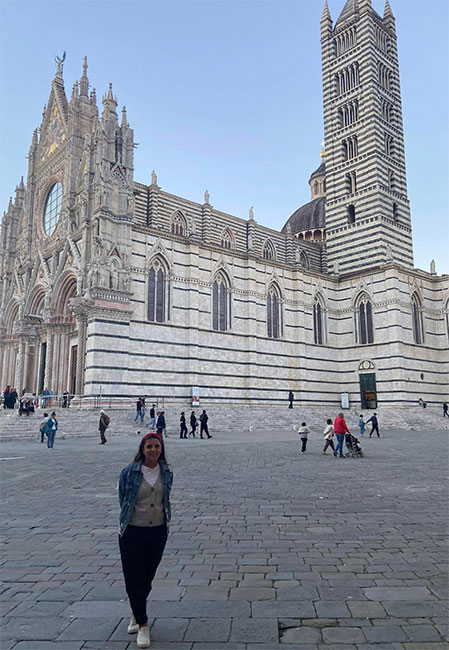
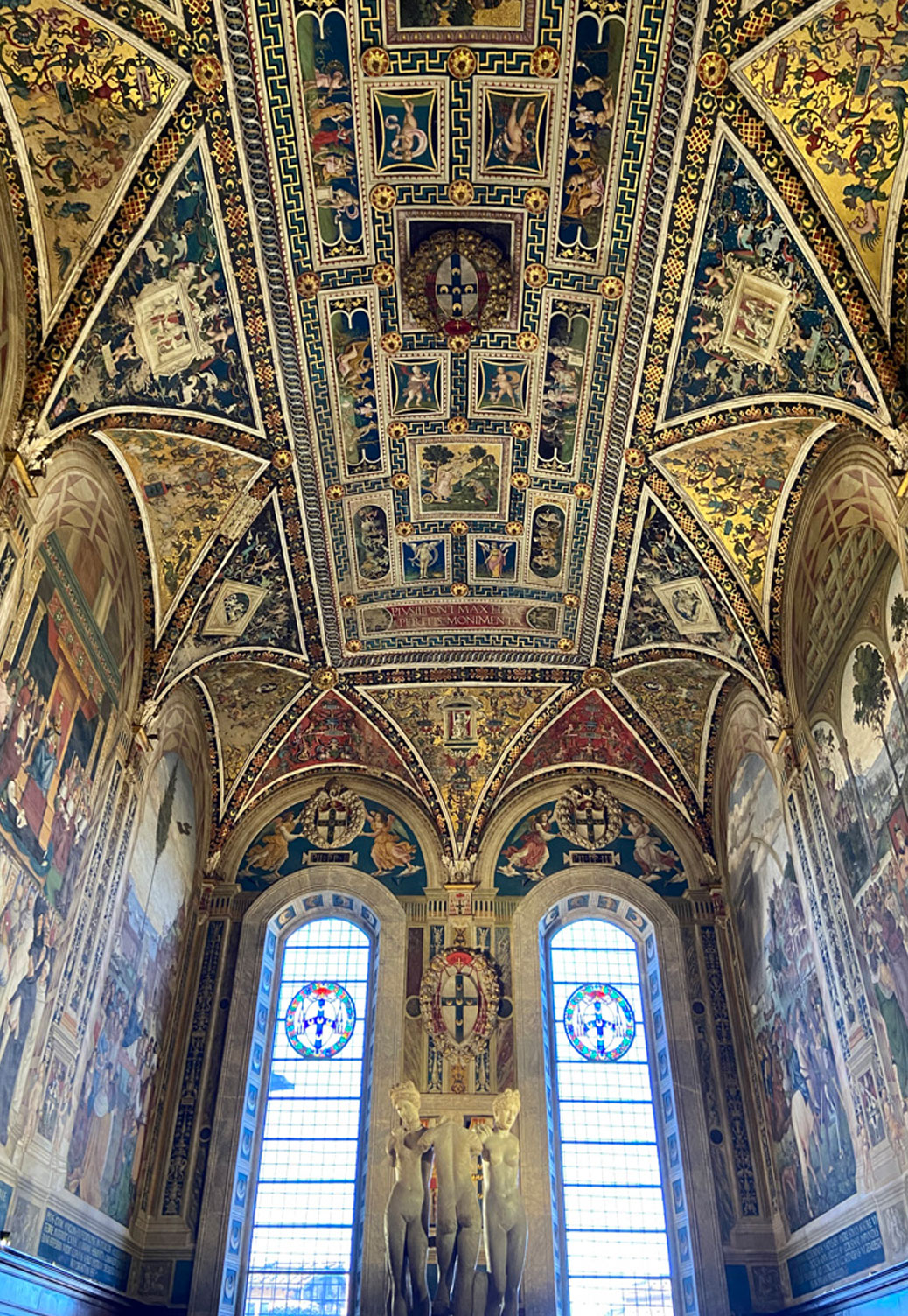
Unpopular opinion: the inside of Siena’s cathedral is more impressive than Florence’s. The black-and-white marble details are overwhelming in the best possible way.


Siena Cathedral & Why Siena Is My Favorite City in Italy

Siena feels calmer and more lived-in than Florence, especially in the mornings. And in my opinion, its cathedral is the most impressive in Italy.

The Siena Cathedral is dramatic without being chaotic. The black-and-white marble, striped columns, and layered interior details make it feel rich without crossing into visual overload.

We stayed at Hotel Athena, just outside the historic center. That location made arrival and departure much easier while keeping the old city fully walkable.

Local Guide Tip: Visit the cathedral mid-morning after the first tour-group wave passes and before the midday crowd builds.
Pro Tip: In Siena, staying near the edge of the historic center usually gives you easier parking, easier luggage handling, and an easier overall trip.
uscan hill town landscape with vineyards, a must-see on a hidden gem Italy road trip

Hill-town hopping works best when you limit the itinerary. Visiting just one or two towns per day leaves time to appreciate vineyard views like this along the drive.


Tuscan Hill Town Hopping (With a Purpose)

One of the best parts of Tuscany is the drive itself. The mistake is trying to turn that drive into a checklist. We focused on fewer towns and better experiences instead of trying to see everything.

Pisa works well as a short stop rather than a multi-day destination. Seen that way, it adds interest without disrupting the flow of the trip.

The bigger win is picking one or two meaningful stops per day, then leaving room for a long lunch, a scenic detour, or an afternoon tasting that ends up becoming the highlight.

Local Guide Tip: Limit yourself to one or two towns per day. Tuscany gets better when the schedule has room to breathe.
Pro Tip: If a winery requires appointments, book first and build the rest of the day around that timing instead of the other way around.
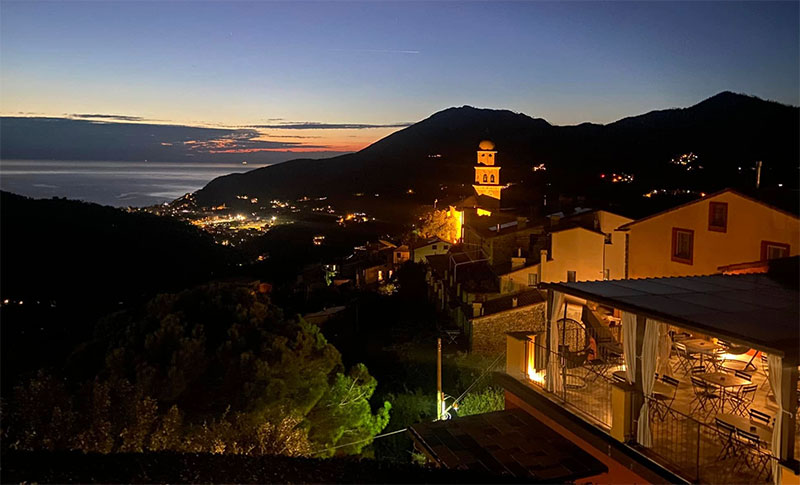
Sunset over Levanto, a quiet hidden gem alternative base for visiting Cinque Terre

View from Hotel Angiolina’s Farm. We traded the chaos of the main villages for this peaceful spot in Levanto, and it ended up being one of the best decisions of the trip.


Cinque Terre Without the Chaos: Stay in Levanto

Cinque Terre is beautiful, but staying inside the famous villages can be overwhelming. We based ourselves in Levanto instead and it completely changed the experience for the better.

We stayed at Hotel Angiolina’s Farm. The views were better, the mornings were quieter, and we still had easy train access into the villages whenever we wanted it.

That meant we could enjoy Cinque Terre early, step away when the crowds peaked, and come back to a place that felt calm instead of saturated with tourism.

Local Guide Tip: Visit Cinque Terre early, then return to Levanto for dinner and a more relaxed evening.
Pro Tip: Staying just outside major destinations often improves the whole trip more than upgrading the hotel inside the tourist core.
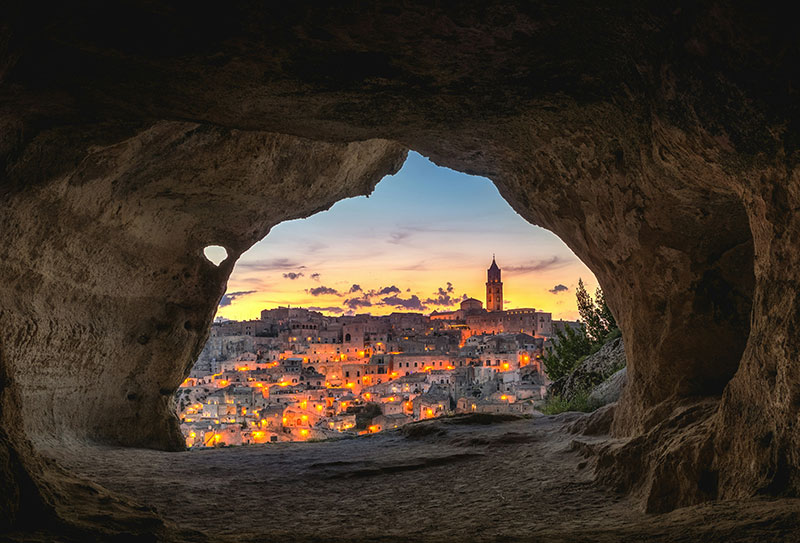
Looking out from a cave hotel in Matera, one of Italy's most unique overnight experiences

The view from a cave in Matera. At night, the ancient city glows rather than sparkles.


Matera & Basilicata: Sleeping in Ancient Cave Dwellings

Matera is one of the most unique overnight experiences in Italy. Staying in a converted cave dwelling is quiet, atmospheric, and unlike anywhere else in the country.

At night, the city glows instead of sparkles. It feels ancient and grounded rather than polished for visitors, which is exactly why it stands out.

If you want a stay that feels genuinely different from the standard Italy circuit, Matera earns its place.

Local Guide Tip: Stay inside the historic Sassi district so you can experience the city early and late, when Matera feels most powerful.
Pro Tip: Pack lighter than you think. Matera is beautiful, but it is not luggage-friendly.
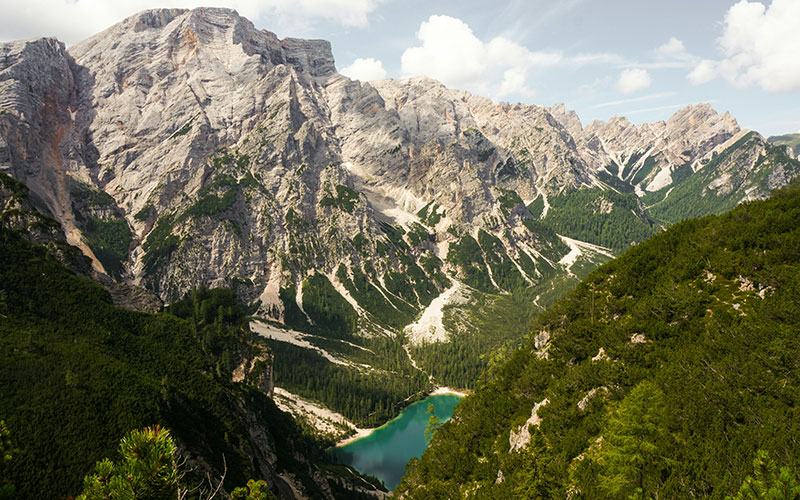
ago di Braies lake in South Tyrol, a must-visit nature spot in the Italian Dolomites

The dramatic peaks of the Dolomites reflected in Lago di Braies. This alpine region offers some of the most striking scenery in Italy.


The Dolomites: Alpine Hiking & Lakes (Beyond Cortina)

The Dolomites feel completely different from the rest of Italy. They are sharper, quieter, and more nature-driven.

You do not need to be an advanced hiker to enjoy this region. There are accessible walks, cable cars, scenic drives, and longer hikes if you want a bigger day in the mountains.

The key is not defaulting to the most obvious base. Smaller villages often give you a calmer stay, easier parking, and a more local-feeling version of the region.

Local Guide Tip: Stay in a smaller village instead of Cortina if you want a quieter and often better-value base.
Pro Tip: Start hikes early. Afternoon weather shifts are real in the Dolomites, even on good-looking days.

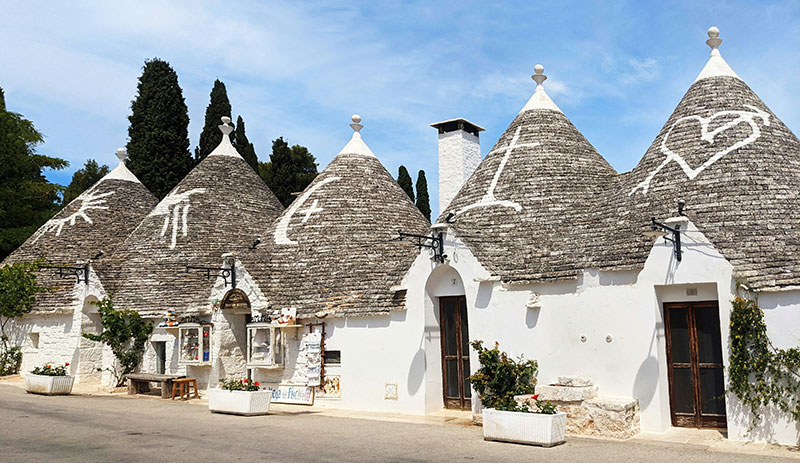
Iconic trulli houses in Puglia. This southern region is defined by distinctive architecture, countryside stays, and a slower pace.


Puglia: Trulli Houses & Masseria Stays

Puglia moves at its own pace. Days revolve around meals, countryside drives, coastal stops, and being outside.

Staying in a masseria is one of the best ways to experience the region. It feels rooted, calm, and much less tourist-driven than a lot of northern Italy.

This is the kind of place where leaving space in the schedule actually improves the trip. A long lunch, a quiet pool afternoon, and a slow dinner can be the entire point.

Local Guide Tip: A rental car is essential in Puglia if you want to connect masserias, small towns, and coastal stops without friction.
Pro Tip: Keep the schedule loose. Puglia is better when the days are allowed to unfold instead of being tightly programmed.
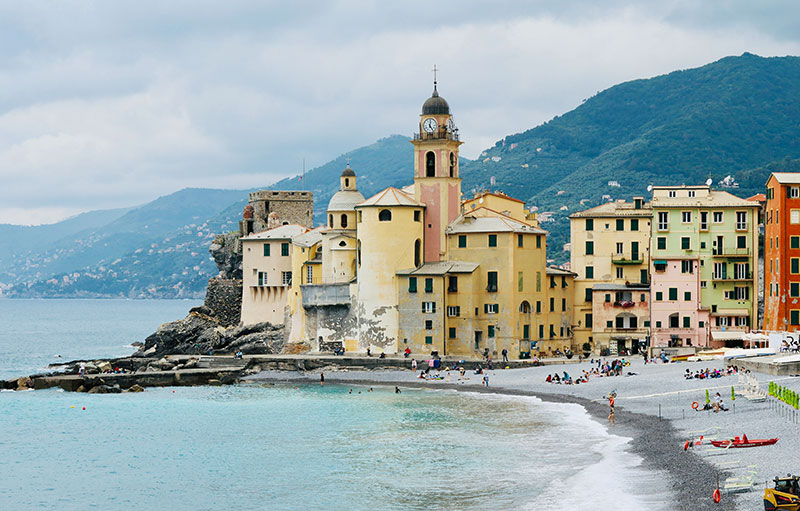
Camogli beachfront, a quieter hidden gem alternative to Cinque Terre on the Italian Riviera.

While nearby Cinque Terre draws the crowds, Camogli remains a calmer Riviera escape with the classic colorful waterfront and beach-town feel.


Italian Riviera Alternatives: Camogli & Portovenere

If Cinque Terre feels too crowded, Camogli and Portovenere offer a calmer coastal experience. Both towns feel lived-in rather than staged and still deliver the classic Riviera atmosphere.

They are the kind of places that shine in the evening, when the waterfront slows down, dinner starts, and the day-trippers are gone.

Local Guide Tip: Use Cinque Terre as a day trip only, then sleep somewhere with a calmer rhythm.
Pro Tip: Evenings are the best time on the Riviera. The light softens, the pace improves, and the towns feel more like themselves.

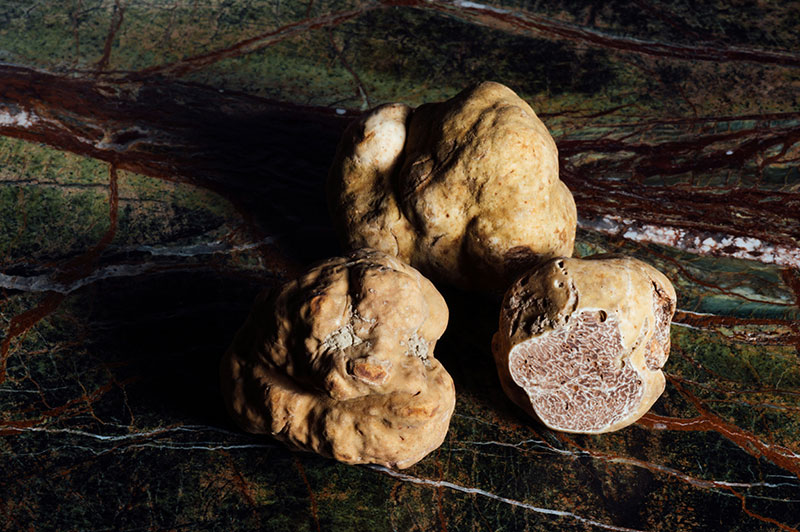
The gold of the Italian forest. Going out with a local hunter and their dogs reveals the work and history behind one of Italy’s most prized ingredients.


Unique Food Experiences: Truffles & Olive Oil

Truffle hunting and olive-oil harvest experiences connect you to Italian food culture in a way restaurants alone cannot. These are slower, more traditional, and often far more personal than headline dining experiences.

They also work because they are rooted in place. You are not just tasting something good. You are seeing where it comes from, how people talk about it, and why it matters locally.

Local Guide Tip: Choose smaller operators and family-run experiences whenever possible. That is usually where the best conversations happen.
Pro Tip: Ask questions. Curiosity goes a long way in Italy, especially in food-focused experiences.
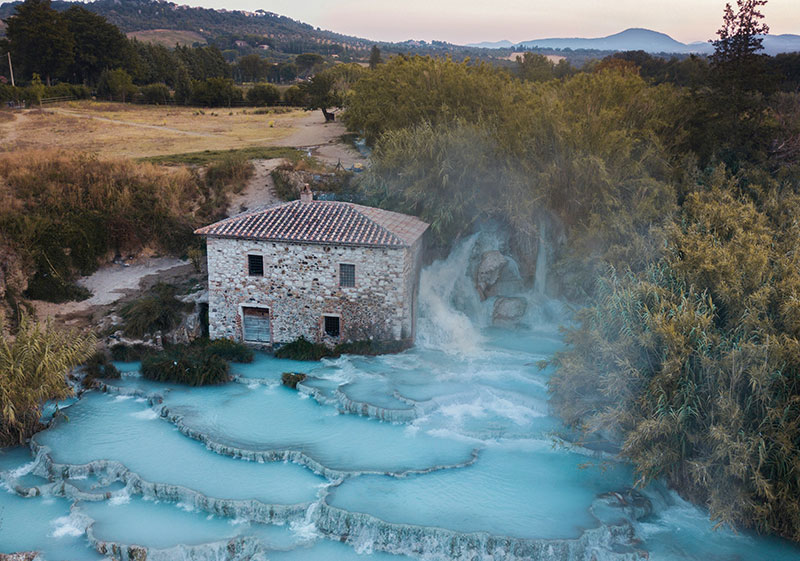
Steaming turquoise waters of the Cascate del Mulino thermal baths in Saturnia, Tuscany, with the iconic stone mill in the background.

The Cascate del Mulino in Saturnia are completely free to visit. For the quietest experience, arrive at sunrise before the day-trippers show up.


Thermal Baths: Saturnia & Ischia

Italy also does rest well. Saturnia feels raw, natural, and elemental. Ischia leans more refined and spa-oriented. Both are worth building time around if you want a slower and more restorative side of the country.

These places work best when you are not trying to squeeze them into an overloaded itinerary. They reward slowness.

Local Guide Tip: Visit early or late in the day if you want the water and setting to feel more peaceful.
Pro Tip: Bring water shoes for comfort and safety, especially at natural thermal sites like Saturnia.
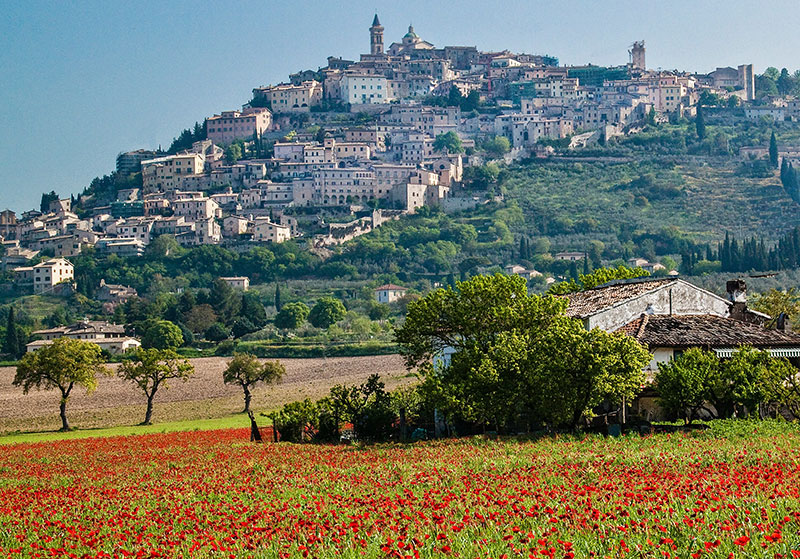
The medieval hilltop town of Trevi in Umbria, Italy, rising above green fields and red poppies.

While most travelers focus on Tuscany, nearby regions like Umbria offer beautiful towns, more personal tastings, and wines that feel far less overexposed.


Lesser-Known Wine Regions: Friuli, Umbria & Etna

Some of Italy’s most interesting wines come from regions that many travelers skip. Friuli, Umbria, and Etna all offer tastings that feel more personal and wines that feel more distinctive than the obvious big-name routes.

These are excellent places to slow down, let the winemaker guide the experience, and discover styles you probably would not have ordered on your own.

Local Guide Tip: Let the winemaker lead the tasting. In lesser-known regions, that is often where the best surprises come from.
Pro Tip: If you find bottles you love, ship them home instead of trying to protect them in your luggage.

Map: Italy, Slowed Down

This map highlights the bases and regions that shaped a slower, more intentional way to experience Italy.

Zoom out to see how the regions relate. Zoom in to understand why fewer bases make better trips.

Frequently Asked Questions

Is this better for a first or second trip to Italy?

These experiences work best for a second trip, or for travelers with more than 10 days who want to move at a slower pace.

Yes for Tuscany, Puglia, and the Dolomites. Coastal Liguria works much better by train.

Two bases is ideal for most trips. Three can work if your transitions are efficient and you are not trying to do too many long transfer days.

A Perfect Day at Bodegas Monje: Tenerife’s Most Memorable Wine Experience

From Bodegas Monje, you often get a clear view of Teide rising above the vineyards, especially on crisp days when the clouds stay low. It’s one of those rare winery views where volcanic history is literally part of the backdrop.

A Perfect Day at Bodegas Monje: Tenerife’s Most Memorable Wine Experience

From Bodegas Monje, you often get a clear view of Teide rising above the vineyards, especially on crisp days when the clouds stay low. It’s one of those rare winery views where volcanic history is literally part of the backdrop.

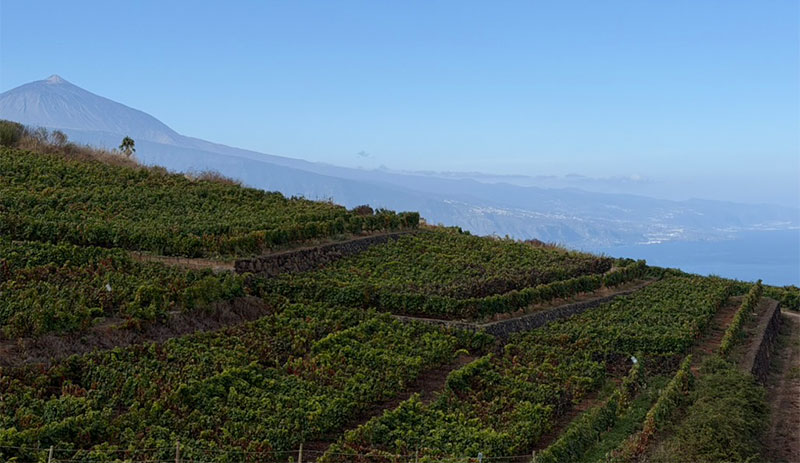
Volcanic vineyards, Atlantic views, and Mount Teide rising in the distance. Bodegas Monje is Tenerife wine done right.


Home » Wine Tasting


Last updated: February 2026 by Corey Gasman

TLGA Travel Truth
Tenerife is more than resorts and beaches. Head inland and you find volcanic vineyards, family-run wineries, and some of the island’s most memorable views.

On clear days at Bodegas Monje, you get a direct view of Mount Teide rising above the vineyards. When the clouds sit low, the volcano becomes part of the backdrop. It is one of those rare winery settings where the landscape is not subtle. It is towering behind your glass.

Set on the hills above the coast, this family-run winery blends history, craftsmanship, and Atlantic views in a way that feels authentic and refreshingly unpolished. It was one of the most rewarding experiences of our time in Tenerife and an easy escape from the resort-heavy atmosphere of the south.

The wine tour: volcanic tradition without the lecture

The guided tour strikes the right balance between education and enjoyment. You learn about Tenerife’s volcanic soil, the Monje family’s history, and the growing conditions that shape their wines without feeling overloaded with detail.

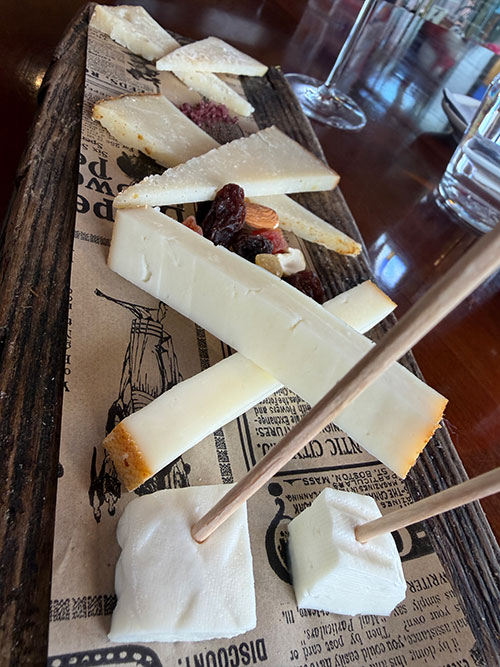
The tasting includes four local wines paired with four aged cheeses, each combination designed to highlight the wine’s character. It works for casual drinkers and still keeps things interesting if you know your wine.

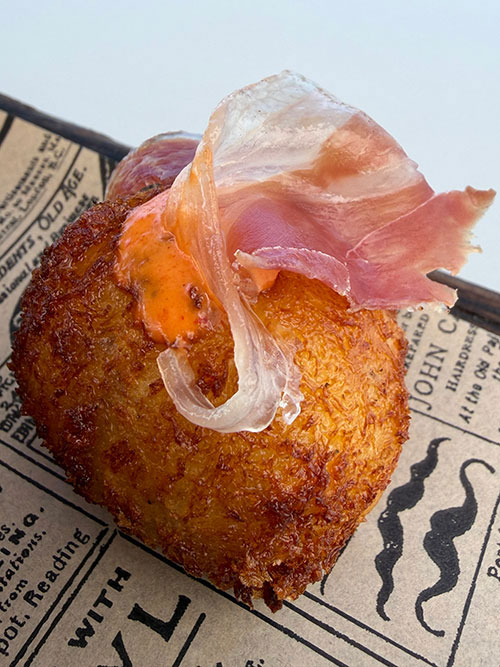
Spanish Croquetas with Jamón Ibérico.

Historic wine cellar at Bodegas Monje in Tenerife.

Stay for lunch on the terrace

After the tasting, we stayed for lunch on the outdoor terrace, which ended up being just as memorable as the wine.

The croquetas de jamón were rich and perfectly crisp. The fire-roasted suckling pig was tender, flavorful, and clearly prepared with care.

Add vineyard views and the Atlantic in the distance, and it becomes the kind of lunch that quietly stretches into the afternoon.

Fire-roasted suckling pig served at Bodegas Monje.


Why Bodegas Monje works so well

Between the setting, the food, and the hospitality, Bodegas Monje delivers what many travelers are looking for in Tenerife but often miss. A slower pace. A real sense of place. An experience that feels genuinely local.

Pro Tip: Pair your winery visit with a Mount Teide drive. Wine tasting in the morning, volcanic landscapes in the afternoon, and coastal views on the way back is one of Tenerife’s strongest day combinations.

Planning a trip to Tenerife? Pair Bodegas Monje with a Mount Teide drive for one of the most well-rounded days on the island.

Bodegas Monje Review: Is This Tenerife’s Best Winery Experience?

From Bodegas Monje, you often get a clear view of Teide rising above the vineyards, especially on crisp days when the clouds stay low. It’s one of those rare winery views where volcanic history is literally part of the backdrop.
Home » Wine Tasting

Quick Take

My Rating: 5/5
Price: $$ (Approx €40-60 pp)
Date visited: October 18, 2025
Location: El Sauzal, Tenerife, Spain
Best for: Wine lovers, scenic tastings, relaxed lunches
Time needed: 2 to 3 hours
Vibe: Educational, relaxed, scenic

What Bodegas Monje Is

Bodegas Monje is a winery experience in El Sauzal on Tenerife that combines a guided tour, a thoughtful tasting, and an optional patio lunch with sweeping vineyard and ocean views. It is the kind of place that feels both polished and welcoming, with just enough history and craft to make the visit feel meaningful, not touristy.

My Experience

The tour and tasting: We had a perfect day here and enjoyed every part of the experience. The wine tasting and tour offered a fascinating look into their winemaking process and historic cellar, striking the right balance between education, history, and craftsmanship. It never felt rushed and it never felt like a sales pitch.

The tasting format: We sampled four different wines, each paired with four cheeses aged to different stages. That pairing detail mattered, because it gave the tasting a purpose. It was not just “try four wines,” it was more like a guided lesson in how flavor changes with age and pairing.

The setting: The views are the kind that make you slow down on purpose. Panoramic vineyards, open sky, and the Atlantic in the distance. It is easy to linger here, especially if you time it right and sit outside.

Lunch on the patio: After the tour, we stayed for lunch and it was just as enjoyable as the tasting. The croquetas de jamón made with Ibérico ham and cheese were excellent. The fire-roasted suckling pig was perfectly prepared and full of flavor. Both dishes paired beautifully with the wines we had just sampled, which made the whole experience feel cohesive rather than separate “activities.”

Logistics & Need to Know

  • Getting There: Located in El Sauzal, about 20 minutes from Puerto de la Cruz. The final road up to the winery is steep and narrow (typical for Tenerife), so drive carefully.
  • Parking: There is a dedicated free parking lot on-site, but it fills up by midday.
  • Booking: Reservations are essential for the tour and highly recommended for the restaurant. We booked about 2 weeks in advance via their website.
  • Accessibility: The main areas are accessible, but some parts of the historic cellar have steps.

What I’d Order Again

  • Croquetas de jamón: Rich, salty, and exactly what you want with a glass of wine.
  • Fire-roasted suckling pig: The main event. Worth building your visit around if it is on the menu.
  • Cheese-paired tasting: The pairing format is the highlight because it makes the tasting memorable.

Is It Worth It?

Yes. Bodegas Monje delivered the ideal combination of great food, well-crafted wine, and warm hospitality. If you are traveling to Tenerife and want something that feels local, scenic, and genuinely well-run, this is a must-do.

It is also a great escape from the tourist-heavy and overbuilt areas in the south. If you only do one winery-style experience on the island, this is an easy pick.

Local Guide Tip

  • Go if: You want a wine experience that includes education, scenery, and a real meal, not just a quick tasting.
  • Skip if: You are trying to do Tenerife in hyper-speed mode and do not have a few hours to relax.
  • Best time of day: Late morning into lunch is the sweet spot if you want the full tour and a long patio meal.