
2004 Time Capsule: Backpacking Scandinavia & UK | TLGA

**File Name:** copenhagen-canals-kayak-2004.jpg
**ALT Tag:** A view of the colorful buildings and canals in Copenhagen, Denmark from the water.
**Caption:**

Taking a free kayaking tour around the canals of Copenhagen at sunset.


Copenhagen, Denmark & Stockholm, Sweden

Rob and I got a flight from Berlin to Copenhagen for around 70 Euro on Easy Jet. We arrived at night to our hostel called the Dan Hostel which was about 5 km outside of town. Getting off the tram was a little surreal because the hostel is in the middle of nowhere and we didn’t see a soul. The hostel turned out to be like a camp for family and kids. Way different than any hostel we’ve stayed in so far. It seems like in Scandinavia a lot of families take advantage of hostels because things are so expensive.

For the most part our two days in Copenhagen was all about walking around the city and looking at the sights. Friday July 2nd we were lucky with our timing because there was a city wide jazz festival going on. We spent the day going around to the different stages listening to live music. Also, there was a lot of street performers as in most big european cities. Break dancing seems to still be quite a popular thing to do for money.

The best thing that happened in CPN was we met Pia while we were watching a Jamaican street band. She was from CPN and she invited us to go on a free Kayaking tour around the canals. Kayaking was a perfect way to see the city. Pia even gave us some history and told us about the different buildings we saw. Better yet, we paddled up to a little bar restaurant on the canal and she hooked us up with some free beers. After getting our fill we finished out a quick loop of the city as the sun was setting. Nice way to spend any evening.

Saturday the 3rd we took the early bus to Stockholm. The bus left at 7 a.m. and arrived in Stockholm at 3:30 p.m. We stayed in a boat hostel that was permanently anchored in the harbor. Saturday night we went out with two Swedish girls and two guys from Boston. They took us to a club that had a killer outside area with stadium seating that looked down onto the main outdoor bar. The floor was full of dancing people and yes, Stockholm has a lot of tall blond, blue-eyed girls. A trendy outfit was white transparent pants with white g-strings. One thing that was different in the bar was that people have no problem with pushing and basically shoving their way around the bar. This would cause all kinds of problems in America. It took a little getting used to.

Stockholm was a very picturesque city with a bundle of islands with old houses and boats that dock themselves all over the city. The old town called Gamla Stan is full of 17th and 18th century renaissance buildings. The alleys are tiny and the buildings are very tall, letting in very little light. A lot of the houses were built by wealthy sea merchants. We spent a total of three nights in Stockholm and I would definitely recommend a visit if you get a chance. Bring your wallet because food and drinks are sky high. A cocktail at a bar could cost you $12 dollars and a burger and fries could cost $20 dollars. Rob and I split on the 5th of July to spend some time traveling alone.

Pro Tip: Scandinavia is notoriously expensive for backpackers. To offset costs, many locals and traveling families use the extensive hostel networks, which are often much cleaner and more resort-like than typical European backpacker hostels.

**File Name:** lofoten-islands-stamsund-2004.jpg
**ALT Tag:** A small wooden fishing boat docked at the rugged Lofoten Islands in Norway.
**Caption:**

Jigging for cod right off the hostel docks in the quiet fishing village of Stamsund.


Corey’s Travels: Northern Sweden & Norway

I took an overnight train to a small town just north of the Arctic Circle called Jokkmokk. Jokkmokk was once the winter time Sami headquarters. They are much like the Alaskan Eskimos. They are nomadic people that follow their reindeer herds around as they migrate to greener pastures. Today in the summer I find Jokkmokk to be very deserted. I checked into a big hotel resort on a lake and there were only like 4 people staying at the hotel. I was in a dorm room with 8 beds and the only one in the room. I had read that there weren’t many people in northern Sweden and they were right. The resort felt a little like the Shining. That night I went to a local restaurant and I was the only one eating there.

The next day I took a bus and then a train to a port town in Norway called Narvik. The train ride was the most scenic train ride I’ve ever been on. I was treated with views of glacier blue lakes, Fjords, waterfalls and snow capped peaks. After arriving in Narvik I was right back on a bus to the Lofoten Islands. I spent a good 15 hours of traveling that day until I finally settled into a small fishing village called Kabelvag. I spent the night in a little pub on the harbor listening to some folk music.

I stayed at a guest house for one night and took a bus to another smaller fishing village called Stamsund. There I stayed in a hostel that was on a fishing dock on the harbor. I was told it was the best hostel in Norway. The hostel had a very cozy feeling, a lot like being at your own cabin. Hiking, fishing and chilling was about the only thing to do. It was the perfect change of pace I was looking for after stomping around Europe for three months.

The hostel lets you take out row boats for free to try and catch your dinner. You would use a hand line with a silver spoon, fake worm and hook. All you did was jig the line from the bottom and you could catch fish including some small cod fish. The hostel had a wood burning stove to cook your fresh catch. They also had an old stone knife sharpening wheel for keeping the filet knives sharp. For entertainment they had two guitars and a mandolin hanging on the wall for anybody to use.

The craziest part of being this north was the sun wasn’t setting so it was totally light out 24/7. You could go on midnight hikes. I wanted to tee it up because I always thought it would be cool to play golf at midnight, but I couldn’t make myself ruin a completely relaxing experience. Good thing I bought that Eagle Creek eye patch. I put it to good use.

**File Name:** geiranger-fjord-norway-2004.jpg
**ALT Tag:** A massive waterfall cascading down the steep green cliffs of Geiranger Fjord.
**Caption:**

Hiking behind the powerful waterfalls in the breathtaking Geiranger Fjord.


Rob’s Travels: Scandinavia

Took a bus from Stockholm north. Ended up stopping in a small town on a lake called Mora. It is very much like Mora, Minnesota, wooded with lakes all around. Got a hostel room right near the train station. It was an odd place, very sterile like a student dormitory. I had my own 8 bed dorm room, which was strange but nice for relaxing.

Made it to nature finally. Have been looking forward to that for a while. Peaceful little place, if a little boring. Spent a couple days just walking the trails around the woods and lakes. Very nice trail system with not a lot of traffic. Don’t know if I saw more than a dozen other hikers in 2 days. Headed off to Ostersund, Sweden a bit further north. Sweden is so like Northern MN, just looking around at the locals and the homes makes me feel very much at home. Very relaxing and peaceful.

Caught the morning bus to Geiranger. Very scenic bus ride down the troll road and on a ferry and into Geiranger. Geiranger is a Fjord haven with mountains jutting up from the water on all sides. Checked into a nice log home that she calls a hostel and set out to hike all of the trails. Managed to spend about 8 hours on the trails, each better than the last. The best was a trail that went to the waterfall and passed right behind it. The power of the water is amazing. You can totally feel the power as it is carving it’s way through the rocks around you.

Off to Bergen which was again a great drive through the fjords. Stopped for lunch about 2 hours outside of Bergen and had my first and probably last swim in the crystal clear, ice cold fjord water. Found a place to stay in Bergen called Marken Gjesthaus. Very nice place in a great location. Had one of the best hot dogs of all time at a stand just off the market and did a walk about the city. Played some cribbage and sipped a bit of Jameson in preparation for my Irish adventure with my sister. Raining quite heavy for my full day in Bergen, so limited hiking in the hills around the town.

**File Name:** cliffs-of-moher-ireland-2004.jpg
**ALT Tag:** The dramatic drop of the Cliffs of Moher against the ocean in Ireland.
**Caption:**

Running along the top of the massive Cliffs of Moher on the west coast of Ireland.


Rob’s Travels (With Kate): England, Ireland & Scotland

Made a flight from Oslo Torp Airport, which is actually about 120 KM south of Oslo, to London Stansted. Arrived at the airport around 11pm and found a bus to the city. My sister Kate had arranged for our accommodation the following night but the first night I was on my own and not totally organized. By the time I reached the city it was after 1am and the ‘tube’ had stopped running for the night. I decided to make the trek across town to the hostel that Kate and I were booked in for the following night. An hour and a half later I arrived at the Smart Hyde Park Inn, shortly after 2:30am to find that it was fully booked for the night.

Kate arrived around 11am and we got settled in and set out for some food and to see the city. There was a cool market fairly close to the hostel so we toured through the Notting Hill area on foot for miles. Next morning was an early bus ride to Stansted for a flight to Dublin. Ireland. 2 words, ‘FIT BIRDS’. That is thrown in there for the many Irish folks we’ve been hanging with in Africa. We checked in to Barnacles Temple Bar Hostel, which as the name implies, is in the heart of Temple Bar. Very cool area with great pubs and restaurants which seems to be what Dublin is all about. Set off immediately for the Guinness Brewery, as any good tourist should do. Had maybe the best pint of beer ever at the top of the Brewery with a great view of the city.

Took the bus to Galway and set about there for the day. Many interesting street performers highlighted this great city. The bars and hostels all through town were jam packed. Rented a car in the morning and began our exploration of the beautiful west coast of Ireland. Had mentally prepared for driving on the wrong side of the street, but hadn’t given any thought to the driving stick with the left hand. Luckily I like to think of myself as ambidextrous so after a couple of downshifts using the door handle we were on our way.

Flew from Dublin to Glasgow Prestwick Airport and rented another car for way too much money. Decided our goals were Loch Ness Monster hunting, Edinburgh and shopping for Kate and golfing St. Andrews for me. Drove north through the scenic Loch Lomond and past Glen Nevis. Stopped here for a bit of a look at the site of Braveheart and then headed on in search of Nessie. Found a hostel on the banks of the Loch Ness with great view but terrible flies. We donned our headlamps and cameras and began our search in earnest. Found and photo’d an egg on the banks of the lake. Next morning early for golf at St. Andrews and Kate a day of shopping in Edinburgh.

Drove back to Edinburgh via the scenic coastal route seeing many of the famous courses. Great coastline in Scotland. Kate and I headed out for the last night and went back to Grassmarket for dinner. Early bed and early rise for my plane to Amsterdam and Kate to home and Charlie. Think she was beginning to miss him terribly. It was great having her with me.


← Back to the Hub: Around the World Time Capsule | → Read the Next Entry: Entry 8: Kilimanjaro
Ireland Travel Guide

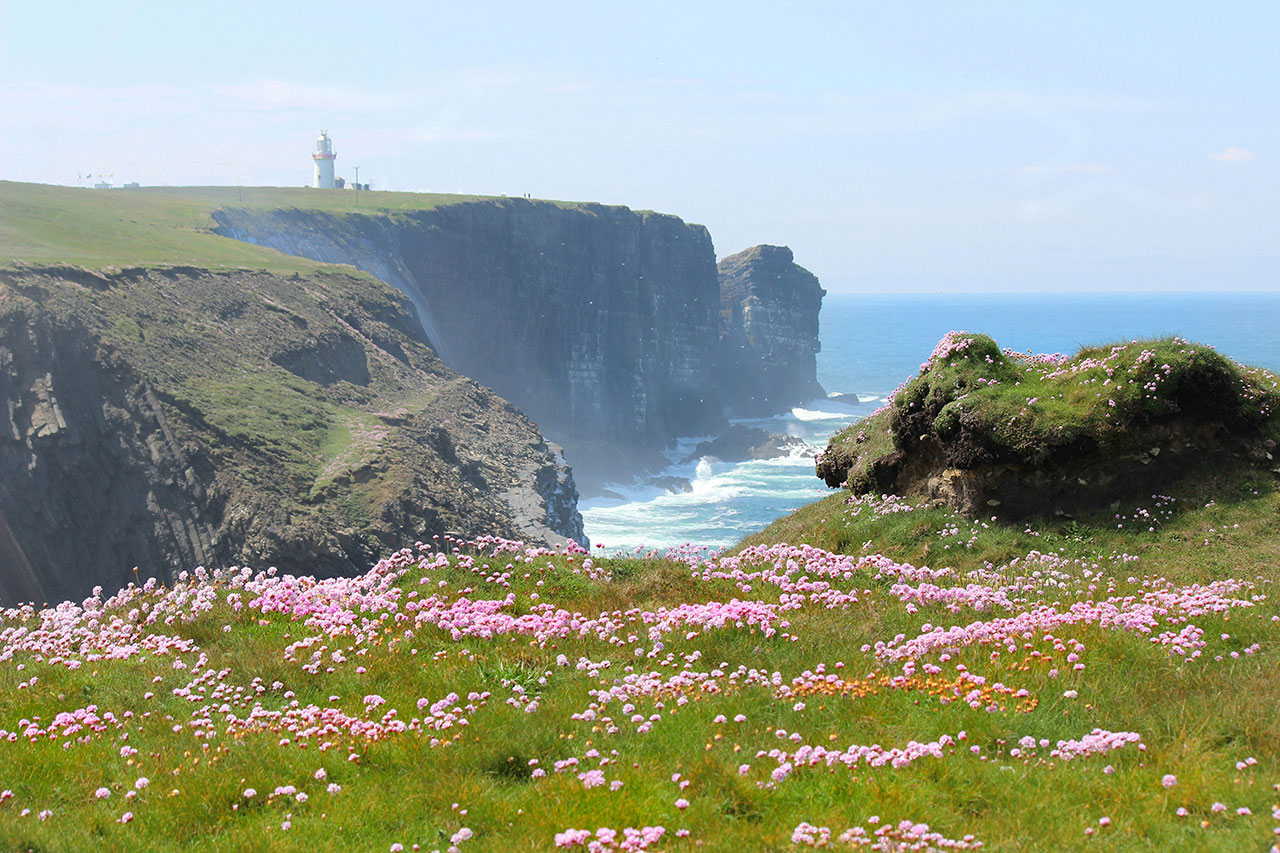
The iconic Cliffs of Moher in their spring colors. Visiting during the shoulder season offers a perfect balance of blooming coastal flora and the dramatic, moody landscapes that make the West of Ireland so legendary.


Home » Ireland

Last updated: January 2026 by Corey Gasman

From the Editor:

Ireland is the country I recommend when someone wants a trip that feels human. It is pub warmth, live music, coastal air, small towns with big personalities, and a history that still shapes the present.

The trick is simple: do not treat Ireland like a checklist. Choose fewer bases, plan for weather swings, and build your days around short drives, long meals, and evenings that end with a pint and a story.

Start Here: Planning for 2026

Ireland is easy to travel, but it rewards travelers who plan around pace instead of pure mileage. The best trip is usually a Dublin start, one west coast base, and one scenic countryside base, not six hotels in ten days.

For 2026, the biggest planning wins are still timeless: book popular stays early, build buffer into driving days, and keep your itinerary flexible enough to follow the weather.

A quick Ireland lesson from the road:

Ireland days can change fast. One minute you are driving through mist and hedgerows, and the next you are staring at a coastline that looks like it belongs on a movie poster. When that happens, it is worth slowing down and letting the day breathe.

The takeaway: Build at least one open block every few days so you can detour to a castle, a viewpoint, or a pub with live music.

Two smart 8–10 day frameworks

Framework Bases Best for Notes
Classic first-timer loop Dublin → Galway → Killarney (or Dingle) Balance: city + west coast + scenery Keep drives short. Add 1 open “weather flex” half-day.
Food + pubs + scenery Dublin → Galway Walkable nights + day trips Swap one day trip for a guided tour if you want zero driving stress.
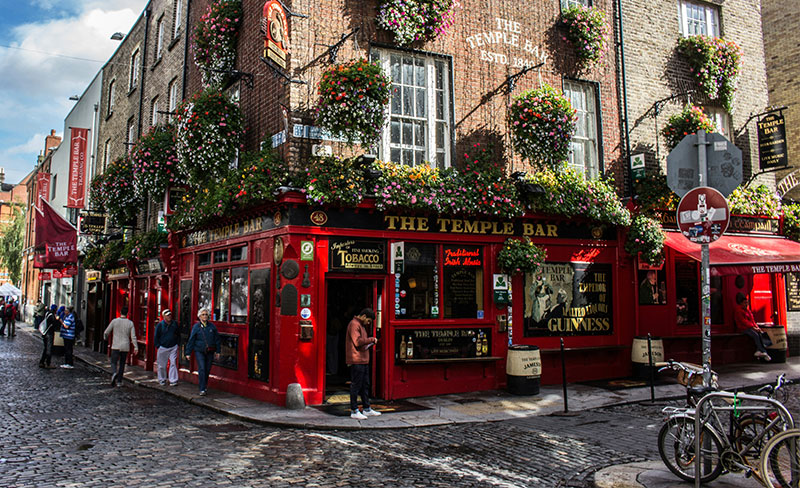
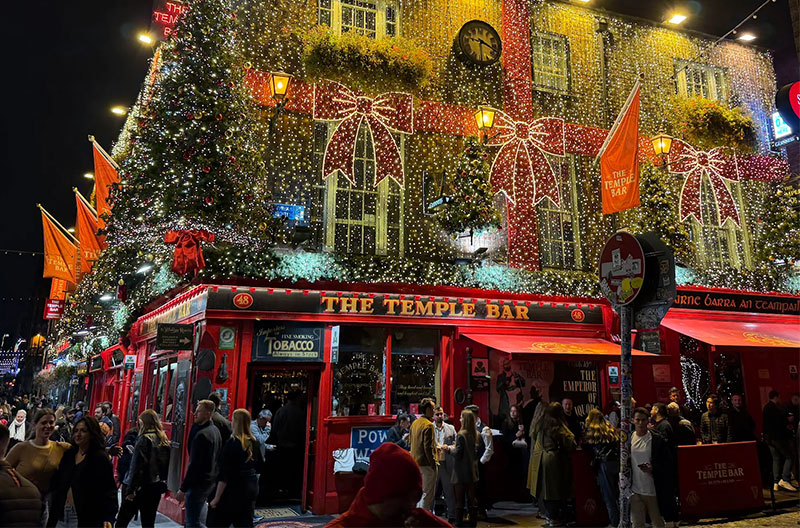
The iconic bright red exterior of The Temple Bar pub in Dublin, adorned with lush hanging flower baskets, gold lettering, and traditional black lanterns under a clear sky.

The Temple Bar, Dublin’s most photographed pub. While it’s the epicenter of the city’s tourist trail, its vibrant red facade and live music sessions remain a quintessential part of the neighborhood energy.


The Reality Check: 2026 Specifics

Ireland has not gotten harder. It has gotten more popular, especially in Dublin, along the Ring of Kerry, and on the Cliffs of Moher route. The good news is that the fixes are simple: book key stays early, start your sightseeing earlier than you think, and keep your driving days light.

Local Guide Tip: Ireland weather is a scheduling tool. When the sky clears, go outside immediately. Save museums, distilleries, and long pub lunches for the rainy blocks.

Driving reality (and why it matters)

  • Roads: motorways between major cities are easy; rural roads can be narrow and slow.
  • Time: Google Maps estimates can feel optimistic once you hit hedgerows and tractors.
  • Strategy: keep scenic driving days short so you can actually stop and enjoy the views.
Pro Tip: Do not plan a huge driving day and then try to stack a timed attraction on top of it. Pick one anchor priority per day.

Dublin costs and booking pressure

Dublin can be a spike city. Hotels, popular pubs, and big-ticket attractions can book up, especially for weekends and summer. Lock in your stay first, then build the days around it.

Overtourism is real (and solvable)

Busy places are not a reason to skip Ireland. They are a reason to change timing and base strategy. Start earlier, stay longer in fewer places, and choose neighborhoods with a real daily rhythm.

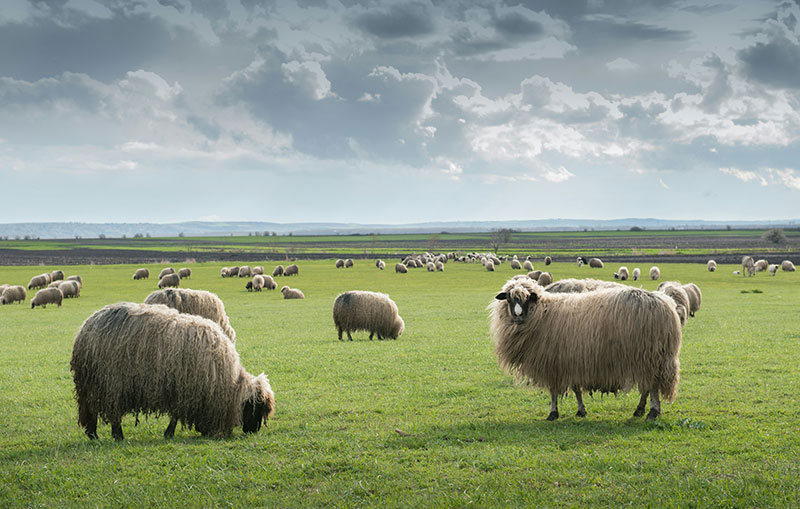
A peaceful scene in the Irish countryside featuring three fluffy sheep grazing in a vibrant green pasture under a soft, overcast sky with rolling hills in the background.

Ireland is season-sensitive in a different way. It is less about heat and more about daylight, storm patterns, and crowd density.


Best time to visit Ireland

Your Ireland experience depends on daylight, weather patterns, and crowd levels. The same coastline can feel calm and cinematic in October, or packed and rushed in peak summer.

Shoulder season (best overall)

April, May, September, October are the sweet spot for most travelers. You get solid daylight, fewer crowds, and a more relaxed pace in popular areas.

Peak season (long days, high demand)

June, July, August bring the longest days and the biggest crowds. It is awesome for road trips and late sunsets, but you need to book lodging earlier and plan popular stops strategically.

Low season (value and pub-forward travel)

November to March can be excellent for city travel (Dublin, Galway), museums, and cozy pub culture, but storms and short daylight make it less ideal for a heavy scenic driving itinerary.

Pro Tip: For the west coast, prioritize months with decent daylight and fewer tour buses. September and October are a strong sweet spot.
Local Guide Tip: Plan your most scenic drives and viewpoints for the middle of the day. Use mornings and evenings for towns, food, and pubs.
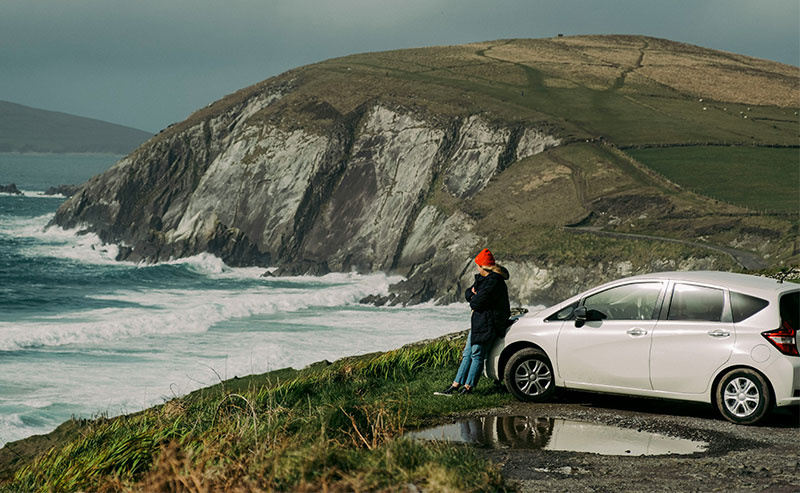
A view from the driver’s seat of a car traveling along a winding, narrow coastal road toward Dingle in County Kerry, Ireland, with lush green hills on one side and the deep blue Atlantic Ocean on the other.

The scenic drive into Dingle, one of the most beautiful stretches of the Wild Atlantic Way, where the road hugs the rugged coastline of County Kerry.


Best fit by travel style

Decide what your best days look like, then pick bases that support those days. Ireland has multiple lanes, and the best lane depends on how you like to travel.

Travel style Best bases Car? Best months
First trip, low stress Dublin + Galway + Killarney (or Dingle) Yes (after Dublin) Apr–May, Sep–Oct
Food + pubs + walkable nights Dublin + Galway Optional Year-round (best: Apr–May, Sep–Oct)
Scenery + classic landscapes Galway + Killarney (or Dingle) Yes May, Sep–Oct

First trip, classic Ireland with low stress

If this is your first Ireland trip, keep it clean. Start with Dublin, add one west coast base, then finish with one countryside base (or reverse it).

  • Best bases: Dublin + Galway + Killarney (or Dingle).
  • Best add-ons: a day trip to Howth, Wicklow, or a castle stop on a driving day.
Pro Tip: Two to three bases in 8 to 10 days is calm. Four bases is where Ireland becomes packing and parking.

Start with my route

Ireland itinerary in October (bases, pacing, and what actually worked)

Food, pubs, and city energy

If your priority is eating well and pub culture, lean into neighborhoods and reservations in Dublin, then choose a west coast city where you can walk to dinner and live music.

  • Best bases: Dublin, Galway.
  • Best for: pub nights, live music, seafood, easy walking loops.
Local Guide Tip: The best pub nights often start earlier than you think. Grab dinner, then wander into music after.

Scenery, drives, and classic landscapes

If the point is coastline and countryside, build the trip around one west coast base plus one southwest base. Keep driving days short, and give yourself permission to stop constantly.

  • Best bases: Galway + Killarney (or Dingle).
  • Best for: coastal viewpoints, national parks, small towns.
Pro Tip: Do not try to do Cliffs, Ring of Kerry, and a long drive all in the same day. Pick the one that makes the day feel good.
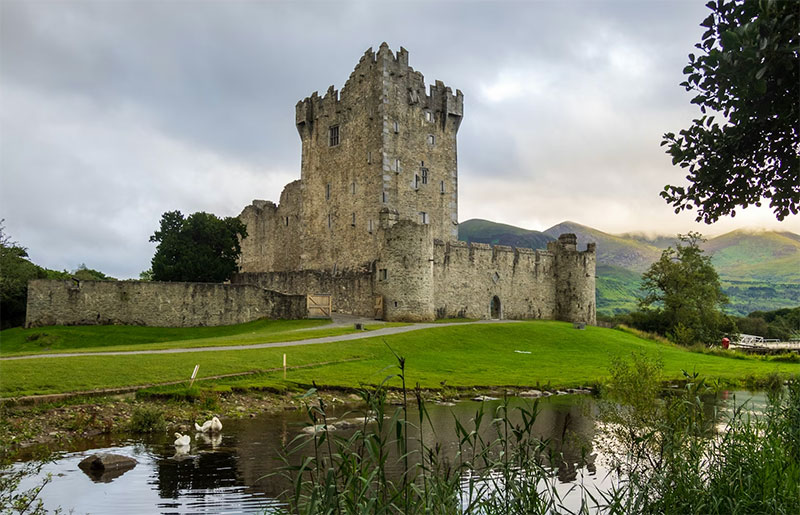
A striking view of Ross Castle in Killarney, featuring the medieval stone tower house standing tall against a backdrop of the serene Lough Leane and the distant, mist-covered mountains of Killarney National Park.

Ross Castle on the shores of Lough Leane, a centerpiece of Killarney National Park and a perfect starting point for exploring the lakes and ancient woodlands of County Kerry.

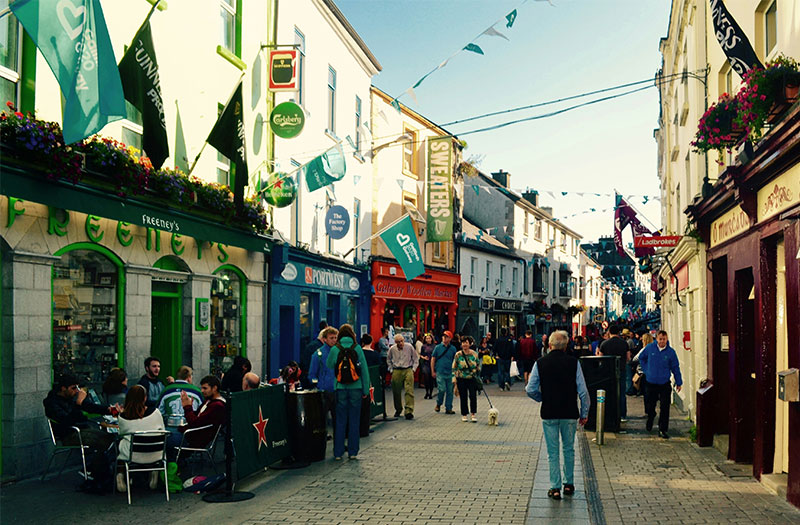
A lively view of Quay Street in Galway’s Latin Quarter, showing the colorful, brightly painted storefronts of traditional pubs and shops under a clear sky, with pedestrians walking along the historic cobblestone street.

The vibrant heart of Galway City, Quay Street. This pedestrian stretch in the Latin Quarter is famous for colorful facades, live buskers, and medieval atmosphere.


Regions & Best Bases

Ireland is not one trip. Use this section to pick bases that reduce friction, keep drives realistic, and let you settle into a daily rhythm.

Dublin (the start)

Dublin is a strong opener: easy arrival, walkable neighborhoods, museums, and pub culture that still feels alive. It is also a great place to do history and context before you hit the road.

  • Best for: neighborhoods, food, history, day trips.
  • Base strategy: 2 to 4 nights depending on your pace.
  • Easy add-ons: Howth, Wicklow, or a coastal half-day.

Galway (west coast city base)

Galway is a perfect walkable base on the west. It is compact, social, and a strong hub for day trips without changing hotels constantly.

  • Best for: live music, coastal day trips, easy nights out.
  • Base strategy: 2 to 4 nights depending on how much you want to day trip.

Southwest (Killarney and beyond)

This lane is the classic scenery core: national park time, lakes, viewpoints, and the kind of landscape that makes you pull over every ten minutes.

  • Best for: nature, scenic drives, countryside stays.
  • Base strategy: pick one base and day trip from it.
  • Reality note: driving is slower than it looks on the map.

Northern Ireland add-on (The Border)

If you have more time, Northern Ireland is a fantastic region. Treat it as its own leg, not a quick detour. While there is no physical border checkpoint, speed limits change from km/h to mph and currency changes from Euros to Pounds instantly.

Pro Tip: When building an itinerary, count hotel changes. Two in 10 days is calm. Three is workable. Four is friction.
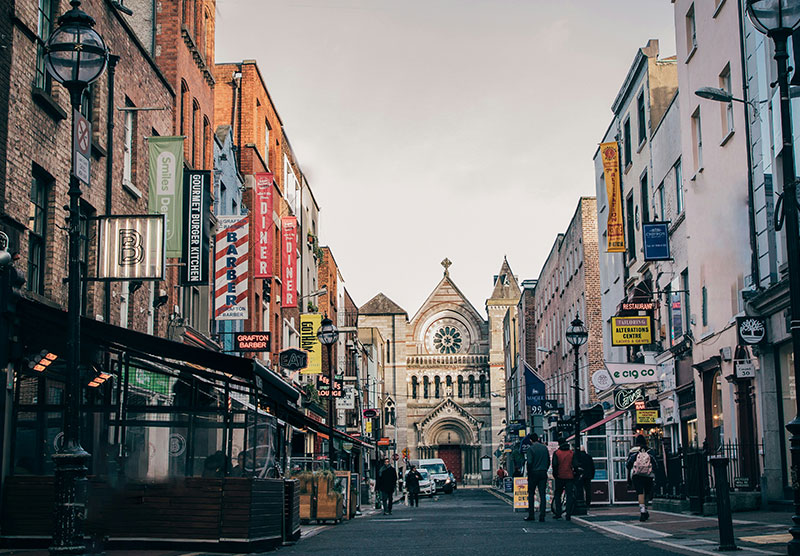
A vibrant street scene on Anne Street in Dublin, showing the pedestrianized lane lined with colorful flower baskets, historic brick buildings, and the prominent blue and white storefront of Sheridan’s Cheesemongers

Strolling down Anne Street toward South Anne Street, one of Dublin’s charming pedestrian lanes, perfect for picking up artisanal snacks or stopping for a coffee between city sights.


Neighborhood Overviews

Pick neighborhoods like you are designing a daily loop: coffee, a park or landmark, easy transit, and dinner or pubs you can walk to without stress.

Dublin neighborhoods

Dublin is very walkable, but neighborhood choice matters for vibe, noise, and price.

Neighborhood Vibe Stay Here If…
Temple Bar (edge) Central, lively You want to be close, but choose a quieter street nearby.
Trinity / City Centre Convenient, walkable You want an easy first trip base for sights.
St. Stephen’s Green area Calmer, upscale You want quieter sleep and a polished feel.
Docklands Modern, newer hotels You prefer modern rooms and a less touristy night scene.
Local Guide Tip: In Dublin, “central” is less important than a walkable loop plus an easy route to transit for day trips.

Galway base strategy

Galway is compact. The best choice is usually “walkable to the core without being under the loudest late-night lanes.”

Area Vibe Stay Here If…
Latin Quarter (edge) Historic, lively You want pubs and dinner within steps, but pick quieter blocks.
City Centre core Convenient You want the easiest walking access to everything.
Salthill Seaside, relaxed You want a calmer feel with a promenade walk.
Pro Tip: If better sleep is the goal, choose one block off the loudest pub streets, not directly on them.
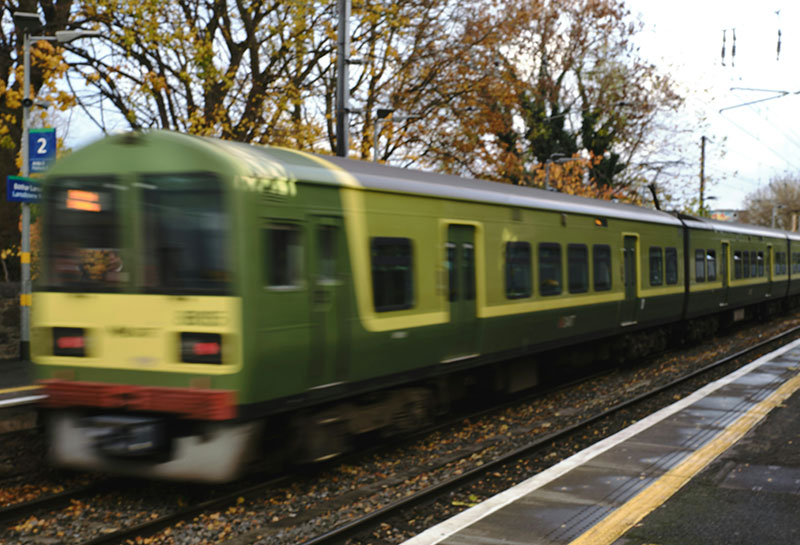
A long exposure shot of a green and white DART train blurred in motion as it pulls away from a station platform in Dublin, with the historic stone station walls and modern yellow platform markings visible

Ireland is a bus-and-train country for city links, and a car country for the countryside and coast.


Transportation & Trains

Ireland is straightforward: use public transit for city-to-city links when it fits your route, and use a car for rural lanes, scenic drives, and flexible stops.

Getting around without a car

  • Best for: Dublin, Galway, and major city links.
  • Reality note: the scenic countryside is harder without a car.
  • Strategy: base in a walkable city, then book one guided day trip when needed.

Renting a car (the freedom tool)

  • Best for: Killarney, Dingle, west coast detours, national park time.
  • Reality note: narrow roads can slow you down; plan fewer miles per day.
  • Parking: easy in smaller towns, more friction in Dublin.
Pro Tip: Pick up your rental car after Dublin. Driving in the city adds friction you do not need.
Local Guide Tip: When you build a driving day, choose one primary scenic lane and let everything else be optional. Ireland gets better when you stop often.
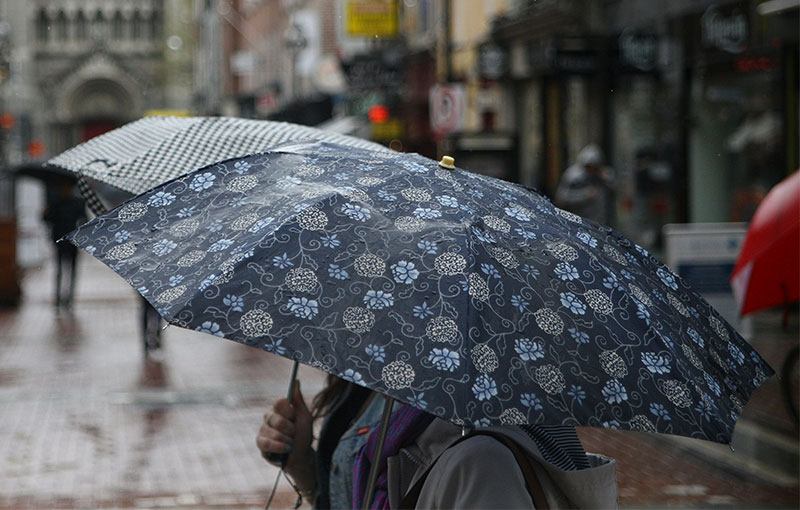
A rainy day scene on a busy Dublin street, featuring pedestrians with colorful rain jackets walking past historic brick buildings and a traditional blue storefront, with the wet pavement reflecting the city lights.

Embracing the rain in Dublin. While the weather can change in an instant, the city remains vibrant, with damp streets adding a classic atmospheric glow to the historic architecture.


Packing & Weather (The Reality)

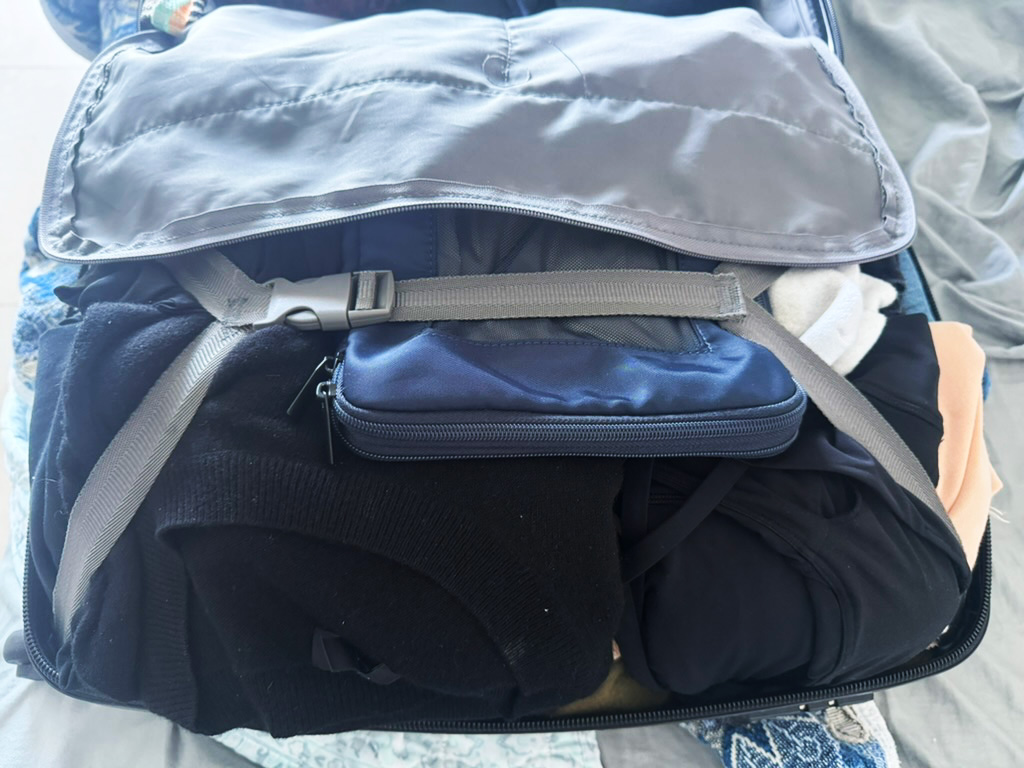
Packing for Ireland is not about temperature; it is about wind and layers. The weather changes every 20 minutes, so your outfit needs to adapt just as fast.

The “No Umbrella” Rule

Do not bring an umbrella. Coastal wind will destroy it fast. Instead, invest in a good waterproof shell with a hood. This is your most important piece of gear.

The Layer Strategy

Base: T-shirt or light layer.
Warmth: Fleece or wool sweater (easy to take off in a warm pub).
Shell: Rain jacket to block wind and mist.
Feet: Waterproof walking shoes or boots are non-negotiable.

Local Guide Tip: Bring more socks than you think you need. Dry feet change your entire mood on a rainy day.
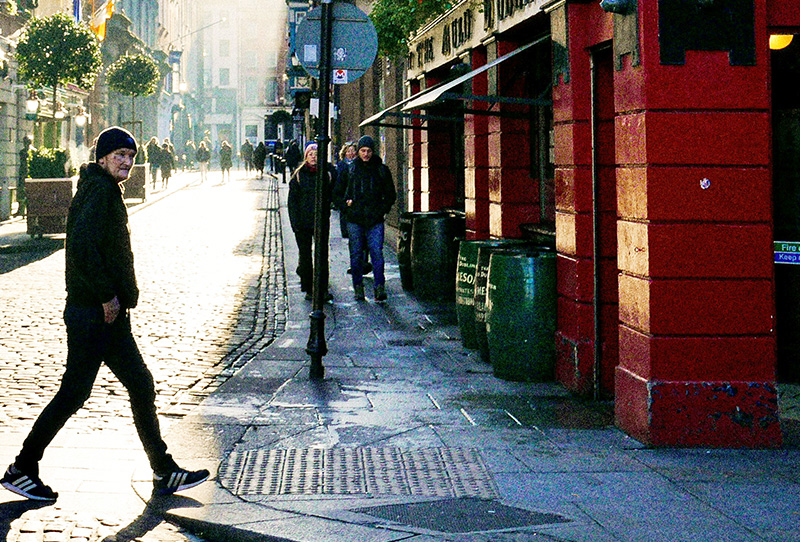
A man in a dark jacket and jeans walks past a row of traditional red-fronted shops and pubs on a narrow, cobblestone street in Dublin’s Temple Bar district.

While Dublin is generally a very safe city for travelers, the high-energy streets of Temple Bar require a bit of common sense. The most frequent risks are petty pickpocketing in crowded areas and the occasional late-night rowdiness outside popular pubs, so keeping your phone secure and staying aware of your surroundings after dark is usually all you need for a smooth visit.


>

Respectful Travel & Safety

Ireland is welcoming, but the best trips are built on good guest energy: respect small towns, keep noise down in residential areas, and remember that locals are living their normal life around your vacation.

How to be a “Good Guest” in Ireland:

  • Drive patiently: rural roads are narrow, and locals still have places to be.
  • Keep towns livable: do not block lanes for photos; use pull-offs.
  • Support local: pubs, cafés, small shops, and family-run stays are the real Ireland.

Safety & scams

The main risks are basic city travel stuff: keep your phone secure in crowded areas, especially in Dublin’s busiest zones.

Local Guide Tip: If someone tries to pull you into a street interaction you did not ask for, keep walking. Friendly, simple, done.
Pro Tip: Your phone is the real target in crowds. Use a crossbody bag or keep it out of easy pockets.
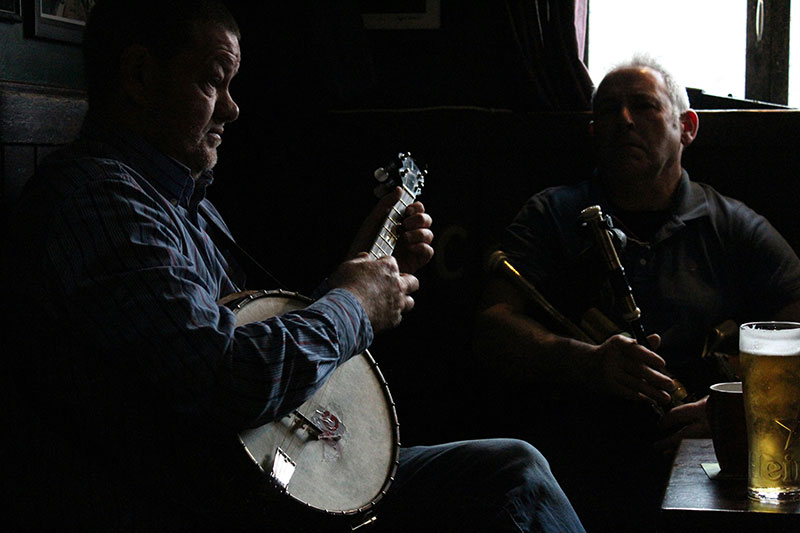
A warm and lively scene inside a traditional Irish pub, showing a group of local musicians gathered in a corner with a fiddle, a tin whistle, and a wooden flute, playing a traditional session for a small crowd of listeners.

The heart of Irish culture: a traditional music session. These informal gatherings are the lifeblood of the local pub scene, where musicians come together to share tunes and stories.


Where to stay

Ireland lodging is usually straightforward. Your comfort comes down to location, noise reality, and how much you want to drive each day.

Where to stay by traveler type

  • First-timers (easy wins): choose a walkable Dublin neighborhood for your first leg, then one strong west coast base.
  • Pub nights and food: stay close enough to walk home, but avoid the loudest late-night lanes.
  • Scenery and calm: pick a countryside stay where you can do short drives and come back to a peaceful base.
  • Long stays (4+ nights): choose a base with groceries nearby and easy parking, then day trip from there.

Hotels vs guesthouses vs countryside stays

  • Hotels: easiest logistics, best for quick city legs.
  • Guesthouses/B&Bs: classic Ireland warmth, often great breakfast value.
  • Countryside properties: best for slowing down, but plan dinner options and driving time.

Ireland lodging reality checks

  • Popular areas book early in summer, and on weekends in Dublin.
  • Old buildings can mean smaller rooms and more noise; read reviews for sleep quality.
  • Countryside stays are magic, but confirm parking and evening food options.
Pro Tip: Pay for location when your stay is short. Save money by going slightly outside the core when your stay is longer.

Where I stayed and what I thought

The Lake Hotel Killarney review

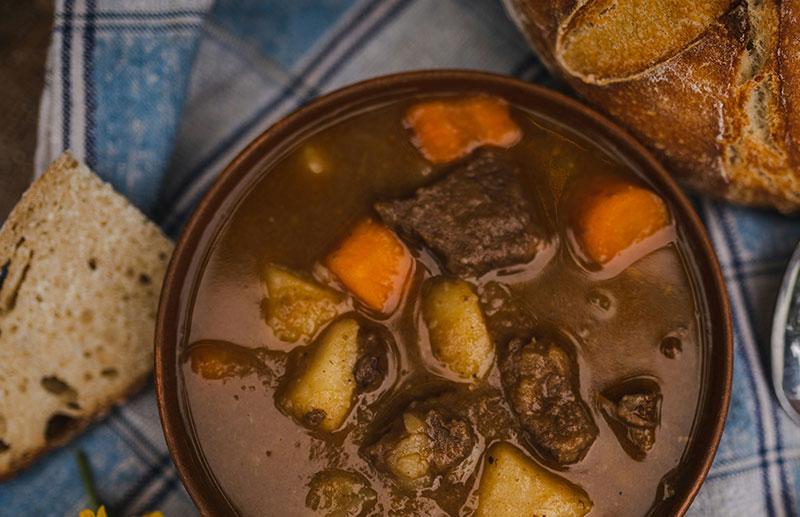
A bowl of rich, dark Irish beef stew filled with tender chunks of meat, large slices of carrots, and a whole potato, served in a rustic black ceramic bowl on a wooden tabletop

The ultimate Irish comfort food: a bowl of classic beef stew. Perfect for a rainy afternoon, this hearty dish is a staple of pub menus across the country and is best enjoyed with a side of thick brown soda bread.


Eat Like a Local

Ireland food is about hearty simplicity and good ingredients. Add pub culture and live music, and you get evenings that are easy to love.

The daily rhythm

Breakfast Often big. If your B&B includes it, take advantage. It can carry you until late lunch.
Lunch Soup, sandwiches, seafood, or a pub meal. Great for warming up on wet days.
Dinner Earlier than Southern Europe. Book popular spots in Dublin on weekends.

What to prioritize

  • Seafood: coastal towns and Galway can be excellent.
  • Pub classics: stew, fish and chips, shepherd’s pie.
  • Modern Irish: great dining rooms in Dublin if you book ahead.
  • Comfort plays: brown bread, soups, and anything that matches the weather.
Local Guide Tip: If a place has live music, treat it like a show. Get there, get settled, then let the night happen.

How to “pub” like a normal person

  • Timing: earlier arrivals can mean better seats for music.
  • Ordering: one round, settle in, then decide if you are staying.
  • Respect: keep voices down when the music starts, that is the point.
  • Temple Bar: fine to see, but do not make it your only pub plan.
Pro Tip: The best value meal is often a great lunch. Save the splurge dinner for one or two nights.
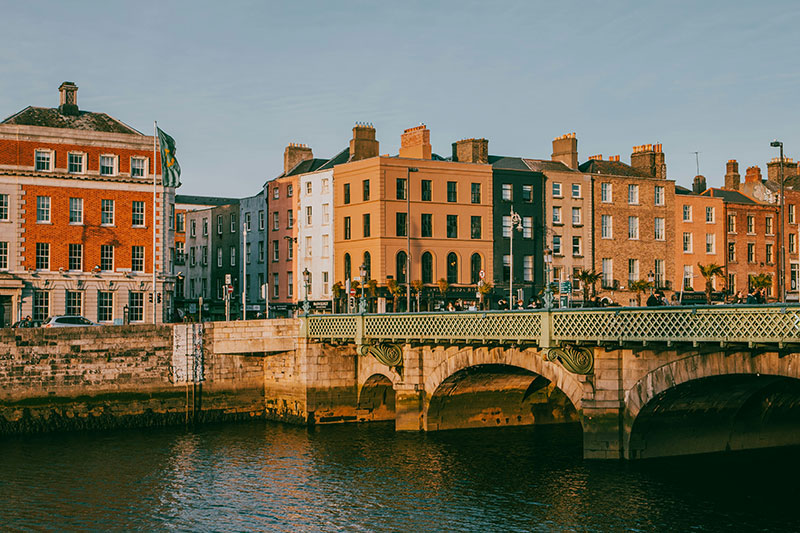
A view of the Ha'penny Bridge at dusk with its white iron arches illuminated, reflecting on the surface of the River Liffey as the city lights of Dublin begin to glow in the background.

Sunset over the River Liffey. Crossing the historic Ha’penny Bridge is a quintessential Dublin experience, offering great views as the city transitions from day to night.


Trip Cost & Budgeting

Ireland costs are manageable when you choose fewer bases and book key stays early. The biggest money leaks are last-minute Dublin weekends, peak summer rates in popular scenic areas, and over-paying for tourist-zone meals.

Payment methods in 2026

  • Card & Mobile: tap-to-pay is common for most purchases.
  • Cash: still useful for small purchases and tips in some situations.
  • Northern Ireland: Remember, they use Pounds Sterling (£), not Euros.

Cost reality checks

  • Dublin: lodging is the main spike; book earlier for better value.
  • Scenic hotspots: prices jump in summer and around holidays.
  • Tours: guided day trips can be worth it when they replace a stressful drive.
Pro Tip: The biggest money leak is last-minute planning: last-minute hotels and eating right next to the most famous landmark.

Money basics

Read: Travel Finance Guide

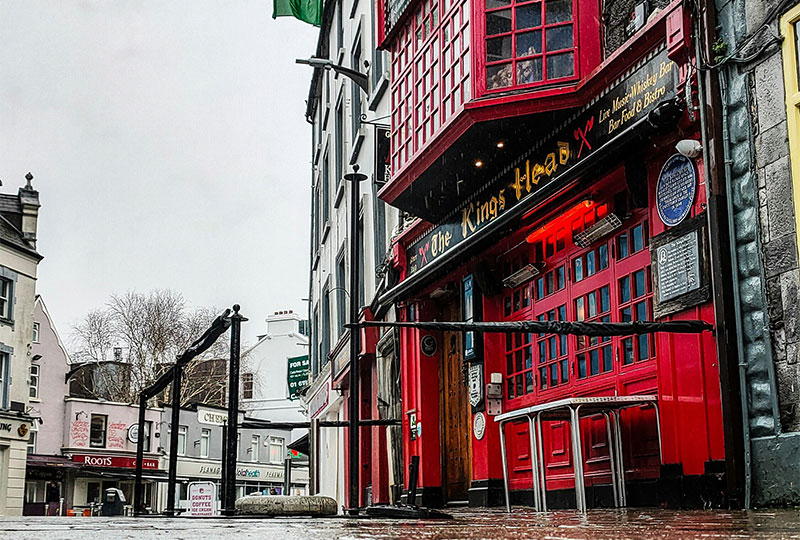
A vibrant street view of The King's Head pub in Galway, showcasing its bright red and yellow facade with traditional black signage, hanging flower baskets, and people walking by on the historic cobblestone street.

The King’s Head in Galway. Built into a centuries-old building, it remains a cornerstone of the Latin Quarter, famous for live music, local oysters, and a classic pub atmosphere.


Culture & rules that make Ireland easier

Ireland is easygoing, but your trip flows better when you respect the rhythm: book popular restaurants, drive patiently, and keep pub culture about community, not volume.

Rain Strategy (the Ireland cheat code):

Do not fight the weather. Use it. When it rains, do museums, a long lunch, a distillery, or a pub with live music. When it clears, go outside immediately.

Culture rules that matter

  • Pub etiquette: do not shout over live music; listen and enjoy.
  • Driving patience: let locals pass when safe; use pull-offs.
  • Small town respect: park properly and keep noise down at night.
  • Chat matters: a quick friendly hello goes far.
Local Guide Tip: Build a daily loop: one anchor stop, one scenic lane, one good meal, then let the evening be a pub night.

Historic sites are still living places. Be respectful with photos, noise, and any posted rules.

History and respect basics

  • Be respectful at memorials and famine-related sites.
  • Keep voices down in churches and historic interiors.
  • Read the room in small pubs and local communities.

History context that changes how you see Ireland

The Great Hunger: the history that still echoes

Essential Travel Tools (Keep It Simple)

Ireland does not require a complicated tech setup. A few basic tools make everything smoother:

  • Google Maps: Download offline maps before rural drives.
  • WhatsApp: Many hosts, drivers, and tour operators use it.
  • eSIM or roaming plan: Having data immediately when you land makes airport transfers and car rentals easier.
  • Irish Rail / Bus Éireann websites: Check schedules directly when planning city-to-city travel.

Reality: You do not need five apps. You need reliable data, Google Maps, and a working payment card.

Frequently Asked Questions

Do I need a car in Ireland?

It depends. If your trip is mostly Dublin plus one walkable city base, you can do a lot with trains, buses, and one guided day trip. If countryside and coastal lanes are the point, a rental car is the best tool.

7 to 10 days is a strong first trip window. That usually supports Dublin plus one west coast base plus one countryside base without rushing.

Dublin is worth it for context, neighborhoods, and food, but you do not need a full week there. Two to four nights is the sweet spot for most travelers.

It can be, especially in Dublin and during summer in high-demand scenic areas. The biggest savings come from booking lodging early, choosing fewer bases, and eating one great lunch instead of only expensive dinners.

Over-driving and over-moving. Ireland looks small on a map, but rural driving is slower than you think. Fewer bases creates a dramatically better trip.

Rúibín Bar & Restaurant Galway Review: Harbor Views and Refined Irish Cooking

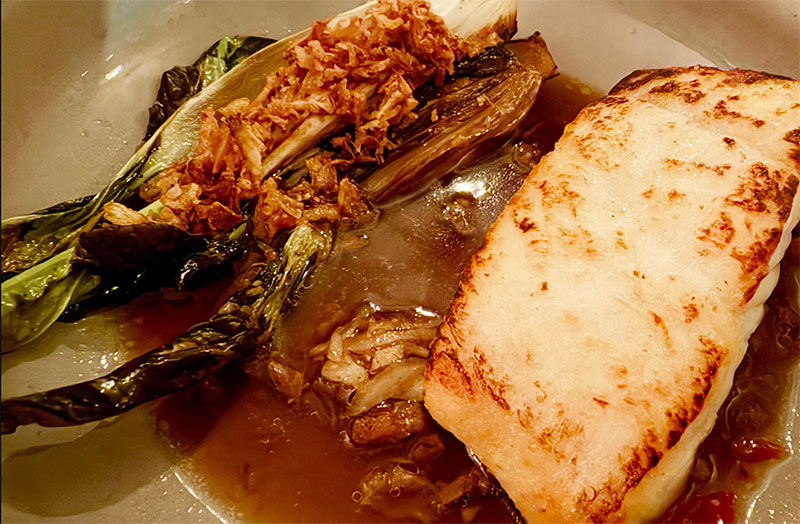
Close up of halibut fish dish from Rúibín Bar & Restaurant
Home » Ireland

Last updated: October 2025 by Corey Gasman · Rating: 5/5

Rúibín Bar & Restaurant

Rúibín Bar & Restaurant • 1 Dock Rd, Galway, H91 D7NE, Ireland

Rúibín delivered one of the best meals we had in Ireland. Tucked along the Galway harbor, this cozy yet refined restaurant offers an intimate dining experience, especially upstairs where candlelit tables create a warm and relaxed atmosphere.

On a quiet Tuesday night, the vibe felt calm, welcoming, and effortlessly polished.


Starters

The staff struck the perfect balance between friendly and low key, adding to the comfortable tone of the evening.

We began with marinated olives and seasonal oysters. The oysters were fresh and briny, clearly in season, while the olives carried a subtle citrus note that brightened the plate.

The only minor critique was that the mignonette slightly overpowered the oysters, which deserved to shine more on their own.


Mains

For mains, we shared the halibut and the duck breast, and both were excellent.

The halibut was perfectly flaky and paired beautifully with Asian-inspired flavors and charred baby bok choy.

The duck breast featured crisp skin with tender, medium rare meat underneath, showing real care and precision in the cooking. Every plate felt thoughtful and well balanced.


Wine and Atmosphere

Rúibín offers a strong selection of wines by the glass, making it easy to find a pairing that complements your meal.

This is an upscale Galway gem that feels special without being formal, earning top marks from both of us for food, atmosphere, and overall experience.

Note: Food photos may appear dark due to the low lighting inside the restaurant.


Final Verdict

If you are looking for one of the best restaurants in Galway with harbor views, seasonal ingredients, and refined Irish cuisine, Rúibín Bar & Restaurant should be at the top of your list.


View Rúibín Bar & Restaurant on Google Maps

The Temple Bar Pub Dublin Review: Lively Music, Guinness, and Iconic Craic

The Temple Bar Pub exterior
Home » Ireland

Last updated: October 2025 by Corey Gasman · Rating: 5/5

The Temple Bar Pub

The Temple Bar Pub • 47–48 Temple Bar, Dublin 2, D02 N725, Ireland

If you are visiting Dublin, a stop at The Temple Bar Pub is almost unavoidable. Yes, it is famously touristy. And yes, that is exactly the point.

This is not where you go for a quiet local pint. It is where you go for live Irish music, packed rooms, and the kind of energy that turns strangers into a chorus by the second song.


The Atmosphere

On the night we visited, the pub was buzzing. Pints of Guinness were flowing, musicians were rotating between traditional Irish tunes and crowd-pleasing covers, and the entire room felt fully committed to the moment.

Even though it was only October, the pub had already transformed into a full holiday spectacle. Bright lights, festive décor, and a Christmas wonderland vibe filled the space, adding another layer of over-the-top charm.


What to Expect

Prices are higher than many other Dublin pubs. That is the trade-off. You are paying for the atmosphere, the live music, and the experience of being inside one of Ireland’s most photographed pubs.

It gets crowded. It gets loud. Finding space can require patience. But that intensity is part of what makes it memorable.


Final Verdict

If you want an iconic Dublin pub experience with nonstop live music and a high-energy crowd, The Temple Bar Pub absolutely delivers.

Grab a pint, soak in the buzz, and enjoy the craic. Just do not expect it to feel like a hidden local secret.


View The Temple Bar Pub on Google Maps

The Lake Hotel Killarney Review: A 5-Star Stay on the Shores of Lough Leane

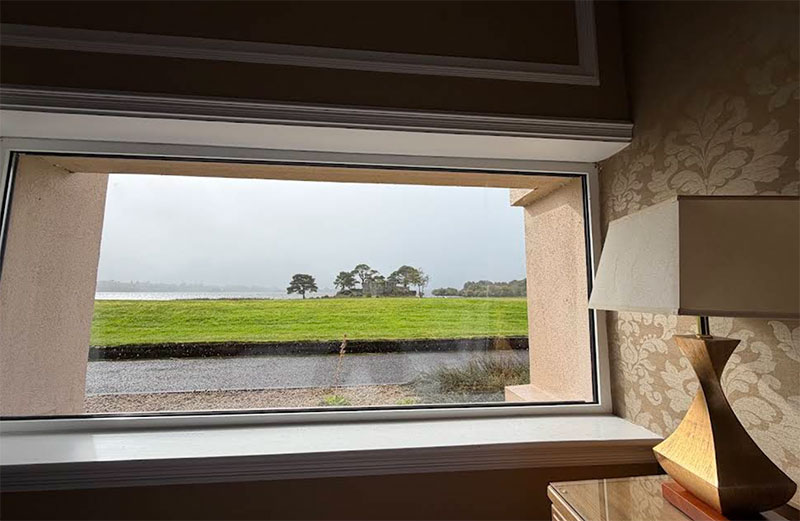
The Lake Hotel Killarney room view
Home » Ireland

Last updated: November 2025 by Corey Gasman · Rating: 5/5

The Lake Hotel

The Lake Hotel • Lake Shore, Muckross Rd, Castlelough, Killarney, Co. Kerry, Ireland

We spent four nights at The Lake Hotel, and it ended up being one of the absolute highlights of our Ireland trip.

The setting alone is unforgettable. The property sits directly on the lake with sweeping mountain views and an old stone castle ruin just steps from the outdoor terrace. It feels like a classic Irish fishing and hunting lodge, full of charm and character.


Atmosphere and Service

From the moment we arrived, the atmosphere was warm and welcoming. The staff were consistently friendly and genuinely helpful, always ready with recommendations for scenic drives, local sights, and dining.

After spending a full day driving the Ring of Kerry, returning to such a comfortable and peaceful hotel made the evenings especially relaxing.


Dining and Evenings

We ate several times at the Lakeside Bistro, and the food was excellent throughout our stay. The bar was equally inviting, cozy, relaxed, and the perfect place to unwind with a pint after a long day of exploring.

Live music in the evenings added to the traditional Irish atmosphere and made nights at the hotel feel special rather than routine.


Location and Nearby Attractions

The location is ideal for sightseeing. Killarney National Park is right nearby, with easy access to Muckross House and Ross Castle, all just a short drive away.

Being able to explore during the day and return to such a peaceful lakeside setting in the evening made the stay feel perfectly balanced.


Final Verdict

The Lake Hotel delivers everything you hope for when staying in Killarney: a stunning location, comfortable accommodations, excellent food, welcoming service, and a timeless Irish atmosphere.

It is a place I would happily return to and one I would recommend without hesitation to anyone visiting County Kerry.


View The Lake Hotel on Google Maps


More Ireland Travel Guides