
New Orleans is a city of layers: ironwork, courtyards, streetcar lines, and meals you remember a year later.
Last updated: February 2026 by Corey Gasman
From the Editor:
I’ve been to New Orleans three times over the years, and every trip felt like a different city. I’ve done the multi-generational family trip with my sister, mom, and grandma. I’ve done the guys’ trip. And yes, I organized a massive group pub crawl for my wife’s 40th birthday the first week of Carnival, right before Fat Tuesday.
My takeaway? New Orleans is not just a destination. It is a mood. Do not overschedule it. Book a boutique hotel with character, map out the best bars and cocktails, reserve one or two great dinners, and then let the city take it from there.
This guide is for the design lover with refined taste and a healthy budget, the cocktail enthusiast, and the history-curious foodie who wants the classics with real local texture.
How this itinerary works: You’ll plan one major daytime highlight and one standout evening experience each day. Everything else is flex time. Eat and drink well, walk a lot, and build in some breaks so the city stays fun.
Start Here: The 3-Night Strategy
If you are here for three nights, you want one day that feels like the French Quarter (ironwork, courtyards, classic bars), one day that feels like Uptown (streetcar, mansions, design), and one day that feels like the real creative city (Marigny and Bywater, music, neighborhoods).
Quick Navigation
Neighborhood comparison table
3 days, 3 nights itinerary
Design and interiors hits
History lover loop
Real history and soul
Cocktails and iconic bars
Food plan: what to eat
Local favorites
Top 5 live music spots
Dive bars with character
Tremé food spots
Real local music joints
Local eats list
Logistics & Safety
Planning resources
Read next: Food + Nightlife
FAQs
⭐️ The Golden Rule: Do not make Bourbon Street your main night plan. Walk it once for context, then build your nights around Frenchmen Street, hotel bars, and reservations.
New Orleans 3-Day Itinerary Snapshot
- Best home base: Warehouse District for easy logistics; Marigny for music-first nights.
- Do you need a car? No. Walk + rideshare + streetcar is the ideal combo.
- What to book ahead: one dinner per day, one headline music venue, and one “iconic bar” stop early evening.
- Day 1: French Quarter icons + Frenchmen Street.
- Day 2: Garden District + Magazine Street + elegant dinner.
- Day 3: Marigny + Bywater + neighborhood food and live music.
Interactive Map (4 Layers)
Toggle layers (left icon) for hotels, bars, food, and must-do stops.
Use it to cluster plans by neighborhood so you walk more and rideshare less.
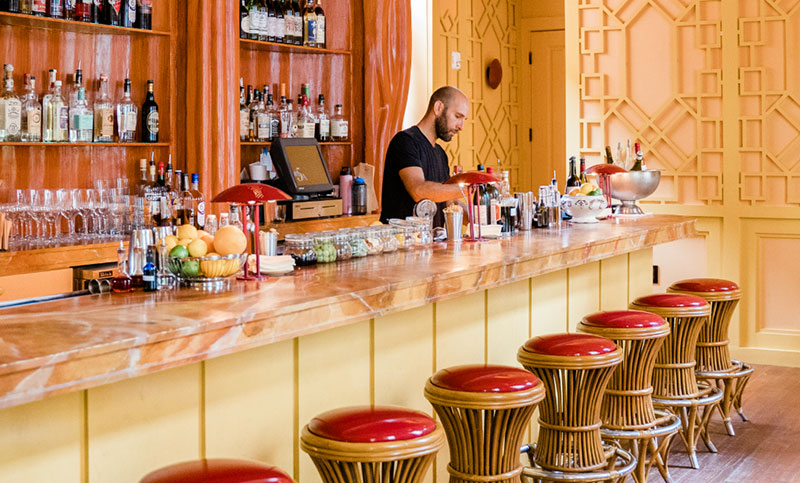
The stunningly designed Elysian Bar, located inside the historic Hotel Peter & Paul in the Marigny.
Where to Stay: The Hotel Picks (Healthy Budget, Great Taste)
If you love nice things and you actually notice lighting, hardware, textiles, and millwork, these hotels feel intentional.
Maison Métier (Warehouse District)
- Best for: Editorial design, quiet luxury, and a polished location.
- The vibe: Formerly Maison de la Luz, this property is now part of Hyatt’s Unbound Collection. The interiors are credited to Studio Shamshiri, with high-gloss paint, velvet, and a serious sense of place.
- Why it fits this trip: It is truly design-forward, and the Warehouse District base makes day plans simple.
Henry Howard Hotel (Garden District)
- Best for: Mansion vibes, architecture, and a calmer, leafy home base.
- The vibe: An 1867 double-gallery townhouse designed by famed architect Henry Howard. It feels less like a hotel and more like staying at a beautiful private home.
- Why it fits this trip: If you want your mornings to feel quiet and elegant, this is the move.
Hotel Peter & Paul (Marigny)
- Best for: Neighborhood feel, adaptive reuse (converted church and schoolhouse), and easy access to Frenchmen Street.
- Do not skip: Drinks or dinner at The Elysian Bar on site.
The Chloe (Uptown)
- Best for: Uptown energy, a porch moment, and a boutique stay that feels like a private home.
Four Seasons New Orleans (Riverfront)
- Best for: Modern luxury, service, and river views.
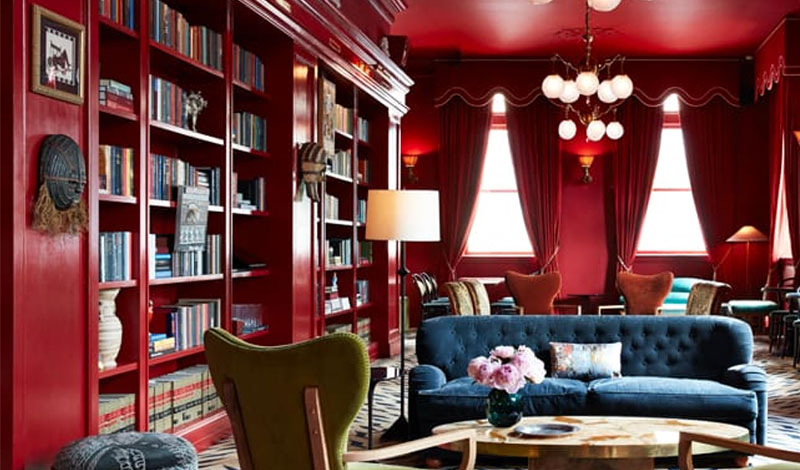
The sophisticated atmosphere and curated design of the bar at Maison Métier in the Warehouse District.
Neighborhood Comparison Table: Where to Stay
| Neighborhood | Best for | Vibe | Tradeoffs | Hotel pick |
|---|---|---|---|---|
| Warehouse District / CBD | design hotels, galleries, easy logistics | polished, walkable, modern-leaning | less old New Orleans right outside your door | Maison Métier |
| French Quarter (edges) | icons, ironwork, walk-everywhere days | historic, theatrical, lively | can be loud and crowded at night | Quarter-edge hotel + use the Quarter by day |
| Marigny | music, neighborhood feel, Frenchmen nights | creative, local, charming | you will rideshare more for Uptown | Hotel Peter & Paul |
| Garden District / Uptown | architecture, streetcar, slower pace | leafy, elegant, porch culture | you will rideshare for Quarter nights | Henry Howard Hotel or The Chloe |
| Bywater | food, art, shops, chill mornings | creative, casual, residential | less central for first-timers | Stay here if you want real neighborhood energy |
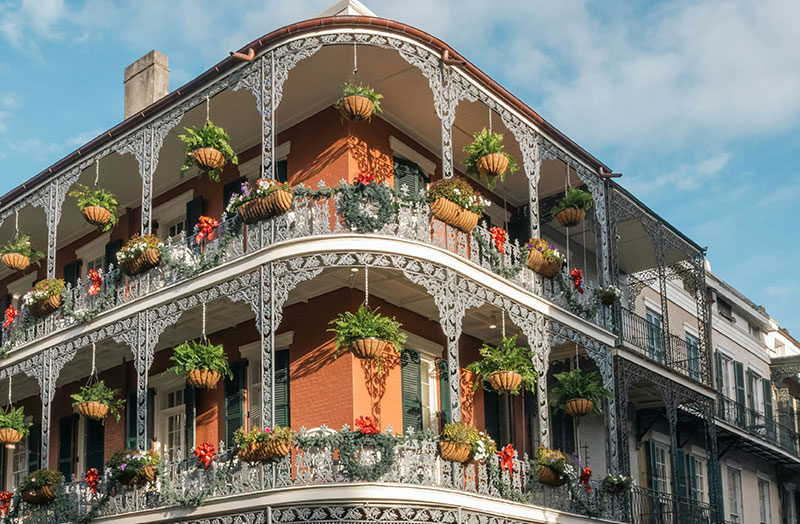
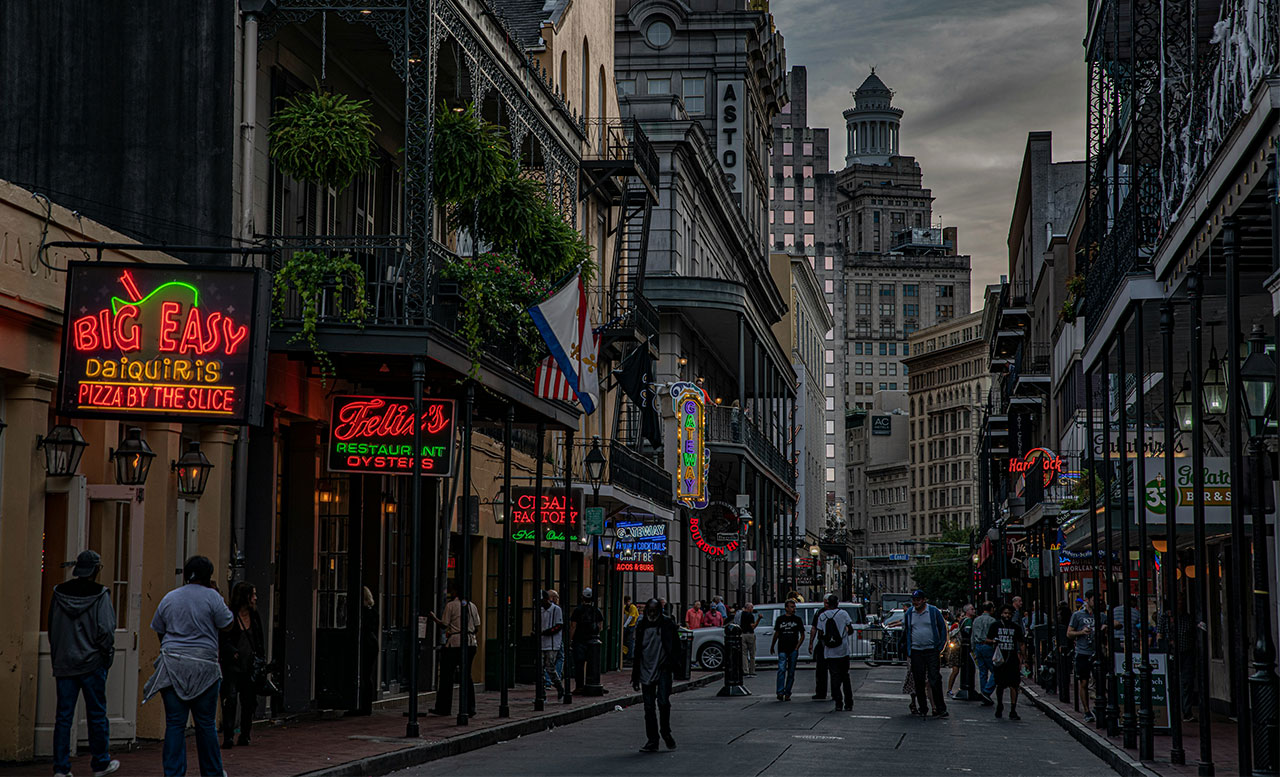
A classic example of the ornate ironwork and lush greenery that define French Quarter architecture.
3 Days, 3 Nights: The Itinerary
Plan it like a pro:
- One reservation per day is enough.
- Hit iconic bars early (around 5:00 PM), then use late hours for music.
- Wear shoes you can walk in. This is a walking city. Consider a guided walking tour if you want deeper context.
Want the full bar plan? Read: New Orleans Bars & Nightlife.
Day 1: French Quarter Icons + A Perfect First Night
- Morning: Arrive, check in. Coffee at Café du Monde or French Truck Coffee.
- Late morning focus: Walk the French Quarter for ironwork, courtyards, and architecture. Start at Jackson Square and wander Royal Street galleries. Keep it slow.
- Lunch: Keep it classic. A shrimp or oyster po’boy is the move. Head to Johnny’s Po-Boys, grab oysters at Felix’s Restaurant & Oyster Bar, or settle into the courtyard at Napoleon House.
- Signature cocktail stop: Carousel Bar at Hotel Monteleone for a Vieux Carré, or Sazerac Bar at The Roosevelt for a more dramatic, old-school setting.
- Dinner: Choose a Creole classic like Antoine’s, Galatoire’s, or Brennan’s. Or go seafood forward at GW Fins.
- Night: Frenchmen Street. Start at Snug Harbor or d.b.a.. One or two stops is enough.
Day 2: Garden District Design Day + Uptown Porch Culture
- Morning highlight: Ride the St. Charles streetcar, then walk the Garden District for mansion architecture.
- Design stop: Browse Magazine Street for antiques, home boutiques, and galleries.
- Lunch: La Petite Grocery or Joey K’s.
- Afternoon: Choose one. New Orleans Museum of Art or a long coffee break at Pond Coffee. Keep the pace easy.
- Golden hour: Cocktails on the porch at The Columns.
- Dinner: Make this your elegant dinner night. Consider Commander’s Palace.
- Night: Maple Leaf or Tipitina’s.
Day 3: Marigny + Bywater Neighborhood Day (My Favorite Day)
- Morning start: Coffee at Baldwin & Co. and a slow Marigny and Bywater walk. Browse bookstores, galleries, and vinyl shops.
- Optional walk: Follow this self-guided Marigny and Bywater route if you want structure.
- Lunch: Casual and local at Elizabeth’s or Bacchanal.
- Afternoon: A history loop through the Quarter or a second line parade, a spontaneous brass band procession where locals dance behind the musicians, if you are lucky enough to catch one.
- Signature cocktail stop: A moody classic at Bar Tonique or a design-forward hotel bar moment at Ace Hotel.
- Dinner: Saint-Germain for a tasting menu in a stunning house, or Paladar 511.
- Night: Snug Harbor, d.b.a., or a relaxed Frenchmen live music crawl.
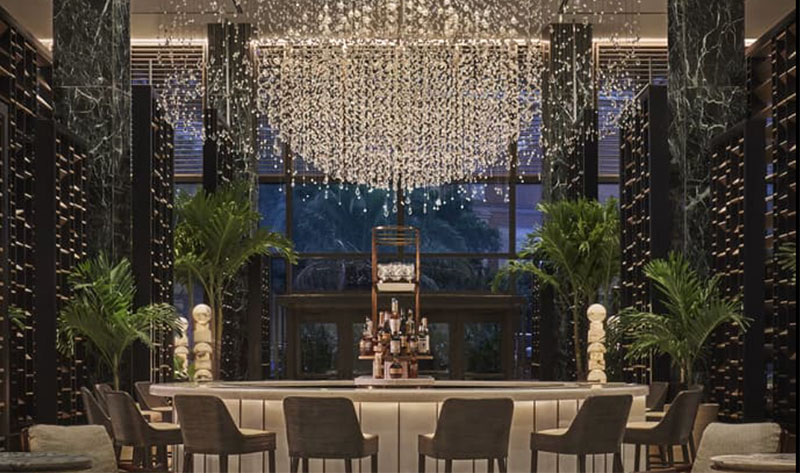
The breathtaking crystal centerpiece at the Chandelier Bar, a premier destination for cocktails in the Warehouse District.
New Orleans for Design Lovers: Interiors, Architecture & Antiques
This is the list for people who notice trim profiles, furniture proportions, and lighting temperature.
Garden District mansion walk
- Best for: porches, columns, ironwork, and “how is this house even real?” scale.
- Pro move: go in the morning when the light is softer and the sidewalks are calmer.
- Do not miss: the Buckner Mansion and the double-gallery homes along Prytania Street for peak architectural drama.
Magazine Street browsing
- Best for: antiques, art, home shops, and finding one thing you did not know you needed.
- How to do it: pick a stretch (around Washington Ave is great). Do not try to cover all of it.
- Design stops: Miette for beautifully curated gifts, Spruce for elevated home goods, and Magazine Antique Mall for a true treasure hunt.
Hotel design bars as showrooms
- Maison Métier: the lobby and bar moments are a texture study in velvet and dark wood.
- Four Seasons: modern luxury details, lighting, and river views.
- Hotel Peter & Paul: adaptive reuse perfection, then cocktails at The Elysian Bar.
- Also consider: The Chloe for Uptown residential elegance and The Roosevelt for grand historic glamour.
Mamou (French Quarter)
- Best for: Art Nouveau flourishes, red velvet banquettes, and a dinner that feels like a film set.
- The vibe: A modern French brasserie that balances 19th-century details with flawless contemporary plating.
- Design note: sit near the bar if possible. The lighting and detailing are part of the experience.
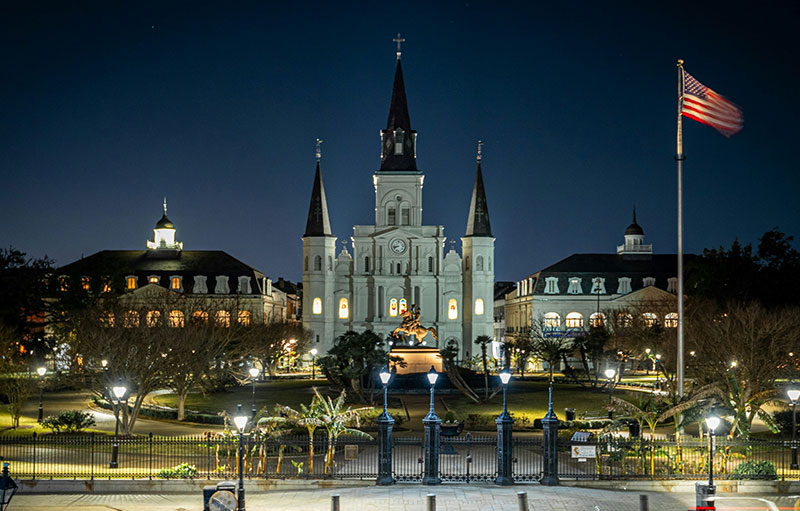
The St. Louis Cathedral glowing at night over Jackson Square.
History Lover Loop: The Easy Wins
If you have half a day and want to understand why New Orleans feels layered and cinematic, follow this loop. It connects architecture, religion, food, and living culture in a way that makes the city click.
Step 1: Start in the French Quarter
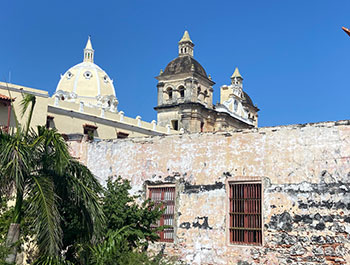
Begin around Royal Street and Chartres Street. This is where the ironwork, courtyards, and architectural details feel most intact. Look up at the balconies. Notice the mix of Spanish-era masonry and French influence.
- Walk slowly: Royal Street for antique storefronts and galleries.
- Duck into courtyards: The Pharmacy Museum courtyard and the Hotel Monteleone interior are both easy visual wins.
- Coffee stop: grab an espresso at a small Quarter café and keep moving. The magic is in the wandering.
Step 2: Jackson Square Reset
Make your way toward Jackson Square. This is the postcard moment, but it is also where the city’s religious and colonial history sits in one frame.
- Pause inside: Step into St. Louis Cathedral for five quiet minutes. It resets the energy.
- Look across the square: The Presbytère and Cabildo buildings frame the Cathedral and tell the Spanish and French governance story.
- Quick bite: Walk toward Decatur Street for a casual seafood plate or split a muffuletta at Central Grocery’s nearby partners.
Step 3: Walk into Tremé
From the Quarter, cross toward Tremé. The architecture shifts. The energy shifts. This is where you begin to understand the city beyond tourism.
- Cultural mix: Backstreet Cultural Museum for Mardi Gras Indian suits and second-line history.
- Historic food stop: Dooky Chase’s Restaurant for classic Creole dishes with civil rights history woven into the walls.
- Neighborhood comfort: Li’l Dizzy’s Cafe for a plate lunch that feels rooted and real.
- Music room option: If something is playing at Kermit’s Mother-in-Law Lounge, go. If not, walk the blocks and absorb the residential rhythm.
Need the reservation list and what to order? Read: New Orleans Dinner Guide.
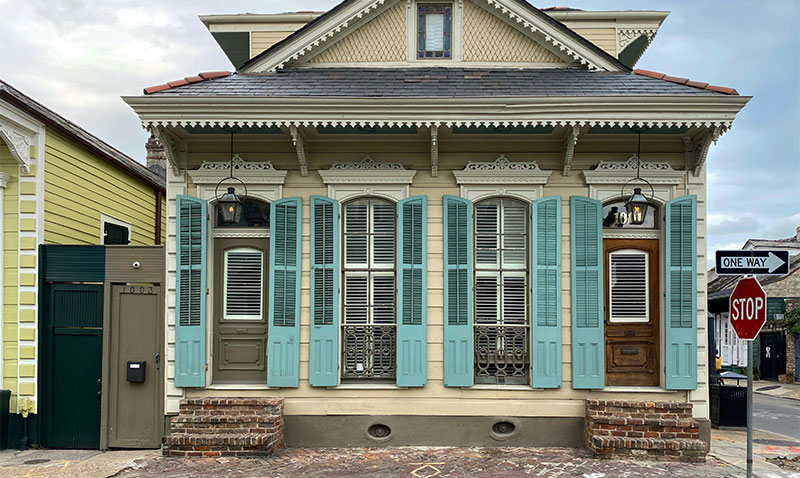
A beautifully preserved example of a traditional New Orleans shotgun house.
The Soul of the City: Beyond the Party
You can come to New Orleans and just drink on Bourbon Street, but you would miss the point. This is not a theme park. It is a 300-year conversation between cultures, tragedy, resilience, and celebration.
If you want to understand the architecture, the food, and the music, you need to understand the people who built it.
Tremé & African Roots
New Orleans is as much African as it is European. Unlike much of the American South, the city had a distinct class of Gens de Couleur Libres (Free People of Color) who owned property, built businesses, and shaped the aesthetic long before the Civil War.
- Tremé: Often described as one of the oldest historically Black neighborhoods in the U.S. It remains a cultural engine. Second lines, brass bands, and much of the city’s living heritage connect back here.
- Congo Square (Louis Armstrong Park): On Sundays, this became a rare space where enslaved people and free people of color gathered to dance, drum, and preserve West African rhythms. Those rhythms helped shape early jazz.
- Marie Laveau: A free woman of color, devout Catholic, healer, and spiritual leader. Her influence helped shape Voodoo here as a living spiritual practice, not folklore.
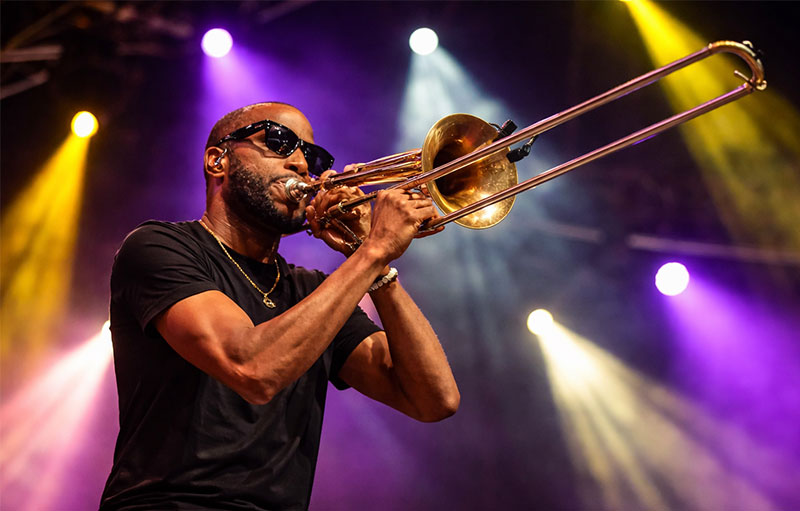
Trombone Shorty electrifying the crowd at New Orleans Jazz & Heritage Festival, where brass, soul, and modern stage energy showcase the city’s evolving sound.
Why Jazz Happened Here
Jazz did not appear by accident. French opera, Spanish guitar, Caribbean rhythms, and African drumming were colliding on the same blocks.
Classically trained Creole musicians played alongside blues players. That creative tension is part of what made the music swing.
- Louis Armstrong: Helped teach the world how to solo.
- Fats Domino: Helped shape the rock-and-roll beat.
- Harry Connick Jr.: Carried big-band tradition forward.
- Trombone Shorty: Modern brass band energy with global reach.
- Why it matters: It is one of the rare times a city fully steps out of routine and into collective creativity.
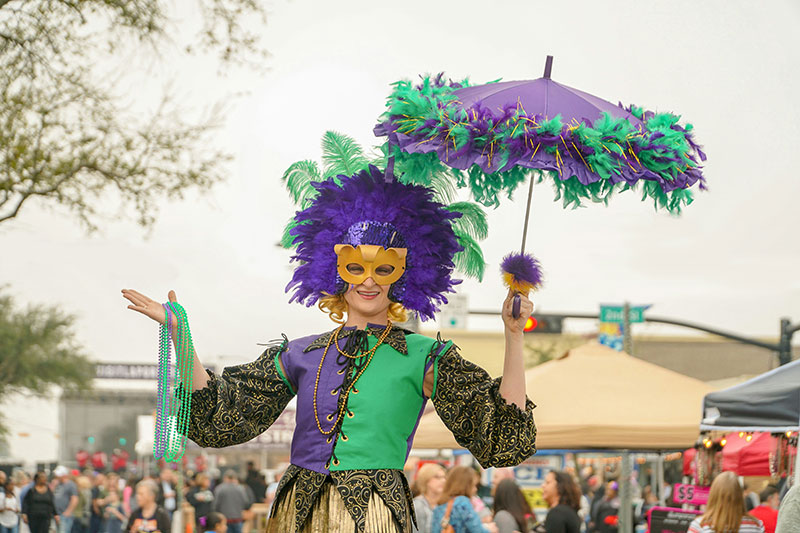
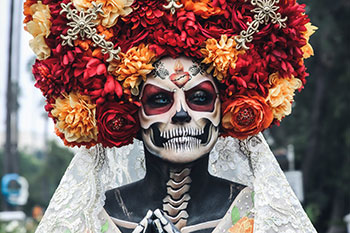
A vibrant display of the hand-crafted costumes and spirit that define Mardi Gras in New Orleans.
The Truth About Mardi Gras
If you think Mardi Gras is just people flashing for plastic beads, you are seeing the tourist version. The real Mardi Gras is theater, satire, and deep community bonding.
It began as a French Catholic tradition of feasting before Lent. In New Orleans, it became a way for social clubs (Krewes) to build identity, and for marginalized communities to claim the streets.
- Why it matters: It is the one time of year when the city stops working and starts living fully in the moment. From the hand-sewn suits of the Mardi Gras Indians to the satire of the Krewe of du Vieux, it is creativity on a world-class level.
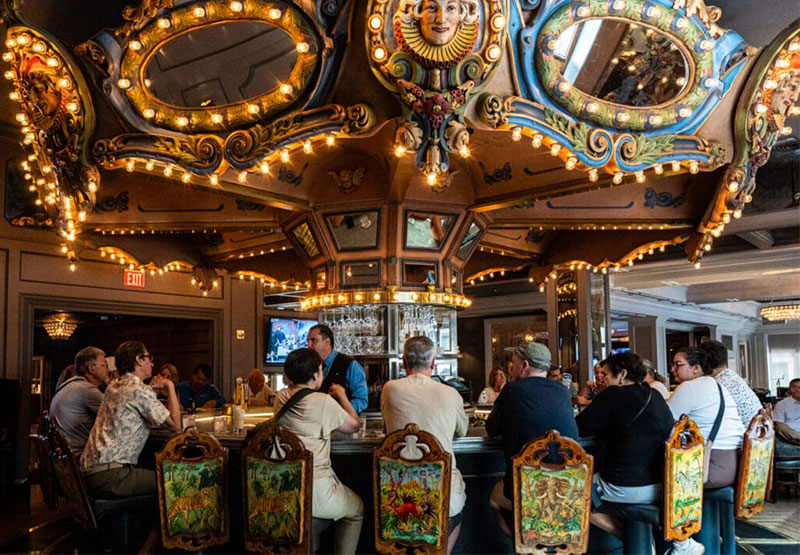
The legendary rotating Carousel Bar at Hotel Monteleone, a centerpiece of French Quarter nightlife.
Cocktails and Iconic Bars (Plus What to Order)
Hotel Monteleone: The Carousel Bar
- The drink: the Vieux Carré.
- The bite: ask what small bites are on. Keep it light.
The Roosevelt: Sazerac Bar
- The drink: the Sazerac.
- Note: treat this as a ritual stop, not dinner. The murals alone are worth the visit.
Four Seasons: Chandelier Bar
- The drink: ask for their signature martini style.
- The bite: something crab-forward if it is on.
Arnaud’s French 75 Bar
- The drink: a French 75.
- The bite: soufflé potatoes (pommes de terre soufflées). They are non-negotiable.
Napoleon House
- The drink: Pimm’s Cup.
- The bite: warm muffuletta (split it, it is huge).
Cane & Table (French Quarter)
- The vibe: “Old Havana” colonial chic. Peeling plaster, exposed beams, and a lush courtyard.
- Why it fits: It feels like a design study in texture. The drinks are tiki-adjacent but sophisticated.
Bouligny Tavern (Uptown)
- The vibe: Mid-Century Modern cool. Tufted banquettes, high-end vinyl spinning on the turntable, and a “mad men” residential feel.
- Best for: A sophisticated nightcap after your Garden District day.
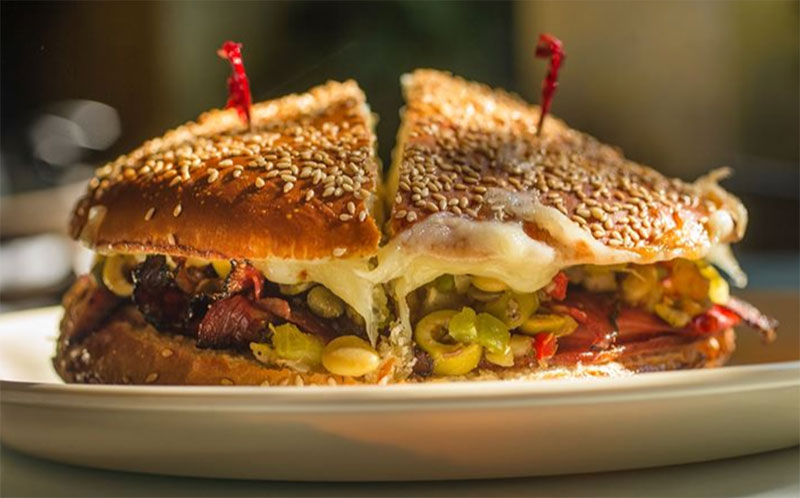
The warm muffuletta served at the historic Napoleon House in the French Quarter.
Food Plan: Where & What to Eat
Do at least one of each
- Creole dinner: white tablecloth energy, classic sauces, old-school service. Think Antoine’s, Galatoire’s, or Commander’s Palace.
- Seafood-forward meal: GW Fins for the dry-aged fish expertise, or Pêche for the wood-fired rustic vibe.
- Po’boy lunch: casual, messy, perfect. Parkway Bakery or Johnny’s get it right.
- One only-in-New-Orleans breakfast: beignets at Café du Monde or a proper brunch at Bearcat.
Signature foods & drinks: gumbo • jambalaya • red beans & rice • charbroiled oysters • shrimp creole • crawfish étouffée • muffuletta • po’boy • beignets. If you are doing cocktails too: Sazerac • Vieux Carré • French 75
My pacing rules
- Day 1: Go classic and iconic. Quarter lunch, a historic dining room like Antoine’s or Brennan’s, then music.
- Day 2: Make this your most elegant dinner night. Commander’s Palace, GW Fins, or another reservation-level spot.
- Day 3: Go neighborhood and creative. Paladar 511, Bacchanal, or something that feels local and a little less formal.
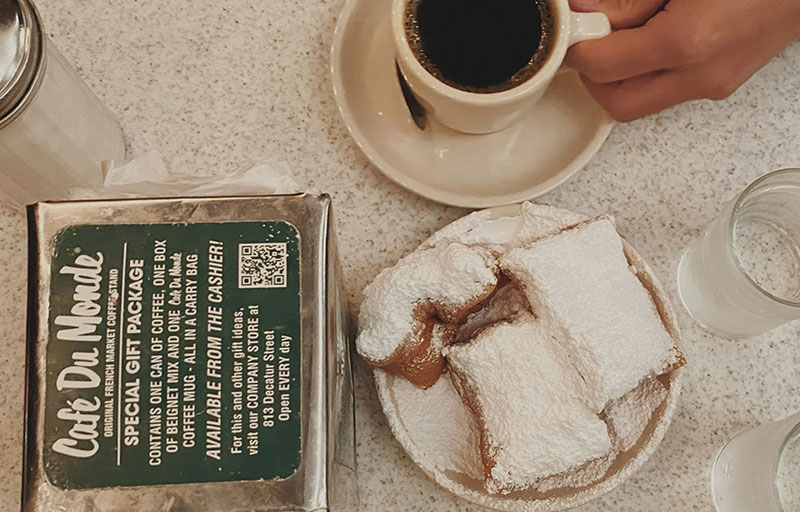
The classic New Orleans treat: warm beignets and cafe au lait at the historic Café du Monde.
Local Favorites: The “If I Lived Here” List
This is the section that makes the trip feel less touristy and more personal.
Morning favorites
- A slow coffee in the Marigny: start with a walk, then sit and plan the day.
- Beignet moment: do it once, share it, do not make it your whole personality.
Afternoon favorites
- Magazine Street browsing: stop into shops that catch your eye, then take a long lunch.
- Courtyard hunting: the best Quarter moments are behind gates and inside courtyards.
Night favorites
- Frenchmen Street: pick one club, then one more. Quit while you are still having fun.
- Hotel bar nightcap: end the night somewhere pretty and calm.
Want the culture layer behind the restaurants? Read: Chefs & Where They Eat.
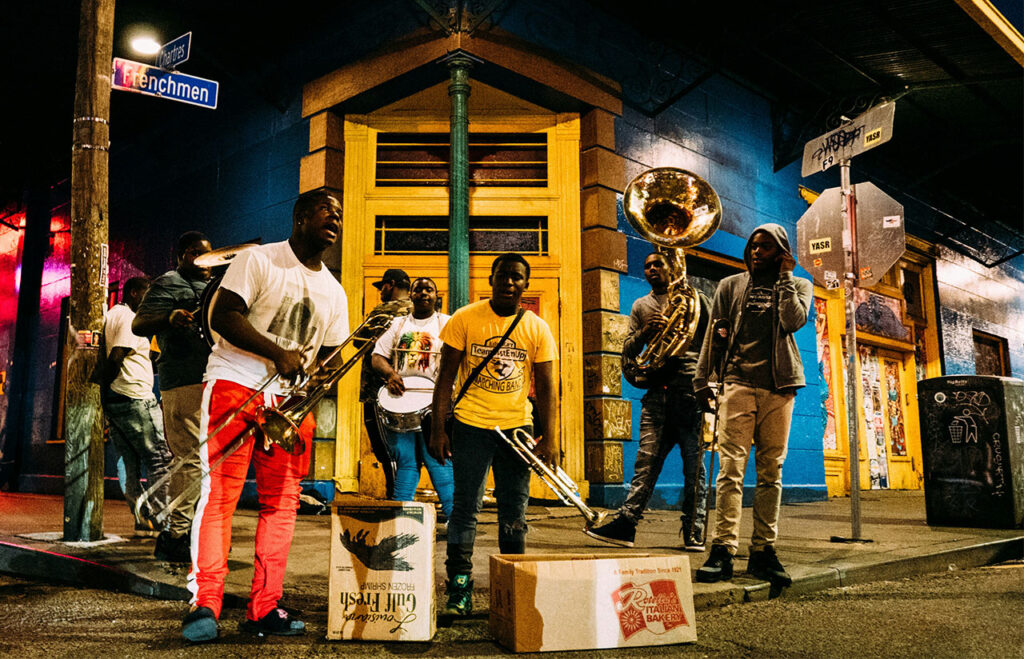
Live jazz musicians performing on Frenchmen Street.
5 Great Spots for Live Music in the Big Easy
New Orleans has endless options. These five give you a perfect spread: iconic, local, venue night, and Frenchmen classics.
- Preservation Hall: the absolute icon. See calendar and tickets
Tip: If you can, buy tickets ahead so you are not stuck in a long line. - Tipitina’s: the classic Uptown venue. Check the calendar
- Snug Harbor: jazz club energy with a real listening room. This is a sit-and-listen place. See shows
- d.b.a.: one of the best Frenchmen anchors for a real night out with a massive beer and whiskey selection. (No link. Just show up.)
- Maple Leaf Bar: Uptown institution for late-night music energy. If you are chasing Rebirth Brass Band, they are famous for Tuesday nights, but schedules shift. Check the calendar before you build your night around it.
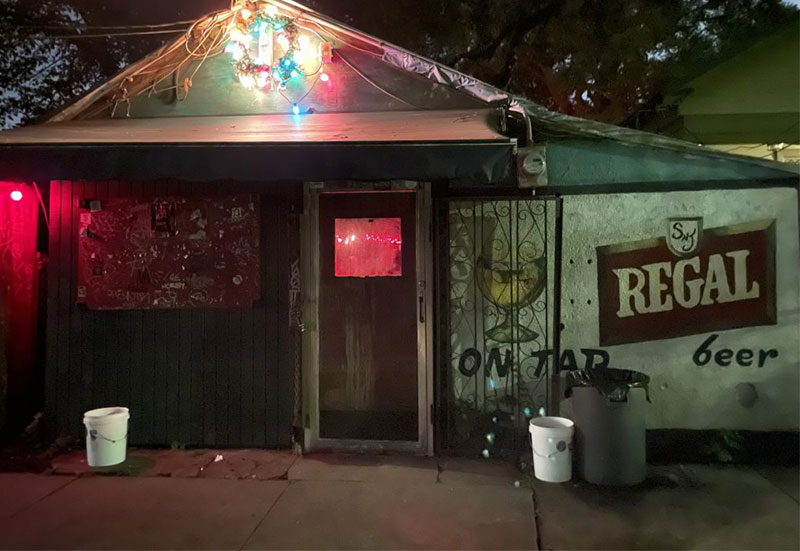
The legendary late-night glow of Snake & Jake’s, a dive bar icon in Uptown New Orleans.
Dive Bars With Character (The Anti-Cocktail-Bar List)
Sometimes you want a gorgeous hotel bar. Sometimes you want a drink in a place that looks like it has seen things. This is that list: unfiltered, neighborhood-rooted, and accidentally perfect.
Snake & Jake’s Christmas Club Lounge (Uptown)
- Why you go: a legendary late-night dive. Dark, weird, iconic.
- Best time: late night when you want the opposite of polished.
Erin Rose (French Quarter)
- Why you go: casual Quarter energy without the Bourbon Street chaos.
- What to order: frozen Irish coffee, then keep moving.
Pal’s Lounge (Mid-City)
- Why you go: neighborhood bar energy that feels local in the best way.
- How to do it: pair it with a Mid-City meal or an afternoon wander.
Saturn Bar (Bywater)
- Why you go: Bywater grit with a fun crowd and a little edge.
- Best time: before or after a Bacchanal night.
Golden Lantern (French Quarter)
- Why you go: classic, friendly, no-pretension Quarter bar that feels like a real neighborhood anchor.
- Best time: earlier in the night when you want a calmer Quarter moment.
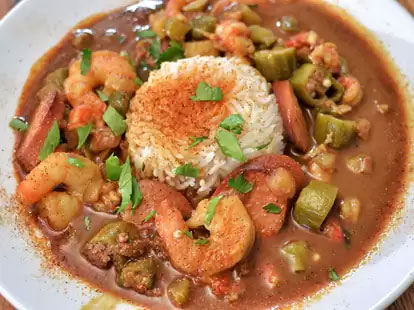
A taste of history: the legendary Creole gumbo at Dooky Chase’s Restaurant in the Tremé.
Tremé Food Spots (Culture + Comfort Food)
Tremé is not a quick stop neighborhood if you care about history. It is one of the places that explains New Orleans. The move is simple: do one cultural anchor, then eat something real and un-fussy.
Dooky Chase’s Restaurant
- Why you go: one of the most important restaurants in the city.
- Best for: classic Creole dishes with deep cultural weight.
- How to do it: reservations help. Go with respect and appetite.
Li’l Dizzy’s Cafe
- Why you go: Creole-soul comfort food that feels like a neighborhood staple.
- What to order: fried chicken or whatever daily plate is calling your name.
Backstreet Cultural Museum (Pair it with lunch)
- Why it matters: this is where you start to understand Mardi Gras Indians, second lines, and the living culture behind the photos.
- Pro move: do the museum, then walk to lunch. It makes the whole neighborhood click.
Fritai
- Why you go: to see the modern evolution of Tremé. It is tropical, vivid, and beautifully designed.
- The food: Haitian cuisine with a New Orleans twist. The spicy pork sandwich and the cocktails are outstanding.
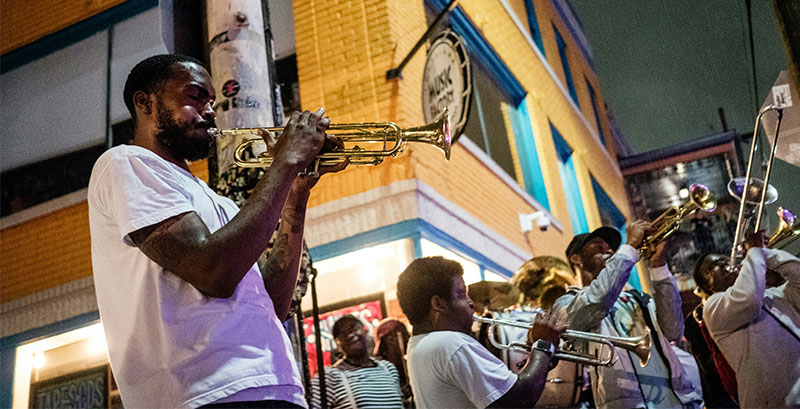
The soulful sounds of a live brass band performance on the streets of New Orleans.
Real Local Music Joints (Neighborhood Rooms, Not a Production)
When people say New Orleans music, they usually picture Frenchmen Street. That is great. But if you want the neighborhood version, it looks more like small rooms, cheap drinks, and a band five feet from your face.
Kermit’s Tremé Mother-in-Law Lounge
- Why you go: live music, Tremé history, and a room that feels like a community living room.
- What it feels like: zero polish, all soul, exactly the point.
Bullet’s Sports Bar (Tremé / 7th Ward)
- Why you go: a classic neighborhood bar with frequent live music and real local energy.
- How to do it: go early, be respectful, tip, and do not treat it like a zoo.
Vaughan’s Lounge (Bywater)
- Why you go: tiny, buzzer-at-the-door joint with serious live music nights.
- Best for: a night that feels like you got invited, not marketed to.
B.J.’s Lounge (Bywater)
- Why you go: a true neighborhood stage with a rotating schedule worth checking.
- Best for: casual drinks plus live music without the Frenchmen crowd.
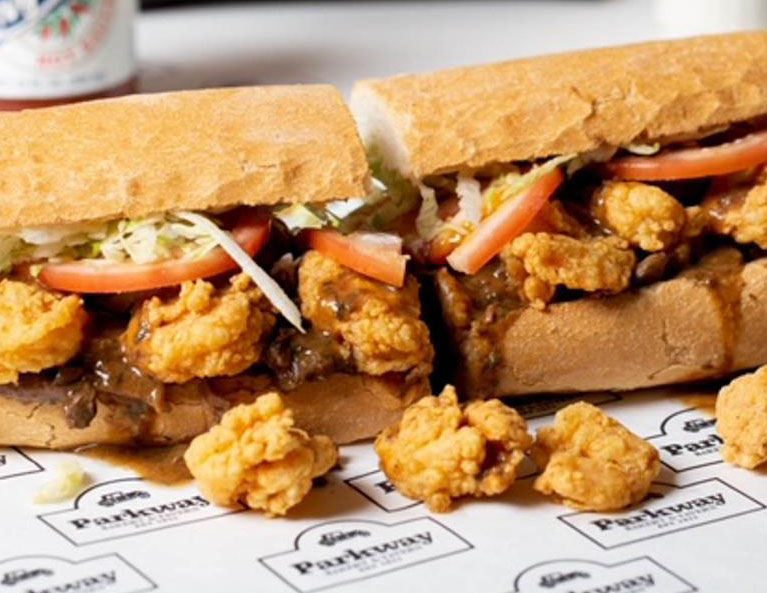
Surf and turf po’boy from Parkway Bakery & Tavern, a Mid-City staple since 1911.
Local Eats: Food Stops That Feel Like New Orleans
This is a short, high-impact list. If you do these, you will eat like you understand the city.
Classic Creole institution: Commander’s Palace
This is the history dinner. Located in the Garden District. Yes, the 25¢ martinis are real, but they are a Wednesday to Friday lunch thing (limit 3). Dinner is the full experience. Dress up. Ask for the Bread Pudding Soufflé.
Seafood-forward dinner: Pêche Seafood Grill
Wood-fired seafood in the Warehouse District. It feels modern, rustic, and loud in a good way.
Legendary po’boy lunch: Parkway Bakery & Tavern
It is worth the Uber ride. Get the surf and turf (roast beef and shrimp). Eat it at the picnic tables outside.
Neighborhood breakfast: Bearcat or Surrey’s
Do one breakfast that is not a tourist line. The city is calmer in the mornings. That is when you see it.
Bar that doubles as dinner: Bacchanal Wine
In the Bywater. Go here on your third night. Buy a bottle of wine in the shop, order food at the window, and sit in the courtyard with live music. It’s magic.
“I wish I lived here” dinner: Paladar 511
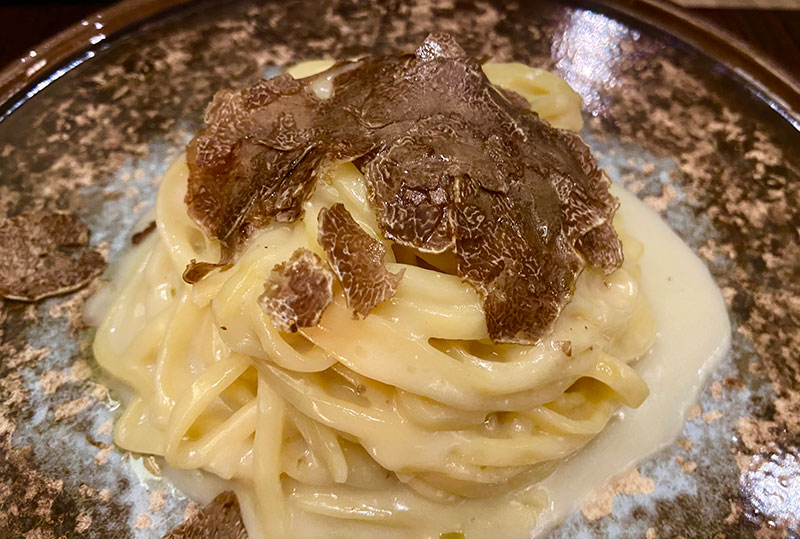
Located in the Marigny. High ceilings, exposed brick, and house-made pasta. It is loud, fun, and consistently excellent. If you need a break from heavy Creole sauce, go here.
History lunch: Central Grocery (muffuletta origin)
Founded in 1906 and credited with creating the muffuletta. If you’re not able to visit the shop in the Quarter, their site lists several local spots that sell their muffulettas, plus shipping options.
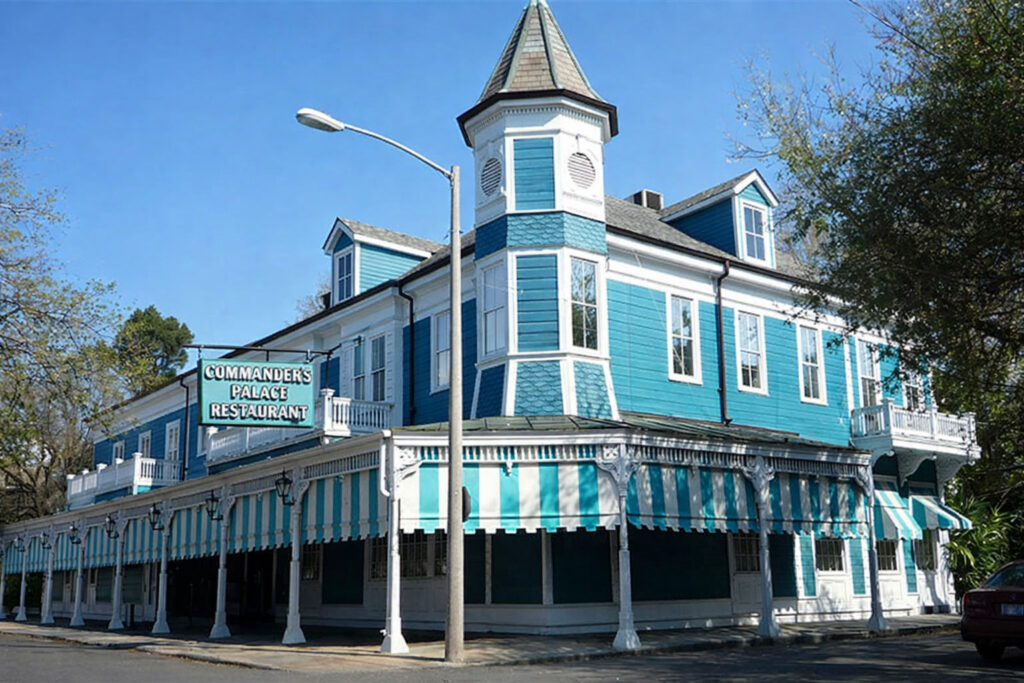
The legendary Commander’s Palace, a staple of New Orleans haute cuisine since 1893.
Planning Resources (If You Want the Trip on Easy Mode)
These are the only official planning links worth bookmarking. They save time, reduce confusion, and help you avoid landing in the middle of a citywide event with no reservations.
- Official neighborhood guide: Explore neighborhoods
- Official maps page: Printable and online maps
- Year-at-a-glance events: Festival and major events calendar
- Month-by-month guide: Best time to visit by month
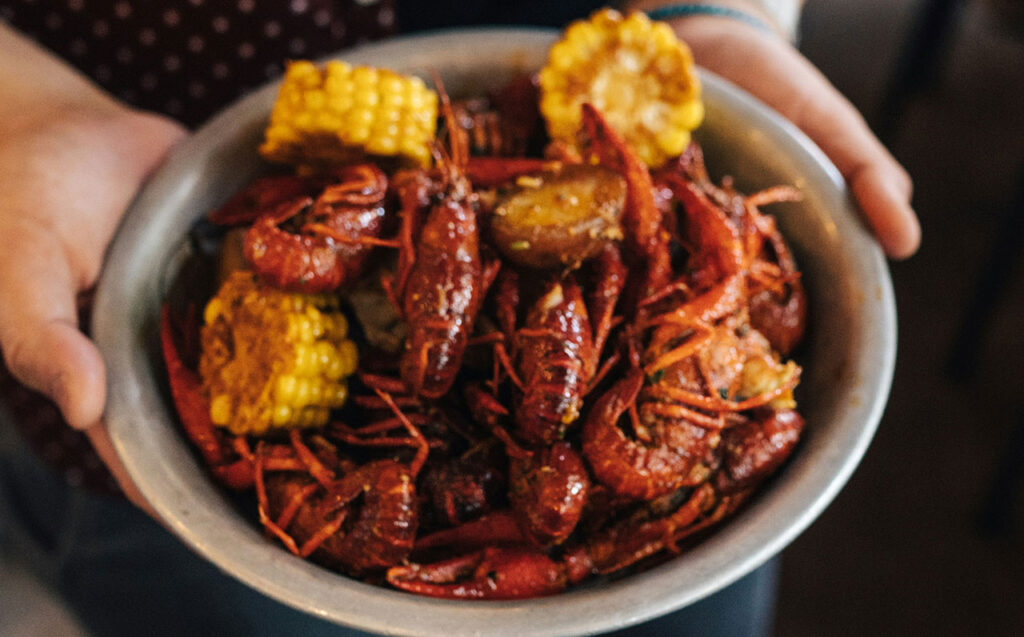
Pinch, peel, and eat. Nothing says New Orleans spring like an authentic backyard-style crawfish boil.
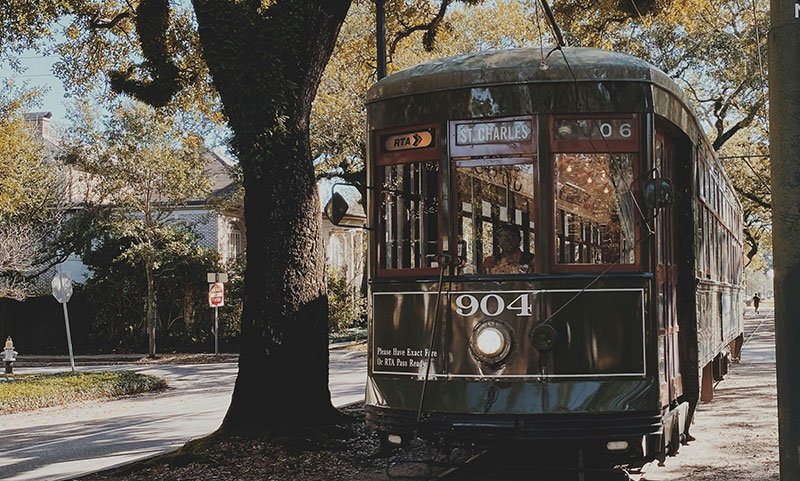
The St. Charles Streetcar is an icon, but it’s also a legitimate way to commute from Uptown to the CBD.
Logistics & Safety: It’s Not All Drinks & Music
New Orleans is a city of magic, but it is also a real city with real infrastructure quirks. If you treat it like a theme park, it will frustrate you. If you treat it like a local, it flows.
Here is how to handle the unsexy parts of the trip: getting around, staying safe, and packing for weather that changes three times a day.
Getting Around: The Reality Check
| Mode | Cost Estimate | Best For | The Catch |
|---|---|---|---|
| Rideshare (Uber/Lyft) | $10–$25 per trip (in city) | Nighttime safety, airport runs, getting across town fast. | Surge pricing during festivals is real. Schedule ahead if you have a flight. |
| Streetcar | $1.25 (exact change) or $3 day pass | The Garden District scenic route (St. Charles Line). | It is slow. Do not use it if you have a dinner reservation in 20 minutes. |
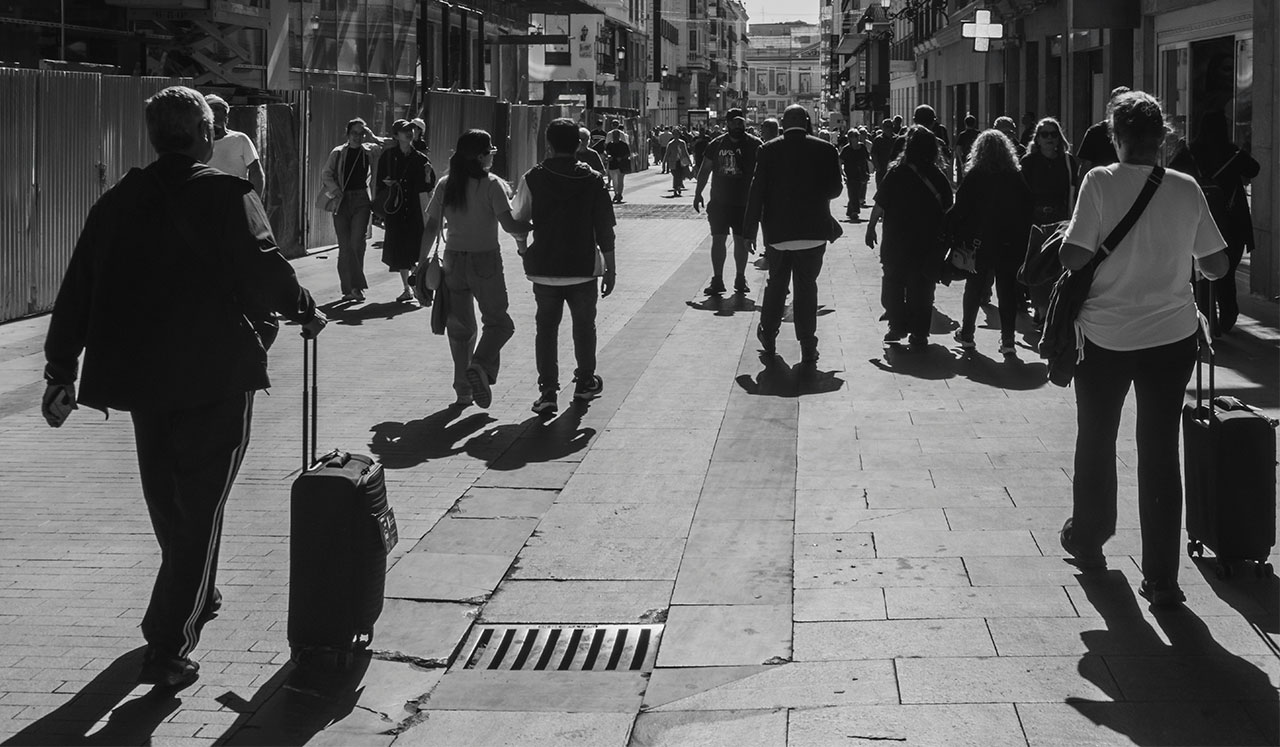
| Walking | Free | French Quarter, Marigny, and Warehouse District. | Sidewalks are historic (read: uneven). Watch your step. |
| Airport Shuttle | ~$24 per person | Solo travelers trying to save cash. | It stops at multiple hotels. It will add 45 minutes to your arrival time. |
Smart Packing & Safety
You don’t need a survival kit, but you do need to respect the environment. The “anything goes” reputation applies to the music, not the physics of walking on 200-year-old cobblestones.
How to Pack (The “Design” Edit)
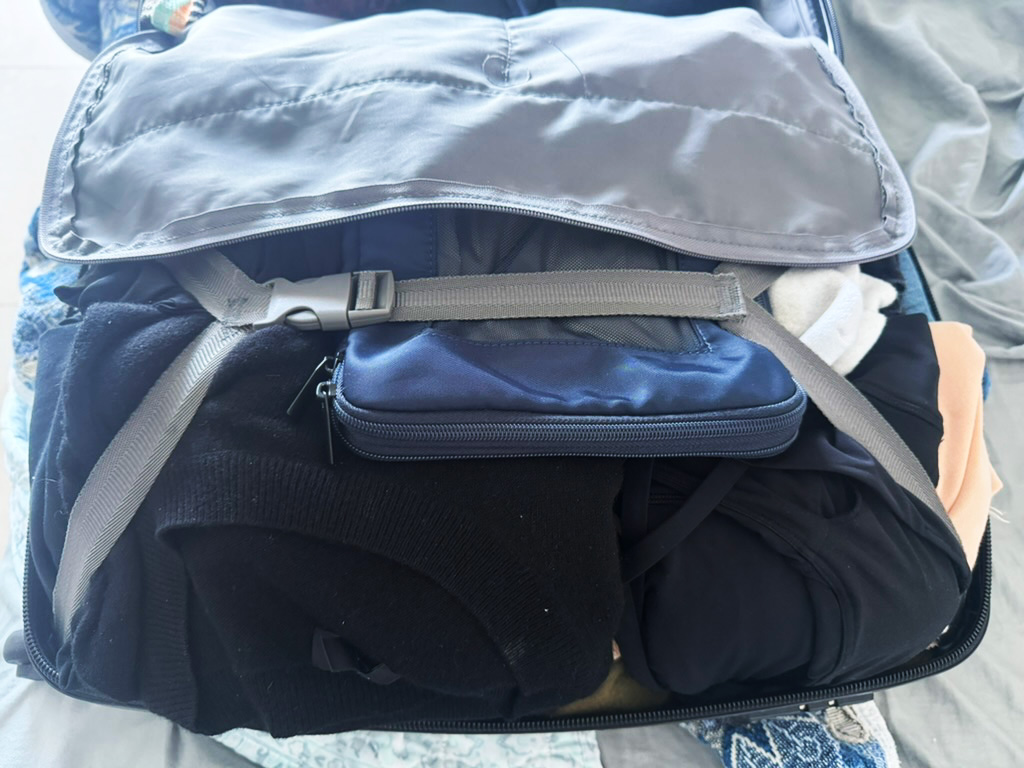
- The Shoe Rule: The French Quarter has uneven slate and broken pavement. Leave the stilettos at home. Bring a block heel or a polished sneaker.
- Fabrics: From April to October, humidity is the enemy. Wear linen, cotton, and breathable fabrics. Jeans in July is a rookie mistake.
- Layers: AC in hotels and bars is set to “arctic.” Bring a light jacket or blazer even in summer.
- The Rain Plan: It rains suddenly and heavily here. A small umbrella is better than a raincoat (too hot).
Safety: The “Street Smarts” Talk
- The Golden Rule: Don’t be the drunkest person on the street. That makes you a target.
- Stay in the light: Stick to populated streets. If a street looks dark and empty, don’t walk down it to see where it goes.
- Bourbon Street caution: It’s pickpocket central. Keep your wallet in a front pocket and your bag zipped.
- Trust your gut: If a block feels off, call a rideshare. It costs $10 to be safe.
Complete the Trip: New Orleans
These guides give you the real reservations ideas, bar strategy, and chef intel.
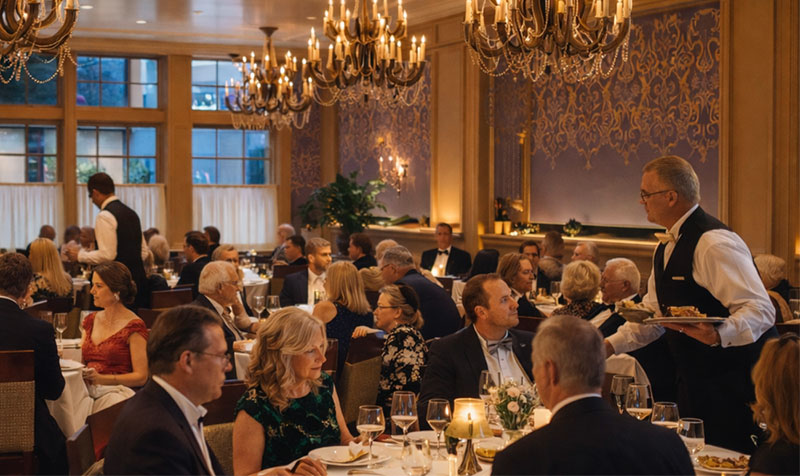
DINNER GUIDE
New Orleans Dinner Guide
The best classics, modern hits, and neighborhood gems.
Read More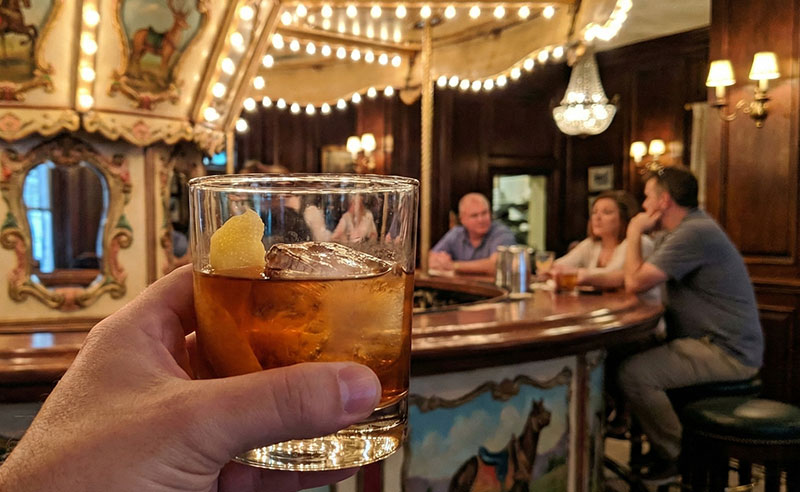
BARS & NIGHTLIFE
Bars & Nightlife Guide
Classic cocktails, live jazz, and refined late night energy.
Read More
CHEF INTEL
Chefs & Where They Eat
Where locals go and what industry people actually recommend.
Read MoreNew Orleans 3-Day Trip FAQ
For a first-time, high taste trip: Warehouse District or the edge of the French Quarter for easy walking. For music-first nights: Marigny near Frenchmen Street.
No. You will do better with walking plus occasional rideshares. Use the streetcar for the Garden District day. Parking is expensive and stressful.
It depends on the place. Bring one outfit that feels elevated for your nice dinner (jacket for men at places like Commander’s), and otherwise keep it comfortable and sharp. Linen is your friend in warmer months.
Worth seeing once for context, then move on. The city’s best nights are Frenchmen, hotel bars, and great dinners.
Pick one anchor venue (Preservation Hall, Tipitina’s, Snug Harbor), then do a Frenchmen Street wander. Show up early and keep it simple.
Spring (March to May) and fall (October to November) offer the best balance of weather and festival energy. Spring brings crawfish season and major events like Jazz Fest. Summer is hot and humid but less crowded. Carnival season (January through Mardi Gras) is electric but requires advanced planning.
Three nights is perfect for a first visit if you plan intentionally. One French Quarter day, one Uptown or Garden District day, and one Marigny or Bywater day gives you architecture, food, music, and neighborhood texture without burnout.
Yes, with normal city awareness. Stick to well-lit streets at night, use rideshares late, and avoid wandering deep into unfamiliar areas after hours. The French Quarter, Warehouse District, Garden District, Marigny, and Bywater are generally visitor-friendly when you’re mindful.
Walk in the Quarter and Warehouse District. Use the St. Charles streetcar for Uptown and the Garden District. Use rideshares at night to avoid waiting around. This combo is faster and less stressful than parking.
For iconic dining rooms and popular modern spots, yes. Book your “nice dinner” early and aim for an earlier seating if you want a smoother night. For casual po’boy shops and daytime meals, you can usually wing it.