




USA Travel Guide

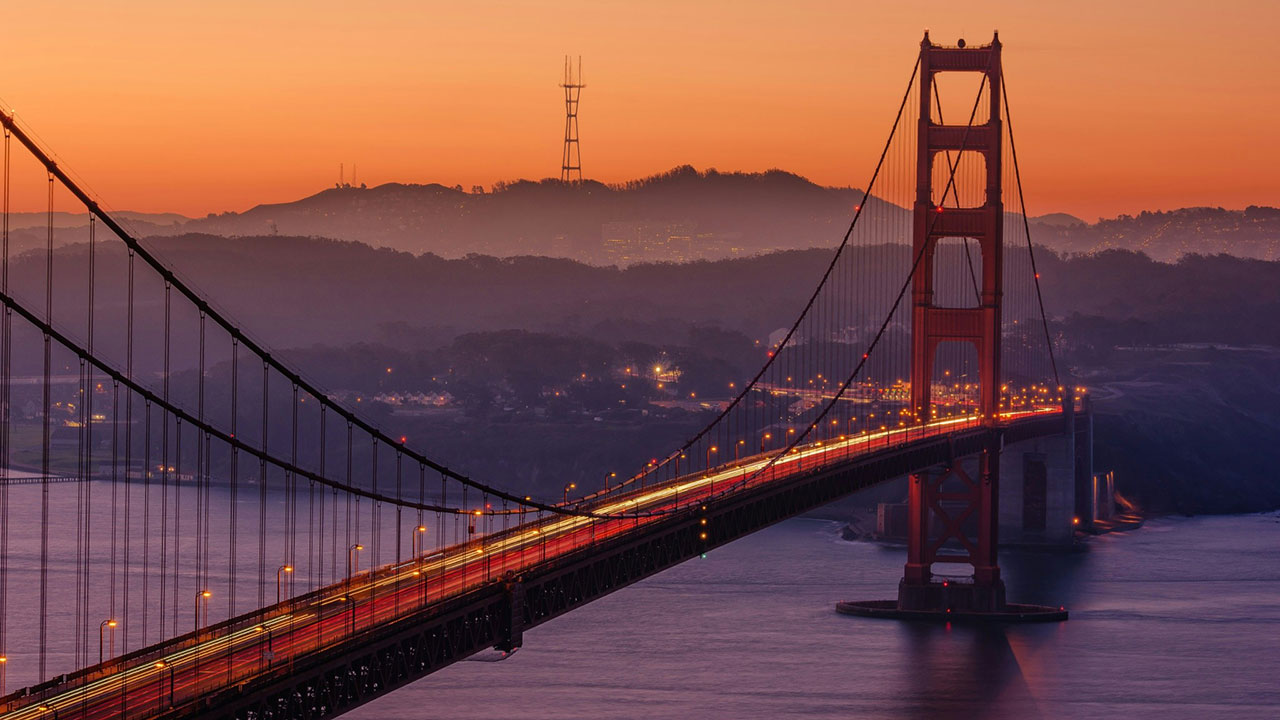
The ultimate San Francisco moment: watching the sunset over the Golden Gate Bridge. For the best views without the crowds, head to Marshall’s Beach or the Marin Headlands as the light dips below the horizon.


Home » USA

Last updated: January 2026 by Corey Gasman

From the Editor:

The United States is not “one trip.” It is a travel system: huge distances, wildly different climates, and experiences that can feel like separate countries. The most common mistake is planning the USA like Europe: too many stops, too much driving, and not enough time to actually live in a place.

The best USA trips are built with regions and bases. Pick a region, choose 1 to 2 anchor cities or hubs, add a few day trips, and leave room for spontaneity. That is how a trip starts feeling like a real story instead of a checklist.

Start Here: Planning for 2026

USA planning gets dramatically easier when you accept two truths: distances are real and lodging is the main budget variable. If you plan around those, everything else gets smoother.

For 2026, your biggest planning decisions are usually not about the USA itself. They are about how you move (drive vs fly), what season you travel in, and how many bases you try to cram into the trip.

The USA pacing rule that saves trips:

If your itinerary has you driving more than 3 to 4 hours most days, you are not “seeing more,” you are just moving more. The best trips usually have 2 to 3 big moves total, then a bunch of small loops.

The takeaway: build the trip around bases and day trips, not hotel changes.

TLGA Rule: Pick one region per trip. The USA is not the place to cross the whole map in 10 days.

Before you book anything

Start here: Getting Around Abroad (how to plan transportation like a system)
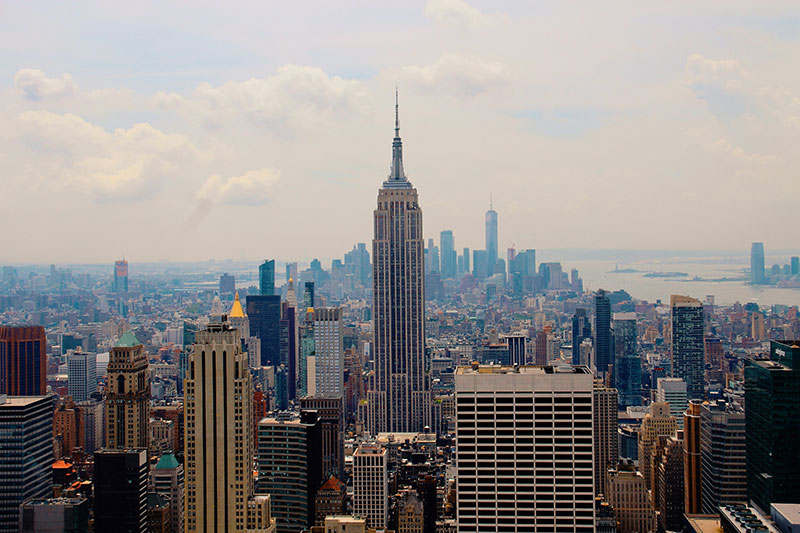
A high-angle aerial view of the New York City skyline during the day, with the iconic Empire State Building rising prominently above a dense grid of skyscrapers stretching toward the hazy horizon.

To understand the scale of the United States, start with the vertical scale of New York. The view from the top of the Empire State Building reveals a city that feels infinite, a reminder that in the USA, distances are real and every region is its own world.


The Reality Check: USA Logistics

The United States is easy to travel, but it is easy to travel badly. The most common mistake is treating it like a small country. It is not. It is a set of regions with very different climates, driving times, and costs.

Local Guide Tip: When you are choosing stops, use this filter: “Would I be excited to spend two full days here without leaving?” If not, it probably should be a day trip, not a base.

Distances are the #1 planning reality

To understand the scale, look at a map overlay. Driving from New York to Los Angeles is roughly the same distance as driving from Lisbon, Portugal to Moscow, Russia.

  • Driving: 2 to 3 hours is a comfortable day-trip loop.
  • Big moves: 5 to 8 hours is a real travel day (and a lot of people underestimate it).
  • Flights: often save an entire day when regions are far apart.

Lodging can swing your trip cost dramatically

Hotels in major cities and popular national parks can be expensive, especially in peak season. The easiest win is staying just outside the hottest zone while keeping a walkable or drivable loop.

Reservations matter more than people expect

  • National parks: parking, entry, or timed access can exist depending on location.
  • Popular tours: book ahead in high-demand places.
  • Restaurants: reservations can matter in top food cities and resort towns.
Pro Tip: Build one “open” day into every 5-day stretch. It becomes your weather buffer, rest day, or surprise best day.
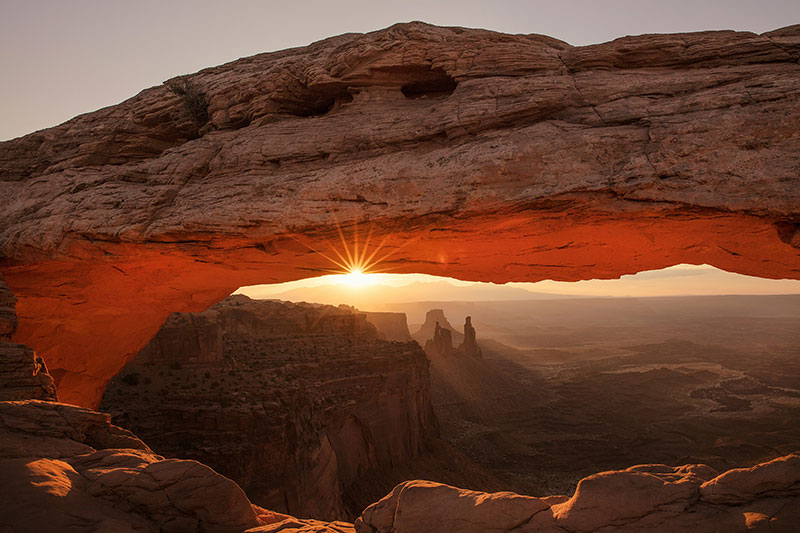
A breathtaking sunrise view through the stone opening of Mesa Arch in Canyonlands National Park, with the glowing orange underside of the arch framing the vast desert canyon and distant rock formations of Moab, Utah.

To experience Moab, Utah at its best, aim for the shoulder seasons of late spring and early fall. You’ll avoid the intense 100°F+ summer heat and winter road closures, giving you ideal conditions for hiking and exploring canyon country.


Best time to visit the USA

The best time to visit depends on the region, not the country. Use this as a planning shortcut to avoid heat, storms, and peak crowd pressure.

Spring (March to May)

  • Best for: Southwest deserts, many cities, shoulder-season value.
  • Watch for: spring break crowds in beach zones.

Summer (June to August)

  • Best for: high mountains, the Pacific Northwest, Alaska, lake country.
  • Watch for: heat waves, wildfire smoke, peak pricing, sold-out parks.

Fall (September to November)

  • Best for: road trips, national parks, cities, shoulder-season wins.
  • Watch for: hurricane season in parts of the Southeast (especially early fall).

Winter (December to February)

  • Best for: ski trips, desert regions, some big cities, lower prices in many areas.
  • Watch for: snow/ice driving, shorter daylight, seasonal closures in some parks.
Pro Tip: If you are flexible, pick your region based on the month. The USA rewards seasonal alignment more than almost anywhere.
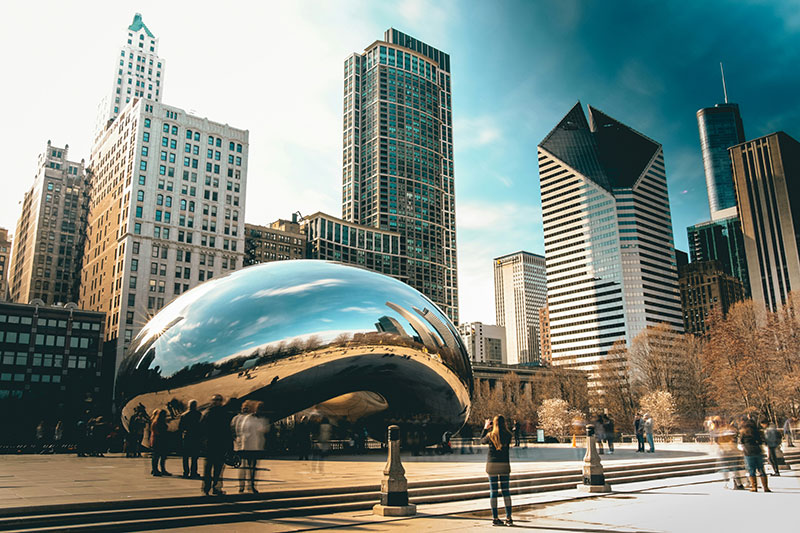
A view of the Chicago skyline and high-rise buildings reflecting in the polished, mirror-like surface of the Cloud Gate sculpture (the "Bean") in Millennium Park under a clear blue sky.

The heart of the Midwest: Chicago is the ultimate urban anchor for a Great Lakes trip. For a quieter moment at Millennium Park, visit Cloud Gate just after sunrise to see the skyline reflected in “The Bean” without the midday crowds.


Best fit by travel style

Pick the kind of days you want, then choose regions that deliver those days. The USA is at its best when you travel with a clear lane.

First trip, classic cities

If you are new to US travel, start with one region and two bases.

  • Examples: New York + a short Northeast add-on, or Chicago + a Midwest weekend loop, or San Francisco + Napa/Sonoma.
  • Best strategy: one big city base plus 1 to 2 day trips.
Pro Tip: The US is not a “hit five cities” trip unless you are flying and moving fast on purpose.

National parks and nature

Build around one park cluster, not a scattered map. The best parks trips are regional.

  • Best strategy: one gateway base + 2 to 3 park days + one rest day.
  • Planning note: start early daily; crowds and parking grow fast.
Local Guide Tip: If you show up to a famous viewpoint at 11:00am, you are choosing the worst version of it. Sunrise and early morning are the cheat codes.

Road trips (the iconic lane)

Road trips are the USA superpower. Keep drives realistic and build your trip around a few big moves, not daily long-hauls.

  • Best strategy: 2 to 4 hour daily drives max.
  • Planning note: plan lodging before you drive into remote areas.
Pro Tip: A great road trip is 60% stops and 40% driving, not the other way around.
A wide view of the iconic green outfield and "Green Monster" wall at Fenway Park in Boston during a daytime baseball game, with the red seats of the grandstand filled with fans and the city skyline visible in the distance.

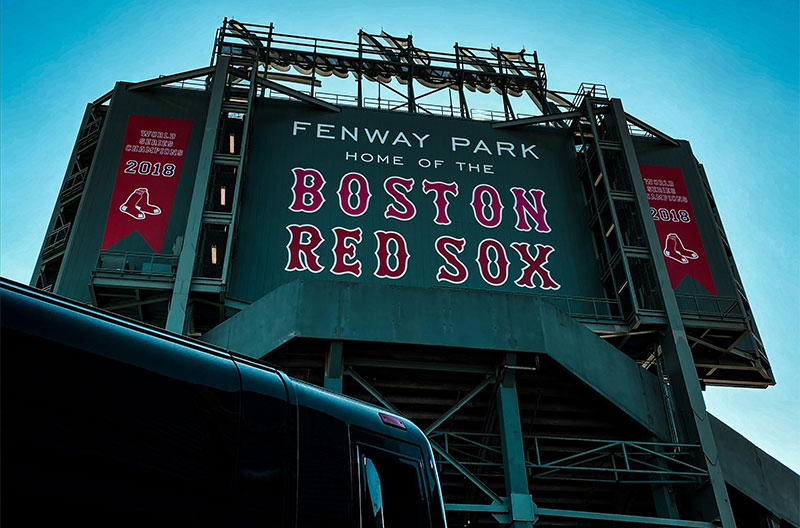
Catching a game at Fenway Park, the oldest ballpark in Major League Baseball, is a bucket-list Boston experience. Even if you’re not a die-hard fan, the history of the Green Monster and the energy around Kenmore Square on game day are essential pieces of the city’s culture.


Regions & Best Bases

This is the simplest USA planning framework: choose a region, choose 1 to 2 anchor bases, then build day-trip loops.

Northeast

  • Best for: historic cities, fall foliage, coastal towns.
  • Smart bases: New York City, Boston, Philadelphia.
  • Day trip energy: small towns, coastline, classic Americana.

Southeast

  • Best for: beaches, warm weather, food cities, music culture.
  • Smart bases: Charleston, Savannah, Miami, Nashville.
  • Planning note: watch hurricane season timing in early fall.

Midwest

  • Best for: lakes, summer travel, friendly cities, value.
  • Smart bases: Chicago, Minneapolis, Detroit.
  • Trip vibe: easy road trips and underrated food lanes.

Southwest

  • Best for: desert landscapes, national parks, road trips.
  • Smart bases: Las Vegas (as a hub), Phoenix/Scottsdale, Santa Fe.
  • Best season: spring and fall.

Mountain West

  • Best for: big mountains, hiking, national parks, ski trips.
  • Smart bases: Denver, Salt Lake City, Bozeman area.
  • Best season: summer for hiking, winter for skiing.

West Coast

  • Best for: coastal drives, food cities, wine country, mild weather.
  • Smart bases: San Francisco, Los Angeles, San Diego, Seattle.
  • Trip vibe: scenic drives + city days, very mixable.

The “Best of the USA” Hit List (Classic Routes)

If you want the quintessential American experience, these are proven routes that deliver highlights without burnout:

  • The Southwest Grand Circle (7-10 days): Start in Las Vegas. Drive to Zion National Park, then Bryce Canyon, and finish at the Grand Canyon before looping back. Unbeatable red-rock scenery.
  • The Northeast Corridor (7 days): The best “no-car” trip in the US. Fly into Boston, take Amtrak to New York City, and finish in Philadelphia or Washington, DC.
  • The Pacific Coast Highway (10 days): Fly into San Francisco, rent a car, and drive south along Highway 1 through Big Sur, Santa Barbara, and down into Los Angeles.
  • The Southern Music Trail (7-9 days): Start in Nashville, drive to Memphis, and end in New Orleans for jazz and Creole culture.
Pro Tip: Most USA trips should be built around one region. If you want to add another region, fly, and treat it like a second trip.

USA hub rule

If you are debating between two regions, pick the one that matches your month. Season alignment beats hype.


Most Searched Destinations for 2026

Whether you are looking for the classic American bucket list or the fastest-growing spots for this year, these are the locations drawing the most attention right now. Choose your lane and dive into our dedicated city guides.

The Classic Hit List

These cities consistently deliver the iconic experiences travelers look for when planning a major trip.

Trending for 2026

Looking for something different? These regions are seeing massive spikes in interest for upcoming travel.

  • West Palm Beach, FL: A surge in waterfront dining and early bookings.
  • Santa Barbara, CA: The top choice for coastal wine tourism.
  • Hilo, HI: A nature-focused escape away from heavy resort crowds.
  • Memphis, TN: Rapidly growing interest in music history and culinary trails.
Local Guide Tip: Solo travel is currently surging across the US. If you are planning a solo trip, cities with strong transit networks like NYC, Chicago, and Boston offer the lowest logistical friction.
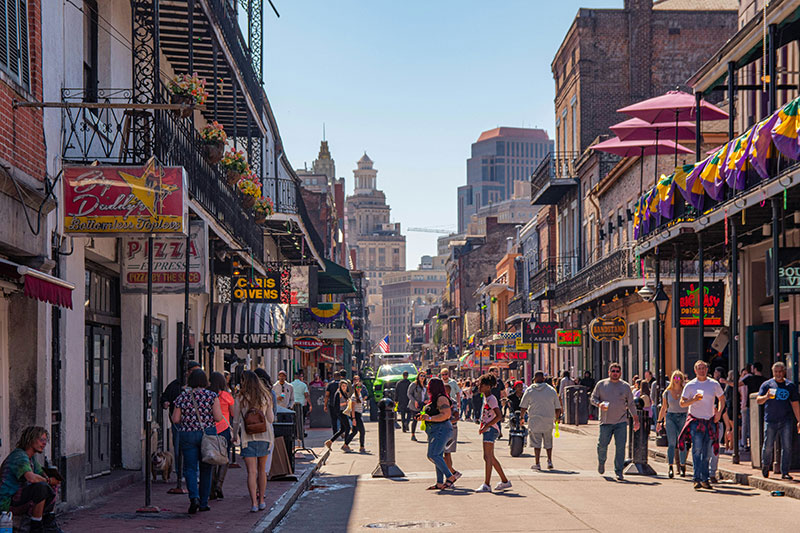
A colorful and historic street in the Garden District of New Orleans, featuring a grand antebellum mansion with intricate white ironwork balconies, shaded by massive, moss-draped oak trees.

Beyond the neon of Bourbon Street: For a more authentic New Orleans experience, look to the Garden District or Marigny. These neighborhoods offer stunning historic architecture and a quieter, local rhythm while still being just a short streetcar ride away from the French Quarter’s energy.


Where to stay (areas that make trips easier)

The USA is not always a “stay downtown” destination. Your best base is the one that fits your day plan: walking loops in cities, easy parking near parks, and calm lodging when you want rest.

City trips (best base logic)

Base type Best for Choose it if…
Walkable core Short trips You want to do a lot without a car.
Neighborhood base Food + local vibe You want cafés, parks, and a calmer loop.
Edge base Value + parking You want lower costs and easier logistics.
Local Guide Tip: For city travel, one block off the hottest tourist lane is often the sleep-and-price upgrade.

National parks and nature trips

Base type Best for Choose it if…
Inside the park Maximum access You want sunrise access and less driving.
Gateway town Balance You want restaurants and easier lodging options.
Second-ring town Budget You want value and accept longer drives.
Pro Tip: For parks, your lodging distance determines your whole day. Closer is almost always worth it if you are doing early mornings.
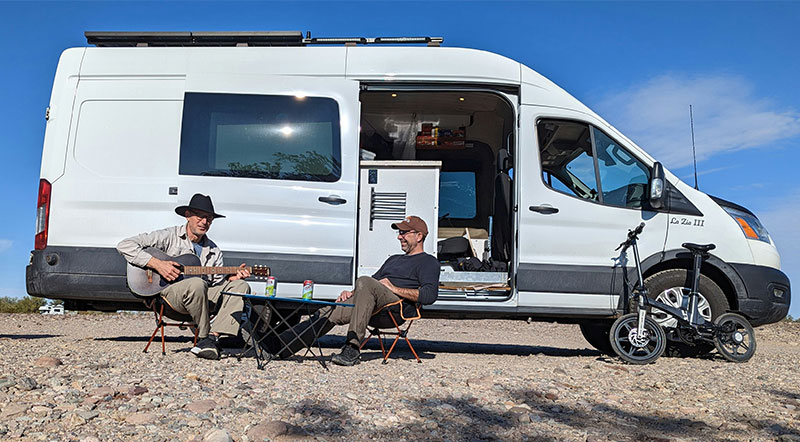
A traveler sits on a bench beside a white camper van with its side door open, parked in the open desert landscape of Quartzsite, Arizona, under a clear sky.

Quartzsite, Arizona, is a rite of passage for van life travelers. Whether you’re stopping for the famous gem shows or looking for open BLM land to park overnight, this desert hub captures the spirit of the American road trip.


Transportation

Transportation is the core USA decision. Most trips come down to this: drive within a region, fly between regions.

Transportation rule that stays true

If the drive is more than 6 to 7 hours, strongly consider flying. You are buying back a vacation day.

Rental cars (the default tool)

  • Best for: road trips, national parks, smaller towns, scenic regions.
  • Reality: parking and tolls can add cost; plan for them.
  • Tip: pick up cars outside dense downtown cores when possible.

Domestic flights (the time saver)

  • Best for: cross-country moves, region switches, short trips with big distance goals.
  • Tip: avoid stacking tight same-day connections if weather is a factor.

Trains and transit (region-specific)

Trains (Amtrak) are great in the Northeast Corridor (DC to Boston) but are not a primary mode of transport in most of the country.
Pro Tip: For road trips, plan one “no-drive” day every few days. Your energy stays high and the trip feels less like a haul.
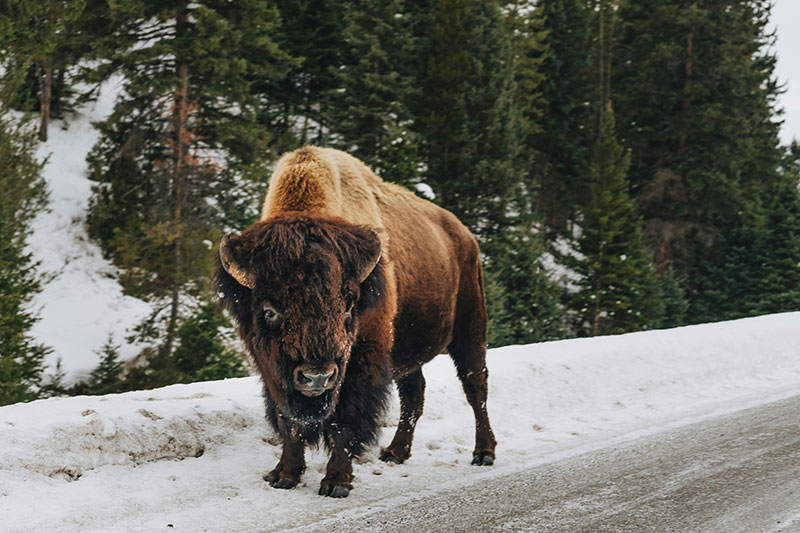
A large American bison stands in the middle of a snow-covered road in Yellowstone National Park, with a backdrop of frost-covered evergreen trees and a misty winter landscape.

In winter, wildlife like bison often share the road. Always give animals plenty of space. In Yellowstone, they always have the right of way.


Safety & Respectful Travel

The USA is safe for travelers in most contexts, but it is huge and varied. The best safety strategy is basic: awareness, weather respect, and not pushing driving when tired. In an emergency, dial 911.

Good guest basics in the USA:

  • Leave no trace: parks and trails stay beautiful when you pack out trash.
  • Respect neighborhoods: keep noise down in residential areas.
  • Tip appropriately: tipping norms exist in most service situations (see below).

Common safety realities

  • Driving fatigue: do not push long night drives in unfamiliar areas.
  • Weather: heat, storms, and snow can impact plans quickly.
  • City zones: use normal awareness in crowded areas and at night.
Local Guide Tip: If you are road tripping, keep a small emergency kit: water, snacks, a layer, and phone charging. It solves most “surprise” moments.
Pro Tip: Most travel stress comes from being rushed. Add buffer time and your safety improves automatically.
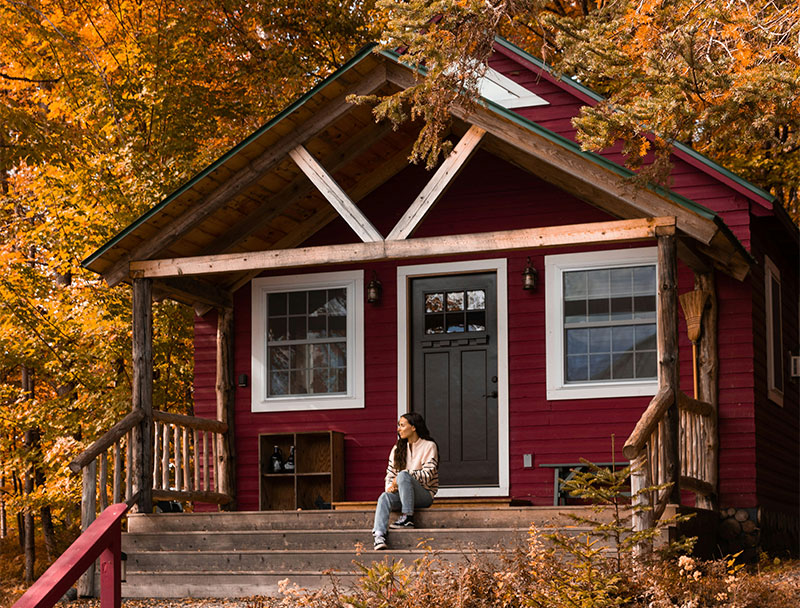
A cozy, A-frame wooden cabin tucked into a dense forest of tall evergreen trees, with a warm light glowing from the windows and a light dusting of snow on the surrounding ground.

Renting a cabin is one of the best ways to experience the scale of the U.S. wilderness. Whether in the Blue Ridge Mountains or the Pacific Northwest, choosing a remote base lets you trade city noise for forest quiet. For value, look for “dry cabins” or older A-frames just outside major national park boundaries.


Hotels, rentals, and cabins

In the USA, lodging is often your biggest expense. Choose the format that reduces friction for your trip leg.

What to book, by trip style

  • City trips: hotels are usually easiest for walkability and logistics.
  • Road trips: a mix works, but keep check-in friction low.
  • National parks: cabins and lodges can be the best value in “time saved.”
  • Long stays: rentals shine for kitchens, laundry, and daily rhythm.

USA lodging reality checks

  • Peak pricing: summer weekends and major holidays spike costs.
  • Parking: some city hotels charge high nightly fees ($30-$60/night).
  • Resort fees: mandatory fees added at checkout in places like Las Vegas or resorts ($30-$50/night).
Pro Tip: Pay for location when your stay is short. For longer stays, go slightly outside the hottest zone and build a better daily loop.
Local Guide Tip: For parks, “closer” is often cheaper in the currency that matters: time and energy.
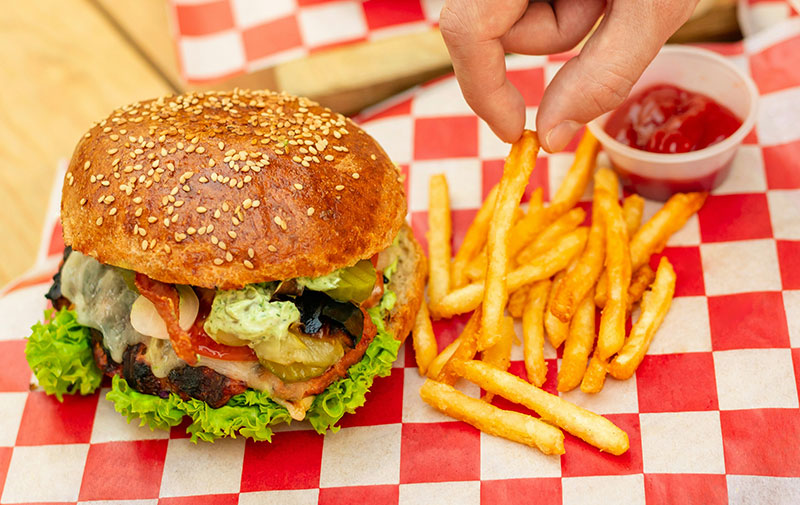
A close-up of a classic American cheeseburger with lettuce and tomato on a sesame seed bun, served with a side of crispy golden french fries on a red and white checkered paper liner.

A classic burger and fries is part of the American road trip ritual. From historic roadside diners to neighborhood favorites, it is a universal language of the U.S. food scene.


Eat like a local

Eating well in the USA is about neighborhoods and timing. One block off the main strip is often the “real city” lane, and it is usually better value.

How to eat better immediately

  • Neighborhood rule: eat where locals live, not only where tourists gather.
  • Ask one local question: “Where would you take a friend?”
  • Plan one standout meal: then keep the rest casual and efficient.

Food travel lanes that work

BBQ + comfort food Great in multiple regions. Pick one food city and go deep.
Seafood coasts Best when you align with season and avoid peak tourist traps.
Immigrant food cities One of the USA superpowers: incredible variety in major metros.
Local Guide Tip: In most US cities, the best meals are not “downtown.” They are in neighborhoods with real daily life.
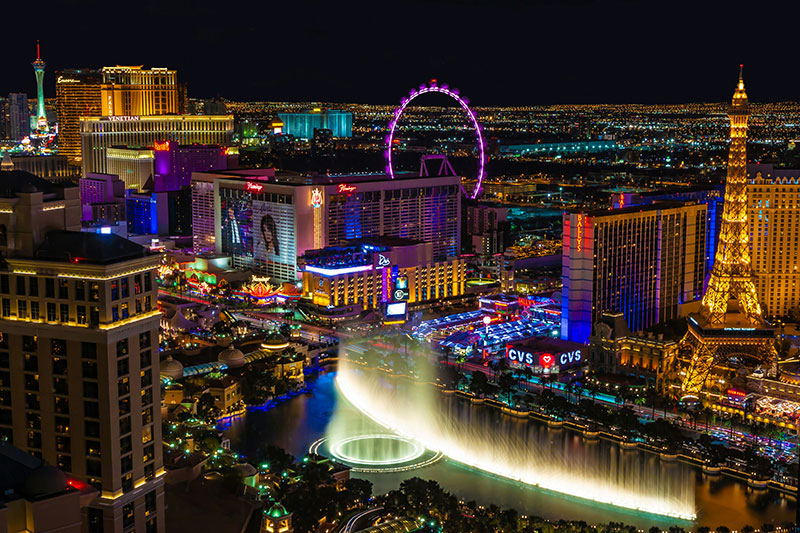
Alt Text: A vibrant night view of the Las Vegas Strip, featuring the illuminated High Roller observation wheel, glowing neon signs from various resorts and casinos, and the bright lights of city traffic under a dark sky.

Las Vegas is a city built on spectacle. The Strip is best experienced after dark, when the lights, shows, and sheer scale of the resorts come alive.


Trip Cost & Budgeting

The USA is controllable if you plan around the big levers. The biggest shocks for international visitors are usually sales tax and tipping, which are almost never included in the displayed price.

The “price isn’t the price” rule

  • Sales tax: added at the register. It varies by state and city (often 0% to 10%). The tag says $10, but you pay around $10.80 in an 8% tax area.
  • Hotel taxes: often significantly higher than standard sales tax.

Payment methods

  • Cards & mobile: accepted almost everywhere.
  • Cash: still useful for tips and small purchases in some contexts.
Pro Tip: The biggest money leak is last-minute planning: hotels, car rentals, and flights booked late in high-demand seasons.

Money basics

Read: Travel Finance Guide
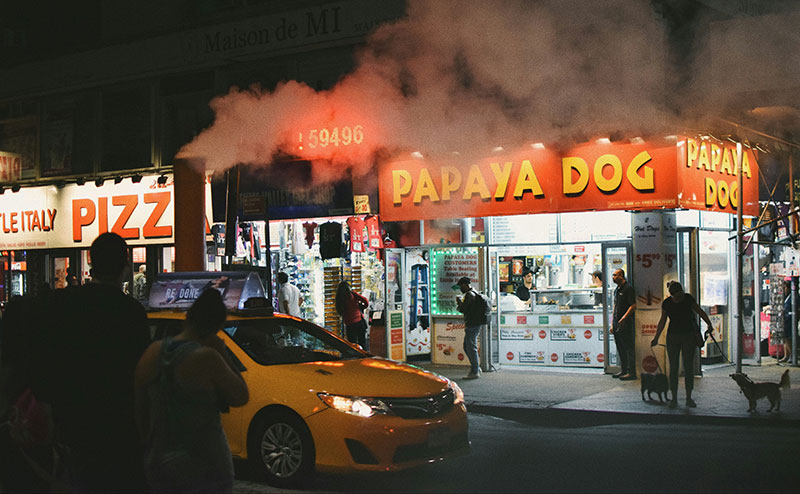
A yellow New York City taxi cab drives past a "Papaya Dog" storefront at night, with glowing neon signs advertising hot dogs and pizza slices in a busy Manhattan neighborhood.

A classic NYC budget move: a slice and a soda, or a street hot dog. While Manhattan dining can get expensive, leaning into grab-and-go food culture is the best way to keep daily spending under control. Anthony Bourdain famously loved Papaya King.


Rules, fees, and etiquette

The USA is easy culturally, but a few norms and “hidden fee” realities surprise travelers. Knowing them makes your trip smoother.

The tipping reality (2026 standards):

Dining: 18-22% is standard for table service.
Bars: $1-$2 per drink or about 20% of the tab.
Service is not included: many tipped workers depend on gratuity as part of their wage.

Fee and reservation realities

  • City hotels may charge parking and resort fees.
  • Some parks use timed entry or parking reservations.
  • Holiday weekends spike lodging prices fast.

Practicalities

  • Drinking age: 21+. Strictly enforced. You may need your passport as ID.
  • Units: miles (distance), Fahrenheit (temp), pounds (weight), 110V power (Type A & B plugs).
  • Personal space: Americans value personal space in lines and queues.
Local Guide Tip: In national parks, “leave no trace” is not a slogan. It is the social contract.

Frequently Asked Questions

How many days do I need for a USA trip?

For most travelers, 7 to 10 days is best for one region. If you have 10 to 14 days, you can add a second region if you fly and keep bases tight.

Drive within a region and fly between regions. If a drive is more than 6 to 7 hours, flying usually buys back a vacation day.

Not hard, but they are popular. Start early, plan lodging first, and check for any timed-entry or reservation requirements in peak season.

Over-moving. Too many hotel changes and too much driving turns a trip into logistics. Pick a strong base and build day-trip loops.

It can be, but it is controllable. Lodging is usually the biggest variable. Your biggest savings come from traveling in shoulder season, staying slightly outside the hottest zone, and limiting moves.
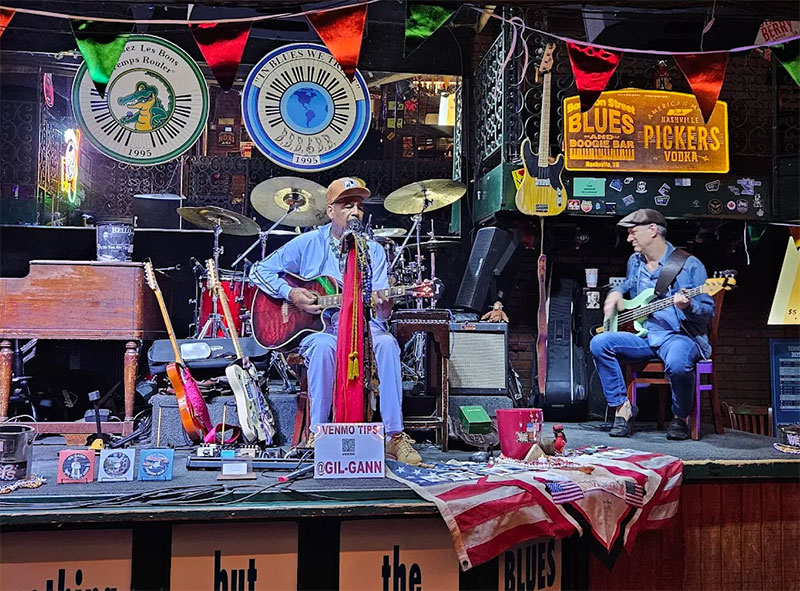
Bourbon Street Blues & Boogie Bar Nashville Review

Band playing at Bourbon Street Blues and Boogie Bar
Home » USA

Bourbon Street Blues and Boogie Bar Nashville Review

Last updated: February 2026 by Corey Gasman

Bourbon Street Blues and Boogie Bar

Bourbon Street Blues and Boogie Bar • 220 Printers Alley, Nashville, TN 37201, United States

Visited: November 21, 2024 · Rating: 5/5

Bourbon Street Blues and Boogie Bar was easily my favorite live music spot during our Nashville trip. We visited twice during a four-night stay, and both nights delivered high-energy performances with strong blues and rock covers that kept the crowd engaged from start to finish.


The Atmosphere

Located in historic Printers Alley, this bar stands out from the Broadway scene by offering a more intimate live music experience. The venue is small, which adds to its charm and creates a lively, close-up feel with the band.

The New Orleans-inspired vibe is a fun change of pace, and the wraparound metal balcony is a great place to grab a seat if you can find one. Sitting upstairs gives you a perfect view of the stage and the crowd below.


Drinks and Pricing

Drink prices are on the higher side but consistent with most downtown Nashville bars. Expect to pay around nine dollars for beers and about fourteen dollars for cocktails.

While not cheap, the quality live music and unique atmosphere make it worth it.


Final Verdict

If you are looking for live blues music in Nashville with a New Orleans flair, Bourbon Street Blues and Boogie Bar is a must-visit. It is a great alternative to the busy Broadway bars and an excellent choice for a memorable night out in Music City.


View on Google Maps

Etch Nashville Review: Standout Scallops and Downtown Dining Prices

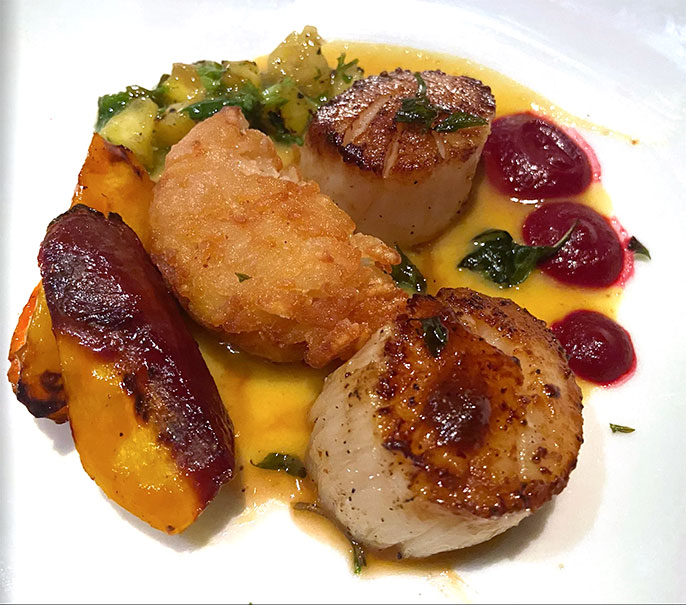
etch sea scallops
Home » USA

Last updated: February 2026 by Corey Gasman

etch

etch • 303 Demonbreun St, Nashville, TN 37201, United States

We had dinner at etch in downtown Nashville, just steps from the Country Music Hall of Fame. Location-wise, it is an easy choice if you are already in the area. Overall, the meal delivered strong execution on the main dishes, but a few details kept it from being a full five-star experience.


What We Ordered

We started with the Beet and Berry Salad. It was flavorful, but leaned much sweeter than expected. There were only a couple slices of beet compared to a larger portion of greens, and the goat cheese semifreddo read more like frozen cheesecake than traditional goat cheese. Interesting idea, but it needed more acidity to balance the sweetness from the berries and semifreddo.

The entrées were where etch really shined. The scallops were beautifully cooked, tender and buttery, and easily the standout dish of the night. They were the kind of scallops that make you pause mid-conversation.

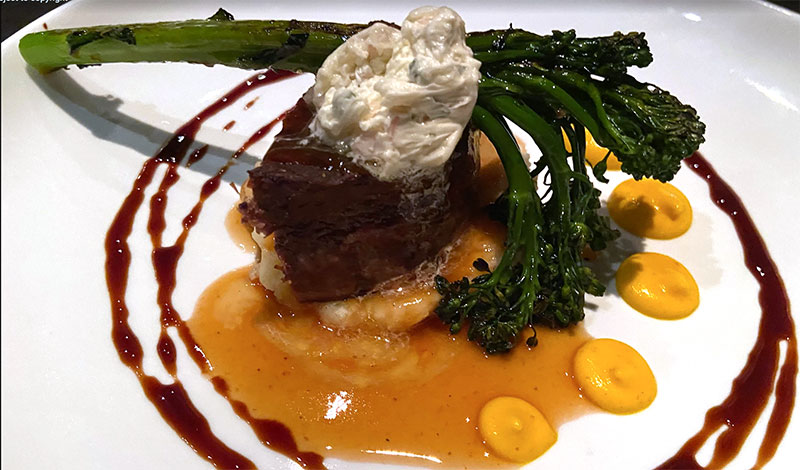
The filet was equally solid, cooked just right and served with beef jus, a red wine gastrique, and a tarragon shallot butter that added richness without overpowering the meat.

Filet at etch in Nashville

Filet with beef jus and red wine gastrique at etch Nashville.


Service and Pricing

Service was friendly, attentive, and efficient. The kitchen was happy to split each dish onto two plates since we were sharing, which we appreciated.

That said, we did have a small pricing hiccup. We added one extra scallop and were told it would be eight dollars, but it appeared on the bill as thirteen. At sixty-four dollars for four scallops total, it definitely stood out.

The atmosphere is polished but leans a bit corporate, more business dinner than cozy night out. Pricing reflects the downtown location. Our total came to $214 before tip and $258 all in for one salad, two entrées, two glasses of wine, and one cocktail.


Final Verdict

Overall, etch is worth trying if you are already downtown, especially if scallops are your thing. The food is well executed, but you are paying premium prices for the location and overall experience.


View etch on Google Maps


FAQ: etch Nashville

Do you need a reservation for etch Nashville?

Reservations are a smart move for dinner, especially on weekends or if there is an event downtown. Walk-ins can work at off-peak times, but this is not the kind of place to gamble on at prime hour.

The scallops were the standout dish and the one I would recommend first. If you want a classic steak option, the filet was well cooked and nicely layered with sauces and butter.

Yes. It is priced like a downtown Nashville restaurant. You are paying for the location and experience. If you are watching budget, save it for a planned night out.

Polished and professional. It leans more business dinner than romantic date night. Still a nice experience, just not especially intimate.

Yes. The kitchen split dishes onto two plates without issue, which made sharing easy and seamless.

Yes. It is centrally located and very close to major attractions like the Country Music Hall of Fame, making it convenient if you are already downtown.

The Mockingbird Nashville Brunch Review: Creative Dishes and Fun Cocktails

Chicken and Biscuits
Home » USA

The Mockingbird Nashville Review: Creative Brunch Downtown

Last updated: February 2026 by Corey Gasman

The Mockingbird

The Mockingbird • 121 12th Ave N A, Nashville, TN 37203, United States

Brunch at The Mockingbird in downtown Nashville stood out thanks to a creative menu, playful cocktails, and food that genuinely delivered. We visited on a Saturday morning around 10:30 a.m. While it was calm when we arrived, the dining room filled quickly as we were finishing.


What We Ordered

Service was excellent from the start. Friendly, attentive, and well paced without ever feeling rushed.

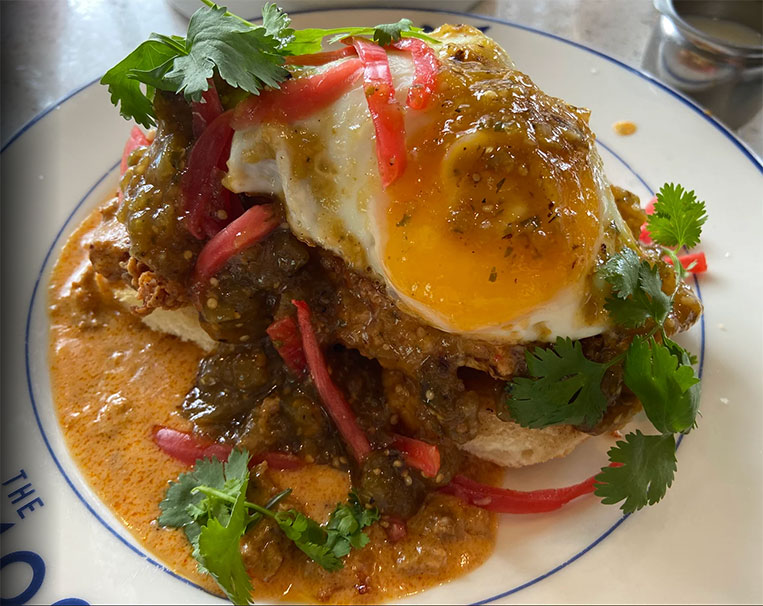
I ordered the Chicken and Biscuits, which ended up being the highlight of the meal. The chicken was perfectly crispy, the biscuits were fluffy and tender, and everything was covered in a savory gravy with just enough heat to bring the dish together.

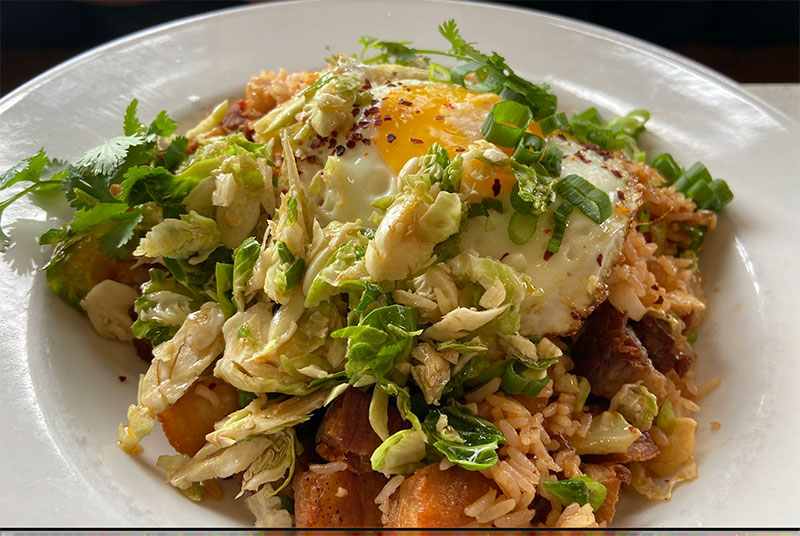
My wife chose the Pork Belly Fried Rice, and it did not disappoint. The pork belly was crispy and caramelized, while the fried rice struck a great balance between sweet and savory flavors.

We also shared a side of tater tots with truffle aioli. The tots arrived hot and crunchy, and the aioli was rich, creamy, and full of flavor.

Pork belly fried rice at The Mockingbird Nashville

Pork Belly Fried Rice at The Mockingbird in downtown Nashville.


Cocktails and Vibe

The drinks are part of the appeal here, and the Punch in a Bag lived up to the hype. Served in a Capri Sun style pouch, it was boozy, fruity, and surprisingly well balanced. It added a playful energy to brunch without crossing into gimmick territory.

The overall vibe is relaxed, upbeat, and social. It feels fun without being chaotic.


Final Verdict

If you are looking for a fun but genuinely good brunch spot in Nashville, The Mockingbird is an easy recommendation. With creative comfort food, inventive cocktails, and a relaxed downtown atmosphere, it is a strong choice for weekend brunch in Music City.


View The Mockingbird on Google Maps


FAQ: The Mockingbird Nashville Brunch

Do you need a reservation for brunch at The Mockingbird?

Reservations are recommended for weekend brunch, especially after mid-morning. Early arrivals may get seated quickly, but the restaurant fills up.

The Chicken and Biscuits are the standout and a safe first choice. The Pork Belly Fried Rice is also excellent if you want something rich and savory.

It manages to be both. The cocktails are playful and memorable, but the food holds its own and never feels secondary.

Yes. Signature drinks like the Punch in a Bag are part of the experience and are well balanced rather than overly sweet.

Relaxed, social, and upbeat. It is a good spot for groups, casual celebrations, or an easygoing weekend brunch downtown.

It works well for both. You can keep it casual with comfort food or lean into cocktails and make it more of an event.

Assembly Food Hall Nashville Review: Diverse Dining, Live Music, and Rooftop Views

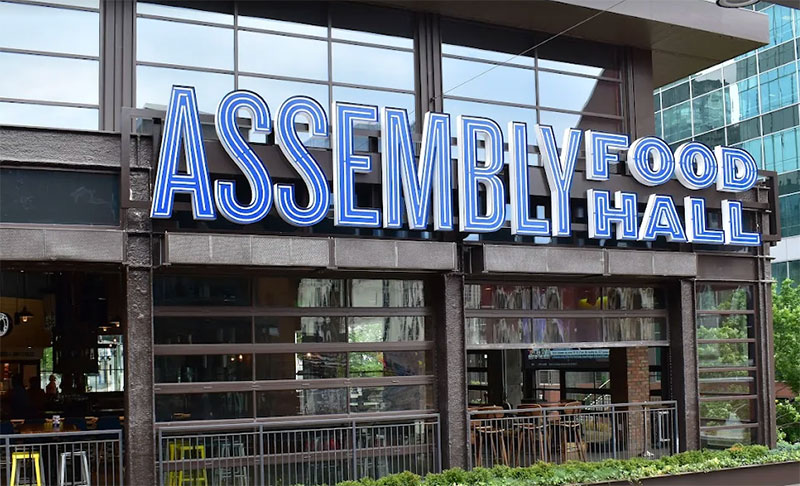
Assembly Food Hall exterior sign
Home » USA

Last updated: June 2025 by Corey Gasman · Rating: 5/5

Assembly Food Hall

Assembly Food Hall • 5055 Broadway, Nashville, TN 37203, United States

Assembly Food Hall is a fantastic choice in downtown Nashville for a quick lunch, casual dinner, or feeding a group with different tastes. During our mid-June visit, the place was buzzing with energy, and it is easy to see why.

This massive food hall brings together a wide range of cuisines under one roof, making it simple to please everyone in your party.


What You’ll Find Inside

The vendor lineup covers everything from Nashville hot chicken and Southern barbecue to sushi, tacos, wood-fired pizza, pho, and even a classic Philly cheesesteak.

Over several visits, I tried the BBQ, pizza, pho, and the cheesesteak, and every meal was solid. Most dishes fall in the fifteen to twenty dollar range, which feels reasonable for the quality and variety offered in such a central location.


Atmosphere and Rooftop

One of the highlights of Assembly Food Hall is the live music, which adds to the lively Nashville atmosphere. It feels very much in step with the Broadway energy outside.

There is also a rooftop bar and restaurant offering skyline views and refreshing cocktails, making it a great spot to unwind after exploring downtown.


What to Know Before You Go

This is not the place for a quiet conversation. It gets loud, especially during peak hours, and finding a table can take some patience.

That said, the hall is well organized, clean, and the ordering process is quick and efficient.


Final Verdict

If you are looking for a casual dining spot in Nashville with huge variety, bold flavors, and an energetic vibe, Assembly Food Hall is an excellent choice.

Come hungry, explore the vendors, and enjoy the convenience of having so many options in one place.


View Assembly Food Hall on Google Maps

Harper’s Nashville Review: Exceptional Steakhouse Dining with Cocktails and Classic Desserts

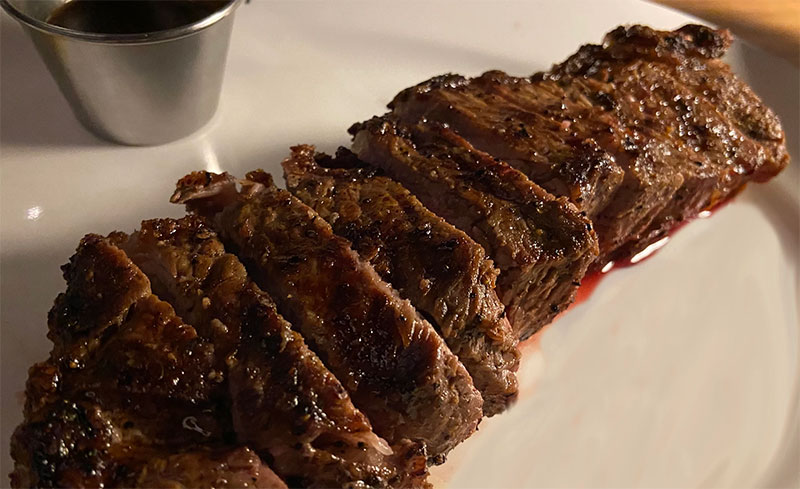
Close up image of a steak from Harper's.
Home » USA

Last updated: June 2025 by Corey Gasman · Rating: 5/5

Harper’s

Harper’s • 2 Lea Ave, Nashville, TN 37210, United States

Dinner at Harper’s in Nashville was outstanding from start to finish and easily ranks as one of our favorite meals in the city. The evening combined excellent food, polished service, and a stylish yet comfortable atmosphere.


Drinks and Starters

We started with classic martinis, the perfect way to set the tone. I then switched to a glass of Post & Beam Napa Cabernet Sauvignon priced at twenty-five dollars. It was smooth, bold, and an ideal pairing for steak.

From the raw bar, we ordered the Big Eye Tuna Sashimi priced at twenty-four dollars. It was fresh, flavorful, and arrived with a dramatic dry ice presentation that added a fun visual element.

We also ordered the Wedge Salad, which was thoughtfully split for us without asking. It featured cherry heirloom tomatoes, Nueske’s smoked bacon crumbles, blue cheese, and a creamy herb buttermilk dressing that brought everything together.


The Main Course

For the main course, we shared the sixteen-ounce New York Strip priced at eighty-five dollars. The cut was excellent, cooked beautifully, and served with a rich demi-glace.

On the side, we ordered a half portion of Brussels sprouts that were crispy, caramelized, and finished with a savory sauce.


Dessert and Final Touches

Dessert was the Crème Brûlée priced at thirteen dollars. The top was perfectly torched with a silky custard underneath, served alongside fresh berries.

As a generous final touch, the restaurant treated us to two complimentary glasses of Lambrusco, a classy and memorable gesture that capped off the evening beautifully.


Atmosphere and Service

Service throughout the evening was attentive and professional. The vibe at Harper’s feels modern yet cozy, making it great for both couples and groups.

A tip for visitors: request one of the booths. They are especially comfortable and well suited for conversation.

The only small drawback was the presence of flat-screen televisions visible from the dining room, which slightly distracted from the otherwise refined setting.


Final Verdict

Harper’s delivers on every level with top-quality food, excellent cocktails, strong service, and a welcoming atmosphere.

If you are looking for one of the best steakhouse experiences in Nashville, Harper’s is absolutely worth a visit.


View Harper’s on Google Maps


More Nashville Dining Guides