



Destinations

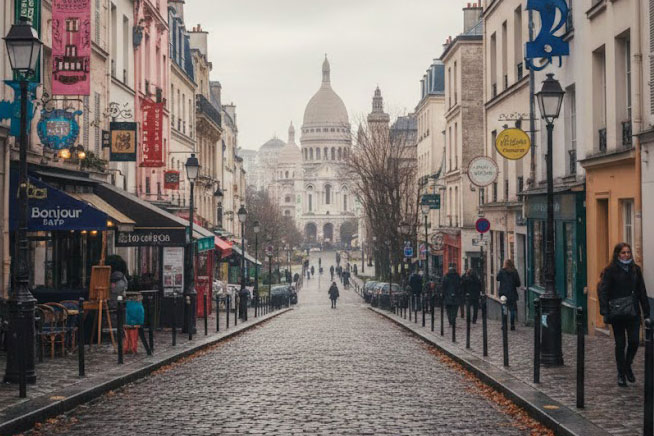
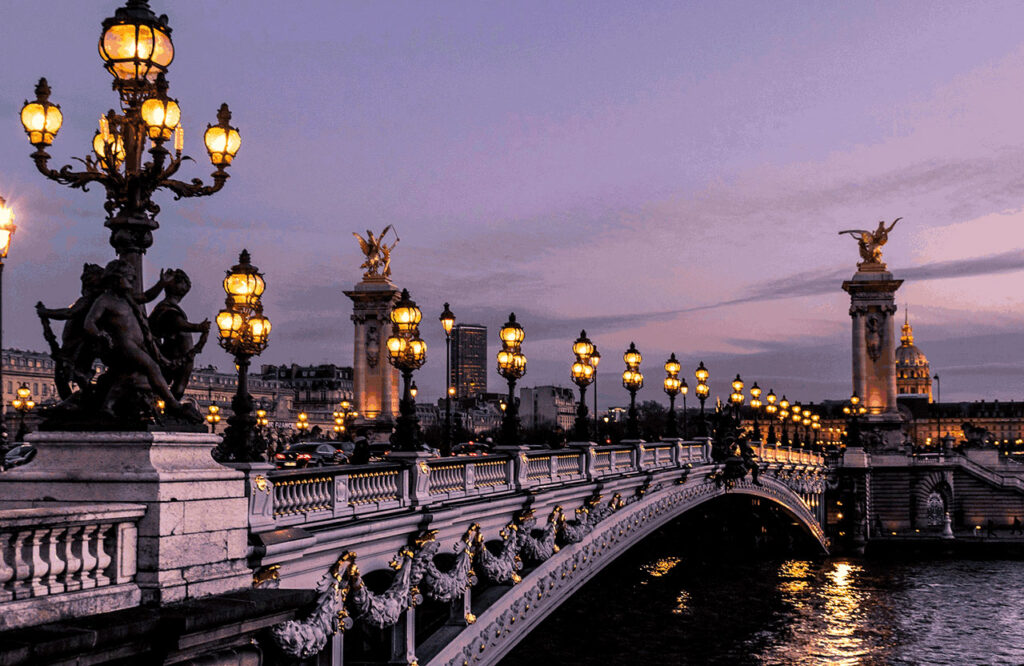
The ornate Pont Alexandre III bridge in Paris at dusk, featuring its golden statues and classic lamp posts over the Seine River.

Where Your Trip Begins

These destination guides are not built from quick fly-through trips or generic tourist checklists. Many come from longer stays, month-long Airbnb trips, repeat visits, and real meals in real neighborhoods.

Start with a country or region hub, then go deeper into city guides, food guides, itineraries, neighborhood strategy, safety notes, and practical planning advice.

Home » Destinations » Page 15

Start here

The Local Guide Abroad is built for travelers who care about how a place actually feels. I focus on neighborhoods, food, walkability, cost, safety, logistics, and the small decisions that can make a trip smoother.

I have traveled through 45 countries, spent a year living out of a backpack, taken longer working trips, planned food-first city stays, and returned to places I wanted to understand more deeply. These guides are written from that perspective: practical, personal, and built for travelers who want more than a checklist.

How to use this page
Start with the strongest destination hubs below. If a country is not linked yet, that usually means I am waiting until it has enough supporting guides to be useful. I would rather publish a destination when it has real depth than send you to a thin placeholder page.

Explore Destination Hubs

Start with the destinations that have the strongest guide structure now, then go deeper into cities, food, itineraries, and travel planning.
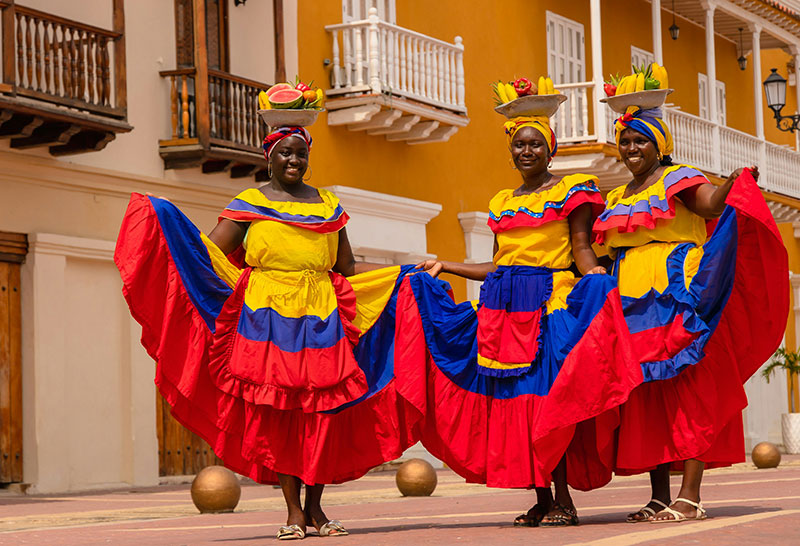
LATIN AMERICA

Colombia

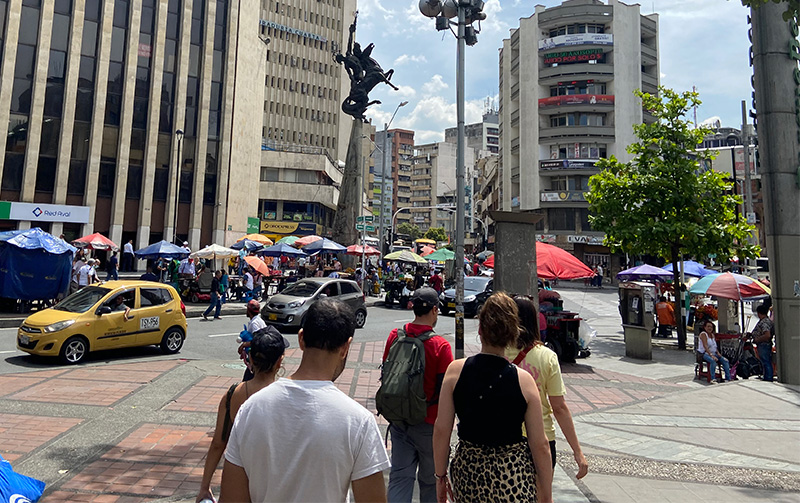
Caribbean coast, city strategy, food, safety, and practical trip planning.

Explore Colombia
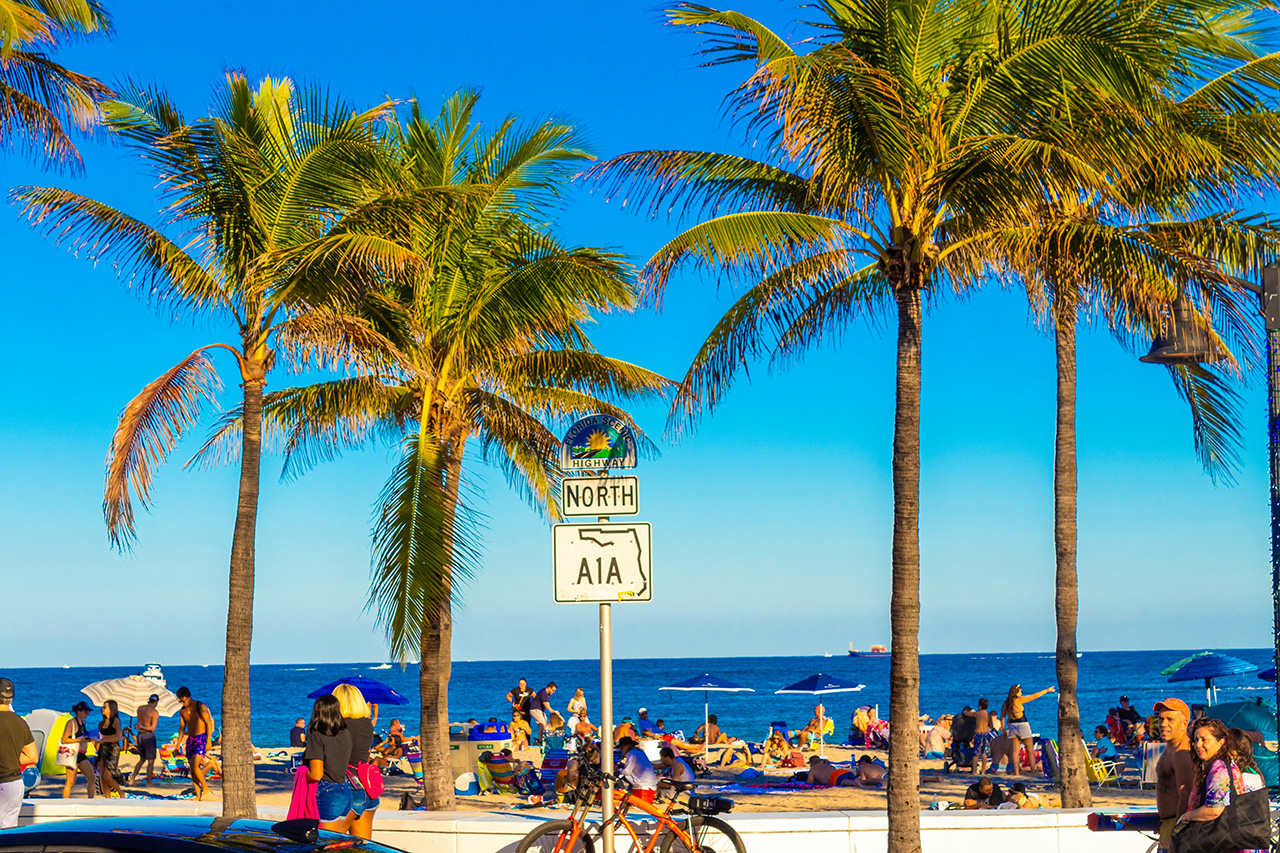
USA

Florida

Miami, the Florida Keys, Orlando parks, food, road trips, and winter escape planning.

Explore Florida

ASIA

Japan

Neighborhood strategy, culture, food, trains, cities, and first-timer logistics.

Explore Japan

EUROPE

Spain

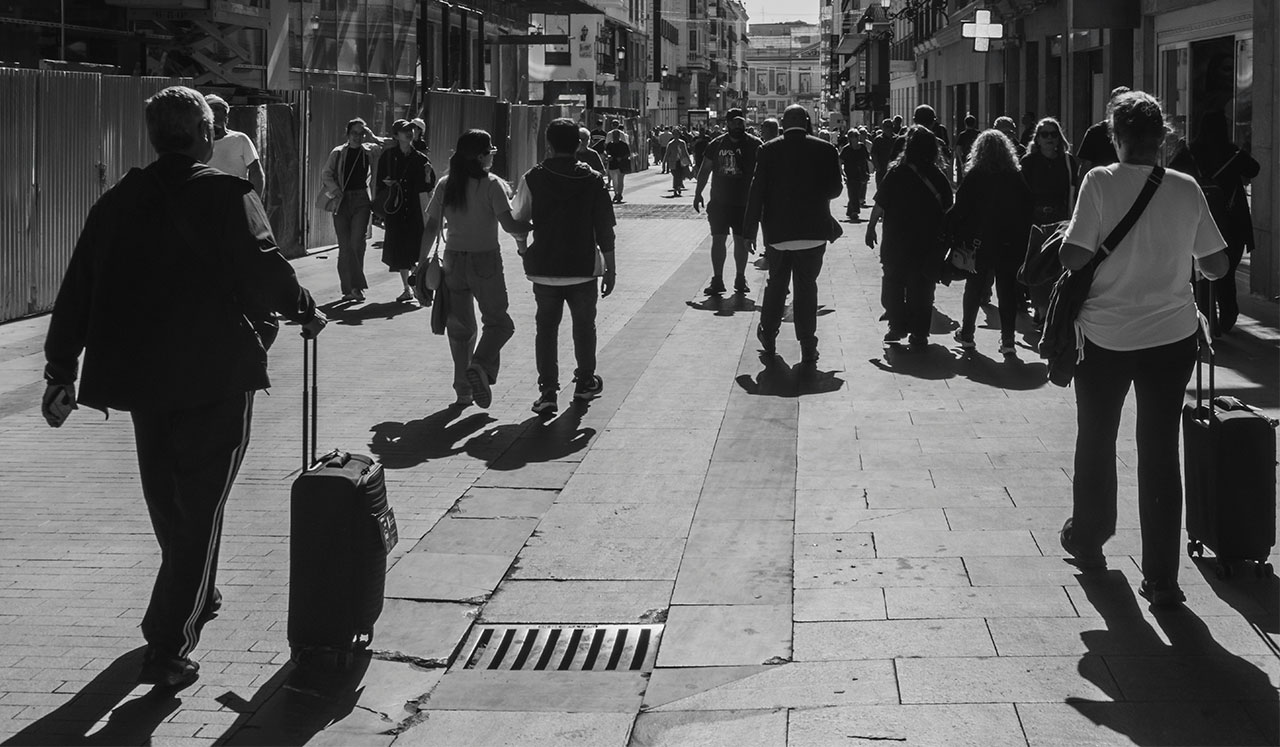
Cities, tapas, wine regions, routes, and slower food-first travel.

Explore Spain

EUROPE

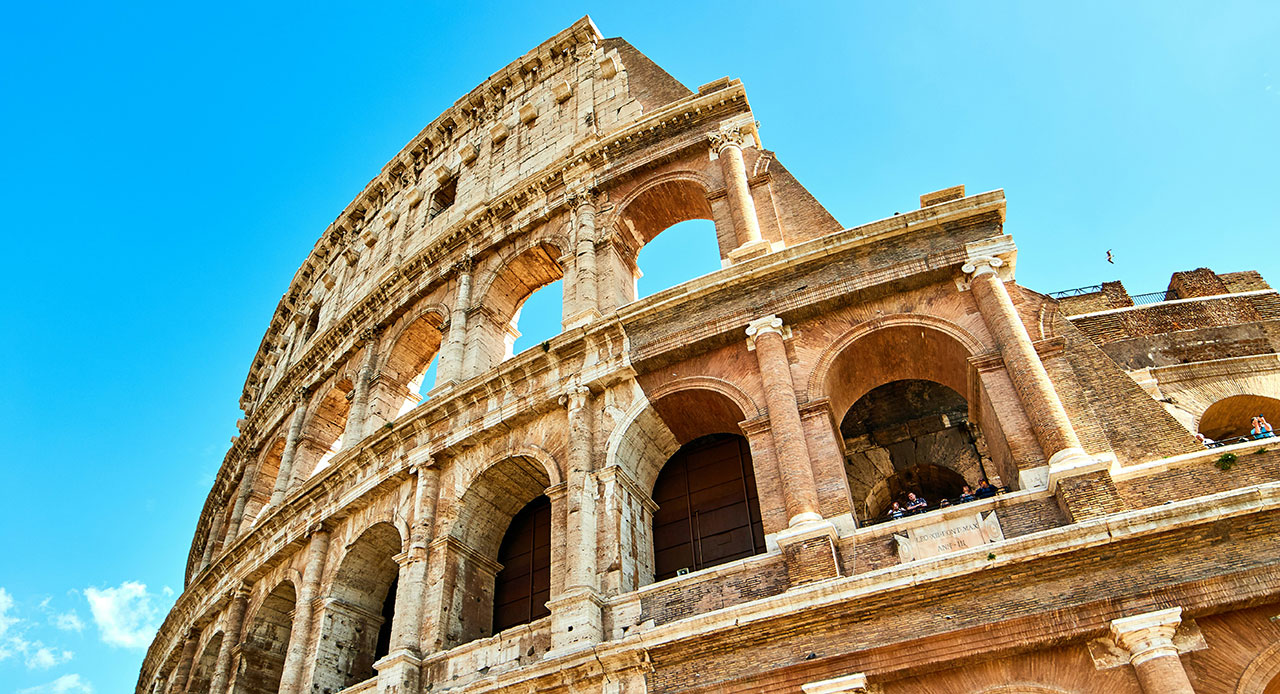
Italy

Classic routes, city bases, regional food, and practical trip planning.

Explore Italy

EUROPE

France

Paris strategy, neighborhoods, food culture, day trips, and travel flow.

Explore France
ASIA

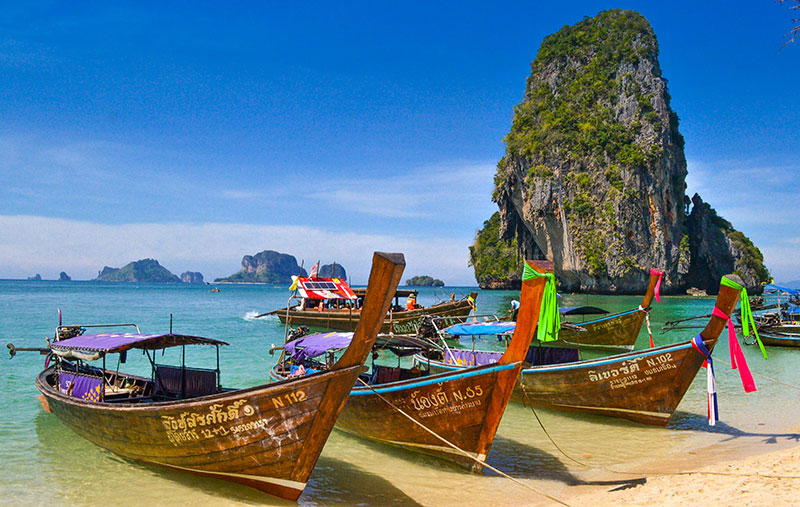
Thailand

Street food, islands, diving, Bangkok logistics, and long-stay travel.

Explore Thailand
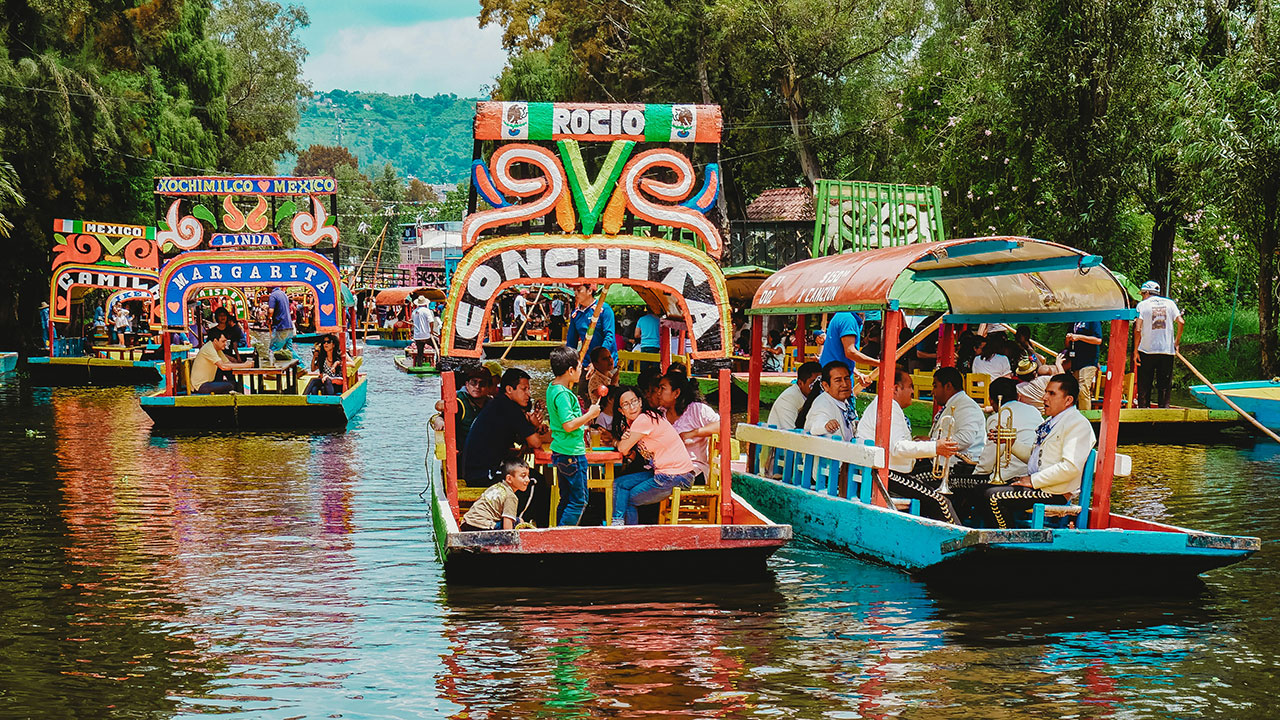
LATIN AMERICA

Mexico

Cities, beach towns, tacos, mezcal, culture, and easy first-timer planning.

Explore Mexico

EUROPE

Ireland

Road trip pacing, coastal towns, pubs, scenery, and relaxed route planning.

Explore Ireland

Why trust these destination guides?

A lot of destination content online is built to rank first and help second. TLGA is built the other way around. I write from actual trips, longer stays, repeat visits, personal photos, food notes, neighborhood experience, and the mistakes I would avoid next time.

That does not mean every guide is trying to cover everything. It means each guide is trying to help you make better decisions: where to stay, what to skip, how to pace your days, when to spend more, when to save, and how to leave room for the moments that make travel worth it.

Real travel context

Many guides come from longer trips, repeat visits, month-long stays, and places I have personally walked, eaten, photographed, and planned around.

Food-first planning

Food is not treated as an afterthought. Meals, neighborhoods, markets, bars, and local habits are part of how I explain a destination.

Practical trip flow

The goal is not to pack your itinerary. The goal is to help your trip feel smooth, realistic, and memorable once you are actually there.

USA Travel Guides

The USA section is growing around places I know well, have photographed heavily, or have visited with enough depth to build useful guides.

Florida

Miami, Brickell, Wynwood, the Florida Keys, Orlando theme parks, road trips, and warm-weather escape planning.

Explore Florida

New Orleans

Food, music, neighborhoods, and a short-trip city guide built around atmosphere, walkability, and pacing.

Read New Orleans Guide

More USA Guides

Washington, D.C., the Pacific Northwest, New York City, and more state guides will be added as full clusters are ready.

More Coming Soon

How the destination guides are organized

Each destination hub is meant to work like a starting point. From there, the best pages go deeper into cities, neighborhoods, food, itineraries, hotels, day trips, safety, and practical travel logistics.

Country hubs

Big-picture guides that help you understand where to go, how to split your time, and what kind of trip makes sense.

City and region guides

More focused guides for neighborhoods, food areas, beaches, road trips, and major bases within each destination.

Planning spokes

Support guides that answer the questions travelers actually search before booking: where to stay, what to skip, what it costs, and how to move around.

Pro Tip: If a destination is not linked yet, that is intentional. I am holding some country guides until they have enough supporting pages to be useful for both readers and search engines.

Coming Next

These destinations are in the pipeline, but I would rather build them with real supporting guides than publish thin one-page hubs too early.

Argentina

Buenos Aires, food, neighborhoods, wine, and trip planning based on a deeper South America travel cluster.

Ecuador and Galápagos

Quito, the Galápagos, route planning, wildlife logistics, and practical advice for one of the world’s most unique trips.

Brazil

City strategy, beaches, food, safety, and how to plan a smarter first trip once the supporting guides are ready.

Washington, D.C.

A future USA city guide focused on museums, neighborhoods, food, monuments, walkability, and short-trip planning.

Pacific Northwest

A future regional guide for scenery, cities, road trips, coffee, food, hikes, and practical route planning.

Not sure where to start?

If you are still deciding where to go, start with planning first. The right destination depends on your budget, season, travel style, flight options, comfort level, and how much structure you want once you arrive.

Build a better trip from the start

Choose a destination, understand the neighborhoods, plan around food and flow, and leave enough room for the trip to surprise you.
Best Restaurants in Mazatlán Mexico: A One-Month Food Guide

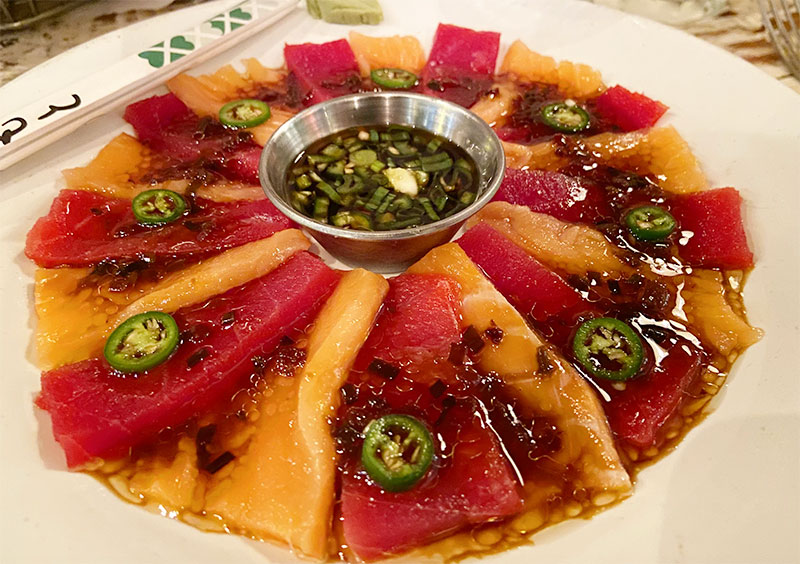
A platter of tuna and salmon sashimi arranged in a circular pattern, topped with fresh greens and a small bowl of ponzu dipping sauce in the center.

Best Restaurants in Mazatlán, Mexico: A One-Month Food Guide

A platter of tuna and salmon sashimi arranged in a circular pattern, topped with fresh greens and a small bowl of ponzu dipping sauce in the center.

A month of seafood, neighborhood gems, and sunset dinners on Mexico’s Pacific coast.


Home » Destinations » Page 15

Last updated: February 2026 by Corey Gasman

We spent a full month in Mazatlán, Mexico, staying in a beachfront condo booked through Airbnb with nightly sunset views over the Pacific Ocean. Having a kitchen was convenient, but with such an affordable and diverse food scene, we found ourselves eating out far more often than cooking at home.

Mazatlán is especially well suited for longer stays. The city offers everything from casual neighborhood cafés to polished restaurants in Centro Histórico and the Zona Dorada. Prices are very reasonable compared to the United States, and the overall quality of food, especially seafood, exceeded expectations.

Below is a recap of the restaurants we visited during our month in Mazatlán. Some became repeat favorites, one was a rare disappointment, and each experience helped paint a clear picture of the local food scene.

Best restaurants in Mazatlán, Mexico

Casita María by Chef Jal Llano

Casita María by Chef Jal Llano was the complete opposite of a touristy dining experience. This small, welcoming restaurant delivered across the board and felt like a true neighborhood gem.

We ordered a beet salad, pulpo maya, and a Greek-style chicken kebab. All three dishes were flavorful, balanced, and thoughtfully prepared. The menu blends Mediterranean and Mexican influences, and everything tasted fresh and well executed.

This is the kind of place you are happy to discover during a longer stay, where consistency and quality matter more than hype.

Visit Casita María website

Mediterranean-Mexican flavors at Casita María, a true neighborhood gem near the beach.


F.I.S.H. Fresh Intl. Seafood House

F.I.S.H. was good enough that we ate here twice during our stay. Every dish we tried was solid, including shrimp and octopus ceviche, a fried shrimp basket, and tuna and salmon sashimi served with ponzu.

Both nights featured live music, which added to the relaxed coastal vibe.

Visit F.I.S.H. website

Shrimp and octopus ceviche at F.I.S.H., bright and citrusy coastal flavors.


Pancho’s Restaurant

Pancho’s Restaurant became one of our most visited spots. We ate here three times during our month-long stay, which says a lot about consistency.

The whole fried snapper was excellent, and every shrimp dish we tried was flavorful and well cooked. Service was always friendly and attentive.

Visit Pancho’s website

Whole head-on shrimp at Pancho’s Restaurant, rich, savory, and perfectly cooked.


Topolo

Topolo stood out for both service and flavor. The pork shank with mashed potatoes was incredibly tender and coated in rich adobo sauce. The courtyard setting makes it a great choice for a relaxed evening in Centro Histórico.

Visit Topolo website

Slow-braised lamb shank at Topolo in Centro Histórico.


El Presidio Cocina de México

El Presidio was our biggest letdown during the month, which was surprising given its strong reputation. Multiple main dishes at our table were not edible due to seasoning and preparation issues.

To their credit, the restaurant comped our main courses and remained professional throughout the evening.

Visit El Presidio website

Mazatlán food culture and what makes it special

Mazatlán’s food scene is deeply connected to the sea and local tradition. Unlike destinations driven primarily by tourism, Mazatlán remains a working port city where fishing and regional cooking still shape what ends up on the table.

The strength of Mazatlán’s dining culture comes from balance. You can find refined restaurants in Centro Histórico, lively seafood spots near the beach, and no-frills local eateries serving recipes that have changed very little over time.

Mazatlán restaurants at a glance

Category Best For Our Pick
Seafood Freshness & Live Music F.I.S.H. Fresh Intl. Seafood House
Local Favorite Consistency Pancho’s Restaurant
Fine Dining Romantic Courtyard Topolo
Hidden Gem Neighborhood Charm Casita María

Final thoughts on eating in Mazatlán

Spending a full month in Mazatlán allowed us to explore the food scene at a relaxed pace, returning to favorites and discovering new spots along the way.

From seafood-driven restaurants and casual breakfast cafés to neighborhood gems and historic dining rooms, Mazatlán proved to be an excellent destination for longer stays. The quality, value, and authenticity made dining one of the highlights of our time on Mexico’s Pacific coast.

One Week in Bogotá: Restaurants, Neighborhoods & Costs

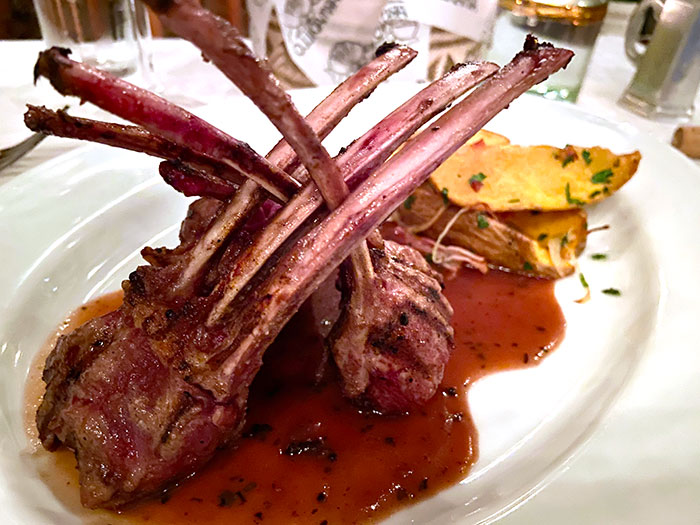
Rack of Lamb from Restaurante Armadillo in Bogotá

One Week in Bogotá: Restaurants, Neighborhoods, and Costs

Rack of Lamb from Restaurante Armadillo in Bogotá

Rack of lamb from Restaurante Armadillo in Bogotá.


Home » Destinations » Page 15

Last updated: March 2026 by Corey Gasman

Dining and Exploring the High Andes

Spending a week in Bogotá offers an excellent mix of history, culture, and surprisingly affordable dining, especially compared to prices in the United States. From cozy neighborhood restaurants in Chapinero to historic landmarks in La Candelaria, the city is easy to explore and rewarding for travelers who enjoy food, walkable neighborhoods, and local culture.

Below are highlights from Melissa and my week in Bogotá, including standout restaurants and must-see sights. Each deserves its own deep dive, but this recap gives a solid snapshot of what to expect when you base yourself in the city.

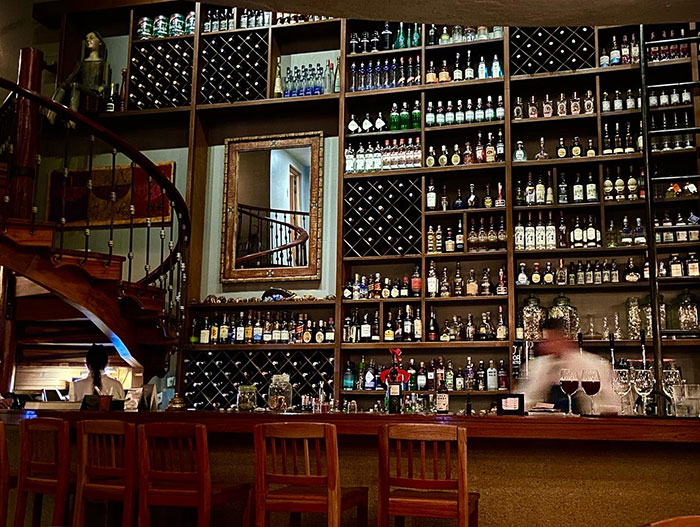
Restaurante Armadillo in Bogotá, bar area

Restaurante Armadillo in Chapinero, one of our favorite dinners in Bogotá.


Restaurante Armadillo

Restaurante Armadillo was one of our favorite dinners in Bogotá and an easy recommendation for anyone looking for a refined but welcoming dining experience. Located in Chapinero, it has a warm, intimate atmosphere, especially if you can snag a table near the wood-burning fireplace.

The food was excellent across the board. The octopus salad was a standout and easily one of the best dishes we had all week. We also enjoyed rib tips that were tender with just the right amount of crisp, followed by perfectly cooked lamb chops.

Pro Tip: Service here is attentive and professional, and expect to pay roughly half of what a similar quality meal would cost in the US, making this a top choice for a nicer night out.
Craft Burger Bar

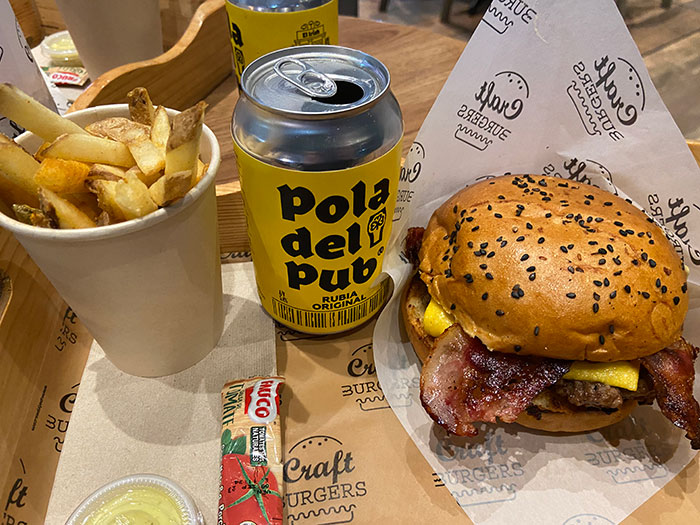
Craft Burger Bar in Bogotá, a comfort food win located inside a modern neighborhood food hall.


Craft Burger Bar and the Food Hall Experience

For our first couple of nights in the city, Melissa and I booked a small Airbnb in Chapinero right on the edge of where a very nice neighborhood meets a slightly sketchier one. It was a great introduction to the real, everyday contrasts of Bogotá.

One night, we just wanted something familiar and ended up at a modern food hall inside :contentReference[oaicite:0]{index=0}. It is a fantastic setup with half a dozen different restaurant concepts sharing a lively, updated space. We zeroed in on Craft Burgers (which is still in business today and highly rated), and it delivered a burger that tasted exactly like a premium one you would get back in the States.

What really stood out was the value. We ordered two burgers with fries and two beers for around $12 USD. While not traditional Colombian food, it is a great comfort food option and a very easy budget win.

Local Guide Tip: If your travel group cannot agree on what to eat, look for modern food halls like this one in Chapinero. They give you a safe, energetic environment with multiple high-quality options ranging from local street food to craft burgers and beer.
T-BONE, Steak and Wine in La Candelaria, Bogotá

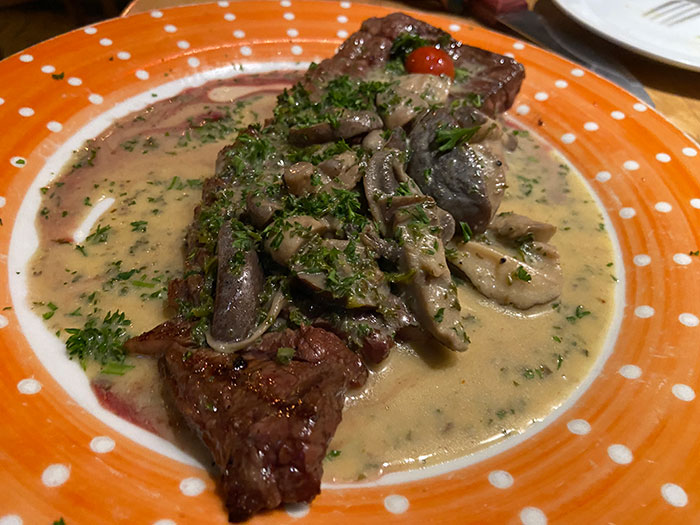
T BONE in La Candelaria, steak and wine in a relaxed setting.


T BONE Steakhouse

T BONE is a solid dinner option in La Candelaria with a relaxed, welcoming atmosphere. Seeing a mural of Anthony Bourdain on the wall immediately sets a great tone for the meal. Having read his books and watched his shows for years, it is always a welcome sight when a restaurant pays tribute to his approach to food and travel.

We shared a rump steak with mushrooms, along with a hot, melted cheese appetizer served with garlic toast. Service was excellent and the meal felt unhurried. Our total bill, including a bottle of wine, came to $53 USD, with the wine accounting for more than half of the cost.

Bandeja Paisa - platter

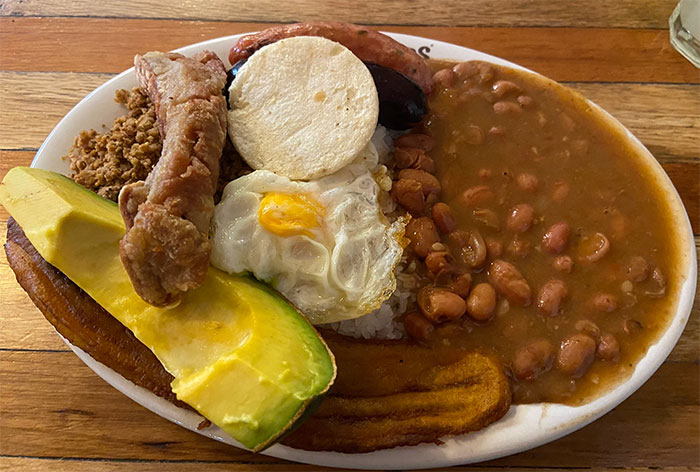
Bandeja Paisa at Restaurante Mondongos and Parrilla, one of the best value meals of the trip.


Restaurante Mondongos and Parrilla

Recommended by our Airbnb host, Restaurante Mondongos and Parrilla turned out to be one of the best value meals of our trip and a great choice for classic Colombian food.

I ordered the Bandeja Paisa, a massive platter featuring ground beef, red beans, rice, sausage, crispy chicharrón, an arepa, sweet plantain, and avocado. At around $8 USD, it was incredible value. Our total bill for two meals and drinks came to about $20 USD.

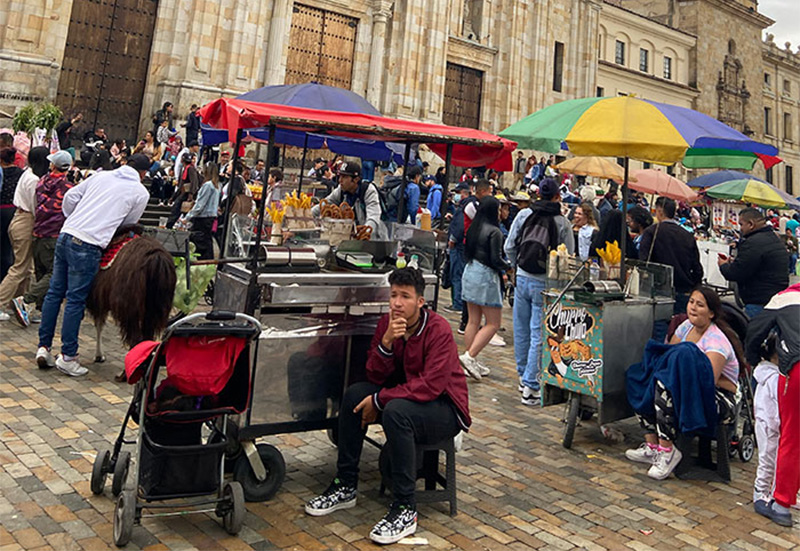
A lively scene in Bogotá’s Plaza de Bolívar featuring several colorful street food carts with red and blue umbrellas, surrounded by locals and tourists against the backdrop of the city’s historic stone buildings.

Plaza de Bolívar is the heart of Bogotá’s street food scene. Here, you can find local vendors serving up everything from fresh fruit to traditional snacks right in the shadow of the city’s most iconic historic landmarks.


Historic Bogotá and Plaza de Bolívar

Plaza de Bolívar is a must visit during any trip to Bogotá and serves as the historic and cultural center of the city. Located in La Candelaria, the square is surrounded by Colombia’s most important buildings, including the Palace of Justice, the National Capitol, and the Primatial Cathedral of Bogotá.

We visited on a Sunday and found the area lively and full of locals. Street food vendors gathered near the cathedral, offering quick snacks and local treats. Whether you are interested in Colombian history, architecture, or people watching, this is one of the best places to get a feel for Bogotá.

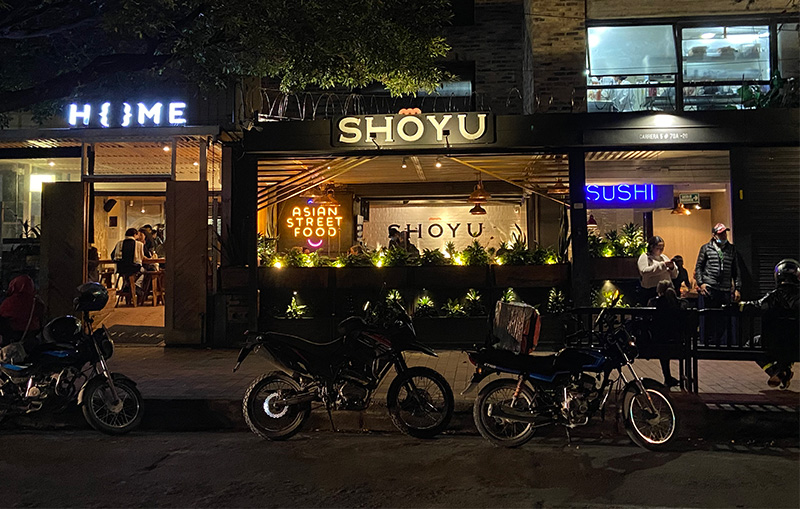
Nighttime view of brightly lit restaurants Shoyu and Home in the Zona G gastronomic district of Bogota with motorcycles parked on the street.

Walking past the vibrant restaurants of Zona G at night. The sheer variety of high quality dining options in Bogota makes it easy to find great meals that fit almost any budget.


What Bogotá Costs Feel Like

Bogotá felt notably affordable compared to the United States, especially for dining. High quality meals often came in at roughly half of what a similar experience would cost back home.

That price advantage makes it easier to mix in a nicer dinner, casual comfort food, and traditional Colombian meals without feeling like every decision hits your budget hard.

Restaurant What We Ordered Approximate Cost (USD)
Craft Burger Bar Two burgers, fries, two beers $12.00
Restaurante Mondongos Two meals (including Bandeja Paisa) and drinks $20.00
T BONE Steak, cheese appetizer, bottle of wine $53.00
Local Guide Tip: Bogotá rewards travelers who like cities with substance. It is not all polish, but it is layered, interesting, and far more affordable than many first-time visitors expect.

Explore More Bogotá & Colombia Guides

Build out your Bogotá trip with city guides, food experiences, and nearby destinations across Colombia.

CITY GUIDE

Bogotá Travel Guide

A full guide to where to stay, what to do, and how to navigate Bogotá day to day.

Read More

CARIBBEAN COAST

Cartagena Travel Guide

A complete guide to where to stay, what to do, and how to experience Cartagena beyond the basics.

Read More

LOCAL EXPERIENCES

Medellín Travel Guide

Plan your Medellín stay with neighborhood advice and local experiences.

Read More

FOOD PICKS

Cartagena Food Guide

The restaurants and dishes actually worth your time across the city.

Read More

ISLAND ESCAPE

Rosario Islands Weekend

Slow things down with a stay on Isla Grande and a look at island life.

Read More

CARIBBEAN COLORS

San Andrés Island Itinerary

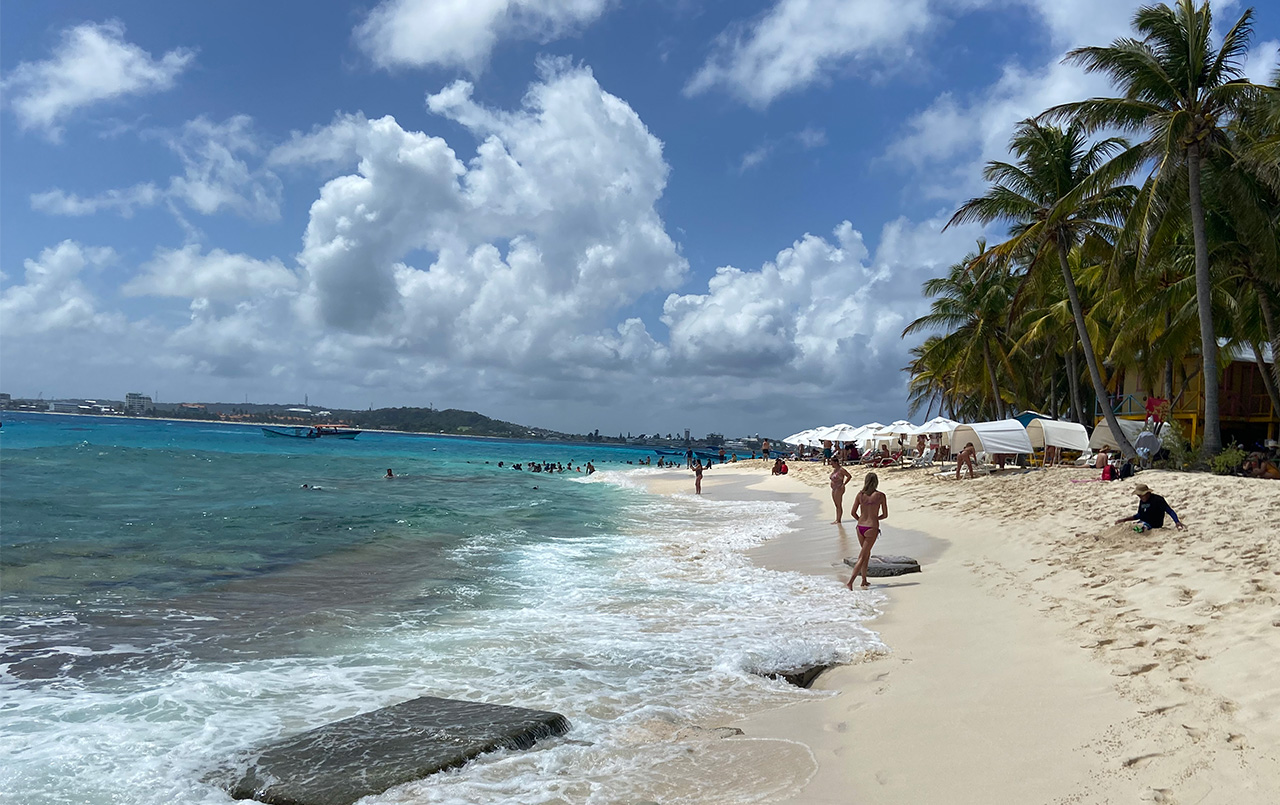
A 3-day island plan built around the Sea of Seven Colors and an easy side trip from Cartagena.

Read More

Frequently Asked Questions

Is Bogotá affordable for travelers from the US?

Yes. Dining, transportation, and accommodations in Bogotá are significantly cheaper than in the United States. Many high quality restaurant meals cost about half of what you would pay at home.

One week is a great amount of time to explore Bogotá’s neighborhoods, food scene, and historic areas without feeling rushed.

Chapinero is ideal for dining and nightlife, while La Candelaria is best for history and sightseeing. Staying near either makes the city easy to explore.

Bogotá is generally safe when staying in well known neighborhoods, using rideshares, and practicing normal travel awareness.

Cartagena Food Guide

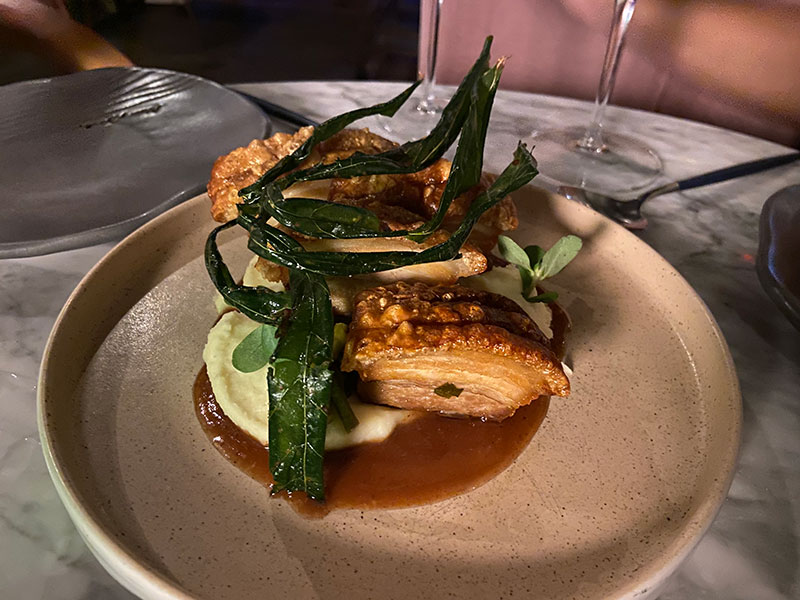
Candé's Restaurante Pork Belly Cartagena
Home » Destinations » Page 15

Last updated: March 2026 by Corey Gasman

From the Editor:

Melissa and I spent a full month living in Cartagena. We stayed in Bocagrande and walked into the Walled City almost every night for dinner. The biggest surprise of the entire trip was the sheer quality and value of the culinary scene.

Cartagena is surprisingly international. You can find incredible wood-fired pizzas, high-end sushi, Mediterranean cafes, and traditional whole fried snapper with coconut rice all within a ten-minute radius. If you go to the top restaurants in the Walled City and order imported wine, prices can hit U.S. levels and easily cross the hundred dollar mark. But step outside the heavy tourist zones, and you find a vibrant, affordable food culture that is hard to beat.

This guide breaks down exactly where to eat, from romantic splurges to the street carts where locals actually grab their lunch.

TLGA Travel Truth:

Cartagena’s food scene splits into three distinct worlds. The Walled City is where you plan standout, romantic dinners. Bocagrande is where you eat daily and keep things easy. The streets and markets are where the real flavor lives. The best trips hit all three.

Planning the rest? Check out our full Cartagena Travel Guide.

TLGA Rule: Always check your bill for “Propina”. It is a standard 10% voluntary tip automatically added at most sit-down restaurants. You do not need to double tip unless the service blew you away.

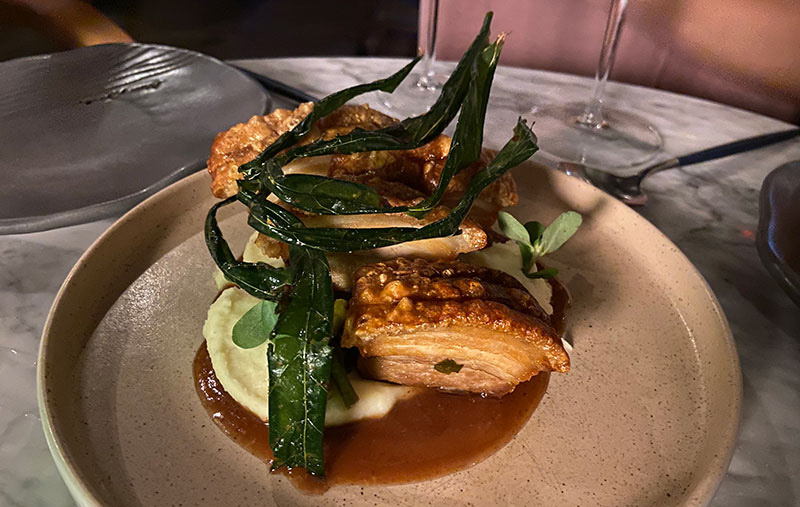
A gourmet plating of crispy fried pork belly served over creamy yam puree with tamarind sauce and crispy green garnishes at Mar y Zielo

The Walled City is built for long dinners. We spent many nights catching up with friends over slow meals and excellent wine in the Centro Histórico. Mar y Zielo is famous for elevating traditional Colombian flavors. Their Chicharrón de Cerdo, a crispy pork belly over a yam purée with a tamarind reduction, proves they are a serious dinner destination, not just a great rooftop.


How to eat in Cartagena without wasting meals

Cartagena rewards a mix. Do not make the mistake of eating every meal inside the Walled City just because it is the prettiest part of town. That is where you plan your big romantic dinner, not where you need to eat breakfast, lunch, and late-night snacks every day.

  • Plan one or two standout dinners: Use the Walled City for your big nights out, especially if you want a memorable courtyard, tasting menu, or rooftop setting.
  • Keep lunches casual and cheaper: Bocagrande, Getsemaní, and local spots will give you much better value during the day.
  • Mix in street food and markets: Some of the most memorable bites in Cartagena cost just a few dollars.
  • Do not chase only famous places: A few of the best-known restaurants are worth doing once, but they should not be your whole Cartagena food strategy.
Local Guide Tip: The best Cartagena food trips mix one or two splurge meals with casual lunches, fresh juices, fried snacks, and a market or street food stop. That is how you get both the polished side of the city and the real flavor.
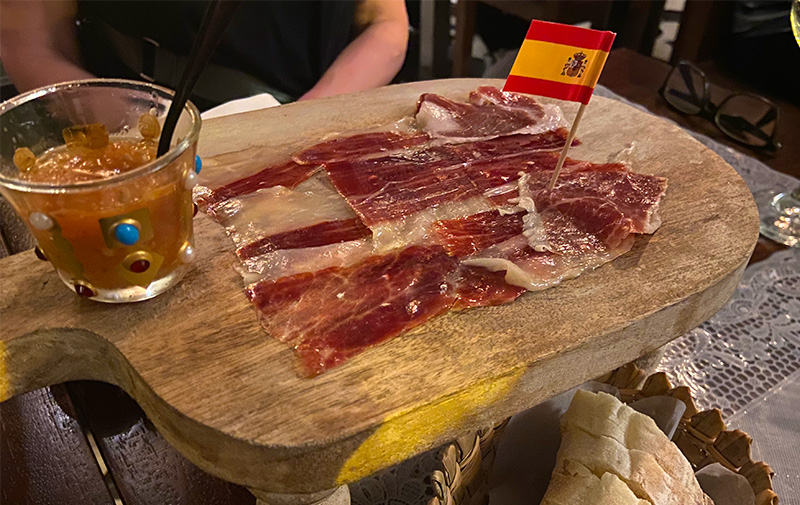
Thinly sliced Serrano ham served on a raised wooden board with a miniature Spanish flag, fresh bread, and tomato puree at Doña Lola in Cartagena

Taking a break from coastal cooking. Doña Lola delivers excellent Spanish tapas, and their Jamón Serrano is the perfect, simple start to a long dinner.


The Walled City: romantic dinners and fine dining

The Centro Histórico and Getsemaní are where you go for colonial ambiance, high-end service, and celebrated chefs. If you are looking for a romantic dinner in an open-air courtyard, this is your neighborhood. You will pay a premium here, but the experience is world-class.

Prices below are per person for a typical meal without going heavy on alcohol.

Restaurant Why Go What to Order Price Range (USD)
Celele Latin America’s 50 Best, modern Caribbean Tasting menu, local fish, creative plates $70 to $120
Carmen Cartagena Upscale but approachable, romantic courtyard Tuna tartare, short rib, tasting menu $40 to $80
El Gobernador Chef Jorge Rausch, haute French techniques Lionfish, local ingredients tasting menu $60 to $110
Moshi Pan-Asian cuisine with Colombian seafood Sushi, Asian-Caribbean fusion plates $40 to $80
Alma Restaurante Inside Casa San Agustin, refined classics Seafood rice, lobster, cocktails $40 to $90
Harry’s Restaurant Chef Harry Sasson, gorgeous courtyard setting Wood-fired meats, seafood appetizers $40 to $80
Donjuán Cartagena Classic bistro meets Caribbean kitchen Seafood, pork dishes, wine $50 to $90
Candé Dinner and cultural show, lively atmosphere Traditional Caribbean sampler, fried fish $35 to $65
Pro Tip: For places like Carmen, Candé, or Celele, you need to book a table at least a week in advance during the high season (December to March).
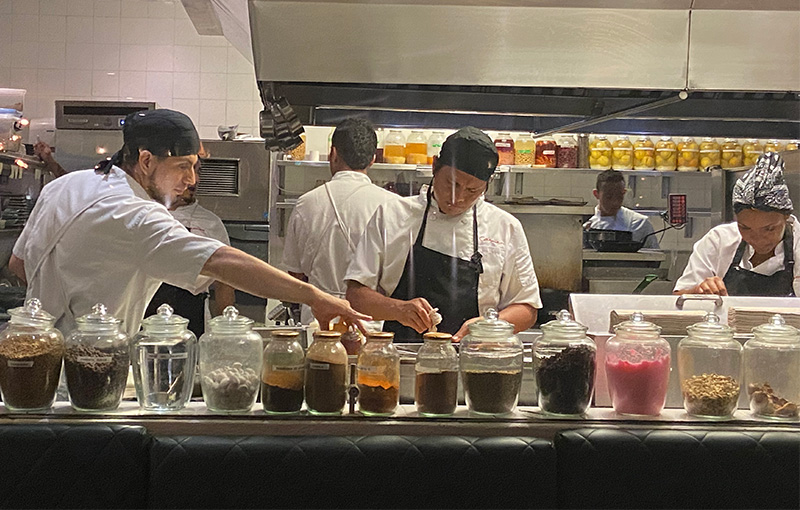
Chefs working meticulously in a bright, open kitchen behind a counter lined with glass jars of spices and ingredients at Restaurante Carmen

Restaurante Carmen focuses heavily on ingredient-driven cuisine that showcases Colombia’s biodiversity. Watching the chefs work in the open kitchen proves the level of technique they bring to the tasting menu.


Our Walled City standouts

Restaurante Celele: Open just over a year before earning the Miele One to Watch Award on the Latin America’s 50 Best list, Celele is incredibly successful and highly creative. It is a true culinary deep dive into Caribbean flavors.

Restaurante Carmen: Located in the heart of downtown historical Cartagena, Carmen focuses on ingredient-driven cuisine showcasing Colombia’s biodiversity. We chose the seven-course tasting menu with wine pairing, and it was a very strong choice for a special occasion dinner.

Restaurante El Gobernador: Located on the first floor of the Bastión Luxury Hotel, this spot offers a menu designed by award-winning Bogotano chef Jorge Rausch. He applies haute French techniques to local ingredients for a truly elevated experience.

Donjuán Cartagena: Chefs Juan Felipe Camacho and Alejandro Ramírez combine the gastronomic approach of a classic bistro with the traditional flavors of a Caribbean kitchen. It is polished but not overly stiff.

Harry’s Restaurant: Set in the beautiful interior courtyard of the glamorous Hotel Charleston Santa Teresa, this is the only restaurant from renowned Colombian chef Harry Sasson located outside the capital. We stopped here for an excellent lunch.

Moshi: An ode to pan-Asian cuisine interpreted with Colombian ingredients and local seafood. A great pivot if you want vibrant Asian flavors.

Local Guide Tip: Some of the most famous restaurants in the Walled City are worth doing once, but they are not always the best value. If you are staying longer, you will eat better by mixing in neighborhood spots and local favorites instead of repeating the same tourist-heavy meals.
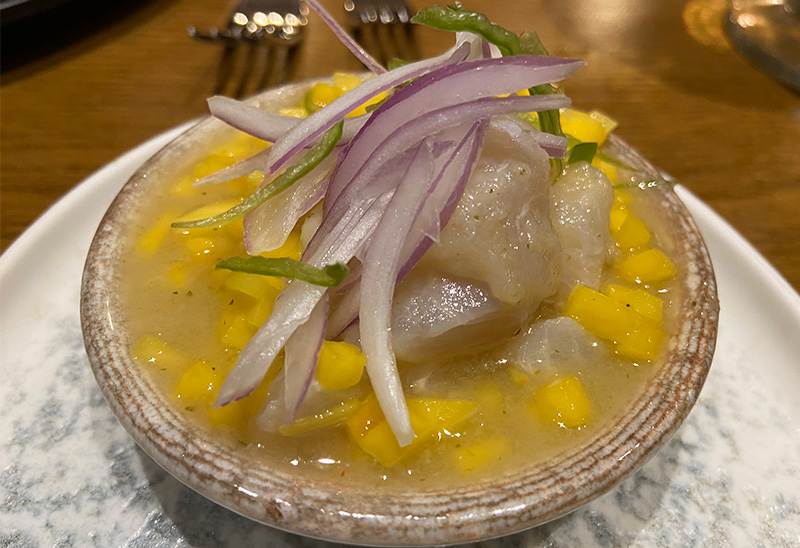
Close up of fresh fish ceviche topped with diced yellow mango and sliced red onions in a shallow rustic bowl at Restaurante Cande

Candé focuses strictly on traditional Cartagena recipes. Their fresh fish ceviche, topped with yellow mango, is bright, acidic, and a perfect starter.


Restaurante Candé: Candé was one of those meals that quietly reminded us why Cartagena’s food scene shines when it leans into tradition. The chicharrón cartagenero was perfectly crisp, and the live traditional dance entertainment makes it a full experience.

La Cevichería: This spot is an absolute icon. Casual, energetic, and consistently busy. Expect a wait, but the coconut milk ceviche is worth the time.

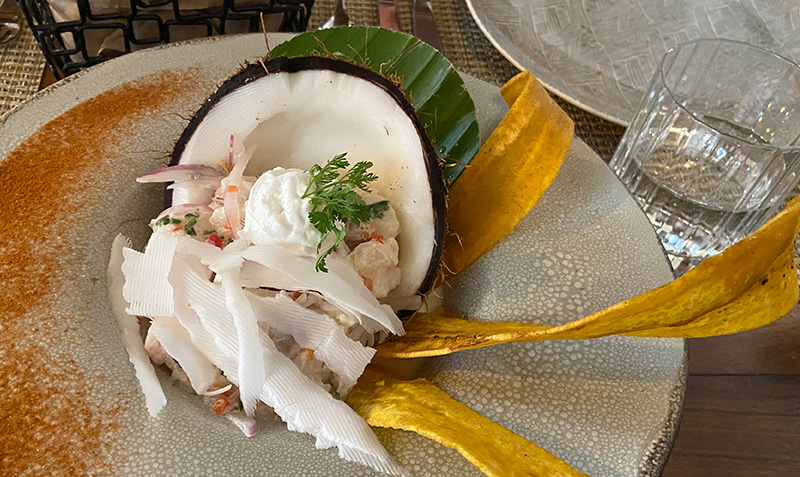
Coconut shrimp ceviche served inside a fresh coconut shell with long crispy plantain chips on a speckled plate at ALMA Restaurante

Lunch in the stunning courtyard at ALMA Restaurante. Their coconut shrimp ceviche, served right in the shell with long plantain chips, is exactly what you want on a hot Cartagena afternoon.


ALMA Restaurante: We had an excellent lunch here. It is located inside Casa San Agustin and features one of the most beautiful courtyards in the city. It is a fantastic, upscale escape from the midday heat.

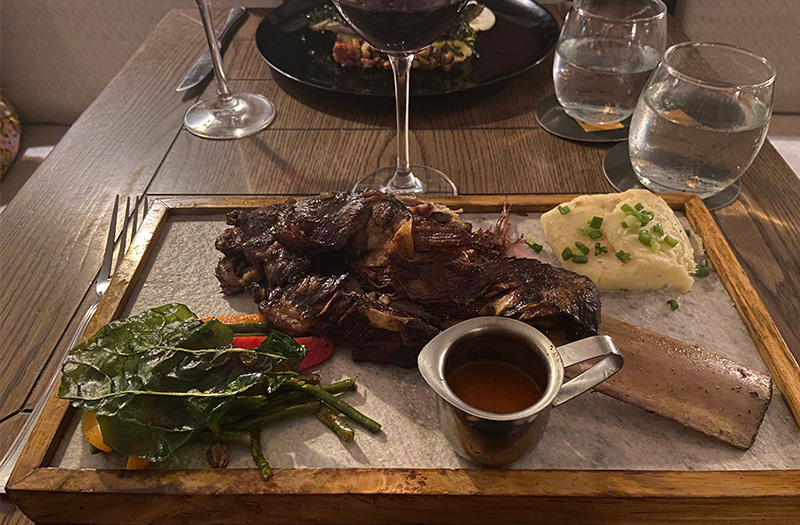
Large bone-in beef rib served on a stone platter with side dishes and a glass of red wine at El Burlador Gastrobar

Taking a break from Caribbean seafood. Massive bone-in cuts and an excellent wine list make El Burlador Gastrobar a perfect, moody date night option.


El Burlador Gastrobar: If you want a complete reset from Caribbean fish and plantains, this Spanish gastrobar delivers excellent imported Jamón Ibérico and massive steaks presented on hot stones. It is a fantastic date night spot.

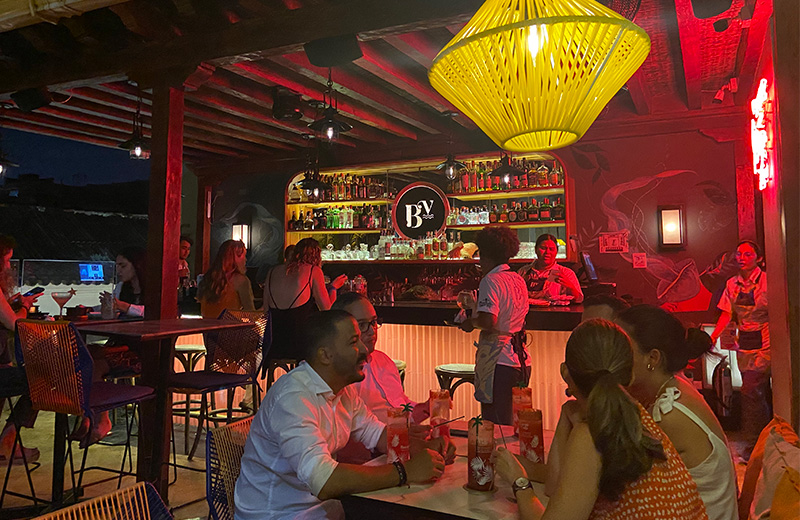
A vibrant rooftop bar at night with people sitting at tables under a large yellow woven lamp and red ambient lighting at Buena Vida Marisqueria

Because the city is so hot during the day, the dining scene moves vertically at night. Rooftop bars like Buena Vida Marisquería are the best way to catch the ocean breeze and a great cocktail.


Best rooftop bars in Cartagena (sunset spots + cocktails)

Do not stay at street level after the sun goes down. Cartagena has a booming rooftop and craft cocktail scene.

  • Townhouse Boutique Hotel and Rooftop: The Townhouse obligingly opens their fantastic rooftop to guests who are not staying at the hotel. It is a vibrant, fun place for drinks overlooking the historic center.
  • Mar Y Zielo: At this gastrobar ensconced in a beautiful old house, Peruvian chef Mariano Cerna creates a flawless fusion between his Peruvian heritage, Colombian ingredients, and contemporary techniques. His crispy pork belly is mandatory.
  • Buena Vida Marisquería: A lively rooftop seafood restaurant. The michelada with shrimp and a well-balanced pisco sour stood out, along with their shrimp tacos.
  • Alquímico: Frequently ranked among the top 50 bars in the world. It spans three floors of an old mansion, each with a different menu focused on Colombian ingredients.
Local Guide Tip: For the iconic sunset over the ocean view, Café del Mar is still the classic stop. It is expensive and crowded, but sitting directly on the historic wall as the sun drops is a mandatory Cartagena experience.
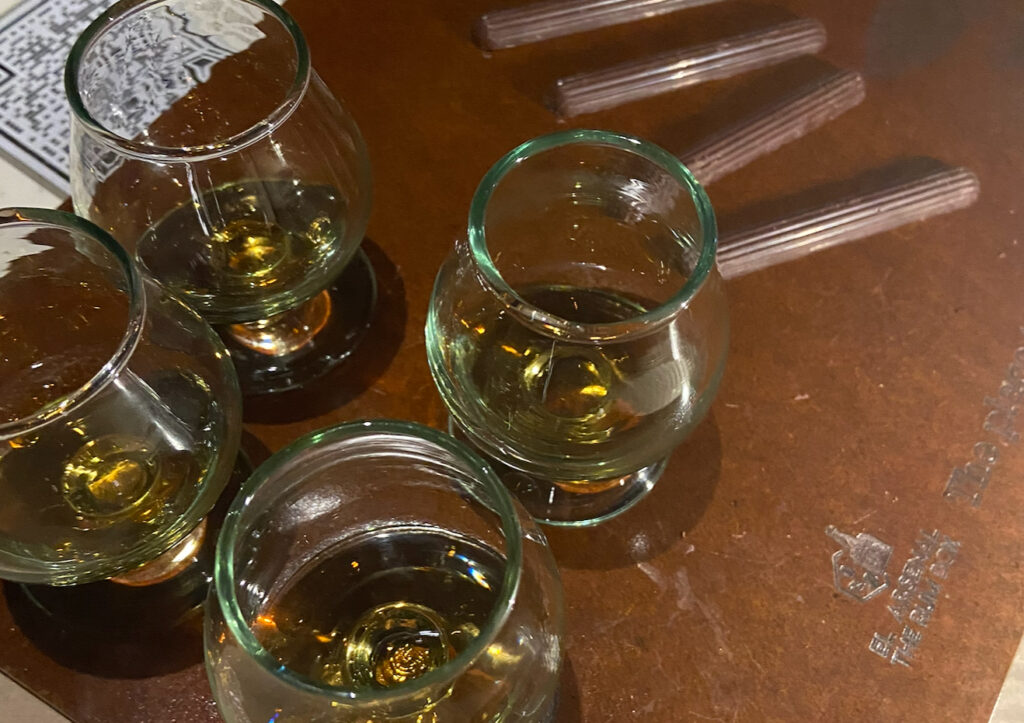
Four glass snifters filled with Colombian rum alongside sticks of local chocolate on a wooden tasting board at El Arsenal The Rum Box

Pairing Colombian rum with local chocolate at El Arsenal: The Rum Box in Getsemaní. This is one of the best interactive food and drink experiences you can book in the city.


Beyond just dinner: rum and chocolate tastings

If you want to do something a little more interactive than a traditional sit-down dinner, head to El Arsenal: The Rum Box in Getsemaní.

While they serve a full, highly-rated dinner menu, what really sets them apart is their guided rum tasting. Colombia produces some incredible, complex rums and high-quality cacao. The staff here walks you through the history and flavor profiles, pairing specific aged rums with different percentages of local chocolate. It is a fantastic way to spend an hour before heading out to a late dinner, or the perfect nightcap.

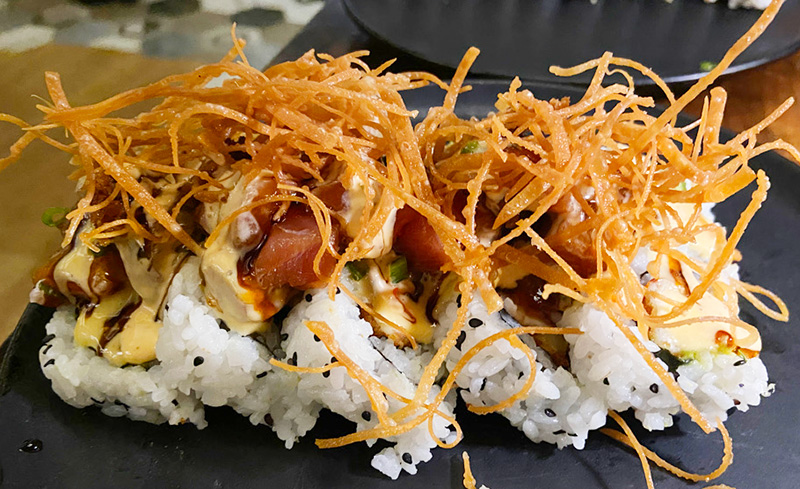
Close up of a sushi roll

Cartagena is highly international. Hamachi in Bocagrande serves up high-quality sushi that holds its own against anything in the States when you need a break from traditional food.


Bocagrande: everyday living and international flavors

Bocagrande is where you eat when you are staying longer. It is not as charming as the historic center, but it is consistent, highly international, and much better for repeat meals without the massive tourist markup.

Restaurant Why Go What to Order Price Range (USD)
Persepolis Gastrobar Authentic Persian, unique flavors, belly dancing Pastry-covered stews, hummus, kebabs $20 to $45
Hamachi High-end, fresh Japanese fusion Specialty sushi rolls, sashimi $25 to $50
Rancho Parrilla Reliable Argentine steakhouse Ribeye, skirt steak, grilled sides $20 to $45
La Mulata Best value local food, rotating menu Daily fish, coconut rice, soups $10 to $20
Zistaki Cozy, family-run Mediterranean Gyros, hummus plates, falafel $15 to $30
Soho Pizza Comfort food, sports, strong A/C Wood-fired pizza, cold beer $15 to $25

Our Bocagrande standouts

Persepolis Gastrobar: This was one of the biggest surprises of our trip. Finding incredibly authentic Iranian food in Colombia was amazing. They do a phenomenal job with Persian stews and meats baked under fresh pastry crusts. On weekends, they even have belly dancers. Highly recommended.

Hamachi: The sushi is incredibly fresh, and the presentation is top-tier. It is a modern, clean space and a fantastic change of pace.

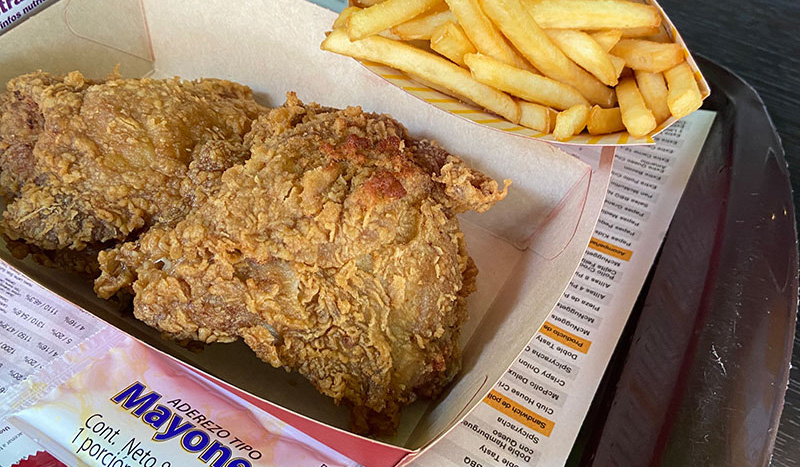
Frisby: This represents the everyday side of eating in Colombia. It is a highly popular, affordable fried chicken chain that hits the spot perfectly after a long beach day.

A close-up of a classic Frisby fried chicken meal in Cartagena, featuring a large piece of golden-brown breaded chicken served with a side of French fries in a branded paper container.

Getting that golden crunch in Cartagena! Nothing beats a classic Frisby fix. If you are looking for a budget-friendly fast food option, or if you are eating out with kids, their Bocagrande location is an absolute lifesaver. Grab a box, ask for the honey packets, and enjoy a true Colombian fast-food staple.


Cafés and digital nomad spots

If you are working remotely, or just need a great breakfast and strong coffee before a tour, Cartagena delivers. The cafe culture here is excellent, featuring some of the best coffee in the world.

For a reliable all-day cafe, Ely Café in Bocagrande became our go-to for multiple breakfasts. For a quick morning stop in the Walled City, Época Espresso Bar has world-class coffee, while Café San Alberto serves highly awarded roasts. Over in Getsemaní, Cafe Stepping Stone is a nomad favorite for hearty breakfasts and strong Wi-Fi.

Best for working: Cafe Stepping Stone
Best for coffee quality: Café San Alberto
Best for atmosphere: Ábaco Libros y Café
Best all-around breakfast stop: Época Espresso Bar

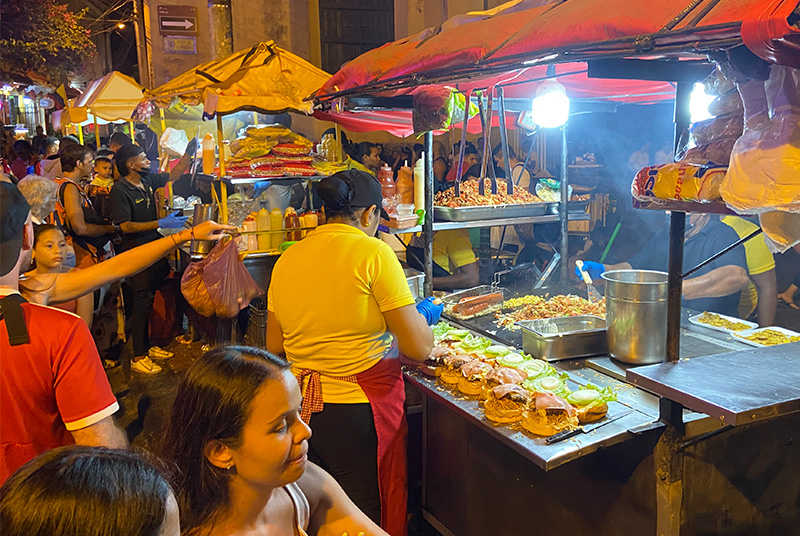
A busy street food vendor preparing hamburgers on a flat top grill at a brightly lit night cart in Plaza de la Trinidad

Plaza de la Trinidad in Getsemaní is the undisputed center of Cartagena’s late-night street food scene. These carts churn out everything from loaded Colombian-style burgers to grilled skewers.


Where locals eat: street food and markets

If you only eat in sit-down restaurants, you are missing the best part of Cartagena. The real food scene is in the markets, on the streets, and in small family-run spots. This was one of my favorite parts of Cartagena. It felt less polished, more spontaneous, and far more local than another formal dinner in the Walled City.

One of the best ways to understand Cartagena street food is to do exactly what we did and take a walking food tour. It gave us context that you do not get by just wandering past a cart. We sampled tropical fruits that you rarely see in the U.S., learned what vendors were actually selling, stopped for street ceviche, and tried grilled sausages, chorizo, and little cups of hot coffee sold by roaming vendors out of coolers and thermoses. That kind of experience is what makes the whole city click.

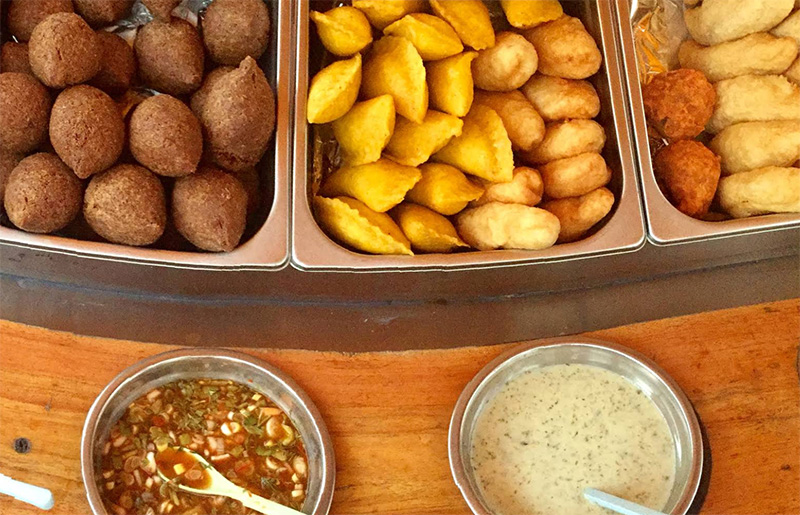
  • Los Fritos de Dora: If you want to taste authentic fritos Cartageneros, there is no better place than Plaza de San Diego. This street food stop is legendary for classics like arepas de huevo, carimañolas, and other fried snacks that locals grab as breakfast, a snack, or a late-night bite.
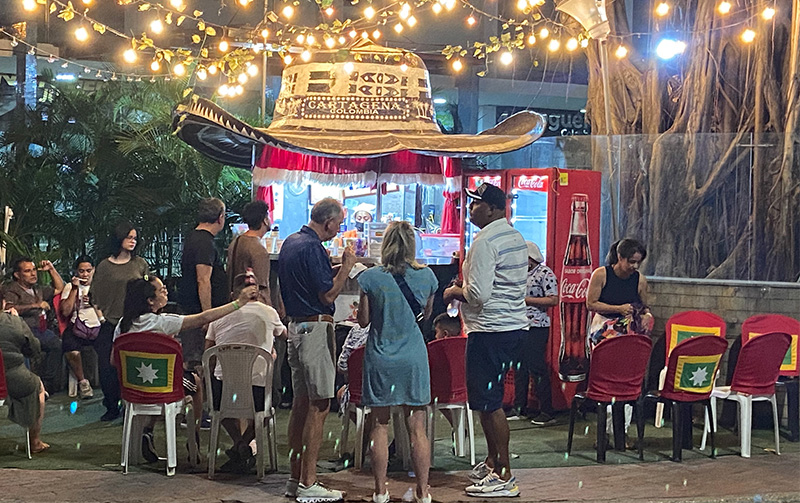
  • El Sombrerón: This is one of those classic Cartagena street stops that just feels right. Grab a plastic chair, order a cheap cup of ceviche or shrimp cocktail loaded with lime and garlic, and mix it up with locals instead of hiding in a restaurant.
  • Portal de los Dulces: This arcaded stretch near Plaza de los Coches is the classic stop for traditional sweets. If you want coconut candies, fruit-based sweets, or an easy edible souvenir, this is the place.
  • Bazurto Market: Chaotic, loud, and intense. Go here with a guide for fresh fish, rice plates, juices, and a much deeper look at Cartagena’s everyday food culture.
  • Getsemaní at Night: Around Plaza de la Trinidad, the streets fill with vendors selling grilled meats, empanadas, patacones, and late-night snacks. This is one of the best places in the city to just walk, point, and eat.

What stood out most to me was how much of Cartagena’s street food scene revolves around quick, satisfying, everyday staples. Arepas de huevo and carimañolas are the obvious must-tries, but do not skip the sausage vendors, fruit carts, or the simple little cups of tinto coffee either. The fruit alone is worth your attention. Mango biche, guanábana, maracuyá, sapote, and whatever else is in season all taste fresher and more intense here than what most Americans are used to.

Street food prices are part of the appeal. A lot of the simple fritos and snacks are cheap enough that you can try several things without overthinking it. Fruit cups, coffees, ceviche cups, and fried snacks usually make more sense as a snack crawl than a single meal, which is exactly why this section of the city is so fun to explore on foot.

Pro Tip: Street snacks in Cartagena are often more of a running food crawl than a single sit-down meal. Try one or two fritos, split a ceviche cup, grab a fruit cup, and finish with a tiny tinto from a thermos vendor. That is a much better way to experience the city than locking yourself into another long restaurant lunch.
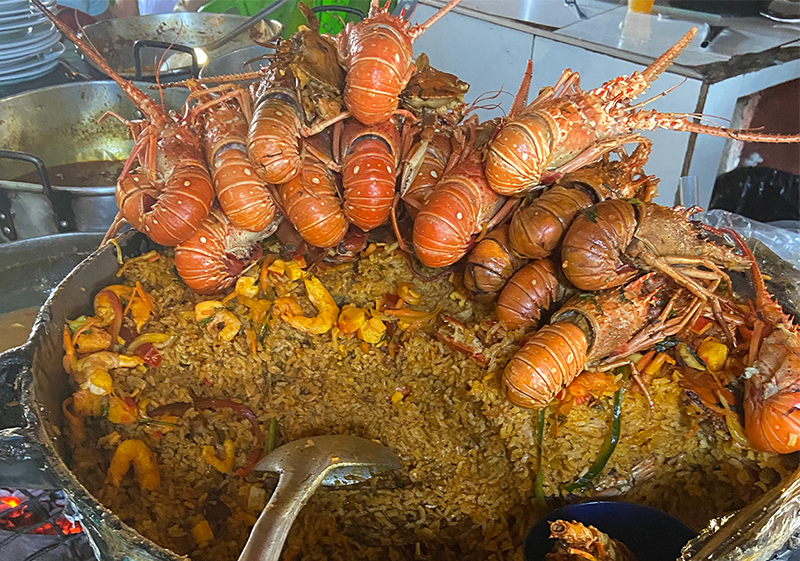
Big pot of lobster and rice at local Bazurto Market

Coastal cooking at its finest. Massive woks of rice piled high with fresh Caribbean lobster are a common sight in the local markets and along the beaches. Read my guide about Bazurto Market Cartagena: Local Food & Street Eats.


What to eat in Cartagena (do not skip these)

  • Arepas de huevo: A deep-fried corn cake stuffed with a whole egg and ground beef. It is the ultimate local breakfast or street snack.
  • Fresh fruit juices: Maracuyá (passion fruit), mango, and guanábana. The fruit here is picked ripe and does not travel far.
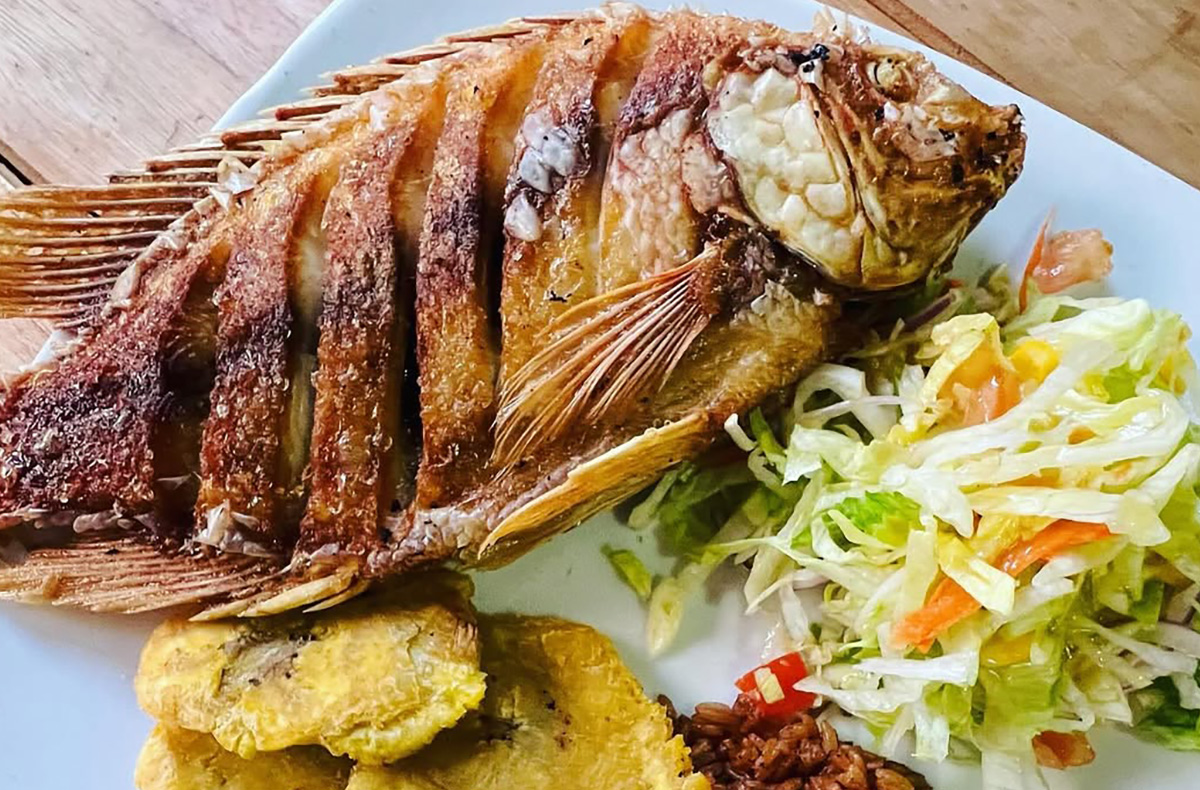
  • Fried fish with coconut rice: The staple dish of the coast. Usually a whole red snapper, simple, fresh, and found everywhere.
  • Carimañolas: Fried yuca fritters stuffed with cheese or meat.
  • Patacones: Fried green plantains that are crispy, salty, and served with everything from seafood to shredded meat. Simple but everywhere.
  • Ceviche (street style): Served in small plastic cups loaded with lime, ketchup, and sometimes mayo. It is different from traditional ceviche, but refreshing and very Cartagena.
  • Butifarra (Cartagena sausage): Small, grilled pork sausages typically served with lime and eaten as a quick street snack, especially in Getsemaní.
  • Tinto (street coffee): Tiny cups of strong black coffee sold by vendors carrying thermoses or coolers. Cheap, quick, and part of everyday life in Colombia.
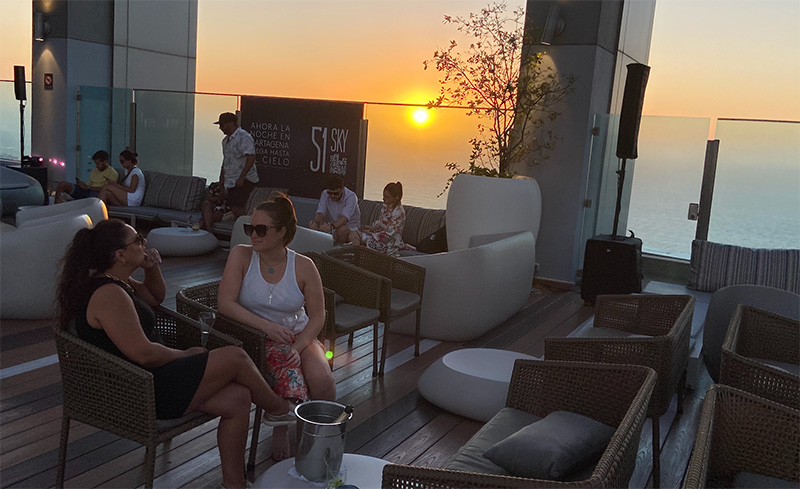
Sunset view from the 51 Sky rooftop bar in Bocagrande, Cartagena with lounge seating and ocean horizon.

Cartagena nights are built around movement. Dinner in the Walled City, drinks on a rooftop, then drifting into Getsemaní for street food or late-night bars. Enjoying the sunset at 51 Sky Bar with Melissa and Raeanne. As the highest bar in Colombia, the panoramic views of the Bocagrande peninsula are unmatched.


A 2 to 3 day Cartagena food game plan

If you are only in Cartagena for a few days, the biggest mistake is staying in one lane. The best trips mix upscale dinners, rooftops, and street food across different neighborhoods. Here is exactly how I would structure it.

Night one: Walled City dinner + rooftop drinks

Start strong in the Walled City with a proper dinner. If you want a lively, cultural night out, book Candé for traditional food, music, and dancing. If you are looking for a more refined, high-end experience, go with Carmen Cartagena or another tasting-menu-style restaurant.

After dinner, do not call it a night. Head upstairs. Cartagena is a rooftop city after dark. Grab cocktails at Alquímico, Townhouse Rooftop, or Buena Vida and let the night stretch out a bit.

Night two: Getsemaní energy + street food

This is your more casual, high-energy night. Head into Getsemaní and spend time around Plaza de la Trinidad. You can either grab a relaxed dinner nearby or just piece together a meal from street vendors.

Think grilled sausages, empanadas, patacones, and a ceviche cup from a street cart. Grab a cheap beer from a corner store or a tiny green bottle of Costeñita, find a seat on the steps, and just hang out. This is one of the most fun, unfiltered experiences in Cartagena.

If you want to keep it going, this is also the best area for a loose bar crawl. There are plenty of small bars, live music spots, and places to bounce between without a plan.

Night three: Bocagrande reset + easy rooftop

By night three, a reset is nice. Head to Bocagrande for a more relaxed, modern dinner. This is where you go for consistency, air conditioning, and a break from the intensity of the historic center.

Start with drinks at Sky Bar 51 for a clean, elevated rooftop view, then head to dinner at one of your go-to spots like Persepolis and order the Kabob Persepolis, served under a dough crust that keeps the meat incredibly moist and flavorful. You could also go with Hamachi or Leña y Carbón Restaurante for solid food, good service, and live music. It is not as atmospheric as the Walled City, but it is an easy, comfortable night.

Local Guide Tip: The best Cartagena trips are not about finding the single best restaurant. They are about mixing one or two standout meals with casual nights, street food, and rooftops. That balance is what makes the food scene here so good.

You cannot miss El Sombrerón. It is a street food cart topped with a massive traditional Colombian sombrero right outside the Walled City. This is the spot to grab a cheap, refreshing cup of local Cartagena-style ceviche or shrimp cocktail loaded with garlic and lime. Grab a plastic chair and mix it up with the locals.


Where we actually ate for 30 days

We did not build this guide from one long weekend. We lived in Cartagena for a month, so this is where our real eating pattern landed. Some places were special-occasion meals. Some were practical repeat spots. That mix is the point.

Restaurant Type of Meal Would We Go Back? Quick Take
Carmen Cartagena Special occasion dinner Yes One of the strongest full dining experiences we had in Cartagena
Candé Traditional dinner Yes Fun, flavorful, and a strong pick if you want a classic night out
Harry’s Restaurant Courtyard lunch Yes Beautiful setting and fantastic wood-fired options
El Burlador Gastrobar Date night / steak and wine Yes A great reset when you want a break from coastal dishes
Persepolis Gastrobar Repeat dinner spot Absolutely One of the biggest surprises of the trip with incredible Persian food
Ely Café Breakfast Yes (multiple times) Reliable, delicious all-day cafe perfect for mornings in Bocagrande
La Cevichería Tourist-famous seafood lunch Yes, once More of a do-it-once classic than a repeat habit
Local Guide Tip: For street food, look for high turnover and food cooked fresh. If locals are lined up and the oil, grill, or pot is actively working, that is usually a good sign. If Bazurto feels too chaotic to navigate on your own, book a food tour or go with a local guide so you know what you are eating.

Los Fritos de Dora in Plaza de San Diego is a local institution. Their trays are constantly refilled with fresh arepas de huevo and carimañolas, making it the perfect spot for an authentic Cartagena snack crawl.


The Cruise Ship Playbook: One Day in Cartagena

If you only have 8 to 10 hours in the city from a cruise ship, do not waste time trying to sit down for a three-hour fine dining lunch. Keep it moving.

Start your morning grabbing a coffee at Época inside the Walled City. Walk the historic walls and grab an arepa de huevo or traditional fritos from Los Fritos de Dora in Plaza de San Diego. For lunch, put your name in early at La Cevichería for fresh, fast seafood or grab a table in the courtyard at ALMA. Spend your afternoon wandering the colorful streets of Getsemaní, and finish your day grabbing a sunset cocktail at the Townhouse Rooftop or Cafe del Mar before heading back to the port.

Plan the full Colombia experience with city guides, Cartagena neighborhood tips, island escapes, food spots, and practical ideas for longer stays.

CARIBBEAN BASE

Cartagena Travel Guide

See what it’s like to live slower in Cartagena with neighborhood tips, local rhythm, and ideas for a longer stay.

Read More

ISLAND ESCAPE

Rosario Islands Weekend

Trade the city for clear water and slower island time with a practical look at Isla Grande and Hotel Majagua.

Read More

BEACH DAY

Tierra Bomba Beach Day Guide

Plan an easy beach club day from Cartagena with practical tips on where to go, what to expect, and whether it’s worth it.

Read More

Frequently Asked Questions

Is Cartagena expensive for dining out?

No. While the very top restaurants in the Walled City can hit US pricing (especially with imported wine), Cartagena overall offers exceptional value. You can easily find incredible local lunches for under ten dollars, and neighborhood spots in Bocagrande are highly affordable.

For the popular spots in the Walled City (like Celele, Carmen, or Candé), yes, you absolutely need reservations, especially on weekends and during the dry season. For casual neighborhood spots outside the walls or in Getsemaní, you can usually walk right in.

Generally, yes. Stick to carts that have high turnover and are cooking food fresh in front of you (like empanadas, arepas, or fresh fruit). Avoid anything that looks like it has been sitting out unheated for hours.

Absolutely. While coastal seafood dominates, Cartagena is a highly international city. You will find excellent steakhouses, authentic Persian and Mediterranean food, high-quality wood-fired pizza, and reliable comfort food spread throughout the neighborhoods.