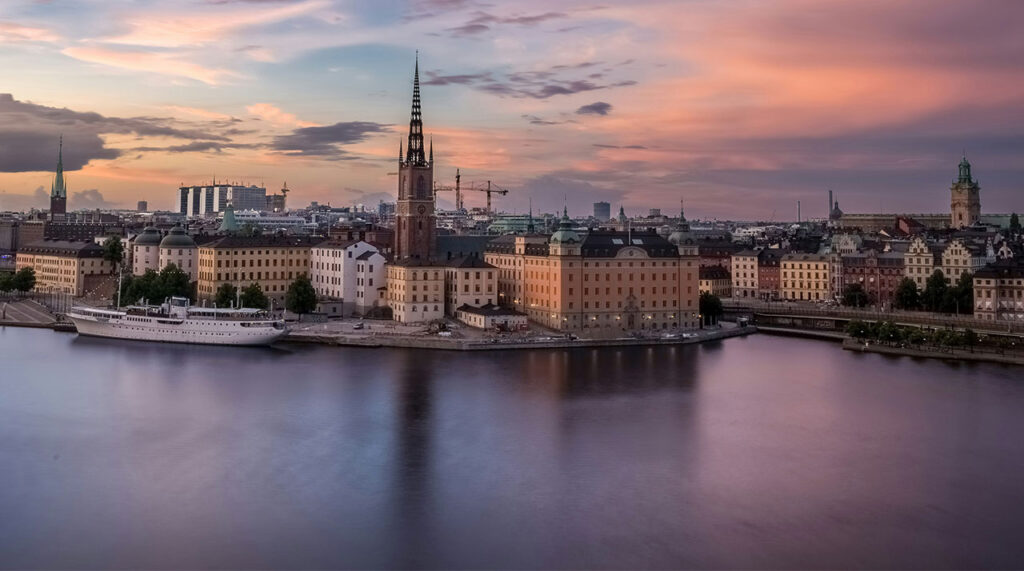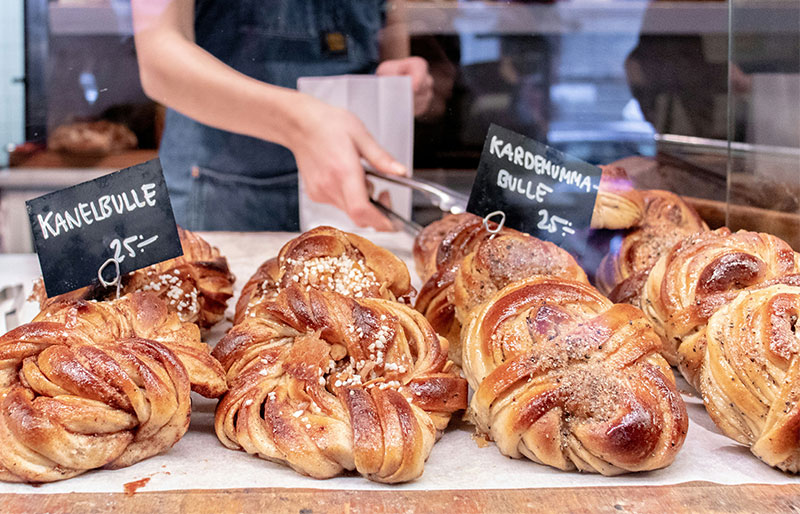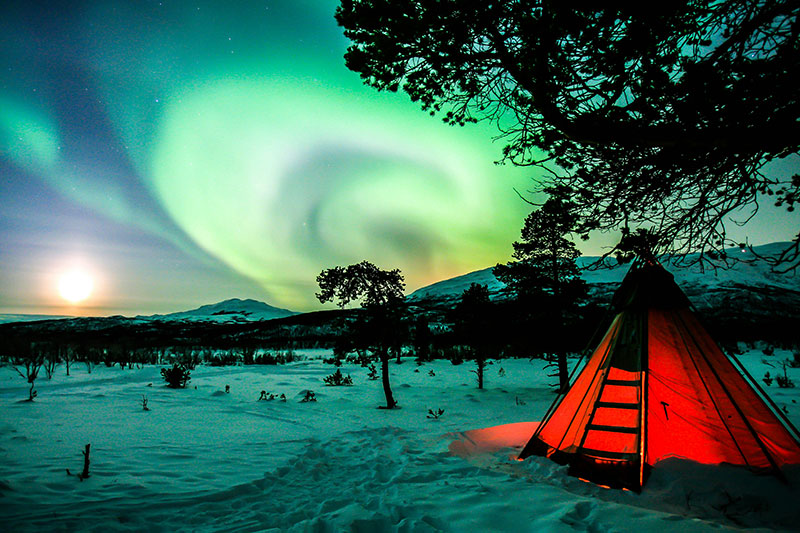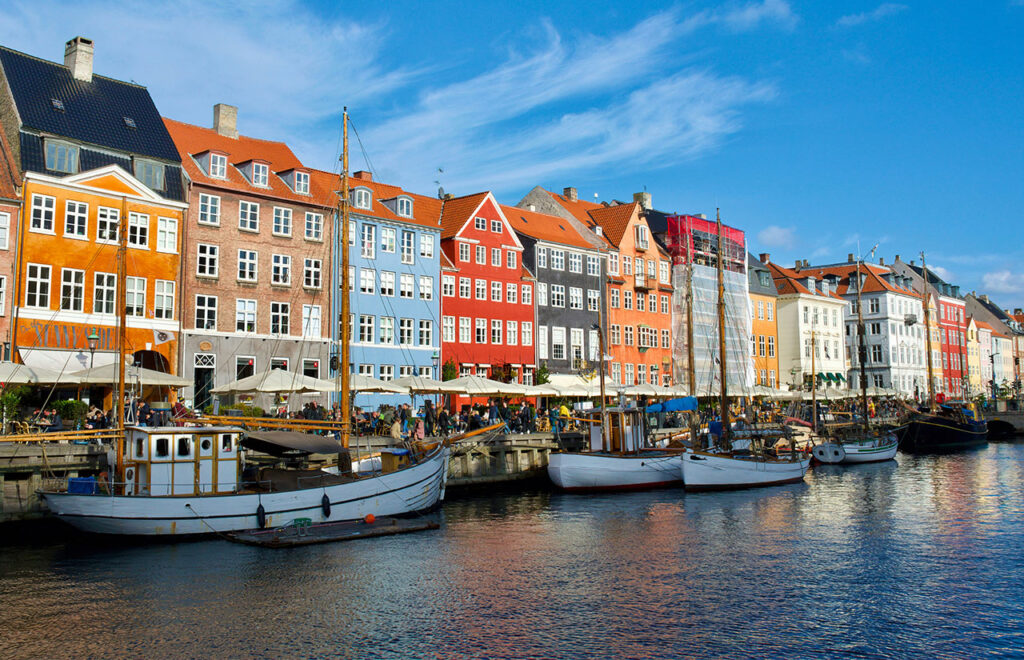

The Ultimate Guide to a Tierra Bomba Beach Day from Cartagena

Tierra Bomba Beach Day Boat

The Ultimate Guide to a Tierra Bomba Beach Day from Cartagena
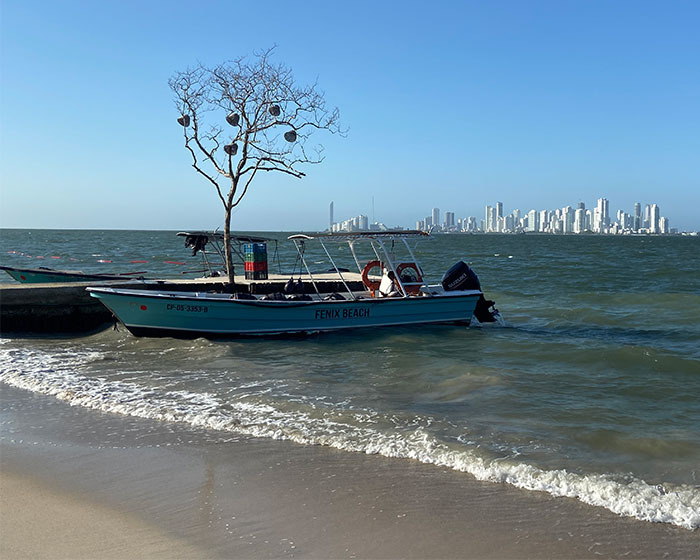
Tierra Bomba Beach Day Boat

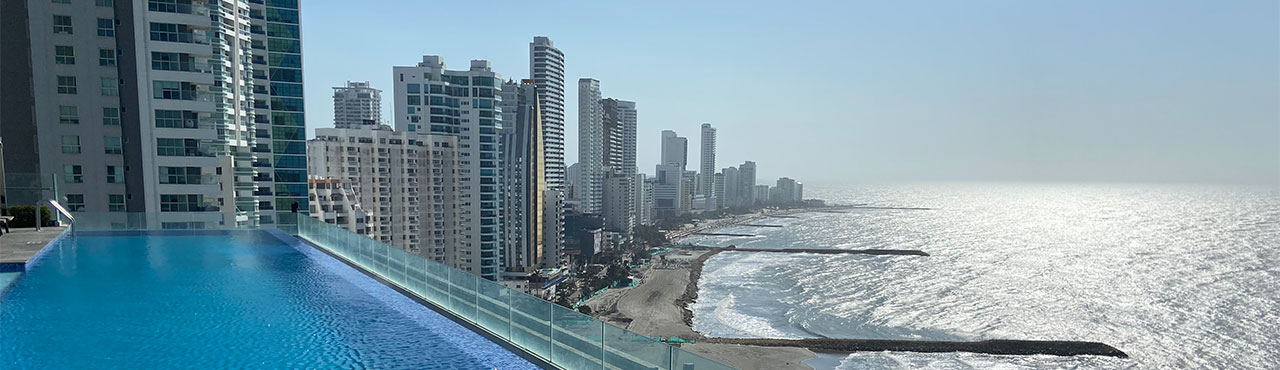
A short boat ride from the city, Tierra Bomba offers a slower, quieter escape from Cartagena, with skyline views of Bocagrande fading into the distance.


Home » Destinations » Page 14

Last updated: March 2026 by Corey Gasman

From the Editor:

If you are looking for white sand and turquoise water, you will not find it in Bocagrande. But you also do not need to fly to the Rosario Islands.

Just 30 to 40 minutes across the bay sits Tierra Bomba, an island that feels like a different world. Calmer water. Beach clubs with pools. Day passes that make everything simple.

A Tierra Bomba beach club day is Cartagena’s best middle ground. Not a luxury mega-resort. Not a backpacker boat tour. Just a well-run Caribbean reset.

TLGA Travel Truth:

Cartagena’s city beaches are convenient, not Caribbean-dream material. Tierra Bomba is where the water gets cleaner, the vibe slows down, and the day feels intentional.

Next up: See how to handle the city rhythm once you return to the mainland in our full Cartagena Travel Guide.

Quick Navigation

TLGA Rule: This is Colombia, not Club Med. Expect a little grit, maybe a few flies, and real island energy. That is part of the charm.
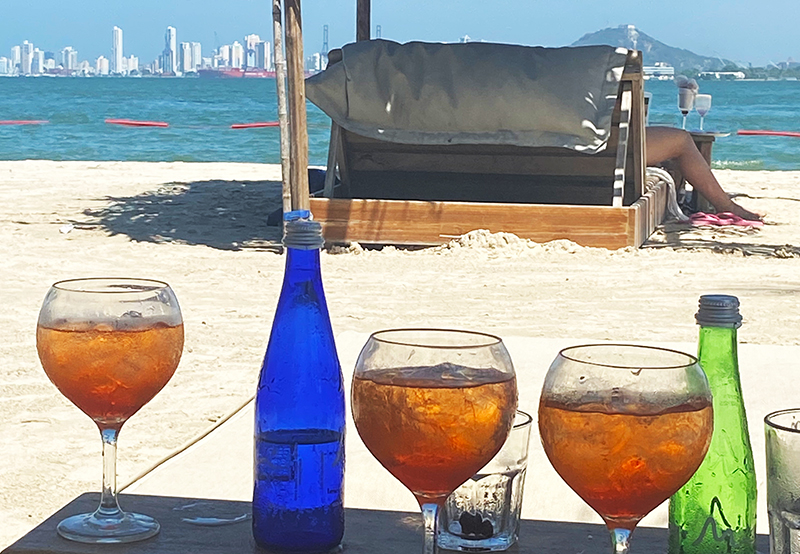
A tropical cocktail in a glass sitting on a wooden table with the beach and ocean blurred in the background.

Included or credit? Many day passes include a welcome drink or food and beverage credit. Be clear on what you are getting so you do not overspend.


Tierra Bomba: island logistics

  • Location: Isla Tierra Bomba (about 15 to 20 minutes by boat from Cartagena)
  • Vibe: rustic-chic, intentional, and relaxed
  • Best for: an easy Caribbean escape without a full overnight commitment
Pro Tip: Most boat transfers for beach clubs depart early in the morning. Missing your window usually means paying a premium for a private launch.

Top Tierra Bomba beach clubs

Blue Apple Beach

The vibe: Lively, social, upscale.

Blue Apple is the island’s most famous club. DJs, a strong cocktail program, a good-looking crowd, and a pool scene that leans fun without feeling chaotic.

  • Typical cost: $50 to $80 USD
  • Includes: boat transfer, welcome drink, multi-course lunch, pool and beach access
  • Best for: couples and groups who want energy
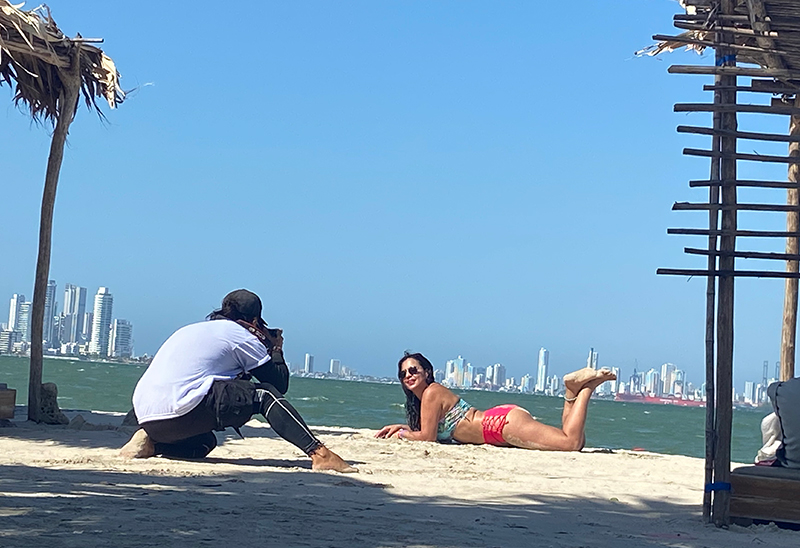
A woman in a bikini posing on a beach while a professional photographer with gear takes her photo.

The content grind never stops. We got a laugh watching this professional shoot happen while we were just floating in the pool. Tierra Bomba is prime influencer territory.


Makani Luxury Beach Club

The vibe: Chic, serene, design-forward.

Makani feels like Tulum dropped into Cartagena’s bay. Large pool, comfortable loungers, and a more polished atmosphere.

  • Typical cost: $60 to $100 USD
  • Includes: boat transfer and food and drink credit
  • Best for: couples and quieter luxury seekers

Amare Beach Club (Pink Mango)

The vibe: Relaxed, bohemian, comfortable.

Amare hits the middle ground. Not high-energy like Blue Apple. Not ultra-luxury like Makani. Hammocks, eco-pool, and a laid-back atmosphere.

  • Typical cost: $45 to $70 USD
  • Includes: boat transfer, welcome drink, lunch
  • Best for: small groups and relaxed days

Namaste Beach Club

The vibe: Chill, wellness-focused.

Namaste leans into the reset energy. Think yoga, meditation, and slower pacing.

  • Typical cost: $40 to $70 USD
  • Includes: boat transfer, local lunch, wellness access
  • Best for: solo travelers or calm couples
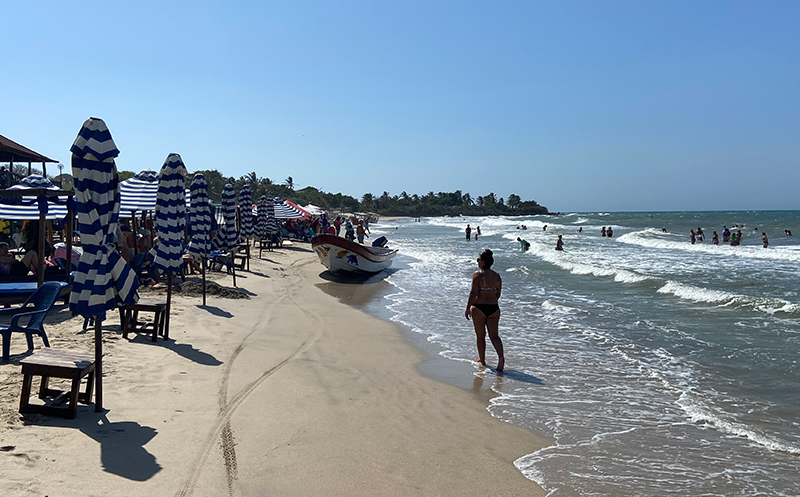
A woman standing at the edge of the surf on a sandy beach lined with blue and white striped umbrellas on Tierra Bomba.

The beach itself is usually narrow, but the water is a significant upgrade from the main city beaches in Bocagrande.


Practical tips before you go

  • Book ahead: weekends and high season sell out fast
  • Know the departure point: many boats launch from the beach in Bocagrande, not the main tourist dock
  • Wear easy footwear: you may wade into the water to board
  • Bring cash (COP): for tips and small purchases
Pro Tip: Always check wind and weather conditions the morning of your trip. Small boats plus heavy swells can turn a fun day into a rough crossing.

A quick boat reality check

The ride is short. That does not mean it is smooth. We actually went out to the beach clubs twice during our month in the city, once with Melissa and a second time when our friend Rayanne visited.

Beach launches and smaller motors are common. If you are nervous about water, ask the club what type of boat they are using that day. When conditions are calm, it is easy. When the wind picks up, it becomes an adventure. One of our return trips turned into an incredibly intense ride with massive waves. The crossing is brief, but the ocean respects no schedule.

Beach club comparison at a glance

Beach Club Best For Price Range Vibe
Blue Apple Social & Music $50 to $80 Lively
Makani Luxury & Calm $60 to $100 Chic
Amare Groups $45 to $70 Relaxed
Namaste Wellness $40 to $70 Chill

Is Tierra Bomba worth it?

Yes. Especially if you want tropical water without committing to a full island overnight.

It is convenient, varied, and easy to plan. Not pristine Maldives energy. Not ultra-luxury. But absolutely worth the short boat ride.

Next Steps
Pair this with a Rosario Islands weekend or a longer stay in Cartagena. The island days make the city rhythm even better.

Plan the full Colombia experience with city guides, Cartagena neighborhood tips, island escapes, food spots, and practical ideas for longer stays.
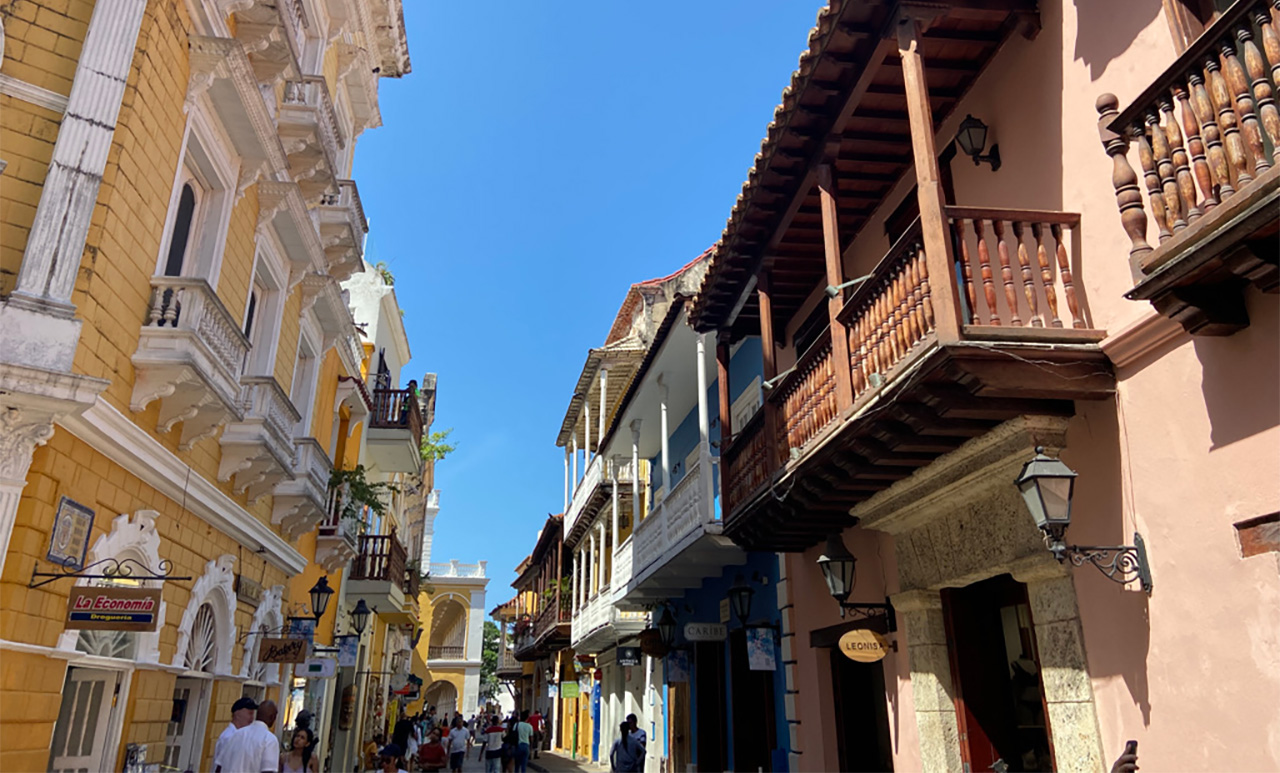
CARIBBEAN BASE

Cartagena Travel Guide

See what it’s like to live slower in Cartagena with neighborhood tips, local rhythm, and ideas for a longer stay.

Read More
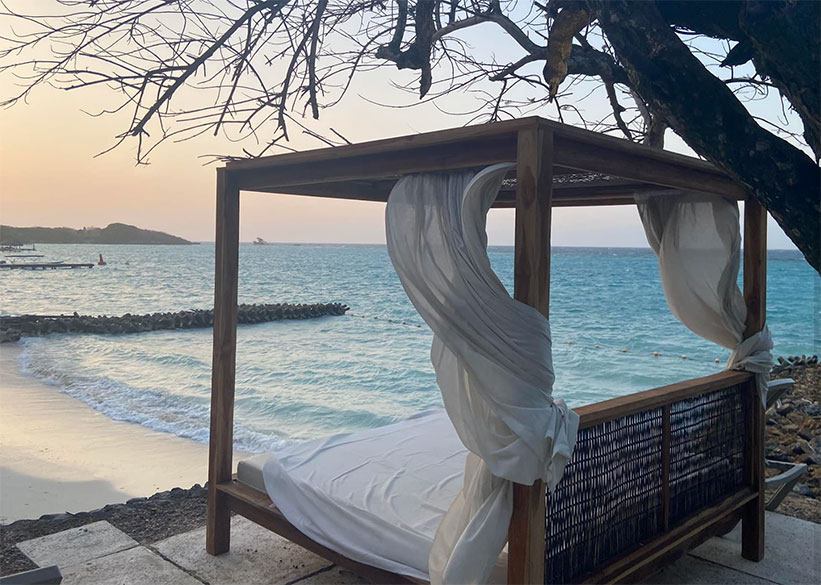
ISLAND ESCAPE

Rosario Islands Weekend

Trade the city for clear water and slower island time with a practical look at Isla Grande and Hotel Majagua.

Read More
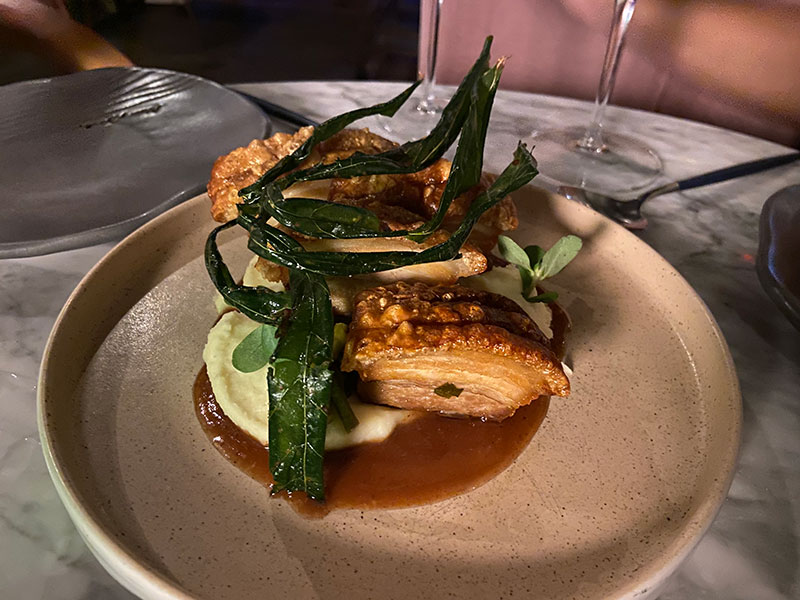
WHERE TO EAT

Best Restaurants in Cartagena

A full month of eating helped shape this restaurant guide, with standout spots for seafood, local flavors, and memorable meals.

Read More

Frequently Asked Questions

How long is the boat ride to Tierra Bomba?

The boat ride is very short, usually taking between 10 and 15 minutes depending on the exact beach club you are visiting and the departure point in Cartagena.

It depends on what you want. Tierra Bomba is much closer and easier for a quick day trip with great beach club amenities. The Rosario Islands require a longer boat ride but offer clearer, more pristine Caribbean water.

This varies by club. Many depart from the beach directly behind the Bocagrande hospital, while others use the main tourist pier (Muelle de la Bodeguita). Always confirm the exact departure point when booking your day pass.

Yes. The popular spots like Blue Apple and Makani strictly cap their capacity and frequently sell out, especially on weekends and during the high season. Book a few days ahead to secure your spot.
Rosario Islands Weekend: Isla Grande & Hotel Majagua

Rosario Islands: Isla Grande at Hotel San Pedro de Majagua

A Weekend in the Rosario Islands: Isla Grande & Hotel Majagua

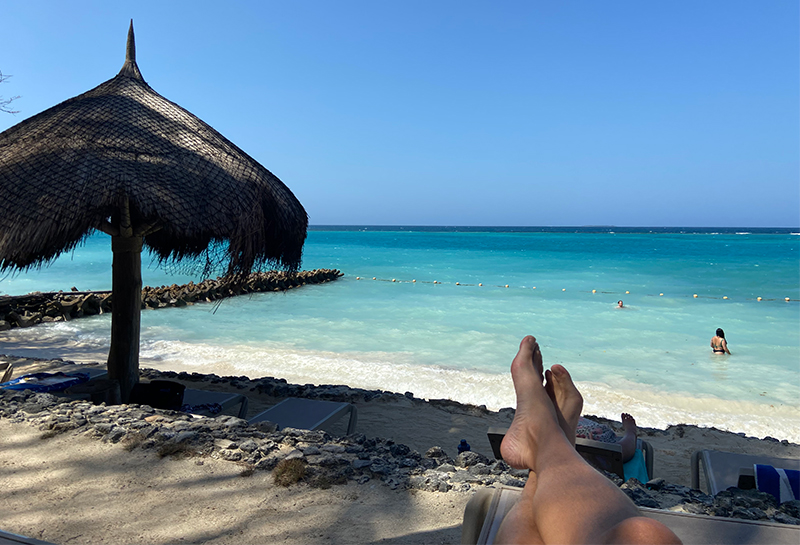
View from a beach lounger looking out at turquoise water under a thatched palapa

Escaping Cartagena for the weekend. The Rosario Islands are the exhale: clearer water, slower days, and the easiest reset you can do in Colombia.


Home » Destinations » Page 14

Last updated: February 2026 by Corey Gasman

From the Editor:

If Cartagena is all color, heat, and energy, the Rosario Islands are the exhale. Close enough for a quick trip, far enough to feel like you actually left.

We spent a weekend in Colombia’s Rosario Islands on Isla Grande, staying at Hotel San Pedro de Majagua. It ended up being one of the most relaxing parts of our month in Colombia. The water is clearer, the pace is slower, and you can feel your brain switch from plan mode to island mode within an hour.

If you want Caribbean water without giving up comfort, this is a great way to do it. This is not a party island. It is a reset.

At a glance: island logistics

  • Location: Isla Grande, Rosario Islands (about 45 to 60 minutes by boat from Cartagena)
  • Vibe: low-key, natural, and quiet
  • Best for: a mid-trip reset or a romantic weekend away from city noise
Pro Tip: If you want calm water, ask about wind and sea conditions before you commit. A smooth crossing sets the tone for the entire weekend.

TLGA Travel Truth:

The best island trips are not packed with activities. They are designed for fewer decisions, more water time, and one or two simple anchors per day.

Next up: See how to handle the city rhythm once you return to the mainland in our full Cartagena Travel Guide.

Getting to Isla Grande by boat

One of the best decisions we made was arranging a private boat through the hotel. It made the entire trip feel simple from the start. No scrambling at the docks, no guessing, and no negotiating in the moment.

We left Cartagena in the morning and the ride took under an hour. The skyline fades, the water turns brighter, and you can feel the shift immediately. Pulling up to Isla Grande feels like arriving somewhere quieter, even though you are not far from the city.

Once we arrived, check-in was smooth, our bags disappeared to the room, and we were instantly in vacation mode.

Local Guide Tip: Even with a private boat, you will usually pay a small tourist pier tax in cash at Muelle de la Bodeguita. Bring small bills.
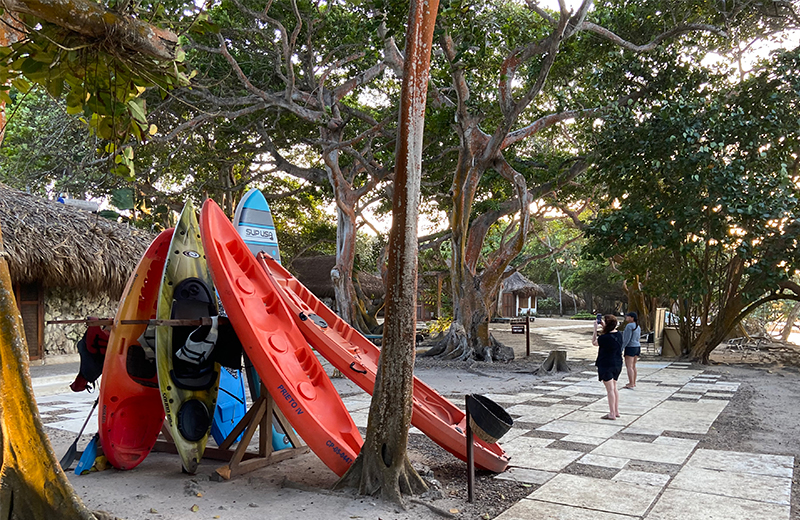
Kayaks leaning against trees on the shaded sandy paths of Hotel San Pedro de Majagua

The grounds at Hotel San Pedro de Majagua are shaded and quiet, with kayaks ready for whenever you want to get on the water.


Hotel San Pedro de Majagua: low-key island comfort

Hotel San Pedro de Majagua is not flashy in a resort way. It feels tropical, relaxed, and built for slowing down. The property stretches along the shoreline, so it never feels crowded, and everything is close enough that you are basically barefoot all weekend.

Our room was comfortable and practical, with strong air conditioning, which matters more than you think in this humidity. The rhythm here is simple: swim, eat, nap, repeat.

The sweet spot
This is where doing nothing becomes the plan, and that is exactly why it works after Cartagena.

Snorkeling in the Rosario Islands

Snorkeling was one of the highlights, and it does not require a complicated plan. The hotel can arrange short trips to nearby spots, and it is easy to fit into your day without committing your entire afternoon.

Visibility depends on conditions, but when it is good, it is really good. Coral, tropical fish, and calm water that works even if you are not experienced.

Pro Tip: If you only plan one activity, do it in the morning. Wind usually builds later in the day.
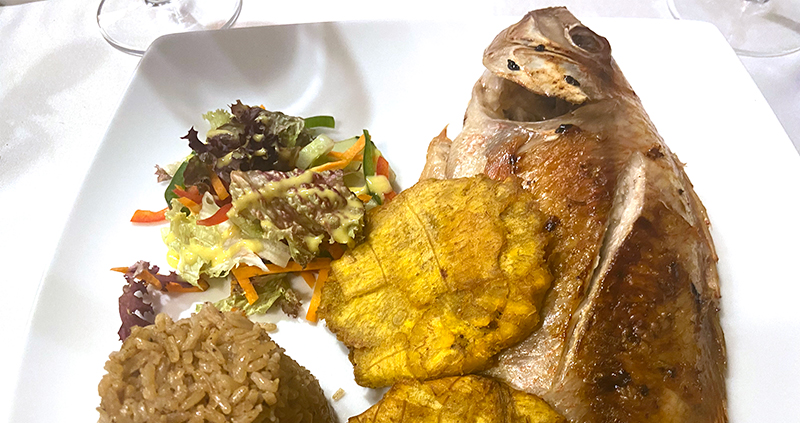
Whole fried fish served with coconut rice and plantains on a white plate

Island food is straightforward and fresh. Whole fried fish, coconut rice, and plantains become the daily standard.


Island time: long meals and slow days

Island time is real here. Breakfast is slow. Lunch stretches. Dinner happens when the sun drops and the heat fades.

Fresh fish, rice, tropical fruit, and cold drinks. You stop checking the time, not intentionally, but because nothing is pushing you forward.

Bioluminescent bay on Isla Grande

If you visit during a darker moon phase, Isla Grande offers bioluminescence. At night, movement in the water sparks light. Hands, paddles, ripples. It can feel like swimming through stars.

Local Guide Tip: This is conditions dependent. Ask other guests how it looked the night before before committing.

The honest take: We went to support locals, but saw very little glow and the experience felt a bit rough. Only do this if recent conditions have been strong.

Quick island packing list

  • Bug spray: mosquitoes are strong at sunset
  • Water shoes: rocky entry points are common
  • Small cash: for tips and local purchases

Why a weekend is the sweet spot

Two nights was perfect. Enough time to unwind, snorkel, eat well, and reset without needing a full week.

It balances Cartagena’s intensity with something slower. By the time you leave, you feel noticeably calmer.

Rosario Islands: Isla Grande at Hotel San Pedro de Majagua

The entire point of coming out here is to do less. Find some shade, look at the water, and let the island set the pace.


Is it worth it?

Absolutely. If you want a Rosario Islands experience that is easy, comfortable, and focused on natural beauty, this is a strong choice.

It is not about doing more. It is about slowing down, floating in warm water, and letting the pace reset you.

Plan the full Colombia experience with city guides, Cartagena neighborhood tips, island escapes, food spots, and practical ideas for longer stays.

CARIBBEAN BASE

Cartagena Travel Guide

See what it’s like to live slower in Cartagena with neighborhood tips, local rhythm, and ideas for a longer stay.

Read More

WHERE TO STAY

Why Stay in Bocagrande

If you want convenience, beach access, and an easy home base, this guide breaks down why Bocagrande works for many travelers.

Read More

WHERE TO EAT

Best Restaurants in Cartagena

A full month of eating helped shape this restaurant guide, with standout spots for seafood, local flavors, and memorable meals.

Read More

Frequently Asked Questions

Is it better to stay overnight in the Rosario Islands or do a day trip?

If you have the time, staying overnight is the better experience. Day trips can feel rushed and crowded, while an overnight stay lets you enjoy calmer water, quieter evenings, and a much more relaxed pace.

Most people take a boat from Cartagena, either arranged through a hotel or booked independently. Private boats are the easiest option and typically take 45 to 60 minutes. Many departures leave from Muelle de la Bodeguita.

It depends on wind and sea conditions. On calm days, the ride is smooth and easy. When the wind picks up, it can be bumpy. Morning departures are usually more stable, and it is worth checking conditions ahead of time.

Yes, especially if you want a comfortable, low-key island stay. It is not a luxury resort, but it offers a relaxed atmosphere, good access to the water, and an easy, well-organized experience for a weekend escape.

Playa de Los Guíos: Black Sand and Giant Cliffs in Los Gigantes

Playa de los Guios

Playa de Los Guíos: Black Sand and Giant Cliffs in Los Gigantes

Playa de los Guios

A small Tenerife beach with calm water, volcanic sand, and cliffs that make the whole island feel cinematic.


Home » Destinations » Page 14


Last updated: February 2026 by Corey Gasman

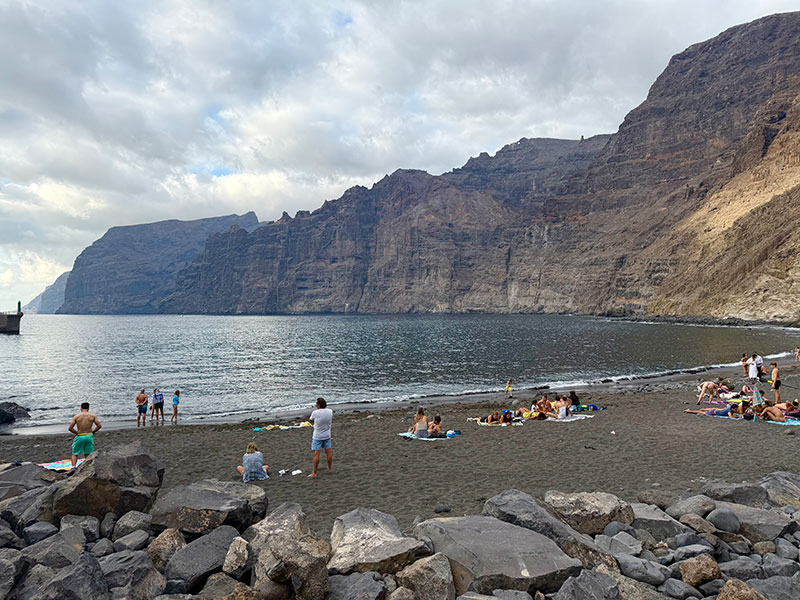
If you want a Tenerife beach that feels dramatic without being complicated, Playa de Los Guíos in Los Gigantes is the one. It is small, it is dark volcanic sand, and the cliffs behind it make every photo feel slightly unreal.

You do not come here for endless shoreline. You come for the vibe. Calm water, volcanic scenery, and the kind of scale that makes you stop mid-sentence.

Local Guide Tip: Come late afternoon. The cliffs light up, the beach feels calmer, and you can roll straight into a sunset dinner in Los Gigantes or Puerto de Santiago.

The beach: small, volcanic, and perfectly unbothered

Playa de Los Guíos is a compact black-sand beach tucked near the marina, and that is part of the charm. It is not trying to be a mega-resort beach.

People show up with towels, kids splash in the shallows, and the whole place feels like a local hangout that visitors also discovered. The water is often calmer than the open coast, and the dark sand gives everything a moody, cinematic look, even on cloudy days.

The cliffs: Los Gigantes doing Los Gigantes things

The Acantilados de Los Gigantes rise almost straight out of the Atlantic like a wall, reaching roughly 500 to 600 meters depending on where you stand.

From the beach, they feel massive and close, like the island is showing off. The best part is how the light changes them. Soft gray in the morning, warmer tones late in the day, and full drama near sunset.

Where to eat nearby

One of the best parts of this area is how easy it is to go from beach to dinner. You can rinse off and be eating well within ten minutes.

  • Tas-K (Los Gigantes) – A well-rated casual spot near Playa de Los Guíos with Spanish and Canarian dishes, friendly service, and great terrace seating. Official site
  • Aqua Restaurant (Los Gigantes) – A more polished option with cliffside views and creative Mediterranean cooking. Ideal for sunset dinners or a slower evening. Official site
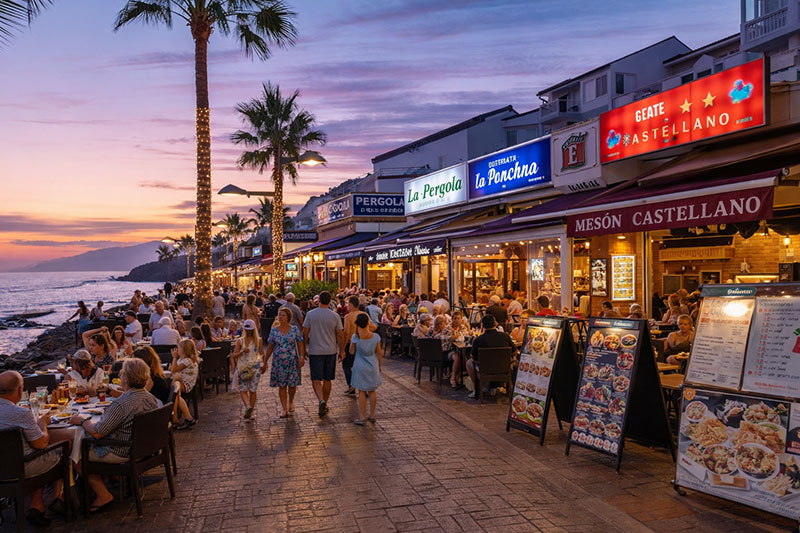
  • Puerto de Santiago restaurant strip – The promenade between Los Gigantes and Puerto de Santiago is packed with cafés and restaurants offering everything from tapas to pizza and fresh fish.
Puerto de Santiago restaurant strip at sunset

Puerto de Santiago restaurant strip at sunset.


Final take

Playa de Los Guíos is one of those Tenerife spots that does not need a full itinerary. Show up, sit down, and let the scale of the cliffs do the work.

It is relaxed, scenic, and exactly the kind of place that makes you understand why people come to the Canary Islands for a quick break and then start quietly planning how to stay longer.

A Perfect Day at Bodegas Monje: Tenerife’s Most Memorable Wine Experience

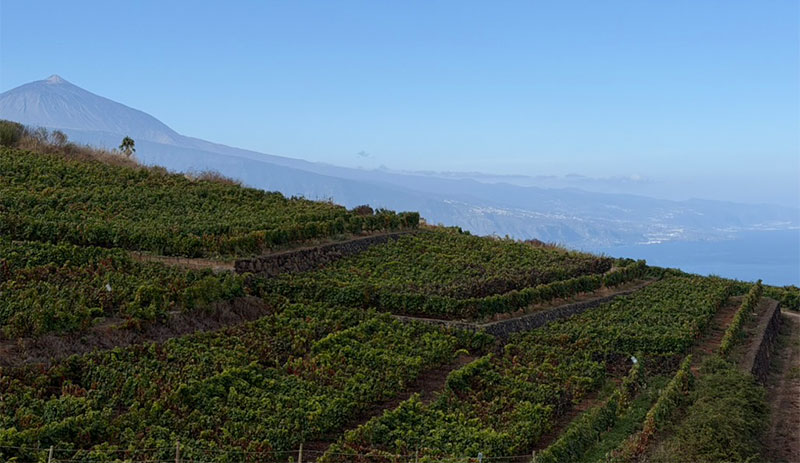
From Bodegas Monje, you often get a clear view of Teide rising above the vineyards, especially on crisp days when the clouds stay low. It’s one of those rare winery views where volcanic history is literally part of the backdrop.

A Perfect Day at Bodegas Monje: Tenerife’s Most Memorable Wine Experience

From Bodegas Monje, you often get a clear view of Teide rising above the vineyards, especially on crisp days when the clouds stay low. It’s one of those rare winery views where volcanic history is literally part of the backdrop.

Volcanic vineyards, Atlantic views, and Mount Teide rising in the distance. Bodegas Monje is Tenerife wine done right.


Home » Destinations » Page 14


Last updated: February 2026 by Corey Gasman

TLGA Travel Truth
Tenerife is more than resorts and beaches. Head inland and you find volcanic vineyards, family-run wineries, and some of the island’s most memorable views.

On clear days at Bodegas Monje, you get a direct view of Mount Teide rising above the vineyards. When the clouds sit low, the volcano becomes part of the backdrop. It is one of those rare winery settings where the landscape is not subtle. It is towering behind your glass.

Set on the hills above the coast, this family-run winery blends history, craftsmanship, and Atlantic views in a way that feels authentic and refreshingly unpolished. It was one of the most rewarding experiences of our time in Tenerife and an easy escape from the resort-heavy atmosphere of the south.

The wine tour: volcanic tradition without the lecture

The guided tour strikes the right balance between education and enjoyment. You learn about Tenerife’s volcanic soil, the Monje family’s history, and the growing conditions that shape their wines without feeling overloaded with detail.

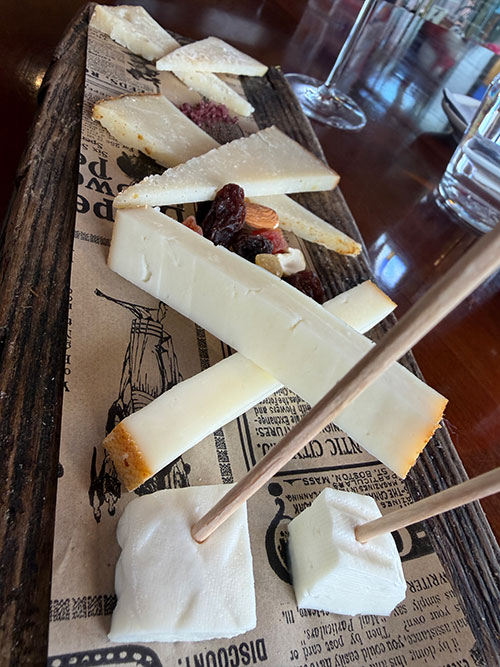
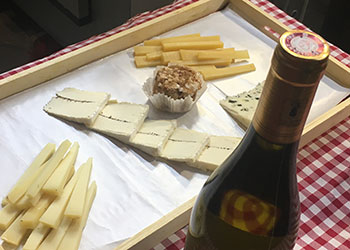
The tasting includes four local wines paired with four aged cheeses, each combination designed to highlight the wine’s character. It works for casual drinkers and still keeps things interesting if you know your wine.

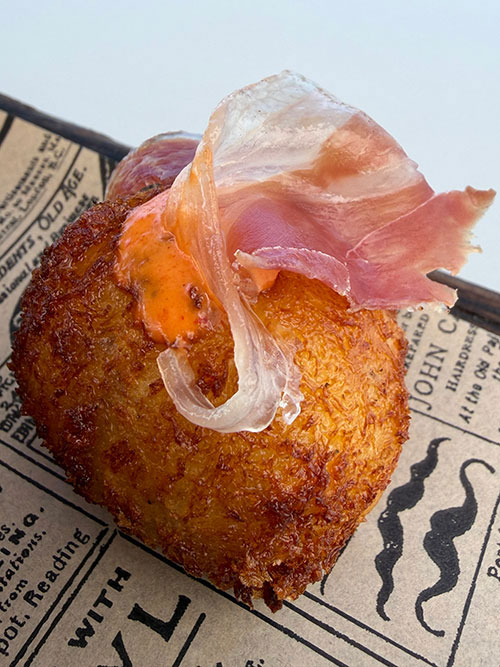
Spanish Croquetas with Jamón Ibérico.

Historic wine cellar at Bodegas Monje in Tenerife.

Stay for lunch on the terrace

After the tasting, we stayed for lunch on the outdoor terrace, which ended up being just as memorable as the wine.

The croquetas de jamón were rich and perfectly crisp. The fire-roasted suckling pig was tender, flavorful, and clearly prepared with care.

Add vineyard views and the Atlantic in the distance, and it becomes the kind of lunch that quietly stretches into the afternoon.

Fire-roasted suckling pig served at Bodegas Monje.


Why Bodegas Monje works so well

Between the setting, the food, and the hospitality, Bodegas Monje delivers what many travelers are looking for in Tenerife but often miss. A slower pace. A real sense of place. An experience that feels genuinely local.

Pro Tip: Pair your winery visit with a Mount Teide drive. Wine tasting in the morning, volcanic landscapes in the afternoon, and coastal views on the way back is one of Tenerife’s strongest day combinations.

Planning a trip to Tenerife? Pair Bodegas Monje with a Mount Teide drive for one of the most well-rounded days on the island.

Tenerife in October: Why We Added the Canary Islands to Our Trip

Playa de las Américas beach at sunset
[ux_breadcrumbs]

Playa de las Américas: By October, the Canary Islands trade summer crowds for golden light and an eternal spring that still feels like a secret.
© All artwork and photos by Corey Gasman

Why We Added Tenerife in October (And Why It Was the Perfect Call)

At some point during planning, I typed a very specific question into Google: “Where do people from Dublin go on vacation in October?”

The same destinations kept popping up: Malta, Greece, and the Canary Islands. Then I saw Tenerife’s October weather hovering around 80°F (27°C), and the decision was basically made.

For travelers from Great Britain and Ireland, Tenerife feels a lot like Mexico does for Midwesterners. Short flights, reliable infrastructure, warm water, and solid value. After weeks of Irish rain and moody skies, a few days of beach sunshine felt less like indulgence and more like balance.

First Impressions of South Tenerife (Yes, Our First Breakfast Was McDonald’s)

We landed, hadn’t grocery shopped yet, and the Golden Arches were right there.

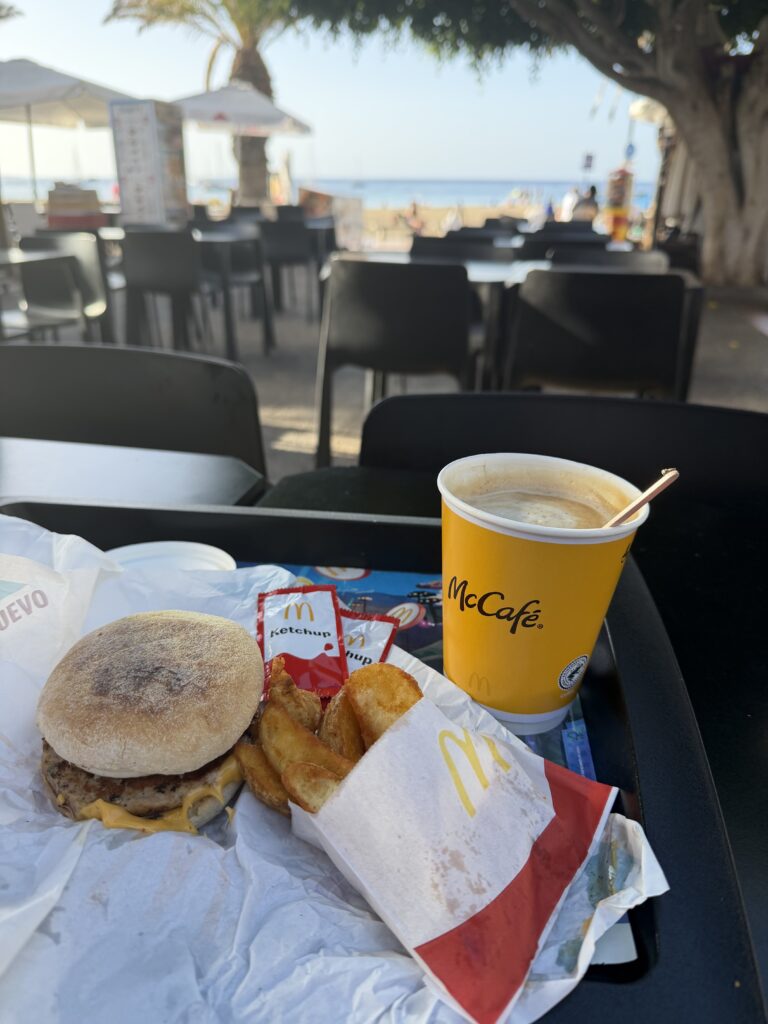
Not just any McDonald’s. This one was literally on the beach, with ocean views and an outdoor patio. I ordered a cappuccino, a sausage and egg McMuffin, and thick-cut breakfast fries for about €4.

It was oddly perfect.

That moment set the tone for Tenerife: casual, affordable, and refreshingly unpretentious. High-end resorts exist, but everyday life still feels approachable.

Beachfront McDonald's breakfast in South Tenerife

Beachfront McDonald’s in South Tenerife: somehow the perfect “we just landed” breakfast.


Our Favorite Daily Routine: Walking the Malecón

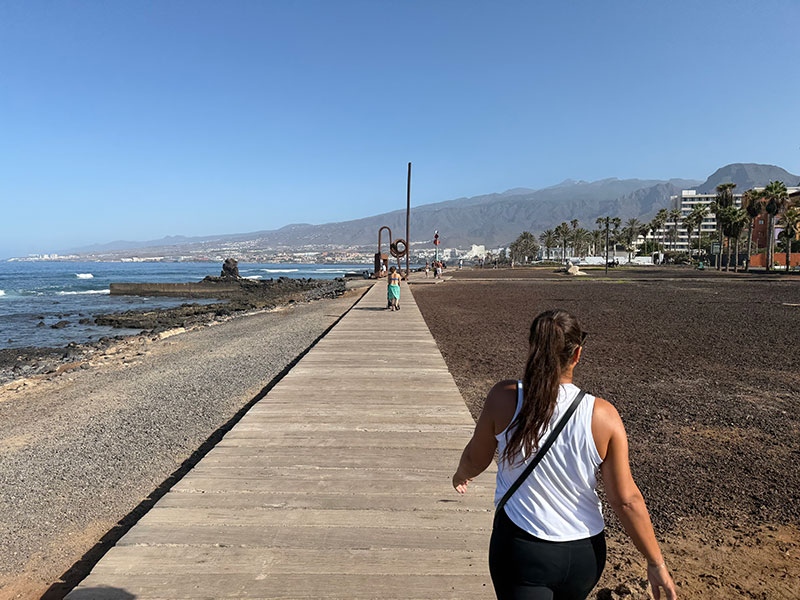
Walking the malecón became our daily ritual. No plans. No destination. Just walking the oceanfront for an hour or two, turning around, and walking straight back.

In between walks, we discovered how shockingly affordable grocery shopping is in Tenerife. Wine bottles with security tags for under ten euros. Jamón shaved to order. Fresh baguettes, olives, and excellent canned fish.

Most evenings ended with simple tapas on our balcony at sunset, followed by Aperol spritzes with ocean views. It felt indulgent without ever feeling expensive.

Walking the Malecón in South Tenerife along the oceanfront promenade

The malecón loop: our daily ritual in South Tenerife, no plan required.

Whale and Dolphin Watching in Tenerife (One of the Best Values on the Island)

One of the most memorable experiences of the trip was a whale and dolphin watching catamaran tour.

For about $50 per couple, it included drinks, a light sandwich, and something far more important: respect for the animals. Engines were cut. No chasing. No feeding.

A pod swam right up to the boat. At one point, the crew dropped an underwater microphone so we could hear them communicating.

Calm, ethical, and unexpectedly moving. Easily one of the best value experiences in Tenerife.

Whale Watching & Listening Eco-Catamaran Tour


Some of the Best Seafood Restaurants in Tenerife

If you’re hunting for the best seafood in Tenerife, here’s the short version: skip the glossy tourist menus and follow the fish. These are the spots we’d recommend again in a heartbeat, from casual beach-town seafood to a proper date-night splurge and a market-style experience in Santa Cruz.


Best Casual Seafood Dinner in South Tenerife: Restaurante Agua Marina (Los Cristianos)

One of our favorite meals in South Tenerife was at Restaurante Agua Marina, a laid-back seafood spot that gets everything right without trying too hard.

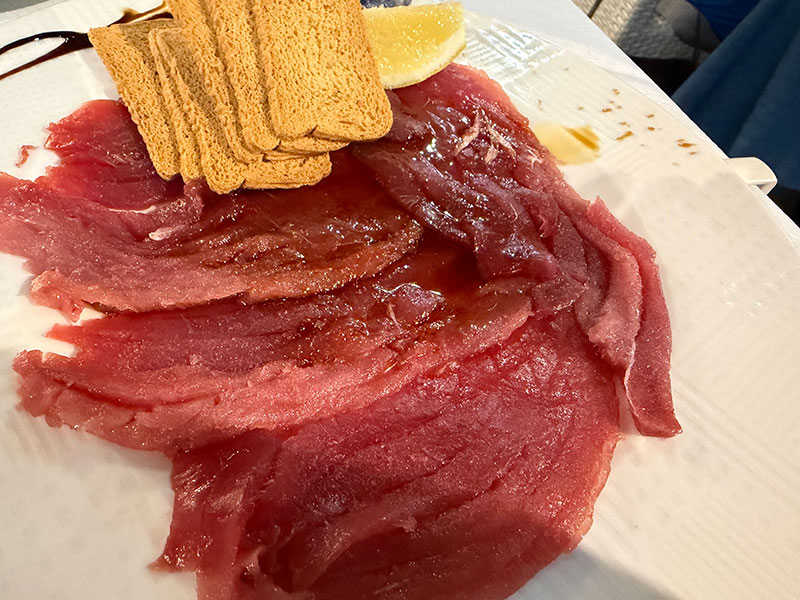
We started with tuna carpaccio (about €10), then split sesame-crusted tuna, papas arrugadas, and a simple salad. Nothing fancy. Nothing overworked. Just great ingredients handled well.

Restaurante Agua Marina (official site)


High-End Date Night Upgrade: Almar Tenerife (Costa Adeje, Puerto Colón area)

If you want a more polished “date night” upgrade from Agua Marina, Almar Tenerife is the move. It leans into a Mediterranean base with Japanese influence, and the setting feels like an occasion.

  • The vibe: Elegant terrace, ocean air, creative plating.
  • What to order: Go for a tasting menu if you want the full experience.

Almar Tenerife (official site)
View menus


The Local Classic: Restaurante El Cine (Los Cristianos)

El Cine is the perfect companion recommendation to Agua Marina. It’s tucked into a small alley near the harbor, it’s usually busy, and it’s beloved for a reason: fresh seafood, fast service, zero nonsense.

  • The vibe: Casual, loud, and unpretentious. Expect a wait.
  • What to order: Fried hake, octopus, sardines, and (obviously) papas arrugadas.

Restaurante El Cine (official site)


Best Budget Seafood Near Las Teresitas: Los Pinchitos (San Andrés)

Yes, it’s a drive from the south, but if you’re doing a day in Santa Cruz or heading to Playa de Las Teresitas, Los Pinchitos is a local favorite for fresh fish and seafood without the “tourist tax.” This is a plastic-tablecloth-in-the-best-way kind of place.

  • The vibe: Local, cozy, and relaxed.
  • What to order: Ask what’s freshest and go with their seafood plates (and anything involving prawns or shellfish).

Los Pinchitos (official site)


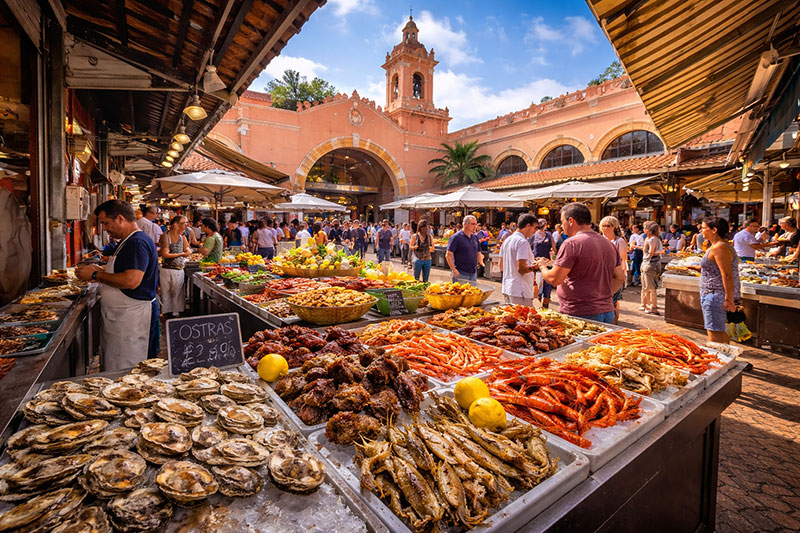
The Fish Market Experience: Mercado Nuestra Señora de África (La Recova), Santa Cruz

Mercado Nuestra Señora de África (La Recova) in Santa Cruz, Tenerife

The Santa Cruz market morning that accidentally turns into a full morning.

If you want a true Tenerife food experience, spend a morning at La Recova (Mercado Nuestra Señora de África). It’s busy, historic, and packed with local life. Come hungry and wander slowly.

  • The vibe: Vibrant, old-school, and very Santa Cruz.
  • What to do: Browse the seafood stalls, then grab a bite nearby. It’s the kind of place where you accidentally turn “quick stop” into a full morning.

La Recova (official site)

Raw tuna dish at Restaurante Agua Marina in South Tenerife

Silky slices of raw tuna that remind you why Canary Islands seafood doesn’t need much help.


Mount Teide & Masca Valley: Why We Did It Twice

First Visit: Guided Bus Tour

Our first introduction to Mount Teide was a guided bus tour that also included Masca Valley and Garachico. Even if you never get off the bus, the drive alone is worth it.

Pine forests give way to volcanic highlands, and suddenly you’re above the clouds in terrain that feels almost lunar.

Second Visit: Rental Car, Winery Stop & Cable Car

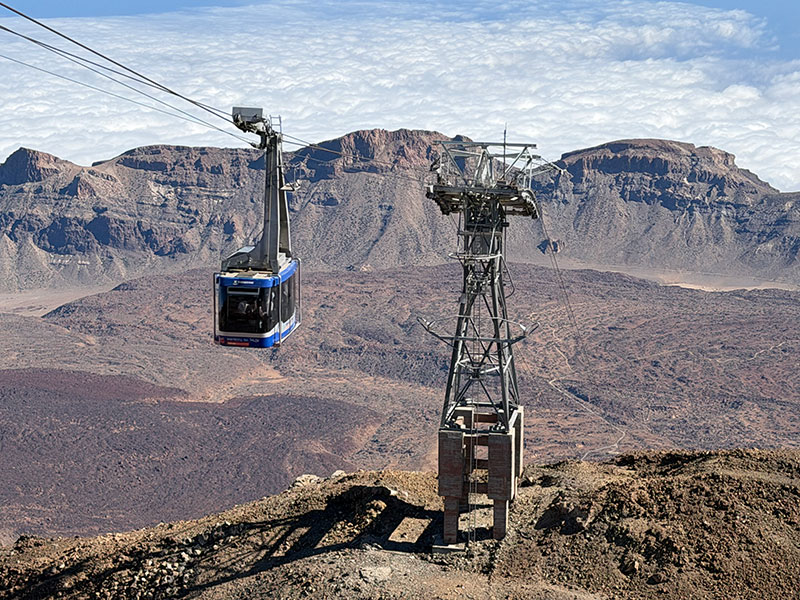
Mount Teide cable car in Tenerife

The Teide cable car: ten minutes of waiting for a view that feels like a different planet.

On our second visit, we rented a car and explored independently. Before heading up, we stopped at Bodegas Monje for a wine and cheese tasting with ocean views.

Don’t skip this stop: We paired our Mount Teide drive with a wine tour and long lunch at Bodegas Monje (read more), one of the most rewarding and genuinely local experiences we had in Tenerife.

Because we booked cable car tickets online in advance, the wait was under ten minutes. Even without hiking the summit, the views alone make the experience worthwhile.


Tenerife FAQs

Do you need to book Teide cable car tickets in advance?

Yes. Time slots sell out quickly, and booking ahead makes the day smoother.

Is South Tenerife worth it even though it’s touristy?

Absolutely. It’s touristy because it’s sunny, easy, and good value. Stay just outside the main resort strips for quieter nights.

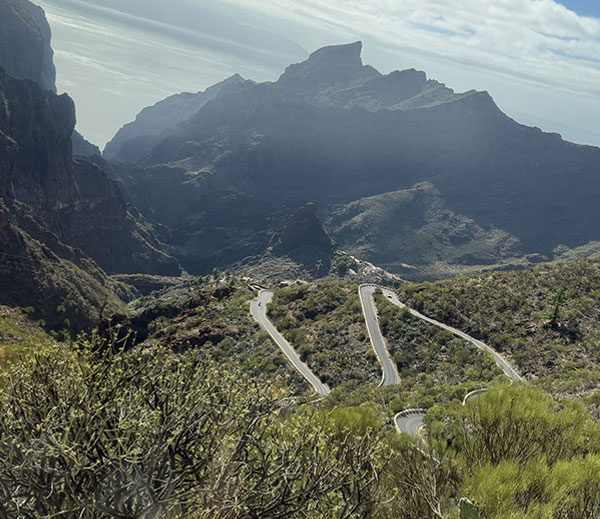
Drive to Masca
Drive to Masca very tight roads
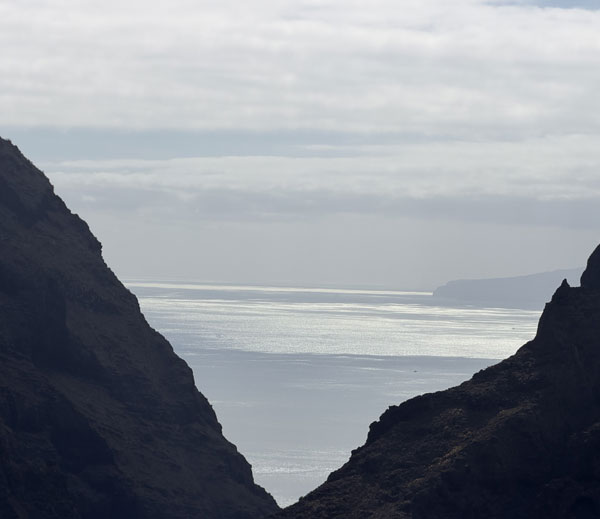
Masca ocean views

Masca: A Mountain Village That Feels Almost Unreal

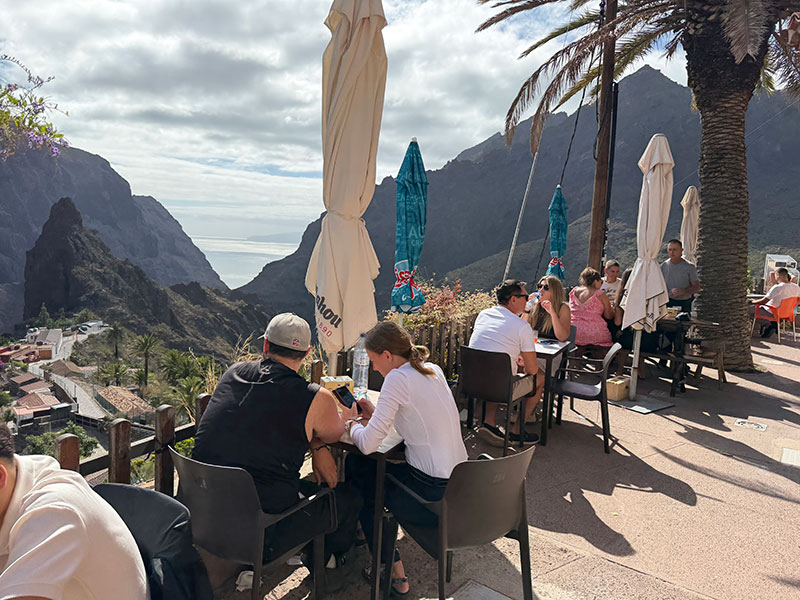
Beautiful terrace in the village of Masca, Tenerife

Masca’s layered ravine views feel like Tenerife unplugged.

Masca is a small, historic mountain village set deep inside a volcanic ravine in northwest Tenerife. Surrounded by steep cliffs and dramatic rock formations, it feels completely removed from the busy beach towns of the south. People come for the panoramic views of layered mountains, palm-filled valleys, and the quiet atmosphere that still hints at what Tenerife looked like before modern resort strips took over.

The Drive to Masca (Yes, It’s as Intense as People Say)

The drive to Masca along the TF-436 is narrow, steep, and demands your full attention. Tight switchbacks, blind corners, and sections barely wide enough for one vehicle make this one of the most nerve-wracking drives in Tenerife. The scenery is incredible, but it’s also the kind of road where you quietly hope you don’t meet a tour bus coming the opposite direction.

Read more: Teno Rural Park: The Road That Tried To End Me (In A Beautiful Way)

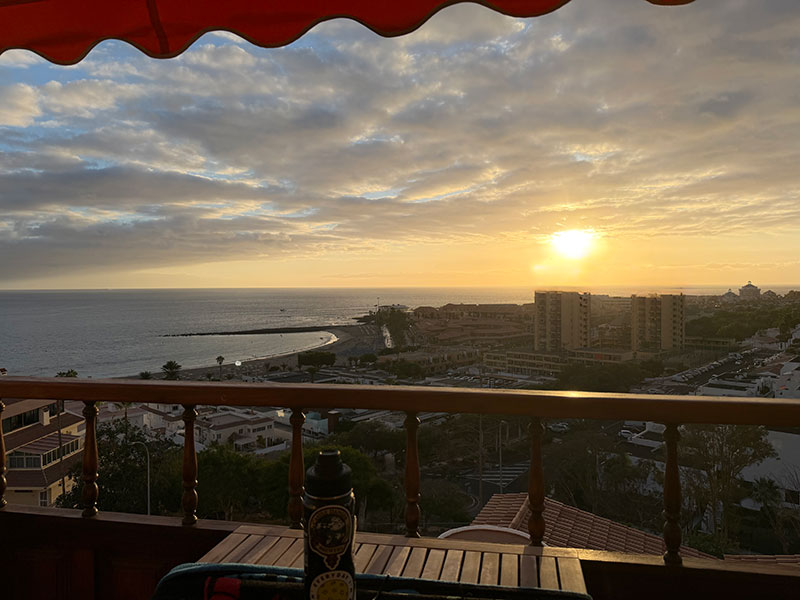
Airbnb view by Playa de Los Cristianos

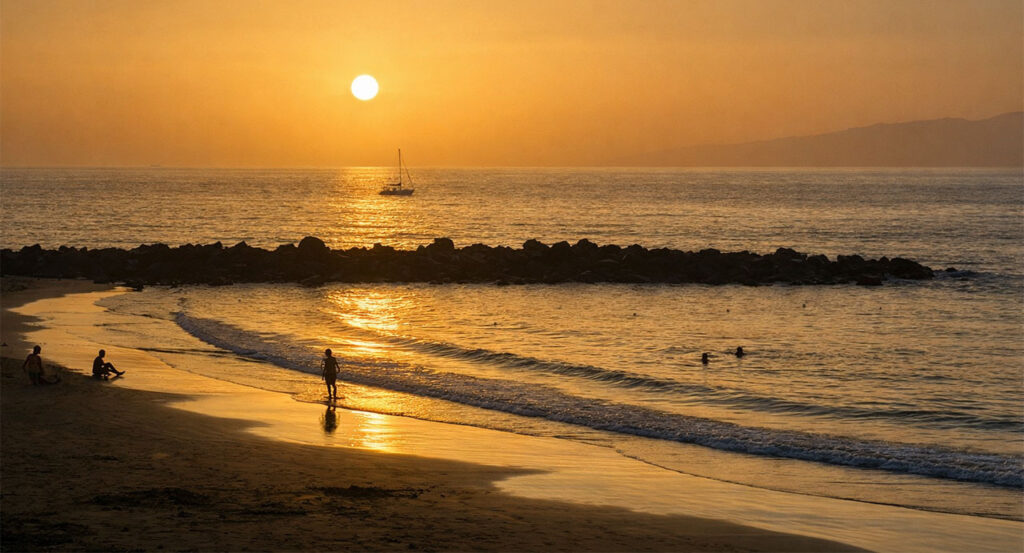
Golden hour from our Airbnb above Playa de Los Cristianos: sunset drinks, palm-lined curves of the bay, and the kind of calm that makes you cancel dinner plans without regret.

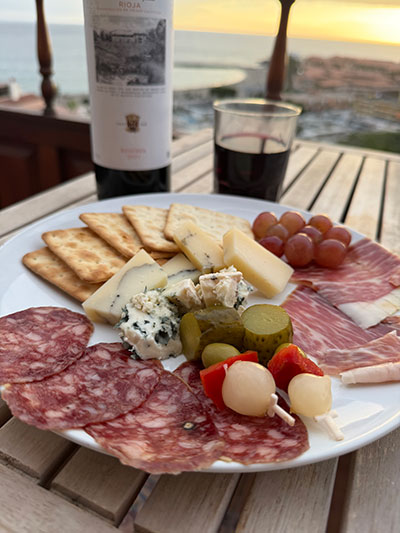
Built our own food adventure straight from the market

Cheap wine, local cheese, cured meats, random pickles, and a sunset that somehow made it all taste better. Sometimes the best meals aren’t reservations, they’re whatever you carry home and put on a plate.

Mixta Plate

Best Local Restaurants in South Tenerife (Where Locals Actually Eat)

If you want to eat well in South Tenerife, skip the glossy promenades and follow the locals into villages, alleyways, and no-frills spots that don’t care about Instagram. These are the places with plastic chairs, loud dining rooms, and food that shows up fast because it’s been perfected over decades.


Top Local Spots in South Tenerife

  • Restaurante El Cine (Los Cristianos) A Tenerife classic hiding in a tiny alley behind a pharmacy. Small menu, fresh seafood, and it’s usually packed with locals, which is the only review you need. Order this: fried octopus and papas arrugadas. Website
  • Mesón Era Las Mozas (Valle de San Lorenzo) Drive a bit uphill from the coast and you’ll find the kind of loud, lively Canarian place where portions are huge, wine is local, and nobody is counting calories. Google Maps
  • Guachinche La Fuente (Arona) One of the rare spots in the south that still feels like a real guachinche: rural setting, homegrown wine, and a short list of traditional dishes. Order this: carne fiesta and garbanzas. Instagram
  • Otelo (Adeje Town) Famous for one thing: pollo al ajillo (garlic chicken). Simple, affordable, and set near Barranco del Infierno with views that make it feel like a secret. Website
  • El Secreto de Chimiche (Chimiche / Granadilla) A legit hidden gem in a former tomato packing plant. A little more refined, but still relaxed and local, especially if you’re craving charcoal-grilled meats. Website

Inside Tips for Eating Like a Local (South Tenerife)

  • Tajao for seafood: Want the freshest fish without the tourist markup? Head to the fishing village of San Miguel de Tajao (north of the airport). You pick your fish at the counter, and they grill it on the spot.
  • The guachinche “rule”: Real guachinches are seasonal and simple, typically open around October to March, serving their own wine and a short list of traditional dishes. If you see “Guachinche” on the sign but the place is open year-round with a 20-page menu, you know what’s happening.
  • Bring cash: Some of the most authentic spots are old-school and may not take cards. If it feels local, assume cash-friendly.

More South Tenerife Cheap Eats & Local Guides

Traditional Canary Islands Food You Have to Try

Beyond the world-famous salted little potatoes, traditional Canary Islands cuisine is all about simple ingredients, bold flavor, and recipes shaped by island life. Many local dishes feature gofio, a roasted grain flour that shows up everywhere, and comforting stews like ropa vieja that tell a story of practicality and tradition.

Papas arrugadas with mojo rojo and mojo verde, Canary Islands potatoes served with two classic mojo sauces

Papas arrugadas with mojo rojo and mojo verde: the Canary Islands starter you end up ordering again.

Papas Arrugadas (Wrinkly Potatoes)

If there’s one dish that defines Canary Islands food, this is it. Papas arrugadas are the iconic “salted little potatoes” you’ll see on nearly every menu, from beach bars to family-run restaurants.

  • What they are: Small, unpeeled new potatoes, often the prized papa negra, boiled until tender.
  • The salted secret: Traditionally boiled in seawater. Today they’re cooked in heavily salted water, then drained and left on the heat to steam-dry, creating that wrinkled skin and thin salt crust.
  • The sauce: Almost always served with mojo. The two classics are mojo rojo (garlic + paprika + gentle heat) and mojo verde (herb-forward, often cilantro or parsley).

Gofio

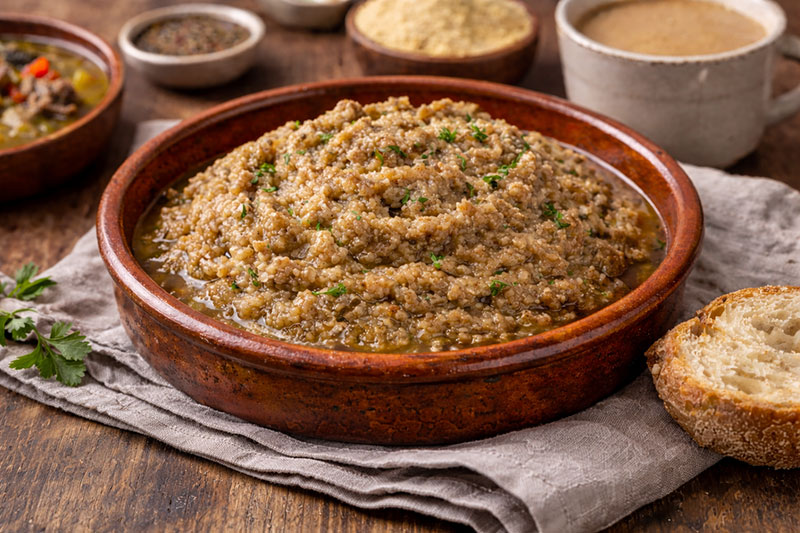
Escaldón de gofio, a traditional Canary Islands dish made by mixing gofio into hot broth

Escaldón de gofio: toasted flour turned into a thick, savory comfort bowl.

Gofio is one of the oldest foods in the Canary Islands, dating back to the indigenous Guanche people. It’s toasted grain flour (often corn or wheat) and it’s still a daily staple.

  • Stirred into coffee or milk at breakfast
  • Used to thicken soups and stews
  • Served as escaldón, mixed with hot fish broth into a dense, savory paste
  • Even shows up in desserts like mousse or ice cream

Ropa Vieja

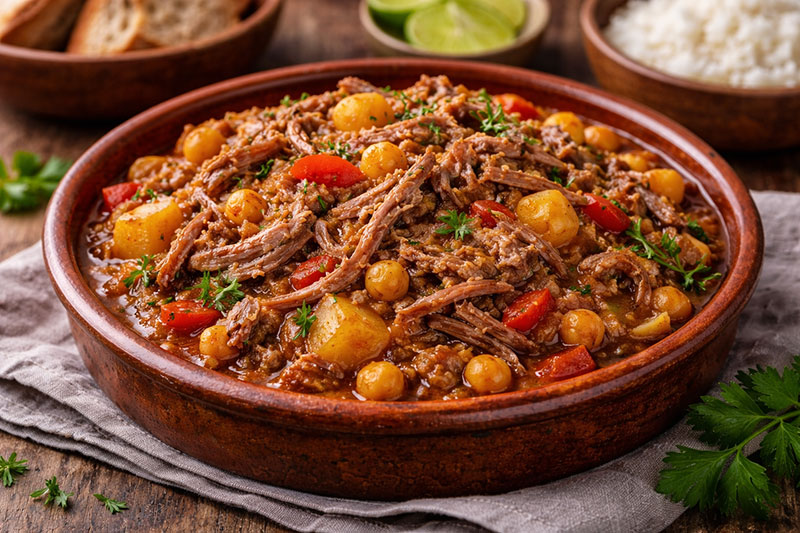
Ropa vieja stew, a traditional Canary Islands dish of shredded meat, chickpeas, and vegetables

Ropa vieja: hearty, practical, and way more Canarian than most people realize.

Many travelers associate ropa vieja with Cuba, but the dish traces back to the Canary Islands. It’s a hearty shredded meat stew (the name translates to “old clothes”) that historically used leftovers from a larger stew called puchero. Today you’ll usually see shredded beef or chicken with chickpeas, potatoes, peppers, and onions in a tomato-rich sauce.

Other Canary Islands Dishes Worth Trying

  • Queso Asado: Grilled local goat cheese, usually served with mojo.
  • Conejo en Salmorejo: Rabbit marinated in garlic, spices, and wine, then cooked until tender.

Why Visit the Canary Islands in October?

October is one of the best months to visit the Canary Islands. Summer crowds fade, prices soften, and the islands settle into their famous “eternal spring.” Expect daytime temperatures around 24–26°C (75–79°F), ideal for beaches, hiking, and long outdoor meals while much of Europe cools down.

Weather & Atmosphere

  • Warm, sunny days with lower humidity
  • Quiet beaches and uncrowded towns
  • Great conditions for Mount Teide drives, hikes, and coastal walks
  • Golden sunsets and calmer Atlantic water

Cultural Events Around Late October

  • La Noche de Finaos (October 31) A Canarian All Saints tradition marked by roasted chestnuts, local drinks, and storytelling. (It’s more “remembering” than “Halloween.”)
  • Fiestas de La Naval (Las Palmas, typically October into November) A maritime celebration that varies by year, with events spread over multiple weeks.

Outdoor & Active Adventures

  • Gran Canaria Walking Festival (October, dates vary) A standout hiking event that shows off volcanic terrain and Biosphere Reserve landscapes. Check dates for the year you’re visiting.
  • Diving in El Hierro October often brings calmer seas and excellent visibility.
  • Surfing (Maspalomas and beyond) Early autumn swells start showing up, with options for both beginners and experienced surfers.

Music Festival Spotlight

This was going on when we were in Tenerife: Afrotronic Tenerife, held October 3–5, 2025, with events at the Hard Rock Hotel Tenerife and a night at Papagayo. If they run it again, it’s the kind of weekend that sells itself: sun, ocean, and a very specific soundtrack.


October Weather in Tenerife (What It Actually Feels Like)

October in Tenerife is what people mean when they talk about the Canary Islands’ “eternal spring.” Days are warm without being sticky, evenings cool off just enough, and rain is rare, especially in the south.

  • Average daytime highs: 24–26°C (75–79°F)
  • Evening temperatures: 19–21°C (mid-60s to low-70s °F)
  • Sea temperature: ~23–24°C (mid-70s °F), still very swimmable
  • Rain: Possible, but infrequent and usually brief

In short: beach weather during the day, comfortable patio dinners at night, and ideal conditions for Mount Teide drives and hikes.


What to Pack for Tenerife in October

Tenerife in October is all about light layers and versatility. You don’t need to overthink it, but a few smart additions will make the trip smoother.

Clothing Essentials

  • Lightweight daytime clothes (shorts, breathable dresses, linen shirts)
  • A light sweater or jacket for evenings and higher elevations
  • Comfortable walking shoes for promenades, towns, and markets
  • Swimsuit (or two) for beaches, hotel pools, and spontaneous dips

For Mount Teide & Exploring

  • Closed-toe shoes or light hikers (volcanic terrain is no joke)
  • A light jacket or windbreaker for cooler temperatures at altitude
  • Sunglasses and sun protection (the sun is strong year-round)

Good-to-Have Extras

  • Reusable water bottle (especially for Teide and coastal walks)
  • Small daypack for drives, hikes, and market stops
  • A compact umbrella or packable rain shell (just in case)

If you’re packing like it’s summer in Southern Europe, but with one extra layer you’re doing it right.

Final Take

If you want the Canary Islands at their best, October is the cheat code. It’s warm but not chaotic, easy to get around, and the island feels like it’s exhaling after peak summer. We came for the sunshine, but what stuck was the rhythm: long walks, simple meals, and a volcano in the background reminding you this place is not just a beach destination.

Bonus Beach Spot: Playa de Los Guíos: Black Sand, Giant Cliffs, and a Seriously Underrated Beach

The Great Hunger: The History That Still Echoes

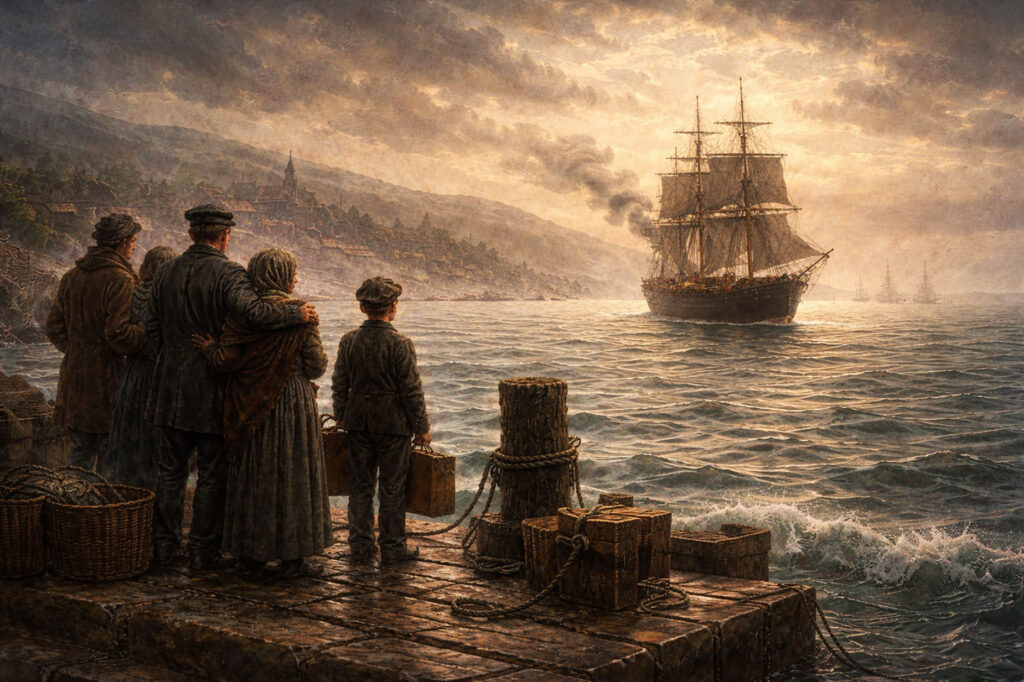
Irish leaving Ireland

The Great Hunger: The History That Still Echoes

Irish leaving Ireland

A history that reshaped Ireland, scattered families across the world, and still echoes through the island today.


Home » Destinations » Page 14


Last updated: February 2026 by Corey Gasman

Why Ireland lost millions, and why so many left

Between 1845 and 1852, Ireland experienced one of the most devastating humanitarian disasters in modern European history. Known as the Irish Potato Famine, or An Gorta Mór (“The Great Hunger”), the crisis led to the deaths of roughly one million people and forced one to two million more to leave the country. In just seven years, Ireland lost up to a quarter of its population.

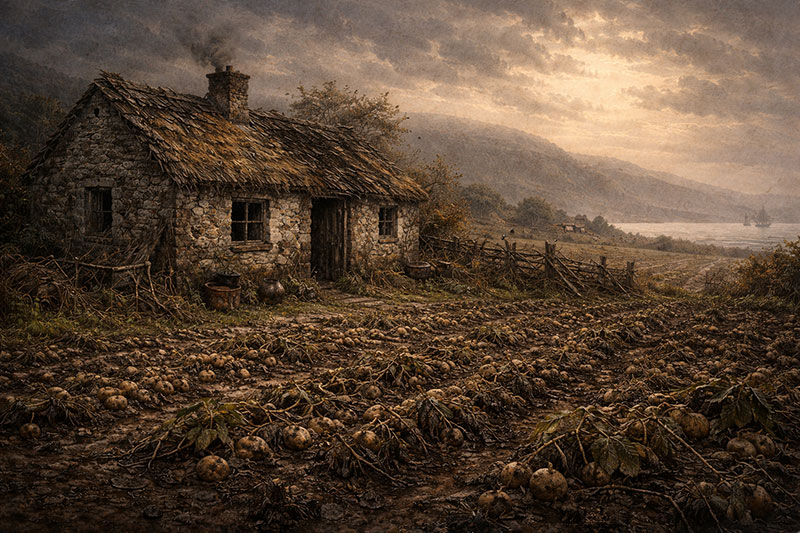
The immediate cause was a potato blight, a plant disease that arrived from North America and thrived in Ireland’s damp climate. Potatoes rotted in the ground year after year. For nearly half the population, this was catastrophic. Most rural Irish families depended almost entirely on a single variety of potato for survival, not by choice, but by necessity.

The deeper causes were political and economic. Under British rule, much of Ireland’s land was owned by Protestant landlords, many living comfortably in England. Irish Catholic tenants farmed tiny plots of poor land, just large enough to survive if the potato crop held. When it failed, there was no backup plan.

To make matters worse, Ireland continued exporting grain, cattle, and dairy to Britain throughout the famine, even as people starved. British relief efforts were limited and shaped by rigid free-market beliefs. Government aid was reduced, ports stayed open, and responsibility was shifted onto already bankrupt local communities.

The result was not just mass starvation, but mass emigration. Entire families boarded overcrowded ships bound for America, Canada, and beyond, leaving behind a country permanently changed.

The famine did not just empty villages. It reshaped Irish identity, deepened resentment toward British rule, and helps explain why Irish heritage stretches so far beyond the island itself. For many travelers today, understanding this history adds weight to the landscapes, the stories, and the quiet pride that still defines Ireland.

An abandoned Irish cottage with blighted potato fields

An abandoned Irish cottage near potato fields during the famine era.


From Irish emigrants to today’s newcomers

When Irish families fled their homeland during the Great Famine, they did not arrive in America welcomed with open arms. They came hungry, desperate, and often uninvited. Newspapers warned they would overwhelm cities. Politicians questioned their loyalty. Signs openly declared “No Irish Need Apply.” They were portrayed as dangerous, lazy, and incompatible with American values.

Sound familiar.

The Irish left because staying meant starvation. Today’s immigrants leave for many of the same reasons. Violence, poverty, climate instability, and broken systems leave people with one choice. Go, or do not survive.

The language used to describe them has changed, but the fear behind it has not. Entire groups are reduced to labels. Threats instead of neighbors. Numbers instead of people.
History has a way of softening memories. We now celebrate Irish immigration as a success story. Parades, neighborhoods, presidents. What we forget is that acceptance came slowly, and only after generations of struggle.

The same country that now proudly claims Irish heritage once saw those immigrants as a problem to be managed, not people to be helped.

What changes societies is not walls or slogans. It is proximity. It is time. It is the simple act of recognizing humanity where fear once lived.

The Irish story reminds us that today’s outsiders are often tomorrow’s foundation. That suffering does not ask for permission before crossing borders. And that compassion, when chosen early, saves more than history books ever record.

It is worth remembering how rare it is to travel by choice, when so many in the world travel because staying is no longer possible.

Ireland Itinerary in October with a London Side Trip

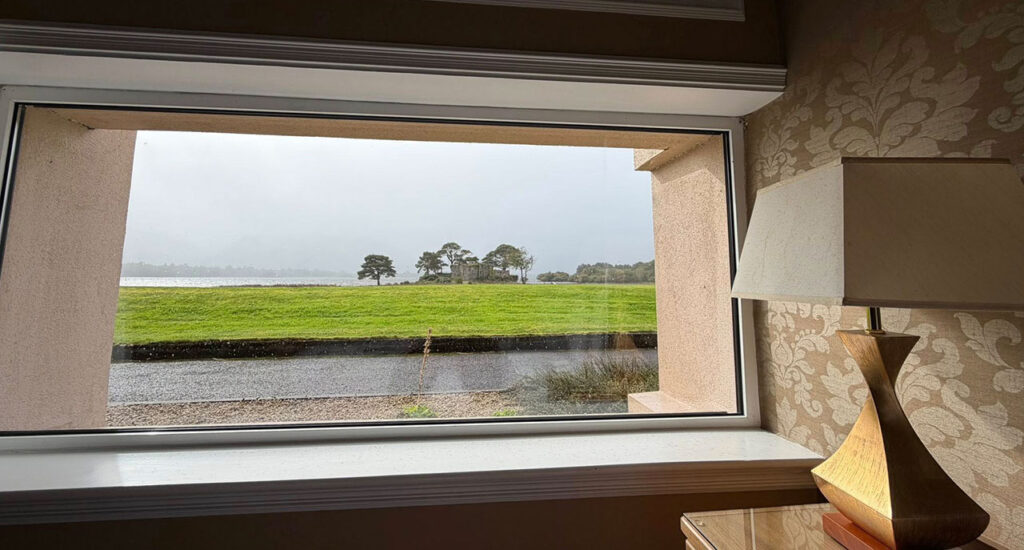
The Lake Hotel, Killarney shores of Lough Lein

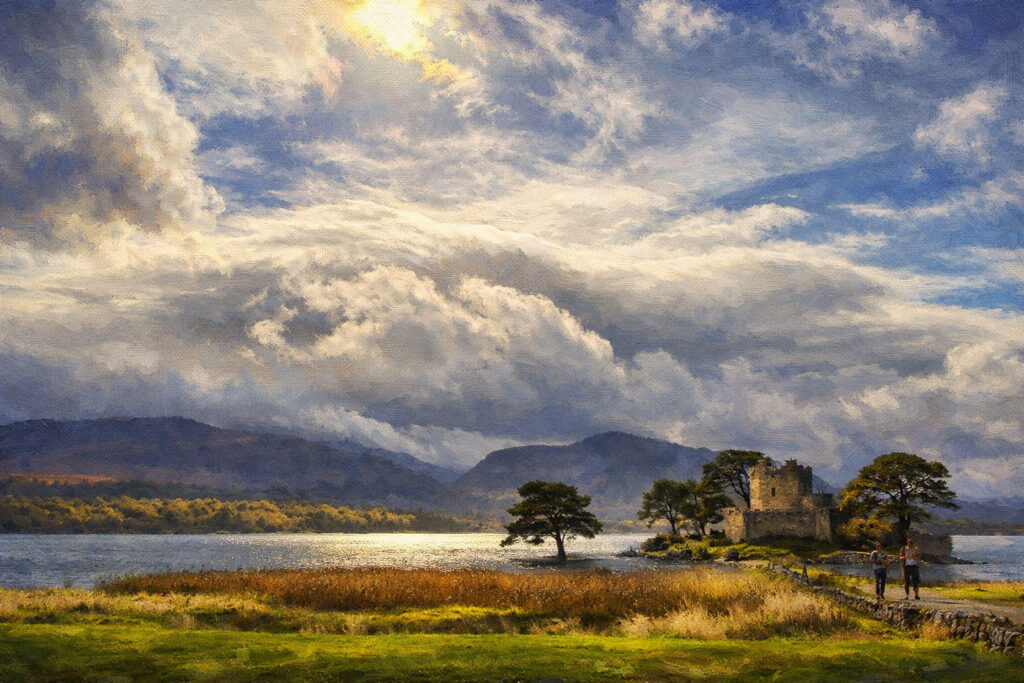
The Lake Hotel in Killarney sits on the shores of Lough Leane (the Lower Lake) with the floodlit ruins of a 12th-century castle on the grounds.
©All Artwork and Photos by Corey Gasman

Ireland Itinerary in October with a London Side Trip

People travel to Ireland because it feels like a place you already know, even if you have never been. Green landscapes that look aggressively beautiful. Castles just sitting there like it’s normal. Pubs that feel more like living rooms. And somehow the weather, the history, and the people all team up to make everything feel a little bit emotional.

Ireland is also wildly popular. Each year, roughly 11 million international visitors make their way to the island, which is more than double the country’s population. A huge number of those travelers come from places like the United States, Canada, and Australia, many of them chasing a family connection instead of just a vacation.

If that sounds familiar, same. Like many Americans, I have Irish roots. I am about 15 percent Irish, and my mom grew up Irish Catholic. Later, we learned more about how Irish Catholics historically had a pretty rough go under English Protestant rule. Land taken. Rights limited. A lot of “keep your head down and survive” energy passed through generations.

You may not know every detail of the history, but you can feel it lingering in stories, traditions, and that deep sense of identity people carry with them.

So for a lot of travelers, Ireland is not just about scenery. It is about curiosity. It is about ancestry. It is about standing somewhere and thinking, “Oh. This explains some things.”

And yes, it is also about the friendly, proud people, the cozy pubs, and the “dark stuff” Guinness.

FYI: This is a longer article, so grab a drink and enjoy. This post serves as the main guide to our Ireland itinerary in October, with a London side trip and links to deeper guides along the way.

If you want the quick backstory on why so many people left Ireland, I wrote a short companion post:

The Great Hunger: The History That Still Echoes

Want to skip ahead to our week in Tenerife on the same trip to escape the bad weather? Read:
Why We Added Tenerife in October | Warm Weather, Teide & Canary Islands Guide

At a glance: 3 nights Killarney, 1 day Ring of Kerry tour, 3 nights London, 2 nights Galway, 2 nights Dublin.

How This Trip Came Together

Direct flight from Minneapolis to Dublin and a Vikings Game in London

We live in Minneapolis, and Delta adding a direct flight from MSP to Dublin finally made Ireland feel easy. Then the Minnesota Vikings announced an international game weekend. We started watching flight prices, stayed flexible on dates, and found a deal that felt like a sign.

We booked with miles and only used 40,000 Delta SkyMiles, roughly the equivalent of about $400 in value.

This was our first time in Ireland, so the plan was simple: rent a car and explore the Irish countryside and the Ring of Kerry.

Helpful link: Find direct flights from MSP to Dublin on Delta


Three Day Ireland Road Trip with base in Killarney

Driving on the left takes a minute to adjust to, but Ireland’s highways are solid, signage is clear, and Google Maps does the heavy lifting. If you’re comfortable driving at home, you can absolutely handle Ireland.

Recommendation: Rent a car if you want freedom to stop, detour, and explore beyond major towns. Trains and buses can work better for larger groups or city-only trips.

The Lake Hotel in Killarney (Where We Stayed)

We checked into The Lake Hotel and immediately knew we picked a great base. Lake views, comfortable rooms, and live music in the evenings made it a perfect home base after day trips.

Nestled directly on the shores of Lough Leane, The Lake Hotel is a family-run gem that perfectly captures the “old-world” charm of 19th-century Ireland. With the floodlit ruins of a 12th-century castle right on its grounds, and if you’re lucky you might see wild red deer grazing on the lawn, it offers an enchanting stay just minutes from Killarney National Park.

We had breathtaking views right from our hotel room overlooking serene lakes and mountains.

Hotel link: The Lake Hotel, Killarney (our stay)

Killarney Lake Hotel Room View.


Day 1 in Killarney: Ross Castle at Sunset and Dinner in Town

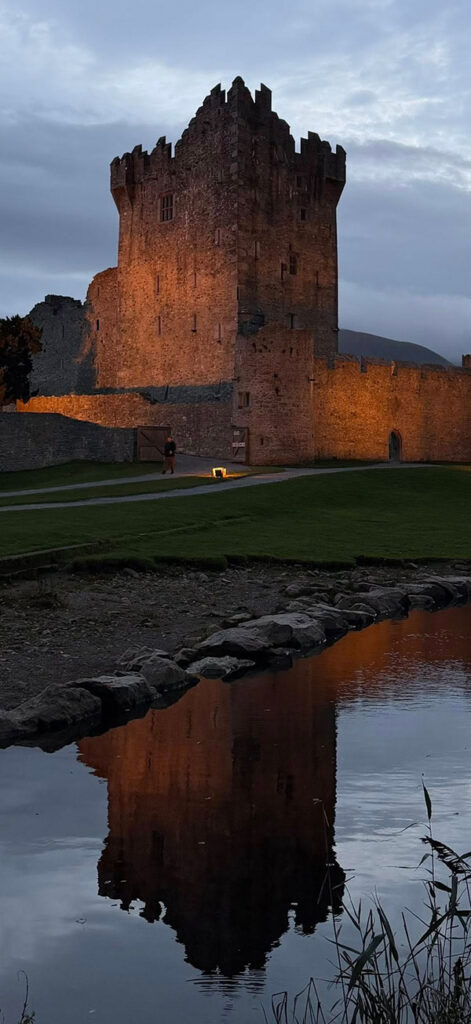
After lunch, we stopped at Ross Castle around sunset. Even if you only have 15 minutes, it’s worth the quick visit. It’s one of those “this is why we came to Europe” moments.
That night we ate at The Tan Yard for modern Irish food. We also tried to get into Bricín Boxty House, but it was booked solid. If boxty is on your list, make a reservation.

Links:
The Tan Yard (Killarney)
Bricín Boxty House (reserve ahead)

Quick tip: In Ireland, popular restaurants book out fast, especially on weekends. Reserve ahead when you can.


Day 2: Muckross House, Rainy Killarney National Park Day & Torc Waterfall

We woke up to classic Ireland weather: rain and more rain. We toured Muckross House, which is worth it if you enjoy historic mansions. The real highlight, though, was the grounds and hiking.

From the property we hiked to Torc Waterfall, and with all the rain it was absolutely roaring. That was our favorite part of the day.

After walking in the wind and rain, we hit the wellness center at our hotel. Guests can soak in an outdoor hot tub or an infinity pool with hydrotherapy jets while taking in the lakeside scenery.

Link: Muckross House & Gardens info

Trip length: 17 nights (October). Style: road trip + city break + beach reset.

Best for: travelers who want Ireland scenery, a quick London highlight reel, and guaranteed warmth in the Canary Islands.

Countries Visited: Ireland, England, Spain

Jump to:
Ring of Kerry
London Side Trip
Water of Life
Back to Dublin & Galway
Cliffs of Moher
Drinking in Ireland

Rising from the edge of Lough Leane, Ross Castle stands as a 15th-century stronghold in Killarney National Park. It was once the ancestral seat of the Chiefs of the Clan O’Donoghue, later associated with the Brownes of Killarney, where mist, water, and history quietly converge.

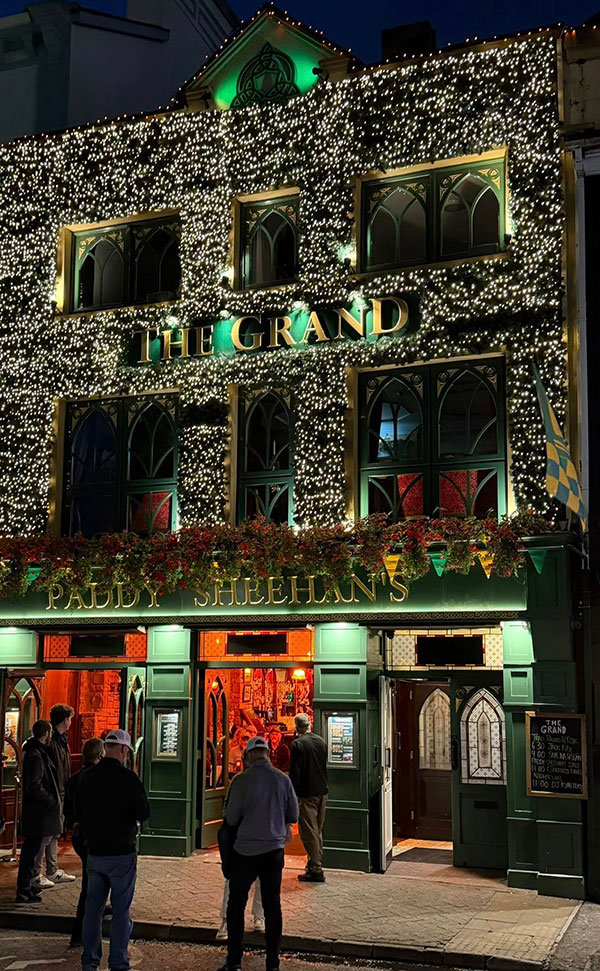
Welcome to The Killarney Grand. One roof, endless energy, and one of the best nights out in The Kingdom. From live Sliabh Luachra traditional music to late night atmosphere, this is where Killarney comes alive after dark.

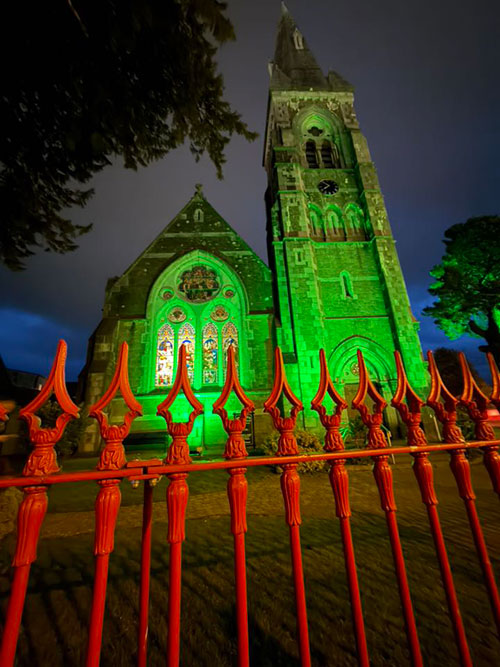
St. Mary’s Church of Ireland, glowing green in Killarney.

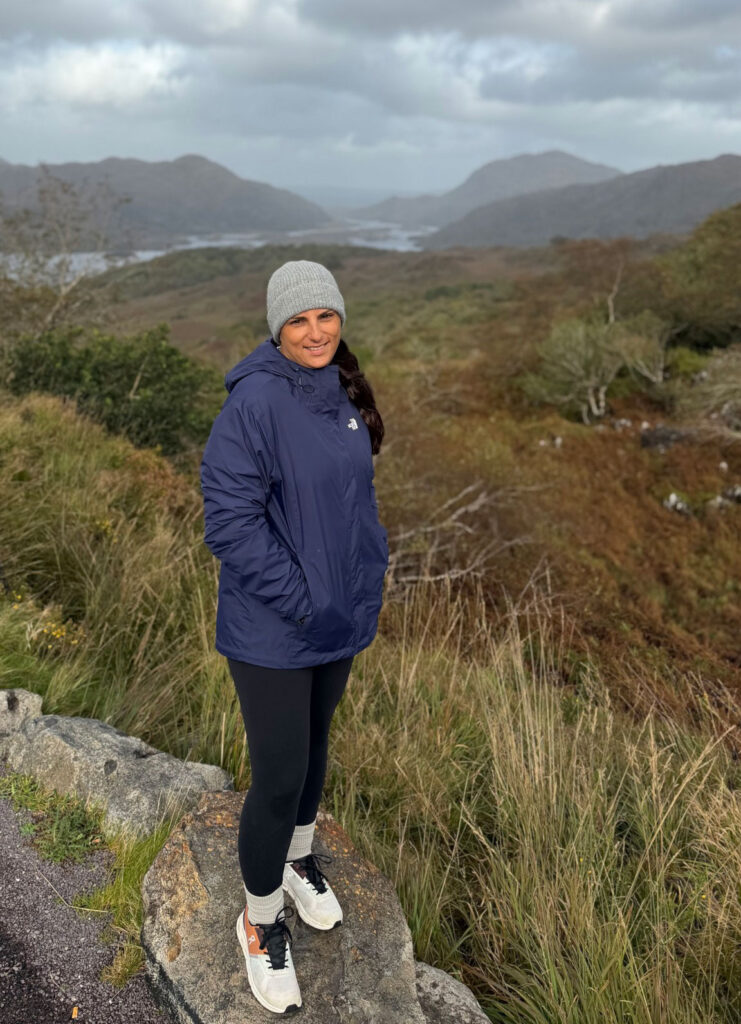
Ladies View: Ring of Kerry at its most dramatic.
Wind-swept, moody, and impossibly green, this iconic overlook serves up layered mountains, glacial lakes, and the kind of scenery that makes you pull over without hesitation. Ireland showing off, once again.

Muckross Gardens. Located within Killarney National Park

Muckross Gardens. Located within Killarney National Park.

©Photos by Corey Gasman

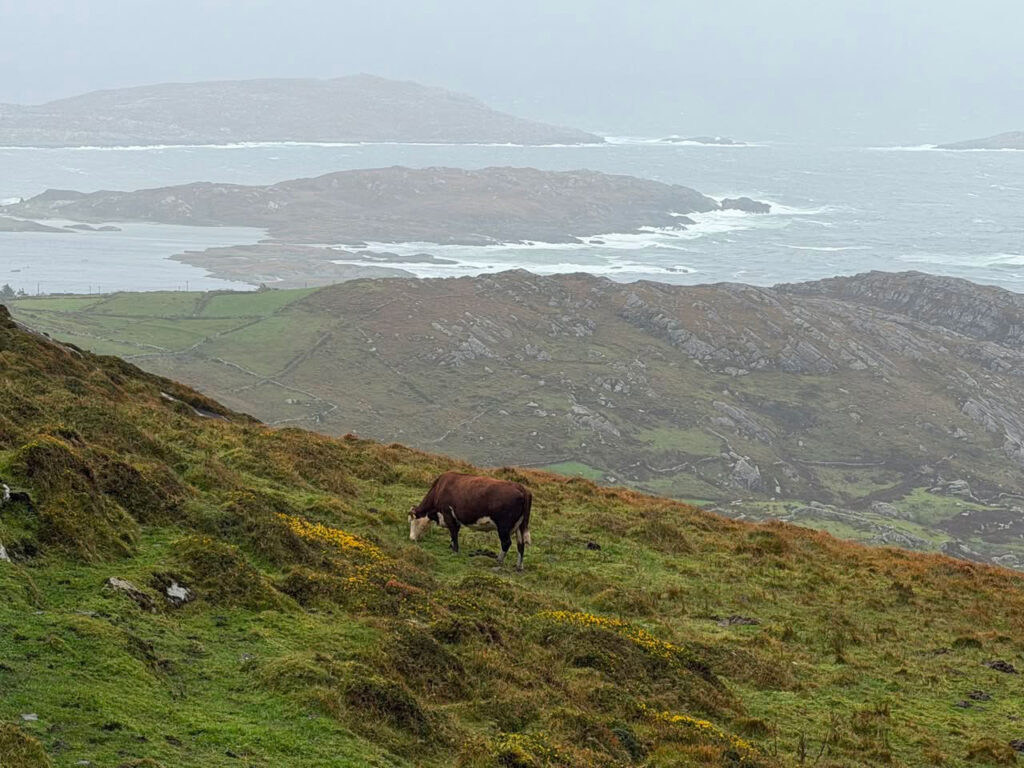
Fun fact you do not expect on a scenic Irish drive. Those jagged islands offshore are the Skelligs, aka Luke Skywalker’s dramatic retirement location in Star Wars. Apparently when you want to disappear from the galaxy, Ireland is the place to do it.

Day 3: Ring of Kerry Tour from Killarney

Just when we thought we understood Irish weather…

Critical Wind Warnings: What?

That night we saw a critical wind warning (never heard of this) with gusts up to 50 to 70 mph forecasted. We had planned to self-drive the Dingle Peninsula and Slea Head, but after talking with hotel staff we pivoted.

We booked a guided Ring of Kerry day tour instead. It was a great decision. The weather was intense, and being on a bus with a local driver made the day far less stressful. The hotel staff was surprised our tour was on because a lot had been canceled due to the high winds.

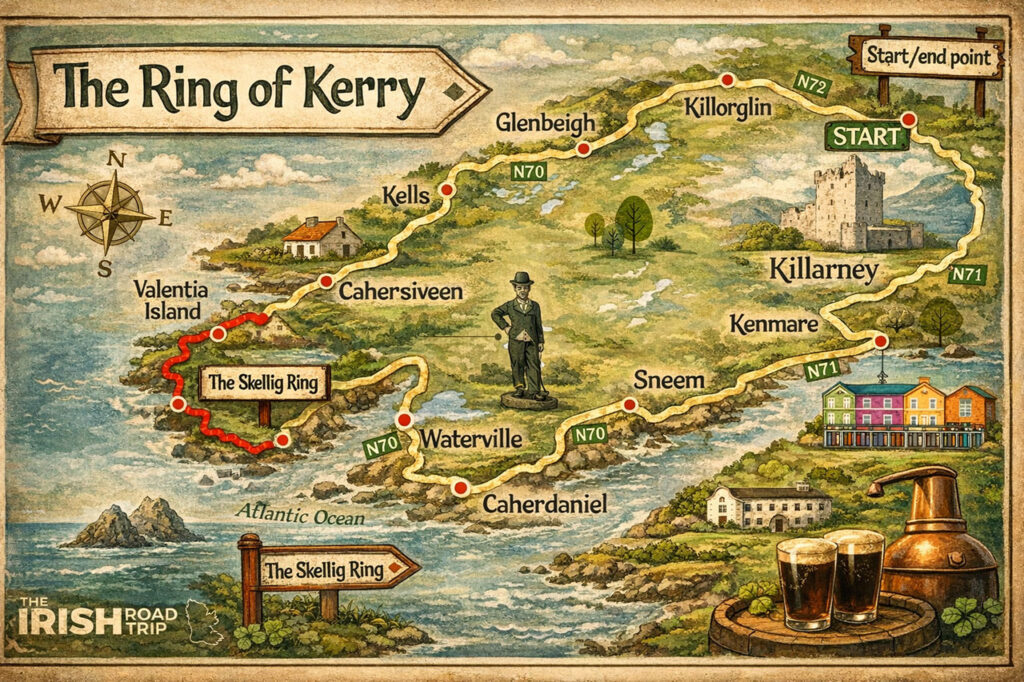
Ring of Kerry Tour Stops Featured on the Map:

  • Dingle Bay
    A stunning stop offering views of the lush bay, known for its sea caves, cliffs, and wildlife sightings.
  • The Lobster Bar & Restaurant (Waterville)
    Your lunch stop in the colorful coastal village of Waterville, a classic choice for modern Irish seafood.
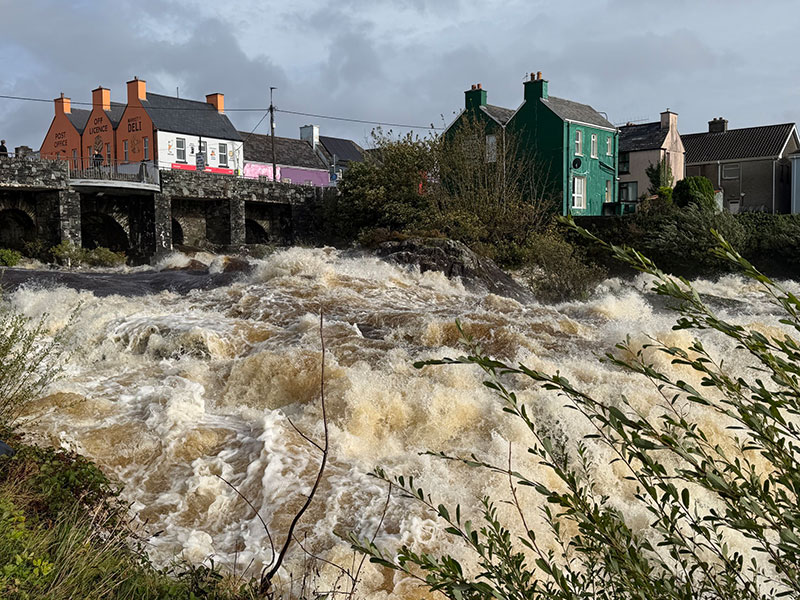
  • Sneem Village
    A picturesque, award-winning village known for its colorful houses and tranquil Ring of Kerry setting.
  • Lakes of Killarney (Lough Leane)
    The largest of the three Lakes of Killarney, home to historic sites like Ross Castle and Innisfallen Abbey.
  • Torc Waterfall
    A powerful waterfall tucked into the wooded trails of Killarney National Park.

Tour link:
Ring of Kerry Day Tour from Killarney (Tripadvisor)

Continue reading for Dublin and Galway.

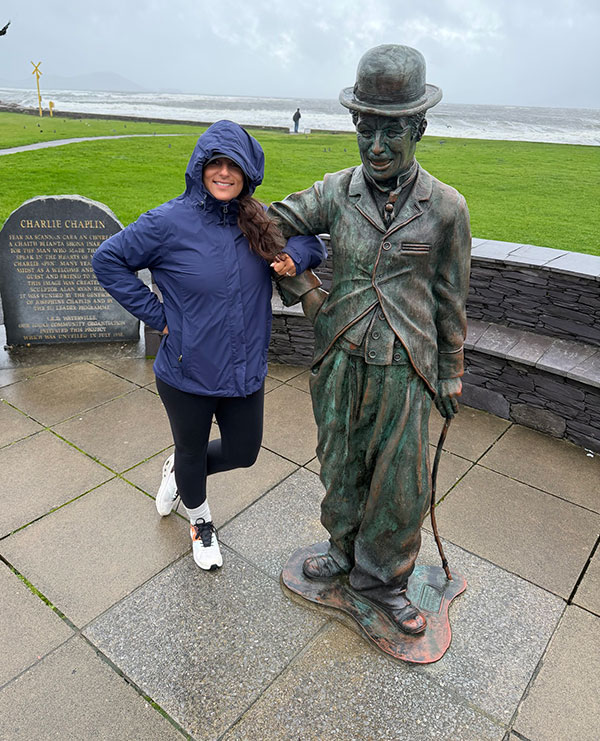
Wind swept and slightly sideways with Charlie Chaplin in Waterville. Proof that Irish coastal weather does not care about your plans or your dignity, but it does make for a great photo.

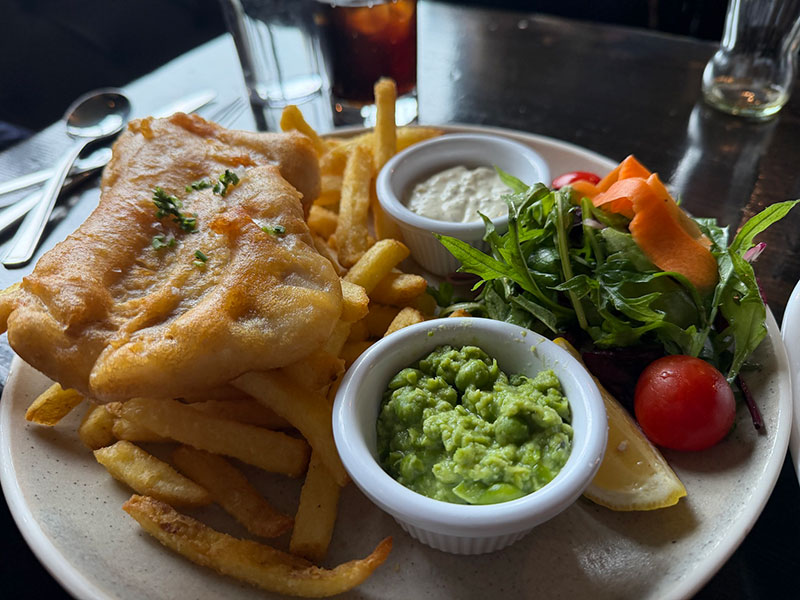
Lobster house, fish and chips
Ring of Kerry view point

The Water of Life and a Long Irish Tradition

Irish whiskey has been around for a very long time, long before distilleries were polished and bottles came with tasting notes. The word itself comes from the Irish phrase uisce beatha, meaning “water of life,” and originally whiskey was used as medicine, warmth, and a morale booster in a cold, hard-working world. Monks were distilling it as far back as the Middle Ages, and over time it became a staple of everyday life.

Grain was plentiful, clean drinking water was not always guaranteed, and whiskey was safer to drink, easier to store, and frankly more enjoyable than whatever was coming out of the well. It showed up at weddings, wakes, celebrations, and quiet nights alike. Hundreds of years later, not much has changed. It is still about gathering, storytelling, and passing time together, just with better barrels and fewer monks. That is the water of life for you, best enjoyed with good company and good craic.

One more for the itinerary: If Irish whiskey is calling, grab a spot at the Jameson Distillery Bow St. for a fun, interactive tour and a well-earned tasting.

Water of Life Irish Whisky

©Artwork by Corey Gasman

Tottenham Hotspur Stadium: American football lands across the pond, where sold-out crowds, roaring fans, and a world-class stadium turn game day into a global event.

London Calling: Skol Vikings in the UK

Side Trip: 3 Nights in London to see the Vikings Game and Big Ben

We stayed in Shoreditch: in London’s East End, a dynamic, trendy neighborhood known as a cultural hub for art (especially street art), fashion, tech, and food.

We chose Shoreditch because it’s great for food, walkable, and close to Liverpool Street Station. That made everything easy, including getting to the Vikings game at Tottenham.

Hotel link: One Hundred Shoreditch (where we stayed)

What We Did with Limited Time (Hop-On Hop-Off and Thames River Cruise)

We leaned into tourist mode. Hop-on hop-off bus to see the big highlights, plus a Thames river cruise with a funny guide and great views. We got a sunny 70 degree London day, which felt like the opposite of Ireland.

Links:
Hop-on hop-off bus tours (BIG BUS Tours)
Thames river cruise options

Where We Ate in Shoreditch (Dishoom, Smoking Goat, Bao)

Dishoom Shoreditch was busy for Saturday lunch and absolutely lived up to the hype. Smoking Goat was a standout dinner. We sat by the open kitchen and the fish sauce chili wings were a ridiculous umami flavor bomb.

Links:
Dishoom Shoreditch
Smoking Goat
BAO Noodle Shop


Vikings vs Browns in London: Tottenham Hotspur Stadium Game Day

From Shoreditch we walked about 10 minutes to Liverpool Street Station and took an overground train to Tottenham. The train was full of Vikings and Browns fans, which made it impossible to miss the right route.

The NFL set this up like an international festival. Several blocks near the stadium were closed, with food stalls, drinks, and a fan zone vibe. We met friends at a pub patio for a little “London tailgate” before heading in.

Tickets: We paid £220 per ticket (just over $300 each). Seats were excellent: midway up the lower level near the 40-yard line. We found them only a couple of days before kickoff, even though it looked close to a sellout.

And yes, the Vikings won on a last-minute drive. Worth it.

Helpful link: NFL London Games info and schedules

Hotdog in London at the NFL game

Specialty Hot Dogs: Options like the Smoked Londoner (with fried onions) or even pulled pork hot dogs have been spotted. This one came with tater tots inside the bun.

Dishoom offers delicious grilled prawns, often featured in specials like their Prawn Pathia (a fiery-sweet-tangy tomato masala) or Prawn Koliwada (chilli-ginger batter fried), perfect for lunch.

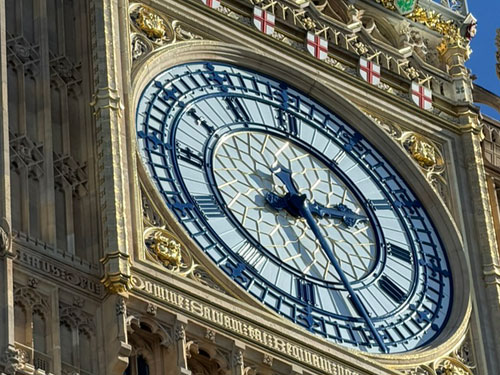
Big Ben
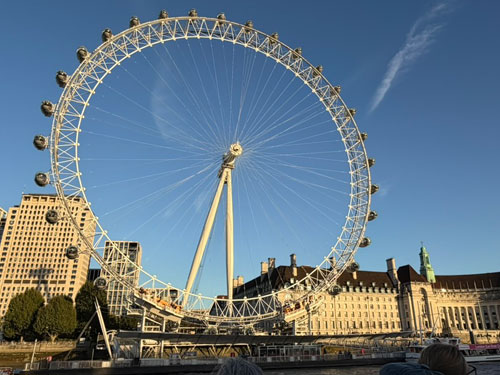
London Eye

Back to Ireland: Dublin Airport to Galway (2 Nights)

After a week in the sunshine, we flew one-way from South Tenerife back to Dublin. It felt like a full-circle moment.

We originally planned to spend our last four days in Dublin, but three different friends said the same thing: that might be too much. The advice was simple. Go see Galway.

The other big reason? We wanted to see the Cliffs of Moher.

Why We Took the Bus from Dublin Airport

I debated renting a car again versus taking the train, but the bus won for one reason: convenience.

There is a direct coach from Dublin Airport to Galway, and you can catch it right at the airport without heading into the city first. We landed, followed the signs, and realized the bus station was basically a parking ramp. Easy.

Travel time: About 2.5 to 3 hours, depending on traffic.

Helpful links:
Dublin Airport to Galway (Citylink Bus)
Our Galway hotel – The Galmont Hotel & Spa


Galway Highlights (Walking Tour, Pubs, and the Cliffs of Moher)

We had two nights in Galway and started with a city walking tour. I love walking tours and recommend them whenever you can. You learn the history fast, get your bearings, and usually spot places you would have walked right past on your own.

If you like tip-based tours, GuruWalk is a solid option.

Walking tour link:
GuruWalk Galway tours

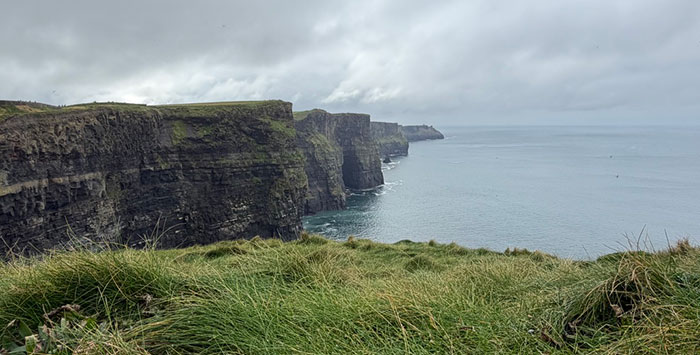
The Cliffs of Moher: The Bucket List Stop

Cliffs of Moher in October

The Cliffs of Moher are one of those places that almost feel mandatory on a first trip to Ireland. They are iconic, heavily visited, and firmly planted on most itineraries.

We visited on a very on-brand Irish day: rain, mist, wind, and limited visibility. Honestly, it felt appropriate.

Here’s the funny part. Earlier in the trip, we stood at Playa de los Guíos in Tenerife, with Los Gigantes towering above the beach. Same ocean. Same drama. Same waves crashing into rock. And in terms of sheer scale and impact, the Tenerife cliffs were every bit as impressive.

So why are the Cliffs of Moher more famous? Location, history, and reputation. When dramatic cliffs meet Irish myth, centuries of storytelling, and a well-worn tourist path, legend tends to follow.

That said, standing at Moher still delivers. The cliffs stretch for miles, the Atlantic churns below, and the sense of exposure is real. Is it the most jaw-dropping seascape in the world? Maybe not. But as an Irish rite of passage, it earns its place.

If you want to check the Cliffs of Moher off your Ireland bucket list, go. Just expect crowds qnd the great Irish weather!

Optional alternative for future travelers: If you want something wilder and far less touristy, look into the Slieve League Cliffs in County Donegal. Often called the highest accessible sea cliffs in Europe, they rise nearly three times higher than the Cliffs of Moher and offer a much more raw experience. Fewer crowds, bigger scale, and a feeling that nature did not get the memo about guardrails or gift shops.

Galway Nights and Real Talk

Back in Galway, nightlife was a blast. Live music everywhere, packed pubs, and great energy downtown.

One thing to know: Galway is a college town. After about 10 p.m., the pubs fill fast with students. If that’s not your scene, go earlier or do a little research to find a spot that skews a bit older.

Overall, I was really glad we added Galway. It offered a different side of Ireland than Dublin and balanced the trip perfectly with city life, culture, and one very famous stretch of coastline.

Galway: From Medieval Trading Port to Cultural Heart

Once a small fishing village, Galway grew into one of Ireland’s most important medieval trading hubs. By the 13th century, Galway had become a major gateway for trade between Ireland, Spain, and France, exporting goods like wool, hides, and fish while importing wine, salt, and luxury items. The city was famously shaped by the “Tribes of Galway,” fourteen merchant families who influenced its commerce, architecture, and politics for centuries.

With the Atlantic at its doorstep, Galway developed a reputation as one of Ireland’s most outward-looking cities. Today, that trading spirit lives on through its lively streets, music-filled pubs, colorful shopfronts, and creative energy, making Galway feel both historic and effortlessly alive.

©Photos by Corey Gasman

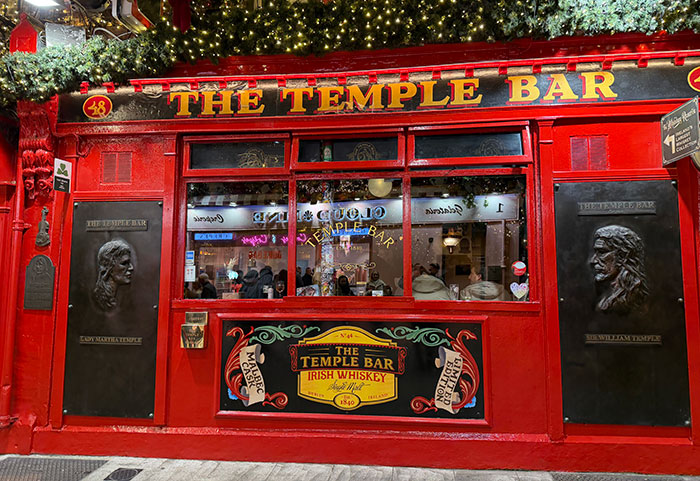
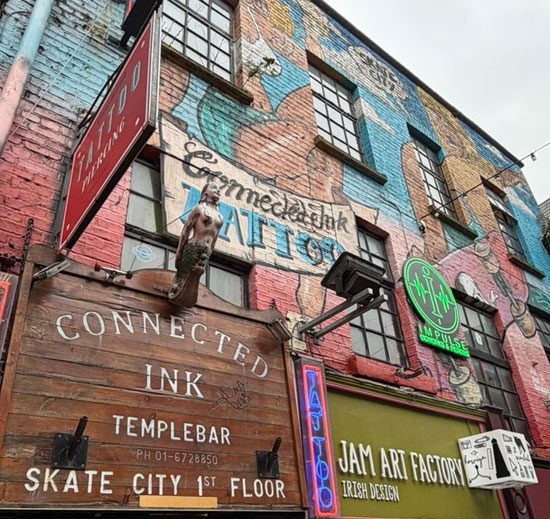
Bright red, endlessly photographed, and always buzzing. A classic Dublin stop that is equal parts tradition, music, and pure Temple Bar energy.


Galway to Dublin (Last 2 Nights)

After Galway, we took the train back to Dublin for our final two nights. The rail trip is roughly 2 hours and 20 minutes, give or take, and it was an easy way to reset before the flight home.

Train link: Galway to Dublin train options (Irish Rail)

Where We Stayed: Dublin Docklands (Silicon Docks)

In Dublin, we stayed in the Docklands area near Grand Canal Dock, which is basically Dublin’s tech hub. A lot of big companies are based around here, and the neighborhood is often nicknamed Silicon Docks.

We stayed at The Mayson in that area, and it was a great location for walking, grabbing meals, and getting around the city without feeling stuck in the loudest tourist zone.

Hotel link: Our Dublin boutique hotel (The Mayson Dublin)

Where We Ate in Dublin

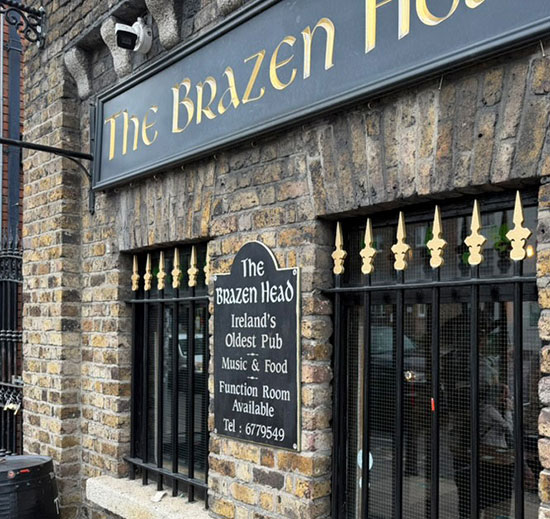
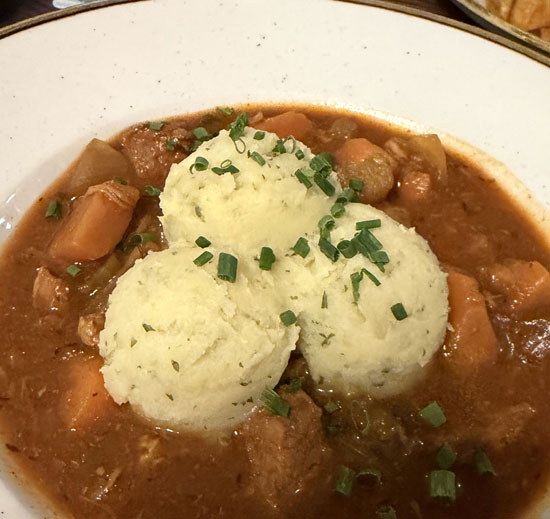
  • The Brazen Head: A classic lunch stop at Ireland’s oldest pub, full of history, hearty Irish stew, and a lively pub atmosphere.
    Read the full review.
  • SOLE Seafood & Grill: A more refined dinner experience featuring one of the best seafood towers in Dublin, plus thoughtful wine pairings.
    Read the full review.
  • Ryleigh’s Rooftop Steakhouse (The Mayson): A surprise favorite at our hotel, with a polished but relaxed rooftop vibe and a menu built around quality Irish beef, classic steakhouse sides, and well-crafted cocktails.
    Website for Ryleigh’s Rooftop.

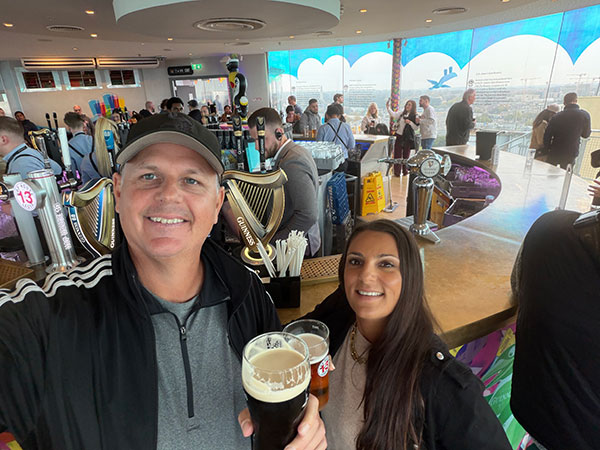
Gravity Bar

Worth your time in Dublin: Guinness Storehouse

The Guinness Storehouse tour blends Irish history, iconic advertising, and a perfect pint at the Gravity Bar.

Dublin Wrap-Up

We did another walking tour in Dublin, explored the city, had a couple of great meals, and then wrapped the whole trip with a flight home. After Ireland, London, Tenerife, and then Galway plus Dublin, it felt like the perfect full loop.

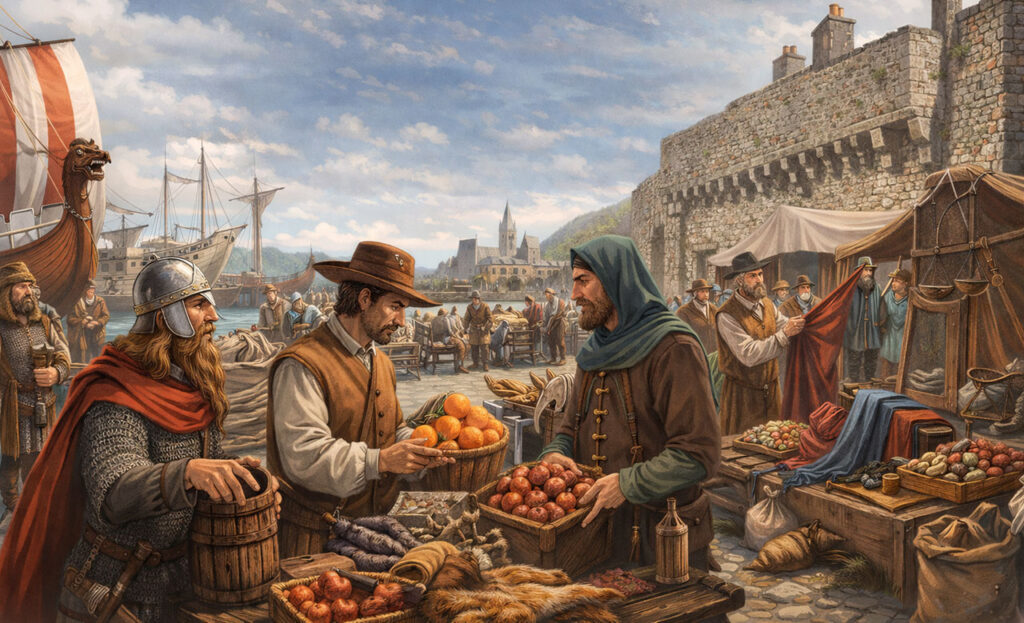
Dublin: From Viking Port to Modern Capital

Founded as a Viking settlement in the 9th century, Dublin began as a strategic trading port along the River Liffey, connecting Ireland to Britain and the wider Norse world. Over time, the city grew under Norman and later British rule, becoming Ireland’s political, economic, and cultural center. Georgian streets, medieval lanes, and literary landmarks reflect centuries of layered history shaped by rebellion, resilience, and reinvention.

Today, modern Dublin balances that past with a youthful, international energy, fueled by technology companies, universities, and a thriving food and arts scene. Walk its streets now and you move easily between centuries, where historic pubs sit beside contemporary cafés, and ancient stories continue to shape a city that feels both rooted and forward-looking.

Dublin link:
Dublin Highlights and Hidden Gems Guided Walking Tour

Final Take: Should You Combine Ireland and Tenerife in One Trip?

Yes. Ireland gave us castles, countryside, and cozy pub nights. London gave us a bucket-list NFL experience. Tenerife delivered sunshine, ocean time, and a national park that felt like another planet.

If you are flying into Ireland from Minneapolis, consider hopping south afterward on a budget airline. The contrast is the whole point, rain jacket to beach towel in one trip.

FAQ (Quick Answers for Travelers)

Is it hard to drive in Ireland as an American?
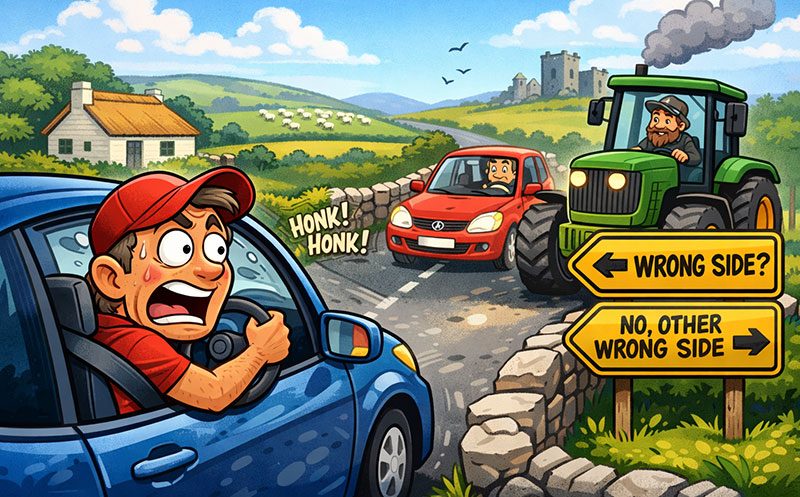
Not really. There’s a short adjustment period, but signage is clear, highways are easy, and Google Maps does the heavy lifting. The narrow country roads are where you slow down, stay focused, and occasionally whisper, “please don’t be a tractor.”

  • The local tip we swear by: “Driver in the Middle” rule. To stay on the correct side, remember the driver should always be closest to the center line of the road.
  • Bonus survival tip: Rent the smallest car you’re comfortable with. Irish roads were not designed with American-sized vehicles, or American confidence, in mind.
Wrong way driver in Ireland cartoon

Drinking in Ireland: Where Conversation Comes First

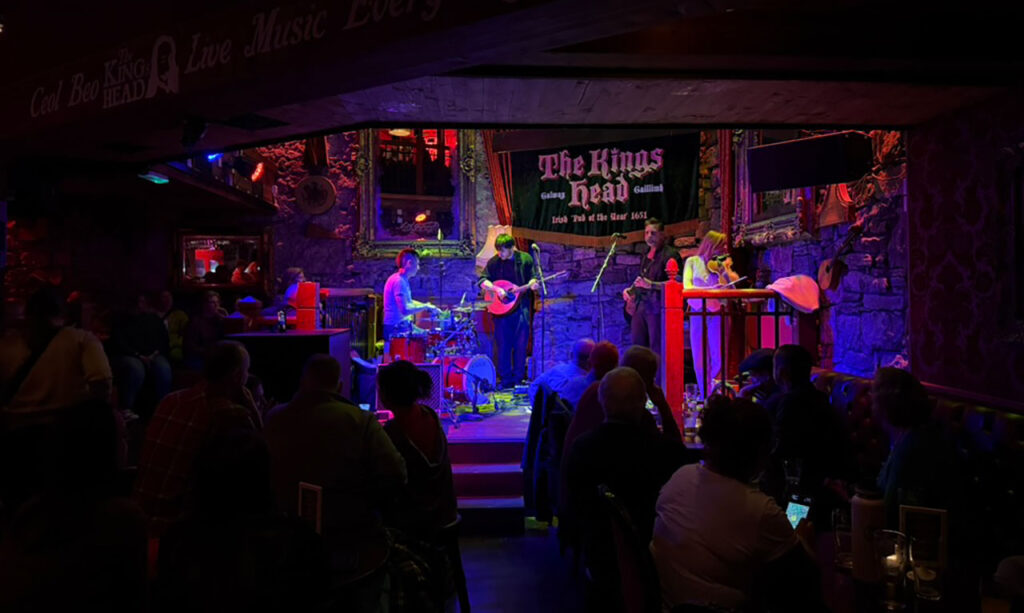
Live music, low ceilings, and a few hundred years of stories packed into one room. The King’s Head has been pouring pints since the 1600s, and somehow still feels exactly like where you’re supposed to be tonight. The lights are low, the crowd leans in, and once the music starts, time does what it always does in Ireland. It politely steps aside.

The Pint Is an Invitation

If Ireland has a secret talent, it is not drinking. It is drinking with purpose, which mostly means talking. The pint is an invitation, not the event. You sit down, order something dark or something strong, and before you know it you are deep in a conversation with someone who was a stranger moments ago.

Irish pubs are built for lingering. Low ceilings, worn wood, and corners that feel like they were designed for storytelling. Guinness arrives slowly and asks for patience. Irish whiskey arrives warmer and more convincing. Even Irish coffee feels less like a drink and more like encouragement to stay a little longer.

Oscar Wilde, who understood indulgence better than most, once said, “Everything in moderation, including moderation.” It fits Ireland perfectly. No one rushes you. No one counts your drinks. You stay until the story finishes, and the story always takes longer than expected.

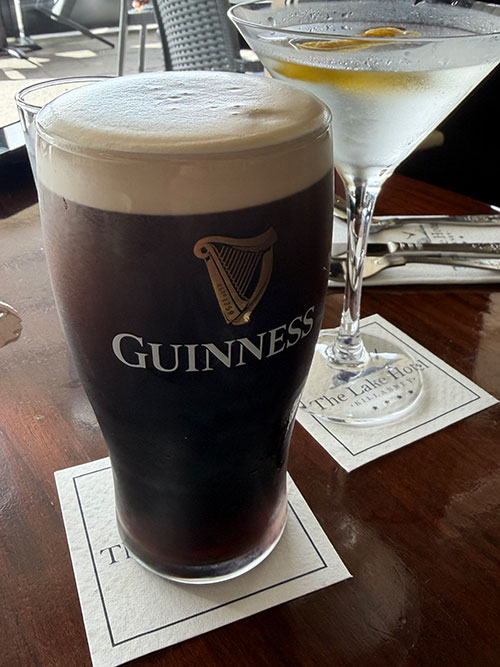
My frist Guinness Beer in Ireland

My first pint of Guinness in Ireland.

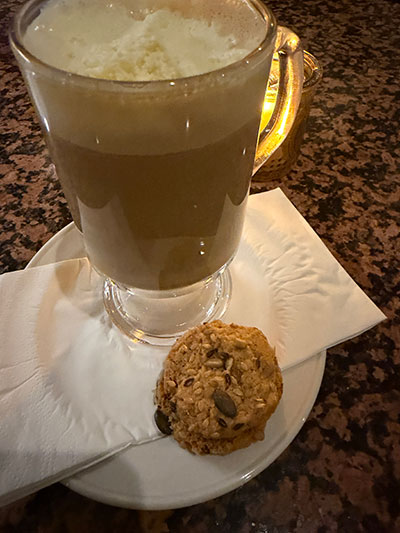
Irish coffee

An Irish coffee with Baileys, whipped cream, and zero plans to go back outside.

When the Music Takes Over

Then there is the music. Live music in an Irish pub is not a performance, it is a shared moment. A fiddle starts. A bodhrán follows. The room leans in. The music does not ask for silence and the conversation does not stop the music. They exist together, overlapping in the most natural way.

George Bernard Shaw wrote, “Alcohol is the anesthesia by which we endure the operation of life.” In Ireland, it feels more like company for the journey. By the end of the night, you may forget the drinks you ordered, but you will remember the people, the laughter, and the feeling that for a few hours, you belonged.

“There are only two things people want in Ireland. To drink, and to talk about drinking.”

— Irish saying

Teno Rural Park: The Road That Tried To End Me (In A Beautiful Way)

A winding paved road with sharp hairpin turns snakes up a steep, lush green mountainside in Teno Rural Park, Tenerife, under a soft, hazy sky.

Teno Rural Park: The Road That Tried to End Me (In a Beautiful Way)

A winding paved road with sharp hairpin turns snakes up a steep, lush green mountainside in Teno Rural Park, Tenerife, under a soft, hazy sky.

A mountain road of hairpins, cliffs, and dramatic Tenerife views that feels equal parts scenic drive and survival exercise.


Home » Destinations » Page 14

Last updated: February 2026 by Corey Gasman

Some roads ease you into a destination. The road through Teno Rural Park absolutely does not. This one grabs you by the steering wheel, whispers “good luck,” and drops you into a live-action mountain goat simulator.

If you are looking for a calm scenic drive, turn around now. If you enjoy adrenaline, mild panic, and yelling “WHO BUILT THIS?” at nobody in particular, welcome.

The first five minutes: immediate regret, but scenic

From the moment you start climbing out of Buenavista del Norte, the road wastes no time. Lanes narrow. Corners sharpen. Guardrails appear occasionally, like a polite suggestion rather than a promise.

Hairpins stack on top of each other like a slinky that has lost control. You will swear the road doubles back on itself just to mess with you. Every turn feels like it was designed by someone who actively dislikes drivers.


The problem: the views are trying to distract you

And yet, it is annoyingly stunning. Distractingly beautiful.

One second you are fully focused on not plummeting into a ravine. The next, you are gasping because the entire valley opens up beside you. Jagged volcanic cliffs rise like something out of a fantasy movie. Ridges layer into the distance. The Atlantic shimmers far below, reminding you how high you have climbed and how bad an idea it would be to sneeze at the wrong moment.


Stop for the “I can’t believe I drove that” pull-offs

Your first mandatory stop should be at one of the small pull-offs overlooking the switchbacks you just survived.

This is where you get out, legs slightly shaky, and stare back at the road thinking, “I drove that?” It is the perfect spot for photos, deep breaths, and pretending you were not just white-knuckling the steering wheel five minutes ago.


The ravine lookouts: existential pause zones

As you push deeper into the park, the viewpoints get wilder. Lookouts reveal massive ravines carved straight through the mountains, filled with stubborn greenery clinging to bare rock like it has something to prove.

These stops feel less like tourist viewpoints and more like existential pauses. You stand there in silence, listening to the wind, and questioning why humans insist on building roads in places clearly meant for birds.


High ground, big drama

Near the higher stretches, the road briefly relaxes, just enough to lull you into a false sense of security.

This is where the views go full cinematic. Multiple ridgelines stack into the horizon. Clouds drift lazily through the valleys below. For a moment, you forget you are on a road that doubles as a stress test.

It feels remote, untamed, and gloriously indifferent to your travel plans.

Real talk: how to drive this without ruining everyone’s day

  • Go slow. This is not the place to make up time.
  • Use pull-offs. If someone is faster behind you, let them pass.
  • Do not rubberneck while moving. Pull over for photos.
  • Mind the weather. Clouds can roll in fast and turn fun into “why can’t I see anything?”
Local Guide Tip: Start this drive with patience, not a tight schedule. Teno is better when you accept that the road sets the pace, not you.

Final verdict: chaotic, dramatic, worth it

Driving through Teno Rural Park is not about getting somewhere quickly. It is about surviving the journey, pulling over far too often, and laughing at how absurdly intense it all is.

The road is chaotic, dramatic, slightly unhinged, and completely worth it. You may forget a beach or two in Tenerife, but you will absolutely remember the road that made you question your life choices and then thank it for the views.


Fun facts: Teno Rural Park edition

  • Many of Teno’s roads were carved into volcanic rock long before modern engineering standards were a priority.
  • Locals drive this like it is a grocery run. Visitors tend to white-knuckle every turn.
  • In some stretches, the absence of guardrails is not an oversight. It is simply how things are up here.
  • You are driving through one of Tenerife’s oldest landscapes, shaped millions of years ago.
  • Sunshine, fog, wind, and “can I still see the road?” can all happen within ten minutes.
  • If you encounter goats, just know they have the right of way and significantly better balance than you.
  • If you survive the drive, you are officially part of the “I did that” club.

More reading

Tenerife in October: Canary Islands Travel Guide

Scandinavia Travel Guide

Scandinavia rewards quiet mornings, long daylight, and trips built around nature and neighborhoods, not frantic hotel changes.


Home » Destinations » Page 14

Last updated: March 2026 by Corey Gasman

From the Editor

Growing up in Minnesota, Scandinavia always felt like more than a travel destination. It was part of the family story. On my dad’s Norwegian side, every Christmas and Thanksgiving included the Norwegian table prayer my grandmother taught us. In a state that cheers for the Minnesota Vikings and traces so many roots back to the north, the connection to Scandinavia is always quietly present.

Seeing the region in person changes the picture. This guide follows my own heritage loop through Scandinavia. It started with the music and canal culture of Denmark, then a stay in a boat hostel in Stockholm. From there the trip moved north by rail toward Narvik, followed by a drive through the dramatic coastlines of the Lofoten Islands. The route eventually wound south through Trondheim, Bergen, and Oslo, including the famous Norway in a Nutshell journey.

What surprised me most was how familiar parts of Scandinavia felt. The lakes and forests often reminded me of northern Minnesota. One evening in Sweden, I stood beside a perfectly still lake at sunset, and the scene looked almost identical to the lake by our cabin in Hovland. The same calm water. The same pine-lined shoreline. The same soft evening light that stretches long into summer.

Build your trip around a few strong bases, leave room for the landscape to surprise you, and Scandinavia begins to feel less like a destination and more like a place that somehow already feels familiar.

TLGA Rule: Build the trip around two great bases. In Scandinavia, fewer moves means more fjords, more waterfront walks, and more energy for the parts of the trip you will actually remember.

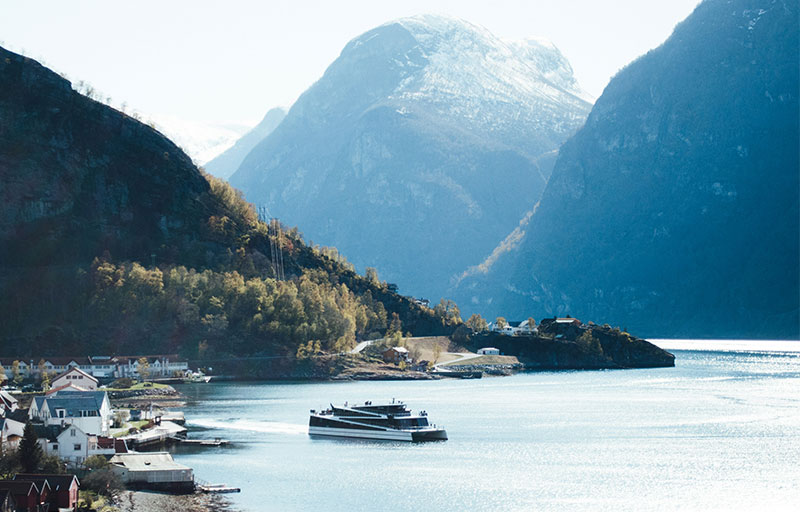
A modern white sightseeing ferry cruising through a deep blue fjord surrounded by steep, sunlit mountains in Norway.

Smooth sailing through the Norwegian fjords. Scandinavia is at its best when the journey itself becomes part of the experience.


Why Scandinavia Feels Familiar to Many Midwestern Travelers

There is a reason so many Scandinavians settled in the American Midwest. The landscapes feel familiar, and many of the social rhythms do too. Lakes, forests, practical cities, and a culture that values humility and community all feel recognizable to anyone who grew up in places like Minnesota or Wisconsin.

Understanding a few cultural ideas also helps explain how Scandinavia works.

  • Friluftsliv
    In Norway especially, being outdoors is not treated as a hobby. It is simply part of daily life. People hike in the rain, ski before work, and spend as much time outside as possible whenever the light and weather allow it.
  • Janteloven
    This informal social code emphasizes equality and humility. It helps explain the calm public spaces, understated design, and low-drama feel that define much of the region.
  • The art of the pause
    Across Scandinavia you see rituals built around slowing down. Sweden has fika, the daily coffee break built around conversation. Denmark embraces hygge, that cozy sense of warmth and comfort created through simple moments.

Start Here: What Scandinavia Does Better Than Anywhere Else

Scandinavia is not about racing between landmarks. The region shines when you lean into space, light, and rhythm. The best trips usually revolve around two or three strong bases with day trips and one meaningful outdoor activity each day. When you simplify the structure, the landscapes and cities have room to breathe.

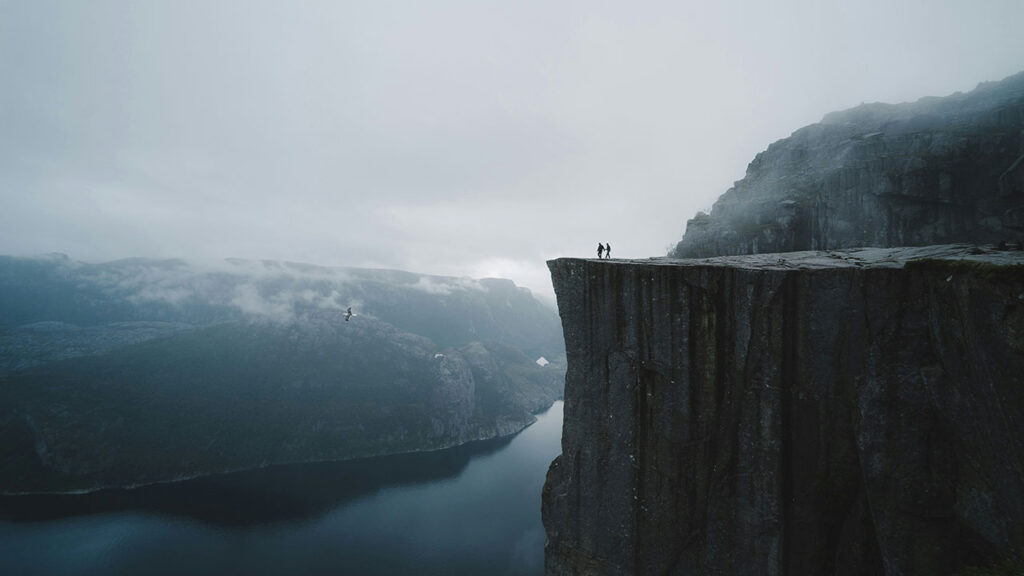
A wide-angle view of the flat-topped Preikestolen cliff towering 604 meters above the Lysefjord in Norway

Preikestolen is one of Norway’s most famous hikes, but it works best as a separate southern Norway add-on, not a casual detour from Lofoten.


Best Time to Visit Scandinavia

For most travelers, the best overall window is late May through early September. If you want long daylight and the best chance to experience the midnight sun in Northern Norway, aim for mid-June through mid-July.

Season Best For Watch Outs TLGA Take
Late May to June Long days, greener landscapes, lighter crowds Some coastal areas still feel cool Best overall value
July Maximum daylight, festivals, classic summer energy Peak prices and busier cities Great, but do fewer bases
August to early September Road trips, hiking, city breaks Daylight starts shortening Excellent balance
Winter Aurora trips, Christmas markets, cozy city stays Short days and more weather risk Best treated as a separate trip style

How Long Should You Spend in Scandinavia?

The biggest planning mistake is trying to do too much. Scandinavia is expensive, spread out, and far more rewarding when you leave room for weather, waterfront time, and unplanned detours.

Trip Length Best Approach TLGA Recommendation
5 to 7 days One country, two bases max Copenhagen + Stockholm or Oslo + Bergen
8 to 10 days Two countries, one major scenic leg Denmark + Sweden or southern Norway focus
11 to 14 days Two to three countries with one epic transit day Best sweet spot for first-timers
2+ weeks Add Northern Norway or a deeper road trip Best for a heritage-style route
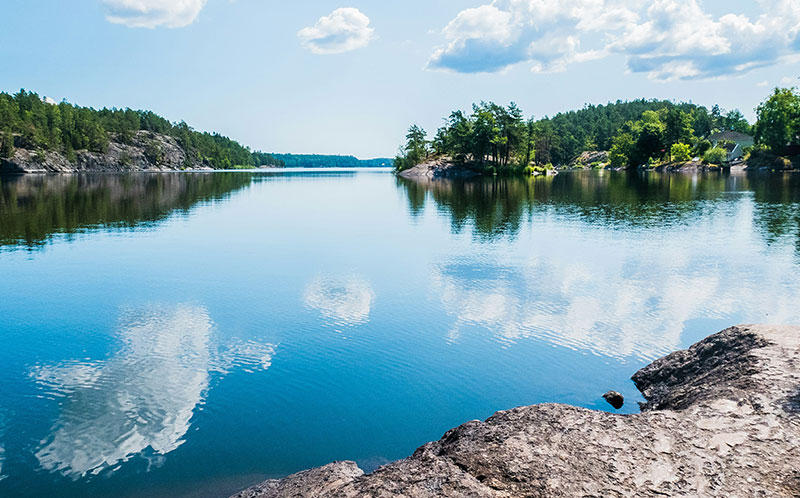
A calm, glassy lake in Sweden reflecting the surrounding green forest and blue sky during a peaceful summer afternoon.

Still water, soft light, and that same peaceful summer feeling I know from our cabin lake in Hovland, Minnesota. This stretch of Sweden felt instantly familiar.


The Heritage Route: My Personal Itinerary

This is the routing I used to connect the cities with the wild north. It is high reward, but it works best if you are willing to let the train, ferry, and long daylight become part of the trip.

Stop Transport Why It Works
Copenhagen Arrival city, walking, metro, canal zones An easy, stylish entry point with great food and summer energy
Stockholm Train from Copenhagen A calm city break with islands, viewpoints, and boat-stay appeal
Narvik Long rail journey north The dramatic Arctic transition is part of the adventure
Lofoten Islands Rental car One of Europe’s great slow-travel landscapes
Trondheim Southbound continuation A softer urban reset after the wild north
Bergen Rail and fjord routing Historic waterfront, mountain views, and a perfect fjord base
Oslo Bergen line or Norway in a Nutshell routing A clean, easy finish with museums, neighborhoods, and green space
The colorful historic wooden houses of Bryggen Hanseatic Wharf in Bergen, Norway, illuminated at twilight.

Bergen’s historic waterfront is one of those places that looks good in any weather.


Norway: Fjords, Fishing Villages, and Big Nature Days

Norway is where the family stories came to life for me. It is cinematic, rugged, and deeply rewarding for slower travelers. Whether you are driving through the Lofoten Islands or riding one of the classic fjord routes, Norway works best when you leave room to stop, stare, and let the landscape do the heavy lifting.

Panaromic view of the Stockholm skyline and Riddarholmen church at sunset from the Mariaberget lookout point.

Stockholm at golden hour. Sweden has a way of making even ordinary evenings feel polished.


Sweden: Calm Cities, Lakes, and the Slow-Living Sweet Spot

Sweden feels effortless. The cities are walkable, the design is sharp without being loud, and nature is built into daily life. Staying on a boat in Stockholm was one of the highlights of the whole trip. It felt equal parts city break and waterside escape.

Close-up of freshly baked Swedish Kanelbulle (cinnamon buns) and Kardemummabulle (cardamom buns) on a wooden bakery counter in Stockholm.

In Sweden, fika is not an extra. It is part of the day. Get the bun and take the break.


A small, glowing orange tent sits on a snowy plain in Abisko, Sweden, under a vibrant green Aurora Borealis dancing across the starry night sky.

Abisko shows Sweden at its wildest, where dark skies and big northern landscapes feel a world away from Stockholm.


Brightly colored 17th-century townhouses and wooden ships lining the Nyhavn canal in Copenhagen, Denmark.

Nyhavn is colorful, touristy, and still worth it. Copenhagen knows how to make everyday city life feel good.


Denmark: Copenhagen, Festivals, and Easy Urban Days

Denmark is one of the easiest entries into Scandinavia. Copenhagen is polished but never stiff, bike-friendly without feeling overwhelming, and packed with neighborhoods that make you want to linger. My visit lined up with jazz season, which made the whole city feel even more alive.

If you only have one week and want a gentle first taste of the region, Copenhagen paired with Stockholm is one of the best combinations in Europe.

Budget Reality: What Costs More Than You Think

Scandinavia is manageable, but it rewards travelers who prioritize well. Spend on location, scenic transport, and one or two memorable meals. Save on giant hotel breakfasts, constant taxis, and overstuffed itineraries.

Category What to Expect TLGA Move
Hotels Usually the biggest expense Pay for location, not square footage
Food Restaurant prices add up fast Use bakeries, food halls, and grocery stops
Alcohol Often surprisingly expensive Treat drinks as a splurge, not a default
Trains and ferries Worth the spend for scenery and ease Book key legs early
Rental cars Helpful in remote Norway, unnecessary in cities Only rent when the route truly needs it
Vibrant green Aurora Borealis dancing in the night sky over Skagsanden Beach in the Lofoten Islands, Norway.

In the far north, the light becomes part of the trip. It changes how you plan, sleep, and move through the day.


Midnight Sun: How to Plan It Without Burning Out

The midnight sun changes your sense of time. In Northern Norway, summer light stretches so long that evenings stop feeling like evenings at all. It is magical, but it can also wreck your pacing if you do not plan for it.

Midnight sun reality check

  • Stay longer: plan at least 4 nights in your Arctic base.
  • Bring sleep tools: an eye mask helps more than you think.
  • Protect your energy: build in a slow morning every few days.
  • Do less: one hike and one scenic drive in a day is enough up north.

Transport Playbook: Rail, Ferries, and Strategic Car Rentals

Transport is part of the adventure here. The smartest itineraries usually use trains for major city jumps, ferries for scenic water legs, and rental cars only where they truly unlock the landscape. The rail journey north toward Narvik is one of the great travel experiences in the region, especially if you enjoy letting the transition in scenery unfold in real time.

My rule: if the route is under about five hours and it connects well city-center to city-center, rail or ferry usually beats flying.

Frequently Asked Questions

How expensive is Scandinavia, really?

It is not cheap, but it is predictable. Sleep in central locations, book important train legs early, use bakeries and food halls for lighter meals, and save your splurges for the scenery-driven experiences.

No. English proficiency is very high across the region. A simple thank you and a little effort with local etiquette still goes a long way.

Yes in Copenhagen, Stockholm, Oslo, and Bergen. It also works well on major rail routes and structured fjord journeys. A rental car becomes much more useful in places like the Lofoten Islands, where the scenery is the main point.

For most first-timers, I would start with Copenhagen and Stockholm, or Oslo and Bergen. Both combinations are scenic, manageable, and give you a strong feel for the region without trying to do too much.

Morocco Travel Story and Guide: Tangier, Marrakesh, Sahara & Fes

Marrakesh Medina at Night

Morocco Inspired My Wanderlust

Crossing from Spain into Morocco felt like stepping into another world. The sounds, colors, smells, and pace were intense, disorienting, and unforgettable. Morocco challenged us early, but it also rewarded us with generosity, adventure, and some of the most vivid memories of our entire world trip.

This was the point where travel stopped feeling like sightseeing and started feeling real. What follows is a story-first travelogue with practical notes mixed in for anyone dreaming about Morocco.

Keep scrolling for the full story, travel advice and resource links at the bottom of the page. You can also use the dots to jump to different sections.

Moroccan traditional colorful rugs

Morocco Trip Quick Facts

  • Route: Tangier → Marrakesh → High Atlas Mountains → Sahara Desert → Fes
  • Trip style: Budget, analog-era travel (pre-smartphones)
  • Standout experiences: Jemaa el-Fnaa at night, rooftop riads, camel trekking in the Sahara, getting lost in the Fes Medina, and visiting the leather tannery.
  • Best time to visit: Spring (March–May) and Fall (September–November)
  • Must-do experience: Overnight camel trek in the Sahara
  • Biggest takeaway: An exotic experience right at Europe’s doorstep.
Moroccan pottery with Alts mountains in background

From the Atlas Mountains to the souks: the many colors of Morocco.
©Photo by Corey Gasman

Arriving in Tangier: Crossing Into North Africa

We crossed the Strait of Gibraltar by ferry and arrived in Tangier late at night. This was back when travel meant paper maps, instinct, and a guidebook you treated like a compass. No smartphone. No glowing dot on a screen. Just big packs, a folded map, and the very real feeling that we had stepped into somewhere completely different.

Our plan was simple on paper: walk from the ferry port to the train station and catch an overnight ride to Marrakesh. But in practice? That turned out to be a long, unfamiliar journey in the dark, a walk that was over 30 minutes carrying our heavy packs and wandering streets you’ve never seen.

Everything felt unfamiliar right away. Signage in Arabic. Different clothing. A nighttime energy that made you pay attention. Every street looked plausible and none of them felt right as we tried to orient ourselves toward the station.

Then Morocco gave us the perfect introduction. Rob, confidently walking while staring at the map, stepped straight into an unmarked hole in the sidewalk. Not a stumble. Not a trip. One second he was walking, the next he was hanging waist-deep in darkness with his backpack still somehow upright.

I yanked him out, laughed from pure adrenaline, and then stood there realizing how close that could have gone the other way. Lesson number one came fast: in Tangier at night, you watch the ground as carefully as the map. That turned out to be true in a lot of places outside the U.S. and Europe.

Marrakech night market

©Photo by Corey Gasman

Marrakesh Medina and Jemaa el-Fnaa: A Spicy Experience

Arriving in Marrakesh after a sleepless night felt like being dropped into a living maze. The Marrakesh Medina is dense with narrow alleys and souks. Getting lost is easy, and somehow that is part of the appeal.

At the center is Jemaa el-Fnaa, a square that transforms throughout the day. By evening, food stalls appear in rows. Smoke from grills fills the air. Hawkers shout. You can find tagine, grilled meats, bread, snails, lamb, and fresh orange juice squeezed right in front of you.

As night deepens, the square becomes a performance space. Storytellers, musicians, drummers, dancers, and snake charmers pull crowds into loose circles. It is chaotic and electric, and at first it can feel overwhelming.

We found it generally safe, even at night, but like any crowded place it is smart to stay aware and keep your belongings close.

Marrakesh Medina, a maze of products and colors

Rob & I Exploring the Marrakesh medina, a maze of rugs, lanterns, spices, and wrong turns.
©Photo by Corey Gasman

Sleeping on a Rooftop Riad Terrace

We stayed inside the Medina in a traditional riad. Riads are old Moroccan homes built around a central courtyard. A defining feature is the rooftop terrace.

Our accommodation was extremely simple and cheap. We basically slept on the rooftop under open air. Rooftops are central to riad life and offer a break from the chaos below, much quieter than hotels. At night, the city hummed beneath us while we stared at the sky thinking, wow, we are really doing this.

Rob with Sa our new friend form Brazil

Rob with Sa, our new Brazilian friend, hanging out on our riad overlooking the city lights.
©Photo by Corey Gasman

Heading South: High Atlas Roads and the Pull of the Sahara

After Marrakesh, we signed up for a tour heading south toward the Sahara Desert. The road took us over the High Atlas Mountains, past villages and kasbahs that seemed to rise straight out of the earth.

Somewhere during those long bus rides, strangers became friends. Our group included people from all over, including a couple of guys from Germany who had picked up some High Atlas hash. Sheesh. File that away for later.

Following the caravan into the Sahara, where the desert decides the pace.
©Photo by Corey Gasman

Overnight Sahara Camel Trek: Sunset, Campfire, and the Biggest Stars

Most overnight camel treks leave in the late afternoon from small desert towns near Merzouga, heading toward the Erg Chebbi dunes. We mounted our camels and rode out into a landscape that did not feel real.

We reached camp near sunset and shared a communal meal of slow-cooked meats and vegetables, eating with our hands. Mint tea. Simple but delicious food. A campfire. Berber hospitality that made you feel welcome fast. Everything slowed down out there. Time mattered less than the moment you were standing in.

Later that night, after the camp quieted down, one of our new friends rolled a large joint from the hash they had picked up earlier. We decided to climb a high dune. At the top, we sat in silence, shared the joint, and stared up at the sky.

The stars were unreal. The Milky Way stretched across the darkness like a bright smear of light. Somewhere in my head, The Doors were playing. “Girl, we couldn’t get much higher.”

That was the moment I felt it most clearly. I wasn’t just traveling anymore. I think that might have been the moment I became a traveler.

Sunrise was just as unreal. Windswept sand. Clean blue sky. Dunes shifting from gold to red as the light changed. If you ever go to Morocco, I cannot recommend an overnight Sahara experience enough.

©Photo by Corey Gasman

Moving Forward: A Taxi, a Mercedes, and Trusting the Road. Oui!

Our tour was heading back to Marrakesh, but our next stop was Fes. We didn’t want to go backward.

With help from locals and a few friends we had met while camping in the Sahara, we hired a taxi north. The driver pulled up in what looked like a late 1970s diesel Mercedes that smoked, rattled, and somehow seemed completely confident it would make the trip. It overheated two or three times along the way (see pic). We packed into the car like sardines, along with three new friends from England.

The driver didn’t speak a lick of English. His answer to every question was the same cheerful response, “Oui!” That’s when it sank in. This was going to be a long ride north, roughly six to eight hours, in an aging taxi that had already seen better decades.

The countryside rolled by. Wild dogs lined the roads. The car made new noises every hour. We laughed and went with it.

Our Taxi Driver filling the radiator with water after overheating.

©Photo by Corey Gasman

Lunch, Moroccan Style

At lunchtime, the driver pulled over at a tiny roadside grill. No menu. Plastic chairs. He ordered for us without hesitation.

The cook didn’t actually keep meat on hand. After we paid, he calmly walked across the street to a butcher, picked out a leg of lamb, chopped it up on the spot, skewered it, and tossed it onto the grill. The smoke barely had time to rise before lunch was ready.

Minutes later, we were eating one of the best meals of the entire trip.

Farm to table feels too fancy. This was butcher to grill to table in under ten minutes.

Morrcan tradtional butcher

©Photos by Corey Gasman

In Morocco, the best meals sometimes come from the side of the road. From butcher to grill just in time for lunch. Glad I grabbed a few pics.

BBQ screwers grilled meats on the road side (morrcan tradtional food)

Fes: A Cheap Hotel and an Unforgettable First Night

After the long, rattling, diesel-fumed taxi ride, we finally rolled into Fes and found a very cheap hotel. I mean cheap-cheap. Maybe eight rooms total. The kind of place where the staff clearly lives there, knows everyone who comes through, and immediately makes you feel like you’re part of the operation.

Unfortunately, my stomach had other plans.

That packed taxi ride did not sit well with me. Right after checking in, we were starving and headed out to find food nearby. We sat down at a restaurant, menus hit the table, and that’s when my body sent the emergency alert.

I needed to go. Immediately.

I attempted to sprint back to the hotel, but there was one small problem. The door was locked. In this hotel, you had to turn in your key every time you left, and the front desk guy was nowhere to be found. I stood there for a brief, hopeless moment, doing mental math that confirmed what I already knew.

I did not make it.

At age 30, I officially shit my pants in Morocco.

There I was, hand-washing my pants like a defeated man in a Moroccan bathroom (if you want to call it that, a squat toilet and hose), suddenly very grateful that I had splurged on Under Armour travel underwear. If you’re wondering, yes, they clean up surprisingly well. Highly recommend. Five stars.

Later that night, the hotel guys reappeared like nothing unusual had happened and asked if we wanted them to run out and grab us some beers, which we happily handed them cash for. In a Muslim country, this felt like winning a small lottery. Beers appeared. Then they invited us into the courtyard where they were cooking over an open fire.

They asked if we wanted some of their porcupine.

We had just eaten and politely declined, which in hindsight may have been a missed opportunity, but I was still recovering emotionally.

Then they asked if we wanted to try kif. They explained it poorly. We nodded politely. We smoked some. A few minutes later it became very clear that this was, in fact, weed.

That’s when one of the guys decided to show us his room.

He opened his closet and inside was a massive black hefty bag absolutely stuffed with marijuana buds. At this exact moment, Rob and I exchanged looks that said, “This is it. This is how it ends.”

Now we were shitting our pants again, but this time metaphorically.

Our brains went straight to worst-case scenarios: setup, police bust, bank accounts emptied, Moroccan jail. Meanwhile, this guy was just laughing, completely relaxed, treating us like old friends.

And that’s exactly what it was.

No cops. No scam. No drama. Just locals welcoming two clueless travelers into their world on our very first night in Fes.

Morocco does not ease you in gently. It throws you straight into the deep end, pants optional.


Fes el-Bali Medina: The Medieval Labyrinth

The next day, the hotel staff insisted we get a guide to visit the famous medina. They were right.

Fes el-Bali is a maze. Narrow alleys. Covered passages. No cars. Donkeys carrying goods. You navigate by sound, smell, and instinct.

The call to prayer echoed. Merchants shouted. The smells shifted every few blocks. More than anywhere else, it hit again: wow, I am traveling.

Chouara Tannery, photo of the dye pods and workers.

©Photo by Corey Gasman

The Chouara Tannery: Color, Craft, and a Smell You Will Never Forget

From a rooftop viewpoint, we looked down on stone vats filled with vivid dyes. Workers stood waist-deep, moving hides by hand. The colors were stunning.

Then the smell hit. Hard. The process uses lime and pigeon shit to treat the hides before dyeing them. Mint sprigs help, but only a little.

The hides are softened, cleaned, and dyed entirely by hand, then dried and turned into leather goods sold throughout the medina.

Watching leather being made using methods that haven’t changed in centuries gave us a whole new appreciation for Moroccan leather.

traditional Moroccan slippers called babouches
Rob and Corey wearing Cheche a long Traditional Moroccan scarf

Traditional Berber/Tuareg desert headscarf, longer and often indigo-dyed. (left) Babouches traditional Moroccan leather slippers.

What Morocco Taught Me

Reflection: Old School Travel vs Modern Travel

Modern travel is easier. Navigation is instant. Translation is instant.

But traveling without that technology forced engagement. You paid attention. You asked for help. You got lost and figured it out. Because of that, you ended up in moments you could never plan.

Morocco demanded presence. It was not filtered through a phone. It was immediate. Real.


Practical Tips for First-Time Morocco Travelers

  • Carry small bills and cash, especially in medinas
  • Agree on guide prices upfront
  • Expect to haggle in souks
  • Watch pockets in crowded areas
  • Pack layers for the desert
  • Bring stomach meds and hydration packs
  • Say yes to conversations, not pressure

Frequently Asked Questions

Is Fes Medina safe?
Yes, but it is intense. A guide helps.

Is a Sahara camel trek worth it?
Absolutely. It is a defining Morocco experience.

Can you drink alcohol in Morocco?
Yes, in some hotels and restaurants.

Do you need a guide in Fes?
Highly recommended, especially your first day.

©Photo by Corey Gasman

Why Morocco Stays With You

Morocco left a deep impression on us. From Tangier’s chaos, to rooftop nights in Marrakesh, to the silence of the Sahara, to the medieval intensity of Fes, it was not always comfortable, but it was always real.

If you do one thing in Morocco, spend a night in the desert. You will never forget it.

Moroccan traditional colorful rugs

©Photos by Corey Gasman

Traditional Moroccan rugs, always for sale, no matter where you are or what you’re doing. The campsite. (Below Right) Our new friend rolling a smoke for later.

Sahara Camel Trek Camp Site

Planning your own Morocco trip?

Use my full Morocco guide to plan your route, timing, and logistics.

Go to the Morocco Travel Guide →

Morocco Travel Resources (Top Links)


Bonus: Food-Focused

Why Travel Is Really About People

One of the biggest lessons from Morocco, and from traveling in general, is that it is not always the destination. It is the people.

My favorite part of travel is meeting locals and learning about culture in human ways: sharing tea, sharing food, laughing through language gaps. It is also meeting other travelers and hearing their stories.

On this world trip, we met people from all over with wildly different perspectives. What stood out most was how friendly people were. If you are reading this, my guess is you have the same wanderlust I had. If you are thinking about doing something big, this is your sign. Go.