
The Ultimate Guide to Cenote Diving in Riviera Maya

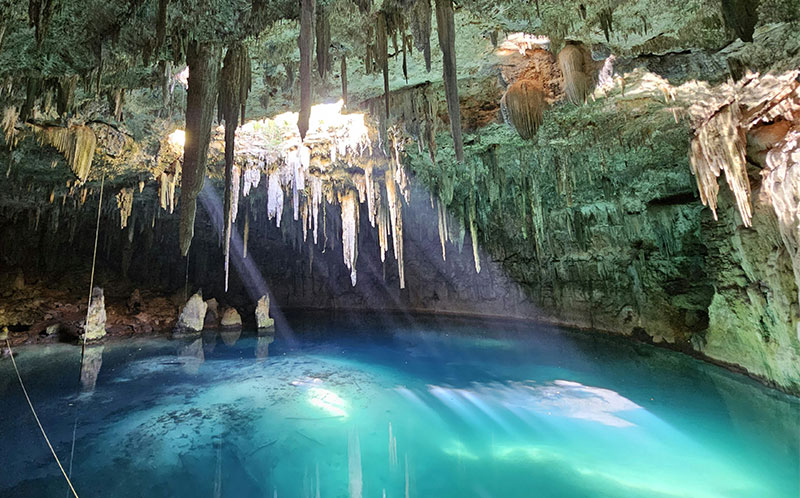
A view from inside a limestone cave looking out at a turquoise freshwater cenote surrounded by hanging tree roots and lush jungle greenery in the Yucatan Peninsula.

The Ultimate Cenote Diving Guide in Riviera Maya

A scuba diver swimming through a Riviera Maya cenote with dramatic sunbeams, crystal-clear water, and limestone cave formations

A perfect cenote moment in Dos Ojos: diver gliding through crystal-clear water as sunlight beams cut through the cavern ceiling above.


Home » Mexico » Riviera Maya » The Ultimate Cenote Diving Guide in Riviera Maya

By Corey Gasman
Last updated: February 2026

Diving the Mayan Underworld

Diving in the ocean is about looking outward. Diving in a cenote is about looking inward. Beneath the Riviera Maya lies one of the largest subterranean river systems in the world. For the ancient Maya, these sinkholes were sacred portals to the underworld. Today, they offer some of the most surreal and crystal-clear diving experiences on the planet.

If you have spent any time traveling through Mexico, you know the surface is full of vibrant noise, incredible street food, and kinetic energy. But the moment you step below the jungle floor, everything goes completely silent. You are suspended in freshwater so clear it feels like you are floating in thin air, surrounded by limestone stalactites that took millions of years to form.

Pro Tip: Cenote diving is technically cavern diving, not cave diving. As long as you stay on the guided lines, you are always within sight of natural daylight. You do not need full cave certification for these recreational routes.

Quick Navigation


Dos Ojos: The Classic First Cenote

If you only dive one cenote during your trip, make it Dos Ojos. Located just north of Tulum, it translates to “Two Eyes” because of the two neighboring sinkholes that connect into a massive underground cavern zone.

This site is perfect for Open Water certified divers. The maximum depth is relatively shallow, and the water clarity is absolutely mind-bending. You will navigate through the Barbie Line or the Bat Cave route, weaving between massive limestone columns while natural light filters through the jungle canopy above.

Local Guide Tip: Arrive as early as your dive shop allows. Getting into the water before 9:00 AM means you beat the massive snorkeling tours and get the cavern almost entirely to yourself.

The Pit: Deep and Dramatic

El Pit is a deep sinkhole that requires Advanced Open Water certification. This is where the magic of the halocline really shows off. A halocline is a visual phenomenon where lighter freshwater sits on top of heavier saltwater. When you dive through the meeting point, the water looks like blurry, swirling syrup.

At around 30 meters deep, you will hit a surreal cloud of hydrogen sulfide created by decaying jungle vegetation. Laser-like beams of sunlight pierce all the way down through the cloud, making it feel like you are flying on another planet.

Angelita: The Underwater River

Cenote Angelita is another site for Advanced divers, and it is famous for its optical illusion. As you descend through the crystal-clear freshwater, you will look down and see what appears to be a flowing river complete with dead trees and branches rising out of the banks.

That “river” is actually a thick layer of hydrogen sulfide gas suspended over the saltwater below. Dropping through the dense cloud into the darker saltwater underneath is an eerie, unforgettable experience that perfectly captures the mystery of the Mayan underworld.

Tajma Ha: Light Shows and Haloclines

Tajma Ha is famous for its spectacular light effects, especially if you dive it between May and September when the sun is positioned high overhead. The cavern features multiple areas where light pierces the ceiling, creating dramatic spotlights in the dark water.

You will also encounter a strong halocline here, and if you look closely at the limestone walls, you can spot ancient fossilized shells from when the entire Yucatán Peninsula was submerged under the ocean.

TLGA Travel Truth
Do not let the cavern environment intimidate you. A good local divemaster will keep you safe, well-briefed, and comfortable. Respect the fragile ecosystem, trust your guide, and focus on the rhythm of your breathing.

Gear and Logistics

Cenote diving requires slightly different preparation than ocean diving, especially when it comes to temperature, buoyancy, and environmental rules.

  • Temperature: The water is a consistent 76°F year-round. While that sounds warm, the lack of sunlight means you can get chilled quickly. A 3mm or 5mm full wetsuit is highly recommended.
  • Buoyancy: Freshwater is less buoyant than saltwater. You will need a few fewer pounds of weight compared to your normal ocean diving setup.
  • Sunscreen: Sunscreen, bug spray, and lotions are strictly prohibited in the cenotes. These are delicate, closed ecosystems. Shower before entering the water.

FAQs

Do I need cave diving certification to dive cenotes?

No. Most recreational cenote dives are cavern dives, meaning you remain within sight of natural daylight and follow permanent guide lines. Open Water certification is sufficient for many sites, though deeper cenotes require Advanced Open Water.

Yes, if you are properly certified and dive with a reputable local guide. Sites like Dos Ojos are ideal for first-time cenote divers because they are shallow, visually open, and well-managed.

A halocline is where freshwater and saltwater meet but do not immediately mix. When you swim through it, the water can appear distorted or blurry, creating one of the most surreal visual effects in diving.

Cenotes can be dived year-round since the water temperature stays consistent. For dramatic light beams in sites like Tajma Ha, late spring through early fall usually offers the best overhead sunlight.
Mexico Travel Guide

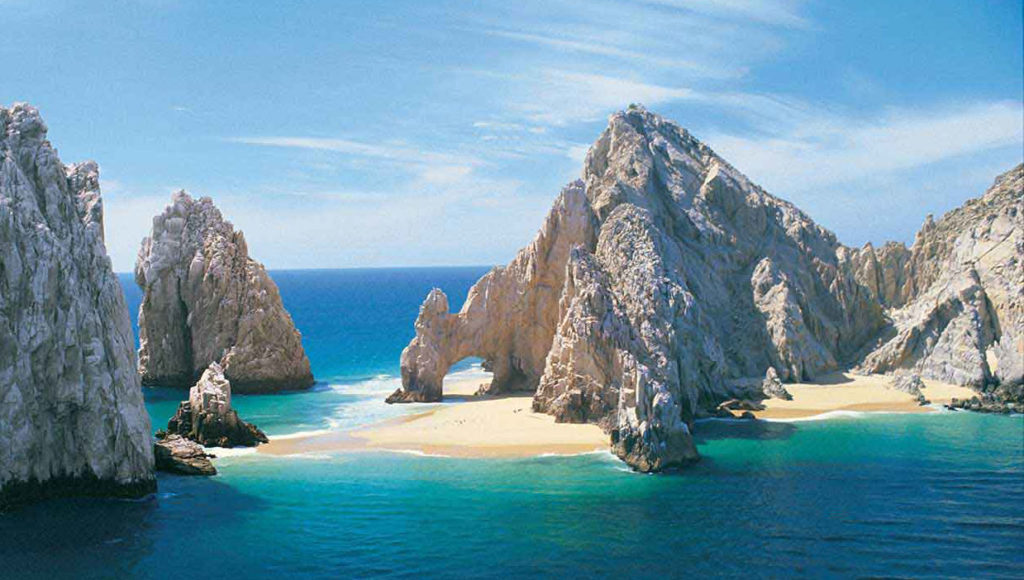
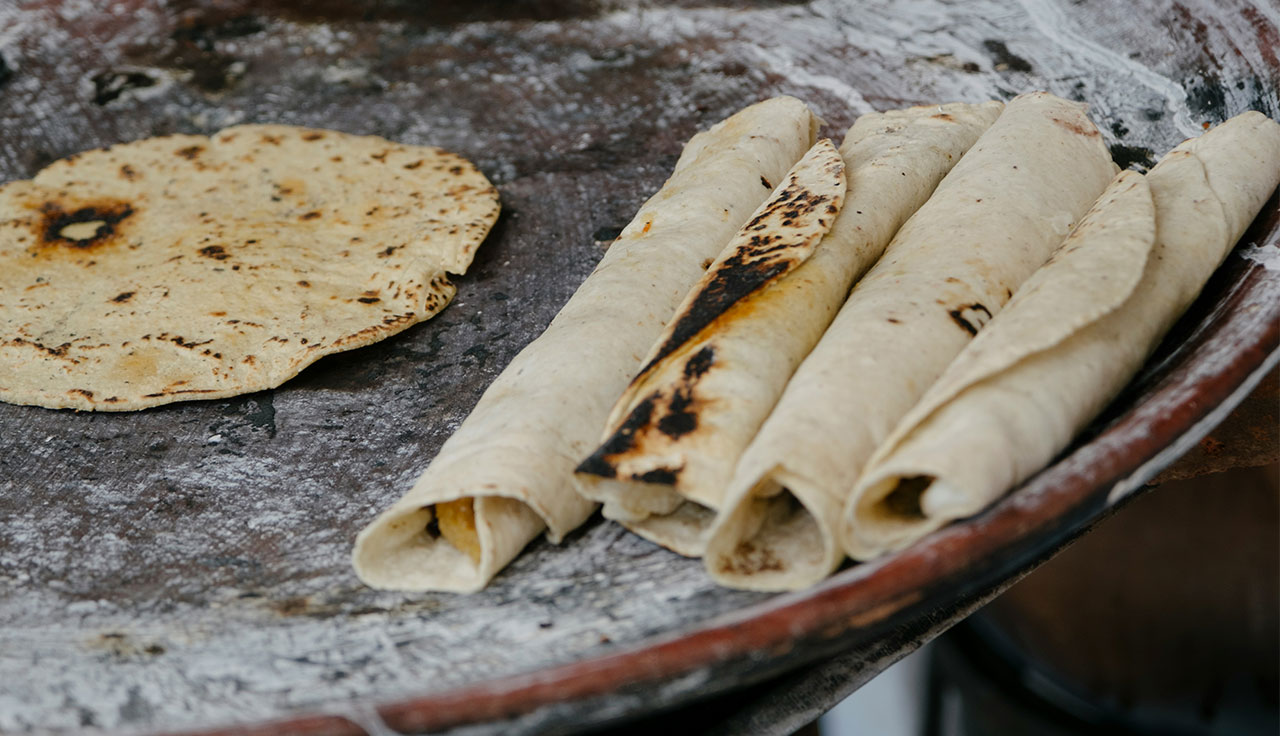
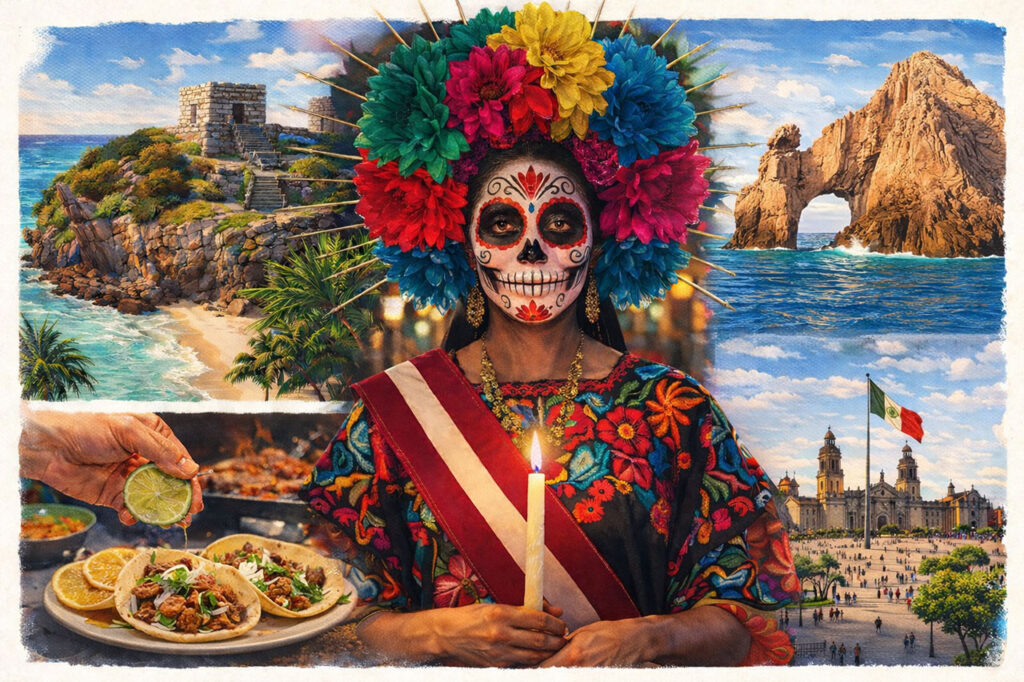
For this vibrant collage, here are a few options for an alt tag, depending on how much detail you want to provide: Option 1: Concise (Recommended) "A vibrant travel collage of Mexico featuring a woman in Day of the Dead face paint, the Tulum ruins, El Arco of Cabo San Lucas, and street tacos." Option 2: Descriptive "Collage of Mexican culture and landmarks: a woman in a colorful flower crown and Catrina makeup holding a candle, Mayan ruins overlooking the Caribbean Sea, the stone arch of Cabo San Lucas, and a hand squeezing lime onto street tacos.

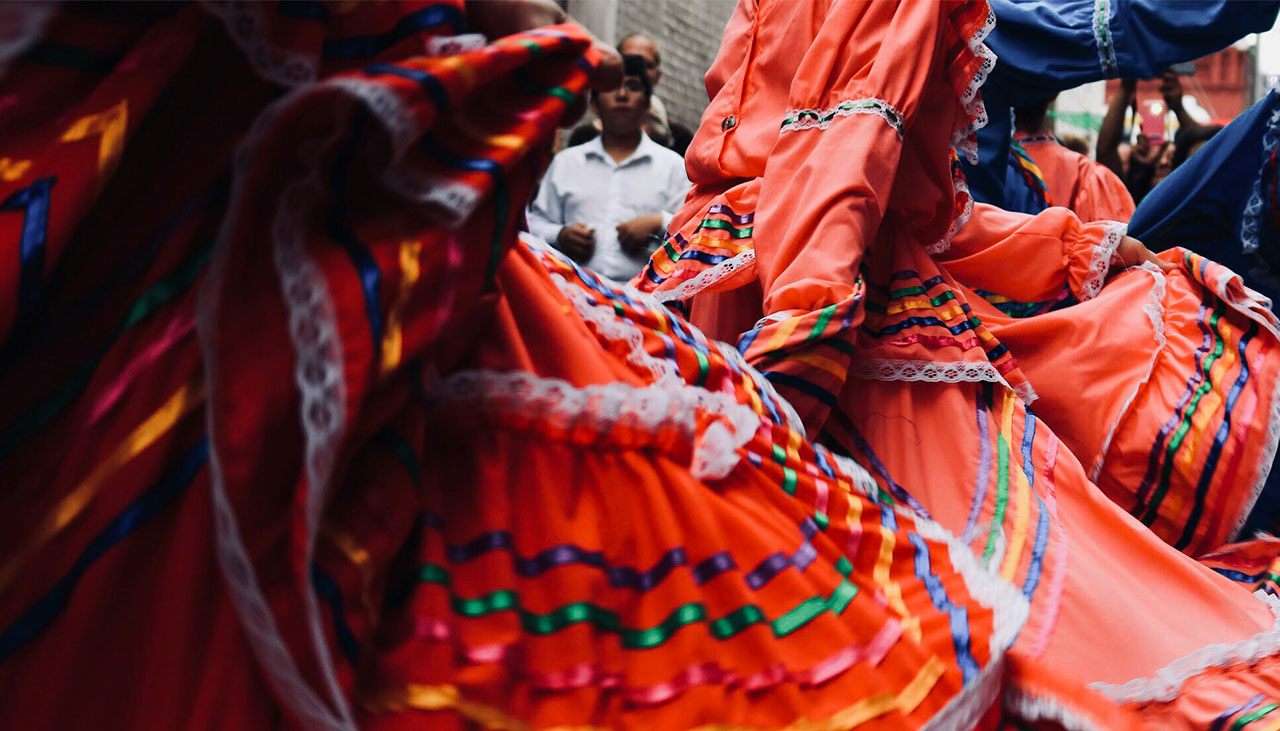
The heartbeat of Mexico is found in its traditions. Watching a Ballet Folklórico performance, where every swirl of a colorful dress tells a story of regional pride and history.


Home » Destinations » Page 13

Last updated: January 2026 by Corey Gasman

From the Editor:

Mexico is my most frequent escape. Whether it is a month-long stay in Mazatlán for the winter, a quick trip down to Puerto Vallarta, or diving into the street food scene, this country rewards travelers who explore beyond the resort buffets.

Mexico is not one destination, it is many. Beach towns, big cities, quiet long-stay communities, and food regions that could be their own travel plans. A week in the wrong neighborhood can feel frustrating, while a month in the right one can feel effortless. Use this guide to build a trip that actually fits how you like to travel.

Start Here: Planning for 2026

Mexico feels vibrant, lived-in, and dynamic. It can be easy and comfortable when you plan around local systems, and it can feel chaotic when you expect every place to run like a resort zone. Flexibility goes a long way here.

A quick arrival-day lesson from the road:

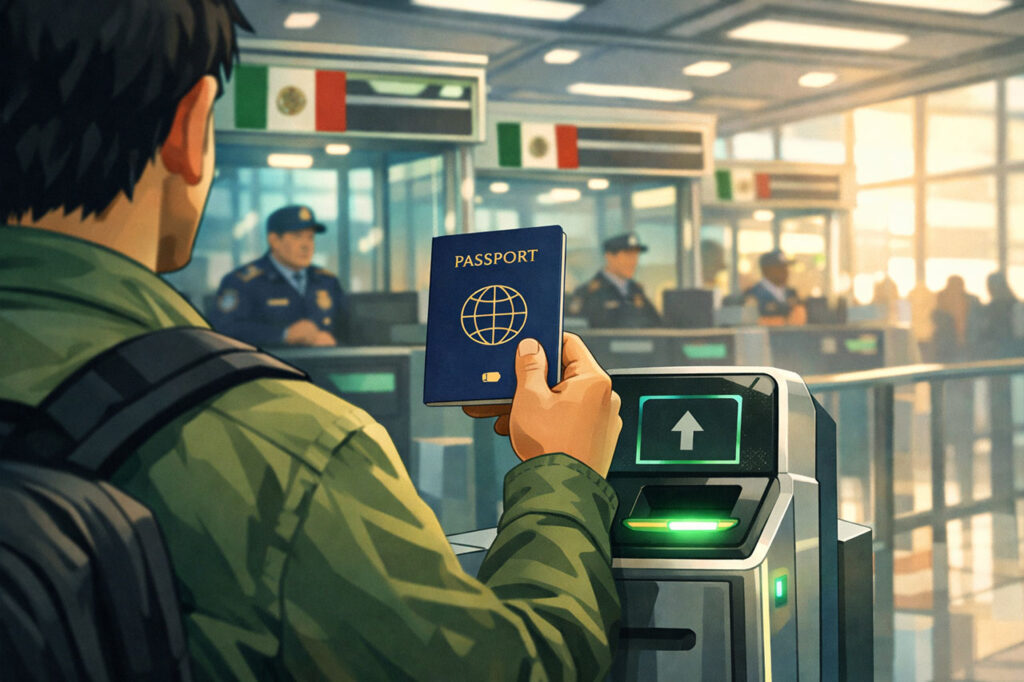
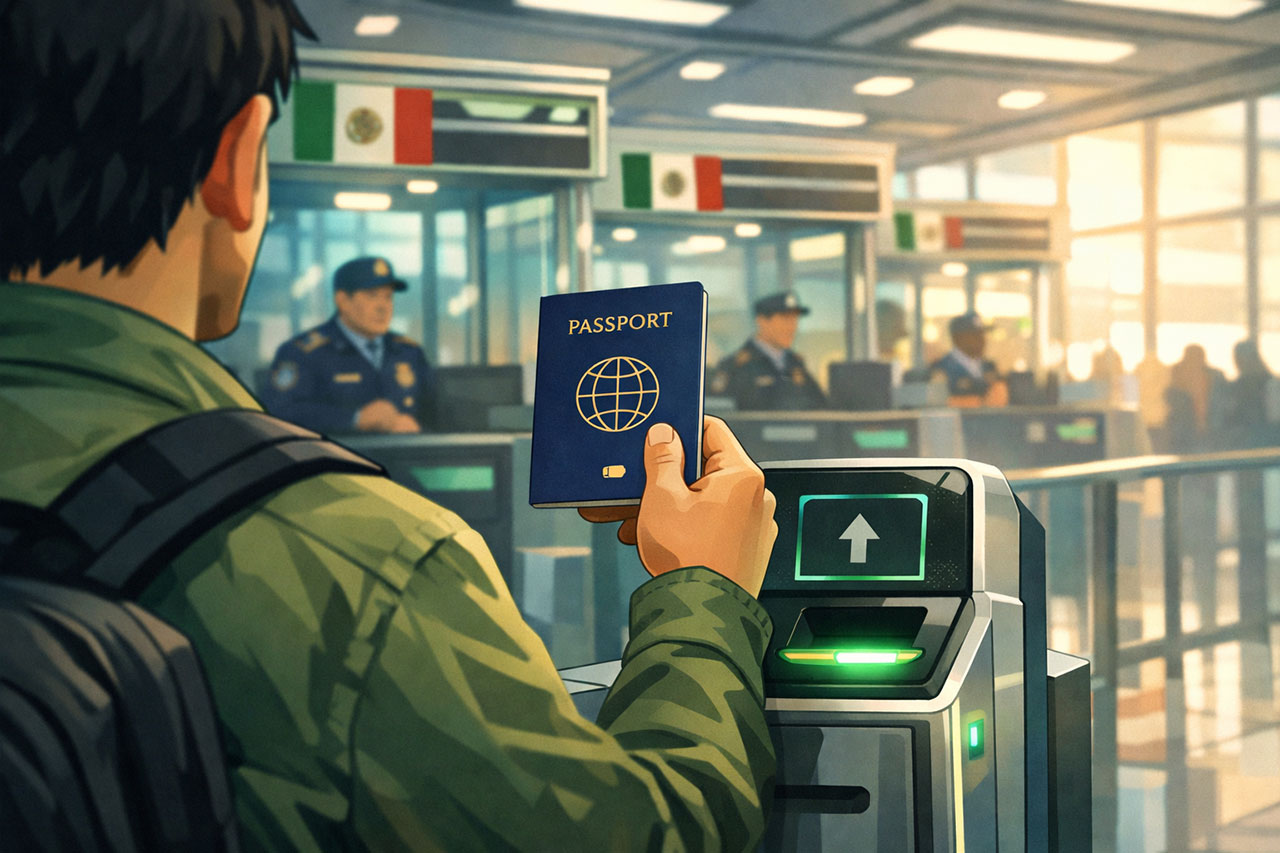
When you land at major hubs like Cancún or CDMX, patience is your best tool. New digital immigration kiosks are speeding up entry, but lines can still swell.

The takeaway: Always pre-book your airport transport. Do not wing it at the taxi stands. Pre-arranging a transfer removes the biggest stress point of day one.

TLGA Rule: Mexico rewards intention. The experience you have depends far more on where and how you travel than how long you stay. Pick a travel style first, then a destination.

Before you book anything

Start here: Where to Stay in Mexico (Destinations Guide)

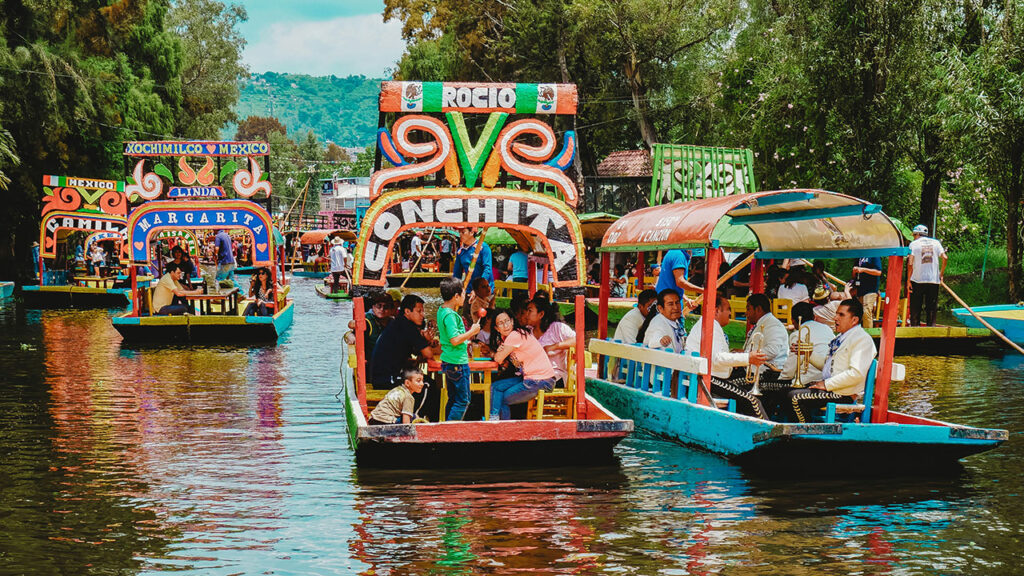
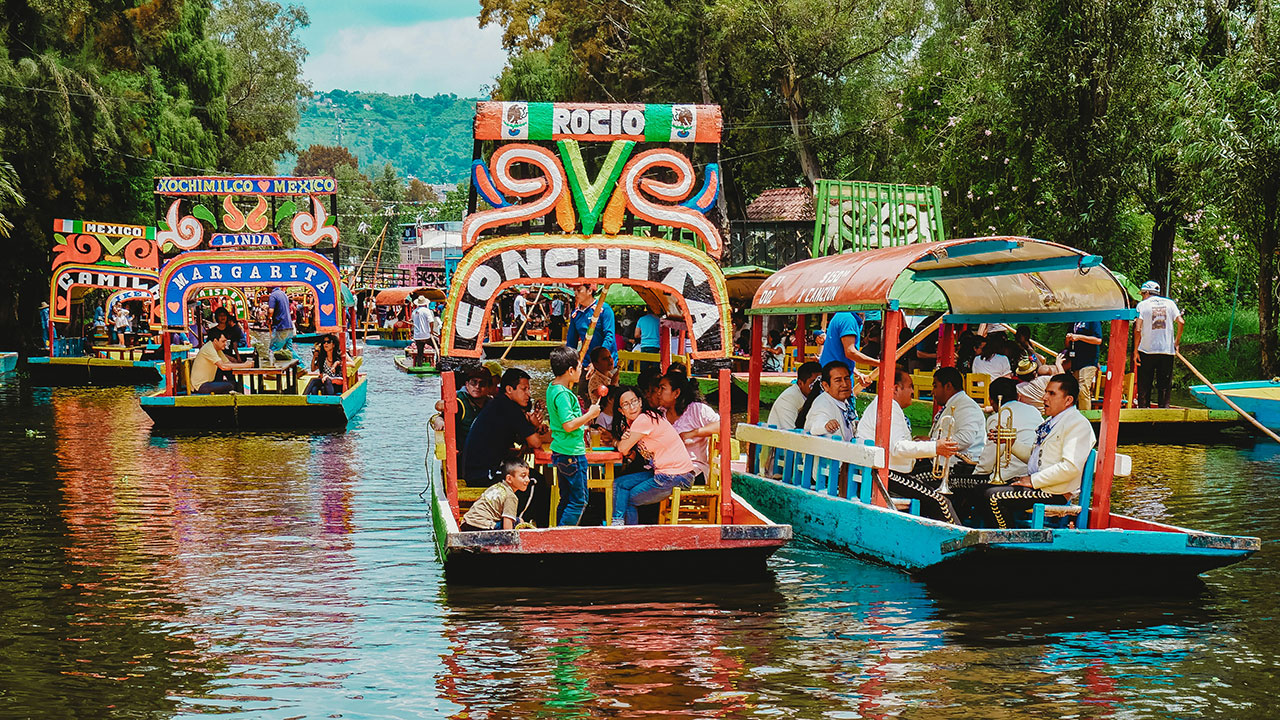
Colorful trajineras tour boats floating on the canals of Xochimilco in Mexico City

The floating gardens of Xochimilco are a UNESCO World Heritage site and a popular weekend destination for locals and tourists alike.


The Reality Check: 2026 Specifics

Mexico is a strong fit for travelers who want culture, exceptional food, solid infrastructure, and good value, especially for longer stays. It rewards curiosity and repeat visits more than checklist tourism.

Tren Maya service continues expanding

The Tren Maya now connects major archaeological sites (including Chichén Itzá and Palenque) with beach towns like Tulum and Playa del Carmen across multiple southeastern states. On longer routes, select services include onboard dining, and sleeper-style cars have begun operating on extended segments.

World Cup 2026 readiness

Mexico is a host nation for the 2026 FIFA World Cup. Expect ongoing infrastructure projects, increased demand, and higher hotel prices in host cities including Mexico City, Guadalajara, and Monterrey, particularly around match dates.

Local Guide Tip: The tourist permit fee (FMM) is approximately $983 MXN (about $54 USD). Always keep your digital receipt or physical stamp accessible, as it is required when exiting the country.
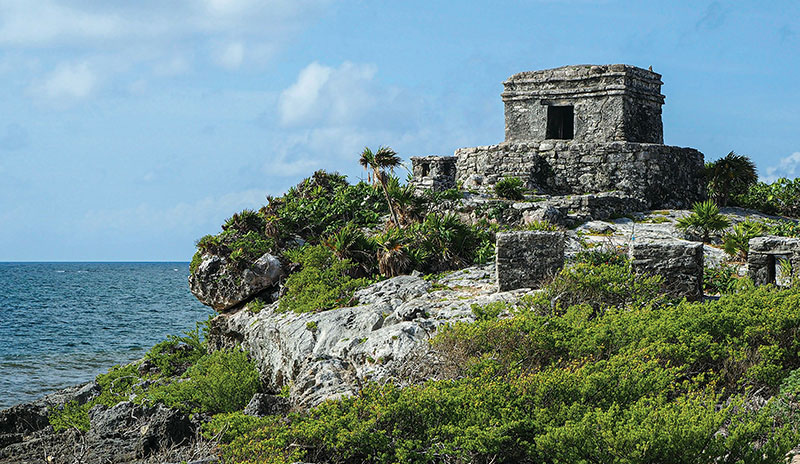
Ancient Mayan stone ruins of Tulum perched on a rocky cliff overlooking a white sand beach and the turquoise Caribbean Sea.

Ancient history meets Caribbean paradise at the Tulum ruins, where 13th-century Mayan structures overlook the turquoise waters of the Riviera Maya.


Where Mexico fits best

Decide what your best days look like, then pick bases that support those days.

A side profile of a young man working on a laptop in a lush, outdoor tropical setting, wearing a green patterned shirt and headphones.

Digital nomads and remote work

  • Best for: fast Wi-Fi, coworking, community, daily conveniences
  • Look at: Mexico City, Playa del Carmen
  • Reality note: internet can be excellent, but wiring and local outages vary by neighborhood
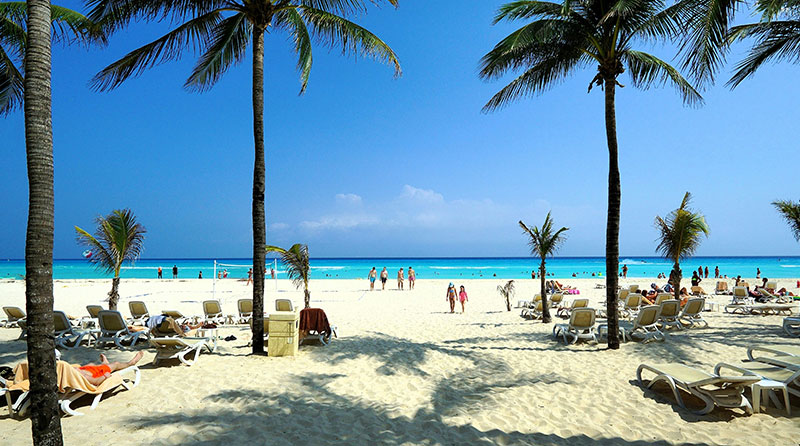
Palm trees on a white sand beach with turquoise water and lounge chairs under a clear blue sky in Playa del Carmen.

Beach-first and easy logistics

  • Best for: warm weather, swim days, simple transportation, short trips
  • Look at: Cancún, Isla Mujeres, Cozumel, Cabo San Lucas
  • Reality note: the more easy the zone, the more it can feel tourist-focused
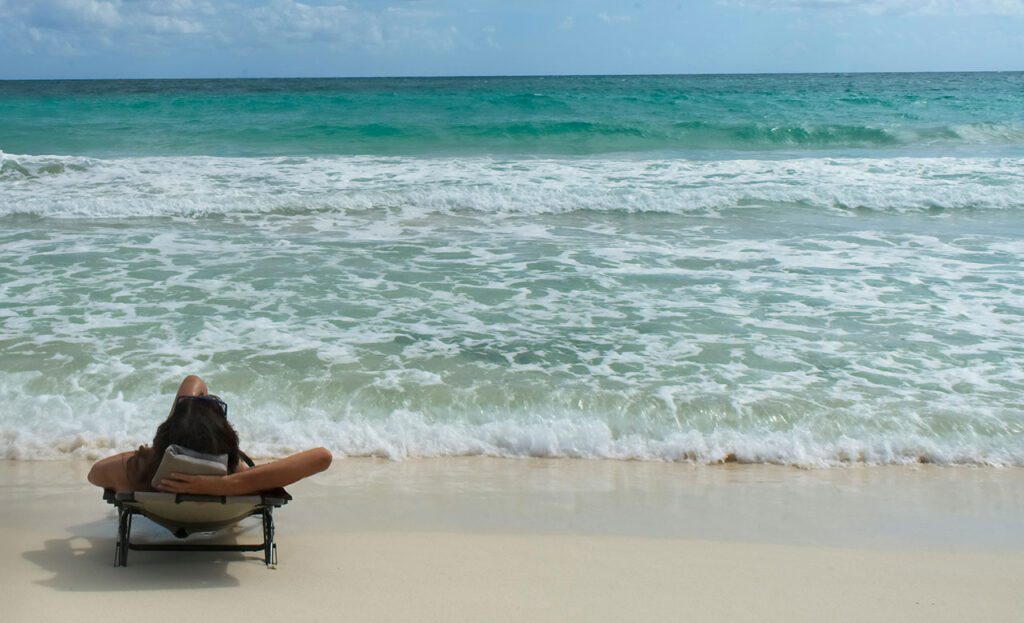
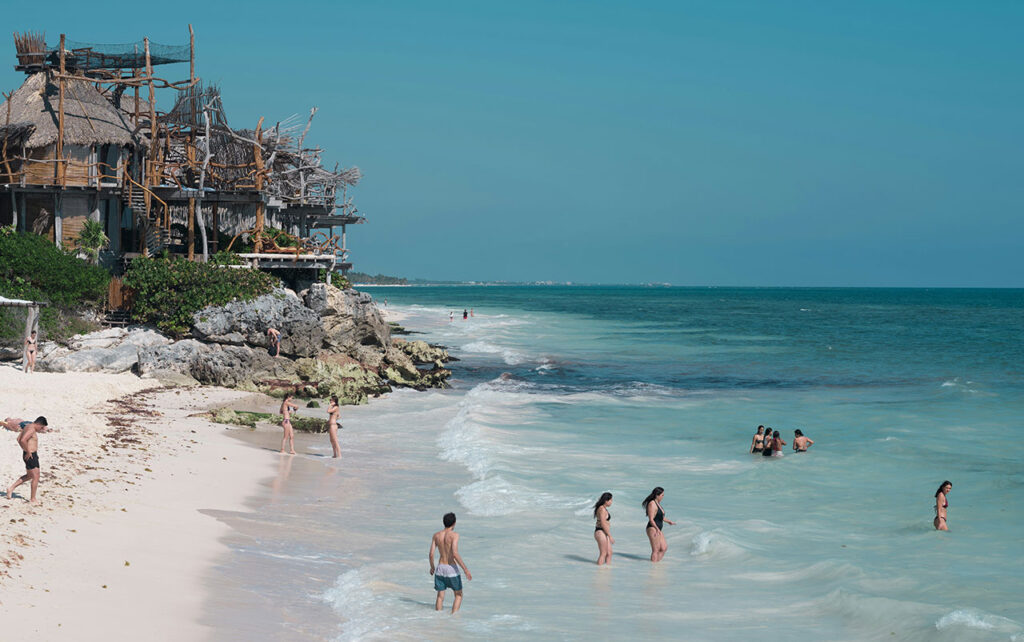
A tranquil view of small waves lapping against the shore at a Tulum beach, with a rustic wooden lounge chair positioned near the water's edge and the vast turquoise Caribbean Sea extending to the horizon.

Long-stay and slower travel

  • Best for: walkable pockets, local rhythm, repeat routines
  • Look at: Puerto Morelos, Mazatlán
  • Reality note: you get the best value when you stay long enough to learn the neighborhood
A breathtaking sunrise over the calm waters of Loreto, Baja California Sur, with the silhouette of the rugged Sierra de la Giganta mountains and the offshore islands in the distance.

The Anti-Crowd alternatives

  • Instead of Cabo: Try Loreto for a quiet desert-meets-sea vibe.
  • Instead of Tulum: Try El Cuyo for raw beaches and kite-surfing.
  • Instead of Playa: Try Puerto Escondido for authentic surf culture.
ALT tag: A majestic humpback whale breaching the surface of the deep blue ocean near the Cabo San Lucas coastline, with the iconic "El Arco" rock formation visible in the distance.

Witnessing the giants of the deep. Whale watching season in Cabo San Lucas offers a front-row seat to humpback and gray whales as they migrate through the warm waters where the Sea of Cortez meets the Pacific.


Regions & Best Bases

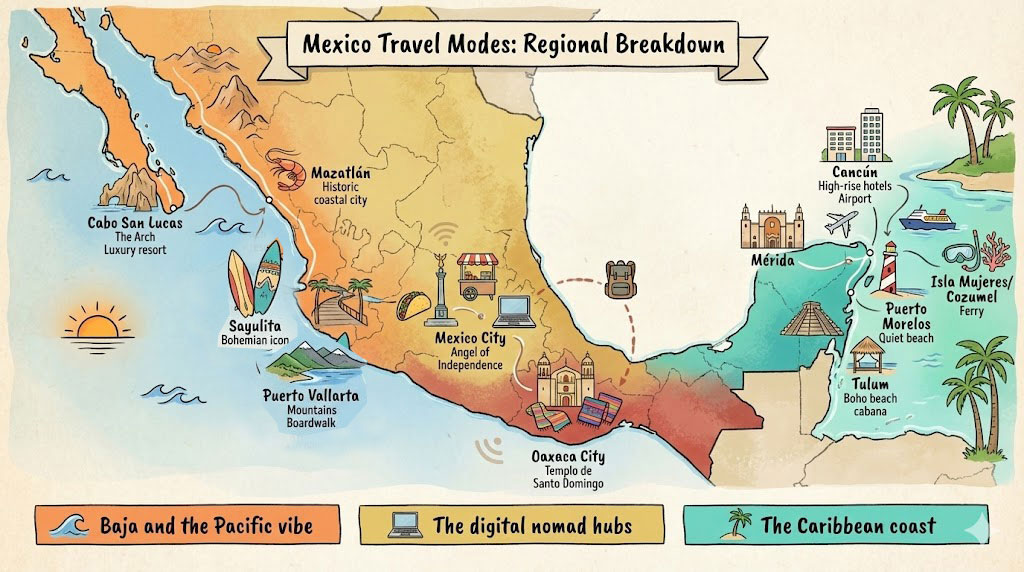
Instead of one long list, here are the main Mexico modes most travelers actually choose.

The digital nomad hubs

  • Mexico City: big-city energy, neighborhoods, museums, world-class food
  • Playa del Carmen: beach access, coworking density, easy social scene
  • Oaxaca City: culinary capital, deep indigenous culture
  • Mérida: safest major city, colonial charm, Mayan heritage

The Caribbean coast

  • Riviera Maya Hub: simplest arrival and resort infrastructure
  • Tulum: higher prices, more fragmented logistics
  • Puerto Morelos: quieter, small-town feel
  • Isla Mujeres and Cozumel: island rhythm and water time

Baja and the Pacific vibe

  • Cabo San Lucas: polished, tourism-built, easy for shorter trips
  • Mazatlán: classic coastal city, strong food culture, long-stay potential
  • Puerto Vallarta: lush mountains meet the sea, iconic boardwalk
  • Hidden Gems: Sayulita, Loreto, and smaller bohemian spots
Mexico Travel Map with main cities and icons.
Local Guide Tip: When you pick a destination, pick a neighborhood too. In Mexico, the neighborhood often matters more than the city name.
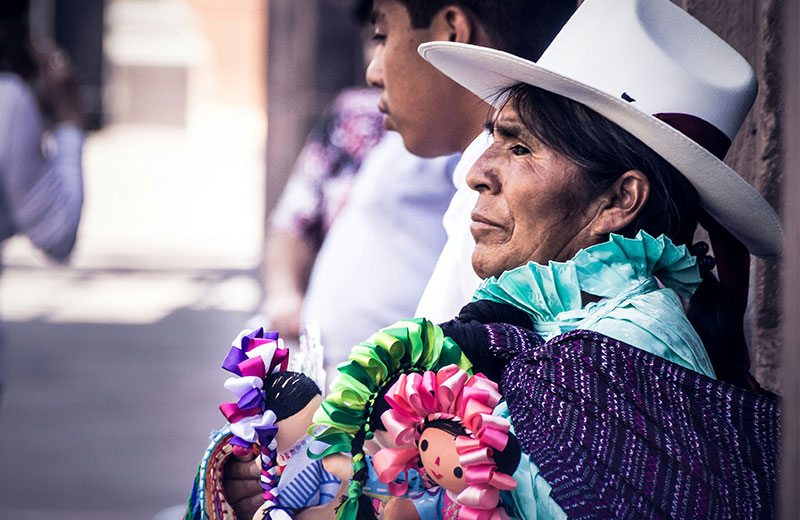
An elderly indigenous Mexican woman wearing a traditional purple and green garment and a white hat, looking off-camera with a serious expression.

A woman in traditional attire reflects the deep-rooted indigenous heritage and vibrant cultural history of Mexico.


The Culture & People

Beyond the beaches and ruins, the real magic of Mexico is its people. Understanding the rhythm of daily life here will change your trip from a simple vacation to a real connection.

Friendly and “educado”

Mexicans are incredibly warm and hospitable, but they also value politeness (ser educado). Greetings matter here. A simple “Buenos días” to a shopkeeper or “Provecho” to someone eating nearby opens doors that silence keeps closed.

A hard-working reality

You will see a side of Mexico that is resilient and tirelessly hard-working. From the early-morning juice vendors to the late-night city professionals, there is a deep dignity in labor here. The “lazy” stereotype is a myth; the hustle is real.

Deep national pride

Mexico is not just a holiday destination; it is a cultural powerhouse. People are fiercely proud of their roots. Showing interest in their history or traditions is the fastest way to make a local friend.

Food is community

Eating isn’t just fuel; it’s a social ritual. Whether it’s standing around a taco cart or sitting for a long family lunch (sobremesa), food is how people connect. Don’t be afraid to eat where the locals eat.

Local Guide Tip: Don’t be surprised if timelines are flexible but social interactions are not. Being in a rush is often seen as rude, while taking time to say a proper hello is valued.
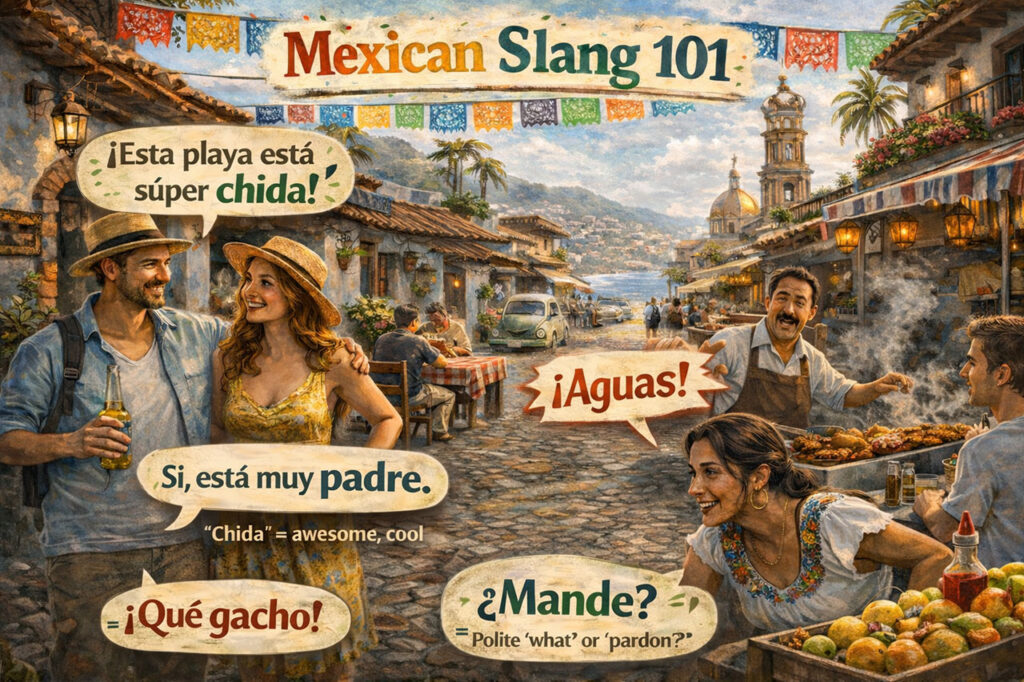
travelers in Puerto Vallarta using corrected Mexican slang including 'Esta playa está súper chida' and 'Sí, está muy padre' in speech bubbles

Learning just a few local phrases completely changes how people interact with you.


Mexican Slang 101

Textbook Spanish works, but if you want to make friends (or just understand what’s happening), you need these essential words in your back pocket.

Chido / Padre

Translation: Cool / Awesome.

“This beach is super chido.” Use “Padre” the same way. If something is bad, it’s “gacho.”

¡Aguas!

Translation: Watch out!

Literally “Waters!”, but it means “Be careful!” If you hear this on the street, stop walking and look around immediately.

¿Mande?

Translation: What? / Pardon?

Mexicans rarely say “Qué?” because it can sound rude. “Mande” is the polite, uniquely Mexican way to ask someone to repeat themselves.

Practical Logistics & Travel Planning

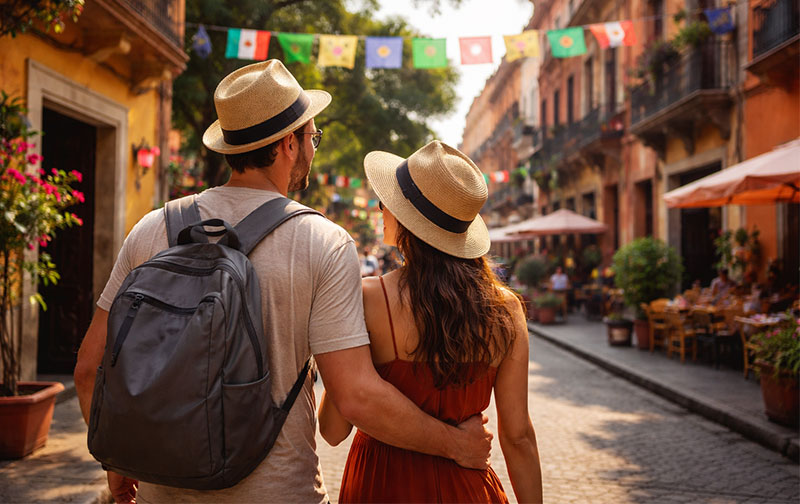
Couple walking hand in hand down a colorful historic street in Mexico City with colonial buildings and papel picado overhead

Safety in Mexico

Safety varies by state and neighborhood. Most traveler issues are petty scams. Plan your transportation like a system.

Read more
Mexico customs and immigration airport arrival 2026

Customs & Immigration

Navigating the digital FMM kiosks, tourist permits, and what you can legally bring across the border in 2026.

Read more
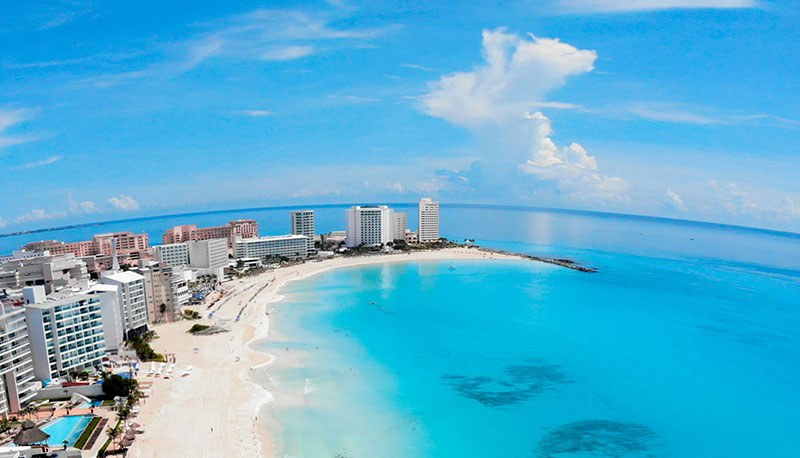
Aerial view of the turquoise Caribbean Sea and white sand beaches along the Cancun Hotel Zone coastline with high-rise resorts. Caption: The iconic turquoise waters and luxury resorts of the Cancun Hotel Zone.

Where to Stay Guide

Hotels vs Airbnbs, how to avoid noisy streets, and picking the right neighborhood for your travel style.

Read more

Connectivity Pro Tip:

  • eSIM (Easiest): Apps like Airalo work immediately upon landing but cost slightly more.
  • Physical SIM (Cheapest): Go to any OXXO and ask for a “Telcel Amigo” chip (usually $150–200 MXN for plenty of data).
Scenic view of the white sand beach and turquoise water at Azulik Resort in Tulum, featuring rustic wooden architecture and lounge chairs.

Mexico budget reality check, comparing major destinations side by side.


Trip Cost & Budget (2026)

City-by-City Cost Comparison

Prices are in USD per person/day (except lodging which is per room).

Category Cancún / Riviera Cabo San Lucas Puerto Vallarta Mexico City
Vibe Caribbean Resort Desert Luxury Authentic Town Cosmopolitan
Overall Cost High Highest (US prices) Moderate Best Value
Lodging $120–$250 $180–$350 $80–$180 $70–$150
Street Food $5–$10 $8–$12 $3–$6 $2–$5
Dinner $30–$80 $50–$100+ $20–$50 $15–$40
Beer $4–$7 $5–$9 $2–$4 $2–$4
Cocktail $12–$18 $15–$22 $8–$12 $8–$14

Hidden Costs to Watch:

  • Cabo taxis: They do not use meters and are notoriously expensive. Use Uber where allowed.
  • Cancún airport transport: Do not wing it. Taxis can charge $80+ USD. Pre-book a shuttle.
  • CDMX fine dining: While street food is cheap, top tier spots charge NYC prices.
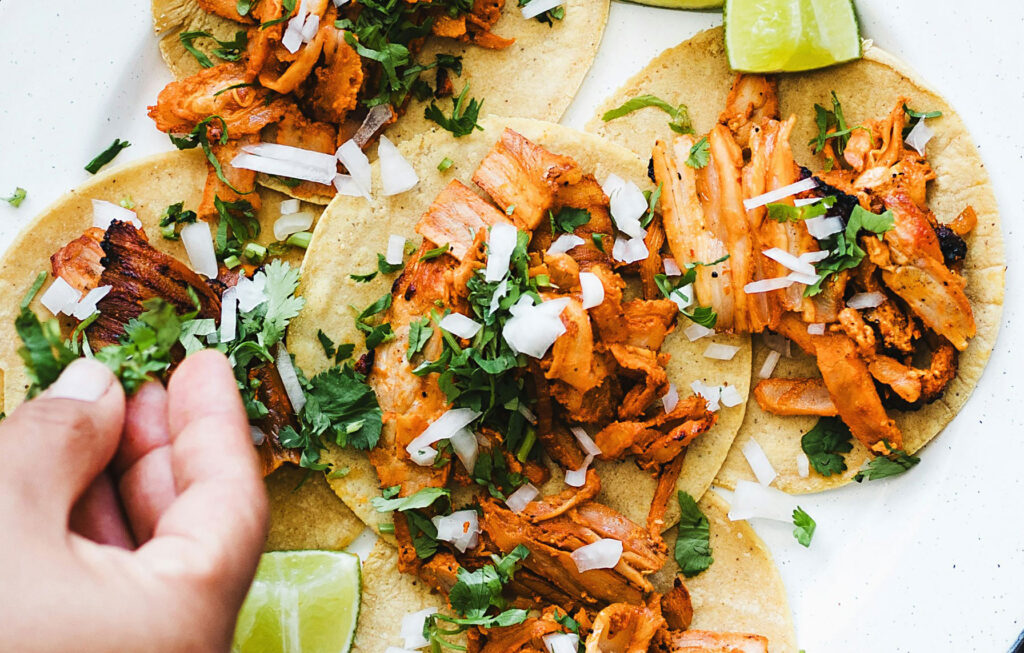
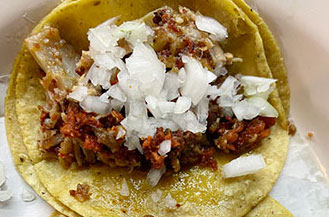
A close-up of two traditional Mexican street tacos on a plate, topped with fresh cilantro, onions, and white cheese, with a hand squeezing a fresh lime wedge over the seasoned meat.

The heart of Mexican flavor: fresh, authentic street tacos topped with cilantro and onion, perfectly finished with a squeeze of fresh lime.


Eat Like a Local (Food & Dining)

Mexico is formally positioning gastronomy as a primary tourism driver this year. Beyond street tacos, high-end dining is exploding across the country.

A close-up of two traditional Mexican street tacos on a plate, topped with fresh cilantro, onions, and white cheese, with a hand squeezing a fresh lime wedge over the

The Street Taco Rule

If there is a crowd around a brightly lit cart at night, get in line. Look for spots catering to locals, not empty spots on the main tourist strip. Al pastor and carnitas are essentials.

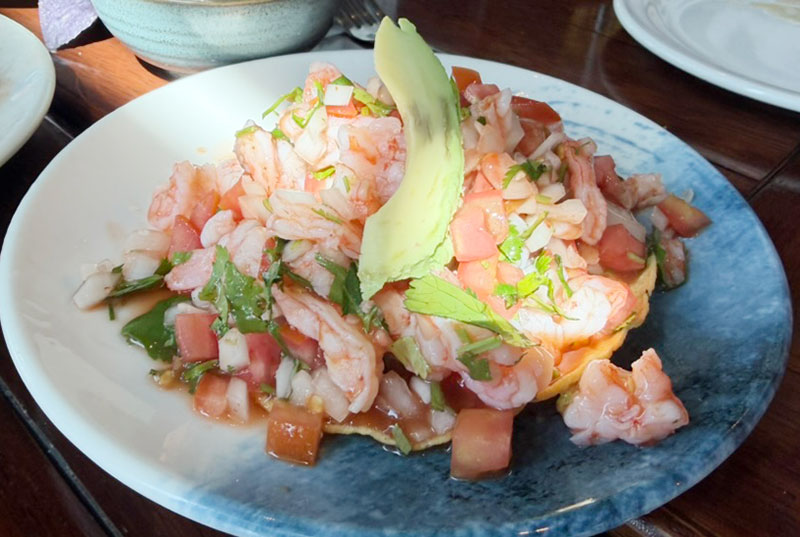
A vibrant close-up of a fresh shrimp ceviche bowl, featuring marinated shrimp, diced cucumbers, red onions, and cilantro, served with crisp tortilla chips

Mariscos & Aguachile

Coastal cities like Mazatlán and Puerto Vallarta are famous for their seafood. Skip heavy dishes and order aguachile or ceviche for lunch. It is the perfect hot weather meal.

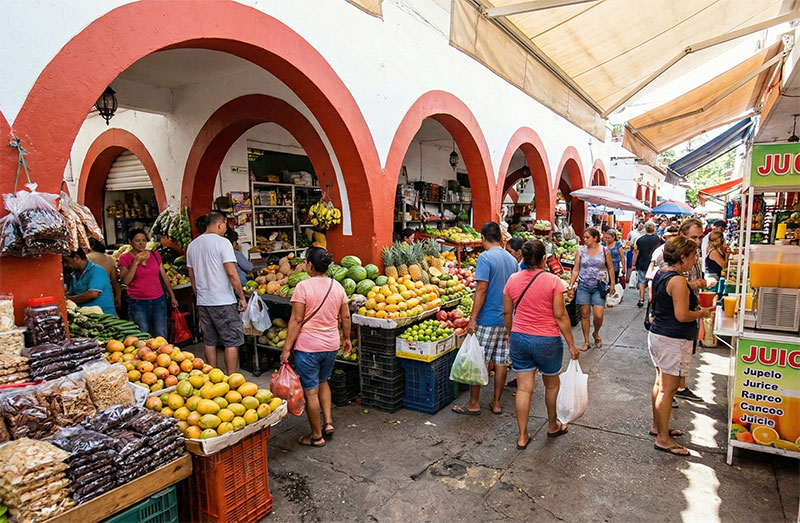
A bustling daytime scene at Mercado Emiliano Zapata in Puerto Vallarta, showing people shopping for large displays of fresh tropical fruits, vegetables, and dried goods under distinctive white arches trimmed with red. A bright green fresh juice stand is visible on the right.

Mercados & Panaderías

Skip the hotel breakfast at least once. Hit a local mercado for fresh fruit and chilaquiles, or visit a panadería to pick out fresh pan dulce (sweet bread) and coffee.

Local Guide Tip: My personal favorite beach combo? Order a fresh ceviche mixto (shrimp and octopus) and pair it with a cold Michelada. The mix of cold seafood and spicy, lime-soaked beer is the ultimate cure for a hot afternoon.

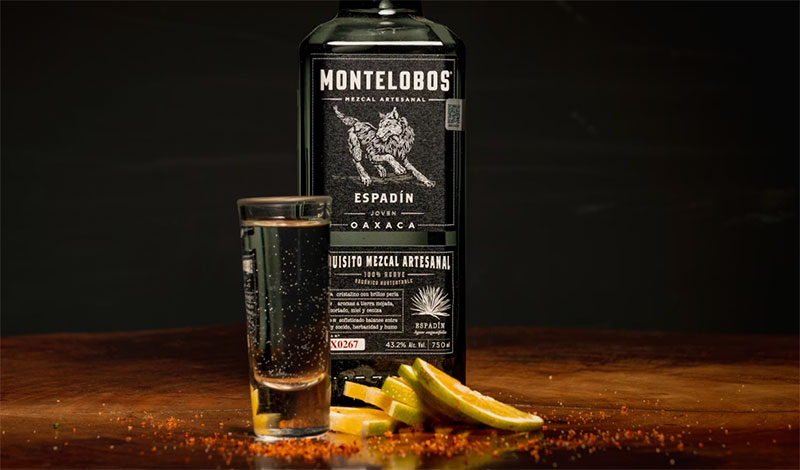
Mezcal hits different. Its signature smoky profile creates a perfect balance with tart citrus or sweet tropical fruits. Swap your tequila for mezcal in a classic Paloma or a Pineapple Margarita to add a complex, artisanal edge to your favorite cocktail.


Mexican Drinks 101: Beyond Cerveza

Forget the yellow beer with the lime wedge for a moment. Mexico’s drinking culture is ancient, complex, and incredibly refreshing.

Tequila vs. Mezcal

Tequila: Made specifically from Blue Weber Agave, usually steamed in ovens. The flavor is cleaner, sharper, or oaky (if aged in barrels).

Mezcal: The smoky, rebellious older brother. Made from various wild agaves that are roasted in underground earthen pits. It is artisanal and complex.

How to drink it: Don’t shoot it. Good Mezcal and aged Añejo tequila are meant to be sipped slowly, often served with orange slices and sal de gusano. Sip, don’t slam.

The Real Cocktails & Frescas

The Paloma: While tourists order Margaritas, locals often drink Palomas. Tequila (or mezcal), fresh lime juice, and grapefruit soda (usually Squirt).

Aguas Frescas: Essential for balancing spicy food. Jamaica (hibiscus tea) is tart and deep red. Horchata is creamy rice-based perfection. Tamarindo is tangy and earthy.

The Secret Rim: For a true Mexican kick, ask for Tajín vs. salt rim. It is the essential salty-chili finish for a refreshing Michelada or a spicy Mezcal cocktail.
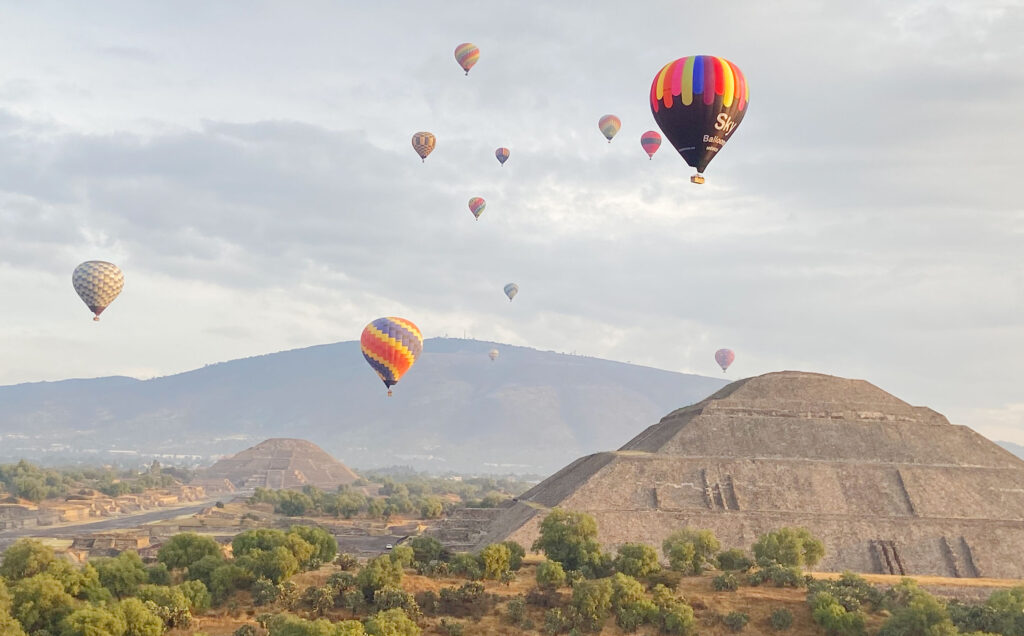
A cinematic sunrise view of colorful hot air balloons floating over the ancient stone pyramids of Teotihuacán near Mexico City.

Rise above the ancient ‘City of Gods’ for a breathtaking sunrise perspective of the Teotihuacán pyramids, a true bucket-list adventure just outside Mexico City.


Adventures in Mexico

Beyond the beach clubs and resorts, Mexico is a world-class playground for high-altitude climbing, deep-sea diving, and rugged off-road expeditions.

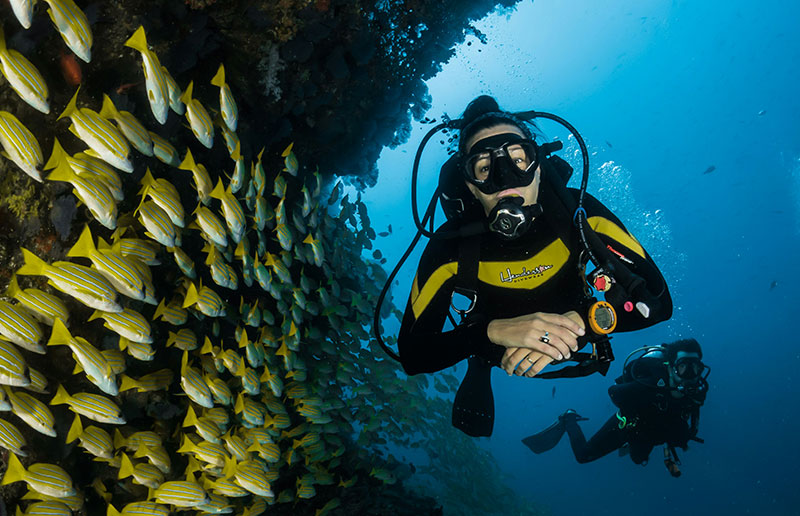
A scuba diver in a black and yellow wetsuit exploring a vibrant coral reef in Cozumel, surrounded by a large school of yellow snapper fish.

Scuba in Cozumel

Known for its legendary drift diving and the Mesoamerican Reef, offers crystal-clear 100ft visibility and diverse marine life.

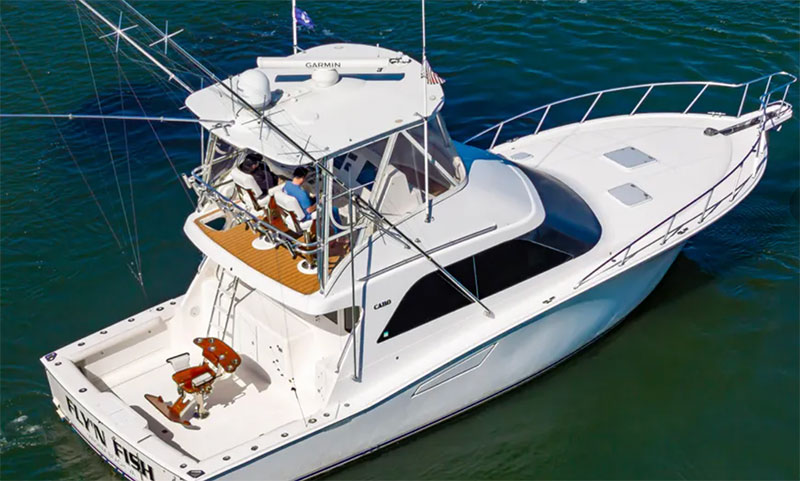
A white sport fishing boat cruising through the deep blue waters of Cabo San Lucas, equipped with fishing rods and outriggers for deep-sea angling.

Sport Fishing in Cabo

The “Marlin Capital of the World.” Cabo San Lucas hosts elite tournaments and offers year-round deep-sea action.

Alt Text: A woman swimming in the clear, turquoise water of a sunlit Mexican cenote, surrounded by limestone cave walls and lush greenery.

Swim in a Cenote

Dive into the Mayan underworld. The cenotes near Playa del Carmen are flooded cave systems offering a surreal experience.

Frequently Asked Questions

Is the Tren Maya safe and reliable?

Generally yes on the main tourist corridors, and security presence is strong on many segments. Reliability and service types can vary by route and season, so check the current timetable and plan daylight connections when possible.

Yes, especially if you choose a destination with simpler logistics. Focus on one base, plan your airport arrival, and keep your first days easy.

Start with quieter bases like Puerto Morelos, Isla Mujeres, or parts of San José del Cabo. In 2026, look at Loreto or Huatulco for calm.

Not required in tourist zones, but it improves everything. Even a few phrases help with prices, friendliness, and confidence.

Over-scheduling. Mexico rewards slower travel. Choose one base and explore outward.

Read More Mexico Travel Guides

City hubs, beach regions, food guides, and planning tips for Mexico travel.

CITY HUB

Mexico City

Neighborhoods, food finds, and what to book.

Read More

BEACH REGION

Riviera Maya

Cenotes, beach towns, and day-trip ideas.

Read More

DESTINATION GUIDE

Cabo San Lucas

Where to stay, what to do, and beach logistics.

Read More

CITY GUIDE

Oaxaca City

Food, markets, mezcal, and culture-packed days.

Read More

INSPIRATION

Hidden Gems in Mexico

Less obvious places, local wins, and trip ideas.

Read More

WHERE TO STAY

Where to Stay in Mexico

Fast picks by destination and trip vibe.

Read More

FOOD & DRINK

Mazatlán Restaurants

The best places to eat, from seafood to tacos.

Read More

FOOD NEIGHBORHOOD

Puerto Vallarta

Zona Romántica picks for dinner, drinks, and vibes.

Read More

DINING DEEP DIVE

Michelin Guide Mexico (2026)

Where it matters, how to use it, and what to book.

Read More

TRAVEL PLANNING

Mexico Safety Guide

How to plan smart, where to be extra aware.

Read More

ARRIVAL TIPS

Customs & Immigration

Entry basics, forms, and what to expect.

Read More

MEXICO HUB

Mexico Travel Hub

All Mexico guides, regions, and planning in one place.

Read More

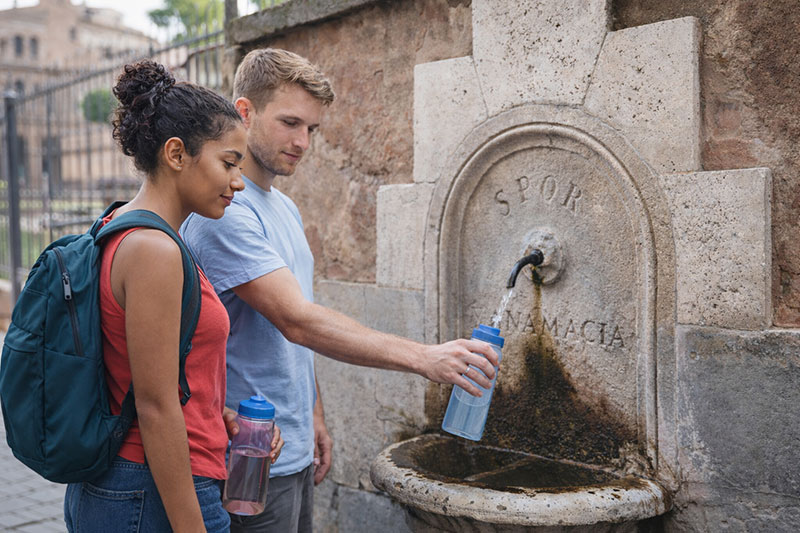
Hydrating in Rome: How to Find and Use the Historic Nasoni

A vibrant digital illustration of a traveler filling a reusable water bottle from a historic 'nasone' fountain in Rome. The background features a sun-drenched view of the Colosseum and St. Peter’s Basilica, emphasizing sustainable travel and the city's ancient water heritage

Hydrating in Rome: How to Find and Use the Historic Nasoni

Young couple travelers refilling reusable water bottles at a public fountain in Rome while sightseeing

Rome is one of the rare major cities where you never have to be more than a few minutes away from free, drinkable water. This short guide shows you how to stay hydrated, avoid overpriced plastic bottles, and use the city’s historic fountains with confidence.

The Reality of Staying Hydrated in Rome

Walking Rome means walking a lot. Between cobblestones, heat, and long sightseeing days, hydration matters more than you think. The good news is that Rome has already solved this problem for you, you just need to know where to look.

Pro Tip: Use the Apps

Finding a fountain in Rome is easier than ever. Download Waidy WOW (by ACEA) or I Nasoni di Roma to see an interactive map of every drinkable water point in the city. These apps are especially useful during hot summer afternoons.

Bottom Line

Rome’s water system is not just historic, it is practical. Carry a reusable bottle, refill often, and ignore the overpriced plastic whenever you can. Once you get used to it, the nasoni become one of the most underrated travel perks in the city.

Navigating Mexico Customs & Immigration

Mexico customs and immigration airport arrival 2026
Home » Destinations » Page 13

Last updated: February 2026 by Corey Gasman

From the Editor:

You’ve landed, you’re excited, and the smell of salt air is just one sliding door away. But first, you have to run the gauntlet of Customs and Immigration. In the past, this was a coin toss. Today, it’s a high-tech process that can be incredibly smooth, or incredibly expensive if you aren’t prepared.

In 2026, the “rules of the game” have shifted. The paper forms are mostly gone, the tech tax is being enforced (randomly), and things like vapes have moved from a “gray area” to a hard “no.” This guide is here to help you move through the airport like you live there.

Pro Tip: Save screenshots of your hotel booking and return flight in your camera roll. If systems go down, a screenshot beats hunting for Wi-Fi.

The 2026 Reality: The Laptop & Gadget Tax

For years, travelers were warned about an old law stating you can only bring one portable computer duty-free. As we move through 2026, the enforcement has become a major talking point in travel forums.

  • The Strict Law: Technically, you are allowed one laptop and one tablet. Bringing a second laptop (even for work) can trigger a 19% tax based on the agent’s “estimated value” of the device.
  • The Reality in Cancun: Enforcement has relaxed significantly at Cancun International (CUN) after local tourism board intervention. Most casual travelers are ignored.
  • The Reality Elsewhere: Mexico City (AICM) and Puerto Vallarta (PVR) agents are known to be stricter. If your gear looks brand new or you have “commercial quantities,” expect a secondary inspection.
Pro Tip: Ditch the boxes. Never travel with electronics in original retail packaging. It looks like you’re importing for resale, which is the fastest way to invite a tax (or a long conversation).

The Digital FMM (Where did the paper go?)

The little blue and white paper form is officially a relic of the past in 2026 for air travelers at major international airports.

The Air Entry Process: At airports like Cancun or CDMX, you will likely scan your passport at an E-Gate or speak with an officer. The officer will stamp your passport with a handwritten number of days (often up to 180). That stamp is now your legal permit.

The Land Entry Process: Crossing the border by car? The printed FMME form is still required. Fill it out online 48 hours before you arrive to avoid the “waiting room of doom.”

Local Guide Tip: Before you walk away, check the number of days written on your stamp. If you stay 31 days but they wrote “30,” you are legally an overstayer and can face fines when you leave.

The Digital Facial Recognition “Hack” (Cancun Tips)

At Cancun airport, many travelers naturally queue for the traditional passport check booths, and those lines can get long.

Look to the Far Left: Watch for the digital facial recognition and passport scan lanes. On our last trip, there was signage indicating these lanes are 18+ only. Because families with kids still have to use traditional booths, the digital line can move much faster.

The Result: When it’s working, this line can be several times faster than the traditional queue and feels nearly frictionless.

Pro Tip: Tech isn’t perfect. If systems go down, everything funnels back to staffed booths. Have patience (and keep your screenshots handy).

Banned Items: Vapes, Meds, and “The Hidden Scan”

Mexico’s airports now use sophisticated “behind-the-scenes” X-rays before your bag reaches the carousel. In 2026, these are the “hard no” categories to take seriously:

The Vape Ban

As of 2026, vapes and e-cigarettes are strictly prohibited from entering the country. Customs may confiscate them, and fines can be substantial. Don’t risk it.

Prescription Meds

Always keep meds in their original pharmacy bottles. Note that pseudoephedrine (common in many cold meds) is banned. Check labels on sinus and allergy medicine carefully.


New 2026 Tourist Taxes: Visitax & Beyond

Certain states now charge an “entry/exit” fee that isn’t included in your airline ticket.

  • Quintana Roo (Cancun/Tulum): The VISITAX is mandatory.
  • Baja California Sur (Los Cabos): A similar environmental contribution is commonly applied to hotel stays over 24 hours.

My Arrival System (Step-by-Step)

To avoid the stress, this is my exact routine every time I land in Mexico:

  1. Screen Check: Screenshot your return flight, hotel, and any address details before you land.
  2. Stamp Verification: The second I get my passport back, I check the number of days.
  3. Authorized Transport: I only use official taxi kiosks inside the terminal or pre-booked transport.
Local Guide Tip: If you’re traveling with a lot of tech, spread devices between travelers (when possible).

Official 2026 Portals

  • INM FMME: Official online form
  • VISITAX: Official payment portal

Customs & Entry FAQs

Can I bring a drone to Mexico?

Often yes for personal use, but it counts as an electronic device.

Visit the INM office at the airport with extra time before departure.

Is It Safe to Travel to Mexico? Safety Guide & Tips

Horizontal illustration of a couple standing on a cobblestone street in a vibrant Mexican neighborhood during golden hour. The man has a backpack and his arm around the woman, who is holding a coffee and looking at a map on her phone. In the background, a 'Policía Turística' officer stands nearby while locals go about their day, creating a peaceful and secure atmosphere

Walking around Puerto Vallarta or Mazatlán in the main tourist corridors often feels much more relaxed and normal than outsiders expect.


Home » Destinations » Page 13

Last updated: April 2026 by Corey Gasman

From the Editor:

If you watch the evening news, you might think stepping off a plane in Mexico is a guaranteed disaster. The reality on the ground in the places most travelers actually visit is completely different. This is a calm, practical guide for normal travelers who want to enjoy Mexico and stay smart without overthinking it.

Planning a bigger Mexico trip?

Start here: Mexico Travel Hub

Upload Image...

If you judge a destination only by its worst national headlines, you miss the vibrant, day-to-day reality happening in the streets.


The Reality on the Ground

If you have ever told someone you are going to Mexico and watched their face change, you are not alone. The first question is almost always the same: “Is it safe?”

Cable news thrives on fear. If you watched only the nightly coverage, you would think the entire country is a war zone. But think about your own city back home. Local news leads with murders, gangs, and major city problems every single night. If you judged your own destination only by those headlines, you would probably never leave the house.

I have traveled to Mexico over a dozen times across two decades. I spent a full month walking around Mazatlán this past winter, gone out to dinner at night, taken taxis, stayed in tourist zones, walked the Malecón in Puerto Vallarta, relaxed in resort areas, eaten in local restaurants, and moved around cities like a regular traveler. I have consistently felt safe.

That does not mean nothing ever happens. It means Mexico is a massive country with wildly different realities depending on the state, the city, the neighborhood, and how you move through it. Millions of travelers have a safe, normal trip to places like the Riviera Maya, Cabo, Mazatlán, Puerto Vallarta, Mexico City, and Oaxaca every single week. The point is not to be careless. The point is to stop treating Mexico like one blanket story.

Upload Image...

Safety in Mexico requires you to look at the specific neighborhood, then the exact time of day.


The Short Answer: Yes, But Be Specific

Yes, it can be safe to travel to Mexico, especially if you stick to established tourist areas, good neighborhoods, and smart routines.

Most travel fear is fueled by headlines. Most travel safety is built with systems. If you stay in the right zones, avoid obviously bad decisions, and move with basic awareness, Mexico is still one of the most rewarding trips you can take.

People ask, “Is Mexico safe?” like it is one thing. It is not. The better question is whether your neighborhood, your plan, and your timing are smart. Look at the state, then the neighborhood, then the time of day. That is how real safety works in Mexico.

Pro Tip: Do not stack risk. Late night + alcohol + unfamiliar streets + dead phone + no plan home is how small problems become big ones.
Upload Image...

Major resort corridors are built around the tourist experience, offering a secure environment for families and solo travelers alike.


Where Mexico Feels Safe

I am not writing this as a warning label. I am writing it based on repeated real travel. These are places where I have personally walked around, gone out at night, eaten in restaurants, and lived normally:

  • Yucatán Peninsula: Cancún, Puerto Morelos, Playa del Carmen, Tulum
  • Baja California Sur: Cabo San Lucas, San José del Cabo, La Paz
  • Mazatlán: The Golden Zone
  • Mexico City: Roma Norte, Condesa, and nearby good pockets

In Mazatlán, I was walking to coffee shops in the morning, heading out to dinner at night, and living a very normal routine. In Puerto Vallarta, the Malecón is full of families, couples, vendors, and tourists every evening. In major resort corridors, people are doing exactly what you think they are doing on vacation: going to the beach, taking cabs, drinking margaritas, eating seafood, and calling it a night.

The point is not that all of Mexico is automatically safe. The point is that the places most travelers actually go are not the same thing as the most troubled areas in national headlines.

Local Guide Tip: “Safe in Mexico” usually means safe in the right tourist zone or neighborhood, not blind confidence everywhere. Choose your area well and your whole trip gets easier.
Upload Image...

Tourism is highly protected in Mexico. The localized issues you read about rarely spill into established vacation corridors.


The Cartel Reality in Tourist Zones

It is impossible to talk about Mexico safety without addressing cartel headlines. They are real, and pretending otherwise is not helpful.

But here is the distinction that matters for travelers: cartel violence is overwhelmingly targeted at rival groups, government forces, or specific local disputes. It is typically not random violence aimed at tourists. Tourism is too economically important. Drawing international heat by targeting visitors is bad for business.

If there is cartel-related unrest in one part of a state, that does not automatically mean your resort corridor, beach town, or restaurant neighborhood is suddenly unsafe. You need to know what happened, where it happened, and whether it affects your specific destination.

Pro Tip: The fastest way to invite cartel trouble into your vacation is to insert yourself into something illegal. Stay out of it and your risk drops dramatically.
Upload Image...

Always check official advisories before you book to remove the guesswork from your trip planning.


Know the Safety Map

Before any Mexico trip, I check official advisories. Not because I expect problems, but because it takes ten minutes and removes guesswork.

Mexico is evaluated state by state, not as one single country rating. That matters. It is the difference between informed travel and lazy travel planning. I am not obsessive about this. I just want to know if there is a flare-up, a transportation issue, or an advisory change that actually affects where I am going.

Pro Tip: If a place is marked “Do Not Travel” by your government, do not negotiate with it. Mexico has too many amazing alternatives to spend your vacation testing the odds.
Upload Image...

Skip the standalone street ATMs. Pulling cash from inside an established bank or hotel is one of the easiest ways to prevent a headache.


What Actually Happens to Travelers

Most travelers in Mexico are not dealing with cartel violence. The real risks are much more boring and much more predictable:

  • Petty theft and pickpocketing in crowded streets, nightlife zones, and transit moments
  • ATM scams or skimming, especially at random street machines
  • Transportation mistakes, like taking the wrong ride or making sloppy arrival choices
  • Overconfidence late at night, especially when alcohol and unfamiliar streets get involved

The pattern is almost always the same: tired, distracted, a little buzzed, unfamiliar area, no ride plan, phone battery low, and now a totally avoidable situation feels complicated. For tourists, the most common Mexico problem is not a dramatic crime story. It is usually a stupid travel moment that could have been prevented with a calmer setup.

Upload Image...

My travel system is designed to be boring. Keeping your passport locked up and carrying only what you need reduces your vulnerability.


My Simple Mexico Safety System

I do not think I have avoided problems in Mexico because I am lucky. I think I have avoided problems because I am consistent. My system is boring on purpose, and that is why it works.

1) I never go out with everything

Once I arrive, my passport, backup credit cards, and extra cash stay secured at the hotel or Airbnb. I go out with one main card, a manageable amount of cash, my phone, and a secondary ID. If something ever went sideways, I want it to be annoying, not trip-ending.

My valuables are always in a zip pocket or somewhere I can physically feel them. I am not walking around with loose items in open pockets. The less available your stuff is to casual theft, the less you have to think about it.

No flashy watches, no jewelry, no expensive-looking nonsense that adds attention. The goal is not paranoia. The goal is to be forgettable. I look like a normal traveler, not a signal.

If someone approaches me and I did not initiate it, I keep it simple: “No gracias.” Then I keep moving. You do not need to debate, explain, smile too much, or win the interaction. You just need to exit it.

Nothing good happens when you decide to improvise late at night in an unfamiliar area. If it is late, I am not experimenting. I call the ride. Every preventable problem I have seen while traveling starts when somebody pushes it too far because they feel relaxed.

Pro Tip: Safety systems should feel boring. Boring is what works.
Upload Image...

When traveling solo, choose central neighborhoods where foot traffic and easy transportation keep you connected.


Solo & Female Travel

Mexico can be a great solo destination. The key is reducing isolation and avoiding stacked risk. A lot of solo travel safety is not about being scared. It is about making sure you do not create unnecessary vulnerability for yourself.

That usually means staying in central, walkable neighborhoods, keeping your phone charged, planning how you are getting home before you go out, and not letting a cheap but far hotel deal put you in the wrong place at the wrong time.

  • Stay central: Choose areas with foot traffic, restaurants, and easy transportation.
  • Move confidently: If you need to regroup, step into a café, hotel, or shop instead of stopping on the sidewalk.
  • Share location: Especially on longer outings or nights out.
  • Plan the ride home early: Do this before the night starts, not when your battery is fading.
Local Guide Tip: “Confident and boring” is a safety superpower. The less you look lost, the less attention you attract.
Upload Image...

Established restaurants in busy tourist zones rely on purified water systems to protect their reputation and their guests.


Water, Food & Health

This is one of the biggest Mexico questions, so here is the real answer based on experience instead of rumor.

In tourist areas and established restaurants, I drink the water they serve, including ice. Resorts and busy restaurants are not in the business of getting guests sick. They use purified water systems because they have to. I have done this consistently in places like Puerto Vallarta, Mazatlán, Cabo, and Cancún without issues.

Where I change my behavior is in more rural areas, smaller towns, or places where I am less confident about the setup. That is when I switch to bottled water or bring my own filtration plan.

Local Guide Tip: Busy restaurant in a major tourist area = usually a safe system. Remote area or uncertain setup = use bottled or filtered water.
Upload Image...

Navigating nightlife zones requires a clear boundary. If you are offered something illegal, walk away.


Being Offered Drugs in Tourist Areas

In places like Playa del Carmen, Puerto Vallarta, or some nightlife-heavy beach zones, you may get approached and quietly asked if you want drugs. It happens.

My take is simple: do not do it. Even if it looks casual, even if other tourists are laughing it off, even if it feels low-risk in the moment, it is not worth the uncertainty.

You do not want to deal with police, extortion, scams, hospital problems, or jail while on vacation in a foreign country. You are voluntarily stepping out of the safe tourist lane and into the exact kind of chaos you were trying to avoid in the first place.

Pro Tip: Keep it to tacos and margaritas. Vacation does not get better by adding legal risk to it.
Upload Image...

Perspective is not denial. Context is what helps you make good travel decisions instead of fear-based ones.


2026 Reality Check

Headlines compress a huge country into one story. Mexico is not one situation. It is dozens of regions with different realities. A violent incident in one part of one state does not automatically mean your beach town, resort area, or Mexico City neighborhood is suddenly unsafe.

When news breaks, ask three things: Where exactly did it happen? Who was involved? Does it affect my specific destination and neighborhood?

Most of the time, the answer is that the incident was targeted, localized, and unrelated to where tourists actually are. That does not mean you ignore it. It means you do not let a national headline override local reality.

FAQs & Resources

Is Mexico safe for tourists right now?

In many established tourism regions and good city neighborhoods, yes. The key is being specific about your destination, checking current advisories, and avoiding stacked-risk situations late at night.

Most of the time, no. I keep my passport secured at my lodging and carry only what I need for the day. If you need it for a specific reason, bring it only for that window and keep it controlled.

I do not drink from random taps. In major tourist zones, established resorts and reputable restaurants generally use purified systems and serve safe ice and water. In rural areas or uncertain setups, switch to bottled or filtered water.

Stacking bad decisions. Late night, alcohol, unfamiliar area, low battery, no transportation plan, and too much confidence is a classic recipe for preventable problems.

Often yes, especially in well-trafficked tourist zones. I have done it many times. The rule is simple: stay in the good areas, keep your awareness up, and do not improvise your way home through unfamiliar streets after midnight.

Official Resources

Mexico rewards smart travelers. Pick good neighborhoods. Move with intention. Separate your valuables. Know your route home. Trust your instincts. Confident travel is not fearless. It is prepared.

Unlocking A5 Wagyu: The Ultimate Guide to Japan’s “White Steak”

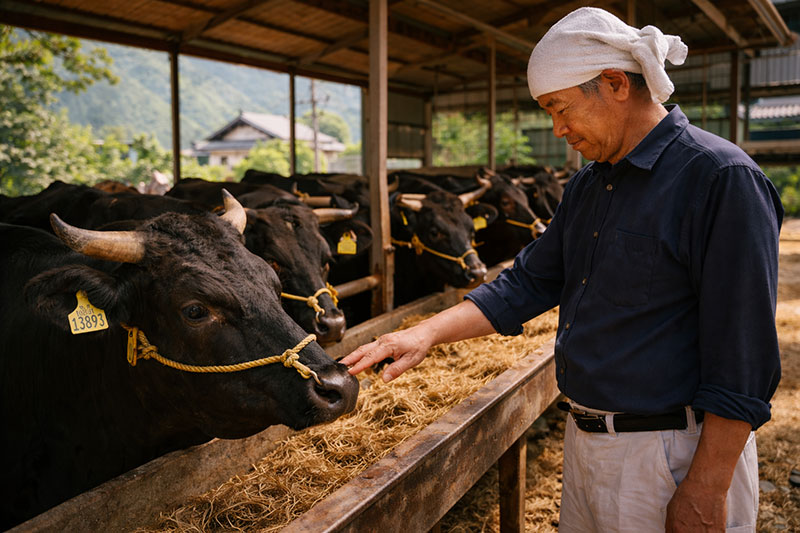
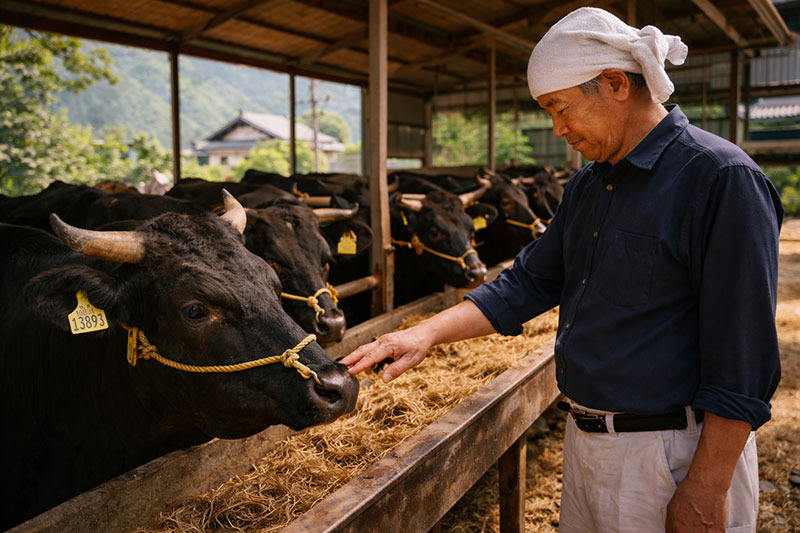
A Japanese farmer in traditional work clothes gently touching the nose of a black Wagyu cow inside a wooden barn, with other cattle visible in the background.

Unlocking A5 Wagyu: The Ultimate Guide to Japan’s “White Steak”

Japanese farmer tending wagyu cattle barn

Raised with care: The exceptional quality of A5 Wagyu begins with the dedicated farmers who raise Kuroge Washu cattle in low-stress environments.


By Corey Gasman

Home » Destinations » Page 13

There is steak, and then there is A5 Wagyu. To compare them is like comparing a heavy metal concert to a harp recital. One is about power and chew. The other is about restraint, elegance, and a texture that disappears the moment it hits your tongue.

If you are visiting Japan in 2026, eating Wagyu is not just a meal. It is a confrontation with the absolute limit of what food can be. It is richness pushed to the edge of excess.

If this is part of a larger trip, start with our Japan Travel Guide to understand how Wagyu fits into the bigger food and travel experience across the country.

This guide goes beyond the melt-in-your-mouth clichés. We are diving into genetics, the cuts you should actually order, and the science behind why this beef permanently changes your expectations of steak.

Pro Tip: Portion Control Matters

A5 Wagyu is not dinner. It is an ingredient. It is roughly 50 percent fat by volume. Ordering a large steak is a fast track to discomfort. The ideal portion is 3 to 4 ounces. Treat it like foie gras, not ribeye.

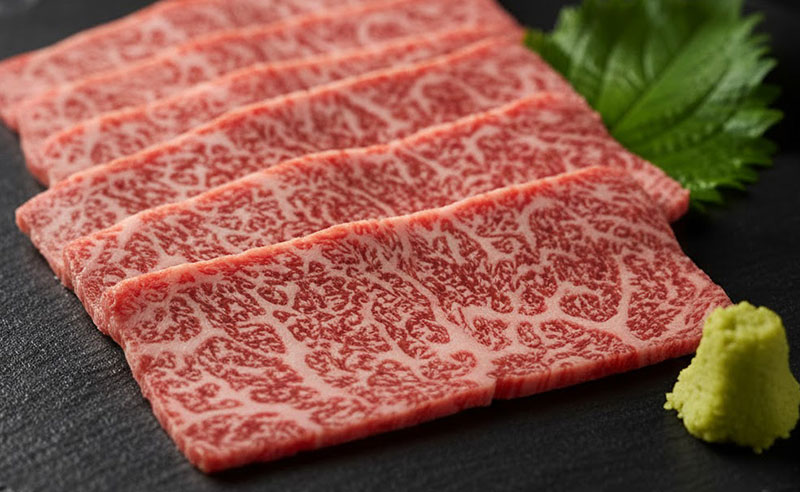
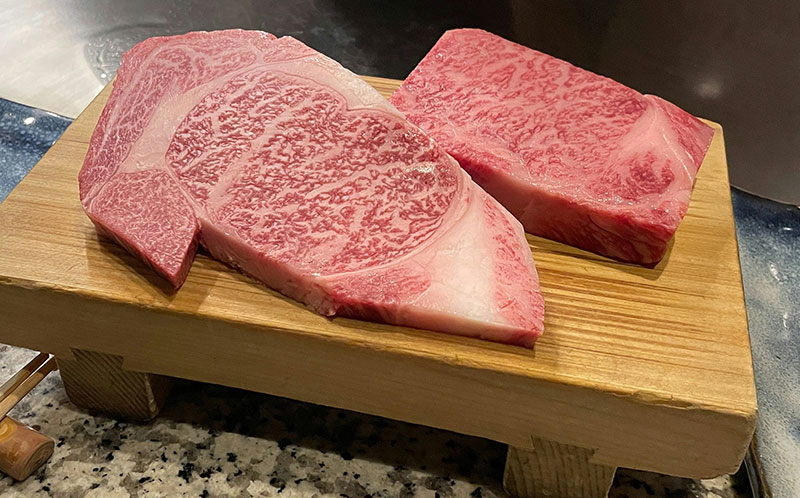
A close-up photo of raw A5 Japanese Wagyu beef slices on a plate, showcasing its intense marbling and rich texture.

Shimofuri (frosting): The intricate lattice of unsaturated fat that defines the A5 grade.


The Science of Shimofuri: Why It Melts

You have heard that Wagyu melts in your mouth. That is not a metaphor. Fat in most American beef melts at about 104°F, which is higher than your body temperature. That is why you have to chew it.

Japanese Wagyu fat melts at roughly 77°F. The moment a piece enters your mouth, its structure collapses. You are not chewing muscle fibers. You are coating your palate in liquid umami.

This trait comes from Kuroge Washu cattle, which were isolated in Japan’s mountainous terrain for centuries. Over time, they developed a genetic tendency to store fat inside the muscle rather than around it.

Pro Tip: What Shimofuri Should Look Like

True A5 Wagyu should not look like red meat with white lines. It should appear as a pink haze where fat and muscle are nearly indistinguishable.

Kobe gets the spotlight, but regions like Matsusaka, Miyazaki, and Hida are often the real favorites among local chefs.


Beyond Kobe: The Hidden Beef Brands

Kobe Beef dominates international menus, but in Japan it is just one name among many. If you want to order like a local, pay attention to these regions.

If you are planning where to try these, many of the best restaurants are in major cities. Start with our Tokyo Travel Guide for neighborhoods and food districts where high-quality Wagyu is easiest to find.

  • Matsusaka Ushi: Often considered superior to Kobe. Raised from female cattle for extended periods, the fat is exceptionally sweet and aromatic.
  • Miyazaki-gyu: Known for consistency and balance. It frequently wins national competitions and is often better value than Kobe.
  • Hida-gyu: Raised in the Japanese Alps. The clean mountain water contributes to a delicate and refined flavor.

For official grading standards and how A5 is evaluated, you can reference the Japan Meat Grading Association.

The Cuts You Should Order

Sirloin and ribeye are popular for a reason, but they can overwhelm the palate. For a more balanced experience, look for these cuts.

Cut Why It Works Texture
Zabuton Deep marbling with a strong beef flavor. Creamy with structure.
Chateaubriand Extremely tender with restrained fat. Velvety and smooth.
Misuji Rare shoulder cut with natural sweetness. Soft and gelatinous.
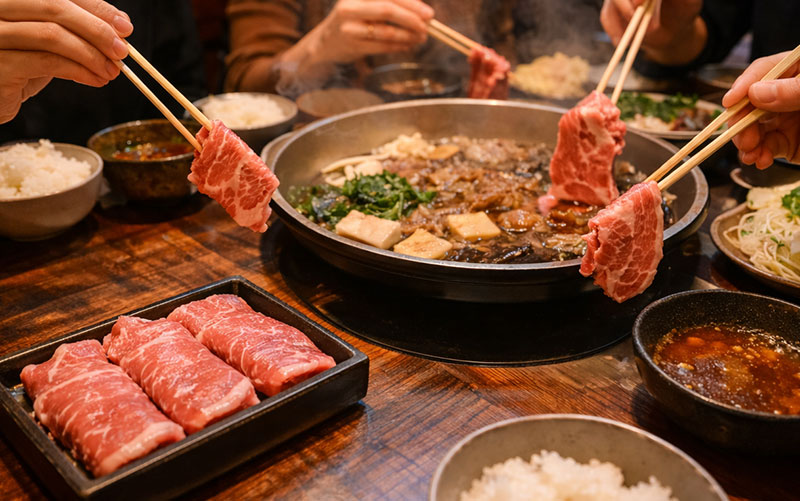
Tokyo restaurant eating Waygu A5 Shabu Shabu/Sukiyaki style.

A5 Wagyu is often enjoyed shabu shabu or sukiyaki style, where thin slices cook for seconds and highlight the fat’s natural sweetness.


The 3-Second Rule

When Wagyu arrives, time matters. As it cools, the fat begins to solidify and the texture changes.

Step one. Eat the first bite plain. No sauce. No salt. Let body heat do the work.

Step two. Add a small amount of fresh wasabi. Real wasabi cuts richness without heat and resets the palate.

Step three. If available, add a garlic chip for texture. The contrast completes the bite.

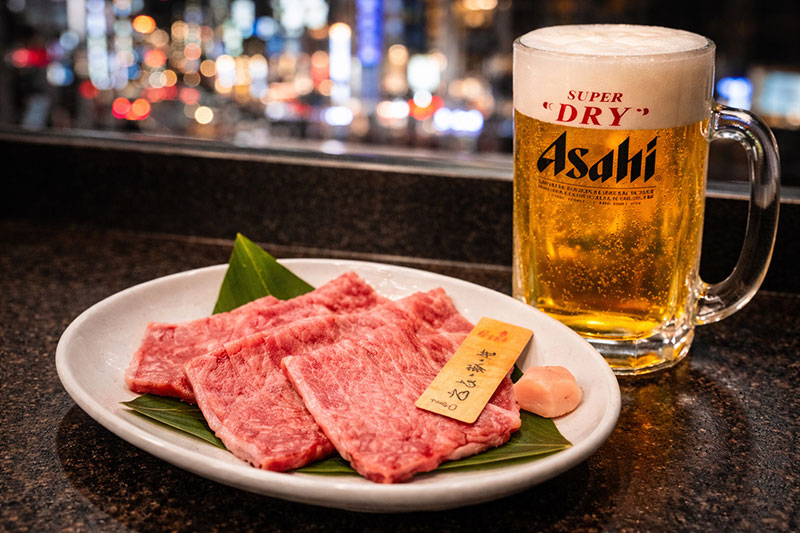
Eating like a local often means pairing Wagyu with crisp beer or high-acid drinks after a long day of exploring.


Pairing Wagyu Properly

Heavy, oaky wines overwhelm A5 Wagyu. You need contrast, not competition.

Wine. Burgundy Pinot Noir offers acidity and earthiness that cleanses the palate.

Beer. Dry Japanese lagers reset the mouth between bites.

Spirits. A whisky highball with ice and strong carbonation may be the best pairing of all.

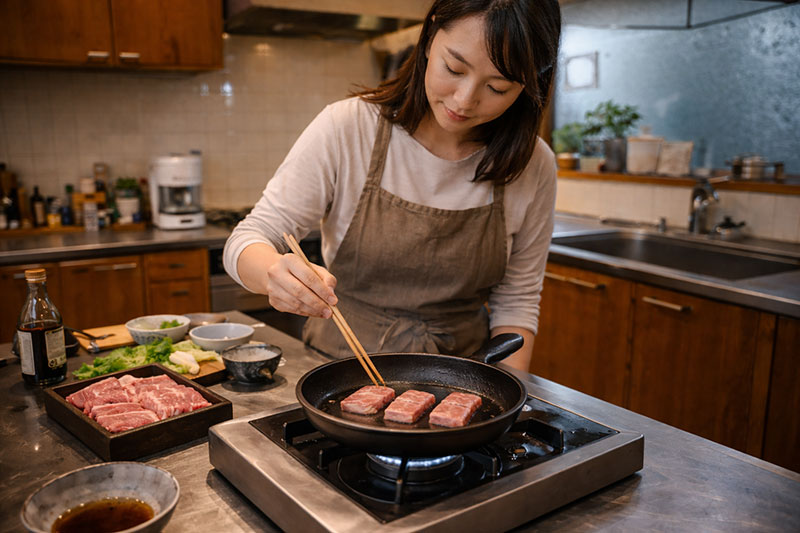
A woman in an apron using chopsticks to carefully sear slices of marbled Wagyu beef in a skillet in a home kitchen, with a tray of raw meat on the counter

The home chef experience: With the right technique, Wagyu can be cooked simply and successfully at home.


The Home Cooking Lab

If you buy A5 Wagyu from a department store basement, resist the urge to treat it like a barbecue steak.

  1. Cut a small cube of fat from the edge and place it in a cold pan.
  2. Heat to medium-high and let the fat render fully.
  3. Salt the meat, sear for about one minute per side, then remove.
  4. Rest for two minutes before eating.

If you are traveling longer-term or staying in an apartment, this approach pairs well with strategies in our One-Bag Travel Guide and What to Pack for Every Trip.

Local Guide Tip: Slice Wagyu into small pieces before cooking and sear them one at a time as you eat. This yakiniku approach keeps every bite hot and perfect.

A5 Wagyu FAQ

What does A5 Wagyu actually mean?

A5 is the highest Japanese beef grade. The letter refers to yield grade, while the number refers to meat quality based on marbling, color, texture, and fat quality. In practical terms, A5 Wagyu means extremely rich, highly marbled beef with a very soft texture.

No. Wagyu is the broader category, while Kobe beef is one specific regional brand of Wagyu from Hyogo Prefecture that must meet strict production standards. All Kobe beef is Wagyu, but not all Wagyu is Kobe beef.

For most people, 3 to 4 ounces is enough for a satisfying experience. A5 Wagyu is so rich that it is better treated as a luxury tasting portion than a full-size steak dinner.

The best first experience is usually a small portion served simply, either as a steak, yakiniku cut, or shabu shabu slice. Eat the first bite plain, then add minimal seasoning like salt, fresh wasabi, or a light dipping sauce.

Explore Japan through food culture, planning guides, major cities, and deeper regional experiences.

START HERE

Japan Travel Guide Hub

Use the full Japan hub to connect cities, compare regions, and build a trip that fits your travel style.

Read More

FIRST TIMERS

First-Timer’s Guide to Japan

Get the logistics, etiquette, and pricing basics right.

Read More

GET AROUND

Japan Rail Pass Guide

When the pass actually makes sense in 2026.

Read More

KYOTO

Kyoto Travel Guide

Temples, districts, and must-see experiences.

Read More

TOKYO

City Guide

Neighborhoods, food, and how to plan your time.

Read More

OSAKA

Street Food Guide

Eat your way through Japan’s food capital.

Read More

CULTURE

Geisha in Kyoto

History, tradition, and modern reality.

Read More

TOKYO FOOD

Eat Like a Local

Hidden gems and real dining culture.

Read More

FOOD TIPS

How to Eat Sushi in Japan

Etiquette and ordering basics.

Read More

Best Bars & Piazzas in Trastevere for People Watching

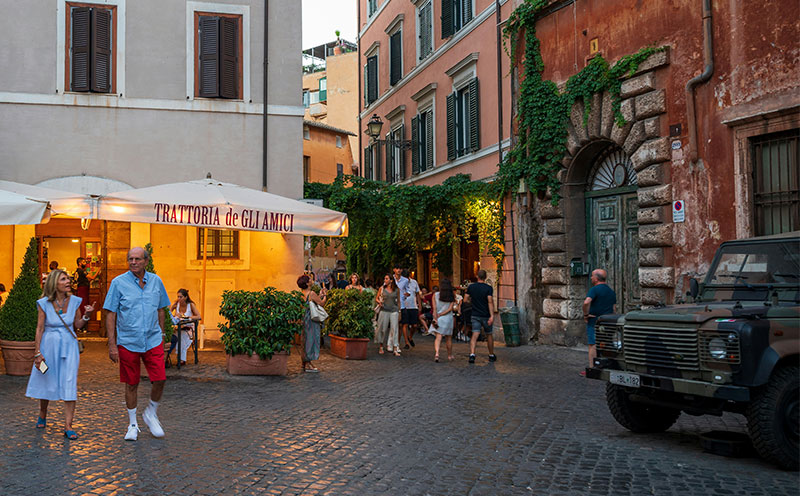
A view of a narrow, cobbled street in the Trastevere neighborhood of Rome, with an Italian military jeep parked near pedestrians and ivy-covered buildings.

Best Bars & Piazzas in Trastevere for People Watching

A view of a narrow, cobbled street in the Trastevere neighborhood of Rome, with an Italian military jeep parked near pedestrians and ivy-covered buildings.

Trastevere is not a checklist neighborhood. It is a sit-down, order-a-drink, and let-Rome-happen neighborhood.


Home » Destinations » Page 13

Last updated: February 2026 by Corey Gasman

TLGA Travel Truth
The best way to experience Trastevere is to stop moving. Pick a table. Order something simple. Stay longer than you planned.

Trastevere lives outdoors. Ivy-draped alleyways. Buzzing piazzas. Laundry overhead and scooters threading through narrow streets. Social life here is not hidden behind doors. It plays out in public.

Whether you want high-energy student chaos or a quiet corner to watch local nonnas run errands, these are the places where you can settle in and let Rome come to you.


1. Bar San Calisto: The unfiltered soul of Trastevere

Bar San Calisto is not trendy. It is not polished. That is exactly why it works.

This old-school bar in Piazza di San Calisto draws artists, students, longtime residents, and curious travelers who all end up at the same plastic tables. Cheap Peroni. Strong spritzes. Zero attitude.

Tables fill early and stay full. The mix is what makes it special. No curated aesthetic. Just Trastevere doing its thing.

Local Guide Tip: Come before dinner for a calmer vibe. After 9:00 PM, it leans loud and packed.

2. Freni e Frizioni: Aperitivo at full volume

Housed in a former mechanic’s workshop, Freni e Frizioni is the modern social epicenter of Trastevere.

Well-made cocktails. Expansive aperitivo spread. Younger crowd. Energy that spills out into Piazza Trilussa as the night builds.

Grab a drink. Claim space on the terrace if you can. Or take it to the square and watch the scene shift from relaxed sunset to full Roman nightlife.

Pro Tip: If you want a seat, go early. If you want chaos, go late.

3. Enoteca La Vite: Everyday Roman life on display

For a slower pace, head to Piazza San Cosimato. Enoteca La Vite has simple outdoor tables and a front-row seat to daily life.

Local families gather. Kids kick soccer balls. Neighbors greet each other without rushing. It feels residential, not performative.

Order a glass of local wine. Stay through dusk. This is Trastevere without the spotlight.

4. Caffè delle Arance: Golden hour on the grand stage

Piazza Santa Maria in Trastevere is the neighborhood’s main stage. Caffè delle Arance offers one of the best seats in the house.

From your table you will see street performers, travelers from everywhere, and locals crossing the square as the light shifts.

Golden hour is the move. Warm light hits the Basilica’s mosaics while the piazza hums.


5. Er Pizzicarolo & Vicolo del Cinque: Postcard Rome

Vicolo del Cinque is one of Trastevere’s most photogenic streets. Er Pizzicarolo fits the scene.

It is better for grabbing a panino than settling in for hours. Order something simple. Lean against ancient stone. Watch people squeeze past in the narrow alley.

If you want that “Old Rome” feeling in one snapshot, this is it.

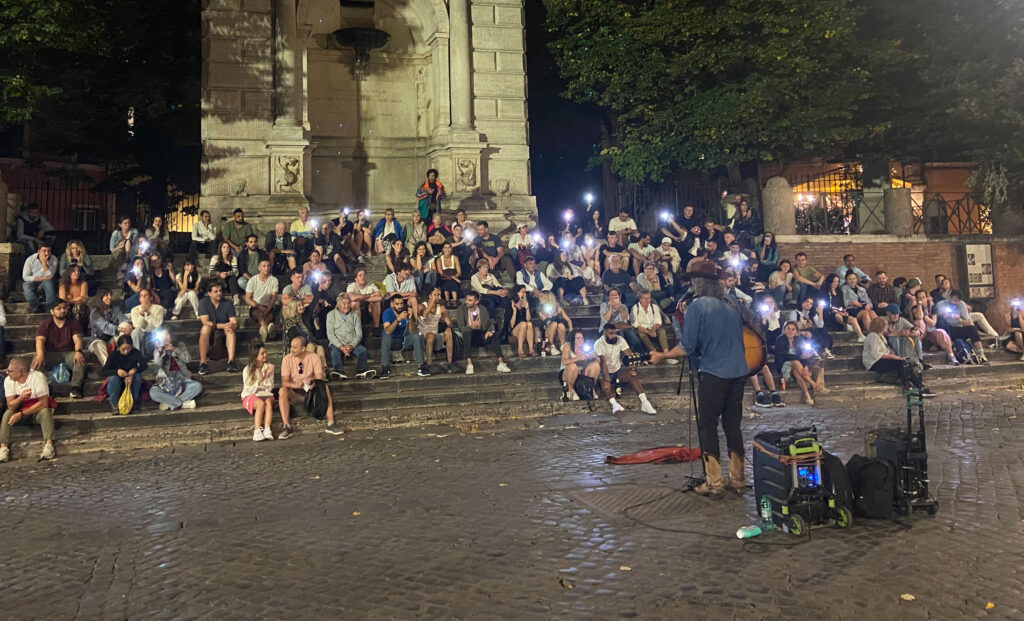
Piazza Trilussa in Trastevere with live street music at night

Evenings at Piazza Trilussa often turn into spontaneous live music and open-air gatherings.


Pro Tip: Skip the bar tables entirely. Grab a drink from a nearby birreria and sit on the steps of Piazza Trilussa. By 9:00 PM, it often turns into a free, open-air show.

Piazza Trilussa: The living room of Roman nightlife

If Trastevere has a beating heart, it is Piazza Trilussa at the foot of Ponte Sisto.

The steps near the fountain become the seating. The entertainment is spontaneous.

  • The sound: Street musicians, guitarists, and pop-up bands.
  • The show: Dancing breaks out without warning.
  • The crowd: Locals and travelers blending into one loud, happy mix.

Arrive in the late afternoon with a gelato or bottle of wine. Stay long enough to watch the square shift from laid-back hangout to full Roman night.

It is chaotic. It is loud. It is completely unforgettable.


More reading

If you are planning a fall trip or considering Trastevere as your base, this companion guide goes deeper into why October is such a good time to slow down and experience Rome.


Rome in October: Why Trastevere Is the Perfect Base for a Slow Rome Trip

Rome in October: A Slow, Food-Focused Week Based in Trastevere

Sunset over Rome, view form the Spanish Steps

Sunset from above the Spanish Steps, looking out over Rome’s rooftops and domes as the city slowly winds down for the night. Photo: Corey Gasman

Home » Destinations » Page 13

Last updated: March 2026 by Corey Gasman

From the Editor:

Rome can overwhelm you quickly if you try to see everything. On this trip, we intentionally slowed things down. We visited Rome in October 2024, right in the heart of Italy’s fall shoulder season.

Instead of hopping between cities, we booked a one-week Airbnb in the Trastevere neighborhood and used it as our base to explore Rome itself.

The plan was simple: stay put, walk everywhere, eat well, and get to know the city beyond the highlight reel.

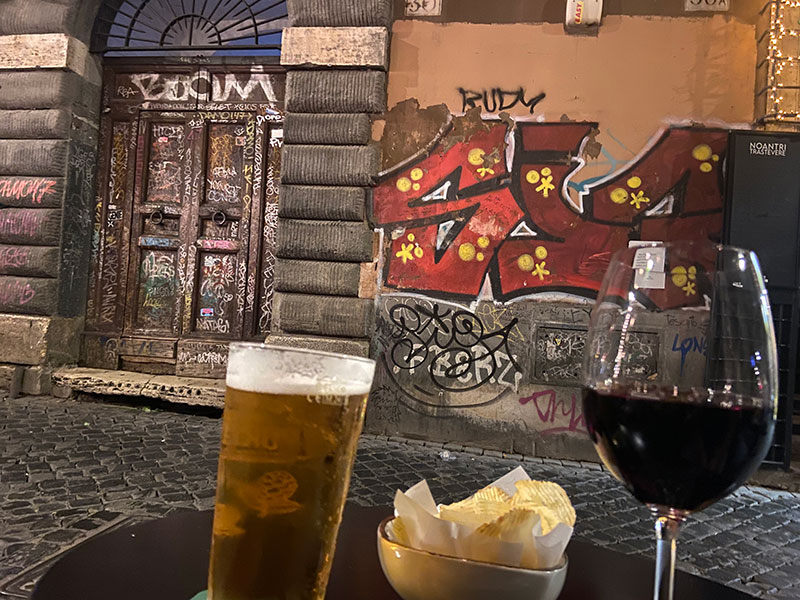
Our Drinks in Trastevere with free snack of potatoes chips.

Trastevere’s narrow, cobbled streets provide a perfect backdrop for a slower Rome experience.


Why October Is a Great Time to Visit

October turned out to be an ideal time to be in Rome. The weather was still warm enough for long walking days, but the crowds were noticeably lighter than peak summer.

If your goal is to explore Rome on foot, linger over meals, and enjoy neighborhoods rather than rush between sights, October is one of the best months to visit.

Back in Rome 20 Years Later

My first trip to Rome was in 2004 during my World Trip. Coming back exactly 20 years later felt surreal in the best way.

On this return trip, the city was preparing for Jubilee Year 2025. Some landmarks were under construction, but it did not take away from the experience.

Trastevere as a Home Base

We stayed in Trastevere for the full week, and it ended up being a perfect home base. The neighborhood feels lived in and comes alive at night.

This trip was not about checking off every attraction. It was about settling into Rome and letting the city unfold naturally.

Top 7 Things to Do Before You Go

  • Pick your must-do attractions
  • Commit to at least three full days
  • Buy tickets in advance
  • Choose a home base you like
  • Make a loose food plan
  • Build in time to wander
  • Know what to skip

TLGA Rule: Expect occasional scaffolding. Plan flexibility into your days.

View after Climbing St. Peter's Basilica Dome
The view from the top of St. Peter’s Basilica dome.

What We Did in Rome

We visited St. Peter’s Basilica and climbed the dome. The views were worth every step.

The Spanish Steps at Sunset

One of the simplest and most memorable moments of the trip.

A Rainy Day Pivot That Worked

On our one rainy day, we pivoted to the National Roman Museum at Palazzo Massimo, and it ended up being one of the most worthwhile stops of the trip.

Trastevere’s Quiet Landmark

We visited the Basilica of Santa Maria in Trastevere, one of the oldest churches in Rome. Worth stepping inside for the mosaics and calm atmosphere.

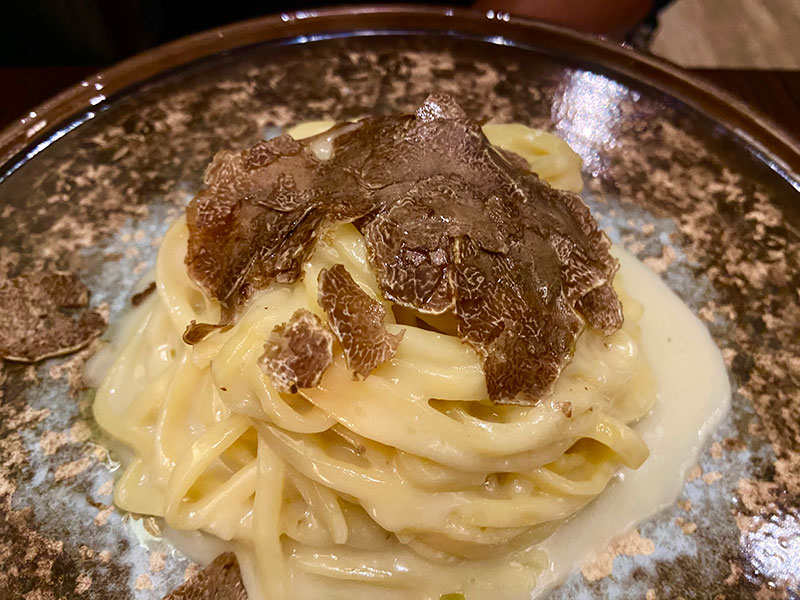
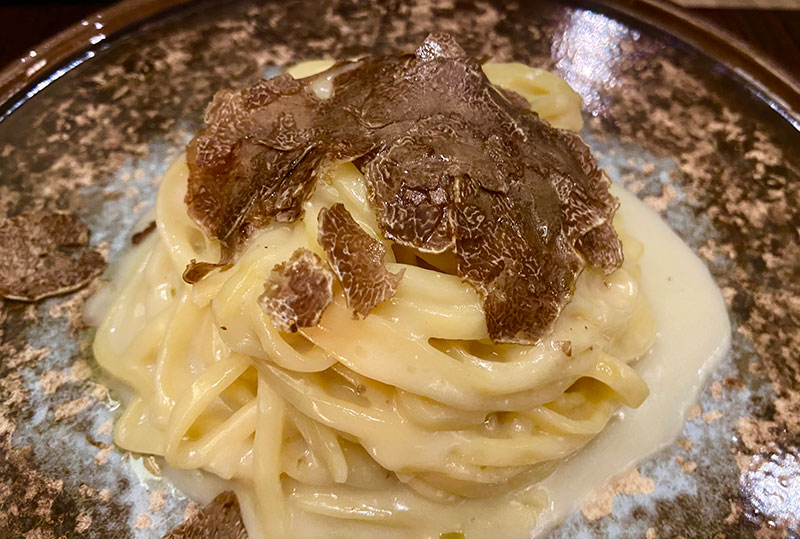
Capasso. cacio e pepe with shaved-black truffle

Fettuccine al burro with shaved black truffle.


Where We Ate in Rome

Rome rewards those who seek out great meals and avoid the heavy tourist corridors. These were a mix of standout meals, casual stops, and places we kept going back to throughout the week.

CiPASSO & Il Fornaio

CiPASSO was one of our best dinners in Rome. Reservations recommended. Il Fornaio was perfect for quick bites.

Trastevere & Local Spots We Kept Going Back To

  • Il Duca: Local feel, relaxed dinners.
  • Nannarella: Great pasta and artichokes.
  • Mama Eat: Excellent amatriciana.

Casual Bites, Sandwiches & Aperitivo

  • Donkey Punch: Great sandwiches.
  • Er Pizzicarolo: Local deli and wine bar.
  • Ombre Rosse: Easy aperitivo spot.

A More Refined Dinner: CiPASSO

A more elevated Roman dining experience without being overly formal.

Why Stay in Bocagrande: Cartagena’s Most Convenient Home Base

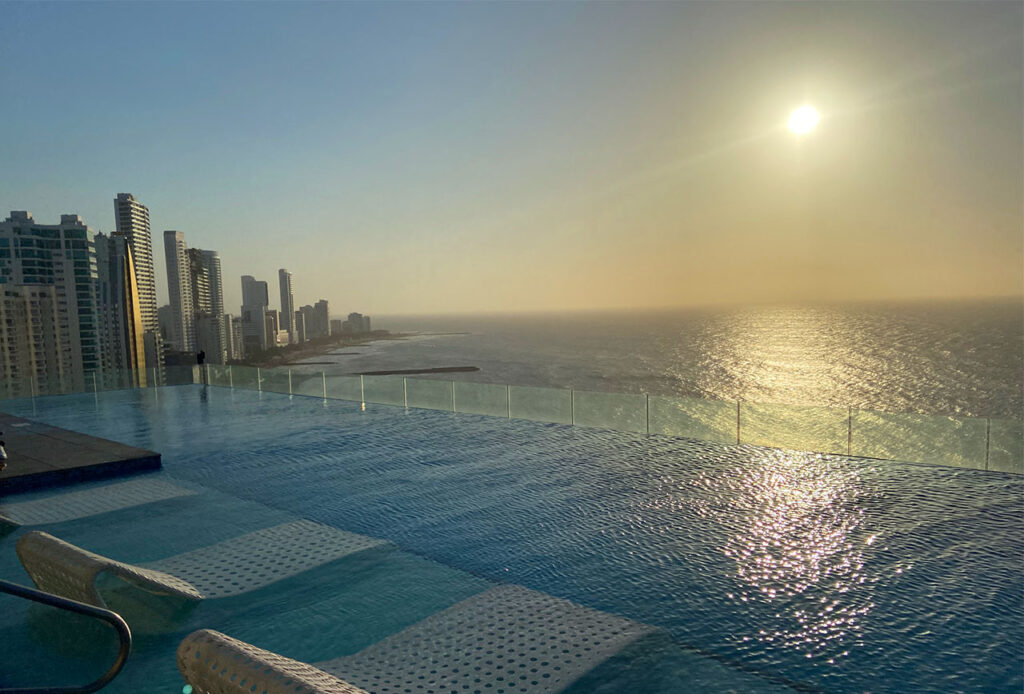
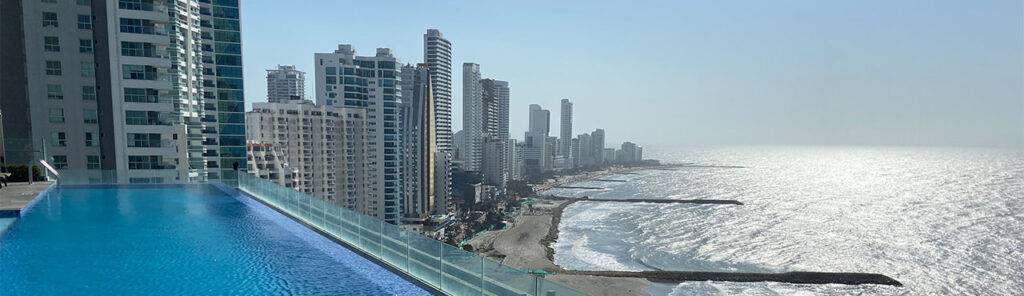
Bocagrande, Hyatt Regency pool in Cartagena

Bocagrande gives you a very different side of Cartagena: modern towers, wide views, everyday convenience, and easy access to both the beach and the old city.


Home » Destinations » Page 13

Last updated: March 2026 by Corey Gasman

From the Editor:

Melissa and I spent a full month living in Bocagrande, and it completely changed how I think about staying in Cartagena.

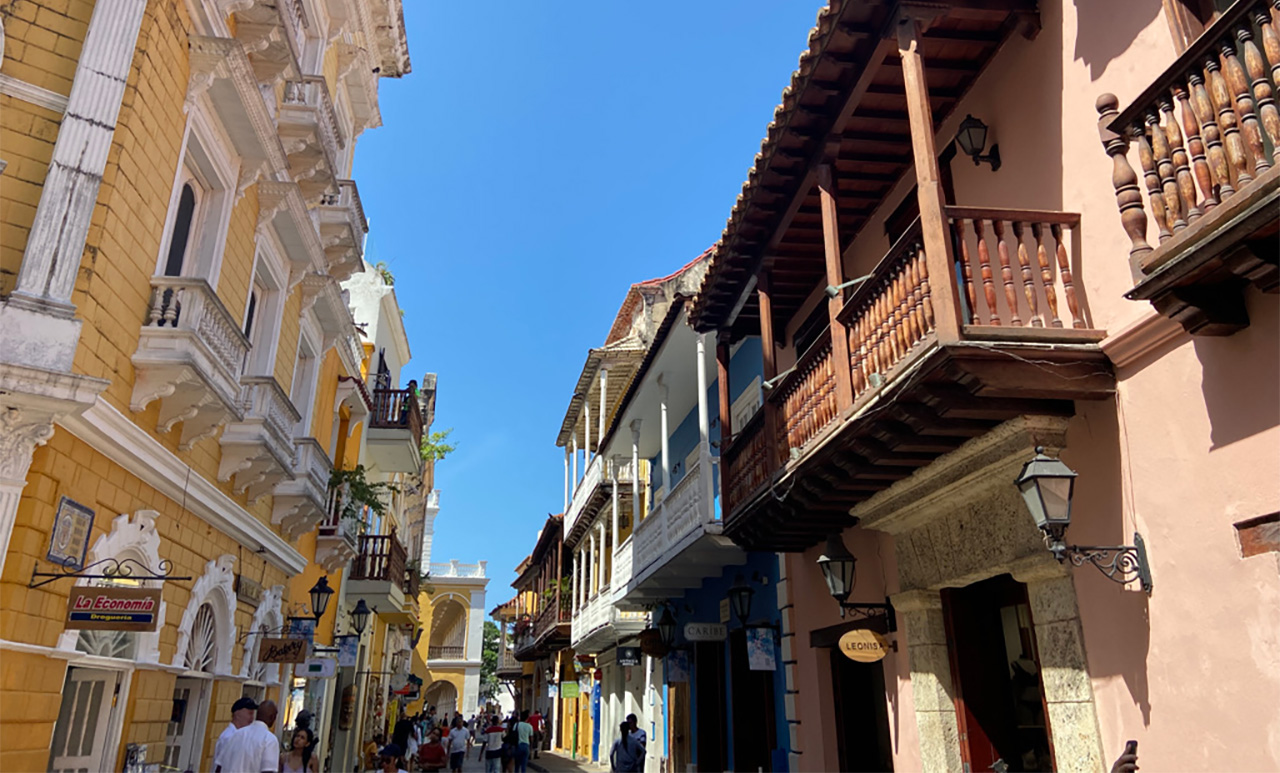
If you are trying to decide between Bocagrande, the Walled City, or Getsemaní, this guide will help you pick the right base.

Most first-time visitors picture the Walled City first. And yes, it is beautiful. But if you are staying longer than a long weekend, Bocagrande starts to make a whole lot of sense. We had a modern condo with strong Wi-Fi, front desk security, a gym, sweeping ocean views, and bay views over the port. It felt less like checking into a vacation zone and more like slipping into a version of Cartagena you could actually live in.

This guide is for travelers trying to decide if Bocagrande is the right fit. I break down who should stay here, who probably should not, what daily life is actually like, and why this peninsula can be one of Cartagena’s best-value home bases.

TLGA Rule: Bocagrande is not the most romantic part of Cartagena. It is the part that makes the city easiest to live in.

Planning a bigger Cartagena trip?

Start here: Cartagena Travel Guide

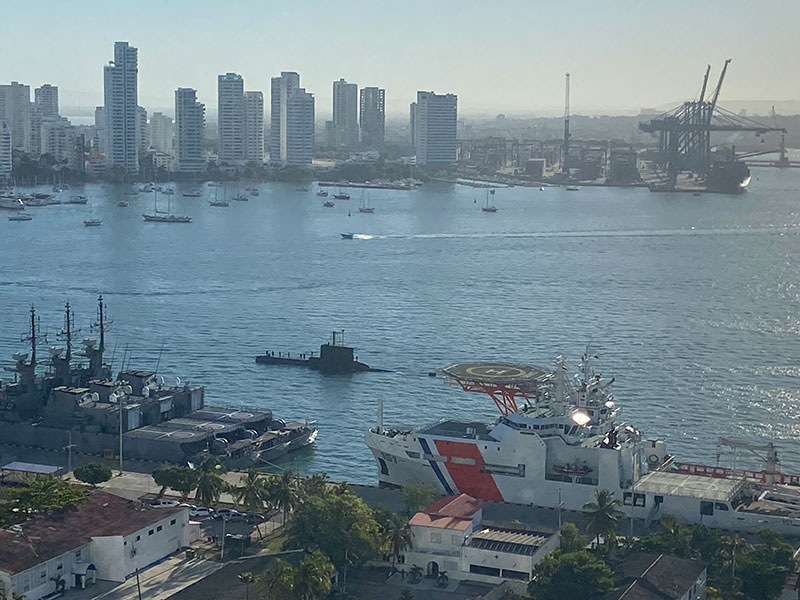
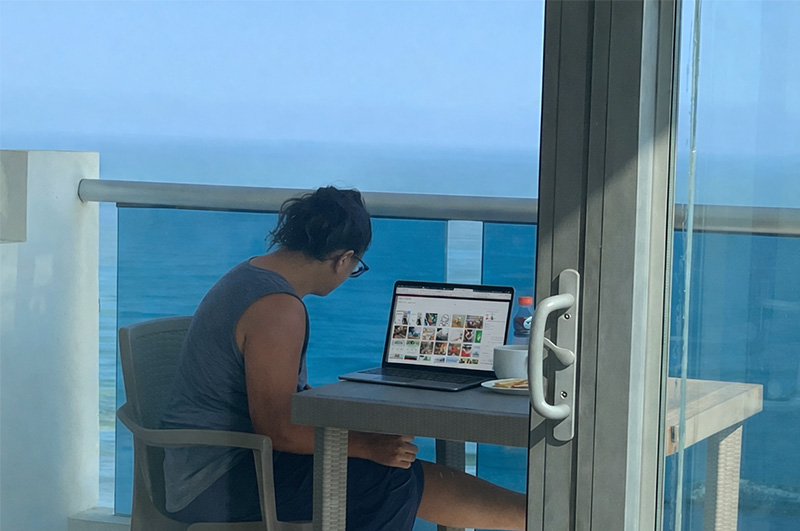
Views from our Bocagrande Airbnb. On the right building, we had the Caribbean on one side and Cartagena Bay on the other.


Why Stay in Bocagrande

Bocagrande is Cartagena’s easiest place to stay. Not the most beautiful, not the most historic, but easily the most livable.

This narrow peninsula gives you modern condo towers, beach access, high-end grocery stores, cafes, gyms, pharmacies, and a much more comfortable day-to-day setup than the older colonial neighborhoods. It is not the postcard version of Cartagena, but it is often the version that works best once you are here for more than a few days.

If you like the mix of water views, history nearby, and modern amenities, Bocagrande hits a sweet spot. You get the old city when you want it, but you do not have to live inside the crowds, noise, and higher tourist pricing every hour of the day.

Local Guide Tip: Bocagrande makes the most sense once your trip shifts from sightseeing mode to real-life mode. That is when the elevators, AC, walkability, and easy grocery runs start to matter a lot more.
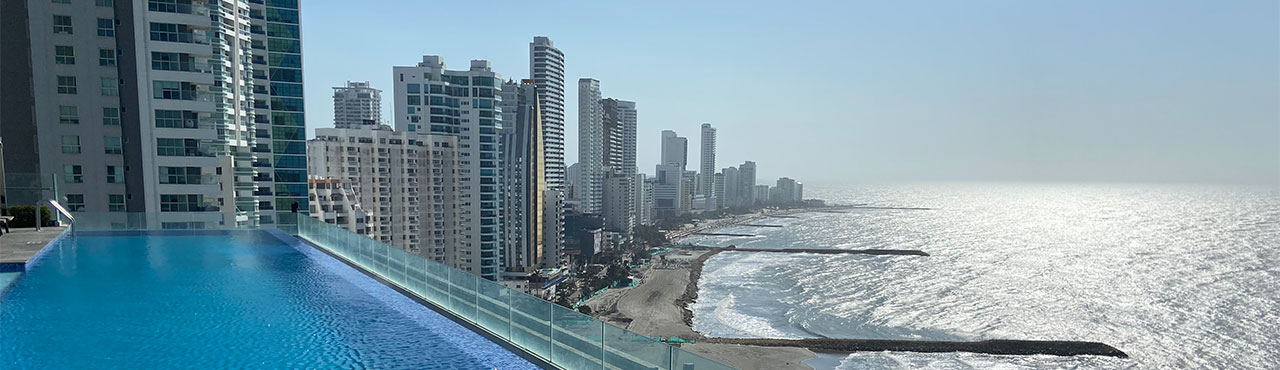
Bocagrande, Cartagena

Bocagrande’s skyline looks more modern than historic, but that is the point. This is Cartagena’s low-friction home base.


Who Bocagrande Is Best For

Not every neighborhood in Cartagena works for every traveler. Bocagrande is best for people who want comfort, convenience, and a stay that feels easy from day one.

Best For

  • Longer stays: If you are staying five nights or more, Bocagrande becomes a stronger and stronger option.
  • Digital nomads: Newer buildings, strong Wi-Fi, gyms, doormen, and practical routines make it ideal for working remotely.
  • First-time visitors who want easy logistics: You can settle in quickly and still Uber into Centro or Getsemaní in minutes.
  • Travelers who want modern amenities: Rooftop pools, underground parking, elevators, strong AC, and reliable water pressure.
  • Couples or slow travelers who want a home base: It feels livable, not just photogenic.

Probably Not For

  • Travelers on a short 2 to 3 day first trip: The Walled City makes more sense if you want to be right in the historic core.
  • People chasing colonial charm: Bocagrande is towers and modern buildings, not balconies and cobblestones.
  • Nightlife seekers: Nightlife here is mostly casinos and sports bars. For dancing and energy, you will be commuting to Getsemaní.
  • Anyone expecting perfect Caribbean beaches: The beaches are convenient, not spectacular.
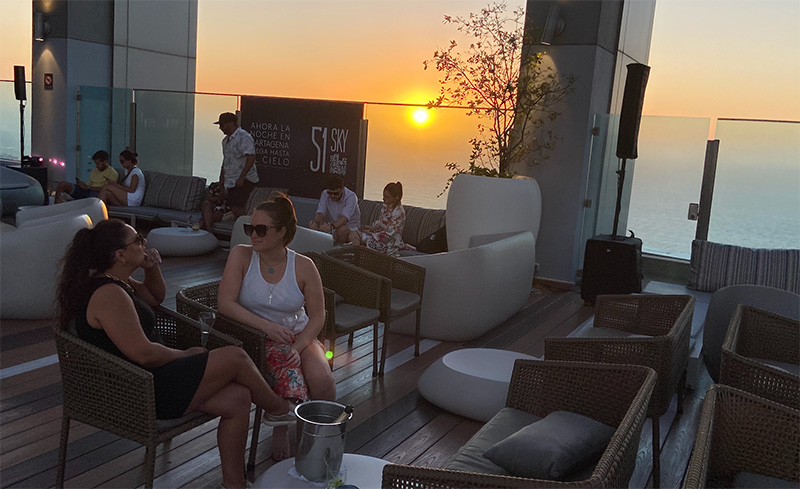
Sunset view from the 51 Sky rooftop bar in Bocagrande, Cartagena with lounge seating and ocean horizon.

The modern side of Cartagena trades colonial charm for comfort, space, and some of the city’s best wide-open views.


Bocagrande Pros and Cons

If you are deciding between Bocagrande and the Walled City, this is the section that should make the decision clear.

Every neighborhood has trade-offs. Here is the reality of choosing the peninsula over the historic center.

The Biggest Pros

  • Modern infrastructure: Front desk security, elevators, gyms, strong AC, and better long-stay comfort.
  • Great value: Compared to many beach destinations in Mexico, the value here can feel almost absurd for what you get.
  • Walkability to essentials: Grocery stores, malls, lunch spots, and pharmacies are all close.
  • Medical proximity: Home to excellent facilities like Medihelp and Hospital de Bocagrande, which brings peace of mind for long stays.
  • Water on both sides: Caribbean beach views on one side, Cartagena Bay and port views on the other.

The Trade-Offs

  • Traffic bottlenecks: Avenida San Martín is the main artery and it gets severely backed up during rush hour or heavy rain.
  • Aggressive beach vendors: The beach side is notorious for relentless vendors selling massages, oysters, and tours.
  • Less charm: You are not waking up inside the romantic, old-world version of Cartagena.
  • Average beaches: Good for a quick dip, not for crystal-clear island water.

High enough above the road, our condo gave us breezes, wide views, and a much calmer feel than you would expect from street level.


What It Actually Feels Like to Stay Here

We stayed on the beach side of Bocagrande in a modern condo tower on the 12th floor, and that setup really unlocked the neighborhood for us.

From our place, we could look one direction and see the Caribbean, then look the other and catch the bay, the port, and the city stretching out behind it. That dual-view part of Bocagrande is underrated. It gives you both the beach energy and the harbor-city perspective at the same time.

The building itself had the kind of features that sound boring until you have them in Cartagena and realize how much they matter: front desk security, elevators that worked, strong air conditioning, a workout gym, and dependable Wi-Fi. When you browse rentals here, you will see how many newer towers offer rooftop pools and modern amenities.

Local Guide Tip: One of our favorite Bocagrande moves was grabbing a nearby hotel day pass when we wanted more of a vacation vibe than our condo pool. For around $30, we got infinity pool access, lunch options, and a cocktail. It felt like a mini resort day without ever leaving the neighborhood.

The bay-side Malecón is quieter than the beach strip and one of the best daily walking routes in the neighborhood.


The Malecón Is the Hidden Gem

Most people notice Bocagrande’s beach side first. The quieter surprise is the bay side Malecón.

Almost every day, we walked 40 to 50 minutes along the bay. It became one of the best parts of our routine. There were joggers, bikers, families out walking, kids rollerblading, and the classic ice cream guy making the rounds. It felt active, but not chaotic.

One day we even caught a fancy horse parade moving through the neighborhood, a random local moment reminding you that you are living inside a real Cartagena neighborhood rhythm.

If the beach side gives Bocagrande its convenience, the Malecón gives it its soul. It was one of the few places in Cartagena where things slowed down without feeling empty.

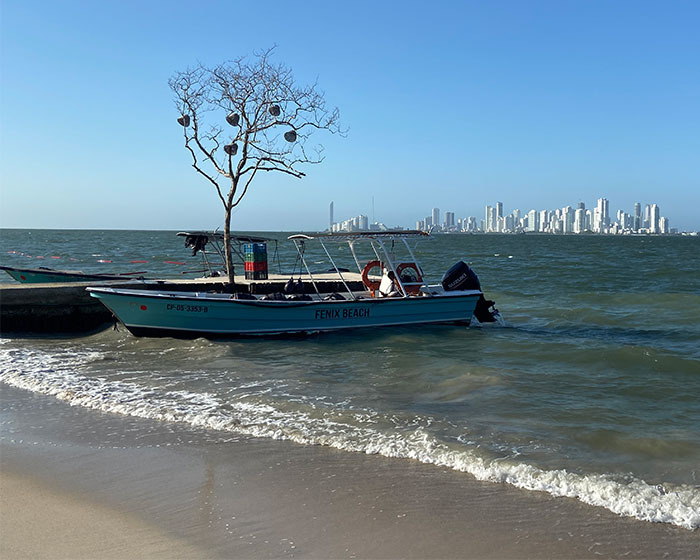
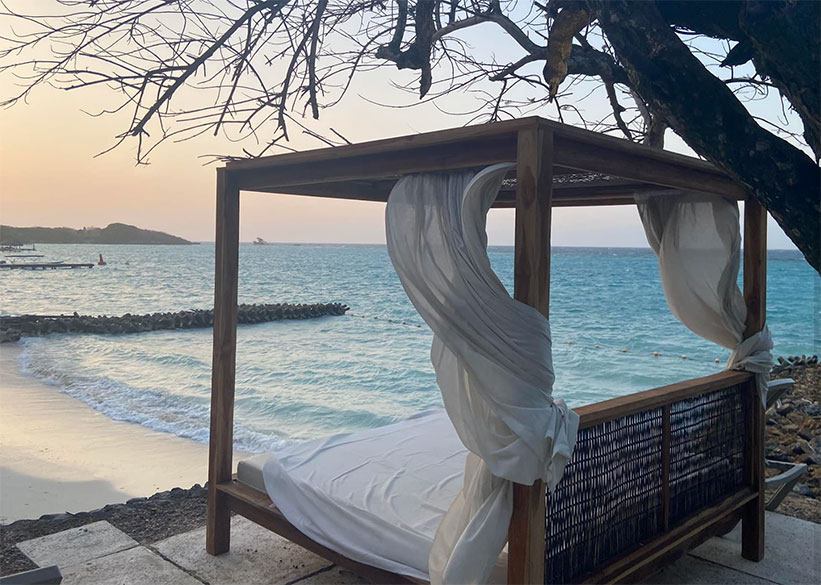
Tierra Bomba Beach Day Boat

Bocagrande’s beaches are easy to access and always busy, but island day trips are where you go for the dreamier Caribbean water.


The Beach Reality and Vendor Hustle

The beaches in Bocagrande are convenient, not magical. You can step out of your building, cross the road, and be on the sand in minutes. If you set your expectations correctly, they are great. If you expect Maldives water, you will be disappointed.

Chairs, umbrellas, drinks, and snacks are easy to find, making it great for short beach breaks. But this is not a white-sand fantasy. It feels like a busy, urban Colombian beach. The water is often murky, and the sand is darker.

You also need to be prepared for the vendors. Bocagrande beaches are famous for a relentless stream of people selling sunglasses, massages, hats, and seafood. A firm but polite “No, gracias” is required constantly. If you want peace and quiet, stay by your rooftop pool.

Pro Tip: Use Bocagrande for easy everyday beach access. Use the Rosario Islands or Tierra Bomba when you want the real wow-factor water and a break from the vendors.
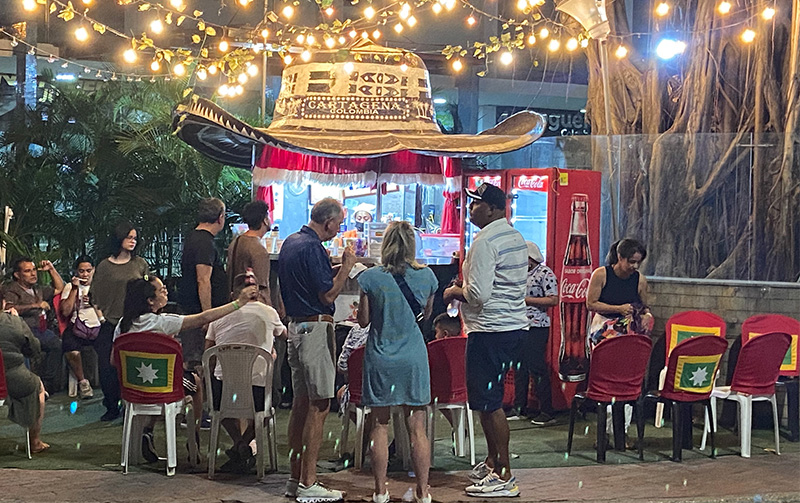
Locals and tourists gathering for fresh oysters and ceviche at Ostreria Del Mar Rojo, an outdoor food stand shaped like a giant Sombrero Vueltiao under string lights in Cartagena.

This is the kind of neighborhood where groceries, lunch, coffee, and small errands can all happen without much effort.


Daily Life and Amenities

One of the biggest reasons to stay here is how simple daily life becomes. You can walk to grocery stores like Carulla or Éxito without turning every small errand into a project.

From a value perspective, this is where Cartagena really stands out. Compared to similar condo setups in places like Playa del Carmen or Mexico City, Bocagrande felt significantly cheaper for what you get. Modern buildings, views, and amenities at this price point are hard to match.

Bocagrande also has proper shopping malls like Plaza Bocagrande and Nao Shopping Center. These offer modern cinemas, international retail brands, and food courts with reliable AC. It sounds trivial, but having a modern mall five minutes away is incredibly useful during a month-long stay.

The neighborhood also offers peace of mind. Some of Cartagena’s best hospitals and clinics are located right here. That kind of comfort matters a lot more when you are staying for an extended period.

Bocagrande, Cartagena

For many travelers, the best stay in Bocagrande is a newer condo or serviced tower with verified Wi-Fi, security, and a pool.


Hotel vs Airbnb in Bocagrande

If you are only in town for a couple nights, a hotel can work just fine. But for longer stays, Bocagrande really shines with condos and Airbnb-style rentals.

Why Airbnb Often Wins Here

  • More space: Living room, kitchen, balcony, and often a washer.
  • Better long-stay comfort: It feels like a temporary home, not just a room.
  • Strong building amenities: Pools, gyms, security desks, parking, and newer infrastructure.
  • Better value: Especially compared to similar setups in Mexico or more touristy parts of Cartagena.

What to Look For Before Booking

  • Verified Wi-Fi speeds
  • Strong AC in both bedroom and living area
  • Elevator access
  • Doorman or front desk security
  • Reviews mentioning water pressure and noise
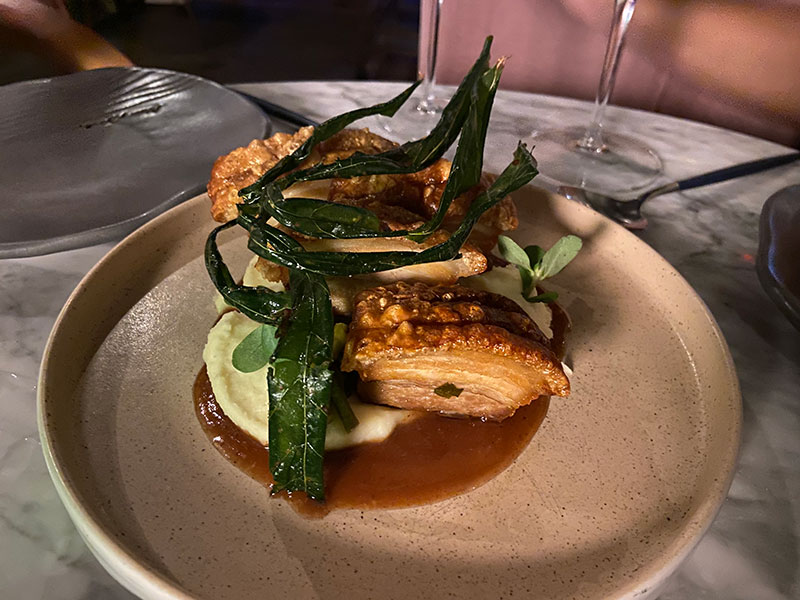
Candé's Restaurante Pork Belly Cartagena

Bocagrande may not be Cartagena’s top dining neighborhood, but it is full of useful breakfast, lunch, and easy dinner options that fit real life.


Food, Cafes, and the Everyday Meal Rotation

Bocagrande is not where you go for Cartagena’s most memorable fine dining. It is where you go when you want food that fits into real life.

That means easy breakfasts, lunch cafes you can repeat, a few reliable dinner spots, and enough variety that a one-month stay does not feel repetitive. There were always enough places nearby to keep life comfortable without needing to cross town every time we got hungry.

One of the best parts of staying here is that the old city’s standout restaurants are just a cheap ride away. You can live in the practical neighborhood, then dip into the historic core when you want a higher-end dinner.

Want the full food list?

Read: Best Restaurants in Cartagena

Busy, residential, and full of doormen, Bocagrande felt comfortable to us for day-to-day living and evening walks.


Safety and Practical Tips

We felt very safe in Bocagrande, largely because it behaves more like a residential neighborhood than a pure tourist zone.

There are plenty of apartment towers, front desk security, regular foot traffic, and enough day-to-day local life that it feels grounded. The main practical annoyances are not dramatic safety issues so much as traffic and managing expectations.

For us, it felt like one of the most comfortable places in Cartagena to actually live, not just visit.

Practical Bocagrande Tips

  • Go higher if you can: Upper-floor condos feel calmer, get more breeze, and often give you better dual water views.
  • Beware rush hour: Avenida San Martín bottlenecks badly in the late afternoon. Plan rides to the Walled City accordingly.
  • Use ride-shares: Uber and Cabify are cheap and easy ways to hop into Centro without haggling with street taxis.
  • Negotiate firmly: If you buy anything on the beach, agree on the full price before receiving the item or service.
  • Lean into routine: Morning walk, coffee, work block, beach break, dinner in Centro is a great Cartagena formula.
Upload Image...

The short ride from Bocagrande to the Walled City makes it easy to enjoy the historic center without sleeping in the middle of it.


How Far Is Bocagrande from the Walled City?

Bocagrande is only a short ride from Cartagena’s historic center. Most trips to Centro or Getsemaní take around 10 to 15 minutes depending on traffic, making it easy to go back and forth for dinners, nightlife, and sightseeing without staying inside the busiest tourist zone.

Plan the full Colombia experience with city guides, Cartagena neighborhood tips, island escapes, food spots, and practical ideas for longer stays.

CARIBBEAN BASE

Cartagena Travel Guide

See what it’s like to live slower in Cartagena with neighborhood tips, local rhythm, and ideas for a longer stay.

Read More

LONGER STAYS

Digital Nomad Guide to Cartagena

For remote workers and longer stays, this guide covers where to live, work, and settle into Cartagena more comfortably.

Read More

WHERE TO EAT

Best Restaurants in Cartagena

A full month of eating helped shape this restaurant guide, with standout spots for seafood, local flavors, and memorable meals.

Read More

ISLAND ESCAPE

Rosario Islands Weekend

Trade the city for clear water and slower island time with a practical look at Isla Grande and Hotel Majagua.

Read More

BEACH DAY

Tierra Bomba Beach Day Guide

Plan an easy beach club day from Cartagena with practical tips on where to go, what to expect, and whether it’s worth it.

Read More

CARIBBEAN ESCAPE

San Andrés Island Itinerary

Trade Cartagena for the Sea of Seven Colors with this 3-day island itinerary packed with beaches, food, and easy logistics.

Read More

Frequently Asked Questions

Is Bocagrande a good place to stay in Cartagena?

Yes, especially for travelers who want convenience, modern amenities, beach access, and an easy home base. It is one of the best neighborhoods in Cartagena for longer stays, digital nomads, and anyone who values comfort over colonial charm.

We felt very safe staying in Bocagrande for a month. The area has many residential towers with front desk security, lots of foot traffic, and a more lived-in feel than some pure tourist zones. Normal city awareness still applies, especially at night and around busy roads or beach vendors.

It is very close. Depending on traffic and exactly where you stay, it is usually a short Uber ride into Centro Histórico or Getsemaní. That is one of Bocagrande’s biggest strengths. You can enjoy the old city without having to stay inside it.

They are convenient more than beautiful. You can be on the sand in minutes, which is great for everyday beach time, but the water and sand are not as impressive as the Rosario Islands or some of the better beach-day options outside the city.

They serve different types of trips. The Walled City is better for short stays, romance, and colonial atmosphere. Bocagrande is better for longer stays, modern condos, reliable infrastructure, and day-to-day comfort.

Yes. Bocagrande is one of Cartagena’s best fits for digital nomads because many buildings have strong Wi-Fi, elevators, front desk security, gyms, pools, and practical layouts for longer stays. It is one of the easiest places in the city to settle into a routine.

Yes. One of the biggest advantages is how easy it is to walk to grocery stores, cafes, pharmacies, bars, the beach, and the bay-side Malecón. That everyday walkability is a major reason the neighborhood works so well.

For short stays, a hotel is fine. For anything longer, Airbnb or condo rentals often give you much better value, more space, a kitchen, and access to building amenities like pools, gyms, and security desks. Bocagrande is one of the few Cartagena neighborhoods where the condo-rental experience can be a major upgrade.

For us, it was the combination of comfort and location. We had the Caribbean on one side, the bay and port on the other, and a routine that made Cartagena feel easy. The hidden gem was the bay-side Malecón, which became part of our daily walk almost every day.

If your main goal is colonial charm, boutique hotel atmosphere, or staying inside the prettiest historic streets, Bocagrande may not be the right fit. In that case, the Walled City is probably a better match for your trip.

Digital Nomad Guide to Cartagena: Where to Live, Work & Stay

A close-up, overhead shot of a wooden table featuring a white cup of cappuccino with latte art, a black thermal water bottle, and an open laptop, representing a typical remote work setup for a digital nomad in Colombia.

Digital Nomad Guide to Cartagena: Where to Live, Work & Stay

A close-up, overhead shot of a wooden table featuring a white cup of cappuccino with latte art, a black thermal water bottle, and an open laptop, representing a typical remote work setup for a digital nomad in Colombia.

You come for the colors and Caribbean air. A week later you are running errands between bougainvillea and 400-year-old stone walls.


Home » Destinations » Page 13


Last updated: February 2026 by Corey Gasman

Note from the editor: My wife and I spent a full month working remotely from an Airbnb in Cartagena. We stayed in a modern 12th-floor, two-bedroom condo in Bocagrande, which I highly recommend. It was the perfect setup with very good internet and an outdoor patio that had both bay and ocean views. It made balancing our remote work with afternoons exploring the local cafes incredibly easy.

Cartagena has a funny way of sneaking up on you. You arrive for the pastel streets and Caribbean breeze. A week later you have a coffee routine, a grocery store, a gym, and a preferred sunset route.

It is a city of contrasts. Postcard pretty and chaotic. Relaxing and intense. Affordable and occasionally overpriced, sometimes in the same afternoon.

If you are thinking about working remotely from Cartagena, this is the grounded version. Where to stay depending on your personality. How to handle Wi-Fi like a pro. What safety actually looks like. And where to work when you need to get out of your apartment.

Quick snapshot: Is Cartagena good for digital nomads?

  • Best for: warm weather, beach access, colonial architecture, great food, easy island weekends
  • Reality check: Cartagena is not quiet and efficient. It is vibrant and layered. Plan accordingly.
Digital nomad working on a laptop from a Bocagrande Cartagena balcony overlooking the ocean

Working remotely from Bocagrande. Reliable WiFi, modern apartments, and ocean views make this the easiest place to settle into a routine in Cartagena.


Best neighborhoods for digital nomads

Bocagrande: Easy mode living

If you want routine and predictability, Bocagrande is the practical choice. High rises. Reliable elevators. Air conditioning that works. Walkable grocery stores and gyms. If video calls matter, Bocagrande is usually the safest bet for consistent power and internet.

  • Pros: modern apartments, stable infrastructure, easy routine
  • Cons: less charm, busier streets, beaches are fine but not magical
  • Best for: first-time nomads who want stability

Centro Histórico / Walled City: Vibe and walkability

If you want to step outside into colonial streets and cafés, the Walled City delivers. But choose carefully. Some blocks are quiet. Others turn into party zones at night.

  • Pros: stunning architecture, walk everywhere, endless restaurants
  • Cons: noise, higher prices, heavy tourism, older building quirks
  • Best for: early workers who enjoy lively evenings
Pro Tip: Ask hosts specifically about noise and water pressure. “Charming old building” can mean narrow stairs and inconsistent plumbing.

Getsemaní: Creative energy with late nights

Getsemaní is colorful, social, and packed with murals and music. It feels alive. It also feels loud.

  • Pros: strong community vibe, great nightlife, character everywhere
  • Cons: noise, street activity late into the night
  • Best for: social nomads who sleep well

Manga: Local feel near the action

Manga sits just outside the tourist core. It feels residential but remains close to everything.

  • Pros: quieter, better value, still walkable to Centro
  • Cons: fewer coworking and café options
  • Best for: long stays that need balance

Cowork Cartagena’s outdoor setup makes it easy to plug in, stay productive, and enjoy the Caribbean weather at the same time.


Best coworking spaces and cafes in Cartagena

We were fortunate to work from a 12th-floor condo with incredible views and reliable Wi-Fi, which made it easy to stay productive at home. But if you are traveling on a tighter budget or simply need to escape your rental for the day, Cartagena has a growing number of remote-friendly workspaces.

The cafe and coworking scene here is smaller than in cities like Medellín, but you can still find strong AC, fast internet, and great coffee if you know exactly where to look.


Top coworking spaces

  • Cowork Cartagena (La Matuna): Located just outside the walled city. It offers bright workspaces, reliable internet, a rooftop terrace, and free beer on Thursday and Friday afternoons.
  • TuWork (Bocagrande): A very polished and professional space. It features fiber-optic internet, ergonomic chairs, private phone booths, and an outdoor terrace.
  • Virtualis Centro de Negocios (Manga): A boutique business center in a quieter neighborhood, offering high-speed Wi-Fi, meeting rooms, and comfortable seating away from the tourist crowds.

Best laptop-friendly cafes

  • Folklore Colombian Café (Centro): A digital nomad favorite. It opens early, has excellent Wi-Fi speeds, and offers plenty of tables near power outlets.
  • Libertario Coffee Roasters (Centro): Known for phenomenal coffee and a comfortable AC environment that is perfect for answering emails.
  • Café San Alberto (Centro): Premium award-winning coffee with surprisingly fast internet. It gets busy, so head to the mezzanine level for a quieter workspace.
  • Beiyu Slow Food & Coffee (Getsemaní): A relaxed spot with great acai bowls and healthy food. It has a great community vibe, but be aware there is no AC, only fans.
  • Juan Valdez Café (Multiple Locations): Colombia’s answer to Starbucks. These locations are reliable lifesavers when you urgently need strong AC and dependable Wi-Fi.
Local Guide Tip: Always arrive early at the local cafes if you need an outlet. Power sources are limited in the older colonial buildings.
A close-up of a laptop screen during a multi-person video call, set on a wooden table in a Cartagena cafe with a coffee and a smartphone nearby, ready to be used as a personal hotspot.

Reliable Wi-Fi is the lifeline of a digital nomad, but in Cartagena, it can be unpredictable. Always have a local SIM card ready to use as a personal hotspot so a sudden neighborhood power blip doesn’t drop you from an important video call.


Wi-Fi reality and remote work strategy

In Cartagena, Wi-Fi can be excellent until it suddenly is not. Set yourself up like a professional before you arrive.

Your remote work survival kit

  • Local SIM or eSIM: keep hotspot data ready
  • Speed test before booking: ask hosts for screenshots
  • Long charging cable: outlets are rarely convenient
  • Offline task list: writing, editing, admin, invoices
Pro Tip: If you have heavy call days, schedule them from a coworking space. Save the local cafés for lighter tasks.

Cartagena can absolutely work for digital nomads. Just treat it like a living city, not a productivity lab.

Cartagena rewards flexibility. If you expect perfection, you will fight it. If you adapt, it becomes one of the most enjoyable places to live and work in the Caribbean.

Explore More Cartagena Guides

Keep building your Cartagena stay with neighborhoods, food, beach days, and longer-stay insights.

START HERE

Cartagena Travel Guide

A complete guide to where to stay, what to do, and how to experience Cartagena day to day.

Read More

WHERE TO STAY

Why Stay in Bocagrande

The easiest neighborhood for routine, walkability, and reliable daily living.

Read More

FOOD PICKS

Cartagena Food Guide

The restaurants and dishes actually worth your time across the city.

Read More

LOCAL MARKETS

Bazurto Market Cartagena

A raw, local experience packed with seafood, street food, and nonstop energy.

Read More

BEACH DAY

Tierra Bomba Beach Day

An easy escape with beach clubs, quick boat rides, and a slower pace.

Read More

ISLAND ESCAPE

Rosario Islands Weekend

Slow things down with a stay on Isla Grande and a closer look at island life.

Read More

Plan Your Trip

A few practical guides to help you plan smarter, budget better, and avoid common mistakes.

START HERE

Travel Planning Playbook

Build a smarter trip with a simple framework for timing and logistics.

Read More

MONEY & COSTS

Travel Budget Guide

Plan real costs and avoid budget mistakes before and during your trip.

Read More

STAYING SAFE

Travel Safety Guide

Practical habits to stay alert and confident while navigating unfamiliar places.

Read More

FAQs

Is Cartagena a good place for digital nomads?

Yes, especially if you prioritize lifestyle over pure productivity. It offers great weather, food, and atmosphere, but you need to plan around internet reliability and noise.

Bocagrande is the most reliable for internet, modern apartments, and daily routines. The Walled City and Getsemaní offer more atmosphere but come with more noise and variability.

It can be, but it is not guaranteed. Always have a backup plan like a local SIM hotspot and consider coworking spaces for important workdays.

Generally yes with awareness. Stick to well-trafficked areas, avoid flashing valuables, and be prepared for persistent street vendors in tourist zones.