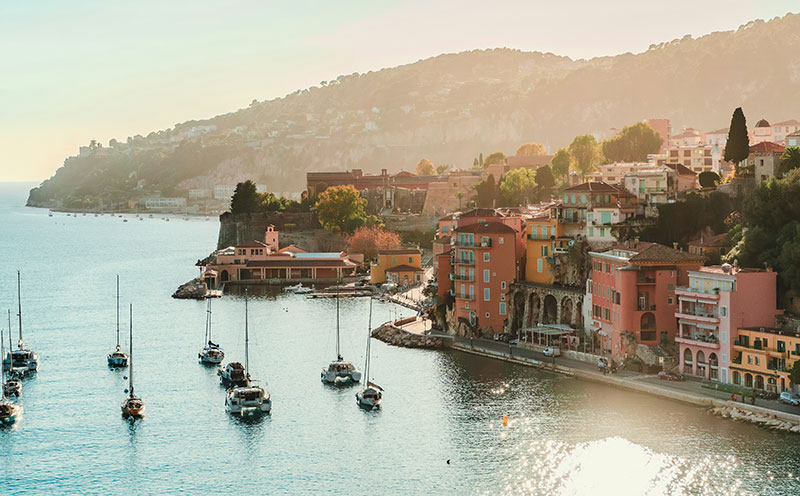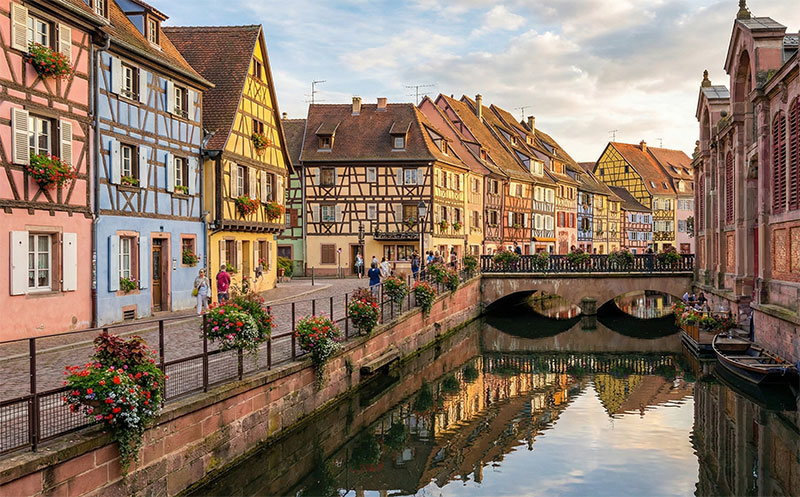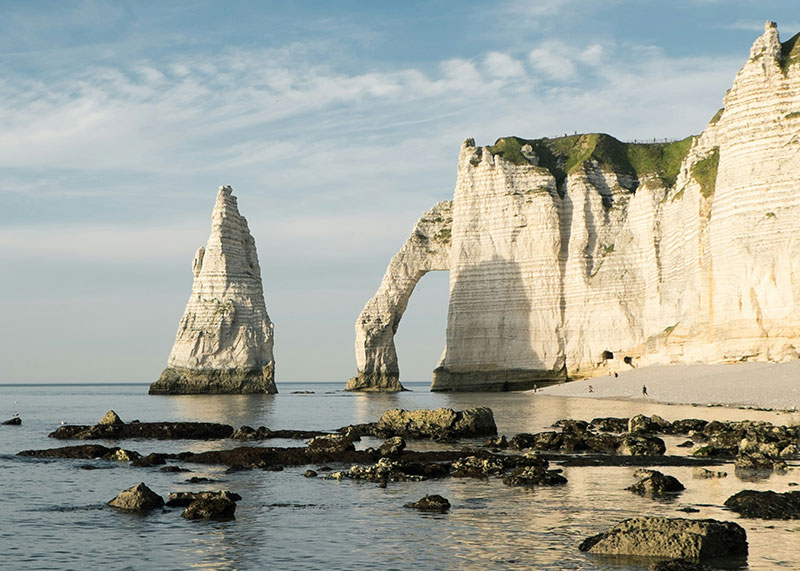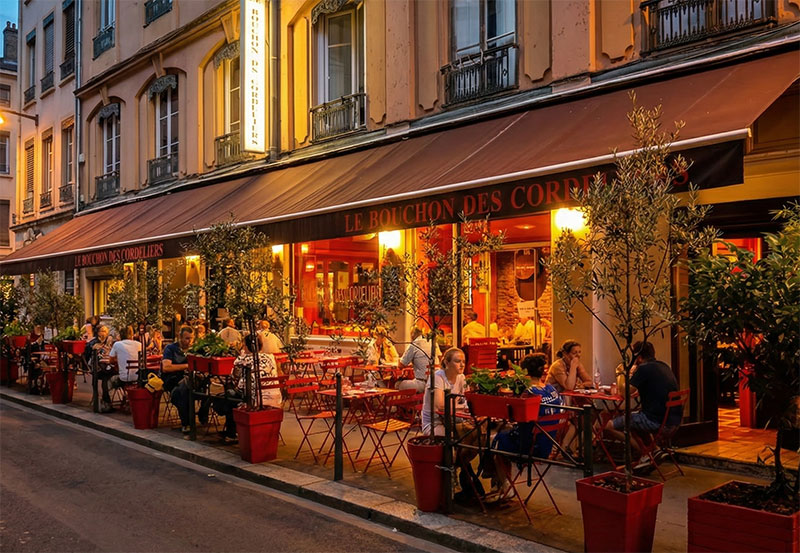

Europe Travel Guide

Home » Destinations » Page 10

Last updated: March 2026 by Corey Gasman

From the Editor:

Europe is not one trip. It is dozens of completely different trips. This guide helps you choose the right country (or country pair) based on how you actually travel: food-first, museums, beaches, mountains, nightlife, slow mornings, or maximum highlights.

I do not just research these routes. I stress-test them. My wife and I have been to Europe twice in the last two years alone, including a slow week in Ireland, four nights in London, and a week in Tenerife. The year before that, we did Italy plus Croatia and Montenegro. One truth has held across every itinerary: traveling slower is always better.

Start Here: The Reality of European Travel

For most Americans, the hard part is not choosing Europe. It is choosing the right version of Europe. The fastest way to ruin the trip is stacking too many cities and too many transfers. Your itinerary becomes airport runs, check-ins, and dragging bags through train stations.

Before you book anything

Book your first base and your must-do timed-entry sights, then keep the rest flexible.

TLGA Rule: Pick your travel style first, then pick the country that matches it.
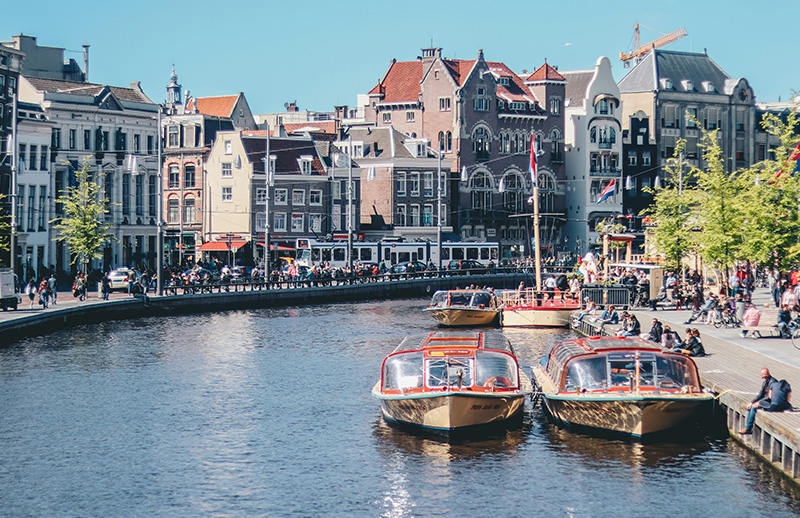
A row of historic, narrow gabled houses in various shades of grey and brick lining a calm Amsterdam canal, with several traditional wooden canal boats and small motorboats moored along the water’s edge under a clear sky.

Classic gabled architecture reflected in the still waters of an Amsterdam canal, where private boats remain the preferred way to navigate the city.


2026 Entry Rules: What to Know Before You Fly

Border logistics are changing across Europe. The takeaway is simple: build a buffer into arrival day, and double-check entry requirements when you book flights and again a few weeks before departure.

2026 reality check:

  • EES (Entry/Exit System): biometric border processing is rolling out across the Schengen Area. Expect fingerprints or facial scans at some airports and land crossings during early rollout phases.
    Official information: EU EES portal
  • ETIAS travel authorization: currently planned for late 2026. U.S. travelers will need a quick online authorization before entering most EU countries.

    Important: applications are not open yet. Do not pay any third-party website claiming to sell ETIAS approval.
    Official site: EU ETIAS information

  • United Kingdom ETA: if your trip includes the UK (England, Scotland, Wales, or Northern Ireland), confirm whether you need an ETA based on your passport and itinerary.
    Official site: UK Government ETA portal
Local Guide Tip: Only apply through official government websites. Many “visa service” websites charge three to five times the official fee for the exact same application.There are a lot of resellers that look official and charge way more.

How to Choose the Right Country

Pick your vibe first. Then choose the country that supports your best days.

Your vibe Best matches Why it works
Food-first cities Italy, Spain, Portugal Markets, casual dining culture, regional specialties that feel different city to city
Museums and iconic sights France, UK, Italy Dense “bucket list” days with easy day trips
Summer coolcation Norway, Denmark, Switzerland Better peak-summer temps with reliable infrastructure
Beach plus culture Spain, Portugal, Greece City days plus coast days without complex routing
Nature and road trips Ireland, Scotland, Switzerland Scenery-forward travel with rewarding drives and shorter daily plans
Easy logistics and low friction Netherlands, UK, Spain, Switzerland Walkable bases, strong transit, high tourism comfort
Local Guide Tip: Use the “two base rule.” Choose one primary base (4 to 6 nights), then one secondary base (3 to 5 nights). Add day trips, not new hotels.

The 3-question filter

  • Cities or scenery? Cities: France, UK, Netherlands, Spain. Scenery: Ireland, Switzerland, Scotland, Norway.
  • Do you hate moving hotels? If yes, lean Portugal, Netherlands, Ireland, UK, Switzerland (base-friendly).
  • How price sensitive are you? Value: Portugal, Spain, parts of Italy. Expensive: Switzerland and the UK, especially in peak season.
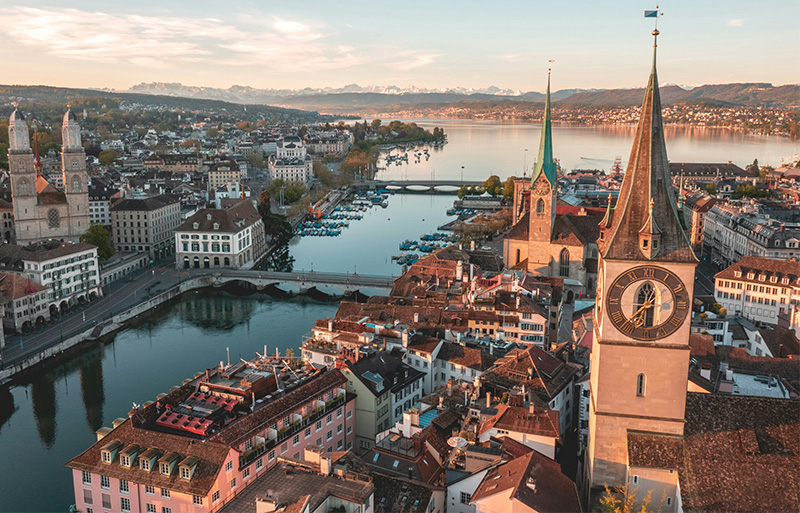
A high-angle, scenic view of Zürich, Switzerland, featuring the Limmat River flowing through the historic center, with the iconic Grossmünster and Fraumünster church spires rising above the traditional tiled rooftops under a soft, hazy sky.

Looking out over the Limmat River toward the twin towers of Grossmünster, one of the most recognizable views in Zürich’s Altstadt.


Top 10 Europe Picks for Americans

These are reliable choices for first-timers and repeat travelers. Each one has a clear identity, easy routing, and enough depth for a week or two.

Country Best for Difficulty Typical daily budget (per person) Ideal trip length
Italy Food, history, cities Medium Mid to High ($200–$350+) 10 to 14 days
France Paris, wine, culture Easy Mid to High ($200–$350+) 7 to 10 days
Spain Tapas, architecture, energy Easy Mid ($150–$250) 10 to 14 days
United Kingdom History, cities, pubs Very easy High ($250–$400) 7 to 10 days
Ireland Scenery, road trips, pubs Easy Mid to High ($200–$300) 7 to 10 days
Portugal Value, coast, food Easy Low to Mid ($100–$200) 7 to 10 days
Greece Islands, ruins, sunsets Medium Mid ($150–$250) 10 to 14 days
Switzerland Alps, trains, scenery Easy Very High ($300–$500+) 7 to 10 days
Netherlands Compact cities, canals Very easy Mid to High ($200–$300) 5 to 7 days
Germany History, markets, beer Easy Mid ($150–$250) 7 to 10 days

Low-Stress Europe: Easy Travel, High Satisfaction

This is not a scientific ranking. It is a practical filter based on what typically creates calmer trips: walkable bases, reliable transit, clear routing, and fewer headaches.

Low-stress is mostly logistics:

Fewer hotel changes, shorter transfers, and one clear base improves almost any country.

If you want this feeling Pick this country Why it tends to work
Food joy and classic Europe Italy Easy to build around 2 bases, huge reward per day
Scenery-first and slower days Ireland Road trips are simple to design, days are not schedule-heavy
Effortless city flow Netherlands Compact routes, easy trains, walkable cities
Comfort travel days Switzerland Trains do the work, scenery is the attraction
Great value, easy rhythm Portugal Lisbon and Porto is a low-friction classic
Friendly energy and simple routing Spain Great trains, strong base cities, easy day trips

Small choices that reduce stress immediately

  • Limit transfers: 2 hotel changes max for 7 to 10 days.
  • Pick one anchor per day: one museum, one neighborhood, one food mission.
  • Travel days are half-days: plan one thing, not five things.
  • Book first hotel smart: stay walkable and near transit, especially on night one.

Best Time to Go

Timing changes prices, crowds, and how hard the trip feels. Shoulder season wins for most travelers.

Season Best for Watch-outs TLGA take
Spring (Apr to May) Cities, shoulder-season value Some mountain spots still cool Best overall window
Summer (Jun to Aug) Islands, festivals, long days Heatwaves, peak crowds, peak prices Do coasts or coolcations
Fall (Sep to Oct) Food, wine regions, cities Shorter days later in Oct Best overall window
Winter (Nov to Mar) Markets, cozy city trips Weather and reduced hours Pick 1 city and go deep

Budget and Costs: What Moves the Needle

Most budgets get blown up by hotels in peak season and last-minute transport. Meals are rarely the problem if you mix markets, casual spots, and one nice dinner.

Category Save money by doing this Worth the splurge
Lodging Shoulder season, smaller hotels, 1 great base Walkable location and quiet room
Food Markets, bakeries, lunch specials One signature meal in each city
Transport Trains booked earlier, fewer hops Fast train over cheap flight stress
Sights Pick 1 paid anchor daily Timed entry for must-do attractions
Local Guide Tip: If you want a smoother trip, spend your money on location and logistics, not “fancy.” A simple, central base beats a nicer hotel far out.
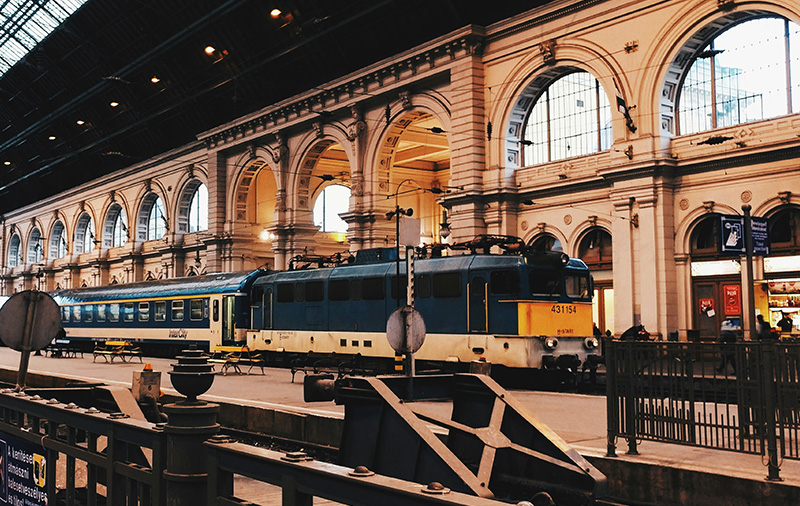
The interior of a grand, historic European train station in Budapest, featuring a high arched glass and steel ceiling, classic architecture, and a blue and yellow passenger train pulled up to a stone platform.

The striking ironwork and glass roof of a Budapest railway terminus, a central hub for navigating Central Europe by rail.


Transport Playbook: Trains vs Budget Flights

Transport is where Europe trips either feel effortless or exhausting.

My rule: if the journey is under 4 to 5 hours, the train usually wins.

Budget flights are best when you are crossing big distances, heading to islands, or the train would burn a full day.

What makes budget flights feel harder than expected

  • Remote airports and extra transit time
  • Strict baggage rules and fees
  • Security lines and early arrivals
  • Lost time on both ends of the day

Best 7 Day Europe Trips

If you only have a week, choose one country or one major city plus one easy add-on. These combos minimize transit and maximize “this feels like Europe” moments.

Pick one

  • France: Paris (5 nights) + 1 day trip (Versailles or Champagne)
  • Portugal: Lisbon (4 nights) + Porto (3 nights)
  • Netherlands: Amsterdam (4 nights) + Haarlem or Utrecht (3 nights)
  • Ireland: Dublin (2 nights) + Galway (3 nights) + Dingle or Killarney (2 nights)
  • Spain: Barcelona (4 nights) + Valencia (3 nights)
Local Guide Tip: For a 7-day trip from the U.S., avoid 3-city itineraries unless one stop is a day trip.

Best 14 Day Europe Trips

Two weeks is the sweet spot. You can go deep in one country, or pair two countries that are close and simple.

One-country, two-base classics

  • Italy: Rome (5) + Florence (5) + Tuscany or Amalfi (3 to 4)
  • Spain: Barcelona (4) + Madrid (4) + Seville (4 to 6)
  • France: Paris (5) + Provence or the French Riviera (6 to 7)

Two-country combos that keep logistics easy

  • Portugal + Spain: Lisbon + Porto, then Seville
  • Netherlands + Belgium: Amsterdam + Utrecht, then Bruges or Ghent
  • France + Switzerland: Paris, then Alps by train
  • UK + Ireland: London + Edinburgh, then Dublin + one countryside base
  • Croatia + Montenegro: Split or Dubrovnik, then the Bay of Kotor
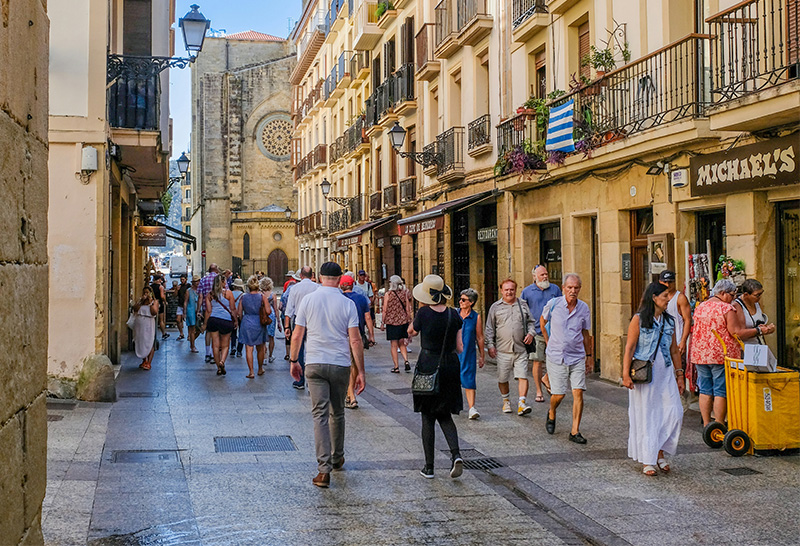
Alt Text A narrow, sunlit pedestrian walking street in the Old Town of San Sebastián, Spain, lined with multi-story historic buildings featuring wrought-iron balconies and ground-floor shops, with people strolling in the distance.

A sun-drenched walking street in San Sebastián’s Parte Vieja, where the city’s famous pintxos bars and historic architecture meet.


Hidden Gems and Off-the-Beaten-Path Europe

Hidden gems still exist. The trick is choosing places that are one step off the standard route, where crowds drop and the experience gets better, but logistics stay simple.

Local Guide Tip: Try the Second City Swap. Swap Florence for Bologna, Paris for Lyon, or Brussels for Ghent.

Easy hidden gems for first-timers

  • Spain: San Sebastián, Basque coast day trips, Bilbao
  • France: Alsace towns, Annecy, Bordeaux, Lyon
  • Italy: Bologna, Puglia, Lake Orta
  • Portugal: Coimbra, Alentejo, Madeira
  • Adriatic: Istria (Croatia) for food and hill towns

Off-the-beaten-path, still doable

  • Slovenia: Ljubljana + Lake Bled + the Soča Valley
  • Montenegro: Bay of Kotor plus a few beach days
  • Albania Riviera: incredible coastline, best with a flexible pace

Country Pairing Cheat Sheet

If you want two countries, keep them close. Pair a big city anchor with a calmer second base.

If you want Do this pairing Why it works
Classic first-timer Europe France + Netherlands Paris + Amsterdam is iconic and easy
Value plus variety Portugal + Spain Great food, easy routing, strong bases
City plus mountains France + Switzerland Big city days, then scenery and comfort travel
English-friendly and simple UK + Ireland Low friction and great day-trip options
Adriatic summer Croatia + Montenegro Island hopping, then a slower bay base

The TLGA Playbook: How to Build an A+ Europe Itinerary

This is the system that keeps your trip fun. Simple, repeatable, and it works in any European country.

  • Pick 2 bases: one main base, one add-on base.
  • Build your day around one highlight: one major sight, one neighborhood walk, and one food mission.
  • Protect your energy: schedule one slow morning every 2 to 3 days.
  • Travel days are half-days: plan one thing, not five things.
  • Book key sights early: timed entry is common at major museums and attractions.

A simple booking timeline

  • 120 to 90 days out: flights, first hotel, must-do tickets
  • 60 days out: intercity trains, key tours, second base hotel
  • 30 days out: restaurant reservations, day trips, local passes

Frequently Asked Questions

How many countries should I do in 7 to 10 days?

One country is the best move for most travelers. If you do two, keep it tight geographically and limit hotel changes. A good rule is two bases total.

Countries with compact routes and strong infrastructure tend to feel easiest. The UK, Netherlands, Spain, and Portugal are common low-friction picks.

Book your first hotel in a walkable area, limit transfers, and plan one anchor per day. The goal is fewer logistics and more time in neighborhoods.

Yes, but they are rarely secret. The best hidden gems are places one step off the classic route. They still have trains, good hotels, and enough to do for 2 to 4 nights.

If the journey is under 4 to 5 hours, trains usually win. Budget flights make more sense for long distances, islands, or when the train would burn a full day.
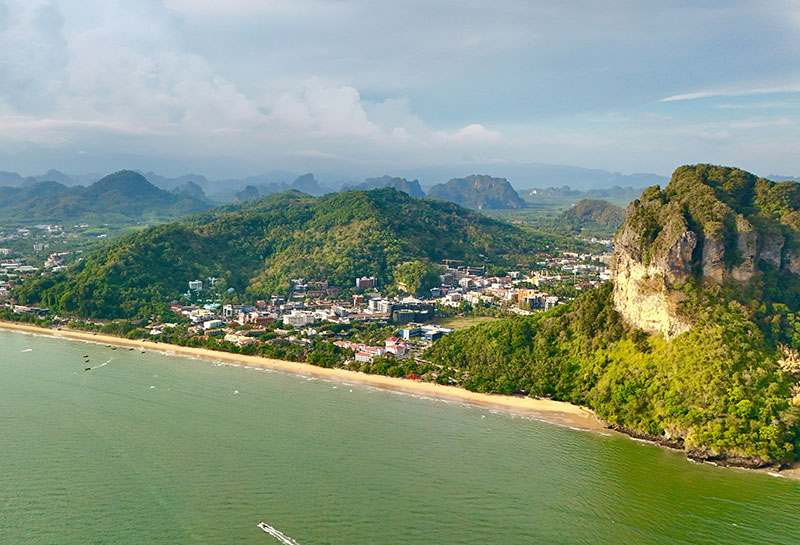
Phuket vs Krabi: Which Thai Beach Destination Fits Your Trip?

Aerial drone shot of Ao Nang Beach in Krabi, showing the long stretch of sand, the town nestled against green hills, and limestone cliffs.

Phuket vs Krabi: Which Thai Beach Destination Fits Your Trip?

Aerial drone shot of Ao Nang Beach in Krabi, showing the long stretch of sand, the town nestled against green hills, and limestone cliffs.

Both are beautiful. The real question is what kind of trip mood you want when the sun goes down. Ao Nang is Krabi’s most convenient base for beach days, town amenities, and easy boat access.


By Corey Gasman

Phuket and Krabi are two of Thailand’s biggest “beach base” choices on the Andaman Sea, and the reason people get stuck choosing is simple: both can deliver a great trip, but they deliver different trips.

This is a secondary spoke designed to support the Thailand Travel Guide. The goal is not to list every hotel and beach. It is to help you pick the right base fast, so your itinerary and budget stop fighting you.

My Phuket vs Krabi decision rule

If you want convenience, variety, and “choose your own adventure” energy, pick Phuket. If you want dramatic scenery, easier day trips, and a calmer daily rhythm, pick Krabi.

The shortcut: Phuket is a bigger ecosystem. Krabi is a simpler base with better visuals per minute.

Local Guide Tip: Don’t choose based on one Instagram beach photo. Choose based on your night preferences. Phuket is busier after dark. Krabi is quieter, earlier, and more “tomorrow morning hike” energy.
Pro Tip: If you have 7+ nights, the best move is often both: 3 to 4 nights in Phuket (variety + food), then 3 to 4 nights in Krabi (scenery + day trips).

Phuket vs Krabi at a Glance

  • Best overall variety: Phuket
  • Best scenery per minute: Krabi
  • Best for families: Phuket (more infrastructure)
  • Best for couples: Krabi (calmer rhythm)
  • Best island hopping base: Tie (different routes)
  • Best nightlife: Phuket
  • Easiest “do both” route: Phuket → Krabi (Ferry)
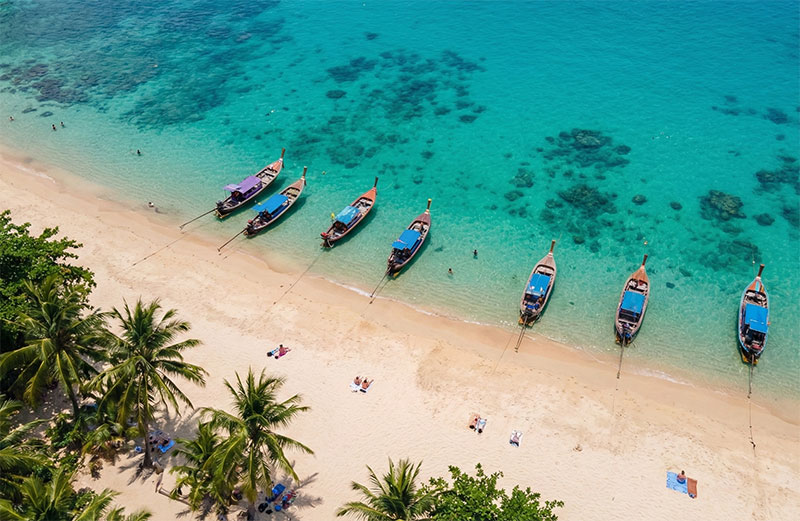
Aerial view of Banana Beach (Koh Hey) near Phuket featuring crystal clear turquoise water, traditional longtail boats anchored on white sand, and lush tropical greenery.

Banana Beach on Koh Hey is a perfect example of the “Maldives-style” clear water you can find just a 15-minute speedboat ride from Phuket.


Bottom Line Pick

If you want… Pick this Why
Maximum variety (beaches, restaurants, hotels, shopping) Phuket More options, more neighborhoods, more “choose your vibe” flexibility
Dramatic scenery and a calmer base Krabi Epic limestone landscapes, easier low-key evenings, simpler logistics
Nightlife and late nights Phuket More bars, beach clubs, and a bigger after-dark scene
Couples trip with a slower rhythm Krabi More “sunset + dinner + early night” energy without trying
Family trip with convenience Phuket More kid-friendly hotels, malls, beaches with services, and backup options
Pro Tip: If you are only picking one and you are unsure, default to Phuket. If you are already tired from Bangkok and want a softer landing, default to Krabi.
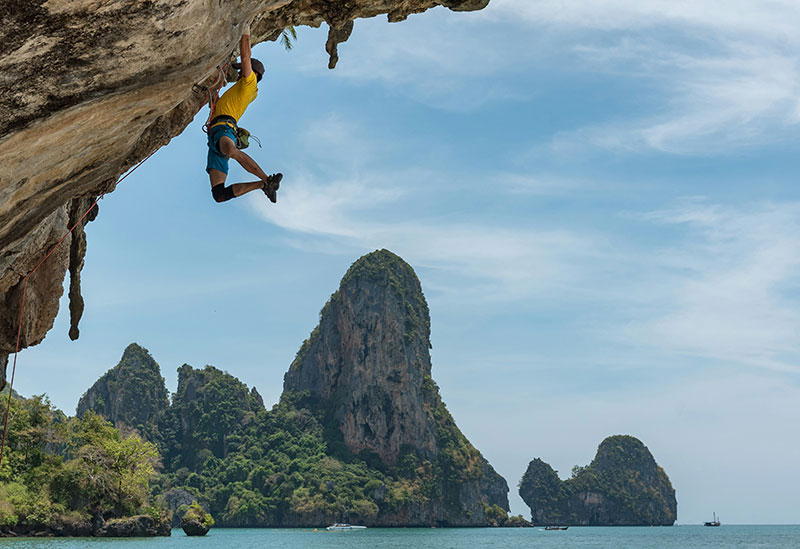
A rock climber hanging from a limestone overhang at Tonsai Beach with a stunning view of the ocean and karsts in the background.

Phuket is energy and options. Krabi is flow and views. Tonsai and Railay are world-class climbing zones, with limestone cliffs rising straight out of the Andaman Sea.


Vibe Comparison

  • Phuket: Bigger, busier, more built out. You can do luxury, budget, nightlife, quiet coves, shopping, and food tours on one island.
  • Krabi: Slower, simpler, more scenic. It feels like a base designed for day trips and early nights, with fewer “decision points” every day.
Local Guide Tip: If you hate “tourist chaos,” avoid making your entire Phuket stay in Patong. Phuket has calmer pockets. You just need to choose them.
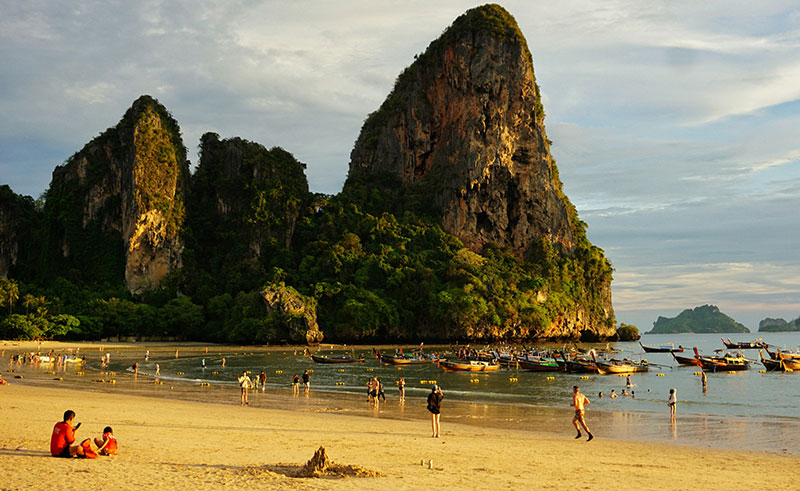
Golden hour at Railay Beach with longtail boats parked on the sand and the dramatic limestone cliffs glowing in the sunset light.

The beach question is not “which is prettier.” It is “which is easier for how I travel.” Pictured: Sunset at Railay West is an event. Grab a spot on the sand, watch the longtails bob in the surf, and wait for the cliffs to turn gold.


Beaches

Category Phuket Krabi
Classic beach days More options, more developed beaches Fewer main beaches, more scenic backdrop
Swim-friendly convenience Strong (depending on beach) Good, but some areas are more about views than long swims
“Wow” factor Beautiful, but less dramatic Limestone cliffs make it feel cinematic
Getting around More spread out, longer drives More compact for most tourist bases
Pro Tip: In both places, your beach experience is heavily seasonal. Winds and surf shift by month. Also, watch the tides in Krabi (especially Ao Nang and Railay)—low tide can mean a long, muddy walk to find the water.
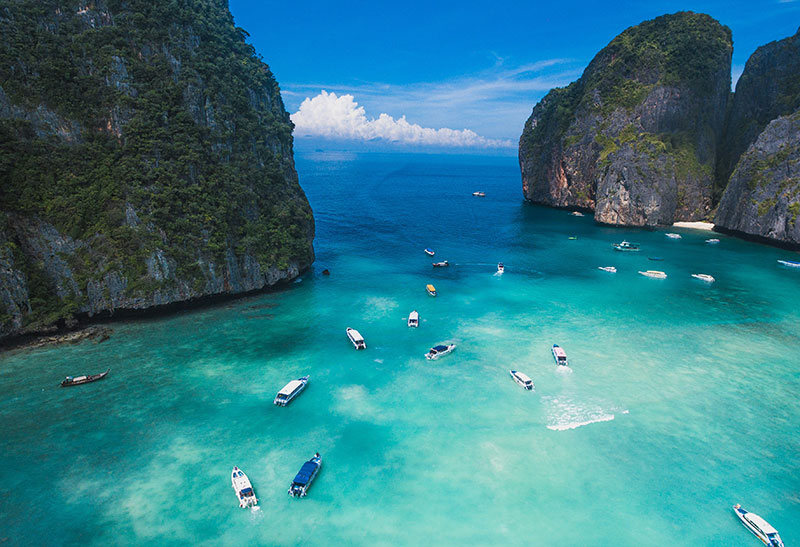
Aerial view of the turquoise waters of Maya Bay, Phi Phi Islands, dotted with numerous white speedboats and framed by towering limestone cliffs covered in lush green vegetation under a blue sky.

Maya Bay is the headline photo for a reason: limestone cliffs, bright water, and that “this can’t be real” color.


Island Hopping & Day Trips

Phuket day trip strengths

  • More tour variety and departure points
  • Easy access to popular island routes (depending on your tour)
  • More “add-ons” like viewpoints, old town, and food experiences

Krabi day trip strengths

  • Railay-style scenery and cliff-lined beaches
  • Great for “boat day, back by dinner” simplicity
  • Feels more nature-forward even on tourist routes
Local Guide Tip: Book your boat day for early in the trip when your energy is highest, then keep the next day light. Sun + boats can wipe you out more than you expect.
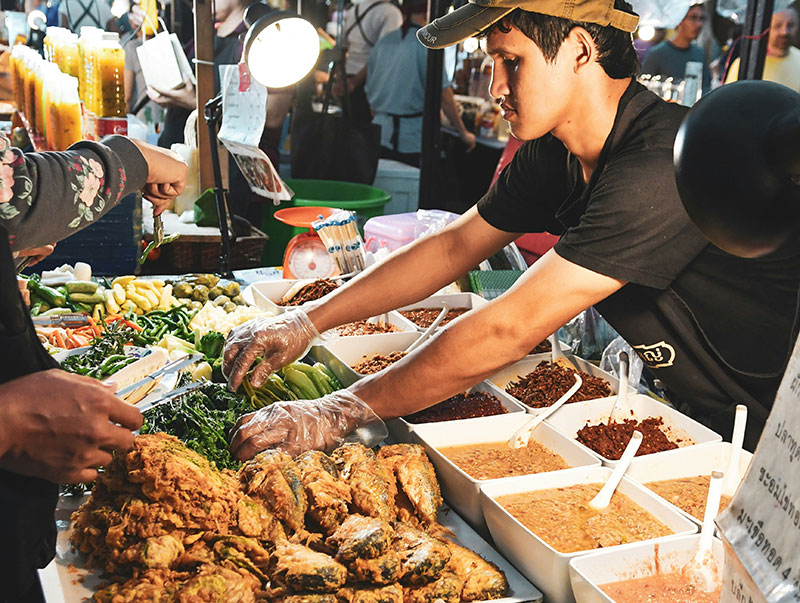
A street food vendor at a night market arranging trays of fried fish, fresh vegetables, and spicy dipping sauces (nam prik).

Phuket wins on variety. Krabi wins on “easy, delicious, no stress” meals after a day outside. My favorite dinner move is to graze: look for nam prik (chili dips) with fried mackerel and fresh veggies.


Food & Night Markets

  • Phuket: Bigger restaurant ecosystem, more “special occasion” dining, more street food zones, and stronger “stay out and graze” energy.
  • Krabi: Plenty of great casual meals, night markets, and simple local spots. Fewer “destination dining” options, but easier to keep it relaxed and affordable.
Pro Tip: Do not over-plan dinner reservations in either place. Anchor one “must-eat” per day, then let the night market and the smell test do the rest.
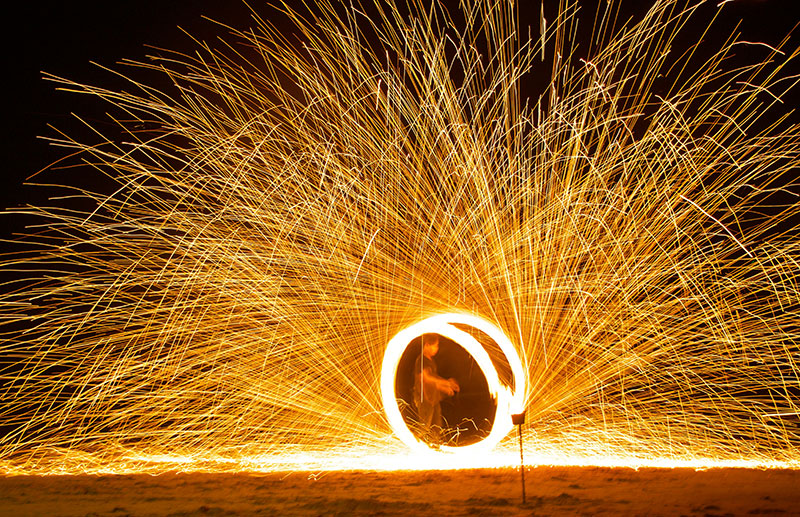
A fire spinner creating a circle of sparks on a dark beach in Thailand during a nightly fire show.

Phuket has more late-night options. Krabi is better at “sleep well and wake up happy.” And yes, a beach fire show is still one of the classic south Thailand nights.


Nightlife

  • Phuket: More bars, clubs, beach clubs, and late-night energy. You can find quiet too, but you need to choose your neighborhood.
  • Krabi: More laid-back nights. Drinks, casual bars, night markets, and earlier endings are the default.
Local Guide Tip: If you want nightlife without chaos, aim for “good bars” not “party streets.” Your trip vibe improves instantly.
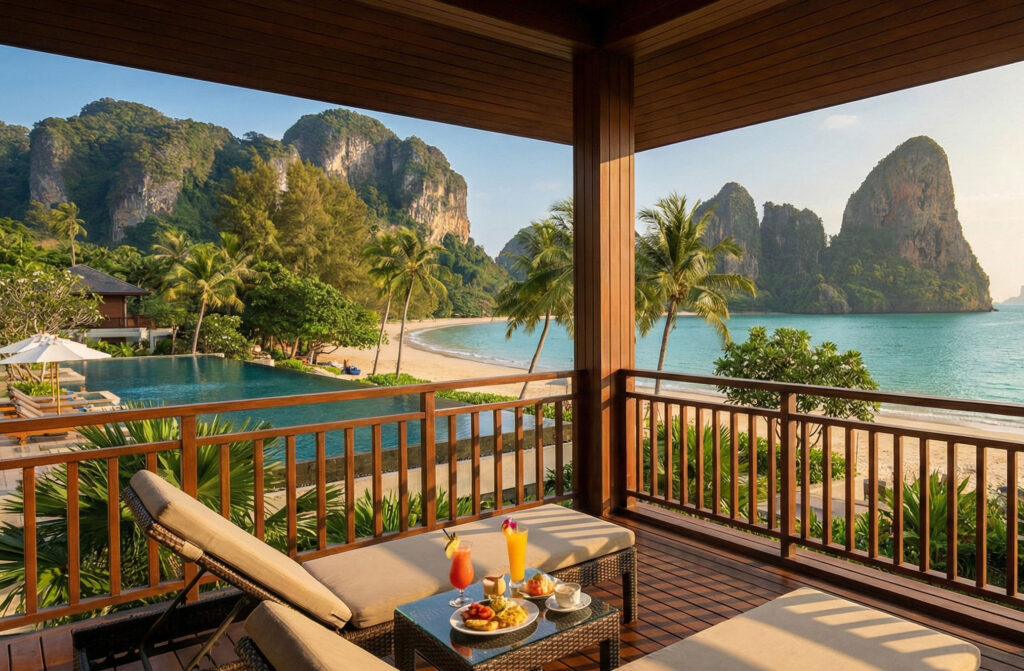
View from a luxury hotel balcony in Krabi, Thailand, featuring wooden lounge chairs, a tropical breakfast, and a panoramic view of the turquoise Andaman Sea and limestone cliffs

Where you stay matters more than the destination choice. Pick your base like you pick your travel mood.


Where to Stay by Traveler Type

A note on Krabi geography: “Krabi” is a big province. Most tourists stay in Ao Nang (convenience base), Railay (scenic isolation), or Krabi Town (local vibe, no beach). Don’t book Krabi Town if you want a beach hotel.

Traveler Type Best Pick Why
First-time Thailand Phuket More flexibility if you picked a “meh” beach, more food and backup options
Couples / honeymoon vibe Krabi More natural beauty and calmer evenings without trying
Families Phuket More family hotels, activities, and predictable logistics
Budget travelers Tie Both can be affordable. Your neighborhood choice matters most
Food-focused travelers Phuket More variety and more “worth it” splurge options
Scenery + outdoor days Krabi More dramatic landscapes and easy nature-forward day trips

What Things Cost (2026 Estimates)

Item Typical Range (THB) Notes
Street meal 60–150 Tourist zones trend higher in both places
Casual restaurant meal 150–350 Seafood and “beachfront” usually cost more
Grab or taxi ride 120–400 Phuket distances can run longer
Boat day tour 1,200–3,500 Varies by route, group size, and inclusions
Mid-range hotel 1,500–4,000 Season and location matter more than “Phuket vs Krabi”

Note: These are practical traveler ranges, not promises. High season (Dec–Feb) can push prices up fast. April is the hottest month, so budget for A/C.

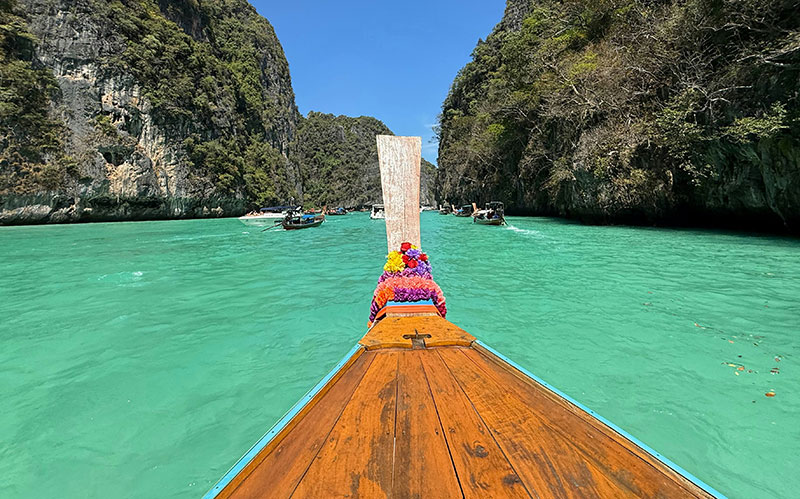
View from the wooden bow of a longtail boat decorated with colorful ribbons, heading toward the turquoise waters and limestone cliffs of the Phi Phi Islands.

The classic view from the bow: heading into the lagoons of Koh Phi Phi where the water turns an impossible shade of turquoise.


Getting There & Getting Around

Getting there

  • Phuket: Major airport options and frequent connections.
  • Krabi: Good airport access too, plus simple transfers from nearby hubs.

Connecting the Two (The “Do Both” Route)

If you take the advice to do both, you don’t need to fly. You have two main options:

  • Ferry/Speedboat (Most Scenic): Takes about 2.5 hours via Koh Phi Phi. This is the classic backpacker route.
  • Van/Taxi (Land Route): Takes about 3 hours driving around the bay. A good backup if the sea is rough.

Resource: You can check schedules for both ferries and vans on 12Go Asia.

Getting around

  • Phuket: Bigger island, longer drives. Download Grab or Bolt to avoid taxi negotiation stress.
  • Krabi: Generally more compact. Songthaews (local trucks) are easy to use in Ao Nang.
Pro Tip: The number one mistake is choosing a hotel based on the room photo, then spending your whole trip in traffic. Choose your base first, then choose your hotel.
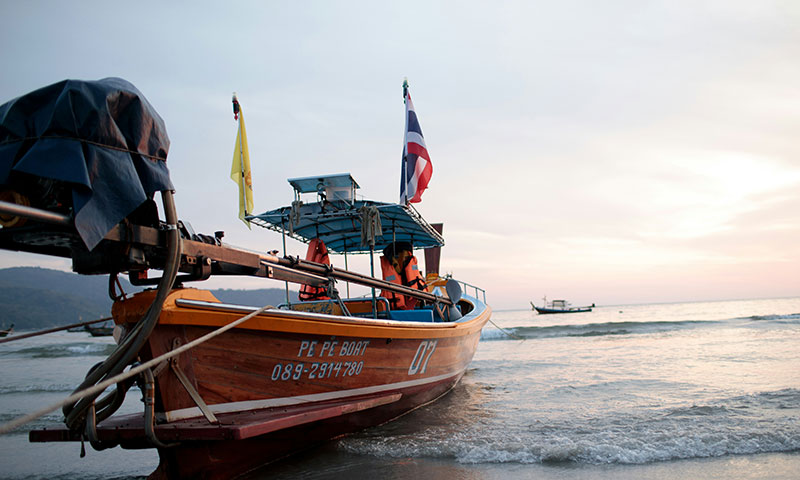
Close-up of a wooden longtail boat resting on the wet sand at sunset with a Thai flag waving from the stern.

A good beach itinerary has breathing room: one anchor plan, one anchor meal, then let the day unfold. Longtail boats are loud, imperfect, and completely iconic, especially at golden hour.


Sample Itineraries

3 Nights: Pick one base

  • Day 1: Arrival + beach sunset + night market dinner
  • Day 2: Boat day (early start) + casual dinner
  • Day 3: Chill morning + viewpoint or café loop + last-night seafood

7 Nights: Best of both (recommended)

  • Nights 1–3: Phuket (variety, food, one “big night”)
  • Nights 4–7: Krabi (scenery, slower rhythm, day trips)

Travel Like a Pro

  • Pick your base like you pick your trip mood: party-friendly, family-friendly, or recovery-friendly.
  • Do your boat day early: lock it in for Day 2 or Day 3, then coast.
  • Plan one splurge meal: then return to night markets and simple local spots.
  • Protect your energy: sun + heat + travel can stack fast. Build in a slow morning.
  • Do not over-optimize: the best beach trips have slack.

FAQs: Phuket vs Krabi

If you want maximum variety and easy backup plans, Phuket is usually the safer first-timer pick. If you want a calmer base with dramatic scenery, Krabi is a strong first trip too.

Both have great beaches. Phuket has more beach variety and more developed options. Krabi’s beaches often win on scenery, especially when limestone cliffs are part of the view.

Phuket. It has more nightlife variety, from beach clubs to late-night streets. Krabi is more laid-back after dark.

Yes, and it is often the best choice if you have a week. Do Phuket first for variety, then Krabi for a slower finish.

It depends more on your neighborhood and hotel choices than the destination name. Both can be affordable or expensive. Tourist-heavy beachfront zones cost more everywhere.

Bangkok Travel Guide 2026: The “Chaos to Calm” City Strategy

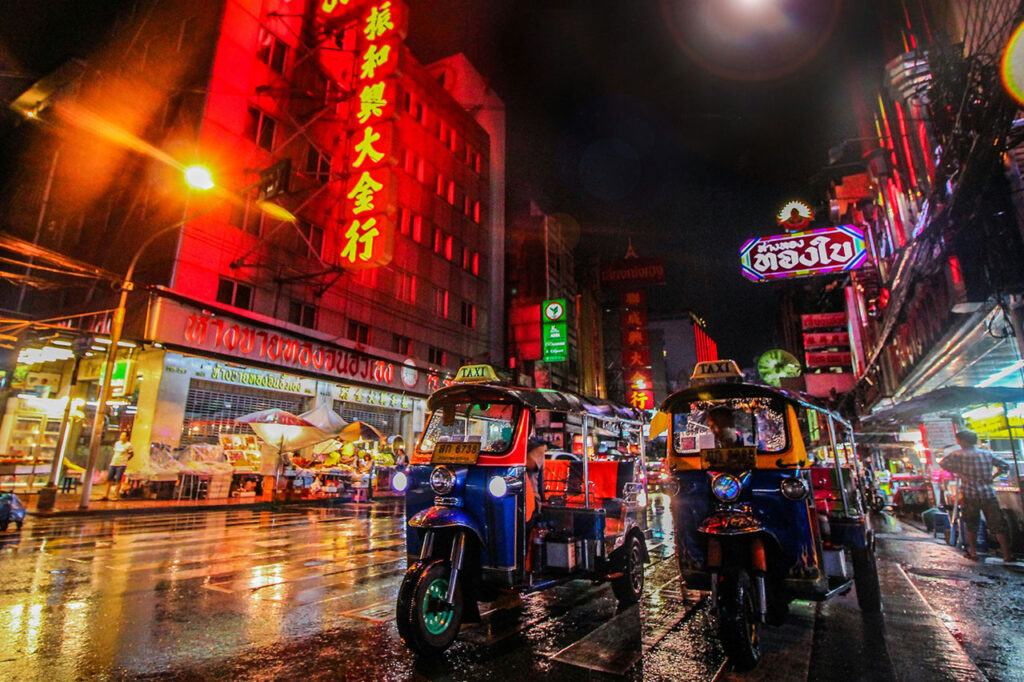
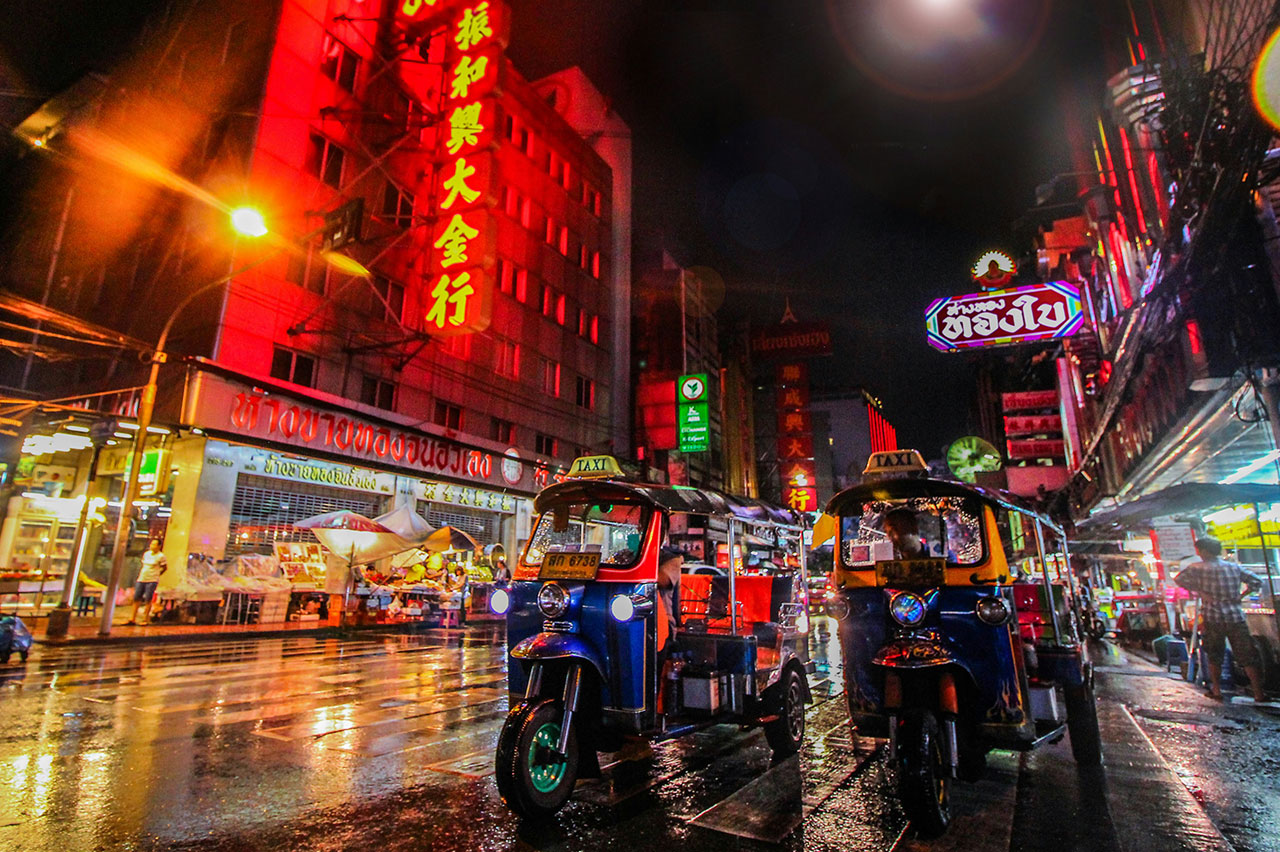
Based on the image preview in your WordPress media library, here are suggestions for the Alt Text and Caption fields for bangkok-street-view-with-tuk-tuks.jpg. This image appears to be taken on Yaowarat Road (Bangkok's Chinatown) given the distinct large red-and-gold neon signs. Suggested Alt Text Night view of three illuminated tuk-tuks parked on a wet street in Bangkok's Chinatown (Yaowarat Road) under bright red neon signs.
Home » Destinations » Page 10

Last updated: March 2026 by Corey Gasman

No trip to Bangkok is complete without a neon-lit tuk-tuk ride through the city’s buzzing streets.


From the Editor:

Bangkok is a full-volume city. It is intense in the best way, and it can also wear you out fast if you plan it like a checklist. The fix is simple: pick the right base, learn two transit tricks, and build your days around one morning mission and one night mission.

Do that and Bangkok becomes the best kind of chaos: temples, Chinatown backstreets, rooftop views, and $2 meals that somehow taste like a life upgrade.

Bangkok: Full Volume Travel, From $5 Rooms to Rooftop Bars

Having explored Thailand four different times, I have almost always used Bangkok as my base. Between those trips, I have been in and out of the city close to a dozen times. Every visit feels different. The Big Mango always has something new to offer. Over the years, I have moved from extreme budget travel to mid-range comfort to full-on luxury, and Bangkok has met me at every level.

If you are coming from somewhere like Minneapolis, stepping into a Southeast Asian megacity feels like someone turned your senses up to maximum. Street vendors everywhere. Smoke from grills. The smell of wok-fried noodles and sweet fruit. Friendly chaos. And then the punchline: how affordable it all is.

Over the last 20 years, I have seen Bangkok from almost every angle. On more recent trips, that has meant trading plywood walls for a luxury high-rise hotel on the 53rd floor, skyline views, and cocktails at the sky bar on top, while still doing the temples, Chinatown, late nights, and early mornings that define the city.

My first trip to Bangkok was back in 2004. I stayed in what you might generously call a hostel, but it was really a tiny plywood room where the walls did not even reach the ceiling. One little fan. One bare light bulb. A long hallway with a shared squatter toilet. I swear the room cost about five dollars a night.

It was ridiculous, and it was incredible.

I would walk outside and eat the best shrimp pad Thai of my life for about a dollar fifty and feel like I had unlocked some kind of travel superpower. That trip permanently rewired how I thought about money, comfort, and what travel could be.

Six years later in 2010, Bangkok showed up for me in a very different way. In 2009, after the housing bubble burst, my wife Melissa and I found ourselves suddenly unemployed. Instead of staying home and spiraling, we packed bags. That reset turned into a stretch that included two weeks in Thailand, two weeks in Vietnam, and time in California in between.

That Bangkok trip landed differently. We stayed at the New Siam Riverside Hotel, right on the river. Affordable, comfortable, and perfectly located. Around fifty dollars a night for a river-view room with a balcony, air conditioning, a nice pool, and an English breakfast when you needed a break from spicy Thai food.

We were there in January, during New Year season, when the heat was brutal and the streets turned into nonstop water fights. Buckets. Hoses. Laughing strangers. The entire city playing along. I am not kidding when I say we had to leave the hotel wearing swimsuits.

I have gone from partying on Khao San Road with big bottles of Chang and bucket drinks to seeking out the finer side of the city. Rooftop views. Great hotels. Meals that feel intentional.

That is why Bangkok works. It has a version of itself for everybody.


If you give it 24 hours and learn the rhythm, how to hop a river boat to skip traffic, where quiet temples hide behind busy streets, and how the best meal of your trip might happen on a plastic stool, it gets under your skin.

This guide is designed to cut through the noise. Bangkok is massive, but you only need to master a few key neighborhoods to have an incredible trip. I will show you how to skip tourist traps, use the transport systems that actually work, and build a trip that balances chaos with calm.

Bangkok Golden Rule: Your trip quality is 80% base location and 20% timing. Pick a zone, start early, and let nights be the city’s main event.

Bangkok at a Glance

  • Airports: Suvarnabhumi (BKK), Don Mueang (DMK)
  • Best Transit: BTS Skytrain and Chao Phraya boats
  • Traffic Tip: Avoid taxis 4–7 PM
  • Currency: Thai Baht (cash helps for street food)
  • Temple Dress: Covered shoulders and knees
  • Markets: Chatuchak (weekend), Jodd Fairs (night)
  • Safety: Very safe, watch tuk-tuk scams
Pro Tip: Do not judge Bangkok by Khao San Road. That is the backpacker party zone. Real Bangkok lives on the river, in Chinatown backstreets, and on Sukhumvit rooftops. If you want the party energy, spend time there, but sleep 10 to 15 minutes away on a quieter street so you can actually rest.

What Things Cost (2026 Estimates)

Item Cost (THB) Cost (USD) Notes
Street Pad Thai 50–80 THB $1.50 – $2.50 Varies by toppings
Local Beer (Retail) 45 THB ~$1.30 7-Eleven price
BTS Skytrain 17–62 THB $0.50 – $1.80 A/C comfort, avoids traffic
Taxi (20 min ride) 80–150 THB $2.40 – $4.50 Ask for “meter on”
Tuk Tuk (10 min ride) 100–200 THB $3.00 – $6.00 Agree on price first
Mid-Range Hotel ~1,500 THB ~$45.00 Per night (A/C + WiFi)
Thai Massage (1 hr) ~300 THB ~$9.00 Standard street price
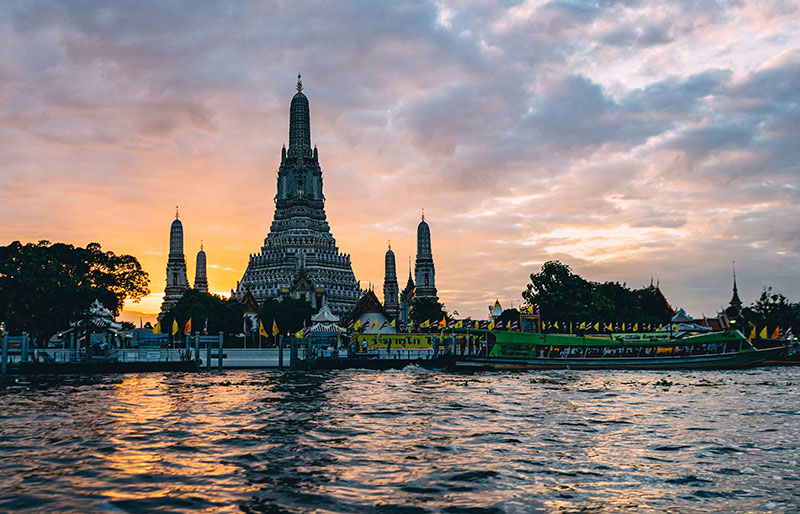
Sunset view of the Wat Arun temple spire silhouetted against the sky on the Chao Phraya River in Bangkok.

Strategy: Riverside feels like a reset. Sukhumvit is the action. Old Town is the classic chaos. Choose your base like it is the main attraction.


Where to Stay: The 3-Zone Strategy

Bangkok is too big to “see it all.” Your experience depends entirely on where you sleep. Pick one of these three zones based on your travel style, then build simple daily loops.

Where to Stay by Traveler Type (Quick Pick)

Traveler Type Best Base Why It Works
Budget and street food Old Town (Banglamphu) Temples, markets, iconic chaos, cheap eats
Mid-range comfort Riverside Best scenery, breezier vibe, boat access, calmer nights
Luxury and views Riverside or Sukhumvit High-rise hotels, skyline rooms, best rooftops
Nightlife and easy transit Sukhumvit (near BTS) Fast BTS access, modern convenience, late-night loop

Rule of thumb: If you will use taxis a lot, stay near the river. If you want speed, stay near BTS/MRT.

1. The Riverside (Charoen Krung / Silom)

  • The vibe: Historic, scenic, breezy, and a little bit luxurious.
  • Best for: First-timers, couples, and anyone who wants “resort in the city” energy.
  • Why stay here: River boats let you reach the Grand Palace and Wat Arun without sitting in traffic.

2. Sukhumvit (BTS Line)

  • The vibe: Modern towers, malls, rooftop bars, expat Bangkok, nightlife.
  • Best for: Convenience, dining variety, and late nights with easy transit.
  • Why stay here: BTS runs right down the spine. You can move fast even when streets are locked.

3. Old Town (Banglamphu)

  • The vibe: Traditional Bangkok, temples, street food, backpacker energy nearby.
  • Best for: Budget travelers and history-first trips.
  • Why stay here: You are close to the big temple circuit and the classic chaos.
  • Downside: No Skytrain access. You will walk, boat, or taxi.
Local Guide Tip: If you value your time, stay within a 10-minute walk of a BTS (Skytrain) or MRT (Subway) station. Bangkok traffic is world-famous for a reason. Flying over gridlock is the ultimate luxury.
Night view of the illuminated golden Phra Si Ratana Chedi at Wat Phra Kaew (Grand Palace) in Bangkok.

The glowing golden spires of Wat Phra Kaew (Temple of the Emerald Buddha) at night.


Best Time to Visit Bangkok

Bangkok works year-round, but your comfort changes a lot depending on season. The biggest factor is heat and humidity, not sightseeing.

  • November to February: Best weather. Lower humidity, cooler nights, peak prices and crowds.
  • March to May: The hottest stretch. Plan temple mornings and indoor afternoons.
  • June to October: Quick tropical downpours, greener city, better hotel deals. Rain usually hits in bursts, not all day.
Pro Tip: Build your day like locals do. Temples early, mall or nap midday, and your best exploring after 4 PM when the city cools down.
A BTS Skytrain moving along an elevated track above the Bangkok city streets during the day.

Escaping Bangkok traffic by traveling above the street on the BTS Skytrain.


Getting Around: Trains vs. Boats vs. Taxis

The BTS Skytrain and MRT

This is the lifeline of modern Bangkok. The BTS is above ground, and the MRT is underground. They connect at key points like Asok and Sukhumvit.

  • Payment: MRT supports contactless tap-to-pay in many stations. BTS is easiest with a Rabbit Card or kiosk tickets.
  • A/C note: Trains can feel freezing. It is a gift after the street heat.

The Chao Phraya Express Boats

The river is a highway. Boats are often faster than cars for Old City days.

  • Orange Flag Boat: The local standard. Cheap, frequent, practical.
  • Blue Flag Boat: The tourist version. More expensive, less useful for real routing.

Grab and Taxis

Download Grab (Southeast Asia’s Uber). It saves you from haggling and gives you price clarity.

Pro Tip: Never get into a parked taxi waiting for tourists. They often refuse the meter. Flag down a moving taxi instead.
Large illuminated "BANGKOK" neon sign glowing against a dark night sky.

Bright lights, big city: Bangkok after dark is when the city comes alive.


The Perfect 3-Day Bangkok Itinerary

Do not try to do too much. The heat will drain you. Plan one major activity for the morning and one for late afternoon or night.

Day 1: The Old Kings

  • Morning: Grand Palace and Wat Phra Kaew. Dress code is strict.
  • Lunch: Walk to the river and eat with a breeze.
  • Afternoon: Cross to Wat Arun.
  • Evening: Sunset drink at a riverside rooftop looking back at Wat Arun.
Art at Jim Thompsons House

A glimpse into the Silk King’s collection: antiques and art at the Jim Thompson House.

Day 2: Modern Life and Markets

  • Morning: Jim Thompson House.
  • Afternoon: Escape the heat in the malls (CentralWorld or IconSiam).
  • Evening: Jodd Fairs Night Market.
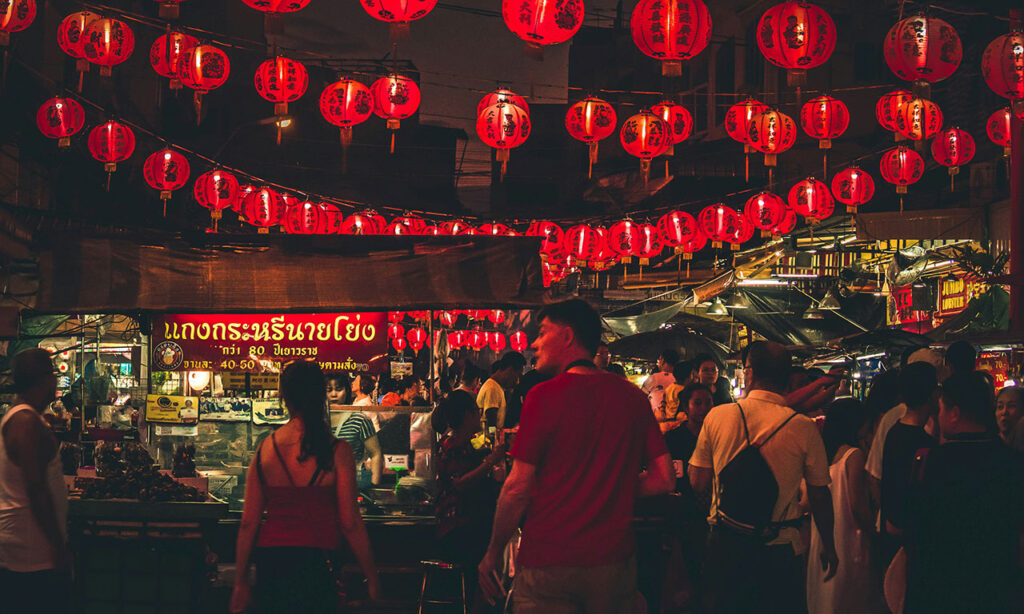
Night scene of a busy street food market in Bangkok's Chinatown (Yaowarat Road), with people dining at tables under rows of illuminated red lanterns.

Yaowarat Road (Chinatown) under a canopy of lanterns: the ultimate street food loop.


Day 3: Chinatown and Rooftops

  • Morning: Sleep in or get a Thai massage.
  • Late afternoon: Head to Yaowarat (Chinatown).
  • Dinner: Street food crawl.
  • Night: Finish at a rooftop bar like Octave or Tichuca.

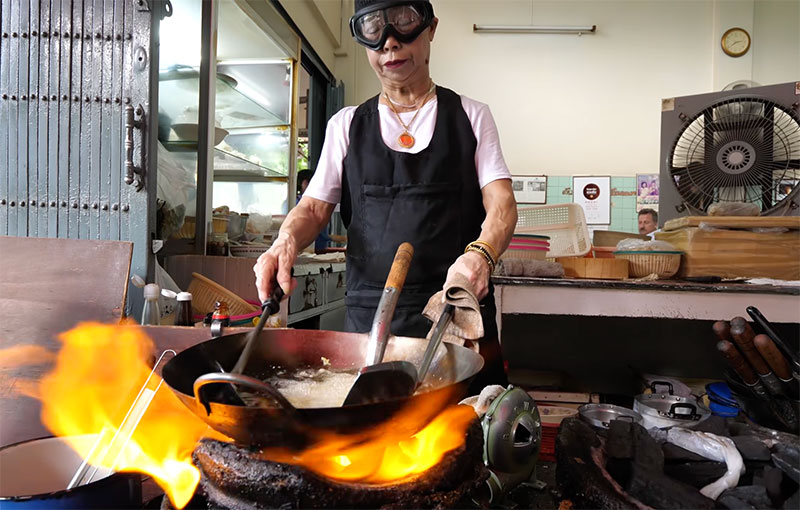
Jay Fai, the Michelin-starred “Queen of Street Food,” cooking her famous crab omelet.


What to Eat (The Teaser)

Bangkok is the street food capital of the world. You do not need a reservation. You just need an appetite.

3 spots to start:

  1. Jay Fai: Michelin-star crab omelet queen. Expect a long wait.
  2. Thipsamai: Famous Pad Thai. Touristy, still delicious.
  3. Terminal 21 Food Court: Clean, safe, great value.

Coming soon: Bangkok Street Food Deep Dive

I am writing a dedicated guide on what to order, how to handle spice levels, and the stalls I return to every trip. Link coming soon.

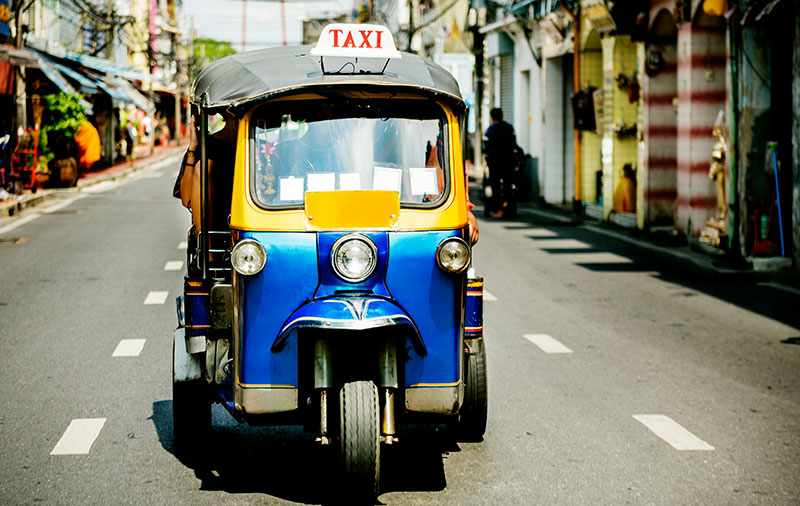
Based on the selected image tuk-tuk-scams.jpg, which shows a blue tuk-tuk on a sunny street, here are suggestions for your Alt Text and Caption fields. Given the filename and your blog section on "Scams: How to Outsmart Them," these options are tailored to fit that context. Alt Text A blue motorized tuk-tuk driving down a sunny street in Bangkok.

Be wary of “too cheap” rides (like 20 baht). It is often a trap that ends at a gem shop.

Scams: How to Outsmart Them

Bangkok is safe, but there are “soft scams” designed to separate you from your cash.

1. “The Palace is Closed Today”

A friendly, well-dressed guy approaches you outside the temple and says the Grand Palace is closed for a holiday or cleaning. It is a lie. He wants to put you in a tuk-tuk to a gem shop. Ignore him and walk to the main gate.

2. The 20-Baht Tuk-Tuk Ride

If a driver offers to take you around the city for 20 baht, it is a trap. You will be driven to tailor shops and gem stores. Pay a fair price for a ride, not the scam price.

Local Guide Tip: If someone approaches you speaking perfect English and being overly helpful without you asking, stay skeptical. Random street “guides” usually have an agenda.
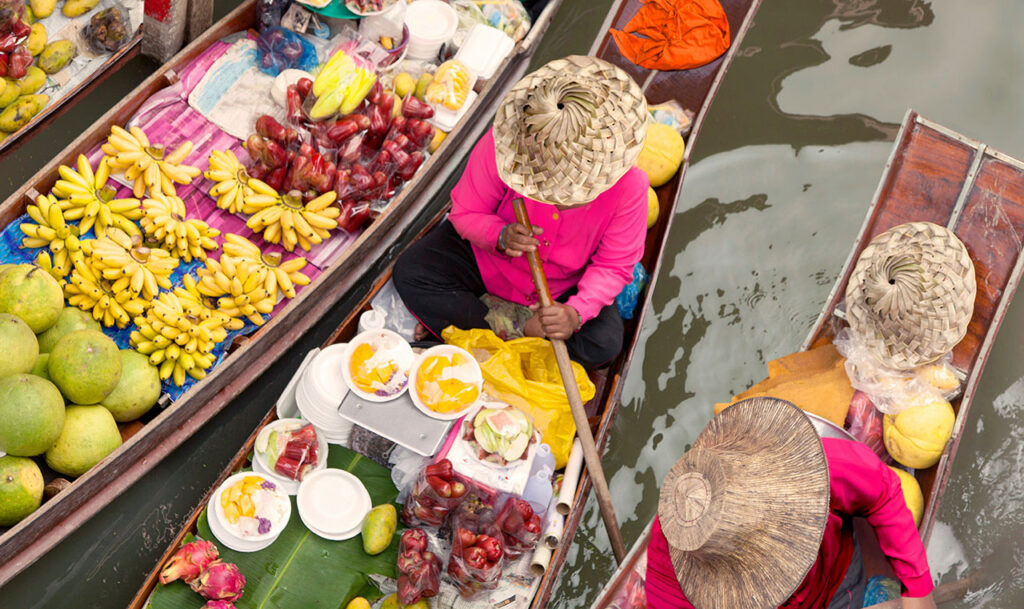
High-angle view of a vendor in a straw hat rowing a wooden boat filled with fresh fruit and flowers through a crowded canal at the Damnoen Saduak Floating Market

A chaotic but memorable morning on the water at Bangkok’s most famous floating market.


Bangkok Side Stories: The Moments You Don’t Plan

Some of my strongest memories from Bangkok did not come from temples or rooftop bars. They came from bad decisions, rough mornings, and showing up anyway.

A Rough Morning and the Floating Market

One of my favorite Bangkok memories started with a terrible decision.

We had booked a floating market tour in advance, and for reasons I still cannot explain, the night before became our biggest party night of the entire trip. Khao San Road. Big Chang beers. Buckets. The works. We shut it down around 2 a.m., knowing full well our van was leaving at 7.

We never made it back to the hotel. We crashed in a McDonald’s instead, staring at the Thai version of Ronald McDonald politely bowing with his hands pressed together in a wai, which felt respectful and judgmental at the same time.

The Longest Van Ride of My Life

By sunrise, we were wrecked.

Picture a small van packed with equally miserable tourists, crawling out of Bangkok in heat that felt criminal. No one talking. No one smiling. Everyone silently questioning their life choices.

And then, somehow, it worked.

The floating market itself was fascinating. Boats stacked with fruit, noodles, souvenirs, and people selling their wares from the water. I am sure it was once a very real part of daily commerce, and now it is clearly more of a tourist experience, but it was still worth seeing at least once.

Rough day? Absolutely. Memorable? No question.

The Lesson Bangkok Teaches You

Here is the irony. If we had not booked that tour in advance, there is no chance we would have gone while that hungover. We would have slept it off and missed it entirely.

It perfectly captures the way Bangkok reveals itself to you. Keep your itinerary flexible, but not empty. Leave room to adapt, but do not skip the weird or inconvenient things just because they feel uncomfortable in the moment.

Bangkok often rewards you for showing up anyway.

Local Guide Tip: Leave breathing room in your Bangkok itinerary, but anchor it with one or two commitments per day. Too rigid and you burn out. Too loose and you miss the stories you will tell for years.
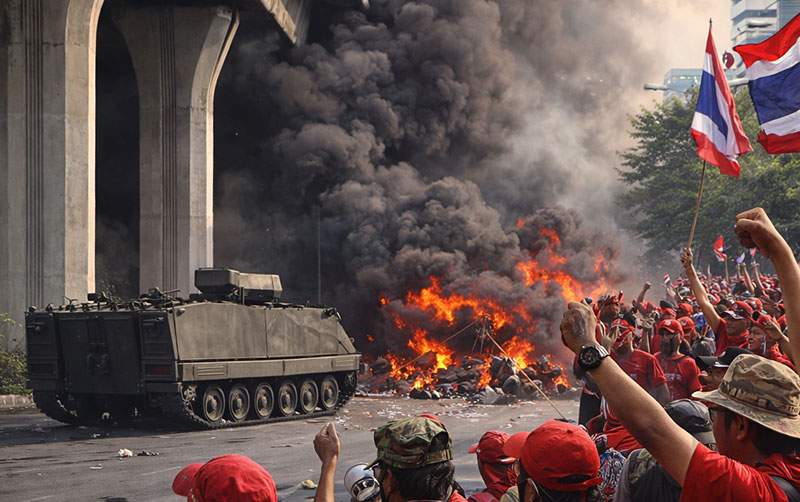
Photo-realistic illustrated recreation of the 2010 Red Shirt protests in Bangkok, showing protesters, smoke, and military presence during the political unrest.

Illustrated recreation of the 2010 Red Shirt protests. This image is an artistic representation of the atmosphere we experienced.


When Bangkok Got Very Real (2010)

On my second trip with my wife, Bangkok was not just chaotic; it was tense.

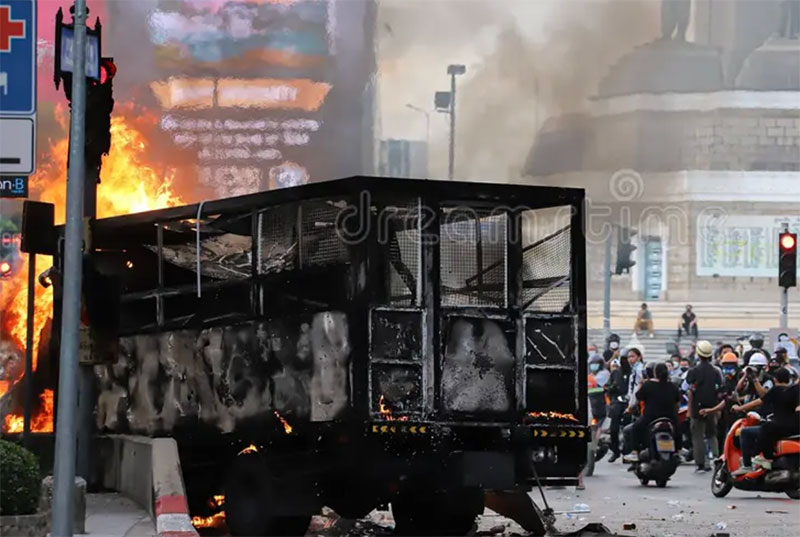
If you visited Bangkok in the spring of 2010, you saw a very different city. We were there during the height of the Red Shirt Protests. I vividly remember seeing armored personnel carriers (which looked like tanks to us) blocking off the major tourist districts around Ratchaprasong. At one point, we even saw the charred remains of a bus that had been burned to block the road. It was a surreal reminder that behind the street food and shopping, this is a city with a complex political history.

The Bourdain Connection

Months later, back in the States, we were watching Anthony Bourdain: No Reservations. It was the Thailand episode. We watched him walk through the same streets, commenting on the exact same tension we had felt. We had just come from Vietnam (where he had also been filming), unknowingly following his path through Southeast Asia right into the chaos.

Burned out bus photo I took leaving Bangkok in 2010, post red shirt protests.

I took this photo of a burnt bus being towed away in the aftermath of the protests. It was a sobering reminder of the tension in the city that week.

Frequently Asked Questions

How many days do I need in Bangkok?

Three days is the sweet spot. Two days for temples and neighborhoods, plus one day for markets, malls, or a slower reset.

Generally yes. Stick to busy stalls where food is cooked fresh and turnover is high. If it is quiet and the food looks like it has been sitting, keep walking.

Suvarnabhumi (BKK) is the main international airport and has the Airport Rail Link into the city. Don Mueang (DMK) is mostly for budget airlines and usually requires a taxi or bus connection.

BKK is usually easier for Sukhumvit and Riverside bases due to the rail link, while DMK often means a tollway taxi ride that can still get stuck in gridlock.

No. Do not drink tap water. Bottled water is cheap and everywhere. Ice in restaurants is usually safe, but when in doubt, stick to bottled drinks.

Thailand Travel Guide

Thousands of glowing paper lanterns floating into the night sky during the Yi Peng festival in Chiang Mai.
Home » Destinations » Page 10

By Corey Gasman

Why Thailand Works So Well

I have been to Thailand four different times over the last 20 years, and it is still the one country that makes me feel like travel is a cheat code. The first time I landed there on my round-the-world trip, I planned to stay a week. I stayed almost a month. Coming from the U.S., it was unbelievable. The value of my dollar. The ease of getting around. How friendly people were. How safe it felt. How quickly you fall into a rhythm with other travelers who are also wide-eyed and happy to be there.

And it is not just the value, even though that part still blows my mind. Thailand checks every box. The temples and culture in the north around Chiang Mai and Chiang Rai. The big-city buzz of Bangkok, where you can eat like a king on a plastic stool, then ride up to a rooftop and feel like you are in a different universe. The islands in every direction, from the Gulf of Thailand (Koh Samui, Koh Tao, Koh Phangan) to the Andaman side (Phuket, Krabi, Phi Phi). Add in Thai massages, shrimp pad thai, curries that ruin you for lesser curries, and tom yum soup, which is still my favorite Thai dish on earth.

This is my cornerstone planning guide for Thailand in 2026. Use it like a hub. I will help you choose the right regions for your travel style, map out an itinerary that does not feel rushed, and avoid the common mistakes that quietly derail great trips. If you want Thailand to feel easy, not overwhelming, start here.

Pro Tip: Thailand rewards slower travel. If you only have a week, pick two bases, not five. Your future self will thank you.
Local Guide Tip: The perfect first-timer itinerary is simple. Fly into Bangkok for two days of chaos and people-watching, then pick one direction. Fly south to Koh Samui or Phuket for beaches, or north to Chiang Mai for culture. Do not try to do it all.

At a Glance

  • Best for: First-time travelers, food lovers, island days
  • Ideal trip length: 10 to 14 days
  • Currency: Thai Baht (THB) (Est: $1 ≈ 30–35 THB, varies)
  • Visa: 60-day exemption for many passports (check ETA rules)
  • Time difference: ~12 hours ahead of U.S. Eastern Time
  • Getting around: Flights, trains, ferries, Grab (Ride-hailing)
  • Cost level: Budget to luxury friendly
  • Power: Types A, B, C (U.S. plugs usually work)
  • Arrival airports: Bangkok (BKK, DMK) plus Phuket (HKT)
  • Weather note: Avoid the North in March (Smog)
  • Safety baseline: No vaping, watch scooters, document rentals
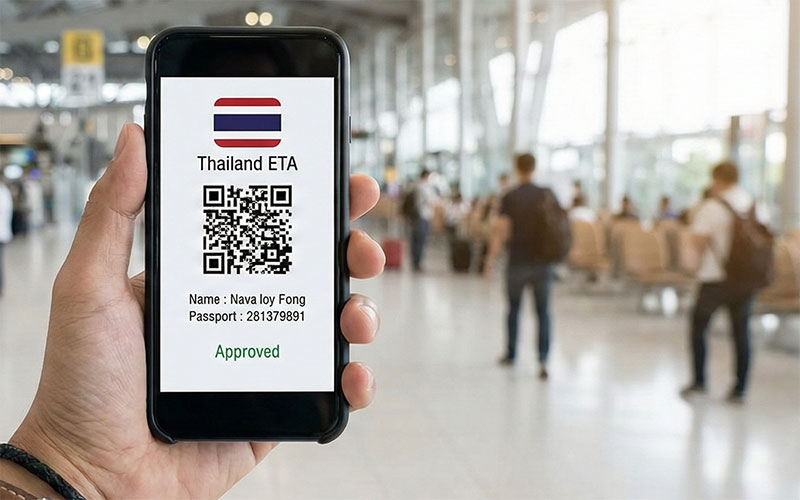
Hand holding a smartphone displaying an approved Thailand ETA digital arrival card with a blurred airport background.

Don’t get stuck at immigration, ensure your Thailand ETA is approved before you board your flight.


Before You Go: Visas & Entry (2026 Update)

Thailand’s entry rules have shifted. Do not rely on advice from 2024. Always verify the latest requirements before you fly, because these policies can change quickly.

Digital arrival registration (TDAC)

Thailand has moved toward a digital arrival process. For many travelers, this means completing a required online arrival form (often referred to as the TDAC) before landing. Use only official channels, and avoid third-party sites that charge unnecessary fees.

Visa exemption: Now 60 days (for many passports)

Good news for travelers from the U.S., UK, Canada, and many other countries: the visa exemption period has expanded to 60 days for eligible passport holders. You can often extend once locally for an additional 30 days, which can get you close to three months with relatively simple paperwork.

Local Guide Tip: “Border runs” used to be a common workaround for longer stays. In 2025–26, Thai immigration has been stricter about repeated entries, and frequent border hops can trigger extra questions or even denial of entry. If you plan to stay longer, check the latest rules and consider a proper long-stay option instead of relying on quick exits and re-entries.
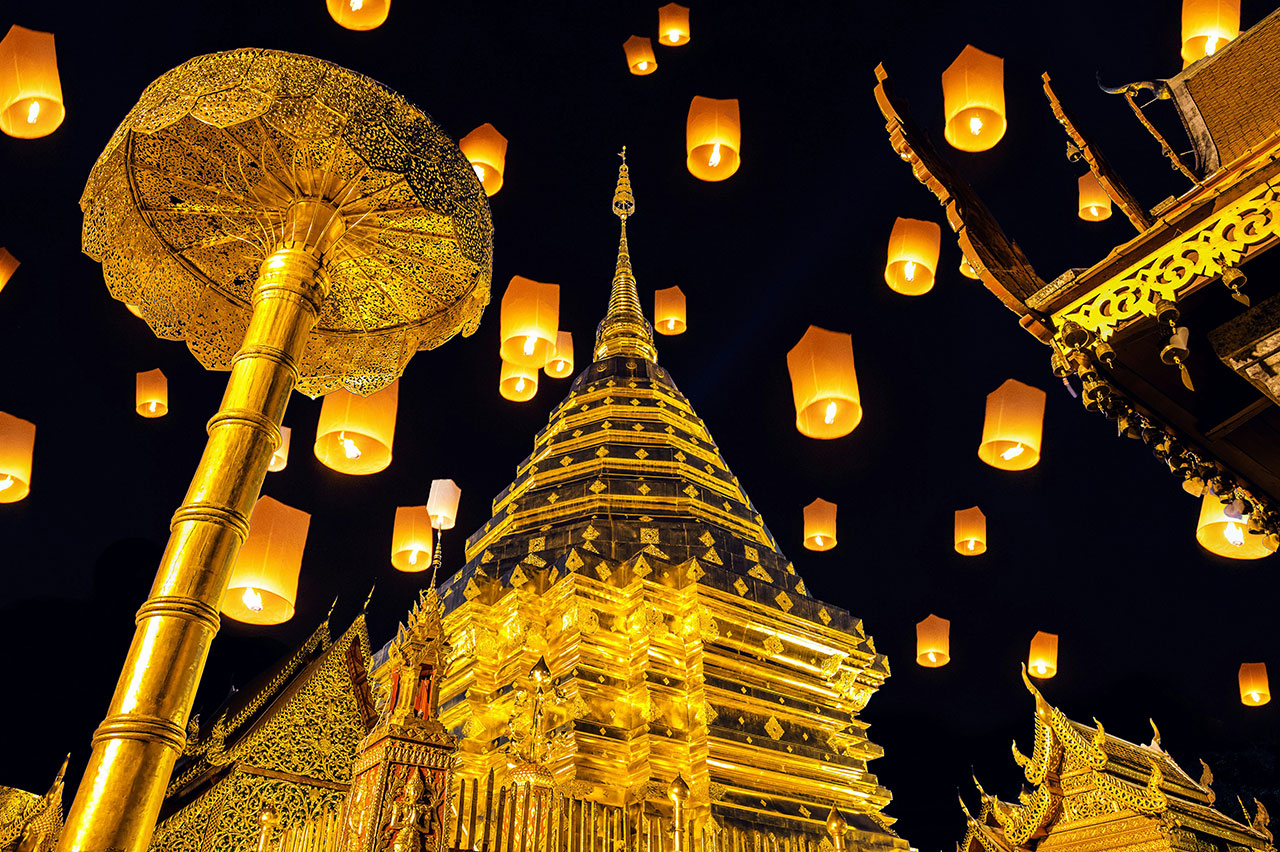
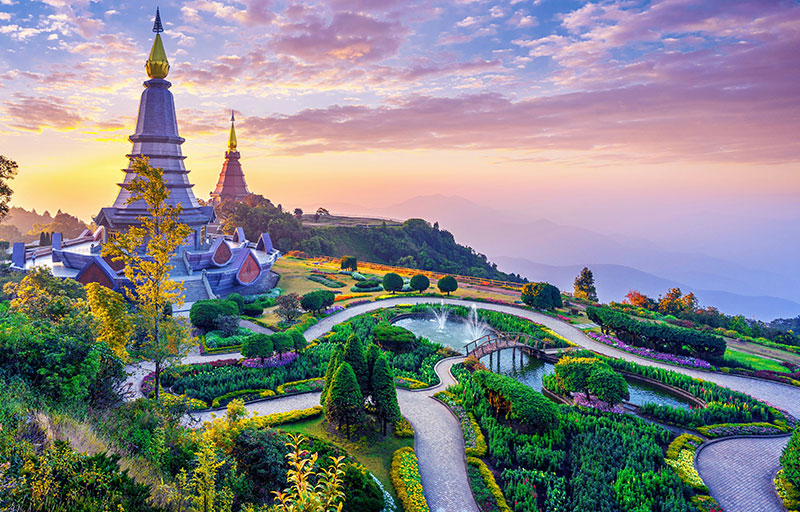
Golden temple stupa in Chiang Mai during the Yi Peng lantern festival at sunset.

November is one of the best times to visit Chiang Mai to see the sky fill with thousands of lanterns during Yi Peng.


Best Time to Visit Thailand

Thailand is a year-round destination, but your experience changes a lot depending on weather and region. Build your route around the season, not the other way around.

Quick season cheat sheet

  • Cool and dry (Nov to Feb): Peak season. Perfect weather (75°F-85°F), busiest crowds, highest prices.
  • Hot season (March to May): Great deals, but very warm. Ideal for islands, but tiring in Bangkok.
  • Rainy season (June to Oct): The “Green Season.” Lush scenery, short intense rains, and better hotel rates.
Warning: The “Burning Season” (North Thailand)
Avoid Chiang Mai and the North from mid-February to early April. Farmers burn fields, causing severe smog that obscures mountain views and impacts air quality. Go to the islands during these months instead.

Festivals worth planning around

  • Songkran (April): Thailand’s famous water festival. Expect joyful chaos and water fights everywhere.
  • Loy Krathong (November): The lantern festival. Rivers filled with floating lights, one of the most photogenic nights of the year.
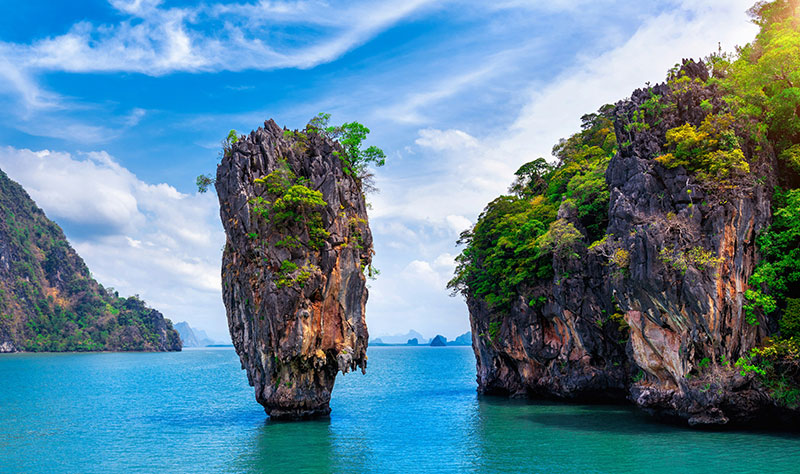
The iconic limestone karst tower of James Bond Island (Ko Ta Pu) rising out of turquoise water in Phang Nga Bay, Thailand, under a blue sky.

The gravity-defying limestone tower of Ko Ta Pu, better known to the world as James Bond Island.


Where to Go in Thailand

Think of Thailand in travel “zones.” Pick two zones for a first trip, three if you have two weeks, and save the rest for your next excuse to come back.

Bangkok and Central Thailand

  • Best for: street food, markets, temples, rooftop views, day trips
  • Do not miss: a proper night market crawl, a river ferry ride, and one iconic temple morning

North Thailand (Chiang Mai, Chiang Rai, mountains)

  • Best for: temples, cafés, nature, slower pace, craft markets
  • Do not miss: a cooking class, an early morning temple visit, and a countryside day

Andaman Coast (Phuket, Krabi, Phi Phi, Trang)

  • Best for: dramatic limestone cliffs, island hopping, beach days, diving
  • Do not miss: one longtail boat day, one sunset viewpoint, one no plans beach day

Gulf Islands (Koh Samui, Koh Phangan, Koh Tao)

  • Best for: relaxed islands, snorkeling, diving, beach towns with variety
  • Do not miss: a snorkel day, a beach café afternoon, and at least one sunrise

Isaan and East Thailand (underrated, local)

  • Best for: deep culture, spicy food, fewer tourists
  • Do not miss: local markets and regional dishes you will not find on resort menus
Local Guide Tip: If your goal is “the Thailand I saw in my head,” you probably want a blend: Bangkok for energy, the north for calm, and one island zone for water.

Read More: Still deciding your beach finale?

Phuket vs Krabi: the fastest way to pick the right base for your vibe

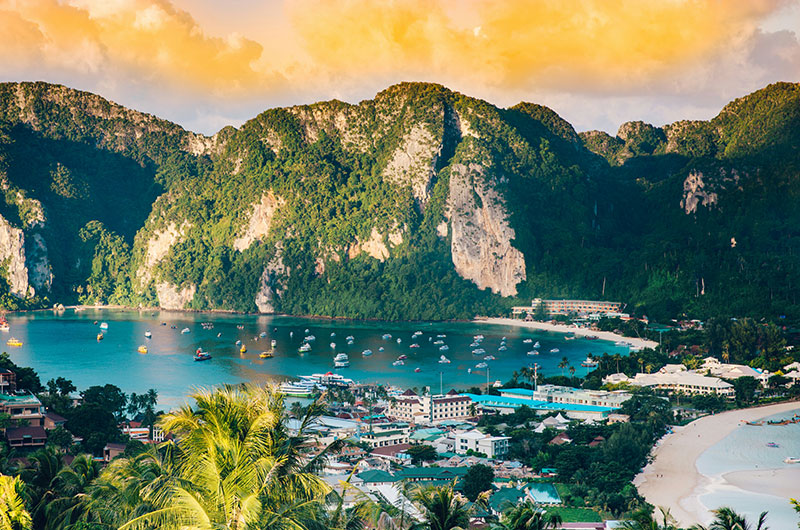
A panoramic sunset view of the twin bays of Koh Phi Phi Don from the famous viewpoint, showing the limestone cliffs and turquoise water that make it a key stop on Thailand island itineraries

Itinerary Strategy: Koh Phi Phi is the ultimate connector. Because it sits halfway between Phuket and Krabi, the smartest route is to use it as a ‘stepping stone.’ Take the ferry from Phuket, stay here for two nights to hike this viewpoint, and then continue by boat to Krabi.


Thailand Itineraries (7, 10, and 14 Days)

7 days: Bangkok + one escape

  • Days 1 to 3: Bangkok (food, markets, temples, neighborhoods)
  • Days 4 to 7: Choose either Chiang Mai or one island base
Pro Tip: For a one week trip, do not split islands. Pick one base and do day trips.

10 days: Bangkok + Chiang Mai + beach

  • Days 1 to 3: Bangkok
  • Days 4 to 6: Chiang Mai
  • Days 7 to 10: One island or beach base

14 days: the classic first timer route

  • Days 1 to 4: Bangkok
  • Days 5 to 8: North Thailand (Chiang Mai as your base)
  • Days 9 to 14: One island zone with day trips

Internal CTA: Build your route from your travel style

If you want, I can turn this guide into a clean hub-and-spoke structure next: Bangkok guide, Chiang Mai guide, Phuket vs Krabi, best islands by season, and a Thailand food guide that reads like a mission.

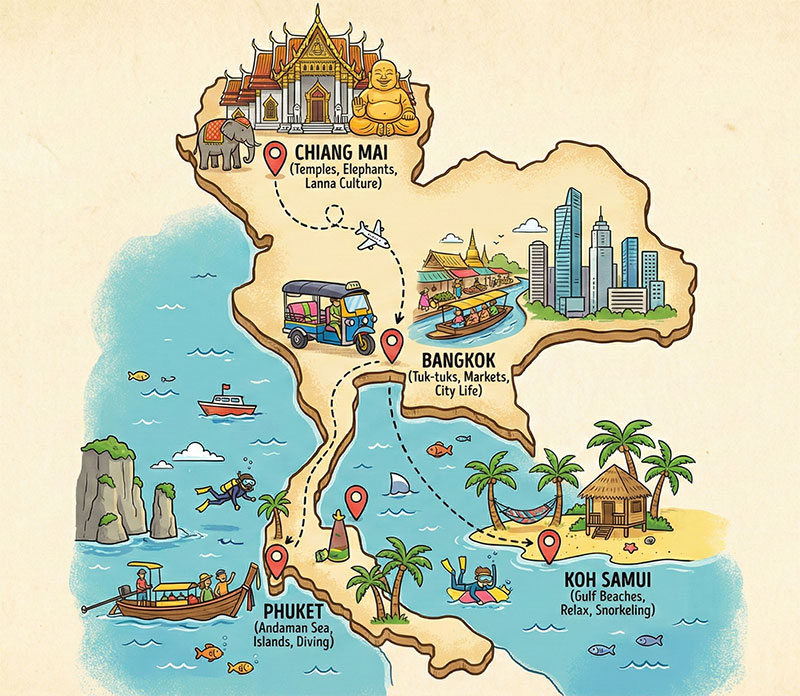
Map of Thailand showing the four main travel zones: Chiang Mai in the north, Bangkok central hub, Phuket on the west Andaman coast, and Koh Samui on the east Gulf coast.

The “Two-Coast” Strategy: Most itineraries start in Bangkok (Center) and Chiang Mai (North). The big decision is your beach finale: choose the West Coast (Phuket/Krabi) or the East Coast (Koh Samui/gulf islands).


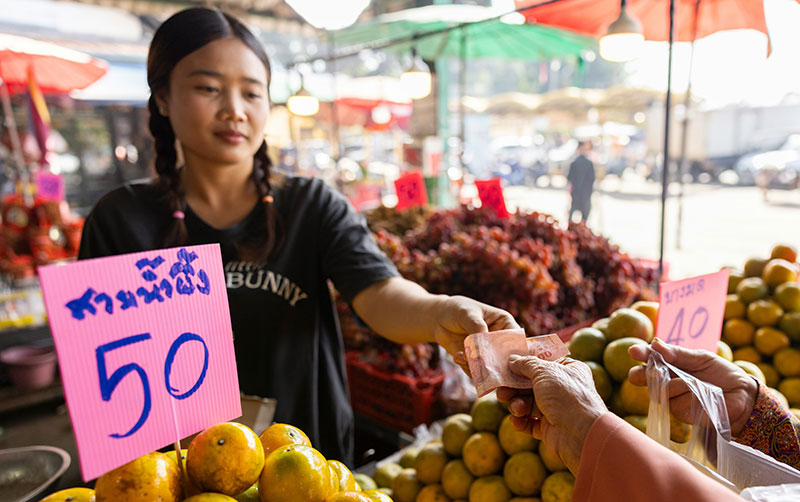
A close-up of a customer paying a market vendor with a Thai Baht banknote at a fruit stall in a bustling market.

Budget Tip: While cards are accepted in malls, always carry cash for street vendors, markets, and small shops. The best food in Thailand is often cash-only.


Thailand Budget and Money (Realistic Costs)

Thailand can be a budget trip, a boutique trip, or a luxury trip, and all three can exist in the same week. The biggest cost drivers are flights, island lodging, and how many tours you book.

Money basics

  • Currency: Thai baht (THB)
  • Cash vs card: Cards work in many hotels and nicer restaurants (often with a 3% surcharge). Cash still rules for street food, markets, and small shops.
  • The “220” Rule: Almost every Thai ATM charges a flat 220 THB (approx. $6-7 USD) fee per withdrawal, regardless of amount. Withdraw the maximum (usually 20,000 or 30,000 THB) at once to save money.
Category The Backpacker
(Budget)
The Comfort Traveler
(Mid-Range)
The Vacationer
(High-End)
Accommodation
(Per night)
400 – 800 THB
(Hostel / Fan Room)
1,500 – 3,000 THB
(Boutique Hotel / AC)
5,000+ THB
(Resort / Villa)
Food & Drink
(Per day)
300 – 500 THB
(Street food / 7-11)
800 – 1,500 THB
(Cafes + Night Markets)
3,000+ THB
(Fine Dining / Wine)
Transport
(Avg per day)
150 – 300 THB
(Bus / Songthaew / Walk)
400 – 800 THB
(Grab / BTS / Ferries)
1,500+ THB
(Private Driver / Flights)
TOTAL ESTIMATE
(Per person/day)
~1,000 THB
($30 USD)
~3,500 THB
($100 USD)
~9,500+ THB
($280+ USD)
Pro Tip: Your cheapest meals will often be your best meals. A Pad Kra Pao (basil pork) on the street might cost 60 THB ($1.80), while a worse version in a hotel restaurant costs 300 THB ($9). Spend your money on experiences, not mediocre “tourist” food.
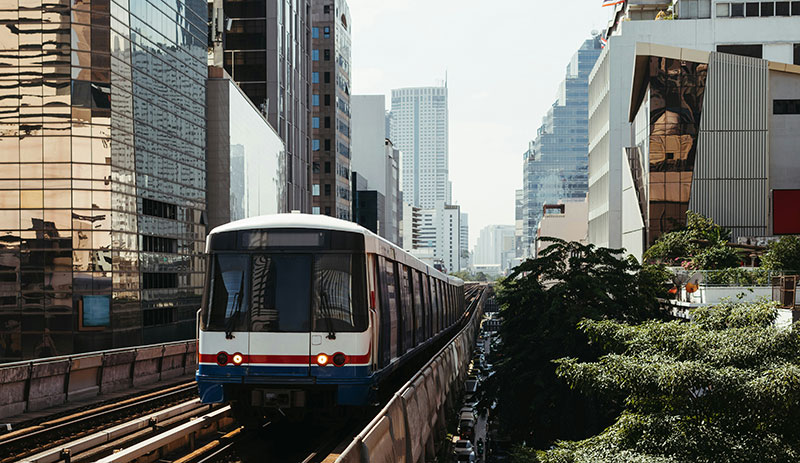
angkok BTS Skytrain traveling on elevated tracks through the city center during the day.

The BTS Skytrain is the most efficient public transport option for navigating Bangkok’s busy downtown districts.


Getting Around Thailand

Domestic flights

Flying saves time when you are hopping between Bangkok, the north, and the islands. The main tradeoff is you see less of the country in between.

Trains

Trains are a vibe. They are not always the fastest, but they are often the most memorable. Night trains can be a smart way to save a hotel night and cover distance.

Buses and vans

Good for budget travel and regional routes. For long rides, choose reputable operators and prioritize comfort over saving a few bucks.

Ferries and boats

Island travel runs on ferries. In rough weather, schedules can shift. Build buffer time if you have a flight right after an island hop.

Local Guide Tip: In Bangkok, the BTS Skytrain is often faster than a taxi, especially during rush hour. If your hotel is near a BTS station, use it. You skip traffic entirely, it is clean, air-conditioned, easy to understand, and remarkably efficient for a city this size.

For taxis, always make sure the meter is turned on before you get in. If a driver refuses to use the meter, politely decline and move on. There is always another taxi.

Tuk-tuks do not use meters. Always agree on the price before you get in, even for short rides. Have a rough idea of what the trip should cost so you are not surprised at the end.

Top Adventures in Thailand

Thailand makes adventure easy. You do not need special skills, expensive gear, or weeks of planning. These four experiences deliver the biggest payoff for first-timers and repeat visitors alike.

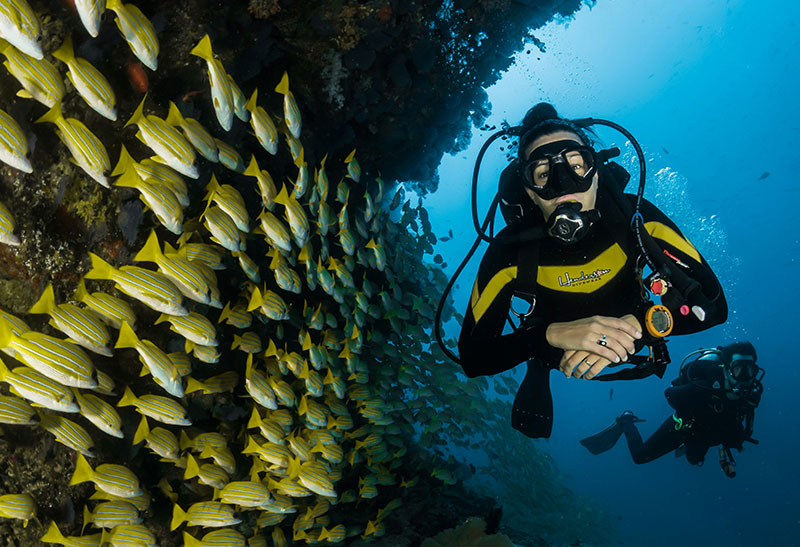
A scuba diver swimming near a rock wall surrounded by a large school of yellow snapper fish in the clear blue waters of Thailand

Snorkeling & Diving

Warm water, clear visibility, and abundant marine life make Thailand one of the easiest places in the world to snorkel or try scuba.

Best spots: Koh Tao, Phi Phi Islands, Similan Islands

A man rock climbing on a steep limestone cliff face overlooking the turquoise ocean and a longtail boat at Tonsai Beach, Krabi, Thailand.

Rock Climbing in Krabi

Limestone cliffs rising straight out of the sea have made Krabi world-famous. Beginner routes and guided climbs make this accessible even with zero experience.

Best spot: Railay Beach

A group of friends on a day hike in the lush Chiang Mai jungle, laughing as one swims in a natural waterfall pool while a local Thai guide points out wildlife.

Jungle Trekking in the North

The mountains around Chiang Mai and Chiang Rai offer jungle hikes, waterfalls, hill-tribe villages, and cooler air. This is Thailand’s quieter, greener side.

Best areas: Chiang Mai countryside, Chiang Rai

A paraglider pilot soaring high above the turquoise waters, longtail boats, and iconic limestone cliffs of Railay Beach in Krabi, Thailand.

Aerial Adventures

Paragliding and scenic aerial experiences offer unforgettable views over beaches and limestone cliffs. Weather-dependent, but a true wow moment when conditions align.

Best areas: Krabi, Pattaya region

Local Guide Tip (Diving in Thailand): I have dived multiple times in Thailand, both in the Gulf of Thailand (Koh Samui, Koh Tao, Koh Phangan) and on the Andaman side. The Gulf is excellent for beginners and first-time certifications. Conditions are forgiving, visibility is decent, and it is a comfortable place to learn.

If diving is a top priority, head west and go farther offshore. My best experience came from a multi-day liveaboard that reached Richelieu Rock, widely considered the best dive site in Thailand. The farther you get from shore, the better the reefs, marine life, and overall experience. Liveaboards cost more, but the jump in quality is dramatic and worth it.

Pro Tip: Do not overbook adventures before you arrive. Thailand’s best experiences depend on weather. Book locally once you see conditions.

From budget hostels to 5-star escapes like the Avista Hideaway in Phuket, Thailand offers incredible value for every level of comfort.


Where to Stay in Thailand

Bangkok neighborhoods (how to choose)

  • For first timers: central access to transit and attractions
  • For food and nightlife: neighborhoods with markets and late night energy
  • For calm: riverside or quieter pockets with good cafés

Chiang Mai base strategy

Pick a base where you can walk to food and cafés. Then do day trips into the countryside when you want nature.

Islands: one base, day trips

Choose one island or beach town as your home base, then do day trips for snorkeling, viewpoints, and nearby islands.

Pro Tip: For islands, stay 10 to 15 minutes away from the loudest strip. You still get convenience, but your sleep improves dramatically.
Local Guide Tip: If you are flexible with booking, Bangkok rewards last-minute travelers. I once booked a room at lebua at State Tower the day before my flight and paid roughly half price. This is the hotel featured in The Hangover Part II, home to the iconic Sky Bar on the 63rd floor. We were even upgraded to a high-floor balcony room with river views and watched fireworks below us. Luxury deals like this are common in Bangkok if you can stay flexible and book late.
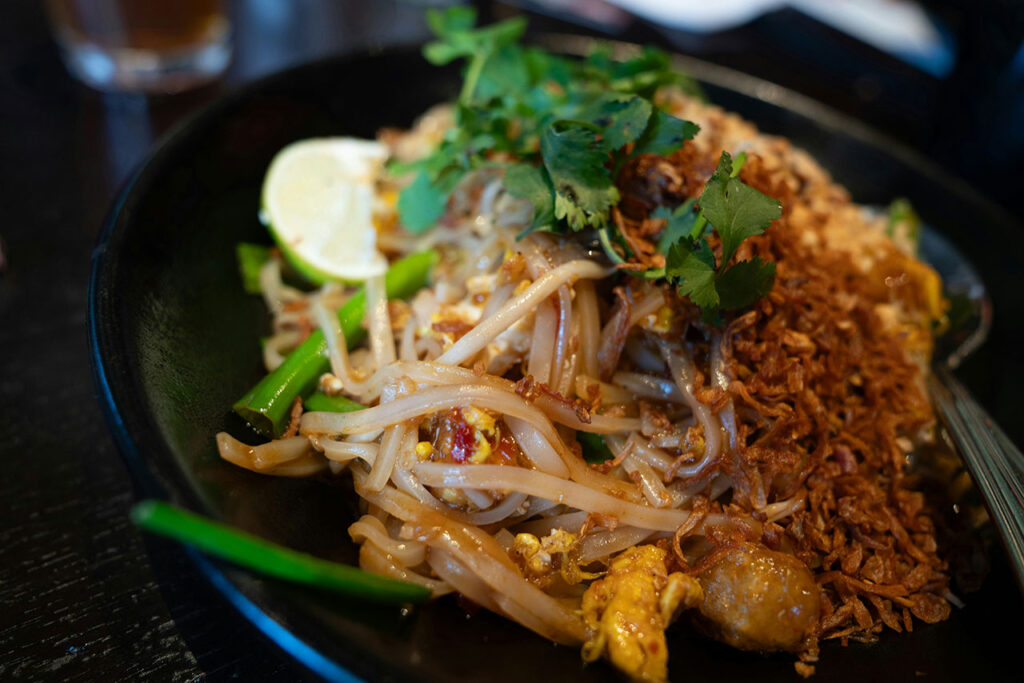
Close-up of a plate of authentic Pad Thai topped with crushed peanuts, fresh bean sprouts, cilantro, and a lime wedge.

Nothing beats a steaming plate of fresh Pad Thai served right on the street in Bangkok.


Eating in Thailand: What to Eat & How to Order

Thailand is one of the best food countries on earth. The only “rule” you need is simple: eat where the locals are eating, and do not overthink it. Street stalls, night markets, and small shops with short menus will quietly serve you some of the best meals of your life.

Your first 48-hour food strategy

When you first land, keep it simple. Start with cooked dishes, busy stalls, and foods you recognize. Let your confidence build naturally.

  • Follow the heat: Busy stalls turn food fast, which is usually a good sign.
  • Watch it cooked: If you are sensitive, prioritize foods you see grilled, boiled, or fried fresh.
  • Start mild: Spice can escalate quickly. You can always go hotter tomorrow.
  • Order the “easy wins” first: A few familiar dishes help you settle in fast.

Five dishes every first-timer should try early

  • Pad Thai: Familiar, comforting, and everywhere (shrimp or chicken are safe starts).
  • Pad Kra Pao: Basil stir-fry with pork or chicken, fast, spicy, and deeply Thai.
  • Tom Yum: Hot and sour soup that defines Thai flavor balance.
  • Moo Ping: Grilled pork skewers, perfect for snacks or late nights.
  • Mango Sticky Rice: Simple, sweet, and unforgettable.

Must-try dishes once you find your rhythm

  • Som Tam: Papaya salad, punchy and often spicy. Start mild and work up.
  • Khao Soi: Northern curry noodles, one of Thailand’s best comfort foods.

Street food vs restaurants

Street food is not “lesser” food in Thailand. Many locals eat it daily. Restaurants show range and regional depth, but your best meals will often come from small stalls with short menus and a line of locals.

Local Guide Tip: On one of my early trips to Thailand, my friend Dan—who had never been to Asia—went out early and bought a fresh crepe filled with chocolate and bananas from a street vendor for about 20 baht (roughly 80 cents). We were nowhere near a tourist zone, and that moment perfectly captured Thailand’s food value.

My strategy for a “High Reward” food night: Don’t try to do it all in one spot. Start with market snacks for appetizers, move to a sit-down plastic stool spot for a main dish, and then walk to a different cart for dessert. Thailand is a marathon, not a sprint.

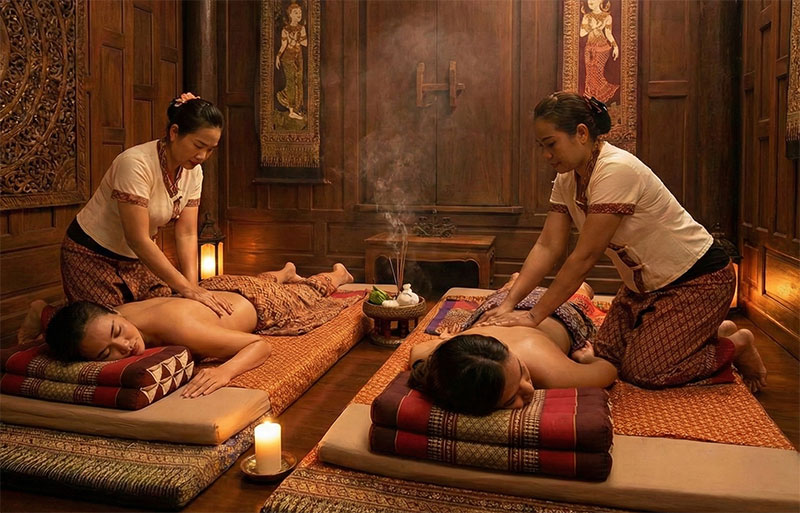
A couple receiving a traditional Thai massage on floor mats in a dimly lit, authentic teak wood room with candlelight.

Culture Note: Unlike Western oil massages, traditional Thai massage is done fully clothed on a floor mat. Think assisted stretching rather than a standard back rub.


Thai Massage: Recovery and Why It Belongs in Your Trip

Long before cold plunges, compression boots, and recovery studios became popular, Thailand had already figured it out. Massage here is not a luxury add-on. It is part of daily life, physical maintenance, and traditional medicine.

A brief history of Thai massage

Thai massage dates back more than 2,500 years and is closely tied to Buddhist practices and Ayurvedic principles. It developed as a way to restore balance through pressure, stretching, and energy lines known as sen.

For centuries, massage was practiced in temples and passed down through generations. Even today, some of the most respected massage schools operate in temple complexes, especially in Bangkok and Chiang Mai.

Why Thai massage is everywhere

Massage in Thailand is affordable, accessible, and normalized. Office workers get massages after work. Travelers use them between beach days. Active travelers rely on them for recovery. It is common, not indulgent.

On the islands, beach massages are especially popular. You lie under a simple canopy, listen to the waves, and relax in the open air. No pressure, no awkwardness, just a genuinely calming experience.

Clearing up a common misconception

Despite the stereotype, most Thai massage shops are completely legitimate. Real massage places are calm, professional, and focused on wellness.

A simple rule: if someone is aggressively calling you inside or advertising in a way that feels more like a nightclub than a spa, that is not a traditional Thai massage shop.

Types of massage you will see

  • Traditional Thai massage: Stretching, pressure points, assisted movement. Active and intense. Not ideal if you have back issues.
  • Thai oil or Swedish-style massage: More familiar and relaxing. You can usually choose soft, medium, or hard pressure.
  • Foot massage: Extremely effective after long walking days.
  • Four-hand massage: Two therapists at once. Sounds indulgent, but still very affordable.

Cost and value

Thailand remains one of the best value massage destinations in the world. One-hour massages often run $6 to $10. Even premium or four-hand massages are usually closer to $20 than $100.

Local Guide Tip: If you have a sensitive back or limited flexibility, skip traditional Thai massage and ask for an oil or relaxing massage instead. Always communicate pressure preference. Soft, medium, or hard. Therapists expect this.
Pro Tip: Whether you are recovering from long travel days, hiking, island hopping, or just resetting your body, Thai massage is one of the most authentic and enjoyable experiences you can build into a Thailand trip.
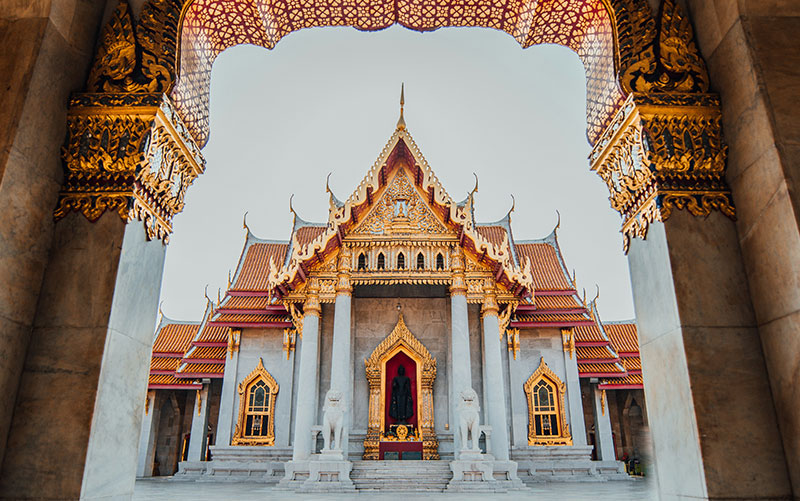
The ornate white marble main hall of Wat Benchamabophit (The Marble Temple) in Bangkok framed by a golden archway, illustrating a sacred space where modest dress is required.

Temple Rule #1: Respect the space. If you visit sacred sites like the Marble Temple (Wat Benchamabophit), cover your knees and shoulders, and always remove your shoes before entering the main hall.

Culture and Etiquette

  • Temple etiquette: cover shoulders and knees, remove shoes when required, keep voices low.
  • Respect and calm: Thailand is generally polite and relaxed. You will get farther by staying calm than by being right.
  • Heads and feet: avoid touching someone’s head, and do not point your feet at people or sacred objects.
  • Public affection: keep it more subtle than you might at home, especially in traditional areas.
Pro Tip: When in doubt, copy the room. Thailand is easy to navigate if you pay attention to how locals move through spaces.
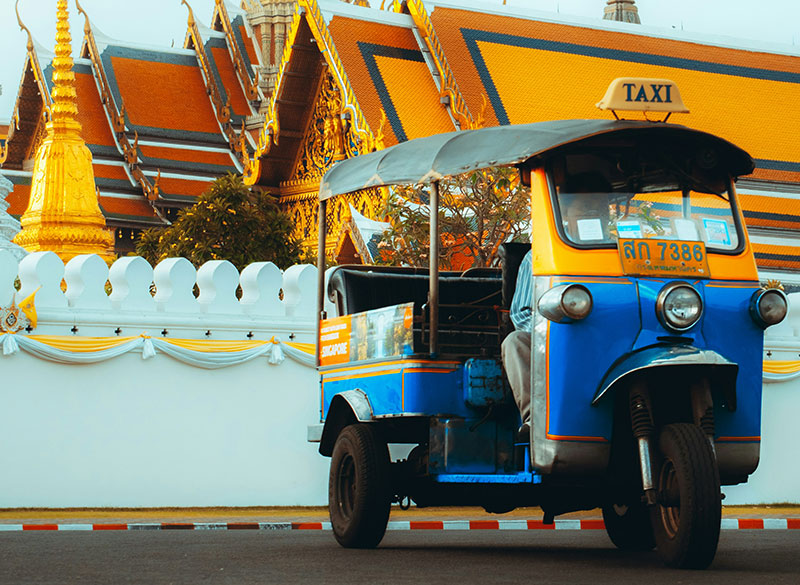
A blue and yellow tuk-tuk driving past the white walls and golden spires of the Grand Palace in Bangkok, a common location for tourist scams.

The Classic Scam: If a friendly driver outside these walls tells you the Grand Palace is ‘closed for a ceremony’ today, keep walking to the main gate. It is almost certainly open.


Safety and Scams

General safety

Thailand is generally very safe. Violent crime against tourists is rare. The biggest dangers are usually rented scooters and dehydration.

The Vaping Warning

Vaping is illegal in Thailand. This is not a “soft rule.” If police see you with a vape, they can confiscate it and fine you heavily (often requiring an on-the-spot “settlement”). Leave the vape at home.

Cannabis Update

After the “wild west” legalization a few years ago, regulations have tightened. Public smoking is banned and can lead to fines. If you partake, do so in private or designated spaces only.

Common scams

  • “The Grand Palace is Closed”: It isn’t. A friendly stranger tells you this to divert you to a gem shop. Ignore them.
  • Jet Ski Scams: Always video the condition of a jet ski before you rent it to avoid fake damage charges.
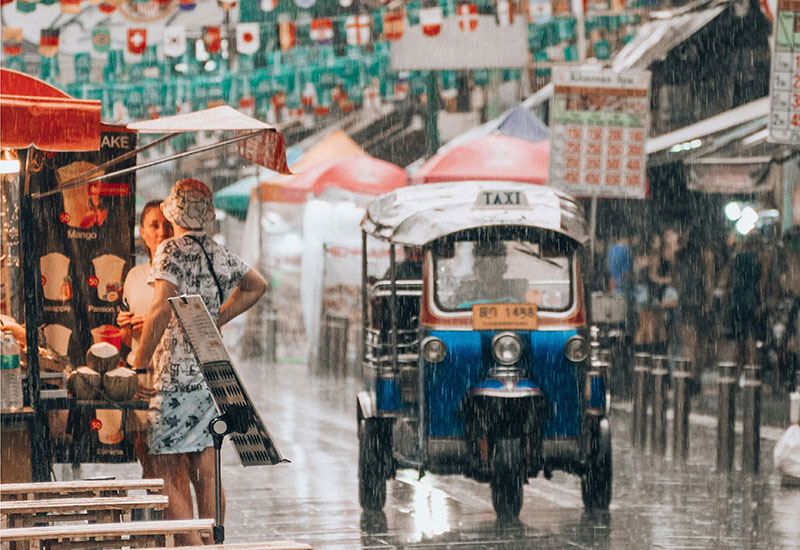
A blue tuk-tuk driving through a sudden torrential downpour on a busy Bangkok street, with rain blurring the colorful shop signs in the background.

Packing Tip: Don’t trust the blue sky. Tropical downpours can happen instantly, even in the ‘dry’ season, so always keep a lightweight poncho or rain jacket in your day bag.


Health, Packing, and Comfort

Heat and hydration

  • Carry water. Add electrolytes on long walking days.
  • Plan outdoor activities early morning or late afternoon.
  • Lightweight breathable clothing wins.

Food comfort

Your stomach may need a day or two to adjust. Start with cooked foods, avoid risky ice if you are sensitive, and do not treat spice like a challenge.

Packing essentials

  • Light rain jacket or compact umbrella
  • Comfortable walking shoes plus sandals
  • Temple appropriate outfit (easy to throw on)
  • Bug spray for evenings and nature days
  • Sun protection you will actually use
Pro Tip: Bring one nicer outfit. Thailand has affordable upscale dining and rooftop nights, and it is fun to clean up once in a while.
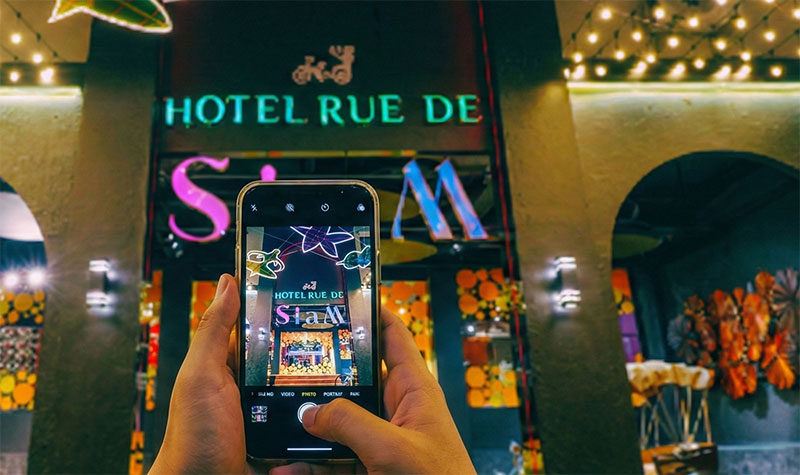
Person taking a picture of their hotel sign to save the address on their phone.

Keeping a photo of your hotel’s name and address on your phone helps bridge the language gap with taxi drivers.


SIM Cards, Wi-Fi, and Apps

  • SIM or eSIM: set up data early so you can navigate, translate, and book rides.
  • Wi-Fi: widely available in hotels and cafés.
  • Navigation: download offline maps for islands or remote areas.
  • Translation: a translation app makes menus and transit smoother.
Local Guide Tip: Screenshot your hotel name and address in Thai. When you are tired at night, it saves a lot of explaining.
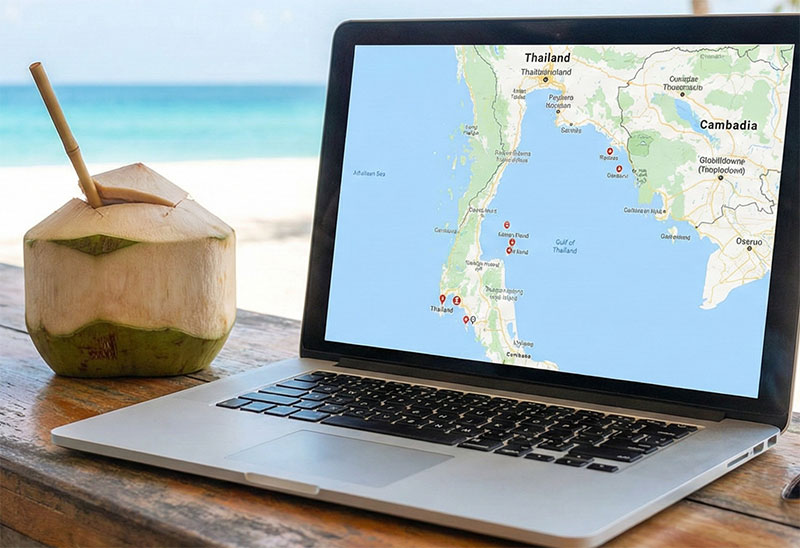
A laptop open on a table at a beachside cafe with a view of the sand.

With 5G everywhere and beach hut cafes like this, staying connected is the easy part.


Thailand by Travel Style

First timers

Bangkok + Chiang Mai + one island zone is the most reliable “wow” route.

Food focused travelers

Bangkok deserves extra days. Add a night market strategy and one cooking class in the north.

Beach and water lovers

Choose Andaman or Gulf based on season, then commit to one base and do day trips.

Digital nomads and longer stays

Pick one city base and one beach base. Slow travel is where Thailand becomes addictive.

Pro Tip: If you are staying longer, rent less stuff. You can buy almost anything you forgot once you arrive.

FAQs: Thailand Travel Guide 2026

How many days do I need for Thailand?

One week is enough for Bangkok plus one additional base. Ten days is ideal for Bangkok, the north, and a beach. Two weeks lets you travel slower and enjoy the islands without rushing.

Thailand can be very affordable, especially for food and local transport. Costs rise most with beach resorts, internal flights, and tours. You can balance it by mixing street food days with a few nice meals and choosing one main island base.

Stay where you can walk to food and easily reach transit. For first timers, prioritize convenience over “perfect.” A slightly less trendy area with great transit often beats a cool area that costs you an hour a day in taxis.

Phuket has more infrastructure and variety. Krabi has a more relaxed feel and easy access to dramatic scenery. If you want a simpler base with natural beauty, Krabi often wins. If you want maximum convenience and options, Phuket can be easier.

Generally yes, including for solo dining and solo exploring. Use normal city awareness, avoid overindulging in unfamiliar areas, and be careful with scooters if you do not have experience.

No. Book key flights and the first few nights. For the rest, Thailand is flexible. The main exception is peak season beach lodging and a few popular experiences.

France Beyond Paris: Choose Your Region Like a Local

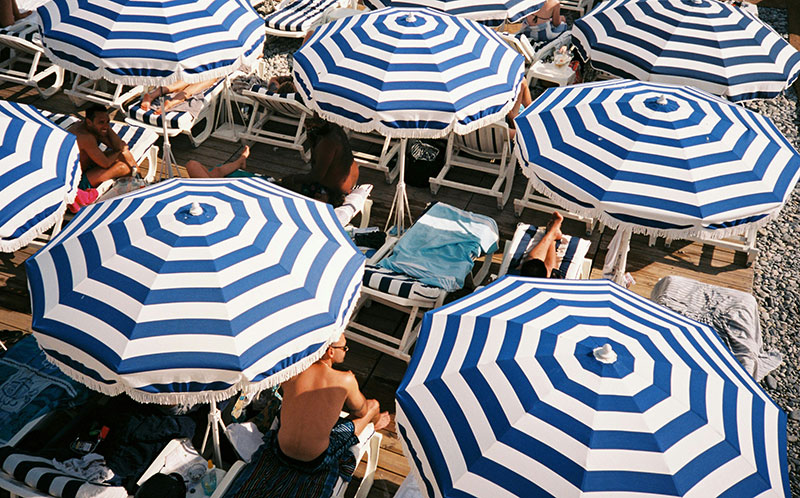
Beach umbrellas in Nice, France, are iconic, especially the blue-and-white striped ones at private beach clubs

France Beyond Paris: Choose Your Region Like a Local

Beach umbrellas in Nice, France, are iconic, especially the blue-and-white striped ones at private beach clubs

The classic blue-and-white striped umbrellas of Nice are a symbol of the Riviera’s effortless summer style.


Home » Destinations » Page 10

By Corey Gasman

From the Editor:

Do not try to see all of France. Pick a lane. One wine region, one coastline, or one mountain zone. You will eat better, move slower, and remember more.

Paris is the headline act, but France is not a one city country. The best trips happen when you treat Paris as your base, then branch out into one or two regions that match how you actually travel.

Also, France is a cheese country in the most joyful way. Every region has its own specialty, and that is why I included a “cheese to try” in each section below. It is a fun foodie compass, and yes, it goes ridiculously well with wine.

This guide breaks down the most rewarding regions in France, what to do in each one, and the simplest way to build a trip that feels intentional instead of frantic.

TLGA Rule: France rewards commitment. If you pick one region and do it properly, you will have fewer transit days that eat your trip alive. Paris plus one region is the sweet spot.

Quick Navigation

Before you book anything

Start here: France Travel Guide

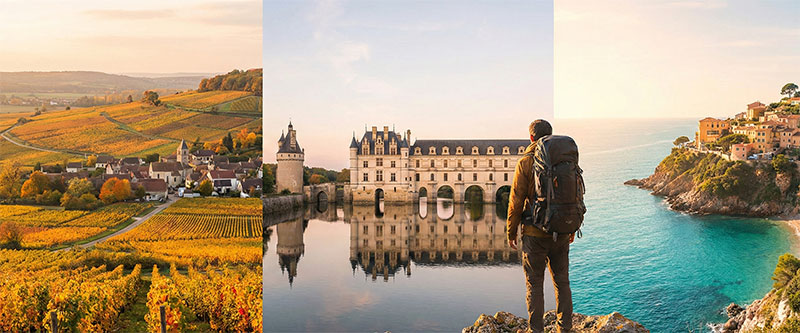
A traveler looks out over a diverse landscape of French vineyards, coastline, and a château.

The Real Win: A great France trip is not about checking boxes. It is about picking the right rhythm and letting it play.


How to Choose Your France Region

Pick based on your travel personality, not what Instagram says you should do.

  • If you want wine: Champagne (easy), Burgundy (serious), Loire (pretty and chill).
  • If you want villages: Provence for sun and markets, Alsace for storybook streets.
  • If you want coastline: Riviera for glamour, Basque for surf and food.
  • If you want history: Normandy for WWII sites and coastal towns.

Local Guide Tip: Do not underestimate staying put. Two nights is a minimum. Three nights in one base is when France starts to feel like a lifestyle instead of a tour.

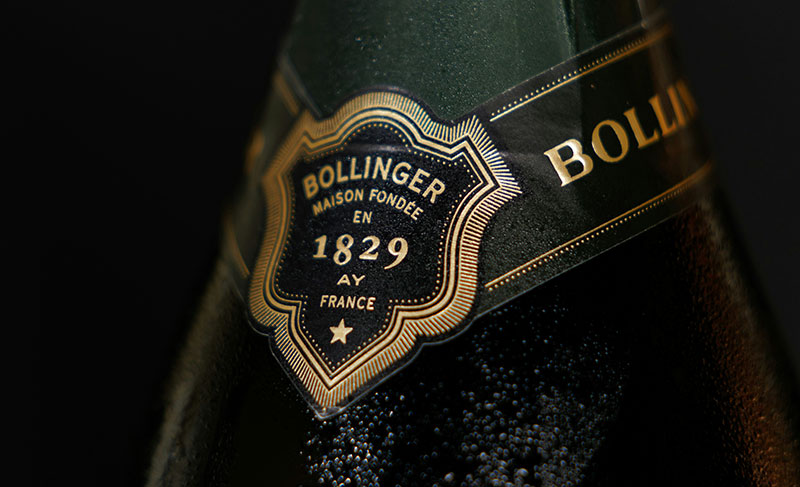
Close-up of a Bollinger champagne bottle neck label showing the 1829 crest

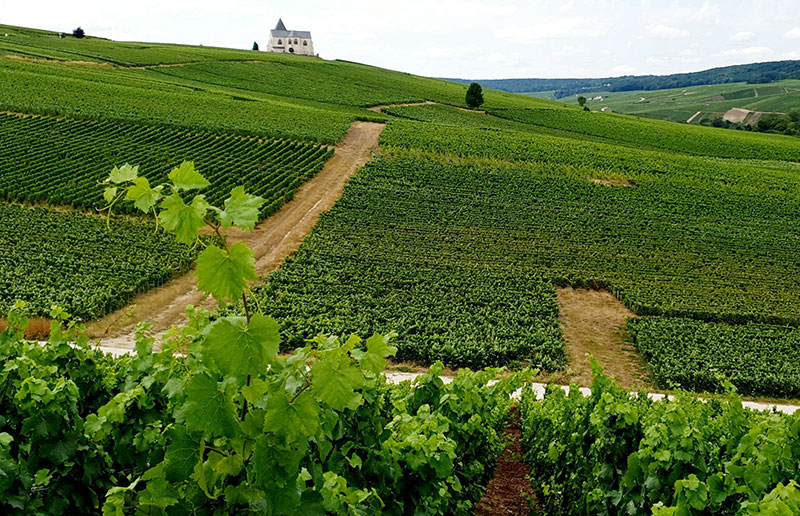
Effortless Luxury: Champagne is the easiest wine region to reach from Paris, which is why it is the perfect first France beyond Paris move.


Champagne: The Easiest Upgrade from Paris

Champagne is the gateway region because it is simple. Train in, slow down, taste something real, and remember why you came to France in the first place.

  • Best base: Épernay (walkable with a wine town vibe)
  • Must do: One big house plus one grower tasting
  • Logistics: 45 minutes by TGV train from Paris Gare de l’Est
  • Best Season: May to October
  • Cheese to Try: Chaource (creamy and indulgent)

Related: If you are planning this exact escape, read Champagne Day Trip from Paris: The Non Tourist Lifestyle Guide

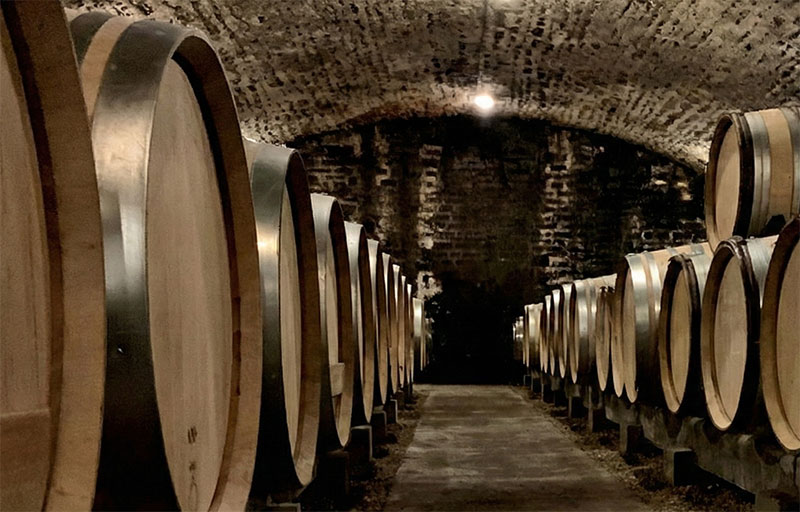
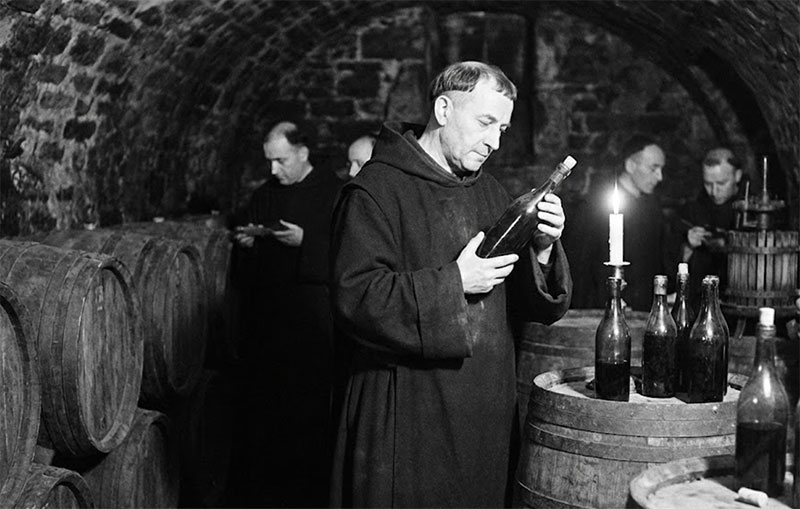
A traditional, dimly lit wine cellar filled with oak barrels in Burgundy.

Serious Wine Energy: Burgundy is where people stop talking about brands and start talking about vineyards like they are sacred.


Burgundy: For People Who Want to Nerd Out

Burgundy is quieter than Bordeaux, more intimate than Champagne, and completely obsessed with terroir. Even if you are not a wine expert, the region is beautiful and the food is legendary.

  • Best bases: Beaune (classic), Dijon (city plus easy trains)
  • Must do: Wine route villages plus one cellar tasting
  • Logistics: 1 hour 30 minutes by TGV train from Paris Gare de Lyon to Dijon
  • Best Season: May to November
  • Cheese to Try: Époisses (famous pungent cow cheese)

Local Guide Tip: Burgundy is not about doing more. It is about doing one great tasting and one great meal, then letting the day drift.

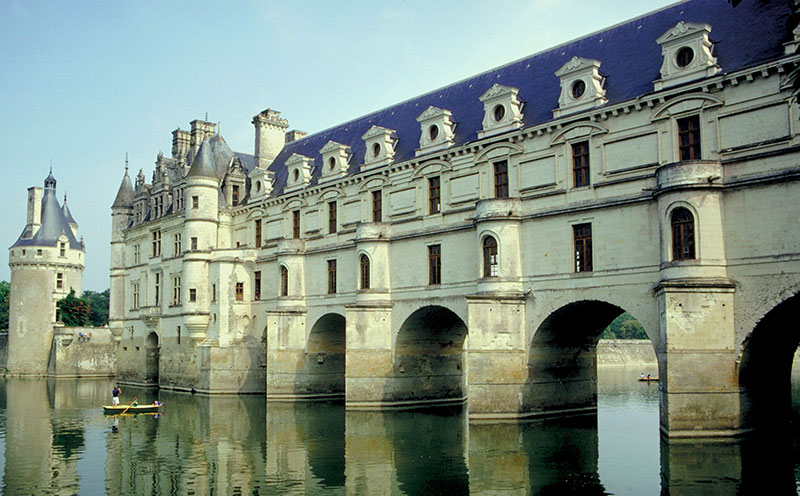
Pretty and Underrated: Loire is castles, river paths, vineyards, and the kind of calm you do not get in Paris.


Loire Valley: Castles, Chenin Blanc, and Easy Days

The Loire is the “why is nobody talking about this?” region. It is visually stunning and surprisingly relaxed, which makes it ideal if you want a wine region that does not feel intense.

  • Best bases: Tours or Amboise
  • Must do: One château plus one winery plus one riverside café afternoon
  • Logistics: 1 hour by TGV train from Paris Montparnasse to Tours
  • Best Season: April to October
  • Cheese to Try: Sainte-Maure de Touraine (the goat log with a straw inside)
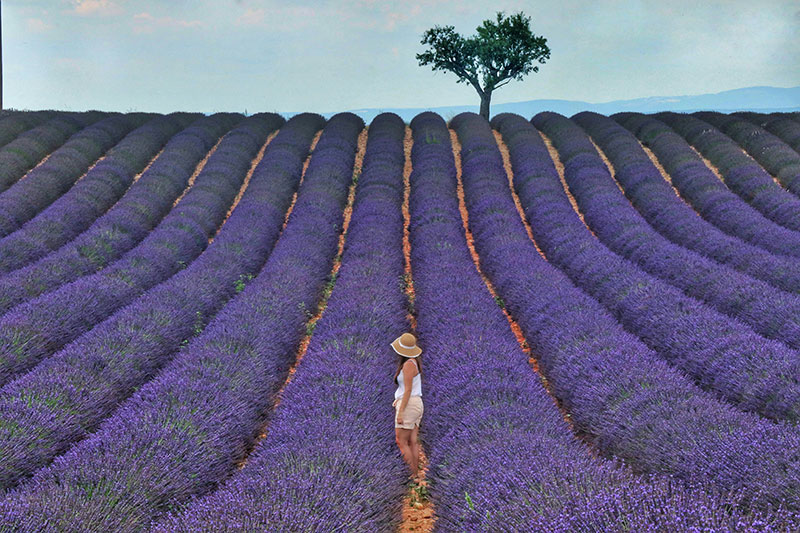
Lavender fields with a women traveler

Postcard France: Provence is markets, sun, rosé, lavender roads, and lunches that accidentally become your whole day.


Provence: Markets, Villages, and the “Lunch Turns Into Dinner” Vibe

Provence is a mood. It is less about monuments and more about daily life: markets, small towns, long meals, and that golden light that makes everything look expensive.

  • Best bases: Aix-en-Provence, Avignon, or a small hill town
  • Must do: Market morning plus village loop plus rosé somewhere you can walk home from
  • Logistics: 2 hours 40 minutes by TGV train from Paris Gare de Lyon
  • Best Season: May to June or September to October (Avoid August heat)
  • Cheese to Try: Banon (wrapped in chestnut leaves)

Local Guide Tip: Provence is better with a car, but you do not need a massive road trip. Pick one base and do short loops. The goal is not to drive, it is to live.

The Riviera Truth: It can be flashy, but it can also be relaxed if you choose the right base and avoid the peak hour tourist grind.


French Riviera: Glamour, Sea Air, and Easy Train Hops

The Riviera does not have to be yachts and influencers. Done right, it is coastal walks, small beach clubs, and day trips by train with zero stress.

  • Best bases: Nice (best hub), Antibes (charming), Menton (quiet)
  • Must do: One beach day plus one cliffside town plus one old town dinner
  • Logistics: 5 hours 30 minutes by TGV train from Paris Gare de Lyon or a quick flight
  • Best Season: May to June or September
  • Cheese to Try: Fresh chèvre with herbs (Provençal style)

Storybook Mode: Alsace feels like a fairytale, but the food and wine make it feel like an adult fairytale.


Alsace: Fairytale Villages and White Wine

Alsace is wildly photogenic and quietly one of the most satisfying food regions in France. It is also a great change up if you have already done the classic France loop.

  • Best base: Colmar (postcard perfect) or Strasbourg (bigger city)
  • Must do: Village loop plus wine tasting plus one long tarte flambée dinner
  • Logistics: 1 hour 45 minutes by TGV train from Paris Gare de l’Est
  • Best Season: December (Christmas markets) or May to September
  • Cheese to Try: Munster (strong smell but mild taste)
he dramatic chalk cliffs and natural arch at Étretat on the Normandy coast.

History With Ocean Air: Normandy is heavy, meaningful, and beautiful, all in the same day.


Normandy: D Day History, Coastal Towns, and Cider

Normandy is one of the best big meaning trips you can do from Paris. It is emotional, scenic, and surprisingly good for food if you lean into local staples like cider, cheese, and seafood.

  • Best bases: Bayeux (for WWII sites), Honfleur (coastal charm)
  • Must do: One D Day site plus one coastal town plus one calm meal after
  • Logistics: 2 hours by train from Paris Saint-Lazare to Bayeux or Caen
  • Best Season: May to September
  • Cheese to Try: Camembert de Normandie (the real stuff)

France’s Food Capital: Lyon is where you go to eat, and the city does not apologize about it.


Lyon: The Food City Most Travelers Skip

If you like food more than museums, Lyon belongs on your list. It is the Paris but calmer option, and it sets you up well for wine regions nearby.

  • Best base: Central Lyon (walkable neighborhoods)
  • Must do: One bouchon meal plus food market plus riverside evening
  • Logistics: 2 hours by TGV train from Paris Gare de Lyon
  • Best Season: April to June or September to October
  • Cheese to Try: Saint-Marcellin (soft and creamy)

Next step: Pick your region, then build the trip around it. Read the France Travel Guide.

Start with the France guide, then connect Paris with the right regions, routes, and real trip ideas.

START HERE

France Travel Guide

Your full overview to compare regions, plan your route, and understand how France fits together.

Read More

PARIS BASE

Where to Stay in Paris

Choose the right neighborhood so your Paris portion of the trip flows naturally.

Read More

REAL ROUTE

Two Weeks in France

See how Paris, Champagne, and Chamonix connect into one smooth trip.

Read More

WINE REGION

Champagne Escape

A slower, more personal way to experience France’s wine country beyond the city.

Read More

ALPINE ESCAPE

Chamonix Without the Extremes

Experience the Alps without needing to be an expert skier or mountaineer.

Read More

QUIET PICKS

France Beyond the Obvious

Lesser-known places that are still worth the trip and easier to enjoy.

Read More

FAQs

What is the best region to add to Paris for a first time France trip?

Champagne, Normandy, or the Loire Valley. They are the easiest to add without complicated logistics and they give you a completely different side of France.

Paris plus one region is ideal for 7 to 10 days. Paris plus two regions works best with 10 to 14 days, especially if you keep your bases tight.

Not always. Paris plus Champagne, Loire (some areas), Normandy, Lyon, and the Riviera can be done with trains. Provence and Burgundy are much easier with a car if you want villages and wineries.

Trying to move too often. Transit days destroy momentum. The best France trips have fewer bases and more time to actually enjoy each place.

France Beyond the Obvious: Quiet Places I’d Return to Tomorrow

Morning mist over a quiet stone village in the French countryside with no tourists

France Beyond the Obvious: Quiet Places I’d Return to Tomorrow

Morning mist over a quiet stone village in the French countryside with no tourists

By Corey Gasman

France has the blockbuster hits for a reason. Paris. Provence. The Riviera. Champagne. I love all of it, and I’ve photographed most of it.

But the trips that stick with me the longest usually come from the places that are not trying to impress anyone. The villages where the bakery still feels like the center of the universe. The hikes where you can hear your own footsteps. The small towns where dinner is not a reservation sport, it is just dinner.

This side story is my short list of quiet corners of France I would happily return to tomorrow. Not because they are “undiscovered,” but because they still feel lived-in.

Colorful half-timbered houses and cobblestone streets in the village of Kaysersberg, Alsace.

Kaysersberg offers that classic Alsatian charm, but with enough breathing room to actually enjoy it.


Alsace Backroads: The Hidden Villages Near Colmar

Yes, Colmar is beautiful. It is also busy. The trick in Alsace is to use the famous towns as a reference point, then spend your real time one or two turns off the main loop. That is where the region feels quiet, human, and delicious.

Instead of fighting for a photo spot in Petite Venise, head to Eguisheim or Kaysersberg. Think slow village mornings, vineyards that look like they were combed into the hills, and little wine cellars where someone will pour you a glass of Riesling like you are a neighbor.

Where to Base Yourself: Kaysersberg. It has the charm of Colmar but breathes much better at night.

The Food Edit: Alsace

The Signature Dish: Choucroute Garnie. It sounds heavy (sauerkraut with sausages and meats), but when done right in Alsace with a crisp Riesling, it is surprisingly delicate.

Worth the Detour: Le Chambard (Kaysersberg). This is the heavy hitter. Chef Olivier Nasti holds 2 Michelin stars here. It is high-end, but deeply rooted in the forest and vine. If the main restaurant is too much, his “Winstub” next door offers the rustic version.

Pro Tip: Base in a smaller village instead of Colmar. You can still do a quick Colmar stroll early morning, then retreat back to calm by lunch.

Local Guide Tip: Start your days early and end them early. Alsace is magical before 10 a.m., especially in shoulder season when the streets feel like a film set that has not opened yet.

If you want that “storybook France” look without the crowds, Alsace backroads are one of the safest bets in the country.

The steep limestone cliffs and abbey of Baume-les-Messieurs in the Jura mountains of France.

Kaysersberg offers that classic Alsatian charm, but with enough breathing room to actually enjoy it.


The Jura Mountains: France’s Best Kept Nature Secret

The Jura is the quiet cousin of the Alps. Fewer flashbulb moments, more deep exhale moments. Pine forests, cool air, small lakes that look painted, and little towns like Baume-les-Messieurs where you can actually hear the church bell echo.

It is also a region for people who like their food a little more rustic and their wine a little more curious. If “yellow wine” (vin jaune) and Comté cheese sound like a fun afternoon project, you are in the right place.

Where to Base Yourself: Arbois. It is the wine capital of the Jura and has incredible food options for such a small footprint.

The Food Edit: Jura

The Signature Dish: Poulet au Vin Jaune. Chicken slow-cooked in the region’s unique oxidized wine with morels. It is creamy, nutty, and unforgettable.

Worth the Detour: Maison Jeunet (Arbois). This is a culinary institution in the Jura. It perfectly balances Michelin-level precision (2 stars) with the earthy, woodsy flavors of the mountains.

Pro Tip: Bring a light jacket even in summer. Jura evenings can get surprisingly cool, which is exactly why sleeping here feels so good.

Local Guide Tip: If you see “Fruitière” on a sign, stop. It is often a cooperative cheesemaker or shop, and it is one of the best low-key food souvenirs you can bring home.

If you want mountain scenery without the ski-resort energy, the Jura is a quiet flex.

Hiking trails overlooking the green volcanic cones of the Chaîne des Puys in Auvergne, France.

Hiking the dormant volcanoes of Auvergne puts the sheer scale of France’s open spaces into perspective.


Auvergne: Hiking Volcanoes in the Empty Heart of France

Auvergne is the place I point to when someone says, “I love France, but I want nature.” It is volcanic, green, and implies a prehistoric drama that feels entirely uncrowded.

You can hike up rounded volcano cones like the Puy de Dôme, eat hearty countryside meals, and drive for long stretches where you forget you are in one of the most visited countries on earth.

Where to Base Yourself: Mont-Dore. A classic thermal spa town that feels nestled right into the mountains.

The Food Edit: Auvergne

The Signature Dish: Truffade. Think of it as a thick, pan-fried potato and cheese pancake. It is heavy fuel for hikers and absolutely delicious.

Worth the Detour: Régis et Jacques Marcon (Saint-Bonnet-le-Froid). A 3-star Michelin temple dedicated to mushrooms and the forest. It is isolated, expensive, and widely considered one of the best “worth the drive” restaurants on the planet.

Pro Tip: If you are doing volcano hikes, plan one early-morning summit and one sunset viewpoint. The light makes the landscapes look unreal, and the temperature is better too.

Local Guide Tip: Auvergne is built for road trips. Pick a base town for 2 nights, then move. The magic is in the variety of valleys and viewpoints, not in staying put.

Auvergne feels like France turned the volume down. If you are burned out, this is a reset button.

The medieval stone bridge and castle of Belcastel reflecting in the river in Aveyron.

Aveyron is a study in stone and water. Places like Belcastel feel less like towns and more like movie sets that people actually live in.


Aveyron: Medieval Villages and River Valleys

Aveyron is all rugged beauty and medieval mood. Stone villages clinging to hillsides, like the stunning Conques or Belcastel. River bends that make you pull over just to stare. Markets that feel like they are for locals first, travelers second.

This is the type of region where you can have a day that looks expensive, but costs almost nothing: a scenic drive, a picnic, a river walk, and dinner in a village square.

Where to Base Yourself: Najac or Villefranche-de-Rouergue. Both offer that heavy stone architecture and easy river access.

The Food Edit: Aveyron

The Signature Dish: Aligot. Mashed potatoes blended with fresh Tomme cheese and garlic until it becomes a stretchy, ribbon-like fondue. It is legendary here.

Worth the Detour: Suquet à Laguiole (Bras). The Bras family invented the molten chocolate cake (coulant) and the famous gargouillou vegetable dish here. It sits on a lonely hilltop and is pure poetry on a plate.

Pro Tip: Keep your schedule loose. Aveyron is the land of “we’ll just stop for five minutes,” and those stops turn into the whole day.

Local Guide Tip: If you can, shop a morning market and build your own lunch. Bread, local cheese, fruit, maybe a little pâté. Eat it somewhere with a view and you will remember it more than a fancy meal.

If your ideal France is stone, river air, and calm, Aveyron delivers.

Bicycle leaning against a white house with hollyhocks on Île de Ré during the quiet season.

In the shoulder season, the bike paths of Île de Ré belong to you, the locals, and the ocean breeze.


Île de Ré in Quiet Season: Cycling the Atlantic Coast

Île de Ré can get busy in peak summer. Outside of that window, it is a different planet. The bike paths feel like your own private coastal track. The villages feel crisp and relaxed. The ocean air does that thing where your brain finally unclenches.

This is the kind of place where doing less is the whole point: ride to a bakery in La Flotte, cruise past salt marshes, stop when something looks pretty, repeat.

Where to Base Yourself: Saint-Martin-de-Ré. It’s the hub, but in the shoulder season, it remains peaceful while keeping restaurants open.

The Food Edit: Île de Ré

The Signature Dish: Huîtres (Oysters). You are surrounded by the Atlantic. The oysters here are salty, sharp, and cheap.

Worth the Detour: A Salt Marsh Cabin. Forget the Michelin stars for a moment. The best food experience here is biking to a “Cabane” (like La Cabane du Feneau) in the middle of the marshes for a plate of oysters and white wine at a picnic table.

Pro Tip: Shoulder season is the sweet spot. You get open restaurants and pleasant weather without the “traffic jam of rental bikes” vibe.

Local Guide Tip: Rent bikes for at least 2 days. One day you will rush. Two days you will settle in and start taking the island personally.

If you want a coastal France that feels gentle, aim for Île de Ré when the crowds are not there.

The moss-covered giant boulders of the Huelgoat forest in inland Brittany.

Inland Brittany trades the coastline for legends. The forests here feel ancient, quiet, and slightly magical.


Inland Brittany: The Mysterious Forest Side of France

Everyone talks about Brittany’s coastline, and it is great. But inland Brittany is where the mood gets interesting. Forest trails near Huelgoat, granite villages like Josselin, quiet canals, and that Celtic-leaning atmosphere that feels slightly mysterious in the best way.

It is also a region where you can take your time. You are not “doing sights.” You are walking, eating, and letting the place soak in.

Where to Base Yourself: Josselin. The castle view from the river is world-class, but the town remains humble.

The Food Edit: Brittany

The Signature Dish: Galettes Complètes. These are savory buckwheat crêpes usually filled with ham, egg, and cheese. They are the fuel of Brittany.

Worth the Detour: Auberge des Glazicks (Plomodiern). Chef Olivier Bellin (2 stars) cooks with the ocean and the earth (his “surf and turf” is legendary). It is located in a quiet village and is a pilgrimage site for French food lovers.

Pro Tip: Build one rainy-day plan. Brittany weather is part of the charm, but you will enjoy it more if you already know your backup move (museum, long lunch, cozy café).

Local Guide Tip: If you see a small crêperie that looks full of locals, that is your dinner. Brittany takes crêpes seriously, and the best spots are often the least flashy.

If France ever feels too polished, inland Brittany is a great antidote.

Planning a French road trip with a map and coffee on a cafe table.

The best plan for these regions? Pick a base, rent a car, and let the small roads decide where you go next.


How to Plan France Beyond the Obvious Without Overplanning It

The whole point of these places is that they feel calm. So plan the skeleton, not the minute-by-minute schedule.

My simple framework:

  • Pick one “anchor” region (Alsace, Jura, Auvergne, Aveyron, Brittany) and commit to it.
  • Stay 2 nights minimum per base. One night is just arrival and logistics.
  • Choose one daily highlight (a hike, a market, a village, a viewpoint) and let the rest be flexible.
  • Drive less than you think. Quiet France is best when you are not constantly in the car.

Pro Tip: If you can travel Sunday through Thursday, do it. These regions get noticeably quieter when you avoid the classic weekend surge.

Local Guide Tip: Learn two phrases and use them every time: “Bonjour” when you enter, and “Merci, au revoir” when you leave. In smaller towns, that tiny effort changes the whole vibe.

France beyond the obvious is not a checklist trip. It is a “feel like you belong here for a week” trip, even if you only have a few days.

FAQ: France Beyond the Obvious

Mostly less talked about. They are not secret, they are just not the default itinerary. That is why they still feel calm and local.

For most of these regions, yes, a car makes it dramatically easier. You can do parts of Alsace by train and local transport, but the real “quiet” moments tend to live outside the most connected routes.

Shoulder season is your best friend. Think spring (May-June) and fall (September-October), when the weather is still pleasant and the crowds drop. Winter can be magical too in the right areas, especially if you love cozy meals and empty streets.

At least 3 days in one region. If you have 5 to 7 days, you can do one region properly or pair two nearby regions with a slow pace.

Sleep in the smaller village (like Kaysersberg instead of Colmar) and day-trip into the famous one early morning. Also, aim for weekdays, and avoid building your entire plan around one Instagram-famous spot.

Chamonix Travel Guide

A woman standing in a sunny, cobbled square in the center of Chamonix, with historic buildings and the massive snow capped peaks of Mont Blanc towering in the background.

A bright morning walking through the center of Chamonix with the Mont Blanc massif towering above.


Home » Destinations » Page 10

Last updated: March 2026 by Corey Gasman

From the Editor:

If you have ever heard “Chamonix” and pictured ice axes, crampons, and people casually risking their lives for fun, you are not alone. That image scares off a huge number of travelers who would otherwise love this place.

Here is my confession. I am an avid skier, and I still think Chamonix is worth it even if you never click into a single binding. You do not need to summit anything to experience one of the most dramatic landscapes in Europe. You just need a cable car ticket and a dinner reservation.

Chamonix for Normal Travelers

In two trips to Chamonix, most recently in January, I have not clicked into a single binding. And honestly, I did not miss it.

Chamonix is not just for mountaineers, alpinists, and skiers. The town is built around infrastructure that makes the mountains accessible. You can have a Mont Blanc day that feels cinematic and calm, then go back to town for raclette and a glass of wine.

Read the Full Story: I visited Chamonix as part of a larger winter trip. See how we fit it into our route here: Two Weeks in France.

The Lifestyle Check

The Vibe The Normal Traveler Move The Extreme Version
The View Lifts and panoramic platforms Roped glacier travel
The Pace Scenic walks and long lunches Summit schedules and weather windows
The Comfort Hotels, cafés, trains Huts, packs, early alarms

Most places make you earn the view. Chamonix lets you access it.

TLGA Rule: Chamonix rewards restraint. Pick one big view, one easy walk, and one great meal per day. Let the mountains do the work.

Build your France trip

Start here: France Travel Guide

A man standing on a metal viewing platform at the Aiguille du Midi with a massive snow covered mountain peak behind him.

Standing on the viewing platform at Aiguille du Midi with the summit of Mont Blanc directly behind.


Chamonix at a Glance

If you are trying to decide what is actually worth your time, this is the fast version. Chamonix gets overwhelming fast if you treat it like a checklist. This table helps you pick the right version of the trip instead of trying to do everything.

Experience Best For Typical Cost Time Needed Book Ahead? My Verdict
Aiguille du Midi First timers, biggest wow factor High 2 to 4 hours Yes The headline Chamonix experience. Do this first if the weather is clear.
Montenvers + Mer de Glace Travelers who want scenery plus glacier history Medium to high 2 to 4 hours Recommended The best second major outing. More reflective and less intense than Aiguille du Midi.
Brévent or Flégère Panoramic views with a calmer vibe Medium 2 to 4 hours Usually no, but check status The best balance of effort, views, and sanity.
Lac des Gaillands Arrival day, easy walk, low effort scenery Free 45 to 90 minutes No Perfect soft landing on day one.
Paragliding Travelers who want one unforgettable memory High 1.5 to 3 hours Yes Not required, but a major upgrade if it fits your budget.

Local Guide Tip: My ideal first trip is simple. Do Aiguille du Midi, then pick one from Montenvers, Brévent, or Flégère, then fill the rest of the trip with town time, an easy walk, and a very good dinner.

A photorealistic view of the red Aiguille du Midi cable car suspended high above the valley floor with the snowy Mont Blanc massif in the background.

The ultimate shortcut. This red cabin whisks you from the sidewalk to the summit in just 20 minutes.


Why Chamonix Works for Normal Travelers

Chamonix is a rare mountain town where the wow factor is not locked behind athleticism. You can be sipping coffee in town at 9:00 AM and standing in front of a wall of ice and peaks an hour later without breaking a sweat.

Pro Tip: If a Chamonix itinerary sounds exhausting when you read it, it will be worse in real life. Altitude and sensory overload are real. Build in margin.

The goal here is not to prove anything. The goal is to have a Mont Blanc day that feels cinematic, calm, and enjoyable.

A view of Mont Blanc from a balcony in Chamonix with wine and cheese in the foreground.

Standing at 12,605 feet on the Aiguille du Midi platform. It is the only place in Chamonix where you can see this view while wearing sneakers.


Mont Blanc Without Climbing

If you only do one thing in Chamonix, make it one big “I cannot believe this is real” view. These are the classic options that deliver maximum payoff for minimal effort.

Option 1: Aiguille du Midi (The Big, Famous, Holy Wow)

This is the iconic high altitude lift experience. You ride up from town and step into a totally different world. If you want the dramatic, high alpine view day, this is it.

  • Who it is for: First timers who want the biggest view and do not mind crowds.
  • What it feels like: The main event, very scenic, very memorable.
  • Local Guide move: Go early. Weather changes fast. Lines get long.

Option 2: Montenvers and the Mer de Glace (The Glacier Story Day)

This is the mountain history version. You ride a train up to a viewpoint above the glacier and get a sense of why this landscape matters. It is less about adrenaline and more about perspective.

  • Who it is for: Travelers who like scenery plus context.
  • What it feels like: A classic mountain outing with a slower pace.
  • Local Guide move: Pair it with a long lunch back in town.

Option 3: Brévent or Flégère (The Normal Traveler Favorite)

If you want a huge Mont Blanc view without the main attraction intensity, this is often the sweet spot. You get the panorama, you get the air, and you still feel like a person who can go to dinner later.

  • Who it is for: People who want great views with a calmer vibe.
  • What it feels like: Scenic, relaxed, and very walkable at the top.
  • Local Guide move: Bring a light layer. Wind up top can be sharp.

Local Guide Tip: In Chamonix, the best plan is not as many lifts as possible. It is one lift, one slow walk, one great meal. That is a perfect day.

A tandem paraglider flying over the town of Chamonix with mountains in the background.

The cheat code for the best views in the valley.


Taking Flight (The Ultimate Cheat Code)

Because Chamonix is a steep valley, getting airborne is the single best way to see the scale of the Alps without climbing them.

  • Paragliding (parapente): You fly tandem with an instructor. The takeoff is the only moment that feels intense. After that, it usually settles into a smooth glide with an absurdly good view of the valley.

Pro Tip: If you are nervous, start with tandem paragliding. Most people are shocked by how gentle it feels once you are in the air.

The reflection of Mont Blanc in the water at Lac des Gaillands park.

Lac des Gaillands offers a postcard view with a perfectly flat walking path.


Easy Walks and Viewpoints

Chamonix has an entire menu of walks that feel alpine without requiring hiking credentials. These are the strolls that make you feel outdoorsy while still being able to wear comfortable shoes and call it a win.

The River Path Through Town (The Zero Effort Reset)

If you need the simplest possible mountain fix, walk the flat paths along the river and take in the views from town.

Lac des Gaillands (The Postcard Lake Walk)

A short, friendly walk to a small lake with a dramatic mountain backdrop. Great if you want a scenic outing that still leaves you fully functional for dinner.

Pro Tip: When you see a walk described as “easy” in the Alps, translate it as “easy for someone who lives near mountains.” Keep it short on day one and adjust from there.

A woman looking through binoculars on a high altitude viewing platform overlooking snow capped Alpine peaks.

The dramatic peaks of the Mont Blanc massif tower over the alpine town of Chamonix.


A Simple 3-Day Chamonix Itinerary

This is not a checklist trip. This is a pacing strategy. One big experience per day, one great meal, and enough margin to actually enjoy where you are. Securing a Mont Blanc MultiPass is essential, as it covers all the major lifts and trains you will need.

Day 1: Arrival + Settle Into the Valley

Afternoon: Arrive from Geneva or by train. Check into your hotel and take a slow walk through town. Follow the river path, grab a coffee, and get your bearings.

Late afternoon: Light activity only. If you feel up for it, walk to Lac des Gaillands for an easy first view of the mountains.

Dinner: Keep it easy on night one. Go to Munchie if you want something modern and relaxed, or La Calèche if you want to start strong with the Alpine comfort food version of Chamonix.

Travel note: Do not plan your biggest day on arrival. Even if you feel fine, travel fatigue and altitude sneak up on you.

Day 2: The Big Mont Blanc View Day

Morning: Go straight to Aiguille du Midi. Book the earliest practical slot and make this your headline experience. Fuel up first with a hearty breakfast burrito at Café Bluebird to beat the ski school crowds.

Lunch: Keep it scenic and unhurried. If you want a dramatic high altitude meal, book Le 3842 at the top of Aiguille du Midi. If the weather is not cooperating, head back to town and take your time over a relaxed midday meal.

Afternoon: Keep it light. Walk around town, stop for a drink, or do nothing at all. You already did the main event.

Dinner: This is your nicer dinner night. Go to Le Cap Horn.

Pro Tip: Always schedule your Aiguille du Midi trip for your very first full morning. If bad weather closes the lift, you have two backup days to reschedule.

Day 3: Scenic + Flexible

This is your favorite day because there is less pressure on it. Pick the version that matches your energy level.

Option 1: Montenvers + Mer de Glace

Take the historic train up to France’s largest glacier. It is slower, more reflective, and gives context to everything you saw the day before.

Option 2: Brévent or Flégère

If you want a second big view day without the intensity of Aiguille du Midi, take the Brévent cable car on the sunny side of the valley. Scenic, spacious, and an excellent spot to watch paragliders.

Option 3: Paragliding

If you want a true memory maker, do this. It sounds scarier than it feels, and it delivers a completely different angle on the valley.

Lunch: For a sun drenched terrace and incredible cuts of meat cooked over a wood fire, book Bergerie de Planpraz at 2000 meters.

Final dinner: Go classic with La Maison Carrier or go all the way with Albert 1er if you want a splurge finish.

Departure morning: If you have time, grab one last coffee, take a short walk, and leave Chamonix slowly. It is the kind of place that is better when you do not rush out of it.

The rustic wooden interior of a traditional Savoyard restaurant in Chamonix, heavily decorated with taxidermy animals mounted on the walls and balcony railings. Caption: A traditional Savoyard tavern is the perfect setting for a classic mountain comfort meal. Expect eccentric, cozy interiors and an incredible amount of melted cheese.

The highly decorated, traditional Savoyard interior of La Calèche provides an atmospheric setting for classic alpine dining.


Where to Eat in Chamonix

This is where Chamonix really surprises people. It is an adventure town where you can build an entire trip around one great lunch terrace, one classic Savoyard dinner, and one memorable final night meal.

The Best Breakfast and Lunch Spots

  • Café Bluebird Chamonix: The best spot for a proper Full English or a legendary breakfast burrito before hitting the lifts. Get there right at opening.
  • Le 3842: One of the highest restaurants in Europe, sitting at the top of Aiguille du Midi. Seats only thirty people and offers unparalleled views. Reservations are mandatory.
  • Bergerie de Planpraz: The ultimate mountain terrace lunch at 2000 meters, famous for its entrecôte ‘simmental’ cooked on a wood fire.

My Top 5 Places for Dinner

  • Le Cap Horn: This is your polished, memorable dinner. Seafood, sushi, and a slightly more dressed up night out. Best for your nicer dinner when you want the meal to feel like an event.
  • Munchie: One of the best modern picks in town. Located on the lively Rue des Moulins, the menu leans heavily into Asian fusion with a Swedish twist. Highly energetic atmosphere.
  • La Calèche: If you want the old school Savoyard hit, start here. This is the raclette, fondue, mountain tavern atmosphere move.
  • La Maison Carrier: Traditional Alpine cooking done really well. More grounded, more local feeling, and a great choice if you want classic food without a tourist trap vibe.
  • Albert 1er: Save this for the splurge version of Chamonix. If you want one serious fine dining night, this is the clear top end pick.

Eating Like a Local on a Budget

Chamonix is notoriously expensive, but mountain locals and seasonal workers know exactly where to go to avoid the tourist markup.

Meal Type Estimated Cost Local Recommendation
DIY Mountain Picnic €8 to €12 Local boulangerie baguette & Savoie cheese
Casual Burger €12 to €18 Poco Loco
Traditional Fondue €20 to €28 La Crémerie des Aiguilles

Local Guide Tip: The Rue des Moulins strip where Munchie is located is the heartbeat of Chamonix nightlife. Plan to grab a craft beer at one of the neighboring bars while you wait for your table.

A street view of the Chamonix town center leading to the Eglise Saint-Michel with snow covered mountains in the background.

Walking through the center of Chamonix towards the historic Eglise Saint-Michel.


Where to Stay in Chamonix (By Style and Budget)

Where you stay matters here because Chamonix works best when you can move easily between the lifts, the pedestrian streets, and dinner. For most readers, the right move is simple: stay in or very close to Chamonix town center and make the whole trip easier.

My Top 5 Places to Stay in Chamonix

  • Héliopic Hotel & Spa: Best overall pick for most readers. It sits quite literally next to the Aiguille du Midi cable car. It is easy for first timers, features a massive indoor pool, and the mix of comfort, location, and spa payoff makes total sense.
  • Hôtel Mont-Blanc: Best luxury stay. This is the polished, central, higher end option if you want the classic Chamonix version of a splurge stay.
  • Le Morgane: Stylish mid range pick with a strong location. Good if you want something a little more design forward without jumping all the way to luxury pricing.
  • Alpina Eclectic Hotel & Spa: A solid, reliable central choice. Good rooms, easy town access, and a practical option if you want comfort without overthinking it.
  • La Folie Douce Hotel: Best for travelers who want more energy and a livelier social atmosphere. Not my universal pick, but absolutely the right pick for the right traveler.

The Simple Staying Strategy

  • Best overall for first timers: Héliopic
  • Best luxury: Hôtel Mont-Blanc
  • Best mid range: Le Morgane
  • Best lively stay: La Folie Douce
  • Best practical central stay: Alpina

Pro Tip: Stay in or near Chamonix town center unless you have a very specific reason not to. It makes everything easier, especially if you are not renting a car.


Book This First

Most people over-plan the wrong parts of this trip. If you only plan a few things ahead in Chamonix, make them the ones that actually move the trip.

What to Book Why It Matters My Advice
Aiguille du Midi This is the hardest-ticket, highest-priority experience for most first trips. Book this first and put it on your first full clear-weather morning.
Hotel The right location makes the whole trip easier. Stay in or near town center unless you have a specific reason not to.
One nice dinner The best restaurants can shape your evenings more than another activity does. Reserve one standout dinner, then stay flexible with the rest.
Paragliding Weather and instructor schedules matter. Only book if this is a true priority, not a maybe.

The Cost Reality

Chamonix is not a budget destination, which is exactly why readers appreciate a little cost context before they go. At the moment, official Chamonix pricing shows headline attractions and passes in the “worth it, but not cheap” category.

  • Aiguille du Midi: premium-priced major attraction
  • Montenvers / Mer de Glace: cheaper than Aiguille du Midi, but still not cheap once you add the full glacier experience
  • Brévent / Flégère: easier on the budget than the flagship attractions
  • Le Pass / Mont Blanc Unlimited: useful if you plan to stack multiple lift-based outings

Local Guide Tip: If you are trying to keep costs under control, do one big-ticket attraction, one lower-cost scenic outing, and one free walk like Gaillands or the river path. That still feels like a real Chamonix trip without turning the valley into an open-wallet endurance event.

A window display at a French bakery featuring colorful macarons, chocolates, and marzipan shaped like fruit.

A classic patisserie display window in town filled with local sweets and colorful macarons.


Practical Plan and Pacing

This is the part most people overcomplicate. Chamonix is easy when you keep it simple.

How Long to Stay

  • 1 night: Enough for one big view and one great meal.
  • 2 nights: The sweet spot.
  • 3 nights: Ideal if you want flexibility for weather and a true slow pace.

Getting There

Most travelers arrive via Geneva or by train routes through France. Plan a simple arrival dinner and save the big view for the next morning.

Getting Around Town

You do not need a car for the normal traveler version of Chamonix. Between trains, buses, and lift access, the main experiences are reachable without driving.

If you remember one rule, make it this: the weather decides your itinerary, not your schedule. Move your biggest lift day to the clearest morning.

Local Guide Tip: Weather runs the schedule here, not your spreadsheet. Pick your big view for the clearest morning and treat everything else as flexible.

The Arve River flowing through the town of Chamonix with traditional alpine buildings and Mont Blanc in the background.

The Arve River running right through the heart of town with incredible views of the peaks above


Best Time to Visit Chamonix

For the normal traveler version of Chamonix, timing matters more than people think. This is not a place where every lift runs the same way all year.

Best overall for this guide: Summer through early fall

If you want scenic lifts, easy walks, terrace lunches, and the simplest logistics, summer and early fall are the easiest fit. This is the version of Chamonix that works best for readers who are here for views, town life, and one or two big mountain days.

Winter: Beautiful, but more ski energy

Winter is still great, and the valley looks incredible, but it shifts the mood. You get more ski traffic, more weather sensitivity, and a trip that feels a little more operational. Still very worth it, just less plug-and-play.

Shoulder season: The sneaky trap

This is the part many guides do not make clear enough. Shoulder season can look appealing on paper, but some lifts and attractions close for maintenance. If you are planning a Chamonix trip mainly around scenic lift access, always check the official opening calendar before you book.

Pro Tip: Chamonix is at its best when your trip lines up with clear weather and open lifts. Aiguille du Midi has scheduled operating windows and the Chamonix valley also has seasonal closures. The current official lift page shows Aiguille du Midi closed from November 2 to December 18, 2026, and other systems can have shorter maintenance closures too. Check official lift status before booking your hotel and again right before your trip.

The silhouette of the Aiguille du Midi summit structure and its transmission tower against a bright sun and clouds.

The striking silhouette of the Aiguille du Midi summit station towering over the French Alps.


Who This Is (and Isn’t) For

This guide is for you if:

  • You want Mont Blanc views without mountaineering.
  • You like scenic lifts, easy walks, and beautiful towns.
  • You travel for landscape and food, not suffering.
  • You want a mountain trip that still feels relaxing.

This guide is not for you if:

  • You are planning technical climbs, glacier routes, or summit attempts.
  • You want multi-day hut treks and high-effort itineraries.
  • You want the most aggressive checklist possible.

The TLGA reality: You do not need to be extreme to have an extreme view. Chamonix is the proof.

Exploring the man made ice tunnels carved directly into the Mer de Glace glacier.

Exploring the man-made ice tunnels carved directly into the Mer de Glace glacier.


If You Are Here to Ski or Climb

While this guide is written for normal travelers, Chamonix is also one of the most serious mountain towns in the world. If you are coming specifically to ski or climb, your priorities and logistics will look very different.

The Ski Areas That Matter

  • Grands Montets: Steep, technical terrain.
  • Brévent-Flégère: Sunny slopes with Mont Blanc views.
  • Les Houches: Lower elevation, tree skiing, calmer vibe.

Where Serious Mountain Travelers Stay

  • Chamonix town center: Best access to lifts, shops, guides, and après.
  • Argentière: Popular with skiers and alpinists focused on Grands Montets.
  • Les Houches: Quieter base with quick access to lifts and trails.

Gear, Guides, and Mountain Culture

If you are skiing or climbing, Chamonix is one of the best places in Europe to rent or buy serious gear and hire certified guides. This is a working mountain town, not a resort bubble.

Local Guide Tip: From the top station, there is an actual door that opens directly onto the high alpine world. Through it, experienced alpinists step out onto exposed snow and ice to traverse the ridgeline and begin routes that lead deeper into the Mont Blanc massif. For normal travelers, it is thrilling just to watch. One moment you are sipping coffee at altitude. The next, you are a few feet away from people calmly walking out into one of the most extreme environments in Europe.

A dramatic black and white illustration of Jacques Balmat and Dr. Paccard climbing a snowy ridge on Mont Blanc in 18th-century clothing.

A reimagining of the historic first ascent in 1786. Jacques Balmat and Dr. Michel-Gabriel Paccard reached the summit long before modern gear and gondolas.


Mont Blanc History

Long before Mont Blanc became a symbol of extreme adventure, it was something far more surprising: a scientific mystery.

The first ascent was about curiosity, not glory. The first successful ascent of Mont Blanc happened in 1786, at a time when climbing mountains was considered borderline insane. The men who reached the summit were a local crystal hunter named Jacques Balmat and a doctor named Michel-Gabriel Paccard.

Their goal was simple but radical for the time. They wanted to prove that humans could survive at extreme altitude and make real observations at the highest point in Europe.

How Chamonix became a destination. That ascent changed everything. Mont Blanc became the ultimate challenge for scientists, aristocrats, and curious travelers across Europe. Visiting Chamonix turned into a rite of passage long before modern tourism existed.

Romantic writers, fear, and the birth of alpine tourism. In the early 1800s, the Alps were not seen as relaxing. They were viewed as wild, dangerous, and overwhelming. Writers and artists described Mont Blanc as terrifying and sublime, a place that made humans feel very small.

The takeaway: Long before Mont Blanc was about summits and speed records, it was about wonder. That same feeling is still there today, even if you never climb a single step.

Build out your route, refine your itinerary, and connect Chamonix to the rest of your trip.

START HERE

France Travel Guide

Compare regions, shape your route, and decide how Chamonix fits into your bigger trip.

Read More

REAL ITINERARY

Two Weeks in France

See exactly how Chamonix fits into a real trip with pacing, logistics, and lessons learned.

Read More

GO BEYOND PARIS

France Beyond Paris

Choose your next stop after Chamonix based on travel style, pace, and experience.

Read More

SLOW TRAVEL

The Champagne Lifestyle

A slower, more personal wine-country escape that pairs perfectly with a Chamonix trip.

Read More

WHERE TO STAY

Paris Neighborhoods Guide

Pick the right base in Paris based on your travel style, budget, and pace.

Read More

TRIP PLANNING

Travel Planning Playbook

Build a smarter trip with better timing, routing, and decision-making.

Read More

Frequently Asked Questions

Is Chamonix worth it if I do not hike?

Yes. You can get world-class views via lifts and short, friendly walks. If you can walk comfortably for 30 to 60 minutes, you can have an amazing Chamonix trip.

If you want the most dramatic, famous viewpoint, Aiguille du Midi is the classic. If you want a calmer feel with great views and more walkable space, Brévent or Flégère can be a better day.

Two nights is the sweet spot. It gives you one big view day and one flexible day for a walk, weather changes, or a slower pace.

No, not for the normal traveler version of this trip. Town is walkable, and the main access points are connected by public transport and lift systems.

Summer and early fall are easiest for casual travel, with longer days and comfortable walking weather. Winter is beautiful too, but it shifts the vibe toward snow sports and cold weather logistics.

If heights bother you, start with a lower, calmer viewpoint day and see how you feel. You can still have a great trip focusing on town views, valley walks, and food without forcing the highest platforms.

The Champagne Lifestyle: A Slow Travel Escape from Paris

Grapevines growing in the Champagne region, the only place true Champagne is produced.

The Champagne Lifestyle: A Slow Travel Escape from Paris

Grapevines growing in the Champagne region, the only place true Champagne is produced.

By Corey Gasman

If you are using Paris as your base for a week or more, there comes a moment when the city’s energy stops feeling electric and starts feeling loud. This is when most travelers search for a “Champagne day trip from Paris.” Champagne is the answer, but only if you resist the urge to rush it.

I love wine country. Whether I am in Napa, Sonoma, or Oregon’s Willamette Valley, my ritual is always the same: stop at a local deli, load up on cheese, salami, and fruit, then find a picnic table at a vineyard and do absolutely nothing. Wine country is not about distance covered. It is about time well spent.

A few years ago, I brought that same philosophy to Champagne. We spent four nights in a 17th-century chateau near Épernay, taking the time to explore everything from massive historic cellars to quiet boutique houses like Billecart-Salmon. We did not rush. We lingered over dinners, wandered chalk caves, and let the region unfold instead of trying to conquer it.

Read the Trip Report: Want to see exactly how we did it? Check out my full story: Two Weeks in France: The Chateau, The Wine & The Real Itinerary

Most visitors experience Champagne at a sprint. They pile onto buses, shuffle through crowded cellars, sip quickly, and race back to Paris feeling oddly drained. It is not that Champagne disappoints. It is that it punishes impatience.

The Local Guide Reality: Champagne is not just a drink; it is a way of moving through a place. It is standing in the vineyard where the grapes were grown. It is the contrast between mud on a grower’s boots and crystal in your hand. It is luxury measured in time, not labels.

This guide shows you how to skip the bus, take the train, and trade a rushed day trip for the quiet richness of Épernay.

Read More: For the bigger strategy on basing yourself in Paris, start with my main France Travel Guide.

The Lifestyle Check

The Vibe The Lifestyle Move The Tourist Trap
The Pace Slow sipping, 1-2 visits max 4 stops, running for the bus
The Drink Grower vintages (Farm to Glass) Mass-market labels
The Experience Personal, luxurious, quiet Crowded, loud, rushed

Planning note: Champagne is a pacing game.

If you do too many tastings, your palate collapses. The goal is not to drink the most, but to drink the best.

The Strategy: Do one cellar visit, one grower tasting, and one long lunch. That is the sweet spot.

A couple enjoying a relaxing glass of champagne at sunset on a terrace overlooking the vineyards near Épernay.

Sipping Life: True luxury in Champagne is having the time to enjoy the view, not just the wine.


The Plan: Escaping the Rush

You do not need a tour guide with a flag to “do Champagne.” You need a train ticket, a loose plan, and the patience to let the region set the tempo.

The “Paris Side Trip” Move:
Take the train from Gare de l’Est to Épernay (about 1 hour 15 minutes). It is simple and civilized. One moment you are underground in Paris, the next you are stepping into vineyards and fresh air.

Stay vs. Day Trip:
Yes, Champagne can be done in a single day. But the smarter move is to stay one night. When the tour buses leave and Avenue de Champagne goes quiet, the region finally shows itself. That calm, unhurried hour before dinner is the entire point.

Local Guide Tip: The last train back to Paris is usually around 8 PM. If you day-trip, you will always be checking the time. If you stay, you stop checking anything at all.

An independent Champagne grower (récoltant-manipulant) standing in his authentic, dusty chalk cellar holding a bottle.

The Estate Life: Growers live on the land. When you drink their wine, you are tasting their farm.


Big Houses vs Growers: Choosing Your Experience

There are two ways to experience Champagne. To understand the region, you should try to touch both.

The “James Bond” Experience (Big Houses):
These are the famous names – Moët, Pol Roger, Mercier. They have miles of underground caves and grand estates. It is impressive, cinematic, and consistent. It feels like a movie set.

The “Farm to Glass” Experience (Growers):
This is the heart of the region. “Grower Champagne” (Récoltant-Manipulant) is made by farmers who grow their own grapes. It is small-batch, artisanal, and has personality. It feels like a handshake.

Formula 1 race winners celebrating on the podium by spraying a Magnum bottle of champagne, a tradition that began in 1967.

The Victory Lap: The tradition of spraying the crowd started in 1967 when winner Dan Gurney shook up his bottle of Moët & Chandon. It remains the sport’s most iconic (and messy) ritual.

Pop Culture & Corks: Living the Legend

If you want to lean into the “High Life” history of the region, know who drank what. It adds a layer of fun to the tasting:

  • James Bond: In the books and early films, 007 wasn’t drinking generic bubbles; he was drinking Bollinger. It is rich, powerful, and classic.
  • Formula 1: The tradition of spraying Champagne on the podium started in 1967 with Dan Gurney and a bottle of Moët & Chandon.
  • Winston Churchill: He drank Pol Roger by the pint. He famously said, “In victory I deserve it, in defeat I need it.”
An artistic rendering of the Benedictine monk Dom Pérignon inspecting a bottle of wine in a candlelit cellar.

The Legend Reimagined: Since cameras didn’t exist in the 17th century, this is a fictional recreation of what it might have looked like for Dom Pérignon to work in the dim cellars of Hautvillers, perfecting the blends that would eventually become Champagne.


A Little History: The Monk, The Widow & The Queen

Before you sip, you should know that Champagne was arguably the world’s greatest “happy accident.” Having these three stories in your back pocket will make every glass taste a little richer.

1. The Myth of the Monk (Dom Pérignon)

The Legend: You have probably heard that the blind monk Dom Pérignon invented Champagne and shouted, “Come quickly, I am drinking the stars!”

The Reality: It is actually better. In the 1600s, bubbles were considered a flaw. The cold winters in Champagne would stop fermentation early, and when spring arrived, the yeast would wake up and re-ferment in the bottle, causing them to explode. Dom Pérignon spent his life trying to stop the bubbles to save the wine! While he didn’t invent the sparkle, he did invent the art of blending grapes from different vineyards to create a perfect flavor, which is still the heart of Champagne making today.

2. The Widow Who “Cleared” the Wine

The Innovation: For centuries, Champagne was cloudy and full of dead yeast. The “downgrade” you might be thinking of is actually dégorgement (disgorging).

The Hero: In 1805, Barbe-Nicole Clicquot (the “Veuve” or Widow Clicquot) took over her husband’s winery at age 27. She invented the “riddling rack”, a way to store bottles upside down and turn them slightly each day so the yeast settled in the neck. She then froze the neck and popped the yeast plug out. She is the reason your Champagne is crystal clear today.

3. The Queen & The Glass

The Scandal: There is a persistent legend that the classic wide-brimmed “Coupe” glass (popular in the 1920s) was originally modeled on the shape of Marie Antoinette’s left breast. While historians debate the truth, it remains one of the most decadent myths in French history.

Local Guide Tip: Don’t drink from a coupe today; the bubbles escape too fast. Stick to a flute or a white wine glass to let the wine breathe. Also, check your temperature. A standard fridge is 4C (39F), which “numbs” the flavors. The caves in Champagne are kept at 10C (50F) – and that is exactly the temperature you should drink it to taste the brioche notes.

Vineyards in Chavot-Courcourt, France. Sparkling wine can only legally be called “Champagne” if it is produced from grapes grown in this specific region.


3 Fast Facts to Sound Like a Local

  • The Golden Rule: Sparkling wine can be made anywhere, but it can only be called Champagne if it comes from this specific region in France. Everything else is just “Sparkling Wine” (or Crémant).
  • The Pressure: There is more pressure in a bottle of Champagne (about 90 PSI) than in a standard car tire (32 PSI). That is why the cork flies at 25 mph.
  • The Count: Scientists estimate there are approximately 49 million bubbles in a standard bottle. Don’t try to count them; just drink them.
A quiet street in the village of Hautvillers showing a small, family-run Champagne tasting room sign.

Hidden Gems: Take a short taxi to a village like Hautvillers to find tasting rooms with zero crowds.


How to Find Small Producers (The Hidden Gems)

The best growers don’t have billboards. Finding them makes you feel like an insider.

  • The “Grower Highway”: Take a short taxi from Épernay to Hautvillers (the village where Dom Pérignon is buried). It is picturesque and packed with family-run tasting rooms.
  • Google Maps Hack: Search “Dégustation Champagne” near Épernay. Look for places with fewer than 100 reviews but high ratings.
  • The Sign: Look for “RM” (Récoltant-Manipulant) in tiny print on the label. That is your guarantee of a grower wine.

Foodie Ritual: The Biscuit Rose

You will see pink, rectangular biscuits everywhere. These are Biscuits Roses de Reims. The local move is not to eat them dry, but to dip them into your Champagne. They are designed not to crumble when wet. It sounds wrong, but it tastes right.

Three glasses of champagne showing different color variations, representing Blanc de Blancs, Blanc de Noirs, and Rosé styles.

The Ideal Day: One meaningful cellar, one personal tasting, one long meal.


A Perfect Slow Tasting Day

This is the pacing that keeps Champagne fun instead of foggy.

  • 10:30 AM: Big house cellar tour (book ahead, maybe Moët or Mercier for the spectacle).
  • 12:30 PM: Long French lunch in Épernay. Order the Andouillette if you are brave, or just steak frites.
  • 3:00 PM: Small grower tasting in a nearby village (Hautvillers or Aÿ).
  • 5:30 PM: Walk Avenue de Champagne, have one relaxed glass at a terrace bar, and call it a day.

Local Guide Tip: Drink water like it is your job. One carafe per tasting, minimum.

A chilled bottle of Grower Champagne (RM) sitting in a silver ice bucket on a marble bar counter inside a dimly lit, classic Parisian bistro.

Parisian Comfort: If the train to Épernay isn’t in the cards, a classic bistro dinner is the next best thing. Look for the “RM” code on the bottle to find a grower champagne that rivals the big houses.


Stuck in Paris? How to Order Like You Are Here

Okay, so the train to Épernay didn’t fit the schedule. You are “stuck” in Paris eating escargots (poor you). You can still drink like a local if you know how to read the wine list.

The “Secret Code” on the Label

Every bottle of Champagne has a tiny two-letter code on the label. This is your cheat sheet to quality.

  • NM (Négociant-Manipulant): The Big Houses. They buy grapes from many growers to make a consistent “house style” year after year. (Think Moët, Veuve Clicquot). Dependable, consistent.
  • RM (Récoltant-Manipulant): The Growers. These farmers grow their own grapes and make their own wine. This is “farm-to-glass” Champagne. It has more personality and often costs less than the big brands. If you see RM on a Paris wine list, order it.

The “By the Glass” Rule

In a good Paris bistro, the “Champagne Maison” (House Champagne) is usually excellent. Do not be afraid to order the house pour. It is rarely the cheap stuff; it is usually a carefully selected grower wine the owner loves.

A tour guide in a chalk champagne cellar pointing to a wall of stacked bottles, explaining the aging process to a group of four young tourists.

The Magic Underground: Deep inside the chalk crayères (caves), bottles rest for years. A guide explains how this long slumber creates the signature bubbles and brioche flavor of great Champagne.


The FOMO Cure: The “Deep Dive” Tour You Missed

Do you have “Fear Of Missing Out” because you didn’t tour a cave? Don’t worry. Here is exactly what happens on the tour, broken down by the science and the magic, so you can nod along when your friends talk about it.

1. The Chalk (The “Cathedral” Effect)

If you had gone, you would have walked down 100 steps into a damp, cold tunnel. These are the Crayères (chalk caves). Many were dug by Romans to build the city of Reims. The chalk keeps the humidity high and the temperature at a constant 10-12°C (50-54°F). That chill is what keeps the bubbles tiny and elegant.

2. The Grapes (The Holy Trinity)

Champagne is almost always a mix of three grapes. The “Chef de Cave” (Cellar Master) blends them like a painter mixing colors:

  • Pinot Noir: For body and structure (The backbone).
  • Pinot Meunier: For fruitiness and floral notes (The flesh).
  • Chardonnay: For acidity, elegance, and aging potential (The spirit).

3. The Magic of “The Blend” (Assemblage)

This is what you really missed. In the spring, the winemaker tastes hundreds of “still wines” (wines with no bubbles yet) from different villages and different years. They mix them to recreate the specific flavor of their House. A “Non-Vintage” (NV) bottle is a mix of the current harvest plus “Reserve Wines” from older years. It is an engineering feat of consistency.

4. The Sparkle (Prise de Mousse)

Once the blend is bottled, they add a tiny shot of sugar and yeast (Liqueur de Tirage) and cap it with a beer cap. The yeast eats the sugar and creates CO2 gas. Because the bottle is sealed, the gas has nowhere to go, so it dissolves into the wine. Boom. Bubbles. The pressure inside is now 90 PSI—three times the pressure of a car tire.

5. The Wait & The Turn (Riddling)

The bottles sit for years. The yeast dies and falls to the bottom (this creates the “toasty” brioche flavor). But how do you get the dead yeast out without losing the bubbles? You tilt the bottle upside down and turn it slightly every day for weeks (Remuage). Eventually, all the sludge slides into the neck.

6. The Pop (Disgorgement)

In the final step, they freeze the neck of the bottle in an icy brine. They pop the cap off, and the pressure shoots the frozen plug of ice (and yeast) out. They quickly top up the bottle with a little wine and sugar (Dosage) to determine if it will be Brut (dry) or Demi-Sec (sweet), cork it, and wire it down.

There. You just took the tour. Now order another glass.

See the Real Trip: Champagne, Burgundy & Paris

Want to see how we explored these caves in real life? We rented a sprinter van, stayed in a 17th-century chateau, and visited houses like Billecart-Salmon and Taittinger. If you are planning a trip, this is the honest breakdown of what worked (and what didn’t).

Read the Full Trip Report: Two Weeks in France →

Tourists lining up to board a Champagne day tour bus outside a Paris hotel, wearing comfortable shoes and carrying small day packs.

Champagne day trip from Paris: Travelers gather outside a Paris hotel to board a tour bus heading to Champagne for a full day of cellar visits and tastings.


Champagne Day Trip from Paris: The “Doable, But Don’t Rush It” Plan

If you only have one open day and Champagne is high on your list, a day trip from Paris is absolutely possible. Just go in with the right expectations. A day trip is about getting a real taste of the region, not trying to “complete” it.

What to Expect on a True Day Trip

  • Early start, hard stop: You will be watching the clock more than you want to, especially on the return.
  • 1 to 2 tastings max: One cellar tour plus one small producer is plenty. More than that turns into a blur.
  • Less village wandering: The little magic moments (quiet streets, long lunches, slow sunsets) are the first thing you lose.
  • It will feel “tighter”: Still worth it, but not the deep exhale you get from staying overnight.

How to Do a Champagne Day Trip from Paris Without Regret

  • Take the earliest train you can: The whole day gets easier when you buy yourself a calm morning window.
  • Pick one “big” experience: Do either a famous house or a grower tasting as your main event, not four stops for the ego.
  • Book one thing in advance: A timed cellar visit locks your day into a rhythm and prevents wandering into sold-out signs.
  • Protect lunch: A long sit-down meal is not wasted time. It is how you keep your palate alive and the day enjoyable.
  • Leave one open hour: Even on a day trip, you want at least one quiet hour to walk, breathe, and let it land.

If You “Have” to Book a Tour

If the logistics feel annoying, or you want someone else to handle transportation and timing, a tour can be the right call. Just choose wisely. Look for tours that include one major cellar and one small producer, and avoid anything that tries to cram in four tastings like it is a theme park.

Local Guide Tip: The best day trips do fewer stops and give you more breathing room. If the itinerary looks aggressive on paper, it will feel even more rushed in real life.

The upgrade that changes everything: If you can stretch this into one night in Épernay, do it. The day-trippers disappear, the pace softens, and Champagne starts tasting like the high life instead of a schedule.

A sommelier explaining the details of a Champagne bottle label to a guest during a private tasting.

The Questions: Asking the right thing unlocks the story behind the bottle.


What to Order (Speak the Language)

You do not need to be a sommelier. You just need a few simple terms to navigate the menu.

  • Blanc de Blancs: 100% Chardonnay. Elegant, crisp, citrusy. (Perfect for apéro).
  • Blanc de Noirs: Pinot Noir or Meunier. Richer, berry notes, more structure.
  • Millésime (Vintage): Grapes from a single exceptional year. More expensive, more complex.
  • Brut Nature / Zero Dosage: No added sugar. Bone dry. The modern, trendy style.

Local Guide Tip: If you like crisp, lean Champagne, ask for a Blanc de Blancs. If you like richer, rounder styles, ask for a Blanc de Noirs.

A casual apéro setting featuring a bottle of grower champagne paired with a simple bag of salted potato chips.

High-Low Mix: The best pairing for a €50 bottle is often a €2 bag of salty chips.


Perfect Pairings & The “Apéro” Rule

In the US, Champagne is for weddings and toasts. In France, it is a wine meant to be eaten with food. But be careful, most people pair it wrong.

The “High-Low” Secret

Champagne has high acidity and bubbles, which makes it the ultimate palate cleanser for fat and salt. Forget strawberries; think grease.

  • Fried Chicken / Frites: The acid cuts through the grease perfectly. It is the best high-low combo on earth.
  • Potato Chips: A simple bag of salted chips is the standard “Apéro” snack with Champagne in French homes.
  • Oysters: The classic salty-briny match.
  • Hard Cheese: A chunk of aged Comté or Parmesan (salty/nutty) works better than soft Brie.

When to Order (Don’t Ruin the Dessert)

The Mistake: Ordering Brut Champagne with wedding cake or dessert. The sugar in the cake makes the dry Champagne taste bitter and metallic.

The Local Move: Order Champagne first. In Paris, it is the ultimate Apéritif (Apéro). It wakes up your palate before the meal starts. If you must drink it with dessert, order a Demi-Sec (sweet), but honestly? Just drink it first.

The Picnic Move: Whether you are in a park in Épernay or picnicking in Provence, the ultimate lunch is a cold rotisserie chicken (poulet rôti), a bag of chips, and a chilled bottle of grower Champagne. It feels like a king’s feast for €20.

FAQs

Yes. Épernay is smaller, walkable, and feels more like a wine town. Reims is a city. For the “slow lifestyle” vibe, Épernay wins.

Two is the sweet spot. One big house plus one small producer gives you variety without crushing your palate.

For big houses, yes, absolutely. For small producers, often yes, but a quick email a few days before usually works.

How to Eat in Paris Like a Local

A baker holding a wooden tray stacked high with fresh, crusty French baguettes and rustic sourdough loaves.

By Corey Gasman

Paris is one of the greatest food cities on earth, but most visitors experience it through overpriced brasseries, rushed meals, and restaurants chosen by proximity instead of quality.

The Strategy: When we were in Paris a few years ago, we booked a walking food tour in Le Marais on our first day. It remains one of my favorite tips for any city where you plan to stay more than three or four days.

A food tour is more than just lunch. It is an orientation for your palate. It teaches you the rhythm of the neighborhood and shows you where locals are actually eating, which makes it much easier to return to those places with confidence for the rest of your stay.

Eating like a local in Paris is really about understanding that rhythm. Knowing what to order, when to eat, and how to spot a solid neighborhood bistro will do more for your trip than chasing trendy restaurant lists. This guide walks through how Parisians actually eat day to day, where the best value lives, and how to avoid the classic tourist traps.

Read More: For neighborhood strategy and where to base yourself, start with my main France Travel Guide.

Quick Food Reality Check

Food Moment Local Move Tourist Trap
Breakfast Bakery pastry and coffee at the counter Sit-down hotel breakfast
Lunch Set lunch menu (formule) All-day tourist menus
Dinner Simple bistro, reservations optional Flashy menus with photos
Wine House wine or carafe Overpriced tourist bottles

Planning note: Paradoxically, the best meals in Paris are often unplanned.

If you over-schedule your itinerary, you miss the magic: the smell of fresh croissants that stops you mid-walk, or the crowded corner bistro filled with locals that is not on your saved list.

The Strategy: Leave gaps in your day. Build slack into your schedule so you can follow your nose and eat when hunger actually hits, not just when a reservation tells you to.

A close-up of a golden, flaky croissant and a pain au chocolat resting on bakery paper in the morning sunlight

The Local Breakfast: It is almost always sweet, small, and eaten quickly. No eggs, no pancakes.


How Parisians Actually Eat

Paris does not run on American meal schedules. Restaurants open and close with intention, not convenience, and understanding that rhythm immediately helps you eat better.

Breakfast is light and fast, often just a pastry and coffee. Lunch is where the best value lives, especially when a neighborhood bistro offers a set menu. Dinner starts later, moves slower, and feels more social, with 8:00 PM still being a very normal time to sit down.

  • Breakfast: Light, quick, and often standing at the counter.
  • Lunch: The strongest meal for value.
  • Dinner: Later, slower, and more relaxed.

The Sunday and Monday danger zone: Many of the best restaurants close on Sundays or Mondays. Check hours before you head out so you do not end up eating somewhere mediocre simply because everything good is shut.

Local Guide Tip: Coffee costs more if you sit at a table than if you drink it at the counter. Do as the locals do and take it at the comptoir to save money and keep the ritual quick.

A baker holding a wooden tray stacked high with fresh, crusty French baguettes and rustic sourdough loaves.

The Daily Ritual: Locals buy bread fresh every single day. If you see a line in the morning, join it.


Bakeries: The Backbone of Eating Well

Bakeries are not just snack stops in Paris. They are infrastructure. A good bakery handles breakfast, a quick lunch, dessert, and the kind of emergency hunger that hits when you are walking all day.

A great bakery means you do not need to overthink every meal. It also gives you one of the easiest paths to eating well without spending much.

What to order:

  • Croissant or pain au chocolat in the morning
  • Jambon-beurre on a fresh baguette
  • A slice of quiche
  • Tarte aux pommes for dessert

Local Guide Budget Hack: Many bakeries offer a formule déjeuner for around €8 to €10, which usually includes a sandwich, dessert, and drink. It is one of the cheapest high-quality meals you will find in the city.

A traveler walking through the covered Passage des Panoramas in Paris, looking for lunch at small bistros with vintage signage.

Hidden Gems: Look for lunch spots in covered passages or side streets where the menu is short and the crowd is local.


Lunch Is the Secret Weapon

If you want to eat well in Paris without spending much, lunch is where you win. This is when bistros often offer a formule or menu du jour that gives you the same kitchen and same general level of cooking for far less than dinner.

These menus are usually straightforward, seasonal, and one of the easiest ways to get a real Paris meal without overcommitting your budget.

  • Starter + main, or main + dessert
  • Often around €18 to €25
  • Usually better value than dinner service

Local Guide Tip: If you see a handwritten lunch menu, that usually signals more seasonal cooking and better overall value.

A classic, red-fronted Parisian bistro called Chez Georges on a quiet cobblestone street, with a waiter standing at the door and locals sitting on the small terrace, illustrating an authentic hidden gem.

The Real Deal: Seek out bistros tucked away on quiet side streets that look like they have been serving the same neighborhood for decades.


How to Choose a Bistro Without Reviews

You do not need Google Maps ratings to choose well in Paris. You just need to know what a local spot actually looks like and what signals to trust from the street.

Green flags:

  • Short menu
  • No food photos
  • Chalkboard or printed daily specials
  • Locals eating full meals at normal meal times

Red flags:

  • “Traditional French Food” written in multiple languages
  • Someone aggressively inviting you inside
  • A menu available all day with everything under the sun

Local Guide Tip: A busy terrace alone is not enough. Look inside. If locals are actually eating complete meals, you are usually in the right place.

Deciphering the Menu: A classic menu du jour is usually easier to read than it first looks. Focus on the structure and the daily specials.


You do not need to translate every word to order a great meal in Paris. Focus first on the structure of the menu rather than the individual ingredients.

  • Entrée: Starter
  • Plat: Main
  • Dessert: Dessert
  • Du jour: Of the day

Short, simple descriptions are often a good sign. When menus get too poetic or try too hard to impress, it can be a sign the cooking is doing less of the work.

Pro Tip: If you see “fait maison” or house-made, that is usually a positive signal.

A couple of travelers enjoying a classic French meal of steak frites and red wine at a cozy, traditional Parisian bistro with wood paneling and warm lighting.

The House Pour: A simple carafe of house red is often the easiest, most authentic, and most affordable move at a neighborhood bistro.


Wine Without Intimidation

Locals rarely overcomplicate wine. Unless you are at a serious high-end restaurant, the goal is usually simple: order something that works with the food and enjoy it.

  • Order house wine, or vin de la maison
  • Carafes are completely normal
  • You do not need to worry about vintages

If you like white, ask for a Sancerre or Chablis. If you like red, a Beaujolais or Côtes du Rhône is an easy starting point.

Local Guide Tip: If the waiter drinks the house wine, you can too. House wine exists for a reason.

A close-up photograph of a Parisian bistro table showing a bottle of Vittel water and a handwritten bill with a red circle around the high price of €9.50, illustrating an expensive tourist mistake.

The Common Mistake: Ask for “water” too vaguely and you may end up paying for bottled mineral water instead of getting the free local default.


The “Water” Rule

In the United States, water tends to arrive automatically and free. In Paris, if you just ask for water, there is a good chance the server brings a bottle of mineral water that appears on the bill.

The phrase to know: “Une carafe d’eau, s’il vous plaît.”

That gets you a carafe of free tap water. It is safe, normal, and what a huge number of locals drink with their meal.

A view of the Eiffel Tower from a balcony, illustrating that restaurants with perfect monument views often charge higher prices.

Location Warning: Restaurants with direct views of major monuments often charge premium prices for food that is noticeably less impressive.


How to Spot Tourist Traps Instantly

Paris is full of restaurants designed to pull in visitors rather than serve memorable food. The good news is that most of them are easy to spot once you know what to look for.

  • Menus translated into several languages
  • Photos of every dish
  • Restaurants planted right next to major monuments
  • Servers calling out to passing pedestrians

Walk two or three blocks away and the quality often changes fast.

Pro Tip: Some of the best meals in Paris happen between neighborhoods, not directly beside the city’s biggest sights.

Paris Food Tip: Where you stay matters almost as much as where you eat. A good neighborhood puts bakeries, lunch menus, and walkable bistros right outside your door.

Before booking a table, book the right base: Paris Neighborhoods: Where to Stay Based on How You Actually Travel

he bustling outdoor terrace of La Bohème in Montmartre, packed with customers on a sunny day, illustrating why reservations are essential for popular spots.

The Reservation Rule: If a terrace looks packed on a Friday or Saturday night, booking ahead probably would have helped. For quieter neighborhood spots, walking in is often still fine.


Reservations: When You Need Them

You only really need reservations for popular bistros, Friday and Saturday dinners, or very small dining rooms where a few tables make a big difference.

For many casual places, especially at lunch or earlier in the evening, showing up a little before the main rush still works well.

Local Guide Tip: If a place opens at 7:00 PM, arriving a few minutes early and asking politely works surprisingly often.

The Golden Rule: The moment you step inside, say “Bonjour.” It is not just a greeting. It sets the tone for the whole interaction.


Dining Etiquette That Actually Matters

French dining culture is built on respect and rhythm, not speed. A few small adjustments make a big difference in how your meal feels and how you are received.

  • Always say “Bonjour” when entering
  • Do not rush the meal
  • No tipping beyond rounding up
  • Keep your voice down

Local Guide Tip: Politeness opens doors in Paris faster than perfect French. You do not need to be fluent, but these survival phrases go a long way:

  • “Bonjour” for hello the moment you walk in
  • “Une carafe d’eau” for free tap water
  • “Le vin de la maison” for the house wine
  • “L’addition, s’il vous plaît” when you are ready to pay

The Local Move: Do not wait endlessly for the bill. Catch the server’s eye and ask for it when you are ready.


How to Pay

In the United States, a server may bring the check before you ask. In France, doing that too early can come across as rude, so the check often does not appear until you request it.

You may wait a very long time if you expect it to arrive on its own.

The move: Catch the server’s eye and make a light scribbling motion with your hand, or simply say “L’addition, s’il vous plaît.”

Local Guide Tip: If you are on a schedule, ask for your coffee and the bill at the same time. It is efficient, normal, and helps keep the end of the meal moving.

A first-person perspective of a traveler holding an iPhone displaying TheFork (La Fourchette) mobile app to make a restaurant reservation in Paris.

Local Reality: Many of the most in-demand Paris restaurants do not rely on walk-ins during peak hours. Knowing which tools locals actually use helps.


The Paris Foodie Toolkit: Apps You Actually Need

If you want to eat like a local in Paris, the biggest mistake is relying too heavily on platforms where tourists are mostly reviewing places built for other tourists.

TripAdvisor

Avoid it for discovery. It can turn into a loop where travelers keep recommending places that are already optimized for visitors. It is more useful for spotting red flags in user photos than for finding your next meal.

Google Maps

Still essential, but only if you use it correctly. When checking a restaurant, scroll reviews and filter by French if possible. If locals are complaining about frozen food while tourists are praising the cute atmosphere, trust the locals.

Le Fooding

Think of it as the younger, cooler cousin of Michelin. It is especially useful for modern bistros, wine bars, and places with real local energy.

Michelin Guide

Skip the stars if you are trying to eat well on a sensible budget. The Bib Gourmand category is usually the more useful target for good food at more reasonable prices.

TheFork

One of the easiest ways to make reservations without speaking French. It is practical, widely used, and sometimes includes meaningful dining discounts.

Local Guide Tip: Watch for discounted time slots and festival promotions on TheFork. Quietly booking through the app can cut the food portion of the bill by a meaningful amount.

Start with the France guide, then dive deeper into where to stay, what to eat, and how to plan your trip.

START HERE

France Travel Guide

Your full overview to compare regions, plan your route, and understand how France fits together.

Read More

WHERE TO STAY

Paris Neighborhoods Guide

Pick the right neighborhood based on your travel style, budget, and how you want your days to flow.

Read More

NEIGHBORHOOD EATS

Le Marais Food Guide

One of the best areas for cafés, bakeries, and casual food hopping in Paris.

Read More

REAL ITINERARY

Two Weeks in France

A real-world route through Paris, Champagne, and Chamonix with pacing, logistics, and lessons learned.

Read More

GO BEYOND PARIS

Best Regions in France

Choose where to go based on your travel style, not just what everyone else does.

Read More

Paris Food FAQs

Do I need reservations for every meal in Paris?

No. Lunch often does not require reservations, and many casual places still work well for walk-ins. Reservations matter more for popular dinner spots and smaller dining rooms.

Not at all. Solo dining is completely normal in Paris, especially at lunch, cafés, wine bars, and neighborhood bistros.

Yes. Bakeries, set lunch menus, and simple neighborhood spots are the easiest ways to eat well without spending much. A bakery sandwich or a bistro lunch formule can often be one of the best meals of your day.
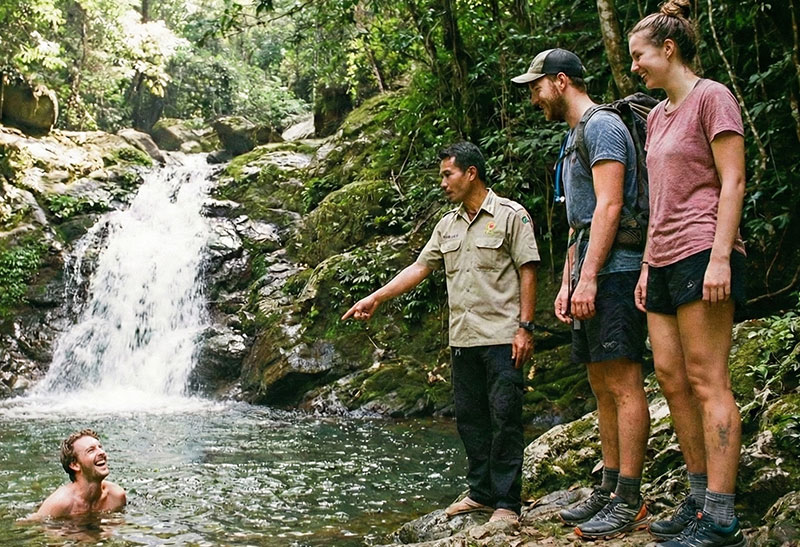
No. Service is typically included in restaurant prices. Most locals simply round up the bill or leave a small extra amount if the service was especially good.

No. Many restaurants close between lunch and dinner, usually from about 2:30 PM until 7:00 PM. During that gap, cafés, bakeries, and brasseries are your best options for food.

Dinner in Paris is usually later than in the United States. Restaurants often open around 7:00 PM, but locals commonly sit down closer to 8:00 or 8:30 PM.

Paris Neighborhoods: Where to Stay as a Traveler

he exterior of Le Vrai Paris cafe on Rue des Abbesses in Montmartre, featuring a yellow awning, abundant pink flowers, and outdoor seating on a cobblestone street.

Paris Neighborhoods: Where to Stay as a Traveler

he exterior of Le Vrai Paris cafe on Rue des Abbesses in Montmartre, featuring a yellow awning, abundant pink flowers, and outdoor seating on a cobblestone street.

Finding the right neighborhood changes everything about your Paris trip. Choose based on how you prefer to travel, not just proximity to monuments.


Home » Destinations » Page 10

By Corey Gasman

From the Editor:

I have stayed in Paris more than once, and I have learned that the difference between a great Paris trip and an exhausting one usually comes down to one thing: location. Not hotel stars. Not room size. Neighborhood.

This guide breaks down the best Paris neighborhoods based on how you actually travel. Not hype. Not influencer lists. Just where things work, where food is good, and where the city feels livable.

Paris looks small on a map. It is not. Where you stay will quietly decide how much you walk, how much you sit in cafes, how often you take the Metro, and how relaxed your days feel.

TLGA Rule: Paris rewards walking. A great neighborhood reduces transit time, increases cafe time, and makes your trip feel slower and more local.

Before you book anything

Start here: France Travel Guide

Quick Neighborhood Comparison

Neighborhood Vibe Transit Luggage Score
Le Marais Trendy & Historic Excellent (Line 1) Easy
Saint-Germain Classic & Polished Very Good Easy
Latin Quarter Lively & Student Great (RER B) Medium
Montmartre Village & Views Isolated Hard (Hills)

Cheat Sheet: Top 10 Paris Districts (Arrondissements)

Paris is divided into 20 numbered districts (Arrondissements) that spiral out from the center like a snail shell. You will see these on every hotel address (e.g., postal code 75001 = 1st District).

Here is how to read the map like a local:

District Known As… Key Landmarks My Take
1st (1er) The Royal Center Louvre, Tuileries Prestigious but expensive. Dead at night.
3rd/4th Le Marais Notre Dame, Pompidou My Top Pick. Lively, historic, cool.
5th (5ème) Latin Quarter Pantheon, Sorbonne Young, fun, slightly chaotic.
6th (6ème) St-Germain Luxembourg Gardens Classic Paris. Posh and pricey.
7th (7ème) Eiffel Tower Area The Iron Lady Great views, but very quiet/residential.
8th (8ème) Champs-Élysées Arc de Triomphe Mainly for luxury shopping. Not “cozy.”
11th (11ème) Bastille/Oberkampf Canals & nightlife Where the cool locals actually live.
18th (18ème) Montmartre Sacré-Cœur Romantic village vibe, but isolated.

Local Guide Tip: Don’t obsess over the district number. The border between the 3rd and 11th is just a street crossing, but the price might drop 20% in the 11th. Focus on the Metro line connection instead.

The busy Rue de Bretagne in Le Marais, Paris, featuring local shops and the entrance to the Marché des Enfants Rouges.

Le Marais balances historic charm with a very livable, local atmosphere perfect for foodies.


Le Marais: My Go-To Paris Base

On our last trip to Paris, we stayed four nights in Le Marais, and it was easily one of the best decisions of the trip. The neighborhood hits a rare balance: historic, lively, well-connected, and still very livable.

For me and my wife, this area worked perfectly because it offered enough space to breathe, something rare in Paris hotels, without feeling disconnected from the action. You can walk to major sights like the Louvre or Notre Dame, but you are not surrounded by souvenir shops.

The Logistics:

  • Target Zone: Look for hotels near Rue de Bretagne for a market vibe, or near Place des Vosges for history.
  • Transit: Excellent. Metro Line 1 cuts right through here, which is the main artery for hitting the big tourist sites.
  • Luggage Difficulty: Low. The streets are mostly flat, though sidewalks can be narrow.

Local Guide Tip: Skip the hotel breakfast one morning and go to Breizh Café for a buckwheat galette, or grab provisions at the Marché des Enfants Rouges. Le Marais is ideal if you want to walk everywhere and eat well without reservations every night.

Related Story: Want to see exactly how we spent our time here? Read my full trip report: Two Weeks in France Trip Report.

Best for: First-time visitors, food-focused travelers, repeat Paris trips.

A waiter serving espresso at a sidewalk cafe table in the Saint-Germain-des-Prés neighborhood of Paris.

Saint-Germain offers that classic, polished Paris experience, but be prepared for the “Left Bank Premium” on prices.


Saint-Germain-des-Prés: Classic Paris Energy

Saint-Germain is what many people picture when they imagine Paris. Literary cafes, wide sidewalks, and a slower Left Bank rhythm. This area works well if you want a polished, classic feel and don’t mind paying a bit more for it.

It is well connected and close to museums, but it can lean tourist-heavy on certain streets. You are paying for the “brand name” of the neighborhood.

The Logistics:

  • Target Zone: Stay as close to the Odeon metro stop as possible for a lively evening vibe.
  • Anchor Spot: The Luxembourg Gardens acts as your neighborhood front yard here.
  • Luggage Difficulty: Low. Wide boulevards make taxis and walking with bags easy.

Local Guide Tip: You will see long lines at Les Deux Magots and Café de Flore. Snap a photo of them, but grab your actual coffee at a smaller side-street brasserie to save €5 and get better service. You are often paying a “Left Bank Premium” here for smaller rooms.

Best for: Short stays, museum-focused trips, classic Paris atmosphere.

A view of the Pantheon dome from a narrow, student-filled street in the Latin Quarter of Paris.

The Latin Quarter is central and energetic, often with better budget options if you stay near the Pantheon.


Latin Quarter: Lively and Central

The Latin Quarter is energetic, compact, and full of student life. It is affordable compared to nearby areas and very well connected.

The trade-off is noise and crowds, especially at night. Some streets feel timeless and medieval. Others feel chaotic. You need to choose your street carefully here.

The Logistics:

  • Target Zone: Aim for the streets near the Pantheon rather than right on the river (St Michel) to avoid the worst tourist traps.
  • Transit: Superior. The RER B train stops here, giving you a direct, cheap link to Charles de Gaulle airport.
  • Luggage Difficulty: Medium. Some streets are hilly and very crowded, which makes dragging bags annoying.

Local Guide Tip: Look for a hotel near the Luxembourg Gardens side of the Latin Quarter. It is significantly quieter than the Seine side, and you get one of the world’s best parks nearby for morning walks.

Best for: Budget-conscious travelers who want central access.

A steep, cobblestone staircase in Montmartre, Paris, illustrating the difficulty of the terrain for travelers.

Montmartre is undeniably romantic, but the hills and cobblestones make it a challenge with heavy luggage.


Montmartre: Beautiful, But Isolated

Montmartre is stunning, especially in the early morning. But it sits apart from the rest of Paris on a large hill. If you stay here, you will rely on transit more than walking. That can be fine, but it changes the rhythm of your days.

The Logistics:

  • Target Zone: Rue des Abbesses. This is where the locals actually live and eat, away from the souvenir sellers at the top.
  • Transit: Line 12 is your main option, but it is deep underground (expect stairs).
  • Luggage Difficulty: High. Cobblestones + hills + stairs.

Pro Tip: I love Montmartre for photos, but I hate dragging a suitcase there. The cobblestones are unforgiving. If you stay here, book a taxi directly to your door, do not try to walk up the hill from the Metro with bags.

Best for: Romantic stays, photography-focused trips, repeat visitors.

A group of young friends relaxing and sharing pastries while sitting along the edge of the Canal Saint-Martin quay in Paris on a sunny afternoon, with an iron footbridge and tree-lined banks in the background.

The banks of the Canal Saint-Martin are the city’s living room in the evenings. This is the spot to trade sightseeing for just hanging out like a true Parisian.


Canal Saint-Martin: Modern and Local

This is where Paris feels younger and more residential. Fewer sights, more everyday life. If you like neighborhoods over landmarks, this can be a great base.

The Logistics:

  • Target Zone: Stay near the République hub for the best transit connections while keeping the canal vibe.
  • Anchor Spot: Grab a pastry at Du Pain et des Idées and sit by the canal.
  • Luggage Difficulty: Medium. Flat, but Metro stations here can be older with lots of stairs.

Best for: Long stays, repeat visits, local vibe.

A traveler looking at the Eiffel Tower from a quiet, upscale street in the 16th Arrondissement, surrounded by classic Haussmann architecture and autumn trees.

The Eiffel Tower District (7th & 16th): Staying here guarantees iconic views like this, but be warned: these are the quietest neighborhoods in Paris at night.


The Romantic Splurge: 7th & 16th Arrondissements

If your dream of Paris involves waking up, opening the curtains, and seeing the Eiffel Tower right outside your window, this is where you stay. These districts (the 7th and the 16th) represent the cinematic, luxury side of the city.

The vibe here is polished, wealthy, and incredibly quiet. The streets are wide, the buildings are grand Haussmann style, and the security is tight (this is Embassy row).

The Logistics:

  • Target Zone: The Trocadéro area (16th) for the best views across the river, or the Ecole Militaire area (7th) for a mix of market streets and tower views.
  • Transit: Decent. The RER C follows the river, and Metro Line 6 offers those famous above-ground views of the tower.
  • Luggage Difficulty: Very Low. This is taxi territory. Doormen and elevators are standard here.

Local Guide Tip: This area is beautiful, but it falls asleep at 9:00 PM. If you stay here, you are trading nightlife for views. We usually recommend this for a 2-night “Splurge” at the end of a trip, rather than a base for a whole week.

Best for: Honeymoons, bucket-list anniversaries, and travelers who prioritize quiet nights over busy bars.

A traveler walking through the Passage des Panoramas in Paris, a historic covered shopping arcade with glass ceilings, vintage signs like 'La Postale,' and checkered tablecloth restaurants.

Rainy Day Savior: The 2nd Arrondissement is famous for these covered passages. You can shop, eat, and explore without ever opening an umbrella.


The 2nd Arrondissement: For the Vintage Shopper

If you want to stay in the absolute center of Paris but find the Louvre area too sterile, look at the 2nd Arrondissement (Grands Boulevards/Sentier). This is the home of the famous Passages Couverts, 19th-century glass-roofed shopping arcades hidden between buildings.

Staying here puts you in a high-energy district known for textiles, tech startups, and incredible history. It is less “pretty” than the Marais, but it feels very authentic.

The Logistics:

  • Target Zone: Look for hotels near Rue Montorgueil (a famous food street) or the Grands Boulevards Metro.
  • The Draw: The Covered Passages (like Passage des Panoramas pictured above) are perfect for rainy days. You can shop for vintage stamps, coins, and postcards without getting wet.
  • Luggage Difficulty: Low. The area is flat, and the boulevards are wide.

Local Guide Tip: The 2nd Arrondissement is often cheaper than the 1st or the Marais, yet it is only a 10-minute walk from them. It is my top “Value Pick” for staying central.

Best for: Vintage shoppers, solo travelers, and anyone who loves a bustling, commercial vibe.

A bright but compact boutique hotel room in Paris with open windows facing typical zinc rooftops.

Parisian hotel rooms are famous for being compact. You are paying for the location, not the square footage.


Paris Accommodation Cheat Sheet

Finding a place in Paris is different than in the US. Space is expensive, elevators are tiny (or missing), and air conditioning is not a guarantee. Here is what you need to know before you book.

Decoding Paris Hotel Stars

In France, stars are awarded based on technical amenities (square footage, reception hours), not just “luxury.”

  • 2-Star Hotels: Very basic. Small rooms. Often no A/C. Great if you just need a bed and a shower.
  • 3-Star Hotels (My Recommendation): The sweet spot. Usually includes A/C, private bathrooms, and a 24-hour front desk. Equivalent to a solid boutique hotel in the US.
  • 4-Star Hotels: Larger rooms, room service, and higher-end finishes. If you need American-style space, start here.

Pro Tip: “Air Conditioned” is not a standard feature in Paris, especially in 2-star and older 3-star hotels. If you are traveling in July or August, filter strictly for A/C. You will thank me later.

Is Airbnb a Good Option?

Yes, but with caveats. Paris has cracked down hard on short-term rentals.

  • The Good: You get a kitchen and “live like a local.” Great for families or stays longer than 4 nights.
  • The Bad: Check-in can be stressful if your host is late. Many buildings do not have elevators (look for “ascenseur” in the listing).
  • The Law: Only book listings that show a 13-digit registration number. This means they are legal.

The “Aparthotel” Alternative

If you can’t decide between a hotel and an apartment, look for an Aparthotel (like Citadines or Adagio). You get a kitchenette and more space, but you still have a front desk to hold your luggage, something Airbnbs rarely offer.

Local Guide Tip: Always check the “elevator” situation. A “3rd floor” apartment in Paris is actually the 4th floor in the US (Ground = 0), and carrying bags up a spiral staircase after an overnight flight is a rough start to a vacation.

Where Not to Stay (If You Can Help It)

  • Gare du Nord Area: While convenient for trains, the immediate streets around the station can feel sketchy at night and are not relaxing.
  • Champs-Élysées: It is overpriced, crowded, and lacks local soul. You go there to shop, not to live.
  • Far outer arrondissements: Unless you are visiting friends, the savings aren’t worth the hour-long commute to see the sights.

Pro Tip: A cheaper hotel far from where you spend your days usually costs more in time, energy, and transit. In Paris, you pay for the zip code.

Start with the France guide, then explore how to eat, where to stay, and how to plan your trip across Paris and beyond.

START HERE

France Travel Guide

Your full overview to compare regions, plan your route, and understand how France fits together.

Read More

FOOD PLAYBOOK

Eat in Paris Like a Local

Understand café culture, meal timing, and how to avoid tourist-trap dining.

Read More

NEIGHBORHOOD EATS

Le Marais Food Guide

Zoom into one of Paris’s best food neighborhoods for cafés, bakeries, and casual dining.

Read More

REAL ITINERARY

Two Weeks in France

See how Paris fits into a longer trip with real pacing, route ideas, and travel decisions.

Read More

GO BEYOND PARIS

Best Regions in France

Compare regions across France and decide where to go after Paris.

Read More

FAQs

What is the best neighborhood for first-time visitors?

Le Marais offers the best balance of walkability, food, transit (Line 1), and atmosphere.

Cafes. You will visit the Eiffel Tower once. You will eat and walk every day. Stay where the street life is good.
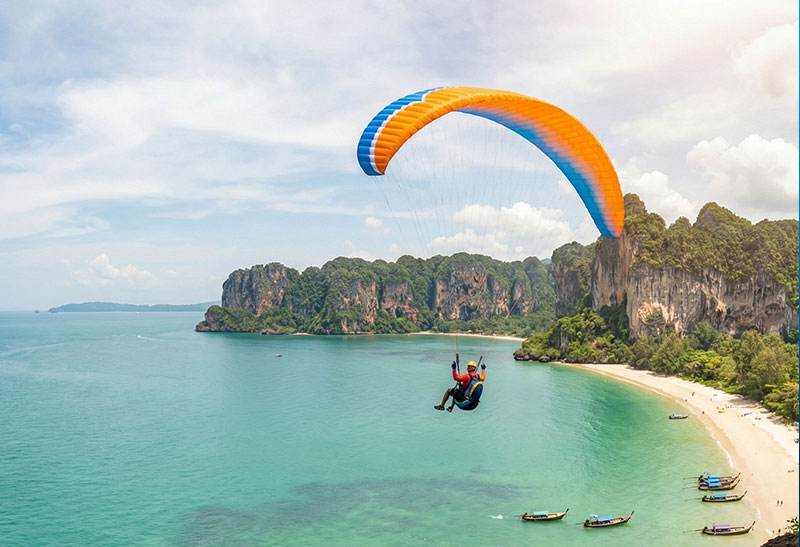
Yes, especially in good neighborhoods. Location matters more than amenities. You won’t be in your room much anyway.
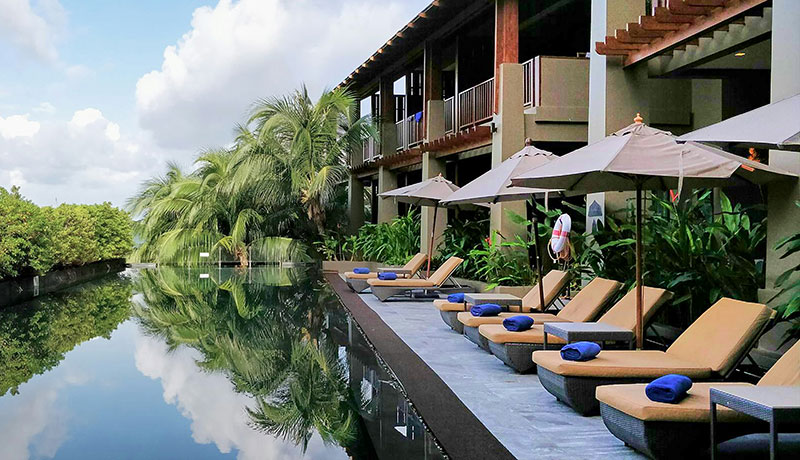
If you are visiting in July or August, yes. While old buildings stay cool, heat waves are common, and sleeping in 85°F (30°C) with street noise is not fun.