



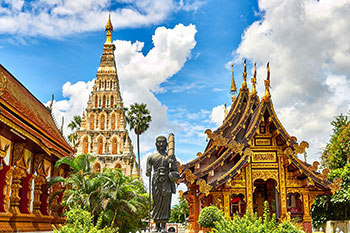


Le Marais Food Guide: Where to Eat Like a Local in Paris

Home » Destinations » Page 8

Last updated: January 2026 by Corey Gasman

From the Editor:

Le Marais is the dual personality of Paris. It is the historic Jewish Quarter, but it is also the epicenter of fashion and art. Because it is one of the few areas open on Sundays, it gets crushed by tourists.

But you can still find the local rhythm here. The trick is to avoid the Instagram queues and stick to the institutions that have been feeding this neighborhood for decades. This guide is about quality over hype.

Start Here: The Strategy

Le Marais spans the 3rd and 4th arrondissements. The 4th is busier and louder, home to Rue des Rosiers. The 3rd, or Haut Marais, is quieter and trendier, and home to one of the best market lunches in the city.

Reality check on the queue: If you see a line of 50 people waiting for a croissant, keep walking. Paris has thousands of excellent bakeries. The difference between viral and excellent is usually minimal. The time you save is not.
How Le Marais actually eats:
• Morning: bakery first, coffee second. Sit if you can.
• Lunch: fast and efficient. Markets and street food dominate.
• Afternoon: goûter is real. Plan a sugar stop.
• Dinner: reservations matter. 8:00pm is normal.
Golden Rule: Le Marais is best Tuesday or Wednesday morning. Sunday afternoon is chaos.

One Perfect Food Day

10:00 bakery + espresso
12:00 market lunch
15:30 chocolate or pastry stop
18:30 apéro wine
20:30 dinner
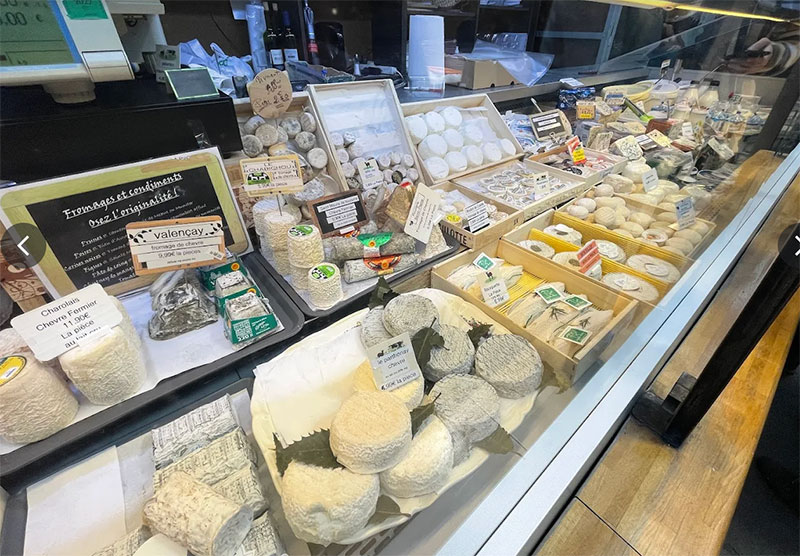
A close-up view of a vibrant cheese stall inside the Marché des Enfants Rouges, featuring diverse wheels and wedges of French cheese arranged on tiered displays.

Established in 1615, this is where locals actually eat lunch. Loud, tight, chaotic, and excellent.


Marché des Enfants Rouges

The oldest covered market in Paris at 39 Rue de Bretagne. Today it functions as a communal dining room more than a grocery market.

How to Do It

  • Vibe: grab a plate and squeeze onto a bench.
  • Order: Moroccan stall for couscous or tagine.
  • Alternative: Japanese bento or simple antipasti.
  • Timing: arrive before 12:00pm.
Grab a bottle from the wine merchant in back if you are staying nearby.
The storefront of Petite Ile boulangerie in Le Marais, featuring a light wood facade, large glass windows revealing the warm interior, and "BOULANGERIE" written in elegant lettering above the entrance

A proper French morning involves sitting, not walking. Find a terrace or quiet window and slow down.


Morning: Bakeries & Coffee

Bakeries

  • Petite Ile – modern technique, strong sourdough.
  • Poilâne – legendary sourdough and shortbread.
  • Tout Autour du Pain – award-winning baguettes.

Coffee

  • Fringe – calm, artistic space.
  • Ob-La-Di – tiny and excellent.
  • Terres de Café – perfect espresso.
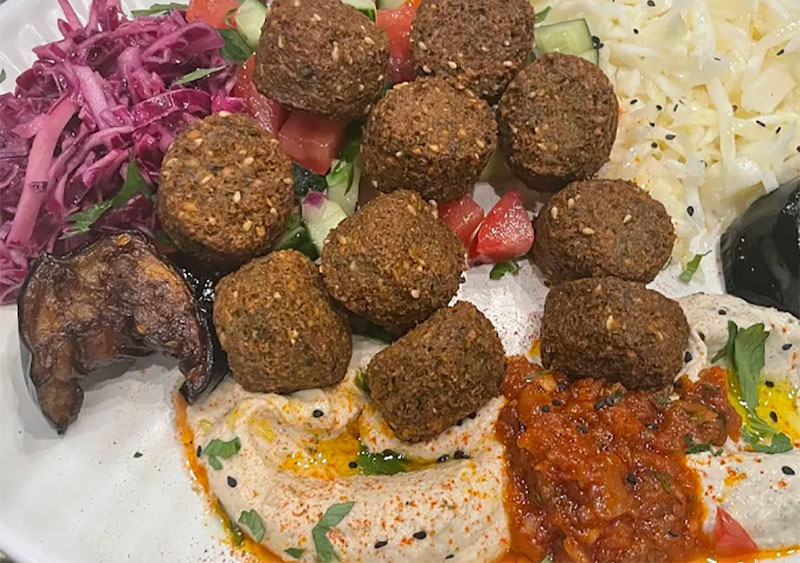
A close-up, appetizing shot of a signature falafel pita from L'As du Fallafel, overflowing with golden-brown falafel balls, bright purple cabbage, fresh cucumbers, and a generous drizzle of creamy tahini sauce.

Rue des Rosiers is the falafel battleground. The line moves fast.


Lunch: Falafel or Terrace

You either go street food or classic bistro. Both work.

Falafel

  • L’As du Fallafel – iconic, messy, worth it.
  • Miznon – chef-driven, famous cauliflower.

Sit-Down

  • Le Ju’ – classic brasserie terrace.
  • Breizh Café – crêpes and cider.
Take your falafel to Jardin des Rosiers for a quieter lunch.
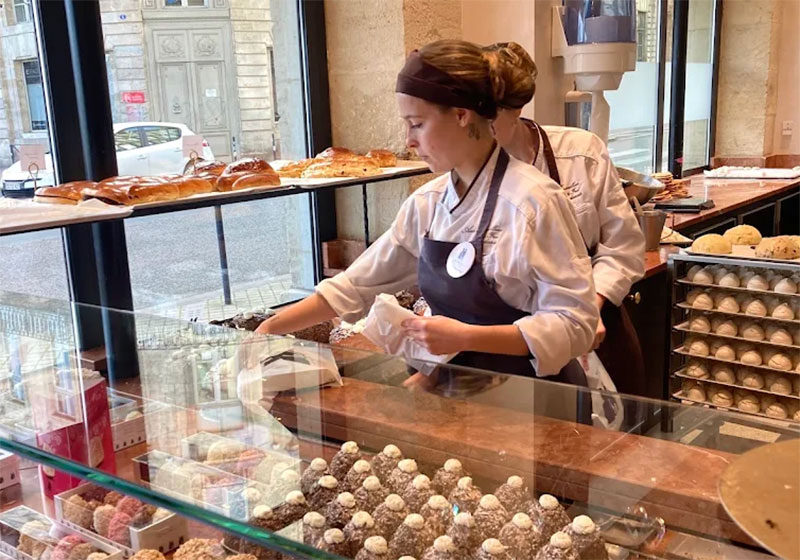
A view through a bakery window of two pastry chefs in white uniforms and aprons meticulously assembling "Le Merveilleux" cakes, with rows of small meringue bases visible on the wooden counter in the foreground.

Goûter between 3:00 and 5:00pm is not optional.


Afternoon Sugar Stops

  • Aux Merveilleux de Fred – meringue towers.
  • Jacques Genin – elite chocolate and caramels.
  • Bontemps – sablé cookie sandwiches.
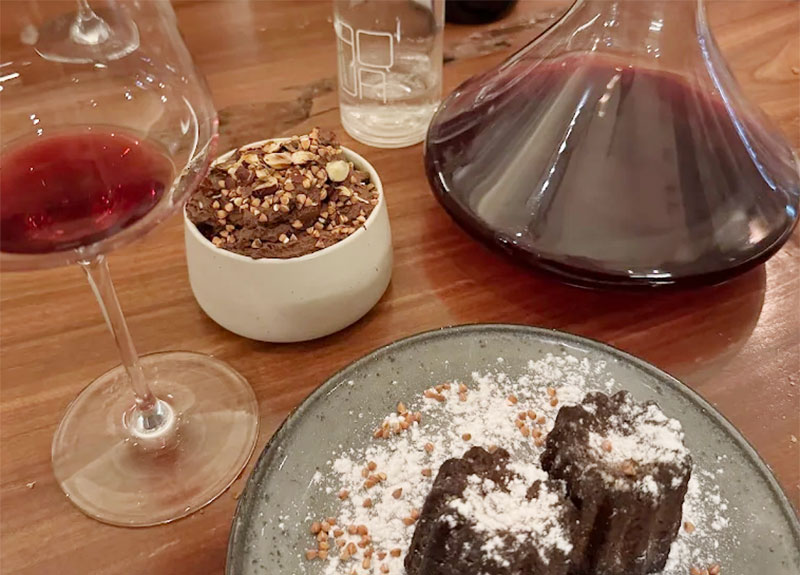
A cozy and inviting scene at Les Amoureuses wine bar in Le Marais, featuring a small wooden table with a glass of red wine, a plate of artisanal cheese and charcuterie, and warm, dim lighting.

Apéro bridges the gap between exploring and dinner.


Apéro

  • One glass of wine.
  • Small plate if needed.
  • Keep it light so dinner still works.
Ask for something light or juicy if ordering natural wine.
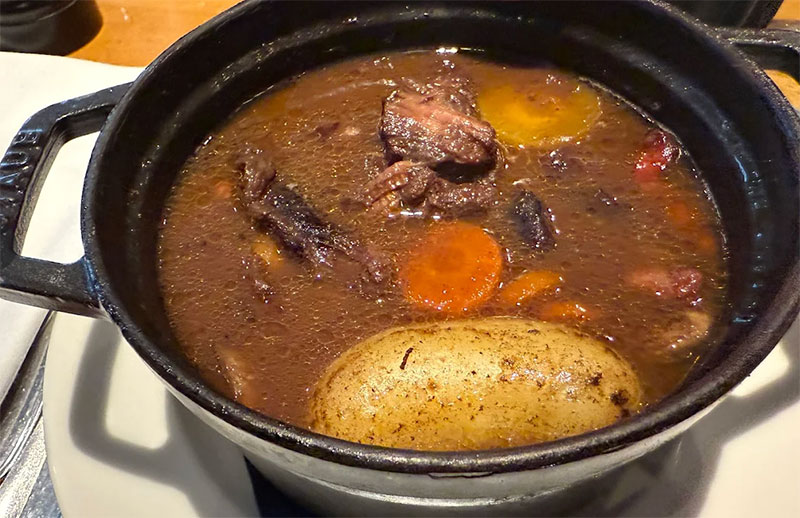
A classic and comforting presentation of Beef Bourguignon at Au Bourguignon du Marais, featuring tender chunks of slow-cooked beef in a rich, dark wine sauce, garnished with pearl onions, mushrooms, and vibrant green peas, served alongside a side of golden mashed potatoes.

Classic French bistro comfort done right.


Dinner

Classic

Au Bourguignon du Marais – textbook French comfort.

Les Philosophes – reliable bistro energy.

Modern

Carbon – fire cooking, natural wine.

Pink Mamma – loud, fun Italian spectacle.

Start with the France guide, then explore more Paris food, where to stay, and bigger trip ideas beyond the city.

START HERE

France Travel Guide

Get the bigger picture on France so you can connect Paris with the right regions, stops, and travel style.

Read More

PARIS FOOD

How to Eat in Paris Like a Local

Use this bigger-picture food guide to understand café culture, meal timing, and how to avoid tourist-trap dining.

Read More
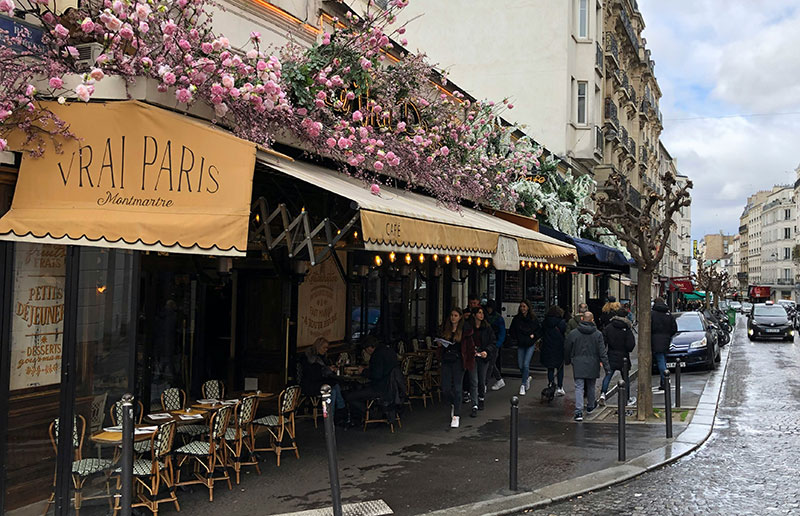
WHERE TO STAY

Paris Neighborhoods Guide

Choose the right area to stay based on your style, budget, and how much neighborhood atmosphere you want.

Read More

REAL ITINERARY

Two Weeks in France

See how Paris can fit into a longer France trip with real pacing, route ideas, and on-the-ground travel choices.

Read More

GO BEYOND PARIS

France Beyond Paris

Compare regions across France and figure out where to head next once you’re ready to leave the capital.

Read More
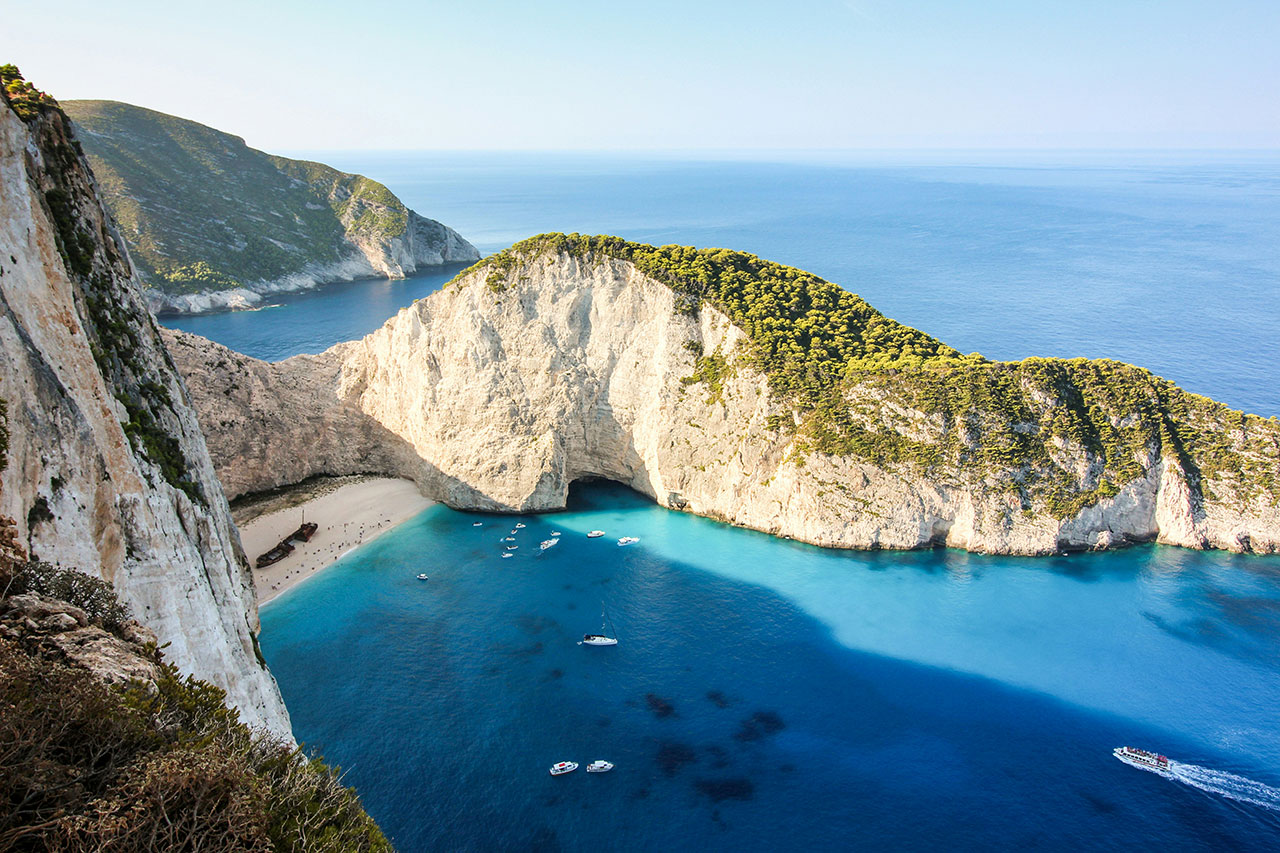
Greece Travel Guide

The white sand and turquoise water of Navagio Beach, a popular destination on the island of Zakynthos.


Home » Destinations » Page 8

Last updated: January 2026 by Corey Gasman

From the Editor:

Greece is one of the easiest countries in Europe to romanticize, and one of the easiest to plan poorly. The highlights are real, but the pacing is the entire game. If you move too much, Greece turns into ferry tickets, luggage, and heat. If you slow down, it becomes sunsets, long meals, and a daily loop that feels like living.

The best Greece trips are built around 2 to 3 bases, not seven islands. Choose one postcard island, one calm island, and pair that with Athens as your history and food anchor.

Start Here: Planning for 2026

Greece rewards travelers who plan around season and island logistics instead of a highlight checklist. Your best decisions are: which islands, how many ferry days, and what month.

For 2026, the biggest trip friction factors are not new. They are the same levers that always matter in Greece, just more amplified: peak season crowd pressure on Santorini and Mykonos, timed entry ticketing for Athens headline sites, and the reality of ferry schedules and wind delays.

The Greece rule that saves your trip:

Do not plan island hopping like it is free. Every ferry day has a cost: packing, checkout, port transfers, waiting, and check in. On a 10 to 14 day trip, two islands is ideal. Three can work. Four is where the trip starts to feel like transit.

The takeaway: Fewer islands, longer stays, better Greece.

TLGA Rule: Pick two islands max for a first trip. If you want a third, make it a short add-on, not a full reset.

Before you book anything

Start here: Getting Around Abroad (how to plan transportation like a system)

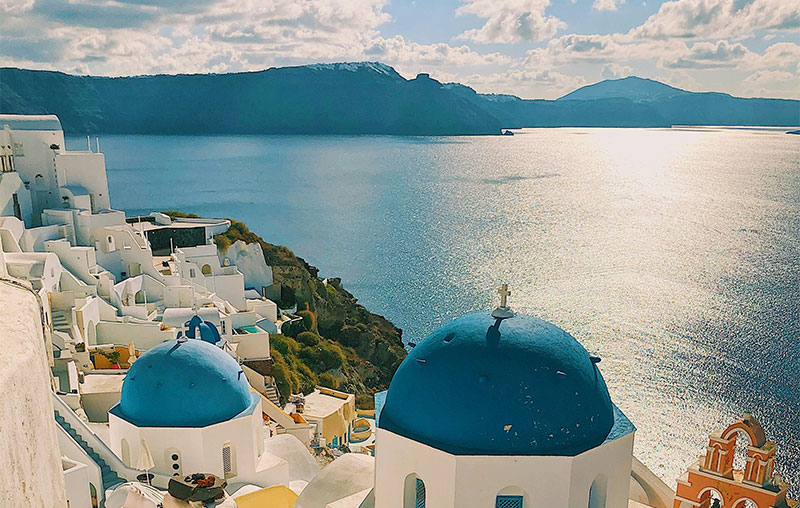
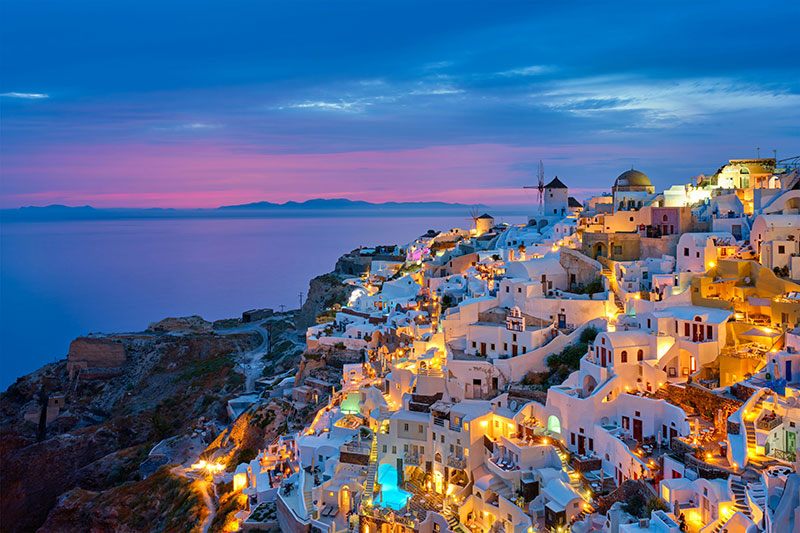
A panoramic sunset view of Oia, Santorini, featuring traditional white-washed buildings and blue-domed churches nestled on the volcanic cliffs overlooking the Aegean Sea.

The golden hour in Oia: Santorini’s most iconic view is best experienced at sunset, when the white architecture reflects the warm glow of the Aegean sun. Plan to arrive early to secure a spot along the caldera edge.


The Reality Check: 2026 Specifics

Greece has not gotten harder, but it has gotten more structured in the high-demand lanes. The solution is simple: book the high-demand pieces early, then keep the rest flexible.

Border and entry systems (Schengen updates)

If you are entering Greece via the Schengen Area from a visa-exempt country, border processing in Europe has been shifting toward more digital systems. For 2026 planning, treat your arrival day like a logistics day and build buffer into connections and first-day plans.

Athens headline sites run on timed entry

Athens is easy when you plan it like a modern city. For major archaeological sites, expect timed-entry ticketing in peak periods. Buy tickets in advance when you can, especially if you have a tight schedule or you want earliest time slots.

Pro Tip: In Athens, do your biggest site early, then plan lunch, shade, and a late afternoon neighborhood loop. Midday heat is the trap.

Overtourism pressure is real on the postcard islands

Santorini and Mykonos can still be incredible, but they must be planned like high-demand destinations. If you want the postcard version of those islands, go in shoulder season, stay in one strong base, and build your day around early and late light.

The best Santorini strategy is not “more.” It is timing. Sunrise in Oia, midday off the main lanes, then golden hour somewhere quieter.

Accommodation fees and local taxes

Greece has accommodation-linked fees that are often collected at check-in. Do not be surprised if your hotel or rental collects a per-night charge separate from your booking platform.

Build a route before you pick islands

Choose bases first, then fill days: Getting Around Abroad

Alt Text: A classic view of Santorini, Greece, featuring a white-washed building with a bright blue dome in the foreground overlooking the deep blue Aegean Sea and the volcanic caldera under a soft, hazy sky.

Greece is season-sensitive. Pick the right month and it feels effortless. Pick the wrong month and you plan your day around heat, crowds, and ferry logistics.


Best time to visit Greece

Greece is all about season. The same island can feel dreamy in May and overwhelming in August. Your best trip starts with choosing the right month for your style.

Shoulder season (best overall)

May, early June, September, October are the sweet spot. Warm water is more likely in September, and October can be ideal for calmer islands and better value.

Peak season (only if you want peak season)

July and August bring heat and crowds, especially on the Cyclades. If you travel in peak months, plan early starts, midday breaks, and book lodging and ferries earlier than you think.

Low season (Athens and culture trips)

November to March is excellent for Athens, museums, and food travel. Many islands become quieter and more seasonal, which can be perfect if you want calm and do not need beach life.

If beaches are the priority, go late June through September. If walking and culture are the priority, May or October can be the best months of the year.

Local Guide Tip: In summer, Greece becomes a morning and night country. Big sites early, long lunch and shade, then come back out after 6:30pm.
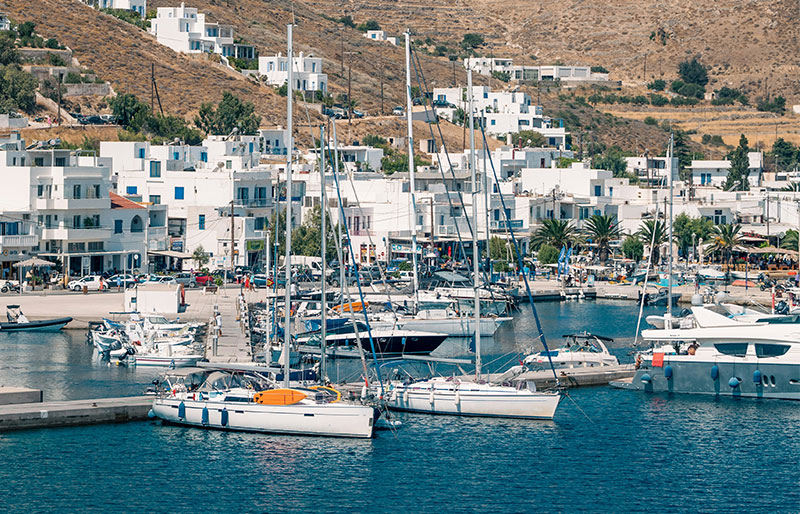
A wide-angle shot of a harbor in a Greek island village, featuring several traditional white and blue fishing boats moored in turquoise water, with whitewashed buildings and a sun-drenched coastal hillside in the background.

Island life in the Cyclades: The pace of Greece is best found at the water’s edge. Whether you are catching a ferry or watching the fishing boats return, the harbor is the heart of every island base.


Best fit by travel style

Decide what your best days look like, then choose the islands and bases that support those days. Greece has multiple “Greeces,” and the right one depends on how you like to travel.

First trip, classic Greece

If this is your first Greece trip, keep it clean. Do Athens + one Cyclades island (Santorini or Naxos or Paros), then add one calm island if you have time.

  • Best bases: Athens + Naxos or Paros
  • Postcard add-on: Santorini (2 nights max is enough for many travelers)
Pro Tip: Do not schedule a new ferry every other day. Two bases in 10 days is calm. Three is workable. Four is chaos.

Beach and swimming first

If beaches are the whole point, prioritize islands known for sand and water quality, and avoid the pure-cliffs islands as your only beach stop.

  • Best islands: Naxos, Paros, Milos, Crete
  • Best for: beach days, swimming, boat days, relaxed evenings

Your best beach day is usually not the most famous beach. It is the one that is calmer, wind-protected, and has shade nearby.

Food, neighborhoods, and “living”

If you want Greece to feel local, do Athens properly and pick an island where the main town is walkable and not purely resort-based.

  • Best bases: Athens (Koukaki or Plaka edges), Naxos Town, Parikia (Paros), Chania (Crete)
  • Best for: tavernas, markets, late-night walks, small daily rituals

Eat like a local

Use the daily-rhythm method in this guide, then build your own food loop.

The Perfect 10-Day “First Timer” Outline

If you have 10 days and want the classic experience without the burnout, steal this route:

  • Days 1-3 (Athens): Land, recover, Acropolis early, Koukaki dinners.
  • Days 4-7 (Naxos or Paros): Ferry out. Rent a car for one day to see mountain villages, spend the rest of the time on beaches and eating at seaside tavernas.
  • Days 8-10 (Santorini): Fast ferry over. Enjoy the volcanic views, do the Oia sunset once, then fly directly back to Athens (or home) on your final day to avoid a long return ferry.
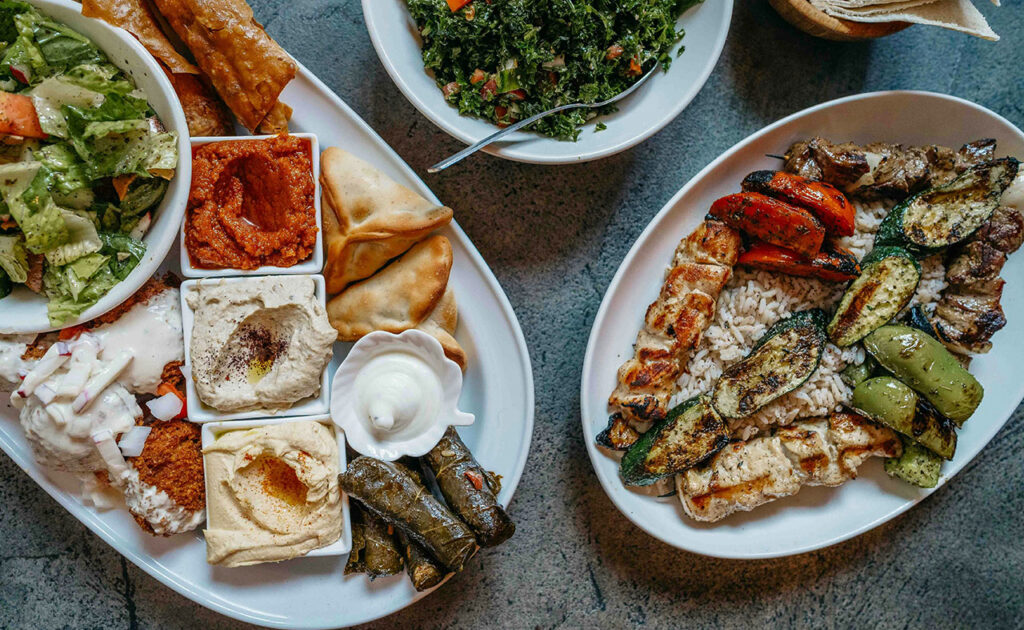
top-down spread of traditional Greek dishes including a Greek salad with a large block of feta, stuffed grape leaves (dolmades), grilled meats, pita bread, and various dips like tzatziki and hummus.

Eating in Athens is a neighborhood affair. Skip the main tourist squares and head to the side streets of Koukaki or Psirri, where the tavernas follow the local rhythm: long, slow meals that start late and celebrate simple, high-quality ingredients.


Regions & Best bases

Greece is not one trip. It is multiple trips. Use this section to choose bases that reduce ferry churn and create calmer days.

Athens (your anchor)

Athens is worth real time. It is history, food, neighborhoods, and the best big-city base for a Greece trip. Give it 2 to 3 nights minimum.

  • Best for: Acropolis, museums, food, neighborhoods
  • Base strategy: 2 to 3 nights at start or end of trip
  • Day trip lanes: Cape Sounion, Delphi (long day), Hydra (fast ferry day trip)

Cyclades (classic islands)

This is the postcard lane: white villages, blue water, and windy summer afternoons.

  • Best for: island hopping, sunsets, classic views
  • Good first-timer picks: Naxos, Paros, Santorini (short)
  • Reality note: wind can affect ferry comfort and schedules

Crete (the “its own trip” island)

Crete is not a side stop. It is huge, diverse, and rewards a slower approach. If you choose Crete, consider making it the main island of your trip.

  • Best for: beaches, food, villages, hiking, variety
  • Base strategy: pick one main base (Chania is a common first pick)

Ionian Islands (greener, calmer water vibe)

If you want greener landscapes and a different island feel than the Cyclades, the Ionian lane can be a great fit.

  • Best for: lush scenery, beaches, road trips
  • Reality note: this region often works best as its own focused trip
Pro Tip: When building an itinerary, count hotel changes. Two bases in 10 days is calm. Three is workable. Four is the trip feeling like logistics.

Two clean routes that work

A high-angle, scenic view of the Chania Venetian Harbor on the island of Crete, featuring the iconic 16th-century lighthouse, colorful waterfront buildings, and traditional wooden boats moored in the calm, turquoise water.

Chania is the ultimate base for first-timers on Crete. Its Venetian Harbor offers a perfect blend of history and atmosphere, making it the ideal jumping-off point for exploring the island’s world-class beaches and mountain villages.


Neighborhood overviews

Choose neighborhoods like you are designing a daily loop: morning coffee, easy transit, one big sight, then dinner streets that are lively but not under your window at 2:00am.

Athens neighborhoods

Athens is more neighborhood-driven than many first-timers expect. This table helps you match vibe to the trip you want.

Neighborhood Vibe Stay Here If…
Koukaki Local, walkable You want easy access to major sites without tourist overload
Plaka (edges) Historic, pretty You want charm and short walks to the Acropolis area
Syntagma Central, transit You want maximum convenience and easy airport connections
Kolonaki Upscale, calm You want a polished neighborhood and quieter nights
Local Guide Tip: In Athens, being one neighborhood away from the most tourist-heavy core can improve sleep and value instantly.

Best island base towns

On islands, your base town determines whether your trip feels calm or chaotic. Choose walkability and access.

Island Best base Why it works
Naxos Naxos Town (Chora) Port access, restaurants, easy day trips
Paros Parikia or Naoussa Walkable, great food, good ferry connections
Santorini Fira (central) or Imerovigli (calmer) Easy transit across the island, sunset lanes
Crete Chania (for first-timers) Old town charm, food, and access to beaches

If you want better sleep, choose one block off the nightlife lane, not directly on it.

A view from a rocky coastline shows a large blue and white passenger ferry, named "SEA JETS," steaming across the blue water towards an island port. In the foreground, dry grasses and scrub cover the rocks.

Greece is a ferry country. Treat ferry days like travel days, not sightseeing days.


Transportation & ferries

Greece transportation is simple when you choose the right tool: walking and metro in Athens, ferries for islands, scooters or cars on bigger islands when it makes sense, and occasional flights for long jumps.

Ferries: the real Greece logistics

  • Reality: ferry schedules are not the same as train schedules. Weather and wind can change the day.
  • Strategy: book key ferry legs in advance in high season and leave buffer on travel days.
  • Comfort: faster ferries reduce time but can be bumpier in wind. Slower ferries are steadier but take longer.

Athens: metro, walking, and simple rides

  • Best for: neighborhoods, museums, and major sites without car stress
  • Reality note: taxis can be useful, but use reputable apps where possible to reduce friction

Cars and scooters on islands

  • Rent a car for: Crete and larger islands where beaches and villages are spread out
  • Skip a car for: compact islands where your base town and buses cover most needs
  • Safety note: scooters are fun but not forgiving. Only do it if you are experienced and comfortable

Pack lighter than you think. You will be dragging your bags over uneven cobblestones, up steep ferry ramps, and likely up flights of stairs at your hotel. A well-packed travel backpack or durable carry-on spinner will make Greece much easier.

Treat ferry days as lighter days: one great lunch, a sunset walk, and an early night. Your body will thank you.

Pro Tip: If you have a flight, a wedding, or a timed tour, do not schedule a same-day tight ferry connection. Build buffer.
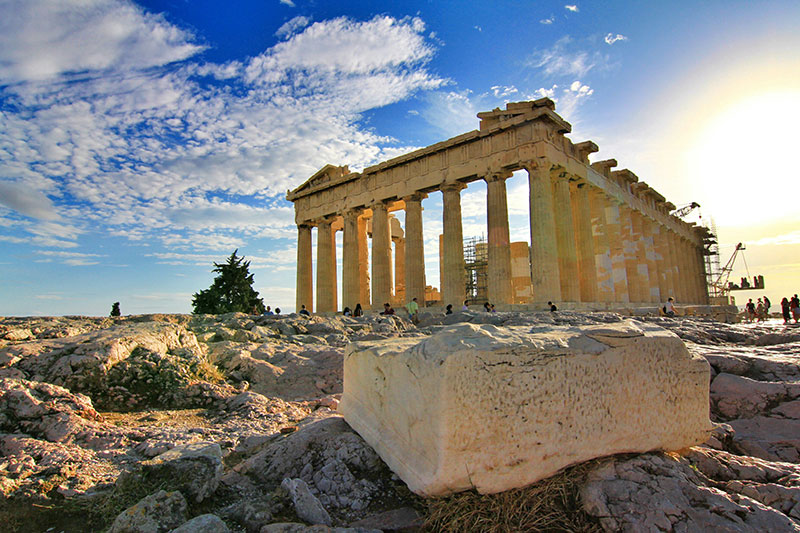
A wide scenic view of the ancient Acropolis of Athens at sunset, featuring the Parthenon temple standing prominently atop the rocky hill overlooking the city

The Acropolis. Plan your visit for the earliest possible time slot to beat the heat and the crowds, allowing you to experience the Parthenon in the soft morning light.


Respectful travel & safety

Greece is welcoming, but it is also navigating high visitor volume in peak season. In 2026, the best way to travel is with good-guest energy: respect local rhythms, protect historic sites, and travel in ways that reduce friction for residents.

How to be a good guest in Greece:

  • Heat-smart: schedule your big walking early, then break midday, then come back out at night.
  • Respectful sites: ancient sites are fragile. Stay on paths, do not climb, and keep the place intact.
  • Support local: eat at tavernas, shop small, and avoid the tourist-strip-only loop.

Safety & scams

The main risks are pickpocketing in busy areas and tourist-targeted overcharging in the most obvious lanes.

  • Where it happens: crowded transit zones, major squares, and peak landmark corridors
  • The fix: keep your phone out of easy pockets, and do not engage with random helpful approaches that create distraction
Pro Tip: Your phone is the real target. Use a crossbody bag or keep it secure in crowds.
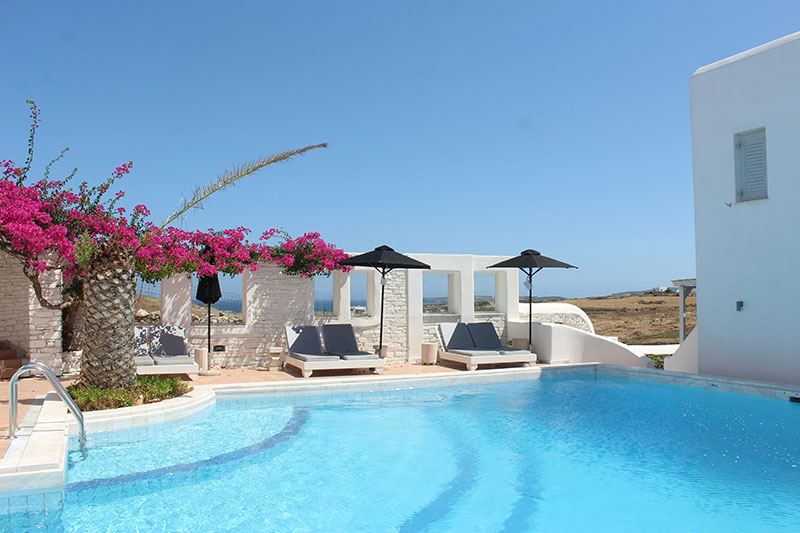
A bright, sun-drenched outdoor patio of a boutique hotel in Paros, featuring a sparkling blue swimming pool surrounded by white stone walls, comfortable lounge chairs, and vibrant pink bougainvillea.

Choosing your base in Paros: While the coastal towns of Parikia and Naoussa are the most popular, staying in a smaller boutique hotel just outside the main hub offers a quieter, more personal experience. Prioritize a spot with a pool and easy access to the local bus or a rental car to make exploring the island’s hidden beaches effortless.


Where to stay

Greece lodging is easy when you prioritize three things: location, sleep, and your trip rhythm. On islands, a great base town beats a random pretty hotel far from everything.

Where to stay by traveler type

  • First-timers: Athens in a walkable area (Koukaki or Plaka edges), then one island base town with good ferry access
  • Beach-first: choose an island with strong beaches and base near the coast, but keep one walkable town night in the mix
  • Quiet and sleep-focused: avoid the loudest nightlife lanes and choose accommodations with strong reviews for noise
  • Long stays (4+ nights): apartments can be perfect, especially if you want laundry and a kitchen for simple breakfasts

Hotels vs apartments

  • Hotels: easiest for short stays and logistics
  • Apartments: best for longer stays, laundry, and living like a local

Greece lodging reality checks

  • Cliffside views can mean stairs. A lot of stairs.
  • On islands, location beats luxury if you want calm daily flow
  • In summer, AC is not optional. Verify it, do not assume it
Local Guide Tip: Spend money on location when your stay is short. Save money by going slightly outside the core when your stay is longer.
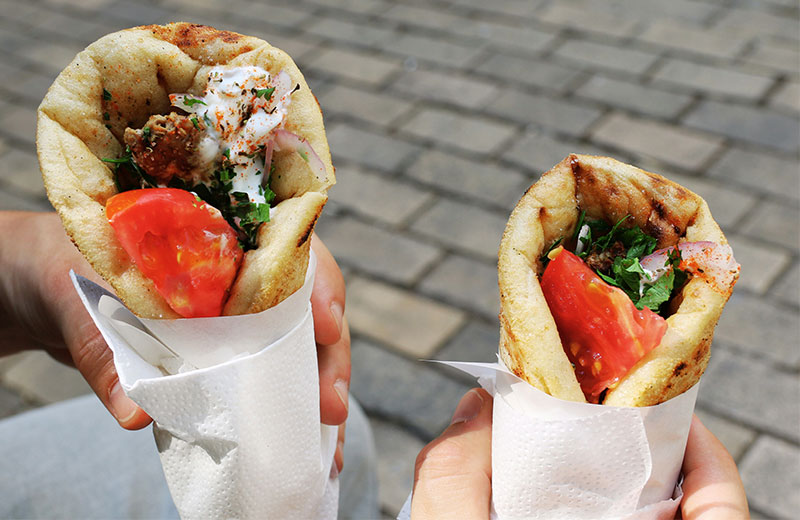
Alt Text: A close-up of two authentic Greek gyros wrapped in warm pita bread, stuffed with seasoned rotisserie meat, fresh tomato slices, red onions, and crispy fries.

The gold standard of street food: A real Greek gyro is all about the balance of warm pita, seasoned meat, and a handful of fries tucked inside. It is the ultimate eat-like-a-local meal for those busy travel days in Athens.


Eat like a local

Greek food is not just dishes. It is timing, simplicity, and long meals. If you follow the rhythm, you eat better and your trip feels more natural.

The daily rhythm

Breakfast Often light. Coffee plus something simple. Many travelers prefer a bigger late breakfast and a later lunch.
Lunch Flexible. Great time for a long taverna meal, especially on islands.
Dinner Later than many visitors expect, especially in summer. The night is social.

What to order on repeat

  • Greek salad: the real version is simple and perfect
  • Souvlaki and gyros: fast and delicious, a great meal on travel days
  • Grilled seafood: especially on islands
  • Meze: small plates, order a few rounds
  • House wine: often great value, especially in tavernas
  • Dessert moments: think honey and pastry, not huge cake slices
Local Guide Tip: Order less than you think, then add one more plate. Greek meals are meant to stretch.

How to spot a good taverna

  • Locals eating there, especially families
  • A short menu that focuses on a few things well
  • Food that looks like it belongs to the place, not like a tourist script
  • Tables that feel social, not rushed

Avoid restaurants with laminated photo menus right next to the top landmark. Walk 5 to 10 minutes and your meal improves immediately.

A serene, modern outdoor lounge area at Ekies All Senses Resort in Vourvourou, featuring minimalist white furniture, soft textiles, and a lush green backdrop of pine trees and Mediterranean plants.

Budgeting for the splurge: Boutique stays like Ekies All Senses Resort in Halkidiki represent the higher end of the Greek lodging scale. When planning your 2026 budget, balance these high-design splurge nights by choosing more traditional, family-run guesthouses for the other legs of your trip.


Budget & payments

Greece can feel like a deal or a splurge depending on your islands and your month. The biggest cost spikes come from peak-season lodging, last-minute ferries, and staying in the most famous sunset zones.

Payment methods in 2026

  • Card and mobile payments: common in cities and many islands
  • Cash: still useful for small purchases, beach setups, and smaller tavernas

Cost reality checks

  • Peak season lodging: July and August pricing can be extreme in the postcard islands
  • Ferry costs: multiple ferry legs stack fast, especially for fast ferries
  • Accommodation fees: some properties collect per-night fees at check-in
Pro Tip: The biggest money leak is last-minute planning: last-minute island hotels, last-minute ferries, and sunset-zone restaurants.

Money basics

Read: Travel Finance Guide

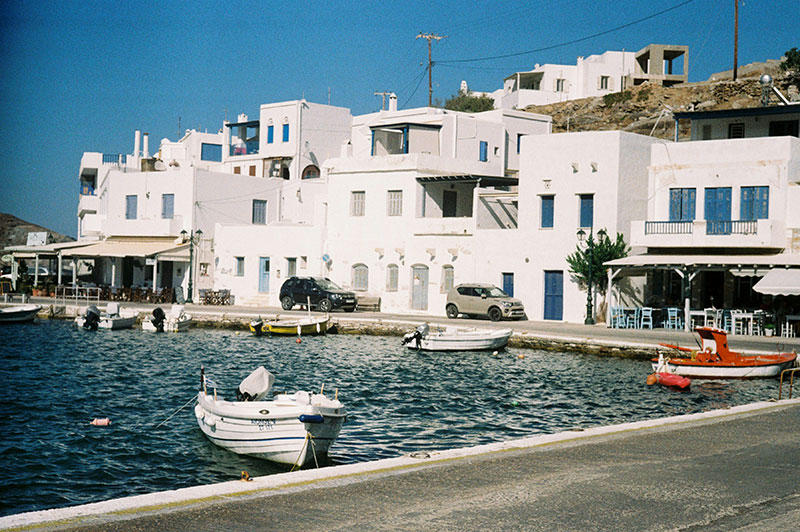
A peaceful view of a traditional Greek island port in Tinos, featuring a cluster of white-washed buildings with blue windows, a small fishing boat moored in the calm turquoise water, and a quiet waterfront walkway.

The beauty of the slower islands: Tinos is the perfect place to practice the Greek art of slowing down. Beyond the ferry ports and famous landmarks, the real magic happens in the quiet mornings by the water, where the only schedule is the arrival of the next boat.


Culture & rules that make Greece easier

Greece runs on a social rhythm. The country gets easier when you stop fighting the schedule and start planning around heat, late dinners, and slow mornings.

Island time is real:

Service can feel slower. It is not rude. It is normal. In Greece, meals are meant to last. Build your day so you are not rushed, and suddenly the whole country feels smoother.

Culture rules that matter

  • Late dinners: nights start later, especially in summer
  • Heat rhythm: big walking early, break midday, then come back out
  • Greetings matter: a simple hello and thank you goes far
  • Slow meals: you are meant to linger, not flip tables
English Greek (Phonetic) When to use it
Good morning Kaliméra Until about 1:00 PM.
Good evening Kalispéra Late afternoon and evening.
Please / You’re welcome Parakaló The most versatile word in Greece.
Thank you Efcharistó (eff-har-ee-STO) Whenever someone brings you food or helps you.
Local Guide Tip: Build a daily loop. Morning site, long lunch, shade break, then sunset viewpoint and dinner.

Church and monastery basics

  • Cover shoulders and knees when requested
  • Carry a light layer in summer for churches
  • Be respectful with photos and noise

Frequently Asked Questions

How many islands should I do on my first Greece trip?

Two is ideal. Athens plus one island is a great first trip. If you have 12 to 14 days, Athens plus two islands can work. More than that starts to feel like transit.

In peak season, yes for key routes and preferred times. In shoulder season, you can be more flexible, but still book important legs if timing matters.

Athens is worth it. Give it at least two nights. It makes your trip feel grounded, and it adds food, neighborhoods, and history that islands alone cannot replace.

Santorini is breathtaking, but it is high-demand. If you want the view and the vibe, do it in shoulder season and keep it short. Many travelers do 2 nights, then move to a calmer island.

Overmoving. Too many islands, too many ferry days, and trying to cram every viewpoint into midday heat. Fewer bases and better timing creates a better trip.

In most places, no. Due to older, narrow plumbing pipes, especially on the islands and in older Athens neighborhoods, you must place toilet paper in the small bin provided next to the toilet. It feels weird for a day, and then you get used to it. Hotels and cafes empty these bins daily.

Southwest National Parks Road Trip (2-Week Grand Circle)

Home » Destinations » Page 8

Last updated: January 2026 by Corey Gasman

From the Editor:

This is the two-week USA road trip that makes people fall in love with the Southwest. It is not just “national parks.” It is scale. Red rock cathedrals. Slot canyons. Desert light. Night skies. The kind of landscapes that feel like another planet.

The trick is pacing. The Grand Circle works when you stop trying to hike everything. Pick one anchor hike per park, protect your driving days, and build your trip around sunrise and golden hour instead of midday heat.

Start Here: Planning for 2026

This route is the classic Southwest loop starting and ending in Las Vegas. You will cover Zion, Bryce Canyon, Capitol Reef, Arches, Canyonlands, Monument Valley, Page (Antelope Canyon and Horseshoe Bend), and the Grand Canyon.

The three big hurdles are always the same: heat, reservations, and driving distances. For most travelers, the best months are April to May and September to October for moderate temperatures and better hiking conditions.

The Grand Circle rule that saves the trip:

Do not build your days around “midday.” Build them around morning and late afternoon. In the Southwest, sunrise is calm, cool, and empty. Midday is heat, crowds, and high risk if you overdo it.

The takeaway: One big hike early, long break midday, then a scenic drive or viewpoint for golden hour.

Pro Tip: Book your high-demand stays first: Zion area, Moab, Page, and Grand Canyon. Once those are locked, the whole route becomes easy.

⭐️ The Smart Move: This trip is better with fewer “big hikes.” Choose one iconic hike per park, then do viewpoints and short trails everywhere else.

USA Travel Basics

Read: The Complete USA Guide (tipping, driving rules, distances, and planning)

Road trip planning framework

Build your trip like a system: Getting Around Abroad

The Southwest is made for road trips. The landscapes are big, the skies are bigger, and the best moments happen on the drives between parks.


Route overview

This Grand Circle loop is designed to keep your driving realistic while still hitting the iconic parks. The key is staying in the right bases: Springdale for Zion, Moab for Arches and Canyonlands, Page for Antelope Canyon, and the South Rim for the Grand Canyon.

Stop Nights Why Stop?
Las Vegas 2 Easy flights, supply run, warmup park day at Valley of Fire
Zion 2 Epic canyon hiking, shuttle access, iconic trails
Bryce Canyon 1 Hoodoos, sunrise viewpoints, short but unforgettable hikes
Capitol Reef 2 Quieter park, scenic drives, Highway 12 access
Moab 2 Arches, Canyonlands, and Dead Horse Point views
Monument Valley 1 Iconic desert panoramas, Navajo Nation landscapes
Page 1 Antelope Canyon tours, Horseshoe Bend, Lake Powell views
Grand Canyon (South Rim) 2 One of the greatest landscapes on Earth, sunrise and sunset points
Local Guide Tip: Your best days will be the days you wake up early. In the Southwest, sunrise is the cheat code.

Route map

Use this as your visual overview. This loop is built for strong bases and clean driving legs.

Map placeholder: add a custom TLGA Grand Circle route graphic showing the loop from Las Vegas through Zion, Bryce, Capitol Reef, Moab, Monument Valley, Page, and the Grand Canyon.

A person holding a smartphone inside a car, displaying the emergency number 911 in large red digits on the screen.

Days 1 and 2 are your warm-up. Vegas is your supply run and Valley of Fire is your first “wow.”


Days 1-2: Las Vegas & Valley of Fire

The Move: Fly into Las Vegas, pick up your rental car, and do not rush the first day. Get groceries, water, and snacks for the road. Vegas is your logistics base before you head into park country.

Day 1: Arrival and neon city

  • Easy Strip walk, one great meal, early night
  • Stock up: cooler, water, snacks, sunscreen, headlamp

Day 2: Valley of Fire State Park

  • Red sandstone landscapes, short hikes, and massive views
  • Best plan: morning light, then back to Vegas for a calm evening
Pro Tip: Start hydration early. Desert trips punish people who “start drinking water tomorrow.”

Zion is your first major park. Think early starts, shuttle strategy, and one iconic hike.


Days 3-4: Zion National Park

The Move: Drive to Springdale, the best base for Zion. Park your car, learn the shuttle system, and build your days around early starts.

Pick your “icon hike” lane

  • Angel’s Landing: epic, exposed, unforgettable. This hike often requires a permit. Check current rules before your trip.
  • The Narrows: wading through a canyon river. Conditions matter. Check weather, flash flood risk, and advisories.

Day plan that works

  • One big hike early, then Riverside Walk or scenic viewpoints later
  • Sunset: Canyon Overlook Trail (short, high impact)
Local Guide Tip: Zion feels crowded when you arrive late. It feels magical when you start early and build your day around the shuttle rhythm.

Bryce is a one-day knockout. Sunrise viewpoint, hoodoo hike, then move on.


Day 5: Bryce Canyon National Park

The Move: Drive from Zion to Bryce. Bryce is higher elevation and often cooler. Sunrise is a full experience here.

The one hike you need

  • Queen’s Garden and Navajo Loop: classic hoodoo immersion with big payoff
  • Time it for early morning or late afternoon light
Pro Tip: Bryce is colder than people expect. Even in warm months, mornings can be crisp. Bring a layer.

This leg is about the drive. Scenic Byway 12 is the kind of road you remember for life.


Days 6-7: Capitol Reef & Scenic Byway 12

The Move: Drive Scenic Byway 12 through some of the most dramatic desert terrain in the country. Capitol Reef is quieter than Zion and Bryce, which is exactly why it belongs in this itinerary.

Capitol Reef strategy

  • Scenic drive plus one short hike (Grand Wash or Cassidy Arch style choices)
  • Slow down. This is your breathing room park.
Local Guide Tip: Treat Highway 12 like a destination. Plan pull-offs, viewpoints, and photo stops. It is not a “get there” road. It is the point.

Moab is your adventure base. Arches and Canyonlands are different parks, and both deserve sunrise.


Days 8-9: Moab (Arches & Canyonlands)

The Move: Moab is the best base for Arches and Canyonlands. This is where the trip shifts into iconic rock formations and big desert skies.

Arches National Park

  • Delicate Arch: sunset is iconic, but crowded. Sunrise is calmer if you can do it.
  • Timed entry: some seasons require advance entry reservations. Check current rules before you go.

Canyonlands (Island in the Sky) & Dead Horse Point

  • Mesa Arch (Canyonlands): sunrise is the famous moment, show up early.
  • Dead Horse Point State Park: do not skip this. It is a separate state park right next to Canyonlands with one of the best views in the West.
Pro Tip: In Moab, do your hikes early and your scenic drives later. Midday heat is real and it stacks.

Monument Valley is cinematic. It looks like the American West in your head.


Day 10: Monument Valley

The Move: Drive to Monument Valley and treat it like an experience, not just a photo stop. This is Navajo Nation land, and guided tours can be worth it for access and context.

The iconic moments

  • Classic viewpoint photo stop (the “Forrest Gump road” style shot)
  • Golden hour viewpoint loop, then night sky if you are staying nearby
Local Guide Tip: Note that the Navajo Nation is a “dry” reservation (no alcohol sold). Respect the local laws and culture.

Page is your slot canyon and river bend day. It is all about timing and light.


Day 11: Page, Arizona (Antelope Canyon & Horseshoe Bend)

The Move: Page is your base for Antelope Canyon tours and Horseshoe Bend. This day is more structured than most because the best experiences require timed entry.

What to do

  • Antelope Canyon: book a guided tour. Time slots matter for light beams and crowds.
  • Horseshoe Bend: sunrise or late afternoon is best. Midday is harsh and hot.
Pro Tip: This is a reservation day. Book Antelope Canyon first, then build the rest of your day around that time slot.

The Grand Canyon is not a viewpoint. It is an entire planet carved into the earth.


Days 12-13: Grand Canyon National Park (South Rim)

The Move: Base yourself near the South Rim so you can do sunrise and sunset without stress. This park is about viewpoints, rim walks, and letting your brain absorb the scale.

Two-day strategy

  • Day 1: arrive, sunset viewpoints, short rim walk
  • Day 2: sunrise, then pick one hike below the rim if you are prepared

Optional: aerial tour

If you are considering a helicopter or airplane tour, book it as a “big moment” and do it on a day with calm weather. This is not mandatory, but it can be unforgettable.

Local Guide Tip: The best Grand Canyon moments are early and late. Midday is bright and flat. Sunrise and sunset are the reason people cry at viewpoints.
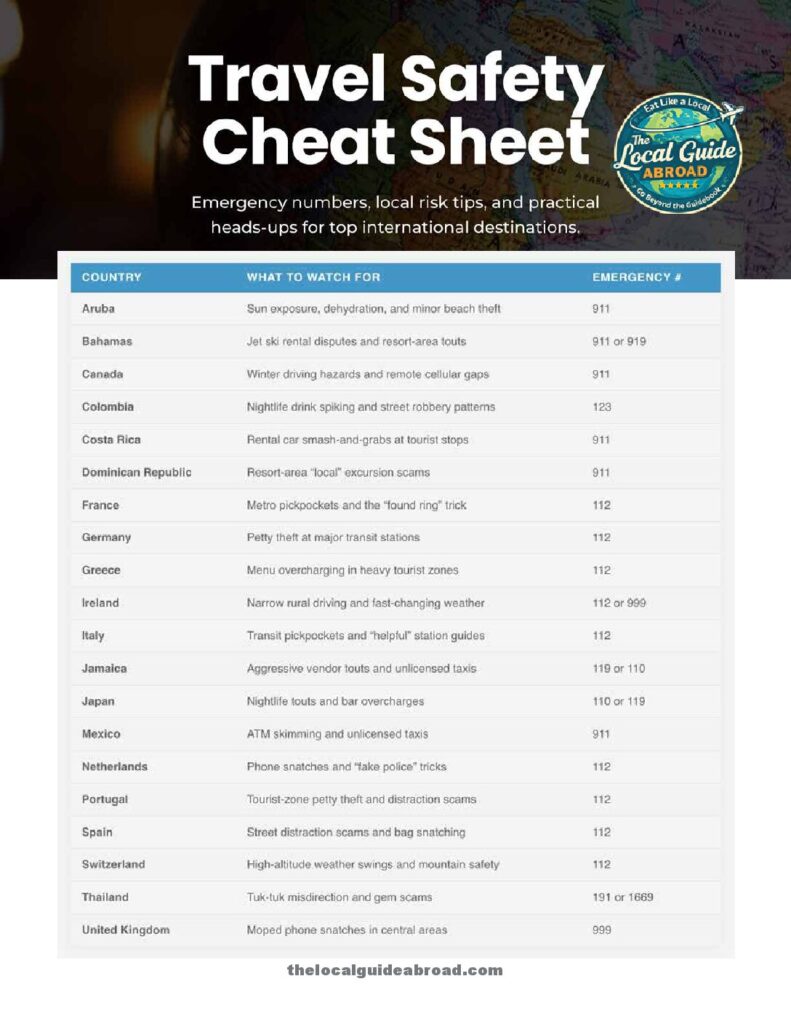
World globe showing international destinations representing global travel safety and emergency reference planning

Day 14 is the return leg. Make it a classic American road day with old towns and desert highways.


Day 14: Return to Las Vegas

The Move: Drive back to Las Vegas via Seligman and Kingman (Route 66 history). This is your decompression day.

Pro Tip: Do not plan a late-night flight home after a long drive unless you love stress. A calm final night in Vegas can make the whole trip feel smoother.

The Southwest is simple if you plan for heat, water, and distance. Those are the three levers.


Car rental & logistics

The “Time Zone Trap” (Read This)

This route crosses time zones constantly.

Utah: Observes Daylight Savings (MDT).

Arizona: Does NOT observe Daylight Savings (MST) – always 1 hour behind Utah in summer.

Navajo Nation (Monument Valley): DOES observe Daylight Savings.

Check your tour times carefully. Your phone may switch back and forth automatically.

Park pass math

The America the Beautiful annual pass costs $80.

Without it, you will pay: Zion ($35) + Bryce ($35) + Capitol Reef ($20) + Arches ($30) + Canyonlands ($30) + Grand Canyon ($35) = $185.

The Verdict: Buy the pass at the first gate. It saves you $100+ instantly.

What to pack

  • Water plan: reusable bottles plus a backup jug in the car
  • Layers: desert mornings can be cool, afternoons can be hot
  • Footwear: hiking shoes with grip, not slick fashion sneakers
  • Sun protection: hat, sunglasses, sunscreen
Local Guide Tip: The Southwest is not a “wing it” destination for water. Keep water in the car at all times and refill before every long drive.

Frequently Asked Questions

Do I need to book accommodations in advance?

Yes. For the best trip, book Springdale (Zion), Moab, Page, and the Grand Canyon South Rim area months ahead, especially in spring and fall.

It is ambitious but realistic if you keep hikes smart and do not try to add extra parks. The pacing works because you have strong bases and you are not changing hotels every night.

Zion, Arches, and the Grand Canyon are typically the busiest. The fix is not “secret spots.” It is timing. Start early, use shuttles where required, and plan your anchor hikes for morning.

You can, but you have to respect the heat. Make it a sunrise and evening trip, reduce long hikes, and build midday breaks into your plan.

Underestimating heat and water needs, then trying to do a big hike at midday. The Southwest rewards early starts and smart pacing.

Northern California Road Trip

Home » Destinations » Page 8

Last updated: January 2026 by Corey Gasman

From the Editor:

This is my favorite two-week itinerary in the United States. It is not just a road trip, it is a geography lesson. You go from the Pacific fog of San Francisco to the dramatic cliffs of Big Sur, through the vineyards of Napa, up to the alpine blue of Lake Tahoe, and finish in the granite cathedral of Yosemite.

The pacing is the whole point. We start with city culture without a car, then rent one for the loop. The drives are scenic, but the timing matters, especially the mountain pass between Tahoe and Yosemite.

Start Here: Planning for 2026

This route covers the best of Northern California, but it requires navigating three big hurdles: San Francisco parking costs, Yosemite planning and reservations, and the Tioga Pass seasonal closure.

For most travelers, the best window is late June through October so the full loop works. If you want the cleanest version of the trip, aim for September or early October for warm days, fewer crowds than mid-summer, and a strong chance Tioga Road is still open.

The “Tioga Pass” Rule:

This itinerary relies on driving from Lake Tahoe to Yosemite via Highway 395 and Tioga Pass (the East Entrance). It is one of the most beautiful drives in the United States, but it closes due to snow and is not reliable outside summer and early fall.

The takeaway: Plan this trip for late June through October if you want the full loop without a massive reroute.

Pro Tip: Protect your arrival days. Do not schedule timed tours for the afternoon you land in San Francisco, and do not stack a huge drive day plus a major hike day without buffer.

⭐️ The Smart Move: Do not rent a car for your San Francisco days. Pick it up on the morning you leave for Carmel. You will save real money and avoid daily parking stress.

USA Travel Basics

Read: The Complete USA Guide (how to plan distances, budgeting, and logistics)

Road trip planning framework

Build your trip like a system: Getting Around Abroad

The Golden Gate Bridge is your starting line. Spend your first few days exploring the city on foot and ferry before getting behind the wheel.


The Route Overview

This loop covers roughly 800 miles (1,300 km) of driving. It is designed to minimize long-haul days and maximize time outside.

Stop Nights Why Stop?
1. San Francisco 3-4 City culture, food, Alcatraz, Golden Gate Park
2. Carmel / Big Sur 2 Coastal cliffs, aquarium, charming walkable town
3. Napa / Sonoma 2-3 Estate wineries, farm-to-table food, relaxation
4. Lake Tahoe 3 Alpine hiking, boating, unreal water color
5. Yosemite 3 Waterfalls, giant granite cliffs, sequoias

Drive Times (Reality Check):

  • SF to Carmel: 2.5 to 4 hours depending on traffic and whether you hug Highway 1
  • Carmel to Napa: about 3 hours, traffic can be heavy near the East Bay
  • Napa to Tahoe: about 3 hours, easy highway driving
  • Tahoe to Yosemite: 3 to 4 hours when Tioga Road is open. If Tioga is closed, this leg becomes a major reroute and can add hours
Local Guide Tip: Build each leg around one anchor activity, then keep the rest flexible. This route is at its best when you have room for weather, roadside stops, and slow mornings.

Route map

Use this map as your visual overview. The loop is designed to keep drives reasonable and maximize full days in each region.

Map placeholder: add a custom TLGA route graphic showing the Golden Loop order and key highways.

Leg 1 is about neighborhoods. Use the cable cars, Uber, and your feet.


Leg 1: San Francisco (The Urban Base)

Fly into SFO. Take a ride-share or BART (train) to your hotel. Do not rent a car yet. Spend these days adjusting to the time zone, eating well, and building a simple city loop.

The Strategy

  • Stay: North Beach, Nob Hill, or near the Embarcadero for walkability
  • Must Do: Walk across the Golden Gate Bridge, eat dim sum in Chinatown, take the ferry to Sausalito or Alcatraz (book Alcatraz well ahead of time in peak season)
  • Local Vibe: Grab a burrito in the Mission District and sit in Dolores Park for sunset
Pro Tip: “Karl the Fog” is real. Even in summer, bring a jacket. It gets cold and windy in the afternoons.

SF logistics shortcut

If you are choosing between two hotels, pick the one with the easier walking loop and transit access. It will save you more time than a nicer room.

A person holding a smartphone inside a car, displaying the emergency number 911 in large red digits on the screen.

Leg 2 takes you south to the most famous coastline in America. Drive Highway 1 for the views.


Leg 2: Carmel-by-the-Sea & Big Sur

The Move: Pick up your rental car in the city (Union Square area is convenient) so you do not have to trek back to the airport. Drive south via Highway 1 when conditions allow.

The Strategy

  • Drive: Stop at Half Moon Bay or Santa Cruz on the way down if you want a classic coastal break
  • Stay: Carmel-by-the-Sea (walkable village) or Monterey (near the Aquarium)
  • The Big Day: Dedicate one full day to Big Sur. Cross Bixby Bridge, see McWay Falls, have lunch at Nepenthe, then drive back to sleep in Carmel or Monterey
Local Guide Tip: Carmel Beach is famously dog-friendly. Dogs are allowed off-leash under voice control, and sunset here is a full experience.
Pro Tip: Highway 1 conditions change. Check for closures and slide activity before you commit to a full coastal plan.

Leg 3 heads north for wine and warmth. Napa is polished; Sonoma is relaxed. Both are excellent.


Leg 3: Napa & Sonoma (Wine Country)

The Move: Drive north from Carmel. You will skirt around the San Francisco Bay and traffic can be real in the East Bay. Aim to arrive by early afternoon so you can settle in and do an easy first tasting or dinner.

Napa vs. Sonoma

  • Napa Valley: big Cabernets, iconic estate wineries, higher prices, more visitors
  • Sonoma Valley: relaxed pace, Pinot-friendly lanes, town squares, more rustic energy

The Strategy

  • Tasting day rule: Do not plan to drive after tastings. Hire a driver for your main tasting day, or base in a walkable tasting town and use tasting rooms you can reach safely
  • Must Do: book one cave or cellar tour experience, then pair it with a simple, excellent lunch
Local Guide Tip: Do one high-design, bucket-list winery, then one small producer. That mix gives you the full Wine Country story.

Leg 4 goes east into the Sierra Nevada mountains. The water really is this blue.


Leg 4: Lake Tahoe

The Move: Drive east on I-80 or Highway 50. The landscape changes from rolling vineyards to pine forests and granite peaks.

North vs. South Lake

  • South Lake Tahoe: casinos, nightlife, lots of hotels, busier energy
  • North Lake / Incline Village: quieter, more upscale, relaxed beaches

The Strategy

  • Must Do: drive the full loop around the lake (about 72 miles). Stop at Emerald Bay State Park for the iconic view
  • Activity: rent a kayak at Sand Harbor or hike the Rubicon Trail along the water (the hiking one)
Pro Tip: The altitude is over 6,000 feet (1,800m). Drink water and wear sunscreen. The sun is intense.

Leg 5 is the grand finale. Drive Tioga Road straight into the high country of Yosemite when it is open.


Leg 5: Yosemite National Park

The Move: Drive south from Tahoe on Highway 395 through the Eastern Sierra. Enter Yosemite via the Tioga Pass Entrance when Tioga Road is open. This is one of the best scenic drives in the region.

The Strategy

  • Stay: ideally inside the park. If sold out, stay in El Portal (west) or Mariposa
  • Must Do: Tunnel View, Glacier Point, and the Mist Trail hike (Vernal Fall)
  • Reservations: lodging and popular access windows can sell out far ahead. Yosemite’s 2026 entry and reservation approach can change year to year, so check the official park planning page before you go
Local Guide Tip: Yosemite Valley is crowded. To get away from people, spend a morning in Tuolumne Meadows (high country) on your way in from Tioga Pass.
Pro Tip: Start early in Yosemite. Early morning is the difference between calm trails and packed trails.

Finish the loop by driving back to SFO. It is about a 4-hour drive from Yosemite Valley to the airport in normal conditions.


Logistics & Practicalities

Car Rental Strategy

Rent the car on Day 4 (leaving SF) and return it on Day 14 (at SFO airport). You do not need a massive SUV, but you do want something comfortable for mountain curves and long days.

Packing for Micro-Climates

This trip covers three distinct climates. You need layers.

  • San Francisco: 55°F to 65°F (12°C to 18°C), windy and foggy. Bring a jacket
  • Napa & Yosemite (Day): 80°F to 95°F (27°C to 35°C), hot dry sun. Shorts and t-shirts
  • Tahoe & Yosemite (Night): 40°F to 50°F (5°C to 10°C), crisp and cold. Bring a fleece

Fees to Watch For

  • Park entry: Yosemite charges an entry fee per vehicle. Consider the America the Beautiful pass ($80) if you plan to visit multiple national parks
  • Nonresident fee change (Jan 1, 2026): Some major parks may charge an additional per-person fee for non-U.S. residents (age 16+). Confirm the current rules before you go, since policies can change
  • SF parking: hotel parking costs can be brutal. Do the city days car-free

Make this itinerary easier

If you only plan two things early, plan your Yosemite lodging and your core SF hotel. Everything else is flexible.

Frequently Asked Questions

Can I do this trip in winter?

Not this exact route. In winter, Tioga Road is closed, which breaks the Tahoe to Yosemite leg. You can still do Northern California in winter, but pick either Tahoe (skiing) or Yosemite Valley as a winter leg and do not try to connect them through Tioga.

Yes. Lodging can sell out months in advance. Entry and access rules can change year to year, so check official Yosemite planning and reservation updates before you go and do not assume you can just show up in peak season.

Go to Napa for iconic estate wineries and a polished experience. Go to Sonoma for a more relaxed pace and rustic wine country vibes. They are close enough that you can easily do a day in each.

Morocco Travel Guide

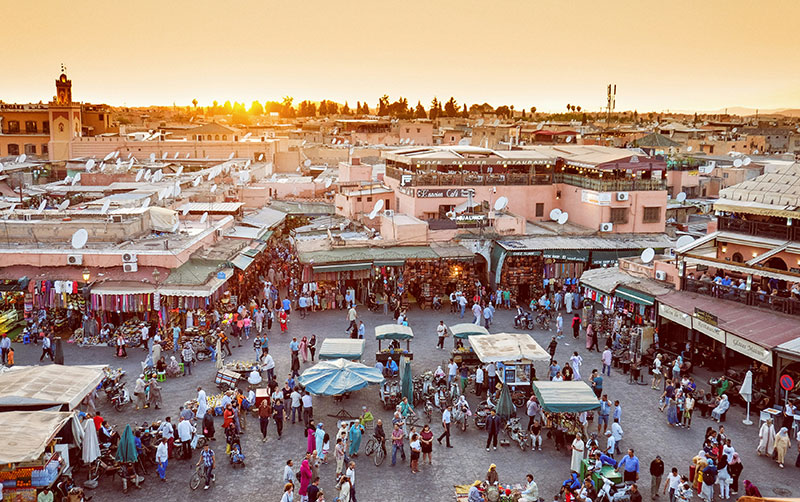
The bustling Jemaa el-Fnaa square in Marrakech at sunset with crowds and stalls.

As the sun dips, the energy of Marrakech’s Jemaa el-Fnaa square truly comes to life.


Home » Destinations » Page 8

Last updated: January 2026 by Corey Gasman

From the Editor:

Morocco is sensory travel. It is color, call to prayer, tiled courtyards, mint tea, markets that feel like movies, and landscapes that flip from ocean to mountains to desert in a single trip.

The secret to loving Morocco is not doing more. It is doing it clean: fewer bases, calmer pacing, and a plan for the two big friction points that surprise first-timers: medina logistics and desert distances.

Start Here: Planning for 2026

Morocco rewards travelers who plan around rhythm instead of highlights. Pick 2 to 3 bases, add day-trip loops, and give yourself enough nights in each place to stop feeling like you are in transit.

For 2026, the biggest travel wins come from simple strategy: booking the high-demand pieces early (especially the best riads and any desert leg), and designing arrival days like transition days, not like tour days.

The Morocco rule that saves the first day:

Medina arrivals can be disorienting. Streets are narrow, addresses are weird, and maps can be imperfect. Do not plan a timed tour right after check-in.

The takeaway: protect arrival energy. Check in, eat, get oriented, then do the big sights on day two.

TLGA Rule: Morocco is not a country you “zip through.” Fewer bases, deeper days, better trip.

Before you book anything

Start here: Getting Around Abroad (how to plan transportation like a system)

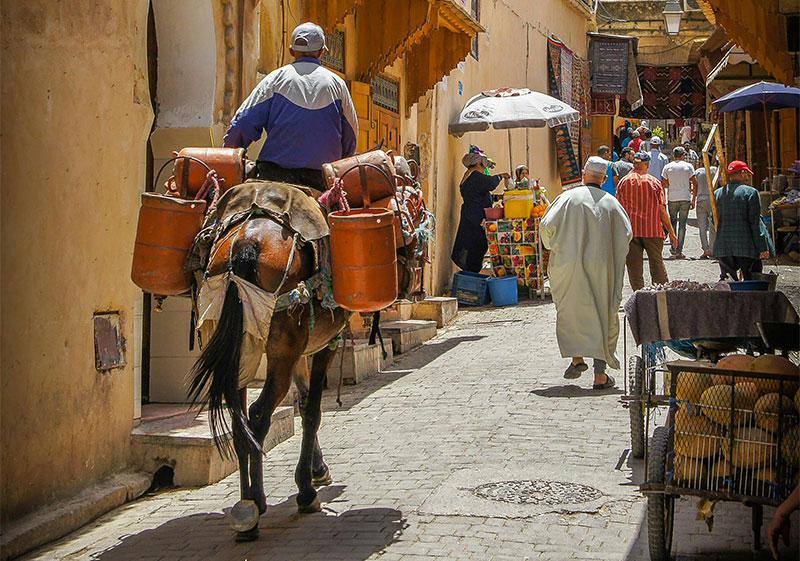
A man leading a working donkey carrying orange gas canisters through a narrow, crowded street in the Fes medina.

Donkeys remain a vital mode of transport for navigating the labyrinthine, car-free alleys of the Fes Medina.


The Reality Check: First-Timer Basics

Morocco is incredibly rewarding, but first-timers run into the same friction points. If you understand them up front, your trip becomes smooth fast.

Local Guide Tip: In medinas, a good base is not just “central.” It is “easy to find at night” and “close to a gate.” Those two things make the whole stay easier.

Medina logistics (the real learning curve)

  • Navigation: alleys can be confusing and GPS can be imperfect
  • Arrival: arrange pickup or clear directions, especially for night arrivals
  • Rolling luggage: cobblestones and steps can be real, pack accordingly

Desert distances are bigger than they look on a map

If you are doing the Sahara, treat it as a major trip leg. Do not try to squeeze it between busy city days.

  • Best strategy: give the desert 2 to 3 nights total depending on route
  • Reality note: many “desert tours” involve long drives, plan buffer and comfort

Haggling and tourist pricing

In busy tourist zones, pricing can be fluid. Stay calm, be polite, and do not feel obligated.

  • Markets: browsing is normal, negotiating is normal
  • Guides: agree on pricing before you start
  • Quick exit line: a polite no plus walking solves most moments
Pro Tip: Morocco gets easier when you pick your “yes lanes.” Say yes to one guided food tour or one local guide day, then free-wander the rest.

Start with my Morocco trip story

Morocco First-Time Travel Experience (route, lessons learned, what I would do differently)

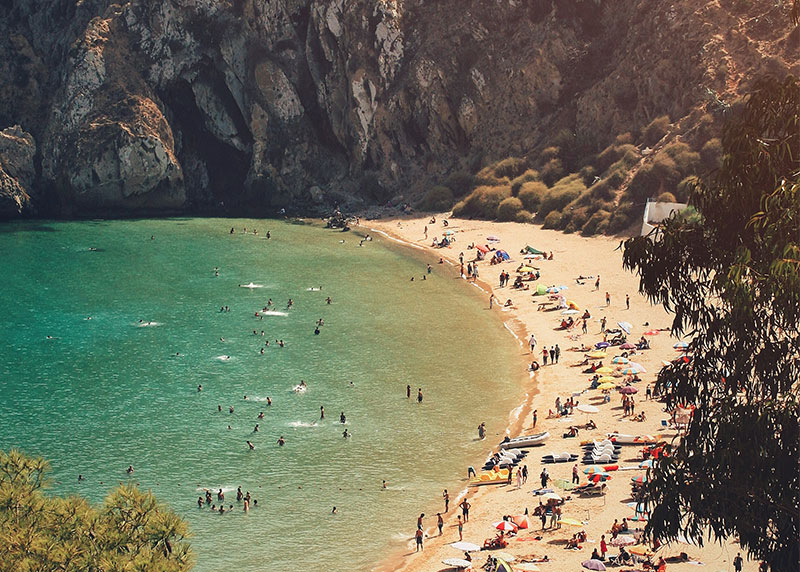
High-angle view of Quemado Beach in Al Hoceima, Morocco with turquoise water and cliffs.

The Mediterranean meets the Rif Mountains at the stunning, crystal-clear shores of Al Hoceima.


Best time to visit Morocco

Morocco is a climate map, not a single weather story. The coast, mountains, and desert behave differently, so month choice matters a lot.

Shoulder season (best overall)

March, April, May, September, October, November are the sweet spot for most travelers. Better walking weather and a more comfortable desert experience.

Summer (only if you plan for heat)

June through August can be extremely hot inland, especially in cities like Marrakesh and in desert regions. Coastal towns can still be great in summer.

Winter (quiet, but with temperature swings)

December through February can be excellent for cities and the coast, but nights can be cold in the desert and mountains. Pack layers.

Pro Tip: If your trip includes the Sahara, shoulder season is the comfort win. If your trip is mostly coast, summer can be great.
Local Guide Tip: In hot months, Morocco becomes a morning and evening country. Do big walking blocks early, rest midday, then come back out at night.
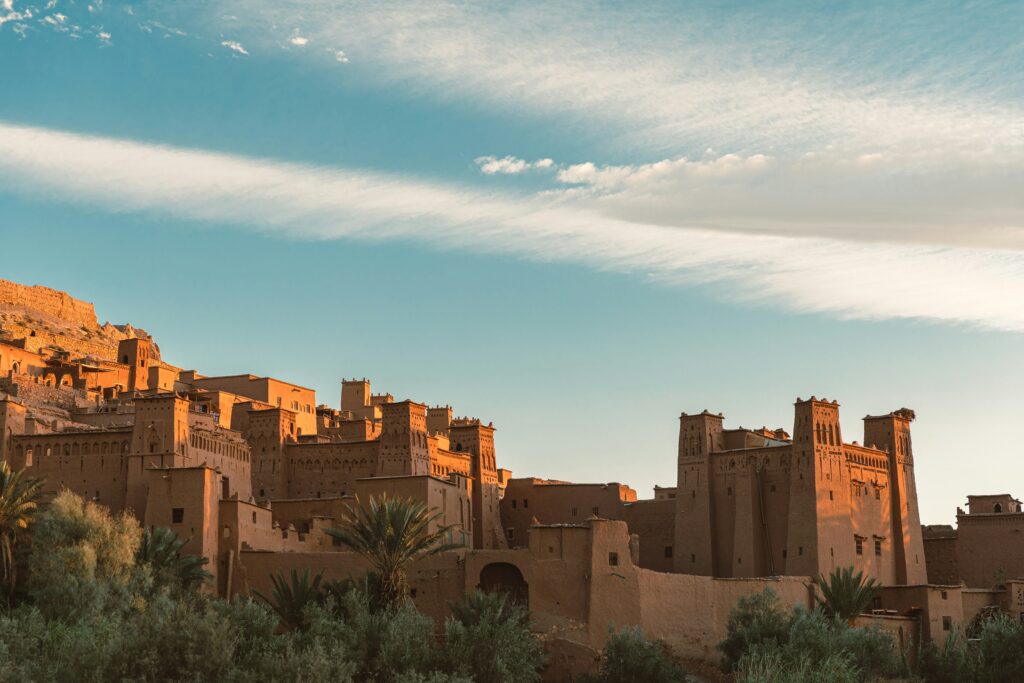
The ancient fortified village of Ait Ben Haddou made of red earthen clay at sunset.

The sun sets over the towering red earthen walls of the historic Ait Ben Haddou kasbah.


Best fit by travel style

Decide what your best days look like, then pick bases that support those days. Morocco can be a city trip, a nature trip, a surf trip, or a desert trip, but it is better when you pick your lane.

First trip, classic Morocco

If this is your first Morocco trip, keep it clean: Marrakesh + one add-on plus optional desert if you have enough time.

  • Best bases: Marrakesh + Essaouira (easy pairing)
  • Optional add-ons: Atlas day trips, a short desert leg if you have 10+ days
Pro Tip: If you only have 7 to 8 days, do two bases. Adding the desert usually means you need more days or you will rush.

Food and medina wandering

If your priority is eating and exploring on foot, pick cities that reward wandering and slow days.

  • Best bases: Marrakesh, Fes
  • Best for: markets, street food, spice lanes, night energy
Local Guide Tip: One guided food tour early in the trip makes the rest of your meals better. You learn what to order and what to skip.
Steaming hot tea being poured from a silver teapot into small glass cups generously filled with fresh green mint leaves.

In Morocco, the best moments are often the quiet ones: a rooftop tea, a tiled courtyard, a sunset walk on the edge of the medina.

Desert and big landscapes

If you want the Sahara, give it the time it deserves. Build it as a full trip leg, not a rushed checkbox.

  • Best bases: Marrakesh + desert route + Fes (classic arc)
  • Best for: sunrise landscapes, dunes, night skies, road-trip scenery
Pro Tip: Pick comfort on long drive days. A slightly higher quality tour or private transfer can be worth it when distances are real.
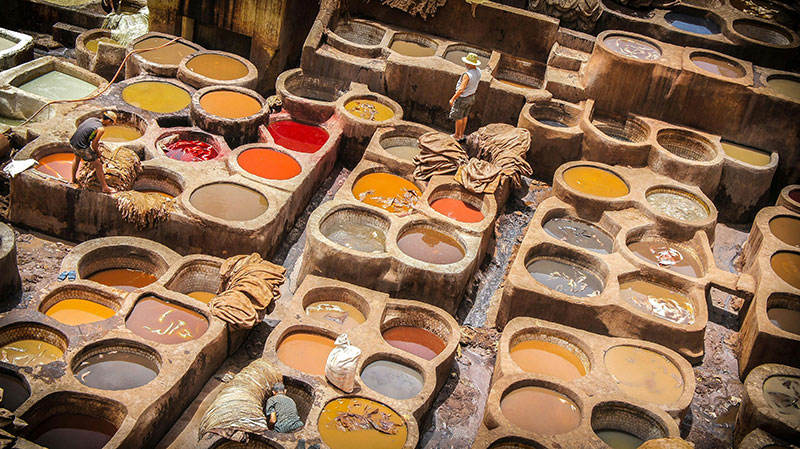
rows of circular stone vats filled with colorful dyes at the leather tannery in Fez.

A bird’s-eye view of the world-famous Chouara Tannery, where leather is dyed using ancient methods.


Regions & Best Bases

Morocco is not one trip. It is multiple trips. Use this section to pick bases that match your pace and keep transfers reasonable.

Marrakesh (the iconic hub)

Marrakesh is energy, markets, rooftop dining, and classic first-time Morocco. It is best when you plan one anchor sight per day and let the rest be wandering.

  • Best for: medina life, food, day trips
  • Base strategy: 3 to 4 nights minimum
  • Day trips: Atlas Mountains, desert edge experiences, Essaouira (overnight is better)

Fes (history and craft capital)

Fes is intense and historic. It is a deep-medina city with craft lanes and old-world texture.

  • Best for: history, craftsmanship, medina immersion
  • Base strategy: 2 to 3 nights

Chefchaouen (the mountain reset)

Chefchaouen is a mood shift. Slower pace, mountain air, and a great place to breathe for a night or two.

  • Best for: slow travel, photography, reset days
  • Base strategy: 1 to 2 nights

Tangier (gateway city)

Tangier is a useful entry point and a good short base if you are crossing from Spain. It is best as a 1 to 2 night stop or a connector.

  • Best for: quick intro, coastal vibe, transit gateway
  • Base strategy: 1 to 2 nights

Essaouira (coast and calm)

Essaouira is the calm counterbalance to Marrakesh: ocean air, relaxed pacing, and easy days.

  • Best for: beach walks, seafood, low-stress days
  • Base strategy: 2 to 3 nights

The Sahara (Merzouga and dune regions)

The desert is a full leg, not a day trip. If you want dunes and night skies, give it enough time to feel real.

  • Best for: dunes, sunrise, night skies, landscape travel
  • Base strategy: build a route leg with 2 to 3 nights total depending on your arc
Pro Tip: When building an itinerary, count your hotel changes. Two bases in 10 days is calm. Three is workable. Four is chaos.

Simple first-timer route options

  • 7 to 9 days: Marrakesh + Essaouira (plus Atlas day trip)
  • 10 to 14 days: Add a desert leg or add Fes, but do not stack everything
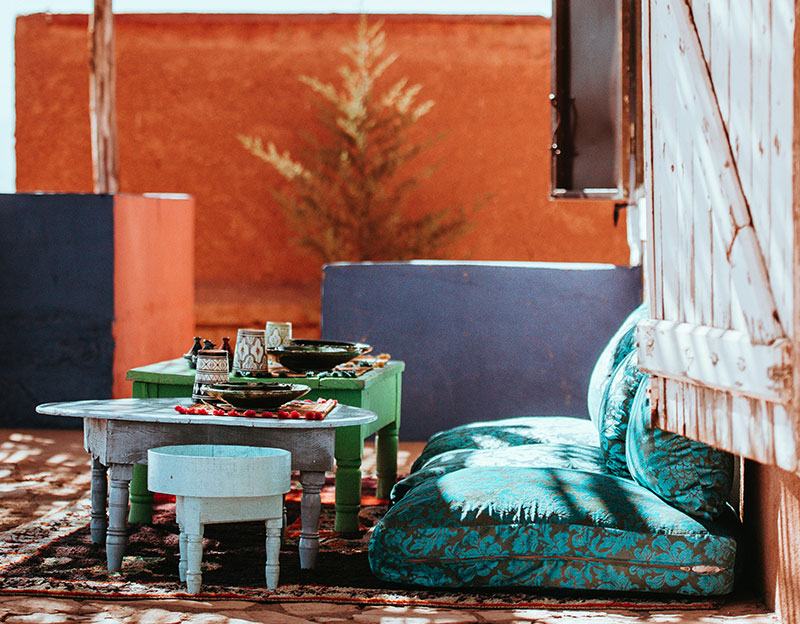
Low-seating outdoor dining area with teal cushions and colorful Moroccan tables.

Al fresco dining doesn’t get more authentic than this traditional “majlis” style setup.


Where to stay (areas that make trips easier)

In Morocco, the “right” base is the one that reduces friction: walkable loops, calmer streets at night, and an easier path to taxis or transfers.

Marrakesh areas

Area Vibe Stay Here If…
Medina (near a main gate) Classic, immersive You want rooftop life and walking access
Gueliz Modern, easier logistics You want calmer streets and easy taxis
Hivernage Upscale, resort-style You want hotel comfort and a quieter base
Local Guide Tip: If you stay in the medina, pick a place that provides clear directions and help with arrival. It matters more than you think.

Fes and coastal base logic

City Best base Why it works
Fes Medina edge or near an accessible entrance Easier arrivals, faster taxi access, less stress
Essaouira Medina or near the waterfront Walkable loops, easy beach access
Tangier Near the medina or a central modern base Easy transit connections and daily wandering
Pro Tip: In any medina city, do not pick lodging that requires a 20-minute maze walk with luggage. Convenience matters.
A caravan of camels walking across the rolling orange sand dunes of the Sahara Desert.

Golden hour in the Sahara: the timeless silhouette of a camel trek across the dunes.


Transportation

Morocco transportation comes down to this: use the tool that fits the leg. Trains can be great on certain routes, buses are common for value, and private drivers can be worth it when you want comfort or are linking remote areas.

Build the route like a system

Getting Around Abroad

Trains (best for select city corridors)

  • Best for: major city-to-city lanes where train service is frequent
  • Planning: build buffer around station transfers and check-in times

Buses and shared transport

  • Best for: value travel and some routes not served well by rail
  • Planning: comfort varies, consider upgrading when the ride is long

Private drivers and tours

  • Best for: Atlas day trips, desert routes, linking remote areas
  • Planning: agree on full price and timing before you start

Medina taxis and short rides

In many places, you will taxi to the edge of the medina, then walk in. That is normal.

Pro Tip: Treat transfer days like transfer days. Do not stack a long drive plus a major tour plus a late dinner and expect it to feel good.
Local Guide Tip: For medina arrivals at night, arrange pickup or detailed directions. It turns a stressful moment into a smooth one.
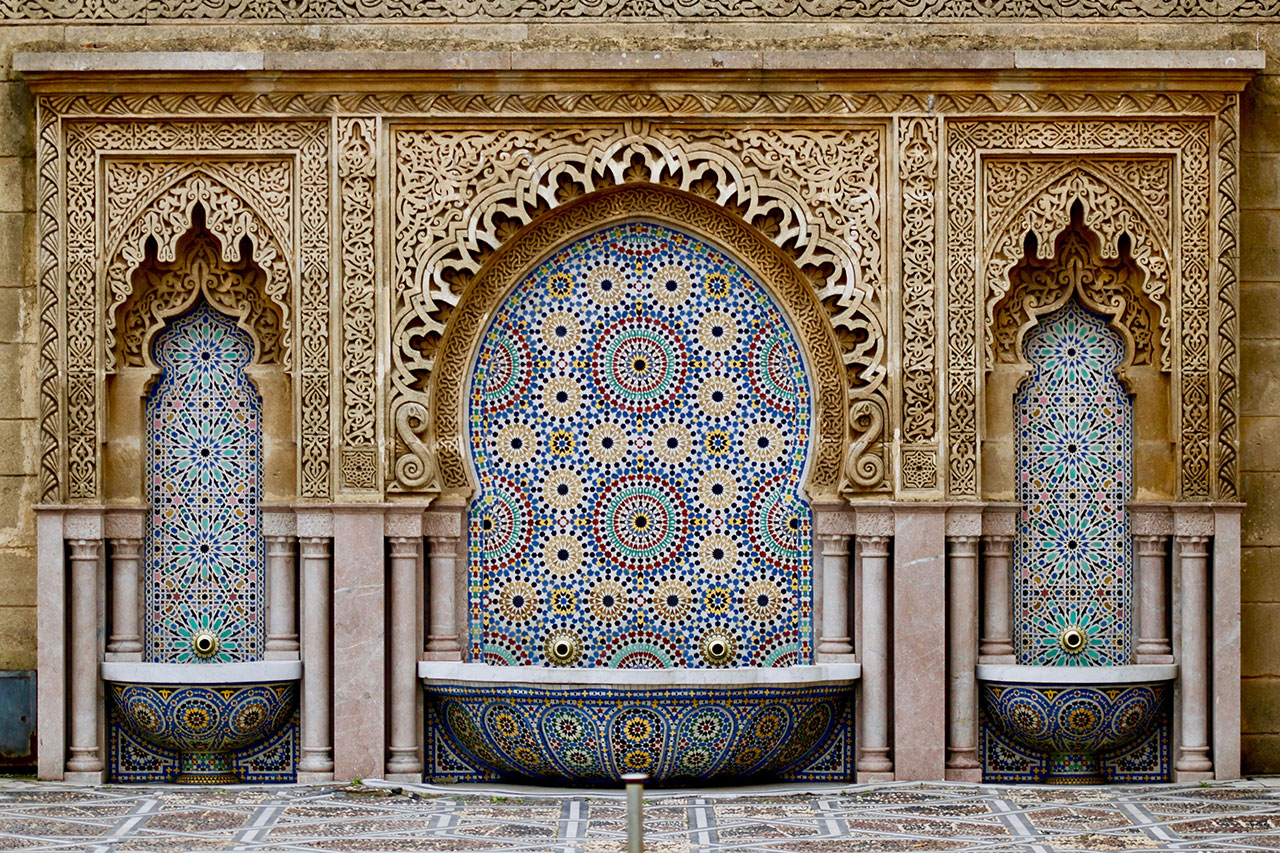
Worshippers at a star-shaped fountain inside an ornate Moroccan courtyard featuring white pillars, archways, and a large chandelier.

A serene moment in a beautiful courtyard, where stunning Islamic architecture surrounds the central ablution fountain.


Respectful Travel & Safety

Morocco is welcoming, but it is also a real place with real daily life. Travel with good guest energy: dress appropriately in religious spaces, ask before close-up photos, and keep awareness up in crowded zones.

How to be a “Good Guest” in Morocco:

  • Dress respectfully: modest is easier, especially in smaller towns
  • Photo awareness: ask before photographing people closely
  • Support local: riads, small shops, local guides, and neighborhood cafés

Safety and scams (what is actually common)

  • Tourist zones: inflated pricing and hard-sell moments
  • Crowds: keep an eye on your phone and wallet in dense market lanes
  • “Helpful guide” moments: confirm if help is free or paid before following
Local Guide Tip: The best strategy is calm confidence. If you do not want something, smile, say no, and keep walking.
Pro Tip: Your phone is the real target in crowded zones. Use a crossbody bag and do not put it in easy pockets.
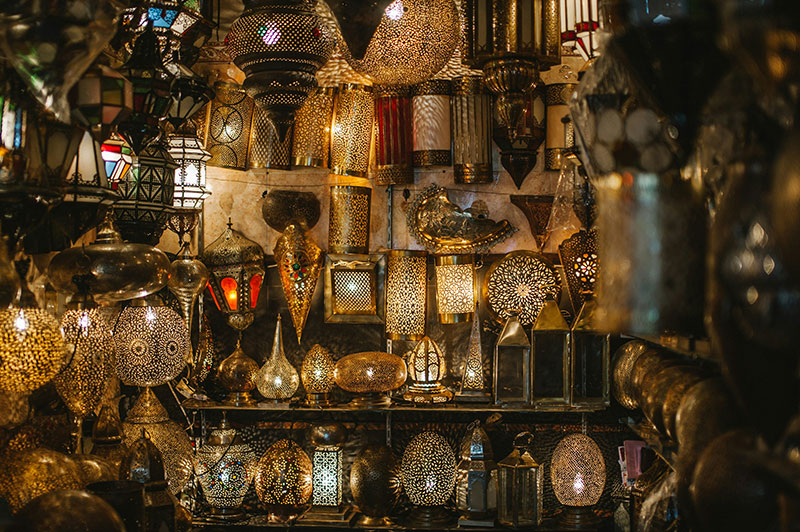
A dark shop stall filled with glowing, intricately pierced metal Moroccan lanterns of various shapes and sizes.

The warm, intricate glow of traditional pierced metal lanterns illuminates a bustling market stall.


Riads, hotels, and desert camps

Morocco lodging is one of the best parts of the trip. Riads are beautiful, but the best stay is the one that fits your travel leg and reduces friction.

What to book, by trip style

  • City medina stay: riad near an accessible area or near a main gate
  • Modern comfort: hotels in modern districts for easier taxis and quieter nights
  • Coastal reset: a walkable base near the waterfront
  • Desert leg: choose a camp level that matches your comfort expectations

Morocco lodging reality checks

  • Medina stays can be quiet and magical, but arrivals can be tricky
  • Some riads have stairs and narrow passages, pack with that in mind
  • Desert camps vary a lot, read details carefully before booking
Pro Tip: Pay for comfort on high-friction days: arrival nights, long drive days, and desert legs. Those are the moments that define your trip mood.
Local Guide Tip: Message your riad ahead for the easiest arrival route. That one message can save 30 minutes of confusion.
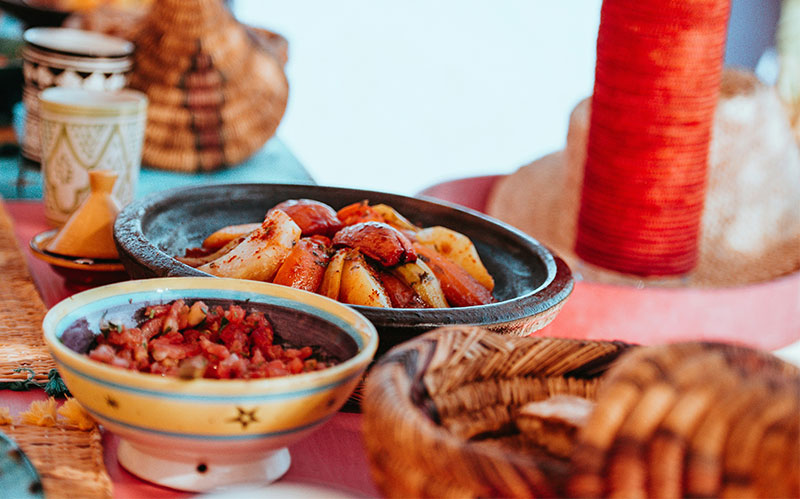
Traditional Moroccan vegetable tagine served in a clay pot on a colorful table.

A slow-cooked vegetable tagine, the heart and soul of Moroccan comfort food.


Eat Like a Local

Moroccan food is about warmth and rhythm. Eat where locals eat, keep it simple, and do not overthink it.

The daily rhythm

Breakfast Often breads, honey, olives, eggs, and tea. A slow start fits Morocco.
Lunch Great for tagines and value meals, especially off the busiest tourist lanes.
Dinner Rooftop dining and slow meals. Reservations help in popular spots.

Must-try staples

  • Tagine: the classic, endless variations
  • Couscous: often a weekly tradition in many places
  • Harira: a comforting soup, especially in cooler months
  • Pastilla: sweet-salty layered pastry, a signature dish
  • Mint tea: hospitality in a glass
Local Guide Tip: One guided food tour early makes the rest of the trip easier. You learn what to order and what to skip.

How to avoid tourist-trap meals

  • Location: one to two blocks off the main square is usually the reset
  • Menus: avoid hard-sell hosts pulling you in
  • Signal: if locals are eating there, you are in a better lane
  • Timing: lunch can be a value win
Pro Tip: If you feel pressured at the door, you probably will not love the meal. Walk five minutes and try again.
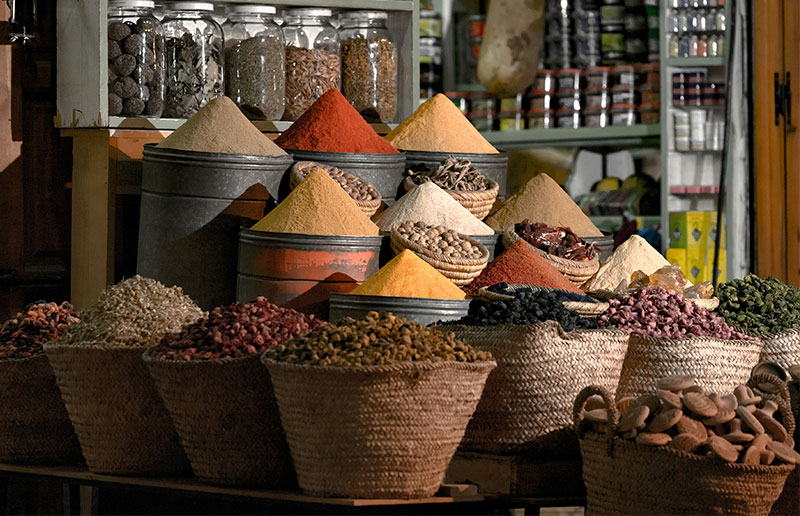
Large mounds of vibrant spices in baskets at a traditional Moroccan souk.

The aromatic heart of the Medina: pyramids of saffron, paprika, and turmeric at the local market.


Trip Cost & Budgeting

Morocco is controllable if you plan around the big levers: lodging comfort level, transportation choices, and how many times you change bases.

Payment methods

  • Cash: useful for markets, small purchases, and many local situations
  • Cards: common in many hotels, nicer restaurants, and larger businesses
  • ATM strategy: withdraw in cities, do not assume small towns have easy access

Cost reality checks

  • Lodging: riads range widely, location and comfort matter
  • Transfers: private drivers add cost but reduce stress
  • Desert leg: pricing varies by comfort and route length
Pro Tip: The biggest money leak is last-minute planning: last-minute riads in peak season and last-minute desert legs.

Money basics

Read: Travel Finance Guide

Traditional Moroccan mint tea being served from a silver teapot with almond pastries.

Moroccan hospitality in a cup: the art of pouring the perfect glass of fresh mint tea.


Culture & etiquette that makes Morocco easier

Morocco is welcoming and social, but there are a few cultural rhythms that help you travel more smoothly.

Religious sites and modesty, done simply:

Carry a light layer in your day bag and dress modestly in more traditional areas. It solves most moments and shows respect.

Culture rules that matter

  • Modesty: more modest clothing is an easy win in many places
  • Hospitality: tea is a welcome signal, not always pressure
  • Markets: negotiation is normal, keep it friendly
  • Friday rhythm: some schedules shift, especially around prayer times
Local Guide Tip: Build a daily loop. One anchor sight, one long meal, then wander without a checklist.

Timing and comfort basics

  • Start medina walking early for calmer streets
  • Rest midday in hot months
  • Use evenings for your best wandering and meals
A vibrant street cart loaded with fresh oranges under a green awning, with local women ordering freshly squeezed juice.

Stopping for a refreshing glass of freshly squeezed orange juice at a colorful street cart is a daily staple for locals and visitors alike.


Essential Apps for 2026

Download these before you travel. They make Morocco dramatically easier.

Google Maps

Download offline maps for medinas and day trips.

WhatsApp

Standard for riads, drivers, and tour coordination.

Google Translate

Download French and Arabic offline. Camera translate helps fast.

Currency Converter

Helps with market pricing and quick mental math.

Interactive Morocco Travel Map

To help you visualize your route through the Kingdom, I have created this interactive map featuring all the key bases and sights mentioned in this guide. From the winding alleys of the Marrakesh and Fes medinas to the dunes of the Sahara and the blue streets of Chefchaouen, every major stop is pinned and categorized. You can open this map on your phone to use as a quick reference while you are on the ground.


Rows of brightly colored traditional Moroccan leather slippers called babouches displayed on wooden shelves.

Vibrant rows of handcrafted leather babouches showcase the incredible local craftsmanship found in the souks.


Frequently Asked Questions

How many days do I need for Morocco?

For most first-timers, 7 to 9 days is great for a two-base trip (example: Marrakesh + Essaouira). 10 to 14 days is better if you want a desert leg or to add a second major city like Fes without rushing.

Yes, as long as you plan for medina logistics and do not over-pack your itinerary. A great riad, calm pacing, and a few guided moments make it very smooth.

If you want the classic Morocco feel, a medina riad is worth it. Pick one near an accessible entrance for easier arrivals and taxis. If you want simpler logistics and quieter nights, a modern district hotel can be a great choice.

You do not need a guide every day. One guided food tour or one local guide day early can be a huge win, then free-wander the rest.

Over-moving and underestimating transfer days. Morocco gets dramatically better when you pick fewer bases and build day trips as loops.

USA Travel Guide

The ultimate San Francisco moment: watching the sunset over the Golden Gate Bridge. For the best views without the crowds, head to Marshall’s Beach or the Marin Headlands as the light dips below the horizon.


Home » Destinations » Page 8

Last updated: January 2026 by Corey Gasman

From the Editor:

The United States is not “one trip.” It is a travel system: huge distances, wildly different climates, and experiences that can feel like separate countries. The most common mistake is planning the USA like Europe: too many stops, too much driving, and not enough time to actually live in a place.

The best USA trips are built with regions and bases. Pick a region, choose 1 to 2 anchor cities or hubs, add a few day trips, and leave room for spontaneity. That is how a trip starts feeling like a real story instead of a checklist.

Start Here: Planning for 2026

USA planning gets dramatically easier when you accept two truths: distances are real and lodging is the main budget variable. If you plan around those, everything else gets smoother.

For 2026, your biggest planning decisions are usually not about the USA itself. They are about how you move (drive vs fly), what season you travel in, and how many bases you try to cram into the trip.

The USA pacing rule that saves trips:

If your itinerary has you driving more than 3 to 4 hours most days, you are not “seeing more,” you are just moving more. The best trips usually have 2 to 3 big moves total, then a bunch of small loops.

The takeaway: build the trip around bases and day trips, not hotel changes.

TLGA Rule: Pick one region per trip. The USA is not the place to cross the whole map in 10 days.

Before you book anything

Start here: Getting Around Abroad (how to plan transportation like a system)

A high-angle aerial view of the New York City skyline during the day, with the iconic Empire State Building rising prominently above a dense grid of skyscrapers stretching toward the hazy horizon.

To understand the scale of the United States, start with the vertical scale of New York. The view from the top of the Empire State Building reveals a city that feels infinite, a reminder that in the USA, distances are real and every region is its own world.


The Reality Check: USA Logistics

The United States is easy to travel, but it is easy to travel badly. The most common mistake is treating it like a small country. It is not. It is a set of regions with very different climates, driving times, and costs.

Local Guide Tip: When you are choosing stops, use this filter: “Would I be excited to spend two full days here without leaving?” If not, it probably should be a day trip, not a base.

Distances are the #1 planning reality

To understand the scale, look at a map overlay. Driving from New York to Los Angeles is roughly the same distance as driving from Lisbon, Portugal to Moscow, Russia.

  • Driving: 2 to 3 hours is a comfortable day-trip loop.
  • Big moves: 5 to 8 hours is a real travel day (and a lot of people underestimate it).
  • Flights: often save an entire day when regions are far apart.

Lodging can swing your trip cost dramatically

Hotels in major cities and popular national parks can be expensive, especially in peak season. The easiest win is staying just outside the hottest zone while keeping a walkable or drivable loop.

Reservations matter more than people expect

  • National parks: parking, entry, or timed access can exist depending on location.
  • Popular tours: book ahead in high-demand places.
  • Restaurants: reservations can matter in top food cities and resort towns.
Pro Tip: Build one “open” day into every 5-day stretch. It becomes your weather buffer, rest day, or surprise best day.
A breathtaking sunrise view through the stone opening of Mesa Arch in Canyonlands National Park, with the glowing orange underside of the arch framing the vast desert canyon and distant rock formations of Moab, Utah.

To experience Moab, Utah at its best, aim for the shoulder seasons of late spring and early fall. You’ll avoid the intense 100°F+ summer heat and winter road closures, giving you ideal conditions for hiking and exploring canyon country.


Best time to visit the USA

The best time to visit depends on the region, not the country. Use this as a planning shortcut to avoid heat, storms, and peak crowd pressure.

Spring (March to May)

  • Best for: Southwest deserts, many cities, shoulder-season value.
  • Watch for: spring break crowds in beach zones.

Summer (June to August)

  • Best for: high mountains, the Pacific Northwest, Alaska, lake country.
  • Watch for: heat waves, wildfire smoke, peak pricing, sold-out parks.

Fall (September to November)

  • Best for: road trips, national parks, cities, shoulder-season wins.
  • Watch for: hurricane season in parts of the Southeast (especially early fall).

Winter (December to February)

  • Best for: ski trips, desert regions, some big cities, lower prices in many areas.
  • Watch for: snow/ice driving, shorter daylight, seasonal closures in some parks.
Pro Tip: If you are flexible, pick your region based on the month. The USA rewards seasonal alignment more than almost anywhere.
A view of the Chicago skyline and high-rise buildings reflecting in the polished, mirror-like surface of the Cloud Gate sculpture (the "Bean") in Millennium Park under a clear blue sky.

The heart of the Midwest: Chicago is the ultimate urban anchor for a Great Lakes trip. For a quieter moment at Millennium Park, visit Cloud Gate just after sunrise to see the skyline reflected in “The Bean” without the midday crowds.


Best fit by travel style

Pick the kind of days you want, then choose regions that deliver those days. The USA is at its best when you travel with a clear lane.

First trip, classic cities

If you are new to US travel, start with one region and two bases.

  • Examples: New York + a short Northeast add-on, or Chicago + a Midwest weekend loop, or San Francisco + Napa/Sonoma.
  • Best strategy: one big city base plus 1 to 2 day trips.
Pro Tip: The US is not a “hit five cities” trip unless you are flying and moving fast on purpose.

National parks and nature

Build around one park cluster, not a scattered map. The best parks trips are regional.

  • Best strategy: one gateway base + 2 to 3 park days + one rest day.
  • Planning note: start early daily; crowds and parking grow fast.
Local Guide Tip: If you show up to a famous viewpoint at 11:00am, you are choosing the worst version of it. Sunrise and early morning are the cheat codes.

Road trips (the iconic lane)

Road trips are the USA superpower. Keep drives realistic and build your trip around a few big moves, not daily long-hauls.

  • Best strategy: 2 to 4 hour daily drives max.
  • Planning note: plan lodging before you drive into remote areas.
Pro Tip: A great road trip is 60% stops and 40% driving, not the other way around.
A wide view of the iconic green outfield and "Green Monster" wall at Fenway Park in Boston during a daytime baseball game, with the red seats of the grandstand filled with fans and the city skyline visible in the distance.

Catching a game at Fenway Park, the oldest ballpark in Major League Baseball, is a bucket-list Boston experience. Even if you’re not a die-hard fan, the history of the Green Monster and the energy around Kenmore Square on game day are essential pieces of the city’s culture.


Regions & Best Bases

This is the simplest USA planning framework: choose a region, choose 1 to 2 anchor bases, then build day-trip loops.

Northeast

  • Best for: historic cities, fall foliage, coastal towns.
  • Smart bases: New York City, Boston, Philadelphia.
  • Day trip energy: small towns, coastline, classic Americana.

Southeast

  • Best for: beaches, warm weather, food cities, music culture.
  • Smart bases: Charleston, Savannah, Miami, Nashville.
  • Planning note: watch hurricane season timing in early fall.

Midwest

  • Best for: lakes, summer travel, friendly cities, value.
  • Smart bases: Chicago, Minneapolis, Detroit.
  • Trip vibe: easy road trips and underrated food lanes.

Southwest

  • Best for: desert landscapes, national parks, road trips.
  • Smart bases: Las Vegas (as a hub), Phoenix/Scottsdale, Santa Fe.
  • Best season: spring and fall.

Mountain West

  • Best for: big mountains, hiking, national parks, ski trips.
  • Smart bases: Denver, Salt Lake City, Bozeman area.
  • Best season: summer for hiking, winter for skiing.

West Coast

  • Best for: coastal drives, food cities, wine country, mild weather.
  • Smart bases: San Francisco, Los Angeles, San Diego, Seattle.
  • Trip vibe: scenic drives + city days, very mixable.

The “Best of the USA” Hit List (Classic Routes)

If you want the quintessential American experience, these are proven routes that deliver highlights without burnout:

  • The Southwest Grand Circle (7-10 days): Start in Las Vegas. Drive to Zion National Park, then Bryce Canyon, and finish at the Grand Canyon before looping back. Unbeatable red-rock scenery.
  • The Northeast Corridor (7 days): The best “no-car” trip in the US. Fly into Boston, take Amtrak to New York City, and finish in Philadelphia or Washington, DC.
  • The Pacific Coast Highway (10 days): Fly into San Francisco, rent a car, and drive south along Highway 1 through Big Sur, Santa Barbara, and down into Los Angeles.
  • The Southern Music Trail (7-9 days): Start in Nashville, drive to Memphis, and end in New Orleans for jazz and Creole culture.
Pro Tip: Most USA trips should be built around one region. If you want to add another region, fly, and treat it like a second trip.

USA hub rule

If you are debating between two regions, pick the one that matches your month. Season alignment beats hype.


Most Searched Destinations for 2026

Whether you are looking for the classic American bucket list or the fastest-growing spots for this year, these are the locations drawing the most attention right now. Choose your lane and dive into our dedicated city guides.

The Classic Hit List

These cities consistently deliver the iconic experiences travelers look for when planning a major trip.

Trending for 2026

Looking for something different? These regions are seeing massive spikes in interest for upcoming travel.

  • West Palm Beach, FL: A surge in waterfront dining and early bookings.
  • Santa Barbara, CA: The top choice for coastal wine tourism.
  • Hilo, HI: A nature-focused escape away from heavy resort crowds.
  • Memphis, TN: Rapidly growing interest in music history and culinary trails.
Local Guide Tip: Solo travel is currently surging across the US. If you are planning a solo trip, cities with strong transit networks like NYC, Chicago, and Boston offer the lowest logistical friction.
A colorful and historic street in the Garden District of New Orleans, featuring a grand antebellum mansion with intricate white ironwork balconies, shaded by massive, moss-draped oak trees.

Beyond the neon of Bourbon Street: For a more authentic New Orleans experience, look to the Garden District or Marigny. These neighborhoods offer stunning historic architecture and a quieter, local rhythm while still being just a short streetcar ride away from the French Quarter’s energy.


Where to stay (areas that make trips easier)

The USA is not always a “stay downtown” destination. Your best base is the one that fits your day plan: walking loops in cities, easy parking near parks, and calm lodging when you want rest.

City trips (best base logic)

Base type Best for Choose it if…
Walkable core Short trips You want to do a lot without a car.
Neighborhood base Food + local vibe You want cafés, parks, and a calmer loop.
Edge base Value + parking You want lower costs and easier logistics.
Local Guide Tip: For city travel, one block off the hottest tourist lane is often the sleep-and-price upgrade.

National parks and nature trips

Base type Best for Choose it if…
Inside the park Maximum access You want sunrise access and less driving.
Gateway town Balance You want restaurants and easier lodging options.
Second-ring town Budget You want value and accept longer drives.
Pro Tip: For parks, your lodging distance determines your whole day. Closer is almost always worth it if you are doing early mornings.
A traveler sits on a bench beside a white camper van with its side door open, parked in the open desert landscape of Quartzsite, Arizona, under a clear sky.

Quartzsite, Arizona, is a rite of passage for van life travelers. Whether you’re stopping for the famous gem shows or looking for open BLM land to park overnight, this desert hub captures the spirit of the American road trip.


Transportation

Transportation is the core USA decision. Most trips come down to this: drive within a region, fly between regions.

Transportation rule that stays true

If the drive is more than 6 to 7 hours, strongly consider flying. You are buying back a vacation day.

Rental cars (the default tool)

  • Best for: road trips, national parks, smaller towns, scenic regions.
  • Reality: parking and tolls can add cost; plan for them.
  • Tip: pick up cars outside dense downtown cores when possible.

Domestic flights (the time saver)

  • Best for: cross-country moves, region switches, short trips with big distance goals.
  • Tip: avoid stacking tight same-day connections if weather is a factor.

Trains and transit (region-specific)

Trains (Amtrak) are great in the Northeast Corridor (DC to Boston) but are not a primary mode of transport in most of the country.

Pro Tip: For road trips, plan one “no-drive” day every few days. Your energy stays high and the trip feels less like a haul.
A large American bison stands in the middle of a snow-covered road in Yellowstone National Park, with a backdrop of frost-covered evergreen trees and a misty winter landscape.

In winter, wildlife like bison often share the road. Always give animals plenty of space. In Yellowstone, they always have the right of way.


Safety & Respectful Travel

The USA is safe for travelers in most contexts, but it is huge and varied. The best safety strategy is basic: awareness, weather respect, and not pushing driving when tired. In an emergency, dial 911.

Good guest basics in the USA:

  • Leave no trace: parks and trails stay beautiful when you pack out trash.
  • Respect neighborhoods: keep noise down in residential areas.
  • Tip appropriately: tipping norms exist in most service situations (see below).

Common safety realities

  • Driving fatigue: do not push long night drives in unfamiliar areas.
  • Weather: heat, storms, and snow can impact plans quickly.
  • City zones: use normal awareness in crowded areas and at night.
Local Guide Tip: If you are road tripping, keep a small emergency kit: water, snacks, a layer, and phone charging. It solves most “surprise” moments.
Pro Tip: Most travel stress comes from being rushed. Add buffer time and your safety improves automatically.
A cozy, A-frame wooden cabin tucked into a dense forest of tall evergreen trees, with a warm light glowing from the windows and a light dusting of snow on the surrounding ground.

Renting a cabin is one of the best ways to experience the scale of the U.S. wilderness. Whether in the Blue Ridge Mountains or the Pacific Northwest, choosing a remote base lets you trade city noise for forest quiet. For value, look for “dry cabins” or older A-frames just outside major national park boundaries.


Hotels, rentals, and cabins

In the USA, lodging is often your biggest expense. Choose the format that reduces friction for your trip leg.

What to book, by trip style

  • City trips: hotels are usually easiest for walkability and logistics.
  • Road trips: a mix works, but keep check-in friction low.
  • National parks: cabins and lodges can be the best value in “time saved.”
  • Long stays: rentals shine for kitchens, laundry, and daily rhythm.

USA lodging reality checks

  • Peak pricing: summer weekends and major holidays spike costs.
  • Parking: some city hotels charge high nightly fees ($30-$60/night).
  • Resort fees: mandatory fees added at checkout in places like Las Vegas or resorts ($30-$50/night).
Pro Tip: Pay for location when your stay is short. For longer stays, go slightly outside the hottest zone and build a better daily loop.
Local Guide Tip: For parks, “closer” is often cheaper in the currency that matters: time and energy.
A close-up of a classic American cheeseburger with lettuce and tomato on a sesame seed bun, served with a side of crispy golden french fries on a red and white checkered paper liner.

A classic burger and fries is part of the American road trip ritual. From historic roadside diners to neighborhood favorites, it is a universal language of the U.S. food scene.


Eat like a local

Eating well in the USA is about neighborhoods and timing. One block off the main strip is often the “real city” lane, and it is usually better value.

How to eat better immediately

  • Neighborhood rule: eat where locals live, not only where tourists gather.
  • Ask one local question: “Where would you take a friend?”
  • Plan one standout meal: then keep the rest casual and efficient.

Food travel lanes that work

BBQ + comfort food Great in multiple regions. Pick one food city and go deep.
Seafood coasts Best when you align with season and avoid peak tourist traps.
Immigrant food cities One of the USA superpowers: incredible variety in major metros.
Local Guide Tip: In most US cities, the best meals are not “downtown.” They are in neighborhoods with real daily life.
Alt Text: A vibrant night view of the Las Vegas Strip, featuring the illuminated High Roller observation wheel, glowing neon signs from various resorts and casinos, and the bright lights of city traffic under a dark sky.

Las Vegas is a city built on spectacle. The Strip is best experienced after dark, when the lights, shows, and sheer scale of the resorts come alive.


Trip Cost & Budgeting

The USA is controllable if you plan around the big levers. The biggest shocks for international visitors are usually sales tax and tipping, which are almost never included in the displayed price.

The “price isn’t the price” rule

  • Sales tax: added at the register. It varies by state and city (often 0% to 10%). The tag says $10, but you pay around $10.80 in an 8% tax area.
  • Hotel taxes: often significantly higher than standard sales tax.

Payment methods

  • Cards & mobile: accepted almost everywhere.
  • Cash: still useful for tips and small purchases in some contexts.
Pro Tip: The biggest money leak is last-minute planning: hotels, car rentals, and flights booked late in high-demand seasons.

Money basics

Read: Travel Finance Guide

A yellow New York City taxi cab drives past a "Papaya Dog" storefront at night, with glowing neon signs advertising hot dogs and pizza slices in a busy Manhattan neighborhood.

A classic NYC budget move: a slice and a soda, or a street hot dog. While Manhattan dining can get expensive, leaning into grab-and-go food culture is the best way to keep daily spending under control. Anthony Bourdain famously loved Papaya King.


Rules, fees, and etiquette

The USA is easy culturally, but a few norms and “hidden fee” realities surprise travelers. Knowing them makes your trip smoother.

The tipping reality (2026 standards):

Dining: 18-22% is standard for table service.
Bars: $1-$2 per drink or about 20% of the tab.
Service is not included: many tipped workers depend on gratuity as part of their wage.

Fee and reservation realities

  • City hotels may charge parking and resort fees.
  • Some parks use timed entry or parking reservations.
  • Holiday weekends spike lodging prices fast.

Practicalities

  • Drinking age: 21+. Strictly enforced. You may need your passport as ID.
  • Units: miles (distance), Fahrenheit (temp), pounds (weight), 110V power (Type A & B plugs).
  • Personal space: Americans value personal space in lines and queues.
Local Guide Tip: In national parks, “leave no trace” is not a slogan. It is the social contract.

Frequently Asked Questions

How many days do I need for a USA trip?

For most travelers, 7 to 10 days is best for one region. If you have 10 to 14 days, you can add a second region if you fly and keep bases tight.

Drive within a region and fly between regions. If a drive is more than 6 to 7 hours, flying usually buys back a vacation day.

Not hard, but they are popular. Start early, plan lodging first, and check for any timed-entry or reservation requirements in peak season.

Over-moving. Too many hotel changes and too much driving turns a trip into logistics. Pick a strong base and build day-trip loops.

It can be, but it is controllable. Lodging is usually the biggest variable. Your biggest savings come from traveling in shoulder season, staying slightly outside the hottest zone, and limiting moves.

Croatia Travel Guide

Dubrovnik is an iconic headline city. Manage the crowds by planning one main old-town block per day and spending the rest of your time enjoying the view.


Home » Destinations » Page 8

Last updated: March 2026 by Corey Gasman

From the Editor:

Croatia is one of the most “high reward” travel countries in Europe, but only if you plan around pace and crowds. The coast is cinematic. The old towns are stunning. The islands are dreamy. And then summer hits and people try to do everything in five days.

The best Croatia trips are built like this: fewer bases, smarter ferry days, earlier mornings in the hottest towns, and long slow evenings that feel like the Mediterranean is supposed to feel.

Start Here: Planning for 2026

Croatia rewards travelers who plan around logistics, not just highlights. If you treat ferry days like travel days, pick one island (not four), and schedule your old towns early or late, Croatia becomes effortless.

For 2026, the biggest planning friction is not “what to see.” It is timing: peak season crowds in Dubrovnik, summer heat, and ferry capacity on popular routes.

A Croatia rule that saves trips:

Do not stack a ferry day, a long drive, and a timed old-town plan on the same day. In Croatia, the “simple day” is the best day: one move, one big plan, and the rest is walking, swimming, and eating well.

The takeaway: Treat transfer days like logistics days. Save your best walking and exploring for the days you sleep in the same bed.

⭐️ The Golden Rule: Pick two bases on the coast and one island. Croatia gets better the moment you stop moving.

Before you book anything

Start here: Getting Around Abroad (plan transportation like a system)

Aerial drone shot of the V-shaped Zlatni Rat pebble beach crowded with sunbathers on Brač island in Croatia.

Croatia is highly season-sensitive. Late summer brings iconic beach days but also the heaviest crowds.


The Reality Check: 2026 Specifics

Croatia has not gotten harder, but the busiest places do require more planning now. The good news is that almost every friction point is solved the same way: book the high-demand pieces early and build your itinerary with buffer time.

Local Guide Tip: In peak season, do your old-town walks early (before 9:00am) or late (after 6:30pm). Midday is for shade, swims, and lunch.

Coastal crowd pressure (Dubrovnik and peak islands)

Dubrovnik is still worth it, but it is a timing game. Cruise ship timing, peak tour blocks, and limited old-town lodging inventory create the “why is this so intense?” feeling. The fix is simple: stay just outside the hottest streets, walk early/late, and plan one main old-town block per day.

Ferry capacity and timing

In summer, popular ferry routes can fill up, and schedules can shape your day more than you expect. Treat ferry departures like a flight. Arrive early, keep your essentials accessible, and do not plan a high-stakes timed event immediately after.

Border and entry realities (Schengen & ETIAS)

Croatia is fully in the Schengen Zone. If you are arriving from Italy, France, or Germany, there are generally no routine internal border checks. If you are arriving from the US, UK, or another non-Schengen country, you will clear immigration on entry. Official EU guidance says ETIAS is not live yet and is expected to start in the last quarter of 2026. Croatia joined Schengen on January 1, 2023.

Pro Tip: Do not schedule a timed tour the afternoon you arrive. Croatia is better when day one is a soft landing.

Croatia planning shortcut

If your trip is 7 to 10 days, do Split + one island + Dubrovnik. If you have 10 to 14 days, add Istria or Plitvice, not two extra islands.

Elevated view of Hvar Town on a sunny day, featuring the stone bell tower of St. Stephen's Cathedral, terracotta roofs, and boats in the harbor.

Croatia is extremely season-sensitive. Pick the right month and it feels effortless. Pick the wrong month and you plan your day around heat and crowds.


Best Time to Visit Croatia

Your Croatia experience depends heavily on the month. Weather matters, but crowd density and heat matter more. The same waterfront can feel dreamy in May and punishing in late July.

Shoulder season (best overall)

May, early June, September are the sweet spot for most travelers. Great swimming weather (especially in June and September), long days, and fewer crowds than peak summer.

Peak season (only if you want peak season)

Late June through August brings the biggest crowds and the hottest days, especially on the Dalmatian Coast and islands. It can be perfect if you want full summer energy, but you need stronger planning: earlier bookings, early starts, and midday shade strategy.

Low season (value and breathing room)

October through April can be excellent for cities, food travel, and calmer old towns. Some island and coastal services become more seasonal, and swimming becomes less consistent.

Pro Tip: If you want the coast to feel like the pictures without the crush, aim for May, early June, or September.
Local Guide Tip: In summer, Croatia becomes a “morning and night” destination. Do your big stuff early, then break, then come back out after 6:30pm.

Best Fit by Travel Style

Decide what your best days look like, then pick bases that support those days. Croatia has multiple “Croatias,” and the right one depends on how you like to travel.

First trip, classic coast

If this is your first Croatia trip, keep it clean. Split + one island + Dubrovnik is the classic lane. Add one inland day trip, not three.

  • Best bases: Split + Hvar (or Brač) + Dubrovnik
  • Best add-ons: Trogir, Krka, or a boat day to smaller islands
Pro Tip: If you only have 7 to 8 days, do two bases plus one island. Three bases plus two islands is where “Croatia” becomes “ports and packing.”

Islands, swimming, and slow travel

If your priority is beach time and water, pick one island and go deep. Island hopping looks fun on paper, but ferry schedules can steal your best hours.

  • Best bases: Hvar, Korčula, Vis
  • Best for: swimming, coves, slow mornings, long dinners
Local Guide Tip: Your best Croatia day is often one bay, one long lunch, one sunset walk, and one great dinner. Repeat.

Culture, history, and old towns

If your dream trip is historic cores, fortress walls, and architecture, plan your walking blocks early or late and build shade into your day.

  • Best bases: Dubrovnik, Split, Šibenik, Zagreb (optional)
  • Best for: old towns, museums, architecture, sunset promenades
Pro Tip: In Dubrovnik, choose one timed thing per day and keep the rest flexible. You will enjoy it more.
The towering stone arches of the ancient Roman Pula Arena illuminated at night against a dark sky in Istria, Croatia.

If you have 10 to 14 days, skip adding extra islands and head inland to Istria for history and food culture.


Regions & Best Bases

Use this section to pick bases that keep you from over-moving and help you build clean daily walking loops.

Split (the hub)

Split is the best first-timer base on the Dalmatian Coast because it is a day trip and ferry machine. You get a real city rhythm plus easy island access.

  • Best for: ferries, day trips, nightlife, easy logistics
  • Base strategy: 3 to 4 nights minimum for a first coast trip
  • Day trips: Trogir, Krka, Šibenik (pick 1 or 2)
Tourists swimming in the turquoise water below the wide Skradinski Buk waterfall in Krka National Park, Croatia.

Krka National Park is one of the easiest and most popular day trips from a Split home base.


Dubrovnik (the headline city)

Dubrovnik is iconic, but it is high-demand. It is best when you plan one main old-town block per day and spend the rest doing calm things: viewpoints, swims, and long dinners.

  • Best for: history, fortress walls, views, iconic sunsets
  • Base strategy: 2 to 3 nights is usually enough for most itineraries
  • Reality note: timing and crowd management matter more than “more sights”

Hvar (the classic island)

Hvar is famous for a reason: beautiful water, good towns, and strong food. It can be busy in peak summer, but it is still a great “one island” choice.

  • Best for: swimming, boat days, scenic dinners
  • Base strategy: 2 to 4 nights depending on how slow you want to go

Korčula (slower, charming, very worth it)

Korčula is a strong alternative if you want a calmer island vibe and a beautiful historic core.

  • Best for: a slower island stay with a great old town
  • Base strategy: 2 to 4 nights

Vis (low-key, swim-forward)

Vis is for travelers who want fewer crowds and more “coves and water” energy.

  • Best for: relaxed swimming days and quieter nights
  • Base strategy: 2 to 3 nights

Istria (food, wine, hill towns)

Istria is a different Croatia: truffles, wine, hill towns, and a more Italian-adjacent food lane. Great for shoulder season.

  • Best for: food travel, wineries, slower inland exploration
  • Base strategy: 3 to 5 nights if you want a true second leg

Plitvice Lakes (iconic nature day)

Plitvice is spectacular, but it is a logistics and timing destination. Start early, avoid peak midday, and treat it like your one big nature day. It is inland, about halfway between Zagreb and the coast.

Pro Tip: When building an itinerary, count your hotel changes. Two bases in 10 days is calm. Three is workable. Four is chaos.

Two region shortcuts that work

  • 7 to 10 days: Split + one island + Dubrovnik
  • 10 to 14 days: Add Istria or Plitvice, not multiple extra islands
View of the rocky Dubrovnik West Harbor with clear blue water, Lovrijenac fortress on a cliff, and the walled city in the background.

Where you stay determines your daily ease. Croatia rewards neighborhoods with good walking loops, shade options, and easy access to water.


Neighborhood Overviews

Pick neighborhoods like you are designing a daily loop: morning coffee, shade access, easy transit, and dinner streets that are fun but not under your window at 2:00am.

Split neighborhoods

Split is extremely walkable. Your choice is about vibe and noise.

Area Vibe Stay Here If…
Old Town (Diocletian area) Historic, lively You want to be in the center and do not mind some noise
Veli Varoš Charming, local You want a quieter feel close to the core
Bacvice Beach-adjacent You want swim access and an easy beach loop
Meje / Marjan edge Green, calm You want a quieter base near parks and walking trails
Local Guide Tip: In Split, being one block outside the loudest lanes often improves sleep dramatically without losing walkability.

Dubrovnik neighborhoods

Dubrovnik is compact, but choosing the right zone can make the trip feel calmer instantly.

Area Vibe Stay Here If…
Old Town (inside walls) Iconic, intense You want the full experience and accept higher prices and crowds
Ploče Views, close access You want amazing views and quick Old Town entry
Lapad Beachy, calmer You want a more relaxed base with beach access
Gruž Practical, local You want value, ferry access, and less tourist pressure
Pro Tip: In Dubrovnik, the wrong street can be loud. Read reviews for noise and choose one block off the busiest bar lanes.

Neighborhood rule that always works

Choose walkability to one great loop plus access to water. Croatia is better when swimming is easy.

Aerial daytime view of Split, Croatia, highlighting the waterfront Riva promenade, the historic Diocletian's Palace area with its bell tower, and mountains in the background.

Split is the backbone of coastal travel. Its bustling port is your primary hub for ferries connecting the mainland to the islands.


Transportation & Ferries

Croatia is straightforward once you accept the core truth: coast travel runs on ferries, and inland travel runs on driving and buses. Plan around schedules, not wishful thinking.

One rule for ferry days

Treat them like flight days: arrive early, pack essentials accessible, and do not stack high-stakes plans right after arrival.

Ferries (the island backbone)

  • Best for: Split to islands, island hopping in one region
  • Planning: book or plan early in summer; schedules shape the day
  • Catamaran vs. Car Ferry: This is the #1 mistake. Catamarans are fast but passenger-only. Car ferries are slower and often dock at different ports (e.g., Stari Grad on Hvar, not Hvar Town). Check your ticket carefully.
  • Reality note: weather can impact departures, build buffer

Buses (often the simplest link)

For some routes, buses are easier than you expect, especially for inland links and certain coast-to-coast legs.

  • Best for: Split to Dubrovnik (depending on your plan), inland connections
  • Reality note: summer traffic can add time

Driving (best for Istria and inland nature)

  • Rent a car for: Istria, Plitvice, hill towns, rural wine lanes
  • Avoid driving for: tight old towns and high-parking-pressure cores
  • Parking: plan it first, it is the real challenge
Pro Tip: If you have a flight or timed event, choose an earlier departure than you think you need. Coastal transit has more variability than city rail.
Local Guide Tip: Pack a small day bag for ferry days: water, snacks, sun protection, and a layer. Shade and wind can change fast on boats.
Aerial view of the small Visovac Island featuring a terracotta-roofed monastery surrounded by tall cypress trees in a vibrant blue lake.

Croatia is generally safe. The main risks are petty theft in crowded zones, heat/sun mistakes, and cliff-and-water overconfidence.


Respectful Travel & Safety

Croatia is safe, but it is also a country grappling with popularity in a handful of hotspots. In 2026, the best way to travel is with “good guest” energy: respect locals, keep noise down in residential areas, and leave beaches cleaner than you found them.

How to be a “Good Guest” in Croatia:

  • Water wise: take shorter showers on islands where resources are tighter
  • Noise control: old buildings carry sound, be mindful late at night
  • Leave no trace: pack out trash, respect beaches, and do not touch marine life

Safety & scams

The main risks are pickpocketing in the busiest areas and basic tourist-zone overpricing.

  • Watch your phone: crowded old-town lanes and waterfronts
  • Beach safety: respect currents and cliff edges, do not be casual with rocks
Local Guide Tip: If locals are not swimming at a spot, pause and reassess. Water conditions are not a debate.
Pro Tip: Sun and dehydration are the silent trip killers. Carry water and reapply sunscreen more than you think you need.
Aerial view of Hvar Town harbor at twilight, filled with luxury yachts and sailboats with an illuminated hillside fortress in the background.

Island hopping looks great on paper, but picking one base like Hvar lets you settle into a slower travel rhythm.


Where to Stay

Croatia lodging is usually straightforward, but your comfort comes down to three things: location, noise, and stairs. Old towns are beautiful, but they can be loud and vertical.

Where to stay by traveler type

  • First-timers (easy wins): Split near the old town (but not on the loudest lane) plus Dubrovnik outside the walls (Lapad or Ploče)
  • Swim-first travelers: island stays with easy cove access and a beach loop
  • Quiet + sleep-focused: choose calmer neighborhoods and confirm AC and window quality
  • Long stays (4+ nights): apartments shine for laundry, kitchen, and daily rhythm

Hotels vs apartments

  • Hotels: easiest for short stays and logistical help
  • Apartments: best for 4+ nights, laundry, and “live like a local” rhythm

Croatia lodging reality checks

  • Old-town charm can mean stairs, smaller rooms, and street noise
  • AC matters in summer, verify it if traveling June through September
  • Island stays are limited inventory in peak season, book earlier than you think
Pro Tip: Pay more for location when your stay is short. Save money by going slightly outside the core when your stay is longer.
Local Guide Tip: If you want better sleep, choose one block off the nightlife lane, not directly on it.
A large shallow pan filled with traditional Croatian seafood stew featuring shrimp, fish, and mussels in a tomato broth, served next to a bowl of cooked squid.

Croatian food culture revolves around the sea. A slow dinner at a local konoba featuring fresh seafood is a staple of the coastal experience.


Eat Like a Local

Croatia food is not just dishes. It is timing and setting: slow dinners, sea views, and choosing places with locals, not only menus aimed at passing crowds.

The daily rhythm

Breakfast Often light. Coffee and a pastry, then a swim or walk.
Lunch A great time for seafood, markets, and calmer prices than dinner.
Dinner Long and social. Reservations help in peak season.

What locals eat, by style

  • Konoba dining: rustic local restaurants with grilled meats and seafood
  • Seafood: grilled fish, octopus, shellfish
  • Peka: slow-cooked meat or octopus under a bell (often needs advance order)
  • Ćevapi: Balkan grilled meat classic
  • Olive oil + bread: simple and very good, especially in Istria
Local Guide Tip: Order less than you think, then add one more round. Mediterranean dinners are a pacing game.

How to avoid tourist-trap meals

  • Location: one to two blocks off the main promenade is often the pricing reset
  • Menus: avoid places pushing photo menus right on the busiest lane
  • Timing: lunch is often the best value meal
  • Signal: if locals are eating there, you are in a good lane
Pro Tip: One great lunch plus a simple dinner is a perfect Croatia food day, especially in summer heat.

Food-first Croatia idea

If you want truffles, wine, and hill towns, add an Istria leg. It is one of Croatia’s smartest “second region” choices.

Trip Cost & Budgeting

Croatia is controllable. Spend on location and the experiences that change your day (boat day, a great island stay). Save on the parts that do not improve your trip. The biggest money leaks are last-minute island inventory and last-minute transfers.

Payment methods in 2026

  • Currency: Croatia now uses the Euro (€). The Kuna is gone. Do not rely on old guides telling you otherwise.
  • Card & Mobile: widely accepted in major towns and tourist lanes
  • Cash: still useful for small vendors, tips, and some island moments

Daily cost reality checks

  • Peak season lodging: the biggest variable, especially on popular islands and Dubrovnik
  • Boat days: can be worth it, but choose one great day instead of stacking tours
  • Parking and taxis: can add up in old-town zones, plan walking loops where possible
Pro Tip: The biggest money leak is last-minute planning: last-minute island stays, last-minute ferries, and eating on the loudest tourist promenade every night.

Money basics

Read: Travel Finance Guide

Old town street with cobblestones

Old towns are active places. Walk respectfully and keep your volume down in tight residential lanes.


Culture & Rules That Make Croatia Easier

Croatia runs on Mediterranean rhythm: slower meals, later evenings in summer, and a strong “go with the day” flow. Your trip improves fast when you plan around heat and old-town timing.

Summer Survival Guide (The Packing Rule):

You absolutely need water shoes (sea shoes). Croatian beaches are mostly pebble or rock, not sand. You will be miserable without them. Buy them before you go or at any seaside shop day one.

Culture rules that matter

  • Heat strategy: mornings and nights are your best hours
  • Swim shoes: rocky beaches are common, protect your feet
  • Respect neighbors: old buildings carry sound, keep late-night noise down
  • Slow meals: dinners can take time, that is the point
Local Guide Tip: Build a daily loop. Morning swim, long lunch, break, then a sunset old-town walk and dinner.

Old town basics

  • Wear shoes made for stone streets and stairs
  • Carry water and a light layer for ferry wind
  • Be mindful of private homes and quiet residential lanes

Frequently Asked Questions

How many days do I need for Croatia?

7 to 10 days is a strong first trip window for Split + one island + Dubrovnik. 10 to 14 days is ideal if you want to add Istria or Plitvice without rushing.

Not always. On the coast, you can do a lot with ferries and buses. A car is most useful for Istria, Plitvice, and inland exploration. Many travelers do coast without a car, then rent one for an inland leg.

Pick one. Hvar is the classic. Korčula is charming and a bit calmer. Vis is quieter and more swim-forward. Your best choice is the one that matches your pace, not the one with the most hype.

Yes, but it is a timing destination. Walk the old town early or late, plan around peak crowd blocks, and consider staying outside the walls for calmer nights.

Over-moving and stacking transfer days. Every ferry and hotel change costs time and energy. Fewer bases create a dramatically better trip.

Puerto Rico Travel Guide

A sunny rooftop pool deck with lounge chairs overlooking the historic Cathedral of San Juan Bautista in Old San Juan.

Basing yourself in a hotel with a rooftop pool in Old San Juan offers the perfect midday escape from the city heat.


Home » Destinations » Page 8

Last updated: March 2026 by Corey Gasman

From the Editor:

Puerto Rico is one of the best “easy wins” trips in the Caribbean. You get beach time, culture, and day trips that feel adventurous without needing a full-blown logistics machine.

The key is pacing. Plan around heat, build short driving loops, and use Puerto Rico’s strongest rhythm: mornings outside, midday shade, and nights in Old San Juan or wherever you are staying.

Start Here: Planning for 2026

Puerto Rico can be as simple or as deep as you want. The most common mistake is trying to do everything in one short trip and spending half your vacation in transit.

A split trip is often the sweet spot. On a recent trip with my wife, we spent our first four nights at a historic base like Hotel El Convento in Old San Juan, then spent the rest of the week on the north and east side of the island. We split that second leg between an Airbnb right on Luquillo Beach and a few nights at the Wyndham Grand Rio Mar Rainforest Beach and Golf Resort to explore El Yunque and the beaches in the area. It created a great balance of city culture and coastal downtime.

For 2026, the biggest planning wins are still timeless: lock in your lodging early for peak season, plan your beach days around sun and wind, and build your itinerary with a little weather buffer.

Puerto Rico Trip Frameworks

If you are planning your first visit, the easiest way to build a great Puerto Rico trip is to choose a simple structure and work outward from there. The island rewards travelers who pick one strong base and add just a few well-chosen day trips.

Trip Length How to Structure It Best For
4 to 5 Days One base only: San Juan or Luquillo area First trips, easy long weekends
7 Days Split trip: Old San Juan + east coast beaches The classic Puerto Rico trip
8 to 10 Days San Juan + one outside lane, like the west coast or islands Travelers who want variety without rushing
10+ Days Island loop or split trip + Vieques/Culebra Slow travel and repeat visitors
Pro Tip: Puerto Rico trips work best when you combine one city base with one outside adventure lane. Trying to squeeze in too many regions usually creates more driving than relaxing.

TLGA Rule: Pick 2 lanes, not 5. Old San Juan plus one “outside lane” like the rainforest, west coast, or islands is a great trip.

Before you book anything

Start here: Getting Around Abroad (plan transportation like a system)

A quick island rule that saves trips:

On islands, the weather writes the schedule. When the sky is clear, go do the outside plan first: beach, rainforest, boat day, or hike. When rain rolls in, pivot to food, museums, or a slower afternoon.

A bright, sunlit cobblestone street in Old San Juan lined with colorful colonial buildings and balconies.

Old San Juan’s colorful streets are best enjoyed early, before the heat settles in and the sidewalks get busy.


The Reality Check: 2026 Specifics

Puerto Rico is easy to travel, but it has a few practical realities that will make or break your trip: heat, driving time, and limited inventory in peak season, especially in Old San Juan and on the smaller islands.

Local Guide Tip: Do your main outdoor activity early. Beach time, rainforest hikes, and waterfalls are best before noon. Midday is for shade, food, or a pool break.

Peak season inventory

  • When it books: winter peak, roughly December to April, plus holiday weeks
  • What sells out: Old San Juan stays, popular tours, and the most convenient island transport options
  • Fix: book lodging first, then build the rest of the trip around it

Rainforest and beach planning

El Yunque is a highlight, but it is weather-dependent. Most visitors enter from the north side via the main Río Grande corridor. Access rules can change from time to time, so check current park information before you go. The south side offers a different feel, with swimming holes and less of the classic first-timer setup.

Island add-ons (Vieques and Culebra)

These can be amazing, but they add transit friction. If you only have a short trip, choose one: either a day trip or one overnight, not both islands plus the west coast.

Pro Tip: If you want a bioluminescent bay, plan around the moon phase. Darker nights usually mean better viewing.
Powerful turquoise waves crashing onto a sandy beach with rocky green cliffs in the distance.

Trade winds and crashing waves provide natural cooling, especially if you venture out to the island’s wilder coastal spots.


Best time to visit Puerto Rico

Puerto Rico is warm year-round. Your real variables are rainfall, humidity, and crowd levels.

Peak season (best weather, most demand)

December through April is the classic sweet spot for many travelers: drier, breezier, and popular for a reason. It is also the highest-demand season for hotels and rentals.

Shoulder season (value + fewer crowds)

May and early June can be a great balance of good weather and better pricing if you plan around afternoon showers.

Late summer and fall (storm risk, best deals)

August through October can be cheaper and quieter, but it comes with higher storm risk and heavier humidity. If you travel during this window, build flexibility into your plans and buy travel insurance you actually understand.

Pro Tip: Plan your days around heat: mornings outside, midday shade, then come back out for golden hour and dinner.
Local Guide Tip: The best beach time is often before 10:30am and after 4:00pm. Midday is for shade, snacks, and swims close to your base.
A man floating happily in a clear natural pool at the base of a beautiful rushing waterfall in the rainforest.

A morning plunge in El Yunque’s natural pools feels even better when you get there before the afternoon crowds and heat.


Best fit by travel style

Pick the trip you want, then choose bases that support it. Puerto Rico is best when you stop moving and start living.

First trip, easy win

Keep it clean: base in or near San Juan, do one rainforest day, one beach day, and one “nothing day.” A split trip is usually the sweet spot. Spend 3 to 4 nights in Old San Juan for the history and food, then move to a base like Luquillo Beach or the Wyndham Grand Rio Mar for the rest of the week to enjoy the beaches and El Yunque.

  • Best bases: Old San Juan + Luquillo area or Río Grande
  • Best add-ons: El Yunque day trip, Piñones food lane, an easy beach day
Pro Tip: If you only have 4 to 5 days, do one base. Puerto Rico is small on the map, but transit still steals time.

The full island road trip

If you want to see the whole island and do not mind driving, rent a car and do the loop. Start with a couple of nights in Old San Juan, then head west toward Rincón. From there, cut south toward Cabo Rojo and Ponce, then loop back east and north toward San Juan.

  • Best bases: San Juan → Rincón → Ponce → San Juan
  • Best for: varied landscapes, road-trip energy, sunsets, and regional food
Local Guide Tip: The full loop is much more enjoyable when you treat it like a 9 to 12 day trip instead of trying to cram it into one rushed week.

Beaches and relaxation

If your priority is beach time and slow travel, choose a base where you can walk to water and food, then keep excursions minimal.

  • Best bases: Isla Verde, Condado, Dorado, or Rincón
  • Best for: swimming, sunsets, and easier days
Local Guide Tip: Your best beach days are usually the ones you do not over-plan. One beach, one meal, one sunset, done.

Puerto Rico Trip Ideas by Travel Style

Not every Puerto Rico trip should look the same. Some travelers want culture and restaurants, others want beaches and slow mornings. Start with the version that fits you best.

The Classic First Visit

Best for: couples, first-time visitors, easy vacations

Spend the first half of your trip exploring Old San Juan’s historic streets, forts, bakeries, and restaurants. Then move east to Luquillo or Río Grande for beach time and rainforest access.

  • Bases: Old San Juan + Luquillo or Río Grande
  • Highlights: El Yunque, Piñones, historic forts, easy beach days

The Food and Culture Trip

Best for: city lovers, restaurant travelers

Base yourself in San Juan and spend your days between Old San Juan, Santurce, and Condado. This is the trip for bakeries, long lunches, bars, museums, and nights you can do on foot.

  • Bases: Old San Juan, Santurce, or Condado
  • Highlights: bakeries, tasting menus, nightlife, and historic sites

The Beach and Nature Trip

Best for: relaxed travelers, winter sun escapes

Choose a beach base like Luquillo, Isla Verde, or Rincón and build the trip around swimming, snorkeling, beach walks, and a few well-timed outdoor adventures.

  • Bases: Luquillo, Isla Verde, or Rincón
  • Highlights: beach mornings, snorkeling, sunset swims, and rainforest hikes

The Full Island Loop

Best for: adventurous travelers and longer stays

Start in San Juan, drive west toward Rincón, continue south toward Cabo Rojo and Ponce, then loop back east before returning to the capital.

  • Bases: San Juan → Rincón → Ponce
  • Highlights: coastal drives, surf towns, historic city stops, and regional food

The massive stone fortifications in San Juan show exactly why the city was such a strategic stronghold for centuries.


Regions & Best Bases

Think of Puerto Rico as a few distinct lanes. Choose a lane, pick a base, then day trip in short loops.

San Juan (Old San Juan + Condado + Isla Verde)

This is the best first base. You get history, food, walkability, nightlife, and quick access to day trips. A walking tour is a great way to learn the deeper story behind the forts, plazas, and old streets while also finding bars, bakeries, and smaller spots you might otherwise miss.

  • Best for: first trips, culture, walking tours, bakeries, and food
  • Base strategy: 3 to 5 nights if it is your main hub
  • Easy add-ons: Piñones, beach days, El Yunque

North & East Coast (Luquillo / Fajardo / Río Grande)

This lane is for eastern beaches, easier rainforest access, and boat or island add-ons. It is a smart second base after a few days in San Juan.

  • Best for: El Yunque access, calmer beach mornings, eastern excursions
  • Base strategy: great for Airbnbs on Luquillo Beach or resort stays around Río Grande

West Coast (Rincón and nearby)

This is the surf-and-sunset lane: beach towns, slower pace, and a more local feel.

  • Best for: surfing, sunsets, slow travel, less city energy
  • Base strategy: 3 to 5 nights if you want to actually relax

South Coast (Ponce & Cabo Rojo)

Drier landscapes, historic architecture, and dramatic coastline make the south coast feel noticeably different from San Juan and the east side.

  • Best for: Cabo Rojo, Ponce, road trips, and seeing a different side of the island
Pro Tip: If you have 7 days, do San Juan plus one outside lane. If you have 10+ days, add a second outside lane or do the full island loop.

Planning shortcut that always works

Pick a base where you can walk to food and coffee. Then build one day trip every other day.

A narrow alleyway in Old San Juan decorated with rows of international flags strung between brightly painted buildings.

These narrow streets just off Calle San Sebastián are one of the best places in Old San Juan to ease into the evening with a drink and a little people-watching.


Neighborhood Overviews

Choose neighborhoods like you are designing a daily loop: coffee, shade options, easy beach access, and dinner you can walk to.

San Juan neighborhoods

Area Vibe Stay Here If…
Old San Juan Historic, walkable You want culture, bakeries, bars, and nights on foot
Condado Beach-city, convenient You want resorts, easy beach time, and dining
Isla Verde Beach-first, modern You want a beach base and airport convenience
Santurce Local, artsy You want a more local vibe and good food lanes
Local Guide Tip: If you want the best overall trip, choose the base that makes evenings easy. You will remember the nights as much as the beaches.

Rincón base strategy

Area Vibe Stay Here If…
Near town core Easy, walkable You want food access and less driving at night
Beachfront areas Relaxed, scenic You want beach time and sunsets as the main event
Quieter edges Calm, local You want a peaceful stay and do not mind driving
Pro Tip: If you will be out at night, stay where getting home is easy. Night driving on unfamiliar roads is not the vibe.
A rusted iron cannon pointing out through the stone battlements of a historic fort toward the ocean.

Renting a car opens up the coast and makes it much easier to reach smaller towns, beaches, and historic corners of the island.


Transportation

Puerto Rico is not a train trip. Your tools are walking, ride shares in the metro area, and a rental car for anything outside the main city lane.

Getting around San Juan

  • Walk: Old San Juan is best on foot
  • Ride shares: often the easiest choice for nights and heat-heavy days
  • Reality note: parking in Old San Juan can be a hassle, so plan ahead if you have a car

Renting a car (best for day trips)

  • Best for: El Yunque, beach-hopping, west coast loops, and heading south toward Guavate or Cabo Rojo
  • Strategy: rent only for the days you actually need it if you are based in San Juan
  • Reality note: give yourself buffer for traffic, parking, and slow-moving roads outside the capital

Island add-ons (ferry vs. flight)

If you are doing Vieques or Culebra, plan the transit leg like a travel day. The ferry is cheaper but requires getting to Ceiba and dealing with schedules. Flights are faster but cost more.

Pro Tip: Treat island transfer days as logistics days. One main move, one meal, then relax.
Local Guide Tip: When the sun is loud, use transportation to protect your energy. Paying for the easier ride is sometimes the smartest move of the day.
A bronze monument known as La Rogativa featuring a bishop and a woman holding a torch in Old San Juan

Take time to appreciate the monuments and details, like La Rogativa, that help tell Puerto Rico’s deeper story.


Respectful Travel & Safety

Puerto Rico is welcoming, but it is still a real place with real neighborhoods. Travel with good guest energy: respect locals, keep beaches clean, and do not treat every street like a tourist stage.

How to be a good guest in Puerto Rico:

  • Leave no trace: pack out trash, especially on beaches
  • Respect wildlife: do not touch coral, turtles, or marine life
  • Support local: eat local, book local guides, and shop small

Safety and common sense

  • City basics: keep your phone secure in crowded tourist zones
  • Beach basics: respect flags, currents, and local warnings
  • Heat basics: hydrate more than you think and use shade intentionally
Local Guide Tip: If locals are not in the water, pause and ask why. Currents are not a debate.
Pro Tip: Your best day depends on energy. Protect it with shade, water, and pacing.
A bright, sunlit cobblestone street in Old San Juan lined with colorful colonial buildings and balconies.

The blue streets and balconies of Old San Juan are at their best in the softer morning light, before the day gets hot.


Where to stay

Puerto Rico stays range from resorts to small guesthouses to apartments. Choose the option that reduces friction for your lane.

Where to stay by traveler type

  • First-timers: Old San Juan, Condado, or Isla Verde for easy logistics
  • Historic stay: Hotel El Convento remains one of the standout stays in Old San Juan
  • Rainforest + resort access: the Wyndham Grand Rio Mar Rainforest Beach and Golf Resort works well for the east side
  • Beach reset: Isla Verde, Dorado, or an Airbnb right on Luquillo Beach
  • West coast slow travel: Rincón for sunsets and surf
  • Island add-on: one overnight on Vieques or Culebra if you want bonus-level beaches

Hotels vs apartments

  • Hotels: easiest for short stays, front desk support, smoother logistics
  • Apartments: best for longer stays, kitchen access, and more neighborhood feel

Puerto Rico lodging reality checks

  • Peak winter weeks book early in San Juan and popular beach zones
  • Old San Juan charm can mean stairs and smaller rooms
  • Choose places with strong AC reviews if you are heat-sensitive
Pro Tip: If your stay is short, pay for location. If your stay is long, save money by choosing a slightly less central base with more space.
A whole roasted pig head resting on a metal tray, showcasing traditional Puerto Rican lechón preparation.

A drive down the Pork Highway in Guavate is one of the most fun and most flavorful detours you can make on the island.


Eat Like a Local

Puerto Rico is a food destination. Your best meals often come from simple places done well: classic Puerto Rican plates, fresh seafood, and neighborhood cafés.

The daily rhythm

Breakfast Coffee and a light bite at a bakery, or go bigger if you are doing a full outdoor day.
Lunch Often the best value meal. Great time for local plates and beach-adjacent spots.
Dinner Earlier than Spain. Book popular San Juan spots ahead on weekends.

What to eat

  • Fine dining: A tasting menu at Marmalade in Old San Juan is one of the island’s most memorable meals.
  • The Pork Highway: A drive to Guavate for roast pork, live music, and weekend energy is one of the most local-feeling food experiences on the island.
  • Mofongo: A must-try classic built around mashed plantains.
  • Seafood: Coastal lanes often shine with fresh catches and simpler preparations.
Local Guide Tip: If you find a place that feels busy with locals, that is your signal. Follow it.

How to order like a normal person

  • Hydration: add water constantly, the heat sneaks up fast
  • Sauces: ask what is house-made
  • Timing: long lunches are a cheat code on hot days
  • Tourist zones: two blocks off the main strip is often where prices settle down
Pro Tip: One great lunch plus a simpler dinner is a perfect Puerto Rico food day.
A beautifully plated fine dining dish featuring a piece of meat, root vegetable garnishes, and a rich dark sauce.

Budget for at least one unforgettable meal. Puerto Rico rewards travelers who know when to splurge and when to keep it simple.


Trip Cost & Budgeting

Puerto Rico spending is controllable when you choose fewer bases and plan your big-ticket days, like tours, boat trips, and island transfers, intelligently.

Payment methods in 2026

  • Card & mobile pay: common in most tourist lanes
  • Cash: still useful for small vendors, kiosks, and tips

Daily cost reality checks

  • Lodging: the biggest variable, especially in peak winter weeks
  • Tours: worth it when they replace more complicated logistics
  • Car rental: a tool, not a default. Use it when it genuinely saves time
Pro Tip: The biggest money leak is over-moving. Every transfer day costs both time and cash.

Money basics

Read: Travel Finance Guide

Culture & Rules

Puerto Rico runs on a more relaxed rhythm, but that is not a free pass for bad service or bad planning. It simply means adjusting your own clock a little. Slow down, do not rush the waiter, and enjoy the conversation.

  • Language: Spanish is the heart of the island, but English is widely spoken in tourist zones. A simple “Hola” or “Gracias” still goes a long way.
  • Dress code: beachwear belongs on the beach. In towns and San Juan neighborhoods, cover up a bit.
  • Noise: Puerto Rico can be loud in the best way. Music, cars, roosters, nightlife. Bring earplugs if you are a light sleeper.
Ariel view o flamenco beach in Culebra.

If you are willing to deal with the extra transit, Flamenco Beach on Culebra still lives up to the hype.


Island Add-Ons: Vieques & Culebra

If you have a full week or more, adding one of Puerto Rico’s smaller islands can completely change the feel of your trip. The reward is huge, but it needs a logistics strategy.

Getting there

You have two choices for reaching the islands: save money or save time. If your trip already includes the east side, such as Luquillo, Fajardo, or Río Grande, getting to the transit hubs becomes much easier.

  • The ferry: Ferries leave from Ceiba. It is the cheaper option, but schedules matter and tickets can sell fast on busy dates.
  • Small flights: You can fly from San Juan or Ceiba. It is faster, more scenic, and often worth the extra cost on a shorter trip.
Pro Tip: Pick one island. Trying to squeeze both Vieques and Culebra into one short trip usually creates more friction than fun.
Local Guide Tip: If your trip is short, the faster option often wins. Saving half a day of logistics is usually worth more than saving a little money.
View of the lush coastline and a historic white lighthouse on the island of Vieques from the deck of an arriving ferry.

Catching the ferry from Ceiba takes planning, but the payoff is that you land in a much quieter, more remote version of Puerto Rico.


Vieques

Vieques is larger, quieter, and more untamed. It is the better fit if you want a few nights of slower beach time and nature.

  • Mosquito Bay: the island’s signature experience and one of the world’s standout bioluminescent bays
  • Beaches: wild stretches like Playa Caracas and the black sand of Playa Negra
  • Nature: wildlife refuge roads, hidden coves, and a more rugged feel overall
Local Guide Tip: Renting a golf cart, Jeep, or similar vehicle makes Vieques much easier. The best beaches are often tucked down rougher roads.

Culebra

Culebra is smaller, sleepier, and all about the water. It works well as a day trip or quick overnight if your main goal is beach beauty and snorkeling.

  • Flamenco Beach: famous for a reason, with bright sand, clear water, and the old tanks resting near the beach
  • Snorkeling: one of the best reasons to make the effort to get here
Pro Tip: If you only have one day, a catamaran trip out of Fajardo can take a lot of the friction out of visiting Culebra.

Common Puerto Rico Trip Mistakes

Puerto Rico is easy to enjoy, but a few bad planning choices can make the trip feel more rushed and more expensive than it needs to be.

Local Guide Tip: The best Puerto Rico trips usually move slower than you think. Choose fewer bases and give yourself time to enjoy them.

Trying to see the whole island in one short trip

Puerto Rico looks small on the map, but driving between regions still takes time. For shorter trips, San Juan plus one outside lane is usually enough.

Planning outdoor activities during the hottest hours

The Caribbean sun is intense. Early mornings and late afternoons are the best windows for walking, hiking, and beach time.

Waiting too long to book Old San Juan hotels

Historic hotels and boutique stays in Old San Juan have limited inventory. During peak weeks, the best ones can disappear quickly.

Underestimating island transfer time

Ferries, rental cars, and flights all take longer than people expect. Treat travel days as logistics days instead of trying to stack sightseeing on top of them.

Trying to visit both Vieques and Culebra

Both islands are fantastic, but doing both on a short trip usually creates unnecessary friction. Pick one and enjoy it fully.

Interactive Puerto Rico Travel Map

To make your planning even easier, I have put together a custom interactive map featuring all of the best bases, beaches, restaurants, and historical sites mentioned in this guide. From the streets of Old San Juan to the Pork Highway and the natural pools of El Yunque, everything is pinned and color-coded. You can save this map directly to your phone to use while you are exploring the island.


Frequently Asked Questions

Do I need a passport?

Not if you are a US citizen. Puerto Rico is a US territory, so it is a domestic flight. No customs, no passport needed.

Usually, yes. Tap water is generally treated and safe to drink in Puerto Rico, but after storms or in more remote situations, many travelers still prefer bottled or filtered water.

In San Juan? No. Outside? Usually yes. Ride shares work well in the metro area, but if you want to explore the rainforest, west coast, or smaller beaches, a car gives you much more freedom.

The US dollar. Your credit cards work, your cash works, and there is no exchange-rate math needed for US travelers.

It can be affordable or expensive depending on your travel style. Lodging and tours are the biggest variables, while local food, beach days, and simpler bases can keep costs very reasonable.

Ireland Travel Guide

The iconic Cliffs of Moher in their spring colors. Visiting during the shoulder season offers a perfect balance of blooming coastal flora and the dramatic, moody landscapes that make the West of Ireland so legendary.


Home » Destinations » Page 8

Last updated: January 2026 by Corey Gasman

From the Editor:

Ireland is the country I recommend when someone wants a trip that feels human. It is pub warmth, live music, coastal air, small towns with big personalities, and a history that still shapes the present.

The trick is simple: do not treat Ireland like a checklist. Choose fewer bases, plan for weather swings, and build your days around short drives, long meals, and evenings that end with a pint and a story.

Start Here: Planning for 2026

Ireland is easy to travel, but it rewards travelers who plan around pace instead of pure mileage. The best trip is usually a Dublin start, one west coast base, and one scenic countryside base, not six hotels in ten days.

For 2026, the biggest planning wins are still timeless: book popular stays early, build buffer into driving days, and keep your itinerary flexible enough to follow the weather.

A quick Ireland lesson from the road:

Ireland days can change fast. One minute you are driving through mist and hedgerows, and the next you are staring at a coastline that looks like it belongs on a movie poster. When that happens, it is worth slowing down and letting the day breathe.

The takeaway: Build at least one open block every few days so you can detour to a castle, a viewpoint, or a pub with live music.

Two smart 8–10 day frameworks

Framework Bases Best for Notes
Classic first-timer loop Dublin → Galway → Killarney (or Dingle) Balance: city + west coast + scenery Keep drives short. Add 1 open “weather flex” half-day.
Food + pubs + scenery Dublin → Galway Walkable nights + day trips Swap one day trip for a guided tour if you want zero driving stress.
The iconic bright red exterior of The Temple Bar pub in Dublin, adorned with lush hanging flower baskets, gold lettering, and traditional black lanterns under a clear sky.

The Temple Bar, Dublin’s most photographed pub. While it’s the epicenter of the city’s tourist trail, its vibrant red facade and live music sessions remain a quintessential part of the neighborhood energy.


The Reality Check: 2026 Specifics

Ireland has not gotten harder. It has gotten more popular, especially in Dublin, along the Ring of Kerry, and on the Cliffs of Moher route. The good news is that the fixes are simple: book key stays early, start your sightseeing earlier than you think, and keep your driving days light.

Local Guide Tip: Ireland weather is a scheduling tool. When the sky clears, go outside immediately. Save museums, distilleries, and long pub lunches for the rainy blocks.

Driving reality (and why it matters)

  • Roads: motorways between major cities are easy; rural roads can be narrow and slow.
  • Time: Google Maps estimates can feel optimistic once you hit hedgerows and tractors.
  • Strategy: keep scenic driving days short so you can actually stop and enjoy the views.
Pro Tip: Do not plan a huge driving day and then try to stack a timed attraction on top of it. Pick one anchor priority per day.

Dublin costs and booking pressure

Dublin can be a spike city. Hotels, popular pubs, and big-ticket attractions can book up, especially for weekends and summer. Lock in your stay first, then build the days around it.

Overtourism is real (and solvable)

Busy places are not a reason to skip Ireland. They are a reason to change timing and base strategy. Start earlier, stay longer in fewer places, and choose neighborhoods with a real daily rhythm.

A peaceful scene in the Irish countryside featuring three fluffy sheep grazing in a vibrant green pasture under a soft, overcast sky with rolling hills in the background.

Ireland is season-sensitive in a different way. It is less about heat and more about daylight, storm patterns, and crowd density.


Best time to visit Ireland

Your Ireland experience depends on daylight, weather patterns, and crowd levels. The same coastline can feel calm and cinematic in October, or packed and rushed in peak summer.

Shoulder season (best overall)

April, May, September, October are the sweet spot for most travelers. You get solid daylight, fewer crowds, and a more relaxed pace in popular areas.

Peak season (long days, high demand)

June, July, August bring the longest days and the biggest crowds. It is awesome for road trips and late sunsets, but you need to book lodging earlier and plan popular stops strategically.

Low season (value and pub-forward travel)

November to March can be excellent for city travel (Dublin, Galway), museums, and cozy pub culture, but storms and short daylight make it less ideal for a heavy scenic driving itinerary.

Pro Tip: For the west coast, prioritize months with decent daylight and fewer tour buses. September and October are a strong sweet spot.
Local Guide Tip: Plan your most scenic drives and viewpoints for the middle of the day. Use mornings and evenings for towns, food, and pubs.
A view from the driver’s seat of a car traveling along a winding, narrow coastal road toward Dingle in County Kerry, Ireland, with lush green hills on one side and the deep blue Atlantic Ocean on the other.

The scenic drive into Dingle, one of the most beautiful stretches of the Wild Atlantic Way, where the road hugs the rugged coastline of County Kerry.


Best fit by travel style

Decide what your best days look like, then pick bases that support those days. Ireland has multiple lanes, and the best lane depends on how you like to travel.

Travel style Best bases Car? Best months
First trip, low stress Dublin + Galway + Killarney (or Dingle) Yes (after Dublin) Apr–May, Sep–Oct
Food + pubs + walkable nights Dublin + Galway Optional Year-round (best: Apr–May, Sep–Oct)
Scenery + classic landscapes Galway + Killarney (or Dingle) Yes May, Sep–Oct

First trip, classic Ireland with low stress

If this is your first Ireland trip, keep it clean. Start with Dublin, add one west coast base, then finish with one countryside base (or reverse it).

  • Best bases: Dublin + Galway + Killarney (or Dingle).
  • Best add-ons: a day trip to Howth, Wicklow, or a castle stop on a driving day.
Pro Tip: Two to three bases in 8 to 10 days is calm. Four bases is where Ireland becomes packing and parking.

Start with my route

Ireland itinerary in October (bases, pacing, and what actually worked)

Food, pubs, and city energy

If your priority is eating well and pub culture, lean into neighborhoods and reservations in Dublin, then choose a west coast city where you can walk to dinner and live music.

  • Best bases: Dublin, Galway.
  • Best for: pub nights, live music, seafood, easy walking loops.
Local Guide Tip: The best pub nights often start earlier than you think. Grab dinner, then wander into music after.

Scenery, drives, and classic landscapes

If the point is coastline and countryside, build the trip around one west coast base plus one southwest base. Keep driving days short, and give yourself permission to stop constantly.

  • Best bases: Galway + Killarney (or Dingle).
  • Best for: coastal viewpoints, national parks, small towns.
Pro Tip: Do not try to do Cliffs, Ring of Kerry, and a long drive all in the same day. Pick the one that makes the day feel good.
A striking view of Ross Castle in Killarney, featuring the medieval stone tower house standing tall against a backdrop of the serene Lough Leane and the distant, mist-covered mountains of Killarney National Park.

Ross Castle on the shores of Lough Leane, a centerpiece of Killarney National Park and a perfect starting point for exploring the lakes and ancient woodlands of County Kerry.

A lively view of Quay Street in Galway’s Latin Quarter, showing the colorful, brightly painted storefronts of traditional pubs and shops under a clear sky, with pedestrians walking along the historic cobblestone street.

The vibrant heart of Galway City, Quay Street. This pedestrian stretch in the Latin Quarter is famous for colorful facades, live buskers, and medieval atmosphere.


Regions & Best Bases

Ireland is not one trip. Use this section to pick bases that reduce friction, keep drives realistic, and let you settle into a daily rhythm.

Dublin (the start)

Dublin is a strong opener: easy arrival, walkable neighborhoods, museums, and pub culture that still feels alive. It is also a great place to do history and context before you hit the road.

  • Best for: neighborhoods, food, history, day trips.
  • Base strategy: 2 to 4 nights depending on your pace.
  • Easy add-ons: Howth, Wicklow, or a coastal half-day.

Galway (west coast city base)

Galway is a perfect walkable base on the west. It is compact, social, and a strong hub for day trips without changing hotels constantly.

  • Best for: live music, coastal day trips, easy nights out.
  • Base strategy: 2 to 4 nights depending on how much you want to day trip.

Southwest (Killarney and beyond)

This lane is the classic scenery core: national park time, lakes, viewpoints, and the kind of landscape that makes you pull over every ten minutes.

  • Best for: nature, scenic drives, countryside stays.
  • Base strategy: pick one base and day trip from it.
  • Reality note: driving is slower than it looks on the map.

Northern Ireland add-on (The Border)

If you have more time, Northern Ireland is a fantastic region. Treat it as its own leg, not a quick detour. While there is no physical border checkpoint, speed limits change from km/h to mph and currency changes from Euros to Pounds instantly.

Pro Tip: When building an itinerary, count hotel changes. Two in 10 days is calm. Three is workable. Four is friction.
A vibrant street scene on Anne Street in Dublin, showing the pedestrianized lane lined with colorful flower baskets, historic brick buildings, and the prominent blue and white storefront of Sheridan’s Cheesemongers

Strolling down Anne Street toward South Anne Street, one of Dublin’s charming pedestrian lanes, perfect for picking up artisanal snacks or stopping for a coffee between city sights.


Neighborhood Overviews

Pick neighborhoods like you are designing a daily loop: coffee, a park or landmark, easy transit, and dinner or pubs you can walk to without stress.

Dublin neighborhoods

Dublin is very walkable, but neighborhood choice matters for vibe, noise, and price.

Neighborhood Vibe Stay Here If…
Temple Bar (edge) Central, lively You want to be close, but choose a quieter street nearby.
Trinity / City Centre Convenient, walkable You want an easy first trip base for sights.
St. Stephen’s Green area Calmer, upscale You want quieter sleep and a polished feel.
Docklands Modern, newer hotels You prefer modern rooms and a less touristy night scene.
Local Guide Tip: In Dublin, “central” is less important than a walkable loop plus an easy route to transit for day trips.

Galway base strategy

Galway is compact. The best choice is usually “walkable to the core without being under the loudest late-night lanes.”

Area Vibe Stay Here If…
Latin Quarter (edge) Historic, lively You want pubs and dinner within steps, but pick quieter blocks.
City Centre core Convenient You want the easiest walking access to everything.
Salthill Seaside, relaxed You want a calmer feel with a promenade walk.
Pro Tip: If better sleep is the goal, choose one block off the loudest pub streets, not directly on them.
A long exposure shot of a green and white DART train blurred in motion as it pulls away from a station platform in Dublin, with the historic stone station walls and modern yellow platform markings visible

Ireland is a bus-and-train country for city links, and a car country for the countryside and coast.


Transportation & Trains

Ireland is straightforward: use public transit for city-to-city links when it fits your route, and use a car for rural lanes, scenic drives, and flexible stops.

Getting around without a car

  • Best for: Dublin, Galway, and major city links.
  • Reality note: the scenic countryside is harder without a car.
  • Strategy: base in a walkable city, then book one guided day trip when needed.

Renting a car (the freedom tool)

  • Best for: Killarney, Dingle, west coast detours, national park time.
  • Reality note: narrow roads can slow you down; plan fewer miles per day.
  • Parking: easy in smaller towns, more friction in Dublin.
Pro Tip: Pick up your rental car after Dublin. Driving in the city adds friction you do not need.
Local Guide Tip: When you build a driving day, choose one primary scenic lane and let everything else be optional. Ireland gets better when you stop often.
A rainy day scene on a busy Dublin street, featuring pedestrians with colorful rain jackets walking past historic brick buildings and a traditional blue storefront, with the wet pavement reflecting the city lights.

Embracing the rain in Dublin. While the weather can change in an instant, the city remains vibrant, with damp streets adding a classic atmospheric glow to the historic architecture.


Packing & Weather (The Reality)

Packing for Ireland is not about temperature; it is about wind and layers. The weather changes every 20 minutes, so your outfit needs to adapt just as fast.

The “No Umbrella” Rule

Do not bring an umbrella. Coastal wind will destroy it fast. Instead, invest in a good waterproof shell with a hood. This is your most important piece of gear.

The Layer Strategy

Base: T-shirt or light layer.
Warmth: Fleece or wool sweater (easy to take off in a warm pub).
Shell: Rain jacket to block wind and mist.
Feet: Waterproof walking shoes or boots are non-negotiable.

Local Guide Tip: Bring more socks than you think you need. Dry feet change your entire mood on a rainy day.
A man in a dark jacket and jeans walks past a row of traditional red-fronted shops and pubs on a narrow, cobblestone street in Dublin’s Temple Bar district.

While Dublin is generally a very safe city for travelers, the high-energy streets of Temple Bar require a bit of common sense. The most frequent risks are petty pickpocketing in crowded areas and the occasional late-night rowdiness outside popular pubs, so keeping your phone secure and staying aware of your surroundings after dark is usually all you need for a smooth visit.


>

Respectful Travel & Safety

Ireland is welcoming, but the best trips are built on good guest energy: respect small towns, keep noise down in residential areas, and remember that locals are living their normal life around your vacation.

How to be a “Good Guest” in Ireland:

  • Drive patiently: rural roads are narrow, and locals still have places to be.
  • Keep towns livable: do not block lanes for photos; use pull-offs.
  • Support local: pubs, cafés, small shops, and family-run stays are the real Ireland.

Safety & scams

The main risks are basic city travel stuff: keep your phone secure in crowded areas, especially in Dublin’s busiest zones.

Local Guide Tip: If someone tries to pull you into a street interaction you did not ask for, keep walking. Friendly, simple, done.
Pro Tip: Your phone is the real target in crowds. Use a crossbody bag or keep it out of easy pockets.
A warm and lively scene inside a traditional Irish pub, showing a group of local musicians gathered in a corner with a fiddle, a tin whistle, and a wooden flute, playing a traditional session for a small crowd of listeners.

The heart of Irish culture: a traditional music session. These informal gatherings are the lifeblood of the local pub scene, where musicians come together to share tunes and stories.


Where to stay

Ireland lodging is usually straightforward. Your comfort comes down to location, noise reality, and how much you want to drive each day.

Where to stay by traveler type

  • First-timers (easy wins): choose a walkable Dublin neighborhood for your first leg, then one strong west coast base.
  • Pub nights and food: stay close enough to walk home, but avoid the loudest late-night lanes.
  • Scenery and calm: pick a countryside stay where you can do short drives and come back to a peaceful base.
  • Long stays (4+ nights): choose a base with groceries nearby and easy parking, then day trip from there.

Hotels vs guesthouses vs countryside stays

  • Hotels: easiest logistics, best for quick city legs.
  • Guesthouses/B&Bs: classic Ireland warmth, often great breakfast value.
  • Countryside properties: best for slowing down, but plan dinner options and driving time.

Ireland lodging reality checks

  • Popular areas book early in summer, and on weekends in Dublin.
  • Old buildings can mean smaller rooms and more noise; read reviews for sleep quality.
  • Countryside stays are magic, but confirm parking and evening food options.
Pro Tip: Pay for location when your stay is short. Save money by going slightly outside the core when your stay is longer.

Where I stayed and what I thought

The Lake Hotel Killarney review

A bowl of rich, dark Irish beef stew filled with tender chunks of meat, large slices of carrots, and a whole potato, served in a rustic black ceramic bowl on a wooden tabletop

The ultimate Irish comfort food: a bowl of classic beef stew. Perfect for a rainy afternoon, this hearty dish is a staple of pub menus across the country and is best enjoyed with a side of thick brown soda bread.


Eat Like a Local

Ireland food is about hearty simplicity and good ingredients. Add pub culture and live music, and you get evenings that are easy to love.

The daily rhythm

Breakfast Often big. If your B&B includes it, take advantage. It can carry you until late lunch.
Lunch Soup, sandwiches, seafood, or a pub meal. Great for warming up on wet days.
Dinner Earlier than Southern Europe. Book popular spots in Dublin on weekends.

What to prioritize

  • Seafood: coastal towns and Galway can be excellent.
  • Pub classics: stew, fish and chips, shepherd’s pie.
  • Modern Irish: great dining rooms in Dublin if you book ahead.
  • Comfort plays: brown bread, soups, and anything that matches the weather.
Local Guide Tip: If a place has live music, treat it like a show. Get there, get settled, then let the night happen.

How to “pub” like a normal person

  • Timing: earlier arrivals can mean better seats for music.
  • Ordering: one round, settle in, then decide if you are staying.
  • Respect: keep voices down when the music starts, that is the point.
  • Temple Bar: fine to see, but do not make it your only pub plan.
Pro Tip: The best value meal is often a great lunch. Save the splurge dinner for one or two nights.
A view of the Ha'penny Bridge at dusk with its white iron arches illuminated, reflecting on the surface of the River Liffey as the city lights of Dublin begin to glow in the background.

Sunset over the River Liffey. Crossing the historic Ha’penny Bridge is a quintessential Dublin experience, offering great views as the city transitions from day to night.


Trip Cost & Budgeting

Ireland costs are manageable when you choose fewer bases and book key stays early. The biggest money leaks are last-minute Dublin weekends, peak summer rates in popular scenic areas, and over-paying for tourist-zone meals.

Payment methods in 2026

  • Card & Mobile: tap-to-pay is common for most purchases.
  • Cash: still useful for small purchases and tips in some situations.
  • Northern Ireland: Remember, they use Pounds Sterling (£), not Euros.

Cost reality checks

  • Dublin: lodging is the main spike; book earlier for better value.
  • Scenic hotspots: prices jump in summer and around holidays.
  • Tours: guided day trips can be worth it when they replace a stressful drive.
Pro Tip: The biggest money leak is last-minute planning: last-minute hotels and eating right next to the most famous landmark.

Money basics

Read: Travel Finance Guide

A vibrant street view of The King's Head pub in Galway, showcasing its bright red and yellow facade with traditional black signage, hanging flower baskets, and people walking by on the historic cobblestone street.

The King’s Head in Galway. Built into a centuries-old building, it remains a cornerstone of the Latin Quarter, famous for live music, local oysters, and a classic pub atmosphere.


Culture & rules that make Ireland easier

Ireland is easygoing, but your trip flows better when you respect the rhythm: book popular restaurants, drive patiently, and keep pub culture about community, not volume.

Rain Strategy (the Ireland cheat code):

Do not fight the weather. Use it. When it rains, do museums, a long lunch, a distillery, or a pub with live music. When it clears, go outside immediately.

Culture rules that matter

  • Pub etiquette: do not shout over live music; listen and enjoy.
  • Driving patience: let locals pass when safe; use pull-offs.
  • Small town respect: park properly and keep noise down at night.
  • Chat matters: a quick friendly hello goes far.
Local Guide Tip: Build a daily loop: one anchor stop, one scenic lane, one good meal, then let the evening be a pub night.

Historic sites are still living places. Be respectful with photos, noise, and any posted rules.

History and respect basics

  • Be respectful at memorials and famine-related sites.
  • Keep voices down in churches and historic interiors.
  • Read the room in small pubs and local communities.

History context that changes how you see Ireland

The Great Hunger: the history that still echoes

Essential Travel Tools (Keep It Simple)

Ireland does not require a complicated tech setup. A few basic tools make everything smoother:

  • Google Maps: Download offline maps before rural drives.
  • WhatsApp: Many hosts, drivers, and tour operators use it.
  • eSIM or roaming plan: Having data immediately when you land makes airport transfers and car rentals easier.
  • Irish Rail / Bus Éireann websites: Check schedules directly when planning city-to-city travel.

Reality: You do not need five apps. You need reliable data, Google Maps, and a working payment card.

Frequently Asked Questions

Do I need a car in Ireland?

It depends. If your trip is mostly Dublin plus one walkable city base, you can do a lot with trains, buses, and one guided day trip. If countryside and coastal lanes are the point, a rental car is the best tool.

7 to 10 days is a strong first trip window. That usually supports Dublin plus one west coast base plus one countryside base without rushing.

Dublin is worth it for context, neighborhoods, and food, but you do not need a full week there. Two to four nights is the sweet spot for most travelers.

It can be, especially in Dublin and during summer in high-demand scenic areas. The biggest savings come from booking lodging early, choosing fewer bases, and eating one great lunch instead of only expensive dinners.

Over-driving and over-moving. Ireland looks small on a map, but rural driving is slower than you think. Fewer bases creates a dramatically better trip.

Colombia Travel Guide

Tall wax palm trees in the Cocora Valley (Valle de Cocora), Salento, Colombia, with green hills and misty clouds.
Home » Destinations » Page 8

Last updated: January 2026 by Corey Gasman

From the Editor:

Colombia is the country that ruins you for everywhere else. The fruit is fresher, the music is louder, and the landscapes shift from Caribbean beaches to high-altitude Andean peaks in a one-hour flight. It is chaotic, yes. But it is filled with a specific kind of magic (“magia salvaje”) that you can’t fake.

The planning win here is understanding that Colombia is vertical. The weather depends on your altitude, not the month. You can freeze in Bogotá and sweat in Cartagena on the same day.

Start Here: Planning for 2026

Colombia rewards travelers who respect its geography and its rules. It is not a place to “wing it” completely. You need to know your safe zones in big cities, book your internal flights (buses take forever here), and understand the “Check-MIG” system.

The “It’s Not Spain” Reality:

Unlike Europe, you don’t walk between cities here. The Andes mountain range splits the country into three distinct spines. A “100-mile drive” can take 6 hours.

The takeaway: Fly between regions (Bogotá to Medellín to Cartagena). Use Uber or Cabify within cities. Do not take night buses through the mountains unless you have to.

TLGA Rule: Spell it ColOmbia, not Columbia. Locals notice, and it matters.

Before you book anything

Start here: Getting Around Abroad (logistics planning)

Two Colombian women in colorful traditional dresses and fruit headwear smiling in Cartagena, Colombia.

From the walled city of Cartagena to the wax palms of Salento, Colombia is visually overwhelming in the best way possible.Meet the Palenqueras, the iconic fruit sellers of Cartagena, bringing color and flavor to Colombia.


The Reality Check: 2026 Specifics

Colombia is open and booming, but bureaucracy and geography are the friction points. The 2026 travel landscape is digital-first but infrastructure-heavy.

The “Check-MIG” Requirement

You cannot enter or leave Colombia without filling out the Check-MIG form online. It opens 72 hours before your flight.

  • The Rule: Do it 24 hours before you fly. Do not wait until the airport counter.
  • The Scam: The official site is free. If a website asks for payment, it is a scam.

Altitude Sickness (Soroche)

Bogotá is at 2,640 meters (8,660 ft). If you fly in from sea level, you will feel it. Shortness of breath and headaches are normal for the first 24 hours.

Pro Tip: Drink twice as much water as you think you need, and avoid heavy alcohol on your first night in Bogotá.

Digital Nomad Hubs & Pricing

Medellín (El Poblado and Laureles) has become one of the world’s biggest nomad hubs. This means higher prices in those specific neighborhoods and a very “expat” vibe. If you want “real” Colombia, you may need to step one neighborhood over.

Misty green mountains and valleys in the Colombian Andes, showcasing the lush landscape.

Colombia doesn’t have summer and winter. It has “Wet” and “Dry” seasons, and they vary by region. The breathtaking, mist-covered mountains of the Colombian Andes offer stunning views.


Best time to visit Colombia

Because Colombia is near the equator, temperatures don’t change much. Rainfall is the deciding factor.

Dry Season (Best Overall)

December to March and July to August. These are the golden windows for hiking (Cocora Valley), beach days (Tayrona/Cartagena), and walking cities without afternoon downpours.

Shoulder/Wet Season

April to June and September to November. You will see rain, but usually in short, intense bursts. The landscape is greener, and crowds drop significantly.

Local Guide Tip: In Bogotá, it can be sunny, rainy, and cold all in the same hour. The local saying is: “Dress like an onion” (layers).
An illustrated travel map of Colombia's Golden Triangle highlighting Cartagena, Medellín, Bogotá, and the Coffee Axis with representative icons.

Colombia is huge. Pick your region based on the vibe you want.


Best fit by travel style

Decide if you want Caribbean heat, Andean cool, or Coffee Region relaxation.

The Classic “Golden Triangle”

For first-timers who want to see the hits. This route covers history, city transformation, and nature.

  • The Route: Bogotá → Coffee Axis (Salento) → Medellín → Cartagena.
  • Best for: A full picture of the country in 10–14 days.

Already planning Cartagena?

Nature & Hiking Focus

Skip the big cities and head for the mountains and jungles.

  • The Route: Salento (Cocora Valley) → Tayrona National Park → Minca.
  • Best for: Birdwatching (Colombia is #1 in the world), hiking, and beaches.
Tall wax palm trees in the Cocora Valley (Valle de Cocora), Salento, Colombia, with green hills and misty clouds.

The geography defines the culture. The “Costeños” (coast) are different from the “Rolos” (Bogotá) and the “Paisas” (Medellín). The heart of the Eje Cafetero (Coffee Axis). Here, traditional fincas dot the landscape among rolling coffee plantations and the towering Wax Palms—Colombia’s national tree and a signature of the Cocora Valley.


Regions & Best Bases

Don’t try to drive between these regions. Fly.

The Caribbean Coast (Cartagena, Santa Marta)

Hot, humid, loud, and vibrant. Afro-Caribbean culture rules here.

  • Best Base: Cartagena (Old City) for history; Santa Marta for access to Tayrona Park.
  • Don’t Miss: The Rosario Islands (day trip from Cartagena).

The Andes (Bogotá, Medellín)

Bogotá is cosmopolitan, cold, and massive. It has the best museums (Gold Museum) and food scene.
Medellín is the “City of Eternal Spring.” Famous for its transformation, cable cars, and nightlife.

The Coffee Axis (Eje Cafetero)

The green heart of the country. Rolling hills, wax palms, and coffee farms.

  • Best Base: Salento or Filandia.
  • Don’t Miss: Hiking the Cocora Valley (Valle de Cocora).
Woman walking down a colorful colonial street in La Candelaria, Bogota, Colombia, with mountains in the background.

In Colombia, neighborhood selection is a safety decision. Stick to the “safe zones” to enjoy your trip stress-free. Wandering through the historic La Candelaria neighborhood in Bogota, Colombia’s vibrant heart.


Key Neighborhoods

Stay where the infrastructure is good and the streets are well-lit.

Medellín

Zone Vibe
El Poblado Tourist hub, nightlife, upscale hotels. Safest but expensive.
Laureles Leafy, walkable, more “local” feel but still very safe.

Bogotá

Zone Vibe
Chapinero Cool, hipster, best restaurants. Great base.
Zona T / Rosa High-end shopping and nightlife. Very safe.
La Candelaria Historic center. Great for day visits, sketchier at night.
Colombian Andes landscape with misty mountain peaks, a green valley, and tall wax palms at golden hour.

The mountains are beautiful, but they make roads slow. Flights are your best friend here. The Colombian Andes at golden hour, with wax palms rising over a misty green valley and jagged peaks in the distance.


Transportation & Flights

Fly long distances. Use Uber in cities. That is the short version.

Domestic Flights (Avianca, LATAM, Wingo)

Flights are often cheap ($30-$80) and save you 10+ hours of bus travel. The route from Bogotá to Medellín is a 45-minute flight or a 9-hour winding drive.

Pro Tip: Wingo is the main low-cost carrier. Pay for your baggage online, or they will charge you double at the airport.

Ride-Hailing (Uber, DiDi, InDrive)

Uber and similar apps technically operate in a legal gray area but are widely used and much safer than hailing street taxis.

  • The Rule: Always sit in the front seat. It makes it look like you are a friend of the driver, which helps them avoid police hassle.
Brightly colored building facade with intricate details in Medellin, Colombia.

Colombia is beautiful, but it requires “street smarts.”


Safety & “No Dar Papaya”

You will hear this phrase constantly: “No dar papaya.” Literally: “Don’t give papaya.”

Meaning: Don’t make yourself an easy target. Don’t have your phone out on the street corner. Don’t wear expensive jewelry. If you “give papaya,” someone will take it.

The 3 Safety Commandments:

  • Phone Discipline: Do not walk while looking at Google Maps. Step into a shop or cafe to check your phone. Phone snatching by motorcycle is the #1 crime.
  • No Street Taxis at Night: Use an app (Uber/Cabify) so the ride is tracked.
  • Ignore the “Tinder” Scene: For solo male travelers, dating apps can be dangerous in Medellín and Bogotá (scopolamine drugging is real). Be extremely cautious.
Panoramic view of Bogota, Colombia, nestled in the Andes mountains, with modern buildings and historic Teusaquillo district.

Where you stay in Colombia matters. The right neighborhood makes the trip easier, safer, and much more enjoyable.


Where to Stay in Colombia

In Colombia, choosing where to stay is not just about price or hotel style. It is a logistics and safety decision. The best base is usually the neighborhood with reliable transportation, walkable restaurants, good lighting at night, and easy access to the things you actually want to do.

For a first trip, stay in the most established traveler-friendly areas first, then branch out once you understand the city. Colombia rewards curiosity, but your accommodation should make the trip feel smoother, not more complicated.

Destination Best Area to Stay Best For
Cartagena Walled City, Getsemaní, Bocagrande First-timers, nightlife, restaurants, Caribbean atmosphere
Medellín El Poblado or Laureles Walkability, cafes, nightlife, digital nomads, longer stays
Bogotá Chapinero, Zona T, Parque 93 Restaurants, museums, business hotels, safer city base
Coffee Region Salento or Filandia Cocora Valley, coffee farms, slow travel, mountain scenery
Santa Marta / Tayrona Santa Marta, Minca, or near Tayrona Beaches, jungle, hiking, nature-focused trips

Cartagena: Stay for Walkability or Comfort

For first-timers, the Walled City and Getsemaní are the most atmospheric choices. You can walk to restaurants, plazas, rooftop bars, and colorful streets without needing a ride every time you leave your hotel.

Bocagrande is less charming, but it can be very practical, especially if you want apartment-style stays, ocean views, grocery stores, easier rideshare pickup, and a more modern base.

Medellín: El Poblado vs. Laureles

El Poblado is the easiest and most tourist-friendly base. It has the biggest hotel selection, lots of restaurants, nightlife, coffee shops, and a strong expat scene. It is convenient, but it can feel more international than local.

Laureles is better if you want a calmer, more residential feel while still staying in a safe, useful part of the city. It is a great fit for longer stays, remote work, and travelers who want daily life without being completely outside the comfort zone.

Bogotá: Pick the North Over the Historic Center

La Candelaria is worth visiting during the day, but most travelers are better off sleeping farther north in Chapinero, Zona T, Zona G, or Parque 93. These areas put you closer to better restaurants, nightlife, hotels, and safer evening movement.

Bogotá is huge and traffic can be brutal, so do not pick a hotel just because it looks close on a map. Choose the area based on what you plan to do most.

Coffee Region: Stay in Salento or Filandia

Salento is the classic base for the Cocora Valley and coffee farm visits. It is more popular and touristic, but also easier for first-timers.

Filandia is quieter, prettier in some ways, and a little less overrun. It works well if you want the Coffee Region feel without staying in the busiest town.

Local Guide Tip: In Colombia, spend a little more on the right neighborhood and save money elsewhere. A cheaper stay in the wrong zone can cost you more in rides, stress, and lost time.
Two golden-brown Arepas de Choclo (Colombian sweet corn cakes) served warm with thick slices of fresh white cheese on a wooden board.

Colombian food is hearty, comforting, and fruit-heavy. Pictured: Sweet, griddled, and topped with salty fresh cheese, Arepas de Choclo are the ultimate Colombian comfort food.


Eat Like a Local

Colombian food is not spicy (surprising to many). It is savory, rich, and soups are huge.

  • Bandeja Paisa: The monster platter of Medellín. Beans, rice, chicharrón (pork belly), egg, avocado, plantain, and beef. Eat it for lunch, not dinner.
  • Ajiaco: The soul of Bogotá. A thick potato and chicken soup with capers, cream, and corn.
  • Arepas: They are everywhere. In Cartagena, try Arepa e’ Huevo (fried with an egg inside). In Medellín, they are flatter and topped with cheese.
  • Fruit: You will see fruits you’ve never heard of (Lulo, Guanábana, Granadilla). Drink the fresh juices daily.
Local Guide Tip: Order a “Menú del Día” (Executive Lunch) on weekdays. You get soup, main, drink, and dessert for $3-$5 USD.
Top-down view of a rich cup of Colombian coffee with foam art.

Colombia can be an excellent value, but the cost spikes come from last-minute flights and peak-season coast lodging.


Trip Cost & Budgeting

Colombia is controllable. Spend on neighborhoods and flights. Save on food.

Currency and payments

  • Currency: Colombian Peso (COP). Prices are often written with a dollar sign ($20.000), which means 20,000 pesos.
  • Cards: Widely accepted in cities, hotels, and nicer restaurants.
  • Cash: Essential for small shops, rural towns, and street vendors.
Pro Tip: Decline the “Dynamic Currency Conversion.” If a card machine asks you to pay in USD or COP, always choose COP. Your bank’s rate is better.
Plaza Bolivar in Bogota, Colombia, with the cathedral and government buildings, pigeons flying.

Colombia is warm and social. Learning a few rules makes you a “guest,” not a tourist.


Culture & Rules

Culture rules that matter

  • Greetings: Say “Buenos días” or “Buenas” to everyone. Elevator, shop, taxi. It is rude not to.
  • Patience: “Ahorita” (little now) can mean in 5 minutes, 5 hours, or never. Relax your timeline.
  • Politics/Narcos: Do not bring up Pablo Escobar as a joke or a cool topic. It is a painful history for locals.
Colorful street with colonial architecture and balconies in Getsemani, Cartagena, Colombia.

Exploring the vibrant streets of Getsemani, Cartagena, a highlight of any Colombia travel guide.


Apps You’ll Actually Use in Colombia

These are the apps that actually matter once you’re on the ground in Colombia.

Rappi phone app icon

Rappi

The Super App. Order food, groceries, pharmacy meds, and even cash (RappiCash) delivered to your door.

WhatsApp icon for phones

WhatsApp

This is how Colombia communicates. Tours, drivers, restaurants, and hosts will all use WhatsApp.

Uber app icon

InDrive / Uber

Yes, Uber works in Colombia. InDrive is also popular and lets you set your own price for rides.

cabify app phone icon

Cabify

A more traditional ride app that operates more formally than Uber in some cities.

Local Guide Tip: In Bogotá and Medellín, your Uber driver may ask you to sit in the front seat. Ride apps still operate in a gray area, and this helps the ride look like friends traveling together. It might feel odd at first, but it’s completely normal. We did this on nearly every ride as a couple without issues.

Read More Colombia Guides
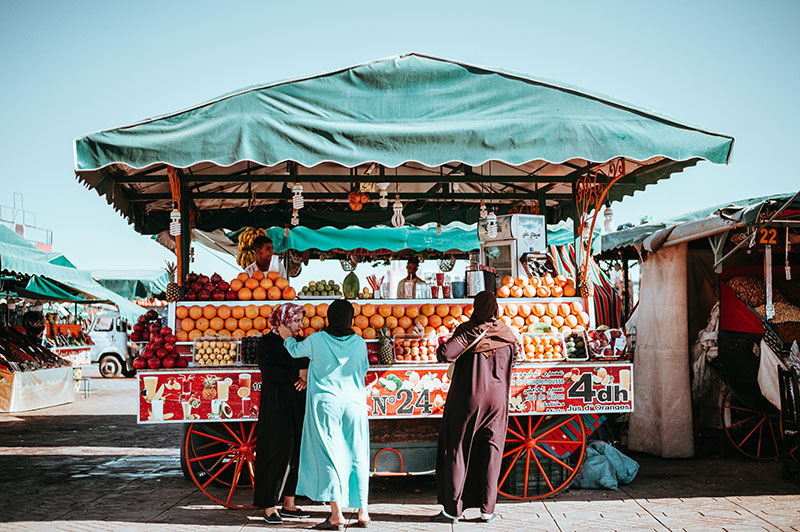
Explore Colombia through city guides, Cartagena deep dives, food experiences, and island escapes.

CARIBBEAN COAST

Cartagena Travel Guide

A complete guide to where to stay, what to do, and how to experience Cartagena beyond the basics.

Read More

BIG CITY BASE

Bogotá Travel Guide

Get a practical feel for Colombia’s capital with tips on where to stay, what to do, and where to eat.

Read More

LOCAL EXPERIENCES

Medellín Travel Guide

Plan your Medellín stay with neighborhood advice, local experiences, and a better sense of daily life.

Read More

WHERE TO STAY

Why Stay in Bocagrande

A breakdown of Cartagena’s easiest home base with walkability, high-rises, and reliable daily living.

Read More
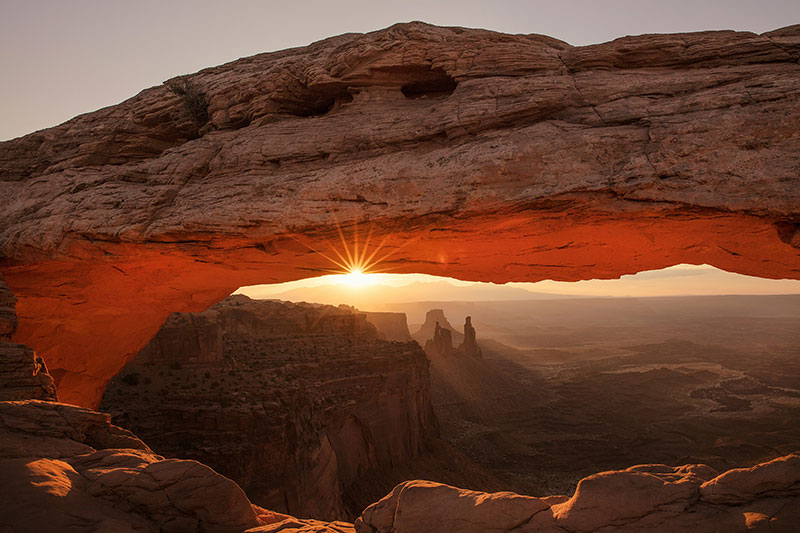
REMOTE LIFE

Digital Nomad Guide to Cartagena

Where to live, work, and build a routine if you are staying longer or working remotely.

Read More

FOOD PICKS

Cartagena Food Guide

The restaurants and dishes actually worth your time across the city.

Read More

LOCAL MARKETS

Bazurto Market Cartagena

A raw, local experience packed with seafood, street food, and nonstop energy.

Read More
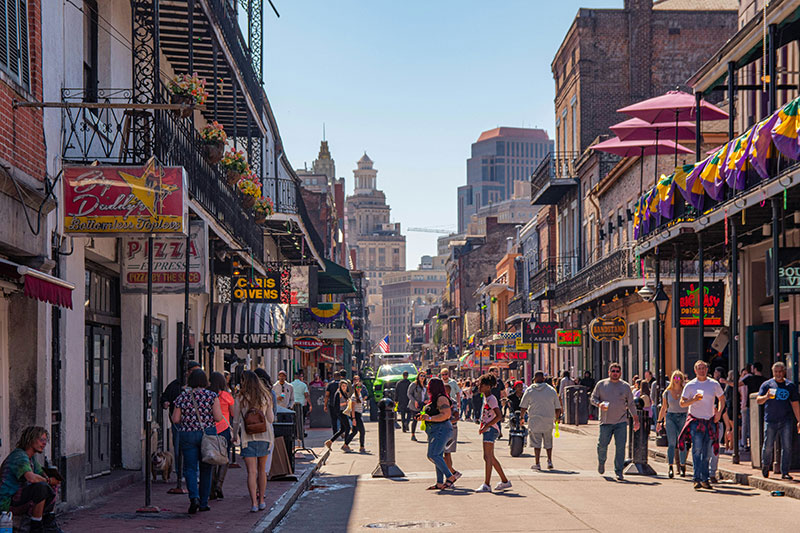
ISLAND ESCAPE

Rosario Islands Weekend

Slow things down with a stay on Isla Grande and a look at real island life.

Read More
CARIBBEAN COLORS

San Andrés Island Itinerary

A 3-day island plan built around the Sea of Seven Colors and an easy side trip from Cartagena.

Read More

Frequently Asked Questions

Is Colombia safe?

Yes, but it is not Disney World. Violence against tourists is rare if you stay in the right zones and follow common sense (No Dar Papaya). Petty theft (phones) is the main risk.
Bogotá and Medellín: Yes, the tap water is excellent and safe to drink.

Cartagena and Santa Marta (Coast): No. Drink bottled or filtered water only.

Most travelers (US, Canada, EU) get 90 days on arrival. You just need to fill out the Check-MIG form 24 hours before your flight.

It is not mandatory, but many restaurants will ask if you want to include “el servicio” (usually 10%). It is polite to say yes. For street food or taxis, rounding up is appreciated.