

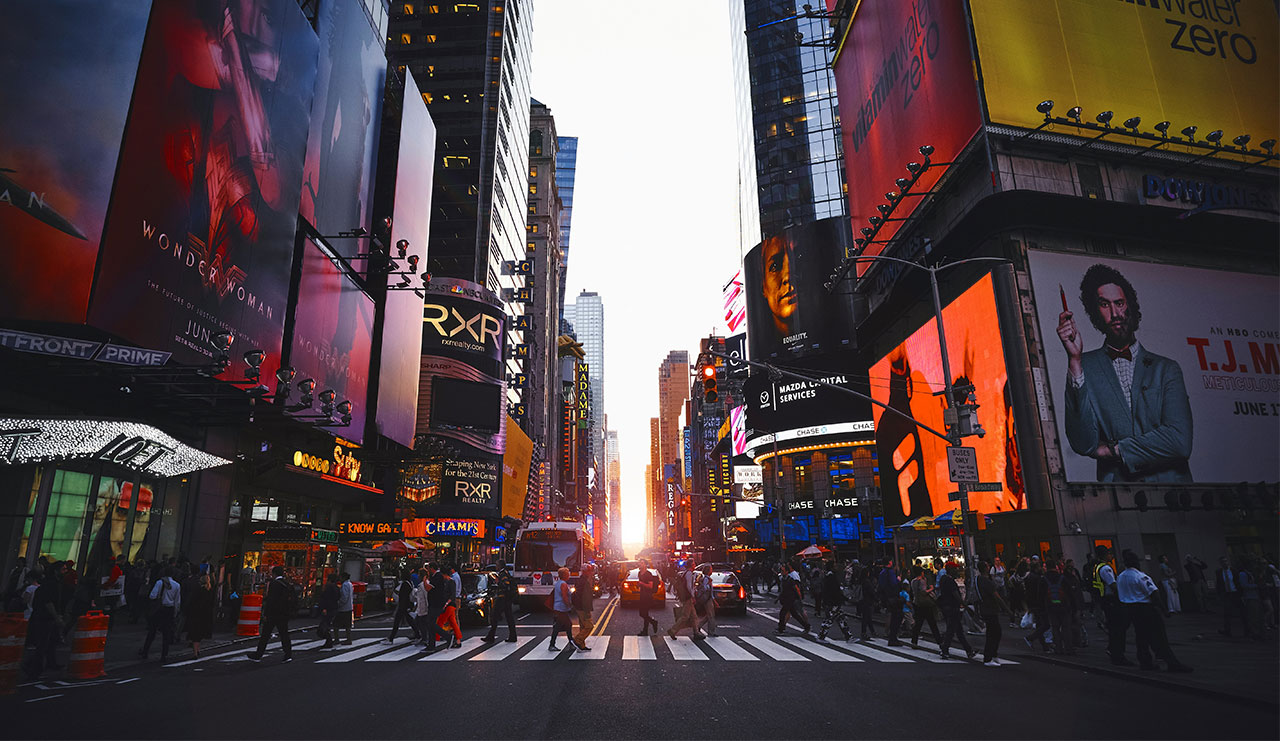
New York City Travel Guide

New York rewards structure. Plan by neighborhood, pick one anchor per day, and let the city do the rest.


Home » Destinations » Page 6

Last updated: March 2026 by Corey Gasman

Start Here: If this is your first NYC trip, jump to First-Timer Blueprint and Where to Stay. If you’re here for food, go straight to Eat Like a Local.

Start Here: How NYC Works

NYC isn’t one destination. It’s five boroughs and dozens of “mini cities.” The easiest way to enjoy it is to plan by neighborhood: one anchor activity, one great meal, and a realistic amount of walking.

Core TLGA rule for NYC: Don’t cross the city more than twice per day. Group stops that live near each other and you’ll feel like a local instead of a commuter.
NYC Area Best For Stay Here If… Signature Day
Midtown First timers, transit convenience You want the easiest subway access Broadway + MoMA + skyline views
West Village / SoHo Charm, nightlife, restaurants You want the “movie version” of NYC Downtown walk + iconic dinner
Lower Manhattan / FiDi History, memorials, ferries You want early mornings + water views 9/11 + Brooklyn Bridge + ferry
Brooklyn Cool factor, views, food You’re repeat-visit or slower pace Williamsburg + skyline sunset
Queens Best global food value You want real “local” energy Astoria eats + park stroll

First-Timer Blueprint

If you only do NYC once, do it like this: base in a central area, build your days by neighborhood, and pick a few “big moments” that justify the trip (Broadway, a great museum, skyline views, and one iconic meal).

If You Like… Do This Neighborhood Anchor Move
Classic NYC Broadway + skyline view Midtown Show night + observation deck
Food-first One “big” dinner + one iconic deli Downtown Reservation dinner + daytime neighborhood walk
Museums Pick 1 major + 1 manageable Uptown/Midtown Met or MoMA + Central Park
Views + vibes Sunset roof + Brooklyn promenade Brooklyn Golden hour skyline loop
TLGA pacing tip: Your feet are the limiting factor. NYC is a walking city. Schedule a mid-day reset (hotel nap, coffee stop, or museum) and your nights stay fun.

Where to Stay in NYC

NYC hotels are expensive and rooms are compact. The win is choosing the right base for your trip style.

Best Areas to Stay

  • Midtown: Best for first timers and transit convenience.
  • West Village / SoHo: Best for charm, restaurants, and nightlife.
  • FiDi: Best for early mornings, ferries, and a quieter feel at night.
  • Williamsburg (Brooklyn): Best for repeat visits, skyline views, and “cool NYC.”
Local Guide Tip: If you plan to do Broadway + museums, Midtown is the easiest. If you plan to eat and bar-hop, downtown (Village/SoHo) wins every time.

TLGA Recommended Home Base

Midtown: Archer Hotel New York (great central hub, boutique feel, rooftop bonus). Link your existing NYC playbook post here once published.

Getting Around

  • Subway: Best default option. Use it for most cross-town and longer moves.
  • Walking: The best way to experience neighborhoods, but don’t over-plan distances.
  • Taxi/Uber: Great at off-peak hours and late night, but can be slow in midtown traffic.
  • Ferries: A cheap “view hack” and a fun reset from the streets.
Transit rule: If the move is under ~25 minutes walking and the weather is decent, walking often beats the subway once you count stairs and transfers.

Neighborhood Guide

This is where NYC planning becomes easy. Choose a neighborhood, build a half-day loop, add one “big” meal, done.

West Village + Greenwich Village (classic charm)

Best for: dinner nights, people watching, iconic streets.
Do: Washington Square Park, easy downtown stroll, cocktail bar night.

Best for: High Line, markets, galleries, Hudson views.
Do: High Line + Chelsea Market loop.

Best for: 9/11 Memorial, ferries, early mornings.
Do: Oculus + memorial + waterfront walk.

Best for: Broadway nights, quick museum access, easy subway lines.
Do: MoMA + show night + rooftop drink.

Best for: park time, slower pace, classic NYC feel.
Do: Central Park loop + museum of choice.

Best for: skyline sunset, neighborhoods, restaurants.
Do: Dumbo + promenade + dinner in Williamsburg.

Best for: global food, lower prices, local energy.
Do: Astoria food crawl (perfect half-day add-on).

NYC Itineraries (2–7 Days)

Pick the version that matches your trip length. Each is structured by neighborhood to reduce wasted travel time.

2 Days in NYC

  • Day 1: Midtown (MoMA + Broadway)
  • Day 2: Downtown (West Village + iconic dinner)

3 Days in NYC

  • Day 1: Midtown + show night
  • Day 2: High Line + Chelsea + downtown dinner
  • Day 3: Central Park + museum + skyline sunset

5 Days in NYC

Best for first timers. Link to your existing post: The 2026 NYC Playbook: 5 Days of Food & Culture.

7 Days in NYC

  • Add: Brooklyn neighborhood day + Queens food day
  • Add: one “free explore” day (shopping, galleries, or sports)
Internal Link Targets: Create separate posts for “2 Days,” “3 Days,” “5 Days,” and “7 Days.” The NYC Hub should be the master index linking to them all.

Eat Like a Local

NYC food is too big for one list. Use this as your “decision tree” and build out deeper posts over time.

Category What to Know Best Neighborhood for It TLGA Move
Iconic Deli Lines are part of the deal Lower East Side Go early and split a sandwich
Pizza NY slice vs destination pies Downtown/Brooklyn One slice spot + one “best in city” spot
Steak Old school service, big prices Brooklyn/Midtown Lunch can be the better value
Reservations Hard tables require strategy All Use Resy alerts and aim for early/late slots
Reservation reality: In NYC, the best tables go to people who plan. If a restaurant matters to you, set alerts and be flexible with times.

Top Things To Do

  • Broadway: Pick one show night.
  • Museums: Choose 1 major museum and 1 smaller museum max.
  • Views: Do one iconic skyline moment (deck, roof, or cruise).
  • Central Park: A built-in reset day.
  • Neighborhood walks: Plan one unstructured “wander” block.
Spoke post ideas: Best observation decks comparison, best museum strategy for first timers, Broadway planning guide, best NYC rooftops with views.

Best Time to Visit NYC

  • Spring (Apr–Jun): Best walking weather.
  • Summer (Jul–Aug): Hot, but great energy. Holiday weeks can be strategic.
  • Fall (Sep–Nov): Peak vibes and perfect temps.
  • Winter (Dec–Mar): Cheapest deals, holiday magic, but cold.
Local Guide Tip: If you can choose one “perfect” NYC season for a first trip, fall is the easiest win. If you want the city to feel lighter, holiday weeks can be surprisingly breathable.

NYC on a Budget

  • Free wins: park days, bridge walks, galleries, ferries for views.
  • Food strategy: one splurge meal, balance with iconic cheap eats.
  • Museum strategy: pick one paid museum, then do one free/low-cost alternative day.
  • Transit: subway beats rideshares for most trips.

Safety + Tourist Scams

  • Stay aware in Times Square and crowded subway stations.
  • Ignore aggressive “free” offers, bracelets, CDs, and photo hustles.
  • Keep your phone secured (especially near station doors).
  • Late night: choose well-lit streets and trust your gut.
Simple safety rule: NYC is generally safe, but it punishes distraction. If you look lost, stop inside a shop or step to the side, then re-check your map.

What to Book Early

  • Restaurants: your top 2 “must” meals (use Resy alerts).
  • Broadway: weekends and popular shows.
  • Observation decks: sunset slots sell out.
  • Hotels: the earlier you book, the better the price band.

Maps + Planning Links

Internal Linking Plan: This hub should link to your 5-day playbook, plus future spokes: neighborhoods, restaurants, Broadway, observation decks, and budget guide.

New York City Travel Guide FAQ

Is NYC worth it for a first trip?

Yes. NYC is one of the few cities where culture, food, museums, theater, and neighborhoods all hit at the highest level. The key is planning by neighborhood so you don’t burn time commuting across the city.

For a first trip, 4–5 days is the sweet spot. You can do the icons without sprinting. If you have 7 days, add Brooklyn and Queens and pace it slower.

Midtown is the easiest base because subway lines converge there. If you care more about charm and nightlife, the West Village / SoHo area is a better vibe, but you’ll spend more time in transit.

For the top tables, yes. Use Resy and set alerts. If you miss prime time, go for early or late slots. For pizza and delis, plan to wait in line.

Use the subway as your default, then walk neighborhoods once you arrive. Save rideshares for late night or when you want a break from stairs.

Miami Dining Guide

Miami rewards people who understand neighborhoods. Pick the right area and your entire night changes.


Home » Destinations » Page 6

Last updated: March 2026 by Corey Gasman

Start Here: This is the food spoke. For hotels, neighborhoods, and logistics, head back to the Miami Travel Guide.

The Golden Rule of Eating in Miami

Miami is not one restaurant scene. It is multiple cities stitched together by traffic, heat, and a lot of temptation. South Beach is different from Little Havana. Wynwood is different from Brickell. Coconut Grove feels like its own coastal pocket.

If you chase hype without understanding geography, you will spend half your trip in Ubers and the other half paying “scene tax” for dinners you cannot even hear your friends talk through.

TLGA Rule: Pick one neighborhood per night. Walk it. Eat there. Let Miami unfold instead of chasing reservations across the city.
Neighborhood Best For Vibe Food Identity
South Beach First timers, classic Miami Glamorous, iconic, tourist-heavy Institutions, seafood, big-night dinners
Little Havana Real Cuban food and culture Historic, local, loud in the best way Ventanitas, ropa vieja, fritas, cafecito
Wynwood Creative nights and groups Street art, bars, energy Trendy Latin fusion, grills, cocktails
Brickell Upscale dinners Modern skyline, polished Steaks, sushi, “nice” reservations
Coconut Grove Relaxed coastal Tree-lined, breezy, more local Seafood, bistros, slower nights

Classic Miami Institutions (Yes, You Should Go)

Some places look touristy because they are famous. In Miami, a few of those classics are famous for the right reasons. If you are only here once, do at least one of these. If you are trying to come back more than once, treat them like “one per trip,” not “every night.”

Restaurant Why It Matters What To Order Price Level
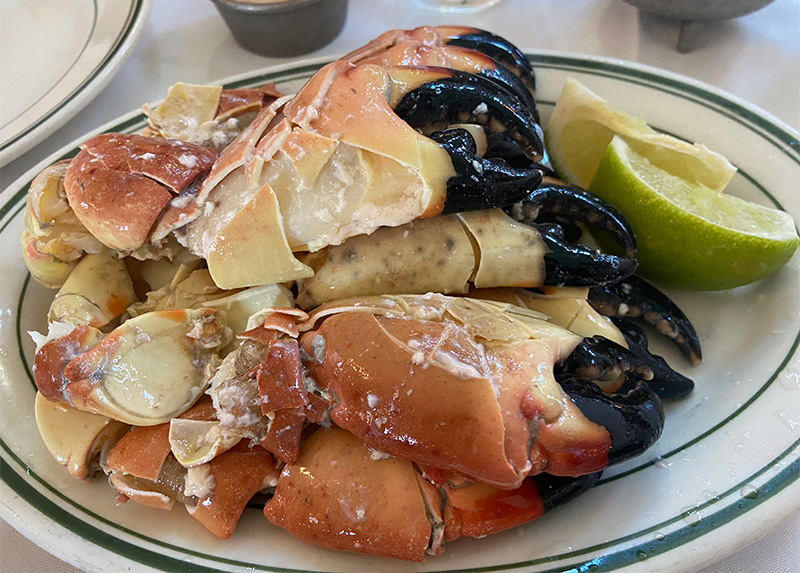
Joe’s Stone Crab The old-school Miami institution. It is the move when you want the full “classic night.” Stone crab claws (in season), key lime pie $$$$
Versailles The cultural anchor of Cuban Miami. Go once and you get it. Ropa vieja, Cuban sandwich, cafecito $ to $$
Garcia’s Seafood Grille Miami River seafood with real local energy and no South Beach attitude. Whole snapper, fresh catch specials $$$
Prime 112 South Beach steakhouse icon when you want a big night out. Dry-aged ribeye $$$$
La Sandwicherie The late-night SoBe classic that actually hits after a long day. French baguette sandwich, extra pickles $
Local Guide Tip: Joe’s is the most worth it during stone crab season. If you go off-season, go for the full “institution night” experience, not just claws and out.

Cuban Miami Done Right

Miami’s Cuban food is not a checkbox. It is the backbone of the city. The best way to do it is simple: one classic institution, one local counter spot, then one Cuban night out with live music and cocktails.

TLGA ordering cheat code: If you see a ventanita (walk-up window), do it. Order a cafecito or cortadito and one snack. Drink it standing up and keep moving.
Spot Why TLGA Picks It Order This Best Time Price
Versailles The iconic Little Havana institution. You go once, soak it in, and you understand the city better. Ropa vieja, Cuban sandwich, cafecito Lunch or early dinner $ to $$
La Carreta Classic Cuban comfort food and true ventanita culture. Vaca frita, lechón asado, café con leche Breakfast or late night $ to $$
Sanguich Modern, pressed, high-quality sandwiches that still taste like Miami. Pan con lechón, croquetas, batido Lunch $$
Enriqueta’s Sandwich Shop No-frills local counter energy. This one feels like real Miami, not curated Miami. Cuban sandwich, croquetas, colada Breakfast or lunch $
Café La Trova Little Havana nightlife with live music, legit cocktails, and Cuban plates with polish. Croquetas, a Cuban plate, classic daiquiri Happy hour into dinner $$$
El Rey de las Fritas / El Mago de las Fritas The frita is a Miami classic. This is the casual, local version of “you have to try it once.” Frita with papitas, plus a side fritter Late lunch or late night $
Local Guide Tip: Cuban coffee culture is fast. Order, drink, move. It is part of the rhythm, not a sit-and-sip situation.

Ventanitas: The Most Miami Way to Eat

  • Order fast: cafecito, cortadito, or a colada if you are sharing.
  • Add one snack: croquetas, pastelito, or a small sandwich.
  • Stand, sip, go: it is a rhythm, not a cafe hang.
Local Guide Tip: Ventanitas are a cultural staple across Miami, not just a tourist thing in Little Havana.

Seafood That Feels Like Miami

Miami seafood gets expensive fast if you only eat it in glossy South Beach dining rooms. The local move is river seafood, Cuban-style fish joints, and one classic “institution” night if you want to go big.

Spot Why TLGA Picks It Order This Vibe Price
Joe’s Stone Crab Classic Miami. If you want the iconic dinner, this is the one to do. Stone crab claws (in season), key lime pie Old-school institution $$$$
Garcia’s Seafood Grille A Miami River institution. Fresh, direct, waterfront, and actually feels local. Whole snapper, grilled fish, fresh catch specials Dockside, casual $$$
La Camaronera Cuban family seafood spot locals love. This is the “Miami fish fry” move. Fried shrimp, fried fish, Minuta sandwich No-frills, legendary $ to $$
Monty’s Easy marina-style seafood with sunset energy. Fish tacos, peel-and-eat shrimp Relaxed, outdoors $$
Stiltsville Fish Bar A step up in creativity without turning into a scene. Great “nice dinner” option. Conch fritters, fresh catch specials Polished but not stiff $$$
TLGA money-saving seafood move: Do seafood at lunch at least once. Same quality, calmer service, and you are not paying South Beach Saturday night pricing.

Neighborhood Gems Worth Your Time

This is where you earn the “I ate well in Miami” badge. These are the spots that feel like someone actually lives here, not just visits.

Restaurant Neighborhood Why It Works Price
Boia De Little Haiti Small, chef-driven, and worth the detour if you can land a table. $$$
Ariete Coconut Grove Refined, rooted in Miami flavor, and feels like a real “special dinner.” $$$$
Mandolin Aegean Bistro Design District Beautiful courtyard energy that makes lunch feel like a vacation. $$$
KYU Wynwood Grill-forward, high energy, and a great group dinner pick. $$$

Reservation Strategy in Miami

Miami is easier when you stop trying to win the internet. You want good meals, good energy, and minimal friction.

  • Book 5 to 7 days out for weekends. If you wait until Friday afternoon, you are eating wherever has a DJ and open tables.
  • Eat early. 6:00 to 6:30 PM is calmer, faster, and usually better service.
  • Lunch is underrated. Same kitchens, less chaos, often better value.
  • Pick one “scene” night. Not every dinner needs a vibe check and a bottle service menu.
TLGA Strategy: One hype dinner. One neighborhood night. One Cuban lunch. That is a perfect Miami food trip.

The Miami More Than Once Formula

If you want Miami to become a repeat trip instead of a splurge memory, the goal is simple: lower friction and fewer expensive “big nights.”

  • Stay outside South Beach for better hotel value, then do South Beach as a day and one dinner.
  • Uber less by picking one food neighborhood per night.
  • Make Cuban food your budget anchor. You can eat extremely well for less.
  • Choose one high-end dinner, not four. Your wallet and your energy will thank you.
Local Guide Tip: Miami gets expensive when you chase the scene every night. It gets fun when you mix cultural meals with one polished dinner.

Miami Dining FAQ

Is Joe’s Stone Crab worth it?

Yes, especially during stone crab season. It is part of Miami history. Just budget for it and treat it like a “one big night” meal.

If you want classic Miami energy, do South Beach. If you want culture and a more local feel, do Little Havana. Either way, pick one neighborhood and commit to it.

Cuban food, stone crab, fresh seafood, Latin and Caribbean influence, and strong cafecito culture.

Wynwood & Art Basel Guide

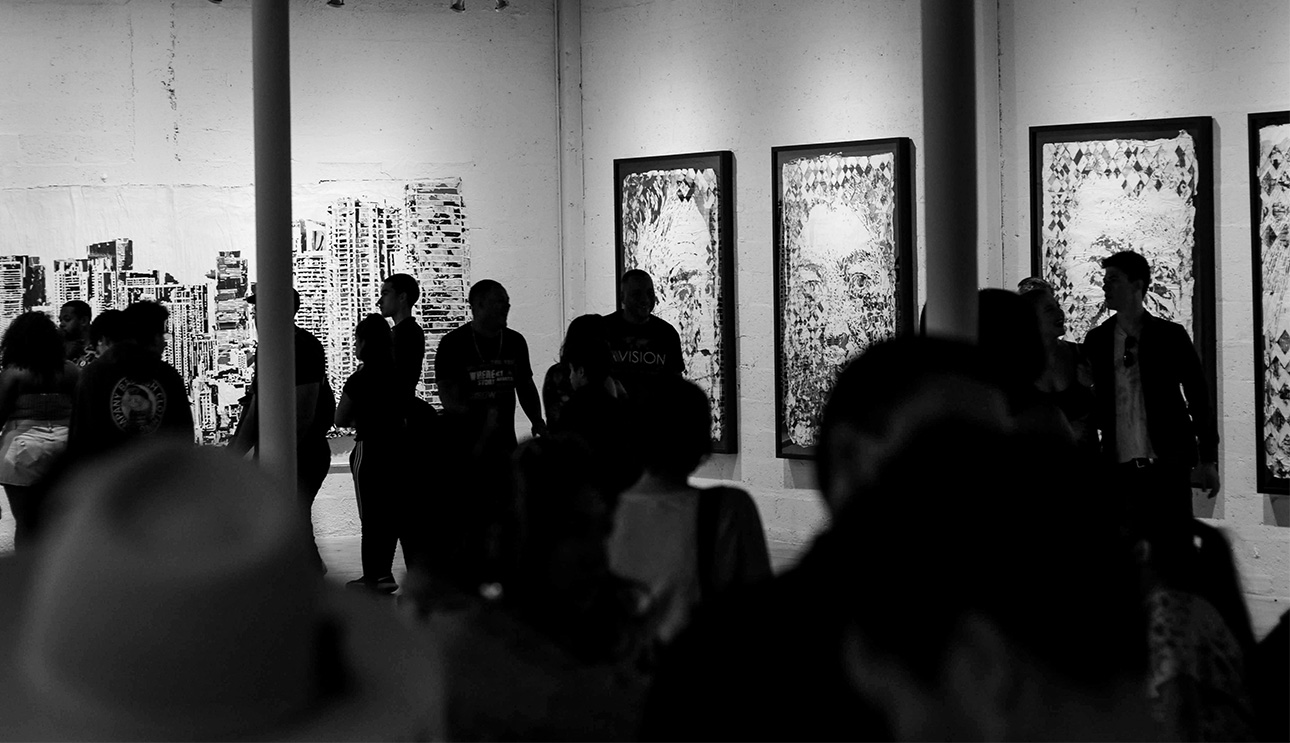
A black and white photograph showing the interior of an art gallery during Art Basel, with several people viewing three large, vertically-oriented framed artworks on a white wall.
Home » Destinations » Page 6

Last updated: March 2026 by Corey Gasman

From the Editor:

If Brickell is Miami’s suit and tie, Wynwood is its denim jacket. What was once a collection of neglected warehouses is now one of the most famous street art districts in the world.

Wynwood hits a personal nerve for me because art has always been my primary focus and biggest talent. I studied graphic design and art history in college, worked as a designer, and still find myself seeking out small galleries, boutique museums, murals, and offbeat art shows whenever I travel. Those are usually the places that reset my brain and give me new ideas.

That is why Wynwood works so well for me. It is not polished museum art behind glass. It is raw, oversized, colorful, industrial, and constantly changing. The neighborhood feels like the place where my graphic design background, my love of art history, and my habit of chasing small creative spaces all collide in one very Miami setting.

But the real test is Art Basel week in December. The city transforms, traffic gets heavier, and the energy is unmatched. Whether you are here for the main fair or the satellite street parties, you need a logistical game plan to survive the crowds.

The Wynwood Vibe: Art Meets Industry

Wynwood is most famous for the Wynwood Walls, but the entire neighborhood is an open-air gallery. In 2026, the district has expanded westward into Allapattah, where massive industrial spaces now house private art collections like the Rubell Museum. This is the creative heartbeat of Miami.

If you are planning Wynwood as part of a wider Miami trip, start with the full Miami Travel Guide and the main Florida Travel Guide so you can decide where Wynwood fits with Brickell, South Beach, Little Havana, Coconut Grove, and the Florida Keys.

A quick logistics lesson:

Parking in Wynwood is notoriously difficult and expensive. If you are staying in a Brickell condo, do not drive here. Take a short rideshare from Brickell, Downtown, or Miami Beach, or use Brightline/Metrorail when it fits your route and then connect from there. Walking is the only way to truly see the murals anyway.

TLGA Rule: Go early. The neighborhood is much calmer before 1:00 PM. You can get clean photos of the murals without the crowds, and the popular coffee shops actually have seating.

Planning Miami?

Start with the Miami Travel Guide before locking in neighborhoods, hotels, and dinner plans.

Building the full trip?

Use the Travel Planning Playbook to map flights, hotels, events, food, and transportation.

Art Basel Miami Beach 2026

Art Basel is the flagship event, but the Miami Art Week umbrella covers over 20 satellite fairs across the city. In 2026, Art Basel Miami Beach runs from December 4 to 6, with related events, previews, parties, and satellite fairs happening throughout the surrounding week.

Art Basel vs. Miami Art Week

Art Basel is the official blue-chip fair at the Miami Beach Convention Center. Miami Art Week is the larger citywide moment built around it, with satellite fairs, gallery openings, brand events, pop-ups, parties, and neighborhood activations across Miami Beach, Wynwood, Downtown Miami, the Design District, and Allapattah.

That distinction matters because you can have a great art-focused Miami trip without spending every day inside the main convention center. For many visitors, the best version is one major fair, one neighborhood, and one dinner plan per day.

The Main Fairs

  • Art Basel (MB Convention Center): The high-end, blue-chip gallery fair. Expect security checks and timed tickets.
  • Art Miami / Context: Located downtown on the water. Incredible contemporary works and usually a bit more accessible than Basel.
  • UNTITLED / SCOPE: These take place in massive tents directly on the sand in South Beach.

Basel Survival Tips

Problem Solution
Traffic Use rideshare, Brightline/Metrorail when it fits your route, or water transit if you are moving between Miami Beach and the mainland. Avoid the causeways between 4:00 PM and 8:00 PM.
Booking Hotel rates can jump dramatically. Book your stay at least 6 months in advance if you know you are traveling for Art Week.
Access Download the Art Basel app and check official fair pages to track tickets, schedules, pop-up events, and RSVP-only parties.

For a broader trip-planning framework, use the Travel Planning Playbook. Art Week is exactly the kind of trip where hotels, event timing, transportation, and dinner reservations need to be mapped before you arrive.

Best Time to Visit Wynwood

The best time to visit Wynwood is late morning, before the lunch crowds and afternoon heat build up. If you care about photos, aim for the earlier part of the day when the sidewalks are calmer and the murals are easier to frame.

Evening is better if your priority is dinner, cocktails, breweries, or nightlife. During Art Basel week, give yourself extra time no matter when you go, because rideshares, restaurant reservations, and short neighborhood hops all get more complicated.

Local Guide Tip: If you are visiting in summer, build in an indoor reset. Wynwood is fun, but the heat, humidity, and sun can wear you down fast if you try to make the whole day an outdoor mural march.

How Long Do You Need in Wynwood?

For a quick visit, give yourself two to three hours to see the Wynwood Walls, walk a few mural blocks, and grab coffee or tacos. For a better visit, plan on a half day so you can add galleries, breweries, lunch, and a slower mural walk.

During Art Basel week, do not try to squeeze Wynwood into a tiny gap between events. The neighborhood is part of the larger Miami Art Week circuit, and it works best when you give it breathing room.

Where to See the Best Art

Don’t just stick to the main gates of the Wynwood Walls. The best stuff is often in the alleys or two blocks off the main drag.

  • The Wynwood Walls (NW 25th St): The curated centerpiece. It is now a ticketed experience, so book online to skip the line.
  • The Rubell Museum (Allapattah): One of the biggest private contemporary art collections in North America. It is a short 5-minute drive from Wynwood and worth the detour.
  • Superblue Miami: Located across from the Rubell, this is an immersive, large-scale digital art experience. Great for air-conditioned relief in the summer.
Local Guide Tip: For the best street art photos, head to NW 2nd Avenue between 22nd and 29th Streets. Every vertical surface is a canvas.
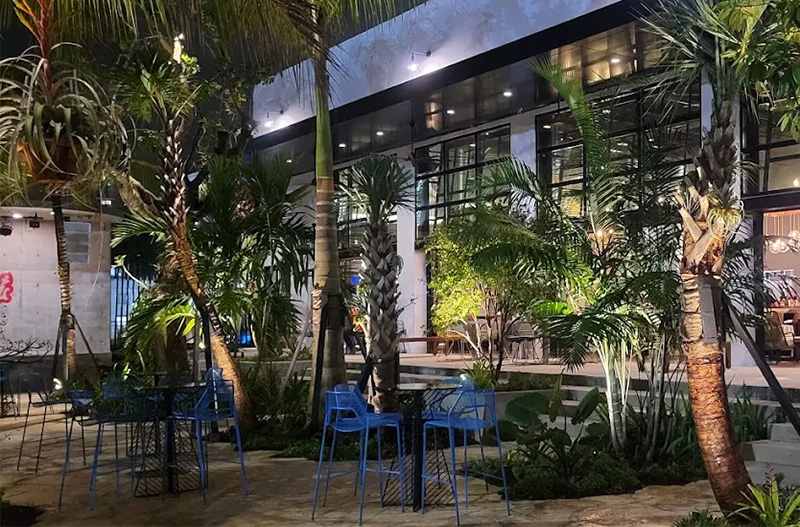
An outdoor patio area at Cerveceria La Tropical, featuring blue metal chairs around tables, surrounded by lush green tropical plants and trees under a partially covered structure.

Wynwood is home to some of the most innovative craft breweries in Florida. Most feature outdoor gardens and rotating food trucks. The lush outdoor patio at Cerveceria La Tropical offers a shaded escape during a Wynwood brewery crawl.


The Wynwood Brewery Crawl

Miami’s craft beer scene was born in these warehouses. You can easily hit three or four spots on foot.

1. Wynwood Brewing Co.

The pioneer. You have to try the La Rubia Blonde Ale, which is arguably the most famous local beer in Miami. The taproom is classic, cozy, and covered in local art.

2. J. Wakefield Brewing

A must for Star Wars fans and lovers of sour beers. Their murals are incredible, and they are world-famous for their fruit-forward Berliner Weisses. It is eccentric and high-quality.

3. Veza Sur Brewing Co.

This is where Latin flair meets craft beer. It has a massive, beautiful outdoor patio and specializes in Chopp, a chilled Brazilian-style lager, and craft beer cocktails.

Pro Tip: Most breweries in Wynwood are dog-friendly and family-friendly during the day. If you are doing a guys’ trip, these are the best home bases to rest your feet between mural-spotting.

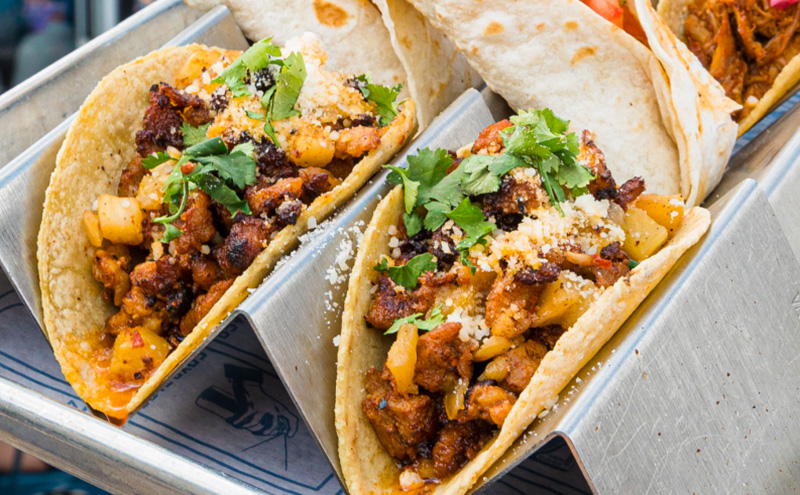
Coyo Taco serves up fast, reliable street-style tacos that make for a perfect casual lunch during your Wynwood mural walk.


Where to Eat: Wynwood Dining Strategy

Wynwood’s food scene shifts quickly, but it has solidified into a mix of fast-casual street food and highly competitive upscale dining. If you are doing a full day of murals and galleries, you will want a mix of quick bites and a solid dinner reservation.

If you are building meals across the whole city, pair this section with the Miami Dining Guide. If you are staying in Brickell and using Wynwood as a day trip, the Brickell Dining Guide can help you keep dinner closer to your base.

Meal Budget / Casual High-End / Sit-Down
Breakfast Panther Coffee: The original neighborhood staple for cold brew and quick pastries. Zak the Baker: Legendary kosher bakery with incredible salmon tartines and fresh sourdough.
Lunch Coyo Taco: Fast, cheap, and reliable tacos. Grab a margarita and eat outside. 1-800-LUCKY: A massive Asian food hall with indoor and outdoor seating, great for groups.
Dinner Gramps: Come for the cocktails and live music, stay for the surprisingly excellent pizza slices. Uchi: One of the best culinary experiences in the city, offering exceptional Japanese cuisine, sushi, and specialty rolls.
Pro Tip: Walk-ins at upscale spots like Uchi or Pastis are nearly impossible on weekends or during Art Week. Book your dinner reservations at least a month in advance.
A large, dark room filled with hundreds of glowing white balloons suspended from the ceiling, with people sitting and relaxing on the floor beneath the installation at the Balloon Museum

The interactive Pop Air installation at the Balloon Museum in Mana Wynwood is a highly photogenic and air-conditioned escape from the Miami summer heat.


Wynwood Events: Summer & Fall 2026

While December brings the international art crowd, the neighborhood hosts massive events year-round, primarily anchored by the Mana Wynwood Convention Center. If you are traveling outside of Art Week, these are the major anchors to build an itinerary around.

Summer 2026

  • Balloon Museum Pop Air (May 16 to Sept 27): A massive interactive installation of inflatable art at Mana Wynwood. It is highly photogenic and a great air-conditioned escape from the summer heat.

Fall & Winter 2026

  • Reggae Fest Blaze Miami (Oct 10): A major music event bringing dancehall, reggae, and afrobeats to the district. Confirm final details before building a full trip around it.
  • III Points Festival (Oct 16 to 17): Wynwood’s signature alternative music and art festival. It runs late into the night and takes over the Mana complex.
  • Art Basel Miami Beach (Dec 4 to 6): The main event. While the primary convention is in Miami Beach, Wynwood becomes the epicenter for satellite fairs, brand pop-ups, and street parties.
Local Guide Tip: Event dates, venues, and ticket policies can change. Before booking a flight around any festival or installation, confirm the event through the official organizer and check your hotel cancellation terms.

Local Tips, Hacks & Mistakes to Avoid in Wynwood

Wynwood is easy to enjoy, but it is also very easy to do wrong. The biggest mistake is treating it like a quick photo stop instead of a neighborhood you should walk slowly, time carefully, and plan around traffic.

Whether you are visiting on a normal Miami weekend or during Art Basel week, these are the small decisions that make the day smoother.

Mistake Better Move
Driving yourself into Wynwood Use rideshare if you are coming from Brickell, Downtown, or Miami Beach. Parking fills quickly, and during Art Week, the time you lose circling blocks is not worth it.
Only visiting Wynwood Walls Buy the ticket if you want the curated experience, but leave time to walk NW 2nd Avenue and the side streets. Some of the best murals are outside the official gates.
Going in the middle of the afternoon Go late morning or early evening. Midday can be hot, crowded, and harsh for photos. Earlier visits are better for clean mural shots.
Trying to “wing it” during Art Basel Make reservations, RSVP for events, and check transit options before you leave. Miami Art Week rewards people who plan ahead.
Wearing the wrong shoes Wynwood looks compact on a map, but you will walk more than expected. Wear real shoes, especially if you are combining murals, breweries, galleries, and dinner.

Hack #1: Start With Coffee, Not Beer

The best Wynwood day starts earlier than most people think. Grab coffee first, walk the murals while the neighborhood is still waking up, then shift into breweries, galleries, and food later in the day. If you start with the breweries too early, the mural walk can turn into a sweaty, unfocused shuffle.

Hack #2: Use Wynwood as Your Daytime Base During Art Week

During Art Basel, most first-timers focus only on Miami Beach. That is a mistake. The main fair is on the Beach, but the energy spreads across the entire city. Wynwood, the Design District, Downtown Miami, and Allapattah all become part of the larger Miami Art Week circuit.

A smart move is to use Wynwood for daytime murals, galleries, and casual food, then head to Miami Beach later for the official fair, beachside satellite events, or dinner. Just avoid crossing the causeways during peak traffic windows if you can.

Hack #3: Treat Wynwood Walls as the Starting Point, Not the Whole Plan

The official Wynwood Walls are worth seeing, especially if this is your first time in Miami. But the neighborhood makes more sense when you treat it as a starting point. After you visit, walk north and south along NW 2nd Avenue, cut down the side streets, and let the murals pull you around the district.

Pro Tip: If you care about photos, go before lunch. The crowds are lighter, the sidewalks are easier to navigate, and you can actually frame a mural without waiting for people to move.

Hack #4: Don’t Overbook Your Art Basel Day

Art Basel week creates a false sense that you should see everything. You cannot. Pick one major fair, one neighborhood, and one dinner plan per day. That is enough. If you stack too many events, you will spend the day in traffic, waiting for rideshares, or rushing through the art you came to see.

Hack #5: Have a Rain and Heat Backup

Miami weather can flip fast. If the heat, humidity, or rain gets annoying, use nearby indoor stops like the Rubell Museum, Superblue Miami, galleries, coffee shops, or a long lunch to reset. Wynwood is best when you do it in layers instead of forcing a nonstop outdoor march.

Local Guide Tip: During Art Basel week, assume every normal Miami task takes longer. Rideshares cost more, restaurants book out, traffic gets weird, and even short hops between neighborhoods can turn into a full production.

For logistics beyond Wynwood, read the Getting Around Abroad guide. For trip costs, event pricing, and hotel planning, use the Travel Budget Guide.

Before you finalize your Miami plans, use these official resources to buy tickets, check for temporary closures, and download neighborhood maps.

  • Art Basel Official Site: Purchase timed entry tickets for the main fair at the Miami Beach Convention Center.
  • Wynwood Walls Tickets: Book your general admission or guided tours here. Booking ahead is the safer move on busy weekends.
  • Greater Miami Wynwood Guide: A reliable overview for restaurants, art, bars, shops, and neighborhood context.
  • Miami-Dade Metromover: Useful if you are staying in Brickell or Downtown and connecting across the urban core before a Wynwood rideshare.

Wynwood & Art Basel FAQs

Is Wynwood worth visiting in Miami?

Yes, Wynwood is one of the best neighborhoods to visit in Miami if you like street art, breweries, galleries, food, and walkable creative districts. The Wynwood Walls are the main draw, but the best part of the neighborhood is wandering the surrounding streets, where murals cover warehouses, storefronts, alleyways, and side streets.

Yes, the Wynwood Walls are now a ticketed experience, so it is smart to book online before you go. You can still see plenty of murals around the neighborhood for free, but the official Wynwood Walls gives you the most curated version of the district’s street art scene.

Art Basel Miami Beach takes place December 4 to 6, 2026, with Miami Art Week events happening across the city around the same time. The main fair is in Miami Beach, but satellite fairs, gallery events, pop-ups, and parties spread into Wynwood, Downtown Miami, and other neighborhoods.

Rideshare is usually the better choice, especially if you are staying in Brickell, Downtown Miami, or Miami Beach. Parking in Wynwood can be expensive and frustrating, and the neighborhood is best explored on foot once you arrive.

Wynwood is generally comfortable to walk around during the day and early evening, especially along the main mural, restaurant, brewery, and gallery corridors. Like most busy nightlife areas, it is still smart to stay aware, avoid empty side streets late at night, and use a rideshare when leaving after dark.

Explore Florida through Miami neighborhoods, theme park strategy, food guides, art districts, island road trips, and coastal planning.

START HERE

Florida Travel Guide

Use this main Florida guide to compare regions, shape your route, and decide how each stop fits into your trip.

Read More

MIAMI BASE

Miami Travel Guide

Plan your Miami stay around the right neighborhoods, beach time, food stops, day trips, and city energy.

Read More

MIAMI FOOD

Miami Dining Guide

Use this citywide food guide to plan where to eat across Miami, from neighborhood staples to trip-worthy meals.

Read More

ROAD TRIP

Florida Keys Guide

Plan the drive from South Florida into the Keys with island pacing, Key Largo stops, Key West tips, and road trip logistics.

Read More

PARK STRATEGY

Orlando Theme Parks

Compare Disney, Universal, Epic Universe, and other Orlando parks before you commit your time, budget, and energy.

Read More

BRICKELL EATS

Brickell Dining Guide

Find restaurants, bars, coffee stops, and neighborhood dining tips that make Brickell a strong Miami base.

Read More

Orlando Theme Park Guide

A wide view of the Magic Kingdom at Walt Disney World, featuring the iconic "Partners" statue of Walt Disney and Mickey Mouse in the foreground, with the spires of Cinderella Castle rising behind them under a soft sky.
Home » Destinations » Page 6

Last updated: March 2026 by Corey Gasman

From the Editor:

Orlando is a logistics puzzle disguised as a vacation. If you show up at the gates without a plan, you will spend half your day in lines and the other half looking at your phone in frustration. The 2026 theme park experience is built around digital systems, timed entries, mobile ordering, park apps, hotel perks, and knowing when not to push your group too hard.

The secret to winning Orlando is not seeing every single attraction. It is building a schedule that includes breaks, hydration, realistic expectations, and the understanding that you cannot do it all in one trip. If you are coming from Miami or South Florida, Brightline also makes Orlando easier to add on without committing to the full drive.

This guide is meant to be a practical planning spoke from the Florida hub, not a ride-by-ride theme park encyclopedia. Use it to compare the major parks, choose the right ticket strategy, avoid burnout, and get the logistics right before you arrive.

The 2026 Orlando Theme Park Reality Check

Theme parks in Orlando have shifted. Gone are the days of just buying a ticket and casually walking into every major ride. Today, you are managing apps, Lightning Lane, Express Pass, mobile food ordering, park hours, hotel transportation, weather, crowds, and the limits of your own feet.

It sounds like work because it is. But if you understand the major differences between Disney, Universal, Epic Universe, and the other Orlando parks before you buy tickets, the actual trip feels significantly smoother.

Start with the basics: which parks matter most, where you are staying, how many park days your group can realistically handle, and which apps or line-skipping tools you need to understand before arrival. If Orlando is part of a larger route, use the main Florida Travel Guide and the Travel Planning Playbook before you lock in flights, hotels, and park days.

Theme Park Resort Best For Line Skipping Strategy 2026 Logistics Vibe
Walt Disney World Nostalgia, younger kids, immersive theming, classic family vacations Lightning Lane passes, plus strong app planning High planning required. Book key dining early and learn the app before arrival.
Universal Studios & Islands of Adventure Teens, thrill seekers, Harry Potter fans, adults, easier park hopping Universal Express Pass, included at select Premier hotels for eligible parks More compact and less scheduled than Disney, but still expensive and crowd-sensitive.
Universal Epic Universe New attractions, Nintendo, How to Train Your Dragon, Harry Potter, Universal Monsters Rules and access can vary by ticket type, date, and current park operations The hottest ticket in town. Expect heavy demand and check current rules before booking.
SeaWorld Orlando Coasters, animal shows, simpler ticketing, lower-cost park days Quick Queue options may be available depending on date and demand Usually less complicated than Disney or Universal, but still worth checking park hours.

TLGA Rule: Download the park apps and link your tickets at least two weeks before your trip. You do not want to be troubleshooting account logins at the front gate at 8:00 AM.

Planning Florida?

Start with the Florida Travel Guide before you lock in parks, beaches, and road trip days.

Building the full trip?

Use the Travel Planning Playbook to connect park days, hotel nights, rest days, and transportation.

A quick lesson on park burnout:

The biggest mistake I see is families scheduling five park days in a row. By day three, everyone is exhausted, overheated, and irritable.

The takeaway: Follow the 2-1-2 rule. Two park days, one full rest day at the pool, Disney Springs, CityWalk, or your resort, then two more park days. Your feet and your family will thank you.

Orlando theme park planning starts with choosing the right park for your group, not trying to do everything in one trip.


Which Orlando Theme Park Is Best for You?

The hardest part of planning Orlando is not finding things to do. It is choosing the right parks for your group, your budget, and your energy level. Not every family needs four Disney parks, and not every adult trip needs Magic Kingdom. Use this as a starting point before buying tickets.

Park Best For Skip It If Planning Level
Magic Kingdom First-timers, younger kids, castle photos, parades, fireworks, classic Disney You only want thrill rides or adult food and drink High
EPCOT Adults, food and drink, festivals, Guardians of the Galaxy, slower wandering You have very young kids who need constant rides Medium
Hollywood Studios Star Wars, Toy Story, thrill rides, teens, high-demand attractions You dislike heavy planning and long waits High
Animal Kingdom Avatar, animals, shows, shade, a slightly calmer Disney day You want a full late-night park day Medium
Universal Studios Florida Movie rides, Harry Potter, shows, teens, adults, easier park hopping You are traveling mostly with toddlers Medium
Islands of Adventure Coasters, thrill rides, Harry Potter, Marvel, Jurassic Park Your group does not like intense rides Medium
Epic Universe New attractions, Nintendo, How to Train Your Dragon, Harry Potter, theme park fans You hate crowds or want the easiest park day High
SeaWorld Orlando Coasters, animal shows, lower-cost tickets, a simpler non-Disney day You are only focused on Disney or Universal theming Low to Medium

Local Guide Tip: For first-timers with younger kids, Magic Kingdom is usually the emotional anchor. For teens and adults, Universal plus Islands of Adventure may be the easier win. For repeat visitors, Epic Universe is the new draw, but it also requires the most up-to-date planning.

How Many Days Do You Need for Orlando Theme Parks?

You can visit Orlando for a quick weekend, but the parks make more sense when you match your ticket plan to your actual stamina. More park days are not always better if every day becomes rushed, hot, expensive, and overplanned.

Trip Length Best Plan Who It Works For
2 Days Pick one resort: Disney only or Universal only Couples, adults, quick add-on from Miami, repeat visitors
3 Days Two park days plus one rest, pool, Disney Springs, or CityWalk day Families who want a manageable pace
4 Days Three park days plus one rest day First-timers who want Disney or Universal without total burnout
5 Days Follow the 2-1-2 rule: two parks, one rest day, two parks Families, multi-generation trips, bigger Disney vacations
6+ Days Mix Disney, Universal, resort time, and one flexible weather day Travelers who want the full Orlando experience

Pro Tip: If you are adding Orlando after a Miami, Florida Keys, or South Florida trip, do not treat it like a simple one-day add-on unless you are choosing one park only. Orlando rewards a little breathing room.

For bigger routing decisions, use the Florida Travel Guide. For day-by-day pacing, use the Travel Planning Playbook.

Woody leaning against the Toy Story Land entrance sign with the Slinky Dog Dash coaster in the background under a blue sky

Toy Story Land at Hollywood Studios brings the scale of Andy’s backyard to life with immersive details and some of the park’s most popular family-friendly attractions.


Walt Disney World: The Big Four

Disney is split into four distinct parks. Unless you have a Park Hopper ticket, you will usually spend one full day at each park you choose. The key is not asking, “Which Disney park is best?” It is asking, “Which Disney park is best for this trip?”

The Park Breakdown

  • Magic Kingdom: The classic castle, fireworks, parades, nostalgia, and the most iconic first-time Disney experience.
  • EPCOT: World Showcase, festivals, food and drink, plus newer thrill rides like Guardians of the Galaxy.
  • Hollywood Studios: Star Wars: Galaxy’s Edge, Toy Story Land, thrill rides, and some of the hardest-to-plan Disney demand.
  • Animal Kingdom: Pandora: The World of Avatar, animal trails, shows, shade, and a slightly calmer rhythm than the other parks.

The 60-Day Dining Window

Food is a major logistical hurdle at Disney. Table service dining reservations commonly open 60 days in advance. If you want character dining or popular spots, set a reminder for that booking window. Quick-service mobile ordering is also important if you want to avoid wasting lunch standing in lines.

Disney Strategy

Tool Why You Need It
My Disney Experience The master app for tickets, maps, wait times, dining, hotel details, and mobile food ordering.
Lightning Lane The paid system that lets you skip the standby line for select attractions. Use it for your top must-do rides.
Mobile Order The easiest way to eat lunch without losing 30 minutes in a food line. Start checking lunch windows before everyone gets hungry.
Dining Reservations Essential for character meals, popular restaurants, and sit-down meals during peak seasons.
Local Guide Tip: The quickest way to ruin a park day is forcing tired kids to push through the 2:00 PM heat. Hit the park at rope drop, retreat to your hotel pool during the hottest part of the day, and return around 5:00 PM. You will miss less than you think and save everyone’s sanity.

For bigger-picture Florida routing, pair this with the Florida Travel Guide and the Travel Planning Playbook.

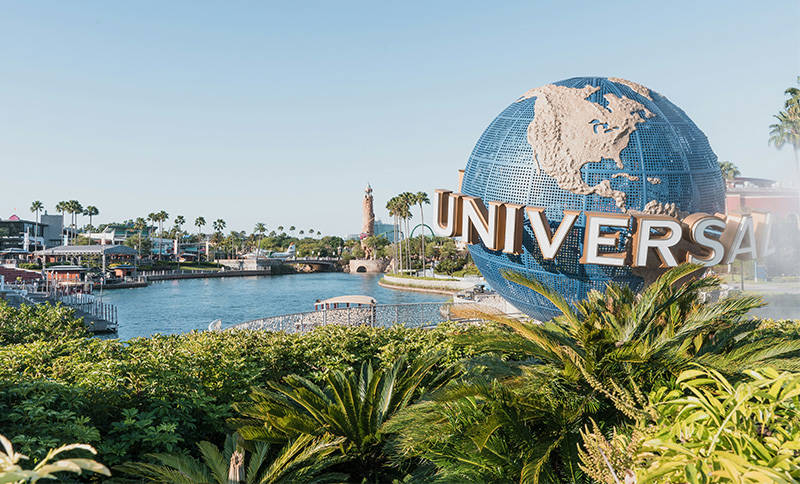
A wide daytime shot of the iconic Universal Studios Florida entrance plaza, featuring the large rotating "Universal" globe in front of the ornate archway and palm trees under a clear blue sky.

Universal Orlando offers a more compact, thrill-focused experience. The Wizarding World of Harry Potter remains one of the primary draws for many visitors.


Universal Orlando Resort

Universal is generally easier to navigate than Disney because Universal Studios Florida and Islands of Adventure are connected by a walking path and the Hogwarts Express train. It is still expensive and crowded, but the planning style feels different. Universal is more about ticket type, Express Pass value, hotel perks, and whether Epic Universe changes your trip priorities.

Universal Studios Florida and Islands of Adventure

Universal Studios Florida is stronger for movie-based attractions, shows, and Diagon Alley. Islands of Adventure is stronger for coasters, Jurassic Park, Marvel, Hogsmeade, and thrill-focused touring. If your group loves Harry Potter, you will likely want Park-to-Park access so you can ride the Hogwarts Express between the two parks.

Universal Express Pass

Unlike Disney’s more digital-heavy system, Universal still offers a more straightforward Express Pass that lets you use shorter lines at many attractions. It is expensive, but it can be the single best way to protect your day during peak crowds.

The Epic Universe Reality

Now that Epic Universe is part of Universal Orlando, it has shifted the gravity of Orlando planning. Super Nintendo World, How to Train Your Dragon, Dark Universe, the Wizarding World of Harry Potter: Ministry of Magic, and Celestial Park create a very different kind of Universal trip.

Plan Epic Universe differently than a standard Universal day. Ticket rules, capacity, Express options, hotel access, and early entry benefits can change, so check the current Universal rules before you book.

Local Guide Tip: If you stay at a Universal Premier category hotel, the included Unlimited Express Pass can be a huge value for Universal Studios Florida and Islands of Adventure. Always check the current rules before assuming it applies to Epic Universe, Volcano Bay, or special events.

Cinderella Castle serves as the centerpiece of Magic Kingdom, acting as both a visual icon for the resort and a primary gathering point for the park’s daily stage shows and nighttime fireworks.


Apps, Accounts, and Virtual Queue Prep

The most important Orlando prep happens before you leave home. Download the apps, create accounts, link tickets, add payment methods, and make sure every adult in your group knows the login information. This is boring, but it is exactly the kind of boring that saves your trip.

App or Tool Use It For Do This Before You Go
My Disney Experience Disney tickets, Lightning Lane, dining, maps, wait times, mobile order Link tickets, add your group, save a credit card, and practice finding wait times
Universal Orlando App Universal tickets, maps, wait times, dining, mobile ordering, alerts Link tickets, check park hours, review Express Pass rules, and save payment info
Brightline App Miami, Fort Lauderdale, West Palm Beach, and Orlando train bookings Book early, confirm baggage rules, and plan your transfer from MCO
Weather or Radar App Afternoon storms, lightning delays, heat, UV index Check the forecast every morning and pack ponchos before leaving the hotel
Uber or Lyft Airport transfers, hotel-to-park rides, off-property dinners Compare rideshare cost against hotel parking and rental car fees

Pro Tip: Do one “app night” before the trip. Open every app, log in, link tickets, add payment, and make sure the adults in your group can access the same plans. Do not save this for the hotel lobby.

For a simple pre-trip system, use the Travel Planning Playbook. For packing basics, especially ponchos, portable chargers, sunscreen, and blister care, use the Packing Guide.

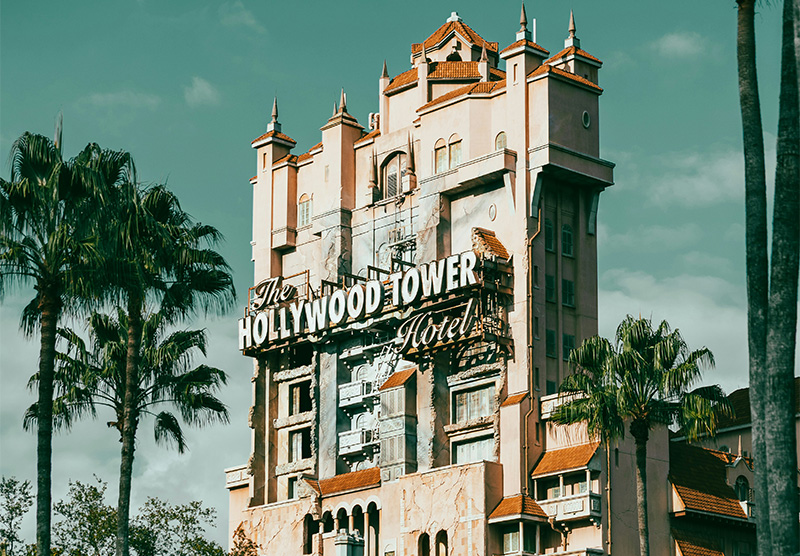
A tall, weathered, Art Deco-style hotel with a "Hollywood Tower Hotel" sign and scorched markings on the facade, framed by palm trees and a bright sky.

The Hollywood Tower Hotel serves as the eerie focal point of Sunset Boulevard, housing the Twilight Zone Tower of Terror, a staple attraction that combines elaborate pre-show storytelling with a high-intensity drop sequence.


Where to Stay for Orlando Theme Parks

Where you stay in Orlando can change the entire trip. A cheap hotel that adds transportation stress, parking fees, or long rideshare waits may not actually save you money. Match your hotel to the parks you are prioritizing.

Where to Stay Best For Tradeoff
Disney On-Property Hotels Disney-focused trips, families, early entry, Disney transportation, immersive vacation feel Can be expensive, and you still need to understand buses, monorails, boats, and timing
Universal On-Site Hotels Universal-focused trips, early park entry, easier access to Universal parks and CityWalk Premier hotels cost more, but included Express benefits may change the math
Premier Universal Hotels Visitors who want included Unlimited Express for eligible Universal parks Do not assume the benefit covers every park, including Epic Universe
Off-Property Hotels Budget-focused travelers, adults with rental cars, travelers mixing parks and other Orlando activities Parking fees, rideshares, and lost time can add up quickly
Vacation Rentals or Villas Large families, multi-generation groups, longer stays, kitchens, laundry, and more space You need a transportation plan, and parking at the parks can be expensive
Near Orlando International Airport Late arrivals, early departures, one-night transition stays, Brightline arrivals Convenient for travel days, but not ideal for repeated park days

Local Guide Tip: Do the real math before booking off-property. Add parking, rideshares, rental car costs, time, and the value of early entry or Express perks. The cheapest nightly rate is not always the cheapest Orlando trip.

For lodging tradeoffs, compare this with the Hotels vs. Airbnb vs. Long Stays Guide. For the bigger cost picture, use the Travel Budget Guide.

A sleek, modern Brightline high-speed train with a bright yellow and white exterior, traveling along the Florida rail corridor under a clear sky.

The Brightline train connects South Florida to Orlando International Airport, providing a streamlined alternative to the drive for those combining a Miami or Fort Lauderdale stay with the theme parks.


Logistics: Brightline, Airports, and Transportation

Transportation in Orlando has changed for the better, especially if you are coming from South Florida. The drive is no longer your only option, but you still need to plan how you will get from the airport or train station to the parks.

The Miami to Orlando Rail Connection

The Brightline train connects South Florida to Orlando International Airport (MCO). The ride between Miami and Orlando is about 3.5 hours, and it can be a smart add-on if you are combining Orlando with Miami, Fort Lauderdale, West Palm Beach, or a broader Florida trip.

From Orlando International Airport, plan a rideshare, shuttle, rental car, or hotel transfer to your theme park resort. The train gets you to Orlando, but it does not drop you at Magic Kingdom or Universal.

Flying Into Orlando

Orlando International Airport is the main airport for Disney, Universal, and most theme park vacations. If your arrival is late, consider staying near the airport for one night instead of paying premium resort pricing for a room you will barely use.

Rental Car vs. Rideshare

A rental car can make sense if you are staying off-property, visiting multiple parts of Central Florida, or combining Orlando with a beach or road trip. For a Disney-only or Universal-only trip, hotel transportation and rideshare may be easier.

Essential Booking Resources

  • Crowd Calendars: Sites like TouringPlans or Undercover Tourist are useful to check before locking in flight dates.
  • Brightline Direct Booking: Book directly on the Brightline website if you are traveling between South Florida and Orlando.
  • Third-Party Stroller Rentals: Vendors like Kingdom Strollers or ScooterBug offer padded strollers that recline for naps and can go back to the hotel with you.
Pro Tip: Florida rain is not a maybe, it is a when. Pack high-quality ponchos in your day bag. When the sky opens up, a lot of the crowd will leave the park. This can be your chance to jump into shorter lines for indoor attractions.

For broader transportation planning, read the Getting Around Abroad guide.

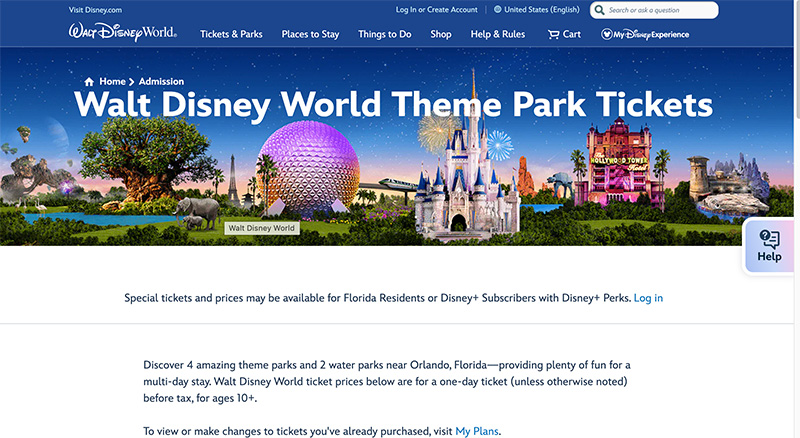
A screenshot of the official Walt Disney World website showing colorful theme park ticket options and resort information under a bright blue header.

The official Disney World website is the primary hub for managing your vacation logistics, including purchasing tickets, linking hotel reservations, and checking the latest park hours and availability.


Official Orlando Theme Park Resources

Before buying tickets, check the official sites for park hours, attraction closures, ticket rules, app changes, dining windows, early entry rules, Express Pass rules, and transportation updates.

Local Guide Tip: For Orlando, always trust the official app or official website over an old blog post, especially for park hours, virtual queues, Lightning Lane, Express Pass, and Epic Universe rules.

The Biggest Rookie Mistake

The most common error families make is ignoring the physical reality of an Orlando theme park trip. You are not going for a casual stroll. You are spending long days on concrete, often in heat, humidity, crowds, and afternoon rain. Many guests can easily walk ten or more miles in a park day, especially if they are park hopping or crossing the same areas repeatedly.

Do not buy new shoes for this trip. Bring your most broken-in, comfortable walking or running shoes. If you can, rotate between two different pairs on alternating days to change the pressure points on your feet and reduce the chance of blisters. If your feet give out on day two, the vacation gets a lot harder.

Pro Tip: Pack moleskin, travel-sized anti-chafing balm or powder, and high-quality bandages in your day bag. Do not wait until you have a full blister to treat a hot spot on your heel. Fix it the second you feel friction.

For a packing checklist that fits park days, long walks, rain, heat, chargers, and day bags, use the Packing Guide. For tech and charging gear, read the Best Travel Chargers Guide.

Explore Florida through Miami neighborhoods, theme park strategy, food guides, art districts, island road trips, and coastal planning.

START HERE

Florida Travel Guide

Use this main Florida guide to compare regions, shape your route, and decide how each stop fits into your trip.

Read More

MIAMI BASE

Miami Travel Guide

Plan your Miami stay around the right neighborhoods, beach time, food stops, day trips, and city energy.

Read More

MIAMI FOOD

Miami Dining Guide

Use this citywide food guide to plan where to eat across Miami, from neighborhood staples to trip-worthy meals.

Read More

ROAD TRIP

Florida Keys Guide

Plan the drive from South Florida into the Keys with island pacing, Key Largo stops, Key West tips, and road trip logistics.

Read More

ART DISTRICT

Wynwood & Art Basel Guide

Explore Miami’s mural-filled creative district with galleries, nightlife, Art Basel energy, and practical neighborhood tips.

Read More

BRICKELL EATS

Brickell Dining Guide

Find restaurants, bars, coffee stops, and neighborhood dining tips that make Brickell a strong Miami base.

Read More

Frequently Asked Questions

How many days do you need for Orlando theme parks?

For most families, four or five days is better than trying to cram everything into a weekend. A smart plan is two park days, one rest day, then one or two more park days. If you only have two days, choose either Disney or Universal instead of trying to do both.

Magic Kingdom is the classic first-time Disney park, especially for younger kids and families who want the castle, fireworks, parades, and nostalgic Disney feel. For teens and adults who care more about thrill rides, Universal Studios Florida and Islands of Adventure may be a better fit.

Usually, yes. Universal is more compact, and the two main parks are easier to move between. Disney can require more advance planning because of dining reservations, Lightning Lane strategy, park transportation, and the size of the resort.

It can be worth it during peak travel dates, especially if your group wants to ride a lot in one day. If you are considering a Universal Premier hotel, compare the room cost against the cost of buying Express Pass separately. Always check current rules because benefits can vary by park and ticket type.

It depends on your group and your stamina. With toddlers or younger kids, Park Hopper can be more hassle than it is worth because moving between parks takes time, energy, and transportation planning. For adults, repeat visitors, or groups with teenagers trying to hit major rides across multiple parks, it can be useful. Do the math based on your actual schedule, not the idea that more access always means a better day.

Stay on-property if convenience, early entry, transportation, and park access matter most. Stay off-property if you need more space or a lower nightly rate, but add the cost of parking, rideshares, rental cars, and lost time before deciding.

Usually, no, especially if you stay on-property and focus on one resort. Disney and Universal both have transportation systems that can reduce the need for a rental car. If you stay off-property, compare the cost of rideshares against a rental car, hotel parking, and theme park parking before deciding.

Yes, but the rules are different by resort. Disney generally allows outside food and nonalcoholic drinks for self-consumption, with restrictions. Universal is more limited, but generally allows bottled water, small snacks, and food needed for medical or dietary reasons. Always check the current official rules before packing a cooler.

You can take Brightline from South Florida to Orlando International Airport, then transfer by rideshare, shuttle, rental car, or hotel transportation to the theme park areas. It can be a smart option if you are combining Orlando with Miami or another South Florida stop.

Brickell Dining Guide 2026

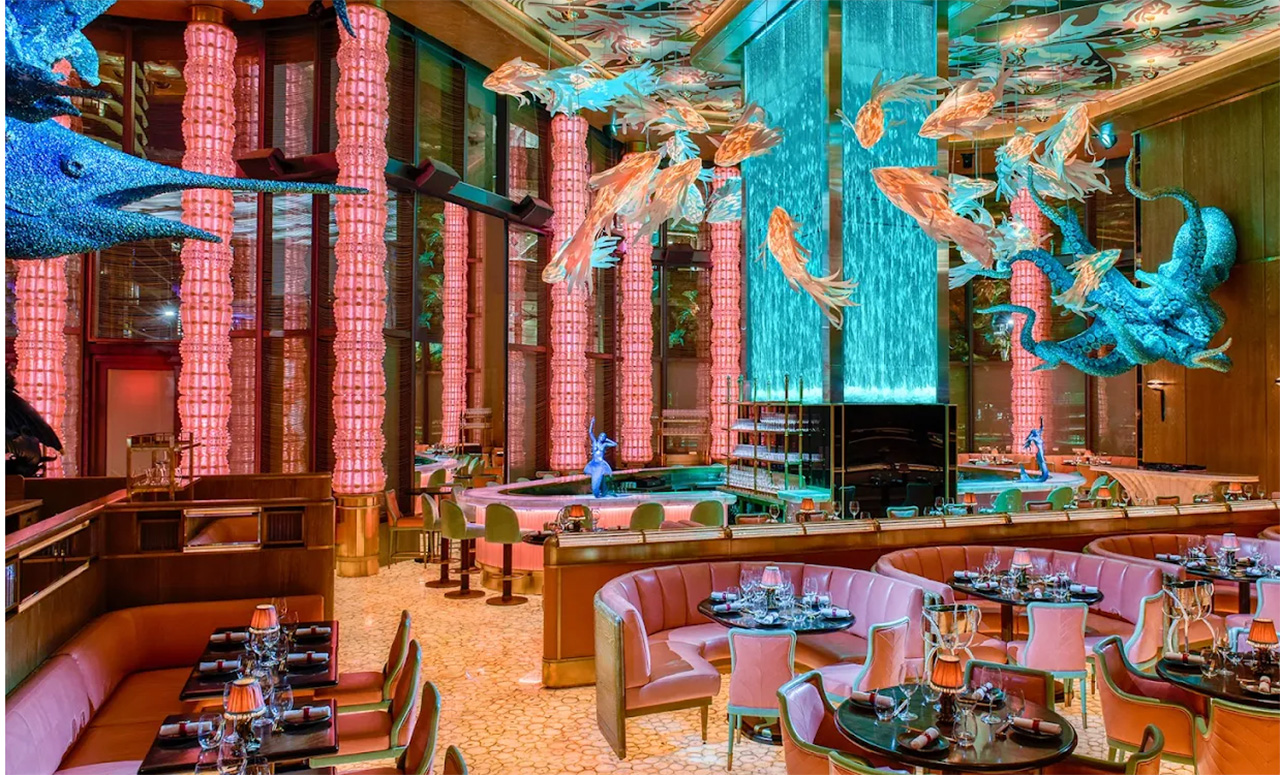
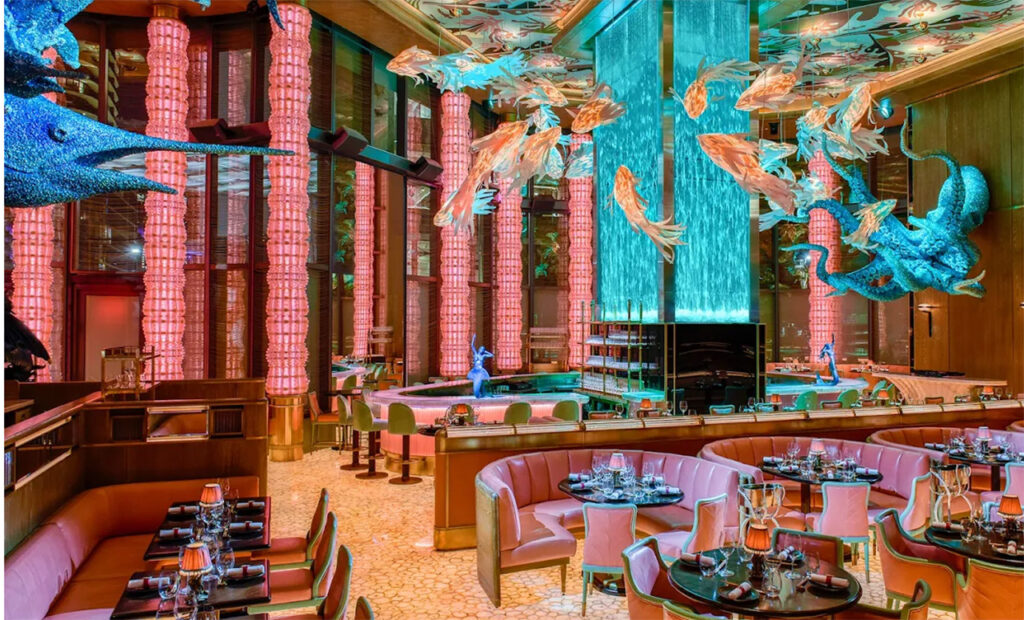
The high-design interior of Sexy Fish Miami in Brickell, known for its over-the-top decor and underwater theme.

Home » Destinations » Page 6

Last updated: March 2026 by Corey Gasman

From the Editor:

Brickell is the “Manhattan of the South,” but with better weather and significantly better views. If you are basing yourself here in a high-rise condo with harbor views, you are sitting in the middle of Florida’s most dense concentration of world-class dining.

This is the place to have your “big” dinners before you head south to the more casual seafood shacks of the Keys. In Brickell, the dress code is elevated, the service is sharp, and the flavors are global.

Why Dine in Brickell?

While South Beach gets the tourist headlines, Brickell is where the locals and business travelers actually eat. It is walkable, safe, and offers a level of sophistication that feels distinct from the neon grit of the beach. Whether you want a high-end steakhouse or a hidden Peruvian gem, you can find it within a ten-block radius.

If this is your first time planning Miami, pair this Brickell dining guide with the full Miami Travel Guide and the broader Miami Dining Guide so you can plan meals around neighborhoods instead of crossing the city for every reservation.

A quick tip on timing:

Brickell is a working business district. Happy hour (5:00 PM to 7:00 PM) is electric here as the offices empty out. If you want a quieter experience, aim for a late dinner reservation after 8:30 PM once the “after-work” crowd has moved on to the cocktail lounges.

Dining Categories

TLGA Brickell Rule: Valet parking is expensive and slow. If you are staying in the neighborhood, walk or use the free Metromover. If you are driving in, use the Brickell City Centre garage.

Planning Miami?

Start with the Miami Travel Guide before locking in hotel and dinner plans.

Need the bigger plan?

Use the Travel Planning Playbook to map flights, hotels, food, and neighborhood logistics.

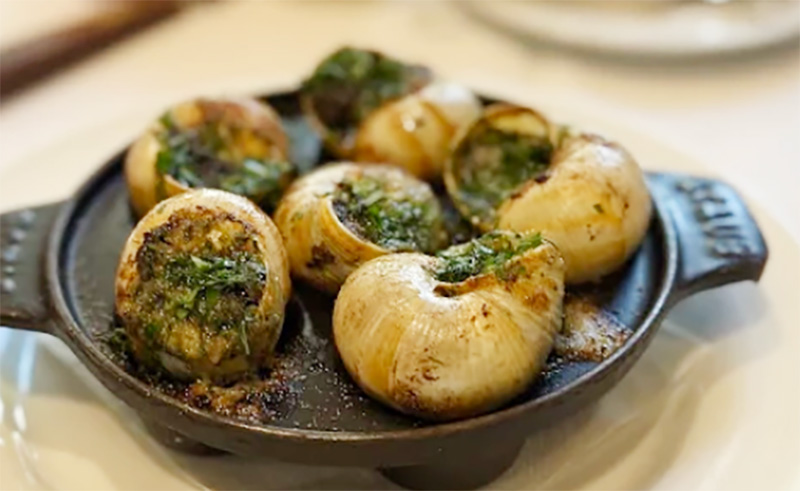
A close-up of a classic French escargot dish at LPM Restaurant & Bar in Miami, featuring snails baked in their shells with a vibrant green garlic and herb butter, served in a traditional dark ceramic escargot dish

A classic French preparation of escargots at LPM Restaurant & Bar, baked with a vibrant garlic and herb butter.


Where to Eat: The Brickell Hit List

I have narrowed this down to the places that consistently deliver on both food and atmosphere.

The Big Night Out

Restaurant Specialty
LPM Restaurant French-Mediterranean. The sea bass and lamb chops are world-class.
Quinto South American open-fire grill. Amazing steaks and terrace vibes.
Sexy Fish High-design, over-the-top sushi and seafood. Great for a group trip.

Casual & Local

Restaurant Specialty
CVI.CHE 105 The most famous ceviche in Miami. Vibrant, loud, and consistently great.
Motek Mediterranean/Israeli. Award-winning Araya Burger and fresh hummus.
Pubbelly Sushi Creative, fun sushi rolls in a casual indoor/outdoor setting.
Local Guide Tip: If you only have one dinner in Brickell, make it intentional. For a full citywide view of where Brickell fits into the food scene, read the Miami Dining Guide.

Hidden Gems & Smart Add-Ons Near Brickell

Brickell is polished, but the best dining nights often come from pairing a big restaurant with an easy nearby add-on. Use these moves when you want the night to feel more personal and less like you just picked the loudest place on a reservation app.

Before Dinner

  • Brickell City Centre: Good for a pre-dinner walk, shopping, air conditioning, and easy parking if you are driving in.
  • Miami River walk: A strong choice before Zuma, Seaspice, or any riverfront dinner.
  • Metromover loop: Useful if you are staying in Downtown or Brickell and want to avoid short rideshare hops.

After Dinner

  • Sugar: Best when you want a skyline nightcap with a more polished rooftop feel.
  • Rosa Sky: Better for a brighter, trendier, photo-friendly cocktail stop.
  • South Beach or Wynwood: Only add these after dinner if you are intentionally making it a late night. Otherwise, stay in Brickell and keep the night easy.
Pro Tip: Brickell works best when you treat it as a walkable dinner zone. Pick one main restaurant, one nearby drink stop, and one easy transportation plan. That is usually better than turning dinner into a cross-city mission.
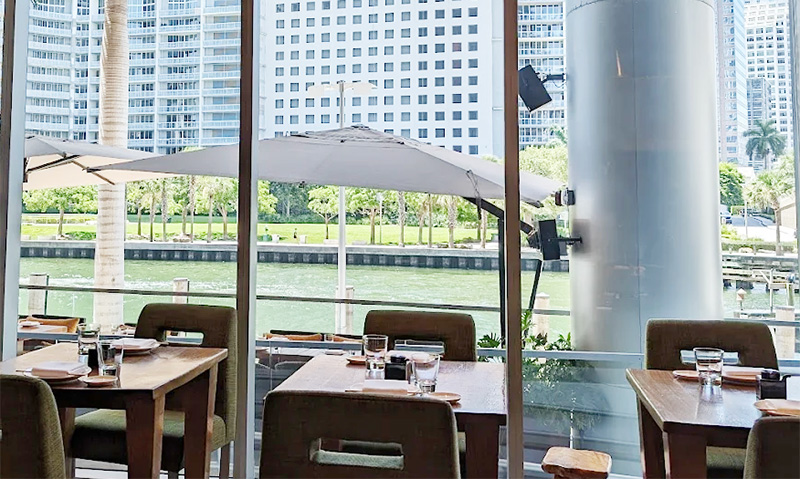
Interior of Zuma Miami featuring modern wooden tables, floor-to-ceiling windows with views of the Miami skyline and river, and a sophisticated, neutral-toned dining room

Dining by the Miami River provides a front-row seat to the city’s yacht culture. The views here are every bit as impressive as the kitchen’s output. At Zuma Miami, the sophisticated dining room features floor-to-ceiling windows that offer expansive views of the water and the downtown skyline.


Waterfront & River Dining

One of the best parts of staying in Brickell is the access to the Miami River. It feels like a different city when you are dining at the water’s edge as yachts pass by.

Zuma Miami

Located in the Epic Hotel, Zuma is the gold standard for high-end Japanese dining. It is expensive, but the Sunday Brunch is a legendary Miami experience that every visitor should try once.

Seaspice Brasserie

If you have a group of guys or a celebratory vibe, Seaspice is the place. It sits directly on the river and is famous for its lively afternoon “boozy lunch” atmosphere and fresh seafood towers.

Local Guide Tip: Riverfront dining is where Miami can get expensive fast. Check minimums, service charges, valet costs, and reservation policies before you commit, especially for weekend brunch or group meals.
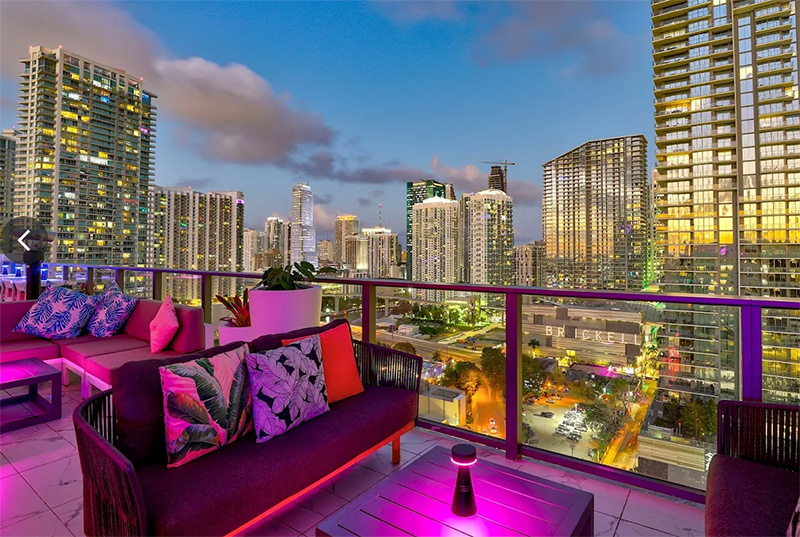
ibrant rooftop scene at Rosa Sky bar in Brickell, featuring glowing pink neon lighting, modern lounge seating, and a panoramic view of the Miami skyline at night.

The pink-hued glow of Rosa Sky offers a trendy atmosphere for cocktails with a clear view of the Brickell skyline.


The Best Rooftops for Views

Since you are staying in the district, you have to experience the skyline from above. These are the best spots to grab a drink before or after your meal.

  • Sugar (East Hotel): Located on the 40th floor, this is a lush, garden-themed rooftop bar with 360-degree views of the harbor and city.
  • Rosa Sky: A trendy rooftop lounge with incredible pink-lit ambiance and a great view of the Brickell skyline.
Local Guide Tip: Rooftop bars in Brickell often have a strict dress code (no shorts or flip-flops) and may have a cover charge or require a reservation on weekends. Dress the part.

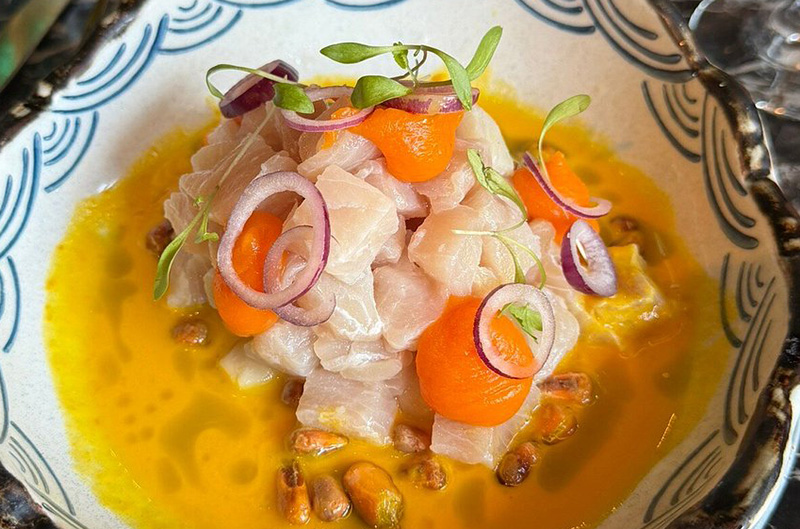
The signature Peruvian ceviche at CVI.CHE 105, a Miami staple known for its fresh ingredients and vibrant leche de tigre.


Dining Logistics & Strategy

Eating well in Brickell requires a bit of tactical planning.

Reservations

Most restaurants in Brickell use the Resy app. On Friday and Saturday nights, a reservation is not just recommended; it is mandatory. If you find yourself without one, try eating at the bar. Many high-end spots like LPM or Zuma keep bar seats open for walk-ins.

The “Miami” Service Charge

It bears repeating: almost every restaurant in Brickell adds a 20 percent “service charge” or “gratuity” automatically. Check your receipt before adding an additional tip.

Getting Around

If you are staying in Brickell or Downtown, the Metromover is the easiest free transit win. It connects the Brickell and Downtown core, which makes it useful for dinner, drinks, and short hops when you do not want to deal with parking.

Parking

If you are driving into Brickell, do not assume valet is the easiest option. It can be expensive, slow, and backed up after dinner. Brickell City Centre is often the simplest parking anchor if your restaurant is nearby, but always check current rates and closing times before you go.

For broader Miami transportation planning, use the full Miami Travel Guide. For general travel logistics, read the Getting Around Abroad guide.

Explore Florida through Miami neighborhoods, theme park strategy, food guides, art districts, island road trips, and coastal planning.

START HERE

Florida Travel Guide

Use this main Florida guide to compare regions, shape your route, and decide how each stop fits into your trip.

Read More

MIAMI BASE

Miami Travel Guide

Plan your Miami stay around the right neighborhoods, beach time, food stops, day trips, and city energy.

Read More

MIAMI FOOD

Miami Dining Guide

Use this citywide food guide to plan where to eat across Miami, from neighborhood staples to trip-worthy meals.

Read More

ROAD TRIP

Florida Keys Guide

Plan the drive from South Florida into the Keys with island pacing, Key Largo stops, Key West tips, and road trip logistics.

Read More

PARK STRATEGY

Orlando Theme Parks

Compare Disney, Universal, Epic Universe, and other Orlando parks before you commit your time, budget, and energy.

Read More

ART DISTRICT

Wynwood & Art Basel Guide

Explore Miami’s mural-filled creative district with galleries, nightlife, Art Basel energy, and practical neighborhood tips.

Read More

Frequently Asked Questions

Is Brickell a good area for dining in Miami?

Yes. Brickell is one of the best dining neighborhoods in Miami, especially if you want polished restaurants, rooftop bars, waterfront dining, steakhouses, Peruvian food, sushi, and business-district energy. It is a stronger dining base than South Beach if you want fewer tourist traps and more walkable dinner options.

For Friday and Saturday nights, yes. Most of the better Brickell restaurants book up quickly, especially places like LPM, Zuma, Sexy Fish, Quinto, and popular rooftop bars. If you do not have a reservation, try eating at the bar or going later in the evening after the after-work rush clears out.

Brickell is one of the best areas to stay in Miami for restaurants because you can walk to dinner, drinks, coffee, rooftops, and waterfront spots without needing a car. It is especially good for couples, business travelers, remote workers, and visitors who want Miami to feel more like a city trip than a beach-only vacation.

It depends on the trip. South Beach is better for classic Miami Beach energy, Art Deco walks, and iconic old-school spots like Joe’s Stone Crab. Brickell is better for polished dinners, business lunches, rooftop cocktails, Peruvian food, waterfront dining, and a more local city feel.

If you are staying in Brickell, walking is usually the best move. Valet parking can be expensive and slow, and traffic around dinner time can be frustrating. If you are coming from outside the neighborhood, use rideshare, the Metromover, or park once at Brickell City Centre and walk from there.

Many Miami restaurants, especially in areas like Brickell, Miami Beach, and Downtown, may add an automatic service charge or gratuity. Always check the bill before tipping extra so you do not accidentally double-tip unless you intentionally want to.

Florida Keys Road Trip

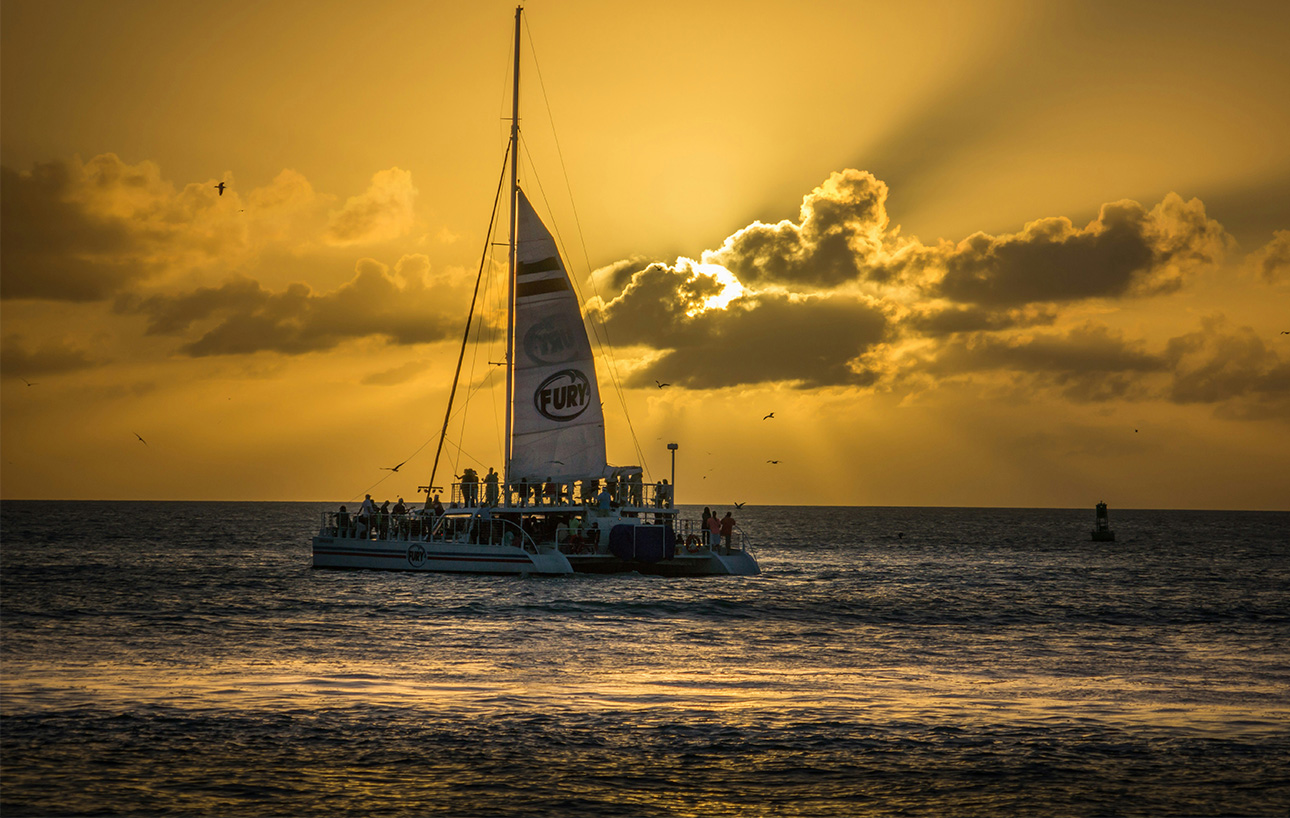
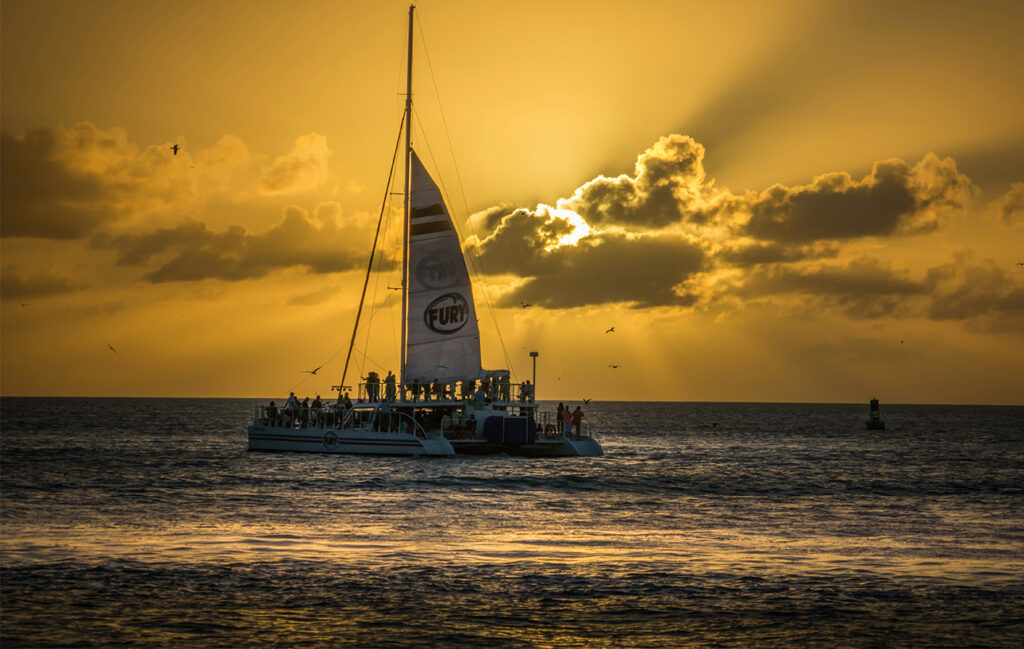
A peaceful sunset view from the water in Key West, featuring a silhouette of a sailing catamaran against a vibrant orange and yellow sky with soft clouds reflecting on the calm ocean.
Home » Destinations » Page 6

Last updated: March 2026 by Corey Gasman

From the Editor:

The first time I went down to the Florida Keys was a classic South Florida road trip with friends. We stopped for food along the way, detoured into the Everglades for an alligator tour, and then kept driving until the road started feeling more like a bridge between islands than a highway.

One detail I still remember from that Everglades stop was the guide tossing marshmallows to the alligators, explaining that they could see the bright white color in the water. I’m not saying that is something every tour does today, or even something I’d necessarily expect, but it was one of those strange, unforgettable Florida moments that sticks with you.

Once we reached Key West, we stayed near Duval Street, close enough to walk to bars, restaurants, sunset spots, and the waterfront. Cruise ships were parked right outside, snorkel boats were heading out to the reef, and the whole place had that laid-back, slightly rowdy island energy that makes Key West feel different from the rest of Florida.

One of the best parts of the trip was a snorkel charter that took us out to a local reef during the day, then turned into more of a sunset boat ride on the way back once everyone was done swimming. That combination of warm winter weather, open water, casual seafood spots, and Duval Street nightlife is what makes the Florida Keys one of the best cold-weather escapes in the U.S.

The trick to the Keys is understanding that Key West is just one piece of the puzzle. The real magic happens when you know exactly which mile markers hold the best roadside seafood shacks and hidden state parks.

Start Here: The Mile Marker System

Addresses in the Keys can be confusing if you are not prepared. Locals navigate using Mile Markers (MM). The system starts at MM 127 in Florida City just south of Miami and counts all the way down to MM 0 in Key West.

When someone recommends a spot, they will usually say “It is Oceanside at MM 82” or “Bayside at MM 50.” Oceanside means the Atlantic side of the highway. Bayside means the Gulf of Mexico side.

A quick driving lesson from the road:

The Overseas Highway (US-1) is mostly a two-lane road. If there is an accident or construction, traffic simply stops.

The takeaway: Never plan a tight schedule on driving days. If you have a flight out of Miami, drive back to the mainland the night before. Do not risk the morning commute from the islands.

Before you book anything

Start here: Miami Travel Guide (Pair your trip with our city guide)

The TLGA Rule: The Florida Keys are coral islands, not sandy islands. If you are looking for miles of sweeping white sand beaches, stay on the mainland. You come to the Keys to be on the water or in the water.

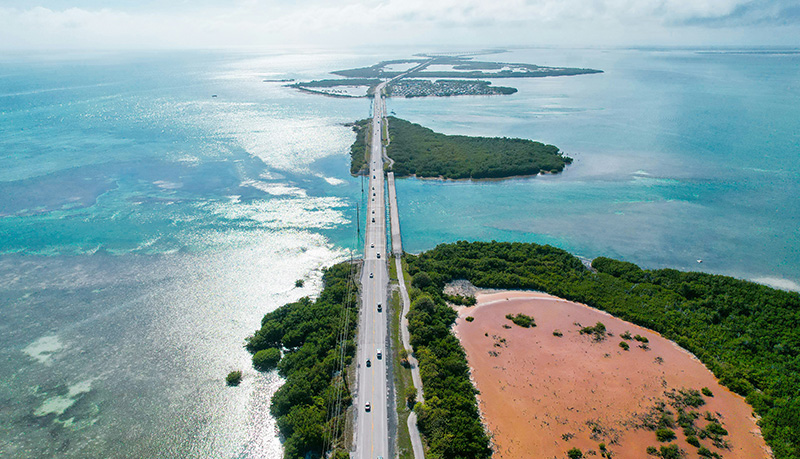
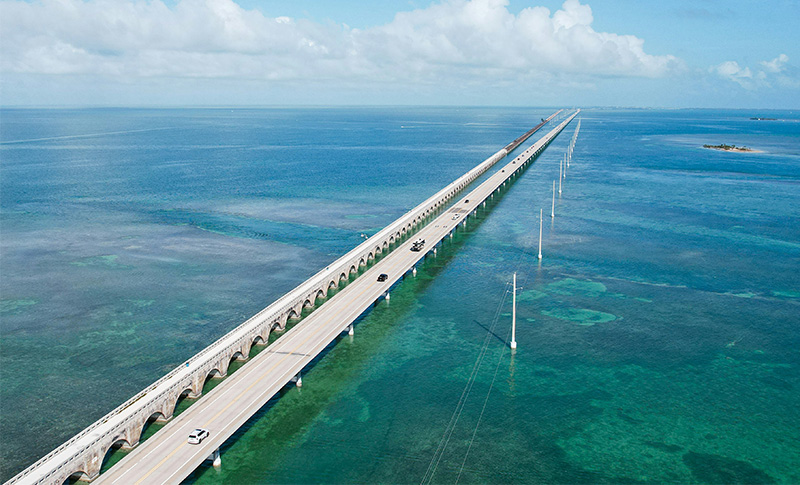
An aerial perspective of the Seven Mile Bridge in the Florida Keys, showing the long, modern highway stretching across a vast expanse of light blue and turquoise tropical water under a soft, hazy sky.

Clear skies and calm water make winter the peak season for a Florida Keys road trip. Crossing the Seven Mile Bridge is a highlight of the drive, offering an incredible panoramic view of the Atlantic Ocean and the Gulf of Mexico meeting on the horizon.


When to Go: Timing the Drive

Weather is everything on an island chain. Winter brings the crowds, but it also brings the absolute best conditions for diving, fishing, and outdoor drinking.

Peak season (Highest prices, best weather)

December to April offers zero humidity and clear water. This is the busiest time on the highway. Book hotels and fishing charters months in advance.

Shoulder season (The sweet spot)

May to early June. The winter snowbirds have gone home, the water is warm, and you can actually find a parking spot in Key West.

Low season (Hurricane watch)

August through October is peak hurricane season. It is very hot and incredibly humid. Travel during this time requires flexible plans and travel insurance.

The Upper Keys: Key Largo & Islamorada

This is where the mainland fades away. The Upper Keys are all about getting out onto the reef.

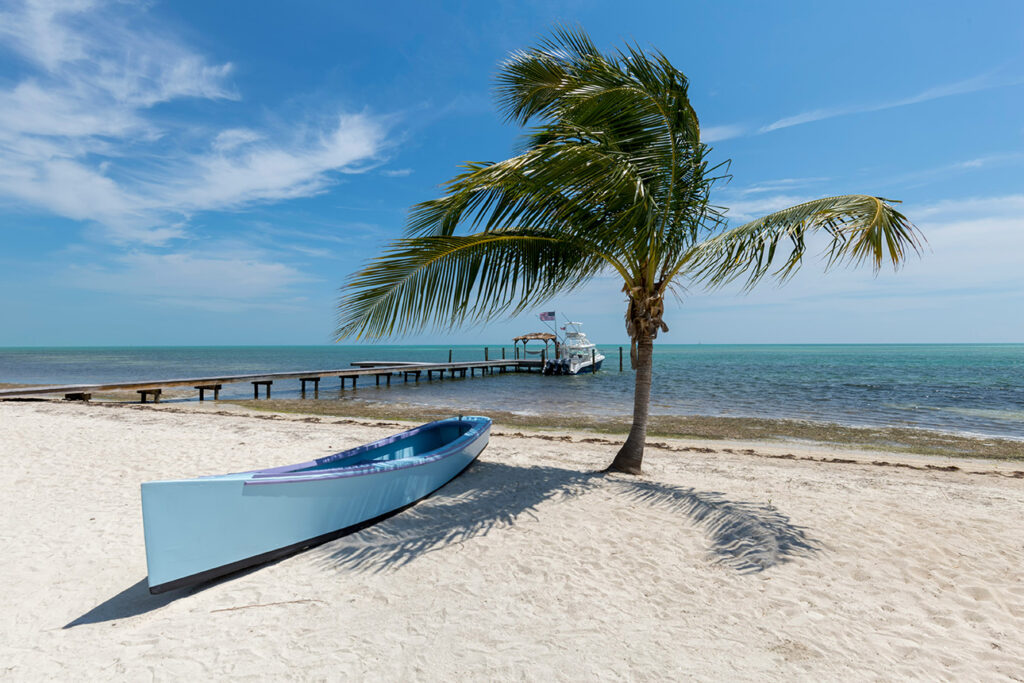
A tropical beach scene in Islamorada featuring a single leaning palm tree on a patch of white sand, with a small white boat resting near the calm, light blue water under a clear sky.

The quiet, sun-drenched shores of Islamorada, where the pace slows down and the landscape is defined by swaying palms and shallow turquoise flats.


Key Largo (MM 108 – 90)

Often called the Diving Capital of the World.

  • Must Do: John Pennekamp Coral Reef State Park. Rent a kayak or take a glass-bottom boat tour.
  • Vibe: Active, rugged, and focused entirely on scuba and snorkeling.

Islamorada (MM 90 – 72)

The Sportfishing Capital of the World and a great place to stop for lunch on your drive down.

  • Must Do: Feed the massive tarpon at Robbie’s Marina (MM 77). It is a classic tourist stop that is actually worth it.
  • Grab a beer: Florida Keys Brewing Co. has a fantastic outdoor beer garden.
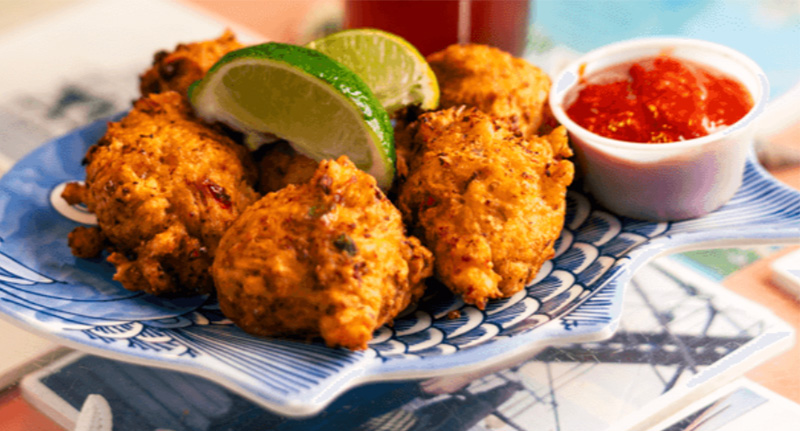
A golden-brown basket of crispy conch fritters served with a side of dipping sauce and fresh lime wedges on a tropical-themed plate

Freshly fried conch fritters (from Mrs. Mac’s Kitchenare) are a staple of any Florida Keys road trip and are best served with a classic remoulade and a squeeze of lime.


Best Local Eats by Mile Marker

Driving the Overseas Highway without stopping for seafood is a rookie mistake. Here are the spots actually worth pulling over for.

Key Largo (MM 100–90)

  • Mrs. Mac’s Kitchen (MM 99) – Classic Keys seafood shack. Conch chowder + Key Lime Pie.
  • Sharkey’s Pub & Galley (MM 102) – Great sunset views bayside. Casual, solid fish sandwiches.

Islamorada (MM 90–72)

  • Lazy Days (MM 80) – Order “Lazy Style” fish with tomatoes, capers, and cream sauce.
  • Marker 88 (MM 88) – Outdoor tables near the water. Excellent mahi and sunset drinks.

Marathon (MM 63–47)

  • Keys Fisheries (MM 48) – The Lobster Reuben is the move.
  • Castaway Waterfront (MM 54) – Sushi + fresh catch. Underrated stop.

Key West (MM 0)

  • Blue Heaven – Iconic brunch and Key Lime Pie.
  • Garbo’s Grill – Food truck tacos near Duval Street.
  • El Siboney – Cuban comfort food that locals actually eat.
Local Guide Tip: The best restaurants are often bayside. If you want sunset views, prioritize “Bay” or “Gulf” side patios.
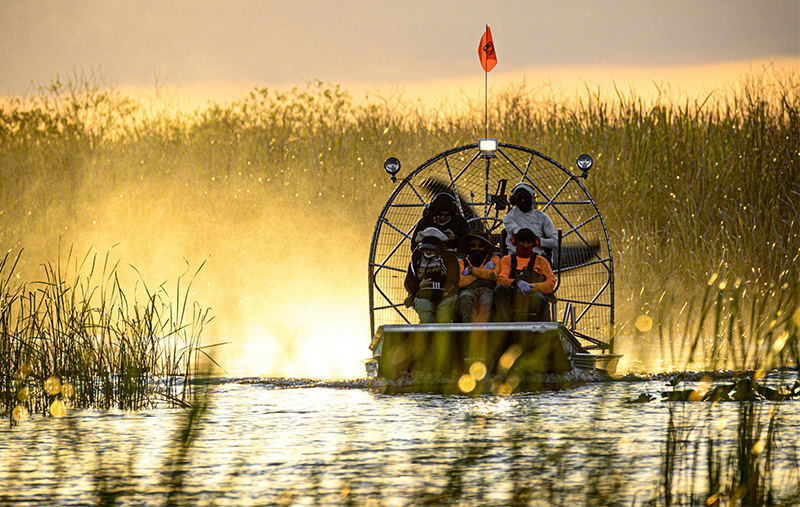
A bright blue airboat with a large rear fan gliding through the shallow, grassy wetlands of the Florida Everglades under a wide-open sky.

An airboat tour through the Everglades is the best way to experience Florida’s vast river of grass and spot alligators in their natural habitat.


Water Adventures Worth Booking

The Keys are about getting off the road and onto the water. We did three experiences that are genuinely worth planning around.

Snorkeling the Reef

We booked a half-day snorkeling trip and it was the highlight. In peak season the water can be surprisingly clear, and the reefs in the Upper Keys are beginner-friendly if you are comfortable in the ocean.

  • Best departure points: Key Largo and Islamorada
  • Morning trips usually have calmer water
  • Bring reef-safe sunscreen and a towel

Sunset Booze Cruise (Key West)

This is a classic for a reason. Open bar, music, and a slow cruise as the sun drops into the Gulf. It is the easiest “yes” activity in Key West.

  • Book 2–3 days ahead in winter
  • Arrive early for the best top-deck spots

Everglades Airboat Gator Tour

If you are starting in Miami, add an Everglades airboat tour before you head down. It is loud, fast, and very Florida. Think of it as your “mainland wild card” before island mode.

  • Best done on your way south (before the Keys)
  • Takes about 1–2 hours
  • Expect real wild gators, not a zoo exhibit
Pro Tip: Book water activities early in the trip. If weather cancels them, you will have buffer days to reschedule.
An aerial view of the Seven Mile Bridge in the Florida Keys, showing the long, modern highway stretching across a vast expanse of light blue and turquoise tropical water under a soft, hazy sky.

Driving the Seven Mile Bridge is a bucket-list experience. Keep your eyes on the road, but let your passengers enjoy the endless blue.


The Middle Keys: Marathon & The Big Bridge

Marathon (MM 63 – 47) is a working town. It has grocery stores, chain hotels, and hospitals. It is the practical heart of the Keys, but the real star here is the bridge.

The Seven Mile Bridge (MM 47)

This is the iconic stretch of highway connecting the Middle Keys to the Lower Keys. It is exactly as breathtaking as it looks in car commercials.

  • Pro Tip: There are no pull-offs on the bridge itself. If you want photos, stop at the parking lot right before the bridge entrance in Marathon.

Hidden Stops Along the Overseas Highway

  • Rain Barrel Village (MM 86) – Giant lobster statue photo stop.
  • Anne’s Beach (MM 73) – Quiet boardwalk beach that feels like a secret.
  • Old Bahia Honda Bridge Overlook – Short walk for panoramic “this is the Keys” views.

Bahia Honda State Park (MM 37)

Located just past the bridge. If you want a traditional sandy beach experience in the Keys, this is where you stop. It frequently ranks as one of the best beaches in Florida.

3–4 Night Florida Keys Game Plan

If you want a road trip that feels relaxed (not rushed), this pacing is the move. You get the highlights without turning the trip into a single long drive.

Day Plan
Day 1 Drive from Miami, stop in Islamorada for lunch, sunset dinner and sleep in Marathon.
Day 2 Seven Mile Bridge photos, Bahia Honda beach stop, arrive Key West and walk Duval at night.
Day 3 Bike or scooter day, Hemingway House, pool break, sunset booze cruise.
Day 4 Brunch, Southernmost Point early, drive north with a seafood stop on the way back.
Local Guide Tip: If you have a flight out of Miami, do not gamble on same-day driving from Key West. Stay on the mainland the night before.

The Lower Keys: Key West

Key West (MM 0) is a different world. It is eccentric, historic, and incredibly walkable. Once you park your car here, leave it parked.

What to do in Key West

Activity Why it is worth it
Mallory Square The nightly sunset celebration with street performers. Get there early.
Ernest Hemingway House History, literature, and dozens of six-toed cats.
Duval Street The famous bar-hopping lane. Sloppy Joe’s is the required tourist stop.
Southernmost Point The classic photo op buoy. Go before 8:00 AM to beat the massive line.

Key West Logistics

Renting a bicycle or scooter is the best way to get around Old Town. The streets are narrow and parking is heavily enforced.

Pro Tip: Key West is famous for its wild chickens roaming the streets. Let them be, as they are protected by local law.
A close-up of a generous slice of Key Lime Pie, featuring a thick graham cracker crust, a smooth pale yellow citrus filling, and a high peak of toasted meringue, served on a white plate.

You cannot visit the Keys without arguing over who makes the best Key Lime Pie. The answer changes depending on which mile marker you are standing on.


The Seafood Hit List

The food in the Keys is casual. Flip-flops are acceptable at 90 percent of the restaurants.

  • Mahi-Mahi (Dolphin Fish): The staple fish of the islands. Try it blackened on a sandwich.
  • Conch Fritters: Fried balls of dough and chopped sea snail. Dip them in remoulade.
  • Pink Shrimp: Often caught right in the waters of Key West. Sweet and tender.
  • Key Lime Pie: The debate is endless. True Key Lime Pie is yellow, not green, and usually has a graham cracker crust.
Local Guide Tip: Many fishing charters offer “Cook Your Catch.” You bring your filleted fish to a designated restaurant, and they will grill or fry it up for you with sides.

Budget & Planning Notes

  • Hotels: Winter weekends in Key West are premium-priced. Book early or stay in Marathon and day trip into Key West.
  • Parking: Key West parking is strict and expensive. Once you park, go bike/scooter.
  • Groceries: Marathon is the best “stock up” stop (big stores, better prices).
  • Reservations: Book dinner spots and sunset cruises ahead in December–April.
Read More Florida Guides

Explore Florida through Miami neighborhoods, theme park strategy, food guides, art districts, island road trips, and coastal planning.

[/ux_text] [/col]

START HERE

Florida Travel Guide

Use this main Florida guide to compare regions, shape your route, and decide how each stop fits into your trip.

Read More

MIAMI BASE

Miami Travel Guide

Plan your Miami stay around the right neighborhoods, beach time, food stops, day trips, and city energy.

Read More

MIAMI FOOD

Miami Dining Guide

Use this citywide food guide to plan where to eat across Miami, from neighborhood staples to trip-worthy meals.

Read More

ART DISTRICT

Wynwood & Art Basel Guide

Explore Miami’s mural-filled creative district with galleries, nightlife, Art Basel energy, and practical neighborhood tips.

Read More

PARK STRATEGY

Orlando Theme Parks

Compare Disney, Universal, Epic Universe, and other Orlando parks before you commit your time, budget, and energy.

Read More

BRICKELL EATS

Brickell Dining Guide

Find restaurants, bars, coffee stops, and neighborhood dining tips that make Brickell a strong Miami base.

Read More

Frequently Asked Questions

Can I do Key West as a day trip from Miami?

Technically yes, but it is not recommended. It is a four-hour drive each way. That is eight hours in the car for a hurried lunch on Duval Street. Spend at least one night, ideally two or three.

No. The Florida Keys are part of the United States. If you are an American citizen or legally entered the US, you do not need a passport to drive down.

Yes. The Florida Turnpike extension (the fastest way out of Miami heading south) is entirely electronic. Rental car companies will charge you through their toll-by-plate programs, usually with an added daily convenience fee.

Florida Travel Guide

Home » Destinations » Page 6

Last updated: March 2026 by Corey Gasman

From the Editor:

Florida has been a repeat trip for me, but never the same trip twice. I’ve stayed in Brickell with my wife, taken the classic Miami-to-Florida-Keys road trip with friends, stayed in Key Largo, flown into Fort Lauderdale for a Vikings game at Hard Rock Stadium, spent time around Hollywood Beach, worked a PGA convention weekend in Orlando, and made it over to Tampa too.

That is why I think the biggest mistake travelers make with Florida is treating it like one cohesive destination. A weekend in a Brickell high-rise has almost nothing in common with a family week at Walt Disney World, a golf-heavy Orlando work trip, a Gulf Coast beach escape, or a slow drive down the Overseas Highway.

And coming from Minnesota, Florida has always felt like more than just another warm-weather state. It is the winter escape route. Minnesotans head south for spring training in Fort Myers, beach time on Marco Island, retirement dreams in places like The Villages, family theme park trips, golf weekends, and anything that does not involve scraping ice off a windshield.

To do Florida right, you have to pick your lane. Choose the region first, understand the seasonal weather reality, and build the trip around the logistics of that specific version of Florida.

Start Here: Planning for Florida in 2026

Florida is one of the most visited places on earth, which means winging it rarely works. Whether it is securing a dinner reservation in Miami, buying theme park tickets in Orlando, or booking a fishing charter in Islamorada, the best experiences go to those who plan ahead.

A quick lesson on distance:

Looking at a map can be deceiving. Driving from the Panhandle (Pensacola) to Key West takes over 12 hours without traffic. Even driving from Orlando down to Miami is a solid 3.5 to 4 hours. Do not plan a trip that requires driving the length of the state unless the road trip itself is the entire goal.

The TLGA Rule: Sunscreen and hydration are non-negotiable. The Florida sun hits differently, especially from May through October. Plan your major outdoor activities for the early morning.

Our Top Florida Route

Start here: Miami & The Keys Itinerary

Pick Your Florida Lane

Florida works best when you choose a specific travel style. Most trips fall into one of these lanes. Pick one, then plan around the logistics of that region.

Lane Best For Best Bases Do Not Do This
City + Food Restaurants, nightlife, design hotels, beach mornings Miami, Fort Lauderdale, St. Pete Try to add Orlando and the Keys in the same short trip
Theme Parks Families, roller coasters, Harry Potter, Disney planning Orlando, Lake Buena Vista Underestimate planning. Park days are not casual
Island Road Trip Snorkeling, boat days, sunsets, slow travel Key Largo, Islamorada, Marathon, Key West Drive down and back in 2 days. It is exhausting
Beach Reset Powdery sand, calm water, sunsets, relaxed pace Sarasota, Anna Maria, Clearwater, Naples Expect Miami energy. Gulf towns are slower
Nature + Springs Clear-water swimming, kayaking, manatees, trails Ocala area, Crystal River, Gainesville Assume you can wing it on weekends in peak season
Pro Tip: If you only have 3 to 5 days, choose one lane. Florida is not hard because it is complicated, it is hard because it is big.
A iconic Miami Beach lifeguard tower painted with light blue and yellow accents, featuring a circular window and "MIAMI BEACH" lettering, situated on a bright sandy shore with a purple flag flying against a clear sky.

Florida weather is seasonal. Winter brings warm beach days to the south, while summer brings intense heat, humidity, and daily afternoon thunderstorms. Miami Beach’s colorful lifeguard towers add historic character to the shoreline.


When to Go: Seasons in the Sunshine State

Florida does not have four traditional seasons. It has a dry season and a wet season. Your experience depends entirely on when you cross the state line.

Peak season (Winter & Spring Break)

December to April. The weather is spectacular. Low humidity, clear skies, and daytime temperatures in the 70s and 80s. This is the most expensive time to visit, especially in South Florida and the Keys.

Low season (Summer & Fall)

June to October. It is hot, sticky, and hurricane season is active. However, this is when you find the best hotel deals. Expect a heavy, predictable thunderstorm every afternoon around 3:00 PM. Set your schedule to be indoors or resting during this window.


Perfect Florida Trips

These are the highest-success trip templates for first-timers. Pick one and build outward.

Option A: 4 Days in Miami (City + Beach)

  • Day 1: Arrive, Brickell walk, dinner reservation night
  • Day 2: South Beach morning, Wynwood midday, sunset cocktails
  • Day 3: Little Havana food crawl, pool break, late dinner
  • Day 4: Beach sunrise, last meal, fly out

Option B: 5 Days in Orlando (Theme Parks Done Right)

  • Day 1: Arrive, early night, grocery run
  • Day 2: Disney Park 1 (start early, midday break)
  • Day 3: Disney Park 2 or rest day
  • Day 4: Universal day (or split with a second day)
  • Day 5: Pool morning, fly out

Option C: 6 to 7 Days in The Keys (Drive + Water Days)

  • Day 1: Miami to Key Largo, sunset dinner
  • Day 2: Snorkel day or boat day (Islamorada is a great base)
  • Day 3: Slow drive, beaches, stop-heavy day
  • Day 4: Marathon or Big Pine, water activity, early dinner
  • Day 5: Key West day, sunset, nightlife
  • Day 6: Bonus: fishing charter, sandbar day, or beach reset
  • Day 7: Drive back, stop for one last waterfront lunch
Local Guide Tip: Build your days around weather. In summer, schedule outdoor plans early, take a midday break, and come back out around golden hour.

Florida’s Top Regions to Explore

Use this breakdown to decide which part of the state fits your travel style.

Miami & South Florida

High energy, incredible culinary scenes, and international flair. Miami is an urban playground built right on the water. Stay in Brickell for incredible skyline views and high-end dining, or stay in South Beach for iconic neon and late nights. For art, murals, galleries, and nightlife, add Wynwood to your Miami plan.

The Florida Keys

A 120-mile island chain stretching off the southern tip of the state. This is for road trippers, boaters, and anyone looking to slow down. The culture here is deeply tied to the water, fishing, and Key West’s historic eccentricities.

Orlando & Central Florida

The theme park capital of the world. Walt Disney World and Universal Studios require almost military-level planning to execute perfectly. This region is hyper-focused on family travel, massive resorts, and entertainment logistics.

The Gulf Coast

Tampa, St. Petersburg, Clearwater, and Sarasota. If you want powdery white sand beaches and calm, warm water, this is your coast. It is generally more relaxed than Miami and heavily features incredible sunset views over the Gulf of Mexico.

The Panhandle & The Emerald Coast

Destin, Pensacola, and the famous Highway 30A. Known for blindingly white quartz sand and emerald green waters. This area has a distinct Southern charm and is a massive drive-to destination for the surrounding Southern states during the summer.


Florida Signature Eats by Region

Florida food is regional. These are the order-this staples that make your trip feel local fast. If Miami is your main base, pair this section with the full Miami Dining Guide before locking in reservations.

Miami + South Florida

  • Cuban: cafecito, croquetas, ropa vieja
  • Caribbean: jerk, oxtail, patties
  • Peruvian: ceviche, lomo saltado
  • Late-night: 24-hour diners and window food

The Keys

  • Key lime pie: compare a classic slice vs frozen bar
  • Conch fritters: best with hot sauce and lime
  • Fresh fish: mahi, grouper, hogfish when available
  • Dockside lunches: keep it simple and waterfront

Gulf Coast

  • Seafood shacks: grouper sandwich is the move
  • Sunset dinners: book waterfront tables early
  • Beach towns: casual spots usually beat fancy

Panhandle + 30A

  • Southern coastal: shrimp, grits, fried fish baskets
  • Family beach classics: pizza, tacos, easy takeout
  • Brunch culture: big on weekends, arrive early
Pro Tip: In peak season, book one must-do dinner per day and keep lunch casual. Florida traffic and heat make stacked reservations stressful.
A sleek, modern Brightline high-speed train with a bright yellow and white exterior, traveling along the Florida rail corridor under a clear sky.

Brightline has changed travel in South and Central Florida, connecting Miami to Orlando with modern intercity rail service.


Getting Around: Transportation Logistics

Florida is overwhelmingly a driving state, but new transit options are changing how you can move between major hubs.

The Toll Reality (SunPass)

Florida relies heavily on toll roads, particularly around Orlando (the Turnpike and 417) and Miami. Almost all of them are cashless. If you rent a car, you will usually be billed through toll-by-plate or the rental company’s toll program. Check the official SunPass rental vehicle guidance before your trip, and if you are flying roundtrip through Orlando International Airport, compare that with the Visitor Toll Pass.

The Brightline Train

This is the best transportation upgrade in Florida in decades. The Brightline train connects Miami, Aventura, Fort Lauderdale, Boca Raton, West Palm Beach, and Orlando. It is clean, offers food and drinks, and completely bypasses the unpredictable traffic on I-95.

Local Guide Tip: If you are flying into Orlando to visit Disney or Universal, you do not need to rent a car. Use rideshares or private shuttle services to get to your resort, and use the free internal park transportation. Paying for a rental car just to pay daily resort parking fees is a massive waste of budget.

What to Book Early

Florida rewards basic planning. In peak season, these sell out first.

  • Keys: boat days, snorkeling trips, fishing charters, sunset cruises
  • Theme parks: tickets, park reservations (if required), dining, and any special experiences
  • Miami: your top dinner spots, especially Thursday through Sunday
  • Beach towns: hotels with the best location and parking, plus any waterfront dinners at sunset time
Local Guide Tip: If something is weather dependent (boats, snorkel, fishing), book it for earlier in your trip when possible. If plans shift, you have more days to rebook.

Wildlife + Water Safety

Florida is safe when you follow the simple rules locals already live by.

Alligators: the two rules

  • Assume any fresh water has an alligator. Lakes, ponds, canals, retention areas.
  • Do not let kids or small pets stand at the water’s edge.

Ocean basics

Heat and storms

  • Midday heat is real. Plan outdoor adventures early and take a break mid-afternoon.
  • Summer storms are common and intense. When lightning shows up, get indoors.

Explore Florida through Miami neighborhoods, theme park strategy, food guides, art districts, island road trips, and coastal planning.

MIAMI BASE

Miami Travel Guide

Plan your Miami stay around the right neighborhoods, beach time, food stops, day trips, and city energy.

Read More

ROAD TRIP

Florida Keys Guide

Plan the drive from South Florida into the Keys with island pacing, Key Largo stops, Key West tips, and road trip logistics.

Read More

PARK STRATEGY

Orlando Theme Parks

Compare Disney, Universal, Epic Universe, and other Orlando parks before you commit your time, budget, and energy.

Read More

MIAMI FOOD

Miami Dining Guide

Use this citywide food guide to plan where to eat across Miami, from neighborhood staples to trip-worthy meals.

Read More

ART DISTRICT

Wynwood & Art Basel Guide

Explore Miami’s mural-filled creative district with galleries, nightlife, Art Basel energy, and practical neighborhood tips.

Read More

BRICKELL EATS

Brickell Dining Guide

Find restaurants, bars, coffee stops, and neighborhood dining tips that make Brickell a strong Miami base.

Read More

Frequently Asked Questions

Should I worry about alligators?

In Florida, the assumption is that any body of fresh water has an alligator in it. Do not swim in lakes, ponds, or canals. Keep small pets away from the edges of fresh water. If you follow those two rules, you will be completely fine.

Hurricane season officially runs from June 1 to November 30, with the peak historically occurring in August and September. Storms are tracked days in advance, so you will never be surprised by one. Always check the National Hurricane Center before and during a Florida trip in hurricane season, and buy travel insurance if you book during these months.

It depends on what you want. The Atlantic Coast (East) generally has rougher water and more waves, making it better for surfing and active water sports. The Gulf Coast (West) has calmer, warmer water and powdery white sand, making it ideal for relaxing and watching sunsets.

In warm months, yes. Mosquitoes can be intense near water, mangroves, and after rain. Pack bug spray for sunrise and dusk, especially for the Keys and nature-focused areas.

It can be, if you plan around the weather. Expect high humidity and a predictable afternoon storm window. The upside is lower prices and fewer crowds in some areas. Build mornings for outdoor plans and keep afternoons flexible.

Los Angeles Travel Guide

Home » Destinations » Page 6

Last updated: March 2026 by Corey Gasman

From the Editor:

Having visited Los Angeles half a dozen times over the last decade, I can tell you it is one of the most misunderstood cities in America. If you try to treat it like New York or Chicago, jumping from one side of the map to the other just to check off famous sights, you will spend your trip frustrated in traffic.

The secret to LA is treating it like a collection of distinct small towns. Whether you are spending a quiet weekend biking the Strand in Hermosa Beach or flying in for a game at SoFi Stadium, the city makes a lot more sense once you stop fighting the sprawl and start leaning into neighborhood rhythm.

A quick LA story from one of my early trips:

I used to work for the Minnesota Timberwolves, and one of my first Los Angeles trips was traveling with the team to play the Lakers. We flew in on a private charter, checked into the Loews Santa Monica Beach Hotel, and got a rooming sheet with fake labels for privacy. No real names like Kevin Garnett or Stephon Marbury. Just placeholders.

The funny part was the typo next to my name. It said Owner. In reality, I was the Timberwolves graphic designer. I got a laugh out of it while looking at the Pacific from a suite that felt wildly above my pay grade.

TLGA Rule: Never cross town during rush hour if you can avoid it. Build your day around one zone and let the city come to you.

Planning a bigger California or USA trip?

Start here: USA Travel Hub

Start Here: The LA Game Plan

Los Angeles rewards strategy more than speed. The city works best when you pick the version of LA you actually want, stay near it, and avoid trying to stitch together half the metro area in one day.

For most travelers, the easiest win is deciding whether this is a beach trip, a food trip, a comedy-and-nightlife trip, or a sports weekend. What does not work well is trying to combine Malibu, Downtown, Hollywood, and Orange County in one marathon loop. LA is far more enjoyable when you stop treating it like a checklist city.

Best base by travel style

Travel Style Best Base Why It Works
First-time LA trip West Hollywood or Beverly Grove Central by LA standards, strong restaurant access, and easy for comedy, nightlife, and shorter rides in multiple directions.
Beach and relaxation Hermosa Beach, Manhattan Beach, or Santa Monica Ocean access, long walks, biking, and a more vacation-like rhythm.
Food and neighborhood energy Silver Lake or Echo Park Coffee shops, bars, local restaurants, and a more creative residential feel.
Games, concerts, museums Downtown LA Best for event-heavy trips, late nights, and easier access to central cultural stops.

Three easy LA day flows

Day Flow What It Looks Like
Westside Coast Day Santa Monica coffee, beach walk, bike the Strand from Hermosa to Manhattan Beach, seafood lunch, sunset on the coast, then dinner or comedy on the Westside.
Hollywood and Views Day Griffith Park or the Observatory in the morning, a studio tour midday, then Larchmont, La Brea, or West Hollywood for dinner and a comedy club or music venue at night.
DTLA and Sports Night Grand Central Market, The Broad, the Arts District, a rooftop or brewery, then a Lakers, Kings, Clippers, LAFC, or concert night.
A panoramic view of the Los Angeles skyline at dusk, showing the dense city grid stretching toward the horizon with the silhouettes of the San Gabriel Mountains in the distance under a hazy sky.

The view from Griffith Observatory captures the scale of Los Angeles better than almost anywhere else, with the basin, hills, and endless city grid stretching toward the horizon.


Where to Stay in Los Angeles

Choosing the right neighborhood matters more in LA than in almost any other major US city. A hotel that looks close on a map can still make your trip feel disjointed once traffic, parking, and long ride times enter the picture.

That is why your base shapes the whole experience. A good LA trip usually feels compact. A bad one feels like constant repositioning.

Neighborhood Best For Vibe
West Hollywood First-timers, comedy, nightlife, central location Energetic, stylish, walkable by LA standards
Beverly Grove Restaurants, shopping, a polished central base Comfortable, convenient, easy to navigate
Santa Monica Beach days, families, oceanfront walks Coastal, polished, busier
Silver Lake / Echo Park Food, bars, coffee, neighborhood culture Artsy, local, trend-forward
South Bay Beach biking, volleyball, low-key coastal time Classic California surf-town feel
Downtown LA Sports, concerts, museums, urban weekends Dense, fast, event-heavy

A good buddy of mine lives over near La Brea. He is a working actor you have definitely seen in major TV shows and movies, and spending time in that part of LA always reminds me how normal the industry can feel day to day. Coffee shops, script pages, castings, grocery runs, regular neighborhoods. If you want to feel the real rhythm of the city, areas like La Brea, Larchmont, and Studio City give you a better read than the tourist-heavy blocks around Hollywood Boulevard.

Local Guide Tip: For most first visits, West Hollywood or Beverly Grove is the easiest choice. You get a strong restaurant scene, easier nights out, and better odds of keeping your itinerary compact.
Customers ordering Korean-Mexican street food from the Kogi BBQ food truck in Los Angeles

The Kogi BBQ truck helped define modern Los Angeles food truck culture, where Korean-Mexican fusion and late-night street food became part of the city’s identity.


LA Food Guide: Tacos, Strip Malls, and Old-School Diners

Los Angeles is one of the best food cities in America, but it rarely announces itself in the obvious places. Some of the best meals are in strip malls, on side streets, or coming off a sidewalk trompo well after dark.

The mindset shift that helps most visitors is simple: stop trying to chase one perfect citywide list. Chase the best version of the neighborhood you are already in. That is how LA eating starts to feel natural instead of over-planned.

Pro Tip: If you land at LAX hungry and pick up a rental car, the In-N-Out on Sepulveda is one of the most classic first stops in town. Burgers, fries, and planes coming in overhead is about as LA as it gets.

Easy food stops to remember

  • Leo’s Tacos: A classic late-night al pastor stop and still one of the easiest taco names to remember for good reason.
  • Sonoratown: One of the city’s best-known spots for Sonora-style carne asada and flour tortillas.
  • Baekjeong: A reliable Koreatown BBQ pick when you want a high-energy dinner that feels like a full night out.
  • Sushi Note: A perfect example of LA’s strip-mall sushi culture, where the outside gives away almost nothing.

Classic diner and institution picks

  • The Apple Pan: A West LA classic with old-school counter seating, burgers, and pie.
  • Mel’s Drive-In: A fun late-night Sunset Strip option with retro diner energy.
  • Philippe the Original: Near Union Station and one of the city’s most famous old-school sandwich institutions.

LA rewards flexibility. If your planned food stop is too far, too busy, or too annoying to reach, pivot. The city is deep enough that a smart backup nearby is often just as memorable.

Couple riding cruiser bikes along the Marvin Braude Bike Trail on the Strand in Los Angeles with palm trees, beach, and ocean on a sunny day

Cycling the Marvin Braude Bike Trail, better known as the Strand, is one of the most classic Los Angeles beach experiences, especially along the South Bay stretch near Manhattan and Hermosa Beach.


Beaches, Biking, and Hikes

Los Angeles is not just freeways and traffic. The outdoor side of the city is a huge part of why people love living here. Beach afternoons, bike paths, canyon hikes, and ocean viewpoints balance out the denser parts of an LA trip.

Biking the Strand

The Marvin Braude Bike Trail, usually just called the Strand, is one of the easiest outdoor wins in LA. Renting a cruiser in Hermosa Beach and riding toward Manhattan Beach is one of the best sunny-afternoon activities in the region. It feels classic Southern California in the exact way travelers hope it will.

Beach volleyball and surf culture

Hermosa and Manhattan are ground zero for beach volleyball culture, and it is common to see very high-level players out there training. If you want more of the surf side, El Porto gets consistent waves and Malibu still carries that iconic California longboard reputation.

Best hikes for most travelers

  • Runyon Canyon: Best for people-watching, easy access, and a social hike above Hollywood.
  • Griffith Park: Best for variety, city views, and a classic first-look-at-LA hiking option.
  • Temescal Canyon: A strong Westside pick with rewarding Pacific views.
Local Guide Tip: If your trip starts feeling too urban or too schedule-heavy, a South Bay beach afternoon can completely reset the mood.
The iconic white Warner Bros. Water Tower with the WB shield logo standing at the entrance of the studio backlot against a clear blue sky.

The historic Warner Bros. Water Tower is one of the most recognizable landmarks on the Burbank lot and a fitting symbol of Los Angeles studio history.


Studios, Hollywood History, and Car Culture

If you want the behind-the-scenes side of Los Angeles, skip the crowded Hollywood Boulevard version of the city and do something with actual substance. A real studio lot visit and the Petersen are far more memorable than standing around a sidewalk star wondering what the fuss was about.

To help you choose the right lot for your itinerary, read our full guide to comparing LA studio tours. It breaks down the exact differences between the experiences at Warner Bros., Paramount, and Sony Pictures.

Warner Bros. Studio Tour

This is usually the best choice if you want to see a real working studio environment. You get backlot atmosphere, props, soundstages, and a much stronger sense of how entertainment is actually made than you do from the usual tourist stops.

Paramount Pictures

Paramount stands out because it is still physically in Hollywood proper. If you like old-school movie history and want that classic studio-gate feel, this is a strong add to the trip.

Petersen Automotive Museum

Even travelers who are not hardcore car people usually end up loving the Petersen. If you are into design, engineering, racing, or movie cars, it is one of the most worthwhile museum stops in LA. This is especially true if you book the deeper Vault-style experience.

For advice on tickets, parking, and making the most of your visit, read our complete guide to the Petersen Automotive Museum.

Film clapperboard reading “L.A. Confidential” held in front of Sunset Boulevard neon signs at dusk in Los Angeles

The neon glow of Sunset Boulevard has shaped Los Angeles movie mythology for decades, making it one of the city’s most instantly cinematic backdrops.


LA in Movies, TV, and Music

One reason Los Angeles feels familiar on arrival is that most travelers have already seen versions of it on screen for years. Watching or reading a few LA-specific titles before a trip can genuinely help lock in the city’s mood.

Movies that capture Los Angeles well

  • Once Upon a Time in Hollywood: Great for old LA, cars, Sunset Strip energy, and movie mythology.
  • La La Land: Big on city views, creative ambition, and romanticized scenery.
  • L.A. Confidential: Mid-century noir LA with glamour and darkness mixed together.
  • Heat: One of the best examples of modern urban LA on screen.
  • Drive: For the quiet, neon, late-night version of the city.
  • Point Break: A surf-era California classic with serious cult status.

TV shows that feel very LA

  • Entourage: A loud, flashy version of Hollywood life.
  • Curb Your Enthusiasm: Westside awkwardness and very LA social rules.
  • Bosch: Great for atmosphere and neighborhood texture.
  • Selling Sunset: Luxury real estate, views, and aspirational modern LA.

Rock history before a Sunset Strip night

If Sunset Strip venues are part of your trip, memoirs like Slash and Scar Tissue are good mood-setters. They make the area feel more alive once you are standing there instead of just reading about it.

A wide-angle sunset view of Dodger Stadium in Los Angeles, showing the bright green field and blue stadium seating with the downtown city skyline and mountains visible in the hazy distance.

A night game at Dodger Stadium is one of the classic Los Angeles experiences, pairing baseball history with skyline views and golden-hour light over the city.


Sports, Comedy, Music, and Magic

Los Angeles is one of those cities where the entertainment options can shape the whole trip. A great game, a surprise comedy drop-in, or a strong live music night often becomes the thing you remember most.

Sports in LA

Dodger Stadium on a warm night is one of the classic local experiences. The Lakers at Crypto.com Arena still carry big-event energy, even if you are not a huge NBA fan.

SoFi Stadium is one of the most impressive sports venues in the country. Having personally gone there to see the Vikings play twice, I can say it feels massive without sacrificing sightlines. It is a very easy stadium to enjoy as a visitor.

Soccer is a real part of the LA experience now too. LAFC at BMO Stadium brings one of the best atmospheres in American soccer, while the LA Galaxy still carry the legacy-club side of the city’s football story.

If you want to step away from the major arenas for an afternoon, spending a day at Santa Anita Park is one of the most rewarding sports experiences in Southern California. Located in Arcadia with the San Gabriel Mountains towering over the track, it offers a stunning 1930s Art Deco atmosphere that feels like classic Hollywood.

Comedy clubs worth your time

Because so many working actors, comics, and writers are based in LA, the comedy scene here is unusually strong. You can pay for a normal ticket and still end up seeing a major name drop in.

  • The Comedy Store: Still the most legendary room in town and the first comedy name most travelers should know.
  • The Laugh Factory: Another classic club with dependable lineups.
  • Hollywood Improv: A strong choice if you want a famous room with real comedy pedigree.

Magic and old-school nightlife

The crown jewel is the Magic Castle, a private club in Hollywood known for close-up magic, dress codes, hidden rooms, and very old-school atmosphere. If you cannot get in there, Black Rabbit Rose gives you a darker, more public magic-night alternative.

Sunset Strip rock history

  • The Whisky a Go Go: One of the most iconic rock venues anywhere.
  • The Viper Room: Dark, intimate, and tied to serious LA music lore.
  • The Roxy: Still a great place to catch both smaller major-artist sets and promising up-and-comers.
A long shot looking down a major, non-elevated freeway in Los Angeles during rush hour, showing four lanes of heavy, slow-moving traffic with both red and white lights under a hazy sky at dusk.

Driving in Los Angeles means respecting the city’s scale, where a short distance on the map can turn into a slow crawl during rush hour.


Getting Around LA Without Hating Your Trip

LA traffic is not a joke. It is one of the main variables in how your trip feels, which is why the best itineraries are built around reducing friction instead of maximizing checklists.

  • Avoid major rush windows: Roughly 7:30 AM to 9:30 AM and 3:30 PM to 7:00 PM are the hardest times to move across town.
  • Stay in one zone per day: This is the single biggest quality-of-life move you can make in LA.
  • Use rideshare for neighborhood-based trips: If you are staying mostly on the Westside or in one core area, Uber or Lyft can be easier than dealing with parking.
  • Rent a car for broader exploration: Malibu, multiple hikes, coastal drives, and more spread-out days usually justify a car.
  • Assume parking costs: Paid parking adds up fast around beaches, event zones, and popular commercial strips.
Pro Tip: In Los Angeles, a shorter list done well beats a packed itinerary every time.

Frequently Asked Questions

Do I really need to rent a car in LA?

If you plan to stay mostly in one area, like Santa Monica or West Hollywood, you can get by with rideshare. If you want to combine beaches, hikes, studio tours, and multiple neighborhoods, a rental car usually makes more sense.

The hardest windows are usually around 7:30 AM to 9:30 AM and 3:30 PM to 7:00 PM. Build your day so you are already where you want to be during those stretches.

For most travelers, not really. It is crowded and usually underwhelming compared to the idea people have in their heads. If you go, make it quick and pair it with something better nearby.

For most first-time visitors, West Hollywood or Beverly Grove is the easiest and most flexible choice.

Hermosa Beach and Manhattan Beach are excellent if you want a more local-feeling coastal base without the heavier Santa Monica crowds.

Explore More California Articles

From iconic cities to vineyard backroads, these California reads help readers plan smarter and go deeper.

HUB GUIDE

California Travel Guide

Start here for cities, scenic drives, coastal stops, and wine-focused escapes.

Read More

CITY GUIDE

San Francisco Travel Guide

Hills, waterfront views, standout food, and neighborhoods worth exploring.

Read More

CITY GUIDE

San Diego Travel Guide

Sunny beaches, taco stops, easygoing neighborhoods, and day-trip potential.

Read More

ROAD TRIP

LA to Paso Robles Road Trip

A scenic route with Santa Barbara stops, coastal stretches, and vineyard detours.

Read More

WINE COUNTRY

Napa Valley Travel Guide

Polished tasting experiences, beautiful estates, and one of California’s signature escapes.

Read More

WINE COUNTRY

Sonoma Travel Guide

A more relaxed pace with scenic roads, tasting stops, and small-town charm.

Read More

Mexico City Street Food Tour: The 10-Day Local Eating Guide

A large metal pan filled with a variety of meats including suadero, longaniza sausages, and tripe cooking in their own fat at a traditional Mexico City street food stand.
Home » Destinations » Page 6

Last updated: March 2026 by Corey Gasman

From the Editor:

Mexico City is one of the best street-food cities on the planet, and the magic isn’t hidden behind reservations. It’s on sidewalks, in markets, and at late-night stands that glow under a single bulb. The best meals are fast, messy, and unforgettable.

I spent 10 days on the ground here eating my way through the neighborhoods in this guide, and I also did a night food tour in Centro Histórico with 15 tastings across different vendors. The big takeaway: the “best” street food is not one place. It’s a rhythm. A loop. A handful of repeatable moves you can run in any neighborhood.

The goal: Eat like a local, avoid common mistakes, and build simple daily routes that keep you walking, tasting, and enjoying the city between bites.

Start Here: How to Eat Street Food in CDMX (Without Regret)

Street food in Mexico City is generally safe and incredible when you follow three rules: go where it’s busy, eat what’s cooked hot in front of you, and pace yourself. Order 1-2 tacos at a time, walk a bit, then repeat. This is a city built for grazing.

Pro Tip: Your best indicator of “safe and delicious” is turnover. Busy stand, hot griddle, fresh ingredients. That’s the cheat code.

Street food pacing that actually works:

  • Stop 1: Something light (tamales or a single taco)
  • Stop 2: Your “main” taco moment (al pastor, suadero, or birria)
  • Stop 3: Market graze (one specialty snack like a tlacoyo)
  • Stop 4: Dessert (churros or pan dulce)

The TLGA Rule: Don’t try to “eat everything.” Pick one neighborhood loop and do 4-6 small hits. You’ll eat better and feel better.

Before you go

Start here: Getting Around Abroad (simple planning systems that reduce stress on the ground)

Local Guide Tip: If office workers are standing around eating at 2:00pm, you just found a real spot. Follow the local rush, not Google ratings.
Large hot metal pan filled with suadero meat and longaniza sausage at a busy Mexico City taco stand.

Suadero and longaniza cooking low and slow in their own fat. This visual is exactly what you want to see at a late-night stand.


How Locals Actually Eat Here

Mexico City street food is not a “tour.” It’s a daily pattern. When you eat like locals eat, everything gets easier: you order faster, you spend less, and you end up at better stands.

Moment What locals eat How it works
Morning Tamales + atole, chilaquiles, pan dulce Quick, warm, repeatable. Often near metro stations and busy corners.
Midday Comida corrida, antojitos, market food Lunch is the anchor meal. Markets are packed, and the best stalls specialize in one thing.
Afternoon Fruit cups, aguas frescas, coffee + sweet bread Walking snacks and a reset. This is where you pace yourself.
Night Tacos (pastor, suadero), quesadillas, esquites Late-night stands are a lifestyle. This is when the city really shows off.
Pro Tip: Many stands move fast because you’re expected to keep it simple. Quantity first, then meat, then “con todo,” then salsa.

How to Order Fast (So You Don’t Hold Up the Line)

  • Step 1: Start with quantity + meat: “Dos de pastor” or “Uno de suadero.”
  • Step 2: Add “con todo” if you want onion + cilantro, or say “sin” if you don’t.
  • Step 3: Salsa last. Start small, taste once, then commit.
lose up of a Mexican torta sandwich with meat and green salsa being held by a hand.

A fresh torta is the ultimate midday anchor meal to keep you fueled while grazing the city.


Best Areas for Street Food (Where Travelers Actually Stay)

If you are staying in one of these neighborhoods, you can build an easy, low-stress eating plan with minimal transit. This guide is designed to work whether you want “easy mode” (Roma/Condesa) or “local mode” (Narvarte and beyond).

Area Why stay here Anchor stands to look for
Roma Norte Walkable, trendy, great cafes El Chulo (late-night street food and gorditas)
Condesa Leafy, calmer, easy base La Esquina del Chilaquil (legendary morning tortas) and Tacos Hola El Güero (guisados)
Centro Histórico Classic sights, daytime markets Taquería Los Cocuyos (suadero) and Los Especiales (tacos de canasta)
Narvarte Local, residential, “taco mecca” El Vilsito (auto shop by day, pastor spot by night)
Coyoacán Neighborhood vibe, slower pace Tostadas Coyoacán inside the main market
Local Guide Tip: Roma and Condesa are your easiest repeatable loop. Centro is best in daylight. Narvarte is where you go when you want to eat like you live here.

Mexico City Street Food Tour: The 10-Day Local Eating Guide

This is a 10-day structure you can actually follow. Each day gives you a neighborhood focus, a market move, and a night food plan. You can run it exactly as written or swap days depending on where you stay.

Day Neighborhood focus Eat this Market or anchor stop
Day 1 Roma Norte Pastor + a walking snack (esquites or fruit cup) Easy graze, then an early reset night
Day 2 Condesa Breakfast chilaquiles + coffee (or pan dulce) Park loop + esquites later
Day 3 Centro Histórico (daytime) Suadero + one antojito (tlacoyo or quesadilla) Day market energy + classic stands
Day 4 Narvarte Local taco night (bistec + suadero + one wildcard) Neighborhood taquería crawl (El Vilsito)
Day 5 Coyoacán Tostadas + fresh juice (tinga or cochinita) Mercado de Coyoacán
Day 6 Roma Sur Fruit + a lunchtime antojito (guisado taco or torta) Mercado Medellín (shop + snack)
Day 7 Centro deep dive Market breakfast + lunch graze (try one new thing) Mercado de San Juan (specialty ingredients)
Day 8 San Rafael / Juárez Tortas + a sweet stop (churros or pan dulce) Classic bakery or churros reset
Day 9 Polanco edge One nicer meal, then street dessert (El Moro) Balance day, keep it lighter
Day 10 Your repeat loop Return to your best stand (do the winners) Skip experiments, run your favorites again

Beyond the Taco: Street Food You Need to Know

Tacos get the glory, but these antojitos are what you’ll see locals grabbing for snacks, quick lunches, and walking food.

A close-up shot of two blue masa tlacoyos topped with green cactus (nopales), crumbled white cheese, and red salsa, served on a red plastic plate with a piece of brown paper.

Tlacoyos

Football-shaped masa stuffed with beans or cheese, topped with nopales and salsa. Found on corner griddles throughout the city.

A close-up of a Torta de Chilaquil, featuring a crusty bolillo roll stuffed with green salsa-drenched chilaquiles, a breaded chicken cutlet (milanesa), and topped with a heavy drizzle of crema and crumbled queso fresco

Tortas de chilaquil

The ultimate CDMX breakfast. Saucy chilaquiles stuffed into a bolillo roll. It shouldn’t work, but it absolutely does.

A close-up of several cups of esquites (Mexican street corn) topped with cream, cheese, and chili powder, sitting on a vendor's stall in Mexico City.

Esquites

Corn in a cup mixed with lime, chile, mayo, and cheese. The perfect walking snack for an evening loop.


The Taco Stops: What to Order (And When)

These are the core categories to build your nights around. You don’t need all of them in one day. Pick 2-3, add one wildcard, and call it a win.

hef slicing al pastor meat from a vertical spit at El Huequito taqueria in Mexico City.

The iconic al pastor spit at El Huequito. This is a great anchor stand for your night food loop.


Tacos al pastor (the classic)

Shaved from a vertical spit, usually with pineapple, onion, cilantro, and salsa. This is the “first stop” taco.

  • Order: “Dos de pastor, con todo.”
  • Best time: Late afternoon into night
  • The drink: Mexican Coca-Cola (glass bottle) or a Boing! (guava or mango)

Suadero + bistec (the “I live here” tacos)

Suadero is rich, tender beef cooked low and slow in fat. Bistec is classic grilled taco energy.

  • Order: “Uno de suadero y uno de bistec.”
  • Best time: Lunch through late night
  • Salsa pairing: Start mild, then level up
Two street tacos on a paper-lined plate, one featuring a thick slice of lengua topped with red salsa and onions

Branch out from the basics. Lengua (beef tongue, right) is incredibly tender, rich, and a staple at authentic CDMX taco stands.


Markets to Eat and Shop (The Local Way)

Markets are where Mexico City’s food culture becomes obvious. Go hungry, go early, and graze. Use markets for two things: eating and shopping. Some are better for lunch, some are better for ingredients and snacks.

Market Best for What to do
Mercado de Coyoacán Easy first-timer market Eat tostadas, grab juice, then wander the neighborhood
Mercado Medellín (Roma Sur) Neighborhood feel + produce Shop fruit and snacks, try an agua fresca, keep it casual
Mercado de Jamaica Flowers and local energy Walk it for the visuals, snack nearby, then move on
Mercado de San Juan Specialty ingredients Browse, taste, and pick up fun ingredients (especially if you like foodie shopping)
Plate of fresh shrimp aguachile covered in green salsa and sliced red onions.

CDMX gets incredible fresh seafood daily. A plate of spicy green aguachile is a great lunch move when you want a break from tacos.


Bowl of traditional Mexican tortilla soup with cream and crispy tortilla strips.

A warm bowl of sopa de tortilla is a great sit-down reset meal when you need a quick break from constant grazing.


Barrio Chino Detour and the Old-School Cantina Reset

Tucked away in Centro Histórico on Calle Dolores, Mexico City’s Barrio Chino is small but packed with energy. It’s a fun detour for photos under the lanterns and a quick bite while walking between food stops.

rowded street in Mexico City Barrio Chino at night with glowing red lanterns and street food vendors.

Barrio Chino on Calle Dolores is a highly photogenic detour when exploring Centro Histórico.


While you’re nearby, step into Cantina Tío Pepe on the corner of Independencia and Dolores. It’s an old-school cantina reset: cold beer, a quick sit, and a breather before your next loop.


The “Taco Stomach” Survival Kit

Even if you follow all the rules, changing your diet to rich, spicy, and heavy foods for 10 days can shock your system. I recently battled a four-day stomach bug on the coast in Mazatlán, so I don’t mess around with this anymore. Here’s the exact protocol I use to keep eating without issues:

  • Farmacia run: Ask for Enterogermina (liquid vials for adults). Take daily.
  • The pink stuff: Pack liquid Pepto-Bismol. A small dose before a heavy night can help prevent issues.
  • Daily probiotics: Start a week before your trip and continue while you’re there.
  • Pace the salsa: The green one is often hotter than the red. Test a tiny drop first.
Pro Tip: If you get hit anyway: hydrate, go simple for 24 hours (broth, rice, bananas, crackers), and use pharmacies. They’re fast and helpful.

Night Food and Late-Night Stands

Night is when Mexico City becomes a different city. Stands fire up, sidewalks fill, and the best tacos show up when the streets are alive. If you want the “I get it now” food moment, build at least 2-3 nights around a taco loop.

Night loop that works almost anywhere:

  • Stop 1: Pastor (warm-up taco)
  • Stop 2: Suadero or bistec (main taco)
  • Stop 3: One wildcard (quesadilla, tlacoyo, or something on a comal)
  • Finish: Walk to Churrería El Moro for churros and hot chocolate
Close up of a street taco with crispy chunks of fried pork, a fresh slice of avocado, and vibrant red salsa on a corn tortilla.

Sometimes you need to break away from the classics. Thick, crispy cuts of pork balanced with creamy avocado show off the range of CDMX taquerías.


Close up of an authentic al pastor street taco topped with diced white onions, fresh cilantro, and a slice of pineapple on a yellow corn tortilla.

The quintessential CDMX bite uses the sweetness of pineapple to cut through the rich, savory marinade of the pork. Always say yes to the pineapple.


Budget and Payments

  • Cash: Critical. Many stands are cash-first. Small bills (20s, 50s, 100s) make everything smoother.
  • Tipping: At a stand where you’re standing, tipping isn’t expected. Rounding up is a class act.
  • Spending reality: Street food is great value, but 10 days of constant tasting adds up. Pace “big eating days” with lighter reset days.
Pro Tip: Carry a small “street cash” stash separate from your main wallet. Faster for you, safer in crowds.

Read More Mexico Travel Guides

City hubs, beach regions, food guides, and planning tips for Mexico travel.

DINING DEEP DIVE

Michelin Guide Mexico (2026)

Where it matters, how to use it, and what to book.

Read More

FOOD NEIGHBORHOOD

Puerto Vallarta

Zona Romántica picks for dinner, drinks, and vibes.

Read More

FOOD & DRINK

Mazatlán Restaurants

The best places to eat, from seafood to tacos.

Read More

CITY HUB

Mexico City

Neighborhoods, food finds, and what to book.

Read More

BEACH REGION

Riviera Maya

Cenotes, beach towns, and day-trip ideas.

Read More

MEXICO HUB

Mexico Travel Hub

All Mexico guides, regions, and planning in one place.

Read More

Frequently Asked Questions

Is Mexico City street food safe?

Generally, yes, if you follow the basics: busy stand, hot food cooked in front of you, clean setup, and good turnover. Avoid anything that looks like it has been sitting at room temp.

Correct. Stick to bottled water. For aguas frescas, choose reputable stands that are busy. In markets, aim for vendors with strong turnover.

Four to six small stops is perfect. If you do more, you stop tasting the city and start feeling like a defeated tourist. Pace it.

“Con todo” (with everything). If you’re unsure about spice, ask “¿Pica?” and start mild.

Roma Norte and Condesa are the easiest base for walkable loops, great coffee, and low-stress nights. Add a Narvarte taco night when you want to level up.

Oaxaca City Travel Guide: Food, Markets & Day Trips

Home » Destinations » Page 6

Last updated: February 2026 by Corey Gasman

Editor’s Note: Oaxaca is arguably the culinary heart of Mexico. It is a city of smoke, mezcal, complex moles, and vibrant indigenous culture. But it can also be overwhelming if you do not know how to pace yourself.

The secret to Oaxaca is treating it like a slow immersion. If you plan your trip around one market loop per morning, one major cultural site, and long mezcal-fueled dinners, it becomes magic. If you try to rush through it like a checklist, you will miss the soul of the city.

Why Oaxaca Is Different From the Rest of Mexico

Oaxaca is not Cancun. It is not Cabo. It is not Mexico City. It is slower, deeper, and more rooted in indigenous tradition. The food culture here is not a trend. It is heritage.

Come to Oaxaca for flavors that take days to build, mezcal that takes years to mature, and villages where craft traditions are still passed down through families. If Mexico City is fast and cosmopolitan, Oaxaca is ancestral and intentional.

Start Here: The Oaxaca Game Plan

Oaxaca City (Oaxaca de Juárez) is highly walkable and safe, but the cobblestone streets and altitude (around 5,000 feet) mean you need to plan your days smartly. Build your trip around these two rules: stay in a neighborhood that matches your noise tolerance, and get out of the city for at least two day trips.

  • First-timers: Base in the Centro Histórico to be walking distance from the Zócalo, Santo Domingo, and the best restaurants.
  • Art and charm: Base in Jalatlaco for cobblestones, street art, and a quieter, highly photogenic vibe.
  • Calm, local pace: Base in Xochimilco, one of the oldest neighborhoods, known for its aqueducts and artisan workshops.

TLGA Rule: Do not just stay in the city. The true magic of Oaxaca lies in the surrounding valleys, artisan villages, and agave fields.

Before you book anything

Start here: Mexico Customs and Immigration

Reality Check on Oaxaca

Is Oaxaca still authentic, or has it gone fully mainstream? Here’s the honest, on-the-ground take before you go.
Read the Reality Check →

Colorful streets of Jalatlaco Oaxaca with red white and green flags overhead

The colorful streets of Jalatlaco are perfect for a quiet morning coffee before the city wakes up.


Neighborhoods: Where to Stay in Oaxaca

Oaxaca is a walking city. Where you stay dictates how much noise you deal with at night and how quickly you can get to your morning coffee.

Neighborhood Vibe Best For Avoid If…
Centro Histórico Bustling, historic, iconic First-timers, dining access You are a light sleeper. Parades and fireworks happen often.
Jalatlaco Colorful, artsy, quieter Photographers, boutique hotels You want to be right next to the Zócalo.
Xochimilco Local, traditional, slow Longer stays, calmer nights You do not want a 15-minute walk to the center.
Reforma Modern, residential, more spread out Families, modern amenities You want colonial charm outside your door.
Pro Tip: If you want the easiest Oaxaca experience, stay in the Centro north of Independencia Avenue. It is closer to Santo Domingo and generally calmer than the blocks directly south of the Zócalo.

Where to Stay by Traveler Type

This is the fastest way to pick your base without overthinking it.

Traveler Type Best Neighborhood Why It Works
First-timer Centro (Near Santo Domingo) Walkable to major restaurants, markets, and museums. Book an interior courtyard.
Culture and charm Jalatlaco Street art, cafes, and photogenic cobblestones.
Luxury comfort Centro boutique hotels Restored colonial mansions with standout service and rooftops.

Best Time to Visit Oaxaca

Oaxaca is great year-round, but your experience changes dramatically by season. Dry season is easiest. Festival season is unforgettable, but you need to book early.

Season Weather What to Expect
October to April Dry, sunny, warm days Peak season and best conditions for day trips.
Late October to Nov 2 Dry Día de los Muertos, full hotels, major atmosphere.
July Warmer with rain possible Guelaguetza month, parades, dance, major crowds.
Traditional Oaxacan mole negro dish topped with cheese and onions

Mole negro is Oaxaca’s signature dish. Deep, complex, and built from layers of flavor that take days to prepare.


Oaxaca Food Guide & Daily Rhythm

You do not diet in Oaxaca. This region is famous for the “Seven Moles” and legendary street food. You can eat extremely well here for a fraction of Mexico City prices.

The Oaxaca Daily Clock

Time Activity Local Reality
8:00 to 10:30 Breakfast Coffee, hot chocolate, pan dulce. Markets serve heavier breakfasts.
10:30 to 14:00 Sights and day trips Best window for ruins or villages before heat and crowds.
14:00 to 16:30 Comida (lunch) Largest meal of the day. This is when you go big on mole.
18:00 to 20:00 Mezcal hour Tastings, small bites, and learning the agave story.
21:00 to 23:00 Cena (dinner) Often lighter than lunch. Perfect time for a street tlayuda.
Tacos cooking on a comal in an Oaxaca market food stall

Market stalls are where Oaxaca’s food culture comes alive. Fresh tortillas, sizzling meats, and nonstop movement.


Oaxaca Markets: The Beating Heart of the Food Scene

Oaxaca’s markets are not just places to eat. They are the foundation of the region’s entire food culture.

Often described as the epicenter of Mexico’s culinary world, Oaxaca’s reputation comes from a mix of deep indigenous traditions, unmatched ingredient diversity, and cooking methods that have barely changed in generations. This is where the cuisine actually begins.

The surrounding valleys produce ingredients you simply do not find elsewhere, and the markets are where it all comes together. What you eat in restaurants across Oaxaca almost always starts here.

What Makes Oaxaca Markets Special

  • The Seven Moles: Markets are ground zero for mole. You will see the exact dried chilies, nuts, seeds, and spices that build these complex sauces.
  • Unique Ingredients: Chapulines (toasted grasshoppers), huitlacoche (corn truffle), and squash blossoms are everyday staples here.
  • Drinks with History: Tejate, a pre-Hispanic drink made from corn and cacao, is served fresh with its signature foamy top.
Pro Tip: Do not treat markets like a quick stop. Go early, walk slowly, bring small bills, and eat more than once. This is where Oaxaca makes the most sense.
A top-down view of a large, crisp Oaxacan tlayuda spread with black bean paste and topped with a generous layer of shredded quesillo, sliced cabbage, and fresh avocad

The Tlayuda is often called Oaxacan pizza, but it is in a league of its own. It is a massive, toasted tortilla layered with savory aciento, beans, and melted quesillo.


What to Eat in the Markets

Cooking on a comal is a high-heat, interactive process. You will often see women hand-pressing fresh masa tortillas and placing them directly onto a large clay comal that has been treated with cal (limestone) to create a natural non-stick surface.

What you must eat

  • Mole negro: Deep, dark, complex. Chocolate is part of the backbone, not the headline.
  • Tlayudas: The Oaxacan move. A massive crisp tortilla with asiento, beans, quesillo, and meat.
  • Memelas: Thick toasted masa topped with beans, cheese, and salsa. Ideal breakfast.
  • Chapulines: Toasted grasshoppers with lime, garlic, and salt. Try them on guacamole.
  • Quesillo: Oaxaca’s string cheese. You will see it everywhere for a reason.

Check out these Markets

  1. Mercado 20 de Noviembre: Go straight to the Pasillo de Humo (Hall of Smoke). Choose your meats (tasajo, chorizo), hand them to the grill, and grab tortillas and salsas from passing vendors.
  2. Mercado Benito Juárez: One block north. Buy chapulines, quesillo, local chocolate, and mezcal gifts.
  3. Mercado Sánchez Pascuas: For a calmer morning, head here for tamales and memelas with fewer crowds.
Local Guide Tip: The taco corridor strategy: grab a basket from the salsa and vegetable vendors first, then pick your meat stall. Look for tasajo (aged beef), cecina (pork), or chorizo. Your meat is grilled over live fire while you wait.
A plated dish of tender braised beef short rib served on a wooden plate at Casa Oaxaca, garnished with fresh greens and creamy mashed potatoes.

The signature beef rib at Casa Oaxaca is a masterclass in slow-cooked texture and deep, traditional flavor.


Best Restaurants in Oaxaca (Curated)

If you want a mix of iconic, traditional, and elevated meals, this short list hits hard without turning your trip into a reservation marathon.

  • Casa Oaxaca: Rooftop views, polished service, and a strong Oaxaca classics menu.
  • Origen: Modern Oaxacan cooking with seasonal ingredients and a special-occasion feel.
  • Itanoni: The temple of heirloom corn and masa. Simple, serious, memorable.
  • Los Danzantes Oaxaca: Beautiful courtyard, strong mezcal program, and top-tier cooking.
  • Levadura de Olla: Traditional dishes executed at a very high level.
  • Tlayudas (late night): Keep one evening unplanned and follow the smoke.

Food travel mindset

Read: Mexico City Travel Guide

A warm and inviting interior of a traditional mezcalería in Oaxaca's Centro Histórico, featuring a rustic wooden bar lined with various artisanal mezcal bottles and hand-labeled glass jugs (garrafones)

Mezcal tasting in Oaxaca is not about shots. It is about slowing down, learning the agave, and understanding the craft behind each pour.


How to Drink Mezcal in Oaxaca

Mezcal is not just a drink in Oaxaca. It is part of the region’s identity, tied to land, family, and generations of tradition. If you treat it like tequila shots, you are missing the entire point.

The goal is not to drink more. It is to understand what you are drinking.

The Right Way to Drink Mezcal

  • Start with a tasting, not a cocktail: Order a flight or ask for a guided tasting. This is how you actually learn the differences between agave types.
  • Small sips only: Mezcal is meant to be sipped slowly, not thrown back. Let it sit on your palate.
  • Notice the differences: Some are smoky, some are floral, some are almost sweet. The variety is the entire experience.
  • Use the orange and sal de gusano: Take a small bite between sips to reset your palate, not as a chaser.

Where to Try Mezcal in Oaxaca City

Look for smaller, focused bars over big nightlife spots in Centro. You want staff who can explain what you are drinking. Many top restaurants also offer curated mezcal pairings with Oaxacan dishes.

Pro Tip: Ask what agave you are drinking. Espadín is the most common, but if you see varieties like tobalá or madrecuixe, try them. They are often wilder, more complex, and far more memorable.
oaxaca-street-tacos-salsa-closeup.jpg

Whatever you do, don’t forget to leave time for those essential taco lunch stops! Street tacos in Oaxaca are simple, bold, and packed with flavor, just follow the smoke and you’ll find the best ones.


4-Day Oaxaca Itinerary (Balanced and Realistic)

This is the pacing that makes Oaxaca click. You will eat well, see the big cultural hits, and still have breathing room.

Day 1: Markets and Centro

  • Morning market loop (20 de Noviembre & Benito Juárez)
  • Santo Domingo Church and museum time
  • Sunset mezcal tasting
  • Dinner in Centro (courtyard or rooftop)

Day 2: Monte Albán and Jalatlaco

  • Early trip to Monte Albán (go at opening)
  • Lunch back in the city
  • Jalatlaco street art and slow wandering
  • Simple dinner, then an early night

Day 3: Mitla, Hierve el Agua, and Mezcal

  • Early departure east valley
  • Mitla ruins
  • Swim and photos at Hierve el Agua
  • Stop at a palenque in Santiago Matatlán

Day 4: Artisan Villages and Shopping

  • Teotitlán del Valle textiles
  • San Bartolo Coyotepec black clay
  • Final market lunch and mezcal gifts
A detailed view of the ancient stone ruins at Monte Albán, showing the weathered textures of the Zapotec archaeological site against a clear blue sky.

Monte Albán, the ancient Zapotec capital, offers a stunning look at some of the most significant archaeological ruins in the Oaxaca Valley.


Best Day Trips from Oaxaca City

The city is amazing, but the surrounding Central Valleys hold the real magic. You can book tours, hire a private taxi for the day, or rent a car.

Monte Albán

One of the most impressive Zapotec archaeological sites in Mexico, sitting on a flattened mountaintop overlooking the valley. It is close to the city, which makes it the easiest win.

  • Best for: Ancient history and panoramic views.
  • How to do it: Go right when the gates open to beat the sun and the tour buses.

Hierve el Agua

A set of natural, petrified waterfalls high in the mountains. Mineral-rich water has calcified over thousands of years, and you can swim in cliffside pools with insane views.

  • Best for: Epic photography, swimming, and light hiking.
  • How to do it: Hire a driver or join an early tour. Pair it with mezcal on the way back.

Mitla and Teotitlán del Valle

Mitla is known for intricate geometric stone mosaics: thousands of individually cut stones fitted together without mortar. Teotitlán del Valle is a world-famous weaving village where you can see natural dyes like indigo and cochineal in action.

  • Best for: Artisan crafts, textiles, and unique architecture.
  • How to do it: Combine them as an east-valley day.

Santiago Matatlán (Mezcal Country)

If you want to understand mezcal, you need to visit a palenque where agave is roasted, crushed, fermented, and distilled. It is a full sensory experience.

  • Best for: Spirits enthusiasts and cultural immersion.
  • How to do it: Hire a private driver so you do not have to think about driving after tastings.
Local Guide Tip: If you are only doing one big day trip out of the city, make it Day 3. Mitla, Hierve el Agua, and mezcal is the true Oaxaca trifecta.
A grand view of the Oaxaca Cathedral (Catedral de Nuestra Señora de la Asunción) in the Centro Histórico, featuring its ornate green quarry stone facade and bell towers under a bright blue sky.

The Oaxaca Cathedral, built with the region’s iconic green cantera stone, stands as a centerpiece of the city’s colonial architecture and history.


Practical Planning: Transport, Safety & Budget

Getting Around

Oaxaca City is incredibly walkable. You will spend most of your time on foot if you stay in the central neighborhoods. Wear comfortable shoes as the sidewalks are uneven and cobblestones are unforgiving.

For taxis, yellow city cabs are everywhere: always agree on a price before getting in. DiDi is currently the most reliable rideshare option in Oaxaca since Uber’s presence is limited.

To access day trips, colectivos (shared taxis) are cheap but require waiting. Hiring a private driver through your hotel is the best investment for a stress-free day in the valleys.

Common Mistakes to Avoid

  • Trying to squeeze Oaxaca into a rushed two-day trip.
  • Staying too close to the Zócalo if you are a light sleeper.
  • Stacking too many big meals. Oaxaca food is heavy. Pace it.
  • Overplanning dinners and skipping spontaneous market food.
  • Not carrying enough cash for markets, taxis, and small mezcalerías.

Respectful Travel

Oaxaca is experiencing a massive tourism boom. Be a good guest by asking before taking photos of market vendors. Buy textiles and clay directly from artisans in the villages rather than middlemen. Lastly, respect blockades: protests are a normal part of local life. If a street is blocked, pivot your plan and move on.

Budgeting Strategy

Oaxaca offers incredible value. Spend your money on private drivers for day trips, artisan crafts directly from the makers, and high-end mezcal tastings. Save money on food by mixing nice courtyard meals with street tlayudas and market lunches. Remember: cash is absolutely essential here.

Pro Tip: Only drink bottled or filtered water, even for brushing your teeth. Use hand sanitizer often after handling cash in the busy markets.

Read More Mexico Travel Guides

City guides, food deep dives, and practical planning for Mexico trips.

Frequently Asked Questions

How many days do I need in Oaxaca?

You need a minimum of 4 to 5 days. This gives you time for markets and museums, plus at least two day trips into the valleys for ruins and mezcal.

October through April is the easiest window with dry weather and sunny days. Late October through early November is peak for Día de los Muertos. July is Guelaguetza season and hotels book up fast.

Yes. Oaxaca is widely considered one of the safest cities in Mexico for tourists. Use normal precautions, avoid quiet streets late at night outside the center, and watch your step on uneven sidewalks.

No. Only drink bottled or filtered water. Use bottled water for brushing your teeth if you are sensitive.

Hotel staff often speak English, but basic Spanish goes a long way in markets, taxis, and artisan villages. Even a few phrases will change your experience.