

Canary Islands Travel Guide

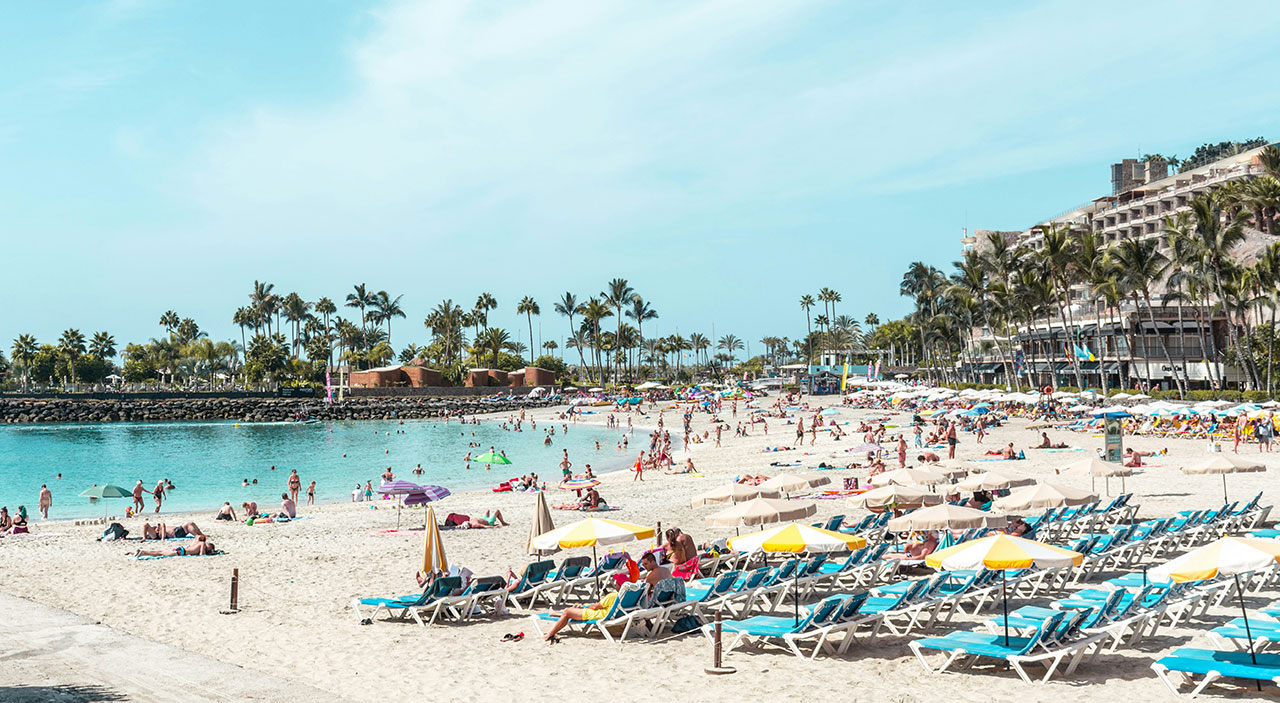
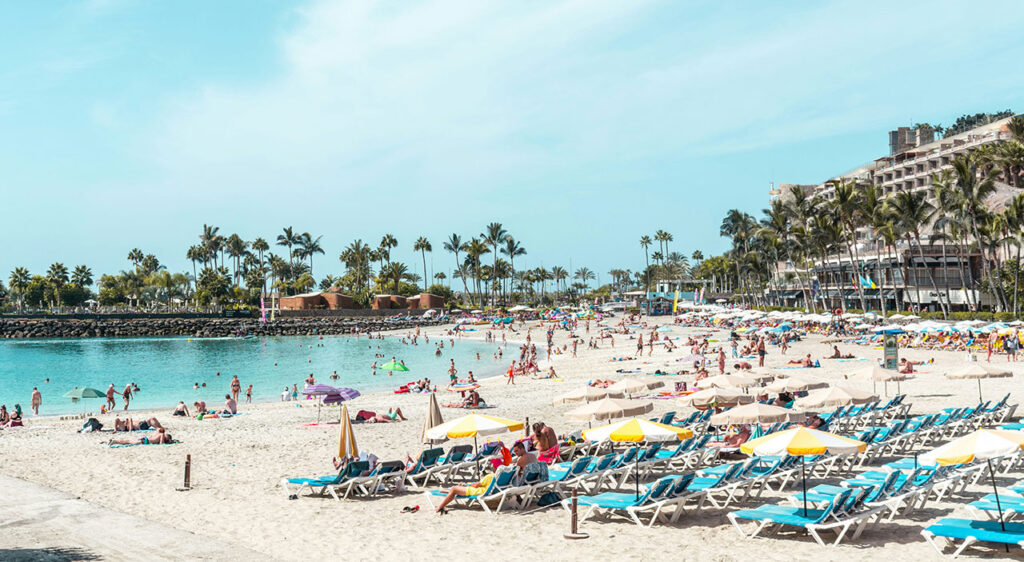
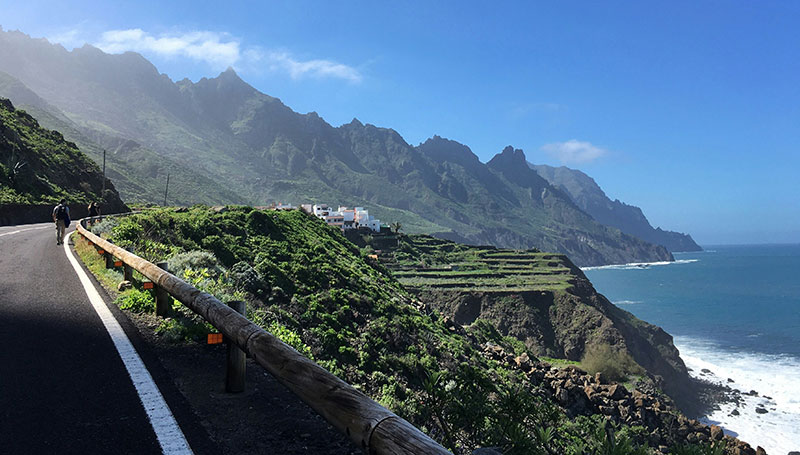
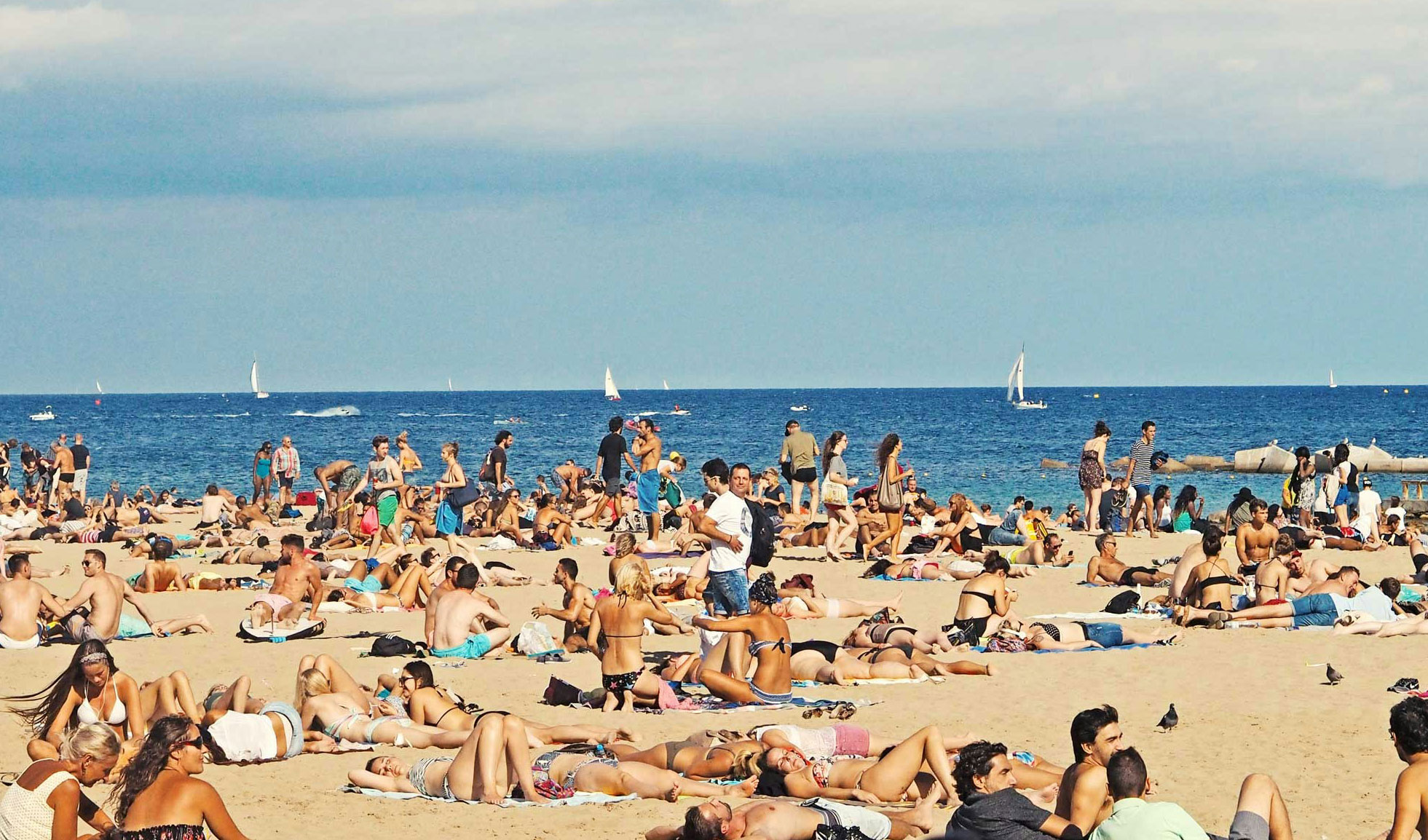
Crowded sunny beach with turquoise water and white sand under a clear blue sky.
Home » Destinations » Page 9

Last updated: January 2026 by Corey Gasman

From the Editor:

The Canary Islands are what I book when I want Spain’s food and friendliness, but with island rhythm and volcanic scenery that makes everything feel cinematic. It’s not “just beaches.” It’s black sand coves, cliff towns, pine forests above the clouds, and dinners that somehow taste better after a day outside.

The big planning win is simple: pick fewer islands, choose one great base per island, and build your days around micro-adventures instead of long transfers.

Start Here: Planning Your Canary Islands Trip

The Canaries reward travelers who plan around wind, microclimates, and logistics. Two beaches can feel like two different seasons on the same day. Your best trip comes from choosing the right island for your style, then staying long enough to settle into a loop.

Pro Tip: If you only have 7 to 10 days, do one island well or two islands max. Island hopping is fun, but it adds airport days and friction fast.

Already on Tenerife?

⭐️ The Golden Rule: Do not chase “all the islands.” Pick the island that matches your trip, then stay long enough to feel the rhythm.

Before you book anything

Start here: Getting Around Abroad (how to plan transportation like a system)
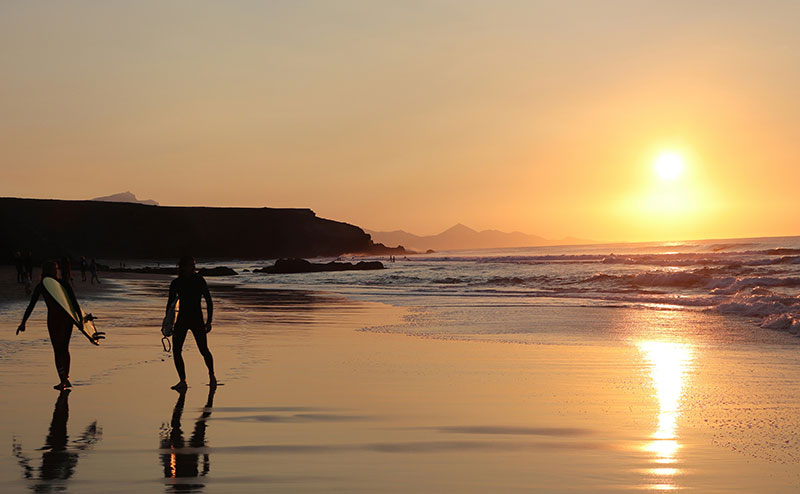
Two surfers with surfboards walk towards the ocean on a Canary Islands beach during a beautiful sunset.

The Canary Islands are Spain’s “eternal spring” playground: volcano views, cliff drives, surf beaches, and slow meals that stretch into the night.


The Reality Check: 2026 Specifics

The Canaries are easy, but 2026 travel is more structured. The friction points are predictable: border systems, national park reservations, and a few high-demand hikes that now require booking.

Border updates (EES and ETIAS)

If you are arriving from visa-exempt countries (US, Canada, UK, Australia), Schengen entry has added layers. The practical takeaway stays the same: treat arrival day like a logistics day and build buffer time.

  • EES (Entry/Exit System): passport scans plus biometric capture at first entry. Expect longer queues at major entry airports.
  • ETIAS (Travel Authorization): an online pre-authorization that becomes mandatory once active. Verify status before your trip.
Pro Tip: Do not book a timed tour for the afternoon you land. Arrival days are for landing, groceries, and getting your bearings.

Tenerife trail reservations and new fees

If Teide is on your list, plan it like a “booked” experience, not a casual drive. Some trails now require authorizations and time slots, and access rules can change by season.

  • Teide summit route: the final summit trail has long required a permit. In 2026, Tenerife has also introduced additional controls and fees for certain high-demand Teide routes and time slots.
  • Masca Gorge: the hike requires a reservation and ID checks. Do not show up assuming you can just walk in.
Local Guide Tip: Your best Teide day is a loop: early drive, volcano views, simple lunch, then back down to the coast for sunset and dinner. The mountain is the anchor, not the whole day.

Microclimates are the real Canary Islands “gotcha”

Most planning mistakes come from assuming one forecast equals one island. Tenerife and Gran Canaria can be sunny in the south and cloudy in the north on the same day. Pack light layers and plan “north days” and “south days.”

Read next: Tenerife’s sweet spot month

Tenerife in October (weather, food, beaches, and why it works)
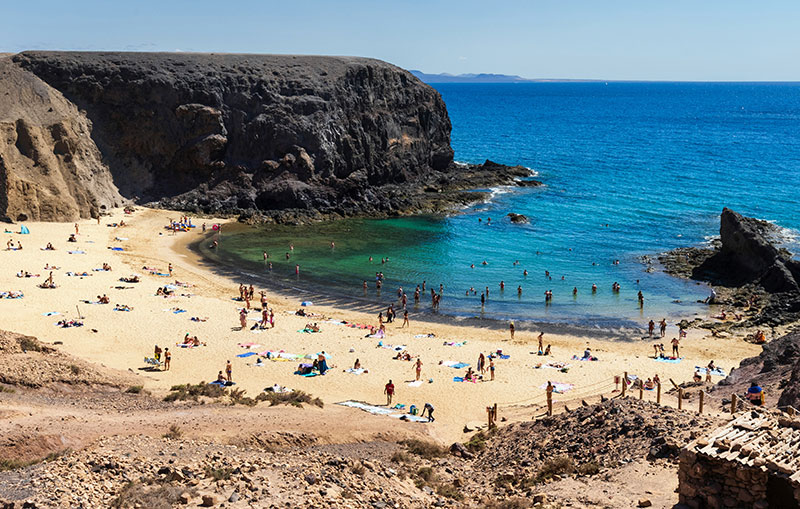
Playa del Papagayo

The Canaries are one of the most month-friendly destinations in Europe. The big difference is wind, water temps, and where you base.


Best time to visit the Canary Islands

The Canaries work year-round. Your “best month” depends on your goal: beach lounging, hiking, surf, diving, or winter sun while Europe is cold.

Best overall (easy mode)

April, May, September, October are the comfort winners for most travelers: warm days, fewer peak crowds, and great conditions for both beaches and volcano drives.

Winter sun (the classic Canary Islands flex)

December through March is why the Canaries exist in so many European winter flight searches. You will not get tropical heat every day, but you will get outdoor weather, patio dinners, and a reset.

Summer (best for water time)

June through August is great for long days and beach time. Expect more families, higher rates, and stronger wind on certain coasts (which is either annoying or perfect if you kiteboard).

Pro Tip: If beaches are the priority, pick your island based on wind and water, not just Instagram photos. Some beaches are made for swimming, others are made for surf and watching waves.
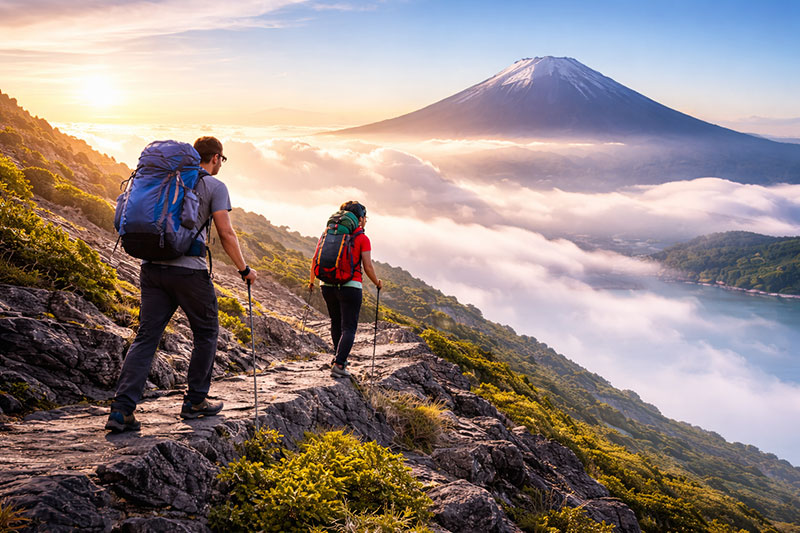
The snow-capped peak of El Teide volcano in the Canary Islands, rising above a layer of clouds with a rocky foreground.

Canary Islands planning gets dramatically easier when you match the island to your travel style instead of trying to do everything. Witness the majestic El Teide, Spain’s highest peak, towering above the clouds – a truly breathtaking sight.


Best fit by travel style

Pick your “best day” first, then choose the island that makes that day easy. The Canaries are not one trip, they are multiple trips.

Hiking, elevation, and dramatic landscapes

Tenerife, La Gomera, La Palma. If you want big viewpoints, laurel forests, and terrain that feels wild, these are your islands. La Gomera is the easiest “day trip that turns into an obsession” in the chain.

Beaches, dunes, and wind sports

Fuerteventura, Gran Canaria (South). Fuerteventura is beach-first and wide open. It is raw, windy, and perfect for long drives and long sand days.

Volcano aesthetics and design-forward vibes

Lanzarote. Thanks to César Manrique’s influence, the island feels cohesive: white buildings, black lava, and a landscape that looks like another planet.


Islands & Best Bases

Do not try to see all 7 (or 8). Pick one major island as a hub, then add a second only if it adds a truly different experience.

Tenerife (The all-rounder)

  • The vibe: “Continent in miniature.” Green north, sunny south, and Teide in the middle.
  • Best bases: Puerto de la Cruz (North) for character and food; Costa Adeje (South) for reliable sun and comfort.
  • Don’t miss: Teide National Park (sunset is the move) and Anaga Rural Park.

Gran Canaria (The diverse one)

  • The vibe: dunes in the south, a real city (Las Palmas) in the north, and mountain villages in the center.
  • Best bases: Las Palmas for food and city life; Maspalomas for sun, dunes, and resort ease.

Lanzarote (The volcanic design island)

  • The vibe: quiet, stylish, and volcanic. It feels different than anywhere else in Spain.
  • Best bases: Playa Blanca (South) for calm and beaches; Famara (North) for surf vibes.
  • Don’t miss: Timanfaya National Park and a drive through the lava landscapes.
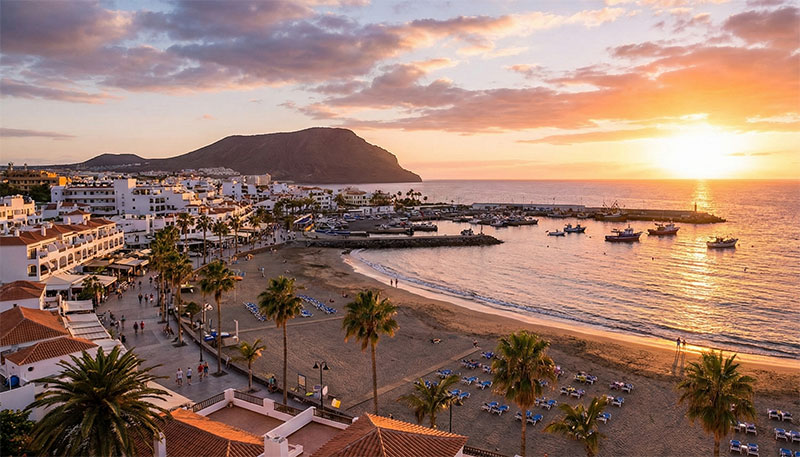
Local Guide Tip: If you are visiting Tenerife, consider a ferry day trip to La Gomera. It is close, but it feels like a different era.

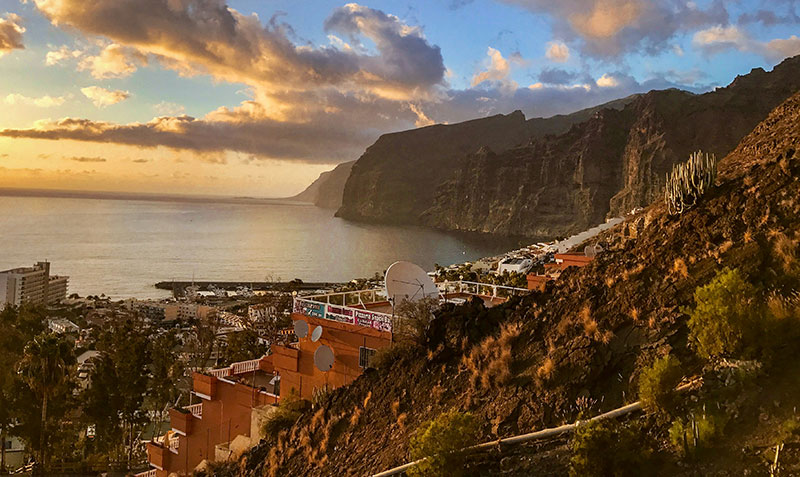
Golden hour casts a warm glow over Los Cristianos. This former fishing village in Tenerife’s south is now a bustling hub, famous for its accessible beaches, long promenade, and ferry connections to La Gomera.

Where to Stay & Self-Catering

Hotels are easy, but aparthotels and apartments unlock the real Canary Islands rhythm: slower mornings, local groceries, and terrace dinners that feel like a win.

The self-catering advantage

If you book a place with a kitchen, you are not just saving money. You are upgrading your trip.

Local supermarkets like Mercadona and HiperDino are genuinely good. Grab fresh seafood, fruit, bread, and a local bottle of wine, then make one “home dinner” on your trip. It becomes one of those nights you remember.

Pro Tip: Pick a base where you can walk to dinner. Even if you rent a car, having a no-driving night makes the trip feel more like a vacation.

Transportation: The Rental Car Rule

Unless you are staying strictly in a resort zone and do not care about day trips, a rental car is the best upgrade. The magic of the Canaries is up the side roads: viewpoints, cliff towns, and beaches that are not on the main loop.

Pro Tip: In the Canaries, local agencies like Cicar and AutoReisen are popular because their pricing is often simpler (insurance terms and extra-driver policies tend to be more straightforward than the big chains). Always read current terms when you book.

Island hopping

  • Binter and Canaryfly: the inter-island airlines. Flights are short and efficient.
  • Fred Olsen and Naviera Armas: ferries for scenic transfers and certain island pairs. If you plan to take a car, confirm ferry rules and your rental agreement first.
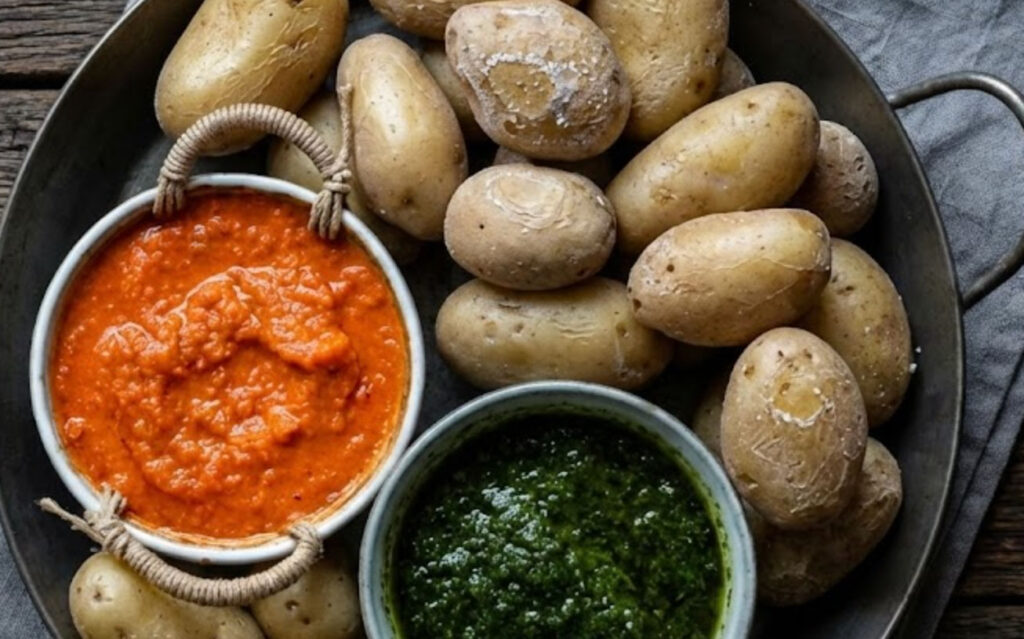
Rustic metal platter serving Papas Arrugadas (Canarian wrinkled potatoes) with bowls of red mojo picón and green cilantro mojo sauce.

The undeniable staple of Canarian cuisine: Papas Arrugadas. These small potatoes are boiled in sea salt until the skin wrinkles, then dipped in spicy red or coriander-green mojo sauces.


Eat Like a Local

Canarian food is simple ingredients, executed well. It overlaps with mainland Spain, but the islands have their own identity and a handful of must-order classics.

  • Papas arrugadas con mojo: “wrinkled potatoes” boiled in salty water, served with red and green sauces. You will eat this more than once.
  • Fresh fish (pescado del día): order what is local and grilled. Vieja (parrotfish) is a Tenerife classic: delicate, white, and clean.
  • Guachinches (Tenerife): informal family-run spots (sometimes literally garages or vineyard outbuildings) serving house wine and a short menu. Authentic, cheap, and usually loud in the best way.
  • Barraquito: the layered Tenerife coffee drink: condensed milk, Licor 43, espresso, milk, cinnamon, and a citrus peel.
Local Guide Tip: If a place is full of Spanish families and the menu looks “simple,” that is often the best meal. Order the fish, the potatoes, and one local wine, then stop overthinking it.

Budget & Payments

The Canaries remain one of the best value destinations in Western Europe, especially if you build your trip around one strong base and a rental car.

  • Currency: Euro (€)
  • Cards: accepted almost everywhere (contactless is common)
  • Cash: keep some coins for parking meters and small rural cafés
  • Tipping: rounding up is common; 5 to 10% for great service is plenty (this is not a 20% culture)

Culture & Simple Rules

The vibe is relaxed, but respectful. Think “island pace,” not “island chaos.”

  • Dress basics: beachwear is for the beach. Toss on a shirt when you go into town or restaurants.
  • Siesta hours: in smaller towns, some shops close mid-afternoon.
  • Greetings: “Hola, buenos días” when entering a shop or elevator goes a long way.
  • Driving reality: mountain roads and switchbacks reward patience. Do not rush the turns.

Essential Apps for the Canaries

Download these before you fly. They make island logistics dramatically easier.

WhatsApp icon for phones

WhatsApp

The default for hosts, tours, and reservations.

Google maps icon for phones

Google Maps

Download offline maps. Signal drops in ravines and mountains.

Wind icon

Windy

Check wind before beach days, especially on Fuerteventura.

112 Call Icon

112 (Emergency)

The EU emergency number (good to know, even if you never use it).

Frequently Asked Questions

Can I drink the tap water?

It is generally safe, but it is often desalinated and can taste off. Many locals and travelers buy bottled water (agua sin gas) or use a filter for taste.

It is not the US. Rounding up is common, and 5 to 10% for great service is plenty.

In tourist areas, yes. In mountain villages and guachinches, a little Spanish goes a long way. Download Spanish offline in Google Translate.

If you want viewpoints, beach-hopping, and the “real” island drives, yes, a car is the best upgrade. If you are staying in one resort zone and plan mostly beach time, you can get by without it.
Madrid Travel Guide

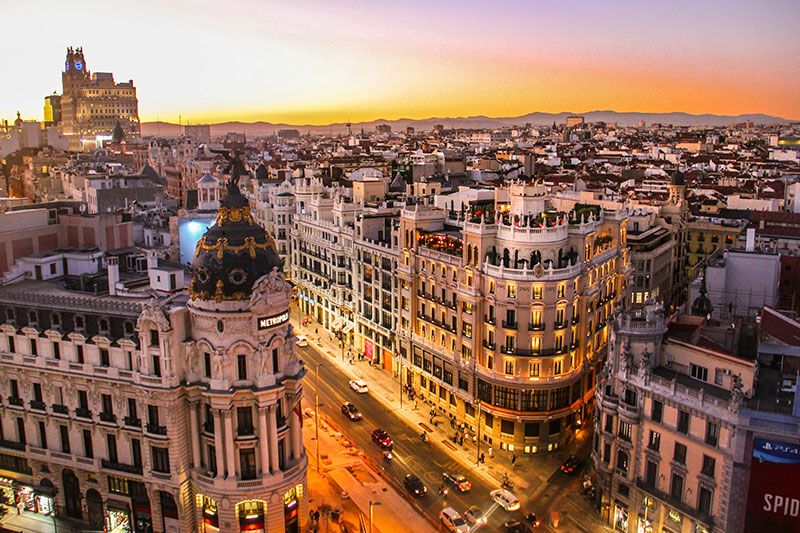
Elevated sunset view over Gran Vía in Madrid, with illuminated buildings and traffic on the street below.
Home » Destinations » Page 9

Last updated: January 2026 by Corey Gasman

From the Editor

Madrid is the city people accidentally fall in love with. No single skyline moment. No forced “wow” angle. It wins slowly through neighborhoods, parks, late dinners, and a daily rhythm that feels lived-in. Plan it like a normal city, not a checklist, and Madrid becomes one of Europe’s easiest capital-city wins.

Start here: How to plan Madrid

Madrid works best when you treat it as a series of walkable neighborhood days. Pick a base that supports your daily rhythm, plan one “must-do” per day, and let the rest of the time fill itself with parks, cafes, markets, and late dinners.

Pro Tip: Madrid punishes over-scheduling. Build your day around one big plan, then leave space for food and wandering.

Before you book anything

Start here: Getting Around Abroad (how to think about transportation like a system).

Quick Navigation

TLGA Rule: One neighborhood per day. One big plan. One long lunch. One late dinner. Repeat.

A simple 4-day Madrid framework

  • Day 1: Centro loop (Puerta del Sol, Plaza Mayor) + La Latina tapas night
  • Day 2: Museum morning + Retiro reset + Salamanca stroll
  • Day 3: Malasaña + Chueca + food mission
  • Day 4: One day trip (Toledo or Segovia), then a slow Madrid dinner

Madrid reveals itself slowly. The magic is letting the day breathe.


Neighborhoods: where to base in Madrid

Madrid is one of Europe’s most livable cities, but your neighborhood choice still matters. Pick a base that supports walking loops, parks, and easy metro access, not just distance to one landmark.

Neighborhood Vibe Best for Reality check
Malasaña Creative, lively, young Cafes, bars, energy Noisy late on weekends
La Latina Classic Madrid, tapas-heavy Food, bar hopping, Sundays Busy evenings, calmer mornings
Retiro Green, relaxed, local Parks, museum access, calmer nights Less nightlife right outside your door
Salamanca Upscale, polished Comfort, shopping, sleep quality More refined, less “edge”
Chueca Central, inclusive, lively Dining, nightlife, walkability Street noise on busy blocks
Pro Tip: For first-timers, Retiro and Salamanca are the easiest “everything works” bases, especially if you care about sleep.
Local Guide Tip: Being near a park (Retiro or Casa de Campo) upgrades your whole trip. It’s your daily reset button.

Where to stay by traveler type

Traveler type Best neighborhood Why it works One tip
First-timer Retiro or Salamanca Central, calmer, easy walking loops Stay near a park for a daily reset
Food and nightlife La Latina or Malasaña You’re in the middle of the action Choose a side street if you like sleep
Art-focused Retiro Simple access to the big museums Museum mornings, park afternoons
Luxury comfort Salamanca Polished hotels, quiet nights Pay for rest, then walk everywhere

Art and museums: how to do Madrid without burnout

Madrid has one of the strongest museum clusters in Europe. The mistake is trying to “collect” them in a single day. The fix is pacing, plus a park reset.

The Golden Triangle of Art

  • Prado Museum: Spanish masters, Goya, Velázquez. Go early.
  • Reina Sofía: modern art and Picasso’s Guernica. Slower, more emotional.
  • Thyssen-Bornemisza: the bridge between classical and modern.
Pro Tip: One museum per day is the sweet spot. Two is survivable. Three is a mistake.
Local Guide Tip: Pair a museum morning with Retiro in the afternoon. Your brain needs sunlight after the Prado.

A museum day that actually works

  • 09:30: museum entry (Prado or Reina Sofía)
  • 12:30: lunch (menú del día if it’s a weekday)
  • 14:30: Retiro stroll and cafe stop
  • 20:30+: tapas crawl or one proper sit-down dinner

Madrid city life: food, parks, and the daily rhythm

Madrid shines in the everyday moments. Long lunches, parks full of locals, and nights that start late and end later.

Food culture basics

  • Menú del día: weekday lunch set menu, usually the best value meal
  • Tapas: order a few plates, then move on
  • Late dinners: 8:30pm is early, especially in warmer months
  • Vermut: a Madrid institution before lunch
Local Guide Tip: The busiest bar with locals inside is almost always the right choice.

Parks that matter

  • Retiro Park: essential, daily reset
  • Casa de Campo: massive, local, less touristy
  • Madrid Río: great for evening walks

Best day trips from Madrid

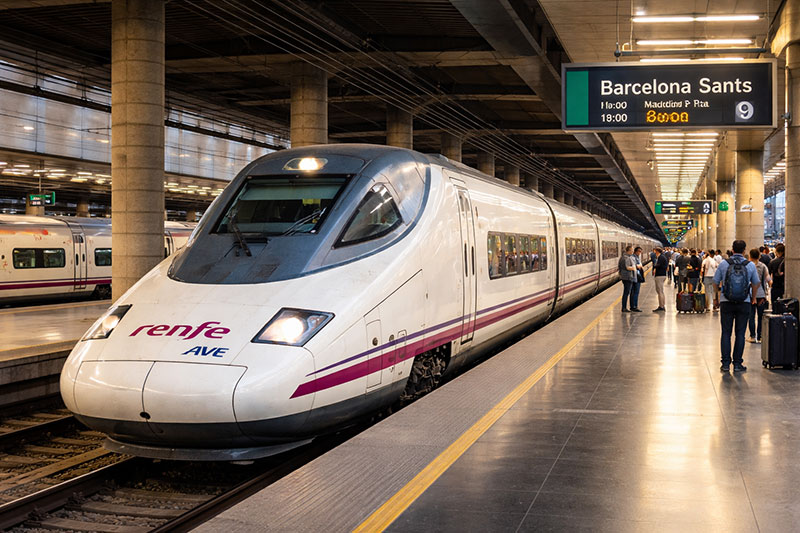
Madrid is Spain’s best day-trip hub. AVE and regional trains make historic cities genuinely easy.

Toledo

The classic. Medieval streets, dramatic setting, deep history. Ideal if you want the “Spain in one day” feeling.

Segovia

Roman aqueduct, fairy-tale castle, and a clean half-day structure. Great when you want maximum impact with minimal logistics.

El Escorial

Monastery, palace, royal history, and a calmer vibe. A strong pick if you’ve already done Toledo on a previous trip.

Ávila

Perfect medieval walls and a slower, quieter atmosphere. A good “escape the city” day.

Pro Tip: Pick one day trip per two Madrid days. Don’t stack day trips back to back unless you love train stations.

Getting around Madrid

  • Walking: the best way to experience the city
  • Metro: fast, clean, cheap, and simple once you do it once
  • Taxis: solid value for late nights or short hops
Pro Tip: If you’re taking taxis constantly, your base is working against you. Move closer, or commit to the metro.

Safety

Madrid is very safe. The main risk is petty theft in crowded areas.

  • Watch your phone in busy metro cars and stations
  • Avoid open bags in packed plazas
  • Use normal city awareness late at night, especially around nightlife zones

Madrid budget

  • Spend on: location, one great meal, museum tickets
  • Save on: menú del día, walking, parks, tapas as your “dinner strategy”
  • Reality: some lodging adds city taxes at check-in

Money basics

Read: Travel Finance Guide

Frequently asked questions

Is Madrid worth visiting compared to Barcelona?

Yes. Madrid is more “liveable city” than spectacle. It’s less tourist-compressed, and it’s one of Europe’s best places to build a rhythm around neighborhoods, parks, and food.

Three days is the minimum. Four to five days lets you do museums properly, add neighborhood time, and take one day trip without feeling rushed.

The Prado first. Add Reina Sofía if modern art interests you, especially for Guernica.

Barcelona Travel Guide | Neighborhoods, Food, and Day Trips

Home » Destinations » Page 9

Last updated: January 2026 by Corey Gasman

From the Editor:

Barcelona is the kind of city that can either feel like a dream or feel like an overcrowded theme park. The difference is not luck. It is where you stay, what you do first, and how quickly you escape the most obvious streets.

If you plan Barcelona like a neighborhood city, one great walking loop per day, and one anchor sight at most, it becomes one of Europe’s best places to travel. If you plan it like a checklist, it will chew up your time and your budget.

Start Here: The Barcelona Game Plan

Barcelona is compact, walkable, and easy to love, but it is also high-demand. The secret is to build your trip around two rules: pick the right neighborhood base, and do your “big ticket” attractions early in the day.

  • First-timers: Base in Eixample, book one anchor sight early, and keep the rest of the day flexible.
  • Food and nightlife: Base in El Born on a quieter street so you can walk your whole evening loop.
  • Calm, local pace: Base in Gràcia and accept one longer metro ride per day for better sleep and fewer crowds.

⭐️ Barcelona Golden Rule: Do not stay on the loudest tourist street. Stay one step removed, then walk into the energy when you want it.
Before you book anything

Start here: Getting Around Abroad (how to plan transportation)

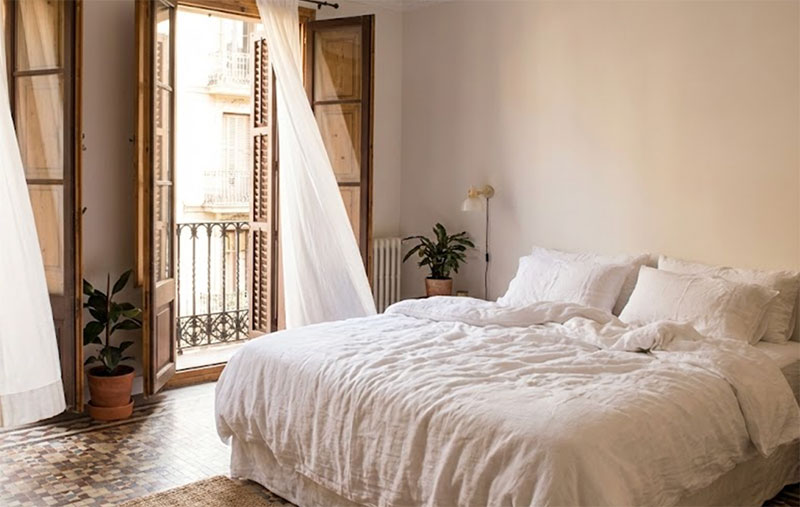
Sunlit interior of a boutique hotel room in Barcelona with tiled floors and open French doors leading to a balcony.

Barcelona is best in the margins: the first hour of the morning, the last hour of sunset, and the quiet streets between the obvious sights.


Neighborhoods: Where to Stay in Barcelona

Barcelona is a neighborhood city. Where you stay determines your daily loop, your sleep quality, and whether you feel like you are living in the city or being funneled through it.
Neighborhood Vibe Best For Avoid If…
Eixample Beautiful grid, classic BCN First-timers, walkability You want “old world” medieval charm.
El Born Historic, lively, trendy Bars, dining, vibes You are a light sleeper (it gets loud).
Gràcia Local, village-like Plazas, calmer pace You hate using metro to reach major sights.
Poblenou Modern, beach-adjacent Beach, space, newer hotels You want to be in the historic center.
Gòtic Iconic old streets Short stays, history You dislike crowds and tourist traps.
Pro Tip: If you want the easiest Barcelona, stay in Eixample. If you want the most charming nights, stay in El Born but read reviews for noise.
Local Guide Tip: Your goal is a daily walking loop: coffee, a park or market, one main sight, then dinner streets. Pick a neighborhood that makes that loop effortless.

Neighborhood strategy that works anywhere

Read: Getting Around Abroad (build your trip around loops, not checklists)

Sunlit interior of a boutique hotel room in Barcelona with tiled floors and open French doors leading to a balcony.

Where to Stay by Traveler Type

This is the fastest way to pick your base without overthinking it.
Traveler Type Best Neighborhood Why It Works One Tip
First-timer Eixample Central-feeling grid, easy walking loops, fast metro connections Stay 10 to 15 minutes from the busiest tourist choke points
Food and bars El Born The best nightlife loop without needing taxis Choose a quieter side street, not directly above a bar lane
Calmer, local vibe Gràcia Plazas, more locals, less tourist crush Plan one longer metro ride per day and enjoy the trade
Beach-focused Poblenou More space, beach access, better sleep Use the beach early or late, not midday
Luxury comfort Upper Eixample Polished hotels, easy transit, great dining Pay for quiet and location, it improves every day
Pro Tip: For stays under 3 nights, pay more for location. For stays 4+ nights, you can save money by going one step outside the core.
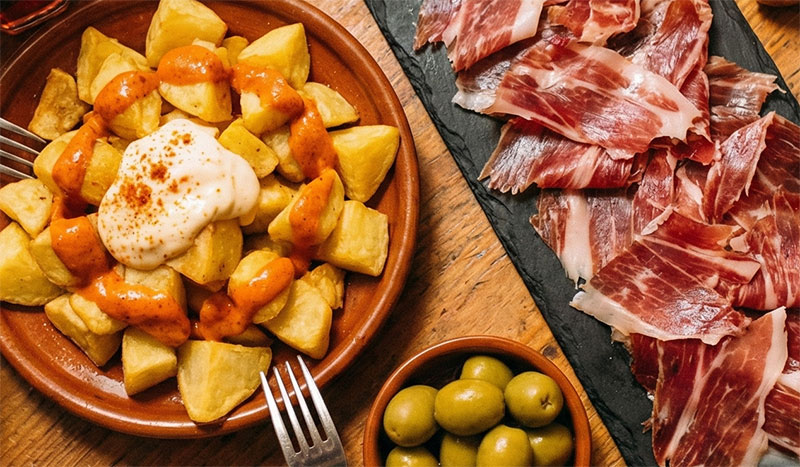
wooden table filled with plates of patatas bravas, jamón ibérico, olives

Barcelona Food Guide: What to Eat and How to Order

Barcelona food is at its best when you avoid the most obvious tourist lanes. If you want one rule, it is this: avoid the photo menu and walk 5 to 10 minutes off the main corridor.

The Barcelona Daily Clock

Time Activity Local Reality
8:00 – 10:30 Breakfast Coffee and something light. Save the big meal for later.
10:30 – 13:30 Sights and wandering Best window for major sights before the city slows down for lunch.
14:00 – 16:00 Lunch The main meal. Look for Menú del Día on weekdays.
18:00 – 20:00 Merienda or drinks Vermouth hour, a snack, or a slow reset before dinner.
21:00 – 23:00 Dinner Kitchens are fully open. 7 PM is for tourists.

Tip: Hours drift later on weekends and in summer.

What to eat in Barcelona

  • Pa amb tomàquet: tomato bread, the simplest staple that never gets old
  • Seafood: best when it is simple and grilled, not over-sauced
  • Jamón and cheeses: order a small board and build your meal
  • Bravas and croquetas: good everywhere, elite in the right places
  • Vermouth culture: lean into it for a late afternoon snack moment
Local Guide Tip: Order 2 to 3 items, then reassess. Barcelona is a pacing city. The best meals are a few great rounds, not one huge order.

How to avoid tourist traps

  • Avoid restaurants with aggressive hosts pulling you in
  • Avoid photo menus and “we have paella” signs in the most touristy streets
  • Walk 5 to 10 minutes, then pick the busiest place with locals inside
  • For tapas, pick one bar, have a round, then move to the next
Pro Tip: If the restaurant is directly beside the number-one sight, you are paying for the view, not the food.

Food travel mindset

Read: Eating Abroad Guide

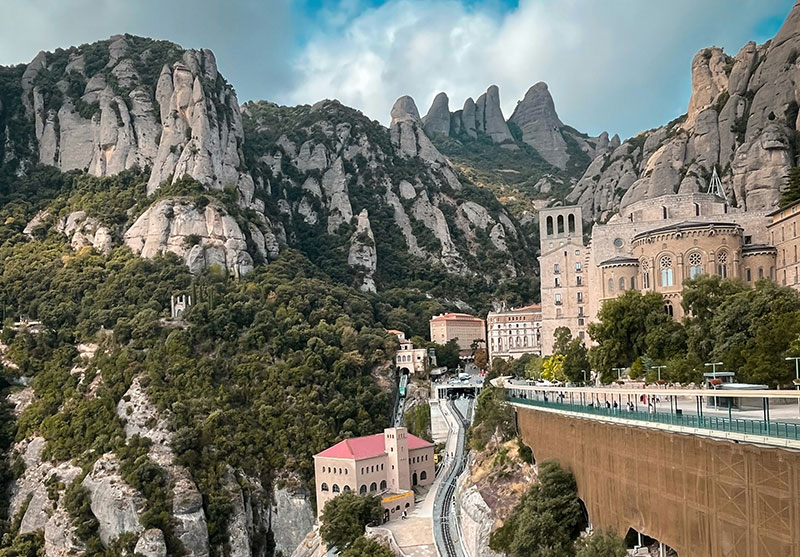
Monistrol de Montserrat in Spain

Best Day Trips from Barcelona

Barcelona has elite day trips, but you do not need five of them. Pick one or two that match your travel style and keep the rest of your time in the city.

Loop rule: Treat a day trip as your one full “anchor day.” Do not stack it on a heavy ticket day in Barcelona.

Montserrat

The classic. Mountain views, monastery, short hikes, and a clean reset from the city. Best in the morning, especially in peak months.

  • Best for: views, easy nature, iconic day trip
  • How to do it: go early, aim to return before late afternoon crowds

Girona

Medieval streets, old walls, great wandering, and a completely different pace. A top pick if you want a scenic town day without stress.

  • Best for: old city wandering, photos, slower rhythm
  • How to do it: early train, long lunch, return by sunset

Sitges

If you want an easy beach-town escape, this is the move. It is relaxed, scenic, and far less complicated than forcing a full Costa Brava day on limited time.

  • Best for: beach day, easy logistics, relaxed vibe
  • How to do it: treat it as a half-day if you want a calm trip

Tarragona

Roman history without Rome-level crowds. A smart add-on for history travelers who want something different than the usual list.

  • Best for: Roman sites, coastline views, quieter history
Pro Tip: If you are in Barcelona for 4 days or less, do only one day trip. Keep the rest for neighborhoods and food.
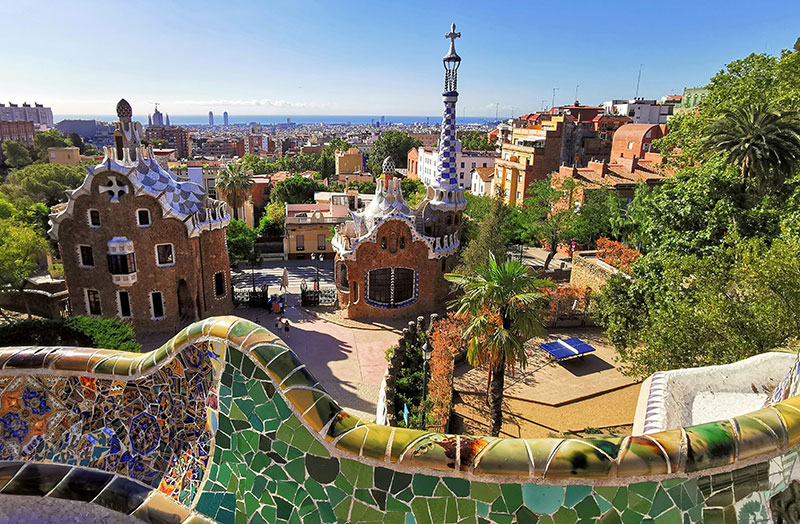
The colorful mosaic terrace and iconic entrance buildings of Park Güell in Barcelona.

Overlooking Barcelona from the mosaic terrace of Park Güell.


Sights and Tickets: What to Book

Barcelona isn’t a city to wing it for headline attractions in peak season. The fix is simple: book the time slots that matter and keep the rest flexible.

⚠️ Sunday Survival Strategy

Most shops and supermarkets close on Sundays. Do not plan errands for this day. Instead, plan a long lunch, a beach walk, or a museum visit (many are free after 3 PM). Do your grocery run on Saturday.

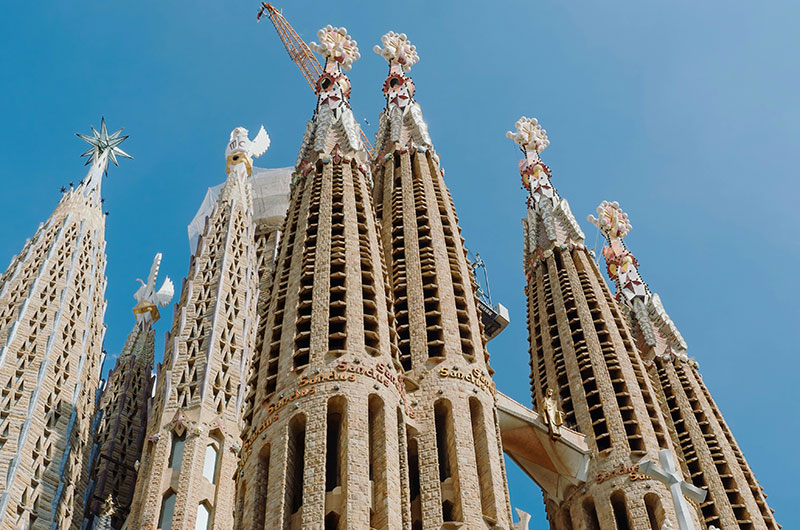
  • Sagrada Família: book a time slot in advance, morning is best
  • Park Güell: book ahead, go early to avoid heat and crowds
  • Picasso Museum: great on a slower afternoon, still worth booking if you are tight on dates
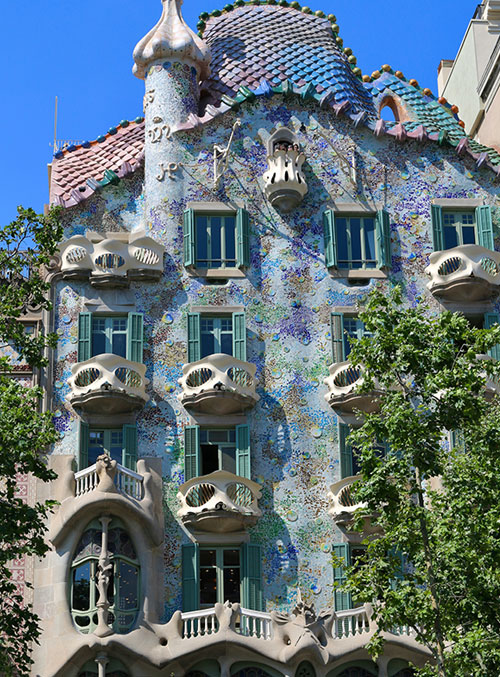
  • Casa Batlló or Casa Milà: pick one, not both, unless you love architecture
Local Guide Tip: One anchor attraction per day is the sweet spot. Barcelona punishes the day where you try to do four timed things.
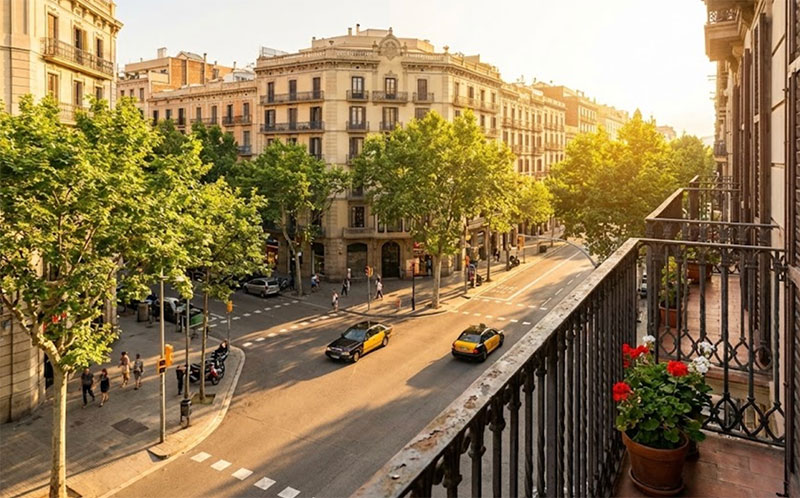
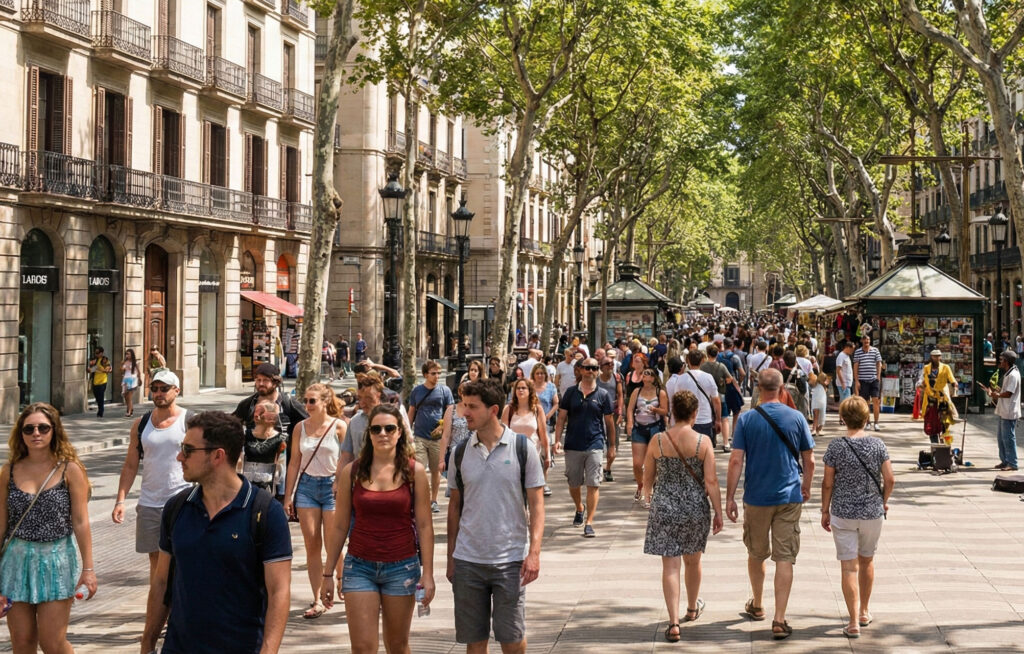
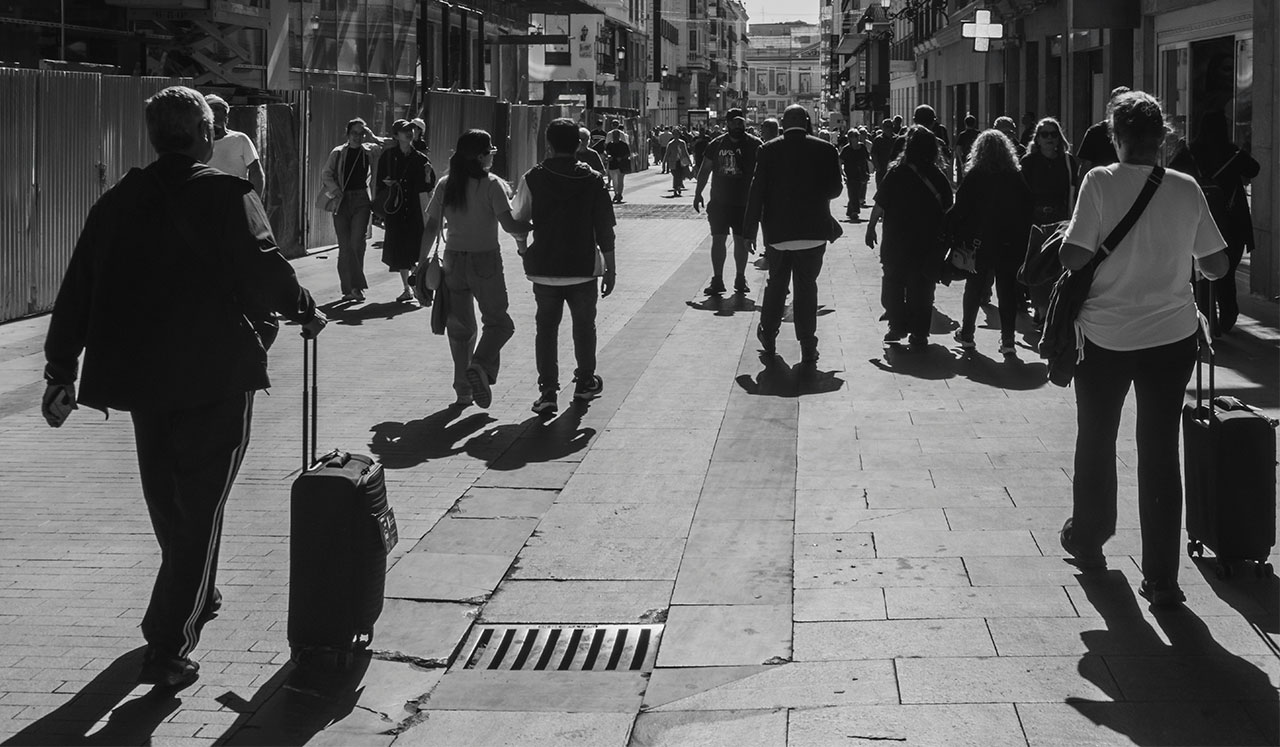
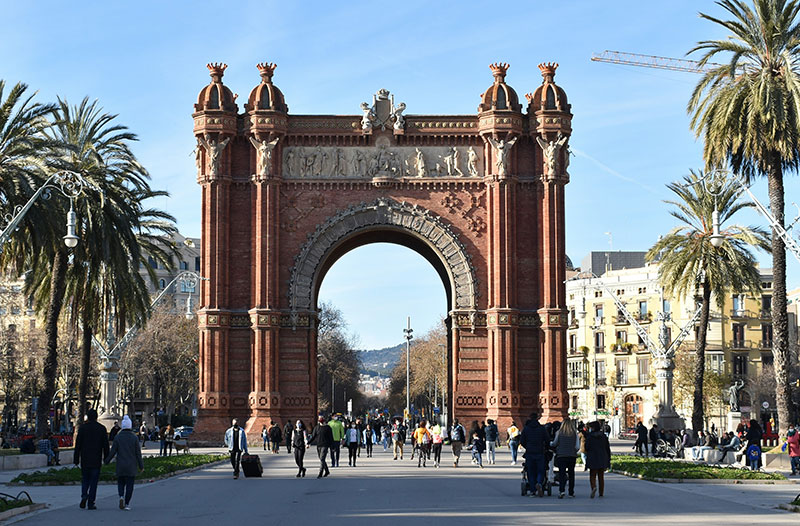
A diverse crowd of locals and tourists walking along a sunny, tree-lined pedestrian avenue in Barcelona.

Barcelona is a city designed for walking. The busy zones are where you need to be most aware of your surroundings and belongings.


Getting Around Barcelona

Barcelona is built for walking. Use transit to connect neighborhoods, not to replace walking. If you stay in the right base, most of your best days are on foot.

Walking loops

  • Plan your day by neighborhood, not by attractions
  • Walk the first half, then use metro to reposition
  • End your day with a sunset paseo and dinner streets

Metro and transit

  • Best for: cross-city moves, rainy days, late-night returns
  • Reality note: watch your phone and wallet in crowded metro cars
Pro Tip: If you’re taking taxis constantly in Barcelona, your base is probably wrong.

Transportation planning

Read: Getting Around Abroad

Respectful Travel & Safety

Barcelona is an incredible host, but it is also a city facing the pressure of its own popularity. In 2026, the best way to visit is with “good guest” energy.

🌿 How to be a “Good Guest” in Barcelona

  • Dress Code: Beachwear belongs only on the beach. Walking the city shirtless or in a bikini is frowned upon (and can be fined).
  • Water Wise: Catalonia faces ongoing drought. Keep showers short and understand if beach showers are turned off.
  • Noise Control: The Old City (Gòtic/Born) has narrow streets that echo. Keep volume down late at night; locals live here.

Safety and scams

Barcelona is generally safe. The main risks are petty theft and distraction teams in crowded zones. The fix is habits, not paranoia.

  • Distraction approaches: a question, a bump, a “helpful” person at a machine
  • Petition clipboard: designed to make you stop and expose your bag
  • Phone targeting: easy pockets, cafe tables, crowded trains
Local Guide Tip: When approached, keep moving. A polite “No, gracias” plus walking is the solution.
Pro Tip: Your phone is the main target. Use a crossbody bag and keep it off cafe tables in busy zones.

Barcelona Budget

Barcelona is a controllable city if you spend on the right things: location, a couple key tickets, and one great food night. Save on the parts that do not improve your trip.

  • Spend on: the right neighborhood, key timed tickets, one great meal, early bookings
  • Save on: tourist-strip dining, constant taxis, over-scheduling paid tours
  • Reality check: some accommodations add tourism taxes paid at check-in
Pro Tip: The biggest money leak is last-minute planning. Last-minute hotels and last-minute popular tickets cost more and remove your best time slots.

Money basics

Read: Travel Finance Guide

Essential Apps

Download these before you land. They make Barcelona easier immediately.

Google maps icon for phones

Google Maps

Your walking loop tool. Save pins and build neighborhood days.

WhatsApp icon for phones

WhatsApp

Standard for hosts, tours, and reservations.

Google Translate app icon on a phone screen

Google Translate

Download Spanish offline. Camera translate helps with menus.

Frequently Asked Questions

Where should I stay in Barcelona for my first trip?

Eixample is the safest, easiest base for first-timers. It is walkable, central-feeling, and connected by metro. If you want more nightlife and charm, El Born can be great if you choose a quieter street.

For most travelers, 3 to 5 days is the sweet spot. If you want one day trip plus slower neighborhood time, aim for 4+ days.

Generally yes. The main issue is pickpocketing in crowded zones and transit. Keep your phone secure, avoid easy pockets, and stay alert in the metro.

Montserrat is the classic for views and a quick nature reset. Girona is the best for a beautiful old town wandering day.

Cards work almost everywhere, but keep some cash for small purchases and occasional machine issues. Expect some lodging taxes to be paid at check-in depending on accommodation.

Read More Spain Travel Guides

City guides, itineraries, culinary deep dives, and region guides across Spain.

CITY GUIDE

Madrid

The city, the art, and the best day trips.

Read More

ITINERARY

Spain Itinerary

A smart route for Barcelona, Madrid, and Southern Spain.

Read More

CULINARY DEEP DIVE

Basque Country

San Sebastián, Bilbao, and pintxos culture.

Read More

Basque Country Food Trip: San Sebastián, Bilbao & Pintxos Culture

Home » Destinations » Page 9

Last updated: January 2026 by Corey Gasman

From the Editor:

The Basque Country is one of the few places on earth where food is not a “feature” of travel, it is the whole point. San Sebastián is built around eating. Bilbao is built around reinvention. And pintxos culture is built around a simple idea: you do not pick one restaurant, you build a night out of five.

This guide is designed for travelers who want to do it right: the rhythm, the rules, what to order, how to avoid tourist traps, and how to connect the two cities without turning your trip into a logistical grind.

Start Here: The Basque Food Trip Game Plan

This is a 3 to 7 day trip sweet spot. If you have 3 days, pick one base and go deep. If you have 5 to 7, pair San Sebastián and Bilbao and add one scenic day on the coast.

Before you book anything

Start here: Getting Around Abroad (how to plan transportation like a system)

⭐️ Basque Golden Rule: Pintxos is not “one big meal.” It is rounds. One drink, one or two bites, then move.

In the Basque Country, dinner is not a reservation. It is a route.


1) Why the Basque Country is Different

Lots of places have “good food.” The Basque Country has a culture where food is a shared language. People go out in groups, move bar to bar, and treat eating as a social ritual. The upside for travelers is huge: you can eat exceptionally well without committing to a single restaurant all night.

  • Quality: even casual places take ingredients seriously
  • Culture: pintxos nights are social and built on movement
  • Range: you can do budget bites or high-end tasting menus
Local Guide Tip: The best pintxos bars are busy and loud. That is the point. Do not look for quiet. Look for energy.

2) Best Bases: San Sebastián vs Bilbao

Most travelers try to do both. That is great if you have at least 5 days. If you have 3 to 4, pick one.

Base Best For Vibe How Many Nights
San Sebastián Pintxos culture, beach, compact walking Beautiful, food-forward, easy 2–4 nights
Bilbao City energy, museums, day trips Modern, bigger city feel 2–3 nights
Pro Tip: If you are here primarily for food, base longer in San Sebastián and treat Bilbao as a 2-night add-on.

3) Pintxos Culture: The Rules

Pintxos is easy once you know the rhythm. The most common mistake is treating it like tapas dinner in one place. Do it the Basque way and it is more fun and you eat better.

  • Order at the bar: you usually do not sit and wait for table service
  • One round per place: one drink + one or two bites, then move
  • Hot pintxos are often off-menu: ask what is “caliente” or “reciente”
  • Pay as you go: some places tally, many do quick pay per round
  • Do not over-order: pace yourself, your best bites are later
Local Guide Tip: Look beyond the display case. The best bite in the bar might be the hot item they are making in the back.
Pro Tip: If you see a line of locals outside a tiny bar, do not overthink it. Get in line.

4) How to Build a Pintxos Crawl

This is the simplest strategy that works every time.

Step What You Do Why It Works
1 Start early (7:30–8:30pm) You beat the crush and get fresher hot items
2 Pick a neighborhood cluster You stay on foot and keep the vibe social
3 1 drink + 1–2 bites per bar Pacing keeps the night fun, not heavy
4 Save your “big hunger” for bar 3 or 4 Your taste buds wake up and you order smarter
5 End with dessert or a final wine It feels like a complete night, not chaos
Local Guide Tip: If a bar is packed, do not bail. Order fast, eat standing, then move. The crowd is telling you it is good.

5) What to Order: Pintxos Cheat Sheet

Menus change, but certain staples show up everywhere. Use this list as a starting point.

What to Look For What It Is Why It’s Good
Gilda Olive, anchovy, pepper on a pick Salty, punchy, perfect first bite
Bacalao Salt cod (often with peppers) Basque classic, done a hundred ways
Tortilla Spanish omelet slice Simple, comforting, great mid-crawl
Txuleta Grilled steak (sometimes as a bite) High impact, best when shared
Cheesecake Basque-style (often burnt top) One of the best desserts in Spain
Pro Tip: When in doubt, ask: “¿Qué es lo más típico aquí?” The answer is usually your best order.

6) San Sebastián Guide

San Sebastián is compact and ridiculously beautiful. The move is to keep your days light and your nights food-heavy.

Where to stay (simple picks)

  • Old Town (Parte Vieja): best for pintxos crawling, can be noisy late
  • Centro: calm and walkable, easiest overall
  • Gros: cooler vibe, surfers, great food, slightly less tourist pressure
Local Guide Tip: If you want sleep, stay in Centro or Gros and walk into the Old Town when you want chaos.

What to do between meals

  • Beach time or promenade walk
  • Viewpoints (especially near sunset)
  • Light museum or market stop, then back to food

7) Bilbao Guide

Bilbao is the perfect pairing because it adds museums, city energy, and day-trip flexibility. It also breaks up the trip so it does not feel like one long food marathon.

What to prioritize

  • Guggenheim: iconic, worth it even if you are not a huge museum person
  • Old Town (Casco Viejo): best wandering and bar hopping
  • River walk: great for an easy city reset

Where to stay

  • Casco Viejo edge: most atmospheric, easy nights
  • Abando / city center: best logistics and transit
Pro Tip: Bilbao is a great “one big museum, then wander” city. Do not try to schedule it like Madrid.

8) Day Trips and Coast Stops

If you want one scenic day beyond the cities, go coastal. The Basque coastline is dramatic and easy to pair with food.

Best ideas

  • Coastal villages: one slow day of views, wandering, and seafood
  • Vineyard region: if you love wine culture, pair it with a long lunch
  • Surf and beach day: especially if you stay in Gros (San Sebastián)
Local Guide Tip: The coast is best early and late. Midday is for food and shade, not hero hiking.

9) Getting Around

This region is easy by bus and rail between the cities, and easy by taxi within them. Your goal is to keep days walkable and transfers simple.

  • Between cities: train or bus, book ahead in peak periods
  • Within cities: mostly walking, occasional taxi at night
  • Food nights: stay central enough to walk home comfortably
Pro Tip: If you are planning a big pintxos night, prioritize a walkable home. Ending a food crawl with a long transit commute kills the vibe.

10) Budget

The Basque Country can run pricier than other parts of Spain, but it is still controllable if you plan smart.

  • Spend on: location, one special meal, quality wine or cider rounds
  • Save on: pintxos pacing (you do not need huge plates), walking, markets
  • Reality check: tourist-heavy streets are always the pricing trap
Pro Tip: Your cheapest “best meal” is often a perfectly paced pintxos crawl, not a single sit-down dinner.

Money basics

Read: Travel Finance Guide

11) Frequently Asked Questions

What is the difference between pintxos and tapas?

Pintxos is built around bar culture and movement. You usually order at the bar, eat standing, and do multiple places in one night. Tapas can be similar, but pintxos culture is more structured around the crawl.

If food is your main goal, stay longer in San Sebastián. If you want museums and city energy, add Bilbao for 2 nights.

3 days is enough for one base. 5 to 7 days is ideal for pairing San Sebastián and Bilbao with one coastal day.

For pintxos bars, usually no. For high-end tasting menus, yes. The beauty of pintxos culture is you can eat incredibly well with no reservations at all.

Explore more city guides, food rabbit holes, and regional itineraries across Spain.

Mancini’s Char House Review: The Most Old-School Steakhouse in St. Paul

One of the most nostalgic dining rooms in the Twin Cities. Home » USA » [...]

Manny’s Steakhouse Review: Is It Worth It in Minneapolis?

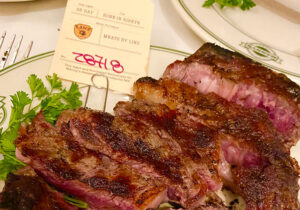
The 85-day dry-aged bone-in ribeye with its signature perfect crust. Home » USA » Reviews [...]

Porzana Minneapolis Review: Argentine Steakhouse in North Loop

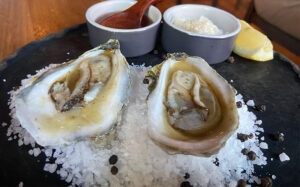
Fresh oysters get an incredibly rich finish with hot bone marrow flambadou dripped directly over [...]

Murray’s Steakhouse Review: A Minneapolis Classic Steakhouse

Home » USA » Reviews » Murray’s Steakhouse Review: A Minneapolis Classic for Steak Lovers

La Sagrada Pizzeria Mazatlán Review: Best Wood Fired Pizza in the Golden Zone

Home » Mexico » Reviews » La Sagrada Pizzeria Mazatlán Review: Wood Fired Pizza Worth [...]

Asador La Vaca Argentina Review: Argentine Grilling in Mazatlán’s Golden Zone

Home » Mexico » Reviews » Asador La Vaca Argentina Mazatlán Review

Los Arcos Mazatlán Review: Fresh Seafood and Fried Red Snapper

Home » Mexico » Reviews » Los Arcos Mazatlán Review: One of the Best Seafood [...]

Khue’s Kitchen Review: One of the Best Vietnamese Restaurants in St. Paul

Home » USA » Reviews » Khue’s Kitchen Review: One of the Best Vietnamese Restaurants [...]

Bourbon Steak Nashville Review | Michael Mina + Skyline Views

Last updated: February 2026 by Corey Gasman Bourbon Steak by Michael Mina 201 8th Ave [...]

Lunch at The Brazen Head: A Classic Meal at Dublin’s Oldest Pub

Lunch at The Brazen Head in Dublin By Corey Gasman After our morning at the [...]

Dining at SOLE Seafood & Grill Dublin: A Seafood Tower Worth Sharing

Dinner at SOLE Seafood & Grill in Dublin By Corey Gasman For a polished seafood [...]

Guinness Storehouse Review: Is Dublin’s Most Famous Attraction Worth It?

Guinness Storehouse Dublin Review: What to Expect Before You Go By Corey Gasman If tourists [...]

Spain Adventure Guide: Top 8 Active Travel Experiences

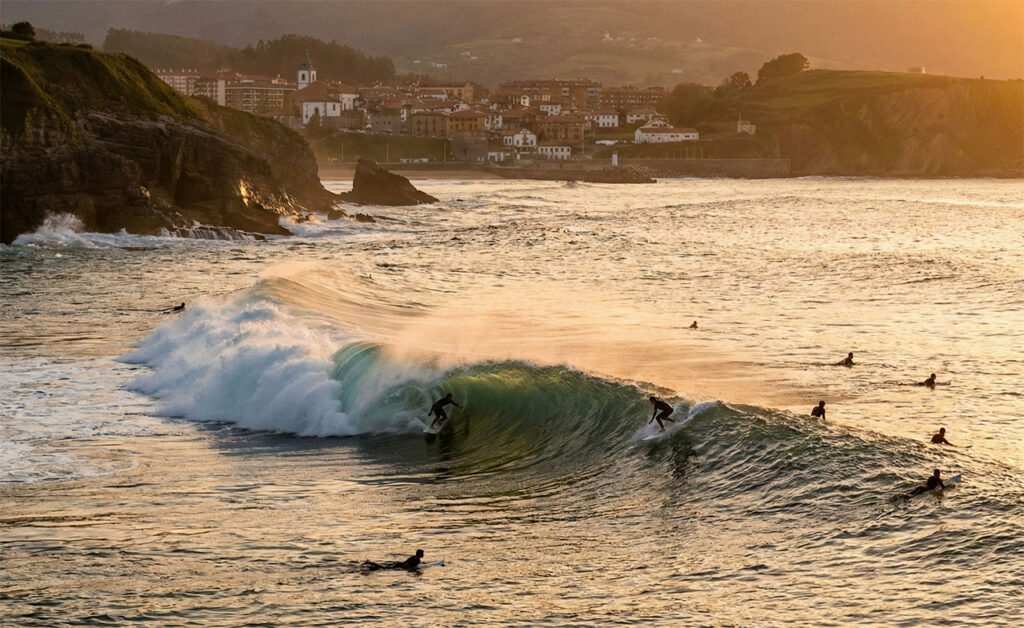
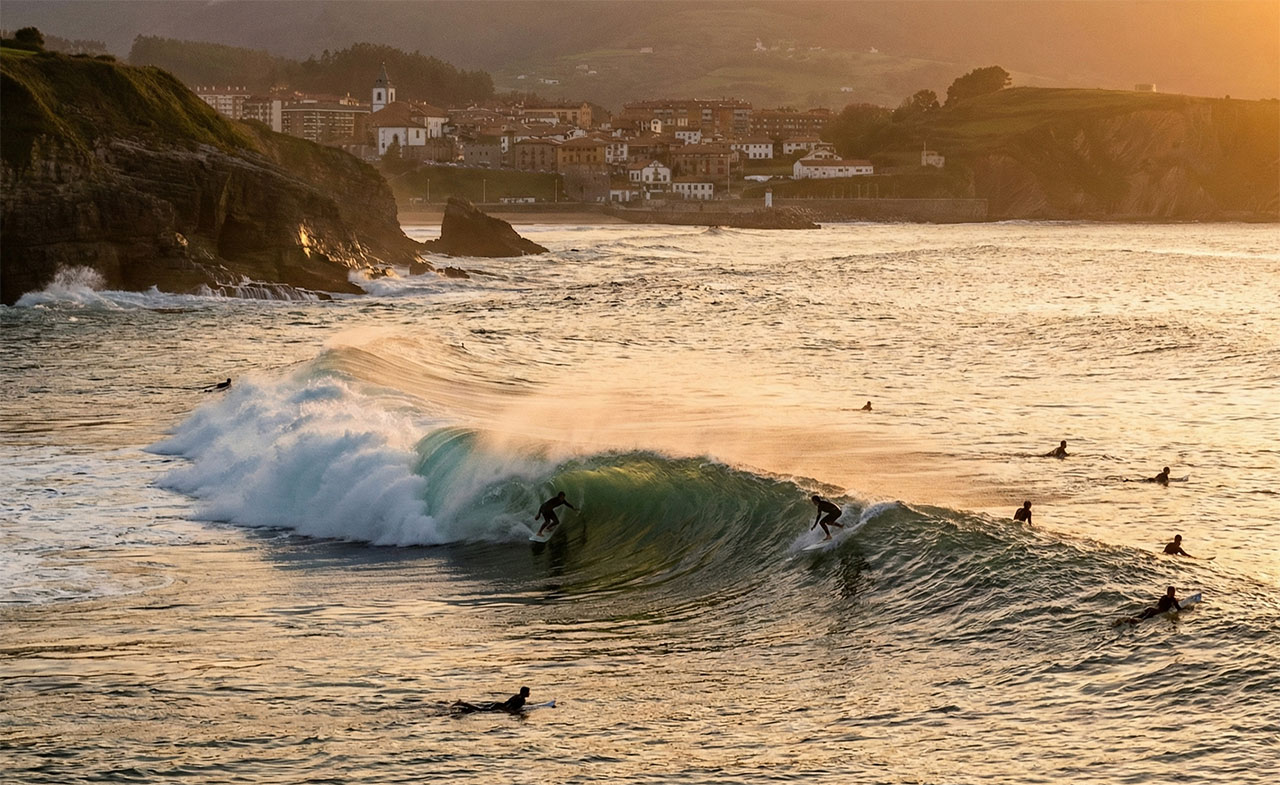
Surfers riding a perfect barrel wave at Mundaka in the Basque Country during golden hour, with the coastal town visible in the background.

The Basque Country offers more than just incredible food; Mundaka is legendary for having one of the best left-hand waves in the world. Even if you don’t surf, the rugged coastal energy here is unmatched.


By Corey Gasman

Burn Off the Tapas: Spain’s Wild Side

Let’s be honest: You can only look at so many cathedrals and eat so much Jamón before you need to move. While most people think of Spain as a place for siestas and leisurely lunches, the geography here is actually insane. We have the Atlantic swells in the north, the wind tunnels of the south, and snowy peaks that let you ski in the morning and swim in the Mediterranean in the afternoon.

If you are the type of traveler who packs hiking boots “just in case” or checks the Strava segments before booking a hotel, this guide is for you. We are skipping the gentle city walking tours and focusing on the activities that will get your heart rate up.

From the world-class surf of the Basque Country to the “Walk of Death” in Málaga, here are the top adrenaline spikes you need to add to your itinerary.

  Pro Tip: Adventure tourism in Spain is highly regulated and safe, but it is seasonal. Do not try to hike the Picos de Europa in February (snow) or cycle Mallorca in August (heatstroke). The sweet spot for most of these is May/June or September/October.

Adventure Stats

  • Surf Capital: Mundaka (World Class Left Wave)
  • Wind Capital: Tarifa (Atlantic meets Med)
  • Highest Peak: Teide (Tenerife) or Mulhacén (Mainland)
  • Booking Alert: Caminito del Rey (Book 3 months early)
  • Unique Stat: Sierra Nevada (Most southern ski resort)

Who This Guide Is For

  • Active travelers who want movement built into a Spain trip, not just cities and museums.
  • Confident beginners to experienced adventurers who want a mix of guided experiences and self-led days.
  • People who love geography and want to feel how different Spain gets from north to south.
  Local Guide Tip: Build a daily loop. Morning activity, long lunch, a break, then come back out at night. Spain rewards pacing, not rushing.

How to Plan a Spain Adventure Loop

This is not a “do everything in 7 days” list. The best way to use this guide is to pick 2 regions and build a loop around them:

  • North (Basque + Cantabria + Picos): Surf mornings, mountain hikes, and food towns at night.
  • South (Tarifa + Málaga + Granada): Wind sports, cliff walks, tapas culture, and the ski-beach flex.
  • Island add-on (Canaries): If you want warm water, volcanic landscapes, and year-round outdoor days.

Adventure Costs (2026 Estimates)

Activity Location Cost (EUR) Notes
Surf Board Rental Zarautz/Mundaka €15 – €25 / day Wetsuit usually included.
Caminito del Rey Málaga €10 (Entry) Add €15 for guided tour (easier to find).
Kitesurf Lesson (3hr) Tarifa €100 – €130 Includes gear & instructor.
Carbon Road Bike Mallorca €45 – €60 / day Specialized Tarmac level.
Ski Pass (1 Day) Sierra Nevada €45 – €57 Price depends on season.
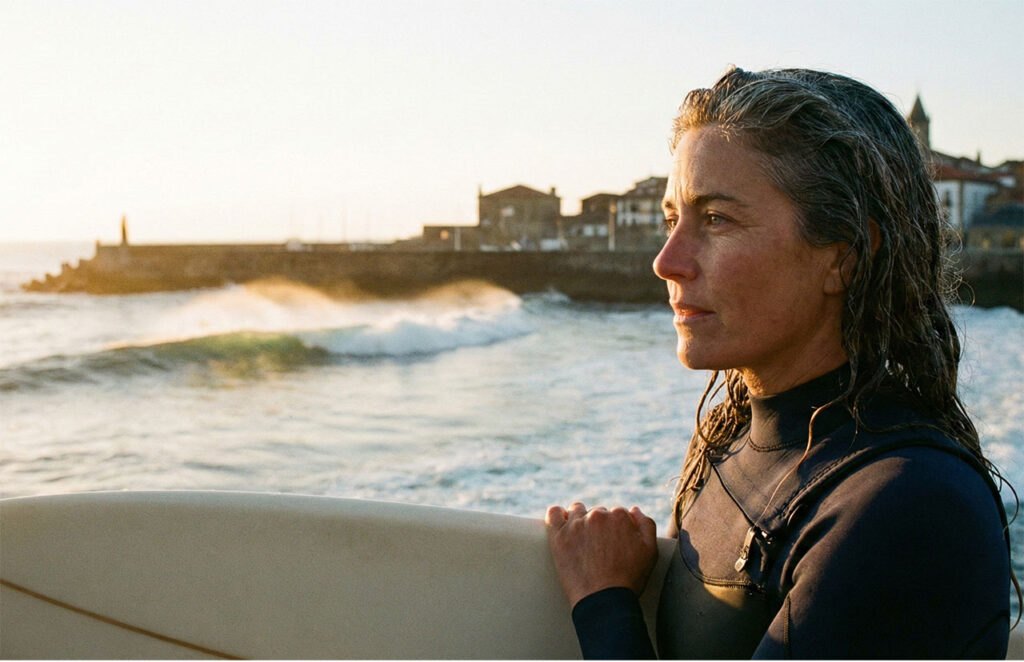
Female surfer in a wetsuit holding her surfboard and looking out at the sunrise waves in Mundaka, Basque Country.

Mundaka: Where the river meets the ocean to create one of the best waves in the world.


Surfing the North: Basque Country & Cantabria

Location: Zarautz, Mundaka, San Vicente de la Barquera

Best Time: Autumn/Winter (Pros), Summer (Beginners)

Forget the Mediterranean for surfing; it’s a lake. The real action is in the North, where the Atlantic smashes into the coast. This is the California of Spain.

  • The Legend: Mundaka. Located in the Urdaibai Biosphere Reserve, this rivermouth wave is considered the best “left” in Europe. It is hollow, fast, and for experts only.
  • The Vibe: Zarautz. This is the heart of Spanish surf culture. A long sandy beach perfect for beginners and intermediates, with a boardwalk full of bars to watch the sunset after your session. Karlos Arguiñano (Spain’s TV chef) has his restaurant right on the sand here.

Read more: If you want the food side of this region, start here: Basque Country Food Trip.


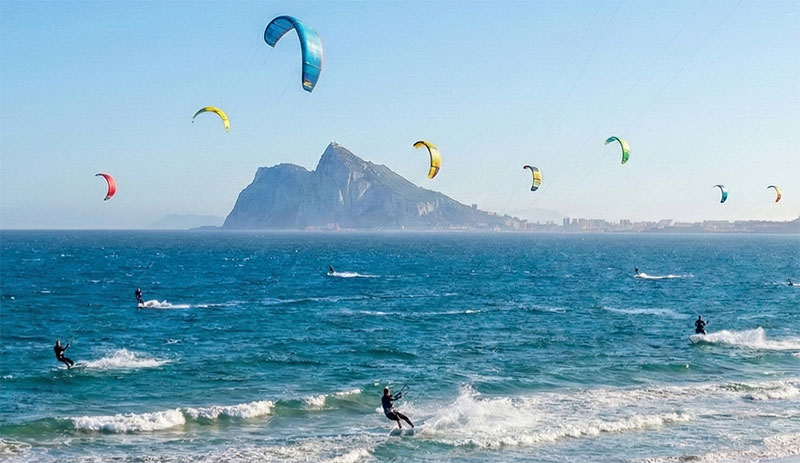
Dozens of colorful kitesurfers riding the wind on a sunny day at a beach in Tarifa, Spain, with the Rock of Gibraltar visible in the distance.

Known as the wind capital of Europe, Tarifa sits exactly where the Atlantic meets the Mediterranean. The constant “Levante” wind makes it a world-class playground for kitesurfers.


The Wind Capital: Kitesurfing in Tarifa

Location: Andalusia (The Southern Tip)

Best Time: May to October

Tarifa is a bohemian town right at the Strait of Gibraltar. You can literally see Morocco from the beach. Because the Mediterranean and Atlantic meet here, it creates a constant wind tunnel.

It is the Kitesurfing capital of Europe. The sky is filled with hundreds of colorful kites every day. The town itself has a laid-back, “surfer chic” vibe with cobblestone streets, tuna tapas bars, and late-night beach parties.

Read more: Planning a full southern loop? Use this itinerary: Southern Spain (Andalusia) Loop.


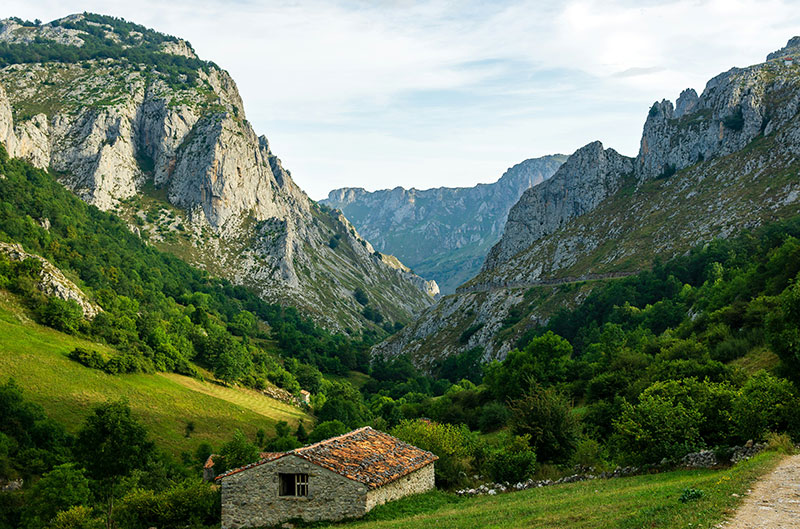
Old stone farm house and in the background Picos de Europa mountains.

The jagged limestone peaks of the Picos de Europa. Not for the faint of heart.


Trekking the Picos de Europa

Location: Asturias/Cantabria/Leon

Activity: High Alpine Hiking

If the Alps and the Dolomites had a baby, it would be the Picos de Europa. These are dramatic, jagged limestone spires that shoot straight up from the green pastures.

The most famous hike is the Cares Trail (Ruta del Cares). It is a 12km path carved directly into the cliff face of a deep gorge. It is flat but spectacular. For serious climbers, the ascent to the Naranjo de Bulnes (Picu Urriellu) is a bucket-list achievement.


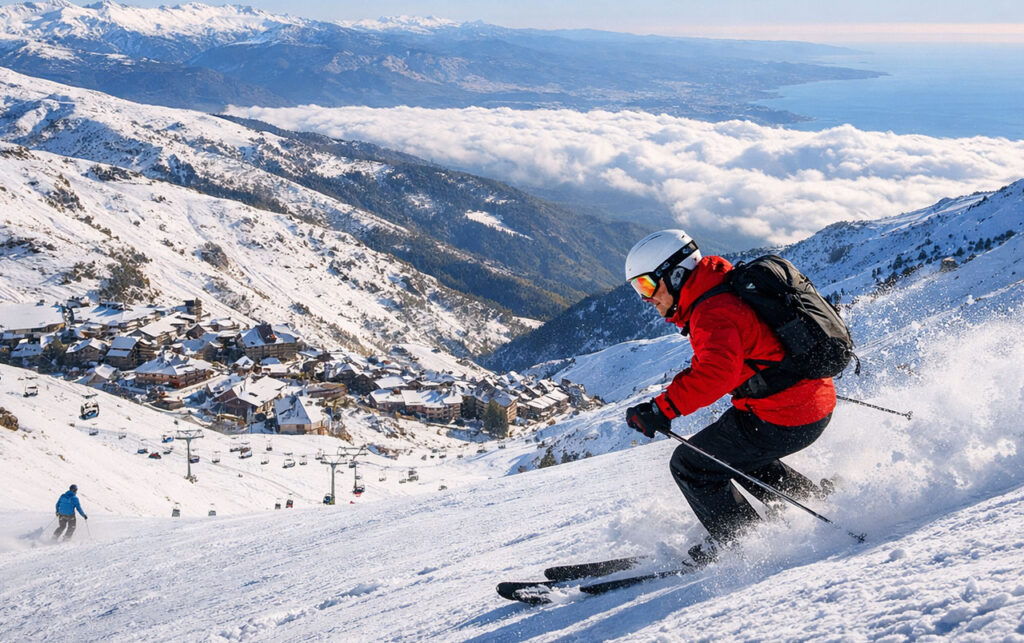
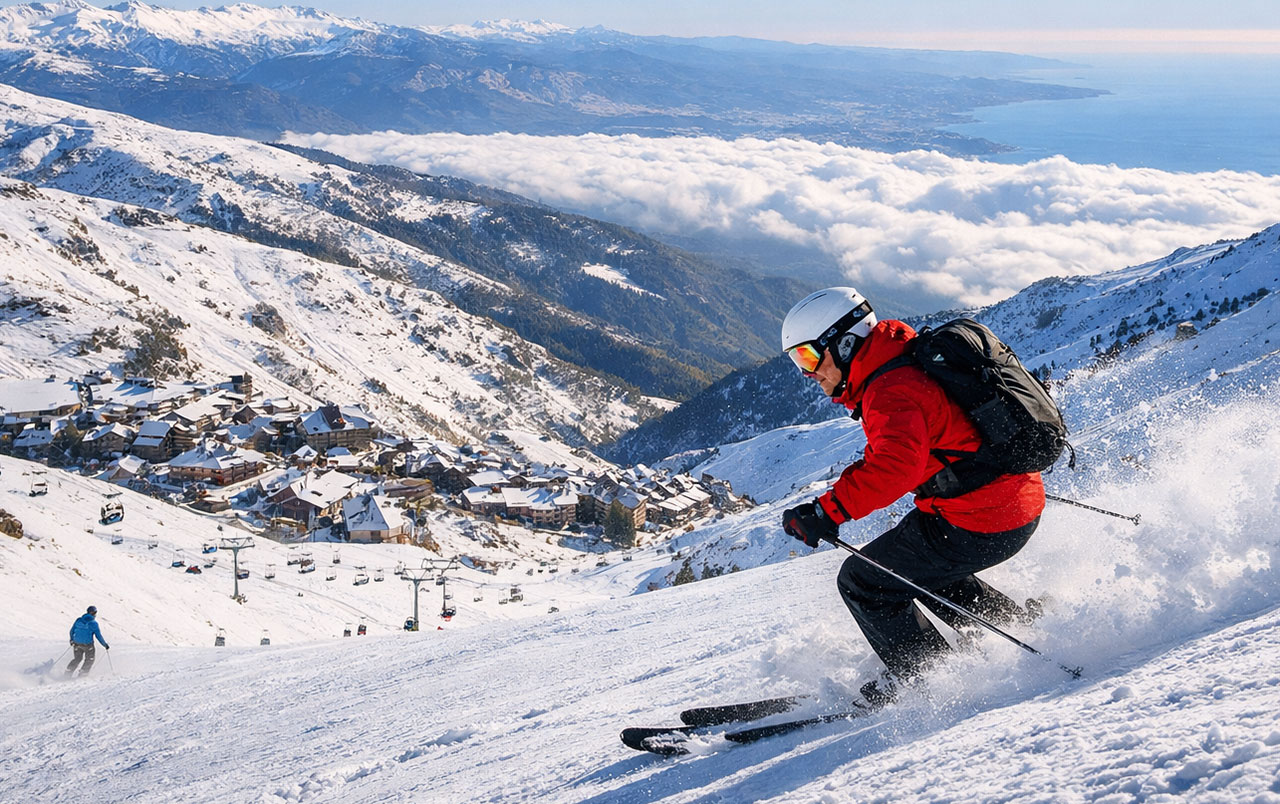
Skier descending a snowy slope in the Sierra Nevada mountains of southern Spain with coastal views in the distance

Skiing the Sierra Nevada in southern Spain, where alpine terrain meets Mediterranean views.


Skiing the South: Sierra Nevada

Location: Granada (Andalusia)
Activity: Skiing/Snowboarding

Skiing in southern Spain sounds like a joke, but the Sierra Nevada range rises to nearly 3,500 meters. It is Europe’s southernmost ski resort.

The magic here is the geography. On a clear day, you can see the Mediterranean Sea and the coast of Africa while you are skiing down the slope. Because it is so close to the coast, you can technically ski in the morning and drive 60 minutes to the beach for a paella in the afternoon. It is the ultimate Spanish flex.


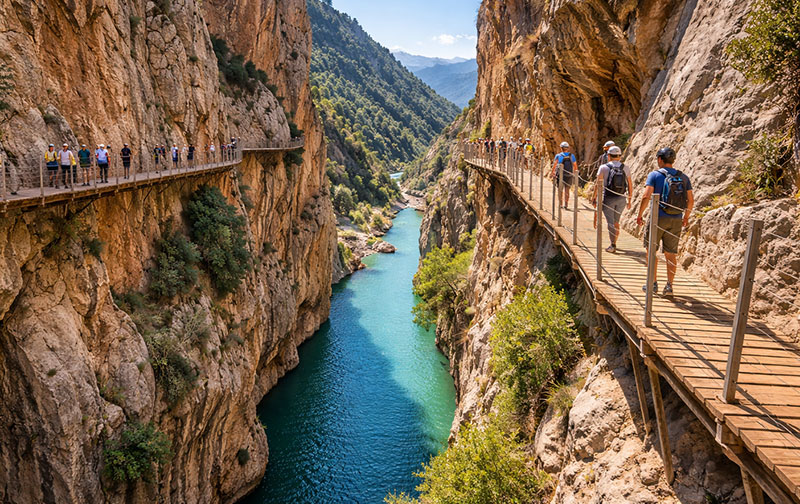
Hiking the Caminito del Rey, a dramatic cliffside walkway suspended above the Guadalhorce Gorge in southern Spain.

Hanging 100 meters above the river on the vertical walls of the Caminito del Rey.


The Cliff Walk: Caminito del Rey

Location: Ardales (Málaga)

Activity: Cliff Walking

Twenty years ago, this was known as the “World’s Most Dangerous Path.” Today, it has been completely rebuilt with a safe wooden boardwalk pinned to the vertical walls of the Gaitanes Gorge. It hangs 100 meters straight up above the river. It is totally safe now (you wear a helmet), but the visual drop is terrifying.


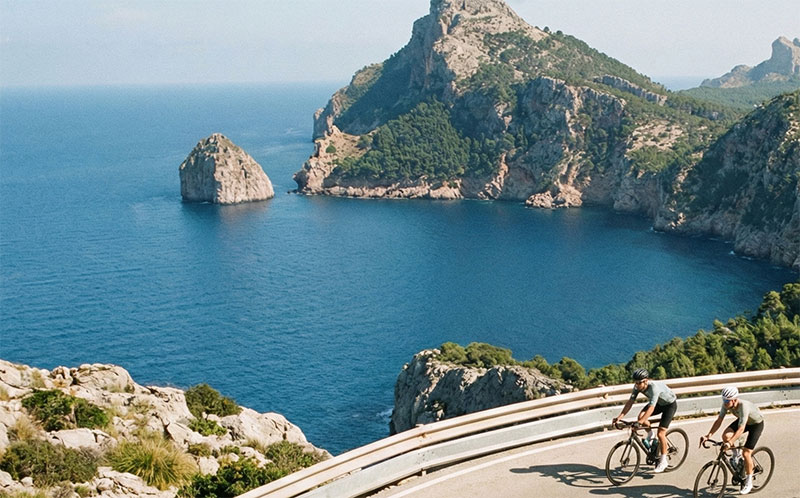
Overhead view of a group of cyclists riding a winding mountain road along the coast of Mallorca, Spain

Cyclists riding Mallorca’s legendary mountain roads, where coastal climbs and smooth switchbacks make the island a global cycling hub.


The Cyclist’s Mecca: Mallorca

Location: Serra de Tramuntana

Activity: Road Cycling

Mallorca is where the Tour de France pros train in the winter. The roads are perfect glass. The king of climbs is Sa Calobra, a road that snakes down 10km of hairpin turns to the ocean. The only way out is to climb back up. It is 26 hairpin turns of pure pain and beauty.


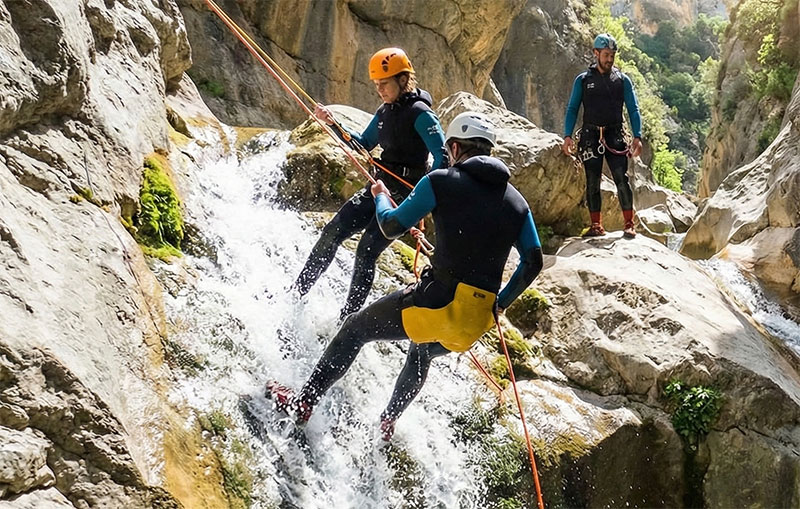
Adventurers canyoning in Sierra de Guara, Spain, with one person rappelling down a waterfall and another sliding down a natural rock chute into a turquoise pool.

The Sierra de Guara is the unofficial European capital of canyoning. It is a natural playground of turquoise pools, limestone chutes, and waterfalls that feels like a water park designed by nature.


Canyoning in Sierra de Guara

Location: Huesca (Pyrenees)

Activity: River Jumping/Rappelling

The Pyrenees are riddled with limestone gorges. Canyoning here means putting on a wetsuit and navigating the river by jumping off waterfalls and sliding down natural rock chutes. The Sierra de Guara is the European capital of this sport.


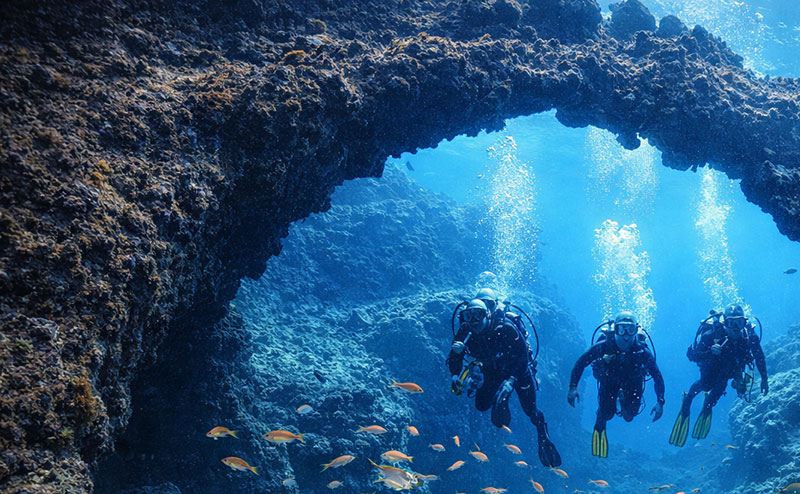
Scuba divers exploring volcanic lava arches and marine life in the Canary Islands off the coast of Spain

Scuba diving volcanic reefs in the Canary Islands, where lava arches, caves, and clear Atlantic waters surround rays, turtles, and subtropical fish.


Diving the Volcanoes: Canary Islands

Location: El Hierro / Lanzarote

Activity: Scuba Diving

While the Mediterranean is great, the Atlantic waters of the Canary Islands offer something different: Volcanic reefs. The underwater lava formations create dramatic arches and caves. El Hierro is a marine reserve with visibility often exceeding 30 meters, teeming with rays, turtles, and subtropical fish.


FAQs: Adventure Travel in Spain

Generally, no. Surfing/Kitesurfing: Schools in Zarautz and Tarifa rent boards and wetsuits. Cycling: High-end carbon bike rentals are everywhere in Mallorca. Skiing: Sierra Nevada has standard rental shops.

For the main Cares Trail, no—it is well marked and busy. For climbing Naranjo de Bulnes or going off-trail in the high limestone massifs, a guide is highly recommended due to the sudden fog (niebla) that can disorient hikers.

Not really. It is mostly flat walking on boardwalks. The challenge is mental (vertigo). It is about 7.7km total walking.

Read More Spain Travel Guides

City guides, itineraries, culinary deep dives, wine regions, art, and active travel across Spain.

CITY GUIDE

Barcelona

Neighborhoods, food, and day trips.

Read More

CITY GUIDE

Madrid

The city, the art, and the best day trips.

Read More

ITINERARY

Spain Itinerary

A smart route for Barcelona, Madrid, and Southern Spain.

Read More

ITINERARY

Southern Spain

The classic Andalusia loop with key stops.

Read More

CULINARY DEEP DIVE

Basque Country

San Sebastián, Bilbao, and pintxos culture.

Read More

CULINARY DEEP DIVE

San Sebastián

The ultimate pintxo crawl and map.

Read More

Spain’s Hidden Food Cities: San Sebastián, Jerez & Oviedo

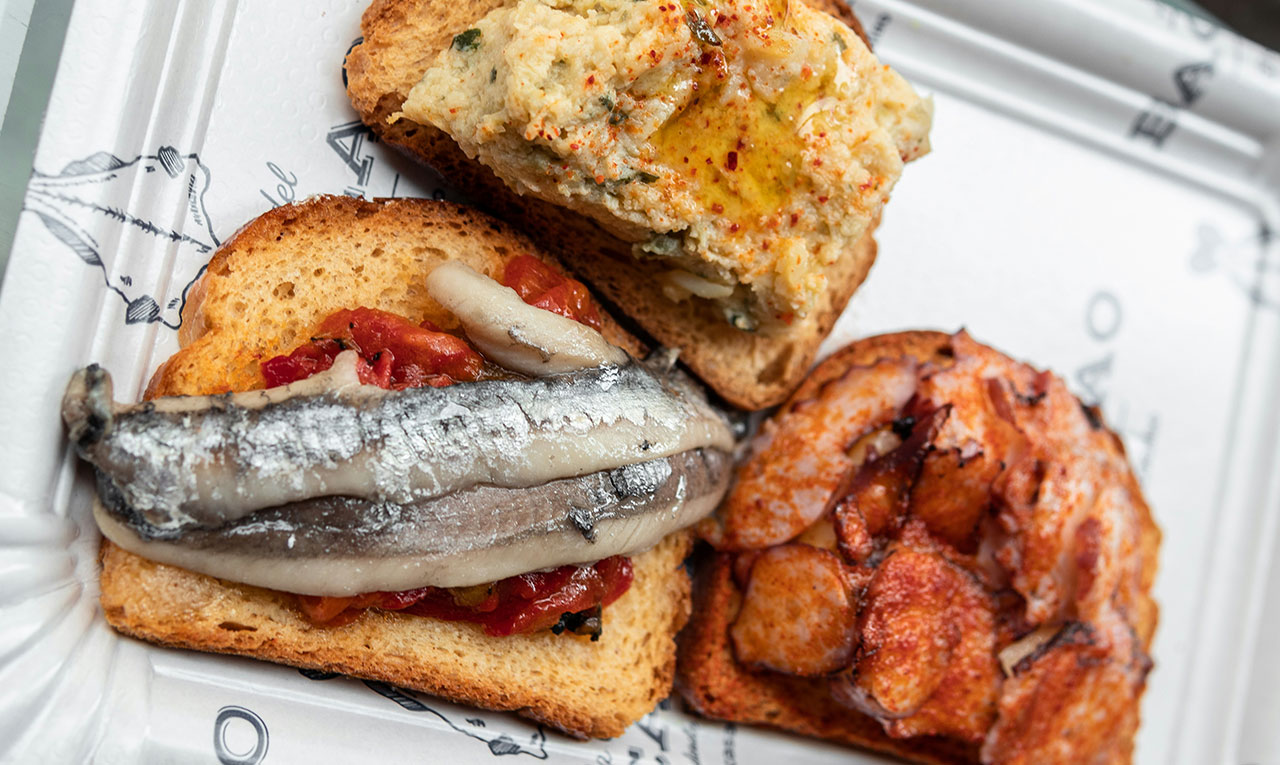
The bar counters in San Sebastián are literally overflowing with Pintxos. It is overwhelming in the best way possible.


By Corey Gasman

Spain’s Flavor Frontier: 4 Food Cities You Can’t Miss

Beyond Paella: Where the Real Foodies Go

If you ask most people about Spanish food, they talk about Paella in Valencia or Tapas in Madrid. And don’t get me wrong, those are great. But if you watch the travel shows—the ones hosted by chefs, not tour guides—you notice they always seem to end up in specific, smaller corners of the country.

Spain is incredibly regional. The food in the damp, green North has almost nothing in common with the fried seafood and sherry of the dry, hot South. To truly eat your way through Spain, you have to get off the high-speed train to Barcelona and head to the edges.

In this guide, we are focusing on four specific cities that punch way above their weight class. We will cover the Michelin-star density of the Basque Country, the “Sherry Triangle” in Andalusia, the cider houses of Asturias, and the technical brilliance of Girona.

This is where the locals eat when they want to impress themselves.

  Pro Tip: Food hours in these smaller cities are strict. Lunch is 2:00 PM – 4:00 PM. Dinner does not start until 8:30 PM or 9:00 PM. If you try to eat at 6:00 PM, you will be eating alone in a tourist trap.

The Foodie Bucket List

  • Must Drink: Sherry (Jerez) & Sidra (Asturias).
  • Must Eat: Gilda Pintxo (San Sebastián).
  • Best Market: Mercado de la Ribera (Bilbao/nearby) or Mercado de Abastos (Jerez).
  • Reservation Alert: Book Michelin places 3-6 months out.
  • Hidden Gem: Tabancos in Jerez (Sherry bars).

The Price of Flavor (2026 Estimates)

City Experience Cost (EUR) Notes
San Sebastián Pintxo Crawl (Dinner) €30 – €50 Expect to hit 4-5 bars.
San Sebastián Michelin Star Lunch €150 – €300+ Arzak, Akelarre, etc.
Jerez Glass of Sherry €2.00 Poured straight from the barrel.
Jerez Flamenco Show €25 – €40 Often includes a drink.
Oviedo Sidreria Meal (Fabada) €25 Huge portions, heavy food.
Girona Rocambolesc Ice Cream €5.00 Jordi Roca’s famous gelato.

The sheer variety of Pintxos in the Old Town (Parte Vieja) of San Sebastián.


San Sebastián: The World Capital of Eating

The Vibe: Sophisticated, coastal, and obsessed with quality.

Known For: Having more Michelin stars per capita than almost anywhere on earth.

You have seen this city on every Anthony Bourdain or José Andrés show. Located in the Basque Country (northern Spain), Donostia (its Basque name) is a holy pilgrimage for chefs. It is famous for two opposing things: incredibly expensive avant-garde restaurants and incredibly cheap, chaotic bars.

The Pintxo Crawl (Txikiteo)

In the Old Town, the counters are lined with “Pintxos” (small bites on bread). The rule is simple:

1. Walk in.

2. Order a “Zurito” (small beer) or “Txakoli” (sparkling dry white wine).

3. Point to one or two pintxos. Eat them standing up.

4. Drop your napkin on the floor (yes, really).

5. Pay and move to the next bar.

The Michelin Giants

If you have the budget, this is the place to blow it. Arzak, Akelarre, and Mugaritz are consistently ranked in the top 50 restaurants in the world. They don’t just serve food; they serve science experiments that taste like childhood memories.

  Local Guide Tip: Don’t just eat the cold stuff on the counter. The best Pintxos are the “Caliente” (hot) ones you order from the chalkboard, like seared foie gras or grilled mushrooms.

Inside a “Tabanco” in Jerez, where the wine comes straight from the barrel and the receipt is written in chalk on the bar.


Jerez de la Frontera: Sherry, Horses & Flamenco

The Vibe: Dusty, romantic, soulful, and steeped in tradition.

Known For: Being the “Cradle of Flamenco” and the only place in the world that makes Sherry.

Located deep in the south (Andalusia), Jerez feels different. It is hot, passionate, and slower. While San Sebastián is about modern perfection, Jerez is about history.

The Tabanco Culture

You don’t go to bars here; you go to Tabancos. These are old wine merchants that double as taverns. You stand among the giant black barrels.

  • What to Drink: You have to drink Sherry (Vino de Jerez). Try a Fino (dry, crisp, salty) or an Oloroso (dark, nutty, aged). It is poured directly from the barrel by a bartender who uses a long stick called a venencia.
  • The Atmosphere: In the evenings, many Tabancos have impromptu Flamenco singing. It isn’t a show for tourists; it’s just what happens here.

The Alcázar & Horses

Between drinks, visit the Royal Andalusian School of Equestrian Art to see the famous dancing horses, or explore the Alcázar, an 11th-century Moorish fortress. The history here is heavy, and the food—oxtail stew (Rabo de Toro) and fried fish—reflects that mix of cultures.

The “Escanciado”: Pouring cider from high up to aerate it. Expect wet shoes.


Oviedo (Asturias): The Land of Cheese & Cider

The Vibe: Green, mountainous, rustic, and hearty.

Known For: Sidra (Cider) and Cabrales (Blue Cheese).

If you are tired of the heat, head north to Asturias. This looks like Ireland but eats like Spain. It is the dairy capital of the country.

The Cider Ritual

In Oviedo, you go to a Sidrería (Cider House). The floors are covered in sawdust. When you order cider, the waiter will pour it from high above his head into the glass to aerate it (the Escanciado).

The Rule: You drink the small amount (“culín”) immediately while it’s frothy, and throw the last dregs on the sawdust floor to “return it to the earth.”

Fabada Asturiana

This is not a light snack. It is a rich stew of white beans, chorizo, morcilla (blood sausage), and pork shoulder. It is comfort food at its absolute peak, usually eaten after a hike in the Picos de Europa mountains.

The colorful houses hanging over the Onyar River in Girona.


Girona: The Tech-Food Capital

The Vibe: Medieval architecture meets cutting-edge gastronomy.

Known For: El Celler de Can Roca and Game of Thrones filming locations.

Just an hour north of Barcelona, Girona is often skipped by day-trippers, which is a mistake. It is home to El Celler de Can Roca, which has been named the #1 restaurant in the world twice. The Roca brothers have influenced the entire city.

Rocambolesc (Michelin Gelato)

Can’t get a table at El Celler? No problem. Go to Rocambolesc, the ice cream shop run by Jordi Roca (the pastry chef brother). You can get soft serve topped with cotton candy, popping sugar, and dehydrated fruits. It is pure Willy Wonka magic for about €5.

The Market & The Classics

The Mercat del Lleó is where the chefs shop. Look for local sausages (Butifarra) and “Xuixo”—a deep-fried pastry filled with crema catalana that is unique to this city.

FAQs: Eating in Spain’s Hidden Gems

Tipping culture in Spain is modest. In a Michelin star place, 5-10% is appreciated. In a Pintxo bar or Tabanco, you might leave the small change (coins) on the counter, but nobody expects 20%.

San Sebastián: Yes, widely. Girona: Yes. Jerez & Oviedo: Less so. You will find menus in Spanish only. Learning food words like “Pollo” (Chicken), “Cerdo” (Pork), and “Pescado” (Fish) goes a long way.

Jerez has its own small airport, but it is often easier to take the high-speed train (Alvia) from Madrid (about 3.5 hours) or a short train ride from Seville (1 hour).

Absolutely. Spanish dining is incredibly family-friendly. It is common to see whole families, including babies, out at tapas bars at 10:00 PM.

La Rioja Wine Guide: Best Wineries & Tapas in Spain

The rolling vineyards of Rioja Alavesa, with the Cantabrian mountains in the distance.


By Corey Gasman

La Rioja: Where Wine is a Religion

If you think you know Spanish wine because you have had a glass of Sangria on a beach in Barcelona, La Rioja is here to correct you. Gently, but firmly.

Located in northern Spain, tucked under the Cantabrian mountains, this is arguably the most famous wine region in the country. But it doesn’t feel like the pompous châteaux of Bordeaux or the manicured wealth of Napa Valley. Rioja feels… grounded. It smells like old oak, damp earth, and roasted lamb.

I remember my first trip to the capital, Logroño. I expected a sleepy agricultural town. Instead, I found the highest concentration of tapas bars per square meter in the world and a culture where “going for a wine” is a daily ritual, not a special occasion.

Rioja is actually divided into three zones: Rioja Alta (historic, elegant wines), Rioja Alavesa (Basque influence, smaller plots, fruitier wines), and Rioja Oriental (warmer, Mediterranean influence).

What makes this region special is the obsession with aging. In many parts of the world, the winemaker bottles the wine and sells it to you to age in your cellar. In Rioja, the bodega (winery) does the work for you. They hold the wine in massive barrel halls for years—sometimes decades—releasing it only when it is ready to drink. When you buy a Gran Reserva here, you are buying time.


This guide is for the traveler who wants to do more than just drink; it is for the traveler who wants to understand why the wine tastes the way it does. We will cover the “Cathedrals of Wine” (bodegas designed by star architects), the dark tunnels of the traditionalists, and exactly what to eat to make that glass of Tempranillo sing.

  Pro Tip: Base yourself in Logroño or the medieval walled town of Laguardia. Logroño is better for nightlife and food (Calle Laurel); Laguardia is better for romance and vineyard views.

Rioja at a Glance

  • Main Grape: Tempranillo (The King)
  • Best Time: Sept/Oct (Harvest) or May
  • Transport: Car is essential for wineries
  • Must-Eat: Chuletillas al sarmiento (Lamb chops)
  • Key Towns: Logroño, Haro, Laguardia
  • Souvenir: A bottle of Gran Reserva (2010 or 2015)

What Things Cost (2026 Estimates)

Item Cost (EUR) Cost (USD) Notes
Winery Tour (Standard) €15–€25 $16–$27 Includes tasting of 2-3 wines.
Premium Tasting Tour €40–€70 $44–$77 Includes VORS or Gran Reservas.
Pintxo (Tapa) + Wine €3.50–€5.00 $4.00–$5.50 Price per round on Calle Laurel.
Bottle of Crianza (Restaurant) €14–€18 $15–$20 Incredibly cheap compared to US.
Bottle of Gran Reserva (Shop) €25–€50+ $27–$55+ Great value for aged wine.

Frank Gehry’s titanium ribbons at Marqués de Riscal contrast wildly with the old stone village.


Top Wineries: The Old vs. The Avant-Garde

Rioja is unique because you can visit a winery that looks like a spaceship and then drive 10 minutes to one that hasn’t changed a lightbulb since 1890.

1. The Architect’s Dream: Marqués de Riscal (Elciego)

You have seen the photos. The purple and gold titanium ribbons designed by Frank Gehry (who did the Guggenheim Bilbao). It is a “City of Wine.”

  • The Vibe: Luxury, modern art, and history colliding.
  • The Visit: The tour takes you through the original 1858 cellars (where dusty bottles are kept behind iron gates) and ends with a tasting in the modern wing.
  • Note: You must book weeks in advance.

2. The Time Capsule: R. López de Heredia Viña Tondonia (Haro)

This is my favorite winery in the world. Period. Walking in here is like stepping into the 19th century. They refuse to modernize. There are cobwebs in the tunnels that are older than me.

  • The Vibe: Quiet, serious, traditional. It smells of damp mold and old wood—in the best way possible.
  • The Wine: They are famous for their whites (Viña Tondonia Blanco) which are aged longer than most reds. They taste like honeycomb, diesel, and dried fruit.

3. The Museum: Vivanco (Briones)

If you only have one day and want to learn everything, go here. The Vivanco family built what is widely considered the best wine museum in the world.

  • The Vibe: Educational and impressive.
  • The Visit: You can see Picasso paintings featuring wine, ancient Roman presses, and a garden with hundreds of grape varieties. The restaurant here is also spectacular for lunch.

4. The Boutique Choice: Bodegas Baigorri (Samaniego)

A giant glass box sitting on top of a hill. You enter at the top, and the gravity-fed winery goes seven floors underground.

  • The Vibe: Sleek engineering. You follow the path of the grape as it drops down through the floors.

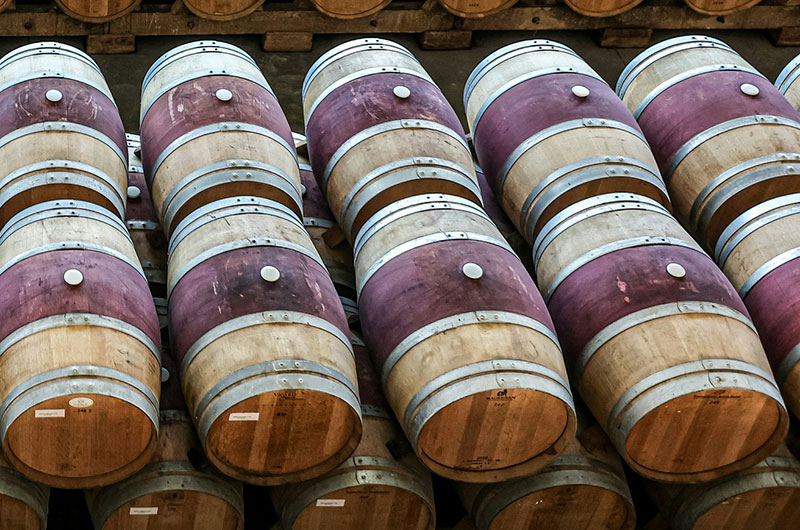
Rows of American oak barrels where Rioja sleeps for years.


Decoding Spanish Wine: What to Order

Spanish wine labels can be confusing. They don’t usually list the grape (Tempranillo) on the front; they list the age. Here is your cheat sheet so you don’t look lost at the bar.

The Holy Trinity of Aging

  • Crianza (The Everyday Drinker):
    • What it is: Aged for at least 2 years (1 in oak).
    • Taste: Fresh, fruity, with just a hint of vanilla/spice.
    • When to drink: With tapas, lunch, or a Tuesday night pizza.
  • Reserva (The Serious Stuff):
    • What it is: Aged for at least 3 years (1 in oak).
    • Taste: Deeper, smoother, more leather and tobacco notes. The harsh edges are gone.
    • When to drink: With a steak dinner or roasted lamb.
  • Gran Reserva (The Legend):
    • What it is: Aged for at least 5 years (2 in oak), often much longer. Only made in the best harvest years.
    • Taste: Rusty color. Tastes like dried figs, old libraries, and spice. Silky smooth.
    • When to drink: Special occasions. This is a meditation wine.
  Local Guide Tip: Don’t ignore Rioja Blanco (White Rioja). Unlike the crisp Sauvignon Blancs you might know, traditional White Rioja is aged in oak. It is golden, nutty, and creamy. It pairs perfectly with Paella or heavy pork dishes.

Chuletillas al sarmiento: Lamb chops grilled over dried grapevines.


The Spanish Table: Pairing Like a Local

In Spain, wine is food. You rarely drink without eating. Here are the classic pairings you need to try in Rioja.

1. The Holy Grail: Chuletillas + Rioja Reserva

This is the signature dish of the region. Chuletillas al sarmiento are baby lamb chops grilled over the dried prunings (vines) of the grape harvest. The smoke from the vines infuses the meat.

  • Why it works: The fat of the lamb cuts through the tannins of a bold Reserva, and the smoky meat matches the toasted oak of the wine.

2. Chorizo & Patatas a la Riojana + Crianza

A heavy stew made with potatoes, spicy chorizo, and paprika.

  • Why it works: You need a high-acid, fruity wine (Crianza) to scrub your palate after the heavy, oily chorizo. A fancy Gran Reserva would get lost here.

3. Manchego Cheese + Gran Reserva

Order a plate of cured Manchego (Curado). Sip the wine.

  • Why it works: The salt crystals in the aged cheese bring out the dried fruit flavors in the old wine. It is simple perfection.

The chaos of Calle Laurel at 9 PM. This is where the magic happens.


The Elephant Trail: Logroño’s Tapas Scene

In Logroño, they call a tapas crawl “The Trail of the Elephants” (because if you visit every bar, you will end up walking on all fours with a trunk—a hangover—the next day).

The famous street is Calle del Laurel. Here, every bar specializes in one thing. You do not order a menu; you order the specialty.

My 3-Stop Laurel Strategy:

  1. Bar Soriano: Order the “Champi”. A stack of three mushrooms grilled with shrimp and garlic butter. Pair with a “Zurito” (small beer) or a young wine.
  2. Bar Jubera: Patatas Bravas. The spicy sauce here is legendary. Pair with a Rioja Crianza.
  3. Bar Sebas: Tortilla de Patata (Potato Omelet). It is runny, warm, and comforting.

FAQs: Rioja Travel

To visit the wineries in Haro, Elciego, or Laguardia, yes. Or hire a driver. The police are very strict about drinking and driving, so a designated driver or a tour guide is highly recommended.

Generally, no. Unlike Napa or South Africa, most Rioja wineries require a reservation for a tour/tasting. Some have wine bars open to the public (like Vivanco or Riscal), but for the full experience, book 2 weeks ahead.

In Spain? No. It is shockingly cheap. You can get a world-class glass of Reserva in a bar for €3.50. Buying bottles to take home is also 50% cheaper than in the US/UK.

Rioja is very accessible. It is about a 1 hour and 15-minute drive from Bilbao (Guggenheim) and about 1.5 hours from San Sebastian. It makes for a perfect 2-day side trip from Basque Country.

Motor Valley Italy: Ferrari, Lambo & Ducati

Home » Destinations » Page 9

By Corey Gasman

If you love the smell of high-octane fuel and the sound of a V12 screaming toward redline, Emilia-Romagna is not just another region of Italy. This is Motor Valley, one of the most concentrated collections of automotive engineering on Earth.

Within a relatively short drive you can visit the worlds of Ferrari, Lamborghini, Maserati, Pagani, Ducati, and Vespa. These are not just brands here. They are part of the cultural identity of the region.

Coming from the United States, we grow up around muscle cars and straight-line horsepower. Motor Valley feels different. Here the machines are treated like works of art. Precision engineering mixes with Italian design, racing history, and a level of passion you rarely see anywhere else.

On my trip through Emilia-Romagna I skipped some of the usual Italy checklist. No Colosseum. No gondolas in Venice. Instead I focused entirely on the machinery and the places where these legendary cars and bikes are built.

Pro Tip: Museums are fun, but factory tours are the real payoff. Ferrari is more controlled and polished, while Lamborghini and Pagani feel more intimate and hands-on if you can book them.

Motor Valley at a Glance

  • Best Airport: Bologna (BLQ)
  • Best Base: Modena for car focus, Bologna for city energy
  • Getting Around: Rental car makes the trip much easier
  • Main Stops: Maranello, Modena, Sant’Agata Bolognese, Bologna
  • Best For: Car lovers, motorcycle fans, design nerds, and F1 travelers
  • Local Food: Tortellini, tagliatelle al ragù, balsamic vinegar, prosciutto
  • Watch For: ZTL zones, speed cameras, and limited factory tour slots
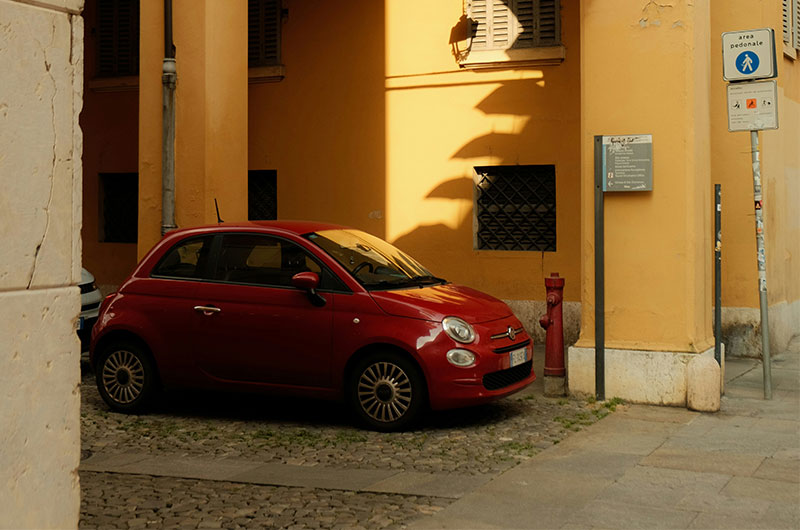
A small red rental car parked on a cobblestone street in the historic center of Modena, Italy, with traditional Italian architecture in the background.

Modena makes the best home base for visiting Ferrari, Pagani, Maserati, and the rest of Motor Valley without constantly changing hotels.


Where to Stay

The factories of Motor Valley are spread across smaller towns south and west of Bologna. Choosing the right base will save you hours of driving and keep the trip feeling fun instead of logistical.

City Vibe Why Stay Here
Bologna Lively university city with great food and more nightlife Best if you want a real city stay, easy airport access, and Ducati nearby
Modena Refined, smaller, upscale, central The best overall base. Close to Ferrari, Pagani, Maserati, and excellent food
Maranello Ferrari-first company town Good only if Ferrari is the entire focus of your trip
Local Guide Tip: Always choose a hotel with parking outside the historic ZTL zones. If you accidentally drive into a restricted zone, cameras can send the fine straight to your rental car company.

For most travelers, Modena is the sweet spot. It is elegant, walkable, food-obsessed, and much better looking than staying in an industrial area just because it is close to one factory gate.

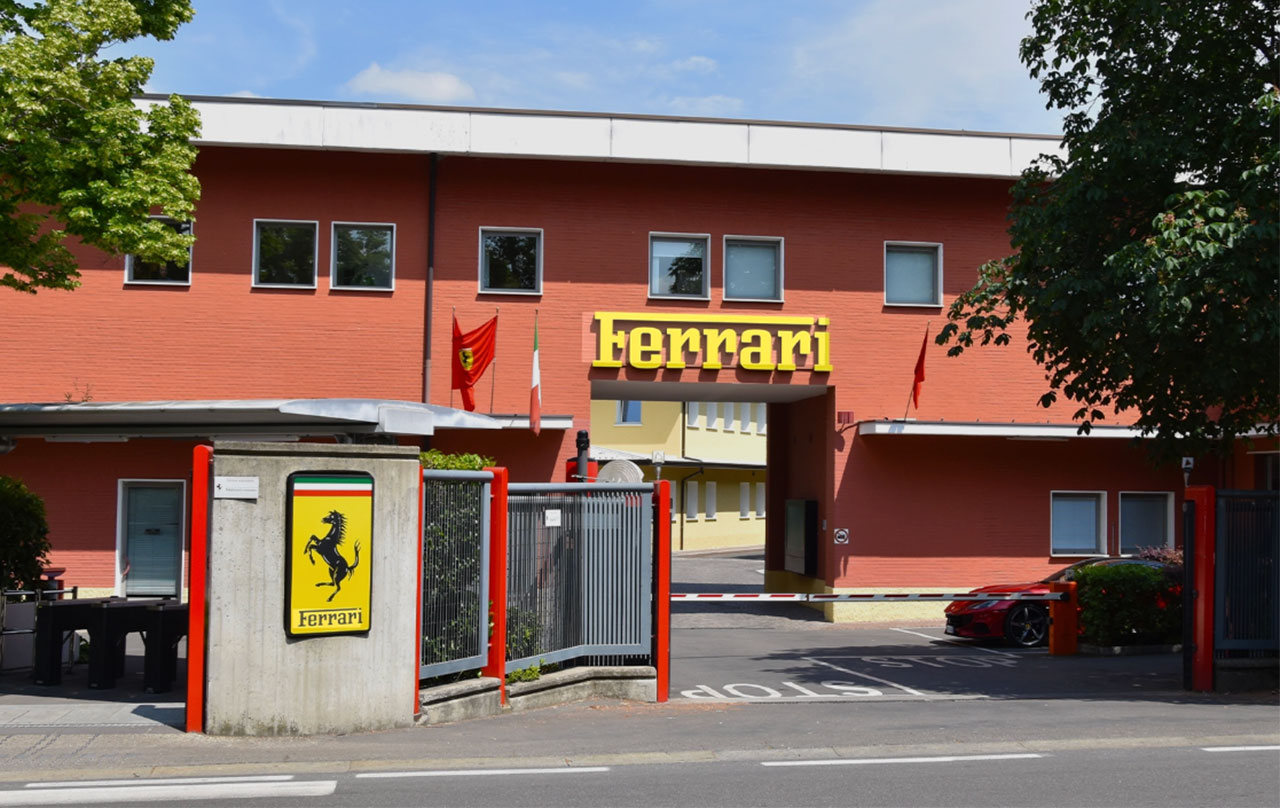
The historic red brick entrance of the Ferrari factory in Maranello, Italy, featuring the iconic yellow Ferrari shield and "Ferrari" signage.

Motor Valley is not one museum stop. It is a whole regional circuit of design, speed, engineering, and deeply Italian brand pride.


Ferrari, Lamborghini & Pagani

If you are planning a first trip to Motor Valley, these are the three names that usually anchor the itinerary. They each feel totally different, and that contrast is part of what makes the region so good.

Ferrari in Maranello

Ferrari is the biggest draw and the most polished visitor experience. The museum is slick, brand-forward, and packed with Formula 1 history, road cars, and rotating exhibits. Maranello also gives you the easiest shot at doing a short Ferrari test drive with one of the local operators near the museum.

The tradeoff is that Ferrari feels the least intimate. It is iconic, but also more curated and controlled than the smaller factory experiences.

Lamborghini in Sant’Agata Bolognese

Lamborghini feels more raw and dramatic. The museum leans into the brand’s supercar swagger, and if you can get a factory experience, it is one of the most memorable stops in the region. The town itself is quiet, so this is a destination stop rather than a place you linger.

Pagani near Modena

Pagani is the boutique experience. Compared with Ferrari and Lamborghini, it feels smaller, more obsessive, and closer to the idea of a rolling art studio. If you appreciate craftsmanship, materials, and the absurd detail level of low-volume hypercars, Pagani often becomes the sleeper favorite of the whole trip.

Pro Tip: If you only have time for two major brands, I would usually do Ferrari for the history and Pagani or Lamborghini for the production-floor magic.

Maserati’s headquarters remain right in the heart of Modena, making it the easiest factory tour to access without a car.


Maserati in Modena

Maserati is the hometown hero of Modena. While Ferrari and Lamborghini are tucked away in neighboring towns, Maserati’s historic factory and modern showroom sit right inside the city limits. This makes it incredibly easy to fit into your itinerary without driving out into the countryside.

You can book a 90-minute factory tour to walk the assembly line and see the powertrain department, or opt for a shorter 40-minute showroom tour if you are pressed for time. Because of its location, pairing a morning factory visit with lunch in Modena’s historic center is a seamless experience.

Local Guide Tip: Maserati factory tours operate strictly on weekdays and spots are limited. Book well in advance through their official site or the Modena tourism office.

Ducati Factory

Motor Valley is not just a supercar destination. If you like motorcycles at all, Ducati in Bologna deserves a real spot on the itinerary.

The Ducati experience brings a different energy than the car brands. It feels faster, sharper, and more tied to racing identity and everyday rider obsession. Even people who are not huge bike nerds tend to enjoy the visit because the design language is so strong and the racing heritage is so visible.

Bologna is also a much livelier place to pair with a Ducati day than some of the smaller factory towns. That makes it easy to combine the visit with a better dinner, a city walk, and a more balanced day overall.

Local Guide Tip: If you are splitting time between Bologna and Modena, do your Ducati stop on the Bologna side of the trip so you are not crossing back and forth unnecessarily.

Vespa Culture

Not every great two-wheeled experience in Italy has to be about horsepower. Part of what makes northern Italy fun is that the machine culture runs from exotic hypercars all the way down to everyday scooters and the broader design tradition behind them.

Even if Vespa is not the core reason for your trip, it adds context. Italy’s vehicle culture is not just about speed. It is also about style, mobility, industrial design, and how machines fit into daily life. In Motor Valley, that wider culture is always in the background.

If you are into photography, street scenes, or simply the romance of Italian transport culture, leave room in the schedule for this softer side of the region too. The trip gets better when it is not only museum after museum.

Emilia-Romagna is not just Motor Valley. It is widely considered the culinary capital of Italy.


Fueling Up: The Food of Motor Valley

You cannot come to this region and only care about cars. Emilia-Romagna is Italy’s undisputed culinary heavyweight. This is the birthplace of Parmigiano Reggiano, traditional balsamic vinegar, and authentic prosciutto di Parma.

Meals here are a serious event. Between factory tours, you should be eating handmade tortellini en brodo and rich tagliatelle al ragù. Taking time for a long, slow lunch is part of the local rhythm. Skip the quick panini counters near the museums and make reservations at traditional osterias or trattorias instead.

Pro Tip: Modena is home to some of the finest dining in the world, including Massimo Bottura’s legendary spots. Book your dinners long before you book your flights if high-end dining is a priority.

3-Day Motor Valley Loop

Three days is enough to do this well if you keep the route tight and do not try to cram every possible stop into one trip.

Day 1: Arrive in Bologna or Modena

  • Pick up rental car
  • Settle into Modena or Bologna
  • Easy first dinner and early night
  • If timing works, do a short city walk instead of a major factory stop

Day 2: Ferrari + Pagani or Lamborghini

  • Start early with Ferrari in Maranello
  • Add a test drive if that is on your bucket list
  • Do lunch in Modena
  • Use the afternoon for Pagani or Lamborghini, depending on bookings

Day 3: Ducati + scenic driving + food

  • Head toward Bologna for Ducati
  • Build in a relaxed lunch stop
  • Use the afternoon for a countryside drive, balsamic tasting, or extra Modena time
Pro Tip: The easiest way to ruin Motor Valley is to overbook it. Two strong stops in one day is usually enough. Anything more starts feeling rushed.

Driving in Italy

Driving here is very manageable, but there are a few things that catch Americans off guard. The roads are generally good, distances are not huge, and signage is decent. The problems are usually administrative, not dramatic.

  • ZTL zones: Historic centers often have restricted traffic areas with cameras
  • Autostrada tolls: Budget for them and keep your ticket organized
  • Speed cameras: They are common and far less forgiving than many U.S. drivers expect
  • Parking: Confirm it with your hotel before arrival
  • Manual cars: Often cheaper, but only worth it if you are comfortable

The actual regional driving is pretty easy. What matters most is slowing down around towns, planning parking in advance, and not assuming you can improvise your way into old city centers without consequences.

Best Driving Roads

Motor Valley is about factories, but some of the fun comes from the roads between them. You are not here for an alpine road trip, but there are still plenty of satisfying stretches through the countryside.

  • Modena to Maranello for the classic Ferrari corridor feel
  • The rural roads around Sant’Agata Bolognese for a quieter Lamborghini run
  • Backroads between Modena and Bologna if you want scenery instead of pure efficiency

The key is not chasing one famous road. It is giving yourself enough margin to enjoy the movement between stops instead of treating every drive like a transfer day.

Watching F1

If your trip overlaps with race season, Motor Valley becomes even more meaningful. This is Ferrari country, and the Formula 1 connection runs deep.

The obvious add-on is Imola, one of the most historic tracks in Italy. Even when there is not a live Grand Prix on, just being in a region where Ferrari, Ducati, and Italy’s racing identity are so tightly woven together adds another layer to the trip. Imola also regularly hosts the World Endurance Championship (WEC), so it is always worth checking the track calendar to see what machines are running while you are in town.

If you cannot line up a race weekend, a museum-heavy itinerary still gives you plenty of F1 energy through Ferrari exhibits, memorabilia, and the general atmosphere around Maranello.

A red Ferrari F8 Tributo driving on a scenic road in Italy during sunset.

Prices change, but the bigger budget question is whether you are doing just museums or adding premium factory tours and test drives.


What Things Cost (2026)

Item Typical Cost (EUR) Typical Cost (USD) Notes
Ferrari Museum €25 ~$27 Adult ticket at Maranello museum
Ferrari Museums Pass €38 ~$41 For Maranello + Modena
Pagani Museum €18 ~$20 Adult museum entry
Maserati Factory Tour €50 ~$55 90-minute plant tour in Modena
Maserati Showroom Tour €15 ~$16 40-minute guided showroom visit
Lamborghini Experience Varies Varies Check official booking availability and package type
Ducati Experience Varies Varies Factory and museum offerings can change seasonally
Ferrari Test Drive €150-€300+ $165-$330+ Depends on car and drive length
Rental Car €60-€100/day ~$65-$110/day Manual is often cheaper
Espresso €1.20-€1.80 ~$1.30-$2.00 Usually cheaper standing at the bar
Dinner in Modena €40-€60 $45-$65 Per person with wine at a solid mid-range restaurant

Frequently Asked Questions

What is Motor Valley in Italy?

Motor Valley is the automotive and motorcycle corridor in Emilia-Romagna, Italy, centered around brands like Ferrari, Lamborghini, Pagani, Ducati, and Maserati. For travelers, it is one of the best places in the world to combine factory visits, museums, test drives, and racing culture in a relatively compact area.

Modena is the better base if the trip is mainly about Ferrari, Pagani, and the core car experience. Bologna is better if you want a livelier city stay, easier airport access, and Ducati nearby. If you only want one hotel base, Modena is usually the best overall choice.

A rental car is strongly recommended. You can piece together trains and taxis, but the factories and museums are spread out enough that having your own car makes the trip much easier and more enjoyable.

Yes, especially for first-time visitors. The Ferrari museum is the most polished and iconic stop in the region. It may not feel as intimate as some smaller factory experiences, but it absolutely belongs on a first Motor Valley itinerary.

Read More Italy Guides

Keep planning with the full Italy hub, practical train advice, and a broader first-timer guide before you lock in your route.

Cartagena Travel Guide

A narrow, sunlit street in the Walled City of Cartagena, Colombia, featuring colorful colonial buildings with traditional wooden balconies and vibrant bougainvillea flowers.

The historic streets of the Walled City are defined by preserved colonial architecture and flower-draped balconies.


Home » Destinations » Page 9

Last updated: March 2026 by Corey Gasman

From the Editor:

Cartagena has a funny way of sneaking up on you. You land expecting colorful colonial streets, a Caribbean breeze, and a few great photos. But if you stay long enough, the city starts to feel less like a destination and more like a routine you actually want to keep.

Melissa and I spent a full month living in Bocagrande from mid-January to mid-February. We settled into a rhythm that most short-term visitors miss. This guide is written to help you skip the tourist traps and find the version of Cartagena that makes you want to stay.

This Cartagena travel guide covers where to stay, what to do, costs, safety, and how to experience the city like a local.

The Check-Mig Requirement:

You must fill out Colombia’s Check-Mig form online before entering and leaving the country. Do not skip this.

The official site can be buggy, so complete it on a desktop between 72 hours and 1 hour before your flight. Always screenshot the confirmation QR code, as airlines will ask for it before you board.

Planning a bigger Colombia trip?

Start here: Colombia Travel Hub

TLGA Rule: The best sunset is not always at an expensive bar. Grab a cold beer from a street vendor and sit on the historic wall for the exact same view at a fraction of the price.

The Clock Tower (Torre del Reloj) is the gateway to the Walled City. Expect heat, history, and a constant flow of vendors.


Finding the Local Rhythm

Cartagena is easy to visit, but it takes a little strategy to actually live in it.

A typical 3-day itinerary looks very different from a one-month stay. When you are here for a month, you trade the expensive rooftop dinners for $5 lunches and daily grocery runs at Carulla. You start to realize that the heat dictates your schedule.

Regarding logistics, one of the biggest questions is the water. Can you drink the tap water? Technically, yes. Cartagena’s tap water is treated. However, most locals and long-term expats stick to filtered or bottled water just to be safe. If you are in an Airbnb for a month, buy the large five-liter jugs known as botellones at the grocery store.

Views from our Airbnb in Bocagrande. While the Walled City has history, Bocagrande has the ocean views and modern conveniences.


Where to Stay: Neighborhood Guide

Cartagena is defined by its neighborhoods. Your experience will change completely depending on where you sleep.

Bocagrande (The Home Base)

This is where we lived, and it is the best option for long stays or remote work. It looks a bit like Miami with its high-rise condos and beaches. It works perfectly as a home base because you have modern grocery stores, gyms, and reliable internet, all while being a 10-minute ride to the old city.

Centro Histórico (The Walled City)

This is best for short trips, first-timers, and romance. It is packed with cobblestones, flower-draped balconies, boutique hotels, and high-end dining. The trade-off is that it is more expensive, louder, and the internet can be spotty due to the thick colonial walls.

Getsemani and Manga

Getsemani is the cool, gritty neighbor. It is best for nightlife, street art, and social vibes. Plaza de la Trinidad is the beating heart of the neighborhood. Manga is the quiet, residential alternative across the bridge. It is leafy, local, and offers much cheaper rent than Bocagrande.

Pro Tip: Do not just stay in the Walled City. It is beautiful, but it runs on vacation pricing. If you are staying longer than five days, look at Bocagrande or Manga for better value and infrastructure.
Getsemaní at Night, Plaza de la Trinidad Street Food

Start with dinner in the Walled City, but end your night in Plaza de la Trinidad in Getsemani for street beers and people watching.


Best Time to Visit

Cartagena is hot year-round. The difference is not the temperature. It is the humidity and the rain.

The Dry Season runs from December to April and is the most popular time to visit. It is sunny, breezy, and sees virtually no rain. This is when we lived there, and the weather was perfect.

The Shoulder Season from May to August is hotter and more humid, with occasional showers. The Rainy Season hits hardest from September to November, bringing daily downpours and high humidity. October is often the wettest month.

Local Guide Tip: The Windy Season starts around December. It is actually great because it keeps the mosquitoes away and cools down the city at night, but hold onto your hat on the rooftop bars.

Street fruit is the best fast food. Mango biche (green mango with salt and lime) costs pennies and saves you from the intense midday heat.


Cartagena Budget and Costs

Cartagena has two price tags. There is the Tourist Price inside the Walled City and the Local Price everywhere else. You can spend a hundred dollars on dinner or four dollars on lunch depending on which street you walk down.

Cash is Still King

While nice restaurants and grocery stores like Carulla take credit cards, you need cash in Colombian Pesos for street food, vendors, taxis, and smaller bars. Try to break your large bills whenever you are at a nice restaurant or a major grocery store. Street vendors and taxi drivers rarely have change for a 50,000 or 100,000 peso note.

Never use standalone ATMs on the street, especially at night. For the best exchange rates and overall safety, use the ATMs located inside grocery stores or shopping malls during the day. If you are staying in Bocagrande, the Plaza Bocagrande mall has a secure bank of ATMs on the upper levels.

Category The Local Way (Bocagrande) The Tourist Way (Walled City)
Accommodation $40 to $90 USD (Airbnb) $120 to $300+ USD (Boutique Hotel)
Lunch $4 to $7 USD (Menu Ejecutivo) $15 to $30 USD (Restaurant)
Dinner for Two $35 to $70 USD (Casual) $80 to $150+ USD (Fine Dining)
Transport $3 to $6 USD (Uber) $3 to $6 USD (Uber)
Tierra Bomba Beach Day Boat

Tierra Bomba is only 15 minutes away by boat, making it the easiest day trip for a proper beach day.


Getting Around the City

Rideshare apps like Uber and InDrive are your best friend. They are safe, air-conditioned, and crucially, they have a fixed price. No haggling required. We used Uber for almost every trip between Bocagrande and the Walled City during the daytime.

Yellow taxis are everywhere, but they do not use meters. You must agree on the price before you open the door. A typical ride in town should be around three to six dollars.

The Airport Taxi Hack

Rafael Nunez International Airport is uniquely close to the city. It is only a 10 to 15 minute drive to the Walled City or Bocagrande.

When you walk out of arrivals, do not negotiate with the drivers yelling for your attention. Instead, walk straight to the automated yellow taxi kiosk on the sidewalk. You type in your neighborhood, and the machine prints a ticket with the official, fixed price. You hand that ticket to the driver, and you pay exactly that amount when you arrive. It completely eliminates the arrival tourist tax.

Rosario Islands: Isla Grande at Hotel San Pedro de Majagua

The Rosario Islands offer the spectacular Caribbean water that is missing from the city beaches.


Top Adventures and Day Trips

You can see the historic walls in a single day, but these are the experiences that actually stick with you.

The Bonavita Sunset Catamaran Cruise

We actually booked this trip twice because we had two different groups of friends come down to visit us. Cruising the bay of Bocagrande at sunset with drinks in hand is a fantastic experience. It is a more relaxed, elevated way to see the city from the water compared to the crowded daytime party boats.

The Rosario Islands and Tierra Bomba

The beaches in Cartagena city are just okay. The beaches in the Rosario Islands are spectacular. Do a boat day, or better yet, stay overnight on Isla Grande once the day boats leave. If you want a quicker escape, Tierra Bomba is just a 15-minute boat ride away and is perfect for a lazy day at a beach club like Blue Apple.

Bazurto Market Tour

This is the anti-tourist experience. It is loud, chaotic, and real. Go with a guide to eat Anthony Bourdain-style shark soup and see the working side of the city. Just be sure to watch your pockets.

Cartagena in 3 to 5 Days (Simple Plan)

If you are visiting Cartagena for the first time, this is a simple way to structure your trip without overplanning it.

Day 1: Walled City and Sunset

Start inside the Walled City. Wander the streets, visit the Clock Tower, and get your bearings. Plan dinner in Centro Histórico, then grab a drink or a beer on the wall for sunset.

Day 2: Island or Beach Day

Take a boat to the Rosario Islands or keep it simple with a beach club on Tierra Bomba. This is your full Caribbean water day.

Day 3: Getsemani and Food

Explore Getsemani during the day for street art and cafes. At night, head to Plaza de la Trinidad for a more local vibe, then finish with rooftop drinks in the Walled City.

Day 4 to 5: Slow Down and Sunset Cruise

Use these days to slow the pace. Sleep in, enjoy long lunches, and revisit your favorite spots.

Book the Bonavita sunset catamaran cruise to cap off your trip. It is one of the best experiences in Cartagena and a perfect way to end your time in the city.

Pro Tip: Do not try to cram too much into your itinerary. Cartagena is at its best when you leave space to enjoy the rhythm of the city.

La Cevicheria is legendary for a reason. Order the ceviche prepared with coconut milk and fresh lime.


Eating in Cartagena

You can eat world-class food here, but you can also eat incredibly well for pennies. The secret is knowing when to splurge.

For lunch, look for the Menu Ejecutivo. It is a set meal featuring soup, a main like fried fish or beef, coconut rice, plantains, salad, and juice. It usually costs under seven dollars. Spots like Espíritu Santo in Centro or Coroncoro in Getsemani are perfect for this.

When you want to spend money on an unforgettable meal, look to places like Celele or Alma. Celele is consistently ranked in Latin America’s Top 50 and treats Caribbean ingredients like a high-end research project. You will need to book it weeks in advance.

Sunset view from the 51 Sky rooftop bar in Bocagrande, Cartagena with lounge seating and ocean horizon.

Enjoying the sunset at 51 Sky Bar with Melissa and RaeAnne. As the highest bar in Colombia, the panoramic views of the Bocagrande peninsula are unmatched.


Rooftop Bars and Nightlife

Because Cartagena is so hot during the day, the city really comes alive after the sun sets. Both the Walled City and Bocagrande have incredible rooftop bars.

In Bocagrande, you get sweeping views of the entire peninsula. We highly recommend checking out 51 Sky Bar at the Hotel Estelar. It is the highest bar in Colombia and offers stunning 360-degree views of the ocean and the city lights.

Inside the Walled City, the vibe is more boutique and historic. The rooftop at the Movich Hotel offers the classic view looking over the colonial domes toward the modern skyline. If you want world-class cocktails, head to Alquimico. It frequently ranks among the World’s 50 Best Bars. It spans three floors, each with a different menu focused on Colombian ingredients, but go early if you actually want to taste the drinks.

Digital Nomad and Internet Guide

Since we lived here and worked remotely, we can vouch for the internet. If you are a digital nomad, Cartagena is viable, but you have to be strategic about your location.

In Bocagrande, we had fiber internet with speeds over 100 Mbps. It was flawless for video calls. In the Walled City, the internet can struggle because the colonial walls are so thick they actively block Wi-Fi signals. Always ask a host for a speed test before booking a month-long Airbnb in the Old City.

If you need to work from a cafe, Libertario Coffee Roasters offers a quiet atmosphere and great coffee, while TuWork in Bocagrande is a proper coworking space if you need a dedicated desk.

Locals and tourists gathering for fresh oysters and ceviche at Ostreria Del Mar Rojo, an outdoor food stand shaped like a giant Sombrero Vueltiao under string lights in Cartagena.

Late night ceviche and fresh oysters at Ostreria Del Mar Rojo. Look for the massive Sombrero Vueltiao roof. It is a staple of the Cartagena street food scene and a great place to break your larger peso bills.


Safety and the Street Vendors

Cartagena is generally safe, but with caveats. Violent crime against tourists is rare in the main zones like Centro, Bocagrande, and Getsemani.

Walking at Night

During the intense midday heat, it is too far to walk comfortably between Bocagrande and the Walled City. However, once the temperature drops at night, the walk becomes much more enjoyable. We walked every single night from our Airbnb in Bocagrande into the Walled City for dinner, and walked back after going out. We never had a problem and always felt safe. There is a paved waterfront path, and there were always plenty of other people walking back and forth.

The Vendor Situation

The number one complaint from visitors is the street vendor situation. You will be approached constantly to buy hats, cigars, massages, and tours. It can be exhausting.

The best strategy is a firm, polite “No, gracias” while keeping your walking pace. Do not stop to engage, or the pitch continues. If rappers approach your table to freestyle a song about you, wave them off early, or they will demand money when they finish.

Pro Tip: The Palenqueras, the women in colorful dresses with fruit bowls on their heads, are iconic, but they are working. If you want to take a photo of them, you must tip them. Agree on the amount beforehand.

Read More Cartagena Guides

Go deeper into Cartagena with neighborhood guides, food spots, beach days, and real on-the-ground experiences.

WHERE TO STAY

Why Stay in Bocagrande

A practical breakdown of Cartagena’s easiest home base with walkability, high-rises, and reliable daily living.

Read More

REMOTE LIFE

Digital Nomad Guide to Cartagena

Where to live, work, and build a routine if you are staying longer or working remotely.

Read More

FOOD PICKS

Cartagena Food Guide

The restaurants and dishes actually worth your time across the city.

Read More

LOCAL MARKETS

Bazurto Market Cartagena

A raw, local experience packed with seafood, street food, and nonstop energy.

Read More

BEACH DAY

Tierra Bomba Beach Day

An easy escape from the city with beach clubs, quick boat rides, and a more relaxed pace.

Read More

ISLAND ESCAPE

Rosario Islands Weekend

Slow things down with a stay on Isla Grande and a closer look at island life.

Read More

Plan Your Trip

A few practical guides to help you plan smarter, pack better, and avoid common travel mistakes.

START HERE

Travel Planning Playbook

Build a smarter trip with a simple framework for timing, logistics, and decision-making.

Read More

MONEY & COSTS

Travel Budget Guide

Plan real costs, avoid budget mistakes, and make smarter money decisions before and during your trip.

Read More

STAYING SAFE

Travel Safety Guide

Practical habits to stay alert, organized, and more confident when navigating unfamiliar places.

Read More

Frequently Asked Questions

Is Cartagena safe for travelers?

In the main areas like Bocagrande, Centro Histórico, and Getsemani, it is generally safe. Use common sense, stay aware of your surroundings, and use ride-shares at night. The most common annoyance is pushy street vendors, not danger.

You can see the main highlights in three to four days, but the city gets better the longer you stay. A week gives you breathing room for island day trips, and a month lets it feel like home.

It can be. Cartagena has a clear split between tourist pricing in the Walled City and more local pricing in areas like Bocagrande and Manga. You can spend big on boutique hotels and rooftop dinners, or keep things much more affordable with local lunches, grocery runs, and short Uber rides.

Yes, especially for longer stays. It is modern, convenient, and has better infrastructure for day-to-day living. It is only a quick, cheap Uber ride to the Walled City, giving you the best of both worlds.

It helps, but you can easily get by without it in tourist areas. However, if you are staying for a month or living in Bocagrande, learning basics like numbers and food ordering goes a long way.

Spain Travel Guide

Home » Destinations » Page 9

Last updated: January 2026 by Corey Gasman

From the Editor:

Spain is the country I recommend when someone wants Europe to feel fun again. The pace is social, the food is built for wandering, and the “best day” is often just a perfect loop: a great neighborhood, a market, a long lunch, and a sunset paseo.

It also has one of the widest travel ranges in Europe. You can do art-and-city life in Madrid, beach-and-late nights in Barcelona, wine-and-pintxos in the Basque Country, flamenco-and-history in Southern Spain, or volcanic island life in the Canaries.

Start Here: Planning for 2026

Spain is easy to love, but it rewards travelers who plan around rhythm instead of highlights. Fewer bases, better neighborhoods, and building your days around heat and late dinners is the difference between “we did Spain” and “we lived Spain.”

For 2026, the biggest planning changes are not about Spain itself. They are about how you enter the Schengen Area, plus a handful of city-level rules, water restrictions in the south, and evolving costs in high-demand places like Barcelona.

A quick arrival-day lesson from the road:

When I kicked off my first round-the-world trip, Spain was our entry point into Europe. Somewhere between connections, my backpack did not make it. It showed up at our hotel about 24 hours later, but that first day was a reminder that arrival days are not for rushing plans.

The takeaway: Build buffer into arrival days, keep essentials in your personal item, and treat major transit hubs with patience and awareness.

TLGA Rule: Do not try to “do Spain” with a new hotel every two nights. Pick two regions and go deep. Spain is at its best when you stop moving.

Before you book anything

Start here: Getting Around Abroad (how to plan transportation like a system)

Green olives and beer in plaza in Spain

Spain has a way of turning simple moments into core memories. A plaza at golden hour. A cold beer and olives. A slow walk home after dinner while the city stays awake.


The Reality Check: 2026 Specifics

Spain has not gotten harder, but it has gotten more structured. The good news is that almost every friction point is solved the same way: book the high-demand pieces early and build your itinerary with buffer time.

Local Guide Tip: Spain is managing serious water conservation efforts in parts of Catalonia and Southern Spain. Check with your host about pool availability, and be mindful of water use during your stay. It is a small gesture that goes a long way with locals.

Border changes (EES and ETIAS)

If you are traveling from the US, Canada, UK, Australia, or other visa-exempt countries, Schengen entry is evolving in two steps. The practical takeaway is simple: build extra time for arrival, keep your documents easy to access, and treat day one like a transition day.

  • EES (Entry/Exit System): expect passport scans plus biometric capture at first entry. Longer queues are most likely at major airports like Madrid-Barajas and Barcelona El Prat.
  • ETIAS (Travel Authorization): a pre-authorization you apply for online before travel. It is not a visa, but it becomes mandatory once active. Rollout timing can shift, so verify status before your trip.
Pro Tip: Treat your arrival day like a logistics day. Do not schedule a timed tour the afternoon you land. If you do, you are paying to be stressed.

Barcelona costs and crowd control

Barcelona is still worth it. Just plan it like a high-demand city. In 2026, the “surprise costs” are most often tourism taxes and high-demand ticketing (Sagrada Família, Park Güell, popular museums). Also expect stronger crowd pressure in peak months, which usually means more sold-out time slots and higher rates.

Overtourism is real (and solvable)

Spain is busy in the obvious places. That does not mean your trip has to feel busy. The solution is not secret spots. It is timing and strategy: early starts for major sights, better neighborhoods, and staying longer in fewer places.

Local Guide Tip: The best Spain days look “small” on paper. One neighborhood, one anchor sight, one long lunch, and a sunset paseo. That is how the country actually lives.

Read next: build the trip around a real route

Spain Itinerary: 10 Days to 2 Weeks (Barcelona, Madrid, and Southern Spain)

Street view in the Gothic Quarter of Barcelona, looking through an archway, with two people walking away under old stone buildings.

Spain is one of the most season-sensitive countries in Europe. Pick the right month and it feels effortless. Pick the wrong month and you plan your day around heat, crowds, and sold-out tickets.


Best time to visit Spain

Your Spain experience depends heavily on the month. Weather matters, but crowd density and heat matter more. The same plaza can feel dreamy in May and punishing in August.

Shoulder season (best overall)

April, May, early June, September, October are the sweet spot for most travelers. Great walking weather, long days, and everything is open without the peak-season squeeze.

Peak season (only if you want peak season)

July and August bring heat and crowds, especially in Madrid, Sevilla, and Barcelona. This can be perfect for beach-first trips (Costa del Sol, Balearics, northern coast), but it is rough for city sightseeing midday.

Low season (value and breathing room)

November to March is excellent for Madrid and Barcelona city travel, museums, and day trips. Coastal areas can be quieter or partially seasonal, but you get better pricing and easier bookings.

Pro Tip: If you only remember one rule: do Southern Spain and inland cities in spring or fall, and save the islands and beaches for late spring through early fall.
Local Guide Tip: In summer, Spain becomes a “morning and night” country. Do your big stuff early, then build in a long break, then come back out after 7:30pm.

Outdoor cafe in Barcelona with people seated at tables under white umbrellas on a sunny day.

Spain planning gets dramatically easier when you match destinations to your travel style instead of chasing a highlight reel.


Best fit by travel style

Decide what your best days look like, then pick bases that support those days. Spain has multiple “Spains,” and the right one depends on how you like to travel.

First trip, classic cities

If this is your first Spain trip, keep it clean. Madrid + Barcelona is the classic pairing. Add one short regional add-on, not three.

  • Best bases: Madrid + Barcelona
  • Best add-ons: Sevilla or San Sebastián or Valencia
Pro Tip: If you only have 7 to 8 days, do two bases. Three bases is where “Spain” becomes “train stations.”

Choose your city lane

Food and late-night city life

If your priority is eating and social energy, pick places that reward wandering: markets, tapas streets, and neighborhoods where locals actually go out.

  • Best bases: Madrid, Sevilla, San Sebastián, Valencia
  • Best for: markets, tapas, pintxos, late dinners, bar-hopping
Local Guide Tip: Two blocks off the main tourist corridor is usually the pricing reset.

Go full food travel

Culture, history, and architecture

If your dream trip is art, palaces, and old cities, build your itinerary around Madrid’s museums and Southern Spain’s Moorish architecture.

  • Best bases: Madrid, Sevilla, Granada, Córdoba
  • Best for: museums, cathedrals, palaces, historic cores
Pro Tip: In Granada and Seville, book your headline attractions early. Do not assume you can wing it in peak season.

Art-forward Spain

Spain Art Guide (a 7-day itinerary with Picasso, Dalí, and Gaudí)

The vibrant facade of Antoni Gaudi's Casa Batlló on Passeig de Gràcia, Barcelona, with its distinctive balconies and mosaic work.

Casa Batlló, a masterpiece of modernist architecture by Gaudí in Barcelona.

A street near Plaza Mayor in Madrid, lined with buildings and outdoor cafe seating, with pedestrians.

Spain is regional. Food changes, accents change, schedules change. The trick is choosing bases that reduce friction and let you settle in.


Regions & Best Bases

Spain is not one trip. It is multiple trips. Use this section to pick bases that keep you from over-moving and help you build a clean daily walking loop.

Madrid (the hub)

Madrid is Spain’s most underrated first-timer base because it is central and it is a day trip machine. It also has the best “normal city” rhythm: markets, parks, neighborhoods, and late dinners that feel effortless.

  • Best for: museums, neighborhoods, day trips
  • Base strategy: 3 to 4 nights minimum for a first trip
  • Day trips: Toledo, Segovia, El Escorial, Ávila (pick 1 or 2)

Barcelona & Catalonia

Barcelona is high-demand, high-reward. It is best when you plan one major sight per day and spend the rest living in neighborhoods: coffee, markets, beach, and long nights.

  • Best for: architecture, design, beach-city mix
  • Base strategy: 3 to 4 nights to avoid rushing
  • Reality note: book top attractions earlier than you think

Southern Spain (Sevilla, Granada, Córdoba)

Southern Spain is Spain at full volume: Moorish architecture, tiled courtyards, flamenco energy, and nights that stretch. It can be brutal in summer, so plan it for spring or fall if possible.

  • Best for: history, architecture, food, culture
  • Base strategy: pick 2 cities, not all 3, unless you have 10+ days
  • Reality note: summer heat changes your whole schedule

The Islands (Balearics & Canaries)

The islands are distinct ecosystems. The Balearics (Mallorca, Ibiza, Menorca) are Mediterranean gems best in summer and shoulder season. The Canaries (Tenerife, Gran Canaria, Lanzarote) are year-round “eternal spring” destinations.

  • Best for: slow travel, beaches, hiking, winter sun (Canaries)
  • Base strategy: do not combine with a heavy city itinerary; treat them as their own trip or a dedicated relaxation leg

Basque Country (San Sebastián + Bilbao)

This is Spain’s food powerhouse. Pintxos culture, cooler temps, and an easy coastal vibe.

  • Best for: food travel, coastal vibes, cooler summers
  • Base strategy: 3 nights minimum if food is the point

Valencia (the smart middle)

Valencia is the “why is this not more popular?” city: beaches, architecture, parks, great food, and less crush than Barcelona.

  • Best for: beach-city balance, value, food
  • Base strategy: 2 to 3 nights as a Barcelona alternative or add-on
Pro Tip: When building an itinerary, count your hotel changes. Two bases in 10 days is calm. Three is workable. Four is chaos.

Two region shortcuts that work

Narrow European street with balconies full of flowers, looking down the alleyway with buildings on both sides and a scooter parked.

Where you stay determines your daily ease. Spain rewards neighborhoods with good walking loops, easy transit, and better sleep.


Neighborhood Overviews

Pick neighborhoods like you are designing a daily loop: morning coffee, a market or park, easy transit, and dinner streets that are fun but not under your window at 2:00am.

Madrid neighborhoods

Madrid is extremely livable. This table helps you match vibe to the trip you want.

Neighborhood Vibe Stay Here If…
Malasaña Creative, lively You want nightlife and vintage shops
La Latina Classic, tapas-heavy You prioritize food and Sundays
Salamanca Upscale, calm You want luxury and quiet sleep
Retiro Green, relaxed You want park access and calm
Local Guide Tip: In Madrid, “central” matters less than being walkable to one great neighborhood loop plus a nearby metro stop.

Barcelona neighborhoods

Barcelona is compact, but neighborhood choice matters because it affects crowd density, noise, and daily ease.

Neighborhood Vibe Stay Here If…
Eixample Beautiful grid, calmer It is your first trip and you want easy transit
El Born Historic, lively You like narrow streets and bars
Gràcia Local, village-like You want a more local feeling
Poblenou Modern, beach-adjacent You want newer hotels and beach access
Pro Tip: In Barcelona, the wrong street can be loud all night. Read reviews for noise and choose one block off the hottest nightlife lanes.

Neighborhood deep dives

Renfe AVE high-speed train stopped at Barcelona Sants station with passengers boarding on the platform

A traveler checking train details at Barcelona Sants. Spain is one of Europe’s best rail countries, and high-speed trains are often faster and calmer than flying.


Transportation & Trains

Spain is a train country for the big lanes, and a car country for rural and coastal exploration. Use each tool where it shines: high-speed trains between major cities, regional trains for day trips, and a car only when you want countryside freedom.

Build the whole route around rail

Spain Itinerary: 10 Days to 2 Weeks

High-speed trains (AVE and competitors)

Spain’s high-speed network is excellent. Book early for better pricing, especially on weekends.

  • Best for: Madrid, Barcelona, Sevilla, Málaga, Valencia
  • Pricing: earlier is usually cheaper, last-minute is usually expensive
  • Planning: book critical legs in advance if timing matters

Regional trains and day trips

For day trips, regional trains reduce driving stress and parking friction, especially around historic cores.

  • Great for: Toledo, Segovia, Girona, Córdoba
  • Reality note: some routes sell out at peak times, especially weekends

Driving and city centers

A car is great in rural Spain and parts of the coast. In major cities, it is mostly friction: traffic and parking. Pick up your car outside the core if you can.

  • Rent a car for: Southern Spain countryside, white villages, Galicia coast
  • Avoid driving for: central Madrid and central Barcelona
  • Parking: plan it first, it is the real challenge
Pro Tip: If you have a flight or timed event, take an earlier train than you think you need.
Local Guide Tip: Contactless payments are common in major cities, and many buses and metro gates support tap-to-pay. If a specific station or gate does not, just use a reloadable transit card (available at stations) and keep moving.

Build the whole route around rail

Spain Itinerary: 10 Days to 2 Weeks

Street musicians playing trumpet and piano in a cathedral square, with pedestrians walking past.

Spain is generally safe. The main risks are petty theft in crowded tourist zones and transit hubs. The fix is habits, not paranoia.


Respectful Travel & Safety

Spain is safe, but it is also a country grappling with its own popularity. In 2026, the best way to travel is with “good guest” energy: respecting local rhythms, water resources, and neighborhoods.

How to be a “Good Guest” in 2026:

  • Water Wise: In drought-affected regions (Southern Spain, parts of Catalonia), keep showers short and respect pool closures if they happen.
  • Noise Control: Historic buildings have thin walls. If you are in an apartment, remember your neighbors are locals trying to sleep.
  • Support Local: Skip the global chains. Buying coffee, bread, and wine from neighborhood shops keeps money in the community.

Safety & Scams

The main risks are pickpocketing and tourist-targeted distraction scams in the busiest areas.

  • Where pickpockets target: transit hubs, busy metros, and landmark crowds.
  • Common scams: distraction teams (spilling something on you, asking for directions) and “petition” signers.
Local Guide Tip: When approached by a stranger with a clipboard or random question, keep moving. A polite “No, gracias” plus walking is the entire solution.
Pro Tip: Your phone is the real target. Use a crossbody bag or keep it out of easy pockets in crowds.

People enjoying an outdoor cafe and walking on a sunlit street in Madrid.

Where you stay controls your stress level. Prioritize walkability, noise reality, and simple transit access.


Where to stay

Spain lodging is usually straightforward, but your comfort comes down to three things: location, noise, and building reality. Central can be amazing, but it can also be loud late into the night.

Where to stay by traveler type

  • First-timers (easy wins): prioritize a walkable “loop” neighborhood with quick metro access. In Madrid, look at Salamanca or Retiro. In Barcelona, Eixample or Poblenou.
  • Food + nightlife: stay close enough to the action to walk home, but not directly on the loudest bar street. Madrid: La Latina or Malasaña. Barcelona: El Born (read noise reviews carefully) or Gràcia for a calmer vibe.
  • Quiet + sleep-focused: pay for calm streets and solid windows. Madrid: Salamanca or Retiro edges. Barcelona: Eixample (quieter blocks) or Poblenou.
  • Long stays (4+ nights): choose an apartment in a local-feeling zone (Gràcia, Poblenou, Retiro area) with a grocery store nearby and easy transit, then live your daily rhythm.

Hotels vs apartments

Use hotels for short stays and apartments for longer stays. The best choice is the one that reduces friction for your trip leg.

  • Hotels: easiest for short stays, front desk help, luggage storage
  • Apartments: best for 4+ nights, laundry, kitchen access

Spain lodging reality checks

  • Old-town charm can mean stairs, smaller rooms, and street noise
  • “Central” can mean late-night crowds, especially Barcelona and Sevilla
  • AC matters in summer in Southern Spain and inland cities, verify it if traveling June through September
Pro Tip: Pay more for location when your stay is short. Save money by going slightly outside the core when your stay is longer.
Local Guide Tip: If you want better sleep, choose one block off the nightlife lane, not directly on it.

A variety of authentic Spanish tapas, including cured meats, cheeses, olives, and bread, displayed on a bar counter with glasses of wine.

Spain’s food culture is a daily rhythm. If you follow the rhythm, you eat better, pay less, and your days flow smoother.


Eat Like a Local

Spanish food is not just dishes. It is timing and social rules. If you follow the rhythm, you eat better and your day feels natural.

The daily rhythm

Breakfast Light: coffee plus toast or pastry. Add churros con chocolate when you want a real moment.
Lunch Often the main meal. Look for menú del día for great value.
Dinner Late. Many places get busy after 8:30pm, and even later in summer.

What locals eat, by style

  • Menú del día: weekday lunch set menu, often the best value meal
  • Tapas: small plates, order a few rounds
  • Pintxos: bar snacks, graze and move
  • Market food: a great way to eat well without a full sit-down
  • Vermut hour: pre-lunch drinks plus a small bite, especially in Madrid
  • Raciones: larger share plates for groups
Local Guide Tip: Order less than you think, then add one more round. Spain is a pacing game.

Must-know regional hits

  • Madrid: bocadillo de calamares, tortilla, vermut culture
  • Barcelona/Catalonia: pan con tomate, seafood, cava culture
  • Valencia: paella lane, horchata and fartons
  • Southern Spain: jamón, salmorejo, pescaíto frito, sherry (Jerez)
  • Basque Country: pintxos, txakoli, grilled steak culture
  • Galicia: pulpo, shellfish, Albariño, seafood towns
Pro Tip: Avoid restaurants with photo menus right next to the top landmark. Walk 5 to 10 minutes and your meal improves immediately.

Culinary deep dives

How to order like a normal person

  • Tapas pacing: order 2 to 3 items, then reassess
  • Menú del día: a lunch cheat code for value
  • Tipping: not a 20% culture; rounding up is common
  • Timing: show up early for the best tables, or go later and lean into the schedule

Contactless payment being made with a smartphone at a terminal in a Spanish cafe, with coffee on the table.

Spain can be surprisingly affordable, but the biggest cost spikes come from last-minute decisions and high-demand cities.


Trip Cost & Budgeting

Spain is controllable. Spend on location and tickets when it matters. Save on the parts that do not improve your trip. The biggest money leaks are last-minute hotels, last-minute trains, and eating in the most obvious tourist zones.

Payment methods in 2026

The “cash is king” era is mostly over in major Spanish cities.

  • Card & Mobile: you can pay for almost everything (coffee, metro, taxis) with Apple Pay, Google Pay, or contactless cards.
  • Cash: still useful for small pueblos, tipping, or very small purchases under €5.

Daily cost reality checks

  • Tourism taxes: some regions and cities charge per person per night, paid at check-in
  • High-demand tickets: popular sights often sell out, which pushes you into pricier time slots or tours
  • Taxis: use official apps when possible, and confirm estimated pricing before long rides
Pro Tip: The biggest money leak is last-minute planning: last-minute high-speed trains, last-minute hotels, and landmark-adjacent restaurants.

Money basics

Read: Travel Finance Guide

Interior of a grand cathedral with sunbeams lighting up the nave and pews.

Spain has unwritten rules, but they are friendly rules. Learn a few and your trip becomes smoother instantly.


Culture & rules that make Spain easier

Spain runs on schedule, but it is a different schedule. You do not need to become local, but your trip gets easier when you follow the flow.

Sunday Survival Guide:

Sundays in Spain are for rest and family. Many supermarkets and retail shops close. The fix: do not plan errands for Sunday. Plan a long lunch, a museum visit, or a walk in the park. It is the best day to just “be” in Spain.

Culture rules that matter

  • Late dinners: many places get busy after 8:30pm
  • Midday break: smaller towns may slow down midday
  • Greetings matter: a simple “Hola” and “Gracias”
  • Relaxed pace: service can feel slower, it’s not rude, it’s normal
Local Guide Tip: Build a daily loop. Morning sight, long lunch, break, then come back out for night Spain.

Cathedrals and religious sites are still active places. A small layer in your day bag solves most dress-code moments.

Church and dress basics

  • Cover shoulders and knees when requested
  • Carry a light layer in summer for churches
  • Be respectful with photos and noise

Want a culture-first route?

Spain Art Guide (Picasso, Dalí, Gaudí, and the best museum lanes)

Man in a train station looking at his smartphone with a train blurred in the background.

Download WhatsApp before you fly. It is the primary way many hosts, guides, and drivers will communicate with you.


Essential Apps for 2026

Download these before you fly. They make Spain dramatically easier.

Renfe

Use it for tickets, schedules, and updates on many routes.

WhatsApp

Standard for communicating with hosts, guides, and drivers.

Google Translate

Download Spanish for offline use. Camera translate is a lifesaver.

Cabify / FreeNow

Reliable ride-hailing in many cities with transparent pricing.

Read More Spain Travel Guides

City guides, itineraries, culinary deep dives, wine regions, art, and active travel across Spain.

CITY GUIDE

Barcelona

Neighborhoods, food, and day trips.

Read More

CITY GUIDE

Madrid

The city, the art, and the best day trips.

Read More

ITINERARY

Spain Itinerary

A smart route for Barcelona, Madrid, and Southern Spain.

Read More

ITINERARY

Southern Spain

The classic Andalusia loop with key stops.

Read More

CULINARY DEEP DIVE

Basque Country

San Sebastián, Bilbao, and pintxos culture.

Read More

CULINARY DEEP DIVE

San Sebastián

The ultimate pintxo crawl and map.

Read More

WINE REGION

La Rioja

Best wineries and tapas in Spain’s top wine region.

Read More

ART & CULTURE

Spain Art

A 7-day itinerary with Picasso, Dalí, and Gaudí.

Read More

ADVENTURE

Spain Adventure

Top active travel experiences across Spain.

Read More

REGION GUIDE

Canary Islands

Year-round sun, hiking, beaches, and island life.

Read More

SEASONAL GUIDE

Tenerife in October

Warm weather, fewer crowds, perfect hiking season.

Read More

BEACH SPOT

Playa de Los Guíos

Dramatic cliffs and black-sand beach in Tenerife.

Read More

Frequently Asked Questions

Do I really need data (SIM or eSIM) in Spain?

Yes. You will use maps constantly, messaging apps for hosts and tours, and train apps for tickets and updates. A travel eSIM (like Airalo or Holafly) is the easiest setup for most travelers.

In major tourist areas, yes. Still, basic greetings help everywhere. A simple “Hola” and “Gracias” improves friendliness fast.

Yes, tap water is safe across Spain. However, in some coastal areas and islands, the taste might be strong due to desalination. Many locals in those areas still prefer bottled or filtered water.

Cards work almost everywhere, but keep some cash for small purchases, the occasional machine issue, and some taxis or markets.

Over-moving and fighting the schedule. Fewer bases, better neighborhoods, and planning around late dinners creates a dramatically better trip.