



Where to Stay in Mexico: The Ultimate Destination Guide

Home » Destinations » Page 7

Last updated: February 2026 by Corey Gasman

From the Editor:

Mexico is not a monolith. Over the years, I have watched spots like Tulum evolve from off-the-grid beach huts with zero electricity into massive, sprawling luxury hubs. I have golf-carted around Isla Mujeres, logged a dozen scuba dives in Cozumel, navigated the new expressways to Chichén Itzá, and spent weeks soaking up the authentic Pacific charm of Mazatlán.

The biggest mistake travelers make is picking a destination based purely on flight prices rather than matching the town to their travel style. The difference between an unforgettable adventure and feeling stuck in a tourist trap comes down to choosing the right base.

Start Here: The Mexico Game Plan

Choosing your Mexico destination comes down to two primary decisions: Caribbean vs. Pacific, and Resort vs. Local Town.

  • The Caribbean (Quintana Roo): White sand, turquoise water, massive infrastructure, high volume of tourists. Best for first-timers, divers, and easy all-inclusives.
  • The Pacific (Jalisco, Sinaloa, Nayarit, Baja): Golden sand, mountains or desert meeting the ocean, more historic town centers, and often a more authentic Mexican cultural feel.
  • The Islands: Slower pace, golf carts, incredible reefs, but requires an extra ferry step.
Want the full Mexico hub?
Start here: Mexico Destinations Hub

TLGA Rule: Do not pay for an all-inclusive if you plan to explore every day. Only book all-inclusive if your main goal is to not leave the property.
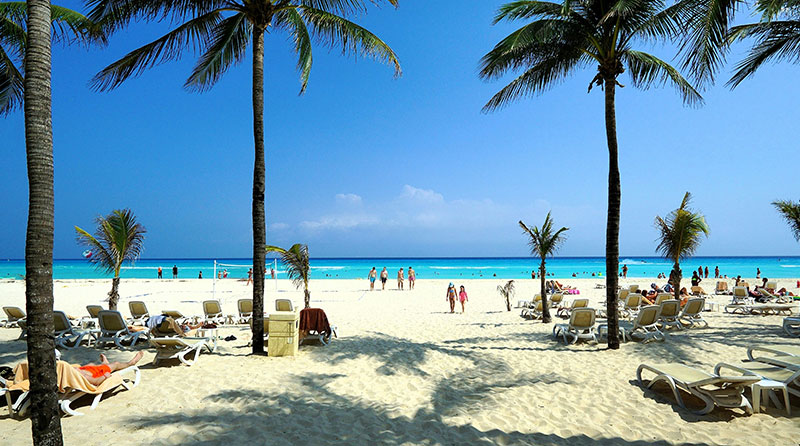
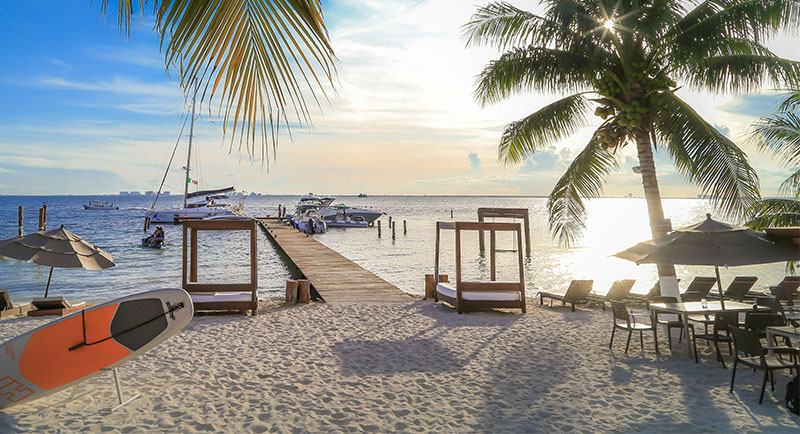
Palm trees on a white sand beach with turquoise water and lounge chairs under a clear blue sky in Playa del Carmen.

The stunning turquoise waters and white sands of Playa del Carmen.


The Main Destinations: The “Vs” Showdown

If you only have a few days, you need a place that makes your daily routine effortless. Here is how the heavy hitters compare.

Destination Vibe Best For Avoid If…
Cancun High-energy, resort heavy Easy flights, mega-resorts, nightlife You want authentic culture and quiet streets.
Playa del Carmen Walkable, lively, expat hub Pedestrian zones, dining, day trips You want an isolated, untouched beach.
Tulum Boho-chic, jungle luxury Design hotels, cenotes, ruins You are on a tight budget or hate traffic.
Puerto Vallarta Romantic, historic, Pacific Mountains, foodies, LGBTQ+ friendly You only want white-sand Caribbean beaches.
Cabo San Lucas Desert-meets-ocean, luxury, high energy Direct US flights, resorts, golf, fishing, bachelorette and guys’ trips You want colonial charm or deep cultural immersion.
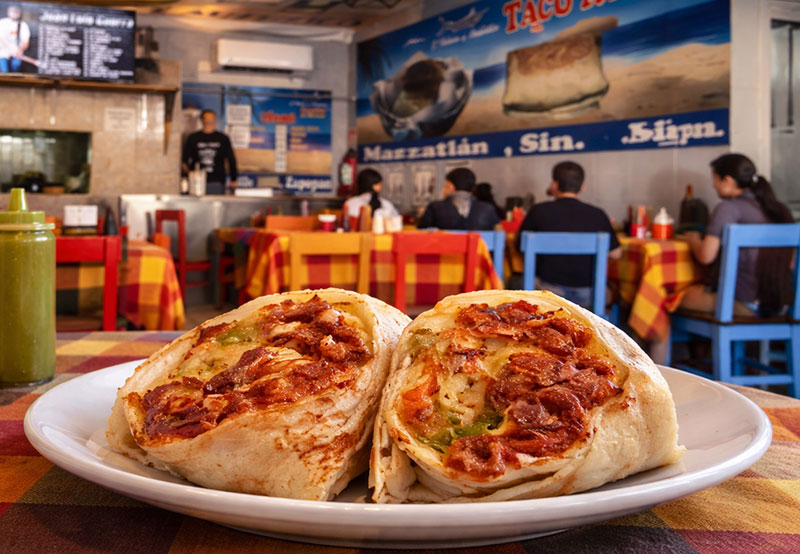
Mazatlán Local, relaxed, historic Long stays, real Mexican feel, value You want endless mega-clubs.
Cozumel / Isla Mujeres Island time, aquatic Scuba diving, golf carts, relaxing You want mainland road trips.
Local Guide Tip: If you want the easiest access to Chichén Itzá and cenotes, base yourself in Playa del Carmen or a quiet Airbnb in Puerto Morelos. If you want a 30-day snowbird escape with great pickleball and local flavor, Mazatlán is your spot.
Going Caribbean?
Start here: Riviera Maya Travel Guide
Leaning Pacific?
Read the full guide: Cabo San Lucas Travel Guide
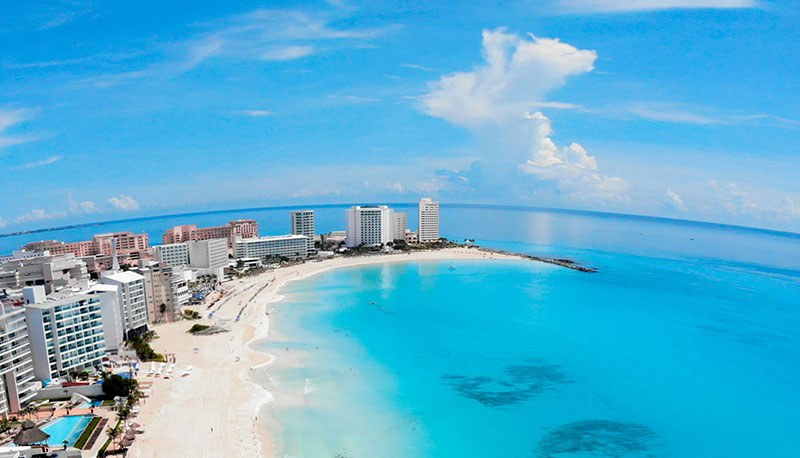
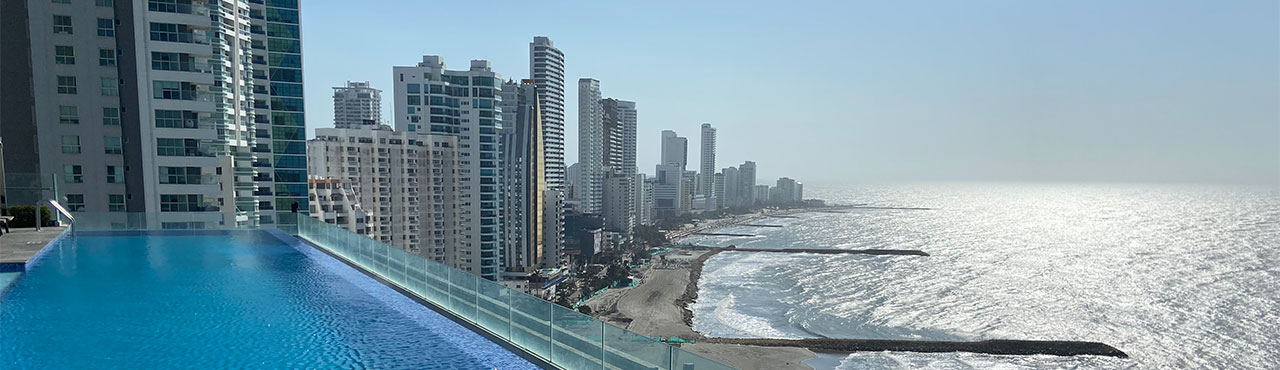
Aerial view of the turquoise Caribbean Sea and white sand beaches along the Cancun Hotel Zone coastline with high-rise resorts. Caption: The iconic turquoise waters and luxury resorts of the Cancun Hotel Zone.

Pros and Cons Deep Dive

Here is the reality of what it is actually like on the ground for each major hub.

Cancun (The Hotel Zone)

The undisputed king of accessibility. You land, you grab a transfer, and you are on the beach with a drink in 30 minutes.

  • Pros: Unbeatable flight options, highest density of luxury all-inclusives, stunning water color, great infrastructure.
  • Cons: The Hotel Zone is a bubble. You are largely cut off from local Mexican culture. Restaurants cater heavily to tourist palates and prices.

Playa del Carmen

Located an hour south of Cancun, “Playa” is built around 5th Avenue (Quinta Avenida), a massive pedestrian street.

  • Pros: Extremely walkable. You do not need a car. Great mix of boutique hotels, Airbnbs, and beach clubs. The ADO bus system here is elite for getting around. Perfect launchpad for the Cozumel ferry.
  • Cons: The beaches have suffered from erosion in recent years. The main tourist strip can feel overly aggressive with vendors.

Tulum

Twenty years ago, this was a place for beach huts with no electricity. Today, it is a global lifestyle brand.

  • Pros: Incredible aesthetic. The restaurant and bar scene is world-class. Proximity to the best cenotes and the beachfront Mayan ruins is unbeatable.
  • Cons: It is exceptionally expensive now. The infrastructure has not kept up with the growth, meaning traffic on the single beach road can be brutal.
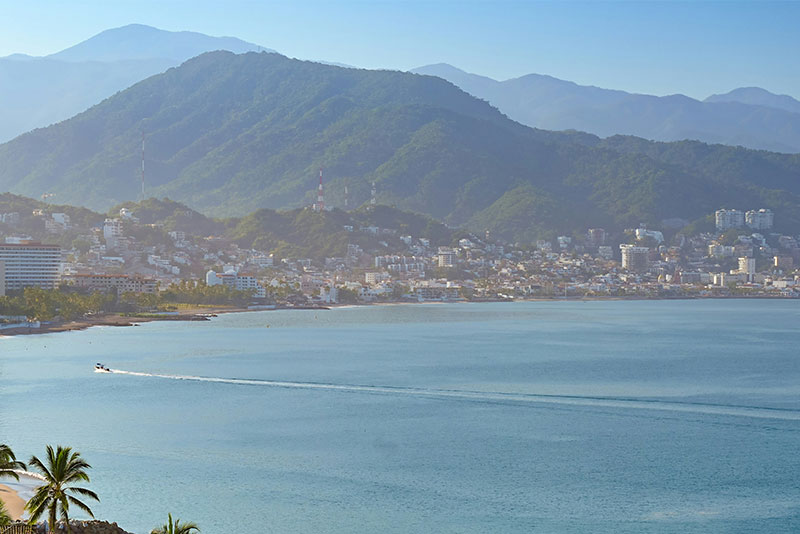
Scenic aerial view of the Banderas Bay coastline in Puerto Vallarta, featuring golden sand beaches, luxury oceanfront resorts, and the Sierra Madre mountains in the background.

The dramatic coastline where the Sierra Madre mountains meet the Pacific Ocean in Puerto Vallarta.


Puerto Vallarta

Where the Sierra Madre mountains crash into the Pacific Ocean. It feels like a real city that happens to be on the beach.

  • Pros: The Romantic Zone (Zona Romántica) is highly walkable, packed with amazing restaurants, and boasts a phenomenal sunset culture. Much more authentic feel than the Caribbean side.
  • Cons: The beaches are golden and water is darker blue/green, not the transparent turquoise of the Caribbean. Can get very humid in late summer.
If you love walkable food towns:
You will probably prefer Puerto Vallarta or Mazatlán over an isolated all-inclusive.

Cabo San Lucas (Los Cabos)

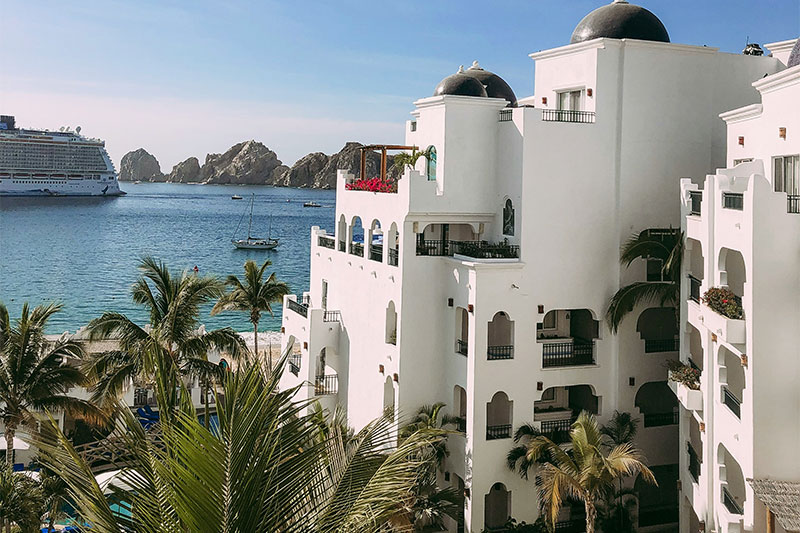
Where the desert meets the Sea of Cortez. Cabo is built for easy flights, big scenery, and a smooth resort routine, especially in winter.
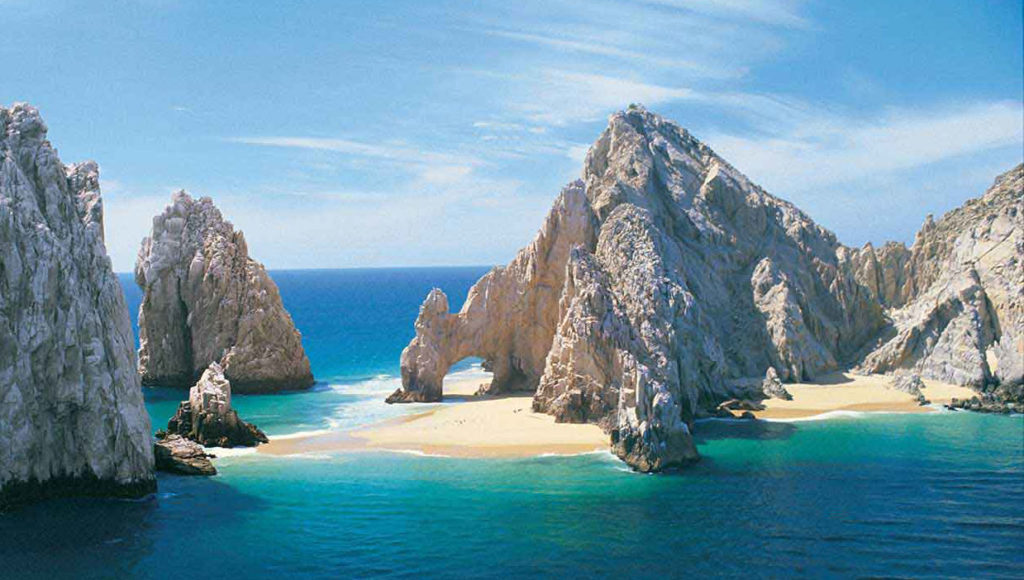
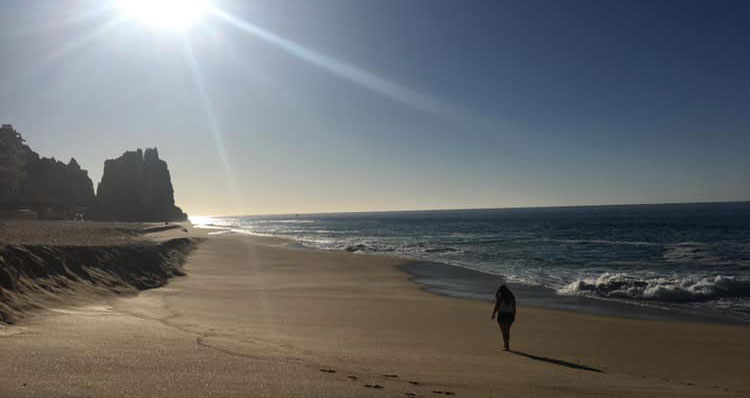
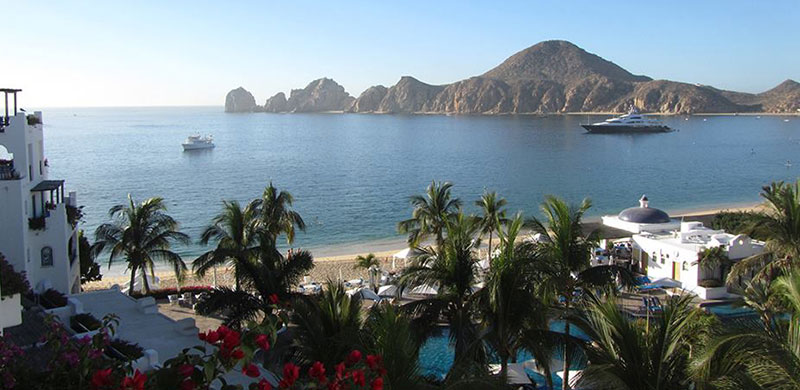
Land's end in Cabo San Lucas

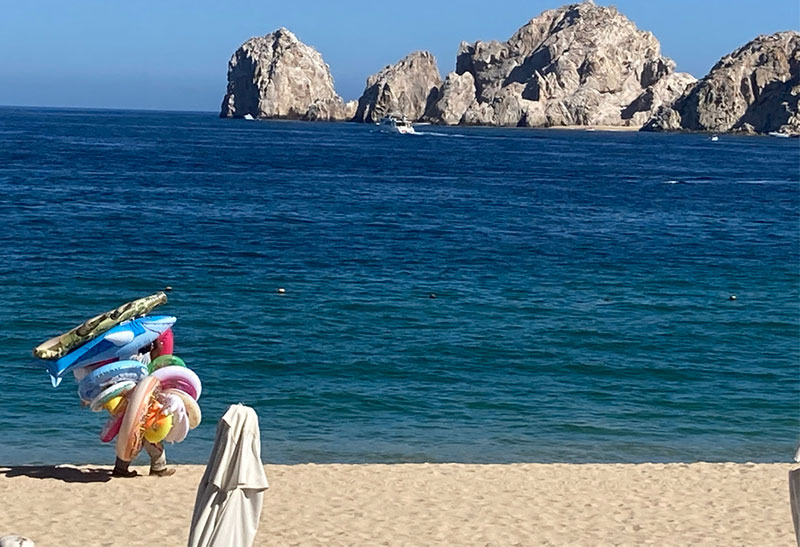
Cabo and San José del Cabo: desert views, dramatic coastline, and the Sea of Cortez on your doorstep.

  • Pros: Tons of nonstop flights from the U.S. Strong luxury hotel scene. Great golf, fishing, beach clubs, and iconic landmarks like El Arco. Consistently great winter weather.
  • Cons: Many Cabo beaches are not swimmable due to strong currents. Prices trend higher. If you want historic streets and day-to-day Mexican city life, PV or Mazatlán usually wins.
Planning Cabo right now?
Read the full guide: Cabo San Lucas Travel Guide
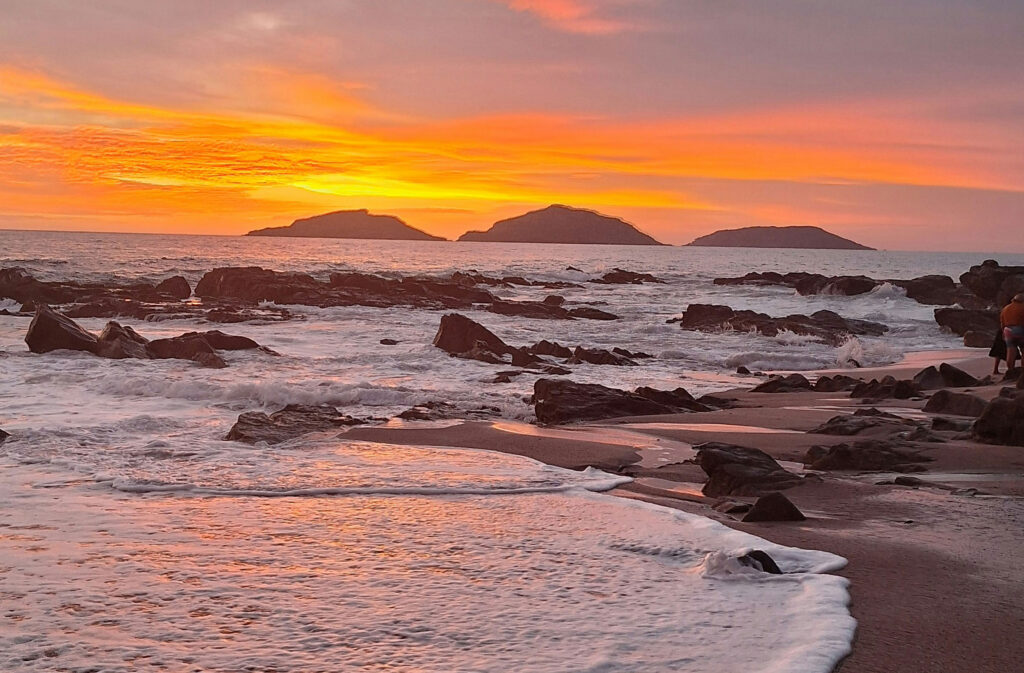
Scenic sunset view of the three islands (Pájaros, Venados, and Lobos) off the coast of Mazatlán, with the sky glowing in vibrant shades of orange and pink.

A breathtaking sunset over the iconic three islands of Mazatlán.

Mazatlán

The “Pearl of the Pacific.” This is a working Mexican city with a massive historic center and one of the longest malecons (boardwalks) in the world.

  • Pros: Incredible value. Unmatched authenticity. The Centro Histórico is gorgeous. Huge, welcoming expat and local community (great for sports like pickleball). You will eat some of the best seafood in Mexico here.
  • Cons: Fewer direct international flights than Cancun or PV. The ocean can be rough for swimming depending on the beach.
Want more underrated Mexico picks?
Try: Hidden Gems of Mexico

Island time in Isla Mujeres: beach clubs, calm water, and the easiest “slow down” move in Quintana Roo.

The Islands (Cozumel & Isla Mujeres)

Take the ferry and slow down.

  • Pros: Cozumel has some of the best scuba diving in the western hemisphere. Isla Mujeres is perfect for renting a golf cart and looping the island. Both offer a safer, enclosed island vibe.
  • Cons: You are tied to ferry schedules. Grocery and dining options are more limited than the mainland.
Want beaches plus culture?
Pair the coast with a city stop: Mexico City Travel Guide
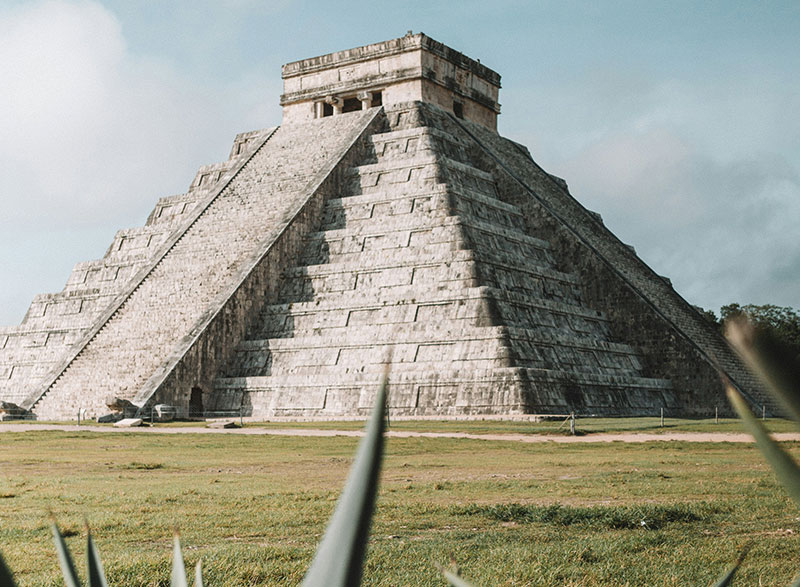
A high-angle view of the El Castillo pyramid at Chichén Itzá under a clear blue sky, showing the impressive stone architecture of the ancient Mayan ruins.

Renting a car in Cancun or the Riviera Maya gives you the freedom to reach Chichén Itzá early and experience the ruins before the tour buses arrive.


Getting Around: The Logistics

Navigating Mexico is much easier than people think, provided you use the right tools.

  • The ADO Bus: If you are on the Caribbean coast, the ADO bus system is first-class. Taking the bus from the Cancun airport to Playa del Carmen or even down to Belize is air-conditioned, cheap, and highly reliable.
  • Renting a Car: Highly recommended if you want to do your own tours. Renting a car in Cancun to drive the new expressway to Chichén Itzá lets you beat the tour buses. Just watch out for topes (speed bumps).
  • Taxis vs Uber: Uber works great in places like Puerto Vallarta and Mazatlán. In Quintana Roo (Cancun/Tulum), the taxi unions are very strong, making ride-share complicated or unavailable. Always agree on the taxi fare before getting in.
Pro Tip: Skip the organized, crowded cenote tours. Rent a car, leave at 7:00 AM, and you can have a cenote entirely to yourself before the buses arrive at 10:00 AM.
Building your Mexico itinerary?
Add a culture anchor: Mexico City Travel Guide and a coast base: Riviera Maya or Cabo.
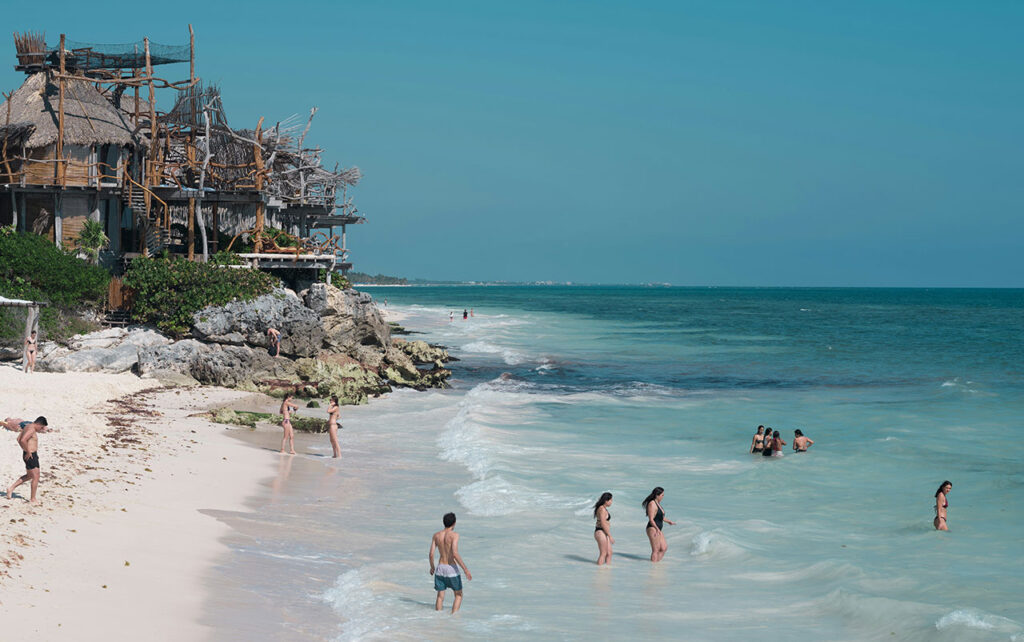
Scenic view of the white sand beach and turquoise water at Azulik Resort in Tulum, featuring rustic wooden architecture and lounge chairs.

The eco-chic architecture and pristine coastline of Azulik Resort in Tulum.


Respectful Travel & Safety

Whether you are on a guys’ long weekend or a quiet trip with your spouse, respecting the local environment and community goes a long way.

Environment & Culture

  • Cenote Rules: Absolutely no sunscreen or bug spray in the cenotes. The chemicals destroy the delicate freshwater ecosystems. You must shower before entering.
  • Language: Learn basic Spanish. A simple “Buenos días” or “Gracias” changes how you are treated instantly.
  • Wildlife: Do not feed the coatis, iguanas, or marine life.

Safety Basics

The tourist corridors in Mexico are heavily guarded and generally safe, but common sense is required.

  • Don’t buy drugs. This is the number one way tourists find themselves in dangerous situations.
  • Drink bottled water. Use it for brushing your teeth, too. The ice in reputable resorts and restaurants is made from purified water.
  • Keep aware of your tab. When out at busy bars, pay per round rather than opening a tab to avoid “padded” bills at the end of the night.
More Mexico ideas:
Oaxaca City is the best add-on for food and culture if your trip needs a non-beach anchor.
Still deciding?
Start with your likely trip style:

  • All-inclusive and easy flights: Cancun
  • Walkable base with day trips: Playa del Carmen
  • Design hotels and cenotes: Tulum
  • Walkable food town on the Pacific: Puerto Vallarta
  • Winter sun, resorts, golf: Cabo
  • Long-stay value and real-city feel: Mazatlán

Frequently Asked Questions

Which is better: Cancun, Playa del Carmen, or Tulum?

Cancun is best for resort-heavy relaxation and easy flights. Playa del Carmen is best for walkability, shopping, and taking the ferry to Cozumel. Tulum is best for high-end dining, design hotels, and cenote access, but expect higher prices and traffic.

Cabo is best for easy nonstop flights, resorts, golf, fishing, and winter sun. Puerto Vallarta is best for a walkable historic town feel, food, and a more local rhythm. If you want a smooth resort routine, Cabo wins. If you want a real city base with beach access, Puerto Vallarta wins.

Yes, especially the toll roads (cuotas). The new expressways make driving to places like Chichén Itzá a breeze. Always drive during daylight hours, obey speed limits, and keep an eye out for sudden speed bumps (topes).

While many tourist zones accept USD, you will get a terrible exchange rate. Use an ATM at a bank to pull out Mexican Pesos. Use credit cards for hotels and nice dinners, but keep pesos for street tacos, tipping, and small vendors.

Choose the Caribbean for white sand, clear blue water, diving, and Mayan ruins. Choose the Pacific (like Mazatlán, Puerto Vallarta, or Cabo) for sunsets, dramatic scenery, and a different vibe that often feels more grounded.
Hidden Gems of Mexico: Top Off-The-Beaten-Path Spots

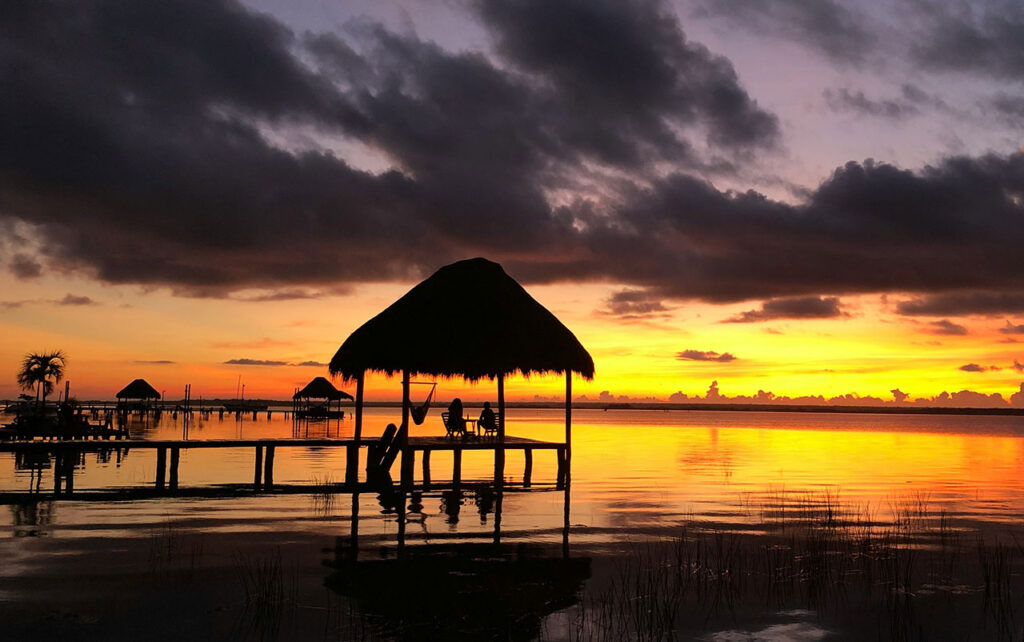
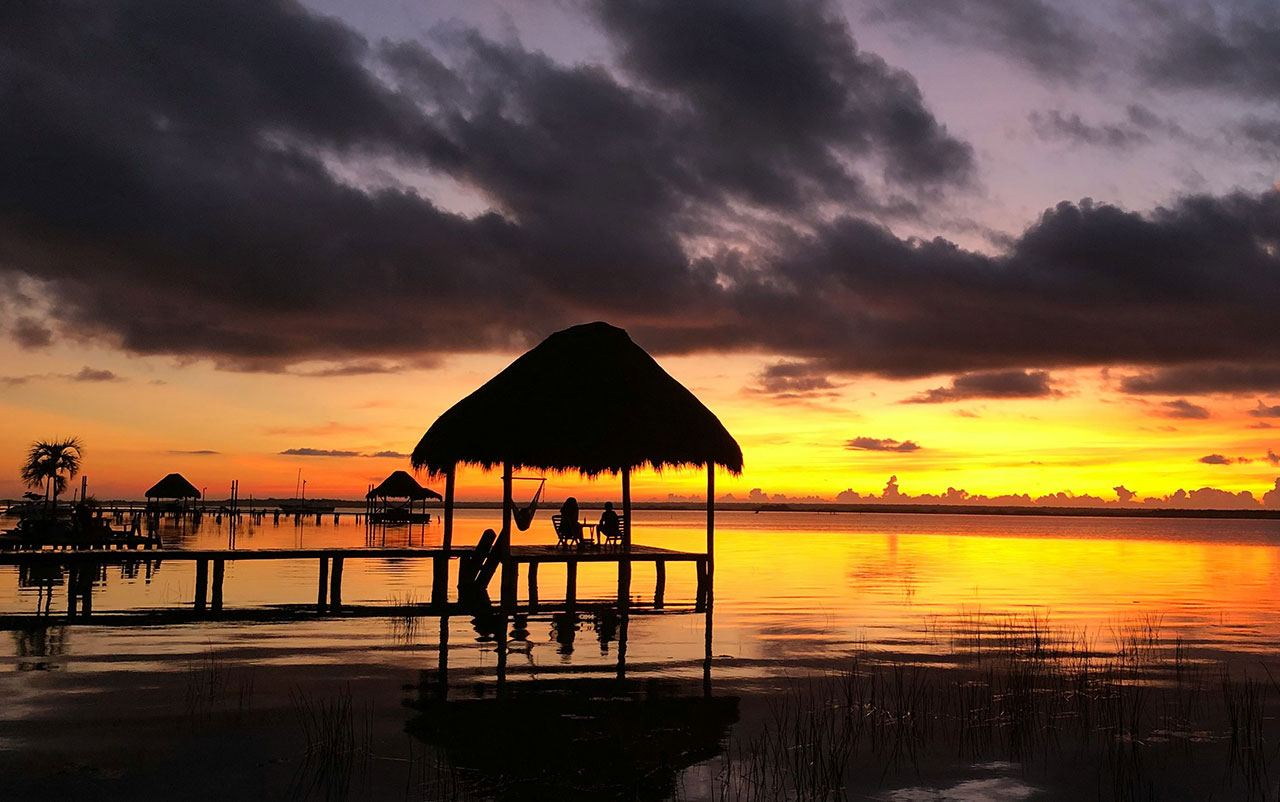
A thatched-roof palapa pier sits on the calm water of a lagoon during a vibrant orange and purple sunset.
Home » Destinations » Page 7

By Corey Gasman • Last edited March 6, 2026

From the Editor:

I have traveled all over Mexico, from the all-inclusive resorts of the Riviera Maya to the chaotic, brilliant streets of CDMX. But some of my favorite travel memories happen when we rent a car and drive away from the tourist hubs. Getting off the beaten path in Mexico requires a bit more planning, but the rewards are massive.

Start Here: The Hidden Gems Game Plan

Visiting Mexico’s hidden gems is very different from flying into Cabo or Cancun. You cannot rely on massive resort infrastructure. You are trading convenience for authenticity, lower prices, and untouched natural beauty.

  • Transportation is everything: Many of these locations require renting a car. You will be navigating toll roads and mountain passes.
  • Cash is king: Do not expect small-town taquerias or remote eco-parks to take Apple Pay or foreign credit cards. You must carry pesos.
  • Language matters: English is not widely spoken in these rural areas. Download Spanish on Google Translate so it works offline.
Pro Tip: When planning an off-the-radar trip, always fly into the nearest major airport and spend your first night there. Pick up your rental car the next morning so you are driving to the remote destination in pure daylight.

Mexico trip planning basics

Read: Mexico Customs and Immigration

Keep exploring Mexico

Mexico Travel Guides Hub

City guide

Read: Mexico City Travel Guide

Pro Tip: Do not try to pack three hidden gems into a one-week trip if they are in different states. Pick one region, like Oaxaca or San Luis Potosí, and explore it deeply.
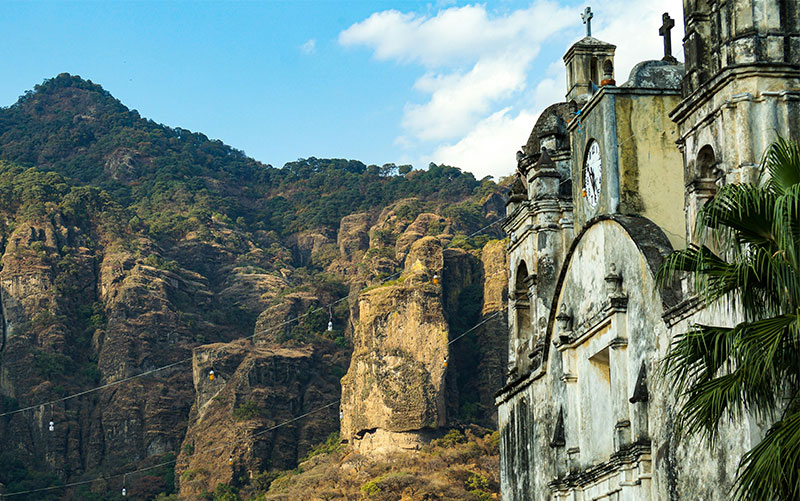
A scenic view of the lush, jagged mountain cliffs of Tepoztlán rising behind the historic stone architecture of the town's cathedral.

The Tepozteco mountains rising above the colonial village of Tepoztlán in Morelos, Mexico.


Why Go Off the Grid

Mexico is incredibly geographically diverse. Beyond the famous beaches, it holds dense jungles, high-altitude deserts, towering waterfalls, and ancient ghost towns. Getting out of the resort zones allows you to experience the real culture and scale of the country. Plus, your travel budget stretches significantly further when you leave the coastal tourist corridors.


The Top Hidden Gems Map

These destinations are scattered across several Mexican states, from the jungles of San Luis Potosí to the quiet beaches of Baja California Sur.

Here is the cheat sheet to the best off-the-radar destinations in Mexico. Use this to find the vibe that matches your travel style.

Destination State The Vibe Best For
Bacalar Quintana Roo Lagoon of Seven Colors, eco-chic Replacing Tulum
Huasteca Potosina San Luis Potosí Lush jungle, turquoise rivers Nature lovers
Grutas de Tolantongo Hidalgo Cliffside hot springs Unique photos
Cabo Pulmo Baja California Sur Protected marine park Scuba diving
Hierve el Agua Oaxaca Petrified waterfalls Epic views
Real de Catorce San Luis Potosí High desert ghost town History & spirituality
Isla Holbox Quintana Roo No cars, sandy streets Barefoot beach days
Tepoztlán Morelos Mountain village, Aztec ruins Holistic wellness
Campeche City Campeche Walled colonial city Architecture & history
Lagunas de Chacahua Oaxaca Remote mangroves Off-grid isolation

Stunning Water and Nature

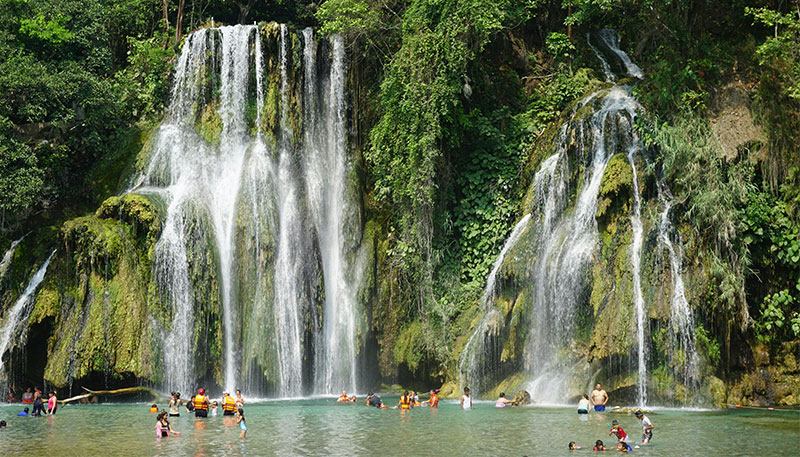
A group of people swimming in a vibrant turquoise pool at the base of several cascading waterfalls surrounded by lush green jungle.

Travelers enjoying the turquoise waters of Cascada de Tamul in the Huasteca Potosina region.


Huasteca Potosina (San Luis Potosí)

Huasteca Potosina is a massive, lush region spanning several areas of central Mexico that feels like a different planet. It is a paradise for nature lovers. You will find towering waterfalls like Tamul, winding turquoise rivers, and surrealist gardens like Las Pozas in Xilitla. You absolutely need a rental car to navigate between the different waterfall sites.

Grutas de Tolantongo (Hidalgo)

Located deep in a box canyon, this resort is famous for its cascading turquoise hot spring pools built into the side of a cliff. The site also features a massive cave and a warm river you can swim in. It is incredibly visually striking. It gets very busy with local tourists on weekends, so plan your visit for a Tuesday or Wednesday.

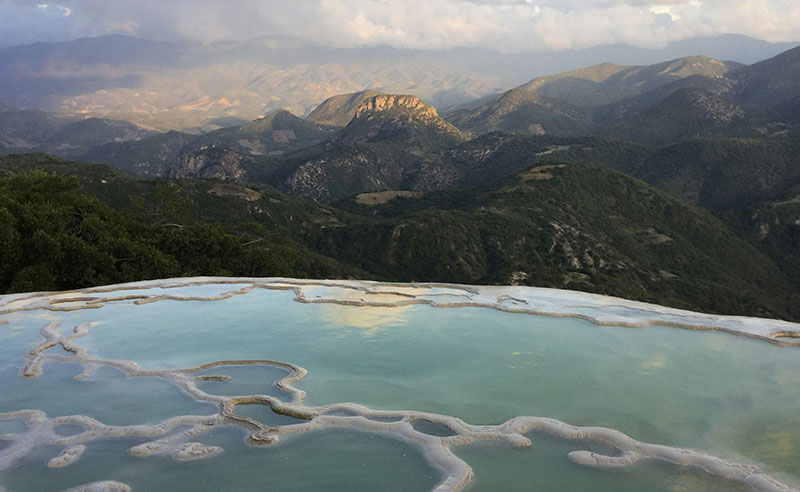
A wide landscape view of natural turquoise infinity pools perched on the edge of a mountain cliff, overlooking a vast valley in Oaxaca, Mexico.

The natural mineral pools of Hierve el Agua with panoramic views over the Oaxacan highlands.


Hierve el Agua (Oaxaca)

A set of natural, petrified waterfalls located in the mountains near Oaxaca City. The mineral-rich water has calcified over thousands of years to look like a frozen waterfall cascading over the cliff. You can swim in the natural infinity pools right at the edge. It is an easy and essential day trip if you are staying in Oaxaca.


Quiet Coastal Escapes

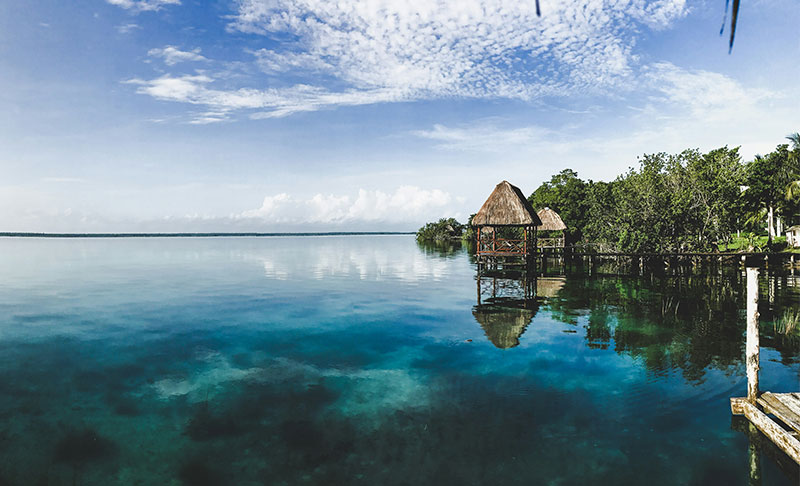
A row of traditional thatched-roof wooden huts built on stilts over the crystal-clear, turquoise water of a tropical lagoon. Caption: Charming overwater wooden huts reflecting in the calm, vibrant blue waters of Bacalar Lagoon.

Overwater huts reflecting in the turquoise waters of Bacalar Lagoon, known as the Lagoon of Seven Colors.


Bacalar (Quintana Roo)

Located near the Belize border, Bacalar is famous for the Lagoon of Seven Colors. It offers a quiet, eco-focused alternative to the busy Riviera Maya. The water is stunningly clear, fresh, and shallow. You can explore Cenote Azul and take sailboats across the lagoon.

Cabo Pulmo National Park (Baja California Sur)

Just a couple of hours up the East Cape from the luxury resorts of Cabo San Lucas, Cabo Pulmo feels completely wild. It is a protected national park featuring the only living coral reef on the west coast of North America. It is a legendary spot for scuba diving and snorkeling.

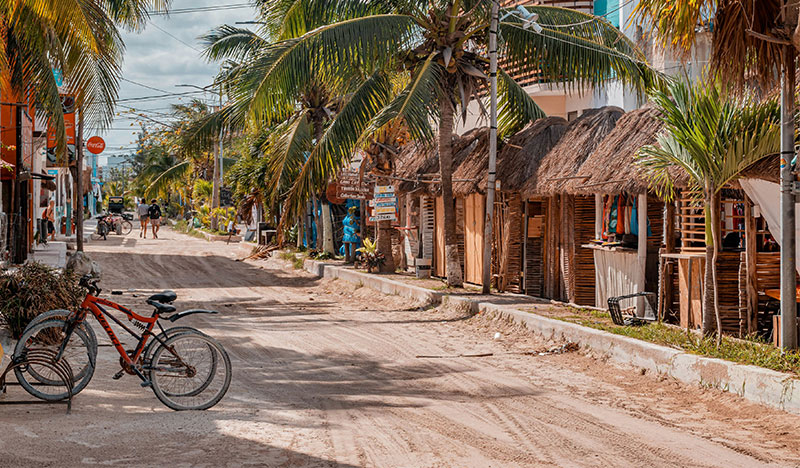
A quiet, sandy street on Isla Holbox lined with colorful tropical buildings and palm trees, featuring a bicycle parked in the foreground.

Sandy streets and bicycles define the relaxed island atmosphere of Isla Holbox in Quintana Roo.


Isla Holbox (Quintana Roo)

A quiet island north of the Yucatán Peninsula where there are no cars and the streets are made of sand. It is perfect for a relaxing, laid-back vibe. It is famous for bioluminescence at night and seasonal whale shark tours during the summer months.


Mountains, Magic Towns, and Culture

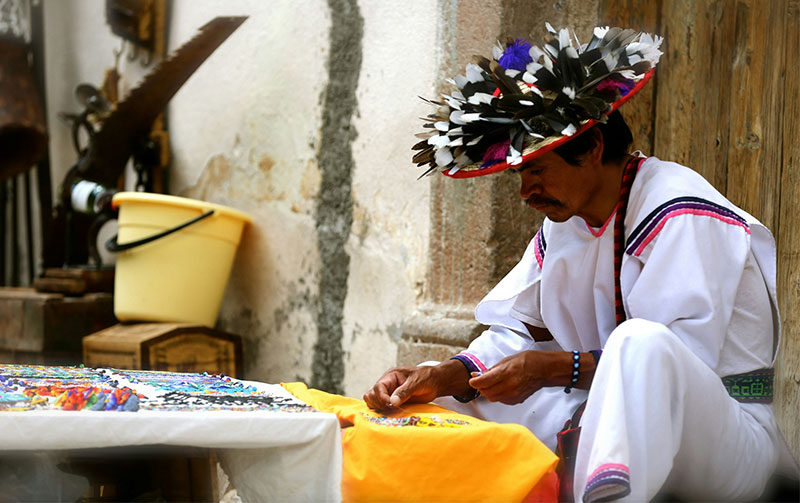
Alt Text: A close-up of a local Huichol artisan in traditional white clothing and a decorated hat, meticulously working on colorful beadwork at a bright yellow table in Real de Catorce.

A Huichol artisan creating traditional beadwork in the historic mountain town of Real de Catorce.


Real de Catorce (San Luis Potosí)

An old silver mining ghost town located high in the desert mountains. It is incredibly unique because it is accessible only by driving through a long one-way tunnel carved into the rock. It offers a rustic, historic experience and has a deeply spiritual energy.

Tepoztlán (Morelos)

A charming, spiritual town nestled in the mountains just south of Mexico City. It is known for its vibrant weekend market, the steep hike up to the Tepozteco pyramid, and a strong bohemian, holistic vibe.

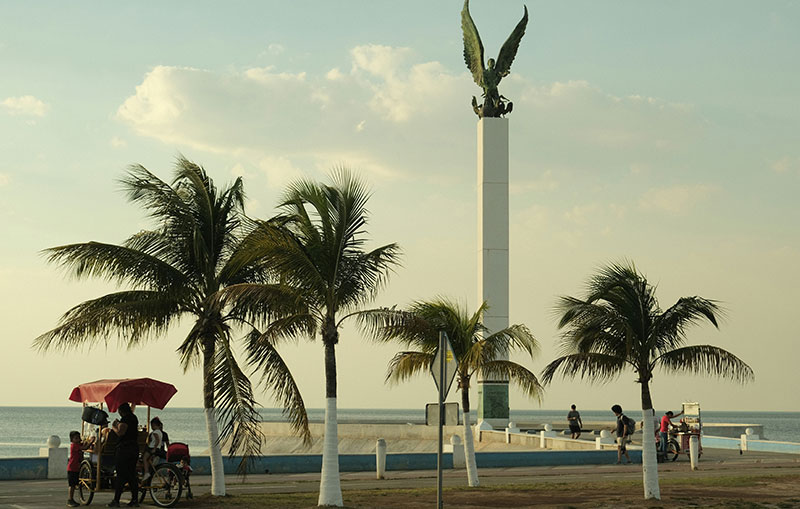
A tall, white modern monument known as El Ángel Maya standing against a blue sky, surrounded by palm trees along the waterfront in Campeche.

El Ángel Maya overlooking the boardwalk in the colorful colonial city of Campeche.


Campeche City (Campeche)

A fortified, colorful colonial city situated right on the Gulf of Mexico. It is often bypassed by travelers heading to nearby Mérida. Campeche is incredibly clean, safe, and known for its well-preserved pirate walls.

Local Guide Tip: Mexico has a specific tourism designation called “Pueblos Mágicos” or Magic Towns. Tepoztlán, Bacalar, and Real de Catorce are all on this list.

Driving and Logistics

I have rented cars and driven across several Mexican states. It is completely doable and often the best way to travel, but you have to know the rules of the road.

  • Use the cuota roads: Always pay the toll and take the cuota. They are well-maintained, faster, and generally safer.
  • Beware of topes: These are Mexican speed bumps. They are often massive and unmarked at the entrance to small towns.
  • Gas stations: Most are full-service. Tip the attendant 10 to 20 pesos for helpful service.

Best Time to Visit

Season Weather Vibe Reality Check
Nov – Mar Dry, cooler nights The best overall time to go.
Apr – May Very hot and dry Great for beaches, but inland areas can feel sweltering.
Jun – Oct Rainy, lush green Rivers in Huasteca can run brown after heavy rain.

Safety on the Road

  • Never drive at night: My number one rule. Animals, potholes, and safety risks increase after dark.
  • Keep your tank full: Gas stations can be sparse in rural Baja or the Huasteca.
  • Cell service drops: Download offline maps on Google Maps before you leave your hotel.

Mexico rewards curious travelers. If you are willing to rent a car, leave the resort zones, and explore the mountains, jungles, and remote coasts, you will discover a completely different side of the country.

Explore Mexico’s hidden gems your way. Buen viaje.

Frequently Asked Questions

Do I need to rent a car to visit these places?

For locations like Huasteca Potosina, Grutas de Tolantongo, and Cabo Pulmo, a rental car is highly recommended or essential. For places like Bacalar or Campeche, you can often use ADO buses and local transport.

Assume you cannot. While hotels may take cards, small restaurants, toll booths, and park entrance fees are often cash-only. Carry enough pesos before heading into remote areas.

Yes, if you follow the golden rules: drive only during the day, use the paid toll roads when possible, and watch closely for topes and changing road conditions.

Bacalar and Isla Holbox are fantastic for families. Rugged mountain areas like Tolantongo can involve more walking, stairs, and transit time, which may be tougher with younger kids.

Bacalar is better for travelers who want a quieter, more nature-focused experience with fewer crowds. Tulum has more dining, nightlife, and beach club energy, while Bacalar feels slower, simpler, and more relaxed.

Riviera Maya Guide

Home » Destinations » Page 7

Last updated: May 2026 by Corey Gasman

From the Editor:

This coast is practically a second home. I have been to Cancún multiple times, Playa del Carmen at least a half dozen times, and I have stayed in Tulum, Puerto Morelos, all-inclusives, Airbnbs, and even a business-style hotel in Cancún Centro. I have done the Riviera Maya as a romantic trip with my wife, a big group getaway, a guys’ weekend, a diving trip, and a longer regional travel route.

I first knew Playa del Carmen when Fifth Avenue felt quieter and more local. Over time, it became more commercial, more branded, and much more built up. I still like Playa, but I would never sell it as some sleepy beach town anymore. The Riviera Maya has changed, and that is exactly why choosing the right base matters.

This guide is built to help you avoid the big Riviera Maya mistake: assuming Cancún, Playa del Carmen, Tulum, Akumal, Cozumel, and Puerto Morelos all offer the same trip. They do not. The right choice depends on whether you want an all-inclusive, walkable restaurants, diving, cenotes, ruins, beach time, nightlife, or a quieter escape.

Start Here: The Riviera Maya Game Plan

The Riviera Maya is not one beach town. It is a long, spread-out Caribbean corridor that runs from Cancún down through Puerto Morelos, Playa del Carmen, Mayakoba, Akumal, Tulum, and beyond. Your trip will be shaped by three decisions: where you fly, where you sleep, and how much you want to move around.

If you want easy resort life, Cancún, Playa Mujeres, Mayakoba, or a Riviera Maya all-inclusive may be the right choice. If you want walkability, restaurants, bars, and the Cozumel ferry, Playa del Carmen is the easiest base. If you want design hotels, wellness, cenotes, and ruins, Tulum has the aesthetic, but it also comes with higher prices and more logistics.

Quick Riviera Maya Rule:
Cancún → easiest all-inclusive and family trip
Playa del Carmen → best walkable base
Puerto Morelos → calmer local-feeling town
Mayakoba → luxury resort bubble
Akumal → snorkeling and turtles
Tulum → design, wellness, ruins, and higher prices
Cozumel → diving and island pace

If you only remember one thing: pick the right base before you pick the hotel.

Plan the full Mexico trip

Explore more: Mexico Travel Guides

Another Mexico beach hub: Los Cabos Travel Guide

City trip planning: Mexico City Travel Guide

Arrival basics: Mexico Customs and Immigration

The Riviera Maya is not one destination. Cancún, Playa del Carmen, Tulum, Akumal, Cozumel, and Puerto Morelos all create very different trips.


Which Riviera Maya Area Should You Choose?

The most important decision in the Riviera Maya is not the hotel. It is the area. The coastline looks compact on a map, but the actual experience changes completely depending on where you stay.

If You Want… Stay Here Why
Easy all-inclusive family trip Cancún Hotel Zone, Playa Mujeres, or Riviera Maya resorts Meals, pools, kids’ activities, beach access, and transfers are easier to package.
Walkability and restaurants Playa del Carmen Best base for walking to restaurants, bars, shops, beach clubs, and the Cozumel ferry.
Quiet beach town feel Puerto Morelos Smaller, slower, more local-feeling, and less intense than Cancún or Playa.
Luxury resort bubble Mayakoba or Playa Mujeres High-end resorts, strong service, controlled settings, and less need to leave the property.
Snorkeling and turtles Akumal Calmer bay, reef protection, and easier nature-focused beach time.
Design, wellness, and jungle hotels Tulum Boutique hotels, restaurants, wellness, cenotes, and ruins, but with higher prices and trickier logistics.
Diving and island pace Cozumel Best for scuba, snorkeling, and a slower island trip.
Lagoon colors and slower travel Bacalar Better as a southern add-on than a classic Riviera Maya beach base.

Local Guide Tip: Playa del Carmen is the easiest independent base if you want to walk, eat out, take the ferry to Cozumel, and do day trips without feeling trapped inside a resort.

Riviera Maya Reality Check

The Riviera Maya is still one of Mexico’s best travel regions, but it is not the same place it was 20 years ago. Playa del Carmen has become much more commercial. Tulum has become more expensive and spread out. Cancún all-inclusives can be incredibly easy, but they can also keep you inside a resort bubble.

The beach experience also depends heavily on timing and sargassum. Some weeks the water is turquoise and postcard-perfect. Other weeks, the beach can smell like sulfur from decomposing seaweed, even when crews are cleaning every morning.

That does not mean you should skip the Riviera Maya. It means you should choose honestly. Pick Cancún for easy resort travel, Playa for walkability, Tulum for design and wellness, Akumal for snorkeling, Mayakoba for luxury, and Puerto Morelos if you want something calmer.

Pro Tip: If a perfect beach is the whole reason for your trip, check current sargassum conditions before you book. Do not rely only on old resort photos.

Choosing your Riviera Maya base matters more than chasing one perfect hotel. The region is too spread out to treat every town as interchangeable.


Areas: Where to Stay from North to South

Because the Riviera Maya is so spread out, picking your enclave is the most important decision you will make. This is the quick north-to-south breakdown.

Area Vibe Best For Reality Check
Cancún Hotel Zone High-rise resorts, beaches, nightlife, easy airport access First-timers, families, all-inclusives, short trips Often more resort bubble than local Mexico.
Playa Mujeres Quieter luxury north of Cancún Couples, families, polished all-inclusive stays Isolated from the rest of the Riviera Maya.
Isla Mujeres Island pace, golf carts, calmer beach days Beach escape, couples, easy Cancún add-on Ferry logistics matter, especially with luggage.
Puerto Morelos Small fishing town, quieter square, local feel Airbnb stays, slower trips, casual seafood Nightlife is very limited.
Playa Maroma and Mayakoba Pristine resort beach and gated ultra-luxury High-end resort isolation, families, honeymoons You may rarely leave the property.
Playa del Carmen Walkable, busy, commercial, restaurant-heavy Restaurants, nightlife, shopping, ferry to Cozumel Fifth Avenue is much more commercial than it used to be.
Cozumel Laid-back island pace Scuba diving, snorkeling, slower travel Requires a ferry or separate flight, and cruise crowds can affect town.
Puerto Aventuras Marina community, family-friendly, controlled Families, relaxed atmosphere, condo stays Less interesting if you want restaurants and nightlife.
Xpu-Ha Serene beach, fewer crowds Pure beach days and quieter resort stays Few off-resort dining options.
Akumal Calm bays, reefs, turtles, nature-focused Snorkeling, families, quieter beach trips The main beach can get busy with day-trippers.
Tulum Design-forward, jungle, wellness, beach road Boutique hotels, ruins, cenotes, food, wellness Expensive, spread out, and traffic can be frustrating.
Bacalar Lagoon, slow travel, southern escape Lagoon of Seven Colors, longer trips, road-trip add-ons Not really a Riviera Maya beach base. Treat it as a southern extension.

All-Inclusive vs Airbnb, Condo, or Boutique Hotel

The Riviera Maya works for both all-inclusive travelers and independent travelers, but those are very different trips. Most families I know who go to Cancún stay at all-inclusives because it solves the big problems: meals, pools, beach access, kids’ activities, airport transfers, and easy logistics.

But if you want restaurants, local taco spots, day trips, the Cozumel ferry, cenotes, and the ability to walk around, Playa del Carmen, Puerto Morelos, Cozumel, and parts of Tulum can be better for independent stays.

Stay Type Best For Reality Check
All-inclusive resort Families, first-timers, short trips, pool-focused vacations Easy, but you may barely experience the actual destination.
Airbnb or condo Longer stays, budget control, grocery runs, walkable bases You handle more logistics yourself.
Boutique hotel Couples, design travelers, Playa or Tulum stays Can be charming, but not always beachfront or quiet.
Luxury resort Mayakoba, Playa Mujeres, honeymoons, no-stress service Expensive and often removed from local restaurants.

Local Guide Tip: If you are traveling with kids or a big group, an all-inclusive can be the right call. If you are traveling as a couple or staying longer, Playa del Carmen or Puerto Morelos can give you more flexibility.

Where to Stay by Traveler Type

This is the simplified version. The deeper version should become a separate spoke, because “where to stay in the Riviera Maya” is one of the strongest planning searches in this whole cluster.

Traveler Type Best Area Why It Works One Tip
First-time family trip Cancún Hotel Zone, Playa Mujeres, or Riviera Maya all-inclusive Easy airport logistics, pools, beach, food, and kid-friendly planning. Choose the resort based on beach quality and transfer time, not just room photos.
Walkable independent stay Playa del Carmen You can walk to restaurants, shops, bars, beach clubs, and the Cozumel ferry. Stay a few blocks off Quinta Avenida if you want sleep.
Uncompromising luxury Mayakoba or Playa Mujeres Gated resort settings, strong service, better control, and high-end dining. Book dining reservations before you arrive.
Romance and honeymoons Akumal, Mayakoba, Playa Mujeres, or Tulum Adults-only resorts, boutique stays, quieter beaches, or design-forward hotels. Do not assume adults-only means quiet. Read recent reviews.
Snorkeling and nature Akumal, Cozumel, Puerto Morelos Reefs, turtles, diving, and calmer water options. Use reef-safe sunscreen and follow local wildlife rules.
Wellness and aesthetics Tulum Yoga, jungle hotels, design restaurants, cenotes, and beach clubs. Budget more than you think and plan transportation carefully.

Coming soon

Read the deeper spoke: Where to Stay in the Riviera Maya

Luxury in the Riviera Maya often means controlled resort settings like Mayakoba, Playa Mujeres, or high-end all-inclusives along the coast.


Best Resorts and Hotels to Know

The Riviera Maya has perfected the resort experience. Whether you want a sprawling all-inclusive, a gated luxury enclave, a boutique Playa hotel, or a jungle-style Tulum stay, the key is matching the hotel to the trip you actually want.

Ultra-Luxury Enclaves

  • Rosewood Mayakoba: One of the region’s signature luxury stays, with lagoon-style privacy, strong service, and a controlled resort setting.
  • Banyan Tree Mayakoba: Asian-inspired luxury blended with mangroves, canals, villas, and a quieter Mayakoba rhythm.
  • Fairmont Mayakoba: A strong family-friendly luxury option within the Mayakoba complex.
  • Maroma, a Belmond Hotel: A refined luxury option near one of the most famous beaches on the coast.

Top-Tier All-Inclusive and Adults-Only

  • Secrets Akumal Riviera Maya: Adults-only, romantic, and well positioned for Akumal’s turtle-focused beach setting.
  • Atelier Playa Mujeres: Art-inspired adults-only all-inclusive north of Cancún, known for design and food.
  • Hotel Xcaret Arte: A massive eco-integrated adults-only resort that can include access to Xcaret parks, depending on package and policy.
  • Grand Velas Riviera Maya: A luxury all-inclusive known for dining, service, and its Michelin-starred Cocina de Autor Riviera Maya.

Boutique and Bohemian

  • Tulum beach hotels: Best for travelers who want design, beach clubs, wellness, and restaurants, but expect higher prices and trickier logistics.
  • Playa del Carmen boutique hotels: Better if you want walkability, restaurants, and the ability to leave the hotel easily.
  • Bacalar stays: Better as a slow southern extension if you want the Lagoon of Seven Colors rather than a classic beach resort.

Local Guide Tip: If you book Mayakoba, think of it as its own resort ecosystem. If you book Playa del Carmen, think of it as a walkable town base. Those are completely different trips.

Sargassum and Beach Reality

Sargassum is one of the biggest planning issues in the Riviera Maya. When it is light, the beaches can still look incredible. When it is heavy, it can pile up along the shore, turn the water brown, and create a rotten egg or sulfur smell as it decomposes.

I have personally been in Playa del Carmen when the smell was bad enough to change the whole feel of the trip. Crews cleaned the beach every morning, but more seaweed kept coming in. That is the reality people need to understand before booking a beach-focused trip.

Sargassum is usually more of a concern in the warmer months, but recent seasons have been less predictable. If a perfect beach is the whole reason for your trip, check current conditions before booking and consider areas that can be less exposed, such as Isla Mujeres, Cozumel, or protected resort beaches depending on the week.

Area Sargassum Reality Planning Tip
Playa del Carmen Can be heavily affected in bad weeks. Do not book Playa only for beach beauty without checking recent conditions.
Tulum Can be affected, and beach road logistics can make cleanup less invisible. Choose Tulum for design, food, ruins, and cenotes, not guaranteed perfect beach days.
Cancún Hotel Zone Varies by beach angle and season. Check recent hotel beach photos, not just marketing shots.
Isla Mujeres Often a better beach escape depending on wind and side of island. North Beach can be a good backup from Cancún.
Cozumel The west side is often more protected. Good option if snorkeling or diving matters more than mainland beach clubs.
Akumal / Xpu-Ha Conditions vary, but reef and bay shape matter. Check the specific beach, not just the town name.

Pro Tip: Do not book a Riviera Maya trip based only on old beach photos. Check recent sargassum reports, hotel beach cameras if available, and traveler photos from the same month you plan to visit.

Coming soon

Read the deeper spoke: Riviera Maya Sargassum Guide

The best Riviera Maya trips mix beaches with cenotes, ruins, reefs, restaurants, and at least one day that gets you away from the resort strip.


Swimmable Beaches, Cenotes, and Nature

The coastline is beautiful, but ocean conditions change depending on the season, the reef, the wind, and sargassum. The best Riviera Maya itinerary should not depend entirely on one beach looking perfect every day.

Best Beach Areas to Know

  • Playa Maroma: Often described as one of the region’s most beautiful resort beach areas, with soft sand and a luxury hotel context.
  • Xpu-Ha: A quieter beach area south of Puerto Aventuras that can work well for a slower beach day.
  • Akumal Bay: Best known for snorkeling and sea turtles, with calmer protected water and more day-trip traffic.
  • Isla Mujeres: A strong Cancún add-on if you want calmer water and a different beach feel.
  • Cozumel: Better for snorkeling and diving than for the classic mainland beach-club scene.

Cenotes Near Playa del Carmen and Tulum

You cannot visit the Riviera Maya without swimming in a cenote. These freshwater sinkholes and underground rivers are one of the region’s best natural experiences, especially when the beach is affected by sargassum.

  • Cenote Azul: A practical open-air cenote near Playa del Carmen, good for families and an easy half-day.
  • Dos Ojos: Famous for snorkeling and diving in a cave-system setting near Tulum.
  • Gran Cenote: A popular Tulum-area cenote with clear water, caves, and turtle sightings.
  • Cenote Cristalino: Another easy Riviera Maya cenote option near Playa del Carmen.

Local Guide Tip: On a bad sargassum day, do not force the beach. Go to a cenote, take the ferry to Cozumel, or build the day around ruins and food.

Best Things to Do in the Riviera Maya

The Riviera Maya works best when you mix beach time with at least one cultural or nature experience. Do not spend every day in a van, but do not stay trapped at the pool either.

Thing to Do Best Base Why It Is Worth It
Swim in cenotes Playa del Carmen, Tulum, Akumal One of the region’s most unique natural experiences and a great sargassum backup.
Tulum Ruins Tulum, Akumal, Playa del Carmen A coastal Mayan site with dramatic Caribbean views.
Chichén Itzá and Valladolid Cancún, Playa del Carmen, Valladolid add-on A major archaeological site and one of the best inland day trips.
Cozumel ferry and diving Playa del Carmen or Cozumel World-class drift diving and a different island rhythm.
Akumal snorkeling Akumal, Tulum, Playa del Carmen Best for travelers who want turtles, reefs, and calmer water.
Xcaret parks Playa del Carmen, Mayakoba, Xcaret resorts Easy, polished family-friendly adventure days.
Isla Mujeres golf cart day Cancún or Playa Mujeres A fun island day with beaches, cliffs, casual food, and easy exploring.
Bacalar lagoon Bacalar or Tulum extension A beautiful southern add-on, but too far for a casual Riviera Maya beach day.

Pro Tip: For ruins and popular cenotes, go early. Heat, crowds, and tour buses can change the whole experience by late morning.

Where to Eat in the Riviera Maya

The food scene in the Riviera Maya depends heavily on where you stay. Playa del Carmen is easiest for casual walkable food. Tulum is stronger for destination dining and design-heavy restaurants. Puerto Morelos is better for relaxed seafood. Resorts can range from average buffets to legitimate Michelin-level tasting menus.

Local Favorites and Casual Food

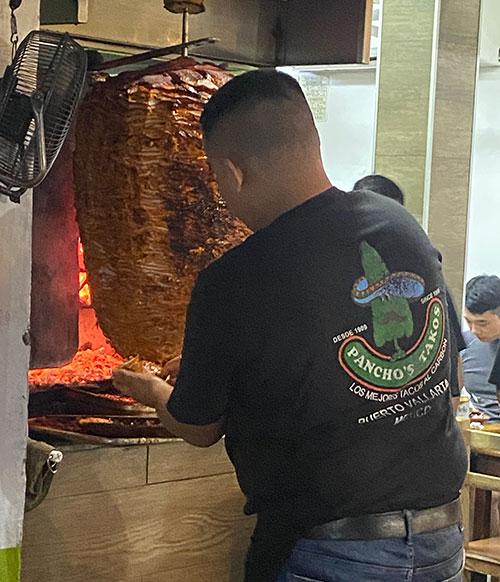
  • El Fogón, Playa del Carmen: The classic Playa taco stop for al pastor. Busy, loud, casual, and still useful.
  • Taquería Honorio, Tulum: A breakfast or early lunch stop famous for cochinita pibil and Yucatecan-style dishes.
  • El Caimán, Puerto Morelos: A relaxed seafood and beer stop near the square. Good for a slower Puerto Morelos day.
  • La Floresta, Playa del Carmen: A casual seafood taco option away from the most polished tourist lanes.

Destination Dinners

  • Arca, Tulum: Open-fire cooking in a jungle setting, often one of the more serious food-focused Tulum dinners.
  • Hartwood, Tulum: The restaurant that helped define the Tulum dining scene, with daily-changing menus and a wood-fired approach.
  • Alux, Playa del Carmen: A dramatic restaurant inside an underground cave. Go for the setting as much as the food.
  • Le Chique, Puerto Morelos area: A theatrical tasting-menu experience and one of the region’s Michelin-starred restaurants.

Local Guide Tip: If you are staying at an all-inclusive, pick one or two meals off-property only if logistics make sense. If you are staying in Playa del Carmen, do the opposite: eat out often and let the town be the point.

Michelin Dining in the Riviera Maya

The Riviera Maya now has a real Michelin layer, which changes how food-first travelers should think about the coast. You do not need to chase tasting menus every night, but it is useful to know which resorts and towns have serious dining.

Restaurant Area Why It Matters
Le Chique Puerto Morelos / Hotel Xcaret Arte area A Michelin-starred, theatrical tasting menu that has become one of the region’s best-known fine-dining experiences.
HA’ Hotel Xcaret México / Playa del Carmen area A Michelin-starred restaurant blending modern technique with Mexican ingredients in a resort setting.
Cocina de Autor Riviera Maya Grand Velas Riviera Maya A Michelin-starred creative tasting-menu option inside one of the region’s top luxury all-inclusives.
Acre Tulum A Michelin Green Star name that fits the region’s farm, sustainability, and destination-dining conversation.

Pro Tip: If fine dining matters, book the restaurant before you finalize the daily itinerary. The best meals are often tied to resorts or towns that may not be near your hotel.

Riviera Maya logistics are much easier when you understand airports, transfers, ADO buses, taxis, ride-share issues, and when a rental car actually helps.


Logistics: Airports, Transfers, and Getting Around

Travel logistics in the Riviera Maya have changed a lot. Cancún International Airport is still the easiest airport for many travelers, especially for Cancún, Playa Mujeres, Puerto Morelos, Mayakoba, and Playa del Carmen. Tulum International Airport can make more sense for Tulum, Akumal, and Bacalar, but you should compare flights, prices, transfer options, and your exact hotel location before deciding.

Airport Best For Reality Check
Cancún International Airport (CUN) Cancún, Playa Mujeres, Puerto Morelos, Mayakoba, Playa del Carmen, Cozumel ferry Most flight options, but transfers south can be long depending on traffic.
Tulum International Airport (TQO) Tulum, Akumal, Bacalar, southern Riviera Maya Can save drive time, but flight options and final transfers still matter.
Cozumel International Airport (CZM) Cozumel stays and diving trips Useful if Cozumel is the main trip, not just a mainland day trip.

Private Transfer vs Rental Car vs Taxi

  • Private transfer: Best for most resort stays, family trips, and first-time arrivals.
  • Rental car: Best if you are doing independent cenotes, ruins, Chichén Itzá, Valladolid, or a longer road trip.
  • Taxi: Useful locally, but pricing can be frustrating and inconsistent.
  • Ride-share apps: Availability and pickup rules can be complicated, especially around airports, hotels, and taxi conflict zones.

Local Guide Tip: On arrival day, I would rather have a boring pre-booked transfer than spend the first hour of vacation negotiating transportation.

Tren Maya and ADO Buses

The Tren Maya can be useful for some regional routes, especially if you are planning inland connections or longer Yucatán travel. But do not assume the station is next to your hotel. Always check station location, train times, luggage logistics, and the final transfer before replacing a private transfer or rental car.

ADO buses are still one of the easiest budget travel tools in the region. They connect Cancún, Playa del Carmen, Tulum, Mérida, and other major points. I have taken the bus from Cancún down toward Belize, and for the right traveler, it is a practical, comfortable way to move around without renting a car.

Transport Option Best For Reality Check
Tren Maya Regional routes, inland travel, longer Yucatán planning Great in theory, but station-to-hotel transfers still matter.
ADO bus Budget travelers, town-to-town travel, airport to city centers Buses go to stations, not directly to most hotels.
Colectivos Budget hops between towns and cenotes Best for experienced, flexible travelers with light bags.
Rental car Chichén Itzá, cenotes, Valladolid, flexible exploring Watch insurance, parking, tolls, and traffic.

Worth the Detour: Holbox, Mérida, and Bacalar

Holbox, Mérida, and Bacalar are not really Riviera Maya bases, but they matter because many travelers fly into Cancún and then realize they want something beyond the resort corridor. I would not mix them into the main “where to stay in the Riviera Maya” decision, but I would absolutely include them as extensions or alternatives.

Think of this section as the escape hatch. If Cancún feels too resort-heavy, Playa del Carmen feels too commercial, or Tulum feels too expensive and spread out, these are the places I would look at next.

Detour Best For Why Go Reality Check
Isla Holbox Slow island escape, couples, sandy streets, beach downtime Holbox feels more relaxed and less resort-driven than Cancún or Playa. It is a good choice if you want hammocks, beach bars, golf-cart-style island energy, and a slower pace. It is north of Cancún, not the Riviera Maya. You need to get to Chiquilá and take the ferry to the island.
Mérida Culture, food, architecture, plazas, museums, Yucatán history Mérida is a better choice if you want a real city, colonial architecture, regional Yucatecan food, and a deeper cultural trip instead of another beach base. It is inland and not a beach destination. Treat it as a city extension, not a substitute for turquoise water.
Bacalar Lagoon views, slower travel, couples, road-trip extensions The Lagoon of Seven Colors gives you a completely different water experience than the Caribbean coast. It is far south. It works better as a separate extension than a casual day trip from Playa or Cancún.

When Holbox Makes Sense

Holbox makes sense if you want to slow the trip down and get away from the Riviera Maya resort corridor. It is especially appealing for couples or travelers who want a sandier, simpler island rhythm after a few nights in Cancún or Playa del Carmen.

The tradeoff is logistics. You have to reach Chiquilá, then take the ferry to Holbox. That is not hard, but it is enough of a transfer that I would not do Holbox as a rushed one-night add-on unless you are comfortable moving around.

When Mérida Makes Sense

Mérida makes sense if your Mexico trip is starting to feel too beach-heavy. It gives you plazas, museums, architecture, regional food, markets, cenotes, and easier access to inland Yucatán history. This is where I would send someone who says, “I want Mexico, not just a resort.”

It is also a smart contrast to the Riviera Maya. You can pair a few beach days with a few nights in Mérida and get a much more complete Yucatán Peninsula trip.

When Bacalar Makes Sense

Bacalar makes sense if you have more time and want something slower and more visually unique. It is not a beach town in the classic Caribbean sense, but the lagoon is beautiful and has a calmer, more disconnected feel.

I would not tack Bacalar onto a short Cancún or Playa trip. It works better if you are already heading south, flying through Tulum, or building a longer Mexico itinerary.

Local Guide Tip: Keep the core Riviera Maya guide focused on Cancún, Playa del Carmen, Tulum, Akumal, Cozumel, Puerto Morelos, and the resort corridor. Use Holbox, Mérida, and Bacalar as smart add-ons for travelers who have more time or want a different version of the Yucatán Peninsula.

Best Time to Visit the Riviera Maya

The best time to visit the Riviera Maya depends on your priorities. Winter and early spring usually bring better weather and peak pricing. Summer can be hot and humid, with more sargassum risk. September and October can bring lower rates, but they also overlap with the highest storm risk.

Season / Months Weather Vibe Reality Check
Mid-November to April Clearer skies, lower humidity, better beach weather Peak season pricing, crowds, and harder reservations.
May to August Hotter, humid, warm water, summer travel More sargassum risk and hotter sightseeing days.
September to October Lower rates, fewer crowds, storm risk Highest hurricane-season concern. Build flexibility into the trip.
Late October to early November Shoulder-season reset Can be a good value window, but weather can still vary.

Pro Tip: If this is a once-a-year beach vacation, I would prioritize winter or shoulder season. If you are going mostly for food, cenotes, and value, you can be more flexible.

Common Riviera Maya Mistakes

Most bad Riviera Maya trips come from mismatched expectations. The region is easy to love, but it is also easy to plan badly if you assume everything is close, every beach is perfect, and every hotel solves the same problems.

Mistake Why It Hurts Better Move
Picking the hotel before picking the area You may end up far from the things you actually want to do. Choose Cancún, Playa, Tulum, Akumal, or Mayakoba first, then choose the hotel.
Ignoring sargassum The beach can look, smell, and feel very different from marketing photos. Check current conditions and have cenotes or Cozumel as backup plans.
Trying to day trip too far You lose too much vacation time in vans or cars. Group activities by geography.
Assuming Tulum is easy Beach road traffic, high prices, and spread-out logistics can surprise people. Plan transportation and budget before booking.
Only staying inside the resort You miss the region’s food, cenotes, towns, ruins, and texture. Even on an all-inclusive trip, leave once for a real excursion or meal.
Overpacking the itinerary Heat and distance make every day feel harder. Plan one main activity per day, then let the rest breathe.

Is the Riviera Maya Safe?

The Riviera Maya is one of Mexico’s biggest tourism engines, and the main resort zones, tourist corridors, Quinta Avenida, and major hotel areas are heavily traveled. That said, it is still a real place, not a theme park, and you should use normal travel judgment.

  • Stay in main tourist areas at night, especially if you have been drinking.
  • Use pre-arranged airport transfers rather than negotiating with aggressive airport transportation sellers.
  • Do not buy drugs. This is one of the easiest ways to put yourself near problems.
  • Use ATMs inside banks or reputable buildings, not random standalone machines.
  • Confirm taxi prices before getting in.
  • Do not bring valuables to beach clubs or leave phones unattended near the water.

Local Guide Tip: The biggest tourist frustrations are usually transportation, overpaying, sargassum surprises, and being too far from what you came to do. Plan those well and the trip gets much easier.

Plan Next with These Riviera Maya Guides

Use these follow-up guides to choose your base, handle the seaweed question, and decide whether Cancún, Playa del Carmen, or Tulum fits your trip best.

PLAYA DEL CARMEN

Playa del Carmen Travel Guide

A firsthand guide to Fifth Avenue, beaches, restaurants, sargassum, Cozumel ferry logistics, and how Playa has changed.

Read More

WHERE TO STAY

Where to Stay in the Riviera Maya

Compare Cancún, Playa del Carmen, Tulum, Puerto Morelos, Akumal, Mayakoba, Playa Mujeres, Cozumel, and Bacalar.

Read More

BEACH REALITY

Riviera Maya Sargassum Guide

Understand when seaweed hits, why it smells, which areas are affected, and how to plan around it before booking.

Read More

ALL-INCLUSIVE

Cancún All-Inclusive Guide

A practical guide for families, couples, first-timers, and anyone deciding whether the Cancún resort bubble is the right move.

Read More

BAJA COMPARISON

Los Cabos Travel Guide

Compare Mexico’s Pacific-side luxury, desert landscapes, swimmable beach limitations, and Cabo resort rhythm.

Read More

ARRIVAL BASICS

Mexico Customs & Immigration

Know what to expect at the airport, how arrival works, and how to avoid wasting time when you land.

Read More

Frequently Asked Questions About the Riviera Maya

Where is the best place to stay in the Riviera Maya?

The best place to stay in the Riviera Maya depends on your trip style. Choose Cancún or Playa Mujeres for easy all-inclusive travel, Playa del Carmen for walkability, Mayakoba for luxury, Akumal for snorkeling, Tulum for design and wellness, and Cozumel for diving.

Yes, Playa del Carmen is still worth visiting if you want walkability, restaurants, nightlife, the Cozumel ferry, and easy day trips. But it is much more commercial than it used to be, and the beach experience can be affected by sargassum.

Cancún is better for all-inclusives, families, short resort trips, and airport convenience. Playa del Carmen is better if you want to walk to restaurants, shop on Fifth Avenue, take the ferry to Cozumel, and do a more independent trip.

Tulum is better for boutique hotels, design, wellness, cenotes, ruins, and destination dining. Playa del Carmen is better for walkability, value, restaurants, nightlife, and easier transportation. Tulum is more expensive and more spread out.

Sargassum is a seaweed that can wash ashore along the Riviera Maya, especially in warmer months. When it is heavy, it can pile up on beaches, discolor the water, and create a rotten egg or sulfur smell as it decomposes. Always check recent conditions before booking a beach-focused trip.

Fly into Cancún International Airport for Cancún, Playa Mujeres, Puerto Morelos, Mayakoba, Playa del Carmen, and many Cozumel ferry trips. Compare Tulum International Airport if you are staying in Tulum, Akumal, or Bacalar. Flight price, timing, and final hotel transfer still matter.

You do not need a rental car if you are staying at a resort or using private transfers. A rental car helps if you want to visit cenotes, Chichén Itzá, Valladolid, Coba, Bacalar, or multiple towns independently. ADO buses and the Tren Maya can also help with some routes.

Yes, the Riviera Maya is excellent for families, especially if you choose Cancún, Playa Mujeres, Mayakoba, Akumal, or a resort near Xcaret parks. Families often do best with all-inclusives or resorts that make meals, pools, transportation, and activities easier.

Do not miss at least one cenote, one beach day, one local taco or seafood meal, and one cultural or nature experience such as Tulum Ruins, Chichén Itzá, Akumal snorkeling, Cozumel diving, or an Isla Mujeres day trip.

Mexico City Travel Guide

Home » Destinations » Page 7

By Corey Gasman • Last edited March 6, 2026

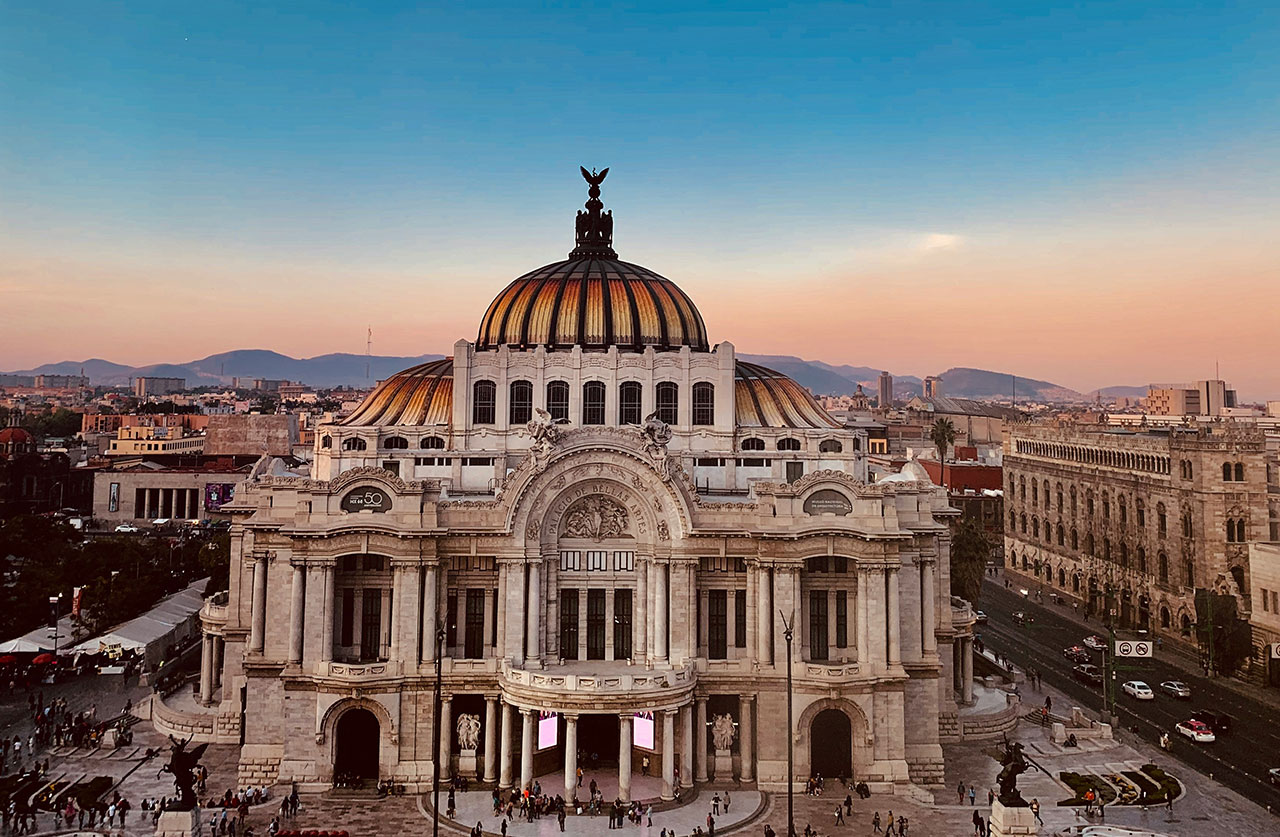
The Palacio de Bellas Artes is one of the crown jewels of the Centro Histórico, especially when the golden-hour light hits its white marble facade.

From the Editor:

We recently spent 10 nights living out of an Airbnb in Roma Norte, and by the end of the trip we were completely hooked. The timing was perfect. The city had reopened but had not fully returned to its usual intensity, which meant clear skies and lighter crowds.

What surprised me most was how green and livable the city feels. From wandering the cafe-lined streets of Roma and Condesa to exploring Chapultepec Park and its museums, CDMX feels electric and endlessly interesting.

Mexico City is also one of the best food cities in the world. Some mornings started with a neighborhood bakery or street tacos, and by evening we were sitting down to world-class restaurants. Getting around with Uber is easy, the neighborhoods each have their own personality, and it is a city I could absolutely see returning to for a much longer stay as a digital nomad.

Start Here: The CDMX Game Plan

Mexico City is massive, so the secret is to treat it like a collection of smaller worlds. Do not try to cross the city three times in one day. Pick one neighborhood to anchor your day, explore it deeply, and then move on.

  • First-timers: Base yourself in Roma Norte or Condesa for the best walkability, cafes, and tree-lined streets.
  • Luxury seekers: Choose Polanco for upscale dining, high-end shopping, and proximity to major museums.
  • History buffs: Spend a dedicated day exploring the Centro Histórico, but stay in a quieter neighborhood to escape the nighttime noise.
Pro Tip: Altitude is real here. Mexico City sits at roughly 7,300 feet above sea level. Take it easy on your first day, drink plenty of bottled water, and avoid overpacking your itinerary.

Mexico trip planning basics

Read: Mexico Customs and Immigration

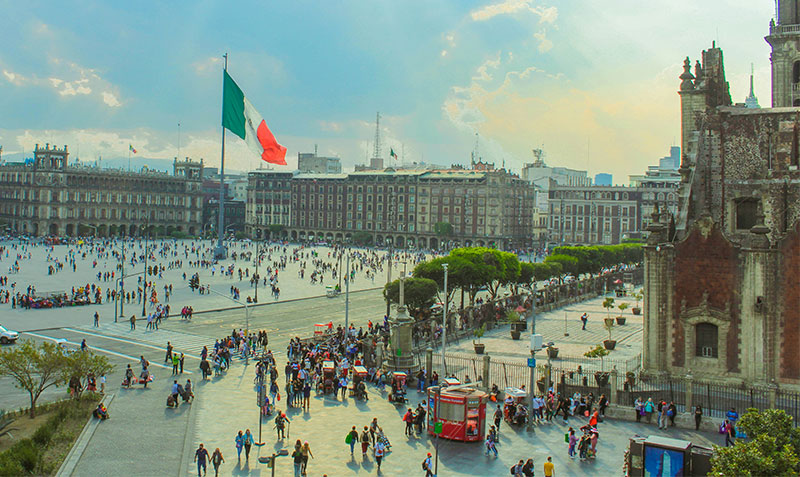
A wide view of the Zócalo in Mexico City, showing the expansive stone plaza filled with people, the Mexican flag flying in the center, and the historic Metropolitan Cathedral in the background.

The Zócalo is the heart of the Centro Histórico, where centuries of history meet the constant motion of modern Mexico City.


Why Mexico City

Mexico City is one of the great capitals of the world. It rivals Paris for museums, Tokyo for street food, and New York for sheer energy. You can start your morning exploring ancient ruins, spend the afternoon walking through European-feeling parks, and finish the night eating world-class tacos on a plastic stool.

There is no shortage of things to do, from visiting La Casa Azul and touring Chapultepec Castle to taking a sunrise hot air balloon ride over Teotihuacán and diving into one of the best culinary scenes on Earth.


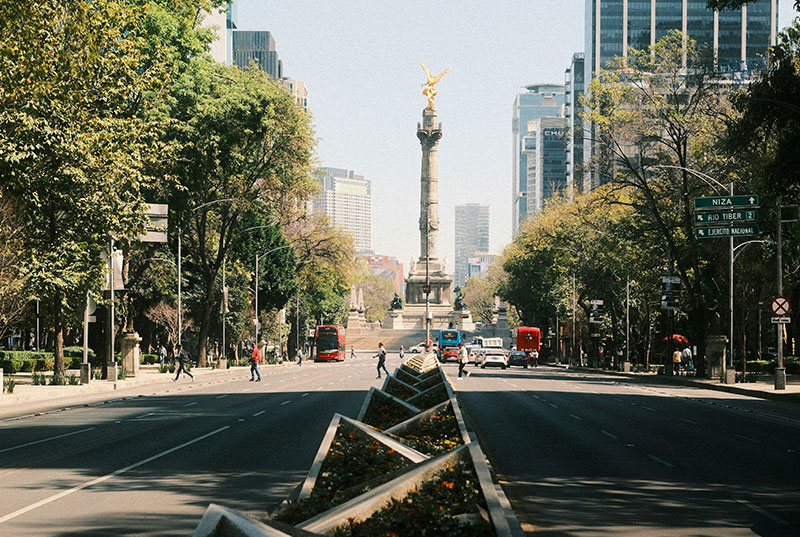
A view of the Angel of Independence monument standing tall on Paseo de la Reforma in Mexico City, surrounded by green trees and modern skyscrapers under a clear blue sky.

The Angel of Independence is one of Mexico City’s most recognizable landmarks, rising above the nonstop energy of Reforma.


Areas: Where to Stay in CDMX

The city is divided into neighborhoods called colonias. Picking the right one changes the feel of your entire trip.

Area Vibe Best For Reality Check
Roma Norte Hip, artsy, walkable First-timers, foodies, Airbnb stays Very popular and books up fast
Condesa Leafy, relaxed, dog-friendly Couples, park lovers, cafe culture Nightlife is quieter than Roma
Polanco Luxury, modern, polished High-end comfort, museum access Can feel less traditional than other areas
Centro Histórico Historic, chaotic, grand Sightseeing, architecture, day visits Loud and crowded, especially on weekends
Coyoacán Bohemian, village feel Slower pace, Frida Kahlo fans Farther from the central core
Juárez Central, stylish, evolving Trendy bars, central location A bit grittier than Condesa

Local Guide Tip: We chose an Airbnb in Roma Norte for our 10-day trip, and it was perfect. You step out the door and immediately hit great coffee shops, bakeries, and taco stands. It is one of the easiest bases in the city.

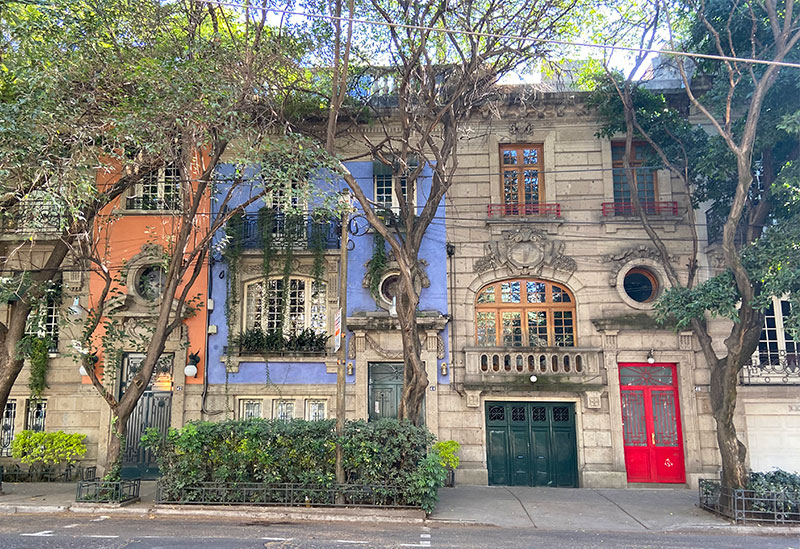
Colorful historic facades and vine-covered balconies along a tree-lined street in Roma Norte, Mexico City

The colorful architecture and tree-lined streets of Roma Norte make it one of the prettiest and most practical neighborhoods to base yourself in.


Standout Hotels for 2026

Mexico City keeps leveling up its hotel game. The smart move is to choose a walkable neighborhood first, then pick the property that fits your vibe.

Luxury and premium stays

Stylish and vibe-forward

Boutique and local favorites

Local Guide Tip: If you want a rooftop pool, book early. Rooftop inventory is limited, and prime spring weekends fill quickly.
Pro Tip: If a hotel says “opening soon,” treat it as a bonus, not your plan. In CDMX, openings can shift. Book something proven first, then adjust later if you want.

Parks and Plazas: The CDMX Cheat Sheet

Mexico City may not have beaches, but its public parks and historic plazas are the heartbeat of daily life.

Park / Plaza Vibe Best For Note
Bosque de Chapultepec Massive urban forest Museums, castle views, long walks Easily becomes a full day
Zócalo Historic grand square Cathedral, Templo Mayor, people-watching The center of CDMX history
Parque México Leafy, dog-friendly hub Morning walks, cafes A Condesa anchor point
Plaza Río de Janeiro Intimate, artsy Coffee breaks, local atmosphere A Roma Norte classic

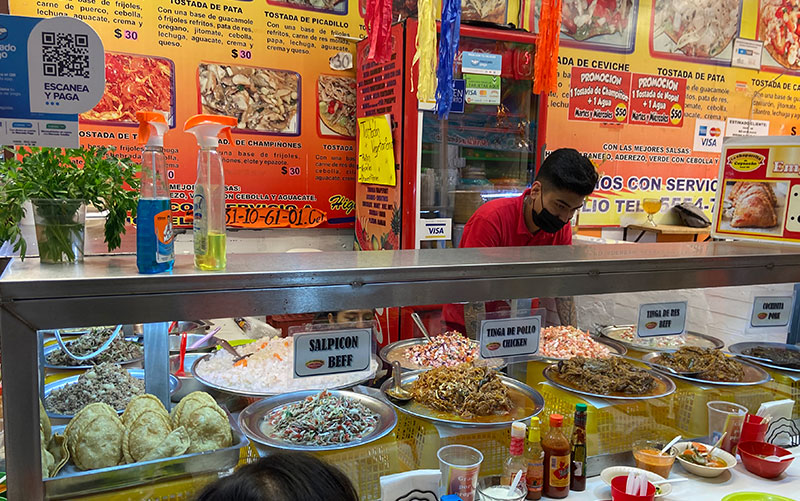
A vendor wearing a face mask stands behind a vibrant market counter filled with fresh ingredients and various tostada toppings in Mexico City.

Exploring local markets is one of the fastest ways to plug into the culinary heartbeat of the city. Find a busy stall and start ordering.


Markets and Food Halls

If you want the real CDMX, go to the markets. They are loud, delicious, and one of the quickest ways to understand the city.

Market Best For Go For Tip
Mercado de Medellín Everyday market energy Fruit, juices, lunch counters Go hungry, wander first, then pick a stall
Mercado de Coyoacán A Coyoacán day Tostadas, sweets, snacks Pair it with a Frida Kahlo Museum day
La Merced (area) Big-city market intensity Ingredients, color, chaos Go in the daytime and keep your phone secure
Mercado Roma An easy food-hall option Quick bites, drinks Not traditional, but convenient
Pro Tip: Markets are best from late morning into early afternoon. Show up too late and many stalls are already winding down.

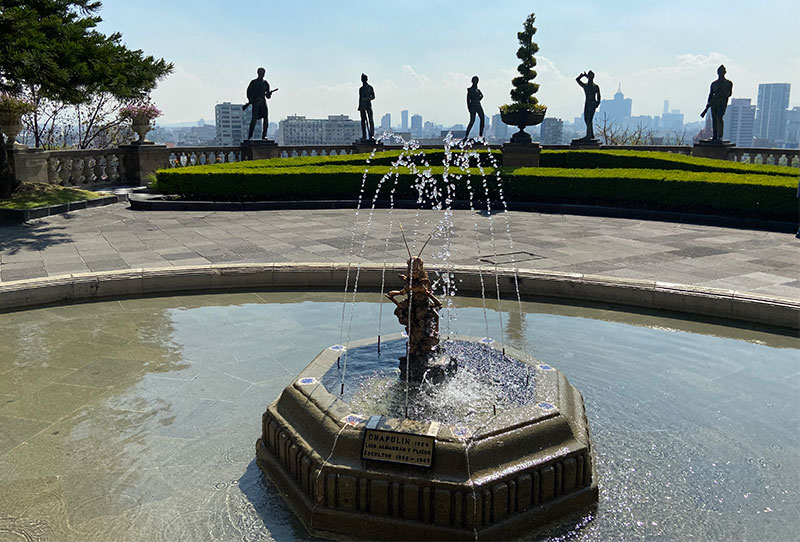
A stone fountain spraying water in the foreground with bronze statues of cadets standing along the terrace edge of Chapultepec Castle, overlooking the Mexico City skyline.

The terrace at Chapultepec Castle gives you one of the best contrasts in the city: historic grandeur in the foreground and the modern skyline beyond.


Best Things to Do in Mexico City

It is impossible to see it all in one trip. These are the anchor experiences that define a first or second visit.

History and architecture

  • Centro Histórico walking day: Start at the Zócalo, see the Metropolitan Cathedral, then work toward Palacio de Bellas Artes.
  • Chapultepec Castle: A hilltop castle with panoramic views and real history. Wear comfortable shoes for the incline.
  • Teotihuacán hot air balloon: Floating over the pyramids at sunrise is worth the early wake-up. Book a tour with transportation included.
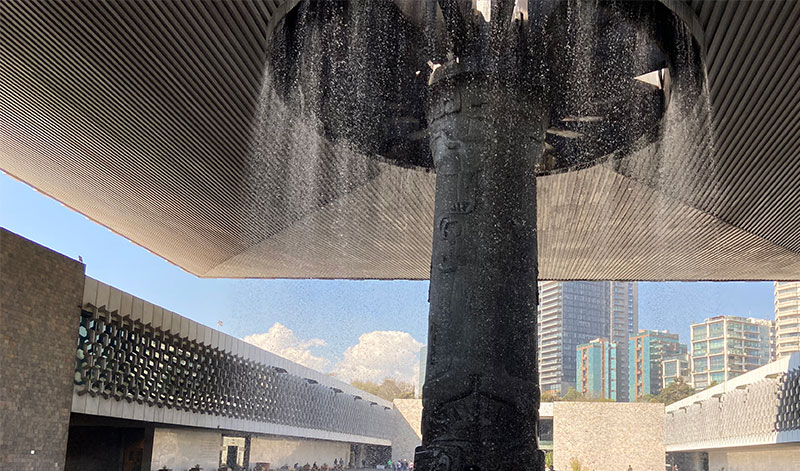
The massive umbrella fountain known as El Paraguas pouring water in the central courtyard of the National Museum of Anthropology in Mexico City.

The National Museum of Anthropology is essential CDMX. Give yourself at least three hours to appreciate both the architecture and the collection.


Art and museums

  • Museo Nacional de Antropología: The essential museum. Give yourself at least three hours.
  • Frida Kahlo Museum (La Casa Azul): Book tickets online well in advance.
  • Palacio de Bellas Artes: Even if you do not catch a performance, go inside to see the building.
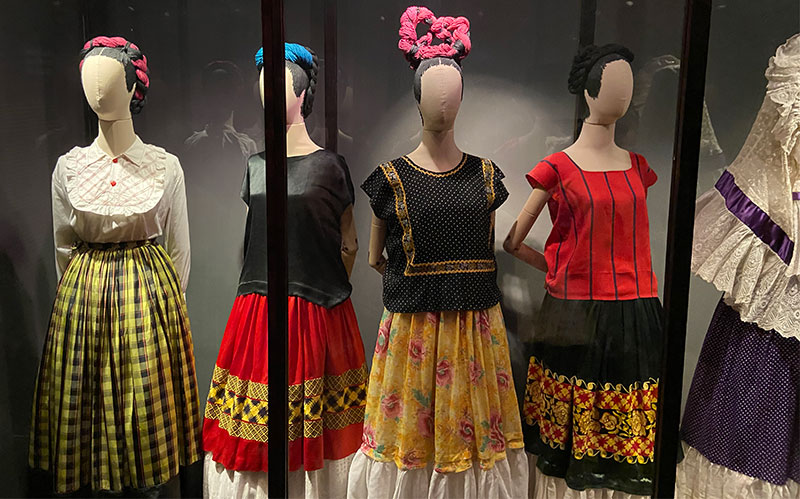
A glass display case showing several mannequins dressed in traditional, colorful Mexican dresses and blouses with braided hairstyles, exhibited at the Frida Kahlo Museum.

Booking ahead is key for La Casa Azul, one of the city’s most in-demand museum visits.


Culture and local experiences

  • Walking taco tour at night: A great way to try stands with more confidence and context.
  • Lucha Libre at Arena México: Loud, colorful, and wildly entertaining. Fridays usually bring the strongest energy.
  • Xochimilco: Rent a trajinera and float the canals with music and snacks. Go earlier in the day for a calmer atmosphere.
A group of street musicians performing on a sidewalk at night, featuring a man in a demon mask playing a large drum alongside two men playing bagpipes.

Mexico City comes alive after dark, whether that means a taco crawl, a packed plaza, or a street corner with music spilling into the night.


Design and architecture add-ons

  • Casa Luis Barragán: One of the most important architecture visits in the city. Reserve ahead.
  • Walk Reforma on Sunday: When the road closes to cars, the city briefly feels like one giant park.
Pro Tip: Many major museums are closed on Mondays. Use that day for parks, markets, or a day trip instead.

Best Things to Do by Month

Weather shapes the rhythm of Mexico City. Here is how to think about the year.

Month Best For What to Book Quick Note
Dec to Feb Clear skies, cool nights Teotihuacán balloons, patio dining Bring a warm layer for evenings
Mar to May Jacaranda blooms, warm days Walking tours, rooftops The prettiest stretch for photos
Jun to Sep Museums, fewer crowds Indoor spots, Lucha Libre Rainy season with afternoon showers
Oct to Nov Día de los Muertos, fall energy Coyoacán, parade viewing, key hotels Book early for late Oct and early Nov

Rooftops and Views

CDMX rooftops hit different. The city is huge, the sunsets are real, and a rooftop drink can reset your whole day.

Easy rooftop strategy

  • Go early: Arrive before sunset for the best tables.
  • Weekends: Reserve ahead when possible.
  • Dress: Some rooftops lean casual-up after dark.

High-level picks

  • Condesa rooftops: Relaxed, leafy skyline feel
  • Reforma rooftops: Big-city skyline, modern energy
  • Centro rooftops: Cathedral views and historic drama
Pro Tip: For a smooth night, choose one rooftop and one nearby dinner. CDMX gets complicated fast when you try to bounce across zones after 7 PM.

Condesa is one of the city’s easiest neighborhoods to enjoy on foot, with leafy streets, dog walkers, and standout breakfast spots around nearly every corner.


Where to Stay by Traveler Type

Traveler Type Best Area Why It Works One Tip
First-timer Roma Norte Central, walkable, incredible food Base near Avenida Álvaro Obregón
Luxury comfort Polanco High-end comfort, museum access Ideal for Chapultepec and dining
Romantic and quiet Condesa Tree-lined streets, park life Morning coffee by Parque México is a ritual
History focused Centro Histórico (day visits) Zócalo, ruins, architecture Stay elsewhere and visit Centro in the daytime

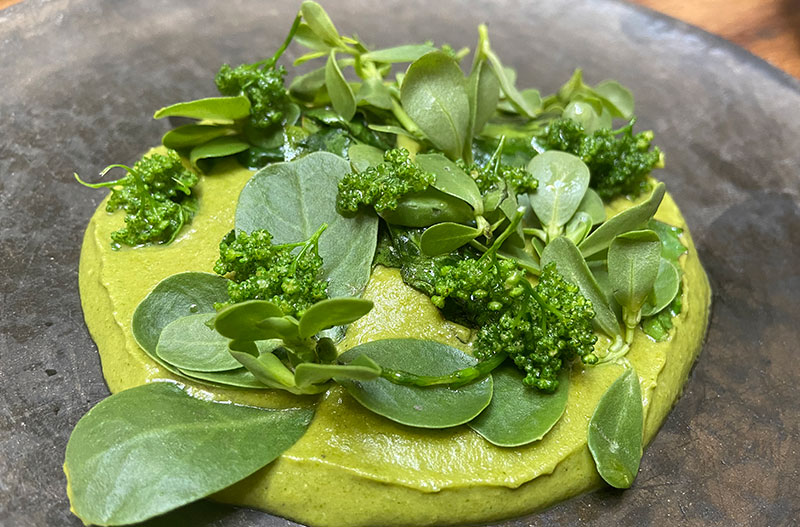
A beautifully plated vibrant green puree topped with fresh green herbs and delicate leaves on a dark, rustic plate.

A stunning pipián verde at Rosetta, located right in Roma Norte. Chef Elena Reygadas creates vegetable-forward masterpieces that are just as beautiful as the historic townhouse they are served in


Best Restaurants and Tacos in CDMX

Mexico City might be the best food city in the world right now. You can spend $100 on a tasting menu or $2 on one of the best tacos of your life.

Street tacos and casual spots

  • Orinoco: Northern-style tacos, strong salsas, easy win
  • Taquería Los Cocuyos: Legendary Centro late-night stand
  • El Vilsito: Auto shop by day, serious al pastor at night
  • Churrería El Moro: Classic churros and hot chocolate with multiple locations

Good eats, moderate prices

  • Contramar: The CDMX seafood lunch classic. Go for a late lunch reservation.
  • Expendio de Maíz: No menu, corn-driven, and unforgettable if you like surprises.
  • Lalo!: Great breakfast or brunch energy.
  • Máximo Bistrot: Seasonal, chef-driven, consistently excellent.

Coffee and bakeries worth detouring for

  • Roma and Condesa cafes: Your best walk-coffee-pastry-repeat zone, with leafy streets packed with independent coffee shops.
  • Rosetta Bakery: From chef Elena Reygadas, this neighborhood favorite is famous for its guava roll and seasonal fruit pastries. Worth the morning line.
  • Panaderías: Look for fresh conchas, roles de canela, and buttery seasonal pastries coming out of the ovens each morning.
  • Morning ritual: Grab a coffee and pastry, then wander the tree-lined streets or head toward Parque México or Parque España.
Local Guide Tip: CDMX runs on late lunches. If you can grab a 3 PM reservation at a hard-to-book spot, do it. It is often easier than prime dinner time.

Street Food Zones

If you want better tacos with less guesswork, use zones. These areas make it easier to build a street-food night without zigzagging across the city.

Zone Best For Go At Quick Tip
Roma Norte Taco hopping plus bars 7 PM to midnight Easy to cover on foot
Condesa Park-to-dinner nights Sunset to late Softer vibe than Roma
Centro Late-night legends After 9 PM Use Uber and keep the plan simple
Polanco Upscale dinner nights Dinner Strong choice for a big night out
Pro Tip: If a street stand has a line and fast turnover, that is usually a great sign.

Michelin Picks: CDMX Dining for 2026

The Michelin Guide confirmed what locals already knew. CDMX is a top-tier food city. For the hardest reservations, lock those in first, then build the rest of your itinerary around those neighborhoods.

Michelin stars that define the city

  • Pujol: Michelin Two Stars. The legendary tasting menu and mole-centered experience.
  • Quintonil: Michelin Two Stars. Creative, modern Mexican cooking that still feels grounded.
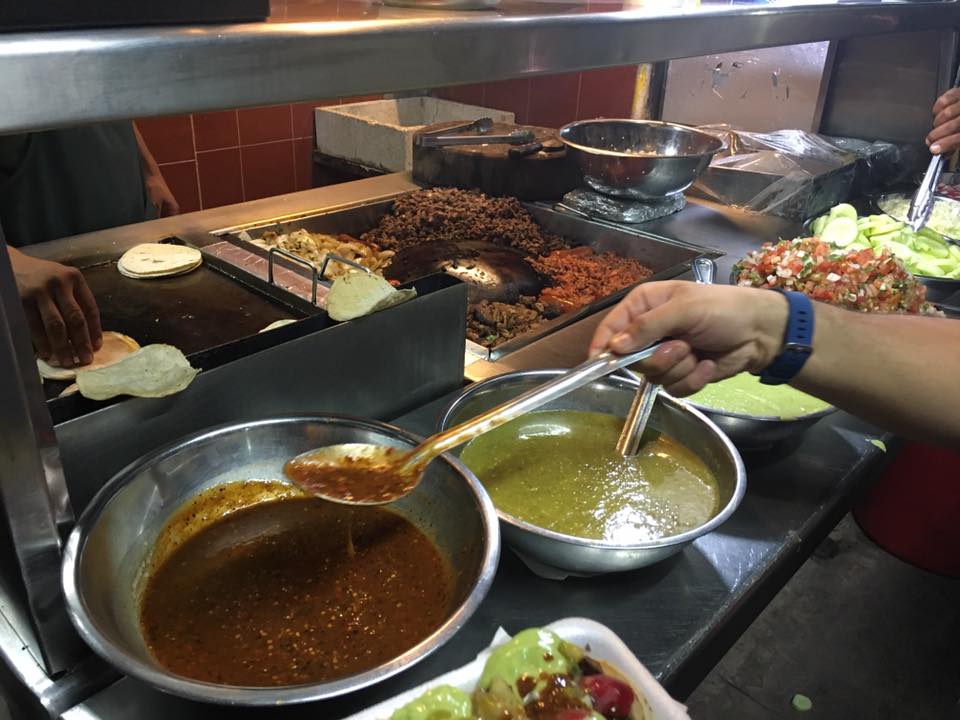
  • Taquería El Califa de León: Michelin One Star. A tiny taco counter that made history.

Also worth booking if you care about food

  • Rosetta: Roma classic with serious demand
  • Em: Contemporary and highly creative
  • Esquina Común: Intimate and chef-driven
  • Máximo Bistrot: One of the city’s most consistently loved bookings
Pro Tip: Lunch is often the main meal in Mexico. For hard reservations, a late lunch can be your easiest win.

The 2026 Wellness Movement

CDMX is blending ancestral healing traditions with modern luxury. The best wellness move here is simple: treat recovery like part of the itinerary. Big walking days plus altitude can sneak up on you.

  • Bathhouse trend: Look for modern takes on heat-and-cold circuits around Roma and Condesa.
  • Hotel spas: Great for a mid-trip reset after Chapultepec and museum days.
  • Altitude recovery: Hydrate, add electrolytes, and keep day one light.

Events & Seasonal Highlights (2026)

Timing your trip around these moments can completely change the experience.

Signature seasonal highlights

  • Día de los Muertos (late Oct to early Nov): The city fills with marigolds, ofrendas, and major events. Demand spikes, so plan early.
  • Jacaranda season (March to April): Roma, Condesa, and Reforma light up in purple.
  • Mexican Independence Day (Sept 15 to 16): Major celebrations center around the Zócalo.

Essential Tips and Travel Info

Flying to CDMX

You will likely fly into Benito Juárez International Airport (MEX). For flight deals: Skyscanner, Momondo, or Google Flights.

Airport transportation and arrival plan

  • Easy arrival: Official prepaid airport taxis from kiosks inside the terminal are simple and low-stress.
  • Rideshare: Uber works well in the city, though airport pickup logistics can feel inconsistent depending on terminal flow.
  • Hotel transfer: If you land late, pre-booking a transfer can be worth it.

Getting around the city

Uber is heavily used, usually affordable compared with the US, and a great default for visitors. The main variable is traffic, not distance.

  • Short distances: Walk. Roma and Condesa are built for it.
  • Long jumps: Uber. Build in extra time during rush hour.
  • Metro: Useful in the daytime if you are comfortable, but Uber keeps things simpler.

Money

CDMX runs on pesos. Use a bank ATM and carry small bills for markets, tacos, and tips. Cards work at most restaurants and shops.


Best Time to Visit Mexico City

March to May is the easiest wow season with warm days, clear skies, and jacaranda blooms. November to February is also excellent for crisp sightseeing days, though nights can feel chilly. June to September is rainy season, with showers often arriving in the afternoon.

Average Monthly Weather in Mexico City (CDMX)

Mexico City sits at high altitude, so the sun feels stronger than many visitors expect and temperatures swing between day and night. Use this as your quick feel-for-the-month table.

Month Avg High (°F) Avg Low (°F) Rainy Days Rainfall (in) Notes
Jan 70 37 2 0.4 Cool nights, clear skies
Feb 74 40 1 0.2 Sunny and crisp
Mar 79 42 2 0.3 Prime walking weather
Apr 80 44 4 0.5 One of the best overall months
May 80 44 6 0.9 Warm days, showers start building
Jun 78 44 12 2.4 Rainy season begins
Jul 75 44 13 2.7 Afternoon storms, cooler days
Aug 75 43 11 2.2 Wet stretch continues
Sep 74 43 7 1.5 Showers begin tapering off
Oct 75 42 4 0.7 Dry season starts returning
Nov 72 38 1 0.1 Crisp nights, great museum weather
Dec 69 37 1 0.1 Dry, cool evenings
Pro Tip: Pack layers. A sunny afternoon can turn into a cold night quickly, especially after dinner.

CDMX Itineraries (4 to 7 Days)

4-Day CDMX Highlights

  • Day 1: Arrive, settle into Roma or Condesa, easy dinner, early night
  • Day 2: Centro day with the Zócalo, Bellas Artes, Templo Mayor, and churros at El Moro
  • Day 3: Chapultepec Castle plus the Anthropology Museum
  • Day 4: Coyoacán, Frida Kahlo Museum, and a market lunch

7-Day Deep Dive

  • Day 1: Arrive and do a relaxed Condesa park walk
  • Day 2: Sunrise Teotihuacán balloon ride and a slow afternoon reset
  • Day 3: Centro day plus a rooftop drink
  • Day 4: Chapultepec day and dinner in Polanco
  • Day 5: Xochimilco earlier in the day and Lucha Libre at night
  • Day 6: Coyoacán, markets, and a slower neighborhood dinner
  • Day 7: Coffee morning, one last taco loop, and depart
Pro Tip: Teotihuacán balloon rides usually mean a very early pickup. Keep the afternoon easy so you do not burn yourself out.

A Quick History of CDMX

Mexico City is built on top of Tenochtitlán, the ancient capital of the Aztec Empire. It began as an island city in Lake Texcoco. When the Spanish arrived in the 1500s, they drained much of the lake and built the colonial city over the remains. Because of that old lakebed foundation, parts of modern Mexico City are still sinking over time.


What’s New for 2026 in CDMX

Mexico City keeps evolving, especially in Roma, Juárez, and along Reforma. The biggest 2026 pattern is simple: more design-forward stays, tighter restaurant demand at headline spots, and stronger cocktail programs across the city.

What to watch

  • More Michelin-driven demand: Reservations are tighter at top restaurants, so plan your big meals first.
  • More boutique stays: Roma and Condesa remain the most fun bases for walkable trips.
  • Future openings: Keep an eye on hotel news, but book something proven first.

Frequently Asked Questions

How many days do I need in Mexico City?

You need at least 4 to 5 days to see the main highlights without rushing. If you want to add day trips like Teotihuacán and Xochimilco, a full week is even better.

Roma Norte or Condesa is the easiest win for walkability, cafes, food, and a relaxed daily rhythm.

No. Stick to bottled water for drinking. Most restaurants use purified ice.

Yes. It is one of the most memorable experiences near CDMX. Book a package with transportation included.

No, but it helps. Download offline Spanish in Google Translate and learn basic greetings. Locals appreciate the effort.


Explore Mexico City your way: go for the art, the architecture, the history, or just eat your way through the neighborhoods. Buen viaje.

Los Cabos Travel Guide: Hotels, Food & Tips

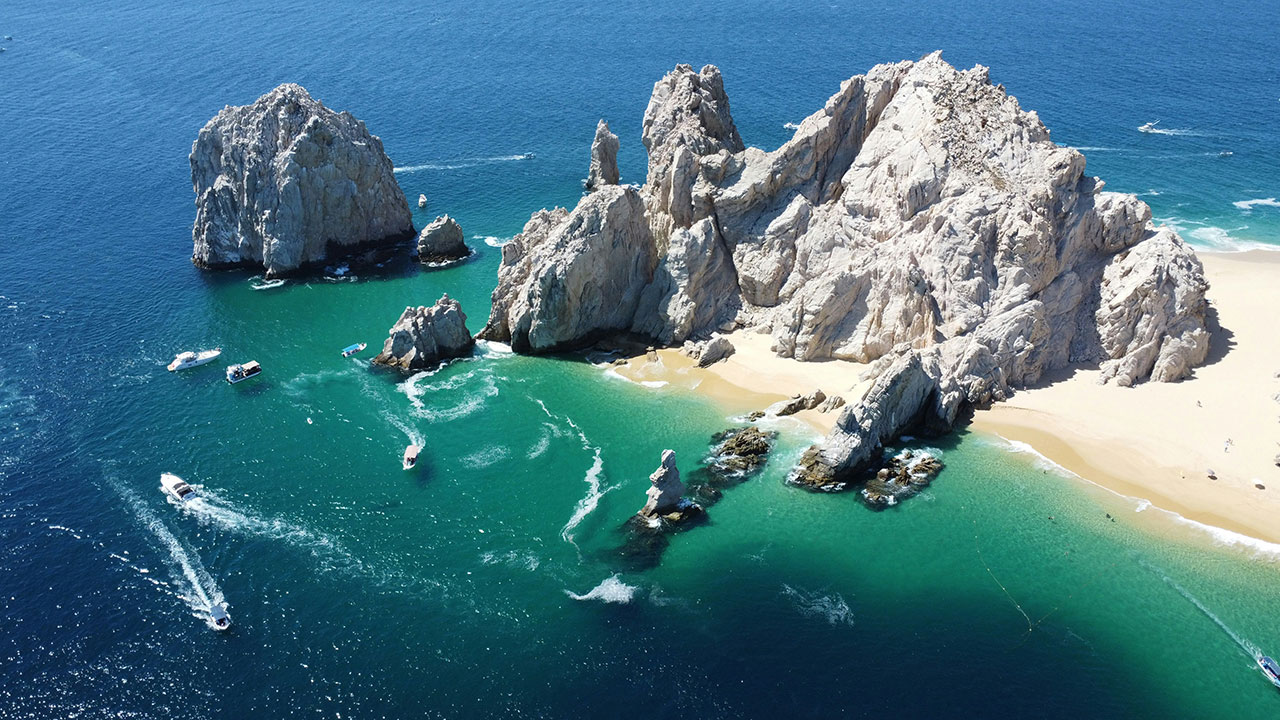
An aerial view of the iconic rugged rock formations at Land's End in Cabo San Lucas, surrounded by clear turquoise water and a hidden sandy beach.

Classic Los Cabos energy on Médano Beach, where desert light, beach bars, and Land’s End views all come together in one of Mexico’s easiest winter escapes.


Home » Destinations » Page 7

Last updated: May 2026 by Corey Gasman

From the Editor:

Cabo is one of the places where I have real reps. For eight years, my wife and I stayed at Pueblo Bonito Los Cabos, also known as Pueblo Bonito Blanco, during weeks 12 and 13, right in the heart of American spring break season. That meant busy beach days, packed bars, full restaurants, and a front-row seat to Cabo at its loudest and most vacation-heavy.

We were based right on Médano Beach, close to Mango Deck, The Office, the marina, and the classic Cabo San Lucas loop. Over the years, we also stayed in San José del Cabo, explored the Thursday night Art Walk, spent time on the Pacific side, watched sunsets from Pueblo Bonito Sunset Beach, and did an Airbnb stay near the marina.

I have done the full Los Cabos mix: golf, deep-sea fishing, ATV desert rides, marina nights, beach bars, Flora Farms, Edith’s, The Office, Cabo Wabo, taco stops around town, and long drives through The Corridor. This guide is built from repeated trips over many years, not one quick vacation.

Start Here: The Los Cabos Game Plan

Los Cabos works best when you think of it as more than one destination. Cabo San Lucas, The Corridor, the Pacific side, and San José del Cabo all offer a different version of the trip. If you match your base to your actual travel style, Los Cabos feels easy. If you do not, it can feel expensive, overbuilt, and inconvenient fast.

My Los Cabos experience: I have stayed in the area repeatedly over eight years, including Médano Beach, San José del Cabo, the Pacific side near Pueblo Bonito Sunset Beach, and the marina area. That matters here because the destination changes a lot depending on where you stay.

Pro Tip: The easiest Los Cabos trip is usually one water day, one town day, and one signature dinner. Everything else can be beach time, pool time, and leaving room for the destination to breathe.

Plan your Los Cabos trip

Where to Stay in Los Cabos – Cabo San Lucas, San José del Cabo, The Corridor, and the Pacific side explained.
Best Things to Do in Los Cabos – beaches, boat trips, fishing, golf, ATV rides, and San José Art Walk.

Cabo San Lucas Food Guide – tacos, beach bars, special dinners, Michelin picks, and casual favorites.

Long Weekend in Los Cabos – a 4-day romantic itinerary for couples.

Mexico trip planning basics

Start here: Mexico Customs and Immigration

Keep exploring Mexico

Read: Mexico Travel Guides Hub

A view from a balcony showing a white Mediterranean-style resort building surrounded by palm trees, overlooking the calm ocean and the distant rugged rock formations of Land's End in Cabo San Lucas.

The classic Land’s End view from Pueblo Bonito Los Cabos, one of the easiest Médano Beach bases for a first Cabo San Lucas trip.


Why Los Cabos

It is still amazing that you can leave a Minneapolis winter and be in sunny Los Cabos a few hours later. On one trip we went from brutal subzero weather at home to a beach day in Mexico the same afternoon. Cabo does that better than almost anywhere.

Los Cabos delivers fast vacation payoff: swimmable beach time, marina energy, sunset boat rides, golf, sport fishing, beach bars, and easy splurge dinners. Then when you add The Corridor, the Pacific side, and San José del Cabo, the destination starts to feel much bigger and more layered than first-time visitors expect.

A view of Médano Beach on a sunny day, showing a beach vendor carrying a tall stack of hats walking along the sand, with the famous Land's End rock formations rising from the bright blue ocean in the background.
Médano Beach is classic Cabo: lively sand, beach vendors, swimmable water, and Land’s End in the background.

A view of a marina or harbor in Cabo San Lucas, Mexico, with several white boats docked. A distinctive red and white striped lighthouse stands prominently on the right. In the background are multi-story, white Spanish-colonial style buildings and palm trees, set against a bright blue sky with a few clouds.

The Cabo San Lucas marina is one of the easiest places to start a town day, dinner loop, or boat trip.


Areas: Where to Stay in Los Cabos

Los Cabos is the full destination region. Cabo San Lucas is the marina, nightlife, Médano Beach, and big vacation energy. San José del Cabo is calmer, artsier, and more local-feeling. The Corridor is where many of the resorts, golf courses, and swimmable coves sit. Cabo del Sol is a growing luxury pocket, and the Pacific side is dramatic, quieter, and usually more about views than swimming.

Area Vibe Best For Reality Check
Médano Beach + Marina Classic Cabo, walkable, lively First-timers, short trips, easy nights Busy, vendors on the sand
Pedregal Hillside luxury, views, privacy Couples, upscale stays Not a beach-walk base
Pacific Side Dramatic coastline, quieter Pool days, long walks, sunsets Most beaches are not swimmable
The Corridor Resorts, golf, coves Resort week, snorkeling coves You will use rides a lot
Cabo del Sol New luxury center, beach + golf High-end comfort, fresh openings More property life than downtown life
San José del Cabo Art District, calmer town energy Food, galleries, slower nights Further from Cabo nightlife

Local Guide Tip: If it is your first trip, stay somewhere that supports your natural daily loop. For most people, that means Médano Beach or the marina area.


Cabo San Lucas

Best for first-timers, marina nights, beach bars, boat tours, nightlife, and easier logistics.

The Corridor

Best for resort stays, golf, nicer coves, and travelers who do not mind using rides.

San José del Cabo

Best for galleries, slower nights, better town rhythm, and a more local feel.

Where to Stay by Traveler Type

This is the fastest way to narrow your base without overthinking the map.

People relaxing with drinks at an open-air rooftop bar under a modern wooden pergola, with a vibrant orange sunset over the ocean in the background.

The Rooftop at The Cape is one of the best elevated sunset and cocktail views in Los Cabos.


First-timers and short trips

  • Best area: Médano Beach + Marina
  • Why it works: walkable loop, easy beach time, quick access to tours and nightlife
  • Reality note: busier and more tourist-heavy

Luxury comfort

  • Best area: Cabo del Sol
  • Why it works: polished new luxury, golf, and newer high-end resort energy
  • Reality note: more hotel life than town life
A vibrant orange and yellow sunset over the calm ocean, highlighting the rugged silhouettes of the coastline's rock formations in Cabo San Lucas.

The Cape shows how polished and design-forward the newer Los Cabos hotel scene has become.


Resort week and golf

  • Best area: The Corridor
  • Why it works: resorts, coves, golf, quieter nights
  • Reality note: you will rely on rides more often

Romantic and quieter stays

  • Best area: Pacific Side, Pedregal, or San José del Cabo
  • Why it works: views, privacy, calmer pace
  • Reality note: fewer spontaneous walk-to options

Pro Tip: On trips under four nights, pay more for location. In Los Cabos, that usually makes the whole trip better.

Go deeper

For a deeper hotel and neighborhood breakdown, read the full Where to Stay in Los Cabos guide.

Hotels and What’s New

If you have not been to Los Cabos in a while, the hotel conversation has shifted. Cabo del Sol and the East Cape have pulled more attention, and there are more luxury options than ever.

Luxury classics

  • One&Only Palmilla
  • Esperanza
  • Grand Velas Los Cabos

Newer energy

  • Park Hyatt Cabo del Sol
  • The Cape
  • Chileno Bay
  • Cabo del Sol growth

Worth watching

  • Amanvari
  • St. Regis Los Cabos at Quivira
  • Soho House Los Cabos
  • More East Cape luxury growth

The headline change is that Park Hyatt Cabo del Sol is now open, adding more luxury gravity to the Cabo del Sol area between Cabo San Lucas and San José del Cabo. The next wave is just as important: Amanvari is still one to watch on the East Cape, St. Regis Los Cabos at Quivira is expected to add another major luxury flag on the Pacific side, and Soho House Los Cabos is part of the broader Cabo del Sol lifestyle conversation.

That tells you where Los Cabos is heading. Cabo San Lucas still has the beach-bar and marina energy, but the region’s newest growth is more about quieter luxury, golf, wellness, private residences, and resort districts that feel less dependent on downtown nightlife.

Local Guide Tip: If you want swimmable water without the busiest Médano Beach energy, focus on protected-cove resorts and beaches around Chileno, Santa Maria, and Palmilla.

Swimmable Beaches: The Los Cabos Cheat Sheet

The quickest way to stay safe in Los Cabos is to respect the flags and currents. Some of the prettiest beaches are not the ones you want to casually swim at.

Beach Swimmable Best For Note
Médano Beach Yes, most days Easy swim time, beach bars Busy and vendor-heavy
Chileno Bay Often yes Clear water, snorkeling Go earlier for calmer conditions
Santa Maria Often yes Snorkel cove day Bring shade and water
Palmilla Often yes Calmer water near San José More relaxed than Médano
Pacific beaches Usually no Walks, sunsets, photos Strong currents and steep drop-offs

Morning walk on Solmar Beach on the Pacific side of Cabo San Lucas

Morning walk on Solmar Beach on the Pacific side of Cabo San Lucas.


View from Pueblo Bonito Blanco Los Cabos overlooking Land’s End

View from our balcony at Pueblo Bonito Los Cabos on Médano Beach.


Best Things to Do in Los Cabos

If you want the best of Los Cabos without over-planning, these are the experiences that repeatedly feel worth it.

Water and beach days

  • Land’s End boat ride
  • Snorkel day at Chileno or Santa Maria
  • Sunset cruise or sail
  • Médano Bay water sports

Adventure

  • Golf
  • Deep-sea fishing
  • ATV and desert rides
  • Mt. Solmar or guided adventure parks

Culture and slower nights

  • San José del Cabo Art Walk
  • Marina and downtown dinner loop
  • Flora Farms
  • Sunset drinks with a view

Pro Tip: One main activity per day is enough in Los Cabos. The trip usually gets better when you leave breathing room between plans.

Go deeper

For the deeper activity breakdown, read the full Best Things to Do in Los Cabos guide.

Day Trips: Beyond the Los Cabos Loop

Once you have the Cabo San Lucas and San José del Cabo rhythm down, the surrounding Baja California Sur region offers some of the best day trips in Mexico. Renting a car or booking a guided tour can make these accessible, but the logistics matter more than people think.

Destination Drive Time Best For Reality Check
Todos Santos About 1 hour Art galleries, boutique hotels, surf towns Can get crowded by midday
La Paz & Balandra About 2 hours Whale sharks, calm turquoise water Balandra Beach has strict capacity limits
Cabo Pulmo About 2 hours Marine park, real scuba and snorkeling The last stretch of road can be rough

Local Guide Tip: If you are going to Balandra Beach in La Paz, do not treat it like a casual beach stop. Go early, check current access rules, or book a tour that handles the timing. Showing up late in the day can mean being turned away.

Best Things to Do by Month

Use this as the fast planning filter if you are deciding when to go.

Month Best For What to Book Quick Note
Dec Great weather, first whale sightings Sunset cruise, whale tour Holiday weeks book early
Jan to Feb Whales, clear days, cooler nights Whale watching, Land’s End boat trip Bring a light layer at night
Mar Warm weather, lively energy Beach bars, reservations, tours Spring break crowds peak
Apr Shoulder season sweet spot Snorkel cove day One of the easiest months to love
May to Jun Hotter days, calmer vibe Early tours, long dinners Plan mornings outside
Jul to Sep Deals, warm water, fewer crowds Resort time, spa Heat, humidity, and tropical weather risk rise
Oct to Nov Warm days, shoulder season returns Fishing, dining, golf Excellent for a 4 to 6 night trip

Best Restaurants and Bars in Los Cabos

Los Cabos has more food depth than people give it credit for. You can still do the beach-bar classics, but the destination also has real farm-to-table dining, resort fine dining, taco stops, seafood, and special-occasion restaurants worth planning around.

The trick is not treating Cabo dining like a resort-only decision. Do one beach classic, one taco stop, one splurge dinner, and one San José or farm-to-table meal if you have time.

Special dinners

  • Edith’s
  • The Office
  • Hacienda Cocina & Cantina
  • Sunset Monalisa
  • Flora Farms

Moderate favorites

  • El Peregrino
  • Tiki Sushi Bar
  • Mariscos Las Tres Islas
  • Tabasco Beach

Tacos and local spots

  • Tacos Guss
  • Tacos Gardenias
  • El Zarape
  • Los Tres Gallos
  • Mi Casa

Tacos Guss street tacos in Cabo San Lucas

Tacos Guss is one of the reliable taco stops in Cabo San Lucas.


The Classic Party Loop

  • Mango Deck
  • El Squid Roe
  • Cabo Wabo Cantina
  • Happy Ending Cantina
  • Giggling Marlin

Elevated and Lounge

  • The Rooftop at The Cape
  • Sunset Monalisa lounge
  • Hacienda Cocina & Cantina
  • Newer Cabo del Sol resort bars

Go deeper

For tacos, beach bars, romantic dinners, and Michelin-recognized splurges, read the full Cabo San Lucas Food Guide.

Michelin Restaurants and Splurge Meals in Los Cabos

Los Cabos is now firmly part of the Michelin Guide Mexico conversation, which matches how much stronger the destination dining scene has become. The 2025 Michelin Guide expanded its Baja California Sur coverage and brought the total number of Los Cabos restaurants in the guide to 16.

The headline fine-dining splurge is still Cocina de Autor Los Cabos, which retained its Michelin star. The other important part of the story is sustainability and value: Flora’s Field Kitchen holds both Green Star and Bib Gourmand recognition, Acre is recognized for sustainability, and Metate is one of the best examples of how the guide now reaches beyond traditional resort fine dining.

Michelin-recognized and worth researching

  • Cocina de Autor Los Cabos: one Michelin star
  • Flora’s Field Kitchen: Green Star and Bib Gourmand
  • Acre: Green Star recognition
  • Metate: Bib Gourmand
  • Manta and Comal: Michelin recommended

Farm-to-table and destination dining

  • Flora’s Field Kitchen
  • Acre
  • Los Tamarindos
  • Sunset Monalisa
  • Hacienda Cocina & Cantina

Pro Tip: For your big Los Cabos dinner, make the reservation first and then solve transportation. That order usually makes the night easier.

Wellness and Luxury Trends

Los Cabos is not just margaritas and pool decks anymore. More of the destination is leaning into recovery, wellness, golf, design-forward resorts, and quieter luxury.

  • Park Hyatt Cabo del Sol: A major newer luxury addition in the Cabo del Sol area.
  • Amanvari: A high-end East Cape opening to watch as the area continues to move upscale.
  • East Cape growth: More travelers are looking beyond Cabo San Lucas for quieter, more spread-out luxury.

The larger trend is clear: Cabo San Lucas still has the loud, classic vacation energy, but Los Cabos as a region keeps moving upscale. The best trip now may be a mix of both worlds: one or two Cabo San Lucas nights, one quieter San José or Corridor night, and enough open space to enjoy the resort, beach, and desert landscape.

Events and Seasonal Highlights

If you like planning around energy, these are the main seasonal cues to know.

ALT tag: A majestic humpback whale breaching the surface of the deep blue ocean near the Cabo San Lucas coastline, with the iconic "El Arco" rock formation visible in the distance.

Whale season adds one more reason to love Los Cabos in winter, especially from January into early spring.


  • Whale season: mid-December through early April
  • San José del Cabo Art Walk: Thursday evenings from 5 to 9 p.m., typically November through June
  • Sport fishing season: fall is the headline tournament window

Local Guide Tip: If you want a calmer trip, avoid the biggest holiday and spring break weeks. If you want full Cabo energy, go during them on purpose.

Essential Tips and Travel Info

SJD Airport Entry and E-Gates

Los Cabos International Airport has modernized its arrival process, and many US and Canadian travelers can now move through immigration faster than they may remember from older Mexico trips. If you are eligible, you may scan your passport at an automated e-gate, receive your entry stamp, and continue to baggage claim without filling out the old paper tourist card.

The important caveat is that not every traveler will use the e-gates. Families with kids, travelers without biometric passports, some passport types, and anyone flagged for manual review may still be sent to an immigration officer. Either way, keep your passport handy and follow the airport signs once you arrive.

Flying to Los Cabos

Los Cabos International Airport is SJD. It sits closer to San José del Cabo, so expect roughly a 30 to 45 minute ride to Cabo San Lucas depending on traffic and where you are staying.

Important Airport Tip: Timeshare Reps

Pro Tip: After customs, keep walking until you are fully outside. If anyone inside tries to stop you, they are usually selling transportation, tours, or timeshares.

Airport Transportation

Best arrival move: pre-book a private transfer or shared shuttle, especially if this is your first trip.

Budget move: the public bus can work, but it is slower and less convenient with luggage.

The Toll Road vs. The Free Road

If you rent a car or book a private transfer, you may hear about the toll road, also called the Libramiento, and the free road, Highway 1. The free road connects everything, but it also carries more local and commercial traffic. The toll road bypasses much of that congestion and is usually the easier move when you are heading between the airport, Cabo San Lucas, Pedregal, or the Pacific side.

In 2026, the toll from the airport area to Cabo San Lucas is about 118 pesos for passenger vehicles. The booths may accept US dollars, but carrying pesos is the smarter move and avoids a bad exchange rate or awkward change situation.

Pro Tip: If your hotel is in Cabo San Lucas or Pedregal, take the toll road on arrival. The small cash cost is usually worth skipping the stop-and-go traffic.

A dark luxury SUV, commonly used for private airport transfers, parked on a sunny street lined with palm trees and resort buildings in Cabo San Lucas.

Pre-booking airport transportation is one of the easiest ways to start a Los Cabos trip without stress.


Uber in Los Cabos

Uber can work for some local rides in Cabo, but airport pickup and certain resort pickup situations can still be a hassle. Arrival day is not the time I would test the system.

Local Guide Tip: Use pre-booked transportation on arrival, then use Uber or taxis selectively once you understand your hotel’s pickup flow.

Money: US Dollars vs Pesos

US dollars are widely accepted, but pesos usually give you better value and fewer surprises.

  • Choose pesos if a card machine gives you the option
  • Use bank ATMs when possible
  • Carry smaller bills for tips and quick purchases

Best Time to Visit Los Cabos

Mid-April through mid-June is one of the best windows after the biggest spring break crowds. October and November are also excellent. January through March adds whale season and peak winter escape demand.

Average Monthly Temperatures in Cabo San Lucas

If you are planning around weather, this table gives you a quick snapshot.

Month Avg High (°F) Avg Low (°F) Notes
Jan 77 58 Sunny, peak whale season
Feb 78 59 Clear skies, cool evenings
Mar 81 61 Warmer days, spring break crowds
Apr 85 63 Excellent weather, fewer crowds
May 89 66 Warm, shoulder season
Jun 93 73 Hotter afternoons begin
Jul 95 77 Hot, humid, warm ocean
Aug 95 78 Hottest month, fewer crowds
Sep 94 77 Heat plus possible tropical systems
Oct 91 73 Warm, shoulder season returns
Nov 84 65 Ideal weather, Art Walk season
Dec 78 59 Great temperatures, holiday demand

Is Los Cabos Safe?

Los Cabos is one of Mexico’s most tourist-forward destinations, with strong resort and tourism infrastructure. Like anywhere, use basic awareness, especially at night and around alcohol-heavy zones.

  • Stick to tourist zones and well-traveled areas
  • Use official transportation or known ride options
  • Only swim where conditions are safe and flags allow it

Is the water safe to drink?

Avoid drinking tap water. Resorts and restaurants usually use purified water for service and ice, but bottled water in your room is still the easiest move.

Los Cabos Itineraries: 3 to 7 Days

These trip formats keep Los Cabos feeling easy instead of overpacked.

3-Day Cabo Essentials

  • Day 1: Médano loop and marina sunset drinks
  • Day 2: Land’s End boat trip and beach time
  • Day 3: Snorkel cove day and early dinner

6-Day Beach, Adventure, and Food Mix

  • Day 1: settle in and easy town night
  • Day 2: snorkel cove day
  • Day 3: golf, fishing, or ATV day
  • Day 4: San José dinner and Art Walk in season
  • Day 5: sunset sail
  • Day 6: pool, spa, or one last beach stop

Luxury Golf and Relax Week

  • Base: Cabo del Sol, The Corridor, or East Cape
  • Plan: golf, one signature dinner, one boat day, and a lot of pool time

Pro Tip: Your best Los Cabos day is usually the one with the fewest moving parts.

Go deeper

For a slower romantic trip, read the full Long Weekend in Los Cabos itinerary.

A Quick History of Cabo Tourism

Cabo shifted from a fishing and cannery town into a major tourism destination over the second half of the 20th century. Better road access, airport growth, sport-fishing tourism, and resort development along The Corridor helped turn Los Cabos into one of Mexico’s most established resort regions.

What’s New for 2026 in Los Cabos

If you have not visited Los Cabos in a while, the biggest shift is where luxury travelers are focusing. Cabo del Sol and the East Cape keep gaining momentum, and the hotel pipeline continues to push the destination upmarket.

  • Park Hyatt Cabo del Sol is now open: This gives Cabo del Sol even more luxury gravity and adds a major hotel option between Cabo San Lucas and San José del Cabo.
  • Amanvari is one to watch: Aman’s East Cape project is still positioned as an opening-soon luxury resort and will bring more attention to the quieter, more remote side of Los Cabos.
  • St. Regis Los Cabos at Quivira is part of the next luxury wave: This will add another major Pacific side luxury address tied to the Quivira golf and resort ecosystem.
  • Soho House Los Cabos belongs on the watch list: Its Cabo del Sol plans fit the larger shift toward design-forward, lifestyle-driven resort districts.
  • Los Cabos is now a serious dining destination: Michelin recognition has helped push the region beyond its old reputation as just a beach-bar and resort destination.

Use these guides to choose your base, plan your meals, and build a smarter Los Cabos itinerary.

THINGS TO DO

Best Things to Do in Los Cabos

Plan boat rides, swimmable beaches, golf, fishing, Art Walk, snorkeling, and the classic Cabo experiences worth your time.

Read More

WHERE TO STAY

Where to Stay in Los Cabos

Compare Cabo San Lucas, Médano Beach, The Corridor, Pedregal, Cabo del Sol, the Pacific side, and San José del Cabo.

Read More

FOOD & DRINK

Cabo San Lucas Food Guide

Plan tacos, beach bars, marina meals, splurge dinners, and the food stops worth leaving the resort for.

Read More

COUPLES TRIP

Long Weekend in Los Cabos

Build a romantic 4-day Los Cabos itinerary around beach time, sunset views, San José, and one or two big experiences.

Read More

MEXICO HUB

Mexico Travel Guides

Explore more Mexico planning guides, beach destinations, food posts, and practical travel basics.

Read More

ARRIVAL BASICS

Mexico Customs & Immigration

Know what to expect at the airport, how arrival works, and how to avoid wasting time when you land.

Read More

Frequently Asked Questions About Los Cabos

Where should I stay in Los Cabos for my first trip?

Médano Beach is the easiest first-trip base because you can walk your beach, marina, dinner, and boat-tour loop. If you want a quieter resort stay, look at The Corridor and plan a couple of rides into town.

Some beaches are swimmable and many are not. Médano Beach is usually the easiest swim option in Cabo San Lucas. Chileno Bay, Santa Maria, and often Palmilla are better bets for calmer water. Always check flags and conditions before getting in.

4 to 6 nights is the sweet spot for most travelers. That gives you time for one boat or beach day, one town or marina night, one signature dinner, and still enough downtime to actually relax.

If you only book one thing, make it a sunset cruise or a Land’s End boat trip. Both give you that classic Cabo feeling without overcomplicating your itinerary.

Cards work in many places, but having pesos is still smart for tips, smaller purchases, and avoiding bad exchange rates. If a card machine asks whether to charge in USD or pesos, choose pesos.

It depends on your trip style. Médano Beach is best for first-timers and walkability, The Corridor is best for resort stays and golf, and San José del Cabo is best for slower nights, galleries, and a more local feel.

New Orleans Bars & Nightlife Guide: Cocktails, Jazz & Hotel Bars

Classic New Orleans cocktail culture: dim light, brass rails, pressed jackets, and a perfectly balanced Sazerac.


Home » Destinations » Page 7

Last updated: February 2026 by Corey Gasman

From the Editor:

If your version of New Orleans nightlife is neon daiquiri machines and shoulder-to-shoulder chaos on Bourbon Street, you are missing the point. New Orleans is a city of shadows, velvet, and slow-sipping rituals.

The real move: Polished hotel bars, historic cocktail temples, courtyard wine spots, and live jazz in rooms that feel cinematic. This is where the city’s design, music, and drinking culture collide. Leave the plastic cups for the tourists.

The 3-Night Strategy: Start with a historic “hotel bar” classic, move to a listening room for real jazz, and end your trip with a bottle of bubbles in a hidden courtyard. That is how you see the real city.

The elegant interior of The Sazerac Bar at the Roosevelt Hotel, featuring its famous Art Deco murals, polished African walnut bar, and plush velvet seating in a dimly lit, historic atmosphere.

Stepping into history at The Sazerac Bar, where Art Deco design and white-jacketed bartenders preserve the legacy of New Orleans’ official cocktail.


Historic Cocktail Bars (Where the Sazerac Matters)

This city invented the Sazerac. It also perfected the art of drinking it properly, in rooms that haven’t changed in a century.

The Sazerac Bar (Roosevelt Hotel)

The Vibe: Art Deco murals, walnut paneling, and white-jacketed bartenders. It feels presidential and permanent. This is where Huey P. Long used to hold court.

The Order: The Sazerac. They use Sazerac Rye and Peychaud’s Bitters (obviously). Sip it slowly while leaning against the African Walnut bar.

French 75 Bar (Arnaud’s)

The Vibe: Arguably the most beautiful bar room in America. It’s intimate, with dark wood and vintage tile. It’s the kind of place where you instinctively stand up straighter.

The Order: The French 75. While the world makes it with gin, Arnaud’s stays true to the NOLA tradition of using Cognac. It’s a game-changer.

Jewel of the South

The Vibe: Located in a 19th-century Creole cottage, this is for the cocktail nerd. It’s refined, quiet, and deeply rooted in the history of the “cocktail” itself.

The Order: The Brandy Crusta. It’s a 19th-century New Orleans classic served with a signature sugar rim and a long lemon peel.


A view of the elegant, historic interior of The Columns on St. Charles Avenue, featuring tall windows, dark wood accents, and a classic bar area that overlooks the Garden District.

Relaxing at The Columns on St. Charles Avenue, a quintessential New Orleans experience for sipping cocktails while watching the streetcars pass by.


Classic Hotel Bars (The Art of the Dress-Up)

In New Orleans, the hotel bar isn’t just for guests. It’s the living room of the city’s social elite.

Carousel Bar (Hotel Monteleone)

The Vibe: Yes, it actually spins (very slowly, one revolution every 15 minutes). It’s iconic for a reason. If you can snag one of the 25 seats at the bar, hold onto it like gold.

The Order: A Vieux Carré. This drink was invented here in 1938.

Chandelier Bar (Four Seasons)

The Vibe: 15,000 crystals hanging above you and a view of the Mississippi River. This is modern New Orleans luxury at its peak. It’s bright, airy, and very “see and be seen.”

The Order: A classic Martini, served bone-dry and ice-cold. It matches the crispness of the design.

The Columns (St. Charles Avenue)

The Vibe: This is my favorite local move. Sit on the massive front porch of this Garden District mansion, watch the St. Charles streetcar roll by, and soak in the humid southern air.

The Order: A Pimm’s Cup or a Mint Julep. These were made for porch-sitting.


Immersing in the soulful sounds of live brass at The Jazz Playhouse, a premier destination for authentic New Orleans jazz on Royal Street.


Live Jazz (Small Rooms, Real Sound)

Avoid the “street jazz” on Bourbon. Go where the acoustics and the history are respected.

Preservation Hall

The Vibe: No AC, no bar, just wooden benches and the best brass in the world. It’s a pilgrimage. Book your tickets weeks in advance, they sell out every single night.

Snug Harbor (Frenchmen Street)

The Vibe: A listening room in the truest sense. People don’t talk here, they listen. It’s where the legends (like the Marsalis family) play when they’re in town.

The Jazz Playhouse (Royal Sonesta)

The Vibe: Sleek, dark, and sophisticated. It’s located in the French Quarter but feels worlds away from the noise. It’s the perfect date-night jazz spot.

Local Guide Tip: Frenchmen Street is the better alternative to Bourbon, but even it gets crowded on Saturdays. For a real local vibe, check out Fritzel’s European Jazz Pub on Bourbon. It’s the only spot on that street worth your time.

Inside the stunning Bar Marilou, a maximalist dream set in a former law library, where creative cocktails meet one of the most beautiful interiors in the Warehouse District.


Design-Forward Cocktail Rooms

For when you want the lighting to be perfect and the menu to be inventive.

Bar Marilou

The Vibe: Located in a former library, it features blood-red walls, floor-to-ceiling bookshelves, and tiger-print rugs. It’s a maximalist masterpiece. There’s even a secret door through a bookshelf.

Cure

The Vibe: Housed in a renovated firehouse on Freret Street. It helped kick off the modern craft cocktail movement in New Orleans. It’s industrial, cool, and incredibly consistent.

Manolito

The Vibe: Tiny (and I mean tiny) French Quarter spot dedicated to the art of the blended Cuban cocktail. The design is impeccable, and the vibe is intimate and electric.


A view of the lush, historic outdoor courtyard at Broussard’s Restaurant in the French Quarter, featuring large tropical plants, white-clothed dining tables, and classic architecture under the open sky.

The legendary courtyard at Broussard’s, a serene and historic setting for fine Creole dining in the heart of the French Quarter.


Courtyards & Patios

New Orleans’ best spaces are often hidden behind a nondescript gate.

Bacchanal Wine (Bywater)

The Vibe: As mentioned in our Dinner Guide, this is the city’s backyard: wine, cheese, and live music under the trees. It’s magic at sunset.

Broussard’s Courtyard

The Vibe: One of the most classic courtyards in the French Quarter. It feels like 1820 in the best way possible. Perfect for a mid-afternoon cocktail to escape the heat.


A dimly lit, atmospheric view of Vaughan’s Lounge in the Bywater, featuring colorful paper lanterns, neon beer signs, and patrons gathered around the bar in a classic wood-paneled dive bar setting.

Thursday night at Vaughan’s Lounge, a legendary Bywater dive where local brass bands and a no-frills attitude define the authentic New Orleans experience.


The “Down & Dirty” Finale (Dive Bars)

Eventually, the tuxedos come off and the night gets weird. These are the legendary dives for when you want to see the real NOLA after 2 AM.

  • Snake & Jake’s Christmas Club Lounge: A shed in a residential neighborhood that is perpetually decorated for Christmas. It’s dark, windowless, and legendary.
  • Lafitte’s Blacksmith Shop: The oldest structure used as a bar in the US. No electricity, just candlelight. Skip the Purple Voodoo and stick to beer.
  • Vaughan’s Lounge: Head here on a Thursday night for the brass band. It’s deep in the Bywater and as authentic as it gets.

A first-person view of a Vieux Carré cocktail being held in front of the ornate, rotating Carousel Bar at the Hotel Monteleone in New Orleans.

The signature Vieux Carré cocktail at its historic home, the spinning Carousel Bar in the heart of the French Quarter.


The NOLA Cocktail Checklist

If you haven’t ticked these five off your list, you haven’t actually “drank” in New Orleans. Consider this your high-society scavenger hunt.

The Drink The Proper Venue Why It Matters
The Sazerac The Sazerac Bar The city’s official cocktail. Drink it where Huey P. Long did.
French 75 French 75 Bar Ordering it with Cognac (not gin) is the true local flex.
Vieux Carré Carousel Bar Complex, spirit-forward, and invented at this exact spinning bar.
Brandy Milk Punch Brennan’s or Galatoire’s The classic hair-of-the-dog brunch staple. Smooth and dangerous.
Pimm’s Cup The Columns Low ABV, refreshing, and the only way to survive a 90-degree afternoon.

New Orleans Nightlife FAQ

Is there a dress code for these bars?

For the hotel bars (Sazerac, Carousel, French 75), smart casual is the minimum. Many men wear blazers, and women wear cocktail attire. For the Bywater spots (Bacchanal), jeans and a nice shirt are fine.

The Sazerac at the Roosevelt Hotel. It’s the official cocktail of the city and the best way to start your night.

Stick to Ubers or Lyfts, especially when traveling between the Quarter, the Marigny, and the Garden District. Walking at night is fine in well-lit tourist areas, but the city can change block-by-block.

New Orleans Travel Guide

A vibrant two-story historic building in the New Orleans French Quarter with wrap-around wrought-iron balconies, overflowing hanging flower baskets, and classic shuttered windows.

New Orleans is a city of layers: ironwork, courtyards, streetcar lines, and meals you remember a year later.


Home » Destinations » Page 7

Last updated: February 2026 by Corey Gasman

From the Editor:

I’ve been to New Orleans three times over the years, and every trip felt like a different city. I’ve done the multi-generational family trip with my sister, mom, and grandma. I’ve done the guys’ trip. And yes, I organized a massive group pub crawl for my wife’s 40th birthday the first week of Carnival, right before Fat Tuesday.

My takeaway? New Orleans is not just a destination. It is a mood. Do not overschedule it. Book a boutique hotel with character, map out the best bars and cocktails, reserve one or two great dinners, and then let the city take it from there.

This guide is for the design lover with refined taste and a healthy budget, the cocktail enthusiast, and the history-curious foodie who wants the classics with real local texture.

How this itinerary works: You’ll plan one major daytime highlight and one standout evening experience each day. Everything else is flex time. Eat and drink well, walk a lot, and build in some breaks so the city stays fun.

Start Here: The 3-Night Strategy

If you are here for three nights, you want one day that feels like the French Quarter (ironwork, courtyards, classic bars), one day that feels like Uptown (streetcar, mansions, design), and one day that feels like the real creative city (Marigny and Bywater, music, neighborhoods).

Shortcut: If you’re planning reservations and nights, jump to the Dinner Guide and the Bars & Nightlife Guide.

⭐️ The Golden Rule: Do not make Bourbon Street your main night plan. Walk it once for context, then build your nights around Frenchmen Street, hotel bars, and reservations.

New Orleans 3-Day Itinerary Snapshot

  • Best home base: Warehouse District for easy logistics; Marigny for music-first nights.
  • Do you need a car? No. Walk + rideshare + streetcar is the ideal combo.
  • What to book ahead: one dinner per day, one headline music venue, and one “iconic bar” stop early evening.
  • Day 1: French Quarter icons + Frenchmen Street.
  • Day 2: Garden District + Magazine Street + elegant dinner.
  • Day 3: Marigny + Bywater + neighborhood food and live music.

Interactive Map (4 Layers)

Toggle layers (left icon) for hotels, bars, food, and must-do stops.
Use it to cluster plans by neighborhood so you walk more and rideshare less.

A warm and inviting interior view of The Elysian Bar at Hotel Peter & Paul, featuring a long wooden bar with red-cushioned stools, ornate yellow-toned walls, and a large arched mirror.

The stunningly designed Elysian Bar, located inside the historic Hotel Peter & Paul in the Marigny.


Where to Stay: The Hotel Picks (Healthy Budget, Great Taste)

If you love nice things and you actually notice lighting, hardware, textiles, and millwork, these hotels feel intentional.

Maison Métier (Warehouse District)

  • Best for: Editorial design, quiet luxury, and a polished location.
  • The vibe: Formerly Maison de la Luz, this property is now part of Hyatt’s Unbound Collection. The interiors are credited to Studio Shamshiri, with high-gloss paint, velvet, and a serious sense of place.
  • Why it fits this trip: It is truly design-forward, and the Warehouse District base makes day plans simple.

Henry Howard Hotel (Garden District)

  • Best for: Mansion vibes, architecture, and a calmer, leafy home base.
  • The vibe: An 1867 double-gallery townhouse designed by famed architect Henry Howard. It feels less like a hotel and more like staying at a beautiful private home.
  • Why it fits this trip: If you want your mornings to feel quiet and elegant, this is the move.

Hotel Peter & Paul (Marigny)

  • Best for: Neighborhood feel, adaptive reuse (converted church and schoolhouse), and easy access to Frenchmen Street.
  • Do not skip: Drinks or dinner at The Elysian Bar on site.

The Chloe (Uptown)

  • Best for: Uptown energy, a porch moment, and a boutique stay that feels like a private home.

Four Seasons New Orleans (Riverfront)

  • Best for: Modern luxury, service, and river views.
An interior view of the bar at Maison Métier hotel, featuring a luxury design with deep red walls, floor-to-ceiling bookshelves, velvet armchairs, and elegant dim lighting.

The sophisticated atmosphere and curated design of the bar at Maison Métier in the Warehouse District.


Pro Tip: If you want the city on easy mode, stay in the Warehouse District or the Quarter edge. If you want nights to feel local and musical, stay in the Marigny.

Neighborhood Comparison Table: Where to Stay

Neighborhood Best for Vibe Tradeoffs Hotel pick
Warehouse District / CBD design hotels, galleries, easy logistics polished, walkable, modern-leaning less old New Orleans right outside your door Maison Métier
French Quarter (edges) icons, ironwork, walk-everywhere days historic, theatrical, lively can be loud and crowded at night Quarter-edge hotel + use the Quarter by day
Marigny music, neighborhood feel, Frenchmen nights creative, local, charming you will rideshare more for Uptown Hotel Peter & Paul
Garden District / Uptown architecture, streetcar, slower pace leafy, elegant, porch culture you will rideshare for Quarter nights Henry Howard Hotel or The Chloe
Bywater food, art, shops, chill mornings creative, casual, residential less central for first-timers Stay here if you want real neighborhood energy
A vibrant two-story historic building in the New Orleans French Quarter with wrap-around wrought-iron balconies, overflowing hanging flower baskets, and classic shuttered windows.

A classic example of the ornate ironwork and lush greenery that define French Quarter architecture.


3 Days, 3 Nights: The Itinerary

Plan it like a pro:

  • One reservation per day is enough.
  • Hit iconic bars early (around 5:00 PM), then use late hours for music.
  • Wear shoes you can walk in. This is a walking city. Consider a guided walking tour if you want deeper context.
Local Guide Tip: The best logistics combo is walking plus short rideshares. Use the St. Charles streetcar for your Uptown day, then rideshare back at night so you are not waiting around.

Want the full bar plan? Read: New Orleans Bars & Nightlife.

Day 1: French Quarter Icons + A Perfect First Night

Day 2: Garden District Design Day + Uptown Porch Culture

Day 3: Marigny + Bywater Neighborhood Day (My Favorite Day)

  • Morning start: Coffee at Baldwin & Co. and a slow Marigny and Bywater walk. Browse bookstores, galleries, and vinyl shops.
  • Optional walk: Follow this self-guided Marigny and Bywater route if you want structure.
  • Lunch: Casual and local at Elizabeth’s or Bacchanal.
  • Afternoon: A history loop through the Quarter or a second line parade, a spontaneous brass band procession where locals dance behind the musicians, if you are lucky enough to catch one.
  • Signature cocktail stop: A moody classic at Bar Tonique or a design-forward hotel bar moment at Ace Hotel.
  • Dinner: Saint-Germain for a tasting menu in a stunning house, or Paladar 511.
  • Night: Snug Harbor, d.b.a., or a relaxed Frenchmen live music crawl.
A sophisticated interior view of the Chandelier Bar at the Four Seasons Hotel New Orleans, featuring a massive, shimmering crystal chandelier centerpiece over a modern circular bar with plush seating.

The breathtaking crystal centerpiece at the Chandelier Bar, a premier destination for cocktails in the Warehouse District.


New Orleans for Design Lovers: Interiors, Architecture & Antiques

This is the list for people who notice trim profiles, furniture proportions, and lighting temperature.

Garden District mansion walk

  • Best for: porches, columns, ironwork, and “how is this house even real?” scale.
  • Pro move: go in the morning when the light is softer and the sidewalks are calmer.
  • Do not miss: the Buckner Mansion and the double-gallery homes along Prytania Street for peak architectural drama.

Magazine Street browsing

  • Best for: antiques, art, home shops, and finding one thing you did not know you needed.

  • How to do it: pick a stretch (around Washington Ave is great). Do not try to cover all of it.
  • Design stops: Miette for beautifully curated gifts, Spruce for elevated home goods, and Magazine Antique Mall for a true treasure hunt.

Hotel design bars as showrooms

  • Maison Métier: the lobby and bar moments are a texture study in velvet and dark wood.
  • Four Seasons: modern luxury details, lighting, and river views.
  • Hotel Peter & Paul: adaptive reuse perfection, then cocktails at The Elysian Bar.
  • Also consider: The Chloe for Uptown residential elegance and The Roosevelt for grand historic glamour.

Mamou (French Quarter)

  • Best for: Art Nouveau flourishes, red velvet banquettes, and a dinner that feels like a film set.
  • The vibe: A modern French brasserie that balances 19th-century details with flawless contemporary plating.
  • Design note: sit near the bar if possible. The lighting and detailing are part of the experience.
Local Guide Tip: If you are the “I love nice things” traveler, schedule one hour a day to sit in a beautiful bar or lobby and just exist. That is part of the trip.
A wide night shot of Jackson Square in New Orleans, featuring the illuminated St. Louis Cathedral with its three spires against a dark sky, framed by the park's greenery and iron fencing.

The St. Louis Cathedral glowing at night over Jackson Square.


History Lover Loop: The Easy Wins

If you have half a day and want to understand why New Orleans feels layered and cinematic, follow this loop. It connects architecture, religion, food, and living culture in a way that makes the city click.

Step 1: Start in the French Quarter

Begin around Royal Street and Chartres Street. This is where the ironwork, courtyards, and architectural details feel most intact. Look up at the balconies. Notice the mix of Spanish-era masonry and French influence.

  • Walk slowly: Royal Street for antique storefronts and galleries.
  • Duck into courtyards: The Pharmacy Museum courtyard and the Hotel Monteleone interior are both easy visual wins.
  • Coffee stop: grab an espresso at a small Quarter café and keep moving. The magic is in the wandering.

Step 2: Jackson Square Reset

Make your way toward Jackson Square. This is the postcard moment, but it is also where the city’s religious and colonial history sits in one frame.

  • Pause inside: Step into St. Louis Cathedral for five quiet minutes. It resets the energy.
  • Look across the square: The Presbytère and Cabildo buildings frame the Cathedral and tell the Spanish and French governance story.
  • Quick bite: Walk toward Decatur Street for a casual seafood plate or split a muffuletta at Central Grocery’s nearby partners.

Step 3: Walk into Tremé

From the Quarter, cross toward Tremé. The architecture shifts. The energy shifts. This is where you begin to understand the city beyond tourism.

  • Cultural mix: Backstreet Cultural Museum for Mardi Gras Indian suits and second-line history.
  • Historic food stop: Dooky Chase’s Restaurant for classic Creole dishes with civil rights history woven into the walls.
  • Neighborhood comfort: Li’l Dizzy’s Cafe for a plate lunch that feels rooted and real.
  • Music room option: If something is playing at Kermit’s Mother-in-Law Lounge, go. If not, walk the blocks and absorb the residential rhythm.
Local Guide Tip: Do this loop in the morning into early afternoon. History first, long lunch second. The city rewards that pacing.

Need the reservation list and what to order? Read: New Orleans Dinner Guide.

A classic New Orleans "shotgun" style house with a light green facade, decorative cream-colored trim, and traditional turquoise shutters.

A beautifully preserved example of a traditional New Orleans shotgun house.


The Soul of the City: Beyond the Party

You can come to New Orleans and just drink on Bourbon Street, but you would miss the point. This is not a theme park. It is a 300-year conversation between cultures, tragedy, resilience, and celebration.

If you want to understand the architecture, the food, and the music, you need to understand the people who built it.

Tremé & African Roots

New Orleans is as much African as it is European. Unlike much of the American South, the city had a distinct class of Gens de Couleur Libres (Free People of Color) who owned property, built businesses, and shaped the aesthetic long before the Civil War.

  • Tremé: Often described as one of the oldest historically Black neighborhoods in the U.S. It remains a cultural engine. Second lines, brass bands, and much of the city’s living heritage connect back here.
  • Congo Square (Louis Armstrong Park): On Sundays, this became a rare space where enslaved people and free people of color gathered to dance, drum, and preserve West African rhythms. Those rhythms helped shape early jazz.
  • Marie Laveau: A free woman of color, devout Catholic, healer, and spiritual leader. Her influence helped shape Voodoo here as a living spiritual practice, not folklore.
Trombone Shorty performing live at New Orleans Jazz Fest with colorful stage lights and energetic crowd atmosphere

Trombone Shorty electrifying the crowd at New Orleans Jazz & Heritage Festival, where brass, soul, and modern stage energy showcase the city’s evolving sound.

Planning tip: If your trip overlaps with Jazz Fest, check the official New Orleans Jazz & Heritage Festival calendar before booking dinners or music nights. The city fills fast and the best shows sell out early. Visit the official site for dates and lineup details: nojazzfest.com

Why Jazz Happened Here

Jazz did not appear by accident. French opera, Spanish guitar, Caribbean rhythms, and African drumming were colliding on the same blocks.

Classically trained Creole musicians played alongside blues players. That creative tension is part of what made the music swing.

  • Louis Armstrong: Helped teach the world how to solo.
  • Fats Domino: Helped shape the rock-and-roll beat.
  • Harry Connick Jr.: Carried big-band tradition forward.
  • Trombone Shorty: Modern brass band energy with global reach.
  • Why it matters: It is one of the rare times a city fully steps out of routine and into collective creativity.
Local Guide Tip: You do not need to visit during Mardi Gras to understand it. Visit Mardi Gras World or the Backstreet Cultural Museum to see the craftsmanship up close.
A person dressed in an elaborate, bright purple and green Mardi Gras costume with a feathered headpiece, holding a matching decorated umbrella and posing on a New Orleans street.

A vibrant display of the hand-crafted costumes and spirit that define Mardi Gras in New Orleans.


The Truth About Mardi Gras

If you think Mardi Gras is just people flashing for plastic beads, you are seeing the tourist version. The real Mardi Gras is theater, satire, and deep community bonding.

It began as a French Catholic tradition of feasting before Lent. In New Orleans, it became a way for social clubs (Krewes) to build identity, and for marginalized communities to claim the streets.

  • Why it matters: It is the one time of year when the city stops working and starts living fully in the moment. From the hand-sewn suits of the Mardi Gras Indians to the satire of the Krewe of du Vieux, it is creativity on a world-class level.
Local Guide Tip: You do not need to visit during Mardi Gras to feel it. Go to Mardi Gras World to see the floats being built year-round. It is a surreal look at the artistry behind the party.
A wide interior shot of the historic Carousel Bar at Hotel Monteleone in New Orleans, featuring the ornate, rotating circus-themed bar with glowing lights and patrons seated on colorful stools.

The legendary rotating Carousel Bar at Hotel Monteleone, a centerpiece of French Quarter nightlife.


Cocktails and Iconic Bars (Plus What to Order)

Hotel Monteleone: The Carousel Bar

  • The drink: the Vieux Carré.
  • The bite: ask what small bites are on. Keep it light.

The Roosevelt: Sazerac Bar

  • The drink: the Sazerac.
  • Note: treat this as a ritual stop, not dinner. The murals alone are worth the visit.

Four Seasons: Chandelier Bar

  • The drink: ask for their signature martini style.
  • The bite: something crab-forward if it is on.

Arnaud’s French 75 Bar

  • The drink: a French 75.
  • The bite: soufflé potatoes (pommes de terre soufflées). They are non-negotiable.

Napoleon House

  • The drink: Pimm’s Cup.
  • The bite: warm muffuletta (split it, it is huge).

Cane & Table (French Quarter)

  • The vibe: “Old Havana” colonial chic. Peeling plaster, exposed beams, and a lush courtyard.
  • Why it fits: It feels like a design study in texture. The drinks are tiki-adjacent but sophisticated.

Bouligny Tavern (Uptown)

  • The vibe: Mid-Century Modern cool. Tufted banquettes, high-end vinyl spinning on the turntable, and a “mad men” residential feel.
  • Best for: A sophisticated nightcap after your Garden District day.
Pro Tip: Your best bar nights in New Orleans happen early. Start with a grand hotel bar from 5:30 to 7:00, follow it with dinner, and let the night end with live music.
A close-up of a classic New Orleans Muffuletta sandwich from Napoleon House, featuring layers of Italian meats, melted provolone cheese, and thick olive salad on a seeded Sicilian loaf.

The warm muffuletta served at the historic Napoleon House in the French Quarter.


Food Plan: Where & What to Eat

Do at least one of each

  • Creole dinner: white tablecloth energy, classic sauces, old-school service. Think Antoine’s, Galatoire’s, or Commander’s Palace.
  • Seafood-forward meal: GW Fins for the dry-aged fish expertise, or Pêche for the wood-fired rustic vibe.
  • Po’boy lunch: casual, messy, perfect. Parkway Bakery or Johnny’s get it right.
  • One only-in-New-Orleans breakfast: beignets at Café du Monde or a proper brunch at Bearcat.

Signature foods & drinks: gumbo • jambalaya • red beans & rice • charbroiled oysters • shrimp creole • crawfish étouffée • muffuletta • po’boy • beignets. If you are doing cocktails too: Sazerac • Vieux Carré • French 75

My pacing rules

  • Day 1: Go classic and iconic. Quarter lunch, a historic dining room like Antoine’s or Brennan’s, then music.
  • Day 2: Make this your most elegant dinner night. Commander’s Palace, GW Fins, or another reservation-level spot.
  • Day 3: Go neighborhood and creative. Paladar 511, Bacchanal, or something that feels local and a little less formal.
Local Guide Tip: The best meals in New Orleans are the ones you do not rush. If you feel behind, cut one activity, not the meal.
A close-up, top-down view of three fresh beignets heavily dusted with powdered sugar on a white plate, served with a cup of cafe au lait at Cafe Du Monde.

The classic New Orleans treat: warm beignets and cafe au lait at the historic Café du Monde.


Local Favorites: The “If I Lived Here” List

This is the section that makes the trip feel less touristy and more personal.

Morning favorites

  • A slow coffee in the Marigny: start with a walk, then sit and plan the day.
  • Beignet moment: do it once, share it, do not make it your whole personality.

Afternoon favorites

  • Magazine Street browsing: stop into shops that catch your eye, then take a long lunch.
  • Courtyard hunting: the best Quarter moments are behind gates and inside courtyards.

Night favorites

  • Frenchmen Street: pick one club, then one more. Quit while you are still having fun.
  • Hotel bar nightcap: end the night somewhere pretty and calm.

Want the culture layer behind the restaurants? Read: Chefs & Where They Eat.

Pro Tip: If you want one iconic photo moment without fighting crowds, do the Quarter early in the morning. The city feels cinematic before it gets busy.
Brass band performing live music on Frenchmen Street at night in New Orleans.

Live jazz musicians performing on Frenchmen Street.


5 Great Spots for Live Music in the Big Easy

New Orleans has endless options. These five give you a perfect spread: iconic, local, venue night, and Frenchmen classics.

  1. Preservation Hall: the absolute icon. See calendar and tickets
    Tip: If you can, buy tickets ahead so you are not stuck in a long line.
  2. Tipitina’s: the classic Uptown venue. Check the calendar
  3. Snug Harbor: jazz club energy with a real listening room. This is a sit-and-listen place. See shows
  4. d.b.a.: one of the best Frenchmen anchors for a real night out with a massive beer and whiskey selection. (No link. Just show up.)
  5. Maple Leaf Bar: Uptown institution for late-night music energy. If you are chasing Rebirth Brass Band, they are famous for Tuesday nights, but schedules shift. Check the calendar before you build your night around it.
Local Guide Tip: For Frenchmen Street, show up earlier than you think. If you arrive at 10:30 on a weekend, you are fighting the crowds. Aim for 8:30 PM to 9:00 PM.
A dark, atmospheric interior view of Snake and Jake's Christmas Club Lounge in New Orleans, featuring dim red lighting, vintage holiday decorations, and a weathered bar top.

The legendary late-night glow of Snake & Jake’s, a dive bar icon in Uptown New Orleans.


Dive Bars With Character (The Anti-Cocktail-Bar List)

Sometimes you want a gorgeous hotel bar. Sometimes you want a drink in a place that looks like it has seen things. This is that list: unfiltered, neighborhood-rooted, and accidentally perfect.

Pro Tip: Dive bars are the easiest nightcap plan. Go after dinner for one drink, then leave while you still feel like a genius.

Snake & Jake’s Christmas Club Lounge (Uptown)

  • Why you go: a legendary late-night dive. Dark, weird, iconic.
  • Best time: late night when you want the opposite of polished.

Erin Rose (French Quarter)

  • Why you go: casual Quarter energy without the Bourbon Street chaos.

  • What to order: frozen Irish coffee, then keep moving.

Pal’s Lounge (Mid-City)

  • Why you go: neighborhood bar energy that feels local in the best way.
  • How to do it: pair it with a Mid-City meal or an afternoon wander.

Saturn Bar (Bywater)

  • Why you go: Bywater grit with a fun crowd and a little edge.
  • Best time: before or after a Bacchanal night.

Golden Lantern (French Quarter)

  • Why you go: classic, friendly, no-pretension Quarter bar that feels like a real neighborhood anchor.
  • Best time: earlier in the night when you want a calmer Quarter moment.
Local Guide Tip: If the bar has regulars posted up and zero interest in selling you an experience, you found the right place. Be cool, tip well, and do not overstay.
A close-up of a traditional Creole dish from Dooky Chase’s Restaurant, featuring a hearty serving of gumbo with rice, shrimp, and okra in a rich, dark roux.

A taste of history: the legendary Creole gumbo at Dooky Chase’s Restaurant in the Tremé.


Tremé Food Spots (Culture + Comfort Food)

Tremé is not a quick stop neighborhood if you care about history. It is one of the places that explains New Orleans. The move is simple: do one cultural anchor, then eat something real and un-fussy.

Pro Tip: Pair Tremé with an early lunch, not dinner. It keeps your day smooth and leaves your night open for music.

Dooky Chase’s Restaurant

  • Why you go: one of the most important restaurants in the city.
  • Best for: classic Creole dishes with deep cultural weight.
  • How to do it: reservations help. Go with respect and appetite.

Li’l Dizzy’s Cafe

  • Why you go: Creole-soul comfort food that feels like a neighborhood staple.
  • What to order: fried chicken or whatever daily plate is calling your name.

Backstreet Cultural Museum (Pair it with lunch)

  • Why it matters: this is where you start to understand Mardi Gras Indians, second lines, and the living culture behind the photos.
  • Pro move: do the museum, then walk to lunch. It makes the whole neighborhood click.

Fritai

  • Why you go: to see the modern evolution of Tremé. It is tropical, vivid, and beautifully designed.
  • The food: Haitian cuisine with a New Orleans twist. The spicy pork sandwich and the cocktails are outstanding.
Local Guide Tip: Tremé rewards curiosity. If you hear a brass band warming up or see a neighborhood spot with music, follow the sound, stay aware, and move like you belong.
A close-up of a brass band musician playing a trumpet on a vibrant New Orleans street, with historic French Quarter architecture in the background.

The soulful sounds of a live brass band performance on the streets of New Orleans.


Real Local Music Joints (Neighborhood Rooms, Not a Production)

When people say New Orleans music, they usually picture Frenchmen Street. That is great. But if you want the neighborhood version, it looks more like small rooms, cheap drinks, and a band five feet from your face.

Pro Tip: Check the schedule before you go. The best spots are not always on. They are on when they are on.

Kermit’s Tremé Mother-in-Law Lounge

  • Why you go: live music, Tremé history, and a room that feels like a community living room.
  • What it feels like: zero polish, all soul, exactly the point.

Bullet’s Sports Bar (Tremé / 7th Ward)

  • Why you go: a classic neighborhood bar with frequent live music and real local energy.
  • How to do it: go early, be respectful, tip, and do not treat it like a zoo.

Vaughan’s Lounge (Bywater)

  • Why you go: tiny, buzzer-at-the-door joint with serious live music nights.
  • Best for: a night that feels like you got invited, not marketed to.

B.J.’s Lounge (Bywater)

  • Why you go: a true neighborhood stage with a rotating schedule worth checking.
  • Best for: casual drinks plus live music without the Frenchmen crowd.
Local Guide Tip: If you want a second line moment, ask a bartender or server what is happening this weekend. Locals know. Also, if you see a parade forming, you can usually join the back. That is why it’s called a second line.
A close-up of a legendary Parkway Bakery & Tavern "surf and turf" po'boy, overflowing with slow-cooked roast beef gravy and golden fried shrimp on crusty French bread.

Surf and turf po’boy from Parkway Bakery & Tavern, a Mid-City staple since 1911.


Local Eats: Food Stops That Feel Like New Orleans

This is a short, high-impact list. If you do these, you will eat like you understand the city.

Classic Creole institution: Commander’s Palace

This is the history dinner. Located in the Garden District. Yes, the 25¢ martinis are real, but they are a Wednesday to Friday lunch thing (limit 3). Dinner is the full experience. Dress up. Ask for the Bread Pudding Soufflé.

Seafood-forward dinner: Pêche Seafood Grill

Wood-fired seafood in the Warehouse District. It feels modern, rustic, and loud in a good way.

Legendary po’boy lunch: Parkway Bakery & Tavern

It is worth the Uber ride. Get the surf and turf (roast beef and shrimp). Eat it at the picnic tables outside.

Neighborhood breakfast: Bearcat or Surrey’s

Do one breakfast that is not a tourist line. The city is calmer in the mornings. That is when you see it.

Bar that doubles as dinner: Bacchanal Wine

In the Bywater. Go here on your third night. Buy a bottle of wine in the shop, order food at the window, and sit in the courtyard with live music. It’s magic.

“I wish I lived here” dinner: Paladar 511

Located in the Marigny. High ceilings, exposed brick, and house-made pasta. It is loud, fun, and consistently excellent. If you need a break from heavy Creole sauce, go here.

History lunch: Central Grocery (muffuletta origin)

Founded in 1906 and credited with creating the muffuletta. If you’re not able to visit the shop in the Quarter, their site lists several local spots that sell their muffulettas, plus shipping options.

The iconic bright turquoise and white striped exterior of Commander's Palace restaurant in the Garden District, featuring Victorian architecture and white awnings.

The legendary Commander’s Palace, a staple of New Orleans haute cuisine since 1893.


Planning Resources (If You Want the Trip on Easy Mode)

These are the only official planning links worth bookmarking. They save time, reduce confusion, and help you avoid landing in the middle of a citywide event with no reservations.

Tray of boiled crawfish, corn, and potatoes

Pinch, peel, and eat. Nothing says New Orleans spring like an authentic backyard-style crawfish boil.

Local Guide Tip: If you have a rental car or an extra half day, consider a swamp airboat tour just outside the city. It adds context to the landscape, wildlife, and Cajun culture that shaped South Louisiana. Go early in the morning for cooler air and better wildlife sightings.
Pro Tip: If your travel dates overlap with a major festival weekend, book your nice dinner earlier than you normally would. The city fills fast and the best tables go first. During Carnival season, especially the week before Fat Tuesday, getting around can be slow due to parade routes and street closures. Build in extra time or plan to walk when possible.
A vintage dark green Perley Thomas streetcar labeled "St. Charles" traveling through a sun-dappled, tree-lined street in the Garden District of New Orleans.

The St. Charles Streetcar is an icon, but it’s also a legitimate way to commute from Uptown to the CBD.


Logistics & Safety: It’s Not All Drinks & Music

New Orleans is a city of magic, but it is also a real city with real infrastructure quirks. If you treat it like a theme park, it will frustrate you. If you treat it like a local, it flows.

Here is how to handle the unsexy parts of the trip: getting around, staying safe, and packing for weather that changes three times a day.

Pro Tip: Do not rent a car. Parking at hotels can run $40–$50/night, and you will barely use it. The combination of walking + rideshare + streetcar is cheaper and less stressful.

Getting Around: The Reality Check

Mode Cost Estimate Best For The Catch
Rideshare (Uber/Lyft) $10–$25 per trip (in city) Nighttime safety, airport runs, getting across town fast. Surge pricing during festivals is real. Schedule ahead if you have a flight.
Streetcar $1.25 (exact change) or $3 day pass The Garden District scenic route (St. Charles Line). It is slow. Do not use it if you have a dinner reservation in 20 minutes.
Walking Free French Quarter, Marigny, and Warehouse District. Sidewalks are historic (read: uneven). Watch your step.
Airport Shuttle ~$24 per person Solo travelers trying to save cash. It stops at multiple hotels. It will add 45 minutes to your arrival time.

Smart Packing & Safety

You don’t need a survival kit, but you do need to respect the environment. The “anything goes” reputation applies to the music, not the physics of walking on 200-year-old cobblestones.

How to Pack (The “Design” Edit)

  • The Shoe Rule: The French Quarter has uneven slate and broken pavement. Leave the stilettos at home. Bring a block heel or a polished sneaker.
  • Fabrics: From April to October, humidity is the enemy. Wear linen, cotton, and breathable fabrics. Jeans in July is a rookie mistake.
  • Layers: AC in hotels and bars is set to “arctic.” Bring a light jacket or blazer even in summer.
  • The Rain Plan: It rains suddenly and heavily here. A small umbrella is better than a raincoat (too hot).

Safety: The “Street Smarts” Talk

  • The Golden Rule: Don’t be the drunkest person on the street. That makes you a target.
  • Stay in the light: Stick to populated streets. If a street looks dark and empty, don’t walk down it to see where it goes.
  • Bourbon Street caution: It’s pickpocket central. Keep your wallet in a front pocket and your bag zipped.
  • Trust your gut: If a block feels off, call a rideshare. It costs $10 to be safe.
Local Guide Tip: Download the Le Pass app before you arrive. It lets you buy streetcar tickets on your phone so you aren’t fumbling for exact change ($1.25) when the car pulls up.

Complete the Trip: New Orleans

These guides give you the real reservations ideas, bar strategy, and chef intel.

DINNER GUIDE

New Orleans Dinner Guide

The best classics, modern hits, and neighborhood gems.

Read More

BARS & NIGHTLIFE

Bars & Nightlife Guide

Classic cocktails, live jazz, and refined late night energy.

Read More

CHEF INTEL

Chefs & Where They Eat

Where locals go and what industry people actually recommend.

Read More

New Orleans 3-Day Trip FAQ

What is the best area to stay for this itinerary?

For a first-time, high taste trip: Warehouse District or the edge of the French Quarter for easy walking. For music-first nights: Marigny near Frenchmen Street.

No. You will do better with walking plus occasional rideshares. Use the streetcar for the Garden District day. Parking is expensive and stressful.

It depends on the place. Bring one outfit that feels elevated for your nice dinner (jacket for men at places like Commander’s), and otherwise keep it comfortable and sharp. Linen is your friend in warmer months.

Worth seeing once for context, then move on. The city’s best nights are Frenchmen, hotel bars, and great dinners.

Pick one anchor venue (Preservation Hall, Tipitina’s, Snug Harbor), then do a Frenchmen Street wander. Show up early and keep it simple.

Spring (March to May) and fall (October to November) offer the best balance of weather and festival energy. Spring brings crawfish season and major events like Jazz Fest. Summer is hot and humid but less crowded. Carnival season (January through Mardi Gras) is electric but requires advanced planning.

Three nights is perfect for a first visit if you plan intentionally. One French Quarter day, one Uptown or Garden District day, and one Marigny or Bywater day gives you architecture, food, music, and neighborhood texture without burnout.

Yes, with normal city awareness. Stick to well-lit streets at night, use rideshares late, and avoid wandering deep into unfamiliar areas after hours. The French Quarter, Warehouse District, Garden District, Marigny, and Bywater are generally visitor-friendly when you’re mindful.

Walk in the Quarter and Warehouse District. Use the St. Charles streetcar for Uptown and the Garden District. Use rideshares at night to avoid waiting around. This combo is faster and less stressful than parking.

For iconic dining rooms and popular modern spots, yes. Book your “nice dinner” early and aim for an earlier seating if you want a smoother night. For casual po’boy shops and daytime meals, you can usually wing it.

Puerto Vallarta Food Guide

A row of traditional Mexican clay pots (cazuelas) filled with various colorful stews and toppings at a street food stall.

The famous al pastor tacos at Pancho’s Takos, shaved fresh from the trompo.


Home » Destinations » Page 7

Last updated: February 2026 by Corey Gasman

From the Editor:

I’ve been to Puerto Vallarta two times in the last six years with my wife, and we always stay in Zona Romántica. It’s walkable, lively, and packed with great food, which means you can eat really well without turning your trip into a spreadsheet.

This list is a mix of our repeat favorites plus local picks from a good friend Dave who has a place here. We’ve included everything from the famous taco lines to the daily market where you can buy warm tortillas for your Airbnb.

Where to stay for this guide:

If you want this guide on easy mode, stay in Zona Romántica near Olas Altas and the river. You can walk to tacos, seafood, the markets, and most sunset beach spots without needing taxis.

Start Here: How to Eat Well in Zona Romántica

The best PV food days are easy. Keep breakfast relaxed, do tacos or seafood for lunch, then build your evening around sunset. Zona Romántica and Emiliano Zapata make it simple to stay close, avoid over-planning, and repeat the places that hit.

A perfect PV food day:

9:30 breakfast (birria or a sit-down cafe)
12:30 seafood tacos or a relaxed lunch
17:30 sunset drinks on the beach plus an appetizer
20:00 dinner (molcajete, fresh catch, or a street wander)
22:30 late-night pastor (or a churro) if you are still standing

⭐️ The Golden Rule: If you want one calm, great meal every day, make it breakfast or lunch. Nights in Old Town are meant to be lively.

Worth knowing:

Some of the best taco spots are morning and afternoon only. If you show up late, they can be sold out or closed.

Chef slicing Al Pastor meat from the vertical spit (trompo) at Pancho's Takos.
Top-down view of a clay dish filled with three different salsas—green, orange, and dark red—and fresh lime wedges, with wooden spoons resting in the sauces.

Left: The master at work slicing meat from the trompo. Right: The salsa bar at Pancho’s Takos, start mild and work your way up.

Tacos you do not skip

These are the repeatable wins in Zona Romántica. Easy to reach, consistently busy, and exactly what you want after a beach day.

Pancho’s Takos

  • Best for: a classic PV taco night that actually lives up to the hype.
  • What to order: al pastor tacos. Add the cheese crust (volcanes) if you want the pro move.
  • Map link: Open in Google Maps

Sonorita

  • Best for: a strong nearby alternative when you want charcoal-grilled meat and less waiting.
  • What to order: rib eye tacos or the house special if you want a “go big” plate.
  • Map link: Open in Google Maps

Tacos de Birria Chanfay

  • Best for: a daytime birria stop that feels like you found the real thing.
  • What to order: tacos dorados (crispy) plus a cup of consommé for dipping.
  • Timing: late morning to early afternoon (they close when the meat runs out).
  • Map link: Open in Google Maps
Rows of golden tacos de birria crisping on the flat-top griddle at the Tacos de Birria Chanfay street stand.

Golden, crispy birria tacos frying up at Tacos de Birria Chanfay.

Local Guide Tip: In PV, birria is usually a daytime thing. If you want birria, do it for breakfast or lunch and do pastor at night.

🌮 Lingo Check: The Trompo
That massive spinning stack of meat at a pastor spot is the trompo. If you see it, you’re in the right place. If you don’t, it’s probably not true al pastor.

Dining tables set on the open-air patio of River Café, overlooking the Cuale River in Zona Romántica.

River Café offers a peaceful breakfast setting right on the Rio Cuale island.


Breakfast and coffee

Coco’s Kitchen

Courtyard garden vibes that feel like a hidden pocket in the middle of Old Town. Famous for their stuffed French toast.

Open in Google Maps

Serrano’s Meat House

A solid, convenient breakfast when you want something hearty and straightforward.

Open in Google Maps

Cafe de Olla

A classic for cinnamon coffee and chilaquiles. There’s often a line, but it moves.

Open in Google Maps

River Cafe

Worth doing once for the setting right on the Rio Cuale. Go earlier if you want it cooler and quieter.

Open in Google Maps

Grilling up some deliciousness at the Olas Altas Saturday Market.

The smoke signal, fresh BBQ being grilled at the Olas Altas Saturday Market.


Saturday market ritual

If you’re in PV on a Saturday during market season, this is one of the best “grazing lunches” in the city. The move is to show up hungry and try a few different stalls.

Go hungry. It’s the easiest way to turn one morning into a full food memory.

What to do here

  • Follow your nose: if you smell smoke, find the BBQ stand before it sells out.
  • Bakery first: grab something for later, then eat the savory items while they’re hot.
  • Mix and match: buy two or three small plates and eat on the benches while the music is going.

Open the park in Google Maps

⏰ Timing Tip: Go earlier if you want the best selection and fewer crowds.

A bustling daytime scene at Mercado Emiliano Zapata in Puerto Vallarta, showing people shopping for large displays of fresh tropical fruits, vegetables, and dried goods under distinctive white arches trimmed with red. A bright green fresh juice stand is visible on the right.

The daily hustle under the iconic arches of Mercado Emiliano Zapata. Located in the heart of Zona Romántica, this authentic market is the essential stop for stocking up on fresh mangoes, avocados, and fresh-squeezed juice.


The Daily Market: Mercado Emiliano Zapata

Unlike the Saturday market (which is a pop-up event), the Mercado Emiliano Zapata is the daily lifeline for locals. If you are staying in an Airbnb or condo, this is where you come to stock your fridge.

Why you go here

  • The tortillería: you can watch the machine running. Buy a kilo of hot tortillas to take back to your condo.
  • Produce: fresh limes for drinks, ripe mangoes for breakfast, avocados that are actually ready to eat.
  • The juice stand: you can usually find fresh squeezed OJ and green juices right near the entrances.

Location: near the corner of Camichín and Lázaro Cárdenas in Emiliano Zapata.

Open in Google Maps

Close-up of tuna montaditos appetizer with avocado, diced tuna, and crispy fried onions on top.

Fresh tuna montaditos at Tuna Azul, one of the best light lunches in Zona Romántica.


Zona Romántica favorites

These are the easy Old Town wins. Great locations, consistent food, and they cover the spectrum from seafood to comfort-food classics.

  • Marlow’s (Basilio Badillo): fusion of Mexican and international flavors. Website | Map
  • Bravos (Madero): excellent food and worth planning for. Reservations | Map
  • Adobe Cafe (Basilio Badillo): a solid Restaurant Row pick when you want a safe win. Map
  • Mariscos El Güero (Madero): fresh, authentic seafood. Info | Map
  • La Fina Cocina de Barrio (El Caloso): off the main path and worth it if you plan ahead. Info | Map

Tuna Azul

  • Best for: a fresh lunch that still feels light.
  • What to order: lobster tacos and the tuna montaditos.
  • Map link: Open in Google Maps

Casual institutions

Most of the best “family meals” in PV are casual. Fast seafood tacos, home-cooked plates, and local spots that keep it simple.

  • Pajaritos (Emiliano Zapata): amazing seafood tacos. Info | Map
  • Cenaduria Celia: home-cooked Mexican dishes. Info | Map
  • Mariscos Cisneros: local gem for fresh seafood. Menu | Map

Centro favorites

If you wander into Centro, these are two reliable picks that feel local and low-fuss.

  • Melissa’s: a reliable spot for traditional Mexican food. Info | Map
  • La Isla de Marin’s: hole-in-the-wall seafood that locals love. Info | Map
Sunset at Cuates y Cuetes in Puerto Vallarta with beach tables, ocean views, and drinks on a table near the Malecón.

Sunset drinks at Cuates y Cuetes, the view of Los Muertos Pier is unbeatable.


Sunset & Beach Dining

This is the PV superpower. Arrive early, lock in seats, and let the sky do the work. These are the spots where you want to be when the sun goes down.

Cuates y Cuetes

  • Best for: Casual drinks right next to the pier.
  • What to order: Queso fundido with chorizo. Add jalapeños if you like heat.
  • Map link: Open in Google Maps

El Dorado

  • Best for: The classic “toes in the sand” romantic dinner. It’s slightly more upscale than the neighbors and perfect for a slow meal.
  • What to order: The Catch of the Day (grilled) or the Stone Crab Enchiladas.
  • Map link: Open in Google Maps

Daiquiri Dick’s on the Playa

  • Best for: A “South Beach chic” vibe. It was recently renovated and feels modern, breezy, and cool.
  • What to order: Their Giant Shrimp or the Pork Chop. And, obviously, a daiquiri.
  • Map link: Open in Google Maps

La Langosta Loca

  • Best for: Old-school traditional seafood. It’s less flashy, more local, and reliable.
  • Pro Tip: Ask for a table upstairs if you don’t want to sit on the beach. 
  • Map link: Open in Google Maps

Dinner picks

When you want a proper sit-down dinner in Zona Romántica, these are the high-reward choices ranging from fun to fine dining.

Margarita Grill

  • Vibe: Loud, fun, and colorful.
  • What to order: The Molcajete. It is a bubbling volcano of meat, cheese, and cactus salsa that easily feeds two people.
  • Map link: Open in Google Maps

Barcelona Tapas

  • Vibe: Rooftop dining with the best city view in town. This is a “must-do” at least once.
  • What to order: The Paella (order it as soon as you sit down, it takes time) and a pitcher of Clericot (white wine sangria).
  • Map link: Open in Google Maps

Café des Artistes

  • Vibe: The ultimate special occasion. It is lush, artistic, and world-class fine dining.
  • What to order: The Tasting Menu if you want the full experience, or the Short Rib if going a la carte.
  • Map link: Open in Google Maps

Azafrán

  • Vibe: A sophisticated European bistro that feels intimate and calm amidst the chaos of Old Town.
  • What to order: The Duck Breast or any of their handmade pastas.
  • Map link: Open in Google Maps

La Palapa

  • Vibe: The “Grand Dame” of beach dining. White tablecloths, tiki torches, and elegant service on the sand.
  • Best for: Your final night dinner.
  • Map link: Open in Google Maps
A row of traditional Mexican clay pots (cazuelas) filled with various colorful stews and toppings at a street food stall.

Traditional guisados (stews) served from clay pots, the real street food of PV.

Night ritual: plaza and Malecón

If you want to eat like a local without reservations, wander the plaza area after sunset. This is where PV turns into a full-on snack ecosystem.

The clay pot vendors

Look for the rows of cazuelas (clay pots). These are guisados, homestyle stews served with tortillas. Point at what looks good and build a plate.

The Malecón snacking loop

  • Esquites and elote: corn in a cup or on a stick. If they ask “¿Con todo?”, yes is the right answer.
  • Tuba: the local drink served from big gourds. Refreshing and sweet.
  • Marquesitas: crispy rolled crepe with a sweet filling and salty cheese. Trust the combo once.
Pro Tip: Bring smaller peso bills for street vendors. It makes the whole night smoother.

DIY street food crawl

You can walk past the best food in PV without realizing it’s there. The best stands often have minimal signage and maximum turnover.

Street food tips:

  • Salsa rule: taste first, commit second. The orange salsa is usually hot.
  • Timing matters: birria and seafood skew earlier, pastor takes over at night.

Morning loop

Start late morning to early afternoon if you want birria and seafood at their best.

Night loop

Start after dark if you want pastor and a proper PV street night.

Traditional Mexican pastries at Panadería Eulo’s bakery in Puerto Vallarta.

Freshly baked traditional pastries at Panadería Eulo’s, grab a tray and tongs.


Sweet Tooth: Bakeries & Ice Cream

Puerto Vallarta has a surprisingly strong dessert game. When you need a break from the heat (or the tacos), head to these spots.

Pie in the Sky

  • The vibe: Famous for the Beso (Kiss), a legendary brownie-tart hybrid that people fly home with.
  • What to order: the Beso (Chocolate or Panatella). Their pecan pie is also top-tier.
  • Map link: Open in Google Maps

Lix Ice Cream

  • The vibe: Small-batch, handmade ice cream right on Basilio Badillo.
  • What to order: Mexican Chocolate, Ginger, or Lavender.
  • Map link: Open in Google Maps

Panadería Eulo’s

  • The vibe: A traditional, no-frills Mexican bakery. Grab a tray and tongs and load up on fresh pastries.
  • What to order: empanadas, pan dulce, and anything warm from the oven.
  • Map link: Open in Google Maps
Close-up of BBQ ribs and french fries on a plate at La Huerta BBQ & Grill.

Smoked ribs and fries at La Huerta BBQ & Grill.


Wide shot of the outdoor dining area at La Huerta BBQ & Grill with many guests and live music.

Live music and good vibes by the river at La Huerta.


River escape: La Huerta

If you want a break from the beach but still want water and a fun scene, this is a great change-up. Think: a day that feels like a backyard hangout with food and activity. They even have pickleball in the mornings. Bring swimsuits if you want to cool off in the river.

Open in Google Maps

Local Guide Tip: This is a go-early spot. You’ll have a better time in the cooler part of the day.

Dining with a view: Ocean Grill Vallarta’s open-air deck, accessible only by boat.


Ocean Grill day trip

If you want one meal that feels like a story, do Ocean Grill. It’s a boat-only lunch that turns into an experience.

Ocean Grill Vallarta

https://oceangrill.mx/

  • How to get there: Uber to Boca de Tomatlán, then take a water taxi to the restaurant.
  • Plan for: a half-day outing.
Pro Tip: Treat this like an experience day. Don’t stack it with a bunch of other plans.
Brightly painted 'Tacon de Marlin' sign on the exterior wall of the restaurant.

Look for the blue mural. Tacón de Marlin is easy to spot across from the airport.


Airport arrival bonus

This is the exception to the “stay in Old Town” rule. If you want a legendary first or last bite right by the airport, this is the move. Walk left outside arrivals and follow the sidewalk to the pedestrian bridge over the main road. Tacón de Marlin is across the street and easy to spot. Bonus: this area is also where Uber pickups are often easiest since rideshare access is limited right at the terminal.

Tacón de Marlin

  • Best for: your first meal after landing or last meal before flying out.
  • What to order: smoked marlin, or the shrimp combo if you want to go big.
  • Map link: Open in Google Maps
Interior of Tacón de Marlin in Puerto Vallarta with a close-up of a smoked marlin burrito on a table and colorful dining room in the background.

Inside Tacón de Marlin: bright colors and massive smoked marlin burritos.

Puerto Vallarta Food FAQ

Is Zona Romántica the best area to stay for food?

For most travelers, yes. It’s walkable, dense with options, and you can eat extremely well without needing taxis every night.

For most restaurants, cards are fine. For street food and market stalls, pesos make life easier.

Pancho’s is the icon for pastor. Sonorita is a great nearby alternative, especially when you want a faster table or better beef options.

Busy stands with high turnover are usually the safest bet. If something looks like it has been sitting in the heat all day, skip it and walk to the next stand.

For popular sit-down spots in peak season, reservations help a lot. For tacos and street food, you just show up and eat.

Paris Travel Guide: Neighborhoods, Food, and Day Trips

A charming cobblestone street in Montmartre, Paris, leading toward the white domes of the Sacré-Cœur Basilica in the distance
Home » Destinations » Page 7

Last updated: March 2026 by Corey Gasman

From the Editor:

Paris is the kind of city that can feel cinematic or feel like you are trapped in lines. The difference is not luck. It is where you stay, what you do first, and whether you plan your days as neighborhood loops instead of a checklist.

Melissa and I recently spent five nights living out of an apartment in the Le Marais neighborhood of Paris, and it completely reinforced a core travel truth: Paris rewards a simple rhythm. Coffee and wandering, one anchor sight, a long lunch, a reset, then dinner.

When you try to stack five headline attractions, you end up commuting and queueing more than living. This 2026 guide is built to help you skip the hype, choose the right neighborhood base, and build a trip that actually feels like a Parisian vacation.

2026 Travel Updates & ETIAS:

Paris travel in 2026 is seeing massive demand. Book your anchor restaurant reservations and museum tickets well in advance.

Also, starting in the last quarter of 2026, U.S. travelers will need to complete an ETIAS authorization before entering France. It is an electronic pre-screening tied to your passport. It is not active yet and no action is required today, but do not skip this in your pre-trip planning once it officially goes live.

TLGA Rule: Do one highlight sight early, then spend the rest of the day in one neighborhood. Paris gets worse the moment you try to crisscross it.

The ornate Pont Alexandre III bridge in Paris at dusk, featuring its golden statues and classic lamp posts over the Seine River.

Paris is best in the margins: the first hour of the morning, the last hour of sunset, and the quiet streets one block off the famous boulevards.


Neighborhoods: Finding Your Paris Base

Paris is not one single center. Where you stay determines your walking loop, your sleep quality, and how much time you waste commuting. Use this table as a fast filter for 2026 planning.

Neighborhood Vibe Best For Avoid If…
Le Marais (3rd & 4th) Historic, lively, trendy Food, boutique shopping, walking at night You are a light sleeper on busy streets.
Saint-Germain (6th) Classic Left Bank First-timers, iconic cafes, easy loops You want the cheapest base.
Latin Quarter (5th) Student energy, historic Walkability, budget-friendly pockets You want quiet late nights.
9th (South Pigalle) Local-urban, great food Restaurants, transit access, value hotels You want postcard historic streets everywhere.
Montmartre (18th) Hills, views, village feel Romantic vibe, photography, quieter nights You hate stairs and uphill walks.

Pro Tip: For first-timers, Saint-Germain or Le Marais are the easiest wins. They make daily loops simple and drastically reduce transit friction.

The classic painted red exterior sign of the Hôtel de Roubaix, located in a Haussmann-style building in the Le Marais neighborhood of Paris.

The Hôtel de Roubaix offers an excellent balance of location and value, providing a simple base right in the heart of the desirable Le Marais district.


Best Paris Hotels by Travel Style

Instead of scrolling endless hotel lists, match your stay to how you travel. The right base will make your entire trip easier.

Travel Style Hotel Why It Works
First-Time Paris Relais Christine Perfect Left Bank location. Walkable to major sights with a quiet feel.
Food-Focused Trip Hôtel des Grands Boulevards Surrounded by great restaurants and central for exploring multiple neighborhoods.
Romantic Stay Cour des Vosges Overlooks Place des Vosges. One of the most atmospheric stays in Paris.
Best Value Location Hôtel de Roubaix Simple, clean, and right in the Marais at a reasonable price.
Social / Solo Travel Generator Paris Private rooms available plus a rooftop bar and social energy.

Pro Tip: In Paris, location beats room size every time. A smaller room in the right neighborhood will save you hours each day.

Crossing off one more highlight in Paris often feels like checking a box. Instead, aim to experience each place fully rather than rushing to the next point on your list.


The Daily Loop Strategy

Pick one anchor sight, then build a walkable circle around it so you never waste time in transit. This is how you stop feeling like a tourist and start feeling the rhythm of the city.

Example: The Saint-Germain Loop

Start here if you want the classic Left Bank vibe without the stress.

Instead of treating the morning like a race, start at the Luxembourg Gardens while it is still quiet. You can watch the locals and grab a coffee at a nearby kiosk before the crowds build. From there, take a slow walk north toward a bakery like Poilâne for a mid-morning pastry.

Once you are fueled up, head to your anchor sight. The Musée d’Orsay is a perfect choice for this neighborhood, provided you booked a timed entry ticket. After the museum, find a bistro for lunch on a street like Rue de l’Université, purposely avoiding the immediate riverfront to dodge the tourist traps.

Finish the afternoon by walking off your lunch along the Seine. You can browse the historic green bookstalls and let your afternoon wandering naturally pull you toward whatever neighborhood you have chosen for the evening.

Local Guide Tip: Always walk towards your dinner reservation. Plan your afternoon wandering so you end up near the restaurant, rather than having to take a 30-minute metro ride when you are already hungry.

Leonardo da Vinci's Mona Lisa painting on display behind glass at the Louvre Museum.

Paris works best when you book the first entry slot of the day, then let the rest of your afternoon stay flexible.


Things to Do in Paris

Paris is not a city to wing it for the headline attractions in peak season. Pick your priorities, book them, and keep your afternoons loose.

Category Experience Why It Is Worth It
High-End / Exclusive Private Louvre Tour A guide navigates the maze for you, skipping the generic highlights to focus on exactly what interests you.
High-End / Exclusive Seine Dinner Cruise (Ducasse) Skip the standard crowded boats and book Ducasse sur Seine for Michelin-quality food with moving views.
Mid-Range / Must-Do Musée d’Orsay More manageable than the Louvre. The Impressionist collection housed in a stunning old railway station is unmatched.
Mid-Range / Must-Do Sainte-Chapelle The stained glass here is more impressive than Notre Dame. Book timed entry, especially on sunny days.
Budget / Local Atelier des Lumières An immersive digital art center in a restored foundry. Shorter than a museum visit and spectacular on a rainy afternoon.
Budget / Local Coulée Verte René-Dumont A free elevated park built on an old railway viaduct. Perfect for a morning walk with a coffee away from crowds.
The ornate Pont Alexandre III bridge in Paris at dusk, featuring its golden statues and classic lamp posts over the Seine River.

The best Paris trips are not rushed. They are built around simple, walkable days with one anchor and room to wander.


Paris in 3 Days: A Simple Day-by-Day Plan

If this is your first time in Paris, three days is enough to see the highlights without turning your trip into a sprint. The key is not doing more. It is structuring your days correctly.

Each day below follows the same formula: one anchor sight, a walkable neighborhood loop, and specific food drops so you are not guessing when you get hungry.

Day 1: Classic Paris (Right Bank)

  • The Loop: Start early at the Louvre (timed entry is mandatory). Walk off the museum fatigue through the Tuileries Garden, then cross the Seine to wander the Left Bank.
  • Editor’s Food Pick: Skip the overpriced museum cafes and head toward the 9th Arrondissement for a late lunch at Bouillon Chartier for a loud, historic, and cheap traditional French meal.

Day 2: Left Bank & The Eiffel Tower

  • The Loop: Start at Luxembourg Gardens with a slow walk, hit the Musée d’Orsay before the midday rush, and spend your afternoon walking toward the Eiffel Tower.
  • Editor’s Food Pick: Grab a morning coffee and an iconic sourdough pastry at Poilâne before walking into the gardens. Keep dinner classic and close to your hotel.

Day 3: Le Marais Lifestyle

  • The Loop: Treat this as a neighborhood day. Wander the boutiques of Le Marais, browse the side streets, and optionally take the metro up to Montmartre in the late afternoon for city views.
  • Editor’s Food Pick: Lunch is easy. Stand in the fast-moving line at L’As du Fallafel. End your trip with a lively dinner at Chez Janou (make sure you order the shared chocolate mousse).

Pro Tip: Do not try to hit every major sight in three days. Paris is better when you leave a few things undone than when you rush everything.

A high-angle view of the manicured Latona Fountain and the expansive geometric gardens at the Palace of Versailles, featuring green lawns and distant pathways under a bright sky.

The gardens at Versailles are a masterpiece of French formal design and offer a massive, open-air escape from the density of central Paris.


What to Book Early in Paris

Paris is not a city to fully wing during peak season. A few smart reservations will protect your mornings and keep your days flexible.

  • Louvre: Book a timed entry ticket. First slot of the day is the best experience.
  • Eiffel Tower: Summit tickets sell out. Book as soon as your dates are set.
  • Versailles: Timed palace entry is essential if you plan a day trip.
  • One anchor dinner: Reserve at least one great restaurant in advance.

Pro Tip: Book one major thing per day. The rest of your time should stay flexible so you can enjoy the city instead of chasing a schedule.

The red awning and outdoor seating of Le Petit Pont cafe in the Latin Quarter, with patrons dining at small round tables on a narrow Parisian street.

Le Petit Pont is a classic Latin Quarter café with views toward Notre-Dame, making it a perfect spot for a quick espresso or a long afternoon of people watching.


Where to Eat in Paris by Moment

Paris is not about finding one “best” restaurant. It is about stacking small food moments throughout the day. If you get this rhythm right, every day feels elevated without overplanning.

Use this as your simple food playbook.

Moment Where to Go Why It Works
Morning Bakery Poilâne Iconic sourdough and pastries. A true Paris start before crowds build.
Coffee Stop Boot Café Tiny, stylish coffee spot in Le Marais. Great reset during a walking loop.
Quick Lunch L’As du Fallafel The most famous street food in Paris. Fast, filling, and worth the line.
Classic Bistro Dinner Bistrot Paul Bert The textbook Paris bistro. Steak frites and a lively dining room.
Splurge Dinner Septime Modern tasting menu. One of the hardest reservations but worth it.
Late Dessert Stop Chez Janou Go for the chocolate mousse. It is served in a massive shared bowl.

Local Guide Tip: Do not overbook meals. One planned dinner per day is enough. Let breakfast, lunch, and pastries happen naturally as you explore.

The minimalist and rustic interior of Septime restaurant in Paris, featuring wooden tables, industrial windows, and a clean, unpretentious dining space.

Septime is the modern Paris splurge where refined tasting menus and creative pairings are served in a space that feels intentionally stripped back and focused entirely on the food.


A Few Paris Food Picks That Are Actually Worth Planning Around

You do not need a giant “best restaurants in Paris” list to eat well. You need a short list that covers a few different moods: one classic bistro, one splurge, one quick local lunch, and one or two places that make the neighborhood itself feel memorable.

If you only plan a handful of food stops in Paris, make them count.

Place Neighborhood Why It Is Worth It
Septime 11th Arrondissement The modern Paris splurge. If you want one serious reservation, this is the kind of meal people build a night around.
Bistrot Paul Bert 11th Arrondissement A classic Paris bistro pick that still feels fun, lively, and worth the stop for steak frites alone.
Chez Janou Le Marais A reliable Marais dinner move with Provençal energy and the famous shared chocolate mousse.
L’As du Fallafel Le Marais Still one of the best low-commitment lunches in Paris. Fast, iconic, and easy to work into a walking day.
Bouillon Chartier 9th Arrondissement Not refined, but very Paris. Historic room, old-school atmosphere, and a useful budget-friendly option.
Poilâne Saint-Germain area More bakery stop than full meal, but exactly the kind of place that makes a Paris morning feel right.

Local Guide Tip: Do not stack two destination meals in one day. Paris works better when you leave room for a bakery stop, a wine bar, or an unplanned café break.

Dining at Le Relais de Venise L’Entrecôte is a singular Paris experience where the only choice you need to make is how you want your steak cooked before it arrives doused in their famous secret sauce.


Dining Etiquette Cheat Sheet

Service in France is about privacy and respect rather than speed and enthusiasm. Don’t stress. Here is the fast crash course on how to act like a local so you get better service.

Topic The Rule What to Say
The Bill They will not bring it automatically. It is considered rude to rush you. You must flag them down. “L’addition, s’il vous plaît.”
Water Do not pay €7 for bottled water unless you want to. Tap water is free and excellent. “Une carafe d’eau, s’il vous plaît.”
Tipping Service is legally included (service compris). Do not calculate 20%. Leave small change or round up if excellent. Just leave a few coins on the table.
Entering Always greet the staff when you walk in. It is not optional; it is the start of the relationship. “Bonjour!” (or Bonsoir after 6pm).
A perspective view down a classic Parisian street at sunset, showing Haussmann-style buildings, cafe awnings, and the warm glow of the evening sun hitting the facades.

The real question is not whether Paris is worth the time. It is how much of the city you can enjoy without turning your trip into a checklist.


Paris in 3, 5, or 10 Days: How Much Time Do You Actually Need?

Paris can work as a fast first-timer city break or as a longer base where you settle into neighborhoods, museums, and day trips. The difference is pace. The shorter the trip, the more disciplined you need to be.

Trip Length What It Is Best For How to Approach It
3 Days First taste of Paris, major sights, one strong neighborhood base Pick one side of the city each day, book only the top priorities, and accept that this is a highlights trip.
5 Days The sweet spot for most travelers Mix the major sights with real neighborhood time, better food pacing, and one slower museum or market day.
10 Days A more relaxed Paris stay with repeat-visitor energy Use Paris as a base, add cafés, shopping, and slower walks, and consider one or two day trips without rushing the city itself.

If You Have 3 Days in Paris

Focus on the big hitters and one great neighborhood. Think Eiffel Tower or Louvre, one classic museum, one river walk, and dinners that are near where you already are. This is not the trip to cross the city six times.

If You Have 5 Days in Paris

This is the best balance for most readers. You can do the headline sights, build in better food stops, spend real time in neighborhoods like Le Marais or Saint-Germain, and still leave room for one slower day that feels more local.

If You Have 10 Days in Paris

At this length, Paris changes. You stop “doing Paris” and start living in it a little. That is when markets, repeat bakery stops, shopping streets, café resets, and a day trip like Versailles or Champagne make more sense.

Pro Tip: For most first-timers, 5 days is the sweet spot. It gives you enough time to see Paris properly without turning every day into a forced itinerary.

Classic Paris metro entrance with Art Nouveau METRO sign along a tree-lined boulevard at golden hour

A classic Paris metro entrance at golden hour, the fastest way to move between neighborhoods without breaking your daily walking loop.


Getting Around Paris (and Airports)

Paris is a walking city. The metro is how you reposition when your feet are done or weather turns. If you stay in the right base, most days are 70 percent walking and 30 percent transit.

Metro and RER basics

  • Metro: best for quick neighborhood moves inside central Paris.
  • RER: faster for longer distances and some day trips like Versailles or the airports.
  • Airports: Charles de Gaulle (CDG) is larger and further out. Orly (ORY) is closer to central Paris and often easier on arrival.

Pro Tip: If you are taking taxis constantly, your base is probably wrong. Fix the neighborhood and your whole trip gets easier.

A morning view of the Coulée Verte René-Dumont in Paris, showing a couple walking along the elevated, tree-lined garden path surrounded by lush greenery and historic apartment buildings.

The Coulée Verte René-Dumont offers a peaceful elevated escape through the 12th Arrondissement where you can walk among the treetops far above the noise of the city streets.


Paris for Repeat Visitors: Go Beyond the Highlights

If this is not your first trip, the goal shifts. Stop trying to see everything and start choosing better neighborhoods and experiences.

  • Canal Saint-Martin: A more local Paris with cafes, wine bars, and relaxed energy.
  • Belleville: Diverse, creative, and one of the best food neighborhoods in the city.
  • Coulée Verte René-Dumont: Elevated park walk with almost no crowds.
  • Atelier des Lumières: Immersive art experience that is perfect for a shorter visit.
  • Rue de Bretagne Market Area: Build your own lunch from bakeries, cheese shops, and cafes.

The shift is simple: fewer monuments, more time inside neighborhoods.

Local Guide Tip: The second time you visit Paris is often better than the first. You stop chasing landmarks and start enjoying the city.

Reims is the smartest Champagne day trip from Paris. The high-speed TGV train connects Gare de l’Est to the colorful cobblestones of Rue de Tambour in exactly 45 minutes, meaning you spend your day touring cellars rather than sitting in transit.


Best Day Trips from Paris

Paris has elite day trips, but you do not need five of them. Pick one or two that match your travel style and keep the rest of your time for neighborhoods, cafes, and museums.

  • Versailles: The classic. Go early, book timed palace entry, and decide if you want the full Estate day or a focused palace and gardens day.
  • Giverny (Monet): A perfect spring and early-summer day. The gardens are the point. Pair it with a slow lunch and keep expectations simple.
  • Champagne (Reims or Épernay): If you want one special day outside Paris, this is it. Tastings, cellar tours, and a totally different rhythm. Book ahead.

Local Guide Tip: If you are in Paris for four days or less, skip the day trips entirely. Keep your time for neighborhoods and food.

Louvre Museum pyramid at dusk, Paris, France

No matter when you go, an evening stroll by the illuminated Louvre Pyramid is always a good idea.


When to Go to Paris

Paris is good year-round, but your experience changes dramatically by season. Choose based on what you value most: weather, crowds, or budget.

Season What It Feels Like Best For One Watch-Out
Spring Fresh, bright, busy Walking, gardens, photos Top attractions book out early
Summer Long days, peak crowds Late nights, river walks Heat plus lines can drain you fast
Fall Cozy, scenic, calmer Food, museums, comfortable walking Shorter days, bring layers
Winter Quiet, moody, museum-perfect Museums, budget deals, fewer crowds Early sunsets and wetter days
Rome buildings and domes from above the city

If you are crossing an ocean for your first big Europe trip, picking the right starting point like Rome or Paris matters more than trying to see it all.


Still Deciding? Paris vs. Rome vs. Barcelona

If you are still finalizing your itinerary and deciding between the big three European heavyweights, do not choose based on airfare alone. Choose based on how you want your days to feel.

Paris, Rome, and Barcelona deliver entirely different rhythms, food cultures, and energy levels.

City The Vibe Best For
Paris Refined, structured, cafe culture Museums, long lunches, atmosphere, and walking aesthetic neighborhoods.
Rome Chaotic, historic, emotional Ancient ruins, history overload, bold food, and dramatic sightseeing.
Barcelona Energetic, late-night, coastal A mix of beach and city, unique architecture, tapas, and a looser schedule.

Pro Tip: Do not try to pair Paris and Rome on a standard 7-day trip. The travel time and airport transit will eat an entire day. Pick one city, and add a connected region instead.

A scammer kneeling on a cobblestone street near the Eiffel Tower to "find" a gold ring in front of a tourist couple.

The infamous “gold ring” scam in action: someone pretends to find a dropped ring to pull you into a conversation and ask for money.


Safety and Respectful Travel

Paris is generally safe. The main risks are pickpocketing and distraction scams in crowded areas. The fix is habits, not paranoia.

Common scams to ignore

  • Friendship bracelet: Someone tries to tie something on your wrist near Sacré-Cœur. Keep walking.
  • Clipboard petition: Designed to make you stop and expose your bag. Often operated by groups of teenagers.
  • Ring trick: Someone “finds” a ring on the ground and tries to pull you into a conversation to demand money.

Pro Tip: When approached, keep moving. A simple “Non, merci” plus walking is the solution.

View of Notre Dame cathedral from the Seine river in Paris, with boats

A scenic sightseeing cruise along the Seine River, offering a relaxing view of Notre Dame Cathedral and the historic islands from the water.


Paris Budget

Paris can be expensive, but it is also controllable if you spend on the right things: location, a couple key tickets, and one great meal. Save on the parts that do not improve your trip.

  • Spend on: The right neighborhood base, timed tickets that protect your mornings, one excellent dinner.
  • Save on: Overpriced “view cafes” on major boulevards, constant taxis, stacking paid tours you could walk yourself.
  • Reality note: Cards work almost everywhere. Keep a small amount of euros for bakeries or tips.

Apps That Save You Time in Paris

Don’t just use what you use at home. These specific apps solve the biggest headaches in Paris: ticket lines, language barriers, and finding a table.

City Mapper App

Citymapper

Better than Google Maps. Tells you exactly which Metro car to sit in for the fastest exit and handles complex transfers better.

Bonjour RATP app

Bonjour RATP

Skip the ticket line. Buy Metro tickets directly on your phone and scan your screen at the turnstile. Essential.

G7 taxis app

G7 Taxi

The Uber alternative. Official taxis can use bus lanes (skipping traffic) and are much less likely to cancel on you.

TheFork Restaurant-bookings icon

TheFork

Dining reservations. The easiest way to book tables online. Look for the “Festival” deals for up to 50% off food.

DeepL Translate app

DeepL

Translation. More accurate for French nuances than Google. Use the camera feature to read French menus instantly.

WhatsApp icon for phones

WhatsApp

Communication. The standard for contacting Airbnb hosts, tour guides, and using WiFi calling to avoid roaming fees.

Start with the France guide, then dive deeper into Paris neighborhoods, food, and real itinerary ideas.

START HERE

France Travel Guide

Your full overview to compare regions, plan your route, and understand how France fits together.

Read More

WHERE TO STAY

Paris Neighborhoods Guide

Pick the right neighborhood based on your travel style, budget, and how you want your days to flow.

Read More

FOOD PLAYBOOK

Eat in Paris Like a Local

Avoid tourist traps and understand how to actually order, eat, and enjoy meals in Paris.

Read More

Frequently Asked Questions

How many days do I need in Paris?

For most travelers, 4 to 6 days is the sweet spot. You can do Paris in 3 days, but it becomes a highlight sprint. If you want one day trip plus neighborhood time, aim for 5+ days.

Saint-Germain, Le Marais, or the 9th are the easiest bases. They are walkable, central-feeling, and make daily loops simple.

Yes. If you care about your time, book timed entry. Early slots are the best value because you get the calmest museum experience.

Generally yes. The main issue is pickpocketing and distraction scams in crowded areas and on transit. Secure your phone and keep moving if approached.

Versailles is the classic. If you want something calmer and scenic, Giverny is a great spring and summer pick.

Cards work almost everywhere. Keep a small amount of cash for bakeries, small purchases, and occasional machine issues.

Bazurto Market Cartagena

Bazurto Market Cartagena: Local Food & Street Eats

bazurto-market-crowded-walkway-cartagena.jpg
Home » Destinations » Page 7

Last updated: January 2026 by Corey Gasman

From the Editor:

If you want to understand Cartagena beyond the walled city, go to Bazurto Market. This is not a curated “foodie” stop. It’s loud, messy, and intensely local.

We stood in a dirt alley while our guide talked through the market because out front, the main street is chaos. Vendors spill into the road, cars push through picking up fish and produce, and everything is moving fast. She wore a microphone just so we could hear her over the noise.

This is not a place designed for tourists. You’re stepping into a working system. People are shopping, cooking, hustling, and getting on with their day. You have to stay out of the way and respect that rhythm.

That said, if you go with a guide and approach it the right way, it’s one of the most eye-opening food experiences in Cartagena. We ate fried fish with coconut rice, tried fresh juices, and even made a custom poster with one of the local sign painters.

This is where you see the real mix of Cartagena come together. African influence, Spanish influence, and indigenous roots all showing up through food. If you believe you can understand a place through its markets, Bazurto proves it.

Bazurto Market Food Guide: Cartagena’s Real Local Flavor

Bazurto Market is Cartagena’s everyday supply chain. Locals shop here, eat here, and move fast. You’re not coming for perfect lighting. You’re coming for tropical fruit stands, street-side grills, and small plates that actually taste like the coast.

Quick Navigation

Local timing:

Go early. Late morning is best for fruit and cooked food before the heat peaks.

Reality check:

Bazurto is chaotic. It’s not a “wander around and see what happens” market. Go in the morning, stay alert, and stick to busy stalls where food is cooking in front of you.

Guided walking tour inside Bazurto Market in Cartagena with local guide and visitors

We stepped into a side alley so our guide could talk. Just outside, traffic and vendors move nonstop through the market.


Why Bazurto Market is worth it

Cartagena has two personalities. The first is the walled city: polished, beautiful, and built for visitors. The second is the working city, where locals shop, cook, and eat. Bazurto is the heart of that second Cartagena.

This is where Afro-Caribbean flavors show up in real life: coconut, plantain, fresh seafood, and bold seasoning. It’s not fancy. It’s honest. And it’s one of the fastest ways to understand the city through food.

Local Guide Tip: If you can, go with a local guide or a local friend. You’ll eat better, move smarter, and avoid the “wrong turns” that make the market feel overwhelming.
Vendor preparing dried fish and local ingredients at Bazurto Market Cartagena

Big flavor, no presentation. This is the kind of seafood and rice locals line up for.


What to eat: Afro-Caribbean staples

The best strategy is simple: eat what’s hot, fresh, and moving fast. Bazurto is packed with small cooked-food stalls and quick plates that locals rely on.

  • Fried fish + coconut rice: simple, coastal, and deeply Cartagena.
  • Patacones (fried plantains): crispy, salty, and perfect with anything.
  • Arepas and corn snacks: quick, filling, and always around.
  • Hearty stews: ask what’s cooking and point at what looks good.
Pro Tip: If a stall has a big pot going and a line of locals, that’s your sign. If it’s empty at lunchtime, keep walking.
Colorful Los Runneristas sign and vendor stall inside Bazurto Market Cartagena

One of the unexpected highlights. Local sign painters will make you a custom poster right inside the market.


Bazurto is more than just food

Most people think of Bazurto as just a food market, but there’s more going on here. Small vendors, local services, and everyday commerce are packed into the same tight space.

One of the coolest surprises was the sign painter. These guys hand-paint bold, colorful posters for local businesses, events, and anyone who wants one. We ended up making our own, and it turned into one of the most memorable parts of the visit.

This is a good reminder that Bazurto isn’t built for visitors. It’s a working environment. If you slow down a bit and look around, you’ll see way more than just what’s on the plate.

Local Guide Tip: If something catches your eye, ask. Even if there’s a language gap, a smile and pointing go a long way here.
Large pot of rice with lobster and seafood cooking at Bazurto Market Cartagena

Big flavor, no presentation. This is the kind of seafood and rice locals line up for.


The tropical fruit hit list

Bazurto is a fruit wonderland. Even if you don’t eat anything else, come for the fruit and the juices. Point, smile, and let them guide you.

  • Guanábana: creamy, tropical, and perfect in juice form.
  • Maracuyá: passionfruit, bright and tangy.
  • Corozo: deep-colored coastal fruit, often in juice.
  • Zapote: sweet, dense, and very local.
  • Mango: simple, obvious, still excellent here.

One of my favorite parts about coming from Minnesota down to Cartagena is the fruit. It’s just different. Everything is fresh, local, and actually tastes like what it’s supposed to taste like, not something shipped in and sitting for days. The juices here are the real deal too. No concentrate, no shortcuts, just fresh fruit blended on the spot.

Maracuyá (passion fruit) is my personal favorite. It’s bright, a little tart, and those crunchy seeds are part of the whole experience. It also makes an incredible cocktail. You’ll see it mixed with rum all over Cartagena, and sometimes with aguardiente, the local anise-flavored liquor. If you see a passion fruit cocktail on a menu, order it.

Local Guide Tip: First timer move: start with a fresh juice from a busy stand. It’s low-risk, high reward, and helps you settle into the market energy.
Open-air kitchen with vendors preparing food inside Bazurto Market Cartagena

Bazurto is tight, loud, and constantly moving. Respect the flow and stay out of the way.


How to do Bazurto without having a bad time

  • Go in the morning: it’s cooler and food is fresher.
  • Bring small bills: you’ll buy more than you think.
  • Wear shoes you don’t care about: it’s a working market.
  • Stick to busy stalls: high turnover usually equals better safety and quality.
  • Keep it simple: fruit juice, one hot plate, then you can decide if you want more.

Quick safety note:

Watch your phone and wallet, especially in tight areas. Don’t flash cash. If something feels off, it’s fine to pivot and leave. The goal is a great food experience, not proving anything.

Plan the full Colombia experience with city guides, Cartagena neighborhood tips, island escapes, food spots, and practical ideas for longer stays.

CARIBBEAN BASE

Cartagena Travel Guide

See what it’s like to live slower in Cartagena with neighborhood tips, local rhythm, and ideas for a longer stay.

Read More

WHERE TO EAT

Best Restaurants in Cartagena

A full month of eating helped shape this restaurant guide, with standout spots for seafood, local flavors, and memorable meals.

Read More

WHERE TO STAY

Why Stay in Bocagrande

If you want convenience, beach access, and an easy home base, this guide breaks down why Bocagrande works for many travelers.

Read More