


The Local Guide to LA Food

Home » Destinations » Page 4

Last updated: March 2026 by Corey Gasman

From the Editor:

If you come to Los Angeles expecting all the best food to be served in glamorous dining rooms, you are going to miss the actual soul of the city.

Los Angeles is one of America’s great immigrant food capitals. The best meal of your trip might come from a taco stand on a sidewalk, a seafood counter inside a market, a tiny Armenian grill in Glendale, or a strip mall Thai restaurant with a parking lot that feels like total chaos. This guide is for travelers who care more about flavor than polish and want to eat the parts of LA that locals actually talk about.

TLGA Rule: Never judge an LA restaurant by its exterior. If the parking lot is a mess, the sign looks old, and the line is full of locals, that is usually a very good sign.

Planning your LA trip?

Start here: Los Angeles Travel Guide

Los Angeles rewards curiosity. Some of the city’s most memorable meals happen in humble rooms, open-air markets, and neighborhood restaurants that care more about flavor than image.


Best LA Restaurants Right Now

If you only have a few meals in Los Angeles, do not build your trip around one neighborhood or one cuisine. The city is too spread out and too diverse for that. A better move is to mix one essential taco stop, one Koreatown dinner, one seafood-focused lunch, and one special reservation if your budget allows.

These are the kinds of places I would point food-obsessed travelers toward first if they want meals that feel distinctly Los Angeles rather than generic big-city restaurant picks.

Restaurant Area Why It Matters What to Order
Holbox South LA / Mercado La Paloma One of the city’s defining seafood destinations and one of the strongest casual meals in Los Angeles. Tostadas, aguachile, smoked fish, or the tasting menu if you can reserve it.
Anajak Thai Sherman Oaks A modern LA power restaurant with serious wine, big energy, and a menu that still feels rooted in a neighborhood Thai spot. Whatever seafood specials look best that night, plus the fried chicken.
Saffy’s East Hollywood One of the most in-demand reservations in the city and a great choice for a stylish but still warm dinner. Wood-fired meats, dips, salads, and anything built for sharing.
Langer’s Deli Westlake A true LA institution and still one of the best sandwich meals in America. The #19 pastrami sandwich.
Mariscos Jalisco Boyle Heights An essential taco stop that still feels deeply tied to the city’s street-food culture. Tacos dorados de camaron.
Park’s BBQ Koreatown One of the benchmark Korean barbecue experiences in Los Angeles. Premium beef cuts and the full banchan spread.
Local Guide Tip: Build your LA food days by geography. Do not try to do Santa Monica lunch, Koreatown dinner, and Highland Park dessert in one day unless you want to spend half the trip in traffic.

In Los Angeles, a strip mall address is not a compromise. It is often where some of the city’s best food hides in plain sight.


The Strip Mall Rule

In many cities, a restaurant inside a strip mall feels forgettable. In Los Angeles, it often means the opposite. High rents, huge distances, and neighborhood-driven dining patterns have created a food culture where extraordinary restaurants thrive in deeply ordinary-looking plazas.

This is part of what makes LA so fun to eat through. You are constantly being rewarded for ignoring appearances and trusting the crowd, the smell of the grill, or the fact that several different languages are being spoken while people wait for a table.

Unmissable strip mall and low-key plaza spots

  • Anajak Thai (Sherman Oaks): One of the most influential restaurants in modern LA dining, known for seafood, Thai Taco Tuesday, and a standout wine program.
  • Jitlada (Thai Town): A legendary Thai restaurant with a famously huge menu and intensely flavored Southern Thai dishes.
  • Mini Kabob (Glendale): Tiny, family-run, and one of the most satisfying grilled meat meals in greater LA.
  • Sushi Note (Sherman Oaks): A polished omakase and wine pairing spot tucked into one of the most generic-looking plazas imaginable.
  • Toranj (Westwood): Excellent Persian food and a reminder that LA’s Iranian food scene deserves more attention from travelers.
Pro Tip: If you see easy street parking a block away, take it. Fighting for a tiny strip mall parking spot is almost never worth it.

A sidewalk trompo glowing under city lights is one of the most iconic food sights in Los Angeles.


LA Taco Culture

Tacos in Los Angeles are not a trend or a checklist item. They are part of the city’s daily rhythm. One of the best things about eating in LA is how many regional Mexican styles are represented, often with fierce local loyalty and strong opinions about who does what best.

You can spend an entire trip chasing tacos and still barely scratch the surface, but these are the places I would start with first.

Spot Neighborhood What to Order
Leo’s Tacos Truck Multiple locations Al pastor sliced straight from the trompo with pineapple.
Sonoratown Downtown LA and Mid-City Carne asada on their famous flour tortillas.
Mariscos Jalisco Boyle Heights Tacos dorados de camaron.
Villa’s Tacos Highland Park / Grand Central Market Blue corn tacos with mesquite-grilled meat and crispy cheese edges.
Guisados Multiple locations A sampler of braised stews on fresh tortillas.

Want the backstory behind LA’s food culture?

Before your trip, watch these chef-driven and travel-inspired episodes: Best Food Shows to Watch Before Visiting Los Angeles

Koreatown gets louder, brighter, and hungrier after dark, when grills fire up and the neighborhood becomes one of the best places in LA for a group dinner.


Navigating Koreatown

Koreatown is one of the most exciting places to eat in Los Angeles, especially at night. It is dense, energetic, and built for long dinners with lots of side dishes, grilled meat, cold drinks, and usually one more order than your table originally planned.

It is also one of the best arguments for why LA is not just a taco city. If you skip Koreatown, you are skipping one of the strongest dining neighborhoods in the country.

Heavyweight Koreatown picks

  • Park’s BBQ: Still one of the benchmark Korean barbecue restaurants in Los Angeles for meat quality and consistency.
  • Baekjeong: Loud, fun, reliable, and excellent for first-timers who want the full K-BBQ atmosphere.
  • Quarters Korean BBQ: More polished and modern, with cocktails and a slightly more social night-out feel.
  • Sun Nong Dan: Famous for galbijjim and one of the best comfort-food moves in Koreatown, especially late at night.
  • Hangari Kalguksu: A strong add if you want to go beyond barbecue and explore soups, noodles, and shared Korean dishes.
Pro Tip: Do not assume Koreatown means only barbecue. It is just as rewarding for noodles, soups, late-night dessert, and casual group meals that cost much less than a premium grill house.

Some of the best LA lunches happen at seafood counters, market stalls, and neighborhood spots where the ingredients do all the talking.


Seafood, Markets, and Lunch Counters

Not every great LA meal needs to be a big dinner reservation. The city is exceptional at lunch, especially when seafood, market dining, and casual counters are involved. These are the places that make a day of exploring feel delicious without turning every meal into a production.

Best daytime and seafood-leaning stops

  • Holbox: One of the essential meals in LA. Located inside Mercado La Paloma, it is the kind of place that turns a casual lunch into a highlight of your trip.
  • Mariscos Jalisco: More taco stand than seafood palace, but absolutely one of the city’s most important bites.
  • Found Oyster: A great move if you want something lively and slightly trendier without losing the sense of place.
  • Grand Central Market: Worth visiting for the atmosphere alone, especially if you want to bounce between stalls and build your own lunch crawl.
  • Komal: A strong stop for travelers interested in heirloom corn, Mexican regional cooking, and the way LA continues to evolve through market-based dining.
Local Guide Tip: Lunch is often the easiest way to eat at famous LA spots without dealing with the city’s hardest reservation battles.

LA protects its old favorites with fierce loyalty, and some of the city’s best meals still come wrapped in paper, served at counters, or plated in rooms that barely look changed.


Classic LA Institutions

For all the noise around new openings, Los Angeles still has a deep bench of historic restaurants that continue to matter. These are the places that help anchor the city’s food identity across generations.

  • Langer’s Deli: Still the pastrami standard. If you only do one classic deli meal in LA, make it this one.
  • Philippe the Original: A historic French dip institution that still feels like old Los Angeles in the best way.
  • The Apple Pan: Counter-only burger nostalgia done right.
  • Musso & Frank Grill: The move for Hollywood history, martinis, and a room that still feels special.
  • Cole’s: A classic downtown reference point to check on before visiting, depending on its current operating status.

Los Angeles can surprise at the high end, where ambitious tasting menus sit on top of the same cultural diversity that powers the city’s more casual food scene.


Worth-the-Splurge Meals

LA is at its most fun when you mix humble meals with one reservation-driven experience. The city’s fine dining scene is not the only reason to visit, but it is much stronger than people sometimes give it credit for.

Restaurant Why Go Best For
Somni One of the city’s most ambitious tasting menu experiences. A true special-occasion splurge.
n/naka An iconic modern kaiseki experience and one of LA’s best-known high-end reservations. Travelers who plan far ahead and want something refined.
Kato Creative, personal cooking that reflects modern Los Angeles in a contemporary tasting-menu format. Food travelers who want one of the city’s most respected chefs.
Providence A long-running seafood temple and one of LA’s most decorated dining rooms. Classic luxury dining.

The smartest LA food itinerary usually mixes categories: a taco stand, a Koreatown feast, a seafood lunch, and one ambitious dinner. That balance gives you a trip that feels like Los Angeles instead of a copy of every other city restaurant list.

Frequently Asked Questions

What food is Los Angeles best known for?

Los Angeles is best known for tacos, Korean barbecue, regional Mexican food, Thai food, Armenian and Persian cooking, seafood, and some of the most exciting strip mall dining in America.

For a short trip, make one or two important reservations in advance and leave the rest flexible. Some of the best meals in LA are casual and do not need much planning.

Yes, but only when you build your day around geography. A great restaurant can absolutely be worth the drive, but LA punishes bad route planning more than almost any other food city.

You should do both. The best version of LA food is not all casual and not all upscale. The city makes the most sense when you mix sidewalk tacos, neighborhood institutions, and one or two bigger dinner experiences.

Explore More Los Angeles Articles

Keep planning your Southern California itinerary with more neighborhood guides, logistics tips, and food-focused detours.

HUB GUIDE

Los Angeles Travel Guide

Start here for neighborhoods, traffic strategies, where to stay, and how to plan your time.

Read More

MICRO GUIDE

LA Studio Tours

How to get behind the scenes at Warner Bros., Paramount, and Sony.

Read More

MICRO GUIDE

Best Food Shows to Watch Before Visiting LA

Chef-driven episodes and travel food shows that help you understand the city before you land.

Read More
The Local Guide to Visiting Santa Anita Park

Home » Destinations » Page 4

Last updated: March 2026 by Corey Gasman

From the Editor:

When most people think of Los Angeles sports, they immediately picture the Lakers, the Dodgers, or SoFi Stadium. But out in Arcadia, sitting right at the base of the San Gabriel Mountains, is one of the most visually stunning sporting venues in America.

Santa Anita Park is a throwback. With its towering palm trees and turquoise Art Deco grandstand, it feels exactly like the 1930s Hollywood era it was born in. You do not need to be a racing expert to enjoy a day here. Between the mountain views, the history, and the sheer speed of the athletes, it is a highly recommended LA day trip.

Quick Navigation

TLGA Rule: Check the racing calendar before you make the drive. Live racing typically happens Thursday through Sunday during the winter and spring meets, but the track goes quiet on Mondays and Tuesdays.

Planning your LA trip?

Start here: Los Angeles Travel Guide

The view from the Santa Anita grandstand features the dramatic backdrop of the San Gabriel Mountains towering over the dirt and turf tracks.


The Track Experience

Santa Anita opened in 1934 and immediately became a playground for Hollywood stars. Cary Grant, Bing Crosby, and Errol Flynn were regulars. That legacy is still very present in the architecture. The signature turquoise trim, the sweeping lines of the grandstand, and the manicured paddock area make it feel like walking onto a classic movie set.

In fact, much of the famous racing movie Seabiscuit was filmed right here, which makes perfect sense since the real Seabiscuit won the legendary Santa Anita Handicap on this exact dirt track in 1940. A life size bronze statue of the horse sits in the walking ring today.

The pacing of a race day is very relaxed. There is about a half hour between each race, giving you plenty of time to grab a drink, walk down to the paddock to see the horses get saddled, place a modest two dollar bet, and find a spot on the rail to watch the action.

Local Guide Tip: Make sure you walk down to the rail at ground level for at least one race. Feeling the thunder of the hooves through the dirt as the pack comes down the final stretch is something you cannot experience from a grandstand seat.

Major race days bring out serious crowds, sharp fashion, and a highly energetic atmosphere to the Arcadia grandstand.


Major Events on the Racing Calendar

While a random Saturday afternoon is beautiful and low stress, Santa Anita hosts several massive events throughout the year that carry serious history and pull massive crowds. If you want the high energy version of the sport, target one of these dates.

Event Timing Why It Matters
Opening Day December 26 A massive Southern California tradition. It kicks off the winter meet and draws huge, festive crowds regardless of the weather.
Santa Anita Handicap Early March Known simply as The Big ‘Cap. This is the historic race won by Seabiscuit and remains a cornerstone of older horse dirt racing.
Santa Anita Derby Early April The biggest race of the spring. It is a major stepping stone and point qualifier for three-year-olds trying to make it to the Kentucky Derby.
Breeders’ Cup November (Rotating) The world championships of horse racing. Santa Anita hosts this prestigious two day event more frequently than any other track in the country.

The walking ring and paddock area is where fans can get a close look at the horses and jockeys before they head to the starting gate.


Where to Sit and What to Wear

Santa Anita offers a few distinctly different ways to experience the day. General Admission is very affordable and gives you access to the grandstand aprons and the paddock. This is perfect if you just want to wander around and soak in the atmosphere.

If you want a reserved seat, you can upgrade to the Club House or book a box. The Club House has a slightly more polished feel and better access to premium food and beverage options.

For families or groups looking for a casual afternoon, the Infield is fantastic. You can literally drive your car into the middle of the track on weekends, bring your own cooler, and set up a picnic on the grass right next to the rails.

Pro Tip: Pay attention to dress codes if you upgrade your tickets. General Admission is completely casual, but the Club House and premium dining areas require collared shirts for men and prohibit shorts and athletic wear.

Getting to Arcadia

Santa Anita is located in Arcadia, which sits in the San Gabriel Valley east of Pasadena. If you are staying on the Westside or in Hollywood, you need to account for traffic on the 10 or the 210 freeways. A trip that looks like thirty minutes on a map can easily double depending on the time of day.

Because the track has massive parking lots, driving your own rental car is very easy. There is rarely a struggle to find a spot, though you will have to pay a standard parking fee at the gate.

If you prefer public transit, the Metro A Line (formerly the Gold Line) has a station in Arcadia. On weekends, the track usually runs a free shuttle from the station directly to the admission gates, making it a very low stress way to get to the races from downtown LA.

Explore More Los Angeles Articles

Keep planning your Southern California itinerary with our neighborhood breakdowns and local advice.

HUB GUIDE

Los Angeles Travel Guide

Start here for neighborhoods, traffic strategies, and the best local food stops.

Read More
MICRO GUIDE

LA Studio Tours

How to get behind the scenes at Warner Bros., Paramount, and Sony.

Read More
STATE GUIDE

California Travel Hub

Explore the whole state, from the northern redwoods down to the sunny southern coast.

Read More
The Local Guide to Los Angeles Studio Tours

Home » Destinations » Page 4

Last updated: March 2026 by Corey Gasman

From the Editor:

Most travelers come to Los Angeles wanting to feel the magic of the movies. They head to the Hollywood Walk of Fame, spend twenty minutes staring at stars on a crowded sidewalk, and leave wondering what all the fuss was about.

If you actually want to see where entertainment history was made and how the industry works today, you need to get off Hollywood Boulevard and onto a working studio lot. A proper studio tour is one of the most rewarding things to do in LA, as long as you pick the right one for your travel style.

Best Los Angeles Studio Tours by Travel Style

  • Best overall: Warner Bros.
  • Best for classic Hollywood history: Paramount Pictures
  • Best for Westside travelers: Sony Pictures
  • Best for families and teens: Universal Studios Hollywood

If you are still deciding where to stay, what neighborhoods make the most sense, or how to plan around LA traffic, start with our Los Angeles Travel Guide.

TLGA Rule: Book your studio tour for the morning. You will avoid the worst traffic, see the lots earlier in the workday, and keep your afternoon open for nearby neighborhoods, lunch, or a second stop.

Planning your LA trip?

Start here: Los Angeles Travel Guide

Choosing the Right Studio Tour

There is no single best studio tour in Los Angeles. The right choice depends on how deep your movie obsession goes, whether you are traveling with kids, what part of the city you are staying in, and whether you want a real behind-the-scenes visit or a bigger entertainment experience.

Warner Bros. is usually the best all-around pick, Paramount appeals to classic film lovers, Sony works well for a grounded walking tour on the Westside, and Universal is the right call if your group wants rides and spectacle along with studio history.

LA Studio Tours at a Glance

Studio Location Best For Style Good For Kids?
Warner Bros. Burbank First-timers, TV fans, balanced experience Cart and walking Yes, for older kids
Paramount Hollywood Classic Hollywood history, smaller groups Cart Better for older kids and adults
Sony Pictures Culver City Working studio feel, Westside location, value Walking only Best for teens and adults
Universal Universal City Families, thrill seekers, theme park fans Tram ride Yes

My quick take

If you want one studio tour that works for most travelers, book Warner Bros. If you love old Hollywood and want a smaller, more intimate experience, choose Paramount. If you are staying on the Westside and do not want to drive across LA, Sony makes a lot of sense. If your group wants rides first and movie magic second, go with Universal.

The iconic Warner Bros. water tower rises above the Burbank lot, setting the scene for one of the most complete studio tours in Los Angeles.


Warner Bros. Studio Tour Hollywood

If you only have time for one studio tour on your Los Angeles trip, this is usually the one to book. Warner Bros. hits the sweet spot between a real working-lot experience and a polished attraction that still feels fun for casual visitors.

You ride around the massive Burbank lot in a custom cart, but the tour regularly gets off the vehicle for walking stops through backlot areas, soundstage zones, and curated exhibit spaces. The guides are excellent, and they often shape parts of the tour around the favorite shows or films of the people in your group.

The guided portion is followed by Stage 48, a self-guided interactive exhibit where you can see props, costumes, and famous TV recreations. For many travelers, this is the most balanced and satisfying studio tour in the city.

Pro Tip: Stick with the standard tour unless you are a serious film buff. The premium options cost a lot more, and most casual travelers will get everything they want from the regular experience.

The historic Bronson Gate at Paramount Pictures remains one of the last great symbols of old Hollywood still standing on an active studio lot.


Paramount Pictures Studio Tour

Paramount stands out because it is the only major legacy studio still located inside Hollywood proper. Driving through the Bronson Gate feels like stepping into a different era of Los Angeles film history.

The atmosphere here is smaller, quieter, and more intimate than Warner Bros. Groups are usually tiny, which makes the whole experience feel more personal. You ride the lot by cart, hear stories tied to classic films and long-running productions, and get a stronger sense of Hollywood’s older studio identity.

If Warner Bros. feels like the best all-around choice, Paramount feels like the most romantic one. This is the studio tour for travelers who care as much about the legacy of Hollywood as the current productions happening on the lot today.

Local Guide Tip: Watch the details as you move through the lot. Parking signs, golf carts, bikes, and trailers often reveal which productions or talent are working on site that day.

A colorful installation stretches across the Sony Pictures lot in Culver City, a reminder of the studio’s long history on the former MGM campus.


Sony Pictures Studio Tour

Located in Culver City on the former MGM lot, Sony offers a two-hour walking tour that feels more grounded and practical than the others. There is less showmanship here, but that is part of the appeal.

Because the tour is entirely on foot, you get a better sense of the size of the lot and the everyday rhythm of a working studio. Depending on the day’s schedule, guides may take you near active production spaces, soundstages, or famous set areas tied to long-running television shows.

Sony is also a smart geographic choice. If you are staying in Santa Monica, Venice, Beverly Hills, West Hollywood, or Culver City, it can be much easier than crossing the city for a Burbank tour. It is a strong option for travelers who want the industry feel without the bigger tourist machine.

The Universal Studios tram rolls past famous sets and effects zones, blending real movie history with big-budget theme park entertainment.


Universal Studios Hollywood

Universal is different from the other three because it is first and foremost a theme park. You are not buying a standalone studio tour ticket. You are buying admission to a full park, with the Studio Tour included as one of the main attractions.

That does not make it bad. It just makes it a different kind of experience. The tram ride is still one of the most famous movie-related attractions in Los Angeles, and it delivers scale, spectacle, and a fun overview of backlot history. For families, teens, and visitors who want rides along with movie nostalgia, it is the obvious choice.

Just do not book Universal expecting the same quiet, guide-driven, behind-the-scenes visit you get at Warner Bros., Paramount, or Sony. It is broader, louder, and much more entertainment-focused.

Pro Tip: The biggest mistake people make is choosing Universal when what they really want is a true studio-lot tour. Pick Universal for the full theme park day, not for the most in-depth behind-the-scenes experience.

Booking and Logistics

Studio tours are not the kind of attraction you should leave to chance. A little planning goes a long way, especially in a city where traffic can shape your whole day.

Book in advance

Morning slots are usually the best choice, and they can sell out well ahead of time during spring break, summer, the holidays, and busy weekends. Booking early gives you better time options and helps you build the rest of your day around the part of LA where your tour is located.

Choose the studio closest to your base

This matters more in Los Angeles than many visitors realize. Warner Bros. works well if you are staying in Burbank, Studio City, or near Griffith Park. Paramount is easiest from Hollywood, Los Feliz, or West Hollywood. Sony makes the most sense from Culver City, Beverly Hills, Santa Monica, or Venice. Universal is easy if you are staying near Universal City or Studio City.

What to wear and bring

  • Comfortable shoes: Even the cart tours involve plenty of walking and standing on hard surfaces.
  • Photo ID: Security is tight, and studios usually require identification for adult guests.
  • Layers: Backlots can be warm, while interior spaces may be heavily air-conditioned.
  • Water: Especially useful during warmer months or afternoon visits.

Are celebrity home tours worth it?

Usually not. If your goal is to understand how Hollywood actually works, studio tours are much more rewarding. Celebrity home tours tend to feel repetitive, speculative, and disconnected from the real creative side of Los Angeles.

Frequently Asked Questions

Will I see famous actors on the tour?

Probably not. These are working studio lots, but productions are carefully separated from tour groups for privacy and security. If you do spot someone, it is usually quick and from a distance.

Warner Bros. is the best all-around choice for most first-time visitors. It offers the strongest balance of movie history, working-studio atmosphere, guided storytelling, and recognizable exhibits.

Rules vary by studio, and some tours are a better fit for older kids than younger children. Universal is the easiest family option because it is a full theme park, while the other studio tours tend to work best for kids who are old enough to stay engaged for a longer guided experience.

Most dedicated studio tours take roughly two to three hours once you include check-in, security, and the guided experience. Universal is different because the Studio Tour is part of a much larger theme park day.

Usually yes, but only in approved areas. Guides will tell you exactly when photos are allowed and when cameras or phones must be put away, especially near active sets or sensitive production spaces.

Back to top

Explore More Los Angeles Articles

Keep planning your Southern California itinerary with our neighborhood guides, city planning tips, and nearby road trip ideas.

HUB GUIDE

Los Angeles Travel Guide

Start here for neighborhoods, traffic strategies, and the best local food stops.

Read More
STATE GUIDE

California Travel Hub

Explore the whole state, from the redwoods in the north to the Southern California coast.

Read More
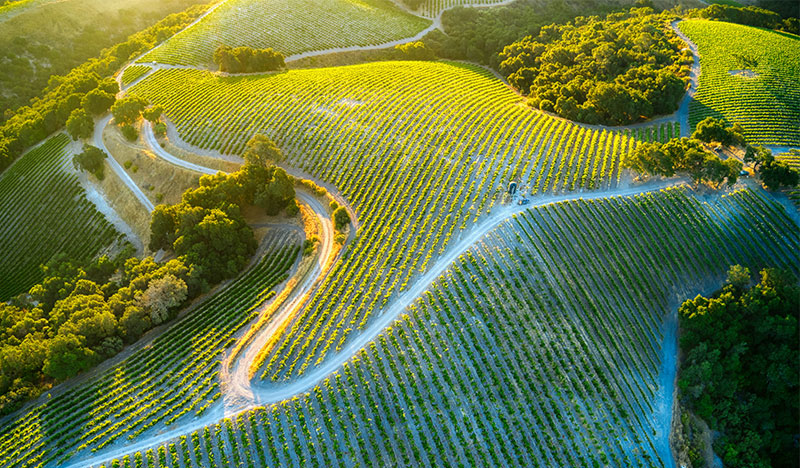
ROAD TRIP

LA to Paso Robles

A scenic drive with Santa Barbara stops, coastal views, and wine country detours.

Read More
Petersen Automotive Museum Guide

Home » Destinations » Page 4

Last updated: March 2026 by Corey Gasman

From the Editor:

If you love cars, design, or movie history, the Petersen Automotive Museum is one of the easiest museums in Los Angeles to recommend. It sits right on Miracle Mile, feels polished without being stuffy, and has enough rotating content that a repeat visit can still feel fresh.

I visited with my wife and a friend, and it was one of those stops that easily justified the time. For me, seeing famous screen-used vehicles in person was the highlight. For other travelers, it may be the design exhibits, rare classics, or the chance to add on the Vault and see cars that never make it to the main floor.

Pro Tip: If the Petersen is a priority stop, buy tickets online ahead of time and schedule the Vault early enough that you are not rushing to make the last entry window.

Start Here: Planning Your Visit

The Petersen Automotive Museum is located at 6060 Wilshire Boulevard on LA’s Miracle Mile, making it an easy add-on with other museum stops in the area. The museum is laid out across three main interior floors themed around History, Industry, and Artistry, with the optional Vault experience below ground.

For most travelers, the main museum takes about 1.5 to 2.5 hours depending on how closely you read the exhibits. If you add the Vault, budget closer to half a day, especially if you like lingering around the movie cars, design concepts, and rare classics.

Fast Fact Details
Location 6060 Wilshire Blvd, Los Angeles
Hours Open daily, 10 AM to 6 PM
Best Visit Length About 2 hours for the main museum, longer with the Vault
Best Add-On The Vault for deeper collectors, rare cars, and behind-the-scenes atmosphere
Parking On-site garage with entrance on Fairfax Avenue
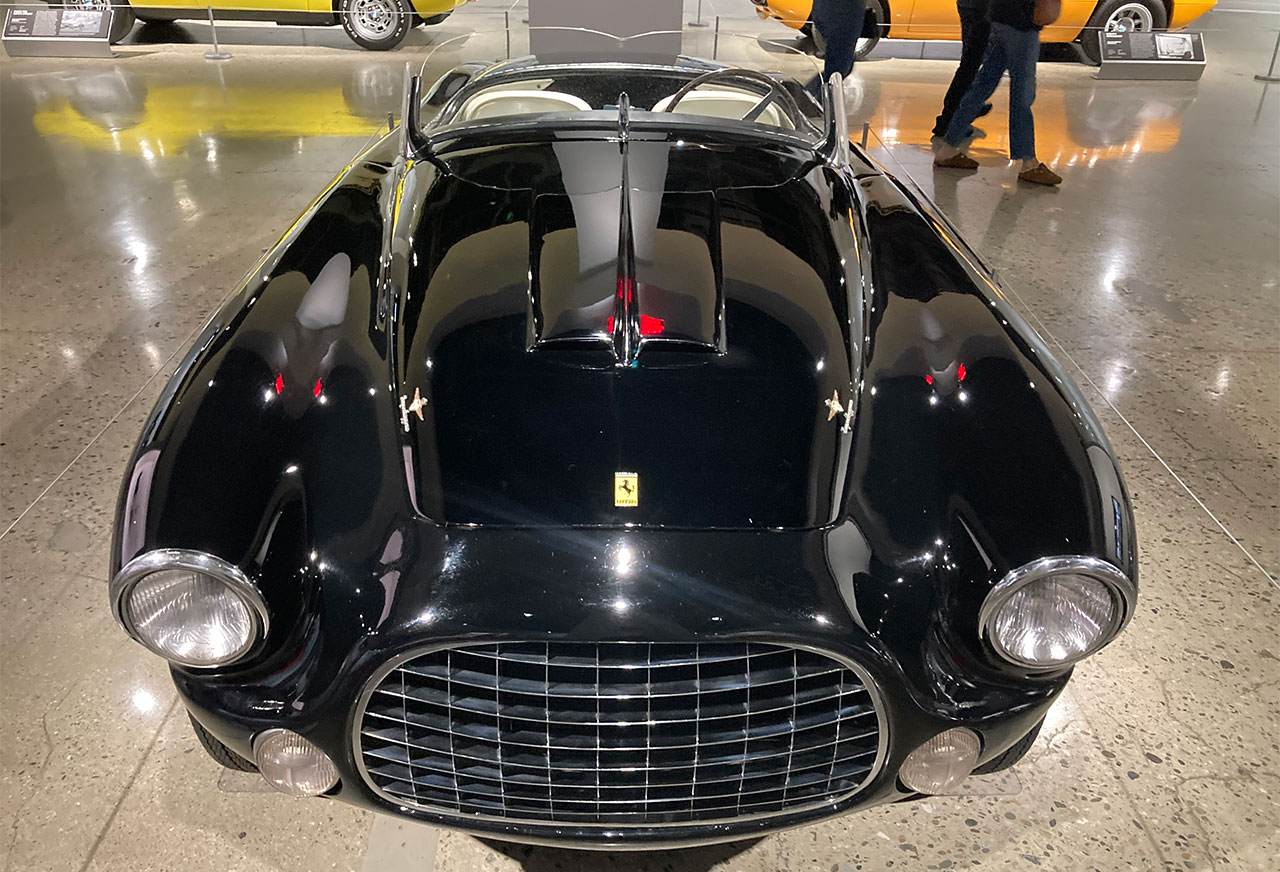
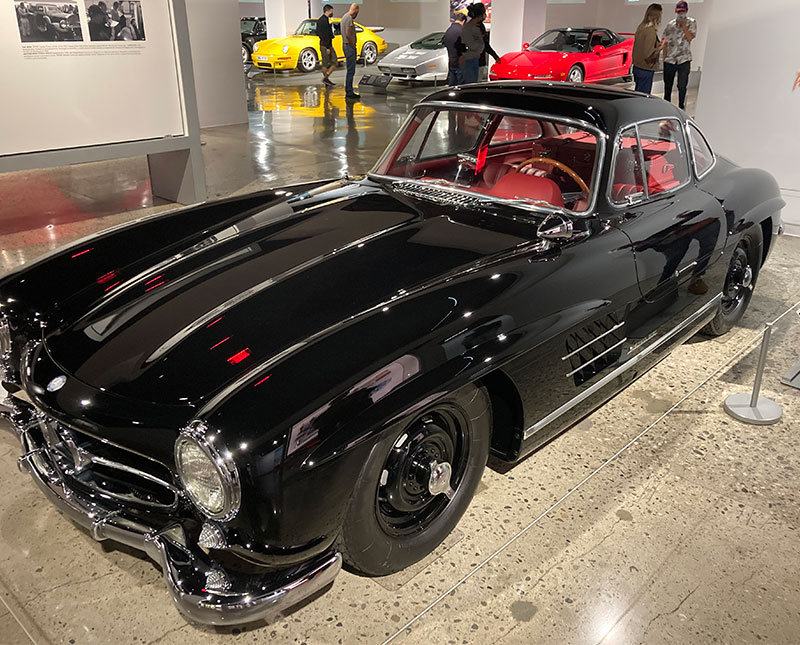
lack Mercedes-Benz 300 SL Gullwing on display at the Petersen Automotive Museum.

The Petersen rotates exhibits often, so even repeat visits can feel different depending on what is on display that season. The classic lines of the Mercedes-Benz 300 SL Gullwing stand out even in a room full of automotive history.


Tickets and Timing

A standard admission ticket covers the three public floors and the main galleries. The Vault requires a separate add-on ticket and is guided rather than self-paced.

If you only have a short LA itinerary, the main museum is still worth it on its own. But if you are a true car person, the Vault is the feature that pushes this from a very good museum to a memorable one.

Ticket Type What It Includes
General Admission Access to the main museum floors and standard exhibitions.
General Admission + Vault Main museum access plus the guided Vault experience below ground.

Is the Vault Worth It?

The Vault is the upgrade that most people talk about after their visit. It holds more than 300 vehicles in a subterranean garage-like setting, and it feels less like a polished gallery and more like access to a hidden part of the collection.

This is where the Petersen becomes especially rewarding for enthusiasts. You are more likely to see presidential cars, rare customs, historically important race cars, and vehicles that are not part of the public museum flow upstairs. It has a more intimate, insider feel.

Pro Tip: The Vault is best for travelers who already know this is a priority stop. If you are only mildly interested in cars, the main museum is probably enough.

One important note: photography rules can be stricter in the Vault than in the rest of the museum, so check the current policy when you arrive.

Vintage 1966 green Land Rover Series IIA with a custom pop-up roof tent.

Vintage 1966 green Land Rover Series IIA with a custom pop-up roof tent.


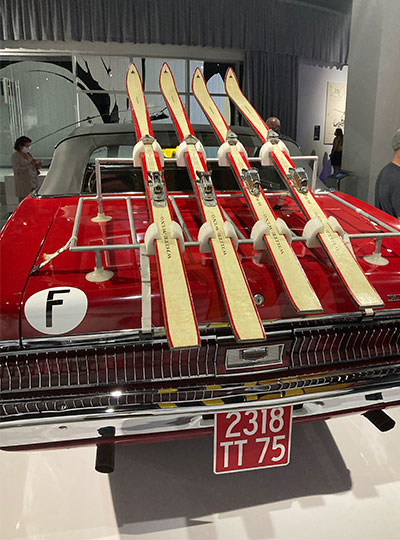
ed 1969 Mercury Cougar XR7 with vintage skis mounted on the back from the James Bond film On Her Majesty's Secret Service.

The Petersen frequently rotates world-class collections, like past exhibits featuring the ski-equipped Mercury Cougar from James Bond movie.


Movie Cars and Rotating Exhibits

One reason the Petersen works so well in Los Angeles is its connection to film, design, and pop culture. The museum has a permanent Cars of Film and Television exhibition with rotating displays, and temporary exhibitions change throughout the year.

That means you should not plan your visit around one past exhibit unless you verify it first. Instead, treat the Petersen as a museum that almost always has something visually strong and culturally relevant on display, whether that is movie cars, performance icons, concept vehicles, or design-focused installations.

On my visit, seeing famous screen vehicles in person was the emotional hook. Even if the exact collection changes, that mix of automotive history and Hollywood culture is what makes the Petersen feel especially LA.


What to Pair Nearby

The Petersen is easy to combine with other Miracle Mile stops, especially if you want a museum-focused day in Los Angeles. It also works well as a smart daytime activity when you want a break from traffic-heavy neighborhood hopping.

If you have extra time, pair it with the Academy Museum, a walk around the LACMA area, or lunch nearby before continuing your day. For travelers staying in central LA, this is one of the easiest cultural clusters to plan.


Final Verdict

The Petersen Automotive Museum is absolutely worth visiting if you have even a moderate interest in cars, design, or film history. It is one of the most polished specialty museums in Los Angeles, and its location makes it easy to fit into a wider LA itinerary.

If you are a dedicated car enthusiast, add the Vault. If you are a casual traveler, the main museum is still strong enough to justify the stop, especially if you are already exploring Miracle Mile.

TLGA verdict: Worth prioritizing for car lovers, worth considering for most LA visitors, and one of the better specialty museum stops in the city.


Frequently Asked Questions

Is the Petersen Automotive Museum worth visiting?

Yes, especially if you enjoy cars, design, or movie history. The museum combines rotating exhibits, rare vehicles, and Hollywood film cars, making it one of the most unique specialty museums in Los Angeles.

How long does it take to visit the Petersen Automotive Museum?

Most visitors spend about 1.5 to 2.5 hours exploring the three public floors. If you add the Vault tour, plan closer to three hours or half a day depending on how much time you spend with the exhibits.

Is the Vault tour worth it at the Petersen Museum?

For car enthusiasts, the Vault is absolutely worth it. The guided tour gives access to hundreds of vehicles not displayed in the main galleries and offers a behind-the-scenes look at rare and historic cars.

Where is the Petersen Automotive Museum located?

The museum is located at 6060 Wilshire Boulevard in Los Angeles on Miracle Mile. It sits near several other museums, making it easy to combine with stops like the Academy Museum or LACMA.

Cinespia Hollywood Forever Cemetery Guide: LA Outdoor Movies

Home » Destinations » Page 4

Last updated: March 2026 by Corey Gasman

From the Editor:

We have good friends who live in La Brea, one of whom is a working actor in film and television. When he picked us up from the airport on our last trip, we skipped the hotel drop-off and went straight to the Warner Brothers Studio for a tour to see how sets are built and movies are actually made.

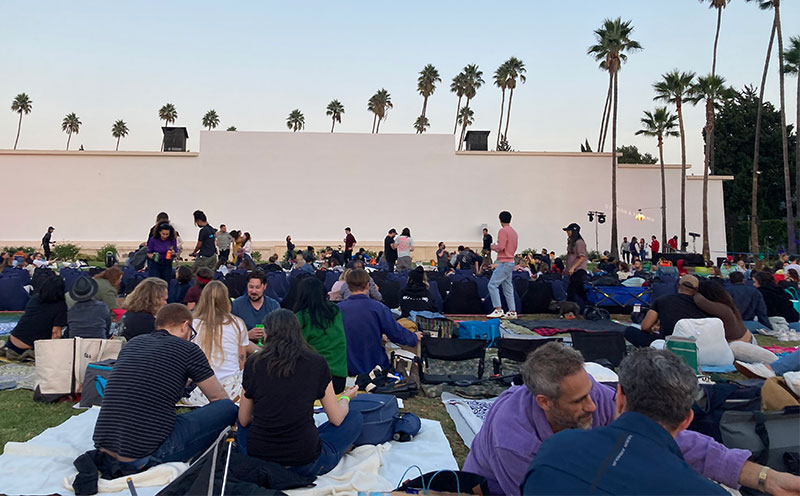
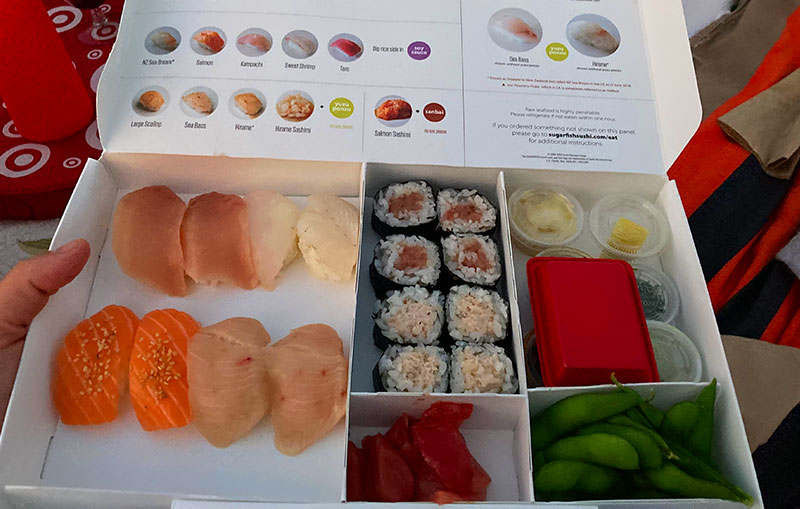
The real highlight came that night when our LA friends took us to Hollywood Forever Cemetery for a Cinespia outdoor movie. We brought blankets, a premium sushi box to go, wine, and champagne, and settled in on the Fairbanks Lawn to watch a classic comedy. Watching a movie in a cemetery sounds bizarre at first, but securing a spot here is one of the ultimate Los Angeles summer moves. This guide breaks down the logistics so you arrive prepared and comfortable.

Cemetery Rule: Keep a low profile. Chairs that sit high off the ground are strictly prohibited so everyone can see the screen.

Start Here: The Cinespia Game Plan

Cinespia is an outdoor movie series that runs primarily during the summer in Los Angeles. It is heavily attended by locals who know the drill, which means showing up unprepared puts you at a disadvantage. The event requires a bit of effort upfront, but the payoff is one of the most memorable nights you can have in the city.

The secret to a great night here is managing your timeline. Show up early enough to walk the historic grounds, bring better food than you think you need, and stick around after the credits roll for the music. Treat it like a festival rather than a simple movie screening.

  • Book early: Tickets sell out extremely fast for popular movies. Get on the mailing list.
  • Pack smart: You are sitting on grass for hours. Comfort dictates how much fun you will have.
  • Arrive with time to spare: The line to get in starts forming long before the gates open.
  • Plan your exit: Leaving the cemetery with thousands of other people requires patience.
Pro Tip: Buy the on-site parking pass if it is available. Parking in the surrounding Hollywood neighborhoods is incredibly frustrating and restrictive.

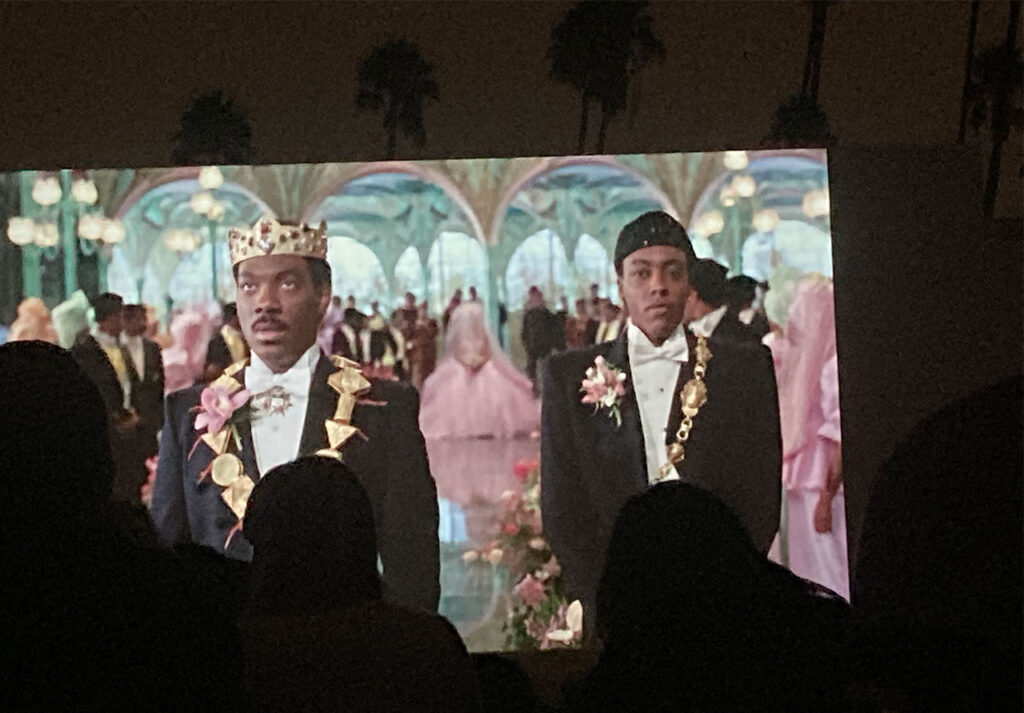
Watching a classic like Coming to America with thousands of locals is a quintessential Los Angeles summer experience.


The Cinespia Movie Experience

The screen is projected onto the side of a massive white mausoleum, creating a stunning visual anchor for the night. The crowd energy is fantastic. People cheer at iconic lines, applaud great character entrances, and treat the film like a shared community event rather than a quiet theater outing.

The organizers curate a brilliant mix of cult classics, 80s comedies, and iconic dramas. Our screening of Coming to America was the perfect choice for the venue. It is loud, vibrant, and fun.

Element What to Expect Why It Matters
The Screen Projected on a mausoleum wall It creates an unforgettable, highly unique viewing backdrop.
Sound Quality Massive outdoor concert speakers You will have no trouble hearing the dialogue over the crowd.
The Crowd Engaged, vocal, and festive This is not a silent viewing. Expect laughter and applause.
Local Guide Tip: Sit closer to the middle of the lawn if you want the best audio mix. The edges can get a slight echo from the surrounding stone structures.

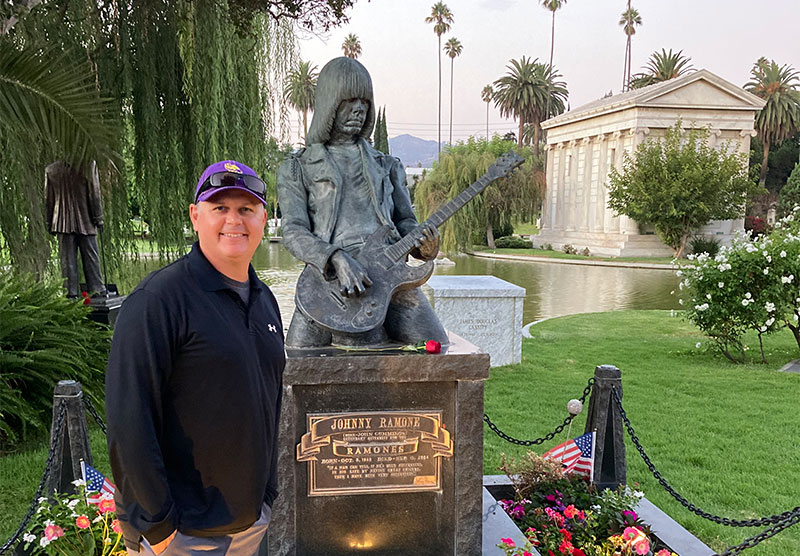
Arriving before sunset gives you time to walk the grounds and find legendary gravesites like the Johnny Ramone statue.


Pre-Show: Exploring the Legends

The gates typically open a couple of hours before the movie starts. You absolutely want to use this time. After securing your patch of grass on the main lawn, take a walk through the cemetery. It serves as the final resting place for hundreds of Hollywood legends, musicians, and cultural icons.

You can easily spot the Johnny Ramone memorial, the bust of Burt Reynolds, and the touching monument for Anton Yelchin. The grounds are beautifully maintained with roaming peacocks, palm trees, and reflective ponds. The atmosphere is respectful but clearly celebratory.

As the sun begins to set, the lighting across the cemetery changes dramatically. Many of the classical mausoleums are illuminated with bright colors, adding a surreal and beautiful layer to your pre-show walk.

Notable Sights Location Vibe
Johnny Ramone Statue Iconic rock tribute near the main pond
Chris Cornell Memorial Often surrounded by fresh flowers and fan tributes
Judy Garland Pavilion Elegant and highly visited indoor resting place
Anton Yelchin Statue A striking bronze tribute to the late actor
Pro Tip: Download a map of the cemetery on your phone before you arrive. Cell service can drop significantly when thousands of people gather on the lawn.

You are encouraged to bring your own food and drinks, making it easy to upgrade your movie snacks to something like a high-quality sushi spread.


The Picnic Setup: What to Pack

One of the best parts about Cinespia is the liberal food and drink policy. You are entirely responsible for your own picnic. You will see everything from basic chips and dip to full charcuterie boards and takeout from top Los Angeles restaurants. Bringing a premium takeout option like Sugarfish sushi elevates the whole evening without the stress of cooking.

You can bring beer and wine, but hard liquor is technically not allowed. Keep your gear manageable since you have to carry it from your car to the lawn. A tarp to put under your blanket is essential, as the grass gets heavily saturated with dew once the sun drops.

Essential Packing List

  • Low chairs: The seat must rest on the ground. Staff will force you to the very back if your chair has standard legs.
  • Blankets and layers: Los Angeles summer nights get surprisingly cold. Bring a warm jacket or hoodie.
  • A tarp: Place this under your blanket to block the ground moisture.
  • Trash bags: You are responsible for packing out your own garbage.
Local Guide Tip: Pack your wine or beer in a soft cooler. Dragging a massive hard plastic cooler across a crowded lawn is a nightmare.

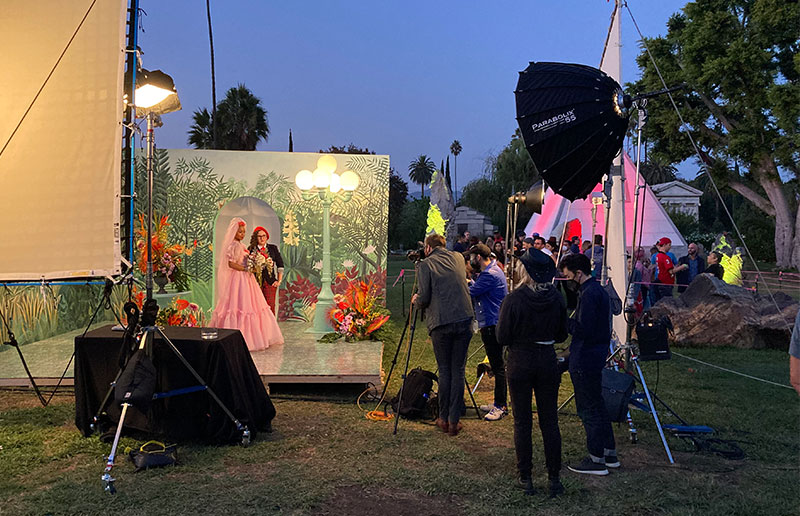
Cinespia goes all out with elaborate photo booths built specifically to match the theme of the movie being shown.


Photo Booths, DJs, and the Vibe

Cinespia builds a massive custom photo booth for every screening. The sets are highly detailed and manned by professional photographers. The line for this gets long very quickly. If you want a souvenir photo, make this your very first stop right after claiming your spot on the lawn.

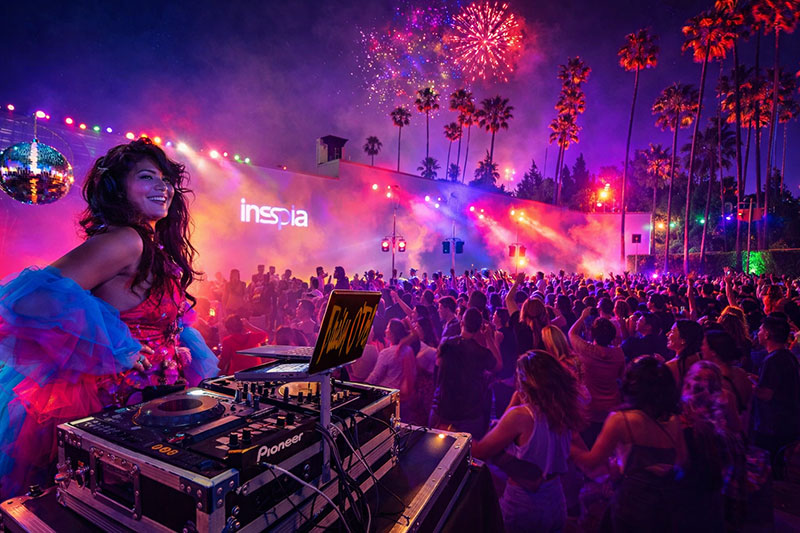
Music is a huge part of the night. A DJ spins records before the movie starts as the sun sets over the palm trees. The music sets the mood perfectly, turning the wait time into a massive, relaxed lawn party.

DJ performing at the Cinespia Hollywood Forever Cemetery movie night after-party with colorful stage lights and a crowd dancing under palm trees.

A DJ kicks off the post-movie dance party at Cinespia in Hollywood Forever Cemetery as colorful lights and a packed crowd transform the lawn into an outdoor nightclub.


The After-Party and Getting Out

Do not rush to pack up your blankets the second the movie finishes. The DJ immediately comes back on, accompanied by heavy stage lighting effects and sometimes even fireworks. The lawn essentially transitions from a cinema into an outdoor club.

Staying for the music allows you to let the initial wave of the crowd exit. Leaving the cemetery involves funneling thousands of people out of a few narrow gates. Hanging back for twenty minutes of music makes the exit logistics much less frustrating.

Pro Tip: Rideshare apps surge heavily right after the movie. Walk a few blocks away from the Santa Monica Boulevard gates before calling your car to save money and time.

Cinespia Hollywood Forever FAQs

Can I bring my own alcohol to Cinespia?

Yes. You are allowed to bring beer and wine. Hard liquor is prohibited and bags are checked at the entrance.

You can only bring low-profile chairs where the seat rests directly on the ground. Standard folding camping chairs are not allowed in the main viewing area.

People start lining up outside the gates well before they open. Arriving 60 to 90 minutes before gates open is standard if you want a prime spot on the lawn.

No. Pets are not allowed on the cemetery grounds during the movie screenings.

San Diego Travel Guide: Beaches & Best Neighborhoods

Home » Destinations » Page 4

Last updated: March 2026 by Corey Gasman

From the Editor:

Coming from Minnesota, San Diego feels like a cheat code. The weather is sunny almost all the time, the coast is beautiful, and the city delivers exactly what people hope California will feel like.

I have seen San Diego from a few different angles over the years. I have visited friends living inland around Scripps Ranch, stayed near the surf in Mission Beach, walked the grounds of the massive Hotel del Coronado, and spent time around locals tied to the defense world and North County commuter culture. I even remember crossing into Tijuana back in the pre-Instagram days to take photos with the donkeys painted as zebras. The trick with San Diego is realizing how spread out everything is. This is not a city where you wing it well. The more intentional you are with your base and your daily loops, the better the trip feels.

Start Here: The San Diego Game Plan

San Diego is a county as much as it is a city. It is broad, spread out, and full of neighborhoods that feel nothing alike. The difference between a great trip and a frustrating one is committing to a specific zone for the day.

You cannot do a morning surf lesson in La Jolla, lunch downtown in the Gaslamp Quarter, and an afternoon hike inland without spending too much of the day in traffic. The better formula is picking a neighborhood base that matches your style, renting a car, and building your trip in geographic clusters.

  • Beach trips: stay on the coast, accept the higher hotel prices, and keep your daily driving to a minimum.
  • Food and breweries: look toward North Park or Little Italy, where the evening walking loops are excellent.
  • Family trips: stay near Mission Bay or Coronado for easy logistics, flatter walking paths, and calmer pacing.
  • First-timers: pick two main priorities per day and leave the rest open for beach time, coffee stops, and sunset.
Pro Tip: San Diego is built around being outside. Do not create an itinerary that keeps you indoors all day and then wonder why the city feels underwhelming.

SD Golden Rule: The closer you sleep to the water, the less you will want to leave your neighborhood.

Before you book anything

Start here: Getting Around Abroad for loop-based travel planning.

San Diego rewards travelers who prioritize the outdoors, respect the traffic patterns, and build their days around coastal clusters.


First-Timer Essentials: How Many Days in San Diego, What to Book Early, and the Best Time to Visit

A standard San Diego trip needs three to four days. Three days gives you enough time to see major beaches, eat excellent Mexican food, and explore Balboa Park without feeling like you are sprinting. Four to five days lets you head farther north up the coast or inland without turning the trip into a driving marathon.

The weather is famous for a reason, but first-timers are often caught off guard by May Gray and June Gloom. During early summer, the coastal marine layer can keep the beaches cloudy until midday or later. Some of the best overall weather often shows up in September and October, when the summer crowds thin out and the water is still warm enough to enjoy.

Question TLGA Answer Why It Matters
How many days? 3 to 4 days is the sweet spot You need enough time to cross different parts of the county without spending the whole trip on freeways.
What should I book early? Your hotel base and a rental car Walkable beach areas and good-value rentals get picked over quickly.
Best time to visit? September and October You usually get better weather, fewer crowds, and warmer water than early summer.
Big first-timer mistake? Underestimating the distances Trying to bounce from North County to Downtown to Coronado in one day will wear you out fast.
Local Guide Tip: Pack a light jacket no matter the month. The sun can feel hot all afternoon, but the breeze cools things down quickly once the sun starts dropping.

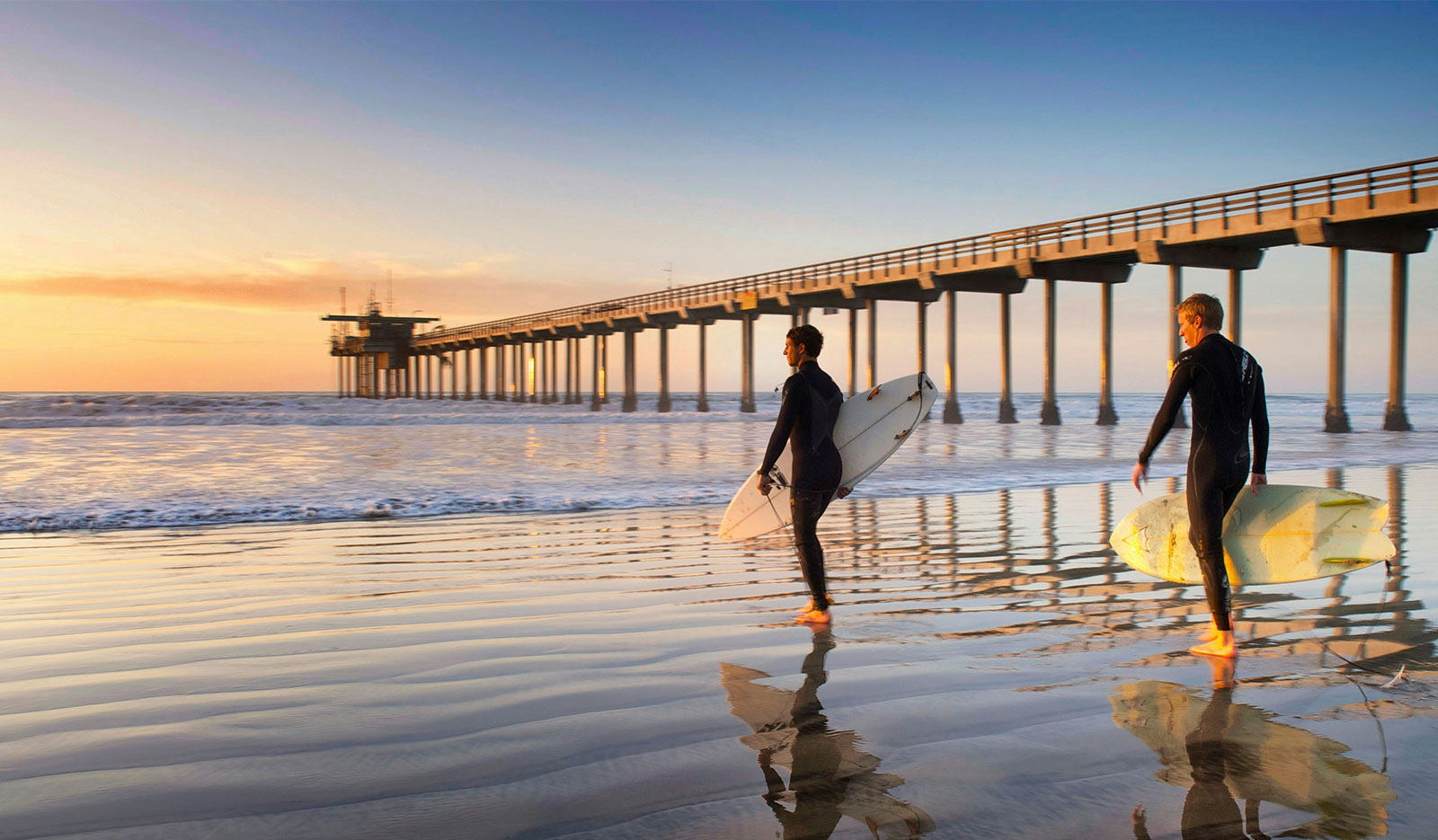
Mission Beach brings classic Southern California boardwalk energy, while La Jolla leans scenic, polished, and dramatically coastal.


Neighborhoods: Where to Stay in San Diego

San Diego is a collection of very different neighborhoods pretending to be one city. Where you stay shapes the entire trip. A stay in the Gaslamp Quarter feels urban and loud. A stay in Mission Beach feels like your whole day should revolve around sand, bikes, and sunset.

Because the region is so spread out, your hotel base needs to match your priorities. If your trip is about beach time, pay the premium to sleep near the water. If you care more about restaurants, breweries, and nightlife, stay slightly inland where your evenings are easier to walk.

Neighborhood Vibe Best For Avoid If…
La Jolla Upscale, scenic, dramatic coast Couples, ocean views, polished stays You are on a tight budget or want late-night bar energy.
Mission Beach / Pacific Beach Active, casual, boardwalk-heavy Surfing, beach days, younger energy You want quiet nights and easy parking.
North Park Trendy, walkable, local Craft beer, food, neighborhood feel You need the beach outside your door.
Little Italy Polished, central, restaurant-driven Dining, markets, first-timers You want a resort-style coastal trip.
Coronado Classic, resort-heavy, pristine Families, slower pacing, wide beaches You want to hop around the city multiple times each day.
Gaslamp Quarter Downtown, loud, event-driven Conventions, nightlife, Padres games You are picturing a calm California coastal escape.
Pro Tip: Inland residential areas like Scripps Ranch are beautiful and comfortable, but only stay out there if you are visiting people or have a specific inland reason. The coast gets farther away every day you are there.

Choosing a base near Little Italy or Balboa Park gives you strong food options and central positioning without paying full beachfront rates.


Where to Stay in SD by Traveler Type

Matching your trip style to the right geography is the single most important decision you will make in San Diego. It is not really about finding the perfect room. It is about finding the right zip code.

If you get this part right, the city feels easy. If you get it wrong, you spend the trip driving farther than you expected and paying more for parking and rideshares than you wanted.

Traveler Type Best Base Area Why It Works One Tip
Beach purists Mission Beach or Coronado Immediate sand access and strong walking or biking days Rent bikes and use your car less once you arrive.
Food and breweries North Park or Little Italy Excellent restaurant density and easy evening walks Use rideshare at night so parking does not become your trip theme.
First-timers Little Italy or La Jolla Safe, appealing, and easy to understand as a visitor La Jolla gives you better coastal beauty, Little Italy gives you better central access.
Budget-focused Hotel Circle / Mission Valley Lower room rates and direct freeway access You will sacrifice charm, but the logistics work.
Local Guide Tip: If you stay in Mission Beach, make sure your hotel or rental includes an actual parking spot. In summer, that detail matters more than a slightly nicer room.

San Diego usually works best with a car, though the trolley and Coaster can help for specific downtown or coastal moves.


Getting Around San Diego

For most travelers, San Diego is a rental-car city. Unlike places where having a car makes the experience worse, here it usually unlocks the trip. Beaches, parks, neighborhoods, and day trips are simply too spread out to rely entirely on rideshare or public transit.

The trolley is useful in the downtown zone and works well for Old Town, Petco Park, and border-adjacent trips. The Coaster is also a great move if you want to head north along the coast without dealing with Interstate 5. Still, if you want flexibility, a car is usually the better call.

Mode Best For Reality
Rental Car Exploring the county, beach hopping, day trips Usually the best option overall. Be ready for fast merges and parking strategy.
Rideshare Night outs, breweries, airport runs Fine for shorter hops, but expensive if you are zigzagging across the city.
Trolley Downtown, Old Town, border-area planning Useful in specific corridors, but limited for full-city sightseeing.
Coaster Train North County coastal stops like Encinitas or Oceanside One of the most relaxing ways to see the coast without driving.

Transportation planning

Read: Getting Around Abroad for loop-based travel planning.

Balboa Park combines striking Spanish Colonial architecture, gardens, museums, and one of the city’s most rewarding walking environments.


Best Things to Do in San Diego: What Is Actually Worth Your Time

San Diego attractions range from world-famous institutions to simple free coastal experiences that end up becoming the best part of the trip. The key is balancing a few marquee sights with plenty of time to just be outside near the water.

1) Balboa Park

This is the crown jewel for many first-timers. It is huge, beautiful, and much more than a museum complex. Even if you do not go deep on tickets, the gardens, architecture, and open spaces make it worth several hours on foot.

2) Hotel del Coronado

The Del is one of those places that still feels impressive in person. Even if you do not stay there, walking the grounds, seeing the beach, and grabbing a drink nearby makes for a very easy half day.

3) La Jolla Cove and Torrey Pines

If your version of California includes cliffs, ocean views, sea life, and coastal hikes, this is the zone to prioritize. La Jolla Cove gives you the views and sea lion energy. Torrey Pines gives you some of the best easy-access coastal hiking in the state.

4) A Padres Game at Petco Park

Petco Park is one of the best stadium experiences in the country. The setting is excellent, downtown access is easy, and the food and beer program inside is much better than average.

5) Sunset Cliffs

This is one of the easiest high-payoff sunset spots in Southern California. Bring takeout, show up before golden hour, and let this be the final move of the day.

  • Worth prioritizing: Balboa Park, La Jolla coast, Torrey Pines, Coronado, one excellent Mexican meal
  • Usually enough as a pass-through: The Gaslamp Quarter during the daytime
  • Best mindset: The coastline is the main attraction, so do not overload the trip with too many paid activities.
Pro Tip: The San Diego Zoo is world-class, but it is a real full-day commitment. Treat it as the main event, not something you squeeze in between other big plans.

From scenic coves in La Jolla to the long sand and boardwalk stretches in Mission Beach, San Diego’s coastline is one of the easiest in California to actually enjoy.


Best Beaches in San Diego

The beaches are the real headline here. Unlike some California destinations where the coast can feel harder to access than expected, San Diego gives you long public stretches of sand, walkable paths, and several beach zones with completely different personalities.

The key is not assuming every beach delivers the same experience. Some areas are built for families and swimming. Others are better for boardwalk energy, surf culture, or simply posting up for sunset and doing very little.

Beach Vibe Best For Notes
La Jolla Shores Clean, scenic, relaxed Swimming, kayaking, families A very approachable beach day with beautiful surroundings.
Pacific Beach Young, social, energetic Boardwalk walks, bars, active beach scene More lively than peaceful, especially on weekends.
Mission Beach Classic Southern California Long beach days, bikes, easy people-watching One of the most iconic all-around visitor beaches.
Coronado Beach Polished and pristine Families, couples, relaxed beach time Wide sand, cleaner feel, and a more refined pace.
Ocean Beach Bohemian surf culture Sunset, casual wandering, surfer atmosphere A little rougher around the edges in a good way.
Local Guide Tip: Parking near the most popular beaches fills early in good weather. If you want an easy day, arrive before 10 AM or accept that you may be walking a few extra blocks.

San Diego has perfected casual outdoor dining, and the fish tacos here set a very high standard for the rest of the country.


San Diego Food Guide: Tacos, Burritos, and Craft Beer

San Diego food is shaped by Baja California, coastal seafood, taco-shop culture, and one of the best brewery scenes in the country. This is not a place where you need to chase only high-end reservations. Some of the best meals are fast, messy, and eaten outside in flip-flops.

Yes, you can do polished Little Italy dinners and ocean-view seafood. You should also leave room for burritos, taco counters, and random local spots that look better from the line than from the branding.

Move Where It Fits Best Why It Works
California Burrito Post-beach or late night Carne asada, fries, cheese, and pure San Diego energy in one tortilla.
Fish Tacos Lunch near the coast Fresh, fast, and one of the most reliable great-value meals in town.
Brewery patio afternoon North Park or Miramar The outdoor beer culture here is genuinely strong, not just overhyped.
Little Italy dinner A polished night out You get atmosphere, great walking, and a lot of consistently strong restaurants.

How to eat like a local

  • The best taco shops often look more functional than trendy.
  • Many breweries either host food trucks or let you bring in outside food.
  • Do not skip local seafood just because tacos get all the attention.
  • Breakfast burritos are one of the best-value starts to a day in the city.
Local Guide Tip: If a taco shop has a line of locals at lunch on a weekday, get in it. That is one of the more reliable food signals in San Diego.

San Diego’s best meals often come from a mix of taco counters, seafood spots, patio restaurants, and neighborhood places that feel easy rather than overdesigned.


Best Restaurants in San Diego: TLGA Picks by Vibe

San Diego is not really a one-neighborhood food city. It is a collection of strong pockets, each with its own rhythm. Little Italy is the polished dinner play. North Park has personality. Coastal seafood is strongest when you stop overthinking it and just eat near the ocean.

Rather than forcing a giant master list, I would build meals around the kind of day you are already having. Great travel food planning is usually about fit, not chasing one famous name from one side of the county to the other.

Dining Move Best Area Why It Works TLGA Take
Polished dinner out Little Italy Strong restaurant density and easy evening walking Best choice when you want the night to feel like an event.
Casual taco stop All over the city Taco-shop culture runs deep Some of the best meals are the least fancy ones.
Seafood with a view La Jolla / Coronado / coast You are paying for both freshness and setting Worth it when the weather is right and the sunset timing lines up.
Brewery plus food truck North Park / Miramar Easy, social, and very San Diego A strong low-pressure night plan that still feels local.

My San Diego restaurant strategy

Do one nicer dinner in Little Italy or along the coast, one seafood meal with actual ocean proximity, and then let the rest of the trip lean casual. San Diego is one of those places where trying too hard can make you eat worse. Good tacos, good patios, good weather, and a relaxed pace are the point.

Pro Tip: If a restaurant is coastal and popular, book sunset reservations early or go later after the peak sunset rush. The in-between timing is usually the most annoying window.

Structuring your days by geography keeps you from wasting valuable trip time in freeway traffic or circling for parking.


San Diego Itinerary: 2 to 4 Day Game Plans

The smartest San Diego itineraries batch activities by area. Keep your coast days together. Keep your downtown and park days together. Build around the part of the city you are already in instead of repeatedly crossing the county.

2 Perfect Days in SD

Day Anchor Neighborhood Morning Afternoon Night
Day 1: Coast & Cliffs La Jolla / Mission Beach Torrey Pines hike and coffee La Jolla Cove and fish tacos Sunset Cliffs and Ocean Beach dinner
Day 2: Culture & Downtown Balboa Park / Little Italy Balboa Park museums or gardens Coronado beach and Hotel del Coronado Dinner in Little Italy

4 Days in SD: The Sweet Spot

Day Anchor Neighborhood Morning Afternoon Night
Day 1: Arrival & Ocean Your Base Check in and find coffee Walk your nearest beach zone Casual tacos and local beer
Day 2: The Classics Balboa Park Zoo or museums Old Town North Park breweries
Day 3: North Coast La Jolla / Encinitas Torrey Pines Drive Highway 101 north Seafood dinner near the coast
Day 4: Coronado & Downtown Coronado / Downtown Coronado beach walk Bikes or waterfront time Padres game or Gaslamp drinks
Pro Tip: Plan your cross-city drives outside rush hour whenever possible. A short map distance in San Diego can still feel surprisingly slow in late afternoon traffic.

Crossing into Tijuana or heading north to beach towns like Encinitas adds a very different layer to a longer San Diego trip.


Beyond SD: Best Day Trips and Excursions

One of San Diego’s strengths is what sits around it. You are not just visiting one city. You are on the edge of Mexico, near excellent surf towns, and within reach of mountain and desert shifts if you want a different pace for a day.

If you have four or more days, it makes sense to leave the central city once and widen the trip a bit.

  • Tijuana, Mexico: A very different food and culture day just across the border. Best done with solid planning and awareness of return timing.
  • North County (Encinitas / Carlsbad / Oceanside): Relaxed beach-town energy and a good contrast to the main San Diego zones.
  • Julian: Cooler mountain air, historic town feel, and a very different California day.
  • Lake Elsinore: More niche, but interesting if you have personal ties or want to see a different inland side of Southern California.
TLGA spoke strategy

If you are extending the trip by car, plan northbound drives carefully so you are not spending your excursion stuck in commuter traffic.

San Diego does sunsets extremely well, but the best experience usually comes from pairing the right viewpoint with the right neighborhood rhythm.


Best Sunset Spots in San Diego

San Diego is one of those cities where sunset can become the whole evening plan. The move is not just finding a scenic place. It is choosing the kind of sunset experience you want. Quiet and elevated feels different from grabbing food and joining a crowd near the water.

If the day has gone well, sunset is where San Diego cashes in all of its chips. Try to build at least one evening around it on purpose.

Spot Best For Why It Works TLGA Take
Sunset Cliffs Classic dramatic sunset Big Pacific views and easy payoff This is the most obvious choice for a reason.
Coronado Beach Wide-open beach sunset Room to spread out and a more polished atmosphere A great couples or family sunset choice.
Mount Soledad Elevated panoramic view City, coast, and broad perspective Best when you want the full geographic picture.
Ocean Beach Pier area Casual local rhythm Easy food, walking, and people-watching Good if you want sunset folded into a low-key evening.
Local Guide Tip: Show up earlier than you think, especially on clear weekends. The best sunset spots are not a hidden-secret game in San Diego.

San Diego is generally a comfortable city for travelers, but normal city awareness still matters around nightlife zones, trailhead parking, and the ocean.


Is San Diego Safe? Street Smarts for Travelers

San Diego is generally one of the more approachable major U.S. cities for visitors. The beach communities usually feel relaxed, and many of the most popular tourist areas are easy to navigate. Still, smart travel habits matter here just like they do anywhere else.

  • Downtown and East Village: Use normal city awareness, especially later at night.
  • Beach safety: Pay attention to posted conditions and lifeguard guidance. Rip currents are real.
  • Car break-ins: Do not leave visible bags, luggage, or electronics in your vehicle at beaches or trailheads.
Local Guide Tip: The stingray shuffle is real. When entering the water, slide your feet along the sand instead of stepping hard down.

Spend on a strong location and good food, then save by leaning into the many free beaches, parks, and coastal walks.


San Diego Budget Strategy

San Diego is expensive. The sunshine tax is real, and you feel it in hotel rates, parking, rental cars, and simple beachfront meals. The good news is that many of the best experiences here are free once you have locked in the right base.

The smartest way to budget San Diego is to spend where the city gives you leverage and save where the city already gives you beauty for free.

Spend On Save On Reality Check
A coastal hotel base Cross-city rideshares Being able to walk to the beach often justifies the higher nightly cost.
A rental car Packaged tours A car usually gives you more freedom and better value over several days.
Good Mexican food and one strong dinner Overpriced tourist-trap meals A lot of San Diego’s best food is casual, not fancy.

Money basics

Read: Travel Finance Guide

San Diego Travel FAQs

How many days do I need in San Diego?

Three to four days is the sweet spot for a first visit. That gives you enough time for beaches, Balboa Park, good food, and a little flexibility without turning the trip into constant driving.

For most visitors, yes. If you stay in one tight area the whole time you can get by without it, but a car makes the city much easier to enjoy.

It is the early summer marine layer that often keeps the coast gray in the morning. It usually clears later in the day, but first-timers are often surprised by it.

It can be, especially for food and a different cultural perspective, but it works best when you plan the crossing and return well instead of treating it casually.

A California burrito is the signature move. Fish tacos are right behind it, especially near the coast.

Sunset Cliffs is the classic answer. Coronado Beach and Mount Soledad are also excellent depending on whether you want beach-level views or a wider panorama.

California Travel Guide

Home » Destinations » Page 4

Last updated: March 2026 by Corey Gasman

From the Editor:

California is one of those places that never really fits into a simple summary. I have been here for city trips, sports trips, wine weekends, national park drives, and visits with friends in both the Bay Area and Southern California. I have stayed with friends in Alameda, spent time around the Oakland Hills and San Francisco, visited Los Angeles multiple times, stayed around Hermosa Beach, explored San Diego, crossed down toward Tijuana, and returned more than once for Napa, Sonoma, Yosemite, and Lake Tahoe.

What makes California special is not one headline attraction. It is the range. This guide is here to help you understand where each region shines and how to build a trip that actually makes sense. Think of it as the statewide playbook before you choose your city, your road trip, or your wine-country weekend.

Before you book anything

Start here: Getting Around Abroad for smarter regional trip planning

A wide night skyline view of Los Angeles featuring illuminated skyscrapers and glowing city lights under a dark sky.

The Los Angeles skyline glows at night, where downtown’s towers rise above the endless sprawl of city lights below.


Start Here: The California Game Plan

California works best when you stop treating it like one trip. The winning move is to choose a lane: city-focused, coast-focused, wine-focused, or nature-focused. Then build around one region at a time instead of trying to force San Francisco, Los Angeles, Yosemite, and Napa into one rushed itinerary.

For most travelers, the smartest formula is simple: pick one anchor region, keep hotel changes limited, and let geography do the work. Northern California, Southern California, and the Central Coast each deliver a very different kind of trip. The more focused your plan, the better California gets.

  • First-timers: choose either a Bay Area and wine-country trip or a Southern California and coast trip.
  • Food and city travelers: focus on San Francisco, Los Angeles, or San Diego and do less driving.
  • Scenic trips: build around Highway 1, Yosemite, Tahoe, or the Central Coast instead of trying to cover the whole state.
  • Wine-focused trips: Napa, Sonoma, and Paso Robles each work better when you slow down and stay nearby.
If You Want… Best California Region Best For
Big-city energy, neighborhoods, and iconic views San Francisco Bay Area First-timers, food, walkable city trips
Beaches, entertainment, and variety Southern California Los Angeles, San Diego, coast-focused trips
Wine weekends and scenic tastings Napa, Sonoma, or Paso Robles Couples trips, food-and-wine travelers
Mountains, parks, and dramatic nature Yosemite, Tahoe, and the Sierra Road trips, hiking, scenery
Pro Tip: California punishes the overstuffed itinerary. Pick one region, then stack easy wins around it.
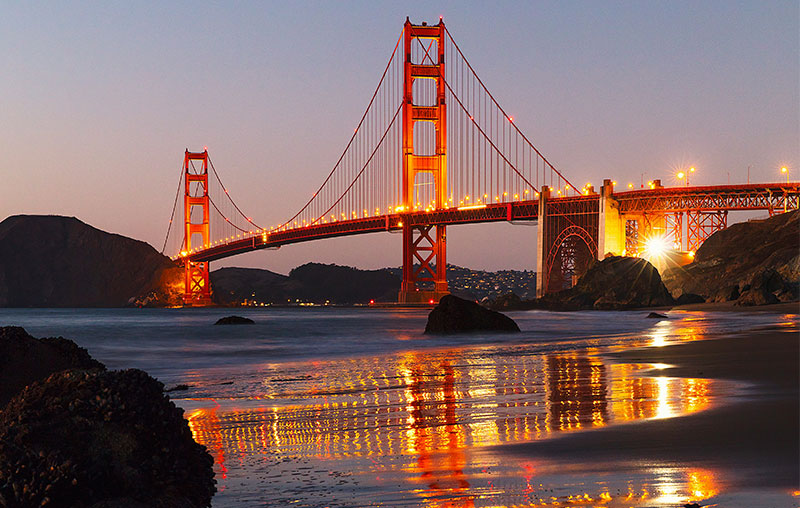
The illuminated Golden Gate Bridge glowing red against a twilight sky viewed from a rocky beach.

Watching the Golden Gate Bridge lights glow at twilight from Baker Beach is one of San Francisco’s most memorable viewpoints.


Why Visit California

Some destinations are easy to define. California is not one of them. That is part of the appeal. A trip here can mean seafood and neighborhoods in San Francisco, beach days in Southern California, vineyard lunches in Napa, sunrise in Yosemite, or a long drive where the coastline keeps trying to steal your attention.

It is also a state where travel style matters. If you love cities, food, sports, and neighborhoods, California is excellent. If you want wine, scenery, and slower drives, it works for that too. If you want national parks and outdoor drama, California can easily carry an entire trip on nature alone.

That flexibility is exactly why it deserves a strong TLGA hub page. It is not about seeing everything. It is about matching the right region to the kind of trip you actually want.

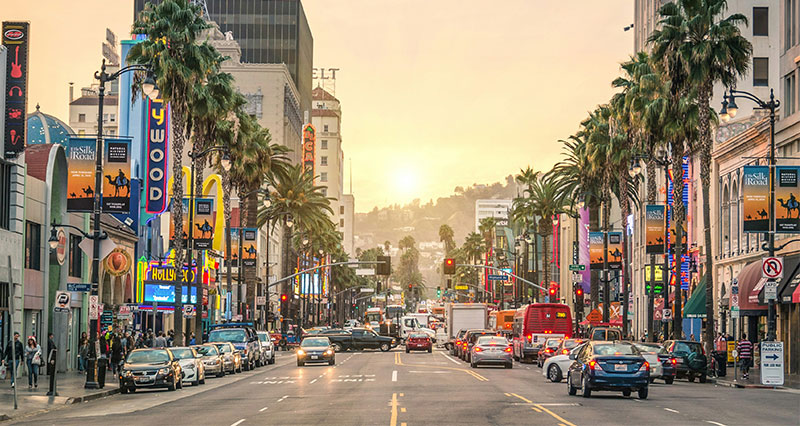
A busy street view of Hollywood Boulevard in Los Angeles at sunset, lined with tall palm trees, cars, and illuminated theater signs.

Hollywood Boulevard mixes old movie history with modern chaos, especially once the theaters and neon lights come alive in the evening.


Best Cities to Visit in California

The best California city for your trip depends on what you care about most. San Francisco wins on visual identity and walkable neighborhoods. Los Angeles offers scale, entertainment, beaches, and endless food. San Diego feels easier and more relaxed. Santa Barbara delivers one of the prettiest small-city settings on the coast.

San Francisco

San Francisco is still one of the most distinctive city trips in the United States. The hills, bay views, neighborhoods, and food scene make it rewarding even if you have visited before. I have spent time in the city itself and also with friends living across the Bay in Alameda and the Oakland Hills, which gives you a better sense of how connected the region really is.

Read the San Francisco Travel Guide

Los Angeles

Los Angeles works best when you stop thinking of it as one city and start thinking of it as a collection of zones. I have been there for Vikings games, Timberwolves travel, and stays with friends around La Brea and the beach areas. The city gets better when you give each day a smaller focus instead of trying to cross town nonstop.

Read the Los Angeles Travel Guide

San Diego

San Diego brings together easy beach access, strong Mexican food, and a more relaxed pace than LA. It is one of the best choices for travelers who want California weather without so much logistical friction. It also works well as a starting or ending point for a Southern California loop.

Santa Barbara

Santa Barbara feels polished without feeling overly formal. The red-tile architecture, coastal setting, and access to wine country make it one of the easiest places in California to recommend for a slower trip.

Read the Santa Barbara Road Trip Guide

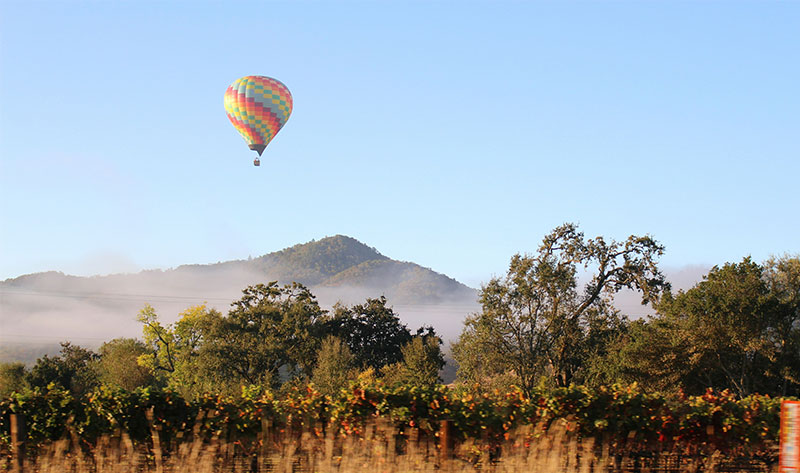
A colorful hot air balloon flying over fog-covered rolling hills and vineyards in Napa Valley.

Sunrise balloon flights over Napa Valley reveal the vineyard grid and rolling valley floor from a completely different perspective.


California Wine Country

Wine country is one of the strongest reasons to build a California trip around a region instead of a checklist. Napa, Sonoma, and Paso Robles are all worth visiting, but they do not feel interchangeable.

Napa Valley

Napa is the most polished and high-design version of California wine country. It is ideal for a special-occasion trip, a first splurge tasting weekend, or anyone who wants strong winery infrastructure with a more upscale feel. I have been back multiple times because it is one of the easiest places in the state to pair scenery, food, and wine in a single weekend.

Read the Napa Valley Guide

Sonoma County

Sonoma feels broader and a little more relaxed. The geography is more spread out, the pace is easier, and the experience often feels less concentrated around one main valley. It is a great fit for travelers who want wine country without the most polished version of it.

Read the Sonoma County Guide

Paso Robles

Paso Robles adds a more Central Coast rhythm to the experience. It works especially well if you are linking wine country with a road trip between Los Angeles and Northern California. It feels less formal, more laid-back, and easier to pair with coastal stops.

Read the Paso Robles Guide

Local Guide Tip: If wine country is the main purpose of the trip, stay nearby and keep your driving days short. California winery days are usually better when they are built around two or three strong stops, not a rushed tasting marathon.

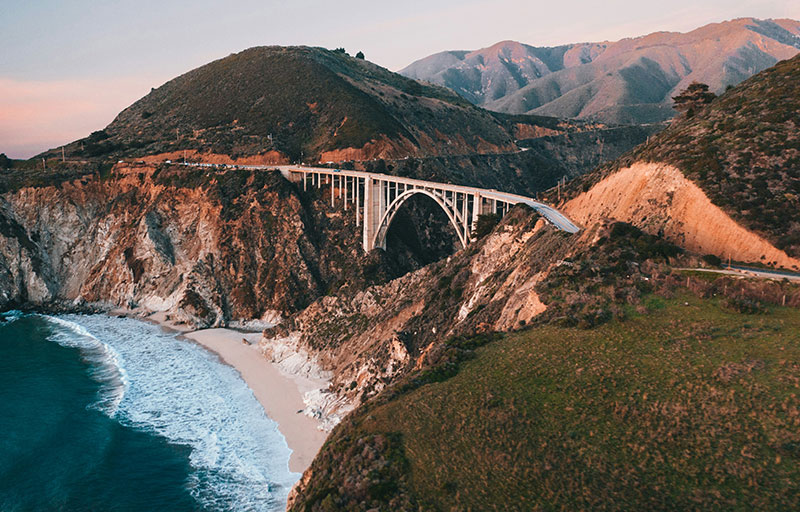
Aerial view of the historic Bixby Creek Bridge curving along the steep, rugged cliffs of the Big Sur coastline at sunset.

California is one of the best road trip states in America, especially when you let the route shape the trip instead of trying to collect too many stops.


Best California Road Trips

In California, the drive is often part of the destination. Coastal routes, mountain transitions, and wine country detours all create very different versions of the state.

Pacific Coast Highway and California 1

The classic route is the coastal drive between Los Angeles and San Francisco, with stops that can include Santa Barbara, Big Sur, Monterey, and Carmel. It is one of the most famous drives in the country for good reason. The scenery is strong enough that even a short section feels memorable.

Santa Barbara and the Central Coast

This is one of the smartest California road trip choices if you want beauty without trying to cover too much ground. Santa Barbara, nearby wine areas, and a continued push north toward Paso Robles or Monterey create a trip that feels scenic and manageable.

Read the Santa Barbara Road Trip Guide

Bay Area to Yosemite

Pairing San Francisco with Yosemite gives you one of California’s best city-to-nature contrasts. It is a strong route if you want neighborhoods, food, and iconic urban scenery first, followed by a dramatic shift into the Sierra.

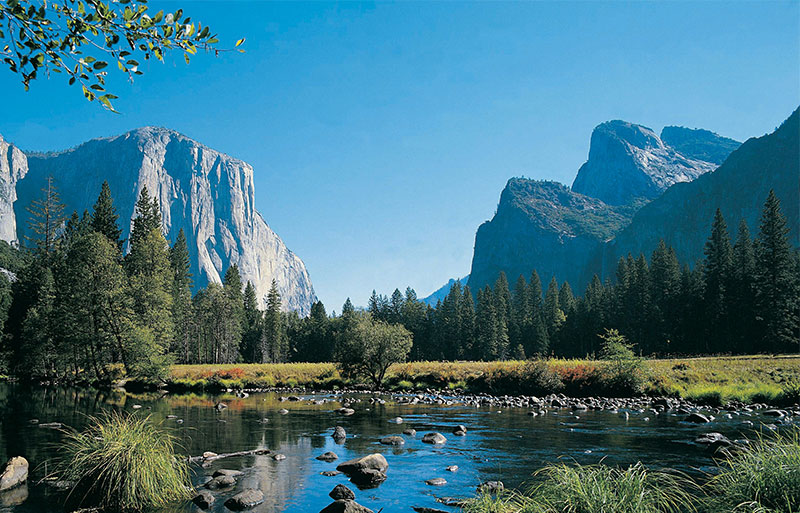
A wide view of Yosemite Valley featuring the granite cliffs of El Capitan and Half Dome towering over a river and pine forest.

California’s national parks shift the state into a different scale, from granite valleys and giant trees to desert terrain and coastal forest.


National Parks and Big Nature in California

California has enough major landscapes to support an entirely different kind of trip from its cities and wine regions. Yosemite is the most iconic, but it is far from the only option.

Yosemite National Park

Yosemite is the California park that tends to stay with people. The cliffs, valley views, waterfalls, and granite scale are hard to overstate. I have been there a couple of times, and it still feels like the kind of place that resets your sense of proportion.

Sequoia and Kings Canyon

If giant trees and Sierra landscapes are high on your list, these parks are a natural fit. They work especially well for travelers building a more nature-heavy California route.

Joshua Tree

Joshua Tree gives California a totally different mood. It is spare, wide, and visually clean in a way that feels almost opposite from the coast or the Bay Area.

Redwood Country

Northern California’s redwood landscapes are another reminder that California is not just one look or one climate. If giant coastal forest is your thing, this part of the state deserves its own future trip.

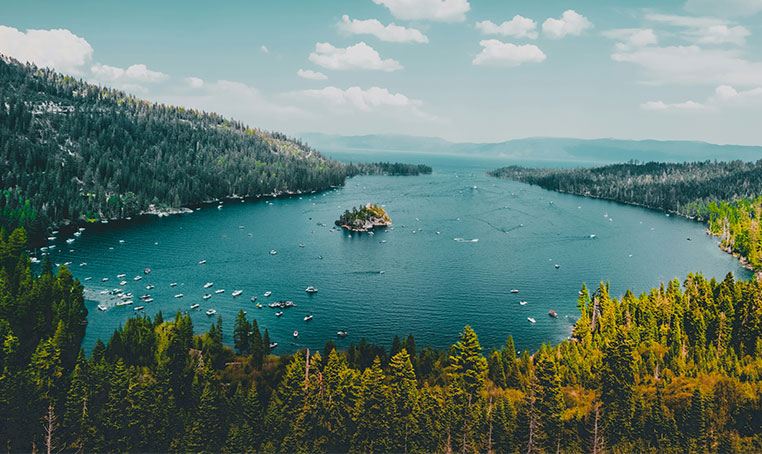
High angle view of boats gathered in the vivid blue waters of Emerald Bay at Lake Tahoe surrounded by dense pine forests.

Lake Tahoe adds alpine California to the mix, with deep blue water, mountain scenery, and a completely different pace from the coast.


Lake Tahoe and the Sierra Side of California

Lake Tahoe is one of the clearest examples of how varied California can be. After time on the coast or in the cities, the Sierra landscape feels like a different state entirely. The California side of Tahoe is especially beautiful in summer, when the lake color, mountain air, and shoreline views all do exactly what people hope they will.

I have spent time on the California side, and it is one of the easiest places in the state to recommend if you want mountain scenery without giving up comfort. In warmer months it works for hiking, lake time, and scenic drives. In winter it shifts into a ski destination. Tahoe also works especially well as an add-on to a Northern California trip, particularly if you are pairing San Francisco with Yosemite or other Sierra stops.

A surfer in a black wetsuit balancing on a white surfboard while riding a wave in the ocean.

Huntington Beach sits at the center of Southern California surf culture, where consistent waves and long beaches attract surfers year round.


California Beaches and Coastal Towns

You cannot talk about California without talking about the coast. However, the beach experience is completely different depending on where you are in the state. Southern California is where you go for classic beach days, while the northern coast is better for scenic drives, hiking, and dramatic landscapes.

Southern California Surf and Sand

If you want to swim, surf, or spend all day on the sand, head south of Santa Barbara. Orange County towns like Laguna Beach and Huntington Beach offer wide sands and active surf cultures. Malibu provides a narrower, more dramatic shoreline tucked against the hills just north of Los Angeles.

The Rugged Northern Coast

North of Santa Cruz, the coastline gets colder, rockier, and often fog-covered. Towns like Mendocino and Point Reyes are incredibly beautiful, but they are destinations for hiking, eating local oysters, and watching the Pacific crash against cliffs rather than sunbathing.

Local Guide Tip: Do not expect warm ocean water just because it is summer in California. The Pacific runs cold, especially in Northern and Central California, so a wetsuit is usually necessary if you plan to stay in the water for long.
Long exposure showing red and white light trails from cars navigating a steep, winding mountain road in the California desert at sunset.

Getting around California works best when you match the transportation to the region, whether that means a rental car, a short flight, or a scenic rail stretch along the coast.


Getting Around California

California is massive. Treating it like a compact European country or a dense East Coast corridor usually leads to a rushed itinerary. You have to plan transportation based on the specific regions you want to link together.

When You Need a Car

If your trip involves road trips, wine country, national parks, or extensive time in Los Angeles, you need a rental car. Public transit outside of the immediate Bay Area core is not robust enough to rely on for a seamless vacation.

Trains and Short Flights

If you are simply trying to get from San Francisco to Los Angeles or San Diego, a short domestic flight is often the smartest use of your time. If you want scenery without driving, the Pacific Surfliner route in Southern California is one of the most relaxed ways to see the coastline.

Pro Tip: If you are flying in and renting a car, consider arriving at a smaller regional airport. Flying into Burbank, John Wayne, or Oakland is often much easier for rental-car pickup and avoiding immediate gridlock than dealing with LAX or SFO.
A classic wooden lifeguard tower with an American flag on the sand at Santa Monica beach with hazy mountains in the background.

California’s travel seasons vary by region, which is why spring and fall often work best for travelers trying to combine coast, wine country, and city stops in one trip.


Best Time to Visit California

California is large enough that season depends on where you are going. Coastal cities, desert areas, mountain destinations, and wine country all behave differently. In general, spring and fall are the easiest seasons for a broader California trip because the weather is usually more balanced and the trip can combine multiple regions without quite as many extremes.

Season Why It Works What to Watch For
Spring Good mix of mild weather, greener landscapes, and fewer crowds than summer in many areas Mountain weather can still be variable
Summer Best for beaches, school-break travel, and classic coastal energy Higher prices, more crowds, and fog along some coastal areas
Fall Excellent for wine country, road trips, and balanced statewide weather Wildfire season can affect some regions
Winter Great for ski trips, quieter city breaks, and lower demand in some destinations Storms and snow can change mountain access
Distinctive spiky Joshua trees growing among large, smooth, rounded boulder formations in a dry desert landscape.

The smartest California trips are built around one region, one route, or one travel style instead of trying to cover the entire state in one shot.


How to Plan a California Trip That Actually Works

California planning is mostly about restraint. Distances are bigger than many travelers expect, and traffic can easily change what looks reasonable on a map. The best itineraries usually have one clear center of gravity.

Start with your trip style

If you want cities and food, focus on San Francisco, Los Angeles, or San Diego. If you want scenery and a slower pace, build around wine country or the coast. If nature is the priority, do not force too many city stops into the same trip.

Keep driving days realistic

A California trip can look simple on paper and still become draining if every day turns into a repositioning day. One scenic drive is great. Three consecutive long drives usually start to flatten the trip.

Pick the right home bases

For many itineraries, fewer hotels is better. Staying longer in one place often gives you a better trip than chasing coverage.

Pro Tip: For a first California trip, choose one of these structures: Bay Area plus wine country, Southern California cities plus beaches, or a coast-and-scenery road trip. That usually produces a much better experience than trying to stitch together San Francisco, LA, Yosemite, Napa, and San Diego in one week.

A few smart California route ideas can make planning easier, especially if this is your first trip to the state.


Easy California Trip Ideas

5 Days: San Francisco + Napa Valley

This is one of the easiest first California combinations. You get a major city, strong food, classic Bay views, and a wine-country contrast without trying to drive all over the state.

7 Days: Los Angeles + Santa Barbara + Central Coast

This version works well if you want beaches, neighborhoods, food, and a more scenic road-trip rhythm. It gives Southern and Central California without forcing the Bay Area into the same week.

8 to 10 Days: Los Angeles to San Francisco Coastal Route

This is the classic California first-timer route. Build around LA, Santa Barbara, the Central Coast, Big Sur, Monterey, and San Francisco, and let the coast carry the trip.

7 to 9 Days: San Francisco + Yosemite + Tahoe

This is a strong California mix for travelers who want cities, mountain scenery, and a bigger landscape shift during one trip.

California Travel FAQs

What is the best first California trip?

For most first-timers, the easiest win is choosing one lane: Northern California with San Francisco and wine country, Southern California with Los Angeles and San Diego, or a coastal road trip between LA and San Francisco. Trying to do the whole state in one week usually makes the trip feel rushed.

There is no one perfect answer because California is so large. A focused regional trip works well in 5 to 7 days. A broader road trip usually needs 8 to 10 days to feel enjoyable instead of nonstop.

If your trip includes wine country, national parks, coastal drives, or extensive time in Los Angeles, yes. If you are only doing a city trip in San Francisco or a short urban stay in San Diego, you can sometimes skip it.

Spring and fall are usually the easiest statewide seasons because weather is more balanced across multiple regions. Summer is best for classic beach energy, while winter is strongest for ski trips and quieter city breaks.

Yes. California is one of the best road trip states in America. The key is choosing one route and giving it enough time to breathe instead of trying to connect too many regions at once.

Napa is the easiest first wine-country trip if you want a polished and classic experience. Sonoma feels broader and more relaxed. Paso Robles is great if you want a laid-back Central Coast wine trip.

TLGA Quick Picks

If you just want the fastest TLGA version, start here. These are the California picks I would make first based on trip style, scenery, and how easy each region is to enjoy without overcomplicating the route.

Best city for first-timers San Francisco
Best city for food and variety Los Angeles
Best wine weekend Napa Valley
Best scenic road trip California coast between LA and San Francisco
Best nature stop Yosemite
Best relaxed beach-city option San Diego
Best mountain add-on Lake Tahoe

California is one of the easiest places in America to revisit because no single trip really covers it. That is a good problem to have. Start with the version that matches your style, give yourself enough time in each stop, and let the next California trip reveal itself from there.

Explore More California Articles

From iconic cities to vineyard backroads, these California reads help readers plan smarter and go deeper.

CITY GUIDE

San Francisco Travel Guide

Hills, waterfront views, standout food, and neighborhoods worth exploring.

Read More

CITY GUIDE

Los Angeles Travel Guide

Beach culture, famous districts, great eating, and classic LA energy.

Read More

CITY GUIDE

San Diego Travel Guide

Sunny beaches, taco stops, easygoing neighborhoods, and day-trip potential.

Read More

ROAD TRIP

LA to Paso Robles Road Trip

A scenic route with Santa Barbara stops, coastal stretches, and vineyard detours.

Read More

WINE COUNTRY

Napa Valley Travel Guide

Polished tasting experiences, beautiful estates, and one of California’s signature escapes.

Read More

WINE COUNTRY

Sonoma Travel Guide

A more relaxed pace with scenic roads, tasting stops, and small-town charm.

Read More

Best Paso Robles Wineries: Top Estates & Hidden Gems

Taking in the sweeping vineyard views from the terrace at DAOU Vineyards, one of the most iconic vistas in Paso Robles.


Home » Destinations » Page 4

Last updated: March 2026 by Corey Gasman

From the Editor:

Paso Robles is one of the best wine destinations in California if you want serious bottles without the polished pressure of Napa. The region is broader, warmer, and more relaxed, but that does not mean you can approach it casually. Paso is spread out, winery styles vary wildly, and it is easy to build a day that looks good on paper but turns into too much driving, too much heat, and too many heavy reds by 3:00 PM.

Full disclosure before the wine nerds revoke my card: I have been a JUSTIN wine club member for years. And while bottles like Isosceles get most of the attention, the regular JUSTIN Cabernet is honestly one of the bottles I open most at home. The price-to-quality just works for me. It hits the notes I want in a Cabernet without feeling like I need a special occasion to justify it.

The best Paso winery days are built on contrast. One dramatic estate. One producer that serious wine people care about. One easier stop, market, or lunch that lets the whole trip breathe. This guide is built to help you prioritize the right tasting rooms, understand what each one does best, and leave room for the food and scenery that make the Central Coast work.

Start Here: The Paso Robles Wine Tasting Game Plan

Paso Robles is not a one-road wine region where you casually drift from winery to winery. It is large, sunny, and full of winding backroads. The wineries that look close together on a map often take much longer to connect once you are navigating steep vineyard terrain.

The best strategy is to choose one side or one cluster for the day, stick to two wineries, and maybe add a third stop only if it is completely casual. That is especially true if you are booking places known for bigger red wines, long seated tastings, or full food pairings.

  • Pacing: Two winery reservations per day is ideal. Three is the absolute maximum.
  • Geography: Keep your day tight. Westside estates, downtown tasting rooms, and Tin City all work best when they are not competing with each other.
  • Wine strategy: Paso gets better when you mix one scenic heavy-hitter with one boutique tasting.

Paso Golden Rule: One scenic estate, one serious producer, and one food stop is a much better day than racing through a long list of big names.

Planning the full trip?

Pair this with the LA to Paso Robles Road Trip Guide for the full Central Coast route.

Pro Tip: Do not schedule three giant seated tastings in one day just because the wineries look famous. Paso rewards selectivity far more than quantity.
A wide scenic view of the JUSTIN Vineyards & Winery estate in Paso Robles featuring rolling hills of green vineyards under a soft sunset sky with the white estate buildings in the distance

The flagship estate at JUSTIN Vineyards & Winery, where the distinct microclimate of the Adelaida District helps produce some of Paso Robles’ most recognizable Bordeaux-style reds.


Why the Paso Robles Wine Region Stands Out

Paso Robles works because it has incredible range. You can spend one day tasting mountain-top Cabernet and Rhône-style blends at high-design estates, then follow it with a more casual day built around cave tours, Tin City, and an unpretentious downtown dinner. The region can feel highly ambitious without feeling overly choreographed.

It is also one of the rare California wine destinations where scenic estates, serious winemaking, and relaxed food stops all coexist in a way that feels natural. That is why Paso is such a strong fit for travelers who care about both what is in the glass and the overall hospitality experience.

A modern estate lunch at Booker Wines, where the sleek terrace views of the Westside hills pair with their acclaimed Rhône-style blends.


The Best Paso Robles Wineries to Prioritize

The top Paso wineries are not all trying to do the same thing, which is exactly why the region stays interesting. Some rely on sweeping views, some aim to produce benchmark bottles, and others excel at architecture and hospitality. If you only have one or two tasting days, these are the heavy hitters I would build around first.

Winery The Vibe Why It Belongs
DAOU Family Estates Dramatic, elevated, panoramic The obvious high-view Paso play. This is where you go when you want one estate that feels big, polished, and unforgettable.
JUSTIN Vineyards & Winery Classic, destination, polished A cornerstone Paso name with flagship reds and one of the strongest estate-dining pairings in the region.
L’Aventure Boutique, serious, cave-driven A strong pick for travelers who want Paso to feel more intimate, guided, and collector-friendly.
Booker Wines Modern, premium, sleek One of the best fits for readers who want a stylish tasting with serious Rhône credibility.
Epoch Estate Wines Architectural, historic, relaxed-premium A beautiful estate with a strong sense of place and a more layered story than many newer luxury stops.
Tablas Creek Vineyard Thoughtful, vineyard-driven, Rhône-focused One of the smartest wineries to include if you care about Paso wine history and not just flashy settings.
Local Guide Tip: If you are doing DAOU or JUSTIN on the same day, make your second stop more intimate and producer-led. Too much big-estate energy in one day can flatten the experience.
JUSTIN Isosceles Paso Robles red wine bottle with a glass of wine at a tasting table

JUSTIN Isosceles is one of the most recognizable bottles in Paso Robles and a benchmark Bordeaux-style blend that helped define the region’s reputation for powerful Central Coast reds.


The Paso Robles Wine Bottles Worth Knowing

A strong winery trip gets better when you understand what bottles actually matter. Paso Robles is no longer just a generic red wine region. It has signature producers, benchmark blends, and wines that serious drinkers specifically travel here to acquire.

Wine Why It Matters Best For
JUSTIN Isosceles One of the most recognizable flagship wines in Paso and still one of the region’s signature Bordeaux-style blends. Readers who want the classic Paso icon bottle.
DAOU Soul of a Lion A prestige Cabernet that shows how ambitious Paso can be at the high end. Travelers comparing Paso’s top reds to Napa’s heavy hitters.
Esprit de Tablas A benchmark Rhône-style blend and one of the most important wines in Paso’s broader identity. Readers who care about vineyard philosophy and Paso’s Rhône story.
L’Aventure Estate Cuvée A bold, modern blend that captures Paso’s more rebellious and expressive side. Wine travelers looking for something powerful and distinctive.
Booker Fracture A flagship Syrah that helps explain why Paso’s Rhône reputation matters. Serious red wine drinkers who want a Paso bottle beyond Cabernet.
Epoch Estate Blend A strong example of Paso structure, depth, and estate-level ambition. Readers who want one more bottle that feels rooted in place.
Contoured vineyard rows on rolling green hills in Paso Robles bathed in warm morning light.

The flatter vineyards east of Highway 101 produce many of Paso Robles’ historic Zinfandel wines, while the Westside tends to feel hillier, cooler, and more dramatic.


Best Time of Year to Visit Paso Robles Wineries

Paso works in more than one season, but the trip feels very different depending on when you go. Spring is green and scenic, summer is hot and dry, harvest brings the most classic wine-country energy, and winter can be quiet in a very appealing way if you care more about tasting than pool weather.

For most travelers, the sweet spots are spring and fall. Spring gives you vibrant hills, wildflowers, and comfortable daytime weather. Fall brings harvest buzz, fuller vineyard activity, and that feeling that wine country is fully in motion. Summer can still be great, but you need to respect the heat and keep midday plans lighter.

Season What It Feels Like Best For
Spring Green hills, cooler mornings, beautiful vineyard scenery Scenic first trips, patio tastings, and balanced weather
Summer Hot afternoons, long daylight, dry golden hills Pool-and-wine weekends and early-start tasting days
Harvest / Fall Most classic wine-country energy and active vineyard season Wine lovers who want Paso at its most alive
Winter Quieter pace, easier reservations, more relaxed tasting rooms Low-key trips and travelers who care more about the wine than the scene
Pro Tip: In summer, book your biggest estate tasting in the morning. Paso afternoon heat can make a formal second tasting feel much heavier than it looked on your itinerary.
A stone entrance sign for Tablas Creek Vineyard set against a backdrop of rolling hillside vines in Paso Robles.

The historic vineyard approach at Tablas Creek helps illustrate how soils, exposure, and vineyard philosophy vary across Paso Robles’ sub-AVAs.


Paso Robles AVAs Explained Without Making It Feel Like Homework

Paso Robles is not one uniform wine zone. The region is broken into multiple sub-AVAs, and while most casual travelers do not need to memorize all of them, understanding the basics makes the tasting experience much easier to decode.

The short version is this: the farther west you go, the more marine influence, limestone, elevation, and dramatic terrain start to shape the wines. That usually means more structure, more freshness, and a more elevated estate experience. Move east and the climate gets warmer, flatter, and more agricultural, which often translates into riper fruit, easier logistics, and a more old-school Paso feel.

The districts most visitors will feel the most

  • Adelaida District: One of the most important names for scenic Westside estates, elevation, and serious Cabernet and Rhône blends.
  • Willow Creek District: Known for major Westside personality, hills, and many of the sleek estates visitors associate with modern Paso.
  • Templeton Gap District: Defined by cooler marine air moving inland, which helps preserve freshness and structure.
  • Geneseo and Eastside zones: Warmer, broader, and often more straightforward to navigate for bigger-fruited reds and classic Paso value.
sun-drenched A outdoor patio at McPrice Myers Wines in Paso Robles, featuring black mesh tables under large orange umbrellas with a scenic view of rolling vineyard hills in the background.

The elevated patio at McPrice Myers, a Westside staple recommended by a wine-loving friend for its focused tastings and sweeping views of the Adelaida District.


Paso Robles Map Strategy: How to Plan a Smarter Tasting Route

The biggest itinerary mistake in Paso is planning with winery names instead of geography. On paper, a day might look efficient because all the stops are in the same broad region, but Paso roads are not always fast, flat, or direct. A smarter route is usually built around one tight cluster, not one long wishlist.

If you are doing a big scenic estate in the hills, keep the rest of the day nearby or head back toward one simple lunch base. If you want a more casual tasting day, Tin City and downtown Paso make far more sense than trying to wedge in a mountain estate just because it sounded famous. The goal is not to check boxes. The goal is to still feel excited about the second tasting.

Route Style Best For How to Use It
Westside estate day Views, flagship wineries, premium tastings Pick one major estate, one nearby second stop, then end with dinner in town.
Tin City and downtown day Walkability, boutique producers, lower-stress pacing Park once, taste lighter, and let food shape the day.
Eastside value day Historic producers, bigger-fruited reds, easier driving Build a relaxed route with shorter drives and less formal structure.
Local Guide Tip: If your group likes both scenery and wine, use your first reservation for the wow-factor estate and your second for the more personal tasting. That order almost always plays better than the reverse.
Couple overlooking rows of old Zinfandel vines in a sunlit Paso Robles Eastside vineyard

The flatter vineyards east of Highway 101 produce many of Paso Robles’ historic Zinfandel wines. The Eastside tends to feel more agricultural and open compared with the dramatic hillside estates on the Westside.


Understanding Paso Robles: Westside vs. Eastside Wineries

You cannot effectively plan a trip to Paso Robles without understanding the geographical divide. Highway 101 essentially splits the region in half, creating two distinct tasting experiences dictated by climate, soil, and terrain.

The Westside is characterized by cooler ocean breezes pulling through the Templeton Gap, steep hillsides, and calcareous limestone soils. This is where you find the dramatic estate views, highly structured Rhône blends, and winding, narrow roads. The Eastside is flatter, significantly hotter, and features rolling plains. It is famous for producing massive, fruit-forward Zinfandels and Cabernets in a more rustic, old-school farming setting.

Region The Terrain What to Expect
Paso Robles Westside Steep hills, oak forests, narrow roads Premium pricing, modern architecture, sweeping views, and complex Rhône and Bordeaux blends.
Paso Robles Eastside Flat plains, warmer temperatures, open sky Laid-back hospitality, great value, historic Zinfandel vines, and less driving time between stops.
Pro Tip: Do not try to zigzag back and forth across Highway 101 on the same day. Pick the Westside for one day and the Eastside for the next to maximize your time actually tasting instead of driving.

The modern, limestone-inspired tasting room at Sixmilebridge, where the high-elevation slopes of the Peachy Canyon area produce some of Paso Robles’ most precise Bordeaux-style reds.


Hidden Gems and Off-the-Beaten-Path Paso Tasting Rooms

One of the best things about Paso is that the second-tier list is still incredibly strong. Once you get beyond the region’s best-known estate names, you can find quiet tasting rooms, smaller production wines, and places that feel deeply personal.

These wineries work exceptionally well as a second stop after a dramatic morning estate tasting.

Winery The Vibe Why It Works
Clos Solène Romantic, private, boutique A strong reservation-only style pick for couples or travelers who want intimacy over scale.
Sixmilebridge Quiet, vineyard-immersed, Bordeaux-driven A beautiful under-the-radar stop when the goal is estate-grown reds in a calmer setting.
Thacher Winery Rustic, relaxed, old Paso A useful contrast to the sleek premium estates and a great fit for visitors who like character over polish.
Herman Story Wines Loud, fun, downtown, unstuffy A smart final stop before dinner when you want Paso to feel lively instead of precious.
Torrin Minimalist, collector-friendly, low-key A great insider-feeling stop for serious wine drinkers who want something harder to find.
A modern industrial tasting room in Tin City Paso Robles with outdoor seating, umbrellas, and corrugated metal buildings under a bright blue sky.

An industrial-chic tasting room at Tin City, where the high concentration of boutique producers and modern warehouse spaces creates a unique, walkable wine experience in Paso Robles.


Tin City: The Best Walkable Wine Tasting in Paso Robles

If you are tired of driving or want a high concentration of excellent boutique producers without the formal estate atmosphere, you need to spend an afternoon in Tin City. Located in an industrial park just south of downtown Paso, it has become the creative hub of the region.

Tin City allows you to park your car once and walk between micro-wineries, breweries, and cider houses. The winemakers here are often pouring the wines themselves, experimenting with unique varietals, and fostering a collaborative environment that feels completely different from the quiet Westside hills.

Tin City Stops You Should Not Miss

  • Desparada: Striking, elegant Bordeaux and Italian varietals in a beautifully designed tasting room.
  • Sans Liege: Focused on Central Coast Rhône varietals with a relaxed, approachable vibe.
  • Benom: French-influenced excellence founded by the brothers behind Clos Solène and L’Aventure.
  • BarrelHouse Brewing Co.: The perfect palate cleanser when you need a break from heavy red wine.
Local Guide Tip: Tin City gets very busy on weekend afternoons. Go on a Thursday or early Friday to actually talk to the people making the wine.

Getting Around: Transportation and Paso Logistics

One of the biggest mistakes first-time visitors make is assuming they can easily call an Uber or Lyft from any tasting room in Paso Robles. While rideshares are more realistic around downtown and Tin City, cell service drops off once you venture into the deeper Westside hills.

If you plan to visit estates like DAOU, JUSTIN, or L’Aventure, you need a reliable transportation plan. Trying to hail a ride from a remote mountain vineyard with zero bars of service is an easy way to derail your afternoon.

Your Best Transportation Options

  • Hire a dedicated driver: The safest and most reliable option. You can hire local driving services that will drive your rental car or provide their own vehicle for the day.
  • Designate a driver: If someone in your group is willing to spit or skip tastings, driving yourself is easy. The roads are generally well-paved, though sometimes steep and winding.
  • Stick to town: If you absolutely rely on rideshares, build your itinerary entirely around downtown Paso tasting rooms and Tin City.
A bottle of DAOU Cabernet Sauvignon and two glasses of red wine on an outdoor table overlooking the rolling vineyard hills of Paso Robles.

A signature tasting experience at DAOU Family Estates, where high-elevation vineyards and panoramic views of the Adelaida District provide the backdrop for their acclaimed Bordeaux-style reds.


How to Plan Your Paso Robles Wine Tasting Itinerary

The easiest way to ruin a Paso trip is to build a day around prestige alone. The smarter move is to structure the day around energy and contrast. Start with one major appointment, follow it with a food stop or break, then choose one smaller or different-feeling winery in the afternoon.

If you are doing DAOU, JUSTIN, or another large estate, do not make your second stop another giant formal tasting unless you truly want a very heavy schedule. Pair your estate stop with something like Tablas Creek, Sixmilebridge, or even Herman Story if you want a stronger ending before dinner.

A Paso tasting rhythm that usually works

  • Morning: One scenic or flagship estate tasting before the heat peaks.
  • Midday: Lunch, charcuterie board, picnic stop, or downtown reset.
  • Afternoon: One smaller producer, cave tasting, or relaxed Tin City stop.
  • Night: Keep dinner easy unless the tasting day was intentionally light.
A close-up of a cheese and charcuterie board from Vivant Fine Cheese in Paso Robles, featuring various cheeses, nuts, and dried fruits.

Vivant Fine Cheese in Paso Robles offers a curated selection of local and imported cheeses, making it a smart stop for building a custom picnic spread before heading into the vineyards.


Best Delis, Cheese Stops, and Picnic Moves in Paso

One of the easiest upgrades for a Paso trip is relying less on full formal lunches and more on smart market stops. A good picnic board or deli lunch gives you flexibility, saves your appetite for dinner, and fits the rhythm of the region much better than forcing a big midday meal.

Paso is vastly better when you know where to grab a sandwich, where to build a cheese and charcuterie spread, and where to stop for a casual graze between tastings.

Stop Area Best For
Etto Market Tin City Cheese, pantry snacks, and one of the smartest casual food stops in Paso.
Central Coast Creamery Tin City A cheese-focused stop for building a better grazing board.
Di Raimondo’s Italian Market Paso Robles Old-school market energy, cheese, charcuterie, and easy picnic pickup.
Downtown Paso lunch spots Downtown An easy midday reset before heading back out to the vineyards.

The JUSTIN Downtown Tasting Room offers a sophisticated alternative to the estate, providing a central location to sample their signature Bordeaux-style blends in the heart of Paso Robles.


Where to Stay for a Winery-Focused Paso Trip

The best base depends on whether you care more about waking up to vineyard scenery or having easy access to dinner. For most first-time visitors, downtown Paso is the strongest move because it keeps evenings simple. You can spend the day driving vineyard roads, then walk to dinner or take a very short ride back after drinks.

Staying out in wine country makes sense when the lodging itself is part of the trip, but it can make nights slightly more cumbersome. For a practical trip, downtown is usually the easiest recommendation.

Base Best For Overall Feel
Downtown Paso Robles First-timers, easy dinners, and low-stress evenings Walkable and practical
Tin City area Travelers who want a slightly trendier food and drink angle Creative and casual
Paso wine country Scenic stays and those who want the vineyard feel all day Quiet and immersive

Best Paso Robles Wineries FAQs

How many wineries should I visit in Paso Robles in one day?

Two is ideal. Three is possible if one stop is shorter, more casual, or closer to downtown. More than that and the day usually starts to blur together.

DAOU, JUSTIN, Tablas Creek, Booker, and Epoch make a very strong first-timer list because they give you a good mix of views, flagship wines, and regional range.

DAOU is the obvious answer if views are a major part of the experience you want. The hilltop panorama is unmatched in the region.

Tablas Creek, L’Aventure, Booker, Sixmilebridge, and Torrin are all strong names if the wine itself matters as much as the scenery.

Yes, especially if you want one classic marquee Paso estate experience. Just build the day carefully and do not stack it with too many other heavy appointments.

The best answer is both. One major estate plus one smaller boutique stop is often the ideal Paso combination.

LA to Paso Robles Road Trip: Santa Barbara & Wine Country Guide

The transition from Los Angeles traffic to Santa Barbara’s palm-lined coastal roads is where the road trip truly begins.


Home » Destinations » Page 4

Last updated: March 2026 by Corey Gasman

From the Editor:

This is one of the best California wine road trips if you care as much about lunch, cheese stops, and where to sleep as you do about the tasting itself. The route gives you two distinct versions of wine country in one trip. Santa Barbara brings coastal beauty, walkable tasting rooms, seafood, and polished hotel energy. Paso Robles brings wider vineyard landscapes, bigger reds, more room to breathe, and a slightly more rugged feel.

My wife and I followed this exact route ourselves, starting near Los Angeles, spending a few days in Santa Barbara, tasting through the Funk Zone, and then continuing on to Paso Robles for three nights. That trip reinforced the biggest lesson on this drive: do not treat it like a race. It works best when Santa Barbara handles the elegant coastal chapter and Paso Robles takes over as the vineyard-heavy chapter. This guide is built to help you pace both parts well, eat memorably along the way, and avoid the mistake of overbooking wineries just because the map makes everything look closer than it feels.

Start Here: The Central Coast Game Plan

Driving from Los Angeles to Paso Robles in one straight shot is doable, but it wastes one of the best food-and-wine corridors in California. The real magic of this route is the progression. You leave behind LA traffic, settle into Santa Barbara’s coastal rhythm, and then keep heading north until the ocean influence starts fading and Paso’s oak-covered hills take over.

The smartest version of this trip breaks into two chapters. Spend one or two nights in Santa Barbara so you can taste in the Funk Zone without worrying about winery driving. Then move north and base yourself in Paso Robles for two or three nights so you can properly tackle the region’s wineries, Tin City, and downtown dining scene.

  • The route: Highway 101 is the cleanest way to do this trip. It keeps the drive efficient while still giving you a scenic, very California transition north.
  • The pacing: Santa Barbara is the soft landing. Paso is where you do your heavier tasting days.
  • The wine shift: Santa Barbara County leans more coastal and cool-climate in personality. Paso Robles gets warmer, broader, and more red wine driven.

Quick Navigation

Pro Tip: Treat this as a two-base trip, not a constant hotel-hopping route. One Santa Barbara hotel and one Paso Robles hotel keeps the whole experience far more relaxed.

TLGA Road Trip Rule: Book your best wineries and best dinners in advance, then leave breathing room around them. This route gets much better when every day has some open space in the middle.

Comparing wine regions?

Read the Napa Valley Travel Guide

A wide scenic view of the Santa Barbara harbor at golden hour, with several sailboats anchored in the calm blue water and a paddleboarder in the foreground.

Base yourself near the waterfront so you can easily enjoy the ocean air before shifting your focus to the local tasting rooms.


Why This Central Coast Route Works So Well

What makes this road trip better than a lot of California wine getaways is contrast. Santa Barbara gives you a first chapter that is elegant, easy, and very walkable. You can check into a nice hotel, get a real lunch, stroll the Funk Zone, taste wine without a designated driver, and wake up to the ocean before ever heading into vineyard country.

Paso Robles then takes over as the deeper Central Coast wine chapter. The tasting rooms spread out, the vineyards get broader, and the wine leans bolder. It feels less compressed and less performative than some of the more famous wine destinations, which is exactly why a lot of food-and-wine travelers end up loving it.

As a hub page, this route also naturally opens into spokes. Santa Barbara can become its own city-and-wine guide. Santa Ynez can become a separate inland wine-country guide. Paso Robles can split into downtown, Tin City, or best wineries. That gives you a very clean content structure if you want to build this out over time.

Artfully plated citrus and cucumber salad at The Stonehouse restaurant in Montecito.

A lunch stop in Montecito is a strategic reset that makes the drive feel like a real vacation rather than just a transit day.


The Legendary Stop: Lunch at The Stonehouse

As you approach Santa Barbara, Montecito is where the drive should slow down and the trip should officially begin. The Stonehouse at San Ysidro Ranch is one of the best opening lunch moves on the entire route. The setting is exceptional, the food feels appropriately luxurious for a first-day splurge, and the stop gives the trip an instant sense of occasion.

Set in a former citrus packing house, The Stonehouse has the kind of old-California beauty that makes people linger. This is not a rushed roadside lunch. It is a strategic reset after leaving Los Angeles and the best way to shift into Central Coast mode before the short drive into Santa Barbara.

If you want to keep the first day feeling elevated, this is the place to do it. Just do not overbook the rest of the afternoon. Lunch here deserves room to breathe.

Local Guide Tip: Think polished resort casual here, not pure road-trip clothes. It is still lunch, but the setting is special enough that changing out of your driving outfit is worth it.
A structured, gray carry-on travel backpack standing upright outdoors in warm, golden-hour sunlight.
Paddleboarder navigating past anchored sailboats at the Santa Barbara Harbor during golden hour.

A paddleboarder navigates past anchored sailboats in the Santa Barbara harbor during golden hour.


Chapter One: Santa Barbara (1 to 2 Nights)

Santa Barbara should be your soft landing on this route. It gives you ocean air, walkable streets, strong hotel options, and one of the best urban tasting setups in California. If your readers only know Santa Barbara as a pretty beach city, this is where the guide can show them that it also solves a major wine-country problem: how to taste well without constantly getting back in the car.

The Funk Zone is the key. It is the best no-driving wine move on this trip and the perfect first tasting chapter before Paso Robles. You can check in, park the car, wander tasting rooms, grab a seafood dinner, and ease into the trip without trying to do too much on day one.

If you have two nights here, that is even better. Santa Barbara rewards slower pacing and gives you flexibility to choose between a pure coastal stay or a small inland detour before heading north.

What makes Santa Barbara work

Move Why It Works
Tasting in the Funk Zone You can taste regional wines on foot and save your serious driving energy for Paso Robles.
Dinner near State Street or the waterfront You get a much easier first night with strong dining options close to hotels.
A beach or waterfront walk the next morning It resets the whole trip before you move inland and north.
A hand holding a freshly made deli sandwich with turkey, sprouts, and tomato on a rustic roll, with a blurred outdoor background.

A market counter, stacked sandwiches, or picnic setup works best here. This section should visually feel useful and edible, not overly polished.


Best Picnic Stops, Delis, and Cheese Moves Along the Way

This route gets dramatically better when you stop relying on formal lunches every day. Some of the best Central Coast food moments are the simpler ones: a great sandwich, good cheese, a bottle you pick up later, and a patio or vineyard table where the whole trip slows down.

Near Montecito and Santa Barbara, Panino at Montecito Country Mart is a very smart grab-and-go move if you want a polished but easy sandwich stop. Santa Barbara Public Market is a strong option if your readers want variety and a little more browsing. South Coast Deli is a practical, dependable sandwich play when you want something easy before the next leg of the drive.

Once you get to Paso, Etto Market and Central Coast Creamery in Tin City are great names to know, especially for readers who like building their own little wine-country lunch. Di Raimondo’s Italian Market is another useful Paso stop if the goal is cheese, charcuterie, pantry items, and a more old-school market feel.

Stop Area Best Use
Panino Montecito Country Mart Elegant grab-and-go sandwiches before Santa Barbara check-in or a coastal picnic.
Santa Barbara Public Market Santa Barbara A flexible food-hall stop when different people want different things.
South Coast Deli Santa Barbara Quick sandwich and salad pickup before getting back on the road.
Etto Market Tin City, Paso Robles Cheese-and-charcuterie style grazing, pantry shopping, and a strong casual food stop.
Central Coast Creamery Tin City, Paso Robles A cheese-forward stop for readers who want to build a better picnic board.
Di Raimondo’s Italian Market Paso Robles Italian market goods, cheese, and charcuterie for an easy wine-country lunch.
Scenic vineyard drive through Santa Ynez Valley with rolling vineyards, oak trees, and mountain backdrop along a quiet country road in California wine country

A quiet vineyard road in Santa Ynez Valley shows the inland side of Santa Barbara County wine country, where rolling hills, oak trees, and warmer vineyards create a very different feel from the coast.


Should You Detour into Santa Ynez Valley?

This is the fork in the road that deserves its own planning section. If the trip is only four or five days and Paso Robles is your true destination, Santa Ynez Valley should usually stay optional. Santa Barbara plus Paso is already a very strong pairing, and overcomplicating the middle can make the route feel more rushed than luxurious.

That said, Santa Ynez Valley is a very smart detour for readers who want one true vineyard-country day before Paso. It gives you rolling hills, little wine towns, and a very different feel from coastal Santa Barbara. It also helps explain how Santa Barbara County wine changes as you move inland, from cooler western pockets toward warmer, more red-friendly zones.

The best use of Santa Ynez is as its own dedicated guide or detour, rather than cramming it too heavily into this one.

Pro Tip: Add Santa Ynez only if you have the time to give it a real half day or full day. Trying to squeeze Funk Zone, Santa Ynez, and Paso into one rushed movement is how a beautiful route starts feeling like homework.
Visitor standing on the pathway outside the tasting room at Halter Ranch winery in Paso Robles.

Paso Robles is where the trip opens up into bigger vineyard landscapes, warmer weather, wider roads, and a more relaxed version of California wine country.


Chapter Two: Paso Robles (2 to 3 Nights)

Paso Robles is the deeper wine chapter of this road trip. It feels less coastal, less compressed, and more spread out than Santa Barbara, which is exactly why you want to switch your pace once you arrive. This is the part of the trip for winery views, broad tasting patios, and bigger red wines that make sense with a slower lunch and a casual downtown dinner.

Paso also rewards stronger geography. The west side tends to be where readers will find some of the most scenic and destination-level winery experiences. Downtown gives the trip an easy nighttime anchor. Tin City adds a more playful and slightly more modern food-and-drink layer. Those three pieces together make Paso feel much more complete than just a list of tasting rooms.

If Santa Barbara is the elegant coastal chapter, Paso is the open-country chapter where you start choosing one or two memorable winery experiences instead of trying to check off too many.

Local Guide Tip: Stay close enough to downtown Paso that dinner is easy on foot or by a very short ride. It makes the tasting days much more enjoyable when the evening plan is simple.

DAOU Vineyards sits high above Paso Robles with sweeping vineyard views. It is one of the most dramatic tasting rooms in the region and the kind of estate that instantly sells people on why Paso wine country is worth the trip.


Paso Robles: The Best Wineries to Prioritize

You could easily overdo Paso if you book every famous tasting you recognize. The better strategy is to choose a few wineries that each bring something different. One dramatic view. One serious producer-led tasting. One more relaxed or classic stop. That is how the region keeps its shape.

DAOU is the obvious views-and-impact play. JUSTIN remains one of the most recognizable names and makes sense when readers want a marquee estate. Booker is a strong modern premium stop. Tablas Creek is one of the smartest names to include if you want the guide to appeal to readers who care about Rhône varieties and vineyard philosophy, not just brand prestige. Eberle gives you an easier, more classic Paso contrast and is useful when you want one stop that feels less like a luxury production.

If you want one more boutique angle, L’Aventure is still one of the strongest aspirational names to include for serious wine travelers.

Winery The Vibe Why It Belongs
DAOU Vineyards Dramatic, elevated, scenic The views are part of the experience, and it gives the trip one very high-impact estate stop.
JUSTIN Vineyards & Winery Classic, polished, destination estate A flagship Paso name that pairs naturally with a splurge meal or one deeper estate experience.
Booker Modern, premium, sleek A strong pick for readers who want Paso to feel contemporary and serious.
Tablas Creek Thoughtful, Rhône-focused, vineyard-driven One of the smartest names in Paso if your audience actually cares about wine, not just scenery.
Eberle Classic, approachable, historic Paso A useful counterweight to the region’s more expensive estate experiences.
L’Aventure Boutique, coveted, high-end A strong aspirational name for readers building a more serious Paso tasting day.
Pro Tip: The best Paso day is usually one major estate tasting, one food stop, and one smaller second tasting. Three huge appointments in a row is where people lose the plot.

The Michelin-starred experience at The Restaurant at JUSTIN focuses on precise plating and seasonal estate-grown ingredients.


Where to Eat in Paso Robles

For a food-and-wine-first guide, Paso needs more than one fancy winery lunch mention. The town now has enough going on that readers can build a proper food trip around downtown, Tin City, and one or two destination meals. The trick is not stacking too much richness on top of a heavy tasting day.

The Restaurant at JUSTIN is the obvious splurge if someone wants a destination meal attached to a winery estate. Six Test Kitchen is the sharpest special-occasion play in Tin City if the goal is a serious dining reservation. Fish Gaucho is a good downtown move when readers want something lively and flavorful. The Hatch is a very useful casual-smart dinner option near the square. Tin City itself is perfect for a looser afternoon of wine, snacks, cheese, pasta, and one more drink without committing to another formal tasting.

The best Paso version of this trip usually includes one major dinner, one easier downtown dinner, and one daytime graze where the food is part of the wine-country rhythm rather than a full sit-down event.

Best food stops to name in the guide

Spot Area Best For
The Restaurant at JUSTIN Paso wine country A destination splurge dinner tied to a marquee estate.
Six Test Kitchen Tin City A serious reservation night when the food is the event.
Fish Gaucho Downtown Paso A lively downtown dinner with strong flavor and easier energy.
The Hatch Downtown Paso Wood-fired comfort food and a very good casual-smart Paso night.
Tin City South of downtown A flexible afternoon of smaller producers, snacks, cheese, and a more relaxed scene.
A large artistic mural on a chalkboard wall inside a wine tasting room, featuring five detailed wine bottle illustrations labeled with different grape varieties: Pinot, Syrah, Viognier, Grenache, Cabernet, and Merlot.

The Valley Project’s signature soil-and-vine mural in the Funk Zone provides a visual roadmap of how Santa Barbara’s diverse microclimates shape each bottle.


Where to Stay on This Road Trip

The smartest way to plan this route is around two hotel bases. In Santa Barbara, the ideal setup is somewhere walkable enough that the Funk Zone, waterfront, or dinner scene feels easy once you park. In Paso Robles, the best base is usually somewhere close enough to downtown that dinner and evening drinks do not require a whole second transportation plan.

Santa Barbara is where you can justify the nicer coastal hotel because it shapes the first chapter of the trip. Paso is where practicality starts to matter more. A stylish hotel near downtown or a well-placed rental with easy access back into town can be the difference between a smooth wine weekend and one that feels logistically annoying at night.

Base Best For Overall Feel
Santa Barbara waterfront or Funk Zone area Walkable first-night tasting and dinner plans Coastal, polished, easy
Santa Barbara downtown State Street dining and a more urban-feeling stay Convenient and lively
Downtown Paso Robles Easy dinners, tasting rooms, and low-stress evenings Practical, walkable, food-forward
Paso wine country Readers who want vineyard immersion over dinner convenience Quiet, scenic, more remote

The view from the top of the Santa Barbara County Courthouse clock tower offers a perfect introduction to the city’s red-tiled Mediterranean architecture and coastal horizon.


The 5-Day LA to Paso Robles Itinerary

This version keeps the route ambitious enough to feel special without making it so packed that every day turns into reservation management. It also protects one of the biggest strengths of the trip, which is that Santa Barbara and Paso Robles feel genuinely different from each other.

Day Location The Plan
Day 1 LA to Santa Barbara Leave LA in the morning, stop for lunch at The Stonehouse in Montecito, check into Santa Barbara, then take an easy walk through the Funk Zone or waterfront.
Day 2 Santa Barbara Slow morning by the beach, a light food stop, then an afternoon tasting sequence in the Funk Zone. Keep dinner easy and coastal.
Day 3 Santa Barbara to Paso Robles Optional Santa Ynez detour if you want one inland vineyard chapter, then continue north to Paso. Check in, walk downtown, and keep dinner relaxed.
Day 4 Paso Robles Build one serious winery day around a scenic estate like DAOU or JUSTIN, one good lunch or grazing stop, and one second tasting that contrasts the first.
Day 5 Paso Robles to LA Breakfast in Paso, one light final stop if desired, then drive back south without overcommitting the morning. Save the return day from becoming rushed.
Local Guide Tip: On the final morning, keep it simple. One coffee, one pastry, maybe one market stop. Return days get worse every time you try to squeeze in one more ambitious reservation.

Central Coast Road Trip FAQs

How many days do I need for an LA to Paso Robles road trip?

Five days is the sweet spot if you want Santa Barbara and Paso Robles both to feel worthwhile. Four can still work, but only if you keep the pacing tight and avoid overbuilding the middle of the route.

Stop in Santa Barbara. It gives the trip a much better opening chapter and lets you taste in town before the more driving-heavy Paso portion begins.

Yes, but only if you have enough time to give it a real half day or full day. It is better as an optional inland wine-country detour than as a rushed stop between Santa Barbara and Paso.

Yes. Santa Barbara’s Funk Zone is walkable once you are there, but the route overall absolutely works best with your own vehicle.

Two is ideal. Three is the maximum if one of them is more casual or shorter. Paso gets much better when you leave room for food and downtime.

It often feels more relaxed and can be more flexible on budget, but premium wineries and top dining reservations in Paso can still add up quickly. The better value is usually in the overall feel and space, not necessarily in every single tasting fee.

Absolutely. It naturally opens into spokes for Santa Barbara, Santa Ynez Valley, Paso Robles wineries, Tin City, and even best food stops on the Central Coast.

Sonoma Travel Guide: Best Wineries, Glen Ellen & 3-Day Itinerary

Home » Destinations » Page 4

Last updated: March 2026 by Corey Gasman

From the Editor:

If Napa is the polished executive of wine country, Sonoma is the relaxed artisan with dirt on its boots. The appeal here is not one single town or one famous road. It is the scale, the contrast between valleys, the picnic culture, and the feeling that you can still find deeply memorable wine experiences without every stop feeling staged for a luxury brochure.

The biggest Sonoma mistake is treating the county like one compact destination. It is not. Sonoma County is broad, and the trip only works if you choose the right zone for the right day. This guide is built to help you do that, with a food-and-wine-first strategy that prioritizes geography, pacing, deli stops, and wineries that feel worth the reservation.

Start Here: The Sonoma Game Plan

Sonoma County is much bigger and more spread out than first-time visitors expect. You cannot casually pair a Sonoma Plaza lunch, a Russian River tasting, and a Healdsburg dinner without spending too much of the day in the car. The smartest Sonoma trips stay disciplined by valley.

Choose one micro-region per day. Keep Sonoma Plaza, Glen Ellen, and Carneros together. Keep Healdsburg, Dry Creek, and Russian River together. Once you stop trying to do everything, Sonoma starts to feel like the easygoing wine-country trip people imagine.

  • Pacing: Book no more than two or three tastings per day, with one real food stop in the middle.
  • Tasting strategy: Sonoma rewards producer-led, smaller-scale tasting experiences. It is usually worth upgrading at one stop per day.
  • Food: Sonoma is picnic-friendly and market-driven. A strong sandwich, cheese, and patio lunch often beats a heavy sit-down meal between tastings.
Pro Tip: The quality jump in Sonoma often comes from choosing the right valley, not just the most expensive reservation. A well-grouped day with two strong wineries and a deli lunch will usually outperform a scattered luxury itinerary.

Sonoma Golden Rule: Group your stops by valley. Crossing the county between tastings is the fastest way to ruin the laid-back pace that makes Sonoma special.

Cross-valley pairing

Heading next door? Read the Napa Valley Travel Guide

A Sonoma County map image works well here, especially one that helps readers understand the difference between Sonoma Valley, Glen Ellen, Healdsburg, Dry Creek, and Russian River Valley.


Understanding Sonoma’s Main Wine Regions

One reason Sonoma is harder to summarize than Napa is that it behaves more like a collection of mini-destinations than one single wine valley. That is exactly what makes it interesting. It also means your trip gets much better once you stop thinking county-wide and start thinking region by region.

The south around Sonoma Plaza and Glen Ellen is great for first-timers, picnic stops, and easier historic wine-country energy. Healdsburg is the premium northern base, with fast access to Dry Creek, Alexander Valley, and Russian River Valley. Russian River is where Pinot Noir and Chardonnay become the main story. Dry Creek leans more rustic and relaxed, with a strong Zinfandel reputation.

Region What It Feels Like Best For
Sonoma Plaza + Sonoma Valley Historic, walkable, approachable First-timers, casual tasting-room hopping, and easy dinners.
Glen Ellen Woodsy, quiet, boutique Relaxed winery days and more intimate tasting experiences.
Healdsburg Upscale, food-forward, polished Travelers who want great restaurants and easy access to multiple valleys.
Russian River Valley Cool-climate, scenic, laid-back Pinot Noir, Chardonnay, and slower tasting days.
Dry Creek Valley Rustic, sunny, vineyard-road classic Zinfandel, deli lunches, and a more old-school wine-country feel.
Local Guide Tip: If this is your first Sonoma trip, pick either Sonoma Plaza plus Glen Ellen or Healdsburg plus Russian River. Trying to force both into a short visit spreads the trip too thin.

Boutique wineries in Glen Ellen and Sonoma Valley offer the kind of intimate tasting experiences that make Sonoma feel more personal than many larger wine destinations.


The Best Sonoma Wineries to Actually Visit

Sonoma shines when you lean into wineries that feel distinct from one another. That can mean history, biodynamic farming, rare varietals, a beautiful picnic setting, or simply a tasting that feels like it is still about the wine and not just the production value.

For a first Sonoma trip, Glen Ellen and southern Sonoma Valley are strong places to start. Buena Vista brings California wine history. Benziger adds a more educational farming angle. Imagery gives you a more playful, small-batch, varietal-curious experience. Scribe delivers one of the most in-demand reservations in the region, especially for travelers who want a stylish, highly curated afternoon.

Winery Location Why You Should Go
Imagery Estate Winery Glen Ellen A relaxed tasting environment and an interesting lineup that goes beyond the most predictable Sonoma pours.
Benziger Family Winery Glen Ellen One of the best educational stops in the area if you want to understand biodynamic farming and vineyard practices.
Buena Vista Winery Sonoma A strong history play with stone cellars, dramatic atmosphere, and serious old-California wine-country energy.
Scribe Winery Sonoma A stylish, sought-after reservation for travelers who want a more curated, contemporary Sonoma experience.
Jordan Vineyard & Winery Healdsburg A classic Healdsburg-area pick if you want beautiful grounds and a more elevated northern Sonoma feel.
Ridge Lytton Springs Dry Creek Valley A great stop for travelers who care more about the wine itself than winery theatrics.
Local Guide Tip: When a Sonoma winery offers a reserve flight, library pour, or estate tour upgrade, that is often where the experience becomes truly memorable. Pick one daily splurge instead of upgrading everywhere.

A barrel room, vineyard walk, or more intimate seated tasting image works well here. This section should feel aimed at readers who care deeply about the wine itself.


Sonoma for Serious Wine Lovers

Sonoma is often described as more relaxed than Napa, but that should not be confused with less serious. If anything, Sonoma can be more rewarding for wine-focused travelers because the county gives you much more stylistic range. Pinot Noir, Chardonnay, Zinfandel, Rhône varieties, Cabernet, sparkling wine, and cool-climate bottlings all fit somewhere in the Sonoma story.

The move for serious wine drinkers is not to chase the most famous names only. It is to build contrast into the trip. One day around Russian River Valley for Pinot and Chardonnay. Another day around Dry Creek or Healdsburg for structure, sunshine, and broader reds. That is how Sonoma starts to feel layered instead of random.

How to build a smarter Sonoma tasting lineup

  • Put Russian River Valley on the schedule if Pinot Noir and Chardonnay matter to you.
  • Use Dry Creek Valley when you want warmer-weather reds and a more classic backroad wine-country feel.
  • Keep one day focused on Sonoma Valley and Glen Ellen if you want boutique wineries and easier picnic culture.
Pro Tip: Sonoma gets much better when you treat it like a wine region with multiple identities instead of one long tasting list. Build the day around style, not just popularity.

The historic Sonoma Plaza is one of the best places in the county to build a low-stress food-and-wine day around tasting rooms, markets, and an easy dinner.


The Sonoma Food Scene: Plazas, Markets, and Picnics

Sonoma is less formal than Napa, and that is part of the appeal. Yes, there are polished restaurants and big dinners worth planning around, but Sonoma’s real advantage is that it often feels easier to eat well without turning every meal into an event.

The Sonoma Plaza is a perfect example. It gives you a historic center, tasting rooms, relaxed lunch options, bakeries, and a simple way to gather provisions for the rest of the day. Up north, Healdsburg gives you a stronger high-end food scene without losing that small-town wine-country rhythm.

The best Sonoma lunch is often not a multi-course meal. It is a market stop, a great sandwich, good cheese, maybe something fresh and crunchy, and a winery patio where the whole day slows down a notch.

What makes Sonoma food days work

  • Use the Sonoma Plaza or Healdsburg as your reset zone between tastings.
  • Save one night for a stronger dinner and keep at least one lunch deliberately simple.
  • Build a picnic when the weather is good. Sonoma is one of the few major wine destinations where that can feel like the main event.

Use a plaza café, deli counter, picnic spread, or restaurant patio image here. This section should look like the kind of food day Sonoma does best.


Best Restaurants and Picnic Stops in Sonoma

If your blog leans food and drink first, this section deserves more than a generic list of nice restaurants. In Sonoma, the real strategy is mixing one excellent dinner with smart daytime food stops that fit the way wine-country days actually unfold.

That means one strong plaza reservation, one or two deli or market plays, and maybe one more polished Healdsburg dinner if you are staying up north.

Spot Location Why It Works
The Girl & The Fig Sonoma Plaza One of the classic Sonoma Plaza restaurants and still a strong pick for a polished but not stuffy dinner.
Sonoma Cheese Factory Sonoma Plaza An easy place to assemble a cheese-and-picnic stop in the heart of town.
Glen Ellen Village Market Glen Ellen A very practical picnic stop before heading into Glen Ellen winery country.
Dry Creek General Store Dry Creek Valley An ideal deli move for travelers spending the day around Healdsburg and Dry Creek.
Healdsburg Plaza restaurants Healdsburg A great evening base if you want a more food-forward northern Sonoma trip.
Local Guide Tip: If you are doing two tastings in one day, make lunch simple and high quality. Sonoma is built for that rhythm, and the trip feels much better when you lean into it.
A traveler seen from behind, wearing a black winter parka and carrying a white document.

Staying near Sonoma Plaza or Healdsburg gives you the easiest version of Sonoma, where dinner is walkable and winery driving stays more focused during the day.


Where to Base Yourself in Sonoma County

Because Sonoma County is so spread out, your hotel decision shapes the entire trip more than people realize. The goal is not just a nice room. It is picking the right base for the valley style you actually want.

The town of Sonoma is the best first-timer base for many travelers because it is historic, relaxed, and anchored by the plaza. Healdsburg is the premium move if your trip leans more culinary and you want easier access to Russian River, Dry Creek, and Alexander Valley. Glen Ellen works well for travelers who want something quieter and more secluded.

Area The Vibe Best For
Town of Sonoma Historic, walkable, relaxed First-timers and easy access to Sonoma Valley and Glen Ellen.
Glen Ellen Quiet, wooded, boutique A slower trip with a retreat-like feel.
Healdsburg Upscale, polished, restaurant-forward Food lovers and travelers exploring the northern valleys.
Russian River area Casual, scenic, cool-climate country Pinot-focused trips and a more low-key stay.

A tasting flight with Pinot Noir, Chardonnay, and Zinfandel works well here. This image should suggest Sonoma’s range rather than one single grape story.


What Sonoma Is Famous For

One of Sonoma’s biggest advantages is range. Unlike Napa, which is often defined first by Cabernet Sauvignon, Sonoma can feel more open-ended. Depending on where you are, the county can be about Pinot Noir, Chardonnay, Zinfandel, Rhône blends, or more structured reds from warmer inland pockets.

That is good news for travelers who want variety. It also means Sonoma can be a better destination for mixed groups where not everyone wants the same kind of wine all day.

  • Pinot Noir: One of the region’s signature categories, especially in cooler zones.
  • Chardonnay: Often a major draw in Russian River Valley and nearby areas.
  • Zinfandel: A strong Sonoma move, especially if you spend time in Dry Creek Valley.
  • Mixed-varietal days: Easier to build here than in many wine regions because the county supports so many styles.

A strong Sonoma itinerary image should show an easy backroad vineyard scene rather than a formal estate, reinforcing the slower pace that makes the county work.


The Perfect 3-Day Sonoma Itinerary

This three-day plan is built around geography, not wishful thinking. It gives you one southern Sonoma day, one Glen Ellen or Sonoma Valley day, and one northern Sonoma day if you want the trip to feel complete.

Day Theme Morning Afternoon Night
Day 1 Plaza and history Start around Sonoma Plaza, then visit Buena Vista Easy tasting-room or market time around town Dinner at The Girl & The Fig or another Sonoma Plaza favorite
Day 2 Glen Ellen and relaxed tasting Benziger tour or another educational estate visit Picnic stop and a slower, elevated tasting at Imagery or another boutique winery Quiet dinner and an early finish
Day 3 Northern Sonoma Head to Healdsburg or Russian River Valley One winery plus one deli or plaza stop up north Dinner in Healdsburg or a casual return to your base
Pro Tip: If you only have two full days, skip northern Sonoma or skip southern Sonoma. Do not force the whole county into a short trip just because it looks close on a map.

A rental car, backroad vineyard lane, or Sonoma County airport image works well here. This section should visually reinforce that Sonoma requires a transportation plan.


Getting Around Sonoma County

Sonoma is a car destination. You can absolutely use rideshares around the main towns, but once you get into rural wine roads and multi-stop days, you want a firmer plan. If everyone in your group is tasting, a private driver is the easiest and safest move.

For flights, San Francisco and Oakland still work, but the easiest airport option if schedules line up is often Charles M. Schulz Sonoma County Airport in Santa Rosa. It cuts down on the usual Bay Area arrival drag and can make the trip feel smoother from the start.

Whatever your transportation setup, add buffer time. Sonoma’s relaxed image fools people into thinking timing does not matter. It does, especially when you are stacking a market stop, a reservation, and a dinner in different parts of the county.

Pro Tip: Before you finalize the day, map the hotel-to-winery drive and the winery-to-lunch drive. That five-minute optimism gap is how Sonoma days quietly unravel.

A cinematic vineyard image, a retro tasting room, or a Coppola-themed image would work well here. This section should feel like a fun cultural detour, not the core of the guide.


Wine Movies and Sonoma Pop Culture

A movie section can absolutely work here, but it should be framed carefully so the guide stays credible. Sideways is the most famous modern wine movie, but it is tied to Santa Ynez Valley, not Sonoma. Noma is not a film at all. It is the famous restaurant in Copenhagen.

For a Sonoma-adjacent or Northern California wine-country angle, the smarter references are Bottle Shock for Napa’s Judgment of Paris story, Wine Country for a Napa girls-trip comedy, and SOMM if your readers want something more wine-nerd friendly. Sonoma’s strongest direct film-world tie is Francis Ford Coppola Winery, which blends wine tourism with movie memorabilia and a more cinematic brand identity.

Best way to use this section

  • Sideways: Mention it as a wine-movie reference point, but do not frame it as Sonoma.
  • Bottle Shock: Good for Northern California wine-country history and the Judgment of Paris angle.
  • Wine Country: A lighter pop-culture add for readers planning a fun weekend with friends.
  • SOMM: Best for readers who care more about wine obsession than destination scenery.
  • Coppola connection: A legit Sonoma-specific cultural tie if you want one film-and-wine crossover paragraph.
Local Guide Tip: Keep this as a short fun section, not a core planning section. It works best as personality, not as the main reason someone chooses Sonoma.

Sonoma Travel FAQs

Is Sonoma cheaper than Napa?

Often, yes, but not always. Sonoma can be more flexible on budget, especially outside the most premium hotels and reserve tastings, but top Healdsburg restaurants and high-end winery experiences can still get expensive fast.

The town of Sonoma is usually the easiest first-time base because it is historic, walkable, and gives you straightforward access to Sonoma Valley and Glen Ellen.

Sometimes, and Sonoma is more picnic-friendly than many wine regions, but you still need to check each winery’s rules before arriving.

Yes. Sonoma may feel more relaxed than Napa, but many of the wineries worth prioritizing still run on reservations, especially on weekends.

Two is ideal. Three is fine if the geography is tight and the pacing is relaxed. More than that and the day usually starts to blur together.

Only if you have enough time. For a shorter trip, choosing one zone usually creates a much stronger overall experience than trying to sample the whole county.