

Tokyo Guide

Home » Destinations » Page 3

Last updated: March 2026 by Corey Gasman

From the Editor:

Tokyo was one of the most personal solo trips I have ever taken. I spent a week there on vacation by myself, traveling in late fall moving into early winter, when the city was shifting seasons. Some trees still held color, while parts of the city were already decorated with Christmas lights and holiday displays.

I stayed at the Prince Hotel near Tokyo Tower, just outside Roppongi. It ended up being a perfect base. Walkable, comfortable, and close enough to great restaurants, bars, and easy subway access at the end of each day.

Every morning I would pick one district, plan one lunch, choose one main activity, and let the rest of the day unfold. Some nights I stayed out. Some nights I went back toward my hotel. That rhythm made Tokyo feel manageable instead of overwhelming.

It really did feel a little like Lost in Translation. I was not talking much. I was observing. Riding the subway. Ordering by pointing. Using ticket machines. Slowly building confidence as the days went on.

That is the version of Tokyo this guide is built around. Not rushed, not overplanned, and experienced one neighborhood at a time.

2026 Tokyo Travel Update:

Tokyo is easier than ever for first-time visitors if you keep the approach simple. Load a mobile Suica or PASMO, pick a strong neighborhood base, and build your days by district instead of trying to cross the city nonstop.

The best Tokyo trips still come down to the same basics: stay near good transit, keep one major thing per day, and let food and neighborhood wandering do the rest. If this is your first time traveling to the country, reviewing the first-timer’s guide to Japan before you land will help you navigate the logistics.

TLGA Rule: Tokyo gets easier the moment you stop treating it like one city and start treating it like a collection of districts. Pick one side of town, do it well, then move on tomorrow.

Planning more than Tokyo?

Start here: Japan Travel Guide

Tokyo Food & Neighborhood Map

This map is how I actually navigated Tokyo. Instead of trying to remember everything, I pinned the neighborhoods, food spots, and areas I wanted to explore, then built each day around one cluster. If you follow one rule in Tokyo, make it this: stay within one area per day. This map helps you do exactly that.
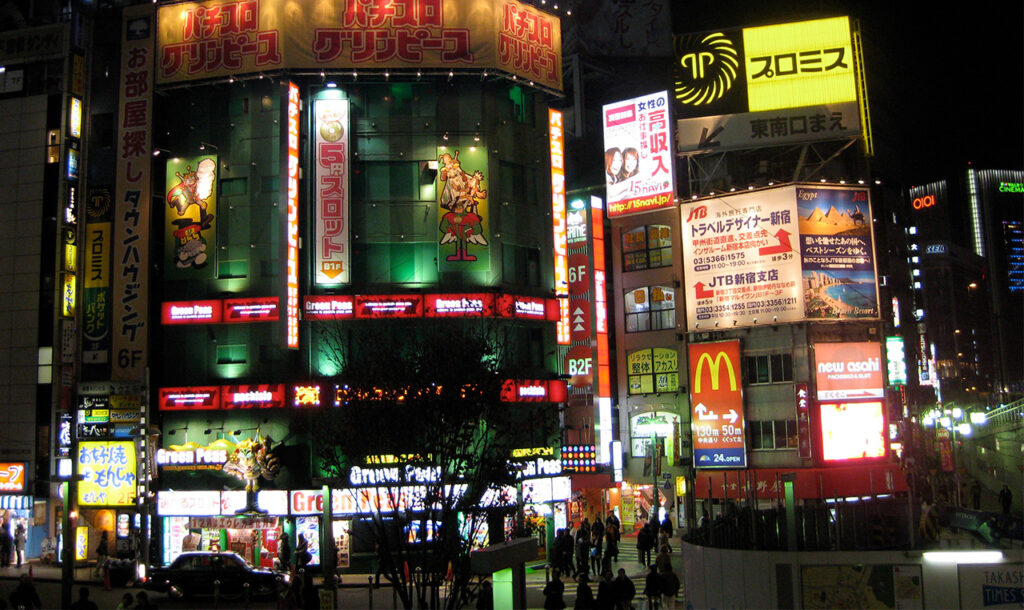
A vibrant night scene in a busy Tokyo district featuring a dense collection of glowing neon restaurant and shop signs in Japanese characters, with a McDonald's logo visible among the illuminated storefronts and pedestrians walking below.

Tokyo works best when you stop trying to see everything and start exploring one district at a time.


Start Here: How to Plan Tokyo Without Burning Time

Tokyo in 30 Seconds

  • Best area to stay: Shinjuku for transit or Ginza for a polished base.
  • Ideal trip length: 4 to 5 days.
  • Book early: teamLab, high-end sushi, Shibuya Sky at sunset.
  • Core strategy: Focus on one geographical district per day.
  • Skip doing this: Crossing the city multiple times per day.

Tokyo is not one city. It is a collection of districts you experience one at a time. The mistake is trying to jump across all of them in a single day.

The city becomes much easier when you group your days by area. Think of it in three main zones: West (Shibuya, Shinjuku), East (Asakusa, Ueno), and Central (Ginza, Tokyo Station). Pick one side of the city per day. Plan one anchor activity. Choose one food goal. Then let the rest unfold.

That is what worked for me. I spent a week in Tokyo by myself, and the trip clicked once I stopped treating it like a giant checklist and started treating each neighborhood like its own daily mission.
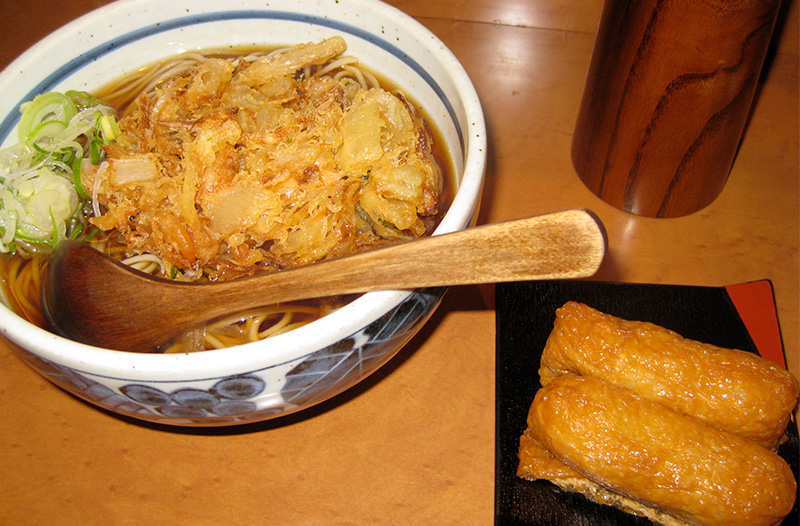
A top-down view of a white ceramic bowl filled with buckwheat soba noodles in a dark soy-based broth, topped with a large, golden-brown vegetable tempura kakiage and fresh green onions, served alongside two pieces of inarizush

A classic bowl of hot tempura soba served with a side of inarizushi, a staple comfort meal found in small noodle shops throughout Tokyo


Tokyo as a Solo Traveler

Tokyo ended up being one of the easiest big cities I have ever done solo. Not because it was simple at first, but because everything works.

I barely spoke English all week outside of hotel staff interactions. Most meals were done by pointing, translating, or using machines. Ramen shops, conveyor belt sushi, and yakitori alleys became my comfort zone. If you are hesitant about sitting down at a counter by yourself, my guide on solo dining in Japan covers exactly how the etiquette and ordering systems work so you can walk into any local spot with confidence.

The key was establishing a rhythm. Pick a focus area, secure a lunch plan, and choose one main activity. That structure made everything else easier.

Local Guide Tip: If Tokyo feels overwhelming, simplify your day immediately. One neighborhood is enough.
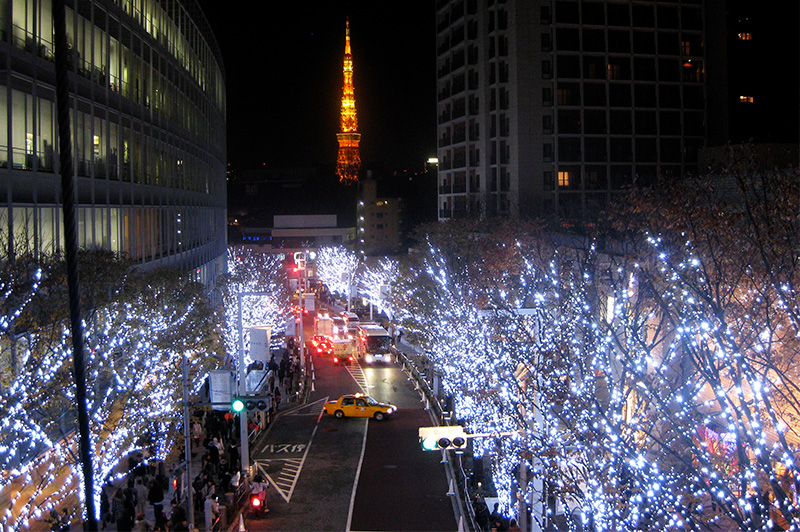
A row of trees lining a city street in Tokyo, illuminated with thousands of small, sparkling white fairy lights during winter.

Winter illuminations transform Tokyo’s tree-lined avenues into glowing corridors of white light.


Best Areas to Stay

I stayed near Tokyo Tower and Roppongi. It worked well because I had a comfortable base, easy transit, and great food nearby.

That said, here is how to choose your neighborhood:

Area Best For The Feel
Shinjuku First-timers, transit, nightlife Big energy and nonstop movement
Shibuya Trendy food, shopping, younger vibe Fast, stylish, and crowded
Asakusa Traditional atmosphere, calmer pace Classic old Tokyo
Ginza / Tokyo Station Upscale stays and transit links Polished and central
Roppongi Restaurants, bars, polished city base More international and upscale
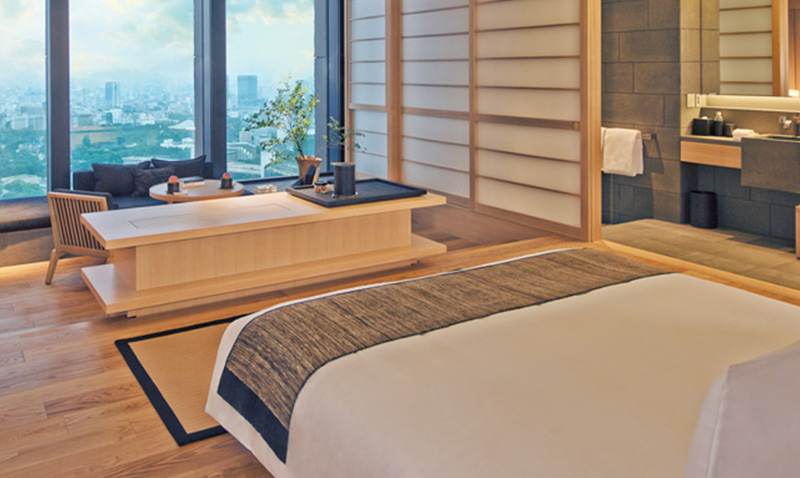
A luxurious, minimalist hotel room at the Aman Tokyo featuring floor-to-ceiling windows that offer a panoramic view of the Tokyo skyline and the Imperial Palace Gardens, with a traditional grey stone soaking tub positioned near the glass.

The serene, minimalist aesthetic of a suite at the Aman Tokyo, where traditional Japanese design meets a commanding view of the capital’s skyline.


Twelve Great Tokyo Hotels by Travel Style

Tokyo has everything from ultra-luxury towers to hyper-efficient business hotels. The key is matching your stay to how you actually travel, not just your budget.

Hotel Tier & Area Why It Works
Park Hyatt Tokyo Luxury / Shinjuku Iconic skyline views and quiet luxury. Best for a memorable splurge and a calm retreat from the city.
Aman Tokyo Luxury / Otemachi One of the best luxury hotels in Japan. Minimalist ryokan design, huge rooms, and a serene atmosphere.
The Ritz-Carlton Luxury / Roppongi Commanding views of Mount Fuji, incredible club lounge, and a perfect central base.
The Peninsula Luxury / Ginza Unparalleled access to high-end shopping and transit near the Imperial Palace.
Trunk(Hotel) Yoyogi Park Mid-Range / Shibuya Design-focused boutique hotel with a rooftop pool and a great location for exploring west Tokyo.
Hotel Ryumeikan Mid-Range / Tokyo Station A brilliant business hotel that gets the fundamentals right. Quiet rooms and unbeatable transit access.
The Blossom Mid-Range / Hibiya Smart, modern hotel within walking distance of Ginza. Rooms are larger than standard business hotels.
Nohga Hotel Mid-Range / Ueno Stylish property in a cultural district with excellent access to the Keisei Skyliner for airport transit.
The Millennials Budget / Shibuya An upscale capsule hotel. Pods are spacious with reclining beds, plus a great co-working space.
OMO3 by Hoshino Budget / Asakusa Smart, affordable design right next to Senso-ji Temple. Perfect for early morning exploring.
The Lively Budget / Azabujuban Slick, well-designed boutique option just south of Roppongi. Great lounge and stylish atmosphere.
Wired Hotel Budget / Asakusa Blends a hostel atmosphere with private boutique rooms. Highly affordable and in the heart of old Tokyo.

Pro Tip: Stay within walking distance of the JR Yamanote Line. It connects most of the city and simplifies everything.
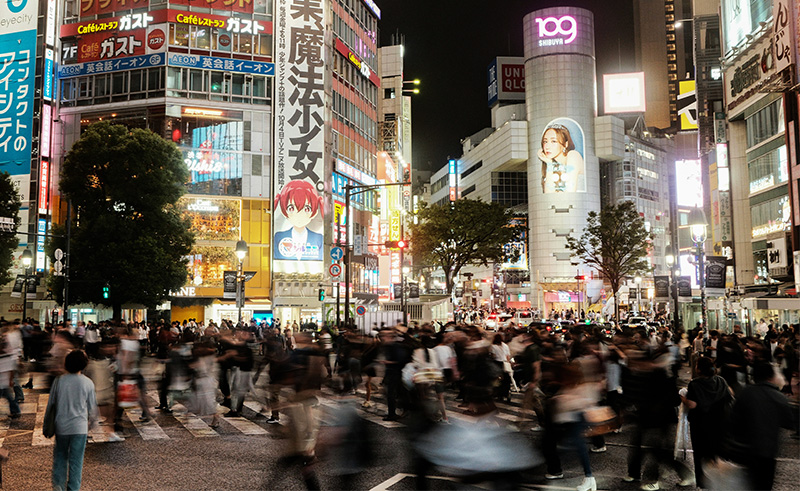
A high-angle view of the Shibuya Scramble Crossing at night, showing hundreds of pedestrians crossing the multi-directional intersection surrounded by towering buildings with bright neon advertisements and large video screens.

The organized chaos of Shibuya Crossing, often called the busiest intersection in the world, illuminated by the glow of Tokyo’s iconic neon landscape


The Daily Loop Strategy

This is the single best structural change you can make to a Tokyo trip. Instead of scheduling three big attractions in opposite directions, choose one anchor and let the rest of the day unfold around it.

How it works

Book or choose one major sight for the morning. Then take lunch nearby, walk through the surrounding district, and let the afternoon lead naturally into a park, shopping street, or dinner reservation. Tokyo is full of “free wins” once you stop forcing movement across the city.

Why it works better in Tokyo

A loop protects your energy. Massive stations like Shinjuku and Tokyo Station can be physically draining just to navigate. If you plan one high-focus activity and then give yourself a neighborhood around it, you end up seeing more while feeling less exhausted.

The goal is not efficiency. The goal is momentum.
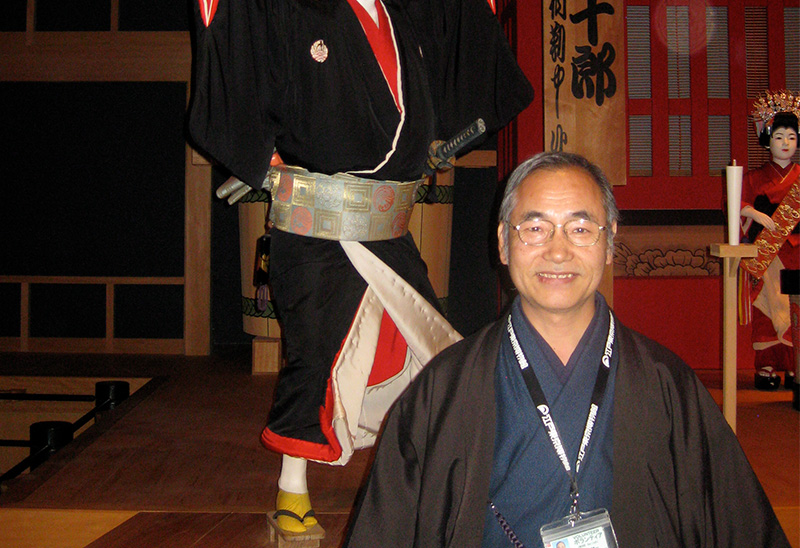
Museum guide in traditional clothing at a Tokyo cultural exhibit

A museum guide at a Tokyo cultural exhibit dressed in traditional Edo-period attire, offering visitors a living link to Japan’s rich history.


Experiences Worth Building Your Trip Around

Stepping Into Edo: Tokyo’s Living History

While Tokyo is often defined by its neon future, its past is meticulously preserved in specialized museums and cultural pockets. Visiting a space like the Edo-Tokyo Museum or the Tokyo National Museum provides the necessary context to understand how a small fishing village transformed into the world’s largest metropolis.

If this is your first trip, these are the anchor experiences to plan your days around.

Experience Why It Matters Best Strategy
Meiji Jingu & Harajuku The best contrast in the city. A towering, peaceful forest shrine right next to chaotic youth culture. Do the shrine early to beat the crowds, then walk into Harajuku for lunch.
teamLab Borderless or Planets Massive, interactive digital art installations that redefine immersive museums. Book weeks in advance and expect to spend a few hours inside.
Senso-ji Temple The most approachable traditional Tokyo stop and an excellent orientation point in Asakusa. Go early morning or later at night when the lanterns glow and the crowds thin.
Shibuya Sky An open-air observation deck offering the absolute best panoramic views of the city. Book your tickets specifically for 45 minutes before sunset for the best lighting.
Tsukiji Outer Market Incredible, fresh street food ranging from tamago to premium wagyu skewers. Go early for breakfast, eat everything you see, and bring cash.
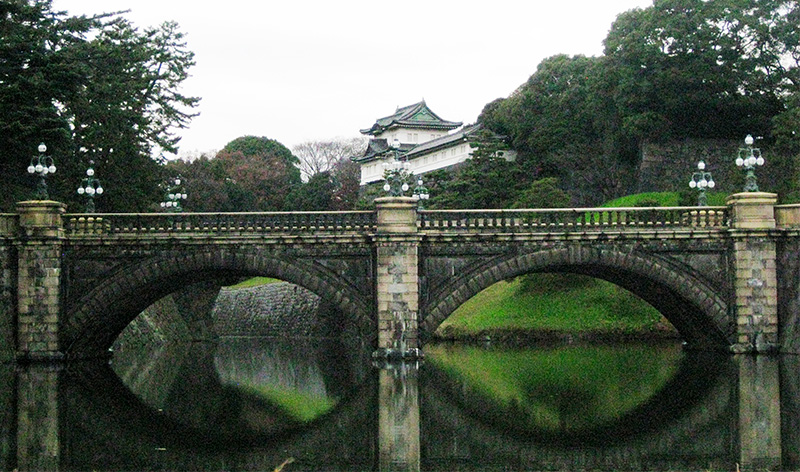
A view of the stone Nijubashi Bridge with its two arches reflecting in the water, leading toward the white buildings and emerald roofs of the Tokyo Imperial Palace surrounded by lush green trees.

The iconic Nijubashi Bridge serves as a grand entrance to the Tokyo Imperial Palace grounds, where historic architecture meets the tranquil waters of the inner moat.


Tokyo in 3 Days

If you only have three days in Tokyo, do not try to do everything. Split the city into three clean zones and let each one have its own rhythm. Focusing on one geographical area per day saves hours of transit time.

Day 1: East Tokyo (Tradition & Markets)

  • Morning: Start early at Tsukiji Outer Market. Grab a dark roast at Turret Coffee before hunting down fresh tuna skewers and tamagoyaki.
  • Afternoon: Head to Asakusa. Walk through the Kaminarimon gate to Senso-ji Temple, then grab lunch at a nearby sushi or yakiniku spot.
  • Evening: Catch the sunset from Tokyo Skytree or take a relaxed stroll along Sumida Park.

Day 2: West Tokyo (Youth Culture & Fashion)

  • Morning: Find some quiet at Meiji Shrine before the intense crowds arrive.
  • Afternoon: Contrast the serene shrine with the energy of Harajuku’s Takeshita Street and Omotesando’s sleek architecture.
  • Evening: Cross the Shibuya Scramble, grab dinner at a bustling izakaya, and see the city from the Shibuya Sky observation deck.

Day 3: Central + Night Views (Sleek Cityscapes)

  • Morning: Explore the Imperial Palace East Gardens and the polished streets of Marunouchi.
  • Afternoon: Shop and eat in Ginza. If you want top-tier ramen, hunt down Ginza Kagari for their famous chicken paitan soba.
  • Evening: Finish your trip with the neon lights of Shinjuku or Roppongi. Shinjuku offers tiny micro-bars in Golden Gai, while Roppongi provides high-end lounges and skyline views. For more late-night options, browse our Tokyo Nightlife Guide to find the best cocktail bars and late-night eats.

Pro Tip: Tokyo works best when each day has one anchor and the rest stays flexible. Do not book three dinner reservations across town from each other.
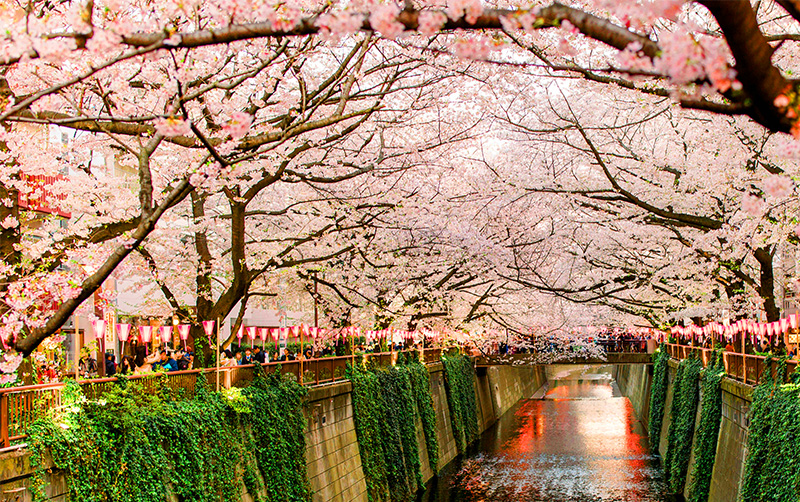
A quiet, tree-lined pedestrian path running alongside the narrow Meguro River in Tokyo, with cherry blossom trees overhanging the water and traditional green railings lining the walkway.

The Meguro River in Nakameguro, a peaceful residential waterway that transforms into one of Tokyo’s most famous cherry blossom viewing spots each spring


Tokyo in 5 or 7 Days

A longer stay is where Tokyo gets really good. You have the margin to revisit areas, linger in cafes, and explore deeper cuts without feeling rushed.

The 5-Day Base

  • Day 1: Shinjuku & Arrival. Settle in, get your bearings, and explore the neon maze of Kabukicho and Golden Gai.
  • Day 2: Shibuya & Harajuku. Dive into the youth culture, street food, and the famous Scramble Crossing.
  • Day 3: Tsukiji & Ginza. Dedicate the morning to market stalls and the afternoon to Ginza’s refined shopping and dining.
  • Day 4: Asakusa & Ueno. Soak in the history at Senso-ji and explore Ueno Park’s museums and the nearby Ameyoko street market.
  • Day 5: Roppongi & Skyline Views. Spend the day browsing art museums in Roppongi Hills, followed by upscale drinks with a view.

The 7-Day Expansion

Keep the 5-day base, but add these slower, texture-heavy days:

  • The Meguro River Pace: Spend a day exploring Nakameguro and Daikanyama. Grab a coffee at the massive Starbucks Reserve Roastery, stroll along the river, and browse the boutiques and Tsutaya Books at Daikanyama T-Site.
  • Indie Culture: Head to Shimokitazawa for an afternoon of vintage shopping at spots like Flamingo or memento, followed by dinner at a local yakiniku joint or live music bar.
  • Escape the City: Take a day trip outside the concrete jungle. Head to Hakone for hot springs and Mount Fuji views, or visit Kamakura to see the giant Buddha and coastal temples.

Local Guide Tip: When exploring neighborhoods like Shimokitazawa or Nakameguro, ditch the map. The best coffee shops and vintage stores are often tucked away on the second floor of unmarked buildings.

Plan the Rest of Your Japan Trip

Connecting Tokyo to Kyoto, Osaka, or the Japanese Alps? Use the Japan Travel Guide Hub to build an itinerary that actually flows.

Common Tokyo Mistakes First-Timers Make

  • Crossing the city three times a day: Transit is efficient, but massive stations drain your energy. Group your itinerary by geography.
  • Overbooking restaurants: Reserving three meals a day locks you into a rigid schedule. Book one great meal and leave the rest open for neighborhood discoveries.
  • Staying far from a Yamanote Line station: Saving money on a hotel that requires multiple transfers just to reach the main transit loop is a false economy.
  • Trying to see everything: Tokyo is too big. Accept that you will miss things and focus on enjoying the district you are actually standing in.
  • Ignoring digital transit cards: Buying paper tickets at every station wastes time. Load a mobile Suica or PASMO before you land.
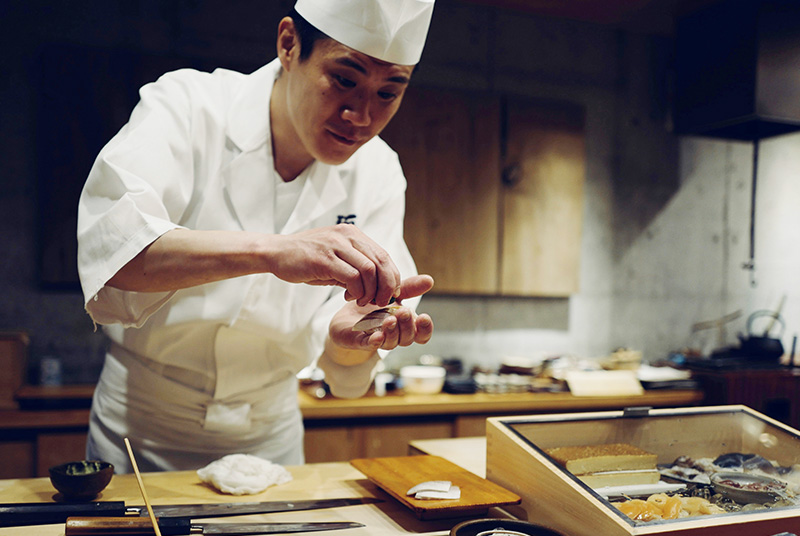
A close-up shot of a sushi chef in a traditional white uniform and cap, meticulously shaping a piece of nigiri sushi by hand at a clean, light-wood counter in a Tokyo restaurant.

A master sushi chef practicing the art of hand-pressed nigiri, where every movement is refined through years of dedicated apprenticeship.


What to Book Early in Tokyo

The Precision of the Tokyo Sushi Counter

To eat sushi in Tokyo is to witness a performance of extreme focus. Whether you are at a high-end Ginza counter or a neighborhood favorite, the relationship between the chef and the fish is one of absolute respect. The goal of a great shokunin (craftsman) is to achieve the perfect balance of vinegar-seasoned rice, temperature, and the freshest seasonal seafood. If you plan to book a high-end counter during your trip, brushing up on how to eat sushi in Japan ensures you know the unwritten rules between the chef and the guest.

Tokyo is not a city where you need to pre-book every second of your life, but a few things really are worth locking down early.

  • teamLab Borderless or Planets: These sell out quickly. Book official tickets as soon as your dates are set.
  • High-end sushi or Michelin dining: Famous counters only have a few seats. Book weeks or months in advance.
  • Sumo tickets: If your dates align with a tournament, do not wait. Check out the sumo guide for ticket strategies and tournament schedules.
  • Observation decks: Shibuya Sky at golden hour requires advance booking.
  • One day trip: Hakone and Kamakura both get easier when your transport and timing are sorted before the trip.

Local Guide Tip: Book the things that have limited slots, not every single hour of your trip. Leave some of Tokyo unplanned on purpose.
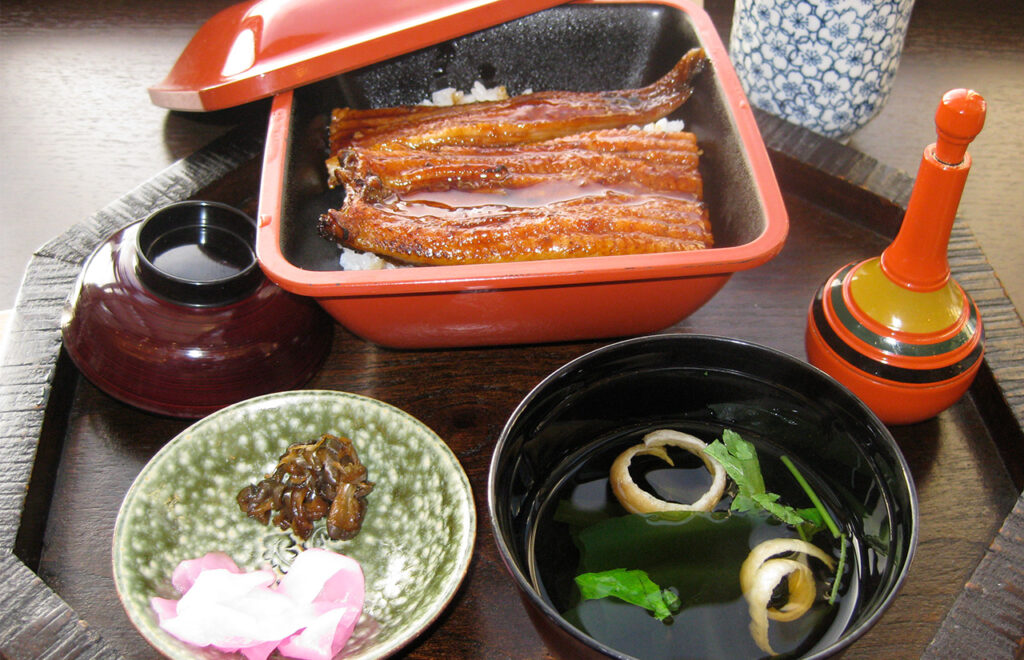
A traditional Japanese unagi-no-kabayaki meal featuring grilled eel glazed in a dark savory sauce served over a bed of white rice in a rectangular red and black lacquer box (unaju), accompanied by a side of green pickles and a bowl of clear dashi soup.

A premium Tokyo lunch featuring Unaju, succulent grilled eel served in a traditional lacquer box, paired with light pickles and dashi broth.


Want to actually understand Tokyo food?

This guide shows you how to plan your days and where food fits into them. For neighborhoods, hidden spots, and how locals actually eat, go here Eat Like a Local in Tokyo →

Where to Eat by Time of Day

The Art of Tokyo Unagi

Tokyo rewards travelers who think about food by timing and neighborhood, not just by restaurant name. A dish like unagi shows the city’s precision well: in the Edo-style approach, the eel is grilled, steamed for tenderness, then finished with glaze over the fire. It is a great example of how much technique can sit inside a seemingly simple meal.

I learned Tokyo through accessible food first. That was the easiest way to build confidence. I was not trying to crack high-end Tokyo dining right away. I was trying to eat well, learn the city, and keep every meal from feeling stressful. Once you understand the rhythm, you can go deeper with Eat Like a Local in Tokyo.

Moment What to Look For Best Move
Breakfast Bakery, coffee stand, or convenience store Keep it quick. Grab an onigiri or pastry before heading out for the day.
Quick Lunch Ramen, udon, or set meals (teishoku) Use ticket machines at casual spots for a fast, high-quality mid-day reset.
Afternoon Snack Depachika food halls or street snacks Head to the basement of a major department store for variety without slowing down your day.
Casual Dinner Izakaya or yakitori alley This is classic Tokyo nightlife. Order a few skewers, add a drink, and keep it relaxed.
Splurge Dinner Omakase, kaiseki, or high-end counter dining Book one or two places that matter, then leave the rest of your meals flexible.
Late Night Ramen or small bars Perfect after drinks in Shinjuku or Roppongi, especially if you want one last strong Tokyo food memory.
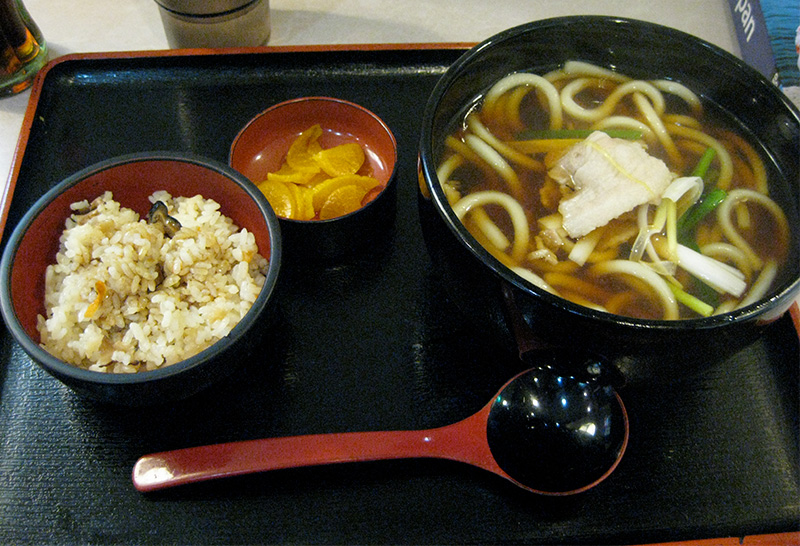
A Japanese udon set meal served on a black tray, featuring a large bowl of thick wheat noodles in a clear broth topped with sliced fish cake and green onions, accompanied by a bowl of mixed seasoned rice (takikomi gohan), a small dish of yellow pickled radish (takuan), and a traditional red and black soup spoon.

A traditional Tokyo udon set meal, perfectly balancing a steaming bowl of dashi-based noodle soup with savory seasoned rice and crisp pickles


Where to Actually Eat in Tokyo

Tokyo has more great restaurants than you could cover in a lifetime. The challenge is not finding food. It is knowing how to choose well without overthinking every meal.

The best meals here usually come from small, focused restaurants that specialize in one thing and do it exceptionally well. That might be a ramen counter with ten seats, a yakitori alley under the train tracks, or a department store food hall with dozens of high-quality options.

If you want actual restaurant picks, neighborhood breakdowns, and how locals decide where to eat, use this guide:

Go deeper: Tokyo food guide

Eat Like a Local in Tokyo →
Hidden spots, real local behavior, and how to choose where to eat.

Quick Food Strategy

  • Pick one anchor meal per day: Then stay flexible for the rest
  • Follow busy local spots: Not viral restaurants
  • Eat multiple smaller meals: Tokyo is built for it
  • Trust specialization: If a place does one thing, order that

Pro Tip: If a place looks small, focused, and busy with locals, you are probably about to eat very well.
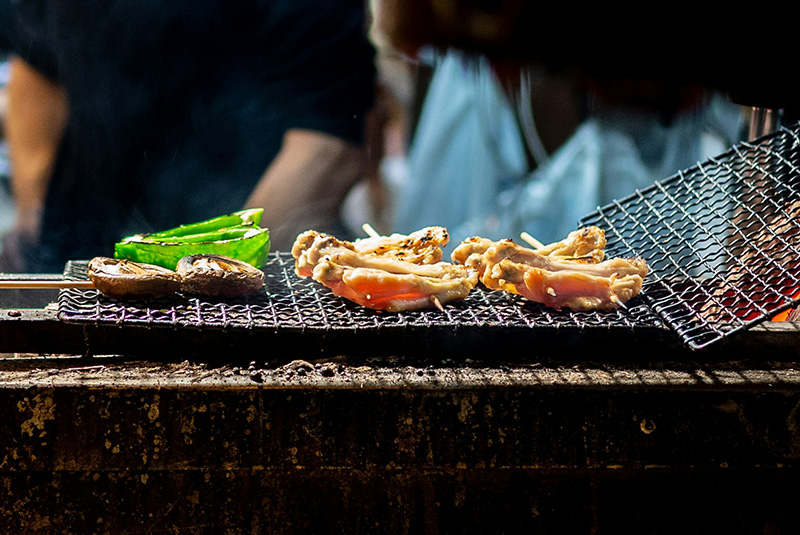
A close-up shot of a chef's hands using metal tongs to grill skewers of yakitori over an open charcoal flame at a traditional Japanese izakaya in Tokyo.

The heart of the izakaya experience: expert chefs grilling skewers over binchotan charcoal, filling the narrow alleys of Tokyo with a distinctive, smoky aroma.


Tokyo Food & Etiquette Cheat Sheet

The Spirit of the Tokyo Izakaya

If you want to understand the social fabric of Tokyo, you have to spend an evening in an Izakaya. Part pub, part casual eatery, these are the informal “third places” where the city’s rigid social structures soften. Whether it is a tiny, six-seat stall in Shinjuku’s Omoide Yokocho (Memory Lane) or a polished, multi-story spot in Ginza, the formula is the same: small plates, cold drinks, and high energy.

Japanese dining etiquette is not complicated, but a few basics will make meals smoother and keep you from slowing down efficient, small spaces.

Topic The Rule Why It Matters
Tipping Do not tip under any circumstance. It is not expected and will only cause confusion. The staff will likely chase you down to return the money.
Ordering Use the ticket machines at casual spots. It removes the language barrier and speeds up service. Hand the small ticket to the chef when you sit.
Otoshi Accept the small appetizer at izakayas. It functions as a mandatory seating charge. It is normal, not a scam, and often delicious.
Noise Level Slurping noodles is fine; loud talking is not. Slurping cools the noodles, but general restaurant volume in Japan is much lower than in the U.S.
Cash vs Card Carry cash for smaller, older spots. While tap-to-pay is everywhere now, old ramen shops and market stalls still rely heavily on yen.
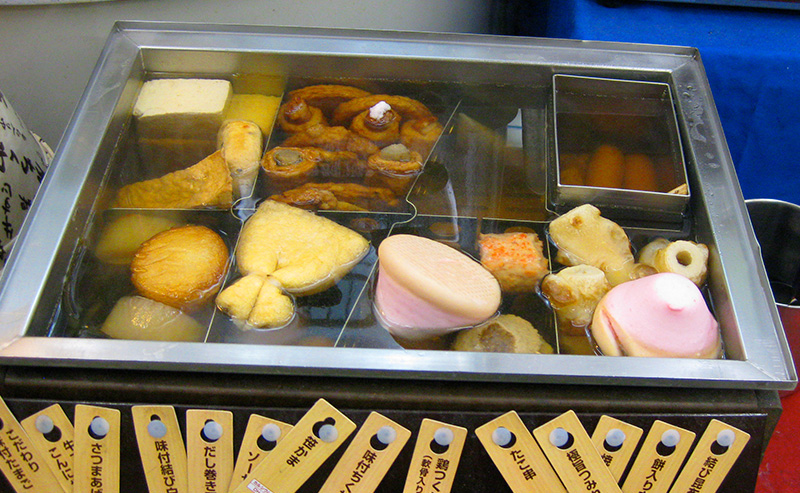
Assorted oden items, including daikon, fish cakes, and tofu, simmering in a partitioned metal broth container at a Tokyo food stall or convenience store.

A steaming tray of oden, the ultimate Japanese winter comfort food, found in street stalls and neighborhood convenience stores across Tokyo.


Tokyo the Bourdain Way

The Convenience of Tokyo Oden

While high-end dining gets the headlines, some of the most authentic Tokyo food moments happen standing at a counter or sitting on a plastic stool. Oden is a classic dashi-stewed dish that defines the colder months in the city. You’ll find these partitioned simmering trays everywhere from dedicated street stalls to the local 7-Eleven or Lawson.

Tokyo is both precision and intensity.

I have followed his work for years and even had the chance to meet him, but it was standing in Tokyo that made me truly understand why this city worked so well for Anthony Bourdain. One night could be a silent, perfectly choreographed sushi counter. The next could be a tiny, loud bar in Golden Gai or a gritty izakaya under the train tracks in Ueno.

If you want to experience the city the way he did, the lesson is simple. Mix your levels. Mix your moods.

The Spot The Vibe How to Do It
Sukiyabashi Jiro (Main Shop)
The Legend
Extreme precision. A 10-seat basement counter where a 20-piece omakase finishes in 30 minutes. It is about the sushi, not lingering. Arguably the hardest reservation in the world. Booked almost exclusively through a 5-star hotel concierge.
Ginza Sushi-ko Honten
The High-End Classic
Upscale but welcoming. The chefs are highly sociable and often speak English, offering world-class sushi without intense pressure. Reservations are highly recommended but much easier to secure online or through your hotel than Jiro.
Daitoryo (Ueno)
The Local Haunt
Gritty, loud, and smoky. Located under the train tracks, this quintessential salaryman favorite requires squeezing onto tiny stools. Order the signature motsunabe (intestine stew) and yakitori. It is fast-paced and cash only.
Golden Gai (Shinjuku)
The Nightlife Hub
A collection of over 200 tiny, ramshackle bars in six narrow alleys. Each bar holds 5 to 8 people and has its own distinct theme. Look for bars with English signs. Expect a cover fee (usually ¥500 to ¥1,000) at most places.
Mie no Umi (Monzen-Nakacho)
The Sumo Feast
Run by the family of a former wrestler. Authentic and traditional, located slightly off the main tourist path for a peaceful, local feel. Order the Chanko Nabe (a massive, protein-rich sumo stew). Reservations are recommended for dinner.

Pro Tip: If you cannot get into Jiro’s Ginza main shop, Bourdain also visited Sushi Karaku in Ginza. It is much more accessible and famously serves the aged sushi he raved about.
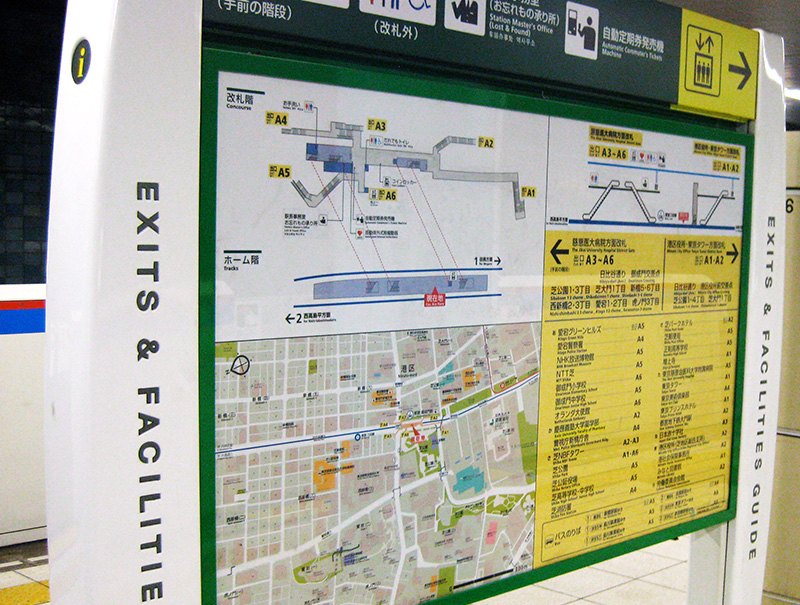
A detailed wall-mounted station map in a Tokyo subway station titled "EXITS & FACILITIES GUIDE," showing a 3D diagram of station levels, exits, and nearby landmarks for both Tokyo Metro and Toei Subway lines.

Comprehensive station maps located near ticket gates help travelers navigate the multi-level complexity of shared Tokyo Metro and Toei Subway hubs


Getting Around Tokyo

The subway was one of the biggest surprises. It looks intimidating but is extremely efficient and clean.

  • Use Suica or PASMO: Load a digital card on your phone before you land. It eliminates ticket machines entirely.
  • Stay near major stations: The JR Yamanote Line is your best friend.
  • Expect large stations and walking time: Transferring lines inside Shinjuku is a workout by itself.
  • Evaluate the Rail Pass: If you are traveling beyond the city, run the math to see if the Japan Rail Pass is actually worth it before buying.

Once I got over the mental hurdle, Tokyo transit became one of the least stressful big-city systems I had ever used.
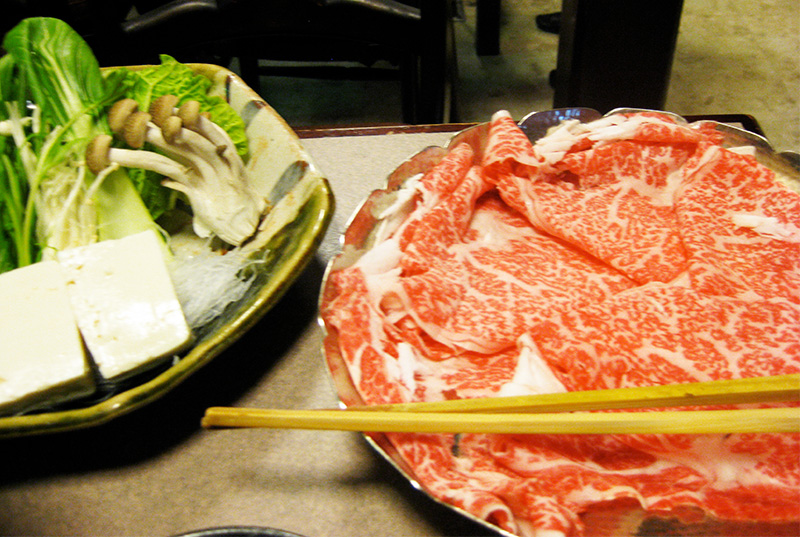
Thinly sliced wagyu beef prepared for hot pot dining in Tokyo

A premium spread of A5 wagyu beef, known for its intense marbling and buttery texture, ready to be lightly simmered in a traditional Japanese hot pot.


The Ritual of Wagyu Hot Pot

While a steakhouse is one way to experience Japan’s famous beef, many locals prefer the communal, interactive nature of Shabu-Shabu or Sukiyaki. In Tokyo, these meals are a celebrated way to enjoy high-grade wagyu, where the thin slices are quickly cooked in a simmering broth to preserve their delicate fat content and tender texture. If you are ready for a major splurge, understanding how A5 Wagyu is graded will help you choose the right cut, and our list of the best Wagyu restaurants in Tokyo will point you to the top experiences.

Tokyo Budget

Tokyo can be expensive, but it is also very flexible depending on how you travel.

  • Spend on: hotel location and one great meal
  • Save on: transit, ramen, casual food
  • Balance: one splurge, many simple meals

The city is easier on your budget than its reputation suggests if you avoid trying to make every meal and every move premium.
A wide-angle shot of the grand wooden Torii gate at the entrance of Meiji Jingu Shrine in Tokyo, surrounded by a dense, lush forest with a wide gravel pathway leading into the sanctuary.

The massive cypress Torii gate at Meiji Jingu, marking the transition from the bustling city of Shibuya into the serene, forested grounds of Tokyo’s most famous Shinto shrine.


Why Tokyo Stayed With Me

The Forest in the Heart of the City

Meiji Jingu is one of those rare places that feels like a physical deep breath. Located right next to the high-energy chaos of Harajuku, the shrine is dedicated to Emperor Meiji and Empress Shoken. What makes it special isn’t just the architecture, but the 170-acre forest surrounding it, a man-made ecosystem of 100,000 trees planted by volunteers from all over Japan over a century ago.

This trip was quiet. Observational. Personal.

I was not talking much. I was watching everything. Learning how the city moved. Seeing how people lived, worked, and relaxed.

Tokyo is one of the few cities where being alone actually enhances the experience. It made me notice more, slow down more, and let the city reveal itself in smaller details.

Apps and Resources That Actually Help in Tokyo

Tokyo gets much easier when you use the right tools for transit, translation, and logistics.

Google maps icon for phones

Google Maps

Your base layer. Essential for station navigation, train timing, and finding the correct subway exits.

Suica icon for app

Suica / PASMO Mobile

Skip ticket friction. Use your phone to tap in and out of trains.

GO Taxi (Best Local Option)

The best taxi backup. Useful late at night or when you simply do not want to solve one more train transfer.

Tabelog app icon

Tabelog

Local restaurant intelligence. Better for authentic local restaurant research than relying only on global review platforms.

Google Translate app icon on a phone screen

DeepL / Google Translate

Helpful for menus, signs, and the camera translation feature is a lifesaver in convenience stores.

Visit Japan Web

Handle this before departure so immigration and customs are seamless with a QR code when you land.

Use these guides to connect Tokyo with the rest of your itinerary, plan smarter, and eat better along the way.

START HERE

Japan Travel Guide Hub

Connect Tokyo with Kyoto, Osaka, and beyond while building a trip that actually flows.

Explore Guide
FIRST TRIP

First-Timer’s Guide to Japan

Understand logistics, etiquette, and how Japan actually works before you land.

Read Guide
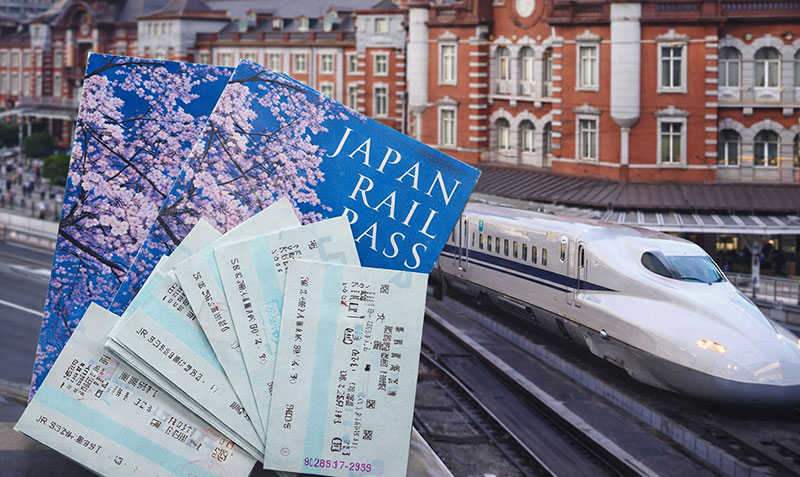
GET AROUND

Japan Rail Pass Guide

Figure out if the rail pass is worth it based on your actual route and travel style.

See Guide
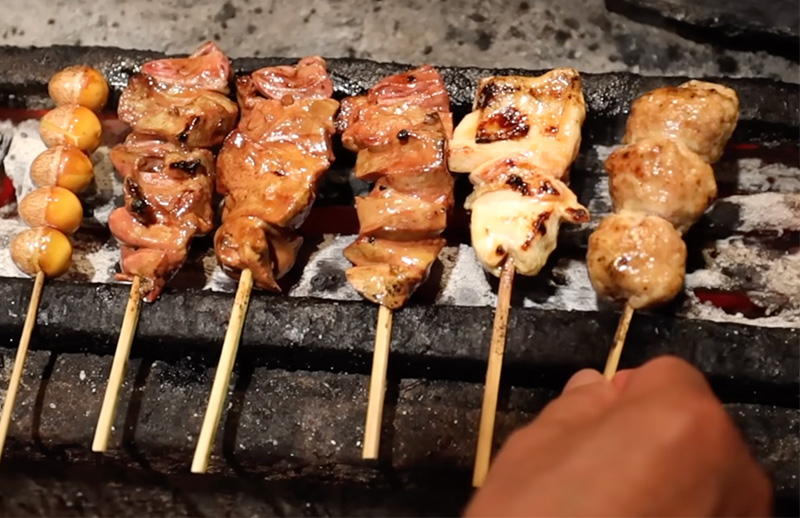
TOKYO FOOD

Eat Like a Local in Tokyo

Go deeper into neighborhoods, hidden spots, and how locals actually eat.

Explore Food
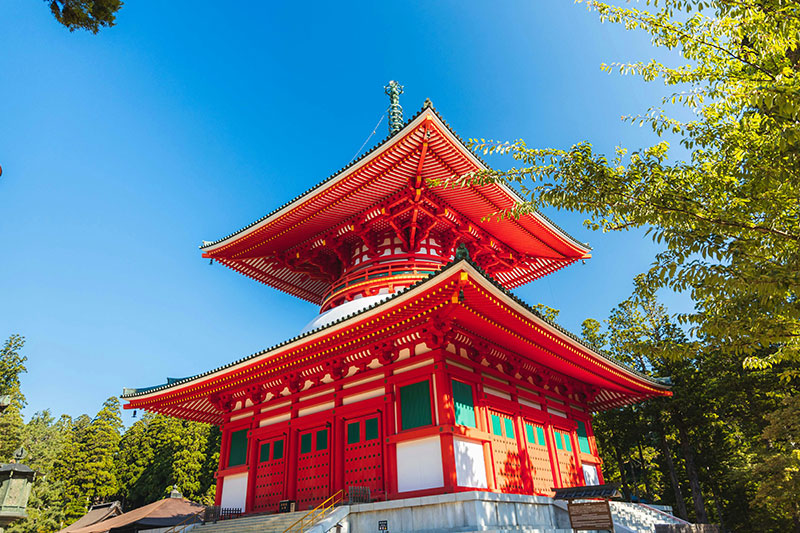
BEYOND TOKYO

Japan’s Hidden Regions

Go beyond the main route and discover less crowded destinations.

Explore More
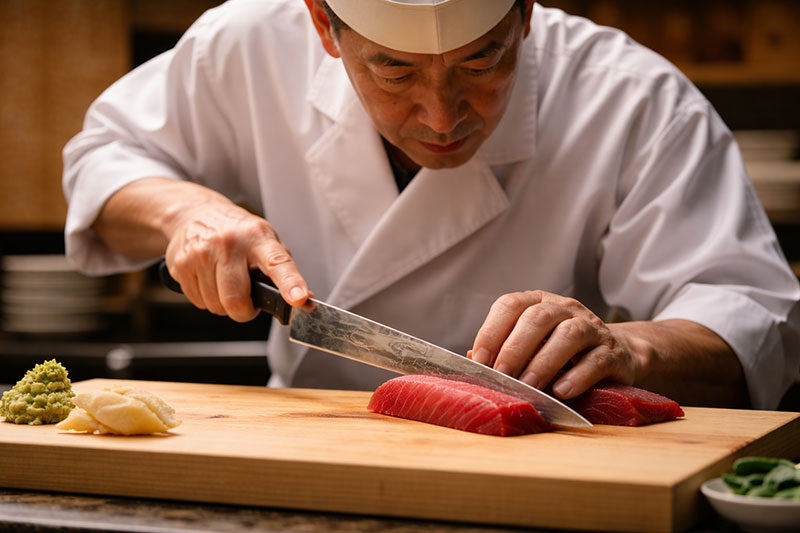
SUSHI

How to Eat Sushi in Japan

Understand ordering, etiquette, and how to enjoy sushi from casual to high-end.

Learn More

Fun Side Stories: Tokyo Through a Different Lens

These are not traditional travel guides. Think of them as creative side trips, a more playful look at Tokyo through a fictional samurai navigating the modern city.

NIGHTLIFE

Tokyo Nightlife Guide

From Golden Gai to late-night ramen, this is how Tokyo really comes alive.

See Nightlife

TOKYO CULTURE

Quirky Tokyo Guide

Explore the weird, unexpected, and unforgettable side of the city.

Discover More

Frequently Asked Questions

Is Tokyo overwhelming for first-time visitors?

It can be if you try to tackle it all at once. It becomes incredibly manageable when you break it down by geographical district, load a digital transit card, and rely on tools like Google Maps for navigation instead of paper maps.

Shinjuku is the easiest all-around first base due to its immense transit connections. Asakusa is a great choice for a more traditional and calmer feel, while Roppongi works well if you want a polished base with strong dining and nightlife nearby.

3 to 5 days is ideal for most first-time visitors. You can see the highlights in 3, but 5 gives you more room to explore by district and eat better along the way.

Yes. It is one of the easiest major cities to navigate alone once you settle into the rhythm of the transit system and stop trying to do too much in one day.

It can be, but it is easy to control costs with food and transit. The smartest Tokyo trips mix one splurge with lots of simpler, lower-stress meals and efficient train travel.

Yes, or at least a mobile version. It is the absolute simplest way to use trains and buses without constantly buying single paper tickets.
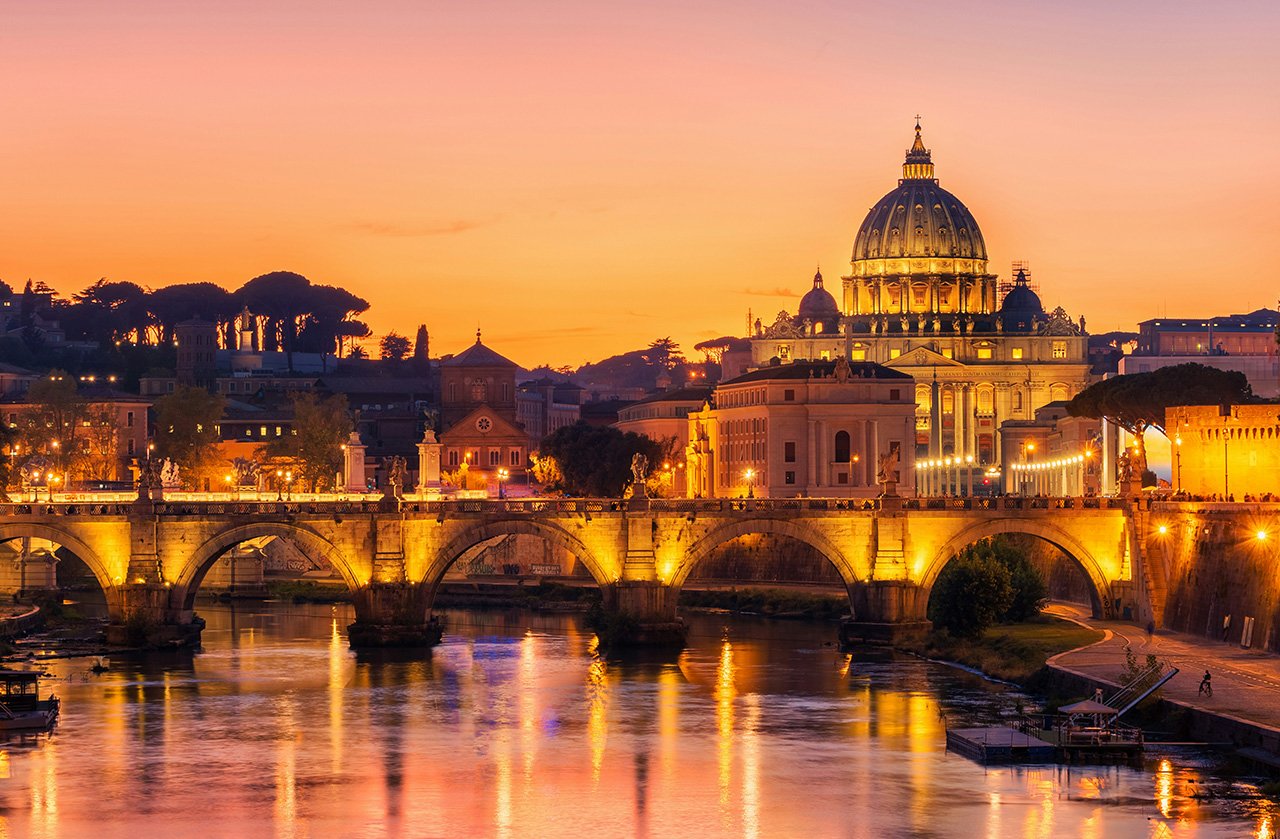
Rome Travel Guide

Home » Destinations » Page 3

Last updated: March 2026 by Corey Gasman

From the Editor:

Rome is one of the easiest cities in Europe to ruin by overplanning. You can absolutely spend a week here running between the Colosseum, Vatican, Trevi Fountain, Pantheon, and every listicle restaurant on the internet. You can also spend that same week eating better, walking more, and actually feeling the city.

That difference usually comes down to rhythm. Rome works best when you pick one big sight, then let the rest of the day happen within the same zone. Have a long lunch. Sit in a piazza. Walk back by a different street. Stop acting like the city is trying to disappear on you.

This guide is built to help you do Rome that way. It is the big-picture city guide for first-timers and return visitors, while my Trastevere week-in-Rome post stays the more personal spoke with the slower, lived-in version of the trip.

2026 Rome Planning Notes:

Rome still rewards early booking for headline sights. The Colosseum, Vatican Museums, and Borghese Gallery are all better when you lock in official timed entry early and build the rest of the day around that slot.

For transit, Rome’s basic BIT ticket remains €1.50 for 100 minutes, while the 24h, 48h, 72h, and weekly passes are better value once you know your pace. If you only ride a few times a day, walking plus occasional transit is usually the better Rome strategy anyway.

TLGA Rule: One major sight per day, then stay in that same area. Rome gets worse the moment you crisscross it all afternoon.

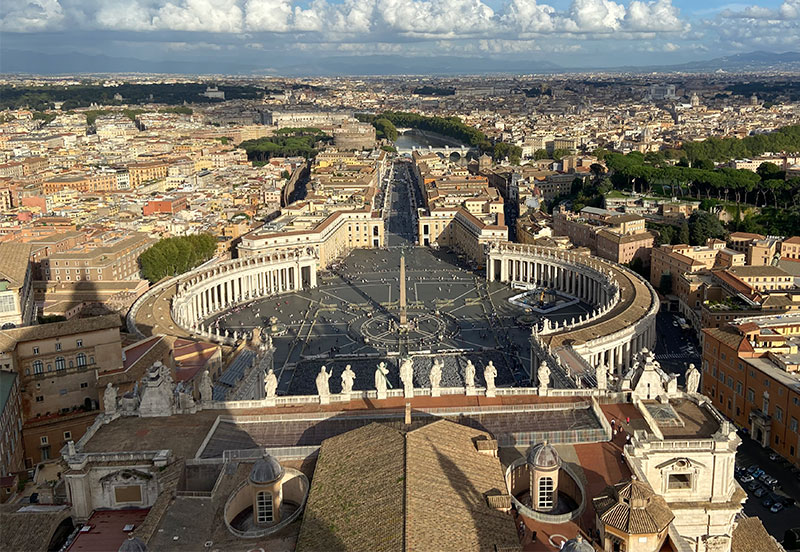
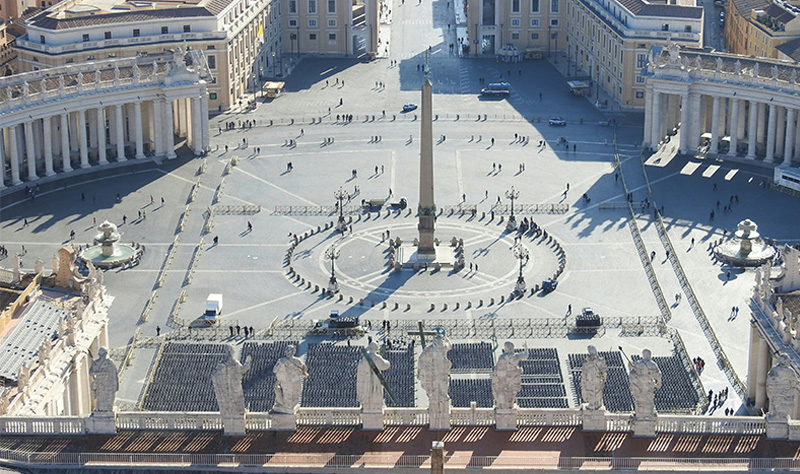
A high-angle, wide-reaching shot looks down onto the vast, elliptical St. Peter's Square from the roof of the basilica

From the dome of St. Peter’s to a backstreet trattoria lunch, Rome works best when the city unfolds in layers instead of in a rush.


Start Here

Short answer: Go to Rome if you want the most emotional, food-driven, history-heavy city in Europe. Skip it if you want the easiest, cleanest, or most efficient trip.

Rome is one of the most rewarding first-time cities in Europe, but it is not a city that responds well to checklist travel. The monuments are world-class, the streets are cinematic, and the food can be incredible, but the city also demands patience. Distances look short on a map and then suddenly take much longer because of hills, traffic, detours, crowds, and the fact that you keep stopping to stare at churches or ruins you did not plan for.

The mistake most people make: trying to see Rome instead of moving through it.

The right Rome trip is not about doing everything. It is about knowing what kind of Rome you want. Ancient Rome? Vatican-heavy Rome? Slow Trastevere evenings? Long lunches and neighborhood wandering? This guide is meant to give you that framework first, then help you fill in the details with better choices.

If this is your first trip, the core Rome experience usually comes down to five buckets: Ancient Rome, Centro Storico, Vatican City, Roman food, and one neighborhood you actually get to know. If you can get those right, you do not need to see every single famous thing to feel like you really did Rome.

Pro Tip: Build each day around a zone, not a monument. The monument is just the reason you started there.

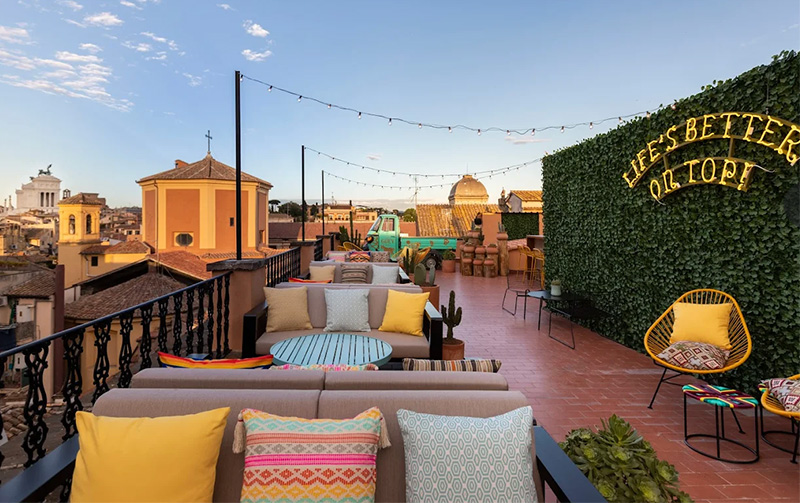
The rooftop terrace at Hotel Chapter Roma offers a sharp, modern escape with some of the best sunset views over the Regola district.


Eight Great Rome Hotels by Travel Style

These are not the only good hotels in Rome. They are a more useful mix of luxury, boutique, and smart mid-range picks that map cleanly to different travel styles and neighborhoods.

Quick takeaway: In Rome, location matters more than room size or hotel luxury.

Travel Style Hotel Why It Works
Classic Rome splurge Hassler Roma An old-school icon at the top of the Spanish Steps, great for travelers who want heritage luxury and one of Rome’s grandest addresses.
High-end first trip Hotel de Russie A polished luxury base near Piazza del Popolo with a location that works especially well for first-time Rome days.
Style-forward luxury Hotel de la Ville Strong rooftop energy, excellent design, and easy access to the Spanish Steps area without feeling stuffy.
Boutique sophistication J.K. Place Roma Intimate, elegant, and design-led, ideal if you want a quieter luxury stay in a very central zone.
Trastevere character stay Donna Camilla Savelli A calm, atmospheric base in Trastevere that gives you neighborhood texture without throwing you directly into the loudest nightlife streets.
Jewish Quarter / cool boutique Chapter Roma Stylish and well-placed for travelers who want a more design-forward stay in one of Rome’s best walking and dining areas.
Best practical mid-range citizenM Rome Isola Tiberina A smart modern option for travelers who care more about location, comfort, and value than old-world luxury.
Quiet value base The Hoxton, Rome A good fit if you prefer a calmer, more residential feel and do not mind being slightly outside the most postcard-heavy core.

If you want the simplest answer: choose Centro Storico for a classic first trip, Trastevere for atmosphere and evenings, Monti for balance, and Prati if calm streets matter more than being in the thick of it.

Pro Tip: In Rome, the right neighborhood almost always matters more than getting a slightly bigger room.

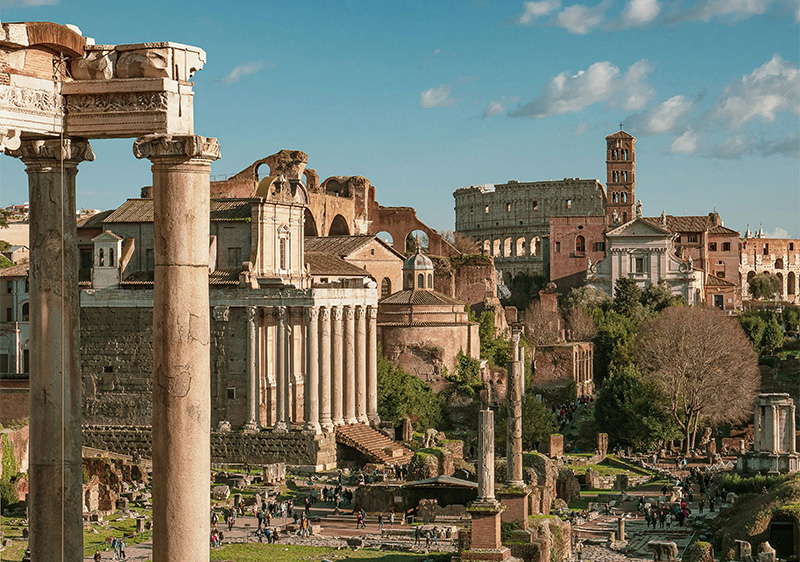
A wide-angle, slightly elevated shot of the Roman Forum at sunrise. In the foreground, the weathered stone columns of the Temple of Saturn stand tall against a soft pink and orange sky.

Starting your walking loop at the Roman Forum allows you to experience the city’s ancient core before the midday crowds arrive.


The Daily Loop Strategy

This is the single best structural change you can make to a Rome trip. Instead of scheduling three big attractions in opposite directions, choose one anchor and let the rest of the day unfold around it.

How it works

Book or choose one major sight for the morning. Then take lunch nearby, walk through the surrounding district, and let the afternoon lead naturally into a piazza, church, café, rooftop, or dinner reservation. Rome is full of “free wins” once you stop forcing movement.

Why it works better in Rome than checklist planning

Rome is one of those cities where transit is rarely the main event. The city is the event. That means the walk between places often becomes one of the best parts of the day, but only if you leave enough room for it.

A loop also protects your energy. Ancient Rome, Vatican City, and even Centro Storico sightseeing can all get surprisingly draining. If you plan one high-focus activity and then give yourself a neighborhood around it, you end up seeing more while feeling less exhausted.

The goal is not efficiency. The goal is momentum.

Local Guide Tip: Always try to walk toward dinner rather than away from it. Rome improves when your final hour feels like a glide instead of a commute.

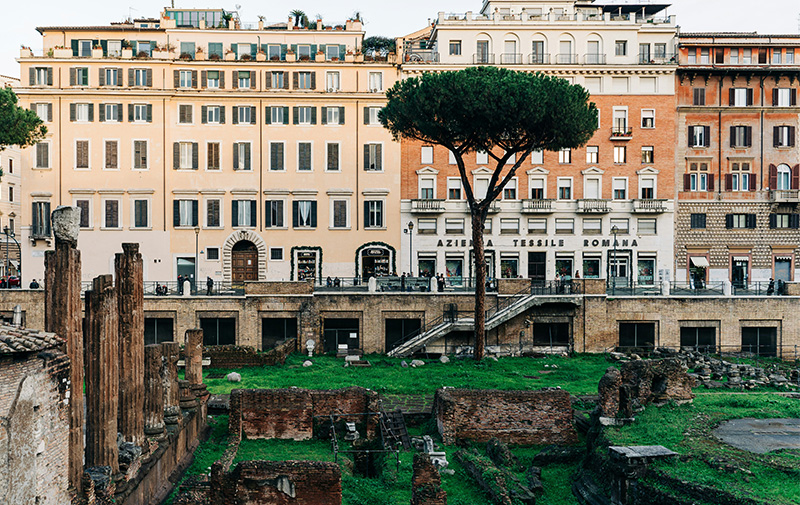
A medium-wide, slightly elevated shot of the Largo di Torre Argentina archaeological site in Rome. The rectangular sunken area features the ancient stone remains of four Republican-era temples, including weathered tuff and travertine columns, broken pedestals, and brick foundations

Largo di Torre Argentina is more than just a sanctuary for Rome’s famous street cats; it is a sunken archaeological treasure where history sits right at eye level with modern city life.


Getting Around Rome

Rome is a walking city first, transit city second, taxi city third. That order matters.

Walking

Walking is still the best way to experience Rome, especially in Centro Storico, Trastevere, Monti, the Jewish Quarter, and the Vatican/Prati side. But be realistic: cobblestones, heat, traffic, and constant visual distraction make distances feel longer than they look on the map.

Metro and buses

The metro is limited but useful for repositioning. Buses fill in the gaps, though they are less intuitive when you are tired or in a hurry. Rome usually works best when you mostly walk and then use transit strategically rather than building the whole day around it.

Tickets and passes

The standard BIT ticket is €1.50 and stays valid for 100 minutes. Official tourist tickets include ROMA24H (€8.50), ROMA48H (€15.00), and ROMA72H (€22.00), plus the weekly CIS option. If you only ride a few times a day, individual BIT tickets are often enough.

Tap, app, or card?

ATAC also supports Tap & Go and app-based ticketing, so you do not always need to hunt for a machine. If you tap only once, you are charged the BIT fare. If your day ends up exceeding four BIT-equivalent rides, ATAC’s best-fare logic can roll you into the cheaper 24-hour ticket automatically.

Taxis

Use taxis strategically, not constantly. They are best when your feet are done, the weather turns, or you need to cross the city without killing the flow of the day. Rome’s official tourism site points travelers to the Chiama Taxi app and the city’s 060609 taxi line rather than improvising in the street.

Local Guide Tip: If you are taking multiple taxis every day, your base is probably the real problem.

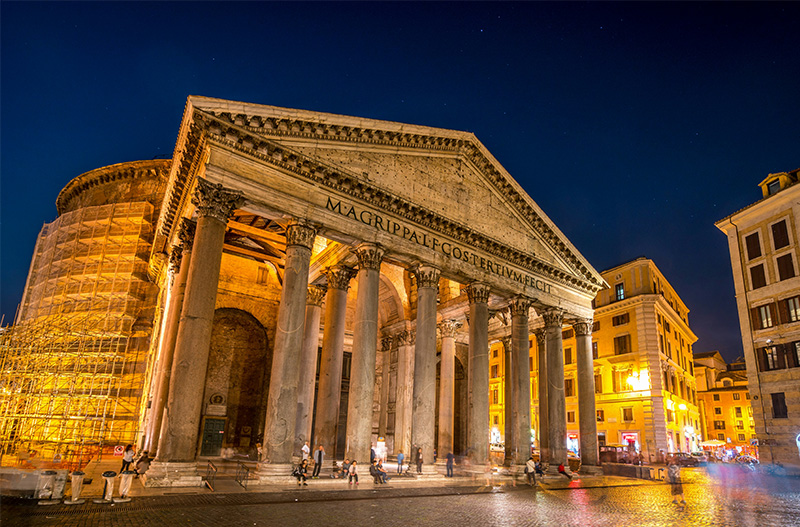
A wide-angle, low-angle shot of the Pantheon in Rome illuminated at night. The massive Corinthian columns of the portico are bathed in warm yellow light, casting deep shadows that emphasize their scale

Visiting the Pantheon at night or during the blue hour offers a dramatic perspective on the world’s largest unreinforced concrete dome without the peak daytime crowds.


Best Things to Do in Rome

If this is your first trip, these are the experiences most worth building around. Not all of them require a ticket, but all of them benefit from timing and structure.

Experience Why It Matters Best Strategy
Colosseum + Roman Forum + Palatine Hill The essential ancient-Rome core and still the city’s most obvious first-timer priority Go early and pair it with Monti or Capitoline Hill later
St. Peter’s Basilica + Dome One of the best views in Rome and a much stronger payoff than many people expect Do it early and keep the rest of the day on the Vatican/Prati side
Vatican Museums + Sistine Chapel Massive art payoff, but only worth it with a proper timed entry plan Book the official timed entry and avoid stacking another major museum the same day
Pantheon One of the most satisfying monuments in Rome because it is still so intact and central Use it as part of a longer Centro Storico walk rather than an isolated stop
Galleria Borghese One of the city’s best art experiences if you want a more controlled, timed, and beautiful museum visit Reserve early, then walk Villa Borghese or move toward the Spanish Steps/Pincio area
Capitoline Museums Excellent mix of Roman history, sculpture, and city context without the scale fatigue of the Vatican Pair with Forum views and a slower afternoon nearby
Appian Way A totally different Rome experience, greener and older-feeling than most first-timers expect Best on a slower or repeat-visitor day, ideally by foot or bike
Trevi / Piazza Navona / Spanish Steps at off-hours These are famous for a reason, but timing is everything Go early morning or later at night, not midday

If you only do five major Rome experiences on a first trip, I would usually make them these: Ancient Rome, St. Peter’s Basilica and dome, Pantheon, one major art museum, and one full slow evening in Trastevere or the historic center.

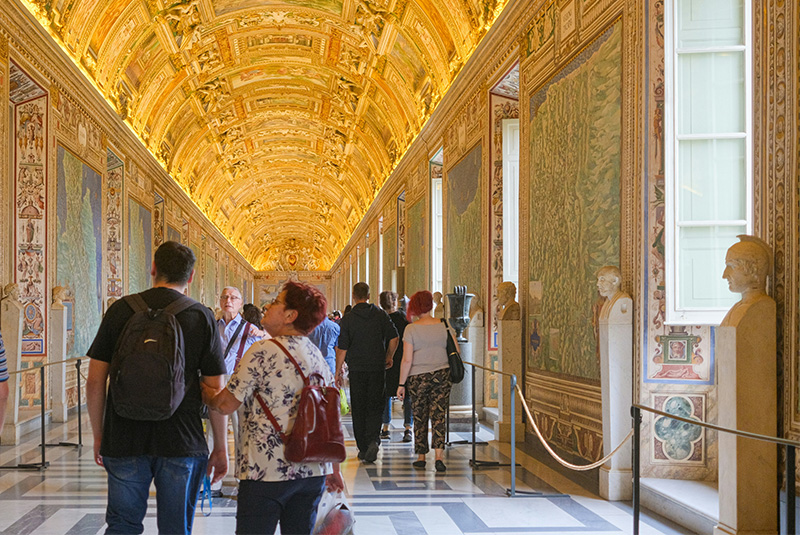
A long, symmetrical interior shot looking down the ornate Gallery of Maps within the Vatican Museums.

The Gallery of Maps is a highlight of the Vatican Museums, turning a simple corridor into one of the most visually stunning walks in the world.


Rome in 3 Days: A Strong First-Timer Plan

Three days in Rome is enough to do well, but not enough to do everything. That means structure matters.

Day 1: Ancient Rome + Monti

Start with the Colosseum, Roman Forum, and Palatine Hill in the morning while your energy is high. After lunch, head into Monti for a slower afternoon of wine bars, side streets, and a more relaxed evening. This day gives you the huge historic payoff right away without burning your whole trip on one district.

Day 2: Vatican + Prati

Do the Vatican Museums or St. Peter’s Basilica early. If you only choose one, the dome climb at St. Peter’s often gives more emotional and visual payoff than people expect. Keep lunch and the afternoon nearby in Prati so you are not spending the rest of the day recovering from Vatican-scale crowds.

Day 3: Centro Storico + Trastevere

Make this your Rome-feeling day. Walk the Pantheon, Piazza Navona, and Campo de’ Fiori, then cross toward Trastevere for the evening. This is the day where Rome stops being a museum visit and starts becoming a city you are actually in.

Pro Tip: In a 3-day Rome trip, you do not need to “save” the big attractions. Front-load the hard-ticket items and let the final day breathe.

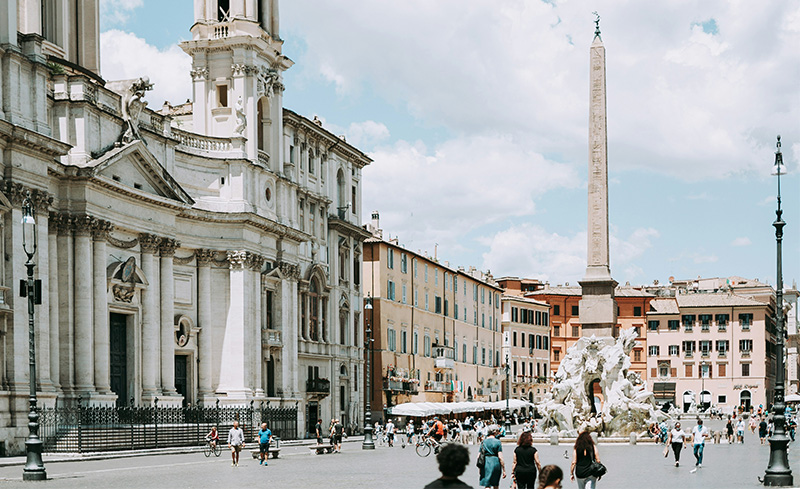
A wide-angle, eye-level shot of Piazza Navona in Rome during the blue hour. In the center, the Fountain of the Four Rivers (Fontana dei Quattro Fiumi) is illuminated, its carved marble figures and central Egyptian obelisk standing out against the deepening sk

Whether you visit for the Baroque architecture or a slow apertivo, Piazza Navona remains the atmospheric heartbeat of the Centro Storico.


Rome in 7 Days: The Better Version

A week in Rome is where the city gets really good. You stop sprinting and start layering major sights with food, neighborhoods, slower mornings, and one or two side trips or deeper cuts.

Day 1: Settle into your base

Keep arrival day simple. Walk your neighborhood, get your bearings, eat something very Roman, and resist the urge to do too much.

Day 2: Ancient Rome day

Colosseum, Roman Forum, Palatine Hill. Keep the rest of the day in Monti or around Capitoline Hill.

Day 3: Vatican day

Do either the Vatican Museums or St. Peter’s Basilica and dome in the morning. Keep lunch and the afternoon on the Vatican/Prati side.

Day 4: Centro Storico day

Pantheon, Piazza Navona, Campo de’ Fiori, Jewish Ghetto, Trevi at an off-hour. Keep it very walkable and stop trying to “complete” the area.

Day 5: Borghese or Capitoline Museums + long lunch

This is the art-and-reset day. If you have done enough monumental Rome already, make this one more about museums, parks, and a very good lunch.

Day 6: Trastevere / Testaccio / food-heavy Rome

Use this day to eat more intentionally, explore side streets, linger over aperitivo, and go after a place or two you actually care about.

Day 7: Appian Way or a day trip

By day seven, a greener or more open-air Rome experience lands really well. Appian Way, Tivoli, or Ostia Antica are all strong choices depending on your interests.

The biggest advantage of seven days is not “more sights.” It is more margin. Margin is what lets Rome feel great.

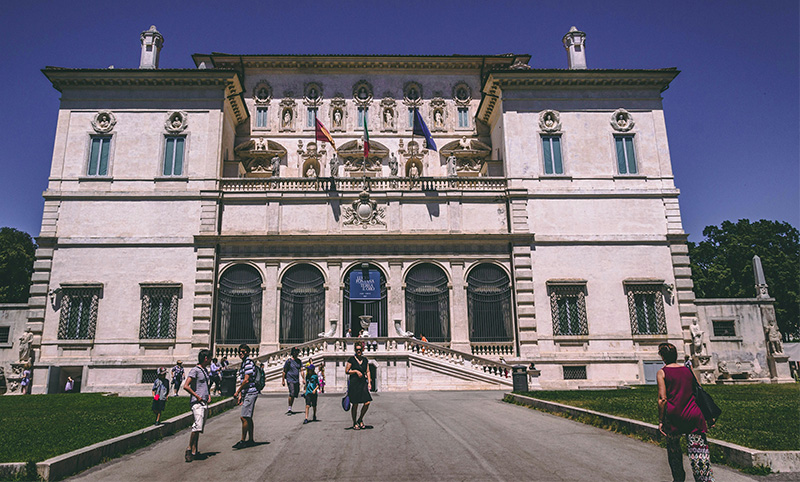
Galleria Borghese’s grand facade in Rome. The seventeenth-century villa features a symmetrical, light-ochre exterior adorned with classical sculptures in recessed niches and intricate stone relief carvings

The Galleria Borghese is one of the few major Roman museums with a strict reservation system, making it a peaceful alternative to the often-crowded Vatican galleries.


What to Book Early in Rome

Rome is not a city where you need to pre-book every second of your life, but a few things really are worth locking down early through official channels.

  • Colosseum / Roman Forum / Palatine Hill: Reserve official timed entry and build your morning around it.
  • Vatican Museums: Definitely book the official timed entry if you want to avoid ticketing chaos.
  • Galleria Borghese: One of the clearest cases for early booking in all of Rome.
  • Pantheon: Not difficult on the same level as the Vatican, but still easier when you know the official system and do not rely on resellers.
  • One or two destination restaurants: Especially if you care about a specific Roman classic place or a splurge meal.
  • St. Peter’s dome or guided access: Worth pre-thinking if it matters to you, especially in busier periods.

What you do not need to overbook: random churches, every meal, every piazza, every fountain, and every museum in one trip. Leave some of Rome unplanned on purpose.

Local Guide Tip: If a Rome day already has one timed ticket and one dinner reservation, that is usually enough structure.

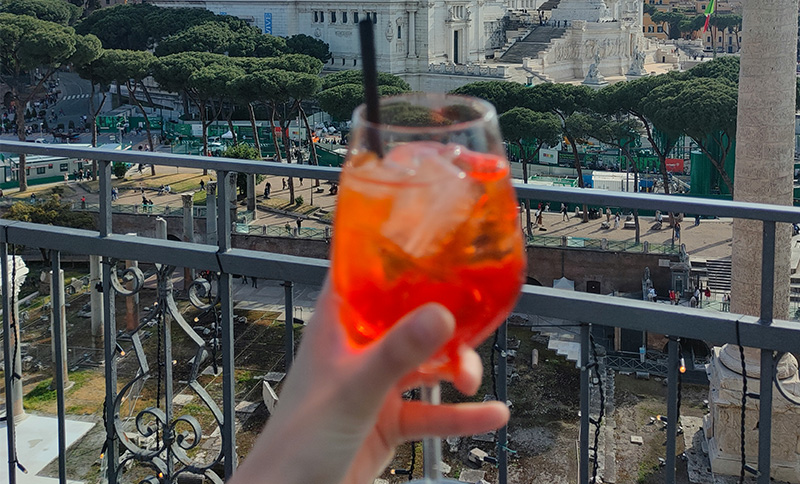
A vibrant, close-up shot focuses on a bright orange Aperol Spritz in a large wine glass, held up against a Roman backdrop.

The orange glow of a classic spritz is the universal signal that the Roman workday has ended and the evening’s transition has begun.


Where to Eat in Rome by Moment

Rome is one of the easiest places in Europe to eat badly near a famous landmark and one of the easiest places to eat brilliantly once you understand the rhythm of the city.

Moment What to Look For Best Move
Breakfast Coffee bar, pastry counter, standing-room energy Keep it quick. Espresso or cappuccino plus pastry.
Mid-morning reset Coffee or second coffee Use this to break up long walking days, not to sit for an hour every time.
Quick lunch Pizza al taglio, trapizzino, bakery sandwich, fried snacks Save your big sit-down meal for dinner or a longer lunch day.
Long lunch A trattoria in the district you are already exploring Do this after one major sight, not before one.
Aperitivo Wine bar, vermouth, spritz, light snacks Treat it as a pause, not a full dinner replacement.
Roman dinner A real Roman trattoria or carefully chosen modern spot Book one or two places that matter, then leave the rest flexible.
Late-night sweet stop Gelato or pastry if it still sounds good Do not force dessert just because you are in Italy.

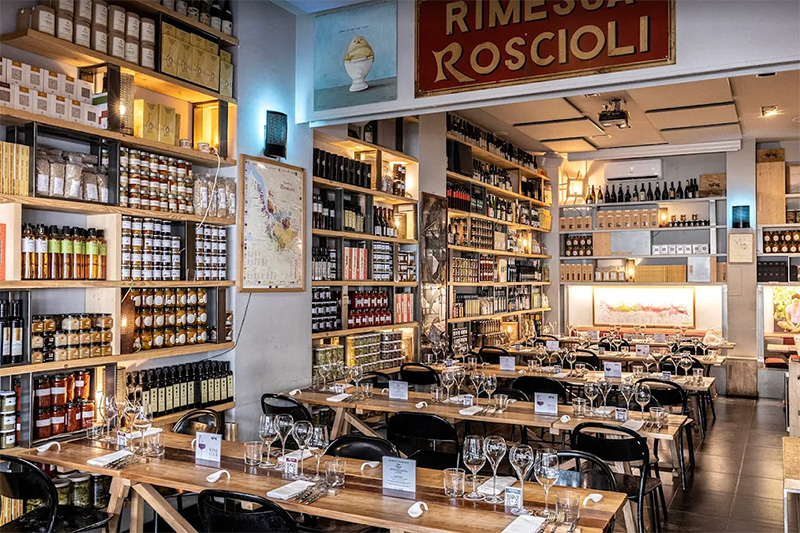
A tasting at Rimessa Roscioli is as much an education as it is a meal, offering a deep dive into Italy’s best independent winemakers and regional ingredients.


Where to Actually Eat in Rome (8 Great Picks)

This is not meant to be every good restaurant in Rome. It is a tighter short list that covers classic Roman cooking, a few special experiences, and food moments that actually fit into a trip well.

Place Area Why It Is Worth It
Armando al Pantheon Pantheon / Centro Storico A classic Roman institution that still feels rooted in local food traditions, not just tourist traffic.
Salumeria Roscioli Historic Center A strong one-stop Roman meal for cured meats, cheeses, pasta classics, and wine if you want a polished but still very Rome experience.
Santo Palato San Giovanni An acclaimed, brilliant modern take on traditional Roman cooking, famous for its carbonara and meat dishes.
Casa Manco Testaccio Market Repeatedly ranked as some of the absolute best pizza al taglio (pizza by the slice) in the entire city.
L’Elementare Trastevere One of the easiest and most satisfying pizza-plus-supplì plays if you want something casual that still feels dialed-in.
Trattoria Pennestri Ostiense / Testaccio side Great pick for travelers who want Roman food near the center but with less tourist drag and a strong wine list.
Roscioli Rimessa Historic Center A smart tasting-style experience if you want a more educational, wine-forward Roman evening.
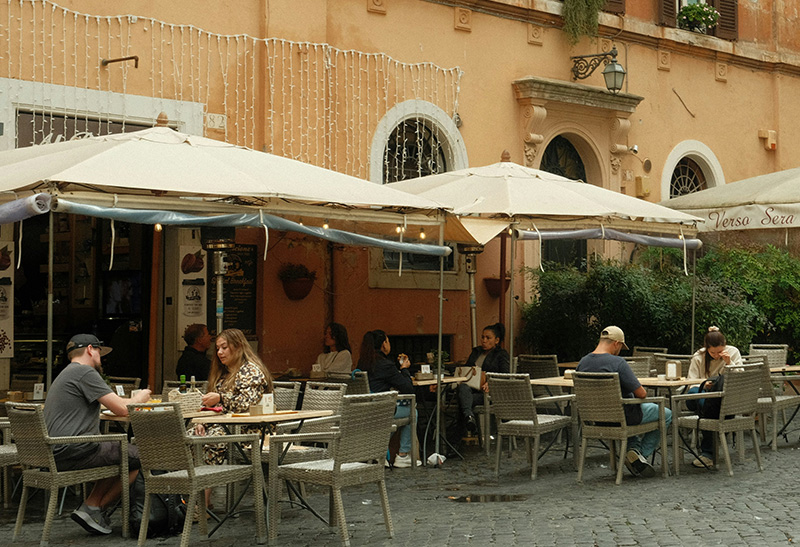
A classic Trastevere trattoria of your choice Trastevere Trastevere is still one of the best areas in Rome to let atmosphere matter as much as the exact reservation.

What to eat in Rome

For your Roman food checklist, start by hunting down the Four Classic Roman Pastas: cacio e pepe, carbonara, amatriciana, and gricia. Beyond that, fill your days with supplì (fried rice snacks), carciofi (artichokes) when in season, puntarelle when available, and one really good Roman-style pizza or trapizzino stop.

Pro Tip: You do not need six destination dinners in Rome. You need two or three very good meals and better everyday choices in between.

Knowing a few basic dining rules goes a long way in navigating Roman restaurants with confidence.


Rome Food & Etiquette Cheat Sheet

Italian dining etiquette in Rome is not complicated, but a few basics will make meals smoother and help you feel more confident.

Topic The Rule Why It Matters
Cappuccino Most locals treat it as a breakfast drink You can order one later, but it will read as a tourist move
Coperto A cover charge may appear on the bill It is normal and not a scam by itself
Service Service can feel more hands-off than in the U.S. It is usually not bad service, just different pacing
Tipping Not required at U.S. levels Round up or leave a little extra for excellent service if you want
Espresso at the bar Standing is often cheaper than table service Good to know for quick coffee stops
Dinner timing Dinner often starts later than many Americans expect A 7:00 p.m. table can feel early in more local places

The easiest Rome food mindset is this: do not overcomplicate it, but do pay attention. Pick a few dishes you care about. Know that timing matters. And remember that the places right next to major landmarks are rarely where the best meals happen.

View after Climbing St. Peter's Basilica Dome

Whether you have a long weekend or a full week, pacing is the key to enjoying Rome.


Rome in 3, 5, or 7 Days

Rome scales well, but it changes character depending on how much time you have.

Trip Length What It Is Best For How to Approach It
3 Days A strong first-timer highlights trip Ancient Rome, Vatican, and one long Centro Storico / Trastevere day
5 Days The sweet spot for most people Add one more art or neighborhood day and let meals breathe more
7 Days A much better Rome rhythm Mix big sights with real neighborhood time, food days, and one greener or slower outing

If you only have three days, Rome is still worth it. If you have five, Rome starts to feel more human. If you have seven, Rome often becomes a trip people want to repeat rather than simply check off.

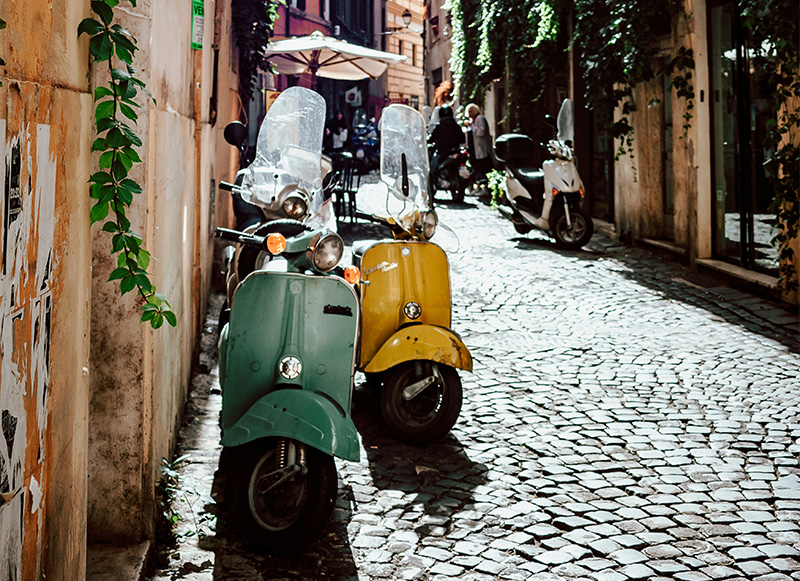
A vibrant, eye-level shot of a classic pastel-blue Vespa scooter parked on a narrow, sun-drenched Roman street. The scooter’s chrome details and tan leather seat gleam under the Mediterranean su

There is no more iconic way to bridge the gap between Rome’s ancient monuments than from the seat of a vintage Vespa.


Rome for Repeat Visitors

Once you have done the basic Rome hits, the city gets better. You stop trying to prove you saw it and start choosing the versions of it you actually like best.

  • Appian Way: One of the best “different Rome” days, greener and quieter.
  • Testaccio: Better for a food-rooted, less polished version of the city.
  • Ostiense / Garbatella side: Good if you want more local texture and fewer crowds.
  • Jewish Ghetto: Strong for food, history, and slower central walking.
  • Capitoline Museums or Borghese: Better art payoffs once you are not rushing headline monuments.

The second or third Rome trip is often when people finally understand how much of the city’s magic lives outside the obvious checklist.

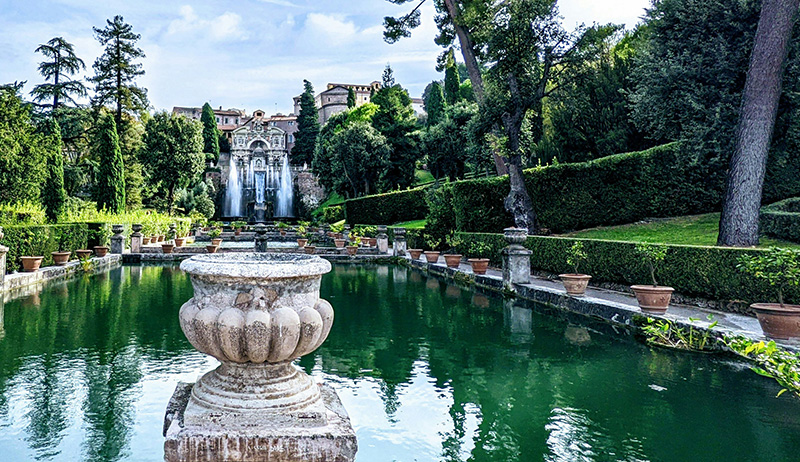
A day trip to Tivoli offers a lush, water-filled escape from Rome’s sun-baked stone, centered around the incredible fountains of Villa d’Este.


Best Day Trips from Rome

Rome has good day trips, but you do not need many. One strong choice is usually enough.

Tivoli

Best for gardens, villas, and a more elegant break from central Rome intensity.

Ostia Antica

Best for travelers who want ancient-Rome atmosphere without the same Colosseum-level crowd intensity.

Park of the Aqueducts (Parco degli Acquedotti)

Best for a stunning, quiet escape among massive ancient aqueduct ruins without actually leaving the city limits. Perfect for a long walk or bike ride.

Appian Way and the Roman outskirts

Not always thought of as a “day trip,” but functionally one of the best half-day or full-day Rome escapes if you want open space and archaeology together.

Castelli Romani

Best for food, wine, and a softer hill-town rhythm once you have had enough stone and crowds.

Pro Tip: If you only have four or five days in Rome total, skip the day trips and give that time back to the city.

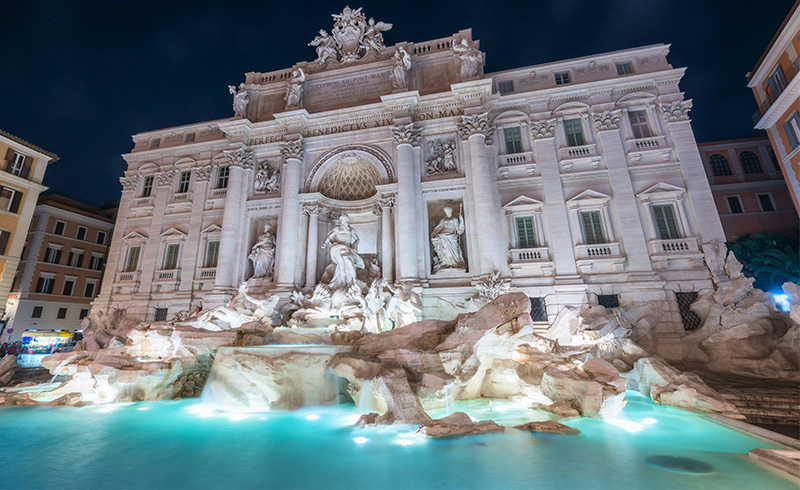
The Trevi Fountain is at its most cinematic after dark, when the crowds thin out and the Baroque marble is bathed in golden light.


When to Go to Rome

Rome is doable year-round, but the experience changes more than people think.

Season What It Feels Like Best For Watch Out For
Spring Lively, beautiful, increasingly busy First trips, gardens, shoulder-season energy Demand ramps fast
Summer Hot, crowded, more draining Long evenings and travelers who do not mind heat Midday fatigue is real
Fall Warm, food-friendly, easier walking weather Most travelers, especially if you want a better balance of energy and comfort Still busy in strong shoulder periods
Winter Quieter, moodier, more museum-friendly Return visits and travelers prioritizing lower crowd pressure Shorter days and occasional damp weather

If I were steering most readers without overthinking it, I would point them toward fall first, then spring.

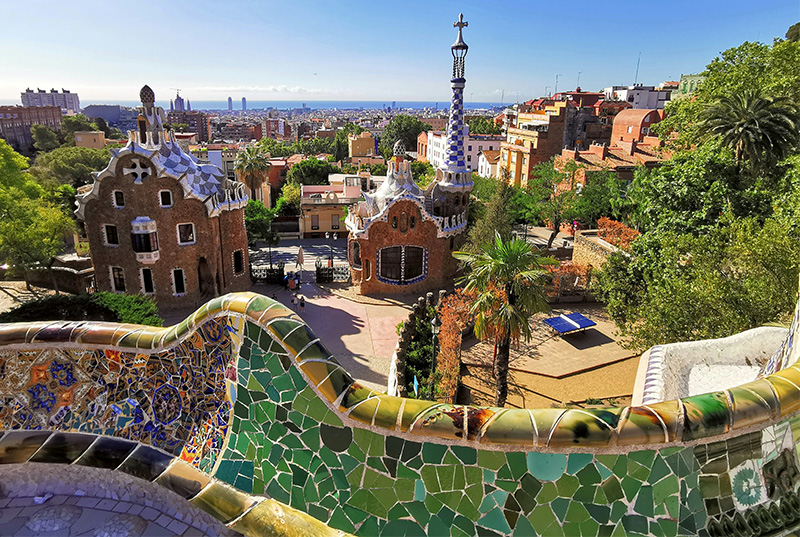
While Barcelona offers the whimsical, modernist masterpieces of Antoni Gaudí, Rome counters with a grittier, ancient soul that spans two millennia of layers.


Paris vs Rome vs Barcelona

If you are still deciding where to start a Europe trip, choose based on how you want your days to feel, not just what looks iconic on social media.

City The Vibe Best For
Rome Historic, dramatic, chaotic, emotional Ancient history, bold food, layered walking days, and travelers who can handle a little friction
Paris Refined, structured, café-centered Museums, long lunches, elegant neighborhoods, and cleaner daily flow
Barcelona Looser, later, more coastal Beach-and-city energy, modernist architecture, and a less monument-dense rhythm

Rome is the most emotionally overwhelming of the three. Paris is usually the most polished. Barcelona is often the easiest to keep light. None of those are value judgments. They are just different trip personalities.

A close-up shot of a person’s back pocket as a hand subtly reaches in to remove a white wallet. The person, wearing blue jeans and a white t-shirt, appears unaware of the theft occurring in a crowded public space.

Staying aware of your surroundings and keeping valuables in a secure, front-facing bag is the best defense against pickpocketing in Rome’s busiest districts.


Safety in Rome

Rome is generally very manageable, but it is a major tourist city, so the most common problems are crowd-based, not dramatic.

  • Pickpocketing: Stay alert on transit, in dense sightseeing zones, and around major landmarks.
  • Distraction tactics: The safest move is almost always to keep walking.
  • Tourist-trap dining: This is not a safety issue, but it is one of the easiest ways to have a worse Rome experience.
  • Late-night awareness: Trastevere and busy central zones can stay lively late, which is usually good for atmosphere but still requires basic awareness.

The best Rome safety strategy is the same one that works in most big cities: do not be oblivious, do not carry your phone in the easiest possible pocket, and do not act like every stranger is automatically part of your evening.

Pro Tip: Confident and boring is still the best urban safety style.

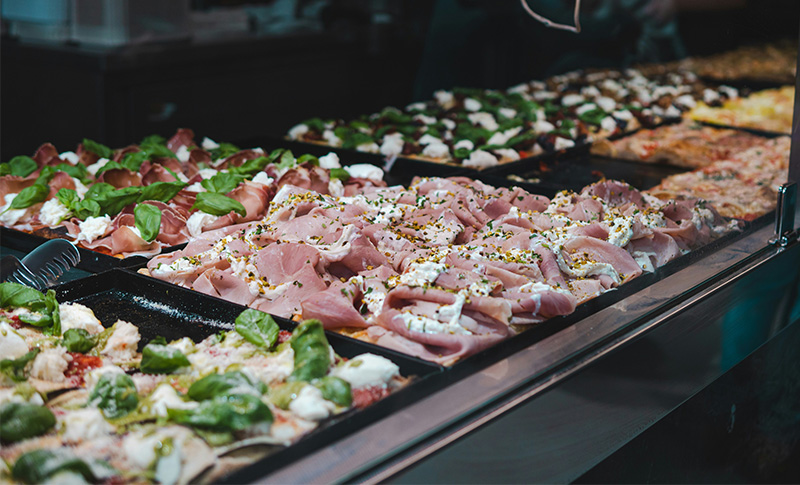
A bright, eye-level shot of a modern Roman pizza shop window displaying several long, rectangular trays of pizza al taglio. The varieties include a classic Margherita with vibrant red tomato sauce and melted white mozzarella, a white pizza topped with thinly sliced potatoes and rosemary, and another with bright green zucchini flower

For a high-quality meal that won’t break your budget, look for the sign “Pizzerie al Taglio,” where you can buy world-class Roman pizza by the weight.


What Rome Costs

Rome can be done at many price points, but spending well matters more than just spending less.

Budget Level What It Usually Looks Like
Budget Hostels or basic rooms, bakery lunches, occasional sit-down meals, careful ticket choices
Mid-range Well-located boutique hotel or apartment, daily coffee and lunch stops, several strong dinners, major attraction tickets
Luxury Top central hotel, destination dining, private guides or premium timed entries, more taxi use

My general Rome budget advice is simple:

  • Spend on: neighborhood, one or two high-value tickets, and a few meals that matter
  • Save on: random taxis, bad restaurants by famous sights, and stacked paid tours you do not really want
  • Free wins: piazzas, churches, viewpoints, evening walks, nasoni water fountains, and wandering the center
A high-angle, close-up shot of a traditional bowl of Cacio e Pepe pasta served in a rustic Roman trattoria

If your travel style is defined by hunting down the perfect bowl of Cacio e Pepe, Rome is a city that will never let you down.


Is Rome Right for Your Trip?

Rome is one of the best first-time Europe cities for travelers who want history, atmosphere, and food to all matter at the same time. But it is not always the easiest city, and that is important to say clearly.

Rome is right for your trip if you want a city that feels layered, dramatic, and alive. You will walk past ancient ruins on the way to dinner. You will end up inside churches you never planned to visit. You will have moments where the city feels overwhelming, then moments ten minutes later where it feels unbeatable.

Rome is especially good for: first-timers to Italy, history lovers, food-focused travelers, couples who like long walking days, and return Europe travelers who want a city with more emotional punch than polish.

Rome may be the wrong pick if you want: perfect efficiency, a calm transit experience, ultra-orderly sightseeing, or a trip where everything runs on clean lines and easy pacing. In that case, Paris may feel smoother and Barcelona may feel lighter.

Who usually loves Rome most

  • Travelers who are happy to trade convenience for atmosphere
  • People who like building days around neighborhoods instead of a strict checklist
  • Anyone who wants food and history to matter equally
  • Travelers who enjoy cities that feel textured, imperfect, and unforgettable

Who should think twice

  • People trying to squeeze Rome into a very rushed multi-city itinerary
  • Travelers who struggle with heat, crowds, cobblestones, or long walking days
  • Anyone expecting Rome to feel as logistically smooth as Paris

The simplest version is this: go to Rome if you want the most emotionally vivid city of the three. It is messier than Paris and less relaxed than Barcelona, but for a lot of travelers it is also the one that stays with them the longest.

Pro Tip: Rome is a better standalone city than a rushed add-on. If you only have a week, choose Rome and do it properly rather than forcing it into a blur.

If this sounds like you… Rome is a great fit You may prefer another city
You want history, ruins, and iconic sights Ancient Rome, Vatican, layered history everywhere Barcelona (lighter), Paris (more structured museums)
You love food and eating is a priority Roman pasta, trattorias, casual food culture Paris (more refined), Barcelona (more variety + tapas)
You like walking and exploring neighborhoods Centro, Trastevere, Monti all connect well on foot London (more spread out but structured)
You want a smooth, efficient trip Only if you slow down and structure your days well Paris (cleaner flow), Tokyo (ultra-efficient)
You are planning a short 2–3 day Europe stop Works, but requires tight planning Amsterdam or Paris for easier short trips

Apps and Resources That Actually Help in Rome

Rome is much better when you use a few specific tools for transport, taxis, and official booking instead of guessing your way through every line.

Google Maps or Citymapper

Good for walking and repositioning, but always sanity-check the route with your actual energy level.

ATAC / official Rome transit tools

Useful for current fares, ticket options, and understanding whether a pass really makes sense for your trip.

Chiama Taxi / official taxi tools

Better than improvising when you want an official taxi in Rome.

Official ticket sites

Use official booking channels for the Colosseum, Vatican Museums, Borghese Gallery, Pantheon, and St. Peter’s services whenever possible.

DeepL or Translate

Helpful for menus, transport messages, or anything more nuanced than basic tourist Italian.

Roma Pass research

Worth comparing before you go, but only buy it if the included sights genuinely match your plan.

Explore More Rome & Italy

Use the broad Rome guide for planning, then jump into the more personal Trastevere stories and your wider Italy planning posts.

[/ux_text] [/col]

REAL TRIP REPORT

Rome in October

See how a one-week, food-focused stay in Trastevere actually played out on the ground.

Read More

TRASTEVERE NIGHTS

Best Bars & Piazzas in Trastevere

A neighborhood-specific spoke for people watching, street energy, and where to slow down at night.

Read More

START HERE

Italy Travel Guide 2026

Use the full Italy hub to connect Rome with broader trip planning, neighborhoods, trains, and budgets.

Read More

Frequently Asked Questions

How many days do I need in Rome?

For most first-timers, 4 to 5 days is the sweet spot. Three days works for a strong highlights trip, but a full week is where Rome starts feeling much better.

Centro Storico is the easiest for pure first-timer convenience. Monti is a great balance pick. Trastevere is better if food and evening atmosphere matter more than ultra-direct monument access.

Yes. They are two of the clearest cases in Rome for booking official timed entry early.

Start with the Four Classic Roman Pastas (cacio e pepe, carbonara, amatriciana, gricia), supplì, and seasonal artichokes when available.

Yes, but not in a lazy way. It is extremely walkable if you structure your days by zone and do not expect to cross the city five times without feeling it.

Maybe. It can be worth it if your exact sightseeing plan matches the included value, but it is not an automatic buy for everyone.

San Andres Island Itinerary

Home » Destinations » Page 3

Last updated: March 2026 by Corey Gasman

From the Editor:

While Melissa and I were living in Cartagena, our friends Melanie and Josh came to visit. As much as we love Cartagena, we wanted to show them a completely different side of the Colombian Caribbean. We booked a quick flight on Wingo and headed to San Andres Island for a long, three-night weekend.

While San Andres is an incredibly popular destination for Colombian tourists, it is surprisingly off the beaten path for Americans. We rarely heard standard English spoken outside of the local Raizal Creole dialect. Staying in an Airbnb condo away from the major all-inclusive resorts gave us a rustic, small-island vibe that was the perfect contrast to the busy streets of the Walled City. It was exactly the Caribbean escape we were looking for.

This guide breaks down the essential logistics, island realities, and the perfect 3-day itinerary for a San Andres weekend getaway.

TLGA Travel Truth:

Cartagena is history, culture, and sophisticated dining. San Andres is pure, unadulterated “island time.” The sand is whiter, the water is a mesmerizing Sea of Seven Colors, and the vibe is completely barefoot and laid back. If you have more than five days in Cartagena, a weekend spoke to San Andres is mandatory.

Need the main guide? Check out our full Cartagena Travel Guide.

Why the water looks fake: San Andres sits inside Colombia’s protected Seaflower Biosphere Reserve, and that famous “Sea of Seven Colors” effect comes from changing depths, coral reef, seagrass, and bright sand reflecting sunlight. It is not Instagram hype. You can literally see the bands of aqua, turquoise, and deep blue while driving around the island.
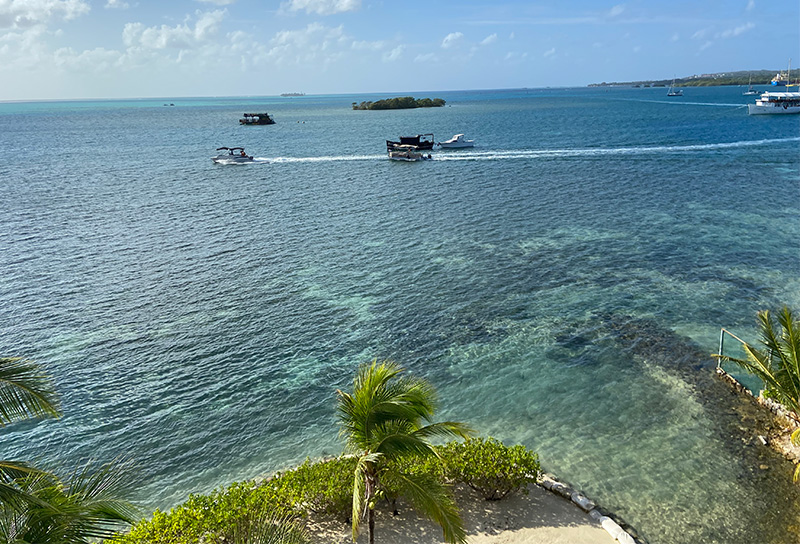
An elevated view of calm turquoise ocean water with small boats and a distant island seen from a condo in San Andres.

Staying in an Airbnb condo outside the main tourist zone offers peaceful mornings and sweeping ocean views. This was the exact view we woke up to every day, looking out over the boats and the diverse blue hues of the water.


Essential Logistics: Wingo Flights & The Tourist Card

Flying from Cartagena (CTG) to San Andres (ADZ) is simple, taking just over an hour. We flew Wingo, a Colombian low-cost carrier. They are efficient and affordable, but they have very strict baggage policies. If you are going for a three-night weekend, pack light in a “personal item” (backpack) to avoid hefty fees at the gate.

If you are debating whether San Andres is worth the extra flight from Cartagena, the answer is yes if you want truly clear Caribbean water, beach time, and a completely different experience from the city.

Crucial entry rule: Even though this is a domestic flight within Colombia, visitors still need the San Andres Tourist Card (Tarjeta de Turismo) before boarding. Depending on the airline, you may buy it during booking or at the airport before departure. Either way, do not assume it is optional. Keep the physical card with you for the full trip.

Island Realities: Weather, Cash, and Wi-Fi

  • The Best Time to Visit: The dry season runs from late December through April, offering the best beach weather and clearest water. September and October are the rainiest months.
  • Cash is King: While nice restaurants and resorts take cards, you need Colombian Pesos (COP) for the ATV rentals, boat rides to the cays, and rustic beach bars like Big Mama’s. Pull cash at an ATM in Cartagena before you fly over.
  • Connectivity: Expect spotty Wi-Fi. Because of its remote location in the Caribbean Sea, internet speeds on the island are notoriously slow. Download your maps and boarding passes offline before you arrive.

Where to stay: Airbnb Condos vs. All-Inclusive Resorts

The main “Centro” area of San Andres is bustling, packed with duty-free shops, high-rise hotels, and the major all-inclusive resorts like Decameron. While this is convenient, it can feel very touristy.

We wanted that true “spoke” experience, so we rented an Airbnb condo. This gave us a full kitchen, more space, and a quieter environment. We were close enough to walk to the Malecon every night, but far enough away from the noise of the main drag. If you want a more local feel, San Luis, Sound Bay, and El Cove make a lot more sense than staying right in the thick of Centro.

Expect prices to swing a lot by season, but as a rough guide, a decent Airbnb condo can often feel like the better value move if you are traveling with friends and want space, a kitchen, and ocean views without committing to an all-inclusive setup.

As a rough guide, expect Airbnb condos to range from about $80 to $150 USD per night, while mid-range hotels and resorts can run $120 to $250+ depending on season.

Accommodation Vibe & Budget Tier Why Stay Here
Casa Harb Hotel Boutique High / Luxury Upscale, peaceful boutique design far from the major crowds.
Decameron Aquarium High / All-Inclusive Classic inclusive resort built directly out over the water.
Airbnb Condo (San Luis/El Cove) Mid / Local Vibe Our top pick. Live like a local with more space and a quieter rhythm.
Viajero Hostel San Andres Budget / Social Energetic spot in the center of town, great for arranging tours.

What makes San Andres special?

What makes San Andres special is that it does not feel like Cartagena with better beaches. It feels like a different Caribbean world entirely. Geographically closer to Nicaragua than mainland Colombia, the island has a distinct Raizal identity, a stronger Afro-Caribbean vibe, English Creole influence, and a deep pirate history—legend has it that Captain Henry Morgan hid his treasure in the island’s caves.

The biggest draw is the water. Cartagena has history and energy. San Andres has that absurd aqua water that looks edited even when you are staring at it in person. Between the reef, shallow sand flats, rocky swimming spots, and small offshore cays, the variety of swimming and snorkeling here is what makes it stand out.

Reality check: San Andres is not a polished luxury island like Aruba or Turks and Caicos. Parts of Centro feel busy and chaotic, roads can be rough, service can move slowly, and some areas look worn down. That is part of the island’s charm, but it is better if you show up expecting character, not perfection.
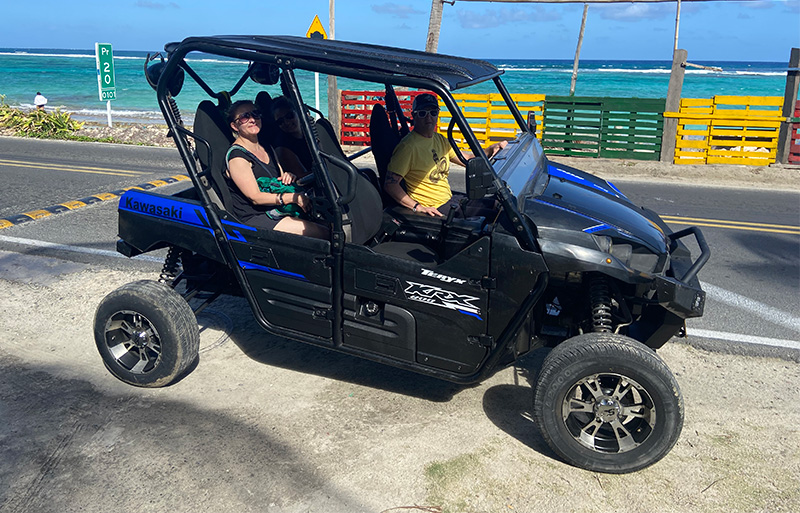
Three people sitting in a black Kawasaki ATV parked on a coastal road next to the bright blue ocean in San Andres.

Renting a side-by-side ATV is the most efficient (and fun) way to loop around the island. Our advice: drive clockwise so the ‘Sea of Seven Colors’ is always on your passenger side, making it easy to pull over for photos.


Day 1: Arrival, Beach Time, and Night Walks

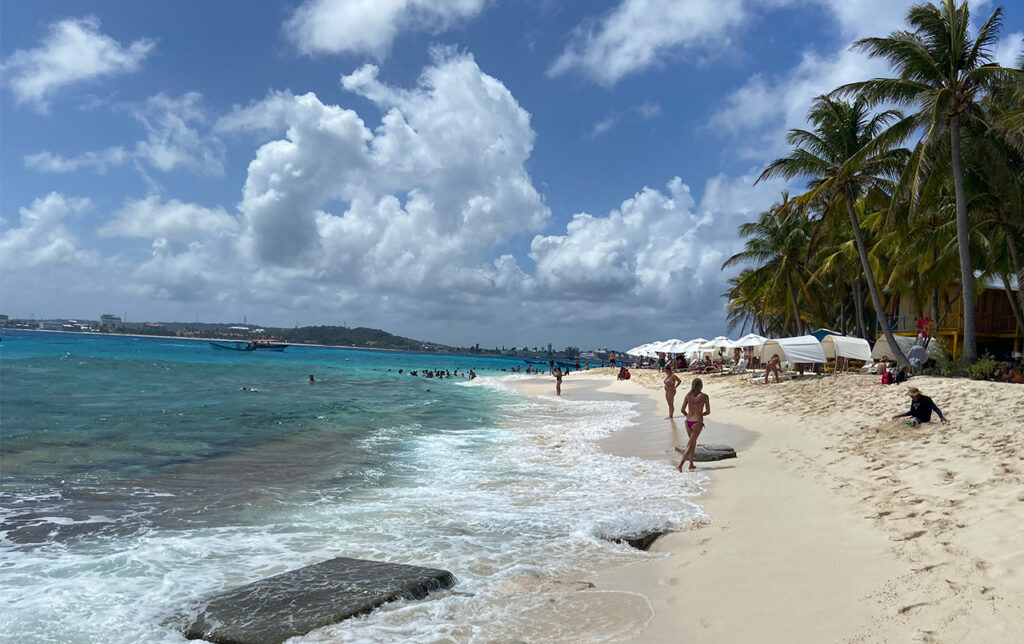
After checking into our condo and grabbing that first stunning view of the water, we headed to the main beach in town, Spratt Bight. This is the vibrant heart of the island during the day. Despite being a city beach, the water is crystal clear turquoise. We spent the afternoon swimming and just soaking up the sun.

Our favorite evening routine became walking the full length of the Malecon that lines Spratt Bight. It is the perfect temperature after sunset, full of locals socializing, street food vendors, and music. We would walk from our quiet condo area into the center, browse a few shops, and select a restaurant for a late seafood dinner.

Day 2: The Island Loop on an ATV

This was arguably the best day of the trip. The main island of San Andres is small enough that you can drive around the entire perimeter road in an hour, but you should absolutely stretch it into a full half-day or full-day adventure because the swimming stops are the whole point.

You need a valid driver’s license and cash, and there are rental shops everywhere near the Centro. We rented a rugged side-by-side Kawasaki that sat four people comfortably.

ATV vs. golf cart: ATVs are faster and more fun if you want to keep pulling over at beaches, rocky coves, and swimming holes. Golf carts are easier and more relaxed but slower. Either works, but plan for lots of stops. This is not a one-hour drive-and-done activity.

The biggest surprise on the island loop is how many different kinds of swimming you get in one day. Some stops are white sand beaches with calm turquoise water. Others are rocky swim platforms and natural swimming holes where the coral shelf drops into electric blue water. At places like West View and La Piscinita, the water color is insane and the rock formations feel dramatic.

Essential Stops on the ATV Loop:

  • West View: This rugged coral coastline is built for fun. They have slides, diving boards, and ladders right into deep water. You do not even need a beach here. The water is a ridiculous shade of blue, and this is one of the best swim-and-snorkel stops on the island.
  • La Piscinita: Another natural swimming hole carved into the coral, with clear water, fish, and easy access for a quick swim or snorkel stop.
  • Morgan’s Cave (Cueva de Morgan): A quick, kitschy, but fun cultural stop celebrating the island’s pirate lore and the legend of Captain Henry Morgan’s hidden treasure.
  • Rocky Cay: One of the most photogenic stops on the island. You can wade through shallow water toward the cay and look out at the old shipwreck offshore. It is one of those classic San Andres scenes that feels half beach day, half adventure stop.
  • Hoyo Soplador (The Blowhole): At the southern tip of the island. Depending on the wind and tide, sea water shoots up through the coral like a geyser. Treat it like a quick photo stop.
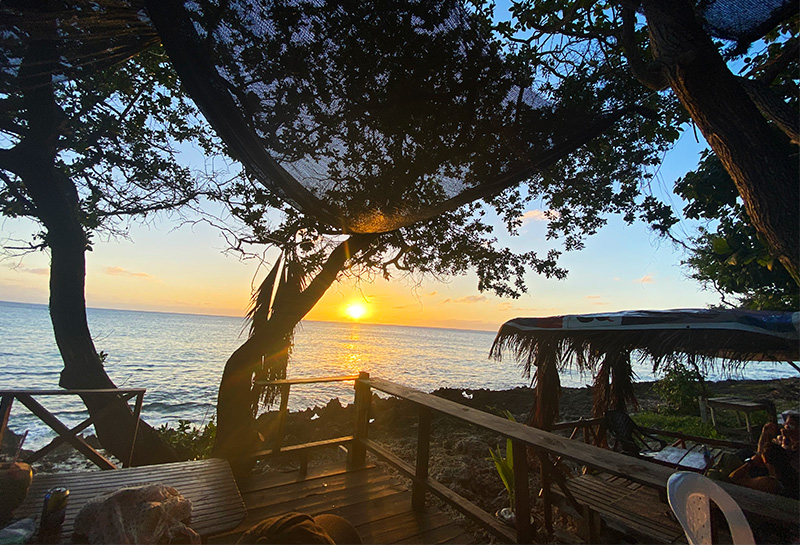
  • San Luis Beaches: These are much quieter white sand beaches on the east side of the island. We stopped at a tiny little rustic beach bar along this stretch for lunch, where Melanie enjoyed a fresh coconut drink and we had some delicious local seafood.
  • Sound Bay: A more laid-back stretch where the vibe feels local, the beaches are quieter, and you can slow down for drinks, a swim, or a beach bar stop instead of just checking off attractions.

If you are not scuba diving, this ATV loop still gives you more than enough water time. Honestly, between West View, La Piscinita, Rocky Cay, and the San Luis side of the island, you can build an amazing swim-focused day without ever stepping on a formal tour boat.

Big Mama, the owner of a rustic, colorful reggae beach bar on San Andrés Island, mixing a cocktail in a shaker behind the counter.

Renting an ATV is essential. We found this rustic gem, “Big Mama’s Place,” a reggae beach bar on the quieter, local Sound Bay side of the island.


Finding the local vibe at Big Mama’s Place

The best part of having the ATV was pulling over whenever we saw a secluded beach or a small rustic beach bar on the quieter east side of the island, especially around San Luis and Sound Bay. That is how we stumbled upon Big Mama’s Place.

This rustic reggae bar serves some of the best fresh cocktails we had on the island. Finding these hidden, laid-back local gems away from the major resorts is exactly what a weekend in San Andres is all about.

That side of the island is where the trip started to click for us. Less polished, less built-up, more local, more relaxed. If you only stay around Centro, you miss a big part of what makes San Andres worth the flight.

A bright turquoise wave crashing on a white sand beach with sun umbrellas in the background on Johnny Cay

The cays off the coast of San Andres offer classic Caribbean island views and welcome shade beneath towering palm trees. It’s the perfect place to grab a ‘Coco Loco’ cocktail and relax.


Day 3: Johnny Cay & Scuba Diving

This is your classic Caribbean postcard day. You cannot visit San Andres without heading to the cays visible just offshore.

Morning: Johnny Cay

You can book a short boat ride from the main marina to Johnny Cay. This tiny islet is famous for its bright white sand, swaying palm trees, and unbelievably vibrant water. It can get very crowded, so our advice is to go as early as possible. We rented chairs and a small shade canopy to escape the intense Caribbean sun.

Alternative or Add-On: Acuario and Haynes Cay

If you want a more active water day, look into Cayo Acuario and Haynes Cay. This is one of the most popular excursions from San Andres for a reason. The water is shallow, clear, and full of fish, and it is one of the best places to get that “walking through the sea” feeling between tiny cays and sandbars.

Afternoon: Scuba Diving

While the rest of the group relaxed, I went out for a day of scuba diving. Visibility here is legendary, and the reef structure around the island is a huge part of what makes San Andres special. I was lucky enough to be the only diver with the Dive Master, so we had total flexibility to decide which reefs we wanted to visit. The health of the coral was impressive, and the biodiversity was excellent.

If you are not diving, snorkeling is still excellent. Spots like West View, La Piscinita, and Acuario give you easy access to clear water and fish without needing a serious boat-based dive day.

San Andres vs. Cartagena vs. Rosario Islands

If you are trying to decide whether to add San Andres to a Cartagena trip, this is the simple version: San Andres has the strongest true Caribbean island feel, but it also takes the most effort because you need to commit to a flight, the tourist card, and at least a long weekend. The Rosario Islands are the easiest water escape from Cartagena. Cartagena itself is not really about beaches for us at all. It is about the city experience.

Destination Best For Pros Cons
San Andres Best water, island vibe, long weekend escape Most Caribbean feel, best range of swimming and snorkeling, Sea of Seven Colors, distinct Raizal culture, ATV loop is excellent Requires a flight, more logistics, rougher around the edges, more commitment
Cartagena City energy, food, history, base for a bigger Colombia trip Walled City, nightlife, architecture, restaurants, culture, easiest place to base yourself for a month Beaches are not the main draw, busier, hotter, more urban, less of that clear-water island feel
Rosario Islands Quick beach getaway from Cartagena Easy boat access, beautiful aqua water, easy day trip or one-night escape, no flight needed Less depth as a destination, more tour-dependent, can feel rushed on a day trip, weather and boat conditions matter

Our take is simple. Choose Cartagena if you want the full Colombian city experience with food, culture, and energy. Choose Rosario Islands if you want a short, beautiful break on the water without much planning. Choose San Andres if you want the most memorable beach-and-water add-on and are willing to make a real weekend out of it.

Leaning Rosario instead? Our Rosario Islands weekend guide walks through exactly how to plan it.

TLGA shortcut: If you only have one extra day, do Rosario. If you have three nights and want the best Caribbean water of the three, do San Andres.
A plate of thinly sliced octopus carpaccio topped with peppers and olives served with garlic bread at La Regatta restaurant in San Andres.

Walking the Malecon at night leads to incredible seafood dinners, like this fresh octopus carpaccio served at La Regatta. This place is mandatory for a nice dinner on the water.


What and Where to Eat: Delicious San Andres Seafood

The food in San Andres is heavily focused on fresh seafood and local ingredients like coconut, yuca, plantains, and island spices. As a US tourist, this is where you really feel the distinct local culture, especially through dishes tied to Raizal and Afro-Caribbean cooking traditions.

The signature dish to know is Rondón, a rich island stew usually built around seafood or fish, coconut milk, root vegetables, and serious flavor. You should also be looking for whole fried snapper, coconut rice, patacones, crab, conch when available, and a cold coco loco or fresh fruit drink by the beach.

This is not a destination where every meal needs to be polished. Some of the best stops are beachside, rustic, and very simple. That is part of the appeal.

For a nice sit-down dinner after our Malecon walks, our absolute favorite spot was La Regatta. It is right on the water, right by all the boats, and decorated beautifully in a nautical theme. The seafood here was exceptional. Here are a few other standouts across different budgets:

Restaurant Category What to Order / Why Go
La Regatta Nice Dinner (Waterfront) Octopus carpaccio or a seafood-heavy dinner on the water. The most famous special-occasion restaurant on the island.
The Islander Nice Dinner (Center) Caribbean grill with excellent fresh catch and a more polished dinner feel near town.
Restaurante Capitán Mandy Local Legend Rustic atmosphere, island classics, and the kind of place that feels more local and less staged.
Donde Francesca Local Eats (San Luis) Traditional whole fried fish, coconut rice, and beachfront atmosphere on the quieter side of the island.
Malecón Street Carts Quick Bite / Street Food Fresh ceviche cups, fried snacks, and easy sunset bites while walking the waterfront.
Local Guide Tip: San Andres is a duty-free zone. If you need to stock up on standard international liquors, perfumes, or chocolates, this is the place to do it before you fly back to Cartagena.

Keep planning your Colombia trip with more Cartagena guides, island escapes, beach day ideas, and longer-stay travel tips.

CARIBBEAN BASE

Cartagena Travel Guide

See what it’s like to live slower in Cartagena with neighborhood tips, local rhythm, and ideas for a longer stay.

Read More

ISLAND ESCAPE

Rosario Islands Weekend

Trade the city for clear water and slower island time with a practical look at Isla Grande and Hotel Majagua.

Read More

BEACH DAY

Tierra Bomba Beach Day Guide

Plan an easy beach club day from Cartagena with practical tips on where to go, what to expect, and whether it’s worth it.

Read More

Frequently Asked Questions

Is San Andres safe for US tourists?

Yes. As Americans, we felt very comfortable. It is a major destination for domestic Colombian tourism, so it is used to visitors. Spanish helps a lot, but the island also has its own Creole-Caribbean cultural identity that makes it feel different from mainland Colombia.

A long weekend of 3 nights is the sweet spot for a spoke off a longer Cartagena trip. It gives you one day for arrival and Malecon walks, one full day for the ATV island loop, and one full day for Johnny Cay, Acuario, snorkeling, or scuba diving.

Yes. Do not skip this. San Andres has a separate tourist card requirement for entry, even though you are flying domestically within Colombia. Depending on the airline, you may buy it at booking or before boarding at the airport, but you need to sort it out before you fly.

For pure convenience, Rosario Islands win because they are an easy boat trip from Cartagena. For the full Caribbean island feel, better variety of swimming, and a more complete weekend destination, San Andres wins.

Medellin Travel Guide

Nighttime aerial view of the Medellin city skyline glowing with warm lights in the valley, surrounded by the dark silhouettes of the Andes mountains at twilight.
Home » Destinations » Page 3

Last updated: March 2026 by Corey Gasman

From the Editor:

Medellin works best when you stop thinking about it as a checklist city and start treating it like a place you move through in layers. The city sits in a valley, neighborhoods climb the hillsides, and some of the best experiences come from understanding how all of that connects together.

For most travelers, the easiest formula is simple: stay in El Poblado or Laureles, take a walking tour early in the trip, use the metro and cable cars to understand the layout, spend one day diving into Comuna 13, and add Guatape if you have an extra full day.

A quick packing note for Medellin:

After Bogota and Cartagena, Medellin felt completely different. We only had a few nights here, and instead of packing heavy, I tried something different. I brought just a small daypack with a couple T-shirts, a few essentials, and my laptop. That was it.

It ended up being one of the best travel decisions of the trip. Medellin is a city that works really well when you keep things simple. Traveling lighter made navigating the city feel much easier.

TLGA Rule: Take the cable car even if you do not have a destination in mind. The views alone are worth it, and it helps you understand the scale of the city.

Planning a bigger Colombia trip?

Start here: Colombia Travel Hub

Medellín spreads across a lush valley, surrounded by steep green mountains in every direction

Medellin spreads across a lush valley, surrounded by steep green mountains in every direction.


What Makes Medellin Different

What we found was a place that feels modern, energetic, and incredibly alive. The weather is warmer, the city is greener, and everything seems to flow up and down the hills around you.

Medellin also has something that a lot of big cities do not: a very strong sense of reinvention. You feel the history here, but you also feel how much the city has changed. That tension between past and present is part of what makes it so interesting to visit.

View from rooftop pool

Rooftop pools and mountain views are part of the Medellin experience, especially in El Poblado.


Where to Stay in Medellin

We stayed at Landmark Hotel Medellin, a boutique hotel in El Poblado with a rooftop pool, and it was the perfect home base.

If this is your first time in Medellin, El Poblado is the easy choice. It has the highest concentration of hotels, bars, coffee shops, and nicer restaurants, and it feels the most intuitive for travelers. Laureles is the stronger option if you want a flatter, greener, more local, and slightly less polished version of Medellin. Envigado works well if you want a quieter residential base with easy access to local dining.

Neighborhood Vibe Best For
El Poblado Trendy, modern, hilly Hotels, nightlife, restaurants, first-timers
Laureles Local, relaxed, flat More authentic feel, tree-lined streets, walkability
Envigado Residential, traditional Local food scene, quieter stay
Local Guide Tip: El Poblado is the easiest place to base yourself, but if you want to escape the heavy backpacker party scene and enjoy a great meal, head over to Laureles.
Busy street scene in downtown Medellin Colombia with pedestrians and vendors

Downtown Medellin is busy, chaotic, and full of real everyday energy.


Getting Around Medellin

One of the most impressive parts of Medellin is how easy it is to get around.

The metro system is clean, safe, and efficient, and it connects seamlessly with the city’s cable cars, which take you up into the hills for incredible views. We used a mix of metro, cable cars, and Uber, and never felt like we needed anything else.

That is one of Medellin’s biggest strengths. The transit system is not just functional; it is part of the experience. Riding the metro gives you a sense of the city’s rhythm, and the cable cars show you how Medellin is built into the valley and the hillsides around it.

If you are arriving through Jose Maria Cordova International Airport, just know the airport is outside the city. The drive into Medellin can take 45 minutes to an hour depending on traffic, so do not underestimate transfer time on arrival or departure day.

Medellin metrocable gondola ride over hillside neighborhoods and city

The cable cars are not just scenic. They are part of how Medellin moves, linking the city center to neighborhoods built into the mountains.


Ride the Cable Cars to Parque Arvi

This is one of the defining Medellin experiences and something you should absolutely make time for.

The gondola ride gives you a completely different understanding of the city. From above, you can see how dense the neighborhoods are, how steep the hillsides get, and how the city has expanded across the valley over time.

If you want a true destination at the top, ride the K and L lines all the way up to Parque Arvi. It is a massive ecological nature reserve sitting on the mountains high above the city. The moment you step off the final gondola, the temperature drops and you are suddenly surrounded by dense pine forests and hiking trails. It is a surreal escape from the concrete and noise of the city below.

Pro Tip: Parque Arvi is closed on Mondays (or Tuesdays if Monday is a holiday) for trail maintenance, so plan your gondola ride for later in the week.
Botero sculpture in Plaza Botero Medellin Colombia

Botero’s oversized sculptures are one of Medellin’s most recognizable cultural landmarks.


Best Things to Do in the City Center

We did two different walking tours in Medellin, including one with Real City Tours Medellin, and both were highlights of the trip.

The first was a historical walking tour through the city center, where we learned about Medellin’s past, its transformation, and how the city operates today. Having a guide provides crucial context that you simply will not get by wandering around on your own.

Plaza Botero

If you visited the Museo Botero in Bogota, you have to see Plaza Botero in Medellin. Fernando Botero is originally from this city, and he donated 23 of his massive bronze sculptures to sit right in the middle of this busy downtown plaza.

It is chaotic, loud, and vibrant, filled with street vendors and locals moving through the square. It sits right in front of the Museo de Antioquia, which holds even more of his artwork.

Local Guide Tip: Visit Plaza Botero during the day. It is active and heavily trafficked, but it quiets down at night and is best avoided after dark.
A vibrant, large-scale street mural on a concrete wall featuring a surrealist fusion of human anatomy and nature, including a skeletal figure with a visible heart, golden flowers, and a deer, set against a backdrop of a hillside neighborhood in Comuna 13.

Comuna 13 is one of Medellin’s most powerful transformations, filled with street art, music, and local energy.


Comuna 13: From Conflict to Culture

Comuna 13 deserves its own spotlight because it ended up being one of the most memorable parts of our trip.

You are not just looking at murals. You are moving through one of Medellin’s most visible stories of change. The neighborhood is built entirely into the steep hills, connected by outdoor escalators that changed the lives of the residents. Street art, music, rooftop stops, local vendors, and guides who can explain the history all come together in one experience.

[Image Placeholder: USE YOUR PASSION FRUIT POPSICLE IMAGE ID HERE]

Fresh passion fruit popsicles sold by local vendors along the outdoor escalators in Comuna 13.


We walked the escalators, grabbed beers along the way, and stopped for fresh passion fruit popsicles at one of the local stands. It is vibrant and packed with visitors, but it never feels like a tourist trap because the community is so heavily invested in the local economy.

Local Guide Tip: Do not just wander Comuna 13 on your own. Booking a local guide provides the vital context needed to understand what you are looking at.
Atletico Nacional soccer match in Medellin stadium with fans and crowd

A soccer match in Medellin is loud, fast, and unforgettable, with nonstop energy from the crowd from the first whistle to the last.


Soccer in Medellin Is Absolutely Worth Doing

One of the most underrated things we did in Medellin was going to a soccer match at Estadio Atanasio Girardot.

We booked it through a tour group, met near a local church, and went in together. That made the entire experience feel easier and more relaxed, especially for a first game in the city.

The atmosphere inside the stadium was electric. Non-stop singing, movement, color, and intensity in a way that feels very different from most US sporting events. Even if you are not a huge soccer fan, it is worth doing just for the experience.

If Atletico Nacional or Independiente Medellin are playing while you are in town, it is a very strong add to your itinerary.

Octopus carpaccio with saffron and passion fruit vinaigrette at Restaurante La Provincia in Medellin

Octopus carpaccio with saffron and passion fruit vinaigrette at Restaurante La Provincia in Medellin.


Food and Coffee in Medellin

We had a couple standout dinners here, and Medellin’s food scene feels more modern compared to Bogota.

What stood out to me is that Medellin gives you range. You can eat very well in polished restaurants, but you can also have memorable meals in much more casual local spots. It is a city where you should absolutely try the traditional dishes like bandeja paisa, but also leave room for modern dining and coffee culture.

Pro Tip: Look for Menu del Dia at lunch. It is how locals eat and one of the best value meals you will find in the city.
Pergamino cafe workers making coffee

Medellin rewards travelers who mix polished restaurants with more local, everyday spots around Laureles, Envigado, and El Poblado.


Best Restaurants and Where Locals Eat

If you want a better Medellin food experience, do not just stay inside the obvious tourist orbit every night.

El Poblado is the easiest place to start and has plenty of strong options, but neighborhoods like Laureles, Envigado, and Belen are where the city starts to feel more local.

Stronger Restaurant Names to Know

  • Restaurante La Provincia: Great for a nicer dinner and where we had the octopus carpaccio.
  • Alambique: Fun atmosphere and one of the more memorable restaurant settings in Medellin.
  • Mercado del Rio: A very easy way to sample multiple food styles in one stop.
  • Pergamino Cafe: One of the most reliable names for coffee in El Poblado.
  • Mondongo’s: Famous and a classic if you want a more traditional local meal.
  • Carmen: One of the city’s best-known higher-end restaurants if you want to book one standout dinner.
View from El Penol rock overlooking Guatape lakes and islands in Colombia

The view from El Penol overlooking Guatape is one of the most iconic landscapes in Colombia.


The Best Day Trip: Guatape and El Penol

If you have more than three days in Medellin, a day trip to Guatape is one of the most popular things to do.

The town is about two hours away and is known for its colorful buildings and detailed artwork painted along the base of nearly every structure.

Most people combine it with a climb up El Penol, a massive monolithic rock that rises straight out of the landscape. The climb is about 700 steps, but the views at the top overlooking the artificial lakes and islands are some of the best in Colombia.

We did a guided Guatape tour that included a boat ride, breakfast, and lunch, and it ended up being one of the most memorable days of the trip. The boat ride was especially interesting because it gave a preview of the lake homes around the reservoir and passed the ruins of a former cartel-owned property that had been bombed out.

Pro Tip: Start early. Guatape gets busy by midday, and the climb up El Penol is much more enjoyable before the crowds arrive.
A passenger train stopped at a modern, open-air elevated metro station in Medellín, Colombia, with commuters on the platform and lush green mountains in the background under a blue sky.

Medellin’s weather is famously comfortable year round, but brief, heavy rainstorms are common during the wet seasons.


Best Time to Visit and Arrival Tips

Medellin sits at an elevation of about 4,900 feet and is universally known as the City of Eternal Spring. The temperature hovers in the 70s and 80s Fahrenheit almost every single day of the year, making it an incredibly easy city to pack for.

However, it does have distinct rainy seasons. April to May and October to November see the heaviest rainfall. Even during the wet season, the rain usually comes in short, heavy afternoon bursts rather than all day washouts. December through February is generally the driest and most popular time to visit.

The Check-MIG Form

If you are flying into Colombia, you must fill out the online Check-MIG form within 72 hours of your flight. Airlines will check this before you are allowed to board your plane in the US, and immigration will check it again when you land. Do not leave this until you are at the departure gate.

A close-up of a passion fruit popsicle (crema de maracuyá) in a clear plastic cup, featuring a creamy yellow texture topped with fresh passion fruit pulp, seeds, and a dusting of cinnamon, with a wooden stick inserted.

Locally known as cremas de maracuya, these creamy passion fruit popsicles are the ultimate Comuna 13 refresher. Topped with fresh pulp and a pinch of cinnamon, they offer a perfect hit of tart tropical flavor to fuel your climb up the escalators. Cost $.0.75 to $1.25 USD.


Medellin Costs and Budget Expectations

One of the nice things about Medellin is that it works across a lot of budgets. You can keep it affordable by using the metro, eating local lunches, and staying in simpler accommodations, but it is also easy to upgrade into boutique hotels, rooftop bars, and better restaurants without the city feeling wildly expensive.

Category Budget Range What to Expect
Hotel $35–70 Simple hotel or guesthouse in a good area
Boutique Hotel $90–180 Better design, pool, rooftop, stronger location
Lunch $5–12 Menu del Dia, casual local spot, simple cafe meal
Dinner $15–40+ Modern restaurant, cocktails, nicer dining in El Poblado
Metro / Cable Car Low cost Very good value and easy for most travelers
Guided Tours $10–60+ Walking tours on the low end, Guatape day trips higher
Women waiting for a train in Metro de-Medellín stop.

The Medellin Metro is more than just transportation. It is a point of local pride and remains the cleanest and safest way to navigate the city, though standard travel street smarts like keeping your phone secure while waiting on the platform still apply.


Safety and Medellin’s Transformation

Medellin has one of the most talked-about transformations in South America.

In the 1990s, the city was known for cartel violence and instability. Today, it is a completely different place. Locals are proud of how far the city has come, and you feel that energy when you visit.

That said, this is still a major Latin American city, and common sense matters. One of the most useful phrases to know is no dar papaya, which basically means do not make yourself an easy target.

That means staying aware in crowded areas, not flashing valuables, and being more intentional about how you move around at night.

  • Stay aware of your surroundings at all times.
  • Avoid flashing valuables like expensive watches or holding your phone out near the street.
  • Use Uber or trusted transportation at night rather than hailing cabs off the street.
  • Be more cautious in Centro after dark.
Beers from the balcony

Grabbing a cold beer at a hillside spot like Cerveceria El Parche is the best way to soak in the views of Comuna 13 while supporting the local entrepreneurs who have transformed this neighborhood.


How Many Days in Medellin?

We spent around 3 to 4 nights here, which felt about right.

  • 2 to 3 days: Walking tours, Comuna 13, cable car views, and Plaza Botero.
  • 3 to 4 days: Add food exploration, coffee shops, and a soccer match.
  • 5+ days: Include day trips like Guatape and El Penol.

If Medellin is just one stop on a broader Colombia trip, 3 to 4 nights is a very solid amount of time. It lets you experience the city without making the visit feel rushed.

Explore More Colombia Guides

Explore more of Colombia with city guides, Cartagena deep dives, and real on-the-ground experiences.

CARIBBEAN COAST

Cartagena Travel Guide

A complete guide to where to stay, what to do, and how to experience Cartagena beyond the basics.

Read More

BIG CITY BASE

Bogotá Travel Guide

Get a practical feel for Colombia’s capital with tips on where to stay, what to do, and where to eat.

Read More

ONE WEEK PLAN

One Week in Bogotá

A real breakdown of neighborhoods, restaurants, and costs from a week in Colombia’s capital.

Read More

REMOTE LIFE

Digital Nomad Guide to Cartagena

Where to live, work, and build a routine if you are staying longer or working remotely.

Read More

FOOD PICKS

Cartagena Food Guide

The restaurants and dishes actually worth your time across the city.

Read More

ISLAND ESCAPE

Rosario Islands Weekend

Slow things down with a stay on Isla Grande and a closer look at island life.

Read More

Plan Your Trip

A few practical guides to help you plan smarter, pack better, and avoid common travel mistakes.

START HERE

Travel Planning Playbook

Build a smarter trip with a simple framework for timing, logistics, and decision-making.

Read More

MONEY & COSTS

Travel Budget Guide

Plan real costs, avoid budget mistakes, and make smarter money decisions before and during your trip.

Read More

STAYING SAFE

Travel Safety Guide

Practical habits to stay alert, organized, and more confident when navigating unfamiliar places.

Read More

Frequently Asked Questions

Is Medellin worth visiting?

Yes. Medellin offers a completely different experience from Bogota or Cartagena, with warmer weather, modern infrastructure, and a strong local culture.

Most travelers should plan for 3 to 4 days to experience the highlights and enjoy the city at a relaxed pace.

El Poblado is the most popular area for travelers, while Laureles offers a more local and relaxed alternative.

Medellin is much safer than it was in the past, but travelers should still use common sense, stay aware, avoid risky situations, and follow the rule of no dar papaya.

Top experiences include Comuna 13, riding the cable cars to Parque Arvi, historic walking tours, exploring Plaza Botero, and day trips like Guatape.

Bogota Travel Guide

Home » Destinations » Page 3

Last updated: March 2026 by Corey Gasman

From the Editor:

Bogota is a massive, sprawling, high-altitude capital that intimidates a lot of travelers. Many just skip it and fly straight to the coast. That is a mistake.

This city has a gritty, layered culture, an unbelievable food scene, and world-class street art. It forces you to slow down, adjust to the altitude, and eat incredibly well before you head to the Caribbean heat of Cartagena. Do not rush through it.

A quick altitude and packing note:

Bogota sits at over 8,600 feet above sea level. You will feel the altitude when you walk up stairs, and it gets surprisingly cold at night. Pack a good jacket and comfortable walking shoes.

Starting your trip here is actually a strategic move. It gives your body time to acclimate before you take on the intense heat and humidity of the coast.

TLGA Rule: Traffic here is unforgiving. Book your hotel in the neighborhood where you plan to eat dinner so you can walk instead of sitting in a cab for an hour.

Planning a bigger Colombia trip?

Start here: Colombia Travel Hub

Bogotá sign with Monserrate mountain in the background in Colombia

The Bogota sign with Monserrate rising in the background is one of the most iconic photo spots in the city.


Why Bogota is the Perfect First Stop

We did not originally plan to spend time in Bogota.

Like most travelers escaping a Minnesota winter, Melissa and I were focused on the sun and our stay in Cartagena. But flying Delta from Minneapolis with a connection through Atlanta, Bogota was right there on the route.

Instead of rushing straight to the coast, we turned a simple transit stop into a layover. It ended up being a fantastic decision.

What we found was a city that is vibrant, cultural, walkable in the right neighborhoods, and seriously underrated when it comes to food. At over 8,600 feet above sea level, Bogota feels completely different from the rest of Colombia. It is cooler, more urban, and packed with culture.

Pro Tip: Start your trip in Bogota before heading to Cartagena or the coast. It makes adjusting to the altitude much easier at the beginning of your trip.
Restaurants and street scene at night in Zona G Bogotá with motorcycles parked outside

Zona G at night, where some of Bogota’s best restaurants line the streets and the energy carries well past dinner.


Where to Stay: Navigating a Massive City

We stayed in Zona G, known as the gastronomic neighborhood, and it was easily one of the smartest choices we made. It is highly walkable, feels safe, and puts you steps from some of the best restaurants in the city.

Bogota is a massive city, and traffic can easily eat up an hour or more. Where you stay matters more here than almost anywhere else.

Neighborhood Vibe Best For
Zona G Upscale, quiet, walkable Food lovers and fine dining
Chapinero Trendy, local feel Coffee shops and nightlife
Zona T Bustling, commercial Shopping and bars
La Candelaria Historic, tourist heavy Daytime exploring, not staying
Local Guide Tip: Book a hotel or Airbnb in Zona G or Chapinero. Visit La Candelaria during the day for the museums, but retreat to the northern neighborhoods for a better evening experience.
Plaza de Bolívar with Bogotá Cathedral and crowds in historic center

Plaza de Bolivar is always active, with vendors, locals, and tourists gathering around Bogota’s historic cathedral.


La Candelaria and the Historic Center

La Candelaria is Bogota’s historic center and the best place to start understanding the city. The neighborhood is a dense grid of colonial architecture, incredible street art, and steep cobblestone sidewalks.

We highly recommend booking a guided walking tour to get your bearings and learn the layers of history surrounding Plaza de Bolivar.

Bogota also has a world class street art scene. Many walking tours focus specifically on the graffiti in La Candelaria, explaining the political and social meanings behind the massive murals you will see everywhere.

Gold artifacts inside Museo del Oro in Bogotá Colombia

Intricate gold masks at the Gold Museum, part of one of the most impressive collections of pre-Hispanic artifacts in the world.


The Gold Museum and Museo Botero

Bogota has two standout museums within a short walk of each other in La Candelaria.

We started at the Museo Botero, exploring the extensive collection of Fernando Botero’s paintings and sculptures. His fascination with exaggerated, voluminous figures gives his work a captivating presence.

Afterward, we spent hours inside the Museo del Oro, the famous Gold Museum. The sheer volume of pre-Hispanic gold artifacts is staggering. It is widely considered one of the best museums in South America and is an absolute must do.

Pro Tip: The Museo Botero is completely free to enter. The Museo del Oro is free on Sundays, but it gets incredibly crowded, so visit on a weekday if you prefer a quieter experience.
high-altitude, panoramic view from the summit of Cerro de Monserrate looking down over the vast, dense urban sprawl of Bogotá, with the city's skyscrapers and brick buildings stretching toward the horizon under a soft, hazy sky.

The Monserrate funicular is one of the easiest ways to reach the top for panoramic views of Bogota.


Cerro de Monserrate: Seeing the Scale

To truly understand the sprawling scale of Bogota, you have to see it from above.

You can take a funicular or a gondola up Cerro de Monserrate, the mountain that towers over the city center. The ride up is incredibly steep, but the panoramic views from the summit are unmatched.

Standing at over 10,000 feet at the peak puts the sheer density of the capital into perspective. There is also a beautiful church and a few restaurants at the top.

Pro Tip: Try to time your trip up Monserrate for late afternoon. You get clear daytime views, the sunset over the mountains, and the city lighting up as evening falls.
Exotic fruits for sale at a Bogotá market in Colombia

Bright and exotic Colombian fruits piled high at local markets.
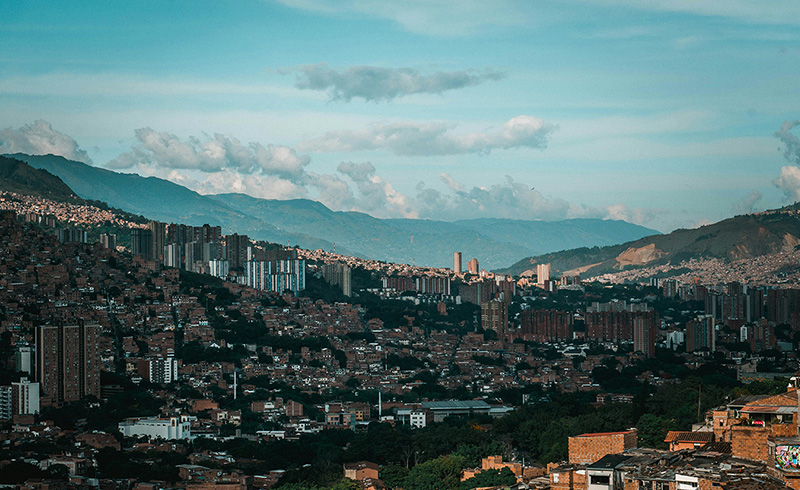

Paloquemao Market and Local Flavors

If you love food as much as we do, you need to visit the Paloquemao Fruit Market. Colombia has some of the most diverse produce in the world, and this bustling traditional market is the best place to taste it.

You can wander the aisles sampling exotic fruits like lulo, maracuya, and guanabana straight from the vendors.

During our walking tour, we also stopped at La Puerta Falsa, one of the oldest restaurants in the city. This is where you try ajiaco, a traditional chicken and potato soup garnished with corn, capers, and thick cream. It was exactly what we needed in the cool Andean weather.

Modern plated dish at a restaurant in Bogotá Colombia

Bogota’s food scene ranges from casual street eats to beautifully plated modern dishes.


Finding Proper Colombian Coffee

Bogota is an incredible place to dive into Colombian coffee culture.

We stopped at a small local coffee shop during our tour and got a proper introduction to the country’s famous export. This is not just something you drink here. It is an art form.

You will find independent cafes all over Zona G and Chapinero pulling flawless espresso and carefully brewing pour overs with beans sourced from different regions across Colombia.

Pro Tip: Use Bogota as your introduction to Colombian coffee before visiting the dedicated coffee regions like Salento or Medellin.
Crowded street scene in Bogotá with locals and tourists

The streets of Bogota are full of movement, culture, and everyday life.


Usaquen Market and the Salt Cathedral

If you are in Bogota on a Sunday, head north to the Usaquen neighborhood for the Mercado de las Pulgas.

The streets fill with local artisans selling handmade crafts, jewelry, and incredible street food. It is a fantastic place to pick up souvenirs and enjoy a lively, local atmosphere.

Bogota is also a great base for a few incredible day trips. The most popular is the Zipaquira Salt Cathedral, an awe inspiring church carved entirely out of an active salt mine about an hour outside the city.

Logistics: How Many Days Do You Need?

We spent about a week here, but for most travelers, 3 to 4 days is the sweet spot.

  • 2 to 3 days: Hit the highlights like Monserrate, La Candelaria, and the museums.
  • 3 to 4 days: Add food, coffee, and a more relaxed pace.
  • 5+ days: Include markets and day trips like the Salt Cathedral.
Local Guide Tip: The altitude can catch up to you quickly. Plan for a slower pace on your first two days while your body adjusts before doing heavy walking tours.

Explore More Colombia Guides

Explore more of Colombia with city guides, Cartagena deep dives, and real on-the-ground experiences.

CARIBBEAN COAST

Cartagena Travel Guide

A complete guide to where to stay, what to do, and how to experience Cartagena beyond the basics.

Read More

LOCAL EXPERIENCES

Medellín Travel Guide

Plan your Medellín stay with neighborhood advice, local experiences, and a better sense of daily life.

Read More

ONE WEEK PLAN

One Week in Bogotá

A real breakdown of neighborhoods, restaurants, and costs from a week in Colombia’s capital.

Read More

REMOTE LIFE

Digital Nomad Guide to Cartagena

Where to live, work, and build a routine if you are staying longer or working remotely.

Read More

FOOD PICKS

Cartagena Food Guide

The restaurants and dishes actually worth your time across the city.

Read More

ISLAND ESCAPE

Rosario Islands Weekend

Slow things down with a stay on Isla Grande and a closer look at island life.

Read More

Plan Your Trip

A few practical guides to help you plan smarter, pack better, and avoid common travel mistakes.

START HERE

Travel Planning Playbook

Build a smarter trip with a simple framework for timing, logistics, and decision-making.

Read More

MONEY & COSTS

Travel Budget Guide

Plan real costs, avoid budget mistakes, and make smarter money decisions before and during your trip.

Read More

STAYING SAFE

Travel Safety Guide

Practical habits to stay alert, organized, and more confident when navigating unfamiliar places.

Read More

Frequently Asked Questions

Is Bogota worth visiting?

Absolutely. It offers a rich, urban cultural experience, incredible dining in neighborhoods like Zona G, and serves as a perfect starting point to acclimate before heading to the coast.

3 to 4 days is ideal. This gives you time to see Monserrate, explore La Candelaria, visit the Gold Museum, and take a day trip to the Salt Cathedral without feeling rushed.

Zona G and Chapinero are highly recommended. They are safe, very walkable, and put you right next to some of the best coffee shops and restaurants in the city.

Bogota is over 8,600 feet above sea level. You will likely feel it. Drink plenty of water, pace yourself on the first day, and avoid heavy drinking until you adjust.

Where to Eat in Minneapolis

Home » Destinations » Page 3

Last updated: March 2026 by Corey Gasman

From the Editor:

I have lived in the Twin Cities my entire life, and my very first foodie awakening happened right out of college while working for the Minnesota Timberwolves at the Target Center. I was taken to a high-end, now-closed spot called Goodfellas. As a kid raised on iceberg lettuce and French dressing, trying a bibb salad with blue cheese, pear, and candied walnuts completely blew my mind.

That opened the door. Soon I was at Murray’s trying bacon-wrapped shrimp and perfectly cooked steak. Over the last 30 years, I have watched this city transform. It is no longer “Minnesota Bland.” From a massive influx of incredible Mexican staples and the rise of Somali restaurants to top-tier sushi and Southeast Asian flavors, Minneapolis is game on. I will gladly put our food scene up against Chicago or any other city our size.

From “Minnesota Bland” to a True Food City

I eat out a lot in the cities, and this guide represents the absolute best of what we have right now. It is built for both locals and visitors who want a real feel for where Minneapolis shines, whether that means a splurge dinner, a neighborhood favorite, or one iconic meal you should not skip.

Just remember my golden rule for dining out: never go in with impossibly high expectations. Whether you are walking into Spoon and Stable or Demi, keep an open mind. Expect great service, good food, and well-crafted drinks. If you let the restaurant do its thing without demanding your mind be blown, you will usually have a fantastic night.

Pro Tip: Use the Top 25 as your foundation, then use the rest of this guide to figure out what fits your mood, your neighborhood, and the kind of meal you actually want.

Minneapolis Dining Rule: The best restaurant depends on what you are craving. Use this guide to match the meal to the moment, not just the ranking.

Start with the essentials

Short on time? Begin with the Top 25, then jump to Eat Street, Hidden Gems, or Classic Institutions depending on your mood.

A local shortlist of the Minneapolis restaurants most worth your time right now.


25 Best Restaurants in Minneapolis Right Now (2026)

Let’s get one thing out of the way right now: take this ranking with a healthy pinch of salt. I have never loved putting restaurants in a strict numerical order because the “best” place in Minneapolis really depends on your mood, your budget, and what you are craving. If you want pho, you are not booking a tasting menu. If you want steak, you are not heading out for sushi. On any given night, these spots could easily move around. So think of this less as some locked-in hierarchy and more as my local shortlist of the 25 restaurants I would most strongly recommend in Minneapolis right now. If a restaurant made this list, it is firing on all cylinders.

One quick note on how to use this guide: this Top 25 is the foundation, but it is not the whole story. You will see some of these restaurants pop up again throughout the guide in sections like brunch, patios, or special occasions. That is intentional. The goal is not just to rank them, but to help you understand when they actually make sense. A great restaurant is rarely just one thing, so if a place shows up twice, it is because it is doing more than one thing really well.

1. All Saints

An intimate Northeast Minneapolis restaurant with one of the most dialed-in kitchens in the city. I have eaten here twice in the last year, and it simply hits all the right notes with interesting menus, good drinks, and a great vibe. It is built for sharing and works beautifully for date night.

Must Order: The NY Strip with crispy fingerling potatoes and the Golden Beets.
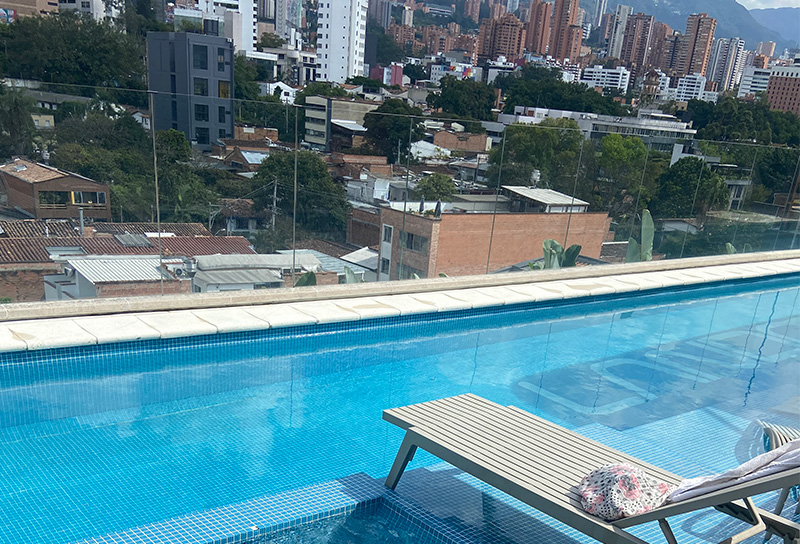
Read my full review of All Saints

2. Khâluna

Chef Ann Ahmed’s South Minneapolis restaurant brings a resort-like atmosphere and one of the most refined Lao-inspired menus in town. It is a beautiful space, and everything from their curries to the basil fried jalapeno wings is always delicious.

Must Order: The duck fried rice, yellow curry, or basil fried jalapeno wings.

3. 112 Eatery

When Chef Isaac Becker opened this downtown classic, it blew my mind. It felt like a small, intimate New York restaurant. The nice touch of warm candied almonds to start and the perfectly seasoned grilled lamb chops made me order the exact same thing over and over.

Must Order: The grilled lamb chops, the 112 cheeseburger, and tagliatelle with foie gras meatballs.

4. Quang

We eat here a couple of times a month. It is an absolute no-miss Eat Street staple that delivers incredible value, super quick and friendly service, and piping hot food every single time. This is one of the best casual comfort meals on the whole list.

Must Order: The pho with brisket and the egg rolls.

5. Bar La Grassa

A North Loop institution and still one of the best pasta restaurants in Minneapolis. Jenny used to work right above this spot, so we went a lot. Because they offer large and small plates, the best move is to order a variety of their amazing pastas and share everything. It is one of the easiest group-friendly special dinners in the city.

Must Order: The soft eggs and lobster bruschetta or the red wine spaghetti.

6. Billy Sushi

A high-energy North Loop sushi spot that leans into celebration, theatrics, and a strong overall night-out vibe. If you want a fun dinner that feels like an event, this is one of the best moves in town.

Must Order: The chef’s choice sashimi platter.

7. Bûcheron

This South Minneapolis neighborhood spot feels like one of the most complete restaurants in the city right now. We were lucky enough to get in there before they won their recent awards. The food is polished but never stiff, and the room still feels intimate and personal.

Must Order: The spaghetti with poached lobster or the chamomile-crusted Alaskan halibut.

Read my full review of Bûcheron

8. Myriel (St. Paul)

Chef Karyn Tomlinson runs one of the most thoughtful and quietly beautiful restaurants in the Twin Cities. It is seasonal, intentional, and deeply Midwestern in spirit.

Must Order: The seasonal tasting menu is the move here.

9. Demi

Gavin Kaysen’s tiny tasting counter remains one of the toughest reservations in town and the current foodie hot take. Go in with an open mind, expecting great service and food rather than demanding your mind be blown every time, and you will have an incredible culinary experience.

Must Order: The tasting menu, especially any broth or seafood courses.

10. Owamni

A completely unique Indigenous dining experience overlooking the Mississippi River. The menu centers pre-colonial ingredients and offers one of the most meaningful meals in the city. If you are visiting Minneapolis and want one meal that feels specific to place, this is one of the strongest choices.

Must Order: The bison tartare and any smoked lake fish dish.

11. Restaurant Alma

My top pick for a beautifully balanced tasting menu in Minneapolis. It never feels showy, just deeply thoughtful and hospitable.

Must Order: The seasonal tasting menu.

12. Porzana

Daniel del Prado’s fire-driven Argentinian steakhouse in the North Loop is absolutely the hottest new restaurant to be seen at. We had our anniversary dinner here and even spotted Gavin Kaysen and the Gophers football coach eating in the dining room. It is great for a big night out and one of the city’s strongest upscale brunch reservations too.

Must Order: Any prime cut of steak and the sweet corn empanadas.

13. Hai Hai

Fun, vibrant Southeast Asian food in Northeast Minneapolis with bold flavors and a room that always feels alive. It is one of the easiest places on this list to recommend when you want energy without going full fine dining.

Must Order: The Balinese chicken thighs and the Hanoi sticky rice.

14. Spoon and Stable

Still one of the city’s most important restaurants from Gavin Kaysen and one of the most reliable special-occasion picks in Minneapolis. Just like Demi, go in expecting great service and good drinks instead of impossibly high expectations, and you will have a fantastic night. It is also one of the best polished brunch reservations in town.

Must Order: Dorothy’s pot roast and one of the pastries or desserts.
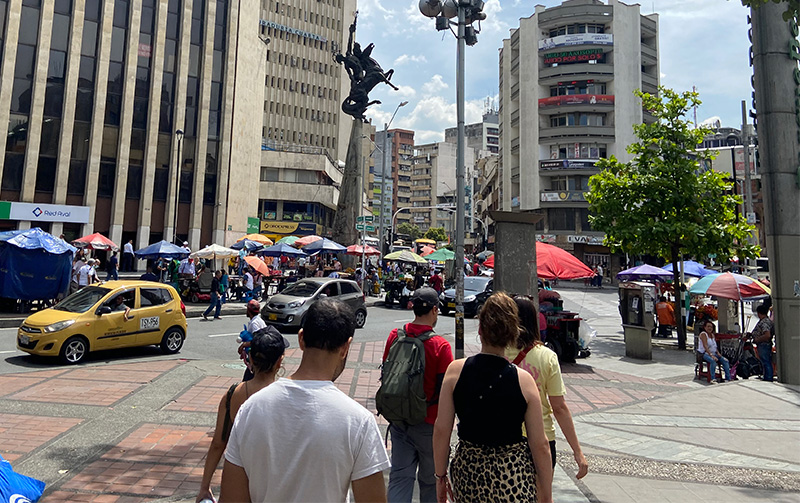
15. Oro by Nixta

One of the most exciting Mexican restaurants in the metro, with exceptional heirloom corn tortillas and creative, chef-driven flavors.
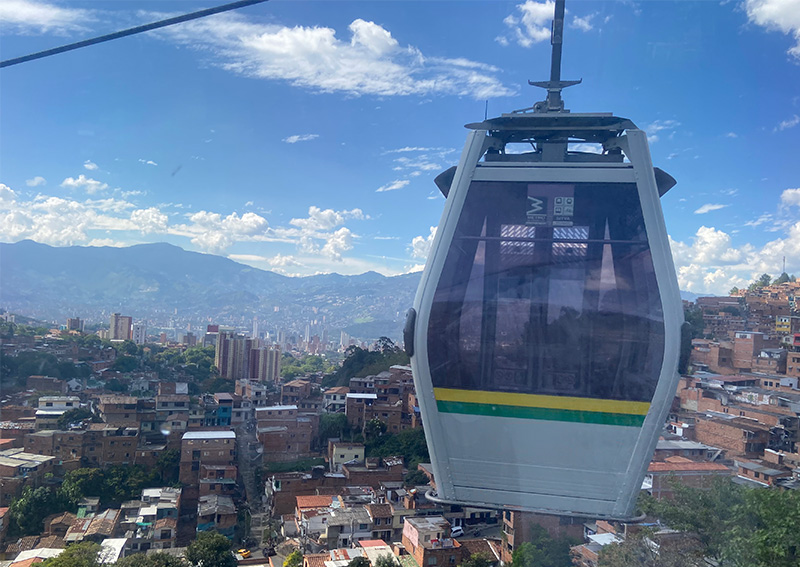
Must Order: The duck carnitas.
16. Kado no Mise

The definitive omakase move when you want traditional Japanese craftsmanship and a refined dining room.

Must Order: The chef’s omakase experience.

17. Diane’s Place

Already one of the most respected newer restaurants in the city, blending Hmong-American cooking, pastry talent, and neighborhood warmth.

Must Order: The pork belly and the pastries.

18. Martina

Argentinian and Italian influences come together in one of the best neighborhood fine-dining rooms in Minneapolis. It is an especially strong date-night pick when you want something polished but not stuffy.

Must Order: The potato churros and celery root ravioletti.

19. Gai Noi

Bright, lively, and packed with bold Southeast Asian flavors, this is one of the city’s most fun modern restaurant rooms.

Must Order: The green papaya salad and the khao soi.

20. Vinai

Chef Yia Vang’s long-awaited flagship is one of the most important restaurant openings in Minneapolis in years, centered on Hmong home cooking with a modern, elegant twist. It is one of the clearest examples of where Minneapolis dining is headed.

Must Order: The Hmong sausage, sticky rice, and any of the wood-fired meats.

21. Colita

Modern Mexican food with one of the strongest cocktail programs in the city and a consistently fun atmosphere.

Must Order: The tempura fried shrimp and the churros.

22. Animales Barbeque Co.

Creative, high-level barbecue with a cult following and some of the most memorable meat plates in town.

Must Order: The Texas hot link and pork belly burnt ends.

23. Chimborazo

One of Northeast Minneapolis’ most beloved restaurants, serving deeply satisfying Ecuadorian and Andean comfort food. This is the kind of place that reminds you how much soul the city’s neighborhood dining scene still has.

Must Order: The hornado and the llapingachos.

24. Matt’s Bar

The essential stop for an iconic Jucy Lucy and one of the most classic Minneapolis food experiences. If it is your first real Minneapolis food crawl, this is one of the easiest boxes to check.

Must Order: The Jucy Lucy and a half order of fries.

25. Kramarczuk’s

An old-school Northeast institution for sausages, soups, and deli classics that absolutely belongs on any Minneapolis food list.

Must Order: The Polish sausage sandwich with sauerkraut.

Pro Tip: For any of the highly rated or nationally recognized spots on this list, check reservation policies in advance. Many of the best tables disappear quickly on weekends.

Classic Minneapolis Institutions

Not every essential Minneapolis restaurant is the hottest reservation in town. These are the places that help define the city’s dining identity and still matter.

  • Murray’s: The most iconic steakhouse in Minneapolis. This is our go-to special occasion restaurant. Jenny and I love going there and ordering the Silver Butter Knife Steak for two. It is old-school Minneapolis dining at its finest.
  • Manny’s Steakhouse: A bigger, more modern steakhouse experience with massive cuts, a lively atmosphere, and a strong reputation for classic steakhouse dining.
  • Al’s Breakfast: The legendary 14-stool counter in Dinkytown. It is a Minneapolis rite of passage for classic breakfast fare in a space that has not changed in decades.
  • Jax Cafe: A timeless supper club with white tablecloths, a beautiful patio, and one of the most classic dining experiences in Minneapolis.
  • Monte Carlo: A true Minneapolis classic known for its legendary wings, strong drinks, and old-school bar atmosphere that still feels untouched.
  • JD Hoyt’s: A North Loop institution known for its old-school vibe, steaks, and anything-goes energy.
  • Broders’ Pasta Bar: The classic Italian red-sauce neighborhood favorite with a tiny dining room and serious pasta credibility.
  • Brit’s Pub: A downtown staple for British pub food, pints, and summer rooftop lawn bowling.
  • The Oceanaire Seafood Room: The city’s most upscale seafood dining room and a strong choice for oysters, fish, and a classic special-occasion feel.
Local Guide Tip: Murray’s is one of the best places in the city to experience a true old-school Minneapolis steakhouse. Order the cocktail shrimp wrapped in bacon to start, then lean into the history.

Best Special Occasion Restaurants

If you want a modern, stunning atmosphere, Maison Margaux is Chef David Fhima’s multi-level French brasserie in the North Loop that feels like stepping into a party in Paris. St. Pierre Steak and Seafood is another fantastic newer option; restaurateurs Isaac Becker and Nancy St. Pierre opened it as an homage to their former hit, Burch.

For a big steakhouse night, Porzana brings fire-driven energy, while Manny’s Steakhouse delivers the classic upscale chops experience. If seafood is the priority, The Oceanaire Seafood Room still feels like a proper celebratory destination.

This is the section to use when you are planning around the occasion first, then backing into the menu. Anniversaries, birthdays, client dinners, or any night where the room matters almost as much as the food should start here.

A proper Jucy Lucy is a Minneapolis rite of passage.


Iconic Minneapolis Foods

Some dishes are just part of the city. You cannot leave without trying a Jucy Lucy at Matt’s Bar. Kramarczuk’s is a Northeast institution for Polish sausage and deli comfort food. Broders’ Pasta Bar gives you one of the city’s classic neighborhood Italian meals, and Owamni offers a dining experience that is unlike anywhere else in the country.

Local Guide Tip: Let your Jucy Lucy cool for a minute before biting in. The molten cheese center is no joke.

Best Lunch Spots

Midday meals in Minneapolis range from quick counter service to bakery lunches and neighborhood classics.

  • Marty’s Deli & Clancey’s Meats: Both deliver absolutely elite sandwiches.
  • Fika Cafe: Located inside the American Swedish Institute, this is one of the most beautiful lunch spots in the city, offering fresh, seasonal Swedish food.
  • Afro Deli: A fantastic, reliable stop for vibrant African, Mediterranean, and American comfort food.
  • Midtown Global Market: When your group cannot decide, this massive market on Lake Street offers incredible global variety all under one roof.
  • Turtle Bread Company: One of the best bakery stops in South Minneapolis, with solid lunch options from both its Longfellow and Nicollet locations.
  • Lu’s Sandwiches: Serves some of the best, fastest banh mi in town.

Summer in Minneapolis means finding the nearest outdoor table with a view of the water or the skyline.


The Best Patios and Outdoor Dining

When the weather breaks, the entire city moves outside. Outdoor dining in Minneapolis is a competitive sport, and the best tables are highly coveted.

Smack Shack in the North Loop has a massive, energetic patio perfect for lobster rolls and cold drinks. Just down the street, Graze Food Hall offers a phenomenal rooftop patio where you can grab bites from different vendors curated by the Travail team while enjoying the skyline.

For a more relaxed neighborhood vibe, the courtyard at W.A. Frost in St. Paul is legendary. If you want to stay near the water, Sea Salt Eatery at Minnehaha Falls is a local summer ritual for fried fish and local beer, while The Painted Turtle at Lake Nokomis is the perfect casual stop after a walk or an afternoon on the local courts.

Local Guide Tip: Minnehaha Falls gets incredibly busy on summer weekends. Go on a Tuesday or Wednesday late afternoon to avoid the longest lines.

Best Food Neighborhoods

Minneapolis dining is deeply neighborhood-driven, and where you eat often shapes the whole feel of the night.

The North Loop has the highest concentration of nationally relevant and destination-worthy restaurants. Northeast Minneapolis gives you the best mix of old institutions, creative chefs, and neighborhood personality. Eat Street remains the city’s most diverse and walkable food corridor. South Minneapolis hides some of the city’s best residential gems, from bakeries to chef-driven dining rooms.

Northeast Minneapolis Deep Cuts

Northeast is one of the best neighborhoods in Minneapolis to eat through slowly. It has old-school character, immigrant roots, and some of the city’s best newer restaurants.

  • Vinai: One of the most important new restaurants in the city, with deeply personal Hmong cooking.
  • Animales Barbeque Co.: Creative barbecue that feels distinctly Minneapolis.
  • Holy Land: A massive neighborhood staple. Their deli, hummus, and freshly baked pita are legendary in Northeast.
  • Earl Giles Restaurant and Distillery: A massive, stunning space with fantastic cocktails, pizza, and a great apothecary vibe.
  • Uncle Franky’s: Located at 729 NE Broadway St, this tiny spot is absolutely famous for its high-quality, custom-made all-beef hot dogs.
  • Pikok Lounge at Minari: Minari recently refreshed this lounge space with a great nod to the previous inhabitants, Erté & the Peacock Lounge, making it a stylish Northeast stop.
  • Brasa: Chef Alex Roberts’ casual rotisserie spot, built around fresh local ingredients with Latin American and Caribbean influences.
  • Centro: A casual taco and margarita spot that is almost always lively.

Hidden Gems

These are the places that may not land on every national list but still deserve real love from locals and food-focused visitors.

  • Ono Hawaiian Plates (Inside United Noodles): United Noodles is my absolute go-to grocery store for Asian food in Minneapolis. They have great pricing on produce, the ginger is infinitely better than what you find at standard local chains, and I always stock up on baby bok choy and any condiments I need to make the perfect Asian dish at home. Tucked right inside the store is Ono Hawaiian Plates, an absolute hidden gem serving incredible Hawaiian comfort food.
  • Coastal Seafoods: Located literally in the same driveway as United Noodles, this is my trusted local fishmonger. If you are staying in an Airbnb and want to cook a serious meal, you have to stop here. They fly in fresh fish six days a week, so you are always getting the absolute freshest seasonal catches, scallops, mussels, oysters, and shrimp. They also recently remodeled to include a cafe menu, so grab one of their fantastic lobster rolls, a bowl of clam chowder, or even their burger while you are there.
  • Meet Up Noodle: A fantastic, under-the-radar spot for highly comforting, deeply flavored noodle soups.
  • Hola Arepa: Bright, dependable, and still one of the most craveable casual meals in Minneapolis.
  • Red Sea: A long-running Ethiopian favorite that adds important depth to the city’s food story.
  • Wendy’s House of Soul: A beloved soul food spot with comfort, personality, and loyal local support.
  • Victor’s 1959 Cafe: Cuban comfort food in one of the city’s most charming, character-filled restaurant spaces.
  • Young Joni Back Bar: Not exactly unknown anymore, but still one of the coolest hidden-feeling spaces in the city if you know to duck behind the alley entrance.
Local Guide Tip: If you are already at United Noodles, make the most of the stop. Grab a few pantry staples, eat at Ono Hawaiian Plates, then swing by Coastal Seafoods next door. It is one of the best under-the-radar Minneapolis food errands you can run.

Eat Street

This stretch of Nicollet Avenue remains one of the most concentrated, walkable food corridors in Minneapolis. If you want to see exactly how much our food scene has evolved over the decades, just take a walk down this street.

You can easily spend several days exploring this strip, jumping from massive food halls to tiny, family-run neighborhood staples.

  • Quang: This spot anchors the whole street for me. We eat here a couple of times a month, and it is the absolute go-to for brisket pho and hot egg rolls.
  • Eat Street Crossing: Located at 2819 Nicollet Ave, this 15,000-square-foot food hall is a massive addition to the neighborhood. It is a stylish two-story space filled with art and greenery. You can grab phenomenal birria from El Sazon, tip-top sushi from Hikari Hand Roll, or bun bo hue from House of Hue, and wash it all down with cocktails or boba from Niko Niko. It is the perfect move when your group cannot agree on one cuisine.
  • Christos: Open since 1988, this is our absolute go-to Greek place ever since Greek To Me shut down. They have deliciously fresh baked pitas, and we always get the gyro platter along with the combination of appetizers just for the amazing hummus. It is a consistently great value.
  • Black Forest Inn: Holding it down on Nicollet since 1965, this is the essential stop for classic German food. Beyond the schnitzel and bratwurst, they have a fantastic courtyard patio that is absolutely perfect in the summer.
  • Pimento Jamaican Kitchen: Right at 2524 Nicollet Ave, this fast-casual spot serves up incredible, deeply flavorful jerk chicken and rich curried dishes. It brings a massive punch of flavor to the block.
  • The Copper Hen: A rustic, welcoming spot right on the street. If you are looking for scratch-made comfort food, excellent baked goods, or a solid weekend brunch, this is the place to drop in.
  • Jasmine 26 Hot Pot Restaurant and Bar: A fantastic stop when you want a communal, interactive meal. Get a split pot with a spicy broth and load up on fresh veggies and meats.
  • Pho Tau Bay: A legendary spot for pho purists. While Quang is my default, Pho Tau Bay delivers an incredibly deep, rich broth that constantly competes for the best bowl in the city.
  • My Huong Kitchen: An amazing, low-key gem for banh mi and authentic Vietnamese comfort food. It feels like a true, welcoming neighborhood joint.
  • Rainbow Chinese: An absolute Eat Street institution. They have been serving up high-quality, fresh Chinese dishes for years, and their wok game is a massive step above your standard takeout.
  • Little Tijuana Neighborhood Lounge: A classic lounge that got a fantastic revival. It is a great stop for a strong drink and some unexpectedly excellent bar food after hitting the other spots on the street.
  • Glam Doll Donuts: The Twin Cities’ fancy, sassy donut superstar. If you need a sugar fix after a savory crawl down Nicollet, their highly creative flavors and vintage vibe make this a mandatory stop.
Local Guide Tip: Eat Street is best experienced as a crawl. Grab an appetizer or a drink at Eat Street Crossing, pick a main stop somewhere along Nicollet, and finish the night with dessert to go from Glam Doll Donuts.

Brunch & Coffee

Minneapolis does brunch extremely well, especially when you mix classic neighborhood spots with strong bakery culture. Some of the bigger-name restaurants on this page also do a strong brunch, but this section is more about the dedicated daytime moves.

  • Hell’s Kitchen: The quintessential downtown brunch spot. If you want great food, live music, and a legendary Bloody Mary bar, this is the move.
  • Al’s Breakfast: The ultimate classic breakfast experience, provided you are willing to wait for one of the 14 iconic stools in Dinkytown.
  • Turtle Bread Company: A longtime local favorite for pastries, breakfast, and a cozy South Minneapolis bakery feel.
  • Hola Arepa: One of the city’s more memorable brunches, especially if you want something a little different.
  • Victor’s 1959 Cafe: An excellent brunch choice if you want Cuban comfort food and character.
  • Marty’s Deli: Great for a more casual daytime food stop.

Best Food Combos

Bar La Grassa into Bunker’s Music Bar & Grill is a perfect North Loop combo. Lock in a great dinner, then roll straight into live music and a more casual night-out vibe.

Grab pho and egg rolls somewhere along Eat Street, then walk to another spot for dessert or drinks.

Brasa or Chimborazo followed by a Northeast brewery or bar crawl.

Jax Cafe into Grumpy’s Northeast is one of the best oxymoron nights in Minneapolis. Go from a classic supper club dinner straight into a true Northeast dive bar just a couple blocks away.

Brit’s Pub for pints and rooftop lawn bowling on a warm-weather afternoon.

Venn Brewing and Bull’s Horn are a perfect South Minneapolis one-two punch. Grab a beer or two at Venn, then walk a couple blocks over to Bull’s Horn for a great burger and one of the best casual neighborhood dinners in town.

Lynette or Blue Door Pub into the Riverview Theater is a perfect South Minneapolis night. Grab dinner, then walk over for a movie at one of the city’s most old-school, budget-friendly theaters.

Minneapolis Restaurant FAQ

Do I need reservations at the best Minneapolis restaurants?

For the highly acclaimed tasting menus and hottest new openings, yes. For neighborhood staples and casual lunches, usually not.

The Jucy Lucy is still the city’s most iconic food, but Minneapolis is also defined by pho on Eat Street, Northeast sausage shops, Hmong cooking, and a strong fine-dining scene.

The North Loop is the easiest base if dining is your priority, but Northeast gives you more local character and Eat Street offers one of the city’s best casual food crawls.

Yes. Minneapolis punches above its weight with exceptional tasting menus, strong immigrant food traditions, iconic neighborhood institutions, and one of the more interesting overall food scenes in the Midwest.

The North Loop is the easiest choice if you want walkable access to some of the city’s biggest-name restaurants, bars, and hotels. Northeast is a better fit if you want more local character, while South Minneapolis works well if you are building your trip around neighborhood spots, bakeries, and a more residential feel.

Both, and that is part of what makes the city interesting. Minneapolis has excellent fine dining, tasting menus, and destination restaurants, but it is just as strong when it comes to casual neighborhood spots, immigrant-owned staples, and comfort-food institutions. The best version of this city is usually a mix of both.

Minneapolis Travel Guide: A Lifelong Local’s Playbook

Interactive Minneapolis Map

To make this guide easier to use, I pulled together an interactive Minneapolis map with my key picks across the city. It includes the restaurants, bars, hotels, lakes, music venues, museums, shopping districts, and neighborhood spots mentioned throughout this guide, so you can quickly see how everything fits together.

This is especially helpful if you are trying to decide where to stay, group stops by neighborhood, or build a realistic day around the North Loop, Northeast, the riverfront, South Minneapolis, or Edina without wasting time bouncing all over the metro.

Minneapolis blends skyline energy, riverfront history, and one of the best urban park systems in the country.


Minneapolis: What You’ve Heard vs. Reality

If you only follow national headlines, you might think Minneapolis is a city that is struggling. As a lifelong local who lives in South Minneapolis, I can tell you that narrative completely misses the real story.

Minneapolis is resilient, creative, and tightly knit. It has a nationally recognized food scene, one of the strongest theater scenes outside New York, and a park system that will ruin you for any other city. I have always felt safe going downtown for a game or heading out to the North Loop for dinner.

The vibe is certainly different than it was a decade ago, but whether you are flying in for work, catching a Vikings game, or visiting family, Minneapolis rewards you the more you explore it.

Choose Your Trip

In Town for Work

Stay downtown or in the North Loop. Use the skyway system to navigate between buildings in the winter. Book a reservation at Spoon and Stable or Porzana for a guaranteed great client dinner.

Game Day

Minneapolis is built for sports fans. You can catch a Twins day game at Target Field, watch the Timberwolves or Lynx at Target Center, or join the massive crowds for a Vikings Sunday at U.S. Bank Stadium. All venues are highly walkable from downtown hotels.

The Weekend Food Trip

Spend your time bouncing between the North Loop, Northeast, and South Minneapolis. The culinary talent here is staggering, blending high-end chef concepts with deeply rooted neighborhood institutions.

Visiting Family

Stick to the lakes, the patios, and the parks. Minneapolis shines when you slow down, rent a bike, and eat somewhere with easy street parking.

Where to Stay in Minneapolis

If I were visiting Minneapolis for a weekend, I would usually stay in either the North Loop or downtown, depending on the trip. The North Loop is the best overall pick for food, walkability, and nightlife, while downtown works better if you are in town for a game, concert, or convention.

My Top Pick: Hewing Hotel

For most travelers, Hewing Hotel is the best overall stay in Minneapolis. It sits in the heart of the North Loop, one of the city’s best neighborhoods for restaurants and bars, and the hotel itself nails the brick, timber, warehouse feel that fits Minneapolis perfectly. The rooftop lounge is one of the best in town, and overnight guests get access to the rooftop spa pool and Nordic-inspired sauna. Pair it with dinner at Porzana, Demi, or Spoon and Stable.

Old-School Charm: Nicollet Island Inn

If you want something more classic, romantic, and quietly tucked away, Nicollet Island Inn is a great alternative. It feels like old Minneapolis in the best way and puts you right by St. Anthony Main, the Stone Arch Bridge, and the riverfront. It is a strong pick if you want historic character and charm over trendiness.

Best for Vikings Games or a Downtown Weekend: W Minneapolis – The Foshay

The Foshay is a strong downtown pick if you want to stay in an iconic building and be close to stadiums, nightlife, and the skyway system. Manny’s Steakhouse is right in the building, and Prohibition Bar on the top floor is still one of the best cocktail views in the city.

Best for Timberwolves/Lynx, Twins, and Concerts: The Lofton Hotel

If your trip is built around Target Center, Target Field, First Avenue, the Orpheum Theatre, or State Theatre shows, The Lofton Hotel is one of the easiest places to stay. It sits right in the middle of that entertainment zone and makes a lot of logistical sense.

Splash-Out Pick: Four Seasons Hotel Minneapolis

If budget is not the issue, Four Seasons is the luxury move. Pair it with a Billy Sushi dinner and cocktails in Billy’s After Dark hidden bar for a serious Minneapolis weekend.

Best Boutique Foodie Stay: Alma

Alma is a niche pick, but a very good one. It combines a killer tasting menu restaurant, café, and boutique hotel with seven uniquely designed guest rooms. I would only stay here if you are intentionally building part of your trip around dinner at Alma.

More options to consider include Hotel Ivy, Marriott Downtown, and Emery, Autograph Collection.

Where to Eat in Minneapolis

The best way to eat in Minneapolis is to mix a few bigger reservations with neighborhood institutions. This is not a city where every meal needs to be fancy. Some of the best stops are still the old-school places, the lunch counters, and the bars that quietly serve an incredible burger.

Top Picks

All Saints is one of the restaurants I would put near the top of the list right now. Kim Tong and Denny Leaf-Smith are turning out one of the most consistently dialed-in menus in the city, with a mix of thoughtful vegetable dishes, strong proteins, and flavors that feel both creative and approachable.

My top pick for a tasting menu is Restaurant Alma, which delivers one of the most polished, intimate dining experiences in Minneapolis. If you want something even more exclusive, Demi is the ultra-cheffy splurge. It is a roughly 12-seat counter experience from Chef Gavin Kaysen and easily one of the most sought-after reservations in the city.

Downtown and Can’t-Get-Anywhere-Else Meals

My favorite downtown restaurant is still 112 Eatery. It has been one of the most consistently acclaimed restaurants in Minneapolis for years and remains an easy recommendation. If you want a meal that feels uniquely tied to this place, go to Owamni by The Sioux Chef. You simply are not getting that experience in most American cities.

Sushi, Steak, and Chef-Driven Dinner Picks

For sushi, Billy Sushi is still the fun, buzzy pick, while Kado no Mise is the omakase move. For steak, it is Murray’s or Manny’s depending on the mood. Martina remains one of the most satisfying dinner plays in Southwest Minneapolis, and if you are willing to cross the river into St. Paul, Myriel is one of the most respected restaurants in the region, especially after Chef Karyn Tomlinson’s 2025 James Beard Award for Best Chef: Midwest.

Asian, Mexican, and Neighborhood Specialists

Hai Hai in Northeast is still one of the most fun meals in the city. Oro by Nixta is a great Mexican option, and if you want street tacos, Taco Taxi is the classic call. My personal taco favorite is Habanero Tacos on East Lake Street. No frills, just order the birria beef tacos.

Lunch and Value Picks

My local lunch pick is Quang on Eat Street. These are some of the best egg rolls in the Twin Cities, coming out blistering hot, ultra crispy, and packed with flavor, served with a punchy fish sauce that ties it all together. The pho is just as strong, with a rich, unctuous broth that hits that perfect balance of depth, fat, and straight umami. If you hit it on a Sunday, get the sea bass pho. For overall value, consistency, and comfort, Quang is one of the best restaurants in Minneapolis.

Pho 79 is another good option if you want to stay in that lane. Kramarczuk’s is a no-brainer lunch stop in Northeast.

Clancey’s is a killer lunch play in Southwest Minneapolis and one of the best old-school butcher shop delis in the city. My go-to, hands down, is the roast beef sandwich ordered “with everything,” stacked high with perfectly cooked beef and all the classic fixings.

Jucy Lucys, Burgers, Pizza, and Casual Greats

For a true local meal, go get a Jucy Lucy at Matt’s Bar (my #1 pick) or the 5-8 Club. For best burger in Minneapolis, Bull’s Horn belongs in the conversation, and it might be the best dive bar with food in South Minneapolis too. If you want to do Bull’s Horn right, pull up with your weeknight bar crew and order a nine-piece dill pickle fried chicken bucket, some cheese curds, maybe the deviled eggs or fried gizzards, and do not skip the burger.

For pizza, Pizzeria Lola is still one of the best in the city. Fat Lorenzo’s is a classic South Minneapolis neighborhood staple near Lake Nokomis. Punch Pizza is a great super-casual option in Northeast, Parkway Pizza is a reliable Longfellow play, and Wrecktangle is where I would send someone who wants a fun, heavier pie. Get The Shredder.

Best Combos and Great Minneapolis Nights

One of the best combos in the city is World Street Kitchen followed by Milkjam Creamery. Another great Minneapolis move is Lynette and Riverview Theater for one of the best dinner-and-a-movie pairings in town. And if you want old-school Northeast bar food, 1029 still earns its place with the lobster roll and mac and cheese.

Diane’s Place is another restaurant worth knowing, especially if you follow local chef-driven dining closely. There is enough good food in Minneapolis that this city easily deserves its own dedicated restaurant guide, because this is just the abbreviated version.

Lake Nokomis offers beaches, rentals, and cold beer and drinks right on the water, making it a perfect South Minneapolis hangout.


The City of Lakes

The famous Chain of Lakes includes Bde Maka Ska, Lake Harriet, and Lake of the Isles. They are connected by a scenic walking and biking loop that is roughly nine miles. You can kayak or paddleboard and spend an entire day outside without ever feeling like you left the city.

Just a few minutes from the airport, South Minneapolis has its own lake culture centered around Lake Nokomis and Lake Hiawatha. Nokomis offers a great walking loop, kayak rentals, a swimming beach, and six dedicated pickleball courts. Right on the water, The Painted Turtle is the spot for ice cream, beach snacks, and beer and wine on the patio. Next door, Lake Hiawatha features its own swimming beach and the historic Hiawatha Golf Course.

If you want to step away from the beach for a heavier meal, you are just minutes away from the ultimate local rivalry: Matt’s Bar and the 5-8 Club, both battling for the title of the original Jucy Lucy. If you are not feeling a burger, Fat Lorenzo’s is the neighborhood staple for classic pizza and pasta. This whole pocket of South Minneapolis is one of the areas I go back to over and over once the weather turns nice.

Local Guide Tip: Because Lake Nokomis is only a five-minute drive from MSP Airport, it is the absolute best place to kill time during a long layover or grab a beer by the water before an evening flight.

Prospect Park near the University of Minnesota blends brewery culture, food halls, and easy access to campus and game days.


Staying Near the University of Minnesota for an Event

If you are visiting Minneapolis for a game, concert, or campus event, the Prospect Park and Stadium Village area is one of the most underrated places to stay. It is especially perfect if you are into craft beer, whiskey, and easy walkability to Huntington Bank Stadium.

Prospect Park: Breweries and Food Halls

Right next door to one of the top breweries in the country, Surly Brewing, you also have the Market at Malcolm Yards, one of the best food halls in Minneapolis. You will find everything from Detroit-style pizza at Wrecktangle, to burgers, tacos, sushi, and a self-pour beverage wall.

There is a large free parking lot here, which makes it an easy home base if you are heading to a Gophers game at Huntington Bank Stadium. You can often park here and walk over. Vendors do rotate, so it is worth checking their site ahead of time for the latest lineup.

Surly Brewing itself is a destination. You can choose from a huge lineup of beers on tap, grab food from the full kitchen, or head upstairs to Surly Pizza. The massive outdoor patio with fire pits and lawn games like cornhole makes this one of the best hangout spots in the city.

For something completely different, head over to O’Shaughnessy Distilling Co and settle into their dark, cozy whiskey lounge. It is one of the best spots in Minneapolis if you are into Irish whiskey or just want a quieter, more refined vibe after a game or brewery stop.

Where to Eat Near Campus

Al’s Breakfast in Dinkytown is a 14-stool legend and a James Beard Award winner. It is narrow, loud, and serves some of the best pancakes and omelets in the city. Expect a line, but it moves fast.

Annie’s Parlour, also in Dinkytown, is a classic for burgers, fries, and thick malts. The upstairs seating gives you a great view over the neighborhood.

For Chinese food, Tea House in Stadium Village is widely considered the best Sichuan restaurant in the Twin Cities. It is known for dishes like the House Beef Roll and Dan Dan noodles.

Shuang Cheng is a longtime Cantonese staple, famous for its fresh seafood tanks and strong lunch specials that are perfect if you want quality food at a more casual price point.

Kimchi Tofu House is a small, often packed spot that specializes in Soon Tofu, a bubbling Korean soft tofu stew that is especially perfect during the winter months.

Where to Stay

The Graduate by Hilton Minneapolis is the go-to hotel near campus and the most convenient option if you are visiting for a University of Minnesota event. It puts you right in the middle of everything with easy access to the stadium, Dinkytown, and Prospect Park.

The city’s extensive biking trails connect directly to Minnehaha Falls, where locals spend summer afternoons at Sea Salt Eatery.


Biking and Minnehaha Falls

Minneapolis consistently ranks as one of the most bike-friendly cities in America. The Midtown Greenway runs all the way through Minneapolis into Uptown and out to the suburbs, allowing you to cross the city without dealing with traffic.

My favorite route is taking the River Road trails down the Mississippi River directly to Minnehaha Falls. The falls are a stunning natural highlight right in the city. During the warmer months, you have to stop at Sea Salt Eatery located right in the park pavilion. They serve fantastic seafood, local wine, and cold craft beer on one of the best outdoor patios in Minnesota.

Walking the Stone Arch Bridge to St. Anthony Main offers the best views of the downtown skyline and the historic milling district.


Mill City and Riverfront History

Minneapolis used the power of St. Anthony Falls to become the flour milling capital of the world, birthing corporate giants like General Mills and Pillsbury. Today, the Mill City Museum sits directly in the ruins of the old Washburn A Mill. Right next door is the Guthrie Theater, featuring incredible architecture and an endless bridge that offers sweeping views of the river.

Just steps from the museum is Owamni, the groundbreaking Indigenous restaurant by Chef Sean Sherman. Because the menu features only pre-colonial ingredients, you will ironically not find any wheat flour in this former milling district, but you will find an award-winning dining experience.

If you visit in the spring, summer, or fall, walking across the historic Stone Arch Bridge is mandatory. The bridge leads directly into St. Anthony Main, the oldest continuously settled neighborhood in the city. The cobblestone street is lined with great patios like the classic Aster Cafe and newer spots like Cabana Club. While you are there, look uphill for Our Lady of Lourdes, the oldest continuously used church in Minneapolis.

Pro Tip: You can rent an e-bike near the Stone Arch Bridge and ride north along the river directly to Pryes Brewing, or take the paths south all the way to the Chain of Lakes.

Minneapolis Neighborhood Quick Guide

Neighborhood The Vibe Best For
North Loop Buzzy, modern, and industrial-chic. Boutique hotels, high-end dining, and walkable brewery tours.
Northeast Blue-collar, artsy, and unpretentious. Classic dive bars, pub crawls, and historic immigrant food staples.
Greater Longfellow Quiet, residential, and deeply local. Neighborhood burgers, vintage theaters, and River Road access.
Southwest / Linden Hills Upscale, relaxed, and picturesque. Walking the lakes, grabbing ice cream, and independent dining.

The North Loop transformed the city’s historic Warehouse District into the premier neighborhood for dining, breweries, and boutique stays.


The North Loop

The North Loop is the modern culinary epicenter of Minneapolis. Once the industrial Warehouse District, the neighborhood has transformed its massive brick-and-timber buildings into the hottest area in town for food and nightlife.

A perfect home base is the Hewing Hotel. The downstairs lounge is fantastic, but in the summer, you have to hit the rooftop bar and spa pool. For high-end dining, Porzana, Demi, and Spoon and Stable are three of the most sought-after reservations in the city. Spoon and Stable remains one of the spots my wife and I rely on for a guaranteed spectacular meal. For a casual sunny afternoon, Graze Provisions + Libations is an excellent food hall with a rooftop patio.

The North Loop is also a brewery heavyweight. Within a few blocks, you can easily walk between Fulton Beer, Modist Brewing, Inbound BrewCo, and The Freehouse.

Thankfully, a few gritty holdouts survived the gentrification. Cuzzy’s is a legendary dive bar with walls covered in dollar bills. Just down the street is Bunker’s Music Bar & Grill, an absolute institution that hosts incredible live R&B, funk, and soul bands almost every single night.

Local Guide Tip: Bunker’s is especially famous on Sunday and Monday nights, when Dr. Mambo’s Combo has long held court on the same stage Prince was known to visit unannounced.

Northeast Minneapolis holds onto its blue-collar roots with some of the best historic dive bars and neighborhood pubs in the Midwest.


Northeast Dive Bars

While the North Loop gets the national press, Northeast Minneapolis is the undisputed dive bar capital of the Twin Cities. Historically a working-class neighborhood for Eastern European immigrants, Northeast has held onto its unpretentious, no-frills identity better than anywhere else in the city.

If you want to do a proper Northeast pub crawl, start at The 1029 Bar. A former cop bar, it is famous for its lively Saturday bar bingo and packed karaoke nights. From there, head to the Northeast Yacht Club. Do not let the name fool you. There are no boats here. It is a legendary dive bar with cheap drinks located right down the street from Elsie’s old-school bowling alley.

Keep it moving to Grumpy’s NE, which might be the most classic dive bar in the city. No gimmicks, just a great bar that always delivers. If you want live music and late-night energy, Mayslack’s is a staple. It has been around forever, and the combination of live bands and their massive garlic roast beef sandwich is about as Northeast as it gets.

If you want one more stop, Dusty’s is another great neighborhood bar, especially if you are chasing their famous Dago burger. This whole stretch is one of the easiest and most fun bar crawls in Minneapolis, and it still feels like the version of the city that existed before everything got polished.

Northeast Minneapolis blends old-school institutions, new chef-driven restaurants, and one of the best brewery clusters in the Twin Cities.


Northeast Minneapolis Food, Breweries, and Culture

Northeast Minneapolis is one of the most interesting food neighborhoods in the city because it is constantly evolving. It still has deep Eastern European roots, long-running neighborhood institutions, and some of the best old-school spots in Minneapolis, but over the past decade it has also become one of the most creative dining pockets in the metro.

You still have places like Kramarczuk’s serving some of the best sausage in the city, Emily’s Lebanese Deli holding down its longtime neighborhood presence, and Uncle Franky’s keeping things simple and classic. At the same time, newer restaurants like Diane’s Place, Hai Hai, and Chimborazo have helped redefine what Northeast dining looks like today.

It is also one of the best areas in Minneapolis to build a food crawl. You can mix in stops at Hazel’s Northeast for a sit-down meal, grab fish and chips at The Anchor, or hit Centro for tacos before bouncing between breweries and bars. This is one of the few neighborhoods where you can build an entire afternoon or night without needing to leave a few blocks.

Brewery and Food Crawl

Northeast is also home to one of the strongest brewery clusters in the Twin Cities. You can easily string together a crawl between places like Bauhaus Brew Labs, Indeed Brewing, 56 Brewing, HeadFlyer Brewing, Falling Knife Brewing Company, and Broken Clock Brewing Cooperative. Each one brings a slightly different vibe, from bigger warehouse-style taprooms to more neighborhood-driven spots, and they are all close enough to make this a very doable walking or short rideshare loop. It is one of the easiest areas in Minneapolis to build a full afternoon or night around without overthinking logistics.

The best way to do it is to pace yourself with food along the way. Start with a casual bite, hit a couple breweries, reset with dinner, and then finish at a dive bar. It is one of the most balanced and fun ways to experience Minneapolis nightlife.

Art-A-Whirl and Creative Energy

If you are visiting in May, Art-A-Whirl is one of the best weekends to experience Northeast. It is the largest open studio tour in the country, where artists open up their workspaces across the neighborhood. You can walk between buildings, meet local artists, grab food from places like Centro or Hai Hai, and stop into breweries along the way. It perfectly captures what makes Northeast different from the rest of the city.

Local History and Change

Northeast has changed a lot over the years. Some longtime institutions are still here, while others have disappeared or evolved as the neighborhood has grown. One of my favorite old spots was 22nd Station, a true dive with one of the most random mixes of people you could imagine, from neighborhood regulars to bikers to late-night chaos. It is long gone now, replaced by Hai Hai, but if you look closely, parts of that old space and energy still live on inside the restaurant.

That mix of old and new is really what defines Northeast today. It is not frozen in time, but it has not completely lost its edge either, and that is what makes it one of the most fun areas of Minneapolis to explore.

The Riverview Theater is a South Minneapolis institution, offering modern seating, 1950s charm, and the best popcorn prices in the city.


Greater Longfellow and East Lake Street

If you want to experience South Minneapolis exactly how the locals do, head to the Greater Longfellow neighborhood. Just off River Road is Lynette, a relatively new spot that perfectly walks the line between casual pizza and fine dining plates.

This is actually my neighborhood. I live in Howe, part of Greater Longfellow, about two and a half blocks from Lynette, and I have eaten there more times than I can count. It is one of those places that just fits into everyday life here.

Directly across the street is the crown jewel of the neighborhood: the Riverview Theater. It has preserved its pristine 1950s decor while upgrading to modern seating. It is locally owned, serves real butter popcorn, and a Coke and popcorn will still only cost you around six dollars. I have probably seen hundreds of movies here over the years, and it is still one of my favorite places in the city.

Heading toward the East Lake Street corridor, the food scene stays strong. The Bungalow Club offers a fantastic dining experience, and Hi-Lo Diner serves elevated classics inside a restored 1950s silver streamline diner. For something casual, Bull’s Horn Food and Drink quietly serves a burger that rivals the best in town. Close by, Okome House is pulling in rave reviews for authentic Japanese comfort food, and Venn Brewing is a fantastic local taproom.

Linden Hills and Lake Harriet offer a relaxed, neighborhood feel with some of the best independent dining in the city.


Linden Hills and Southwest Minneapolis

Southwest Minneapolis is where the city slows down. The neighborhoods surrounding Lake Harriet, particularly Linden Hills, offer a picturesque mix of boutique shops, tree-lined streets, and heavy-hitting restaurants that do not require a trip downtown.

You can walk the lake, grab ice cream, and finish the night with an incredible Argentinian-Italian dinner at Martina. Just a short drive away in the Armatage neighborhood, Pizzeria Lola serves up some of the most inventive and celebrated wood-fired pizza in the state. For something more casual, Clancey’s Meats is one of the best deli stops in the city for a proper sandwich, and Le Burger 4304 is a great local burger spot that fits the neighborhood perfectly.

In the summer, the Lake Harriet Bandshell hosts free concerts and movies, which makes this whole area even more of a low-key evening win.

Locals usually skip the Mall of America. Edina offers a cleaner, easier shopping alternative with the Galleria and Southdale Center.


Skip Mall of America. Go to Edina.

Tourists go to the Mall of America. Locals go to Edina. If you want high-end retail without the indoor amusement park chaos, the Galleria and Southdale Center offer everything you need in a much more manageable footprint.

Southdale also has real history behind it. Opened in 1956, it was the first fully enclosed shopping mall in the United States. Recently, it has gone through a major upgrade and is now the de facto spot in Minneapolis for higher-end shopping, with brands like Gucci, Lululemon, Burberry, and more moving in. If your goal is actually to shop for quality pieces and not just wander, this is where you go.

I’m over here all the time since Lifetime Edina sits right next to Southdale and has a rooftop pool and restaurant. It is one of the better lifestyle setups in the metro, and it makes this whole area feel more like a hangout than just a shopping stop.

Edina has also built a fantastic restaurant scene around these shopping centers. The RH Rooftop Restaurant offers one of the most beautiful hidden patios in the metro.

First Avenue is the beating heart of the Minneapolis music scene, famously launching Prince and defining decades of alternative rock.


The Minneapolis Music Scene

Minneapolis has one of the richest music histories in the country. Prince grew up here, stayed here, and made First Avenue world-famous. I grew up going to concerts at First Avenue, and it remains an absolute gem of a venue.

One of my best memories was getting lucky enough to see the Foo Fighters on October 18, 2002 during their “One by One” club tour. It was one of those nights that reminds you how special that room is. And honestly, anyone who loves live music in Minneapolis probably has their own story like that tied to First Avenue.

But the city’s influence goes far beyond Prince. In the 80s and 90s, Minneapolis was a hotbed for alternative rock. Bands like The Replacements, Hüsker Dü, Soul Asylum, and Semisonic all cut their teeth here. Live music is still a massive part of the city’s identity, whether you are catching an arena tour at Target Center or a local act at a dive bar.

Beyond First Avenue itself, 7th St Entry is part of the same legendary building and has long been one of the best small stages in the city for catching rising local bands. And if you want a more neighborhood feel, Hook & Ladder in Longfellow is one of the best local venues in town, especially in summer when their Under the Canopy outdoor shows kick in.

Minneapolis by Season: Events Worth Planning Around

If you time your trip right, Minneapolis can completely change depending on the season. These are the events that locals actually show up for and that can turn a good trip into a great one.

Winter

Winter is not something we avoid here, it is something we lean into. One of the most unique events in the country is the U.S. Pond Hockey Championships on Lake Nokomis, where teams play outdoor hockey on plowed rinks with the skyline in the background.

The Great Northern is a winter festival that pulls together food, outdoor experiences, and cultural events across the city.

For something completely different, check out the Art Shanty Projects on Lake Harriet, where artists build temporary installations on the frozen lake. You can walk between them with a drink in hand, which is about as “Minneapolis winter” as it gets.

Spring

Spring is when the city starts to wake up again. The Minneapolis St. Paul International Film Festival is the largest film event in the region and brings in a huge range of international films every April.

Art-A-Whirl in Northeast Minneapolis is one of the best weekends of the year. It is the largest open studio tour in the country, and you can walk between artist spaces, hit breweries, and grab food all in the same afternoon.

Art in Bloom at the Minneapolis Institute of Art is a cool one to catch, where floral artists create installations inspired by pieces in the museum. Around Mother’s Day, the Sculpture Garden Art Fair fills the Walker area with local artists and a great early-season outdoor vibe.

Summer

Summer is peak Minneapolis. Everything revolves around being outside, and the event calendar reflects that. The Minnesota State Fair is the headline, and yes, you are absolutely eating something on a stick. It is one of the biggest state fairs in the country and worth planning around.

The Stone Arch Bridge Festival is one of the best early summer weekends, bringing art, food, and huge crowds right along the riverfront. Twin Cities Pride is another massive event and one of the largest free Pride festivals in the country.

The Minnesota Fringe Festival takes over theaters across the city, and Taste of Minnesota brings in big-name music acts along with local food vendors. By late summer, the Minnesota Renaissance Festival adds a completely different experience just outside the city.

Fall

Fall is underrated and one of the best times to visit. The Twin Cities Film Festival brings in strong indie films and premieres, while the Monarch Festival at Lake Nokomis celebrates the migration of monarch butterflies with live music, food, and a really local, community-driven feel.

Local Guide Tip: If you can choose your timing, late summer into early fall is the sweet spot. You get peak lake weather, patio season, and the start of fall events without the crowds of the State Fair.

Winter is a core part of the Minneapolis identity. Theodore Wirth Park and neighborhood ice rinks make the colder months incredibly active.


Minneapolis in Winter

We do not hide inside during the winter. We skate, ski, and find a sauna. Theodore Wirth Park is the ultimate winter playground right on the edge of the city, offering miles of groomed cross-country ski trails and winter tubing.

The city also maintains excellent outdoor ice rinks at neighborhood parks, including skating areas on Lake of the Isles when conditions allow. Just make sure to check the Minneapolis Park Board website for current ice conditions before you lace up your skates. Most maintained rinks also include warming houses and space to change into skates, which makes it much easier if you are visiting and not fully geared up for winter.

If you time it right, events like the U.S. Pond Hockey Championships or Art Shanty Projects turn frozen lakes into something you will not see anywhere else.

Best Day Trips from Minneapolis

One of the best things about Minneapolis is that you can leave the city and be somewhere completely different in about an hour. Whether you are looking for lake life, small-town charm, or a unique cultural experience, these are the day trips I would look at first.

Paisley Park (Prince Experience)

Just a short drive southwest of Minneapolis in Chanhassen, visiting Paisley Park offers a rare and unforgettable look into the world of Prince. This 65,000-square-foot estate was not only his home but also his creative headquarters, where he recorded, rehearsed, and built one of the most influential music catalogs of all time.

On a guided tour, you will walk through studio spaces and private areas while exploring artifacts from his personal archives, including iconic concert outfits, awards, musical instruments, original artwork, rare recordings, and even his motorcycle. It is one of the most unique cultural experiences in Minnesota and an easy add-on if you have an extra half day.

Best Overall Day Trip: Lake Minnetonka

If you want classic Minnesota lake life, go west to Lake Minnetonka. Get lunch on the water at Maynards in Excelsior or Lord Fletcher’s, rent an electric boat, book a dinner cruise, or hire a fishing guide. Wayzata and Excelsior are the easiest towns to build a day around, and if you want to turn it into an overnight, The Landing Hotel is the polished stay.

Stillwater

Stillwater is an easy drive east to the St. Croix River and still makes a great day trip. It is widely considered the birthplace of Minnesota and is filled with 19th-century architecture, antique shops, and excellent restaurants right along the river. You can do a river cruise, walk the historic lift bridge into Wisconsin, grab coffee, and make a full afternoon of it without overthinking the plan.

If You Have 1 or 2 Extra Nights: The North Shore

If you can stretch beyond a day trip, the North Shore is one of the best add-ons in the Midwest. Duluth is my favorite city in Minnesota for big lake views and a nice culinary base to explore Canal Park, the Aerial Lift Bridge, Park Point, Gooseberry Falls, and Split Rock Lighthouse.

Duluth Grill, Va Bene, OMC BBQ, and Bent Paddle Brewery are all easy recommendations, and OMC plus Bent Paddle is a particularly good combo off the lake. My local guide tip here is to grab what I still think is the best sandwich in Minnesota at Northern Waters Smokehaus in Canal Park, then drive over the Aerial Lift Bridge to Park Point where you can eat on the beach and even go for a swim in the shallow water in the summertime.

If you keep driving north, take the scenic route and stop for lunch at New Scenic Café, which is still my favorite restaurant on the North Shore. And one more honest tip: skip Black Beach in Silver Bay if it feels too busy and go swim at Caribou Falls State Wayside instead.

Taylors Falls

Taylors Falls sits about an hour northeast and is famous for its stunning basalt rock formations along the St. Croix River. Interstate State Park features deep glacial potholes, strong hiking trails, and sweeping gorge views. In the warmer months, you can rent a canoe, paddle the river, or take a scenic paddlewheel boat tour. It is especially beautiful in the fall when the leaves change.

Local Guide Tip: If you only pick one day trip, make it Lake Minnetonka in summer and Stillwater in fall. If you have a full extra night, the North Shore is the one that really changes the trip.

Practical Minneapolis Resources

Helpful Local Links:
Metro Transit: Use this for light rail schedules, which is the easiest way to get to Vikings or Twins games without parking.
Minneapolis Park & Recreation Board: Essential for checking the daily ice rink conditions in the winter, or reserving pickleball courts and kayaks in the summer.
Skyway My Way: The best map for navigating the downtown skyway system without getting lost.

Minneapolis Travel FAQ

Quick answers to the most common planning questions.

Yes. Like any major city, you should use common sense, but the downtown core, the stadium districts, the North Loop, and the neighborhoods around the lakes are very safe and welcoming for visitors.

If you want the best restaurants and walkability, stay in the North Loop. If you are here for a convention, stay in the downtown core connected to the skyways.

If you plan to stay downtown, in the North Loop, or just want to use the light rail to get to a game, you do not need a car. If you want to explore the lakes, South Minneapolis, or take a day trip to Lake Minnetonka, renting a car is highly recommended.

Summer is the easiest season for most visitors because the lakes, patios, biking, and festivals are at their peak. Fall is beautiful and underrated. Winter can also be fantastic if you embrace skating, skiing, hockey, and the city’s cold-weather culture.

Yes. Minneapolis works especially well for a two- or three-day trip because you can combine great restaurants, lakes, neighborhoods, live music, and a game without spending your whole weekend in transit.

If you actually want to shop, Edina is usually the better move. The Galleria and Southdale Center are easier, more relaxed, and more useful for most adult travelers. Mall of America makes more sense if you specifically want the spectacle or the amusement park.

Best Steakhouses in Minneapolis and St. Paul

Home » Destinations » Page 3

Last updated: March 2026 by Corey Gasman

From the Editor:

I have lived in the Twin Cities my entire life, and steakhouse dinners have always been part of how people here celebrate. Some are polished Downtown Minneapolis institutions. Some feel like supper clubs with stronger drinks and more personality. Some are modern splurge spots where the room matters almost as much as the meat.

This guide is built to help you pick the right steakhouse for the right night, whether that means a birthday dinner, a pre-game reservation, a date night, a patio dinner in summer, or one classic Twin Cities meal you do not want to miss.

Start Here

If you only care about the backbone of the Twin Cities steakhouse scene, start with the Minnesota M Trio: Murray’s, Manny’s, and Mancini’s. These three still define the category better than anything else in town.

After that, the scene opens up. Porzana is the hottest modern steakhouse in the North Loop. The St. Paul Grill adds classic white-tablecloth Downtown St. Paul polish near Rice Park. The Lexington brings Grand Avenue history and one of the better cocktail programs in St. Paul. Jax Cafe, Gianni’s, Baldamar, 801 Chophouse, and Lindey’s all give you different versions of the Twin Cities steakhouse experience.

One quick note on how to use this guide: some steakhouses may show up in more than one section. That is intentional. The goal is not just to rank them once, but to help you understand what they are actually best for, whether that is a classic downtown dinner, an old-school supper club night, a modern splurge, or the easiest pre-game reservation.

Pro Tip: In the Twin Cities, the best steakhouse is not always the most expensive one. A lot depends on whether you want Downtown Minneapolis polish, West 7th old-school character, or a more modern dining room.

Twin Cities Steakhouse Rule: Match the steakhouse to the occasion. Some are best for celebration dinners, some for cocktails and atmosphere, and some for old-school comfort and value.

Start with the essentials

Short on time? Begin with the Minnesota M Trio, then use the price table and the Minneapolis or St. Paul sections to narrow things down.

A large, char-grilled steak served with a side of green beans and a packet of butter on a white plate at Mancini's.

Mancini’s charcoal-grilled New York strip is a classic example of the old-school Twin Cities steakhouse dinner: strong drinks, timeless atmosphere, and steak done right.


Twin Cities Steakhouse Map

Navigating the Twin Cities means understanding that Downtown Minneapolis, the North Loop, Downtown St. Paul, West 7th, Grand Avenue, and the suburbs all offer very different steakhouse experiences. I created this interactive map so you can quickly see which steakhouses are closest to your hotel, a Vikings game, a Wild game, or the neighborhood where you are staying.

If you are staying in Downtown Minneapolis, the classic downtown options are very walkable. If you are heading to the North Loop, parking can be trickier on busy weekends, so rideshare is often the easiest move. In St. Paul, the Rice Park and Grand Avenue dining rooms work especially well for theater nights, hockey games, and special-occasion dinners.

Local Guide Tip: If you are planning a steakhouse dinner before a Twins or Vikings game, Downtown Minneapolis is the easiest place to stay. If you are going before a Wild game, Downtown St. Paul is the easiest dinner zone.
Sliced 85-day dry-aged bone-in ribeye steak on a plate with a meat tag at Manny's Steakhouse

Manny’s 85-day dry-aged bone-in ribeye is one of the most memorable big-night steak orders in Downtown Minneapolis.


The Minnesota M Trio

If you only have time for three places, make it these. Murray’s, Manny’s, and Mancini’s are still the clearest starting point for understanding Twin Cities steakhouse culture.

Murray’s Steakhouse

In Downtown Minneapolis, this is my personal special-occasion steakhouse. It feels polished, classic, and worth dressing up for without crossing into anything too stiff. The Silver Butter Knife Steak for Two is still one of the most iconic orders in the city, and the French onion soup, butter-soaked garlic toasts, and old-school service are part of what keeps the experience feeling special. Read my full Murray’s review.

Manny’s Steakhouse

In Downtown Minneapolis, this is the power-dinner version of the category. The room is louder, the cuts are bigger, the sides are massive, and the whole night feels more theatrical. The loaded hash browns and thick-cut bacon are part of the appeal, right alongside the huge steaks and big-night energy. Read my full Manny’s review.

Mancini’s Char House

On West 7th in St. Paul, this is where the conversation shifts from polished downtown steakhouse to true supper club. The charcoal grill matters, the drinks matter, and the overall room still feels like part of the city’s restaurant history. It is not about the most luxurious steak in town. It is about atmosphere, flavor, comfort, and tradition, with the relish tray and garlic cheese bread helping define the whole experience. Read my full Mancini’s review.

Steakhouse Why it stands out Best for
Murray’s The classic Downtown Minneapolis special-occasion steakhouse with tableside carving and polished service. Birthdays, anniversaries, promotions, and date-night dinners.
Manny’s Big cuts, big sides, and the full Downtown Minneapolis power-dinner vibe. Event nights, group dinners, and celebratory splurges.
Mancini’s Open charcoal pits, strong drinks, and classic West 7th supper club identity. Family dinners, old-school steakhouse nights, and relaxed local tradition.

Iconic Orders and Classic Sides

The best Twin Cities steakhouse dinners are not just about the steak. A lot of the local personality comes from the sides, starters, and old-school touches that make each place feel distinct.

Steakhouse What to order besides the steak Why it matters
Murray’s Hickory Smoked Shrimp and French onion soup These are part of what makes the classic Downtown Minneapolis experience feel complete.
Manny’s Loaded hash browns and thick-cut apple smoked bacon These oversized steakhouse extras match the whole big-night, big-portion personality.
Mancini’s Cocktail shrimp and pickled herring with crackers The cocktail shrimp is the classic steakhouse starter, while the pickled herring leans into a true old-school Minnesota supper club tradition.
Porzana Chimichurri, empanadas, and pasta This is one reason the North Loop room works well even for mixed groups.
The Lexington Cocktails and the famous chicken pot pie Grand Avenue regulars love this place for more than just the woodfire grill.
Lindey’s Garlic bread, salad, and pickled watermelon rind These classic accompaniments are part of Lindey’s old-time-capsule appeal.

Twin Cities Steakhouse Price Comparison

This is the fastest way to compare the Twin Cities steakhouse scene at a glance. Instead of listing multiple cuts from every restaurant, I picked one useful benchmark steak from each place so the table stays easier to scan. Prices change often, so treat this as a March 2026 planning snapshot rather than a permanent menu archive.

Steakhouse Benchmark steak Size Typical price Notes
Murray’s Ribeye 18 oz $79 A useful benchmark for a classic Downtown Minneapolis splurge.
Manny’s Bone-In Ribeye House cut $93.95 A strong reference point for high-end Downtown Minneapolis steakhouse pricing.
Mancini’s New York Strip House cut $48 Still one of the better value plays among the classic West 7th steakhouses.
Porzana Grass Fed New York 14 oz $74 North Loop pricing with a more chef-driven overall menu.
P.S. Steak Shoulder Steak 10 oz $58 A lower entry point into one of the city’s most polished steakhouse rooms.
Jax Cafe New York Strip 14 oz $62 Traditional fine-dining pricing with a more classic Northeast Minneapolis feel.
The St. Paul Grill Center Cut Ribeye 16 oz $87.95 Classic white-tablecloth hotel steakhouse pricing in Downtown St. Paul near Rice Park.
The Lexington Center Cut Ribeye 16 oz $72 Historic Grand Avenue steakhouse with woodfire grill energy and strong cocktails.
801 Chophouse Ribeye 16 oz $77 Downtown Nicollet Mall steakhouse with a more classic national power-dinner feel.
Baldamar Prime Ribeye 18 oz $75 One of the strongest modern suburban steakhouse options in the metro.
Gianni’s Filet Mignon House cut Upscale Best thought of as a Wayzata and Lake Minnetonka special-occasion steakhouse splurge.

Note: Prices above are intended as a March 2026 planning guide and can change without notice. Always confirm current menu pricing directly with the restaurant before booking an important dinner.

A perfectly medium-rare sliced Entraña skirt steak served on a dark stone plate with a side of green chimichurri sauce.

Porzana’s wood-fired entraña is one of the standout modern steak orders in the North Loop, especially with chimichurri on the side.


Best Steakhouses in Minneapolis

Best classic downtown steakhouse: Murray’s

In Downtown Minneapolis, this is the pick when you want the most timeless steakhouse experience. It still feels special without trying too hard, and the old-school service, strong cocktails, and polished room make it one of the safest special-occasion bets in the city. Read the full review.

Best power-dinner steakhouse: Manny’s

This Downtown Minneapolis heavyweight is especially good for group dinners, business dinners, and nights when the energy of the room matters. Huge cuts, dramatic sides, and one of the clearest big-splurge personalities in town make it an easy recommendation. Because it is such a staple, weekend reservations often require booking three to four weeks in advance.

Best modern chef-driven steakhouse: Porzana

In the North Loop, this is the new-school answer. The room is stylish, the beef program is strong, and the whole experience feels more contemporary than the old guard. It is also one of the better picks for a mixed group because the broader menu still holds up for people who are not there strictly for steak. Like Manny’s, you will want to book three to four weeks out for a prime weekend table.

Newer refined steakhouse to watch: St. Pierre Steak & Seafood

Located in the historic Tractorworks Building on North Washington Avenue, St. Pierre Steak & Seafood is a strong addition to the North Loop dining scene. It feels more refined and chef-driven than the classic old-school steakhouses, leaning into a polished but approachable atmosphere. Isaac Becker and Nancy St. Pierre have a flawless track record in the Twin Cities with places like Bar La Grassa and 112 Eatery, making this an easy reservation to trust when you want a quieter, upscale steak and seafood dinner.

Local Guide Tip: The North Loop gets notoriously busy on weekends, but St. Pierre offers $15 valet parking right outside the building. It is a small detail that makes a big difference when you want to avoid circling for street parking before your reservation.

Best dressed-up steakhouse date night: P.S. Steak

Near Loring Park, P.S. Steak is where you go when the room should feel as polished as the plate. It leans more refined and luxury-forward than the old-school classics and works especially well for date nights where atmosphere matters. It is also one of the best pairings in the city for an event at the Walker Art Center just across the street, making for an easy, well-planned date night without needing to rideshare across town.

Best patio steakhouse in Minneapolis: Jax Cafe

In Northeast Minneapolis, this is one of the most pleasant patio steakhouse moves in the city. The old-school dining rooms are part of the appeal year-round, but the garden setting is what makes it especially memorable once the weather turns. They even still let guests catch their own dinner from the live lobster tank with a net, a quirky classic touch that out-of-towners find really memorable.

Best downtown Nicollet Mall classic: 801 Chophouse

If you want another Downtown Minneapolis power-steakhouse option on Nicollet Mall, 801 Chophouse is worth knowing about. It feels more like a traditional national steakhouse brand than a local institution, but the steaks, bacon, and polished room make it a useful option for travelers, business dinners, and searchers who specifically want a downtown chop house experience.

Best outdoor downtown steakhouse scene: Butcher’s Tale

If your group wants more downtown buzz and a stronger outdoor beer-garden feel, Butcher’s Tale is worth a look. It is not as foundational as the old guard, but it fills a different lane well.

Best chain steakhouse downtown: The Capital Grille

The Capital Grille is the reliable polished chain option downtown. It is a dependable call for business dinners, travelers, or anyone who likes a familiar upscale format.

Best Brazilian steakhouse experience: Fogo de Chão

If you want tableside-carved meats and the full churrascaria format, Fogo de Chão Brazilian Steakhouse is still the clearest alternative to the traditional Midwestern steakhouse structure. While the endless parade of skewers is the main draw, the supporting dishes are what truly elevate the experience and keep the dining room full.

A ribeye at Baldamar, one of the stronger modern steakhouse options on the east side of the metro.


Best Steakhouses in St. Paul and the East Metro

Best old-school St. Paul steakhouse: Mancini’s

On West 7th, this is still the St. Paul classic. Charcoal-grilled steaks, a strong bar, live music on some weekends, and relaxed supper club personality have kept locals coming back for decades. Read the full review.

Best downtown St. Paul fine-dining steakhouse: The St. Paul Grill

Inside The Saint Paul Hotel overlooking Rice Park in Downtown St. Paul, this is the polished white-tablecloth pick. It works especially well for date nights, theater nights, business dinners, and pre-game dinners before Wild games, and the menu has enough serious steak depth to justify the category.

Best historic steakhouse vibe and cocktails: The Lexington

On Grand Avenue, this is one of the best overall dinner spots in St. Paul when you want steakhouse energy with a stronger cocktail program. It feels refined without losing neighborhood character, and it is one of the easiest places to recommend when atmosphere matters as much as the steak.

Best east metro modern splurge: Baldamar

In Roseville, Baldamar deserves a mention for anyone looking around the east side of the metro for a more modern, darker, clubbier steakhouse feel without going into Downtown Minneapolis.

Local Guide Tip: Baldamar is one of the easiest higher-end steakhouses to access in the metro. It is a freestanding building right next to Rosedale Center with its own parking lot, so you avoid downtown traffic and parking altogether. It also tends to feel a bit more relaxed and family-friendly compared to the more buttoned-up downtown steakhouse scene.

Monte Carlo’s bar captures the kind of old-school cocktail energy that still makes Twin Cities supper club style dinners so appealing.


Best Supper Club Style Steakhouses

This is where Minnesota really separates itself from more generic steakhouse cities. The Twin Cities still have places where steak dinner means stronger pours, classic sides, old-school booths, bread baskets, and dining rooms that feel like they have seen decades of celebrations.

Jax Cafe

In Northeast Minneapolis, this is old Minneapolis hospitality at its best. It is often considered the oldest steakhouse in the city, and the classic dining rooms and garden patio still feel like a step back in time. The live lobster tank has been part of the experience for years, but if you want the truest supper club meal here, their slow-roasted prime rib is the local favorite.

The Lexington

On Grand Avenue in St. Paul, the cocktail program, historic room, and refined old-school feel make this one of the clearest crossover spots between supper club charm and upscale steakhouse energy. It is also worth knowing they now have an upstairs rooftop patio, which adds another layer to the experience in warmer months. If you want a break from steak, their famous chicken pot pie is a legendary St. Paul comfort food order.

J.D. Hoyt’s

In the North Loop, this one sits somewhere between steakhouse, supper club, and old Minneapolis institution. It is less polished than the downtown luxury rooms, but that is part of the appeal. The signature order is their massive charcoal-grilled Cajun pork chop, which is easily one of the best in the city. You also have to start with the “Buddy Bowl,” a massive baked family-style appetizer of dirty rice, red beans, and creole sauce that perfectly captures their big, hearty, old-school portions. The absolute pro move here is to add the charcoal-grilled shrimp to the bowl for $3 each.

Monte Carlo

In Downtown Minneapolis, this is one of my favorite bars in the city. Sitting at the copper-top bar surrounded by rows of bottles is part of the experience, and it feels as much like a cocktail destination as a restaurant. The dry-rubbed chicken wings are one of the most famous items on the menu, which says a lot about how this place balances steakhouse energy with bar food done right. If you stay for dessert, you will notice people drinking Grasshoppers, a bright green blended mint ice cream cocktail. Whatever you do, do not order the Grasshopper. I am kidding, of course. It is an absolute classic and exactly what you should drink to finish the night.

Lindey’s Prime Steak House

Up in Arden Hills, Lindey’s is the ultimate time-capsule old-school steakhouse addition to this guide. The menu is intentionally simple and beautifully stubborn: they only serve sirloin. You do not ask for a ribeye or a filet. You simply choose between their special prime sirloin, prime sirloin, or chopped sirloin. The experience is built around that single cut, served family-style with greaseless hash browns, salad, garlic bread, and pickled watermelon rind. It is the kind of place where nothing feels updated, and that is exactly the point.

The supper club style places are also easier for mixed groups because the menus usually have more variety beyond the steak list, which makes them smart choices when not everyone wants a heavy steakhouse order.

Pro Tip: If your ideal steak dinner includes old-school service, stronger drinks, or a bar that feels as important as the dining room, lean toward this side of the guide instead of the newer chef-driven rooms.

Gianni’s bone-in ribeye is a staple for anyone looking for a classic white-tablecloth steakhouse experience in Wayzata.


Best Lake Minnetonka and Suburban Steakhouses

Best steakhouse on Lake Minnetonka: Gianni’s

In Wayzata, this is the clearest Lake Minnetonka steakhouse pick. It delivers white-tablecloth atmosphere, polished service, and the kind of special-occasion feel that fits date nights and summer dinners by the lake. The tableside-spun salad is part of the appeal too and one of the classic orders that helps the whole meal feel a little more old-school and celebratory.

Local Guide Tip: If you can, ask for patio seating at Gianni’s in warmer months. You are not sitting directly on the water, but with the park and Lake Minnetonka just across the street, it still gives the whole dinner a more relaxed lake-country feel. And do not skip the tableside-spun salad. It is one of the signature touches that makes dinner here feel special.

Best modern suburban steakhouse: Baldamar

In Roseville, this is one of the strongest modern suburban steakhouse experiences in the metro. It feels darker, livelier, and more contemporary than the old-school rooms, making it a good fit for birthdays, client dinners, and east metro splurges.

Best polished suburban chain-style option: Pittsburgh Blue

This is another useful name in the suburban conversation, especially if you want a comfortable upscale room and a dependable steakhouse structure in the west metro.

Which Steakhouse Should You Choose?

If you want… Go here Why
A classic downtown special-occasion dinner Murray’s The best fit for anniversaries, birthdays, and old-school Downtown Minneapolis steakhouse energy.
A louder event-night splurge Manny’s Best for big cuts, group energy, and a more theatrical Downtown Minneapolis steakhouse night.
A modern, chef-driven steakhouse Porzana The North Loop pick when you want buzzy energy, a stronger overall menu, and a more current-feeling room.
A refined downtown St. Paul dinner The St. Paul Grill Best for hotel-dining polish, theater nights, and Rice Park special occasions.
Historic charm and great cocktails The Lexington Grand Avenue setting, strong bar program, and classic feel carry a lot of the experience here.
A great summer patio steak dinner Jax Cafe or Gianni’s One gives you classic garden-patio charm, and the other brings a Lake Minnetonka feel.
A modern east metro splurge Baldamar One of the best choices when you want a darker, clubbier suburban steakhouse vibe.
A Brazilian steakhouse change of pace Fogo de Chão Built around tableside-carved meats and a completely different dining format.
The easiest mixed-group dinner Porzana or P.S. Steak Both work better than a pure steak-only room when not everyone wants the same kind of meal.

Read More Twin Cities Steakhouse Reviews

Go deeper on the four steakhouses I have reviewed so far.

ST. PAUL REVIEW

Mancini’s Char House Review

An old-school St. Paul supper club with charcoal-grilled steaks and real local history.

Read More

MINNEAPOLIS REVIEW

Manny’s Steakhouse Review

Downtown power-dinner energy, huge sides, and one of the biggest splurge nights in Minneapolis.

Read More

MINNEAPOLIS REVIEW

Murray’s Steakhouse Review

A polished downtown classic for birthdays, date nights, and the Butter Knife Steak for Two.

Read More

MINNEAPOLIS REVIEW

Porzana Review

A modern North Loop steakhouse with wood-fired cooking, strong pasta, and buzzy energy.

Read More

Twin Cities Steakhouse FAQ

Quick answers to the most common questions about where to go, what to expect, and how to choose the right Twin Cities steakhouse.

What is the most classic steakhouse in downtown Minneapolis?

If you want the old-school Downtown Minneapolis classic, start with Murray’s. If you want something louder, bigger, and more event-driven, go with Manny’s.

For old-school St. Paul character, Mancini’s on West 7th is still the classic answer. If you want a more polished Downtown St. Paul white-tablecloth dinner, The St. Paul Grill is the better fit.

Mancini’s is one of the strongest value plays among the classic Twin Cities steakhouses. It is not trying to be the most luxurious meal in the metro, but it delivers a satisfying old-school dinner with more approachable pricing than many top-tier rooms.

Porzana is the clearest answer right now. The room feels buzzy, the menu goes beyond standard steakhouse format, and the whole experience feels more current than the old guard.

Gianni’s in Wayzata is the standout. It combines a polished steakhouse feel with the Lake Minnetonka setting and remains a strong choice for date nights and celebrations.

Yes. Dry-aged cuts, wagyu, featured steaks, seafood add-ons, and market-price items can shift quickly. Use this guide as a planning tool, but confirm current pricing directly with the restaurant if you are booking an important dinner.

Most downtown options are easiest with valet or ramps, while several of the older St. Paul and suburban spots are simpler if you are driving. That is one reason the east metro and St. Paul options can be great for a lower-stress reservation.

Most Twin Cities steakhouses are fairly relaxed by national standards, but some still feel like places where people enjoy dressing up a bit. The polished downtown and hotel dining rooms are the clearest special-occasion spots where smart casual to cocktail attire fits naturally.

Minnesota Travel Guide: Twin Cities & Up North

Home » Destinations » Page 3

Minnesota is my home state, and this guide comes from a lifetime of living it rather than passing through it. I live in South Minneapolis near the Mississippi River, spend summer days on Lake Minnetonka, and grew up with the kind of winters that make outdoor hockey feel normal. My family also has deep roots on the North Shore, so this guide leans into the parts of Minnesota that actually shape life here: lake culture, cabin weekends, road trips north, and the strong pull of being outside in every season.

If you are planning your first trip, visiting friends or family, or finally trying to understand why Minnesotans talk about the North Shore and cabins like they are sacred places, this is where to start.

Minnesota is often underestimated until people actually get here and realize how much of life revolves around lakes, seasons, and getting outside.


From the Editor: So… Why Minnesota?

Let’s just get this out of the way.

Most people do not end up in Minnesota by accident. They usually have a reason. A wedding. A college visit. A hockey tournament. A cousin who moved to Minneapolis. A work conference. Something.

Because if you ask a lot of Americans to point to Minnesota on a map, there may be a little hesitation. Minnesota gets labeled flyover country all the time, which is funny because the people who actually make it here usually end up saying the same thing: “Oh wow, this is actually really nice.”

Yes. We know.

No, we do not all talk like Fargo. That is technically North Dakota. But if you stay long enough, you may hear a few “oh yahs” and “you betchas” floating around. This is still the land of Paul Bunyan, Babe the Blue Ox, Prince, Bob Dylan, frozen ponds, cabin weekends, and summer sunsets that seem to take forever to end.

Minnesota may not be the first destination people brag about dreaming of, but it is the kind of place that wins people over once they get here. The lakes help. So do the long summer evenings, the North Shore road trips, and the fact that even people who complain about winter somehow still choose to stay.

Local Guide Tip: If you are here for a family visit, a wedding, a conference, or a sports weekend, give yourself an extra day or two. Minnesota gets much better the second you stop treating it like a stopover.

From city skylines to lake towns and North Shore cliffs, Minnesota packs a surprising amount of variety into one state.


Why Visit Minnesota

Minnesota works best for travelers who like a mix of city life, scenic drives, lake culture, and easy access to the outdoors. Minneapolis and Saint Paul give you strong food, music, parks, and walkable neighborhoods. Head north and the landscape shifts fast into pine forests, rocky Lake Superior shoreline, and cabin country.

This is not a flashy state. It is a deeply livable one. That ends up being part of the appeal. The best parts of Minnesota are often simple: dinner on a patio after a day on the lake, a waterfall stop on Highway 61, a long walk by the Mississippi, or a quiet morning at a cabin with coffee in hand.

Best For Why Minnesota Delivers
Summer trips Lakes, boating, patios, cabins, road trips
Scenic drives The North Shore is one of the best road trips in the Midwest
City + outdoors Twin Cities parks and river trails blend easily with restaurants and culture
Weekend getaways Lake towns, golf resorts, and small cabin destinations are easy to reach
Seasonal travel Minnesota feels dramatically different in summer, fall, and winter

A Minnesota trip usually revolves around a few key regions: the Twin Cities, lake country, the North Shore, and the northern wilderness.


Minnesota Regions at a Glance

The easiest way to plan Minnesota is by region. Most first-time visitors either stay in the Twin Cities, head north to Lake Superior, spend time in cabin or golf country, or combine a few areas into one road trip.

Region Why Go Best For
Twin Cities Restaurants, parks, museums, music, riverfront walks City travelers and first-time visitors
Lake Minnetonka Boating, waterfront dining, easy summer escape Lake life close to Minneapolis
North Shore Lake Superior views, waterfalls, hiking, scenic drive Road trips and outdoor travelers
Duluth Harbor city, breweries, Canal Park, gateway to the shore Short getaways and weekend trips
Brainerd Lakes Cabins, golf, resorts, fishing, family vacations Classic Minnesota summer trips
Boundary Waters Canoeing, wilderness, remote lakes, unplugged travel Adventure and nature-focused trips

The Twin Cities combine riverfront trails, neighborhood food scenes, parks, and easy day trips into the rest of the state.


The Twin Cities: Minneapolis and Saint Paul

Minneapolis and Saint Paul are where most Minnesota trips begin. Minneapolis feels more modern and fast-moving, with lakes, bike trails, creative energy, and strong neighborhoods for food and nightlife. Saint Paul feels more historic and residential, with classic architecture and a calmer pace.

Together, they give you one of the best city-plus-outdoors combinations in the Midwest. You can spend the morning walking the river, grab lunch in the North Loop, hit a museum in the afternoon, and still be sitting by a lake patio by dinner.

Good First Stops in the Twin Cities

  • Stone Arch Bridge and the Mississippi Riverfront
  • Minnehaha Falls
  • North Loop restaurants and bars
  • Lake of the Isles, Bde Maka Ska, and the Minneapolis lakes area
  • The Minneapolis Sculpture Garden
  • Cathedral Hill and Summit Avenue in Saint Paul
Pro Tip: Do not treat Minneapolis and Saint Paul like a one-hour stop before heading north. The cities are one of the reasons Minnesota is worth the trip in the first place.

Professional sports dictate a massive amount of the energy and foot traffic in the downtown cores of both Minneapolis and Saint Paul.


Minnesota Sports Culture

Sports are a defining pillar of the local culture and often the main reason people visit for the weekend. The downtown areas are built to handle massive crowds moving toward U.S. Bank Stadium for a Vikings game or walking to Target Field for summer baseball. In Saint Paul, the Xcel Energy Center serves as the hub for everything hockey.

Beyond the professional stadiums, the grassroots sports culture is just as visible. You will see neighborhood parks flooded for outdoor hockey and broomball leagues all winter long. It is highly common for locals to spend the afternoon at a local rink before heading downtown for a professional game.

Key Venues to Know

  • U.S. Bank Stadium: Home of the Minnesota Vikings in downtown Minneapolis.
  • Target Field: An incredible outdoor stadium for summer Twins baseball.
  • Xcel Energy Center: The absolute center of the “State of Hockey” in downtown Saint Paul.
  • Target Center: Right next to Target Field for Timberwolves basketball.

Lake Minnetonka is where a lot of Minnesota summer life happens, with boats, docks, waterfront restaurants, and small lake towns like Wayzata and Excelsior.


Lake Minnetonka

About 30 to 35 minutes southwest of Minneapolis, Lake Minnetonka is one of the clearest introductions to Minnesota summer culture. This is not just a lake people visit. It is part of the rhythm of life here. Weekends revolve around boat rides, docks, marinas, waterfront restaurants, and sunsets that make nobody want to head inside.

The lake is large and broken into bays, which gives it a more layered feel than one simple shoreline. Towns like Wayzata and Excelsior are easy entry points if you want a polished lake-town experience with shops, walking paths, and good food. If you know someone with a boat, even better.

What to Do Around Lake Minnetonka

  • Spend time in Wayzata and walk the lakefront
  • Visit Excelsior for a more classic downtown lake-town feel
  • Book a dinner or drink with water views
  • Get out on the lake by boat if you can
  • Plan your day around sunset rather than rushing through it

Renting a pontoon or finding a public beach is the best way for visitors to access the water without owning a boat.


How to Actually Get on the Water

The biggest challenge for out-of-state visitors is figuring out how to participate in lake culture when they do not know anyone with a boat. Standing on the shore looking at everyone else having fun is not the goal. Fortunately, getting on the water is straightforward if you know where to look.

For city visitors, the Minneapolis Chain of Lakes offers accessible public beaches, kayak rentals, and paddleboard stations. If you want the full Lake Minnetonka experience, several marinas offer daily pontoon rentals that allow you to explore the bays at your own pace.

Pro Tip: Book pontoon rentals weeks in advance if you plan to visit on a July or August weekend. The rental fleets sell out entirely during peak summer months.

The North Shore drive along Lake Superior is one of the most beautiful road trips in the Midwest, with rocky shoreline, waterfalls, and small towns spread along Highway 61.


The North Shore

If Minnesota has one stretch that changes people’s opinion of the state, it is the North Shore. Once you leave Duluth and start driving northeast along Lake Superior, the scenery gets bigger, moodier, and much more dramatic than outsiders expect. Rocky shoreline, pine forests, waterfalls, cliffs, and small towns all unfold along Highway 61.

This is where a lot of Minnesotans feel the strongest emotional pull. The North Shore is road trip country, cabin country, and return-again-and-again country. It works well for weekend escapes, longer summer trips, and fall color drives.

Best North Shore Stops

  • Gooseberry Falls
  • Split Rock Lighthouse
  • Tettegouche State Park
  • Lutsen
  • Grand Marais
  • Hovland and the quieter far-north stretch toward the border
Local Guide Tip: The North Shore looks best when you slow down. Do not try to turn it into a checklist of overlooks and parking lots. Give yourself time for short hikes, meals with a view, and stretches of road with no agenda.

Duluth is Minnesota’s lake city, where steep hills, harbor views, and Lake Superior set the tone for a very different kind of Midwest getaway.


Duluth

Duluth is the gateway to the North Shore, but it is worth treating as more than a launch point. The city feels different from the rest of the state thanks to its harbor, steep streets, shipping history, and huge Lake Superior backdrop. It is one of the most scenic small cities in the Midwest.

Canal Park is the obvious starting point, but the broader appeal is the mix of water, hills, breweries, trails, and historic character. Duluth works well for a long weekend or as the first stop on a North Shore road trip.

What to Do in Duluth

  • Walk Canal Park
  • Watch ships come through the lift bridge
  • Eat and drink near the waterfront
  • Head uphill for better views over the lake
  • Use the city as your jumping-off point for the North Shore

The Friday evening drive north usually ends with dropping bags, building a fire, and immediately heading down to the dock.


The “Up North” Cabin Routine

Going to the cabin is not just a vacation option. It is a deeply ingrained local routine. On summer Friday afternoons, I-35 North fills up with vehicles hauling boats, trailers, and coolers. The transition happens somewhere around Hinckley or Duluth, where the traffic thins out and the pine trees get thicker.

Whether you are heading to a family place in Silver Bay or a quiet rental deep in the woods near Hovland, the routine is always the same. You stop for bait and last-minute groceries, turn onto a gravel road, and commit to completely disconnecting. The goal is not to fill the weekend with activities, but to sit by the water, build a fire, and ignore your phone entirely.

The Brainerd Lakes region is classic Minnesota vacation country, with golf, cabins, fishing, and resort life centered around beautiful northern lakes.


Brainerd Lakes

The Brainerd Lakes area is one of the classic Minnesota vacation zones. Families head here for cabins, fishing, lake time, and long weekends away from the Twin Cities. Golfers know it for resorts and courses that make this one of the strongest summer golf destinations in the state.

If your version of Minnesota includes a dock, a pontoon, and a late dinner after a day outside, this region delivers. Even outside the big-name resorts, the overall lakeside vibe is the main draw.

Why People Come to Brainerd Lakes

  • Golf weekends
  • Family cabin trips
  • Fishing and boating
  • Resort stays
  • Easy summer escapes with a classic Minnesota feel

Championship golf courses routed through dense northern forests are a hallmark of the central Minnesota resort experience.


Northern Golf Resorts

Minnesota quietly boasts a world-class golf scene, particularly in the central and northern resort areas. Places like Madden’s on Gull Lake and Grand View Lodge are bucket-list destinations that anchor the Brainerd area. These properties have spent decades perfecting the balance of luxury amenities and rustic surroundings.

The appeal of northern golf lies in the landscape. Rather than open, wind-swept plains, these courses are carved directly out of heavy timber and routed around natural wetlands. It creates a secluded, quiet round of golf where your only audience is the local wildlife.

Pro Tip: Secure your tee times at the premier resort courses at the same time you book your lodging. Prime weekend slots evaporate quickly.

The Boundary Waters offer one of the most iconic wilderness experiences in the country, built around canoe routes, silence, and remote northern lakes.


Boundary Waters Canoe Area Wilderness

If your ideal trip means disconnecting, paddling, camping, and letting the natural world set the pace, the Boundary Waters are one of Minnesota’s defining experiences. This is northern wilderness at its purest, with canoe routes linking forest, rock, and quiet lakes that feel far removed from everyday life.

Not every traveler to Minnesota needs to plan a full Boundary Waters trip, but it helps explain the state. Minnesota’s outdoor identity is not just about having a lot of lakes. It is about how deeply people connect to them.

Minnesota changes dramatically with the seasons, from long lake days in summer to colorful North Shore drives in fall and frozen outdoor life in winter.


When to Visit Minnesota

Minnesota is a very seasonal state, and your experience changes a lot depending on when you come. Summer is the easiest time for first-time visitors, but fall and winter each bring their own version of what makes this place special.

Season What It’s Like Best For
Summer Warm days, long evenings, busy lakes, prime road trip weather Lake Minnetonka, North Shore, cabins, patios
Fall Cooler air, changing leaves, fewer crowds North Shore drives, hiking, cozy weekend trips
Winter Cold, snowy, atmospheric, fully committed Hockey culture, winter festivals, skiing, cabin weekends
Spring Unpredictable, quieter, in-between season City trips and shoulder-season escapes
Local Guide Tip: For most travelers, the best first trip is summer or early fall. If you come in winter, lean into it fully rather than fighting it. Pack base layers and get outside.

Renting a car is essential for reaching the lakes and trails located outside the immediate Twin Cities metro.


Getting Around Minnesota

Unless your trip consists entirely of taking the light rail from the airport to a downtown Minneapolis hotel, you will need a vehicle. Minnesota is expansive. The best regional destinations require navigating state highways and county roads that are completely inaccessible by public transit.

Renting a car at Minneapolis-Saint Paul International Airport (MSP) is the most logical move for out-of-state arrivals. From there, you are looking at a 2.5-hour drive to Duluth, a 3.5-hour drive to the heart of the North Shore, or about 2 hours to the Brainerd Lakes area.

Minnesota food culture is more interesting than outsiders expect, especially once you get beyond stereotypes and into local classics, neighborhood spots, and lake-town meals.


What to Eat in Minnesota

Minnesota is better for food than a lot of outsiders expect. The Twin Cities carry most of the variety and ambition, but local classics still matter. This is a good state for fish fries, burgers, comfort food, great patios in summer, and restaurants that understand seasonal mood.

Classic Minnesota Foods and Drinks to Try

  • Walleye
  • A Juicy Lucy in Minneapolis
  • Wild rice dishes
  • Good old-fashioned brunch
  • Lake-town patio food done at sunset
  • Craft beer in Minneapolis, Saint Paul, and Duluth

This section will get much stronger once you start weaving in your own Minnesota restaurant reviews and local favorites. That can eventually become one of the biggest internal linking strengths on the entire page.

Minnesota culture is shaped by seasons, outdoor habits, cabin weekends, hockey, and a tendency to downplay just how good life can be here.


Minnesota Culture: Cabins, Hockey, and the Outdoors

Minnesota culture makes more sense once you understand that being outside is not treated like a special occasion. It is just part of life. People grow up skating outdoors, going to cabins, fishing, boating, snowshoeing, grilling in the summer, and standing around bonfires well after dark.

Cabin culture is real here. So is lake culture. So is the instinct to drive north the second the weather looks good. If you want to understand why Minnesotans stay loyal to the state even while complaining about winter, this is a big part of the answer.

Very Minnesota Things

  • Weekend plans built around a lake
  • Outdoor hockey and frozen ponds
  • Talking about “going up north” like everyone automatically knows what that means
  • Keeping a stronger emotional attachment to summer than seems fully healthy
  • Understating nearly everything, including how beautiful the state can be

Minnesota trips are easiest to plan when you combine one city base with one scenic region, especially for first-time visitors.


How to Plan a Minnesota Trip

For a first trip, the easiest Minnesota itinerary is to combine the Twin Cities with one northern destination. That gives you both sides of the state: strong neighborhoods, restaurants, and parks in the metro, followed by either Lake Superior, cabin country, or golf and resort life farther north.

Easy Minnesota Trip Ideas

  • 3 days: Minneapolis + Saint Paul
  • 4 to 5 days: Twin Cities + Duluth
  • 5 to 7 days: Twin Cities + North Shore road trip
  • Summer weekend: Lake Minnetonka or Brainerd Lakes
  • Outdoor-focused trip: North Shore + Boundary Waters gateway towns

Once you build out more Minnesota content, this section can link out to individual destination pages, local restaurant reviews, and regional guides.

Frequently Asked Questions About Visiting Minnesota

Is Minnesota worth visiting if I am not into the outdoors?

Even if you are not planning to hike or canoe, Minnesota still works well for food, music, museums, neighborhood exploring, scenic drives, and laid-back lake-town weekends.

For most first-time visitors, the best combination is Minneapolis plus Duluth or the North Shore. That gives you a strong introduction to both city life and the state’s best scenery.

Summer is the easiest and most rewarding time for most travelers, especially if you want lake culture, patios, scenic drives, and long evenings. Early fall is also excellent, especially on the North Shore.

You can get a feel for Minneapolis in a long weekend, but 5 to 7 days is better if you want to combine the city with a northern road trip or lake destination.

No. Summer is the easiest entry point, but Minnesota also has a strong fall road-trip season and a winter identity built around hockey, snow, cabins, and embracing the cold instead of hiding from it.

Read More Minnesota Guides

This Minnesota hub will get stronger as it links out to more destination guides, local reviews, and regional deep dives. These are the most natural spoke pages to build next.

Start with the local favorites

If Minnesota is personal territory for you too, or if you are visiting friends and family who live here, the best version of this guide is the one that goes beyond generic highlights. This page will eventually connect to my best Minnesota restaurant reviews, lake-town favorites, city picks, and North Shore stops.

Best Food Shows to Watch Before Visiting Los Angeles

Home » Destinations » Page 3

Last updated: March 2026 by Corey Gasman

From the Editor:

A great food city makes more sense when you understand the people, neighborhoods, and stories behind the meals.

Los Angeles is one of those places. You can absolutely show up hungry and wing it, but the city gets richer once you have seen how chefs, travel hosts, and food storytellers talk about it. These are the shows and episodes I would watch before a trip if I wanted not just a list of restaurants, but a better feel for the culture behind them.

Ready to eat your way through the city?

Use this alongside: LA Local Food Guide

Food television is not just entertainment. It can teach you how to see a city, what to notice, and why certain dishes matter once you finally taste them in person.


Why Food Shows Matter Before a Trip to LA

Anyone can look at a plate of tacos or a bowl of noodles and think, that looks good. What food shows do well is give those dishes context. They explain where the recipes came from, how immigrant neighborhoods shaped the city, why one chef obsesses over technique, and why another restaurant matters beyond the meal itself.

Los Angeles is especially good on screen because it is such a layered food city. You have sidewalk stands, polished tasting menus, Koreatown barbecue palaces, old deli counters, Thai strip mall legends, and chefs pulling influence from all over the world. Watching a few strong episodes before you go can help you understand the city with more curiosity and better taste.

Local Guide Tip: Think of food shows as pre-trip framing, not a final itinerary. They help you understand LA, then your actual meals bring that understanding to life.

Anthony Bourdain did more than recommend restaurants. He made people care about the people, neighborhoods, and lived culture behind the food.


Anthony Bourdain and the Case for Context

Anthony Bourdain remains one of the best examples of why food media matters. He was not just chasing the most famous dish in a city. He was looking for history, migration, working-class neighborhoods, outsider stories, and the people who made a place feel real. That lens fits Los Angeles extremely well.

LA is easy to misunderstand if you only skim top-ten lists. Bourdain’s broader approach reminds you that food is never just food. It is identity, labor, memory, geography, and pride. Even when an episode is not solely about Los Angeles, his work can help shape how you move through a city like this one.

What to take from Bourdain before visiting LA

  • Look beyond aesthetics and trendiness.
  • Pay attention to immigrant neighborhoods and regional cuisines.
  • Value restaurants for the stories they carry, not just their rating.
  • Be open to uncomfortable, loud, messy, deeply local dining experiences.

Somebody Feed Phil brings joy and accessibility to LA dining, which makes it especially good for travelers building excitement before a trip.


Somebody Feed Phil: A Warm and Useful LA Starting Point

Somebody Feed Phil is one of the easiest food shows to recommend to travelers because it makes a city feel inviting. Phil Rosenthal brings enthusiasm, personality, and just enough local storytelling to help you get excited without making the experience feel overly serious.

For Los Angeles in particular, the show works well because Phil has a real connection to the city. That gives the episode a relaxed confidence. You get neighborhood flavor, iconic food stops, and a sense that LA is meant to be enjoyed with curiosity rather than overplanned perfection.

Why it works for LA

  • It captures the city’s range without feeling overwhelming.
  • It helps first-time visitors understand that LA dining is spread out and neighborhood-based.
  • It balances iconic stops with a more human, fun tone.
Pro Tip: Somebody Feed Phil is one of the best shows to watch if you are traveling with someone who loves food but does not want a super-chef-heavy or overly technical show.

The Chef Show makes Los Angeles feel especially alive because it is rooted in the city’s chefs, restaurants, casual hangs, and food friendships.


The Chef Show and Why It Feels So Los Angeles

If Somebody Feed Phil is the warm invitation, The Chef Show is the deeper food-obsessed hang. Jon Favreau and Roy Choi make Los Angeles feel personal, lived-in, and connected to actual chef culture. The show is relaxed, but it still gives you a strong sense of how people cook, eat, and talk about food in LA.

Roy Choi in particular matters here. He helped shape how many people think about modern Los Angeles food culture through Korean American identity, street food, trucks, casual creativity, and the blurring of fine dining and everyday eating. Watching The Chef Show before a trip can make your eventual taco stand, market stop, or chef-driven dinner feel much more connected.

What The Chef Show does best

  • Shows that great food does not need a formal setting.
  • Highlights chef friendships and creative process.
  • Makes LA feel casual, collaborative, and culturally layered.
  • Builds appetite for places like taco spots, market counters, and chef-driven neighborhood restaurants.

No single show explains Los Angeles on its own. The best understanding comes from watching a few different voices and seeing how each one frames the city.


More Food Shows Worth Watching Before a Los Angeles Trip

You do not need to watch everything. Even two or three strong episodes can reshape how you understand the city. These are the other shows I would put in the LA pre-trip rotation.

Show Why Watch Best For
Ugly Delicious Chef-driven, opinionated, and interested in culture, identity, and the arguments around food. Travelers who like a little more edge and debate.
Taco Chronicles Not just about LA, but incredibly useful for understanding regional taco traditions that show up throughout the city. Anyone building an LA taco itinerary.
Chef’s Table Good for understanding the polished, ambitious side of chef culture. Travelers planning one splurge dinner.
Street Food Helpful for remembering that casual food often carries the deepest cultural story. Travelers who care more about local flavor than fine dining.

A few good episodes can sharpen your instincts before you travel, helping you choose meals with more confidence and curiosity once you land in Los Angeles.


How to Use This Before a Trip

The goal is not to copy someone else’s LA itinerary exactly. The goal is to train your eye. Watch how chefs talk about ingredients, how hosts react to neighborhood restaurants, how different parts of the city feel, and what kinds of meals keep coming up again and again.

Then use that perspective when building your own trip. Maybe one show pushes you toward Koreatown, another makes you want to prioritize tacos, and another helps you justify booking one great dinner instead of five average ones.

A simple pre-trip formula

  • Watch one joyful travel-food episode.
  • Watch one chef-driven LA episode.
  • Watch one taco- or street-food-focused episode.
  • Then build your actual itinerary with my LA Local Food Guide.

Done watching?

Now plan where to actually eat: LA Local Food Guide

Frequently Asked Questions

Do food shows actually help with trip planning?

Yes, especially in a city like Los Angeles where food is tied so closely to neighborhoods, migration, and local culture. They will not replace a guide, but they can absolutely sharpen your instincts.

Start with Somebody Feed Phil if you want a welcoming overview, then move to The Chef Show if you want a more chef-driven and locally rooted perspective.

Absolutely. His work remains one of the best reminders that the most meaningful meals are often tied to context, people, and place rather than hype alone.

No. Use the shows for perspective and inspiration, then use a current guide to decide what still fits your route, budget, and taste.

More Los Angeles Food and Travel Guides

Use these next to turn inspiration into an actual itinerary.

FOOD GUIDE

LA Local Food Guide

The best tacos, Koreatown spots, seafood counters, and classic LA restaurants.

Read More

HUB GUIDE

Los Angeles Travel Guide

Where to stay, how to plan around traffic, and how to build a smarter LA itinerary.

Read More

MICRO GUIDE

LA Wine Lovers Guide

The best wine bars, restaurant wine lists, and bottle shops for food-loving travelers.

Read More