Where to Stay in Puerto Vallarta

Home » Destinations » Page 2

Last updated: May 2026 by Corey Gasman

From the Editor:

I’ve been traveling to Puerto Vallarta for close to 20 years now, usually with my wife, and we have stayed in the Zona Romántica half a dozen times. For us, the sweet spot has always been a modern condo through Airbnb or VRBO with a rooftop pool, bay views, and a location a few blocks from Los Muertos Pier.

That setup is a big part of why Puerto Vallarta keeps pulling us back. You can wake up early, walk the Malecón before the heat and crowds build, spend the afternoon by the pool or beach, then settle into happy hour as the sun drops over Banderas Bay. It is an easy rhythm, but it still feels like a real place.

What I love most about Puerto Vallarta is the mix: old Mexican charm, cobblestone streets, food, sunsets, neighborhood energy, and a little bit of chaos around the edges. Some of that charm is being lost as the city gets more polished, more expensive, and more developed, especially in the areas travelers love most.

That is why where you stay matters so much. Puerto Vallarta is not one single experience. Your neighborhood decides whether your trip feels like a walkable old-town escape, a resort vacation, a food-focused long stay, or a quiet hillside retreat.

Quick Answer:

For most first-time visitors, Zona Romántica is the best place to stay in Puerto Vallarta. It puts you near Los Muertos Beach, Los Muertos Pier, restaurants, nightlife, galleries, coffee shops, and easy walks into Centro and the Malecón.

If you want quieter views, look at Amapas or Conchas Chinas. If food is the priority, plan time in Versalles. If you want a simple resort stay, look north to the Hotel Zone or Marina Vallarta.

Start Here: Where You Stay Shapes the Whole Trip

Puerto Vallarta stretches along the curve of Banderas Bay, with the Sierra Madre mountains rising behind it. That geography is beautiful, but it also means your base matters. A hotel that looks close on a map can still involve hills, stairs, taxis, traffic, or a daily commute you did not plan for.

If you are planning a food-first, walkable, old-town Puerto Vallarta trip, you want to minimize transportation and maximize access to coffee, breakfast, street food, seafood, happy hour, the beach, and the Malecón. That usually means staying in Zona Romántica, El Centro, or possibly 5 de Diciembre if you want a more local crossover feel.

If your goal is resort comfort, family logistics, golf, quiet views, or a private pool, you may be happier outside the old-town core. Just be honest about what you are trading. The farther you get from Zona Romántica and Centro, the more your trip starts to depend on taxis, rides, shuttles, or resort infrastructure.

Quick Puerto Vallarta Neighborhood Plan:
First-time visitor → Zona Romántica
Culture and Malecón access → El Centro
Food-focused repeat visitor → Versalles
Local crossover and value → 5 de Diciembre
Views and privacy → Amapas or Conchas Chinas
Easy resort vacation → Hotel Zone or Marina Vallarta

If you only remember one thing: do not book based on distance alone. Check the hills.

TLGA Rule: In Puerto Vallarta, three blocks from the beach can mean three easy flat blocks or three brutal uphill blocks. Check the street view before you book.

Planning the full trip?

Start here: Puerto Vallarta Travel Guide

Food-first PV trip?

Read: Zona Romántica Food Guide

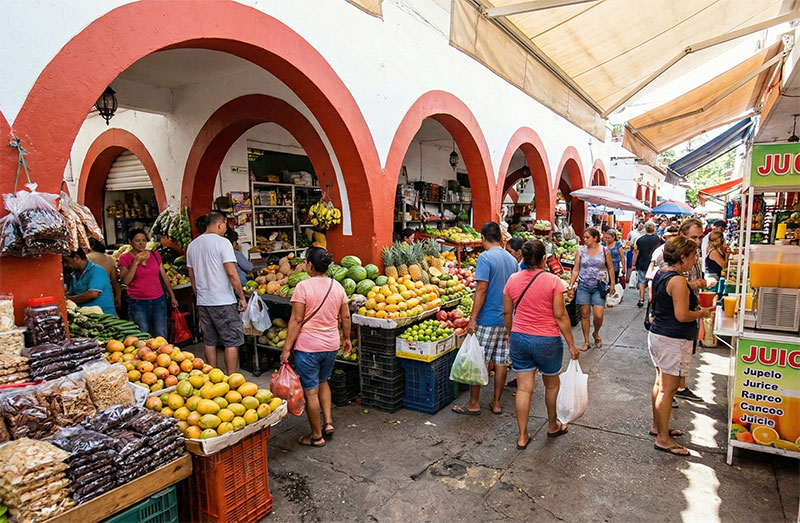
A bustling daytime scene at Mercado Emiliano Zapata in Puerto Vallarta, showing people shopping for large displays of fresh tropical fruits, vegetables, and dried goods under distinctive white arches trimmed with red. A bright green fresh juice stand is visible on the right.

For a first Puerto Vallarta trip, staying walkable to Los Muertos Pier, the Malecón, restaurants, and sunset drinks makes the entire trip easier.


Who This Puerto Vallarta Where to Stay Guide Is For

This guide is built for travelers who are already interested in Puerto Vallarta but need help picking the right base. That decision matters more here than people realize. The same city can feel completely different depending on whether you stay near Los Muertos Beach, up in the hills, north in the resort zone, inland in a food neighborhood, or down the coast in a luxury hideaway.

  • First-time visitors who want the easiest and most walkable version of Puerto Vallarta
  • Couples looking for rooftop pools, bay views, sunsets, and walkable dinners
  • Food-focused travelers deciding between Zona Romántica, El Centro, 5 de Diciembre, and Versalles
  • Families weighing a resort stay against a more local old-town base
  • Luxury travelers deciding if the hills and South Zone are worth the tradeoff
  • Repeat visitors looking beyond the same old Zona Romántica condo setup

Local Guide Tip: Puerto Vallarta is not difficult to visit, but it is easy to stay in the wrong area for your trip style. Decide what kind of days you want before you pick the room.

Quick Answer: Best Area to Stay in Puerto Vallarta

For most travelers, especially first-time visitors, the best area to stay in Puerto Vallarta is Zona Romántica. It gives you the most complete version of the trip: beach access, restaurants, nightlife, cafés, galleries, Los Muertos Pier, and easy walks into Centro and the Malecón.

If you want a little more old-town culture and less late-night energy, El Centro can be a good fit. If you want food and a more local-feeling inland neighborhood, Versalles is the name to know. If you want views, quiet, and a more private stay, Amapas or Conchas Chinas are better. If you want an easy resort vacation, look north to the Hotel Zone or Marina Vallarta.

Area Best For TLGA Take
Zona Romántica First-timers, food, nightlife, beach access, LGBTQ+ travelers The best default base if you want to walk, eat, drink, and feel the city.
El Centro Culture, Malecón walks, historic PV, budget-conscious travelers Great for old-town energy with slightly less party intensity than Zona Romántica.
5 de Diciembre Local crossover, value, seafood, repeat visitors A strong sleeper pick if you want local life and good food without Zona Romántica pricing.
Versalles Food-focused travelers, slow travel, repeat visitors One of PV’s most interesting restaurant neighborhoods, but not a beach base.
Amapas / Conchas Chinas Views, privacy, couples, luxury villas Beautiful and quieter, but the hills are real and taxis become part of the routine.
Hotel Zone Families, all-inclusive resorts, beachfront convenience Easy and practical, but less charming than the older neighborhoods.
Marina Vallarta Golf, airport convenience, yachts, calm resort stays Comfortable and polished, but removed from the old-town PV rhythm.

Decoding Puerto Vallarta Neighborhoods

Puerto Vallarta is not a single experience. The city stretches along the bay, and where you choose to drop your bags dictates how you will eat, commute, and navigate the coast.

If you are planning a food-first itinerary, your base matters immensely. You want to minimize transit time and maximize access to street stands, local markets, chef-driven kitchens, breakfast spots, and the kind of casual meals that make Puerto Vallarta more than a beach trip.

The easiest way to think about the city is this: the older neighborhoods give you walkability and atmosphere, the northern zones give you resort logistics, and the southern hills give you views and privacy.

Local Guide Tip: Puerto Vallarta is a bay city built into the foothills. Always check whether your rental is flat-walkable, mildly uphill, or “you will be calling a ride every night” uphill.

Zona Romántica: The First-Timer’s Gold Standard

If you want to be in the thick of it, Zona Romántica is the obvious first choice. This is the “Old Town” area south of the Río Cuale, where the streets are narrow, the cobblestones are part of the charm, the food options are endless, and the beach is easy to reach.

Staying here means you are close to Los Muertos Beach, Los Muertos Pier, the south end of the Malecón, coffee shops, cocktail bars, restaurants, taco stands, galleries, beach clubs, and nightlife. It is also the center of Puerto Vallarta’s LGBTQ+ travel scene and one of the most social neighborhoods in the city.

The lifestyle here is defined by the rooftop. Many modern condo buildings offer elevated pool decks with views over Banderas Bay, the Sierra Madre mountains, or both. That makes Zona Romántica especially good for couples who want a condo setup: coffee walk in the morning, beach or pool in the afternoon, sunset happy hour, and dinner without needing a car.

Best for

  • First-time visitors
  • Couples
  • Food-focused travelers who still want beach access
  • LGBTQ+ travelers
  • Travelers who want to walk almost everywhere
  • Condo stays with rooftop pools and bay views

Watchouts

  • Can be noisy, especially near nightlife
  • More expensive than it used to be
  • Los Muertos Beach can feel crowded in high season
  • Some rentals climb steeply into the hills

Places to consider

  • Vallarta Shores: beachside suites near Los Muertos Beach and the old-town rhythm
  • Hotel Posada de Roger: classic budget-friendly option in the middle of Zona Romántica
  • Rivera del Rio: boutique-style stay near the Río Cuale with old-world character
  • Modern Zona Romántica condos: best for rooftop pools, kitchens, laundry, bay views, and longer stays

Pro Tip: For the classic TLGA-style PV setup, look for a modern condo a few blocks from Los Muertos Pier with a rooftop pool. That gives you the best mix of walkability, views, beach access, and easy evenings.

El Centro: Culture, Cobblestones, and the Malecón

El Centro is the historic heart of Puerto Vallarta. Staying here puts you near the Malecón, the main square, the Parroquia de Nuestra Señora de Guadalupe, art galleries, restaurants, and some of the city’s most recognizable architecture.

Compared with Zona Romántica, El Centro can feel a little more traditional and a little less nightlife-heavy. You are still in the action, but the rhythm is more culture, waterfront walks, restaurants, and old-town wandering than beach bars and late-night clubs.

Best for

  • Culture seekers
  • Malecón walks
  • Historic PV atmosphere
  • Budget-conscious travelers who still want to be central
  • Travelers who want restaurants, galleries, and architecture nearby

Watchouts

  • Can still be busy and touristy near the Malecón
  • Some streets are noisy
  • Beach access is not as direct as Zona Romántica
  • Parking and driving can be annoying

Places to consider

  • Hacienda San Angel: romantic boutique luxury with historic character near Centro
  • Casa Kimberly: boutique luxury tied to Puerto Vallarta’s Hollywood history
  • Hotel Rosita: classic budget-friendly option near the north end of the Malecón
  • Hotel Catedral Vallarta: simple, central option close to the church and old-town streets

Local Guide Tip: El Centro is a strong choice if you want to be close to the Malecón and the old heart of Puerto Vallarta, but do not need to be right on Los Muertos Beach.

5 de Diciembre: The Local Crossover

Located just north of El Centro, 5 de Diciembre is where daily local life and the visitor economy overlap. It is not as polished as Zona Romántica, and that is part of the appeal. You get more local texture, better value, and immediate access to the north end of the Malecón without paying the same old-town premium.

This neighborhood is especially interesting for repeat visitors, budget-aware travelers, and people who care about food. It has cheap seafood, late-night street tacos, neighborhood restaurants, and a more lived-in feel than the main tourist zones.

Best for

  • Repeat visitors
  • Food-focused travelers
  • Better value near the center
  • Local crossover energy
  • Travelers who want walkability without Zona Romántica intensity

Watchouts

  • The area gets very steep as you move inland
  • Less polished than the tourist core
  • Not as convenient for Los Muertos Beach
  • Rental quality can vary block by block

Places to consider

  • Paramar Beachfront Boutique Hotel: beachfront boutique-style option near the north side of town
  • Hotel Portonovo Plaza: simple central option near 5 de Diciembre and Centro
  • Local apartments and condos: often better value than the core old-town tourist zones

Pro Tip: In 5 de Diciembre, stay closer to the water if walking matters. The inland streets can turn a casual breakfast walk into a leg workout.
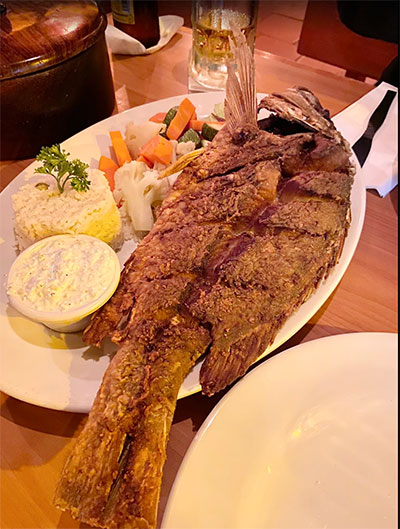
Fried Red Snapper

Versalles is one of the best neighborhoods to know if your Puerto Vallarta trip is built around restaurants, cafés, and a less beach-focused food scene.


Versalles: The Culinary Powerhouse

Versalles is one of the most interesting Puerto Vallarta neighborhoods right now. It is inland, away from the old-town beach core, and increasingly known for restaurants, specialty coffee, bakeries, and a more local-feeling daily rhythm.

You will not have ocean views or immediate beach access here. That is the tradeoff. Instead, you get one of the highest concentrations of creative restaurants and food-focused stops in the city. For repeat visitors, slow travelers, digital nomads, and people who plan trips around meals, Versalles deserves serious attention.

For a short first trip, I would still stay in Zona Romántica. For a longer stay or a return trip, Versalles starts to make more sense. At minimum, it should be on your dinner list.

Best for

  • Food-first travelers
  • Repeat visitors
  • Longer stays
  • Specialty coffee and modern restaurants
  • Travelers who do not need to be on the beach every day

Watchouts

  • Not a beach neighborhood
  • You will use taxis, rides, or buses to reach Zona Romántica and the Malecón
  • Less classic vacation scenery
  • Better for repeat visitors than first-timers

Places to consider

  • Versalles apartments and condos: best for longer stays, food-first trips, and repeat visitors
  • Nearby Hotel Zone hotels: useful if you want resort comfort with easier taxi access to Versalles restaurants
  • Smaller boutique-style rentals: good if you want a more residential feel and do not need beach views

Local Guide Tip: Versalles is the neighborhood to visit when you want to understand where Puerto Vallarta’s food scene is going, not just where tourists have always eaten.

Amapas and Conchas Chinas: Elevated Seclusion

Just south of Zona Romántica, the hills rise quickly and the coastline gets rockier. This is where you find Amapas and Conchas Chinas, two of the best areas for views, privacy, and a quieter stay close to the old-town core.

Conchas Chinas is often described as one of the most upscale residential areas in Puerto Vallarta. The appeal is obvious: terraces, private pools, ocean views, jungle edges, quieter beaches, and a sense that you have escaped the busiest part of town without going too far.

The tradeoff is walkability. These areas can be steep, and a beautiful villa or condo may be close in distance but not easy on foot. If you stay here, assume taxis or rides will be part of your daily routine.

Best for

  • Couples
  • Luxury stays
  • Private pools and villas
  • Bay views
  • Quieter trips near the city
  • Travelers who do not mind taxis

Watchouts

  • Steep streets
  • Less walkable than maps suggest
  • Fewer casual restaurants right outside your door
  • Not ideal if you want to walk to everything

Places to consider

  • Casa Cupula: Amapas boutique hotel popular with LGBTQ+ travelers and couples
  • Grand Miramar All Luxury Suites & Residences: hillside views above Conchas Chinas
  • Villa Divina Luxury Boutique: quiet hillside boutique-style option in the Conchas Chinas area
  • Conchas Chinas villas: best for private pools, terraces, and sunset views

Pro Tip: If you book Amapas or Conchas Chinas for the view, build taxi costs into the trip. The view is often the reward for giving up easy flat walking.

Hotel Zone: Easy Resorts and Beachfront Logistics

The Hotel Zone sits north of the historic center and is built for a more familiar vacation setup: beachfront hotels, larger resorts, pools, restaurants, easy taxis, and simpler logistics. For families, all-inclusive travelers, and people who want fewer decisions, it can work well.

The downside is that the Hotel Zone does not feel like old Puerto Vallarta. You get comfort and convenience, but you lose some of the cobblestone, food, gallery, pier, and Malecón rhythm that makes PV different from a generic resort trip.

Best for

  • Families
  • All-inclusive trips
  • Beachfront resort stays
  • Travelers who want easy pools, beach access, and hotel services
  • Shorter trips where convenience matters most

Watchouts

  • Less old-town charm
  • More taxi dependence for Zona Romántica and Centro
  • Can feel more like a resort strip than a neighborhood
  • Restaurant choices may feel more hotel-oriented

Places to consider

  • Villa del Palmar Beach Resort & Spa: family-friendly resort option in the Hotel Zone
  • Secrets Vallarta Bay: adults-only resort north of the old-town core
  • Dreams Vallarta Bay: resort-style option for families and package travelers
  • Fiesta Americana Puerto Vallarta: beachfront resort option with easy Hotel Zone logistics

Marina Vallarta: Calm, Golf, and Airport Convenience

Marina Vallarta is a master-planned area built around a yacht harbor, golf, resorts, and a more polished loop of restaurants and services. It is quieter and more modern than the old-town neighborhoods, and it is convenient for the airport.

This is a good fit if you want an easy, calm, resort-adjacent stay. It is less ideal if your dream Puerto Vallarta trip involves walking to tacos, galleries, old streets, the Malecón, and late dinners in Zona Romántica.

Best for

  • Golfers
  • Families
  • Boaters
  • Airport convenience
  • Travelers who want a quieter resort-style base

Watchouts

  • Removed from old-town PV
  • More controlled and less atmospheric
  • Taxi or rides needed for Zona Romántica and Centro
  • Less appealing for food-first travelers

Places to consider

  • Marriott Puerto Vallarta Resort & Spa: strong Marina option for resort comfort and airport convenience
  • The Westin Resort & Spa Puerto Vallarta: large resort-style stay with pools and beach access
  • Velas Vallarta: all-inclusive resort option popular with families
  • San Tropico Boutique Hotel & Peaceful Escape: smaller, calmer option near the Marina

Local Guide Tip: The Hotel Zone and Marina are not wrong. They are just a different kind of Puerto Vallarta trip. Choose them for comfort and logistics, not old-town atmosphere.
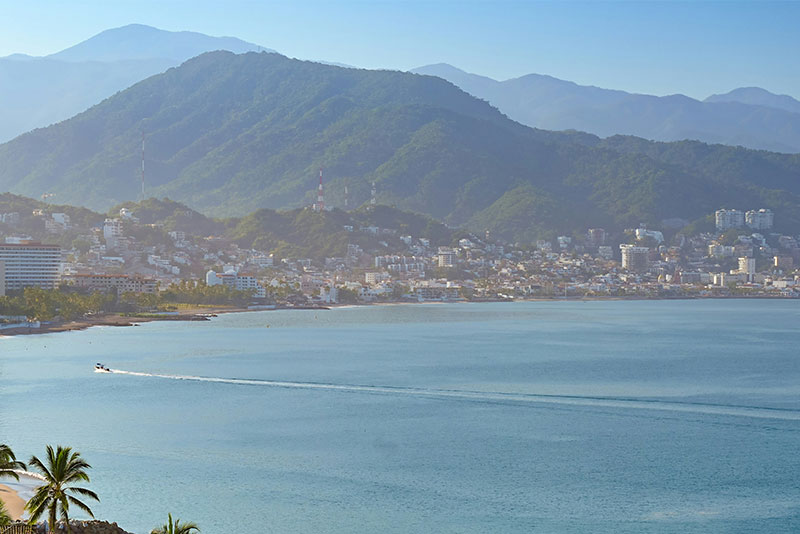
Scenic aerial view of the Banderas Bay coastline in Puerto Vallarta, featuring golden sand beaches, luxury oceanfront resorts, and the Sierra Madre mountains in the background.

The right Puerto Vallarta stay is less about hotel star ratings and more about whether the neighborhood matches your daily rhythm.


Hotel and Condo Picks by Trip Style

Puerto Vallarta has everything from luxury hillside stays to big beachfront resorts to condo buildings and older boutique hotels. The best choice depends less on star rating and more on the kind of trip you want.

Luxury and boutique stays

  • Hacienda San Angel: historic, romantic, boutique-style stay near Centro with old-world charm
  • Casa Kimberly: boutique luxury tied to Puerto Vallarta’s Elizabeth Taylor and Richard Burton history
  • Hotel Mousai: modern adults-only luxury in the South Zone, better for a polished resort-style escape than walkable old-town energy
  • Villa Premiere Boutique Hotel & Romantic Getaway: adults-only beachfront option north of Centro, often a good couples fit
  • Grand Miramar All Luxury Suites & Residences: hillside suite-style stay with big bay views

Resort-style stays

  • Marriott Puerto Vallarta Resort & Spa: Marina Vallarta option for travelers who want resort comfort, airport convenience, and a calmer base
  • The Westin Resort & Spa Puerto Vallarta: large Marina resort with pools, beach access, and a familiar resort setup
  • Villa del Palmar Beach Resort & Spa: Hotel Zone option for travelers who want beachfront resort logistics and family-friendly convenience
  • Fiesta Americana Puerto Vallarta: beachfront Hotel Zone option with a classic resort feel
  • Velas Vallarta: all-inclusive Marina-area option for families and low-friction stays

Old-town and beachside stays

  • Vallarta Shores: beachside suites near Los Muertos Beach and Zona Romántica
  • Hotel Posada de Roger: classic budget-friendly Zona Romántica stay with a central location
  • Rivera del Rio: boutique character near the Río Cuale and old-town edge
  • Hotel Rosita: older classic near the Malecón and 5 de Diciembre side of town
  • Modern Zona Romántica condos: ideal if you want rooftop pool, bay views, kitchen, laundry, and walkable dinners

Private villa and view stays

  • Amapas condos: good for views close to Zona Romántica, but check the climb
  • Conchas Chinas villas: better for privacy, views, and quieter stays south of town
  • South Zone luxury rentals: best for larger groups, private pools, and resort-style privacy

Pro Tip: For my style of PV trip, I would usually pick a well-located Zona Romántica condo over a big resort. The right condo gives you the rooftop pool, view, space, and walkability that make PV easy.

Puerto Vallarta Hotel Prices: What to Expect

Puerto Vallarta hotel prices vary heavily by season, neighborhood, view, refund policy, and how far ahead you book. Winter is high season, and prices can jump around holidays, school breaks, and peak travel weeks.

Use these as rough planning ranges, not exact promises. The total cost can change fast once taxes, resort fees, cleaning fees, breakfast, transportation, and cancellation rules are included.

Stay Type Rough Planning Range Reality Check
3-Star Hotel $90 to $160+ per night Can work for budget travelers, but location and reviews matter more than the star rating.
4-Star Hotel $160 to $330+ per night This range covers many comfortable hotels and resort-style stays.
5-Star / Luxury $280 to $500+ per night Views, adults-only policies, all-inclusive plans, and peak dates can push prices much higher.
Condo / Vacation Rental Highly variable Best value for longer stays, rooftop pools, kitchens, laundry, and bay views, but fees can change the total.

Local Guide Tip: Always compare the total stay cost, not just the nightly rate. Cleaning fees, resort fees, taxes, breakfast, airport transfer, and taxi dependence can change the real price quickly.

Common Puerto Vallarta Booking Mistakes

Most Puerto Vallarta lodging mistakes come from trusting the map too much and the daily rhythm too little. The city is compact in some places, but the hills, heat, traffic, and beach access can make short distances feel longer than expected.

Booking too far from your actual trip rhythm

If your dream trip is morning walks, beach afternoons, rooftop sunsets, tacos, and walking to dinner, do not book a far-flung resort just because the room looks nicer. You will spend the trip commuting back to the places you actually wanted to be.

Ignoring hills

This is the biggest one. A rental listing may say it is three blocks from the beach, but in Amapas, upper Zona Romántica, 5 de Diciembre, or Conchas Chinas, those blocks can be steep. Street view is your friend.

Assuming all “Puerto Vallarta” listings are central

Some listings use Puerto Vallarta broadly, but the stay may be in the Hotel Zone, Marina, South Zone, Nuevo Nayarit, or farther north. That may be fine, but it is not the same trip as staying near old town.

Choosing all-inclusive when you actually want to explore

An all-inclusive can be great for the right traveler. But if you plan to eat out, walk around, and explore restaurants, you may end up paying for meals and drinks you are not using.

Overvaluing ocean views and undervaluing walkability

A killer view is great. But if every meal, coffee, beach walk, and grocery run requires a ride, the stay can start to feel isolated. For shorter trips, I usually value walkability more.

Not reading noise reviews

Zona Romántica is fun because it is alive. That also means some blocks are loud. Read reviews for nightclub noise, street noise, construction, barking dogs, and elevator issues before booking.

Pro Tip: Before booking, map three things: your morning coffee, your nearest beach access, and where you would realistically eat dinner on your first night. If all three require transportation, make sure that is the trip you actually want.

Airport, Check-In, and Arrival Logistics

Puerto Vallarta’s airport is close to the main hotel zones, which makes arrival easier than many beach destinations. But the first 30 minutes after landing can still feel chaotic if you do not have a plan.

Airport arrival

After customs and baggage, you will pass through the usual transportation and tour-sales energy. Keep moving until you are fully outside or at the official transportation area you planned to use. If you booked a private transfer, know the company name and meeting point before you land.

Airport taxi vs rideshare

Official airport taxis are the easiest option with luggage because they operate from the airport system, but they usually cost more. App-based rides can be cheaper, but pickup logistics may change and the app should show the current pickup instructions. Depending on airport rules and timing, you may need to walk to a designated pickup area or outside the immediate terminal zone.

Private transfer

A pre-booked transfer can be worth it if you arrive late, have kids, have a lot of luggage, or do not want to think after a travel day. It is not always the cheapest option, but it is often the least stressful.

Condo check-in

If you book a condo through Airbnb or VRBO, confirm your check-in process before you fly. Ask about building access, front desk hours, lockboxes, elevator access, luggage storage, security desk instructions, and what happens if your flight is delayed.

Grocery and first-night plan

For condo stays, consider a simple first-night strategy: check in, get water and basic groceries, then do an easy dinner nearby. Do not make your first night the night you try to cross town for a hard reservation.

Local Guide Tip: Your first night in PV should be easy. Stay close, get settled, find a sunset, eat nearby, and save the ambitious food plans for night two.

Getting Around Puerto Vallarta

Puerto Vallarta is easiest when your neighborhood does most of the work. If you stay in Zona Romántica or El Centro, walking can handle a huge part of the trip. If you stay in the Hotel Zone, Marina, Versalles, Amapas, or Conchas Chinas, you will use taxis, rides, buses, or private transportation more often.

Walking

Walking is one of the best parts of Puerto Vallarta if you stay in the right area. Zona Romántica, El Centro, the Malecón, and parts of 5 de Diciembre can be great on foot. The issue is not distance. It is hills, heat, uneven sidewalks, and cobblestones.

Taxis and rides

Taxis and app-based rides are common ways to move around the city. Confirm taxi prices before you get in if there is no app fare. For hillside stays, taxis are not a backup plan. They are part of the stay.

Buses

Local buses can be useful for budget travelers and repeat visitors, especially along main routes. For a short first trip, taxis or rides are usually simpler.

Rental cars

Most visitors do not need a rental car in Puerto Vallarta. Parking, traffic, narrow streets, and unfamiliar routes can create more stress than value. Consider a car only if you are doing a wider regional trip and are comfortable driving in Mexico.

Pro Tip: If you stay in Zona Romántica, you can often skip a car entirely. If you stay in the hills or north of town, transportation becomes part of the daily plan.
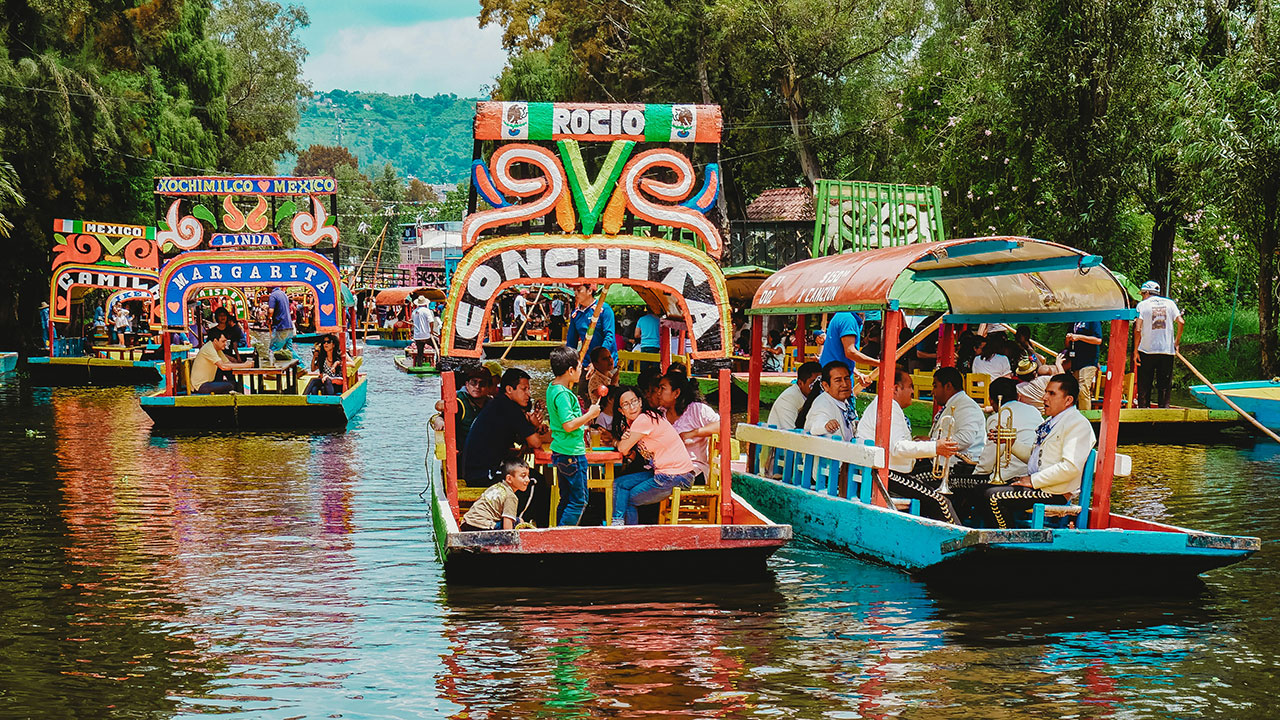
Colorful trajineras tour boats floating on the canals of Xochimilco in Mexico City

The best Puerto Vallarta neighborhood is the one that matches your actual travel style, not just the one with the prettiest listing photos.


Best Puerto Vallarta Area by Travel Style

Instead of asking where everyone says to stay, ask what kind of trip you want. The right neighborhood depends on whether you are chasing food, beach access, quiet, resorts, views, or walkability.

Travel Style Best Area Why It Works
First-time PV trip Zona Romántica Best overall mix of beach, food, nightlife, walkability, and old-town energy.
Food-focused trip Zona Romántica + Versalles Stay walkable, then plan at least one dinner or food night in Versalles.
Couples trip Zona Romántica, Amapas, or Conchas Chinas Choose Zona Romántica for energy, Amapas or Conchas Chinas for views and quiet.
Family resort trip Hotel Zone or Marina Vallarta Easier pools, beach access, larger hotels, and more predictable logistics.
Luxury and privacy Conchas Chinas or South Zone Better for villas, private pools, ocean views, and quieter stays.
Budget and local energy 5 de Diciembre or El Centro Good access to the center with more value and local texture.
Golf and airport convenience Marina Vallarta Calmer, polished, close to airport, and built around the marina and golf rhythm.

Where I Would Stay After 20 Years Visiting PV

For my own trips, I still lean heavily toward Zona Romántica. Not because it is perfect, and not because it has not changed, but because it gives me the daily rhythm I want.

I want to walk in the morning. I want coffee nearby. I want the Malecón within reach. I want Los Muertos Pier a few blocks away. I want a rooftop pool in the afternoon and bay views if I can get them. I want to walk to dinner and not spend half the night thinking about transportation.

That is the version of Puerto Vallarta that works best for me. For a first-timer who wants food, warmth, old-town energy, and a true sense of place, it is still the first area I would recommend.

Local Guide Tip: If you want my honest first-trip answer: book Zona Romántica, choose carefully for noise and hills, and make sure you have at least one good outdoor space where you can enjoy the bay and sunset.

Plan the full trip with Puerto Vallarta, Mexico beach, food, and travel planning guides.

MAIN PV GUIDE

Puerto Vallarta Travel Guide

Where to stay, what to eat, what to do, and how to plan the best Puerto Vallarta trip.

Read More

FOOD NEIGHBORHOOD

Zona Romántica Food Guide

Dinner, drinks, seafood, tacos, and warm-night wandering in Puerto Vallarta.

Read More

COMPARE DESTINATIONS

PV vs Cancun vs Cabo

Compare Mexico’s biggest winter beach escapes by water, food, resorts, walkability, and vibe.

Read More
CARIBBEAN COAST

Riviera Maya Guide

Cenotes, beach towns, resort zones, and Caribbean-side Mexico planning tips.

Read More
TRAVEL PLANNING

Mexico Safety Guide

How to plan smart, where to be extra aware, and what to think through before booking.

Read More
MEXICO HUB

Mexico Travel Hub

All Mexico guides, regions, food posts, and planning resources in one place.

Read More

Frequently Asked Questions

What is the best area to stay in Puerto Vallarta for first-time visitors?

Zona Romántica is the best area for most first-time visitors. It gives you walkable access to Los Muertos Beach, Los Muertos Pier, restaurants, bars, cafés, nightlife, galleries, and easy walks into Centro and the Malecón.

It can be noisy depending on the exact block, building, and floor. If you want the walkability but not the late-night noise, look for a condo on a quieter side street, higher floor, or slightly uphill edge of the neighborhood. Always read reviews for noise comments before booking.

For short resort-style trips, a hotel can be easier. For longer stays, couples trips, and walkable old-town trips, a condo can be a great fit because you may get more space, a kitchen, laundry, outdoor space, rooftop pool, and bay views.

Versalles is a good place to stay for food-focused repeat visitors, slow travelers, and people who do not need to be near the beach every day. For a first short trip, Zona Romántica is usually easier. For dinner and restaurant exploring, Versalles is absolutely worth adding to your trip.

Conchas Chinas is worth staying in if you want views, quiet, privacy, and a more romantic or upscale feel. It is not the best choice if you want to walk everywhere. Plan on using taxis or rides for old-town dinners, groceries, and nightlife.

Most visitors do not need a car. If you stay in Zona Romántica, El Centro, or near the Malecón, walking plus taxis or rides is usually enough. A car is more useful for a wider regional trip, but it can be annoying in the old-town core.

The biggest mistake is booking based only on photos and distance to the beach. In Puerto Vallarta, hills, noise, neighborhood feel, and daily walkability matter just as much as the room itself. Always check the map, street view, reviews, and the exact area before booking.

Families often do well in the Hotel Zone or Marina Vallarta because those areas offer larger resorts, pools, easier beach access, and more predictable logistics. Families who want a more local, walkable trip can still stay in Zona Romántica, but they should choose location and noise level carefully.
Puerto Vallarta vs Cancun vs Cabo

Home » Destinations » Page 2

Last updated: May 2026 by Corey Gasman

From the Editor:

I’ve been traveling to Puerto Vallarta for close to 20 years now, usually with my wife, and we have stayed in the Zona Romántica half a dozen times. For us, the sweet spot has always been a modern condo through Airbnb or VRBO with a rooftop pool, bay views, and a location a few blocks from Los Muertos Pier.

That setup is a big part of why Puerto Vallarta keeps pulling us back. You can wake up early, walk the Malecón before the heat and crowds build, spend the afternoon by the pool or beach, then settle into happy hour as the sun drops over Banderas Bay. It is an easy rhythm, but it still feels like a real place.

What I love most about Puerto Vallarta is the mix: old Mexican charm, cobblestone streets, food, sunsets, neighborhood energy, and a little bit of chaos around the edges. Some of that charm is being lost as the city gets more polished, more expensive, and more developed, especially in the areas travelers love most.

That is why this comparison matters. Puerto Vallarta, Cancun, and Cabo can all work for winter sun, but they are not the same kind of trip. The right choice depends on whether you want walkable town energy, Caribbean water, luxury polish, food, nightlife, or a resort-first escape.

The 2026 Mexico Winter Escape Question:

Puerto Vallarta is not the best choice for the bluest water. Cancun usually wins there. It is not the most polished luxury escape. Cabo usually wins there. Puerto Vallarta wins when you want warm weather, food, sunsets, walkability, and a real town behind the beach.

That makes PV the best fit for travelers who want to leave the resort, walk to dinner, feel the city, and still get the winter sun they came for.

Start Here: Puerto Vallarta vs the Rest

If you are trying to choose between Puerto Vallarta, Cancun, and Cabo for a winter trip, the decision is less about which place is “best” and more about what kind of vacation you actually want.

Puerto Vallarta is the warm-weather beach city with the most personality. It has the Malecón, Zona Romántica, Banderas Bay, cobblestone streets, rooftop pools, taco stands, seafood, LGBTQ nightlife, old-town charm, and a real city feel behind the vacation.

Cancun is the easiest answer if your priority is bright Caribbean water, all-inclusive resorts, and simple beach logistics. Cabo is the stronger choice if you want desert-meets-ocean scenery, luxury resorts, golf, and a more polished high-end escape.

Quick Decision:
Choose Puerto Vallarta → food, walkability, sunsets, old-town charm, real city energy
Choose Cancun → Caribbean water, all-inclusives, easy family or resort trip
Choose Cabo → luxury resorts, golf, desert scenery, polished couples trip

If you want the most balanced winter escape, Puerto Vallarta is the one I keep coming back to.

TLGA Rule: Do not pick a Mexico beach destination based only on photos. Cancun, Cabo, and Puerto Vallarta look similar from a flight-search screen, but they feel very different once you are there.

Want the full PV guide?

Start here: Puerto Vallarta Travel Guide

Food-focused PV trip?

Read: Zona Romántica Food Guide

A bustling daytime scene at Mercado Emiliano Zapata in Puerto Vallarta, showing people shopping for large displays of fresh tropical fruits, vegetables, and dried goods under distinctive white arches trimmed with red. A bright green fresh juice stand is visible on the right.

Puerto Vallarta works best when you want a warm-weather trip with food, walkability, sunsets, and a real town behind the beach.


Puerto Vallarta vs Cancun vs Cabo: The Quick Take

All three destinations can give you sun, hotels, restaurants, and beach time. But they are built for different travelers.

Puerto Vallarta is the most balanced choice if you want to walk, eat, explore, and feel like you are in a real place. Cancun is the strongest choice if you want the clearest water, white sand, and resort simplicity. Cabo is the strongest choice if you want dramatic scenery, luxury hotels, golf, and a more polished desert-coast escape.

The biggest mistake is assuming these are interchangeable Mexico beach trips. They are not. Puerto Vallarta feels like a Pacific beach city. Cancun feels like a Caribbean resort corridor. Cabo feels like a luxury desert escape.

Destination Best For What It Feels Like Weakness
Puerto Vallarta Food, walkability, sunsets, winter warmth, old-town atmosphere A Pacific beach city with neighborhoods, bay views, nightlife, and a real-town rhythm Beaches are not as turquoise as Cancun, and winter crowds are real
Cancun Caribbean beaches, resorts, family trips, easy all-inclusive vacations A resort corridor built around bright water, beach hotels, and vacation convenience Less local character if you stay mostly in the Hotel Zone
Cabo Luxury resorts, desert scenery, golf, couples trips, polished escapes A high-end desert-meets-ocean vacation with dramatic views and resort energy Many beaches are not ideal for swimming, and the area feels less walkable than PV

Why Puerto Vallarta Works So Well in Winter

Puerto Vallarta is one of the best winter beach destinations in Mexico because it has the thing a lot of beach towns lose: rhythm. You can wake up early, walk the Malecón, eat a proper breakfast, spend the afternoon at the beach or pool, watch the sunset over Banderas Bay, and walk to dinner without needing the whole day to be engineered by a resort.

Winter is also the best version of Puerto Vallarta weather. The days are warm, the humidity is lower than summer, and the rain risk is much lower than the wet season. It is also whale season, which gives winter trips a real seasonal reason beyond just escaping cold weather.

For travelers from Minnesota, the Midwest, Canada, and the northern U.S., Puerto Vallarta hits a very specific nerve. It is warm enough to feel like a reset, but not so resort-contained that the trip feels like you could be anywhere.

Local Guide Tip: Puerto Vallarta is best when you stay somewhere that makes your mornings and evenings easy. For me, that usually means Zona Romántica, walking distance to Los Muertos Pier, rooftop pool, and bay views if possible.

Where Cancun Wins

Cancun wins on water. If your dream Mexico trip is bright turquoise Caribbean water, soft sand, big resorts, and minimal planning, Cancun is hard to beat.

It is also easier for certain types of travelers. Families who want a big all-inclusive, travelers who want to stay mostly on-property, and people who want a simple airport-to-resort beach week may find Cancun more convenient than Puerto Vallarta.

Cancun is best if you want:

  • Bright Caribbean water
  • Large all-inclusive resorts
  • Easy beach vacation logistics
  • Family-friendly resort infrastructure
  • Access to Riviera Maya day trips, cenotes, and ruins

The tradeoff is that Cancun can feel less connected to local life if you stay in the Hotel Zone and never leave the resort corridor. That may be exactly what some travelers want. It is just not the same kind of trip as Puerto Vallarta.

Where Cabo Wins

Cabo wins on luxury polish and scenery. The desert-meets-ocean landscape is dramatic, and the resort product is stronger if you want high-end hotels, golf, spas, and a more polished couples or group trip.

Cabo can feel cleaner, drier, and more controlled than Puerto Vallarta. It also tends to feel more expensive and less walkable. A lot of the best Cabo trips are built around the resort, beach club, boat day, golf course, or a few planned dinners.

Cabo is best if you want:

  • Luxury resorts and villas
  • Desert scenery and dramatic coastlines
  • Golf and spa trips
  • Couples trips or group celebrations
  • A polished, higher-end Mexico escape

The beach reality matters. Cabo has beautiful beaches, but not all of them are swimmable. You need to pay attention to warning flags and choose beaches carefully.
Where Puerto Vallarta Wins

Puerto Vallarta wins when you want to leave the hotel every day and actually enjoy the place around you. That is the key difference.

Zona Romántica, Centro, the Malecón, Los Muertos Beach, the pier, hillside streets, taco stands, restaurants, bars, art galleries, and bay views all create a trip that feels more layered than a resort-only escape.

Puerto Vallarta is best if you want:

  • Walkable old-town energy
  • Food, seafood, tacos, and casual neighborhood meals
  • Sunset happy hours and rooftop pools
  • Winter whale watching
  • Beach time without being trapped in a resort
  • LGBTQ-friendly nightlife and social energy
  • A real-town feel behind the vacation

Pro Tip: Puerto Vallarta is the best pick if you care more about how the whole day feels than how blue the water looks in a photo.

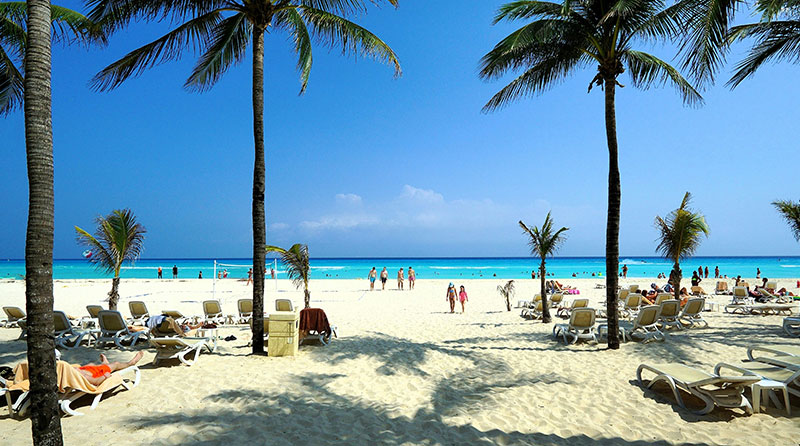
Palm trees on a white sand beach with turquoise water and lounge chairs under a clear blue sky in Playa del Carmen.

Cancun usually wins on Caribbean water, but Puerto Vallarta wins when you want more walkable town life around the beach.


Side-by-Side Comparison

If you are still torn, this is the simple way to think about it. Cancun is the Caribbean beach and resort answer. Cabo is the luxury desert coast answer. Puerto Vallarta is the food, walking, sunsets, and real-town answer.

Category Puerto Vallarta Cancun Cabo
Best Overall Fit Travelers who want food, walkability, sunsets, and a real city feel Travelers who want Caribbean water and resort ease Travelers who want luxury, golf, scenery, and a polished escape
Beach Style Pacific bay beaches, social beach clubs, sunset views White sand, bright turquoise Caribbean water Dramatic beaches, rocky coast, some swimmable spots
Walkability Best if staying in Zona Romántica or Centro Limited unless you are staying within a resort or Hotel Zone area More spread out, often taxi or resort-based
Food Scene Strong mix of seafood, tacos, local spots, and newer restaurants Good resort dining and tourist dining, better if you go beyond the Hotel Zone Strong high-end dining and resort restaurants
Winter Feel Warm, social, walkable, whale season, sunset energy Warm, beachy, resort-heavy, peak Caribbean season Dry, sunny, scenic, luxury-focused
Best Trip Length 4 to 7 nights 4 to 7 nights 3 to 5 nights for many travelers, longer for resort stays
Biggest Watchout More developed and expensive than old PV, less turquoise water Can feel isolated or generic if you never leave the resort zone Not all beaches are swimmable, and costs can climb fast

Best Mexico Winter Escape by Travel Style

The right choice gets much clearer when you stop asking which place is best and start asking what kind of traveler you are.

Best for food and walkability: Puerto Vallarta

PV is the strongest pick if you want the trip to revolve around meals, walks, neighborhoods, rooftop happy hours, sunsets, and easy nights out. Stay in Zona Romántica or Centro if you want the simplest version.

Best for beach color and resort ease: Cancun

Cancun is the strongest pick if you want to wake up, walk straight onto a beautiful Caribbean beach, and let the resort handle the rest. For many families and first-time Mexico travelers, that simplicity is the whole point.

Best for luxury and scenery: Cabo

Cabo is the strongest pick if you want a more polished resort trip, desert views, golf, spas, villa stays, and a higher-end feel. It is not always the best choice for casual wandering, but it is very strong for resort-focused travelers.

Best for couples who want a little of everything: Puerto Vallarta

For couples who want to walk to dinner, have rooftop pool time, find sunset drinks, eat well, and still feel like they are in Mexico, Puerto Vallarta is hard to beat.

Best for a pure fly-and-flop trip: Cancun or Cabo

If you mainly want a great resort and do not care as much about what is outside the gates, Cancun and Cabo may be easier choices. Puerto Vallarta is better when you want the city to be part of the trip.

Local Guide Tip: If you are the kind of traveler who gets restless after one full resort day, choose Puerto Vallarta.

Winter Weather: Which Destination Has the Best Season?

Winter is a strong season for all three destinations, which is why this comparison is hard. But the feel is different.

Puerto Vallarta in winter

Puerto Vallarta’s winter season is warm, drier, and more comfortable than summer. It is the best time for morning walks, beach afternoons, whale watching, and sunset dinners. January through March is especially strong if you want to escape cold weather without dealing with heavy humidity.

Cancun in winter

Cancun’s winter season is also excellent. This is when the heat and humidity are more manageable, the beaches look their best, and the resort scene is in full swing. The downside is that winter is peak season, so prices and crowds follow.

Cabo in winter

Cabo is usually dry and sunny in winter, with cooler evenings and a desert-coast feel. It can be a very comfortable season for golf, resort time, walking around the marina, and outdoor dinners.

Winter Factor Puerto Vallarta Cancun Cabo
Warmth Warm days, pleasant nights Warm and beach-friendly Sunny and dry, cooler evenings
Rain Risk Lower than summer rainy season Generally lower than stormier months Usually dry
Seasonal Bonus Whale watching in Banderas Bay Peak beach and resort season Golf, desert scenery, whale season nearby

Beach Reality Check

This is where people need the most honest advice. If you choose only from photos, Cancun often wins. But a good beach trip is not just water color.

Puerto Vallarta beaches

PV beaches are Pacific bay beaches. They are scenic, social, and great for sunset, but they are not the same bright turquoise as Cancun. Los Muertos Beach is convenient and fun. Conchas Chinas is prettier and calmer. Boat trips unlock better beach days south of town.

Cancun beaches

Cancun beaches are the classic Caribbean image: white sand, blue water, and resort-front beach days. If your beach dream is mostly about water color, Cancun is probably the safest choice.

Cabo beaches

Cabo beaches can be beautiful, but swimming conditions vary. Some beaches are great for swimming, while others are better for scenery than getting in the water. Pay attention to warning flags and local advice.

Pro Tip: Choose Cancun for the bluest water, Cabo for dramatic scenery, and Puerto Vallarta for the best beach-town rhythm.

Food, Nightlife, and Local Energy

This is where Puerto Vallarta punches above its weight. It is a better food destination than many beach travelers expect.

Puerto Vallarta has seafood, taco stands, breakfast spots, old-school tourist classics, rooftop drinks, beach restaurants, cocktail bars, and newer neighborhoods like Versalles that give the city a stronger food identity beyond the main tourist blocks.

Cancun has strong resort dining and plenty of restaurants, but many travelers experience it through the all-inclusive lens. Cabo has a strong high-end dining scene, especially if you like polished restaurants, resort dining, and expensive nights out. Puerto Vallarta sits in the middle: easier than Mexico City, more local-feeling than Cancun’s Hotel Zone, and less luxury-driven than Cabo.

Puerto Vallarta food strengths

  • Seafood, ceviche, aguachile, and shrimp tacos
  • Street tacos and late-night food
  • Breakfast spots and coffee
  • Zona Romántica restaurant density
  • Versalles as a growing food neighborhood
  • Sunset happy hours and walkable nightlife

Planning PV around food?

Use this next: Where to Eat in Puerto Vallarta’s Zona Romántica

Colorful trajineras tour boats floating on the canals of Xochimilco in Mexico City

The best Mexico winter destination depends on whether you want Caribbean water, luxury polish, or a walkable beach city with food and old-town energy.


Costs and Value

None of these destinations are hidden budget secrets anymore, especially in winter. But the way you spend money feels different in each place.

Puerto Vallarta value

PV can still offer good value if you book a condo, stay walkable, eat a mix of casual and polished meals, and avoid treating every night like a big splurge. Zona Romántica has become more expensive, but the condo setup can still work well for couples and longer stays.

Cancun value

Cancun value depends heavily on the resort. An all-inclusive can be predictable and easy, especially for families, but it can also make the trip feel generic if you never leave the property.

Cabo value

Cabo is often the most expensive-feeling of the three, especially for luxury resorts, golf, private transportation, and high-end dining. It can be worth it, but it is usually not the value play.

Budget Style Best Pick Why
Condo + local meals Puerto Vallarta Strong if you stay walkable and mix casual food with a few splurges.
All-inclusive predictability Cancun Easy to know your trip cost before you arrive.
Luxury resort splurge Cabo The strongest high-end resort scene of the three.

Safety Notes for 2026

Mexico travel safety is not one simple answer. Conditions vary by state, city, and even neighborhood. Puerto Vallarta, Cancun, and Cabo are major tourism destinations, and most visitors have normal trips, but you should still use current travel advisories and common sense.

For Puerto Vallarta, stay in well-traveled areas, use trusted transportation, avoid drug activity entirely, do not wander drunk into unfamiliar areas late at night, and keep beach-day valuables simple. The same general advice applies in Cancun and Cabo, though the specific neighborhoods and risks differ.

Basic habits that help in all three places

  • Check official advisories before booking and again before departure
  • Use official taxis, trusted rides, or pre-arranged transport
  • Do not buy or use drugs
  • Use ATMs inside banks or trusted locations
  • Keep your phone charged and share plans with your travel partner
  • Avoid isolated areas late at night

For official updates, check the U.S. State Department Mexico Travel Advisory and the Visit Mexico tourism site.

Local Guide Tip: Do not confuse comfort with carelessness. Tourist zones can feel easy, but the best habit is still to move smart, especially late at night.

My Final Take: Which One Would I Choose?

If I wanted the bluest water and a simple resort week, I would choose Cancun. If I wanted a luxury resort, golf, desert scenery, and a polished high-end trip, I would choose Cabo.

But for the kind of winter escape I personally keep coming back to, I would choose Puerto Vallarta. It gives me the things I actually remember after the trip: morning walks on the Malecón, a condo with a rooftop pool, bay views, happy hour sunsets, old-town streets, tacos, seafood, and the feeling that I am in a real place.

Puerto Vallarta is not perfect. It is more developed than it used to be, and some of the old charm is being squeezed. But the best version of PV is still there if you know how to structure the trip.

Final TLGA Take: Puerto Vallarta is the best Mexico winter escape if you want more than a resort. Cancun is the beach-photo winner. Cabo is the luxury-scenery winner. PV is the place I would choose for food, sunsets, walkability, and a warm-weather trip that still feels human.

Plan the full trip with Puerto Vallarta, Mexico beach, food, and travel planning guides.

MAIN PV GUIDE

Puerto Vallarta Travel Guide

Where to stay, what to eat, what to do, and how to plan the best Puerto Vallarta trip.

Read More

FOOD NEIGHBORHOOD

Zona Romántica Food Guide

Dinner, drinks, seafood, tacos, and warm-night wandering in Puerto Vallarta.

Read More

CABO GUIDE

Cabo San Lucas Guide

Where to stay, what to do, and how to think about Cabo beaches and resort logistics.

Read More

CARIBBEAN COAST

Riviera Maya Guide

Cenotes, beach towns, resort zones, and Caribbean-side Mexico planning tips.

Read More

WHERE TO STAY

Where to Stay in Mexico

Fast picks by destination, trip style, and the kind of travel experience you want.

Read More

MEXICO HUB

Mexico Travel Hub

All Mexico guides, regions, food posts, and planning resources in one place.

Read More

Frequently Asked Questions

Is Puerto Vallarta better than Cancun for winter?

Puerto Vallarta is better if you want food, walkability, sunsets, old-town charm, and a real city behind the beach. Cancun is better if your main priority is bright turquoise Caribbean water and an easy resort vacation.

Puerto Vallarta is better for walkability, food variety, old-town energy, and a more local-feeling winter escape. Cabo is better for luxury resorts, desert scenery, golf, and a more polished high-end trip.

Cancun usually has the best classic beach water, with bright Caribbean color and soft sand. Cabo has dramatic beaches and scenery, but not every beach is swimmable. Puerto Vallarta has Pacific bay beaches that are more about sunsets, convenience, and town energy than perfect turquoise water.

Puerto Vallarta is a great couples pick if you want walkable dinners, rooftop pool time, sunsets, food, and old-town atmosphere. Cabo is a better fit for a luxury resort couples trip. Cancun is better for couples who want a beach-focused all-inclusive stay.

Puerto Vallarta is the strongest all-around food pick of the three for travelers who want casual seafood, tacos, breakfast spots, walkable restaurants, and neighborhoods like Zona Romántica and Versalles. Cabo has excellent high-end dining, while Cancun is strongest if you are focused on resort dining or Caribbean-side day trips.

Puerto Vallarta is easiest without a car if you stay in Zona Romántica or Centro because you can walk to restaurants, the beach, the pier, the Malecón, and nightlife. Cancun and Cabo often depend more on resorts, taxis, shuttles, or planned transportation.

If you want an easy resort trip and the bluest water, choose Cancun. If you want luxury and scenery, choose Cabo. If you want food, walkability, sunsets, and a real town behind the beach, choose Puerto Vallarta.

Puerto Vallarta Guide

Home » Destinations » Page 2

Last updated: May 2026 by Corey Gasman

From the Editor:

I’ve been traveling to Puerto Vallarta for close to 20 years now, usually with my wife, and we have stayed in the Zona Romántica half a dozen times. For us, the sweet spot has always been a modern condo through Airbnb or VRBO with a rooftop pool, bay views, and a location a few blocks from Los Muertos Pier.

That setup is a big part of why Puerto Vallarta keeps pulling us back. You can wake up early, walk the Malecón before the heat and crowds build, spend the afternoon by the pool or beach, then settle into happy hour as the sun drops over Banderas Bay. It is an easy rhythm, but it still feels like a real place.

What I love most about Puerto Vallarta is the mix: old Mexican charm, cobblestone streets, food, sunsets, neighborhood energy, and a little bit of chaos around the edges. Some of that charm is being lost as the city gets more polished, more expensive, and more developed, especially in the areas travelers love most.

This guide is built around that honest tension. Puerto Vallarta is still one of my favorite warm-weather Mexico escapes, but the best trip now comes from knowing where to stay, when to slow down, what to book, and how to find the pieces of old PV that still make the city special.

Why Puerto Vallarta Works for Winter:

Puerto Vallarta is one of Mexico’s best winter beach destinations because it combines warm dry-season weather, Pacific sunsets, whale watching in Banderas Bay, walkable old-town energy, and a stronger food scene than many first-time visitors expect.

This is not the place I would choose for the bluest Caribbean water. It is the place I would choose when I want winter sun, rooftop happy hours, morning walks, great meals, and a city behind the vacation.

Start Here: Why Puerto Vallarta Still Works

Puerto Vallarta is what a lot of travelers wish Mexico beach towns still felt like: warm, scenic, walkable, social, food-focused, and easy to enjoy without hiding inside a resort. It has big hotels and polished condos now, but it still has old-town streets, hillside views, taco stands, beach bars, local markets, and a real city rhythm behind the tourism.

The best version of Puerto Vallarta is not a checklist trip. It is a rhythm trip. Morning walks on the Malecón. Coffee and breakfast before the heat builds. Pool or beach time in the afternoon. A sunset drink. Dinner in Zona Romántica, Centro, or Versalles. Then a slow walk back through the warm night air while the city is still buzzing.

That rhythm is what separates Puerto Vallarta from a lot of Mexico resort destinations. Cancun often wins on postcard-blue water. Cabo wins on desert scenery and luxury polish. Puerto Vallarta wins when you want a beach trip with food, walkability, local atmosphere, and enough old Mexico charm to make the place feel layered.

Quick Puerto Vallarta Plan:
3 nights → Zona Romántica, Malecón, Los Muertos Beach, sunset dinner
4 to 5 nights → Add Versalles dining, a boat day, and one slower beach afternoon
7 nights → Add Yelapa, Botanical Garden, whale watching in season, and a food-focused day
10+ nights → Consider a slower stay or split time with Sayulita, San Pancho, or Punta Mita

If you only remember one thing: stay where your daily rhythm is easy.

TLGA Rule: For a first Puerto Vallarta trip, stay where walking is easy. A cheaper place far from your daily loop can cost you the best part of the trip.

Planning Mexico?

Start here: Mexico Travel Hub

Food-focused trip?

Read: Where to Eat in Zona Romántica

A bustling daytime scene at Mercado Emiliano Zapata in Puerto Vallarta, showing people shopping for large displays of fresh tropical fruits, vegetables, and dried goods under distinctive white arches trimmed with red. A bright green fresh juice stand is visible on the right.

Puerto Vallarta works best when you stay close enough to walk to dinner, the beach, the pier, and the Malecón without turning every outing into a transportation decision.


Who This Puerto Vallarta Guide Is For

This guide is built for travelers who want a warm-weather Mexico trip that feels like more than a resort stay. Puerto Vallarta can absolutely be a beach vacation, but the real reason it sticks with people is the mix of city life, food, old-town streets, and Pacific sunsets.

  • First-time visitors who want the easiest way to experience Puerto Vallarta without picking the wrong base
  • Couples who want walkable dinners, rooftop pools, beach days, and sunset drinks
  • Food-focused travelers who want tacos, seafood, breakfast spots, and newer restaurant neighborhoods
  • Winter escape travelers who want warmth, dry-season weather, and a break from cold northern winters
  • Repeat Mexico travelers deciding between Puerto Vallarta, Cancun, Cabo, Riviera Maya, or a smaller beach town

Local Guide Tip: Puerto Vallarta is not hard to visit, but it is easy to stay in the wrong area for your trip style. Pick your base first, then build the rest around that rhythm.

Puerto Vallarta Reality Check

Puerto Vallarta is still one of my favorite warm-weather Mexico escapes, but it is not frozen in time. The old charm is still there, especially early in the morning and on quieter side streets, but the city has changed. Condos have gone up. Prices have climbed. Popular restaurants book out. Some blocks feel more polished and less local than they used to.

That does not ruin Puerto Vallarta. It just means you need to plan smarter than you might have 15 or 20 years ago. Stay in the right area. Start your walks early. Reserve the dinner spots you really care about. Leave space for casual meals. And do not expect every beach or old-town block to feel untouched.

The other reality check is the beach. Puerto Vallarta is a Pacific bay destination, not a Caribbean postcard destination. The water can be beautiful, but it is not the same bright turquoise you get in Cancun or parts of the Riviera Maya. The tradeoff is that PV gives you mountains, sunsets, town life, and a stronger sense of place.

Pro Tip: Puerto Vallarta is at its best when you stop comparing it to Cancun water and start treating it like a Pacific beach city with real food, neighborhoods, sunsets, and character.

A Short History of Puerto Vallarta

Puerto Vallarta did not start as a purpose-built resort. That is a big reason it feels different from places like Cancun. Before the global tourism boom, this was a Pacific coastal town tucked between Banderas Bay and the Sierra Madre mountains.

The turning point came in the 1960s, when director John Huston filmed The Night of the Iguana near Mismaloya. Richard Burton came for the film, Elizabeth Taylor followed, and the Taylor-Burton media circus helped put Puerto Vallarta on the international map. The story is romanticized now, but it still explains a lot about PV’s identity: old Mexico, Hollywood glamour, hillside villas, tropical drama, and a town that gradually became a major destination.

That history matters because Puerto Vallarta still feels like a place that tourism grew around, not a place invented only for tourists. You can see it in the old streets, the church tower, the Malecón, the hillside neighborhoods, and the way the city still has a daily life outside the resort zones.

Local Guide Tip: If you like travel with a little story behind it, walk through Centro and up toward the hills. That is where PV feels more like an old Pacific town and less like a beach vacation machine.

Colorful trajineras tour boats floating on the canals of Xochimilco in Mexico City

Puerto Vallarta has more of a real-town feel than many Mexico beach destinations, which is why the right neighborhood matters so much.


Puerto Vallarta vs Cancun vs Cabo

Puerto Vallarta, Cancun, and Cabo often get grouped together because they are easy Mexico beach escapes from the United States and Canada. But they create very different trips.

Destination Best For What It Feels Like Weakness
Puerto Vallarta Food, walkability, sunsets, winter warmth, real-town atmosphere Pacific beach city with old-town energy, hills, restaurants, nightlife, and day trips Beaches are not as turquoise as Cancun, and winter crowds are real
Cancun Caribbean beaches, resorts, family vacations, easy package trips Big resort corridor with bright water, easy logistics, and a more international vacation feel Less local character if you stay in the Hotel Zone
Cabo Luxury resorts, desert scenery, golf, couples trips, polished escapes Dramatic desert-meets-ocean scenery with a higher-end resort focus Many beaches are not swimmable, and it feels less walkable/local than PV

Choose Puerto Vallarta if you want warm weather, food, sunsets, walkability, and a place that still feels like a city. Choose Cancun if your top priority is the bluest water and resort ease. Choose Cabo if you want luxury, dramatic scenery, golf, and a more polished high-end escape.

Local Guide Tip: Puerto Vallarta is the strongest choice if you want to leave the resort every day and actually enjoy the place around you.

Best Time to Visit Puerto Vallarta

The best time to visit Puerto Vallarta is usually December through April. This is the dry-season window with warm days, cooler nights, and much less rain than summer and early fall. It is also the busiest and most expensive time to visit, especially around Christmas, New Year’s, Presidents Day, spring break, and Easter season.

Winter is the classic sweet spot

January and February are excellent months for a warm-weather escape. Days are usually warm enough for beach and pool time, while mornings and evenings are comfortable for walking. This is also prime time for visitors escaping Minnesota, the Midwest, Canada, and colder northern cities.

Whale season adds a real winter hook

Winter is not just “warm enough.” It is also humpback whale season in Banderas Bay. If you are visiting between December and March, whale watching can be one of the most memorable parts of the trip.

Summer and fall are cheaper, but hotter and wetter

June through October can bring heat, humidity, tropical rain, and storm-season concerns. You can save money, and the hills are greener, but it is not the easiest season for first-time visitors who want predictable beach weather.

Pro Tip: For most travelers, the best PV window is January through March. You get warm weather, sunsets, whale season, and easier walking weather than the humid months.

How Many Days Do You Need in Puerto Vallarta?

Puerto Vallarta works for a long weekend, but it gets much better when you have enough time to settle into the rhythm. For a first trip, I think 4 to 5 nights is the sweet spot. A full week is even better if you want boat trips, food exploring, whale watching, and slower beach days.

3 Nights: Long Weekend Escape

Three nights works if you stay in Zona Romántica or Centro and keep the plan simple. Walk the Malecón, spend time around Los Muertos Beach, book one strong dinner, do one sunset happy hour, and avoid overloading the trip with far-flung day trips.

4 to 5 Nights: Best First-Trip Length

This is the strongest first-trip window. You have enough time for beach or pool afternoons, one boat day, one Versalles dinner, a Malecón morning, and a slower old-town evening without feeling rushed.

7 Nights: The Best Full PV Trip

One week lets Puerto Vallarta breathe. You can add Yelapa, Las Animas, the Botanical Garden, whale watching in winter, food exploring, and a recovery day by the pool. This is the trip length where PV feels less like a getaway and more like a temporary routine.

10+ Nights: Slow Travel or Split Stay

If you have more than a week, you can either settle into a condo and live slower, or split your time with Sayulita, San Pancho, Punta Mita, or another Riviera Nayarit stop. Just be careful not to turn a relaxing trip into a packing and taxi project.

Pro Tip: If you are staying only three or four nights, pay for location. If you are staying a week or longer, a condo with a kitchen, laundry, outdoor space, and a rooftop pool can make the trip feel much easier.

A bustling daytime scene at Mercado Emiliano Zapata in Puerto Vallarta, showing people shopping for large displays of fresh tropical fruits, vegetables, and dried goods under distinctive white arches trimmed with red. A bright green fresh juice stand is visible on the right.

For my style of Puerto Vallarta trip, the ideal base is a modern condo in Zona Romántica with walkable dinners, rooftop pool time, and bay views.


Where to Stay in Puerto Vallarta

Where you stay shapes the entire Puerto Vallarta trip. The city is spread along the bay, and every area creates a different experience. For most first-time visitors, the biggest decision is whether you want walkable old-town energy or a quieter resort-style stay.

Area Best For TLGA Take
Zona Romántica First-timers, food, nightlife, beach access, LGBTQ travelers Best default base if you want to walk, eat, drink, and feel the city around you.
Centro / Malecón Classic PV, sightseeing, short trips Good for history and waterfront walks, but busier and more tourist-facing.
Versalles Food-focused travelers, longer stays, repeat visitors Best food-neighborhood angle, but not a beach base.
Hotel Zone Families, resorts, easier logistics Practical and convenient, but less charming than old PV.
Marina Vallarta Golf, airport convenience, quieter resort stays Easy and polished, but removed from the old-town rhythm.
Conchas Chinas Couples, views, boutique stays Pretty and quieter, but you will rely more on taxis or rides.

Zona Romántica: Best First-Time Base

Zona Romántica is still my favorite base for a first Puerto Vallarta trip. It gives you the easiest version of the city: Los Muertos Beach, the pier, restaurants, bars, cafés, galleries, markets, and the Malecón all within a walkable loop.

This is where the condo setup works especially well. A modern Airbnb or VRBO a few blocks from Los Muertos Pier gives you space, views, a pool, and the ability to come and go without constantly dealing with taxis. For couples, especially, that rhythm is hard to beat.

Why Zona Romántica works

  • You can walk to Los Muertos Beach and the pier
  • You have strong restaurant and nightlife access
  • The Malecón and Centro are easy morning walks
  • Condos often offer rooftop pools and bay views
  • The neighborhood has the most vacation energy without feeling isolated

Local Guide Tip: In Zona Romántica, check the hill and stair situation before booking. A place can look close on the map but feel very different after dinner in sandals.

Versalles: The Food Neighborhood to Know

Versalles is not the classic first-time beach base, but it is one of the most interesting Puerto Vallarta neighborhoods right now. It is inland, more local-feeling, and increasingly known for restaurants, cafés, and longer-stay energy.

For a short first trip, I would still stay in Zona Romántica. But for a return trip, longer stay, or food-focused itinerary, Versalles deserves a night or two of attention. Go for dinner, explore the restaurant scene, and see the version of PV that is less beach postcard and more day-to-day city.

Who Versalles is best for

  • Repeat visitors who already know Zona Romántica
  • Food-focused travelers
  • Longer stays where beach access is not the only priority
  • People who want a more local-feeling neighborhood

Pro Tip: Do not stay in Versalles on a short first trip unless you are comfortable using taxis or rides to reach the beach and old town. Visit it for food first, then decide if it fits your next stay.

Fried Red Snapper

Puerto Vallarta is a better food city than many beach travelers expect, especially if you mix seafood, tacos, casual stands, and newer neighborhood restaurants.


What to Eat in Puerto Vallarta

Puerto Vallarta’s food scene is one of the main reasons I keep coming back. It is not Mexico City or Oaxaca, but it is a very strong beach-city food destination because it gives you seafood, tacos, breakfast spots, tourist-friendly classics, modern restaurants, and casual local places all in the same trip.

Seafood

This is the category to prioritize. Order ceviche, aguachile, shrimp tacos, grilled fish, marlin tostadas, and anything that feels like it belongs near the Pacific. A great PV food day often starts with breakfast in town and ends with seafood near the water.

Tacos

Puerto Vallarta is an excellent taco town if you do not limit yourself to the most visible tourist blocks. Al pastor, birria, fish tacos, shrimp tacos, and late-night stands should all be part of the trip.

Breakfast

Do not sleep on breakfast in PV. Chilaquiles, huevos rancheros, fresh juice, coffee, pan dulce, and Mexican breakfast plates are all part of the rhythm, especially before a beach or boat day.

Sunset dinners

Some meals in Puerto Vallarta are about the food. Others are about the view, the warm air, and the feeling of being exactly where you want to be. Build room for both.

Local Guide Tip: The best Puerto Vallarta food trip mixes one or two polished dinners with casual seafood, breakfast spots, street tacos, and a neighborhood meal away from the most obvious tourist blocks.

Where Locals and Repeat Visitors Eat

I would be careful with the phrase “where locals eat” in Puerto Vallarta because the city has a huge mix of locals, expats, repeat visitors, digital nomads, and tourists. A better way to think about it is: where do people who know the city go back to?

These are the kinds of places and food areas I would build around:

  • Fish taco spots: look for places that keep the menu simple and the turnover high
  • Birria and breakfast tacos: great for a non-beachy morning meal
  • Mariscos restaurants: especially for ceviche, aguachile, tostadas, and shrimp
  • Versalles restaurants: strong for people who want to eat beyond the tourist core
  • Zona Romántica classics: convenient, fun, and often the easiest fit for short trips
  • Street taco stands: especially at night when the neighborhood gets moving

For your own planning, start with a mix of casual and polished places. A food trip that is all “best restaurants” can feel too scheduled. A food trip that is all random wandering can miss the great stuff. The sweet spot is half planned, half loose.

Looking for Zona Romántica food picks?

Start with my neighborhood dining guide: Where to Eat in Puerto Vallarta’s Zona Romántica

Best Things to Do in Puerto Vallarta

The best Puerto Vallarta activities are not complicated. This is not a destination where every day needs a timed tour. The city works when you balance a few planned experiences with slow daily rhythm.

Walk the Malecón early

The Malecón is best before the heat, crowds, and sales energy build. Go early, walk the waterfront, take in the public art, and keep going into Centro or Zona Romántica depending on where you are staying.

Spend time around Los Muertos Pier

Los Muertos Pier is one of the visual anchors of Puerto Vallarta. It is touristy, yes, but it is also part of the rhythm. Go early for calm, at sunset for photos, and at night for the surrounding energy.

Book one boat day

Puerto Vallarta is built around the bay, so at least one day should get you on the water. Las Caletas, Yelapa, Las Animas, Los Arcos, and smaller beach-hopping routes all work depending on your budget and travel style.

Eat beyond the beach

Do not make every meal a beachfront meal. Some of the better food experiences are a few blocks inland, in Versalles, or on a side street where the view is not the point.

Do a sunset happy hour

This is one of the great PV rituals. Find a view, order something cold, and let the day turn into evening. The sunsets over Banderas Bay are one of the main reasons Puerto Vallarta keeps earning repeat visitors.

Pro Tip: Plan one thing per day, then let the rest breathe. Puerto Vallarta rewards rhythm more than packed schedules.

Palm trees on a white sand beach with turquoise water and lounge chairs under a clear blue sky in Playa del Carmen.

Puerto Vallarta’s beach scene is more Pacific sunset than Caribbean postcard, but that is part of the appeal.


Best Beaches and Boat Trips

Puerto Vallarta’s beaches vary a lot. Some are busy and social. Some are better reached by boat. Some are more about the view and the atmosphere than perfect swimming. The key is matching the beach to the kind of day you want.

Playa Los Muertos

This is the main Zona Romántica beach and the easiest beach for first-time visitors staying near old town. It is busy, social, convenient, and surrounded by restaurants, beach clubs, bars, vendors, and the pier. It is not quiet, but it is classic PV.

Conchas Chinas

Conchas Chinas is prettier and calmer than the main old-town beach zone. It works well for couples, views, and a quieter beach day, especially if you are staying nearby or do not mind a short taxi ride.

Los Arcos

Los Arcos is the classic snorkeling and boat-trip landmark south of town. Conditions vary, but it is one of the standard bay experiences for visitors who want to get on the water.

Las Animas and Yelapa

These south-of-town beach trips are part of the reason PV is more interesting than a resort-only destination. You can get out on the bay, stop at smaller beach communities, and make the day feel more like a mini-adventure.

Las Caletas

Las Caletas is a more organized day-trip experience, usually better for travelers who want a structured boat-and-beach day rather than figuring it out independently.

Local Guide Tip: If you are staying in Zona Romántica, use Los Muertos for convenience, then plan one better beach or boat day away from the main crowd.

Winter Whale Watching

One of the best reasons to visit Puerto Vallarta in winter is whale season. Humpback whales migrate into Banderas Bay during the winter months, and seeing them from a boat, or sometimes even from shore, gives the trip a seasonal memory that you do not get in the summer.

If whale watching matters to you, book with a responsible operator, avoid boats that crowd animals, and remember that wildlife is never guaranteed. January and February are usually the safest months to build a whale-focused trip around.

Pro Tip: Bring a light layer for early boat departures. Puerto Vallarta is warm, but mornings on the water can feel cooler than expected.

Best Day Trips from Puerto Vallarta

Puerto Vallarta has enough to fill a trip on its own, but one or two day trips can make a longer stay much better. The trick is not overdoing it. Pick the trips that match your pace.

Day Trip Best For Reality Check
Yelapa Boat day, beach town feel, slower pace Best when you are comfortable with boat logistics and a less polished day.
Las Animas Easy beach day south of town Can get busy, but it is a classic bay outing.
Botanical Garden Nature, jungle, lunch, a break from the beach Go earlier in the day and plan transportation ahead.
Sayulita Surf-town energy, shopping, people watching Very popular now and not the quiet secret some people imagine.
San Pancho Quieter Riviera Nayarit feel Better if you want less chaos than Sayulita.
Punta Mita Luxury coast, beach clubs, resort feel More polished and expensive, less old-town PV energy.

Safety, Taxis, and Arrival Tips

Puerto Vallarta is a major tourism destination, and most visitors have normal vacation experiences. But this is still Mexico, and it is worth keeping your habits sharp. Stay in well-traveled areas, avoid drug activity, do not wander drunk into unfamiliar streets late at night, use trusted transportation, and check current advisories before you go.

Airport arrival

Puerto Vallarta’s airport is close to town, which makes arrival easier than many beach destinations. The key is to have a plan before you walk into the crowd of transportation offers. Pre-arranged transportation, official taxis, or app-based rides where available are usually easier than figuring it out while tired.

Getting around

If you stay in Zona Romántica, Centro, or near the Malecón, walking can cover much of the trip. For Versalles, Conchas Chinas, the Hotel Zone, Marina, and day trips, you will use taxis, rides, buses, or private transportation.

Money and payments

Carry some pesos for taxis, tips, small restaurants, beach vendors, and casual food. Cards work in many places, but cash still makes Puerto Vallarta easier.

Basic safety habits

  • Use well-lit streets and normal travel judgment at night
  • Keep valuables simple on beach days
  • Use ATMs inside banks or trusted locations
  • Confirm taxi prices before riding if there is no meter or app fare
  • Do not flash cash, jewelry, or expensive gear unnecessarily

Local Guide Tip: Puerto Vallarta feels easy, which is part of its appeal. Do not let that make you careless. Simple habits solve most traveler problems.

For current official travel guidance, check the U.S. State Department Mexico Travel Advisory before your trip.

Puerto Vallarta Itinerary Ideas

The best Puerto Vallarta itineraries are not overloaded. Build the day around one main idea, then leave room for food, weather, naps, pool time, and sunset.

3 Nights: Long Weekend in Puerto Vallarta

  • Day 1: Arrive, settle into Zona Romántica, sunset happy hour, easy dinner
  • Day 2: Early Malecón walk, breakfast, Los Muertos Beach, tacos or seafood dinner
  • Day 3: Boat day or Los Arcos, rooftop pool, final sunset dinner

5 Nights: Best First Puerto Vallarta Trip

  • Day 1: Arrival, Zona Romántica dinner
  • Day 2: Malecón, Centro, Los Muertos Beach, sunset drinks
  • Day 3: Boat trip to Las Animas, Yelapa, or Los Arcos
  • Day 4: Slow morning, Versalles dinner, taco stop later
  • Day 5: Pool or beach day, shopping, final old-town walk

7 Nights: Full Winter Escape

  • Days 1-2: Settle into Zona Romántica, Malecón, beach, and old town
  • Day 3: Whale watching or bay boat trip in winter
  • Day 4: Versalles food day or food tour
  • Day 5: Botanical Garden or south-shore beach trip
  • Day 6: Free day for pool, beach, shopping, or recovery
  • Day 7: Favorite restaurant, final sunset, slow walk home

Pro Tip: Do not schedule the boat day for your final full day if it is the one activity you really care about. Weather, water conditions, or logistics can shift.

City hubs, beach regions, food guides, and planning tips for Mexico travel.

CITY HUB

Mexico City

Neighborhoods, food finds, museums, and what to book for a stronger CDMX trip.

Read More

BEACH REGION

Riviera Maya

Cenotes, beach towns, resort zones, and day-trip ideas along Mexico’s Caribbean coast.

Read More

DESTINATION GUIDE

Cabo San Lucas

Where to stay, what to do, and beach logistics for a Los Cabos trip.

Read More

CITY GUIDE

Oaxaca City

Food, markets, mezcal, and culture-packed days in one of Mexico’s great food cities.

Read More

INSPIRATION

Hidden Gems in Mexico

Less obvious places, local wins, and trip ideas beyond the default routes.

Read More

WHERE TO STAY

Where to Stay in Mexico

Fast picks by destination, trip style, and the kind of travel experience you want.

Read More

FOOD & DRINK

Mazatlán Restaurants

The best places to eat, from seafood to tacos, in one of Mexico’s great coastal food cities.

Read More

FOOD NEIGHBORHOOD

Puerto Vallarta Food Guide

Zona Romántica picks for dinner, drinks, seafood, tacos, and warm-night wandering.

Read More

MEXICO HUB

Mexico Travel Hub

All Mexico guides, regions, food posts, and planning resources in one place.

Read More

TRAVEL PLANNING

Mexico Safety Guide

How to plan smart, where to be extra aware, and what to think through before booking.

Read More

ARRIVAL TIPS

Customs & Immigration

Entry basics, forms, airport flow, and what to expect when arriving in Mexico.

Read More

TRAVEL PLANNING

Travel Planning Guides

Start here for flights, hotels, packing, safety, and building a trip that actually works.

Read More

Frequently Asked Questions

How many days do you need in Puerto Vallarta?

Four to five nights is the best first-trip length for Puerto Vallarta. That gives you enough time for Zona Romántica, the Malecón, beach or pool time, one boat day, a Versalles dinner, and a few slower meals. A full week is ideal if you want whale watching, day trips, and more breathing room.

Most first-time visitors should stay in Zona Romántica or nearby Centro. Zona Romántica is the easiest base for walking to Los Muertos Beach, restaurants, bars, the pier, and the Malecón. If you want a quieter or more resort-style stay, look at Conchas Chinas, the Hotel Zone, or Marina Vallarta.

Puerto Vallarta is better if you want walkability, food, sunsets, old-town atmosphere, and a real city behind the beach. Cancun is better if your top priority is bright turquoise Caribbean water, big resorts, and easy package vacation logistics.

Puerto Vallarta is better for walkability, food variety, old-town character, and a more local-feeling beach city trip. Cabo is better for luxury resorts, desert scenery, golf, and a more polished high-end escape. Cabo also has many beaches that are not swimmable, while PV has a more social bay-and-town rhythm.

January, February, and March are some of the best months to visit Puerto Vallarta. The weather is warm, the rain risk is lower, evenings are comfortable, and humpback whale season is active in Banderas Bay. This is also high season, so book lodging and key restaurants early.

Yes. Puerto Vallarta is one of the best Mexico winter destinations if you want warm weather, beach time, sunsets, whale watching, food, and a walkable old-town atmosphere. It is especially appealing for travelers escaping cold northern winters who want more than a resort-only trip.

No for most visitors. If you stay in Zona Romántica, Centro, or near the Malecón, walking plus taxis or rides is usually enough. You may want arranged transportation for day trips, the Botanical Garden, Punta Mita, Sayulita, San Pancho, or more remote beach plans.

Start with seafood, tacos, ceviche, aguachile, shrimp tacos, fish tacos, marlin tostadas, chilaquiles, and Mexican breakfast plates. Mix casual taco stands and seafood spots with one or two more polished dinners. Puerto Vallarta is at its best when you do not make every meal fancy.

Miami Travel Guide

Home » Destinations » Page 2

Last updated: May 2026 by Corey Gasman

From the Editor:

Miami became one of those unexpected pivot trips for us. My wife and I had been working remotely from Colombia for a month, and we were supposed to continue on to Panama City. When she got called back to work, we changed the plan, flew from Cartagena to Miami, and decided to spend a week there instead.

We rented an Airbnb in Brickell, right in the financial district, and it turned out to be a better base than I expected. We had restaurants, bars, coffee, waterfront views, and the city energy right outside the condo. We also rented a car, which made it easier to get over to South Beach, Coral Gables, Coconut Grove, and other parts of the city.

Miami works as a long weekend, a sports weekend, a food trip, a nightlife trip, or a few extra days after a bigger Latin America trip.

The key is planning Miami by neighborhood. South Beach, Brickell, Wynwood, Little Havana, Coconut Grove, and Miami Gardens are not the same trip. Build your weekend around smart clusters, and the city gets a lot easier.

Miami feels different from the rest of Florida because it is less Southern and more Caribbean-Latin American in daily rhythm. Spanish is everywhere, Cuban culture shapes the food, nightlife, politics, and street life, and the city is tied closely to the Caribbean and Latin America. It is beach city, finance hub, immigrant gateway, nightlife capital, art destination, cruise port, and sports-event city all at once.

Start Here: How to Plan a Long Weekend in Miami

Miami is one of the best long weekend cities in the United States because it can be whatever kind of trip you want it to be. You can do beach mornings, Cuban coffee, rooftop drinks, street art, pickleball, a big steak dinner, a boat tour, a Dolphins game, Miami Open tennis, or a Formula 1 weekend without needing a full week.

The mistake is treating Miami like one simple beach town. It is not. South Beach is iconic and chaotic. Brickell is polished and vertical. Wynwood is colorful and artsy. Little Havana is cultural and loud in the best way. Coconut Grove is green, slower, and more residential. Miami Gardens is where the major stadium events happen.

If this Miami trip is part of a bigger Florida route, start with the main Florida Travel Guide first so you can decide whether Miami should be your full trip, your arrival base, or the start of a longer route into the Keys.

Quick Miami Plan:
Day 1 → South Beach, Ocean Drive, Art Deco, pickleball, and a big dinner
Day 2 → Wynwood, Little River, and a steakhouse night
Day 3 → Biscayne Bay, Coconut Grove, and Los Félix
Optional Day 4 → Little Havana, Cuban coffee, Calle Ocho, or a sports/event add-on

If you only remember one thing: Miami is better when you plan by neighborhood, not by random attractions.

TLGA Rule: Do not build a Miami weekend by bouncing from South Beach to Wynwood to Coconut Grove to Brickell in one afternoon. Cluster your days by area or traffic will become the trip.

Planning first?

Start here: Travel Planning Playbook

Food focused?

Pair this with the Miami Dining Guide before locking in reservations.

A colorful "Miami Beach" sign in large, block letters in front of a blue and white Art Deco-style lifeguard stand on a sandy beach.

Miami works best when you treat each day like a neighborhood loop instead of trying to chase every attraction across the city.


Who This Miami Guide Is For

This guide is built for travelers who want the classic Miami energy without turning the weekend into a traffic problem.

  • First-time visitors who want South Beach, Little Havana, Wynwood, and Biscayne Bay without overpacking the itinerary
  • Couples who want restaurants, beach time, views, and a few polished nights out
  • Groups and guys’ trips who want Brickell, downtown, sports, steak, nightlife, and easy rideshares
  • Food travelers who want Cuban coffee, sushi, steak, Mexican tasting menus, seafood, and rooftop drinks
  • Sports and event travelers coming for the Dolphins, Miami Open, Formula 1, concerts, or a wedding weekend

Local Guide Tip: Miami is not hard to visit. It is hard to visit efficiently. The city rewards travelers who understand the map before they start booking dinners and hotels.

The Perfect 3-Day Miami Itinerary

A long weekend is the right Miami format. Two days is enough for a taste, but three days gives you time to experience the city from a few different angles: beach, art, food, nightlife, water, and culture.

If you have a fourth day, use it for Little Havana, an event weekend, a beach recovery day, or a slower neighborhood morning before your flight.

Day Focus Best Area
Day 1 South Beach, Art Deco, pickleball, sunset, high-energy dinner Miami Beach
Day 2 Street art, coffee, breweries, Little River steakhouse dinner Wynwood + Little River
Day 3 Waterfront views, Biscayne Bay, Coconut Grove, Los Félix Edgewater + Coconut Grove
Optional Day 4 Cuban coffee, Calle Ocho, Domino Park, cigar shops, live music Little Havana

For a deeper planning framework, pair this itinerary with the Travel Planning Playbook so your hotels, meals, activities, and neighborhood clusters work together instead of fighting the map.

A view of the South Beach shoreline featuring several colorful, Art Deco-style lifeguard stands on the sand, with the turquoise ocean and a clear blue sky in the background.

Start South Beach early, before Ocean Drive fills up and the heat turns a simple walk into a commitment.


Day 1: South Beach, Art Deco, Pickleball, and a Big Dinner

Start with the Miami people picture in their head: South Beach, Ocean Drive, Art Deco buildings, beach paths, palm trees, and that slightly ridiculous energy that makes Miami feel different from anywhere else in the country.

The trick is going early. Ocean Drive is much easier to enjoy in the morning before the heaviest crowds, heat, and restaurant hawkers take over.

Morning: Ocean Drive and the Art Deco Historic District

Begin around Ocean Drive and Lummus Park. Walk the strip, look at the pastel Art Deco buildings, and then cut over toward the beach path. If you want more context, book an Art Deco walking tour with the Miami Design Preservation League instead of just taking photos from the sidewalk.

South Beach can be touristy, but it is still iconic. You just have to experience it at the right time of day.

Late Morning: Flamingo Park Pickleball

If you play pickleball, bring your paddle and check the City of Miami Beach open-play pickleball schedule before you go. Flamingo Park is right in Miami Beach and has public pickleball courts, which makes it one of the easiest ways to mix a local activity into a South Beach morning.

Flamingo Park gets busy, and the level of play can range from absolute beginners to highly competitive 4.5+ DUPR matches. If you are looking for advanced games, try to connect with the local South Beach pickleball WhatsApp groups, or arrive early during morning open play to scope out the challenge courts.

Court availability and fees can change, so do not assume you can just walk up at peak times. Arrive early, check the current rules, and build it into your morning instead of trying to squeeze it between lunch and dinner.

This is one of those details that makes a Miami weekend feel more personal. You are not just walking past the beach and buying overpriced drinks. You are actually using the neighborhood.

Local Guide Tip: Outdoor Miami activities are best early. Plan beach walks, pickleball, parks, and long neighborhood wandering before the middle of the day.

Afternoon: Lincoln Road, Española Way, or South Pointe Park

After pickleball or beach time, keep the afternoon flexible. Lincoln Road works for an easy lunch and shopping. Española Way gives you a smaller pedestrian street with restaurants and a little more atmosphere. South Pointe Park is the best move later in the day, especially if you want water views, boats coming through Government Cut, and a calmer edge of South Beach.

Dinner: South Beach Classic or Coral Gables Detour

For a classic Miami Beach dinner, Joe’s Stone Crab is the big-name institution, especially during stone crab season. If you want something more modern and less tied to the tourist core, make Sushi KONG in Coral Gables the main event of the night.

Sushi KONG is not next door to South Beach, so do not treat it like a casual add-on. If you book dinner there, plan around it and enjoy the change of scenery.

Pro Tip: Tipping in Miami is standard at restaurants, but always check the bill first. Many restaurants, especially in Miami Beach, automatically include a service charge.

Wynwood gives Miami a completely different rhythm from South Beach: murals, warehouses, galleries, coffee, breweries, and a looser creative feel.


Day 2: Wynwood Arts and a Little River Steakhouse Night

Day two should pull you away from the beach and into Miami’s art, food, and neighborhood energy. Wynwood is the easy anchor because it gives you a lot in a compact area: murals, galleries, coffee, casual food, breweries, and people-watching.

Wynwood has become more polished and more expensive over the last few years, so do not expect it to feel completely hidden or gritty. It is still one of Miami’s easiest neighborhoods for a short trip, but the best version of the day includes a few specific stops instead of just wandering until you get hungry. For more neighborhood detail, use the full Wynwood & Art Basel Guide.

Morning or Afternoon: Wynwood Walls

Start with Wynwood Walls if it is your first time in the neighborhood. It gives you the curated version of the street-art scene, but the better move is to keep walking afterward. Some of the best murals and storefronts are outside the paid or controlled areas.

This is also a good day to keep lunch casual. Wynwood is better when you wander a little instead of locking every hour into a reservation.

Where to Eat and Drink Around Wynwood

  • Panther Coffee: The classic Wynwood coffee stop and an easy place to start the day.
  • Zak the Baker: A stronger breakfast or lunch option if you want food, pastries, sandwiches, and a real neighborhood anchor.
  • Veza Sur Brewing Co.: A lively brewery with a Latin-inspired feel and good patio energy.
  • Cervecería La Tropical: A bigger beer garden-style option with food, tropical landscaping, and a more spacious setting.
  • Rubell Museum: A strong art add-on nearby in Allapattah if Wynwood Walls feels too crowded or too polished.

Late Afternoon: Design District, Buena Vista, or Midtown Add-On

If you want to extend the day, stay in Wynwood for breweries and casual bars, or head toward the Miami Design District for a more polished shopping, architecture, and dining scene. If Wynwood feels too busy, nearby Buena Vista and Midtown can be easier for a less chaotic lunch or coffee stop.

Do not try to force South Beach back into this day unless you have a specific reason. The whole point is to keep the day on the mainland and avoid spending the afternoon in traffic.

Dinner: Sunny’s Steakhouse in Little River

For dinner, head north to Little River for Sunny’s Steakhouse. It sits away from the most obvious tourist loops and gives the night a more local, food-focused feel.

  • Atmosphere: Upscale but approachable
  • Best for: Couples, groups, celebrations, and anyone who wants a serious dinner night
  • Order style: Wood-fired steaks, seafood, classic sides, and cocktails
  • Vibe: Stylish Miami without feeling like a nightclub disguised as a restaurant

Local Guide Tip: Wynwood, Design District, Allapattah, Midtown, and Little River pair well together. Build this as one north-of-downtown day instead of spending the evening riding back and forth across the bay.

An aerial view of Biscayne Bay with several white boats anchored in the clear, turquoise water near a lush green shoreline under a bright blue sky.

Miami is more than South Beach. Some of the best days happen around the bay, the parks, and the greener neighborhoods south of downtown.


Day 3: Biscayne Bay, Coconut Grove, and Los Félix

After South Beach and Wynwood, use day three to slow down and see a softer side of Miami. This is the day for waterfront parks, bay views, Coconut Grove, and a final dinner that feels intentional.

Morning: Margaret Pace Park or a Biscayne Bay Walk

Start around Edgewater or the downtown waterfront. Margaret Pace Park is a good reset from the denser parts of the city, with skyline views, green space, paths, and a more residential feel.

If you are staying in Brickell or downtown, this is also a good morning to walk the waterfront, grab coffee, and enjoy the view before moving south.

Midday Option: Vizcaya Museum & Gardens

If you want a classic Miami culture stop, add Vizcaya Museum & Gardens before Coconut Grove. It gives the day historic architecture, gardens, and a very different look from the beach and mural scenes.

Afternoon: Coconut Grove

Coconut Grove feels greener, older, and more relaxed than much of Miami. It is a good neighborhood for shade, boutiques, cafés, waterfront wandering, and a slower afternoon before dinner.

Keep the afternoon simple. Walk near Regatta Park and the marina, then settle into the Grove instead of trying to stack another cross-city stop into the day.

Before Dinner: Marina Walk or Monty’s Raw Bar

If you want a casual waterfront moment before dinner, Monty’s Raw Bar is an easy old-school Coconut Grove option near the marina. It is not the polished dinner of the night. It is the pre-dinner drink, seafood snack, and water-view stop before switching into a more refined evening.

Dinner: Los Félix

For a memorable final dinner, book Los Félix in Coconut Grove. This is the kind of restaurant you build the evening around, not the place you squeeze in after a packed day across the city.

Expect a more intimate, food-focused night built around Mexican cooking, masa, corn, wine, and a neighborhood that feels completely different from South Beach or Brickell.

Pro Tip: If Los Félix is the dinner plan, make Coconut Grove the afternoon plan too. Miami rewards simple geography.

Little Havana requires a slow pace. Grab a cafecito at a classic ventanita, walk Calle Ocho, then let the music, dominoes, cigar shops, and street life shape the afternoon.


Optional Day 4: Little Havana, Cuban Coffee, and Calle Ocho

If you have a late flight, a Monday morning, or a full fourth day, spend it in Little Havana. Calle Ocho is one of Miami’s most important cultural corridors and gives the trip a completely different rhythm from South Beach, Brickell, or Wynwood.

Start with Cuban coffee from the famous ventanita at Versailles, or make Sanguich de Miami your main food stop for a pressed Cuban sandwich. Walk the main strip, stop by Domino Park, browse cigar shops, and leave time for music or a real meal instead of treating the neighborhood like a quick photo stop.

Where to Stop in Little Havana

  • Versailles: The classic Miami Cuban coffee institution, especially for a cafecito at the ventanita.
  • Sanguich de Miami: A strong stop for a carefully made, pressed Cuban sandwich.
  • Domino Park: A classic neighborhood stop and one of the easiest places to feel the local rhythm.
  • Ball & Chain: A lively Calle Ocho spot for live music, cocktails, and old Miami atmosphere.
  • Cafe La Trova: A polished cocktail and live music stop with a retro Cuban feel.
  • Cigar shops: A good cultural stop even if you are not buying anything.

If you want more neighborhood context before you go, Greater Miami’s Calle Ocho guide is a useful overview of the area’s Cuban restaurants, live music, cigar shops, and cultural stops.

Local Guide Tip: Little Havana changes by time of day. Go earlier for coffee, lunch, shops, and a calmer walk. Go later if you want cocktails, live music, and more energy.

A high-speed view of a Formula 1 car racing down a palm-lined street circuit in Miami, with the modern stadium and grandstands visible under a bright, clear sky.

Miami is a major event city, which means the best weekend might be built around football, tennis, Formula 1, a wedding, a concert, or a beach party. The Miami Grand Prix turns the area around Hard Rock Stadium into a high-speed street circuit. It is one of the city’s biggest event weekends, drawing a global crowd for racing, parties, and trackside hospitality.


Best Things to Do in Miami

If you are building your own version of a Miami weekend, start with these categories instead of trying to copy someone else’s exact itinerary.

South Beach and Ocean Drive

This is the classic Miami image for a reason. Go early, walk the Art Deco district, see the lifeguard towers, and save South Pointe Park for late afternoon or sunset.

Wynwood and the Murals

Wynwood is one of the easiest neighborhoods to add to a short trip because it gives you art, food, coffee, bars, and colorful streets in one area. Start with Wynwood Walls, then keep walking the surrounding blocks. For a deeper dive, read the Wynwood & Art Basel Guide.

Little Havana

Little Havana gives Miami its Cuban cultural heartbeat. Come for coffee, food, music, cigars, Domino Park, and the energy of Calle Ocho. Make the day better by choosing a few real stops: Versailles, Sanguich de Miami, Ball & Chain, or Cafe La Trova.

Biscayne Bay Boat Tour

A boat tour is one of the easiest ways to understand Miami visually. You get skyline views, water, causeways, islands, mansions, and boat traffic without needing to plan much.

Vizcaya Museum & Gardens

Vizcaya is a strong culture stop if you want architecture, gardens, and a slower break from the beach and bar scene.

Coconut Grove

Coconut Grove is one of the best neighborhoods when you want Miami to feel leafy, relaxed, and local instead of glossy and high-energy. Walk the marina near Regatta Park, stop by Monty’s if you want something casual, then build the night around dinner in the Grove.

Brickell and Downtown

Brickell works well as a base if you want restaurants, bars, condos, waterfront views, and easy access to downtown. It is especially good for travelers who like city energy more than beach-resort energy. If Brickell is your base, use the Brickell Dining Guide to plan restaurants, coffee, and easy walkable nights.

Pickleball in Miami Beach

If you play, bring a paddle and check current court rules before you go. Flamingo Park makes it easy to add a real local activity to a South Beach day, but open-play windows and fees can change.

A group of fans wearing purple and gold Minnesota Vikings jerseys and gear standing in the seating bowl of Hard Rock Stadium during a sunny game day.

Hard Rock Stadium is a trek from the beach, but it is the epicenter for Miami’s biggest event weekends, from Dolphins games and the Miami Open to Formula 1.


Miami Event Weekends Worth Planning Around

One of the best reasons to choose Miami is that the city works incredibly well around major events. You can build a full long weekend around a game, tournament, race, concert, wedding, or festival.

Miami Dolphins Football

The Dolphins play at Hard Rock Stadium in Miami Gardens, which is north of central Miami and west of the beach areas. If you are going to a game, plan your hotel and transportation around that reality.

Hollywood, Florida and beach hotels like The Diplomat can make sense for some stadium weekends because they sit between Fort Lauderdale and Miami, but they are not the same as staying in South Beach or Brickell.

Miami Open Tennis

The Miami Open is one of the biggest annual tennis events in the United States and is held at Hard Rock Stadium. It is a great spring weekend if you want warm weather, tennis, and Miami dining in one trip.

Formula 1 Miami Grand Prix

The Miami Grand Prix is built around the Miami International Autodrome at Hard Rock Stadium. This is a very different Miami weekend than a beach trip, with higher hotel prices, heavier event traffic, and a much more planned schedule.

Weddings, White Parties, and Group Trips

Miami is built for wedding weekends and group travel. Beach ceremonies, rooftop dinners, white parties, and nightlife all fit the city naturally. Just keep the logistics realistic, especially if guests are spread between South Beach, Brickell, and the stadium area.

Pro Tip: For stadium events, do not assume “Miami” means South Beach. Hard Rock Stadium is in Miami Gardens, and that can change where it makes sense to stay.

The view from our Airbnb in Brickell, one of Miami’s easiest neighborhoods for restaurants, bars, waterfront walks, and city views.


Where to Stay in Miami

Where you stay in Miami changes the entire trip. A great hotel in the wrong area can make every day harder. The right base depends on whether your priority is beach, food, nightlife, events, or convenience.

Brickell: Best Urban Base

Brickell is one of the best bases if you want restaurants, bars, condos, water views, and a more downtown feeling trip. This is where our Airbnb worked really well. We could walk to dinner, grab drinks nearby, use the downtown transit loop when it made sense, and still drive or rideshare to South Beach, Coconut Grove, and other neighborhoods.

  • Best for: couples, remote work, restaurants, bars, city energy
  • Tradeoff: not a beach neighborhood
  • Best move: stay here if you want Miami as a city, not just a beach

If you choose Brickell, pair this section with the Brickell Dining Guide so you can plan easy walkable meals near your hotel or condo.

South Beach: Best for First-Time Beach Energy

South Beach is the classic choice if you want to walk to the beach, Ocean Drive, Art Deco buildings, Lincoln Road, and nightlife. It is also the area where tourist traps are easiest to stumble into.

  • Best for: first-timers, beach access, nightlife, people-watching
  • Tradeoff: expensive, loud, and tourist-heavy in places
  • Best move: stay near the beach but do not eat every meal on Ocean Drive

Downtown Miami: Best for Groups and Events

Downtown can work well for group trips, arena events, nightlife, and easy access to Brickell, Wynwood, and the Metromover. It is less charming than Coconut Grove or South Beach, but it can be practical.

Coconut Grove: Best for a Slower Miami Trip

Coconut Grove is greener, calmer, and more neighborhood-driven. It is a good fit if you want restaurants, shade, boutiques, and a more relaxed base.

Hollywood or Fort Lauderdale Area: Best for Some Stadium or Beach Weekends

Hollywood is not Miami, but it can make sense for certain trips, especially if you are combining beach time with a Hard Rock Stadium event or flying through Fort Lauderdale.

Local Guide Tip: Brickell is underrated for a longer Miami stay. It gives you walkable restaurants and bars, then you can treat South Beach as a day or evening trip instead of your whole base.

Best Hotels to Stay at in Miami for a Long Weekend

Miami hotel prices can vary a lot by season, events, day of the week, and how close you want to be to the beach. For a long weekend, I would choose based on the kind of trip you want: South Beach for classic Miami energy, South of Fifth for a slightly calmer beach base, Brickell for restaurants and city views, and Downtown if you want better value with easy rideshare access.

The sample rates below are based on upcoming four-night pricing and should be used as a starting point, not a guaranteed rate. Miami hotel rates change quickly by season, event weekends, day of the week, and room type. We once picked a Miami weekend, committed to flights, and only later realized it was Art Basel weekend, which made hotels much more expensive. Always check the event calendar, final nightly rate, taxes, resort fees, parking, and cancellation terms before booking.

Category Hotel Best For Sample Rate Why Stay Here
High-End The Setai, Miami Beach Luxury South Beach stay $863/night
$3,450 total
An elegant, Asian-inspired Miami Beach hotel with a refined atmosphere, oceanfront location, three pools, spa, and a quieter luxury feel than many South Beach resorts.
High-End Four Seasons Hotel Miami Brickell luxury base $584/night
$2,335 total
A polished city hotel in Brickell with a large resort-style pool area, spa, bay views, and easy access to restaurants, bars, shopping, and the financial district.
High-End Nobu Hotel Miami Beach Stylish beachfront escape $363/night
$1,450 total
A chic oceanfront option with Japanese-inspired design, high-end dining, a spa, gym, and a more grown-up feel than some of the louder South Beach hotels.
Mid-Range The Savoy Hotel & Beach Club South of Fifth beach access $306/night
$1,224 total
A strong pick if you want to stay in South of Fifth, one of the better Miami Beach areas for beach access, walkability, restaurants, and a slightly calmer feel.
Mid-Range the goodtime hotel Design and nightlife energy $224/night
$896 total
A highly stylized South Beach hotel with a retro look, pool scene, restaurant, and social atmosphere. Best if you want energy, not quiet.
Mid-Range Balfour Miami Beach Art Deco charm $190/night
$761 total
A smaller South of Fifth hotel in a classic Art Deco building, with a stylish but relaxed feel, rooftop pool, Mediterranean dining, and easy access to Ocean Drive and the beach.
Best Value Hotel Trouvail Miami Beach Boutique beach value $155/night
$618 total
A hip Miami Beach boutique hotel with retro-style rooms, an outdoor pool, dining, and a more approachable price point for staying near the beach.
Best Value YOTEL Miami Downtown convenience $149/night
$596 total
A modern Downtown Miami option with compact rooms, a rooftop pool, gym, restaurant, and good access to Brickell, Bayfront Park, Kaseya Center, and the Port of Miami.
Best Value Jefferson Hotel Budget Little Havana stay $78/night
$314 total
A no-frills budget option in Little Havana. This is not the beachy Miami experience, but it can work if price matters most and you plan to rideshare around the city.
Bonus Pick The Diplomat Beach Resort Hollywood Beach resort + game weekend Varies by date A large beachfront resort on Hollywood Beach that can work well if you are planning a Dolphins, Vikings, or event weekend near Hard Rock Stadium. It is less convenient for a classic Miami Beach or Brickell itinerary, but it is a strong option if you want resort pools, beach access, and a quieter base north of Miami.
Local Guide Tip: For a first Miami weekend, I would rather pay a little more for the right neighborhood than save money and spend the whole trip in Ubers. Choose South Beach or South of Fifth for beach time, Brickell for restaurants and skyline views, and Downtown only if the rate is good enough to make the tradeoff worth it. We also stayed at The Diplomat in Hollywood Beach when we were in town for a Vikings game, and that made more sense for a beach resort plus stadium weekend than a classic Miami city itinerary.

Hollywood Beach offers a different pace just north of the city. It is a great alternative if you want a classic Florida beach feel while staying closer to stadium events or flying through Fort Lauderdale.


Miami Neighborhoods: What Each Area Feels Like

Miami gets easier once you understand the personality of each area. These are not interchangeable neighborhoods. For a broader official overview, Greater Miami’s neighborhood guide is useful when comparing areas before booking.

Neighborhood Vibe Best For
South Beach Iconic, loud, beachy, touristy, fun First-timers, beach walks, Art Deco, nightlife
Brickell Polished, vertical, urban, restaurant-heavy Couples, bars, food, remote work, city base
Wynwood Creative, colorful, casual, warehouse-style, increasingly polished Murals, breweries, coffee, galleries, wandering
Little Havana Cuban, lively, cultural, music-driven Coffee, food, Calle Ocho, cigars, Domino Park
Coconut Grove Green, historic, relaxed, residential Slow afternoons, boutiques, shade, special dinners
Miami Gardens Event-focused, stadium-driven Dolphins, Miami Open, Formula 1, concerts
Hollywood Beach resort feel north of Miami Stadium weekends, Fort Lauderdale access, beach stays

Pro Tip: Before booking a hotel, map your dinners and activities. Miami distance is not just miles. It is bridges, traffic, parking, and rideshare surge pricing.

A close-up, top-down shot of a platter featuring several chilled stone crab claws served with a side of mustard dipping sauce and a fresh lime wedge on a white plate.

Lunch at Joe’s Stone Crab in Miami Beach. My wife and I shared a plate of stone crab claws, one of the classic Miami splurges if you visit during stone crab season.


Where to Eat and Drink in Miami

Miami is a serious food city. The best approach is to build your meals around neighborhoods instead of chasing reservations all over town. For a deeper restaurant breakdown, use the full Miami Dining Guide before locking in your dinner plans.

Classic Miami Beach

Joe’s Stone Crab is the iconic Miami Beach splurge, especially if you want the old-school stone crab experience. It is a classic for a reason, but it is not the only way to eat well in Miami Beach.

Coral Gables

Sushi KONG is a good option if you want to leave the tourist core for a modern sushi dinner. Just remember that Coral Gables is a detour from South Beach, so plan it as the evening’s main event.

Wynwood and Nearby

For casual daytime food, start with Panther Coffee or Zak the Baker. If you want beer and a patio, look at Veza Sur Brewing Co. or Cervecería La Tropical. If Wynwood feels too busy, look slightly north or nearby toward Buena Vista, Midtown, or the Design District.

Little River

Sunny’s Steakhouse is one of the stronger picks for a big dinner outside the typical tourist path. It works well after a Wynwood, Design District, or Little River day.

Coconut Grove

Los Félix is a great final-night dinner if you want something memorable, intimate, and food-driven. Build the evening around Coconut Grove so the logistics stay easy. Monty’s Raw Bar works better as a casual marina drink or seafood snack before dinner than as the polished main meal.

Little Havana

Come hungry and keep it specific: Versailles for cafecito at the ventanita, Sanguich de Miami for a Cuban sandwich, Ball & Chain for live music, and Cafe La Trova for cocktails and a retro Cuban feel.

Brickell

Brickell is useful because you can walk to a lot of good food and drinks if you stay nearby. It is one of the best areas for a condo or hotel base when you want dinner options close to home. For neighborhood-specific ideas, read the Brickell Dining Guide.

Local Guide Tip: Do not judge Miami food by Ocean Drive menus. Use Ocean Drive for the scene, then be more intentional about where you actually eat.

Alt Text: A close-up of the character Dexter Morgan from the TV show "Dexter" sitting outside and reading a newspaper titled "Miami Star" with a headline about a serial killer.

Dexter gives Miami a darker, stranger atmosphere: sunny on the surface, sinister underneath. The show uses the city’s heat, causeways, and tropical visuals to create a very specific mood.


Miami Pop Culture: What to Watch Before You Go

Miami is one of those cities that already feels familiar before you arrive because movies and TV have turned it into a whole mood: pastel Art Deco hotels, fast boats, Cuban coffee, nightclubs, money, crime stories, beach bodies, and skyline shots over Biscayne Bay.

You do not need to turn your trip into a film-location scavenger hunt, but watching a few Miami-based movies or series before you go can make the city feel more layered once you are there.

Miami Vice

If one show created the modern image of Miami, it was Miami Vice. Pastel suits, neon nights, speedboats, music, drug money, and South Beach style all became part of the city’s mythology. It is dated in the best possible way and still helps explain why Miami looks and feels so different from the rest of Florida.

Scarface

Scarface is loud, violent, over-the-top, and permanently tied to Miami’s pop culture identity. It is not a travel guide, obviously, but it captures the 1980s version of Miami as a place of ambition, excess, immigration, crime, and reinvention.

Cocaine Cowboys

If you want the real-world documentary version of Miami’s drug-war era, Cocaine Cowboys is the one to watch. It connects the glamour and violence of 1980s Miami to the Colombian cocaine trade, which gives the city’s modern wealth, skyline, and crime mythology more context.

Dexter

Dexter gives Miami a darker, stranger atmosphere: sunny on the surface, sinister underneath. It is not a perfect portrait of everyday Miami, but the show uses the city’s heat, water, causeways, and tropical visuals to create a very specific mood.

Burn Notice

Burn Notice is a lighter, more fun Miami watch. It leans into spies, beaches, cars, waterfront locations, and local neighborhoods without feeling as heavy as the crime documentaries or drug-war stories.

There’s Something About Mary

For a completely different tone, There’s Something About Mary gives you goofy late-1990s Miami comedy energy. It is not deep, but it is part of the city’s movie history and a reminder that Miami is not only crime, money, and nightlife.

Local Guide Tip: Miami pop culture is fun, but do not confuse the screen version with the whole city. The real Miami is also working neighborhoods, immigrant families, Caribbean culture, commuters, beach locals, retirees, finance workers, artists, and people just trying to get across the causeway without losing their mind.

Classic yellow and white vintage car parked along a palm-lined street in South Beach Miami

South Beach is a fun place for car lovers, with everything from exotic sports cars and Lamborghinis to restored classics parked along the palm-lined streets.


Getting Around Miami

Miami is not a city where you should casually assume you can walk everywhere. Some areas are highly walkable once you are there, but the city as a whole is spread out, traffic-heavy, and often separated by bridges or water.

Flying In: MIA vs. FLL

Miami International Airport (MIA) is the closest option, but it is massive and traffic out of the airport can be heavy. Use the free MIA Mover to get to the Rental Car Center or the rideshare pickup zones.

If flights are cheaper into Fort Lauderdale (FLL) or West Palm Beach, check Brightline before automatically renting a car. It connects several South Florida cities with Downtown Miami and can work well if you are staying near Brickell. It is not the answer for every trip. If you have a family, heavy luggage, a late arrival, or a hotel far from the station, a rideshare or rental car may still be easier.

If you arrive early for a condo rental and have an awkward gap before check-in, use an app like Bounce or LuggageHero. You can pay a few dollars to leave your bags securely at a local hotel or shop while you grab lunch.

The Metromover is your Brickell and Downtown cheat code

If you stay in Brickell or Downtown, use the Metromover. It is a free elevated people mover that connects Brickell, Downtown, Omni, and key stops near restaurants, offices, hotels, museums, Bayside Marketplace, and the Kaseya Center.

This is especially useful if you are staying in Brickell like we did. You still need rideshares or a car for South Beach, Wynwood, Little Havana, and Coconut Grove, but the Metromover can save time and money inside the urban core.

Rideshares are easiest for neighborhood hopping

Uber and Lyft are usually the simplest way to move between South Beach, Wynwood, Little Havana, Coconut Grove, and Brickell. This is especially true at night, when parking and valet costs can turn a simple dinner into a hassle.

Use Freebee for Short Neighborhood Hops

Before you call an Uber for a quick ride, download the Freebee app. It is a free, on-demand electric vehicle service supported by local municipalities. It operates in specific zones including South Beach, Coconut Grove, and Coral Gables. You just request a ride through the app and tip the driver.

When to rent a car

A car can make sense if you are staying for a full week, visiting multiple neighborhoods outside the urban core, driving to the Florida Keys, or staying somewhere with easy parking. For a short weekend, parking fees and valet costs can erase a lot of the convenience.

Use walking once you are inside a neighborhood

South Beach, Brickell, Wynwood, Little Havana, and Coconut Grove all reward walking once you are there. The problem is usually getting between them efficiently.

Plan stadium travel separately

Hard Rock Stadium is in Miami Gardens. If you are going to a Dolphins game, Miami Open, Formula 1, or a major concert, plan that day around the stadium instead of treating it like a quick side trip.

Pro Tip: Traffic crossing the MacArthur Causeway or Julia Tuttle Causeway to South Beach can be rough during rush hour and weekend nights. Plan bridge crossings during off-peak windows when you can.

For broader trip logistics, read the Getting Around Abroad guide.

South Pointe Park Pier in Miami Beach with ocean views and the pier entrance sign on a sunny day

South Pointe Park Pier in Miami Beach, a great February or March stop for ocean views, warm weather, and watching boats come in and out of the harbor.


Best Time to Visit Miami

Miami is a year-round destination, but the experience changes a lot depending on when you go.

Winter and early spring

This is the best weather window for most travelers, with warmer beach days, lower humidity, and major events. It is also one of the most expensive times to visit.

March and April

Spring can be excellent, especially if you are coming for Miami Open tennis, beach weather, or a group trip. Just watch hotel pricing around major events.

May

May can be a strong value month and is also when Formula 1 usually brings a major event-weekend crowd. Expect heat to rise as the month goes on.

Summer

Summer brings intense heat, humidity, and short heavy rain showers. It can still work, especially for hotel deals, but you need to plan outdoor activities early and take the midday heat seriously.

Fall

Fall can offer better pricing and fewer crowds, but you need to be aware of hurricane season and flexible with plans.

Download a dedicated weather radar app and keep an eye on the daily UV index via the National Weather Service Miami forecast. In Miami, a 20 percent chance of rain usually just means a quick, intense 15-minute afternoon downpour, not a ruined day. Just duck into a cafe, wait it out, and the sun will be right back.

Local Guide Tip: In hot months, plan the city like a local: morning outside, midday shade or pool, late afternoon reset, dinner after the heat breaks.

A close-up view of a large, dark-hulled motor yacht cruising through the choppy, deep blue waters of the bay, with the distant Miami skyline and low-lying islands visible on the horizon under a soft, hazy sky.

Boating is one of the best ways to see Miami from a different angle. If you have extra time, consider a charter, Biscayne Bay cruise, or sandbar trip for skyline views, clear water, and a break from the city streets.


Miami Trip Cost & Budgeting

Miami can be expensive, but it is also a city where your costs depend heavily on neighborhood, timing, and how many big dinner or nightlife nights you plan.

Where Miami gets expensive

  • Hotels: South Beach, Brickell, and event weekends can get expensive fast
  • Restaurants: service charges, cocktails, and reservation-heavy restaurants add up
  • Parking: rental cars are useful, but parking can be painful
  • Rideshares: surge pricing can hit around nightlife, events, and bad weather
  • Beach clubs and nightlife: covers, minimums, and drinks can turn one night into a major expense

Where you can save

  • Stay in Brickell or downtown if beach access is not your top priority
  • Use South Beach for walks and views, not every meal
  • Plan Cuban coffee, casual lunches, and neighborhood food stops
  • Use the Metromover when you are moving around Brickell and Downtown
  • Check Brightline if you find cheaper flights into Fort Lauderdale or West Palm Beach
  • Use rideshares instead of renting a car for a short weekend
  • Visit parks, beach paths, murals, and waterfront areas that do not require major ticket costs

Pro Tip: Miami is a city where one expensive dinner can be worth it. The mistake is letting every meal become expensive by default because you did not plan ahead.

For trip budgeting basics, read the Travel Budget Guide.

The Miami sun is deceptive. Even on breezy days, the UV index is high enough to turn a quick walk into a problem if you aren’t prepared with sunscreen.


Common Miami Mistakes

Miami is easy to enjoy, but it is also easy to make harder than it needs to be. Avoid these mistakes and the trip gets much smoother.

Staying in the wrong area for your trip style

If you want beach mornings, stay near the beach. If you want restaurants and city energy, Brickell may be better. If you are coming for an event at Hard Rock Stadium, do not ignore the stadium location.

Trying to do too many neighborhoods in one day

Miami looks simple on a map until you factor in traffic, bridges, parking, and heat. Group your days by area.

Eating every meal in the tourist core

Use South Beach for the setting, but do not let the loudest restaurant host decide your dinner plans. Build meals around real places like Zak the Baker, Sanguich de Miami, Sunny’s, Los Félix, or Joe’s Stone Crab instead of deciding only when you are already hungry.

Underestimating the weather

Heat, humidity, and sudden rain can change the day quickly. Plan outdoor activities early or late, especially in summer.

Assuming a rental car is always easier

A car helps on longer stays, but for a short weekend it can become a parking problem. Compare the actual hotel parking cost before deciding.

Forgetting service charges

Always check your bill before tipping. Miami restaurants, especially in tourist-heavy areas, often include a service charge.

Ignoring easy transit wins

If you stay in Brickell or Downtown, skipping the Metromover is a missed opportunity. If you fly into Fort Lauderdale or West Palm Beach, ignoring Brightline could mean paying more for a rental car or rideshare than you need to.

Local Guide Tip: The best Miami weekends are not packed. They are well-spaced. Pick the neighborhoods that fit your trip and give them enough time.

Explore Florida through Miami neighborhoods, theme park strategy, food guides, art districts, island road trips, and coastal planning.

START HERE

Florida Travel Guide

Use this main Florida guide to compare regions, shape your route, and decide how each stop fits into your trip.

Read More

MIAMI FOOD

Miami Dining Guide

Use this citywide food guide to plan where to eat across Miami, from neighborhood staples to trip-worthy meals.

Read More

BRICKELL EATS

Brickell Dining Guide

Find restaurants, bars, coffee stops, and neighborhood dining tips that make Brickell a strong Miami base.

Read More

ART DISTRICT

Wynwood & Art Basel Guide

Explore Miami’s mural-filled creative district with galleries, nightlife, Art Basel energy, and practical neighborhood tips.

Read More

ROAD TRIP

Florida Keys Guide

Plan the drive from South Florida into the Keys with island pacing, Key Largo stops, Key West tips, and road trip logistics.

Read More

PARK STRATEGY

Orlando Theme Parks

Compare Disney, Universal, Epic Universe, and other Orlando parks before you commit your time, budget, and energy.

Read More

Frequently Asked Questions

Is a weekend enough time for Miami?

Yes, but a long weekend is much better than a quick 48-hour trip. Three days gives you enough time for South Beach, Wynwood, Biscayne Bay, Coconut Grove, and at least one great dinner without rushing every stop.

Stay in South Beach if beach access, Ocean Drive, nightlife, and Art Deco architecture are the priority. Stay in Brickell if you want restaurants, bars, condo-style stays, waterfront views, and a more urban base. Brickell worked especially well for us on a longer Miami stay.

Not always. For a short weekend, rideshares may be easier because parking can be expensive and annoying. For a longer stay, a rental car can help if you want to visit South Beach, Coral Gables, Coconut Grove, Little River, and other areas on your own schedule.

A strong first Miami itinerary is South Beach on day one, Wynwood and Little River on day two, and Biscayne Bay or Coconut Grove on day three. Add Little Havana if you have a fourth day or a late flight.

Yes. Miami is excellent for event weekends, especially Dolphins games, Miami Open tennis, Formula 1, concerts, weddings, and group trips. Just remember that Hard Rock Stadium is in Miami Gardens, not South Beach or Brickell.

The biggest mistake is planning the trip without understanding the neighborhoods. Miami is spread out, and traffic can waste a lot of time. Cluster your days by area and avoid crisscrossing the city for every meal and activity.

Onsen Etiquette

Home » Destinations » Page 2

Last updated: April 2026 by Corey Gasman

From the Editor:

I’ve been getting more into saunas, hot tubs, and even cold plunges lately, especially after playing a couple hours of pickleball. The difference it makes in recovery, relaxation, and unplugging from the day-to-day grind is real. It helps with soreness, clears your head, and I’ve noticed I sleep better after doing it.

That is part of what makes onsen culture so interesting. This is not a wellness trend in Japan. It is something that has been part of daily life for a long time. Once you experience it, you understand why. It is relaxing, but it also feels like it helps your body and mind reset.

This guide is here to help you walk in confident, understand the etiquette, and enjoy the experience without second-guessing every step.

Start Here: What Makes Onsens Different

An onsen is not just a hot tub. It is a shared cultural experience built around cleanliness, quiet, and respect for the space and the people around you.

The rules are not complicated, but they do matter. Once you understand the flow, the whole experience becomes one of the most relaxing things you can do in Japan.

Quick Onsen Rule:
Wash first.
Keep towels out of the water.
Stay quiet.
No phones.

If you only remember one thing: the bath is for soaking, not cleaning.

TLGA Rule: The first few minutes may feel unfamiliar. After that, an onsen can become one of the most relaxing parts of your Japan trip.

Planning Japan first?

Start here: First-Timer’s Guide to Japan

Building your route?

Use the full Japan Travel Guide Hub

Couple relaxing in a natural outdoor hot spring surrounded by rocky terrain and snow-covered mountains under a clear blue sky in Japan

Japanese onsens are calm, quiet spaces built around soaking, recovery, and respect for the people around you.


Who This Onsen Guide Is For

This guide is for travelers who want to try an onsen but do not want to walk in confused, nervous, or accidentally do something rude.

  • First-time visitors to Japan who want to understand the basic bathing rules before going
  • Travelers with tattoos who need to know how restrictions work and what alternatives exist
  • Couples and slow travelers who want a more relaxing ryokan or private bath experience
  • Wellness-focused travelers who love saunas, hot tubs, cold plunges, recovery, and unplugging

Local Guide Tip: An onsen is not meant to be a rushed checklist stop. Give yourself enough time to slow down, soak, cool off, and actually enjoy it.

Essential Onsen Rules

Most onsen etiquette comes down to one idea: keep the shared water clean and the atmosphere calm. If you understand that, the rules make sense.

  • Total nudity: You must be completely naked in the bathing area. Swimwear, underwear, and footwear are not allowed.
  • Wash before you soak: Sit at a shower station, wash your entire body thoroughly, and rinse off every bit of soap before entering the bath.
  • Keep the towel out of the water: Your small towel can be used for washing or modesty while walking, but it should never touch the bath water.
  • Keep it quiet: Onsens are calm spaces. Keep conversations low and avoid splashing, swimming, or rowdy behavior.
  • No phones or cameras: Technology is not allowed in changing or bathing areas because privacy matters.
  • Dry before returning: Use your small towel to dry off as much as possible before stepping back into the locker room.

Pro Tip: Think of the washing station as the most important step. You are not getting into the bath to clean yourself. You clean yourself first, then soak.

A traditional Japanese indoor washing station with wooden buckets, low stools, and hand-held showers used for cleaning before entering an onsen bath.

Before entering the bath, you sit at a shower station, wash thoroughly, and rinse completely.


The Step-by-Step Onsen Process

The process can feel intimidating the first time because it is so different from a hotel pool or spa in the U.S. But the actual flow is simple.

1. Remove your shoes

At many bathhouses or ryokan, you remove your shoes near the entrance and place them in a designated locker or shelf.

2. Find the correct changing room

Look for the correct gendered entrance. You may see the character for bath, “湯,” or color-coded curtains depending on the facility.

3. Undress completely

Place your clothes, phone, wallet, and belongings in the locker or basket. Bring only your small towel into the bathing area.

4. Wash at the shower station

Sit on the stool, wash your entire body with soap, rinse your hair and body completely, and rinse your stool and wash area when finished.

5. Enter the bath slowly

The water can be hot, usually around 40 to 42 degrees Celsius. Step in slowly, keep your hair out of the water, and ease into it.

6. Soak quietly

Relax, breathe, and keep your voice low. Some people rest the small towel on their head. Others place it nearby outside the water.

7. Dry before going back to the locker room

Before leaving the bathing area, use your small towel to dry yourself enough that you are not dripping water all over the changing room floor.

8. Cool down afterward

After your soak, take your time. A cold milk or fruit milk from a vending machine is a classic post-onsen move.

Local Guide Tip: Watch what others do when you walk in. The flow is usually very consistent, and it helps you settle in quickly.

Common First-Timer Mistakes

Most mistakes are easy to avoid once you know what to expect. These are the big ones:

  • Walking into the bath before washing: This is the biggest etiquette mistake.
  • Letting your towel touch the water: Keep it on your head, in your hand, or set it aside.
  • Bringing your phone: Do not bring phones or cameras into changing or bathing areas.
  • Going in after drinking: Hot water and alcohol are a bad combination.
  • Staying in too long: Step out if you feel lightheaded, overheated, or uncomfortable.
  • Treating it like a pool: No swimming, splashing, loud talking, or messing around.

Pro Tip: If you feel awkward, slow down. Everyone is there to relax, not study what you are doing.

A smiling couple relaxing in a steaming outdoor rock onsen (hot spring) in Japan at dusk, surrounded by nature and the soft glow of traditional wooden lanterns at a ryokan.

Private baths are one of the easiest ways to enjoy an onsen if you have tattoos, want more privacy, or are nervous about your first visit.


Tattoos, Private Baths, and What to Know

Tattoos are one of the most common questions travelers have before visiting an onsen. Some public onsens still restrict visible tattoos because of older cultural associations. Policies are changing, but you should not assume every place will allow them.

If you have small tattoos

Some facilities allow small tattoos if they are covered with waterproof patches. This depends on the onsen, so check before you go.

If you have larger tattoos

Look for tattoo-friendly onsens or book a private bath. A private bath, often called kashikiri, removes the stress because you are not sharing the bath with strangers.

If you are unsure

Check the website, email the property, or ask your hotel before going. Do not wait until you are standing at the front desk if you can avoid it.

Local Guide Tip: If you want the most relaxed first onsen experience, book a ryokan with a private bath. It costs more, but it removes almost every point of anxiety.

Health, Heat, and Comfort

Onsens can be deeply relaxing, but the water is hot. Take your time and listen to your body.

  • Avoid alcohol beforehand: Hot water can make dizziness and dehydration worse.
  • Enter slowly: Let your body adjust to the temperature.
  • Take breaks: You do not need to stay in for a long time.
  • Hydrate afterward: Drink water after soaking, especially if you use multiple baths.
  • Keep hair out of the water: Tie up long hair before entering.

Pro Tip: Ten to twenty minutes is plenty for many people. Step out, cool down, and go back in if you feel good.

A serene outdoor hot spring (rotenburo) at Kurokawa Onsen in Kyushu, Japan, featuring steaming turquoise water surrounded by lush green foliage and traditional dark wood architecture.

The best onsen towns turn a simple soak into a full travel experience, especially when you stay overnight.


The Most Authentic Onsen Towns in Japan

If you want more than a quick bath, choose an onsen town where the experience is part of the destination. The setting, ryokan, evening walk, and slower pace are what make it memorable.

Nyuto Onsen, Akita

Nyuto Onsen is remote, rustic, and surrounded by mountain scenery. It is one of the best choices if you want the old-school, tucked-away hot spring feeling.

Kurokawa Onsen, Kumamoto

Kurokawa is one of Japan’s best all-around onsen towns. It has a preserved village feel, outdoor baths, and a relaxed walking route between different inns.

Shibu Onsen, Nagano

Shibu Onsen is a historic town with narrow streets, ryokan stays, and multiple small public bathhouses. It is a good fit if you want a traditional town atmosphere.

Ginzan Onsen, Yamagata

Ginzan Onsen is famous for its lantern-lit wooden inns and winter atmosphere. It is one of the most visually memorable onsen towns in Japan.

Quick takeaway: Staying overnight at an onsen town turns this into a full cultural experience instead of just something you check off between sightseeing stops.

Best Onsens in Japan by Region

If you are choosing where to add an onsen experience to your Japan itinerary, think by region. Some areas are easier for first-timers, some are better for scenery, and others are better if you want a traditional ryokan stay.

Region Good Onsen Options Best For
Kyushu Kurokawa Onsen, Beppu, Yufuin Variety, outdoor baths, strong onsen culture
Tohoku Nyuto Onsen, Ginzan Onsen, Zao Onsen Snow, mountain scenery, traditional stays
Central Japan Shibu Onsen, Takayama area, Gero Onsen Historic towns, mountain ryokan, slower travel
Kansai Kinosaki Onsen, Arima Onsen Easy add-ons from Kyoto or Osaka
Tokyo Area Hakone, Atami, modern bathhouses First-timers, shorter trips, easier logistics

Tattoo-Friendly Onsen Options

If you have tattoos, your best bet is to search ahead, choose a tattoo-friendly facility, or book a private bath. Kinosaki Onsen is one of the easier towns for many tattooed travelers, and private baths are the safest option if you want to avoid uncertainty.

  • Best low-stress option: book a private bath at a ryokan
  • Best town-style option: look at Kinosaki Onsen
  • Best modern option: search Tokyo-area bathhouses with clear tattoo policies
  • Best backup: bring waterproof cover patches for small tattoos

Pro Tip: Do not assume a place is tattoo-friendly just because it is popular with tourists. Check the policy before you build your day around it.

Helpful Onsen Planning Resources

If you are actively choosing where to go, these resources can help you avoid surprises.

Local Guide Tip: Official sites are useful, but onsen policies can change. When tattoos are involved, always check the individual property before going.

Explore Japan through culture, food, city guides, and practical planning advice.

START HERE

Japan Travel Guide Hub

Use the full Japan hub to connect cities, compare regions, and build a trip that fits your travel style.

Read More

FIRST TIMERS

First-Timer’s Guide to Japan

Get the logistics, etiquette, and planning basics right before building your route.

Read More

KYOTO

Kyoto Travel Guide

Plan temples, districts, cultural experiences, and the quieter side of Kyoto.

Read More

CULTURE

Geisha Culture in Kyoto

Understand the history, tradition, and respectful way to experience Kyoto’s geisha districts.

Read More

SUSHI

How to Eat Sushi in Japan

Learn the ordering basics, etiquette, and small rules that make sushi feel less intimidating.

Read More

HIDDEN JAPAN

Japan’s Hidden Regions

Go beyond Tokyo, Kyoto, and Osaka with quieter regions and deeper travel experiences.

Read More

Frequently Asked Questions

Do you really have to be naked in an onsen?

Yes. Traditional onsens are nude bathing spaces. Swimsuits and underwear are not allowed in the bathing area. It may feel unfamiliar at first, but it is completely normal in Japan.

Yes. Visitors are welcome at many onsens, but the etiquette still matters. Wash before entering, keep your towel out of the water, stay quiet, and do not bring phones or cameras into bathing areas.

It depends on the facility. Some onsens still restrict tattoos, while others are tattoo-friendly or allow cover patches. If you have visible tattoos, check the policy before going or book a private bath.

Most onsens provide soap, shampoo, and towels, especially at ryokan and tourist-friendly facilities. At smaller local bathhouses, it is smart to bring a small towel and basic toiletries just in case.

Most people soak for 10 to 20 minutes at a time, then step out to cool down. There is no need to push it. If you feel lightheaded, leave the water and rest.

The most important shower is before entering the bath. After soaking, some people rinse lightly and some do not. The key etiquette rule is that you must be fully clean before you get into the shared water.

Most public onsens are separated by gender. Couples who want to bathe together should look for a private bath, usually called kashikiri, or book a ryokan room with a private onsen.

For a low-stress first experience, choose a ryokan with a private bath, a modern hotel onsen, or an easy onsen town like Kinosaki. If you want something more traditional, places like Kurokawa, Shibu, Nyuto, and Ginzan are stronger overnight experiences.

Geisha Culture Kyoto

A close-up portrait of a geiko (geisha) in Kyoto, featuring traditional white oshiroi makeup, elaborate hair ornaments (kanzashi), and a vibrant red kimono with intricate floral patterns.
Home » Destinations » Page 2

Last updated: April 2026 by Corey Gasman

From the Editor:

Kyoto is where a lot of people come chasing a very specific idea.

Geisha walking down quiet streets. Lantern light. Something slow, traditional, and different from modern Japan.

Then you get there and see someone in full makeup eating ice cream or posing for photos.

So what’s real?

That question matters because Kyoto is not a museum set. It is a living city, and geiko culture is not a costume. It is a real tradition, carried by real people, in a place already under heavy pressure from tourism.

Start Here: What Most People Get Wrong

The short answer is simple. Not everyone dressed like a geisha is a geisha. In fact, most of the time, they’re not.

This confusion is common because Kyoto has two worlds happening at the same time. There is the real world of geiko and maiko, which is private, disciplined, and rooted in traditional arts. Then there is the tourist world, where visitors dress up in traditional clothing for photos and walk through the same historic streets.

Both exist. But they are not the same thing.

Quick Rule: If someone is moving quickly with purpose, do not stop them, photograph them, or follow them. If someone is slowly posing in the middle of the day, they are probably part of a tourist dress-up experience.

Quick Navigation

TLGA Rule: Geiko and maiko are working artists, not street performers.

Planning Kyoto?

Start with the Kyoto Travel Guide.

Planning Japan first?

Use the Japan Travel Guide Hub.

A detailed view of a geiko and maiko standing together in front of a traditional wooden machiya house in Kyoto, showcasing the contrast between the maiko’s colorful kimono and long dangling obi and the geiko’s more understated, elegant black kimono.

Geiko culture in Kyoto is built on centuries of tradition, discipline, and artistic performance, not what most visitors expect.


The Real Geiko and Maiko

In Kyoto, geisha are called geiko, and apprentices are maiko.

They are not street performers or tourist attractions. They are trained artists.

Their work includes:

  • Traditional dance
  • Shamisen music
  • Hosting private dinners
  • Conversation and cultural performance

They work in exclusive settings like tea houses and high-end restaurants, often entertaining business leaders, politicians, and private clients.

Most travelers will never actually interact with a geiko during a trip to Kyoto.

Local Guide Tip: Think of geiko more like a world-class performer than something you casually run into on the street.

The Origins: Art, Not Intimacy

A lot of confusion around geiko culture comes from misunderstanding what the word actually means.

“Geisha” translates to “art person.”

The role was never built around romance or intimacy. It was built around performance, discipline, and mastery of traditional arts.

Interestingly, the earliest geisha in the 1700s were men. Over time, the profession shifted and became female-led, evolving into what Kyoto now calls geiko and maiko.

Today, they carry forward traditions that would otherwise fade. Music, dance, etiquette, and conversation are all part of the craft.

A geiko wearing a traditional kimono prepares matcha tea for three guests sitting on the floor of a classic tatami room, with open shoji screens revealing a serene Japanese garden in Kyoto.

The traditional geiko world exists mostly behind closed doors, inside tea houses, boarding houses, and long-standing relationships.


Behind Closed Doors: Okiya and Ochaya

The world of geiko operates almost entirely out of sight.

It runs through a network of okiya (where maiko live and train) and ochaya (private tea houses where they entertain).

This is not something you casually walk into.

Most ochaya operate on long-standing relationships and introductions. It’s built on trust, reputation, and discretion, not walk-in reservations.

That is one of the biggest differences between real geiko culture and tourist Kyoto. A traveler can book a hotel, a temple ticket, a food tour, or a kimono rental. But the traditional geiko world does not work like that. It is private by design.

The Modern Reality of a Maiko

Choosing this path today is not easy.

Young women who become maiko leave home, step away from modern routines, and commit to years of structured training.

It’s a full lifestyle shift, not a part-time role.

Because of that, the numbers have dropped significantly.

Today, Kyoto is home to only a small number of active geiko and maiko compared with the height of the tradition.

That alone should give you a sense of how rare this world actually is.

Many Western perceptions of geisha culture are based on fiction rather than the everyday reality of Kyoto.


What You’re Actually Seeing

A lot of what you see in Kyoto during the day is something called maiko transformation (henshin).

Visitors pay to dress up in full traditional clothing and walk around for photos.

It’s a fun experience, and there’s nothing wrong with it. But it creates confusion.

Because suddenly Kyoto looks full of “geisha,” and people assume it’s normal to approach, photograph, or interact with them.

That’s where things start to go wrong.

The tourist version is not automatically disrespectful. Dressing up, taking photos, and enjoying the atmosphere can be part of a trip. The issue is when visitors confuse that experience with the real profession, or start treating working geiko and maiko like part of the same photo activity.

How to Tell the Difference

What You See What It Likely Is
Walking slowly, posing for photos Tourist in costume
Out midday exploring shops Tourist experience
Moving quickly at dusk Real maiko or geiko
Stops for photos Tourist
Purpose-driven, no interaction Professional

You don’t need to analyze every detail. Just watch how someone moves.

If they are slowly posing during the middle of the day, they are probably enjoying a tourist transformation experience. If they are moving quickly in the evening and not engaging with anyone, leave them alone.

Local Guide Tip: You do not need to “identify” anyone. The safer and better rule is simple: admire the setting, not the person.

Gion is beautiful, but it is also a working neighborhood. The people walking through it are not there for tourist photos.


Why This Matters

Kyoto has had real issues with overtourism around geiko culture.

People chasing them for photos. Blocking paths. Treating them like street performers.

Because of this, certain areas in Gion now restrict photography in private alleys.

This is not about rules for the sake of rules. It’s about protecting people who are trying to do their job.

This also connects directly to visiting Kyoto well. The city is already dealing with crowd pressure, narrow streets, and visitors moving through residential areas like they are public attractions. Respectful travel here is not complicated. Keep your voice down, stay on public streets, and do not turn working people into content.

If you are planning your full visit, pair this with the Kyoto Travel Guide, especially the respectful travel and hidden Kyoto sections.

How to Experience It the Right Way

If you actually want to see this part of Kyoto’s culture, there are better ways than hoping to spot it on the street.

  • Attend a performance like Miyako Odori in spring
  • Visit Gion Corner for public cultural shows
  • Walk Gion early in the morning instead of peak afternoon
  • Focus on atmosphere, not individuals

The setting is just as important as the people. The streets, architecture, and pacing all matter.

If you slow down enough, you’ll feel it without needing to chase it.

Pro Tip: The simplest rule to follow in Gion is to never stop someone who is walking with purpose. If you want a real cultural experience, buy a ticket to a performance rather than trying to create one on the street.

Three women dressed in colorful traditional kimonos and yukata standing together on a stone bridge in Kyoto, smiling and posing for a photo with historic wooden buildings in the background.

Many visitors to Kyoto enjoy the “maiko transformation” experience, dressing in traditional attire to explore the historic districts and capture memorable photos of their journey.


What to Read and Watch Before You Go

A lot of what people think they know about geiko culture comes from Western media.

Some of it is entertaining. A lot of it misses the reality.

If you want a better understanding before you go, it helps to start with stories told from within the culture itself.

Recommended Reading and Viewing

  • Geisha of Gion by Mineko Iwasaki
    A firsthand account from one of the most famous geiko of her generation. Written to correct the narrative after Memoirs of a Geisha fictionalized her story.
  • The Makanai: Cooking for the Geisha House (Netflix)
    A slower, quieter series that shows daily life inside a geiko house. Less drama, more reality.
  • Kyoto: A Cultural History by John Dougill
    A broader look at the city that helps put geiko culture into context.

Why It Fits Kyoto

Kyoto is one of the last places where this tradition still exists in a meaningful way.

It’s not something recreated for visitors. It’s something that has been preserved and carried forward.

That’s why it feels different here.

And it’s also why it deserves a little more awareness when you visit.

Kyoto can easily become a place people consume. Temples, alleys, restaurants, markets, photos. But the better trip happens when you slow down enough to understand what those things mean inside daily life.

Geiko culture is one of the clearest examples of that. From a distance, it can look like costume and mystery. Up close, it is discipline, tradition, and a private world that was never built for mass tourism.

Local Guide Tip: Kyoto makes more sense when you stop trying to “capture” it and start trying to understand it. Watching The Makanai before your trip is an easy way to slow down and reset expectations before you land.

Explore Japan through culture, food, planning, and deeper regional experiences.

START HERE

Japan Travel Guide Hub

Use the full Japan hub to connect cities, compare regions, and build a trip that fits your travel style.

Read More

KYOTO GUIDE

Kyoto Travel Guide

Plan temples, food, quiet streets, and respectful travel through Japan’s cultural heart.

Read More

FIRST TIMERS

First-Timer’s Guide to Japan

Get the logistics, etiquette, and pricing basics right before booking trains, hotels, and daily plans.

Read More

TOKYO FOOD

Eat Like a Local in Tokyo

Find hidden gems, understand dining culture, and navigate Tokyo’s food scene beyond tourist spots.

Read More

SUSHI CULTURE

How to Eat Sushi in Japan

Learn ordering etiquette, sushi types, and how to experience it properly from casual to high-end.

Read More

TRADITION

How to Watch Sumo

Plan tickets, tournaments, and stable visits to experience Japan’s most traditional sport.

Read More

Frequently Asked Questions

Are geisha the same as maiko?

No. Maiko are apprentices, usually younger and still in training. Geiko are fully trained professionals.

Not casually. Most interactions happen in private settings. Public performances are the easiest way to experience it respectfully.

Because of repeated issues with tourists harassing working geiko and maiko. Restrictions are meant to protect them.

No, it’s a common tourist activity. The issue comes when visitors confuse the experience with the real profession or behave disrespectfully in public spaces.

The best option for most travelers is a public performance, such as a seasonal dance event or a cultural show. That lets you experience the art respectfully without chasing someone through Gion.

Kyoto Travel Guide: 4 Days, Food, Temples & Tips

A beautiful view of the Yasaka Pagoda (Hokan-ji Temple) towering over the traditional wooden buildings and sloped stone streets of the Higashiyama District in Kyoto during the soft light of dusk.
Home » Destinations » Page 2

Last updated: April 2026 by Corey Gasman

From the Editor:

I’ve always been drawn to Japan through movies and books long before ever setting foot here. The quiet temples in the woods, the slow movements of a tea ceremony, the idea of geisha and samurai and a culture built on subtle details.

Kyoto is where that version of Japan actually lives.

You walk through these narrow streets early in the morning, hear almost nothing, and realize the version you saw growing up did not come out of nowhere. It came from places like this.

Anthony Bourdain once wrote, “Travel isn’t always pretty. It isn’t always comfortable.” Kyoto fits that idea better than most places. It is beautiful, but it also asks something of you. Patience. Awareness. A willingness to slow down instead of treating the city like a checklist.

Ichigo ichie means one time, one meeting. Every moment happens once and never quite the same again.

That is Kyoto. You do not rush it. You show up, slow down, and let it come to you.

Start Here: Kyoto in 3 to 4 Days

Kyoto runs on timing. The same street can feel calm and almost empty at 6:30 in the morning, then completely packed a few hours later. That is the difference between feeling like you found the old city and feeling like you walked into a crowd funnel.

With a short stay, you are not trying to see everything. You are trying to feel the rhythm of the city. Quiet mornings. Slower afternoons. Evenings where the lanterns come on, the river cools down, and Kyoto starts to feel lived in again.

This guide is built for a three to four day Kyoto stay, especially if you are flying into Japan, using Tokyo or Osaka as your main hub, and taking the bullet train down for a short cultural reset.

TLGA Rule: Get up early. Everything else gets easier after that.

Planning Japan first?

Start with the Japan Travel Guide before you lock in Kyoto.

Quick Kyoto Plan:
Day 1 → Downtown Kyoto, Nishiki Market, Kamo River walk, Pontocho Alley
Day 2 → Eastern Kyoto, Kiyomizu-dera, Higashiyama, Gion
Day 3 → Western Kyoto, Arashiyama bamboo, Otagi Nenbutsuji, Giōji
Day 4 → Fushimi Inari at dawn, then board the Shinkansen

A striking view of the Golden Pavilion (Kinkaku-ji) in Kyoto reflected in the mirror pond, framed by vibrant red and orange maple leaves during the peak of autumn.

Kyoto rewards early mornings. The difference between 6:30 AM and 10:00 AM is the entire experience.


Kyoto in 4 Days: The Essentials

Think of Kyoto in zones: downtown, eastern Kyoto, western Kyoto, and southern Kyoto. If you group your days that way, the city feels much easier. If you bounce back and forth across town all day, Kyoto gets tiring fast.

The goal is not to collect temples. The goal is to see the big moments at the right time, then leave room for the smaller things: a quiet side street, a bowl of noodles, a river walk, a lantern coming on just as the evening starts to cool down.

Place Best Time Why It Matters
Fushimi Inari Taisha 6:00 to 6:30 AM The lower gates fill fast. Start early and keep walking uphill for quieter sections.
Kiyomizu-dera 6:00 to 7:30 AM The temple opens early, and the surrounding streets get crowded by late morning.
Yasaka Pagoda / Ninenzaka 6:00 to 7:00 AM Best photos before delivery trucks, tour groups, and rental kimono crowds arrive.
Arashiyama Bamboo Grove Before 8:00 AM Once the path fills, the quiet feeling disappears.
Pontocho Alley Just before sunset Arrive as the lanterns turn on, then settle into dinner without blocking the alley.

Day 1: Downtown Kyoto and Nishiki Market

Drop your bags, get your bearings, and keep the first day light. Start with Nishiki Market, then drift east toward the Kamo River. This is a good first Kyoto day because it does not ask too much of you after a train ride. You eat a little, walk a little, and let the city settle in.

In the evening, head toward Pontocho Alley before sunset. Walk it once before choosing a spot. The best part of Pontocho is not rushing into the first doorway you see. It is watching the lanterns come on and feeling the lane change.

Day 2: Eastern Kyoto, Kiyomizu-dera, Higashiyama, and Gion

This is your postcard Kyoto day. Start at Kiyomizu-dera as early as you can, then walk down through Sannenzaka and Ninenzaka while the streets are still waking up. This area changes fast. Around 9:30 AM, the mood starts shifting from quiet to crowded.

After the temple streets, work your way toward Yasaka Shrine and Gion. Do not try to force every temple into this day. The walk itself is the point.

Day 3: Arashiyama and Western Kyoto

Arashiyama is best early. Get to the bamboo grove before 8:00 AM if you want it to feel calm. After that, slow down. Cross Togetsukyo Bridge, walk deeper into the quieter temple areas, or head toward Otagi Nenbutsuji and Giōji if you want a less crowded version of western Kyoto.

This is the day where you should resist the urge to stack too much. Arashiyama works best when you let it breathe.

Day 4: Fushimi Inari and Your Exit

Make Fushimi Inari your final early morning if your train timing allows it. Get there around sunrise, walk past the first packed sections, and keep going. Most visitors do not go far enough. The higher you climb, the quieter it gets.

Local Guide Tip: If you only have three days, combine Fushimi Inari with your Eastern Kyoto day and keep Arashiyama as its own morning.

Shinkansen bullet train at Kyoto Station platform with two travelers standing in the foreground holding luggage before boarding.

Catching the Shinkansen at Kyoto Station. Fast, efficient, and one of the easiest ways to move between cities in Japan.


Travel Logistics

Kyoto is not hard to visit, but small choices make a big difference. Luggage, buses, and timing are usually what wear people down. Get those right and the city feels much smoother.

Use luggage forwarding if this is a short stop

If you are coming from Tokyo or Osaka, use luggage forwarding instead of dragging big bags through Kyoto. Yamato Transport, often called the Black Cat service, can send bags between hotels and many major destinations. For a short Kyoto stay, this can be the difference between starting your trip relaxed and starting it sweaty and annoyed.

If Kyoto is only three or four days in the middle of a longer Japan trip, consider forwarding larger luggage to your next hotel or airport and carrying only a backpack or small overnight bag in Kyoto.

Yamato Transport luggage forwarding

Set up your transit before you land

A digital IC card on your phone makes Japan easier. You can use it for trains, subways, buses, convenience stores, vending machines, and small daily purchases. Add Suica or PASMO to your phone wallet before you arrive if your device supports it.

Use trains first, then walk

Kyoto buses are useful, but they get slow and crowded during peak travel hours. Google Maps is helpful, but it can make bus travel look smoother than it feels in real life. When possible, use the Karasuma and Tozai subway lines to cover longer jumps, then walk the final stretch.

Walking is part of Kyoto. The side streets are often better than the destination.

Pro Tip: Check Kyoto’s official tourism site for crowd and seasonal updates before major sightseeing days: Kyoto Travel Official Site.

A close-up of a traditional Kyoto-style meal featuring various small bowls of seasonal vegetables, tofu, and pickles, meticulously arranged on a wooden tray in a brightly lit, minimalist restaurant.

The right base in Kyoto is not about luxury first. It is about being close enough to food, trains, and evening walks that the city feels easy.


Where to Stay

Where you stay in Kyoto changes the whole trip. A good base lets you walk out for dinner, start early without stress, and come back for a break when your feet are done. A bad base makes every day feel like a commute.

Downtown Kyoto / Kawaramachi

This is the easiest all-around choice for a short trip. You are close to restaurants, shopping streets, the Kamo River, Pontocho, and useful transit. It does not always feel as old-world as Gion, but it makes the city much easier to use.

Gion and Higashiyama

This is the Kyoto people imagine: wooden streets, tea houses, narrow lanes, and quiet mornings. It can be beautiful, especially before the crowds arrive. The tradeoff is price and daytime congestion. Stay here if atmosphere matters more than convenience.

Kyoto Station Area

This is the practical choice. It works well if you are arriving late, leaving early, or using Kyoto as a rail base. The downside is simple: it feels more like a station district than Kyoto.

Place to Stay Style Why It Works
Hotel The Mitsui Kyoto High-end Near Nijo Castle, with a refined garden setting and a deep sense of place.
Ace Hotel Kyoto Design hotel A stylish Nakagyo base with strong design, subway access, and a lively feel.
Cross Hotel Kyoto Modern mid-range Very central, clean, easy, and close to Pontocho and Kawaramachi dining.
Hotel Kanra Kyoto Modern Japanese Closer to Kyoto Station, with a quiet, polished take on traditional design.
Piece Hostel Sanjo Budget A strong budget option with private rooms and an excellent central location.
The Millennials Kyoto Capsule / budget A central smart-pod option for solo travelers who mostly need a clean place to sleep.

Local Guide Tip: For a first short stay, I would rather be in a good central location than a more impressive hotel far from the daily route.

Bustling indoor food market in Kyoto with narrow walking lane, traditional lanterns, colorful overhead panels, and vendors serving local street food as shoppers browse stalls on both sides.

Kyoto food is quieter than Osaka or Tokyo. The best meals are often small, focused, and easy to miss if you are only looking for the famous places.Eating your way through Kyoto starts here. Nishiki Market is where locals and travelers mix, grabbing small bites, trying new flavors, and slowing down long enough to actually enjoy the food.


Where to Eat

Kyoto food is not loud. It is not trying to knock you over. It is more careful than that. The best meals often come from small counters, market stalls, old shops, and places with short menus that know exactly what they do well.

Start at Nishiki Market, but do not treat it like a full lunch. Treat it like a tasting walk. Go early, move slowly, and try a few specific things instead of wandering until you are overwhelmed.

Nishiki Market and casual stops

Konna Monja is known for soy milk donuts. They are simple, warm, and exactly the kind of snack that makes a market stop worth it.

Miki Keiran is the place to try dashimaki tamago, the rolled dashi omelet. It looks simple, but that is the beauty of it.

Nishiki Market itself is still worth your time, but go before the midday crush. Eat near the vendors, finish what you buy, and avoid walking down the market while snacking.

Pontocho and dinner

Pontocho Alley is best just before sunset. Walk the lane once, let the lights come on, then decide where you want to eat. Do not block entrances, do not hover in front of tiny restaurants, and do not treat it like a photo set. People are having dinner here.

Suzume is the type of small Pontocho spot that feels more like someone let you into the neighborhood than a big planned meal. That is the feeling you want in Kyoto.

Restaurants to pin for your Kyoto map

Place Best For Why Save It
Nishiki Market Market snacks Best early in the day for small bites and food wandering.
Konna Monja Soy milk donuts A simple, memorable Nishiki Market stop.
Miki Keiran Dashimaki tamago Classic Kyoto rolled omelet, easy to add to a market walk.
Suzume Pontocho dinner Small, intimate, and better suited to the mood of Kyoto than a big restaurant.
Tai Sushi Tiny sushi counter Go right at opening if you want two seats together.
Men-ya Inoichi Ramen A refined ramen stop where timing matters because lines build fast.
Honke Owariya Soba One of Kyoto’s old-school food institutions.
Izuju Kyoto-style sushi Known for saba-zushi near Yasaka Shrine.
Katsukura Sanjo Tonkatsu Reliable, satisfying, and easy to work into a central Kyoto day.
Kyoto Gogyo Burnt miso ramen A smoky, different ramen stop when you want something bold.
Beer Komachi Beer and gyoza A good casual reset after a long walking day.

Local Guide Tip: In Kyoto, a smaller restaurant is not a backup plan. It is often the better meal.

Close-up of a rich Kyoto-style ramen bowl with dark broth, sliced pork, soft egg, seaweed, and noodles in a clean white bowl on a wooden table.

A proper bowl of ramen in Kyoto. Simple, rich, and one of the easiest ways to understand the city’s food scene.


Kyoto Food & Travel Map

This custom map pulls together the restaurants, markets, neighborhoods, and key stops from this guide so you’re not searching while you’re walking around.

Open it on your phone, save it, and use it to group your days by area instead of bouncing across the city.

Pro Tip: Pick one area per day, save 2–3 food spots nearby, and let the rest happen naturally.

A long perspective shot of the Senbon Torii (thousand vermilion gates) at Fushimi Inari Taisha in Kyoto, showing the path curving into the distance with sunlight filtering through the wooden pillars and casting shadows across the stone walkway.

Kyoto is easy to photograph, but not because of gear. The secret is timing, patience, and not treating local life like a backdrop.


Best Light & Photography in Kyoto

Kyoto is one of the easiest cities in the world to photograph well, but only if you respect the timing. Show up at the wrong hour and it feels crowded and flat. Show up early or late, and the entire city changes.

This is not about gear. It is about being there when the light is right and the streets are still quiet.

I’ve shared 600+ photos on Google Maps with more than 9 million views, and Kyoto is one of those places where the right timing matters more than the camera.

Start early. Earlier than you think.

Most of Kyoto’s best scenes happen before the city fully wakes up. Between 6:00 and 8:00 AM, you get soft light, empty streets, and a completely different feel compared to the middle of the day.

By 9:30 or 10:00 AM, many of the same spots are packed and harder to enjoy, let alone photograph.

Where to shoot and where to stand

Yasaka Pagoda / Ninenzaka
The classic Kyoto shot. Stand on the sloping street near Ninenzaka and Sannenzaka, looking uphill toward the pagoda. Be there around 6:00 AM. That is the difference between a clean, quiet frame and a crowded street scene.

Fushimi Inari Taisha
Arrive before sunrise and keep walking past the first sets of torii gates. Most people turn around early. The higher you go, the quieter it gets, and the better the photos.

Arashiyama Bamboo Grove
Go before 8:00 AM. Once people fill the path, the sense of scale and calm disappears. Early on, you can actually hear the bamboo moving in the wind.

Gion Streets
Early morning is best here too. Empty streets, soft light, and no crowds. Focus on the details: wooden facades, narrow alleys, and quiet corners instead of chasing people.

Pontocho Alley at Night
This is about mood, not close-ups. Stand back, use the light from the lanterns, and capture the feeling of the street without getting in anyone’s way. It is a working neighborhood, not a set.

Golden hour and night photography

Sunset works best along the river and wider streets. Kyoto is less about dramatic skyline sunsets and more about subtle light on textures, wood, and stone.

At night, focus on atmosphere. Lanterns, reflections, narrow paths, and small details tell the story better than trying to capture everything at once.

Pro Tip: The best Kyoto photos usually happen when you slow down and wait. Do not chase the shot. Let the moment come to you.

A serene view of the moss-covered grounds at Giōji Temple in Kyoto, featuring slender maple trees, lush green foliage, and a traditional thatched-roof building partially visible through the dense forest.

Giōji Temple is a quiet retreat from the city, where the deep green moss and the stillness of the surrounding forest offer one of the most peaceful experiences in Western Kyoto.


Hidden Kyoto

Kyoto changes quickly once you step away from the obvious route. A ten-minute walk can take you from packed temple streets to moss gardens, old lanes, and quiet corners where the city starts to feel personal again.

These places are not truly secret. They are just less convenient, less famous, or a little beyond where most people stop. That is usually enough.

Quiet temples and gardens

Otagi Nenbutsuji Temple sits farther up from Arashiyama and feels completely different from the bamboo grove crowd. The temple is known for its many carved stone figures, each with its own expression. It is strange, peaceful, and full of personality.

Giōji Temple is small, mossy, and quiet. This is the kind of place where Kyoto stops performing and just sits still for a minute.

Unryū-in Temple is known for framed garden views through its windows. It feels designed for slow looking, which is exactly what most people forget to do in Kyoto.

Hōnenin Temple sits just off the Philosopher’s Path and has one of the best quiet entrances in the city. It is a good reminder that Kyoto does not always need a ticket or a crowd to feel meaningful.

Shisendō was built as a retreat and still feels like one. The garden, hillside views, and quiet setting make it one of the best places to reset if central Kyoto feels heavy.

Quiet streets and neighborhoods

Miyagawa-cho and Kamishichiken are geisha districts that feel calmer than the busiest parts of Gion. Walk respectfully, stay on public streets, and do not treat the area like a stage.

Saga Toriimoto Preserved Street near Arashiyama keeps more of an old village feeling, especially if you continue past the busiest part of the district.

Easy escapes

Uji is one of the easiest add-ons. It is famous for matcha, has a slower pace, and gives you a different kind of Kyoto-area day without going far.

Kurama and Kifune bring you into the mountains north of the city. If you want forest, shrines, and cooler air, this is one of the best breaks from central Kyoto.

Local Guide Tip: Pick one quiet place, not five. Hidden Kyoto works best as breathing room, not another checklist.

A peaceful landscape of the Kamogawa River in Kyoto at dusk, featuring the iconic wooden dining platforms (yuka) of restaurants overlooking the water with soft evening lighting and the mountains in the distance.

Kyoto is a real city under the travel postcard. People commute, shop, bike, eat, and live behind the doors tourists pass every day.


Local Life

Kyoto is not just temples. It is a real city with people trying to get to work, ride bikes, shop for dinner, walk their dogs, and live behind those beautiful old walls.

That sounds obvious, but it is easy to forget when a place is this photogenic.

Bikes, buses, and walking

Locals use bikes because Kyoto is fairly flat and easier to cross than it first appears. Buses are helpful, but they can become slow and crowded, especially when visitors all move toward the same famous places at the same time.

Walking is part of the city’s rhythm. The backstreets, canals, narrow lanes, and little bridges are where Kyoto feels less like a destination and more like a place people actually live.

Quiet is part of the culture

Kyoto’s social tone is quieter than many travelers expect. People speak softly on transit, keep public space calm, and often communicate indirectly. You do not need to master every custom. Just watch the room and match the energy.

The river matters

The Kamogawa River is one of the best places to understand daily Kyoto. People sit along the banks, talk, eat, read, and watch the day soften. It is simple, and that is why it works.

Seasons shape daily life

Kyoto feels different by season. Spring brings cherry blossoms and crowds. Summer brings heat, festivals, and riverside dining. Fall brings color and cooler air. Winter slows everything down.

Local Guide Tip: If you want Kyoto to feel less crowded, spend more time by the river and in normal neighborhoods between the famous stops.

Two traditionally dressed maiko walking through a quiet Kyoto alley with lanterns and cherry blossoms at dusk in a historic district.

A quieter side of Kyoto. Step off the main streets and you’ll find moments like this, where the city slows down and feels a little more personal.


Respectful Travel

Kyoto is not struggling because people visit. Kyoto struggles when people forget that the streets, alleys, and old houses are part of everyday life for the people who live there.

You do not need to be perfect. You just need to be aware.

Know the Gion rules

Gion is beautiful, but it is not a theme park. Stay on public streets, avoid private alleys, and never chase, block, touch, or photograph geisha or maiko. If someone is walking to work, let them work.

Travel light

Large luggage on buses, narrow streets, and packed sidewalks makes life harder for everyone. Use luggage forwarding when you can, or store bags at Kyoto Station if you arrive early.

Eat where you buy food

Walking while eating is frowned upon in Kyoto. If you buy something at Nishiki Market or from a small vendor, step aside, eat it near the stall, and return trash if they accept it.

Carry your trash

Public trash cans are rare. Bring a small bag and take your trash with you. It is one of the easiest ways to not be part of the mess.

Keep your voice down

Traditional homes can have thin walls, and many Kyoto streets are quieter than they look. Late-night loud conversations can carry more than you think.

Pro Tip: If you are not sure whether a street is public or private, do not enter unless you are going to a specific business or reservation.

Smiling Japanese ryokan staff, including a woman in a pink floral kimono and an older man in traditional navy blue workwear, bowing warmly to welcome two backpackers at the wooden entrance of a traditional inn.

Kyoto matters because so much of Japan’s older cultural memory is still visible here, not only in landmarks, but in the way the city asks you to slow down.


Why Kyoto Matters

For Japan, Kyoto is more than a beautiful city. It is a cultural anchor. It served as the capital for over 1,000 years, and much of what travelers think of as traditional Japan was shaped here.

Tea ceremony, temple gardens, seasonal rituals, kimono culture, refined cuisine, old merchant houses, quiet shrine paths – Kyoto holds a version of Japan that can feel harder to find in faster cities like Tokyo.

For many Japanese travelers, Kyoto is not just sightseeing. It is school trips, seasonal traditions, family visits, shrine rituals, and a place to reconnect with history.

That is why the city deserves more than a rushed checklist. The more you understand what Kyoto represents, the better your trip becomes.

Local Guide Tip: Kyoto is at its best when you stop asking, “What else can I see?” and start asking, “What am I actually looking at?”

A group of people dressed in traditional white Shinto robes and black hats parading through a Kyoto street during a festival, with a decorated float and traditional Japanese storefronts in the background.

Kyoto moves with the seasons. Festivals, blossoms, autumn leaves, and quiet winter mornings can completely change the feeling of the same street.


Kyoto Festivals & Seasonal Events

Kyoto is not just about temples. It is a city that moves with the seasons, and if your timing lines up, you may catch something that changes the whole feel of your trip.

Some events are loud and crowded. Others are quiet and almost easy to miss. Either way, they give you a glimpse into traditions that have been part of daily life here for centuries.

Major Kyoto festivals

Gion Matsuri (July)
This is the big one. It runs throughout July, but the main parades happen on the 17th and 24th. Huge wooden floats move through the streets, while the nights leading up to the parades turn into a mix of food, crowds, and summer energy.

Jidai Matsuri (October 22)
A long historical parade that moves through Kyoto’s past. People dress in clothing from different eras, traveling from the Imperial Palace to Heian Shrine. It is slower, more visual, and easier to watch than Gion Matsuri.

Gozan Okuribi / Daimonji (August 16)
Large bonfires are lit on the surrounding mountains, including the famous “大” character. It marks the end of Obon and has a quieter, more reflective feeling than the bigger street festivals.

Aoi Matsuri (May 15)
One of Kyoto’s oldest festivals. A long procession of people dressed in Heian-period clothing moves between shrines. It feels elegant, slow, and more like stepping into the past than watching a show.

Seasonal highlights

Spring (March to April)
Cherry blossoms take over the city. Temples like Kiyomizu-dera light up at night, and people gather in parks and along rivers for hanami. It is beautiful, but also one of the busiest times of year.

Summer
Hot, humid, and full of festivals. Evenings matter more than midday, and riverside dining starts to appear across the city.

Fall (November)
Probably the best overall time to visit. Cooler weather, red and gold leaves, and a calmer feel compared to spring.

Winter
Quiet, slower, and underrated. Occasional snow turns temples into something completely different.

Traditional events and cultural experiences

Setsubun (early February)
Bean-throwing ceremonies to drive out bad luck, especially at shrines like Yoshida Shrine.

Hatsumode (New Year)
The first shrine visit of the year. Places like Fushimi Inari Taisha get especially busy.

Geisha and Maiko dances
Seasonal performances like Kamogawa Odori offer a rare chance to see traditional dance in a more formal setting.

Local Guide Tip: If your trip lines up with a major festival, book early and expect crowds. If it does not, that is not a bad thing. Kyoto is often better when it is quieter.

A close-up perspective of a single vermilion torii gate at Fushimi Inari Taisha, showing the intricate black wood joinery and traditional Japanese calligraphy carved into the pillar, with the lush green forest of Mount Inari blurred in the background.

Kyoto is special, but it is not the only place in Japan where you can feel old streets, temples, gardens, and a slower way of moving.


Kyoto Alternatives

Kyoto is still worth visiting. But if the crowds feel like too much, or if you are building a longer Japan trip, there are other places that give you part of that same older-Japan feeling with more breathing room.

Kanazawa

Kanazawa is often called “Little Kyoto,” and for good reason. It has preserved samurai districts, geisha areas, and Kenrokuen Garden, one of Japan’s most famous landscape gardens. It feels polished, historic, and much calmer than central Kyoto.

Nara

Nara is even older than Kyoto and much easier to add from Kyoto or Osaka. Todai-ji, the giant Buddha, deer-filled parks, and wide open temple grounds make it feel more spacious.

Takayama

Takayama is a mountain town with old merchant streets, morning markets, and a slower rhythm. It is a good choice if you want traditional streets without the same city density.

Kamakura

Kamakura sits near Tokyo and offers temples, a giant Buddha, bamboo, and coastal air. It is not Kyoto, but it can scratch the same cultural itch if you do not have time to go west.

Kurashiki

Kurashiki’s canal district has white-walled storehouses, willow-lined water, and a quiet historic feel. It is a beautiful add-on if your Japan route moves through western Honshu.

Local Guide Tip: Kyoto is the icon. These places are the pressure release valve. If your trip is long enough, add one.

Common Mistakes

Kyoto is not hard to enjoy, but it is easy to do it in a way that makes the city feel crowded, tiring, or overhyped. Most mistakes come from moving too late, carrying too much, or trying to turn a place built for slowness into a checklist.

Starting too late

This is the big one. If you leave your hotel at 10:00 AM for Fushimi Inari, Kiyomizu-dera, or Arashiyama, you are walking into the crowd. Early mornings are not optional in Kyoto if you want the best version of the city.

Trying to see too many temples

After a while, temple fatigue is real. Pick fewer places and give them more time. A slower walk through Higashiyama will stay with you longer than six rushed temple stops.

Staying too far out

A cheaper room far from your daily route can cost you more in time, energy, and missed evenings. For a short stay, location matters.

Dragging luggage everywhere

Kyoto is not the place to drag a huge suitcase through buses, alleys, and crowded stations. Forward it, store it, or pack lighter.

Treating local neighborhoods like a movie set

This is especially true in Gion. Take photos of streets, light, details, and atmosphere. Do not chase people or step into private alleys for a better frame.

Pro Tip: Do not buy street food and walk down the street while eating it. Find a spot near the vendor, finish your skewer, and deal with the trash properly.

Keep planning your trip with these related Japan guides.

JAPAN HUB

Japan Travel Guide

Use the main Japan hub to connect Kyoto, Tokyo, Osaka, rail planning, food, and regional ideas.

Read More

FIRST TIMERS

First-Timer’s Guide to Japan

Get the logistics, etiquette, and travel basics right before booking trains, hotels, and daily plans.

Read More

GET AROUND

Japan Rail Pass Guide

Understand when the rail pass makes sense and when point-to-point tickets are the better move.

Read More

TOKYO FOOD

Eat Like a Local in Tokyo

Go deeper into Tokyo’s food scene, from local counters to neighborhoods beyond the obvious stops.

Read More

STREET FOOD

Osaka Street Food Guide

Eat your way through Japan’s louder food capital with takoyaki, okonomiyaki, markets, and late-night bites.

Read More

ISLAND ESCAPE

Okinawa Travel Guide

Explore Japan’s tropical side with beaches, island culture, and a slower rhythm far from the mainland.

Read More

Frequently Asked Questions

How many days do you really need in Kyoto?

Three to four days is the sweet spot. That gives you enough time to see the main areas without rushing. You can do Kyoto faster, but it starts to feel like you are just checking boxes instead of actually experiencing it.

Early morning, without question. Fushimi Inari, Kiyomizu-dera, and Arashiyama Bamboo Grove feel completely different before 8:00 AM. By mid-morning, the crowds change everything.

Downtown Kyoto, around Kawaramachi, is the easiest choice. You can walk to food, get around quickly, and step out at night without planning your whole evening around transit. Gion is more traditional, but it is also busier during the day.

Yes, but you need to travel differently. Get up early, stay central, and do not try to see everything. Kyoto rewards good timing more than effort.

The 2026 Reality Check: What Oaxaca Is Really Like Right Now

The 2026 Reality Check: Is Oaxaca Still Authentic?

Two people in Oaxaca dressed in elaborate, traditional-style "Día de los Muertos" skeleton face paint and black costumes, posing on a cobblestone street for tourist photos.

Street performers in Centro Histórico often dress in elaborate Catrina-style attire, offering a polished version of Mexican tradition for tourist photos.


Let’s be honest. Oaxaca is no longer a hidden gem.

In 2026, it is one of the most talked-about food cities in the world. Tourism has surged, international attention is high, and the word is fully out.

But here is the important distinction: Oaxaca has not turned into Cancun.

You will not find mega-resorts, party boats, or watered-down culture. The tourism here is still driven by food, mezcal, and tradition. What has changed is the scale and the visibility.

What Has Actually Changed

The biggest shift is not the culture. It is the pressure around it.

The Centro Histórico, along with neighborhoods like Jalatlaco, now operates as a global travel hub. You will see boutique hotels, design-forward cafes, and a steady presence of digital nomads alongside long-standing local businesses.

The contrast is real. Step just a few blocks outside the core, and the polished version of Oaxaca fades into a much more local, working city.

This is where most travelers get it wrong. They think Centro is Oaxaca. It is not. It is just the easiest version of it.

The Food Scene: Two Worlds at Once

Oaxaca’s food culture is still one of the best in the world, but it now exists on two parallel tracks.

On one side, you have globally recognized restaurants, tasting menus, and reservation-heavy dining rooms that cater to international travelers.

On the other side, nothing has changed. Markets are still chaotic, smoky, and alive. Corn is still ground by hand. Mole still takes days. Tlayudas are still eaten late at night on plastic chairs.

The authenticity is still there. You just have to choose it.

Pro Tip: If every meal you eat is in a beautiful courtyard, you are missing Oaxaca. Balance one sit-down meal with one market or street meal every day.

How to Experience the Real Oaxaca in 2026

The strategy is simple. Use the city as your base, but do not treat it as the whole experience.

  • Go beyond Centro: Spend time in neighborhoods like Xochimilco or take day trips into the valleys.
  • Visit a regional market: Tlacolula on Sunday is louder, bigger, and far more local than anything in the city.
  • Go to a palenque: Mezcal makes the most sense when you see it produced in places like Santiago Matatlán.
  • Look for where locals are eating: If it feels too curated, it probably is.

The Reality of the “Photo-Ready” Oaxaca

Oaxaca’s visual appeal is undeniable, but in 2026, it is important to distinguish between living culture and performance. The presence of costumed performers in the Centro Histórico is a clear sign of the city’s evolution into a global tourism heavyweight.

While these displays add to the vibrant atmosphere, they are often curated specifically for social media and international visitors. To find the authentic soul of the region, you have to look past the staged moments and observe the daily rhythms that have existed for centuries.

A narrow, cobblestone street in the Jalatlaco neighborhood of Oaxaca, lined with colorful buildings and crisscrossed overhead by rows of vibrant, multi-colored decorative flags (papel picado).

The colorful flags strung across Jalatlaco’s streets are a hallmark of the “Pueblo Mágico” aesthetic, often maintained to preserve the picturesque charm travelers expect.


Why are there flags over every tourist street?

If you feel like every photo you see of “authentic” Mexico features a canopy of colorful flags, you aren’t imagining it. In 2026, these displays known as papel picado have become the universal visual shorthand for a Mexican tourism destination.

While the craft itself is a deeply rooted tradition used for holidays and weddings, its permanent installation in neighborhoods like Jalatlaco or the Centro Histórico is often a deliberate choice to enhance Instagrammability and signify to travelers that they have arrived in a designated cultural zone.

The Unseen Reality: Resources and Impact

Beyond the aesthetics, the surge in global popularity has brought real strain to the city. Oaxaca faces ongoing water scarcity issues, and the rise of short-term rentals has pushed many locals out of the central neighborhoods.

A true reality check means acknowledging your footprint. Stay in locally owned boutique hotels or guesthouses rather than unhosted apartments, be extremely mindful of your water usage, and tip generously. Loving Oaxaca means respecting the fragile infrastructure that sustains it.

The Verdict

Oaxaca is not ruined. It has evolved.

If you come expecting a quiet, undiscovered town, you will be frustrated. If you come understanding that it is a complex, growing cultural capital, you will have one of the best food and travel experiences anywhere in the world.

The move in 2026 is simple: sleep and eat well in the city, but spend your days in the markets, the villages, and the valleys.

That is where Oaxaca still feels real.

Ecuador & Galapagos Travel Guide 2026

Home » Destinations » Page 2

Last updated: April 2026

From the Editor:

Ecuador is one of the most underrated countries in the world for travelers. In one trip, you can go from high-altitude Andean cities to tropical beaches and then to one of the most unique ecosystems on Earth in the Galapagos Islands.

This is not a passive, easy trip. The altitude is real, the logistics take effort, and the Galapagos requires planning. But if you put it together correctly, this becomes one of the most memorable trips you will ever take.

This guide shows you how to structure the trip, avoid the biggest mistakes, and experience Ecuador the right way.

Quick Navigation

Local Guide Tip: Ecuador looks small on a map, but travel days are real. Always buffer time between major moves.

Start Here: How Ecuador Travel Actually Works

Ecuador looks compact, but the reality of traveling here is very different. You are dealing with high altitude, winding mountain roads, regional flights, and completely different climates within hours.

The biggest mistake travelers make is underestimating how physically demanding this trip can be. Quito sits above 9,000 feet, and the Galapagos requires early mornings, boats, and structured days.

If you plan it right, the payoff is massive. Few places in the world offer this level of variety in one trip.

Woman walking down a colorful colonial street in La Candelaria, Bogota, Colombia, with mountains in the background.

Views from the TeleferiQo above Quito. The altitude hits fast here.


Quito and the Altitude Reality

Quito sits at 9,350 feet. You will feel it immediately. Walking uphill, carrying luggage, even climbing stairs can feel like a workout.

The city is split between Old Town and New Town. Old Town is historic, beautiful, and atmospheric at night. New Town offers easier logistics and more modern hotels.

The TeleferiQo is one of the best experiences in the city, taking you even higher for sweeping views. Just know that the higher you go, the harder the altitude hits.

Pro Tip: Take your first day slow. Hydrate, avoid alcohol, and do not plan anything intense.

Panoramic view of Bogota, Colombia, nestled in the Andes mountains, with modern buildings and historic Teusaquillo district.

Quilotoa crater lake is one of the best day trips from Quito.


Best Day Trips from Quito

Quito is the perfect base for exploring the Andes.

  • Quilotoa: Hike into a volcanic crater lake
  • Cotopaxi: High-altitude volcano experience
  • Otavalo: One of South America’s best markets
  • Mindo: Cloud forest escape with waterfalls and wildlife

Most tours run $40 to $80 and include hotel pickup.

Colombian flag flying over the historic Castillo San Felipe de Barajas in Cartagena, Colombia.

Puerto Lopez is the gateway to Isla de la Plata, often called the “poor man’s Galapagos.”


The Coast and Beach Town Vibe

The coast gives you a completely different side of Ecuador.

Puerto Lopez is laid-back and ideal for wildlife trips. Isla de la Plata offers a preview of Galapagos-style wildlife without the cost.

Montañita is more energetic with surf culture, nightlife, and a younger crowd.

Pro Tip: Always agree on taxi prices ahead of time. Tourist areas can have inflated rates.

Fruit Vendor in Cartagena

Santa Cruz is the best base for a land-based Galapagos trip.


Galapagos: Land-Based vs Cruise

You do not need a $10,000 cruise to experience the Galapagos.

A land-based trip lets you stay on the islands, book tours day by day, and control your budget.

Option Best For Downside
Land-Based Flexible, cheaper, local experience More logistics
Cruise Maximum wildlife access Very expensive

What It Actually Feels Like

Land-based travel means early mornings, boat rides, and structured tours. But you get freedom, better food options, and time to explore on your own.

Diving and snorkeling around Kicker Rock is one of the highlights of the Galapagos.


The Wildlife Is the Entire Point

The Galapagos is unlike anywhere else in the world. Wildlife is not hidden. It is everywhere.

  • Hammerhead sharks while diving
  • Sea lions swimming next to you
  • Giant tortoises roaming freely
  • Blue-footed boobies nesting in plain sight

This is what makes the effort worth it.

What This Trip Actually Costs

Category Cost
Quito Hotels $50 to $150
Mainland Tours $40 to $80
Galapagos Flights $300 to $600
Galapagos Tours $120 to $250
Park Fee $100 (cash)

Ecuador & Galapagos Travel FAQs

No. A land-based trip is a great alternative. You stay on islands like Santa Cruz or San Cristobal and book day tours. It is significantly cheaper and more flexible than a cruise.

Very real. Quito sits above 9,000 feet. Expect shortness of breath, fatigue, and slower movement the first 24 to 48 hours. Take it easy when you arrive.

At least 4 to 5 days minimum. Ideally 6 to 8 days if you want to visit multiple islands and do both snorkeling and diving experiences.

Yes. It is one of the most unique wildlife destinations in the world. While it is not cheap, the experience is completely different from anywhere else.

Yes. Quito, the Andes, Mindo cloud forest, and the coast are all worth visiting on their own. But the Galapagos is what makes this trip truly special.

Year-round. The Galapagos has different wildlife highlights depending on the season, but there is no bad time to go. Quito and the Andes are best during drier months, but weather is always variable.

Argentina Travel Guide 2026: Buenos Aires, Patagonia & More

Home » Destinations » Page 2

Last updated: April 2026 by Corey Gasman

From the Editor:

Argentina is massive. It is not an easy country to “wing,” and treating it like a standard European backpacking loop is the fastest way to ruin your trip. Distances here are staggering. Every region feels completely different, and the logistics require intentional planning.

Melissa and I built our first trip around Buenos Aires, Iguazu Falls, Mendoza, and Patagonia. What we found was a country of intense contrasts: world-class food in the capital, raw natural power at the falls, and completely untouched landscapes in the deep south.

We learned quickly that less is more. Trying to see the entire country in two weeks means spending half your trip inside airports. You have to pick your bases carefully and understand that Buenos Aires is still the main domestic flight hub, and many popular routes connect through it, though some seasonal or point-to-point routes do exist. Always check actual schedules before building a loop.

This guide is built to help you navigate the 2026 reality of Argentina. Things change fast here, especially regarding currency and transit. We will break down exactly how to route your trip, where to spend your time, and how to embrace the distinctly late-night, relaxed rhythm of Argentine life.

The 2026 Money Update:

Older Argentina advice focused heavily on cash and the blue rate. In 2026, foreign Visa and Mastercard payments are much easier because they generally access the tourist/MEP mechanism, but carrying some cash still makes sense for small purchases and less-connected areas.

Why Argentina Is Different

Argentina is not a single trip. It is multiple completely different trips inside one country.

  • A European-style capital with world-class food
  • One of the most powerful waterfall systems on earth
  • A wine region at the base of the Andes
  • Glaciers and mountains that feel untouched

Most countries do one or two of these things well. Argentina does all of them, but only if you plan your route correctly.

TLGA Rule: Do not try to drive between major regions. The map lies. Book domestic flights well in advance and use Buenos Aires as your hub.

Only heading to Buenos Aires?

Start here: Buenos Aires Travel Hub

Mount Fitz Roy is the undisputed crown jewel of Argentine Patagonia, rewarding those who make the long trek down south.


Start Here: What Argentina Travel Feels Like in 2026

Argentina requires a mental shift. In North America or Europe, you can easily hop a train and be in a new climate in two hours. In Argentina, a bus ride to the next province can take 20 hours. You must rely on flights, and you must plan your route carefully.
Once you accept the logistics, the country opens up. You will find a culture fiercely proud of its food, deeply attached to late-night socializing, and surrounded by some of the most dramatic geography on the planet. Things operate slower here, and dinner before 9:00 PM is almost unheard of.

Local Guide Tip: Embrace the “merienda.” Because dinner is so late, locals stop for coffee and pastries around 5:00 PM. It is the perfect way to recharge between afternoon exploring and a late steak dinner.

Neighborhoods like Palermo Soho blend European architecture with South American energy, making Buenos Aires an incredibly livable city.


Who This Argentina Guide Is For

This guide is for travelers who want range. Argentina is not a simple beach holiday or a quick city break. It is an investment of time and energy.

  • Food and wine focused travelers looking for the best steak and Malbec in the world.
  • Adventure travelers who want glaciers, mountains, and vast deserts.
  • Couples and honeymooners seeking a mix of romantic cities and luxury vineyard stays.
  • Patient travelers who don’t mind long travel days in exchange for incredible payoff.

Pick your regions carefully to minimize time spent inside airports.


How to Choose Your Route

If you get this decision wrong, you will spend your trip in airports. If you get it right, Argentina becomes one of the best trips you will ever take.

This is the biggest decision for your trip. Successful itinerary planners agree that you must narrow down the country instead of pretending you can do it all in one go.

  • Best first trip: Buenos Aires, Iguazú, and Mendoza
  • Best for hikers: El Calafate and El Chaltén
  • Best for food and wine: Buenos Aires and Mendoza
  • Best for romance or honeymoon: Buenos Aires, Mendoza, and Patagonia
  • Best for second trip: Salta and Jujuy or Bariloche and the Lake District

The culture shock in Argentina usually centers around the clock and the sheer size of the country.


What Surprises First-Timers

No matter how much research you do, certain things about Argentina will still catch you off guard when you land.

  • Distances are bigger than they look: A short hop on the map is often a four hour flight.
  • Dinner starts incredibly late: Showing up at 8:00 PM means eating alone or finding a closed door.
  • Buenos Aires feels very European: The architecture will remind you more of Paris or Madrid than other South American capitals.
  • Italian influence is massive: The pizza and fresh pasta rival the steaks in popularity.
  • It is not one climate: The country is several distinct trips inside one border, requiring careful packing.

The days of carrying massive stacks of physical pesos are mostly behind us thanks to modern payment updates.


What Changed Since Older Argentina Guides

If you are reading advice from a few years ago, it is likely stale. The logistics of traveling here have shifted significantly.

Card payments are much more traveler friendly now because of the tourist MEP mechanism for foreign cards, especially Visa and Mastercard. Additionally, Buenos Aires public transport is much easier than older guides suggest because the Subte and CABA buses now support broader contactless payment options.

However, flight routing remains a major planning issue. Many routes still connect through Buenos Aires even if a few exceptions exist, meaning you cannot assume direct flights between regional hubs.

Buenos Aires is more than just a transit hub. It is a city of incredible architecture, deep history, and luxury moments.


The Buenos Aires Anchor

Do not treat Buenos Aires as just a layover. It deserves to be a real editorial anchor for your trip. Start with a history walking tour downtown to understand the country’s complex past, then wander through the stunning architecture of Recoleta Cemetery.

The city’s food scene is a paradox of incredible steak, pizza, and pasta, driven by massive Italian immigration. You can spend the evening at an old tango bar, sip a classic Fernet and Coke, or experience the intense local soccer culture firsthand.

For a taste of the rooftop hotel and luxury angle, treat yourself to Sunday brunch at the Four Seasons in downtown Buenos Aires. On our honeymoon trip, we did exactly this and ended up casually running into Slash from Guns N’ Roses. It perfectly sums up the unexpected energy of the city.

Planning your flight routes early is the single most important step for an Argentina trip.


How to Plan Your Argentina Trip

If you are overwhelmed by the size of the country, use this baseline framework to start narrowing things down.

7 Days: Buenos Aires + One Nearby Stop

With only a week, do not attempt Patagonia. Spend five days deeply exploring Buenos Aires, and take a two-day trip to Iguazu Falls or a short ferry over to Colonia del Sacramento in Uruguay.

10 Days: The Classic Intro

This allows you to link Buenos Aires, Iguazu Falls, and Mendoza. You get the city, the jungle, and the wine country. It requires two internal flights but provides a perfect snapshot of the north.

14+ Days: The Full Scale

Two weeks is the minimum required to comfortably include Patagonia. A strong route is Buenos Aires to El Calafate (glaciers), up to Mendoza (wine), and back to the capital.

Pro Tip: Aerolineas Argentinas is the main domestic carrier. Book these flights months in advance, as routes to places like Ushuaia or El Calafate sell out quickly in peak season.

Argentina vs Chile vs Brazil

Deciding where to spend your time in South America often comes down to these three heavyweights. They offer entirely different cultural paces.

Category Argentina Chile Brazil
Overall Vibe European influence, proud, nostalgic Modern, efficient, nature-focused Vibrant, musical, beach-centric
Best For Steak, wine, culture, varied geography Extreme landscapes, stargazing, hiking Beaches, wildlife, high-energy cities
Pace Late starts, very late nights Standard schedule, reliable Fluid, relaxed, socially driven

Yerba mate is more than a drink. It is a daily social ritual that defines the afternoon rhythm of the entire country.


Finding the Local Rhythm

You cannot force an American or European schedule onto Argentina. If you show up to a restaurant at 7:00 PM, you will either find it closed or you will be eating alone.

Mornings start slow with a simple coffee and medialunas (sweet croissants). The real energy of the day begins in the late afternoon. In the provinces, the siesta is still heavily respected. Shops will close from 1:00 PM to 5:00 PM, and the towns go completely quiet.

Dinner starts at 9:00 PM at the earliest, with locals often arriving at 10:30 PM. Lean into this. Take an afternoon nap, enjoy the merienda, and stay out late.

Autumn in Mendoza (March to May) brings the harvest festivals and perfect weather for long outdoor wine tastings.


When to Visit Argentina

Because Argentina is in the Southern Hemisphere, the seasons are reversed. The country is so long that the “best time” entirely depends on where you are going.

  • Summer (December to February): The absolute best time for Patagonia. Trails are clear and days are long. However, Buenos Aires is sweltering and humid during these months.
  • Fall (March to May): The sweet spot for Mendoza. The wine harvest (Vendimia) happens in March. Patagonia gets beautiful fall colors, though it starts getting cold.
  • Spring (September to November): The best all-around time if you are visiting multiple regions. Buenos Aires is blooming with Jacaranda trees, and the weather is balanced nationwide.

The recent upgrade to digital payments on the Buenos Aires transit network makes getting around the capital seamless.


Getting Around: Flights and Transit

Do not underestimate the map. Driving from Buenos Aires to Bariloche takes over 18 hours. Flying is the only practical way to link major regions.

Aerolineas Argentinas and low-cost carrier Flybondi handle the domestic routes. Most flights operate out of Jorge Newbery Airpark (AEP) in Buenos Aires, which is centrally located, unlike the massive Ezeiza (EZE) international airport.

In Buenos Aires, the Subte now accepts contactless card, NFC device, and QR payment at all stations, and CABA bus lines also support broader contactless payment, though some metro-area and rail services still require SUBE.

Domestic flights here feel different. This is not a highly polished, business-class-heavy system like in the US or Europe. It is more relaxed, more local, and very much part of everyday life.

On a regular flight from Buenos Aires to Mendoza, we found ourselves flying with the Club Atlético Huracán soccer team. Players in bright red tracksuits were walking through the same gate as everyone else, taking photos with fans and casually boarding a standard commercial flight. It was a striking contrast to how major sports teams travel in the US.

This is also a reminder of how important these flights are. Argentina is simply too large to travel overland between major regions. Flights are not optional here, they are the backbone of your itinerary. Book early, expect some delays, and build buffer time into your trip.

Do not treat domestic flights as simple transfers. In Argentina, they are part of the experience and one of the biggest factors in whether your trip feels smooth or stressful.

Spending a night at a traditional estancia outside the city offers a quiet, luxurious look into Argentina’s gaucho history.


Where to Stay

Argentina offers unique lodging options that you should prioritize over standard international hotel chains.

In Buenos Aires, look for boutique hotels in Palermo Soho or Recoleta. In Mendoza, budget for at least two nights at a “lodge” directly on a vineyard. Waking up surrounded by Malbec vines with the Andes in the distance is worth the premium.

If you have extra time near Buenos Aires or Cordoba, book a night at an Estancia (a traditional ranch). These often include horseback riding, massive outdoor BBQ lunches, and a deep dive into gaucho culture.

Each region of Argentina requires a completely different travel approach and mindset.


Best Regions by Travel Style

Argentina is too big to see it all. Pick your regions based on what actually excites you.

  • Buenos Aires: Culture, nightlife, food, architecture.
  • Mendoza: Wine, romance, slower pace.
  • Iguazú: Short high-impact add-on.
  • El Calafate & El Chaltén: Glaciers and serious scenery.
  • Bariloche: Lakes, chocolate, alpine vibe.
  • Salta & Jujuy: Northwest, road trip, desert colors.

Local Guide Tip: If you only add one region to Buenos Aires, make it Iguazu Falls. It only takes a two-day detour and delivers maximum visual impact.

Dining at 11:00 PM is not just for adults. Entire families gather late into the night to share meals and socialize.


Food, Wine, and the Late Night Schedule

Argentina is a carnivore’s dream, but to eat well here, you have to completely reset your internal clock. If you try to walk into a restaurant at 7:00 PM, you will either find the doors locked or you will be eating completely alone while the staff preps tables around you.

The culinary rhythm starts late. Kitchens rarely open before 8:30 PM, and the dining rooms do not truly fill up until 10:00 PM or later. It is completely normal to see entire families, including toddlers, sitting down for a massive steak and Malbec dinner at midnight. To survive this schedule, lean into the merienda. Around 5:00 PM, the whole country stops for coffee and pastries to bridge the long gap between lunch and late-night dinners.

One of the biggest surprises is how strong the Italian influence is. Argentina has one of the largest Italian immigrant populations in the world, and it shows up everywhere. Some of the best meals of the trip were not just steak, but fresh pasta, classic pizzas, and neighborhood spots that have been operating for decades.

When you finally sit down, the parrilla (steakhouse) culture is found on every corner. Order a bife de chorizo (sirloin) or ojo de bife (ribeye), served simply with a side of chimichurri. Beyond steak, the Italian influence is massive, meaning you will find incredible fresh pasta, pizza, and gelato everywhere.

Local Guide Tip: Do not skip the merienda. Taking a 5:00 PM coffee break is not just a snack, it is a required survival tactic to make it to a proper Argentine dinner.

The 2026 economic shifts mean your foreign credit card is now the easiest and most efficient way to pay.


Money & Currency Reality (2026 Update)

This is the most critical update for recent travelers. Older guides will tell you to bring thousands in US cash to exchange on the unofficial market. As of 2026, that advice is completely outdated.

The gap between the official exchange rate and the unofficial “blue dollar” has largely closed. More importantly, foreign Visa and Mastercard payments are much easier because they generally access the tourist/MEP mechanism, which gives you excellent value automatically. You can now tap your card for hotels, meals, and transit without losing large chunks of your money to poor bank rates.

You still need some cash for rural areas, small tips, and street stalls. Western Union remains a solid backup for pulling local currency, but you no longer need to arrive with a money belt full of hundreds.

Pro Tip: Always choose to pay in local Argentine Pesos (ARS) when a credit card terminal asks. If you choose your home currency, you will get hit with a terrible conversion rate.

Booking your domestic flights early ensures you don’t miss out on remote wonders like the Perito Moreno glacier.


Booking Strategy: What You Should Reserve

Argentina demands advance booking for two specific things: domestic flights and top-tier dining.

Aerolineas Argentinas flights to Patagonia or Iguazu will double in price or sell out completely if you wait until the last month. Lock your major flight routes down before you book your hotels.

In Buenos Aires, the culinary scene is highly competitive. If you want to eat at famous spots like Don Julio, Mishiguene, or top closed-door restaurants (puertas cerradas), you need to make reservations weeks in advance.

Costs and Budgeting

Argentina can be incredibly affordable or incredibly luxurious, depending entirely on your travel style. While inflation causes local peso prices to change daily, the cost relative to foreign currency remains fairly stable.

Expense Category Budget / Casual Comfort / Luxury
Hotel (per night) $50 to $90 $150 to $350+
Lunch (Empanadas/Cafe) $5 to $10 $15 to $25
Steak Dinner for Two $30 to $50 $80 to $150+
Bottle of Malbec $6 to $12 $25 to $60
Domestic Flight $80 to $120 $150 to $250

WhatsApp is absolutely mandatory in Argentina for communicating with guides, restaurants, and hotels.


Connectivity and Apps

Do not rely on international roaming plans. Get an eSIM via Airalo or Holafly before you land. The coverage in Buenos Aires and Mendoza is excellent, though expect dead zones in the deep south of Patagonia.

You must download WhatsApp. Like most of South America, traditional texting does not exist here. You will use WhatsApp to confirm tour pickups, message your Airbnb host, make restaurant reservations, and arrange airport transfers.

Cabify and Uber are both highly reliable in Buenos Aires and are much easier than hailing street taxis.

Crowded pedestrian areas like Calle Florida are perfectly safe, but require basic awareness of your belongings.


Safety and Scams

Argentina is generally very safe for tourists, but petty theft in Buenos Aires is common if you are not paying attention.

The most common issues are phone snatchings. Do not stand near the open doors of the Subte looking at your phone, and do not leave your phone resting on the table at an outdoor cafe. Thieves on motorcycles or bicycles are quick.

Argentina Itinerary Ideas: Quality Over Quantity

Resist the urge to check off every box. Build your trip around manageable flight routes.

10 Days: City, Jungle, and Wine

Spend four nights in Buenos Aires. Fly to Iguazu Falls for two nights. Fly from Iguazú to Mendoza, likely with a connection, and avoid assuming it will be nonstop when you build the route. Spend three nights in Mendoza, then fly back to Buenos Aires for your final night before heading home. This hits the major contrasting highlights.

14 Days: The Patagonia Focus

Spend three nights in Buenos Aires to recover from the long haul flight. Fly south to El Calafate for three nights to see the glaciers. Take the bus to El Chalten for four nights of hiking. Fly back to Buenos Aires and add a short trip to Uruguay to finish the trip.

Local Guide Tip: Always put a buffer night in Buenos Aires at the end of your trip. Domestic flights in Argentina are frequently delayed. You do not want to risk missing your international flight home because you were stuck in Patagonia.

Reality Check: Argentina rewards fewer destinations done well. Trying to hit Buenos Aires, Iguazu, Mendoza, and Patagonia in one short trip will leave you exhausted. Pick two or three regions and experience them fully.
Argentina Travel FAQ

Do I need to speak Spanish?

While English is common in tourist areas of Buenos Aires and high-end hotels, it is not widely spoken in the provinces or in taxis. Knowing basic Spanish phrases will significantly improve your trip.
In Buenos Aires and Patagonia, the tap water is safe to drink. In the northern regions like Salta or Iguazu, it is best to stick to bottled water.

Ten to fourteen days is the minimum if you want to leave Buenos Aires and see another major region without spending your whole trip in transit.

Only in specific regions like Mendoza for winery hopping or Salta for exploring the high deserts. Otherwise, rely on domestic flights and apps like Cabify.