


Best Food Shows to Watch Before Visiting Los Angeles

Home » Food & Drink

Last updated: March 2026 by Corey Gasman

From the Editor:

A great food city makes more sense when you understand the people, neighborhoods, and stories behind the meals.

Los Angeles is one of those places. You can absolutely show up hungry and wing it, but the city gets richer once you have seen how chefs, travel hosts, and food storytellers talk about it. These are the shows and episodes I would watch before a trip if I wanted not just a list of restaurants, but a better feel for the culture behind them.

Ready to eat your way through the city?

Use this alongside: LA Local Food Guide

Food television is not just entertainment. It can teach you how to see a city, what to notice, and why certain dishes matter once you finally taste them in person.


Why Food Shows Matter Before a Trip to LA

Anyone can look at a plate of tacos or a bowl of noodles and think, that looks good. What food shows do well is give those dishes context. They explain where the recipes came from, how immigrant neighborhoods shaped the city, why one chef obsesses over technique, and why another restaurant matters beyond the meal itself.

Los Angeles is especially good on screen because it is such a layered food city. You have sidewalk stands, polished tasting menus, Koreatown barbecue palaces, old deli counters, Thai strip mall legends, and chefs pulling influence from all over the world. Watching a few strong episodes before you go can help you understand the city with more curiosity and better taste.

Local Guide Tip: Think of food shows as pre-trip framing, not a final itinerary. They help you understand LA, then your actual meals bring that understanding to life.

Anthony Bourdain did more than recommend restaurants. He made people care about the people, neighborhoods, and lived culture behind the food.


Anthony Bourdain and the Case for Context

Anthony Bourdain remains one of the best examples of why food media matters. He was not just chasing the most famous dish in a city. He was looking for history, migration, working-class neighborhoods, outsider stories, and the people who made a place feel real. That lens fits Los Angeles extremely well.

LA is easy to misunderstand if you only skim top-ten lists. Bourdain’s broader approach reminds you that food is never just food. It is identity, labor, memory, geography, and pride. Even when an episode is not solely about Los Angeles, his work can help shape how you move through a city like this one.

What to take from Bourdain before visiting LA

  • Look beyond aesthetics and trendiness.
  • Pay attention to immigrant neighborhoods and regional cuisines.
  • Value restaurants for the stories they carry, not just their rating.
  • Be open to uncomfortable, loud, messy, deeply local dining experiences.

Somebody Feed Phil brings joy and accessibility to LA dining, which makes it especially good for travelers building excitement before a trip.


Somebody Feed Phil: A Warm and Useful LA Starting Point

Somebody Feed Phil is one of the easiest food shows to recommend to travelers because it makes a city feel inviting. Phil Rosenthal brings enthusiasm, personality, and just enough local storytelling to help you get excited without making the experience feel overly serious.

For Los Angeles in particular, the show works well because Phil has a real connection to the city. That gives the episode a relaxed confidence. You get neighborhood flavor, iconic food stops, and a sense that LA is meant to be enjoyed with curiosity rather than overplanned perfection.

Why it works for LA

  • It captures the city’s range without feeling overwhelming.
  • It helps first-time visitors understand that LA dining is spread out and neighborhood-based.
  • It balances iconic stops with a more human, fun tone.
Pro Tip: Somebody Feed Phil is one of the best shows to watch if you are traveling with someone who loves food but does not want a super-chef-heavy or overly technical show.

The Chef Show makes Los Angeles feel especially alive because it is rooted in the city’s chefs, restaurants, casual hangs, and food friendships.


The Chef Show and Why It Feels So Los Angeles

If Somebody Feed Phil is the warm invitation, The Chef Show is the deeper food-obsessed hang. Jon Favreau and Roy Choi make Los Angeles feel personal, lived-in, and connected to actual chef culture. The show is relaxed, but it still gives you a strong sense of how people cook, eat, and talk about food in LA.

Roy Choi in particular matters here. He helped shape how many people think about modern Los Angeles food culture through Korean American identity, street food, trucks, casual creativity, and the blurring of fine dining and everyday eating. Watching The Chef Show before a trip can make your eventual taco stand, market stop, or chef-driven dinner feel much more connected.

What The Chef Show does best

  • Shows that great food does not need a formal setting.
  • Highlights chef friendships and creative process.
  • Makes LA feel casual, collaborative, and culturally layered.
  • Builds appetite for places like taco spots, market counters, and chef-driven neighborhood restaurants.

No single show explains Los Angeles on its own. The best understanding comes from watching a few different voices and seeing how each one frames the city.


More Food Shows Worth Watching Before a Los Angeles Trip

You do not need to watch everything. Even two or three strong episodes can reshape how you understand the city. These are the other shows I would put in the LA pre-trip rotation.

Show Why Watch Best For
Ugly Delicious Chef-driven, opinionated, and interested in culture, identity, and the arguments around food. Travelers who like a little more edge and debate.
Taco Chronicles Not just about LA, but incredibly useful for understanding regional taco traditions that show up throughout the city. Anyone building an LA taco itinerary.
Chef’s Table Good for understanding the polished, ambitious side of chef culture. Travelers planning one splurge dinner.
Street Food Helpful for remembering that casual food often carries the deepest cultural story. Travelers who care more about local flavor than fine dining.

A few good episodes can sharpen your instincts before you travel, helping you choose meals with more confidence and curiosity once you land in Los Angeles.


How to Use This Before a Trip

The goal is not to copy someone else’s LA itinerary exactly. The goal is to train your eye. Watch how chefs talk about ingredients, how hosts react to neighborhood restaurants, how different parts of the city feel, and what kinds of meals keep coming up again and again.

Then use that perspective when building your own trip. Maybe one show pushes you toward Koreatown, another makes you want to prioritize tacos, and another helps you justify booking one great dinner instead of five average ones.

A simple pre-trip formula

  • Watch one joyful travel-food episode.
  • Watch one chef-driven LA episode.
  • Watch one taco- or street-food-focused episode.
  • Then build your actual itinerary with my LA Local Food Guide.

Done watching?

Now plan where to actually eat: LA Local Food Guide

Frequently Asked Questions

Do food shows actually help with trip planning?

Yes, especially in a city like Los Angeles where food is tied so closely to neighborhoods, migration, and local culture. They will not replace a guide, but they can absolutely sharpen your instincts.

Start with Somebody Feed Phil if you want a welcoming overview, then move to The Chef Show if you want a more chef-driven and locally rooted perspective.

Absolutely. His work remains one of the best reminders that the most meaningful meals are often tied to context, people, and place rather than hype alone.

No. Use the shows for perspective and inspiration, then use a current guide to decide what still fits your route, budget, and taste.

More Los Angeles Food and Travel Guides

Use these next to turn inspiration into an actual itinerary.

FOOD GUIDE

LA Local Food Guide

The best tacos, Koreatown spots, seafood counters, and classic LA restaurants.

Read More

HUB GUIDE

Los Angeles Travel Guide

Where to stay, how to plan around traffic, and how to build a smarter LA itinerary.

Read More

MICRO GUIDE

LA Wine Lovers Guide

The best wine bars, restaurant wine lists, and bottle shops for food-loving travelers.

Read More
The Local Guide to LA Food

Home » Food & Drink

Last updated: March 2026 by Corey Gasman

From the Editor:

If you come to Los Angeles expecting all the best food to be served in glamorous dining rooms, you are going to miss the actual soul of the city.

Los Angeles is one of America’s great immigrant food capitals. The best meal of your trip might come from a taco stand on a sidewalk, a seafood counter inside a market, a tiny Armenian grill in Glendale, or a strip mall Thai restaurant with a parking lot that feels like total chaos. This guide is for travelers who care more about flavor than polish and want to eat the parts of LA that locals actually talk about.

TLGA Rule: Never judge an LA restaurant by its exterior. If the parking lot is a mess, the sign looks old, and the line is full of locals, that is usually a very good sign.

Planning your LA trip?

Start here: Los Angeles Travel Guide

Los Angeles rewards curiosity. Some of the city’s most memorable meals happen in humble rooms, open-air markets, and neighborhood restaurants that care more about flavor than image.


Best LA Restaurants Right Now

If you only have a few meals in Los Angeles, do not build your trip around one neighborhood or one cuisine. The city is too spread out and too diverse for that. A better move is to mix one essential taco stop, one Koreatown dinner, one seafood-focused lunch, and one special reservation if your budget allows.

These are the kinds of places I would point food-obsessed travelers toward first if they want meals that feel distinctly Los Angeles rather than generic big-city restaurant picks.

Restaurant Area Why It Matters What to Order
Holbox South LA / Mercado La Paloma One of the city’s defining seafood destinations and one of the strongest casual meals in Los Angeles. Tostadas, aguachile, smoked fish, or the tasting menu if you can reserve it.
Anajak Thai Sherman Oaks A modern LA power restaurant with serious wine, big energy, and a menu that still feels rooted in a neighborhood Thai spot. Whatever seafood specials look best that night, plus the fried chicken.
Saffy’s East Hollywood One of the most in-demand reservations in the city and a great choice for a stylish but still warm dinner. Wood-fired meats, dips, salads, and anything built for sharing.
Langer’s Deli Westlake A true LA institution and still one of the best sandwich meals in America. The #19 pastrami sandwich.
Mariscos Jalisco Boyle Heights An essential taco stop that still feels deeply tied to the city’s street-food culture. Tacos dorados de camaron.
Park’s BBQ Koreatown One of the benchmark Korean barbecue experiences in Los Angeles. Premium beef cuts and the full banchan spread.
Local Guide Tip: Build your LA food days by geography. Do not try to do Santa Monica lunch, Koreatown dinner, and Highland Park dessert in one day unless you want to spend half the trip in traffic.

In Los Angeles, a strip mall address is not a compromise. It is often where some of the city’s best food hides in plain sight.


The Strip Mall Rule

In many cities, a restaurant inside a strip mall feels forgettable. In Los Angeles, it often means the opposite. High rents, huge distances, and neighborhood-driven dining patterns have created a food culture where extraordinary restaurants thrive in deeply ordinary-looking plazas.

This is part of what makes LA so fun to eat through. You are constantly being rewarded for ignoring appearances and trusting the crowd, the smell of the grill, or the fact that several different languages are being spoken while people wait for a table.

Unmissable strip mall and low-key plaza spots

  • Anajak Thai (Sherman Oaks): One of the most influential restaurants in modern LA dining, known for seafood, Thai Taco Tuesday, and a standout wine program.
  • Jitlada (Thai Town): A legendary Thai restaurant with a famously huge menu and intensely flavored Southern Thai dishes.
  • Mini Kabob (Glendale): Tiny, family-run, and one of the most satisfying grilled meat meals in greater LA.
  • Sushi Note (Sherman Oaks): A polished omakase and wine pairing spot tucked into one of the most generic-looking plazas imaginable.
  • Toranj (Westwood): Excellent Persian food and a reminder that LA’s Iranian food scene deserves more attention from travelers.
Pro Tip: If you see easy street parking a block away, take it. Fighting for a tiny strip mall parking spot is almost never worth it.

A sidewalk trompo glowing under city lights is one of the most iconic food sights in Los Angeles.


LA Taco Culture

Tacos in Los Angeles are not a trend or a checklist item. They are part of the city’s daily rhythm. One of the best things about eating in LA is how many regional Mexican styles are represented, often with fierce local loyalty and strong opinions about who does what best.

You can spend an entire trip chasing tacos and still barely scratch the surface, but these are the places I would start with first.

Spot Neighborhood What to Order
Leo’s Tacos Truck Multiple locations Al pastor sliced straight from the trompo with pineapple.
Sonoratown Downtown LA and Mid-City Carne asada on their famous flour tortillas.
Mariscos Jalisco Boyle Heights Tacos dorados de camaron.
Villa’s Tacos Highland Park / Grand Central Market Blue corn tacos with mesquite-grilled meat and crispy cheese edges.
Guisados Multiple locations A sampler of braised stews on fresh tortillas.

Want the backstory behind LA’s food culture?

Before your trip, watch these chef-driven and travel-inspired episodes: Best Food Shows to Watch Before Visiting Los Angeles

Koreatown gets louder, brighter, and hungrier after dark, when grills fire up and the neighborhood becomes one of the best places in LA for a group dinner.


Navigating Koreatown

Koreatown is one of the most exciting places to eat in Los Angeles, especially at night. It is dense, energetic, and built for long dinners with lots of side dishes, grilled meat, cold drinks, and usually one more order than your table originally planned.

It is also one of the best arguments for why LA is not just a taco city. If you skip Koreatown, you are skipping one of the strongest dining neighborhoods in the country.

Heavyweight Koreatown picks

  • Park’s BBQ: Still one of the benchmark Korean barbecue restaurants in Los Angeles for meat quality and consistency.
  • Baekjeong: Loud, fun, reliable, and excellent for first-timers who want the full K-BBQ atmosphere.
  • Quarters Korean BBQ: More polished and modern, with cocktails and a slightly more social night-out feel.
  • Sun Nong Dan: Famous for galbijjim and one of the best comfort-food moves in Koreatown, especially late at night.
  • Hangari Kalguksu: A strong add if you want to go beyond barbecue and explore soups, noodles, and shared Korean dishes.
Pro Tip: Do not assume Koreatown means only barbecue. It is just as rewarding for noodles, soups, late-night dessert, and casual group meals that cost much less than a premium grill house.

Some of the best LA lunches happen at seafood counters, market stalls, and neighborhood spots where the ingredients do all the talking.


Seafood, Markets, and Lunch Counters

Not every great LA meal needs to be a big dinner reservation. The city is exceptional at lunch, especially when seafood, market dining, and casual counters are involved. These are the places that make a day of exploring feel delicious without turning every meal into a production.

Best daytime and seafood-leaning stops

  • Holbox: One of the essential meals in LA. Located inside Mercado La Paloma, it is the kind of place that turns a casual lunch into a highlight of your trip.
  • Mariscos Jalisco: More taco stand than seafood palace, but absolutely one of the city’s most important bites.
  • Found Oyster: A great move if you want something lively and slightly trendier without losing the sense of place.
  • Grand Central Market: Worth visiting for the atmosphere alone, especially if you want to bounce between stalls and build your own lunch crawl.
  • Komal: A strong stop for travelers interested in heirloom corn, Mexican regional cooking, and the way LA continues to evolve through market-based dining.
Local Guide Tip: Lunch is often the easiest way to eat at famous LA spots without dealing with the city’s hardest reservation battles.

LA protects its old favorites with fierce loyalty, and some of the city’s best meals still come wrapped in paper, served at counters, or plated in rooms that barely look changed.


Classic LA Institutions

For all the noise around new openings, Los Angeles still has a deep bench of historic restaurants that continue to matter. These are the places that help anchor the city’s food identity across generations.

  • Langer’s Deli: Still the pastrami standard. If you only do one classic deli meal in LA, make it this one.
  • Philippe the Original: A historic French dip institution that still feels like old Los Angeles in the best way.
  • The Apple Pan: Counter-only burger nostalgia done right.
  • Musso & Frank Grill: The move for Hollywood history, martinis, and a room that still feels special.
  • Cole’s: A classic downtown reference point to check on before visiting, depending on its current operating status.

Los Angeles can surprise at the high end, where ambitious tasting menus sit on top of the same cultural diversity that powers the city’s more casual food scene.


Worth-the-Splurge Meals

LA is at its most fun when you mix humble meals with one reservation-driven experience. The city’s fine dining scene is not the only reason to visit, but it is much stronger than people sometimes give it credit for.

Restaurant Why Go Best For
Somni One of the city’s most ambitious tasting menu experiences. A true special-occasion splurge.
n/naka An iconic modern kaiseki experience and one of LA’s best-known high-end reservations. Travelers who plan far ahead and want something refined.
Kato Creative, personal cooking that reflects modern Los Angeles in a contemporary tasting-menu format. Food travelers who want one of the city’s most respected chefs.
Providence A long-running seafood temple and one of LA’s most decorated dining rooms. Classic luxury dining.

The smartest LA food itinerary usually mixes categories: a taco stand, a Koreatown feast, a seafood lunch, and one ambitious dinner. That balance gives you a trip that feels like Los Angeles instead of a copy of every other city restaurant list.

Frequently Asked Questions

What food is Los Angeles best known for?

Los Angeles is best known for tacos, Korean barbecue, regional Mexican food, Thai food, Armenian and Persian cooking, seafood, and some of the most exciting strip mall dining in America.

For a short trip, make one or two important reservations in advance and leave the rest flexible. Some of the best meals in LA are casual and do not need much planning.

Yes, but only when you build your day around geography. A great restaurant can absolutely be worth the drive, but LA punishes bad route planning more than almost any other food city.

You should do both. The best version of LA food is not all casual and not all upscale. The city makes the most sense when you mix sidewalk tacos, neighborhood institutions, and one or two bigger dinner experiences.

Explore More Los Angeles Articles

Keep planning your Southern California itinerary with more neighborhood guides, logistics tips, and food-focused detours.

HUB GUIDE

Los Angeles Travel Guide

Start here for neighborhoods, traffic strategies, where to stay, and how to plan your time.

Read More

MICRO GUIDE

LA Studio Tours

How to get behind the scenes at Warner Bros., Paramount, and Sony.

Read More

MICRO GUIDE

Best Food Shows to Watch Before Visiting LA

Chef-driven episodes and travel food shows that help you understand the city before you land.

Read More

Las Vegas Dining Guide

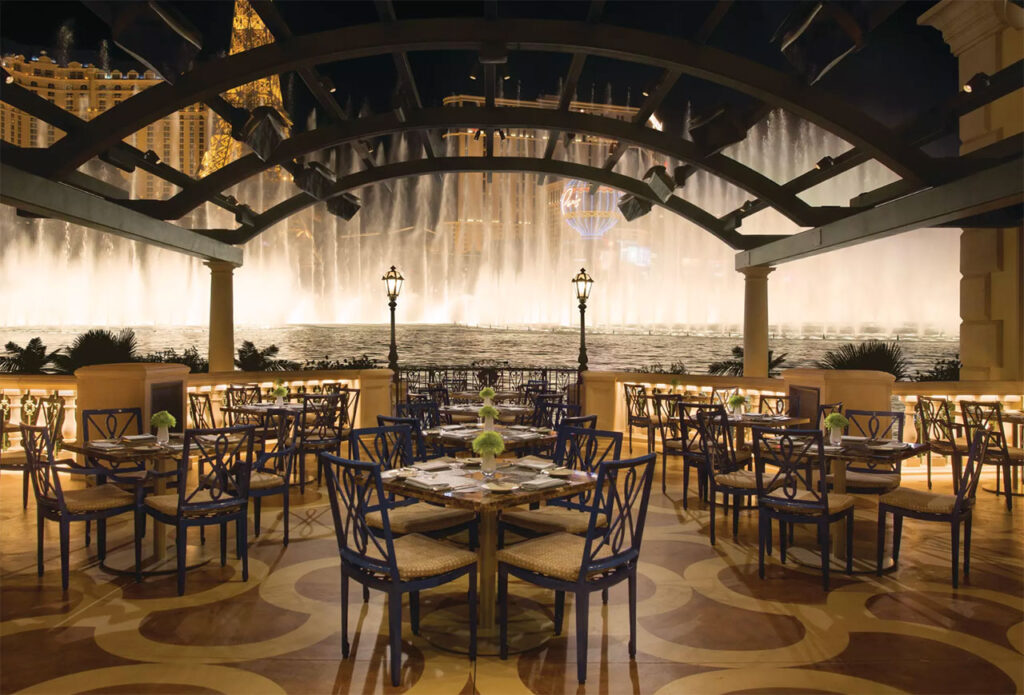
An elegant outdoor dining patio at night with a view of the Bellagio Fountains, featuring set tables under a dark wooden pergola with hanging lights

A romantic fountain-side dinner in Las Vegas, offering a front-row seat to the spectacular Bellagio water show.


Home » Food & Drink

Last updated: March 2026 by Corey Gasman

Start Here: Planning a dinner? Jump to Celebrity Chefs. Looking for value? Go straight to Cheap Eats. Want the local scene? Hit Where Locals Eat.

Start Here

Vegas used to be a simple deal: gamble all night, recover at a buffet, repeat. That version still exists, but it is not the main story anymore. Over the last couple decades, the city quietly turned itself into a full-blown entertainment and dining destination because it had to. Gambling is still part of the vibe, but it is no longer the only reason to fly in.

Now Vegas wins on restaurants, shows, and one-night-only experiences. The casinos figured out what every traveler learns fast: it is easier to remember a great meal and an insane show than a few hours at a table. The Strip is basically a massive food and entertainment complex disguised as a gambling town.

Shhh, do not tell Vegas. But the best Vegas trips are not built around gambling anymore. They are built around a few big moments: one celebrity-chef dinner, one buffet or iconic breakfast, one off-Strip mission to Chinatown or the Arts District, and one flexible night where you roam a food hall and let the city choose the plan for you.

Local Guide Tip: If your hotel is walkable to a great cluster (Wynn and Encore, Cosmo and ARIA, or Venetian and Palazzo), your trip gets easier instantly. Fewer rideshares equals more spontaneous eating.

Quick Navigation

Pro Tip: Vegas is best when you eat in layers. Big dinner, flexible food hall meal, then an off-Strip mission. Do not force three big reservations into one day.
An interior view of an elegant dining room at The Venetian Las Vegas, featuring intricate architectural details, warm lighting, and a sophisticated atmosphere.

Dining in style at The Venetian. The resort’s grand architecture and upscale atmosphere provide the perfect backdrop for a classic Las Vegas culinary experience.


The TLGA Vegas food checklist

  • One celebrity chef dinner: do the full Vegas room and make it count.
  • One off-Strip meal: Chinatown or the Arts District.
  • One buffet or iconic breakfast: a Vegas ritual, done once.
  • One cheap-eats win: tacos, pizza window, noodles, or a prime rib deal.
  • One walk-in plan: food hall roaming so your group stays happy.

Celebrity and Famous Chef Restaurants

A professional display of various cuts of dry-aged beef arranged on metal racks inside a glass-fronted aging room at Bazaar Meat by José Andrés

A look at the serious steak program at Bazaar Meat. The dry-aging room showcases the premium cuts and craftsmanship that make this a top destination for carnivores.


If you are doing one “Vegas dinner,” do it right. Vegas is a premier destination for celebrity-chef dining. These are the places built for a night out, with menus that are designed to hit big.

Best celebrity-chef picks for a classic Vegas night

  • Hell’s Kitchen (Gordon Ramsay): the loud, iconic, first-timer Vegas move at Caesars Palace.
  • Best Friend (Roy Choi): high-energy, group-friendly, and fun from minute one at Park MGM.
  • Bazaar Meat (José Andrés): carnivore fantasy with showmanship and serious cooking at SAHARA Las Vegas.
  • Momofuku (David Chang): a great modern Vegas pick at The Cosmopolitan.
  • Gordon Ramsay Steak: a classic Strip steakhouse night at Paris Las Vegas.
  • GIADA (Giada De Laurentiis): chic, breezy Italian with Strip views at The Cromwell.
  • Spago (Wolfgang Puck): seasonal fare with prime Bellagio fountain views.
  • Nobu (Nobu Matsuhisa): the everyone-wins pick at Caesars Palace when you want stylish and reliable.
  • Buddy V’s Ristorante (Buddy Valastro): hearty, family-style Italian comfort food at The Venetian.
  • Guy Fieri’s Vegas Kitchen & Bar: loud, fun, portion-forward energy at the LINQ Promenade.
  • Carbone: big flavors, bigger vibe, and a strong celebration dinner at ARIA.
Pro Tip: If you want the best shot at prime reservations, book your celebrity-chef dinner Sunday through Thursday. Friday and Saturday go fast.

Vegas steakhouse energy, the upgraded version

  • SW Steakhouse (Wynn): polished, luxe, and consistently excellent.
  • CUT by Wolfgang Puck (The Palazzo): modern steakhouse precision with a deep bench of cuts.
  • Delmonico Steakhouse (Emeril Lagasse): a Vegas staple at The Venetian that still holds up.
  • Craftsteak (Tom Colicchio): premium meats and a classic steakhouse play at MGM Grand.
  • Golden Steer: old-school Vegas history with table-side swagger.
  • Bob Taylor’s Ranch House: classic local steakhouse energy off the Strip.

Quick bites and sweet treats from the stars

  • China Poblano (José Andrés): vibrant mix of Chinese and Mexican street food at The Cosmopolitan.
  • Gordon Ramsay Fish & Chips: casual British street food at the LINQ Promenade.
  • Dominique Ansel Bakery: creative pastries at Caesars Palace.
  • Carlo’s Bakery (Buddy Valastro): famous Cake Boss sweets and cannolis at The Venetian.

Where Locals Eat: Chinatown, Arts District, and Off-Strip Hits

An interior view of Esther's Kitchen in the Las Vegas Arts District, featuring a long, modern bar with seating, warm lighting, and an industrial-chic aesthetic.

Dining at Esther’s Kitchen, a cornerstone of the Las Vegas Arts District known for seasonal Italian soul food and a vibrant, local-first atmosphere.


The fastest way to level up your Vegas food trip is leaving Las Vegas Boulevard for at least one meal. Two areas matter most: Chinatown (Spring Mountain) and the Arts District (just south of Downtown).

Arts District: chef-driven and easy to pair with Downtown

  • Esther’s Kitchen: seasonal Italian that locals love for a reason.
  • Main St. Provisions: modern American comfort food with a strong wood-fire grill focus.
  • Good Pie: Brooklyn-style and Detroit-style pizzas in a great space.
  • Makers & Finders: a high-energy cafe with strong brunch and coffee culture.
  • SoulBelly BBQ: bold regional barbecue, and perfect with a Downtown night.
Local Guide Tip: Main Street is incredibly walkable. Plan dinner here, then brewery-hop or grab cocktails nearby to round out the night.

Chinatown: the strongest food neighborhood in Las Vegas

  • Lotus of Siam: the famous Northern Thai institution.
  • Sparrow + Wolf: creative American cooking and a top food traveler pick.
  • Shang Artisan Noodle: hand-pulled noodle comfort bowls.
  • Weera Thai: great flavors without Strip pricing.
Pro Tip: Do Chinatown on a weeknight. It is easier, faster, and you will get a better version of the experience without the weekend crush.

Best Buffets in Las Vegas

large, fresh pile of chilled seafood, including crab legs and shrimp, served on ice at the Bacchanal Buffet in Caesars Palace.

A wide buffet spread photo works best (seafood station, dessert wall, or carving station).


Buffets are not a cheap meal anymore. Treat them like a paid experience: variety, seafood runs, dessert laps, and the freedom to try everything once. The key is picking one buffet that matches your trip style, then balancing it with Chinatown or Arts District meals the rest of the week.

Buffet Casino / Resort Typical cost (adult) Main food take
Bacchanal Buffet Caesars Palace $65 to $85 (varies by day and time) Seafood and crab-heavy runs, huge global variety, and the full “this is Vegas” scale.
The Buffet Wynn Las Vegas $60 brunch / around $80 dinner High polish: prime rib, strong seafood dinner, made-to-order stations, calmer luxury vibe.
Wicked Spoon The Cosmopolitan Around $50 to $60 brunch Smaller-plate, market-style buffet that feels modern. Great when you want quality more than sheer size.
A.Y.C.E. Buffet Palms (Off-Strip) Around $43 brunch / around $80 lobster night Best off-Strip buffet play. Go for lobster or snow crab nights when you want value that still feels like a flex.
Garden Buffet South Point (Off-Strip) Often cheaper than the Strip (varies) Classic local buffet energy. A strong value pick if you are already off-Strip or have a car.

Note: Buffet pricing changes often by day, season, and promotions. Always confirm current pricing on the resort’s official site before you go.

TLGA buffet rules

  • Do it once: buffets are fun, but multiple buffets turn into a sport.
  • Brunch is usually the best value: you get the full spread and your day stays flexible.
  • Skip the buffet if you are not hungry: this is not the meal to eat light.
Local Guide Tip: The best buffet is the one you can actually get into without a brutal line. Pick your day and time, then commit.

Breakfast and Brunch

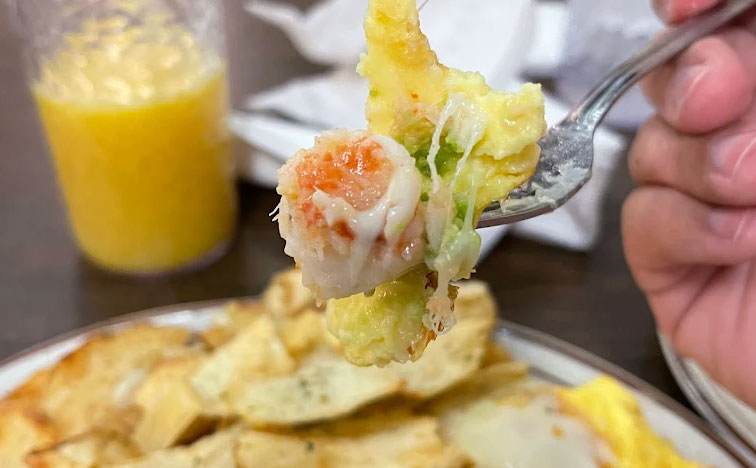
A close-up of a classic breakfast dish at Omelet House, featuring a fluffy omelet served with golden-brown hash browns and a side of thick-cut toast

A hearty start at the Omelet House. This off-Strip local favorite is known for massive portions and vintage Las Vegas diner charm.


Vegas mornings start late, so breakfast spots are built for both early risers and people who closed a casino at 3 a.m.

Iconic, very Vegas breakfast moves

  • Peppermill: peak retro Vegas energy. Go hungry and lean into it.
  • Bouchon (The Venetian): polished brunch with bakery-level execution.

Off-Strip breakfast cafes worth the drive

  • Omelet House: vintage diner vibes and famously huge portions.
  • BabyStacks Cafe: a beloved local chain for decadent pancake stacks.
  • PublicUs: a stylish, chef-driven Arts District cafe with excellent coffee.
Pro Tip: If you plan a buffet brunch, make your dinner lighter that night. You will enjoy both meals more.

Food Halls That Actually Work

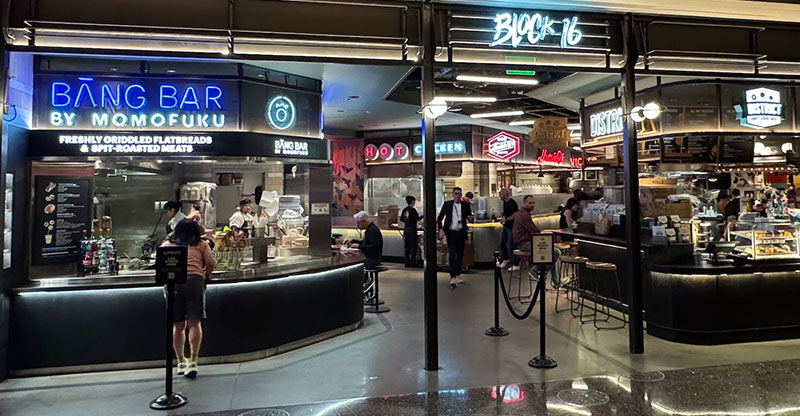
Grazing through Block 16 Urban Food Hall. From Hattie B’s Hot Chicken to Lardo sandwiches, it is the ultimate destination for a high-quality, flexible meal on the Strip.

Grazing through Block 16 Urban Food Hall. It is a high-quality, flexible meal on the Strip when your group cannot agree on one restaurant.


Food halls are the best move when your group cannot agree, you do not want a two-hour dinner, or you need a flexible plan between shows. Vegas has upgraded the old food court concept into real culinary destinations.

Top food halls to target

  • Block 16 Urban Food Hall (The Cosmopolitan): a curated hit list with strong variety.
  • Proper Eats Food Hall (ARIA): modern lineup with a wide mix of options.
  • Famous Foods Street Eats (Resorts World): an Asian hawker-style market feel with lots of stalls.
  • Eataly (Park MGM): the ultimate Italian marketplace for grazing, wine, and easy choose-your-own meal plans.

When to use a food hall

  • Arrival day: you are tired, your group is indecisive, and nobody wants a long meal.
  • Show night: you need speed and options.
  • Late night: you want one more bite without turning it into a second dinner.
Local Guide Tip: Food halls are the easiest split up and reunite strategy. Everyone grabs what they want, then you meet back up like functioning adults.

Cheap Eats in Las Vegas That Still Feel Like a Win

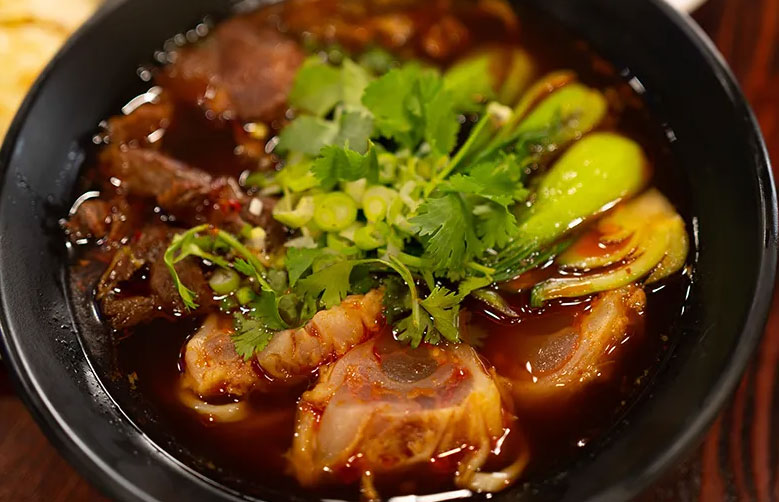
A colorful bowl of authentic Chinese beef noodle soup from the Chinatown Plaza in Las Vegas, garnished with fresh cilantro and bok choy.

Exploring the hidden gems of Spring Mountain Road. Chinatown is one of the best value zones in Las Vegas for authentic, affordable meals.


Cheap in Vegas usually means good value. These are the plays when you want to save money without eating sadness.

Best cheap-eats categories

  • Chinatown noodles and ramen: fast, filling, and usually a great deal.
  • Tacos off the Strip: the easiest way to eat well for less.
  • Pizza windows and slice shops: perfect late-night move.
  • Happy hours: the most underrated Vegas dining hack.
  • Prime rib deals: old-school Vegas value still exists if you know the move.
Pro Tip: If you are eating on the Strip and want value, target lunch specials and happy hours. Dinner is where pricing gets aggressive.

Best Casinos for Foodies

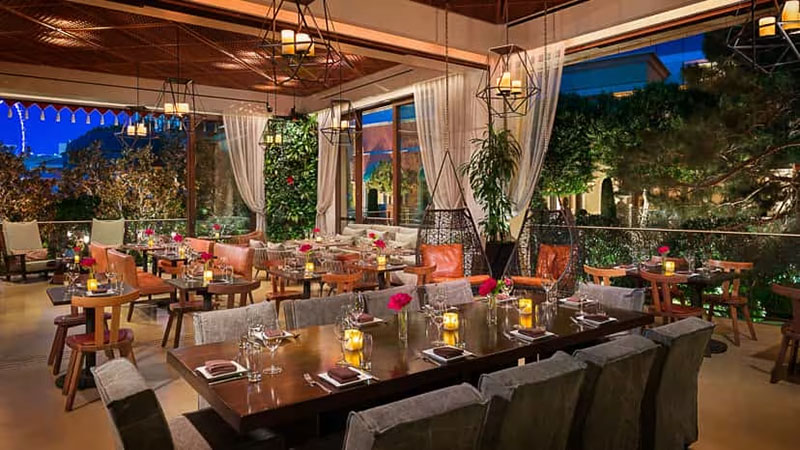
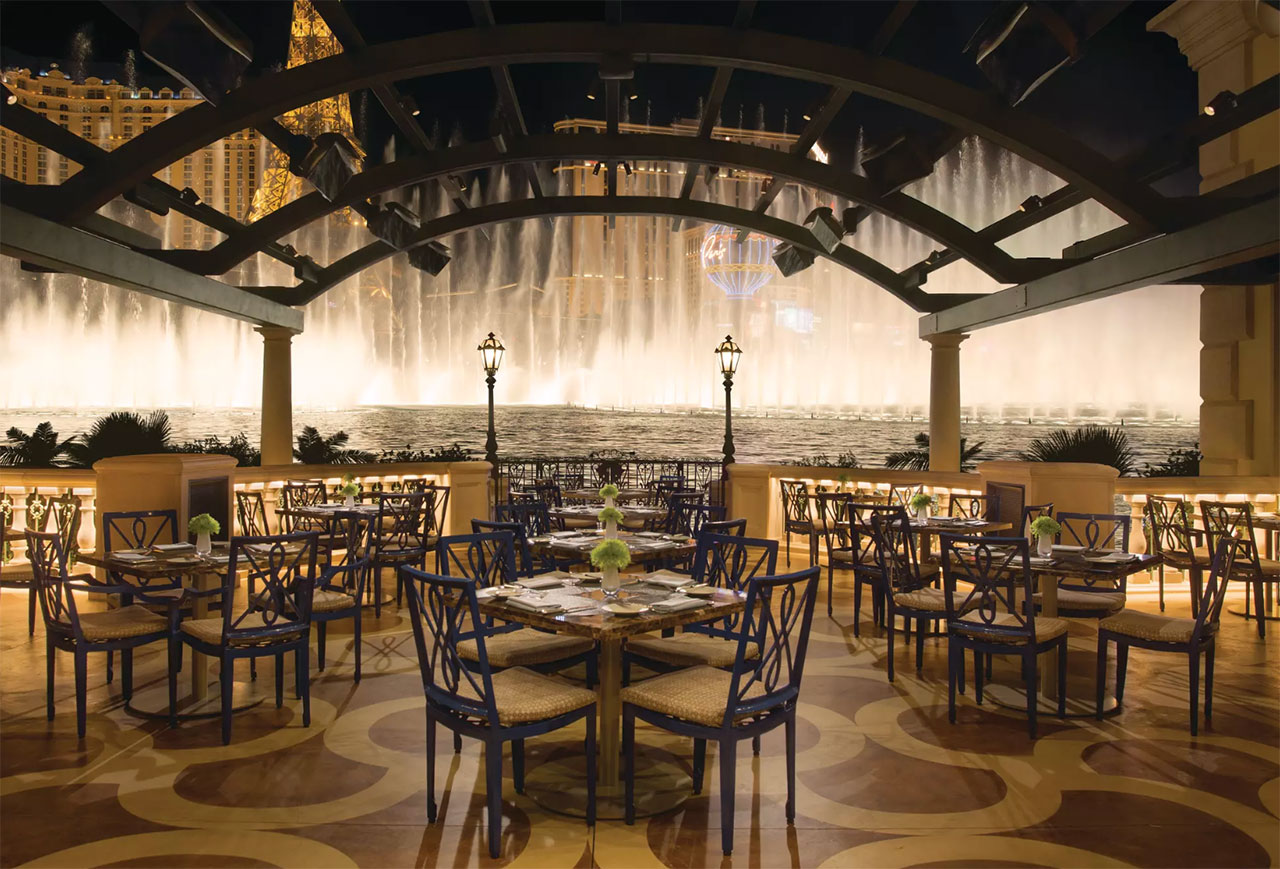
An elegant outdoor dining patio at night with a view of the Bellagio Fountains, featuring set tables under a dark wooden pergola with hanging lights.

A polished resort dining scene fits best here: upscale rooms, great service, and that classic Las Vegas glow.


If your trip is built around meals, pick one casino zone and eat deep instead of bouncing across the Strip all day.

Casino cluster Why it works Best for
Wynn and Encore Luxury rooms, top-end service, polished dining bench Splashy dinners and a refined trip feel
Cosmopolitan and ARIA Great variety, modern restaurants, strong casual options Food halls, trendy rooms, and flexible eating
Venetian and Palazzo Massive selection and great group-trip logistics Variety without leaving the property
Caesars and Bellagio Classic Vegas icons with famous dining rooms First-timer “I want the classics” trips

Most Expensive Vegas Restaurants

A close-up of a gourmet dish from Joël Robuchon, featuring a single, beautifully plated scallop topped with caviar and delicate garnishes on a dark, textured plate.

A fine dining tasting menu photo fits best here: quiet luxury, precise plating, and a true special-occasion vibe.


If you want the peak Vegas splurge, these are the rooms built around tasting menus, luxury ingredients, and serious service. Expect prix-fixe pricing, wine pairings that add up fast, and reservations that require planning.

Where the bill gets serious

  • Joël Robuchon: the classic ultra-luxe Vegas fine dining benchmark.
  • Restaurant Guy Savoy: special-occasion dining with a high-end French spirit.
  • é by José Andrés: intimate tasting counter that feels like a ticketed event.
Pro Tip: If you are doing a top-tier tasting menu, schedule it mid-trip. First night is travel fatigue. Last night is packing stress.

Reservations and Timing

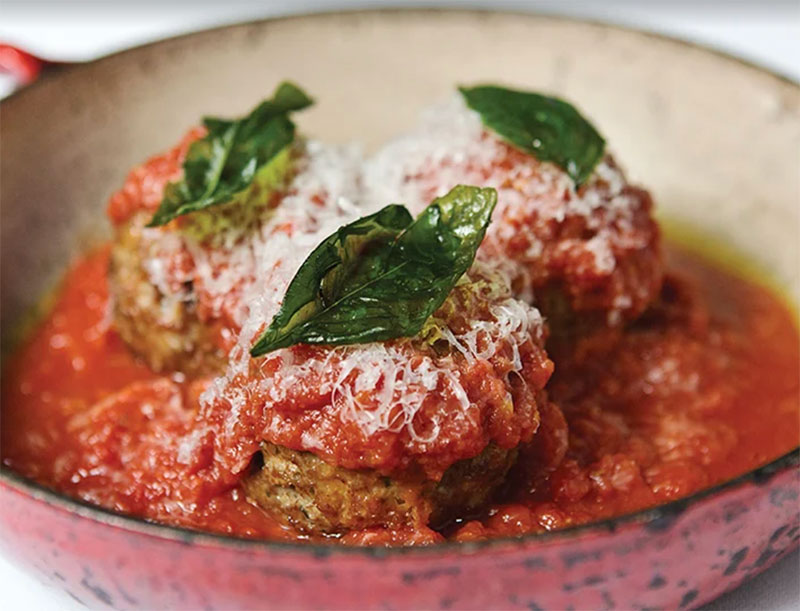
Carbone’s famous meatballs

A signature dish photo works great here: something famous, recognizable, and very Vegas.


If food is a main Vegas goal, book a few tables before you land. You do not need to lock every meal. You do need one great big dinner slot, plus a backup plan for busy nights.

What to book

  • One big dinner: celebrity chef, steakhouse, or tasting menu.
  • One buffet time slot: if buffet matters to you.
  • Optional: one buzzy off-Strip spot if you have a short trip.

Two weekend reservations you should not leave to chance

  • Carbone (ARIA): book as early as your dates allow if it is a priority.
  • é by José Andrés (The Cosmopolitan): tiny seating and a planned-ahead kind of night.
Local Guide Tip: Two reservations total is a great target for a 3 to 5 day Vegas trip. Everything else should stay flexible so you can follow the night.

Michelin Planning in Vegas

The official Michelin Guide logo for Las Vegas, featuring the iconic white Michelin Man and a red Michelin star

Use a fine dining image here, or a subtle exterior shot of a luxe resort restaurant entrance.


Michelin can be a useful filter when you want one “no-regrets” meal. Vegas has plenty of serious dining rooms, but your trip gets way better when you treat fine dining like one highlight, not a nightly assignment.

Pro Tip: Use Michelin-style thinking as a planning filter. Pick one serious meal, then balance it with Chinatown and Arts District value meals so your trip stays fun.

How to plan a “serious meal” without making your trip annoying

  • Pick one serious meal: tasting menu or a top-tier room.
  • Consider lunch: sometimes easier to book and often a better value.
  • Do not chain fancy nights: you will turn your trip into homework.

Mini Food Itineraries

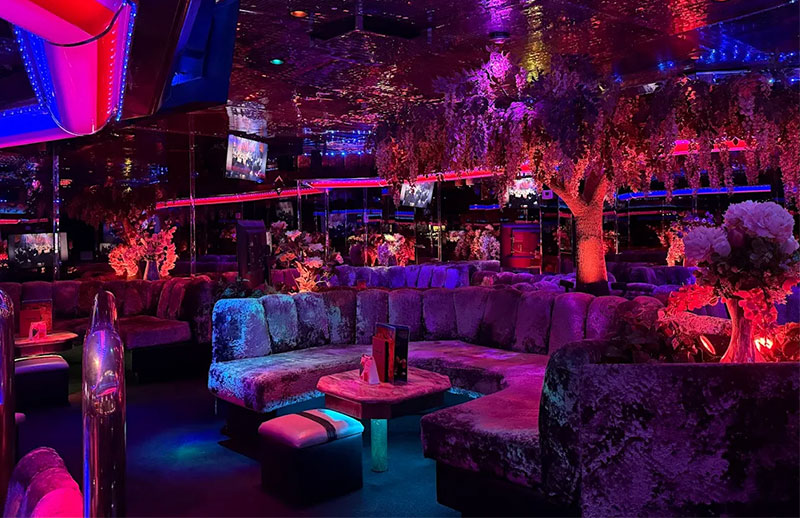
The interior of the Peppermill Fireside Lounge, featuring plush purple velvet booths, neon pink and blue lighting, and a central fire pit reflecting on the water.

Stepping back in time at the Peppermill Fireside Lounge. A classic Las Vegas landmark known for iconic retro neon and cozy fireside seating.


2 nights in Las Vegas

  • Day 1: food hall meal or quick casual dinner, then late-night cheap eats. (TLGA pick: Block 16 at The Cosmopolitan, then a late-night slice.)
  • Day 2: iconic breakfast or buffet brunch, then celebrity chef dinner. (TLGA pick: Peppermill or Bouchon, then your big reservation.)

4 nights in Las Vegas

  • One big dinner: celebrity chef or classic steakhouse. (TLGA pick: Bazaar Meat or SW Steakhouse.)
  • One off-Strip mission: Chinatown dinner. (TLGA pick: Lotus of Siam or Sparrow + Wolf.)
  • One buffet or iconic breakfast: do it once and do it right.
  • One flexible night: food halls, happy hour hopping, and cheap eats.

6+ nights in Las Vegas

  • Add an Arts District day: lunch, breweries, and a Downtown night. (TLGA pick: dinner at Esther’s Kitchen.)
  • Add a second off-Strip cuisine night: noodles, Thai, or a deep-cut regional spot.
  • Add one event dinner splurge: if you love fine dining.

Drinking in Vegas: Costs, Views, and Happy Hours

A nighttime view of two cocktails on a table at the Legacy Club rooftop bar, with the glowing lights of the Las Vegas skyline and the STRAT Hotel visible in the background.

Enjoying rooftop cocktails at the Legacy Club. A perfect spot for panoramic views of the Las Vegas valley.


The era of the cheap Vegas drink is mostly gone. On the Strip, cocktails are often priced like a major city. The move is targeting the right view bars, the right happy hours, and Downtown when you want better value.

The reality of Vegas drink pricing

  • Strip cocktails: often priced around $18 to $25 before tip, depending on the venue.
  • Beer: usually cheaper Downtown than on the Strip.
  • The hidden cost: water and convenience-store items inside resorts can be wildly overpriced. Stock your room once.

How to actually get a comped drink

  • Center bars with video poker: play slowly, tip well, and ask the bartender how comps work at that bar.
  • Table games: servers still circulate with complimentary drinks for active players. Tip and keep it simple.
Local Guide Tip: Many bars use a light system on video poker machines that indicates whether you have played enough to earn a comped drink. Ask first so you are not surprised by a bill.

Best views while having a cocktail

  • Legacy Club (Circa): Downtown rooftop views and a great terrace feel.
  • Skyfall Lounge (Delano): huge south-Strip view. Sunset timing is the move.
  • Alle Lounge on 66 (Resorts World): skyline views from the north end of the Strip.
  • Ghost Donkey (The Cosmopolitan): not a view bar, but a very fun hidden mezcal stop.

Happy hour strategy

  • Target 4 p.m. to 6 p.m.: a common sweet spot for deals.
  • Check the venue’s current menu: happy hour offers change often in Vegas.
  • Downtown is usually cheaper: if value is the goal, build one Fremont night.
Pro Tip: Vegas deals come and go. Before you commit to a “famous cheap drinks” place, check recent updates.

Read More Las Vegas Travel Guides
Where to stay, what to do, where to eat, and classic Vegas.

HUB GUIDE

Las Vegas Travel Guide

The master hub for planning your trip.

Read More
HOTEL GUIDE

Where to Stay

Best hotels by zone, vibe, and budget.

Read More
3-DAY ITINERARY

3-Day Las Vegas Itinerary

72 hours, mapped out by day and neighborhood.

Read More
THINGS TO DO

Best Things to Do

Shows, neighborhoods, views, and day trips.

Read More
Las Vegas Travel Guide FAQ

What is the best area to stay in Las Vegas if food is my priority?

Pick a hotel that makes eating easy. Wynn and Encore are great for polished high-end dining. Cosmopolitan and ARIA are strong for variety and flexible eating. Venetian and Palazzo are excellent for group trips. The key is staying walkable to a cluster so you are not ridesharing for every meal.

Chinatown (Spring Mountain) is the biggest concentration of great off-Strip dining, and the Arts District has a strong chef-driven scene. If you only do one off-Strip meal, make it Chinatown for value and variety.

Yes, if you treat it like a one-time experience. Buffets are not cheap anymore, but they are still fun for variety, seafood stations, and desserts. Brunch is usually the best value and the best selection.

For celebrity chef restaurants, steakhouses, and tasting menus, yes. For Chinatown, most casual places, and food halls, you can stay flexible. Two reservations total is a smart target for most 3 to 5 day trips.

Book one big dinner, do one off-Strip meal, and use food halls and happy hours for flexible value meals. Lunch specials and weekday reservations also help keep costs under control.

High-end tasting menus and ultra-luxe fine dining rooms are the top tier, especially when you add wine pairings and cocktails. If you want that experience, schedule it mid-trip and treat it like an event dinner.

Best Restaurants in NYC

NYC is the best restaurant city in America if you plan it right. This page is your “what’s actually worth it” shortlist, plus the booking tactics to land the tables.


Home » Food & Drink

Last updated: March 2026 by Corey Gasman

Planning your first trip? Start with the NYC hub, then use this page to plug in the meals.

Best first-timer pairing: 1 iconic deli meal + 1 “must-book” dinner + 1 great pizza stop.

Start Here: How to Use This List

NYC dining is infinite, so TLGA filters it into “trip-defining” meals. Use the categories below to match your travel style: iconic classics, hard reservations, great value, and neighborhood anchors.

TLGA booking rule: Pick 2 restaurants you care about most and build your itinerary around them. Everything else can be flexible.
Your Priority Choose This Category Best Move Neighborhood Bias
Once-in-a-lifetime meal Fine Dining + Tasting Lunch is often the value hack Midtown / UWS
NYC “icon” night Classics + Institutions Book early, embrace the vibe Downtown / Brooklyn
Trend table Hard Reservations Set alerts and be time-flexible UWS / Downtown
Best food value Cheap Eats + Queens Go at off-hours, avoid lines Queens / Chinatown
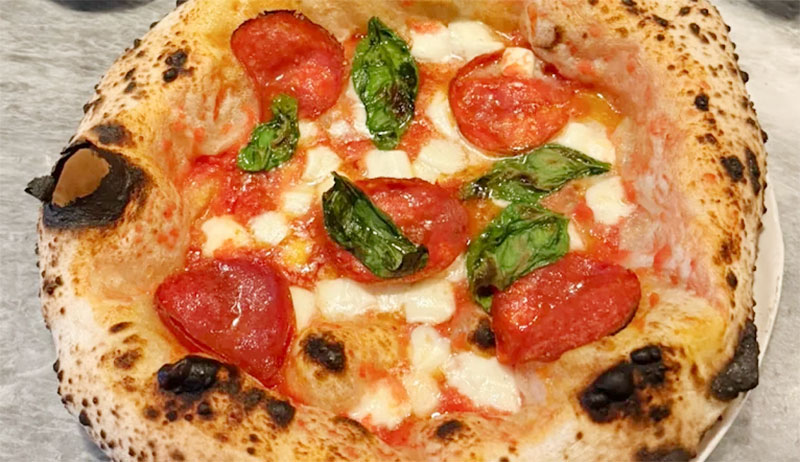
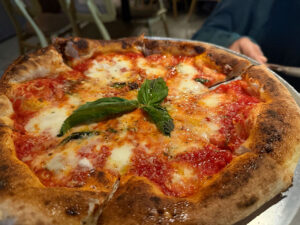
A close-up of a wood-fired Margherita pizza from Una Pizza Napoletana, featuring a charred, blistered crust, melted buffalo mozzarella, fresh basil leaves, and a rich tomato sauce.

NYC restaurant rule: one great meal can anchor an entire day. Pick your anchors first, then fill in the rest.


Must-Book Restaurants

These are the tables that can define your trip. If one of these matters to you, treat it like a show ticket.

Restaurant Why It’s Worth It Best For Booking Tip
Tatiana (Lincoln Center) One of NYC’s toughest reservations and a true “NYC now” meal Food-first travelers Set Resy alerts, grab early or late times
COTE Korean Steakhouse (Flatiron) High-energy Korean BBQ with polished service Groups, celebratory nights Book 2–4 weeks out, weeknights easiest
Via Carota (West Village) The NYC Italian vibe machine that always delivers Downtown dinner night Walk-in strategy often beats chasing a prime slot
Torrisi (Downtown) Modern NYC Italian with serious execution Big night out Be flexible on times, consider bar seating
Thai Diner (Nolita) Casual, stylish, and consistently excellent Lunch, low-stress dinner Go early to avoid the worst of the line
Local Guide Tip: In NYC, “hard reservation” does not always mean “better food.” It often means “more demand.” If your schedule is tight, pick one tough table and keep the rest easy.

Iconic NYC Classics

These are the institutions and “only in New York” meals. They are popular for a reason.

Restaurant Category What to Order Neighborhood
Minetta Tavern Burger + NYC night Black Label Burger West Village
Katz’s Delicatessen Iconic deli Pastrami on rye (split it) Lower East Side
Balthazar French brasserie energy Steak frites, martini, oysters SoHo
Peter Luger Old-school steak Porterhouse for two, thick bacon Brooklyn
Superiority Burger Casual cult favorite Burger + specials East Village

Pizza Worth the Line

NYC has infinite pizza. These are the stops that justify a detour.

  • Una Pizza Napoletana (Lower East Side): destination pie, simple and elite.
  • Lucali (Brooklyn): iconic, patience required.
  • Joe’s Pizza (multiple locations): the classic “NY slice” baseline.
Pizza strategy: Do one destination pie and one quick slice. If you try to do three “famous” pizzas in one day, you will lose your appetite for everything else.

Cheap Eats That Hit

NYC is expensive, but the best bites are often under $15. Use these as your balance meals.

  • Los Tacos No. 1 (Chelsea Market): the adobada taco is a cheat code.
  • Chinatown noodle lunch: pick a busy, cash-friendly spot and keep it simple.
  • Queens food crawl: Astoria and Jackson Heights are loaded with value.
Local Guide Tip: On busy museum days, plan cheap eats nearby. Saving time is the real budget win in NYC.

Fine Dining + Michelin Moments

If you want one “this is why we came to NYC” meal, do it here. Consider lunch menus when available.

Restaurant Style Best Value Move Neighborhood
Le Bernardin Seafood fine dining Book lunch for the experience Midtown
Eleven Madison Park Tasting menu Commit to the full night, dress up Flatiron
Per Se Classic luxury tasting Aim for earlier seating times Columbus Circle
Jungsik Modern Korean fine dining Go weekday if possible Tribeca
Sushi Sho High-end omakase Book far ahead, stay flexible Midtown

Where to Eat by Neighborhood

If you plan by neighborhood, NYC becomes easy. Use this as your “what to eat near where I am” section.

West Village / SoHo: charm + big dinner energy
  • Minetta Tavern (burger night)
  • Via Carota (Italian)
  • Balthazar (brasserie classic)
  • Le Bernardin (seafood fine dining)
  • Jungsik (modern Korean)
  • Pre-show move: grab a cocktail near the theaters, then eat after the show
  • Katz’s Delicatessen (iconic deli)
  • Una Pizza Napoletana (destination pizza)
  • Superiority Burger (East Village detour)
  • Peter Luger (classic steak)
  • Lucali (pizza pilgrimage)
  • Rooftop/skyline dinner strategy: do views before your reservation
  • Astoria for casual Greek and global eats
  • Jackson Heights for food crawling
  • Perfect add-on day when you want something less touristy

Reservation Strategy

  • Use Resy: set “Notify” alerts and be flexible on times.
  • Choose a priority list: 2 must-book tables, 3 flexible backups.
  • Bar seating: often the best last-minute option at great restaurants.
  • Lunch hack: some top restaurants are far easier at lunch.
Best NYC move: If you miss prime dinner reservations, grab a 9:30 PM table and do a rooftop drink first. It turns into a perfect NYC night.

Planning Links

NYC Restaurants FAQ

How far in advance should I book restaurants in NYC?

For the most in-demand restaurants, book as early as you can. For everything else, a flexible schedule and Resy alerts usually get it done.

Downtown neighborhoods like the West Village, SoHo, and the Lower East Side are the best “food plus walking” combo. You can eat well and enjoy the city between meals.

Yes, if you want one “memory meal.” Consider lunch if you want the experience with less sticker shock.

Plan by neighborhood. One anchor meal per day, and keep the rest of your stops within that same zone.

[/section]

Mexico Wine Guide: Valle de Guadalupe & Wineries

Home » Food & Drink

Last updated: February 2026 by Corey Gasman

Corey’s note (9M+ views on Google):

Most travelers think tequila and mezcal when they think Mexico. Meanwhile, just 90 minutes south of San Diego, the Valle de Guadalupe quietly became a real wine destination with bold reds, serious tasting rooms, and a food scene that now shows up in the MICHELIN Guide.

Start Here: The Mexican Wine Game Plan

Yes, grapes grow in multiple Mexican states. But if you want a true wine trip with tastings, design hotels, and dining you will actually plan around, you are heading to Baja California. Think of the rest of Mexico as “bonus regions” that make great side trips from bigger cities.

  • The Main Event: Valle de Guadalupe (Baja California). Mexico’s most developed wine tourism region with the deepest winery density and the most destination dining.
  • The Easy Add-On: Querétaro. High altitude vineyards and sparkling wine, perfect if you are based in Mexico City and want a wine weekend.
  • The Historic Route: Coahuila (Valle de Parras). Home to Casa Madero (founded 1597), widely cited as the oldest continuously operating winery in the Americas.
Pro Tip: If your goal is “taste a lot of wine,” the Valle is the answer. If your goal is “learn history,” go Coahuila. If your goal is “sparkling and pretty towns,” go Querétaro.

⭐️ Golden Rule: Valle de Guadalupe is not walkable like a European wine village. Wineries are spread out across ranch roads. If you plan to drink, hire a driver.

Crossing the border

Read: Mexico Customs and Immigration

A couple walking hand-in-hand through a sunlit vineyard at Cuatro Cuatros in Valle de Guadalupe, with rolling hills and a rustic outdoor lounge area in the background

The Valle is rugged, dusty, and beautiful. It feels like desert wine country because it is.


A Quick History of Mexican Wine

Mexico is one of the oldest wine producing regions in the Americas. Vines arrived early in the colonial era, and commercial winemaking grew fast enough that Spain eventually cracked down to protect its own exports. The modern Mexican wine boom really accelerates in the late 20th century, with Baja California becoming the center of gravity for serious production and wine tourism.

Local Guide Tip: The “new” story in Mexico is not just the wine. It is the combo of wine + architecture + outdoor dining. Baja is building a full lifestyle destination around it.

The Wine Regions Cheat Sheet

If you want to explore vineyards in Mexico, these are the regions that matter most for travelers.

Region State Signature Style The Vibe
Valle de Guadalupe Baja California Bold reds, blends, big flavor Design hotels, destination dining, tasting-room hopping
Querétaro Wine Route Querétaro Sparkling wine and crisp whites Easy weekend from CDMX, vineyard tours, charming towns
Valle de Parras Coahuila Historic producers + structured reds Desert oasis, old-school wineries, history-heavy
Guanajuato Wine Country Guanajuato Boutique reds and experimental blends Pair with San Miguel de Allende and Dolores Hidalgo

What to Drink in Mexico Wine Country

If you are used to Napa, you are going to notice two things fast: Mexico loves blends, and Baja reds tend to go bold and expressive. This is a “trust the winemaker” region. Order flights, ask questions, and lean into whatever is pouring best that day.

What to order Why it works Ask for this
Red blends Many Valle producers shine most in blends, not single varietals “Your flagship blend” or “winemaker’s blend”
Cabernet-based wines Big fruit, structure, great with grilled Baja food Cabernet Sauvignon or Cabernet blends
Nebbiolo-style reds Baja has its own famous take on Nebbiolo-labeled wines “Your Nebbiolo” and “your most structured red”
Chenin Blanc One of the most rewarding whites in Baja when done right Chenin or aromatic whites
Pet-nat / sparkling Great daytime option when you do not want heavy reds Pet-nat, sparkling, or “something crisp”
Pro Tip: Start your first tasting day with whites or bubbles, then move into reds. If you start with the heaviest reds at 11:00 AM, everything after tastes flat.
Scenic view of rolling green hills and a vineyard in Valle de Guadalupe, Mexico, under a clear blue sky.

Deep Dive: Valle de Guadalupe

The Valle de Guadalupe sits inland from Ensenada and pulls in ocean influence from the Pacific. That mix of sun, elevation pockets, and coastal air is a big part of why the wines can go bold without tasting cooked.

The Signature Style

In general: expect New World energy. Bold reds, generous fruit, and a lot of blends. Whites can be surprisingly good, especially when you lean crisp and aromatic for daytime drinking.


How Tastings Work in the Valle

This is the part most people mess up. Valle is spread out, reservations matter, and tasting days need a little structure.

  • Book ahead: For popular wineries and essentially all destination restaurants, assume you need reservations. Weekends fill first.
  • Three tastings max per day: You will enjoy the day more and remember what you liked.
  • Eat while you taste: Build at least one food stop into your tasting loop, even if it is just a long lunch.
  • Ask for the house favorites: Valle is not about memorizing grape rules. It is about drinking what each producer does best.
  • Go slow: Sip. Share pours. Drink water constantly.
Local Guide Tip: The Valle is not a “walk in and wing it” destination anymore. If you want the best experiences, plan like you are going to a concert: tickets first, vibes second.

The Perfect 2-Day Valle Wine Itinerary

Here is a simple structure that works every time. Adjust the wineries based on what you can book, but keep the rhythm.

Day Morning Midday Afternoon Night
Day 1 Tasting #1 (crisp whites or bubbles) Long lunch on property (do not skip) Tasting #2 + one “architecture winery” stop Reservation dinner (book early)
Day 2 Tasting #1 (flagship reds) Lazy hotel reset, pool, nap Tasting #2 (small producer or cellar) Fire pit, stars, and the bottle you bought
Pro Tip: Schedule your “must-do” restaurant on Day 1. If you wait until Day 2 and your timing slips, you will be sad.

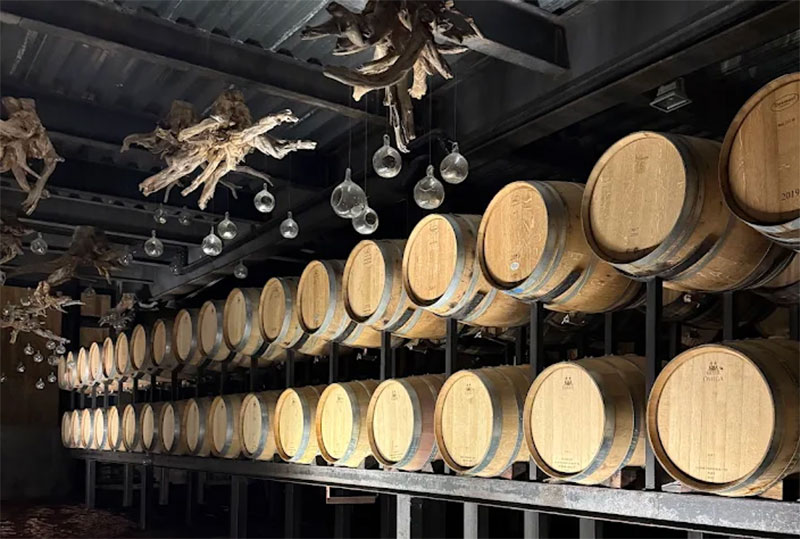
Rows of large wooden wine barrels aging in a modern, gravity-flow cellar at Decantos Vinícola.

Inside the cellar at Decantos Vinícola, where traditional winemaking meets modern architecture in Valle de Guadalupe.


Top Wineries to Visit

There are a lot of wineries now. These are reliable anchors for a first trip. Aim for a mix of “classic Valle” plus one smaller producer to keep it interesting.

  • Monte Xanic: A modern pioneer with a polished visitor experience.
  • Adobe Guadalupe: Hacienda-style, iconic atmosphere, easy to love.
  • Villa Montefiori: Italian influence, big views, a fun tasting terrace.
  • Barón Balché: Known for reds and a more cellar-driven feel.
  • Decantos Vinícola: Architectural stop plus a solid tasting lineup.
Local Guide Tip: Pick wineries based on your day’s driving loop, not just hype. Valle roads and timing matter more than you think.

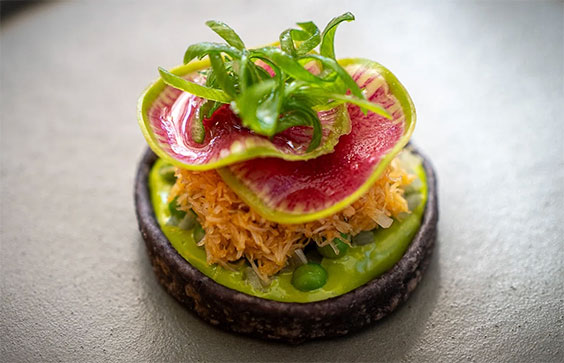
A gourmet dish at Lunario Restaurant featuring a vibrant beet-topped starter with fresh greens and edible flowers, served on a rustic dark plate.

Exceptional farm-to-table presentation at Lunario, one of the MICHELIN-starred culinary gems in Valle de Guadalupe.


MICHELIN Dining in Baja

The Valle’s food scene is part of the reason you come. A quick reality check: “MICHELIN-listed” can mean starred or recommended, so here is the simple breakdown you can plan around.

MICHELIN Starred Restaurants in the Valle Area

  • Animalón: One MICHELIN Star. The famous dining-under-the-oak-tree experience.
  • Conchas de Piedra: One MICHELIN Star. A tight concept built around Baja seafood.
  • Damiana: One MICHELIN Star. A top-tier reservation for modern Mexican cooking.
  • Lunario: One MICHELIN Star. Farm-driven tasting menu energy.
Pro Tip: Do not assume you can walk in. Make reservations well ahead, especially Thursday through Sunday.

Other “Worth Building a Trip Around” Spots

  • Fauna: A Valle heavyweight and a reason people fly to Baja just to eat.
  • Bruma Wine Garden: Great for a lower-key but still impressive food stop on the Bruma property.

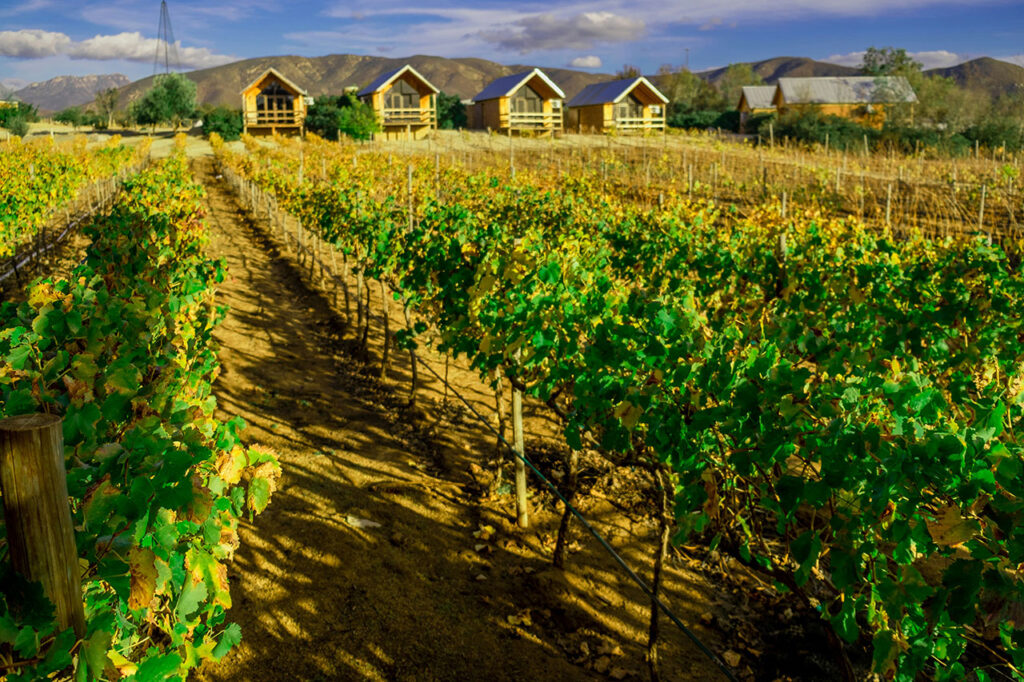
Scenic view of rows of grapevines in a lush vineyard in Valle de Guadalupe, with rustic eco-lofts on a hillside under a clear sky.

Vineyard views and modern eco-lofts at Encuentro Guadalupe in the heart of Mexico’s wine country.


Where to Stay in the Valle (2026 Guide)

The Valle has shifted hard into design-forward boutique stays. Translation: your hotel is part of the trip, not just a place to sleep.

Luxury and Wellness

  • Banyan Tree Veya: A 30-villa retreat highlighted by TIME as a “World’s Greatest Places” pick. Built for views, privacy, and full-on reset energy.
  • El Cielo Resort: A bigger, resort-style option with on-site wine experiences and multiple dining options.
  • Bruma Wine Resort: A full wine-world compound with destination dining and beautiful grounds designed for lingering.

Minimalist and Boutique

  • MIRA Earth Studios: Adults-only, minimal, and very Valle. Suites are designed into the landscape and known for private wellness-style amenities like jacuzzi and sauna.
  • Encuentro Guadalupe: The classic eco-loft hillside stay that helped define Valle’s design-hotel moment.
Local Guide Tip: If you are only doing one splurge on a Valle trip, make it the hotel. A great property makes the whole desert wine-country vibe click.

Logistics and Border Crossing

Getting There

The Valle is one of the easiest international wine destinations for Americans. You have two main approaches:

  • Fly to San Diego (SAN): Then cross to Tijuana and continue south by car or driver.
  • Fly into Tijuana (TIJ) and use CBX: The Cross Border Xpress bridge connects TIJ directly to a terminal in San Diego for ticketed TIJ passengers. It is the cleanest move if you want to land in Mexico but start from the US side.

Driving notes (quick reality check)

  • Roads in the Valle: Many winery roads are unpaved. A normal car can work, but expect dust and rough patches.
  • Uber: Do not rely on rideshare for pickup deep in the Valle. Cell service can be spotty and distances are real.
  • Insurance: If you drive, carry Mexican auto insurance. Baja California requires liability coverage for vehicles traveling in the state.
  • Vehicle permits: The Baja peninsula is widely treated as a TIP-free zone for temporary vehicle import permits. If you are staying in Baja, this is usually simpler than mainland Mexico rules.
Pro Tip: Hire a driver on tasting days. You will drink better wine, enjoy better food, and you will not stress about timing, directions, or “who is driving” after stop two.
Panoramic view of the rustic outdoor dining terrace at Finca Altozano, overlooking the rolling hills and vineyards of Valle de Guadalupe at sunset.

Al fresco dining with a view: enjoying the farm-to-table experience at Finca Altozano in the heart of Baja’s wine country.


Best Time to Visit

The Valle has distinct seasons, and your experience changes a lot depending on when you go.

Season Weather and Vibe Reality Check
Late July to October Harvest energy, events, peak buzz The most expensive and busiest stretch. Book far ahead.
March to June Mild days, cool nights, best balance My favorite window for weather + reservations.
December to February Quiet, cozy nights, slower pace Some outdoor spots reduce hours in winter evenings.

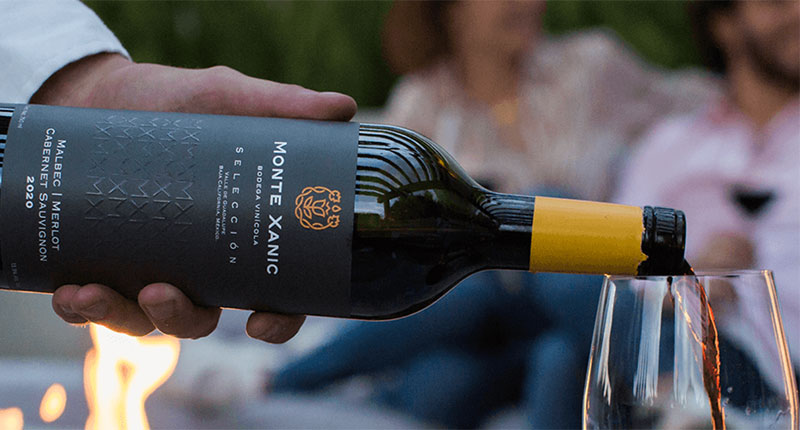
hand pouring red wine from a Monte Xanic bottle into a glass.

Tasting the premium blends at Monte Xanic, one of the pioneering wineries in Valle de Guadalupe.


Bringing Wine Home

If you are crossing back into the US, you can bring wine for personal use. The simple baseline guidance from US Customs is that travelers 21+ can generally bring back one liter duty-free, and amounts beyond that may be assessed duty or handled differently depending on state rules and quantity.

  • Pack smart: Use wine sleeves or a padded bottle shipper inside your suitcase.
  • Buy at the end: Purchase your “take-home bottles” on the final tasting stop so you do not cook them in a hot car all day.
  • Declare it: Always declare alcohol at the border. It keeps the interaction simple.
Local Guide Tip: Ask wineries which bottles travel best. Some reds handle the trip better than delicate whites in warm weather.

Frequently Asked Questions

Can I drive my own car from the US into Valle de Guadalupe?

Yes, many people drive down from California. Plan on Mexican auto insurance, expect some unpaved roads in the Valle, and build extra time for border waits.

For top wineries and weekends, yes. Book at least a few key tastings ahead so your day has structure.

Some larger properties are family-friendly, but much of Valle wine tourism is built for adults. Always check the winery policy before you go.

Two days is the sweet spot for most travelers. Three days is perfect if you want slow mornings, long lunches, and time to really enjoy your hotel.

Stick to bottled or filtered water. Most reputable restaurants use purified ice, but for drinking water, keep it simple.

Read More Mexico Travel Guides
Destinations, food deep dives, and practical planning for Mexico trips.

HUB

Mexico Travel Guides

Start here for destinations, food, and planning.

Read More
FOOD GUIDE

Michelin Guide Mexico

The full list of stars and culinary heavyweights.

Read More
BAJA NEIGHBOR

Cabo San Lucas

Where to stay, what to eat, and navigating Land’s End.

Read More
Michelin Guide Mexico

Home » Food & Drink

Last updated: May 2026 by Corey Gasman

From the Editor:

Mexico has always been one of the best food countries on the planet. I have eaten $2 street tacos in CDMX and multi-course resort tastings in the Riviera Maya that rival anything in Europe. Now, the Michelin Guide is finally catching up to what travelers who eat seriously in Mexico already knew.

This guide is built to help you understand what Michelin means in Mexico, where the guide actually goes, what changed for 2026, and how to use the list without turning your trip into a reservation trophy hunt.

Michelin Guide Mexico 2026 Update:

The Michelin Guide Mexico 2026 ceremony is scheduled for May 20, 2026, in Jalisco. The 2026 guide is also expanding into Jalisco, Puebla, and Yucatán, which means Guadalajara, Puebla City, Mérida, and nearby food regions should be watched closely this year.

Until the new list is announced, the 2025 Michelin-starred restaurants remain the current restaurants defending their stars.

Start Here: What Michelin Means in Mexico

The arrival of the Michelin Guide in Mexico completely changed how many international travelers view Mexican gastronomy. For decades, Mexican food was often flattened into one easy idea: tacos, margaritas, guacamole, beach resorts, and casual street food.

That version was always too small. Mexico’s food culture is regional, technical, ancient, modern, humble, expensive, street-level, and deeply tied to place. The Michelin Guide helps international travelers see that a Mexico food trip can include a world-class tasting menu in Mexico City, a taco stand with one perfect specialty, a seafood lunch in Baja, a mole-focused meal in Oaxaca, and a polished resort restaurant in the Riviera Maya.

It also proves something travelers should understand before they go: Mexico’s best food is not limited to white tablecloth restaurants. Michelin matters, but it should be treated as one tool, not the whole map.

Quick Mexico Michelin Plan:
First serious food trip → Mexico City
Luxury resort dining → Riviera Maya or Los Cabos
Traditional food culture → Oaxaca or Puebla
Wine and farm-to-table → Valle de Guadalupe
2026 watchlist → Guadalajara and Mérida

If you only remember one thing: use Michelin for anchor meals, not every meal.

TLGA Rule: Do not build a Mexico food trip around stars alone. The magic is the mix: one serious reservation, one market morning, one taco crawl, one casual seafood lunch, and one place you found by talking to someone local.

Planning Mexico?

Start here: Mexico Travel Hub

Food-first trip?

Read: Mexico City Travel Guide

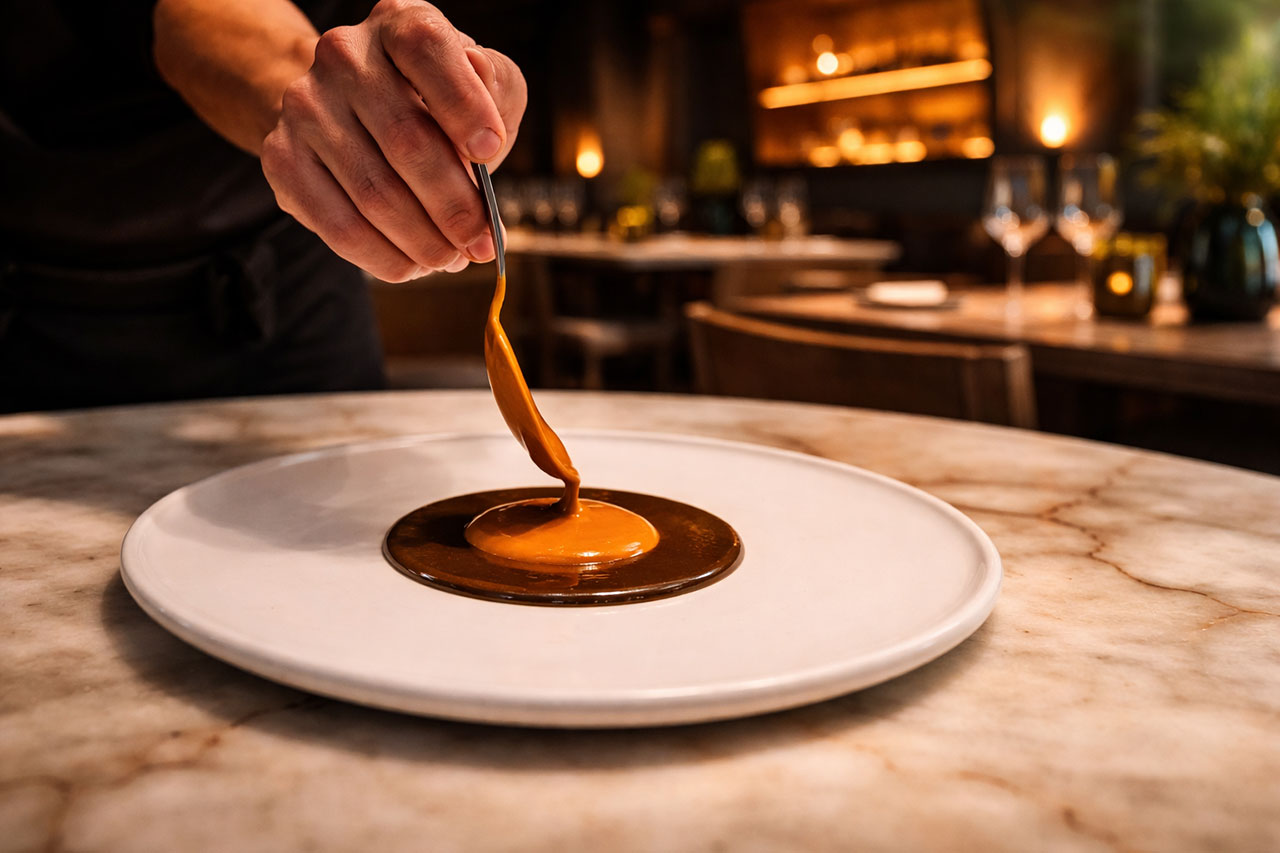
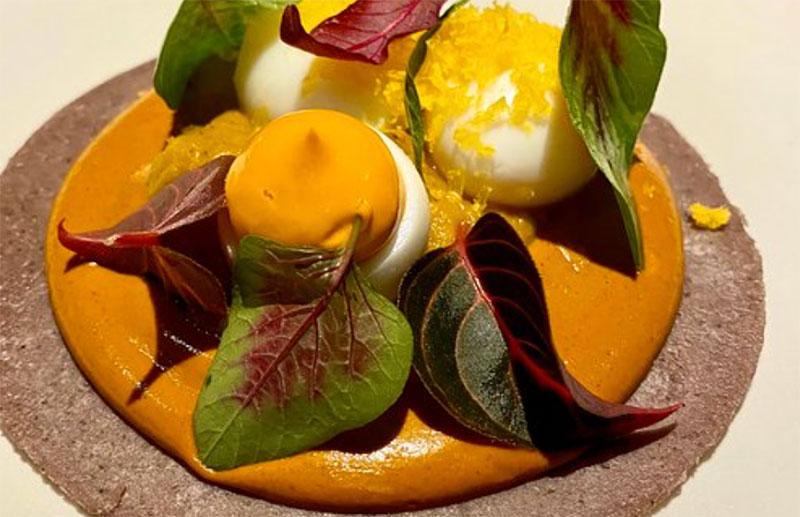
A close-up, artistic presentation of a gourmet dish from Pujol, featuring a central yellow sauce or egg yolk base topped with delicate greens and herbs, served on a dark textured plate.

Pujol in Mexico City remains one of the headline restaurants for travelers planning a Michelin-focused Mexico food trip.


Why the Michelin Guide Mexico Matters

Michelin arriving in Mexico was not just another restaurant list. It was a global signal that Mexico’s dining culture deserves to be discussed alongside Paris, Tokyo, New York, Lima, and Copenhagen.

The real value is not just the stars. It is the range. Mexico’s guide includes polished tasting menus, hotel restaurants, wine country dining, neighborhood restaurants, and even a taco stand. That matters because Mexico’s food identity has never fit neatly into a single category.

For travelers, the guide creates a useful starting point. It tells you where inspectors found exceptional cooking, strong value, and sustainability. But the smartest Mexico food trips still leave space for places that may never appear in Michelin at all.

Local Guide Tip: Michelin is most useful when you use it to pick a few anchor meals. Do not let it crowd out the markets, taquerias, bakeries, seafood stands, mezcalerias, and neighborhood restaurants that make Mexico so good.

Michelin Guide Mexico 2026 Update

The Michelin Guide Mexico 2026 ceremony is scheduled for May 20, 2026, in Jalisco. This is a big shift because the ceremony itself is moving beyond Mexico City, and the guide is expanding into three additional states: Jalisco, Puebla, and Yucatán.

That expansion gives the 2026 guide a wider view of Mexico’s food culture. Jalisco brings Guadalajara, tequila country, birria, seafood, and a strong modern dining scene. Puebla brings mole, convent sweets, markets, and one of the deepest culinary histories in the country. Yucatán brings Mayan roots, citrus, smoke, recados, cochinita pibil, and one of Mexico’s most distinctive regional cuisines.

Until the 2026 announcement, the current Michelin-starred restaurants from the 2025 guide remain the restaurants to watch. Michelin’s live Mexico restaurant page currently shows 2 Two-Star restaurants, 21 One-Star restaurants, 50 Bib Gourmand restaurants, and 104 Selected restaurants.

Pro Tip: If you are traveling before the May 20, 2026 announcement, book around the current 2025 list. If you are traveling after the announcement, re-check the official Michelin Mexico page before locking dining reservations.

Where the Michelin Guide Goes in Mexico

The Michelin Guide does not cover every state in Mexico. Inspectors focus on specific culinary regions, and for 2026, that footprint is getting bigger. If you want to plan a Michelin-focused Mexico trip, these are the regions to know.

Region The Culinary Vibe What to Expect
Mexico City The undisputed heavyweight Two-Star legends like Pujol and Quintonil, one-star restaurants, Bib Gourmands, taco stands, markets, bakeries, and one of the best dining scenes in the world.
Quintana Roo Resort luxury meets high-concept dining Riviera Maya tasting menus, hotel restaurants, beach-region dining, and polished destination meals built around travelers.
Oaxaca Ancestral roots, masa, mezcal, and mole Traditional cooking methods, deep regional ingredients, market culture, and some of the most important food heritage in Mexico.
Baja California Seafood, wine, fire, and farm-to-table Valle de Guadalupe wineries, coastal seafood, open-air restaurants, and produce-driven dining.
Baja California Sur Luxury coastal dining Los Cabos resort restaurants, seafood, farms, and high-end dining built around the destination travel market.
Nuevo León Northern fire, meat, and modern Mexican dining Monterrey restaurants with a strong grilling culture, polished service, and serious regional identity.
Jalisco Tequila country, Guadalajara dining, and regional depth One of the biggest 2026 watch regions, with Guadalajara and the tequila corridor likely to get serious attention.
Puebla Mole, history, and one of Mexico’s deepest food traditions A major 2026 addition for travelers who want heritage cooking, markets, and regional Mexican cuisine beyond CDMX.
Yucatán Mayan roots, citrus, smoke, recados, and slow-cooked classics Mérida and the broader Yucatán food scene could become one of the most exciting additions to the Mexico guide.

The Current Michelin-Starred Restaurants in Mexico

While we wait for the 2026 announcement, these are the Michelin-starred restaurants currently defending their status from the 2025 guide. This is the list to use if you are planning a Mexico food trip before the May 20, 2026 ceremony.

Two Michelin Stars

Exceptional cuisine, worth a detour.

  • Pujol – Mexico City
  • Quintonil – Mexico City

One Michelin Star

High-quality cooking, worth a stop.

  • Baja California: Animalón, Conchas de Piedra, Damiana, Lunario, Olivea Farm to Table
  • Baja California Sur: Cocina de Autor Los Cabos
  • Mexico City: Em, Esquina Común, Expendio de Maíz, Masala y Maíz, Máximo, Rosetta, Sud 777, Taquería El Califa de León
  • Nuevo León: KOLI Cocina de Origen, Pangea
  • Oaxaca: Los Danzantes Oaxaca, Levadura de Olla
  • Quintana Roo: Cocina de Autor Riviera Maya, HA’, Le Chique

Pro Tip: Do not wait for the 2026 stars to be announced before booking your tables. The current winners already book out months in advance, especially in Mexico City, Los Cabos, and the Riviera Maya.

Green Stars and Bib Gourmands

Beyond traditional stars, the Michelin Guide also recognizes Bib Gourmand restaurants for strong value and Green Star restaurants for notable sustainability practices. For travelers, these categories are often just as useful as the stars because they can point you toward excellent meals that are easier to book, less formal, and sometimes more connected to everyday food culture.

The current Michelin Green Star restaurants in Mexico include:

  • Acre – San José del Cabo, Baja California Sur
  • Baldío – Mexico City
  • Conchas de Piedra – Valle de Guadalupe, Baja California
  • Deckman’s en El Mogor – Valle de Guadalupe, Baja California
  • Flora’s Field Kitchen – San José del Cabo, Baja California Sur
  • Los Danzantes Oaxaca – Oaxaca City, Oaxaca
  • Lunario – El Porvenir, Baja California
  • Olivea Farm to Table – Ensenada, Baja California

Local Guide Tip: Bib Gourmand restaurants are often the sweet spot for travelers. You still get a Michelin-vetted meal, but usually with better value, more casual energy, and fewer reservation headaches.

How to Actually Plan a Michelin Food Trip in Mexico

The best way to use the Michelin Guide in Mexico is not to treat it like a checklist. Mexico’s food culture is too big, too regional, and too street-level for that. Use the stars for anchor meals, then build the rest of the trip around markets, taquerias, seafood spots, mezcalerias, bakeries, casual local restaurants, and neighborhoods where people actually eat.

For most travelers, one or two Michelin meals are enough. After that, the better trip is usually a mix: one serious tasting menu, one Bib Gourmand, one market morning, one taco crawl, one seafood lunch, and one restaurant you found because you talked to someone who lives there.

Trip Style Best Base Why It Works
First-time Michelin trip Mexico City The easiest place to combine two-star tasting menus, one-star restaurants, Bib Gourmands, taco stands, markets, museums, and walkable neighborhoods.
Luxury resort dining Riviera Maya or Los Cabos Best for travelers who want Michelin-level dining inside or near high-end resorts.
Traditional Mexican cuisine Oaxaca or Puebla Better for travelers who care about moles, markets, masa, regional cooking, and food history.
Wine and farm-to-table Valle de Guadalupe A strong fit for travelers who want wineries, seafood, open-air dining, and Baja’s farm-to-table scene.
Emerging 2026 food scene Guadalajara or Mérida Both are worth watching closely now that Jalisco and Yucatán are part of the 2026 guide expansion.

How Far Ahead Should You Book Michelin Restaurants in Mexico?

For Mexico City’s biggest names, start looking as soon as you know your travel dates. Pujol, Quintonil, Rosetta, and other high-demand restaurants can be difficult to book during peak travel periods, holidays, and major events. Resort restaurants in the Riviera Maya and Los Cabos can also book quickly because guests often reserve through hotel concierge teams before the trip.

If you are traveling with a flexible schedule, try for lunch, weekday reservations, or earlier seatings. If the restaurant has a cancellation list, use it. Mexico City is also one of the best places in the world to recover from a missed reservation because the casual food scene is so deep.

Pro Tip: Book the few meals you would regret missing. Leave enough open space for taco stands, markets, late-night food, and places you hear about once you are already on the ground.

Do You Need Michelin to Eat Well in Mexico?

No. That is probably the most important thing to understand. Michelin is useful, but it is not the final word on Mexico’s food culture. Some of the best meals in Mexico happen at a market stall, a seafood stand, a neighborhood taqueria, a roadside fonda, or a family-run restaurant that will never care about stars.

Use Michelin when it helps. Ignore it when it gets in the way. The goal is not to collect trophies. The goal is to eat well, understand where you are, and leave with a better sense of the country.

Local Guide Tip: If you are planning a Mexico City food trip, do not make every meal fancy. Save room for street tacos, bakeries, markets, coffee shops, and late-night casual meals. That contrast is what makes CDMX one of the great food cities.

Useful Michelin Mexico Resources

If you are planning a food-focused trip, use the Michelin list as a starting point, then cross-check restaurant websites, hotel concierge recommendations, reservation platforms, and recent local coverage before you book.

City hubs, beach regions, food guides, and planning tips for Mexico travel.

CITY HUB

Mexico City

Neighborhoods, food finds, and what to book for a stronger CDMX trip.

Read More

BEACH REGION

Riviera Maya

Cenotes, beach towns, resort zones, and day-trip ideas along Mexico’s Caribbean coast.

Read More

DESTINATION GUIDE

Cabo San Lucas

Where to stay, what to do, and beach logistics for a Los Cabos trip.

Read More

CITY GUIDE

Oaxaca City

Food, markets, mezcal, and culture-packed days in one of Mexico’s great food cities.

Read More

INSPIRATION

Hidden Gems in Mexico

Less obvious places, local wins, and trip ideas beyond the default routes.

Read More

WHERE TO STAY

Where to Stay in Mexico

Fast picks by destination, trip style, and the kind of travel experience you want.

Read More

FOOD & DRINK

Mazatlán Restaurants

The best places to eat, from seafood to tacos, in one of Mexico’s great coastal food cities.

Read More

FOOD NEIGHBORHOOD

Puerto Vallarta

Zona Romántica picks for dinner, drinks, and the kind of places that make a night work.

Read More

MEXICO HUB

Mexico Travel Hub

All Mexico guides, regions, food posts, and planning resources in one place.

Read More

TRAVEL PLANNING

Mexico Safety Guide

How to plan smart, where to be extra aware, and what to think through before booking.

Read More

ARRIVAL TIPS

Customs & Immigration

Entry basics, forms, airport flow, and what to expect when arriving in Mexico.

Read More

TRAVEL PLANNING

Travel Planning Guides

Start here for flights, hotels, packing, safety, and building a trip that actually works.

Read More

Frequently Asked Questions

Does Mexico have Michelin-starred restaurants?

Yes. Mexico received its first Michelin Guide in 2024, and the 2025 guide includes Two-Star, One-Star, Bib Gourmand, Green Star, and Selected restaurants across several major food regions. Mexico City is currently the strongest Michelin dining base, but Baja California, Baja California Sur, Oaxaca, Nuevo León, Quintana Roo, and other regions are also part of the guide.

The Michelin Guide Mexico 2026 ceremony is scheduled for May 20, 2026, in Jalisco. Until that announcement, the current Michelin-starred restaurants from the 2025 guide remain the key restaurants to watch.

For 2026, Michelin is expanding the Mexico guide to include Jalisco, Puebla, and Yucatán. That makes Guadalajara, Puebla City, Mérida, and nearby regional dining scenes especially important to watch.

As of the 2025 Michelin Guide Mexico selection, Pujol and Quintonil in Mexico City remain the country’s two Two-Star restaurants. They are still the biggest names for travelers planning a serious Michelin dining trip to Mexico City.

Yes. Taquería El Califa de León in Mexico City earned a Michelin star, which is part of what makes the Mexico guide so interesting. The guide is not only about luxury tasting menus. It can also recognize simple, focused restaurants that do one thing extremely well.

A Michelin Star recognizes high-quality cooking. A Bib Gourmand highlights good food at a good value. A Green Star recognizes restaurants with notable sustainability practices. For travelers, Bib Gourmand restaurants are often the most useful category because they are usually easier to book, more affordable, and closer to how locals actually eat.

It is a helpful tool, but it should not be your only source. Some of Mexico’s best meals come from markets, taquerias, seafood stands, bakeries, neighborhood restaurants, and casual family-run places. Use Michelin for anchor meals, then let the rest of the trip stay loose.

New Orleans Bars & Nightlife Guide: Cocktails, Jazz & Hotel Bars

Classic New Orleans cocktail culture: dim light, brass rails, pressed jackets, and a perfectly balanced Sazerac.


Home » Food & Drink

Last updated: February 2026 by Corey Gasman

From the Editor:

If your version of New Orleans nightlife is neon daiquiri machines and shoulder-to-shoulder chaos on Bourbon Street, you are missing the point. New Orleans is a city of shadows, velvet, and slow-sipping rituals.

The real move: Polished hotel bars, historic cocktail temples, courtyard wine spots, and live jazz in rooms that feel cinematic. This is where the city’s design, music, and drinking culture collide. Leave the plastic cups for the tourists.

The 3-Night Strategy: Start with a historic “hotel bar” classic, move to a listening room for real jazz, and end your trip with a bottle of bubbles in a hidden courtyard. That is how you see the real city.

The elegant interior of The Sazerac Bar at the Roosevelt Hotel, featuring its famous Art Deco murals, polished African walnut bar, and plush velvet seating in a dimly lit, historic atmosphere.

Stepping into history at The Sazerac Bar, where Art Deco design and white-jacketed bartenders preserve the legacy of New Orleans’ official cocktail.


Historic Cocktail Bars (Where the Sazerac Matters)

This city invented the Sazerac. It also perfected the art of drinking it properly, in rooms that haven’t changed in a century.

The Sazerac Bar (Roosevelt Hotel)

The Vibe: Art Deco murals, walnut paneling, and white-jacketed bartenders. It feels presidential and permanent. This is where Huey P. Long used to hold court.

The Order: The Sazerac. They use Sazerac Rye and Peychaud’s Bitters (obviously). Sip it slowly while leaning against the African Walnut bar.

French 75 Bar (Arnaud’s)

The Vibe: Arguably the most beautiful bar room in America. It’s intimate, with dark wood and vintage tile. It’s the kind of place where you instinctively stand up straighter.

The Order: The French 75. While the world makes it with gin, Arnaud’s stays true to the NOLA tradition of using Cognac. It’s a game-changer.

Jewel of the South

The Vibe: Located in a 19th-century Creole cottage, this is for the cocktail nerd. It’s refined, quiet, and deeply rooted in the history of the “cocktail” itself.

The Order: The Brandy Crusta. It’s a 19th-century New Orleans classic served with a signature sugar rim and a long lemon peel.


A view of the elegant, historic interior of The Columns on St. Charles Avenue, featuring tall windows, dark wood accents, and a classic bar area that overlooks the Garden District.

Relaxing at The Columns on St. Charles Avenue, a quintessential New Orleans experience for sipping cocktails while watching the streetcars pass by.


Classic Hotel Bars (The Art of the Dress-Up)

In New Orleans, the hotel bar isn’t just for guests. It’s the living room of the city’s social elite.

Carousel Bar (Hotel Monteleone)

The Vibe: Yes, it actually spins (very slowly, one revolution every 15 minutes). It’s iconic for a reason. If you can snag one of the 25 seats at the bar, hold onto it like gold.

The Order: A Vieux Carré. This drink was invented here in 1938.

Chandelier Bar (Four Seasons)

The Vibe: 15,000 crystals hanging above you and a view of the Mississippi River. This is modern New Orleans luxury at its peak. It’s bright, airy, and very “see and be seen.”

The Order: A classic Martini, served bone-dry and ice-cold. It matches the crispness of the design.

The Columns (St. Charles Avenue)

The Vibe: This is my favorite local move. Sit on the massive front porch of this Garden District mansion, watch the St. Charles streetcar roll by, and soak in the humid southern air.

The Order: A Pimm’s Cup or a Mint Julep. These were made for porch-sitting.


Immersing in the soulful sounds of live brass at The Jazz Playhouse, a premier destination for authentic New Orleans jazz on Royal Street.


Live Jazz (Small Rooms, Real Sound)

Avoid the “street jazz” on Bourbon. Go where the acoustics and the history are respected.

Preservation Hall

The Vibe: No AC, no bar, just wooden benches and the best brass in the world. It’s a pilgrimage. Book your tickets weeks in advance, they sell out every single night.

Snug Harbor (Frenchmen Street)

The Vibe: A listening room in the truest sense. People don’t talk here, they listen. It’s where the legends (like the Marsalis family) play when they’re in town.

The Jazz Playhouse (Royal Sonesta)

The Vibe: Sleek, dark, and sophisticated. It’s located in the French Quarter but feels worlds away from the noise. It’s the perfect date-night jazz spot.

Local Guide Tip: Frenchmen Street is the better alternative to Bourbon, but even it gets crowded on Saturdays. For a real local vibe, check out Fritzel’s European Jazz Pub on Bourbon. It’s the only spot on that street worth your time.

Inside the stunning Bar Marilou, a maximalist dream set in a former law library, where creative cocktails meet one of the most beautiful interiors in the Warehouse District.


Design-Forward Cocktail Rooms

For when you want the lighting to be perfect and the menu to be inventive.

Bar Marilou

The Vibe: Located in a former library, it features blood-red walls, floor-to-ceiling bookshelves, and tiger-print rugs. It’s a maximalist masterpiece. There’s even a secret door through a bookshelf.

Cure

The Vibe: Housed in a renovated firehouse on Freret Street. It helped kick off the modern craft cocktail movement in New Orleans. It’s industrial, cool, and incredibly consistent.

Manolito

The Vibe: Tiny (and I mean tiny) French Quarter spot dedicated to the art of the blended Cuban cocktail. The design is impeccable, and the vibe is intimate and electric.


A view of the lush, historic outdoor courtyard at Broussard’s Restaurant in the French Quarter, featuring large tropical plants, white-clothed dining tables, and classic architecture under the open sky.

The legendary courtyard at Broussard’s, a serene and historic setting for fine Creole dining in the heart of the French Quarter.


Courtyards & Patios

New Orleans’ best spaces are often hidden behind a nondescript gate.

Bacchanal Wine (Bywater)

The Vibe: As mentioned in our Dinner Guide, this is the city’s backyard: wine, cheese, and live music under the trees. It’s magic at sunset.

Broussard’s Courtyard

The Vibe: One of the most classic courtyards in the French Quarter. It feels like 1820 in the best way possible. Perfect for a mid-afternoon cocktail to escape the heat.


A dimly lit, atmospheric view of Vaughan’s Lounge in the Bywater, featuring colorful paper lanterns, neon beer signs, and patrons gathered around the bar in a classic wood-paneled dive bar setting.

Thursday night at Vaughan’s Lounge, a legendary Bywater dive where local brass bands and a no-frills attitude define the authentic New Orleans experience.


The “Down & Dirty” Finale (Dive Bars)

Eventually, the tuxedos come off and the night gets weird. These are the legendary dives for when you want to see the real NOLA after 2 AM.

  • Snake & Jake’s Christmas Club Lounge: A shed in a residential neighborhood that is perpetually decorated for Christmas. It’s dark, windowless, and legendary.
  • Lafitte’s Blacksmith Shop: The oldest structure used as a bar in the US. No electricity, just candlelight. Skip the Purple Voodoo and stick to beer.
  • Vaughan’s Lounge: Head here on a Thursday night for the brass band. It’s deep in the Bywater and as authentic as it gets.

A first-person view of a Vieux Carré cocktail being held in front of the ornate, rotating Carousel Bar at the Hotel Monteleone in New Orleans.

The signature Vieux Carré cocktail at its historic home, the spinning Carousel Bar in the heart of the French Quarter.


The NOLA Cocktail Checklist

If you haven’t ticked these five off your list, you haven’t actually “drank” in New Orleans. Consider this your high-society scavenger hunt.

The Drink The Proper Venue Why It Matters
The Sazerac The Sazerac Bar The city’s official cocktail. Drink it where Huey P. Long did.
French 75 French 75 Bar Ordering it with Cognac (not gin) is the true local flex.
Vieux Carré Carousel Bar Complex, spirit-forward, and invented at this exact spinning bar.
Brandy Milk Punch Brennan’s or Galatoire’s The classic hair-of-the-dog brunch staple. Smooth and dangerous.
Pimm’s Cup The Columns Low ABV, refreshing, and the only way to survive a 90-degree afternoon.

New Orleans Nightlife FAQ

Is there a dress code for these bars?

For the hotel bars (Sazerac, Carousel, French 75), smart casual is the minimum. Many men wear blazers, and women wear cocktail attire. For the Bywater spots (Bacchanal), jeans and a nice shirt are fine.

The Sazerac at the Roosevelt Hotel. It’s the official cocktail of the city and the best way to start your night.

Stick to Ubers or Lyfts, especially when traveling between the Quarter, the Marigny, and the Garden District. Walking at night is fine in well-lit tourist areas, but the city can change block-by-block.

New Orleans Chefs: Where They Eat & Top Restaurants

Willie Mae’s Scotch House in Tremé, one of New Orleans’ most iconic fried chicken destinations glowing in the evening light.


Home » Food & Drink

Last updated: February 2026 by Corey Gasman

From the Editor:

I have been a full-on food show addict for years. Top Chef. The early Food Network era. Late-night reruns where Emeril Lagasse would shout “Bam!” and toss in another hit of garlic like it was a mic drop. In my mind, Emeril is the godfather of the modern celebrity chef. He made cooking loud, fun, and larger than life.

And then there was Anthony Bourdain. A Cook’s Tour. No Reservations. Parts Unknown. I watched them all. Religiously. Bourdain did not just show restaurants. He showed context. He showed people. He showed why a bowl of pho or a po’boy counter could matter more than a white tablecloth.

This story is part fan tribute and part culinary reconnaissance. It is about where the legends ate, where today’s top chefs are shaping the scene, and which newer restaurants are quietly becoming the next must-book reservation in New Orleans.

Elegant dining room interior of Commander’s Palace in New Orleans with well-dressed guests and chandeliers

Evening inside Commander’s Palace in New Orleans, where white-linen tables, glowing chandeliers, and dressed-up diners create one of the city’s most iconic dining rooms.


Emeril & Family’s New Orleans Dining Picks

Chef Emeril Lagasse and his son E.J. Lagasse have both shared favorite places to eat across the city. Their list blends old-school Creole institutions, Vietnamese staples, neighborhood po’boys, and modern chef-driven tasting menus. Some are part of the Lagasse empire. Others are simply the kinds of places chefs crave on their nights off.

  • Pho Tau Bay (Tulane Ave): A long-time Lagasse family favorite for traditional Vietnamese pho, chargrilled pork spring rolls, and banh mi.
  • Saint-Germain (Bywater): An intimate tasting-menu restaurant that continues to rank among the most exciting reservations in the city.
  • Domilise’s Po-Boys & Bar (Uptown): Classic fried shrimp or roast beef po’boys. No frills, all flavor.
  • Commander’s Palace (Garden District): The grand dame of Creole cuisine. Turtle soup finished with sherry remains a signature move.
  • Antoine’s Restaurant (French Quarter): Historic dining room known for oysters Rockefeller, pompano en papillote, and old-school service rituals.
  • Dooky Chase’s (Tremé): Cultural landmark serving Creole classics rooted in civil rights history and community leadership.
  • Casamento’s (Magazine Street): Uptown oyster institution with tiled walls and a loyal local following.
  • Herbsaint (Warehouse District): Donald Link’s ingredient-driven Southern kitchen that chefs frequently cite as a personal favorite.
  • Emeril’s (Warehouse District): His flagship restaurant, now led by E.J. Lagasse, continues to evolve with a refined tasting menu format.
Pro Tip: Pay attention to where chefs eat on their days off. It is usually not white tablecloth fine dining. It is neighborhood lunch counters, pho shops, and places that feel like home.
A plate of crawfish etouffee and a side of red beans and rice on a wooden table inside the eclectic interior of Jacques-Imo's Cafe in New Orleans.

A plate of crawfish étouffée and red beans at Jacques-Imo’s Cafe, an Uptown favorite Anthony Bourdain featured for its big flavors, local grit, and no-pretense charm.


Anthony Bourdain’s New Orleans Favorites

In his shows No Reservations, A Cook’s Tour, and The Layover, Anthony Bourdain returned to New Orleans again and again. He gravitated toward places with history, grit, and real local energy. Not polished. Not curated. Just honest food.

After Hurricane Katrina, Bourdain was one of the loudest national voices supporting the city’s recovery. When he passed away in 2018, New Orleans chefs and restaurant owners spoke about him less as a celebrity and more as someone who genuinely loved and defended the city.

  • Antoine’s Restaurant: Historic Creole dining and oysters Rockefeller. A French Quarter institution he respected for its longevity and theater.
  • Jacques-Imo’s Café (Uptown): A beloved neighborhood spot he once described as “so good it should probably be illegal.”
  • Domilise’s Po-Boy & Bar: A go-to for po’boys, including the off-menu combination of roast beef gravy, fried shrimp, and Swiss cheese.
  • Willie Mae’s Scotch House: Legendary fried chicken with deep Tremé roots.
  • Cochon: Donald Link’s modern Cajun kitchen focused on pork and bold Louisiana flavors.
  • Pho Tau Bay: Vietnamese comfort food that reflects the city’s strong Vietnamese community and Gulf Coast influence.
  • Verti Marte (French Quarter): A 24-hour sandwich counter known for feeding chefs, musicians, and night owls.
  • Miss Linda’s Yakamein: The iconic “Yak Lady” serving Creole-Asian stew, a dish that represents New Orleans fusion.
  • Snake & Jake’s Christmas Club Lounge: A dive bar staple. Dark, unpolished, and exactly the kind of place he appreciated.
The Bourdain Rule: If there is a line of locals at 2:00 AM, get in it. The best stories (and sandwiches) usually happen after the fine-dining spots have locked their doors.
A close-up of a platter featuring golden-brown fried fish fillets served with a small side of dipping sauce at Pêche Seafood Grill.

A seafood-forward kitchen moment. New Orleans chefs keep tradition alive by cooking it like it matters right now.


Top Chefs Shaping New Orleans Cuisine

New Orleans is home to world-class chefs pushing tradition forward without losing its roots. From James Beard winners to modern culinary leaders, these are some of the most influential figures shaping the city’s dining scene today.

  • Nina Compton (Compère Lapin): James Beard Award winner blending Caribbean influence with New Orleans flavors in bold, refined ways.
  • Donald Link (Pêche, Herbsaint, Cochon): A defining voice in modern Southern and seafood-driven cuisine for more than two decades.
  • Alon Shaya (Saba): Known for bringing modern Israeli cuisine into the New Orleans conversation with wood-fired breads and vibrant flavors.
  • Susan Spicer (Bayona): A longtime culinary icon whose globally inspired cooking helped shape the city’s modern dining era.
  • Tenney Flynn (GW Fins): A seafood specialist recognized for sourcing, technique, and precision.
  • Isaac Toups (Toups’ Meatery): Cajun powerhouse known for bold flavors and unapologetic Louisiana identity.
  • Melissa Martin (Mosquito Supper Club): Celebrated for elevating bayou cooking and preserving coastal Louisiana traditions.
  • Sue Zemanick (Zasu): Chef-owner recognized for refined technique and contemporary New Orleans cooking.

The newer wave is confident, global, and still unmistakably New Orleans.


Rising Restaurants & Chefs to Watch

The chefs and restaurants below represent the newer wave shaping New Orleans dining from 2024 through 2026. Global influences, sharper tasting menus, and confident neighborhood concepts are redefining what the city looks like right now.

  • Dakar NOLA (Serigne Mbaye): Senegalese-inspired fine dining that has earned national recognition and major industry awards for its storytelling through food.
  • Acamaya (Ana Castro): Mexican seafood-driven cooking with bold, coastal flavors and strong critical buzz from national food critics.
  • Saffron NOLA: Globally influenced, modern Indian cuisine with a loyal following and national praise for its innovative family-led approach.
  • Lagniappe Bakehouse (Kaitlin Guerin): A rising bakery voice gaining attention for refined French technique fused with creative, local flavor combinations.
  • Porgy’s Seafood Market: A fresh, casual seafood concept bringing boat-to-table transparency and wild-caught Gulf sourcing into a modern market-style format.
  • Molly’s Rise and Shine: A cult-favorite brunch and comfort spot that continues to draw lines and loyal locals with its nostalgic, elevated breakfast staples.
Plate of grilled oysters from Acme Oyster House

Famous grilled oysters at Acme Oyster House in New Orleans.


Where Chefs Eat Now

This is the cheat code category. These are the kinds of spots chefs mention when they want something delicious, quick, and honest. Think po’boys, pho, oysters, and neighborhood plates that never needed a rebrand.

  • Po’boy lunch: Domilise’s Po-Boys & Bar, Parkway Bakery & Tavern, Guy’s Po-Boys, Casamento’s.
  • Vietnamese comfort: Pho Tau Bay, Dong Phuong Bakery & Restaurant, Lilly’s Café, Tan Dinh.
  • Seafood and oysters: Casamento’s oyster counter, Felix’s Restaurant & Oyster Bar, Acme Oyster House, Pêche Seafood Grill, GW Fins, Seaworthy.
  • Late-night energy: Verti Marte, Clover Grill, Miss Linda’s Yakamein, Snake & Jake’s Christmas Club Lounge, Brother’s Food Mart fried chicken.

Chef & Restaurant Q&A

Why do so many chefs eat at simple neighborhood spots?

Chefs often choose casual joints for flavor authenticity, tradition, or just comfort. The kitchens they run are intense, but their favorite meals can be humble and delicious.

Among the most decorated is Nina Compton, a James Beard Award winner and founder of Compère Lapin, along with long-time influencers like Donald Link and Susan Spicer.

Fresh global influences (Senegalese, Mexican, Indian fusion), pan-Asian inflections in seafood cuisine, and a renewed focus on approachable neighborhood dining all point to an evolving scene.

San Sebastian Food Guide: The Ultimate Pintxo Crawl & Map

Home » Food & Drink

Last updated: March 2026 by Corey Gasman

From the Editor:

San Sebastián does not reward checklist eating. The best nights are built on movement, pacing, and one perfect bite at a time. Parte Vieja is loud, crowded, and absolutely worth it when you play it the local way.

This guide is a walking system: the rhythm, the bar rules, and a curated route where we name names and order the dish each place does best.

Don’t Eat Like a Tourist: The Art of the Txikiteo

San Sebastián (Donostia) does not need another generic listicle. To eat well here, you need to ignore the “Top 10” stickers and understand the rhythm of the city. In Madrid or Barcelona, you might sit down for a long meal. Here, the culture is built on movement. It is the art of the txikiteo, hopping from bar to bar, having one specific drink and one specific bite at each stop.

I have spent years navigating the narrow streets of the Parte Vieja (Old Town). I have learned that if you order a plate of food at 6:30 PM, you are eating alone. I have learned that napkins on the floor are a sign of quality, not messiness. And I have learned that the cold pintxos on the bar are often just for show. The real magic happens when you order hot from the kitchen.

This is a curated route. We are naming names. We are skipping the tourist traps. This is how to eat like a Donostiarra.

Pro Tip: Do not fill up at the first bar. The local strategy is surgical: Bar A for mushrooms, leave. Bar B for anchovies, leave. If you stay in one spot, you miss the point.

⭐️ The Golden Rule: One drink, one bite, move on. The best Donostia nights are built on pacing, not plates.

Before you go out tonight

Get your system dialed: Getting Around Abroad (planning like a pro, even on foot)

The Rhythm of the Day (Basque Clock)

San Sebastián runs on a later clock than most visitors expect. If you follow the rhythm, you will hit bars when the kitchens are hot and the city is alive.

Time The Meal What to Expect
08:00 – 10:00 El Desayuno Coffee and toast. Very light.
11:00 Hamaiketako The “11 o’clock” snack. Small sandwich or a Gilda.
12:30 – 14:00 Hora del Vermut Weekend ritual. Prepared vermouth plus a bite.
14:00 – 15:30 La Comida The main sit-down meal of the day.
19:00 – 20:30 El Txikiteo Pre-dinner rounds. Small beers and light bites.
21:00 – 23:00 La Cena Dinner energy. Bars get loud and packed.
Local Guide Tip: If you show up before the kitchens are really running, you will only see the cold bar. Come back after 7:30 PM and order off the pizarra.
A close-up shot of a traditional Basque pintxo featuring tender pieces of grilled octopus seasoned with paprika, served over a slice of potato on a crusty piece of bread.

Pulpo is a Parte Vieja staple. Whether it’s grilled or Galician-style with olive oil and pimentón, it’s one of the easiest “yes” orders on a crawl.


The Pintxo Protocol

These bars are organized chaos. There is a right way to move, order, and pay. Follow this and you will feel like you belong.

1. Be Aggressive but Polite

There is no line. Catch the bartender’s eye, raise a hand, and say “Hola.” Be direct, be friendly, and do not wait for table service.

2. Don’t Plate the Cold Stuff

In tourist-heavy spots, people load up plates from the cold bar. Locals ignore it. Look for the chalkboard menu (the pizarra) and order hot items from the kitchen.

3. Don’t Block the Bar

Order, receive, then step back or outside. Hanging on the counter after you have food is the fastest way to annoy everyone.

Pro Tip: If you can’t get service, shift one meter. A new angle and a clear line of sight fixes everything.
Narrow streets of Parte Vieja in San Sebastián at night around 8pm, filled with people bar hopping under warm streetlights and glowing restaurant signs.

Around 8:00 PM in Parte Vieja, the pintxo crawl begins. The streets glow, the bars fill up, and the rhythm of San Sebastián shifts into full night mode.


The “Name Names” Route

This is a logical walking progression through Parte Vieja. Do not try to do all of it in one night if you want to stay sharp. Pick 4 to 6 stops and save the rest for tomorrow.

1. Bar Txepetxa (The Anchovy Temple)

Start here to wake up your palate. They do anchovies better than anyone, even for people who think they hate anchovies. Go for one of their marinated anchovy pintxos with a creamy topping.

2. Bar Nestor (The Holy Grail)

Famous for two things: tortilla and Txuleta. Tortilla is limited and time-based. If you miss it, order the tomato salad and call it a win.

3. Ganbara (The Chef’s Favorite)

The cozy cave where serious food people go. Order the hongos a la plancha con yema (grilled mushrooms with egg yolk). It is the dish that defines the bar.

4. La Viña (The Grand Finale)

The original burnt Basque cheesecake. Caramelized outside, soft inside. One order usually comes as two slices.

Pro Tip: When Parte Vieja feels too packed, cross the river to Gros for great food with more breathing room.
Traditional Basque Gilda pintxos with olives, guindilla peppers, and anchovies on toothpicks, served in a terracotta dish with olive oil on a wooden bar top.

The legendary Gilda: salty, spicy, and sour in one bite. It’s the perfect opener with a small beer or a crisp glass of txakoli.


The 10-Stop Pintxo Checklist

The Bar Mandatory Order Notes
1. Txepetxa Anchovy with a creamy topping Seafood starter, fast and sharp.
2. Bar Nestor Tortilla or tomato salad Time-based tortilla, plan ahead.
3. Ganbara Grilled mushrooms with egg yolk Worth the wait.
4. Borda Berri Idiazabal risotto Rich, comforting, iconic.
5. La Cuchara Suckling pig Crispy skin is the point.
6. Paco Bueno Gambas gabardina Old-school fried shrimp.
7. Atari Gastroteka Foie pintxo Modern flavors, busy stop.
8. Goiz Argi Shrimp skewer Simple, reliable classic.
9. Gandarias Solomillo pintxo Steak bite with pepper.
10. La Viña Burnt cheesecake End here, always.

The main event at a Basque sidrería: a massive, bone-in Txuleta steak. Charred outside, rare inside, sold by the kilo, and made for sharing with endless pours of tart apple cider.


The Splurge: Cider vs. Stars

San Sebastián has legendary Michelin meals. But the most uniquely Basque night is still the cider house: loud tables, fixed menus, and Txuleta served rare and priced by the kilo.

Option A: Michelin (Formal)

If you want the full tasting-menu experience, you have icons like Arzak and Akelarre. Plan far ahead if your dates are fixed.

Option B: Cider House (Rustic)

For a rowdier, more local night, head to a sagardotegia outside the city. Expect a set menu: cod omelet, fried cod, Txuleta, and cheese with walnuts, plus cider pours all night.

Related read

San Sebastián Food Guide (pintxo crawl and map)

Frequently Asked Questions

Is San Sebastián expensive?

It is more expensive than much of Spain, but you can control costs by doing pintxos strategically. Most pintxos land around a few euros each, and a full crawl with drinks can be very reasonable if you pace it.

Yes. Most bars accept cards and contactless. Still, a little cash helps when a place is slammed and you want to move fast.

Many places handle English, but simple Spanish goes a long way. If you want one Basque phrase, “Eskerrik asko” means thank you.

Aim for 7:30 PM or later for the best kitchen options. Earlier can be quiet and more limited.

Do not drive. Take a taxi or rideshare, or plan a shuttle option if your cider house offers one.

Basque Country Food Trip: San Sebastián, Bilbao & Pintxos Culture

Home » Food & Drink

Last updated: January 2026 by Corey Gasman

From the Editor:

The Basque Country is one of the few places on earth where food is not a “feature” of travel, it is the whole point. San Sebastián is built around eating. Bilbao is built around reinvention. And pintxos culture is built around a simple idea: you do not pick one restaurant, you build a night out of five.

This guide is designed for travelers who want to do it right: the rhythm, the rules, what to order, how to avoid tourist traps, and how to connect the two cities without turning your trip into a logistical grind.

Start Here: The Basque Food Trip Game Plan

This is a 3 to 7 day trip sweet spot. If you have 3 days, pick one base and go deep. If you have 5 to 7, pair San Sebastián and Bilbao and add one scenic day on the coast.

Before you book anything

Start here: Getting Around Abroad (how to plan transportation like a system)

⭐️ Basque Golden Rule: Pintxos is not “one big meal.” It is rounds. One drink, one or two bites, then move.

In the Basque Country, dinner is not a reservation. It is a route.


1) Why the Basque Country is Different

Lots of places have “good food.” The Basque Country has a culture where food is a shared language. People go out in groups, move bar to bar, and treat eating as a social ritual. The upside for travelers is huge: you can eat exceptionally well without committing to a single restaurant all night.

  • Quality: even casual places take ingredients seriously
  • Culture: pintxos nights are social and built on movement
  • Range: you can do budget bites or high-end tasting menus
Local Guide Tip: The best pintxos bars are busy and loud. That is the point. Do not look for quiet. Look for energy.

2) Best Bases: San Sebastián vs Bilbao

Most travelers try to do both. That is great if you have at least 5 days. If you have 3 to 4, pick one.

Base Best For Vibe How Many Nights
San Sebastián Pintxos culture, beach, compact walking Beautiful, food-forward, easy 2–4 nights
Bilbao City energy, museums, day trips Modern, bigger city feel 2–3 nights
Pro Tip: If you are here primarily for food, base longer in San Sebastián and treat Bilbao as a 2-night add-on.

3) Pintxos Culture: The Rules

Pintxos is easy once you know the rhythm. The most common mistake is treating it like tapas dinner in one place. Do it the Basque way and it is more fun and you eat better.

  • Order at the bar: you usually do not sit and wait for table service
  • One round per place: one drink + one or two bites, then move
  • Hot pintxos are often off-menu: ask what is “caliente” or “reciente”
  • Pay as you go: some places tally, many do quick pay per round
  • Do not over-order: pace yourself, your best bites are later
Local Guide Tip: Look beyond the display case. The best bite in the bar might be the hot item they are making in the back.
Pro Tip: If you see a line of locals outside a tiny bar, do not overthink it. Get in line.

4) How to Build a Pintxos Crawl

This is the simplest strategy that works every time.

Step What You Do Why It Works
1 Start early (7:30–8:30pm) You beat the crush and get fresher hot items
2 Pick a neighborhood cluster You stay on foot and keep the vibe social
3 1 drink + 1–2 bites per bar Pacing keeps the night fun, not heavy
4 Save your “big hunger” for bar 3 or 4 Your taste buds wake up and you order smarter
5 End with dessert or a final wine It feels like a complete night, not chaos
Local Guide Tip: If a bar is packed, do not bail. Order fast, eat standing, then move. The crowd is telling you it is good.

5) What to Order: Pintxos Cheat Sheet

Menus change, but certain staples show up everywhere. Use this list as a starting point.

What to Look For What It Is Why It’s Good
Gilda Olive, anchovy, pepper on a pick Salty, punchy, perfect first bite
Bacalao Salt cod (often with peppers) Basque classic, done a hundred ways
Tortilla Spanish omelet slice Simple, comforting, great mid-crawl
Txuleta Grilled steak (sometimes as a bite) High impact, best when shared
Cheesecake Basque-style (often burnt top) One of the best desserts in Spain
Pro Tip: When in doubt, ask: “¿Qué es lo más típico aquí?” The answer is usually your best order.

6) San Sebastián Guide

San Sebastián is compact and ridiculously beautiful. The move is to keep your days light and your nights food-heavy.

Where to stay (simple picks)

  • Old Town (Parte Vieja): best for pintxos crawling, can be noisy late
  • Centro: calm and walkable, easiest overall
  • Gros: cooler vibe, surfers, great food, slightly less tourist pressure
Local Guide Tip: If you want sleep, stay in Centro or Gros and walk into the Old Town when you want chaos.

What to do between meals

  • Beach time or promenade walk
  • Viewpoints (especially near sunset)
  • Light museum or market stop, then back to food

7) Bilbao Guide

Bilbao is the perfect pairing because it adds museums, city energy, and day-trip flexibility. It also breaks up the trip so it does not feel like one long food marathon.

What to prioritize

  • Guggenheim: iconic, worth it even if you are not a huge museum person
  • Old Town (Casco Viejo): best wandering and bar hopping
  • River walk: great for an easy city reset

Where to stay

  • Casco Viejo edge: most atmospheric, easy nights
  • Abando / city center: best logistics and transit
Pro Tip: Bilbao is a great “one big museum, then wander” city. Do not try to schedule it like Madrid.

8) Day Trips and Coast Stops

If you want one scenic day beyond the cities, go coastal. The Basque coastline is dramatic and easy to pair with food.

Best ideas

  • Coastal villages: one slow day of views, wandering, and seafood
  • Vineyard region: if you love wine culture, pair it with a long lunch
  • Surf and beach day: especially if you stay in Gros (San Sebastián)
Local Guide Tip: The coast is best early and late. Midday is for food and shade, not hero hiking.

9) Getting Around

This region is easy by bus and rail between the cities, and easy by taxi within them. Your goal is to keep days walkable and transfers simple.

  • Between cities: train or bus, book ahead in peak periods
  • Within cities: mostly walking, occasional taxi at night
  • Food nights: stay central enough to walk home comfortably
Pro Tip: If you are planning a big pintxos night, prioritize a walkable home. Ending a food crawl with a long transit commute kills the vibe.

10) Budget

The Basque Country can run pricier than other parts of Spain, but it is still controllable if you plan smart.

  • Spend on: location, one special meal, quality wine or cider rounds
  • Save on: pintxos pacing (you do not need huge plates), walking, markets
  • Reality check: tourist-heavy streets are always the pricing trap
Pro Tip: Your cheapest “best meal” is often a perfectly paced pintxos crawl, not a single sit-down dinner.

Money basics

Read: Travel Finance Guide

11) Frequently Asked Questions

What is the difference between pintxos and tapas?

Pintxos is built around bar culture and movement. You usually order at the bar, eat standing, and do multiple places in one night. Tapas can be similar, but pintxos culture is more structured around the crawl.

If food is your main goal, stay longer in San Sebastián. If you want museums and city energy, add Bilbao for 2 nights.

3 days is enough for one base. 5 to 7 days is ideal for pairing San Sebastián and Bilbao with one coastal day.

For pintxos bars, usually no. For high-end tasting menus, yes. The beauty of pintxos culture is you can eat incredibly well with no reservations at all.

Explore more city guides, food rabbit holes, and regional itineraries across Spain.

Mancini’s Char House Review: The Most Old-School Steakhouse in St. Paul

One of the most nostalgic dining rooms in the Twin Cities. Home » USA » [...]

Manny’s Steakhouse Review: Is It Worth It in Minneapolis?

The 85-day dry-aged bone-in ribeye with its signature perfect crust. Home » USA » Reviews [...]

Porzana Minneapolis Review: Argentine Steakhouse in North Loop

Fresh oysters get an incredibly rich finish with hot bone marrow flambadou dripped directly over [...]

Murray’s Steakhouse Review: A Minneapolis Classic Steakhouse

Home » USA » Reviews » Murray’s Steakhouse Review: A Minneapolis Classic for Steak Lovers

La Sagrada Pizzeria Mazatlán Review: Best Wood Fired Pizza in the Golden Zone

Home » Mexico » Reviews » La Sagrada Pizzeria Mazatlán Review: Wood Fired Pizza Worth [...]

Asador La Vaca Argentina Review: Argentine Grilling in Mazatlán’s Golden Zone

Home » Mexico » Reviews » Asador La Vaca Argentina Mazatlán Review

Los Arcos Mazatlán Review: Fresh Seafood and Fried Red Snapper

Home » Mexico » Reviews » Los Arcos Mazatlán Review: One of the Best Seafood [...]

Khue’s Kitchen Review: One of the Best Vietnamese Restaurants in St. Paul

Home » USA » Reviews » Khue’s Kitchen Review: One of the Best Vietnamese Restaurants [...]

Bourbon Steak Nashville Review | Michael Mina + Skyline Views

Last updated: February 2026 by Corey Gasman Bourbon Steak by Michael Mina 201 8th Ave [...]

Lunch at The Brazen Head: A Classic Meal at Dublin’s Oldest Pub

Lunch at The Brazen Head in Dublin By Corey Gasman After our morning at the [...]

Dining at SOLE Seafood & Grill Dublin: A Seafood Tower Worth Sharing

Dinner at SOLE Seafood & Grill in Dublin By Corey Gasman For a polished seafood [...]

Guinness Storehouse Review: Is Dublin’s Most Famous Attraction Worth It?

Guinness Storehouse Dublin Review: What to Expect Before You Go By Corey Gasman If tourists [...]