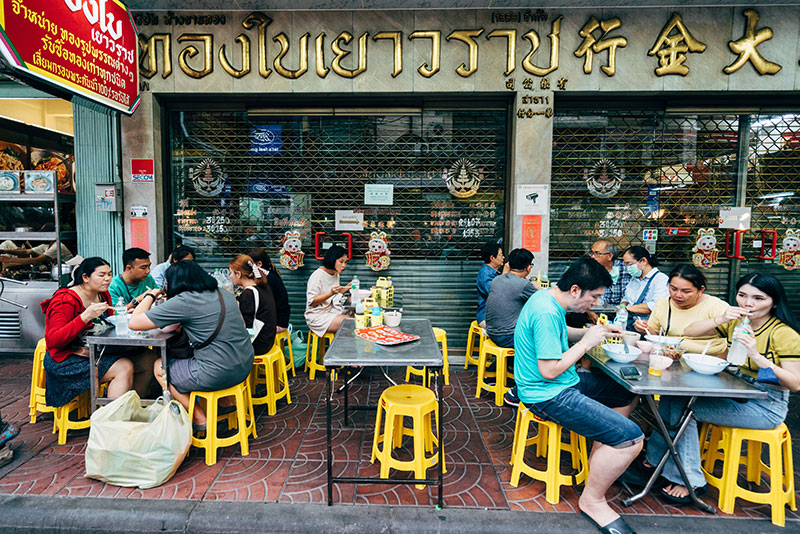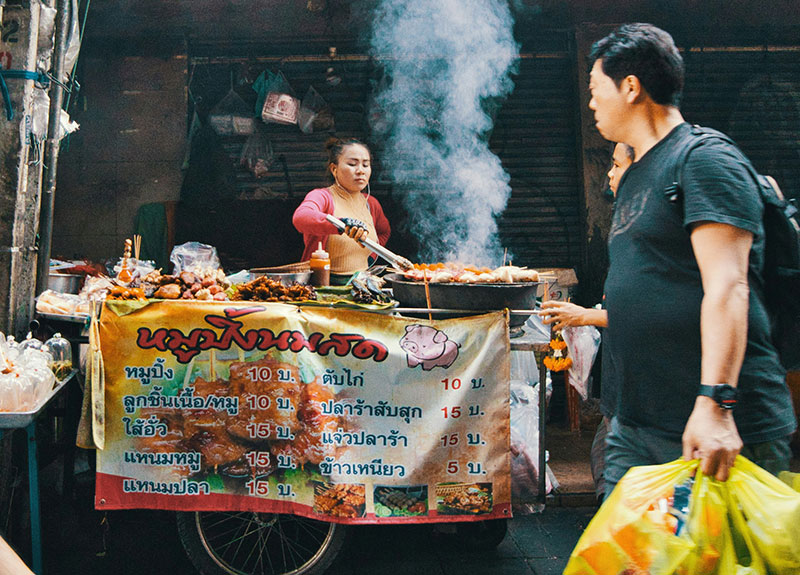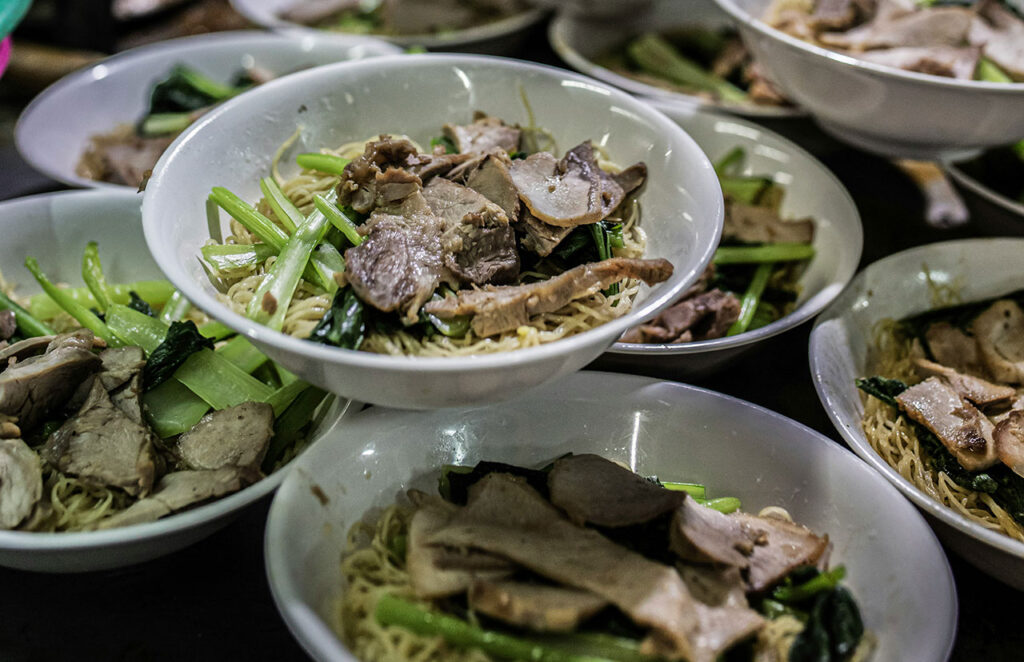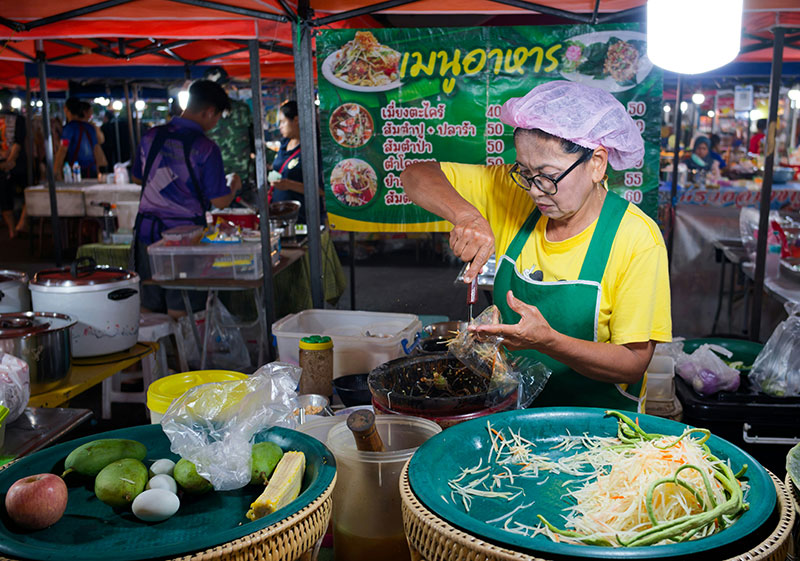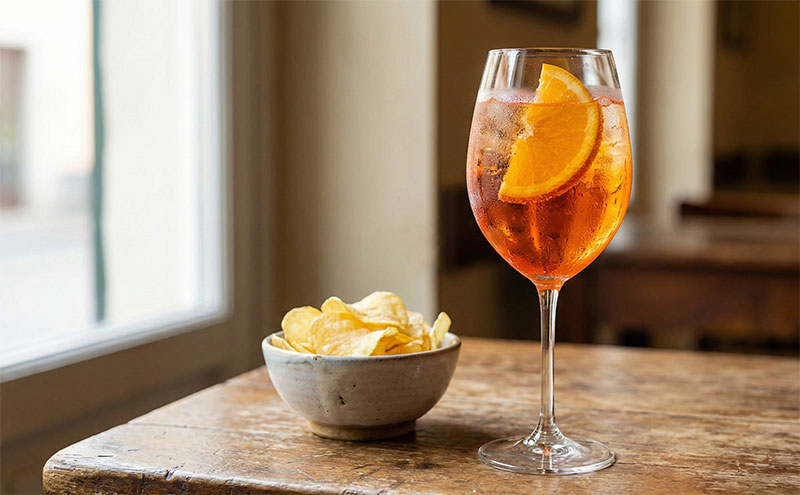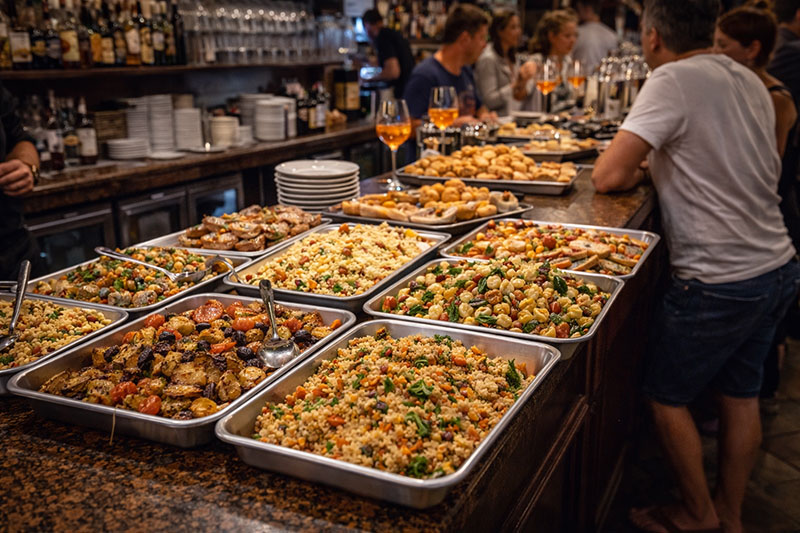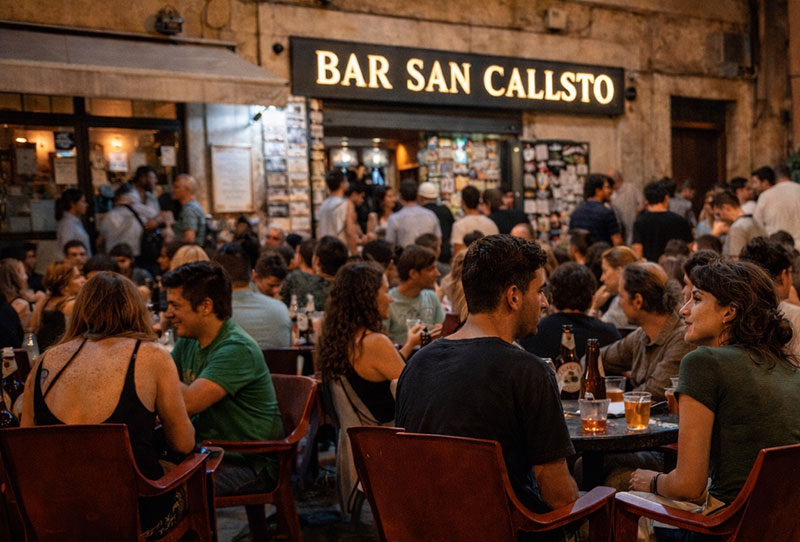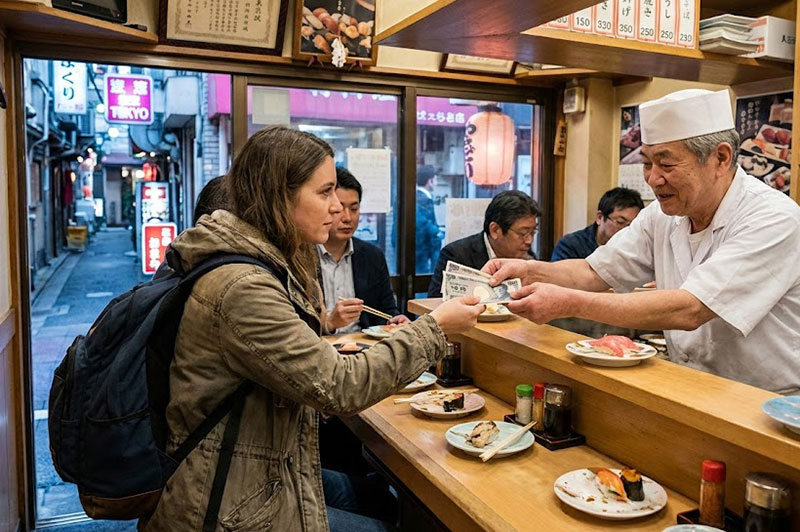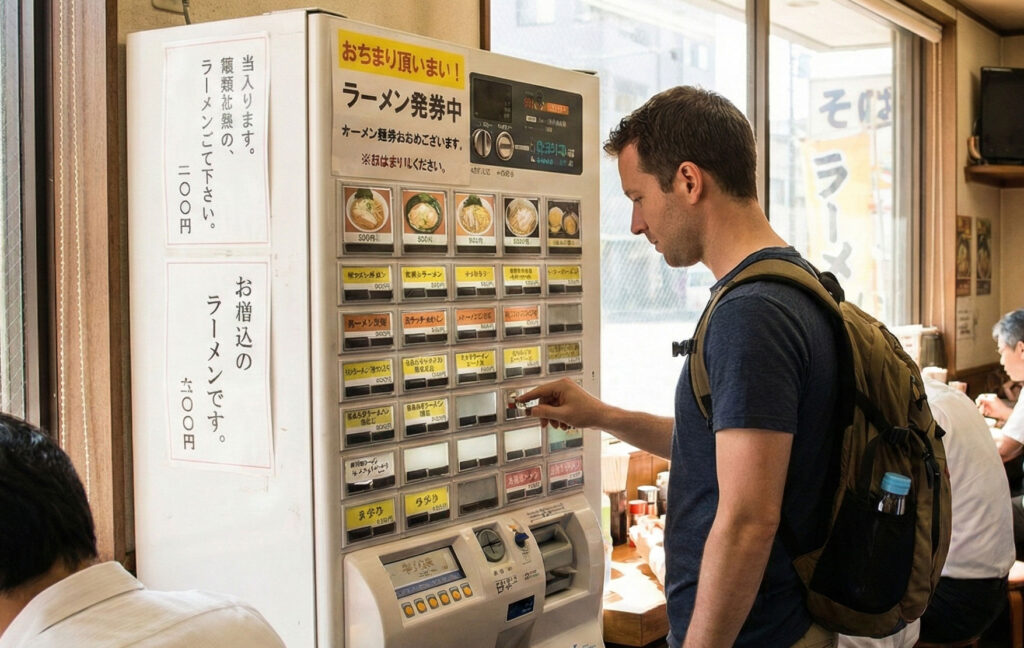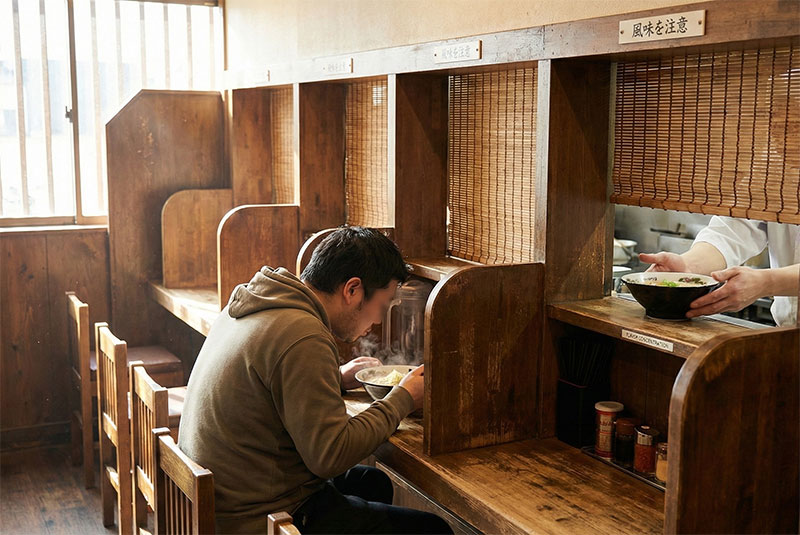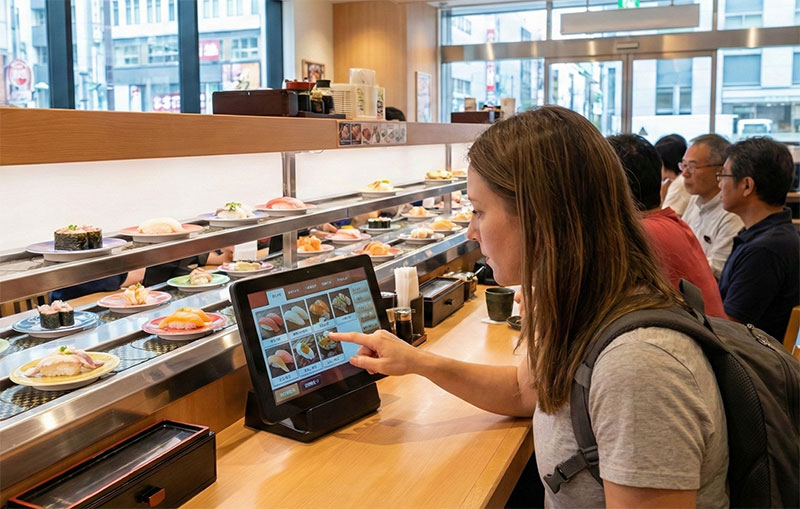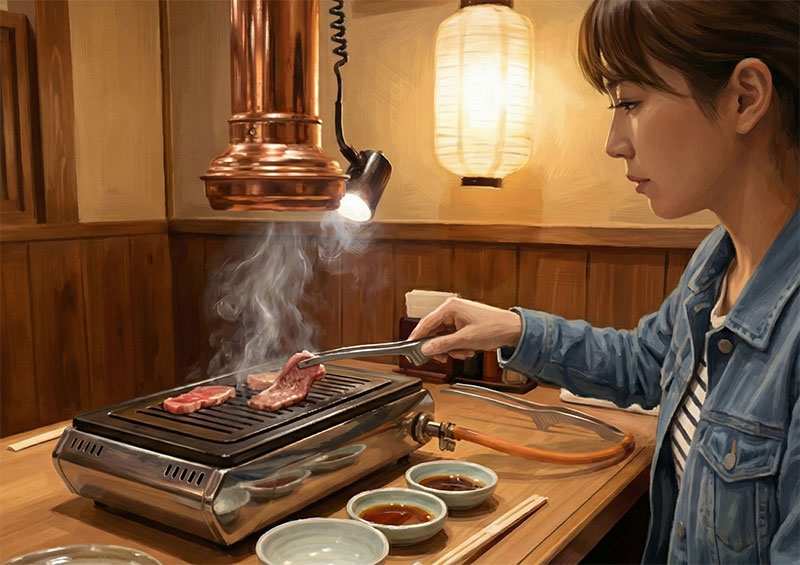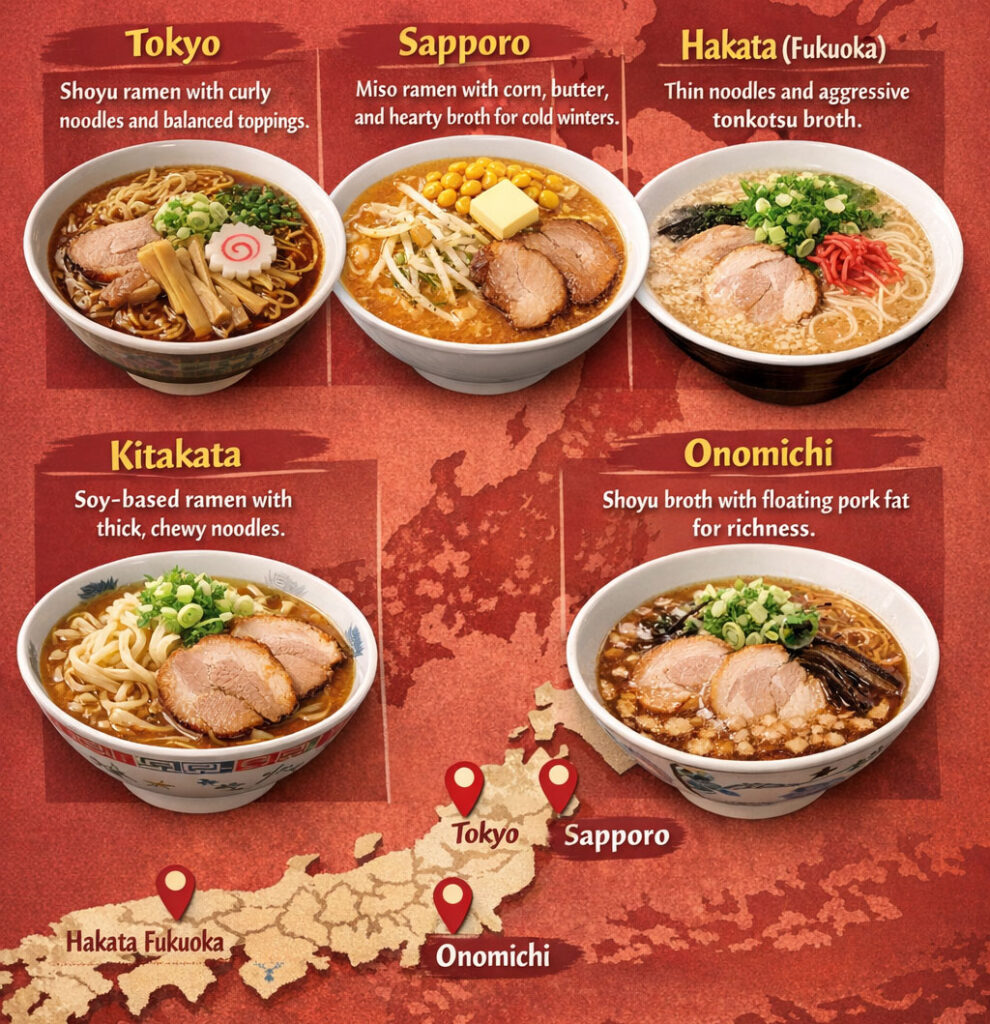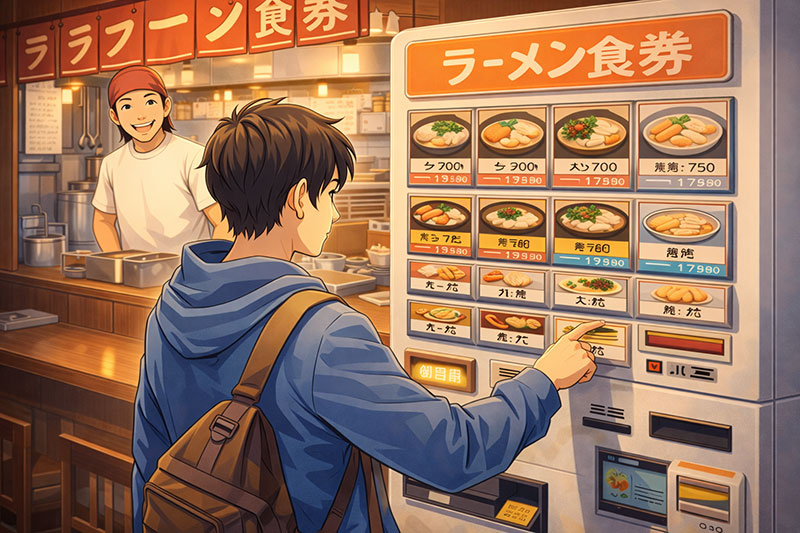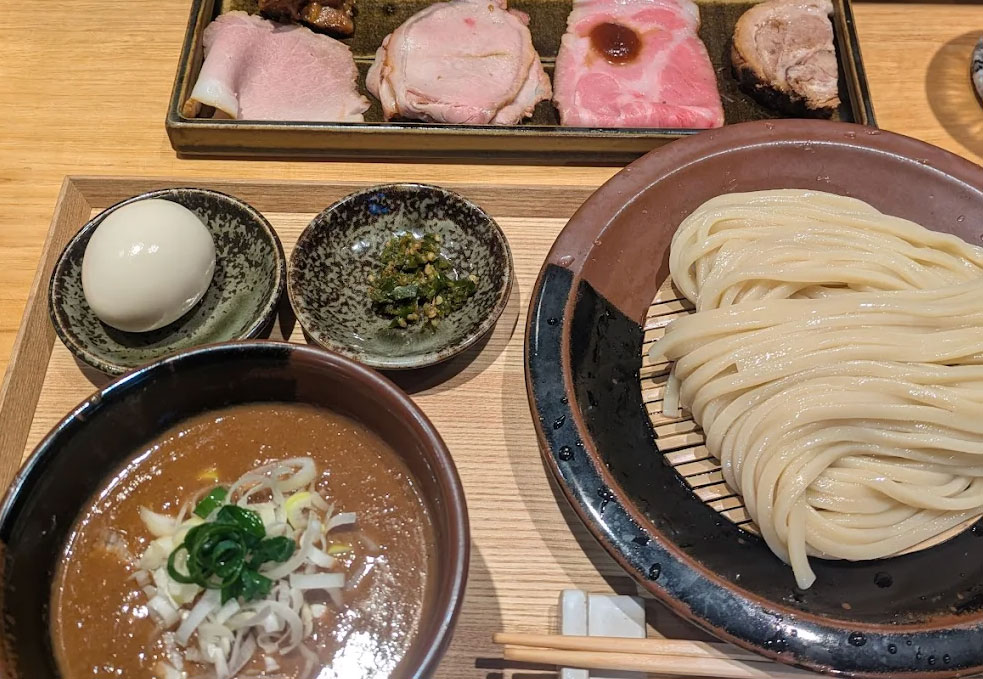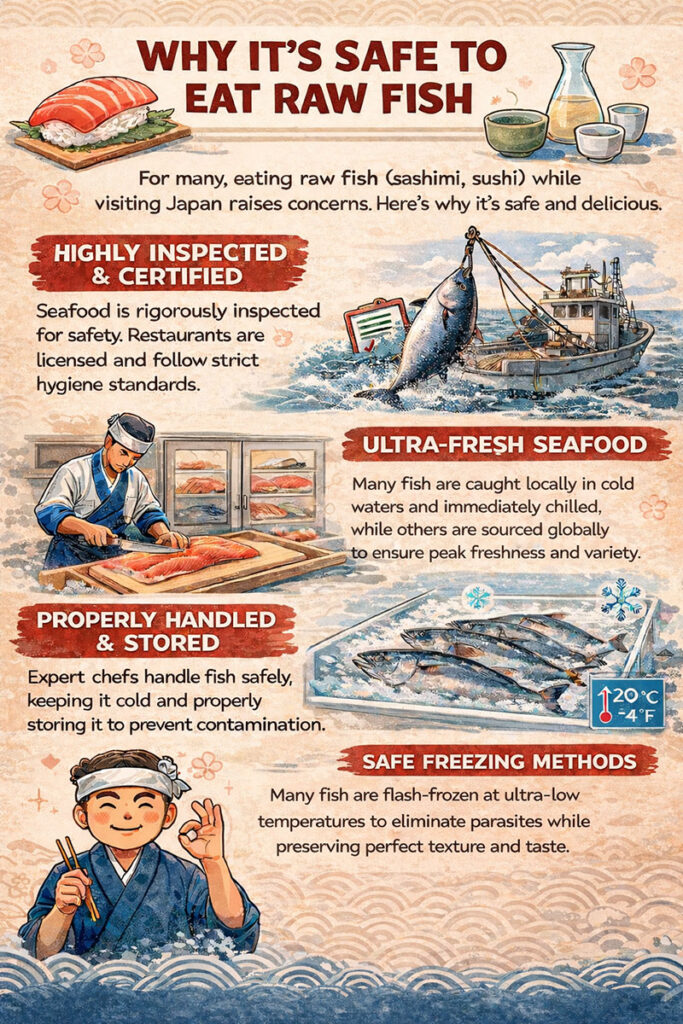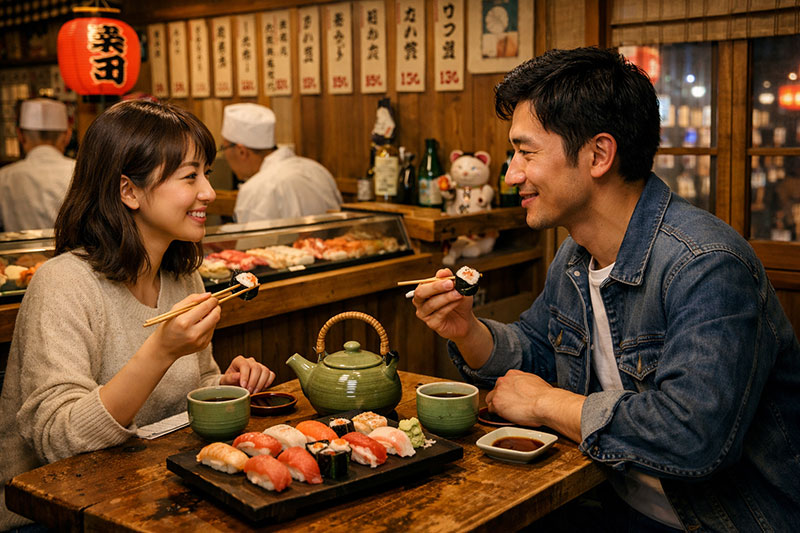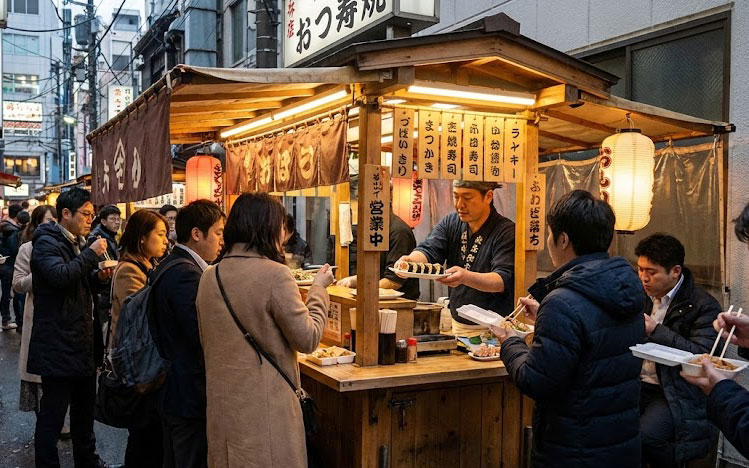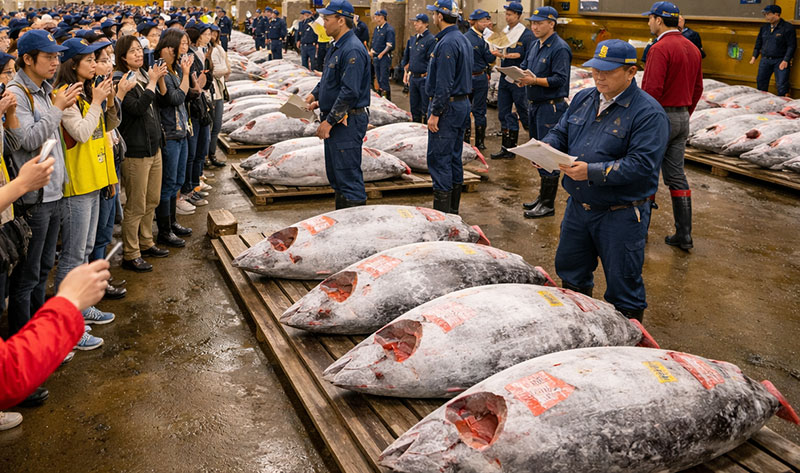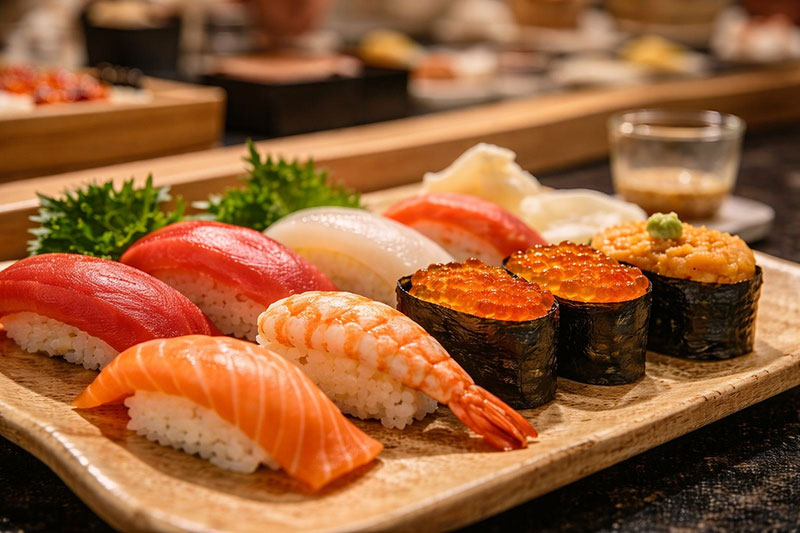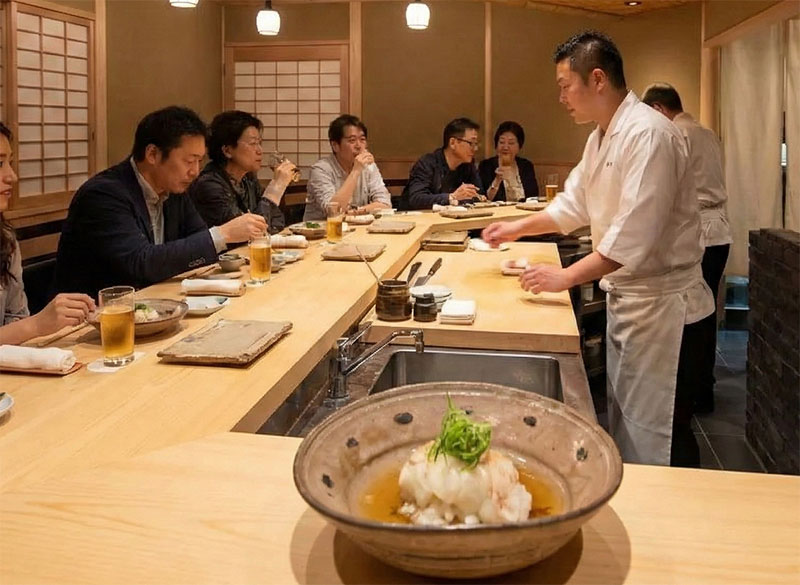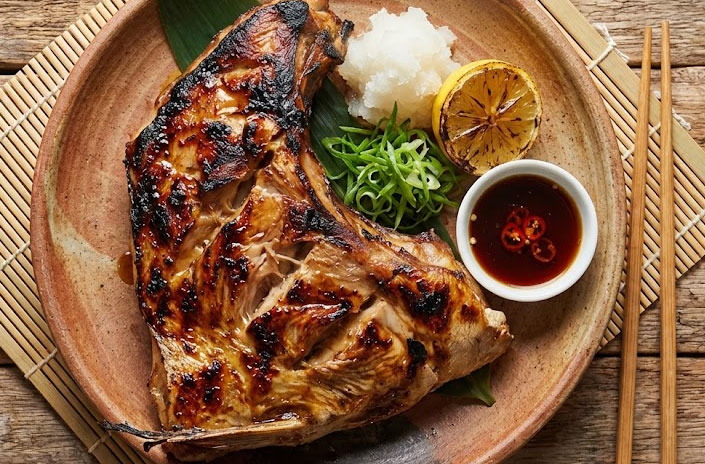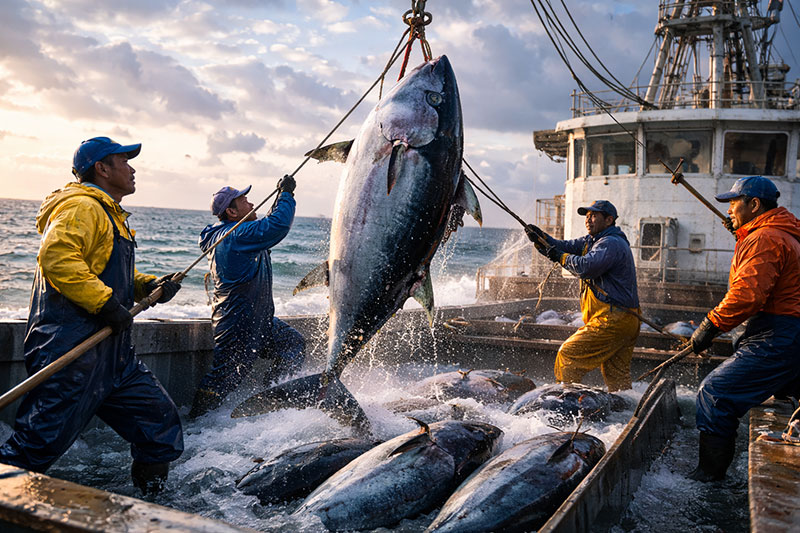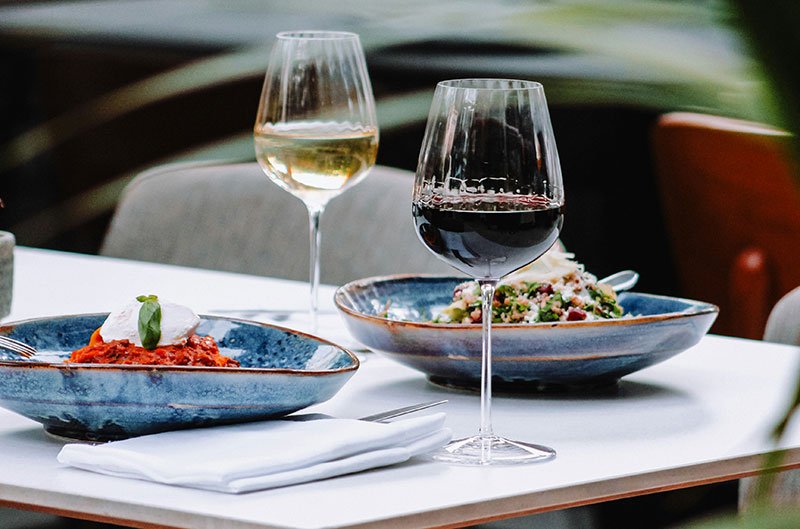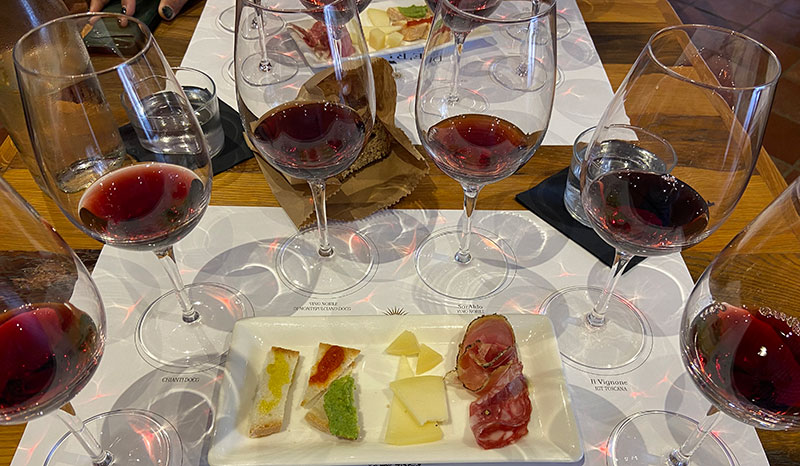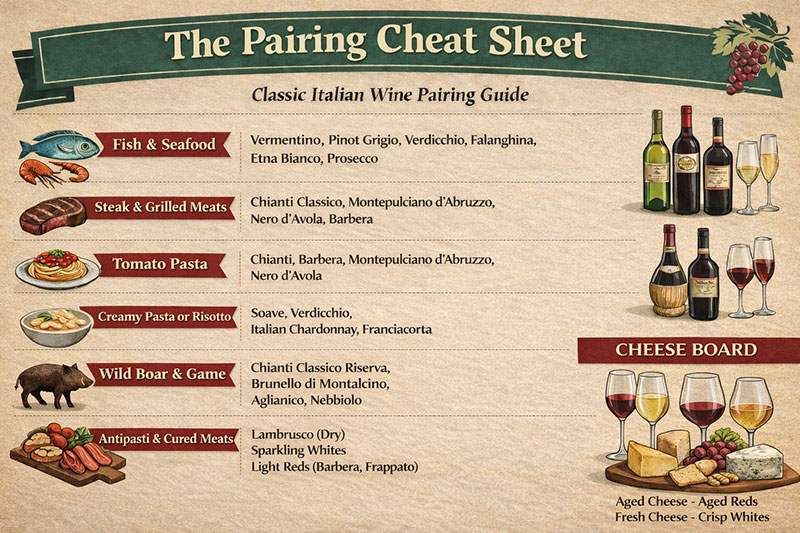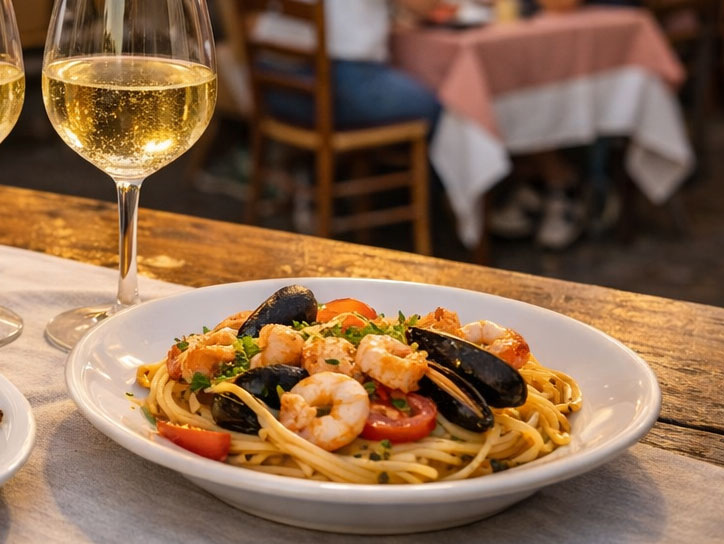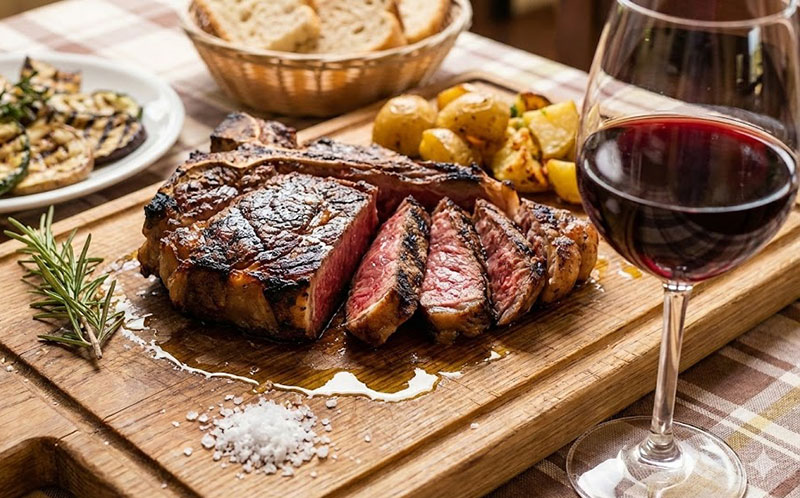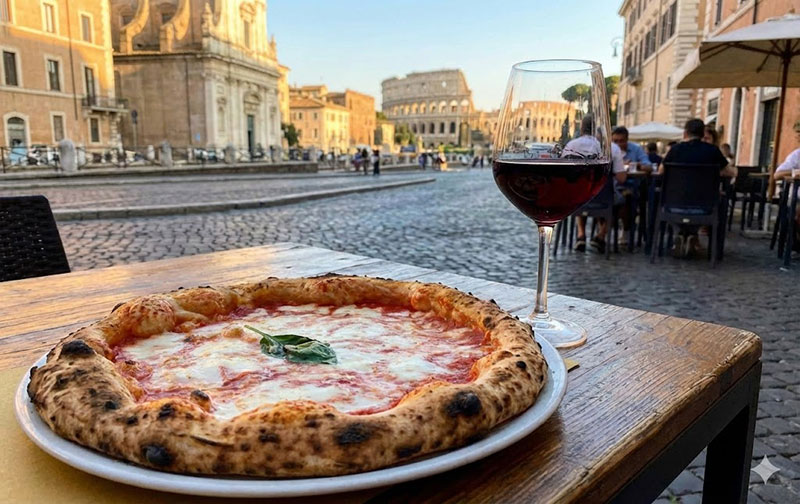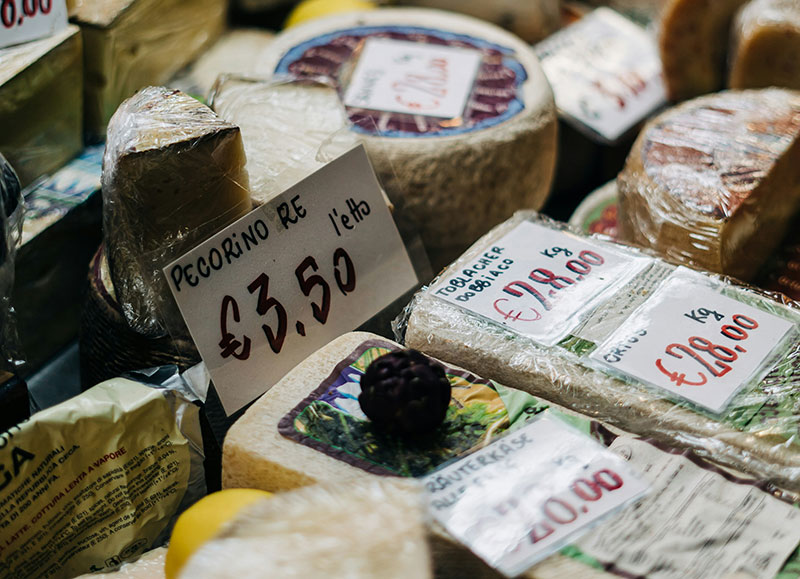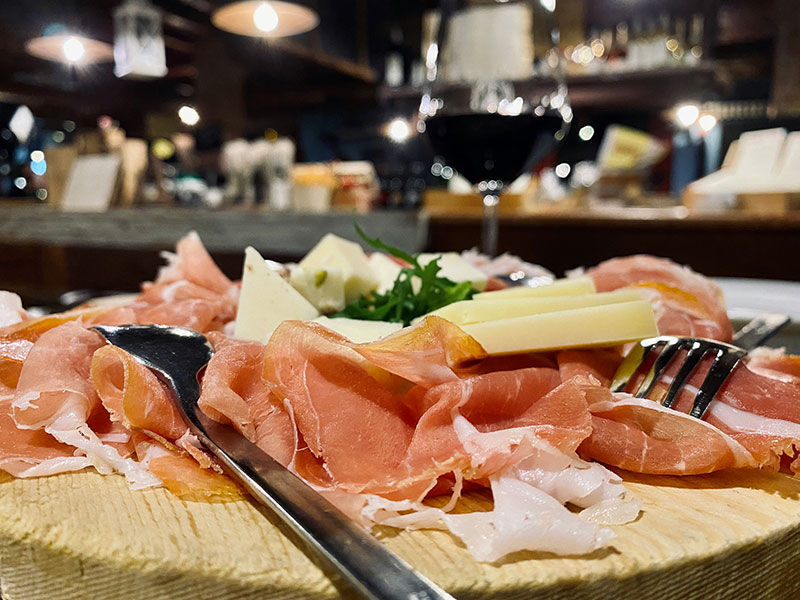
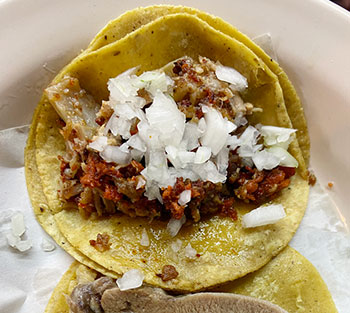
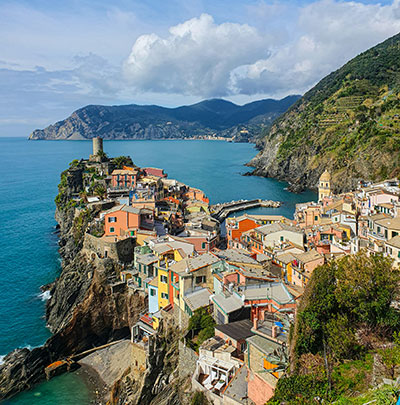



The bar counters in San Sebastián are literally overflowing with Pintxos. It is overwhelming in the best way possible.
By Corey Gasman
Spain’s Flavor Frontier: 4 Food Cities You Can’t Miss
Beyond Paella: Where the Real Foodies Go
If you ask most people about Spanish food, they talk about Paella in Valencia or Tapas in Madrid. And don’t get me wrong, those are great. But if you watch the travel shows—the ones hosted by chefs, not tour guides—you notice they always seem to end up in specific, smaller corners of the country.
Spain is incredibly regional. The food in the damp, green North has almost nothing in common with the fried seafood and sherry of the dry, hot South. To truly eat your way through Spain, you have to get off the high-speed train to Barcelona and head to the edges.
In this guide, we are focusing on four specific cities that punch way above their weight class. We will cover the Michelin-star density of the Basque Country, the “Sherry Triangle” in Andalusia, the cider houses of Asturias, and the technical brilliance of Girona.
This is where the locals eat when they want to impress themselves.
The Foodie Bucket List
- Must Drink: Sherry (Jerez) & Sidra (Asturias).
- Must Eat: Gilda Pintxo (San Sebastián).
- Best Market: Mercado de la Ribera (Bilbao/nearby) or Mercado de Abastos (Jerez).
- Reservation Alert: Book Michelin places 3-6 months out.
- Hidden Gem: Tabancos in Jerez (Sherry bars).
The Price of Flavor (2026 Estimates)
| City | Experience | Cost (EUR) | Notes |
|---|---|---|---|
| San Sebastián | Pintxo Crawl (Dinner) | €30 – €50 | Expect to hit 4-5 bars. |
| San Sebastián | Michelin Star Lunch | €150 – €300+ | Arzak, Akelarre, etc. |
| Jerez | Glass of Sherry | €2.00 | Poured straight from the barrel. |
| Jerez | Flamenco Show | €25 – €40 | Often includes a drink. |
| Oviedo | Sidreria Meal (Fabada) | €25 | Huge portions, heavy food. |
| Girona | Rocambolesc Ice Cream | €5.00 | Jordi Roca’s famous gelato. |
The sheer variety of Pintxos in the Old Town (Parte Vieja) of San Sebastián.
San Sebastián: The World Capital of Eating
The Vibe: Sophisticated, coastal, and obsessed with quality.
Known For: Having more Michelin stars per capita than almost anywhere on earth.
You have seen this city on every Anthony Bourdain or José Andrés show. Located in the Basque Country (northern Spain), Donostia (its Basque name) is a holy pilgrimage for chefs. It is famous for two opposing things: incredibly expensive avant-garde restaurants and incredibly cheap, chaotic bars.
The Pintxo Crawl (Txikiteo)
In the Old Town, the counters are lined with “Pintxos” (small bites on bread). The rule is simple:
1. Walk in.
2. Order a “Zurito” (small beer) or “Txakoli” (sparkling dry white wine).
3. Point to one or two pintxos. Eat them standing up.
4. Drop your napkin on the floor (yes, really).
5. Pay and move to the next bar.
The Michelin Giants
If you have the budget, this is the place to blow it. Arzak, Akelarre, and Mugaritz are consistently ranked in the top 50 restaurants in the world. They don’t just serve food; they serve science experiments that taste like childhood memories.
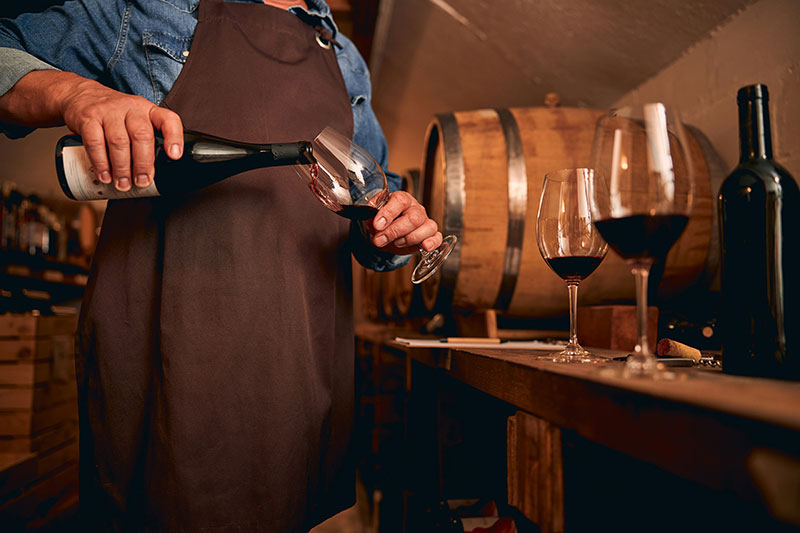
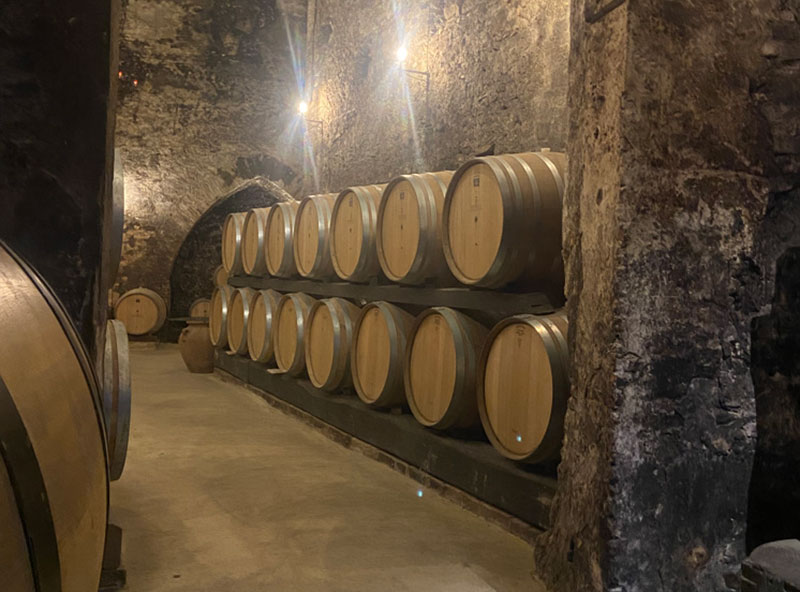
Inside a “Tabanco” in Jerez, where the wine comes straight from the barrel and the receipt is written in chalk on the bar.
Jerez de la Frontera: Sherry, Horses & Flamenco
The Vibe: Dusty, romantic, soulful, and steeped in tradition.
Known For: Being the “Cradle of Flamenco” and the only place in the world that makes Sherry.
Located deep in the south (Andalusia), Jerez feels different. It is hot, passionate, and slower. While San Sebastián is about modern perfection, Jerez is about history.
The Tabanco Culture
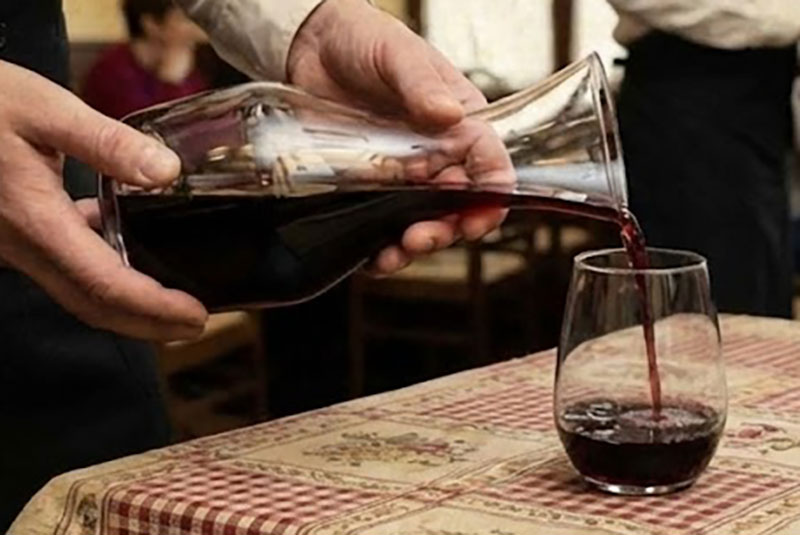
You don’t go to bars here; you go to Tabancos. These are old wine merchants that double as taverns. You stand among the giant black barrels.
- What to Drink: You have to drink Sherry (Vino de Jerez). Try a Fino (dry, crisp, salty) or an Oloroso (dark, nutty, aged). It is poured directly from the barrel by a bartender who uses a long stick called a venencia.
- The Atmosphere: In the evenings, many Tabancos have impromptu Flamenco singing. It isn’t a show for tourists; it’s just what happens here.
The Alcázar & Horses
Between drinks, visit the Royal Andalusian School of Equestrian Art to see the famous dancing horses, or explore the Alcázar, an 11th-century Moorish fortress. The history here is heavy, and the food—oxtail stew (Rabo de Toro) and fried fish—reflects that mix of cultures.
The “Escanciado”: Pouring cider from high up to aerate it. Expect wet shoes.
Oviedo (Asturias): The Land of Cheese & Cider
The Vibe: Green, mountainous, rustic, and hearty.
Known For: Sidra (Cider) and Cabrales (Blue Cheese).
If you are tired of the heat, head north to Asturias. This looks like Ireland but eats like Spain. It is the dairy capital of the country.
The Cider Ritual
In Oviedo, you go to a Sidrería (Cider House). The floors are covered in sawdust. When you order cider, the waiter will pour it from high above his head into the glass to aerate it (the Escanciado).
The Rule: You drink the small amount (“culín”) immediately while it’s frothy, and throw the last dregs on the sawdust floor to “return it to the earth.”
Fabada Asturiana
This is not a light snack. It is a rich stew of white beans, chorizo, morcilla (blood sausage), and pork shoulder. It is comfort food at its absolute peak, usually eaten after a hike in the Picos de Europa mountains.
The colorful houses hanging over the Onyar River in Girona.
Girona: The Tech-Food Capital
The Vibe: Medieval architecture meets cutting-edge gastronomy.
Known For: El Celler de Can Roca and Game of Thrones filming locations.
Just an hour north of Barcelona, Girona is often skipped by day-trippers, which is a mistake. It is home to El Celler de Can Roca, which has been named the #1 restaurant in the world twice. The Roca brothers have influenced the entire city.
Rocambolesc (Michelin Gelato)
Can’t get a table at El Celler? No problem. Go to Rocambolesc, the ice cream shop run by Jordi Roca (the pastry chef brother). You can get soft serve topped with cotton candy, popping sugar, and dehydrated fruits. It is pure Willy Wonka magic for about €5.
The Market & The Classics
The Mercat del Lleó is where the chefs shop. Look for local sausages (Butifarra) and “Xuixo”—a deep-fried pastry filled with crema catalana that is unique to this city.
FAQs: Eating in Spain’s Hidden Gems
Tipping culture in Spain is modest. In a Michelin star place, 5-10% is appreciated. In a Pintxo bar or Tabanco, you might leave the small change (coins) on the counter, but nobody expects 20%.
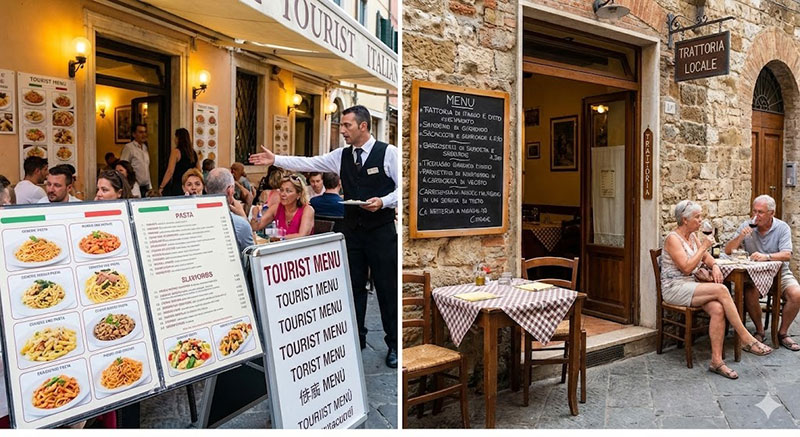
San Sebastián: Yes, widely. Girona: Yes. Jerez & Oviedo: Less so. You will find menus in Spanish only. Learning food words like “Pollo” (Chicken), “Cerdo” (Pork), and “Pescado” (Fish) goes a long way.
Jerez has its own small airport, but it is often easier to take the high-speed train (Alvia) from Madrid (about 3.5 hours) or a short train ride from Seville (1 hour).
Absolutely. Spanish dining is incredibly family-friendly. It is common to see whole families, including babies, out at tapas bars at 10:00 PM.