








Miami Travel Guide

Home » USA travel

Last updated: May 2026 by Corey Gasman

From the Editor:

Miami became one of those unexpected pivot trips for us. My wife and I had been working remotely from Colombia for a month, and we were supposed to continue on to Panama City. When she got called back to work, we changed the plan, flew from Cartagena to Miami, and decided to spend a week there instead.

We rented an Airbnb in Brickell, right in the financial district, and it turned out to be a better base than I expected. We had restaurants, bars, coffee, waterfront views, and the city energy right outside the condo. We also rented a car, which made it easier to get over to South Beach, Coral Gables, Coconut Grove, and other parts of the city.

Miami works as a long weekend, a sports weekend, a food trip, a nightlife trip, or a few extra days after a bigger Latin America trip.

The key is planning Miami by neighborhood. South Beach, Brickell, Wynwood, Little Havana, Coconut Grove, and Miami Gardens are not the same trip. Build your weekend around smart clusters, and the city gets a lot easier.

Miami feels different from the rest of Florida because it is less Southern and more Caribbean-Latin American in daily rhythm. Spanish is everywhere, Cuban culture shapes the food, nightlife, politics, and street life, and the city is tied closely to the Caribbean and Latin America. It is beach city, finance hub, immigrant gateway, nightlife capital, art destination, cruise port, and sports-event city all at once.

Start Here: How to Plan a Long Weekend in Miami

Miami is one of the best long weekend cities in the United States because it can be whatever kind of trip you want it to be. You can do beach mornings, Cuban coffee, rooftop drinks, street art, pickleball, a big steak dinner, a boat tour, a Dolphins game, Miami Open tennis, or a Formula 1 weekend without needing a full week.

The mistake is treating Miami like one simple beach town. It is not. South Beach is iconic and chaotic. Brickell is polished and vertical. Wynwood is colorful and artsy. Little Havana is cultural and loud in the best way. Coconut Grove is green, slower, and more residential. Miami Gardens is where the major stadium events happen.

If this Miami trip is part of a bigger Florida route, start with the main Florida Travel Guide first so you can decide whether Miami should be your full trip, your arrival base, or the start of a longer route into the Keys.

Quick Miami Plan:
Day 1 → South Beach, Ocean Drive, Art Deco, pickleball, and a big dinner
Day 2 → Wynwood, Little River, and a steakhouse night
Day 3 → Biscayne Bay, Coconut Grove, and Los Félix
Optional Day 4 → Little Havana, Cuban coffee, Calle Ocho, or a sports/event add-on

If you only remember one thing: Miami is better when you plan by neighborhood, not by random attractions.

TLGA Rule: Do not build a Miami weekend by bouncing from South Beach to Wynwood to Coconut Grove to Brickell in one afternoon. Cluster your days by area or traffic will become the trip.

Planning first?

Start here: Travel Planning Playbook

Food focused?

Pair this with the Miami Dining Guide before locking in reservations.
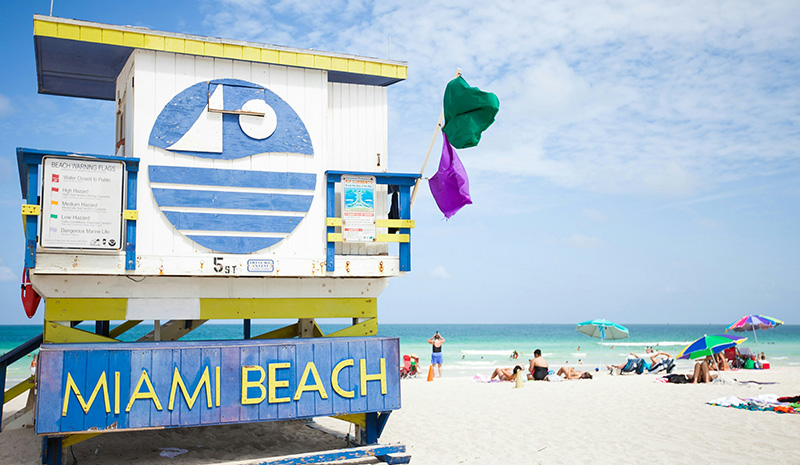
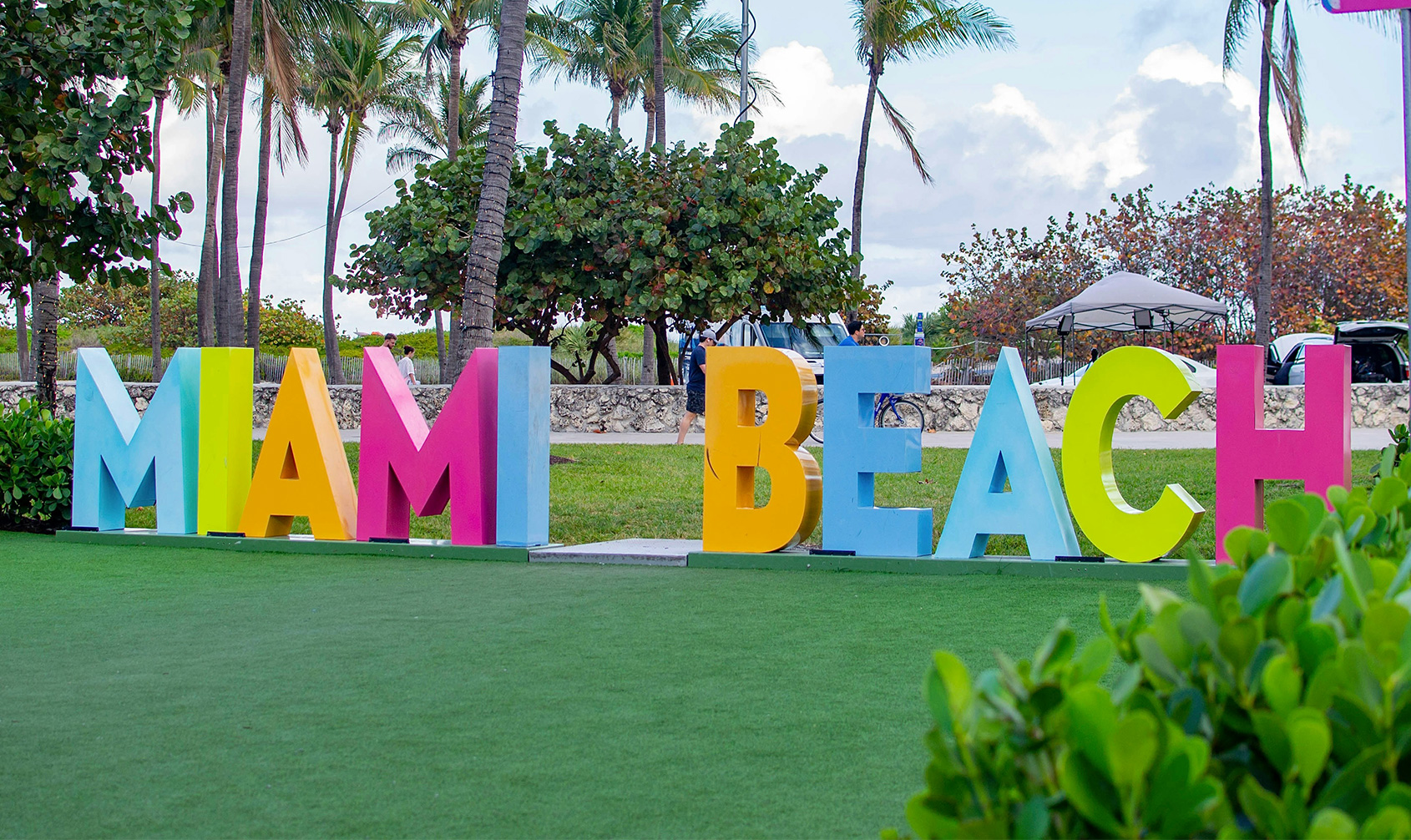
A colorful "Miami Beach" sign in large, block letters in front of a blue and white Art Deco-style lifeguard stand on a sandy beach.

Miami works best when you treat each day like a neighborhood loop instead of trying to chase every attraction across the city.


Who This Miami Guide Is For

This guide is built for travelers who want the classic Miami energy without turning the weekend into a traffic problem.

  • First-time visitors who want South Beach, Little Havana, Wynwood, and Biscayne Bay without overpacking the itinerary
  • Couples who want restaurants, beach time, views, and a few polished nights out
  • Groups and guys’ trips who want Brickell, downtown, sports, steak, nightlife, and easy rideshares
  • Food travelers who want Cuban coffee, sushi, steak, Mexican tasting menus, seafood, and rooftop drinks
  • Sports and event travelers coming for the Dolphins, Miami Open, Formula 1, concerts, or a wedding weekend

Local Guide Tip: Miami is not hard to visit. It is hard to visit efficiently. The city rewards travelers who understand the map before they start booking dinners and hotels.

The Perfect 3-Day Miami Itinerary

A long weekend is the right Miami format. Two days is enough for a taste, but three days gives you time to experience the city from a few different angles: beach, art, food, nightlife, water, and culture.

If you have a fourth day, use it for Little Havana, an event weekend, a beach recovery day, or a slower neighborhood morning before your flight.

Day Focus Best Area
Day 1 South Beach, Art Deco, pickleball, sunset, high-energy dinner Miami Beach
Day 2 Street art, coffee, breweries, Little River steakhouse dinner Wynwood + Little River
Day 3 Waterfront views, Biscayne Bay, Coconut Grove, Los Félix Edgewater + Coconut Grove
Optional Day 4 Cuban coffee, Calle Ocho, Domino Park, cigar shops, live music Little Havana

For a deeper planning framework, pair this itinerary with the Travel Planning Playbook so your hotels, meals, activities, and neighborhood clusters work together instead of fighting the map.
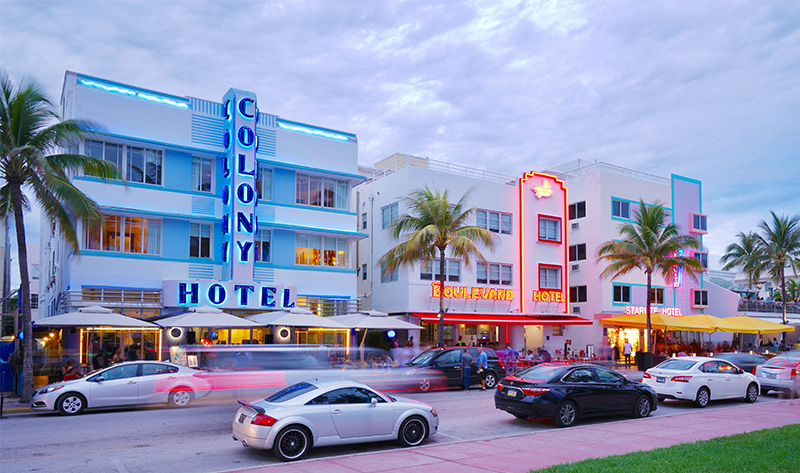
A view of the South Beach shoreline featuring several colorful, Art Deco-style lifeguard stands on the sand, with the turquoise ocean and a clear blue sky in the background.

Start South Beach early, before Ocean Drive fills up and the heat turns a simple walk into a commitment.


Day 1: South Beach, Art Deco, Pickleball, and a Big Dinner

Start with the Miami people picture in their head: South Beach, Ocean Drive, Art Deco buildings, beach paths, palm trees, and that slightly ridiculous energy that makes Miami feel different from anywhere else in the country.

The trick is going early. Ocean Drive is much easier to enjoy in the morning before the heaviest crowds, heat, and restaurant hawkers take over.

Morning: Ocean Drive and the Art Deco Historic District

Begin around Ocean Drive and Lummus Park. Walk the strip, look at the pastel Art Deco buildings, and then cut over toward the beach path. If you want more context, book an Art Deco walking tour with the Miami Design Preservation League instead of just taking photos from the sidewalk.

South Beach can be touristy, but it is still iconic. You just have to experience it at the right time of day.

Late Morning: Flamingo Park Pickleball

If you play pickleball, bring your paddle and check the City of Miami Beach open-play pickleball schedule before you go. Flamingo Park is right in Miami Beach and has public pickleball courts, which makes it one of the easiest ways to mix a local activity into a South Beach morning.

Flamingo Park gets busy, and the level of play can range from absolute beginners to highly competitive 4.5+ DUPR matches. If you are looking for advanced games, try to connect with the local South Beach pickleball WhatsApp groups, or arrive early during morning open play to scope out the challenge courts.

Court availability and fees can change, so do not assume you can just walk up at peak times. Arrive early, check the current rules, and build it into your morning instead of trying to squeeze it between lunch and dinner.

This is one of those details that makes a Miami weekend feel more personal. You are not just walking past the beach and buying overpriced drinks. You are actually using the neighborhood.

Local Guide Tip: Outdoor Miami activities are best early. Plan beach walks, pickleball, parks, and long neighborhood wandering before the middle of the day.

Afternoon: Lincoln Road, Española Way, or South Pointe Park

After pickleball or beach time, keep the afternoon flexible. Lincoln Road works for an easy lunch and shopping. Española Way gives you a smaller pedestrian street with restaurants and a little more atmosphere. South Pointe Park is the best move later in the day, especially if you want water views, boats coming through Government Cut, and a calmer edge of South Beach.

Dinner: South Beach Classic or Coral Gables Detour

For a classic Miami Beach dinner, Joe’s Stone Crab is the big-name institution, especially during stone crab season. If you want something more modern and less tied to the tourist core, make Sushi KONG in Coral Gables the main event of the night.

Sushi KONG is not next door to South Beach, so do not treat it like a casual add-on. If you book dinner there, plan around it and enjoy the change of scenery.

Pro Tip: Tipping in Miami is standard at restaurants, but always check the bill first. Many restaurants, especially in Miami Beach, automatically include a service charge.

Wynwood gives Miami a completely different rhythm from South Beach: murals, warehouses, galleries, coffee, breweries, and a looser creative feel.


Day 2: Wynwood Arts and a Little River Steakhouse Night

Day two should pull you away from the beach and into Miami’s art, food, and neighborhood energy. Wynwood is the easy anchor because it gives you a lot in a compact area: murals, galleries, coffee, casual food, breweries, and people-watching.

Wynwood has become more polished and more expensive over the last few years, so do not expect it to feel completely hidden or gritty. It is still one of Miami’s easiest neighborhoods for a short trip, but the best version of the day includes a few specific stops instead of just wandering until you get hungry. For more neighborhood detail, use the full Wynwood & Art Basel Guide.

Morning or Afternoon: Wynwood Walls

Start with Wynwood Walls if it is your first time in the neighborhood. It gives you the curated version of the street-art scene, but the better move is to keep walking afterward. Some of the best murals and storefronts are outside the paid or controlled areas.

This is also a good day to keep lunch casual. Wynwood is better when you wander a little instead of locking every hour into a reservation.

Where to Eat and Drink Around Wynwood

  • Panther Coffee: The classic Wynwood coffee stop and an easy place to start the day.
  • Zak the Baker: A stronger breakfast or lunch option if you want food, pastries, sandwiches, and a real neighborhood anchor.
  • Veza Sur Brewing Co.: A lively brewery with a Latin-inspired feel and good patio energy.
  • Cervecería La Tropical: A bigger beer garden-style option with food, tropical landscaping, and a more spacious setting.
  • Rubell Museum: A strong art add-on nearby in Allapattah if Wynwood Walls feels too crowded or too polished.

Late Afternoon: Design District, Buena Vista, or Midtown Add-On

If you want to extend the day, stay in Wynwood for breweries and casual bars, or head toward the Miami Design District for a more polished shopping, architecture, and dining scene. If Wynwood feels too busy, nearby Buena Vista and Midtown can be easier for a less chaotic lunch or coffee stop.

Do not try to force South Beach back into this day unless you have a specific reason. The whole point is to keep the day on the mainland and avoid spending the afternoon in traffic.

Dinner: Sunny’s Steakhouse in Little River

For dinner, head north to Little River for Sunny’s Steakhouse. It sits away from the most obvious tourist loops and gives the night a more local, food-focused feel.

  • Atmosphere: Upscale but approachable
  • Best for: Couples, groups, celebrations, and anyone who wants a serious dinner night
  • Order style: Wood-fired steaks, seafood, classic sides, and cocktails
  • Vibe: Stylish Miami without feeling like a nightclub disguised as a restaurant

Local Guide Tip: Wynwood, Design District, Allapattah, Midtown, and Little River pair well together. Build this as one north-of-downtown day instead of spending the evening riding back and forth across the bay.
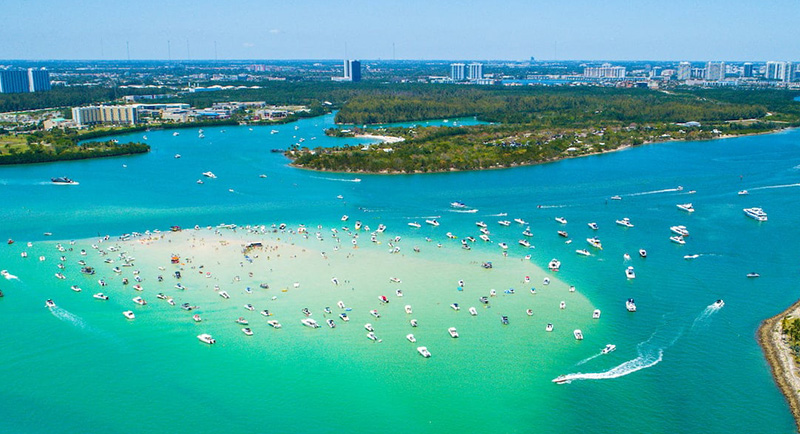
An aerial view of Biscayne Bay with several white boats anchored in the clear, turquoise water near a lush green shoreline under a bright blue sky.

Miami is more than South Beach. Some of the best days happen around the bay, the parks, and the greener neighborhoods south of downtown.


Day 3: Biscayne Bay, Coconut Grove, and Los Félix

After South Beach and Wynwood, use day three to slow down and see a softer side of Miami. This is the day for waterfront parks, bay views, Coconut Grove, and a final dinner that feels intentional.

Morning: Margaret Pace Park or a Biscayne Bay Walk

Start around Edgewater or the downtown waterfront. Margaret Pace Park is a good reset from the denser parts of the city, with skyline views, green space, paths, and a more residential feel.

If you are staying in Brickell or downtown, this is also a good morning to walk the waterfront, grab coffee, and enjoy the view before moving south.

Midday Option: Vizcaya Museum & Gardens

If you want a classic Miami culture stop, add Vizcaya Museum & Gardens before Coconut Grove. It gives the day historic architecture, gardens, and a very different look from the beach and mural scenes.

Afternoon: Coconut Grove

Coconut Grove feels greener, older, and more relaxed than much of Miami. It is a good neighborhood for shade, boutiques, cafés, waterfront wandering, and a slower afternoon before dinner.

Keep the afternoon simple. Walk near Regatta Park and the marina, then settle into the Grove instead of trying to stack another cross-city stop into the day.

Before Dinner: Marina Walk or Monty’s Raw Bar

If you want a casual waterfront moment before dinner, Monty’s Raw Bar is an easy old-school Coconut Grove option near the marina. It is not the polished dinner of the night. It is the pre-dinner drink, seafood snack, and water-view stop before switching into a more refined evening.

Dinner: Los Félix

For a memorable final dinner, book Los Félix in Coconut Grove. This is the kind of restaurant you build the evening around, not the place you squeeze in after a packed day across the city.

Expect a more intimate, food-focused night built around Mexican cooking, masa, corn, wine, and a neighborhood that feels completely different from South Beach or Brickell.

Pro Tip: If Los Félix is the dinner plan, make Coconut Grove the afternoon plan too. Miami rewards simple geography.
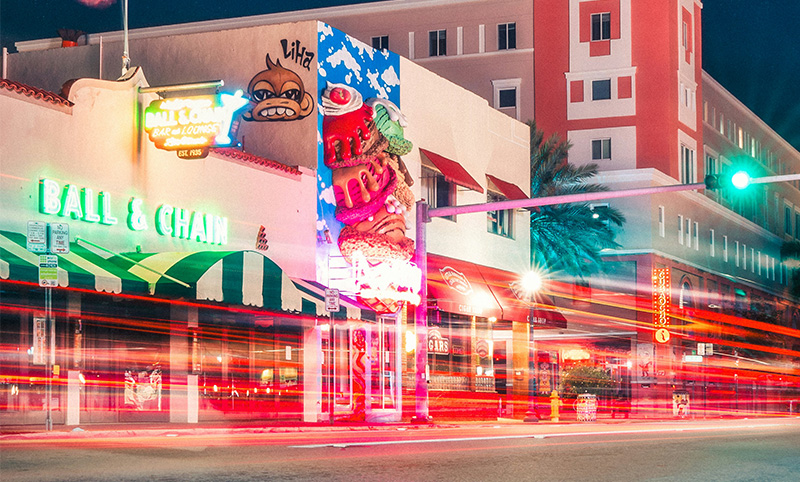
Little Havana requires a slow pace. Grab a cafecito at a classic ventanita, walk Calle Ocho, then let the music, dominoes, cigar shops, and street life shape the afternoon.


Optional Day 4: Little Havana, Cuban Coffee, and Calle Ocho

If you have a late flight, a Monday morning, or a full fourth day, spend it in Little Havana. Calle Ocho is one of Miami’s most important cultural corridors and gives the trip a completely different rhythm from South Beach, Brickell, or Wynwood.

Start with Cuban coffee from the famous ventanita at Versailles, or make Sanguich de Miami your main food stop for a pressed Cuban sandwich. Walk the main strip, stop by Domino Park, browse cigar shops, and leave time for music or a real meal instead of treating the neighborhood like a quick photo stop.

Where to Stop in Little Havana

  • Versailles: The classic Miami Cuban coffee institution, especially for a cafecito at the ventanita.
  • Sanguich de Miami: A strong stop for a carefully made, pressed Cuban sandwich.
  • Domino Park: A classic neighborhood stop and one of the easiest places to feel the local rhythm.
  • Ball & Chain: A lively Calle Ocho spot for live music, cocktails, and old Miami atmosphere.
  • Cafe La Trova: A polished cocktail and live music stop with a retro Cuban feel.
  • Cigar shops: A good cultural stop even if you are not buying anything.

If you want more neighborhood context before you go, Greater Miami’s Calle Ocho guide is a useful overview of the area’s Cuban restaurants, live music, cigar shops, and cultural stops.

Local Guide Tip: Little Havana changes by time of day. Go earlier for coffee, lunch, shops, and a calmer walk. Go later if you want cocktails, live music, and more energy.

A high-speed view of a Formula 1 car racing down a palm-lined street circuit in Miami, with the modern stadium and grandstands visible under a bright, clear sky.

Miami is a major event city, which means the best weekend might be built around football, tennis, Formula 1, a wedding, a concert, or a beach party. The Miami Grand Prix turns the area around Hard Rock Stadium into a high-speed street circuit. It is one of the city’s biggest event weekends, drawing a global crowd for racing, parties, and trackside hospitality.


Best Things to Do in Miami

If you are building your own version of a Miami weekend, start with these categories instead of trying to copy someone else’s exact itinerary.

South Beach and Ocean Drive

This is the classic Miami image for a reason. Go early, walk the Art Deco district, see the lifeguard towers, and save South Pointe Park for late afternoon or sunset.

Wynwood and the Murals

Wynwood is one of the easiest neighborhoods to add to a short trip because it gives you art, food, coffee, bars, and colorful streets in one area. Start with Wynwood Walls, then keep walking the surrounding blocks. For a deeper dive, read the Wynwood & Art Basel Guide.

Little Havana

Little Havana gives Miami its Cuban cultural heartbeat. Come for coffee, food, music, cigars, Domino Park, and the energy of Calle Ocho. Make the day better by choosing a few real stops: Versailles, Sanguich de Miami, Ball & Chain, or Cafe La Trova.

Biscayne Bay Boat Tour

A boat tour is one of the easiest ways to understand Miami visually. You get skyline views, water, causeways, islands, mansions, and boat traffic without needing to plan much.

Vizcaya Museum & Gardens

Vizcaya is a strong culture stop if you want architecture, gardens, and a slower break from the beach and bar scene.

Coconut Grove

Coconut Grove is one of the best neighborhoods when you want Miami to feel leafy, relaxed, and local instead of glossy and high-energy. Walk the marina near Regatta Park, stop by Monty’s if you want something casual, then build the night around dinner in the Grove.

Brickell and Downtown

Brickell works well as a base if you want restaurants, bars, condos, waterfront views, and easy access to downtown. It is especially good for travelers who like city energy more than beach-resort energy. If Brickell is your base, use the Brickell Dining Guide to plan restaurants, coffee, and easy walkable nights.

Pickleball in Miami Beach

If you play, bring a paddle and check current court rules before you go. Flamingo Park makes it easy to add a real local activity to a South Beach day, but open-play windows and fees can change.

A group of fans wearing purple and gold Minnesota Vikings jerseys and gear standing in the seating bowl of Hard Rock Stadium during a sunny game day.

Hard Rock Stadium is a trek from the beach, but it is the epicenter for Miami’s biggest event weekends, from Dolphins games and the Miami Open to Formula 1.


Miami Event Weekends Worth Planning Around

One of the best reasons to choose Miami is that the city works incredibly well around major events. You can build a full long weekend around a game, tournament, race, concert, wedding, or festival.

Miami Dolphins Football

The Dolphins play at Hard Rock Stadium in Miami Gardens, which is north of central Miami and west of the beach areas. If you are going to a game, plan your hotel and transportation around that reality.

Hollywood, Florida and beach hotels like The Diplomat can make sense for some stadium weekends because they sit between Fort Lauderdale and Miami, but they are not the same as staying in South Beach or Brickell.

Miami Open Tennis

The Miami Open is one of the biggest annual tennis events in the United States and is held at Hard Rock Stadium. It is a great spring weekend if you want warm weather, tennis, and Miami dining in one trip.

Formula 1 Miami Grand Prix

The Miami Grand Prix is built around the Miami International Autodrome at Hard Rock Stadium. This is a very different Miami weekend than a beach trip, with higher hotel prices, heavier event traffic, and a much more planned schedule.

Weddings, White Parties, and Group Trips

Miami is built for wedding weekends and group travel. Beach ceremonies, rooftop dinners, white parties, and nightlife all fit the city naturally. Just keep the logistics realistic, especially if guests are spread between South Beach, Brickell, and the stadium area.

Pro Tip: For stadium events, do not assume “Miami” means South Beach. Hard Rock Stadium is in Miami Gardens, and that can change where it makes sense to stay.
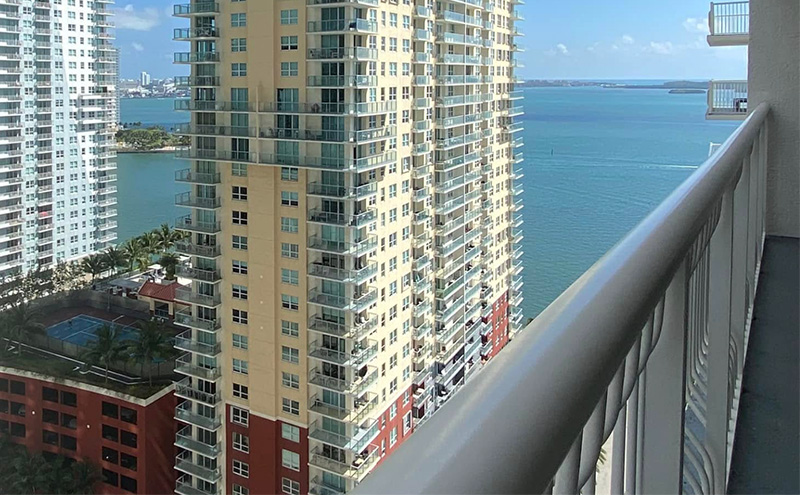
The view from our Airbnb in Brickell, one of Miami’s easiest neighborhoods for restaurants, bars, waterfront walks, and city views.


Where to Stay in Miami

Where you stay in Miami changes the entire trip. A great hotel in the wrong area can make every day harder. The right base depends on whether your priority is beach, food, nightlife, events, or convenience.

Brickell: Best Urban Base

Brickell is one of the best bases if you want restaurants, bars, condos, water views, and a more downtown feeling trip. This is where our Airbnb worked really well. We could walk to dinner, grab drinks nearby, use the downtown transit loop when it made sense, and still drive or rideshare to South Beach, Coconut Grove, and other neighborhoods.

  • Best for: couples, remote work, restaurants, bars, city energy
  • Tradeoff: not a beach neighborhood
  • Best move: stay here if you want Miami as a city, not just a beach

If you choose Brickell, pair this section with the Brickell Dining Guide so you can plan easy walkable meals near your hotel or condo.

South Beach: Best for First-Time Beach Energy

South Beach is the classic choice if you want to walk to the beach, Ocean Drive, Art Deco buildings, Lincoln Road, and nightlife. It is also the area where tourist traps are easiest to stumble into.

  • Best for: first-timers, beach access, nightlife, people-watching
  • Tradeoff: expensive, loud, and tourist-heavy in places
  • Best move: stay near the beach but do not eat every meal on Ocean Drive

Downtown Miami: Best for Groups and Events

Downtown can work well for group trips, arena events, nightlife, and easy access to Brickell, Wynwood, and the Metromover. It is less charming than Coconut Grove or South Beach, but it can be practical.

Coconut Grove: Best for a Slower Miami Trip

Coconut Grove is greener, calmer, and more neighborhood-driven. It is a good fit if you want restaurants, shade, boutiques, and a more relaxed base.

Hollywood or Fort Lauderdale Area: Best for Some Stadium or Beach Weekends

Hollywood is not Miami, but it can make sense for certain trips, especially if you are combining beach time with a Hard Rock Stadium event or flying through Fort Lauderdale.

Local Guide Tip: Brickell is underrated for a longer Miami stay. It gives you walkable restaurants and bars, then you can treat South Beach as a day or evening trip instead of your whole base.

Best Hotels to Stay at in Miami for a Long Weekend

Miami hotel prices can vary a lot by season, events, day of the week, and how close you want to be to the beach. For a long weekend, I would choose based on the kind of trip you want: South Beach for classic Miami energy, South of Fifth for a slightly calmer beach base, Brickell for restaurants and city views, and Downtown if you want better value with easy rideshare access.

The sample rates below are based on upcoming four-night pricing and should be used as a starting point, not a guaranteed rate. Miami hotel rates change quickly by season, event weekends, day of the week, and room type. We once picked a Miami weekend, committed to flights, and only later realized it was Art Basel weekend, which made hotels much more expensive. Always check the event calendar, final nightly rate, taxes, resort fees, parking, and cancellation terms before booking.

Category Hotel Best For Sample Rate Why Stay Here
High-End The Setai, Miami Beach Luxury South Beach stay $863/night
$3,450 total
An elegant, Asian-inspired Miami Beach hotel with a refined atmosphere, oceanfront location, three pools, spa, and a quieter luxury feel than many South Beach resorts.
High-End Four Seasons Hotel Miami Brickell luxury base $584/night
$2,335 total
A polished city hotel in Brickell with a large resort-style pool area, spa, bay views, and easy access to restaurants, bars, shopping, and the financial district.
High-End Nobu Hotel Miami Beach Stylish beachfront escape $363/night
$1,450 total
A chic oceanfront option with Japanese-inspired design, high-end dining, a spa, gym, and a more grown-up feel than some of the louder South Beach hotels.
Mid-Range The Savoy Hotel & Beach Club South of Fifth beach access $306/night
$1,224 total
A strong pick if you want to stay in South of Fifth, one of the better Miami Beach areas for beach access, walkability, restaurants, and a slightly calmer feel.
Mid-Range the goodtime hotel Design and nightlife energy $224/night
$896 total
A highly stylized South Beach hotel with a retro look, pool scene, restaurant, and social atmosphere. Best if you want energy, not quiet.
Mid-Range Balfour Miami Beach Art Deco charm $190/night
$761 total
A smaller South of Fifth hotel in a classic Art Deco building, with a stylish but relaxed feel, rooftop pool, Mediterranean dining, and easy access to Ocean Drive and the beach.
Best Value Hotel Trouvail Miami Beach Boutique beach value $155/night
$618 total
A hip Miami Beach boutique hotel with retro-style rooms, an outdoor pool, dining, and a more approachable price point for staying near the beach.
Best Value YOTEL Miami Downtown convenience $149/night
$596 total
A modern Downtown Miami option with compact rooms, a rooftop pool, gym, restaurant, and good access to Brickell, Bayfront Park, Kaseya Center, and the Port of Miami.
Best Value Jefferson Hotel Budget Little Havana stay $78/night
$314 total
A no-frills budget option in Little Havana. This is not the beachy Miami experience, but it can work if price matters most and you plan to rideshare around the city.
Bonus Pick The Diplomat Beach Resort Hollywood Beach resort + game weekend Varies by date A large beachfront resort on Hollywood Beach that can work well if you are planning a Dolphins, Vikings, or event weekend near Hard Rock Stadium. It is less convenient for a classic Miami Beach or Brickell itinerary, but it is a strong option if you want resort pools, beach access, and a quieter base north of Miami.
Local Guide Tip: For a first Miami weekend, I would rather pay a little more for the right neighborhood than save money and spend the whole trip in Ubers. Choose South Beach or South of Fifth for beach time, Brickell for restaurants and skyline views, and Downtown only if the rate is good enough to make the tradeoff worth it. We also stayed at The Diplomat in Hollywood Beach when we were in town for a Vikings game, and that made more sense for a beach resort plus stadium weekend than a classic Miami city itinerary.

Hollywood Beach offers a different pace just north of the city. It is a great alternative if you want a classic Florida beach feel while staying closer to stadium events or flying through Fort Lauderdale.


Miami Neighborhoods: What Each Area Feels Like

Miami gets easier once you understand the personality of each area. These are not interchangeable neighborhoods. For a broader official overview, Greater Miami’s neighborhood guide is useful when comparing areas before booking.

Neighborhood Vibe Best For
South Beach Iconic, loud, beachy, touristy, fun First-timers, beach walks, Art Deco, nightlife
Brickell Polished, vertical, urban, restaurant-heavy Couples, bars, food, remote work, city base
Wynwood Creative, colorful, casual, warehouse-style, increasingly polished Murals, breweries, coffee, galleries, wandering
Little Havana Cuban, lively, cultural, music-driven Coffee, food, Calle Ocho, cigars, Domino Park
Coconut Grove Green, historic, relaxed, residential Slow afternoons, boutiques, shade, special dinners
Miami Gardens Event-focused, stadium-driven Dolphins, Miami Open, Formula 1, concerts
Hollywood Beach resort feel north of Miami Stadium weekends, Fort Lauderdale access, beach stays

Pro Tip: Before booking a hotel, map your dinners and activities. Miami distance is not just miles. It is bridges, traffic, parking, and rideshare surge pricing.
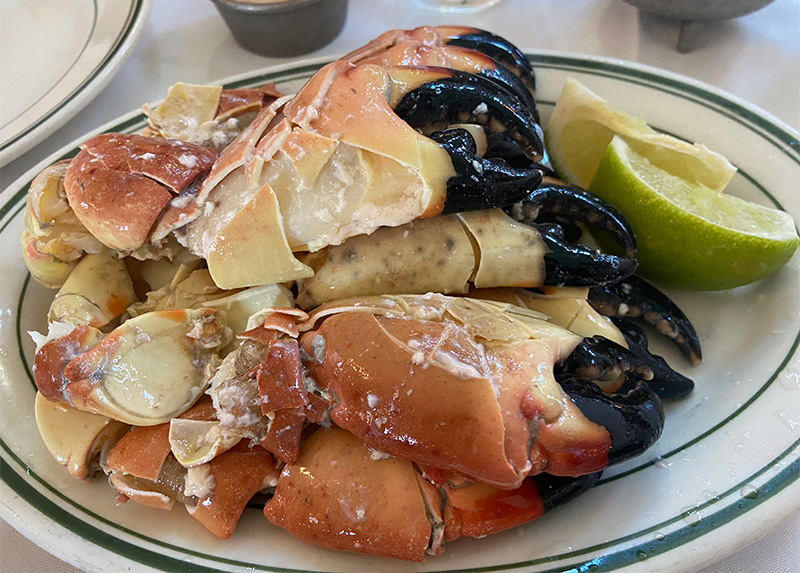
A close-up, top-down shot of a platter featuring several chilled stone crab claws served with a side of mustard dipping sauce and a fresh lime wedge on a white plate.

Lunch at Joe’s Stone Crab in Miami Beach. My wife and I shared a plate of stone crab claws, one of the classic Miami splurges if you visit during stone crab season.


Where to Eat and Drink in Miami

Miami is a serious food city. The best approach is to build your meals around neighborhoods instead of chasing reservations all over town. For a deeper restaurant breakdown, use the full Miami Dining Guide before locking in your dinner plans.

Classic Miami Beach

Joe’s Stone Crab is the iconic Miami Beach splurge, especially if you want the old-school stone crab experience. It is a classic for a reason, but it is not the only way to eat well in Miami Beach.

Coral Gables

Sushi KONG is a good option if you want to leave the tourist core for a modern sushi dinner. Just remember that Coral Gables is a detour from South Beach, so plan it as the evening’s main event.

Wynwood and Nearby

For casual daytime food, start with Panther Coffee or Zak the Baker. If you want beer and a patio, look at Veza Sur Brewing Co. or Cervecería La Tropical. If Wynwood feels too busy, look slightly north or nearby toward Buena Vista, Midtown, or the Design District.

Little River

Sunny’s Steakhouse is one of the stronger picks for a big dinner outside the typical tourist path. It works well after a Wynwood, Design District, or Little River day.

Coconut Grove

Los Félix is a great final-night dinner if you want something memorable, intimate, and food-driven. Build the evening around Coconut Grove so the logistics stay easy. Monty’s Raw Bar works better as a casual marina drink or seafood snack before dinner than as the polished main meal.

Little Havana

Come hungry and keep it specific: Versailles for cafecito at the ventanita, Sanguich de Miami for a Cuban sandwich, Ball & Chain for live music, and Cafe La Trova for cocktails and a retro Cuban feel.

Brickell

Brickell is useful because you can walk to a lot of good food and drinks if you stay nearby. It is one of the best areas for a condo or hotel base when you want dinner options close to home. For neighborhood-specific ideas, read the Brickell Dining Guide.

Local Guide Tip: Do not judge Miami food by Ocean Drive menus. Use Ocean Drive for the scene, then be more intentional about where you actually eat.
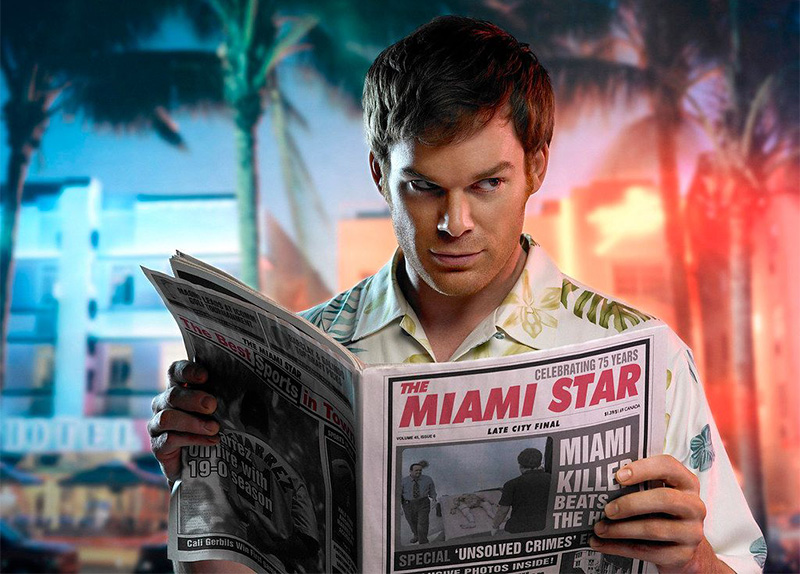
Alt Text: A close-up of the character Dexter Morgan from the TV show "Dexter" sitting outside and reading a newspaper titled "Miami Star" with a headline about a serial killer.

Dexter gives Miami a darker, stranger atmosphere: sunny on the surface, sinister underneath. The show uses the city’s heat, causeways, and tropical visuals to create a very specific mood.


Miami Pop Culture: What to Watch Before You Go

Miami is one of those cities that already feels familiar before you arrive because movies and TV have turned it into a whole mood: pastel Art Deco hotels, fast boats, Cuban coffee, nightclubs, money, crime stories, beach bodies, and skyline shots over Biscayne Bay.

You do not need to turn your trip into a film-location scavenger hunt, but watching a few Miami-based movies or series before you go can make the city feel more layered once you are there.

Miami Vice

If one show created the modern image of Miami, it was Miami Vice. Pastel suits, neon nights, speedboats, music, drug money, and South Beach style all became part of the city’s mythology. It is dated in the best possible way and still helps explain why Miami looks and feels so different from the rest of Florida.

Scarface

Scarface is loud, violent, over-the-top, and permanently tied to Miami’s pop culture identity. It is not a travel guide, obviously, but it captures the 1980s version of Miami as a place of ambition, excess, immigration, crime, and reinvention.

Cocaine Cowboys

If you want the real-world documentary version of Miami’s drug-war era, Cocaine Cowboys is the one to watch. It connects the glamour and violence of 1980s Miami to the Colombian cocaine trade, which gives the city’s modern wealth, skyline, and crime mythology more context.

Dexter

Dexter gives Miami a darker, stranger atmosphere: sunny on the surface, sinister underneath. It is not a perfect portrait of everyday Miami, but the show uses the city’s heat, water, causeways, and tropical visuals to create a very specific mood.

Burn Notice

Burn Notice is a lighter, more fun Miami watch. It leans into spies, beaches, cars, waterfront locations, and local neighborhoods without feeling as heavy as the crime documentaries or drug-war stories.

There’s Something About Mary

For a completely different tone, There’s Something About Mary gives you goofy late-1990s Miami comedy energy. It is not deep, but it is part of the city’s movie history and a reminder that Miami is not only crime, money, and nightlife.

Local Guide Tip: Miami pop culture is fun, but do not confuse the screen version with the whole city. The real Miami is also working neighborhoods, immigrant families, Caribbean culture, commuters, beach locals, retirees, finance workers, artists, and people just trying to get across the causeway without losing their mind.
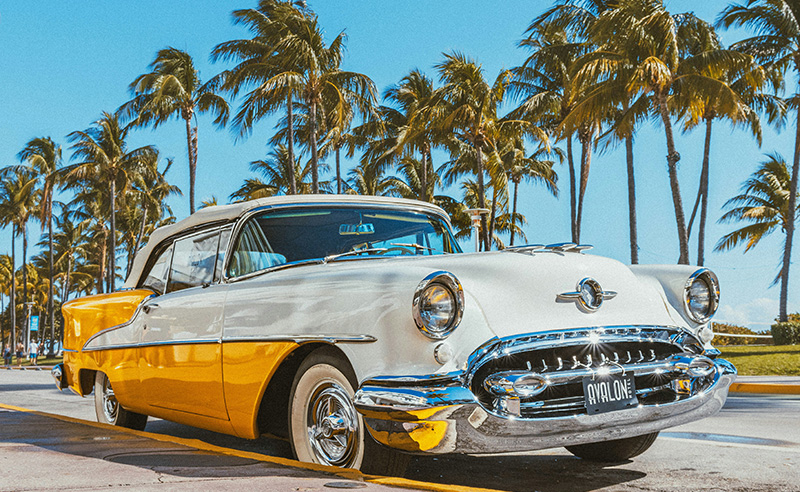
Classic yellow and white vintage car parked along a palm-lined street in South Beach Miami

South Beach is a fun place for car lovers, with everything from exotic sports cars and Lamborghinis to restored classics parked along the palm-lined streets.


Getting Around Miami

Miami is not a city where you should casually assume you can walk everywhere. Some areas are highly walkable once you are there, but the city as a whole is spread out, traffic-heavy, and often separated by bridges or water.

Flying In: MIA vs. FLL

Miami International Airport (MIA) is the closest option, but it is massive and traffic out of the airport can be heavy. Use the free MIA Mover to get to the Rental Car Center or the rideshare pickup zones.

If flights are cheaper into Fort Lauderdale (FLL) or West Palm Beach, check Brightline before automatically renting a car. It connects several South Florida cities with Downtown Miami and can work well if you are staying near Brickell. It is not the answer for every trip. If you have a family, heavy luggage, a late arrival, or a hotel far from the station, a rideshare or rental car may still be easier.

If you arrive early for a condo rental and have an awkward gap before check-in, use an app like Bounce or LuggageHero. You can pay a few dollars to leave your bags securely at a local hotel or shop while you grab lunch.

The Metromover is your Brickell and Downtown cheat code

If you stay in Brickell or Downtown, use the Metromover. It is a free elevated people mover that connects Brickell, Downtown, Omni, and key stops near restaurants, offices, hotels, museums, Bayside Marketplace, and the Kaseya Center.

This is especially useful if you are staying in Brickell like we did. You still need rideshares or a car for South Beach, Wynwood, Little Havana, and Coconut Grove, but the Metromover can save time and money inside the urban core.

Rideshares are easiest for neighborhood hopping

Uber and Lyft are usually the simplest way to move between South Beach, Wynwood, Little Havana, Coconut Grove, and Brickell. This is especially true at night, when parking and valet costs can turn a simple dinner into a hassle.

Use Freebee for Short Neighborhood Hops

Before you call an Uber for a quick ride, download the Freebee app. It is a free, on-demand electric vehicle service supported by local municipalities. It operates in specific zones including South Beach, Coconut Grove, and Coral Gables. You just request a ride through the app and tip the driver.

When to rent a car

A car can make sense if you are staying for a full week, visiting multiple neighborhoods outside the urban core, driving to the Florida Keys, or staying somewhere with easy parking. For a short weekend, parking fees and valet costs can erase a lot of the convenience.

Use walking once you are inside a neighborhood

South Beach, Brickell, Wynwood, Little Havana, and Coconut Grove all reward walking once you are there. The problem is usually getting between them efficiently.

Plan stadium travel separately

Hard Rock Stadium is in Miami Gardens. If you are going to a Dolphins game, Miami Open, Formula 1, or a major concert, plan that day around the stadium instead of treating it like a quick side trip.

Pro Tip: Traffic crossing the MacArthur Causeway or Julia Tuttle Causeway to South Beach can be rough during rush hour and weekend nights. Plan bridge crossings during off-peak windows when you can.

For broader trip logistics, read the Getting Around Abroad guide.
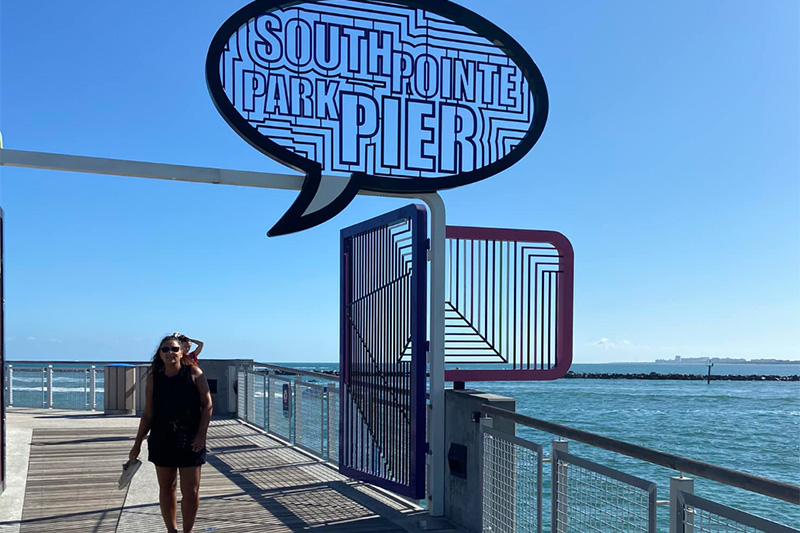
South Pointe Park Pier in Miami Beach with ocean views and the pier entrance sign on a sunny day

South Pointe Park Pier in Miami Beach, a great February or March stop for ocean views, warm weather, and watching boats come in and out of the harbor.


Best Time to Visit Miami

Miami is a year-round destination, but the experience changes a lot depending on when you go.

Winter and early spring

This is the best weather window for most travelers, with warmer beach days, lower humidity, and major events. It is also one of the most expensive times to visit.

March and April

Spring can be excellent, especially if you are coming for Miami Open tennis, beach weather, or a group trip. Just watch hotel pricing around major events.

May

May can be a strong value month and is also when Formula 1 usually brings a major event-weekend crowd. Expect heat to rise as the month goes on.

Summer

Summer brings intense heat, humidity, and short heavy rain showers. It can still work, especially for hotel deals, but you need to plan outdoor activities early and take the midday heat seriously.

Fall

Fall can offer better pricing and fewer crowds, but you need to be aware of hurricane season and flexible with plans.

Download a dedicated weather radar app and keep an eye on the daily UV index via the National Weather Service Miami forecast. In Miami, a 20 percent chance of rain usually just means a quick, intense 15-minute afternoon downpour, not a ruined day. Just duck into a cafe, wait it out, and the sun will be right back.

Local Guide Tip: In hot months, plan the city like a local: morning outside, midday shade or pool, late afternoon reset, dinner after the heat breaks.

A close-up view of a large, dark-hulled motor yacht cruising through the choppy, deep blue waters of the bay, with the distant Miami skyline and low-lying islands visible on the horizon under a soft, hazy sky.

Boating is one of the best ways to see Miami from a different angle. If you have extra time, consider a charter, Biscayne Bay cruise, or sandbar trip for skyline views, clear water, and a break from the city streets.


Miami Trip Cost & Budgeting

Miami can be expensive, but it is also a city where your costs depend heavily on neighborhood, timing, and how many big dinner or nightlife nights you plan.

Where Miami gets expensive

  • Hotels: South Beach, Brickell, and event weekends can get expensive fast
  • Restaurants: service charges, cocktails, and reservation-heavy restaurants add up
  • Parking: rental cars are useful, but parking can be painful
  • Rideshares: surge pricing can hit around nightlife, events, and bad weather
  • Beach clubs and nightlife: covers, minimums, and drinks can turn one night into a major expense

Where you can save

  • Stay in Brickell or downtown if beach access is not your top priority
  • Use South Beach for walks and views, not every meal
  • Plan Cuban coffee, casual lunches, and neighborhood food stops
  • Use the Metromover when you are moving around Brickell and Downtown
  • Check Brightline if you find cheaper flights into Fort Lauderdale or West Palm Beach
  • Use rideshares instead of renting a car for a short weekend
  • Visit parks, beach paths, murals, and waterfront areas that do not require major ticket costs

Pro Tip: Miami is a city where one expensive dinner can be worth it. The mistake is letting every meal become expensive by default because you did not plan ahead.

For trip budgeting basics, read the Travel Budget Guide.
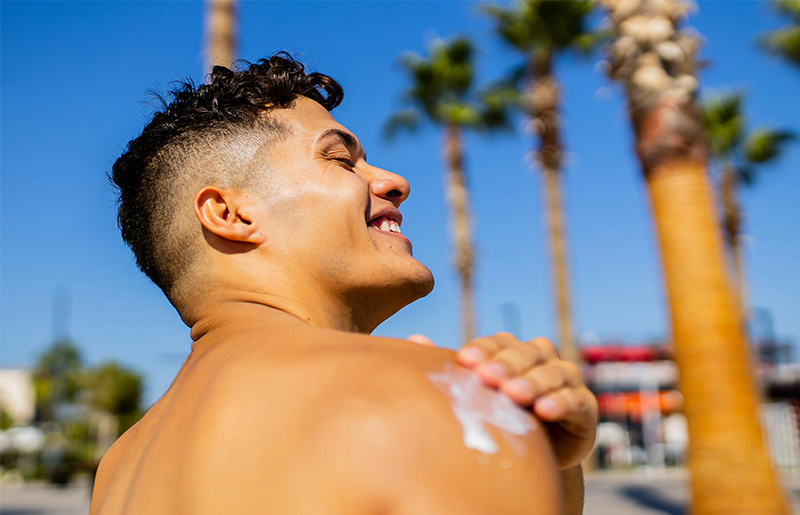
The Miami sun is deceptive. Even on breezy days, the UV index is high enough to turn a quick walk into a problem if you aren’t prepared with sunscreen.


Common Miami Mistakes

Miami is easy to enjoy, but it is also easy to make harder than it needs to be. Avoid these mistakes and the trip gets much smoother.

Staying in the wrong area for your trip style

If you want beach mornings, stay near the beach. If you want restaurants and city energy, Brickell may be better. If you are coming for an event at Hard Rock Stadium, do not ignore the stadium location.

Trying to do too many neighborhoods in one day

Miami looks simple on a map until you factor in traffic, bridges, parking, and heat. Group your days by area.

Eating every meal in the tourist core

Use South Beach for the setting, but do not let the loudest restaurant host decide your dinner plans. Build meals around real places like Zak the Baker, Sanguich de Miami, Sunny’s, Los Félix, or Joe’s Stone Crab instead of deciding only when you are already hungry.

Underestimating the weather

Heat, humidity, and sudden rain can change the day quickly. Plan outdoor activities early or late, especially in summer.

Assuming a rental car is always easier

A car helps on longer stays, but for a short weekend it can become a parking problem. Compare the actual hotel parking cost before deciding.

Forgetting service charges

Always check your bill before tipping. Miami restaurants, especially in tourist-heavy areas, often include a service charge.

Ignoring easy transit wins

If you stay in Brickell or Downtown, skipping the Metromover is a missed opportunity. If you fly into Fort Lauderdale or West Palm Beach, ignoring Brightline could mean paying more for a rental car or rideshare than you need to.

Local Guide Tip: The best Miami weekends are not packed. They are well-spaced. Pick the neighborhoods that fit your trip and give them enough time.

Explore Florida through Miami neighborhoods, theme park strategy, food guides, art districts, island road trips, and coastal planning.
START HERE

Florida Travel Guide

Use this main Florida guide to compare regions, shape your route, and decide how each stop fits into your trip.

Read More

MIAMI FOOD

Miami Dining Guide

Use this citywide food guide to plan where to eat across Miami, from neighborhood staples to trip-worthy meals.

Read More
BRICKELL EATS

Brickell Dining Guide

Find restaurants, bars, coffee stops, and neighborhood dining tips that make Brickell a strong Miami base.

Read More

ART DISTRICT

Wynwood & Art Basel Guide

Explore Miami’s mural-filled creative district with galleries, nightlife, Art Basel energy, and practical neighborhood tips.

Read More
ROAD TRIP

Florida Keys Guide

Plan the drive from South Florida into the Keys with island pacing, Key Largo stops, Key West tips, and road trip logistics.

Read More

PARK STRATEGY

Orlando Theme Parks

Compare Disney, Universal, Epic Universe, and other Orlando parks before you commit your time, budget, and energy.

Read More

Frequently Asked Questions

Is a weekend enough time for Miami?

Yes, but a long weekend is much better than a quick 48-hour trip. Three days gives you enough time for South Beach, Wynwood, Biscayne Bay, Coconut Grove, and at least one great dinner without rushing every stop.

Stay in South Beach if beach access, Ocean Drive, nightlife, and Art Deco architecture are the priority. Stay in Brickell if you want restaurants, bars, condo-style stays, waterfront views, and a more urban base. Brickell worked especially well for us on a longer Miami stay.

Not always. For a short weekend, rideshares may be easier because parking can be expensive and annoying. For a longer stay, a rental car can help if you want to visit South Beach, Coral Gables, Coconut Grove, Little River, and other areas on your own schedule.

A strong first Miami itinerary is South Beach on day one, Wynwood and Little River on day two, and Biscayne Bay or Coconut Grove on day three. Add Little Havana if you have a fourth day or a late flight.

Yes. Miami is excellent for event weekends, especially Dolphins games, Miami Open tennis, Formula 1, concerts, weddings, and group trips. Just remember that Hard Rock Stadium is in Miami Gardens, not South Beach or Brickell.

The biggest mistake is planning the trip without understanding the neighborhoods. Miami is spread out, and traffic can waste a lot of time. Cluster your days by area and avoid crisscrossing the city for every meal and activity.
San Diego Travel Guide: Beaches & Best Neighborhoods

Home » USA travel

Last updated: March 2026 by Corey Gasman

From the Editor:

Coming from Minnesota, San Diego feels like a cheat code. The weather is sunny almost all the time, the coast is beautiful, and the city delivers exactly what people hope California will feel like.

I have seen San Diego from a few different angles over the years. I have visited friends living inland around Scripps Ranch, stayed near the surf in Mission Beach, walked the grounds of the massive Hotel del Coronado, and spent time around locals tied to the defense world and North County commuter culture. I even remember crossing into Tijuana back in the pre-Instagram days to take photos with the donkeys painted as zebras. The trick with San Diego is realizing how spread out everything is. This is not a city where you wing it well. The more intentional you are with your base and your daily loops, the better the trip feels.

Start Here: The San Diego Game Plan

San Diego is a county as much as it is a city. It is broad, spread out, and full of neighborhoods that feel nothing alike. The difference between a great trip and a frustrating one is committing to a specific zone for the day.

You cannot do a morning surf lesson in La Jolla, lunch downtown in the Gaslamp Quarter, and an afternoon hike inland without spending too much of the day in traffic. The better formula is picking a neighborhood base that matches your style, renting a car, and building your trip in geographic clusters.

  • Beach trips: stay on the coast, accept the higher hotel prices, and keep your daily driving to a minimum.
  • Food and breweries: look toward North Park or Little Italy, where the evening walking loops are excellent.
  • Family trips: stay near Mission Bay or Coronado for easy logistics, flatter walking paths, and calmer pacing.
  • First-timers: pick two main priorities per day and leave the rest open for beach time, coffee stops, and sunset.
Pro Tip: San Diego is built around being outside. Do not create an itinerary that keeps you indoors all day and then wonder why the city feels underwhelming.

SD Golden Rule: The closer you sleep to the water, the less you will want to leave your neighborhood.

Before you book anything

Start here: Getting Around Abroad for loop-based travel planning.

San Diego rewards travelers who prioritize the outdoors, respect the traffic patterns, and build their days around coastal clusters.


First-Timer Essentials: How Many Days in San Diego, What to Book Early, and the Best Time to Visit

A standard San Diego trip needs three to four days. Three days gives you enough time to see major beaches, eat excellent Mexican food, and explore Balboa Park without feeling like you are sprinting. Four to five days lets you head farther north up the coast or inland without turning the trip into a driving marathon.

The weather is famous for a reason, but first-timers are often caught off guard by May Gray and June Gloom. During early summer, the coastal marine layer can keep the beaches cloudy until midday or later. Some of the best overall weather often shows up in September and October, when the summer crowds thin out and the water is still warm enough to enjoy.

Question TLGA Answer Why It Matters
How many days? 3 to 4 days is the sweet spot You need enough time to cross different parts of the county without spending the whole trip on freeways.
What should I book early? Your hotel base and a rental car Walkable beach areas and good-value rentals get picked over quickly.
Best time to visit? September and October You usually get better weather, fewer crowds, and warmer water than early summer.
Big first-timer mistake? Underestimating the distances Trying to bounce from North County to Downtown to Coronado in one day will wear you out fast.
Local Guide Tip: Pack a light jacket no matter the month. The sun can feel hot all afternoon, but the breeze cools things down quickly once the sun starts dropping.

Mission Beach brings classic Southern California boardwalk energy, while La Jolla leans scenic, polished, and dramatically coastal.


Neighborhoods: Where to Stay in San Diego

San Diego is a collection of very different neighborhoods pretending to be one city. Where you stay shapes the entire trip. A stay in the Gaslamp Quarter feels urban and loud. A stay in Mission Beach feels like your whole day should revolve around sand, bikes, and sunset.

Because the region is so spread out, your hotel base needs to match your priorities. If your trip is about beach time, pay the premium to sleep near the water. If you care more about restaurants, breweries, and nightlife, stay slightly inland where your evenings are easier to walk.

Neighborhood Vibe Best For Avoid If…
La Jolla Upscale, scenic, dramatic coast Couples, ocean views, polished stays You are on a tight budget or want late-night bar energy.
Mission Beach / Pacific Beach Active, casual, boardwalk-heavy Surfing, beach days, younger energy You want quiet nights and easy parking.
North Park Trendy, walkable, local Craft beer, food, neighborhood feel You need the beach outside your door.
Little Italy Polished, central, restaurant-driven Dining, markets, first-timers You want a resort-style coastal trip.
Coronado Classic, resort-heavy, pristine Families, slower pacing, wide beaches You want to hop around the city multiple times each day.
Gaslamp Quarter Downtown, loud, event-driven Conventions, nightlife, Padres games You are picturing a calm California coastal escape.
Pro Tip: Inland residential areas like Scripps Ranch are beautiful and comfortable, but only stay out there if you are visiting people or have a specific inland reason. The coast gets farther away every day you are there.

Choosing a base near Little Italy or Balboa Park gives you strong food options and central positioning without paying full beachfront rates.


Where to Stay in SD by Traveler Type

Matching your trip style to the right geography is the single most important decision you will make in San Diego. It is not really about finding the perfect room. It is about finding the right zip code.

If you get this part right, the city feels easy. If you get it wrong, you spend the trip driving farther than you expected and paying more for parking and rideshares than you wanted.

Traveler Type Best Base Area Why It Works One Tip
Beach purists Mission Beach or Coronado Immediate sand access and strong walking or biking days Rent bikes and use your car less once you arrive.
Food and breweries North Park or Little Italy Excellent restaurant density and easy evening walks Use rideshare at night so parking does not become your trip theme.
First-timers Little Italy or La Jolla Safe, appealing, and easy to understand as a visitor La Jolla gives you better coastal beauty, Little Italy gives you better central access.
Budget-focused Hotel Circle / Mission Valley Lower room rates and direct freeway access You will sacrifice charm, but the logistics work.
Local Guide Tip: If you stay in Mission Beach, make sure your hotel or rental includes an actual parking spot. In summer, that detail matters more than a slightly nicer room.

San Diego usually works best with a car, though the trolley and Coaster can help for specific downtown or coastal moves.


Getting Around San Diego

For most travelers, San Diego is a rental-car city. Unlike places where having a car makes the experience worse, here it usually unlocks the trip. Beaches, parks, neighborhoods, and day trips are simply too spread out to rely entirely on rideshare or public transit.

The trolley is useful in the downtown zone and works well for Old Town, Petco Park, and border-adjacent trips. The Coaster is also a great move if you want to head north along the coast without dealing with Interstate 5. Still, if you want flexibility, a car is usually the better call.

Mode Best For Reality
Rental Car Exploring the county, beach hopping, day trips Usually the best option overall. Be ready for fast merges and parking strategy.
Rideshare Night outs, breweries, airport runs Fine for shorter hops, but expensive if you are zigzagging across the city.
Trolley Downtown, Old Town, border-area planning Useful in specific corridors, but limited for full-city sightseeing.
Coaster Train North County coastal stops like Encinitas or Oceanside One of the most relaxing ways to see the coast without driving.

Transportation planning

Read: Getting Around Abroad for loop-based travel planning.

Balboa Park combines striking Spanish Colonial architecture, gardens, museums, and one of the city’s most rewarding walking environments.


Best Things to Do in San Diego: What Is Actually Worth Your Time

San Diego attractions range from world-famous institutions to simple free coastal experiences that end up becoming the best part of the trip. The key is balancing a few marquee sights with plenty of time to just be outside near the water.

1) Balboa Park

This is the crown jewel for many first-timers. It is huge, beautiful, and much more than a museum complex. Even if you do not go deep on tickets, the gardens, architecture, and open spaces make it worth several hours on foot.

2) Hotel del Coronado

The Del is one of those places that still feels impressive in person. Even if you do not stay there, walking the grounds, seeing the beach, and grabbing a drink nearby makes for a very easy half day.

3) La Jolla Cove and Torrey Pines

If your version of California includes cliffs, ocean views, sea life, and coastal hikes, this is the zone to prioritize. La Jolla Cove gives you the views and sea lion energy. Torrey Pines gives you some of the best easy-access coastal hiking in the state.

4) A Padres Game at Petco Park

Petco Park is one of the best stadium experiences in the country. The setting is excellent, downtown access is easy, and the food and beer program inside is much better than average.

5) Sunset Cliffs

This is one of the easiest high-payoff sunset spots in Southern California. Bring takeout, show up before golden hour, and let this be the final move of the day.

  • Worth prioritizing: Balboa Park, La Jolla coast, Torrey Pines, Coronado, one excellent Mexican meal
  • Usually enough as a pass-through: The Gaslamp Quarter during the daytime
  • Best mindset: The coastline is the main attraction, so do not overload the trip with too many paid activities.
Pro Tip: The San Diego Zoo is world-class, but it is a real full-day commitment. Treat it as the main event, not something you squeeze in between other big plans.

From scenic coves in La Jolla to the long sand and boardwalk stretches in Mission Beach, San Diego’s coastline is one of the easiest in California to actually enjoy.


Best Beaches in San Diego

The beaches are the real headline here. Unlike some California destinations where the coast can feel harder to access than expected, San Diego gives you long public stretches of sand, walkable paths, and several beach zones with completely different personalities.

The key is not assuming every beach delivers the same experience. Some areas are built for families and swimming. Others are better for boardwalk energy, surf culture, or simply posting up for sunset and doing very little.

Beach Vibe Best For Notes
La Jolla Shores Clean, scenic, relaxed Swimming, kayaking, families A very approachable beach day with beautiful surroundings.
Pacific Beach Young, social, energetic Boardwalk walks, bars, active beach scene More lively than peaceful, especially on weekends.
Mission Beach Classic Southern California Long beach days, bikes, easy people-watching One of the most iconic all-around visitor beaches.
Coronado Beach Polished and pristine Families, couples, relaxed beach time Wide sand, cleaner feel, and a more refined pace.
Ocean Beach Bohemian surf culture Sunset, casual wandering, surfer atmosphere A little rougher around the edges in a good way.
Local Guide Tip: Parking near the most popular beaches fills early in good weather. If you want an easy day, arrive before 10 AM or accept that you may be walking a few extra blocks.

San Diego has perfected casual outdoor dining, and the fish tacos here set a very high standard for the rest of the country.


San Diego Food Guide: Tacos, Burritos, and Craft Beer

San Diego food is shaped by Baja California, coastal seafood, taco-shop culture, and one of the best brewery scenes in the country. This is not a place where you need to chase only high-end reservations. Some of the best meals are fast, messy, and eaten outside in flip-flops.

Yes, you can do polished Little Italy dinners and ocean-view seafood. You should also leave room for burritos, taco counters, and random local spots that look better from the line than from the branding.

Move Where It Fits Best Why It Works
California Burrito Post-beach or late night Carne asada, fries, cheese, and pure San Diego energy in one tortilla.
Fish Tacos Lunch near the coast Fresh, fast, and one of the most reliable great-value meals in town.
Brewery patio afternoon North Park or Miramar The outdoor beer culture here is genuinely strong, not just overhyped.
Little Italy dinner A polished night out You get atmosphere, great walking, and a lot of consistently strong restaurants.

How to eat like a local

  • The best taco shops often look more functional than trendy.
  • Many breweries either host food trucks or let you bring in outside food.
  • Do not skip local seafood just because tacos get all the attention.
  • Breakfast burritos are one of the best-value starts to a day in the city.
Local Guide Tip: If a taco shop has a line of locals at lunch on a weekday, get in it. That is one of the more reliable food signals in San Diego.

San Diego’s best meals often come from a mix of taco counters, seafood spots, patio restaurants, and neighborhood places that feel easy rather than overdesigned.


Best Restaurants in San Diego: TLGA Picks by Vibe

San Diego is not really a one-neighborhood food city. It is a collection of strong pockets, each with its own rhythm. Little Italy is the polished dinner play. North Park has personality. Coastal seafood is strongest when you stop overthinking it and just eat near the ocean.

Rather than forcing a giant master list, I would build meals around the kind of day you are already having. Great travel food planning is usually about fit, not chasing one famous name from one side of the county to the other.

Dining Move Best Area Why It Works TLGA Take
Polished dinner out Little Italy Strong restaurant density and easy evening walking Best choice when you want the night to feel like an event.
Casual taco stop All over the city Taco-shop culture runs deep Some of the best meals are the least fancy ones.
Seafood with a view La Jolla / Coronado / coast You are paying for both freshness and setting Worth it when the weather is right and the sunset timing lines up.
Brewery plus food truck North Park / Miramar Easy, social, and very San Diego A strong low-pressure night plan that still feels local.

My San Diego restaurant strategy

Do one nicer dinner in Little Italy or along the coast, one seafood meal with actual ocean proximity, and then let the rest of the trip lean casual. San Diego is one of those places where trying too hard can make you eat worse. Good tacos, good patios, good weather, and a relaxed pace are the point.

Pro Tip: If a restaurant is coastal and popular, book sunset reservations early or go later after the peak sunset rush. The in-between timing is usually the most annoying window.

Structuring your days by geography keeps you from wasting valuable trip time in freeway traffic or circling for parking.


San Diego Itinerary: 2 to 4 Day Game Plans

The smartest San Diego itineraries batch activities by area. Keep your coast days together. Keep your downtown and park days together. Build around the part of the city you are already in instead of repeatedly crossing the county.

2 Perfect Days in SD

Day Anchor Neighborhood Morning Afternoon Night
Day 1: Coast & Cliffs La Jolla / Mission Beach Torrey Pines hike and coffee La Jolla Cove and fish tacos Sunset Cliffs and Ocean Beach dinner
Day 2: Culture & Downtown Balboa Park / Little Italy Balboa Park museums or gardens Coronado beach and Hotel del Coronado Dinner in Little Italy

4 Days in SD: The Sweet Spot

Day Anchor Neighborhood Morning Afternoon Night
Day 1: Arrival & Ocean Your Base Check in and find coffee Walk your nearest beach zone Casual tacos and local beer
Day 2: The Classics Balboa Park Zoo or museums Old Town North Park breweries
Day 3: North Coast La Jolla / Encinitas Torrey Pines Drive Highway 101 north Seafood dinner near the coast
Day 4: Coronado & Downtown Coronado / Downtown Coronado beach walk Bikes or waterfront time Padres game or Gaslamp drinks
Pro Tip: Plan your cross-city drives outside rush hour whenever possible. A short map distance in San Diego can still feel surprisingly slow in late afternoon traffic.

Crossing into Tijuana or heading north to beach towns like Encinitas adds a very different layer to a longer San Diego trip.


Beyond SD: Best Day Trips and Excursions

One of San Diego’s strengths is what sits around it. You are not just visiting one city. You are on the edge of Mexico, near excellent surf towns, and within reach of mountain and desert shifts if you want a different pace for a day.

If you have four or more days, it makes sense to leave the central city once and widen the trip a bit.

  • Tijuana, Mexico: A very different food and culture day just across the border. Best done with solid planning and awareness of return timing.
  • North County (Encinitas / Carlsbad / Oceanside): Relaxed beach-town energy and a good contrast to the main San Diego zones.
  • Julian: Cooler mountain air, historic town feel, and a very different California day.
  • Lake Elsinore: More niche, but interesting if you have personal ties or want to see a different inland side of Southern California.

TLGA spoke strategy

If you are extending the trip by car, plan northbound drives carefully so you are not spending your excursion stuck in commuter traffic.

San Diego does sunsets extremely well, but the best experience usually comes from pairing the right viewpoint with the right neighborhood rhythm.


Best Sunset Spots in San Diego

San Diego is one of those cities where sunset can become the whole evening plan. The move is not just finding a scenic place. It is choosing the kind of sunset experience you want. Quiet and elevated feels different from grabbing food and joining a crowd near the water.

If the day has gone well, sunset is where San Diego cashes in all of its chips. Try to build at least one evening around it on purpose.

Spot Best For Why It Works TLGA Take
Sunset Cliffs Classic dramatic sunset Big Pacific views and easy payoff This is the most obvious choice for a reason.
Coronado Beach Wide-open beach sunset Room to spread out and a more polished atmosphere A great couples or family sunset choice.
Mount Soledad Elevated panoramic view City, coast, and broad perspective Best when you want the full geographic picture.
Ocean Beach Pier area Casual local rhythm Easy food, walking, and people-watching Good if you want sunset folded into a low-key evening.
Local Guide Tip: Show up earlier than you think, especially on clear weekends. The best sunset spots are not a hidden-secret game in San Diego.

San Diego is generally a comfortable city for travelers, but normal city awareness still matters around nightlife zones, trailhead parking, and the ocean.


Is San Diego Safe? Street Smarts for Travelers

San Diego is generally one of the more approachable major U.S. cities for visitors. The beach communities usually feel relaxed, and many of the most popular tourist areas are easy to navigate. Still, smart travel habits matter here just like they do anywhere else.

  • Downtown and East Village: Use normal city awareness, especially later at night.
  • Beach safety: Pay attention to posted conditions and lifeguard guidance. Rip currents are real.
  • Car break-ins: Do not leave visible bags, luggage, or electronics in your vehicle at beaches or trailheads.
Local Guide Tip: The stingray shuffle is real. When entering the water, slide your feet along the sand instead of stepping hard down.

Spend on a strong location and good food, then save by leaning into the many free beaches, parks, and coastal walks.


San Diego Budget Strategy

San Diego is expensive. The sunshine tax is real, and you feel it in hotel rates, parking, rental cars, and simple beachfront meals. The good news is that many of the best experiences here are free once you have locked in the right base.

The smartest way to budget San Diego is to spend where the city gives you leverage and save where the city already gives you beauty for free.

Spend On Save On Reality Check
A coastal hotel base Cross-city rideshares Being able to walk to the beach often justifies the higher nightly cost.
A rental car Packaged tours A car usually gives you more freedom and better value over several days.
Good Mexican food and one strong dinner Overpriced tourist-trap meals A lot of San Diego’s best food is casual, not fancy.

Money basics

Read: Travel Finance Guide

San Diego Travel FAQs

How many days do I need in San Diego?

Three to four days is the sweet spot for a first visit. That gives you enough time for beaches, Balboa Park, good food, and a little flexibility without turning the trip into constant driving.

For most visitors, yes. If you stay in one tight area the whole time you can get by without it, but a car makes the city much easier to enjoy.

It is the early summer marine layer that often keeps the coast gray in the morning. It usually clears later in the day, but first-timers are often surprised by it.

It can be, especially for food and a different cultural perspective, but it works best when you plan the crossing and return well instead of treating it casually.

A California burrito is the signature move. Fish tacos are right behind it, especially near the coast.

Sunset Cliffs is the classic answer. Coronado Beach and Mount Soledad are also excellent depending on whether you want beach-level views or a wider panorama.

California Travel Guide

Home » USA travel

Last updated: March 2026 by Corey Gasman

From the Editor:

California is one of those places that never really fits into a simple summary. I have been here for city trips, sports trips, wine weekends, national park drives, and visits with friends in both the Bay Area and Southern California. I have stayed with friends in Alameda, spent time around the Oakland Hills and San Francisco, visited Los Angeles multiple times, stayed around Hermosa Beach, explored San Diego, crossed down toward Tijuana, and returned more than once for Napa, Sonoma, Yosemite, and Lake Tahoe.

What makes California special is not one headline attraction. It is the range. This guide is here to help you understand where each region shines and how to build a trip that actually makes sense. Think of it as the statewide playbook before you choose your city, your road trip, or your wine-country weekend.

Before you book anything

Start here: Getting Around Abroad for smarter regional trip planning

A wide night skyline view of Los Angeles featuring illuminated skyscrapers and glowing city lights under a dark sky.

The Los Angeles skyline glows at night, where downtown’s towers rise above the endless sprawl of city lights below.


Start Here: The California Game Plan

California works best when you stop treating it like one trip. The winning move is to choose a lane: city-focused, coast-focused, wine-focused, or nature-focused. Then build around one region at a time instead of trying to force San Francisco, Los Angeles, Yosemite, and Napa into one rushed itinerary.

For most travelers, the smartest formula is simple: pick one anchor region, keep hotel changes limited, and let geography do the work. Northern California, Southern California, and the Central Coast each deliver a very different kind of trip. The more focused your plan, the better California gets.

  • First-timers: choose either a Bay Area and wine-country trip or a Southern California and coast trip.
  • Food and city travelers: focus on San Francisco, Los Angeles, or San Diego and do less driving.
  • Scenic trips: build around Highway 1, Yosemite, Tahoe, or the Central Coast instead of trying to cover the whole state.
  • Wine-focused trips: Napa, Sonoma, and Paso Robles each work better when you slow down and stay nearby.
If You Want… Best California Region Best For
Big-city energy, neighborhoods, and iconic views San Francisco Bay Area First-timers, food, walkable city trips
Beaches, entertainment, and variety Southern California Los Angeles, San Diego, coast-focused trips
Wine weekends and scenic tastings Napa, Sonoma, or Paso Robles Couples trips, food-and-wine travelers
Mountains, parks, and dramatic nature Yosemite, Tahoe, and the Sierra Road trips, hiking, scenery
Pro Tip: California punishes the overstuffed itinerary. Pick one region, then stack easy wins around it.
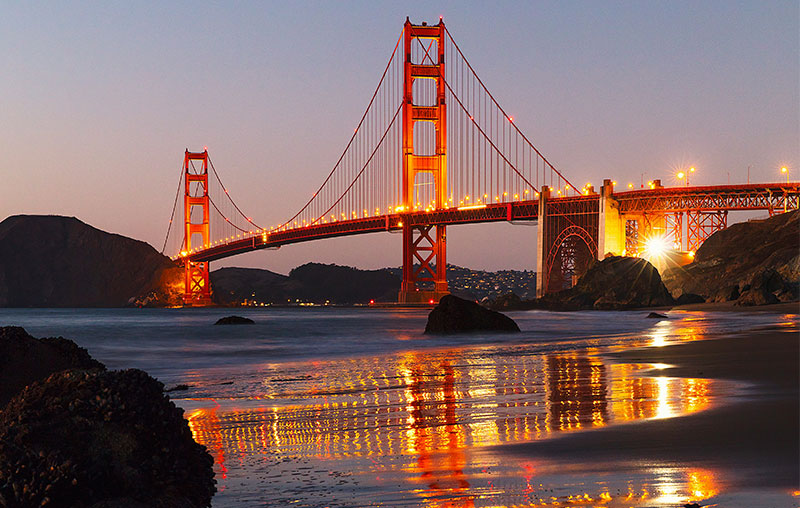
The illuminated Golden Gate Bridge glowing red against a twilight sky viewed from a rocky beach.

Watching the Golden Gate Bridge lights glow at twilight from Baker Beach is one of San Francisco’s most memorable viewpoints.


Why Visit California

Some destinations are easy to define. California is not one of them. That is part of the appeal. A trip here can mean seafood and neighborhoods in San Francisco, beach days in Southern California, vineyard lunches in Napa, sunrise in Yosemite, or a long drive where the coastline keeps trying to steal your attention.

It is also a state where travel style matters. If you love cities, food, sports, and neighborhoods, California is excellent. If you want wine, scenery, and slower drives, it works for that too. If you want national parks and outdoor drama, California can easily carry an entire trip on nature alone.

That flexibility is exactly why it deserves a strong TLGA hub page. It is not about seeing everything. It is about matching the right region to the kind of trip you actually want.

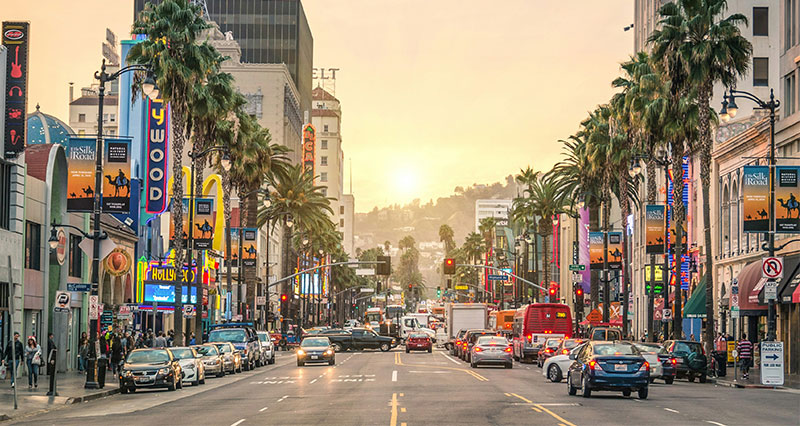
A busy street view of Hollywood Boulevard in Los Angeles at sunset, lined with tall palm trees, cars, and illuminated theater signs.

Hollywood Boulevard mixes old movie history with modern chaos, especially once the theaters and neon lights come alive in the evening.


Best Cities to Visit in California

The best California city for your trip depends on what you care about most. San Francisco wins on visual identity and walkable neighborhoods. Los Angeles offers scale, entertainment, beaches, and endless food. San Diego feels easier and more relaxed. Santa Barbara delivers one of the prettiest small-city settings on the coast.

San Francisco

San Francisco is still one of the most distinctive city trips in the United States. The hills, bay views, neighborhoods, and food scene make it rewarding even if you have visited before. I have spent time in the city itself and also with friends living across the Bay in Alameda and the Oakland Hills, which gives you a better sense of how connected the region really is.

Read the San Francisco Travel Guide

Los Angeles

Los Angeles works best when you stop thinking of it as one city and start thinking of it as a collection of zones. I have been there for Vikings games, Timberwolves travel, and stays with friends around La Brea and the beach areas. The city gets better when you give each day a smaller focus instead of trying to cross town nonstop.

Read the Los Angeles Travel Guide

San Diego

San Diego brings together easy beach access, strong Mexican food, and a more relaxed pace than LA. It is one of the best choices for travelers who want California weather without so much logistical friction. It also works well as a starting or ending point for a Southern California loop.

Santa Barbara

Santa Barbara feels polished without feeling overly formal. The red-tile architecture, coastal setting, and access to wine country make it one of the easiest places in California to recommend for a slower trip.

Read the Santa Barbara Road Trip Guide

A colorful hot air balloon flying over fog-covered rolling hills and vineyards in Napa Valley.

Sunrise balloon flights over Napa Valley reveal the vineyard grid and rolling valley floor from a completely different perspective.


California Wine Country

Wine country is one of the strongest reasons to build a California trip around a region instead of a checklist. Napa, Sonoma, and Paso Robles are all worth visiting, but they do not feel interchangeable.

Napa Valley

Napa is the most polished and high-design version of California wine country. It is ideal for a special-occasion trip, a first splurge tasting weekend, or anyone who wants strong winery infrastructure with a more upscale feel. I have been back multiple times because it is one of the easiest places in the state to pair scenery, food, and wine in a single weekend.

Read the Napa Valley Guide

Sonoma County

Sonoma feels broader and a little more relaxed. The geography is more spread out, the pace is easier, and the experience often feels less concentrated around one main valley. It is a great fit for travelers who want wine country without the most polished version of it.

Read the Sonoma County Guide

Paso Robles

Paso Robles adds a more Central Coast rhythm to the experience. It works especially well if you are linking wine country with a road trip between Los Angeles and Northern California. It feels less formal, more laid-back, and easier to pair with coastal stops.

Read the Paso Robles Guide

Local Guide Tip: If wine country is the main purpose of the trip, stay nearby and keep your driving days short. California winery days are usually better when they are built around two or three strong stops, not a rushed tasting marathon.

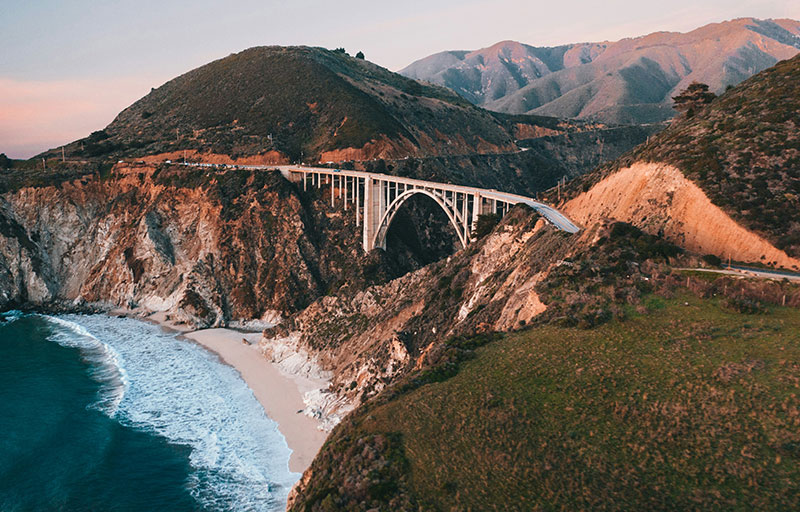
Aerial view of the historic Bixby Creek Bridge curving along the steep, rugged cliffs of the Big Sur coastline at sunset.

California is one of the best road trip states in America, especially when you let the route shape the trip instead of trying to collect too many stops.


Best California Road Trips

In California, the drive is often part of the destination. Coastal routes, mountain transitions, and wine country detours all create very different versions of the state.

Pacific Coast Highway and California 1

The classic route is the coastal drive between Los Angeles and San Francisco, with stops that can include Santa Barbara, Big Sur, Monterey, and Carmel. It is one of the most famous drives in the country for good reason. The scenery is strong enough that even a short section feels memorable.

Santa Barbara and the Central Coast

This is one of the smartest California road trip choices if you want beauty without trying to cover too much ground. Santa Barbara, nearby wine areas, and a continued push north toward Paso Robles or Monterey create a trip that feels scenic and manageable.

Read the Santa Barbara Road Trip Guide

Bay Area to Yosemite

Pairing San Francisco with Yosemite gives you one of California’s best city-to-nature contrasts. It is a strong route if you want neighborhoods, food, and iconic urban scenery first, followed by a dramatic shift into the Sierra.

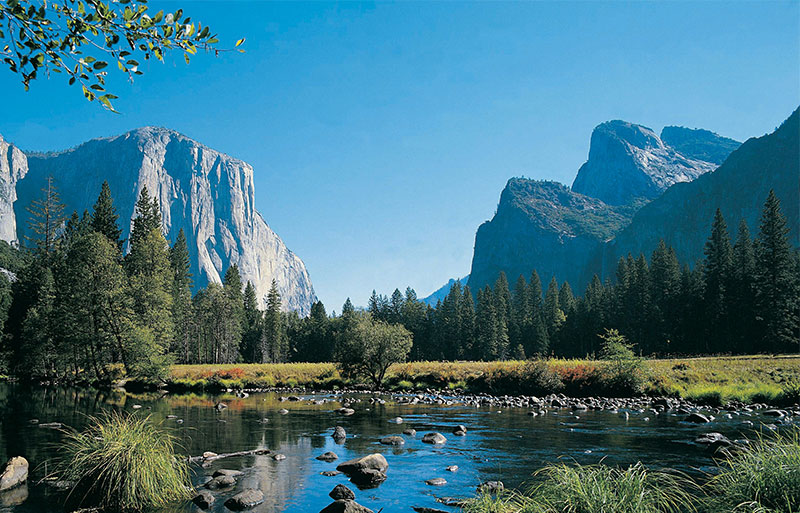
A wide view of Yosemite Valley featuring the granite cliffs of El Capitan and Half Dome towering over a river and pine forest.

California’s national parks shift the state into a different scale, from granite valleys and giant trees to desert terrain and coastal forest.


National Parks and Big Nature in California

California has enough major landscapes to support an entirely different kind of trip from its cities and wine regions. Yosemite is the most iconic, but it is far from the only option.

Yosemite National Park

Yosemite is the California park that tends to stay with people. The cliffs, valley views, waterfalls, and granite scale are hard to overstate. I have been there a couple of times, and it still feels like the kind of place that resets your sense of proportion.

Sequoia and Kings Canyon

If giant trees and Sierra landscapes are high on your list, these parks are a natural fit. They work especially well for travelers building a more nature-heavy California route.

Joshua Tree

Joshua Tree gives California a totally different mood. It is spare, wide, and visually clean in a way that feels almost opposite from the coast or the Bay Area.

Redwood Country

Northern California’s redwood landscapes are another reminder that California is not just one look or one climate. If giant coastal forest is your thing, this part of the state deserves its own future trip.

High angle view of boats gathered in the vivid blue waters of Emerald Bay at Lake Tahoe surrounded by dense pine forests.

Lake Tahoe adds alpine California to the mix, with deep blue water, mountain scenery, and a completely different pace from the coast.


Lake Tahoe and the Sierra Side of California

Lake Tahoe is one of the clearest examples of how varied California can be. After time on the coast or in the cities, the Sierra landscape feels like a different state entirely. The California side of Tahoe is especially beautiful in summer, when the lake color, mountain air, and shoreline views all do exactly what people hope they will.

I have spent time on the California side, and it is one of the easiest places in the state to recommend if you want mountain scenery without giving up comfort. In warmer months it works for hiking, lake time, and scenic drives. In winter it shifts into a ski destination. Tahoe also works especially well as an add-on to a Northern California trip, particularly if you are pairing San Francisco with Yosemite or other Sierra stops.

A surfer in a black wetsuit balancing on a white surfboard while riding a wave in the ocean.

Huntington Beach sits at the center of Southern California surf culture, where consistent waves and long beaches attract surfers year round.


California Beaches and Coastal Towns

You cannot talk about California without talking about the coast. However, the beach experience is completely different depending on where you are in the state. Southern California is where you go for classic beach days, while the northern coast is better for scenic drives, hiking, and dramatic landscapes.

Southern California Surf and Sand

If you want to swim, surf, or spend all day on the sand, head south of Santa Barbara. Orange County towns like Laguna Beach and Huntington Beach offer wide sands and active surf cultures. Malibu provides a narrower, more dramatic shoreline tucked against the hills just north of Los Angeles.

The Rugged Northern Coast

North of Santa Cruz, the coastline gets colder, rockier, and often fog-covered. Towns like Mendocino and Point Reyes are incredibly beautiful, but they are destinations for hiking, eating local oysters, and watching the Pacific crash against cliffs rather than sunbathing.

Local Guide Tip: Do not expect warm ocean water just because it is summer in California. The Pacific runs cold, especially in Northern and Central California, so a wetsuit is usually necessary if you plan to stay in the water for long.
Long exposure showing red and white light trails from cars navigating a steep, winding mountain road in the California desert at sunset.

Getting around California works best when you match the transportation to the region, whether that means a rental car, a short flight, or a scenic rail stretch along the coast.


Getting Around California

California is massive. Treating it like a compact European country or a dense East Coast corridor usually leads to a rushed itinerary. You have to plan transportation based on the specific regions you want to link together.

When You Need a Car

If your trip involves road trips, wine country, national parks, or extensive time in Los Angeles, you need a rental car. Public transit outside of the immediate Bay Area core is not robust enough to rely on for a seamless vacation.

Trains and Short Flights

If you are simply trying to get from San Francisco to Los Angeles or San Diego, a short domestic flight is often the smartest use of your time. If you want scenery without driving, the Pacific Surfliner route in Southern California is one of the most relaxed ways to see the coastline.

Pro Tip: If you are flying in and renting a car, consider arriving at a smaller regional airport. Flying into Burbank, John Wayne, or Oakland is often much easier for rental-car pickup and avoiding immediate gridlock than dealing with LAX or SFO.
A classic wooden lifeguard tower with an American flag on the sand at Santa Monica beach with hazy mountains in the background.

California’s travel seasons vary by region, which is why spring and fall often work best for travelers trying to combine coast, wine country, and city stops in one trip.


Best Time to Visit California

California is large enough that season depends on where you are going. Coastal cities, desert areas, mountain destinations, and wine country all behave differently. In general, spring and fall are the easiest seasons for a broader California trip because the weather is usually more balanced and the trip can combine multiple regions without quite as many extremes.

Season Why It Works What to Watch For
Spring Good mix of mild weather, greener landscapes, and fewer crowds than summer in many areas Mountain weather can still be variable
Summer Best for beaches, school-break travel, and classic coastal energy Higher prices, more crowds, and fog along some coastal areas
Fall Excellent for wine country, road trips, and balanced statewide weather Wildfire season can affect some regions
Winter Great for ski trips, quieter city breaks, and lower demand in some destinations Storms and snow can change mountain access
Distinctive spiky Joshua trees growing among large, smooth, rounded boulder formations in a dry desert landscape.

The smartest California trips are built around one region, one route, or one travel style instead of trying to cover the entire state in one shot.


How to Plan a California Trip That Actually Works

California planning is mostly about restraint. Distances are bigger than many travelers expect, and traffic can easily change what looks reasonable on a map. The best itineraries usually have one clear center of gravity.

Start with your trip style

If you want cities and food, focus on San Francisco, Los Angeles, or San Diego. If you want scenery and a slower pace, build around wine country or the coast. If nature is the priority, do not force too many city stops into the same trip.

Keep driving days realistic

A California trip can look simple on paper and still become draining if every day turns into a repositioning day. One scenic drive is great. Three consecutive long drives usually start to flatten the trip.

Pick the right home bases

For many itineraries, fewer hotels is better. Staying longer in one place often gives you a better trip than chasing coverage.

Pro Tip: For a first California trip, choose one of these structures: Bay Area plus wine country, Southern California cities plus beaches, or a coast-and-scenery road trip. That usually produces a much better experience than trying to stitch together San Francisco, LA, Yosemite, Napa, and San Diego in one week.

A few smart California route ideas can make planning easier, especially if this is your first trip to the state.


Easy California Trip Ideas

5 Days: San Francisco + Napa Valley

This is one of the easiest first California combinations. You get a major city, strong food, classic Bay views, and a wine-country contrast without trying to drive all over the state.

7 Days: Los Angeles + Santa Barbara + Central Coast

This version works well if you want beaches, neighborhoods, food, and a more scenic road-trip rhythm. It gives Southern and Central California without forcing the Bay Area into the same week.

8 to 10 Days: Los Angeles to San Francisco Coastal Route

This is the classic California first-timer route. Build around LA, Santa Barbara, the Central Coast, Big Sur, Monterey, and San Francisco, and let the coast carry the trip.

7 to 9 Days: San Francisco + Yosemite + Tahoe

This is a strong California mix for travelers who want cities, mountain scenery, and a bigger landscape shift during one trip.

California Travel FAQs

What is the best first California trip?

For most first-timers, the easiest win is choosing one lane: Northern California with San Francisco and wine country, Southern California with Los Angeles and San Diego, or a coastal road trip between LA and San Francisco. Trying to do the whole state in one week usually makes the trip feel rushed.

There is no one perfect answer because California is so large. A focused regional trip works well in 5 to 7 days. A broader road trip usually needs 8 to 10 days to feel enjoyable instead of nonstop.

If your trip includes wine country, national parks, coastal drives, or extensive time in Los Angeles, yes. If you are only doing a city trip in San Francisco or a short urban stay in San Diego, you can sometimes skip it.

Spring and fall are usually the easiest statewide seasons because weather is more balanced across multiple regions. Summer is best for classic beach energy, while winter is strongest for ski trips and quieter city breaks.

Yes. California is one of the best road trip states in America. The key is choosing one route and giving it enough time to breathe instead of trying to connect too many regions at once.

Napa is the easiest first wine-country trip if you want a polished and classic experience. Sonoma feels broader and more relaxed. Paso Robles is great if you want a laid-back Central Coast wine trip.

TLGA Quick Picks

If you just want the fastest TLGA version, start here. These are the California picks I would make first based on trip style, scenery, and how easy each region is to enjoy without overcomplicating the route.

Best city for first-timers San Francisco
Best city for food and variety Los Angeles
Best wine weekend Napa Valley
Best scenic road trip California coast between LA and San Francisco
Best nature stop Yosemite
Best relaxed beach-city option San Diego
Best mountain add-on Lake Tahoe

California is one of the easiest places in America to revisit because no single trip really covers it. That is a good problem to have. Start with the version that matches your style, give yourself enough time in each stop, and let the next California trip reveal itself from there.

Explore More California Articles

From iconic cities to vineyard backroads, these California reads help readers plan smarter and go deeper.

CITY GUIDE

San Francisco Travel Guide

Hills, waterfront views, standout food, and neighborhoods worth exploring.

Read More

CITY GUIDE

Los Angeles Travel Guide

Beach culture, famous districts, great eating, and classic LA energy.

Read More

CITY GUIDE

San Diego Travel Guide

Sunny beaches, taco stops, easygoing neighborhoods, and day-trip potential.

Read More

ROAD TRIP

LA to Paso Robles Road Trip

A scenic route with Santa Barbara stops, coastal stretches, and vineyard detours.

Read More

WINE COUNTRY

Napa Valley Travel Guide

Polished tasting experiences, beautiful estates, and one of California’s signature escapes.

Read More

WINE COUNTRY

Sonoma Travel Guide

A more relaxed pace with scenic roads, tasting stops, and small-town charm.

Read More

Things to Do in NYC: Best Attractions & Experiences

“`html

NYC rewards structure. Pick one anchor per day, build around it, and let the city fill in the rest.


Home » USA travel

Last updated: March 2026 by Corey Gasman

New here? Pair this guide with:

NYC Travel Guide |
Where to Stay |
Best Restaurants

Start Here: How to Plan NYC Days

New York is not about checking off 25 landmarks. It is about building strong daily anchors. Choose one major experience, one neighborhood walk, and one great meal. That is how NYC feels fun instead of overwhelming.

Core TLGA rule: Never plan more than one major attraction per half day. NYC walking fatigue is real.
Trip Style Anchor Activity Pair With Neighborhood
First Timer Broadway show Pre-show dinner + rooftop drink Midtown
Food Focused Iconic restaurant Downtown walk West Village / LES
Culture Heavy Major museum Central Park reset Uptown
Views + Photos Observation deck or skyline walk Brooklyn dinner Brooklyn
A classic view of the Statue of Liberty standing tall against the Lower Manhattan skyline and the New York Harbor at sunset.

Seeing Lady Liberty and the skyline from the water is one of NYC’s best perspective shifts.


Iconic NYC Experiences

  • Broadway Show: One show per trip. Make it count.
  • Statue of Liberty or Harbor Cruise: The skyline from the water is worth it.
  • Times Square (once): Walk through it, don’t linger.
  • Grand Central Terminal: Look up at the ceiling and then move on.
  • Brooklyn Bridge Walk: Go early morning or golden hour.
Local Guide Tip: Times Square is better as a 15-minute walkthrough than a destination. See it, photograph it, leave it.

Museums Worth Your Time

Museum Best For Pair With Time Needed
MoMA Modern art highlights Midtown lunch 2–3 hours
The Met Classic, massive collection Central Park walk Half day
9/11 Museum History + reflection Waterfront walk 2 hours
Whitney Modern American art High Line 2 hours
Museum rule: Pick one major museum per day. More than that and everything blends together.

Best Skyline Views

  • Observation Deck: Do one. Sunset slots book fast.
  • Brooklyn Promenade: Free and arguably better than decks.
  • Rooftop Bar: Pair views with a cocktail.
  • Harbor Cruise: See Manhattan from the outside.
Best strategy: If budget matters, skip the deck and do Brooklyn + a ferry ride. Nearly the same payoff.

Best Neighborhood Walks

  • West Village loop (Washington Square Park)
  • SoHo + Nolita shopping walk
  • DUMBO + Brooklyn Bridge Park
  • Central Park 72nd Street entry
  • Chinatown + Lower East Side food wander
NYC magic lives between stops. Schedule at least one unstructured wander block per trip.

Parks + Reset Days

  • Central Park: The built-in reset button.
  • High Line: Elevated walk with architecture views.
  • Brooklyn Bridge Park: Skyline and space to breathe.

Sports + Live Events

  • Yankees or Mets game (seasonal)
  • NBA at Madison Square Garden
  • Concerts and major touring shows
  • US Open (late summer)

Seasonal Highlights

  • Spring: Best walking weather.
  • Summer: Energy is high, rooftop season.
  • Fall: Arguably perfect NYC weather.
  • Winter: Holiday lights + fewer tourists after New Year.

Free Things to Do in NYC

  • Brooklyn Bridge walk
  • Staten Island Ferry
  • Central Park wandering
  • Grand Central interior
  • Neighborhood street art exploration
Free strategy: Spend on one premium experience per day and make the rest walking-based.

Things to Do in NYC FAQ

How many days do you need in NYC?

Four to five days is the sweet spot for a first visit. You can see major highlights without burning out.

For most visitors, a Broadway show paired with a skyline moment defines the trip.

Yes. Once you’ve done the icons, neighborhood exploring becomes the main event.

[/section] “`

Where to Stay in NYC: Best Areas & Hotels

In NYC, your hotel neighborhood is your trip personality. Choose the right base and the city feels easy.


Home » USA travel

Last updated: March 2026 by Corey Gasman

TLGA shortcut: First trip and you want it simple? Stay in Midtown.
Want charm and nightlife? Stay in West Village / SoHo.
Want skyline views and a cooler pace? Stay in Brooklyn.

Start Here

NYC hotels are expensive and rooms run compact. The win is not square footage. The win is location. Pick a base that matches your daily plan so you do less commuting and more living.

Core rule: Stay close to what you will do at night. You can commute in the morning. You will regret commuting at 11:30 PM.
Area Best For If You Want Avoid If
Midtown First timers, transit, Broadway Easy subway access and simple logistics You hate crowds and bright chaos
West Village / SoHo Charm, restaurants, nightlife The classic NYC vibe and walkable streets You want the cheapest rates
Lower Manhattan / FiDi Early mornings, ferries, memorials Quieter nights and a business-clean feel You want late-night energy outside your door
Brooklyn Views, cool factor, slower pace Neighborhood life plus skyline moments You want to be near Broadway every night
Queens Food value and local energy Less touristy, more “real NYC” You have a tight first-timer itinerary
The modern exterior entrance of the Archer Hotel New York at night, featuring warm industrial-style lighting and "Archer Hotel" signage in Midtown Manhattan.

Your base matters more than your room size. Stay in the right zone and NYC feels smooth.


Midtown

Best for: first timers, Broadway nights, museum access, easiest subway connections.

Why Midtown Works

  • Convenience: you can reach almost anywhere with fewer transfers.
  • Broadway: you can walk to shows and be “home” fast after.
  • Good for structure: perfect if you are building days by neighborhood.
Local Guide Tip: Midtown is best when you treat it as your sleep base, not your whole itinerary. You go out to eat and explore, then you come back to reset.

Nearby Eats

  • Pre-show: keep it simple and early, then eat after the show.
  • Splurge lunch: fine dining lunch is often the best value move in this zone.

Nearby Things to Do

  • Broadway night
  • MoMA afternoon
  • Rooftop drink for skyline views
TLGA link path: This is where your 5-Day NYC Playbook base can live.

West Village / SoHo

Best for: charm, restaurants, bars, walkable NYC streets that feel like a movie set.

Why This Area Wins

  • Vibe: tree-lined blocks, brownstones, small streets, energy at night.
  • Food density: you can build entire days around walking and eating.
  • Nightlife: the best “wander then decide” zone.
Street-level strategy: If you care about dinners and cocktail bars, staying downtown saves you the most pain. Late night subway decisions disappear.

Nearby Eats

  • Classic dinner night: one iconic reservation, then a low-key bar.
  • Great daytime bite: pick a bakery or casual lunch, then shop and walk.

Nearby Things to Do

  • Washington Square Park people watching
  • SoHo shopping loop
  • West Village bar hop

Lower Manhattan / FiDi

Best for: early starts, water views, memorials, ferries, and a quieter “sleep zone” at night.

Why It Works

  • Mornings are easy: you can beat crowds to major sites.
  • Water access: ferries and harbor views are built in.
  • Less chaos at night: a calmer return after busy days.
Local Guide Tip: This is a great base if you want NYC intensity during the day and a quieter landing pad at night.

Nearby Eats

  • Lunch: quick downtown meals work well on memorial days.
  • Evening: you can subway to Chinatown, LES, or the Village fast.

Nearby Things to Do

  • 9/11 Memorial and Museum day
  • Brooklyn Bridge walk
  • Ferry ride as a cheap view hack

Brooklyn

Best for: skyline views, cooler neighborhoods, slower pace, and food-first wandering.

Why Brooklyn Is a Great Base

  • Space and pace: it often feels less compressed than Manhattan.
  • Views: some of the best skyline moments come from Brooklyn.
  • Neighborhood energy: cafes, bars, and restaurants feel more local.
Reality check: If you plan to do Broadway and Midtown museums every day, Brooklyn adds commute time. If your trip is food and neighborhoods, Brooklyn is a win.

Nearby Eats

  • Steak or classic mission: plan one iconic Brooklyn meal.
  • Pizza night: Brooklyn is built for a pizza-first evening.

Nearby Things to Do

  • Sunset skyline walk
  • DUMBO photo loop
  • Rooftop views and a slower dinner

Queens

Best for: global food value, local energy, and a less touristy NYC experience.

Why Queens Is Special

  • Food: some of the best meals per dollar in NYC happen here.
  • Local feel: fewer tourists, more real neighborhood rhythm.
  • Perfect for repeat visits: great when you want something different.
Local Guide Tip: Queens is a perfect add-on day even if you do not stay here. Build a food crawl and treat it like a mini trip inside your trip.

Nearby Eats

  • Food crawl: pick one area and eat two small meals instead of one huge one.
  • Value strategy: this is where you balance out your splurge dinners.

Nearby Things to Do

  • Casual neighborhood walking and coffee stops
  • A relaxed afternoon between heavier Manhattan days

Hotel Types

Type Best For Pros Watch Outs
Boutique hotel Couples, vibe travelers Style, service, great bars Rooms can be very small
Big brand hotel First timers, business trips Consistency, points, easier upgrades Can feel generic
Aparthotel Families, longer stays More space, possible kitchenette Location varies a lot
Budget hotel Value-first travelers Spend money on food and shows Noise, smaller rooms, fewer amenities

Booking Tips

  • Book early: NYC pricing rewards early commitments.
  • Choose your night zone: stay near where you will be after dinner and bars.
  • Read room notes: “compact” in NYC is real. Prioritize location over room size.
  • Noise check: higher floors often matter more than the view.
  • Value hack: pay for the right neighborhood, then eat cheap at lunch and splurge at dinner.
Best NYC comfort upgrade: A hotel with a lobby lounge or rooftop bar is not just a perk. It becomes your nightly reset move.

Where to Stay in NYC FAQ

What is the best area to stay in NYC for first timers?

Midtown is the easiest base for a first trip because it reduces subway transfers and makes Broadway nights simple. If you want more charm and nightlife, the West Village and SoHo area is a great alternative.

Manhattan is best for pure convenience. Brooklyn is great if you want skyline views, cooler neighborhoods, and a slower pace. If Broadway is a major focus, Manhattan usually wins.

It is convenient for Broadway, but it is intense and crowded. You can stay nearby without being in the middle of it. A few blocks away often feels dramatically better.

For a first trip, 4 to 5 days is the sweet spot. You can do major icons without sprinting. If you have 7 days, add Brooklyn and Queens and pace it slower.

Pick your 2 most important dinner reservations first, then choose a base that makes at least one of those nights easy. Staying near your night zones is the most underrated NYC move.

New York City Travel Guide

New York rewards structure. Plan by neighborhood, pick one anchor per day, and let the city do the rest.


Home » USA travel

Last updated: March 2026 by Corey Gasman

Start Here: If this is your first NYC trip, jump to First-Timer Blueprint and Where to Stay. If you’re here for food, go straight to Eat Like a Local.

Start Here: How NYC Works

NYC isn’t one destination. It’s five boroughs and dozens of “mini cities.” The easiest way to enjoy it is to plan by neighborhood: one anchor activity, one great meal, and a realistic amount of walking.

Core TLGA rule for NYC: Don’t cross the city more than twice per day. Group stops that live near each other and you’ll feel like a local instead of a commuter.
NYC Area Best For Stay Here If… Signature Day
Midtown First timers, transit convenience You want the easiest subway access Broadway + MoMA + skyline views
West Village / SoHo Charm, nightlife, restaurants You want the “movie version” of NYC Downtown walk + iconic dinner
Lower Manhattan / FiDi History, memorials, ferries You want early mornings + water views 9/11 + Brooklyn Bridge + ferry
Brooklyn Cool factor, views, food You’re repeat-visit or slower pace Williamsburg + skyline sunset
Queens Best global food value You want real “local” energy Astoria eats + park stroll

First-Timer Blueprint

If you only do NYC once, do it like this: base in a central area, build your days by neighborhood, and pick a few “big moments” that justify the trip (Broadway, a great museum, skyline views, and one iconic meal).

If You Like… Do This Neighborhood Anchor Move
Classic NYC Broadway + skyline view Midtown Show night + observation deck
Food-first One “big” dinner + one iconic deli Downtown Reservation dinner + daytime neighborhood walk
Museums Pick 1 major + 1 manageable Uptown/Midtown Met or MoMA + Central Park
Views + vibes Sunset roof + Brooklyn promenade Brooklyn Golden hour skyline loop
TLGA pacing tip: Your feet are the limiting factor. NYC is a walking city. Schedule a mid-day reset (hotel nap, coffee stop, or museum) and your nights stay fun.

Where to Stay in NYC

NYC hotels are expensive and rooms are compact. The win is choosing the right base for your trip style.

Best Areas to Stay

  • Midtown: Best for first timers and transit convenience.
  • West Village / SoHo: Best for charm, restaurants, and nightlife.
  • FiDi: Best for early mornings, ferries, and a quieter feel at night.
  • Williamsburg (Brooklyn): Best for repeat visits, skyline views, and “cool NYC.”
Local Guide Tip: If you plan to do Broadway + museums, Midtown is the easiest. If you plan to eat and bar-hop, downtown (Village/SoHo) wins every time.

TLGA Recommended Home Base

Midtown: Archer Hotel New York (great central hub, boutique feel, rooftop bonus). Link your existing NYC playbook post here once published.

Getting Around

  • Subway: Best default option. Use it for most cross-town and longer moves.
  • Walking: The best way to experience neighborhoods, but don’t over-plan distances.
  • Taxi/Uber: Great at off-peak hours and late night, but can be slow in midtown traffic.
  • Ferries: A cheap “view hack” and a fun reset from the streets.
Transit rule: If the move is under ~25 minutes walking and the weather is decent, walking often beats the subway once you count stairs and transfers.

Neighborhood Guide

This is where NYC planning becomes easy. Choose a neighborhood, build a half-day loop, add one “big” meal, done.

West Village + Greenwich Village (classic charm)

Best for: dinner nights, people watching, iconic streets.
Do: Washington Square Park, easy downtown stroll, cocktail bar night.

Best for: High Line, markets, galleries, Hudson views.
Do: High Line + Chelsea Market loop.

Best for: 9/11 Memorial, ferries, early mornings.
Do: Oculus + memorial + waterfront walk.

Best for: Broadway nights, quick museum access, easy subway lines.
Do: MoMA + show night + rooftop drink.

Best for: park time, slower pace, classic NYC feel.
Do: Central Park loop + museum of choice.

Best for: skyline sunset, neighborhoods, restaurants.
Do: Dumbo + promenade + dinner in Williamsburg.

Best for: global food, lower prices, local energy.
Do: Astoria food crawl (perfect half-day add-on).

NYC Itineraries (2–7 Days)

Pick the version that matches your trip length. Each is structured by neighborhood to reduce wasted travel time.

2 Days in NYC

  • Day 1: Midtown (MoMA + Broadway)
  • Day 2: Downtown (West Village + iconic dinner)

3 Days in NYC

  • Day 1: Midtown + show night
  • Day 2: High Line + Chelsea + downtown dinner
  • Day 3: Central Park + museum + skyline sunset

5 Days in NYC

Best for first timers. Link to your existing post: The 2026 NYC Playbook: 5 Days of Food & Culture.

7 Days in NYC

  • Add: Brooklyn neighborhood day + Queens food day
  • Add: one “free explore” day (shopping, galleries, or sports)
Internal Link Targets: Create separate posts for “2 Days,” “3 Days,” “5 Days,” and “7 Days.” The NYC Hub should be the master index linking to them all.

Eat Like a Local

NYC food is too big for one list. Use this as your “decision tree” and build out deeper posts over time.

Category What to Know Best Neighborhood for It TLGA Move
Iconic Deli Lines are part of the deal Lower East Side Go early and split a sandwich
Pizza NY slice vs destination pies Downtown/Brooklyn One slice spot + one “best in city” spot
Steak Old school service, big prices Brooklyn/Midtown Lunch can be the better value
Reservations Hard tables require strategy All Use Resy alerts and aim for early/late slots
Reservation reality: In NYC, the best tables go to people who plan. If a restaurant matters to you, set alerts and be flexible with times.

Top Things To Do

  • Broadway: Pick one show night.
  • Museums: Choose 1 major museum and 1 smaller museum max.
  • Views: Do one iconic skyline moment (deck, roof, or cruise).
  • Central Park: A built-in reset day.
  • Neighborhood walks: Plan one unstructured “wander” block.
Spoke post ideas: Best observation decks comparison, best museum strategy for first timers, Broadway planning guide, best NYC rooftops with views.

Best Time to Visit NYC

  • Spring (Apr–Jun): Best walking weather.
  • Summer (Jul–Aug): Hot, but great energy. Holiday weeks can be strategic.
  • Fall (Sep–Nov): Peak vibes and perfect temps.
  • Winter (Dec–Mar): Cheapest deals, holiday magic, but cold.
Local Guide Tip: If you can choose one “perfect” NYC season for a first trip, fall is the easiest win. If you want the city to feel lighter, holiday weeks can be surprisingly breathable.

NYC on a Budget

  • Free wins: park days, bridge walks, galleries, ferries for views.
  • Food strategy: one splurge meal, balance with iconic cheap eats.
  • Museum strategy: pick one paid museum, then do one free/low-cost alternative day.
  • Transit: subway beats rideshares for most trips.

Safety + Tourist Scams

  • Stay aware in Times Square and crowded subway stations.
  • Ignore aggressive “free” offers, bracelets, CDs, and photo hustles.
  • Keep your phone secured (especially near station doors).
  • Late night: choose well-lit streets and trust your gut.
Simple safety rule: NYC is generally safe, but it punishes distraction. If you look lost, stop inside a shop or step to the side, then re-check your map.

What to Book Early

  • Restaurants: your top 2 “must” meals (use Resy alerts).
  • Broadway: weekends and popular shows.
  • Observation decks: sunset slots sell out.
  • Hotels: the earlier you book, the better the price band.

Maps + Planning Links

Internal Linking Plan: This hub should link to your 5-day playbook, plus future spokes: neighborhoods, restaurants, Broadway, observation decks, and budget guide.

New York City Travel Guide FAQ

Is NYC worth it for a first trip?

Yes. NYC is one of the few cities where culture, food, museums, theater, and neighborhoods all hit at the highest level. The key is planning by neighborhood so you don’t burn time commuting across the city.

For a first trip, 4–5 days is the sweet spot. You can do the icons without sprinting. If you have 7 days, add Brooklyn and Queens and pace it slower.

Midtown is the easiest base because subway lines converge there. If you care more about charm and nightlife, the West Village / SoHo area is a better vibe, but you’ll spend more time in transit.

For the top tables, yes. Use Resy and set alerts. If you miss prime time, go for early or late slots. For pizza and delis, plan to wait in line.

Use the subway as your default, then walk neighborhoods once you arrive. Save rideshares for late night or when you want a break from stairs.

The Finch Nashville Review | Comfort Food & Cocktails

The Finch in Nashville
Home » USA travel

The Finch Nashville Review: Comfort Food and Craft Cocktails Downtown

Last updated: February 2026 by Corey Gasman

The Finch

The Finch • 111 10th Ave S #310, Nashville, TN 37203, United States

We had an excellent dinner at The Finch in downtown Nashville, and everything we ordered delivered on flavor, execution, and value. For a nicer restaurant right in the middle of the action, the prices felt very reasonable, especially considering the portion sizes and how well everything was cooked.

The atmosphere is lively and energetic, with plenty of groups stopping in before a night out. It does get loud, so go in expecting a buzzing dining room rather than a quiet, intimate meal.

Shrimp and grits from The Finch in Nashville

Shrimp and grits at The Finch in downtown Nashville.


What We Ordered

We started with the spicy meatballs, which were incredibly tender and packed with bold, comforting flavor.

For mains, I ordered the shrimp and grits. The dish was rich and creamy, with well-sized shrimp cooked perfectly and seasoning that stayed balanced throughout.

My wife went with the short ribs, and they were outstanding. The meat was melt-in-your-mouth tender, paired with smooth mashed potatoes and a demi-glace that tied the whole plate together.

Cocktails were just as dialed in as the food. The martini arrived crisp and ice cold, and my Old Fashioned hit the sweet spot between bourbon warmth and subtle sweetness without being syrupy.


Service and Overall Experience

Service was friendly, relaxed, and efficient. Food came out quickly, but the pacing never felt rushed, which made it easy to settle in and enjoy dinner.

If you want a casual but high-quality dinner spot downtown with comfort food that actually tastes like someone cares, plus well-made cocktails, The Finch is an easy recommendation.


View The Finch on Google Maps


FAQ: The Finch Nashville

Do you need a reservation for The Finch?

Reservations are a good idea for dinner, especially on weekends. If you are going early or dining midweek, walk-ins can work, but peak times fill up fast.

The Finch is known for weekday happy hour specials. Check their current happy hour times before you go, since schedules can change seasonally.

Yes, The Finch is a popular weekend brunch spot. If brunch is your plan, it is worth arriving early or booking ahead to avoid a long wait.

If you want classic comfort food done right, the shrimp and grits are a safe bet. The short ribs are a great choice if you want something rich and slow-cooked. For starters, the spicy meatballs are an easy win.

It can be. The vibe is energetic and busy, especially with pre-Broadway groups. If you want a quieter meal, aim for earlier dinner reservations.

Parking is typically manageable with nearby garages and lots in the downtown area. If you are going during peak weekend hours, plan a little extra time to park.

Yes. The menu and vibe work well for groups, especially if you want a fun, social dinner before going out. For larger parties, booking ahead is the easiest move.