








Digital Travel Security: Simple Tech Safety Tips for Travelers

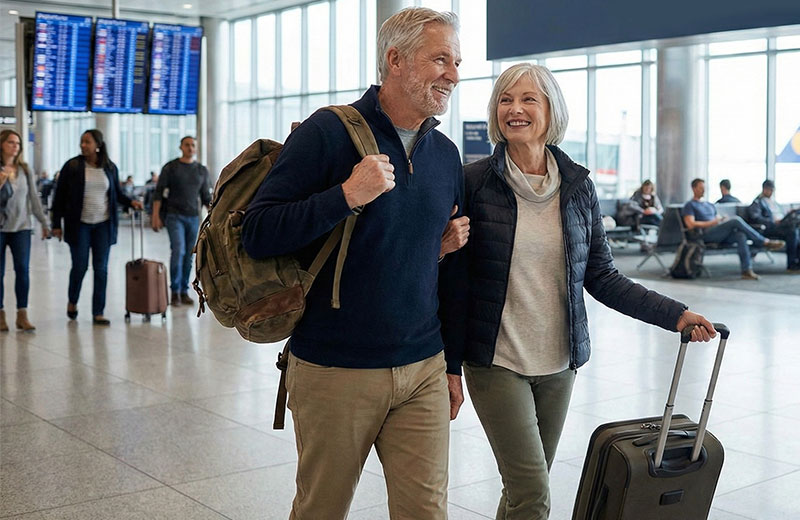
Senior women holing a smart phone at cafe

Digital Travel Security: Simple Tech Safety Tips for Travelers
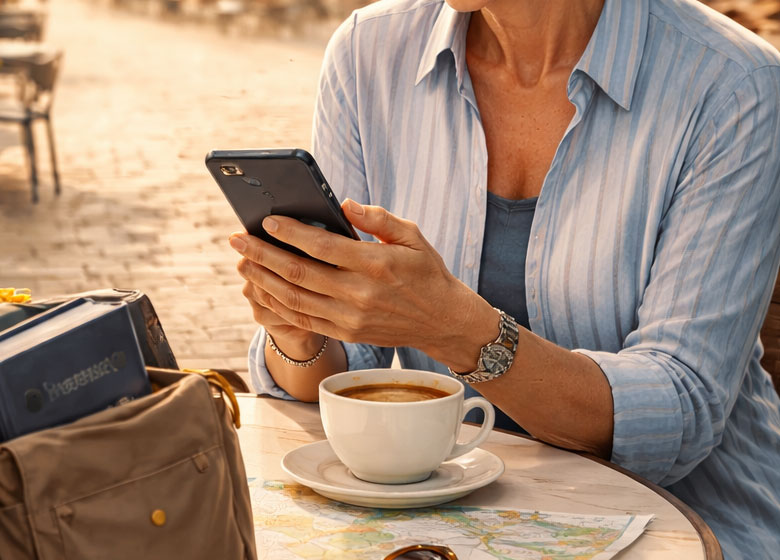
Senior women holing a smart phone at cafe

A few simple digital habits before you leave can prevent account lockouts, card fraud, and fake Wi-Fi headaches abroad.


Home » Travel Planning » Page 3

Last updated: February 2026 by Corey Gasman

TLGA Travel Truth
You do not need to be technical to travel safely. You need a few calm, repeatable habits.

Travel is easier than ever, but digital risks travel with you. The good news is you do not need to be “techy” to protect yourself. A handful of simple steps dramatically reduce the chances of account lockouts, card fraud, and fake public Wi-Fi traps.

Think of this as a light, common-sense plan. Twenty minutes before departure. A few smart rules on the road. No cybersecurity deep dive required.


Before you go: a 20-minute security tune-up

1) Update your phone and laptop

Run updates on your phone, tablet, and laptop before travel. Updates often patch security issues. Do it on your home Wi-Fi, not at the airport.

2) Turn on a strong screen lock

  • Use Face ID or fingerprint, but also set a strong passcode.
  • Avoid simple codes like 1234 or your birth year.
  • Set auto-lock to 30 seconds to 1 minute.

3) Enable “Find My Device” and remote wipe

Make sure you can locate your device if it goes missing. Turn on remote wipe so you can erase it if needed.

Pro Tip: Test “Find My Device” once before you leave. If you have never used it, now is the time to learn.

4) Lock in your recovery options

For your most important accounts, confirm:

  • Backup codes for two-factor authentication are downloaded or printed.
  • Your recovery email is current.
  • Your recovery phone number is correct.

Store backup codes somewhere separate from your phone. A printed copy in your passport organizer works. So does a secure password manager.


Use a VPN for banking and sensitive logins

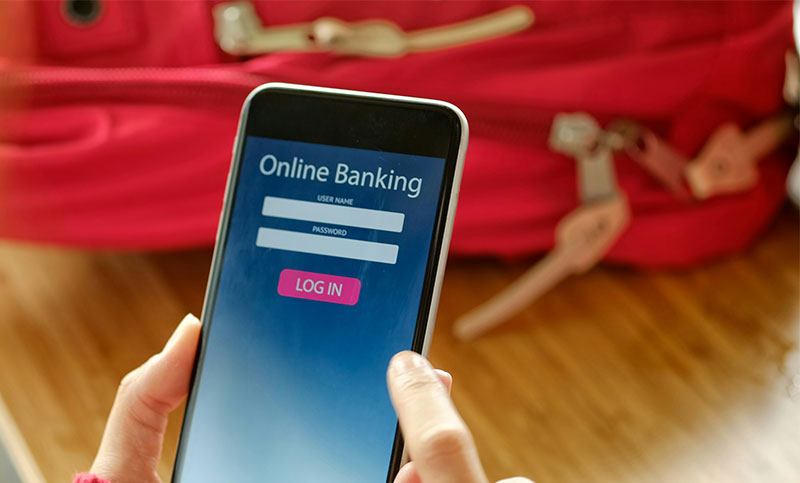
A VPN is one of the simplest ways to reduce risk on shared networks. You do not need to understand how it works. You just turn it on before logging into anything financial.

When to use a VPN

  • Checking bank balances or moving money
  • Logging into credit card portals
  • Accessing email or password managers on public Wi-Fi
  • Any login involving personal information
Local Guide Tip: If you would not want a stranger reading over your shoulder, turn on the VPN first.

Two-factor authentication without a U.S. signal

Many travelers assume 2FA requires U.S. text messages. It does not. You can set up options that work even without a cellular signal.

Option A: Authenticator app

Authenticator apps generate codes without cellular service.

  • Set it up before travel.
  • Test it once in airplane mode.
  • Save backup codes as a safety net.

Option B: Passkeys

Some services allow Face ID or fingerprint sign-in instead of text messages. If your key accounts offer passkeys, enable them before you leave.

Avoid SMS-only 2FA for critical accounts

Text messages can fail abroad. App-based authentication or passkeys are generally more reliable while traveling.


Spotting fake public Wi-Fi

Not all “free Wi-Fi” networks are legitimate. Some are designed to look official but are created to capture data.

Red flags

  • Two nearly identical network names
  • A network that asks you to install software
  • A login page asking for your email password
  • A login page that feels aggressive or unusual

Safer steps

  • Ask staff for the exact network name.
  • Turn off auto-join for public networks.
  • Use your phone hotspot for banking.
  • Use a VPN on shared Wi-Fi.
Pro Tip: If something feels off, disconnect immediately. Data is cheap. Account recovery is not.

Daily habits that reduce risk abroad

1) Separate banking from casual browsing

Do banking on cellular or hotspot when possible. Use public Wi-Fi for maps and reservations.

2) Turn on transaction alerts

Enable card alerts and login notifications. Early warnings prevent bigger issues.

3) Be cautious with public charging

Use your own wall plug when possible. Avoid unknown USB ports unless you are using a data blocker.

4) Keep a small paper backup

  • Emergency contacts
  • Bank international phone numbers
  • Backup authentication codes

If something goes wrong

  • Lost phone: Use Find My Device to locate, lock, or wipe.
  • Card fraud: Freeze the card in your app immediately.
  • Account lockout: Use backup codes or recovery email.
  • Suspicious Wi-Fi: Disconnect and change passwords later on a trusted network.

The goal is not perfection. It is fast recovery and reduced stress.


FAQs

Do I really need a VPN while traveling?

A VPN is most useful on public Wi-Fi. If you plan to access banking or email on shared networks, it adds a simple layer of protection.

Use an authenticator app, enable passkeys if available, and save backup codes before departure.

Use your phone’s cellular connection or hotspot whenever possible. Avoid logging into financial accounts on open Wi-Fi unless using a VPN.

No. Turn auto-join off and connect manually only when needed.
Retiring Abroad: The Verified Expat Guide for Empty Nesters

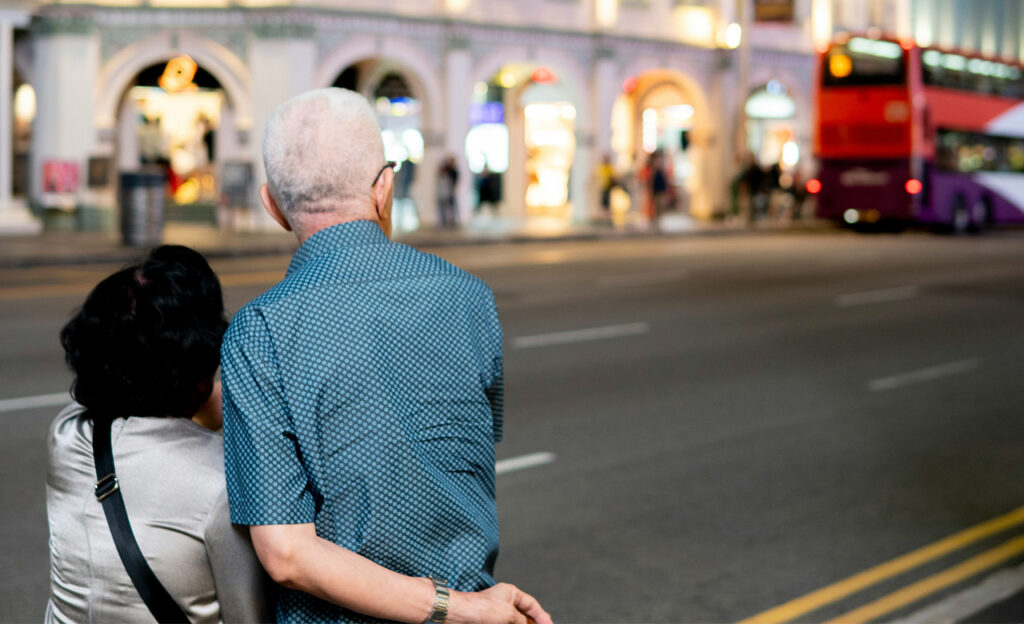
An elderly couple on street at night in Europe.
Home » Travel Planning » Page 3

Last updated: March 2026 by Corey Gasman

From the Editor:

Retiring abroad can be the best kind of reset. It offers fewer stressors, more sunlight, better walking life, and a feeling that your days finally belong to you again. But the highlight reel leaves out the important stuff: paperwork, healthcare decisions, money logistics, and how it actually feels to be far from family.

This guide is built to keep the dream intact while making the move realistic. The strategy is simple: move like a grown-up. Test first, verify requirements from official sources, and build a setup where money and healthcare feel boring again.

The Expat Quick Start

If you do nothing else, do these steps in order. The goal is to make the move feel boring on paper before it feels exciting in real life.

  • Legal: Research non-lucrative, retirement, or passive income visas for your target country.
  • Health: Get quotes for International Private Medical Insurance (IPMI) and compare local private plans.
  • Finance: Talk with a tax pro about FBAR and FATCA reporting and what changes once you move.
  • Test: Book a 90-day rental before going all in. Treat it like a dress rehearsal.
  • Housing: Pick one neighborhood you would actually live in, then price rent, noise, and walkability.
  • Paperwork: Start a simple document folder now with passport copies, income proof, and a running checklist of visa needs.

TLGA Rule: Move like a grown-up. Verify all visa and tax requirements through official sources, not just expat forums.

Need destination details?

Read our deep-dive: Best Countries to Retire Abroad

An older couple sitting at a sunny outdoor cafe table, smiling and talking over drinks with a scenic European coastal town and hillside in the background.

Logistics first: Sorting out your legal residency and healthcare plans early will make the actual transition far less stressful.


Why Move Abroad in 2026?

Retirement in 2026 is about more than slowing down. It is about designing a daily life you actually like. You want walkable routines, fresh food that does not break the bank, and a pace that fits this season of life. More countries now have clearer residency options than they did a decade ago, and more retirees are doing trial seasons before committing.

Pros of Expat Life

  • Lower day-to-day costs in many popular regions.
  • Access to affordable, high-quality private healthcare.
  • Built-in community in established expat hubs.
  • More time outside and more movement baked into your day.

Cons to Consider

  • Distance from family and the logistics of flying back for visits.
  • Language barriers and the effort of cultural adjustment.
  • International tax and reporting complexity for U.S. citizens.
  • Bureaucracy that can feel significantly slower than home.
Pro Tip
Before you pick a country, get honest about your non-negotiables. Most regret comes from choosing a place that looks perfect on paper but does not match how you actually live. Write down your absolute needs for healthcare, weather, walkability, and proximity to the U.S. before looking at a map.

Top 10 Destinations for Retirees (2026 Index)

According to the latest 2026 Global Retirement Index, these ten countries offer a strong balance of healthcare, visa practicality, and cost of living for Americans.

  1. Greece (island lifestyle and favorable tax programs)
  2. Panama (retiree benefits and discounts)
  3. Costa Rica (stability and strong healthcare)
  4. Portugal (safety and Mediterranean rhythm)
  5. Mexico (proximity and expat hubs)
  6. Italy (culture and regional depth)
  7. France (world-class healthcare)
  8. Spain (walkability and social life)
  9. Thailand (value and modern care)
  10. Malaysia (practicality and English use)

2026 Cost Comparison: Top 3 Expat Destinations

For a realistic look at your potential new home, we have compared essential monthly costs for an expat couple in 2026 based on mid-range lifestyle estimates.

Monthly Category #1 Greece #2 Panama #3 Costa Rica
Rent (1-BR City Center) $550 to $990 $800 to $1,500 $550 to $1,500
Utilities (Elec, Water, Net) $165 to $275 $120 to $200 $50 to $200
Health Insurance (Couple) $110 to $330 $200 to $400 About $250
Estimated Monthly Total $1,650 to $2,750 $2,000 to $3,500 $2,500 to $3,000

Visas and Residency: The Reality

Most retirees fit into specific immigration categories. The details vary by country, but the structure is consistent. You prove income or savings, show insurance coverage, provide background checks, and renew on a schedule until you qualify for permanent residency.

Common residency paths for retirees

  • Non-lucrative or passive income visa: For retirees living on pensions, investments, or savings. Local work is rarely allowed.
  • Retirement visa: Country-specific programs with age minimums and income requirements.
  • Long-stay visa: A broader category used in parts of Europe.
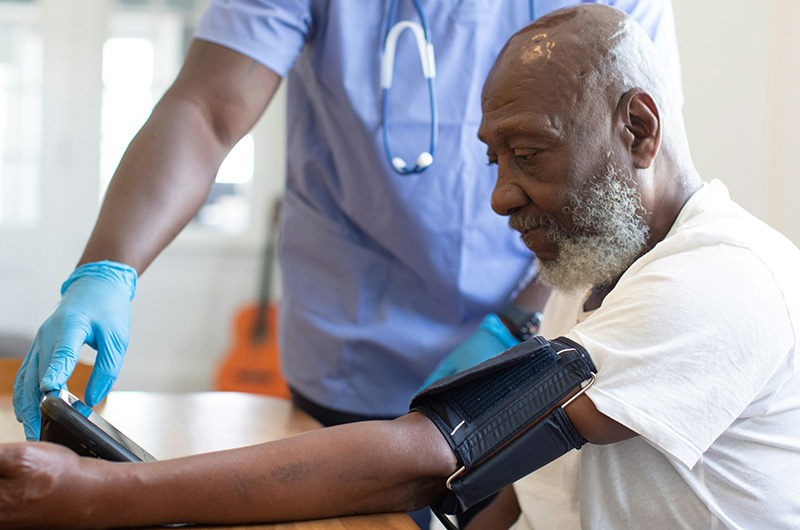
A medical professional in blue scrubs and gloves wraps a blood pressure cuff around the arm of an elderly man during a checkup. The scene is bright and professional, emphasizing high-quality healthcare and routine medical monitoring for seniors.

Healthcare is the absolute deal-breaker for most expats. Always prioritize destinations where you can access and afford a high-quality private hospital network.


Healthcare and Insurance Abroad

This is the deal-breaker topic for most people. The goal is not just cheaper care. It is finding care you actually trust, can navigate easily, and can afford long-term.

Three common setups

  • Local private plan: Often affordable and accepted at private hospitals within the country.
  • IPMI: International Private Medical Insurance offers broader coverage and portability across different countries.
  • Hybrid: A local plan for routine care paired with travel or IPMI coverage for catastrophic risks.
Local Guide Tip: During your trial stay, visit a private clinic and ask about services you might actually need. Confirm pharmacy access for your current prescriptions and ask what English support looks like before you commit to moving.

Language and Cultural Integration

Integration is the secret to moving from perpetual tourist to local resident. You do not need to be fluent on day one, but you do need a plan to break the language barrier.

  • Start early: Use language apps 6 months before you move.
  • Pick a third place: Find a local cafe or bakery to visit regularly. Being a regular opens doors.
  • Join local hobbies: Look for walking groups, pickleball, or art classes. Shared interests beat small talk.
  • Hire a fixer: In your first month, hire a local assistant for a few hours to help with setup and local etiquette.

Money and Taxes for U.S. Citizens

Retiring abroad does not mean you stop being a U.S. taxpayer. The U.S. generally taxes citizens on worldwide income, and overseas accounts can trigger strict reporting requirements.

  • FBAR: A reporting requirement for foreign financial accounts once you cross certain thresholds.
  • FATCA: Additional reporting rules that apply to foreign assets and accounts.
  • Bank reality: Some overseas banks are cautious about U.S. customers due to heavy compliance rules.

Before you move, book a consultation with a tax professional who regularly handles expats. Your goal is a clean plan for reporting, retirement income treatment, and banking.

Housing, Tech, and Daily Logistics

If you do one thing the safe way, do this: rent first. Even if you are convinced you found your forever neighborhood, your first year is for learning the actual rhythms of the area.

Essential digital security

  • VPN: Use a reputable VPN on public Wi-Fi and when accessing financial accounts.
  • 2FA strategy: Avoid SMS codes when possible. Switch to app-based authenticators.
  • Digital vault: Keep encrypted copies of your passport, visas, and health records in a secure cloud folder.

Mail and phones

  • Keep your U.S. number via a VoIP service if you need it for banking authentication. Add a local SIM for daily use.
  • Decide what mail becomes digital, what needs forwarding, and what accounts can be closed entirely.

A Simple 12-Month Move Timeline

12 to 9 months out: Build your shortlist

  • Define your absolute non-negotiables and budget range.
  • Verify residency requirements from official government sources.
  • Plan one normal-life test trip to your top choice.

9 to 6 months out: Stress-test the reality

  • Rent in your chosen area for 30 to 90 days.
  • Visit clinics and hospitals and compare local insurance options.
  • Confirm daily life factors like groceries, noise, and walkability.

6 to 3 months out: Paperwork and money

  • Gather documents including background checks, apostilles, and translations.
  • Review banking access, cards, and two-factor authentication.
  • Meet with an expat-experienced tax professional.

3 to 0 months out: Final logistics

  • Book your initial long-term rental and keep a backup option.
  • Set up phone plans and essential accounts.
  • Pack for 90 days, not forever. Downsize early, as international shipping is expensive.

Frequently Asked Questions

What is the safest way to start if I am not totally sure?

Do a 60 to 90 day trial stay and treat it like normal life. Go grocery shopping, use transit, visit a clinic, and track your actual costs. The goal is not a vacation. It is a realistic test.

In most cases, yes. U.S. citizens generally still file U.S. taxes on worldwide income. You may also have additional reporting rules for foreign accounts. Plan this with a tax professional so it remains low-stress.

Social Security can be paid abroad depending on your destination. Standard Medicare generally does not cover routine care outside the U.S., which is why most expats plan for local private coverage or IPMI.

Plan your move, understand the realities, and avoid the common mistakes most retirees make.

TOP PICKS

Best Places to Retire Abroad

A deeper breakdown of top destinations, lifestyle fit, and real-world pros and cons.

Read More

LIFESTYLE

Travel After Retirement

How to structure long-term travel, slow down properly, and build a lifestyle that lasts.

Read More

Travel Safety Guide

Home » Travel Planning » Page 3

Updated regularly • Works for solo travelers, couples, families, and long-term nomads

Most travel safety advice is either fear-based or so basic it is useless. This guide is the middle ground: a simple, repeatable system that lowers risk without turning travel into a stress hobby.

My philosophy: safety is preparation + awareness + a few smart defaults.

You are not trying to control every variable. You are trying to avoid being the easiest target, protect your essentials, and have a calm plan for the things that actually happen: lost phones, sketchy ATMs, weird taxis, stomach bugs, and last-minute route changes.

The TLGA Default
Confident + boring is a safety superpower. Know where you’re going, walk with purpose, and do not look like you’re hunting for your hotel key while holding a $1,200 phone.
The Safety Pack (My Defaults)
  • Backup card stored separately
  • Small daily cash + hidden reserve
  • Offline lodging address + map pin
  • Basic health kit
  • Phone tracking turned on
  • Physical tracker (AirTag) in my bag

Safety Without Paranoia

Travel should feel exciting and memorable, not stressful or fearful. The goal is not to move through the world suspicious of everything. The goal is to move through it prepared.

A little awareness goes a long way. When you plan ahead, protect your essentials, and stay alert in transition points like airports, transit stations, rides, and crowded tourist areas, most problems never happen in the first place.

TLGA Travel Truth
Safety is not about suspicion. It is about awareness. Confident travelers pay attention without letting fear run the trip.
A woman in a tan trench coat standing on a train platform, looking up at a digital arrival and departure board with a focused and calm expression.

The “confident and boring” strategy: knowing your route before you step onto the platform reduces stress and makes you a much smaller target for distractions.


The 30-Second Safety Check (Use This Daily)

Any time you step out in a new city, new neighborhood, or new station, run this quick scan:

  1. Exits: Where do I go if I need to leave fast?
  2. People: Who’s paying attention to me a little too closely?
  3. Hands: Where are my phone and wallet right now? Not “somewhere in my bag.”
  4. Plan: Where am I going next? Even if it’s loose.
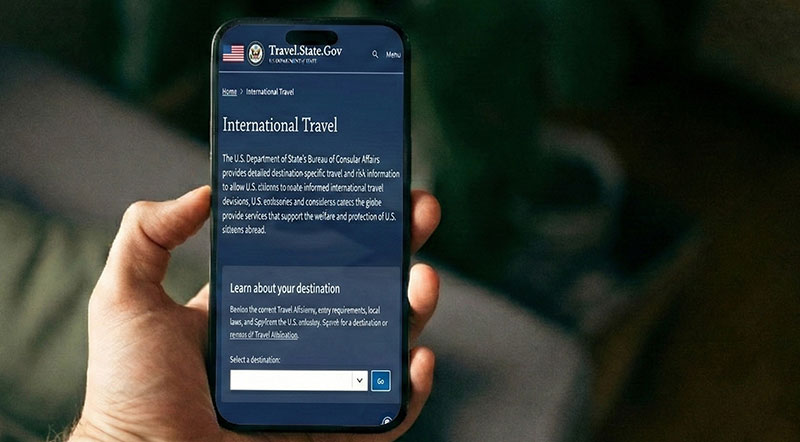
A person holding an iPhone displaying the U.S. Department of State's Travel.State.Gov International Travel website, used for checking destination-specific travel advisories.

A little setup before departure goes a long way. Your best travel safety habits usually start before the plane leaves the ground.


Before You Go: Set Up Your Safety System

1) Check official advisories, then read between the lines

Start with the U.S. Department of State travel advisories and enroll in STEP so you get updates while you’re abroad. STEP is free and built for exactly the moments you do not want to miss an alert.

If you want a second opinion, especially when comparing regions, the UK’s foreign travel advice pages and Australia’s Smartraveller advisories are solid too.

2) Respect local norms before you land

A lot of travel problems are not dramatic safety issues. They are preventable misunderstandings. Learn the basics before you go: dress expectations, religious-site etiquette, photography rules, local laws, and common social norms.

This is partly respect and partly risk reduction. The more you understand how a place works, the easier it is to move through it calmly and avoid awkward or unnecessary situations.

3) Build your “two copies + one cloud” document setup

  • Physical copy: passport ID page, travel insurance, and key numbers for your bank, airline, and lodging.
  • Digital copy: stored offline on your phone, and ideally your partner’s phone too.
  • Cloud copy: a secure folder you can access from any device if your phone disappears.

4) Do the boring phone security stuff, so future-you says thank you

  • Turn on device tracking (Find My / Find My Device) and test it once.
  • Use a strong passcode.
  • Set up account recovery for your Apple or Google account.
  • Plan for a stolen phone scenario: what is your first login, your first password change, and your first call?
Pro Tip
Make offline access your default. Save your hotel address, booking details, and a screenshot of your route before you head out. Dead battery and bad service happen at the worst times.

5) Make a short “if we get separated” plan

Couples and families should pick a default meetup spot, like the front desk, a specific café, or the main entrance. Save your lodging address offline. Agree on the “if I do not hear from you in X hours, I do Y” rule.

Local Guide Tip
My default: if there’s confusion, I stop moving. The fastest way to get lost is to keep walking while you are figuring it out.
An older couple strolling in a city, noticeably wearing expensive jewelry including a large gold chain, a gold watch, and a diamond ring.

Do not make yourself a target. Flashing expensive jewelry or watches is one of the fastest ways to attract the wrong attention. Leave the family heirlooms at home and travel with a lower profile.


On the Ground: The Habits That Prevent Problems

Blend in without trying to be someone you’re not

You do not need to cosplay as a local. You just want to avoid standing out as the easiest mark. Keep it simple: aware, prepared, and not flashing the obvious stuff.

  • Keep your phone use intentional, not constant.
  • Do not flash cash, jewelry, or travel documents in public.
  • In crowded places, keep hands on zippers, your bag in front, and your phone away.

Use the friction rule for valuables

Thieves like fast and easy. Your goal is to make theft annoying.

  • Keep daily cash in one spot and backup cash in another.
  • Carry one card out and keep a spare secured separately.
  • Use internal pockets or a money belt if you’re in pickpocket-heavy areas.
Pro Tip
If something feels weirdly urgent, slow down. Urgency is a scammer’s favorite tool. Step to the side, take a breath, and reassess.
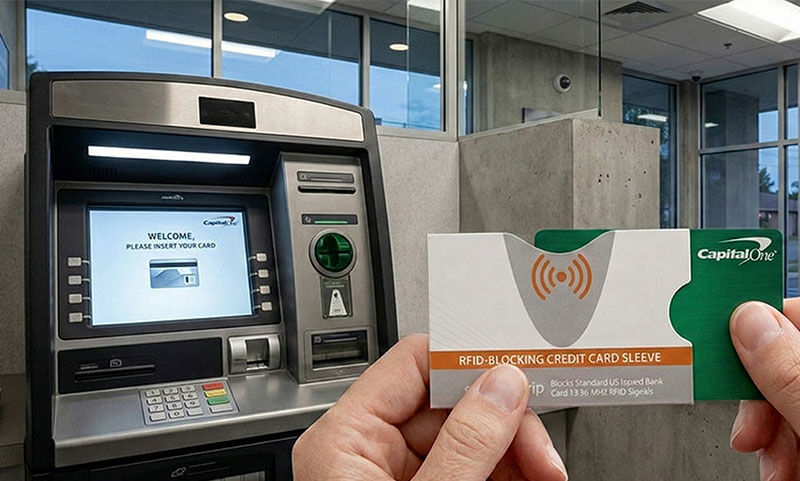
A close-up of a person's hands holding a green credit card partially inside an RFID-blocking sleeve, with a modern bank ATM machine visible in the background.

Adding a little friction to your wallet: using an RFID-blocking sleeve is a cheap, low-tech way to protect your cards from wireless skimming while traveling.


Money, Documents & Phones: Protect the Trip’s Lifeline

ATMs: use bank machines, inspect the reader, cover your PIN

Skimming is real. Use ATMs inside banks when possible, and avoid machines that look loose, tampered with, or off.

  • Prefer ATMs inside bank lobbies or attached to banks.
  • Shield your PIN every time.
  • Have a backup card stored separately.

Passports: protect it like it’s your golden ticket

  • Know whether your destination expects you to carry ID. Rules vary.
  • If you leave it at your lodging, store it securely and carry a copy.
  • Keep a photo of the ID page and your entry stamp or visa, if applicable.

Phones: prevent snatches and reduce damage if it happens

  • Use your phone away from curb edges and busy doorways.
  • In cafés, do not leave it on the table like a tip jar.
  • Tracking and recovery settings should already be turned on.
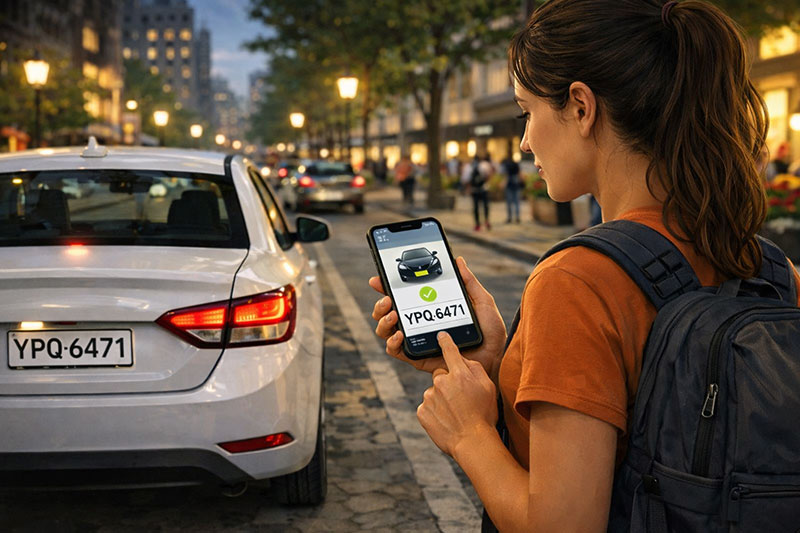
A solo female traveler checking a rideshare car's license plate against their phone app in a well-lit urban area to ensure the driver and vehicle match.

Verify your ride: check the license plate and driver identity in a safe, well-lit area before getting in. For taxis, always prioritize official companies.


Transportation Safety: Airports, Taxis, Trains

Rideshare: verify the car, verify the driver, do not share codes

Confirm the license plate, make and model, and driver identity before you get in. If anything does not match, do not go.

  • Stand in a safe pickup spot, not isolated and not distracted.
  • Ask the driver to confirm your name instead of saying it first.
  • Keep your phone in your hand until you are sure you are in the right car.

Taxis: agree on the method before the ride starts

  • Use official taxi stands when possible.
  • Ask about meter vs. fixed price upfront.
  • Know your route roughly, even if you are not navigating turn by turn.

Public transport: the pickpocket zone is not the city, it’s the crowd

  • Wear your day bag in front in dense areas.
  • Keep your phone secured when near train doors.
  • Be extra alert during boarding, stops, and escalators.
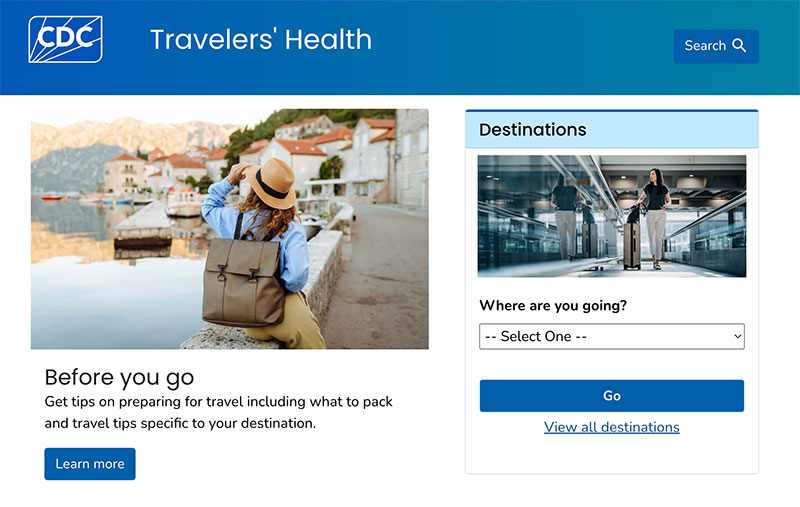
A screenshot of the CDC Travelers' Health website showing the "Destinations" search tool and recent travel health notices.

Use official sources: before you leave, check the CDC Travelers’ Health and Department of State websites for the most up-to-date health notices and safety advisories for your specific destination.


Health & Medical Safety (The Part People Forget)

Use real sources for health risks

For destination health risks, start with CDC Travelers’ Health and Travel Health Notices. WHO travel guidance is also worth a quick scan before international trips.

Bring a simple health kit, not a pharmacy

  • Any prescriptions in original bottles, plus copies of scripts if relevant
  • Basic pain relief, antihistamine, anti-diarrheal, and hydration salts
  • Bandages, blister care, and a small antiseptic
  • Bug spray where needed, plus sunscreen
Pro Tip
Travel can make you stubborn. If symptoms are severe, persistent, or getting worse, get local medical guidance sooner rather than later, especially in remote areas.
confident young woman standing on a train station platform.

A solo traveler stays calm and prepared at a busy transit hub, embodying the “confident and boring” safety superpower.


Solo Travel Safety (Confident, Not Paranoid)

Solo travel is amazing, and it rewards people who plan just enough. The key is reducing isolation. Do not stack risky choices like late night + unfamiliar area + intoxication + dead phone.

  • Share your live location with one trusted person, or update daily.
  • Have a home base routine: know how you’re getting back before you go out.
  • Trust your instincts early: your gut is usually reacting to patterns you have not named yet.
  • Be careful with over-sharing your lodging details with strangers.
Local Guide Tip
If you’re solo and someone’s energy shifts, you do not owe them politeness. Create distance first. Explanations are optional.
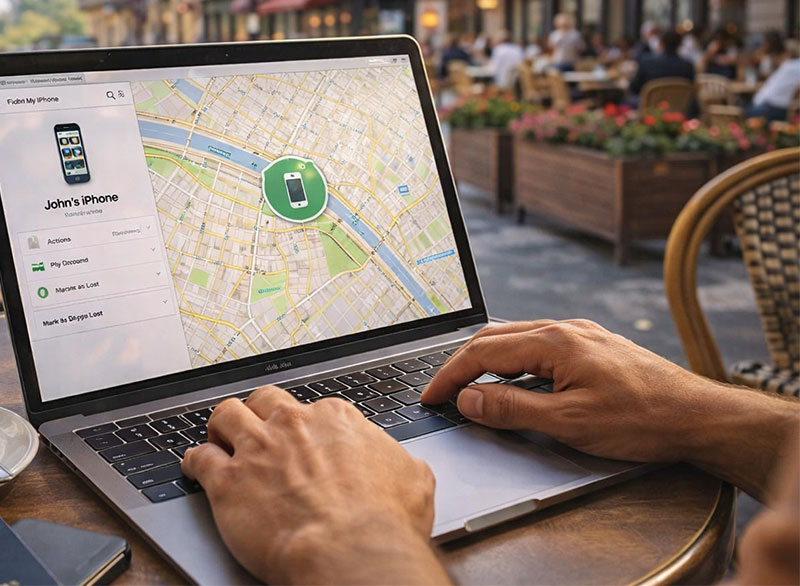
Traveler using Find My iPhone on a laptop at a café in France to locate a lost phone

Lost does not always mean gone. You can access Find My iPhone from a laptop or log into your Apple account on a friend’s phone to track, lock, or mark your device as lost and turn a stressful travel moment into a solvable one.


When Something Goes Wrong: Your Calm Checklist

Before anything goes wrong, make a basic emergency plan

Save your embassy or consulate details, keep emergency numbers accessible offline, and share your itinerary with someone you trust. If you are traveling with a partner, family, or group, agree on a default meetup point and a check-in rule before you separate.

If your phone is stolen

  1. Get to a safe place.
  2. Use a friend’s phone or a computer to mark it lost and start tracking.
  3. Change key passwords, starting with email, then banking, then social accounts.
  4. Contact your carrier and bank if needed.

If your wallet is stolen

  1. Freeze or cancel cards immediately.
  2. File a police report if needed for insurance.
  3. Use your backup cash and backup card.

If there’s unrest, severe weather, or a crisis event

You want information directly from the source. This is exactly why Travel Advisories and STEP exist. Keep your trip details accessible offline and check trusted sources before you make your next move.

The Rule of Three is not just for families. It is the gold standard for every group adventure. Pick your landmark, set a check-in time, and always have a plan for those moments when “Where are you?” texts will not go through.

The Family Meet-Up Protocol

If communication fails or your group gets separated in a crowd, use the Rule of Three:

  • Fixed meet-up: pick one landmark as your default safe haven.
  • Stay put: if you realize you’re separated, stop moving so others can backtrack.
  • Emergency check-in: set a time. No contact means the plan starts.

The Digital Fortress: 2026 Tech Essentials

This is the stuff that prevents the “my phone is gone and now I can’t access anything” spiral.

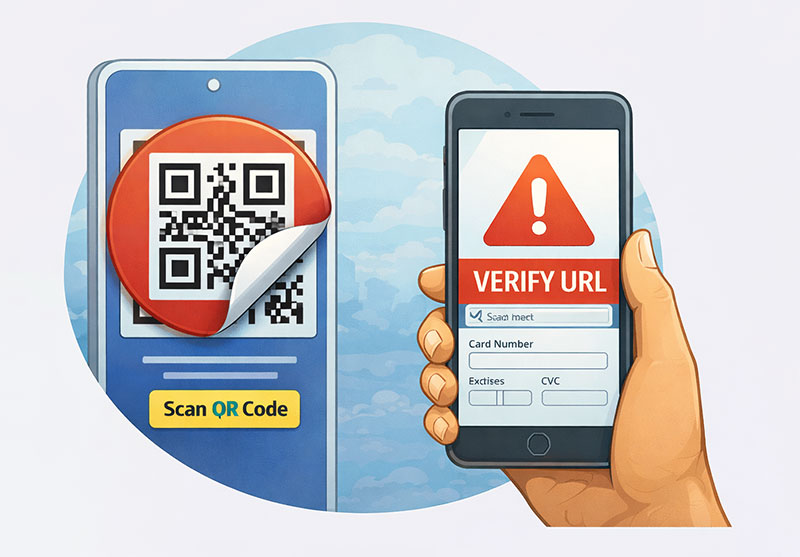
Illustration showing a hand holding a smartphone that has scanned a tampered QR code sticker. The phone screen displays a large red warning triangle and the text 'VERIFY URL' above a fraudulent credit card payment form

Digital safety in 2026 is about the details. Look closely for tampered stickers on menus or kiosks, and never share your data until you are certain the URL is the real deal.


Common Scams and How to Spot Them

Scams evolve, but the mechanics stay the same: distraction, urgency, and confusion.

The QR code “quishing” scam

Scammers paste fake QR codes over real ones on menus, parking meters, or tourist signs. The rule: if you scan a public QR code, verify the URL before you enter any payment info.

If a driver says the meter is broken and you did not agree to a fixed price, exit. If they take a weird route, calmly mention that you are following along on maps.

One person points out a stain and “helps” while a partner works your bag. The rule: if a stranger touches you, create distance immediately and secure your valuables.

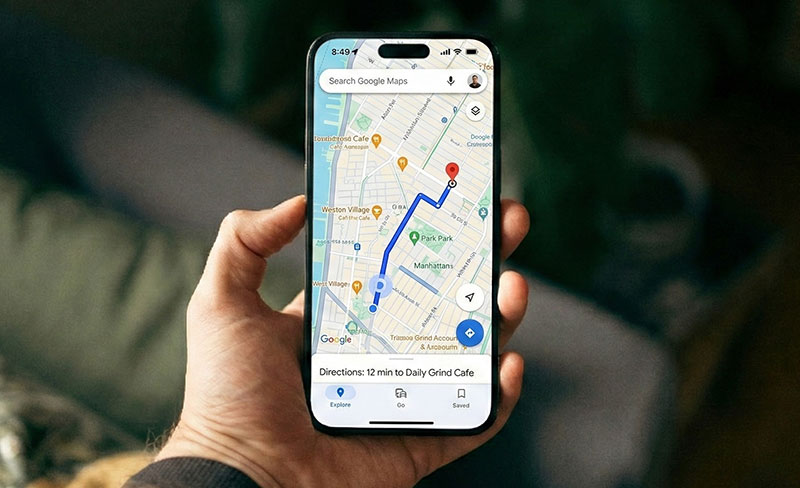
A person's hand holding an iPhone displaying walking directions on the Google Maps app towards a destination in Manhattan. The screen shows a blue navigation route and travel planning text, illustrating seamless itinerary management.

Do not wait for a signal to find your way. Downloading offline maps while on Wi-Fi is your digital insurance policy against dead zones and expensive roaming fees.


The Night Before Final Check

This is my quick reset before a big travel day. Not paranoid. Just prepared.

  • Offline maps downloaded
  • STEP enrollment completed for international trips
  • Itinerary shared with an emergency contact
  • Backup ATM card confirmed in a separate bag
  • Lodging address, entrance photo, and screenshots saved offline
Pro Tip
If you only do one thing, screenshot your hotel name, address, and a pin on the map. Dead phone service is how easy nights turn into long ones.
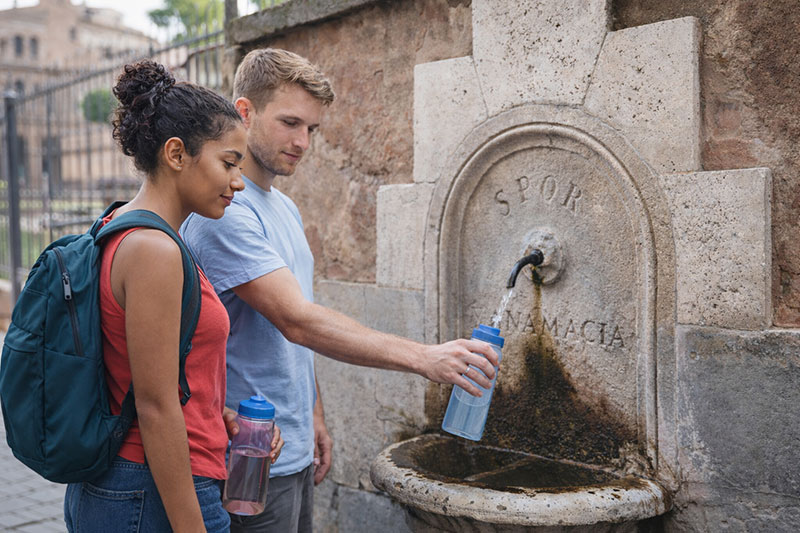
Young couple travelers refilling reusable water bottles at a public fountain in Rome while sightseeing

Hydration without the waste. Refill, do not rebuy. Rome’s public fountains make it easy to travel lighter, stay hydrated, and cut down on plastic while exploring the city.


Wellness in Motion: Staying Healthy in 2026

Most travel ailments are avoidable with a bit of foresight. The secret is making intentional choices that keep your immune system from hitting the wall during your trip.

Accommodation Safety

The “safe floor” strategy

Request a room between the 3rd and 7th floors. High enough to avoid easy access, low enough for many emergency ladders.

When you leave, use the “Do Not Disturb” sign. It is not perfect, but it can discourage opportunistic entry.

Do not rely only on the deadbolt. A simple wedge or door-stop alarm is small, cheap, and effective.

Pre-Trip Digital Lockdown (Quick Version)
  • Use app-based MFA: move off SMS when you can.
  • Enable Find My + remote wipe: you want a clean reset option if your phone disappears.
  • Cloud sync: confirm your photos and documents are backed up before you fly.
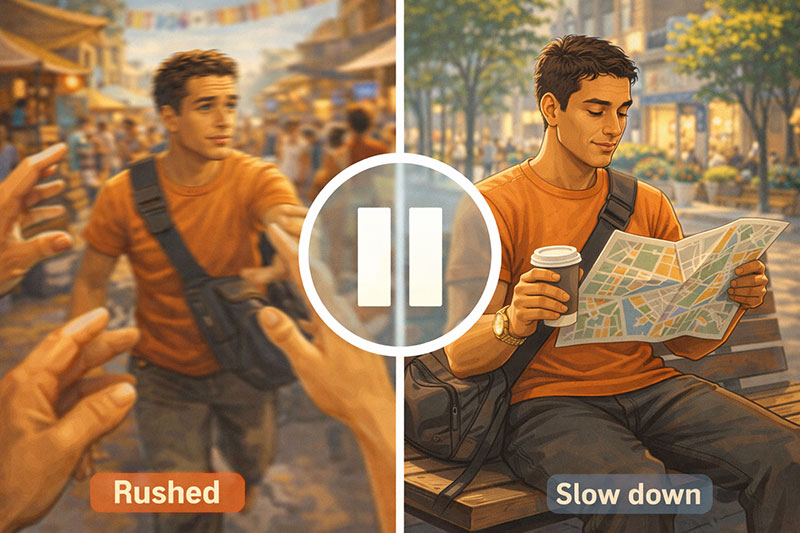
Conceptual split image: on the left, a chaotic, rushed traveler in a market; on the right, a calm traveler pausing to look at a map, illustrating the "slow down" safety rule

Urgency is a red flag. Scammers use pressure to cloud your judgment. Stepping back to reset the situation is one of your strongest safety habits.


I’ve Been There (And This Is Why I’m Big on Systems)

The only times travel has really gone sideways for me were not dramatic movie moments. It was the boring stuff: a weird pickup, an ATM that felt off, a “helpful” stranger with a little too much energy, or a decision made when I was tired and rushing.

The lesson I keep relearning is simple: most problems happen when you’re rushed.

Now I have a rule. If a situation feels weirdly urgent, I step back, reset, and slow the whole moment down. That ten-second pause has saved me money, stress, and a few calls to the bank.

Local Guide Tip
My rule: if someone is rushing you, you’re allowed to say “No thanks” and move. You do not need to win an argument. You just need to exit the situation.

I’m big on systems because systems do not rely on perfect judgment in the exact moment you are distracted, jet-lagged, or hungry. They work even when your brain is running on low battery.

How I carry valuables now (so losing a wallet doesn’t ruin a trip)

On my first big trip around the world, I used a hidden travel wallet because I was worried about pickpockets. It was not stylish, but it worked for one reason: it made my important stuff hard to access.

These days, I get the same friction using travel pants with zipper pockets. My critical items go into a zipped pocket that is hard to lift in a crowd.

Once I’m settled, I also follow a rule that keeps trips from turning into disasters: I never go out with everything. Passport, extra cards, and backup cash stay back at the hotel. If something happens, I want it to be annoying, not catastrophic.

We keep it low-key too. No flashy jewelry, no nice watch. My wife often leaves her engagement ring at home and travels with a smaller ring. Less attention is a form of safety, and if something did go sideways, it is less heartbreak.

Another lesson I learned the hard way: be cautious with the person who walks up to you and tries to be your best friend when you did not ask for anything.

I’m not talking about normal kindness. I’m talking about the overly friendly, fast-talking stranger who is trying to steer your day. Most of the time, they have a goal: get you into a shop where they earn a commission, move you into a taxi or tour you did not ask for, or guide you somewhere that benefits them.

Classic example in Bangkok: you’ll hear “the palace is closed today” and suddenly you’re in a tuk-tuk headed to a gem shop. Another time in Istanbul, someone approached us, acted like a buddy, and offered to “show us around.” We made the mistake of saying, “Sure, just take us somewhere for a couple beers.” That turned into a place we absolutely did not want to be.

  • Helping: answers your question, points you in a direction, and lets you continue your day.
  • Steering: creates urgency, insists on walking you there, or says “trust me” while moving you toward a shop, car, or “my friend.”

One of my biggest pet peeves back home is hearing people say they are afraid to travel abroad because a place is “unsafe.” Usually that opinion comes straight from cable news and zero firsthand experience.

Mexico is a perfect example. People hear “cartel” and assume tourists are targets. In reality, tourism is a massive cash engine. The last thing anyone wants is to disrupt it. Mexico has tourist police, clearly defined tourist areas, and a strong incentive to keep visitors safe.

My go-to response is simple: Is it safe in San Francisco? New York? Chicago? Of course it is. And also, parts of those cities absolutely are not. The same rule applies everywhere in the world.

Safety is not about countries. It is about neighborhoods, timing, and behavior.

If you travel the way you’d move through a major U.S. city, using good areas, smart timing, and an exit plan, you’ll find most places abroad feel far safer than the headlines suggest.

Travel Safety FAQs

Is it safe to travel?

“Safe” depends on where, when, and how you travel. Start with official advisories, then look at specifics: regions to avoid, common scams, transportation risks, and what is happening right now.

If you’re traveling internationally, yes. Enroll in STEP. It is free and built for real-world updates.

For international trips, I strongly recommend it. You cannot predict problems, but you can prevent the “this ruins our budget” version of them.

In pickpocket-heavy cities, it’s worth it. You are not trying to look cool. You are trying to make theft inconvenient.

Use bank ATMs when possible, inspect anything that looks loose or tampered with, and always shield your PIN.

Report the loss to local authorities if needed, then contact your country’s embassy or consulate right away. Having a digital copy, a printed backup, and your entry details saved separately can make the replacement process much faster.

Situational awareness, especially in crowds and transition points like stations, boarding areas, and curbside pickups. That is where most petty theft happens.

Official Travel Safety Resources (Bookmark These)

I’m not a fan of “safety score” charts as the only truth. They get outdated, hide the real story, and can create false confidence. What actually helps is having the right numbers and information saved offline.

Global Emergency Numbers

  • 112 – works in many countries, including much of Europe, and often routes to local emergency services
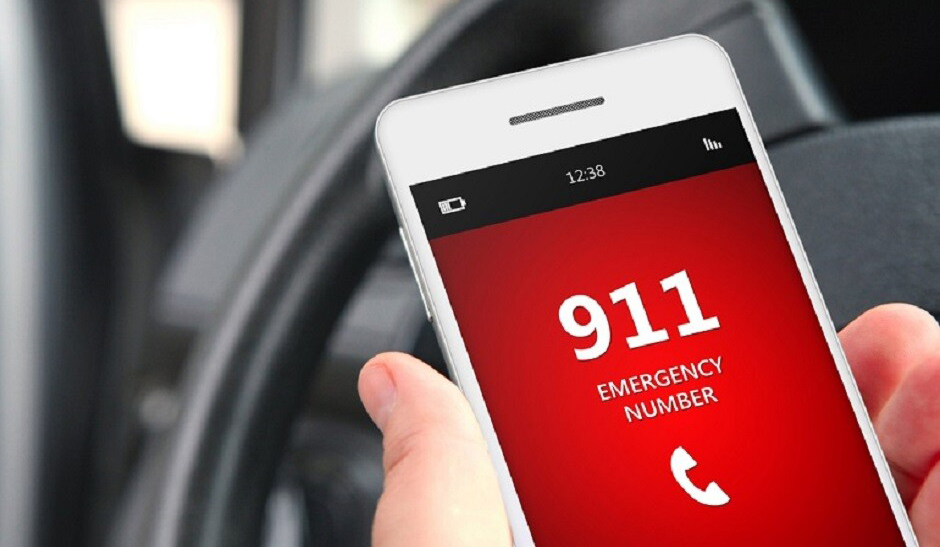
  • 911 – United States, Canada, and some countries or regions
  • 999 – used in some places, but not universal

Global Safety Lookup: Risk Spectrum

Safety is not a static number. It is a combination of local infrastructure, current events, and knowing who to call when things go sideways. To help you prepare, we have moved our comprehensive database of country safety rankings and emergency contact codes to a dedicated, mobile-friendly directory.

Use this lookup to identify where to be more deliberate about scams, understand primary risk patterns for 50+ countries, and save the right emergency digits before you land.

Country Safety & Emergency Directory

Access the full list of global emergency numbers (112, 911, 999) and current safety indices for the world’s most visited destinations.

→ View the Global Safety Lookup Table

Local Guide Tip
Before you land, save your hotel address, local emergency number, and your embassy contact in your Notes app. Offline access beats “I’ll look it up later.”

Best Countries to Retire Abroad in 2026

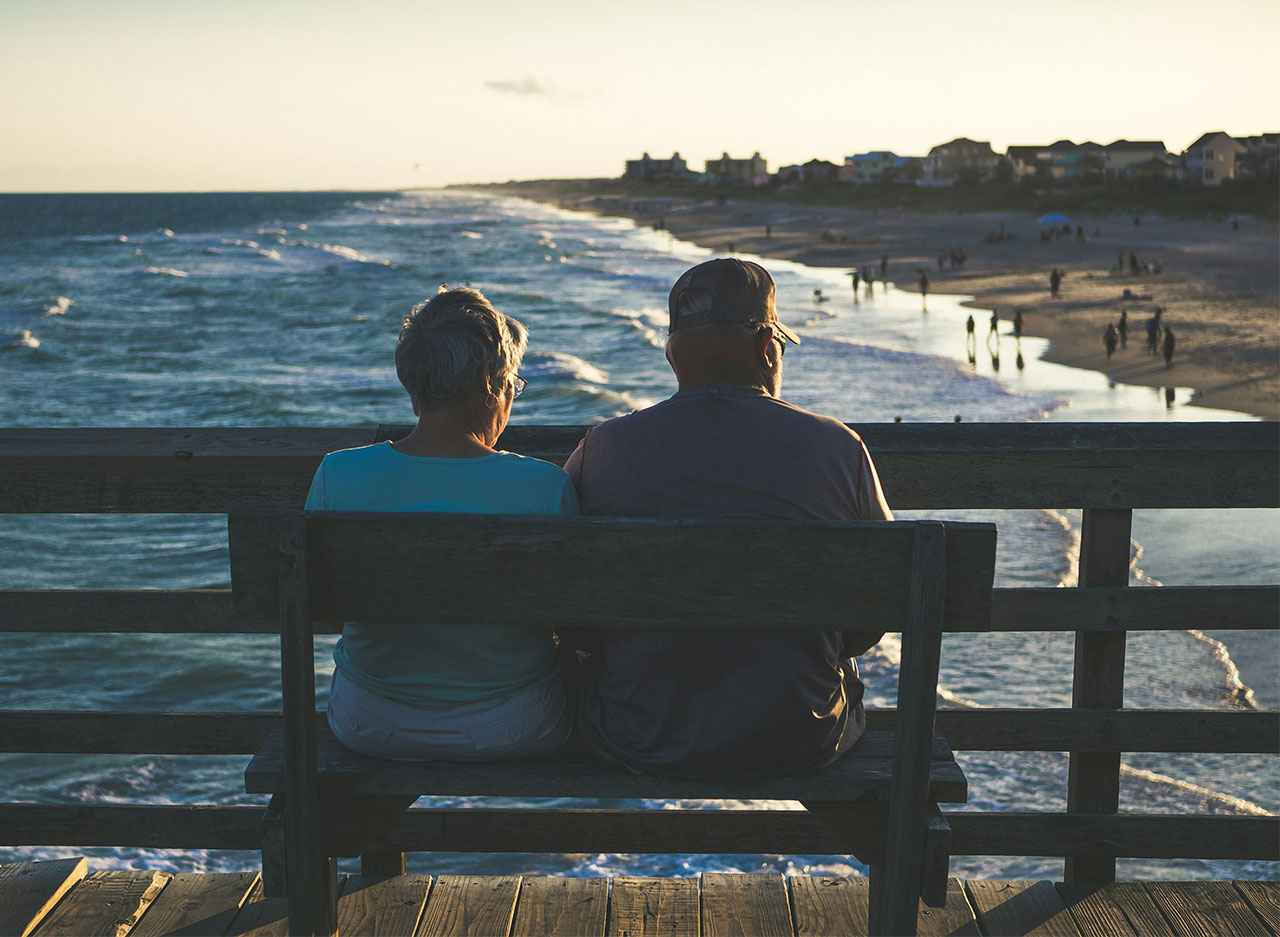
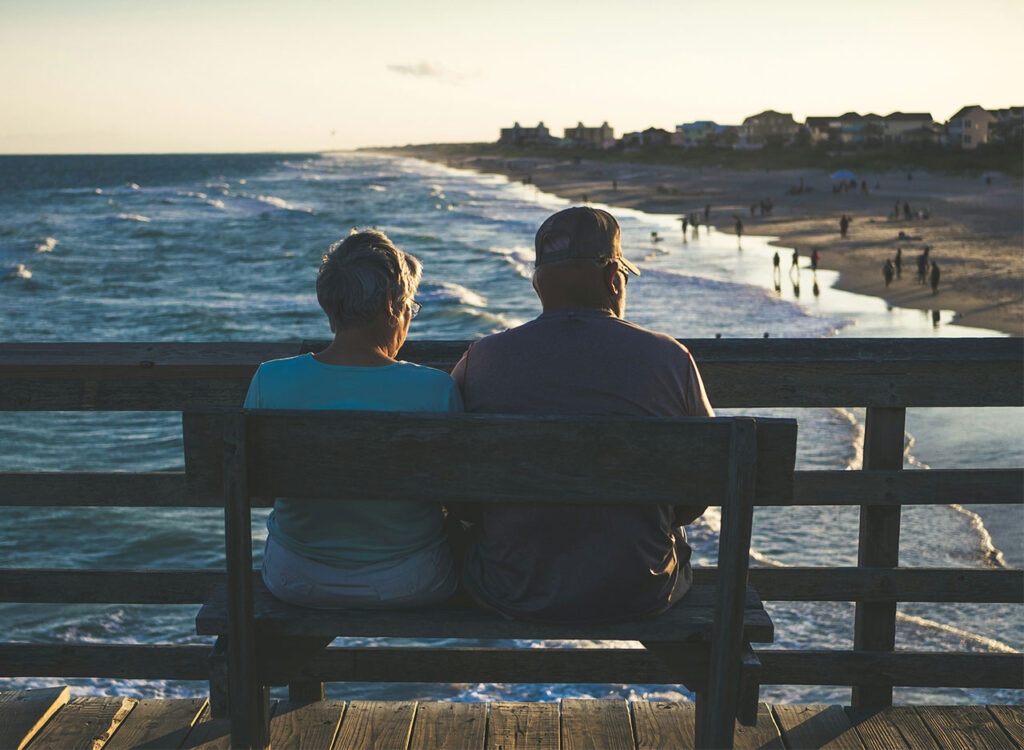
A retired couple sitting on a wooden bench on a pier, looking out over a calm ocean at sunset.
Home » Travel Planning » Page 3

Last updated: March 2026 by Corey Gasman

From the Editor:

Retiring overseas is not a fantasy anymore. It is a math problem, a lifestyle decision, and a paperwork project all rolled into one.

The destinations that work best are usually not just the cheapest ones. They are the places where legal residency is realistic, healthcare is accessible, daily life feels manageable, and your budget still holds up after the honeymoon phase.

This guide is built to help you narrow down your shortlist for 2026 based on the practical factors that actually matter.

How to Use This Guide

This is not a list of fantasy best countries. It is a practical shortlist built around the questions that matter most once the excitement wears off. Can you stay legally? Can you access decent healthcare? Can you afford a comfortable life there?

The strongest options for 2026 usually combine four things well: residency path, housing reality, healthcare access, and lifestyle fit. Pick your top two, then do an extended test stay before making any official decisions. If you have not mapped out the bigger move yet, start with the Verified Expat Guide.

TLGA Rule: Pick your residency strategy first, then your city. Not the other way around.

Ready for the Logistics?

Once you pick your country, start the paperwork. Read our master framework: The Verified Expat Guide

The Retire Abroad Checklist

The goal is not to make the move look glamorous. The goal is to avoid the stuff that quietly wrecks good plans later.

  • Do a 30 to 90 day trial stay in the exact neighborhood you are considering.
  • Build a real budget including rent, utilities, healthcare, visas, flights home, and ordinary life costs.
  • Pick your residency strategy first, then narrow your city options.
  • Sort healthcare early, including private coverage and local eligibility rules.
  • Plan your U.S. paperwork, because tax filing and account logistics do not disappear when you move.
  • Downsize harder than you think, because storage units quietly drain budgets.
  • Have an exit plan for what would make you move back and how fast you could do it.

If you have not built a full financial picture yet, work through the Travel Budget Guide first. Most retirement mistakes happen when people underestimate long-term monthly costs.

Fast Reality Check

  • Residency rules first
  • Healthcare access second
  • Housing costs third
  • Everything else is lifestyle
Panama City skyline from Cinta Costera during the day.

Retiring abroad is not just about finding a pretty place with lower prices. The real decision comes down to legal residency, healthcare access, and day-to-day comfort.


At a Glance: Top Retirement Destinations for 2026

These ranges assume a comfortable rental, normal utilities, local daily life, and eating out occasionally. Big tourist zones, imported product habits, and luxury housing can push these numbers much higher.

Rank Country Best For Monthly Budget (Couple)
1 Greece Mediterranean lifestyle $2,500 to $3,700
2 Panama Retiree perks and simplicity $2,000 to $3,000
3 Portugal Safety and culture $2,700 to $3,900
4 Mexico Close to the U.S. $2,000 to $3,400
5 Costa Rica Nature and wellness $2,800 to $4,000
6 Spain Culture and coastal cities $3,000 to $4,500
7 Italy Food and small towns $3,200 to $4,800
8 Thailand Warm weather and value $2,000 to $3,500
Pro Tip
Visa rules and income thresholds change frequently. Treat this list as your shortlist, then always verify requirements through official immigration sources before applying.

Visa Requirements: What to Check Before You Fall in Love With a Country

Retirement visas are not one-size-fits-all. Most countries want proof that you can support yourself, but the details vary a lot. Some focus on pension income. Others look at savings, passive income, private health insurance, criminal background checks, or proof of housing.

Before you get serious about any destination, confirm the official rules through that country’s embassy, consulate, or immigration authority. The U.S. State Department also recommends checking entry, exit, and visa requirements for your destination before travel. U.S. citizens abroad should also understand ongoing tax obligations, and retirees receiving Social Security should confirm how payments work outside the United States.

Requirement Why It Matters What to Verify
Income or Pension Minimums Many retiree visas require steady monthly income or pension proof. Exact income threshold, currency, and whether Social Security counts.
Savings Requirements Some countries accept bank savings instead of monthly income. Minimum balance, account age, and documentation rules.
Health Insurance Private coverage may be required before residency is approved. Local coverage rules, international policy acceptance, and age limits.
Tax Residency Living abroad does not automatically remove U.S. tax filing obligations. U.S. filing requirements, local tax residency rules, and treaty issues.
Renewal Rules A visa that is easy to get may still be hard to renew long-term. Renewal frequency, in-country days required, and path to permanent residency.

Pro Tip: Do not rely on Facebook groups or old blog posts for visa rules. Use them for lived experience, then verify the actual requirements through official government sources.

Useful official starting points: U.S. State Department retirement abroad guidance, IRS guidance for U.S. citizens abroad, and the Social Security Payments Abroad Screening Tool.

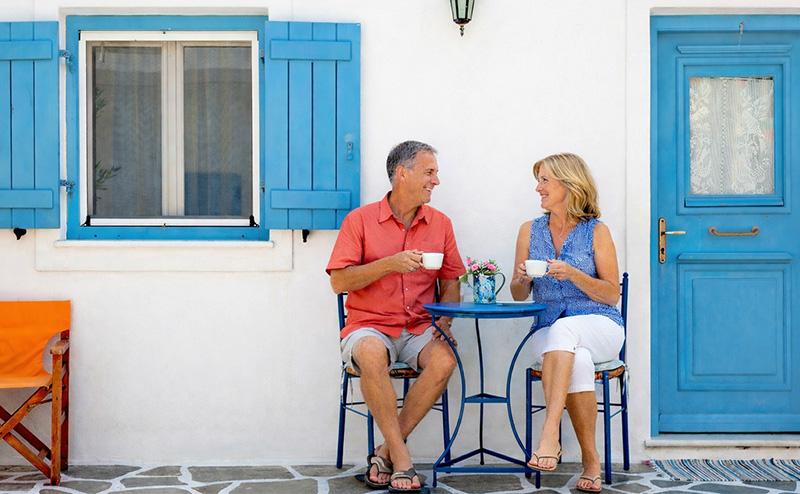
Retired expat couple sitting at a small table with coffee outside a white Mediterranean house with blue shutters and door in Greece.

Greece consistently ranks at the top of retirement lists due to its favorable tax programs, Mediterranean climate, and slower pace of life.


Top Picks: Europe

Europe offers incredible culture, walkability, and safety. However, housing costs in popular coastal areas are rising, so budget planning here requires serious local research.

1. Greece

  • Best for: Mediterranean life, sea views, and a slower pace that feels like retirement should.
  • Budget: $2,500 to $3,700 per month for a couple.
  • Residency path: Financially independent residency is a common retiree route.
  • Where it shines: Crete, Thessaloniki, and selective islands outside peak tourist pricing.

2. Portugal

  • Best for: Safety, walkability, and Europe access with a softer landing than many countries.
  • Budget: $2,700 to $3,900 per month.
  • Residency path: D7 is commonly discussed for passive-income living.
  • Where it shines: Silver Coast, Braga, and Coimbra.

3. Spain

  • Best for: Culture, food, coastal cities, and a lifestyle that still feels vibrant after the novelty fades.
  • Budget: $3,000 to $4,500 per month.
  • Residency path: Non-lucrative residency.
  • Where it shines: Valencia, Malaga, Alicante, and cooler northern options.

4. Italy

  • Best for: Small towns, food culture, history, and a slower daily rhythm.
  • Budget: $3,200 to $4,800 per month.
  • Residency path: Elective residence visa.
  • Where it shines: Puglia, Sicily, and Le Marche.

Local Guide Tip: In Europe, housing is often the biggest quality-of-life swing. Visit in the off-season before committing, and price rent and utilities like a resident, not a visitor.

An expat couple walking along a tropical beach at sunset, with the orange and purple sky reflecting on the calm water and wet sand.

Costa Rica remains a massive draw for expats prioritizing outdoor living, wellness, and a well-established expat community.


Top Picks: The Americas

Staying in the Americas offers huge logistical benefits. The time zones align closely with family back home, and flights back to the U.S. are shorter and often cheaper.

5. Panama

  • Best for: One of the easiest setups for retirees who want straightforward residency rules.
  • Budget: $2,000 to $3,000 per month.
  • Residency path: The Pensionado visa is the headline option, offering unmatched retiree discounts.
  • Where it shines: Boquete, El Valle, and Panama City for modern services.

6. Mexico

  • Best for: Staying relatively close to the U.S. while still getting real value, variety, and warmer weather.
  • Budget: $2,000 to $3,400 per month.
  • Residency path: Temporary Resident via financial solvency is the common route.
  • Where it shines: Lake Chapala, Merida, Oaxaca City, and San Miguel de Allende.

7. Costa Rica

  • Best for: Nature, wellness, and a daily life that feels healthier and more outdoors-driven.
  • Budget: $2,800 to $4,000 per month.
  • Residency path: Pensionado or Rentista programs.
  • Where it shines: Central Valley towns for climate and services.

8. Colombia

  • Best for: Social culture, spring-like climate in some cities, and good value in the right neighborhoods.
  • Budget: $2,000 to $3,300 per month.
  • Residency path: Pension-based residency routes.
  • Where it shines: Medellin and the Coffee Region towns.

Before committing to any region, it is worth understanding how daily logistics actually work abroad. Read Getting Around Abroad to avoid common transportation mistakes that impact long-term living.

A golden Buddhist temple with intricate spires (Wat Arun) reflecting in a river during a vibrant orange and yellow sunset in Bangkok, Thailand.

Southeast Asia provides some of the lowest day-to-day living costs in the world without sacrificing access to modern amenities and excellent food.


Top Picks: Asia

Southeast Asia offers the best pure cost-of-living value, alongside incredible food and highly rated private hospital networks in major cities.

9. Thailand

  • Best for: Warm weather, food, convenience, and strong private healthcare in major hubs.
  • Budget: $2,000 to $3,500 per month.
  • Residency path: Retirement visa based on age and financial requirements.
  • Where it shines: Chiang Mai, Hua Hin, and Bangkok.

10. Malaysia

  • Best for: Modern comfort, excellent food, and city living with more value than many peers.
  • Budget: $2,300 to $3,800 per month.
  • Residency path: MM2H-style long-stay programs.
  • Where it shines: Penang and Kuala Lumpur.

The Next Step: From Shortlist to Action

Once you narrow your list down to one or two finalists, the real work begins. You have to transition from looking at pretty photos to dealing with visas, healthcare planning, banking logistics, and the real cost of daily life.

We created a master framework specifically for this phase. Head over to our Verified Expat Guide for Empty Nesters to get the step-by-step timeline, tax realities, and the exact process for booking a 90-day trial stay.

Plan your move, understand the realities, and avoid the common mistakes most retirees make.

START HERE

Retiring Abroad: The Verified Expat Guide

The full framework for visas, taxes, healthcare, and moving your life overseas the right way.

Read More

LIFESTYLE

Travel After Retirement

How to structure long-term travel, slow down properly, and build a lifestyle that lasts.

Read More

Frequently Asked Questions

What is the easiest country to retire abroad from the U.S.?

Countries like Panama, Mexico, and Costa Rica are often considered some of the easier options because they have established retiree or residency pathways and relatively clear financial requirements. The right choice still depends on your income, healthcare needs, tax situation, and how much time you want to spend back in the United States.

For many popular destinations, a couple can live comfortably on roughly $2,000 to $4,000 per month, depending on the country, city, housing choice, healthcare costs, and travel habits. The biggest mistake is looking only at rent and food while ignoring insurance, visas, flights home, taxes, utilities, and emergency savings.

The most common mistake is choosing a dream destination first and trying to solve residency later. A country can look perfect online, but if the visa requirements are unrealistic, healthcare access is weak, or the housing market does not fit your budget, it can quickly become a bad long-term plan.

First International Trip Guide: A Stress-Free Plan for Beginners

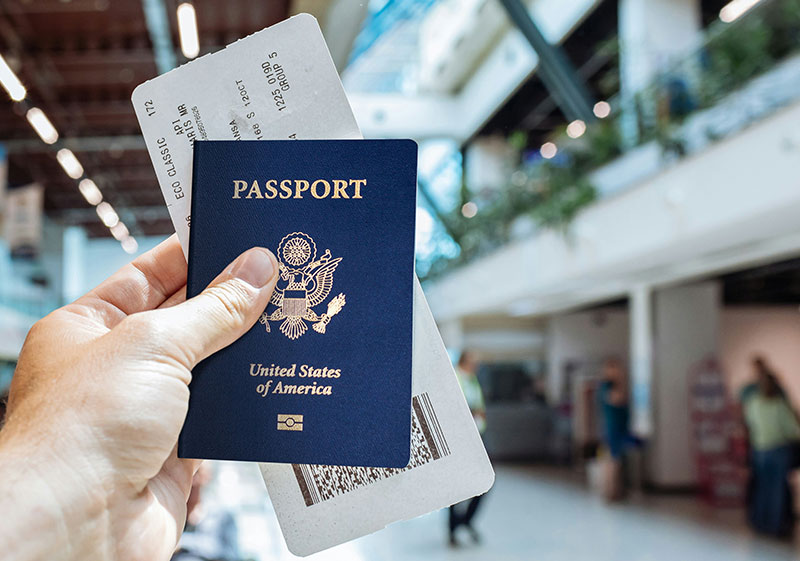
A traveler holding a United States passport and a paper boarding pass in one hand, with a blurred airport terminal background.
Home » Travel Planning » Page 3

Last updated: March 2026 by Corey Gasman

From the Editor:

First-time international travel feels bigger than it is. The planning phase can make it seem like one mistake will ruin the trip, but that is rarely true. Most first trips go well when you keep the route simple, handle the key logistics early, and leave yourself enough margin for the normal surprises of travel.

This guide is built for real beginners. The goal is not to turn you into a full-time backpacker. It is to help you book smarter, avoid the most common mistakes, and land in a new country feeling prepared instead of overwhelmed.

You’re Not Behind. You’re Right on Time.

There is a specific moment before your first international trip where the excitement and the overwhelm collide. You want to go, but the deeper you dive into passports, entry rules, and insurance, the more it feels like there are a hundred ways to mess it up.

Here is the truth: every confident traveler you have ever met started exactly where you are. Nobody is born knowing how to navigate immigration or decode a foreign menu. Those skills come from experience, not fearlessness.

This guide is built for real beginners, not the quit-your-job-and-backpack-forever crowd. It is a practical, experience-based roadmap to get you from “I want to go” to “I’m on the plane” with real confidence. You will learn how to pick better dates, avoid passport mistakes, handle money safely, and arrive with a plan instead of stress.

TLGA Rule: Keep your first trip simpler than your dream version of it. Fewer moves, better timing, and a strong first base will make the whole experience better.

Define the Trip You Actually Want

“Traveling abroad” is too vague to plan around. Before you start opening flight tabs, get clear on what you want this first experience to feel like.

  • Do you want rest, exploration, or a mix?
  • Do you want an easy trip or a bigger learning experience?
  • Do you want to stay in one place or move around?

Your answers shape everything. A relaxed week in one city is a very different trip than bouncing between five countries. The goal of your first international trip is to build confidence, not just collect highlights.

Outside of the Guinness Storehouse in Dublin

The reward of a shoulder season sweet spot: a peaceful October afternoon at St. James’s Gate Brewery in Dublin, where skipping peak crowds makes the city feel more livable and accessible.


When to Plan Your First Trip Abroad (Timing Matters)

When possible, avoid peak travel seasons. Prices rise, crowds increase, and small problems feel bigger.

Shoulder seasons usually offer the best balance of weather, cost, and sanity. If peak season is unavoidable, booking earlier and slowing your pace helps a lot.

My Biggest Tip: Timing Matters More Than You Think

I almost always start by looking at non-peak travel times, especially for Europe. Shoulder seasons are where travel starts to feel easier, cheaper, and more enjoyable.

Coming from Minneapolis, October has been a consistent sweet spot. Flexibility has led to some excellent deals and much calmer trips overall.

  • Museums are calmer
  • Lines are shorter
  • Restaurants are easier to book
  • Cities feel livable instead of overrun

If you are traveling with kids and summer is the only option, that is fine. Just plan with realistic expectations and a slower pace.

Winter can also be a feature. Escaping Minnesota cold for Mexico, the Caribbean, or parts of South America can be an incredible reset.

Passports, Visas, and Entry Requirements

This is the least exciting part of international travel and the easiest way to accidentally derail a trip.

Passports for U.S. Travelers

Start with the official source:
U.S. State Department passport site

  • Adults: valid for 10 years
  • Children under 16: valid for 5 years
  • Renew early if your passport is getting close to expiration

Expedited options exist if you are late, including in-person appointments in some cases.

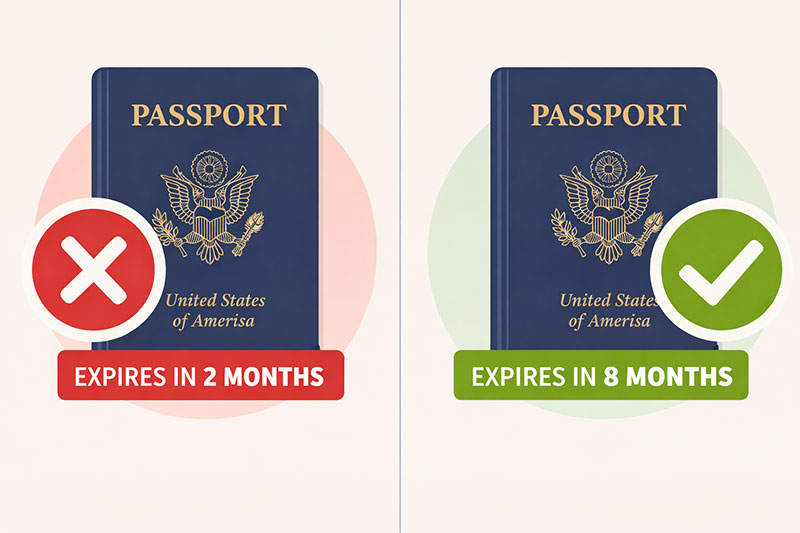
The Six-Month Rule

Close-up of an open U.S. passport identification page with a focus on the expiration date to remind travelers to check entry requirements before booking international flights.

Check the expiration date early. A passport that looks “fine” at home can still cause problems at check-in if it falls inside a destination’s validity window.


Many countries require your passport to be valid at least six months beyond your return date.

My father-in-law learned this the hard way. He had only a few months left on his passport and was flying to Malaysia. He made it to Los Angeles, then was denied boarding on the international leg.

Pro Tip
Check your passport expiration date as soon as you start planning. If you are anywhere near that six-month window, renew it. Do not guess.

Visas and Entry Requirements

A passport identifies you. A visa or travel authorization grants entry.

Some countries also require proof of onward travel, accommodations, or additional documentation. Keep confirmations accessible and always verify requirements through official government sources before departure.

Europe Travel Authorizations

Europe’s entry systems have been evolving, and rollout timelines can shift. Treat this as a verify-before-you-fly item, especially if your trip is later in 2026 or beyond.

For Europe trips, check the official EU travel authorization site before you book:
Official EU ETIAS travel authorization site

Crucial Update
Apply only through official government or EU portals and ignore look-alike sites. If you see unusually high fees, back out and confirm you are on the real site.
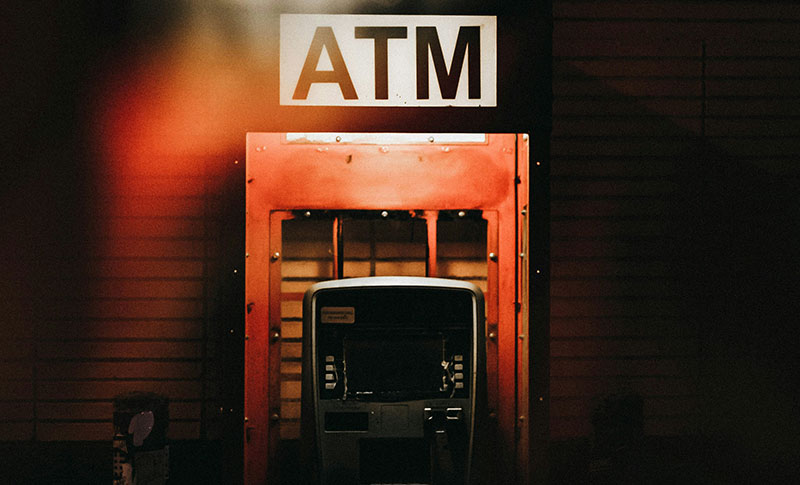
ATM Machine in dark background and sign ATM above.

A smoother arrival starts with a simple plan: know where to get cash, where official transportation is located, and how you are getting to your first hotel or apartment.


Pro Tips for when you land
1) If an ATM asks you to accept its conversion rate, decline it. Let your bank handle the conversion for a much better rate. 2) Ignore anyone offering rides before you reach the official taxi stand or rideshare pickup zone. Unofficial drivers can be unsafe or overpriced.

Budgeting and Handling Foreign Currency

Travel rewards flexibility. Where you go often matters more than how much you spend.

Choosing alternatives just outside major tourist hubs can cut costs dramatically.

  • Mazatlán instead of Cancun or Cabo
  • Puerto Morelos instead of staying directly in Cancun

Cards, Cash, and ATMs

  • Use cards with no foreign transaction fees
  • Notify your bank before traveling if needed
  • Always have a backup payment option

I usually bring a small amount of backup U.S. cash in crisp bills, but I avoid airport exchange counters whenever possible.

Check real exchange rates at:
XE Currency Converter

ATMs

Use ATMs inside major bank branches when possible. Avoid standalone street ATMs in tourist areas. If prompted to accept the ATM conversion rate, decline it and let your bank handle the conversion.

Account for Hidden Local Taxes

Many destinations charge a small per-night city tax, eco-fee, or tourist fee that is not always included in your online booking total. These are sometimes collected at check-in, so having a little local currency helps keep your budget calm.

Your Accommodation Location Matters

I will often pay more for walkability rather than save a little money and spend the trip commuting. Google Maps is invaluable for checking restaurants, transit, and actual distances.

Landing at Your Destination and Transportation

Before landing, I always know how I am getting from the airport to my hotel or Airbnb.

I check if Uber works in the city, what the official taxi setup looks like, and whether the hotel can recommend a pickup if needed. A little prep here removes a lot of arrival stress.

Local Guide Tip
If you are using a bus or train, know exactly where the station is and how to get there before you arrive. For private pickups, ask your hotel or Airbnb host for a recommended company. Local recommendations reduce confusion, delays, and the risk of overpaying.
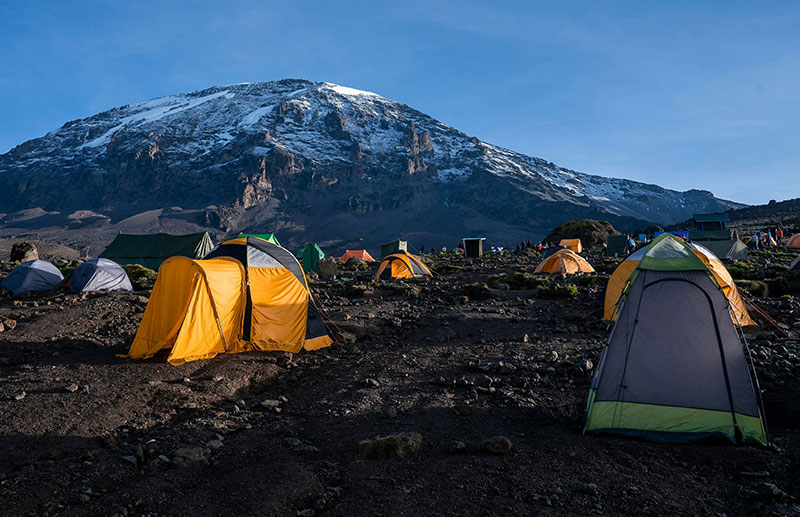
A group of hikers with backpacks trekking up a rocky path toward the snow-capped peak of Mount Kilimanjaro during a golden sunrise.

Some trips are simple. Others involve enough cost, altitude, weather, or activity risk that insurance becomes less of an extra and more of a smart backup plan.


Travel Insurance

When It Makes Sense

I do not buy travel insurance for every trip. We travel often, keep costs reasonable, and have never filed a claim.

On my around-the-world trip, insurance was non-negotiable. I climbed Kilimanjaro, trekked in the Himalayas, and rafted the Zambezi.

  • First-time travelers
  • Families
  • Trips with meaningful prepaid costs
  • High-risk activities

Call your health insurance provider and ask how coverage works overseas. Then decide based on your trip and your own risk tolerance.

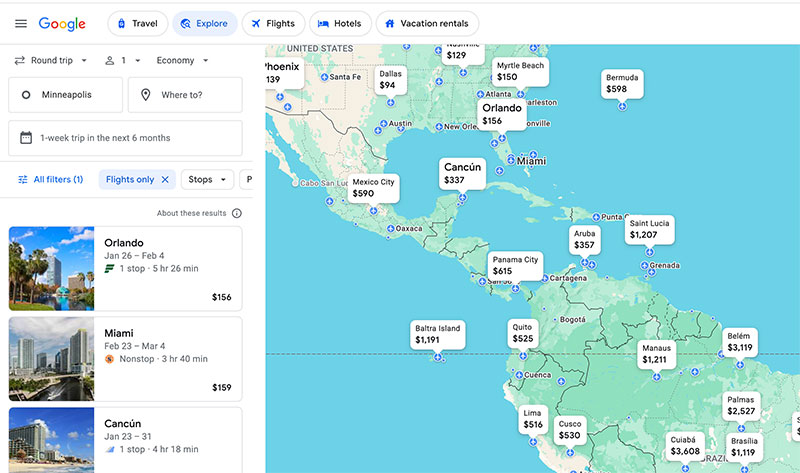
A screen capture of the Google Flights Explore map showing worldwide flight prices from a departure city, used to find the cheapest travel destinations.

Good first trips are built around easy flight timing, a manageable arrival, and a neighborhood that makes your daily routine simpler from day one.


Booking Flights and Finding the Right Neighborhood

How I Book My Flights

I rely heavily on Google Flights. The Explore map is one of the best tools for finding options when your dates or destination are flexible.

I usually start with Google Flights, then sanity-check prices using:

  • Skyscanner, useful for flexible travelers and “Everywhere” searches
  • Momondo, good for uncovering alternate routings
  • Kayak, helpful for comparisons and price trend context

You do not always need to fly the same airline both ways. Mixing airlines can sometimes improve timing and value.

Hotels and Neighborhoods

I compare prices on Expedia, TripAdvisor, Kayak, and Google Hotels. I also research neighborhoods before booking.

For a first trip, I would rather stay in a more walkable, better-located area than save a little money and add confusion every day.

Pro Tip
Download Google Maps offline before arrival. This makes it much easier to navigate and find your lodging even if you have no service when you land.
A flat lay photograph of essential travel preparations, including an emergency medical kit, a smartphone with maps, a passport, and paper copies of identification documents.

Do not let the last details overwhelm you. A few simple systems for health, phone service, and backups make the whole first trip feel more manageable.


Final Prep: Health, Phones, and Backups

Health Check Before Traveling

Check vaccine requirements and any destination-specific health considerations if applicable. Travel clinics can usually advise quickly.

Pro Tip
Pack a small emergency pharmacy with basics like ibuprofen, Pepto-Bismol tablets, allergy meds, and a few bandages. Hunting for a pharmacy at 2:00 AM is a stress you do not need.

Phones and Data

Your best setup depends on your trip length and your carrier. For some travelers, adding international coverage through their existing provider is easiest. For others, an eSIM is a cheaper short-trip solution.

Two popular eSIM options are Airalo and Holafly.

When I land, I usually restart my phone and sometimes toggle roaming, data, and Wi-Fi on and off to help it grab the new network. It is a quick reset that often saves frustration.

Backups That Prevent Panic

Before every trip, I take photos of my passport, IDs, and important documents. I store everything in the cloud and keep reservations and confirmation codes in a folder I can access from anywhere.

This matters more than people think. I actually lost my passport in Norway on my world trip. I had a photocopy, and the U.S. embassy told me that copy helped speed things up. It still took a couple of days, but it absolutely helped.

If you are traveling with a spouse or friend, share copies with each other and keep them in separate bags. If one bag disappears, you are not stuck with nothing.

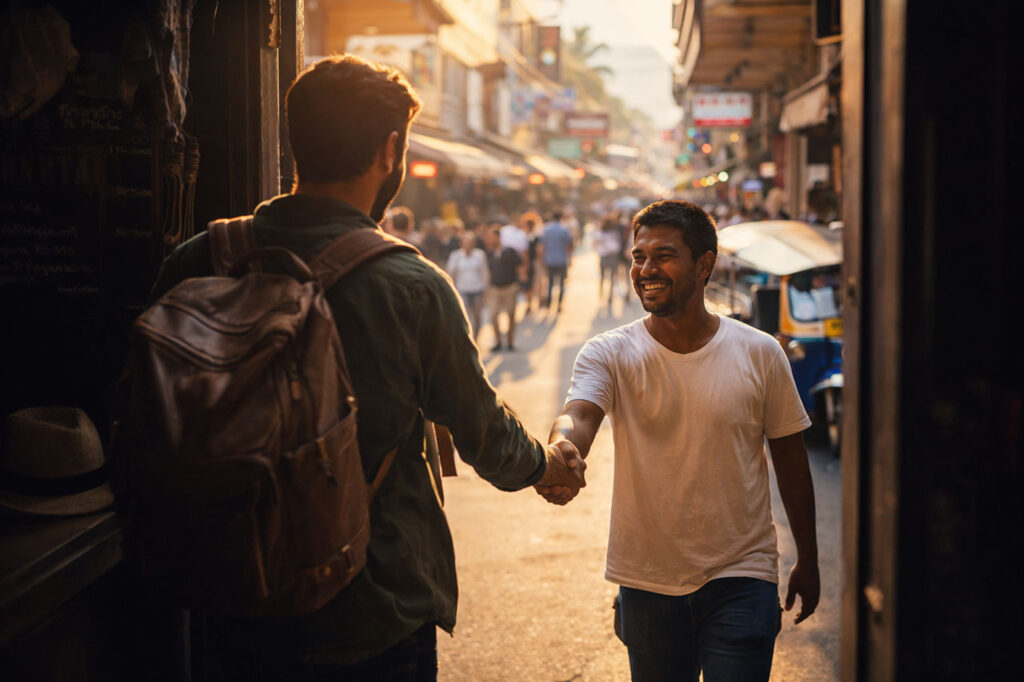
A candid, warm-toned photo of a traveler with a backpack stepping out of a doorway into a bustling, sunlit foreign street and shaking hands with a smiling local person

Do not let a headline define a whole country. Most people you meet abroad are friendly, curious, and proud to share their culture.


The Part Nobody Tells You: Go Anyway

I might be dating myself, but when I started traveling internationally, there were internet cafés and no smartphones. Booking hotels was harder. Sometimes you were on a payphone in another country trying to figure out your next reservation.

And what I learned then is still true. You can just go. If your passport is ready, you can still plan a trip fairly quickly, find a decent flight, lock in a good base, and make it happen.

International travel is incredibly rewarding. And I truly believe this: most people in the world are friendly. They want you to enjoy their country, try their food, and understand their culture. If you go in with an open mind, you will come back changed.

One more thing people get wrong: do not let headlines from one city define an entire country. Think about how often your own local news focuses on crime, chaos, or worst-case scenarios, and how little that reflects daily life where you live. Travel helps replace fear with context.

Travel Like a Guest, Not a Critic

If you are going abroad for the first time and expecting it to feel exactly like the U.S., you are going to have a hard time. Not because it is bad, but because it is different.

In Rome, for example, it is often cheaper to stand and drink your coffee. If you sit at a table, you may pay more. That is not a scam. That is simply how it works there.

Restaurants can be the same way. In many places, dining is slower. You often need to ask for the check.

One of the first things I try to learn in a new country is how to ask for the bill. And yes, the universal writing-in-the-air gesture works in a pinch.

Pro Tip
Use Google Translate, especially the camera feature for menus and signs. It is one of those tools that makes day one much easier.

Bottom line: be curious. Try to adapt to the local rhythm. Do not compare everything to home. If you approach it that way, your first international trip is going to be a blast.

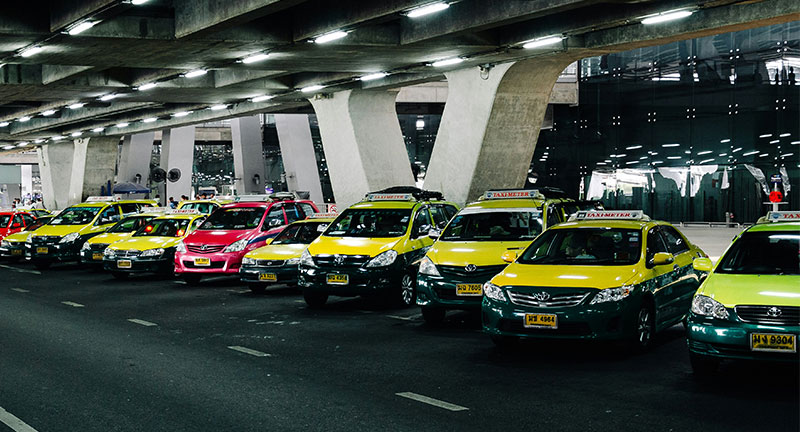
Taxis lining up at the airport

Arrive with a plan: know where the official transport zone is and what your first ride should roughly cost before you walk out of the airport.


The “First 3 Hours” Checklist

The moment you step off the plane is when the travel fog hits. Use this checklist to stay on track and avoid the most common first-day mistakes.

Download the one-page checklist with checkboxes (PDF)

At the Airport

  • Use the ATM inside the terminal: Avoid the currency exchange booths. Use a bank-affiliated ATM inside the airport to get enough local cash for transportation and a meal.
  • Download your offline map: Use airport Wi-Fi to save an offline map of the city in Google Maps.
  • Find the official taxi stand: Do not accept rides from people offering “private taxis” in the arrivals hall.

En Route to Lodging

  • Take a screenshot of the address: Have your hotel or Airbnb address ready to show the driver.
  • Confirm the price: If the taxi is not metered, agree on the total price before your bags go in the trunk.

At Your Lodging

  • The luggage drop: If your room is not ready, many hotels and hostels will store your bags.
  • Check the Wi-Fi and power: Test the Wi-Fi and make sure your travel adapter works before heading back out.
  • Locate a corner store: Find the nearest pharmacy or convenience store and buy water plus one easy snack for your room.

Local Guide Tip

After a long flight, focus on a quick reset instead of jumping straight into plans. Start by hydrating. Travel fog is often just dehydration.

If you are still feeling overwhelmed, find a familiar global coffee chain. It is a reliable Wi-Fi safe zone where you can sit, breathe, and map out your next few steps before diving back in.

Frequently Asked Questions

How far in advance should I start planning my first international trip?

If you already have a valid passport, you can plan a simple first trip in a few weeks. If you need a passport or renewal, start as early as you can and build your timeline around that.

Many countries require your passport to be valid at least six months beyond your return date. Always check entry requirements for your destination, and if you are close to that window, renew early.

Usually, no. Airport exchange counters are rarely a good deal. A better approach is using a bank-affiliated ATM at or near your destination and using a card with no foreign transaction fees.

Use ATMs inside major bank branches when you can. Avoid standalone street ATMs in tourist areas. If an ATM asks you to accept its conversion rate, decline it and let your bank handle the conversion.

Not always, but it can be worth it for first-time travelers, families, trips with significant prepaid costs, or trips with higher-risk activities. A good first step is calling your health insurance provider and asking how overseas coverage works.

For a first trip, walkability often beats saving a little money. A well-located place can reduce stress and help you enjoy the trip more, especially when you are learning how a new city works.

Either can work. If your carrier’s international option is expensive per day, an eSIM can be a cheaper option for short trips. Make sure your phone is compatible and set things up before you land.

Use airport Wi-Fi, get local cash from a bank-affiliated ATM in the terminal, confirm your transportation plan, and save your lodging address to your phone. The “First 3 Hours” section above walks you through it step by step.

Keep it simple: you initiate the interaction. If someone approaches you offering help you did not ask for, be polite, say no, and keep moving.

Practical guides on planning, packing, safety, budgeting, and travel lifestyle so your trip runs smoother from the start.

START HERE

Travel Planning Playbook

Build a smarter trip from the start with a practical framework for timing, logistics, and decision-making.

Read More

FLIGHTS & LOGISTICS

How to Find Great Flights

Learn how to search smarter, compare options, and book flights that fit your trip without overpaying.

Read More

PACKING & GEAR

The Ultimate Travel Packing & Gear Guide

Pack lighter, bring what actually matters, and avoid the gear and clothing mistakes that slow trips down.

Read More

MONEY & COSTS

Money & Travel Budgeting Guide

Plan real costs, avoid budget-killing mistakes, and make smarter money decisions before and during your trip.

Read More

STAYING SAFE

Travel Safety Guide

Practical habits that help you stay alert, organized, and more confident when navigating unfamiliar places.

Read More

TRAVEL LIFESTYLE

Travel Lifestyle

Explore different ways to travel, from retirement and slow travel to nomad life and long-term living abroad.

Read More

Best Travel Tech Organizers

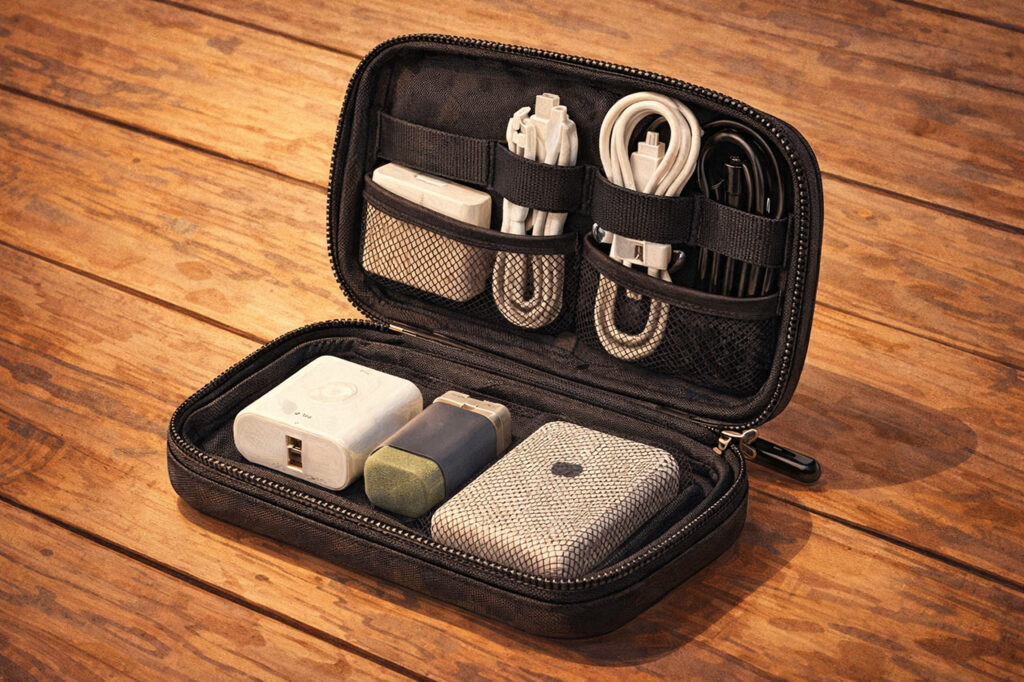
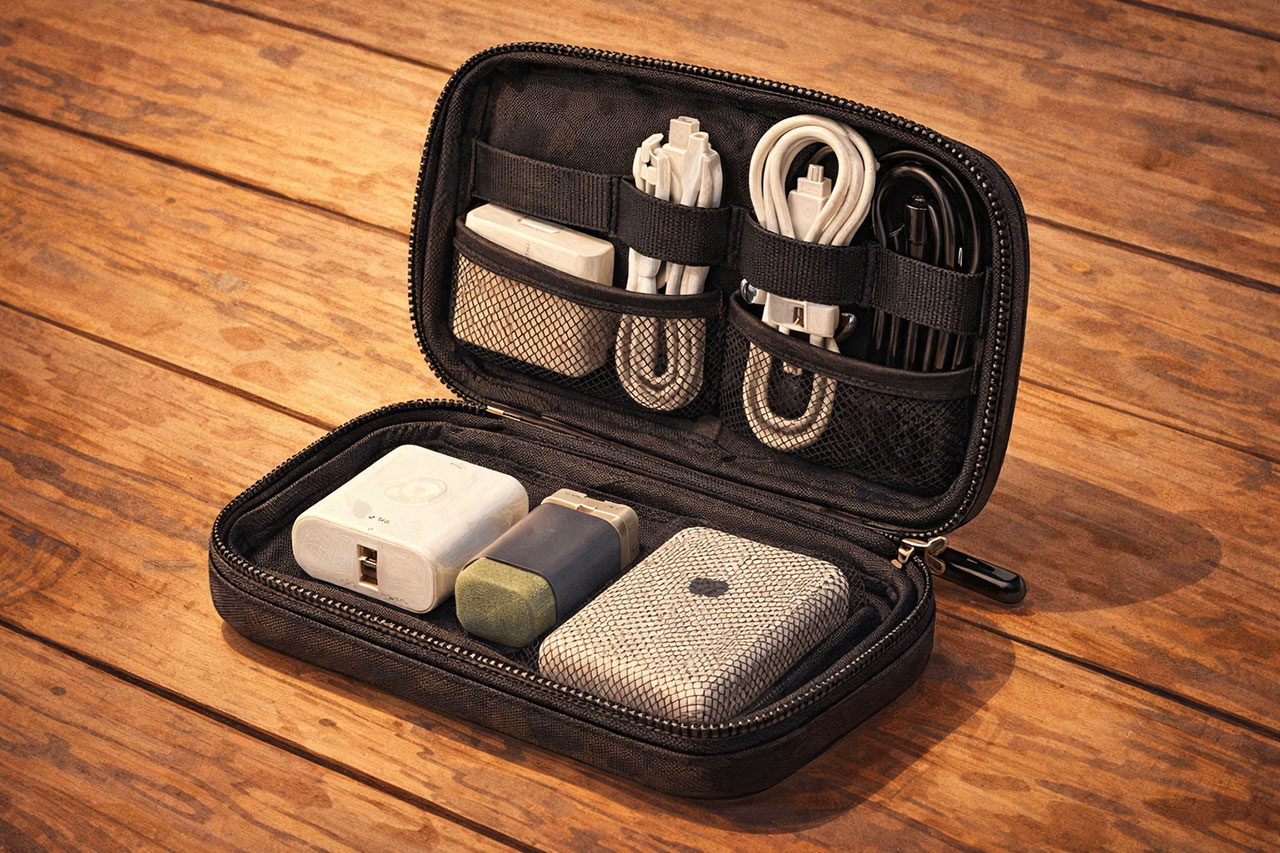
Illustration of an open travel tech organizer on a wooden table, neatly packed with a white power adapter, portable charger, and rolled charging cables in mesh pockets.
Home » Travel Planning » Page 3

Last updated: March 2026 by Corey Gasman

If you travel carry-on only, you already know the tech problem: cables everywhere, adapters disappearing, and power banks floating around your bag like loose change. A good tech organizer fixes that fast.

This guide is a simple breakdown of the best tech organizer pouches for travel. Whether you pack ultra-light or travel with a laptop, camera batteries, backup drives, and adapters, the goal is the same: one pouch, one place, no digging.

From the Editor:

The best travel tech setup is not about carrying more gadgets. It is about keeping the small stuff under control. Chargers, adapters, earbuds, cables, and power banks are easy to lose in a backpack, and one good pouch keeps your travel day calmer.

Quick Tech Organizer Comparison

Pick your travel style first, then your pouch. Most travelers do not need the biggest organizer. They need the right size for the gear they actually carry.

Tech Organizer Best For Why It Works Travel Fit
Native Union Stow Organizer Most travelers Slim, protective, and easy to pack Clean everyday pick
Peak Design Tech Pouch Big tech kits Structured interior with smart pockets Maximum organization
Aer Slim Pouch Minimalists Small footprint and stands upright Simple and efficient
Bellroy Tech Kit Work travel Opens flat so everything is visible Professional and tidy
Bagsmart Electronic Organizer Budget packing Lots of space for the price Practical
Thule Subterra PowerShuttle Durability Padded, rugged, and compact Built for wear

Best Tech Organizers by Category

These are the organizers I would look at first, depending on how much tech you travel with and how much structure you want inside the pouch.

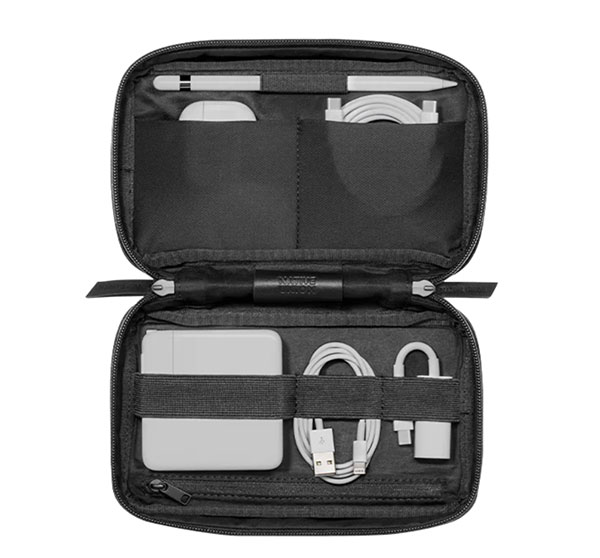
Native Union tech stow organizer

A slim tech organizer is usually enough for most travelers who only need a charger, cables, earbuds, and a small adapter.


Best Overall: Native Union Stow Organizer

The Native Union Stow Organizer is the easy all-around pick for most travelers. It is slim, protective, and does not turn into a bulky brick inside your backpack or personal item.

The interior keeps cables, chargers, and small devices from rubbing against each other, while the outside still feels clean enough for work travel. If you want one premium tech pouch that packs small and keeps your essentials together, this is the simple choice.

View Native Union

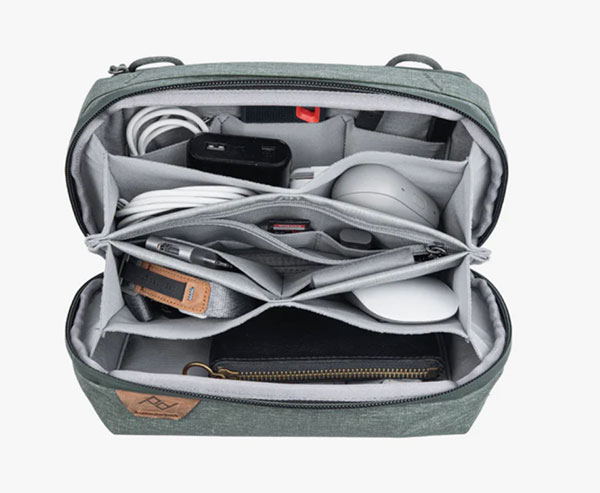
Peak Design Tech Pouch

A more structured organizer makes sense if you carry adapters, backup drives, camera batteries, dongles, and extra cables.


Best for Organization: Peak Design Tech Pouch

If you carry a lot of small gear, the Peak Design Tech Pouch is the one to beat. It is made for travelers who have more than one charger and one cable.

The structured interior keeps items separated instead of letting everything collapse into one messy pocket. It works especially well for camera accessories, SSDs, adapters, memory cards, and the small tech pieces that usually disappear in a backpack.

View Peak Design Tech Pouch

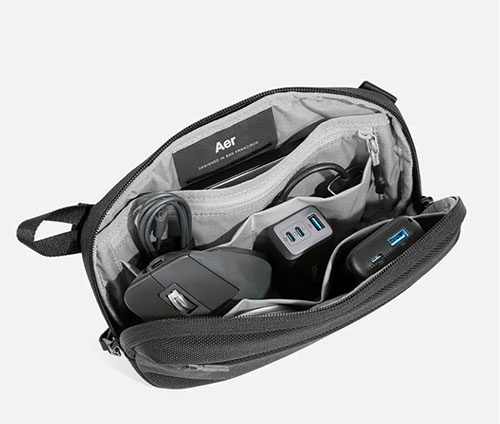
Aer Slim Pouch

Minimal pouches are best when you want your travel tech kit to stay small and easy to move between bags.


Best Minimalist Choice: Aer Slim Pouch

The Aer Slim Pouch is for travelers who want the smallest possible setup. It stands upright on a desk and slides easily into a backpack, tote, or personal item.

This is a good fit if your tech kit is basically a compact charger, a couple of cables, earbuds, and maybe a small adapter. It keeps things tidy without wasting space.

View Aer Slim Pouch

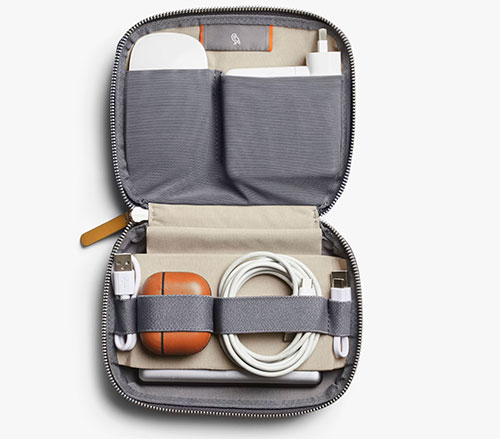
Bellroy Tech Kit Compact 2026

A pouch that opens flat is especially useful for work trips, coworking days, and hotel room desk setups.


Best for Work Travel: Bellroy Tech Kit

The Bellroy Tech Kit is a great choice for business travelers, digital nomads, and anyone who likes gear that looks clean and organized.

The biggest win is that it opens flat, so you can see every cable and adapter at a glance. That matters more than people think, especially on airport days or when you are setting up quickly at a hotel desk or coworking space.

View Bellroy Tech Kit

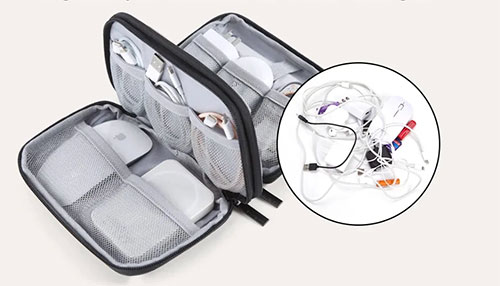
Bagsmart Pomona Elonic Organizer Pro

Budget tech organizers are not fancy, but they work well if you need simple storage for cables, adapters, cards, and chargers.


Best Budget Pick: Bagsmart Electronic Organizer

If you want something practical without paying premium-brand prices, Bagsmart is the budget pick I would look at first. The layouts are simple, but they give you a lot of storage for the money.

This type of organizer is best if you carry smaller items like SD cards, backup cables, wall adapters, and travel plugs. It is not the sleekest option, but it gets the job done.

View Bagsmart Organizer

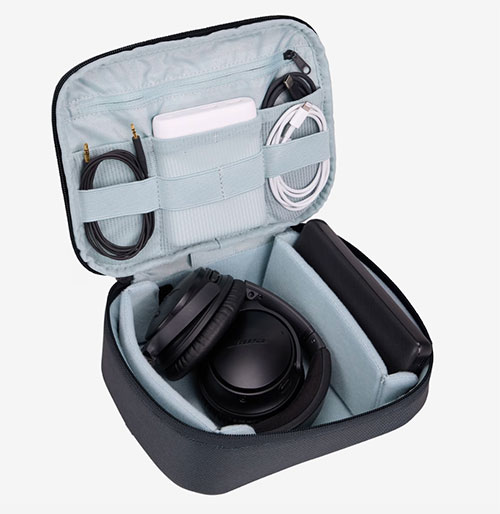
Thule Subterra 2 Powershuttle, tech pouch. for 2026

A padded tech pouch is a smart choice if your gear gets tossed into backpacks, under airplane seats, and hotel drawers.


Best for Durability: Thule Subterra PowerShuttle

The Thule Subterra PowerShuttle is compact, padded, and built for travelers who are rough on gear. It feels more protective than most soft pouches without becoming too bulky.

One useful feature is the cord pass-through, which lets you charge a phone while your power bank stays inside the pouch. If you want something that feels sturdy and long-lasting, this is the durability pick.

View Thule PowerShuttle

What I Actually Keep in My Travel Tech Kit

Most travelers do not need a giant pouch full of backup gadgets. The goal is simple: bring the things that keep your phone, laptop, and day moving.

  • USB-C charger: dual-port is ideal if you travel with a laptop.
  • Two cables max: one everyday cable and one backup or multi-cable.
  • Portable battery: useful for airport days, long walks, and delayed flights.
  • Universal travel adapter: only bring it when your destination needs it.
  • Earbuds or headphones: keep them in the pouch so they do not disappear.
  • Small SSD or drive: only if you actually use it for backups or work files.

FAQ

If you travel carry-on only, yes. A tech organizer keeps chargers, cables, adapters, earbuds, and power banks in one place instead of scattered across your backpack.

Match the pouch to your actual gear. If you carry a laptop, adapter, backup drive, and extra cables, go structured. If you only carry a phone charger and earbuds, go slim.

Easy visibility. The best tech organizers open wide, hold their shape, and make it obvious where everything is. If you still have to dig, it is not really solving the problem.

Yes, as long as it fits comfortably and does not make the pouch too heavy. Just remember that power banks should stay in your carry-on, not checked luggage.

Small Travel Items That Save Bad Travel Days

A collection of travel essentials laid out on a white surface, including a green travel pillow, a black contoured eye mask, a small clear case with yellow foam earplugs, and a grey tech accessory pouch.
Home » Travel Planning » Page 3

Last updated: March 2026 by Corey Gasman

The Small Gear That Actually Matters

Most travel accessory lists read like shopping catalogs. This one is built for real travel days. Loud hotels, long walking routes, delayed flights, missing outlets, and the small problems that quietly stack up and ruin momentum.

These are the compact essentials experienced travelers actually use. Nothing flashy. Just small tools that solve common problems fast and keep your day moving. If you are still building your overall packing system, start with the complete packing gear guide and layer this in after.

Pro Tip
Build this as a small “bad travel day kit” you can grab every trip. The goal is consistency, not rebuilding your packing list from scratch every time.

Quick Navigation

A black multi-port GaN power adapter plugged into a hotel wall outlet with several USB cables connected. A laptop and a smartphone are charging on a wooden desk next to the adapter in a brightly lit hotel room.

Compact GaN chargers offer high-power, multi-port charging in a small footprint, which helps keep hotel desks and carry-ons clutter-free.


Power Systems That Eliminate Cord Chaos

A dead phone during a transit delay is a massive headache. Instead of carrying a tangled mess of cords and heavy charging bricks, simplify your power system to a few highly capable items.

If you are planning longer travel days with flights, trains, or remote work setups, this becomes even more important. See how this fits into your full travel day setup in the first international trip guide.

A compact GaN charger is one of the easiest upgrades because it can replace several bulky charging bricks. Brands like Anker, UGREEN, and Belkin make solid travel-friendly options, but the goal is not to buy every gadget. The goal is to carry one charger that handles your real devices without creating cord chaos.

Keep your charger, cords, adapter, and power bank together in one tech pouch so you are not digging through your carry-on every time you need power.

Essential Item Why It Helps
65W to 100W GaN Charger Replaces laptop, phone, tablet, and camera charging bricks with one compact plug.
Universal Adapter Turns awkward international outlets into a workable setup for hotels and apartments.
10,000mAh Power Bank Gives you a realistic backup charge without adding too much weight.
Short USB-C Cable Cleaner for planes, trains, cafes, and tight hotel nightstands.
Local Guide Tip
Power banks belong in your carry-on, not your checked bag. The TSA says portable chargers with lithium ion batteries must be packed in carry-on bags.
A travel sleep kit arranged on a surface, featuring a black contoured eye mask, a pair of yellow foam earplugs in a small clear plastic case, and a grey tech or accessory pouch in the background.

Foam earplugs and a contoured eye mask are the fastest ways to recover from a bad travel day, whether you are on an overnight flight or stuck in a noisy, bright hotel room.


Sleep Protection That Actually Works

Sleep is the foundation of a good trip. Noise and light are usually what ruin it. Hotel curtains are inconsistent, thin walls are common, and street-facing rooms can turn a great hotel into a rough night.

A small sleep kit makes unfamiliar rooms feel more predictable. Keep it in your personal item on flights, then move it to your nightstand as soon as you check in.

  • Foam Earplugs: Cheap, tiny, and useful for flights, noisy hallways, traffic, and early morning construction.
  • Contoured Eye Mask: Better than a flat mask because it blocks light without pressing directly on your eyes.
  • Small Clip or Case: Keeps your sleep kit from disappearing into the bottom of your bag.

Sleep is also one of the biggest safety factors when traveling. If you are arriving tired or disoriented, it affects decision-making. See more in the travel safety guide.

Local Guide Tip
If you are traveling through dense cities in Europe or Asia, street noise often starts before 6:00 AM. Put your earplugs on the nightstand before bed so you can grab them without turning on the lights.
A close-up of a person's hand applying a strip of tan Leukotape to the side of another person's heel to prevent a blister. The person is wearing a white sock pulled down to reveal the heel area.

Leukotape is far more durable than standard bandages for long days of walking, especially when you catch a heel hotspot early.


Foot Care That Keeps Your Trip Moving

If you walk cities, foot care is non-negotiable. A small hotspot can turn into a trip-altering blister within hours. Handle small problems immediately before they force you to change your itinerary.

Leukotape is a favorite with hikers and long-walk travelers because it stays put better than standard bandages. You can read more about the tape directly from Leukotape, but the short version is simple: use it before the blister gets bad.

  • Leukotape or Moleskin: Apply at the first sign of heel friction, not after the blister is already painful.
  • Mini Medication Kit: Bring a few doses of pain reliever, stomach medication, and basic antihistamines.
  • Small Nail Clippers: Useful on longer trips when tight shoes and long walking days start causing issues.
Pro Tip
Do not bury foot care items in your main suitcase. Keep them where you can reach them before a walking day turns into a limping day.

Compression cubes do more than save space. They keep your bag predictable so you are not unpacking and repacking your entire life every time you change hotels.


Bag Organization and Laundry Systems

Living out of a suitcase creates daily friction without a system. You end up digging, repacking, and wasting time every morning.

Compression cubes do more than save space. They keep your bag predictable so you can move between hotels, apartments, trains, and airports without rebuilding your entire setup.

Pair a well-organized bag with a simple sink laundry system, and you can travel much longer out of a carry-on.

Small Item Why It Belongs in Your Bag
Compression Cubes Separate clean clothes, dirty clothes, and layers so your bag stays organized.
Detergent Sheets Lightweight, leak-free, and perfect for sink laundry in a hotel room.
Small Laundry Bag Keeps dirty socks and shirts from taking over the rest of your bag.
Luggage Tracker Apple AirTag or Tile trackers reduce uncertainty when a bag is delayed.
Local Guide Tip
Pack for laundry, not for every possible outfit. Most trips get easier when you assume you will refresh clothes once halfway through.

The Small Travel Kit I Would Build First

You do not need to buy everything at once. Start with the items that solve the most common travel problems: dead batteries, bad sleep, sore feet, and messy bags.

This is the simple starter kit I would build before adding more niche items.

Priority Item Why It Comes First
1 GaN Charger Solves the daily power problem and replaces multiple bulky bricks.
2 Power Bank Keeps your phone alive during delays, long tours, and transit days.
3 Earplugs + Eye Mask Protects sleep on flights, in hotels, and in noisy apartments.
4 Leukotape or Moleskin Prevents one small hotspot from ruining several days of walking.
5 Compression Cubes Keeps your bag organized, especially on multi-stop trips.

If you are trying to simplify your setup even further, focus on building a system instead of adding more gear. That approach is covered in the full packing guide.

A Few Worth-It Gear Examples

You do not need to buy these exact items, but these are the type of small travel upgrades I think are worth looking at. They are practical, compact, and solve real problems instead of just adding more stuff to your bag.

Gear Example Why It Makes Sense
Eagle Creek Comfort Bundle A simple sleep setup with an eye mask, pillow, and earplugs, which is useful for overnight flights, noisy hotel rooms, and long transit days.
Cotopaxi Cubo Packing Travel Bundle A colorful packing cube setup that helps separate clothes, layers, and small items without making your bag feel overbuilt.
Anker Prime 100W GaN Charger A strong single-charger option for travelers who want to charge a laptop, phone, and smaller device without packing multiple bricks.

Build the full packing system

This guide covers the small items. For the bigger picture, use the full packing guide to dial in luggage, clothing, electronics, toiletries, and travel-day organization.

Read the Ultimate Travel Packing & Gear Guide

Small Travel Items FAQs

What small travel items make the biggest difference?

Sleep tools like earplugs and an eye mask, plus blister prevention and backup power, usually make the biggest difference. They solve problems that can ruin a travel day fast.

Keep your power bank, charging cable, earplugs, eye mask, basic medication, and any must-have documents in your personal item. If your main bag gets delayed, those items keep you functional.

Yes. Detergent sheets take up almost no space, do not leak, and make sink laundry simple when you need to refresh a few shirts, socks, or underwear mid-trip.

Yes, especially if you check bags or take multi-leg flights. Apple AirTag and Tile trackers do not prevent lost luggage, but they remove a lot of uncertainty when a bag is delayed.

For long walking days, yes. Standard bandages often peel off from sweat and friction. Leukotape or moleskin usually stays in place better when you apply it early to a hotspot.

Small items work best when they fit into a larger packing system. Start with the full packing and gear guide, then use the guides below to plan smarter, spend better, and travel with less friction.

Read More Travel Planning Guides

Practical guides on planning, packing, safety, budgeting, and travel lifestyle so your trip runs smoother from the start.

PACKING & GEAR

The Ultimate Travel Packing & Gear Guide

Pack lighter, bring what actually matters, and avoid the gear and clothing mistakes that slow trips down.

Read More

FIRST TIME ABROAD

First International Trip Guide

A practical starting point for passports, logistics, money, and landing abroad with less stress.

Read More

STAYING SAFE

Travel Safety Guide

Practical habits that help you stay alert, organized, and more confident when navigating unfamiliar places.

Read More

Travel Capsule Wardrobe: Best Brands + Warm Weather Packing

Home » Travel Planning » Page 3

By Corey Gasman • Last edited March 9, 2026

From the Editor:

A travel capsule wardrobe is the closest thing to a cheat code I have found for carry-on travel. The goal is not to dress like a minimalist robot. The goal is to bring a small group of pieces that all work together, feel good in real weather, and can be worn more than once without making you regret your life choices.

This guide breaks down the simple strategy, the fabrics that matter most, the best travel clothing brands, and two warm-weather capsules you can actually pack and wear.

The Fewer, Better Strategy

A good capsule wardrobe is not about owning fewer clothes at home. It is about packing fewer clothes for this specific trip. You want pieces that mix together easily, handle repeat wears, and do not fall apart the second you hit heat, humidity, sweat, plane air, or a sink wash.

A simple starting point is the 3×3 framework: 3 tops, 3 bottoms, and 3 pairs of shoes. One pair of shoes should be worn in transit, and the others should only come if they truly earn their space.

The real secret is not having more choices. It is choosing better fabrics and pieces that do more than one job. Build around merino wool, technical synthetics, and linen blends, and your bag gets lighter fast.

Fabric Cheat Sheet

The best travel clothes are the ones you can wear again without feeling gross, then wash quickly when needed. Fabric matters more than brand, especially if you are trying to travel with a carry-on only.

Fabric Best For Why It Works
Merino wool Base tees, long sleeves, travel days Odor-resistant, temperature-regulating, and easy to re-wear
Technical synthetics Heat, humidity, and active walking days Fast-drying, durable, and easy to pack small
Linen blends Warm-weather capsules Breathable, polished, and easier to dress up than athletic wear
Tencel or modal Dressier tanks, shirts, and travel dresses Soft, lightweight, and more polished than basic cotton

Pro Tip: Avoid building a capsule around cotton-heavy basics. Cotton holds moisture, dries slowly, and starts to feel rough once you are wearing and washing it repeatedly on the road.

Best Travel Clothing Brands

These are the brands I would look at first when building a travel capsule wardrobe. You do not need to buy from all of them. Pick the pieces that solve your actual packing problems.

Quince, Soft Stretch Crewneck Undershirt black

Quince is one of the best value picks for capsule basics, especially if you want polished fabrics without premium pricing.

Quince

Best for: value basics that still look polished.

Quince is a good starting point if you want linen, washable silk, cashmere, or simple travel basics without paying luxury-brand prices.

Smart buys: washable silk tanks or dresses, linen button-downs, linen pants, and lightweight sweaters.

Unbound Merino is a strong choice when you want fewer pieces that can survive repeat wears on longer trips.

Unbound Merino

Best for: repeat wears, long flights, and minimalist packing.

Merino wool is one of the easiest ways to pack less. It stays fresh longer, handles temperature swings well, and works across multiple trip styles.

Smart buys: merino tees, lightweight long sleeves, travel dresses, and base layers.

Anatomie is built for travelers who want performance clothing that still looks polished in cities and nicer restaurants.

Anatomie

Best for: women’s travel pants, polished layers, and wrinkle-resistant outfits.

Anatomie is for travelers who want performance clothing that does not look like workout gear. The pieces are lightweight, wrinkle-resistant, and easy to wear on long travel days.

Smart buys: Skyler pants, packable jackets, wrinkle-free tops, and travel-ready layers.

Western Rise Evolution Pant Classic for traveling

Western Rise makes versatile men’s pieces that can move from transit to city walking to casual dinners without a full outfit change.

Western Rise

Best for: men’s pants and shirts that can do more than one job.

Western Rise is useful when you want one pair of pants to work for flights, city walking, casual dinners, and light outdoor days.

Smart buys: Evolution Pant, travel shirts, and versatile basics.

Uniqio AIRism Sleeveless Top in white

Uniqlo is one of the easiest places to build a practical capsule foundation without overspending.

Uniqlo

Best for: budget-friendly base layers and simple travel basics.

Uniqlo is a practical place to fill gaps without overthinking it. Airism works well for hot weather, while Heattech is useful for cooler trips without adding much bulk.

Smart buys: Airism tees and tanks, Heattech layers, packable jackets, and basic socks.

Patagonia Nano Puff jacket

Patagonia remains one of the most reliable brands for durable layers that earn their spot in a travel capsule.

Patagonia

Best for: durable layers, rain shells, and trips with mixed weather.

Patagonia makes sense when your trip mixes cities, hiking, changing weather, or long travel days. The pieces are not always the cheapest, but many of them last for years.

Smart buys: Nano Puff, Capilene layers, lightweight shells, and packable fleece.

Women’s Warm Weather 10-Piece Capsule

This setup works well for heat, humidity, long walking days, and casual dinners without making it look like you packed only gym clothes. If you are pairing it with a carry-on setup, start with my best carry-on travel backpacks guide.

Women's Travel essentials for warm weather

A warm-weather women’s travel capsule should be light, easy to repeat, and polished enough for both daytime walking and dinner.

How to use this capsule

  • Wear on the plane: sneakers, one performance tee, and the light layer.
  • Laundry rhythm: quick wash every 4 to 5 days, with tees washed sooner if needed.
  • Easy swap: a skirt and a slip dress can trade places depending on your style and itinerary.

1) Versatile Tops: 5 Pieces

  • 2 performance tees: black plus one white or neutral in merino or a better-quality synthetic.
  • 1 linen button-down: wear it open over a swimsuit, tied at the waist, or buttoned for a cleaner look.
  • 1 dressier tank: silk, Tencel, or modal is an easy upgrade for evenings.
  • 1 light layer: a cardigan or technical overshirt for planes, ferries, trains, and strong air conditioning.

2) Strategic Bottoms: 3 Pieces

  • 1 pair of technical trousers: light, wrinkle-resistant, and easy to dress up.
  • 1 breathable skirt or dress: good airflow and easy styling for warm climates.
  • 1 pair of shorts: tailored and quick-drying, not sloppy gym shorts.

3) Footwear: 2 Pieces

  • Comfortable walking sandals: good enough for big step-count days.
  • Clean white sneakers: wear these in transit and pair them with almost everything.

Local Guide Tip: For warm-weather city trips, avoid packing only beach clothes. You still want pieces that feel comfortable in the heat but look normal at lunch, museums, rooftop bars, and nicer casual dinners.

Men’s Warm Weather 10-Piece Capsule

This version is designed to fit in a 35L carry-on backpack with room to spare. If you want the bag side of the setup too, start with my best carry-on travel backpacks guide.

A men’s warm-weather travel capsule should cover transit, walking, beach time, and casual dinners without needing extra bulk.

How to use this capsule

  • Wear on the plane: sneakers, tech chinos, and a long-sleeve layer for chilly flights and arrivals.
  • Laundry rhythm: merino tees can handle multiple wears, with washing every 4 to 5 days.
  • Beach logic: hybrid shorts can double as swim trunks and save space.

1) Versatile Tops: 5 Pieces

  • 3 performance tees: merino is especially useful for odor resistance and temperature control.
  • 1 technical button-down: breathable, dressed-up enough for dinner, and still easy in the heat.
  • 1 long-sleeve layer: a thin technical or merino layer for transit, cool evenings, or sun protection.

2) Strategic Bottoms: 3 Pieces

  • 1 pair of tech chinos: this can replace jeans and more structured pants on most trips.
  • 1 pair of hybrid shorts: for walking, casual days, and swim use.
  • 1 pair of linen-blend trousers: better airflow for tropical climates while still looking sharp.

3) Footwear: 2 Pieces

  • Minimal walking sneakers: breathable, versatile, and clean enough for city use.
  • Technical sandals: useful for beach days, hot weather, and shared showers.

Pro Tip: Jeans are usually the first thing I would cut from a warm-weather travel capsule. They are heavy, slow to dry, and uncomfortable in humidity compared with tech chinos or linen-blend pants.

How to Rewear and Wash Clothes Without Overthinking It

The whole capsule wardrobe only works if you are comfortable repeating outfits. That does not mean wearing dirty clothes. It means choosing fabrics that can handle the road and building a simple laundry rhythm.

A realistic travel laundry rhythm

  • Underwear and socks: pack enough for several days, then wash in batches.
  • Merino or performance tees: rewear when they pass the smell test, then wash when needed.

  • Button-downs and layers: wear multiple times unless they are visibly dirty.
  • Pants and shorts: wash the least often unless you are sweating heavily or doing outdoor activities.

For a bigger packing setup, pair this with my essential travel gear guide, especially if you want a small laundry kit, travel clothesline, or compact detergent sheets.

Common Capsule Wardrobe Mistakes

Most capsule wardrobe mistakes come from packing for fantasy travel instead of the trip you are actually taking. Before you add another cute outfit, think through your real days: walking, sweating, sitting on trains, eating outside, going to dinner, and getting caught in weather.

Mistake Why It Causes Problems What to Do Instead
Packing too many one-outfit pieces They look good once, then take up space for the rest of the trip. Pack pieces that work with at least 2 to 3 other items.
Bringing shoes for every scenario Shoes eat space faster than almost anything else. Wear your bulkiest pair and keep the rest minimal.
Ignoring fabric Cotton and heavy denim get uncomfortable fast in heat and humidity. Choose merino, synthetics, linen blends, and quick-dry fabrics.
Packing too dressy or too athletic You end up feeling wrong for half the trip. Build around polished casual pieces that can go either direction.

Capsule Wardrobe FAQ

Do I actually need travel clothes?

Not strictly, but the right fabrics make carry-on travel much easier. Fast-drying and odor-resistant pieces matter when you are repeating items and washing them on the road.

How many outfits can you make from a capsule wardrobe?

A small capsule can create more outfits than people expect because the pieces are designed to mix together. With 3 tops, 3 bottoms, and a couple of layers, you can usually cover a week or more without packing a giant bag.

How do I handle laundry with only a few pieces?

Build around fabrics that can survive a quick sink wash and air dry overnight. Most travelers find a simple wash every 4 to 5 days keeps the system working without turning the trip into a laundry routine.

What shoes work best in a 3×3 setup?

Bring one pair you wear in transit, one pair that works for nicer dinners, and one utility pair based on your destination. If a shoe only works with one outfit, it probably does not belong in your capsule.

Use My Full Minimalist Packing System

This capsule wardrobe guide is one piece of the full carry-on setup. The bigger system covers bags, tech kits, toiletries, and how everything fits together without feeling cramped.

View the full minimalist packing system

Packing, safety, budgeting, gear, first-time international travel, and practical food tips for smoother trips.

PACKING GUIDE

Packing & Gear Guide

What to bring, what to skip, and how to pack smarter.

Read More

AIRPORT GUIDE

Airport Security

TSA, PreCheck, CLEAR & Global Entry explained.

Read More

BUDGET GUIDE

Costs & Budgeting

A practical guide to planning and managing travel expenses.

Read More

GEAR GUIDE

Essential Travel Gear

The gear that actually makes travel easier, lighter, and less stressful.

Read More

SAFETY GUIDE

Travel Safety Guide

Simple ways to stay aware, prepared, and more confident abroad.

Read More

FOOD TIPS

Eating Abroad Tips

How to eat well, avoid tourist traps, and enjoy local food with confidence.

Read More

Best Carry-On Travel Backpacks

Best Carry On Travel Backpacks
Home » Travel Planning » Page 3

By Corey Gasman • Last updated March 2026

Most “best backpack” lists are just shopping catalogs dressed up as advice. This one comes from real travel days: airports, budget flights, trains, long walks, apartment stairs, and weeks of living out of one bag.

If your goal is to move faster, pack lighter, and stop digging through a black hole of cables, socks, chargers, and snacks, you are in the right place. These are the one-bag travel backpacks that actually work, plus a simple way to choose the right one for how you travel.

If you are still building your setup, start with a solid foundation in your essential travel gear first.

Pro Tip: The best one-bag backpack is usually not the biggest one. For most travelers, 35L is the sweet spot. Big enough for real travel, small enough to stay mobile, and far less likely to get flagged as oversized.

Quick Navigation

Start with “How to Choose” if you are not sure where to begin.

How to Choose
Comparison Table
Best Backpacks by Type
Carry-On Size Rules
Fit and Comfort
FAQ
Related Guides

How to Choose the Right One-Bag Travel Backpack

You do not need the perfect bag for every trip style. You need the bag that matches how you actually travel.

  • Mostly cities + flights: Choose a 35L to 40L clamshell that opens like a suitcase and stays easy to organize.
  • Work + laptop heavy: Look for a more structured bag with real laptop protection and cleaner tech storage.
  • Walking + transit + stairs: Prioritize comfort, strap design, and weight over fancy features.
  • Budget or rough travel: Simple and durable beats complicated every time.
  • Personal-item-only fares: Stay under 30L and avoid bags that puff outward when full.

The mistake most people make is buying based on fantasy travel. They picture a perfect airport and a polished hotel. Real travel is dragging your bag across cobblestones, climbing stairs, waiting in train stations, and repacking when you are tired. Buy for that version.

Quick Backpack Comparison

A fast way to narrow down the field based on travel style, not hype.

Backpack Volume Weight Best For Why It Works Downside
Cotopaxi Allpa 35L 35L 3.7 lbs Classic one-bag travel Clamshell layout keeps everything visible Limited laptop protection
Peak Design Travel Backpack 35 to 45L 4.6 lbs Work and tech-heavy travel Excellent protection and structure Heavier than most
The North Face Base Camp Voyager 32L 32L 2.0 lbs Budget and rugged trips Light and durable Less internal organization
Osprey Daylite Expandable 26+6 26 to 32L 1.8 lbs Personal-item fares Compact and flexible Tight space when fully packed

Best One-Bag Travel Backpacks by Category

These are the bags that make the most sense depending on your travel style.

If you just want a quick answer, start here:

Cotopaxi Allpa 35L (green color)

Cotopaxi Allpa 35L with clamshell organization is one of the most practical one-bag travel backpacks for flights and city travel.

Best Overall

Cotopaxi Allpa 35L

This is the bag I recommend most often because it solves the biggest packing problem: chaos. It opens like a suitcase, keeps clothing and gear separated, and still carries like a backpack.

  • Volume: 35L
  • Weight: 3.7 lbs
  • Best for: organized one-bag travel
  • Why I like it: intuitive and easy to live with

View Cotopaxi Allpa 35L

Peak Design Travel Pack 45 L

Peak Design Travel Backpack is ideal for tech-heavy travel setups.

Best for Work and Tech

Peak Design Travel Backpack

Built for travelers carrying laptops, cameras, or both. Heavier, but worth it for protection.

  • Volume: 35–45L
  • Weight: 4.6 lbs
  • Best for: digital nomads
  • Why I like it: unmatched organization

View Peak Design Travel Backpack

North Face, Base Camp Voyager Duffel 32L

The North Face Base Camp Voyager 32L is a lighter, durable budget option.

Best Budget Choice

The North Face Base Camp Voyager 32L

Simple, tough, and lighter. Great for shorter or rougher trips.

  • Volume: 32L
  • Weight: 2.0 lbs
  • Best for: budget travel
  • Why I like it: low fuss durability

View The North Face Bags

Osprey Daylite Expandable 26+6

Osprey Daylite Expandable 26+6 works well for strict airline rules.

Best for Strict Airline Rules

Osprey Daylite Expandable 26+6

Compact enough for under-seat travel but flexible once you arrive.

  • Volume: 26–32L
  • Weight: 1.8 lbs
  • Best for: personal-item travel
  • Why I like it: flexible sizing

View Osprey Daylite 26+6

Carry-On Size Rules You Need to Know

Most travelers aim for 22 x 14 x 9 inches, but enforcement varies widely.

  • Weight limits: often 7–10 kg
  • Personal items: much smaller
  • Overpacking causes problems

Airline size rules vary more than most people expect. You can check current carry-on guidelines directly on the TSA website, but enforcement still depends heavily on the airline.

Fit and Comfort Checklist

  • Straps should sit flat
  • Weight close to your back
  • Test before committing

Local Guide Tip: Bad backpacks reveal themselves on stairs, not airports.

FAQ

Yes for movement-heavy trips. No for simple hotel trips.

35L for most travelers.

Sometimes. Fit and weight matter more than price.

Featured Travel Planning Hubs

These are the main starting points for planning a better trip, packing lighter, and staying safer abroad.

ALL GUIDES

Travel Planning: Start Here

Browse the full collection of travel planning guides covering timing, packing, budgeting, safety, and smarter decisions before you go.

Read More

STEP-BY-STEP GUIDE

How to Plan a Trip: The Playbook

A practical, step-by-step approach to planning a smoother, smarter trip from start to finish.

Read More

NEW TO TRAVEL

First International Trip Guide

A clear, beginner-friendly guide to passports, flights, money, and what to expect when traveling abroad.

Read More

STAY SAFE

Travel Safety Guide

Practical habits that help you stay alert, organized, and more confident in unfamiliar places.

Read More

Core Trip Planning

Flights, budgets, hotels, transportation, travel days, and the big decisions that shape the trip.

PACKING OVERVIEW

Packing & Gear Guide

A practical overview of what to pack, what to skip, and how to build a lighter travel setup that still works.

Read More

MONEY & COSTS

Money & Travel Budgeting Guide

Plan real costs, avoid budget-killing mistakes, and make smarter money decisions on the road.

Read More

FLIGHTS

How to Find Great Flights

Find better routes, avoid painful layovers, and understand when a cheap flight is not actually a good deal.

Read More

GETTING AROUND

Getting Around Abroad

Understand trains, buses, ferries, taxis, rideshares, and flights so travel days feel less confusing.

Read More

AIRPORTS

Airport Security Guide

TSA PreCheck, CLEAR, and Global Entry explained so you can choose what actually helps your travel style.

Read More

WHERE TO STAY

Hotels vs Airbnb vs Long Stays

Choose the right type of stay based on comfort, cost, length of trip, and how you actually travel.

Read More

Packing & Gear

Lighter packing, smarter gear, travel clothing, chargers, tech kits, and small items that make trips easier.

PACKING BASICS

Carry-On Packing Guide

What to pack, what to skip, and how to fit everything into a carry-on without overpacking.

Read More

PACK LIGHTER

One Bag Travel Guide

Learn how to travel with one bag, avoid overpacking, and keep your setup simple without feeling underprepared.

Read More

TRIP TYPES

What to Pack for Every Trip

A practical guide to packing smarter for different types of trips, from long weekends to international travel.

Read More

TECH KIT

Travel Tech Organizers

Build a cleaner, smaller tech kit with the cords, chargers, and backup items you actually need on the road.

Read More

CLOTHING

Travel Capsule Wardrobe

Build a small travel wardrobe with pieces that mix, layer, and work harder than a suitcase full of extras.

Read More

CHARGING

Travel Chargers

Simplify your charging setup with better wall chargers, cables, adapters, and power options for real travel days.

Read More

Travel Safety & Security

Personal safety, document backups, digital security, tourist scams, emergency numbers, and quick safety habits.

DOCUMENTS & CASH

Travel Document Backup Plan

Protect your documents, cards, and cash with a simple backup routine before and during your trip.

Read More

TOURIST TRAPS

Travel Scams & Tourist Traps

Know the common tricks, pressure tactics, and tourist traps that can waste money or ruin a good travel day.

Read More

SOLO TRAVEL

Solo Female Nomad Safety Guide

Practical safety guidance for solo female travelers, digital nomads, and longer stays abroad.

Read More

DIGITAL SAFETY

Digital Travel Security

Simple tech safety tips for protecting your phone, accounts, data, and documents while traveling.

Read More

SAFETY BASICS

10 Quick Travel Safety Tips

Simple safety habits that actually matter, without making travel feel stressful or overcomplicated.

Read More

EMERGENCY INFO

Global Emergency Numbers & Safety Rankings

A practical reference for emergency numbers, country safety basics, and what to know before you go.

Read More

Best Travel Chargers for International Trips, Laptops & Phones

Travel chargers
Home » Travel Planning » Page 3

Last updated: March 2026 by Corey Gasman

From the Editor:

I have traveled long enough to know that dead devices create more stress than almost anything else. Phones for maps, boarding passes, reservations. Laptops for work. Everything depends on power.

The mistake most people make is overpacking tech. Too many chargers, too many cables, too much guesswork. Then you end up digging through your bag at the airport gate trying to figure out why nothing is charging fast enough.

This guide is built to simplify that. One solid charger. The right cables. A backup plan for long travel days. That is it.

Start Here: Build a Simple Charging Setup

Your charging setup should feel invisible. You should not be thinking about it during your trip.

The best travel setups are built around one strong wall charger, a couple of reliable cables, and a power bank for long days. Everything else is optional.

Quick Setup:
65W charger → most travelers with a laptop
100W charger → multiple devices or sharing
Add a power bank → long travel days, flights, trains

If you only remember one thing: you do not need multiple chargers.

Quick Navigation

TLGA Rule: One good charger beats three average ones. Simplify your setup.

Packing next?

Read: Packing Guide

Planning your trip?

Start here: Travel Planning Playbook

The Quick Pick

If you only want the simple answer, get a compact 65W to 67W GaN charger with multiple ports. That gives most travelers enough power for a laptop, phone, and small accessories without packing separate chargers for every device.

My Go-To Pick: Anker Prime 67W GaN Wall Charger

Best for: One-bag travel, laptop travel days, and anyone who wants one small charger that handles the basics well.

  • 67W output is enough for many travel laptops.
  • Three ports lets you charge more than one device at a time.
  • Compact size makes it easy to keep in a tech pouch or personal item.
View the Anker Prime 67W
ANKER charger 2026

A compact 65W to 67W charger is the sweet spot for most travelers who carry a laptop, phone, and a few smaller devices.

Best Travel Chargers by Trip Type

You do not need the most powerful charger on the market. You need the right charger for the way you actually travel. A weekend trip, a two-week Europe trip, and a remote work month all need slightly different setups.

Best Budget Pick

Nekteck 65W USB-C GaN Charger

Best for a simple, affordable laptop-friendly charger that does not overcomplicate your packing list.

View on Nekteck

Best for Two People

UGREEN Nexode 100W USB-C GaN Charger

Best if you are sharing outlets, charging a laptop and phone together, or packing one charger for multiple devices.

View on UGREEN

Best Desk Setup

Satechi 165W USB-C 4-Port PD GaN Charger

Best for digital nomads, apartment stays, and longer trips where your hotel desk turns into a charging station.

View on Satechi
Charger Type Best For What to Know
35W dual-port Phones, earbuds, watch, small devices Good for light travel, weak for most laptop use
65W to 67W GaN Most laptop travelers The best all-around travel size
100W multi-port Couples, remote workers, heavier laptop use More flexible, still packable
165W desktop charger Long stays and desk setups Great power, less pocket-friendly
My practical advice: Do not buy based on the biggest watt number alone. Buy based on how many devices you actually charge at once.

Portable Power Banks

A wall charger is great when you have an outlet. A power bank is what saves you when you are on a long airport day, stuck on a train, taking photos all afternoon, or using your phone for maps in a new city.

Phone-Only Travelers

For most phone-only trips, a smaller power bank is enough. It keeps your phone alive during long days without adding too much weight to your sling bag or daypack.

  • Good for maps, photos, rideshare apps, and train tickets
  • Easier to carry than a large brick-style battery
  • Best for day trips and city travel

Laptop Travelers

If you want to charge a laptop from a power bank, look for USB-C PD and enough wattage to actually support your laptop. This is where cheap power banks often disappoint.

  • Look for 45W to 100W USB-C PD output
  • 20,000mAh is a practical travel sweet spot
  • Useful for airports, trains, buses, and work sessions
Simple pick logic: Phone-only trips can use a smaller magnetic or pocket power bank. Laptop trips need a real USB-C PD power bank with enough output to matter.
Anker 622 Magnetic Battery (MagGo)

MagSafe-style batteries are best for easy top-ups on travel days, not for replacing your main charger.


Wireless and MagSafe Travel Charging

Wireless charging is not the fastest way to charge your phone, but it is convenient. For travel, I like magnetic batteries for airports, cafes, walking around cities, and quick top-ups when you do not want to deal with cables.

Why it works: It is slim, easy to carry, and the built-in kickstand is more useful than it sounds when you are sitting in an airport or coffee shop.

  • Good magnetic alignment
  • USB-C for wired backup
  • Built-in kickstand
  • Best for day trips and travel days

Why it works: It gives you more battery capacity while still staying small enough for real travel use.

  • Better for longer days away from outlets
  • Thicker than smaller magnetic packs
  • Good option if your phone battery drains quickly

Why it works: Belkin usually has a cleaner build quality and a more polished Apple-friendly feel.

  • Strong magnetic grip
  • Clean design
  • Good for Apple-heavy setups

Why it works: It is a more affordable way to get magnetic charging for casual travel.

  • Good value
  • Useful for quick top-ups
  • Often bulkier than premium options

Why people buy it: It works cleanly with iPhones, but the capacity is limited for the price.

  • Great iPhone integration
  • Very simple to use
  • Low capacity compared with many third-party options

Do Not Forget the Boring Stuff

The charger gets all the attention, but the boring accessories are usually what save you. A great wall charger does not help much if your cable is weak or your plug does not fit the outlet.

100W USB-C Cable

Bring at least one cable that is actually rated for laptop charging. A weak cable can bottleneck a good charger.

Plug Adapter

If you are leaving North America, bring the correct plug adapter. Your charger still needs to physically fit the wall outlet.

Short Backup Cable

A short cable is great for planes, power banks, cafes, and charging from a small outlet without a mess of cord.

My travel kit: One compact multi-port wall charger, one 100W USB-C cable, one short USB-C cable, one plug adapter, and one power bank. That covers almost every normal travel day.

FAQ: Travel Charging in Normal Person Terms

What does GaN mean?

GaN stands for Gallium Nitride. In normal terms, it helps chargers stay smaller and more efficient, especially when you need more power.

Is 65W enough for a laptop?

For many travel laptops, yes. If you have a larger laptop and do heavier editing, gaming, or design work while plugged in, a 100W charger may be a better fit.

Why not just use my laptop charger?

You can. The reason to upgrade is that many laptop chargers are bulkier than needed and only charge one device. A good travel charger can replace multiple bricks.

Do I really need a power bank?

If you do long airport days, train travel, road trips, full days of sightseeing, or use your phone heavily for maps and photos, yes. If you mostly go from hotel to cafe to hotel, it is more optional.

Are wireless chargers worth packing?

Sometimes. Wireless charging is slower than a cable, but magnetic power banks are very convenient for quick top-ups during the day.