








Japan for Families: Strollers, Bullet Trains & Kid-Friendly Travel

A mixed-race family with children sitting in reserved seating on a Shinkansen bullet train in Japan, pointing out the window at the passing countryside.

Japan for Families: Strollers, Bullet Trains & Kid-Friendly Travel

A mixed-race family with children sitting in reserved seating on a Shinkansen bullet train in Japan, pointing out the window at the passing countryside.

By Corey Gasman

Taking kids to Japan is a specific kind of adventure. On one hand, it is one of the safest countries in the world, the toilets are spotless, and the convenience store food is genuinely healthy. On the other hand, the idea of navigating a stroller through Tokyo Station or keeping a toddler quiet on a silent bullet train is enough to make any parent sweat.

I have done Japan solo, and I have done it with family. The trips are completely different. The so-called Golden Route shifts from temples and shrines to parks, aquariums, and the constant hunt for the nearest elevator.

Here is the honest truth for 2026. Japan is incredibly kid-friendly, but it is not hands-off. You need a strategy for the trains, a plan for the luggage, and the understanding that 7-Eleven is about to become your favorite restaurant.

Planning Note
Build playground time into your itinerary. Japanese neighborhood parks are often weird and wonderful. A simple 30-minute stop can save an entire afternoon.
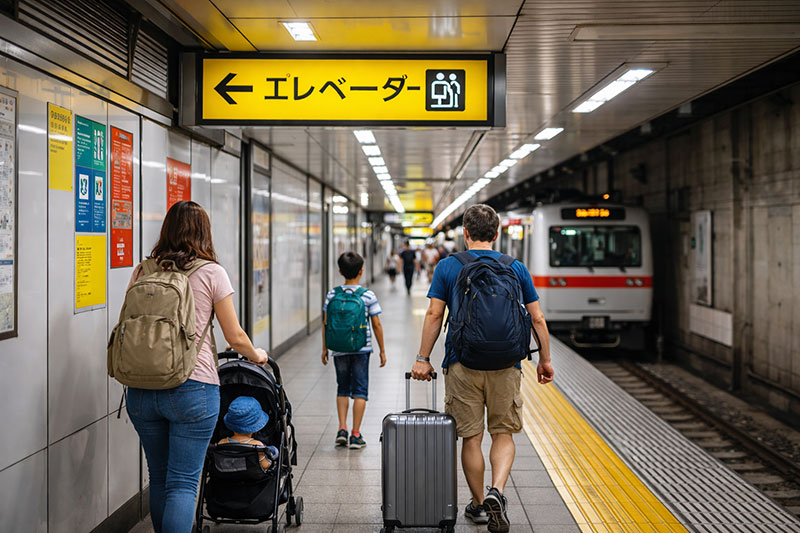
Elevators exist in almost every Japanese train station, but they are often located at the far ends of platforms. Always allow extra time when traveling with kids or strollers.

Elevators exist in almost every station, but they are often hidden at the far ends of platforms. Always leave extra time.


The Stroller Strategy: Bring the Small One

Should you bring a stroller? Yes. Even if your kid walks at home, the sheer amount of walking in Japan (often 15,000+ steps per day) will wipe them out.

Do not bring a massive jogging stroller. Japanese streets are narrow, restaurants are tiny, and ticket gates are tight. A lightweight, foldable umbrella stroller that can be collapsed one-handed is essential.

Guide Tip: Avoid Rush Hour
Do not board trains with a stroller between 7:30–9:00 AM or 5:30–7:00 PM in major cities. Trains are packed to unsafe levels. Wait it out in a café or plan your travel around these windows.

The Shinkansen: Booking the Right Seats

The bullet train is magical for kids, but the silence can be stressful for parents. The key is booking the correct seats.

If you have a stroller or large suitcase, reserve Seats with Oversized Baggage Area in the last row of the car. This gives you dedicated space behind your seat. Without it, there is nowhere to store a stroller.

Pro Tip
If your child is loud or upset, move to the deck area between train cars. It is noisy, spacious, and ideal for calming kids without disturbing others.

Close-up of a hand holding a famous 7-Eleven egg salad sandwich on a busy Tokyo street

The famous 7-Eleven egg salad sandwich. Soft, safe, and universally toddler-approved.


Survival Food: Conbini & Family Restaurants

You do not need to eat fancy kaiseki every night. With kids, you probably should not.

Convenience stores like 7-Eleven, Lawson, and FamilyMart are reliable food hubs.

  • Onigiri: Salmon or tuna mayo are clearly labeled and kid-safe.
  • Fried chicken: Famichiki and Karaage-kun are high-quality protein snacks.
  • Fruit sandwiches: Strawberries and cream on soft white bread.

Family restaurants like Gust, Saizeriya, Royal Host, and Denny’s Japan are designed for noise. They offer kids’ meals, robot servers, and unlimited drink bars.

Local Guide Tip
Most restaurants provide plastic kids’ plates and forks immediately upon seating. You rarely need to ask.

Child eating Japanese convenience store fried chicken, Famichiki from FamilyMart and Karaage-kun from Lawson

Famichiki and Karaage-kun. Japanese convenience store fried chicken is a kid-approved win, affordable, familiar, and surprisingly good for quick meals in Japan.

Department stores and large stations in Japan often include immaculate baby rooms with nursing areas, bottle warmers, and changing tables.


Baby Resting Rooms

Japan quietly offers one of the best parenting amenities in the world: dedicated baby rooms. These are calm, clean spaces designed for feeding, changing, and giving kids a break.

  • Private nursing booths
  • Hot water dispensers for formula
  • Changing tables
  • Microwaves for baby food
  • Small play areas

Local Guide Tip
Department stores like Mitsukoshi, Takashimaya, and Isetan often have the best baby rooms.

MIMARU hotels are built for families, offering larger rooms, bunk beds, and kitchenettes in major Japanese cities.


Where to Sleep: Ryokan vs MIMARU

Hotel choice matters more when traveling with kids.

Ryokan
Traditional inns with tatami mats can be surprisingly family-friendly. Kids can roll around safely and futon bedding is flexible.

MIMARU Hotels
For most families, this is the easiest option. Rooms are larger, often include bunk beds, and many properties provide kitchenettes.

Pro Tip
Book MIMARU early. Family rooms sell out months in advance during peak travel seasons.

Super Nintendo World inside Universal Studios Japan has become one of the most popular family attractions in the country.


Tokyo Disney vs Universal Studios Japan

If your itinerary includes a theme park, Japan offers two exceptional options.

Tokyo Disney Resort
Tokyo DisneySea is widely considered one of the best theme parks in the world.

Universal Studios Japan
The biggest draw is Super Nintendo World, which is incredibly popular with kids.

Local Guide Tip
Arrive at park opening. Lines for Nintendo World and Disney attractions can exceed two hours by mid-day.

FAQs

Yes, though elevators are sometimes hidden. A lightweight stroller makes navigating stations easier.

Many are, especially ramen shops and family restaurants. Tiny bars and formal sushi counters may not allow children.

Extremely safe. Japan consistently ranks among the safest countries in the world.
Is the Japan Rail Pass Still Worth It? (2026 Price & Math Analysis)

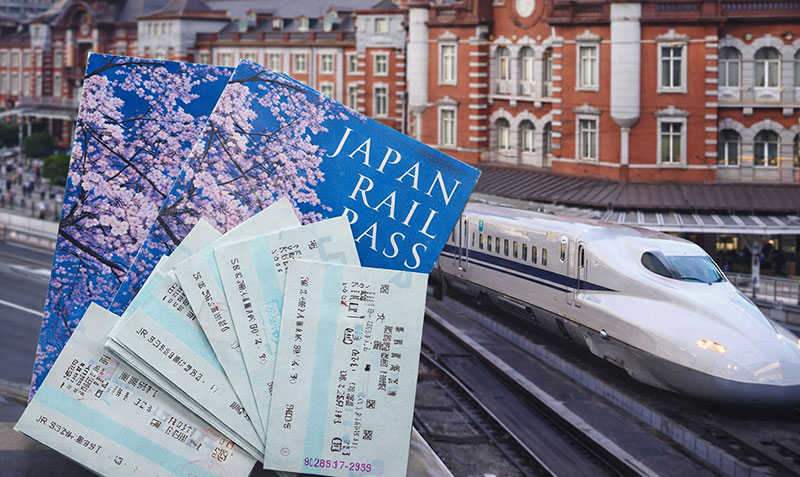
Hand holding multiple Japan Rail Passes in front of a Shinkansen bullet train at Tokyo Station

Is the Japan Rail Pass Still Worth It? (2026 Price & Math Analysis)

Hand holding multiple Japan Rail Passes in front of a Shinkansen bullet train at Tokyo Station

The “golden ticket” isn’t what it used to be. In 2026, make sure to run the math before purchasing a JR Pass for your Shinkansen trips.


The End of the “Golden Ticket” Era

For decades, the advice for traveling to Japan was simple: “Buy the JR Pass.” It was the golden ticket, a cheap, unlimited pass that let you hop on bullet trains like they were subways.

That era is over. Since the massive price hike of roughly 70%, the JR Pass has gone from a “no-brainer” to a “probably not.” In 2026, for the average first-time visitor doing the classic Tokyo-Kyoto-Osaka route, buying the pass will actually lose you money.

If you are still mapping out your trip, start with our Japan Travel Guide to understand how routes, cities, and timing all connect.

But it is not dead for everyone. If you are a speed-traveler planning to sweep from Tokyo to Hiroshima and Kyushu in a week, it can still save you a fortune. Below is the honest math to help you decide.

For official pricing and the latest updates, refer to the Japan Rail Pass site.

Planning note: Do not buy the pass “just for convenience.” You can buy individual Shinkansen tickets on your phone (SmartEX) or at machines in English in 2 minutes. The “convenience” gap is gone.

Download the SmartEX app before your trip to book Shinkansen tickets directly.

Illustration of Japan's Golden Route map showing the travel path from Tokyo to Osaka, featuring a Shinkansen bullet train in the foreground and landmarks like Mount Fuji, Tokyo Skytree, and Osaka Castle.

The new reality: Buying point-to-point tickets is now the smarter move for most travelers. Map of Japan’s famous “Golden Route,” highlighting the classic travel itinerary that connects Tokyo, Kyoto, and Osaka via the Shinkansen bullet train.


The 2026 Math: Does It Add Up?

Let’s look at the numbers. The following chart compares the cost of a 7-Day JR Pass (Ordinary Car) against the cost of buying individual tickets for the most popular itineraries.

Itinerary Type Route Ticket Cost (Approx) 7-Day JR Pass Cost Result
The Classic Tokyo ↔ Kyoto (Round Trip) ¥28,000 ¥50,000 LOSE ¥22,000
The Golden Route Tokyo → Kyoto → Osaka → Tokyo ¥30,000 ¥50,000 LOSE ¥20,000
The Extension Tokyo → Kyoto → Hiroshima → Tokyo ¥48,000 ¥50,000 BREAK EVEN
The Long Haul Tokyo → Hiroshima → Fukuoka → Tokyo ¥60,000+ ¥50,000 SAVE ¥10,000+

This classic route is covered in detail in our Tokyo Guide and Kyoto Travel Guide, including how long to stay and how to sequence your stops.

The Verdict: Unless you are going past Hiroshima and coming back to Tokyo within 7 days, the nationwide pass is NOT worth it.
A sleek white Nozomi Shinkansen bullet train pulled into the modern, glass-canopied Kyoto Station with a cityscape and temple pagoda in the background.

By skipping the pass, you can ride the “Nozomi”, the fastest and most frequent train, which the JR Pass charges extra for. The iconic Nozomi Shinkansen arrives at Kyoto Station, showcasing the seamless blend of Japan’s cutting-edge rail technology and its historic architectural landscape.


Why You Should Skip It for the Golden Route

If your itinerary is simply Tokyo, Kyoto, and Osaka, buying the pass is essentially donating $150 to the railway company.

Benefits of skipping the pass:

  • Ride the Nozomi: The JR Pass restricts you to slower trains (Hikari/Kodama) unless you pay a surcharge. Buying regular tickets lets you ride the Nozomi, which runs every 10 minutes.
  • Flexibility: You aren’t forced to cram all your travel into 7 days. You can stay in Kyoto for 4 days and Tokyo for 5 without worrying about a pass expiring.
  • Digital Tickets: You can book seats on your phone 10 minutes before departure.
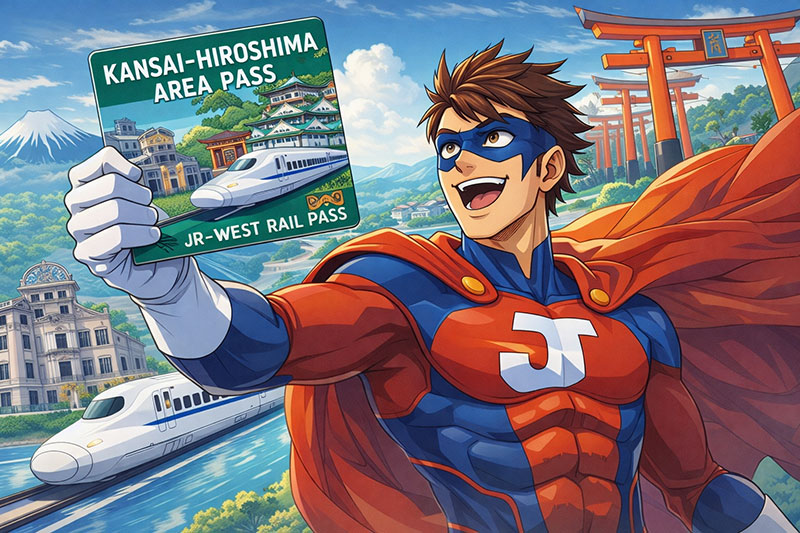
An anime-style superhero character holding up a Kansai-Hiroshima Area Pass with a Shinkansen train, Itsukushima Shrine torii gate, and Osaka Castle in the background.

The “Kansai-Hiroshima Area Pass” is the new hero of Japan travel.


The New Hack: Regional Passes

While the nationwide pass got expensive, the Regional Passes are still incredible value.

My favorite for 2026 is the JR Kansai-Hiroshima Area Pass.

  • Cost: Approx. ¥17,000 ($115 USD) for 5 days.
  • What it covers: Unlimited travel between Osaka, Kyoto, Nara, Kobe, Himeji, Hiroshima, and Miyajima.
  • The Math: A round trip from Osaka to Hiroshima alone costs about ¥20,000. This pass pays for itself in one single day trip.
Local Guide Tip: Combine a round-trip Tokyo-Osaka ticket (buy individually) with this Regional Pass for your side trips. It is the smartest way to travel in 2026.
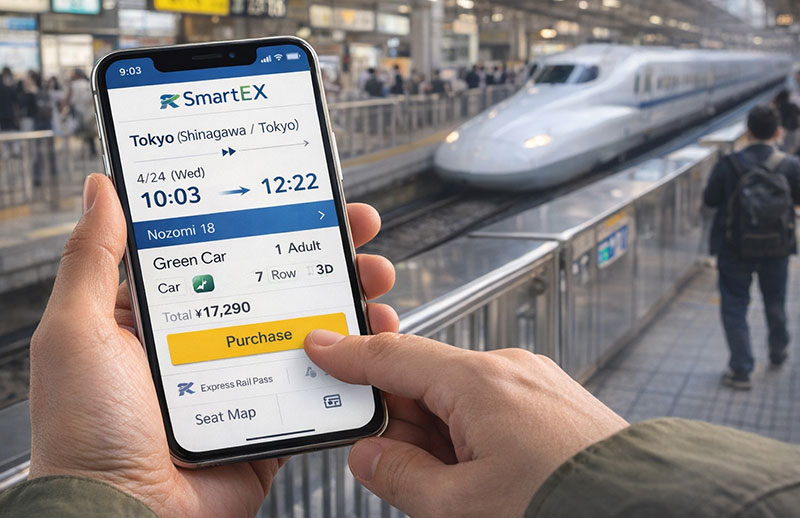
A person using the SmartEX app on a smartphone to purchase a Shinkansen ticket with a Nozomi bullet train in the background.

The SmartEX app allows you to link tickets to your IC Card (Suica), so you just tap your phone to board the Bullet Train.


How to Buy Tickets Like a Local (SmartEX)

Don’t wait in line at the station. Download the SmartEX app (or use the website) before your trip.

  1. Register with your credit card.
  2. Search for your train (e.g., Tokyo to Kyoto).
  3. Select your seat from the map (get a window seat on the right side for Mt. Fuji views!).
  4. Crucial Step: Link the ticket to your “IC Card” (Suica/Pasmo) number.

Now, you simply tap your iPhone or Suica card at the Shinkansen gate, and a small paper Seat Information slip pops out. You are on your way.

Pro Tip: Buy your tickets 28 days in advance on SmartEX to get the “Hayatoku” discount, which saves you roughly 15-20%.

FAQs

These are even harder to justify. Unless you are literally living on the train and moving to a new city every single day for three weeks, they are almost never worth the cost.

Yes, but it is slightly more expensive than buying online. However, given the high price, I recommend NOT buying it until you have fully mapped your route and done the math.

Yes, it covers the JR Yamanote Line. But those rides cost $1.50. Buying a $350 pass to save $1.50 on subway rides is bad math.


Final Thoughts: Japan travel has changed, but it’s still efficient. Don’t stress about the pass, just download SmartEX, grab a Bento box, and enjoy the ride!

Explore Japan through food culture, planning guides, major cities, and deeper regional experiences.

START HERE

Japan Travel Guide Hub

Use the full Japan hub to connect cities, compare regions, and build a trip that fits your travel style.

Read More

FIRST TIMERS

First-Timer’s Guide to Japan

Get the logistics, etiquette, and pricing basics right.

Read More

TOKYO

City Guide

Neighborhoods, food, and how to plan your time.

Read More

KYOTO

Kyoto Travel Guide

Temples, districts, and must-see experiences.

Read More

TOKYO FOOD

Eat Like a Local

Hidden gems and real dining culture.

Read More

CULTURE

Geisha in Kyoto

History, tradition, and modern reality.

Read More

Travel Insurance Explained: What’s Worth Paying For

Guide-style illustration of a young couple with travel backpacks waiting patiently in a doctor's office waiting room, with a doctor consulting a patient in the background.
Home » Travel Planning » Page 2

Last updated: January 2026

Quick help

If you’re leaving your home country, prioritize Emergency Medical and Medical Evacuation before anything else.

Start here

Travel insurance is sold with fear, jargon, and worst-case scenarios. Most travelers either overpay for coverage they do not need, or skip it entirely and hope for the best.

This guide breaks down what actually matters, what is optional, and how to buy coverage that fits how you travel.

Travel insurance is not one product. It is usually a bundle of separate coverages sold together. Your goal is not full coverage. Your goal is risk transfer for the things that would actually hurt you financially.

Pro Tip
Buy insurance for costs you cannot easily absorb. Skip coverage for inconveniences you can afford.

Who actually needs travel insurance

Strong yes

  • You’re leaving your home country
  • You’re traveling more than 7 to 10 days
  • You’re booking non-refundable flights, tours, or a multi-stop itinerary
  • You plan to drive, rent scooters, hike, dive, or do higher-risk activities
  • You’re older than 50, traveling with kids, or traveling solo

Maybe, but keep it simple

  • Short domestic trips
  • Very flexible travel where refunds and changes are easy
  • You already have strong medical coverage abroad, after verifying it first
Local Guide Tip
Most travelers do not need every add-on. They usually need one or two protections done well, then they can skip the rest.

What coverage actually matters

Emergency medical coverage

This is the single most important part of travel insurance. Many countries require payment up front, and your domestic health plan often will not cover you abroad.

  • Target limit: $100,000 or more for international travel
  • Must include: hospitalization, doctor visits, and diagnostics
  • Watch for: exclusions, low limits, and secondary coverage rules
The Look-Back Trap
If you have a chronic condition and you visited a doctor or changed medications in the last 60 to 180 days, standard coverage may not apply. You usually need a policy with a pre-existing condition waiver, and that often has to be purchased within 14 to 21 days of your first trip deposit.

Medical evacuation

This covers getting you to adequate care or back home if needed. Evacuation costs can be enormous, especially in remote places or after serious injuries.

  • Target limit: $250,000 or more, and higher for remote travel
  • Look for wording: nearest adequate facility and repatriation
Pro Tip
If you buy only one thing, buy medical plus evacuation. Everything else is optional.

What’s often oversold

Trip cancellation

Cancellation only applies before you depart, and it usually covers limited reasons. It can overlap with airline flexibility and refundable bookings.

Baggage coverage

Payouts are often low and claims can be slow. Airlines already carry some responsibility, and your card may help with baggage delays.

Cancel for any reason

CFAR is expensive, often refunds only part of your trip cost, and usually must be purchased early. It can make sense for certain trips, but it is not necessary for most travelers.

Reality Check
Most meaningful claims are medical, not luggage or cancellations.

Credit cards vs travel insurance

What cards often do well

  • Trip delay and missed connection coverage
  • Rental car coverage
  • Limited baggage delay reimbursement

Where cards fall short

  • Emergency medical limits are low or missing
  • Medical evacuation is limited or excluded
  • Long trips may exceed coverage limits
Local Guide Tip
Credit cards are good for logistics protection. Insurance is for health and emergencies.

My take: do I personally buy travel insurance?

Personally, in the last few years, I have not bought travel insurance for most of our trips. We travel two or three times a year, mostly abroad, and we usually travel on a budget.

That usually means staying in Airbnbs for a month at a time, spending around $2,000 to $3,000 total, and finding cheaper international flights in the $500 to $600 range by being flexible with routes and dates.

I have also found that medical costs outside the United States are often dramatically lower. A doctor visit or basic medication in many countries can cost a fraction of what the same care would cost at home.

When insurance starts to make sense for me

  • Adventure travel like high-altitude hiking, rafting, diving, or other higher-risk activities
  • Luxury trips with expensive hotels and non-refundable bookings
  • First or business class flights, or trips with $5,000 to $10,000 tied up in reservations
  • Group travel where protecting shared costs matters

In those cases, insurance becomes a small percentage of the total trip cost, and the extra protection is worth it.

Important
Always understand how travel insurance stacks with your other coverage. Some policies are secondary, some are primary, and exclusions matter. Do your due diligence and understand exactly what is covered and how claims work before you buy.

What travel insurance costs in 2026

  • 1 to 2 weeks: $40 to $80 per person
  • 1 month: $80 to $150 per person
  • Long stays and nomad travel: $150 to $300+ depending on coverage and age

What raises the price

  • Age
  • Trip length
  • Adventure activities, including scooters and certain water sports
  • High coverage limits and low deductibles
Pro Tip
A higher deductible can drop your price fast while keeping the catastrophic coverage that matters most.

Common mistakes travelers make

  • Buying insurance after something goes wrong
  • Assuming travel insurance automatically includes medical
  • Not reading exclusions for scooters, rentals, or higher-risk activities
  • Skipping evacuation coverage because it sounds extreme
  • Over-insuring small losses and under-insuring medical risk
Local Guide Tip
If you rent scooters, confirm the policy covers two-wheel vehicles. Many plans exclude them by default.

Trusted providers

I do not recommend endlessly shopping around on aggregators. Stick to companies that have a track record of actually paying claims and make sure the policy matches the way you travel.

For digital nomads and long-term travelers

SafetyWing (Nomad Insurance)

  • The deal: It is a monthly subscription model that you can turn on or off.
  • Why it stands out: You can buy it after you have already left home, and it covers brief visits back to your home country.
  • Best for: Indefinite travel, remote workers, and flexibility

For vacations and families

Allianz Travel

  • The deal: Traditional per-trip policies with strong cancellation and interruption coverage.
  • Why it stands out: They are a major global insurer with a streamlined app and strong options for expensive flights, tours, and family travel.
  • Best for: Short vacations, families, and protecting larger trip deposits

For adventure and higher-risk activities

World Nomads

  • The deal: Built for backpackers and more active itineraries.
  • Why it stands out: They cover many activities that other plans exclude, including scuba, trekking, and some motorbike-related travel scenarios depending on the policy details.
  • Best for: Adventure travelers and more complex itineraries
Local Guide Tip
Always read the Description of Coverage document before buying. It is boring, but it is the only thing that really matters when you file a claim.

How to choose a plan fast

  • Decide your risk tolerance: What would actually hurt financially?
  • Check your existing coverage: health insurance abroad, card benefits, and employer plans
  • Pick medical and evacuation first: set limits before comparing prices
  • Add trip interruption only if needed: for a long trip or big non-refundable spend
  • Ignore the upsells: baggage and cancellation add cost fast and often pay out slowly

Claim checklist

Buying the policy is the easy part. Getting paid is the hard part. Insurance companies love paperwork, so you need to be prepared before you leave.

  • Pre-existing condition issues: Most policies have a look-back period. If you saw a doctor or changed medications in that window, it may not be covered unless you bought a waiver.
  • Police reports: For theft, you usually need a police report filed within 24 hours.
  • Itemized bills: A credit card statement is not enough. You need the actual invoice listing diagnosis and treatment.
  • Receipts and confirmations: Save booking confirmations, tour invoices, baggage claim slips, and communication from airlines or hotels.
Pro Tip
For major medical emergencies, call the insurance company’s 24/7 assistance line immediately. They can often coordinate payment directly with the hospital so you are not paying a huge bill out of pocket first.

Suggested internal links

Add your related reads here: Travel Safety Guide · Travel Finance Guide · Scams & Tourist Traps

FAQs

Do I need travel insurance for international trips?

For most travelers, yes. At minimum, you want emergency medical coverage and medical evacuation. Those are the two areas where costs can get serious fast.

Sometimes, but often with limitations. Many plans cover emergencies only, may require reimbursement paperwork, and may not cover evacuation. Confirm coverage details before you rely on it.

Emergency medical plus medical evacuation. Everything else is optional and depends on how expensive and inflexible your trip is.

Only for very specific trips where you want maximum flexibility and understand you may only get a partial refund. It is usually not necessary for most travelers.

Not always. Many policies exclude two-wheel vehicles and certain activities unless you add an adventure upgrade. If you plan to ride scooters, check that before you buy.

Over-insuring small inconveniences and under-insuring medical risk. A lost bag is annoying. A hospital stay without coverage is financially painful.

Travel Scams & Tourist Traps

Cinematic guide-style illustration of a confused travel couple looking at a map in a chaotic street scene, surrounded by aggressive vendors and distractions

Most travel scams are not dramatic. They are small pressure plays built on urgency, distraction, confusion, and timing. The travelers who avoid them best usually stay calm, slow things down, and keep control of the interaction.


Home » Travel Planning » Page 2

Last updated: March 2026 by Corey Gasman

From the Editor

Travel scams usually are not dangerous. Most are designed to catch you when you are tired, distracted, newly arrived, or not quite sure what is normal yet. That is why they tend to show up around airports, transit hubs, crowded landmarks, taxis, and tourist-heavy restaurant zones.

I have run into versions of the same scam scripts all over the world. The details change, but the pattern usually does not. Someone tries to rush you, redirect you, confuse the price, insert themselves into your plans, or create a problem they conveniently solve for a fee.

The good news is that avoiding most of this is less about memorizing every scam and more about keeping a few steady habits. Slow the interaction down. Do not make decisions while moving. Do not let strangers create urgency for you. And if something feels off, step away and reset.

This guide walks through the most common travel scams, the tourist traps that feel normal at first, and the simple habits that prevent most problems before they start.

Start here: why most travel scams work

Most travel scams are not built on genius. They work because they catch people at the wrong moment. You are rushed, distracted, jet-lagged, carrying bags, unsure of the area, or trying to be polite when someone pushes into your space.

The goal is not to spot every scam in the world. The goal is to remove urgency, keep control of the interaction, and avoid turning a normal travel day into an expensive or annoying detour.
Pro Tip
If someone approaches you instead of the other way around, slow down immediately. Scams depend on momentum.

TLGA Rule: Calm, boring confidence beats overreacting every time.

Start with the basics

Also read: Travel Safety Abroad for the bigger picture on awareness, habits, and staying prepared on the road.

The mindset that keeps you safer

Scams usually work for three reasons: you are rushed, you are distracted, or you do not know what normal looks like yet. The fix is simple. Slow the interaction down and keep decisions on your terms.

One of the easiest ways to protect yourself is to stop making decisions while moving. The moment someone tries to redirect you, sell you, pressure you, or insert themselves into your plans, pause and reset. A lot of bad travel decisions happen while people are walking, carrying bags, or trying to stay polite.

How scams usually begin

  • Urgency: “right now,” “last chance,” “police,” “fine,” or “closing.”
  • Authority: uniforms, badges, clipboards, or official-sounding language.
  • Help: unsolicited directions, “I’ll show you,” or “I’ll fix it.”
Local Guide Tip: Never make decisions while walking. If a conversation matters, step aside, stop moving, and take ten seconds to think.
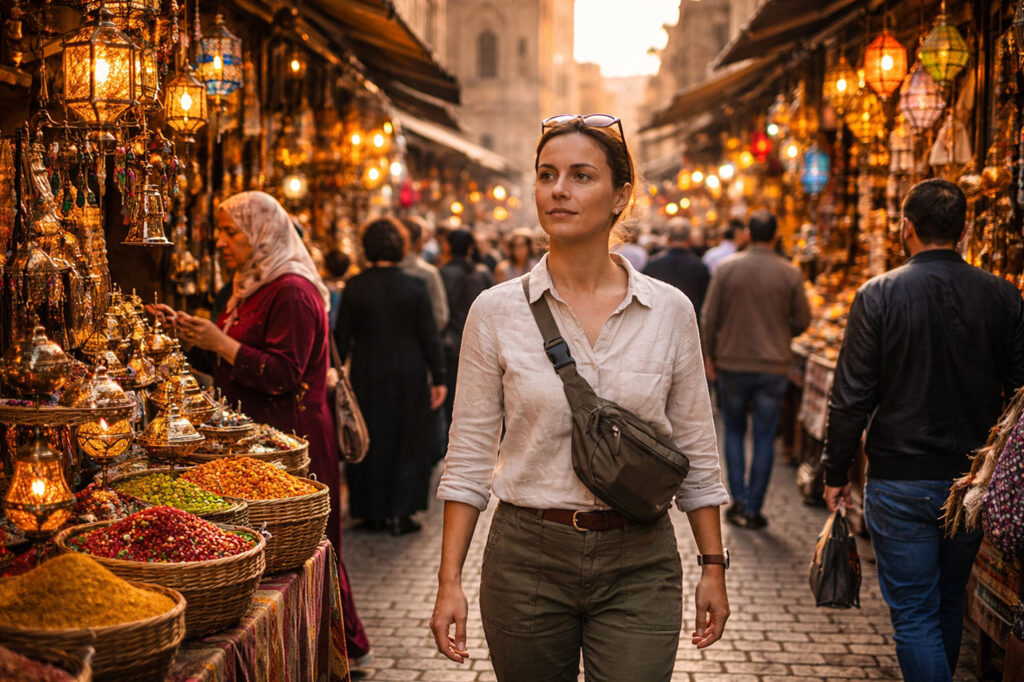
olo female traveler walking confidently through a busy crowded market, ignoring a street vendor offering trinkets.

The most common travel scams do not look dramatic. They often begin with a small interruption, a fake favor, a redirect, or someone trying to speed up your decision-making before you have time to think.


The most common scams worldwide

These show up all over the world. Different countries, same playbook.

The helpful stranger setup

Someone offers help you did not ask for: directions, tickets, bags, photos, or “local advice.” The price shows up after the favor.

  • How to avoid it: say, “No thanks, I’m good,” and keep walking.
  • Rule: if you did not ask, you do not owe.

The fake official

Some scams lean on uniforms, badges, or inspection language to create panic. The goal is usually cash on the spot.

  • Red flag: they demand money immediately or will not show real identification.
  • Best move: ask to go to an office, desk, or station.

The distraction theft

A bump, spill, argument, performance, or sudden commotion gives someone else a chance to work your pockets or bag.

  • Where it happens: crowded transit, plazas, markets, and arrival areas.
  • Best defense: zippers closed, bag in front, and one hand on it in crowds.

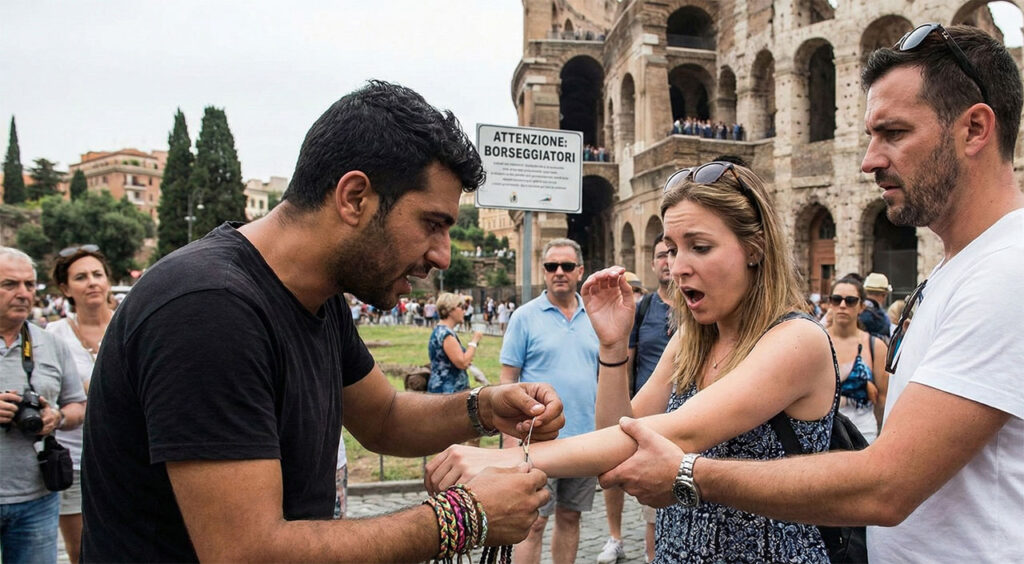
The forced gift

Someone aggressively puts a bracelet on your wrist, hands you a rose, or pushes a “free” item into your hands. Once you touch it, they demand payment and create a scene.

  • Where it happens: major tourist landmarks and busy photo zones.
  • Best defense: keep your hands to yourself, do not engage, and keep moving.

The wrong change or overcharge

This usually happens in taxis, markets, or tourist-heavy shops. You hand over a bill and they claim it was smaller.

  • Fix: say the bill amount out loud while handing it over.
  • Extra: keep larger bills separate so you are not flashing a stack of cash.

The friendly invitation scam

A friendly local approaches you to practice English or hang out, then leads you to a bar, club, or teahouse where the bill becomes outrageous.

  • How to spot it: they approach you and suggest a place they already know.
  • Rule: do not go to a second location with a stranger unless you chose the place.

The “closed today” attraction

A driver or helpful stranger tells you the museum, temple, or palace is closed and offers to take you somewhere better instead, usually a shop or commission stop.

  • Reality: major tourist sites rarely close for lunch.
  • Fix: walk to the actual entrance and check for yourself.
Pro Tip
Do not spend ten minutes arguing over five dollars. Step away, reset, and move on. Your time is often the real target.

Digital & financial traps

In 2026, you are often just as likely to lose money to a banking fee, fake QR code, or rental dispute as you are to a street scam. These problems are easier to miss because they look more official.

The home-currency trap

When you pay by card or use an ATM, the machine asks if you want to pay in your home currency instead of the local one.

  • The trap: the merchant’s bank usually gives you a worse exchange rate.
  • The fix: always choose the local currency and let your own bank handle conversion.

Fake QR codes

Scammers place fake QR stickers over real ones on parking meters, restaurant signs, rental bikes, or ticket machines.

  • Red flag: the URL looks strange or immediately asks for a download or login.
  • Best move: use the official app or pay directly at the counter when possible.

The rental damage claim

You return a scooter, bike, or car, and they suddenly point out damage that was already there.

  • The defense: take a slow video of the entire vehicle before you leave, including close-ups of any existing scratches.

The ride-share cancel trick

You book a ride, the driver does not move, and then messages you asking you to cancel or pay cash off-app.

  • The trap: if you cancel, you may get charged. If you ride off-app, you lose the safety tracking and support.
  • The fix: do not cancel for them. Make the driver cancel and never ride outside the app.

The accommodation bait-and-switch

You arrive, and the host says there is a plumbing issue or another problem, then offers you a different unit nearby that is clearly worse.

  • The defense: do not casually accept the substitute. Contact platform support before checking in anywhere else.
Pro Tip
Never hand over your physical passport as a rental deposit. Offer cash, a card hold, or a copy of your ID instead. If they insist on keeping the passport, walk away.

My take: how scams usually start on day one

I have seen enough versions of this over the years to know that the first scam you avoid on a trip often happens before the vacation really starts. It is usually right after landing, right outside a station, or in that first stretch where you are tired, carrying bags, and not fully oriented yet.

The airport funnel trap

A classic example is landing somewhere like Cabo San Lucas and walking into that airport exit funnel where people act like transportation staff or tourism helpers. In reality, many are trying to pull you into a timeshare pitch, private transfer detour, or commission-based stop before your trip has even started.

  • Better move: know your pickup point before you land.
  • Keep it simple: do not stop, do not explain, and do not improvise in the moment.

The too-friendly stranger pattern

There is a big difference between you asking a local for help and a stranger approaching you fast with a full conversation starter. “Hey guys, what are you doing today?” can sound harmless, but it is often the setup for a tourist restaurant, bar, tour, or shop where somebody gets paid for steering you there.

  • Better move: be polite, but keep walking.
  • Rule of thumb: if you did not ask for help, you probably do not need it.

How I protect valuables

  • I keep my essentials in a zip pocket or secure crossbody bag.
  • In higher-theft areas, I use an inside money belt for passport, backup cards, and extra cash.
  • At the hotel or Airbnb, I store valuables in a safe or a locked bag.

Research the local script before you arrive

Most scams are just the same script with a different accent. Before landing, I like to check what the common setup is in that destination. In some places it is tuk-tuks and fake closures. In others it is taxis, beach clubs, fake police, or airport transfers. Knowing the local version makes it much easier to spot quickly.

Taxis and day-one pricing

Taxis can hit hardest on day one because you do not know the normal pricing yet. That is when people accept inflated rates or weird explanations because they just want to get moving.

  • Better move: know the expected airport-to-hotel rate before you arrive.
  • Hard line: if they refuse the meter or will not agree on a clear fare, do not get in.
Local Guide Tip: A small number of people see tourists like an ATM machine. Calm awareness and basic prep avoid most problems.

Tourist traps that feel normal

These are not always scams, but they are the places where inflated pricing, weak value, and low-quality experiences get normalized fast.

Transport traps

  • No meter, no posted fare, or “meter is broken.”
  • Airport taxi stands with inflated tourist pricing.
  • Drivers insisting on cash only after arrival.

Better move: agree on the price first, use ride-hailing when possible, or pre-book your airport transfer.

Restaurant traps

  • Menus with no prices.
  • Automatic add-ons you did not ask for.
  • Heavy tourist pricing right on major squares and landmark streets.

Better move: walk a few blocks off the main strip and look for places where people are eating normal lunch, not just taking photos.

Tour and excursion traps

  • “Today only” street urgency.
  • Vague inclusions around entry fees, transport, meals, or timing.
  • No written confirmation or receipt.

Better move: book through your hotel, established operators, or platforms with review history and refund policies.

Local Guide Tip: If someone is outside aggressively recruiting you into a restaurant, keep walking. Good places usually do not need a hype man.

The simple rules that prevent most problems

  • Do not make decisions while walking.
  • Do not pull out your wallet during a street discussion.
  • Do not argue. Exit.
  • Do not accept unsolicited help.
  • Do not let anyone rush you.
Pro Tip
Build a default script: “No thanks,” smile, keep moving. Polite and firm is the cheat code.

If something feels off, do this

Scammers rely on isolation and momentum. Your job is to break both.

  • Stop moving. No more walking and talking.
  • Create space. Take a step back.
  • End the interaction. “No thanks.”
  • Move toward a safe public point. Hotel lobby, café, shop, or staffed counter.
Local Guide Tip: If you need an instant reset, walk into the nearest hotel, café, pharmacy, or convenience store and stand near the counter.

Related reading

Go next: Getting Around Abroad  |  Money, Costs & Budgeting

Travel Planning Related Articles

Safety, budgeting, packing, and practical planning advice that helps trips go smoother from day one.

SAFETY GUIDE

Travel Safety Abroad

Practical habits that help you stay aware, prepared, and more confident while traveling.

Read More

BUDGET GUIDE

Money, Costs & Budgeting

How to avoid common money mistakes, plan costs better, and travel well without overspending.

Read More

FOOD GUIDE

Eating Abroad

How to eat better, avoid tourist-trap patterns, and enjoy local food with more confidence.

Read More

Frequently Asked Questions

What is the biggest scam trigger to avoid?

Urgency. The moment you feel rushed, pause. Scams depend on speed. When you slow the interaction down, a lot of them fall apart fast.

No. Just separate normal friendliness from unsolicited help, pressure, or redirecting behavior. If money, urgency, or a forced interaction shows up quickly, exit politely.

Use ride-hailing where available, or agree on the fare before getting in. If the driver resists the meter, avoids a clear price, or starts changing the story, take the next option.

It is when an ATM or card terminal asks if you want to be charged in your home currency instead of the local one. It sounds convenient, but the exchange rate is usually worse. Choose the local currency instead.

Hotels vs Airbnb vs Long Stays: Choosing the Right Fit

Vibrant guide-style illustration of a smiling Asian couple with backpacks handing a credit card to a receptionist at a traditional German hotel, with a scenic town square in the background
Home » Travel Planning » Page 2

Last updated: March 2026 by Corey Gasman

From the Editor:

Where you stay matters more than most travelers admit. The wrong choice can quietly drain your budget, waste hours of your time, or make a great destination feel frustrating.

This guide cuts through the marketing and shows when hotels, Airbnb, or long-term rentals actually make sense.

The goal is not to pick the trendiest booking option. The goal is to choose the stay that fits your trip length, luggage situation, arrival time, budget, and how you actually travel.

Start Here: Hotels vs Airbnb vs Long Stays

Accommodation is one of the easiest places to make a trip better or worse. A great stay makes the whole trip feel smoother. A bad stay creates friction every single day.

The best choice depends on how long you are staying, how much space you need, whether you want a kitchen, and how much support you want if something goes wrong.

Quick Rule:
1 to 4 nights → hotel
4 to 10 nights → Airbnb or apartment rental
10+ nights → apartment, apart-hotel, or long stay

If you only remember one thing: choose the stay that reduces daily friction.

TLGA Rule: Do not book based only on price. The cheapest stay can become expensive fast if the location, luggage setup, check-in, or Wi-Fi creates problems.

Planning first?

Start here: Travel Planning Playbook

Working out your budget?

Read: Travel Budget Guide


At a Glance

Short on time? Here is the quick cheat sheet.

Feature Hotel Airbnb / Rental Long Stay
Best For 1 to 4 nights Groups and kitchens Digital nomads and slow travelers
Luggage Storage Easy and usually free Rare and often difficult Not usually relevant
Check-in 24/7 desk Self or app-based Often by appointment
Cleaning Usually included Often one checkout fee Usually self-managed

Local Guide Tip: If you have a late flight home, book a hotel. Being able to leave your bags at the desk all day is often worth the extra cost.

Hotels: When They Win

Hotels get dismissed as boring, but they dominate in specific situations.

If you are still building the full trip, pair this with the Travel Planning Playbook and the Getting Around Abroad guide so your stay, flights, and daily movement all work together.

Hotels Are Best When

  • You are staying one to four nights
  • You arrive late or leave early
  • You want daily cleaning and front-desk help
  • You are traveling solo or for work

Real Advantages

  • Predictable quality: Fewer surprises with the room, shower, or bed
  • Luggage logistics: Easy bag storage before check-in and after checkout
  • Safety: Front desk staff, controlled entry, and more support for solo travelers
  • Location: Often right where travelers actually want to be

Hidden Downsides

  • Resort fees and parking fees
  • Smaller rooms
  • Food costs can add up quickly

Pro Tip: If you are mostly sleeping and showering, hotels are often cheaper once cleaning fees and taxes are factored in.


Airbnb: The Real Pros and Cons

Airbnb can be fantastic or terrible. There is not much middle ground.

Airbnb Makes Sense When

  • You are staying four to ten nights
  • You want a kitchen
  • You need more space for family or friends
  • You plan to actually spend time at home

Real Advantages

  • More space for the price
  • Access to residential neighborhoods
  • Kitchens can reduce food costs

The Problems People Do Not Mention

  • The luggage gap: Hosts rarely hold bags, so you may need lockers or a storage service
  • Cleaning fees: These can wreck the value on short stays
  • Strict rules: Chore lists and rigid checkout times are still common

Airbnb can still be a strong option, especially for longer stays and group trips. Just compare the final price, not the nightly teaser rate. You can use Airbnb and Vrbo to compare rentals, but always read the newest reviews and the house rules before booking.

Local Guide Tip: Always read the negative reviews first. Patterns matter more than star ratings.

The Hybrid Option

In 2026, you do not always have to choose. Brands like Sonder, Locke, and Citadines sit in the middle as apart-hotels or serviced stays.

  • What you get: More space and often a kitchen, with more professional management than a typical Airbnb
  • The cost: Usually between a standard hotel and a premium short-term rental
  • The verdict: A strong option for travelers who want flexibility without dealing with host friction

Pro Tip: Apart-hotels are often the cleanest middle ground for families, remote workers, and travelers who want kitchen access without gambling on a one-off host.


Long Stays

Long stays are a different category entirely. Think living, not vacationing.

These are usually furnished apartments, condos, or small homes booked for 30 or more days, often outside the traditional hotel setup.

Common Booking Types

  • Short-term rental platforms like Airbnb or VRBO
  • Serviced apartments or apart-hotels
  • Direct monthly rentals through local agents or expat groups

Best For

  • Remote workers
  • Slow travelers
  • Retirees or extended trips

Why Long Stays Win

  • Monthly discounts can change the math dramatically
  • You can settle into a routine instead of constantly moving
  • Food costs usually drop when you can cook

Tradeoffs

  • Less flexibility once booked
  • You may be responsible for utilities, cleaning, and Wi-Fi quality
  • The neighborhood often matters more than the unit itself

If this is part of a bigger lifestyle shift, also read the Travel Lifestyle guide and the Top Digital Nomad Countries guide.

Pro Tip: For stays over 30 days, message hosts directly. Longer stays are one of the few times negotiation is normal, especially in shoulder season or off-season.


Booking Resources

Choosing the right type of accommodation matters more than the platform itself.

Before booking anything, make sure you understand when hotels, short-term rentals, or long stays actually make the most sense for your trip.

Common Booking Paths

  • Hotels: Direct hotel websites, booking engines, and loyalty programs
  • Short stays: Airbnb, VRBO, and similar rental platforms
  • Long stays: Monthly rentals, serviced apartments, local agents, or direct host negotiation

Useful Places to Compare

  • Booking.com: good for comparing hotels, apartments, and flexible cancellation options
  • Airbnb: useful for apartments, longer stays, kitchens, and residential neighborhoods
  • Vrbo: often stronger for larger homes, families, and group stays

Local Guide Tip: Use platforms to compare options, but for long stays, better deals often show up through direct communication and local connections.

How to Choose Fast

Ask yourself three simple questions:

  • How many nights am I staying?
  • Will I spend real time in the room or apartment?
  • How much friction can I tolerate?

If you want zero friction, choose a hotel.
If you want space and a kitchen, choose an Airbnb.
If you want a cleaner middle ground, choose an apart-hotel.
If you want to settle in and live for a while, choose a long stay.

Local Guide Tip: Switching accommodation types mid-trip is often smarter than forcing one option to fit the whole journey.


Common Mistakes

  • Booking an Airbnb for only two nights
  • Assuming an Airbnb host will hold your luggage
  • Choosing a place based only on photos, not location and logistics
  • Assuming the Wi-Fi is good enough for remote work
  • Overcommitting to a long stay before you understand the neighborhood

Pro Tip: A great deal in the wrong location is still a bad deal.

My Take: How We Actually Book

When my wife and I travel abroad, we are usually going for at least a week or two, and sometimes a full month. That puts us in the Airbnb category most of the time.

What I Look For

  • Modern condo or apartment that feels clean, updated, and functional
  • Strong rating with enough reviews to spot patterns
  • Location that makes sense for how we will actually spend our days

Local Guide Tip: Do not just look at the map pin. Zoom in and read the map. If there are no restaurants, cafes, or signs of daily life around it, it is probably not the neighborhood you think it is.

Why We Often Mix Hotels and Airbnb

Sometimes the best flight deal does not line up perfectly with the best Airbnb dates. In those cases, we will do a short hotel stay for a night or two, then move into the Airbnb for the longer stretch.

  • Yes, it adds one more check-in and checkout
  • But it lets us optimize both the flight timing and the stay itself
  • Sometimes the hotel stop is fun on its own, with better amenities or a more relaxed landing day

Pro Tip: If you are mixing stays, pack a one-night kit with toiletries and a change of clothes so you do not have to unpack everything for the short hotel stop.

Plan the rest of the trip around smarter timing, better costs, easier movement, and fewer surprises.

START HERE

Travel Planning

Use the main planning hub to connect flights, stays, budgets, safety, packing, and trip flow.

Read More

TRIP FRAMEWORK

How to Plan a Trip

Build the trip in the right order so flights, hotels, neighborhoods, and daily plans work together.

Read More

FLIGHT STRATEGY

How to Find Cheap Flights

Find better routes, smarter timing, and flight deals that actually fit the rest of your trip.

Read More

MONEY BASICS

Travel Budget Guide

Estimate real costs before you book, including flights, lodging, food, transport, and backup money.

Read More

PROTECTION

Travel Insurance Explained

Know what coverage is worth paying for, what it usually excludes, and when it matters most.

Read More

DAILY MOVEMENT

Getting Around Abroad

Figure out trains, taxis, rideshares, walking, arrival days, and last-day luggage problems.

Read More

Frequently Asked Questions

Are hotels always more expensive?

No. For short stays, hotels are often cheaper once cleaning fees and taxes are included.

Yes, but mainly for longer stays, families, or groups. On short stays, the value is often weaker than people expect.

Monthly rentals usually win on cost per night, especially once discounts kick in.

Apart-hotels work well when you want more room and a kitchen, but still want more consistency and less host friction than a typical Airbnb.

Local Guide Tip: If you plan to stay more than three weeks, compare monthly pricing even if you only need about 25 days. Sometimes the monthly rate still comes out cheaper.

How to Find Great Flights

View from an airplane window showing the wing soaring over a thick blanket of clouds during a golden sunset, perfect for a long-haul flight guide.
Home » Travel Planning » Page 2

Last updated: March 2026 by Corey Gasman

From the Editor:

Finding a good flight deal in 2026 is not about tricks, hacks, or gaming browser cookies. It is about understanding how airline pricing actually works and using modern search tools the right way.

Airlines price flights dynamically based on demand, timing, routes, and competition. That means the cheapest option on the screen is often the worst value once you factor in bags, seat fees, long layovers, or risky connections. The goal of this guide is not to help you beat the system. The goal is to show you how to work with it so you can book confidently without regret.

Still choosing a destination?

If you are not ready to book flights yet, start here: The TLGA Travel Planning Playbook

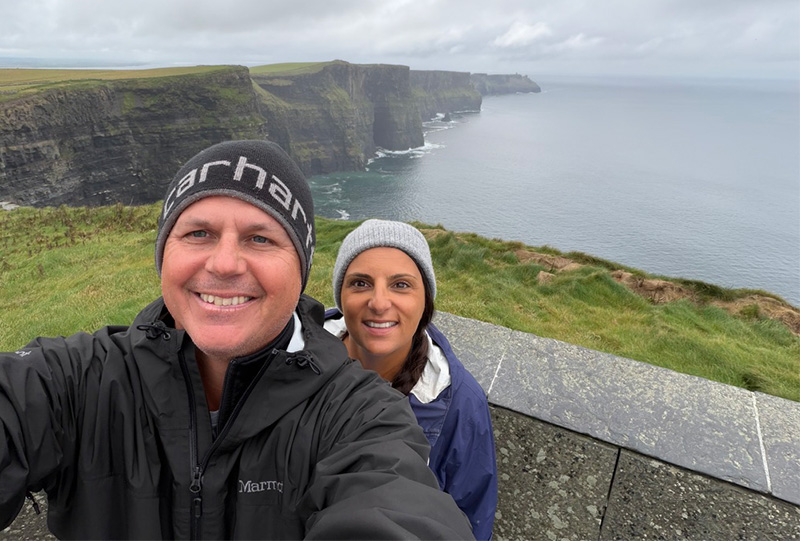
A smiling man and woman taking a selfie in front of the scenic Cliffs of Moher in Ireland on a cloudy day.

Stop wasting time clearing cookies. Focus on what actually moves flight prices: route competition, seasonality, and flexibility. Traveling in the shoulder season is one of the easiest ways to score trips like Ireland in October


Stop Believing the Flight Myths

Let us clear the junk advice first. Most flight hacks you see online are either outdated, misunderstood, or designed to get views rather than save you money.

Incognito Mode Does Nothing

Incognito mode does not magically unlock better prices. Airlines do not raise fares just because you looked at a route twice. Prices move based on global demand, remaining inventory, and how fast the flight is selling.

There is No “Magic Tuesday”

There is no universal magic hour to hit the buy button. While flying on a Tuesday is often cheaper than flying on a Friday, buying your ticket on a Tuesday midnight makes no difference. Pricing algorithms change constantly.

One-Way vs. Round Trip

For international long-haul routes, round trips are almost always cheaper than booking two separate one-way tickets unless you are using award points. However, for domestic routes and budget airlines, one-way fares frequently price out identically, allowing you to mix and match airlines for better times.

Local Guide Tip
If you are flying to a tourist-heavy destination, compare midweek arrivals versus weekend arrivals. Shifting your vacation to run Wednesday to Wednesday instead of Saturday to Saturday is the easiest way to drop your price tier.
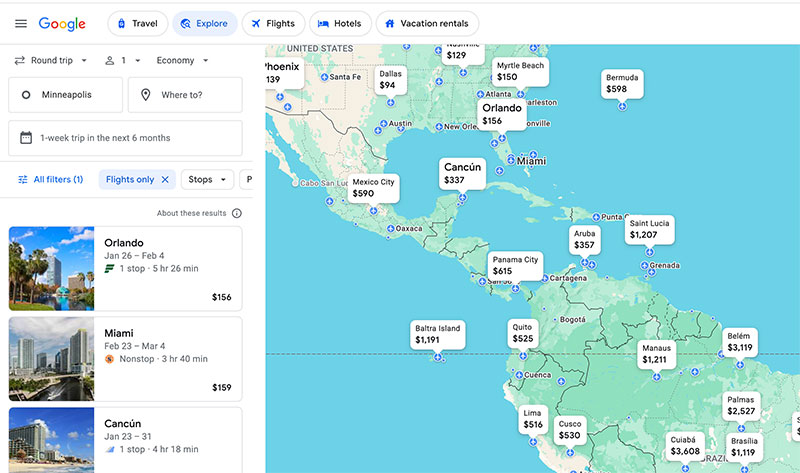
A screen capture of the Google Flights Explore map showing worldwide flight prices from a departure city, used to find the cheapest travel destinations.

Using an open-ended map search allows you to spot unusually cheap direct routes that you can use as an anchor for a larger trip.


Master Google Flights & Flexibility

Most people use flight search engines backwards. They lock in exact dates and a specific city, and then they get frustrated by the price. The real power is maintaining flexibility and letting the map show you the deals.

How to Use the Explore Tool

Using Google Flights Explore is the fastest way to find a great anchor flight. Enter your home airport, leave the destination blank or type a broad region like “Europe”, and click the map. Set the dates to “Flexible” and see what lights up.

Flexibility is the ultimate travel hack. By shifting a departure just a few days away from the weekend, you can uncover massive price drops. For example, leaving MSP for Dublin on a Tuesday can yield a $400 round-trip direct flight on Delta. Once you lock in a cheap transatlantic anchor fare like that, the rest of the trip becomes much easier to build.

Pro Tip
Use Google Flights to understand the normal cash range for your route first. Knowing what a route usually costs is the only way to recognize a genuinely great deal when you see one.
Traveler at airport watching a plane take off with carry-on roller bag.

Booking separate tickets can save money, but it requires leaving massive buffers between flights to protect yourself against delays.


The Hub and Hop Strategy

This is one of the best systems for big savings on international flights, especially if your home airport is not a major international hub.

How the Strategy Works

Instead of searching for a single ticket from your hometown to a smaller destination abroad, break the trip into two pieces. Airlines fight aggressively over major hub routes, which keeps those specific fares incredibly low.

If you want to go to the Canary Islands, do not search for a flight all the way there. Search for the cheapest major hub crossing the Atlantic. You might find a cheap direct flight into London, and from there, you can book a separate low-cost ticket on a regional carrier like EasyJet down to Tenerife. You get the benefit of major hub pricing and budget regional pricing combined.

The Danger of Self-Transfers

When you book two separate tickets, the airlines have no obligation to help you if you miss the connection. If your first flight is delayed and you miss your EasyJet flight, you have to buy a brand new ticket out of pocket.

Local Guide Tip
If you use the Hub and Hop strategy, never book a tight layover. Leave a minimum of four to six hours between separate tickets. Spending the night in the hub city before flying out the next morning is the safest option.
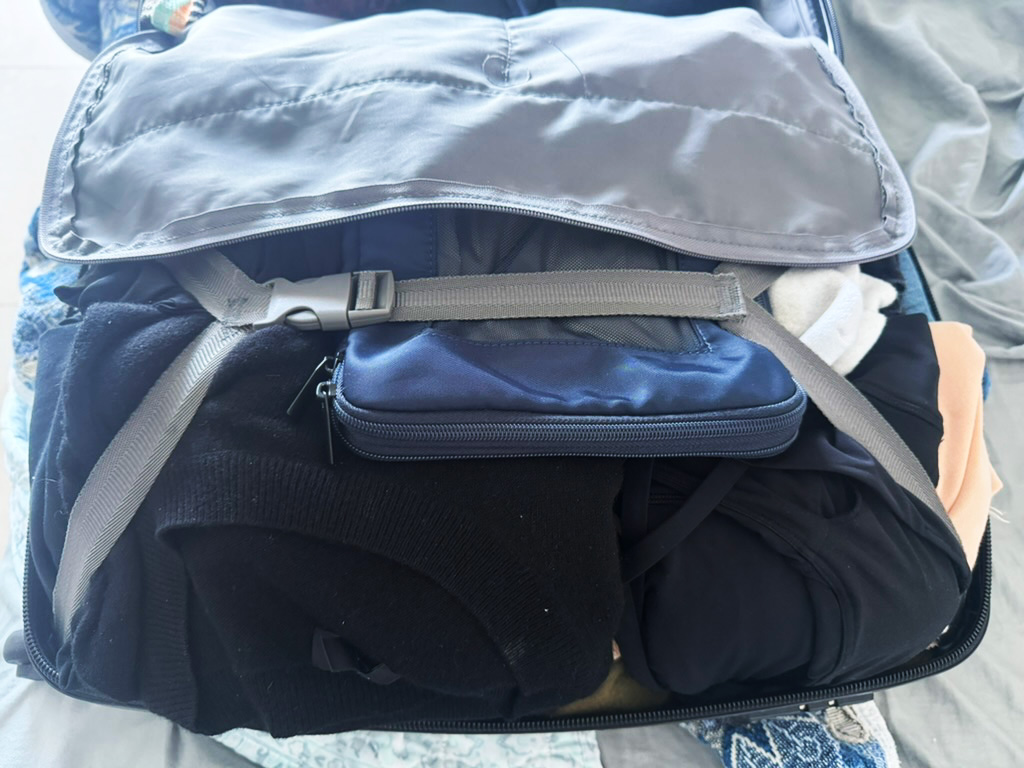
Carry-on suitcase packed for travel with clothing and essentials in a real-world packing setup

Basic economy tickets look cheap until you reach the checkout screen and realize you have to pay for carry-on bags and seat selection.


Baggage Math and Basic Economy Traps

Airlines have unbundled their fares. The price you see on the initial search screen is rarely the price you actually pay once you factor in basic human needs like bringing a suitcase or sitting next to your travel partner.

Do the Math Before You Book

A $300 flight on a budget carrier that charges $75 each way for a carry-on bag and $25 to select a seat is actually a $500 flight. Always compare the final checkout price of a budget ticket against the standard economy price of a full-service legacy carrier.

The Basic Economy Warning

Basic economy tickets strip away flexibility. They often board last, do not allow changes or refunds, and in many cases, do not even include overhead bin space. If your travel plans have any chance of changing, standard economy is usually worth the upgrade just for the flexibility to cancel for a flight credit.

Pro Tip
Google Flights does not reliably factor in Southwest Airlines pricing. For U.S. domestic travel, always double-check Southwest directly since their policy of two free checked bags often beats a basic economy ticket on a competitor.

Beat the baggage fees

The easiest way to make basic economy work in your favor is to stop checking bags entirely. Learn the system here: Mastering One-Bag Travel

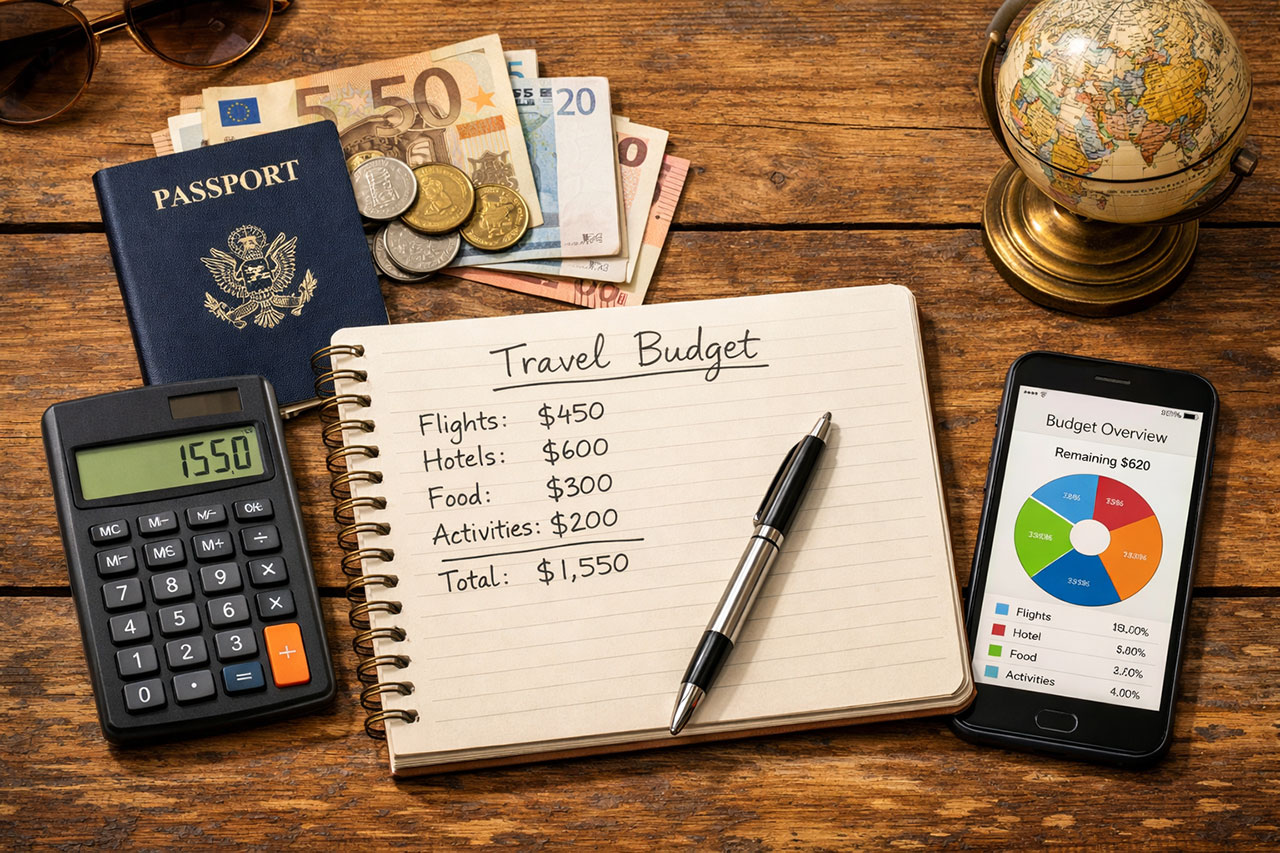
A traveler's planning desk with a budget notebook, calculator, and foreign currency.

Booking directly with the airline on your smartphone is much safer than using a third-party website that might complicate customer service later.


Flight Booking Rules to Live By

Once you find the right flight, a few smart checkout habits can protect your money and make your travel day smoother.

Search for One Ticket First

If you are booking for a family or a couple, search for one passenger first. Airlines sell seats in pricing blocks. If there is only one seat left at the $200 price point, but you search for two passengers, the airline system will often bump both of you into the next available tier at $300. Buy the cheaper seat first, then buy the second seat.

Book Direct, Not Third-Party

Online travel agencies might show a price that is $20 cheaper, but if a flight gets canceled or delayed, you want to deal directly with the airline. Third-party sites are notorious for terrible customer service during travel disruptions. Use aggregators to find the flight, but always book directly on the airline’s website.

Pay in Local Currency

If you are booking an internal domestic flight in another country on a foreign airline website, choose to pay in the local currency. Letting the website convert the price to US Dollars usually results in a terrible exchange rate. Pay in local currency and let your travel credit card handle the conversion without foreign transaction fees.

Pro Tip
Use the 24-Hour Rule. If you book directly with an airline in the U.S., federal regulations generally require them to let you cancel the ticket for a full refund within 24 hours of booking. This gives you peace of mind to lock in a great fare while you finalize your hotel details.
An overhead shot of two pieces of luggage resting against a wall: a silver hard-shell roller suitcase and a dark olive green travel backpack with a tan baseball cap hanging from the strap. Both bags are compact, illustrating a streamlined two-bag travel setup.

The best flight strategy is booking a solid fare, confirming your seat, and shifting your energy to planning the actual adventure.


What to Do After You Book

Most people book their tickets and never look at them again. But since many standard economy tickets now eliminate change fees, keeping an eye on your route can still yield value.

The Re-Price Strategy

Set a Google Alert for the exact flight you just booked. If the price drops significantly before your departure date, log into your airline account. Many carriers will allow you to “change” your flight to the exact same flight and issue you a travel credit for the price difference.

The Real Truth About Flight Deals

The absolute best flight deals go to travelers who start watching prices early, maintain flexibility with their departure days, and pull the trigger when the price drops below average. Waiting for the mythical perfect deal is how most people end up overpaying at the last minute.

If the flight works for your schedule and the price fits your budget, book it, close the browser, and start planning the fun parts of the trip.

Flight Booking FAQs

How far in advance should I book flights?

As a general range, domestic trips often book best one to three months out, while international trips often book best two to eight months out. For peak summer and holiday travel, book as soon as you see a price you are comfortable paying.

This is when you book a flight from A to C with a layover in B, but you leave the airport at B because it was cheaper than booking a direct flight to B. It can save money, but it violates airline rules. If you do it, you can never check a bag, and airlines can penalize frequent abusers by revoking frequent flyer miles.

Usually, no. Miles are best used for expensive redemptions like one-way international flights, last-minute emergency bookings, or business class upgrades. Using points on a cheap $150 domestic flight usually provides terrible value for your miles.

If you are flying departing from Europe, or flying into Europe on an EU carrier, you are protected by EU261 regulations. A major delay or cancellation caused by the airline can trigger hundreds of dollars in mandatory cash compensation. Always file claims directly with the airline.

Read More Travel Planning Guides

Once the flights are locked in, use these practical guides to pack smarter and manage your logistics.

THE SYSTEM

Travel Planning Playbook

Build a smarter trip from the start with a practical framework for timing, logistics, and decision-making.

Read More

AIRPORT FLOW

Move Through Security Faster

Use PreCheck, CLEAR, and simple timing strategies to reduce friction before you fly.

Read More

PACKING & GEAR

The Carry-On Packing System

Pack lighter, bring what actually matters, and avoid the baggage fees that ruin cheap flights.

Read More

Getting Around Abroad

Vibrant guide-style illustration of a happy couple with travel backpacks standing amidst various transport options including a high-speed train, airplane, cruise ship, bus, taxi, and scooter in a tropical setting.
Home » Travel Planning » Page 2

By Corey Gasman • Last edited March 2026

From the Editor:

Most travel stress does not come from the planning phase. It comes from moving between places. It is easy to build a perfect itinerary from your couch, but the reality of dragging luggage through a crowded station, finding the right airport train, or figuring out a foreign transit map at night is where trips actually start to break down.

Even if you love travel, these are often the toughest parts of a trip. The movement days can be draining, which is why having a paln and being prepared matters.

Transit days carry the highest friction of any trip. You are dealing with delays, unfamiliar layouts, heavy bags, language barriers, and strict timelines all at once.

This guide focuses on travel logistics and real-world execution. If you already have your trip mapped out, this is how you move through it smoothly. The goal is to build simple, repeatable systems that keep you moving when plans inevitably change.

The Connectivity Mandate:

Modern transit systems, ride apps, mobile tickets, and live map routing usually require data. Trying to navigate a new transit hub on public Wi-Fi is a recipe for getting lost or making expensive decisions when you are tired.

Set up a regional eSIM plan before your departure flight takes off so you have immediate cellular data when you land. It is one of the highest-return upgrades for daily travel logistics.

Start Here: Travel Days Are the Real Test

Perfect planning does not matter if your execution breaks down on travel days. If you are still building the overall trip, start with the Travel Planning Playbook or the First International Trip Guide, then come back here when you are ready to book transportation and build your movement plan.

The secret to getting around abroad is not speed. It is removing friction before you step into the terminal, station, or ferry port. That means knowing how you are getting from the arrivals hall to your neighborhood before the plane lands, how your luggage will move with you, and which apps or tickets need to be ready before you lose patience.

TLGA Rule
Mobility matters more than capacity. A travel backpack that moves easily on stairs often beats a massive suitcase that slows you down.

Packing right?

Dial in your bag first: Travel Packing & Gear Guide

Need the big picture?

Start here: The Planning Playbook

The Basics That Make Everything Easier

Before getting into trains, taxis, ferries, rental cars, and flights, a few fundamentals remove most of the friction almost anywhere in the world.

Build your transport stack

  • In the city: Walking + metro or bus + taxi or rideshare as backup.
  • Between cities: Train first when it makes sense, bus second, fly when distance or time demands it.
  • Arrival day: Pre-plan how you are getting from the airport, station, or ferry port to your exact address.
  • Last day: Know where your luggage will go if checkout is early and departure is late.

Set yourself up before you arrive

  • Maps: Download your arrival city offline.
  • Rideshare: Install the dominant local app before landing.
  • Payments: Set up Apple Pay or Google Pay before you leave.

We will break down the most useful apps and tools in more detail later in this guide.

Local Guide Tip
Pin your hotel, apartment, and nearest major station in your maps app as soon as you arrive. It saves time when you are tired, carrying bags, or trying to get home late at night.

The right home base can make every airport run, train connection, and daily outing much easier.


Choose the Right Base to Simplify Transportation

The biggest transportation upgrade most travelers miss has nothing to do with apps, passes, or tickets. It starts with choosing the right neighborhood before you book your stay.

Before locking in a hotel or apartment, work backward from your actual movement:

  • How far is this area from the airport?
  • What major transit hubs serve this neighborhood?
  • Can you walk to a useful station in about 10 to 15 minutes?
  • Does that station connect to both city transit and regional routes?
  • Will this location still feel easy when you are carrying luggage?

A real-world example: London

On a recent trip to London, we were flying into the city, using public transit every day, and heading to an NFL game at Tottenham Hotspur Stadium. Instead of picking lodging first, I triangulated the airport arrival, daily Tube access, and the easiest game-day route.

Staying in Shoreditch within walking distance of Liverpool Street Station solved almost everything at once. We avoided extra transfers, minimized walking with bags, and never had to troubleshoot a complicated route in the middle of the trip.

Pro Tip
When comparing stays, check walking time to the nearest major transit hub, not just the distance on a map. A poorly connected “close” location can waste more time than a slightly farther stay with better access.
Man sitting on airplane wearing a fall jacket to save luggage space while traveling

The efficiency of a transport method changes drastically depending on the region, distance, and where each station or airport is located.


Flights vs Trains: Choosing the Right Move

The best way to move depends heavily on where you are traveling. A method that works perfectly in one region can be a logistical headache in another.
Scenario / Region Best Option Why It Works
Europe, city to city Train Avoids airport transfer time, security lines, and distant airports. Often drops you directly downtown.
Japan and South Korea High-speed rail Fast, punctual, and easier than most short-haul domestic flights.
Southeast Asia, cross-country Budget flight Regional low-cost carriers can be faster and cheaper than long overland routes.
Americas, long distance Flight Large distances and limited rail infrastructure make flying the practical choice for many routes.
Scenic or relaxed travel Train or ferry The journey becomes part of the experience instead of just a transfer.

If you want a quick way to compare routes globally, Rome2Rio is one of the simplest tools for seeing transport options between two destinations.

A smiling senior couple walking confidently through a bright, modern airport terminal, each traveling light with only a single carry-on bag.

Navigating the arrivals hall after a long flight is easier when your airport exit plan is already decided.


Airport Exit Strategy

Arriving in a new city after a long flight is when travelers are most vulnerable to bad decisions. The logistics of getting from the terminal to your accommodation often cause the most friction. Currency, language barriers, ride apps, taxi queues, and fatigue all hit at the same time.

Planning the exact transfer method before departure eliminates most of that stress. Know whether you are looking for a specific train line, opening a local ride app, walking to a bus bay, or finding a pre-booked driver.

Key airport transfer strategies

  • Use airport express trains first when available. They are usually faster, predictable, and immune to rush hour traffic.
  • Download the local ride app before leaving home. Do not wait until you are standing outside arrivals with a weak signal.
  • Pre-book private transfers selectively. They make sense for late-night arrivals, family travel, or heavy luggage.
  • Avoid random drivers inside terminals. Follow signs to official taxi ranks or app pickup zones.
Local Guide Tip
Do not exchange large amounts of money at the airport terminal. Pull just enough cash from an airport ATM to cover an emergency taxi if needed, then handle the rest later.
he yellow and blue Leonardo Express train parked at a covered platform at Rome Fiumicino Airport station.

In many countries, trains are the smoothest way to move between cities without the time drain of airport transfers.


Trains

In Europe and parts of Asia, trains are often the best way to travel between cities. They usually run city center to city center, which cuts out much of the airport hassle.

High-speed vs regional trains

  • High-speed trains: TGV, AVE, Eurostar, and Shinkansen-style services move fast and often reward early booking. Seat reservations may be required.
  • Regional trains: Slower, more frequent stops, and often more flexible. These are commonly fine to book closer to departure.

Rail passes vs point-to-point tickets

Do not assume a rail pass is automatically the cheaper move. If you are only taking two or three longer train rides, individual tickets can easily come out ahead. Run the numbers before buying a pass just because it sounds convenient.

If you want a deeper breakdown of routes, booking strategies, and how rail systems actually work across different countries, the Seat61 rail guide is one of the most detailed and reliable resources available.

Train station basics

  • Find the main departure board as soon as you arrive.
  • Track numbers can change late, especially in large stations.
  • In some countries, paper tickets must be validated before boarding.
  • Arriving 15 to 30 minutes early is usually enough for most standard train trips.
Local Guide Tip
Download the official rail app for the country you are in. It often gives better real-time platform updates and delay alerts than broad travel apps.
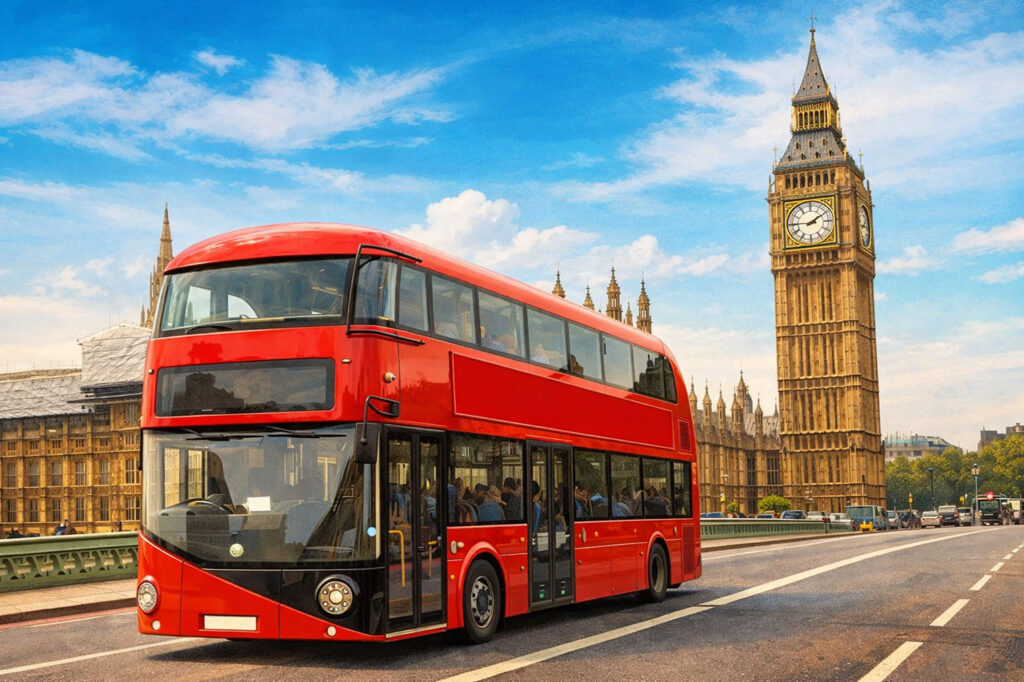
Vibrant guide-style landscape illustration of an iconic red double-decker bus on Westminster Bridge with Big Ben and the Houses of Parliament in the background.

Metro systems, trams, and city buses are often the cheapest and most efficient way to move around daily.


Metro, Trams, and City Buses

This is the daily backbone of most trips. It is usually the cheapest way to move around and often the fastest once you understand the system.

Tap-to-pay changes everything

In cities with open-loop payments, you may not need to buy a transit ticket at all. You can often tap your credit card or phone at the gate or validator. Always check this before standing in line at a machine.

Validation matters

In many cities, buying a ticket is not enough. You also need to validate it by stamping or scanning it before boarding. Miss that step and you can still be fined, even if you already paid.

Daily transit habits that help

  • Download offline maps before the first full day.
  • Check the last train or bus time if you will be out late.
  • Keep small cash as backup for buses, trams, ferries, and rural routes.
  • Use Citymapper in major cities where it is supported.
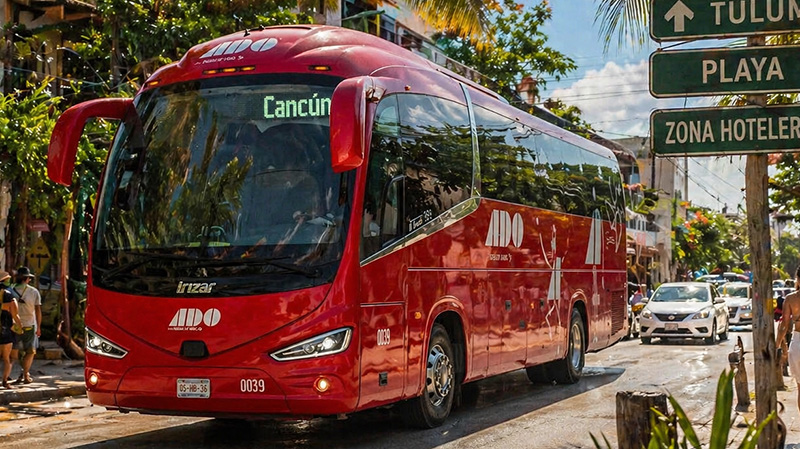
A bright red ADO intercity bus parked at a station in Mexico. The bus has "Cancun" displayed on its destination sign, and a tropical landscape with a Mexican flag is visible in the background

Buses and coaches can save money and reach smaller towns, but the comfort trade-off is real on longer routes. In regions like Mexico and Southeast Asia, premium intercity bus lines offer a comfortable and highly affordable alternative to regional flights.


Intercity Buses and Coaches

If trains are too expensive or do not go where you need, the bus is usually the backup plan.

  • The upside: Buses are often cheap and reach smaller towns or routes that trains do not serve well.
  • The downside: Traffic, comfort, and overall travel time can make them feel longer than they look on paper.
Pro Tip
For bus rides longer than four hours, bring headphones, water, snacks, and something soft for your neck. Saving money is great. Arriving wiped out is not.
A woman in sunglasses and a denim jacket leans into the open door of an Uber, smiling and talking to the driver, while another woman is already seated inside. The car is on a city street lined with European-style architecture.

Taxis and rideshare apps can be convenient abroad, but the right local app matters as much as price.


Taxis and Rideshare

The big rule here is simple: Uber is not everywhere. In some places it is dominant. In others, a local app is far more useful.

Common rideshare players by region

  • Southeast Asia: Grab
  • Europe: Bolt, FREENOW, and Uber in many major cities
  • Latin America: Uber and Cabify in many markets
  • Middle East: Careem

How to avoid taxi problems

If you take a street taxi, ask about the meter before you get in. If the driver refuses, quotes an inflated flat rate, or gives you a bad feeling, move on. At airports, ignore random people offering rides inside the terminal and follow signs to the official taxi stand or pre-booked pickup area.

A classic silver Vespa scooter parked on a narrow cobblestone street in an Italian city. Historical buildings with wooden shutters and a small cafe with outdoor seating are visible in the background under soft sunlight.

Scooters and bikes can be great for short hops, but they are one of the easiest ways for travelers to get hurt.


Scooters, Bikes, and Micromobility

Electric scooters, shared bikes, and local rentals can be excellent for last-mile movement. They are also one of the easiest ways for travelers to get hurt abroad, especially when tired, distracted, or overconfident.

Basic safety check

  • Never assume cars will stop for you.
  • Expect confusing intersections, rough pavement, and inconsistent bike-lane protection.
  • Avoid riding in the dark if you do not know the streets well.
  • Skip scooters and bikes after drinking.

Scooters in Southeast Asia

Renting a scooter can be cheap and convenient, but the setting matters. In a dense city with aggressive traffic, it may be more stress than freedom. One detail many travelers miss is the hot muffler. Check for a proper shield before riding. Burns happen more often than people think.

Motorcycles and long adventure rides

Road-tripping by motorcycle can be incredible, but it is not the place to learn how to ride. If you are inexperienced, do not make a chaotic traffic environment your training ground.

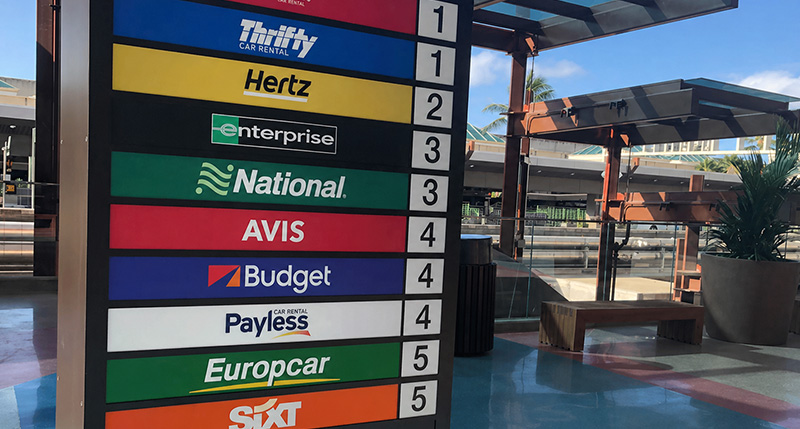
A colorful airport directional sign listing various rental car agencies including Thrifty, Hertz, Enterprise, National, Avis, Budget, Payless, Europcar, and Sixt. Each brand is associated with a specific terminal floor number.

Rental cars make the most sense once you leave big cities and start exploring smaller towns, coastlines, or countryside routes.


Renting a Car

Renting a car usually makes the most sense once you are leaving major cities behind. In places like Rome, Paris, or Bangkok, driving can be more stressful and expensive than helpful.

Where rentals shine is on mixed trips. Use transit in the city first, then pick up a car when you are ready to explore smaller towns, wine regions, coastlines, or countryside routes.

Automatic cars and better navigation matter

On a trip to the Champagne region for a friend’s 40th birthday, two things made the drive much easier: an automatic transmission and a newer car with a strong built-in navigation setup. Apple CarPlay or Android Auto makes a huge difference when road signs, highway exits, and roundabouts start coming quickly.

The manual vs automatic price jump

In many countries, manual cars are standard and automatics cost more. If you need an automatic, reserve early and expect to pay a premium.

Insurance holds and deposits

If you decline the agency’s insurance because your credit card covers it, be ready for a large hold on your card. Make sure your available credit can absorb it without creating problems for the rest of the trip.

International Driving Permit

An International Driving Permit is inexpensive and worth having when required. Even when a rental counter seems relaxed about it, roadside checks can be another story.

Pro Tip
Watch your speed. Camera tickets are common in many countries and can follow you home later.

While budget carriers offer incredibly low base fares, the final cost often depends on how well you navigate their strict luggage and check-in requirements.


Regional and Budget Flights

Budget airlines can make international travel surprisingly cheap, but the base fare is often only the beginning.

The baggage trap

Read the luggage rules carefully. Budget airlines are stricter than many US travelers expect, and bags that feel like a normal carry-on at home may not qualify abroad.

Check-in quirks

Some carriers are aggressive about online check-in deadlines, document checks, and airport fees. Always read your airline’s instructions the day before departure and do not assume the process works the same way everywhere.

If this is your first major international trip, pair this section with the First International Trip Guide so your flight, arrival, documents, and money setup all work together.

Local Guide Tip
Set a reminder to check in online as soon as the window opens. Missing it can turn a cheap ticket into an annoying extra fee.
llustration of travelers with backpacks and rolling luggage boarding a large blue ferry in the Greek Islands, with the Greek flag flying in the background.

In island and coastal destinations, ferries are often part of the transport system, not just a scenic add-on.


Ferries and Boats

In some destinations, ferries are not a side activity. They are part of the transportation system. Think of them like regional buses with waves.

Fast boats vs slower ferries

  • Fast boats: Great when time matters, but they can be rough in choppy conditions.
  • Slower ferries: Less dramatic, often more stable, and sometimes a better experience if you like being out on deck.

Useful booking tools

Build in weather buffer

Ferries cancel more often than trains. If a ferry is part of your route back before a major international flight, leave yourself extra time rather than trying to connect on the same day.

Pro Tip
Pack like you may need to carry your own bag up ramps, over gaps, and into luggage holds. Because you probably will.

Sleeper cars turn a long transit day into a restful overnight experience, allowing you to wake up in a new city without losing a day to travel logistics.


Night Travel

Overnight trains and buses can save daylight hours and reduce hotel nights, but they are not always the smarter option once sleep quality and security are factored in.

Sleeper trains

  • Pros: Efficient, memorable, and often much more comfortable than a night bus.
  • Cons: Popular routes can be expensive and may need to be booked far ahead.

Night buses

  • Pros: Cheap and widely available.
  • Cons: Tough sleep, limited comfort, and more reason to keep valuables on you at all times.
A man in a jacket standing in a bright, modern transit station. He is placing a black backpack into one of many grey and yellow electronic luggage lockers that line the wall.

Luggage storage can turn an awkward checkout gap into a useful final travel day.


Solving Luggage Limbo

The gap between a morning hotel checkout and an evening flight home often results in wasted travel days. Dragging a suitcase over cobblestones or sitting in a lobby for hours ruins the momentum of a trip.

The solution is to identify secure luggage storage early in the itinerary planning phase. Many cities have dedicated locker networks, and transit hubs frequently offer baggage holds that let you explore freely.

If your hotel cannot hold your bags or you are moving neighborhoods, services like Bounce luggage storage let you securely store your luggage at local shops, hotels, and cafes so you can keep exploring without dragging your bag around.

Storage Option Best For Cost
Hotel Front Desk Returning to the same neighborhood before departure. Often free, plus tip where appropriate.
Transit Hub Lockers Direct airport train connections later in the day. Moderate.
App Storage Networks Exploring a different part of the city after checkout. Usually low to moderate.
Pro Tip
If renting an apartment instead of a hotel, ask the host about late checkout options or nearby luggage storage. Private rentals rarely have front desks.
Carry-on Pack with traveler in Rome

Mobility matters more than capacity on travel days. The easier your bag is to carry, the easier everything becomes.


Luggage Strategy for Movement Days

Your luggage determines how easily you move. This is where a one-bag setup becomes a real advantage.

Rolling suitcases work well in airports but struggle on stairs, uneven sidewalks, narrow train aisles, and crowded transit systems. A travel backpack keeps your hands free and lets you move naturally through any environment.

For a full gear breakdown, use the Travel Packing & Gear Guide. For the little things that make travel days easier, see the Small Travel Items Guide.

Build a lighter movement system

Packing lighter is not just about saving space. It is about moving through airports, train stations, ferries, stairs, and city streets without fighting your bag.

Timing and Buffer Strategy

The most common mistake is stacking tight connections. One delay can disrupt your entire day.

Build margin into everything. Add 30 to 60 minutes more than you think you need, especially when switching between airports, trains, ferries, buses, or accommodations. Morning travel is generally more reliable than late-day departures.

The first few hours matter

The first few hours after arrival set the tone for your trip. Do not overplan this window. Focus on the basics. Check in, drop your bags, get a simple meal nearby, and reset. Find a local cafe or bar and sit for 30 to 60 minutes. It helps you absorb the neighborhood and recover from transit fatigue.

Local Guide Tip
A smooth arrival day usually beats an ambitious arrival day. Save the big activity for the next morning.
A person's hand holding an iPhone displaying walking directions on the Google Maps app towards a destination in Manhattan. The screen shows a blue navigation route and travel planning text, illustrating seamless itinerary management.

You do not need a folder full of apps. A few reliable tools for mapping, transit, and communication solve almost every logistical problem.


Essential Apps That Actually Help

You do not need an app for everything. The goal is simplicity, not over-optimization. These are the core tools that solve real logistical problems.

  • Google Maps: Best baseline map tool. Download offline areas before travel days.
  • Rome2Rio: Helpful for comparing buses, trains, ferries, flights, and driving between two places.
  • Citymapper: Excellent for live public transit routing in many major global cities.
  • Airline apps: Essential for boarding passes, gate changes, delays, and check-in reminders.
  • Local ride apps: Uber, Bolt, Grab, Cabify, Careem, or whatever is dominant where you are going.
  • Ferry or rail apps: Useful when ferries or trains are a major part of the trip.

Do not download 20 tools and then forget which one matters. Download the few that match your actual itinerary.

A street scammer in Rome attempting to tie a woven bracelet onto the wrist of a confused male tourist near a historic landmark, while demanding payment.

Most travel scams rely on confusion and rushing. Taking a moment to verify a route or a meter is the easiest way to avoid overpaying.


Scams, Safety, and Common Gotchas

Most transportation scams work because travelers are tired, rushed, or in an unfamiliar setting. Slow the moment down and many bad situations disappear.

The broken meter

If a taxi driver says the meter is broken, that conversation should happen before you get in, not after.

The helpful stranger at the ticket machine

If someone jumps in to help with a kiosk, card reader, or ticket machine, politely decline. It is one of the easiest moments for confusion, bad tickets, or card issues.

The rushed airport decision

Airports are where travelers often overspend. Pause, connect to data, confirm the route, and choose the option you already planned.

For broader travel awareness, read the Travel Safety Guide before your trip.

Pro Tip
Trust your gut. If a driver, station interaction, or booking situation feels off, leave and reset rather than talking yourself into it.

Read More Travel Planning Guides

Practical guides on planning, packing, safety, budgeting, and travel lifestyle so your trip runs smoother from the start.

START HERE

Travel Planning Playbook

Build a smarter trip from the start with a practical framework for timing, logistics, and decision-making.

Read More

FIRST TIME ABROAD

First International Trip Guide

A practical starting point for passports, logistics, money, and landing abroad with less stress.

Read More

PACKING & GEAR

The Ultimate Travel Packing & Gear Guide

Pack lighter, bring what actually matters, and avoid the gear and clothing mistakes that slow trips down.

Read More

MONEY & COSTS

Money & Travel Budgeting Guide

Plan real costs, avoid budget-killing mistakes, and make smarter money decisions before and during your trip.

Read More

STAYING SAFE

Travel Safety Guide

Practical habits that help you stay alert, organized, and more confident when navigating unfamiliar places.

Read More

TRAVEL LIFESTYLE

Different Ways to Travel

Explore different ways to travel, from retirement and slow travel to nomad life and long-term living abroad.

Read More

Getting Around Abroad FAQs

Is it better to take trains or flights abroad?

It depends on the region and distance. In Europe and Japan, trains are usually better for trips under four hours because they connect city centers directly. Flights are better for longer distances, island hops, or regions with limited rail infrastructure.

For most standard train trips, 15 to 30 minutes is enough. Large stations, international trains, sleeper trains, and unfamiliar ticket systems may require more time.

Airport express trains are usually the fastest and most predictable option when available. Rideshare services are often the next best choice. Taxis can work well in regulated cities, but they are not always the cheapest or easiest option.

In many countries, yes. Even where it is not checked at the rental counter, it may still matter if you are stopped while driving. If you plan to rent a car abroad, check the destination requirements before leaving home.

Ask your hotel to hold it, use luggage lockers at major transit hubs, or use app-based storage networks when available. Do not waste your final day dragging a suitcase around town.

Stacking tight connections and not leaving a buffer. A delayed flight, missed train, ferry cancellation, or slow airport exit can create a domino effect. Build 30 to 60 extra minutes into major transitions.

First-Time Around the World Trip: Practical Planning Guide

A wide-angle, back-view shot of two travelers with rolling suitcases walking through a bright, modern airport terminal toward a departure gate.
Home » Travel Planning » Page 2

Last updated: March 2026 by Corey Gasman

From the Editor:

If you are planning your first around-the-world trip, you do not need a perfect itinerary. You need a simple structure that keeps you moving, keeps you safe, and keeps your budget under control.

This guide is built to help you plan the big pieces well: timeline, route strategy, budget, flights, visas, insurance, tech, health, packing, and the checklists that matter once the trip becomes real.

You will not find a rigid day-by-day plan here. Long trips rarely work that way. Flights change, energy changes, budgets change, and sometimes a place is so good you stay longer than planned.

Simple rule: Plan the essentials. Leave space for the life-changing part.

Start Here: How to Think About a World Trip

Around-the-world travel sounds massive, but the planning gets easier when you stop trying to solve the entire year at once. Start with your first region, your first week, your budget range, your documents, and the basic tools that keep the trip moving.

The goal is not to control every detail. The goal is to build enough structure that the trip can flex without falling apart.

Planning first? Start with the broader Travel Planning Hub or the Travel Planning Playbook.

TLGA Rule: A one-year trip does not need a perfect country list. It needs a realistic pace, a money plan, and room to adjust.

Need flight help?

Read: How to Find Great Flights

Packing next?

Read: Travel Packing Guide

A wooden directional signpost against a blue sky, with arrows pointing to various global cities including Singapore, London, Beijing, Paris, and Tokyo, along with their respective distances in kilometers.

Long-term travel works best when you plan the essentials and stop trying to lock in every detail at once.


How to Plan a One-Year World Trip Without Overplanning It

Most people get stuck because they try to solve everything up front: the perfect route, the perfect season, the perfect budget, and the perfect bag. That is not how long trips work.

A better approach is to plan in layers so the trip has shape, but still has enough flexibility to survive real life.

Step 1: Build your non-negotiables

  • Time: Decide whether this is 6 months, 9 months, or a full year.
  • Budget: Set a monthly target that is realistic, not fantasy.
  • Comfort level: Private rooms or dorms, buses or flights, simple meals or frequent splurges.
  • Pace: Slower travel almost always works better on a long trip.

Step 2: Choose regions, not a giant country list

Start with 3 to 5 regions that fit your budget, weather preferences, and travel style. That gives you structure without forcing you to decide every border crossing months in advance.

Step 3: Plan in layers

  • Layer 1: First flight, first week, insurance, passport, and money setup.
  • Layer 2: A few major experiences or places you know you care about.
  • Layer 3: Everything else stays flexible so the trip can evolve.

Local Guide Tip: Long-term travel is less about hacks and more about having repeatable habits for money, documents, health, packing, and decision-making.

An open vintage leather-bound travel journal titled '2026: First-Time Around the World' featuring a timeline with planning notes and custom travel stamps.

The best long trips are planned with structure up front and flexibility built into the middle.


Planning Timeline for an Around-the-World Trip

This timeline works whether you are leaving in a year or pulling everything together much faster. If your departure is soon, compress it. If you have more time, spread it out and reduce the stress.

6 to 12 months out

  • Choose trip length and monthly budget target
  • Check passport expiration and renewal needs
  • Start sketching your route by region
  • Research broad visa patterns for top regions
  • Decide your travel style and pace
  • Start testing your bag setup

3 to 6 months out

  • Book your first flight and first few nights
  • Choose travel insurance
  • Set up no-fee cards and backups
  • Create digital and printed document backups
  • Confirm your phone plan strategy
  • Handle vaccines, prescriptions, or clinic visits

1 to 3 months out

  • Refine the first region based on season and weather
  • Do a full packing rehearsal and cut back
  • Book any time-sensitive hikes, permits, or festivals
  • Handle home details like mail, bills, and storage
  • Create a simple emergency plan

Last 2 weeks

  • Download offline maps and key documents
  • Turn on bank alerts and confirm access
  • Confirm airport transport and first-night arrival plan
  • Pack, then remove a few more things
  • Carry a little local cash for landing day if needed

Pro Tip: If your trip starts smoothly, the whole first month feels easier. Book the first flight, first stay, and first airport transfer before worrying about month eight.

llustrated top-down view of a traveler's desk featuring a world map with pins, a travel journal, hiking boots, a tablet, and a cup of coffee.

Route planning gets easier when you focus on seasons, pace, and energy instead of chasing the longest possible country list.


Picking Destinations and Building a Route That Makes Sense

This is where many first-time long-term travelers spiral. They try to answer every route question before the trip even starts.

A better question is this: what do you want this year to do for you?

  • Reset: beaches, nature, slower days, less pressure
  • Challenge: mountains, long treks, language learning
  • Connection: cities, communities, classes, shared experiences
  • Wonder: history, wildlife, landscapes, iconic places

Use a seasonal flow strategy

Move with the weather instead of fighting it. Warm winters, shoulder seasons in expensive regions, and slower base months in affordable places usually make the trip better and cheaper.

Build your route with big stops and buffers

  • Big stops: the places or experiences that define the trip
  • Buffers: open time for rest, illness, travel delays, or surprise favorites
  • Base months: stretches where you stop moving and just live somewhere for a while

Route sanity checklist

  • Can you stay long enough in each place to actually rest?
  • Are you bouncing across time zones too often?
  • Do you have an affordable region after an expensive one?
  • Have you built in at least one slower month?

My pacing rule: If you are exhausted, slow down. That is not failure. That is long-term travel.

Budgeting for a One-Year Trip in the Real World

Around-the-world budgets vary wildly based on comfort, pace, and destination mix. Instead of chasing one magic number, build a monthly plan that can flex as the trip changes.

Use a simple monthly budget model

  • Fixed costs: insurance, phone, storage, debt, subscriptions
  • Living costs: lodging, food, local transport
  • Experience costs: tours, activities, big meals, events
  • Move days: flights, trains, buses, baggage fees
  • Buffer: repairs, medical issues, last-minute changes, mistakes

The two-card rule

Carry at least two cards that work internationally and keep them in different places. Assume one will get lost, locked, or compromised at some point.

Pro Tip: Fast travel costs more than most people expect. Every move day creates extra spending, extra stress, and extra opportunities for fatigue.

For the full money breakdown, read the Travel Budget Guide.

Flights, Visas, Insurance, and the Details That Matter Most

Passports, visas, and entry rules

  • Make sure your passport has plenty of validity left before departure
  • Check entry rules country by country as your route firms up
  • Keep digital copies and printed backups of key documents
  • Know whether onward travel proof is common in your next region

For official U.S. traveler information, check the U.S. Department of State travel site.

Insurance and health basics

  • Choose coverage that handles real medical emergencies
  • Understand exclusions before you rely on it
  • Carry a small pharmacy you know how to use
  • Keep vaccination records and prescriptions accessible

For destination-specific health guidance, check the CDC Travelers’ Health site.

Money, connectivity, and flight strategy

  • Use bank cards with low fees and reliable app access
  • Have a phone setup that works with eSIMs or local SIMs
  • Use major gateway cities for bigger jumps between regions
  • Give yourself recovery time after long-haul travel days

Keep this simple: smooth arrivals matter more than perfect deals. Book the first landing well, know how you are getting from the airport, and have your first nights easy.

For transportation planning, read Getting Around Abroad. For flight planning, read How to Find Great Flights.

Illustration of an open travel tech organizer on a wooden table, neatly packed with a white power adapter, portable charger, and rolled charging cables in mesh pockets.

A modular tech setup makes airport days, work sessions, and constant charging much easier on a long trip.


The Modular Tech Kit That Actually Works on a Long Trip

Your tech is not just gear. It is your map, boarding pass, camera, bank access, communication tool, and backup brain. Keep it organized and easy to reach.

Your daily pouch

  • Power bank
  • Compact fast-charging cable setup
  • Noise-canceling earbuds
  • Phone, passport, pen, and the essentials you reach for constantly

Your base or work kit

  • Multi-port charger
  • Global adapter
  • Laptop and compact accessories
  • Backups for anything you truly depend on

Local Guide Tip: Think in layers: one small pouch for transit, one larger kit for longer stays. That keeps airports easy and apartments organized.

For more help building a clean setup, read the Best Tech Organizers guide and the Best Travel Chargers guide.

Doctor administering a travel vaccination to a male traveler in a medical clinic with a world map in the background.

A pre-trip health plan matters more on a long trip because small issues become much harder when you are constantly moving.


Travel Health and Vaccinations Before a Long Trip

For a one-year trip, your health plan is not only about vaccines. It is about reducing preventable problems and making sure you can handle routine issues while far from home.

Start with a travel clinic or doctor visit

  • Review your route and expected climates
  • Make sure routine boosters are current
  • Ask about destination-specific vaccines or medications
  • Handle prescriptions early if you need refills or documentation

Build a practical health setup

  • Carry basic meds you understand
  • Keep copies of prescriptions and important records
  • Know what your insurance expects in an emergency
  • Do not ignore sleep, hydration, recovery, and food quality

Pro Tip: A long trip gets easier when you treat health like part of trip planning instead of a last-minute task. The basics matter more than most travelers think.

Packing for a Year: Carry Less, Live Better

Overpacking is one of the fastest ways to make a dream trip feel heavier than it needs to. Your goal is not to bring everything. Your goal is to stay adaptable, comfortable, and mobile.

My packing philosophy

  • Wear one, wash one, pack one
  • Everything should mix and match
  • Repeating outfits is normal
  • You can buy things on the road

The categories that deserve extra thought

  • Footwear: comfort wins
  • Layers: temperature swings are constant
  • Rain protection: quick-dry matters
  • Organization: separation keeps your bag sane
  • Security: backups, locks, and smart storage

Carry-on vs checked bag

If you can do carry-on only, life gets easier. If you need a checked bag, build your setup around that reality and keep essentials with you.

Best test: live out of your packed bag at home for a week before departure.

For more packing help, read the Travel Packing Guide, One Bag Travel Guide, and What to Pack for Every Trip.

Master Checklists for a First Around-the-World Trip

Pre-Trip Checklist
  • Passport valid well beyond your return window
  • Insurance chosen and active
  • Two international cards stored separately
  • Document backups created digitally and in print
  • Phone plan strategy decided
  • Main packing list tested
  • Home details handled
  • Emergency contacts saved offline
  • Get local cash or confirm ATM access
  • Activate SIM or eSIM
  • Download offline maps
  • Set up safe storage for passport and backup card
  • Do a grocery or essentials run
  • Book one easy win experience to build momentum
  • Review spending
  • Back up photos and files
  • Check visa timing and onward travel details
  • Choose the next stop based on weather, cost, and energy
  • Schedule at least one low-effort day
  • Printed passport copy stored separately
  • Digital copies saved securely
  • Emergency cash separated from daily cash
  • Backup card hidden in another bag
  • Bank alerts turned on
  • Two-factor protection enabled on key accounts

Your Big Trip Starts With One Booked Step

If you have been dreaming about a year-long trip for a long time, here is the truth: it will probably never feel perfectly ready. The travelers who go are usually the ones who book the first step and figure out the rest with a little structure and a lot of adjustment along the way.

Start with the first region, the first week, and the routines that keep the rest of the year manageable.

What to plan next

  • A realistic first-region route
  • Your best base-month locations
  • Your must-book flights and flexible gaps

Travel Planning Guides

Everything you need to plan smarter, pack better, stay safer, and travel with more confidence.

Start Here: Featured Travel Planning Hubs

These are the main starting points for planning a better trip, packing lighter, and staying safer abroad.

ALL GUIDES

Travel Planning: Start Here

Browse the full collection of travel planning guides covering timing, packing, budgeting, safety, and smarter decisions before you go.

Read More

STEP-BY-STEP GUIDE

How to Plan a Trip: The Playbook

A practical, step-by-step approach to planning a smoother, smarter trip from start to finish.

Read More

NEW TO INTERNATIONAL TRAVEL

First International Trip Guide

A clear, beginner-friendly guide to passports, flights, money, and what to expect when traveling abroad.

Read More

STAY SAFE

Travel Safety Guide

Practical habits that help you stay alert, organized, and more confident in unfamiliar places.

Read More

Frequently Asked Questions

How far in advance should I book flights for a year-long trip?

Book the first flight and the first stay so you land smoothly. After that, flexibility usually beats locking in too much too early.

Not always. Some travelers love them, but many people do better booking major region jumps and staying flexible inside each region.

Slow down on purpose. Stay longer, build base months, and stop treating every day like it needs to be productive or exciting.

Moving too fast. It costs more, creates more fatigue, and usually makes the trip blur together.

There is no perfect number. Fewer places with more depth often create a better experience than chasing the biggest count possible.

It can be, especially when you build smart habits for money, documents, health, communication, and recovery.

One-Bag Travel Guide: How to Travel Lighter

A smiling senior couple walking confidently through a bright, modern airport terminal, each traveling light with only a single carry-on bag.

One-Bag Travel Guide: How to Travel Lighter

A smiling senior couple walking confidently through a bright, modern airport terminal, each traveling light with only a single carry-on bag.

Breezing past baggage claim is not just convenient. It changes how your entire trip feels from day one.


Home » Travel Planning » Page 2

Last updated: February 2026 by Corey Gasman

TLGA Travel Truth
Packing light is not a badge. It is a smoother trip. Less friction, fewer small frustrations, and more energy for the parts of travel that actually matter.

There is something incredibly freeing about traveling with one bag. No baggage claim. No dragging luggage across cobblestones. No lifting a heavy suitcase into taxis, trains, and overhead bins.

For most travelers, especially as trips get longer or more active, packing light becomes less about minimalism and more about comfort. Less strain on your body. Fewer awkward lifts. More flexibility when plans shift.

This is not a packing list. This guide is about the travel style behind one-bag travel: moving easier, packing with less fear, skipping baggage claim, and choosing a bag you can actually carry through airports, trains, stairs, and city streets. For the exact list of what to pack, read the Carry-On Packing Guide. For the broader packing and gear strategy, start with the Travel Packing & Gear Guide.


Why one-bag travel is easier on your body

You feel the difference immediately. A lighter bag means less pulling, lifting, and stabilizing all day long. That adds up fast, especially on trips where you move more than you do at home.

  • Less strain on shoulders and back: A lighter load reduces fatigue on long travel days.
  • Easier stairs and uneven surfaces: Old cities were not built for rolling luggage.
  • Fewer risky lifts: Overhead bins and taxis are where small injuries happen.
  • More energy for the good stuff: Markets, museums, and long walks feel easier.

The goal is not to bring less just to bring less. The goal is to move through your trip with less effort and more control.

Pro Tip: If you cannot lift your packed carry-on into an overhead bin without straining, it is too heavy. Fix it before you leave.

The mindset shift that makes this work

Most overpacking comes from one place. Fear.

Fear of being underprepared. Fear of outfit repetition. Fear of not having the perfect item for every possible situation.

One-bag travel is a simple trade. You give up some variety in exchange for smoother days.

  • Plan outfits, not items: Every piece should work with multiple combinations.
  • Use a tight color palette: Neutrals plus one accent color keeps everything interchangeable.
  • Repeat on purpose: Nobody notices. And if they do, it does not matter.
  • Build in laundry: That is what unlocks longer trips with fewer items.
Local Guide Tip: If you are deciding between two similar items, choose the one that dries faster. That one decision makes everything easier.

Choose the right carry-on

The best bag is not about brand. It is about how it feels when you are tired, moving fast, and slightly annoyed.

  • Carry-on compliant: Always double check airline limits, especially for international and budget carriers.
  • Lightweight build: A heavy suitcase works against you before you even start packing.
  • Comfortable to carry: If it feels awkward in the store, it will feel worse in real life.
  • Simple organization: Enough structure to stay tidy without overcomplicating it.

If you want a deeper breakdown of bags and what actually works, see Essential Travel Gear.

Pro Tip: Pack your bag fully at home and walk a few blocks with it. Take it up stairs. That quick test tells you everything.

How to Decide What Goes in Your One Bag

This is not meant to replace a full packing list. It is a simple structure that keeps you from overpacking.

Clothing core

  • 3 tops (2 casual, 1 slightly nicer)
  • 2 bottoms (1 primary, 1 versatile)
  • 1 light layer
  • 1 dressy option
  • 1 sleep set
  • 4 underwear
  • 3 socks

Shoes

  • 1 primary walking shoe
  • 1 lightweight secondary option

Accessories

  • 1 scarf or wrap
  • 1 compact day bag
  • 1 packable hat (if needed)
Keep it simple
If an item does not work in at least three outfits, it is a maybe. If it only works once, it stays home.

For a full breakdown of exactly what to pack, go deeper here: Complete Packing List.


Clothing that earns its place

The goal is simple. Clothes that look good, feel good, and still work after a full day of walking.

  • Dark tops: easier to rewear without showing wear
  • Lightweight button-up: layer, sun protection, or dinner upgrade
  • Stretch travel pants: comfortable on flights, still look put together
  • Simple dress or collared option: easy upgrade for evenings
  • Packable rain layer: small item, big impact when needed

If it only works for one specific moment, it usually is not worth bringing.


A simple packing approach

You do not need a complicated system. You just need consistency.

  • Use packing cubes: keeps everything organized and easy to access
  • Stick to one method: roll or fold, just stay consistent
  • Wear your bulkiest items: jacket and heavy shoes stay out of the bag
  • Keep toiletries minimal: small kit, refillable containers

If you want to go deeper on technique, see Packing Tips & Space-Saving Strategies.

Local Guide Tip: A clean, organized bag reduces stress more than you expect. You stop digging. You stop repacking constantly.

Laundry is the unlock

This is the part most people resist, but it is what makes one-bag travel realistic.

  • Sink wash basics: underwear and light tops dry overnight
  • One laundry stop per week: keeps everything fresh
  • Quick-dry fabrics: make the whole system work

If you want a simple reference for fabric performance and drying times, REI has a solid breakdown of travel fabrics and layering.


Final thought

One-bag travel is not about bringing less. It is about making your trip easier.

Fewer heavy lifts. Fewer decisions. Fewer small frustrations that quietly drain your energy.

Build a bag you can carry comfortably. Choose pieces that work together. Keep things simple.

The result is not just lighter luggage. It is a lighter travel experience from the moment you leave home.


FAQs

How many days can you travel with one carry-on?

With a simple laundry plan, you can travel indefinitely. Without laundry, five to ten days is comfortable for most trips depending on climate and activities.

If your trip includes stairs, cobblestones, or public transit, a backpack is often easier. For smoother trips with fewer transfers, a rolling carry-on can be more comfortable.

Packing duplicates and “just in case” items. Focus on versatile pieces that work together instead of bringing backups.

Cut down to two pairs of shoes and remove any outfit that only works once. Build around items that mix and match easily.

The Two-Step Security Routine: Protecting Your Documents and Cash

Security light

The Two-Step Security Routine: Protecting Your Documents and Cash

A person holding a smartphone displaying an online banking login screen with a blurred background of travel gear and a passport.

Digital backups and mobile banking access are your first line of defense when managing travel funds on the go.


Home » Travel Planning » Page 2

Last updated: February 2026 by Corey Gasman

TLGA Travel Truth
Travel safety is not about paranoia. It is about options. When something goes wrong, you want a second move ready.

Losing a wallet, passport, or credit card is one of the fastest ways for a trip to unravel. What turns a small inconvenience into a full-blown crisis is usually not the loss itself. It is the absence of a backup plan.

My system is simple and repeatable: one digital backup and one physical backup, stored separately from what I carry day to day. It assumes that real life will happen. Bags get lost. Phones get stolen. Wi-Fi fails.


Why one backup is not enough

Many travelers rely on a single layer of protection. Some keep digital copies and assume cloud access will always be available. Others carry photocopies but forget that wallets and bags are often stolen together.

Travel disruptions rarely happen in isolation. Phones disappear with wallets. Backpacks vanish with everything inside. Internet access drops exactly when you need it most.

Two layers work because they plan for overlapping failures. If one system collapses, the other is still standing.

Pro Tip: If your backup is stored in the same place as your passport or wallet, it is not a backup. It is just a duplicate.

Step one: Create a digital backup you can access anywhere

Your digital backup is your fastest recovery tool. It gives you immediate access to critical information even if your physical documents are gone.

What to store digitally

  • A clear scan or photo of your passport ID page
  • Front and back images of credit and debit cards
  • Travel insurance policy details
  • Visa documents or entry permits if required
  • Emergency contact numbers and embassy details

How to store it safely

Use a reputable cloud storage service protected by a strong password and two-factor authentication. Avoid keeping these files only in your phone gallery. If the phone is gone, so are those files.

Name everything clearly. Keep it all inside one obvious folder labeled “Travel Documents” so you can find it quickly under stress.

Local Guide Tip: Before departure, log in from a different device and open every file. If it works at home, it will work when you actually need it.

Step two: Carry a physical backup stored separately

Digital backups are powerful, but they are not always enough. Some situations move faster with paper, especially with banks, border officials, or local police.

What to carry physically

  • A photocopy of your passport photo page
  • A printed list of credit card numbers and bank contact details
  • A small amount of emergency cash in local currency or USD

Where to store it

Separation is the rule. Your physical backup should never live in the same place as your wallet or passport.

  • A hidden pocket in your luggage
  • A slim pouch worn under clothing on transit days
  • A secure pouch kept in your accommodation

If you are traveling with a partner, split backups between you. That one decision alone prevents the “everything is gone” scenario.

Pro Tip: On big travel days, treat your passport like a hotel key. It has one job. Stay secure until you truly need it.

How this prevents travel disasters

Imagine losing your wallet on public transportation. With no backups, you are suddenly without identification, payment methods, or a clear next step.

With this two-step system in place, you still have digital card details to cancel accounts immediately, passport copies to begin replacement procedures, and emergency cash to get through the next few days.

What could have ended the trip becomes a manageable inconvenience.

Keep it simple
This routine takes about fifteen minutes to set up once, and two minutes to refresh before each trip.
A hand holding a variety of colorful international banknotes, including Euro and British Pound notes, with a passport visible in the background.

Splitting your cash into multiple secure locations ensures that a single incident never leaves you without local currency.


Managing cash without making yourself a target

Carrying a large amount of cash in one place increases risk. Instead, divide cash into small amounts and store it in multiple locations.

Keep only what you need for the day in your wallet. Store additional cash with your physical backup or in your accommodation safe. A single incident should never leave you completely without funds.


Make the routine automatic

The two-step routine works best when it becomes part of your standard packing process. Set it up before every trip, even short ones.

Update documents when cards expire or passports are renewed. Confirm login access before departure. Once established, the system becomes quiet insurance.


Final thoughts

Smart travel is not about eliminating risk. It is about making sure one mistake does not derail the entire experience.

When you maintain both a digital backup and a physical backup stored separately, you travel with more control and less background stress. That is the real win.